
It’s no secret that the Scandinavian countries of Europe are among the most expensive countries in the world to visit; especially when you are coming from the Philippines. Sobrang layo na nun,beh. You can already breathe in the cold air from the north pole, at di mo na ramdam yung equator from there. Chot! Intimidating puntahan? Medyo siguro at first. Posibleng nakakatakot yung gasto? Pag demanding ka,definitely. Pag mababa naman standards mo sa pagbabakasyon, carry na yun. Para sa mga pusang gala tulad ko, lahat naman pwedeng gawan ng paraan para makamura.
Scandinavia as a backpacking destination? kayang kaya!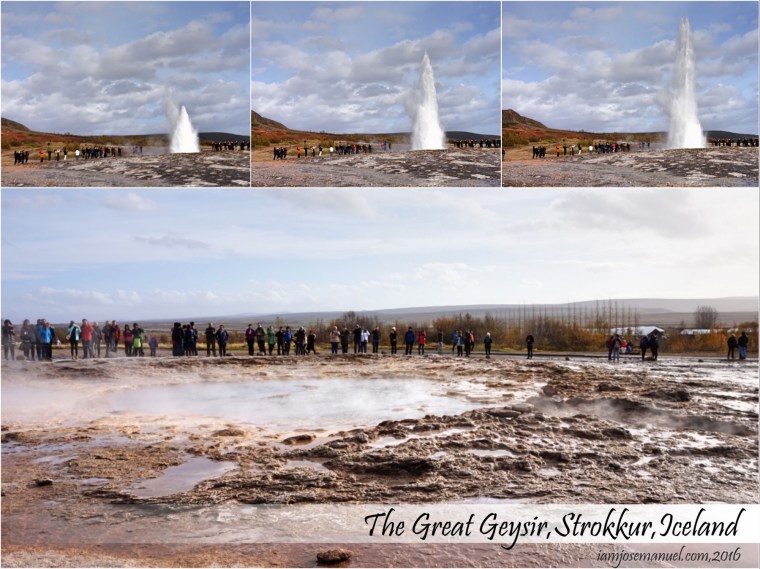

Sa mga nagtatanong lang, Scandinavian peninsula covers the Northern region of Europe. Sali dito ang Kingdoms of Sweden, Norway, Denmark, Finland and Iceland. May ibang articles din na sinasali ung Greenland. Kung meron man akong na miss-out, then sumbong nyo lang sa barangay.
Sa article na to, I will be discussing how to budget a 10-days backpacking trip across Stockholm(Sweden), Oslo(Norway), and lastly, Iceland, which was really the purpose of my trip. Lalatag ko na secret formulas ko sa planning ha? Wag kayong ano jan.
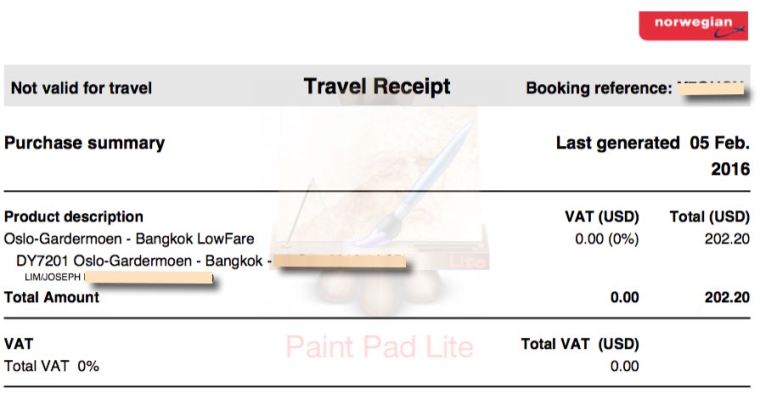
How I booked my flights. To be honest, wala sa plano ko magbackpacking ng Europe this year. Gasto beh. Nag iipon sana ako pambili ng pag-ibig. Chot. Pero seriously, all these only started when I encountered a super-sale ticket with Norwegian Airline last Feb 2016. It only costs around Php 18,000.00 roundtrip Bangkok to Stockholm, then Oslo back to Bangkok. This Round trip ticket is already too good to miss. (Hello Europe yan, nasa 40k to 50k ang regular nyan.) Pero ang catch kung bakit sobrang mura? 1) No check-in baggage, and 2) No food included. If I added food, + Php 5,000.00. Pero sa totoo lang, hindi yun issue sa akin. Sanay ako magbaon, at di naman yun bawal sa plane (basta wag lang masabaw o beyond 100ml ang sarsa ng afritada mo). Sandwiches,Pizza slices, apple, pears, etc.. ok na un for an 11 hours ride, and usually may pabenta tlga nito sa mga airports abroad. Tsaka, matutulog ka lang din naman mostly. Aside sa binili kong mineral water dun sa departure hall, may dala ako water bottle. Refill ko lang before departure. And also in flight, pwede naman humingi ng tubig.

Yung flight from Manila to Bangkok and back,I did not worry so much kasi madalas naman un sale with Cebu Pacific.
As proof,here are my tickets.
 From Stockholm, relatively affordable na lang ang plane tickets to Iceland. Salamat sa skyscanner.com to help travellers book a good deal. Ito ang pasample kung pano ako mag hanap ng cheap. Though the screenshots below are not the exact flights that I got into last month, the concept of finding tickets is the same. For the purpose of costing, I will be using the values given below as reference.

Stockholm to Reykjavik Ticket comparison in Month mode. This is among skyscanner.com’s most convenient feature.

How I applied for Tourist Visa and other requirements. Here’s a reference to check. https://iamjosemanuel.com/2015/06/16/applying-schengen-visa-through-the-netherlands-embassy-in-the-philippines/
Airport Transfers when you get there. Mahalagang factor din ang pagcocommute from the airport to the city, because unlike NAIA, malalayo tlga airports nila dun; Say around 1 hour travel pa. As I’ve read, mas logical pa din if you choose public bus over train. Though the public(regional) trains are some pesos cheaper, it might require transfers pa, which would be a hassle. Maliban sa Reykjavik, All my airport transfers were settled at the airport na upon arrival. May wifi naman so you can connect and purchase online. Cheaper that way. Will discuss more of his as soon as I blog for the individual cities nah.
THE ESTIMATED COST. 10 DAYS, 3 SCANDINAVIAN CITIES. Ito po yung inabot ng gasto ko. Ito naman ung Itinerary that I followed when I was in Stockholm,Oslo and Reykjavik. Maliban sa Northern Light tour ng Reykjavik (see https://iamjosemanuel.com/2016/11/06/backpacking-iceland-on-a-cheap-things-to-dowhere-to-stay-and-stuff/ ), everything on the list is based on my personal experience and budgeting.


Overall Summary of Cost
ASSESSMENT.
- Yes po, Scandinavia definitely isn’t the cheapest backpacking destination. Pero beh, Iceland pinunta ko dun, at lahat ng pinaghandaan kong budget was worth all the feels. Sobrang ganda. Incomparable. Kaya nga sinadya kong maging relax ang pace ko when I was there, kasi di tayo basta bastang makaka balik dun.
- Kung gusto nyo makarami ng European countries na pupuntahan with relatively the same cost as above, then choose the cluster of countries near France.
- My spending could have been cheaper by say 20%, if I tapped with couchsurfing. Kaso with the limited time, at malalayo from the city yun hosts, mas pinili ko nalang mag hostel/dorm within, o that is walkable from the city center, nang makarami. The 1200-1500 Pesos per night is not bad na actually for a dorm bed. May standard naman na sinusunod ang Europe to provide accommodations. Sa magtatanong, Couchsurfing is like an organization ng backpackers,na pwede kang makitira o mai-host sa destination mo. Google nyo lang.
- On going around Iceland, some backpackers tend to just rent a car and share the fee and gas. Mas makaka mura kyo sa ganun if ever. However, I opt to join na a group tour, particularly with Reykjavik Excursions for my Golden Circle Tour, kasi nakaka tuwa din naman ung ma brief ka with the country’s history (and intrigues). =)
- All my hostels/Dorms have been prebooked with Agoda.com and Hostelworld.com
- Sa pagkain naman, nagtipid ako, pero definitely di ko ginutom sarili ko noh. Masaya naman ako kumain sa mga street food at average diners lang. OK na ako dun. Cguro sa bawat destination, I only allow myself 1-3 above average priced meals. Lalo na sa Iceland, nag grocery ako dun sa “Bonus” supermarket.
- Di ako masyado nag museum during the trip. Mas ok ako sa city tour tlga than museums. Sa Oslo lang ako pumasok at Astrup Fearnley.
- No shopping policy applied. Di ako pumasok sa H&M kahit alam kong may sale. haha. Kapagod din mag dala pauwi. Wala pa nmn ako check in baggage.
Sana naman ay may maicontribute ang post ko sa mga nagbabalak mag backpacking ng Scandinavia. Though there were cheaper options, my ways and means for this trip had been rather practical, than just going for the cheapest. Feel free to pattern your preparations with mine. Better yet, improve it. =) Will share a more detailed for each city, on a separate blog posts to follow. 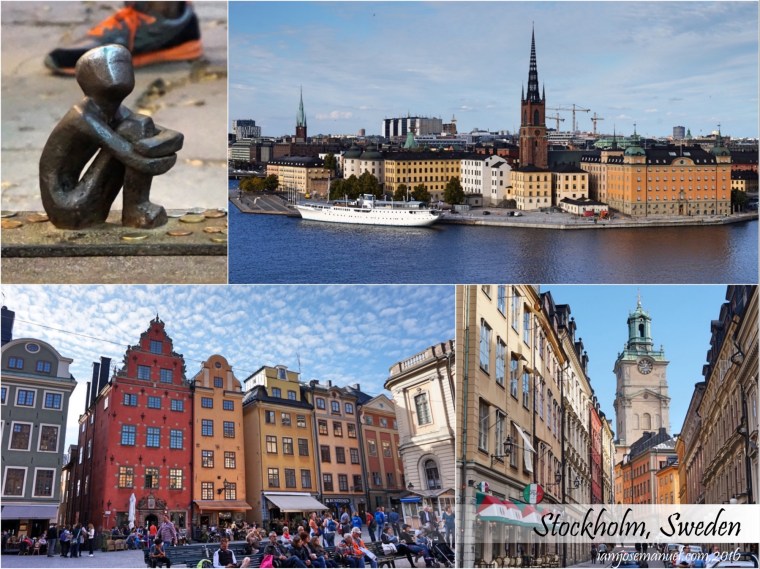





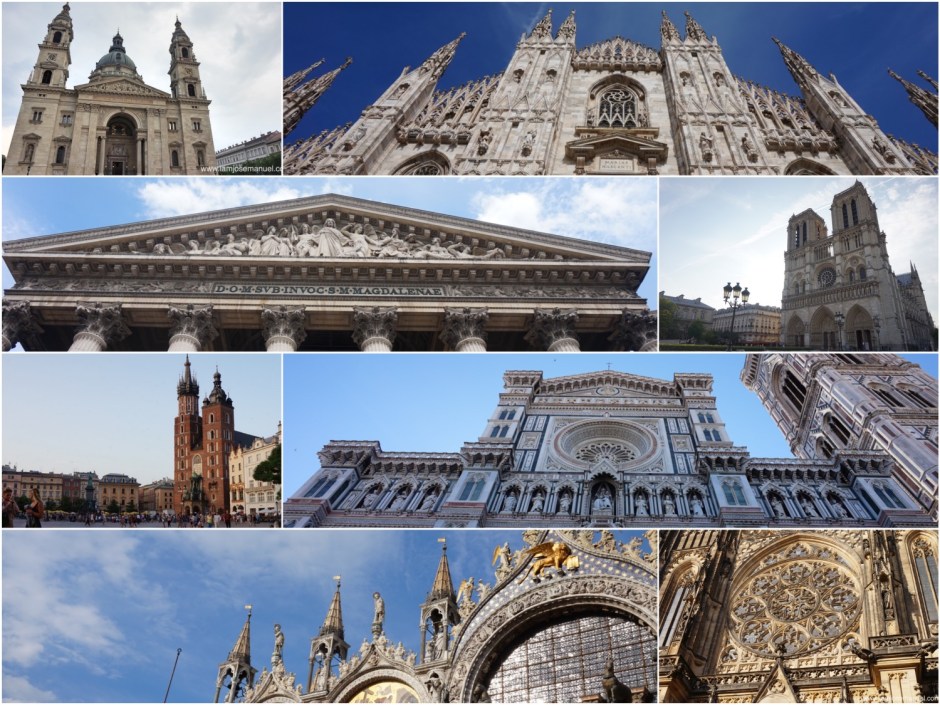

 Although this Roman Catholic Church is relatively new (completed 1905), the church impressively stands at the middle of the a crossing that its tallest towers can splendidly be seen from blocks away. It effortlessly became one of my favourites. The church also has one of the most impressive altars I have seen, to which I shall be featuring on a separate post. Architectural Style : Neo Classical
 Here is another cathedral named after St. Stephen, that is amazing it its own right. The original structure was completed 1160, and underwent a number of restorations due to fire and war. However, the structural and most of its facade and details remain original. The most amazing feature of the church is probably its tiled roof with geometric patterns, that is unlike any other. Architectural Style : Gothic
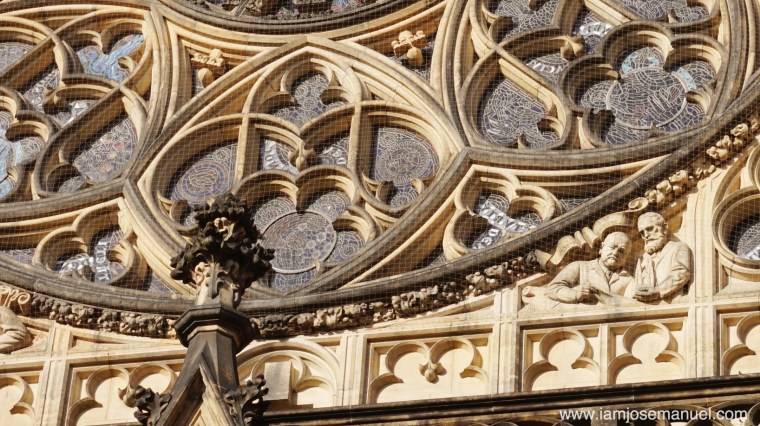
 Original structure completed 1344, the church completely embodies the Goth-bohemian character of Prague with its impressive exterior embellishments. The facade still has burn marks on the walls from several fire accidents of the past, to which somewhat gave the church a story to tell. Architectural Style: Gothic
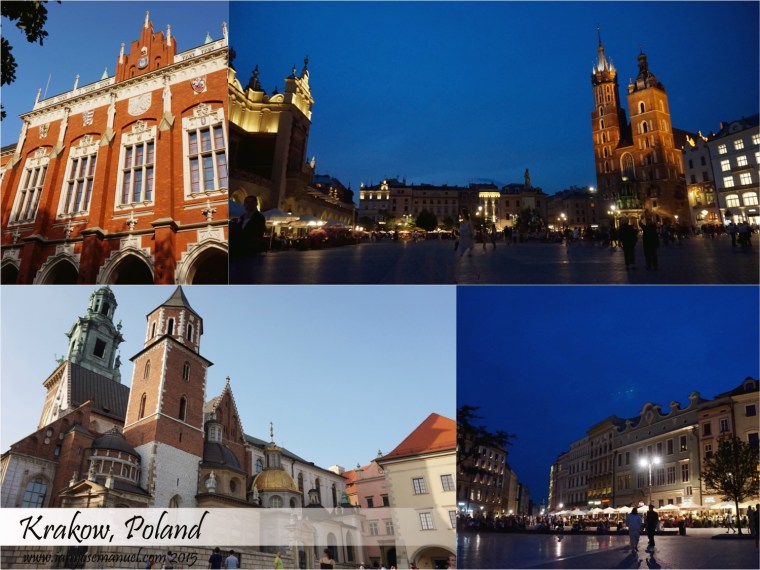
 St Mary’s of Krakow is a unique Brick-Cladded church, originally built in the early 13th century. The very tall church proudly stands like two guardians. Krakow is among the most beautiful towns I have visited; And indeed, its church and square has one of the most beautiful setting. By tradition, a golden trumpet is blown every full hour from the window of the higher tower. This is still practiced until today. Architectural Style: Gothic
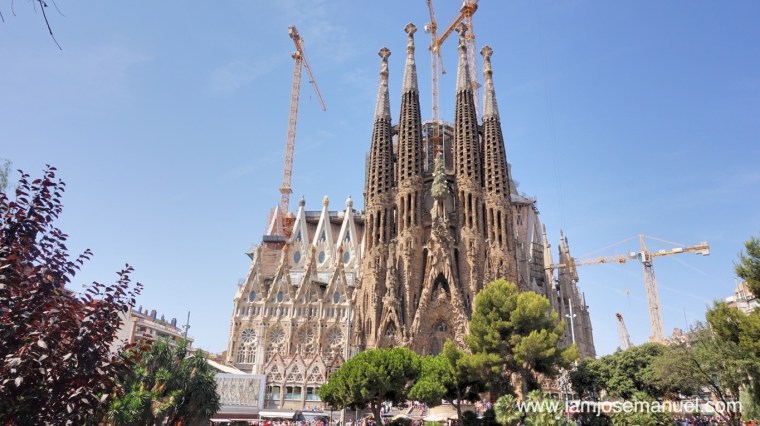
 Barcelona Cathedral(Original Structure constructed 1298 to 1420) is another Gothic church with a beautiful set up, worthy of praises. The Spanish steps elevated the church to a more impressive view and an ethereal feel. Although the Sagrada Familia is the more famous, it is yet to be completed and there are cranes and lifts around its towers. Based on perfect setting, this church is the most beautiful in Barcelona. Architectural Style: Gothic
 The Notre-Dame de Paris was among the first buildings to use the flying buttress, or the additional reversed L shaped support placed on the outer side walls for further stability, and later became part of the design pattern. The box type bell towers at the front also made the church distinct from others. And who doesn’t know Victor Hugo’s Hunchback of Notre Dame? Architectural Style: Gothic
 I must admit that the 90’s movie ‘Madeline’ did have an impact for me to like this church so much. =) Architectural Style: Neo clasical
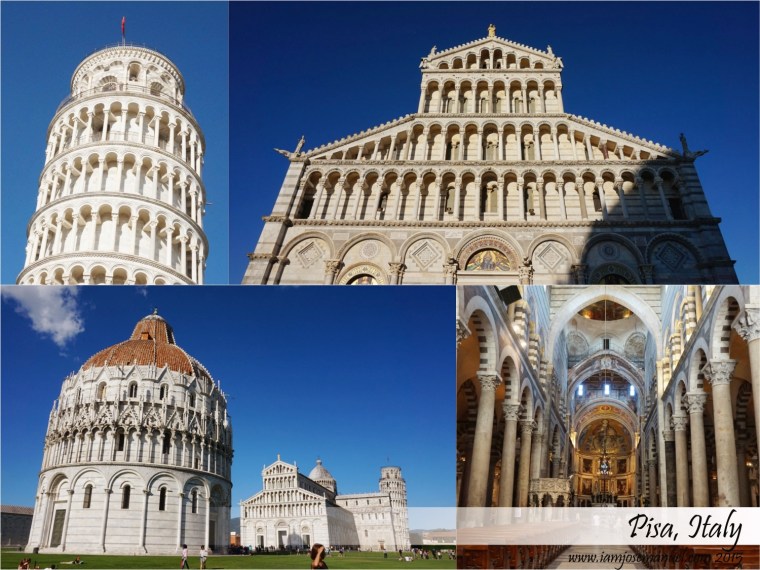
 The Pisa Cathedral is probably the oldest in the list (construction started 1064). The baluster-like posts at the facade are each made of solid white marble, and most of the original posts were picked by the Romans from the ruins of Greece. Behind this church is the famous leaning tower. Architectural Style: Romanesque.
 Romanesque (pre-gothic time)was prevalent especially in the 11th and 12th centuries and characterized by massive walls, round arches, and relatively simple ornamentation and less window openings since structural design are yet to be further developed during that time.

 Milan Cathedral, Italy (Construction started 1836). With the capacity of 40,000 pax, Milan Cathedral is the 2nd biggest, next to St. Peter’s in Vatican. And with 3,400 statues, 135 gargoyles and 700 figures in all, Milan Cathedral has the most impressive number of decorative statues. Impressive in every angle, this church easily because one of my favourites. Architectural Style: Gothic
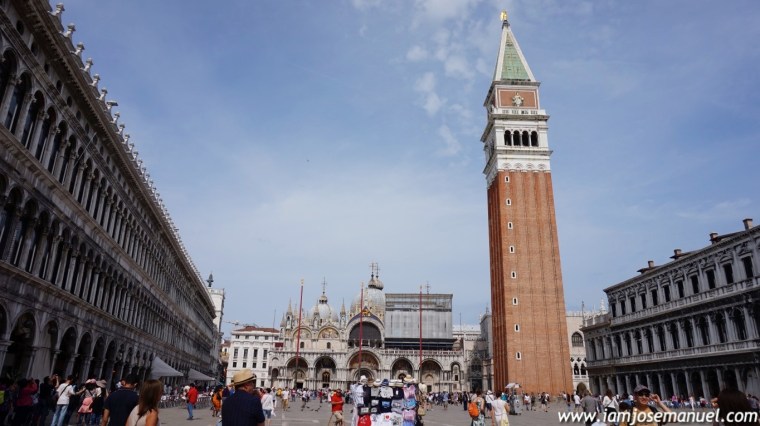 St Mark’s Cathedral (Construction started 1084). Located in the East Isles of Italy, Venice shared a lot of its history with the Turks, as such, the Byzantine Architecture is very evident on the city’s most celebrated church. The Gold facade embellishments, pointy arches and mosaic art frescos and colored glass chandeliers are among the adopted characters from the Turks, and have clearly made this catholic church a ‘one of a kind’. Architectural Style: Byzantine
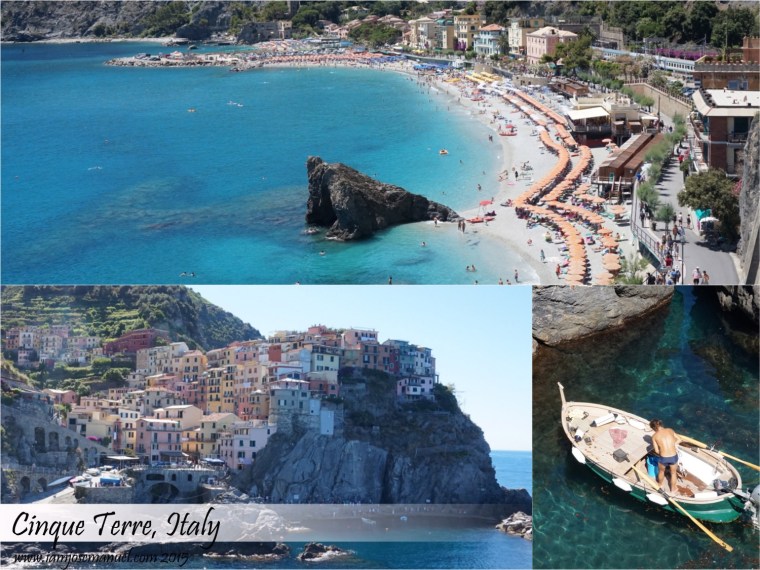
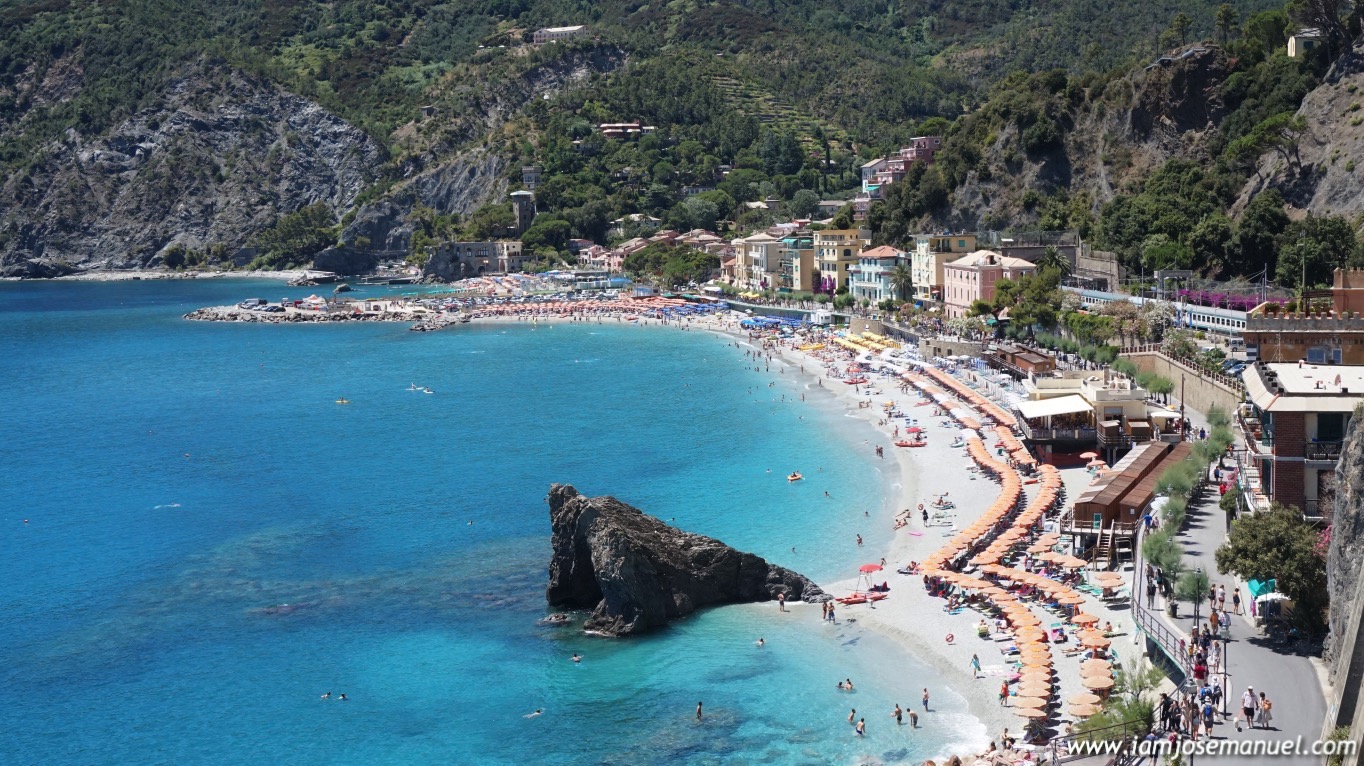
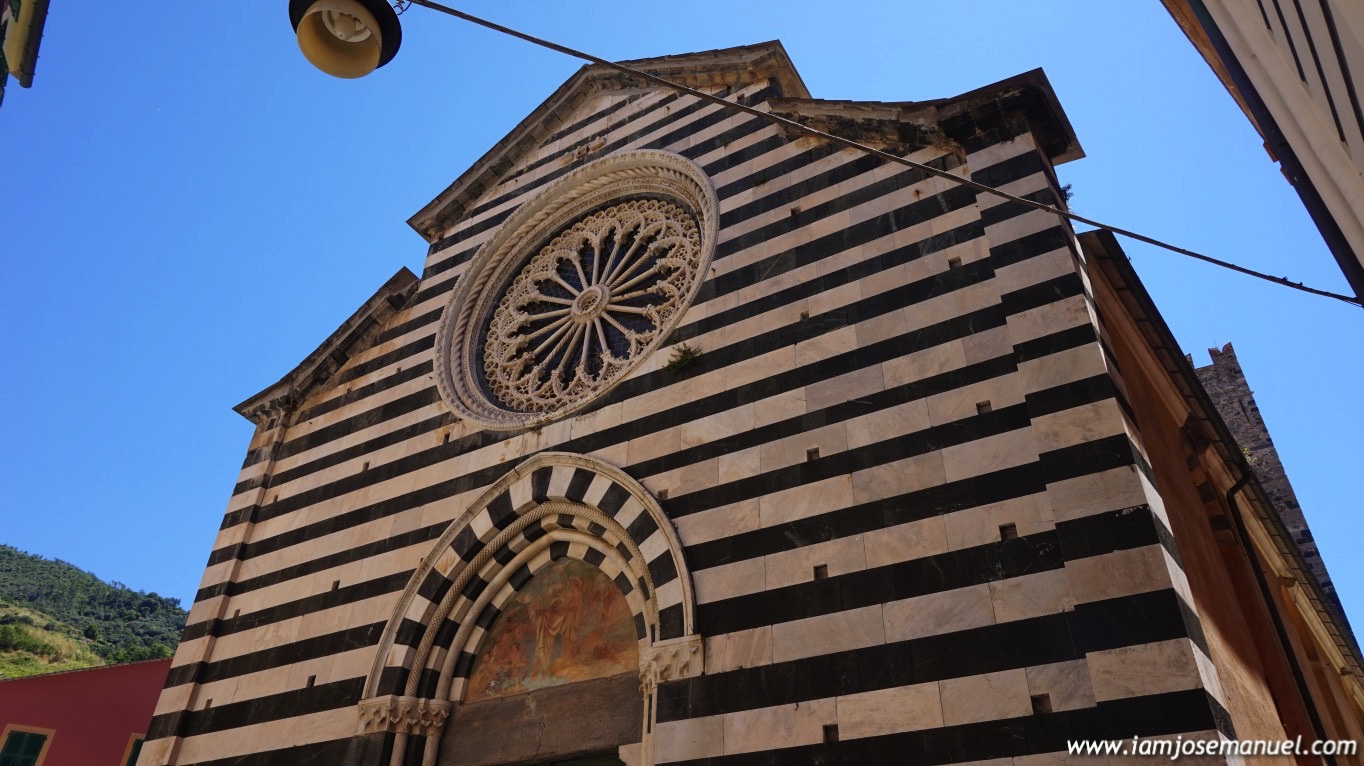
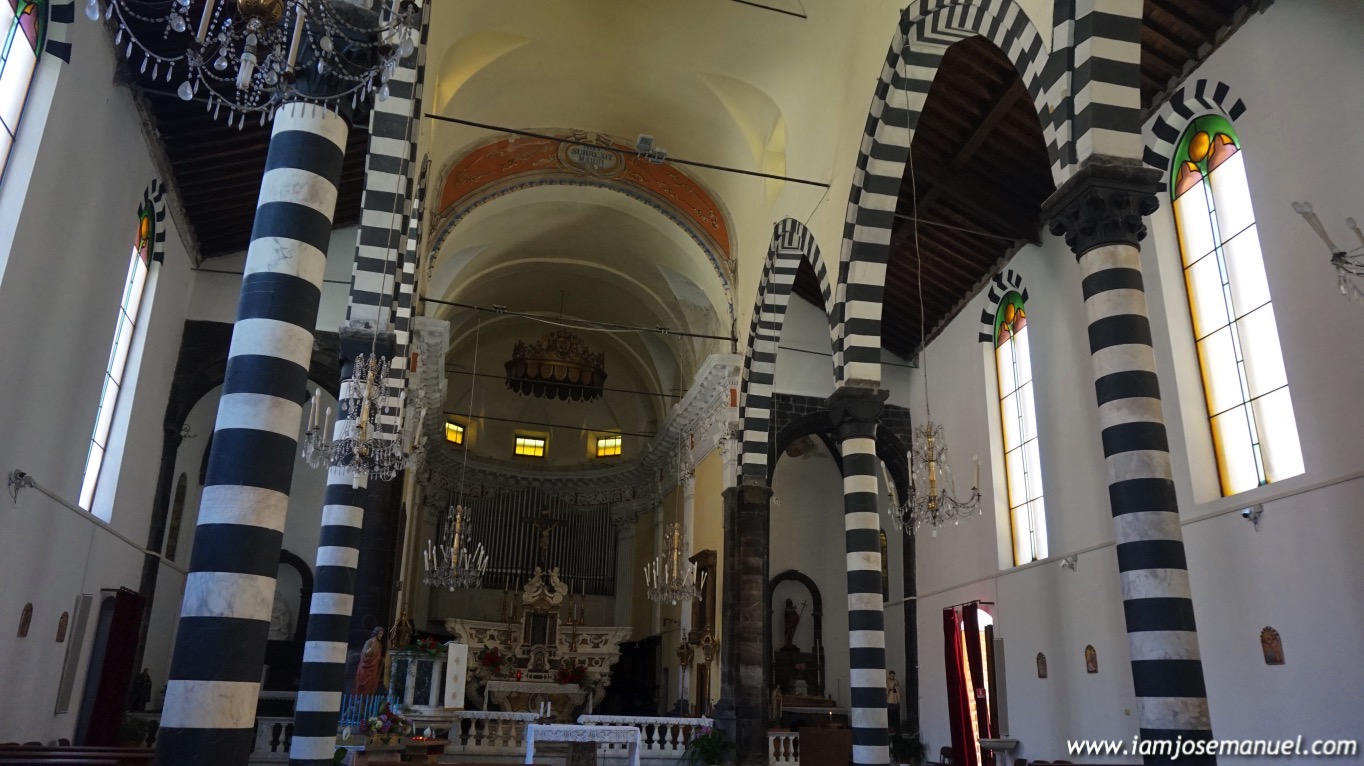
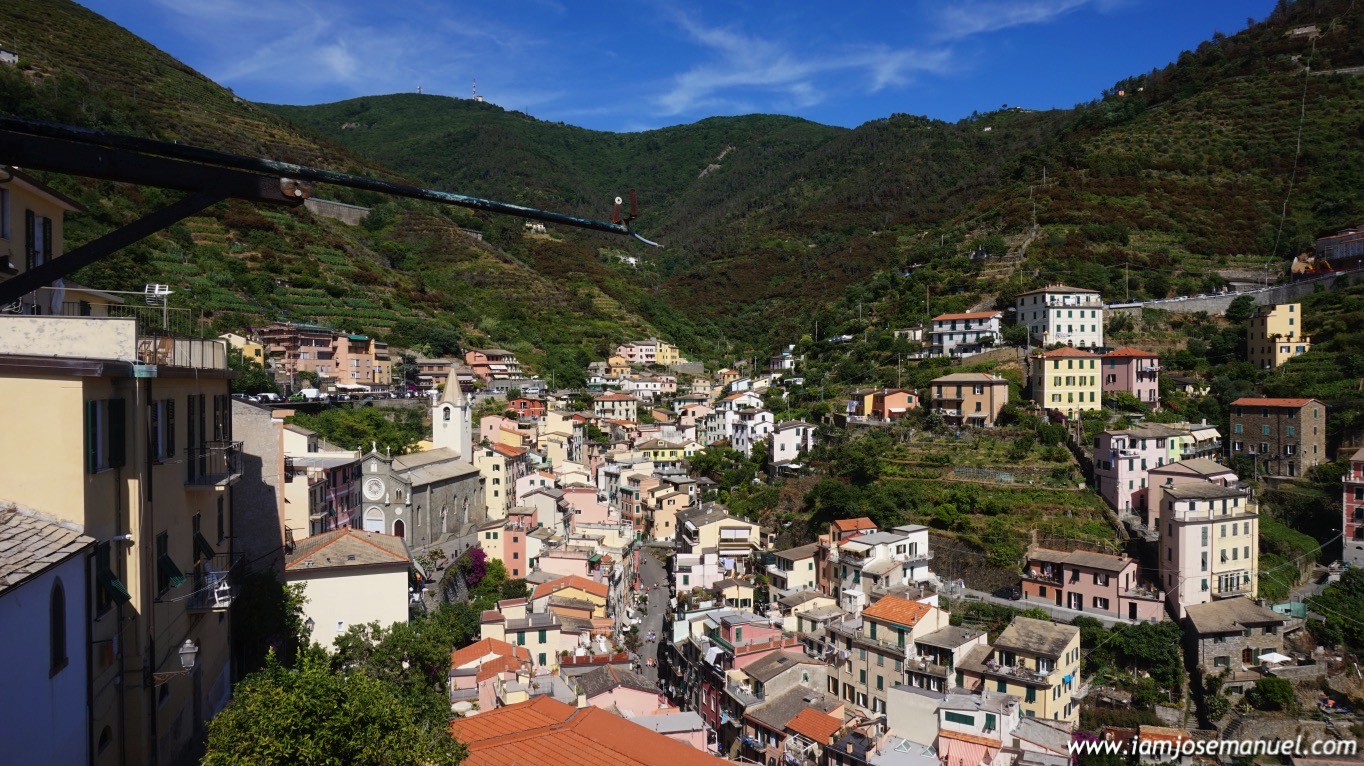
 The Stripe Church of Monterosso (Chiesa di San Giovanni Battista – Church of St John Baptist, Monterosso al Mare, 14th Century). Standing at the Seaside town of Monterosso, Ligurian Region of Italy, the church is really a stand out on this list for its Stripe black and white walls and impressive rose window. Though the relatively unknown of the group, the seaside church (and the whole Cinque terre, infact) is worth a visit. Architectural styles: Renaissance architecture
 With such intricately detailed exterior, Florence Cathedral honestly got my spot for most beautiful facade on this list. The Photo does not give enough justice, as this church is truly ethereal and stunning in actual (nakaka-lula in tagalog). Living up to the principles of Renaissance art, the cathedral itself is an a masterpiece of when Italian art and knowledge was at its most glorious days. Architectural styles: Renaissance architecture












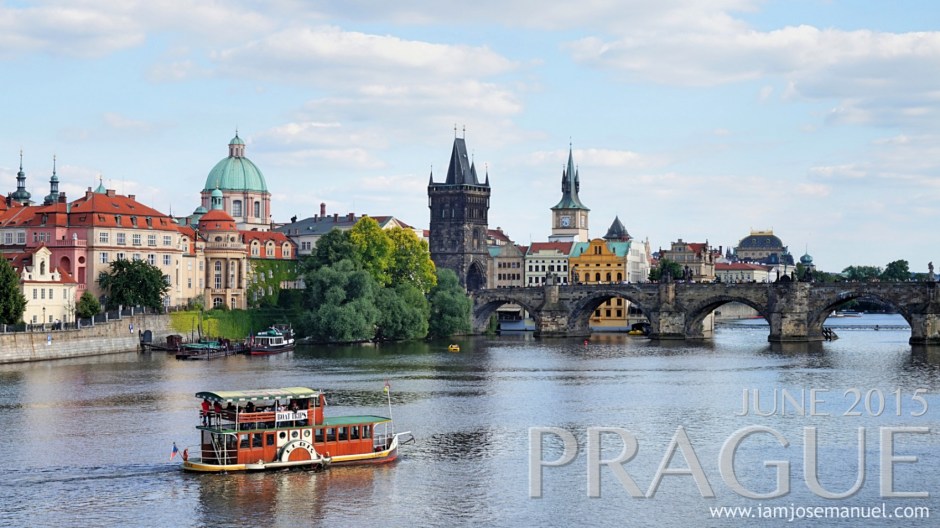
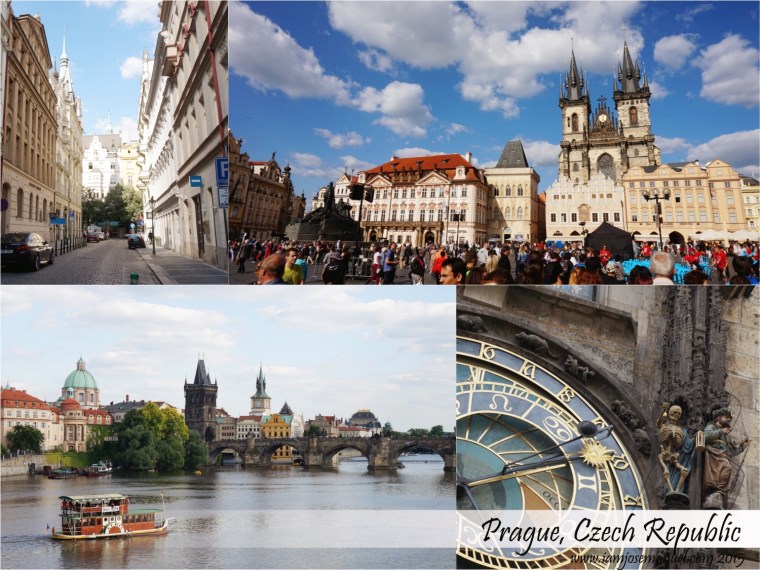

 St. Vitus Cathedral
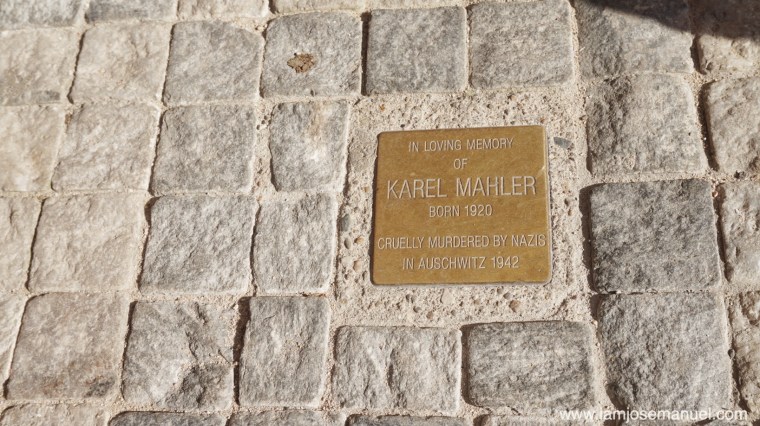
 A commemorative medallion installed outside the house of a victim during Prague’s Nazi regime. This memoir can be found Though out east and central Europe.
 Prague’s Old Town Square. See the impressive St Nicholas Church, Tyn Cathedral and Old Town Hall and pause to admire the world-famous Astronomical Clock, with its mechanical procession of 12 apostle figurines.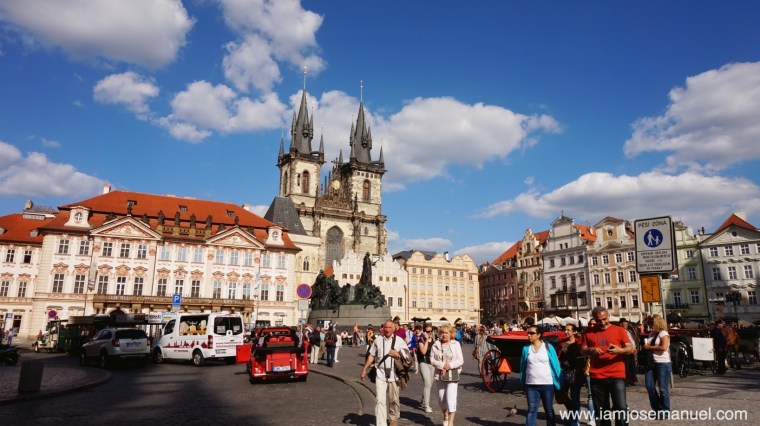
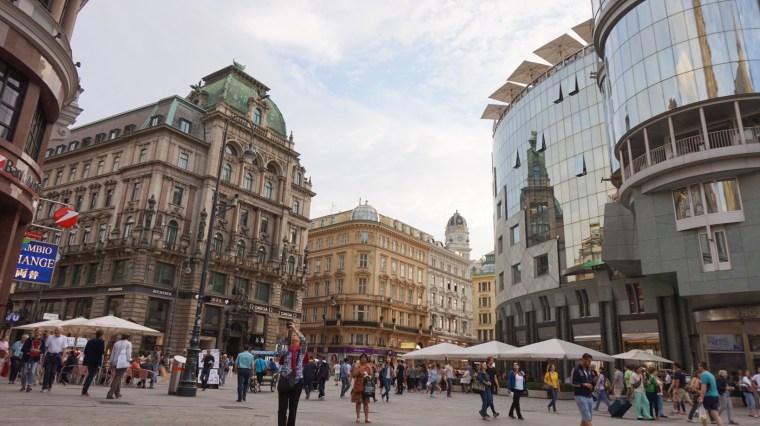
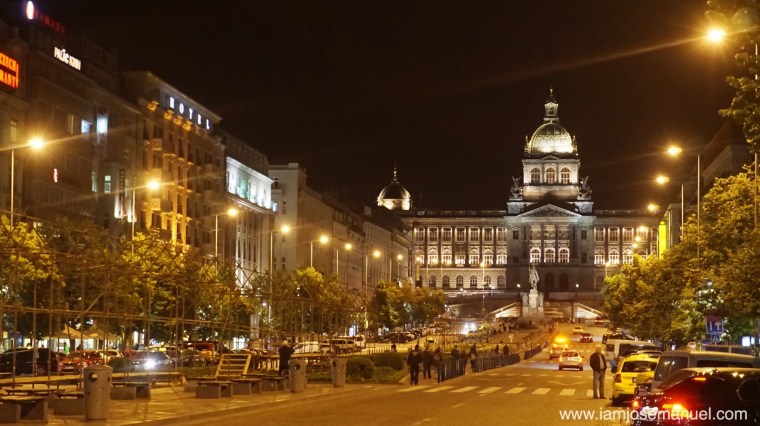
 Wenceslas Square is one of the business centre of old Prague.
  The Dancing House building by Ar. Frank Gehry has a very non-traditional design, and was controversial at its time because the house stands out among the Gothic and Art Nouveau buildings for which Prague is famous.


 KOLENO is roast pork knee (or knuckle) in big portion, a dish that’s also common in Czech cuisine.
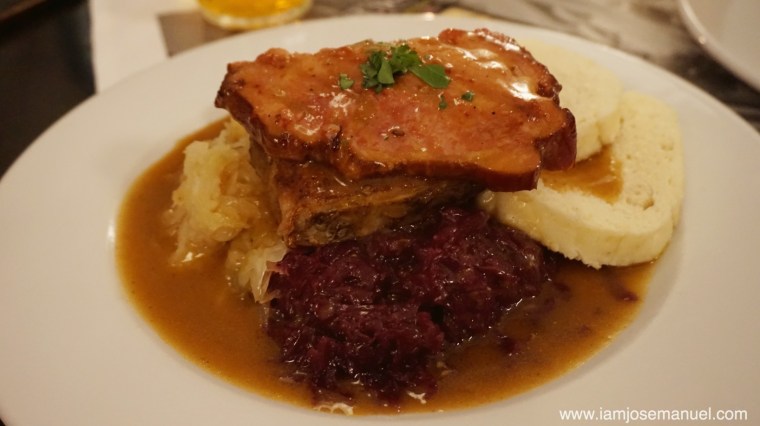
  VEPŘO-KNEDLO-ZELO – roast pork (vepřová) with bread dumplings (knedlíky) and stewed cabbage, or sauerkraut (zelí), a classic Czech dish
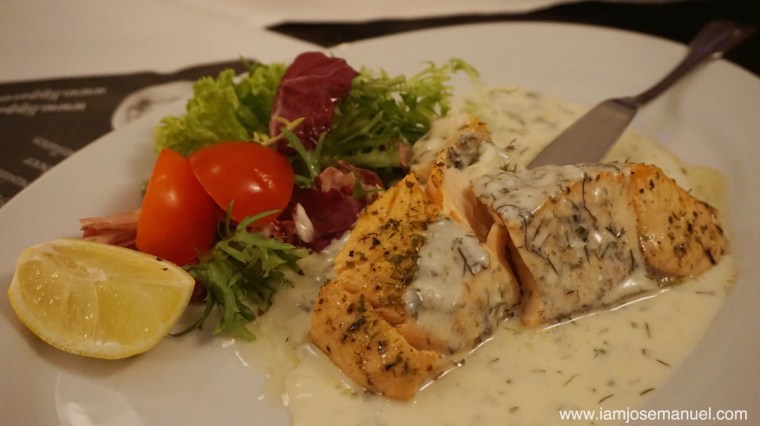
 Fish dish in vegetable-laden gravy, typically made with herbs and root veggies like carrots, celeriac, parsley root.
 Other fun stuff in Prague =)


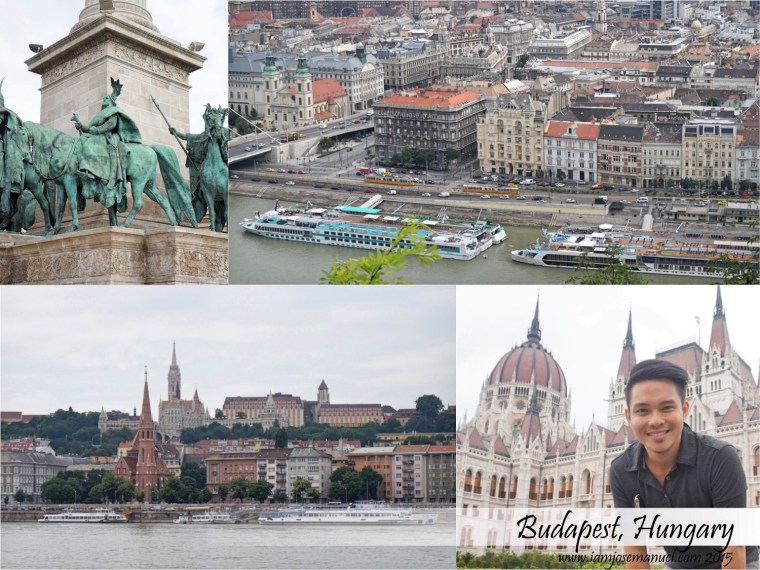
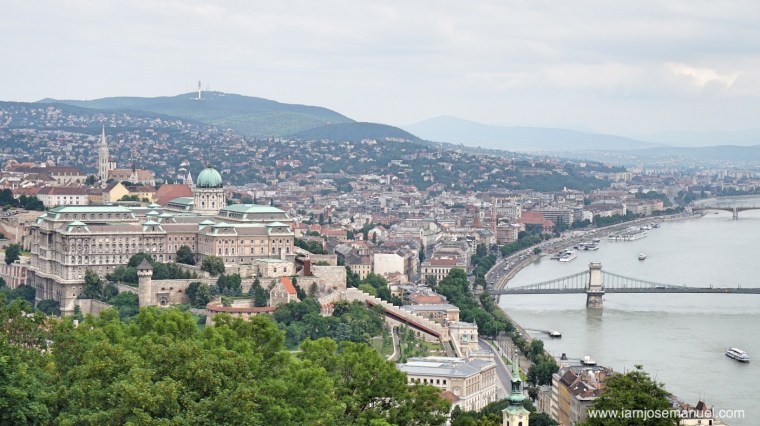
 A Walking along the Danube River as well offers the best view of Hungarian Architecture.
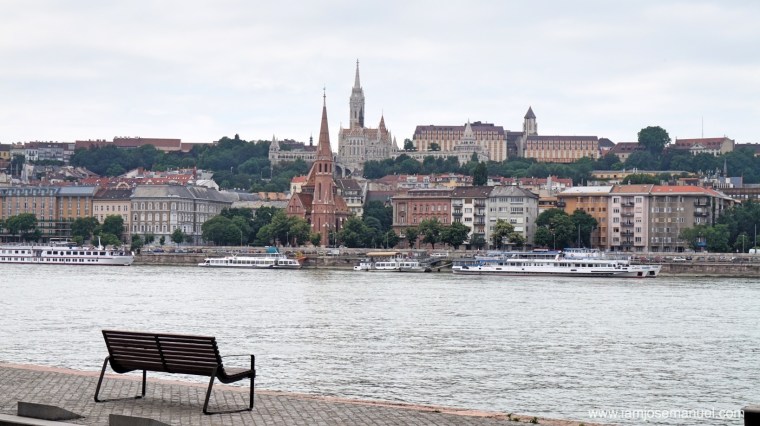 The Chain Bridge is one of the rustic links between the west bank of Buda and and the east bank of Pest.
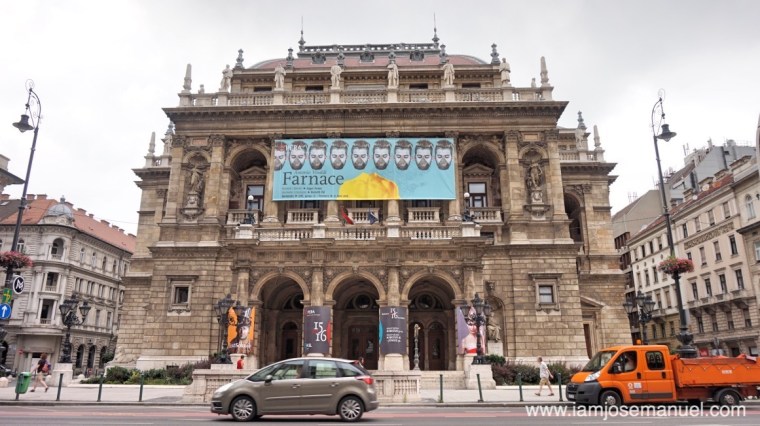
 The Budapest Opera House
 St. Stephen (Budapest Cathedral)
 Walk around the artsy – bohemian neighborhood
 A Bathhouse that has been standing even before WW2 and is still perfectly beautiful ’til today.
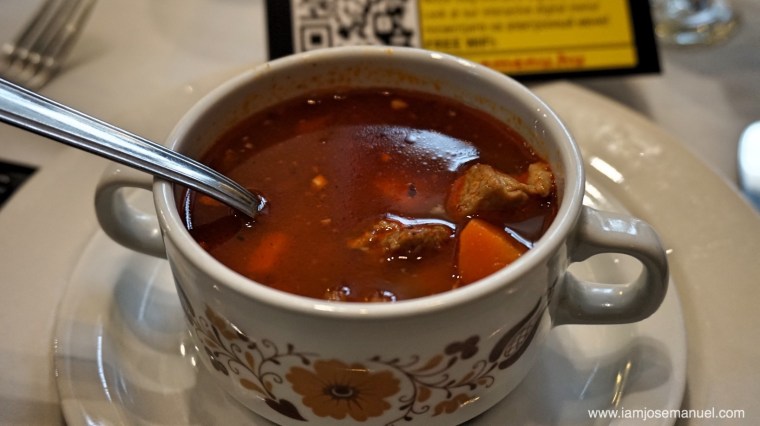
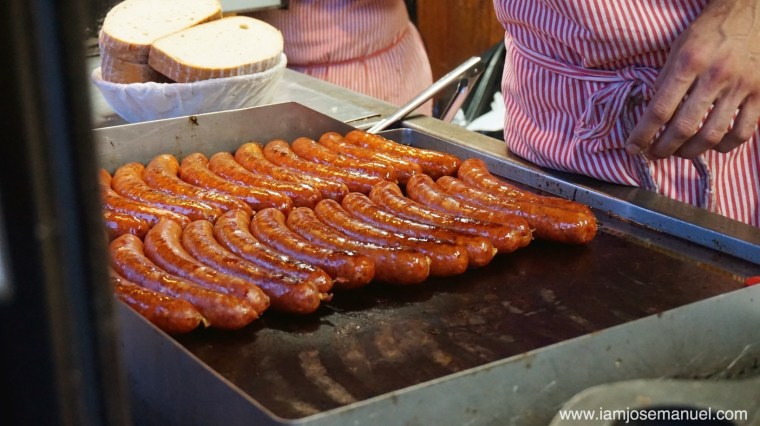 Goulash is a staple food for Hungarians. It is basically beef (or chicken) in paprika and other seasonings.
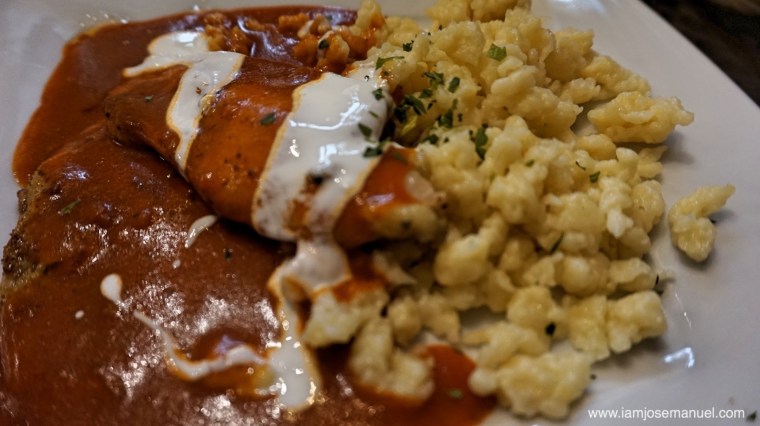
 Pörkölt and Paprikás -The word pörkölt literally means ‘roasted’ and the dish is made of beef, pork, lamb, chicken, pork or liver (varieties depend on the region) cooked with onion, paprika and other spices, resulting in a juicy dish served with another Hungarian gastro-curiosity, the nokedli (egg noodle dumpling). (Wiki)
 Never leave a country without tasting a local bee. Here are Soproni and Arany of Budapest.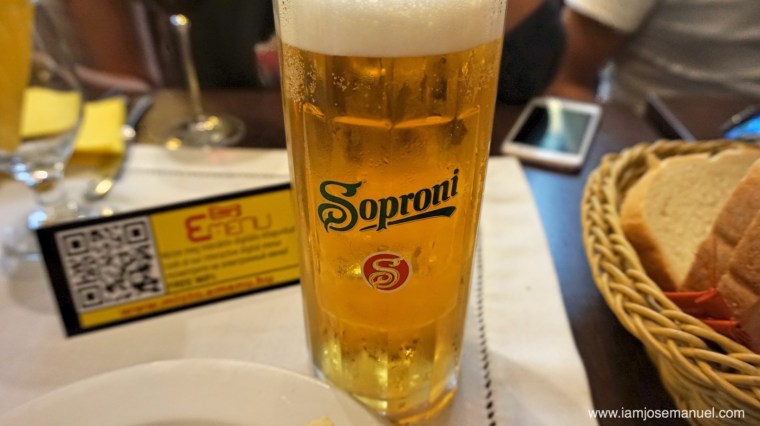


























































































 Travel + Lifestyle + Architecture Blog