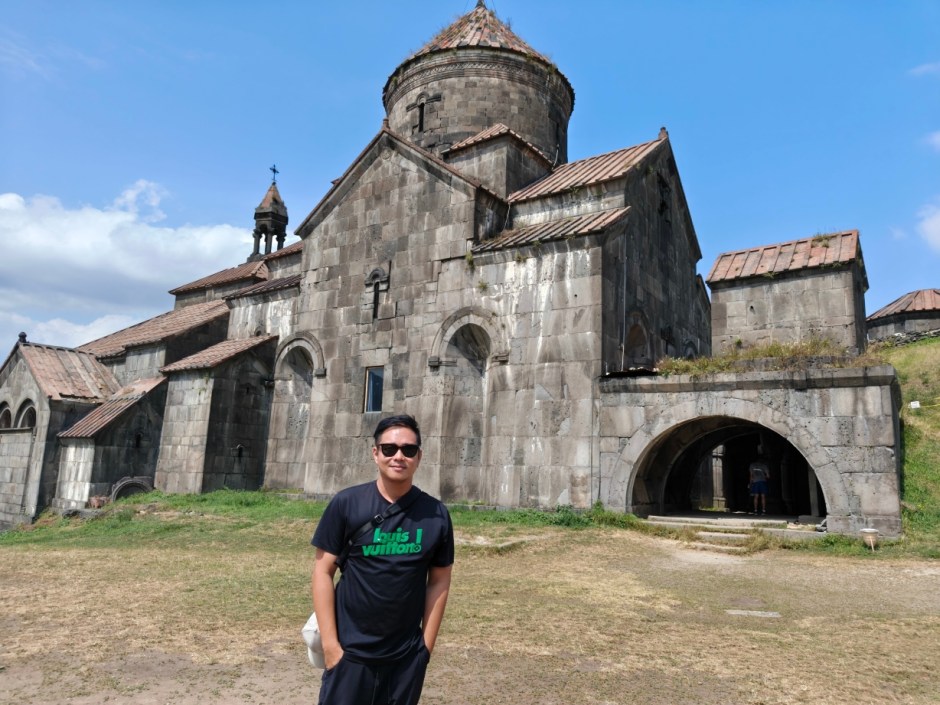
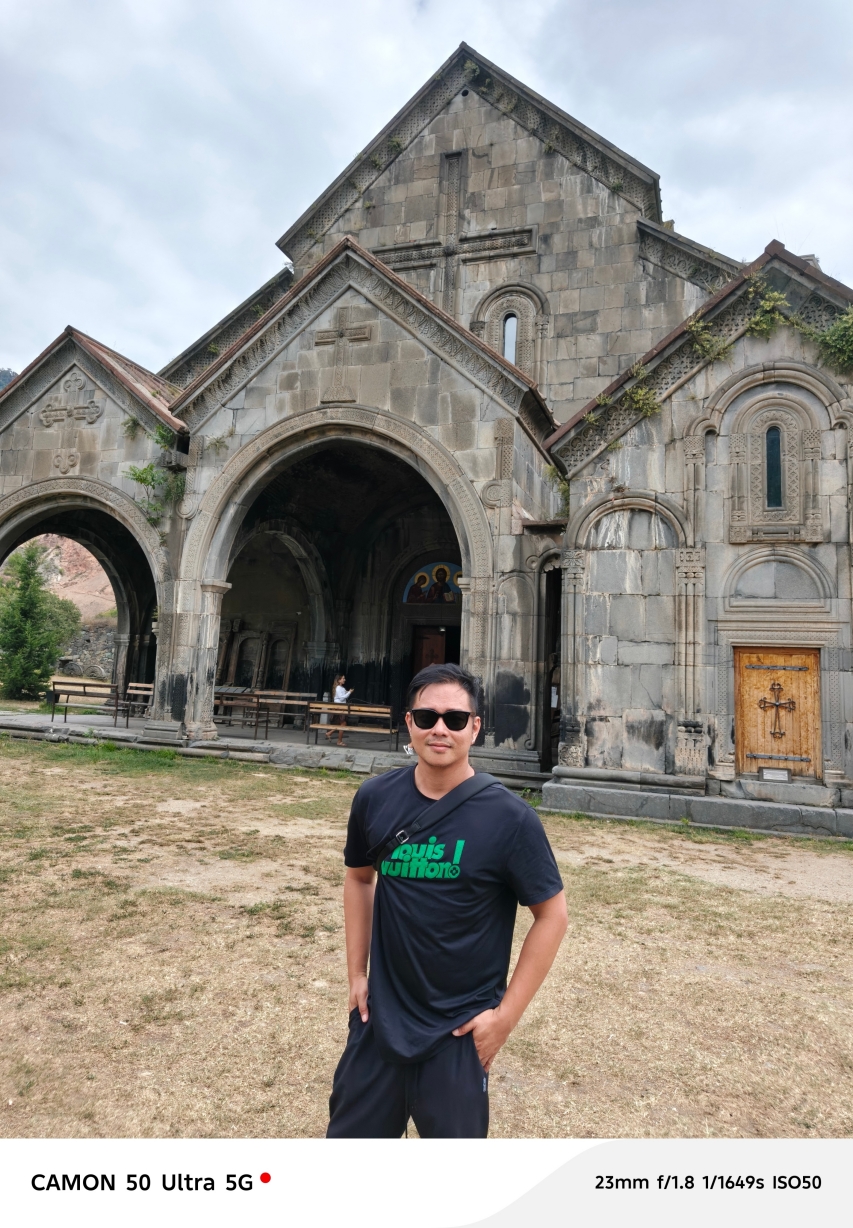
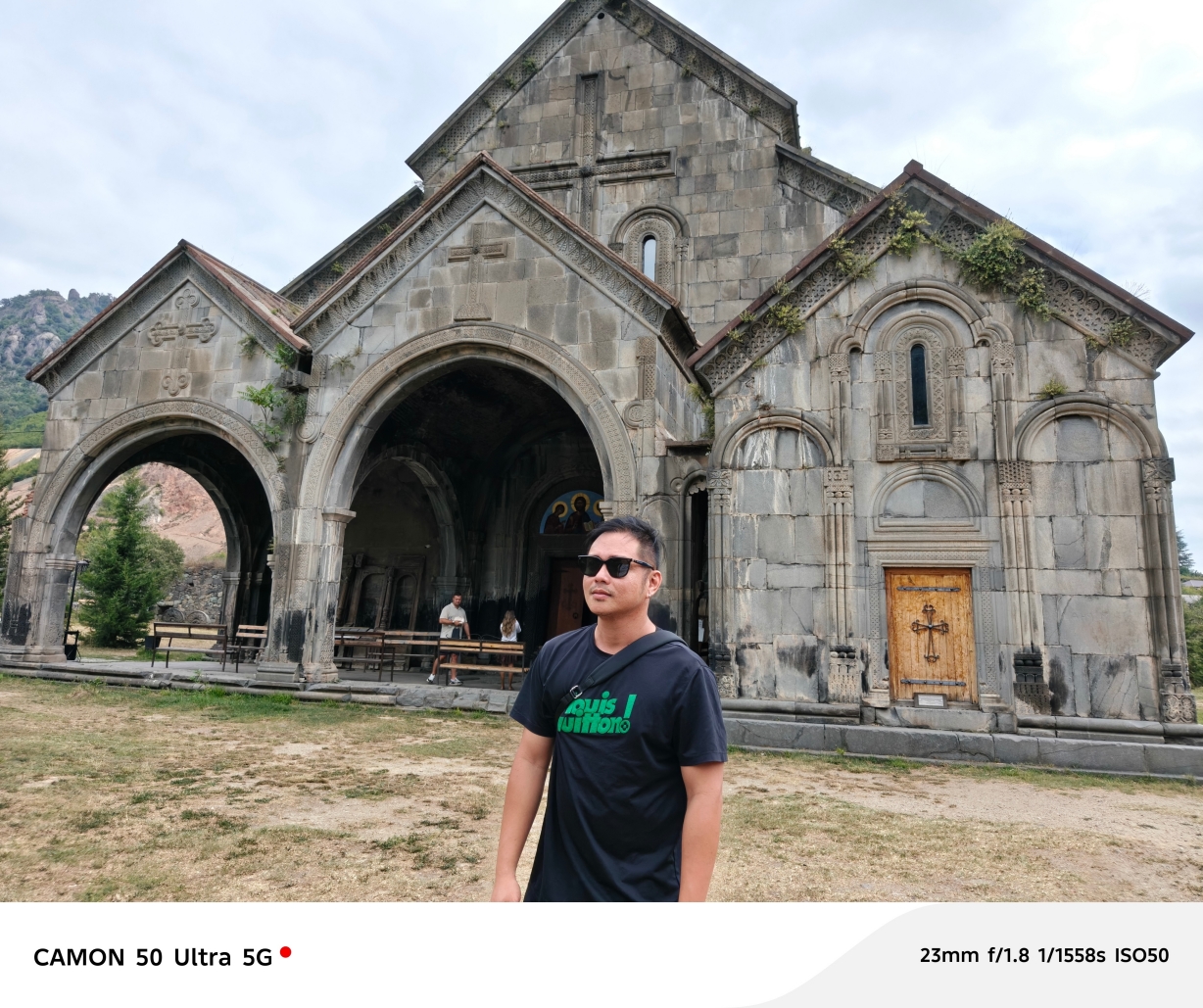
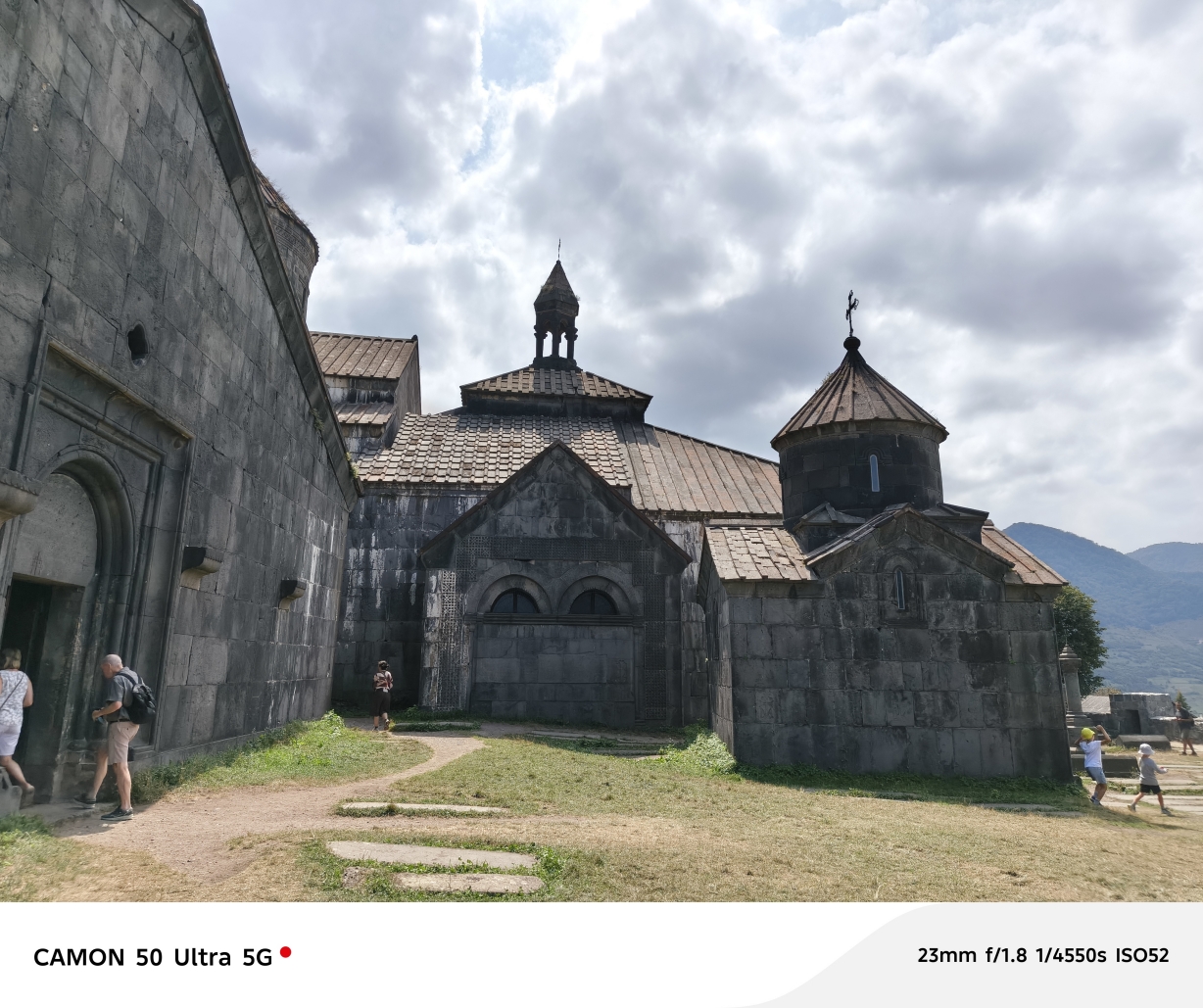
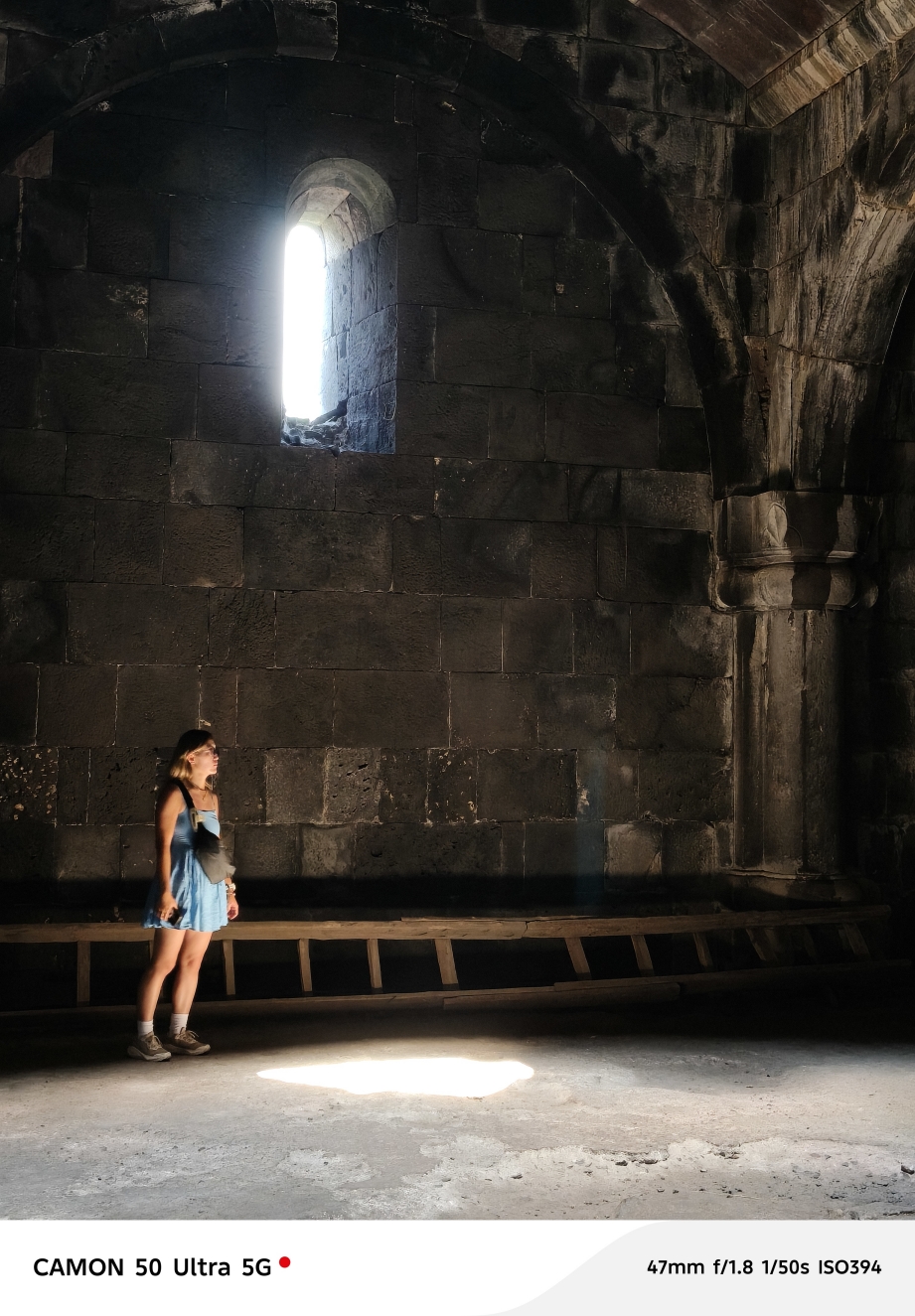
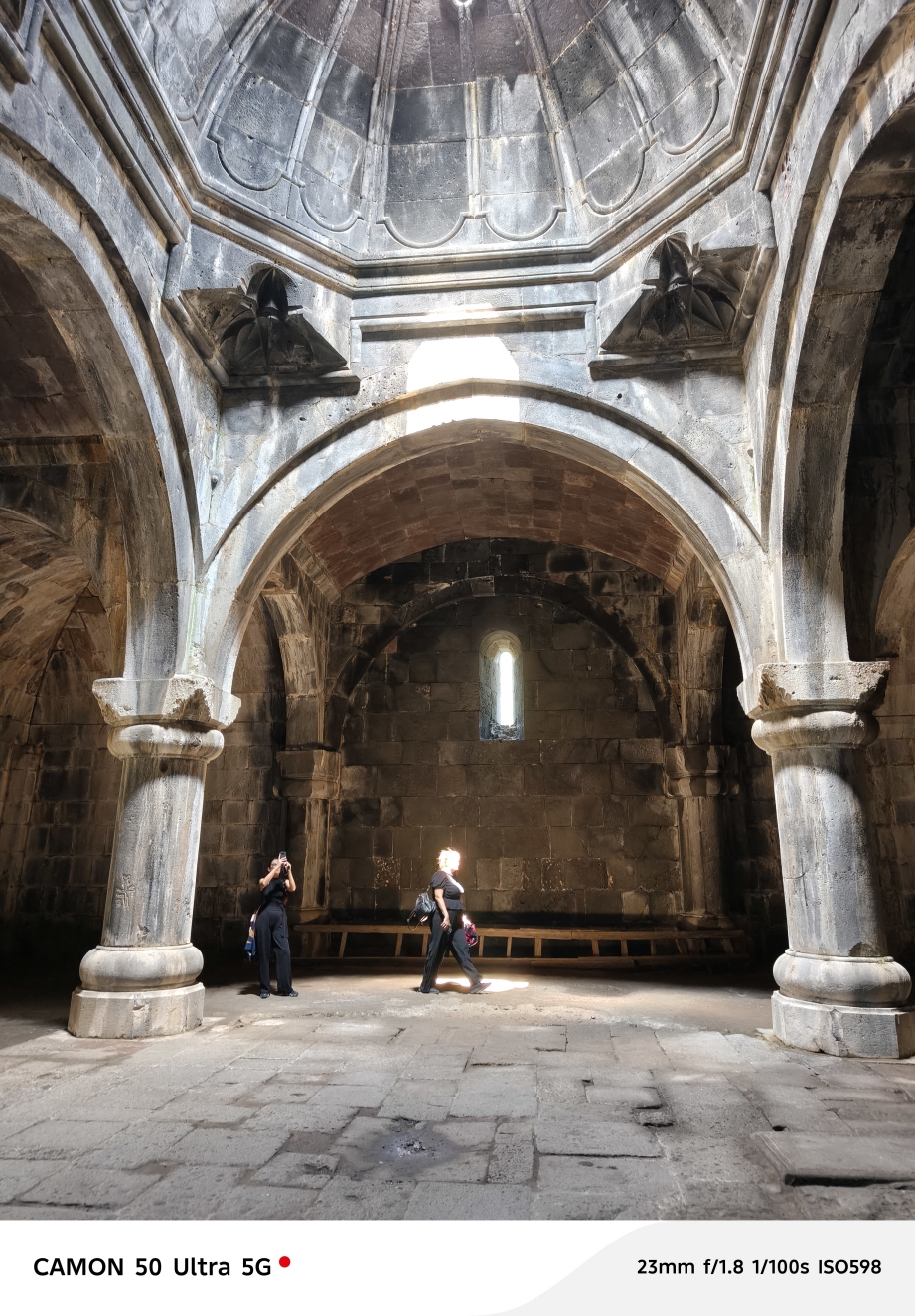
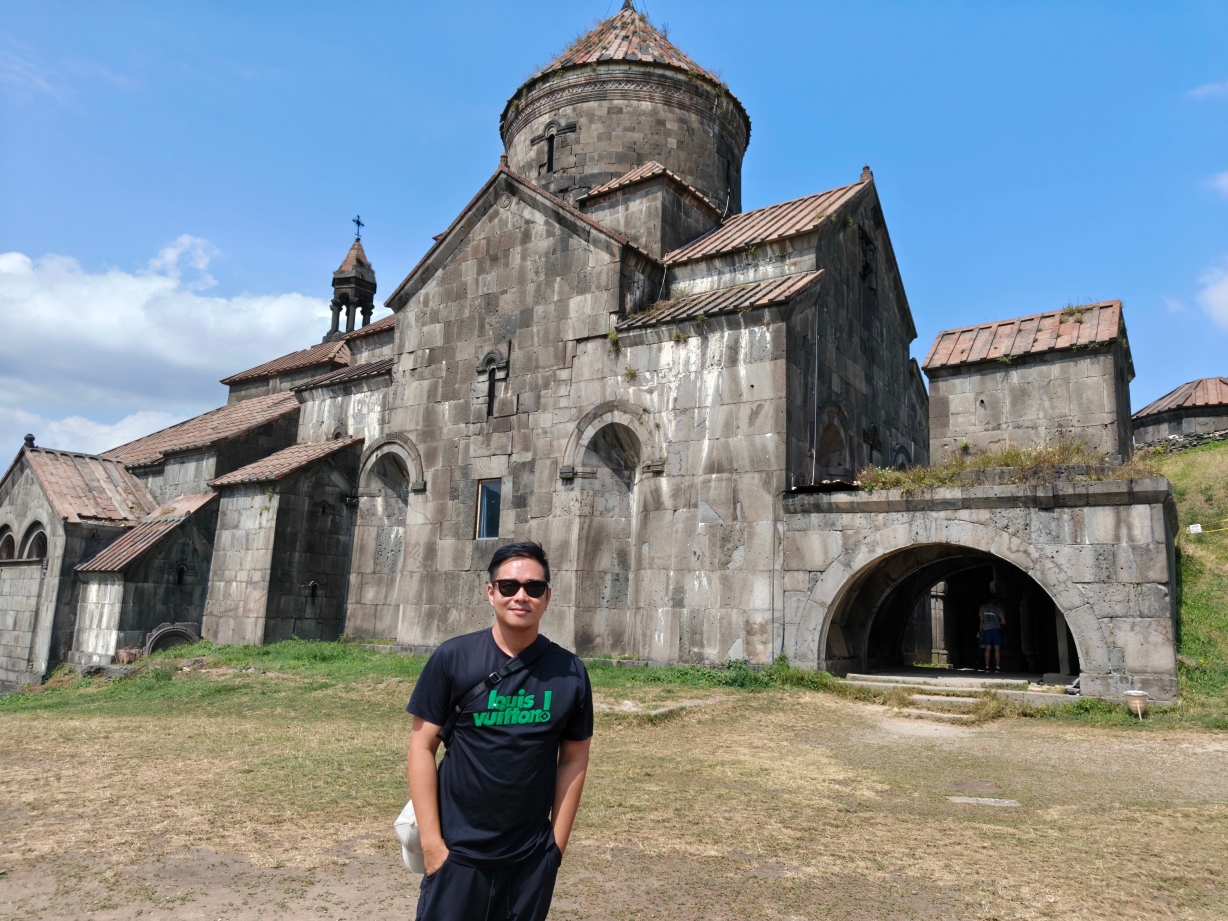
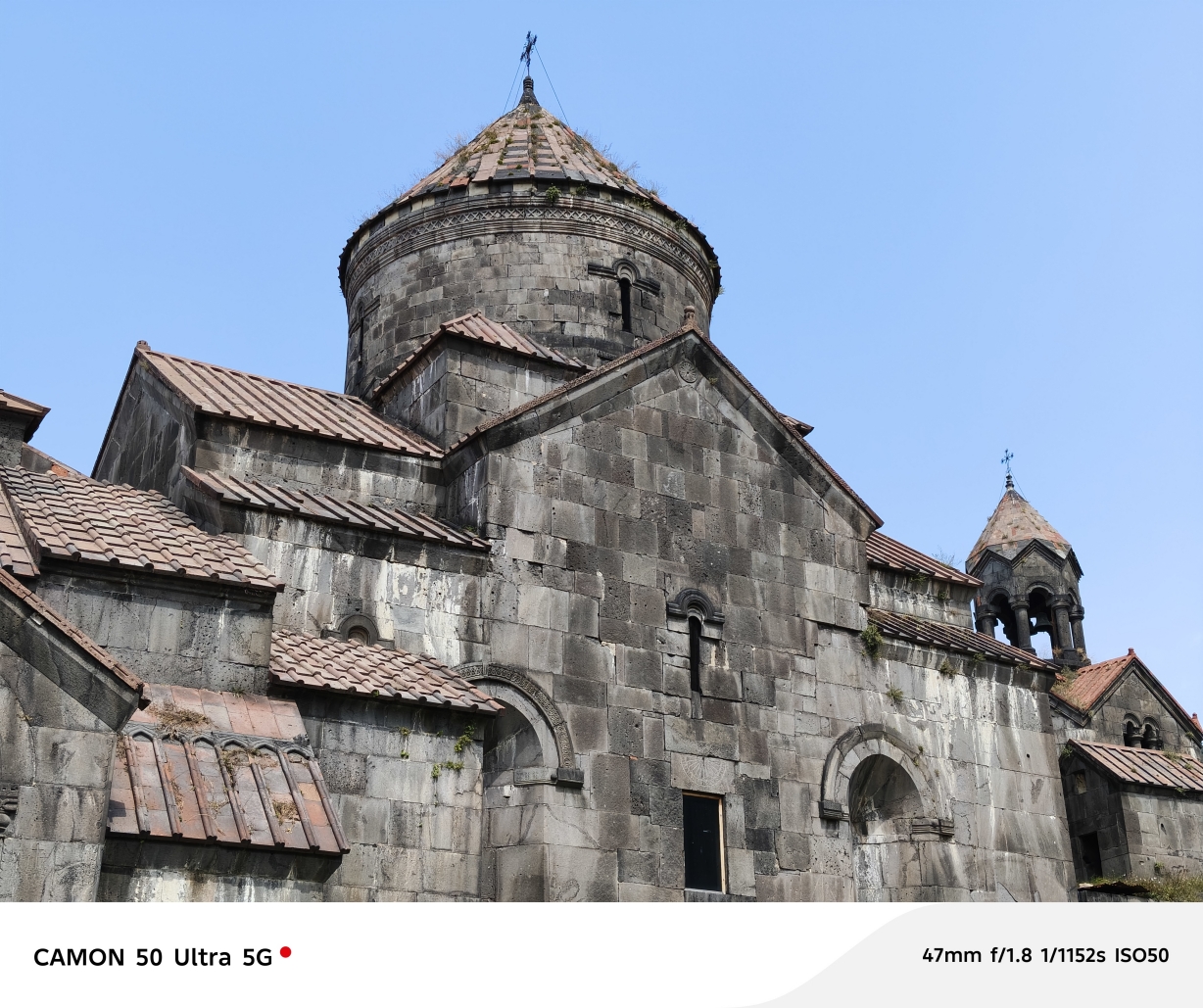
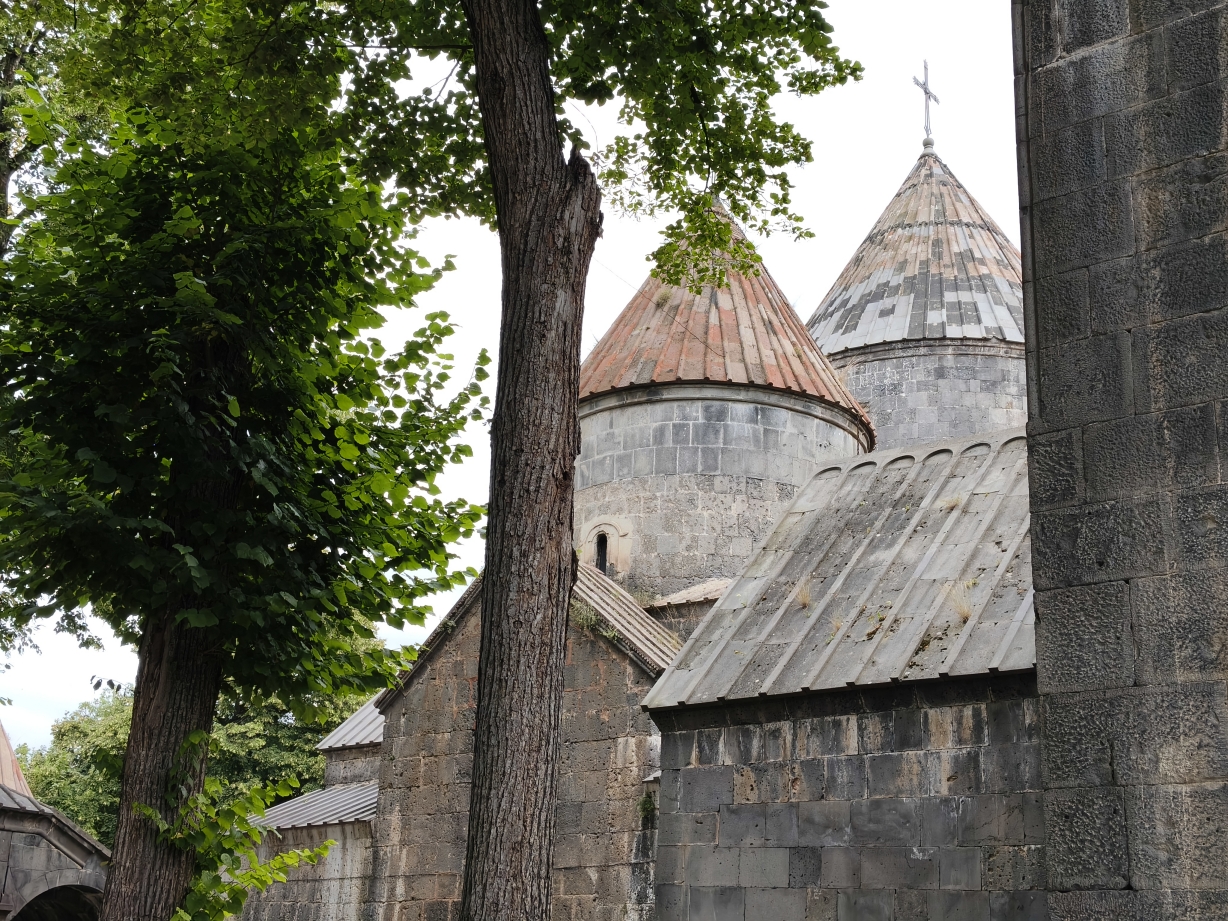
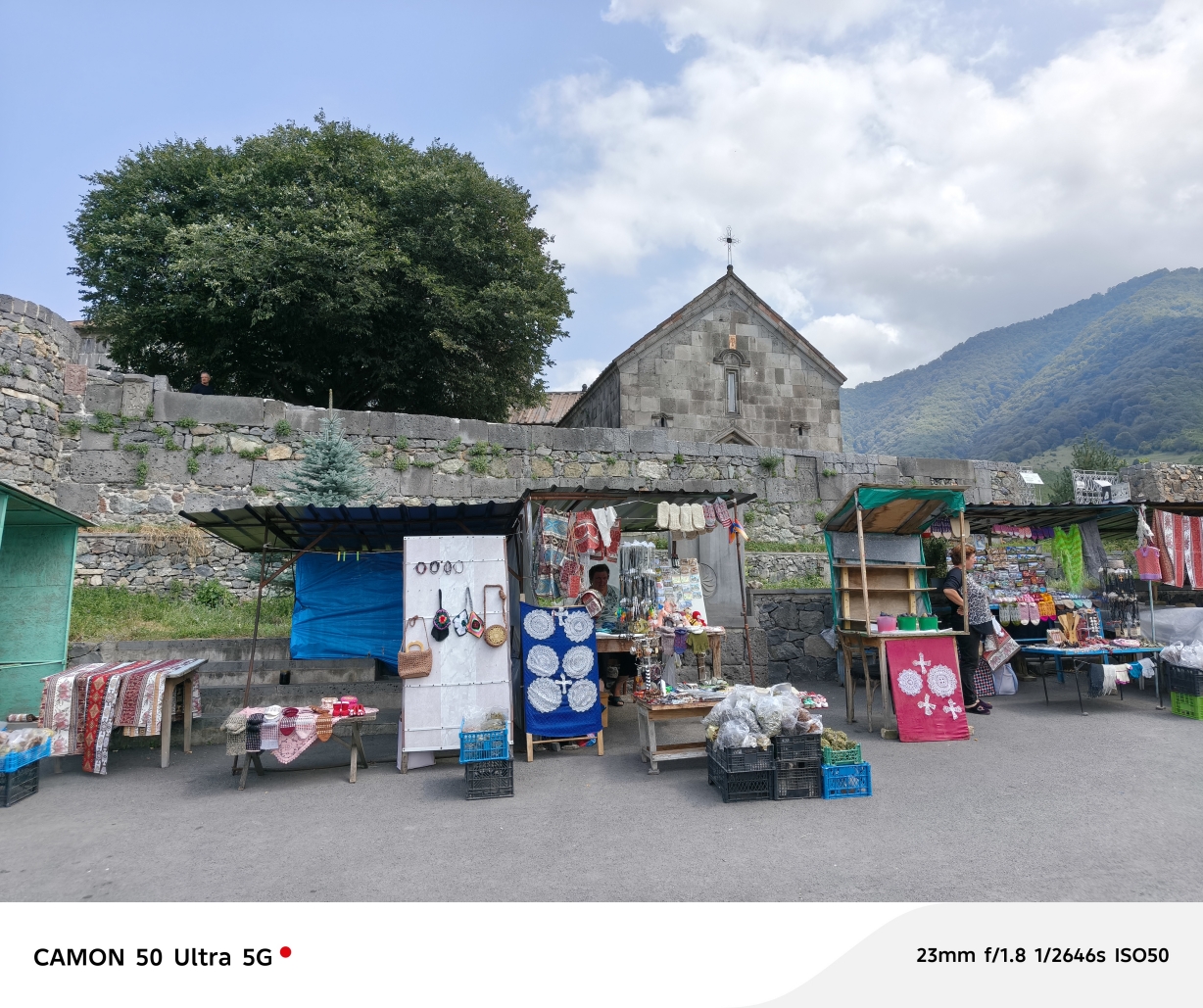
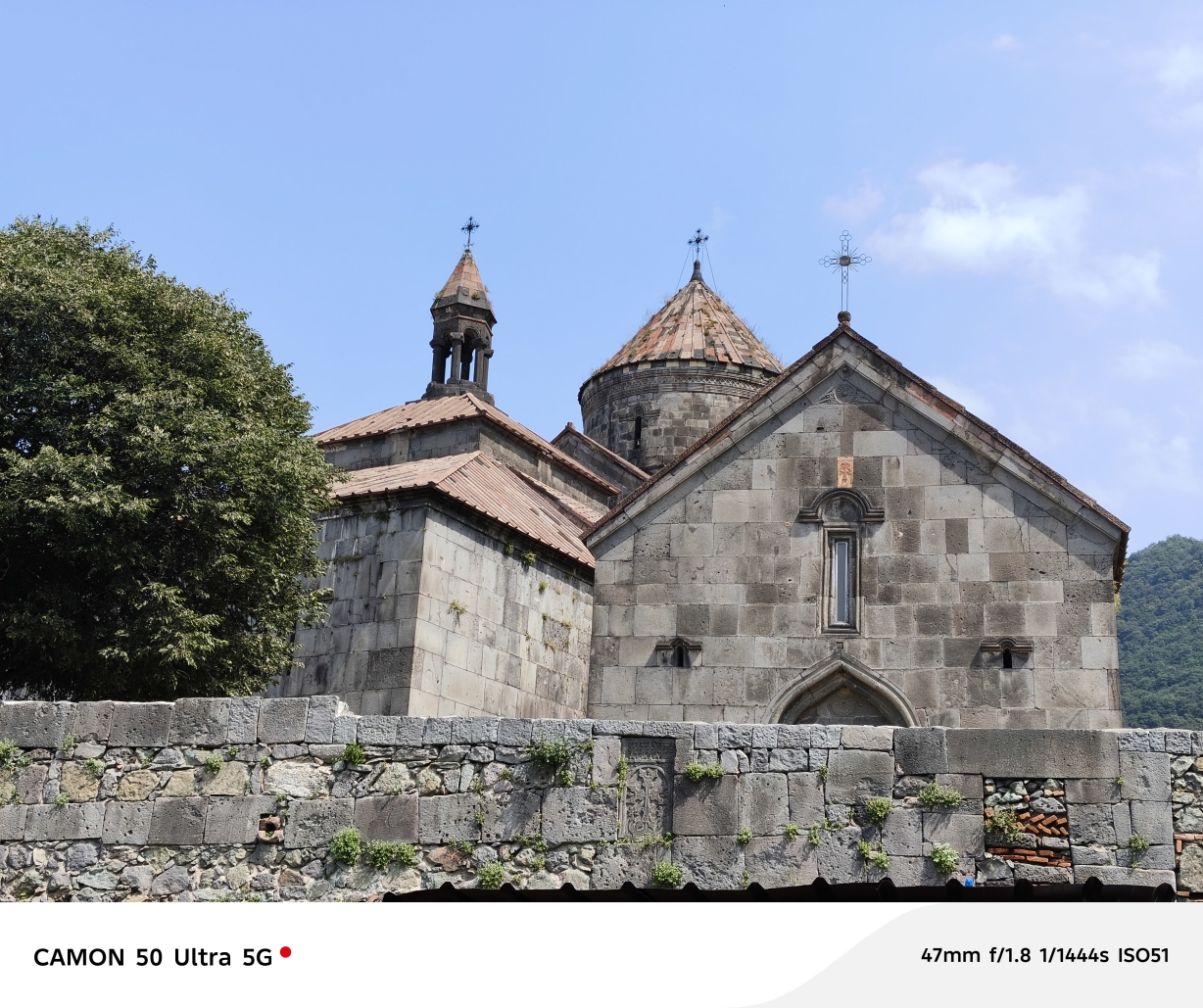
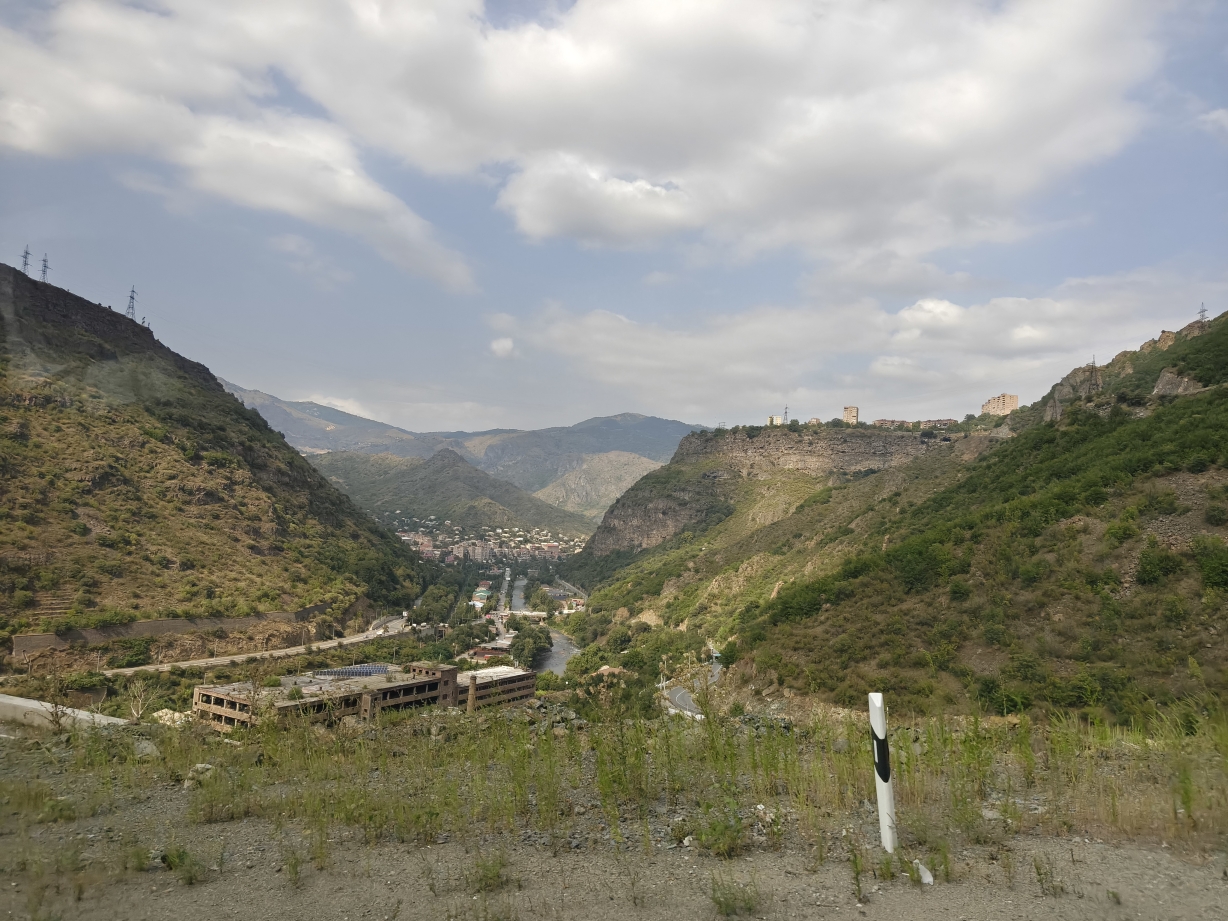
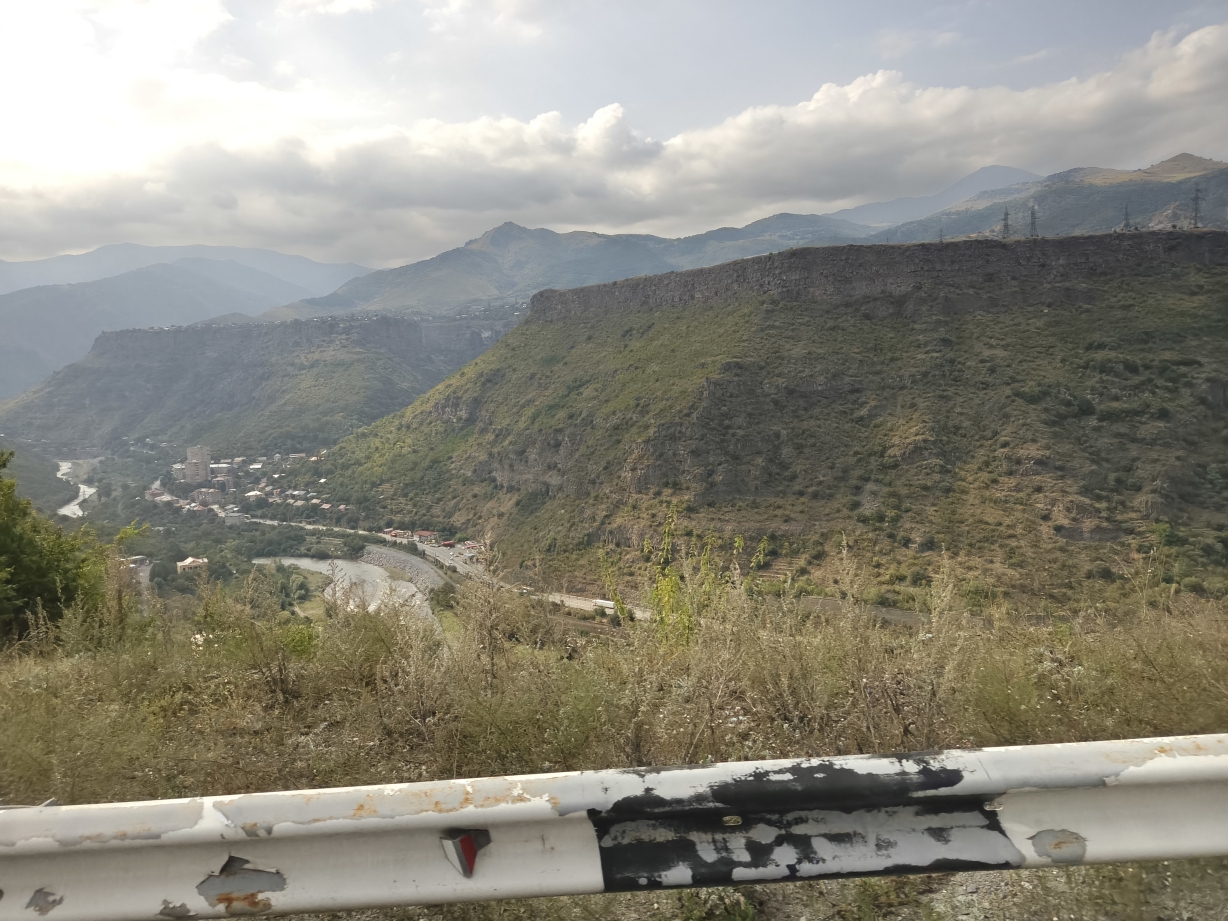
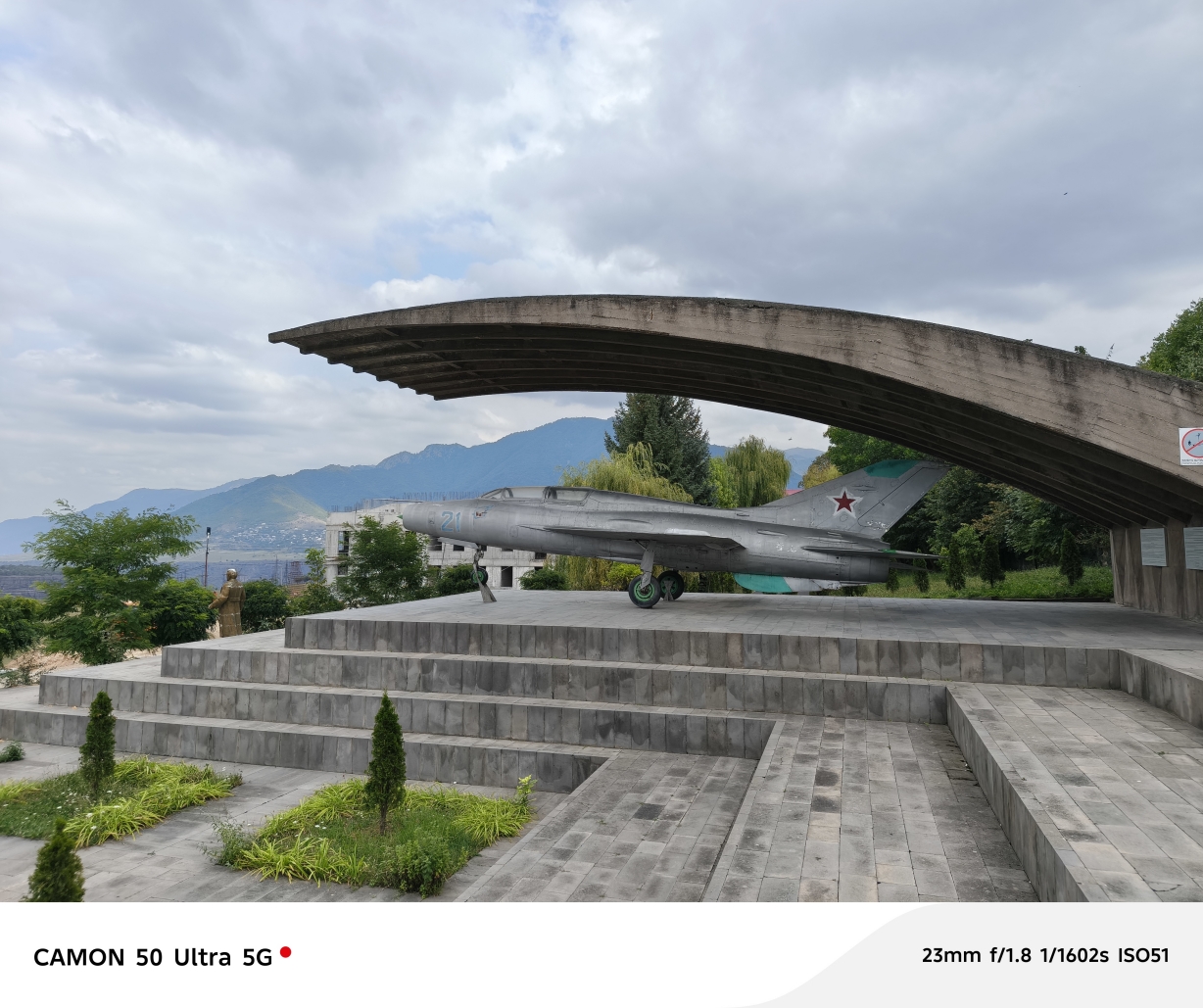
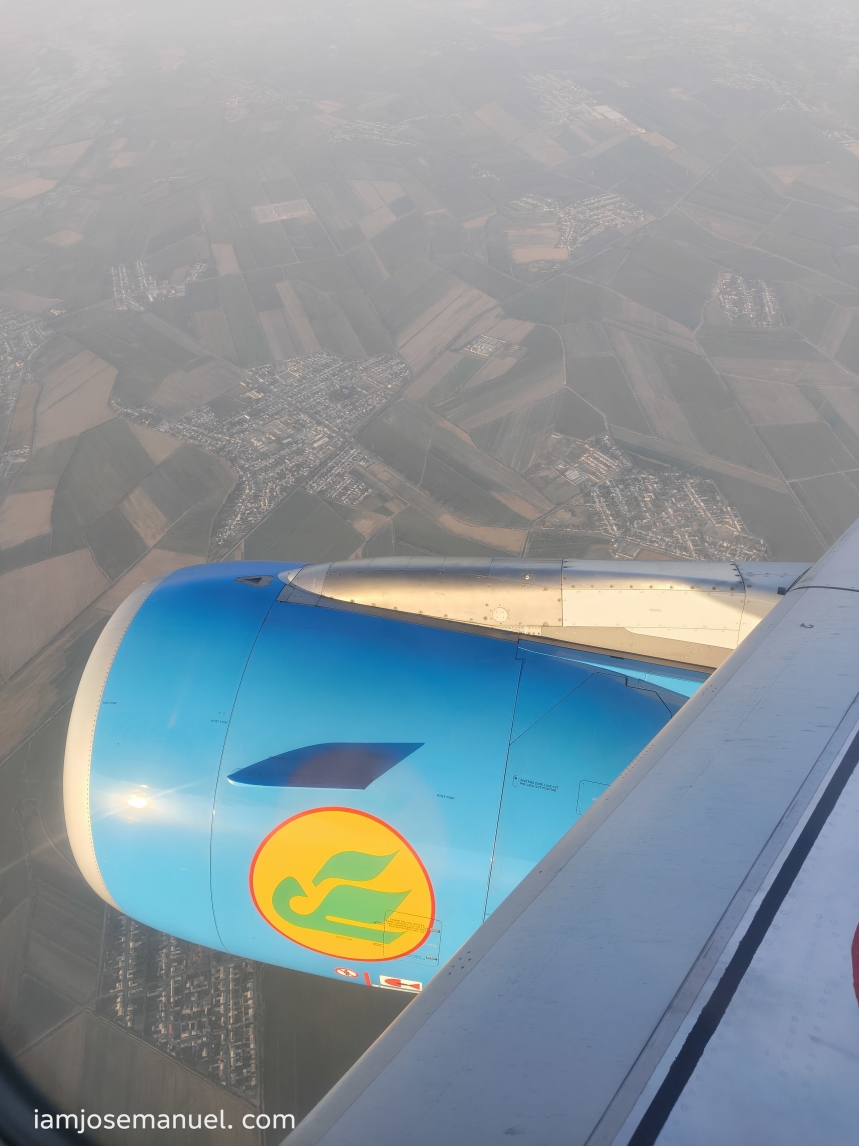
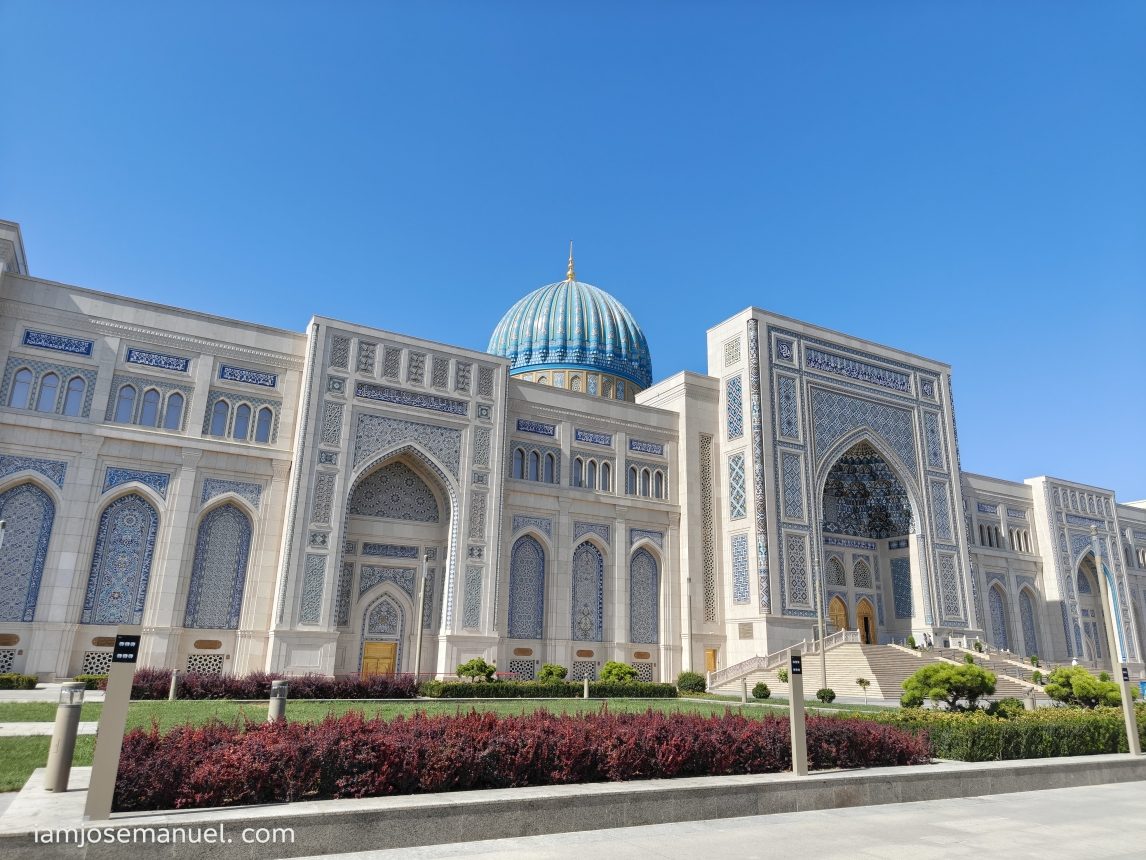
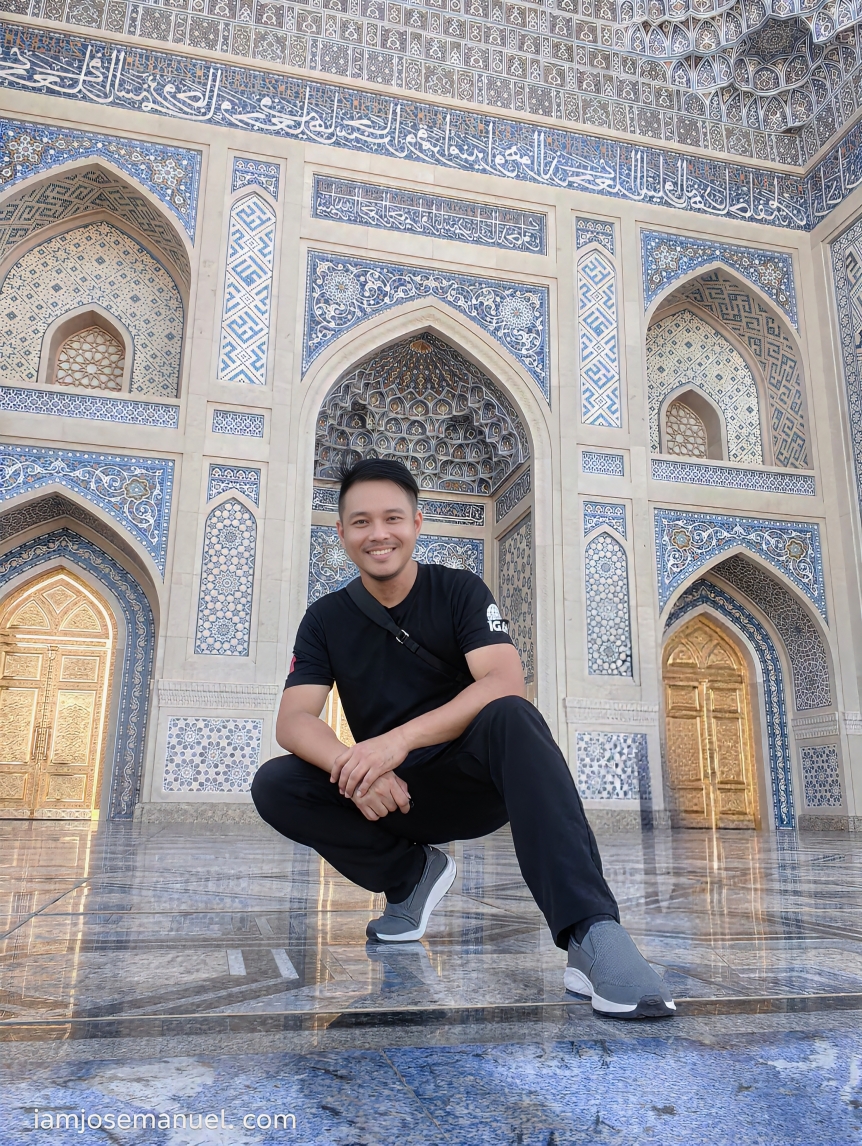
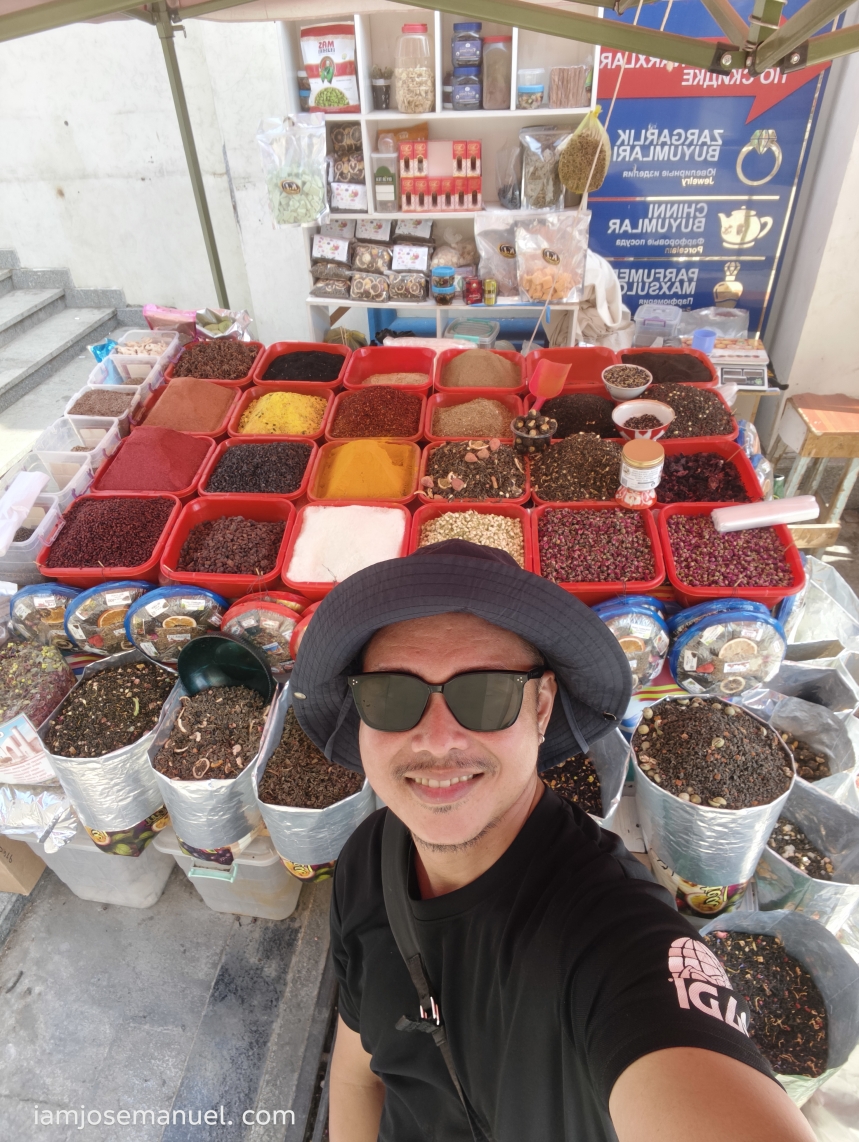
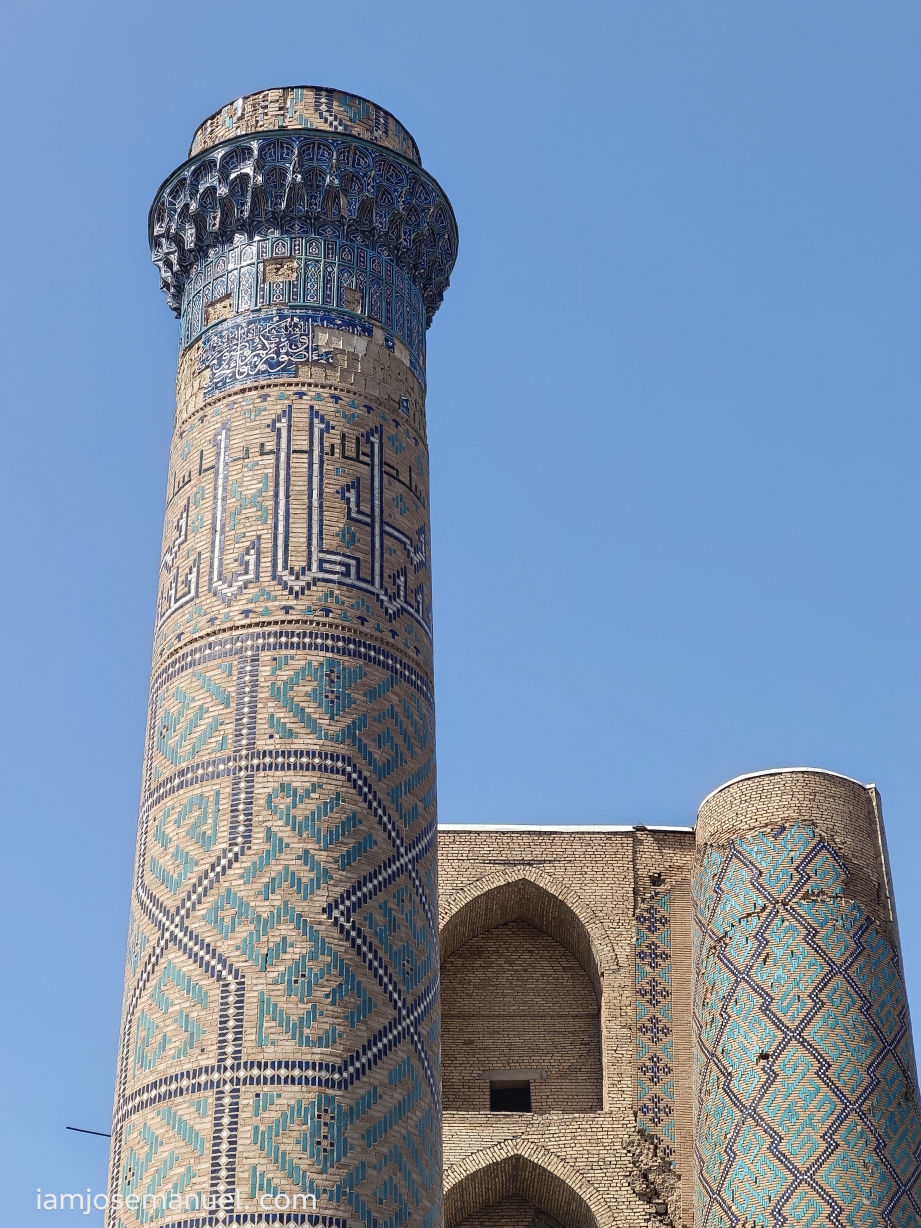
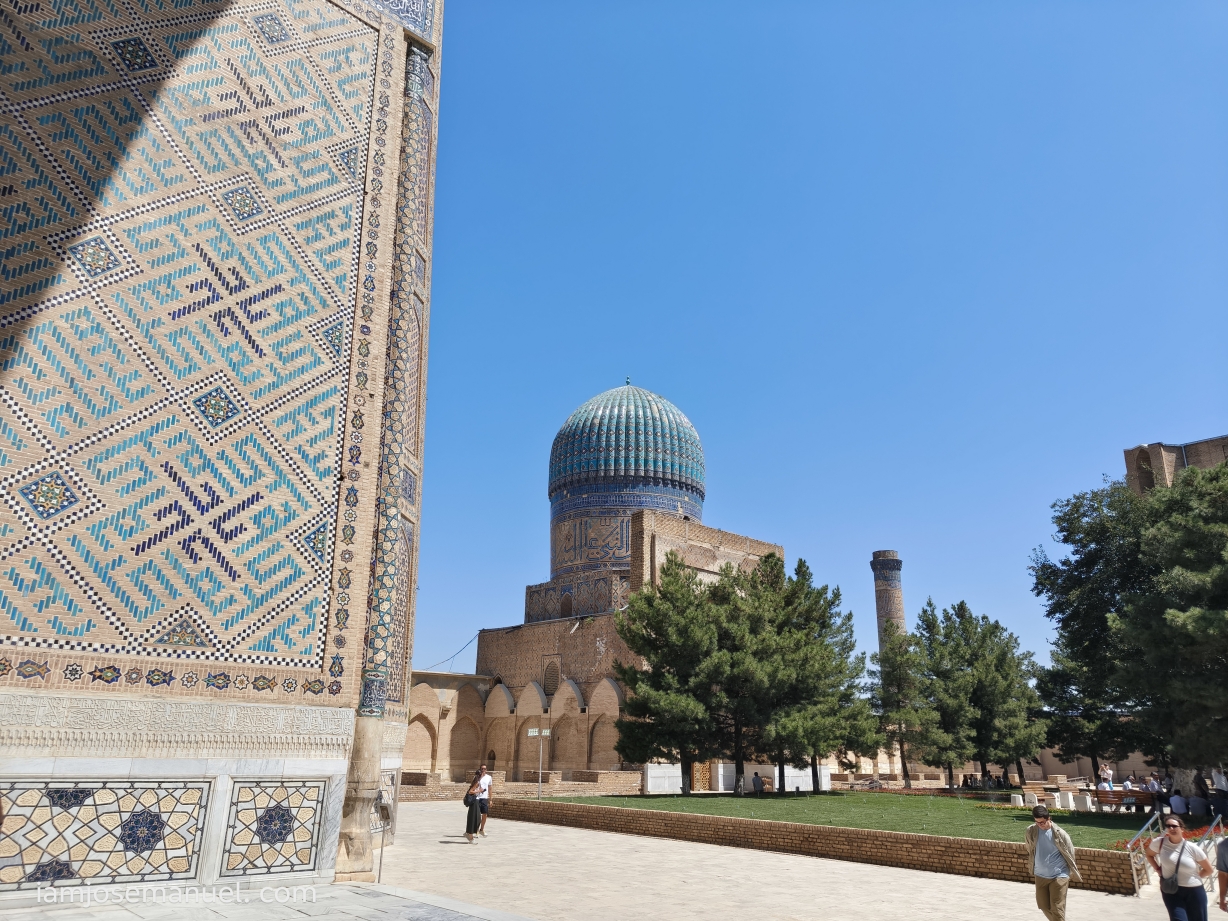
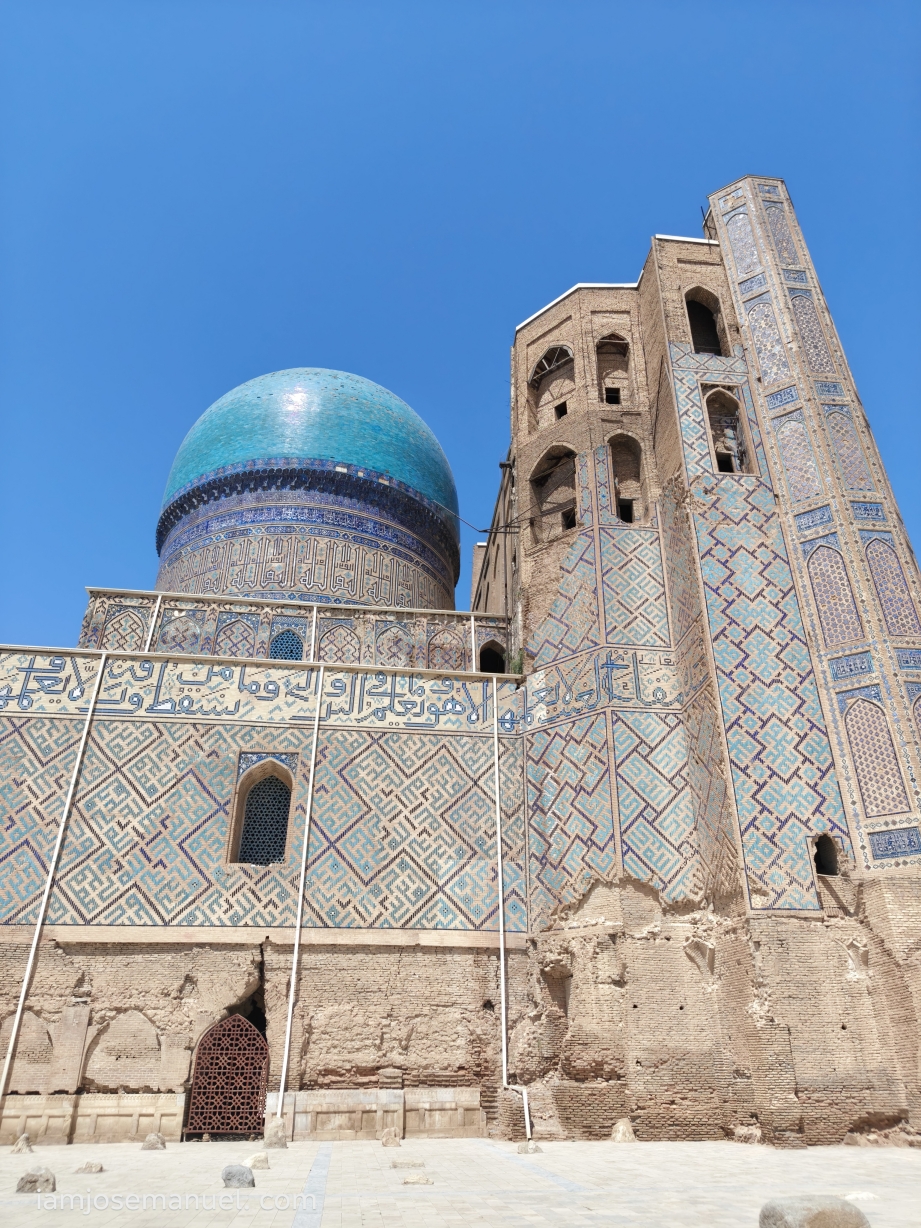
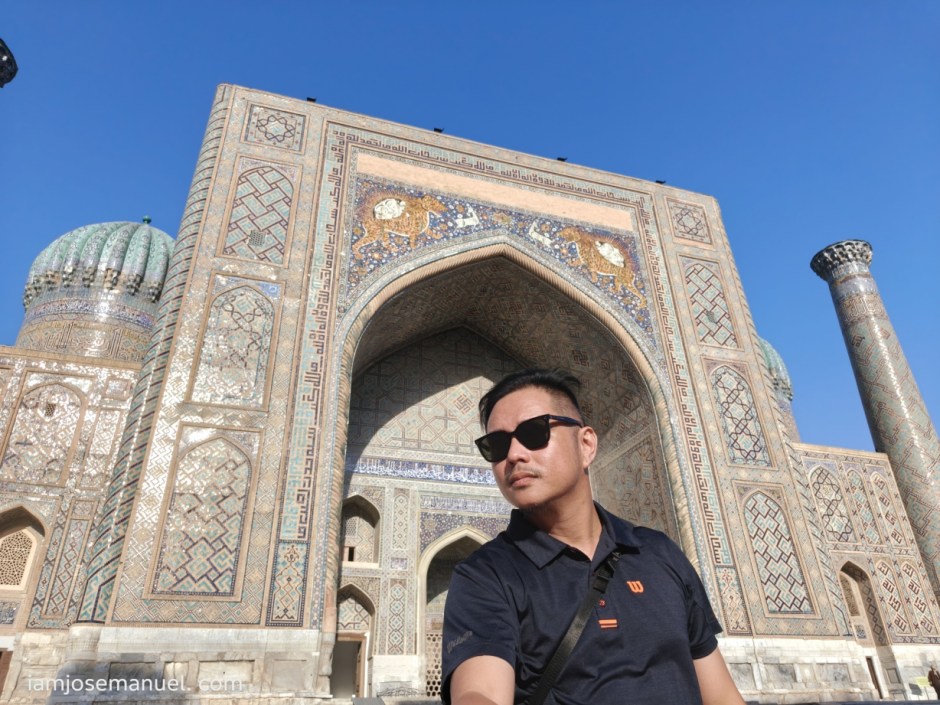
While in Tbilisi Georgia, I booked a short day trip to see the 10th Century monasteries in Armenia, which is just 1.5 hours drive. I booked a joiners tour via Getyourguide.com. Here are some of the highlights.
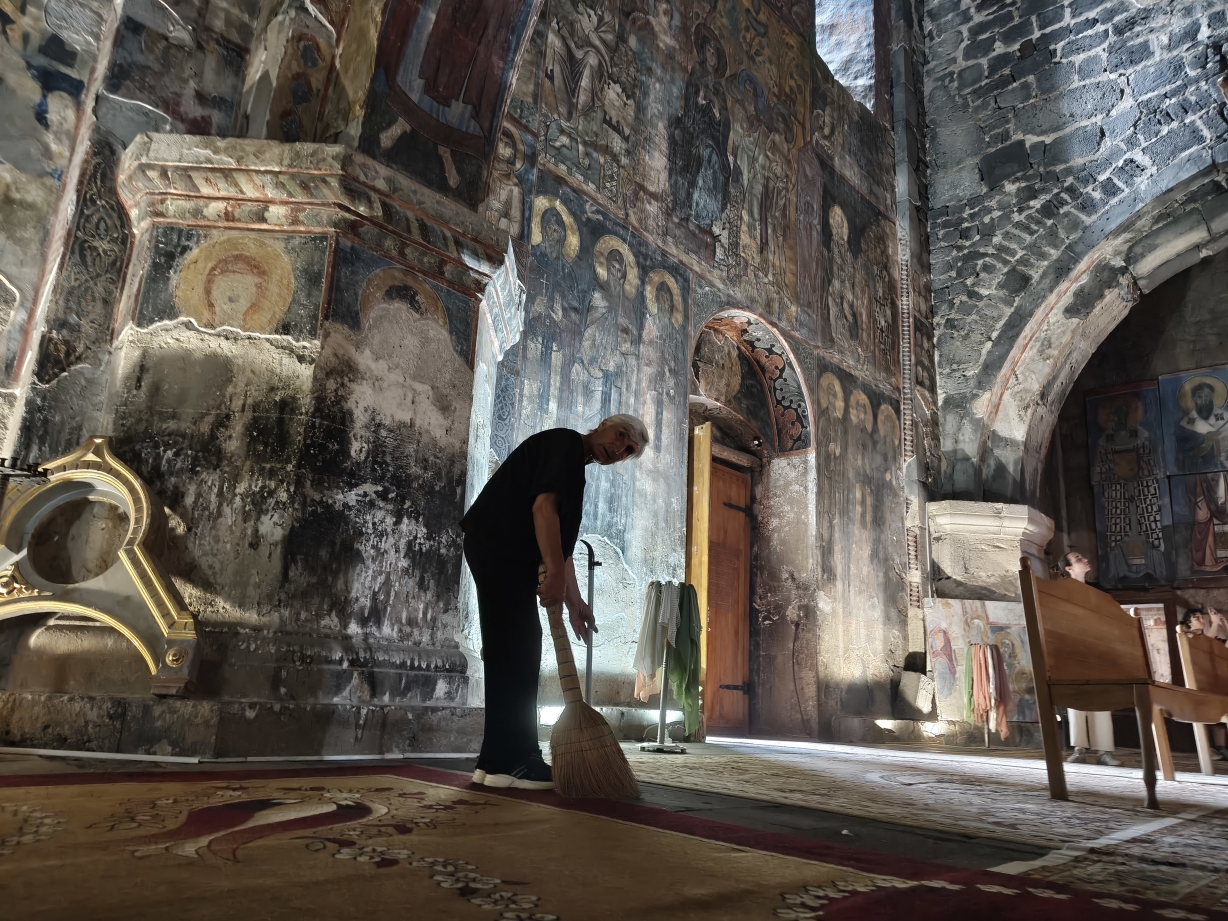
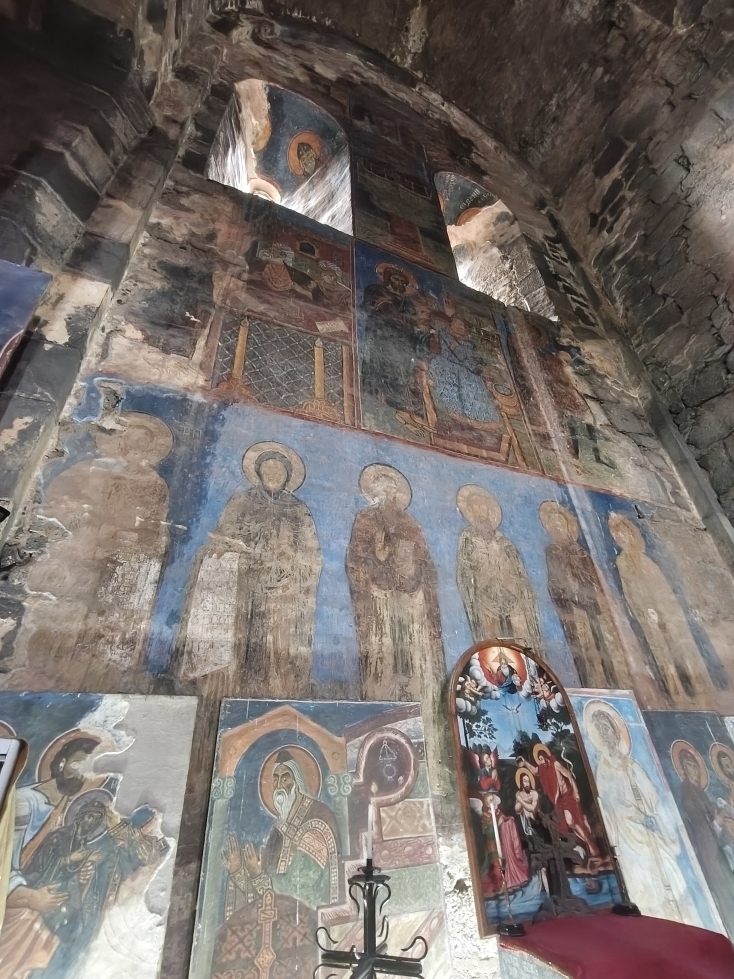
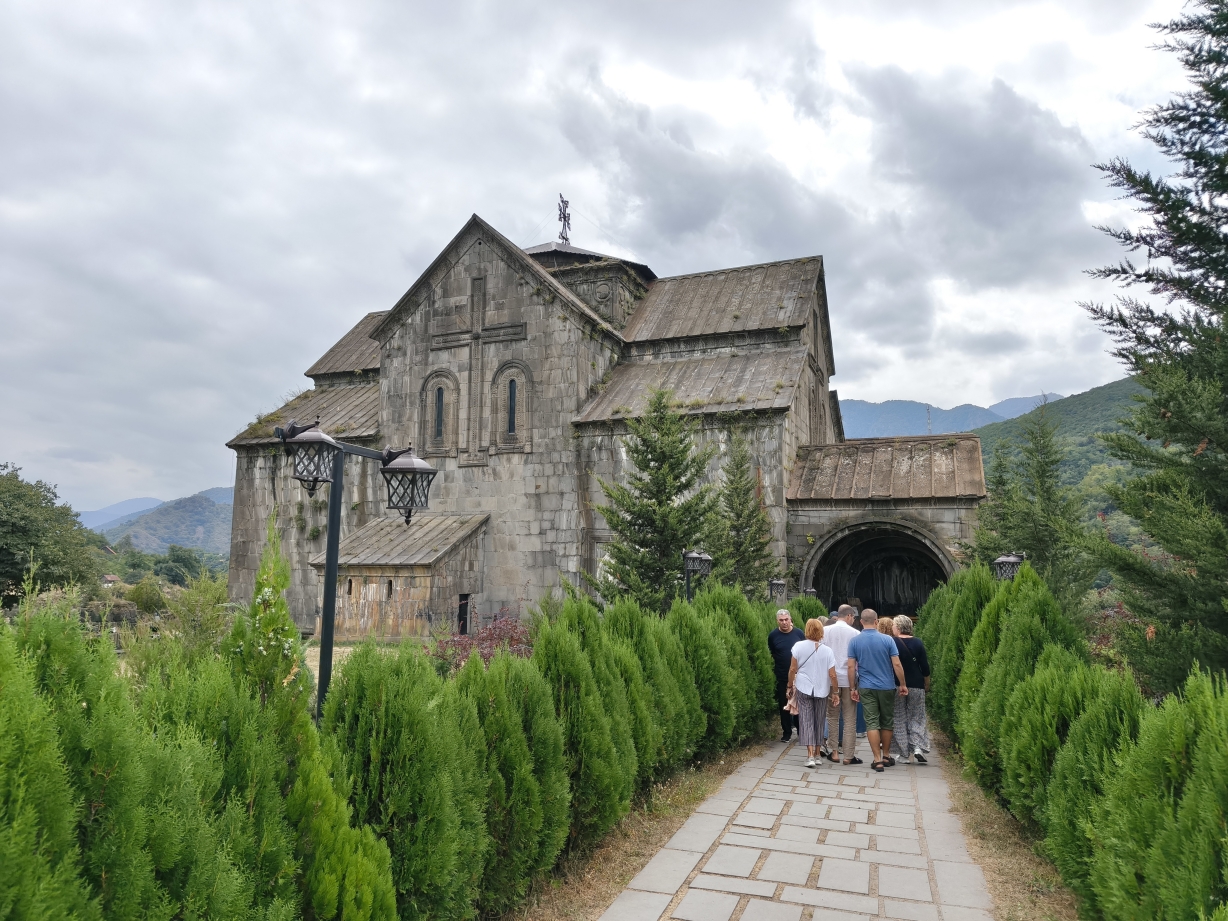
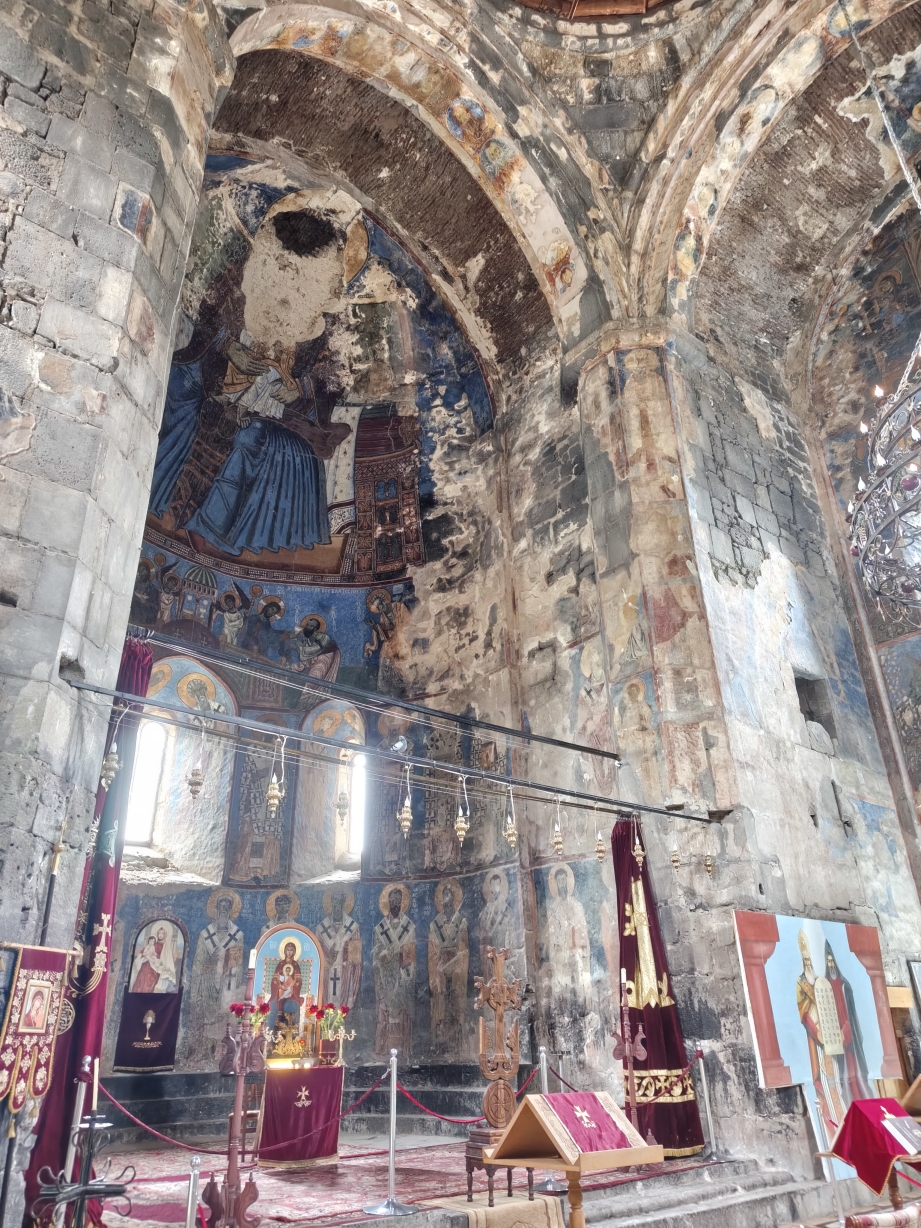
Imagine walking through the hallways of an ancient church that is more than 1000 years old. Akhtala Monastery– built during the 10th century, has remain unchanged through the years. The church houses the original and most well preserved mural art from the its era.
Note: Armenia is recognized as the first nation in the world to adopt Christianity as its official state religion in 301 AD.
The murals of Akhtala Monastery are one of the best representations of Byzantine art. New and Old Testaments scenes as well as various saints including Saint Gregory the Illuminator are depicted on the murals.
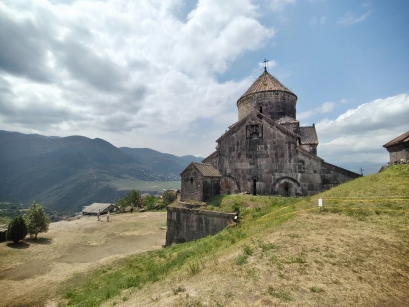
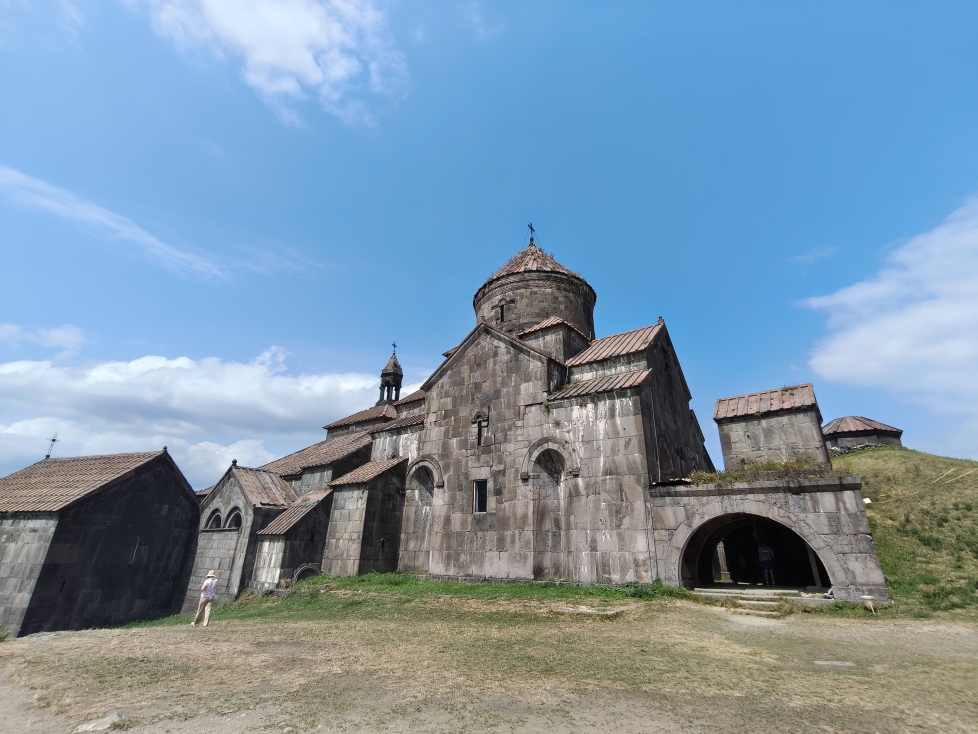
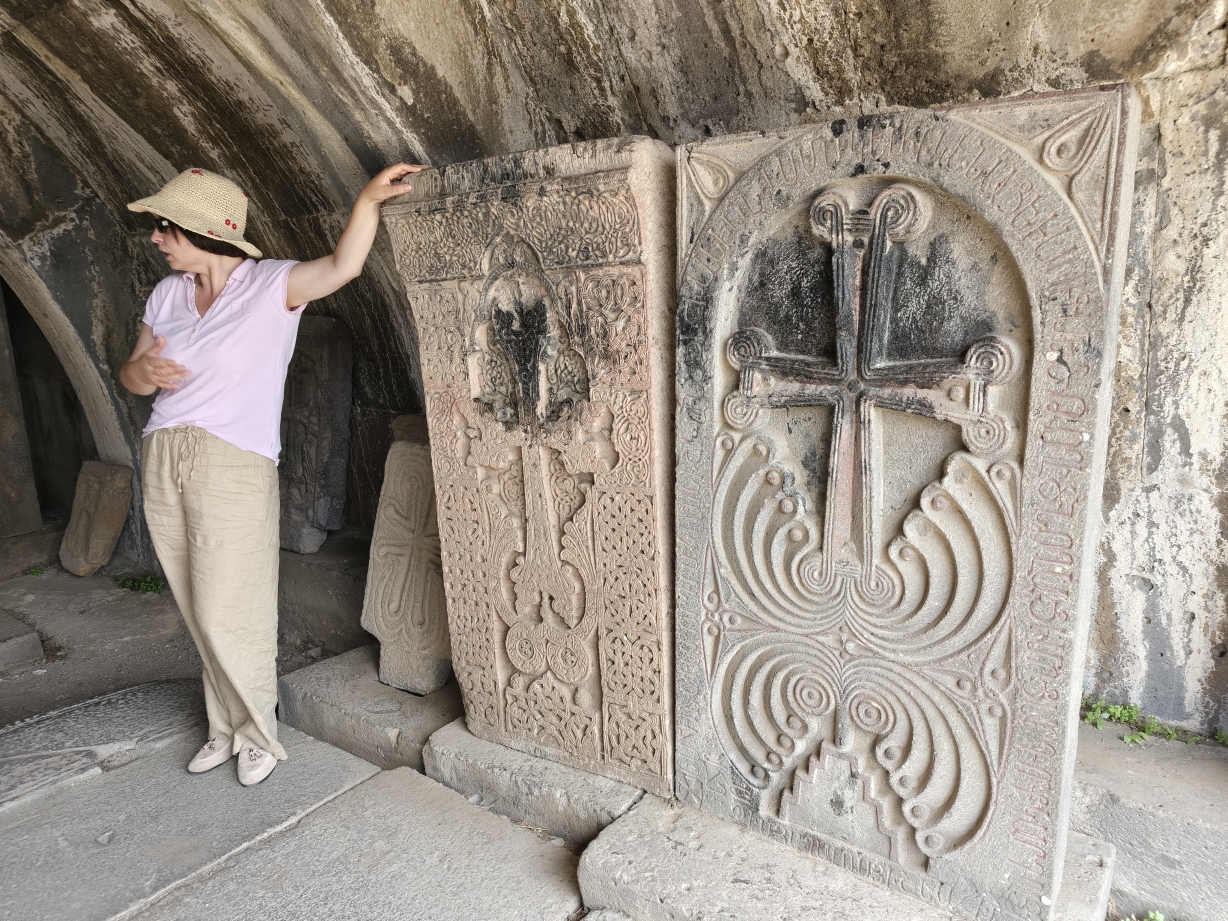
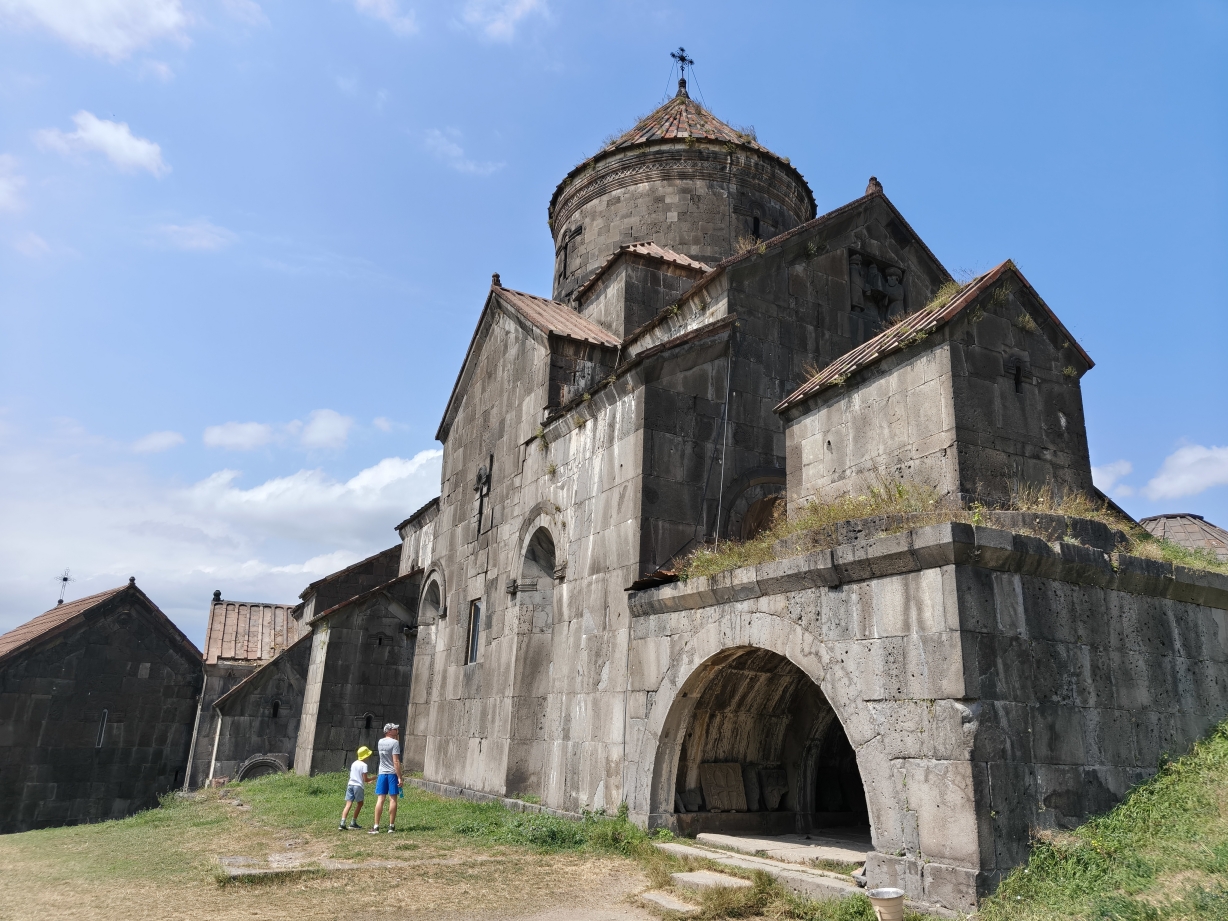
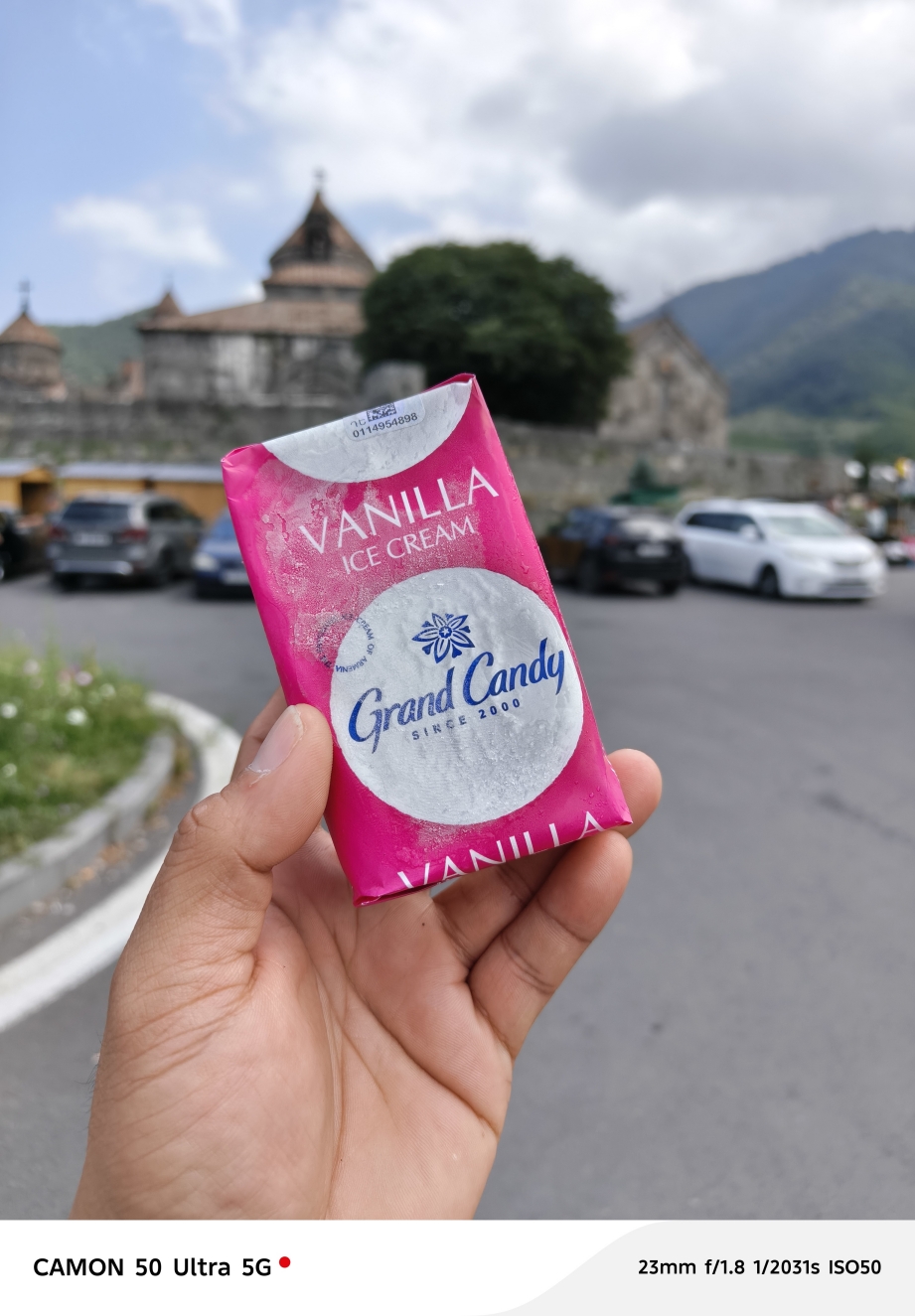
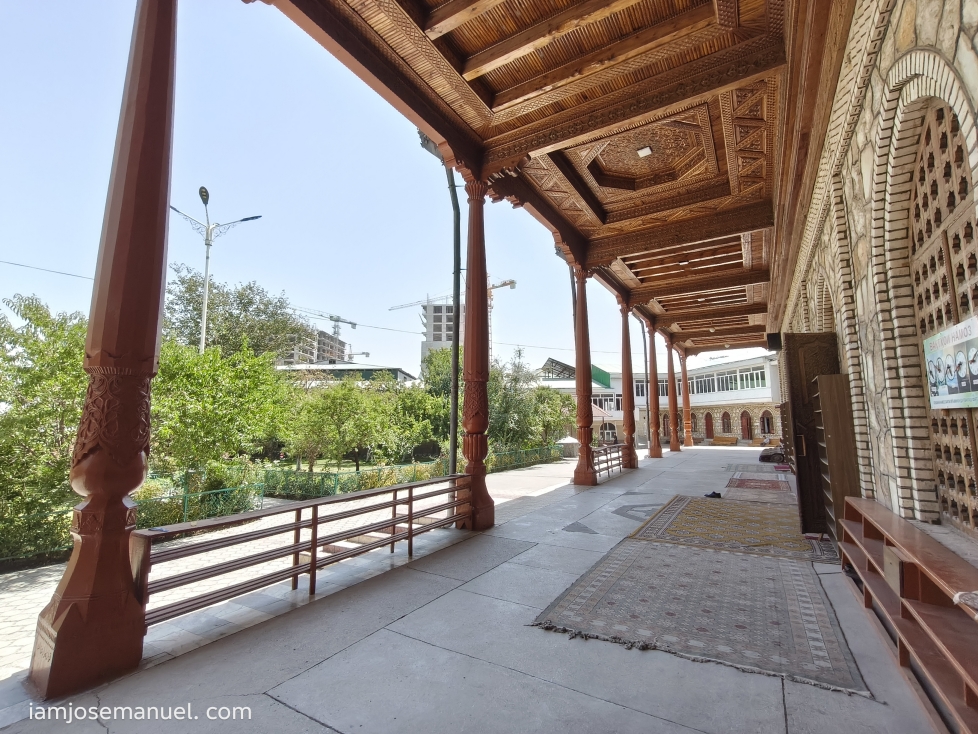
Haghpat Monastery, built between 10th to 13th Century, famous for its location that is perched on top of the mountain. The grounds of this monasteries are actual graves of people from the ancient times.
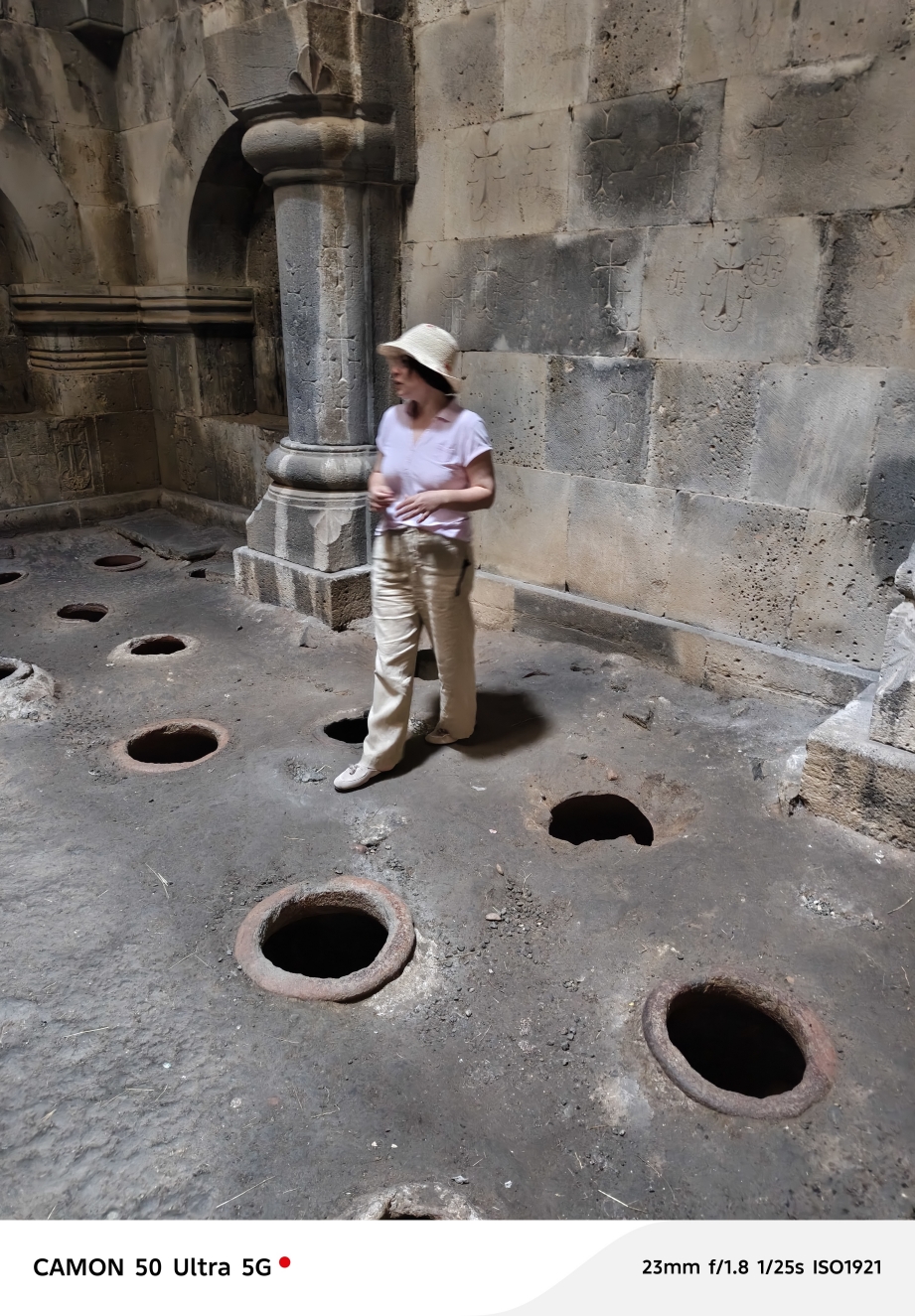
The holes on the floor are 10th century wineries. The monks age wine in big clay jars buried below the ground. Haghpat Monastery is a Unesco World Heritage protected site.
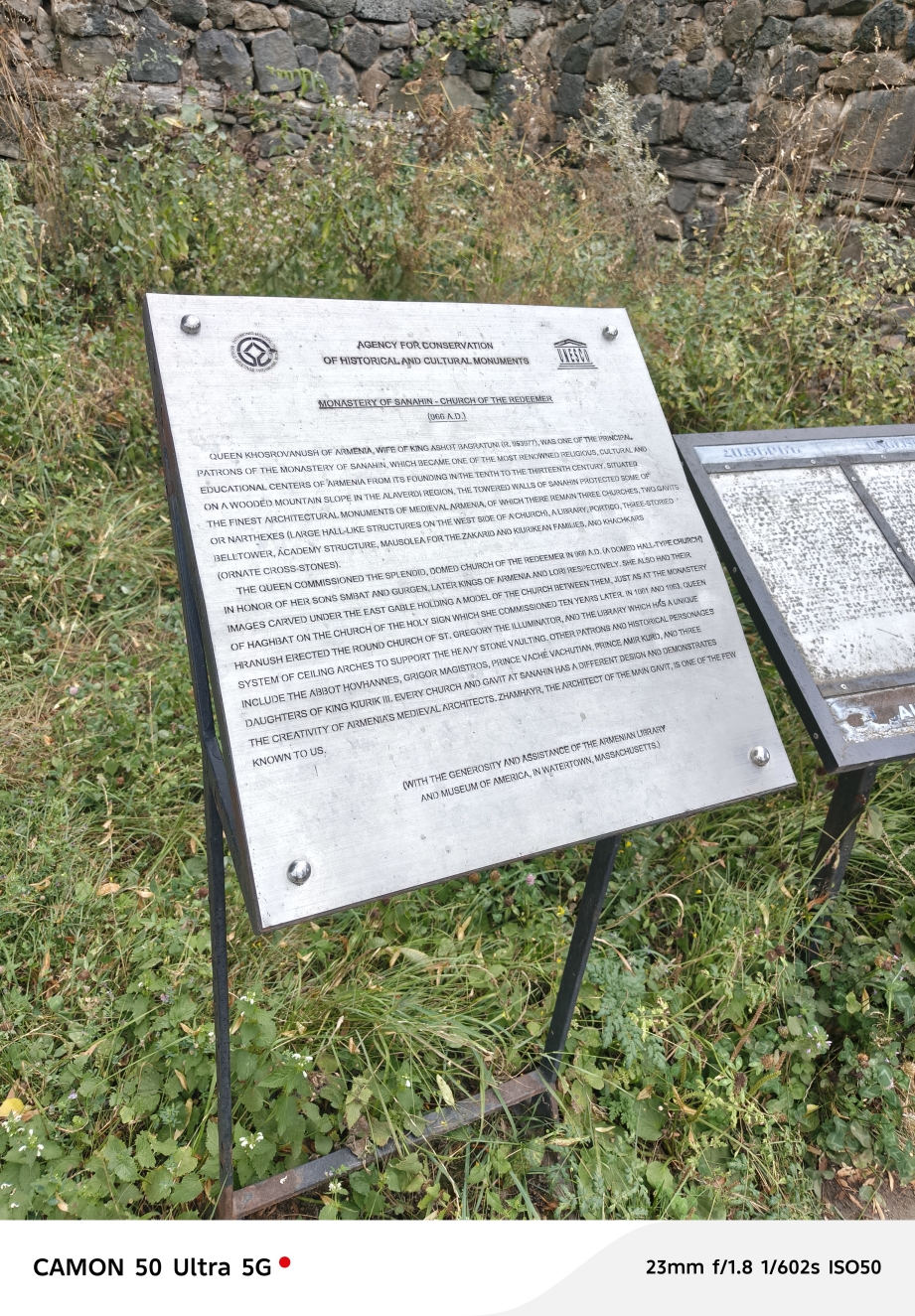
Sanahin Monastery, another Unesco world heritage site in Armenia. Also built in the 10th Century. This one is located at the center of an ancient town.
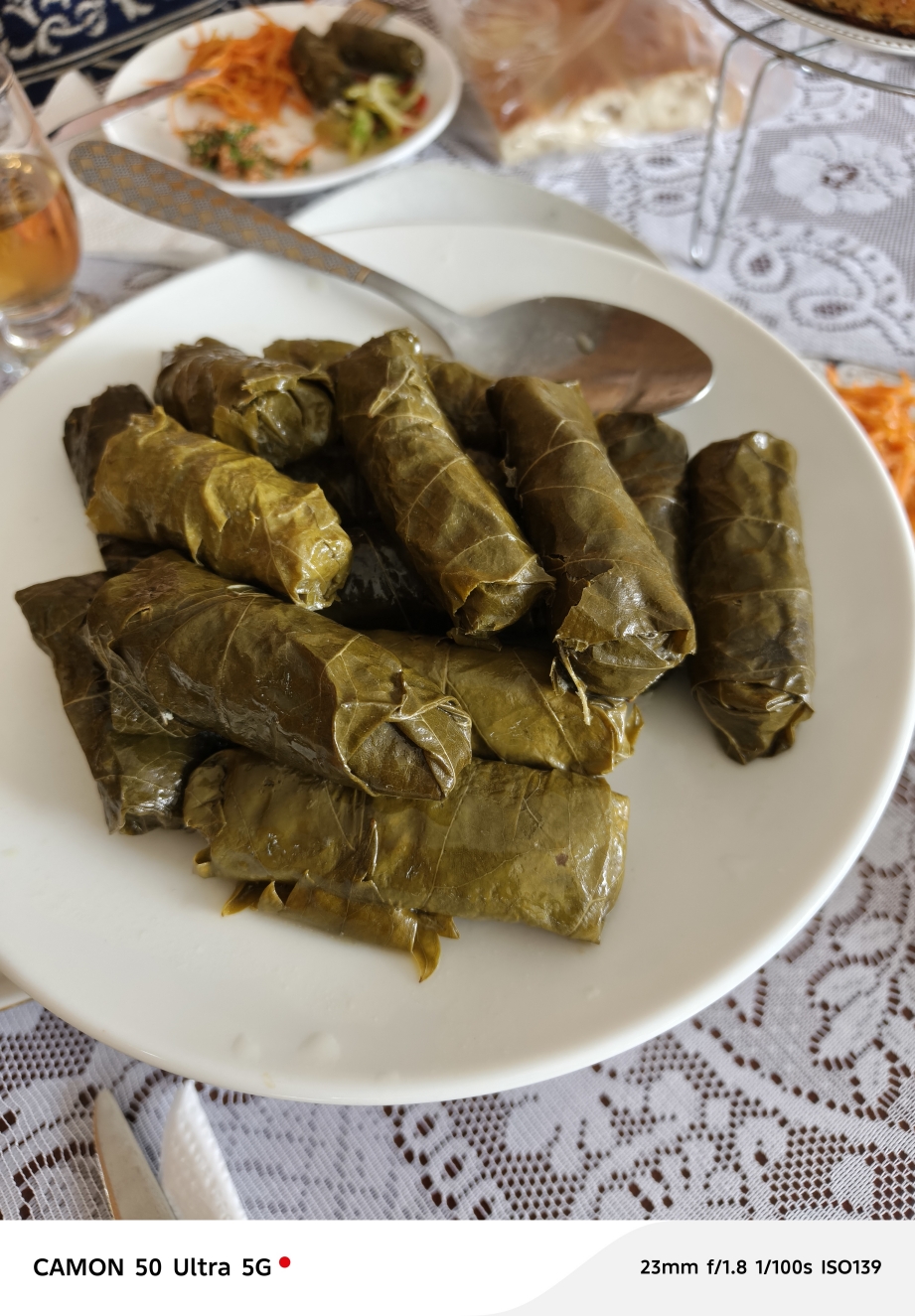
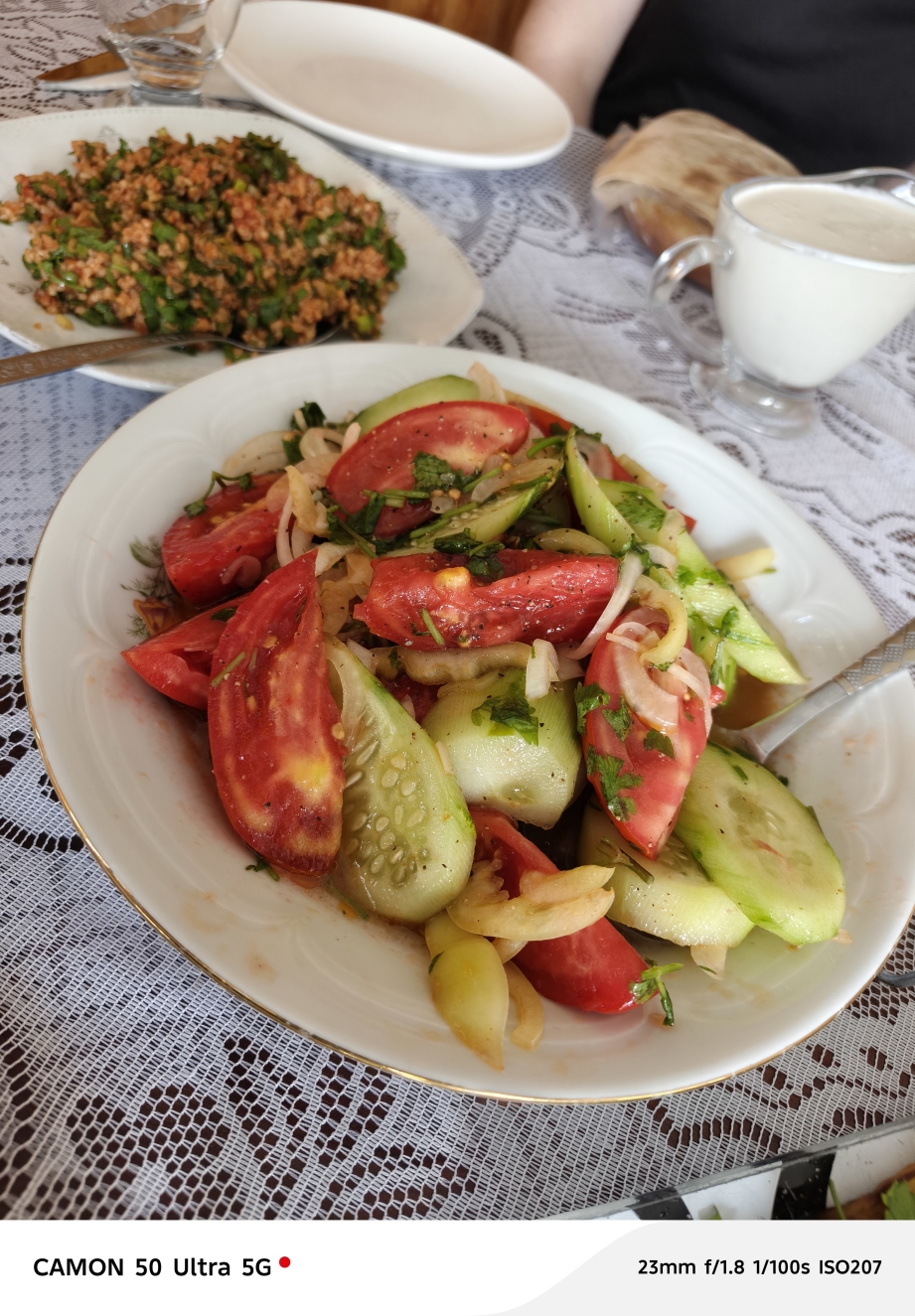
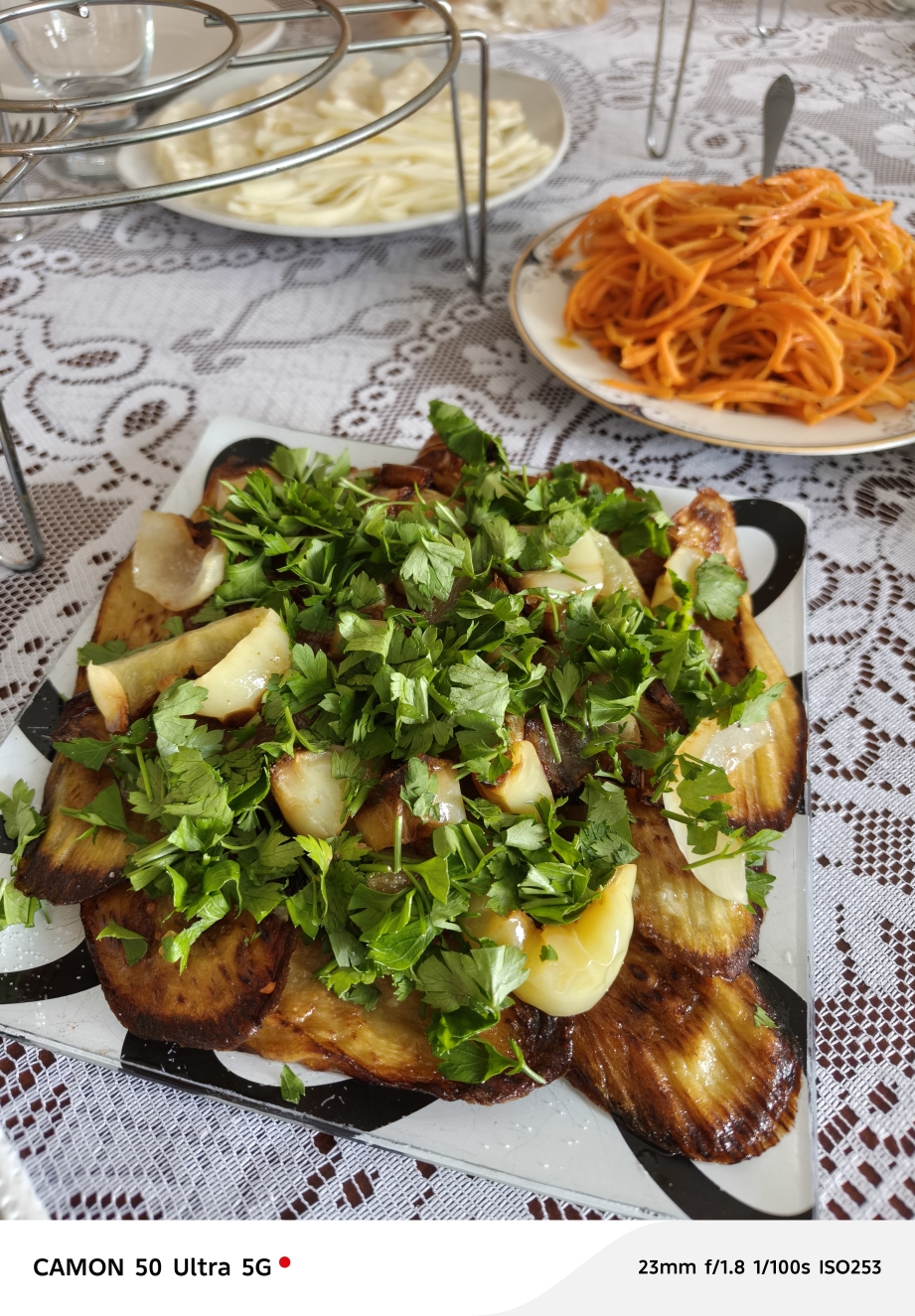
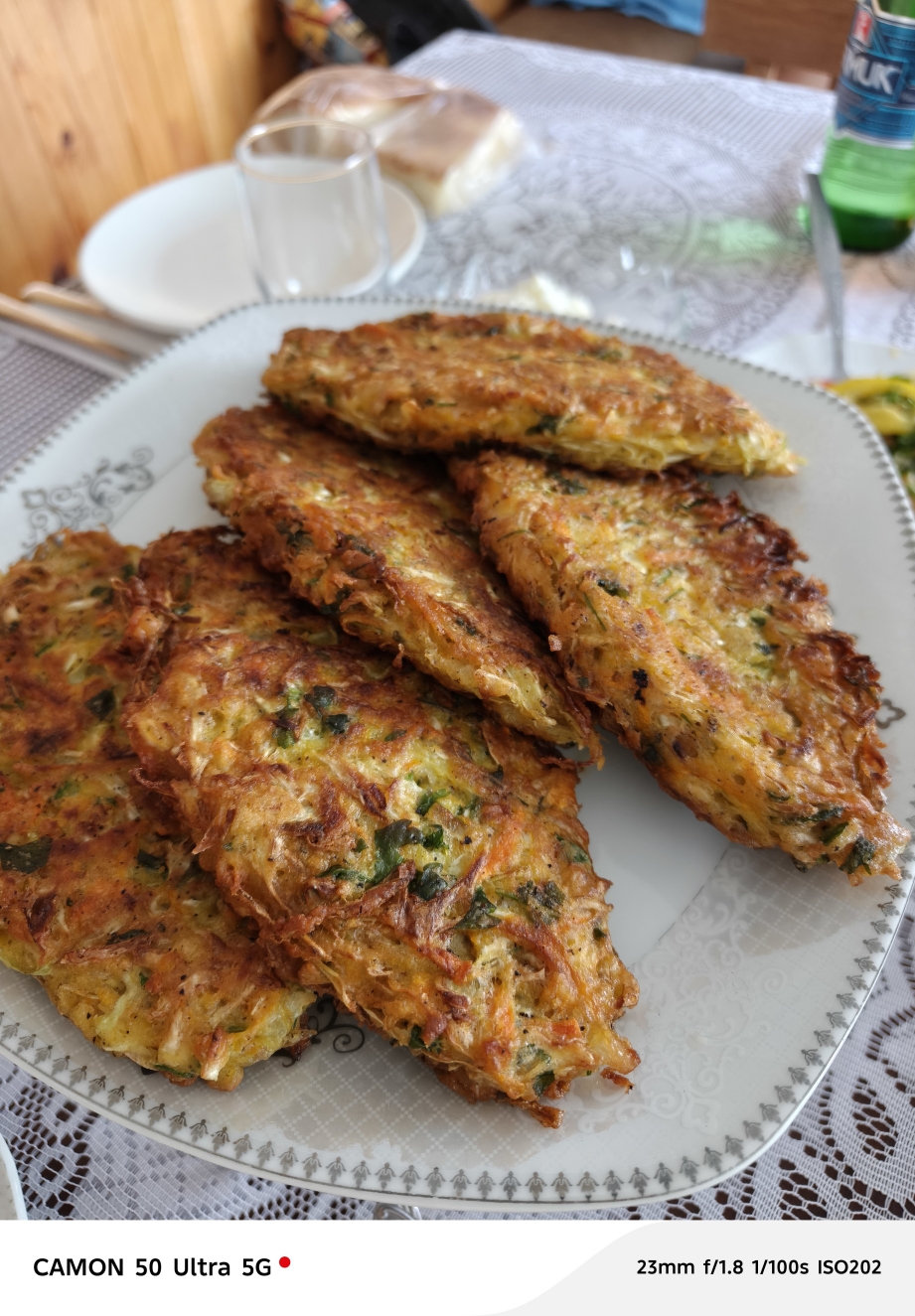
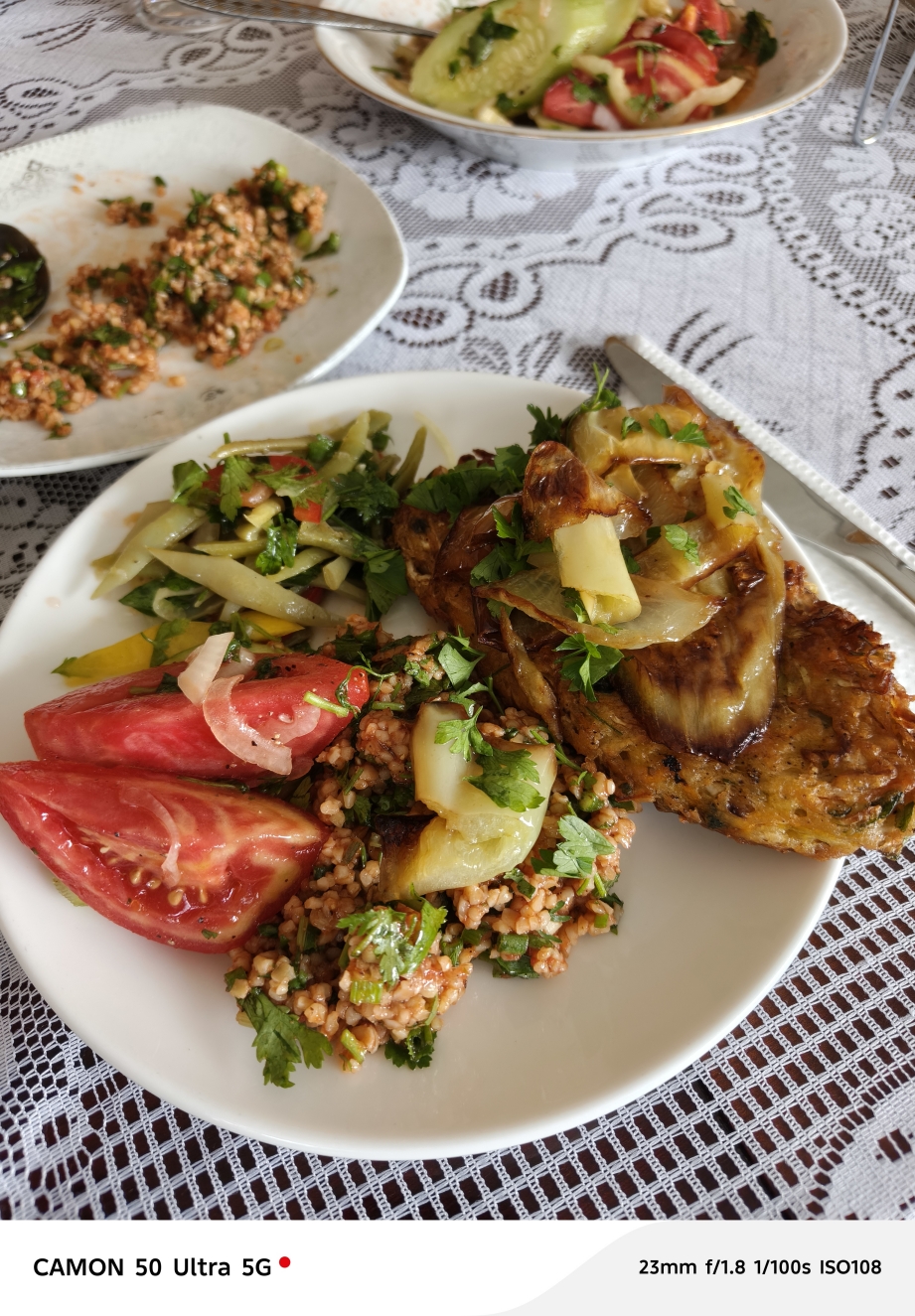
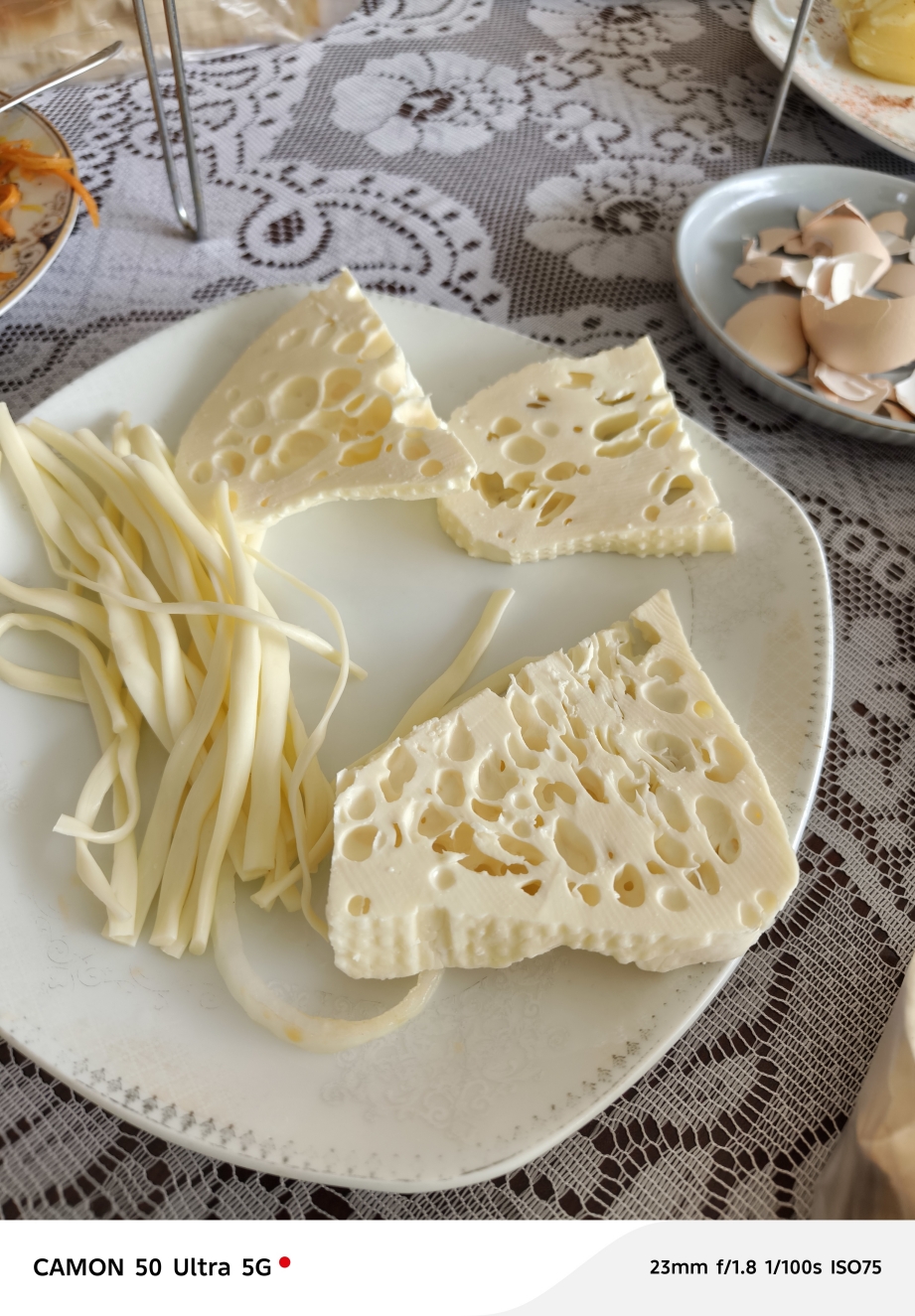
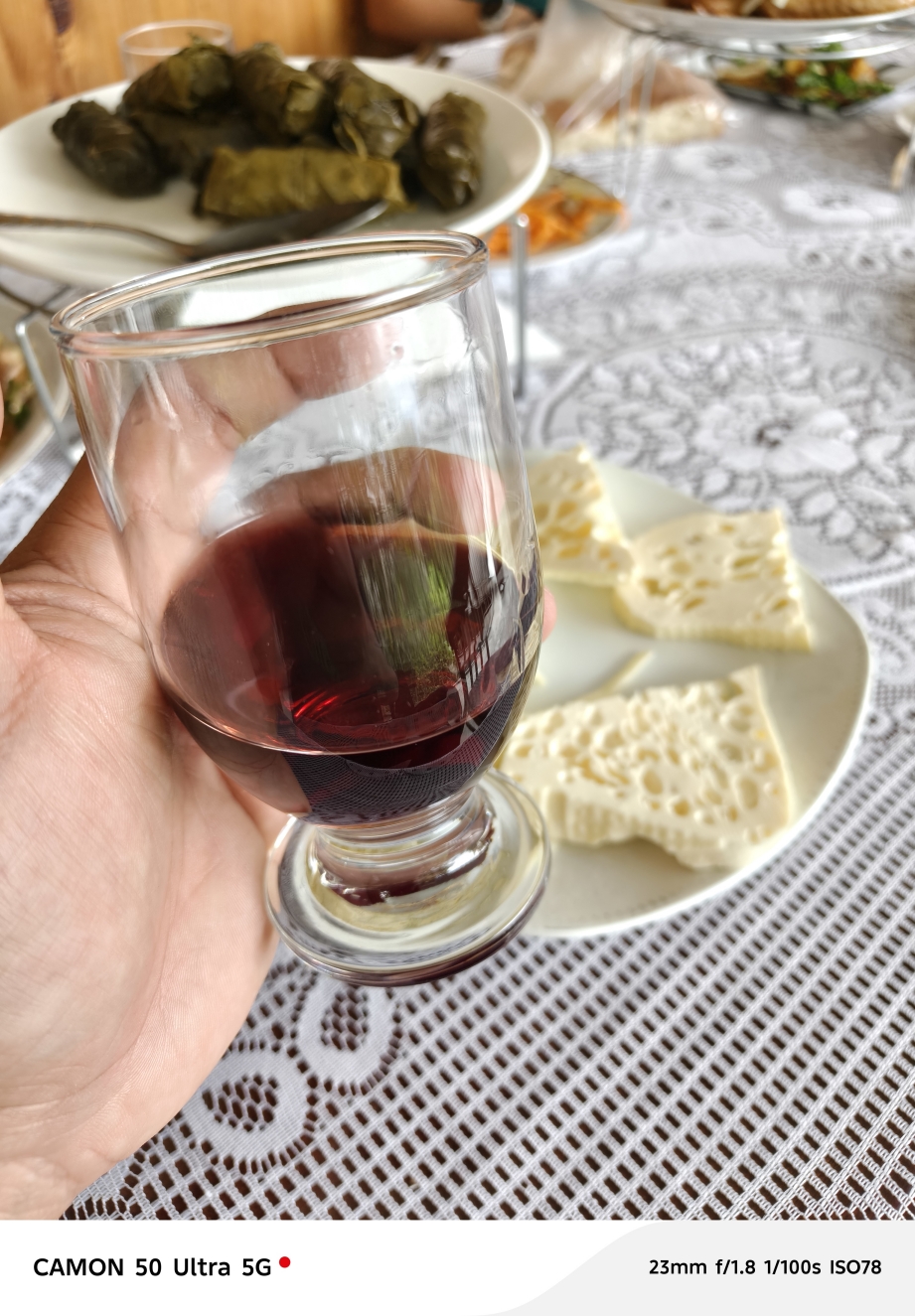
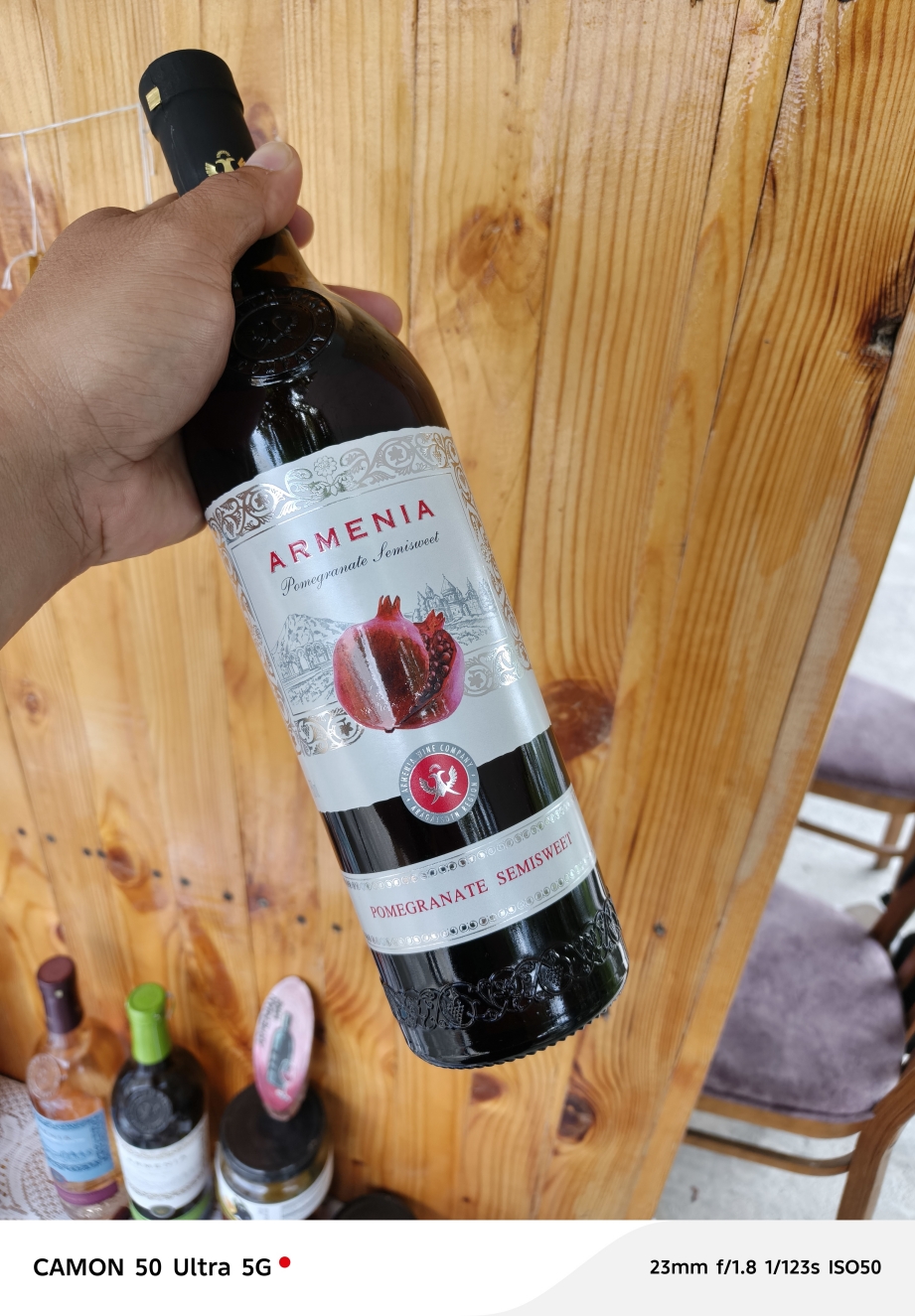
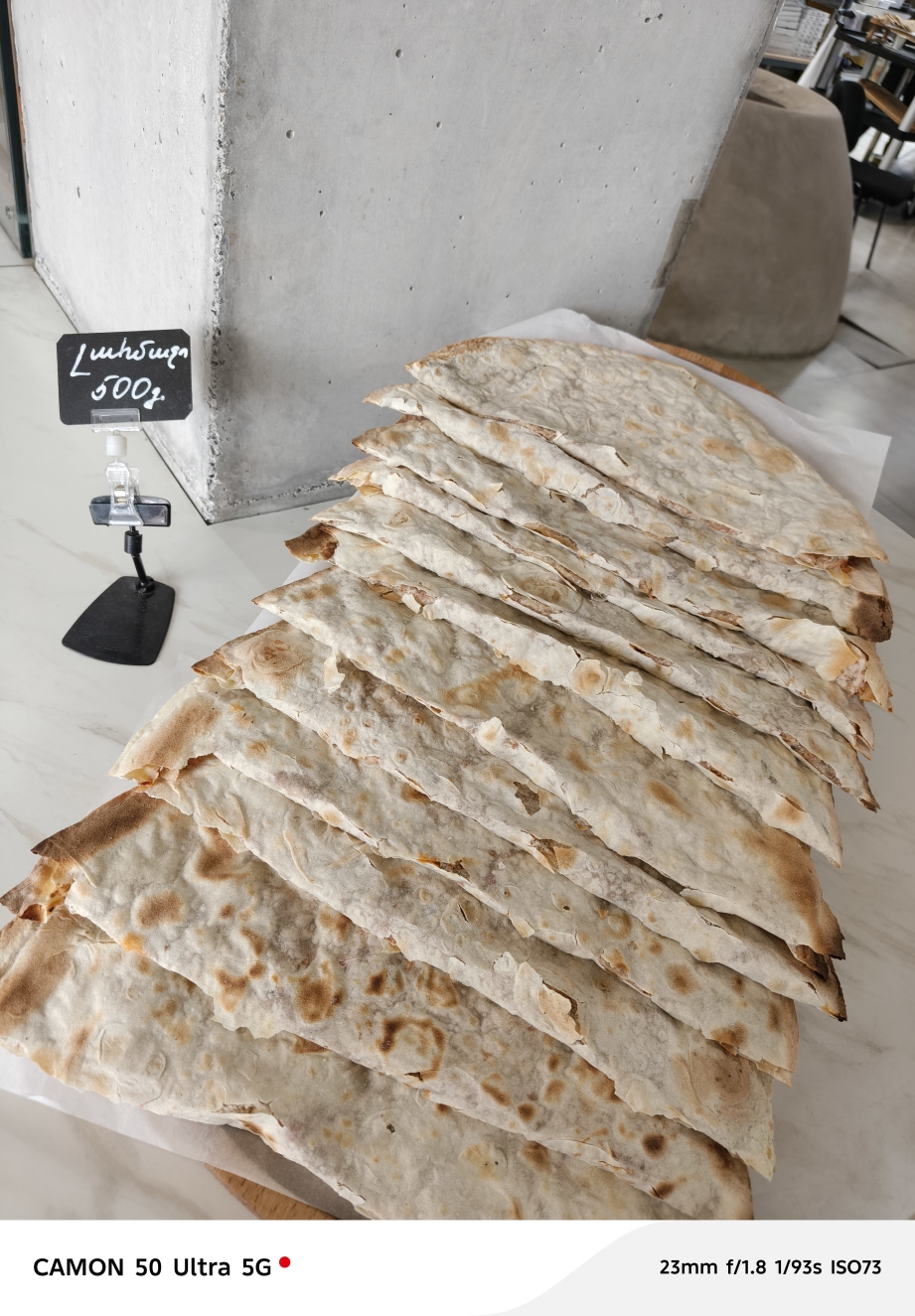
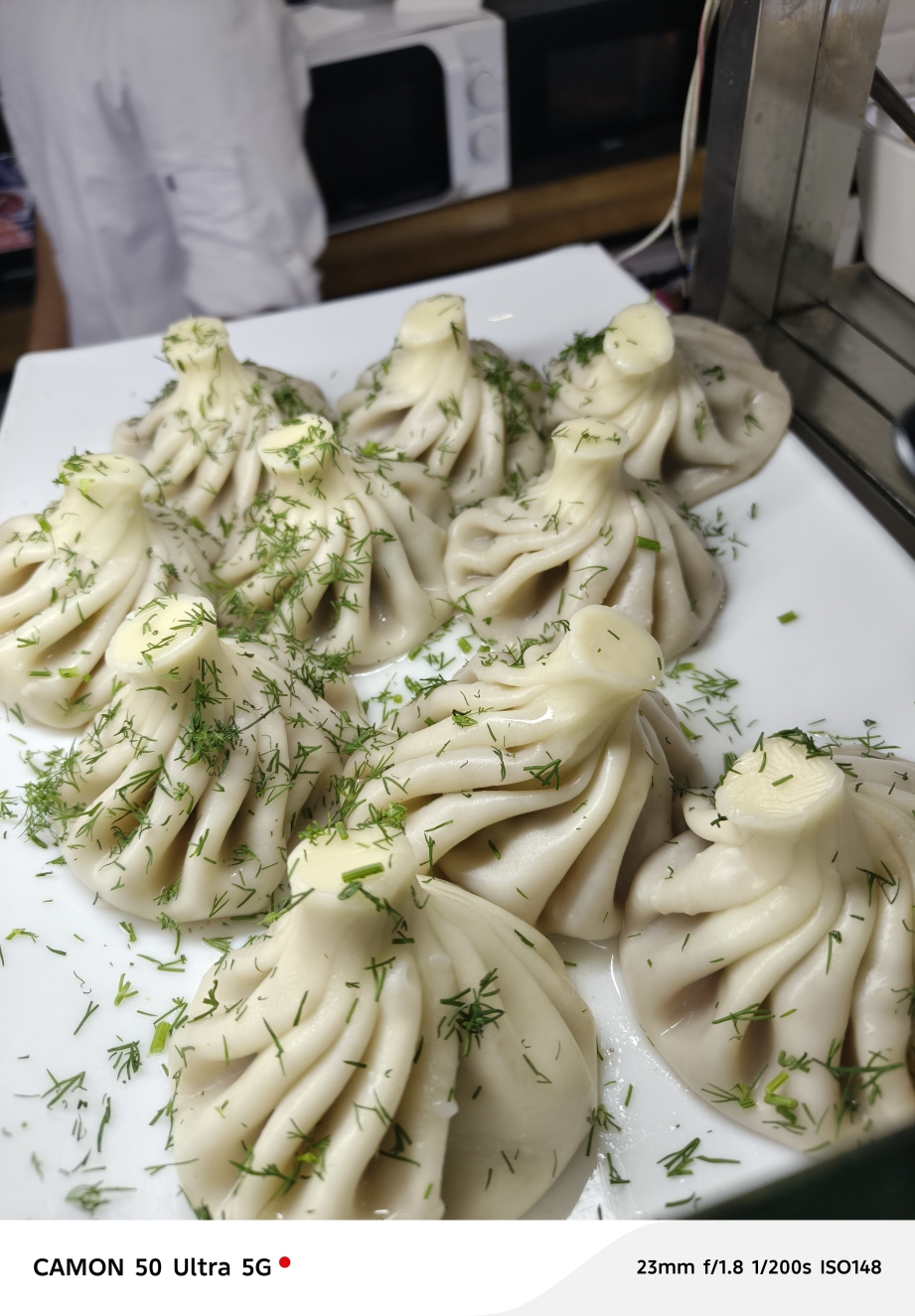
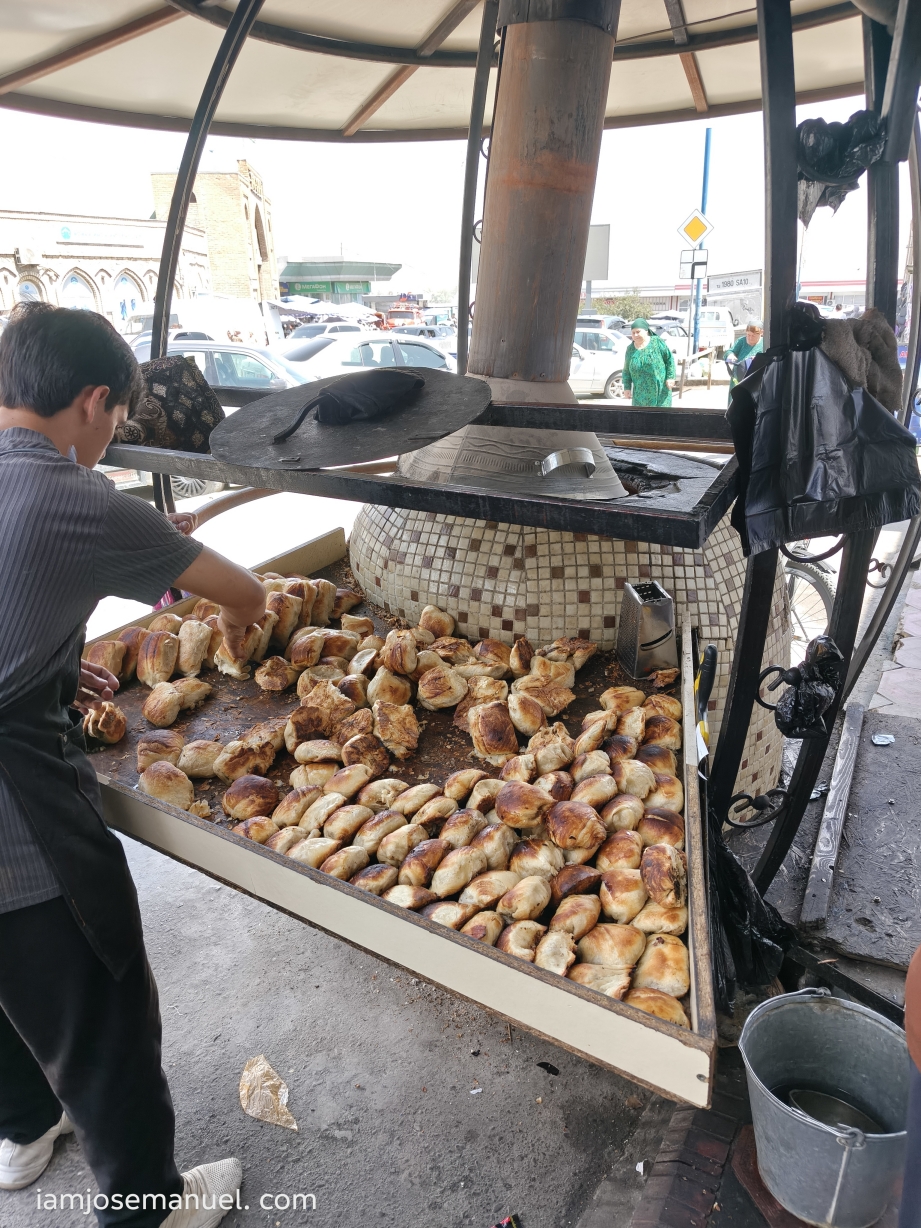
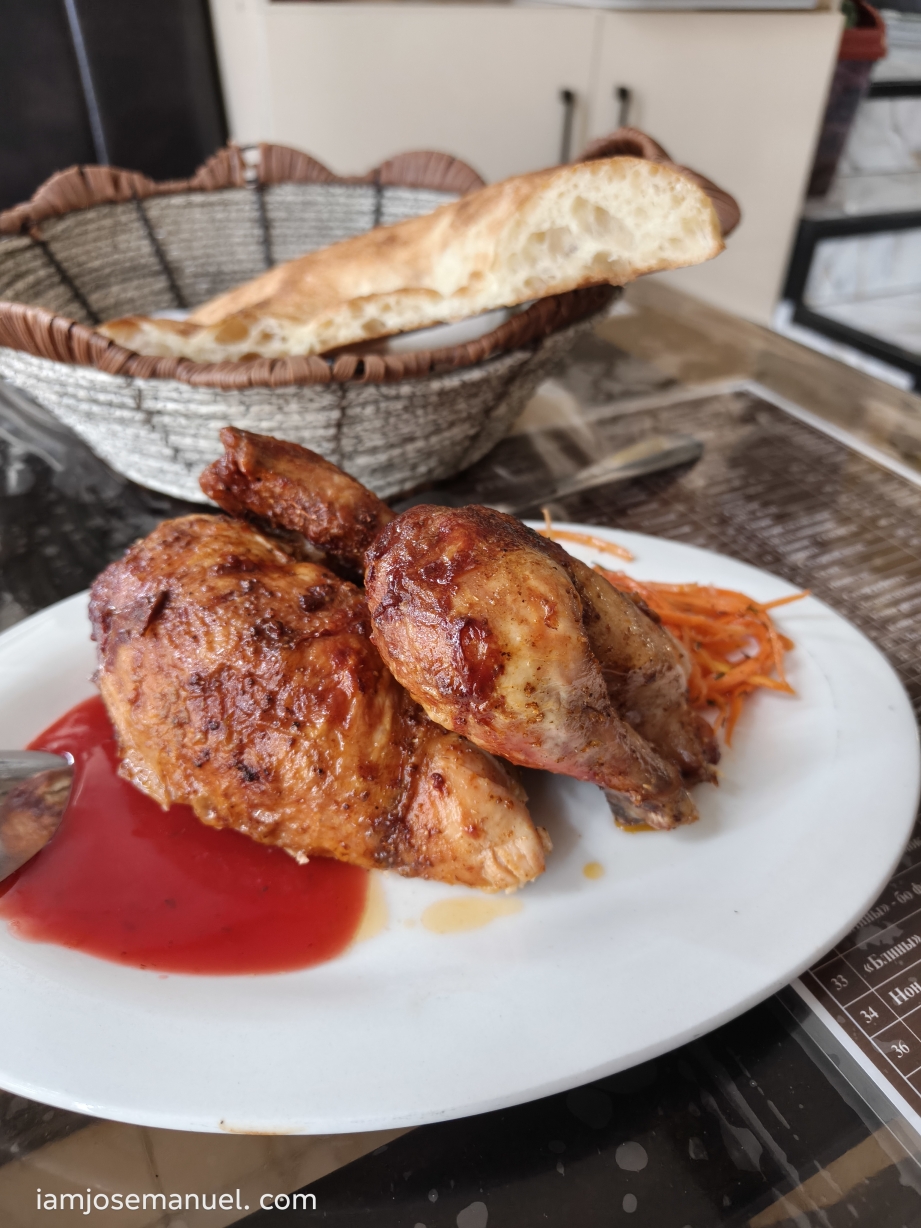
Included with the day tour was a hefty lunch, hosted by a local family in Hagpat, Armenia. Armenian food is basically similar to Georgian and Turkish. One memorable dish is the dolmah, which is seasoned lamb meat, wrapped and steamed in grape leaves.
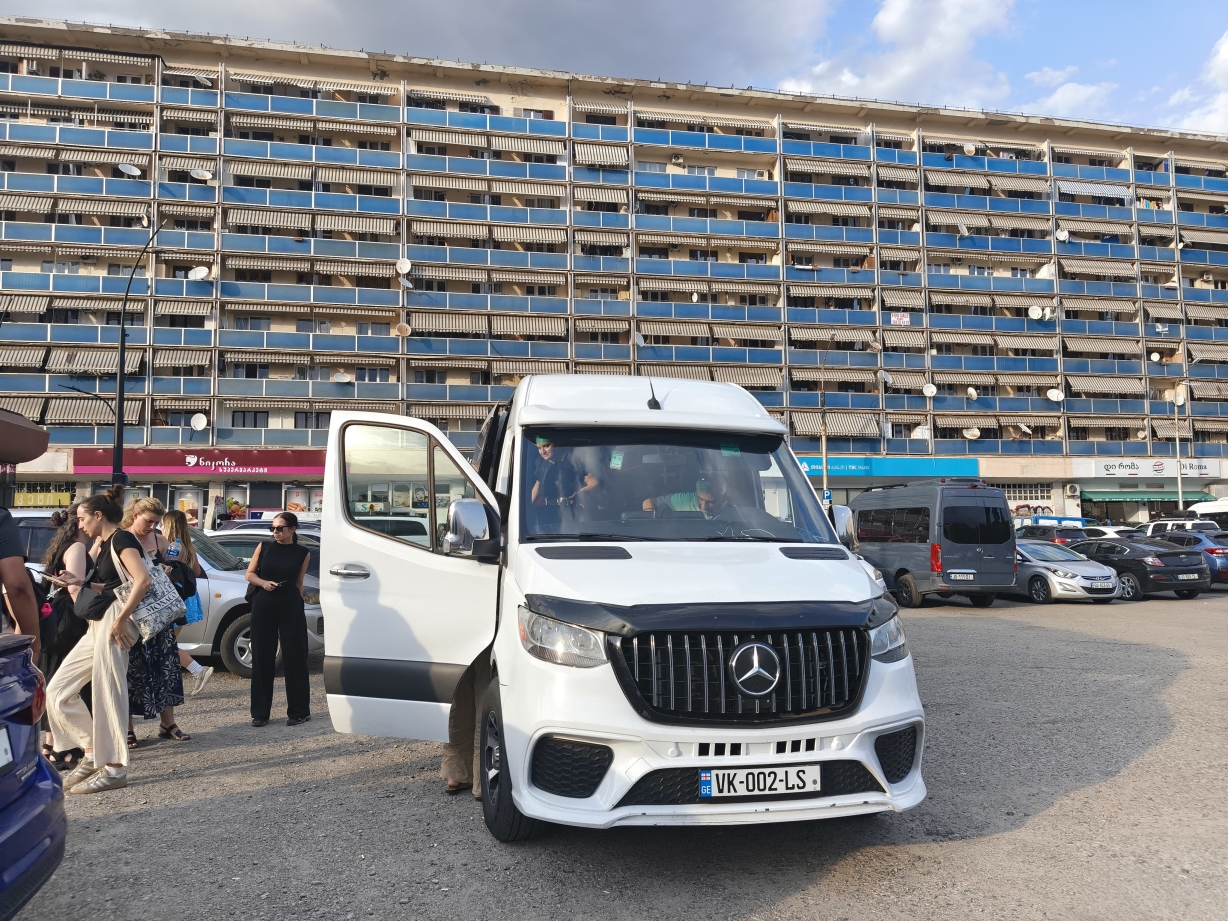
Our ride for the day tour was a comfi white Mercedes Benz. I booked this joiners tour through Getyourguide.com for around 75USD, All inclusive – 9 hours guided tour to Northern Armenia. Armenia is just around 1.5 hours from Tbilisi, Georgia.
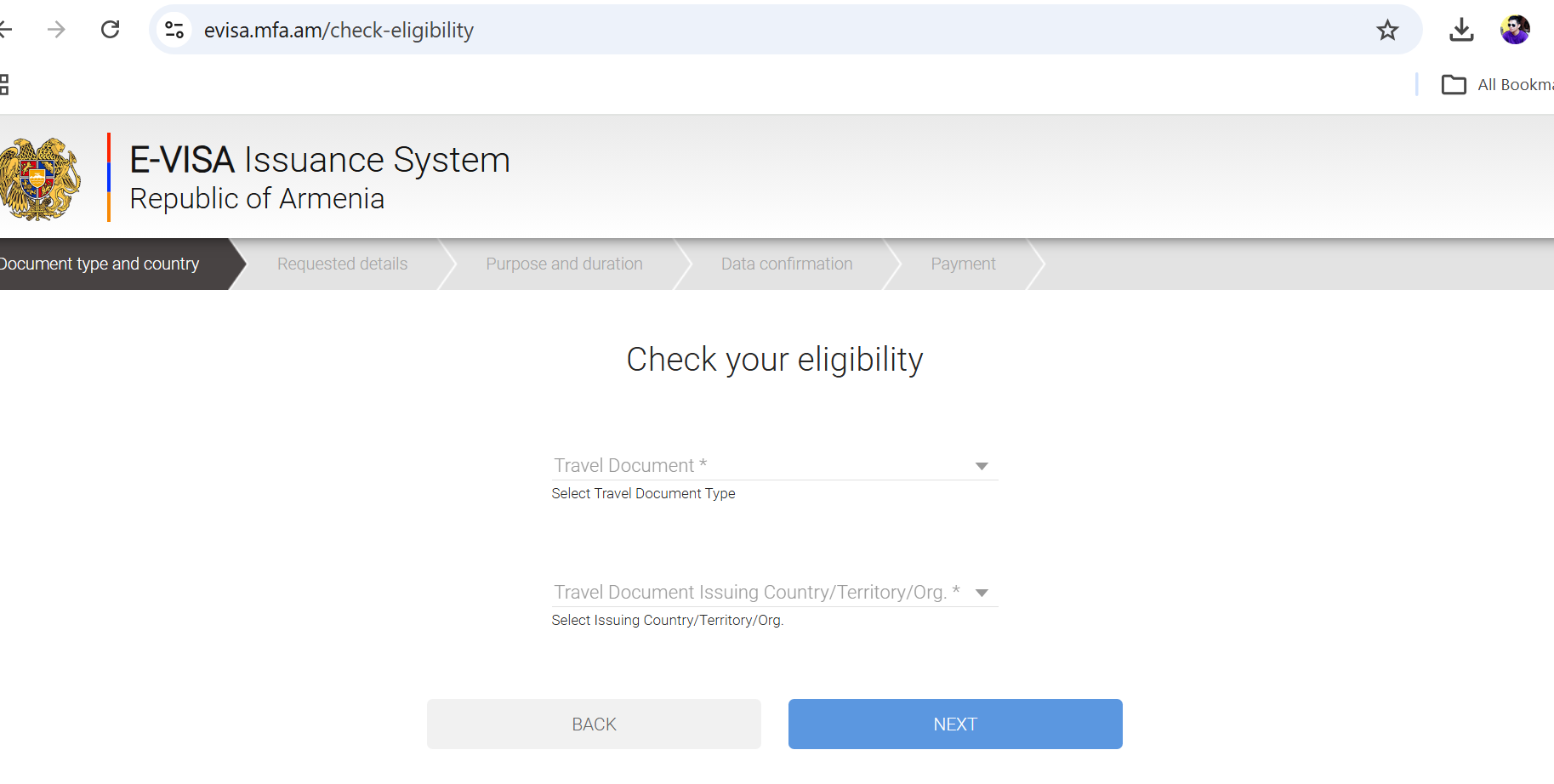
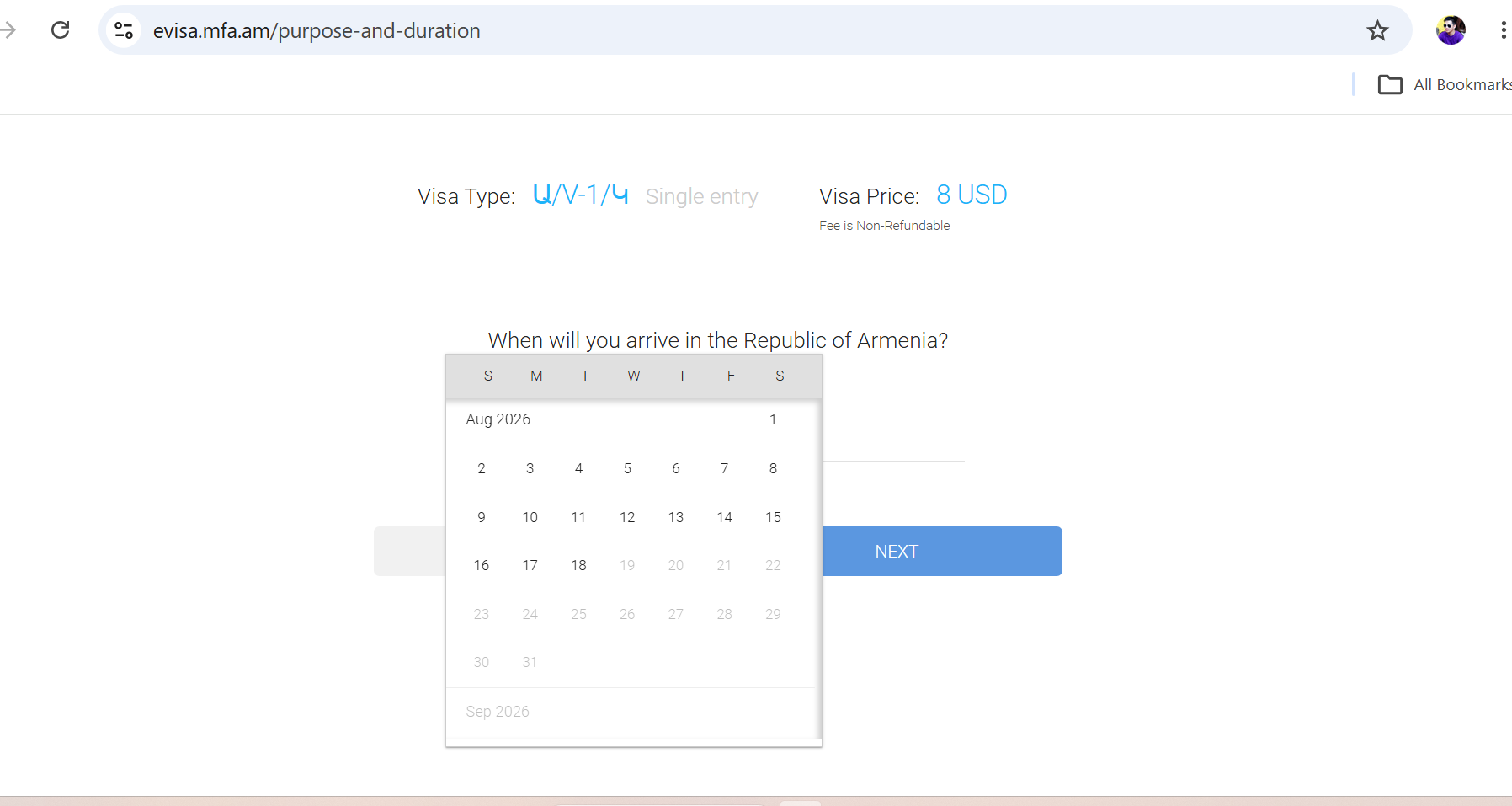
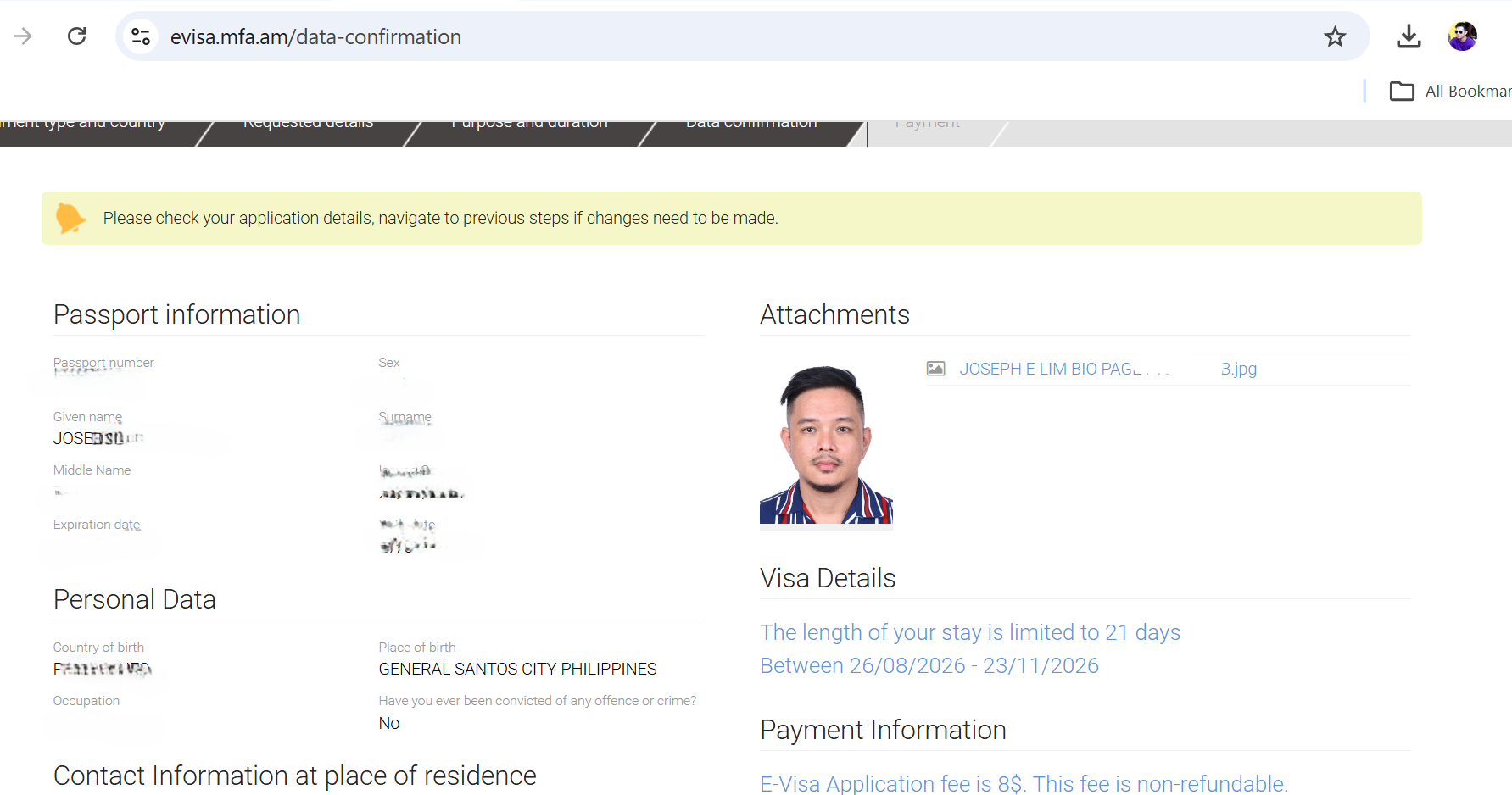
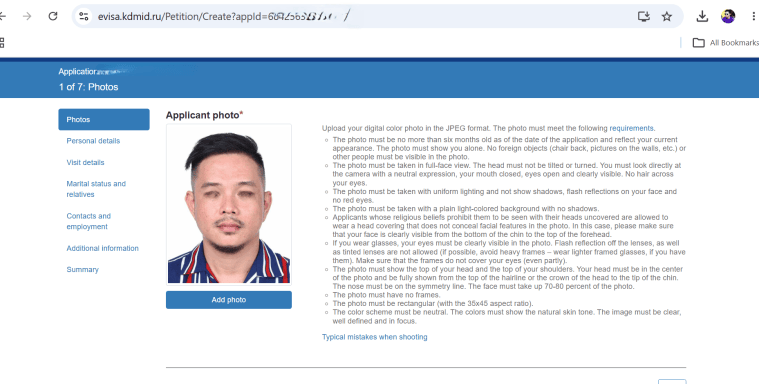
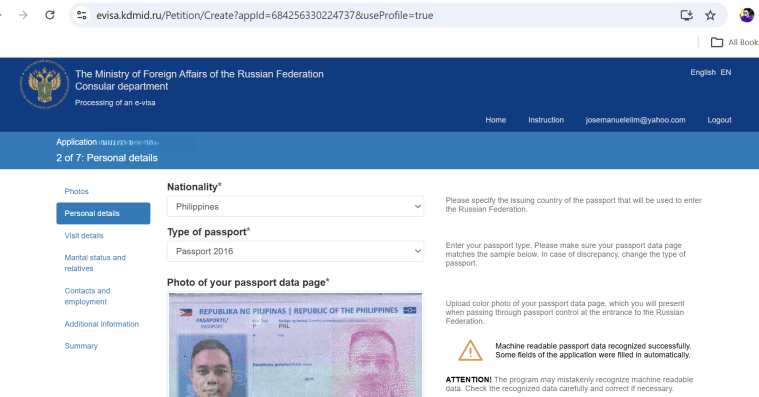
Filipinos need an E-visa to enter Armenia. Application was pretty straightforward, and costs only 8 USD. The thing is you can only apply for E-visa 30 days prior to your desired arrival date. Here are some screenshots of E-visa interface.
Georgia is one of the countries that Filipinos can visit just by securing an easy E-visa prior to the trip; purely online application, no personal appearance at the embassy. Tourist E-visa costs 20 USD.
However, Philippine passport holders can enter Georgia visa-free, if they hold a valid visa or residence permit from specific countries like the US, UK, Canada, Schengen Area, or GCC countries. In my case, I presented at the Georgian Immigration my valid US and Japan Visa. I also presented a printed copy of my hostel booking, fly out ticket, as well as my travel insurance (which I booked last minute with the help of my sister). Mandatory Travel Insurance is strictly required when entering Georgia, with a minimum of $30,000 in health coverage. I was able to enter Georgia visa-free twice. First was at the airport, second was at the land border crossing from Armenia. Same documents were presented. Visa-free entry however took a little more time, since they had to validate my presented US Visa via another program. At the land border, my passport validation took around 20 minutes at least. If you have extra 20 USD, I highly suggest securing an e-visa for smoother border crossings.
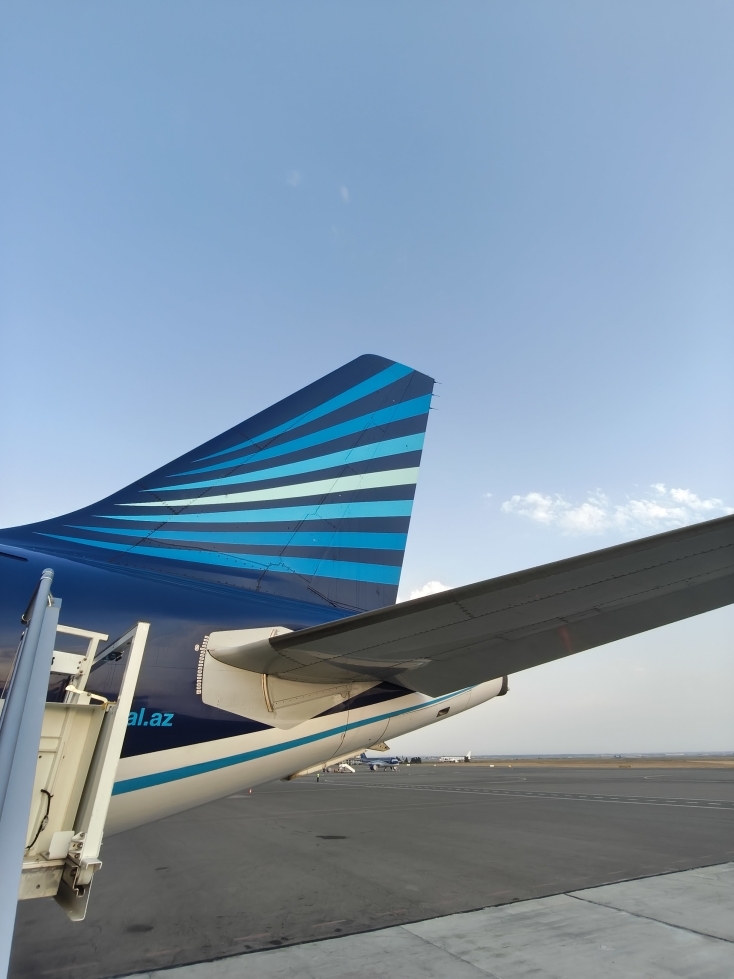
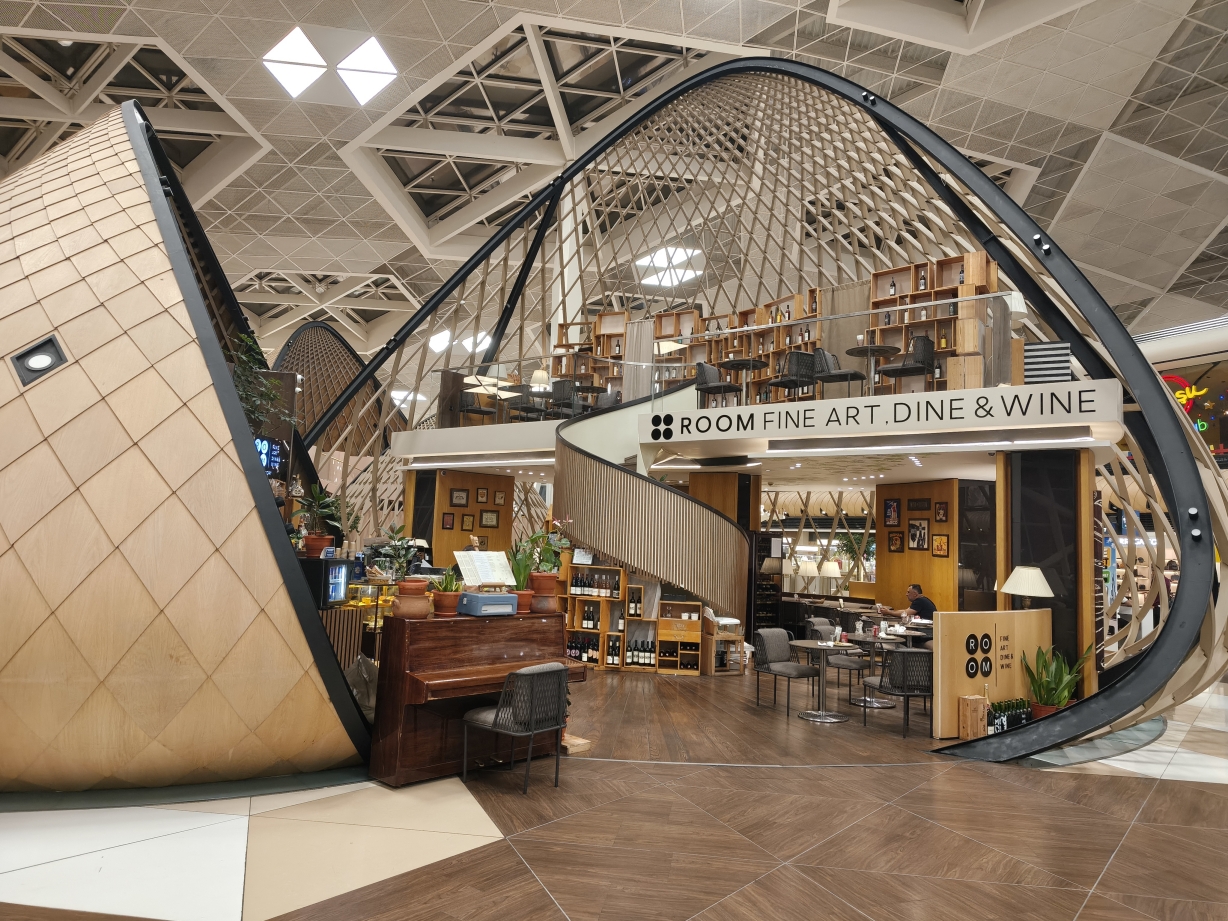
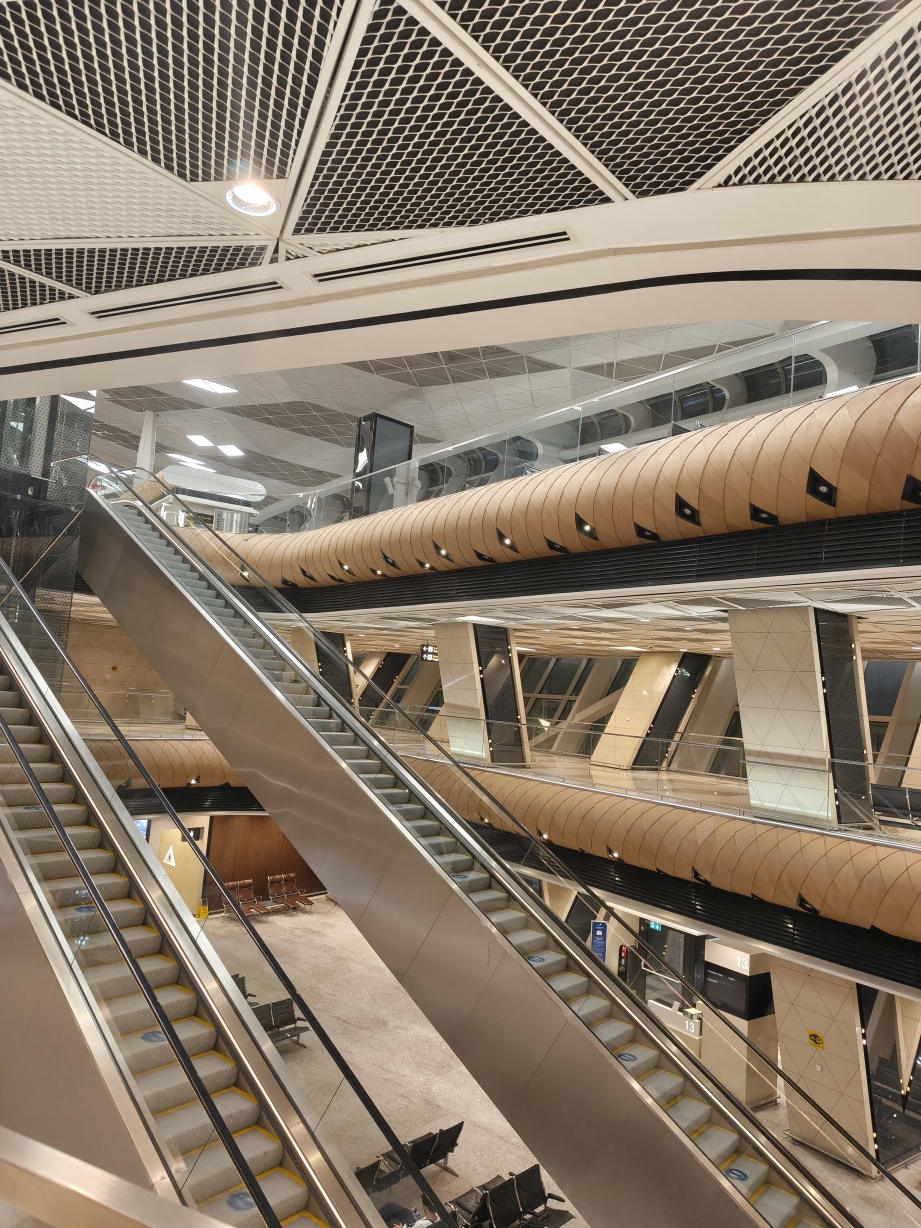
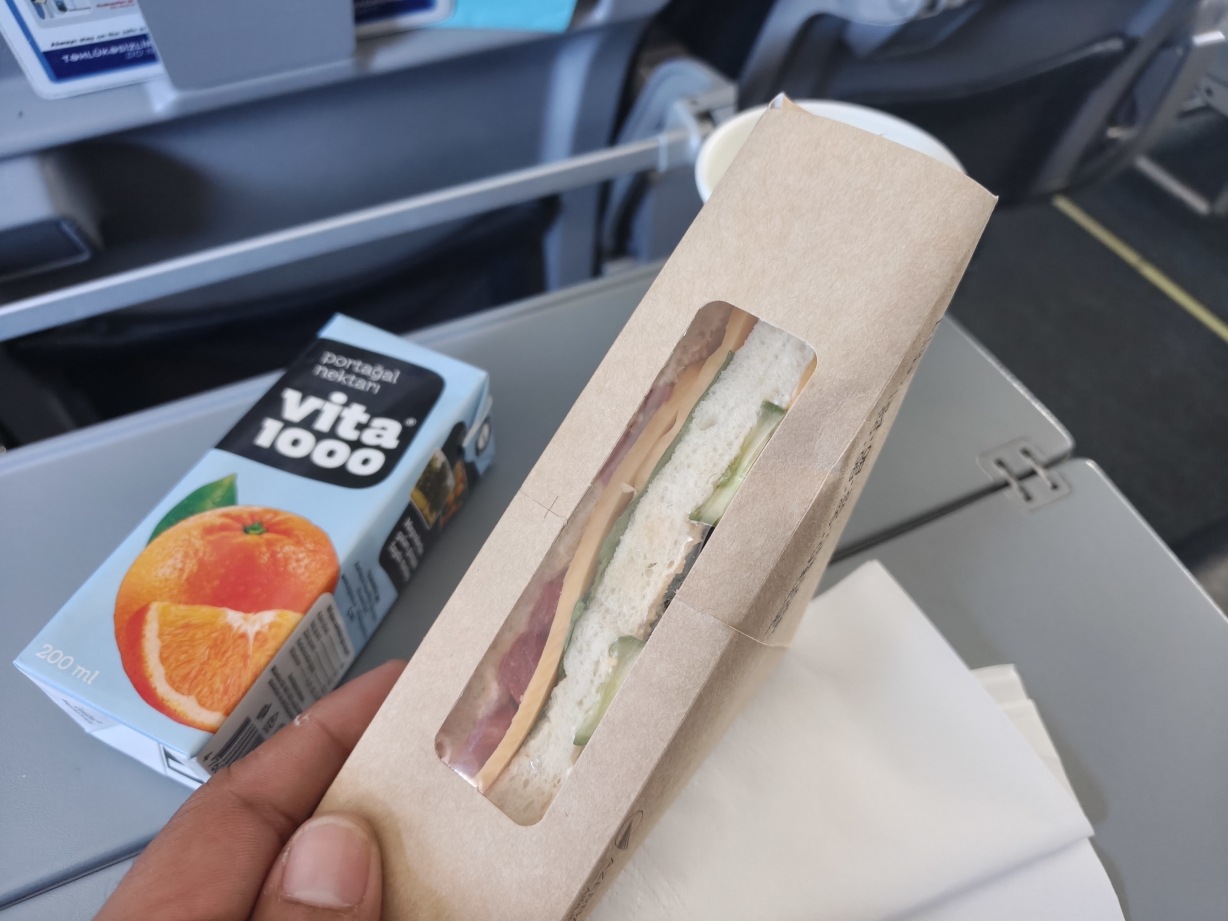
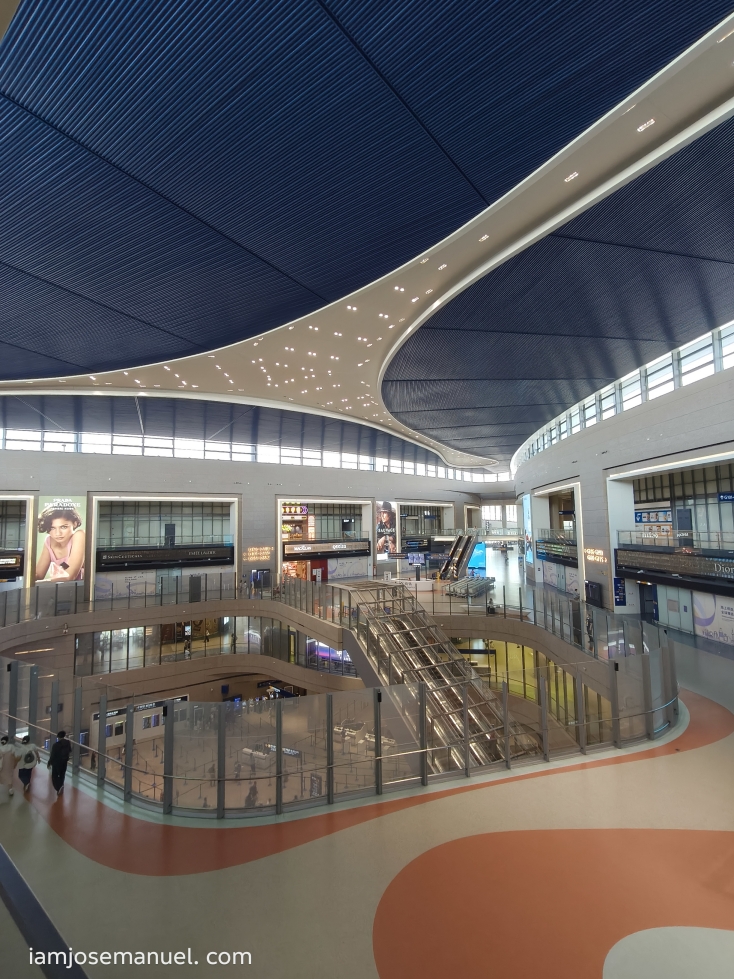
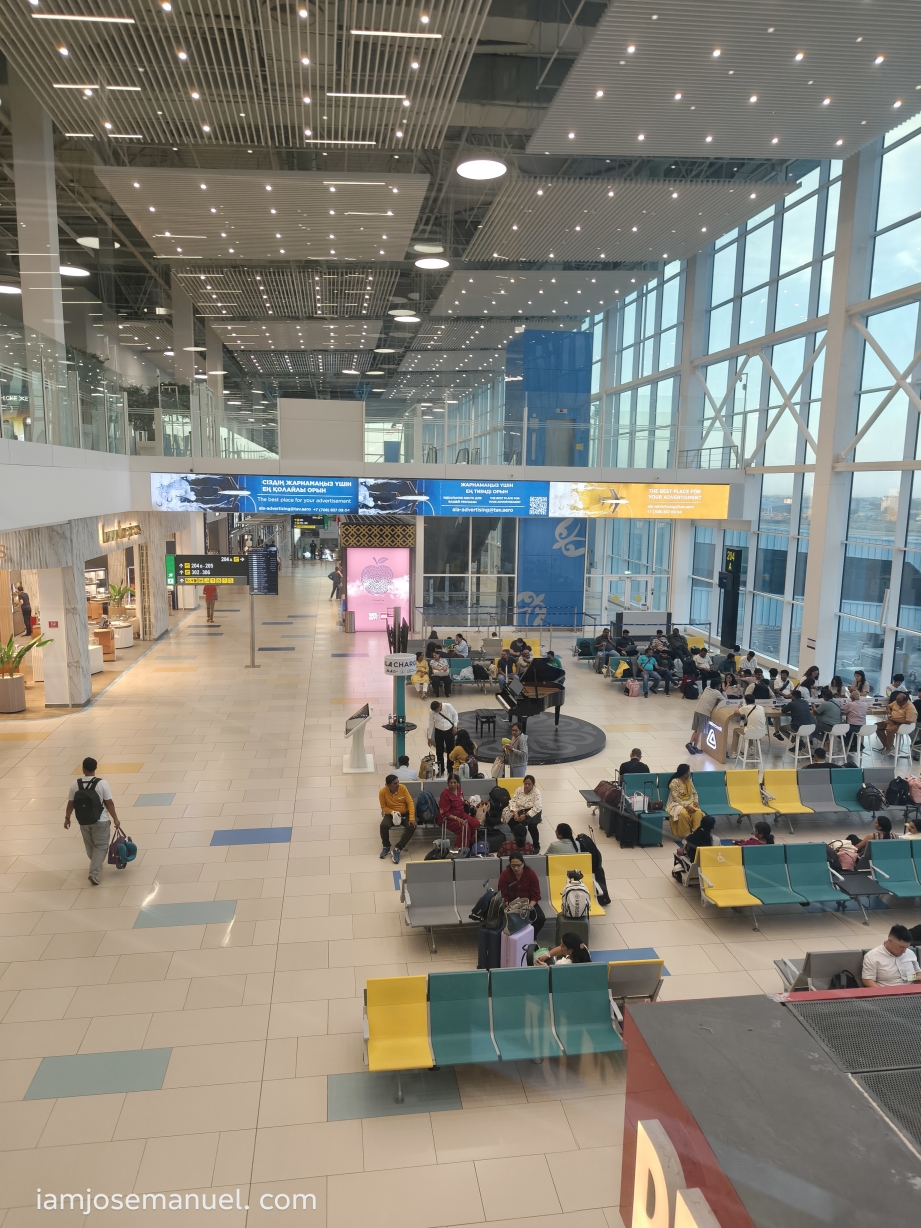
I flew to Gergia via Azerbaijan Airline, with a 4 hours layover at Baku International Airport (Azerbaijan). Their airport interior is quite sleek and classy. Sosyal, with all the ambient lights and clean-neutral palate. Azerbaijan Airline is also commendable for providing tasty meals and a 10 kg carry on bag allowance.
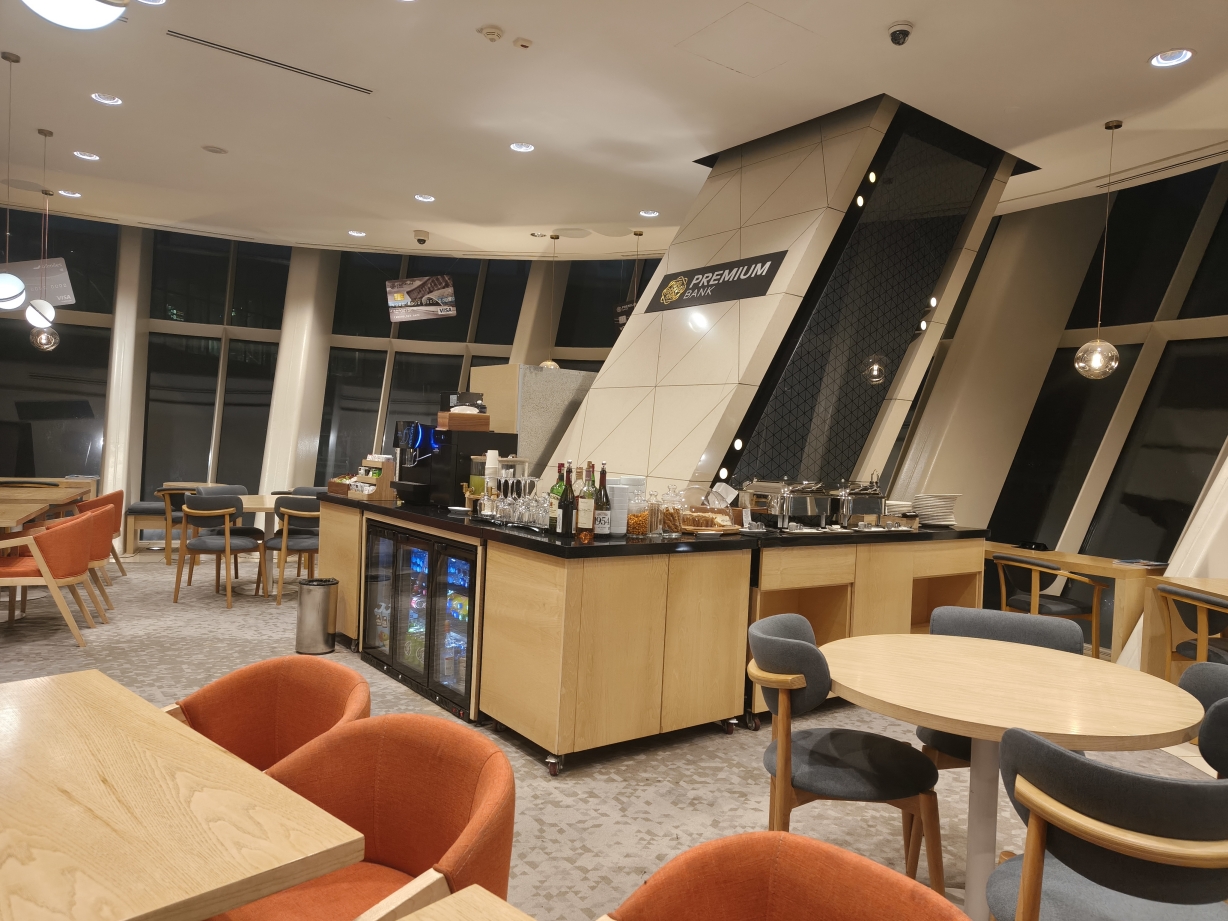
I was also able to use the lounge at Baku Airport, and was able to get a decent Azerbaijani meal at 3 AM. Thanks to my Eastwest Bank Visa Card privilege. haha
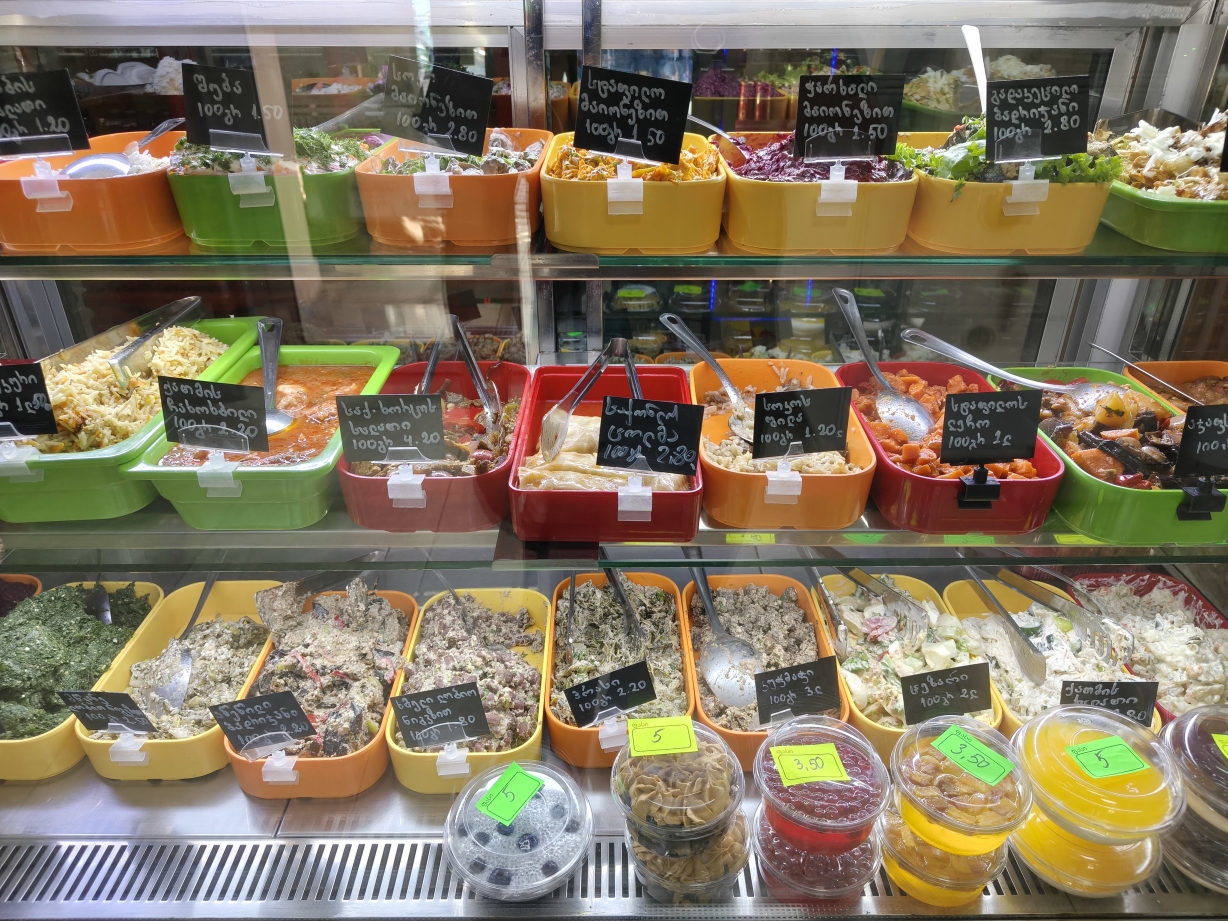
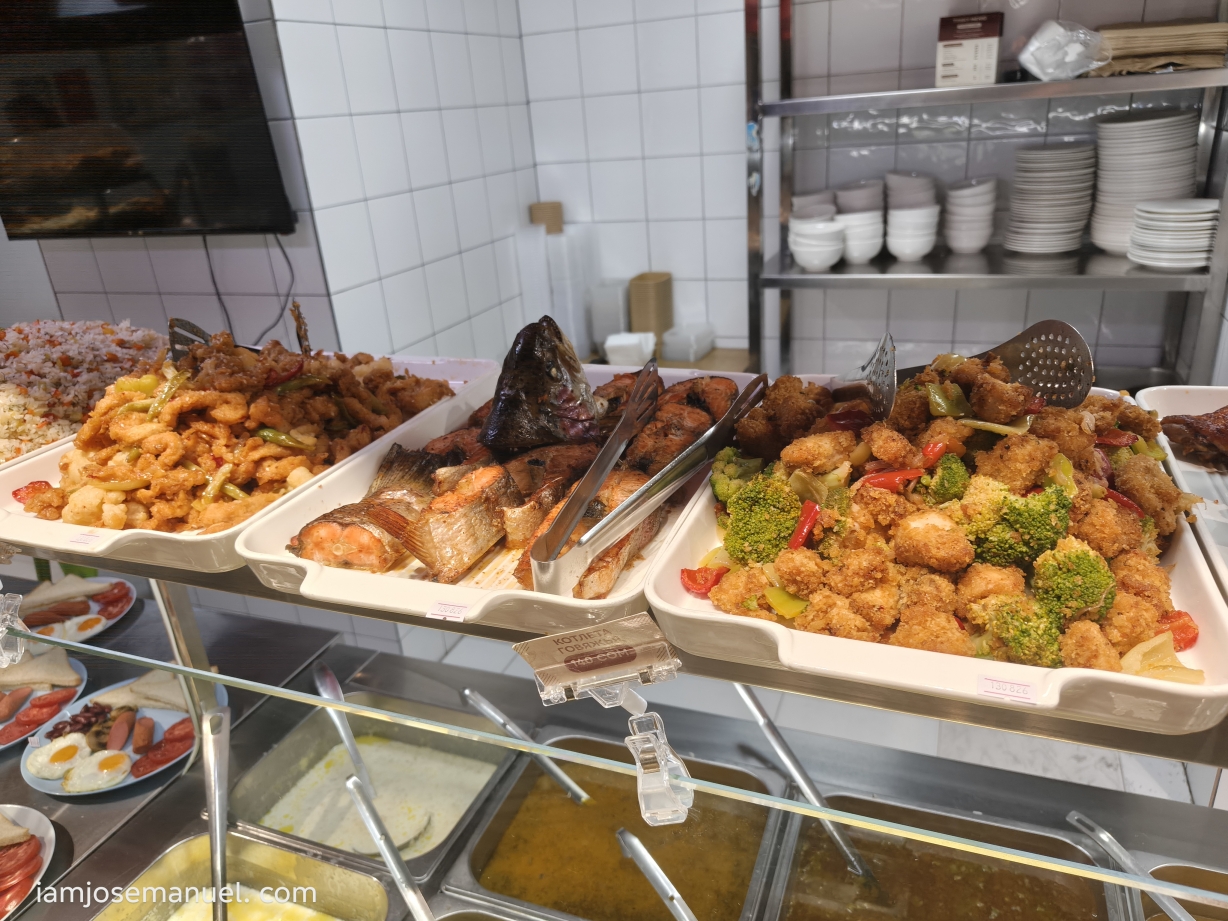
Upon arrival in Tbilisi, Georgia, the first thing I appreciated was the vibrant food scene. I came from Moscow before Tbilisi. And in all honestly, food there was far from the best. Georgian meals are better, as they have rice. I love rice. Choz. And also, Georgia is generally cheaper, especially if you find yourself some Family-Kitchen at random streets. These kitchens are like local eateries/karinderia, where every dishes are pre-cooked. You can just pick what you like.
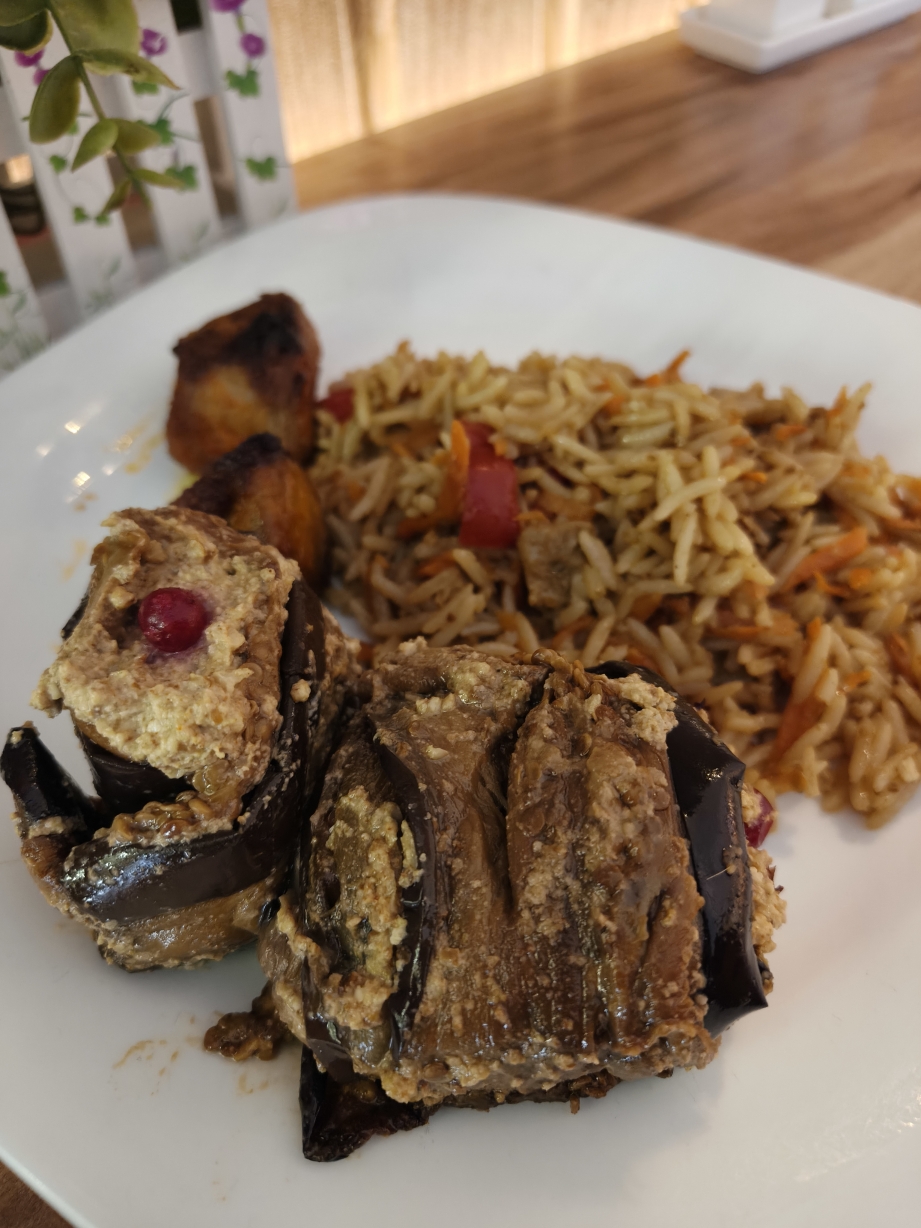
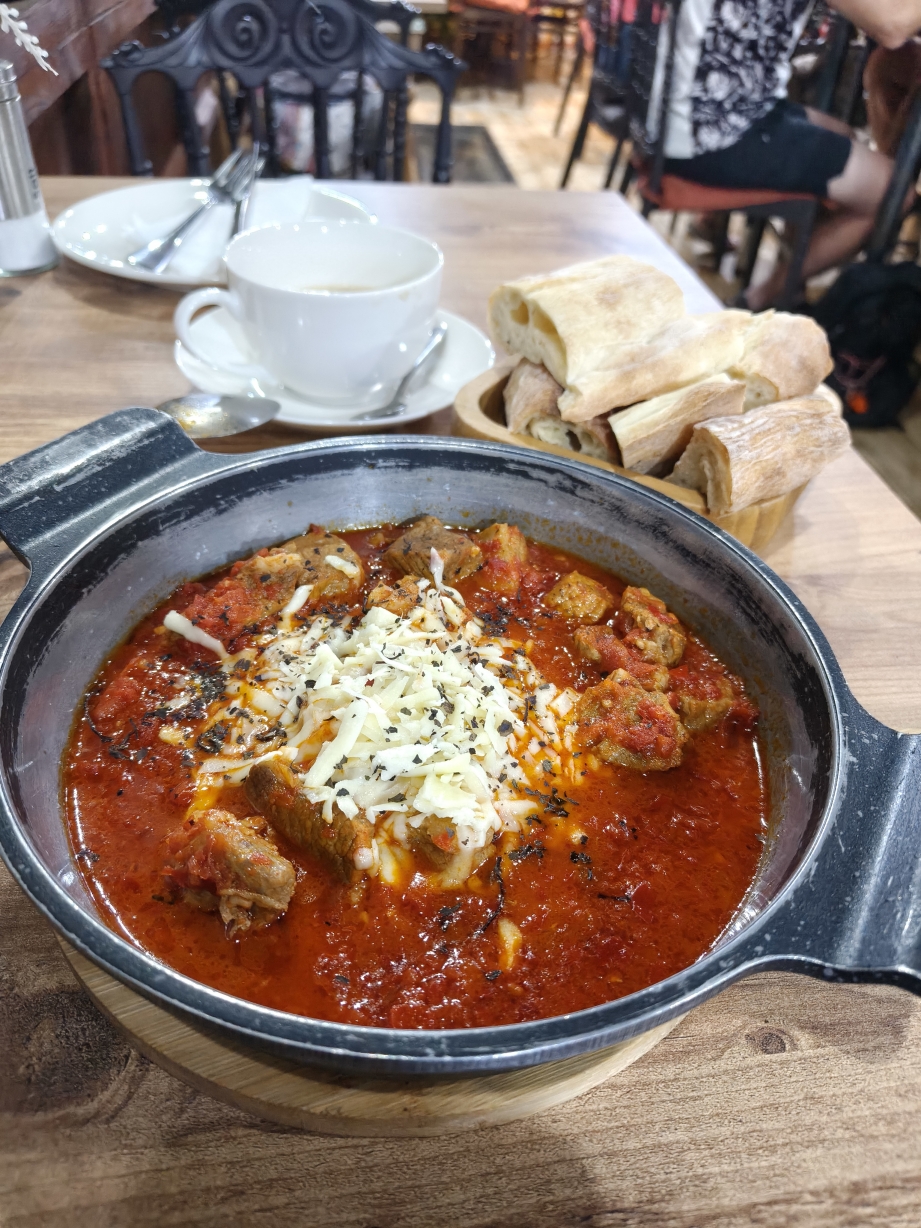
Among my favourite was the Badrijani Nigvzit, which features thinly sliced, fried or grilled eggplant rolled around a rich, spiced walnut and garlic paste. I also liked the Beef chirbuli dish of eggs and beef poached in a spiced tomato, onion, and walnut sauce (The red sauce on a skilled).
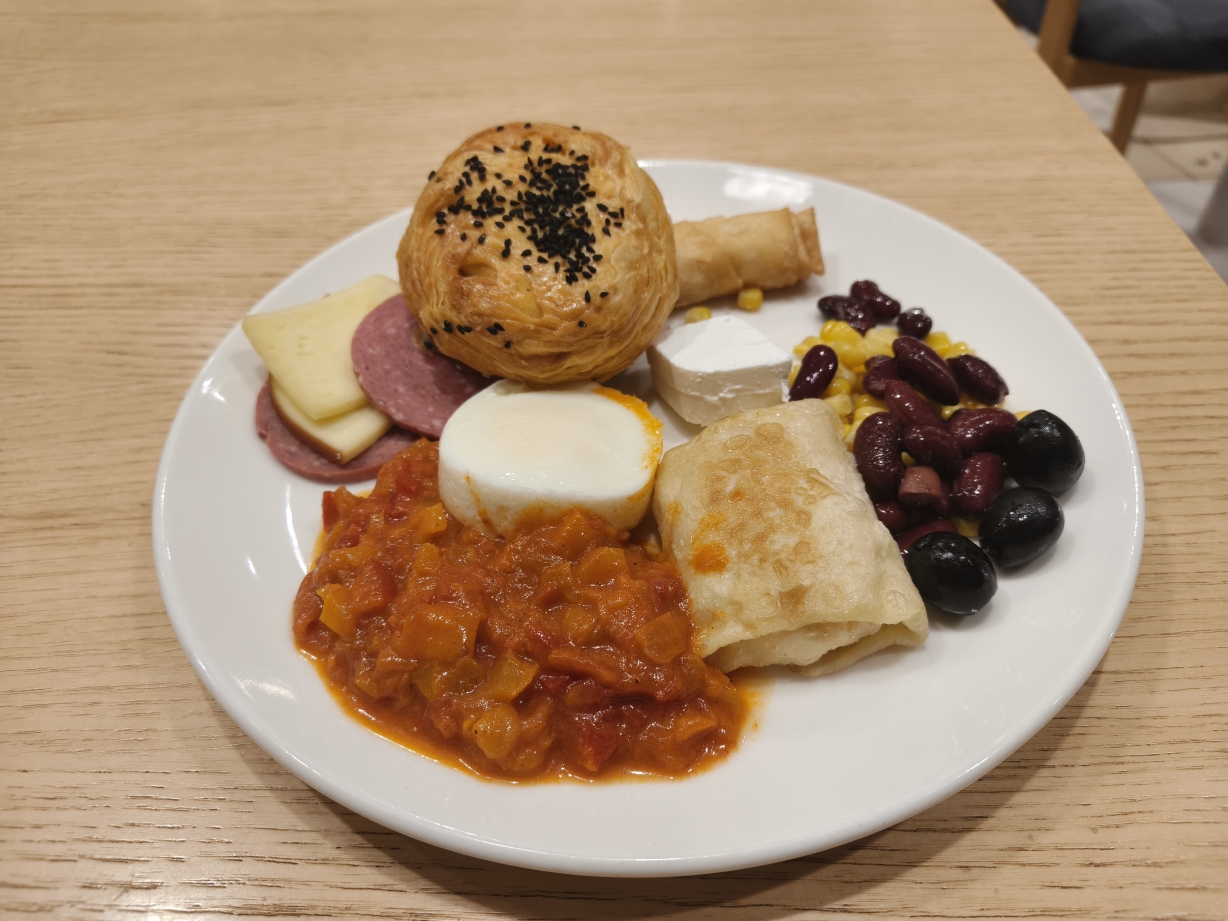
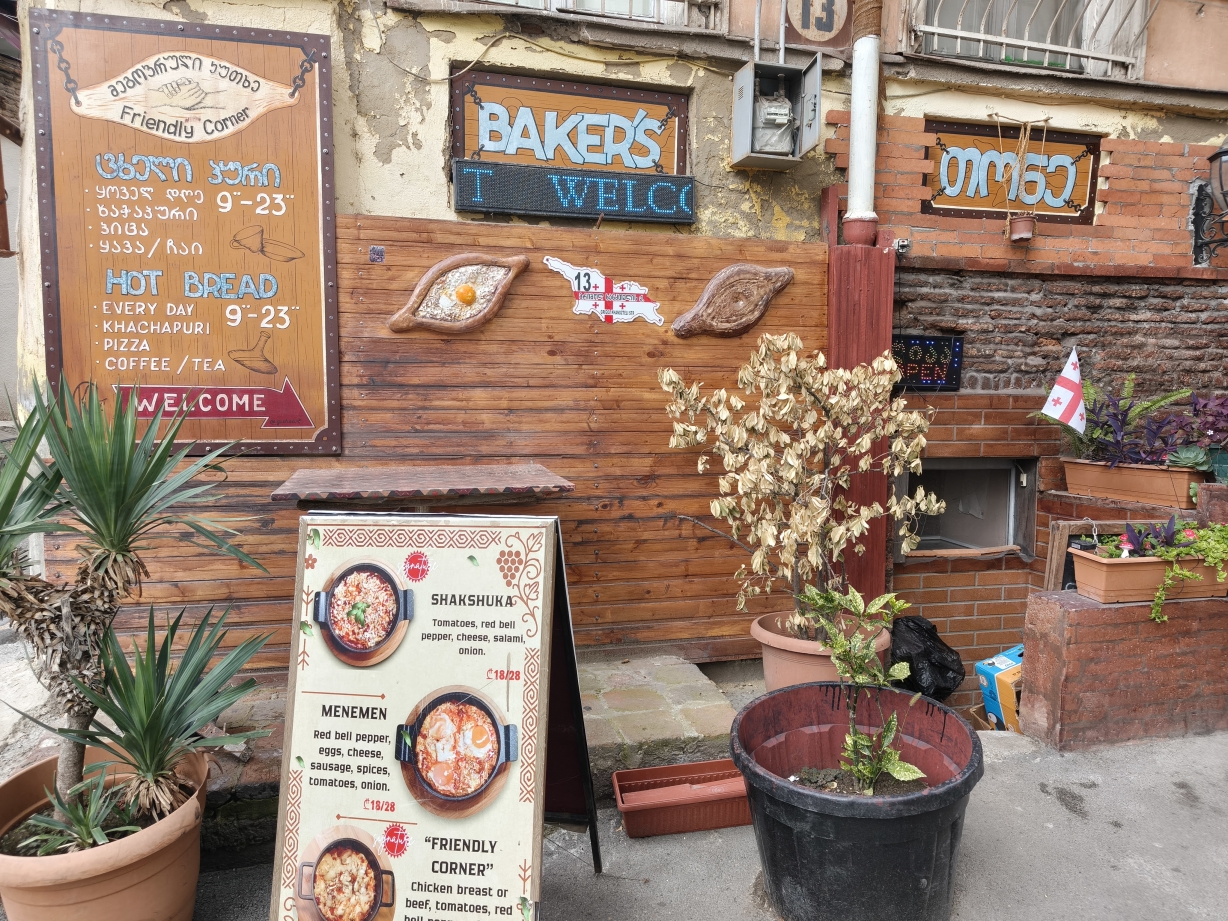
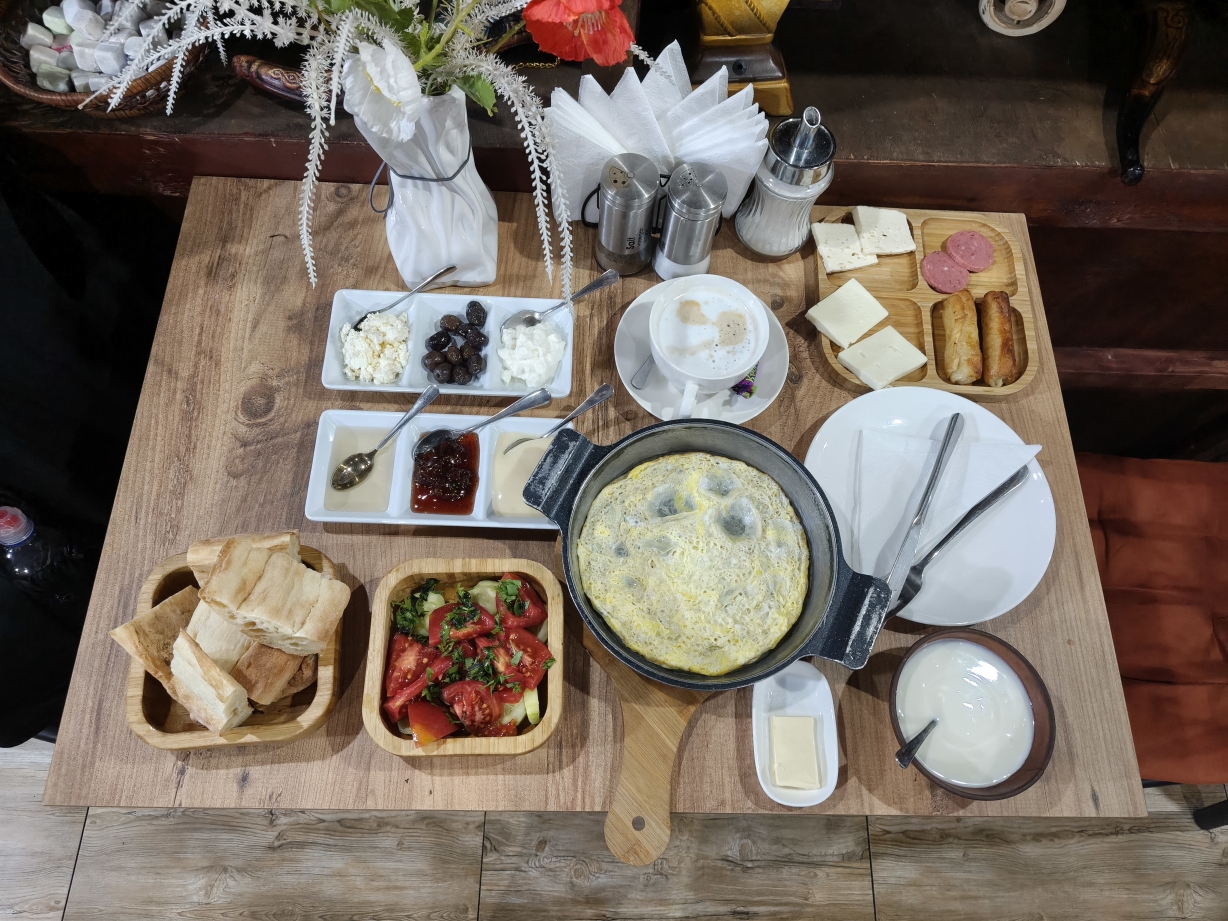
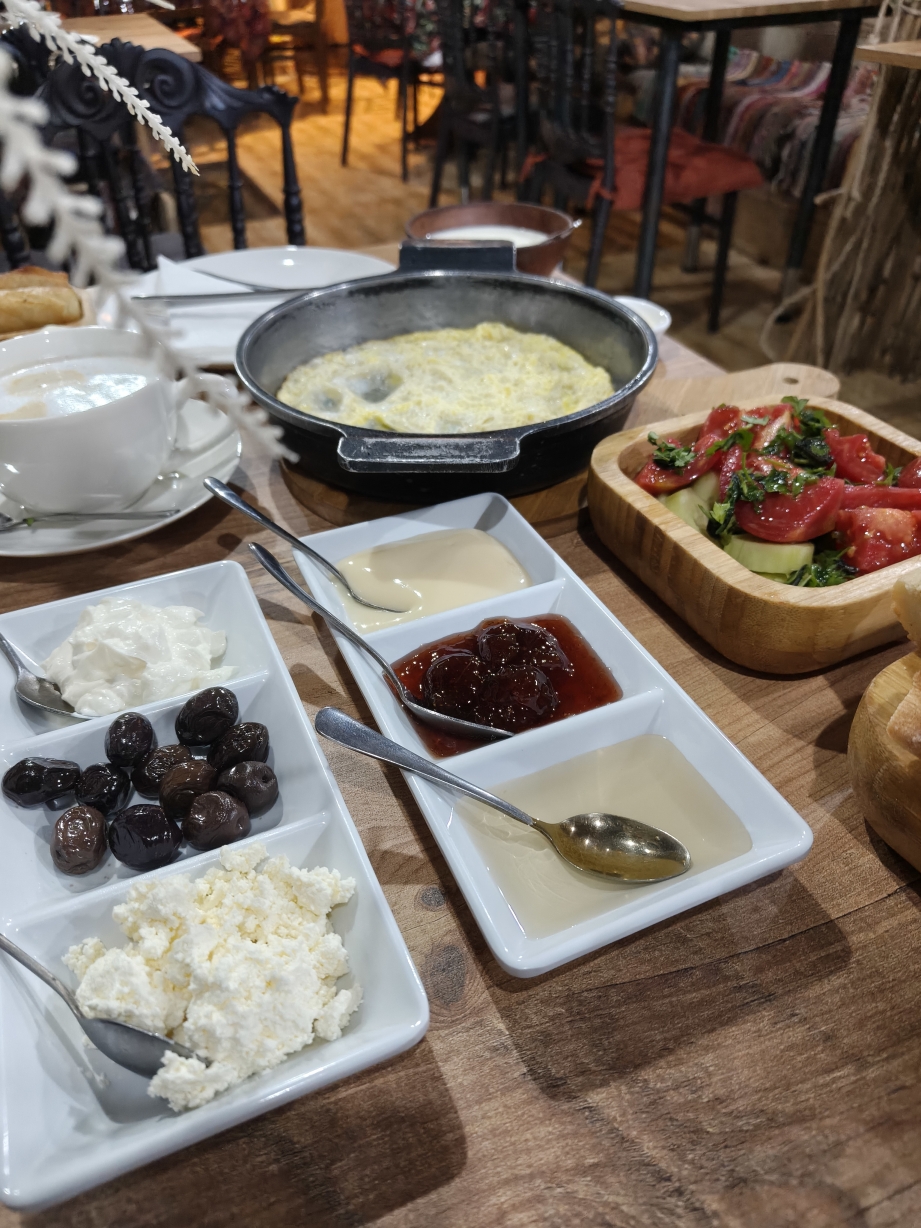
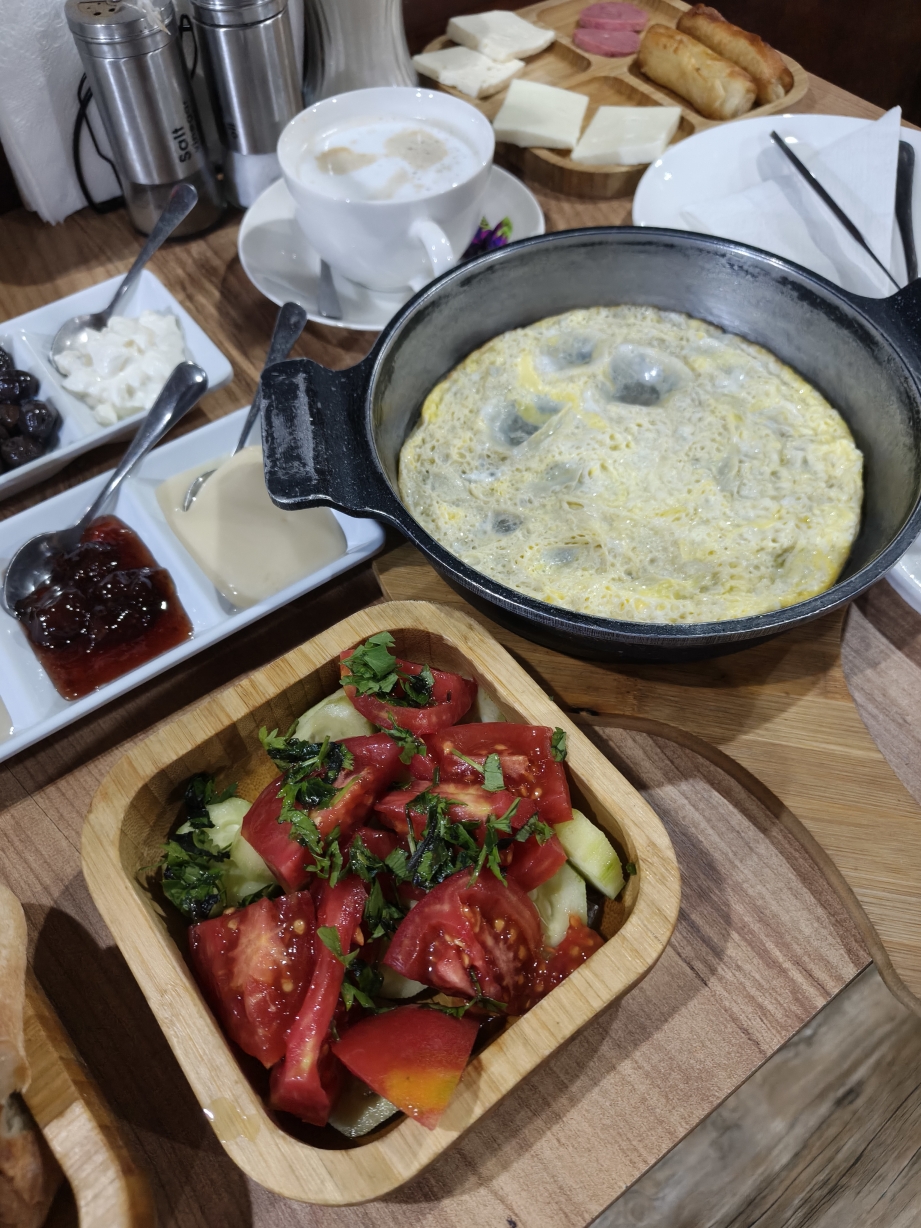
Georgians take breakfast seriously. Here’s one of the best meals I had. This set includes 3 fruit jams, 3 type of cheese, cold cuts, fried rolls, egg, tomato salad and unlimited shotis puri (bread). I had this at a restaurant in Old Quarters in Tbilisi known as the “Friendly Corner”. They area among the few that opens early.
Highlights of Tbilisi, Georgia:
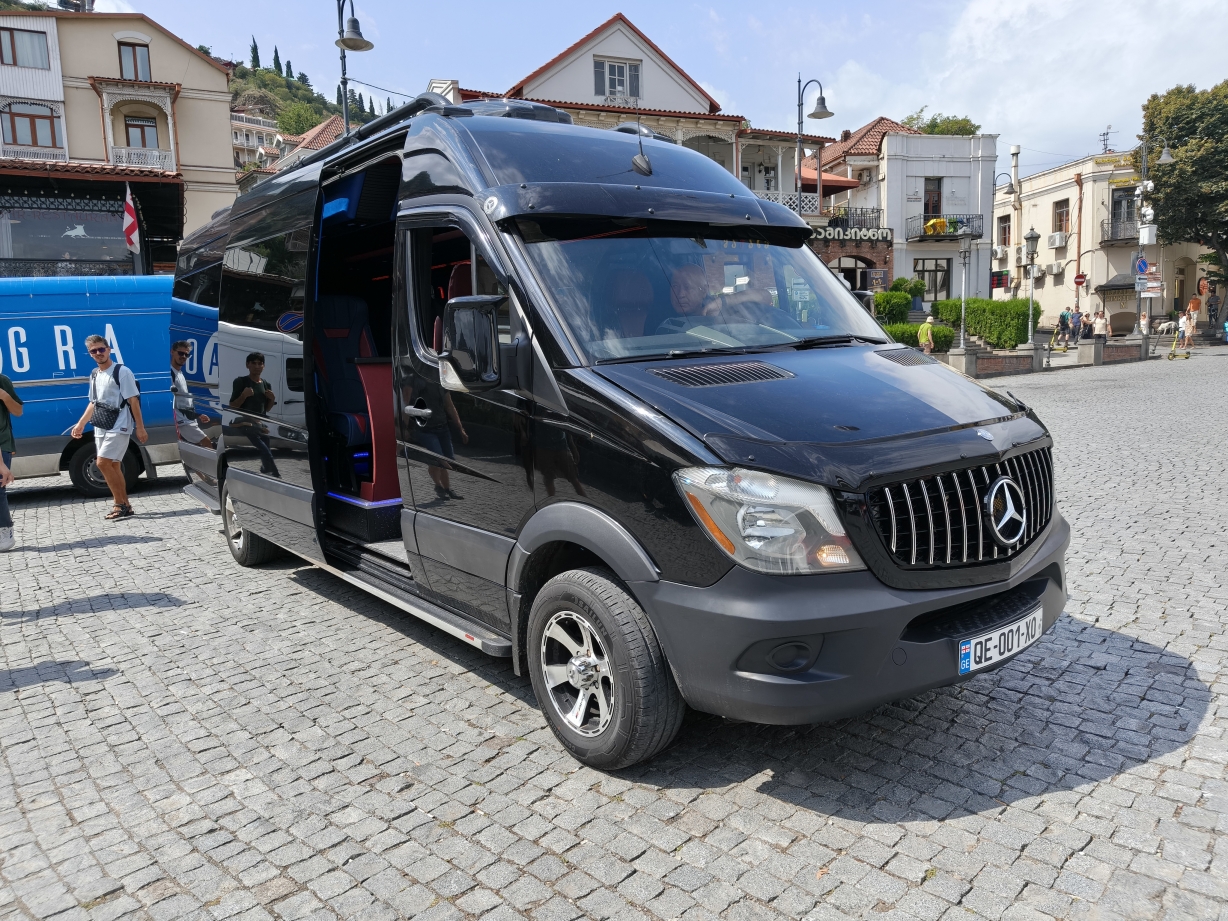
My trip to Tbilisi was quite free and chill. I stayed at the Old quarters for the vibe. I was also able to book two tours during my stay, since packages were surprisingly affordable. I was able to book a day tour to Mtskheta for only 850 Pesos. Mtskheta is a UNESCO World Heritage Site that served as the ancient capital of Georgia. This black Mercedes Benz below was our ride.
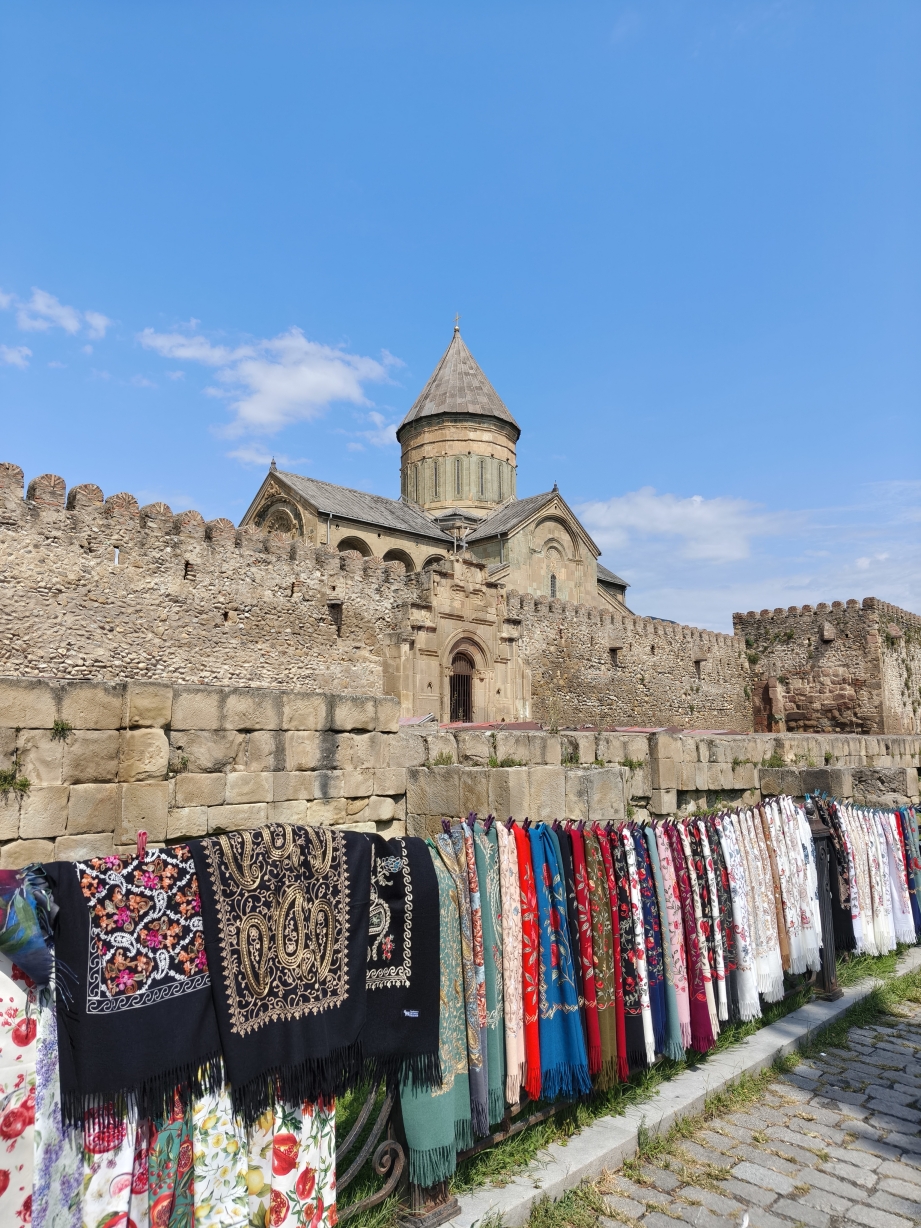
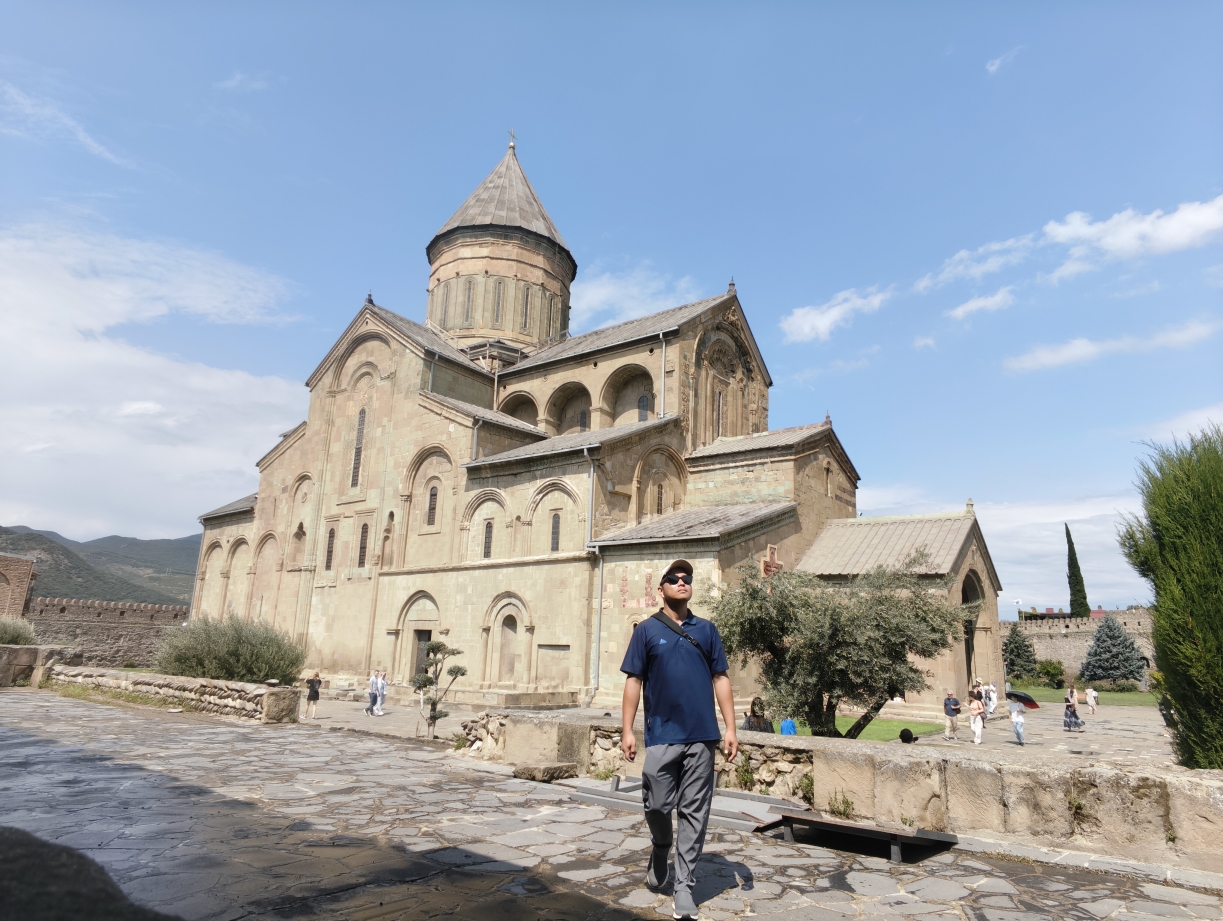
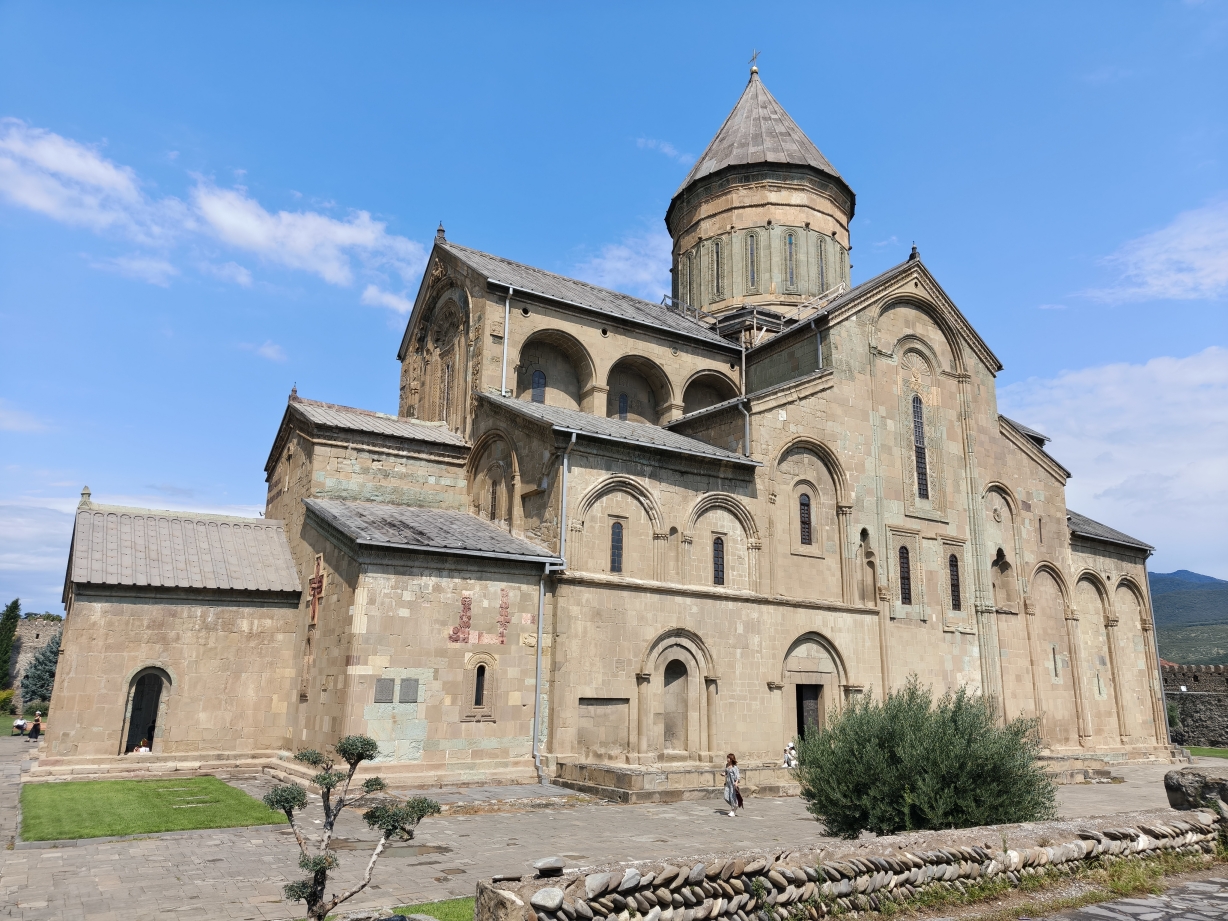
Svetitskhoveli Cathedral. Originally built in the 4th century, the present Svetitskhoveli Cathedral was constructed on top of the original church foundation between 1010 and 1029 (by the architect Arsukidze). It was also mentioned that the architect’s hands were cut of after the construction, by order of the king, so that the cathedral design shall never be replicated.
Regarded as the holiest place in Georgia, Svetitskhoveli is recognized by UNESCO as a World Heritage Site, and is regarded as the holiest place in Georgia, due to a recorded holy relic, the shroud of Jesus at the time of the crucifixion, that was believed to be buried beneath the structure.
Note: Georgia is one of the oldest Christian nations in the world, having officially adopted Christianity as its state religion in the early 4th century (around 326–337 CE).
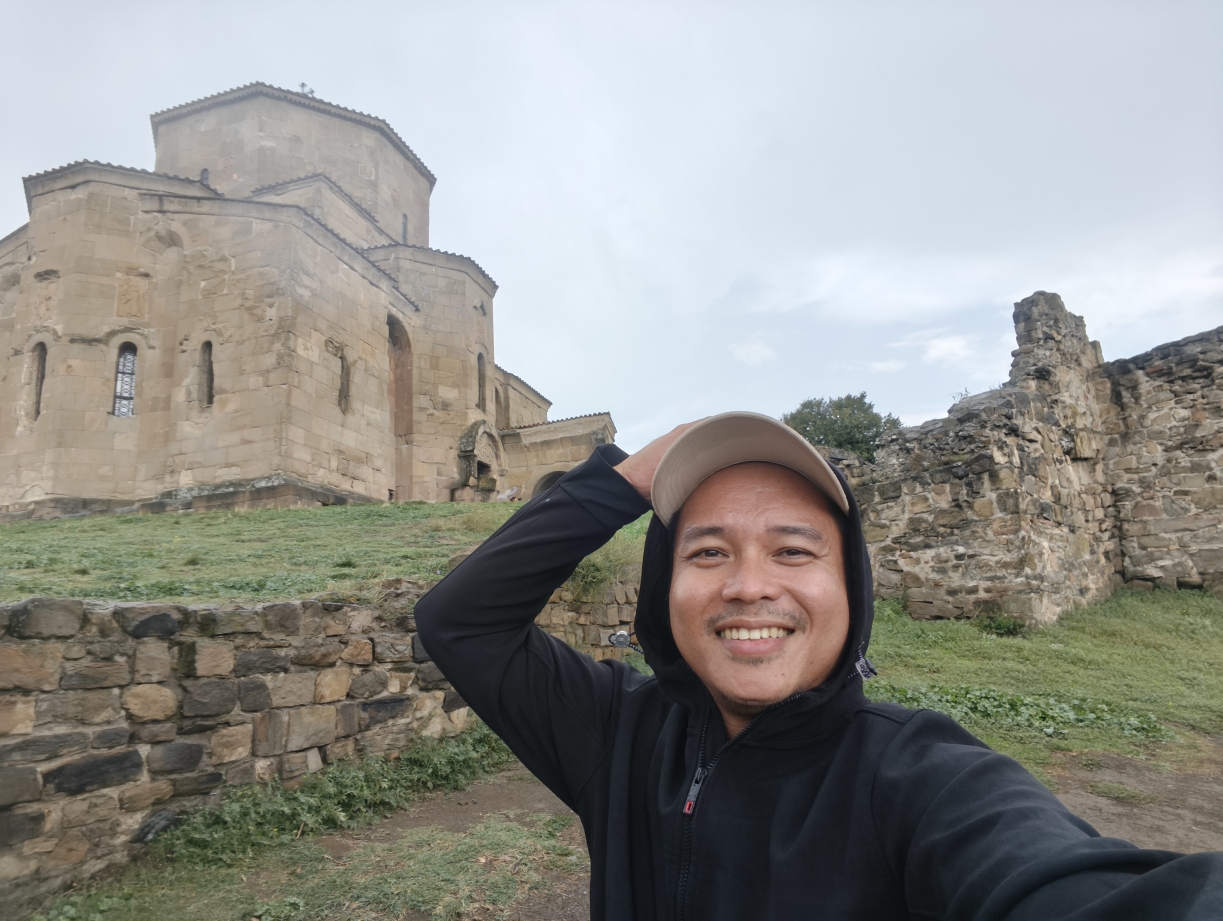
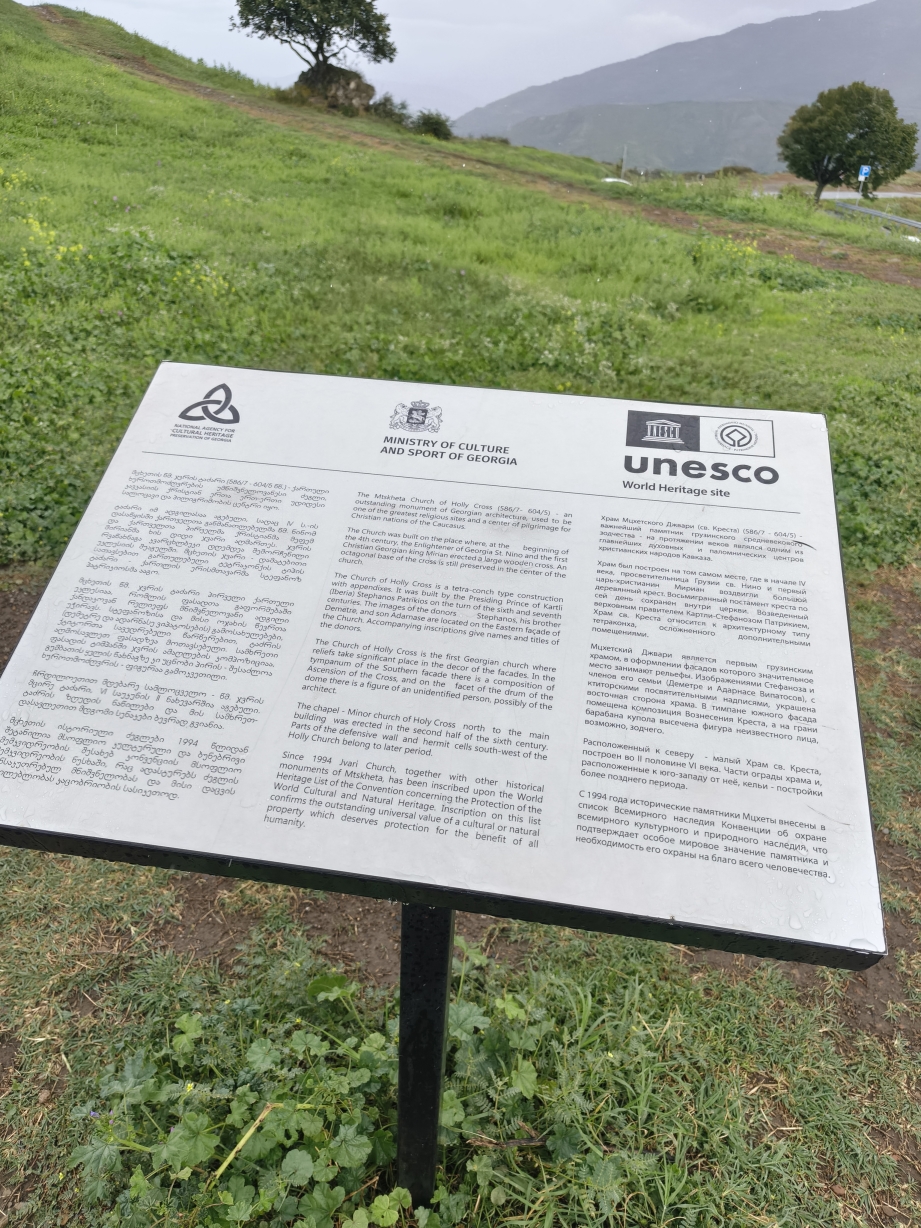
Jvari Monastery is a sixth-century Georgian Orthodox monastery. Jvari is a rare case of an Early Medieval Georgian church that has survived to the present day almost unchanged. Quite rainy when we visited.
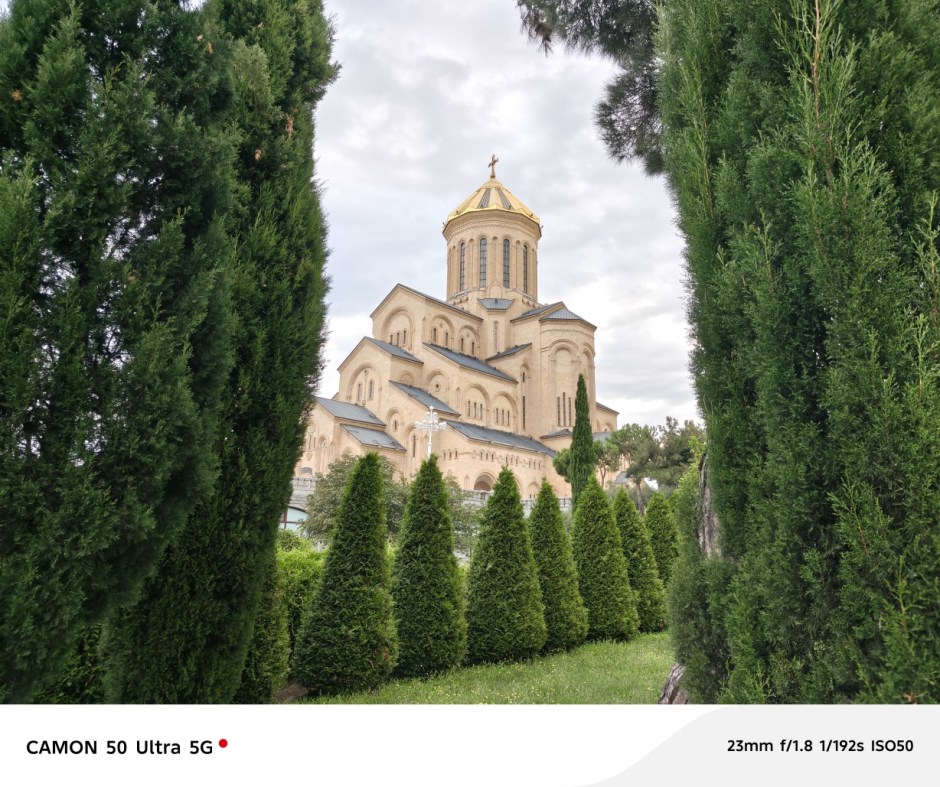
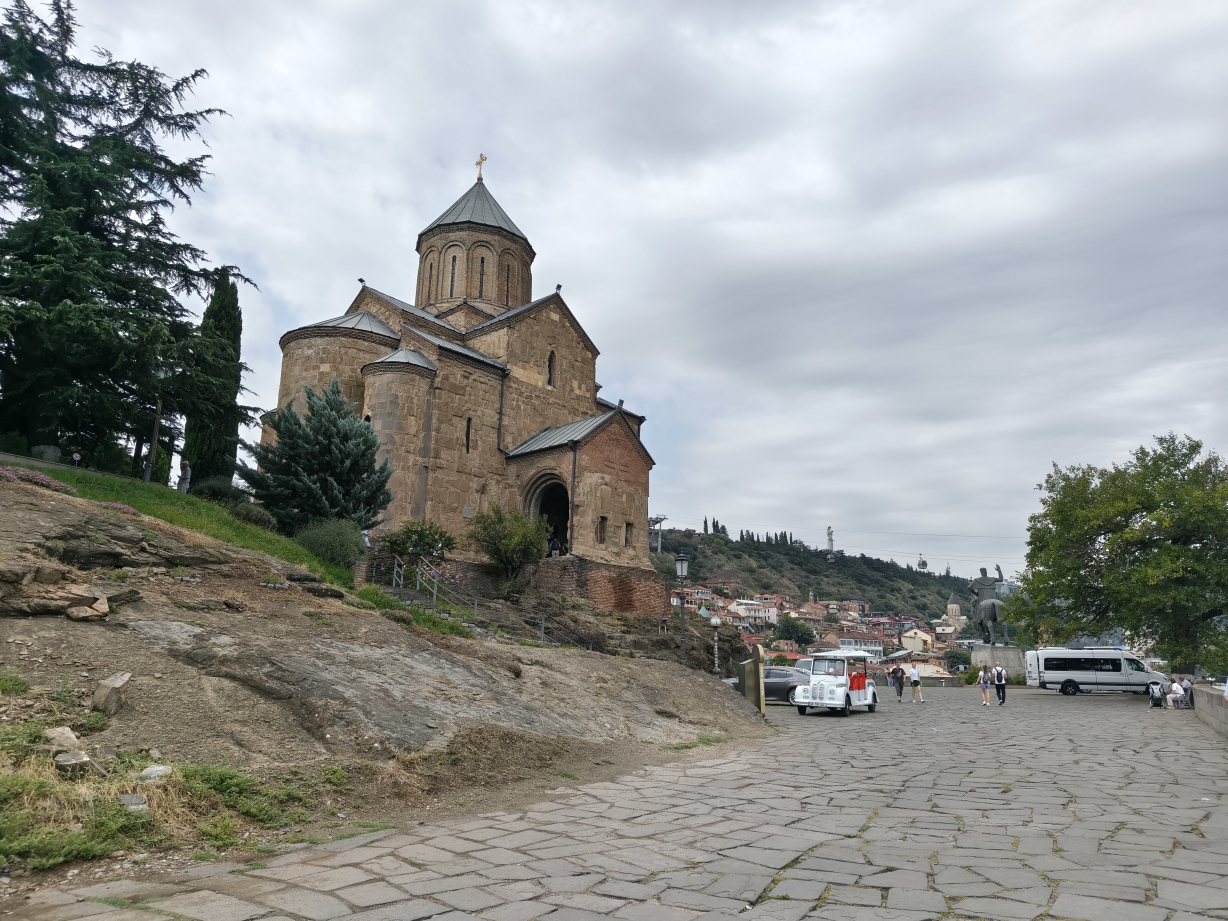
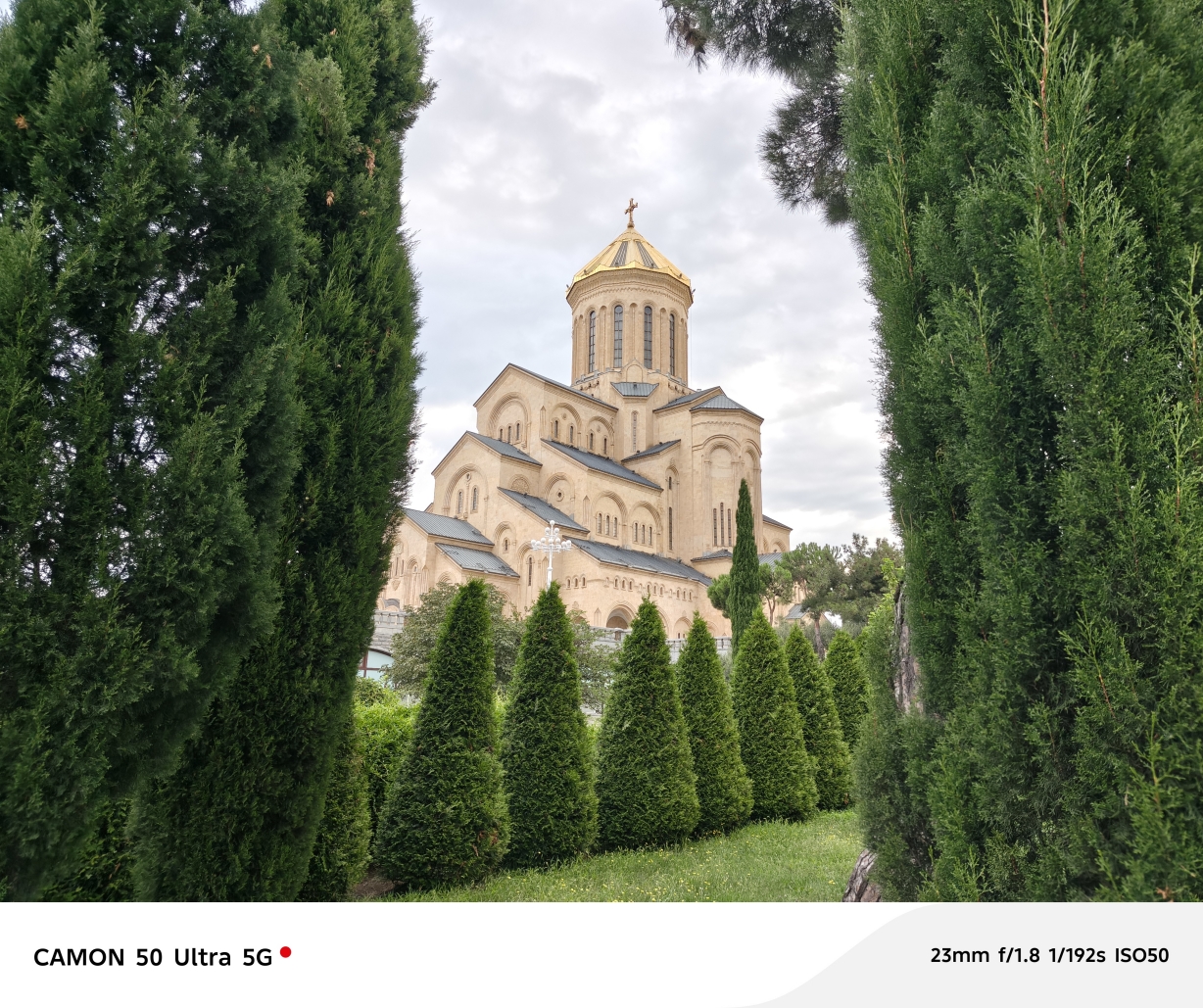
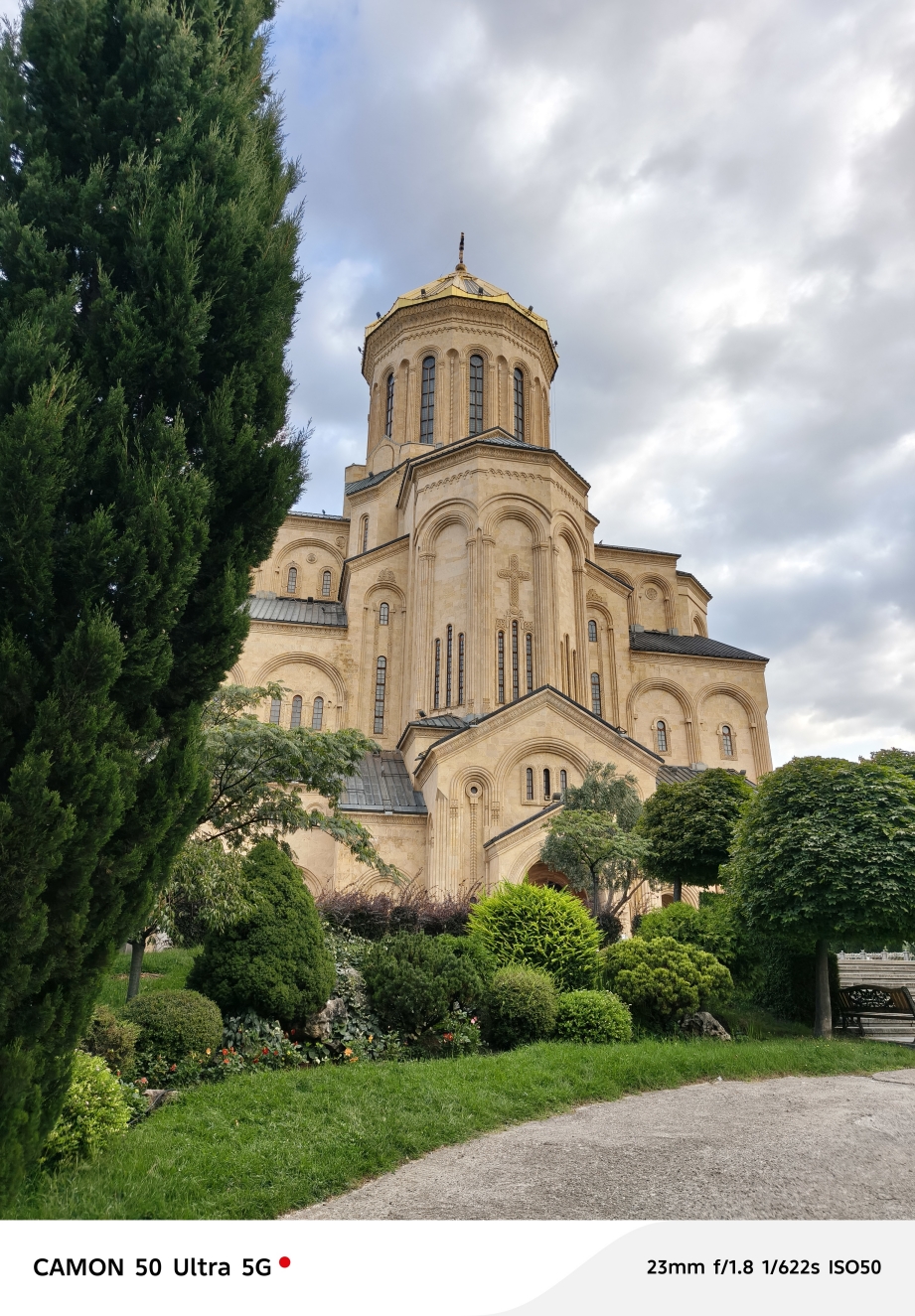
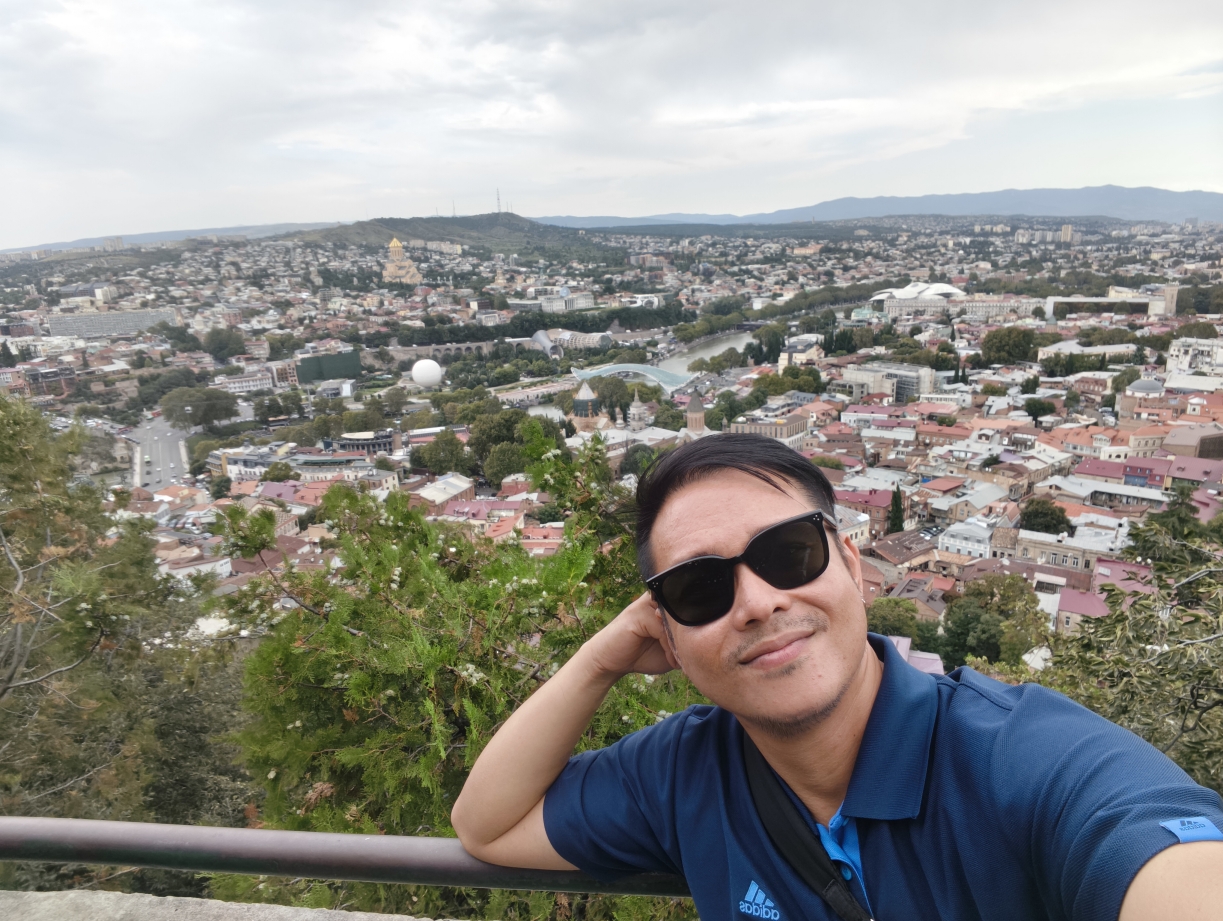
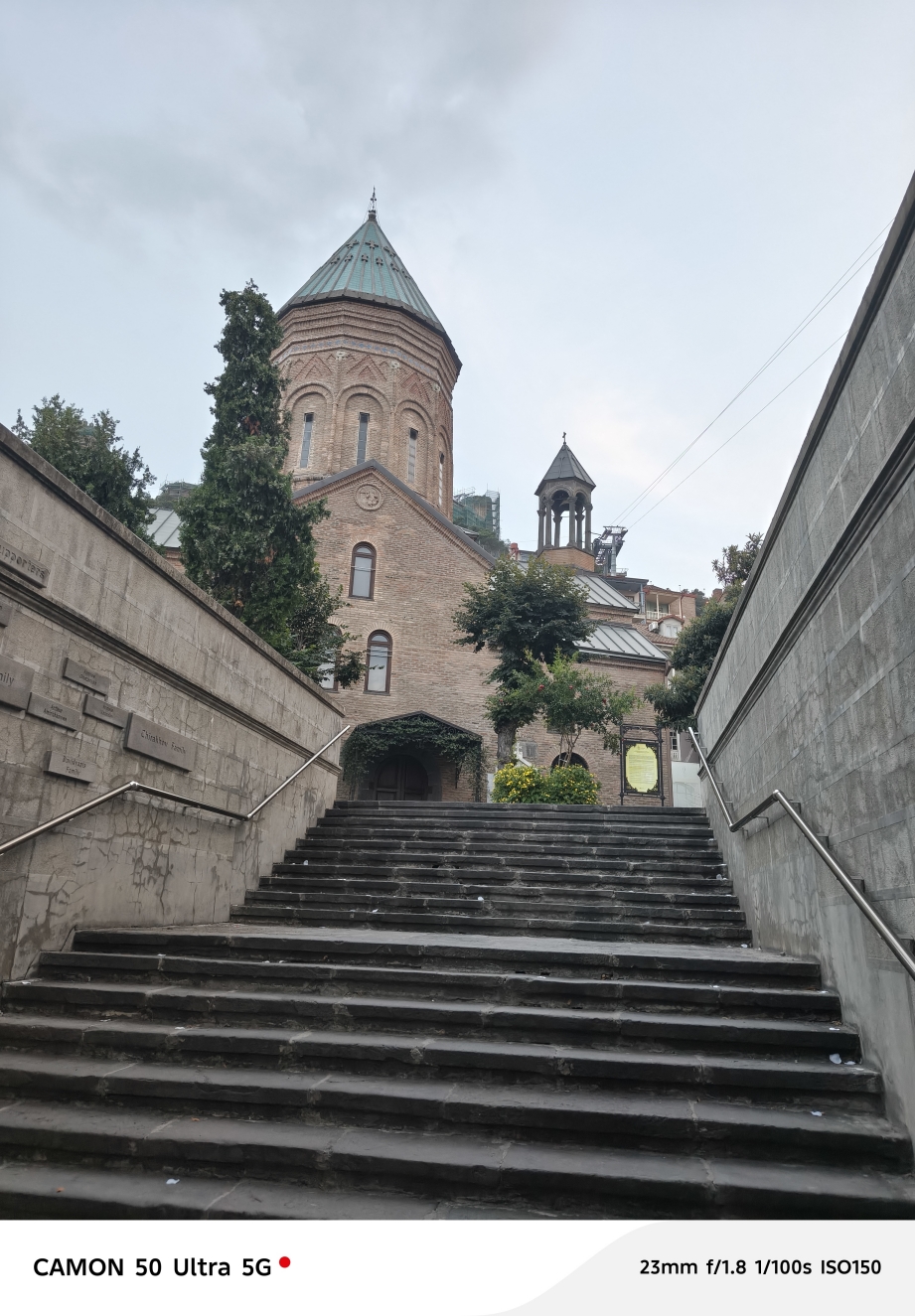
The Holy Trinity Cathedral of Tbilisi. The main cathedral of the Georgian Orthodox Church and a powerful symbol of the nation’s post-Soviet spiritual and cultural revival. The cathedral sits on top of an elevated ground in the middle of Tbilisi Old Quarters.
Getting around was quite easy. There are assigned modern buses that connect the airport to the metro trains and key points in the city. I actually used my Gcash Visa Card to pay for all my bus and train rides. Yes! Contactless payment na sila. And similar to Central Asia, Yandex Apps are your best friends in Tbilisi.
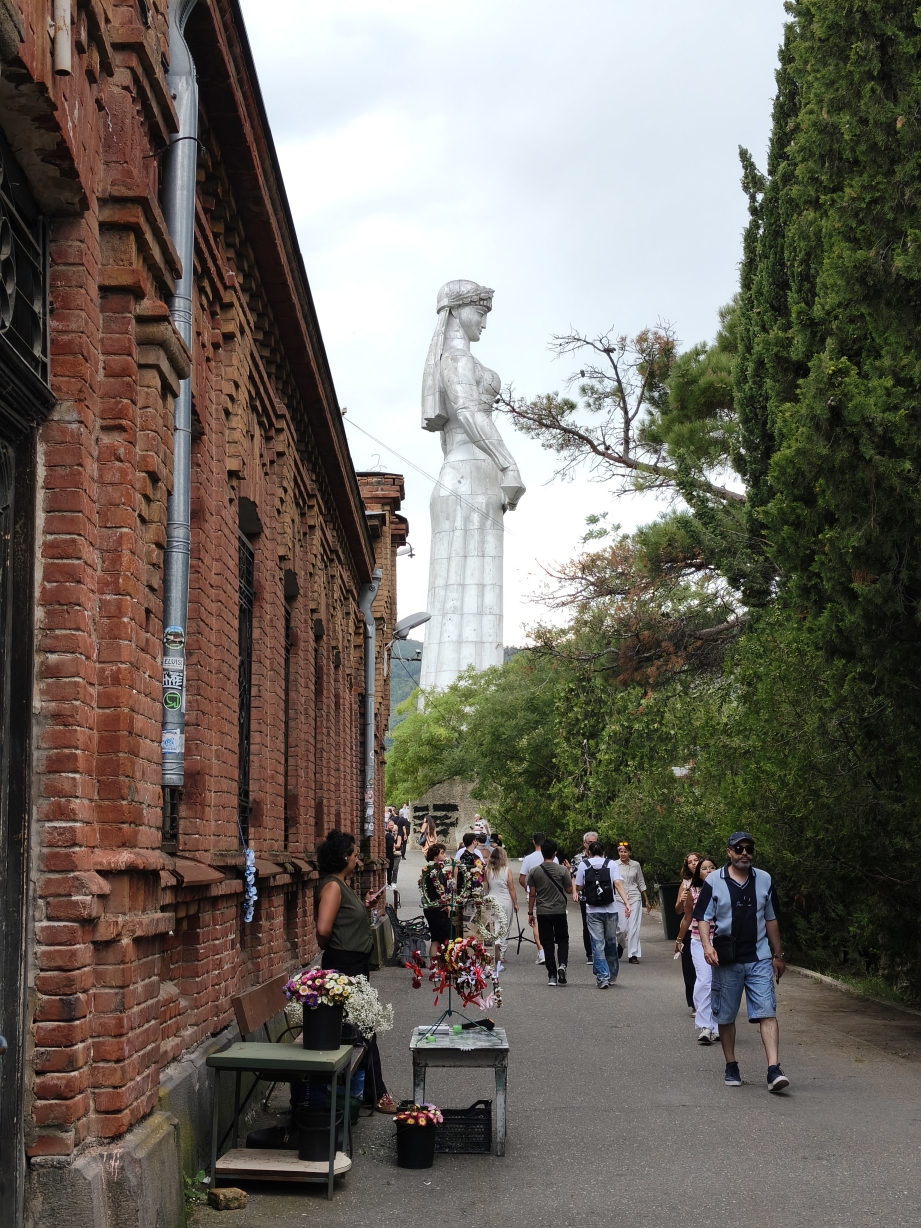
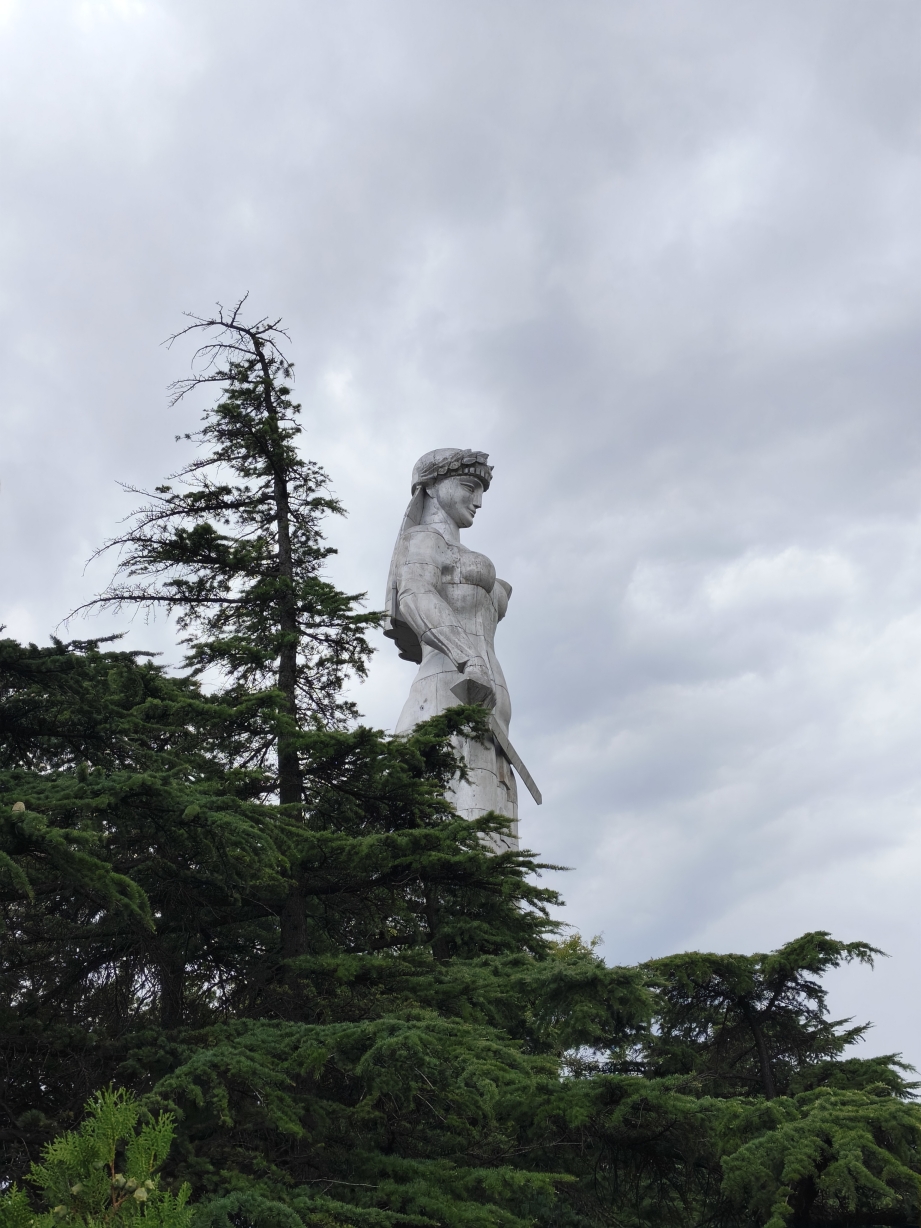
The Mother of Georgia Statue. Perched high above Old Tbilisi near the Narikala Fortress, the monument offers overlooking view of the city, and is easily accessible via a short cable car ride from Rike Park or by a scenic walking path along the old quarters.
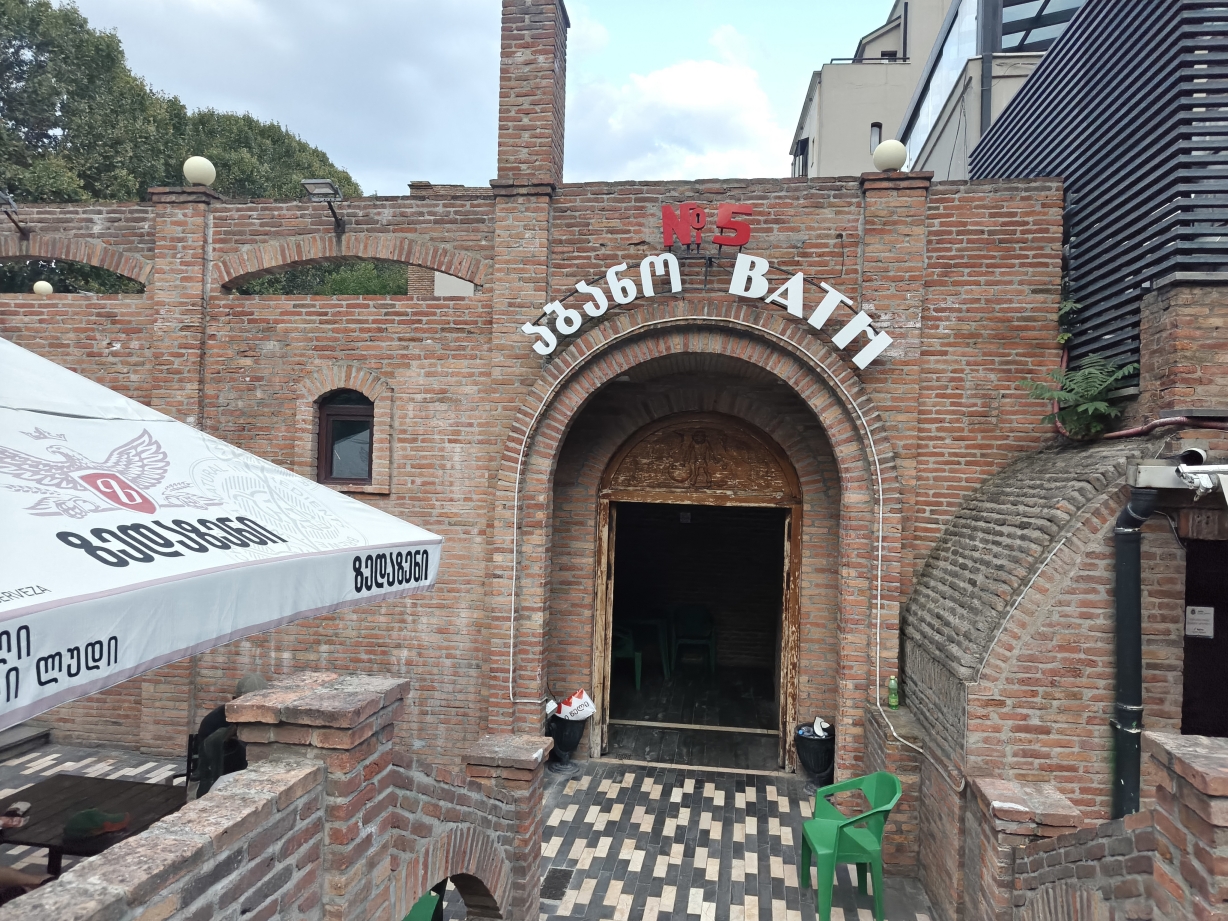
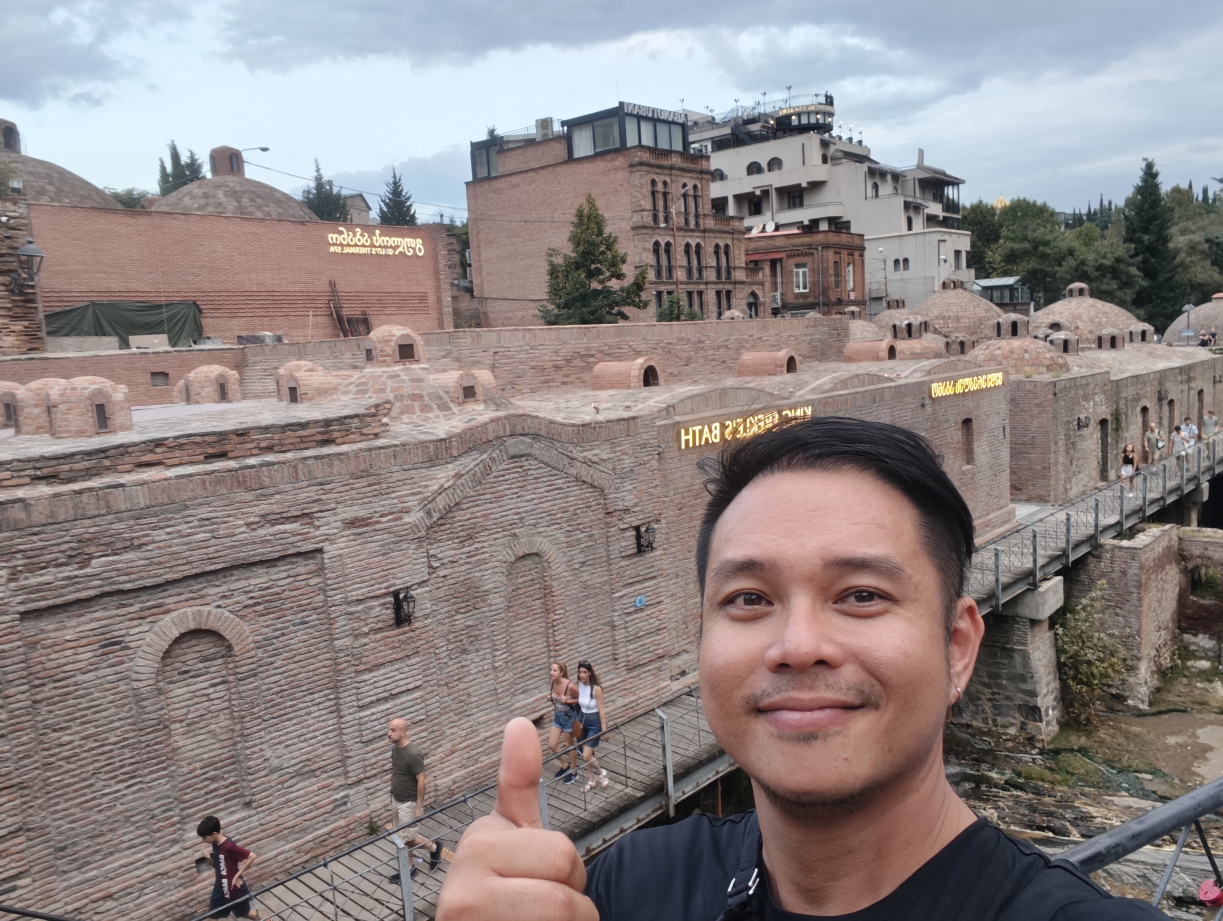
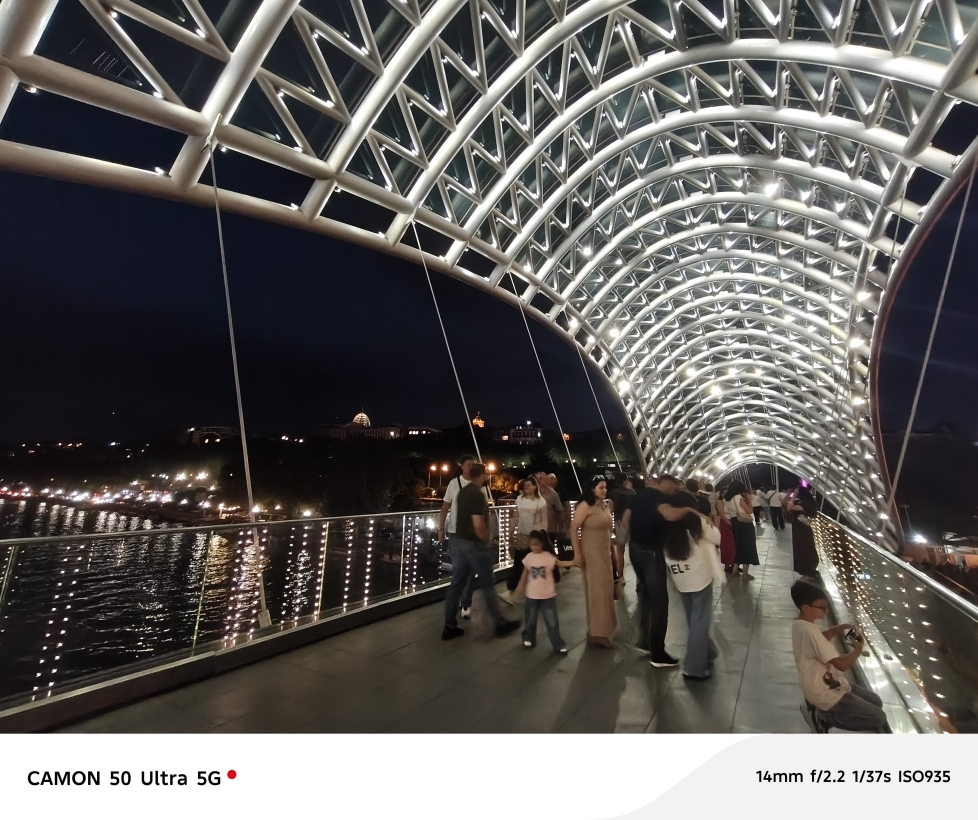
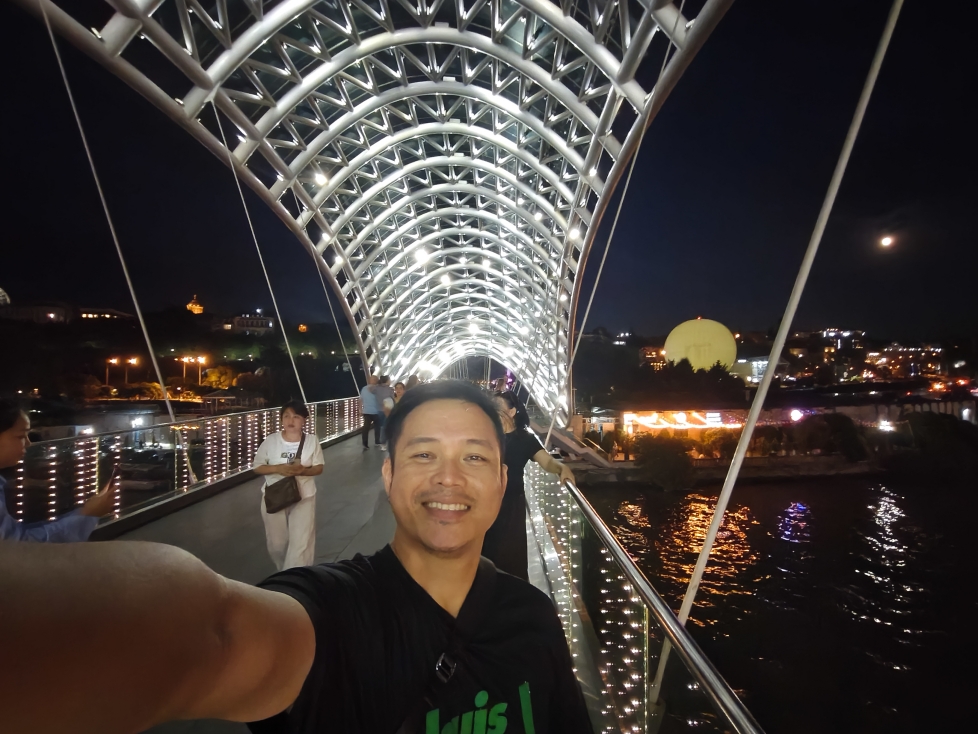
When choosing an area to stay, The Old Quarters of Tbilisi I believe is the best option. Georgians also have public baths where tourists can also use for a fee. I was able to experience this at No.5 Bathhouse shown in photo below. The place can easily be found and is a walking distance from the famous bridge of peace.
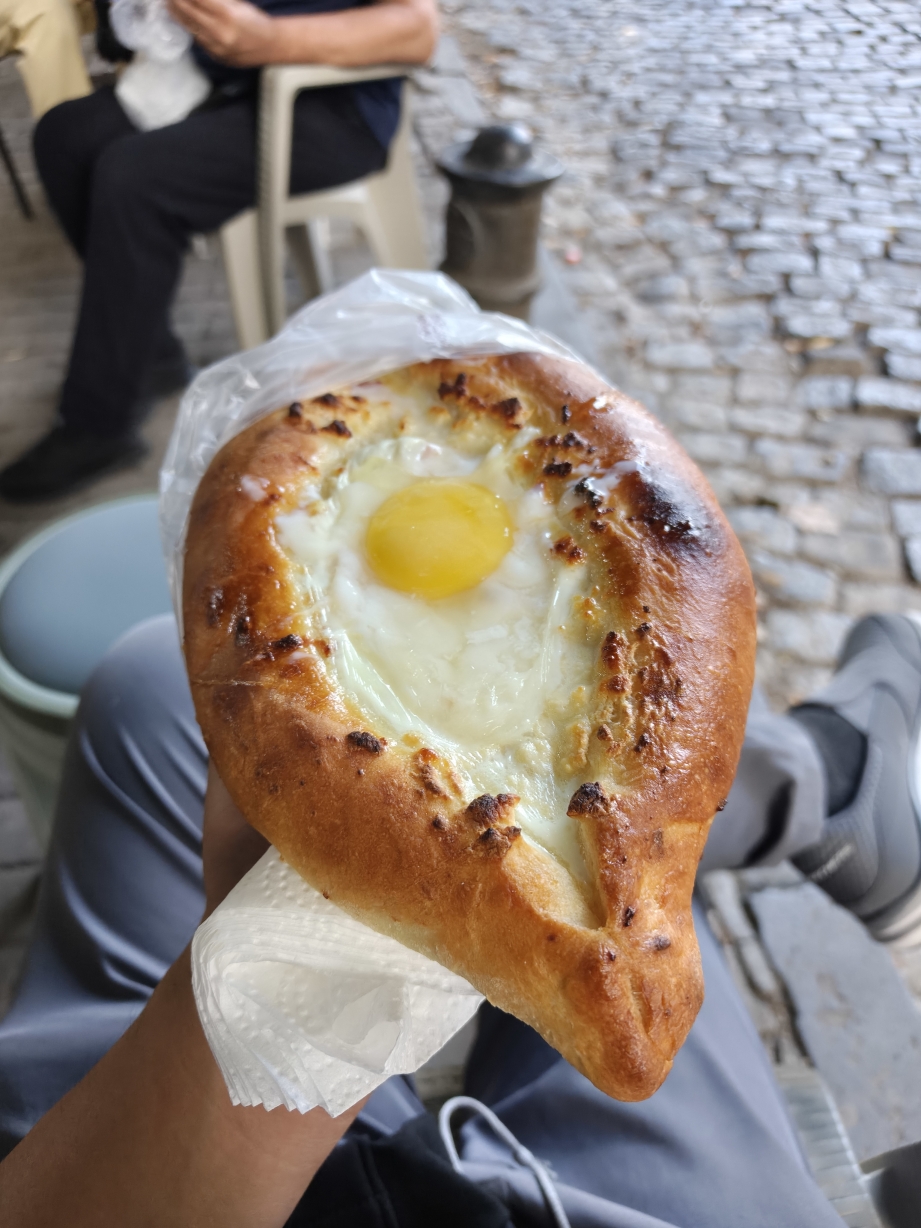
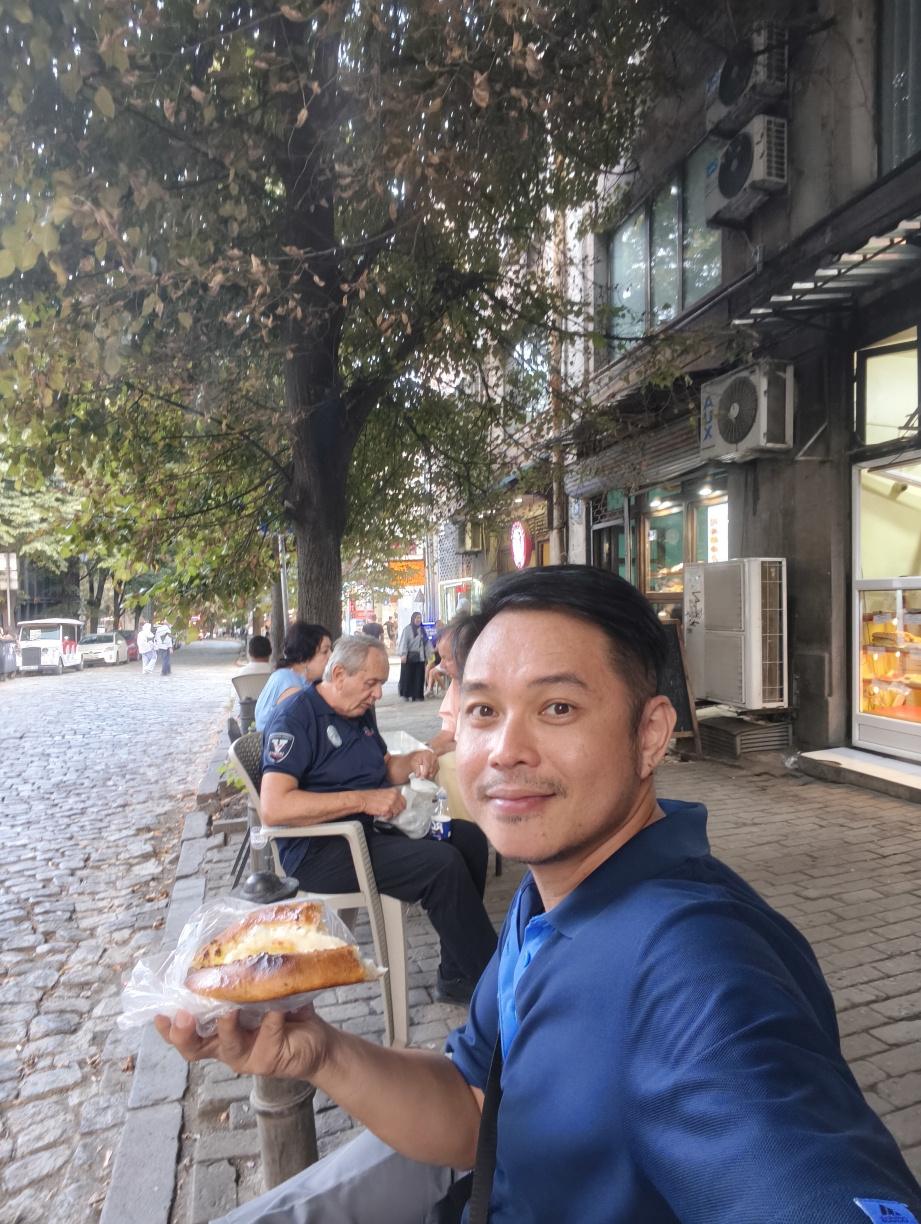
Here’s me enjoying Khachapuri and wine at the old quarters. Khachapuri is a Georgian dish of cheese-filled bread. The bread filled in the center with a mixture different kinds of cheese and a soft egg at the center. You’re supposed to tear a portion of the bread and dip in the warm cheese and egg mixture.
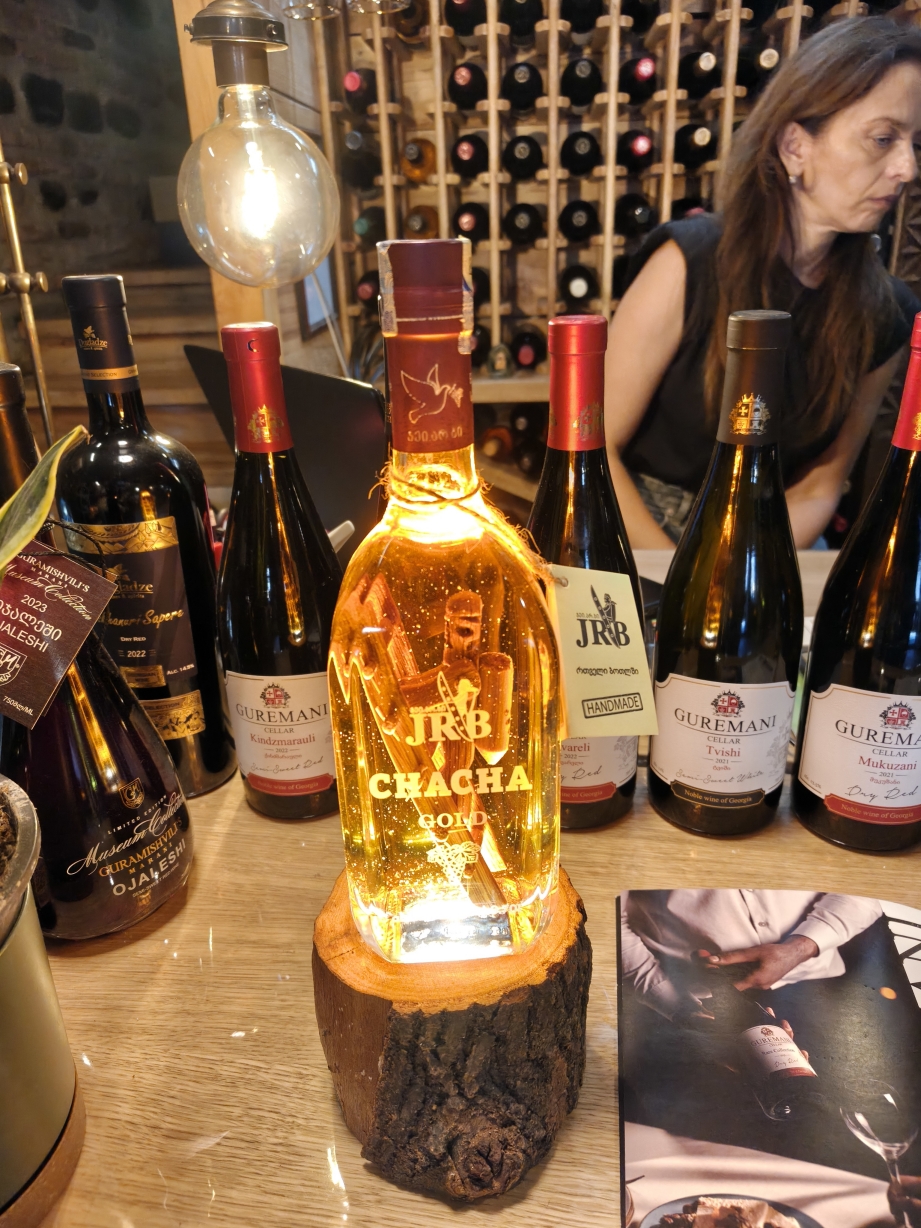
Note: Georgia is one of the oldest wine-producing countries in the world. The fertile valleys of Georgia were home to grapevine cultivation and neolithic wine production for at least 8000 years. Wine is cheap in Georgia.
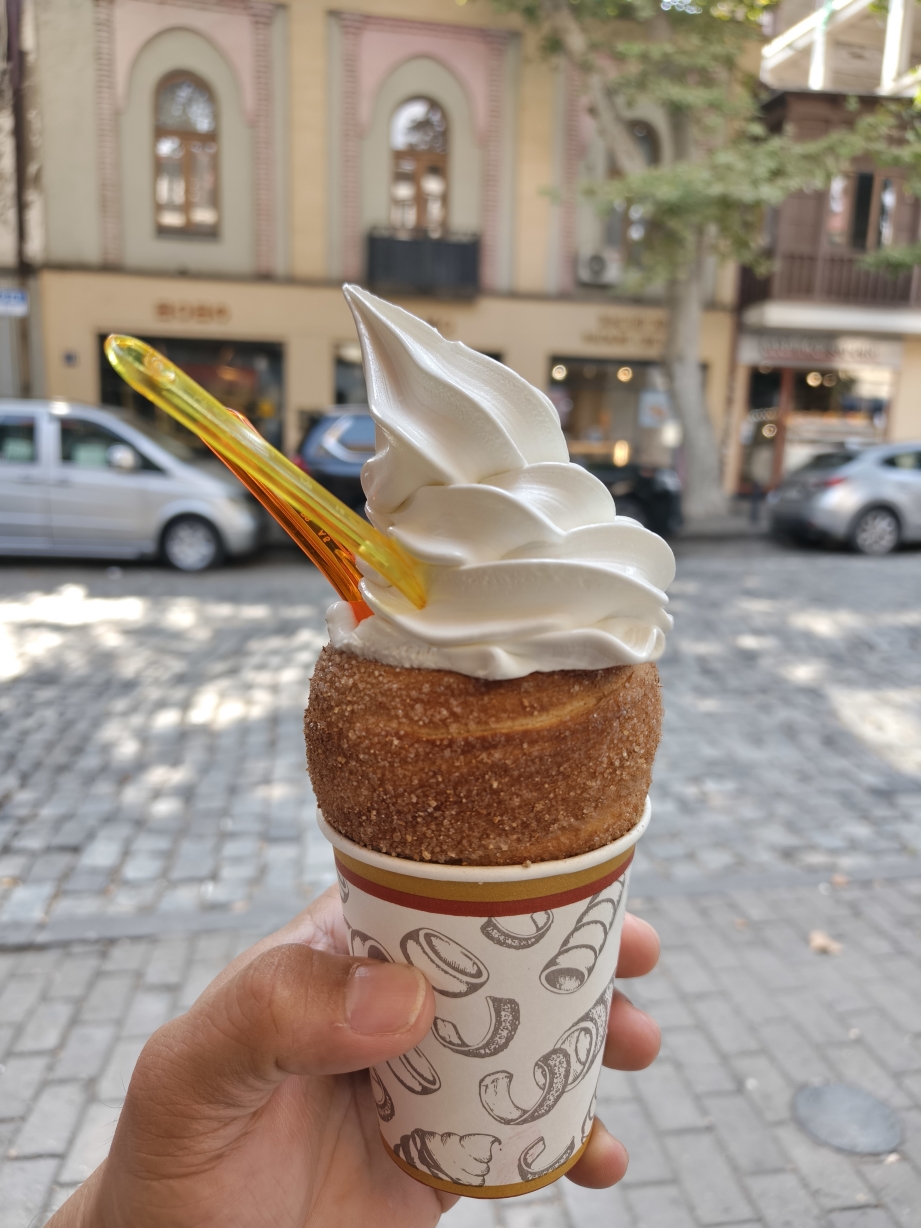
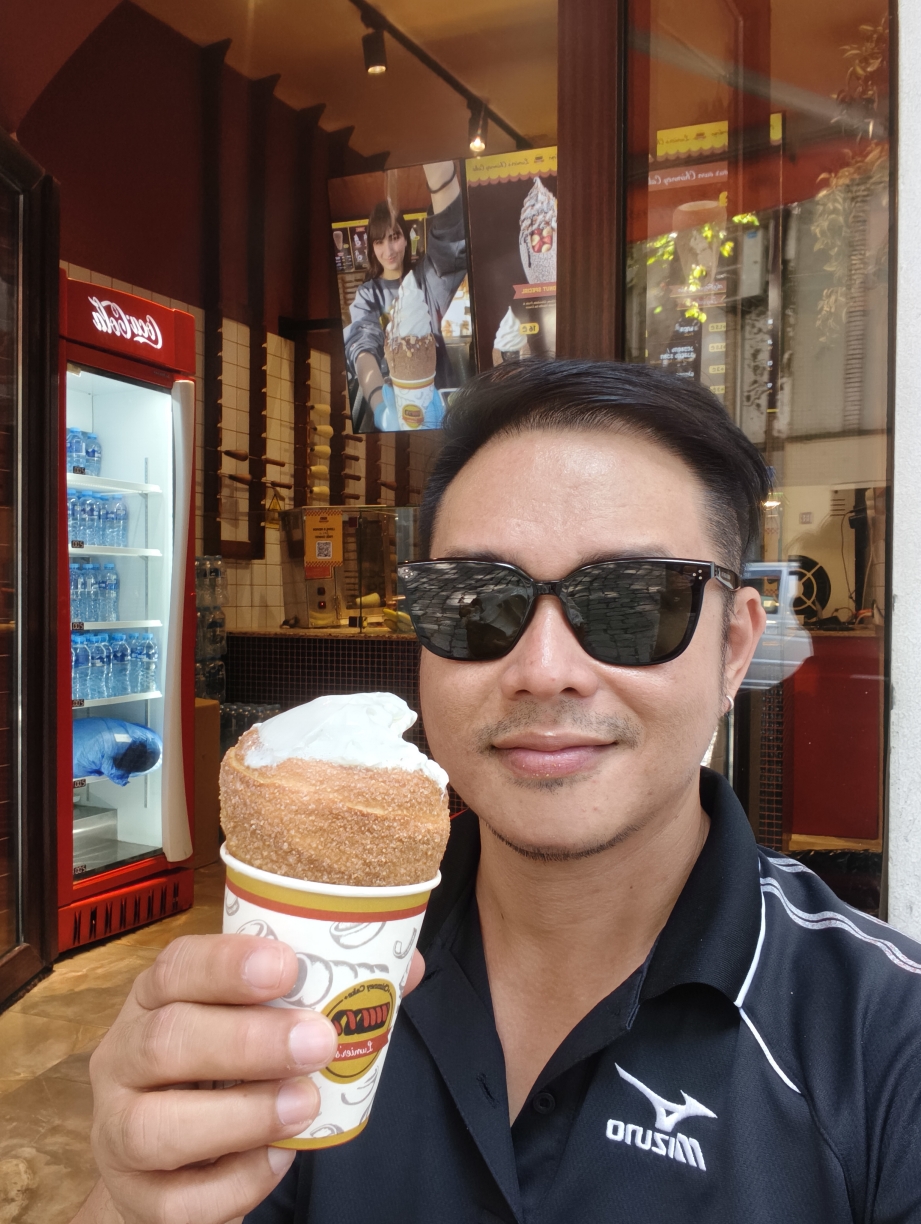
Another thing that I enjoyed in the old quarters was this milk ice cream-filled chimney cake, crusted with cinnamon and sugar.
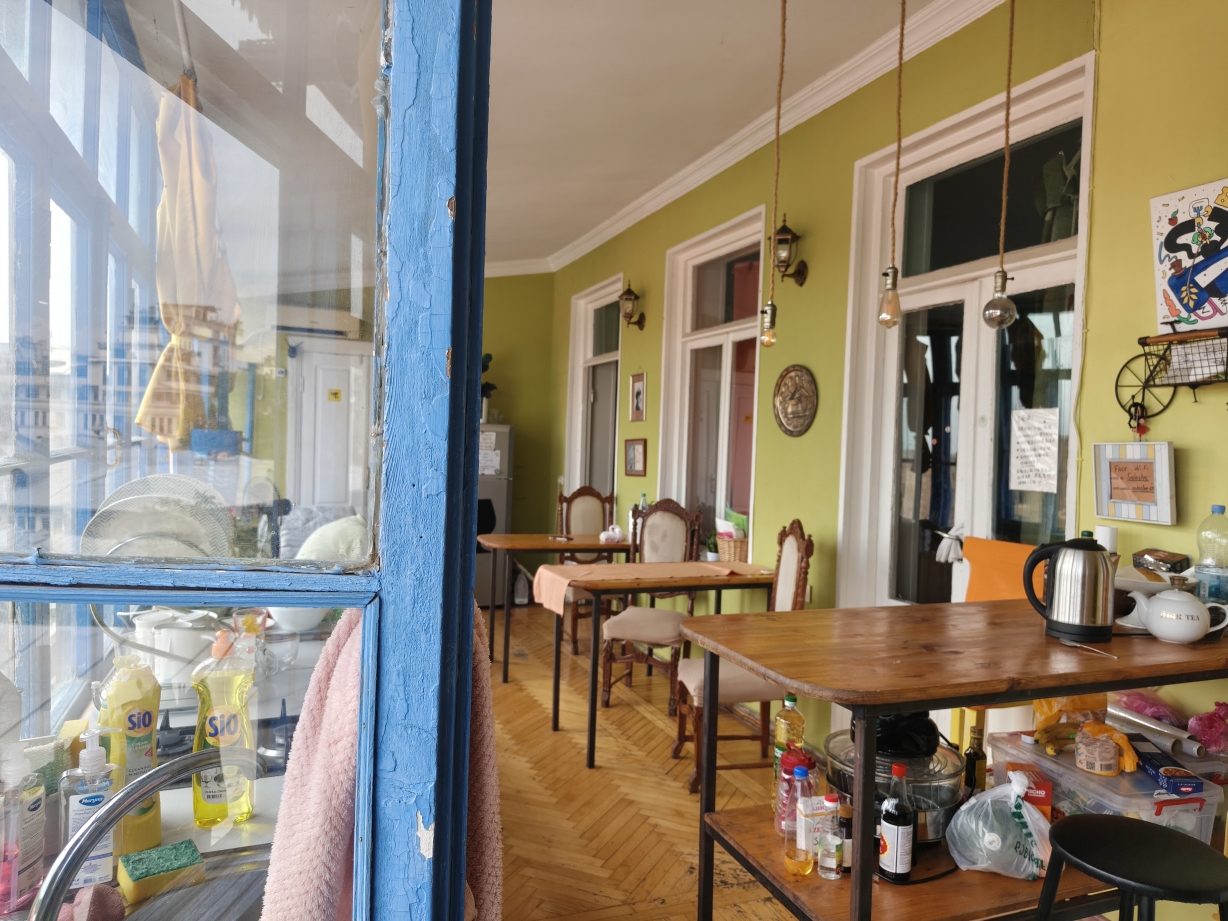
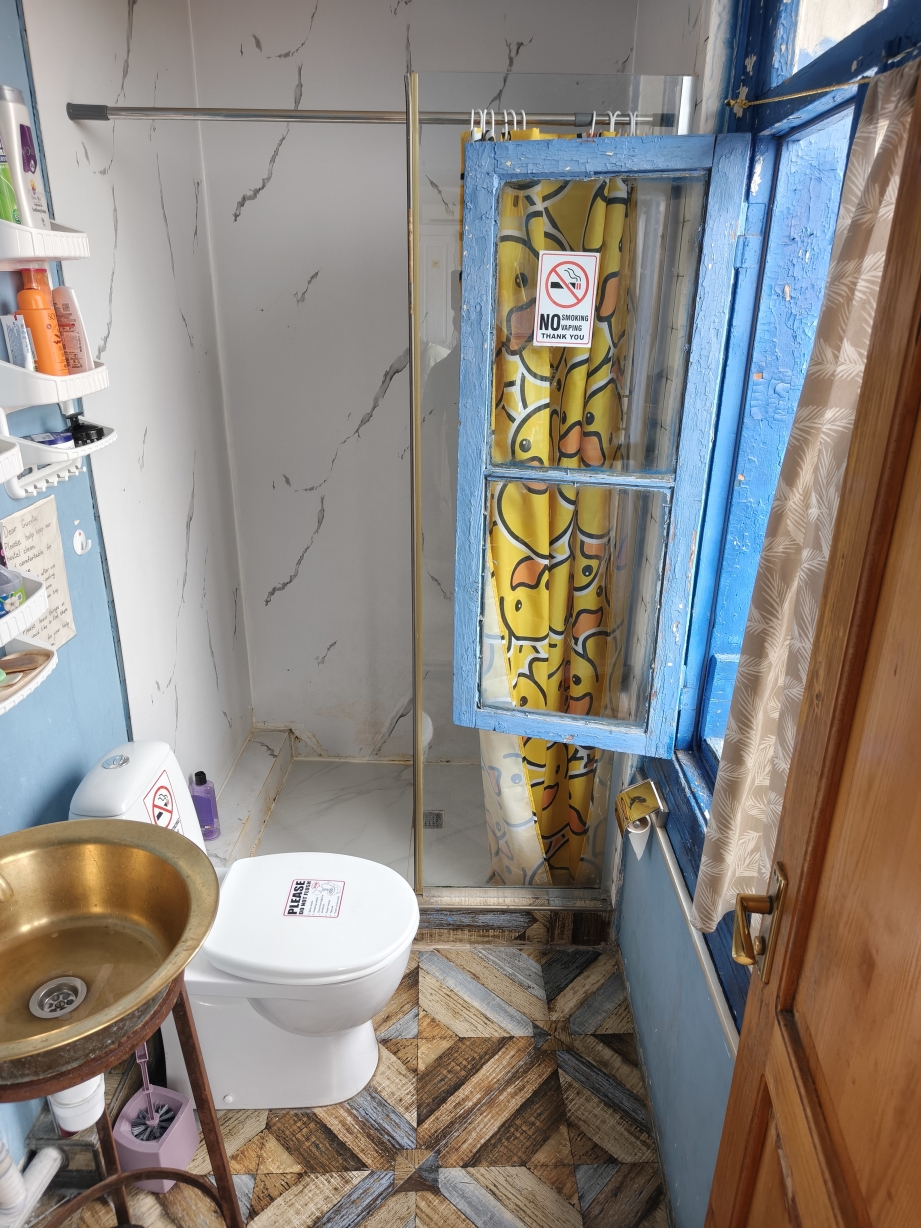
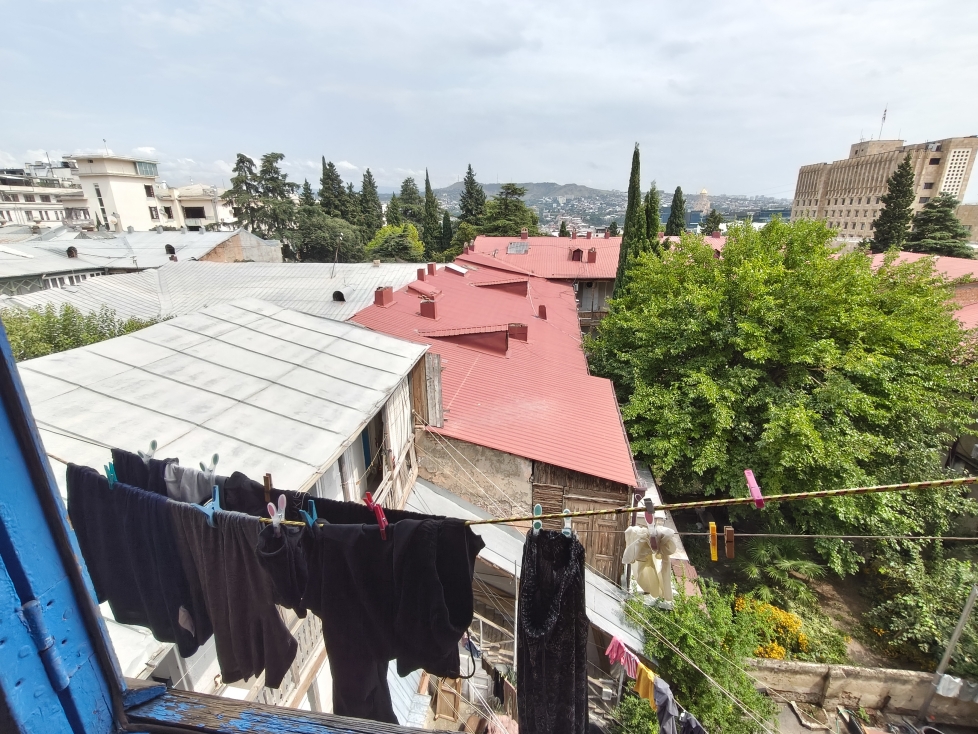
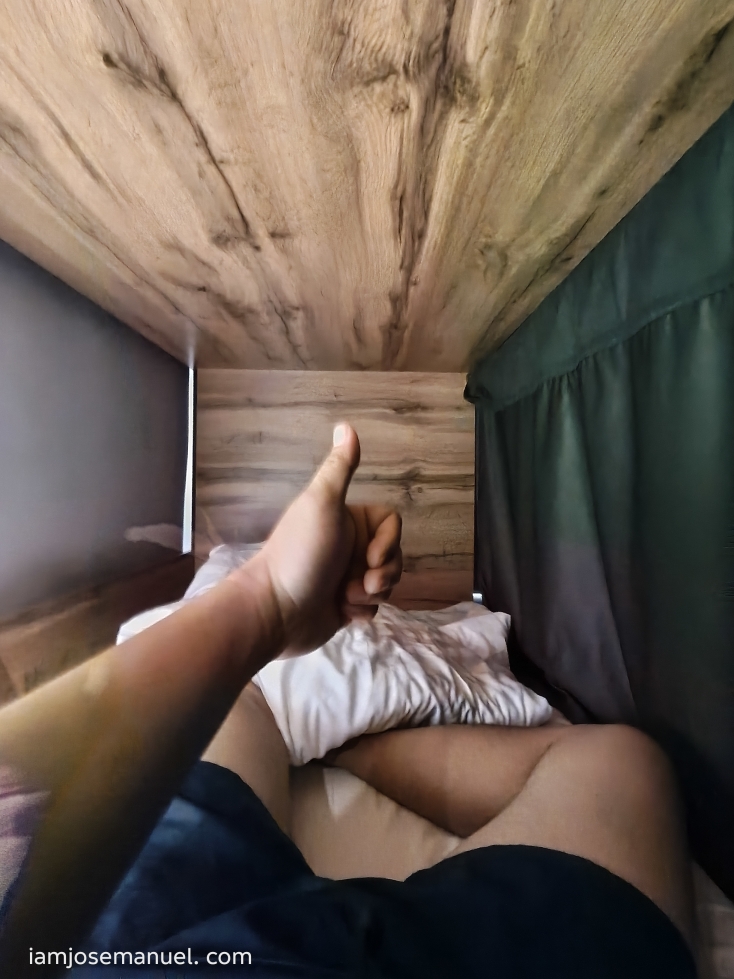
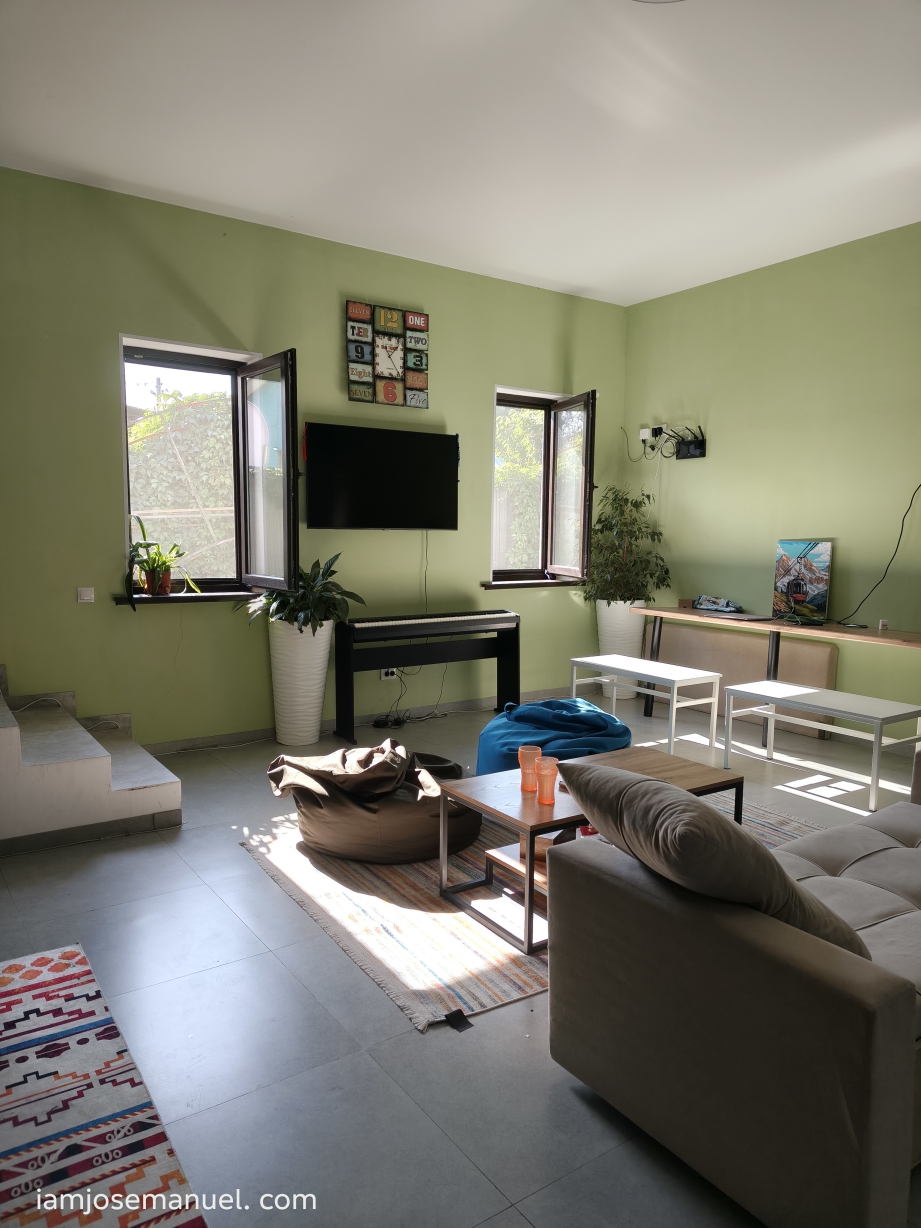
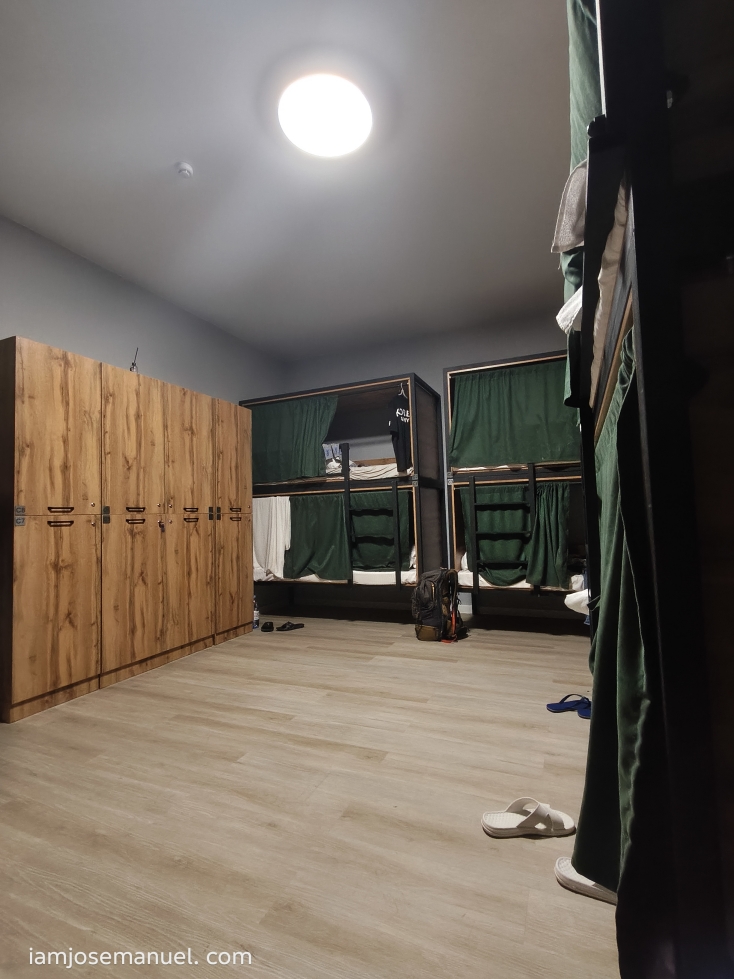
Where I stayed: Hostel Era, but I wouldn’t recommend it. there are better options elsewhere. The view from the toilet is nice though.
Here’s how I did my 15 days travel covering 6 cities in Central Asia.
Almaty,Kazakhstan > Bishkek,Kyrgyzstan > Tashkent,Uzbekistan > Samarkand,Uzbekistan > Panjakent,Tajikistan > Bukhara, Uzbekistan . Costing is posted at the end of the article.
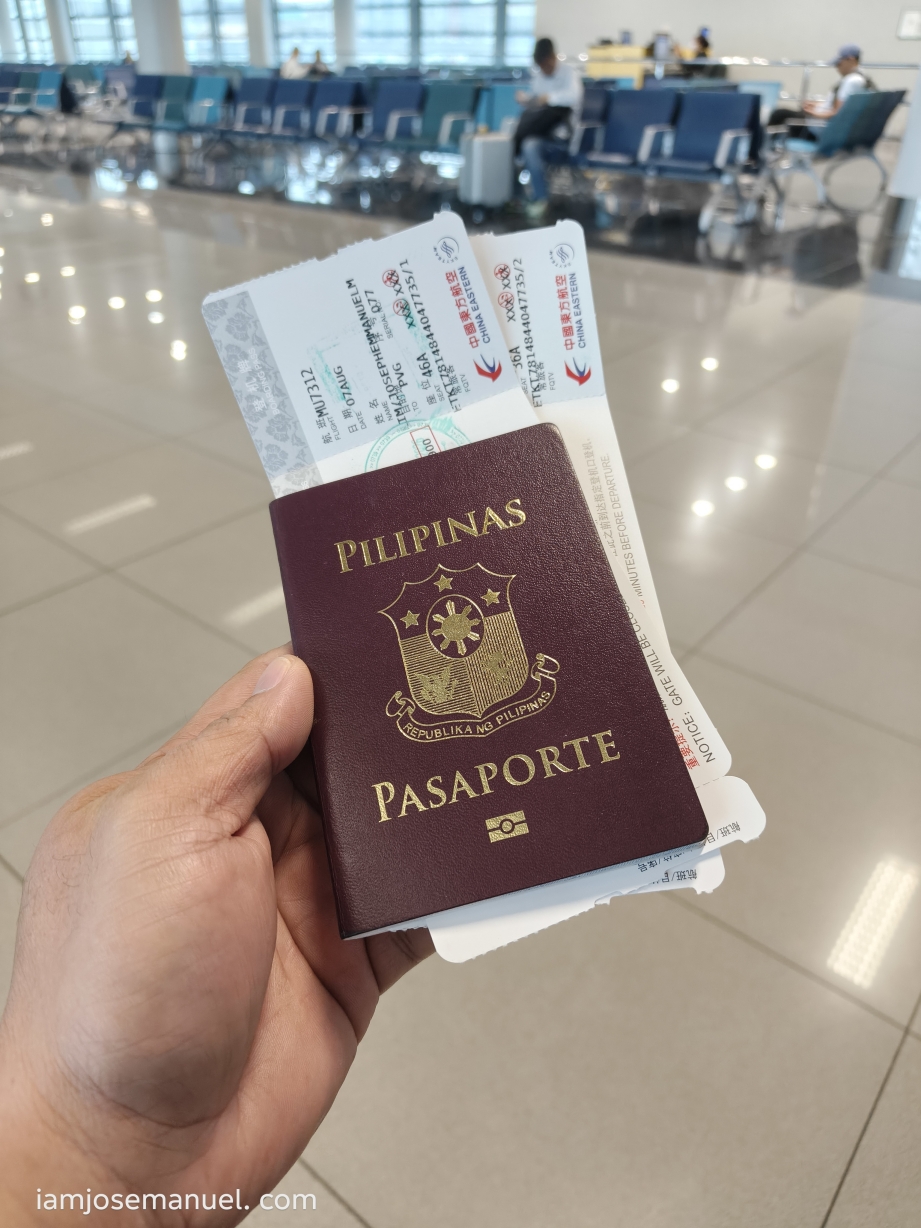
Day 1: I flew to Almaty,Kazakhstan via China Eastern Airlines from Manila. Flight was pretty straightforward. We left Manila at 8 am (around 4 hours), with a quick 2.5 hours layover in Shanghai. Then to Almaty (around 6 hours). I was already in Kazakhstan at around 7 pm, maliwanag pa. Sunset at Central Asia is around 8pm. This flight was not the cheapest option at 22k one way with baggage, but I chose this for the convenient flight time. I usually prefer to arrive na medyo may araw pa. That way, I feel safer to take public transportation to the city center upon arrival. I also booked late, like around 60 days prior, which justifies the ticket cost.
Day 2, 3 and 4 were spent around Almaty. The lakes and canyons tour was the highlight of this leg, but was super tiring, 16 hours total. Detailed Almaty tour is posted on this link.
Kazakhstan is visa free for Filipinos.
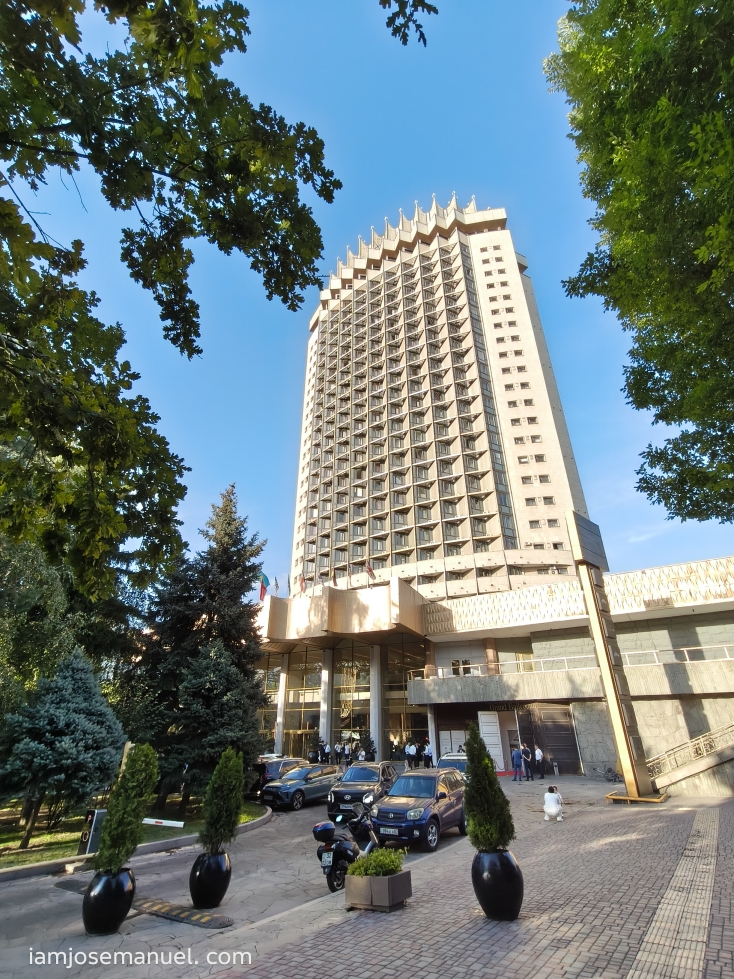
Where I stayed in Almaty: Hostel Q Almaty. Mura lang, nasa 700 Pesos per night. Bed and sheets were pretty comfi and malaki ang kwarto, which gave them very good ratings online. Satisfactory, yes. But if I return to Almaty, I’d probably choose hostels that are nearer to the Panfilov Park or Dostyk Avenue.
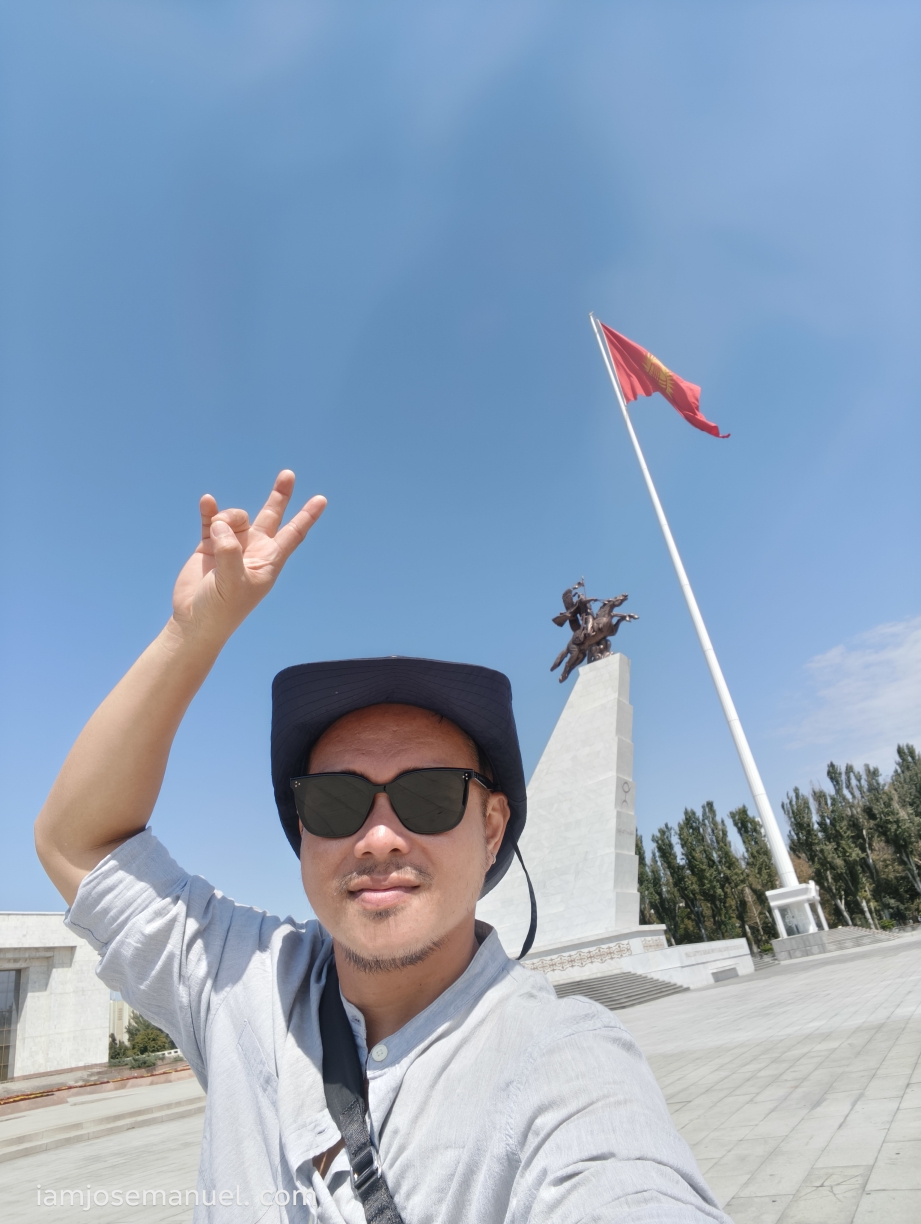
Day 5, 6 and 7: Bishkek City, Kyrgyzstan, which iz 4 hours lang from Almaty,Kazakhstan by public bus, for less than 10 USD. Details on the bus ride are shared on my article on Bishkek, as well as on my tiktok link here.
Filipinos need E-visa to enter Kyrgyzstan. E-visa details, as well as Bishkek City sample itinerary are posted on this link.
Where I stayed in Bishkek: Koisha Hotel. HIGHLY RECOMMENDED. Very home and conducive for rest or a remote work. Just a few minutes walk to the popular Osh Bazaar, which is the center of trade and commune of Bishkek. Osh Bazaar has the most spices, dried nuts, berries and tea leaves that I’ve seen in Central Asia.
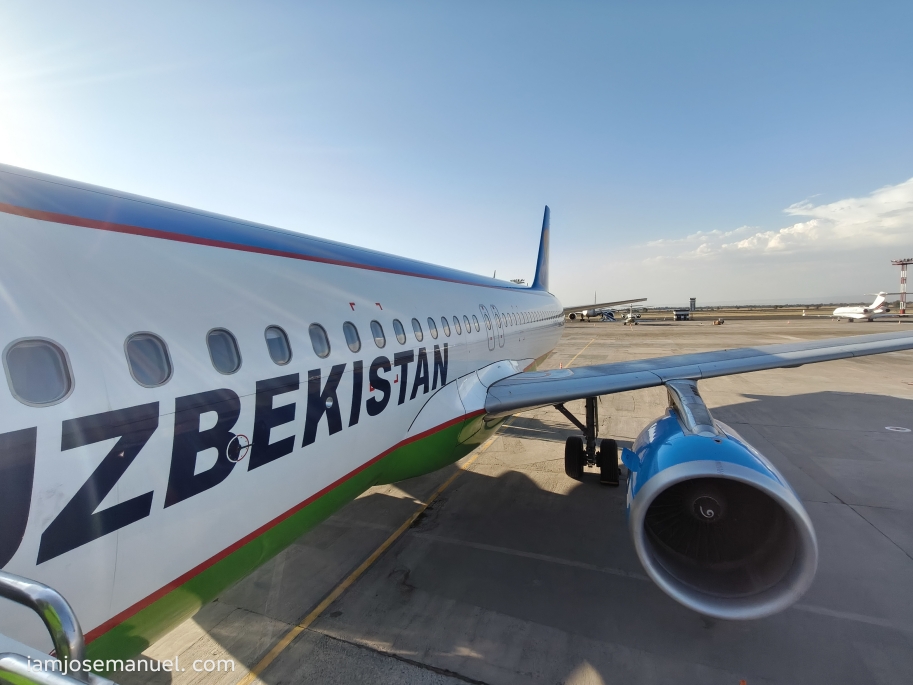
On day 7, I took the afternoon flight to Tashkent,Uzbekistan. Bishkek to Tashkent can also be done by bus+train combo, but it takes so much time since dadaan ulit ng Almaty. As such, I opted to take an hour flight with Uzbekistan Airways. Flights between Central Asian cities are relatively inexpensive.
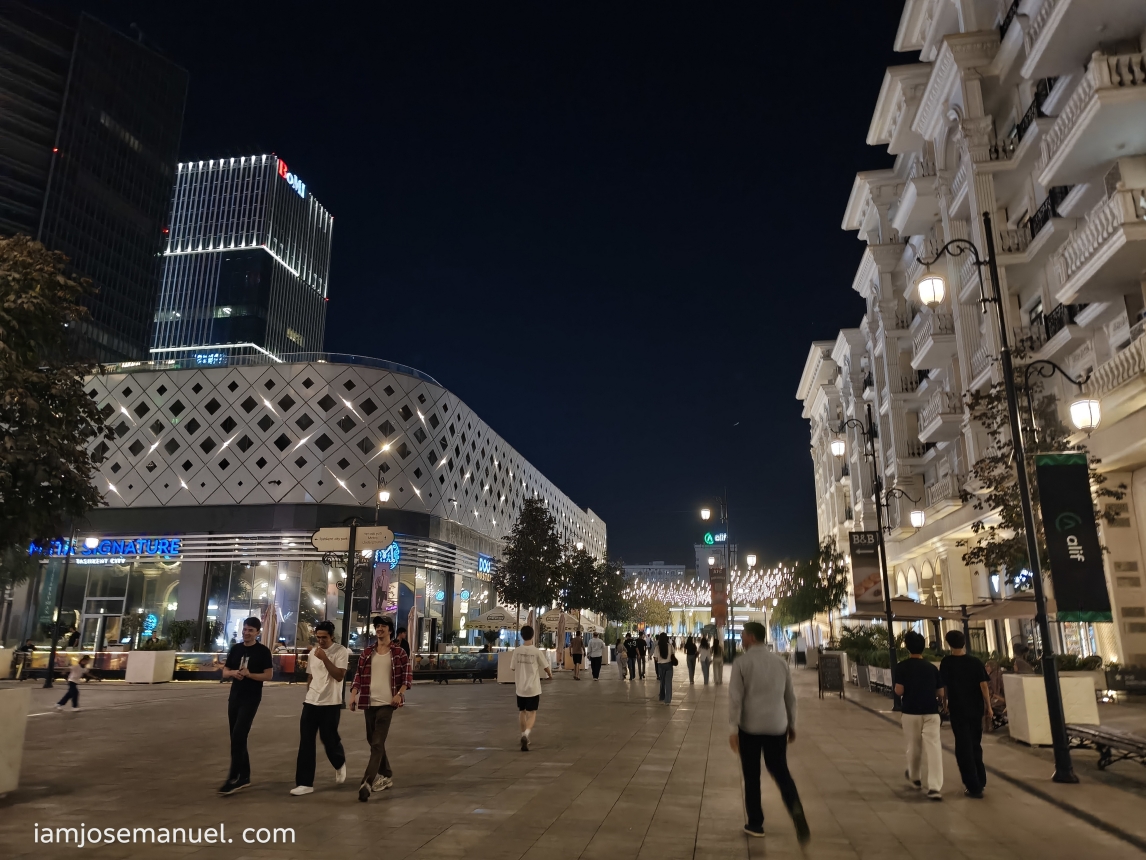
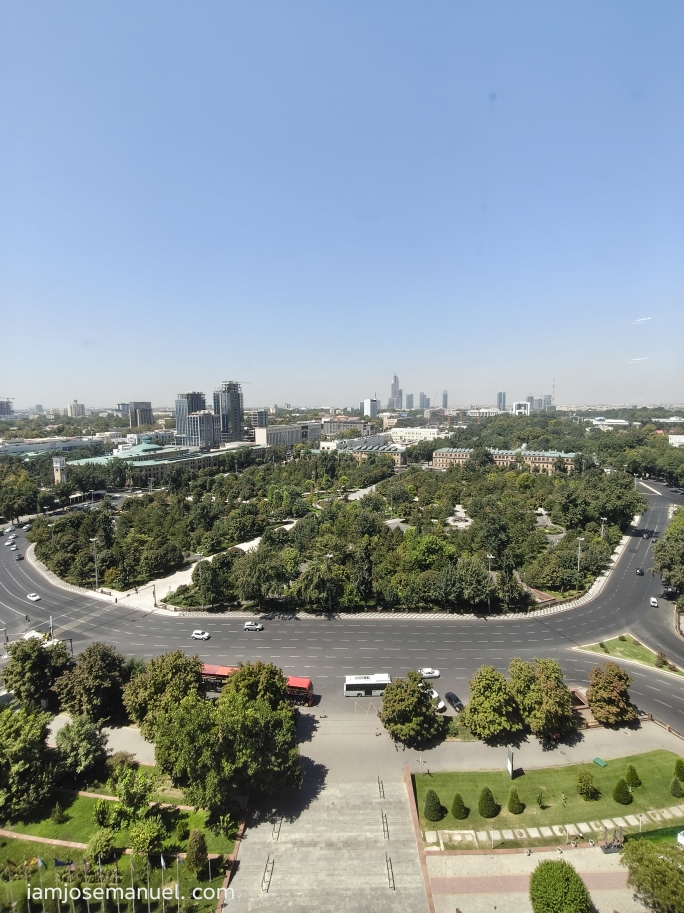
Day 8 & 9, I spent in Tashkent, the modern metropolis and capital city of Uzbekistan. I actually think there’s so much to do here; I just lacked time. But given the chance, I am definitely revisiting this city.
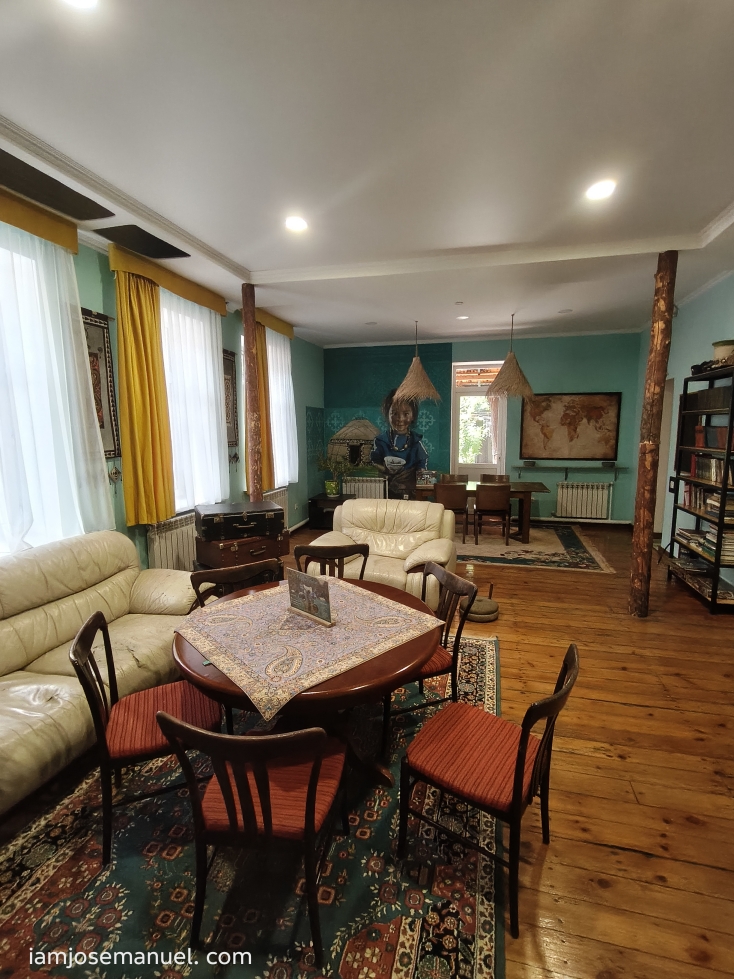
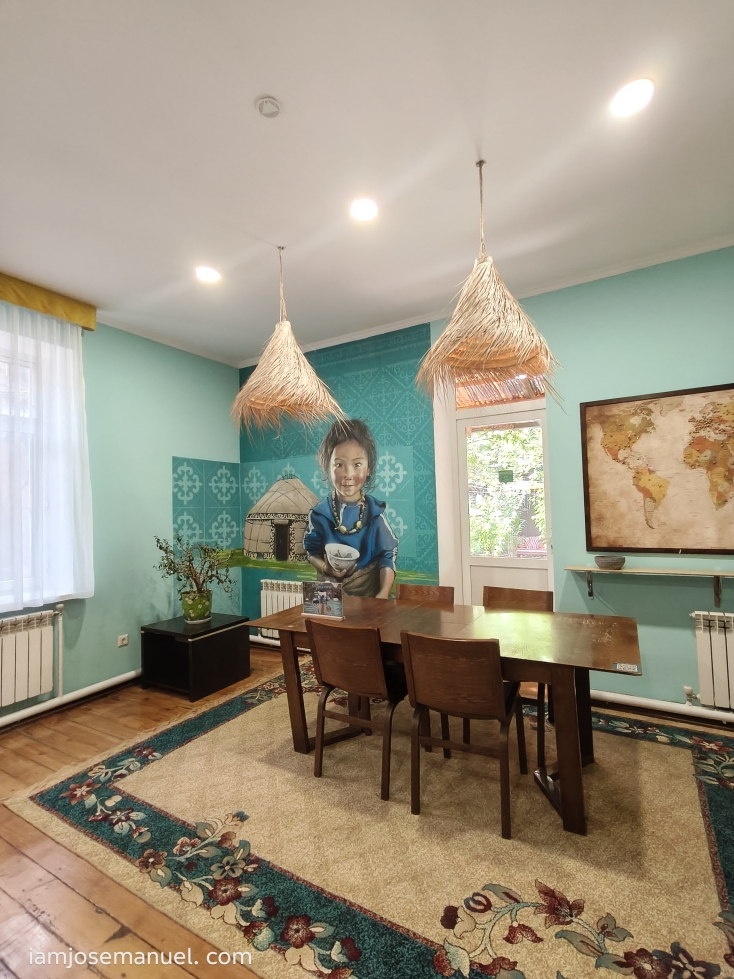
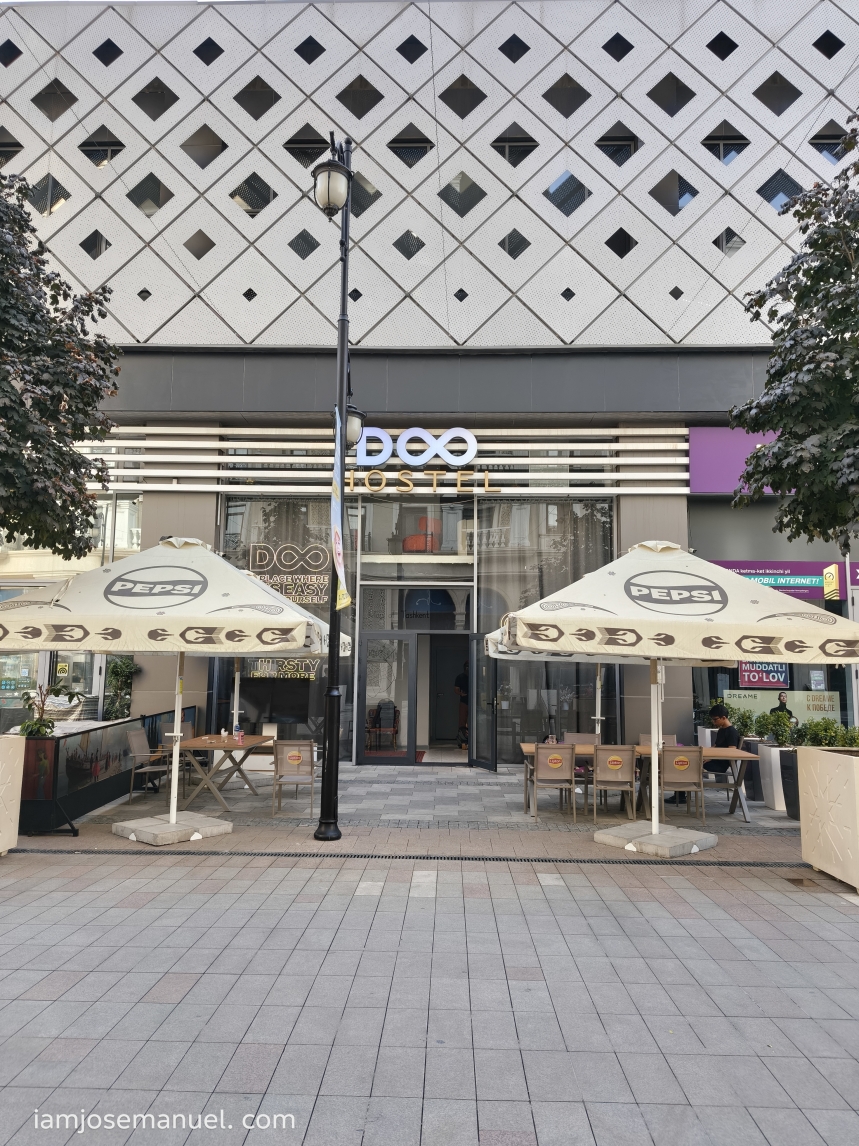
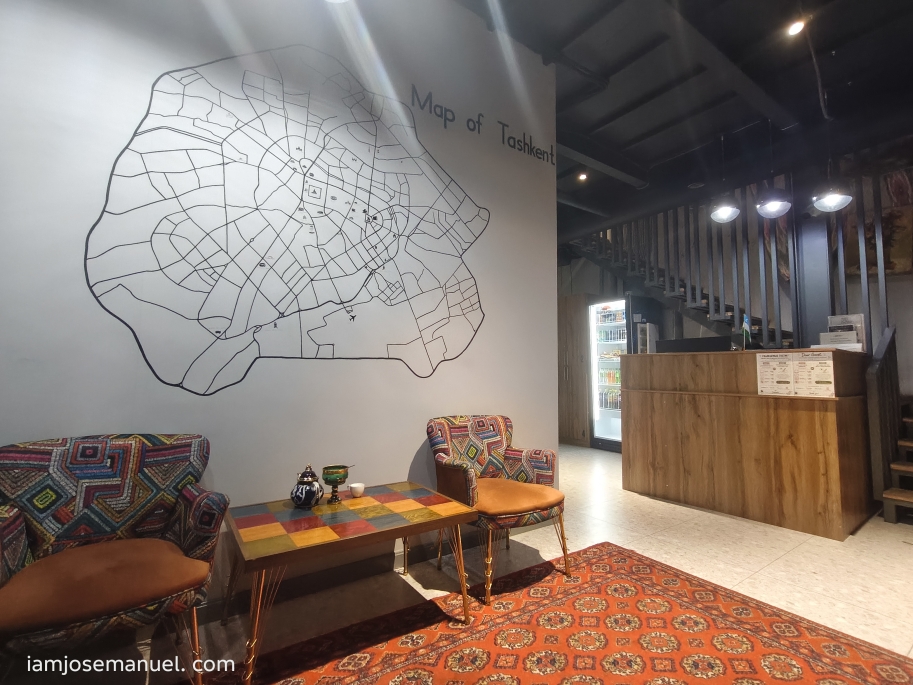
Where I stayed in Tashkent: Doo Hostel (Highly Recommended). This came as a surprise for me, because I never expected it to be located inside an upscale residential/commercial complex (Like Serendra in BGC).
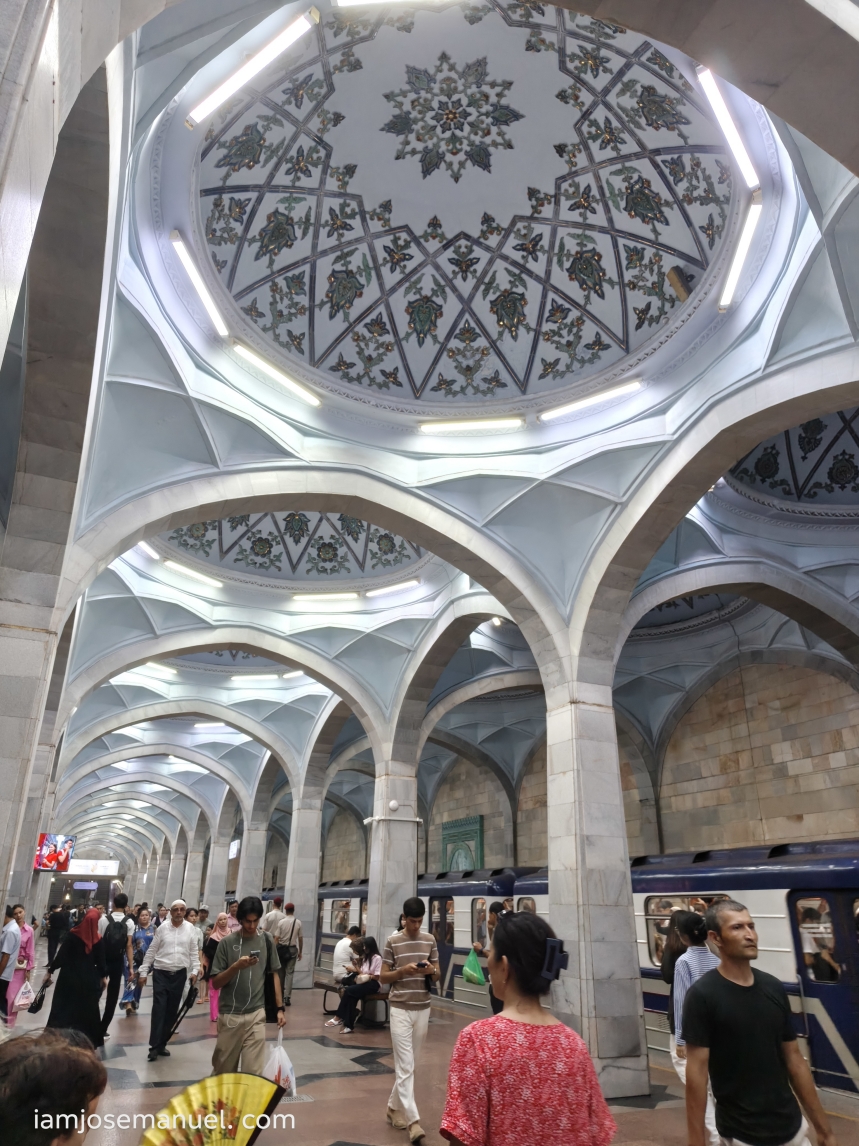
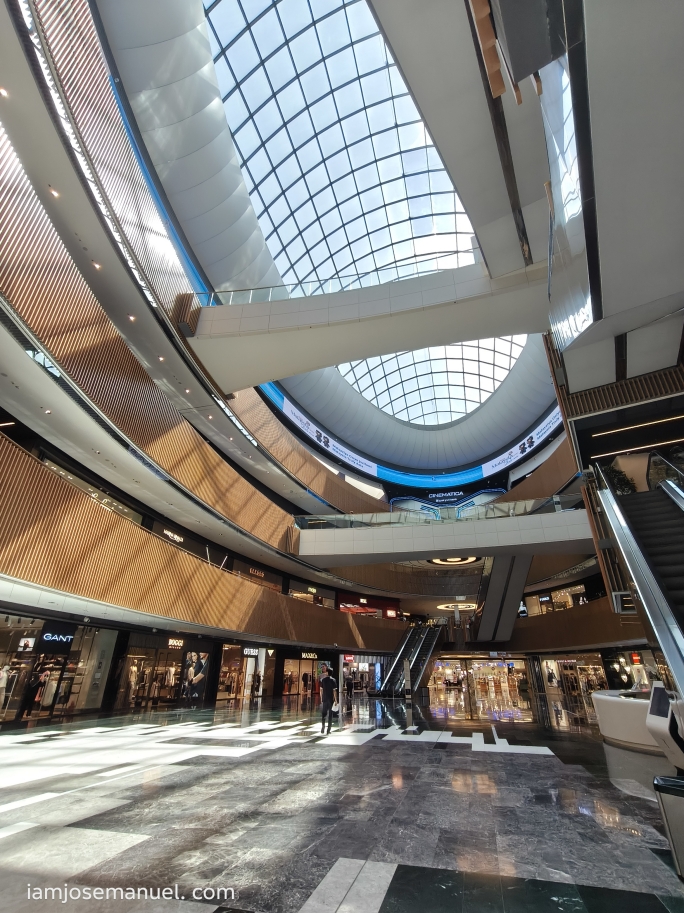
An entrance to the Alisher Navoiy Metro Station is located within the complex. The complex is also attached to the main park and the Tashkent City mall. How convenient is that? Alisher Navoiy btw is named the most beautiful train station, with its white, dome shaped ceiling, embellished with mosaic tiles.
Day 10,11 and 12, I spent in Samarkand, with a side day trip to Panjakent, a city in the neighboring country of Tajikistan; Just 1.5 hours away. This is the reason why I applied for double entry E-visa, so I can enter Uzbekistan again.
Samarkand is a treasure trove of glorious Islamic Architecture, and has been recognized as a UNESCO World Heritage Site since 2001. More of Samarkand are posted on this link.
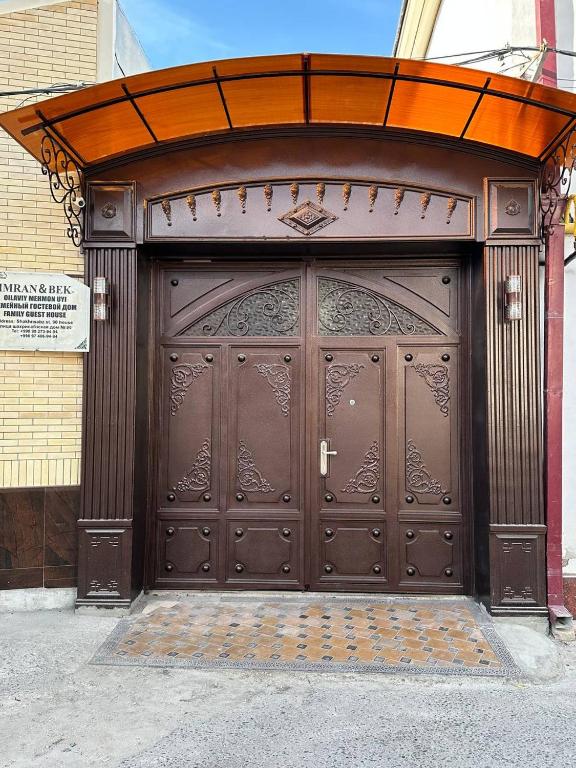
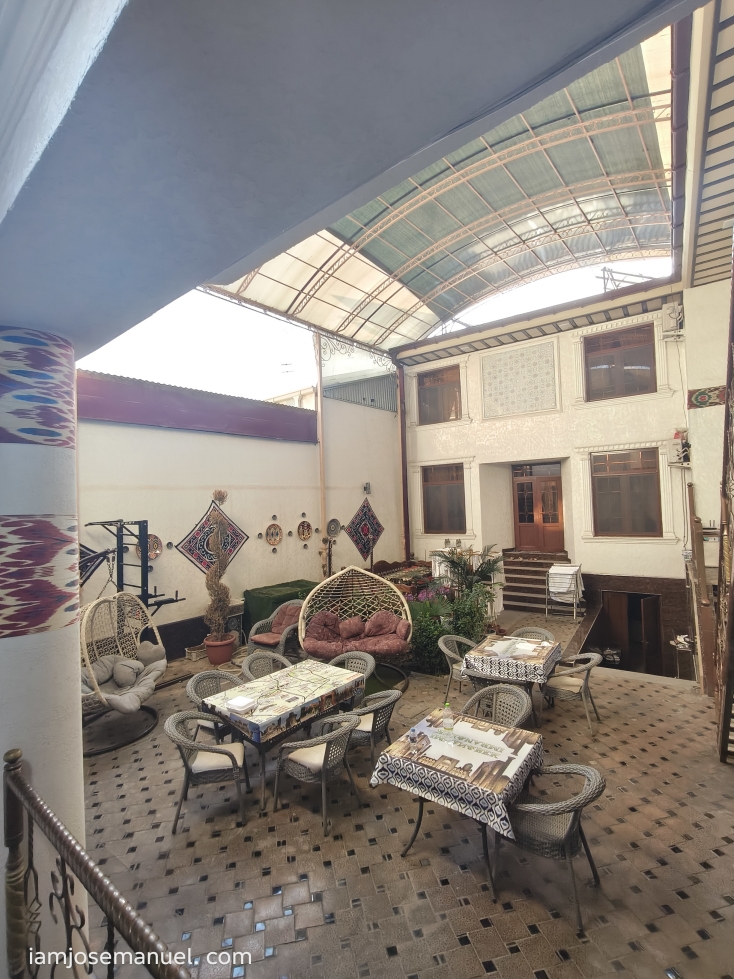
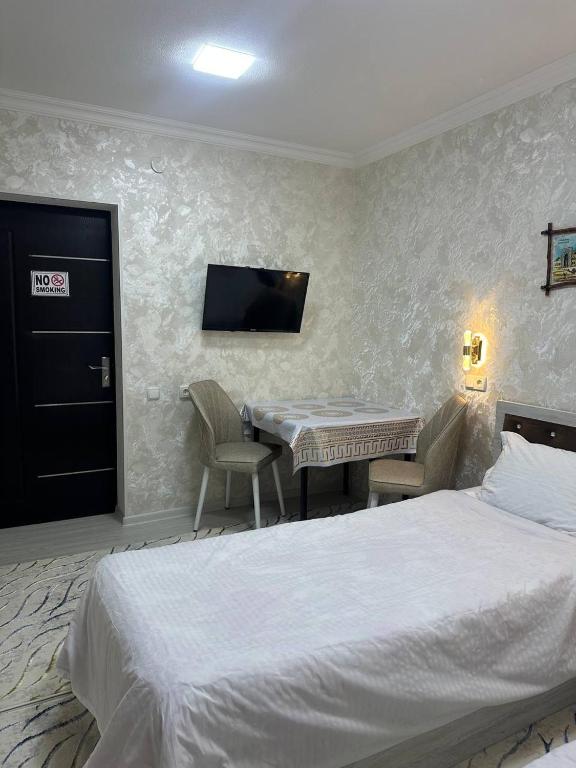
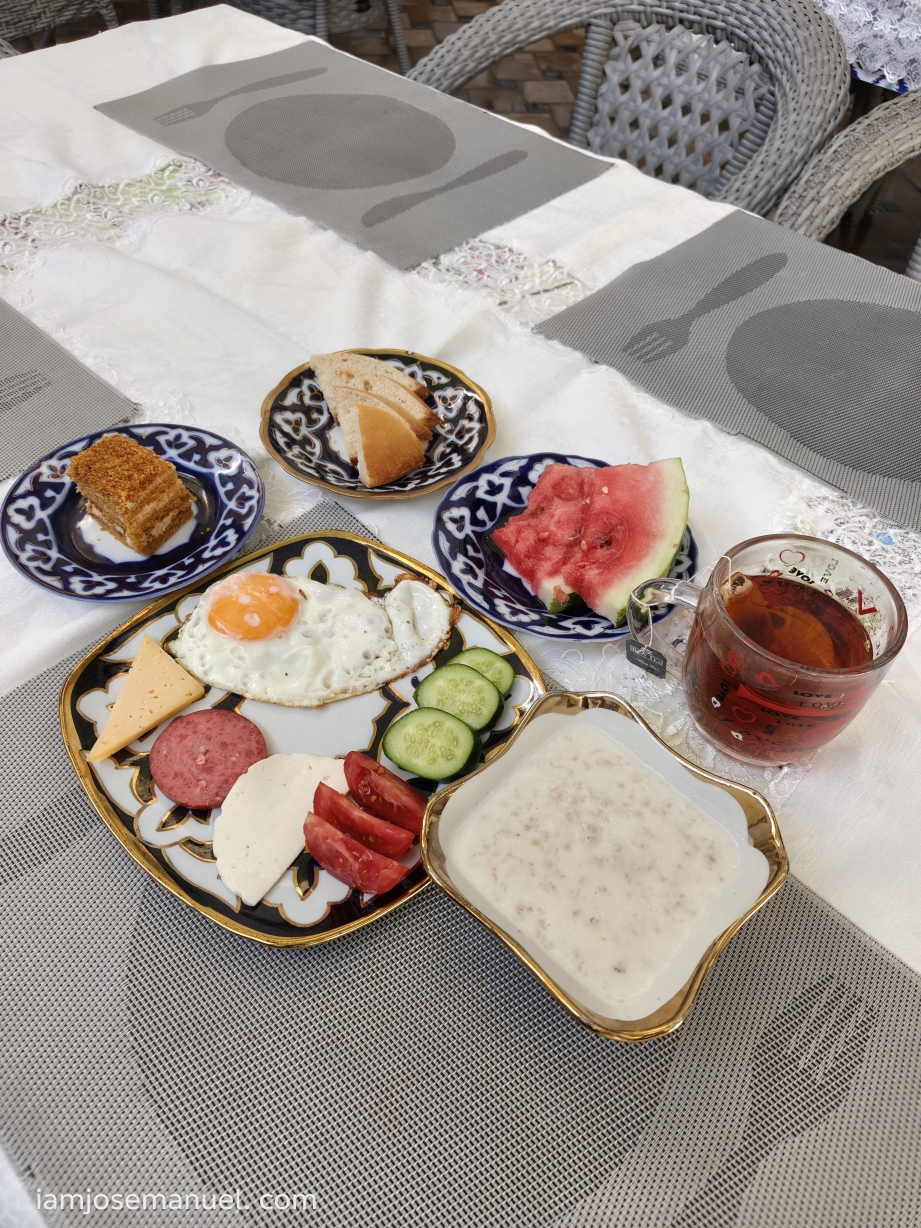
Where I stayed in Samarkand: Imran and Bek Guesthouse, a nice family-operated accommodation, located just at the back of the Registan Square. Highly Recommended for its great location and it comes with a hefty breakfast.
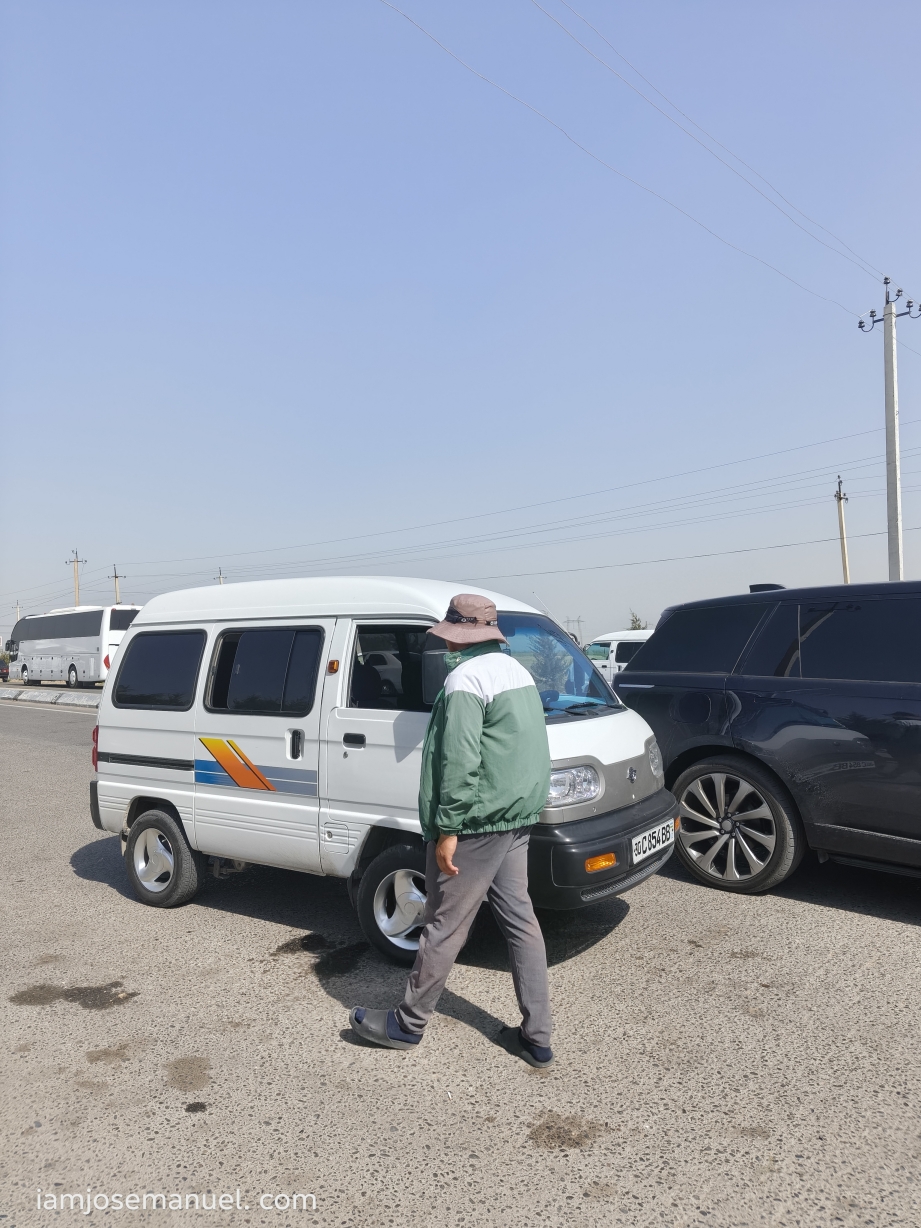
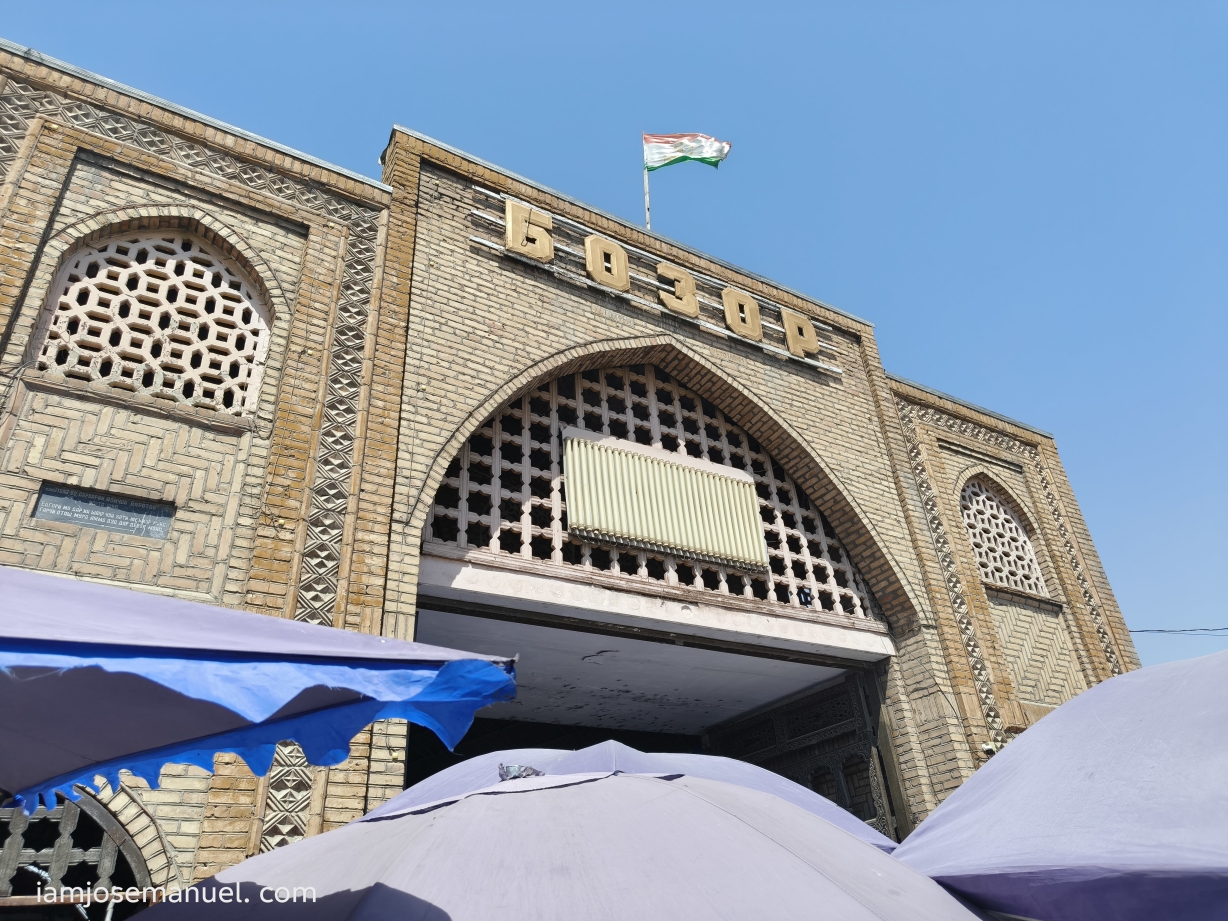
Day 11: A quick DIY day trip to Panjakent, Tajikistan, which is just 1.5 hours away from Samarkand by public van (locals call it Damas. super cute mini van as shown on photo below). Fare is less than 5 USD round trip. Panjakent is just a small city surrounded by mountains, but its history also dates back to 5th Century BC and the years of the Silk Road.
Passport stamps are done at the border. Quite a long line with the locals, but visa-free for Filipinos.
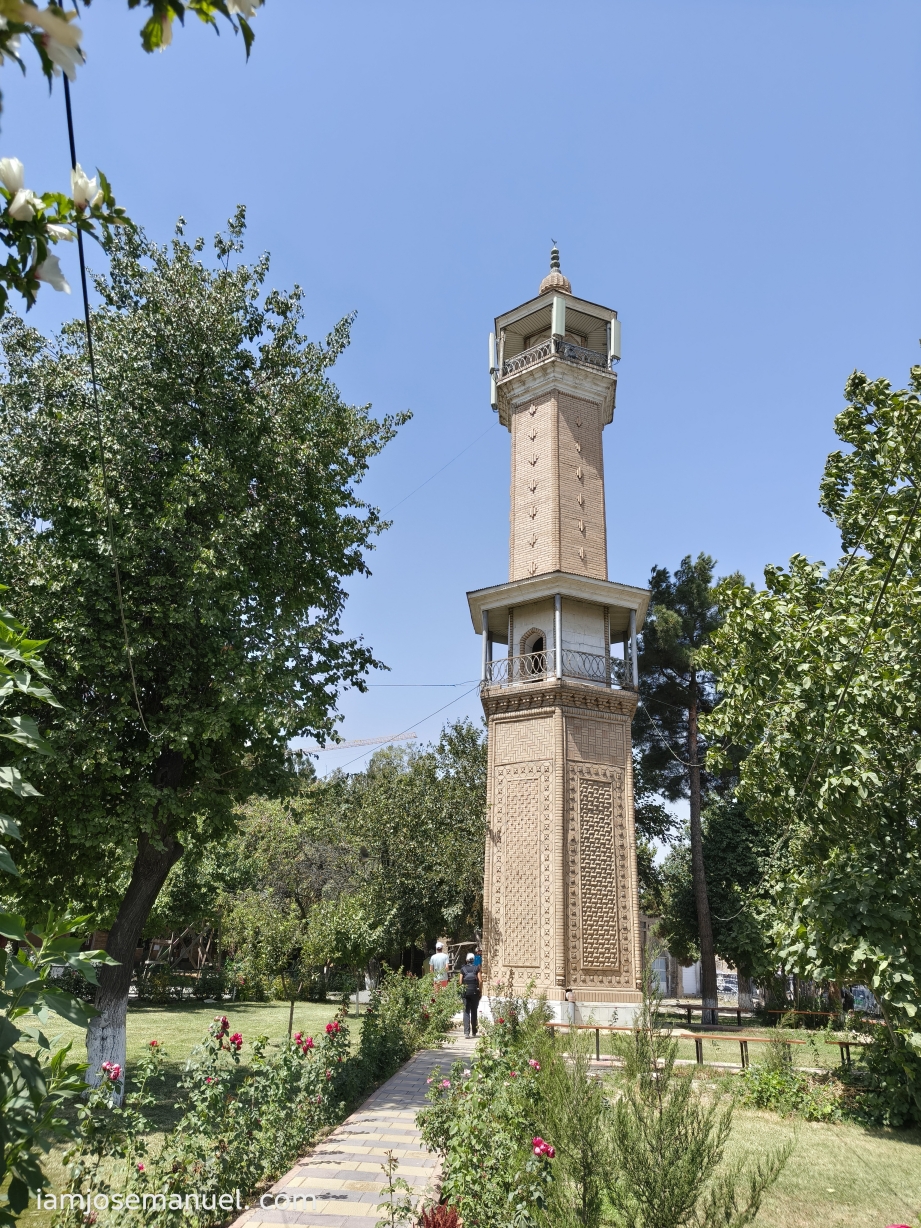
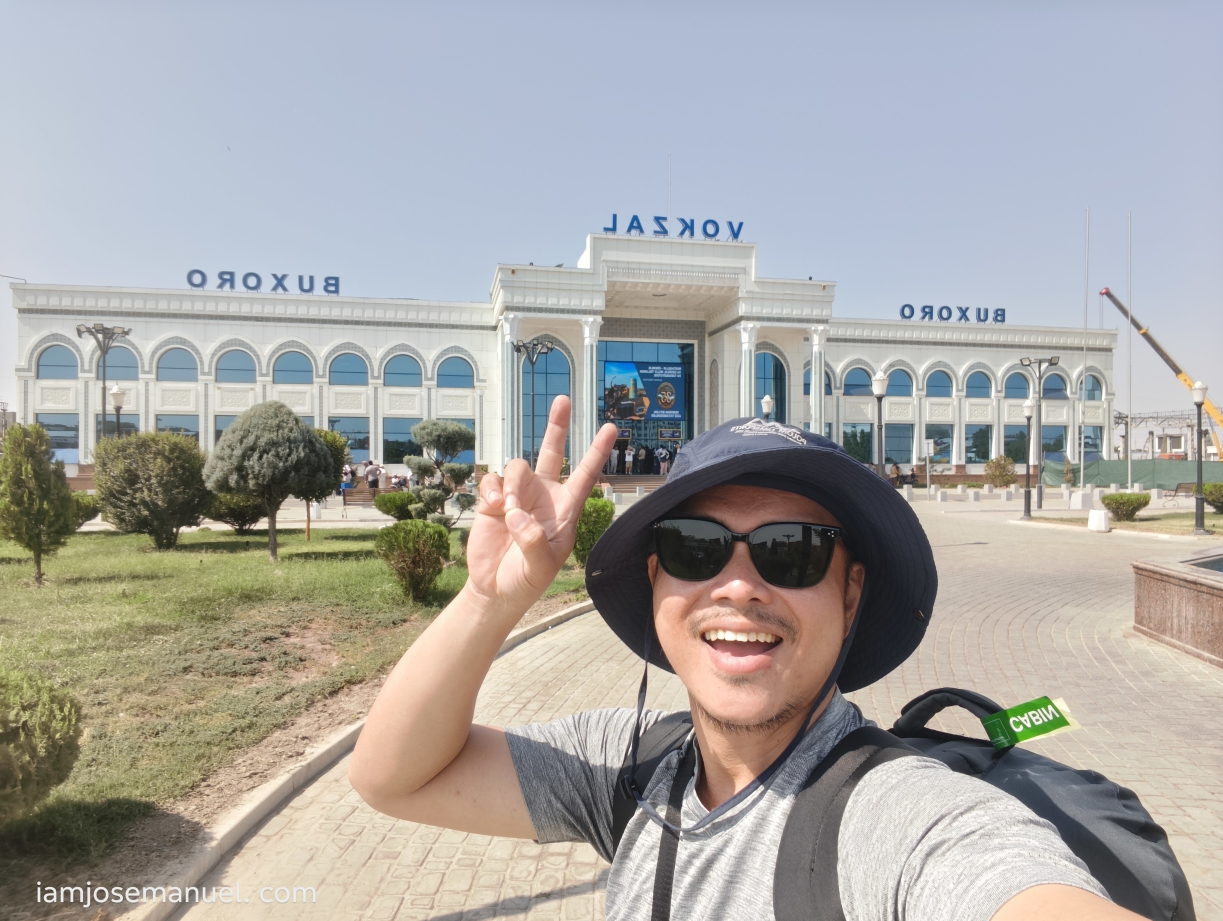
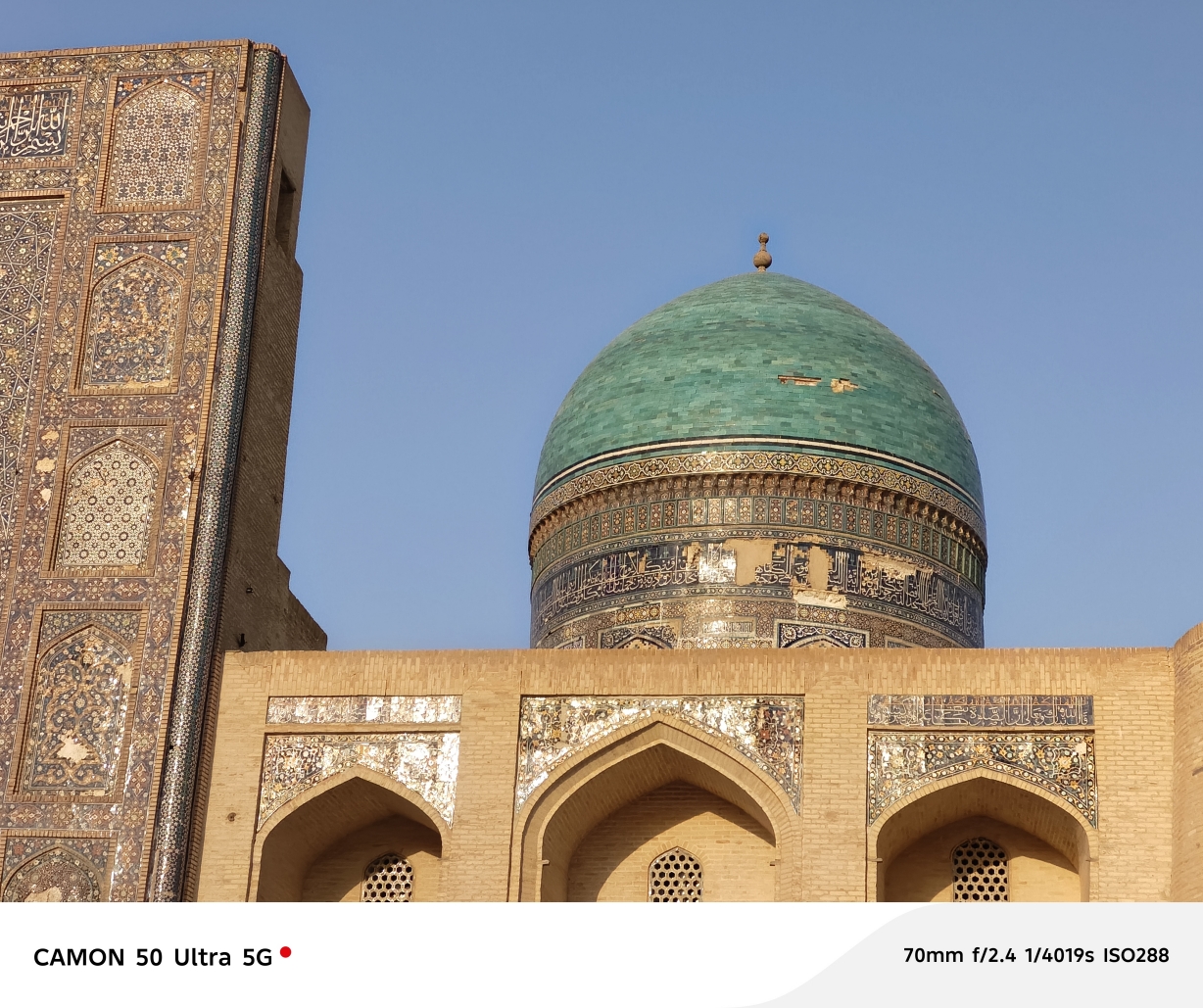
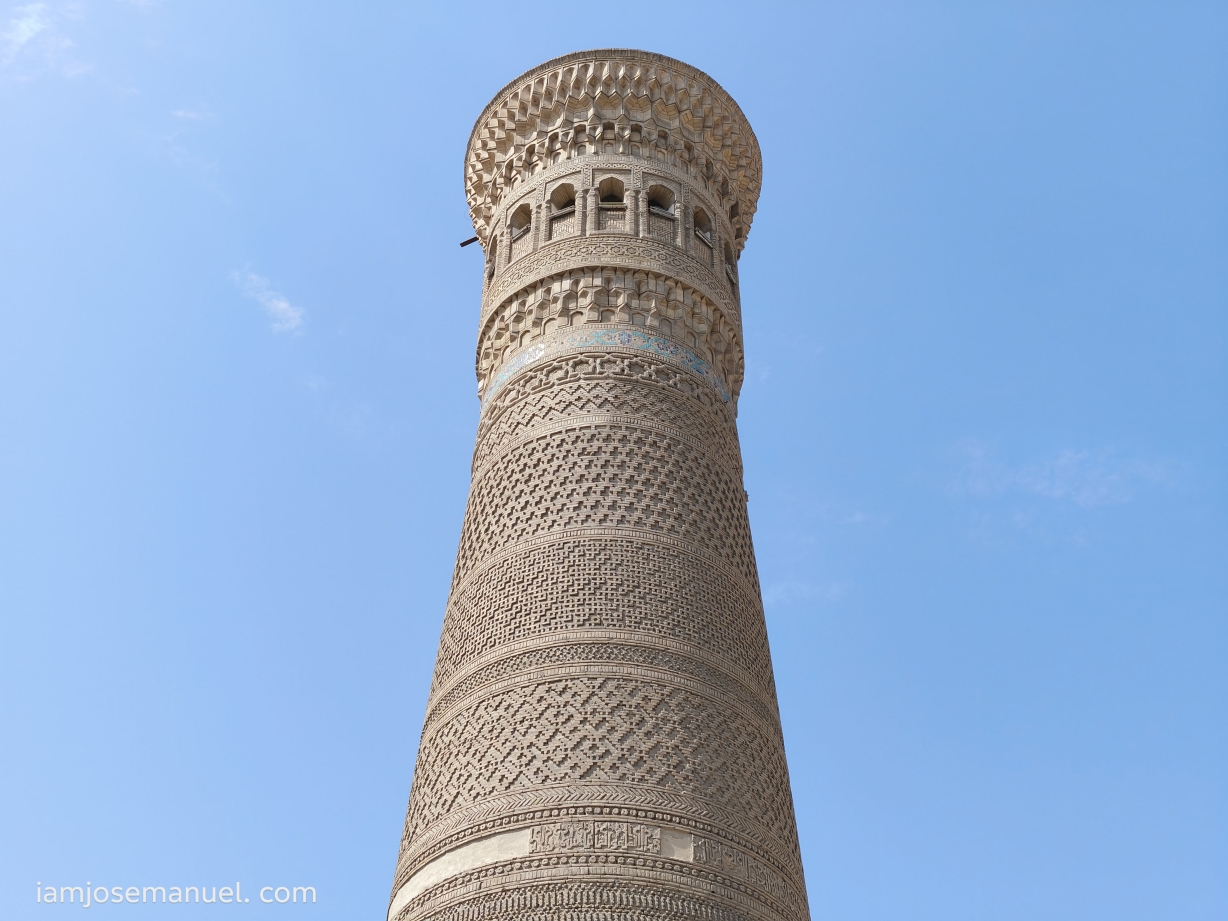
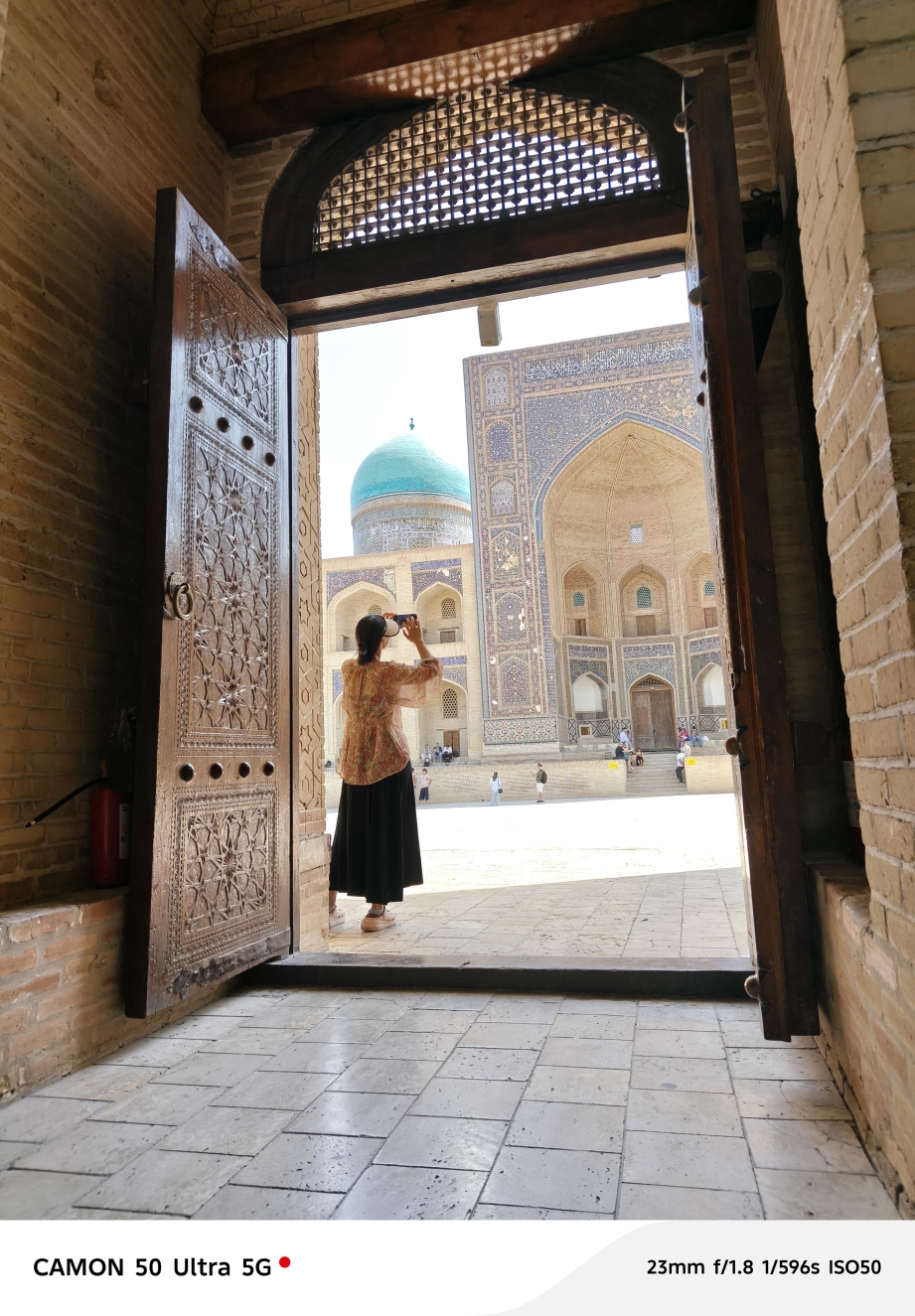
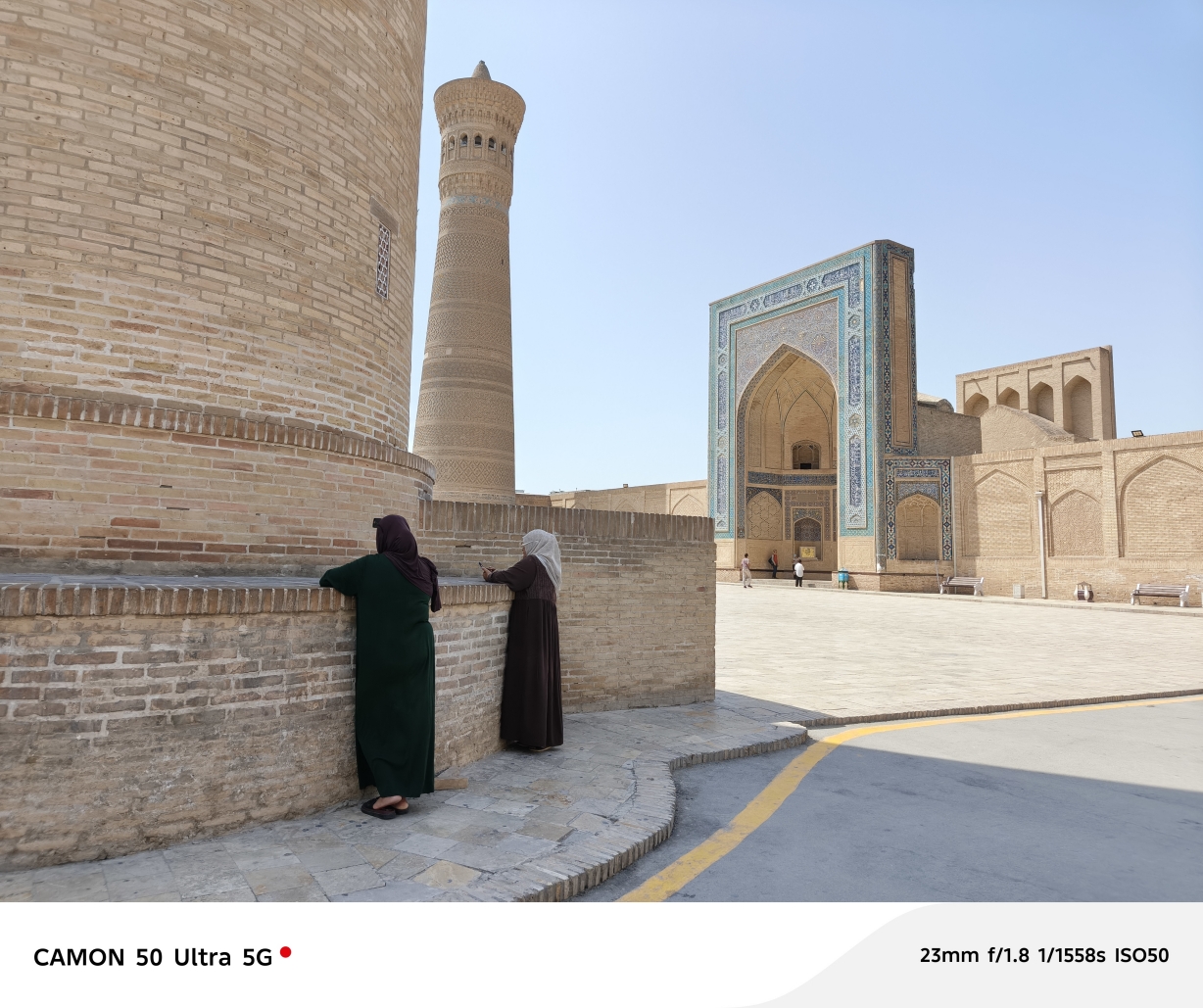
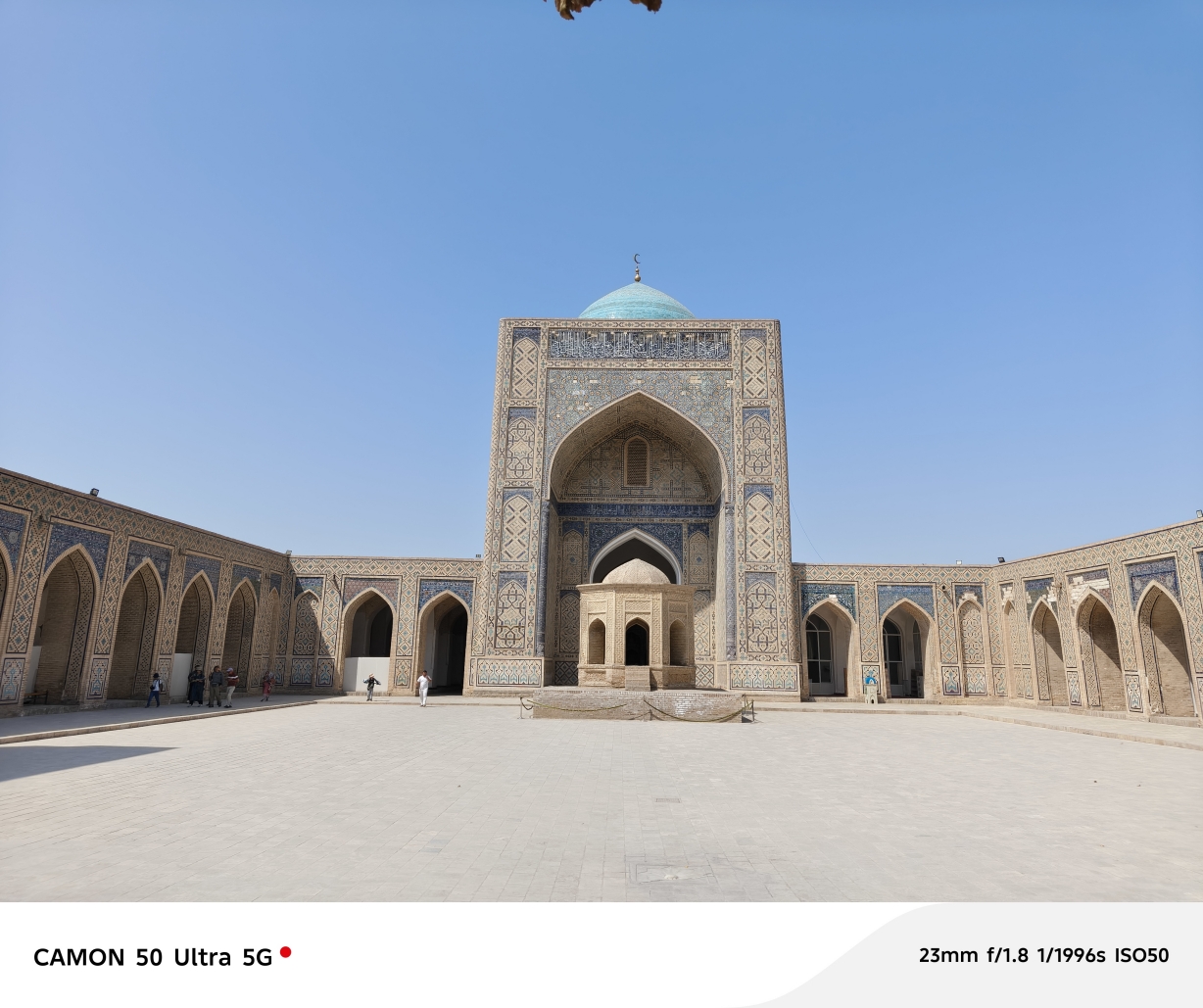
Day 13, 14 and 15, I spent in Bukhara, which is another well-preserved, ancient city/fortress in Uzbekistan. Designated a UNESCO World Heritage Centre, the old quarters is somewhat like an open air museum, with well preserved Islamic Architecture elements like the Poi-Kalyan minaret (call for prayer tower), mosques and mausoleums. Compared to Samarkand, Bukhara is more rugged and unpolished/rough on the edges, offering an old world feels. It is also relatively smaller. I stayed at a guesthouse in a community just outside of the old fortress. More details of Bukhara are posted here.
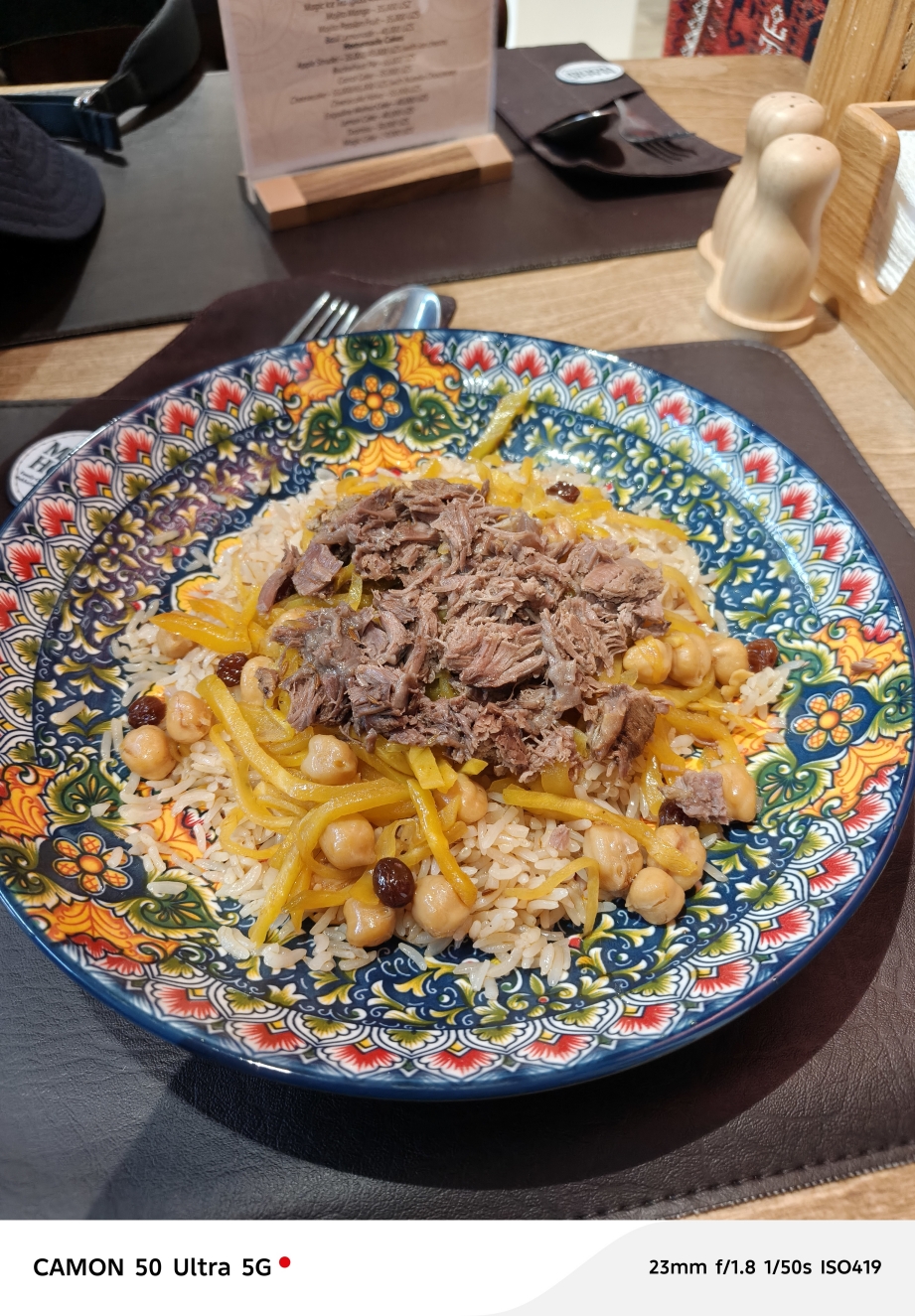
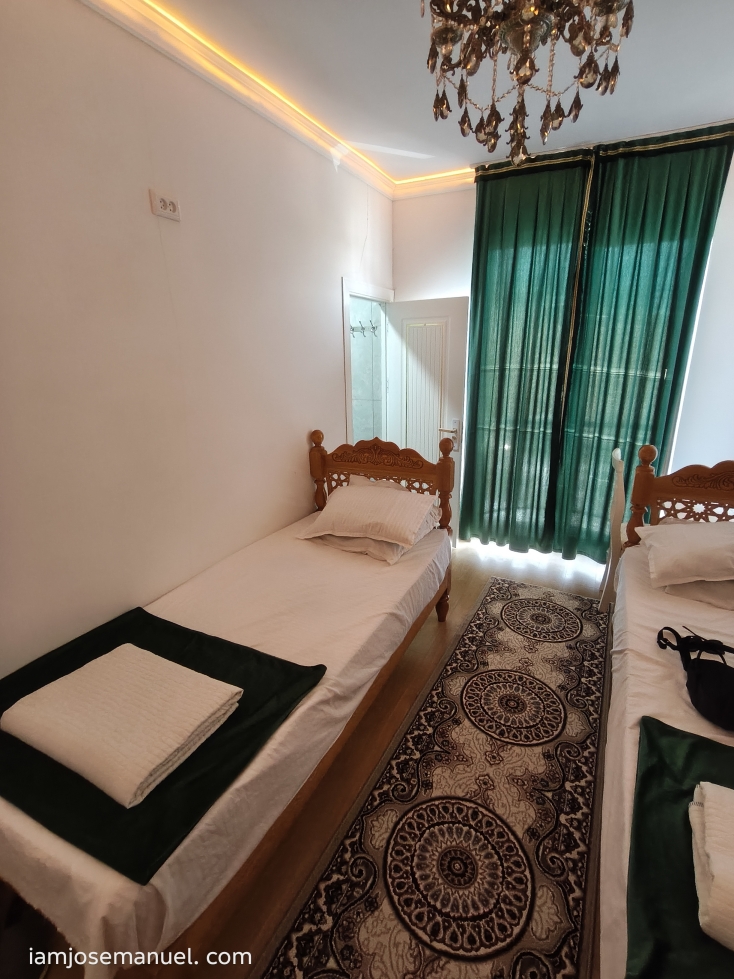
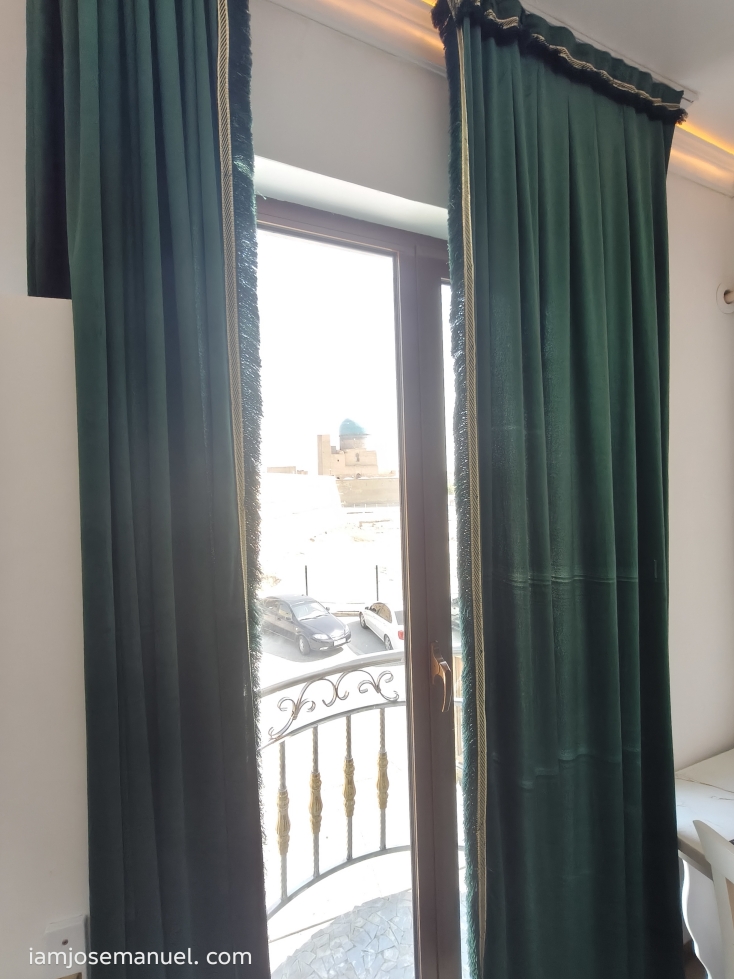
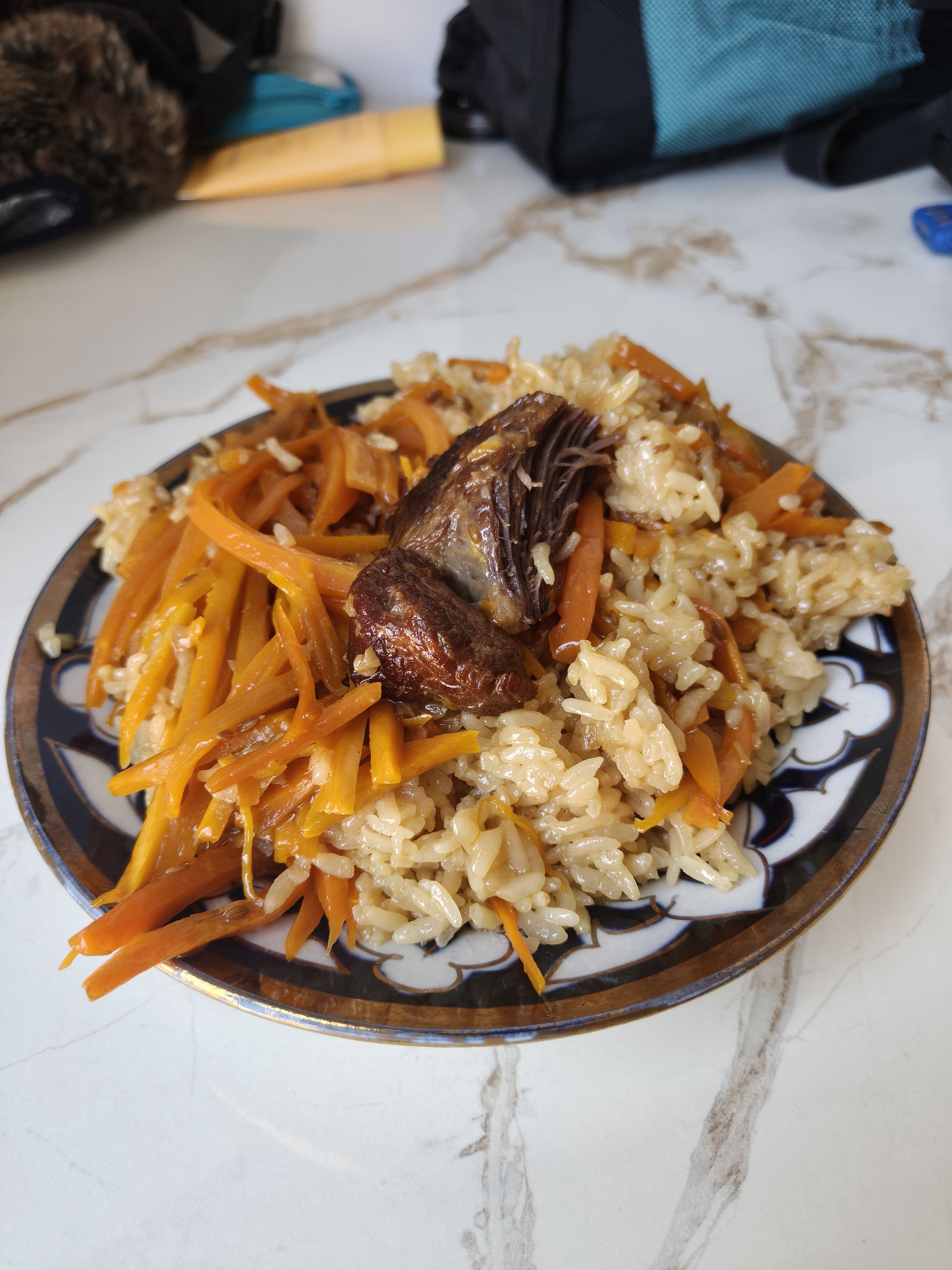
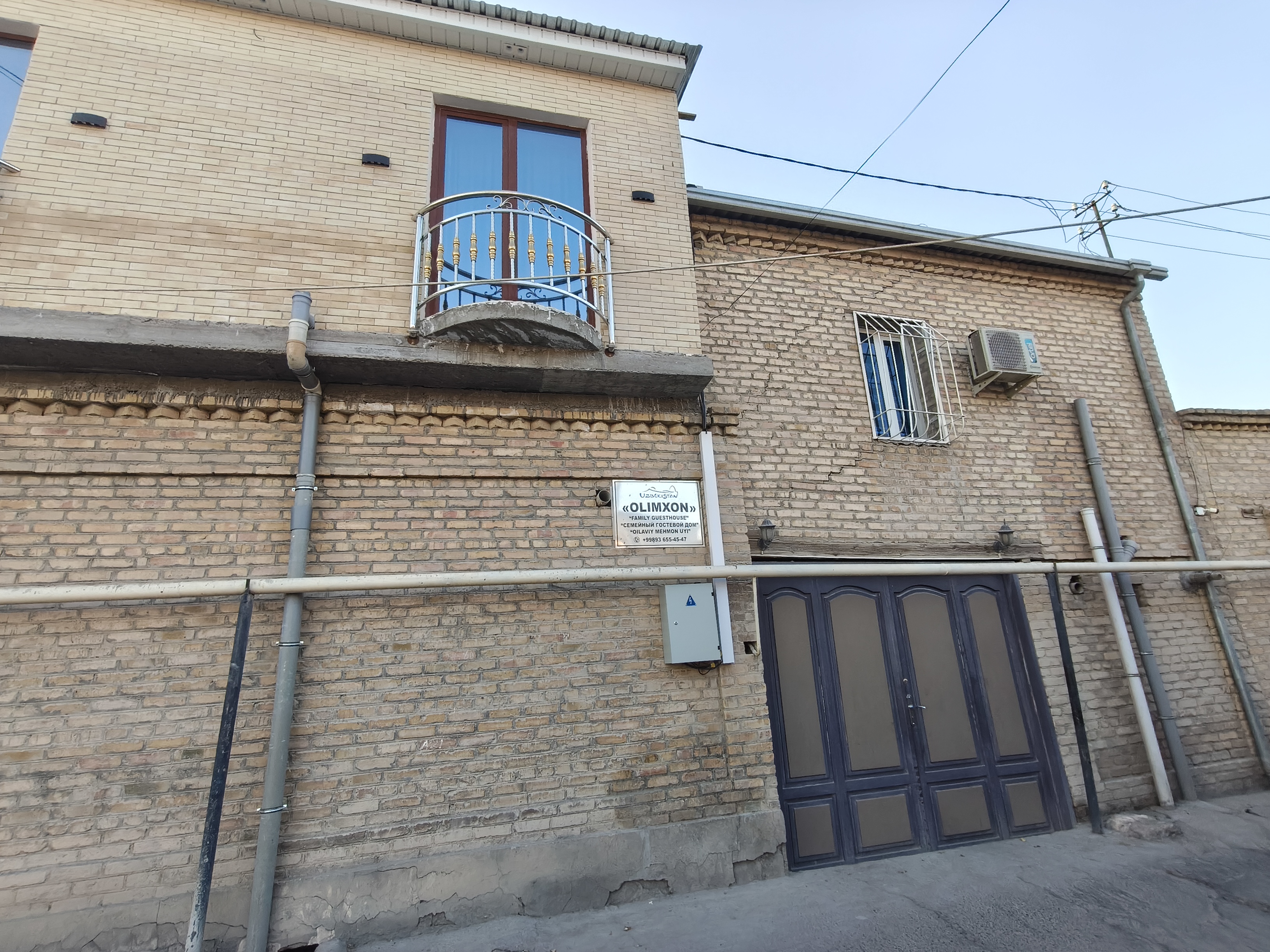
Where I stayed in Bukhara : Oximlon Guesthouse (Highly Recommended). Located in a community just outside of the old fortress. With the proximity, I got to explore the fortress during early morning, as well as late. Only 750 Pesos per night or an airconditioned private room with balcony, booked through Agoda. The family that runs the place were very nice, engaging and hospitable. They even shared lunch with me, which was a hefty bowl of plov. I will never forget that.
Note: Uzbekistan Immigration requires Hostel/Hotel registration slip upon exit. The hostels you stayed at will provide you this by email or whatsapp. This is as of September 2026.
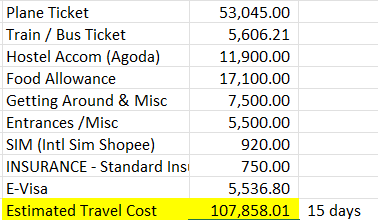
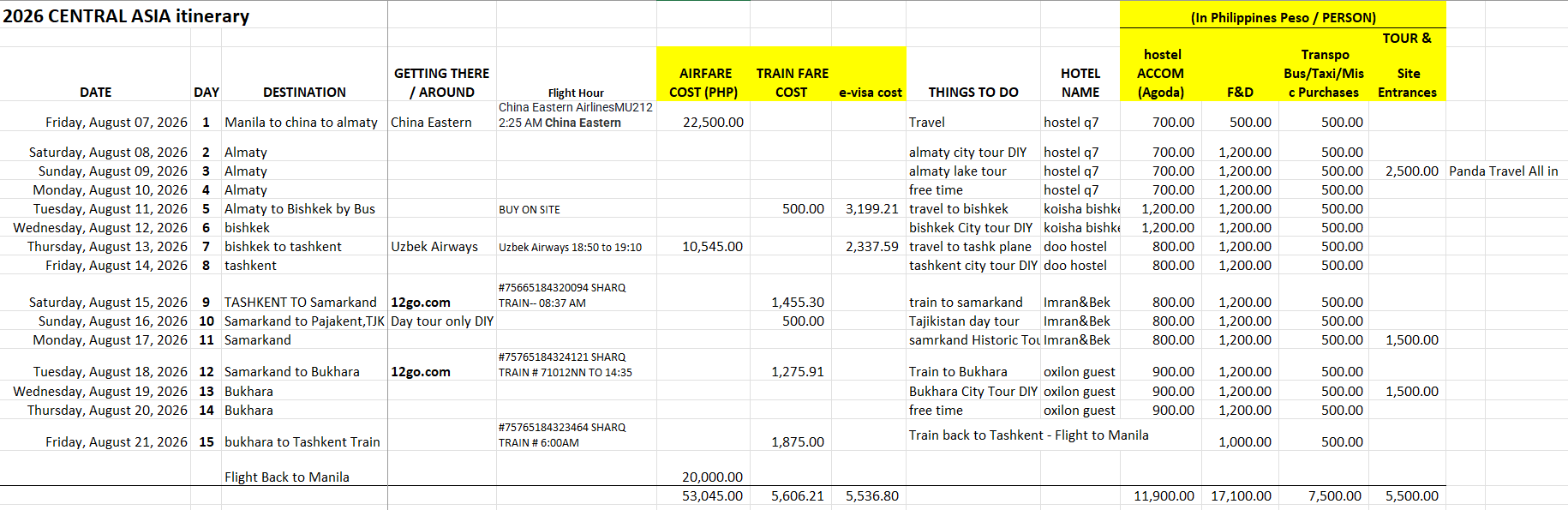
Spending 15 days in 6 cities, here is my estimated travel cost. Feel free to use this as reference when planning your Central Asia trip, DIY.
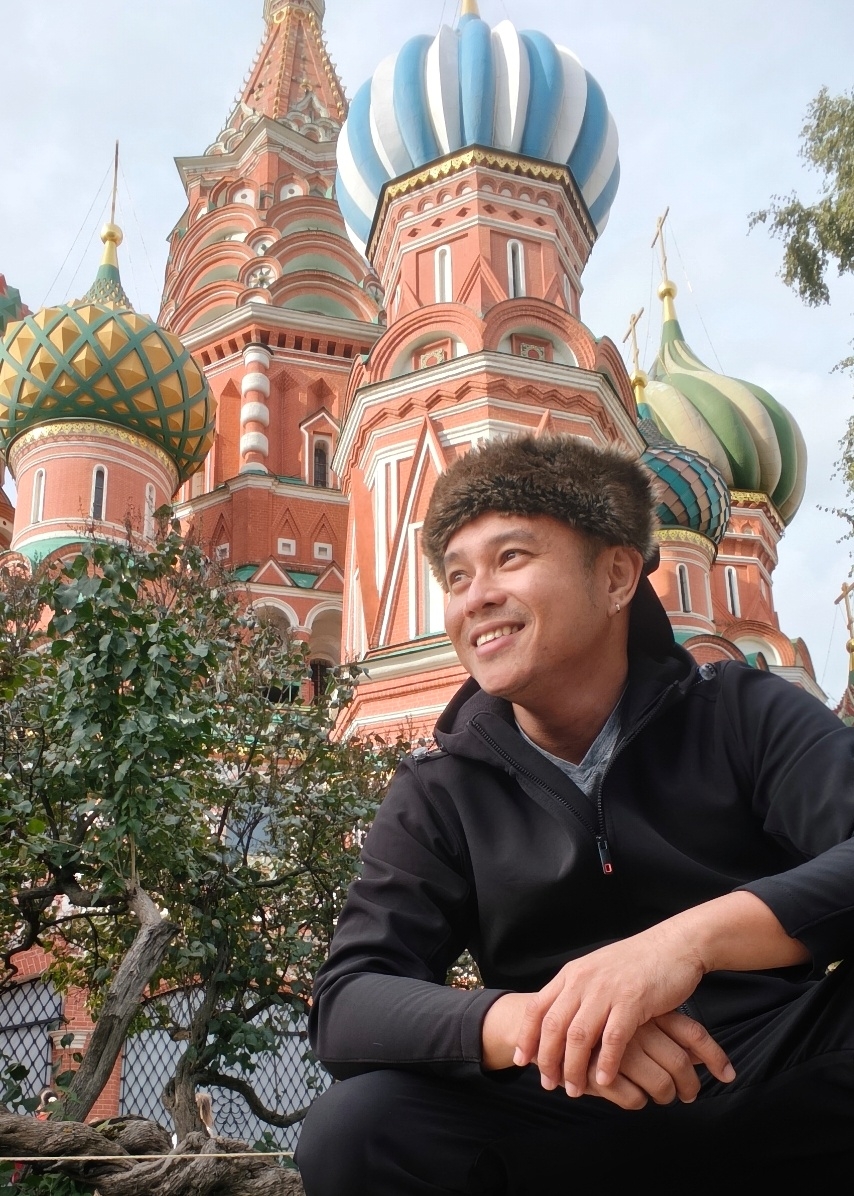
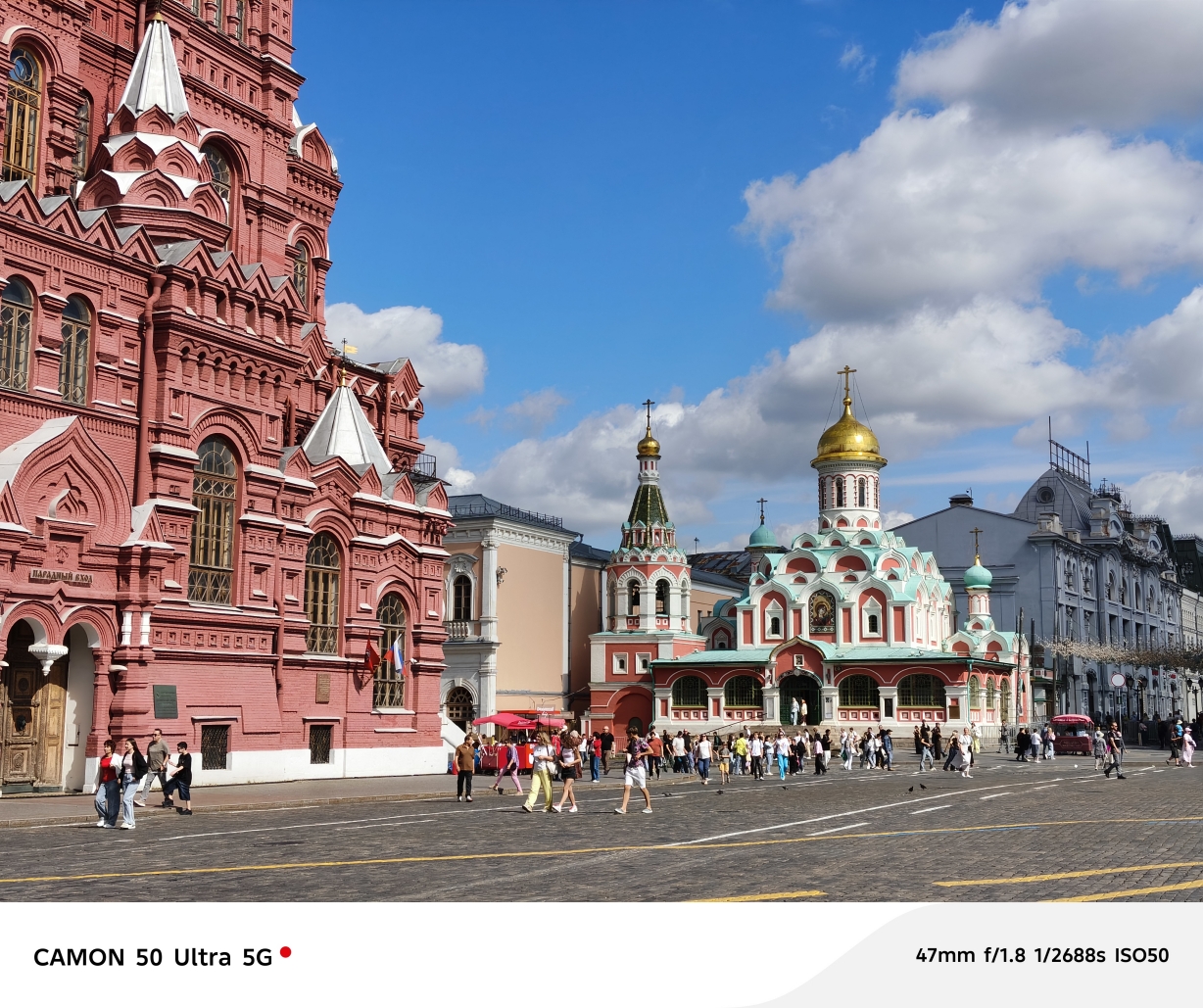
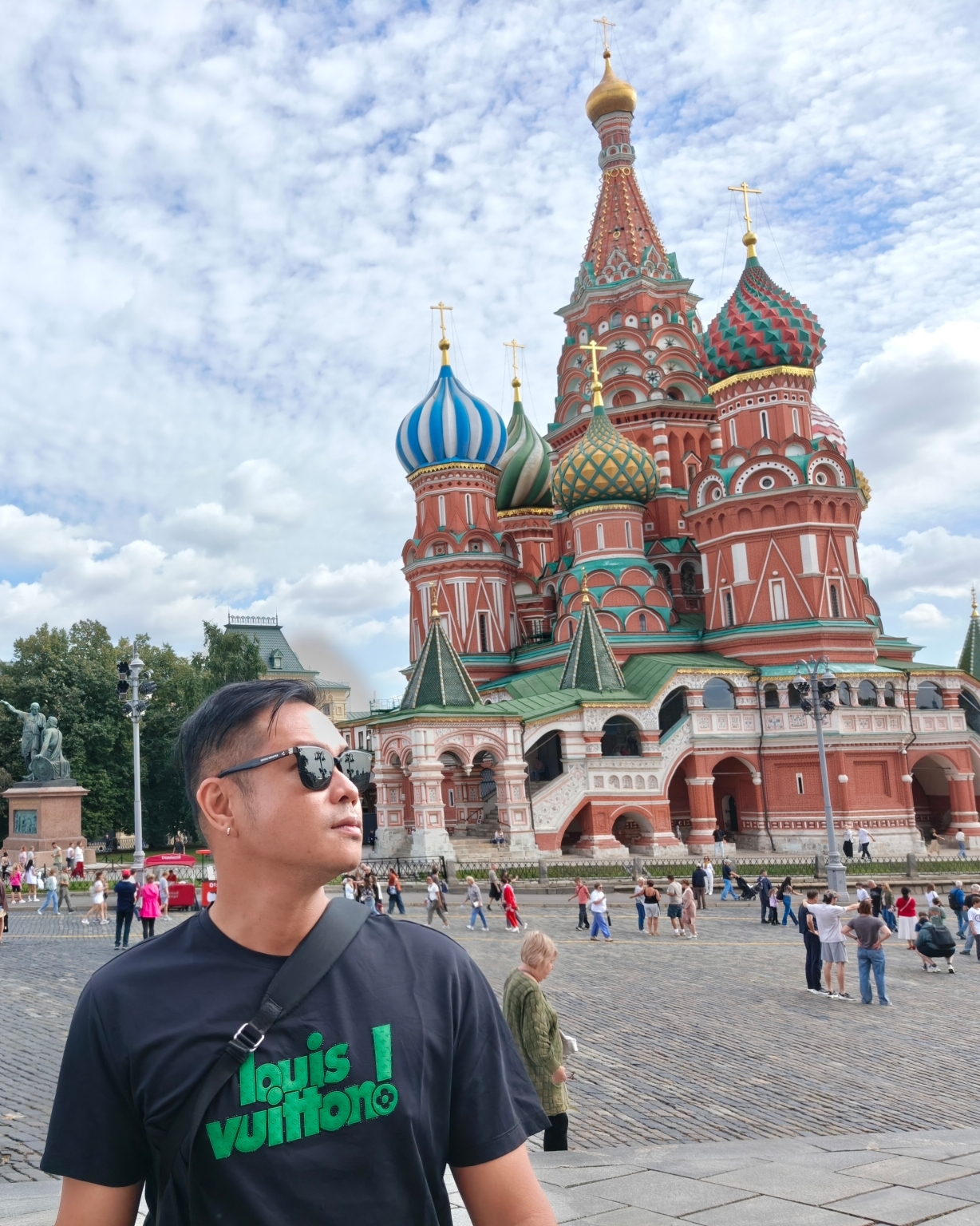
Sabi nga nila, it is common for Moscow to completely shift your perspective once you experience the city in person. Many people arrive expecting a strictly utilitarian, cold and bleak city thats stuck in the Soviet era, but instead find a vibrant, green and ultra-modern metropolis. Sobrang ganda ng Moscow.
If pangarap mo din marating ng Moscow, read on.
Securing a Russian E-visa for tourism. Yes po! Filipinos are qualified for E-visa; online application – NO Personal appearance at the embassy needed. Bongga diba?
This method is as of September 2026. Should you wish to apply in the future, it’s best to check embassy updates to confirm.
Getting a Russian E-visa for tourism is easy, but medyo tricky. Curious? Here are the conditions:
Visa is for tourism/holiday purpose. Though the website mentions business purposes as well, I highly suggest getting the full visa for this case, as you might also need to present documents during business transactions.
Maximum of 16 days stay only
Single Entry only
Entry/Exit at specific Russian cities only. Moscow and St. Petersburg are among them.
A medical insurance policy with a minimum coverage amount €30,000 from Russian-accredited agencies. I got mine from GoingRus.com , purchased online for less than 1,000 Pesos.
No Invitations Needed: Hotel bookings, tourist vouchers, or formal invitation letters are NOT required.
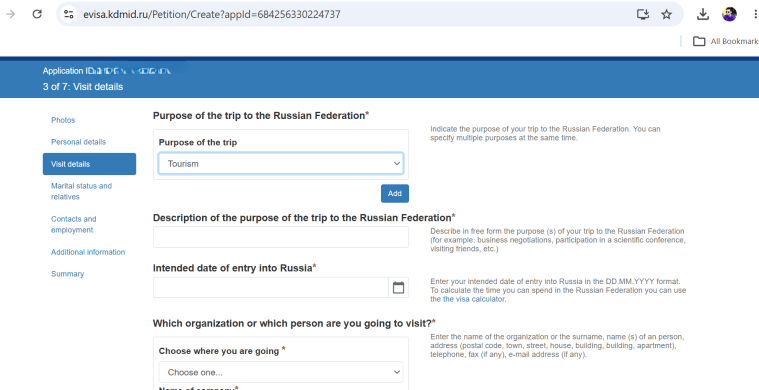
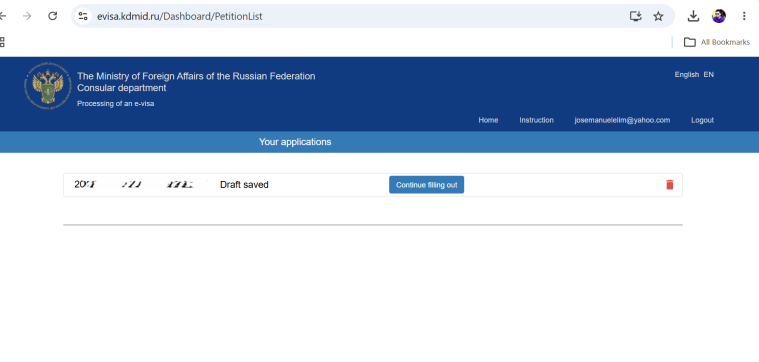
See screenshots below for website reference. If you tried applying for US visa, the process is relatively similar. Create an account first, fill up the online form truthfully and upload the scanned files required. The Website will prompt if the file (size/format) is acceptable.
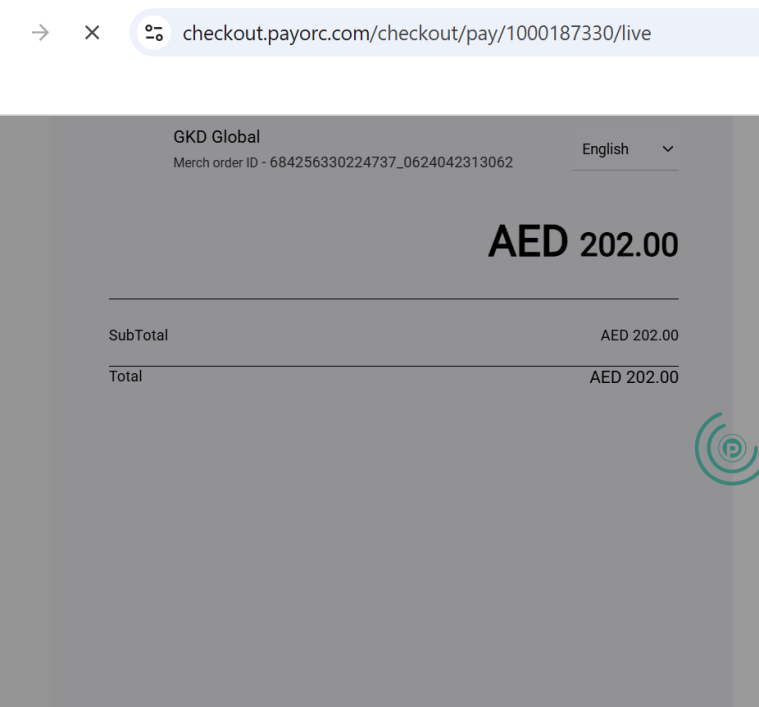
Once complete, a separate link (GKD Global) will be prompted for payment via VISA or Mastercard. GKD is based in the UAE, so AE-Dirham is the expected currency. VISA and Mastercard don’t work in Russia. That’s the reason why payment is done via third party.
Got the result via email after 5 working days.
When planning a Moscow trip, here are some additional points to consider:
Booking an Accommodation: Upon arrival in Moscow, a booked accommodation will be asked. Here’s the tricky part. Agoda does not work in Russia. So I booked my hostel via OSTROVOK Website. Site accepts Visa/Mastercard payments. Russian Immigration was pretty straightforward. No hideous questions. I just presented my e-visa. I was only asked where I’ll be staying.
Internet Connection is very limited in Russia. Ok here’s the thing, I purchased an E-sim via YESIM App(with positive reviews). But upon arriving, the E-sim did not work for the first 24 hours. Moreso, I installed a VPN but it did not work with my purchased E-sim. VPN only worked with my hostel wifi. Throughout my trip, I barely had access to the internet.
The Necessary Apps:
Yandex MAP – Download offline map of the city. Google does not work.
Yandex Translate – though expect very little effort from Russians to reply. Generally, they are not as conversant.
Yandex Go – if you plan to get a taxi ride, but I did not use this. Metro is very efficient, linking the airport to city center by a 45 mins. fast train, for only around 70 pesos.
Yandex Metro – Biggest help. Works offline.
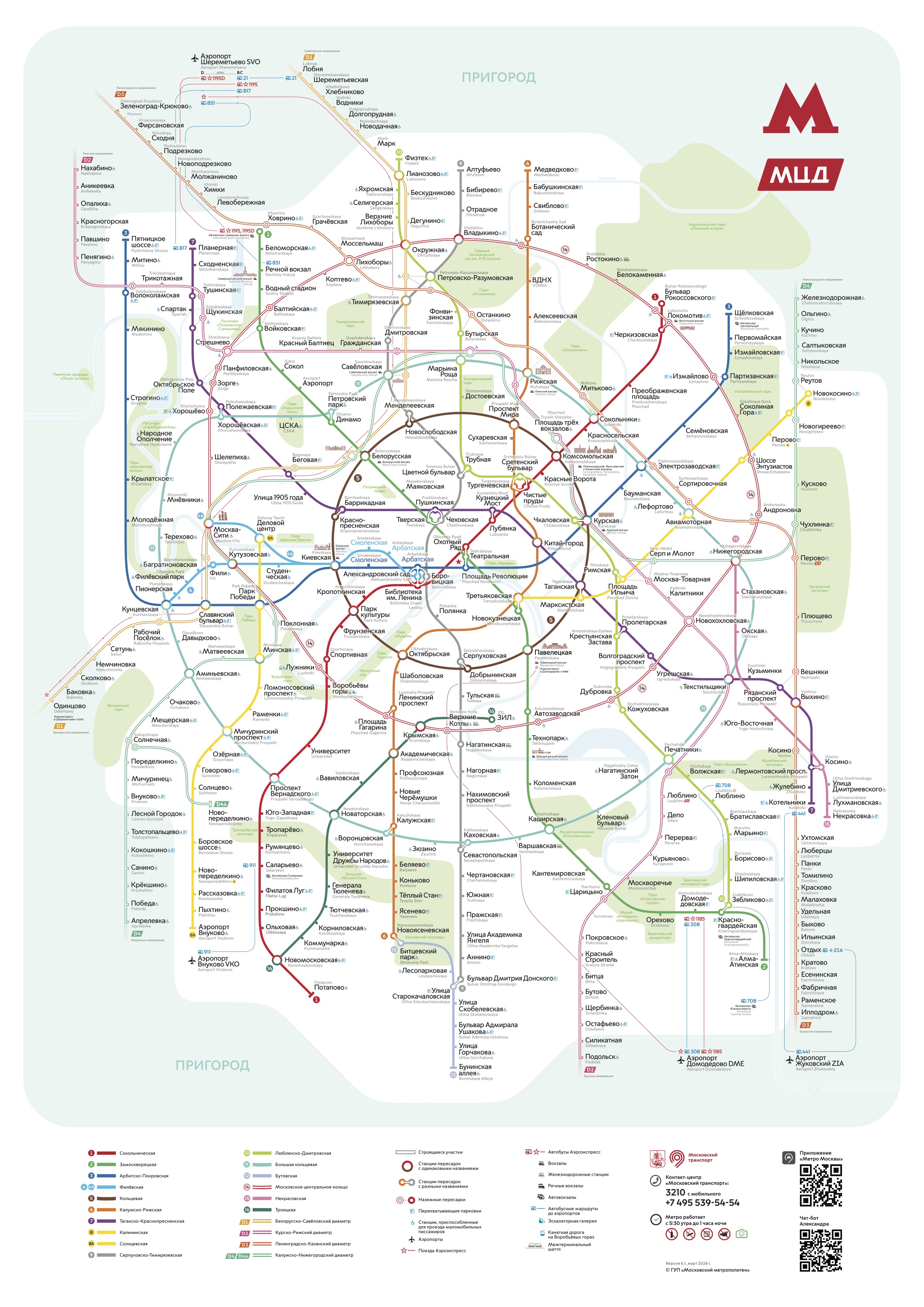
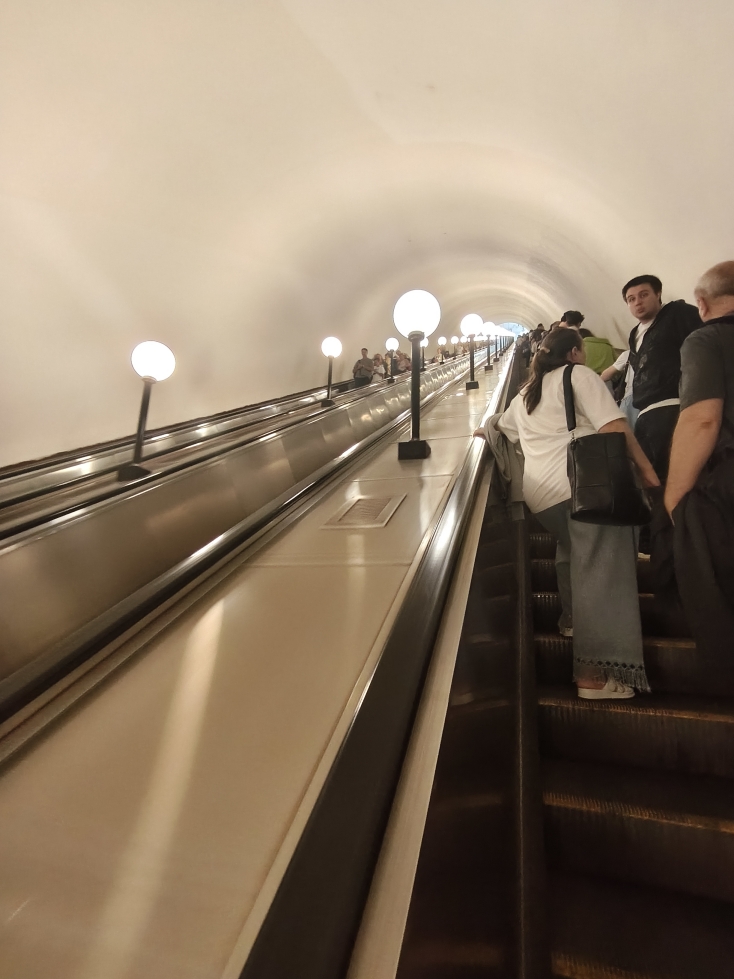
Metro train in Moscow is one of the world’s most complex with over 300 stations in 15 lines. It just takes extra common sense because there are no English announcements, and the Russian pronunciations are quite difficult to comprehend. Example “Arbatskaya” Station is pronounced as “Arbatskie”. Riding the Moscow is already an adventure. Yes, overwhelming, but you’ll get the hang of it after successfully pulling off your first or second transfer.
Money Changing. Visa and Mastercard debit and credit do not work in Russia. Exchange your EU, USD or even Chinese Yuan and UAE Dirham at the airport. Rates are poor at the arrival hall (VKO Airport). Better go up the departure area at the upper floor.
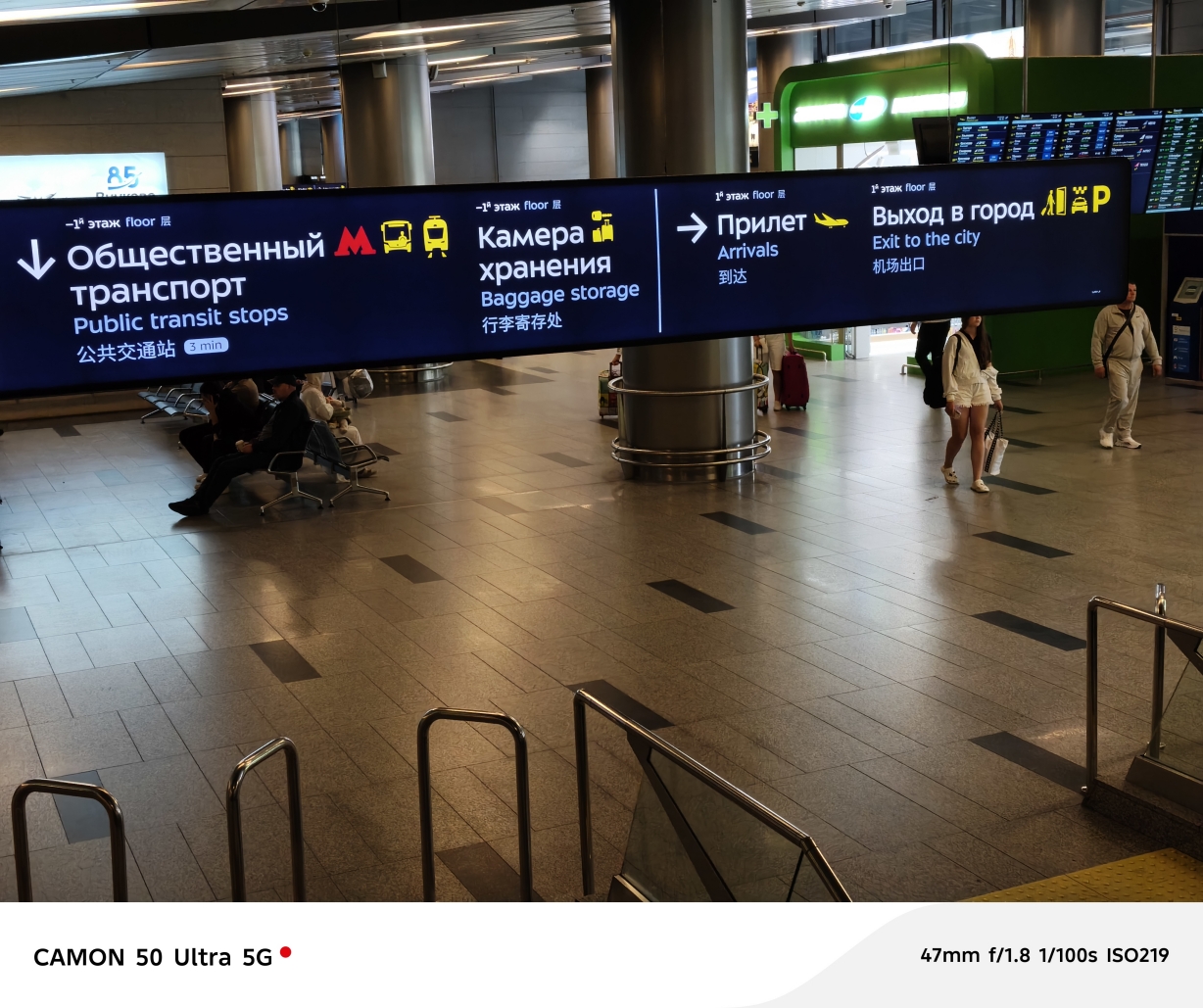
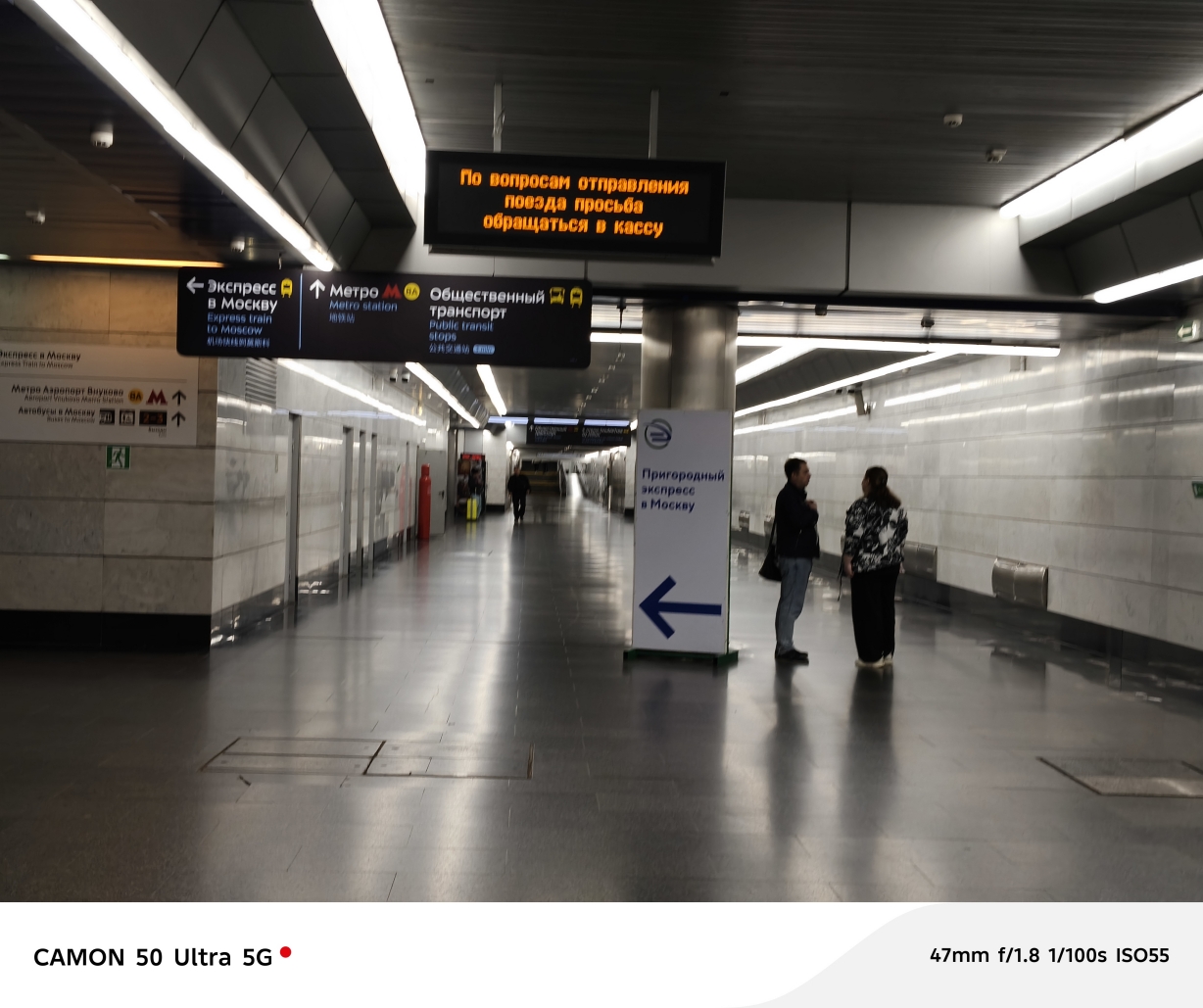
Airport to City: VKO Airport is directly linked to city center by Metro train (Yellow Line). The trip takes around 45 minutes with 23 stops for only 90 Rubles ( 70 Pesos converted).
Note: There is also an aero express train from the airport that goes directly to Kievskaya Railway for a shorter time, which will then link you to trains that will take you other Russian cities.
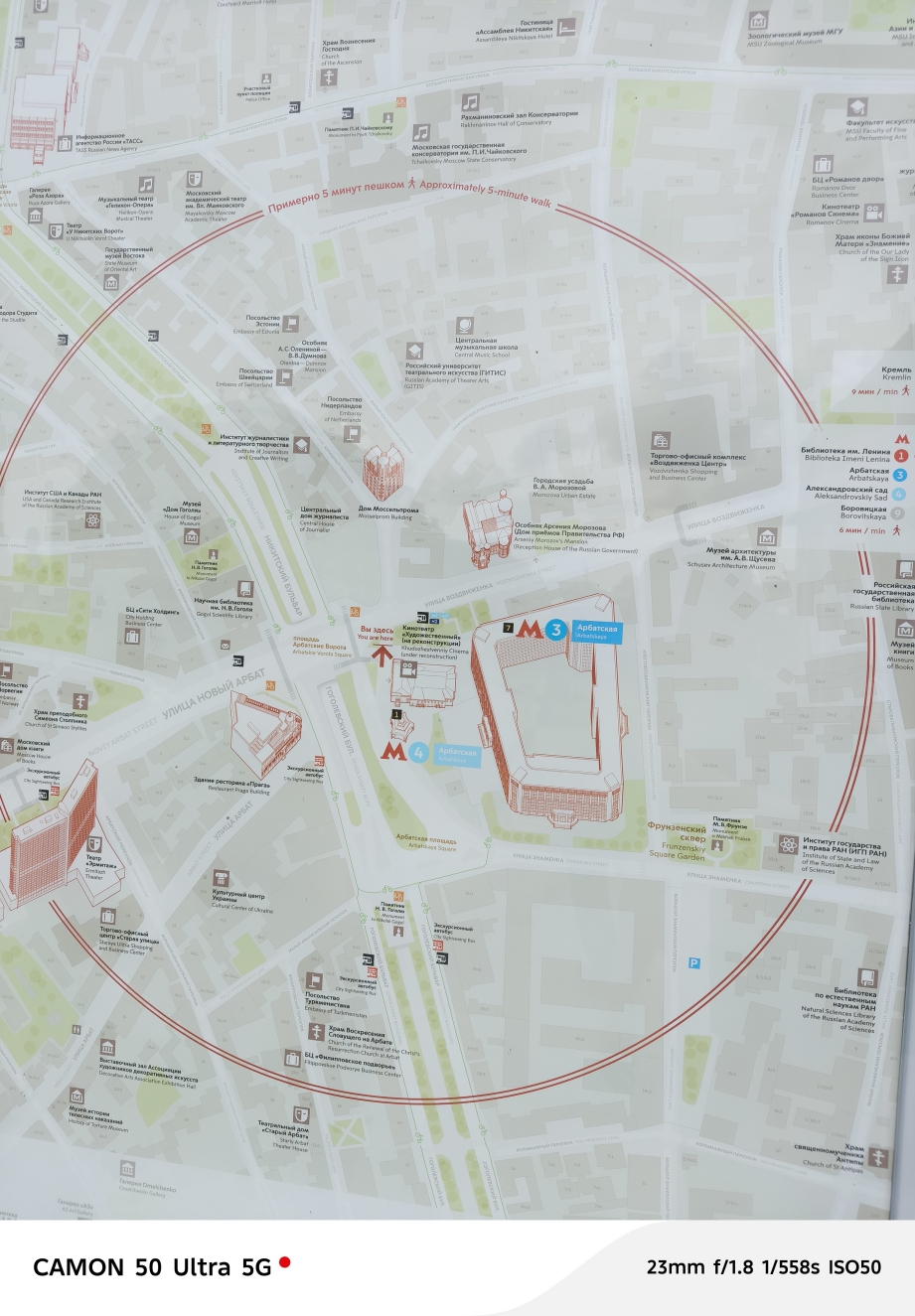
Tip at the metro train station: Since you will be arriving at the city center possibly without data connection like what happened to me, then goodluck. You can also look for printed maps that are posted on all train stations. Metro train station is one challenge, finding the right exit is another. This is where the printed maps come in handy.
Detailed Moscow Itinerary will be posted on a separate blog.
Designated a UNESCO World Heritage Centre, walking the streets of Old Bukhara somewhat feels like living in an open air museum, with well-preserved Islamic Architecture elements, ancient minaret towers, mosque and mausoleums. Compared to Samarkand, Bukhara is more rugged and unpolished/rough on the edges, offering visitors an authentic old world feels. It is also relatively smaller, that the call for Islamic prayer 5x a day can be heard throughout the place. I stayed at a guesthouse in a community just outside of the old fortress, which actually elevated my Bukhara experience.
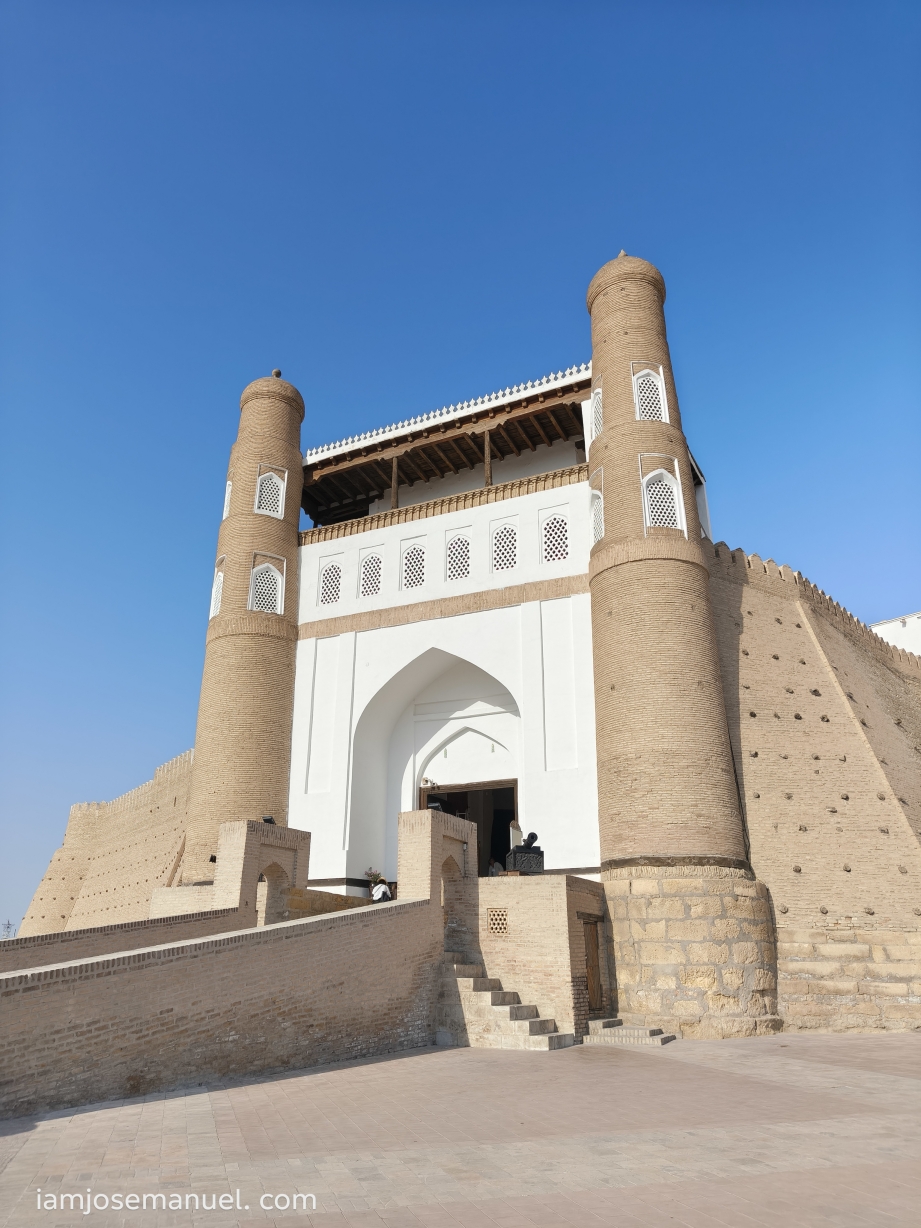
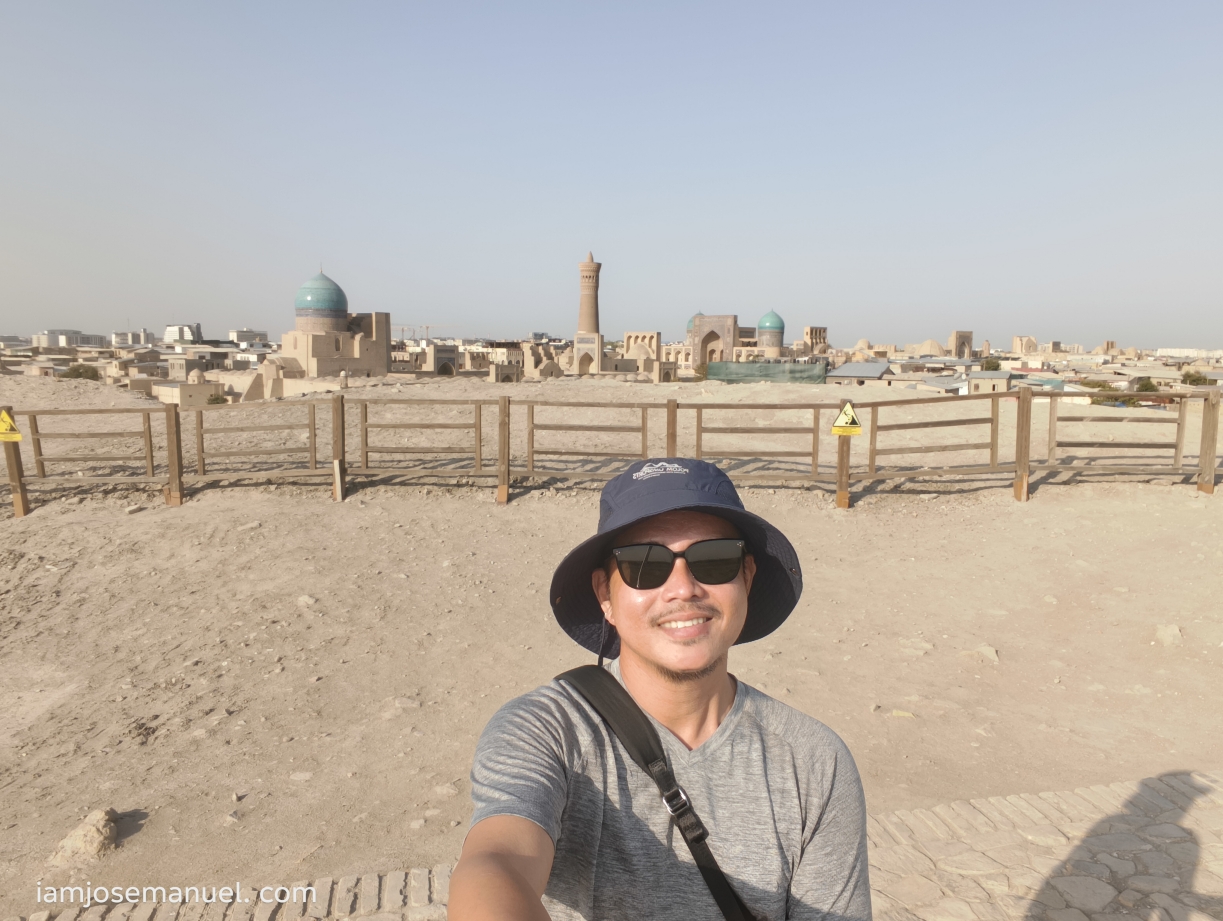
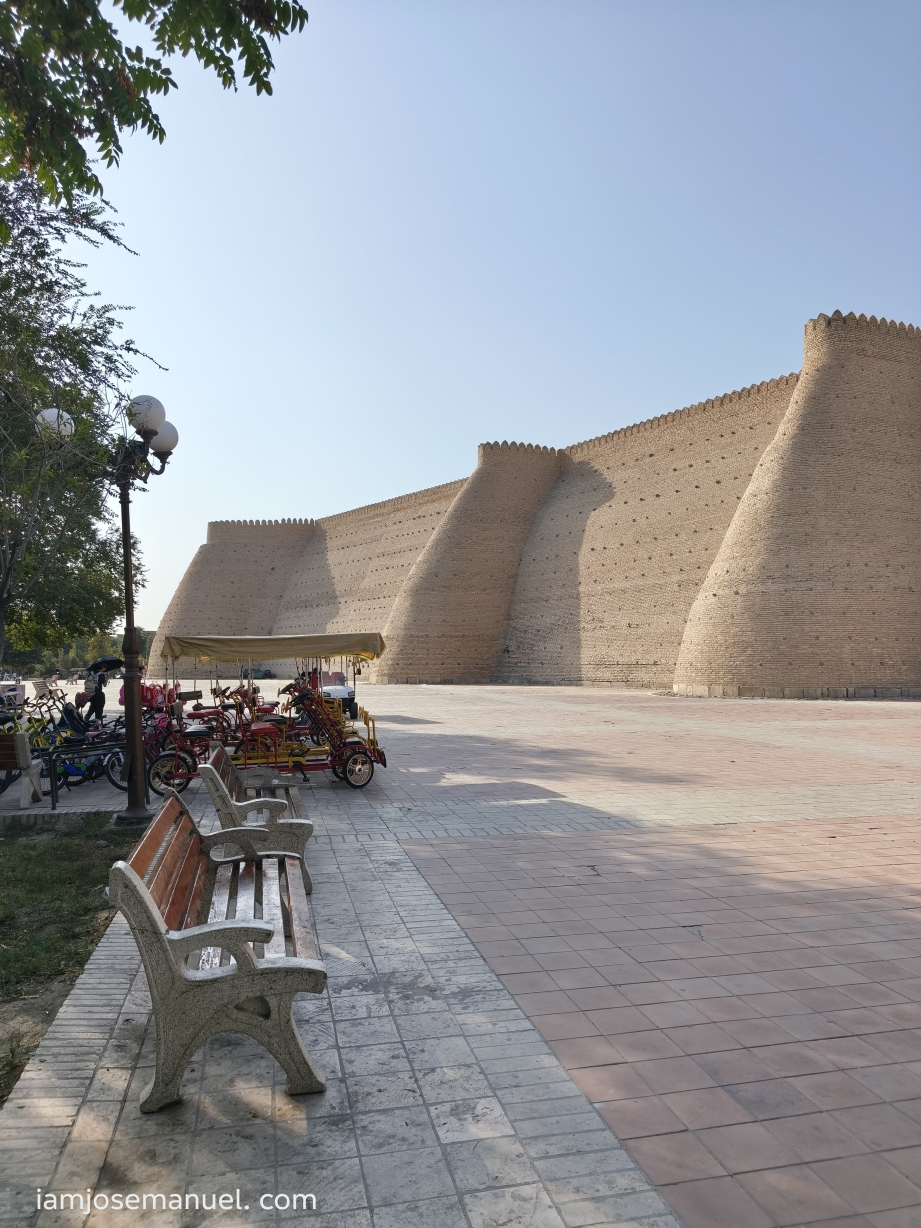
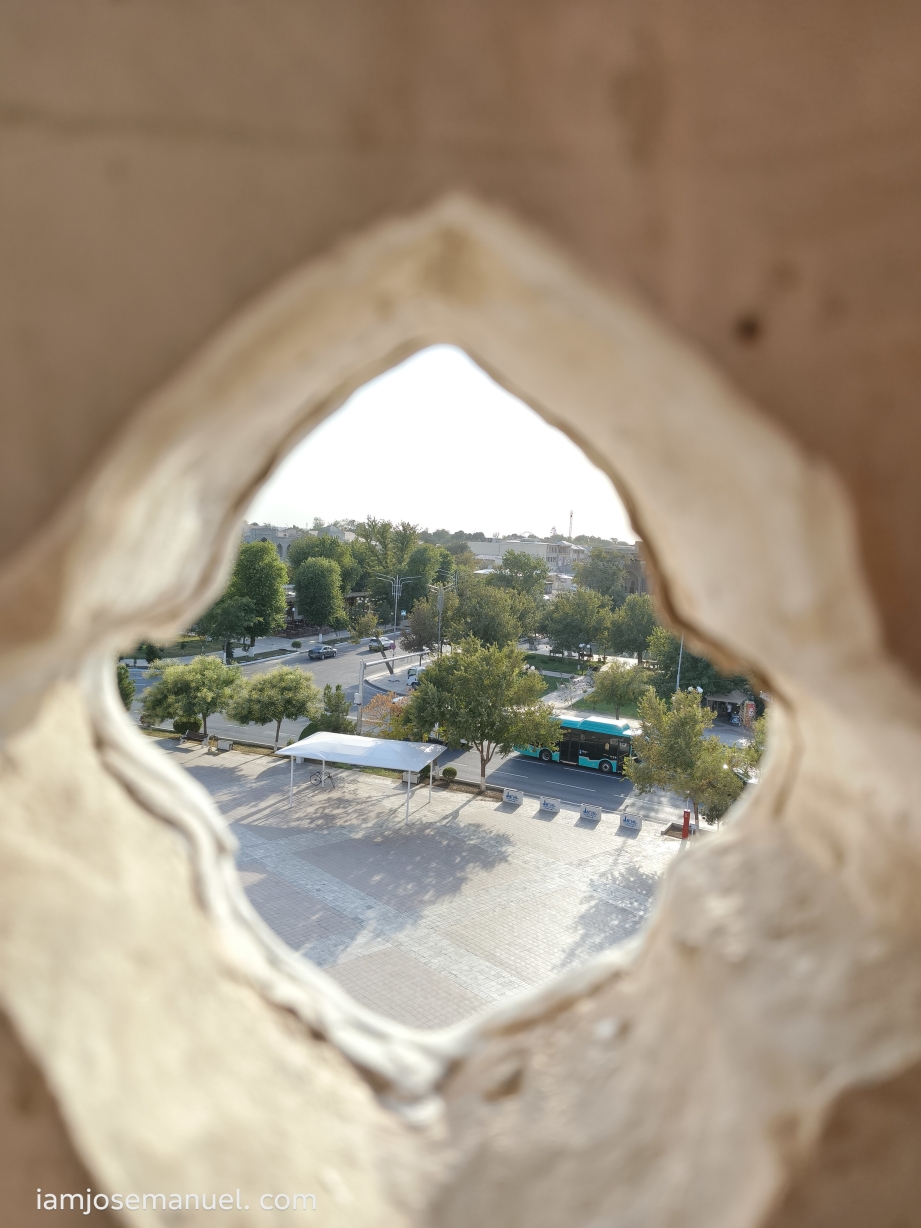
The old fortress of Bukhara with an overlooking view of the ancient city.
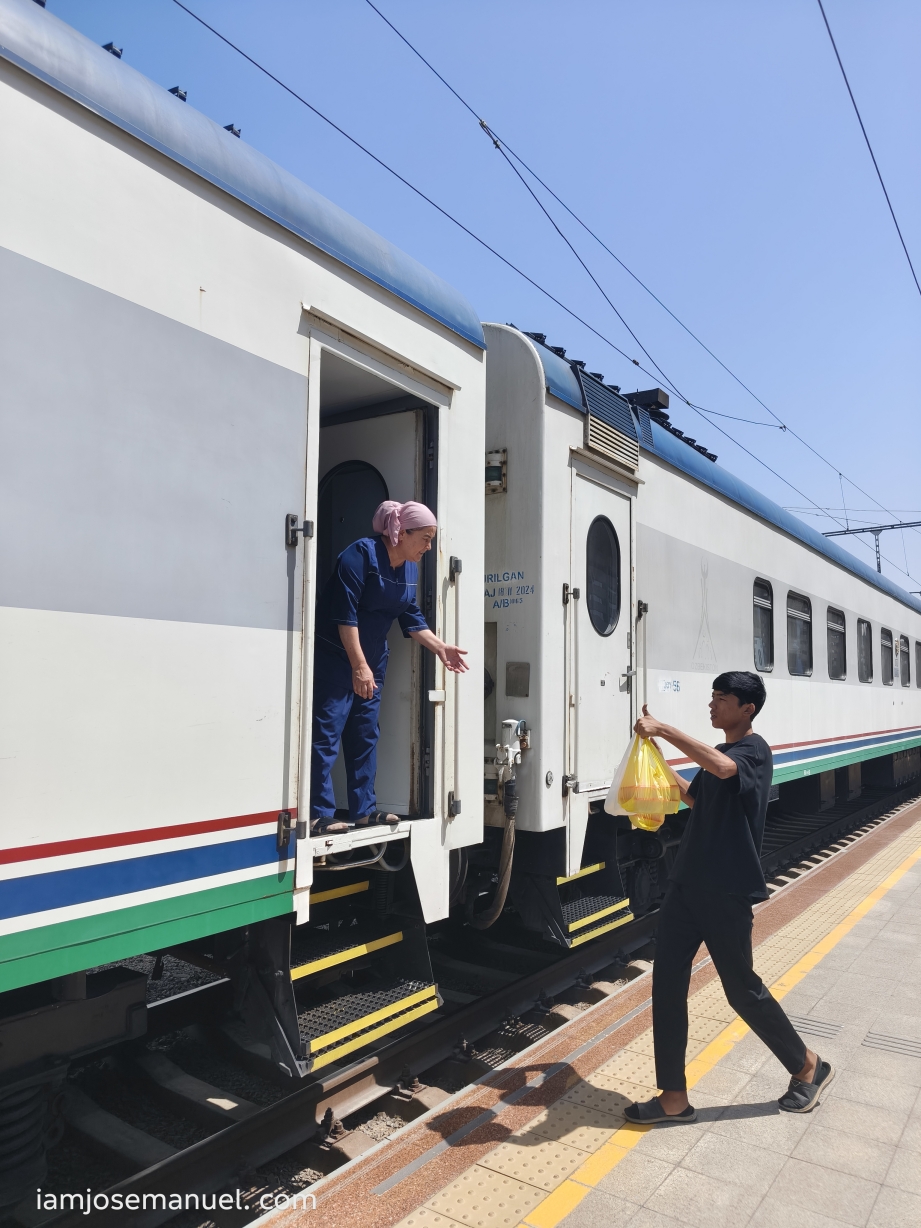
I arrived in Bukhara from Samarkand by regional train (3 hours). For public transport details, refer here.
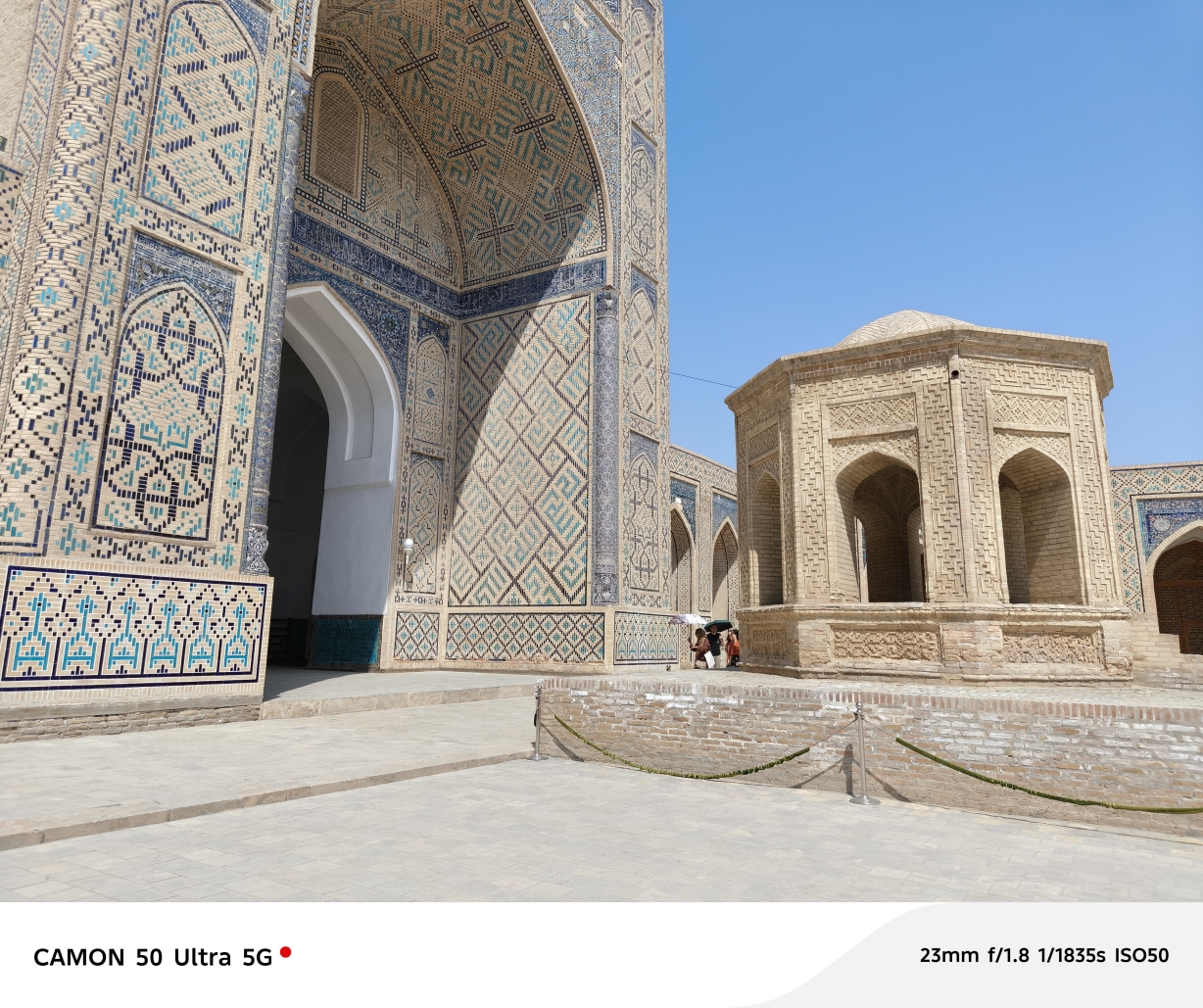
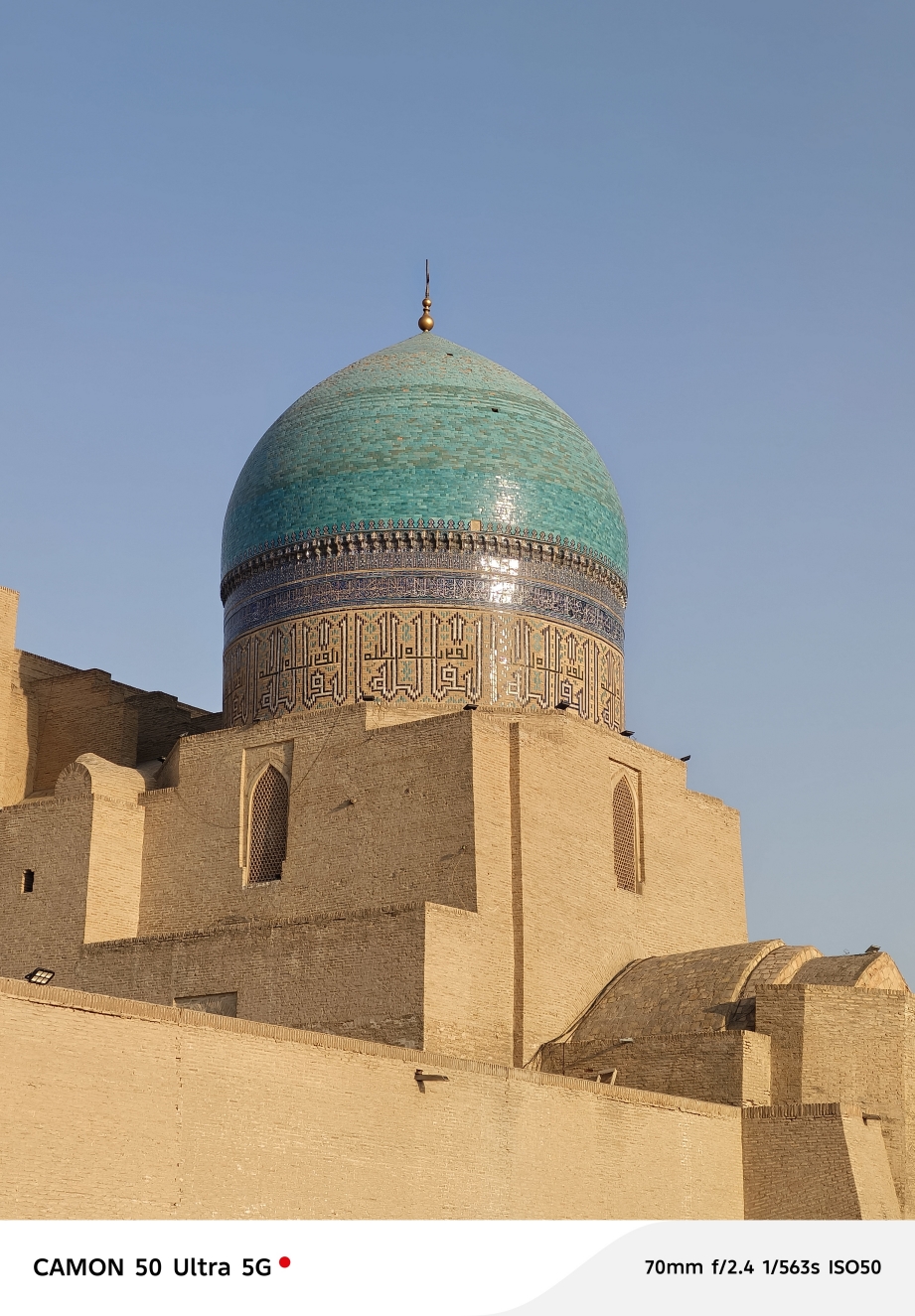
Bukhara is known as a major Silk Road trading hub with over 2,000 years of history and a remarkably well-preserved medieval Islamic old town. By the 10th century, Bukhara emerged as a major center of Islamic scholarship and theology in Central Asia.
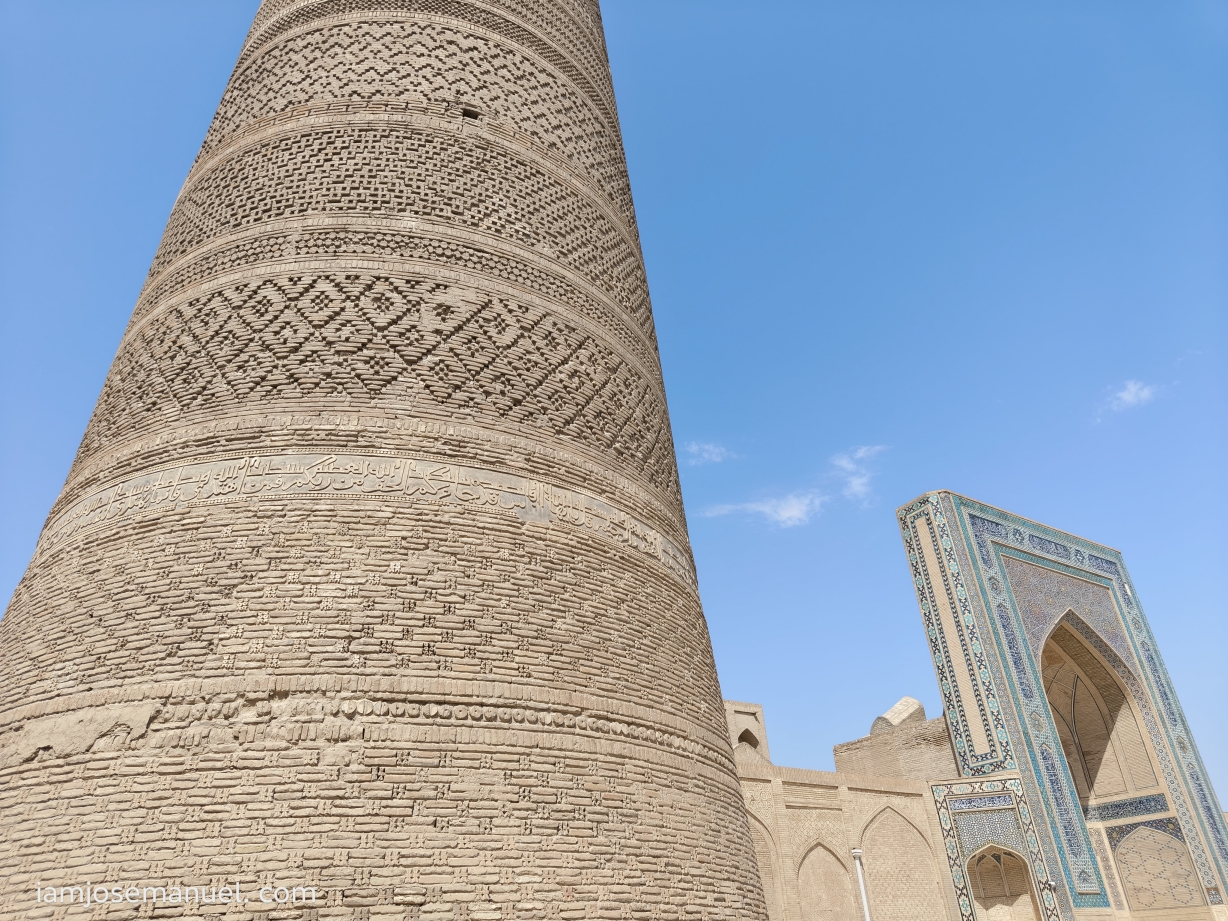
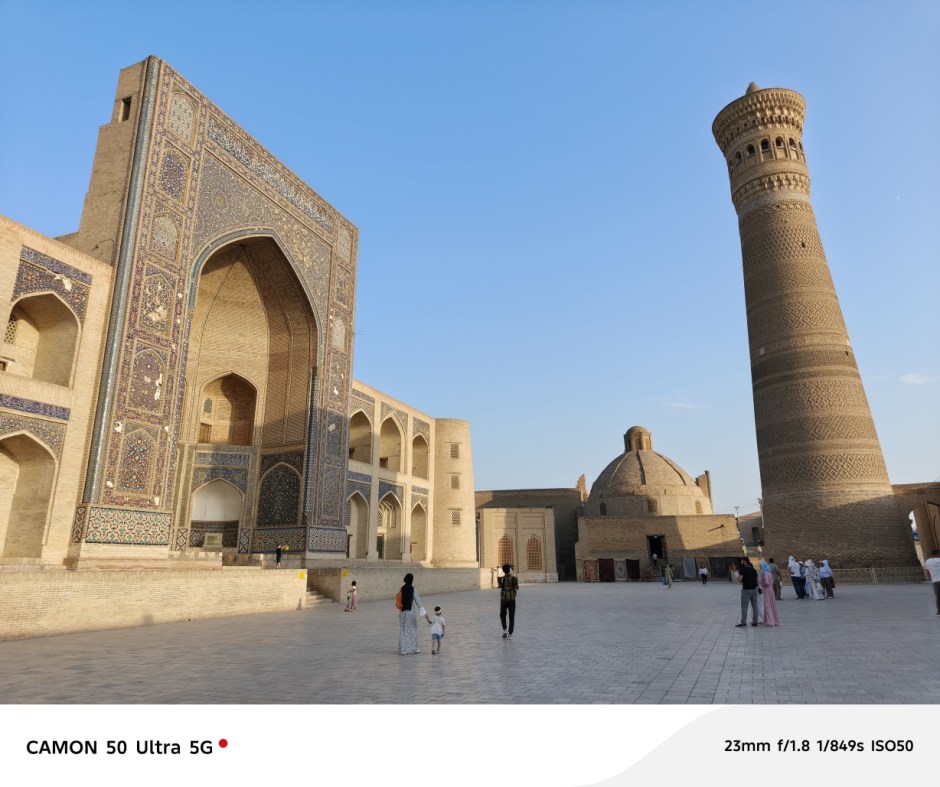
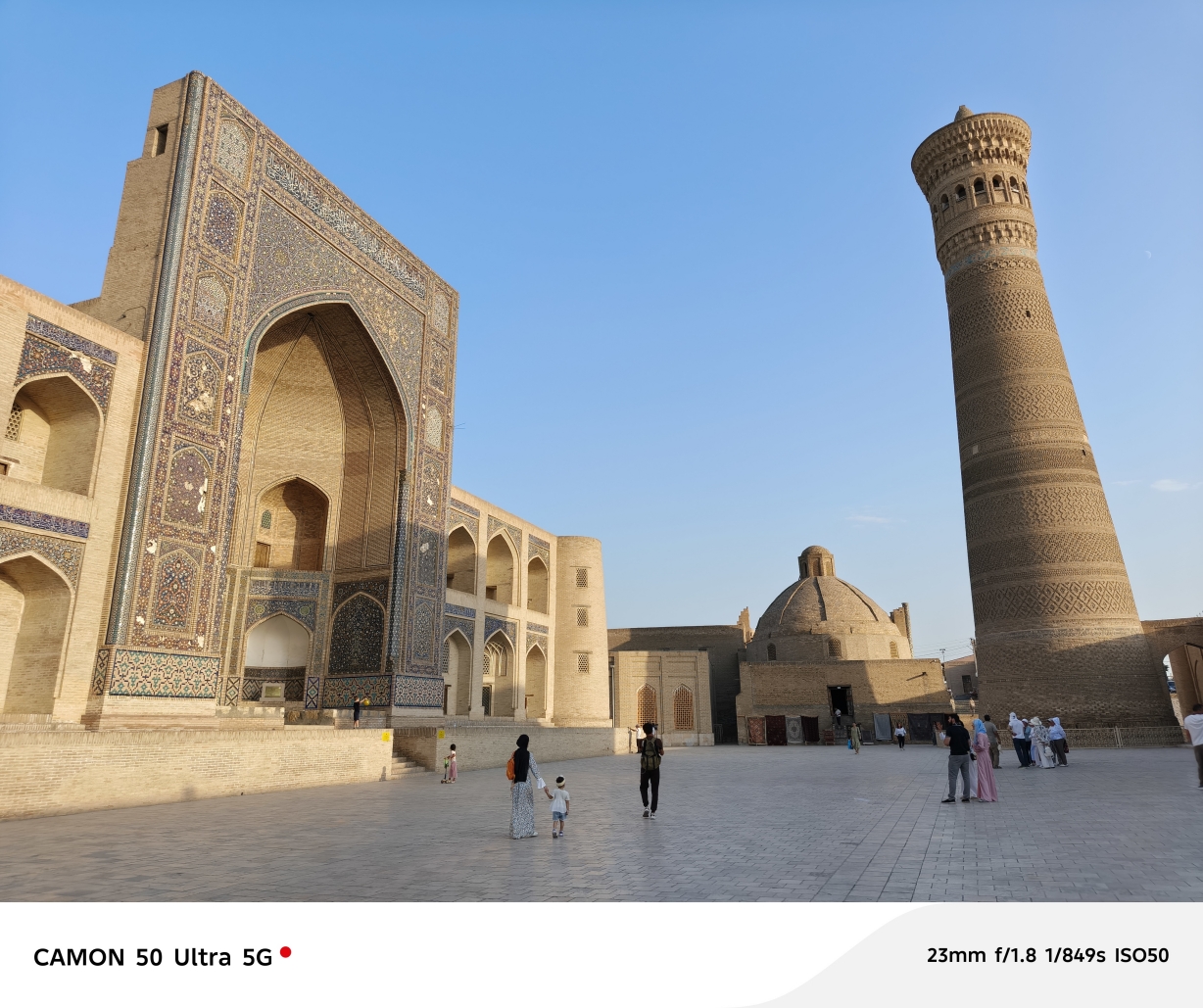
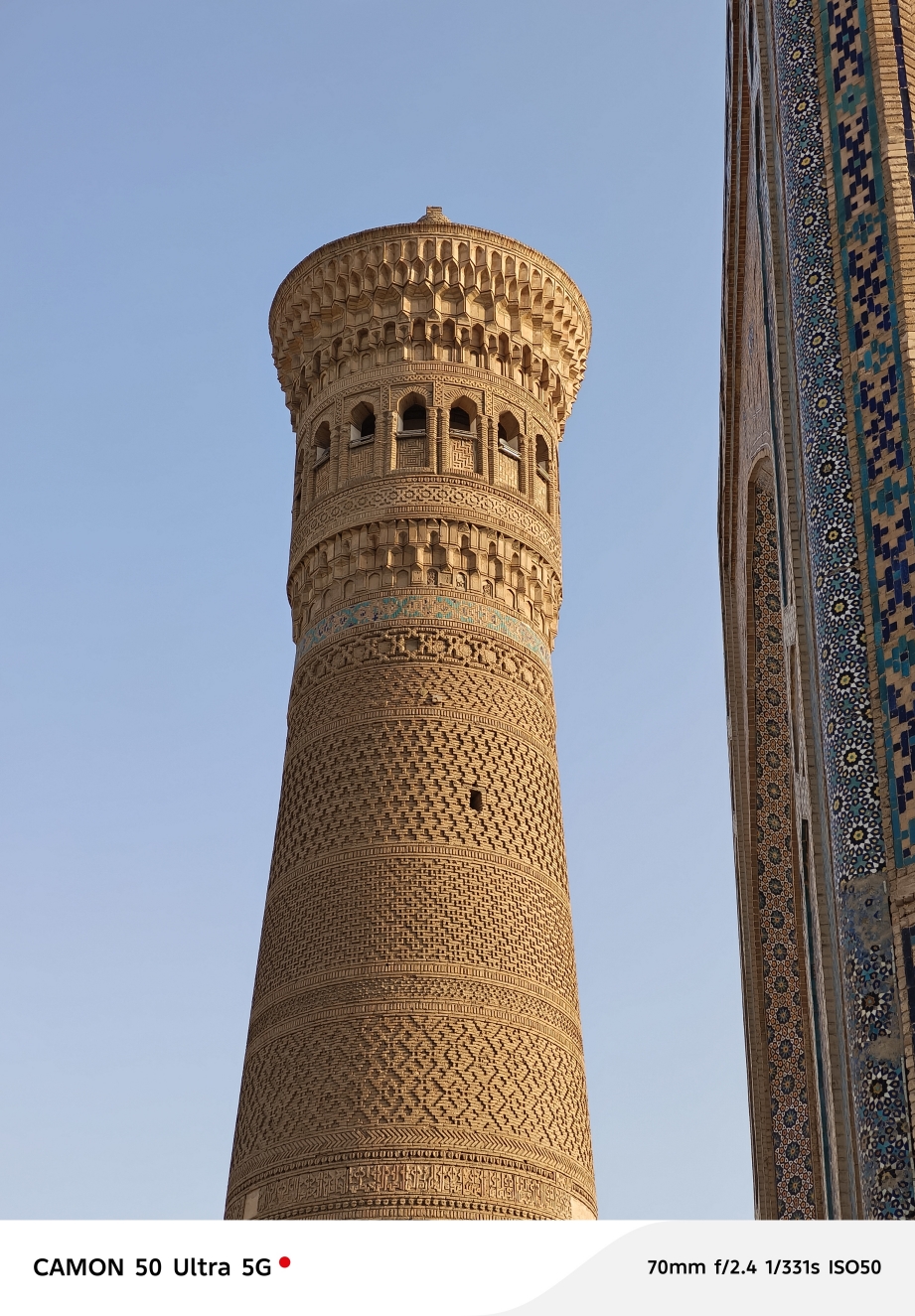
Standing at roughly 45 meters tall, the Kaylan Minaret (call for prayer tower) is Bukhara’s most recognizable Architectural treasure. The pillar is made of baked terracotta bricks adorned with intricate geometric patterns and bands of Islamic calligraphy. Our guide mentioned that when Genghis Khan conquered Bukhara in 1220, the Mongol invading forces destroyed much of the city. However, legend says he was so struck by the height and beauty of the Kalyan Minaret that he ordered it spared.
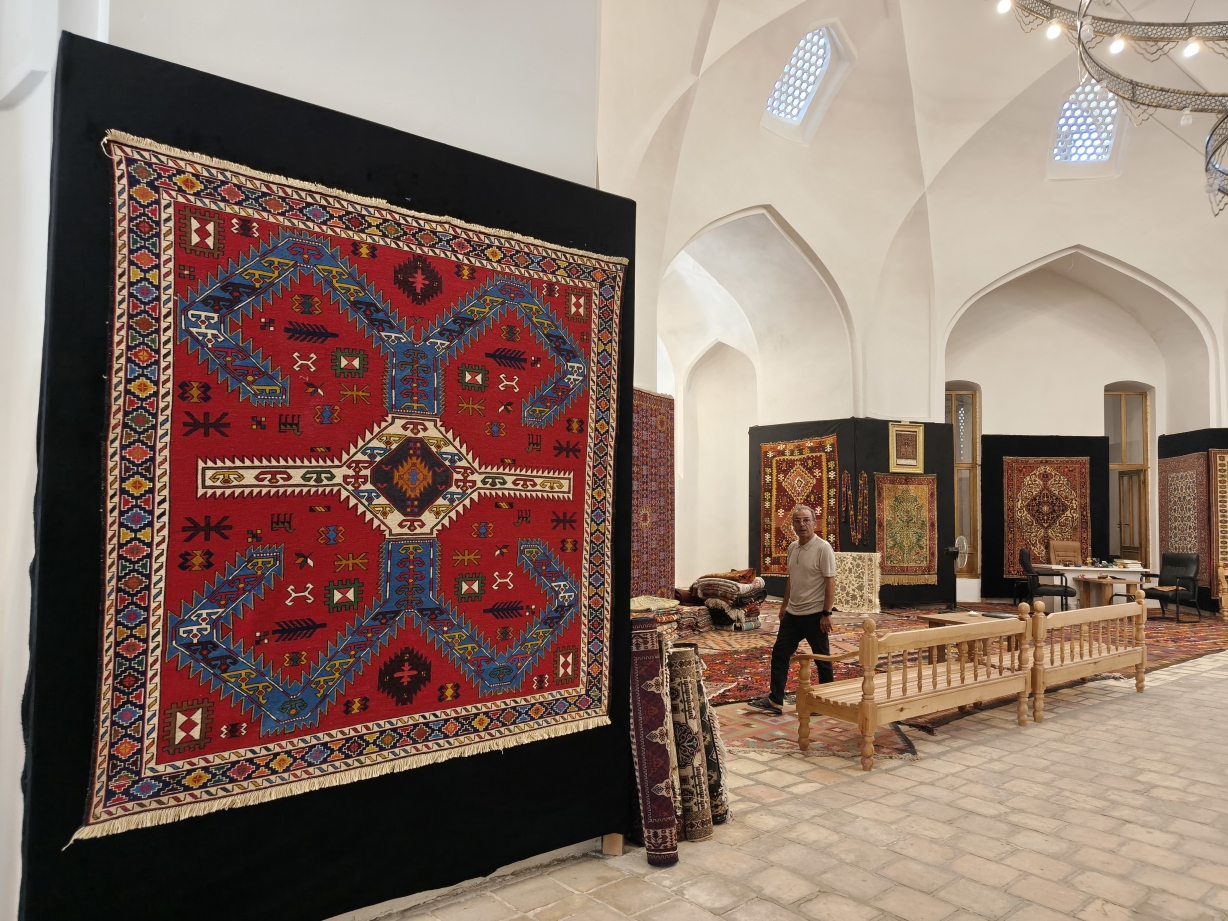
The Registan Square of Bukhara and its surrounding bazaars and carpet museum.
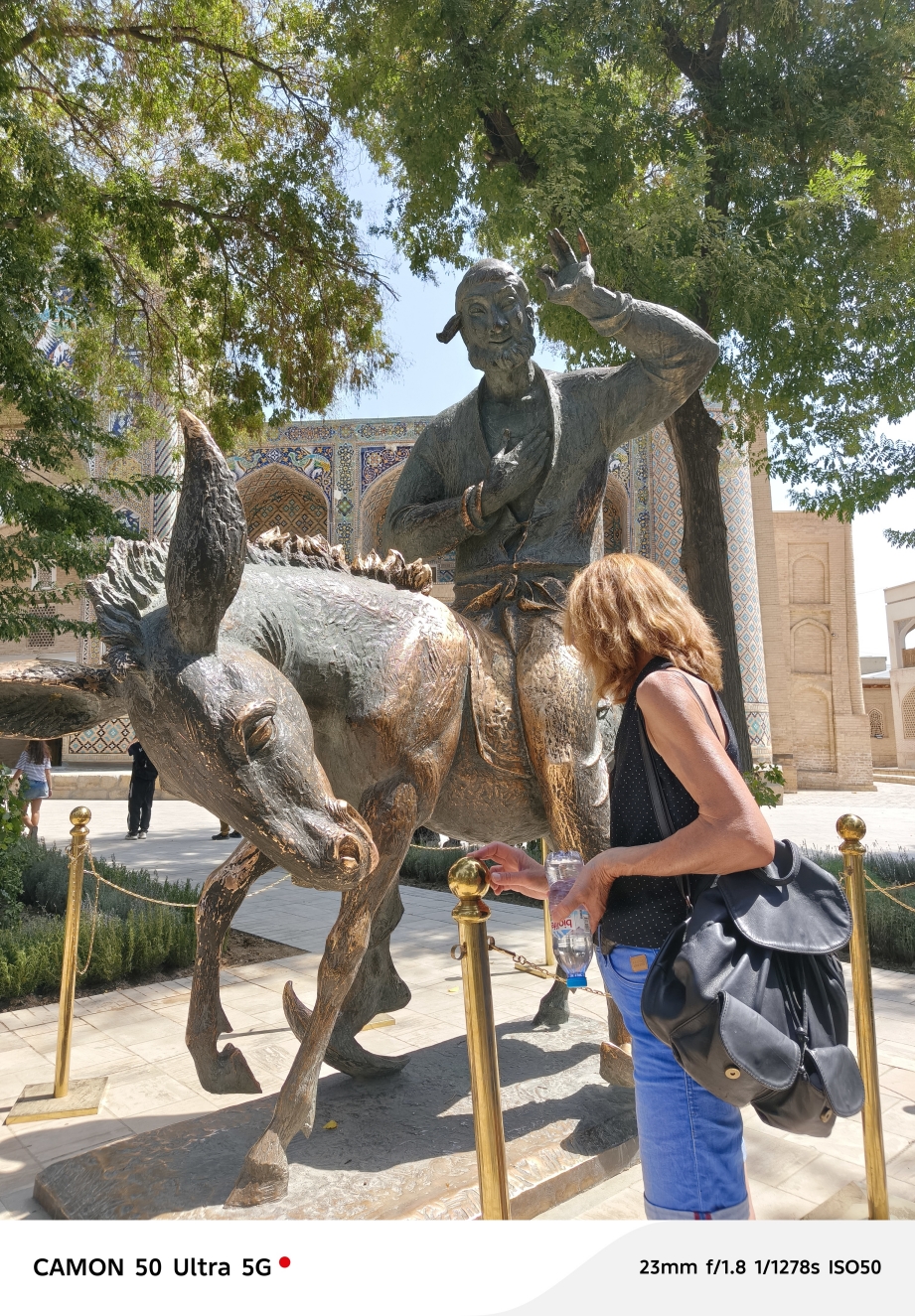
The Funny Man statue in Bukhara is revered as a monument for happiness and luck.
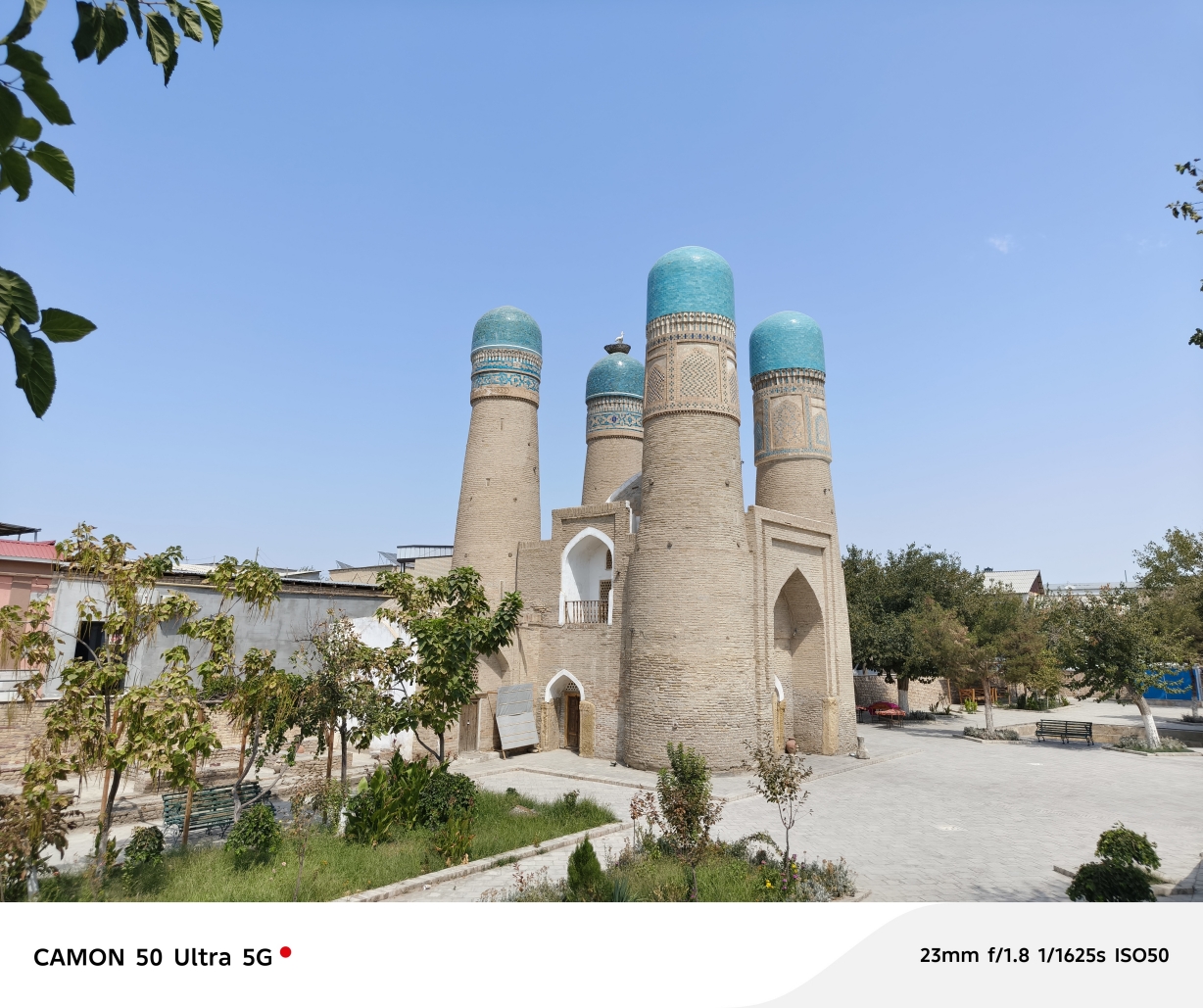
The unusual-looking Chor Minor in Bukhara. Its name translates to “Four Minarets,” referencing its four distinct, stubby towers topped with bright turquoise-blue ceramic domes
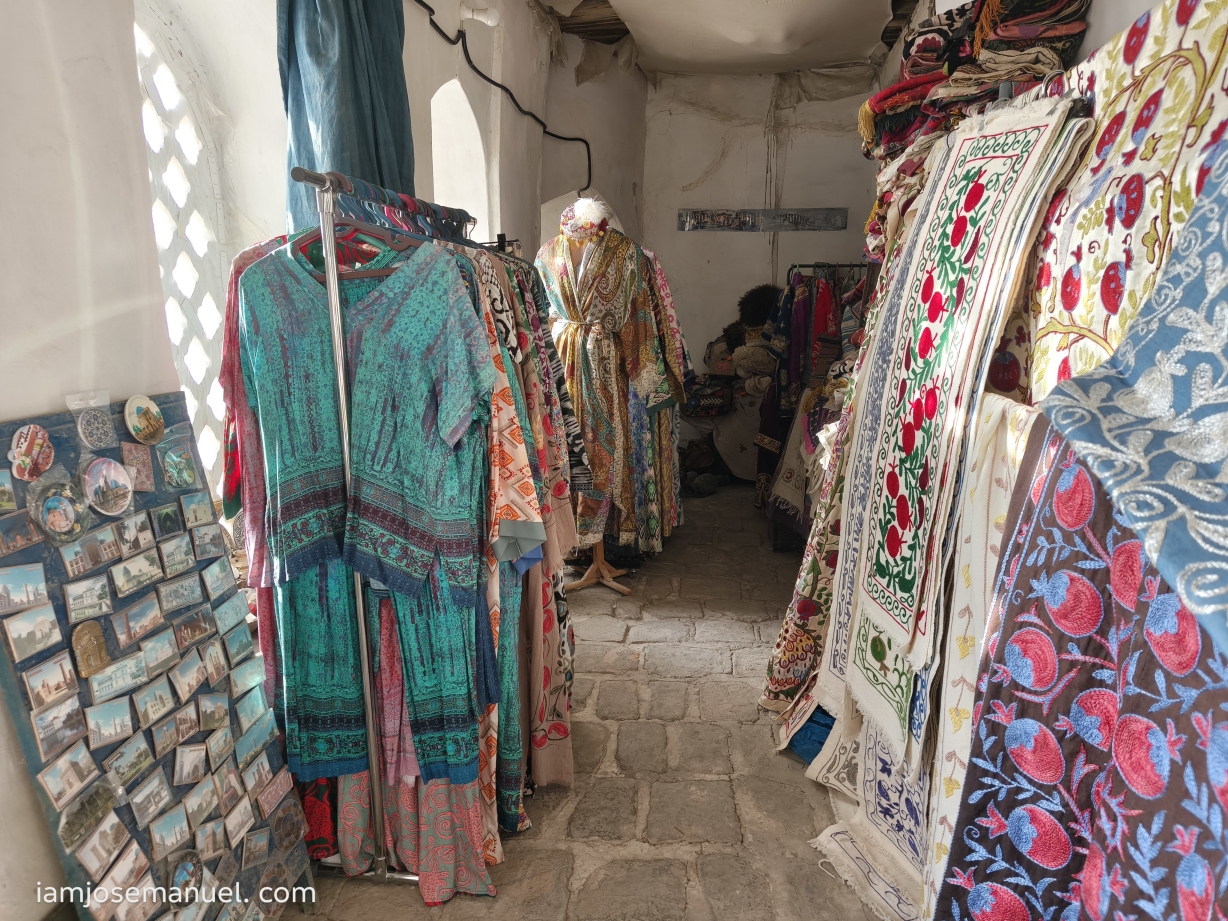
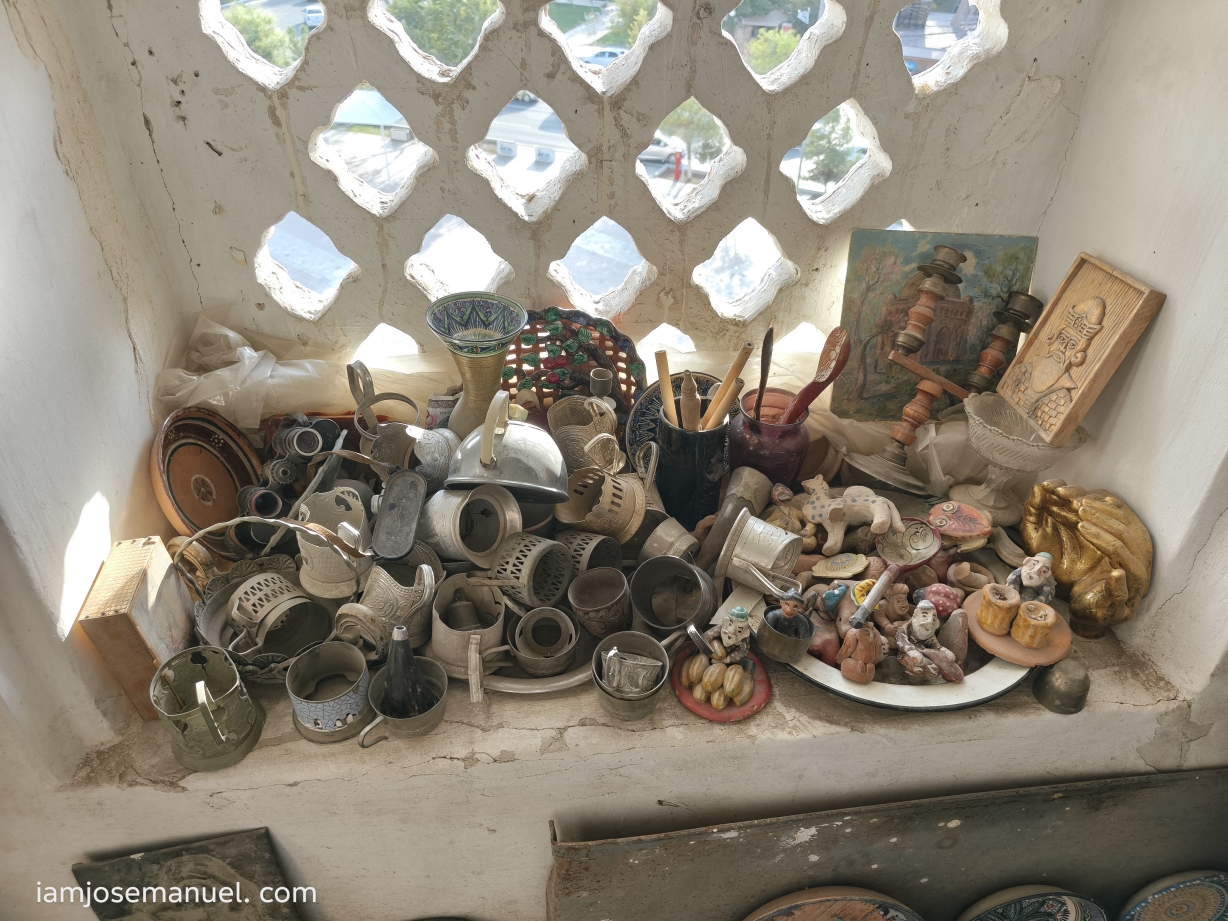
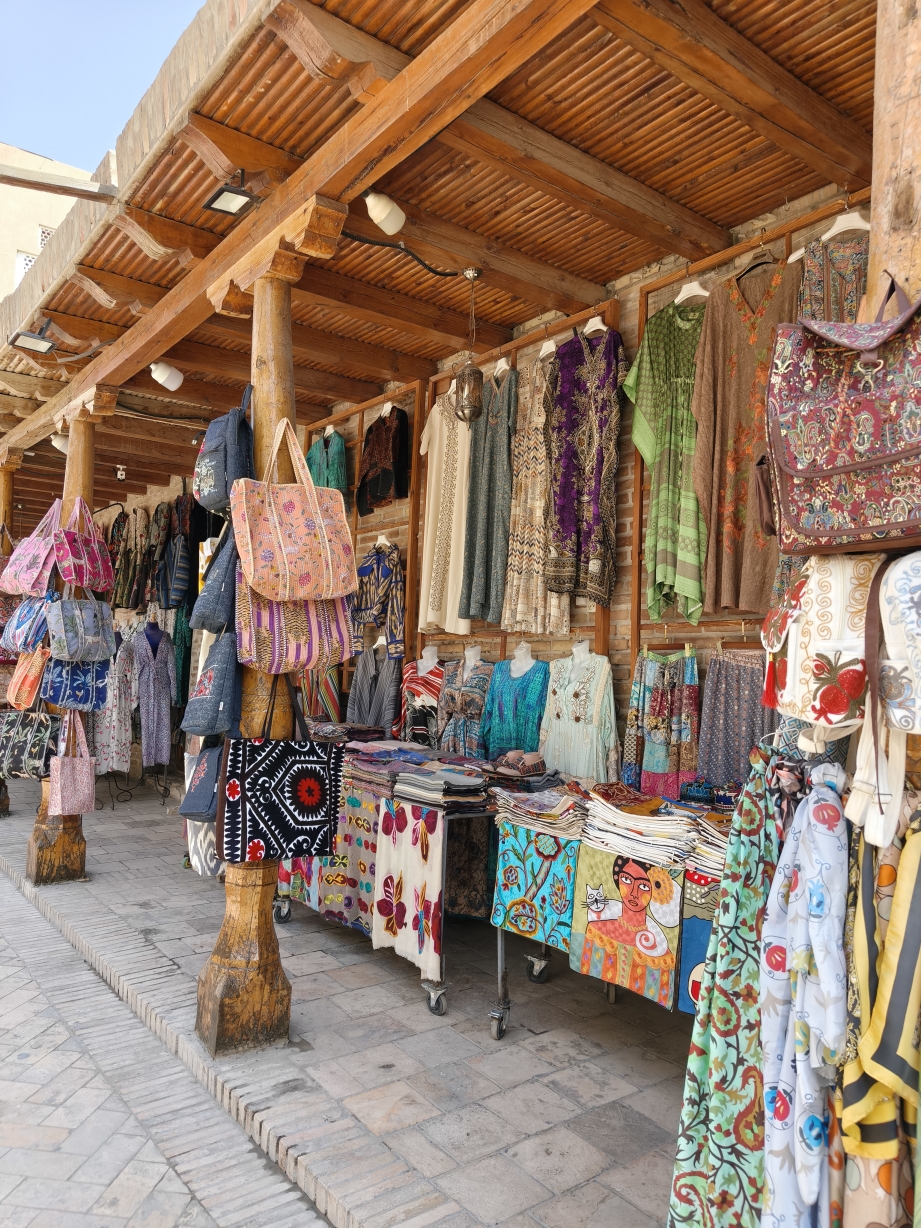
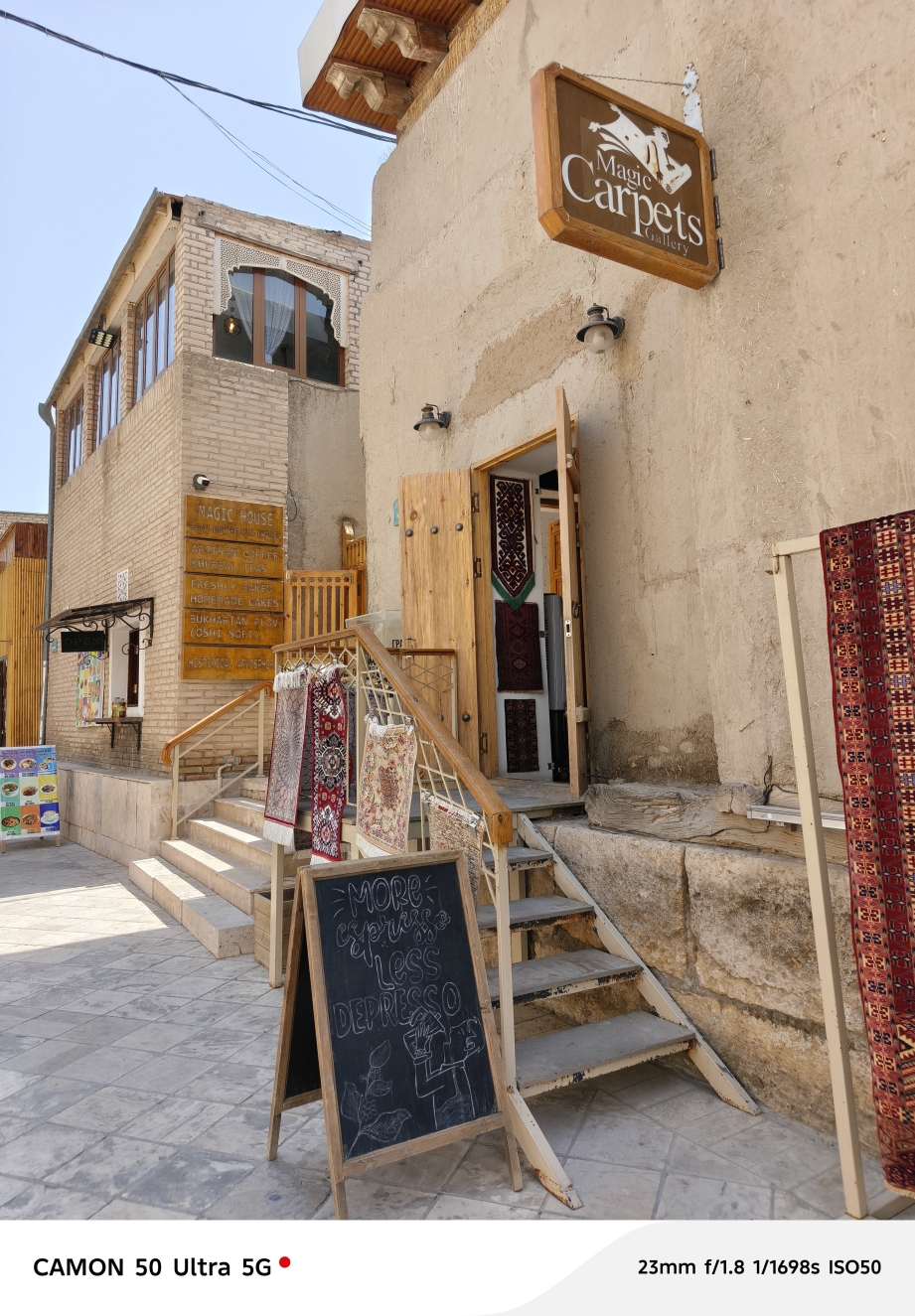
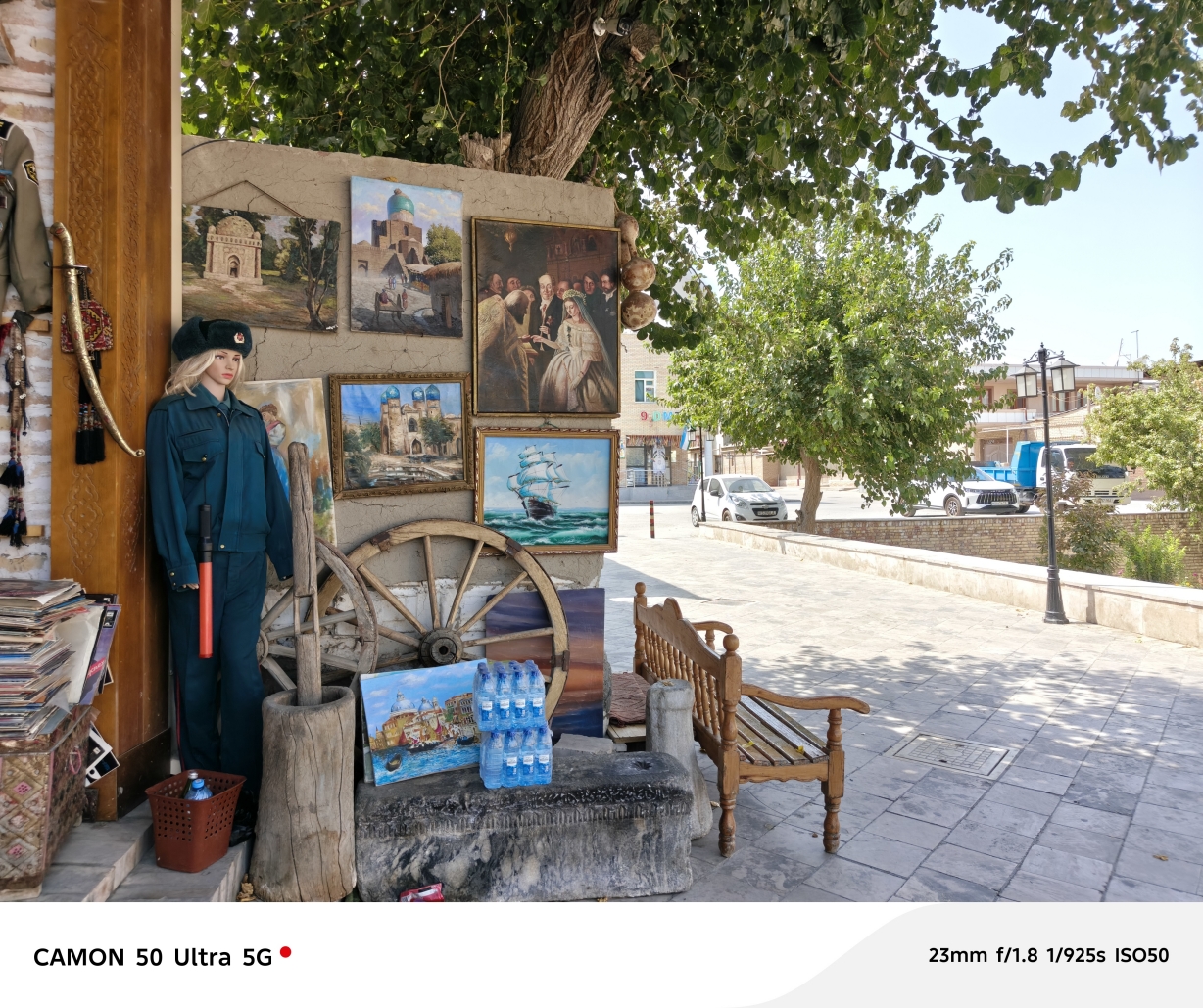
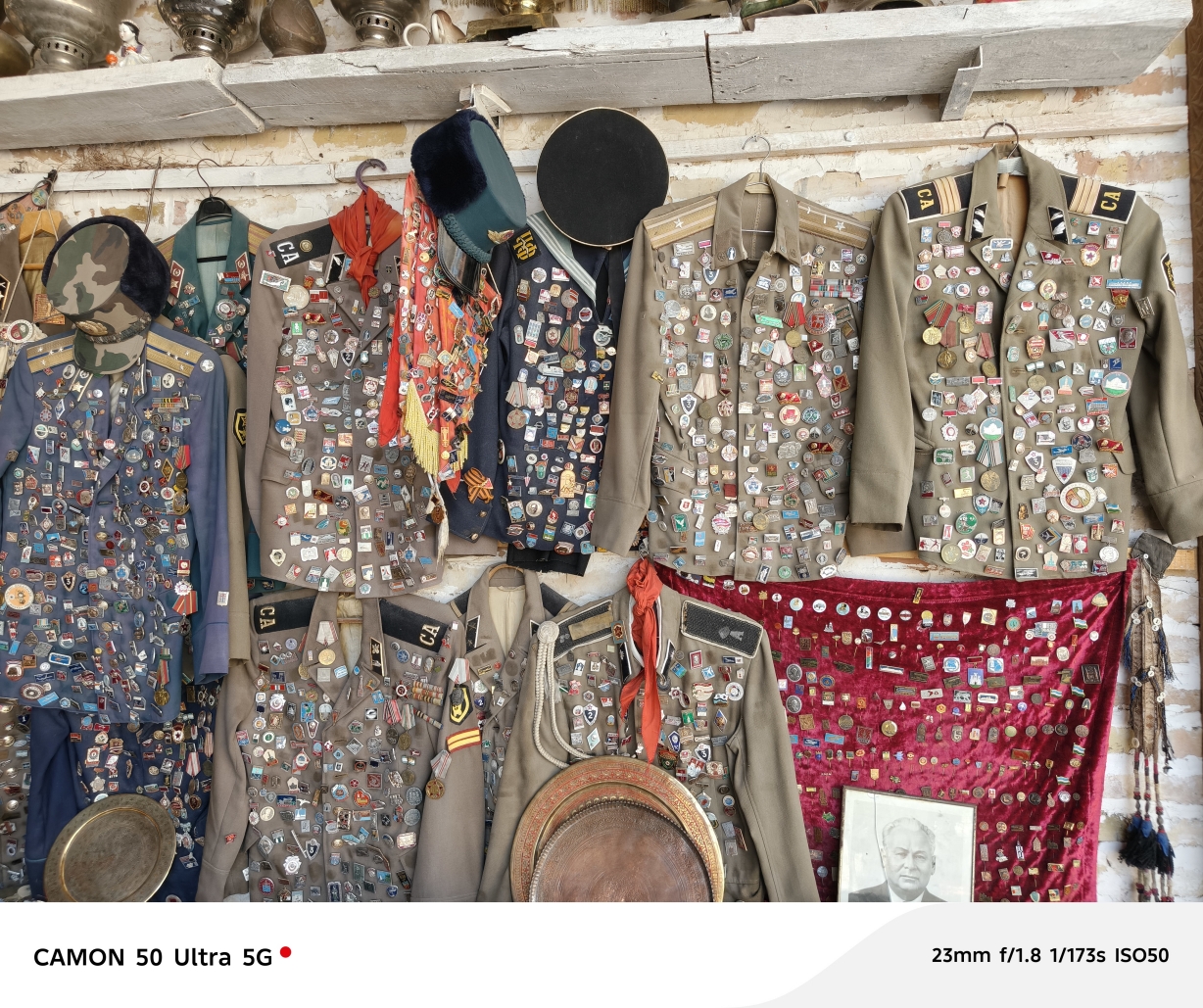
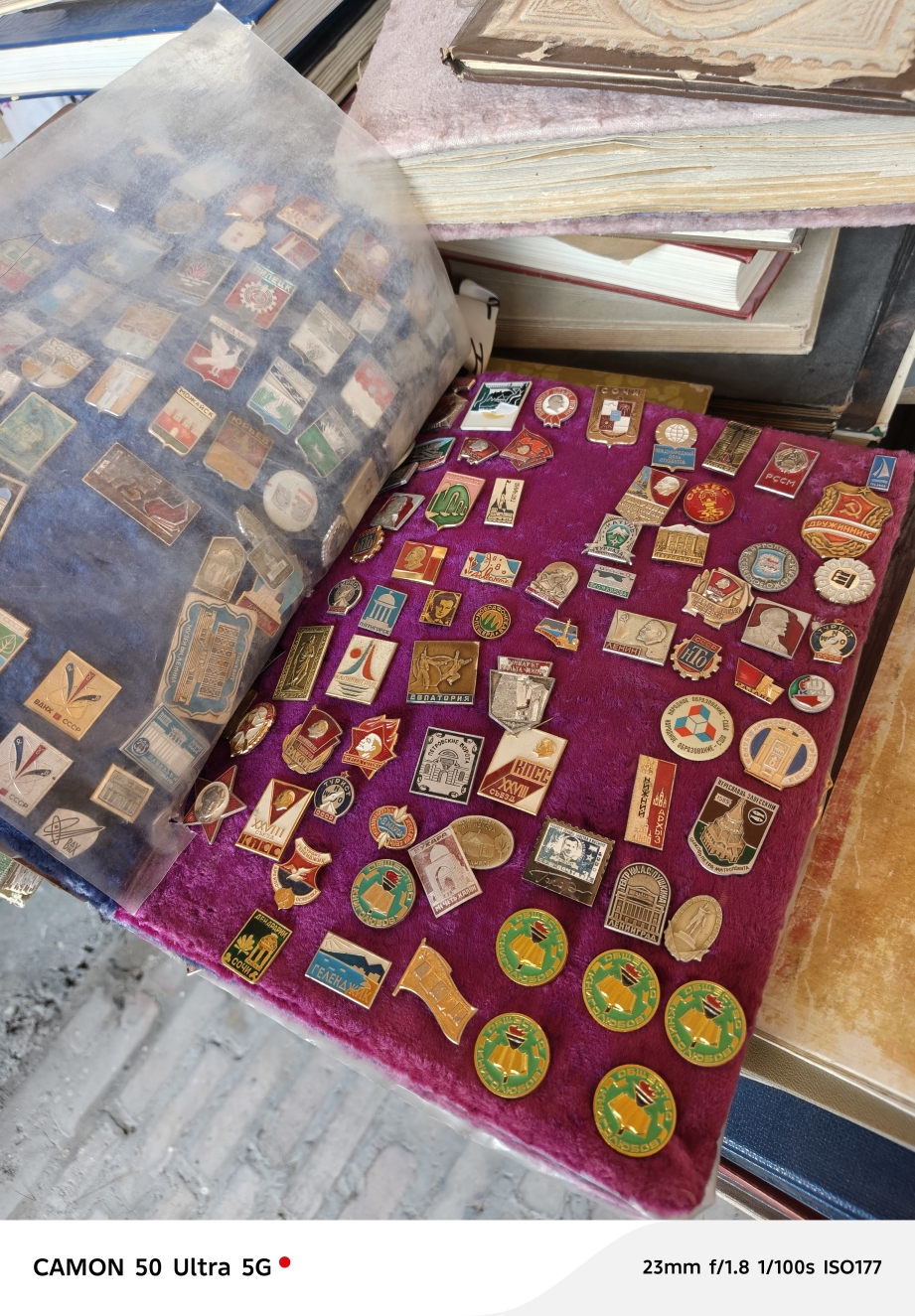
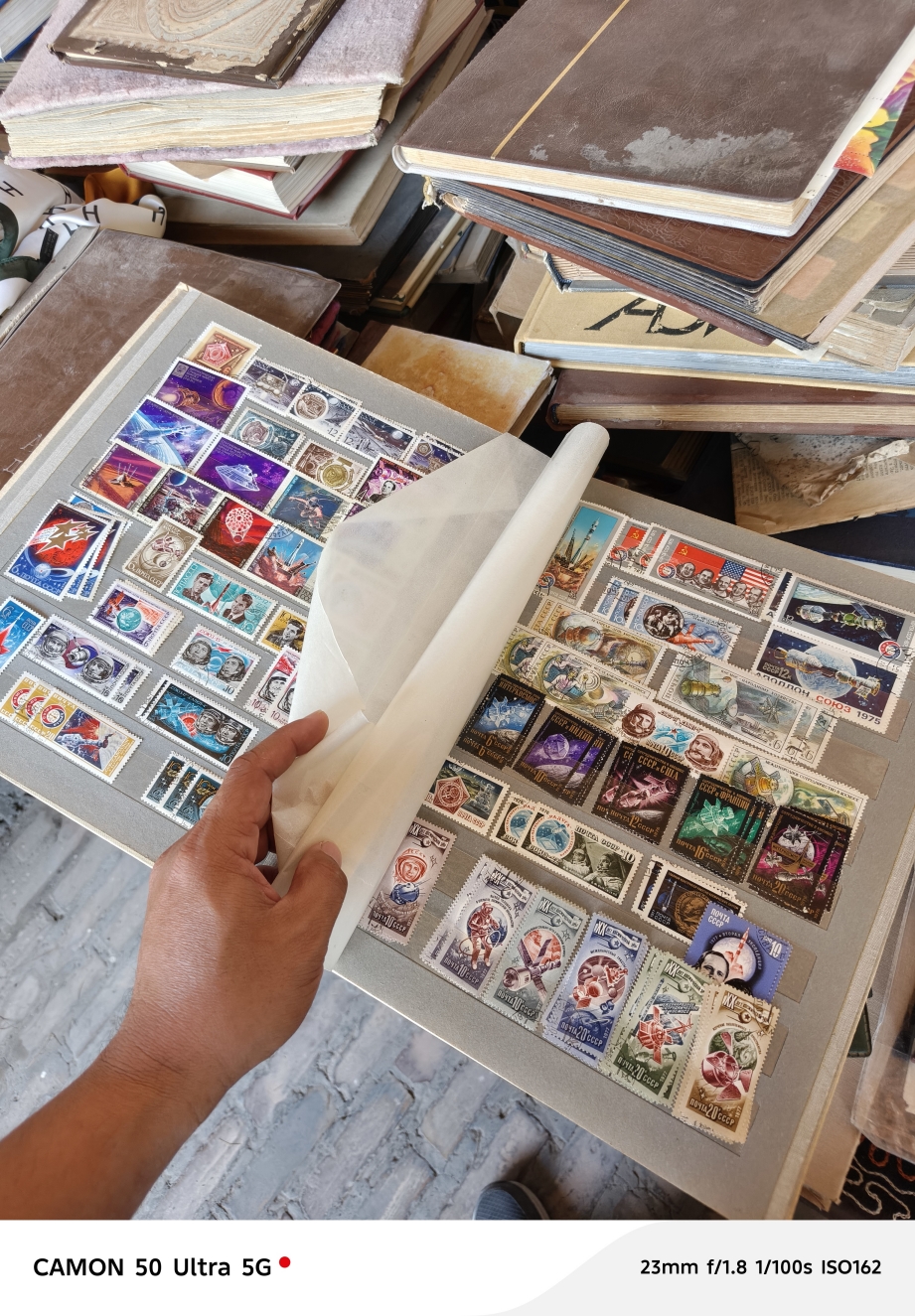
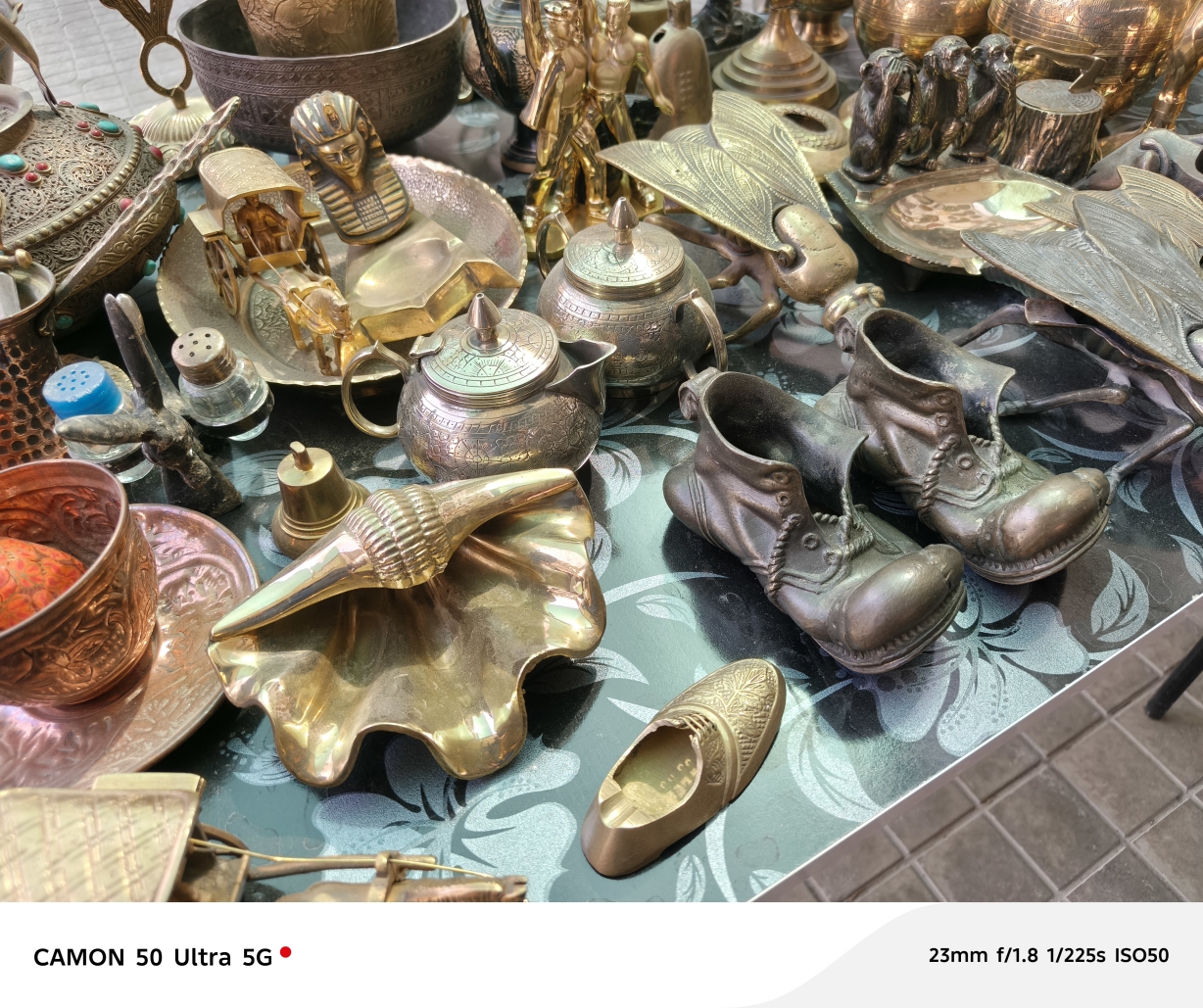
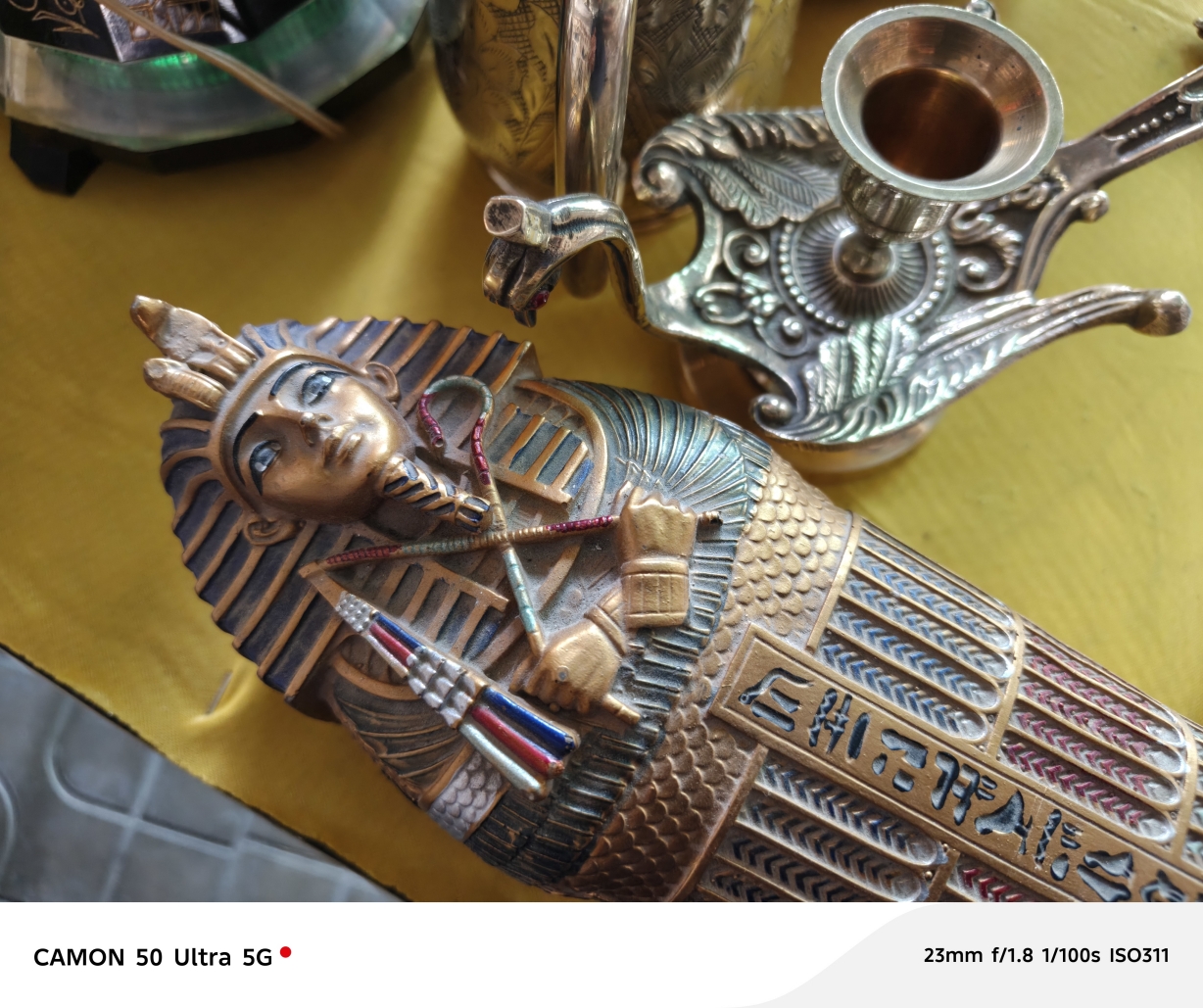
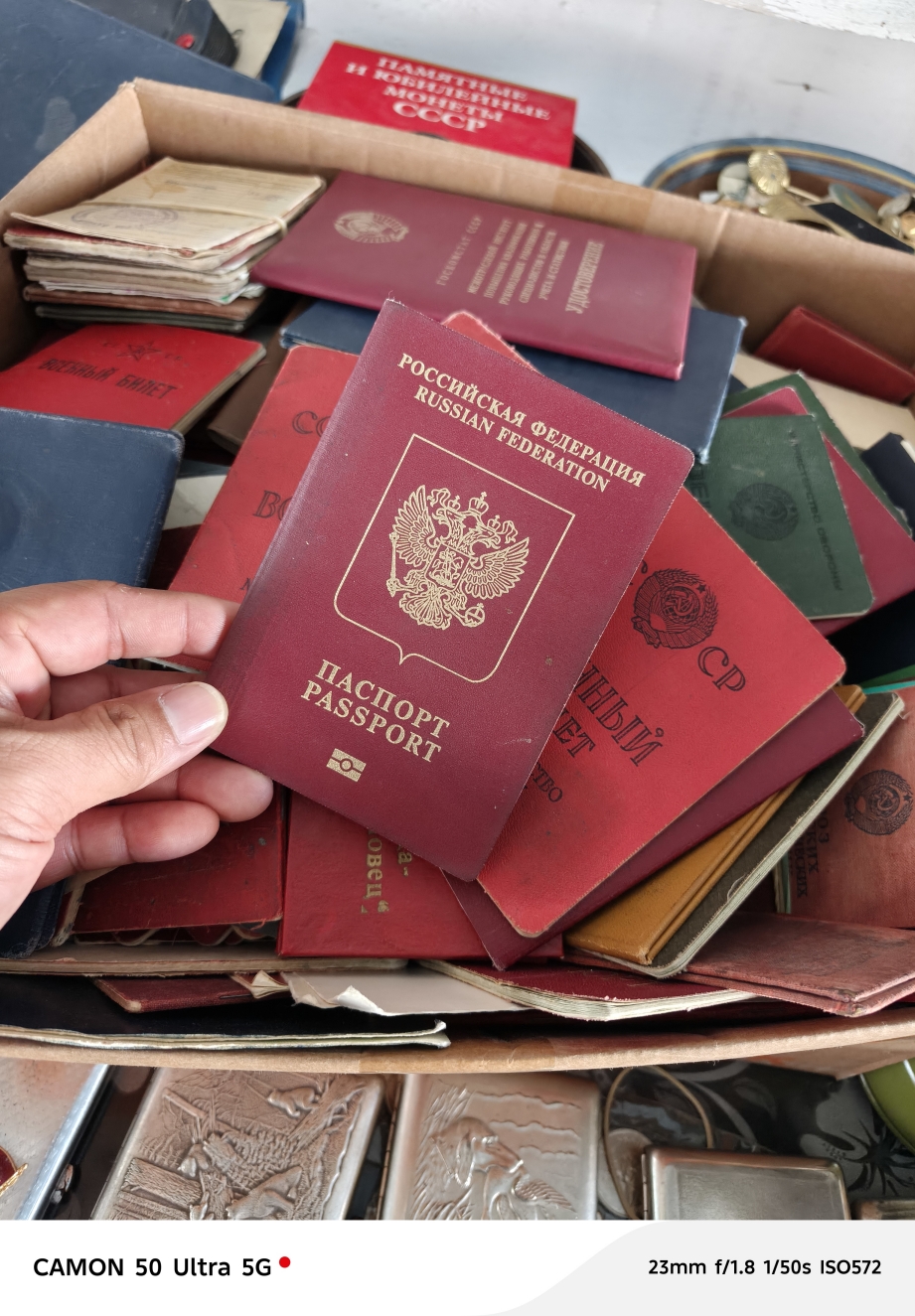
Adding to Bukhara’s old world vibe are vintage shops that is hard to miss. The shops sell trinkets from the Soviet Era, as well as antique metal works that are not cheap. Vintage shop even sells expired passport of deceased individuals from the Soviet Union.
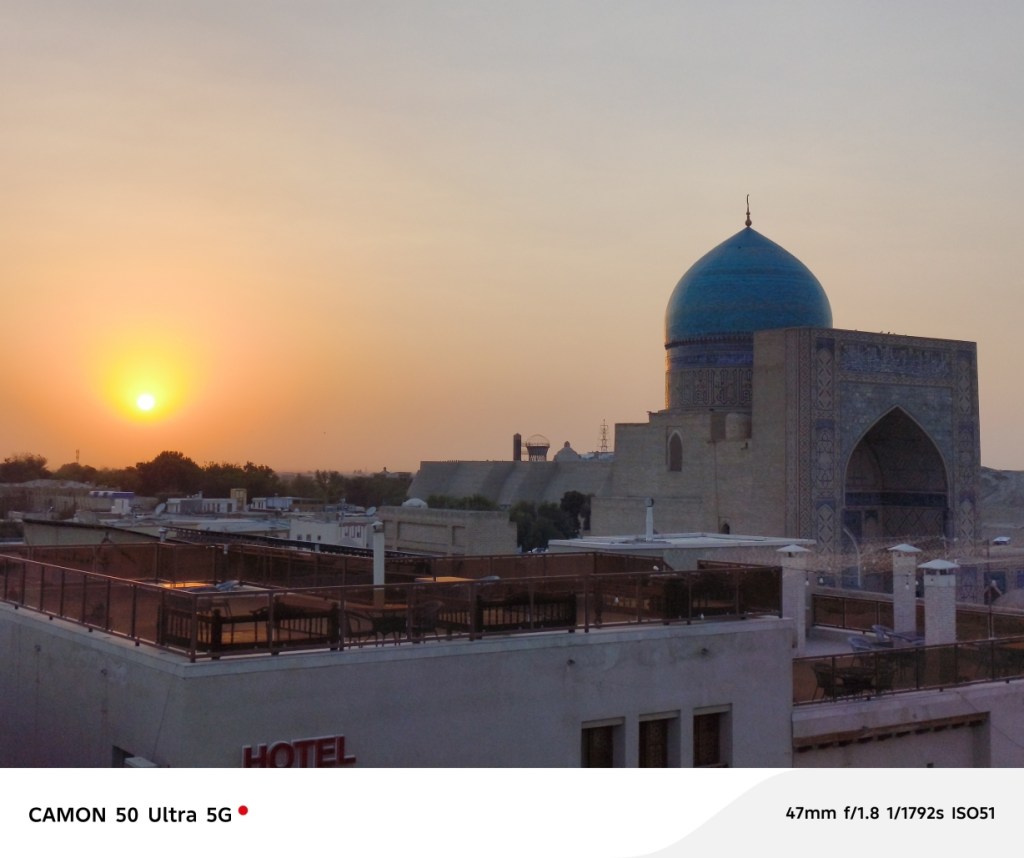
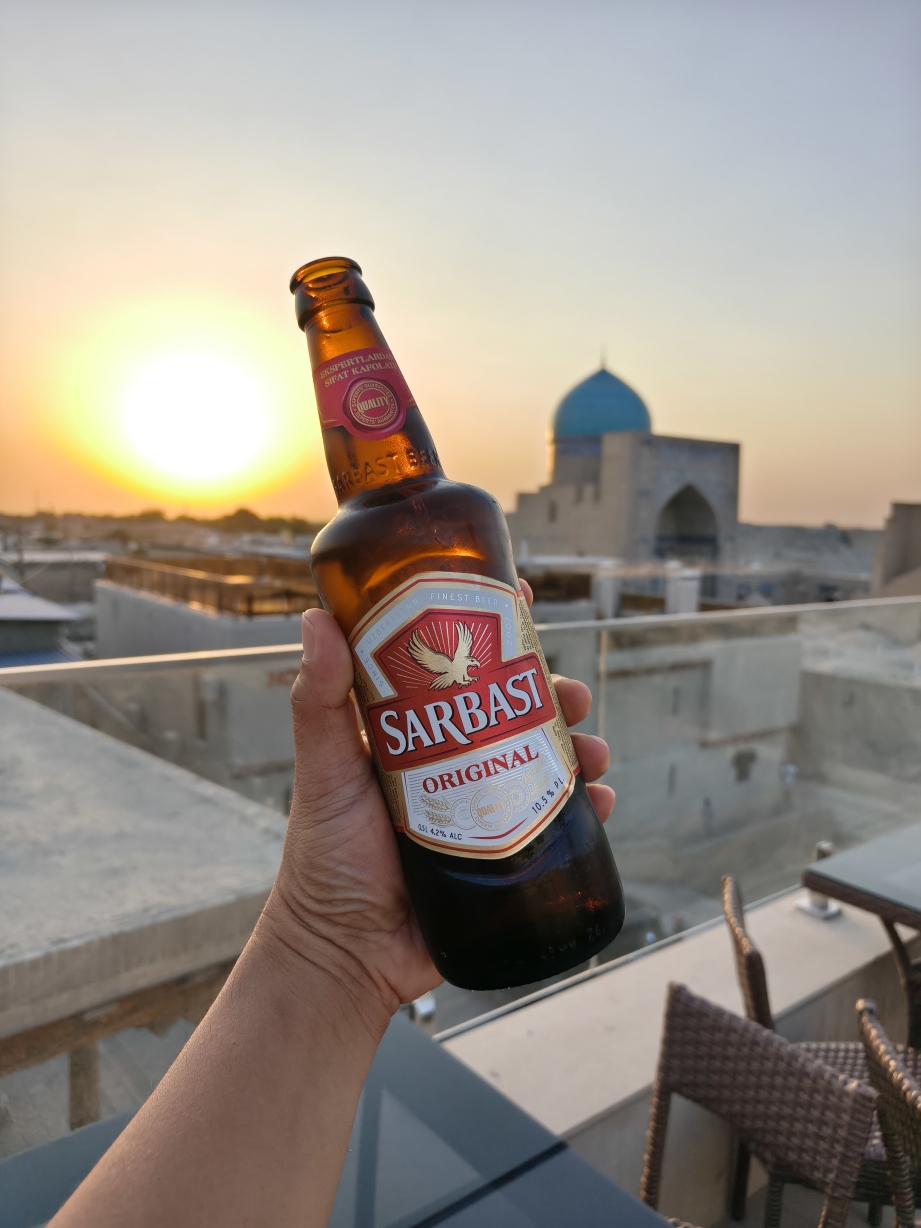
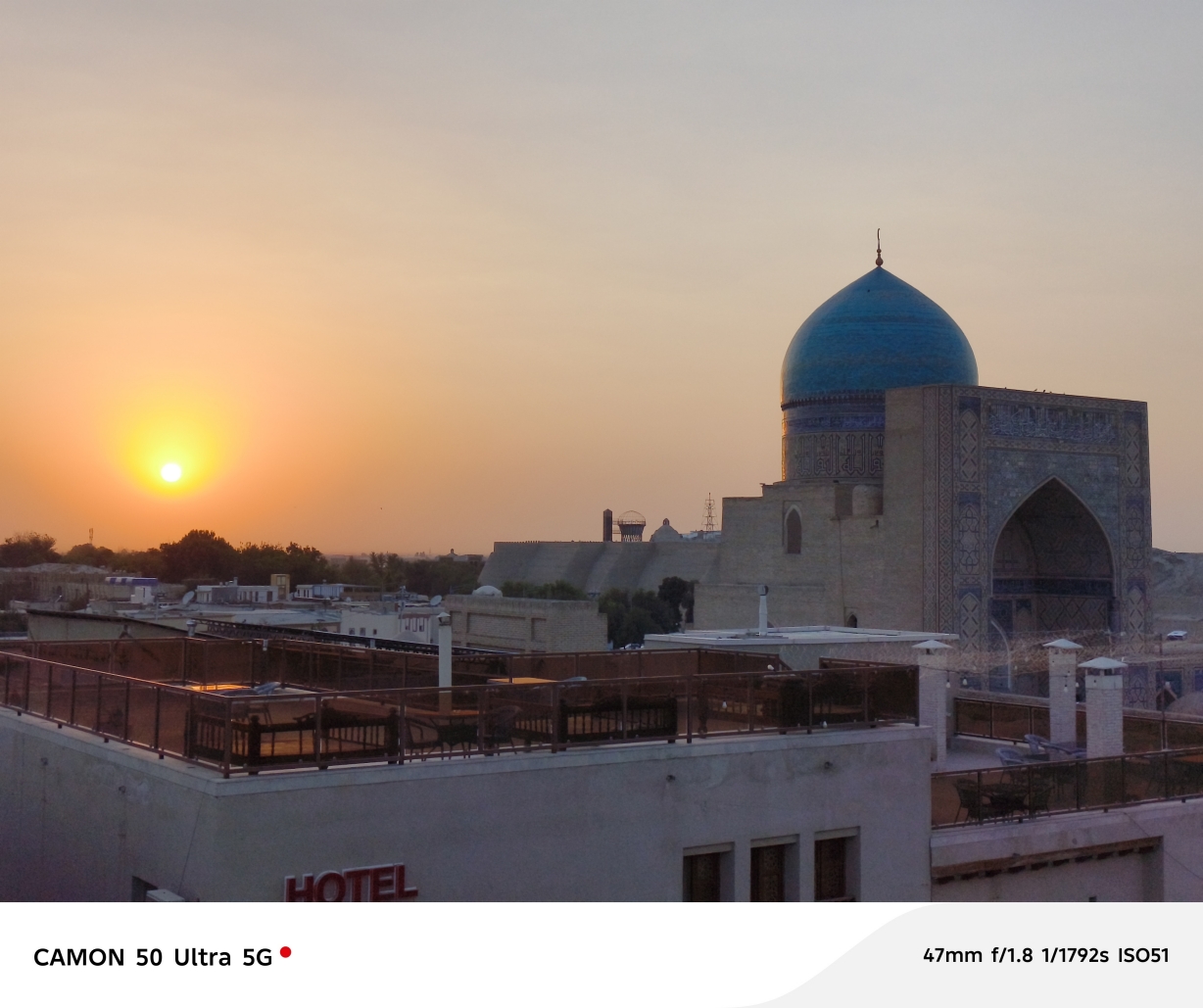
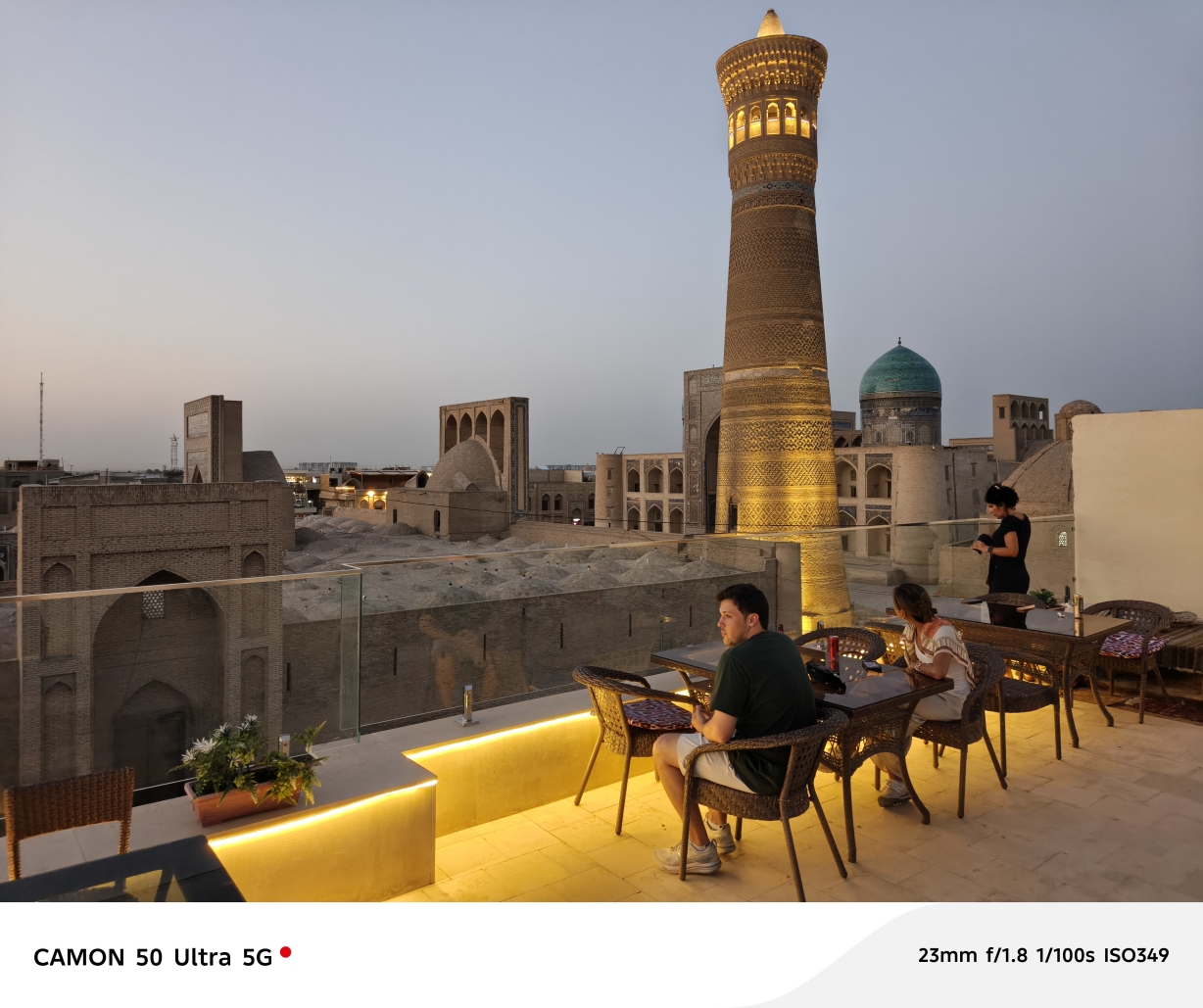
Sunset in Bukhara. Best experienced from a nearby rooftop cafe
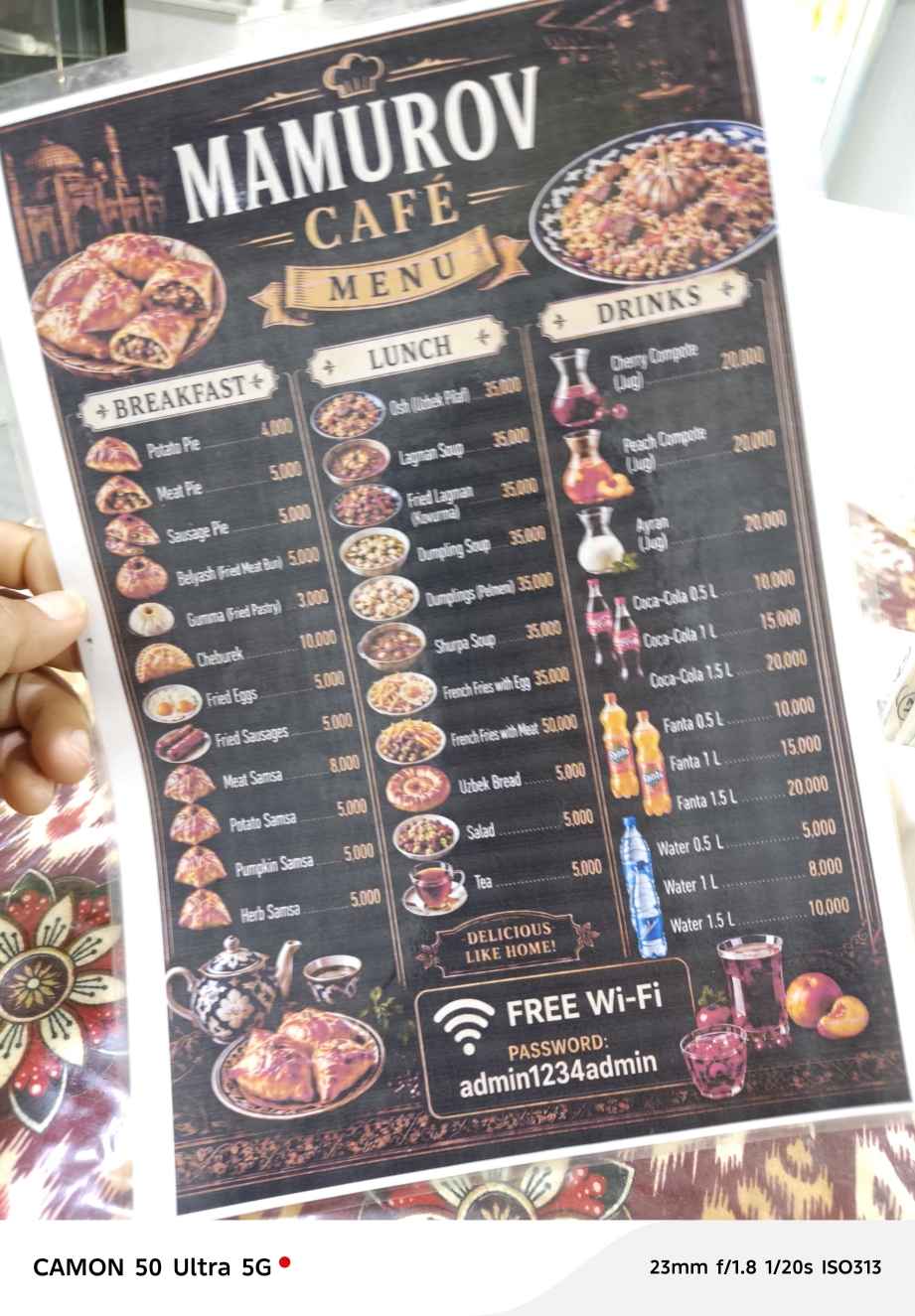
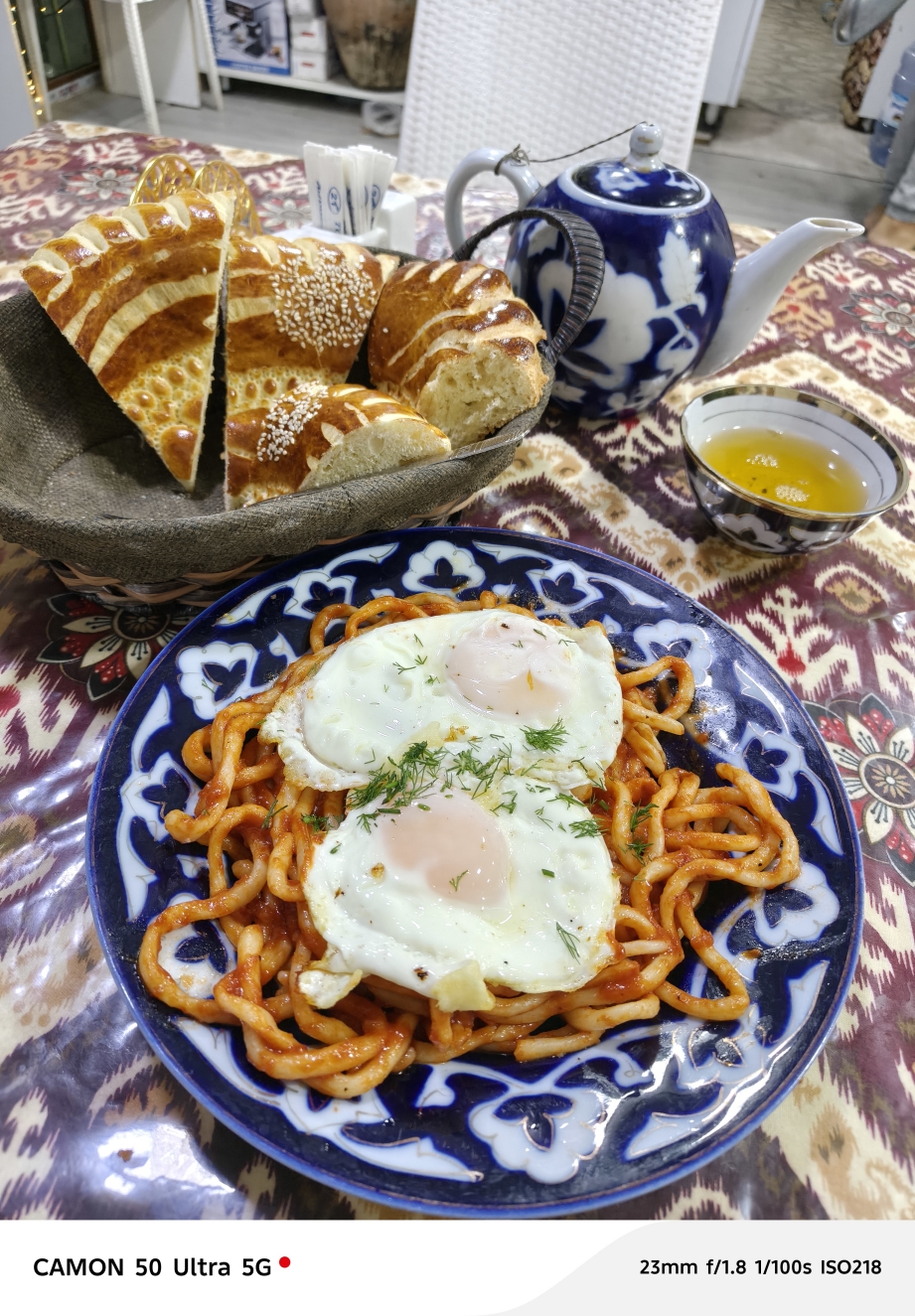
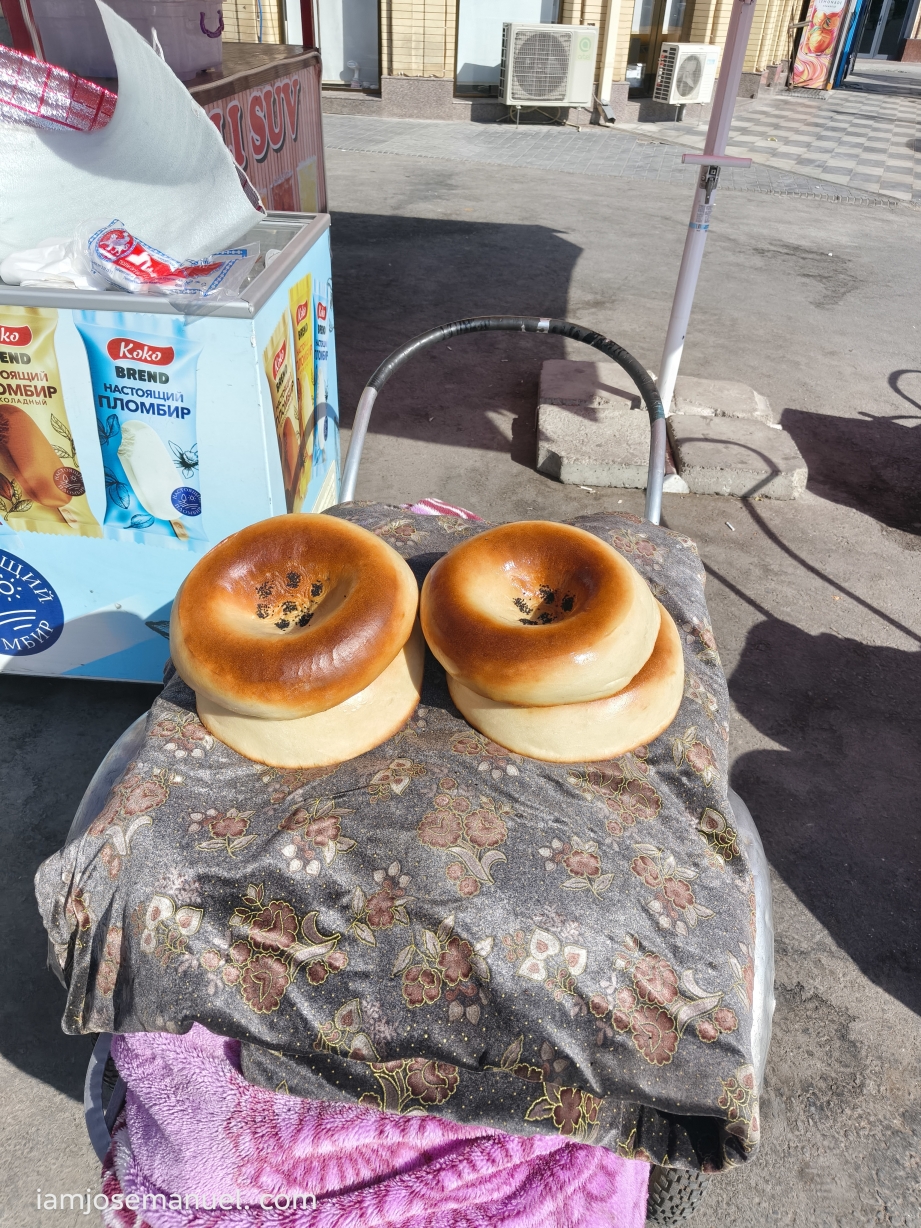
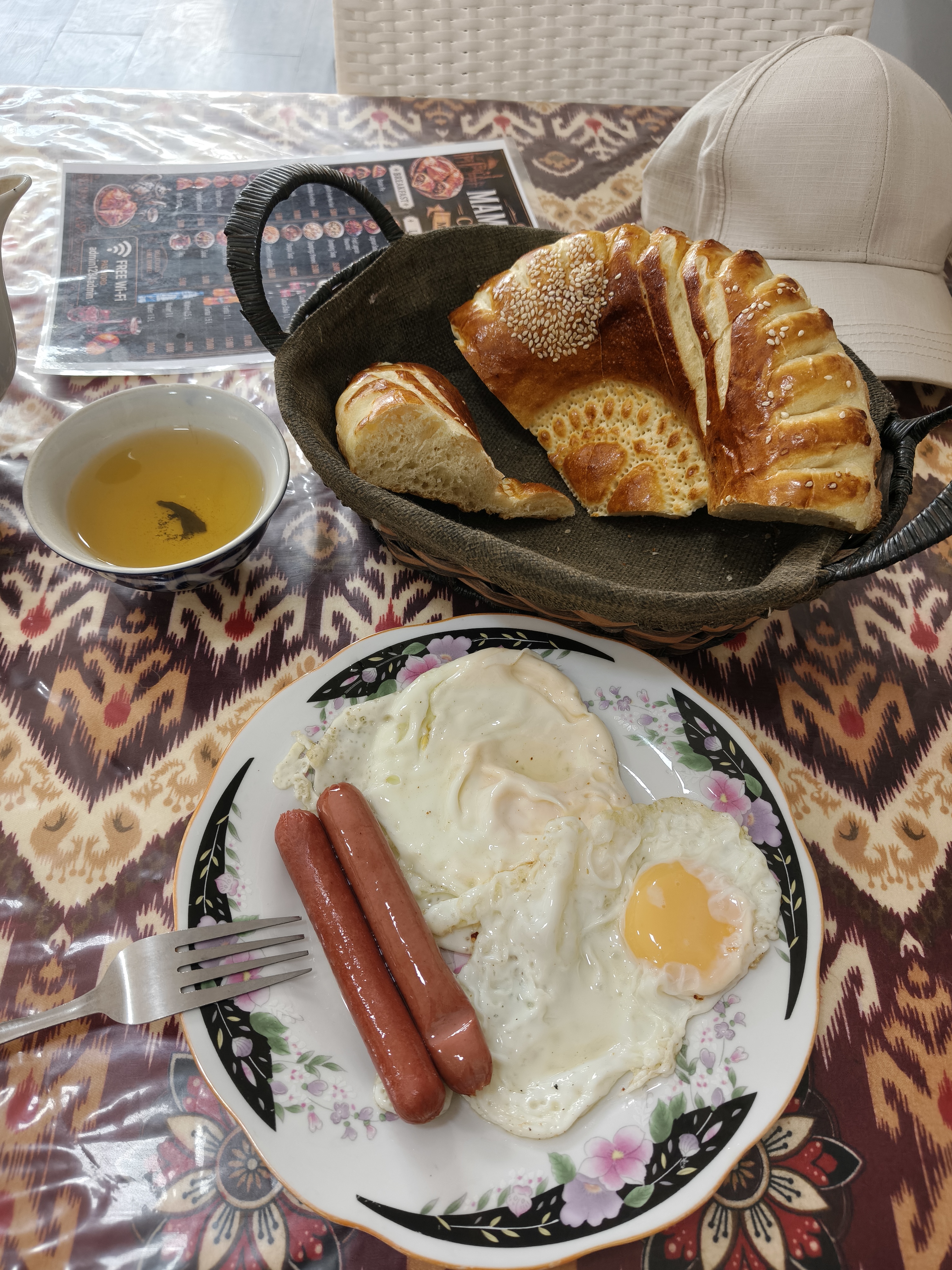
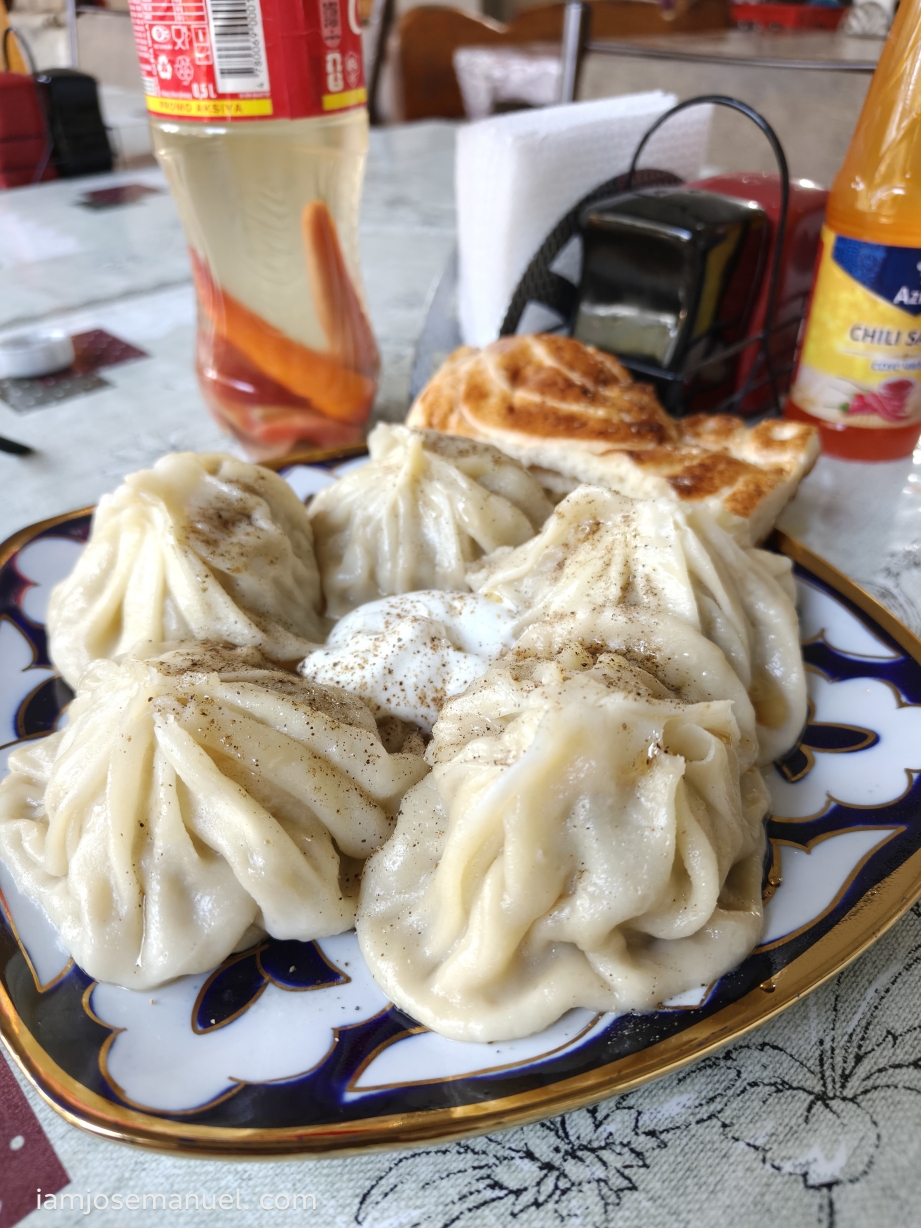
Stayed in Bukhara for 3 days, and I had quite a lot of time to try local restaurants and cafes. Dining and getting around is relatively inexpensive. Bukhara food is regional Central Asian, which is comparable to the dishes I had in Kyrgyztan. plov, lacman noodles, manti dumplings and nan.
I stayed at Oximlon Guesthouse, which is located in a community just outside of the old fortress. With the proximity, I got to explore the fortress during early morning, as well as late. Only 750 Pesos per night or an airconditioned private room booked through Agoda.
Samarkand is one of the oldest, continuously inhabited cities in human history. Founded around the 8th to 7th century BC, Samarkand (known as Marakanda back then) has been documented in ancient Islamic and Greek texts as the silk road’s crossroad of trade, culture and exchange of knowledge, ideas and technology. The city has been under several conquerors and rebuilding throughout its history. Today, Samarkand is roughly 2,750 years old, and continues to tell its stories.
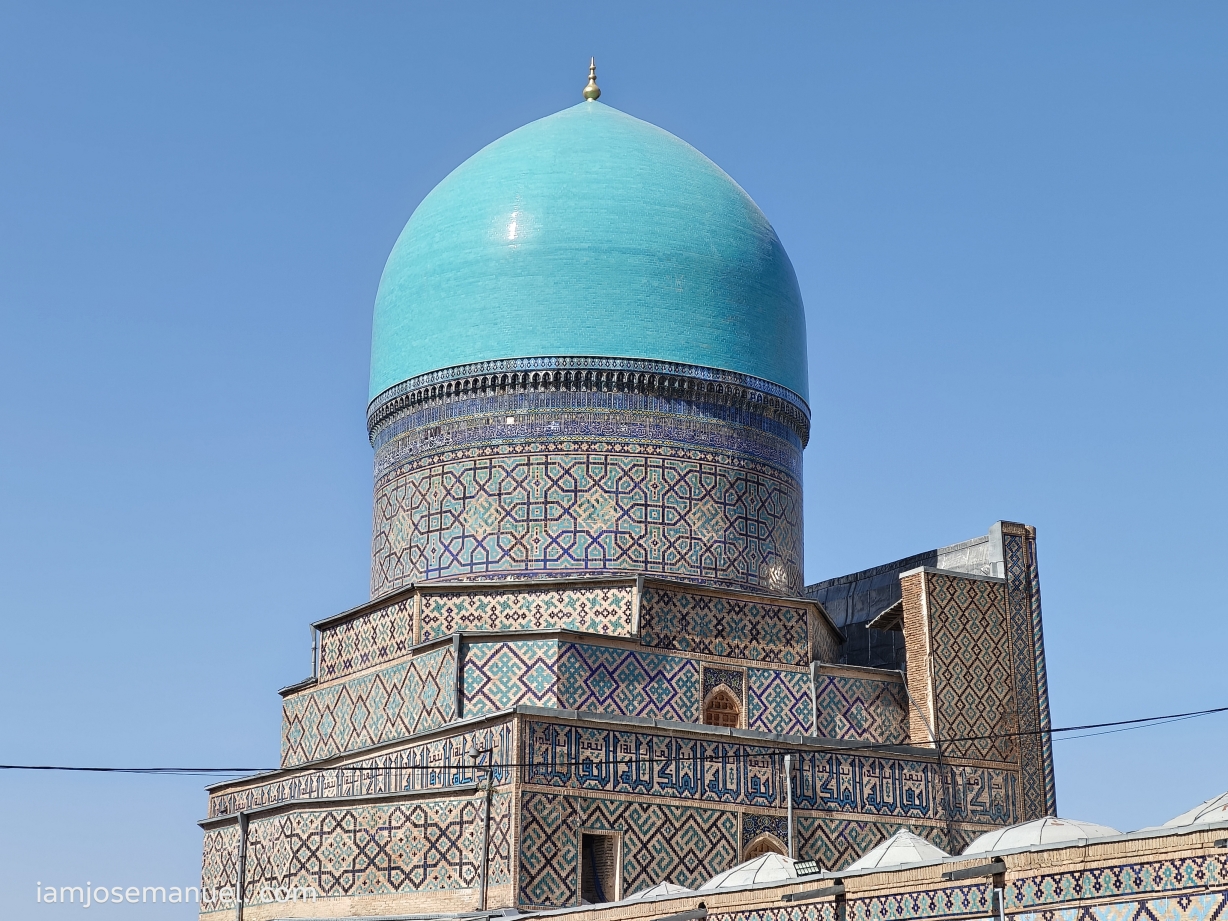
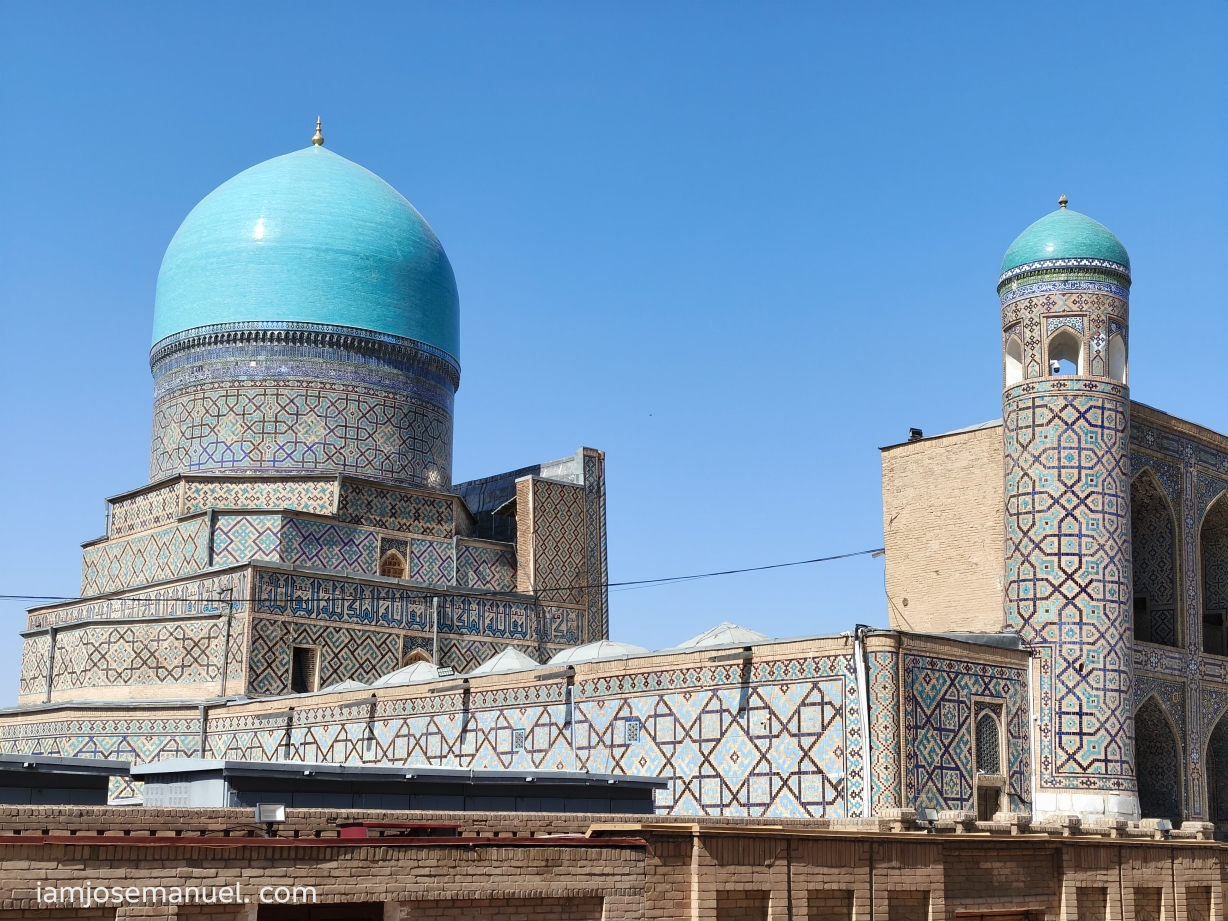
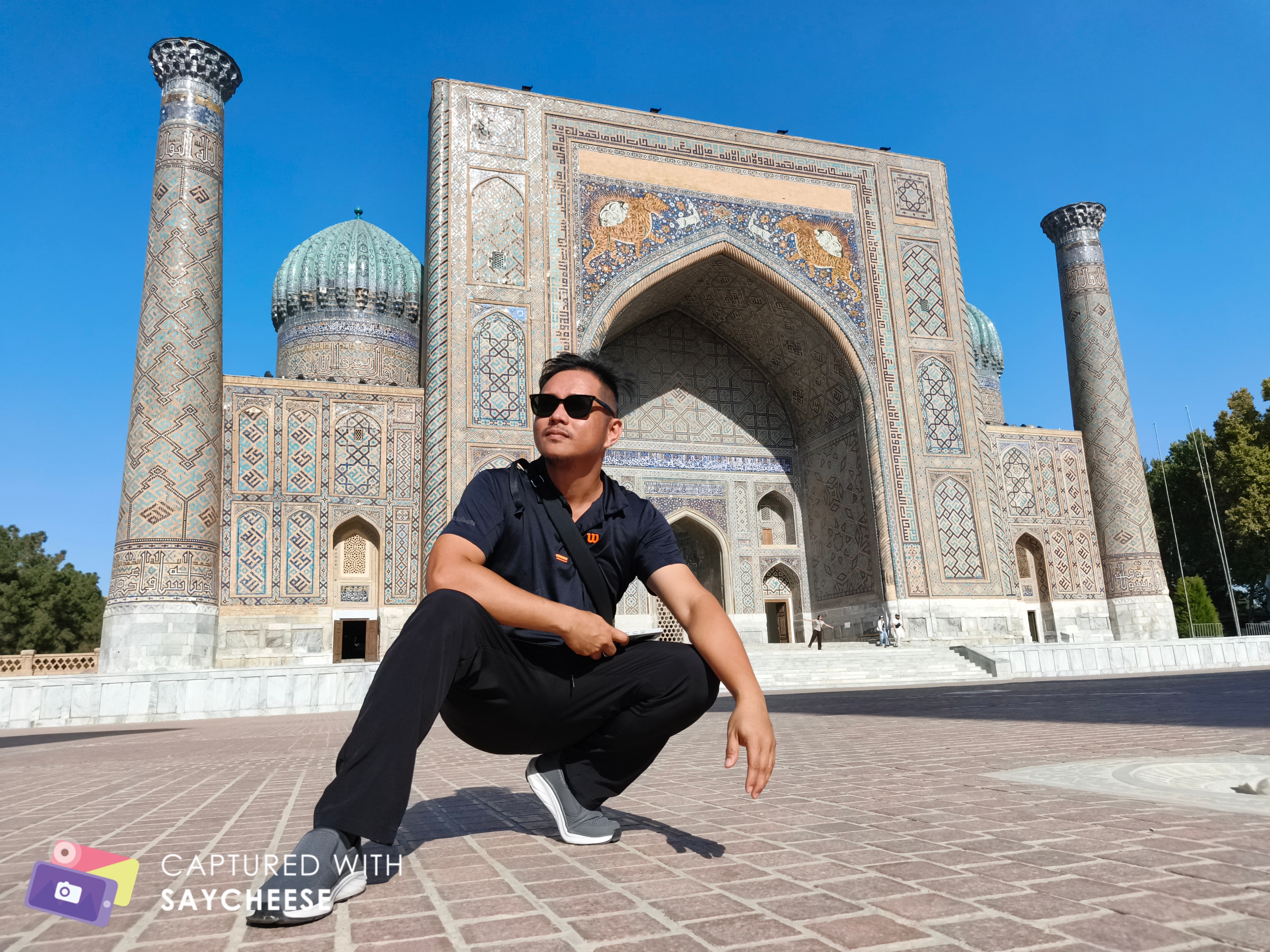
Samarkand has been recognized as a UNESCO World Heritage Site since 2001, and is famous for the glorious Islamic Architecture, polished turquoise blue domes and perfectly restored mosaic tileworks on Mosques and Madrasa Building(school).
Being in Samarkand, and staying in the old city center, feels like living inside an open air museum. I purposely choose a guesthouse that is just at the back of the Registan Square. I spent 3 days walking between historic sites, visiting old bazaars and checking on local food options.
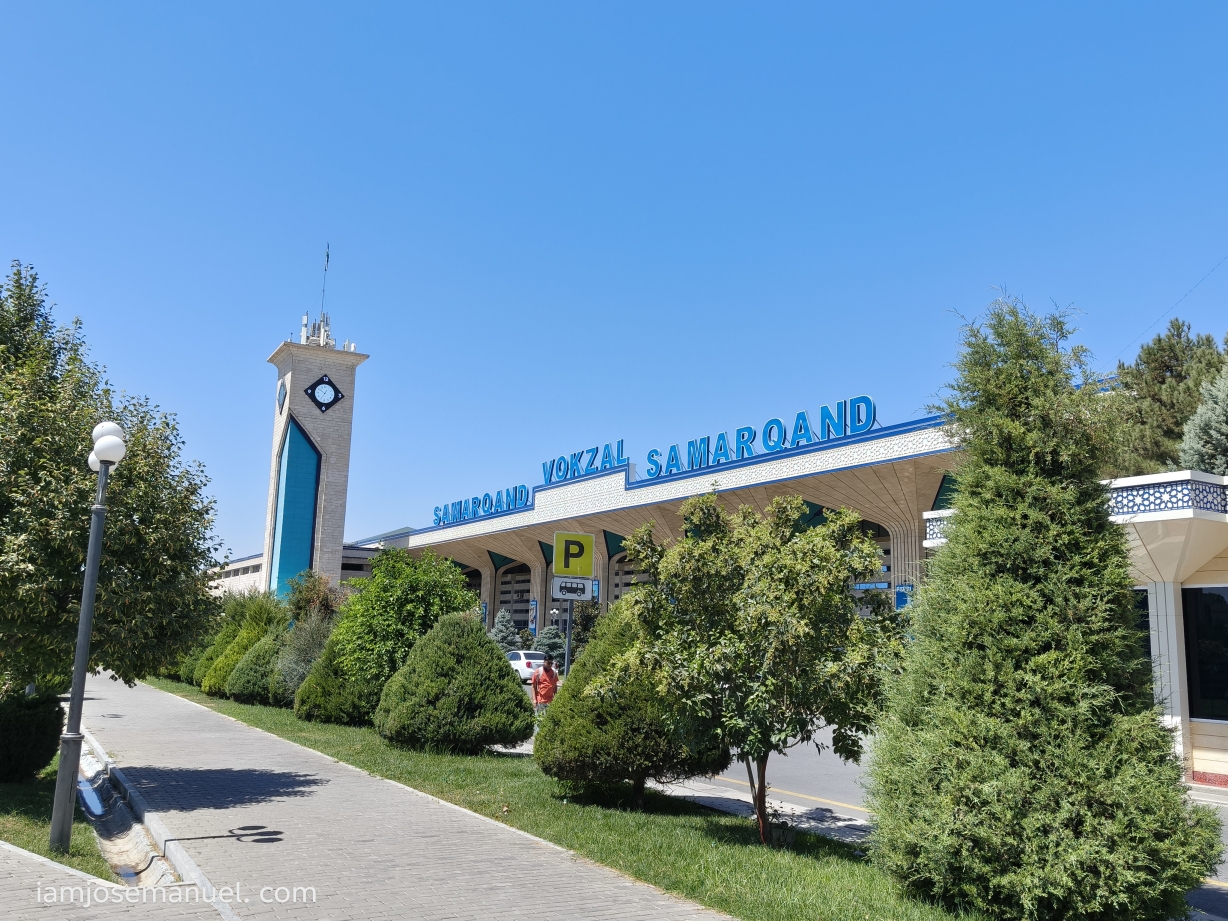
I arrived in Samarkand by Regional train (3 hours) from Tashkent, the Capital City. The city is fairly small, and is mainly centered on tourism. The train station is around 20 minutes by Yandex Taxi to the old city center where I stayed. Transportation and other UZ travel tips are posted here.
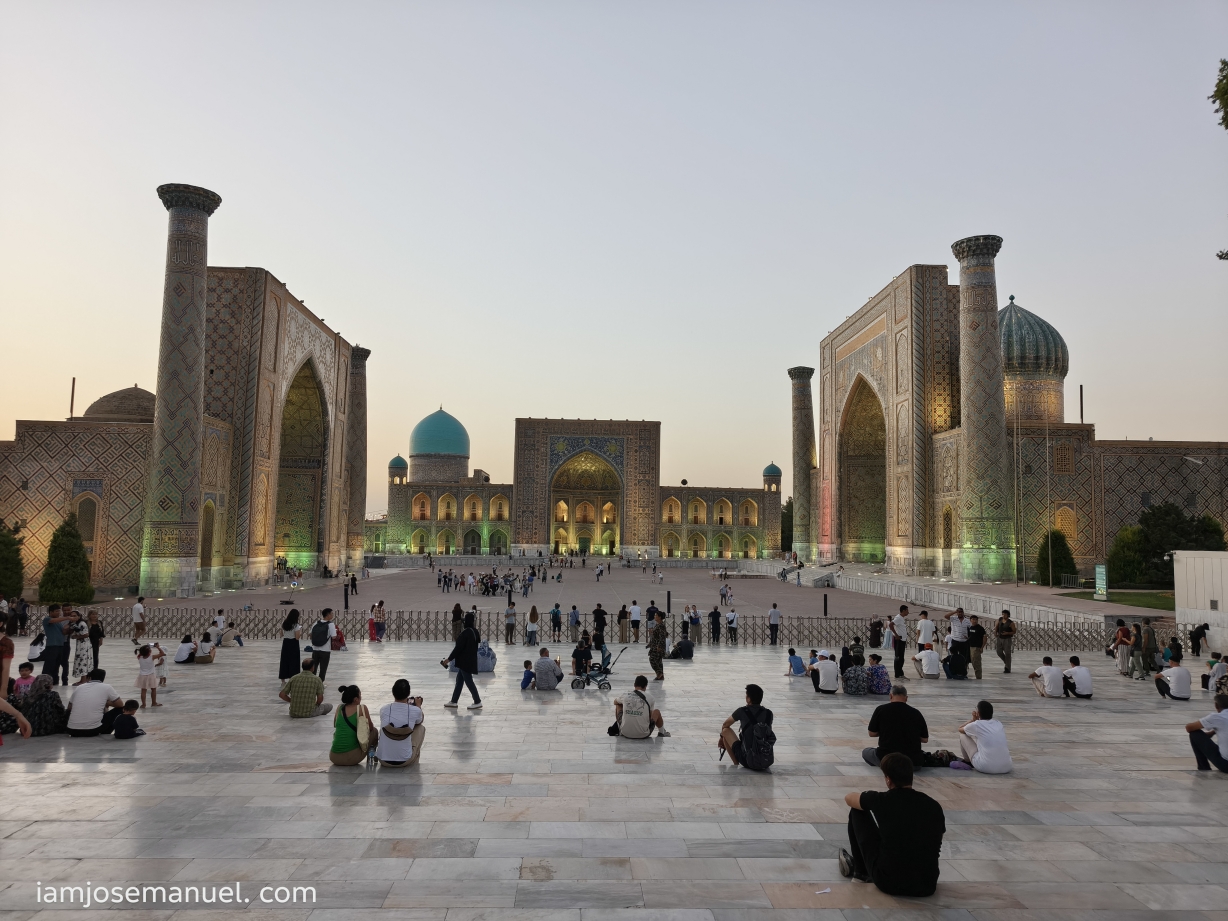
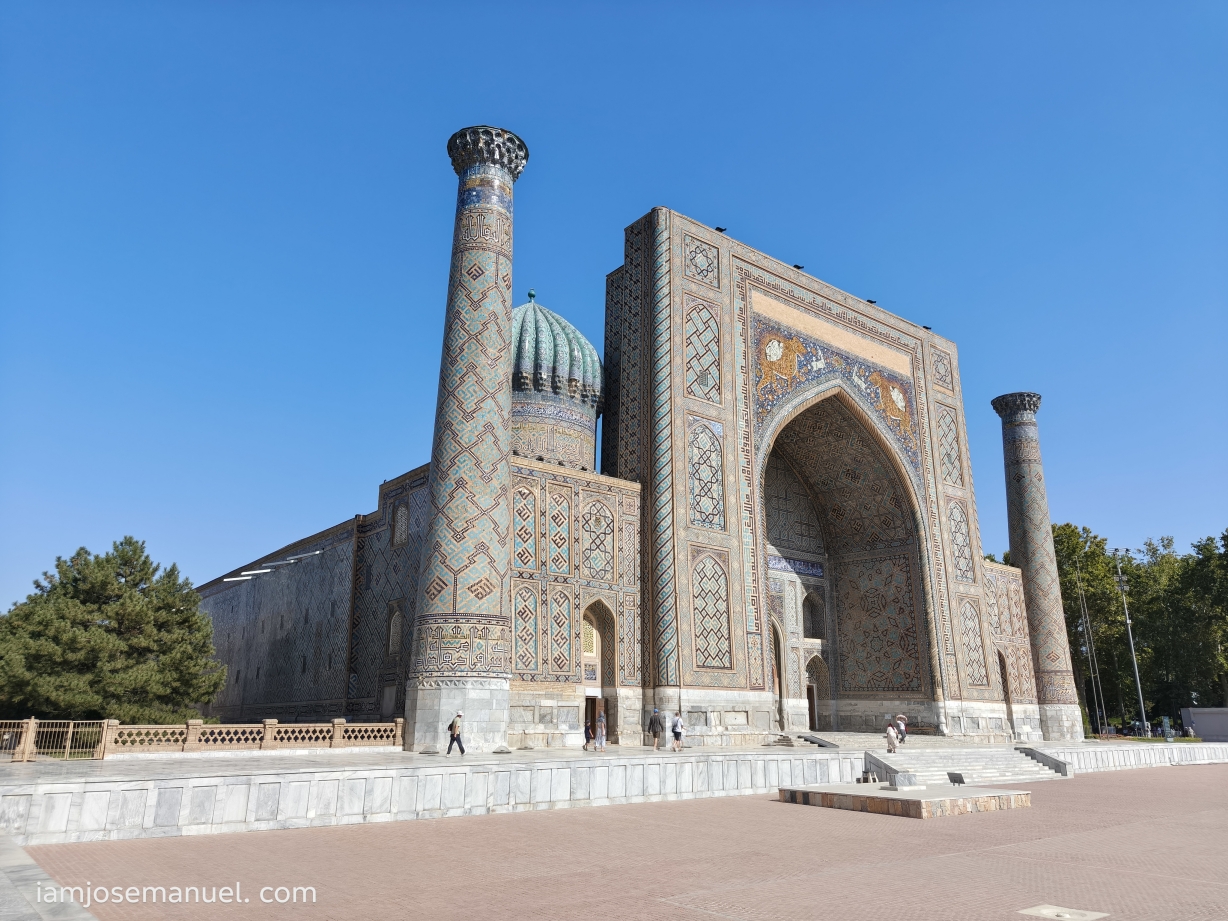
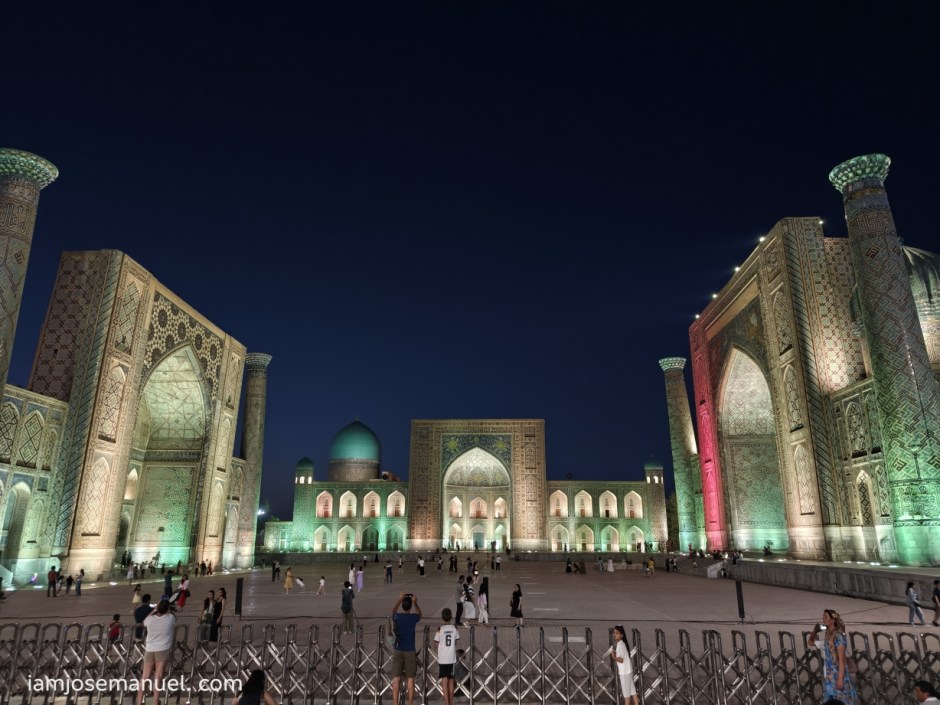
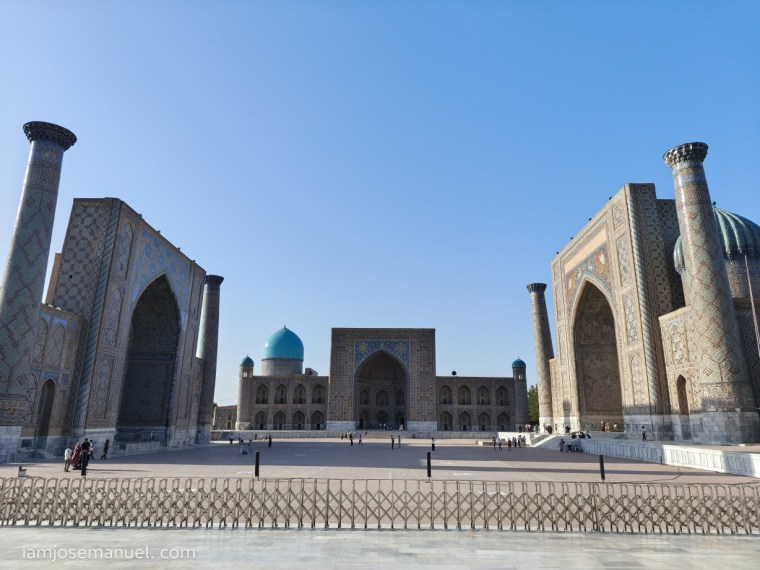
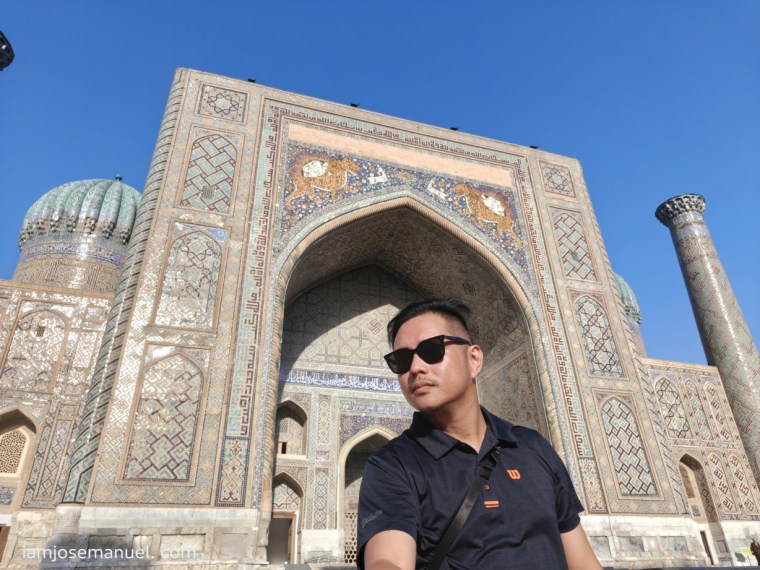
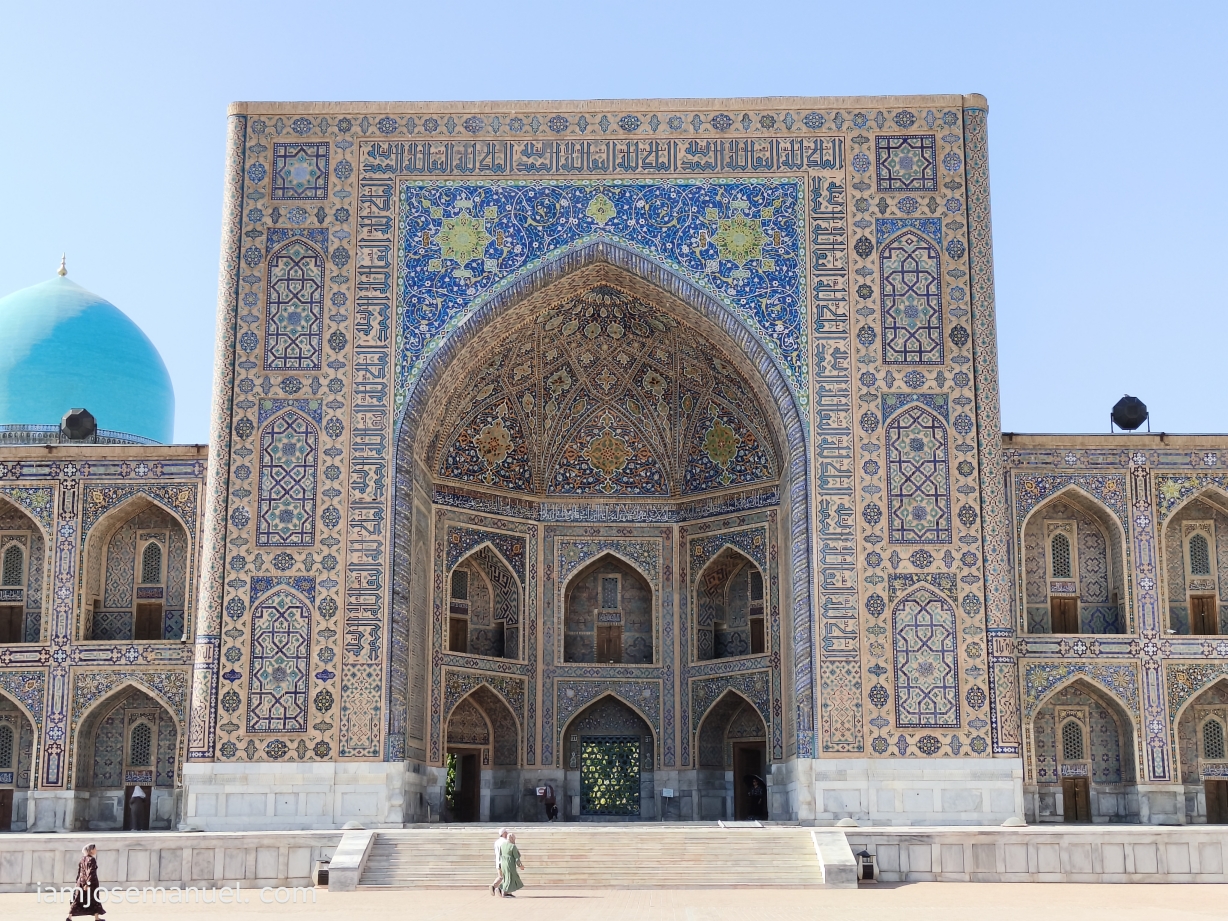
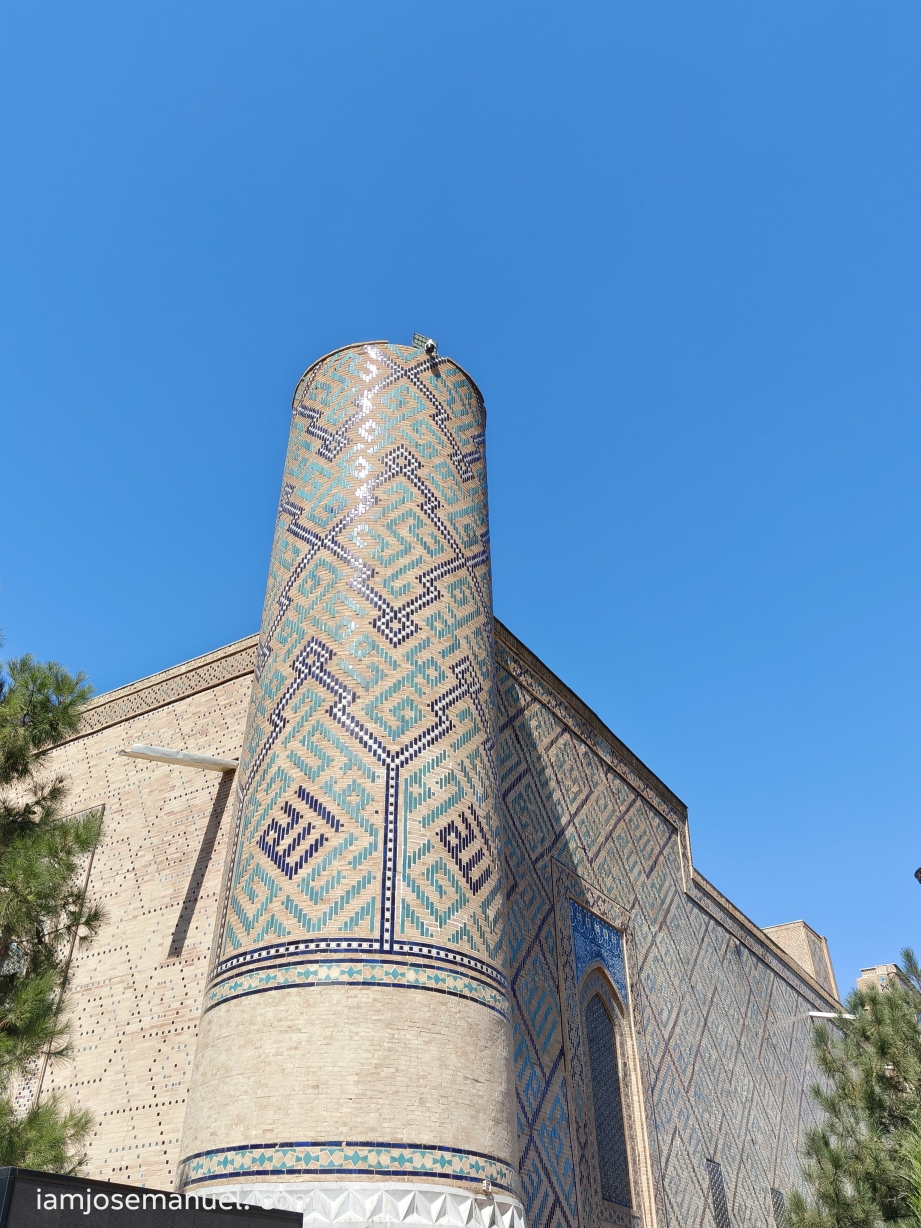
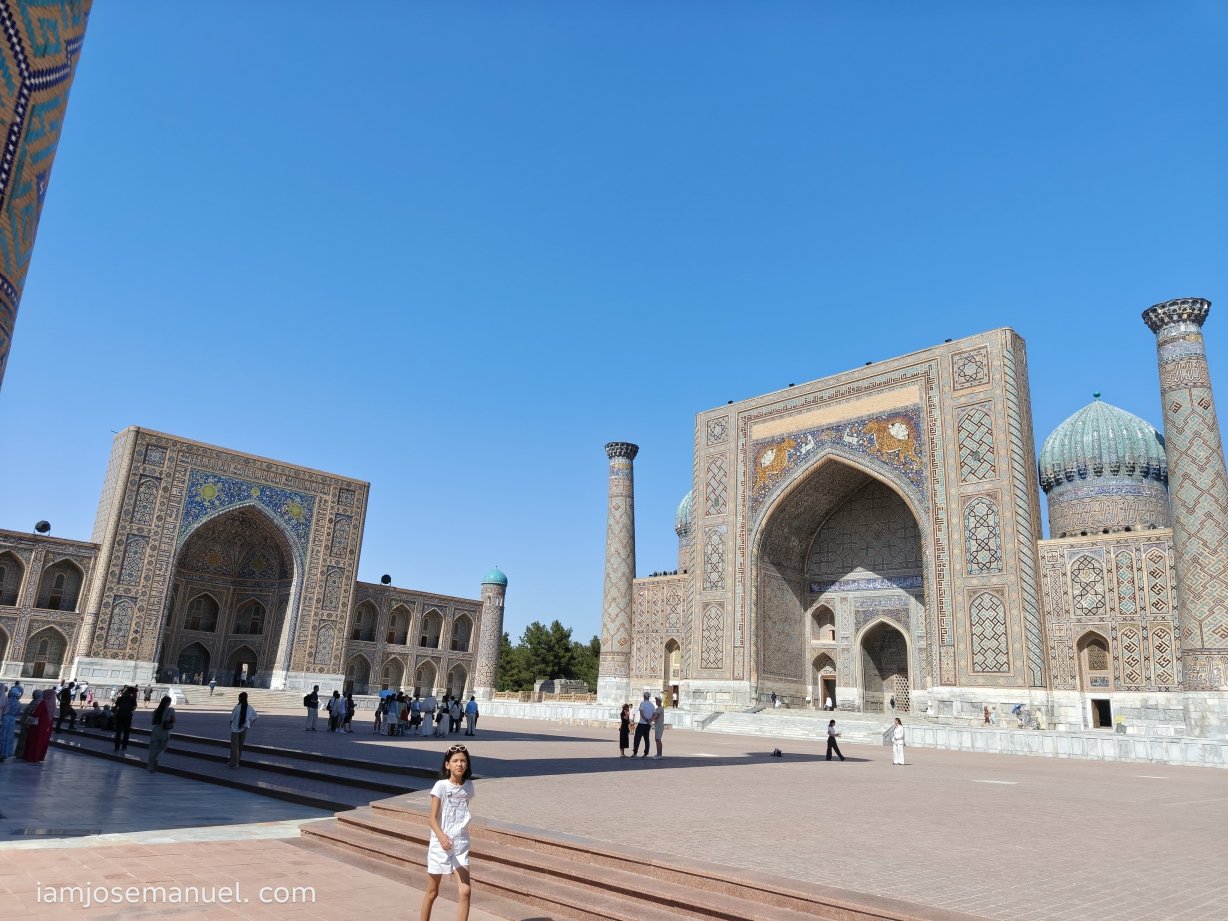
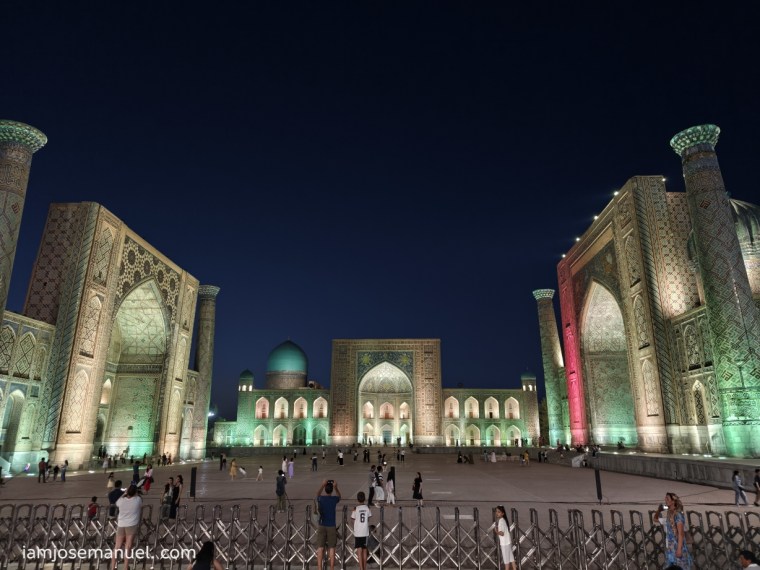
The most famous historic site in Samarkand is definitely the Registan Square, which has served the city since the 14th century. The square served as the seat of governance and the center for learning. The three towering buildings are “Madrasas” or can be considered as schools of the ancient times. The square at the center served as the place for community gathering and announcements, and is still being used today for the same function.
The Registan Square of Samarkand
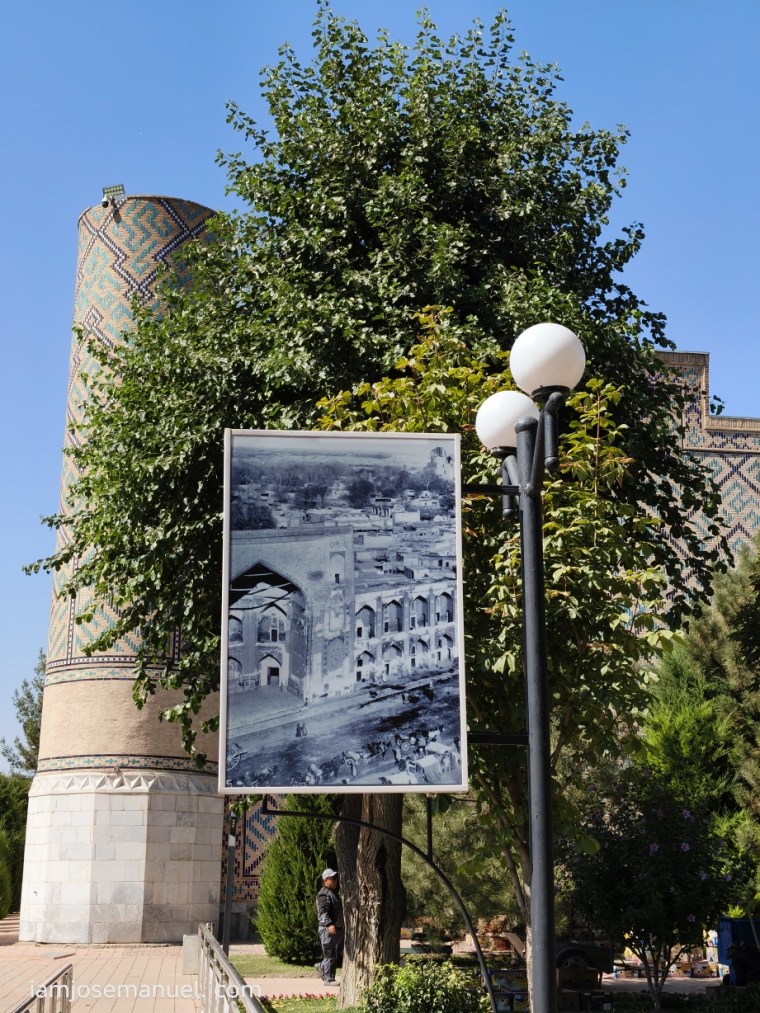
This photo shows the condition of the madrasa’s facade from the early 20th Century, prior to restorations.
This is the Madrasa that we see today. Fully Restored.
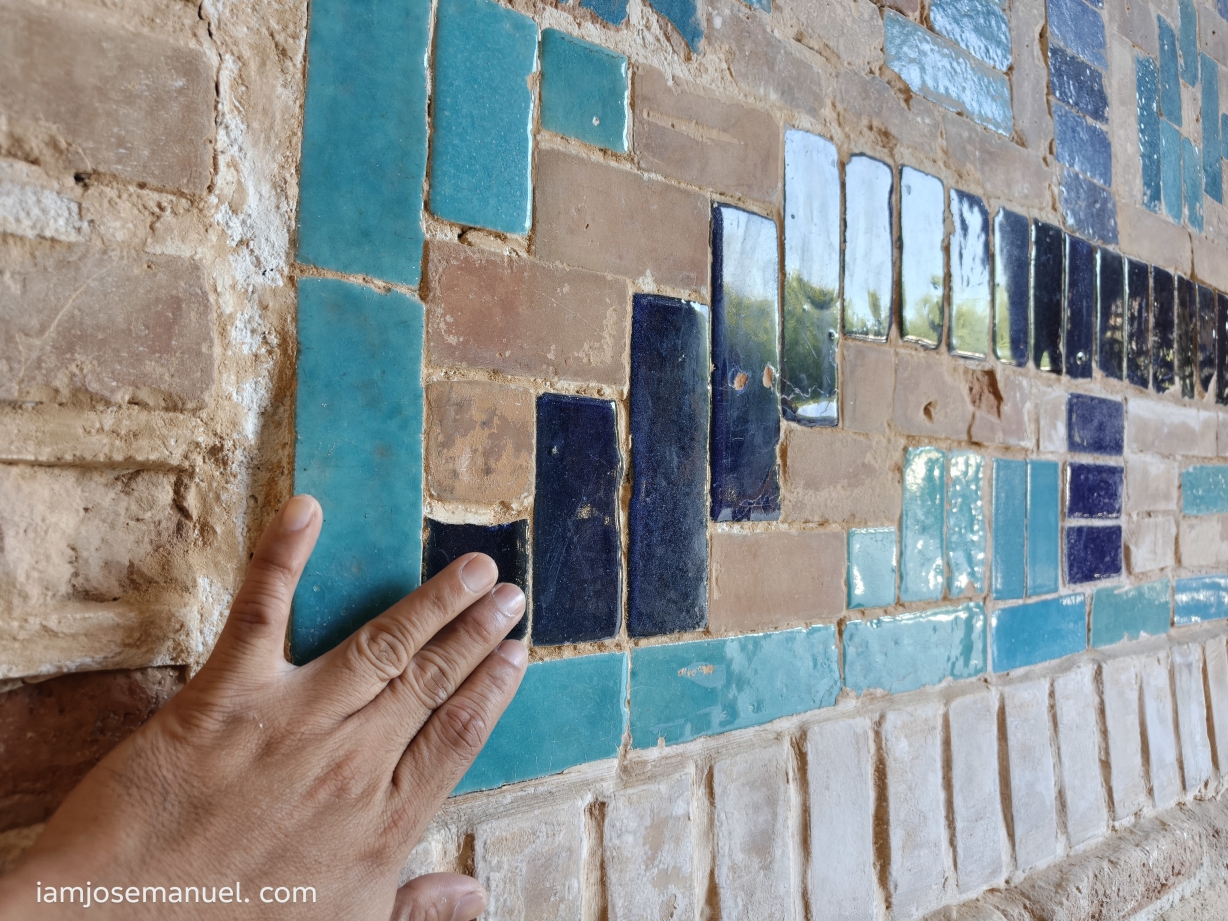
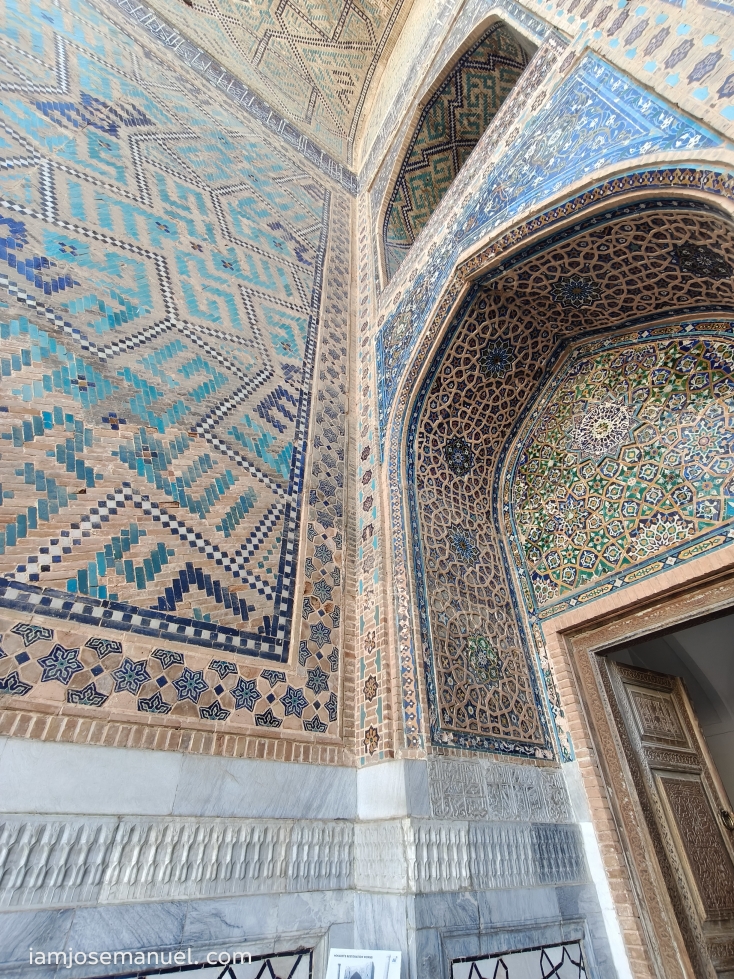
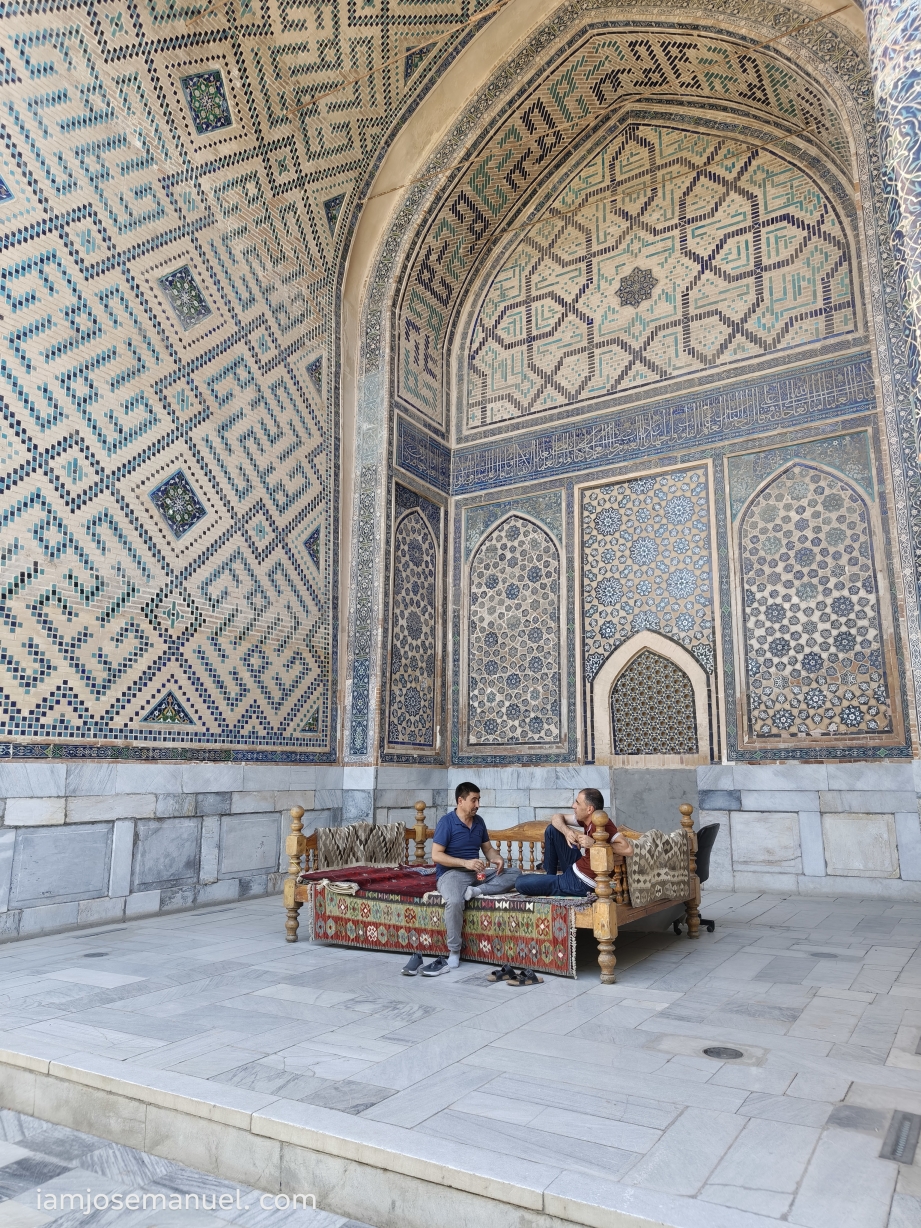
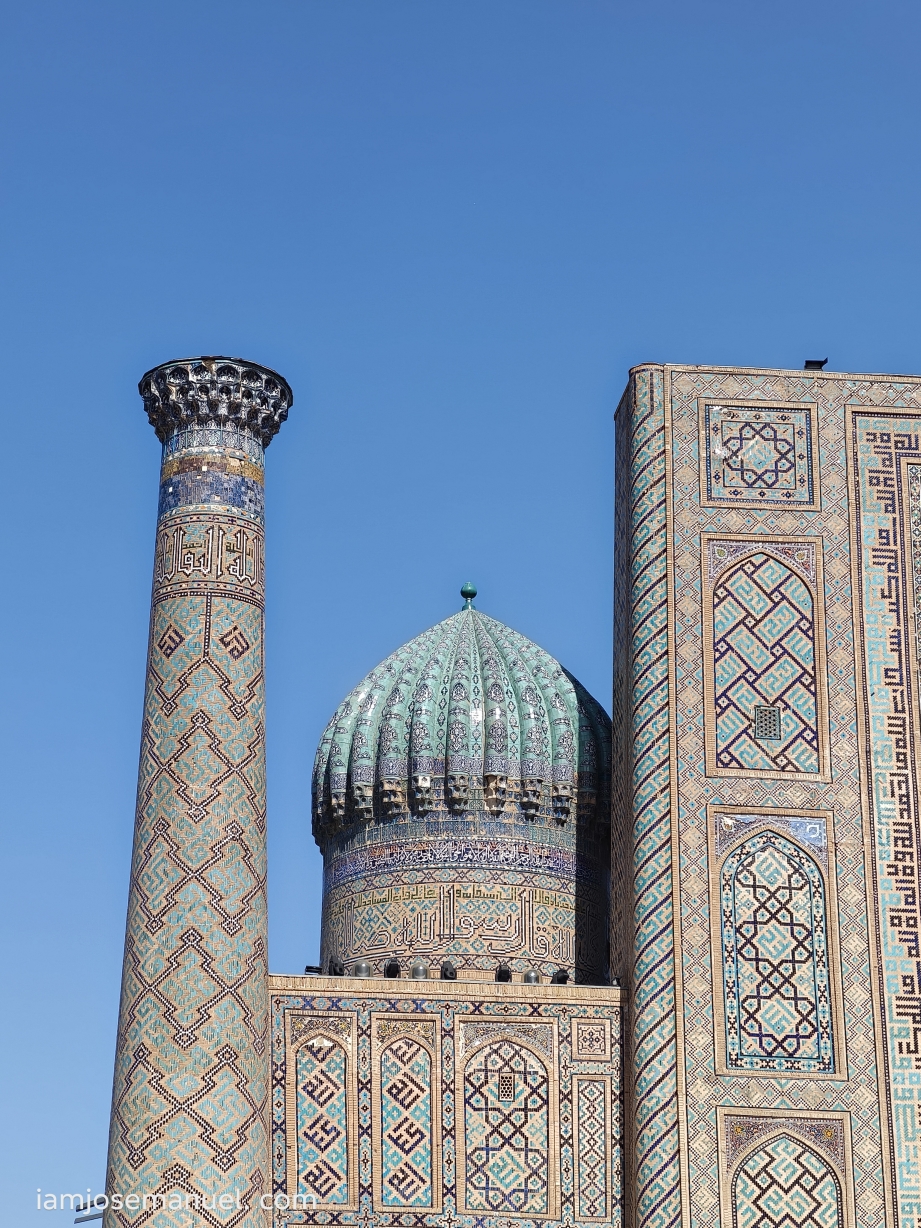
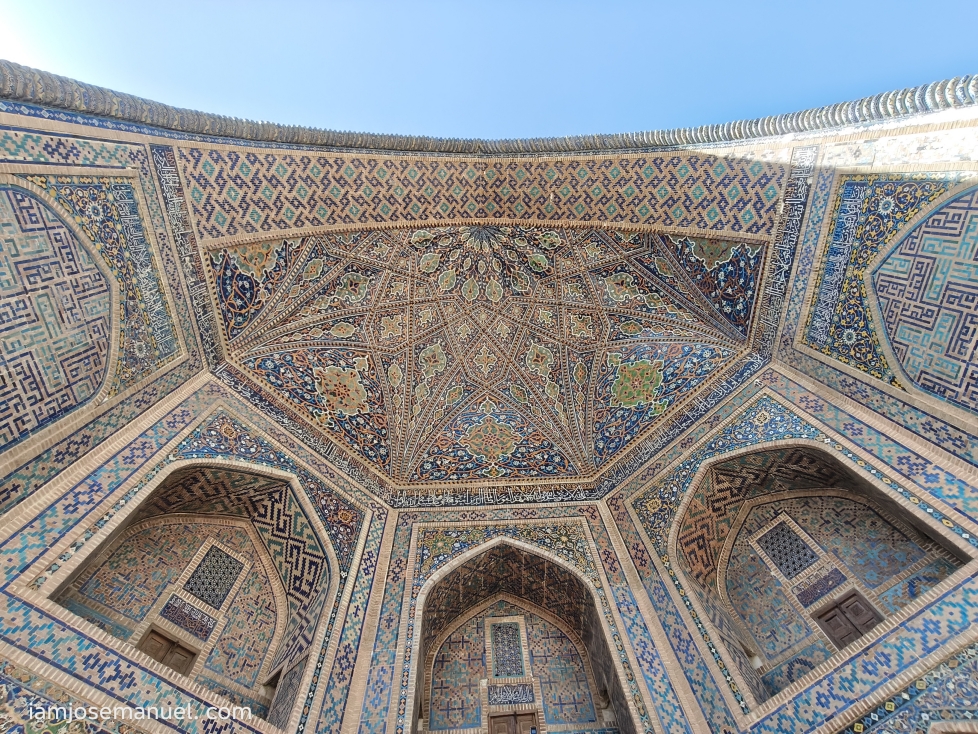
Notice the intricate mosaic tile works done on the Madrasa’s facade. The Ceramic/glazed blue tiles are arranged in an alternating pattern with matte/colorless pieces to achieve a glimmering effect. Truly a work of art. Islamic Architecture in full glory.
The turquoise-blue colored Domes define Uzbekistan’s famous Islamic architecture, representing heaven, infinity, and peace. These Madrasas today serves as museums for ancient islamic documentations as well as artifacts, gold, bronze and chinaware from the time of the Silk Road.
The registan square illuminates beautifully at night. There is also a light show at around 8:30 PM every night.
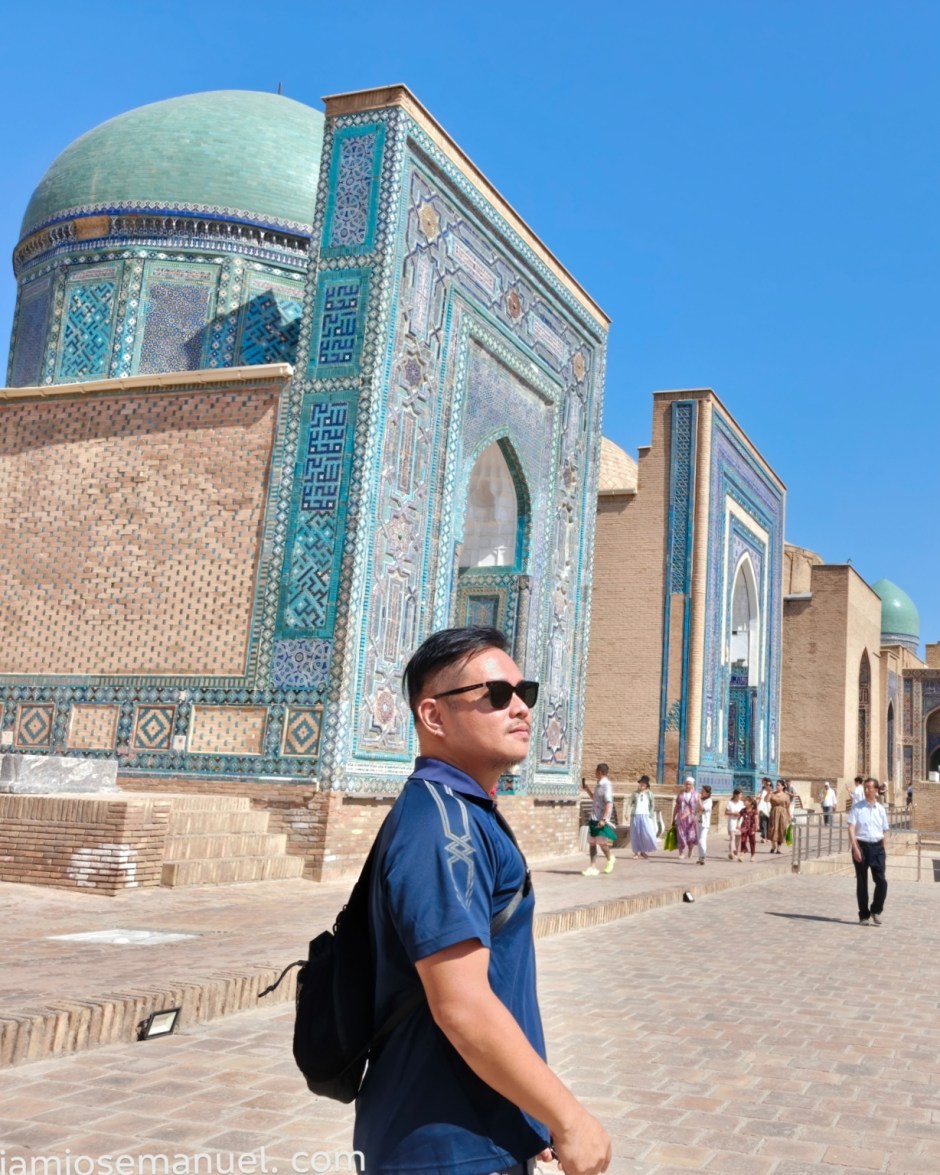
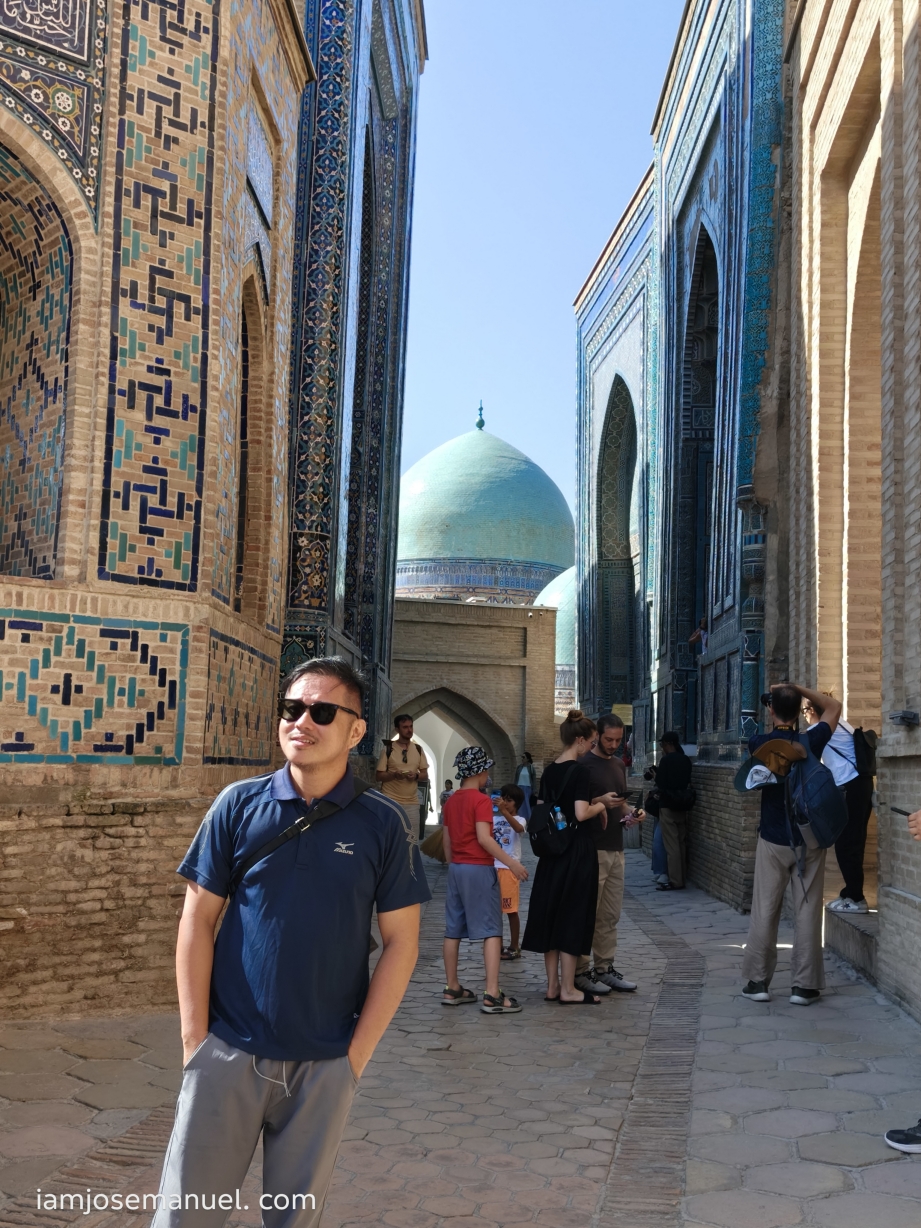
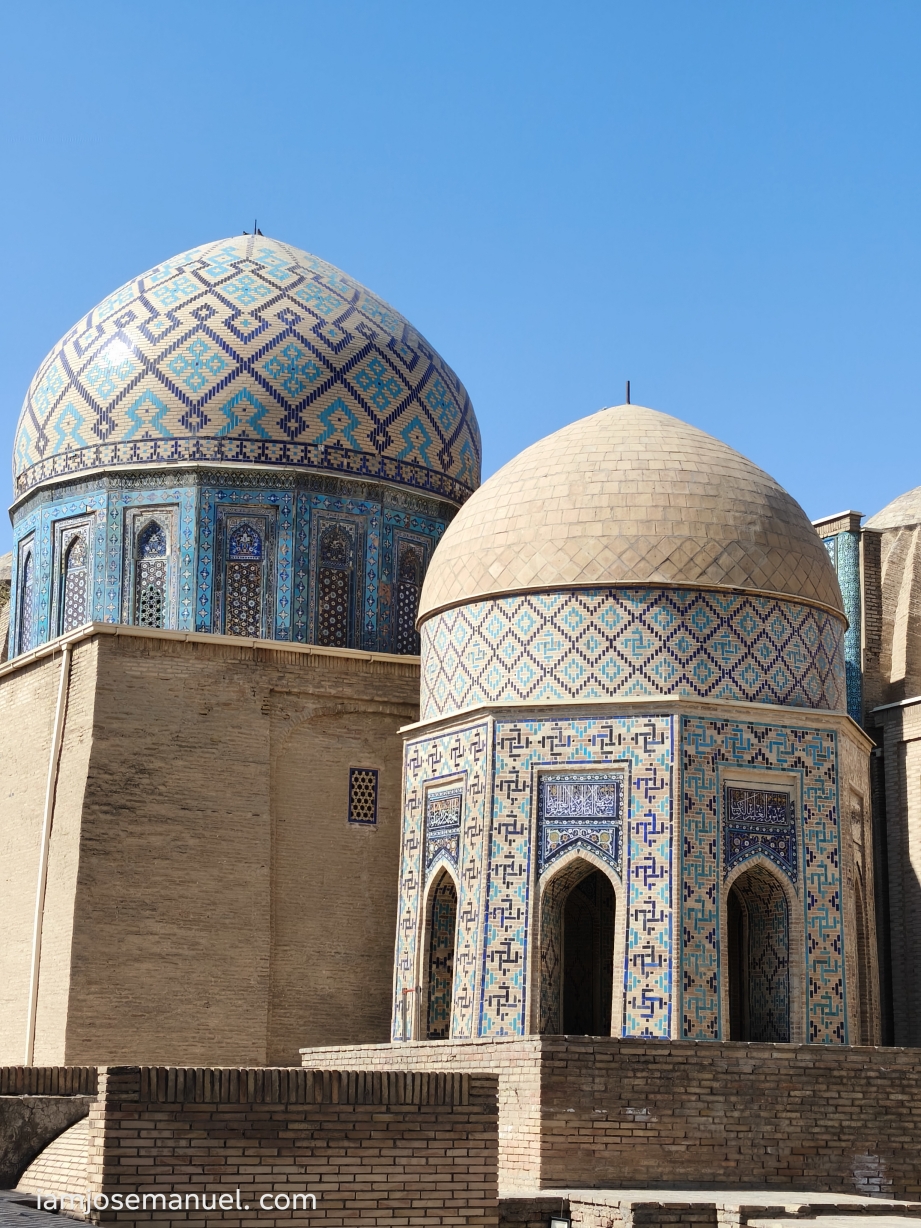
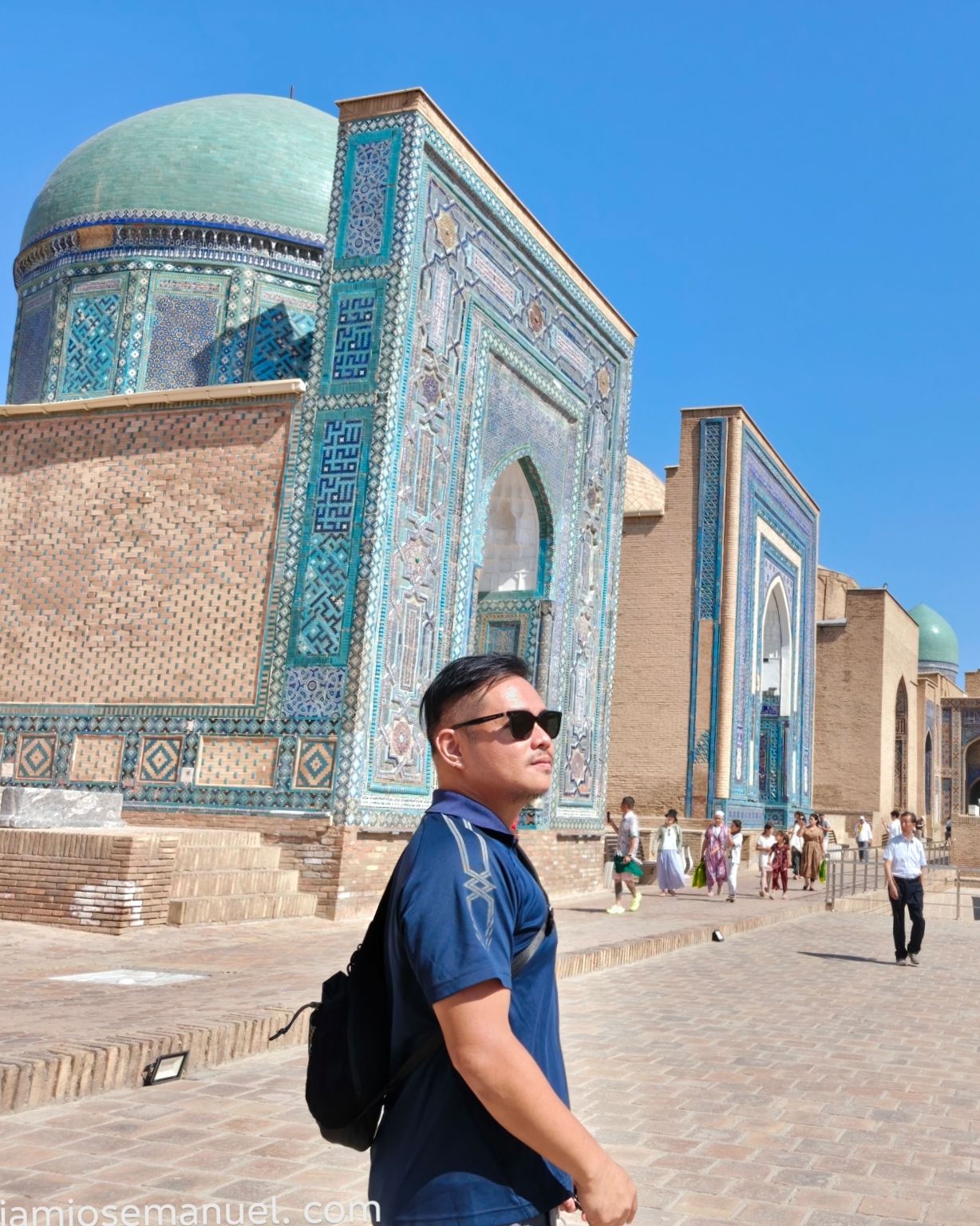
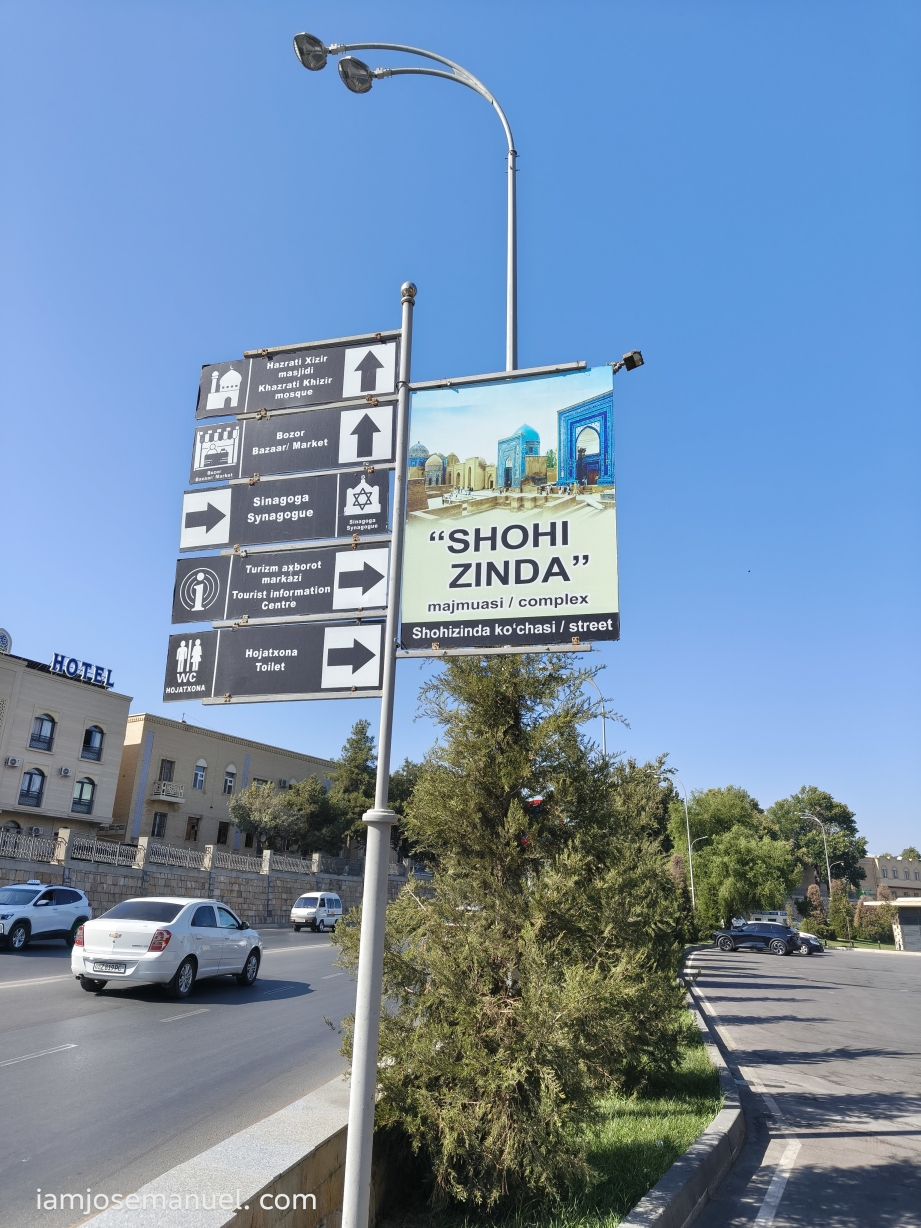
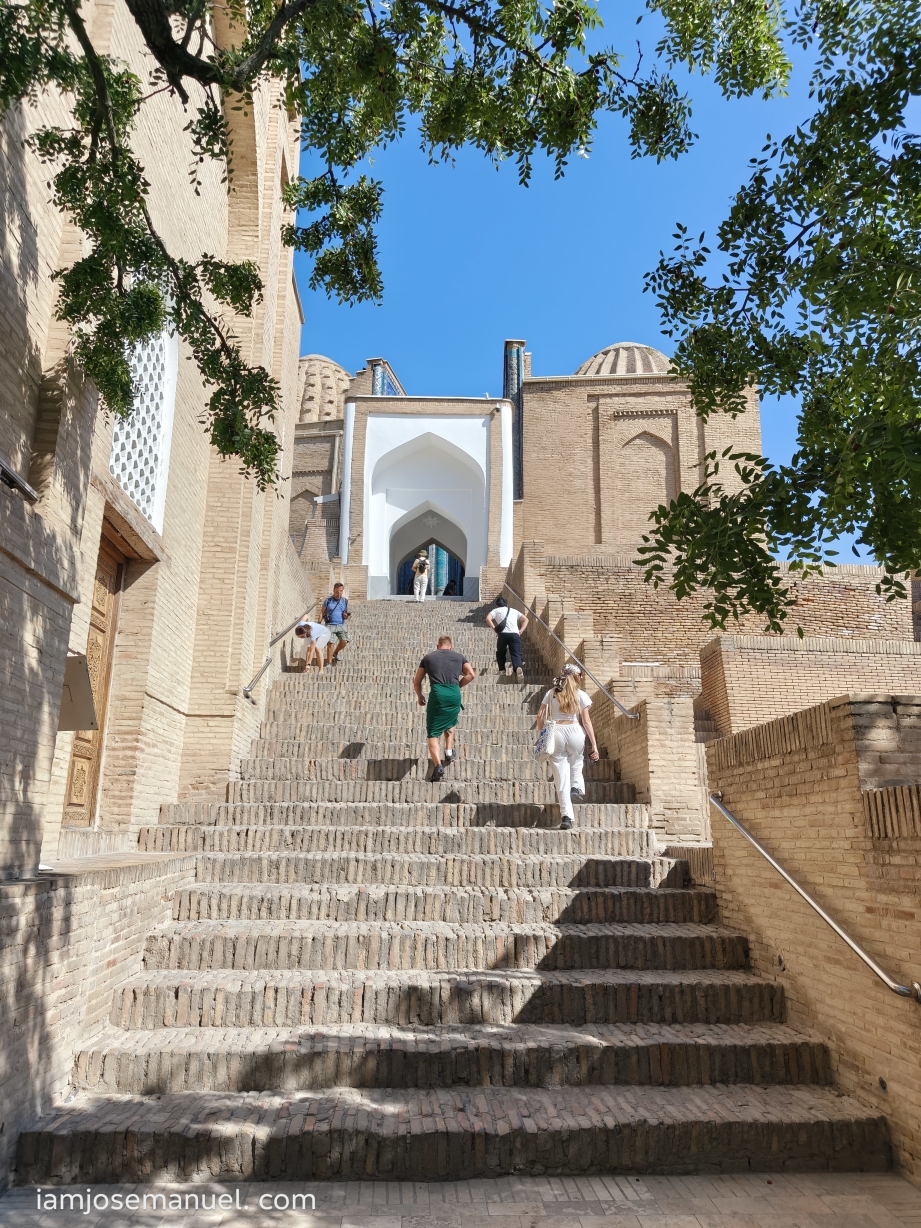
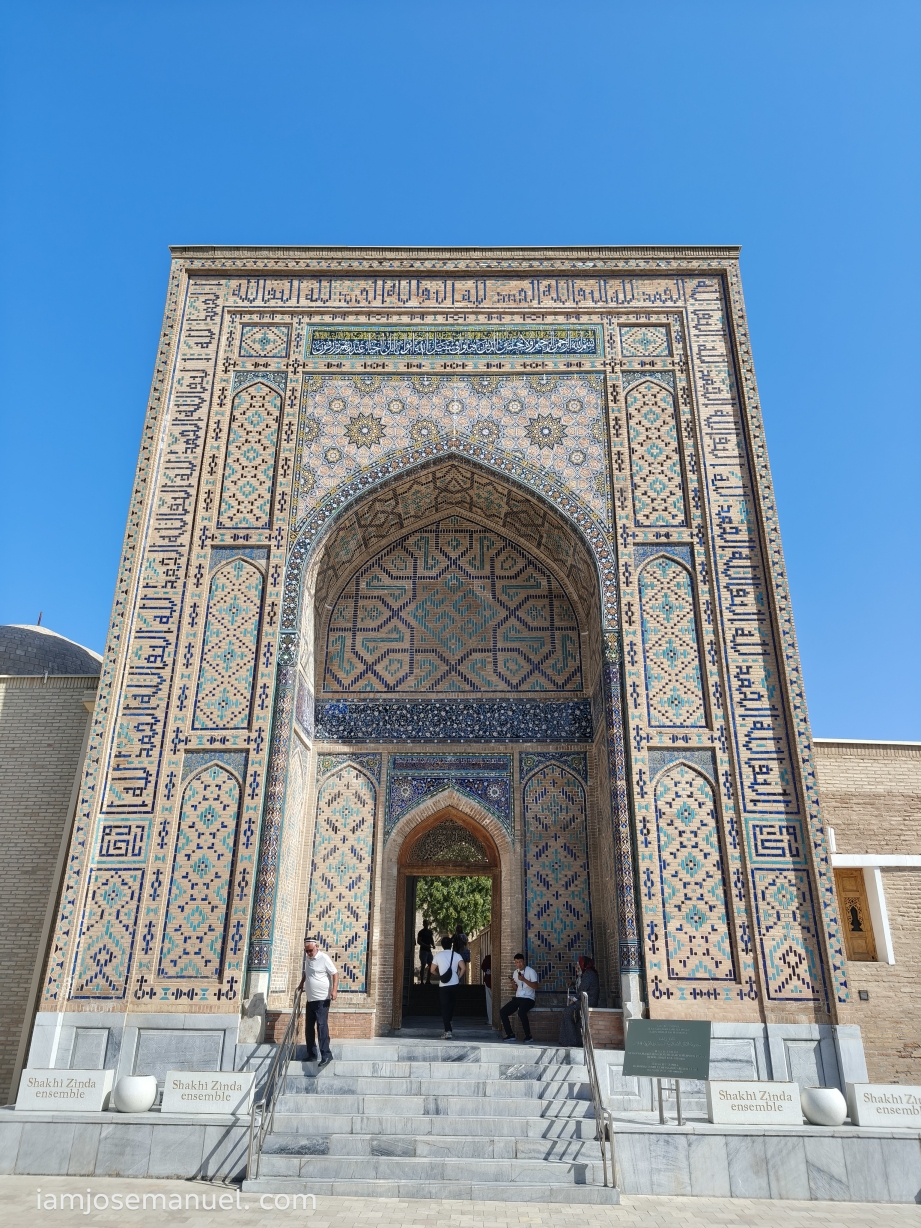
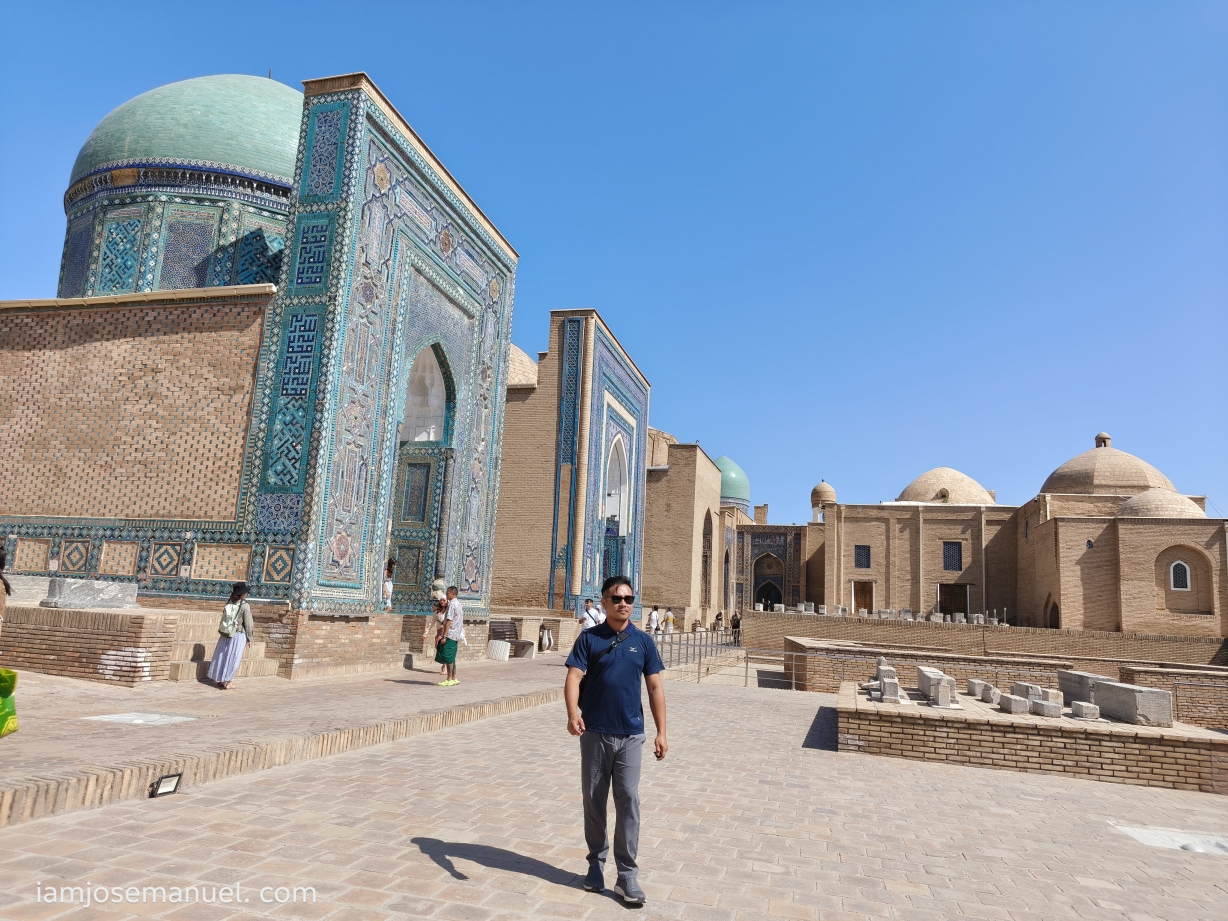
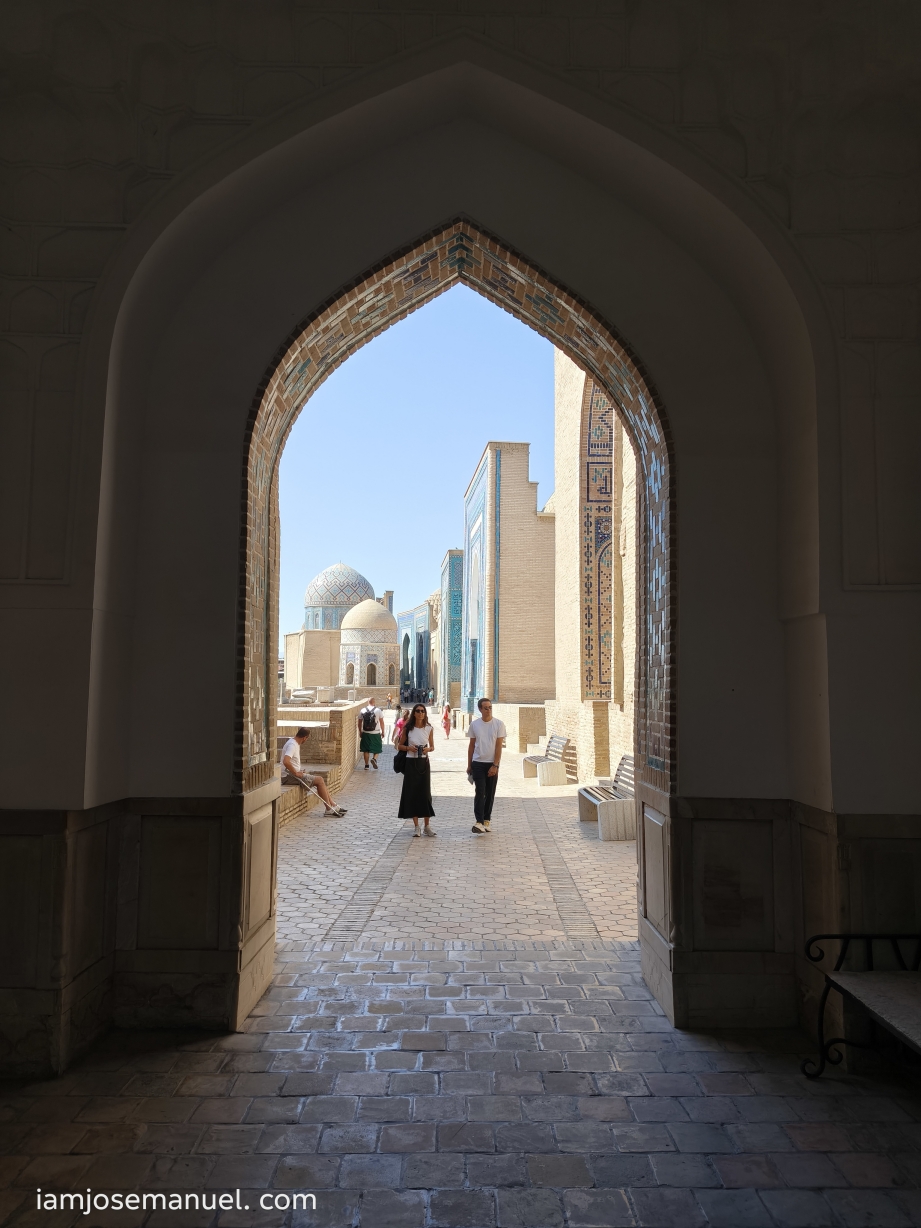
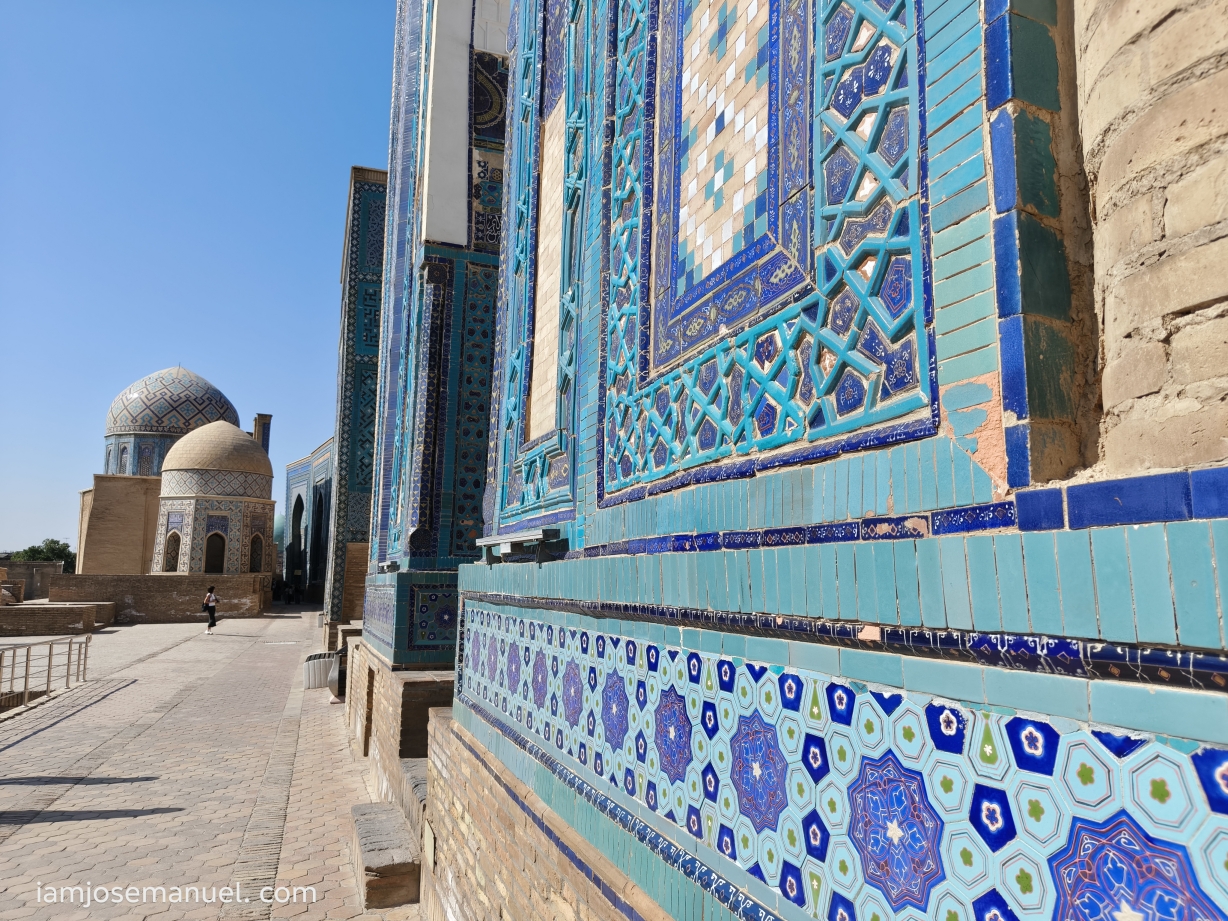
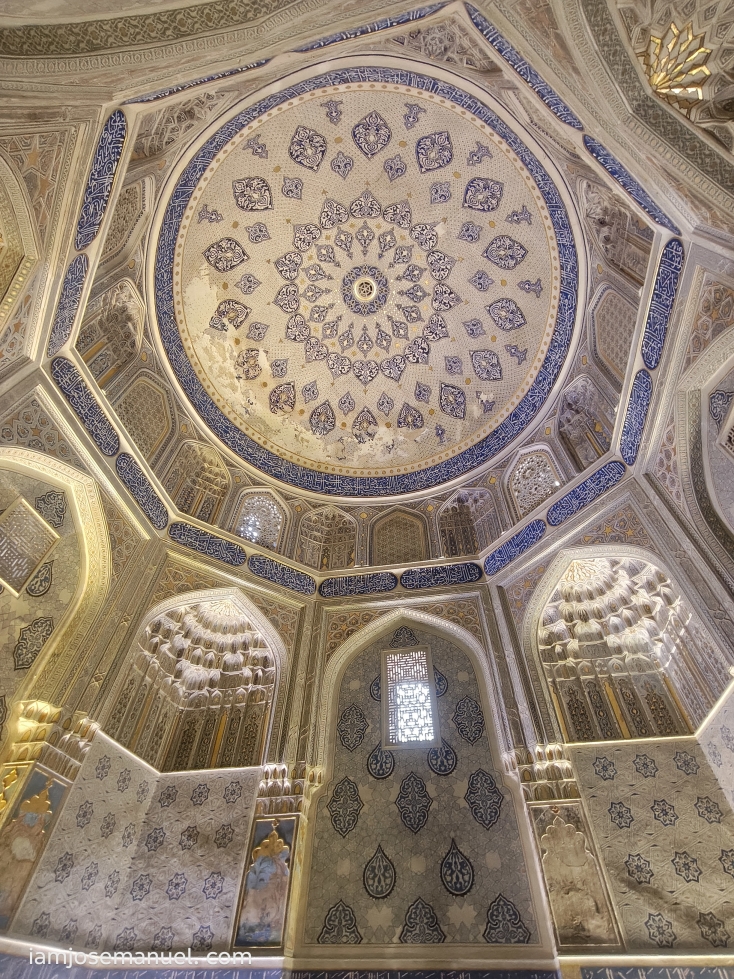
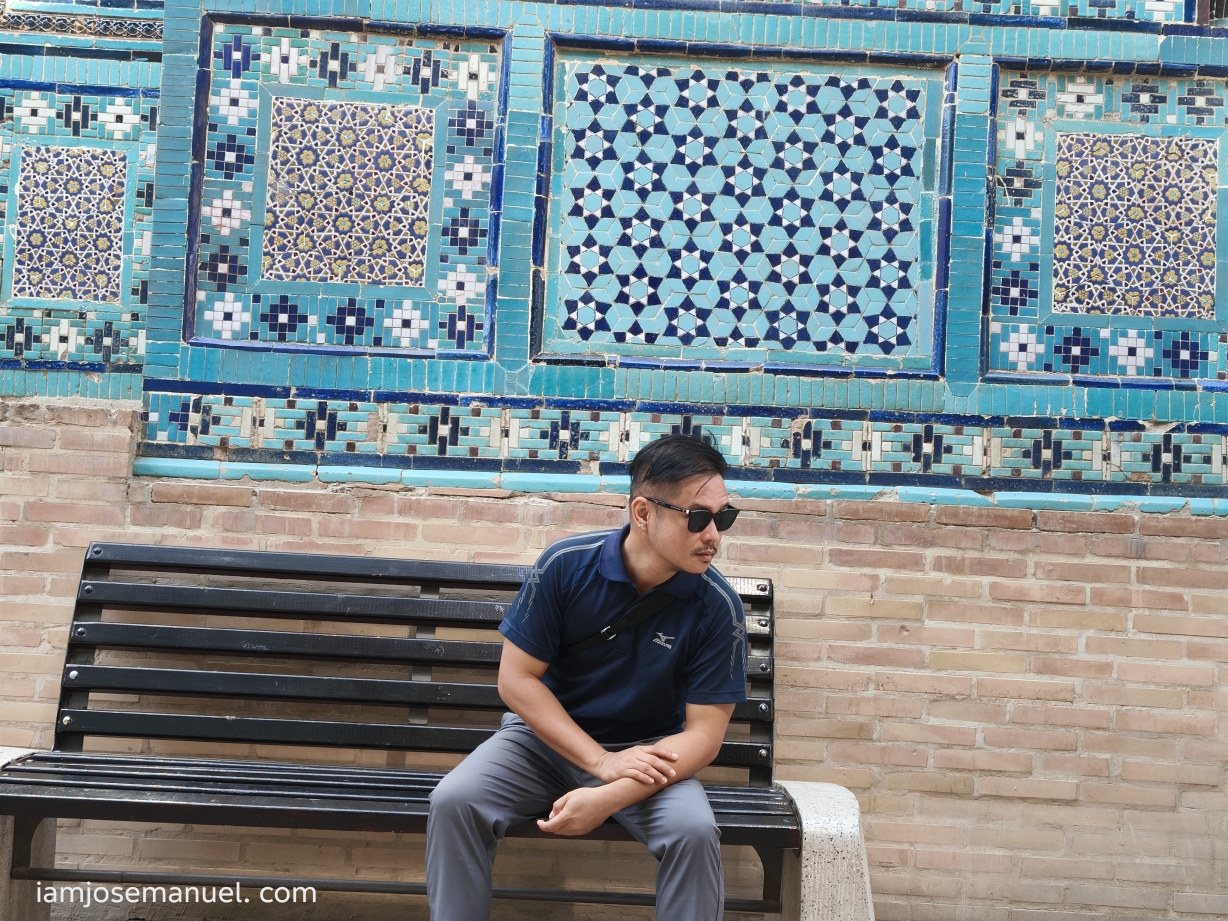
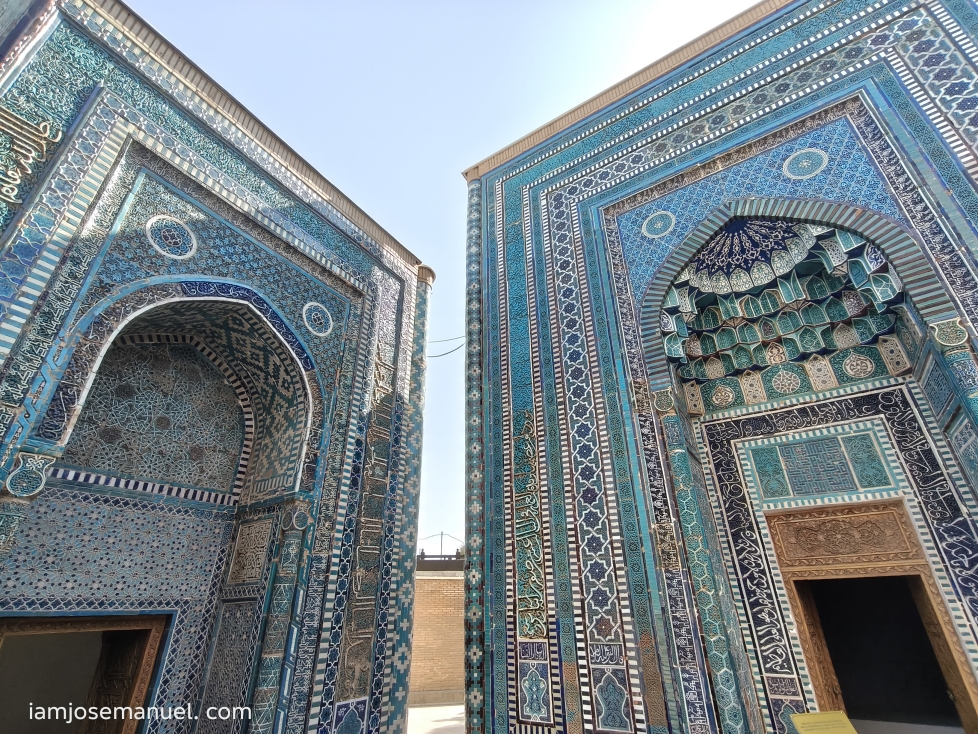
Shah-i-Zinda is a historic necropolis/mausoleum complex and pilgrimage site in Samarkand, known for its striking avenue of brilliant blue mosaic tile facade and turquoise blue domes.
Walking through the corridors feels like travelling to ancient arabic times.
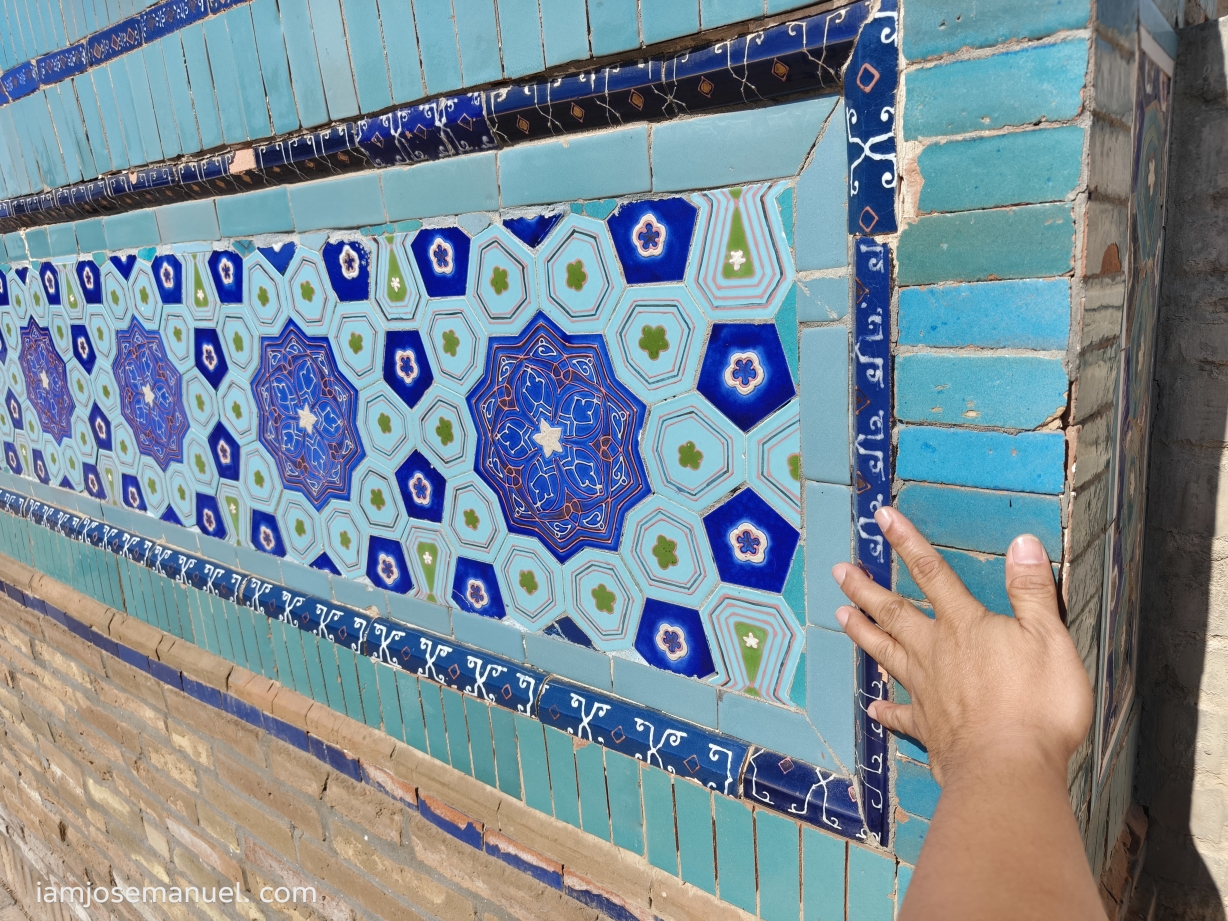
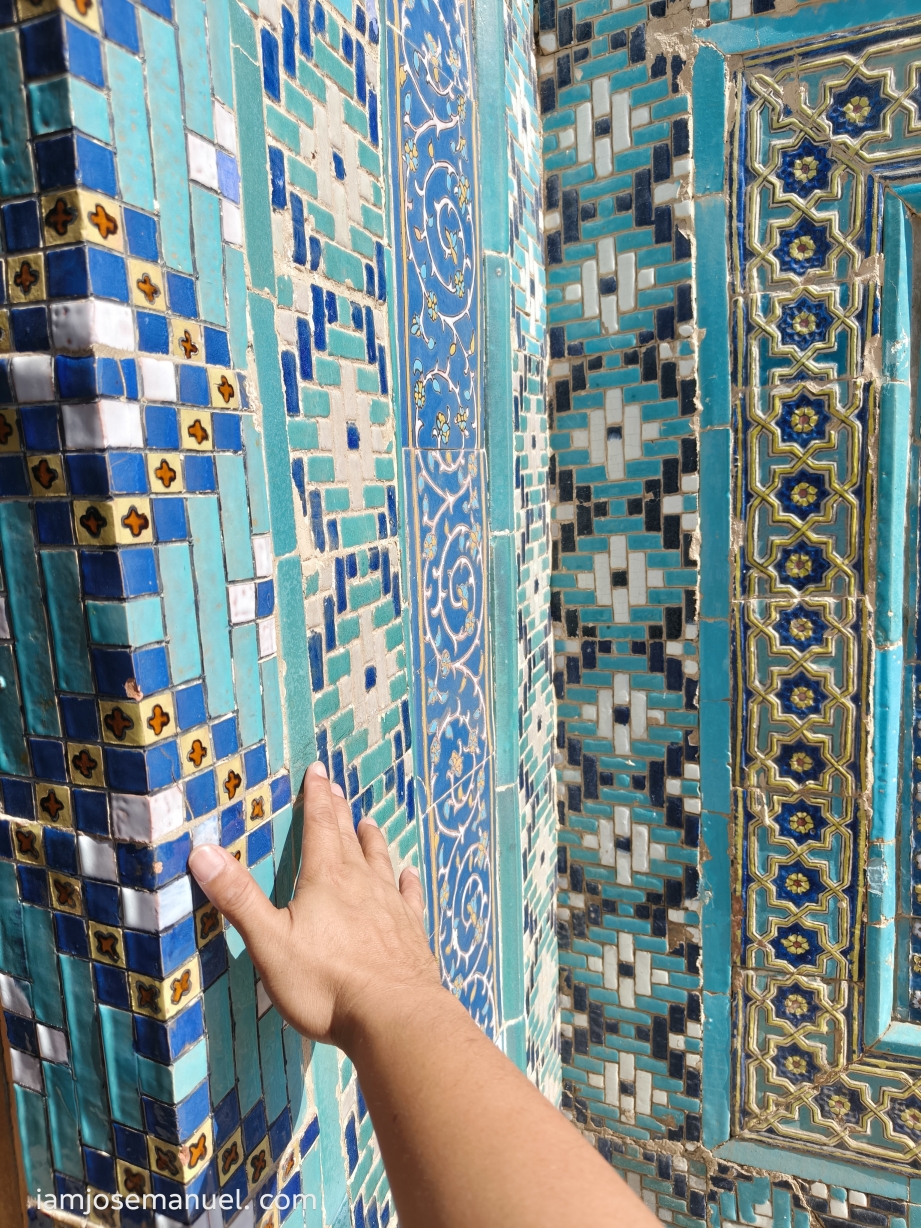
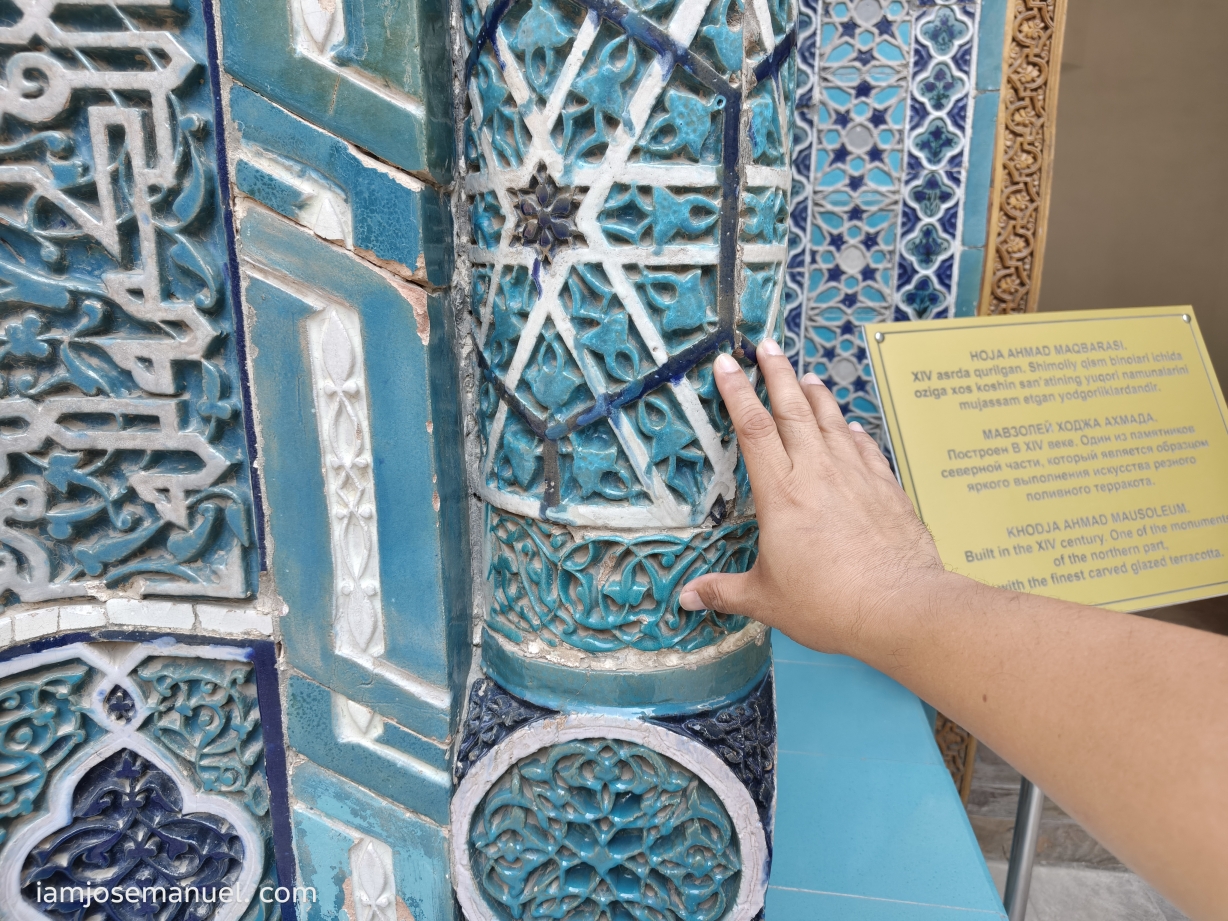
The detailed mosaic tile works of the mausoleums is worthy of all the praises. It was said that the Mongol conquerors of the 12th century has spared this complex from destruction, because they found it valuable and irreplaceable. some of the tile pieces are hand-carved individually.
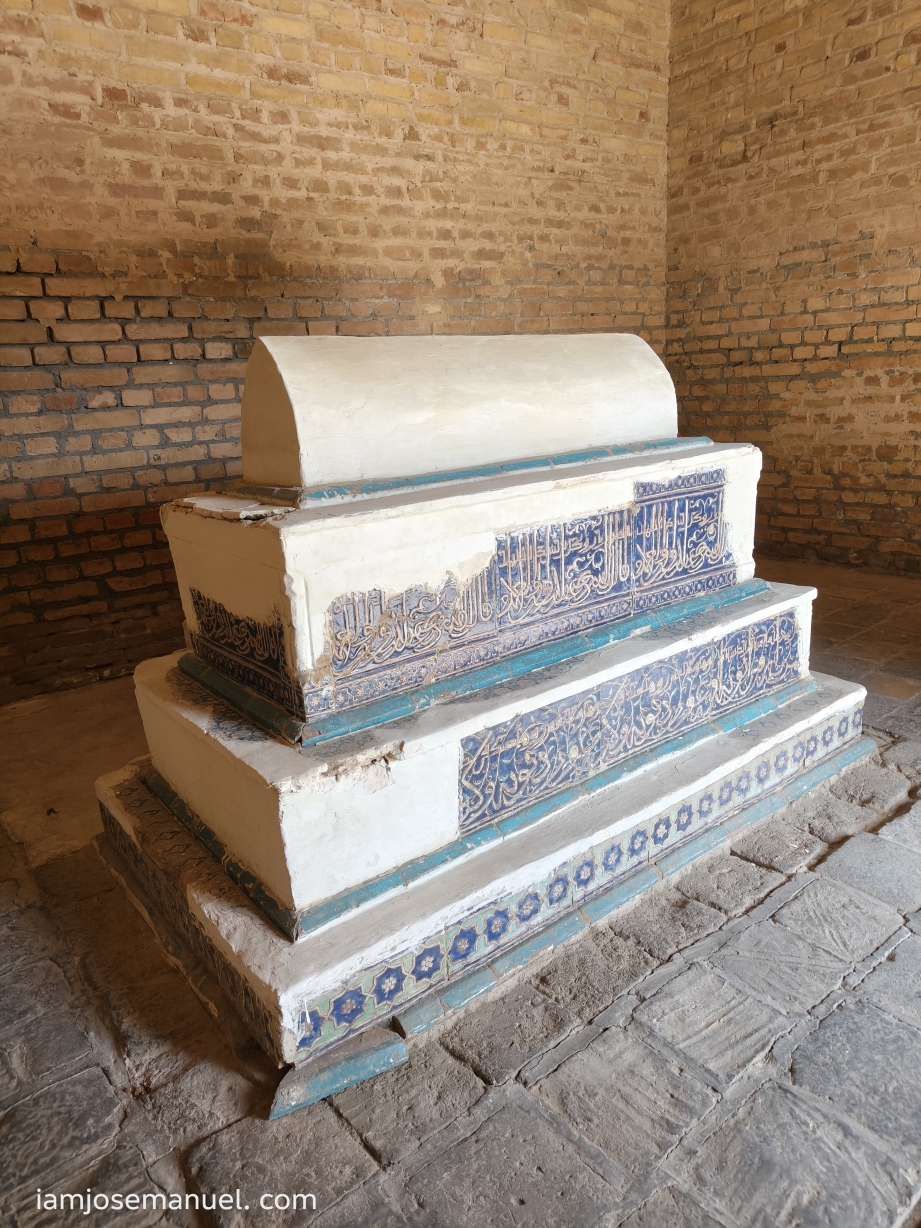
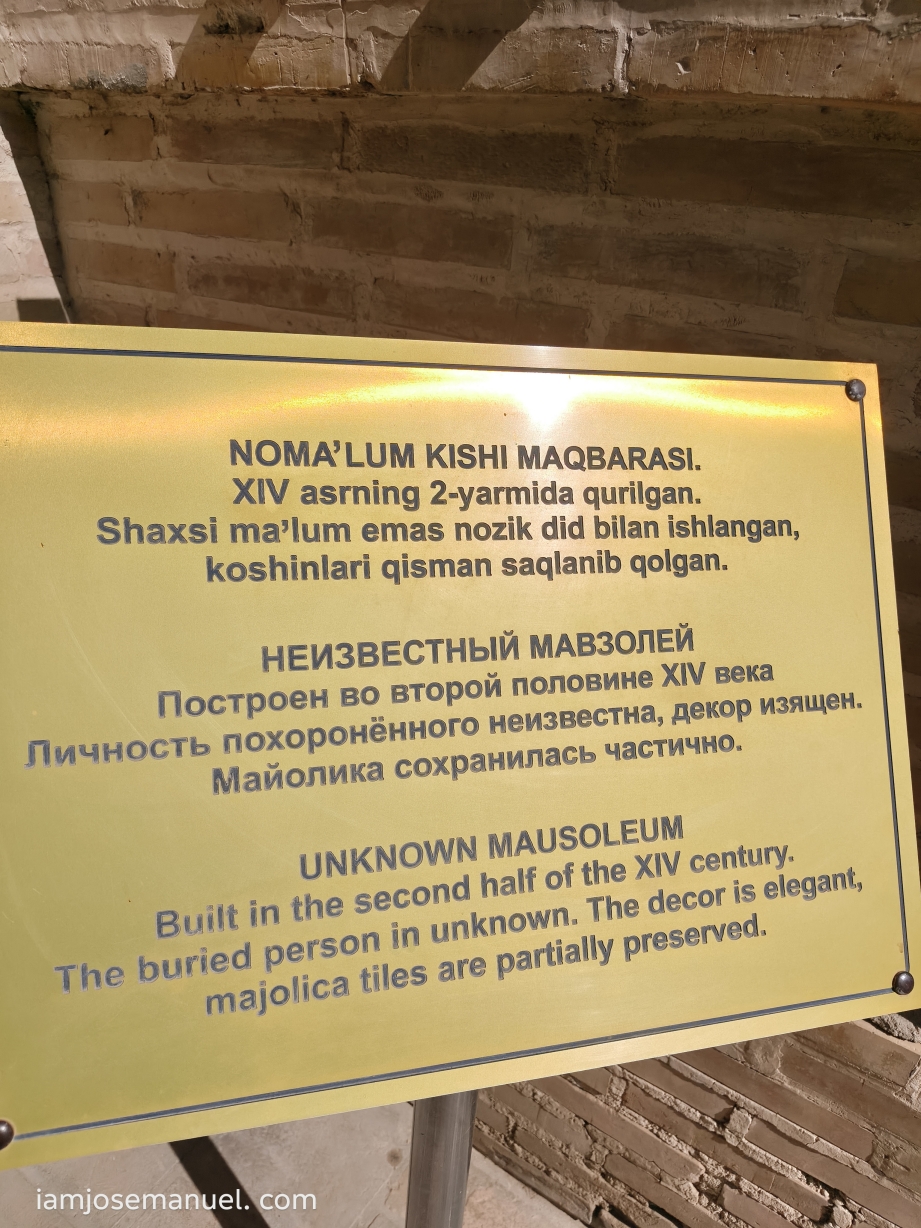
Many tombs in Shai Zinda belong to the nobility from as early as the 11th Century. Yes, actual people were buried here, and are still honored by their family lineage today.
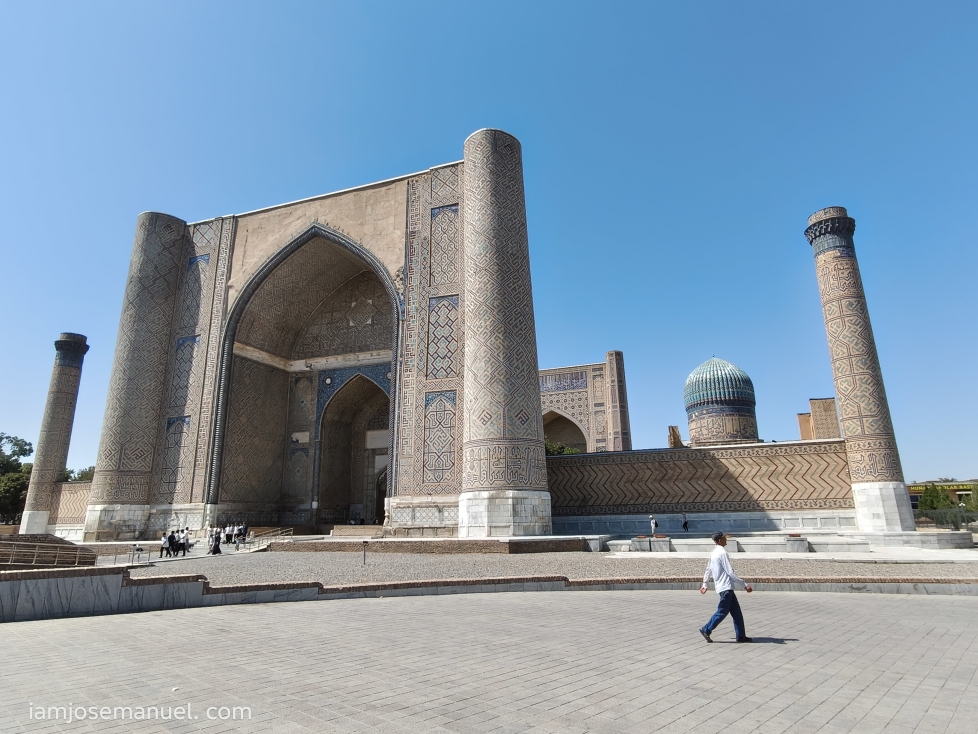
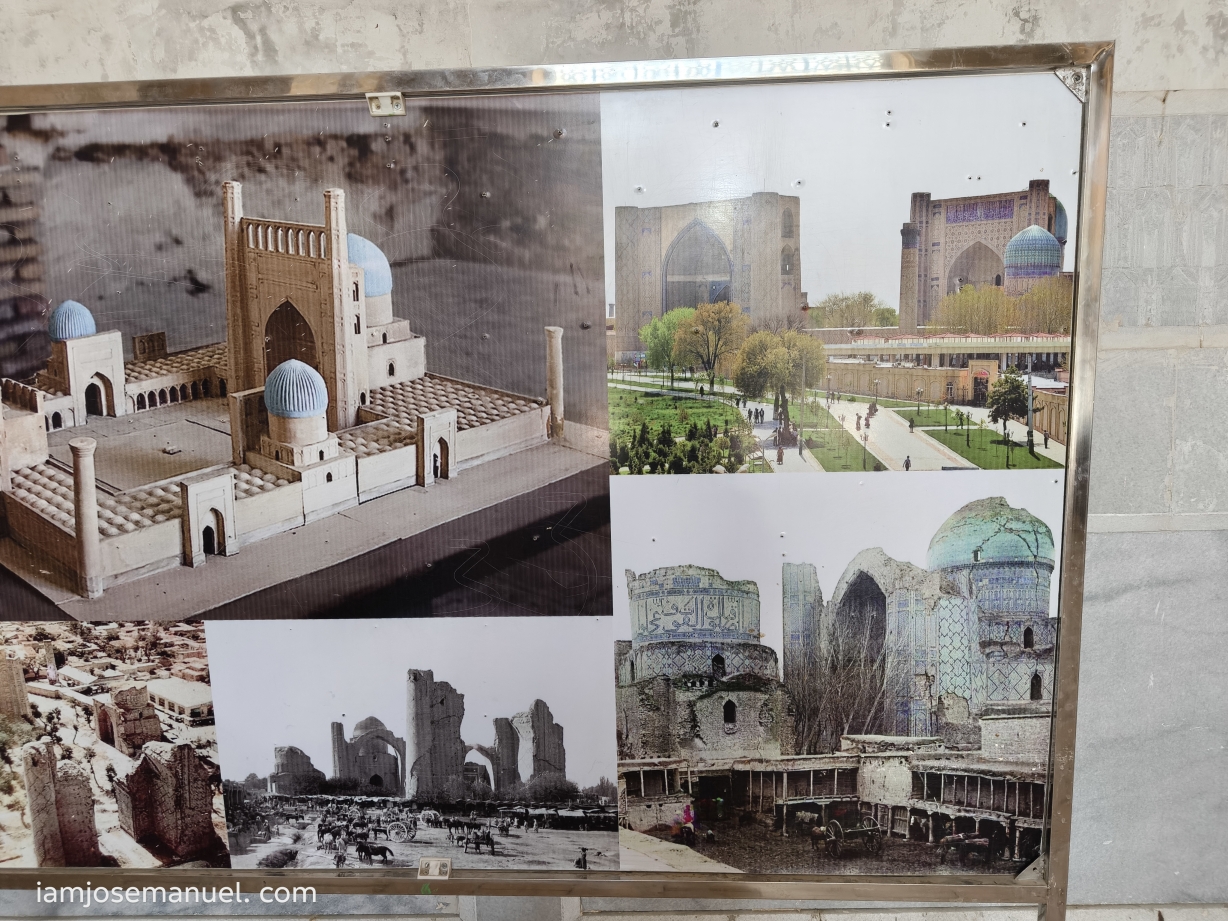
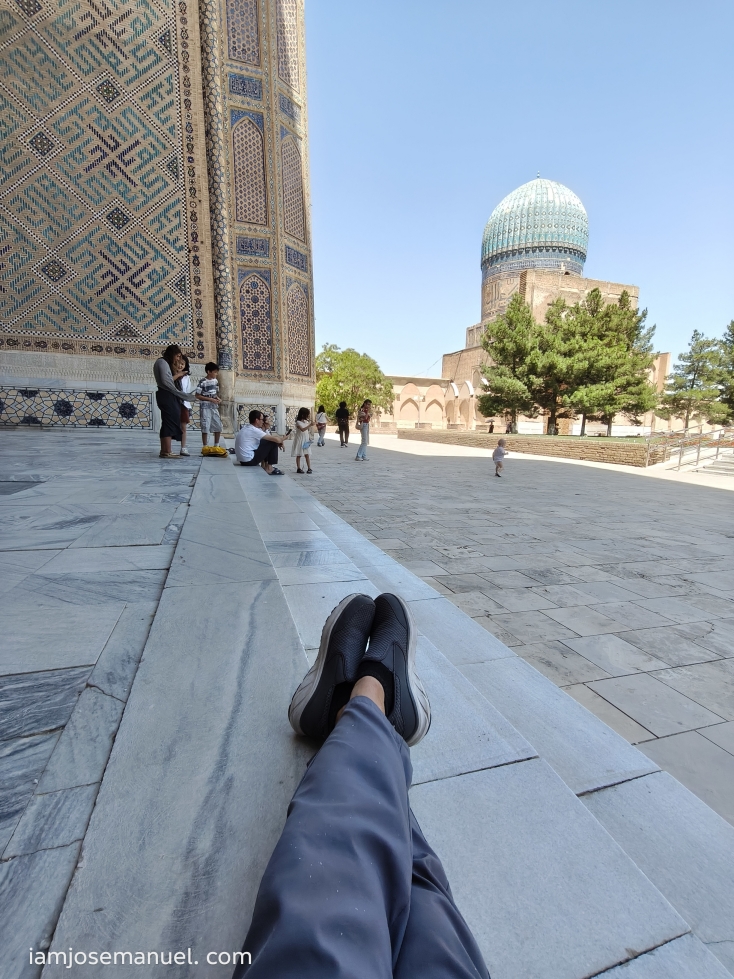
Bibi-Khanym Mosque It is considered a masterpiece of Uzbekistan. Built in the 15th Century, it was one of the largest mosques in the Islamic world during its time. Outside the mosque are other minor mausoleums, as well as the Siyob Bazaar/market which is also worth a visit. The mosque tends to be less crowded compared to the other sites. I spent some time here to rest and just feel the history around me.
The Registan Square, the Shai Zinda Mausoleum and Bibi Khanym Mosque are all connected by a straight walking street lined by trees, local shops and restaurants. Very convenient for tourists.
A vibrant, predominantly Islamic country located in the heart of Central Asia, Uzbekistan is a land rich in history and glorious, well-preserved Islamic architecture. Ancient cities in Uzbekistan served as the geographic and economic center of the Silk Road; an unavoidable crossroad connecting traders between China, India, Persia, and the Mediterranean/Europe.
Silk Road was the massive network of ancient land routes that connected China, the Middle East, and Europe (around 600 BC until 1453 CE). In the early days when Galleon trade (large maritime trading, colonial ships) were not yet a thing, the silk road was the main channel for trading, as well as sharing religion, beliefs and exchange of knowledge and technologies. The Silk Road got its name from the main trade product of Ancient China, which is the silk fabric. Other than silk, Chinese merchants traded tea, porcelain, and jade while the Romans/Persians traded spice, gold, silver, wool, and in later times, glassware.
Samarkand, Uzbekistan’s oldest city, was founded around 650 BC; while Tashkent and Bukhara trace its roots back to the 1st millennium BC (that’s even before the time of Jesus). Back in the days, Samarkand and Bukhara were already known and documented under these ancient names. Today, these cities live and continue to tell its stories.
During my Central Asia trip, I intentionally planned to stay in Uzbekistan the longest so I had enough time to visit Tashkent, Samarkand and Bukhara. Uzbekistan was definitely the highlight of the entire trip.
E-Visa Requirements to prepare:
Valid Passport: Scanned colored copy of bio page in jpeg format. file size less than 1 MB.
Digital Photo: A recent color passport-size photo in jpeg format. file size less than 1 MB.
Accommodation details in Uzbekistan. Contact information including phone number and email. Booked mine thru Agoda. Since I intended to visit three Uzbek cities, I provided my first night hostel details, which is in Tashkent.
No flight details required. just the intended date of entry and exit.
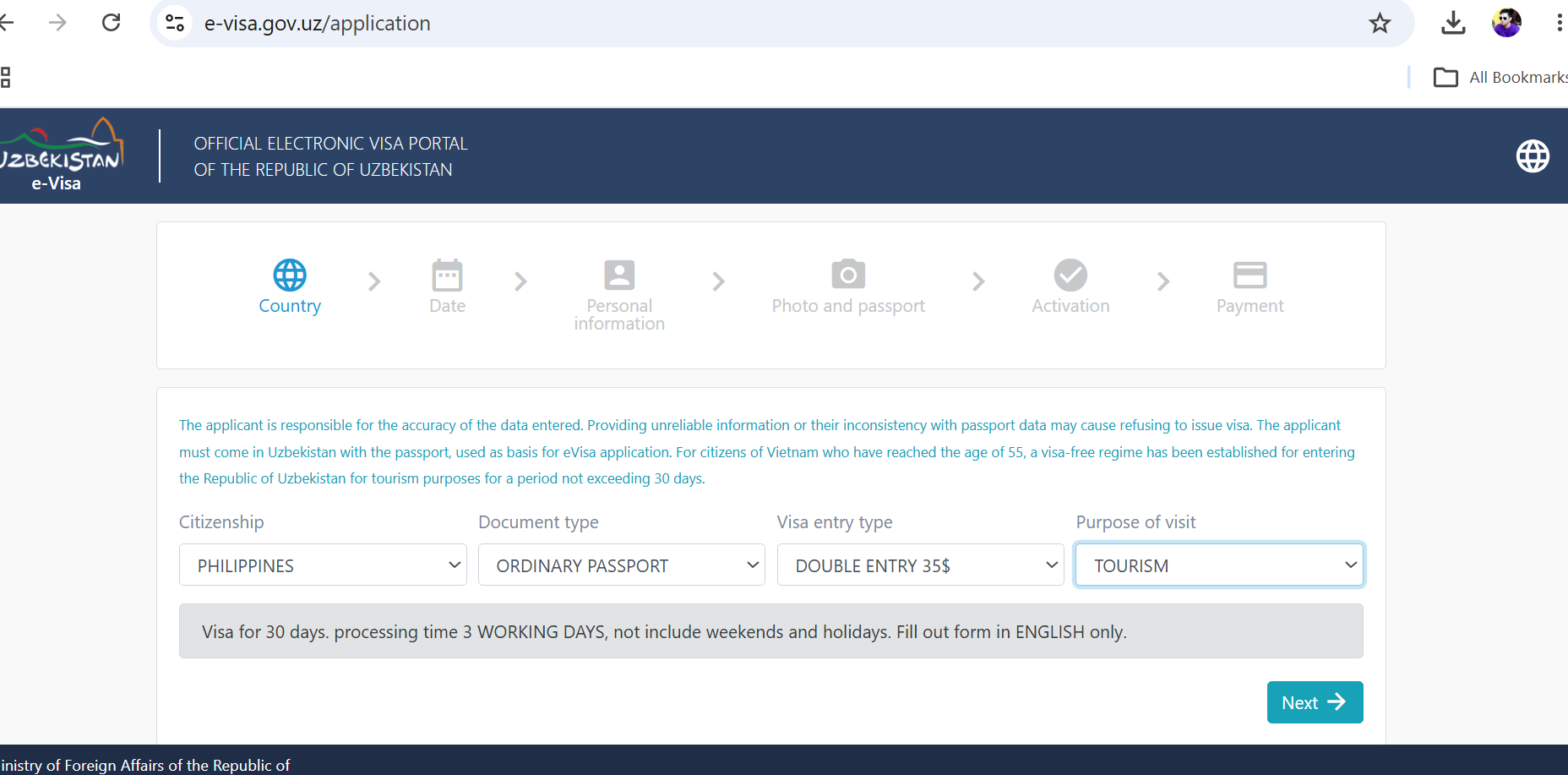
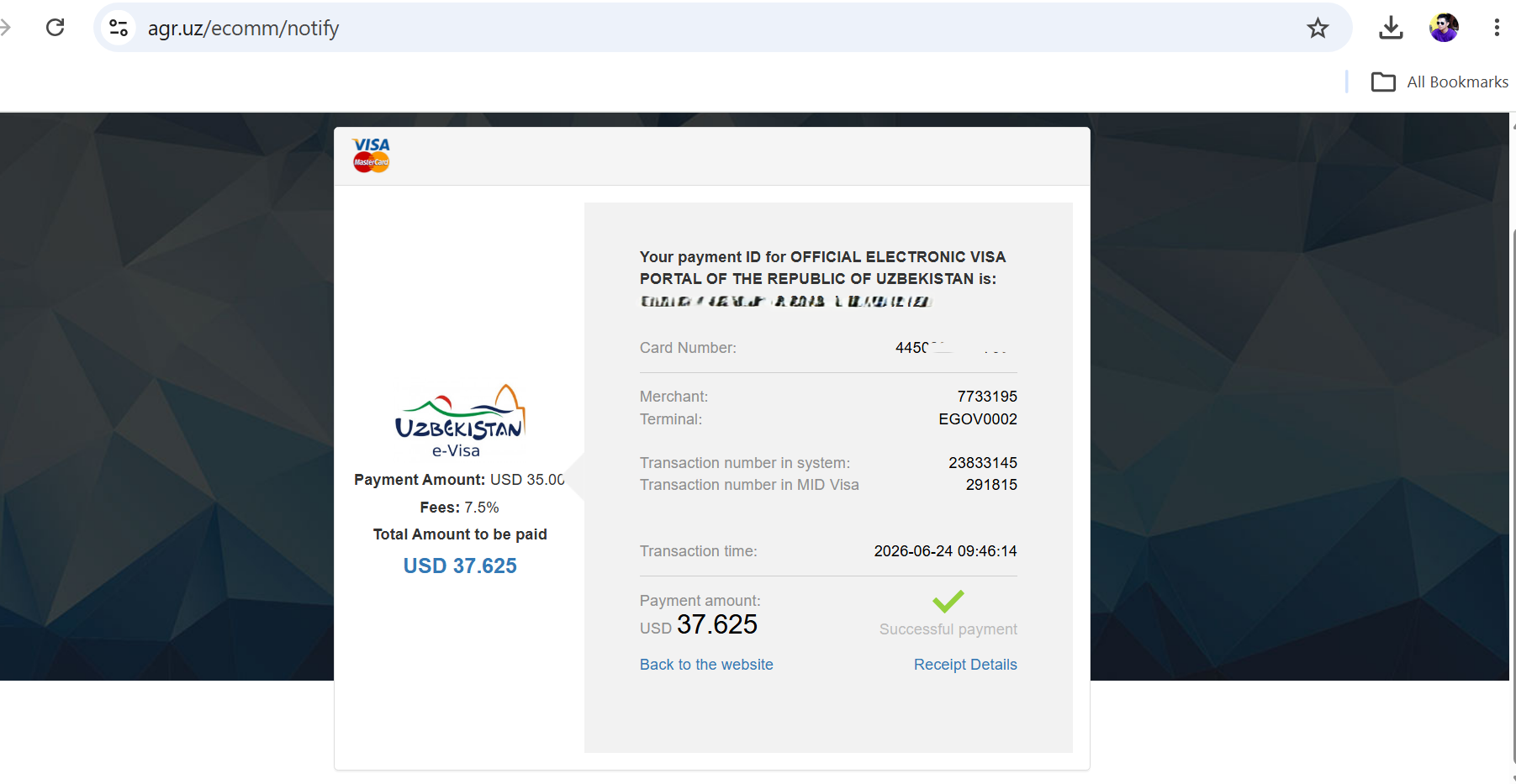
Payment Card: A valid Visa card to pay the online fee. 20 USD – Single Entry, 35 USD – Double Entry, plus a small processing fee. I applied for double entry since I intended to visit the neighboring Tajikistan by day tour.
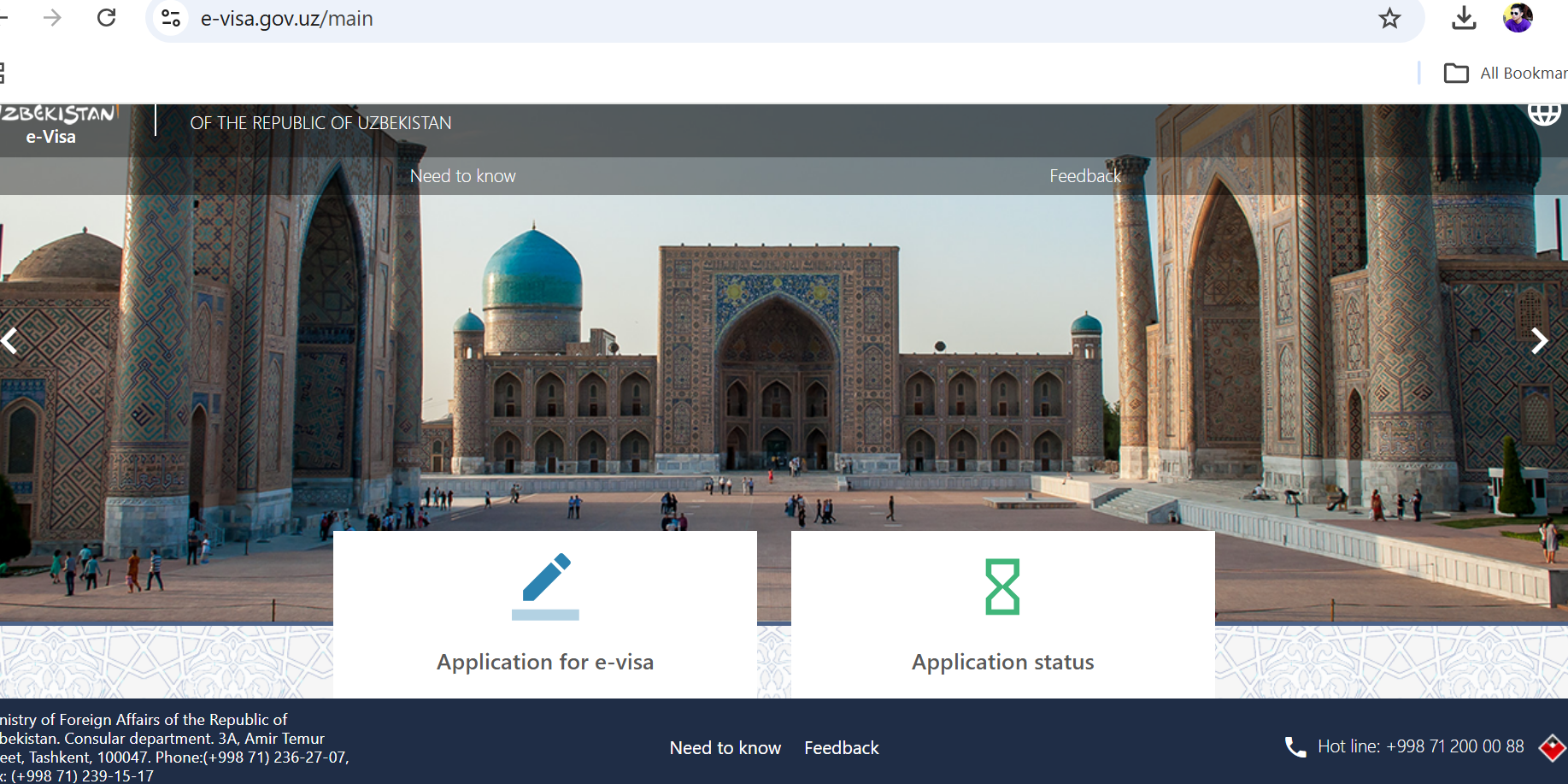
See E-Visa website screenshots below for reference.
Online application form/interface was simple and straightforward. I applied for E-visa 60 days before my intended trip. Got the approval within 3 days via email.
My Central Asia route: Fly to Almaty,Kazakhstan > Bus to Bishkek,Kyrgyzstan (4 hrs) > Fly to Tashkent,Uzbekistan (1 hr)> Regional Train to Samarkand,Uzbekistan (3 hrs) > Day trip to Panjakent,Tajikistan by van(1.5 hr) then back to Samarkand > Regional Train to Bukhara,Uzbekistan (3 hrs).
Option: Bishkek to Tashkent can be done by bus+train combo, but it takes so much time since dadaan ulit ng Almaty. As such, I opted to take an hour flight with Uzbekistan Airways. Flights between Central Asian cities are relatively inexpensive.
Where I booked my Regional Train Tickets: 12go.com . The Uzbek Train official website did not accept my local credit cards as payment. 12go was easier to use, with a small convenience fee. I booked my train (SHARQ) tickets around 45 days before my intended trip. Online booking only open 45 days prior. sometimes 30 days. I highly suggest joining UZ travel forums on facebook for exchange of info.
Highlights of Tashkent, the capital city and major/modern gateway of Uzbekistan.
Highlights of Samarkand. Standing for over 2,700 years, it is one of the oldest continuously inhabited cities in Central Asia. Founded in 650 BC, it is as old as Rome and Athens. Samarkand is famous for the glorious Islamic Architecture, polished turquoise blue domes and perfectly restored mosaic tileworks on Mosques and Madrasa Building(school).
Highlights of Bukhara. Designated a UNESCO World Heritage Centre, the old quarters is somewhat like an open air museum, with well preserved Islamic Architecture elements like the Poi-Kalyan minaret (call for prayer tower), mosques and mausoleums. Compared to Samarkand, Bukhara is more rugged and unpolished/rough on the edges, offering an old world feels. It is also relatively smaller. I stayed at a guesthouse in a community just outside of the old fortress.
Helpful Travel Tip: Yandex Apps are your best friends in Central Asia.
Yandex Go– for my taxi rides. Installed this with my Android, and registered an account BEFORE I LEFT THE PHILIPPINES, using my local smart number. Cash payment only. Taxi rides are cheap in UZ; in the whole of Central Asia actually.
Yandex Map (as an alternative to google) for city bus and metro train/subway rides.
I used Gcash Visa Card for all my bus rides in Uzbek, as well as metro train. Contactless/tap and pay.
I did not buy na a local sim card on arrival. Instead, I purchased an international physical sim from Shopee (one sim for Central Asia etc-Kazakhstan, Kyrgyzstan and Uzbekistan. laking tipid nito), 10 GB. I did not have any problem with the sim. Matic transfer of network when border crossing between stan countries.
Pwede rin naman E-sim if you like. YESIM ang trusted esim ko for travel. Intall the app before leaving PH to avoid trouble.
Yandex Translate – English is very limited. Translators will come handy.
Money changers are not very common in Bukhara and Samarkand. Change bills in Tashkent upon arrival. Or you can just withdraw at the ATMs. Credit card payments are only accepted on bigger stores and restaurants. Even the guesthouses that I stayed in only accept cash. When going to UZ, take note of this.
Will upload a separate blog for each Uzbek city. Coming up.
Kyrgyzstan is another Central Asian country than can easily be accessed from Almaty, Kazakhstan. Four hours lang by public bus, for less than 10 USD. If you have extra time during your stay in Kazakhstan, pwedeng ma-add ang Bishkek sa travel route mo. However, unlike the visa-free Kazakhstan, may extra preparation lang for Filipinos, since we need to get a KGZ visa prior. Though easy lang naman. I’ll share it here. But first, quick intro muna.
Kyrgyzstan sits south of Kazakhstan, with Uzbekistan to the west, Tajikistan to the south, and China to the east. Magkakalapit lang sila. But of all the neighboring countries, the land border with Kazakhstan is the most accessible for international travelers. As far as I know, the land borders with Uzbekistan and Tajikistan are not easily available for tourists. But you can get a flight naman as alternative. Airfare between Central Asian countries are relatively cheap.
Kyrgyzstan is best known as the “Switzerland of Central Asia” for its dramatic mountain ranges, pristine alpine lakes, and deeply rooted nomadic traditions. But if you are not into hiking and mountaineering, I think Bishkek City is still worth visiting for it’s food scene, colonial soviet architecture and vibrant bazaar atmosphere. Bishkek is the capital and the biggest city in Kyrgyzstan. Compared to Almaty, Bishkek is more low-key, more culturally-rooted and is less westernized, in my opinion. But overall, the similarities between these two neighboring/sister countries are very obvious, especially on food and local produce. And just like other Central Asian countries, KGZ was also colonized and was part of the Russian Soviet Union. KGZ got its independence in 1991.
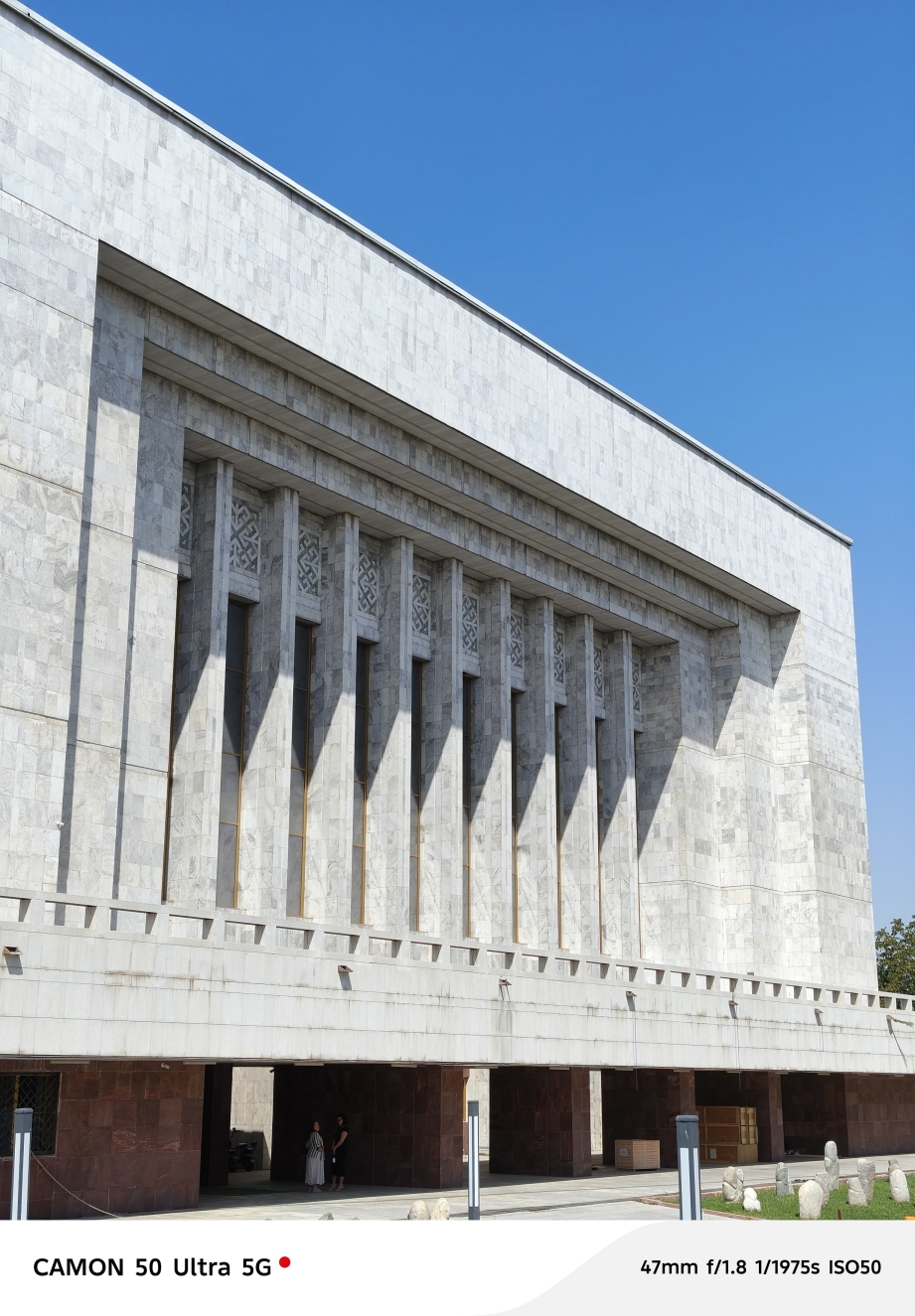
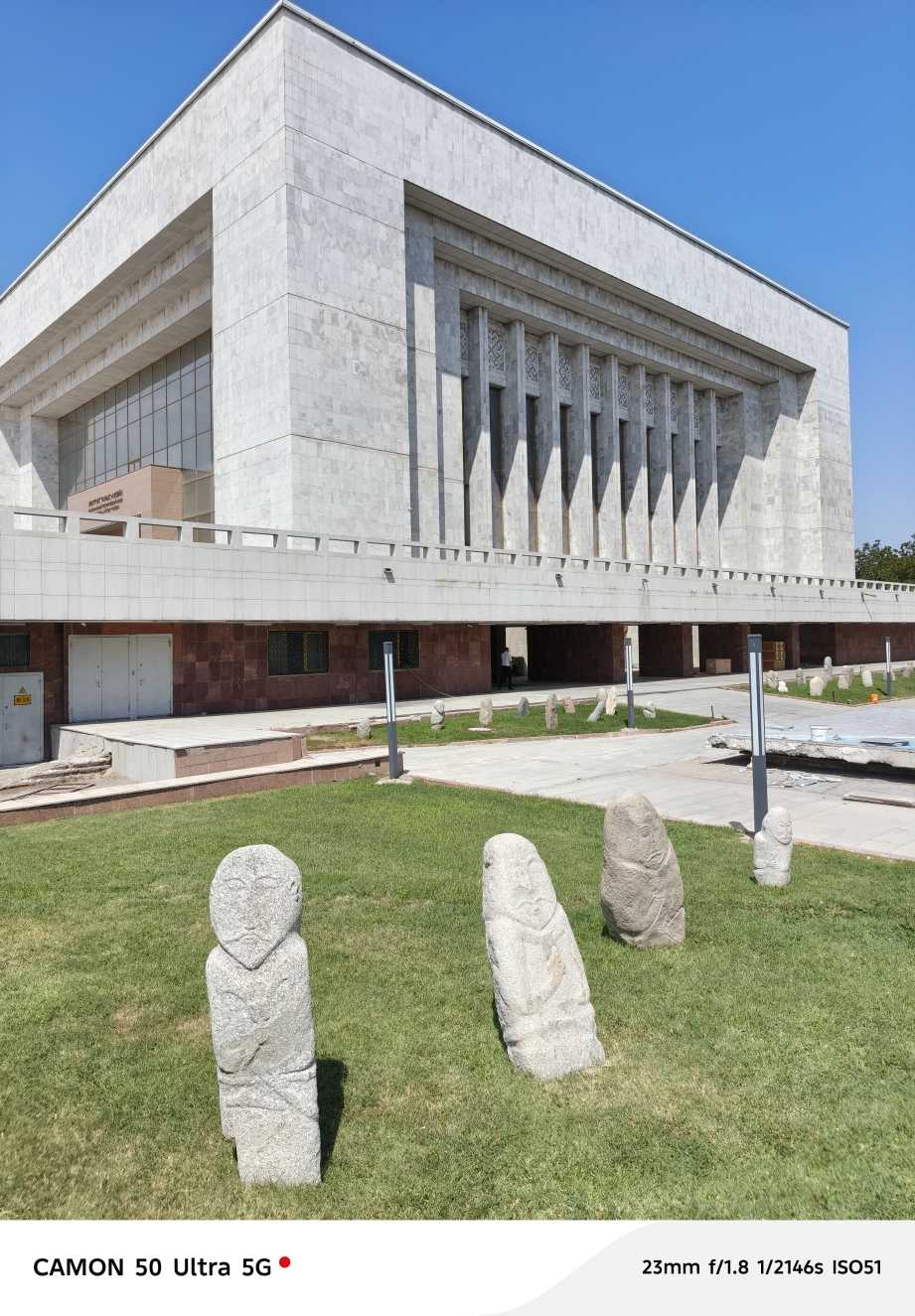
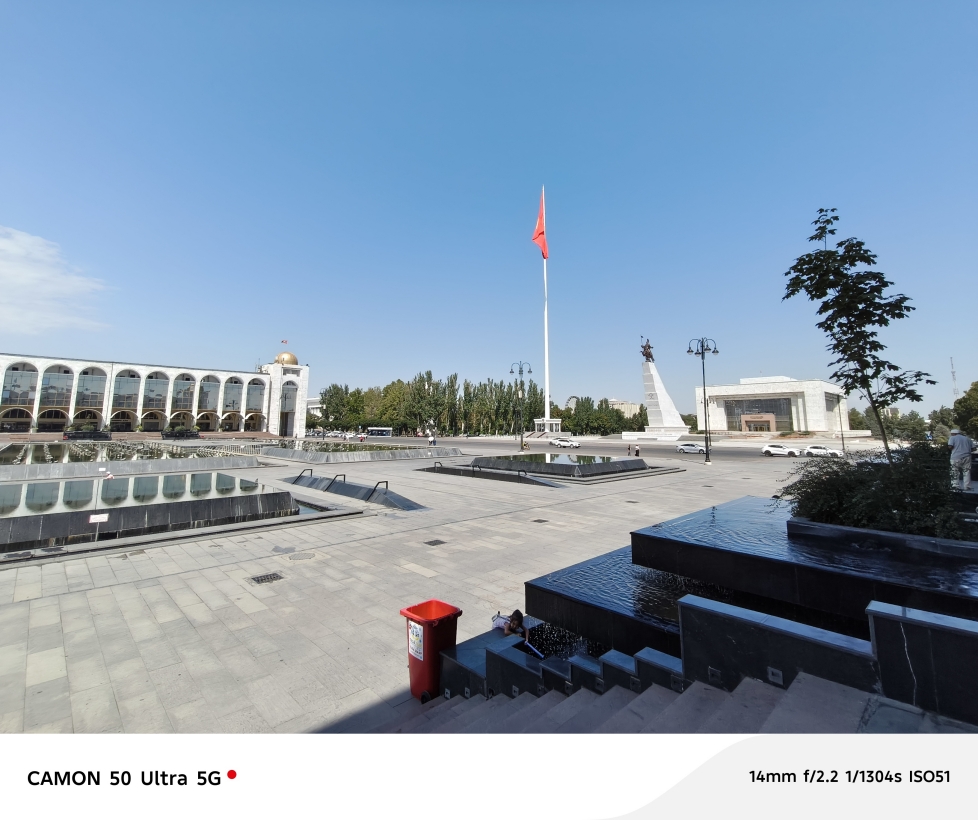
The National Museum of Krygyzstan housing the vast collection of artifacts from early nomad settlers and from the prosperous days of the Silk Road, to which Bishkek was a part of.
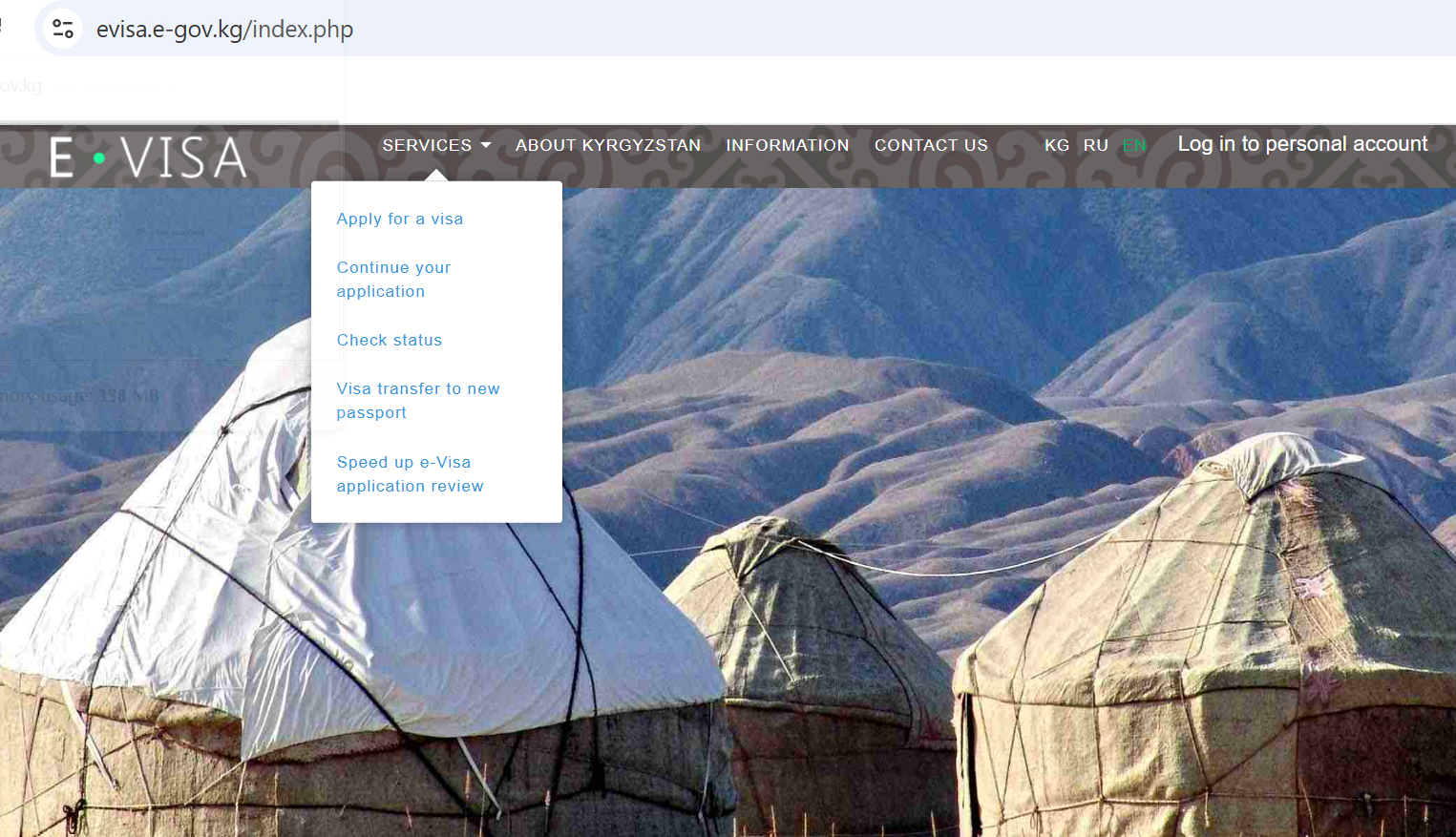
Getting the E-Visa: Apply on this site shown below. Application is straightforward and quick. If you’ve done Japan or US before, this would be very easy for you. Note, make an account first with basic personal info before starting an application.
Requirements to upload online:
Valid Passport – Bio Page, Clear scanned colored copy in Jpeg format. File must be less than 1MB.
Digital Photo: A recent, passport-type color photograph with a white background. File must be less than 1MB
Travel Details: Proof of accommodation or place of stay, and return tickets. In my case, i did not submit an entry flight ticket, since I will be entering by public bus from Almaty. I prepared a cover letter stating this. I did however submit my exit flight ticket, which I think is more important.
Payment Card: A valid Visa or MasterCard credit or debit card to pay the consular fees online. Single Entry is around 50 USD. Not cheap.
Got my approved E-Visa after 3 days by via email. Easy. Though Visa on Arrival is also available naman for Filipinos, but only when arriving at Manas International Airport in Bishkek. E-visa is a ‘Must Have’ for land border crossing.
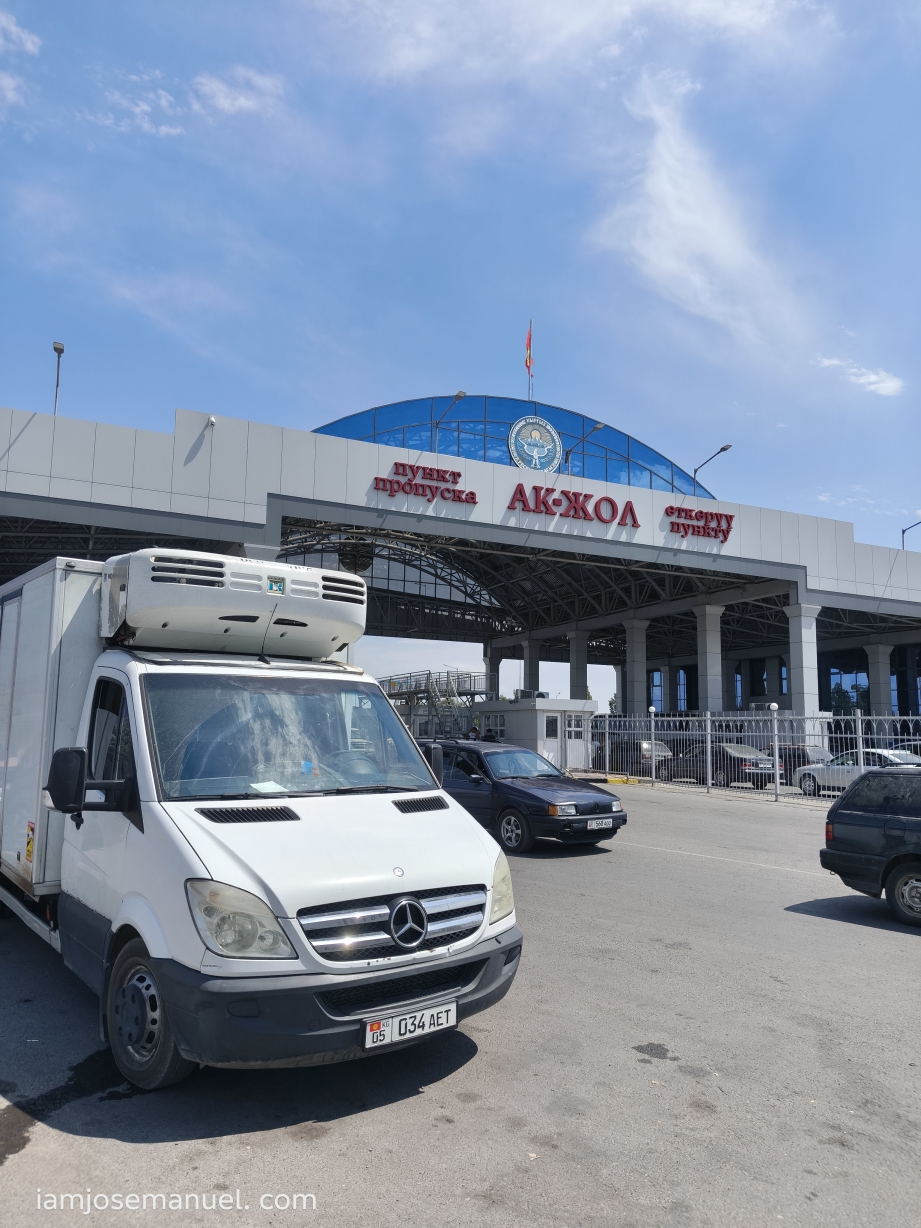
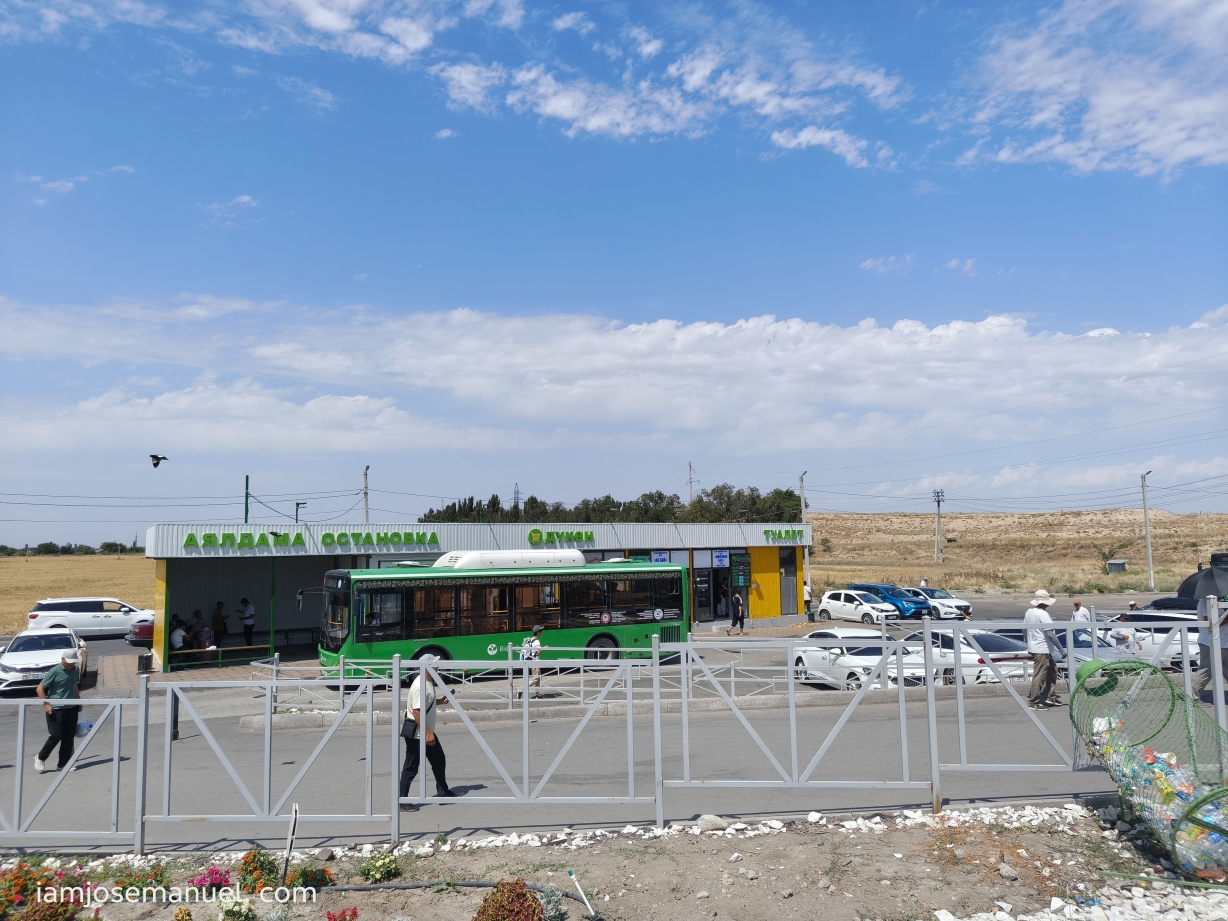
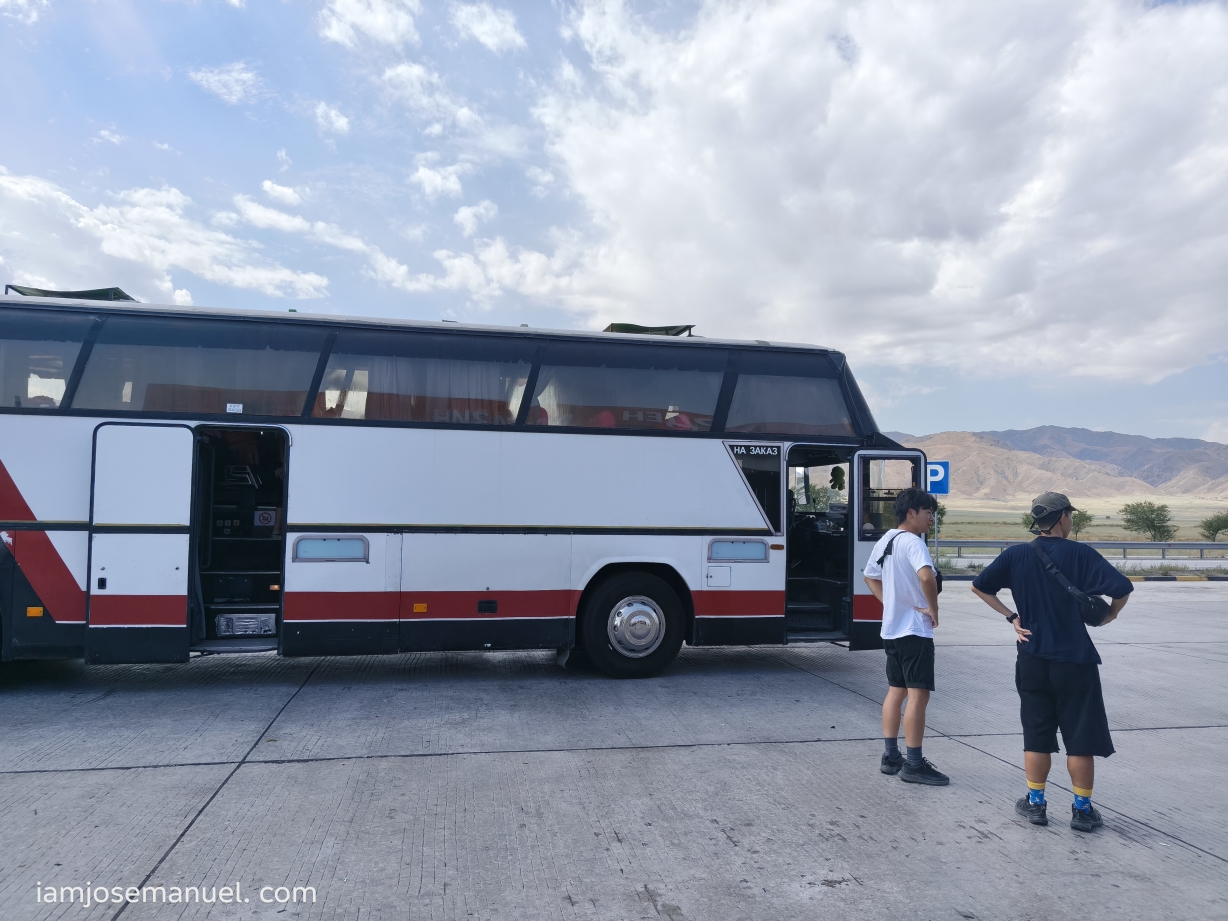
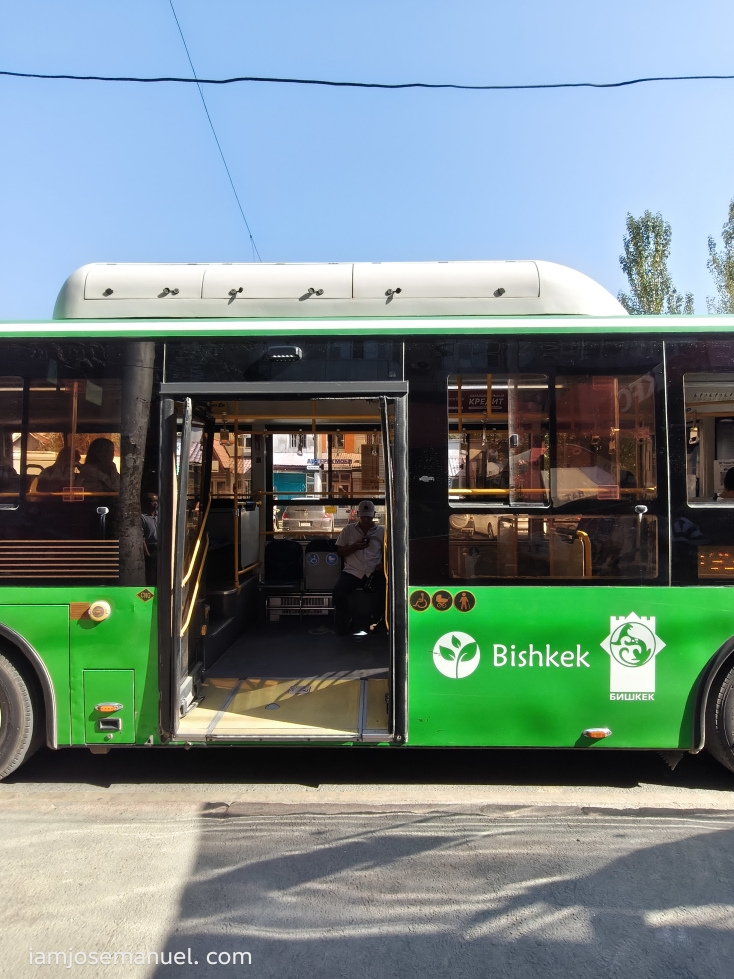
The Bus Ride from Almaty KZ to Bishkek KGZ, I uploaded a video of it (Click link) on my tiktok account . For reference, Ito itsura ng bus and the land border(Immigration Office Bldg.). Almaty to Border is 4 hours bus, and Border to Bishkek is just 20 minutes by taxi, booked with Yandex App. Having a data connection is an advantage. Sa Border, KGZ side, there are money changers na and cafes with wifi. There is also a public city bus 51 (the green one in the Photo below) that goes to Bishkek City center from the border, but its not the easiest.
More details on bus ride-Almaty side, are posted here.
English speakers are very few, and translation apps are very helpful. Though
The capital and largest city is Bishkek which lies on the northern border with Kazakhstan. Ethnic Kyrgyz make up the majority of the 7.5 million people, followed by significant minorities of Uzbeks and Russians. Konte lang po population nila.
I stayed for only two nights in Bishkek. I did not go out of the city anymore to do hiking trails. Instead, I opted to have a very restful stay in a pleasing accommodation, and just enjoyed the bazaar and the local food highlights.
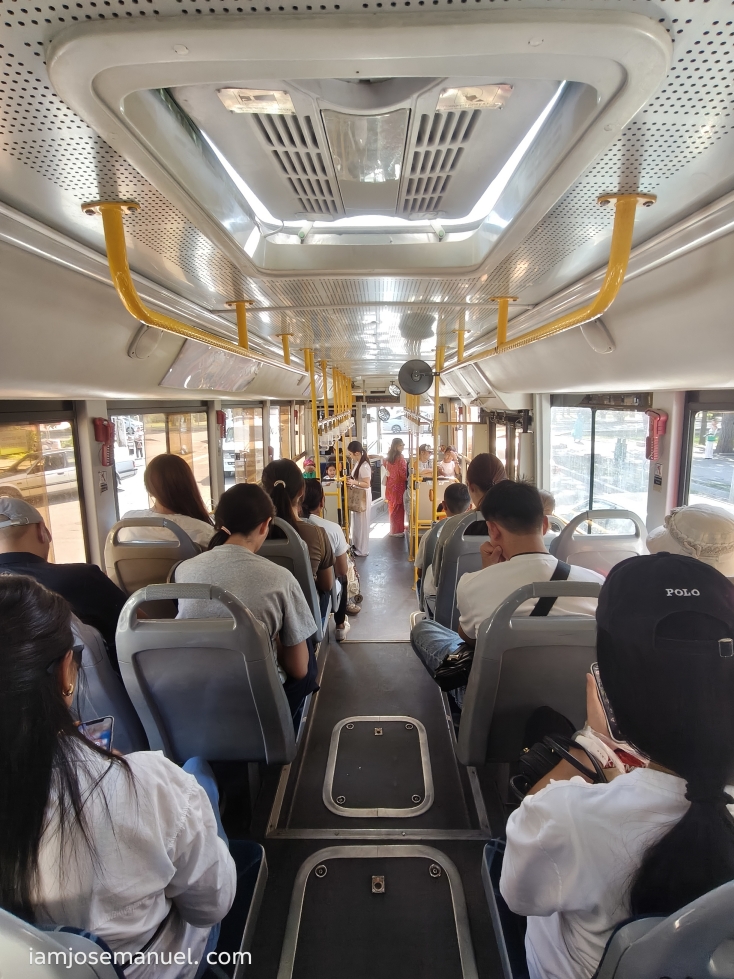
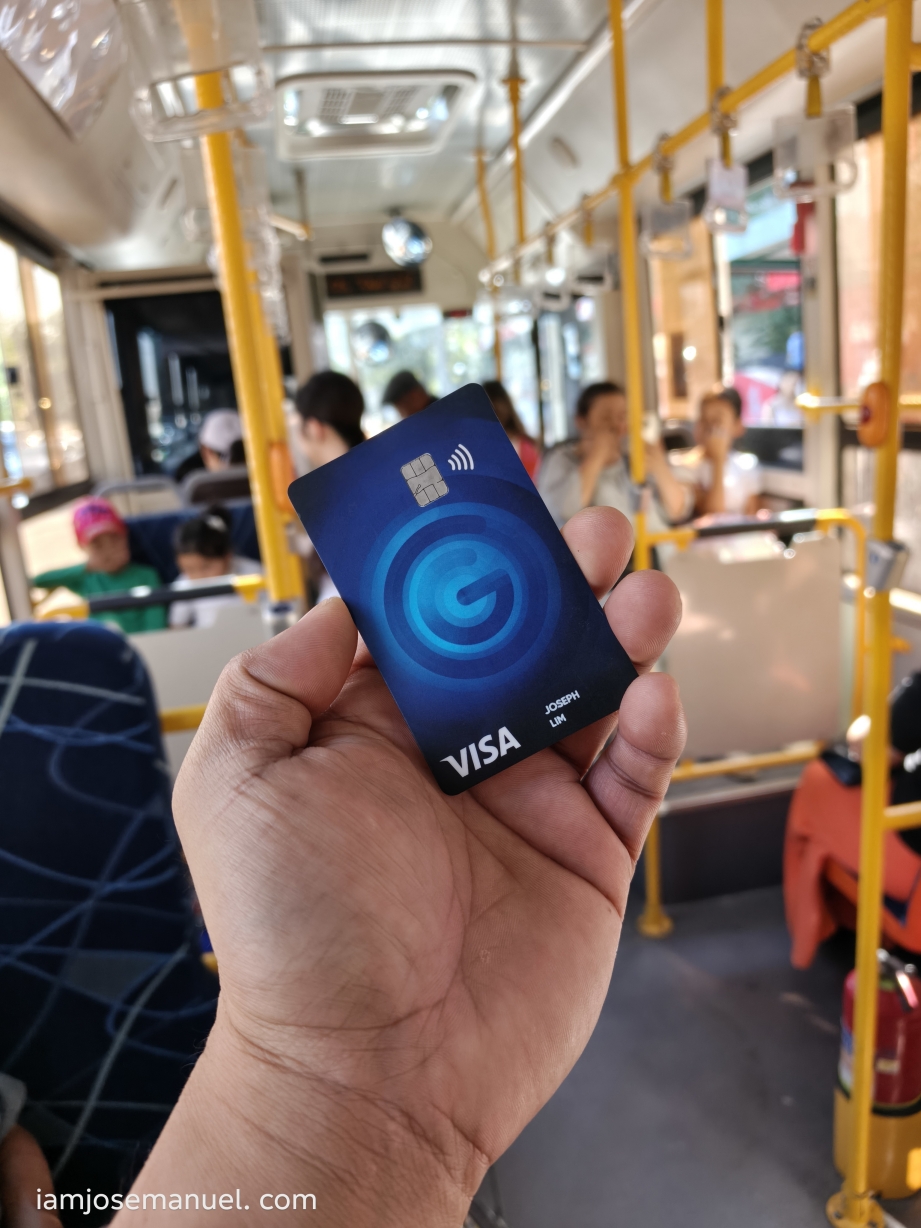
Interestingly, I was able to use my Gcash Visa Card to pay for all my bus rides in Bishkek. Tap and go lang. Nice!
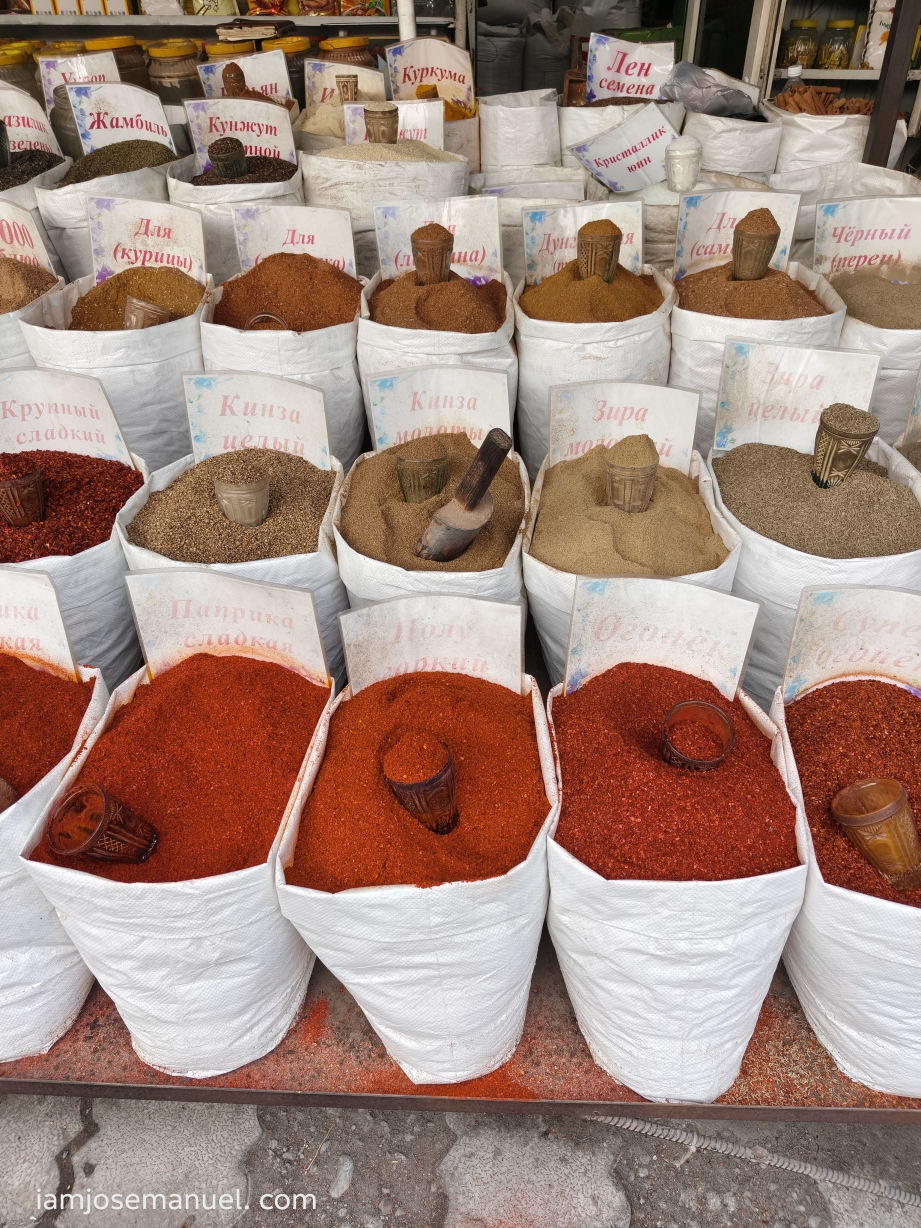
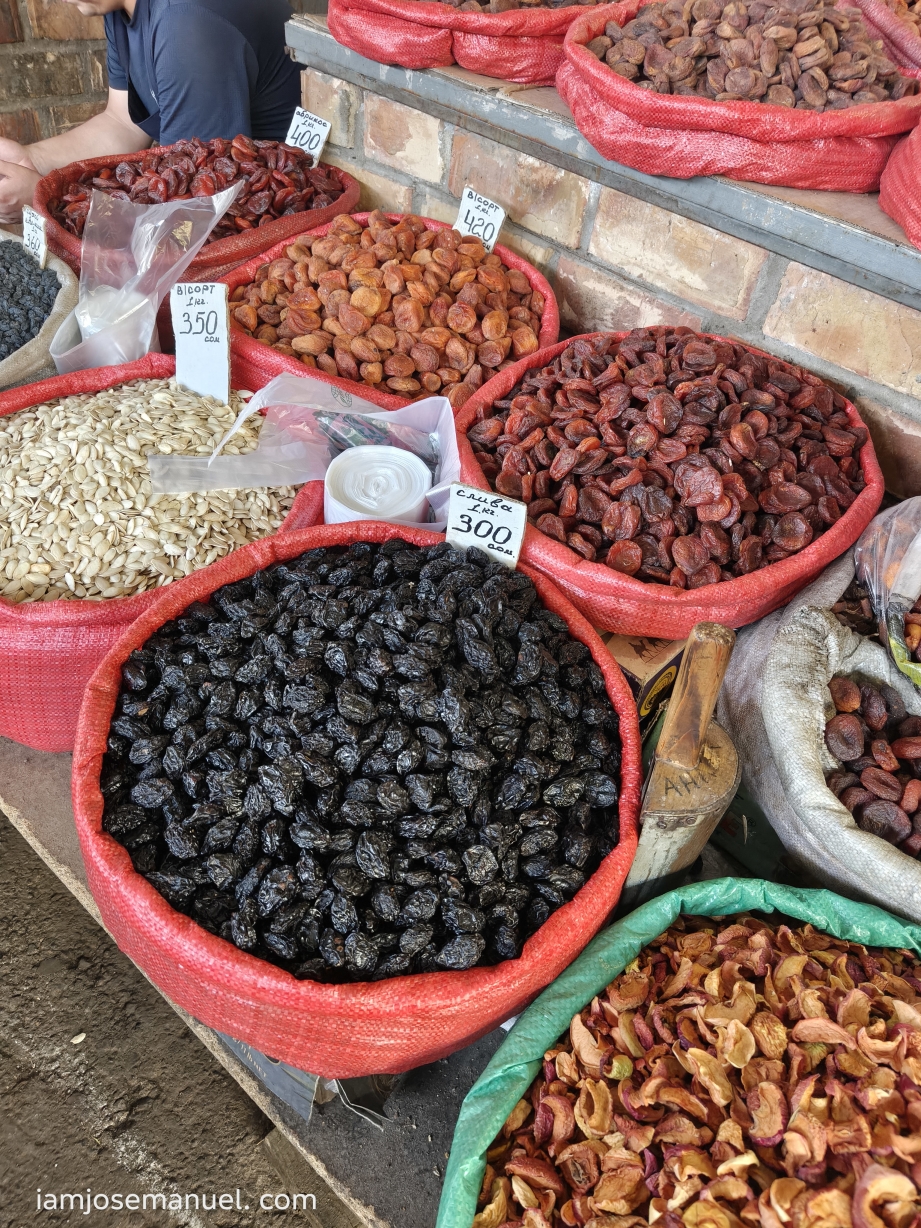
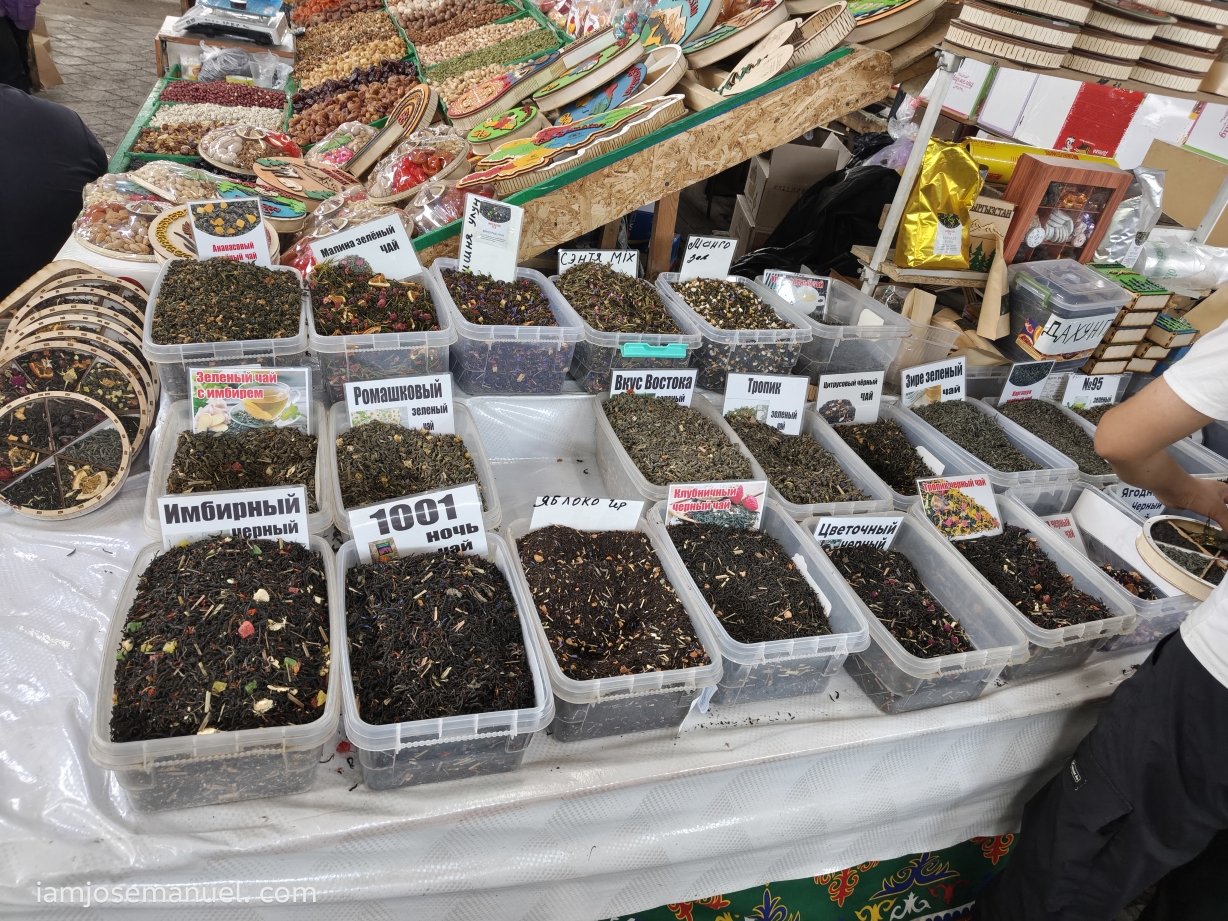
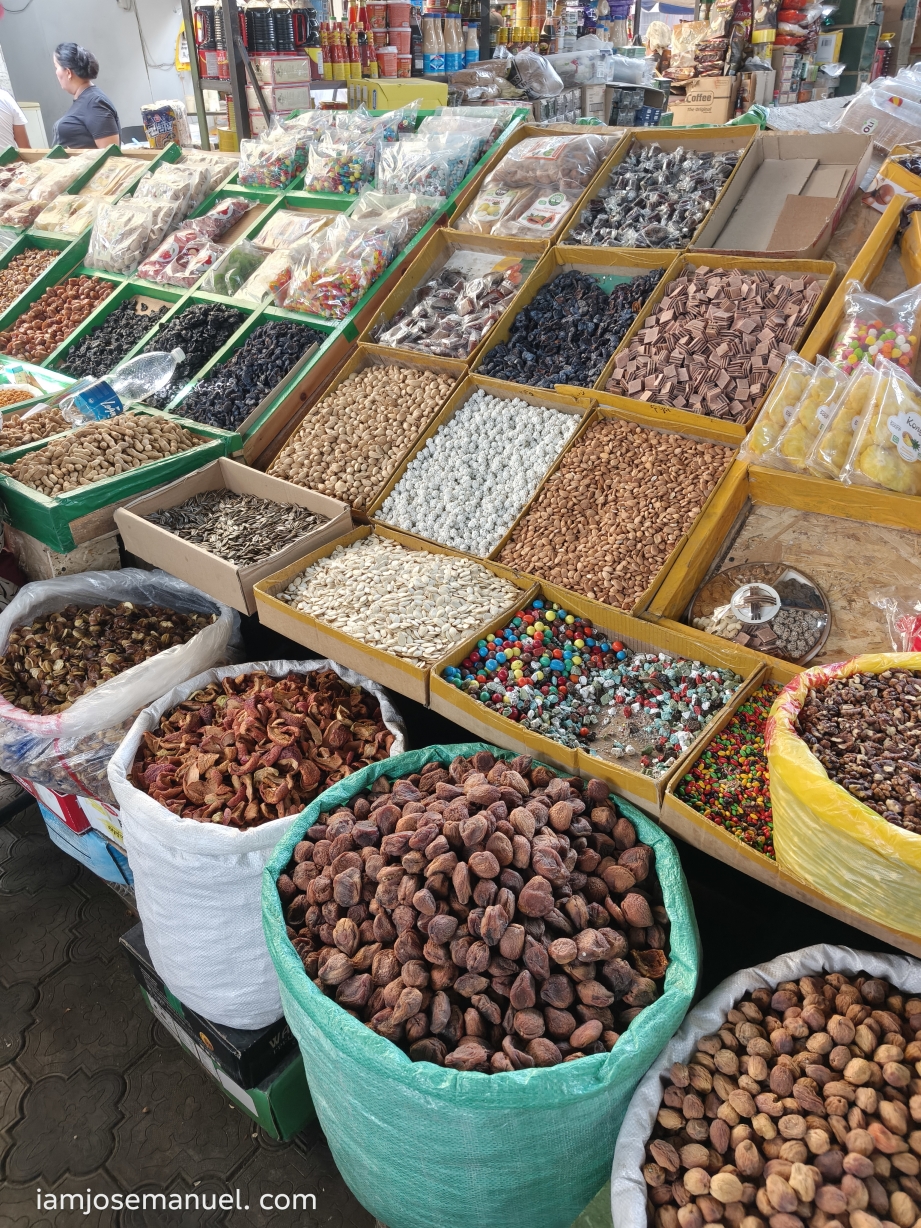
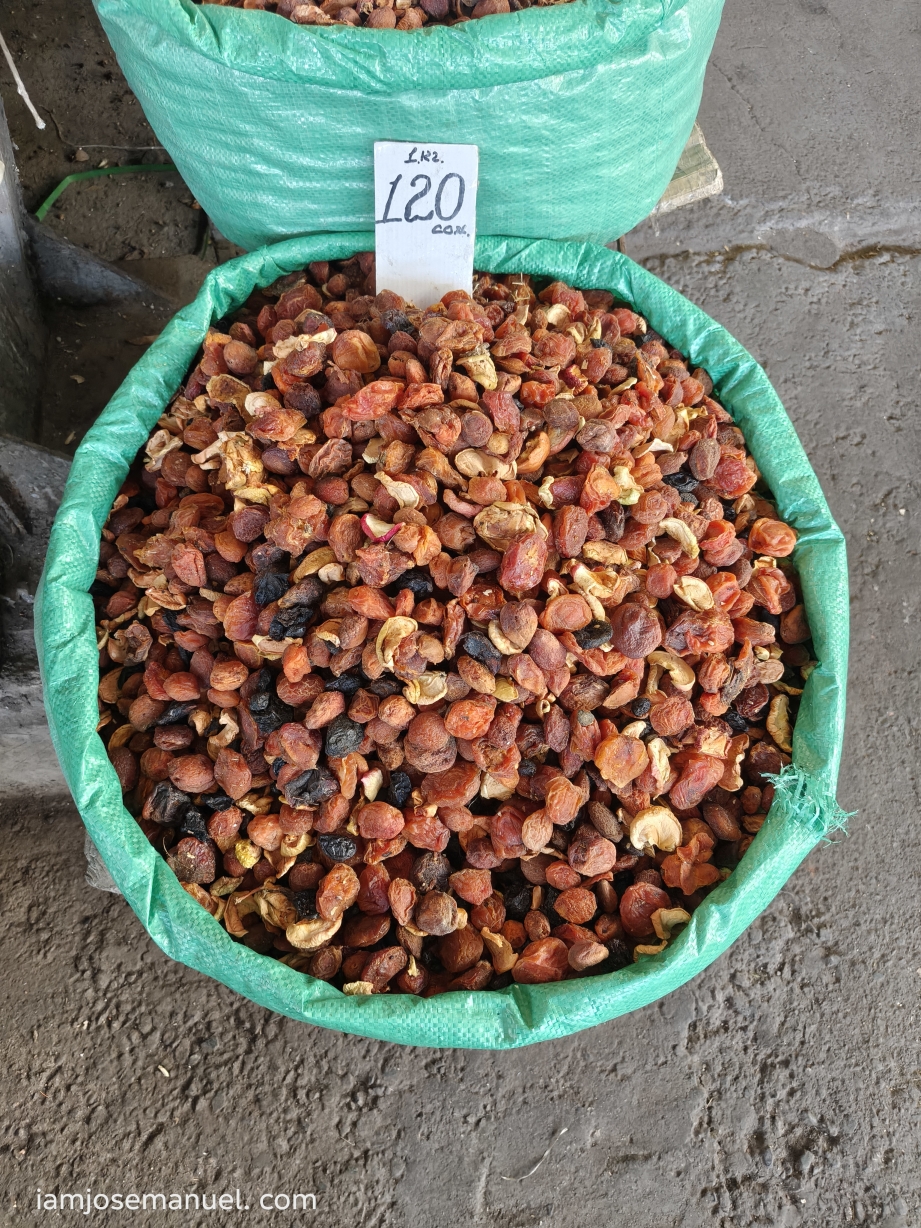
I stayed at Koisha Hotel, just a few minutes walk to the popular Osh Bazaar, which is the center of trade and commune of Bishkek. Osh Bazaar has the most spices, dried nuts, berries and tea leaves that I’ve seen in Central Asia.
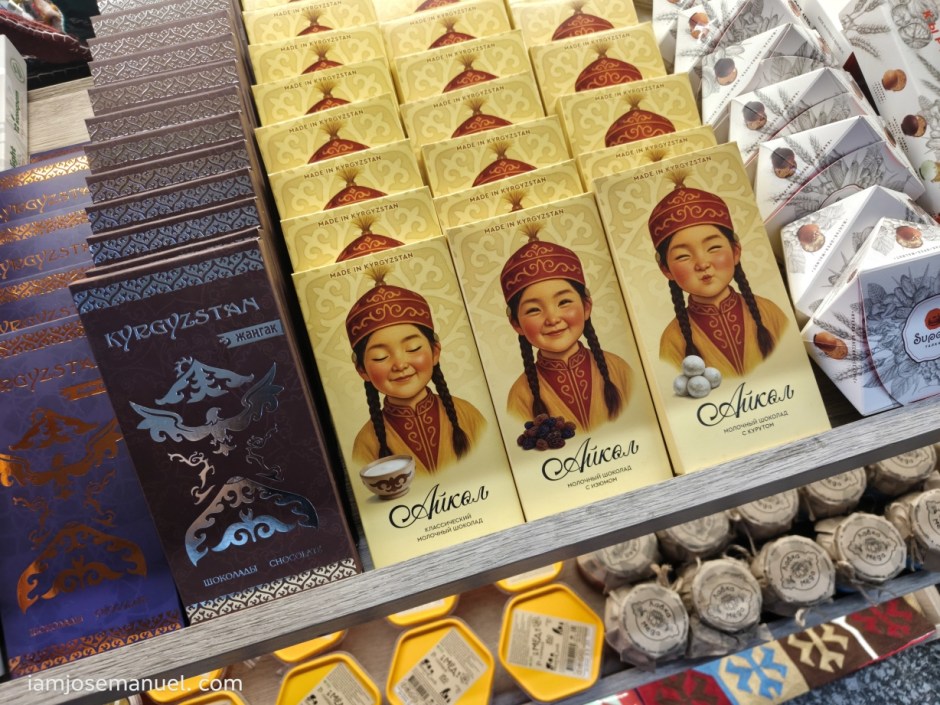
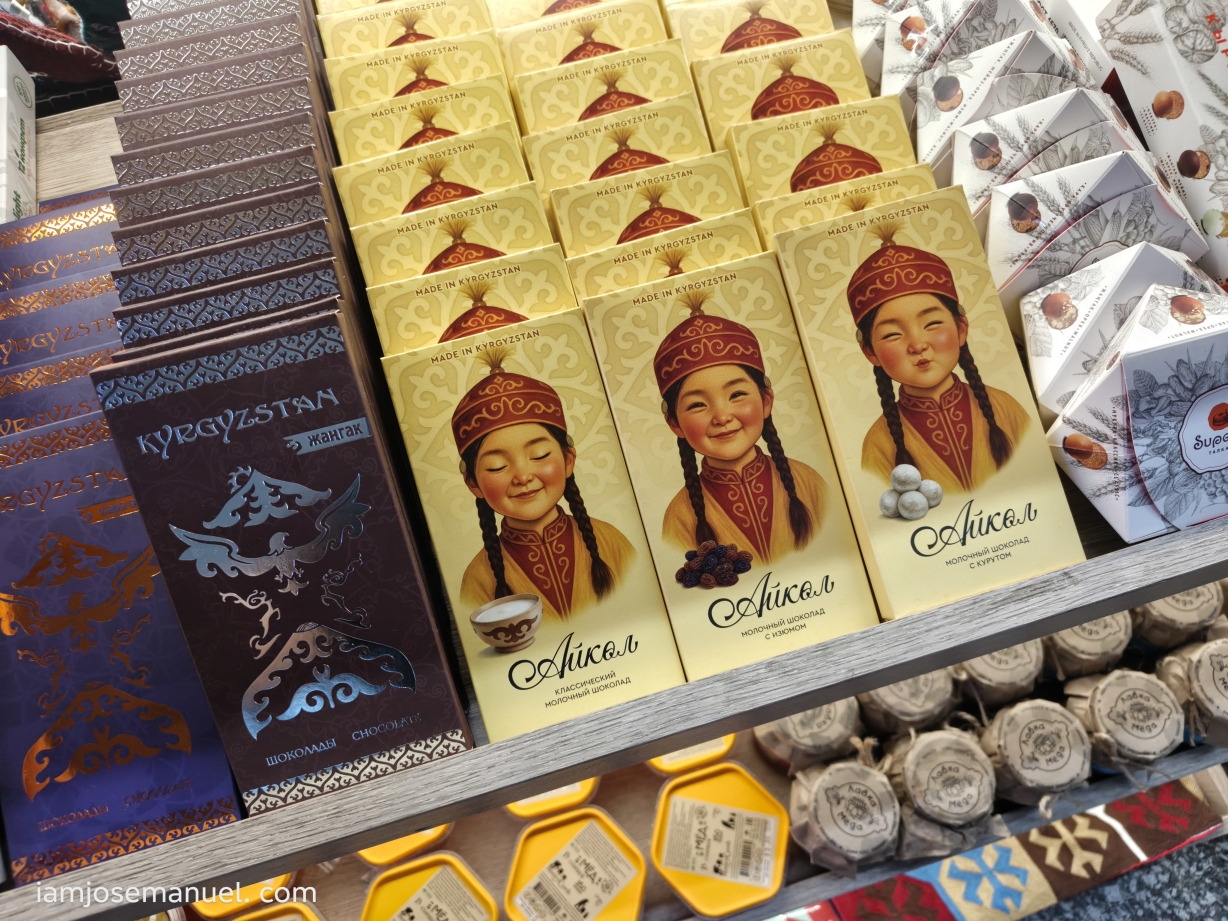
Osh Bazaar is also a good place to buy souvenirs and local produce. It is cheaper compared to Almaty. KGZ also takes their chocolate industry seriously. Dami options to choose. Cute packaging as well.
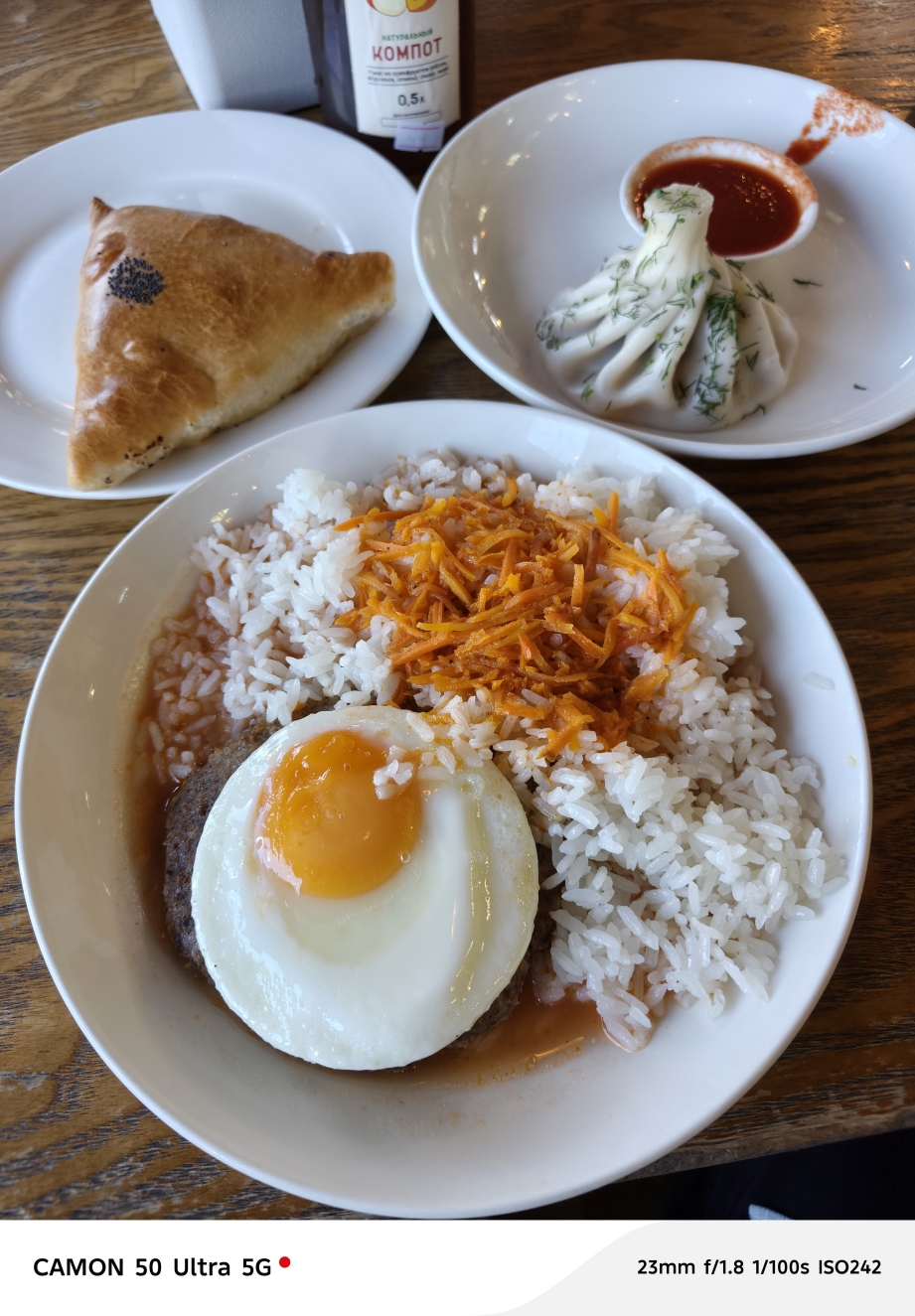
Kyrgyz Food. Compared to Almaty, Bishkek is more low-key, culturally-rooted and is less westernized, in my opinion. Having said that, mas naenjoy ko ang local/regional cuisines ng Central Asia dito sa Bishkek, compared to Almaty. Food here is cheaper to. Wayy cheaper.
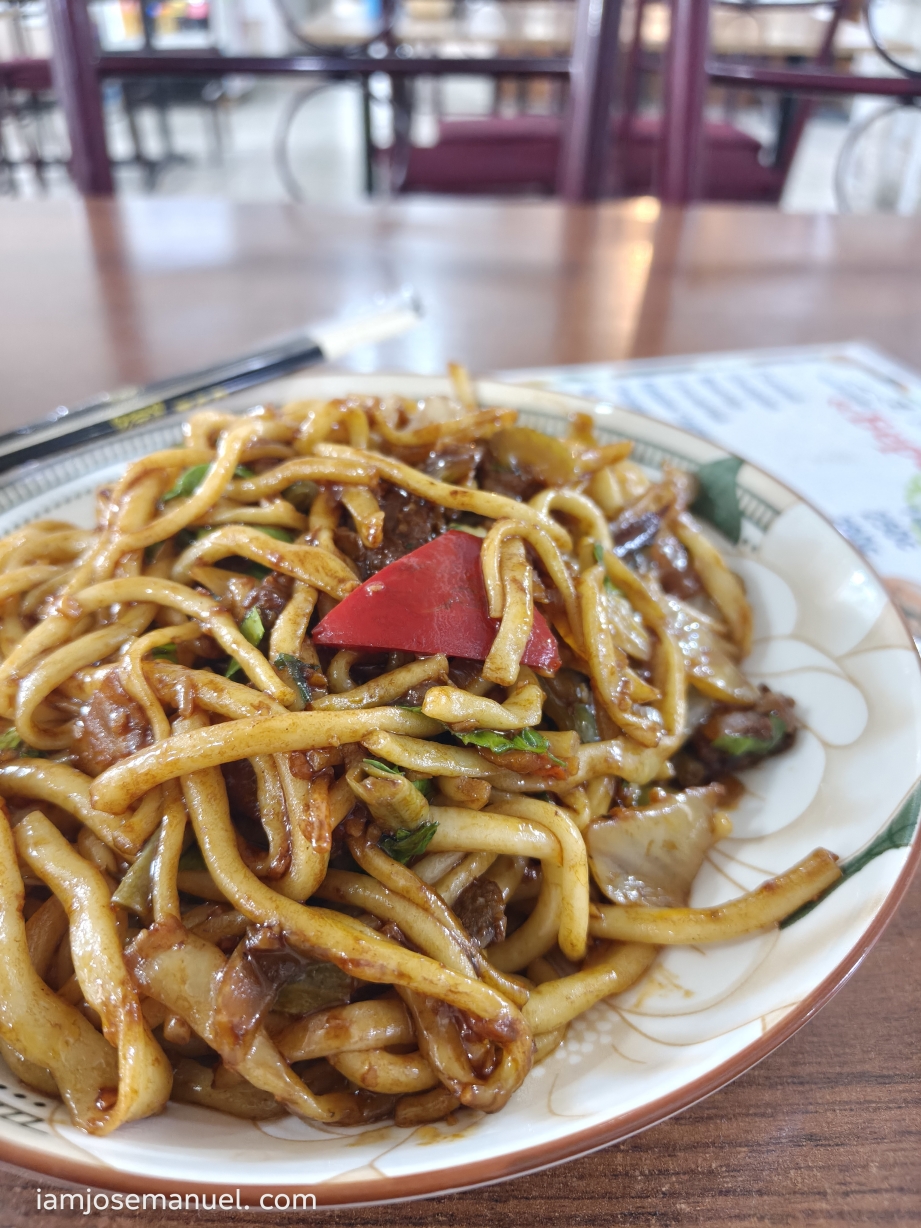
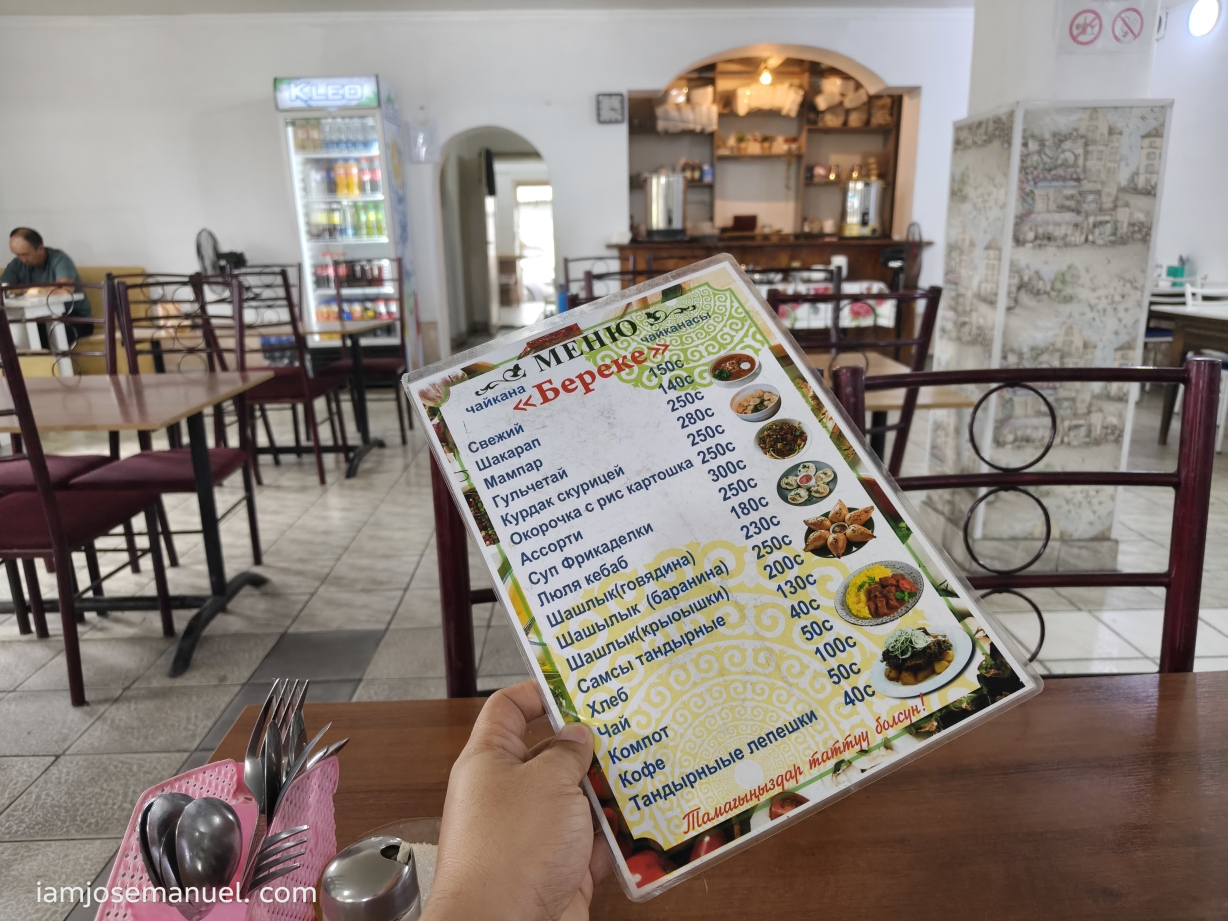
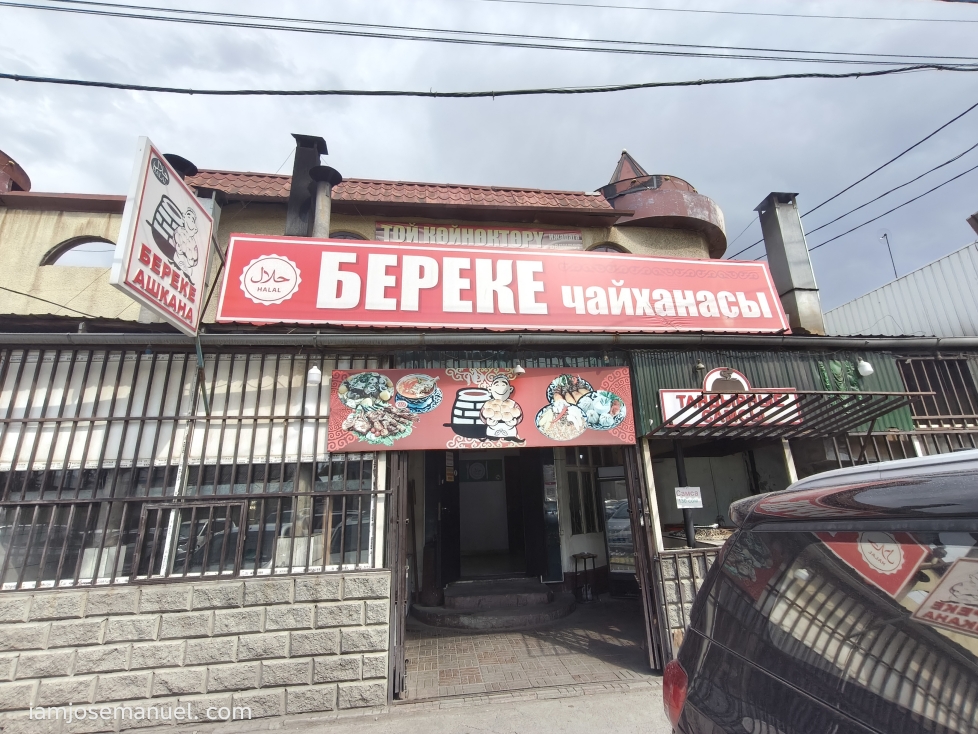
Lagman/Lachman is a traditional Central Asian dish of hand-pulled noodles, tender meat, and spiced vegetables, that is considered a national dish in countries like Kyrgyzstan, but widely popular across Uzbekistan, Kazakhstan as well. I had a good one in Almaty, but the Lagman I had in Bishkek was way better and felt more authentic, as I got this from a local eatery/family kitchen named “Bekele”, outside of the bazaar(Found it from the google reviews). I actually ate twice in this eatery. On peak lunch and dinner, this place is packed with locals. The place has not english menu, which made the dining experience even more exciting.
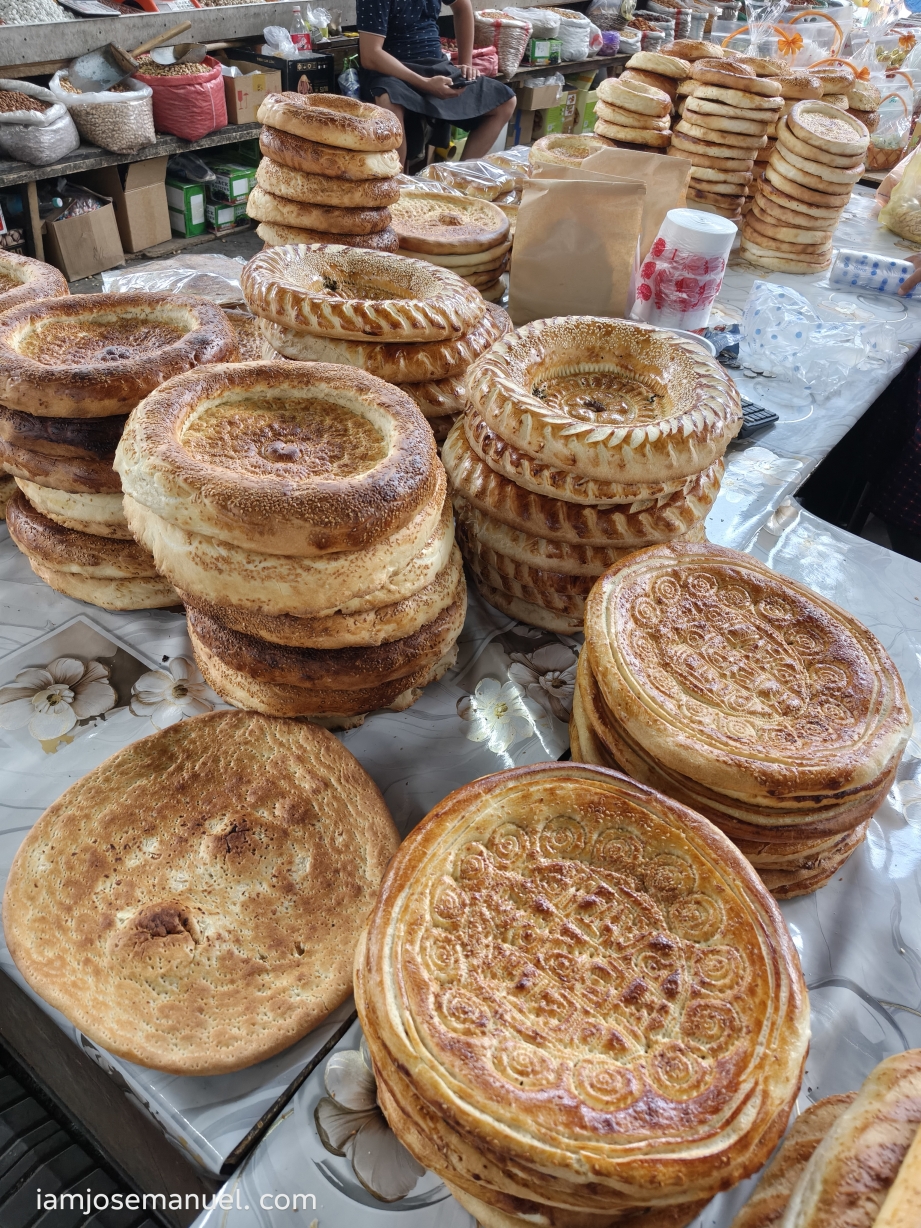
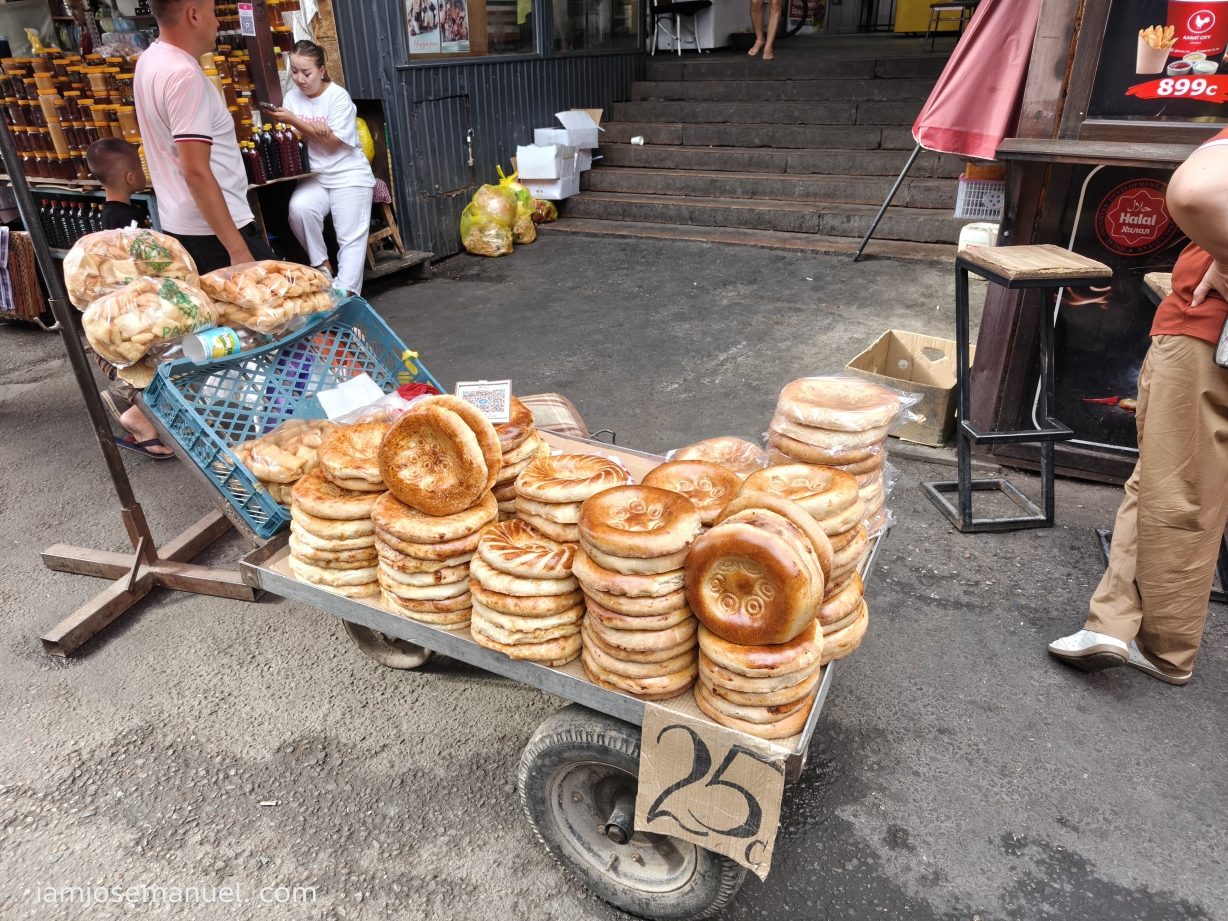
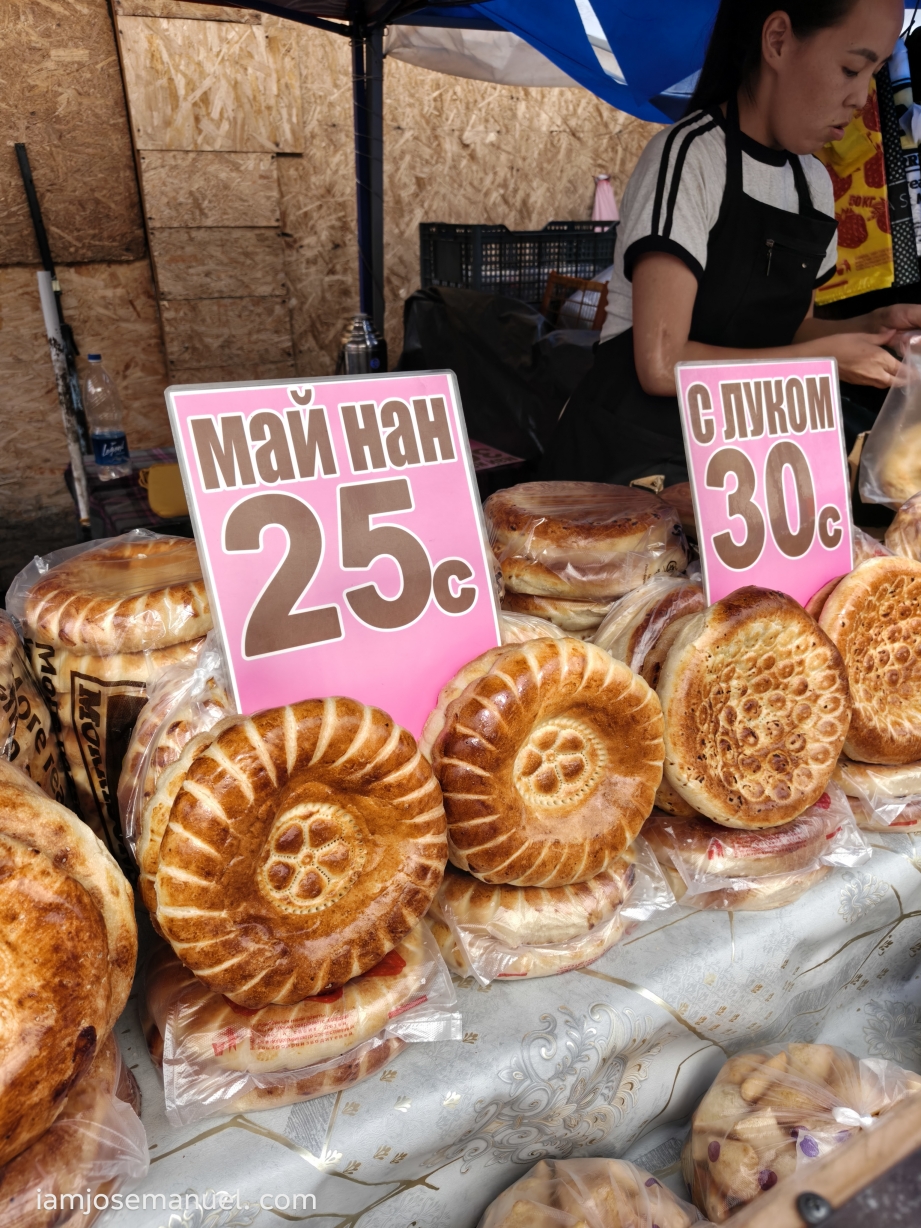
Kyrgyz people take their Bread seriously. Bread holds a central place in Kyrgyz cuisine, symbolizing hospitality, sustenance, and cultural identity. Locally known as Tandyr Nan – a round, flatbread with soft, puffy edges and a crisp center, baked in a traditional clay tandyr/brick oven.
Manty (or manti) is the most famous and beloved traditional dumplings in Kyrgyzstan. The filling is a hearty mix of minced or hand-chopped lamb, beef, or horse meat, mixed with plenty of juicy onions and fat. Vegetable variations like pumpkin or potatoes are also common. Manty is somewhat similar to the Chinese Xao Long Pao, but are bigger, like around 4 inches round.
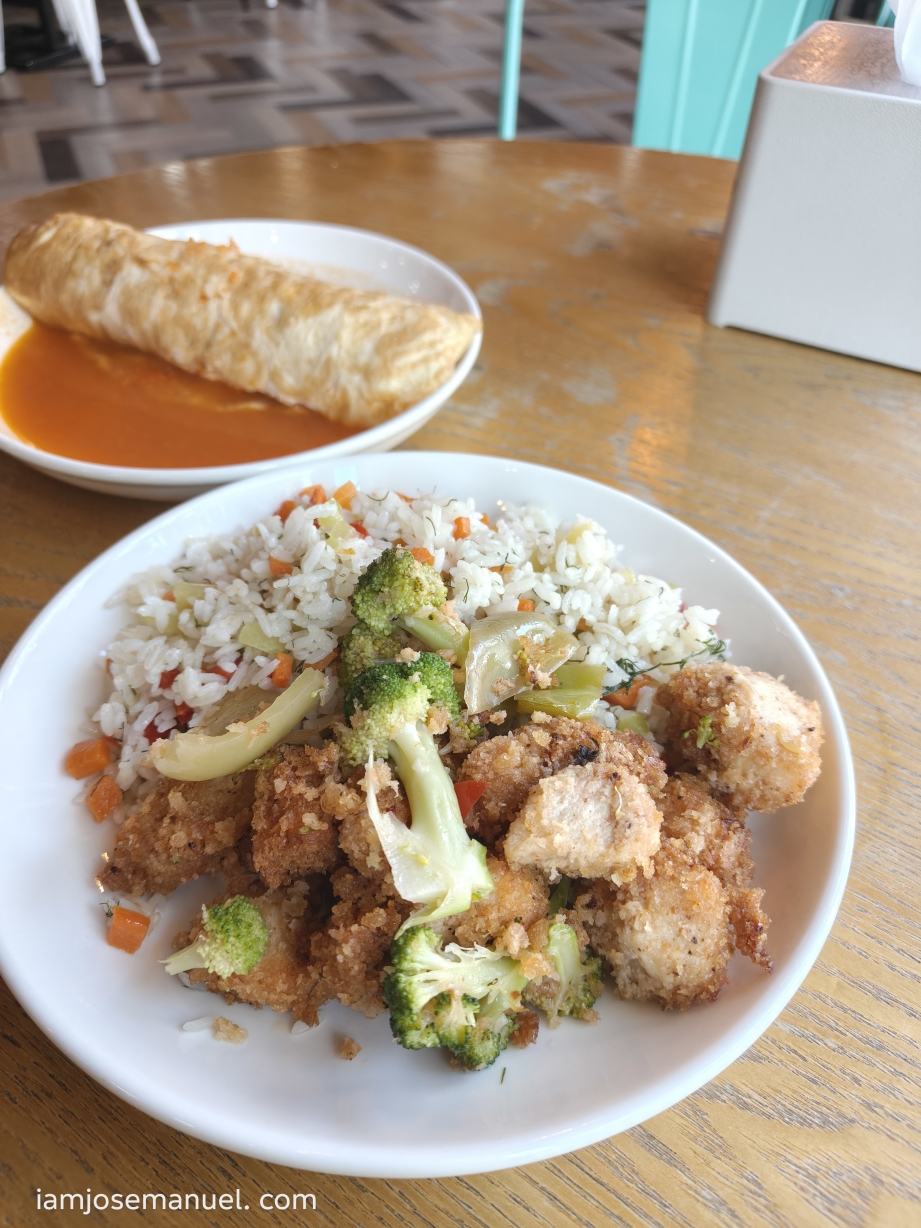
Kyrgyzs are also consumers of rice. Filipinos will never go hungry in KGZ. They have a thing for sweets as well, but are more simplified.
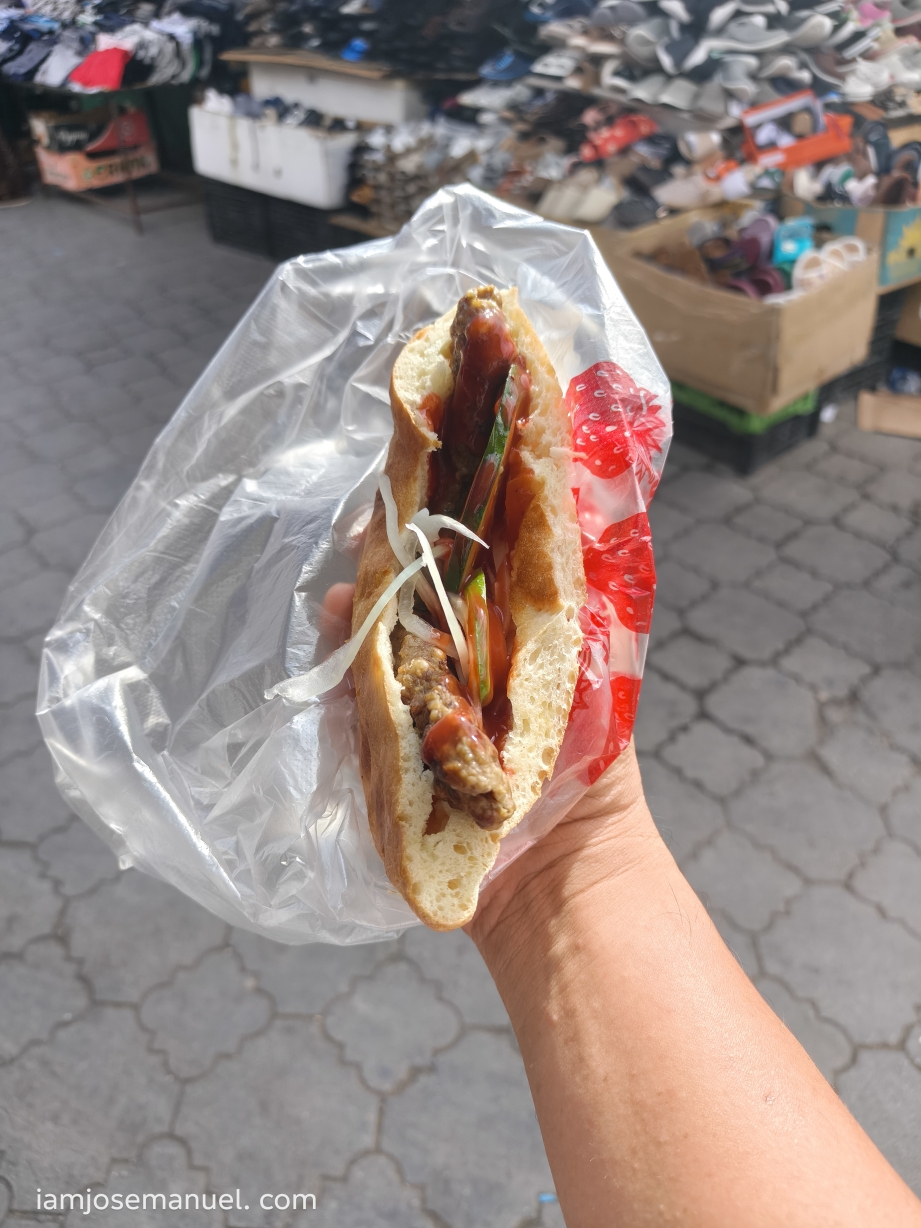
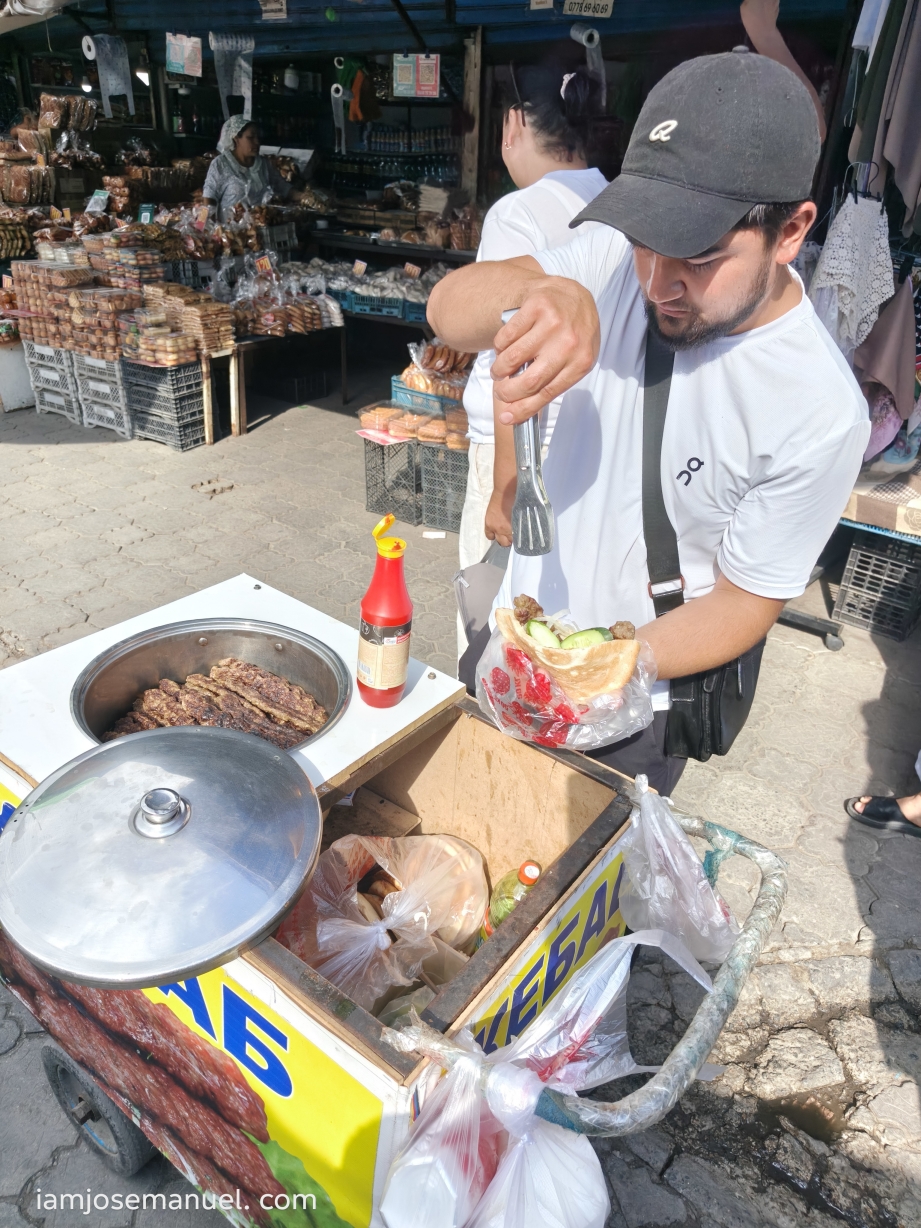
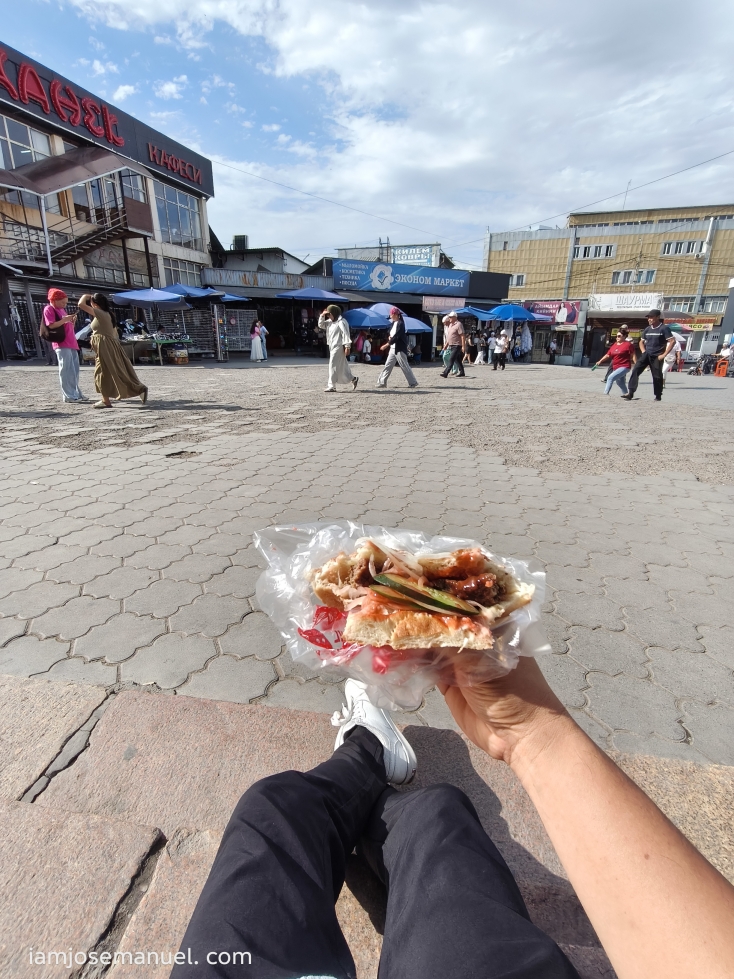
Street Kebabs are also a thing in Bishkek. Clearly a regional cuisine influence from the Middle East. This kebab cart, I found from tiktok. And luckily, my accommodation is very near the Osh Bazaar, where he is stationed.
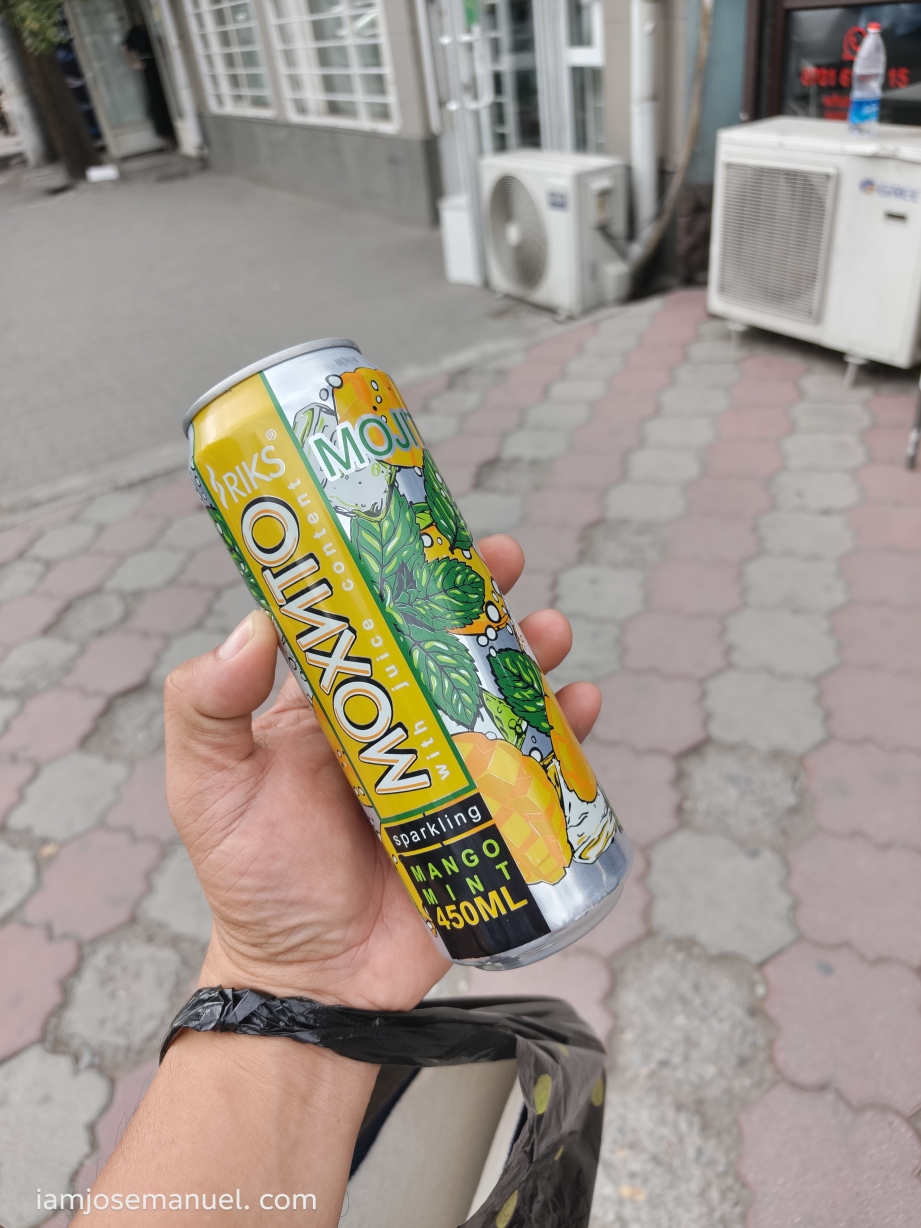
Sparkling Mango Mint. My Fave drink in Bishkek.
Kyrgyzstan’s history spans a variety of cultures and empires. Although geographically isolated by its highly mountainous terrain, Kyrgyzstan has been at the crossroads of several civilizations as part of the Silk Road along with other commercial routes.
Will post a separate blog re the complete Central Asia route that I did. I’ll keep you posted.
Here’s how I prepared for my trip to Central Asia. First stop, Almaty, Kazakhstan.
I flew to Almaty,Kazakhstan via China Eastern Airlines from Manila. Flight was pretty straightforward. We left Manila at 8 am (around 4 hours), with a quick 2.5 hours layover in Shanghai. Then to Almaty (around 6 hours). I was already in Kazakhstan at around 7 pm, maliwanag pa. Sunset at Central Asia is around 8pm. This flight was not the cheapest option at around 20k one way with baggage, but I chose this for the flight time. I usually prefer to arrive na medyo may araw pa. That way, I feel safer to take public transportation to the city center upon arrival.
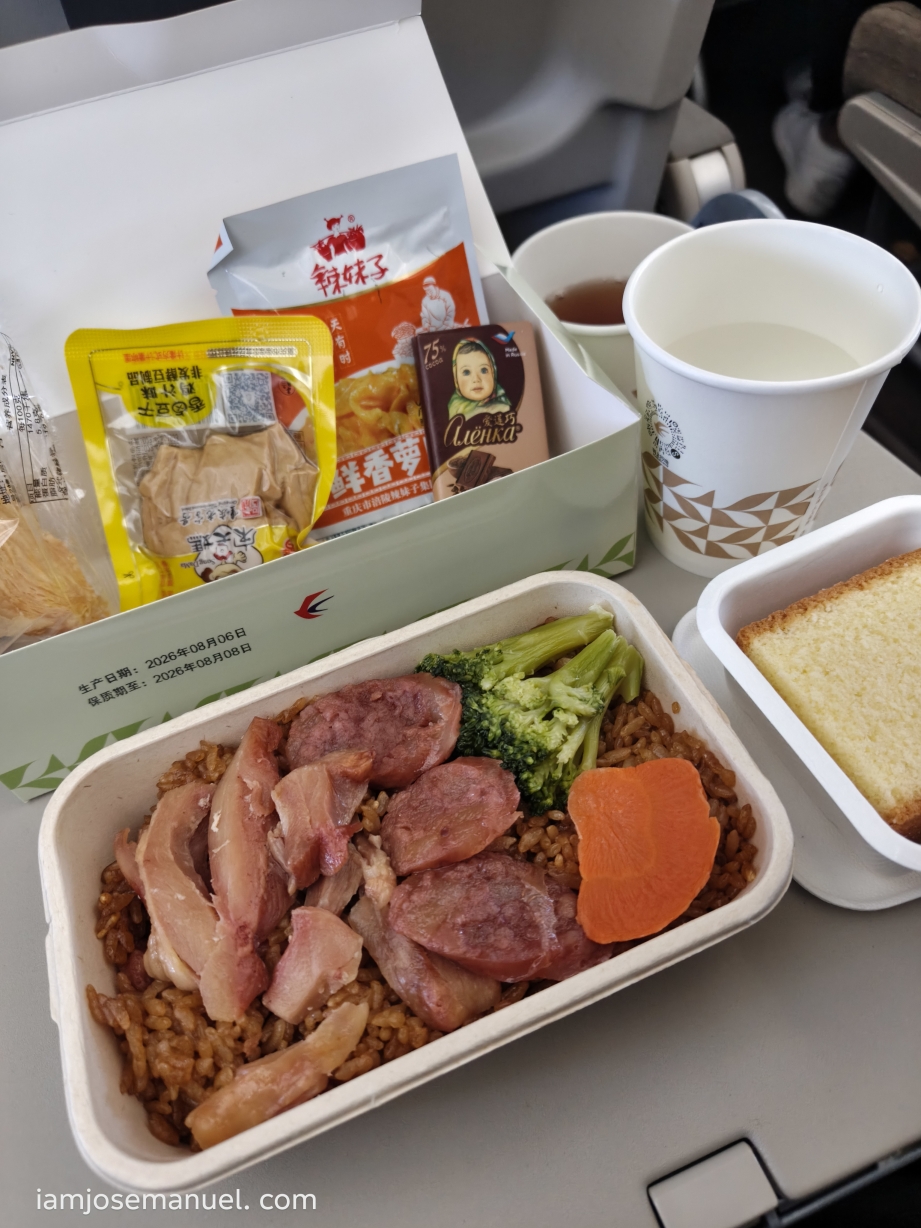
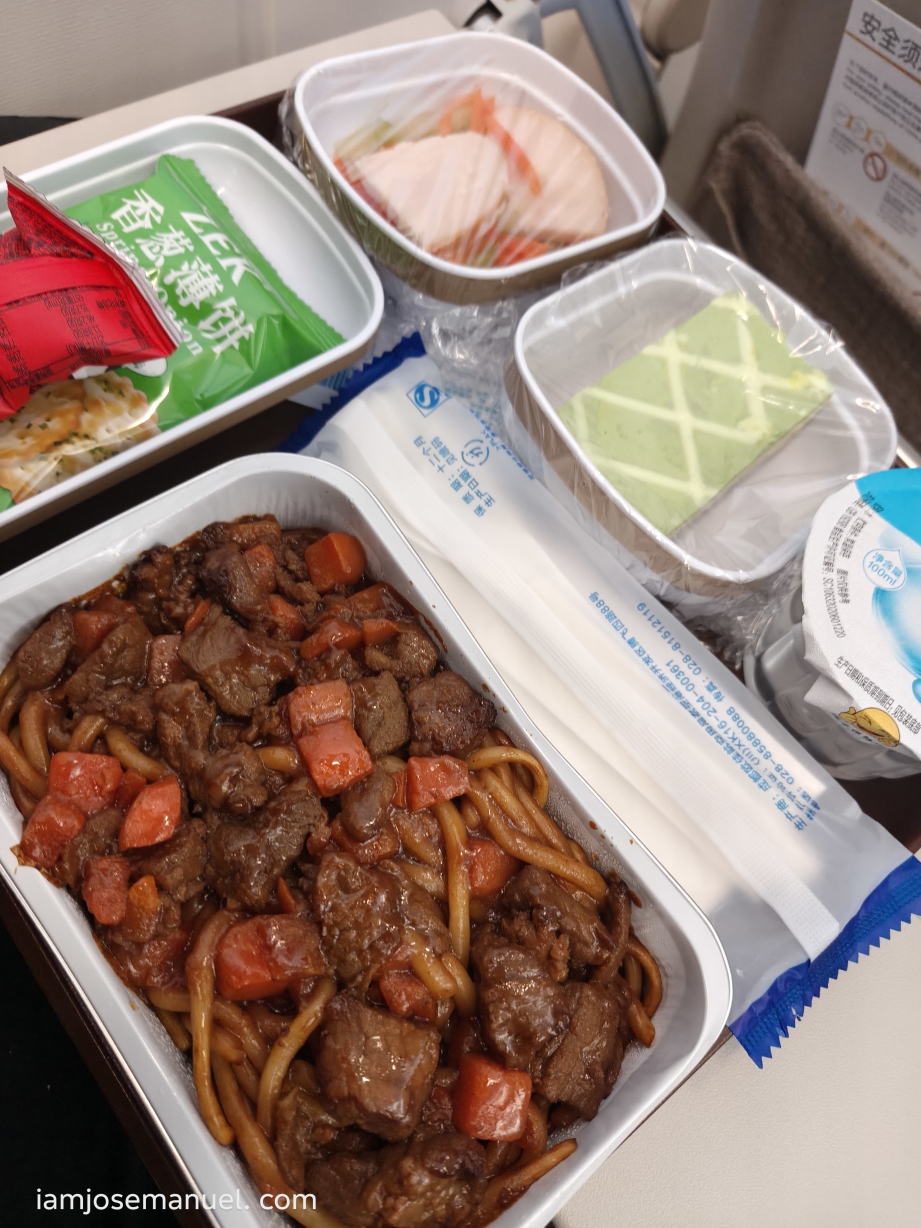
Shout out to China Eastern for serving really good fried rice, sausage and braised chicken meal. I can actually compare this to Super Uncle of Makati Poblacion. It was so good. The beef noodles was nice as well. Layover in Shanghai does not require a Transit Visa for short layovers (less than 24 hours). Shanghai Pudong Airport is also very efficient.
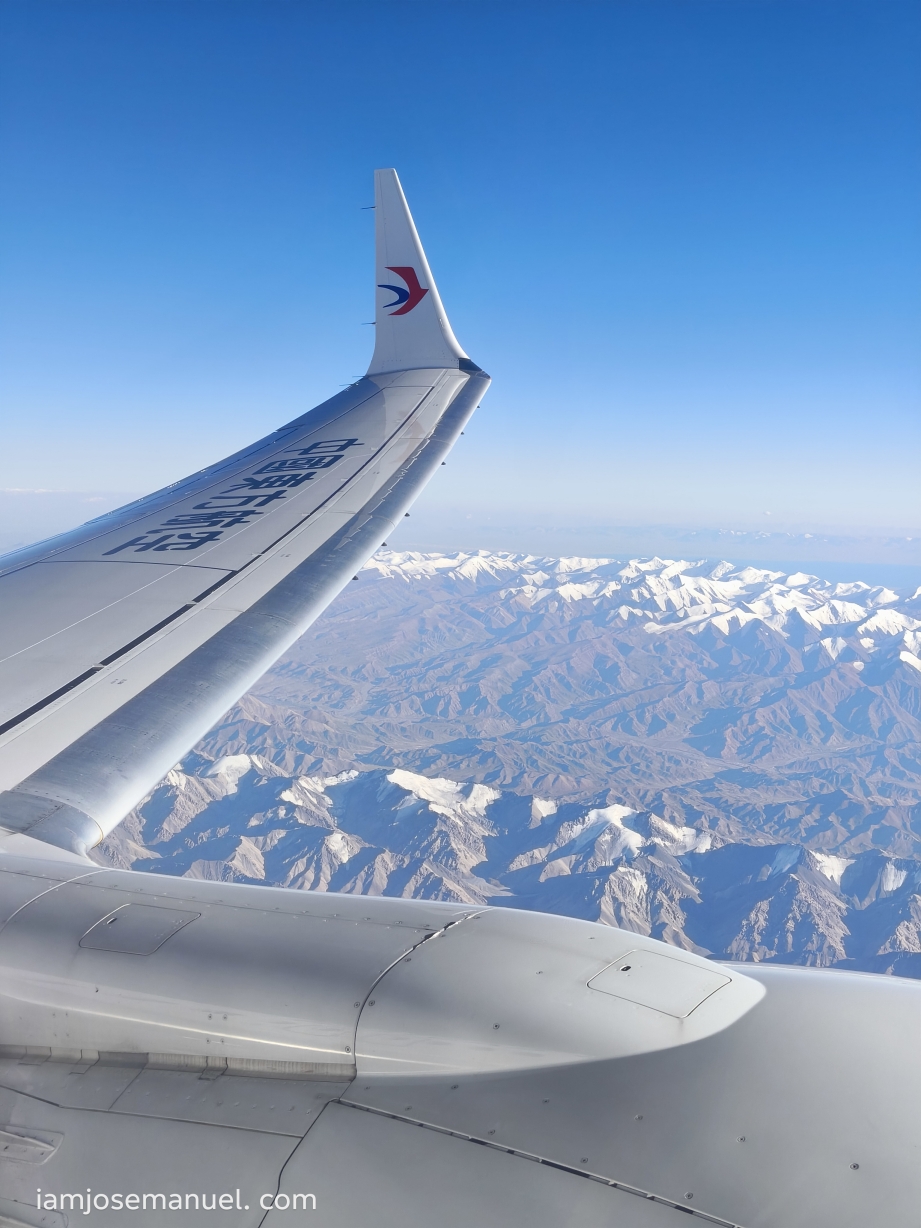
The flight flew over the rugged mountains of Central Asia, west of the Himalayas. Maganda ang tanawin. The view of the snow-capped mountains elevated the whole flight experience.
Helpful Travel Tip: Yandex Apps are your best friends in Central Asia.
Yandex Go- for my taxi rides. Installed this with my Android, and registered an account BEFORE I LEFT PH, using my local smart number. Cash payment only. You can also use this app for food delivery. Taxi ride is generally cheaper in Central Asia. Like airport to city center ko was 1000 Tenge (150 Pesos lang) with yandex.
Yandex Map (as an alternative to google), kase Yandex shows realtime bus routes and timing. Yes, Singapore level. Bus Fare is only 120 Tenge (16 Pesos) flat rate. Buse routes are easy to familiarize, at English din naman.
I did not buy na a local sim card on arrival. Instead, I purchased an international physical sim from Shopee (one sim for Central Asia etc-Kazakhstan, Kyrgyzstan and Uzbekistan. laking tipid nito), 10 GB. I did not have any problem with the sim. Matic transfer of network when border crossing between stan countries.
Pwede rin naman E-sim if you like. YESIM ang trusted esim ko for travel. Intall the app before leaving PH to avoid trouble.
Highlights of my trip:
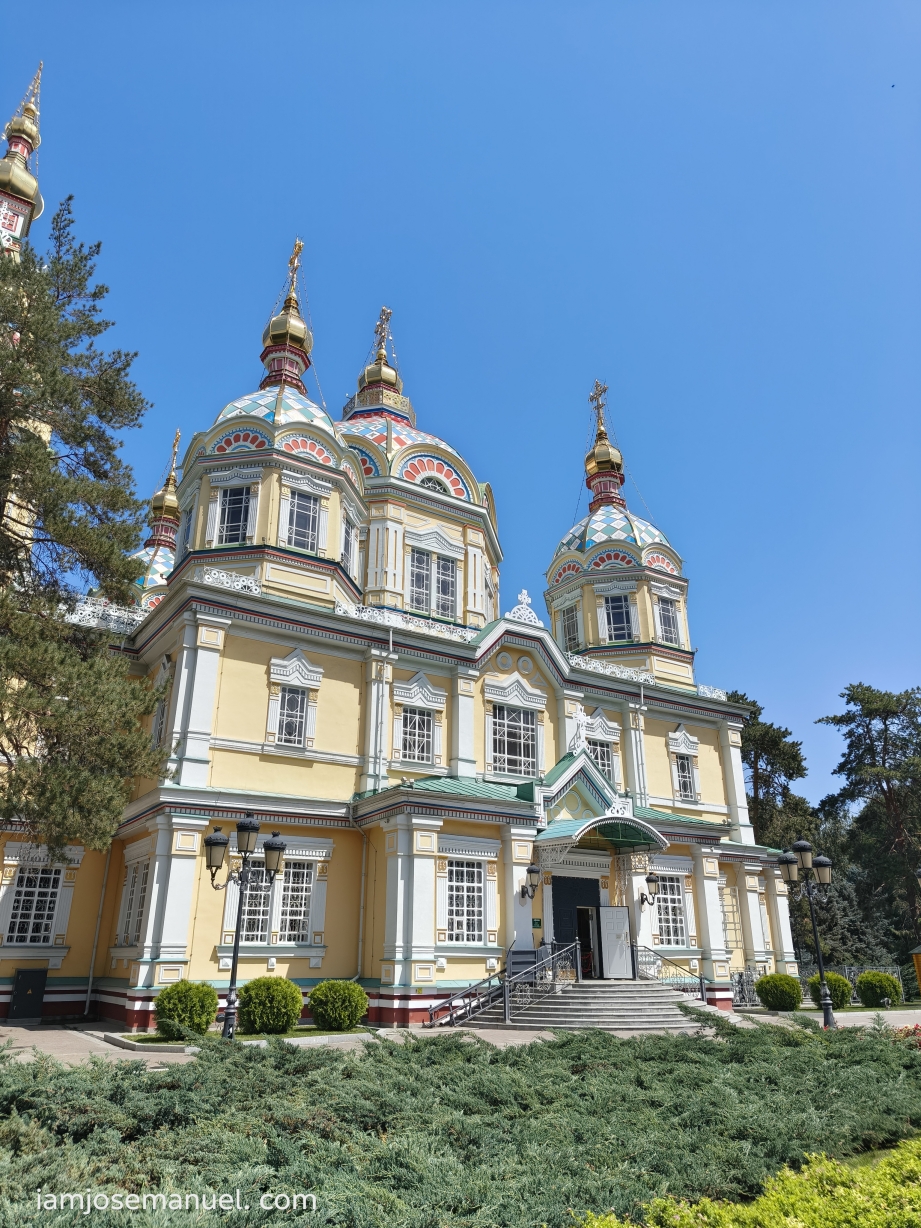
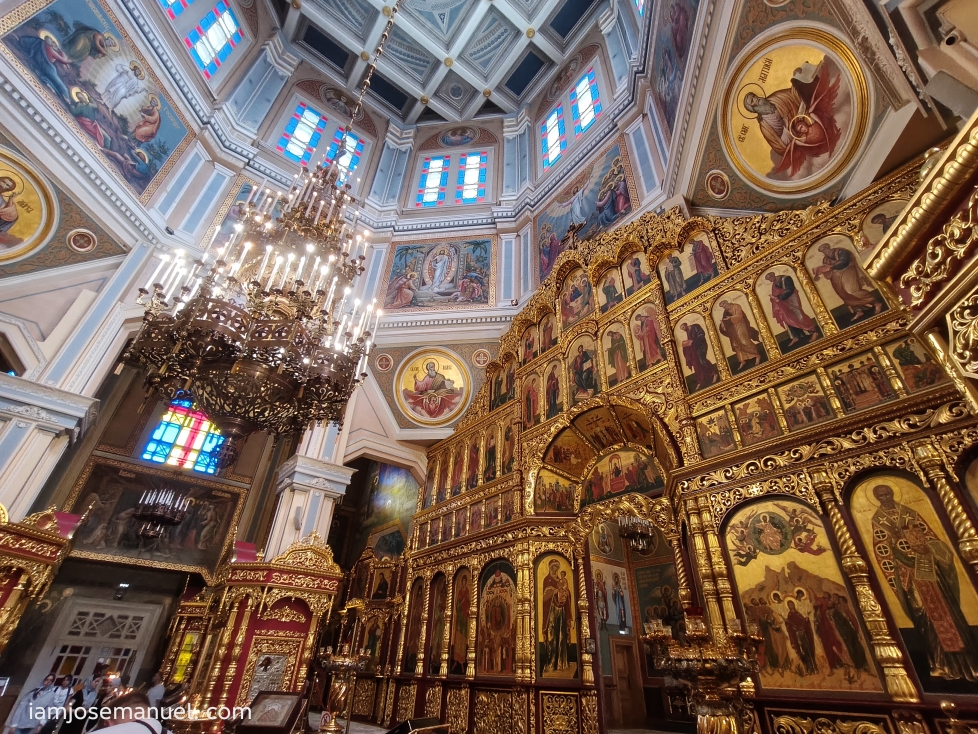
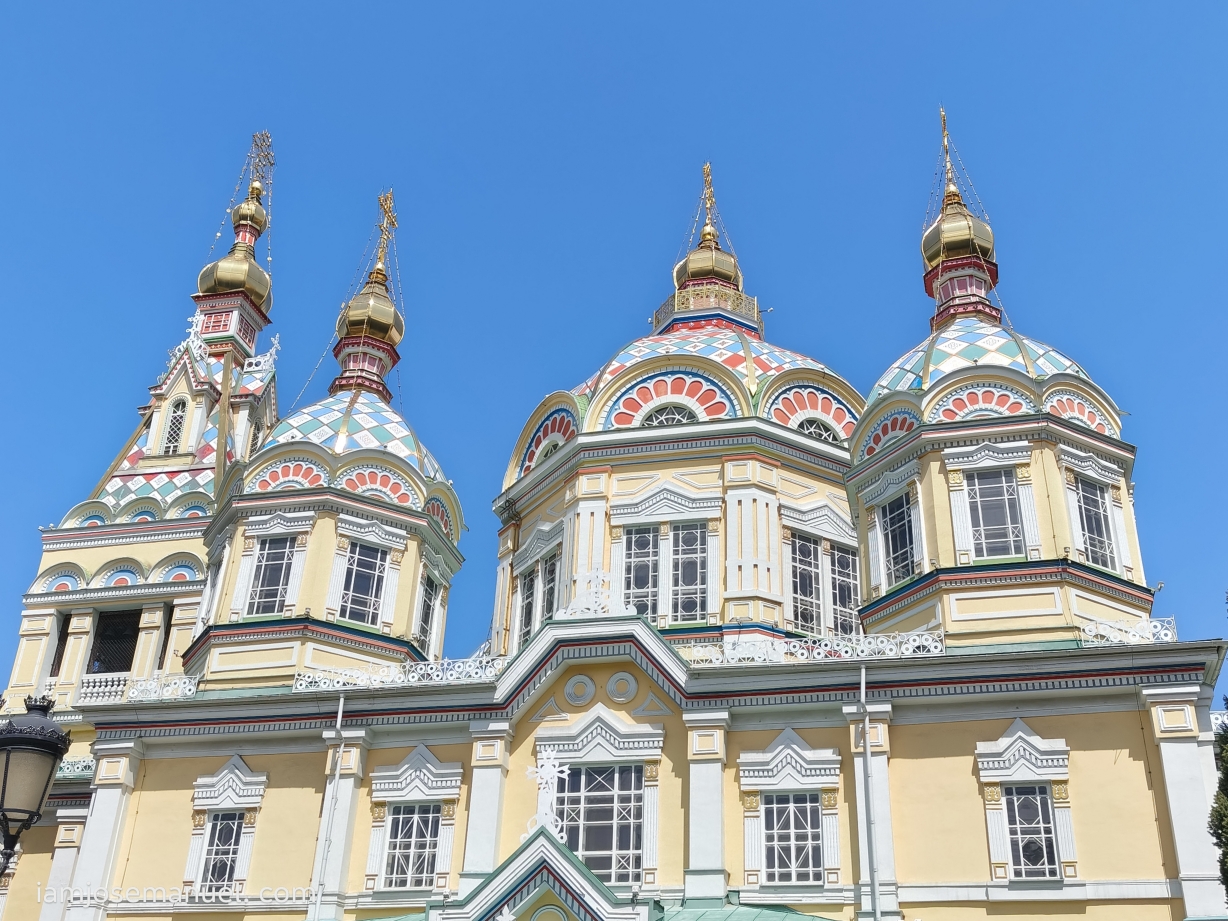
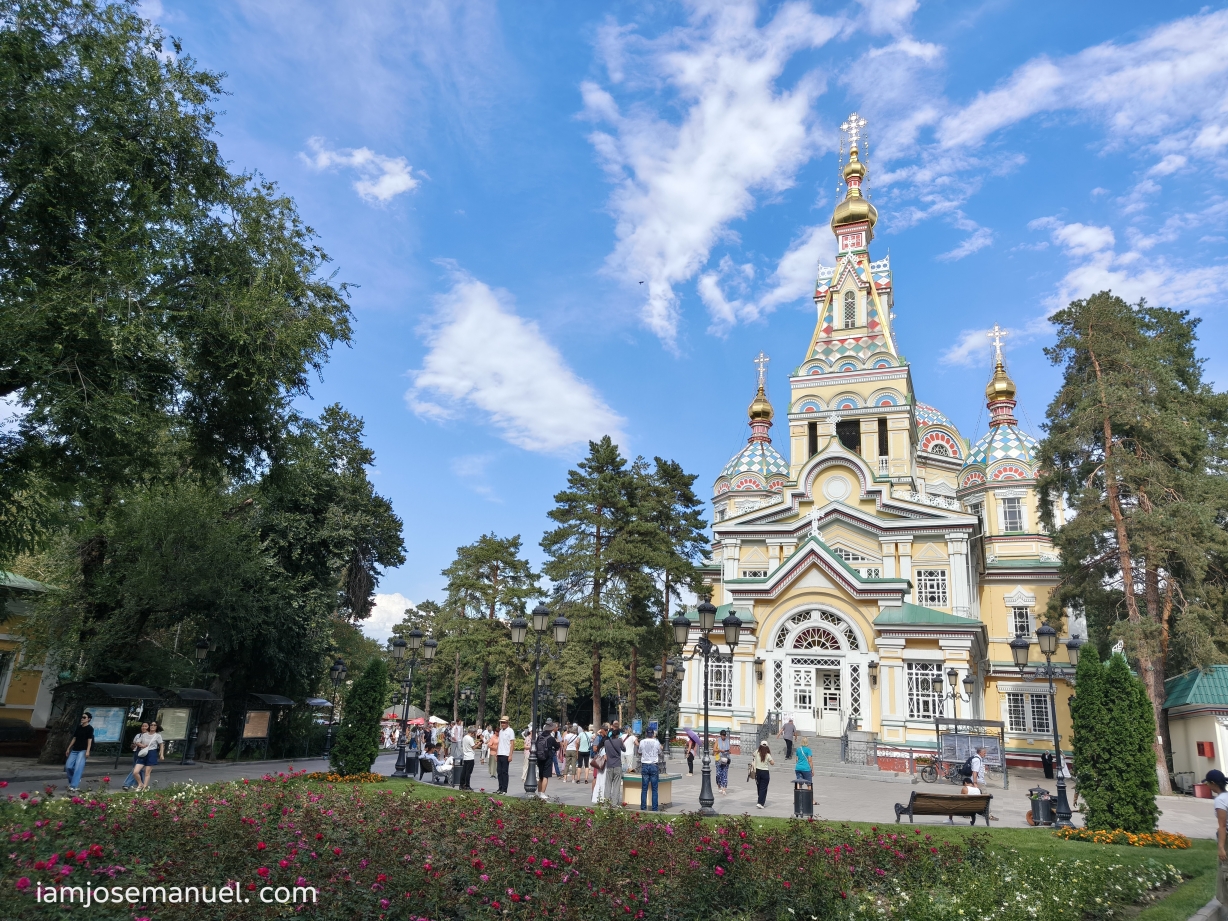
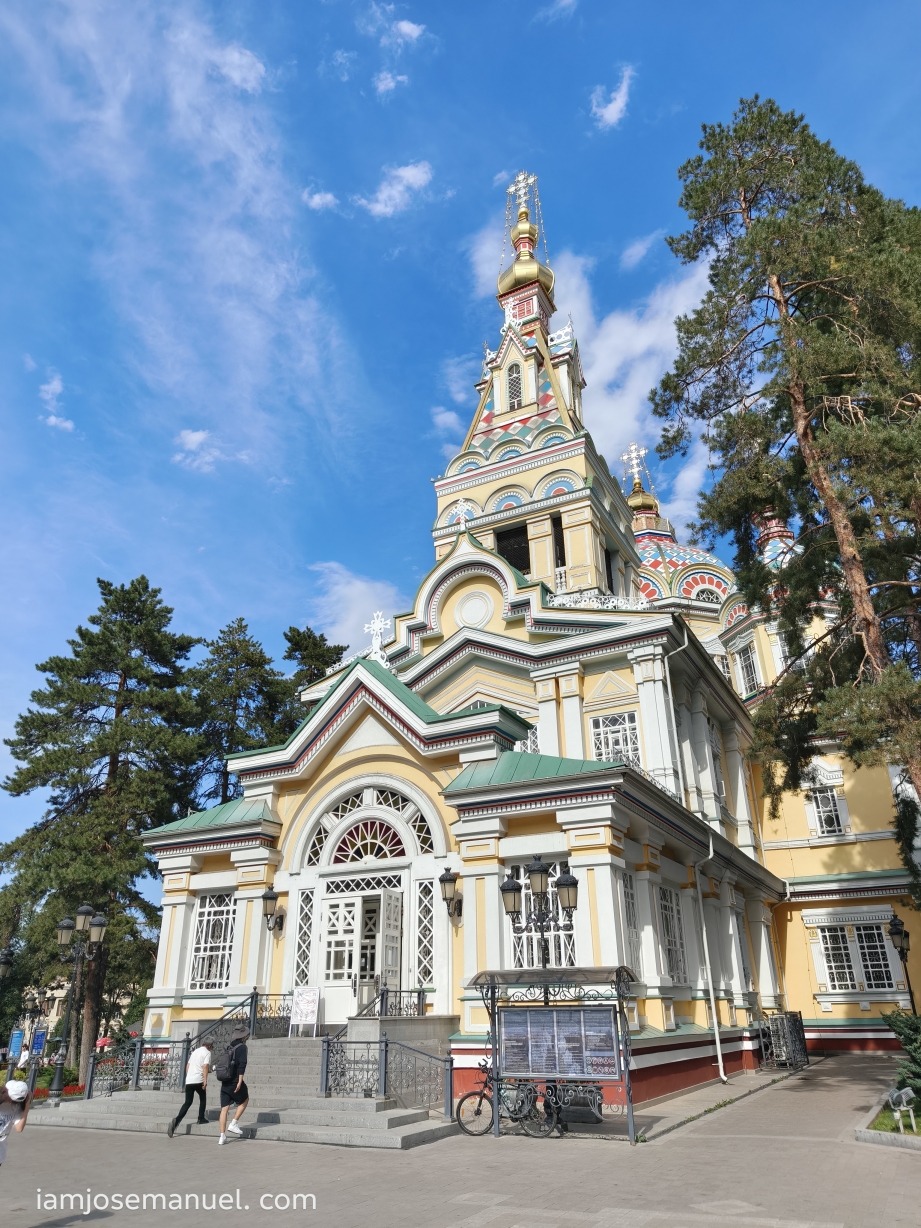
Panfilov Park and the Ascension Cathedral kase walking distance lang from where I stayed. When choosing an accommodation, I think it is best to peg this location as your base. Walkable, pleasant and very safe.
The Ascension Cathedral is an Orthodox Christian Church, not Catholic. But very welcoming naman to all visitors regardless of faith. The Cathedral is giving the iconic feels sa photo, but in actual, maliit lang sya. Mas massive pa nga San Pedro Cathedral ng Davao.
Green Bazaar – just a block away from Panfilov Park.
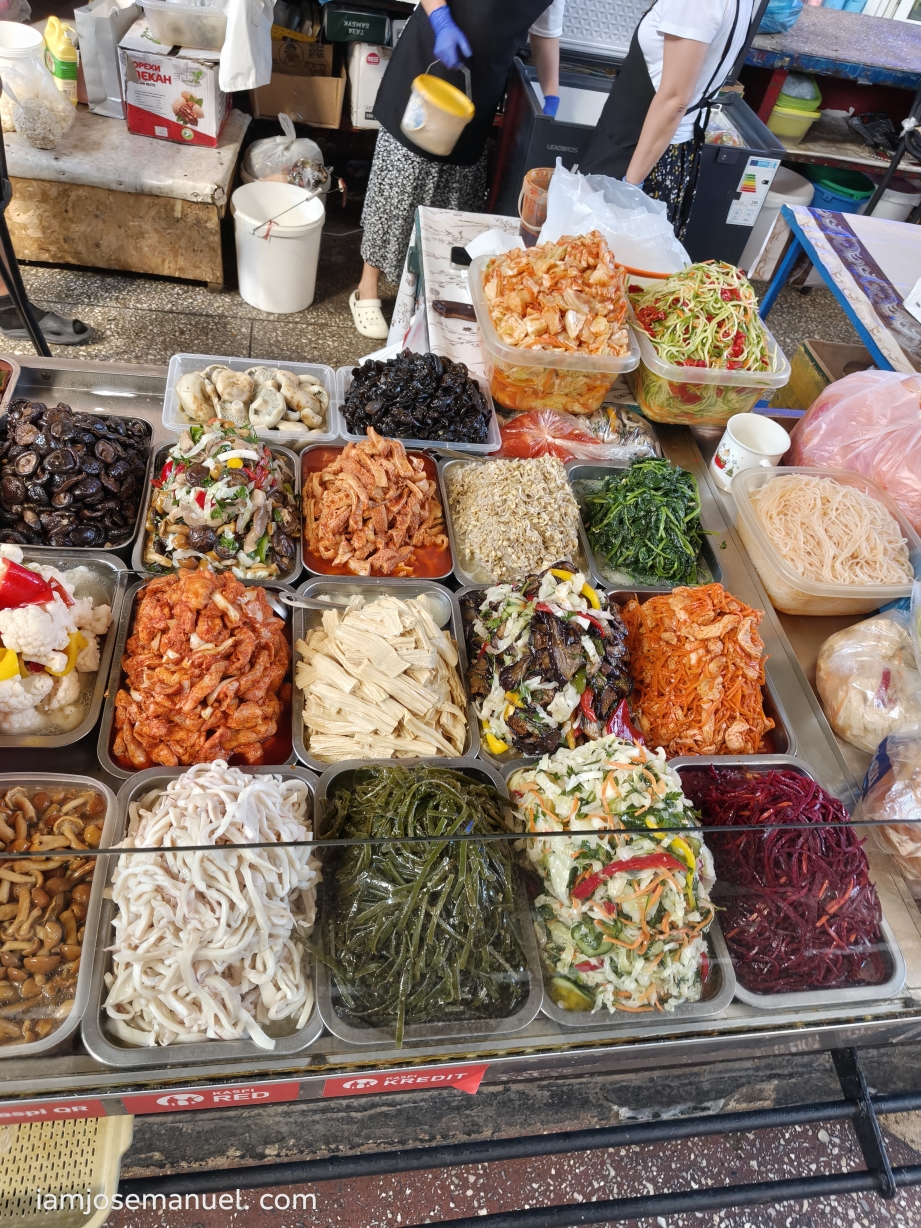
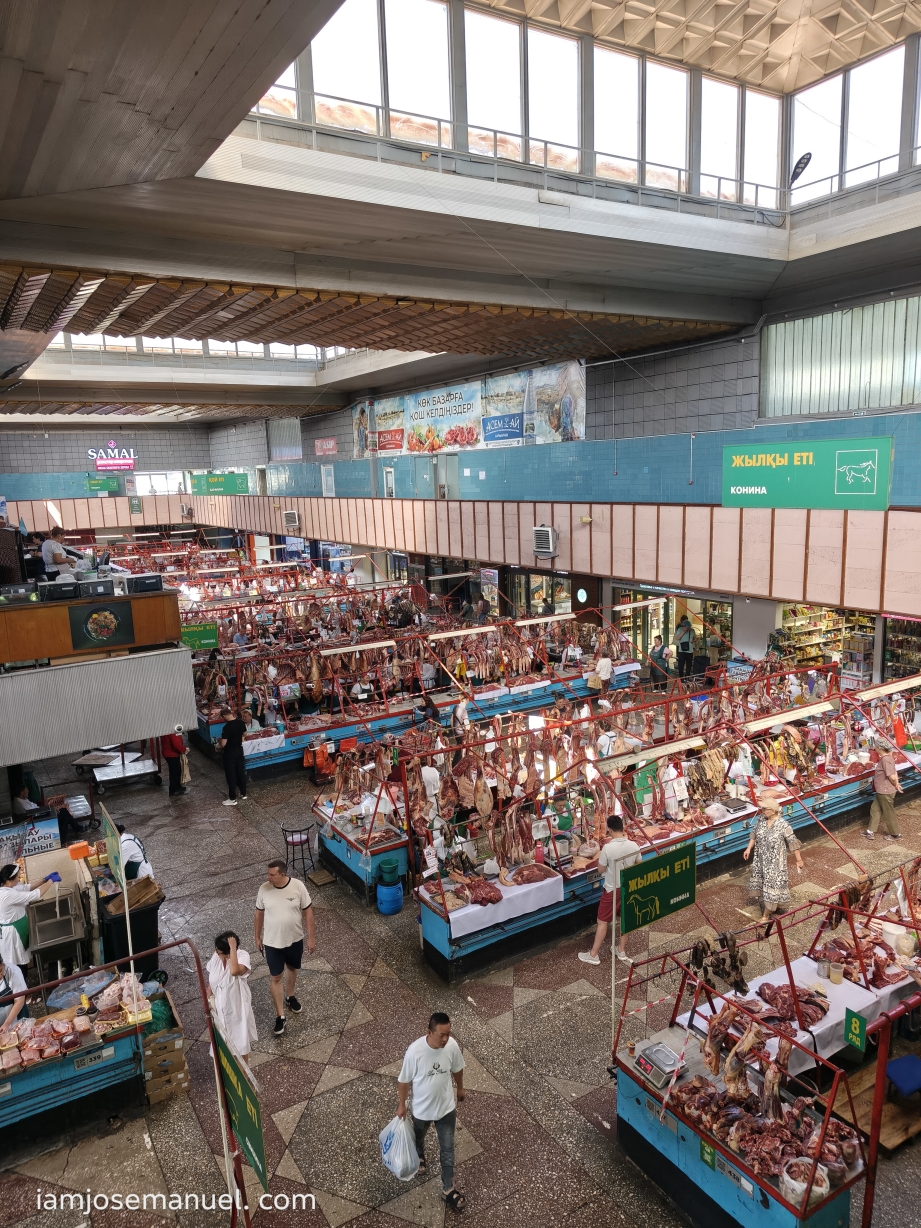
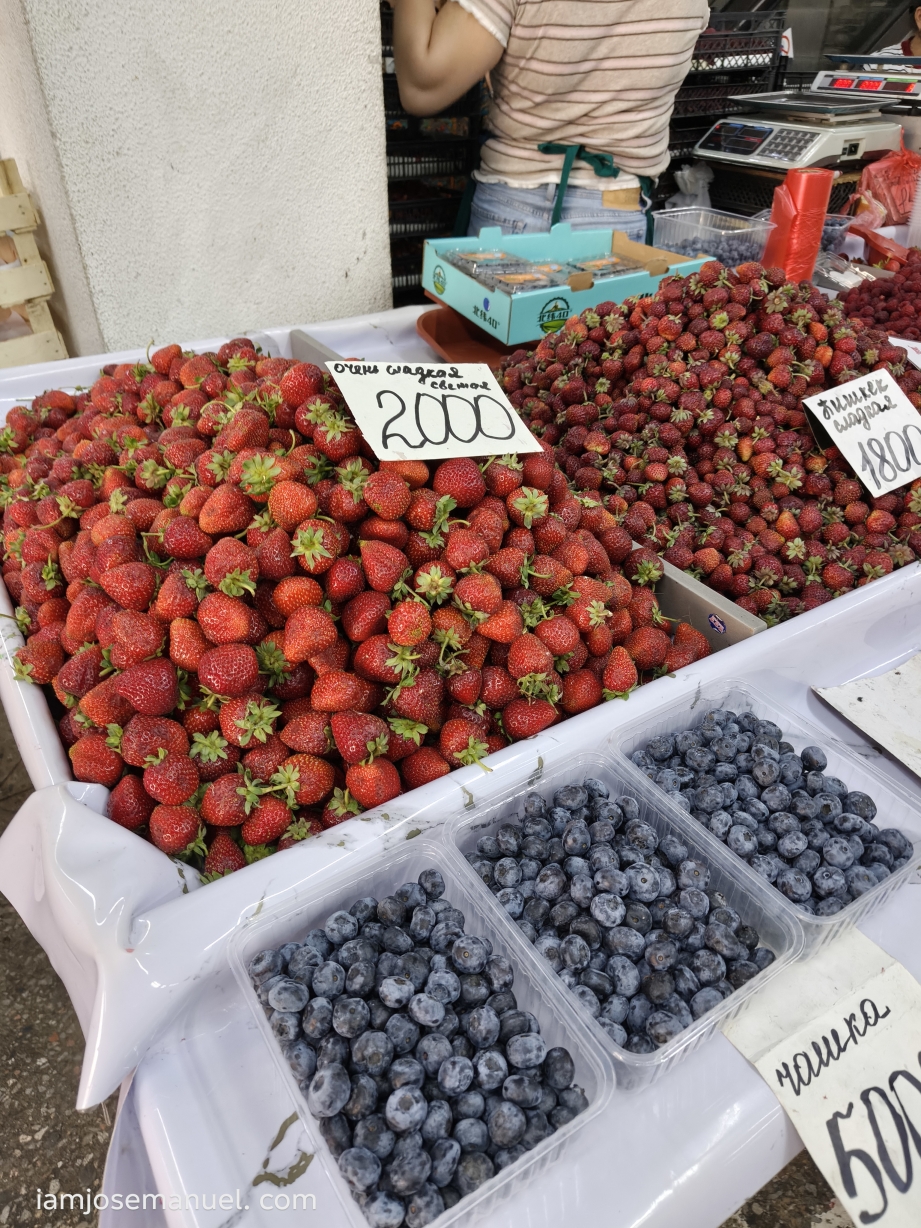
The Green Bazaar is a historic, vibrant indoor farmers’ market in KZ. Since its inauguration in 1875, the market has been an important trading point in Almaty. The moment you enter the Bazaar, a line of stalls agad selling aromatics and middle eastern spices, as well as different types of fermented vegetables and fresh fruites. Berries in Kazakh are soooo good at around 250 for a kilo.
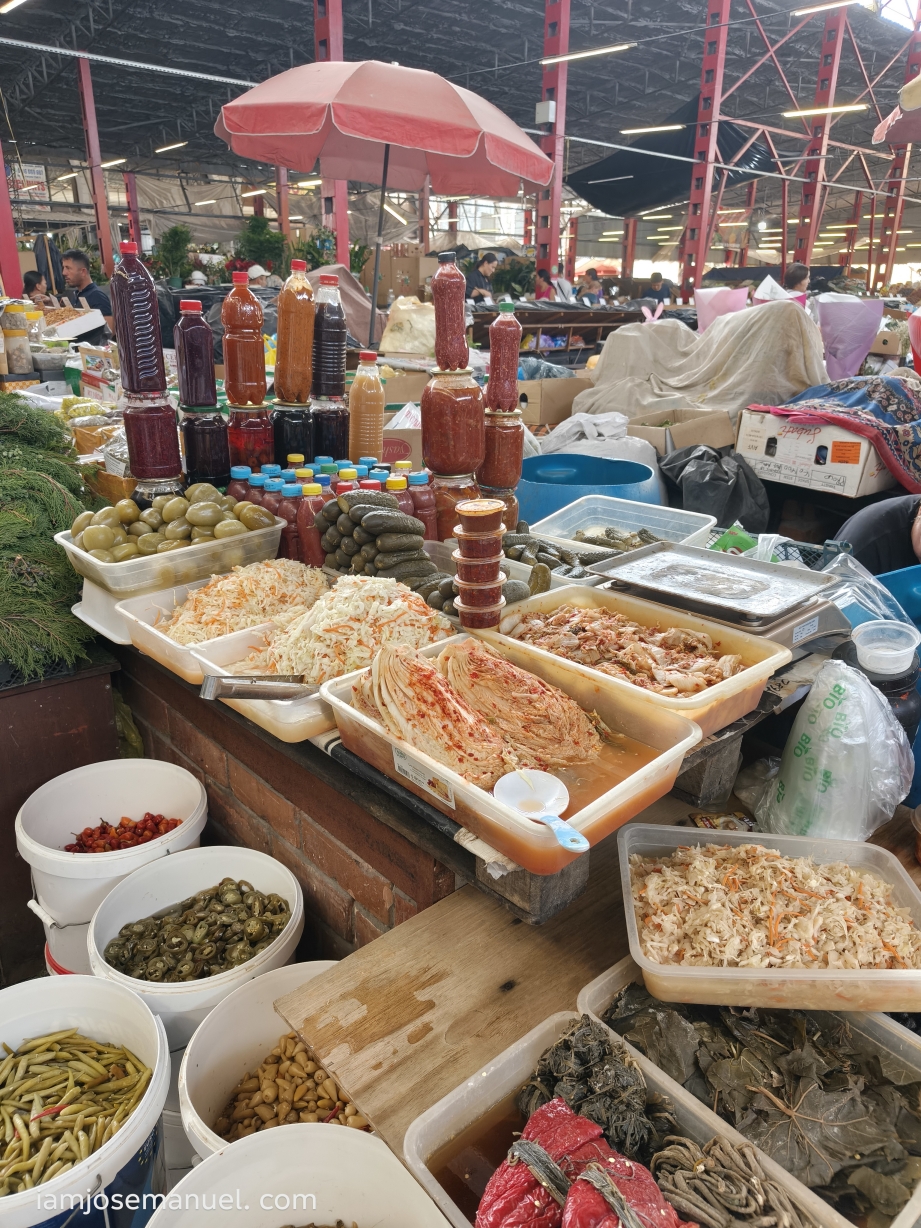
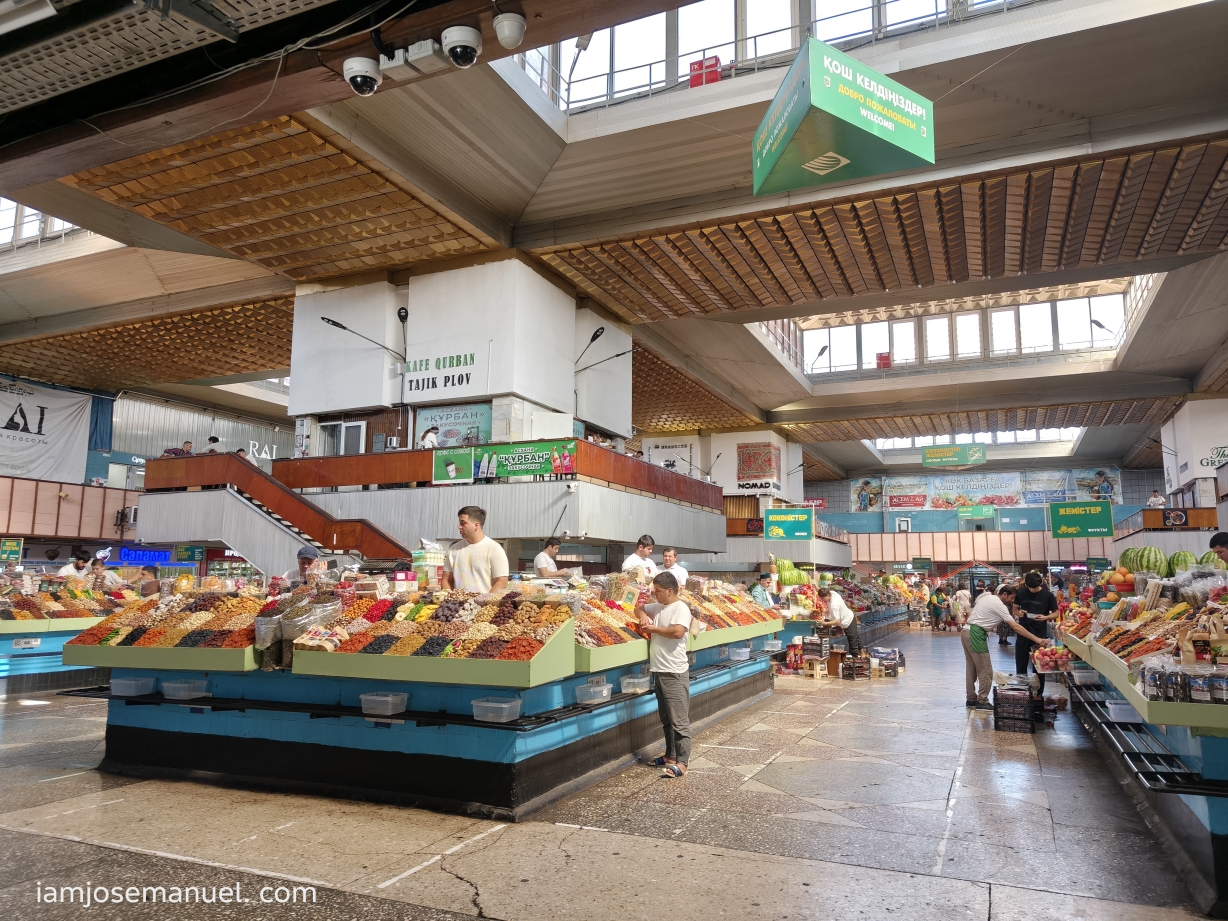
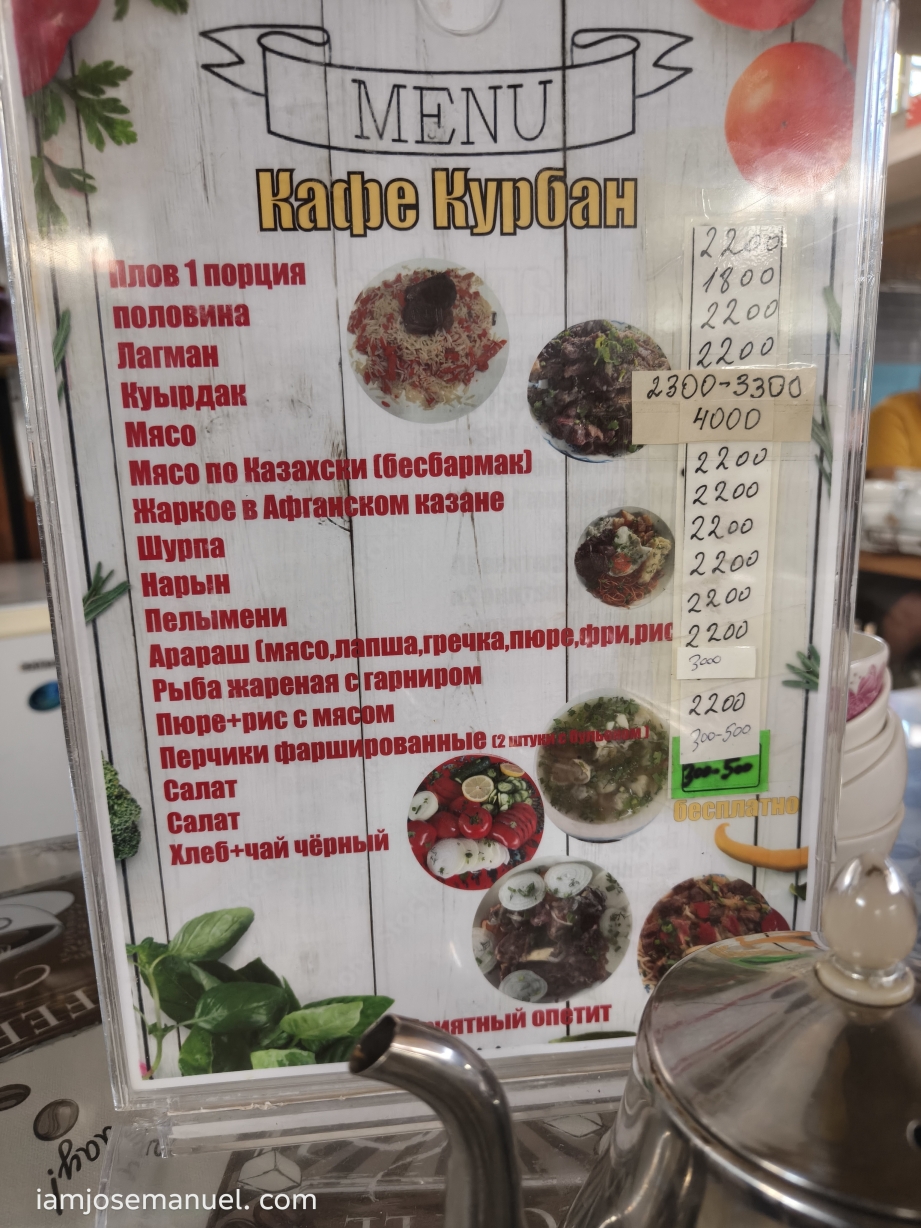
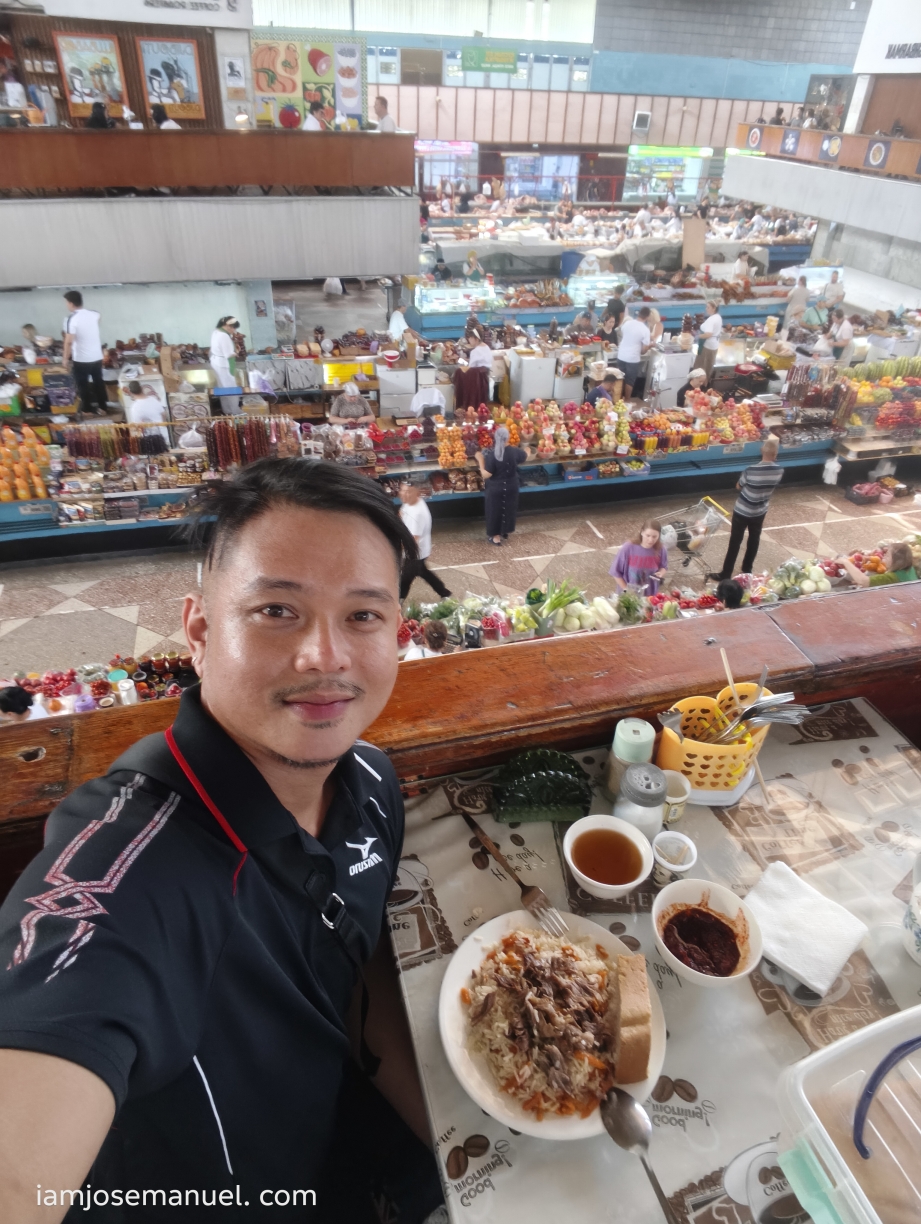
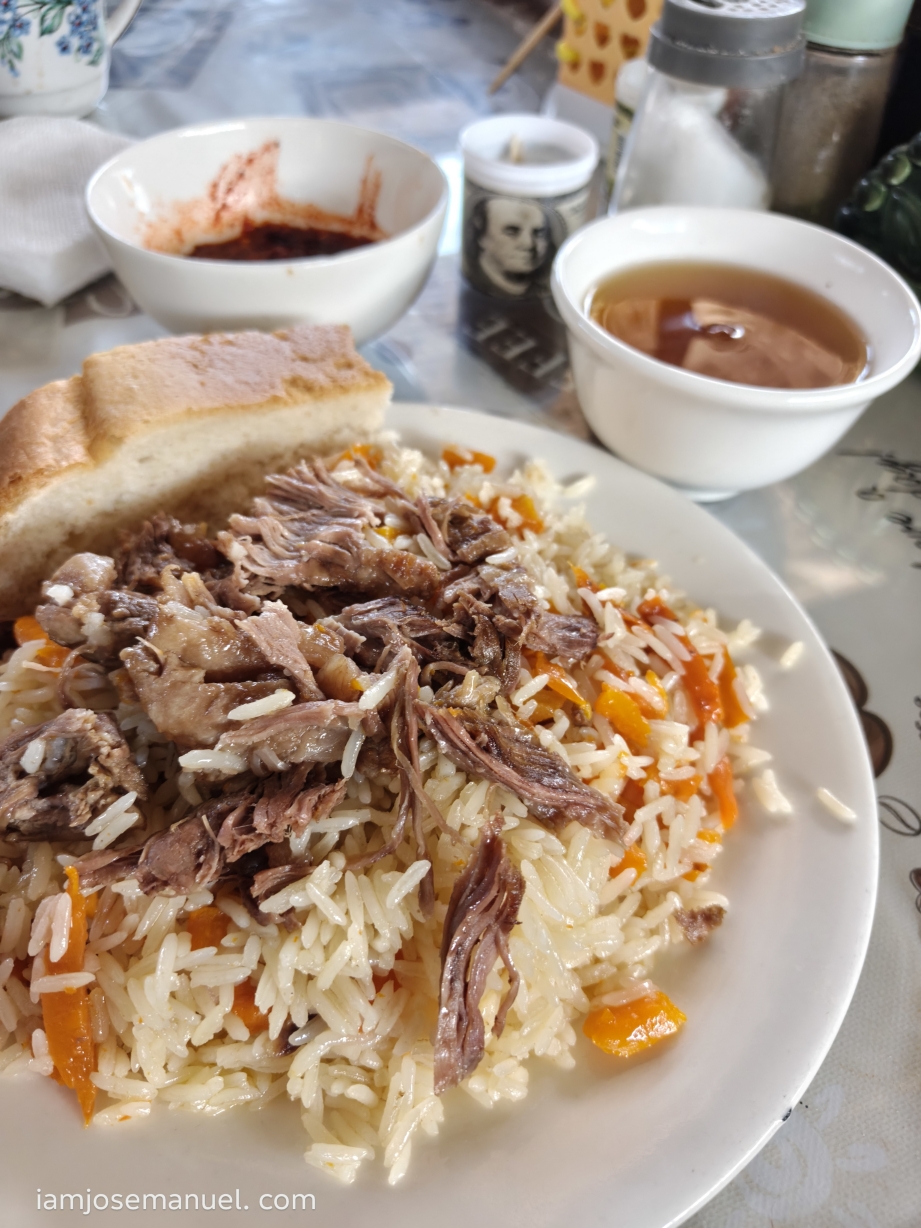
I highly suggest you see visit this on the first day, and have an authentic Kazakh meal at one of the eateries on the mezzanine floor. The challenge is walang English menu. Turo mo nalang food ng kabilang table. Kidding. Must eat na local dish – Plov. This Kazakh Beef and rice is a hearty dish made of meat, rice, onion, carrots and spices. The way I see it, para syang simplified version of Biryani by excluding the curry flavor, anise, cinnamon etc., and more on Cumin, onion and pepper. Syempre palengke sa Green Bazaar, so mura plov dun. Hot meals here are like half the price ng sa mga restaurants near the park. The market is clean and well-ventilated. No funky smell at all.
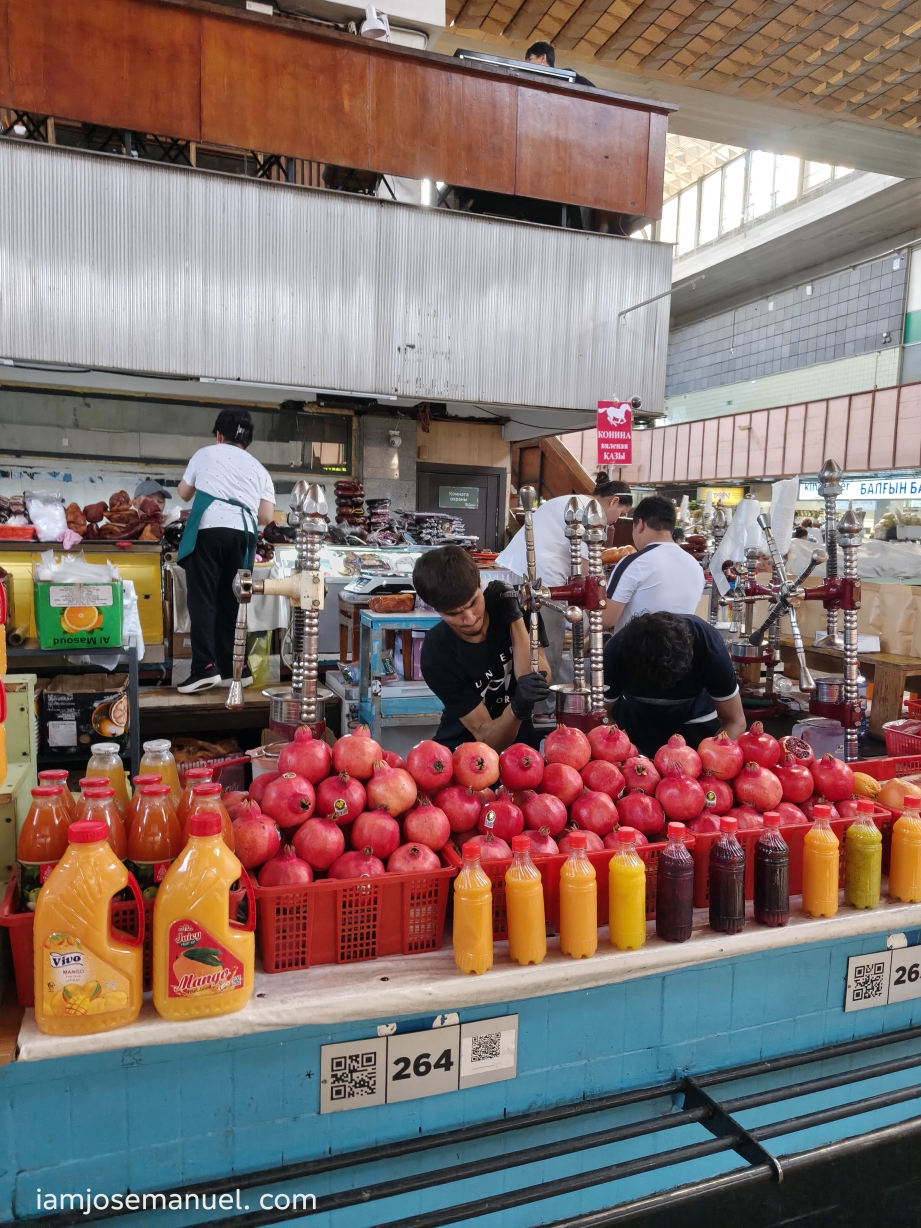
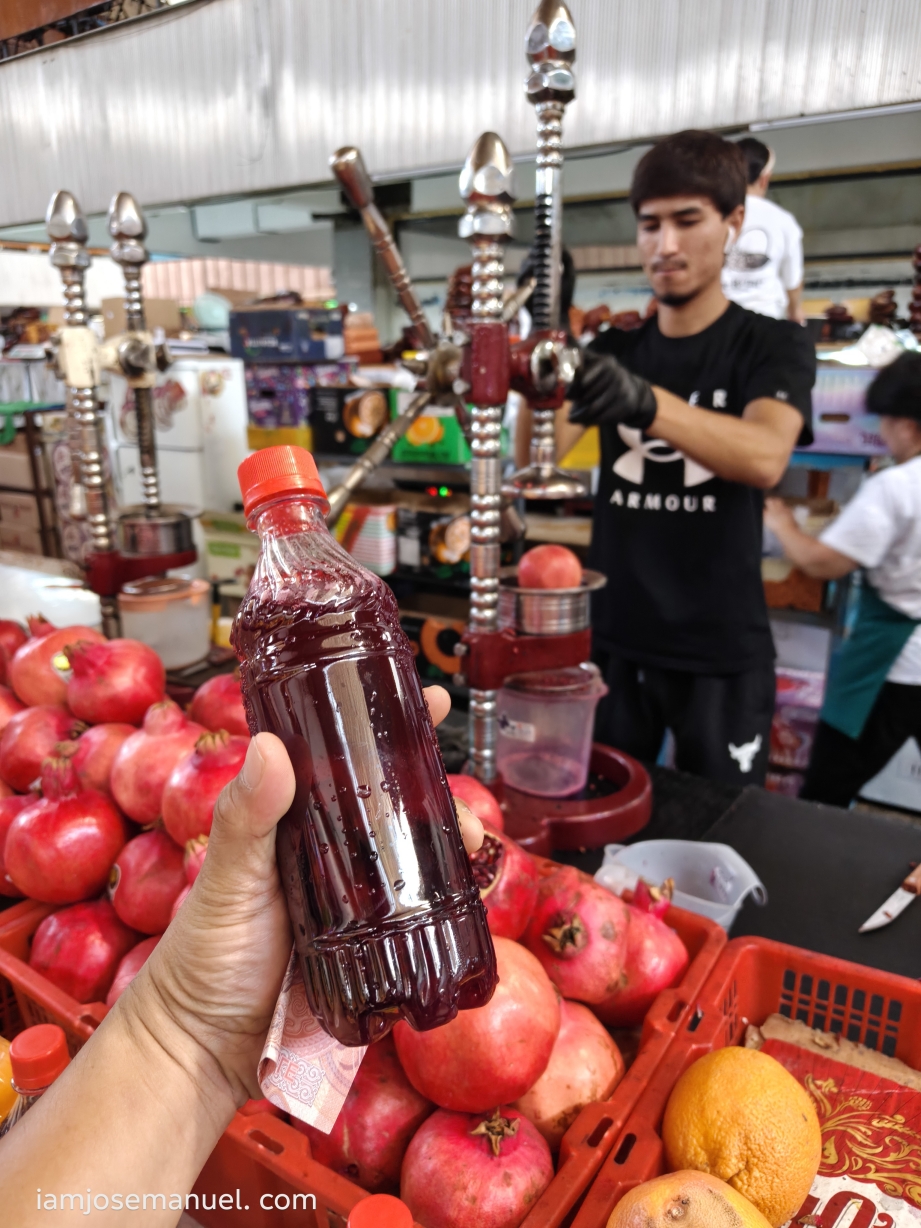
Fresh-squeezed Pomegranate juice – ito talaga priority ko because we don’t have them here in Ph.
Madami na din Money changers here at the Bazaar, FYI; though halos same lang naman ng rate sa airport.
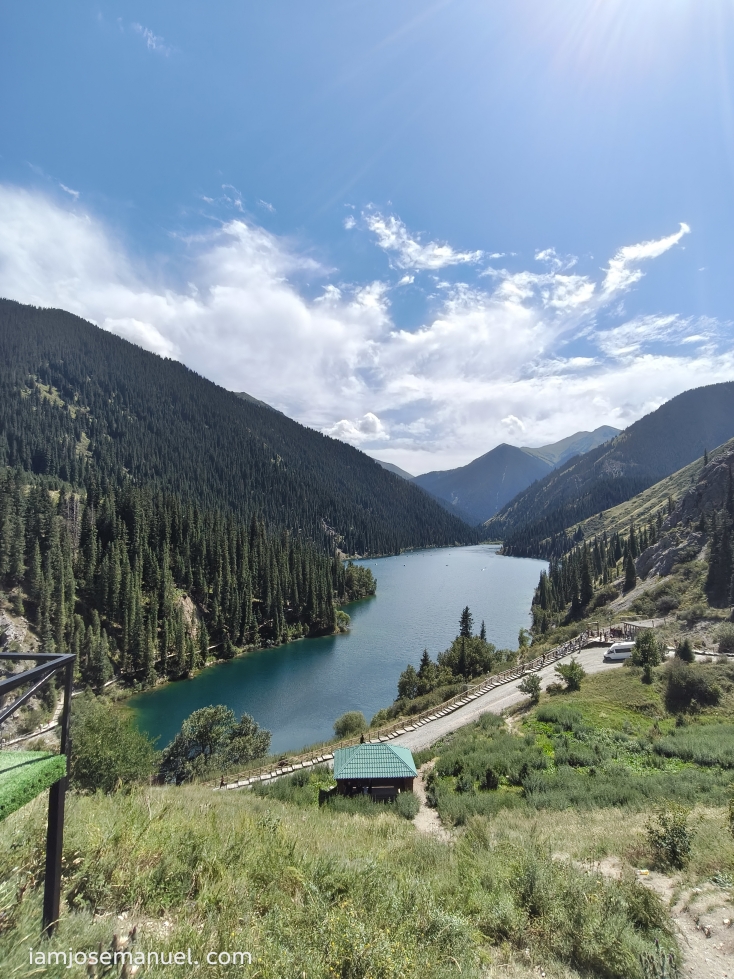
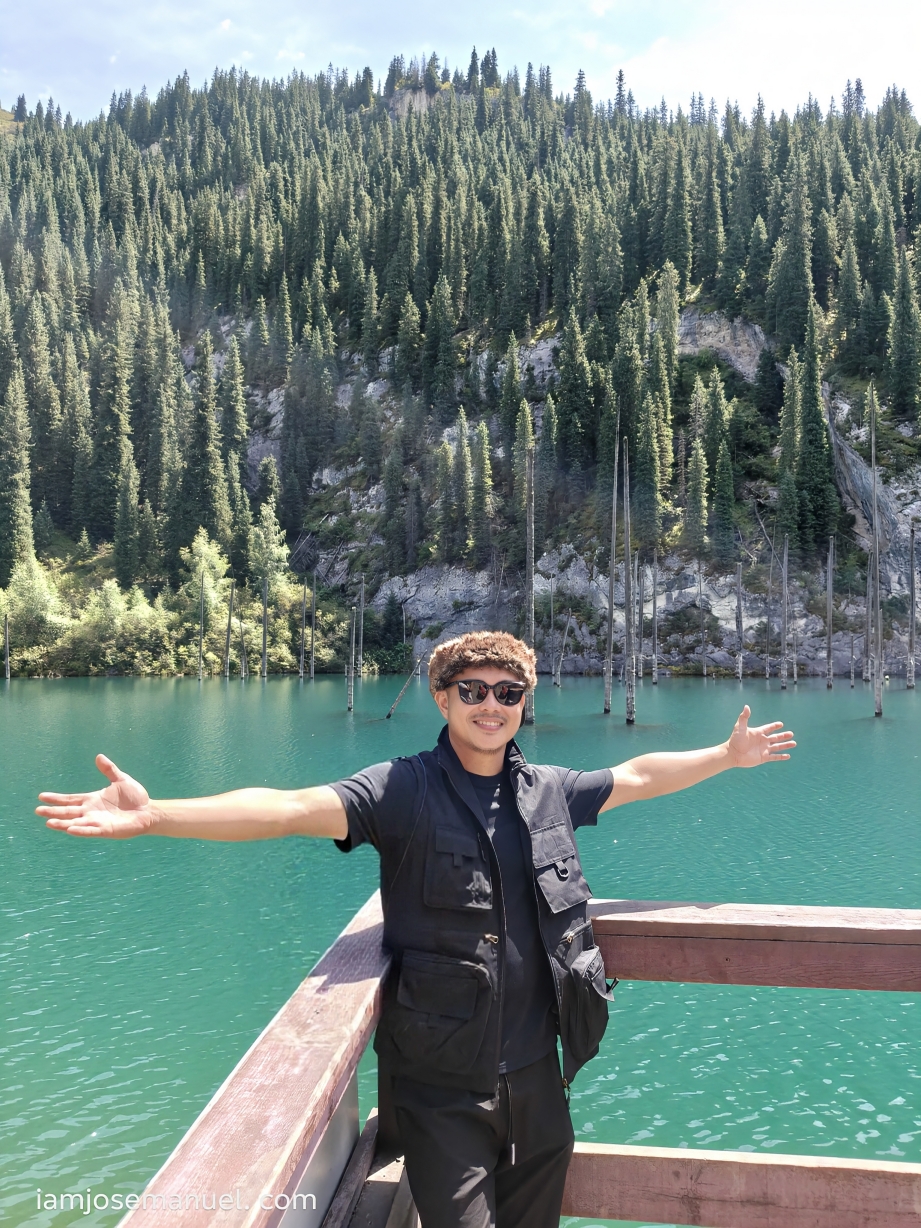
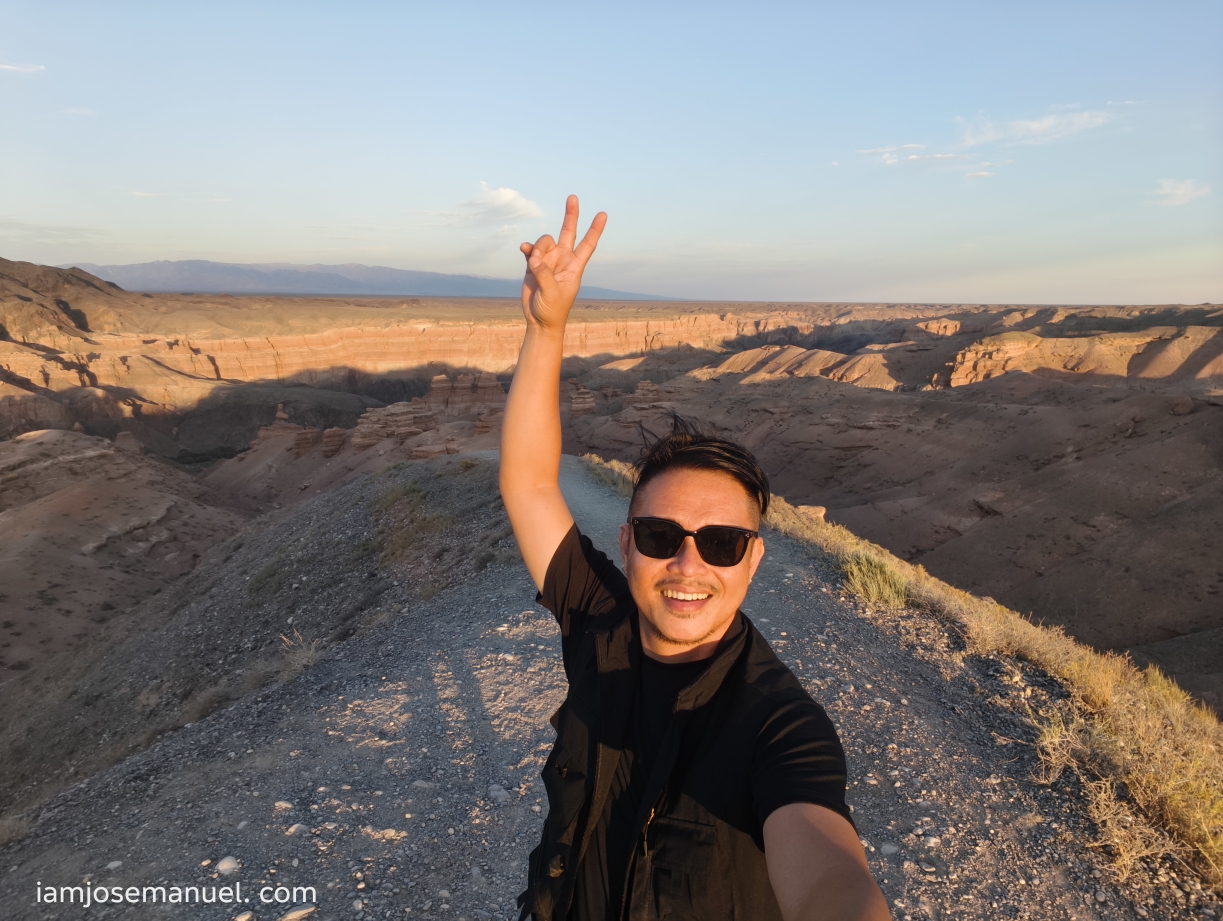
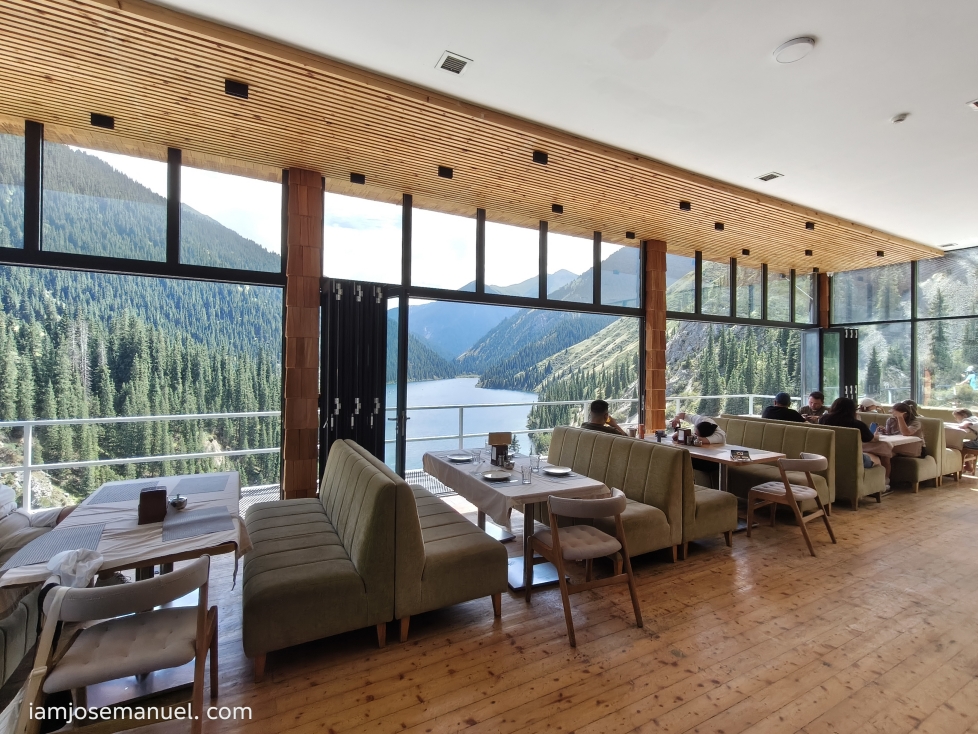
A tour to the Kazakh Mountains, lakes and canyons is probably the highlight of Kazakhstan. Napaka-ganda.
Hiking is part of the tour. The longest was like an hour hike, so prepare comfi shoes and sun shades.
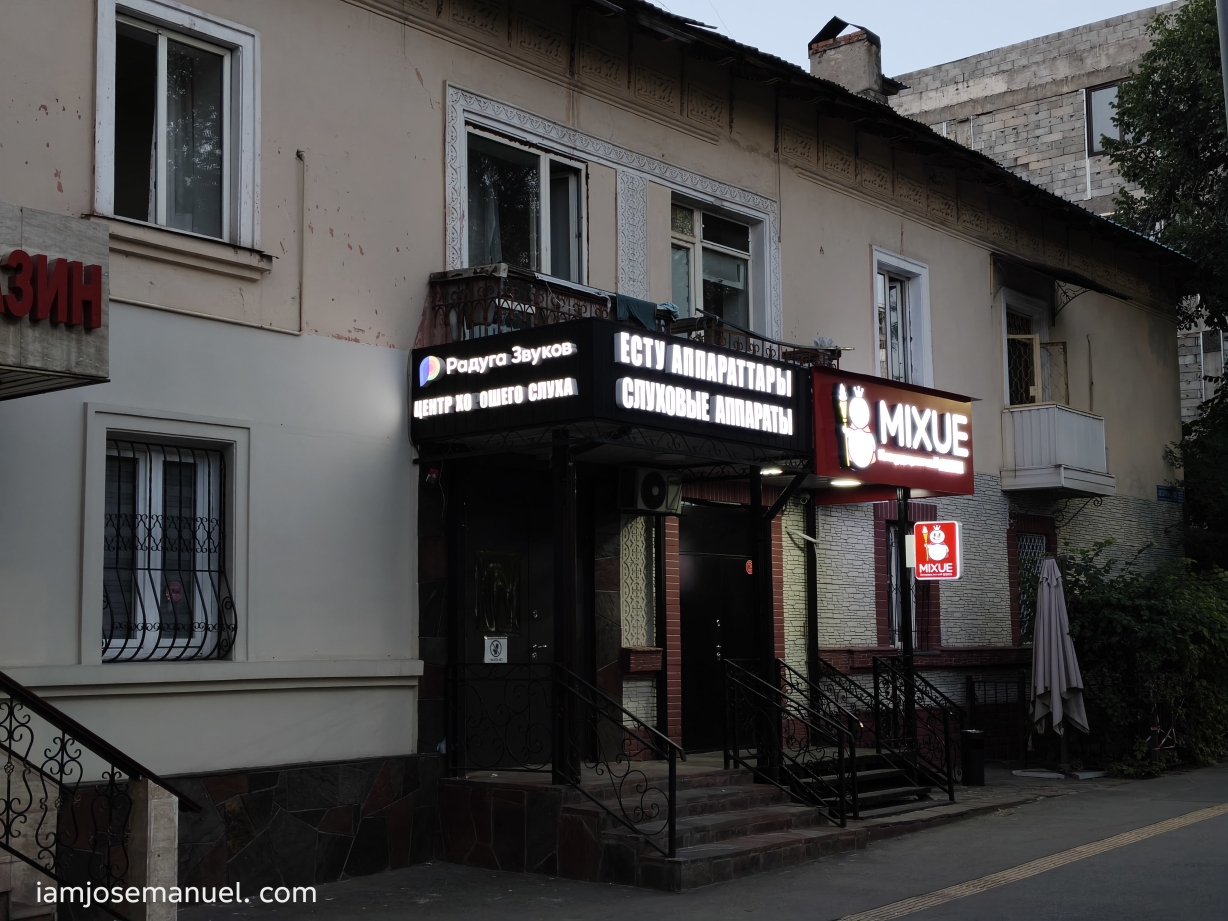
I booked my day tour with Panda Travel ( A local Kazakh tour company based in Almaty) for around 2,200 Pesos. They are quite popular on instagram. Good reputation naman so I booked and paid my slot even before my flight. Meeting time was around 5am. Office nila sa tabi ng Mixue. All instructions were given via chat/email prior to the date of tour. It was a pretty straightforward na tour. Video highlights are posted on my tiktok. hehe. The tour lasted around 16 hours including travel time. Yes, medyo tiring. Would have been better if I booked a tour with an overnight stay at the mountain.
I stayed in Almaty for 4 days. I spent two days doing touristy things, including the day tour to the lakes. On the remaining days, I just lazed around my place, tried different eateries/canteens and cafe hop. Sobrang pagod ko sa work-life balance back home and this travel was a big chance for me to have a guilt-free rest. I intended to see Shymbulak Resort and Kok Tobe Hills pa sana, which are both accessible by public transport from Almaty. But honesty, pagod ako. I rested and took afternoon naps, and it was never a waste of time.
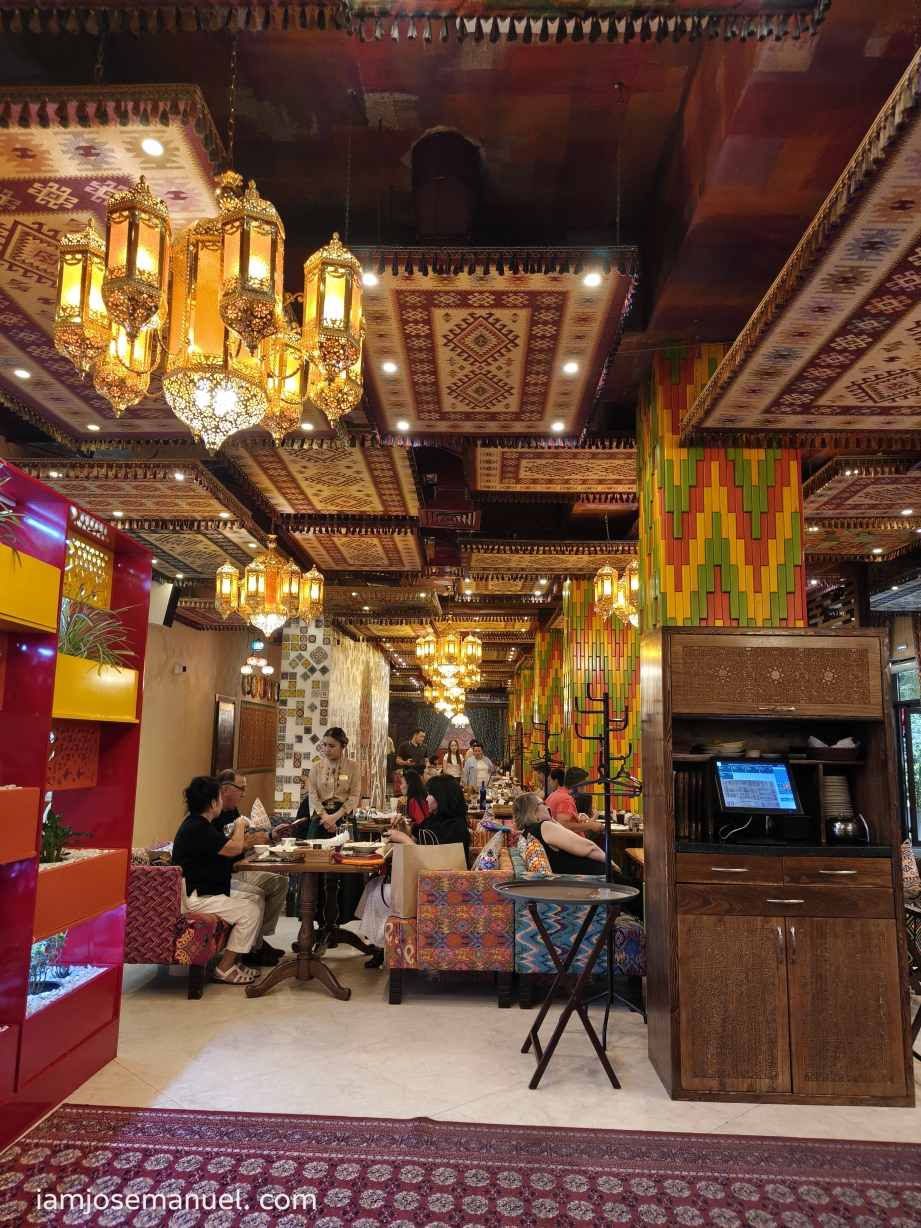
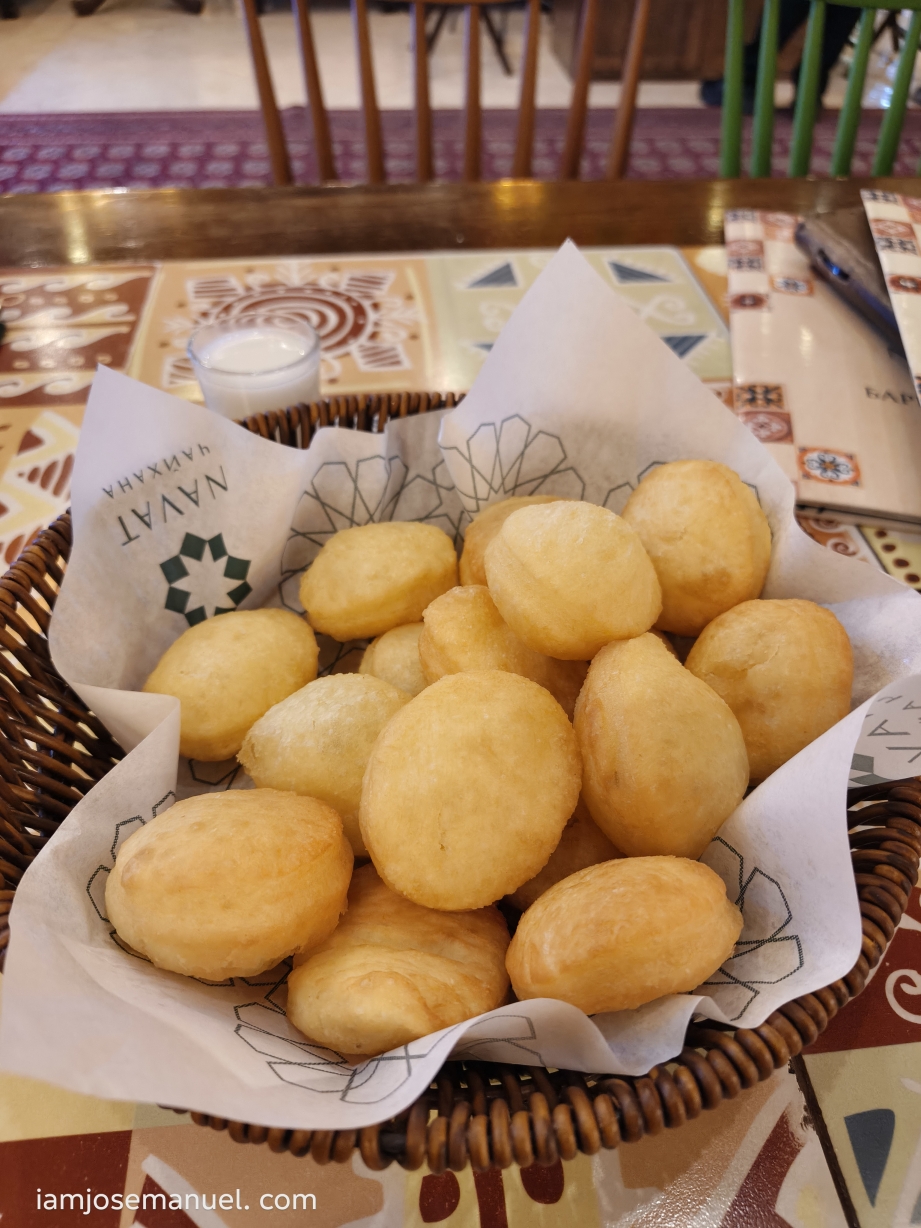
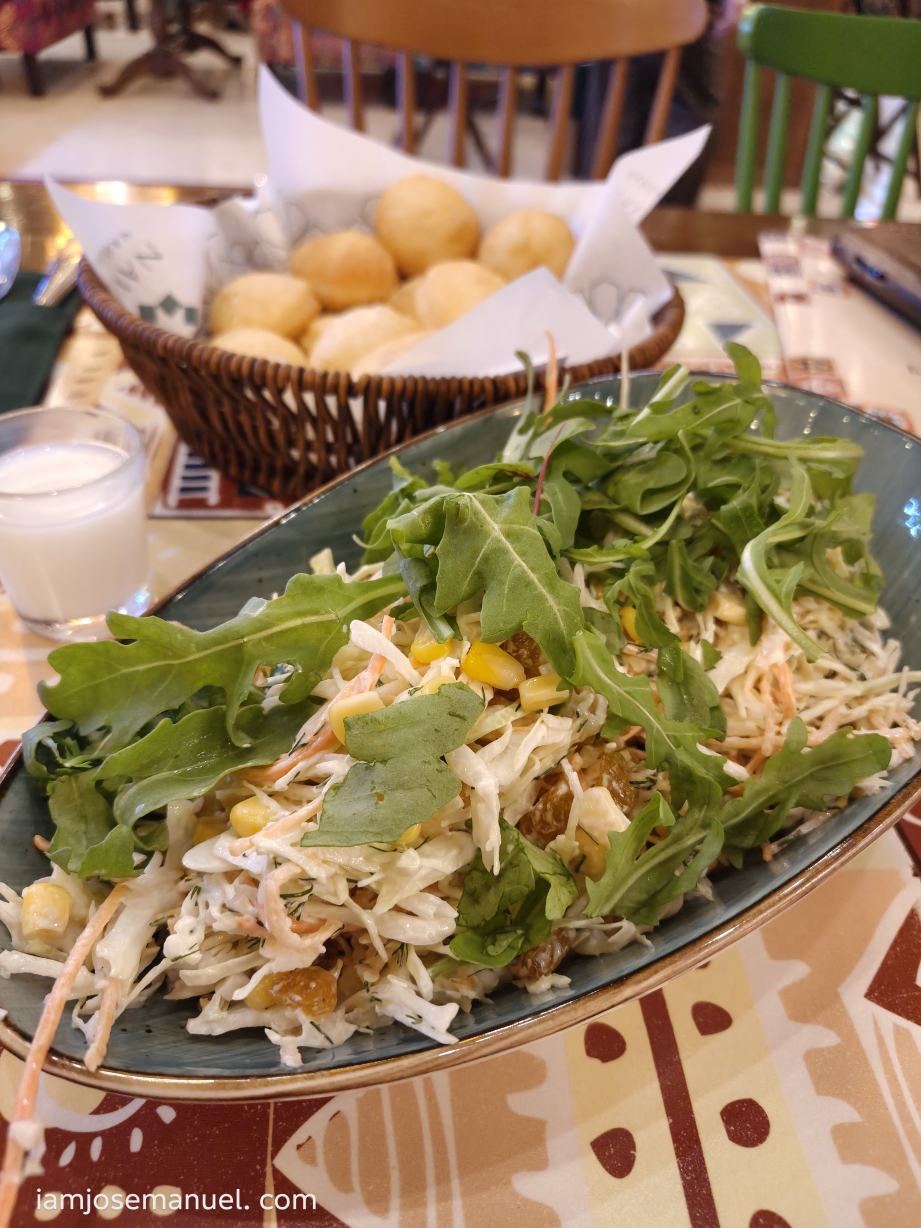
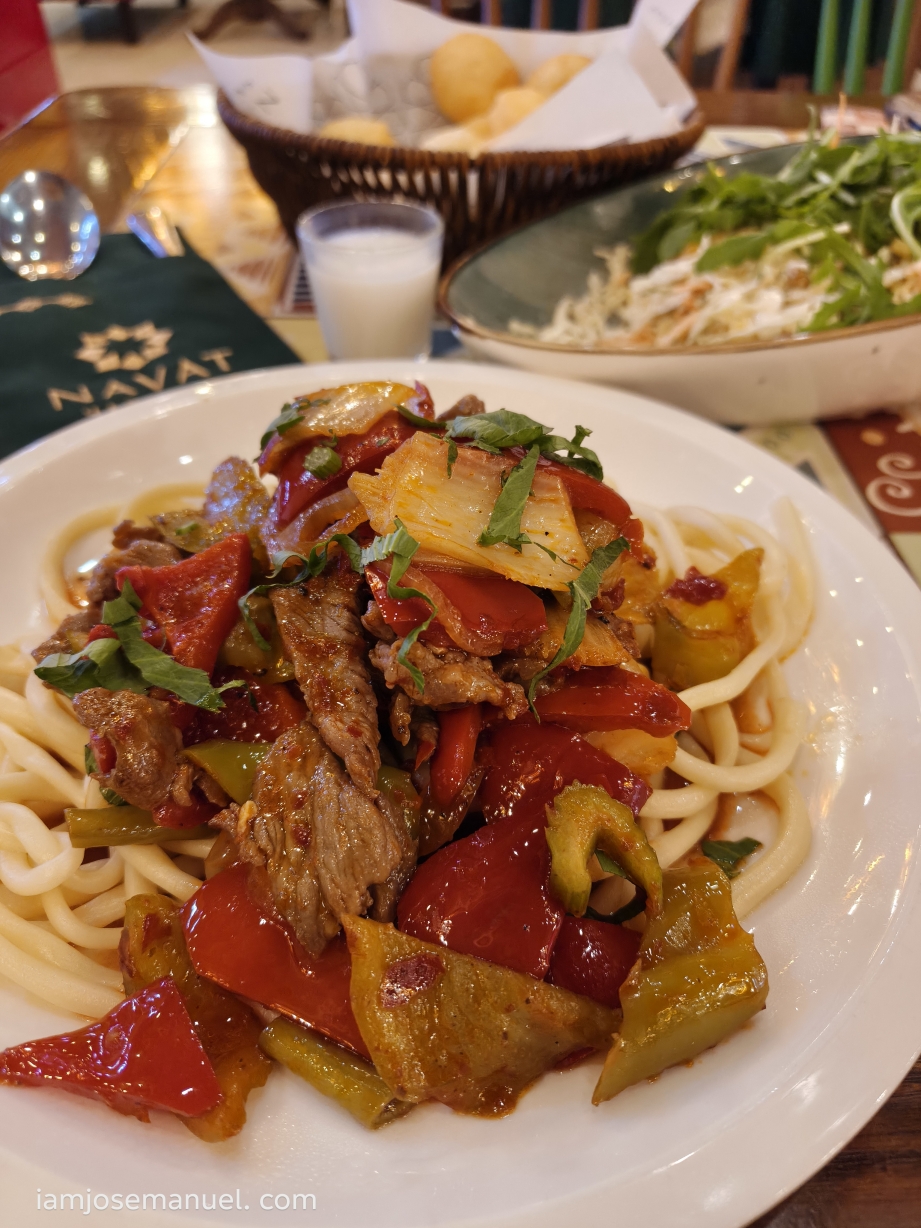
One of the best meals I had was from Navat Local Restaurant. Not the cheapest pero sulit. Too bad solo ako so I wasn’t able to try many dishes kase di ko rin mauubos. From Navat, I ordered Lacman, which is a central Asian fat noodle dish, withan order of hefty cabbage and walnut salad and a complimentary fried bread known as Baursak. In Kazakhstan, fried bread is very common for sides and snacks. This differs them from the neighboring Uzbekistan, kase brick-oven baked bread naman mas common dun.
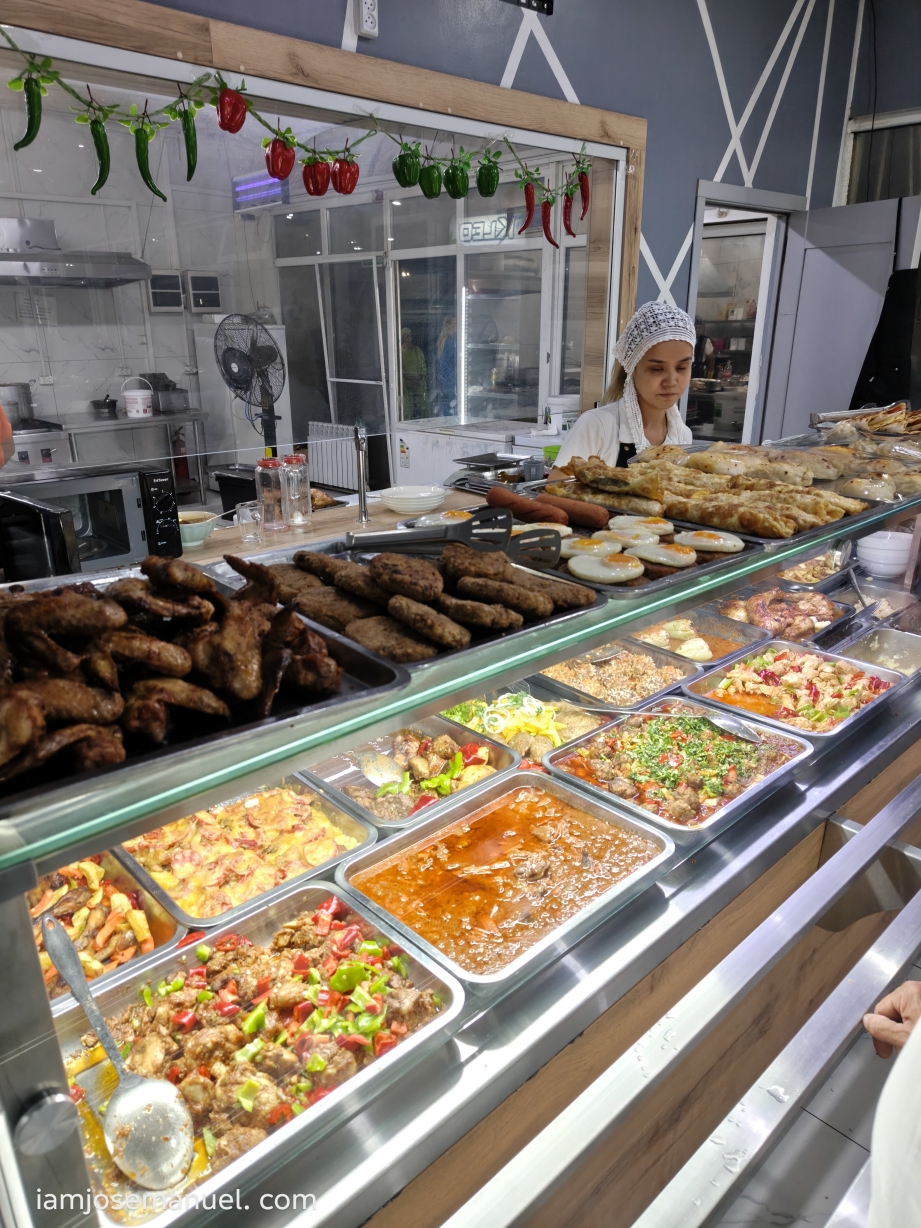
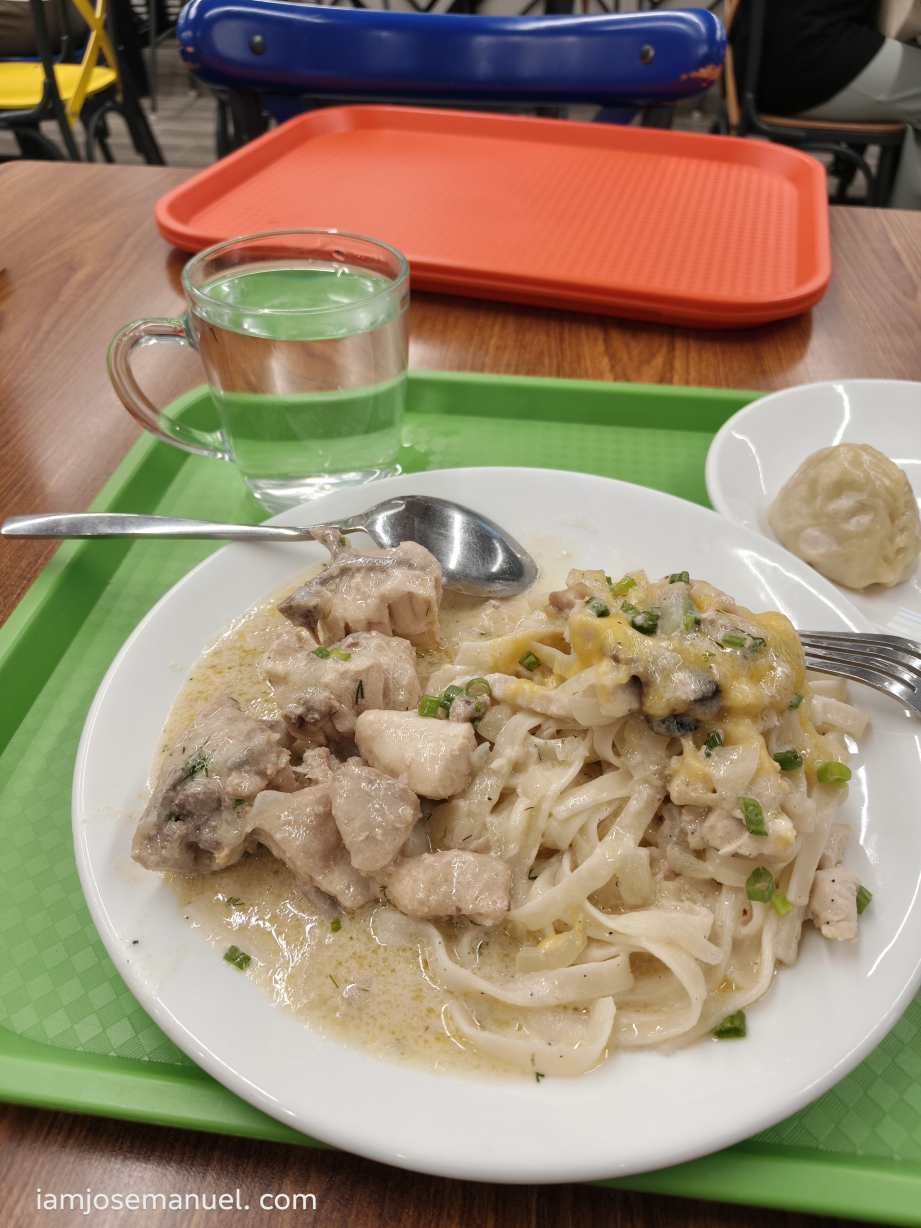
On random meals, I dine at local canteens or “stolovaya” kase those places serve ready to eat local dishes. Pipili nalang ako what looks good to eat, because the names are seriously unfamiliar and it would be tiring to ask the staff pa for details. Aside from that, mura din dito. When you visit Almaty, just google the nearest Stolovaya or Qaganat for such meals.
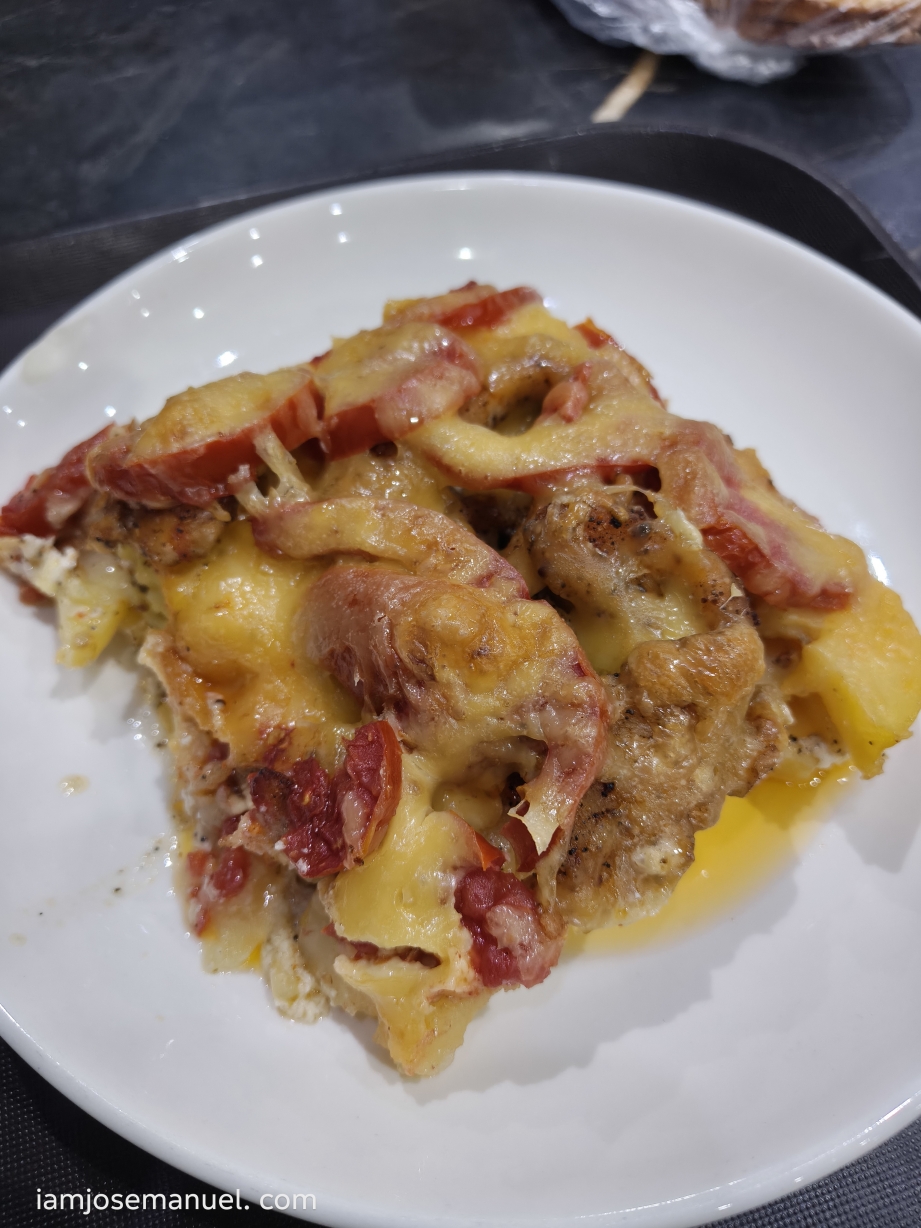
This one below is seriously good, like a lasagna but they used thin layers of potato filled with meat portions, tomato, pepper and cheese. They call it Khanum
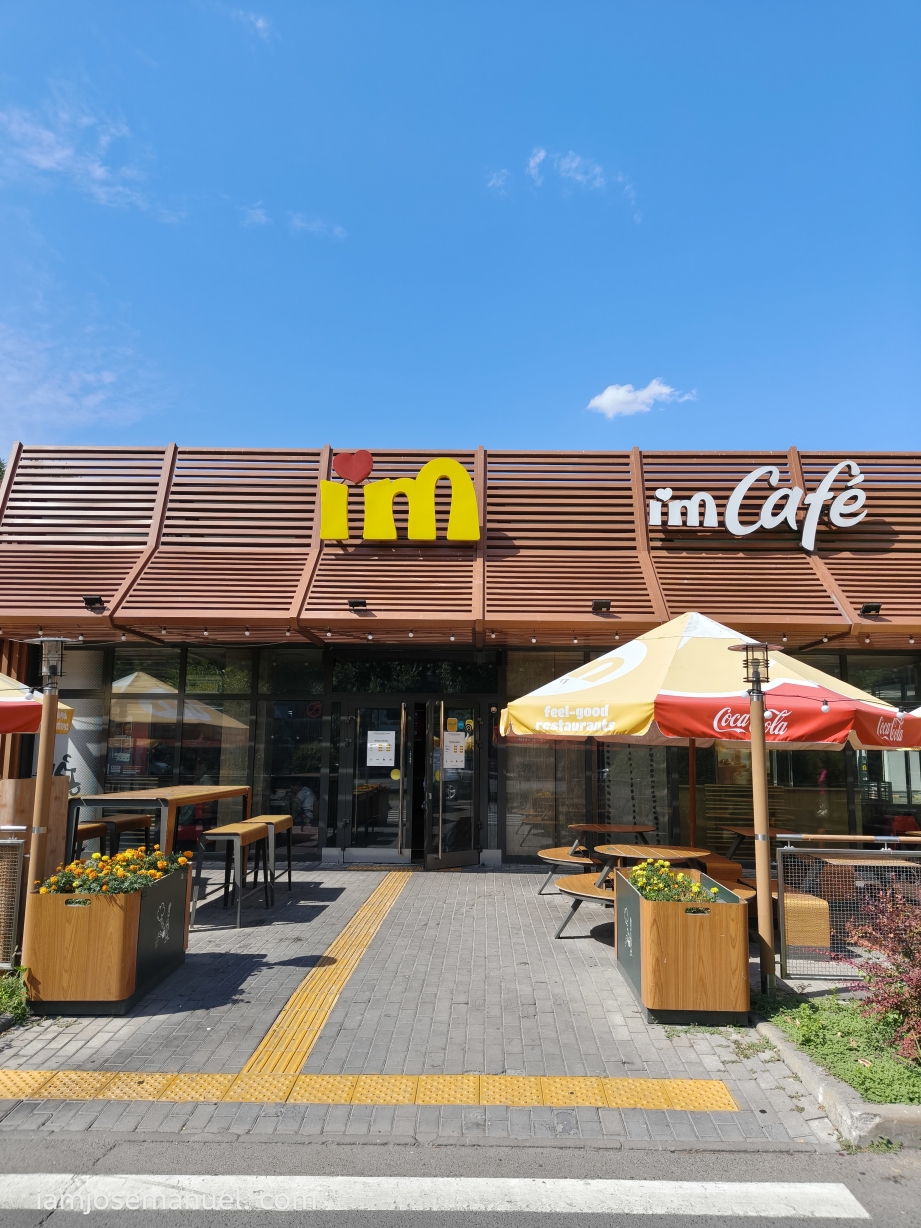
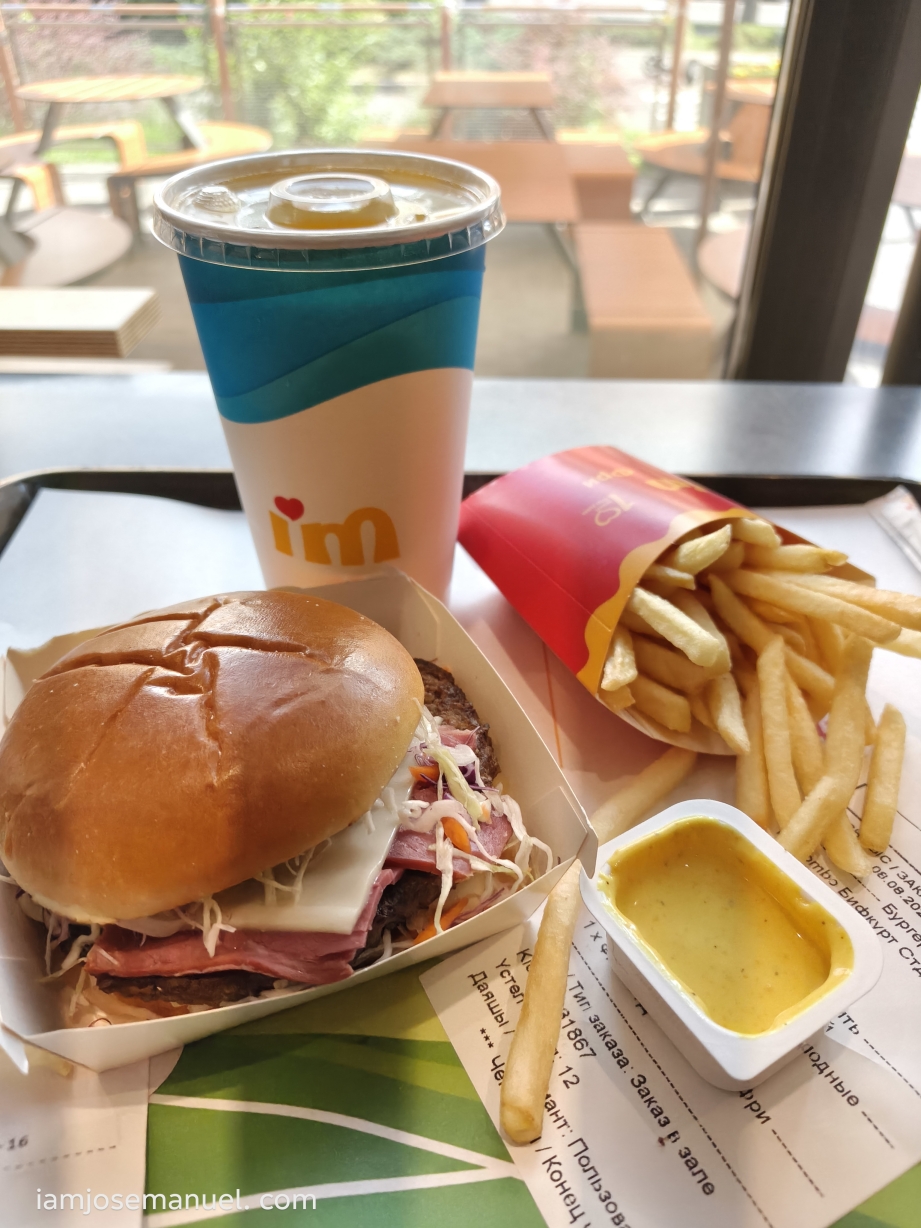
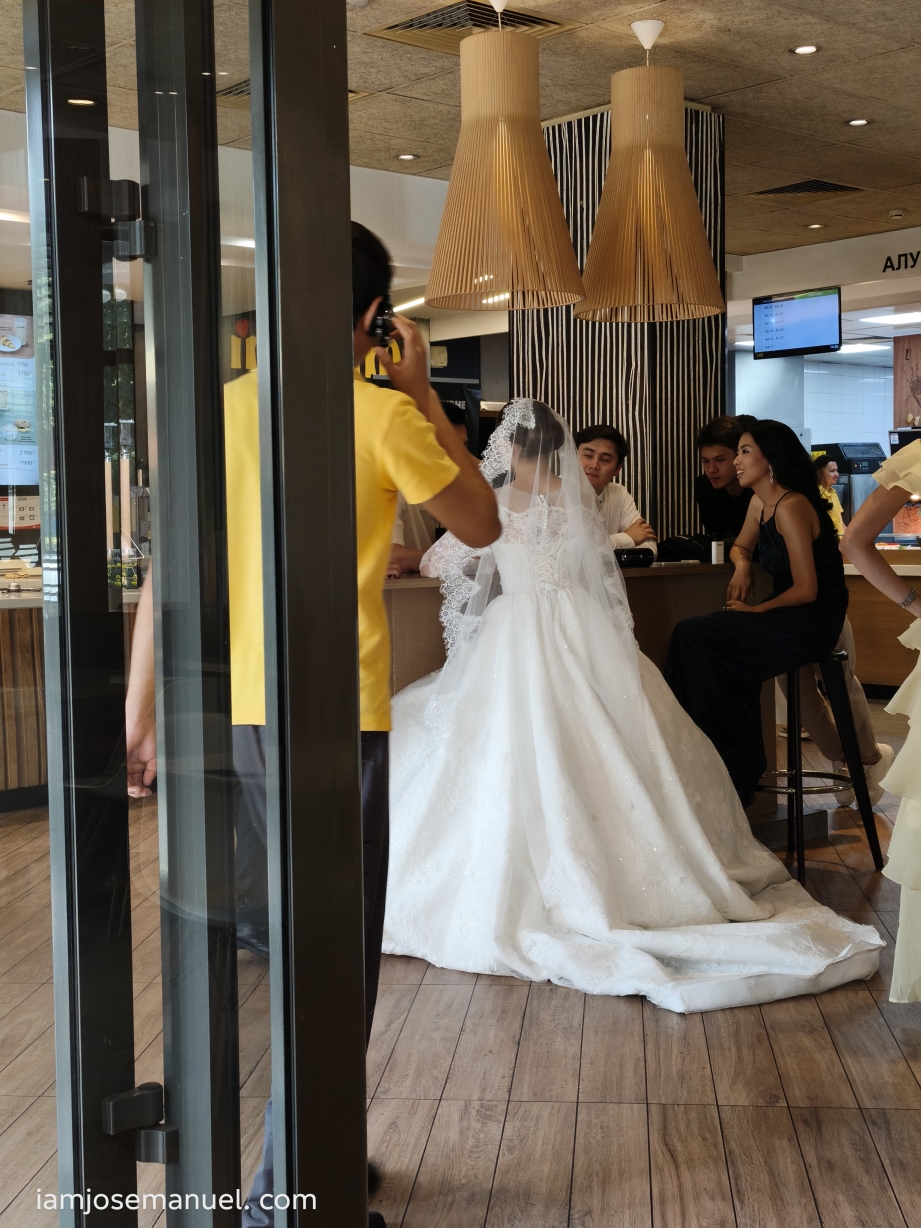
Kazakhstan does not have a Mcdonald’s store. But they have the I’m Cafe, which is like a spin off. Syempre, check natin to. Masarap ang burger nila. I had this set of beef patty with coleslaw and cured meat add on (parang smoked ham). When I went, meron pa newly wed couple na nag-reception sa cafe. Cute!
Hostel Q Almaty – where I stayed. Mura lang, nasa 700 Pesos per night. Bed and sheets were pretty comfi and malaki ang kwarto, which gave them very good ratings online. Satisfactory, yes. But if I return to Almaty, I’d probably choose hostels that are nearer to the Panfilov Park or Dostyk Avenue.
Will post a separate blog on cost, combined with other Central Asian cities that I visited.
Kazakhstan is VISA FREE for Filipinos. Not a single question from the Kazakh IO when I arrived.
Brief History of Kazakhstan:
From the early days, before being established as a nation, the Kazakh land flourished as a vital link on the ancient Silk Road, connecting trading networks between the East (China) and Europe/Middle East.
Mongol Empire: Genghis Khan’s invasion in the 13th century integrated the area into the Mongol Empire
After the fall of the Mongol Empire, the Kazakh Khanate/state was established in the 15th century
Around 18th Century, Kazakh State was seized and has become part of the Russian Soviet Union
Kazakhstan declared independence on December 16, 1991, following the dissolution of the Soviet Union
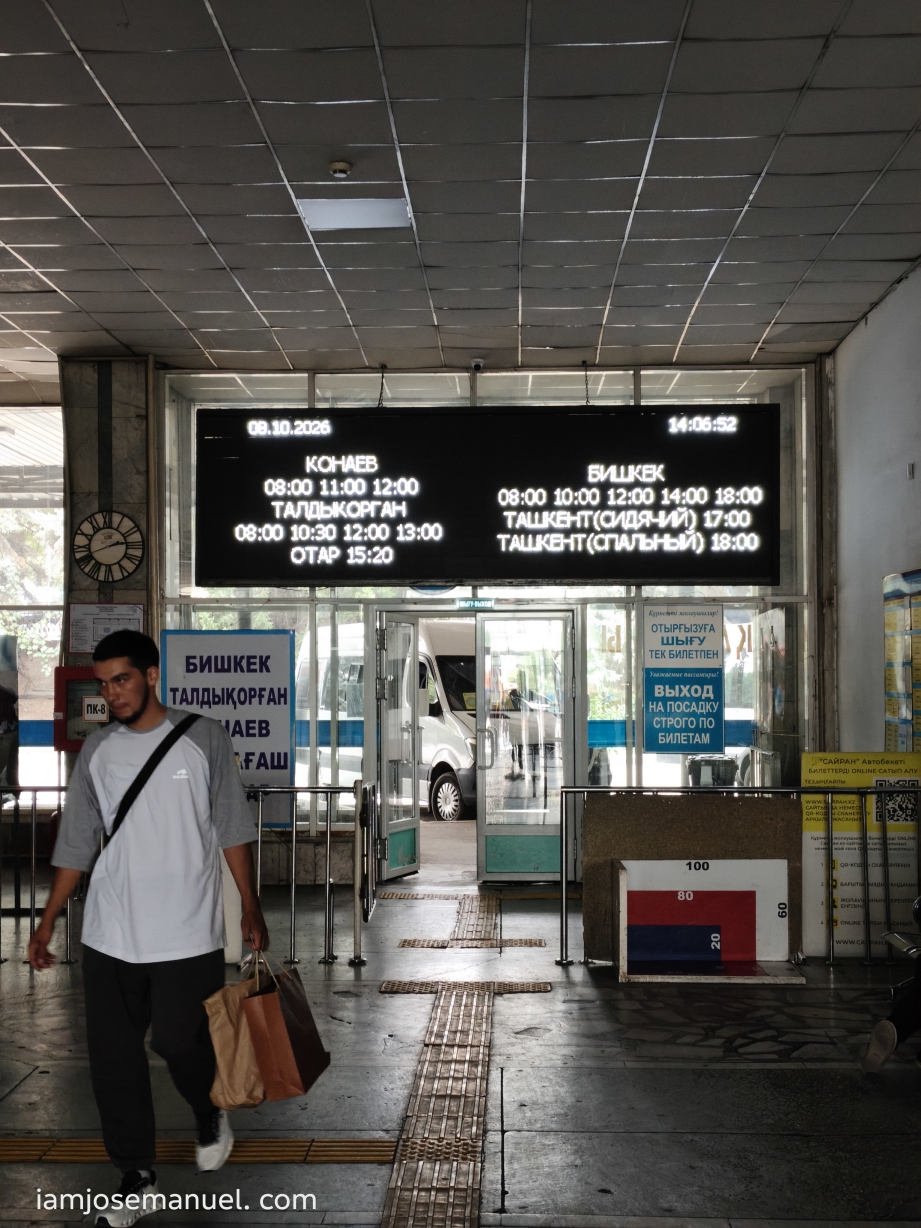
Next Stop: I travelled from Almaty Kazakhstan to Bishkek City in the neighboring Kyrgyzstan by public bus. This is how their public bus station looks like. Challenging! Will detail this on my next blog.
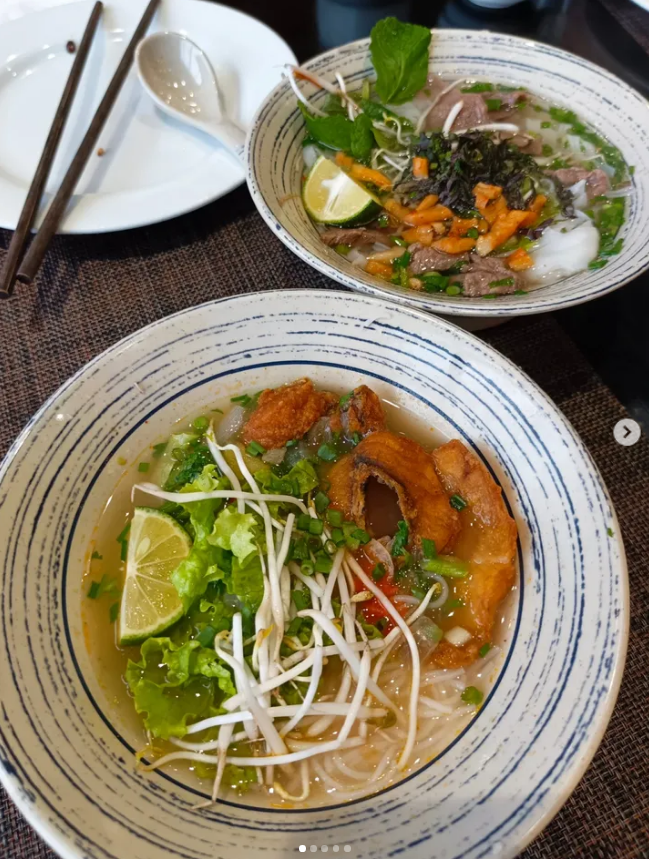
Last March, my travel squad went on a quick R&R trip to Northern Vietnam. We booked an all-inclusive Four-days tour, arranged for us by Uno Turismo Travel Agency. The cost of the tour was around 34,000 Pesos per pax, including plane fares with Cebu Pacific Air, 3-4 Star-hotels and meals (BLD). Joining pre-arranged tours is such a comforting time for me, as I do not have to prepare as much as to my usual DIY travels. DIY travels may be cheaper; but with pre-arranged tours, I paid for care-free moments and comfort. This Vietnam trip was a complete “pack and go”. No pre-trip research anymore. I did not even bring with me USD Bills (as pocket money). Instead, I exchanged Pesos directly to Vt Dong with our Vietnamese guide, with a better rate compared to the airport money changers. The tour was packed with activities. The best part was the dining. We were brought to nice full service restaurants. Di kami natipid. And we all know Vietnamese food is Good food. Sulit, tbh.
Highlights of the Trip—>Hanoi: The capital city of Vietnam with a rich history, colonial architecture, and famous street food. Ha Long Bay: A UNESCO World Heritage site known for thousands of limestone islets. Sapa: The mountainous region known for cold weather, rice terraces, and indigenous culture.
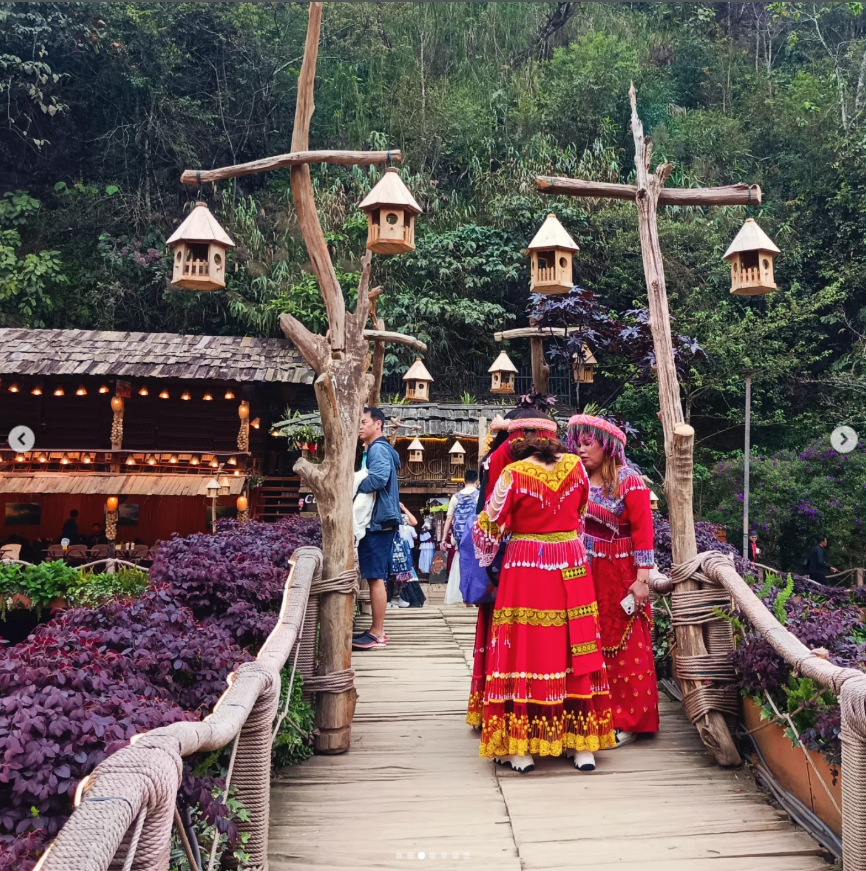
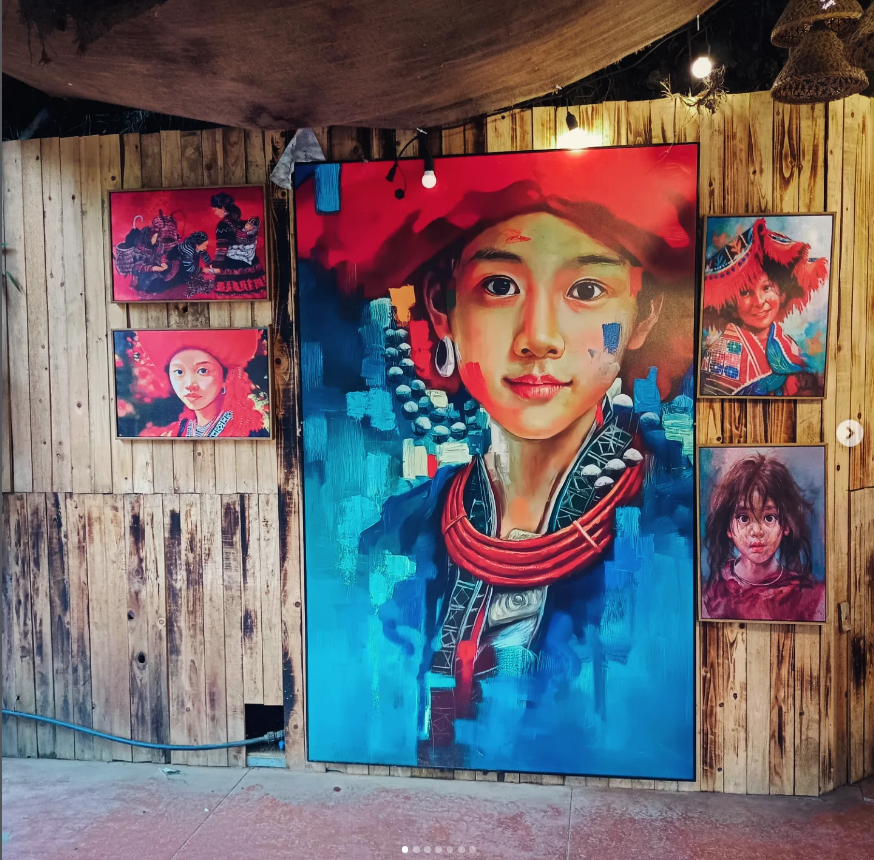
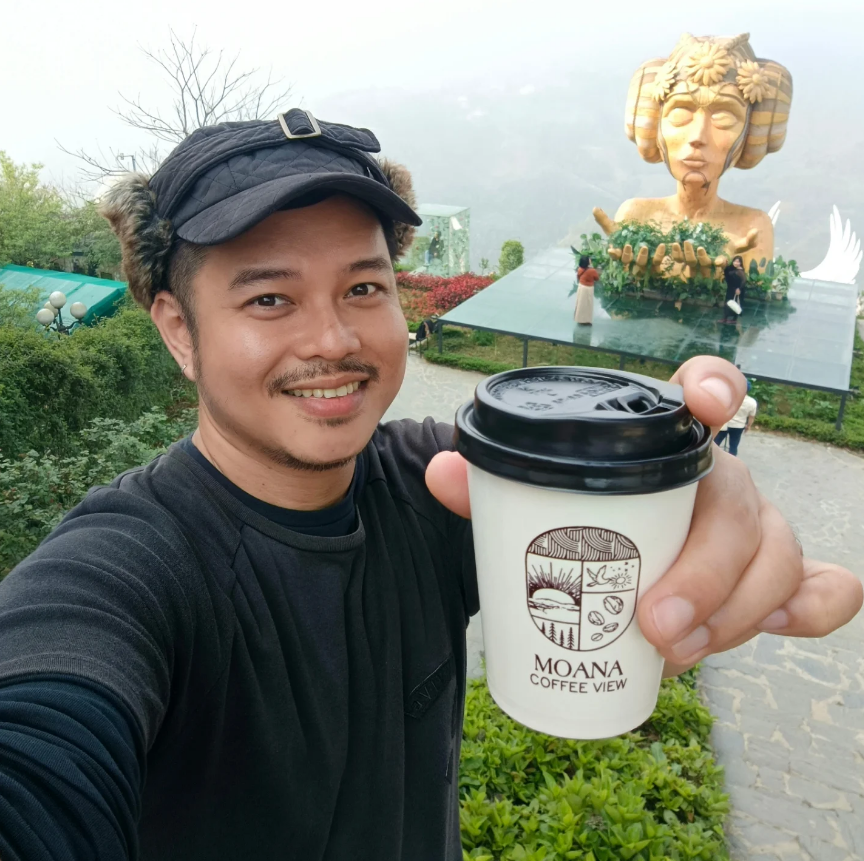
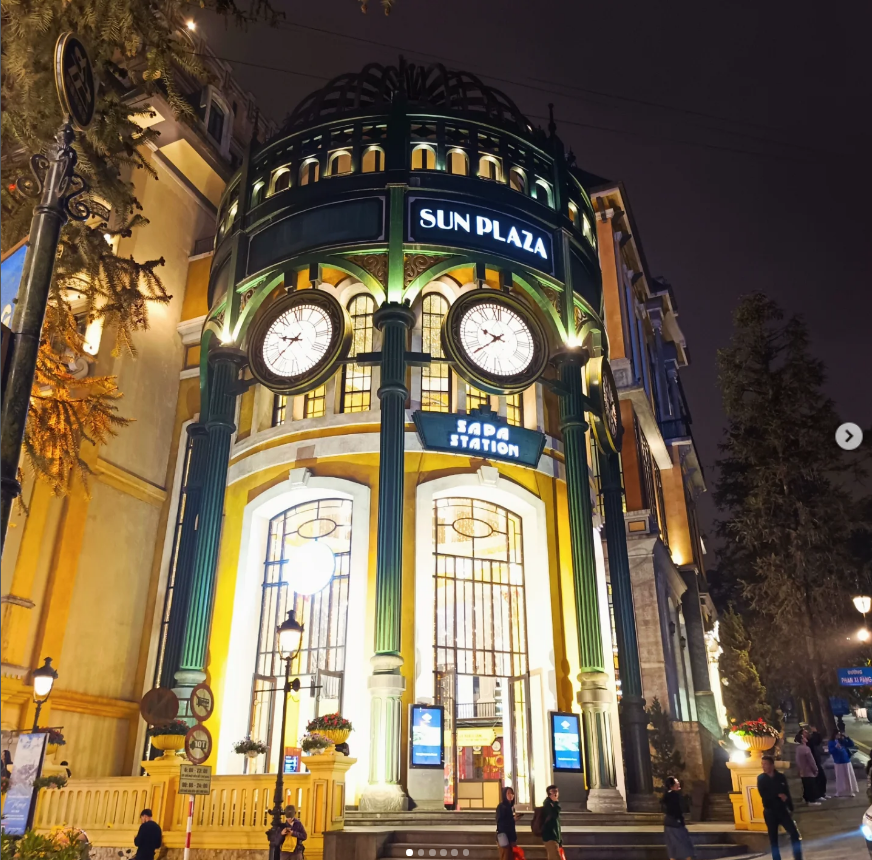
Day 1 – Sapa Town. We did a soft trekking to Cat Cat village, which is located at Muong Hoa Valley and near the stunning Cat Cat Waterfall. This is an age-old village of H’Mong ethnic group remaining unique customs and practices. We ended the day at Moana Sapa Cafe, a photo-focused destination located near Sapa town center. Tip: Sapa Town is 5 hours away from Hanoi by private bus. Bring a travel pillow.
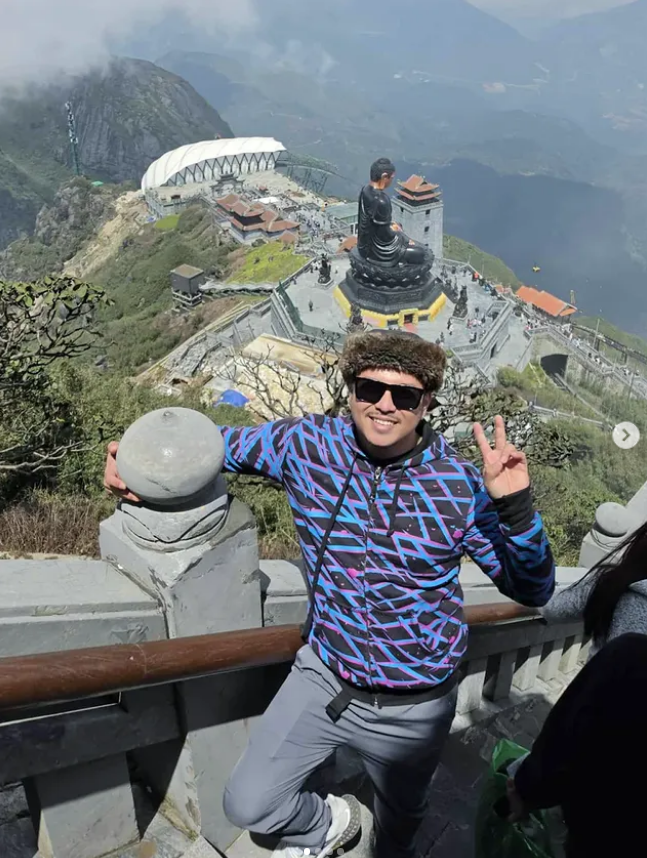
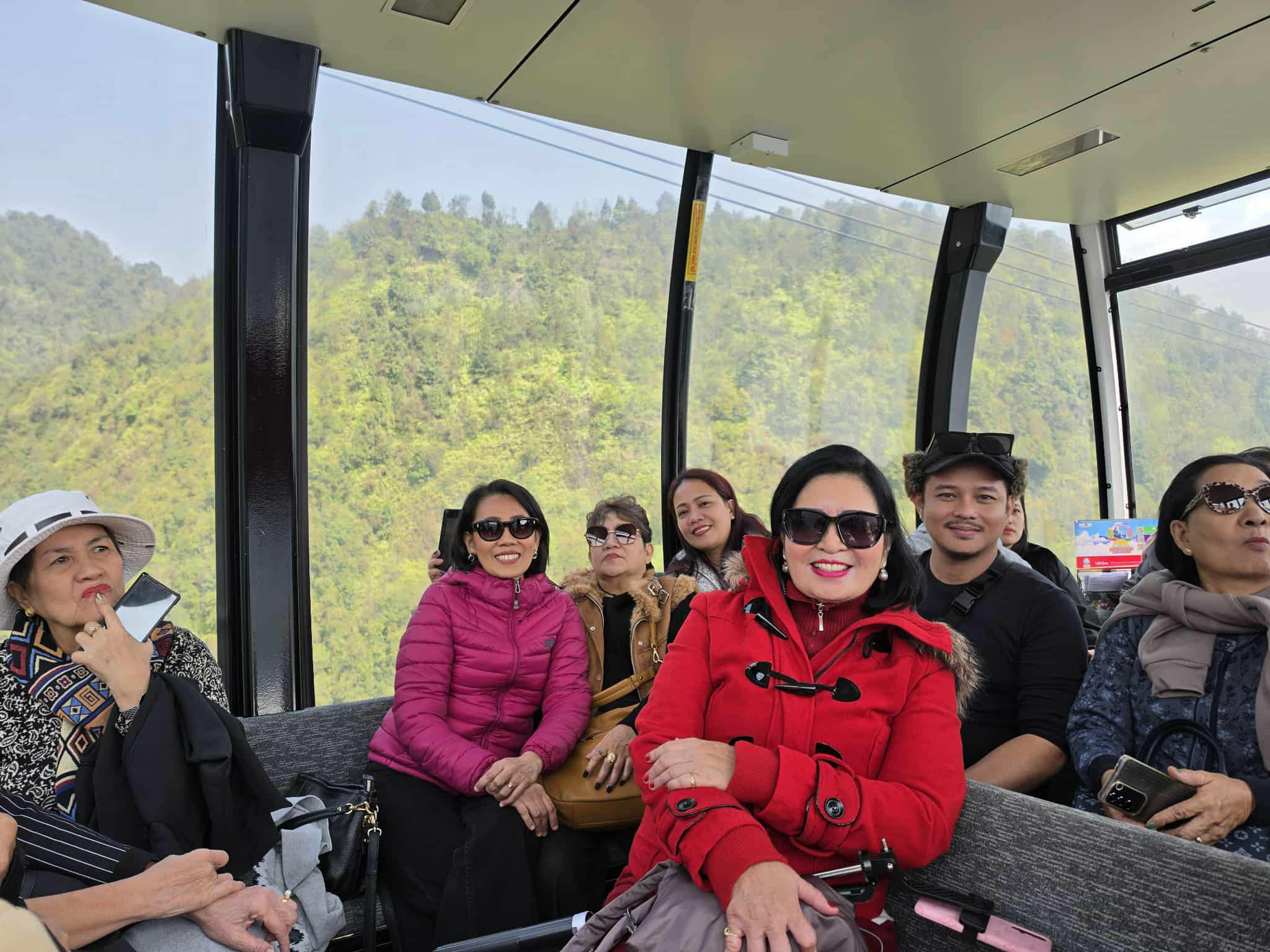
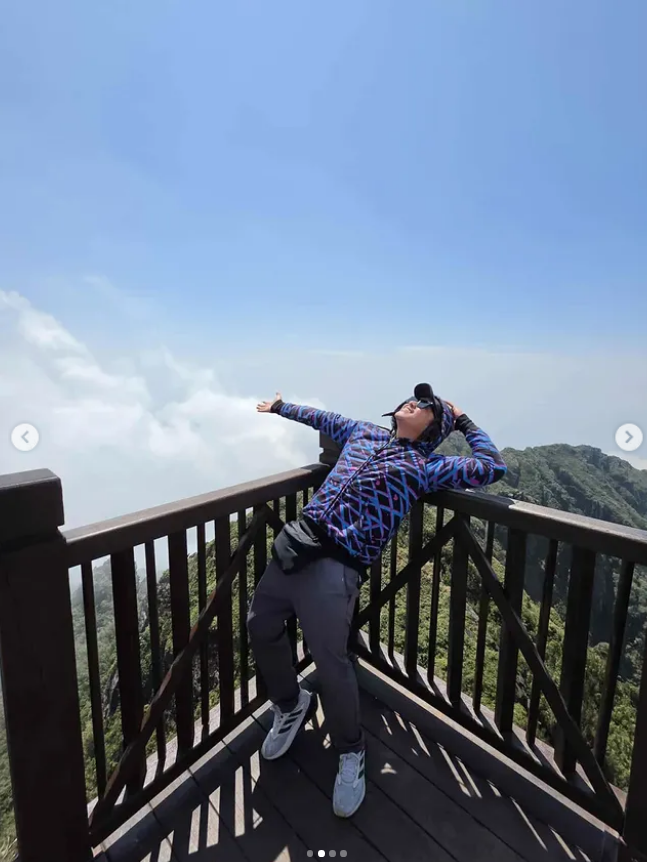
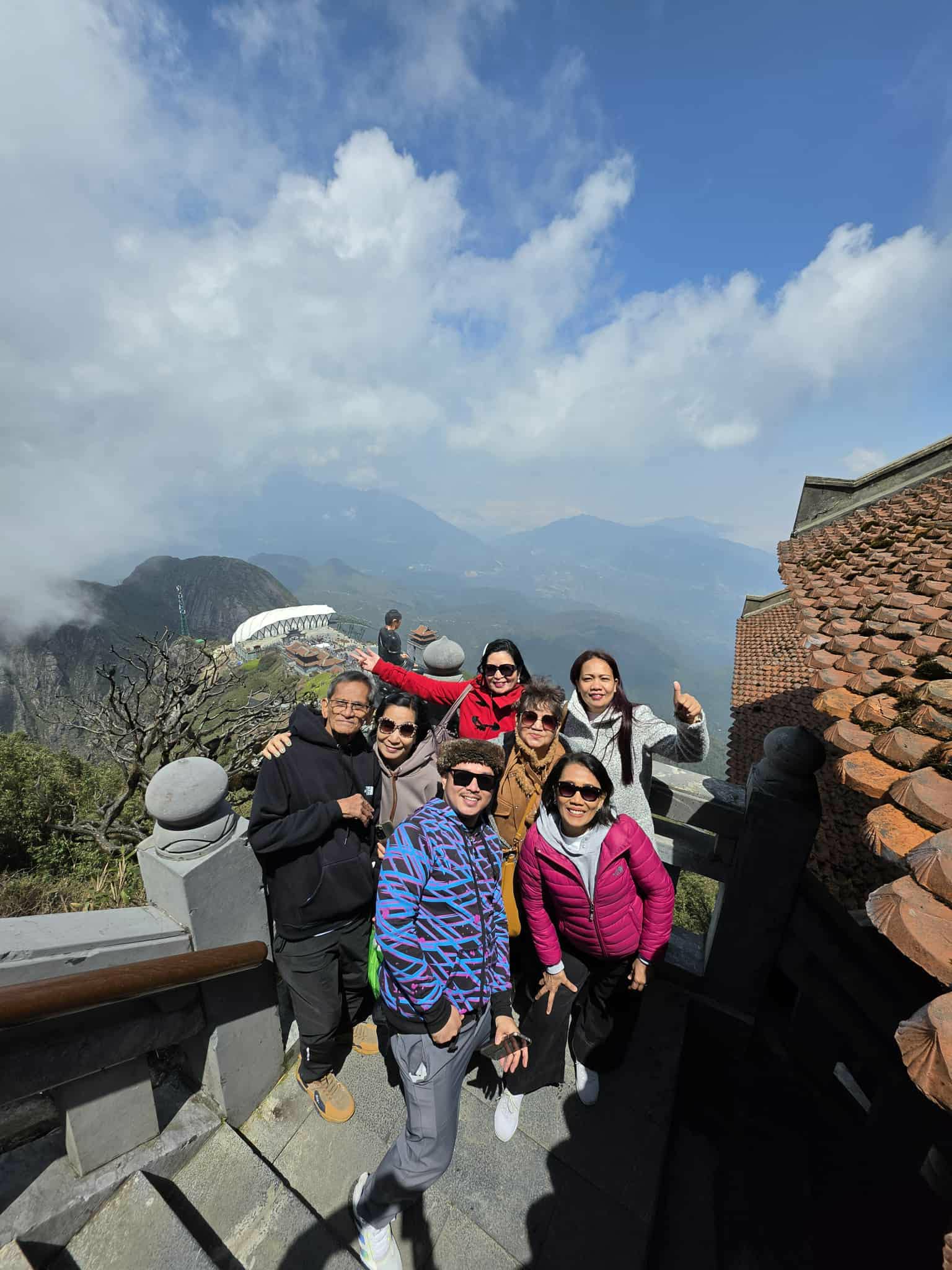
Day 2 – Fancipan Peak – the highest mountain of the Indochina peninsula (3,143 m), located in the center of Hoang Lien Son range, hence known as ‘The Rooftop of Indochina’. From Sapa Town Center, we took a 10 mins Tram, then a 20 minutes Cable Car ride. We went up around 11 am, and was blessed with a clear panoramic view. Sabi kase fancipan gets really foggy when you go super early. Fansipan is super cold and windy btw.
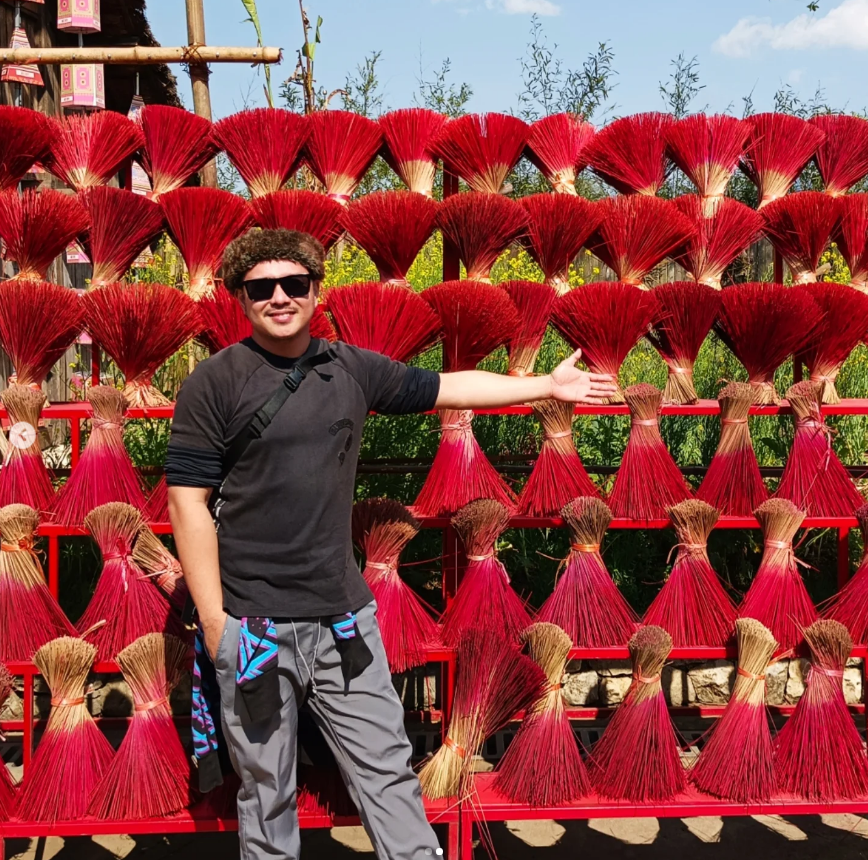
incense stick factory
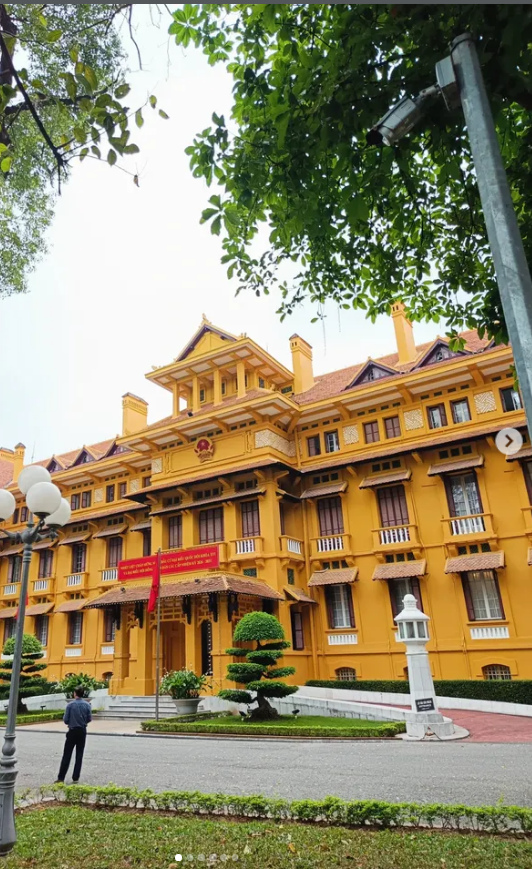
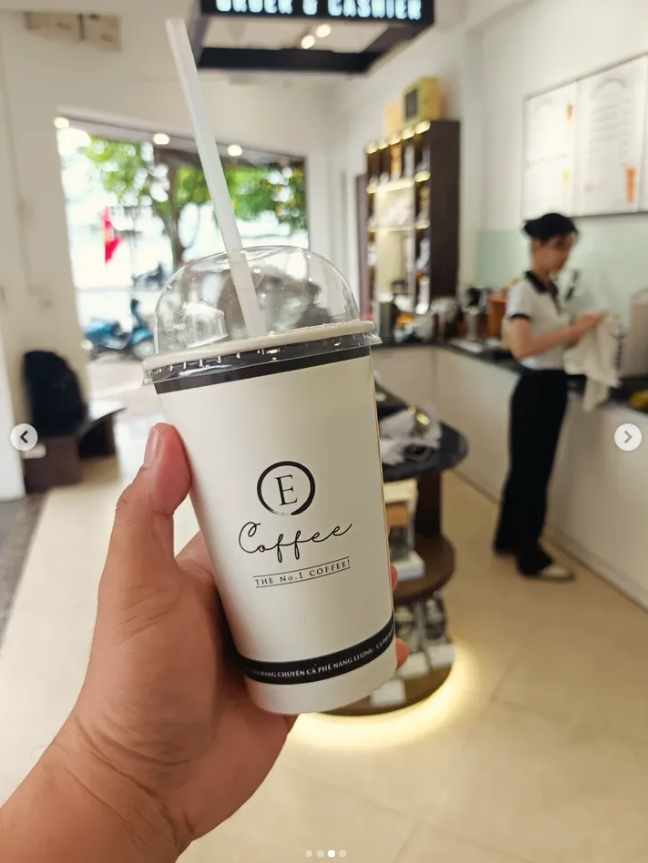
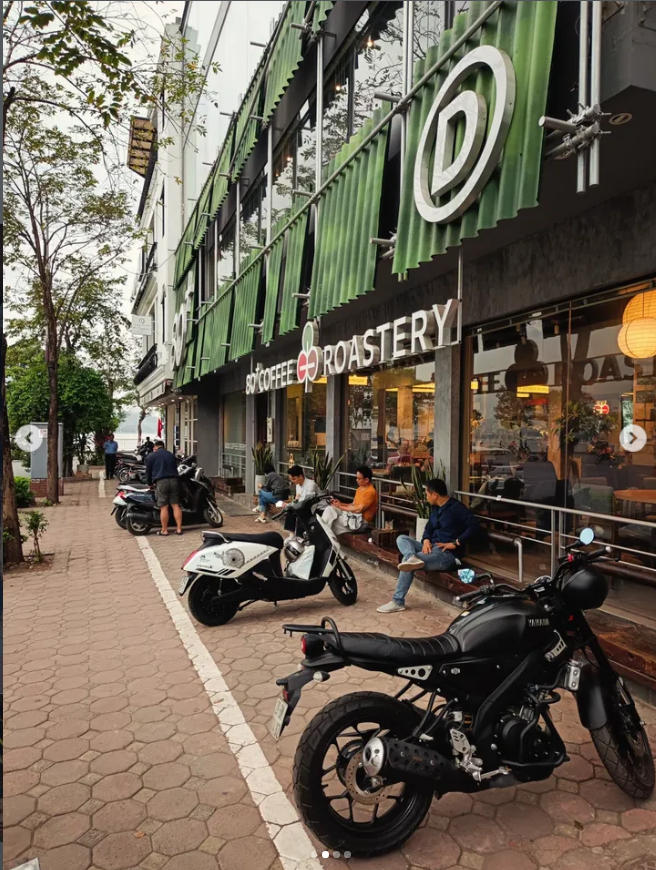
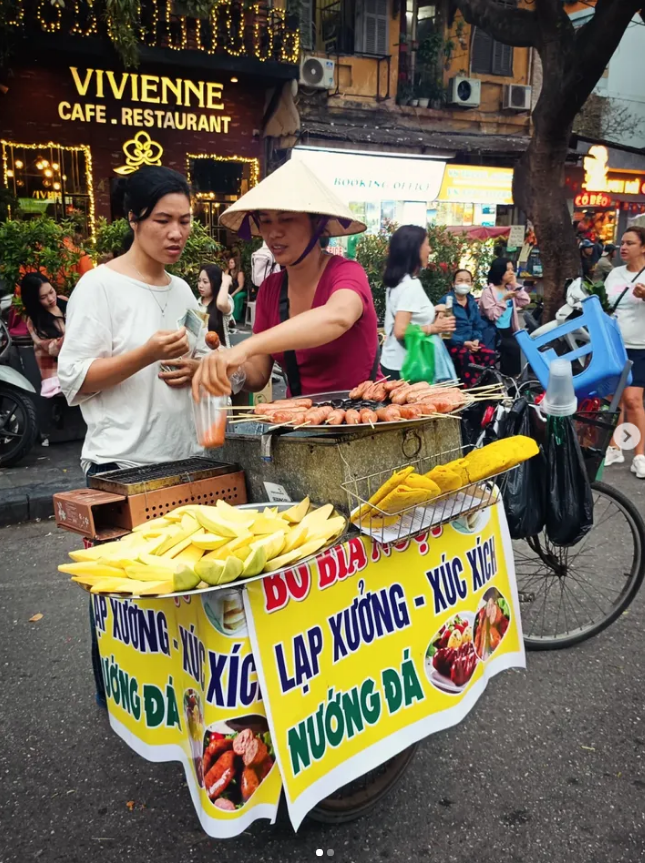
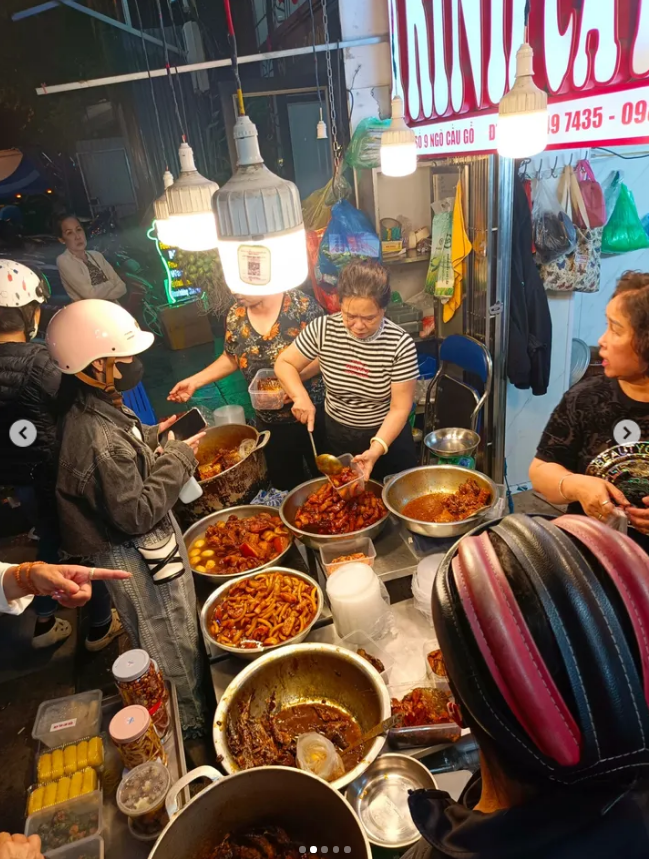
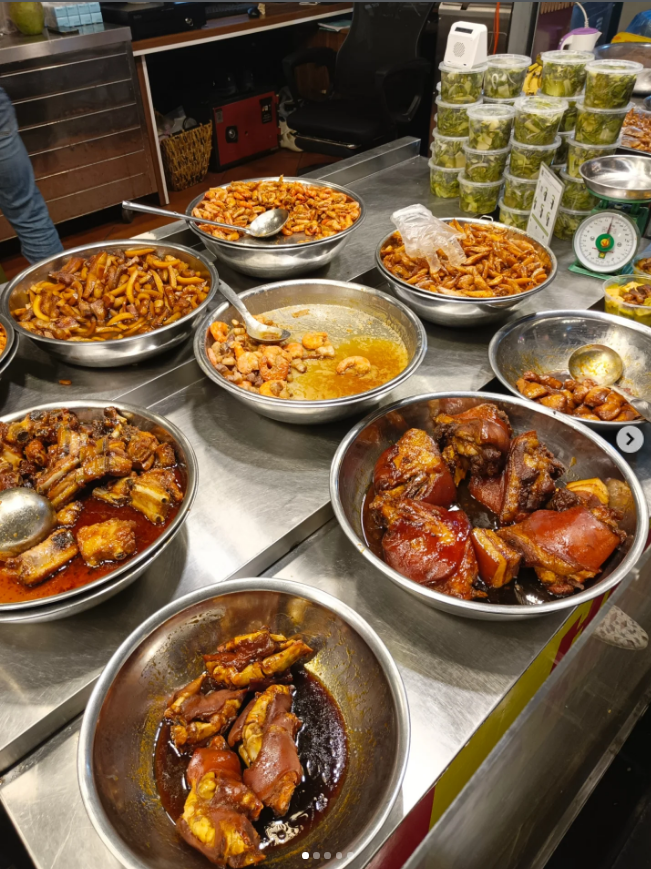
Day 3: Hanoi City. Vibrant, chaotic and unique. Hanoi has an incredible food and coffee scene. Must try -> pho and bun cha.
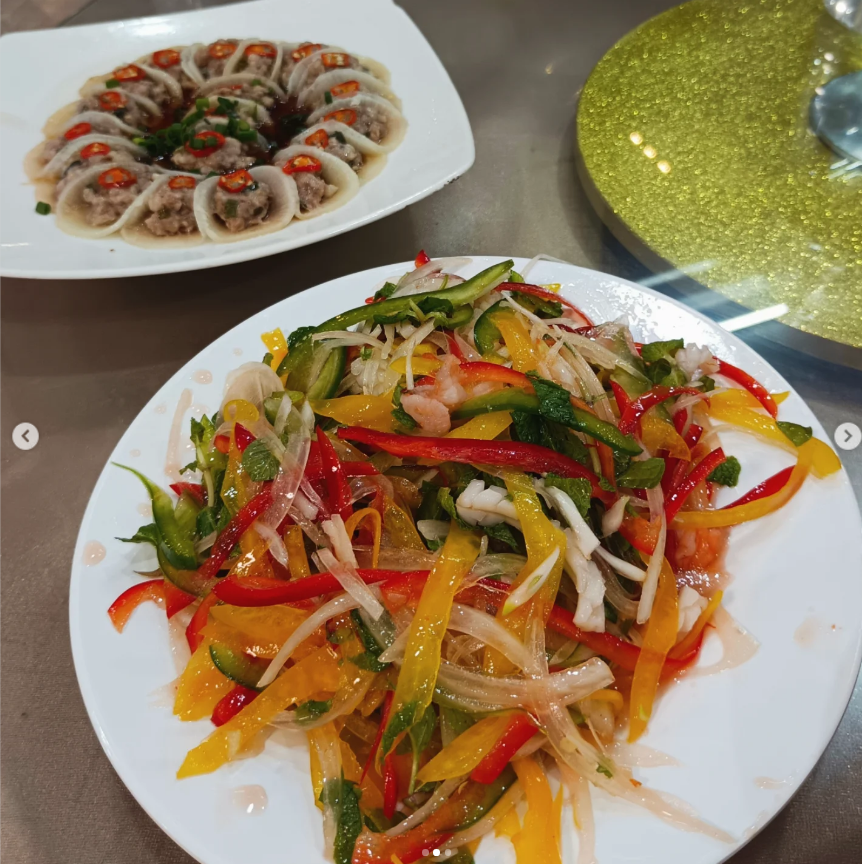
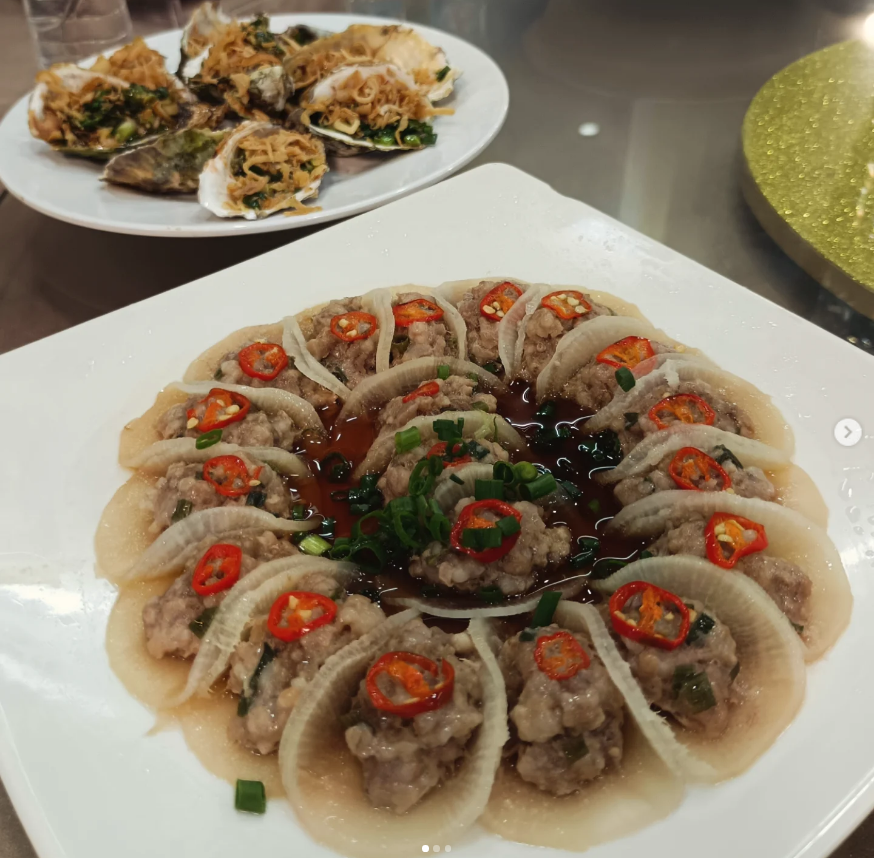
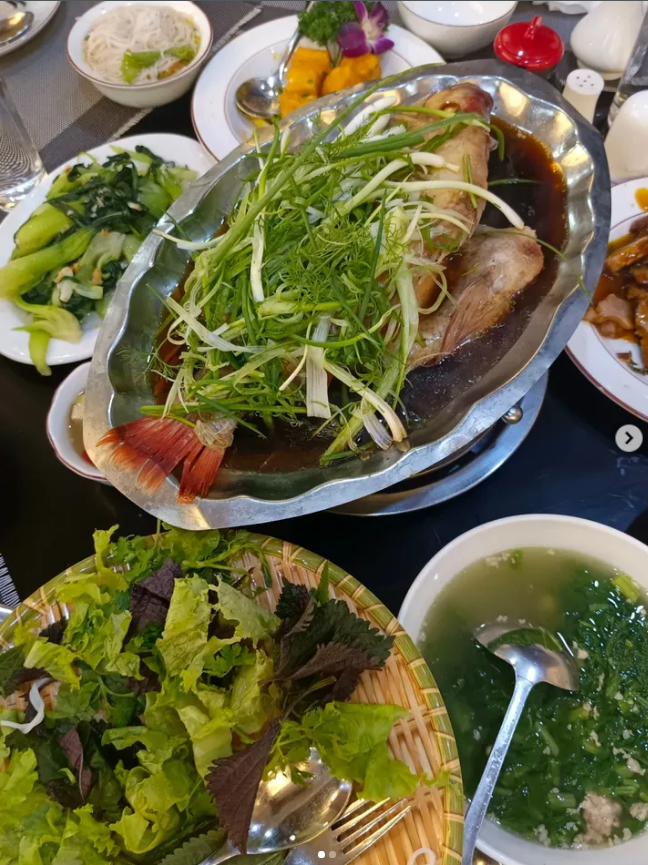
Vietnamese cuisine is heavily influenced by over 1,000 years of Chinese rule. But unlike Mainland Chinese, Vietnamese dishes use less flavourings, and adds a bunch of fresh herbs, creating a light and vibrant style of cooking. Common Vietnamese herbs include Thai basil (húng quế), cilantro (ngò rí), spearmint (húng lủi), and sawtooth herb (ngò gai). Other key aromatics are coriander (rau răm), rice paddy herb (ngò ôm), perilla (tía tô), and fish mint (diếp cá), often served raw as a platter.
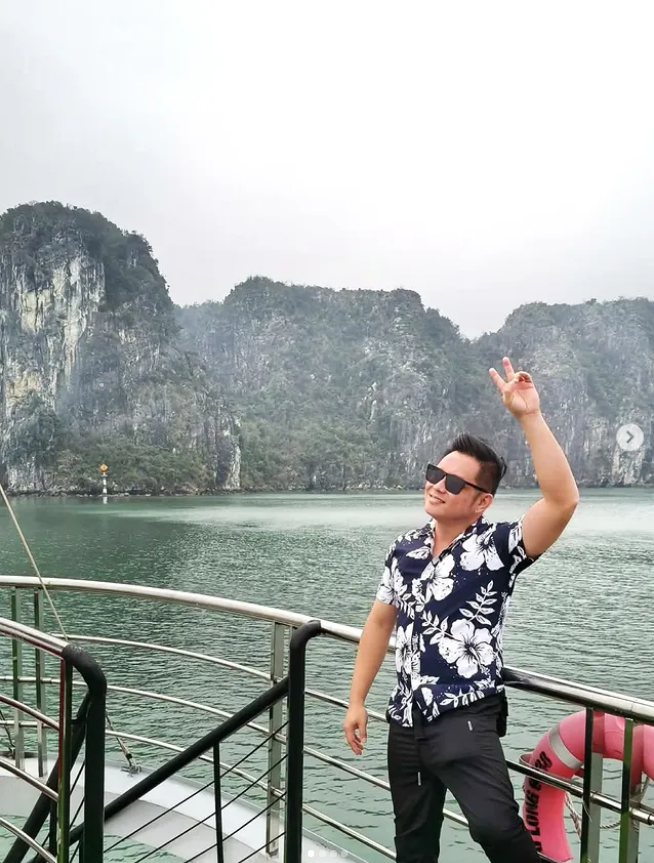
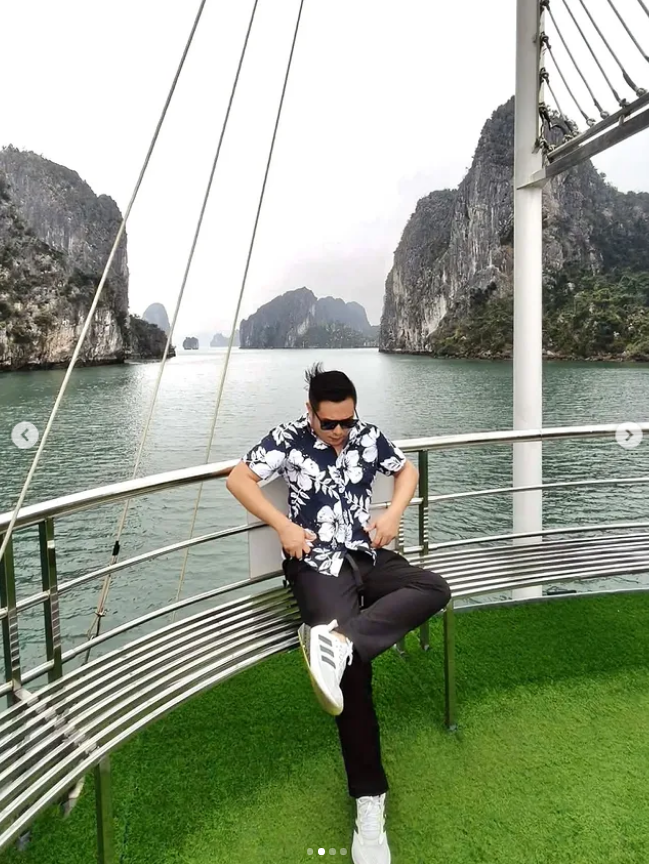
Day 4: Halong Bay. A UNESCO World Heritage Site renowned for its emerald waters and thousands of towering limestone islets. Halong is 2 hours away from Hanoi City. The cruise was 4 hours, with kayaking and easy caving activities.
Vietnam is VISA FREE for Filipino Tourists.
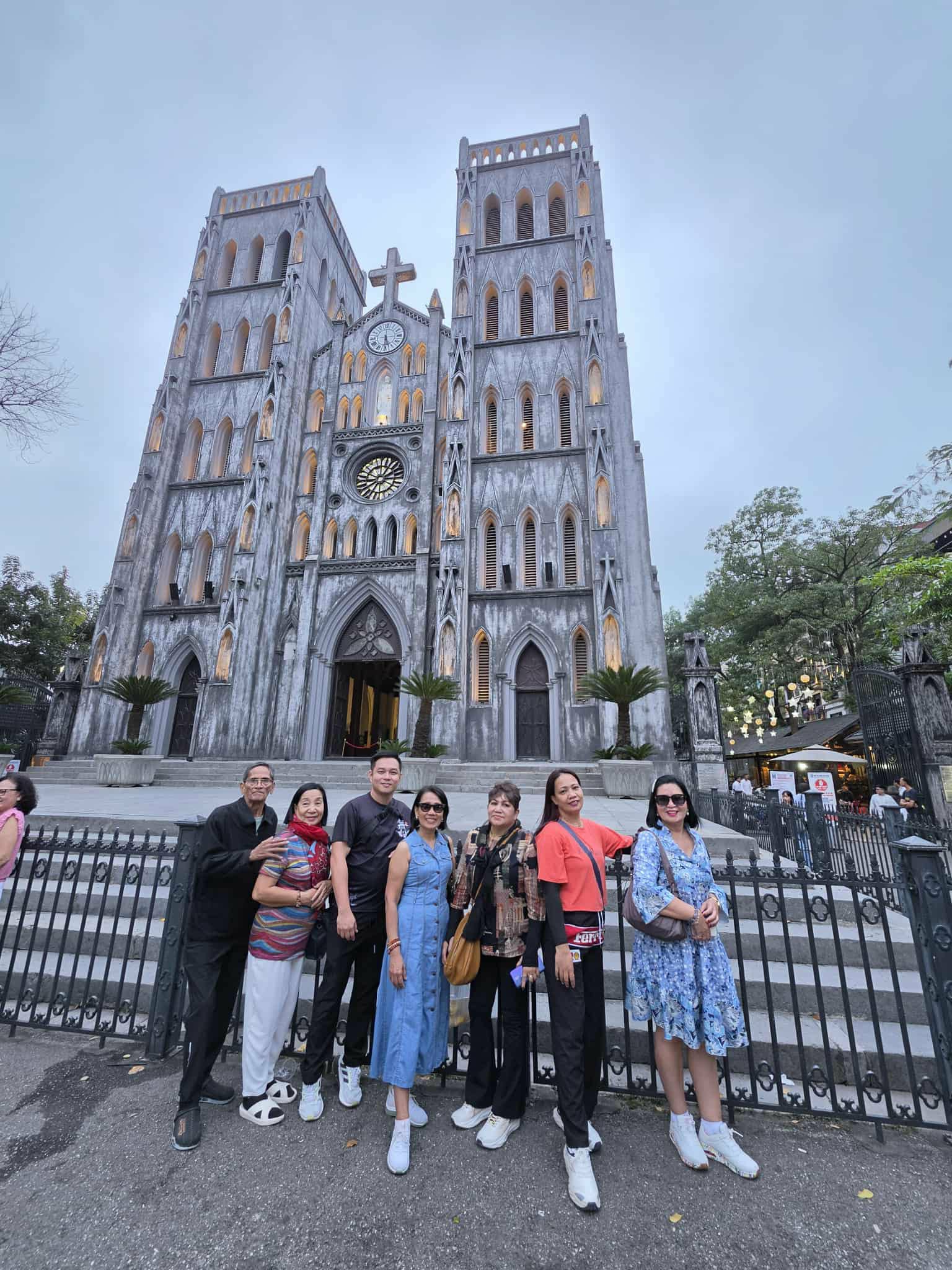
Here’s a photo of me and the squad. Cheers and to more travels in the future.