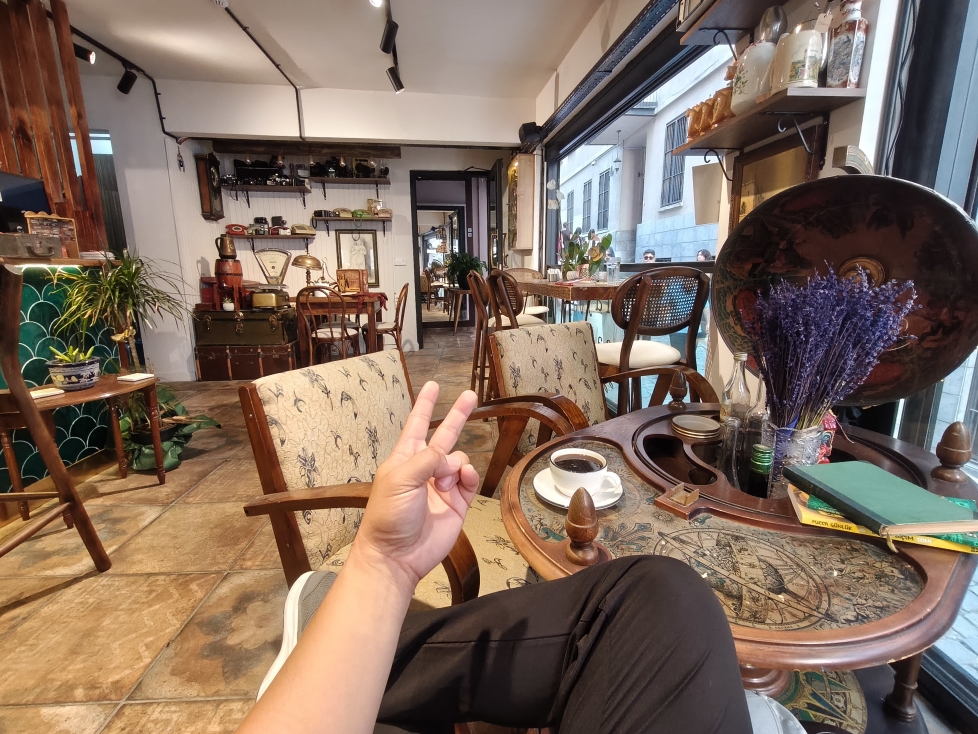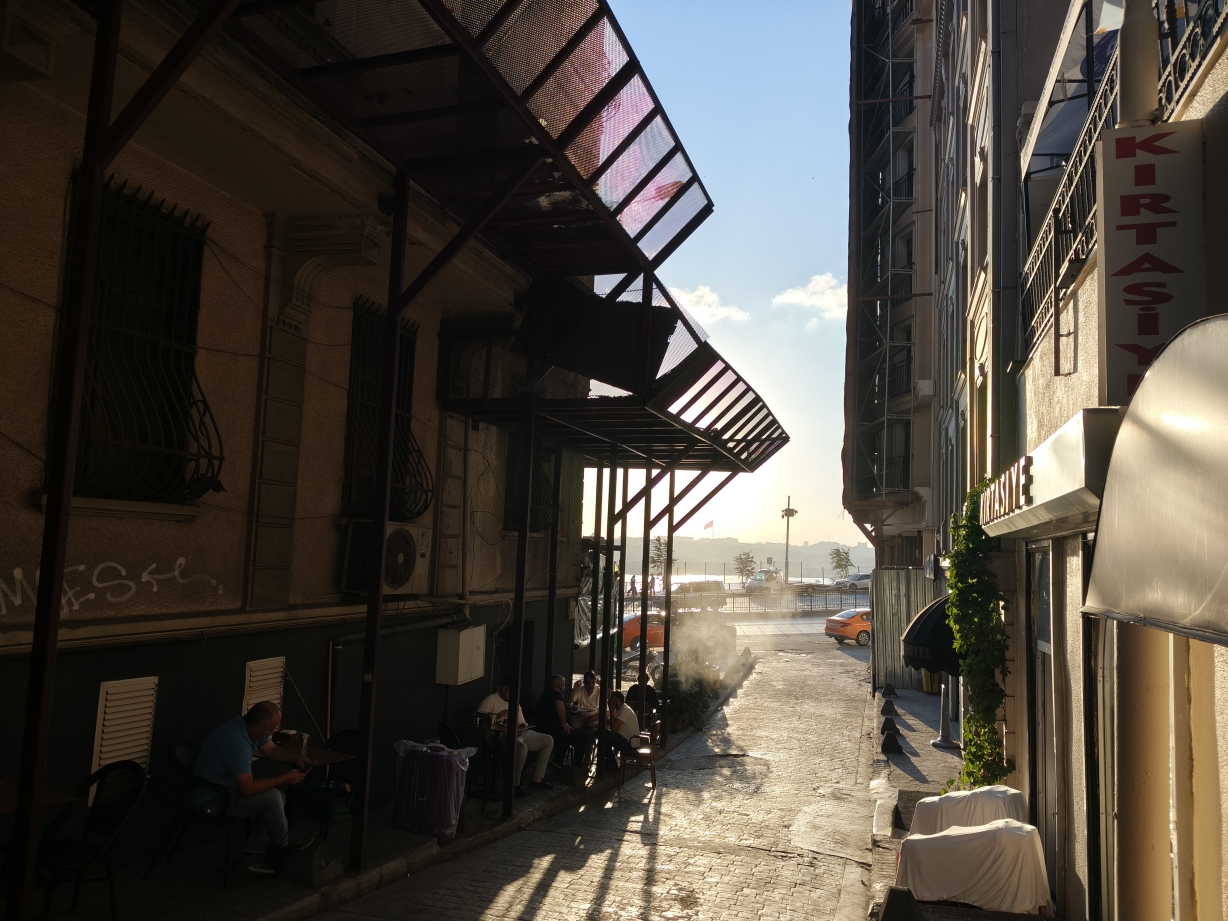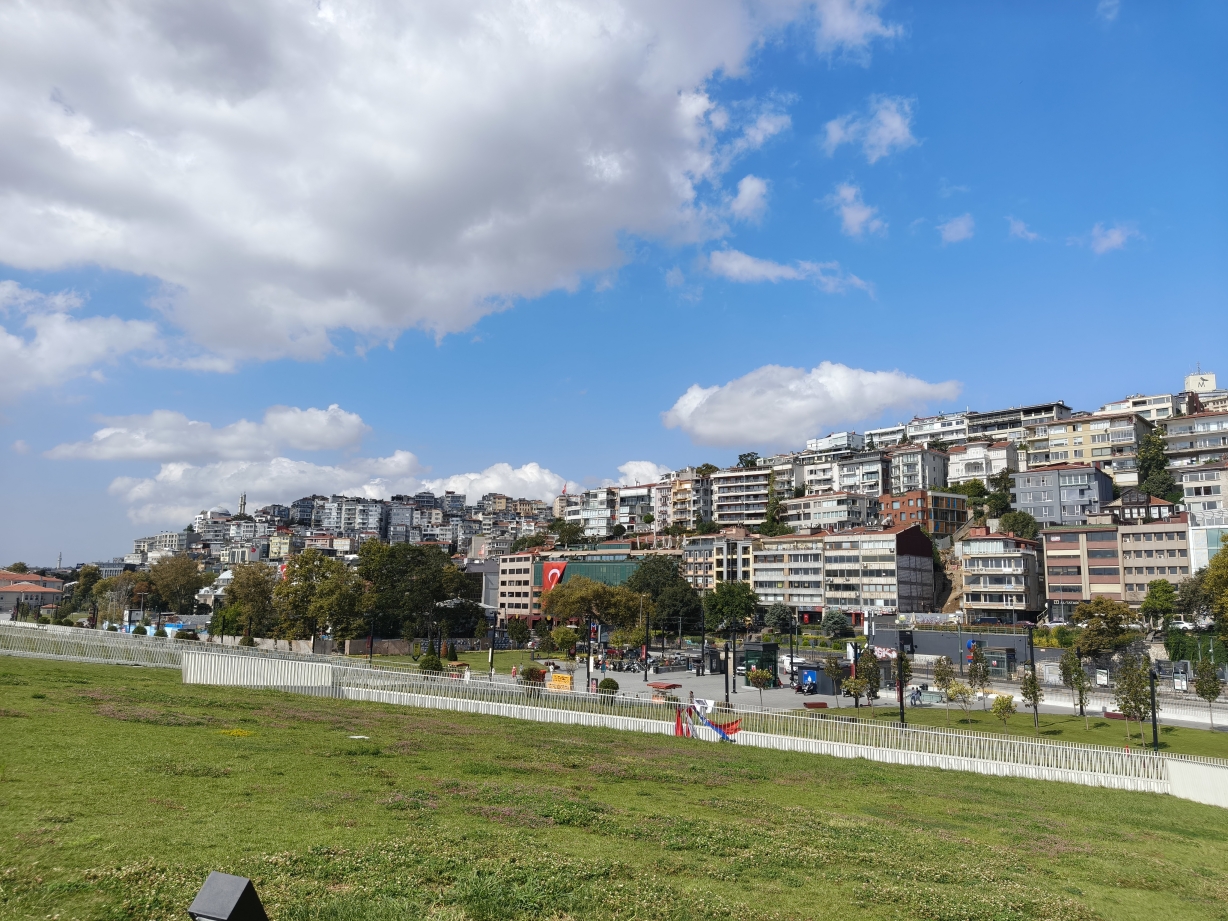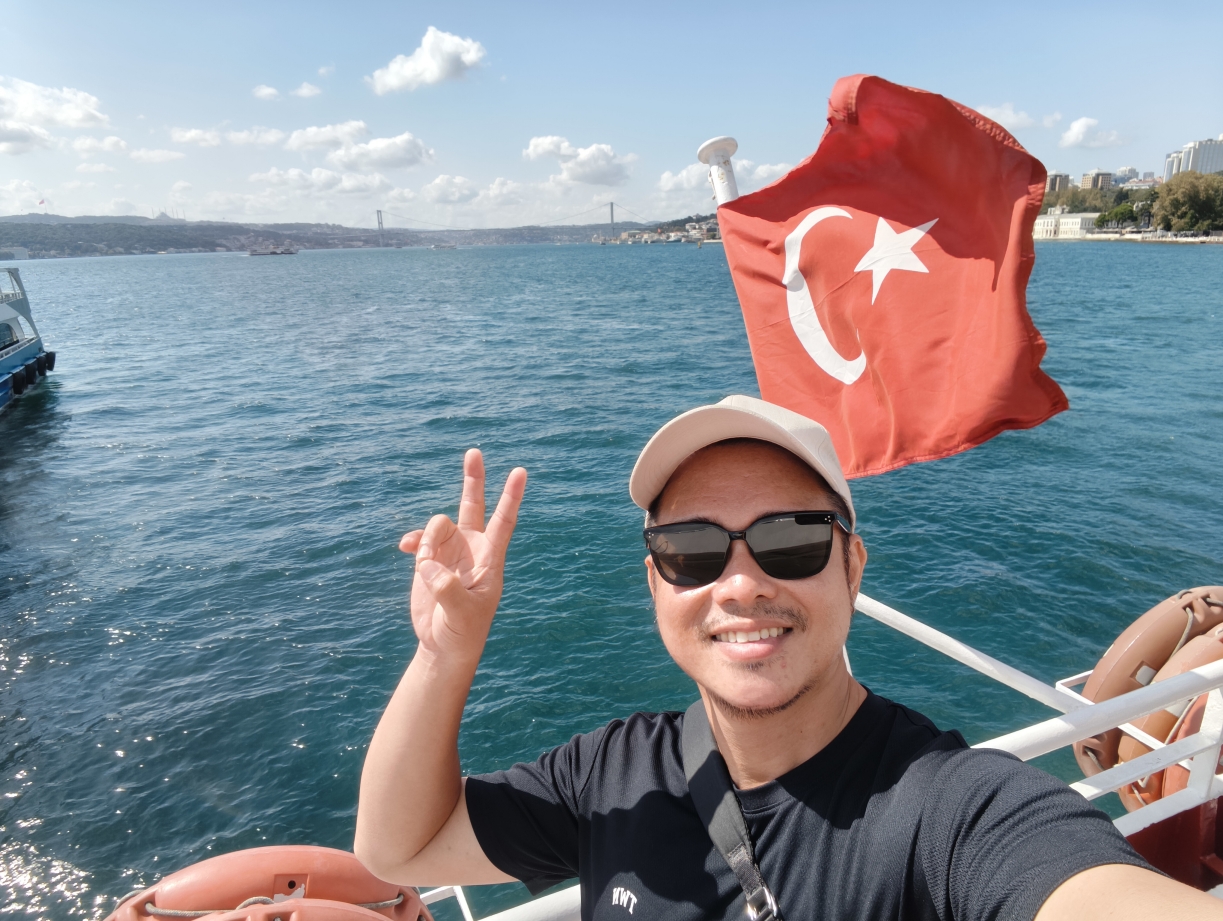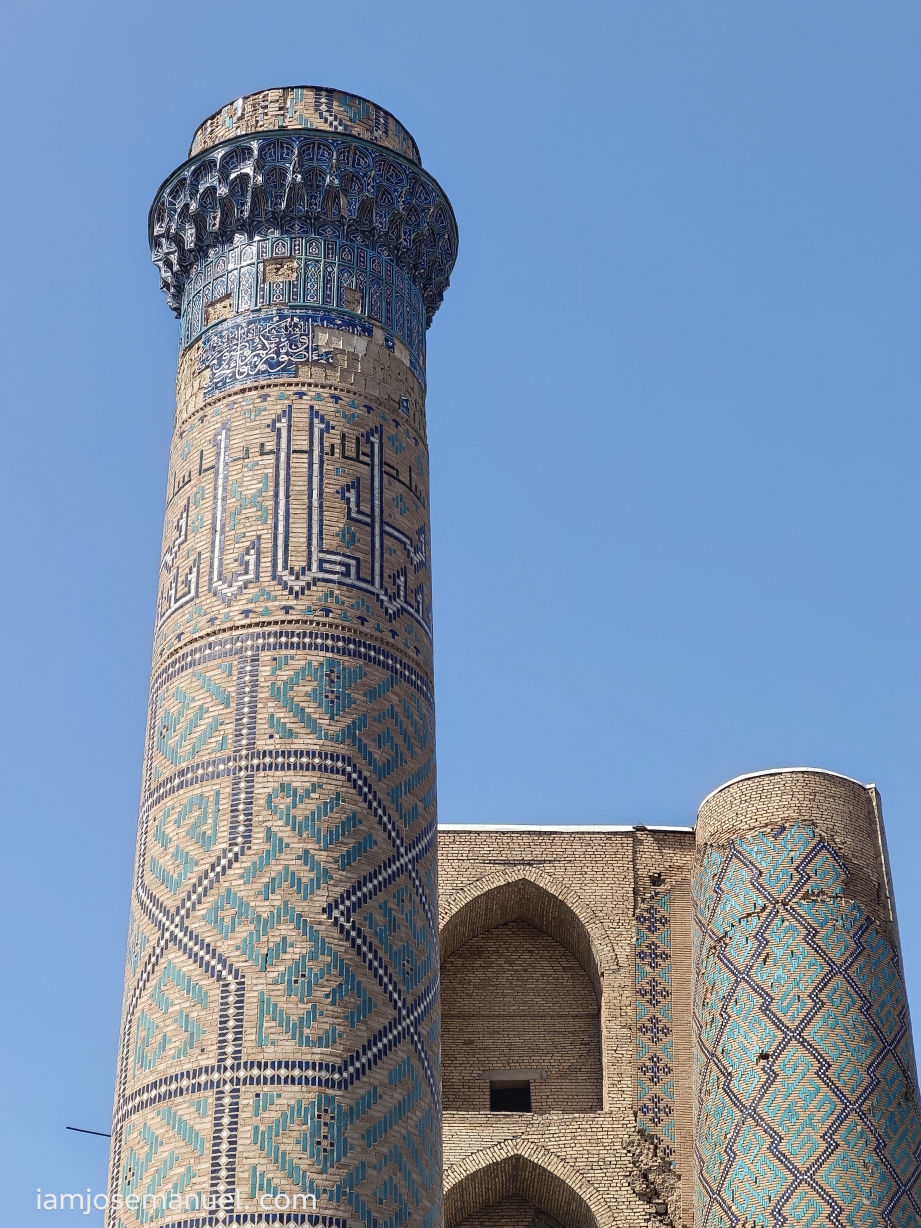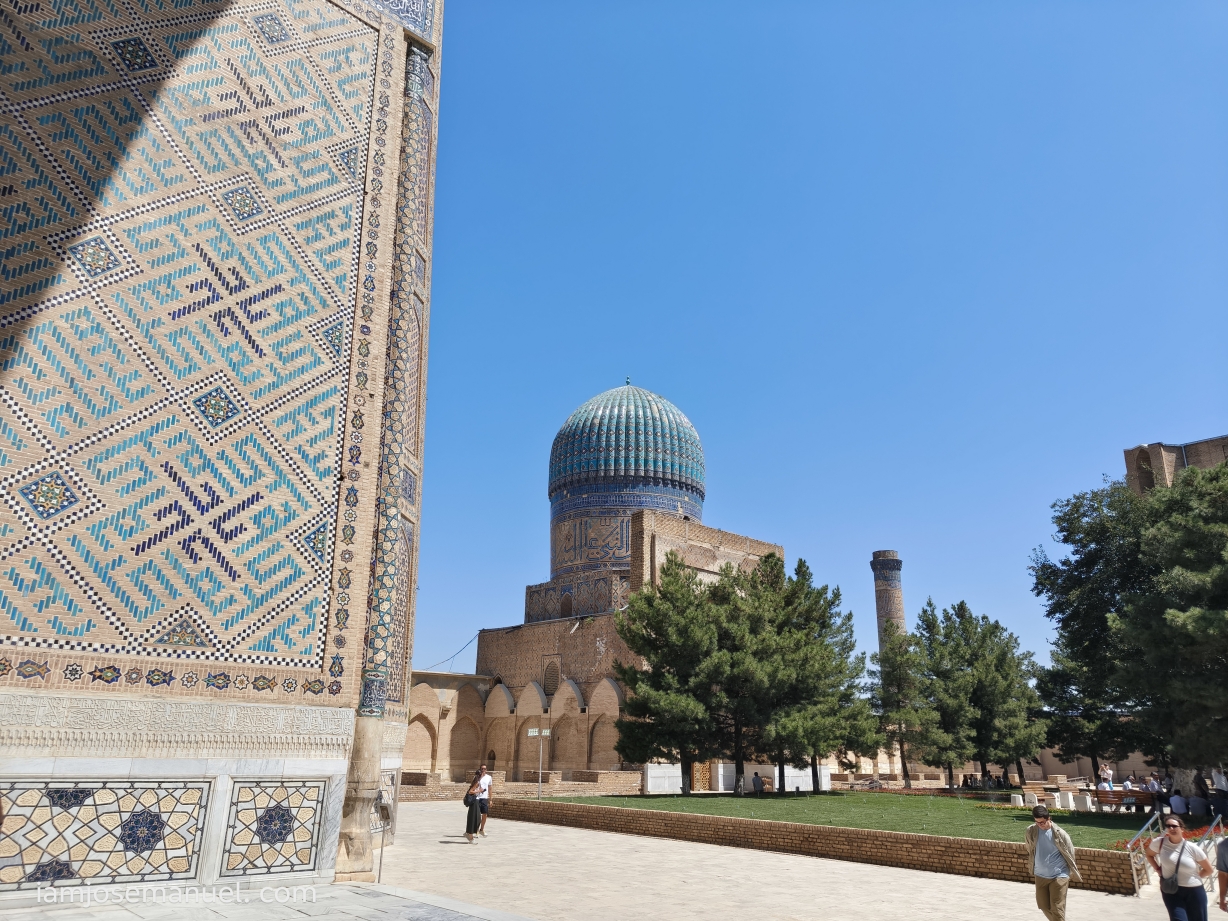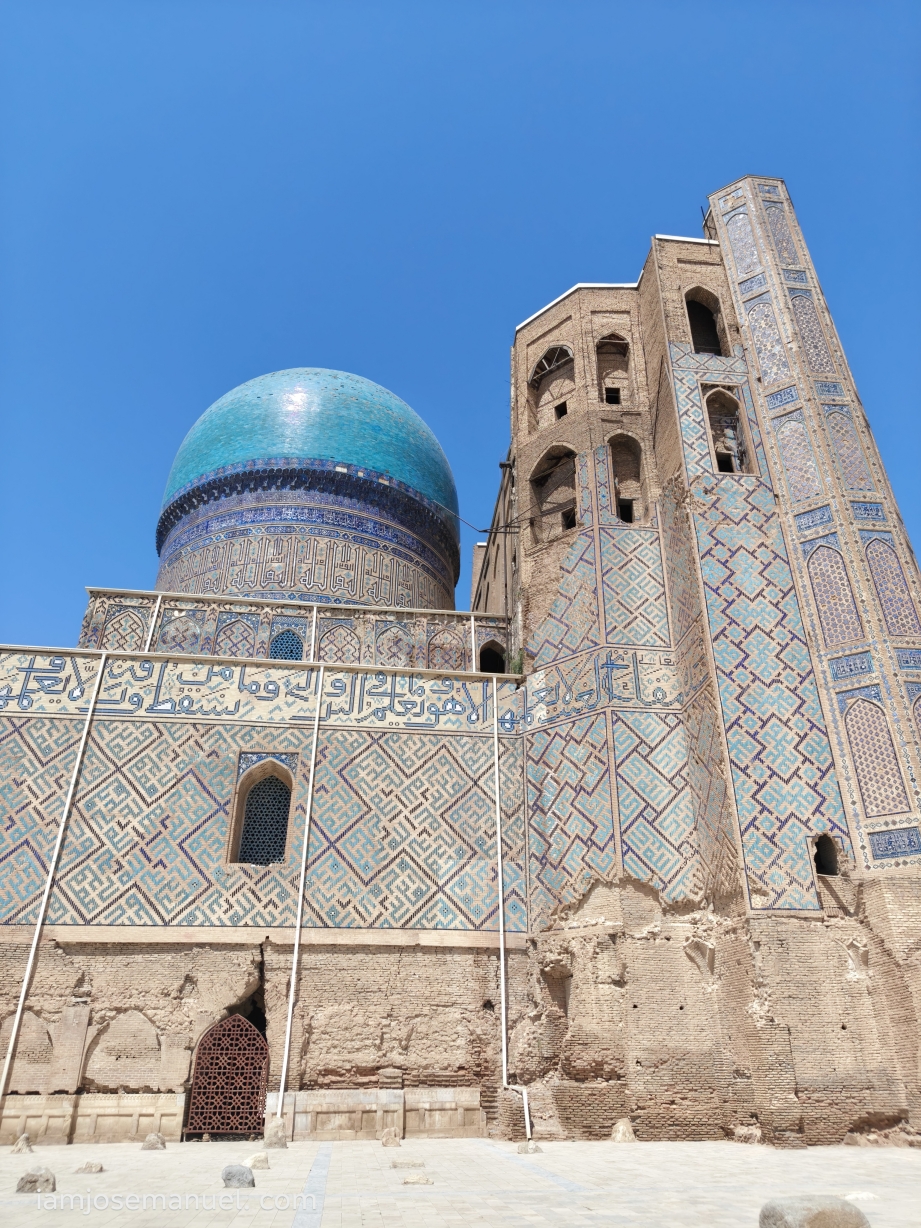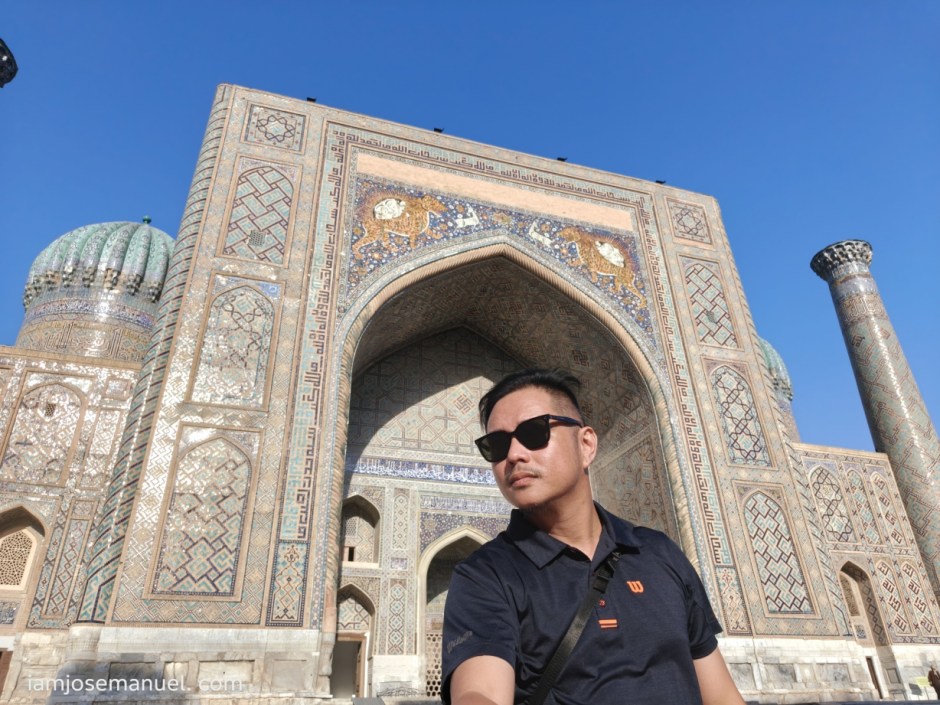
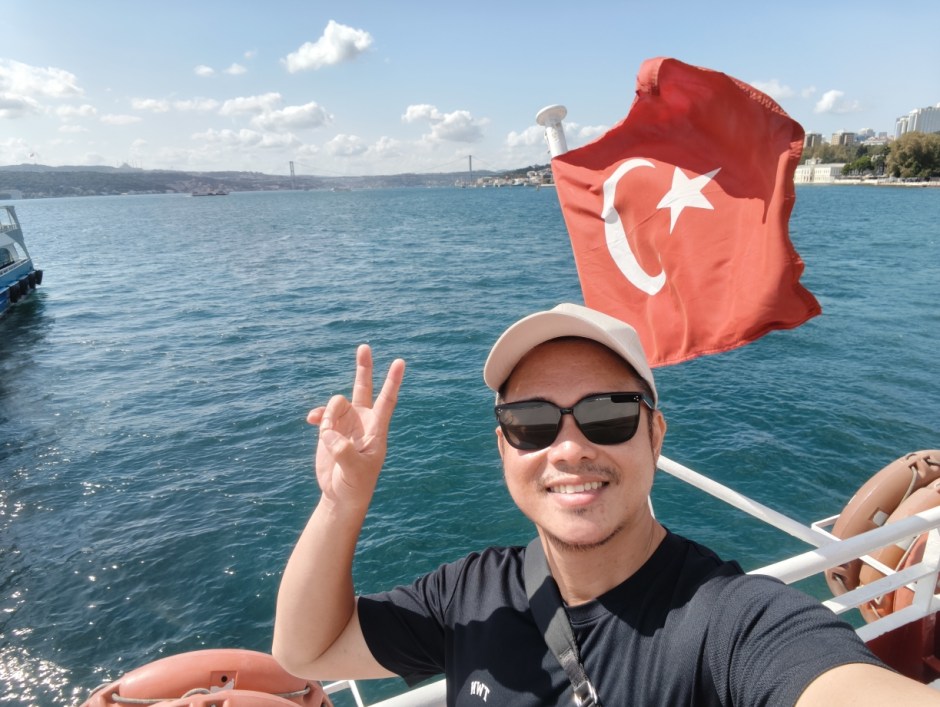
4 Days D.I.Y. Trip to Istanbul,Türkiye

Istanbul was the last stop of my Silk Road 2026 trip (Central Asia – Moscow – Caucasus Region). Blogs for each city I visited are all posted on the main page (click here).

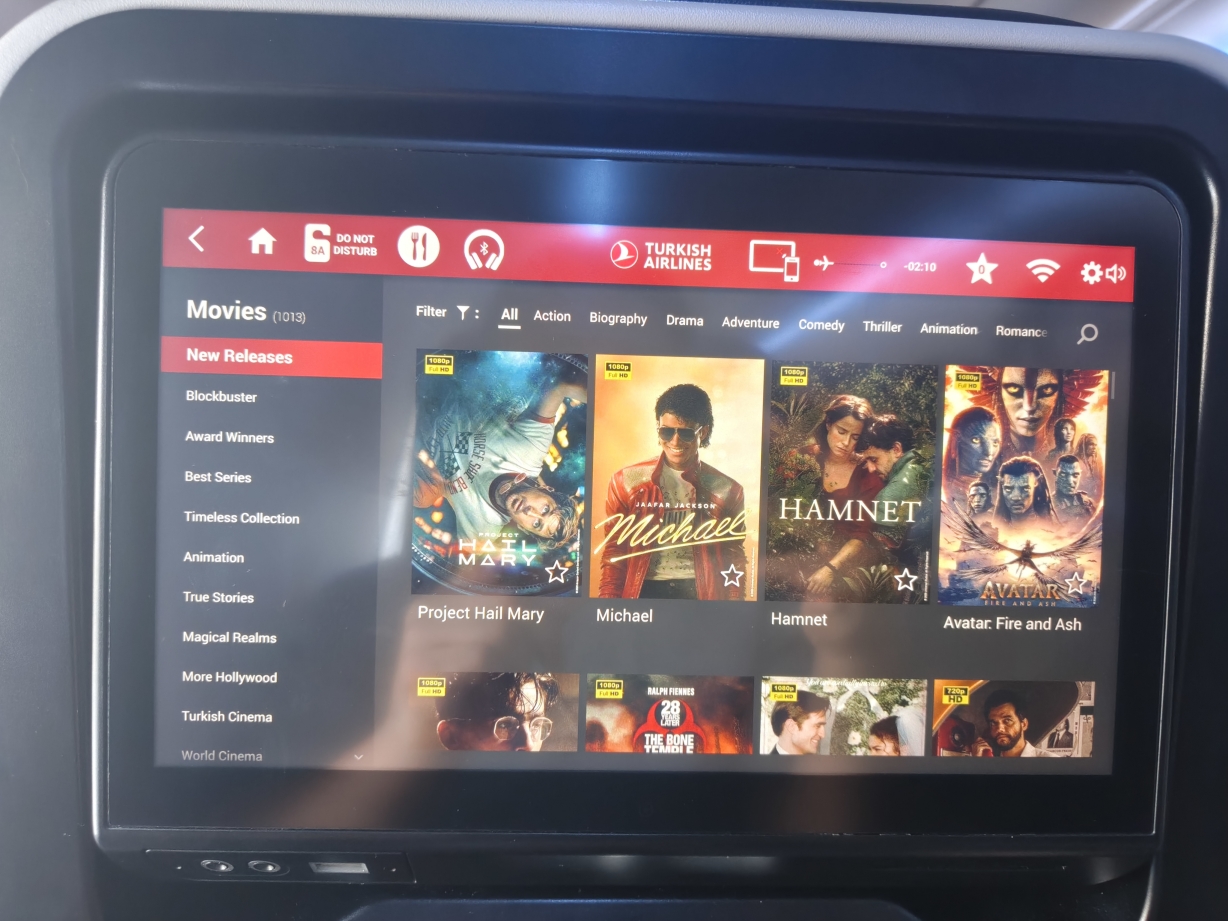
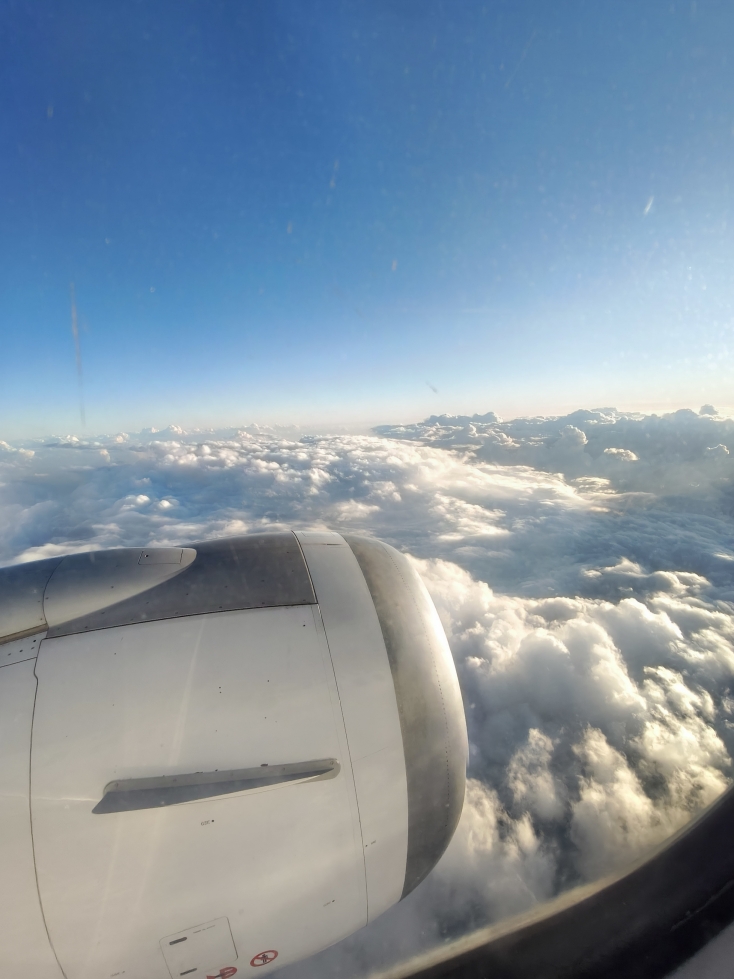
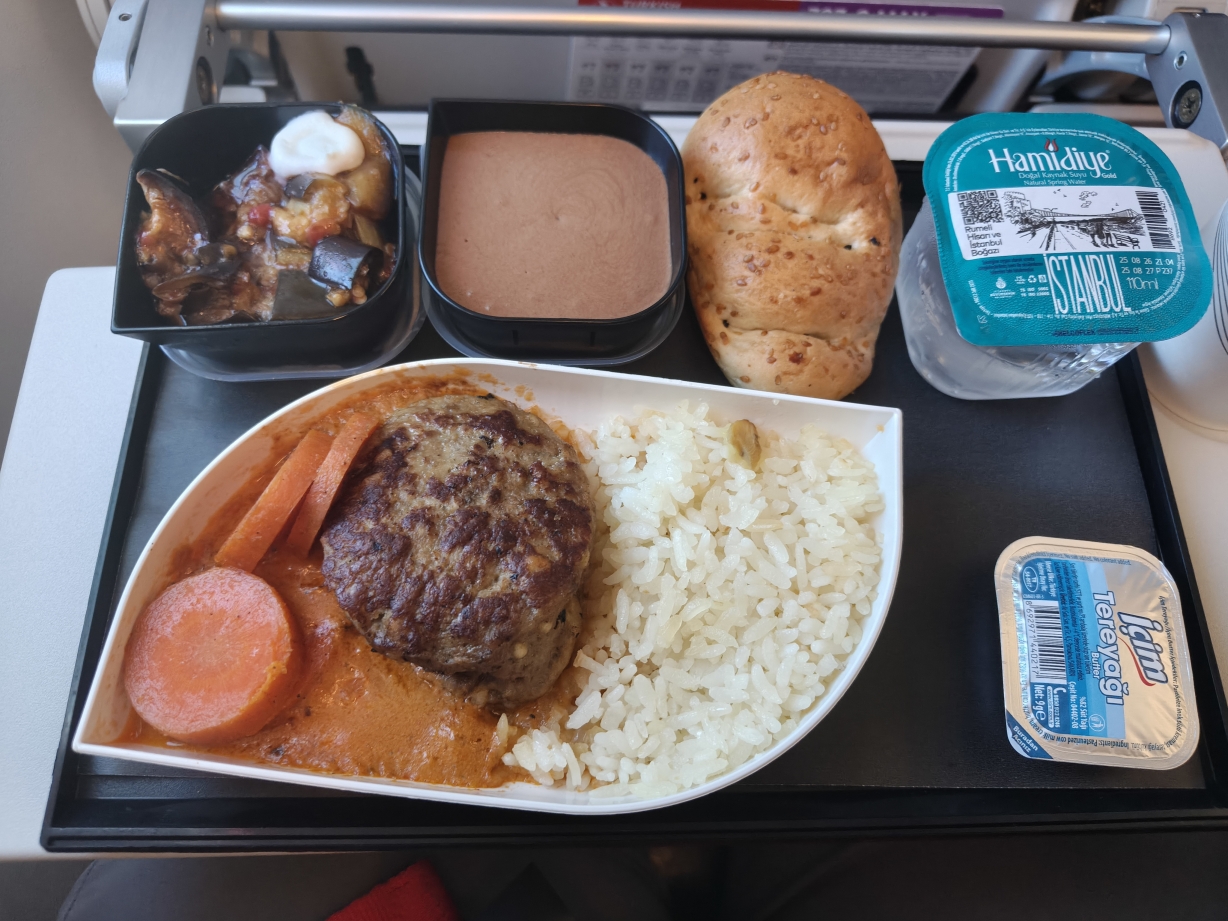
Highlights of Istanbul. From Tbilisi,Georgia, I flew to Istanbul via Turkish Airlines, which was my first time with the brand. I have always been curious of TK Air. And indeed, the airline did not disappoint. Entertainment was updated with latest Hollywood hits. And the meal was great. They served beef patty in curry sauce and sides. The warm bread was a plus for me. Not all airlines heat the bread prior to serving. Complimentary beverages and wine were also offered on board.
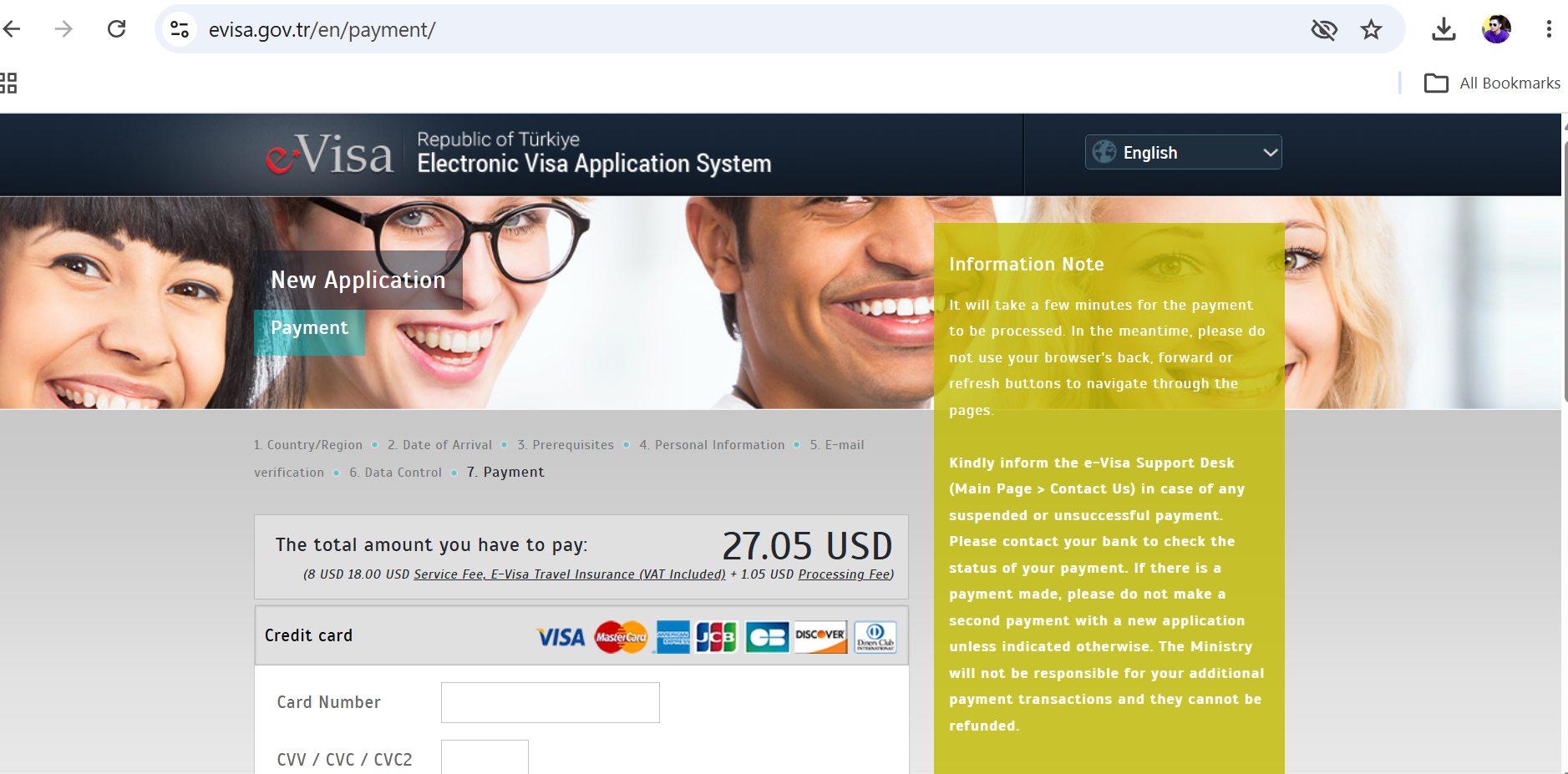
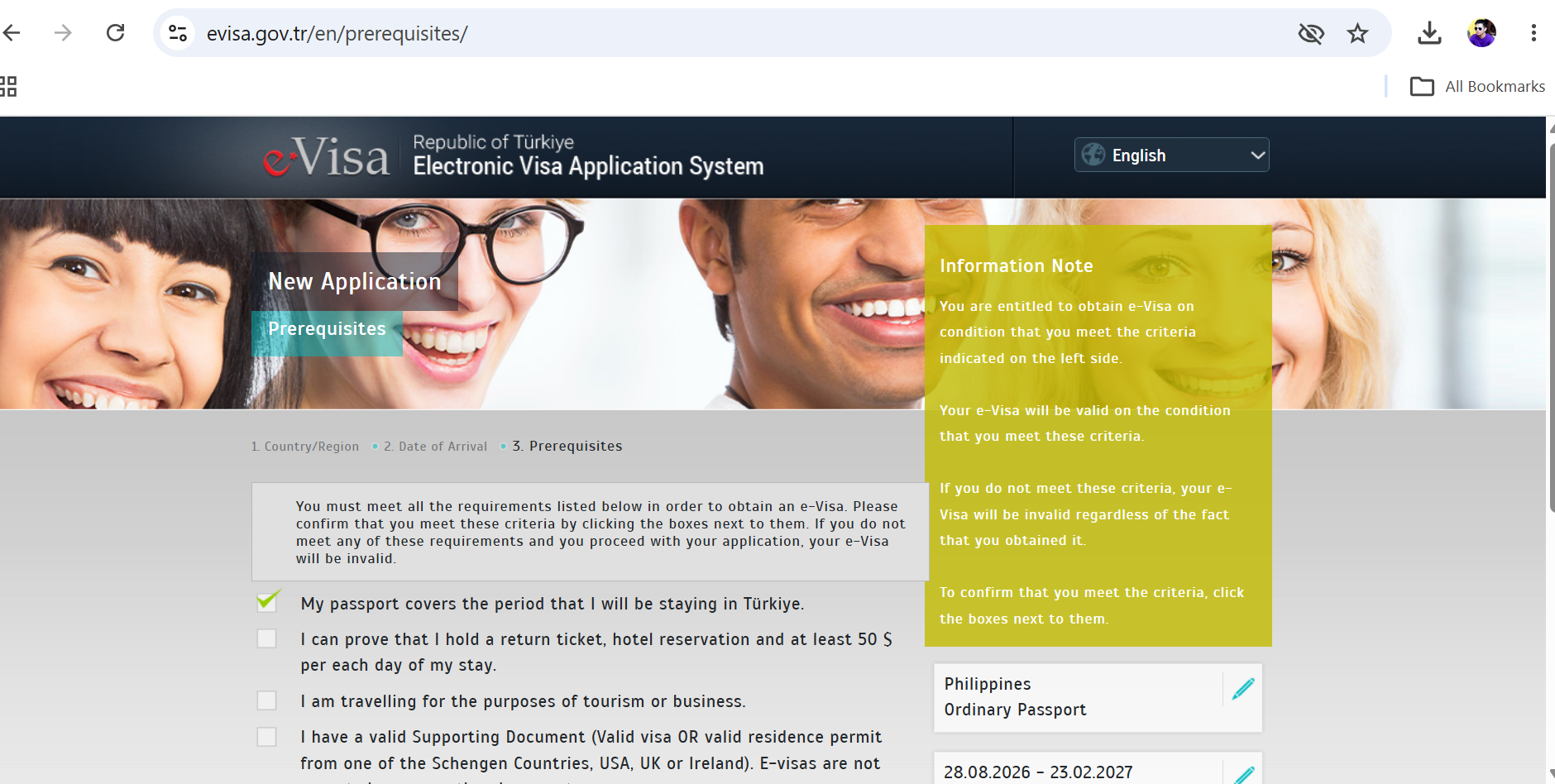
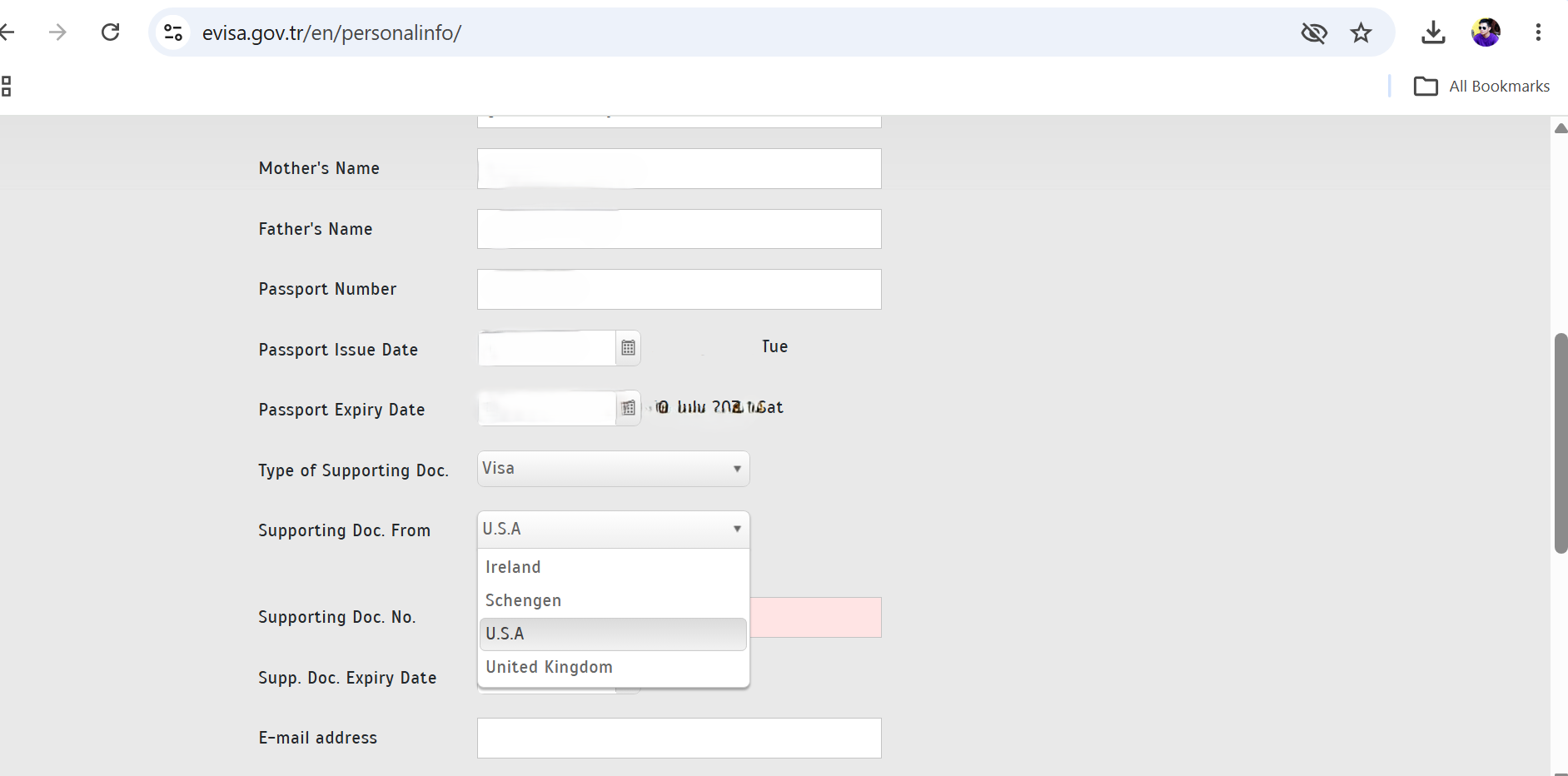
Filipinos need to secure visa to enter Türkiye. However, Filipino passport holders with a valid US, UK, or Schengen visa get the privilege to apply for an E-Visa instead, which was super easy. I only prepared a scanned copy of my passport bio page, a jpeg file of my latest passport sized photo, and a scanned copy of my valid US visa. After payment, I got my approved E-visa within one hour. Posting below some screenshots of my E-visa application for your reference. Take note of the website address below, as there are a lot of pop-up agency sites that offer E-visa services at an added cost.
Getting around the City. The city is overwhelmingly big. I had four full days in Istanbul, and I decided to allot one day per neighborhood that I wanted to visit.

  • Sultanahmet, The old/historic district and Eminonu (Harbor front)
  • Taksim and Galata – vibrant local vibe. Shopping and affordable hotels
  • Karakoy (Harbor front) and Kadikoy (markets and the peaceful seaside neighborhood)
  • Balat – Boho-historic walking quarters. Local artists’ hub.

Getting around Istanbul is relatively easy with the help of Yandex Map and 2Gis App for real time bus and train schedule. These are free apps that I downloaded prior to arrival.

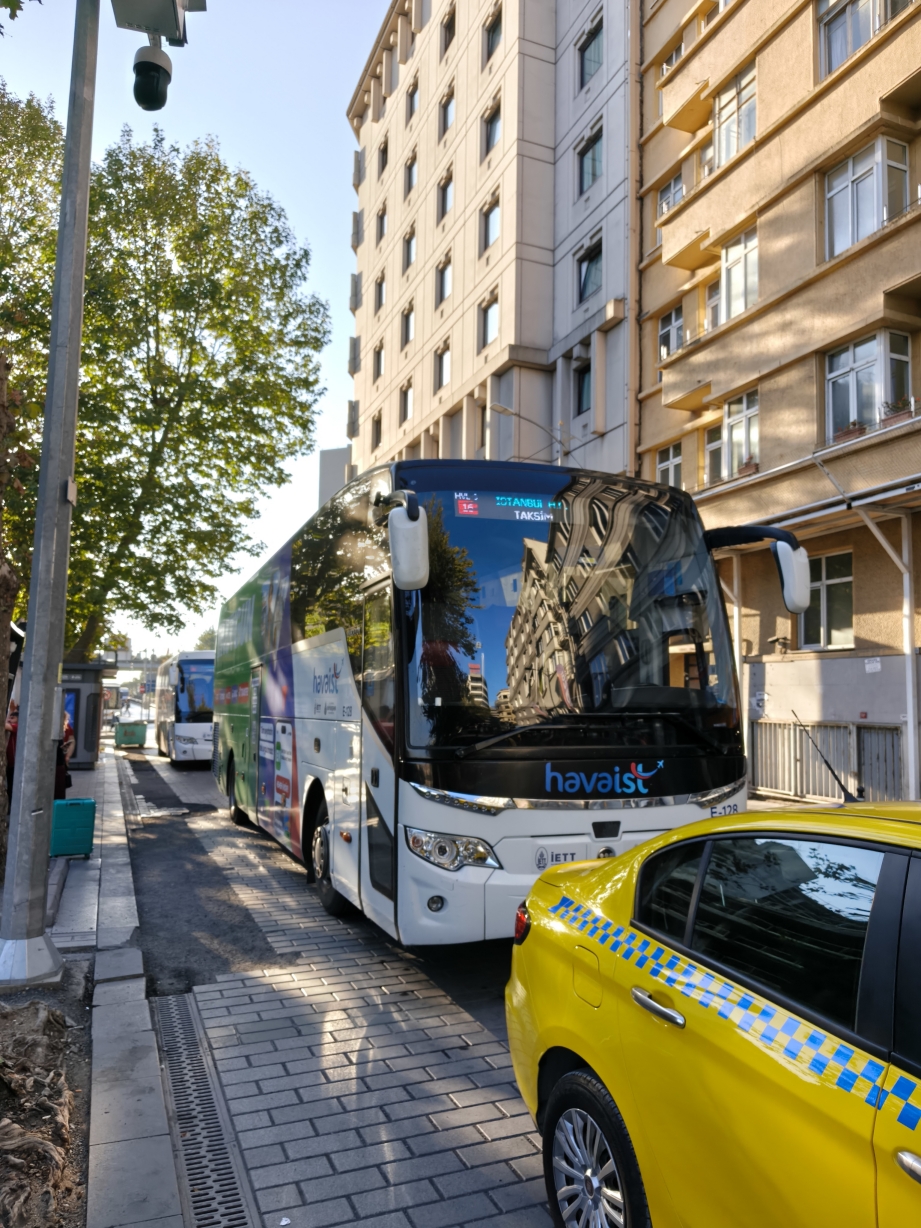
From the Airport, the HAVAIST BUS directly takes you to the city center. Bus ride costs 470 Lira (600 Php). The Bus station is located at the basement of IST Airport. I also purchased an ISTANBULKART to go cashless on transportation fare within the city(Bus/Metro/Ferry). I loaded 1000 Lira (1,200 Php) to the Kart, since every bus/train/Ferry ride in Istanbul costs 46 Lira at least.

English is widely spoken all around Istanbul. Communication was never an issue.

Day 1: Sultanahmet (Old City) – Best for first-time visitors aiming to see major landmarks like the Hagia Sophia, the Blue Mosque, and the palace. Sultanahmet is rich in imperial history, though highly touristic and gets really crowded and the restaurants are generally pricey.

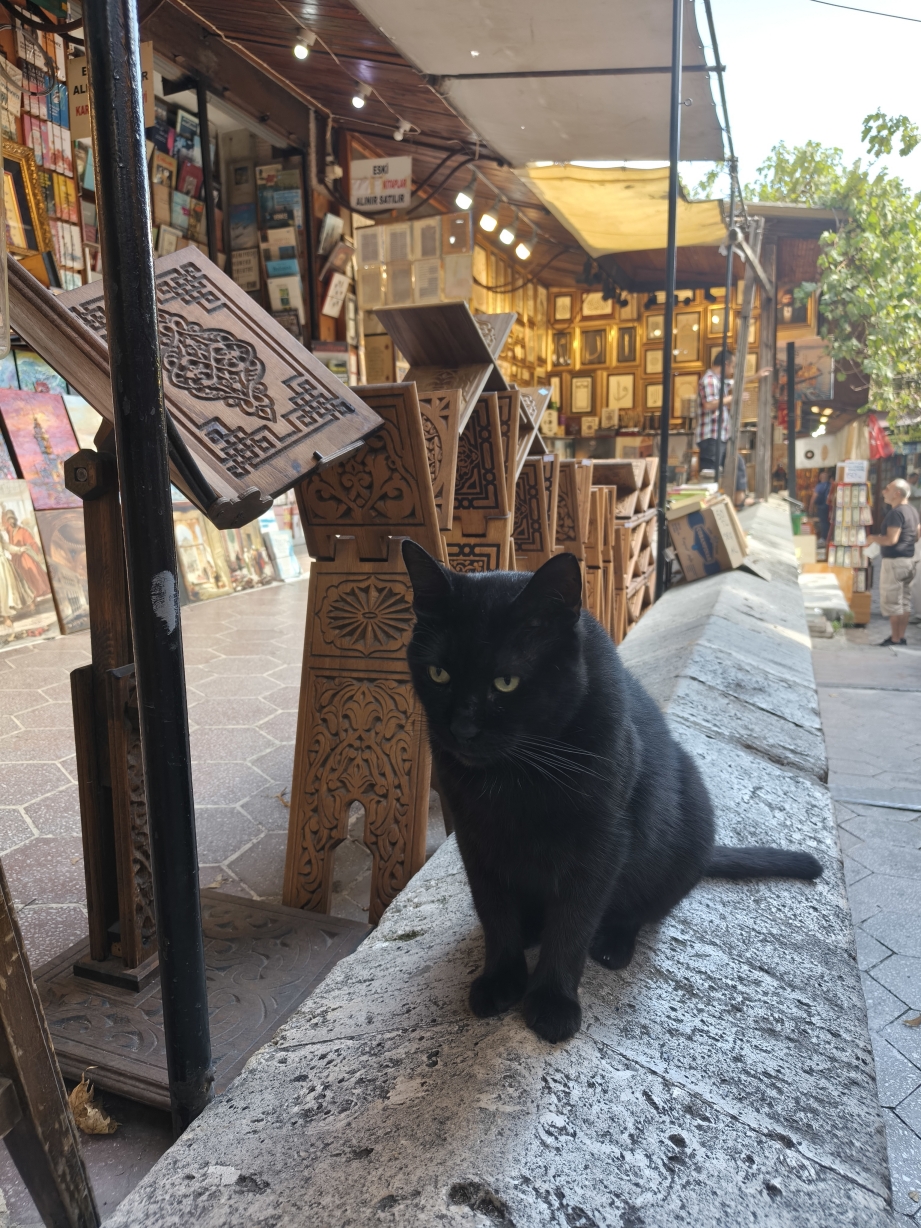
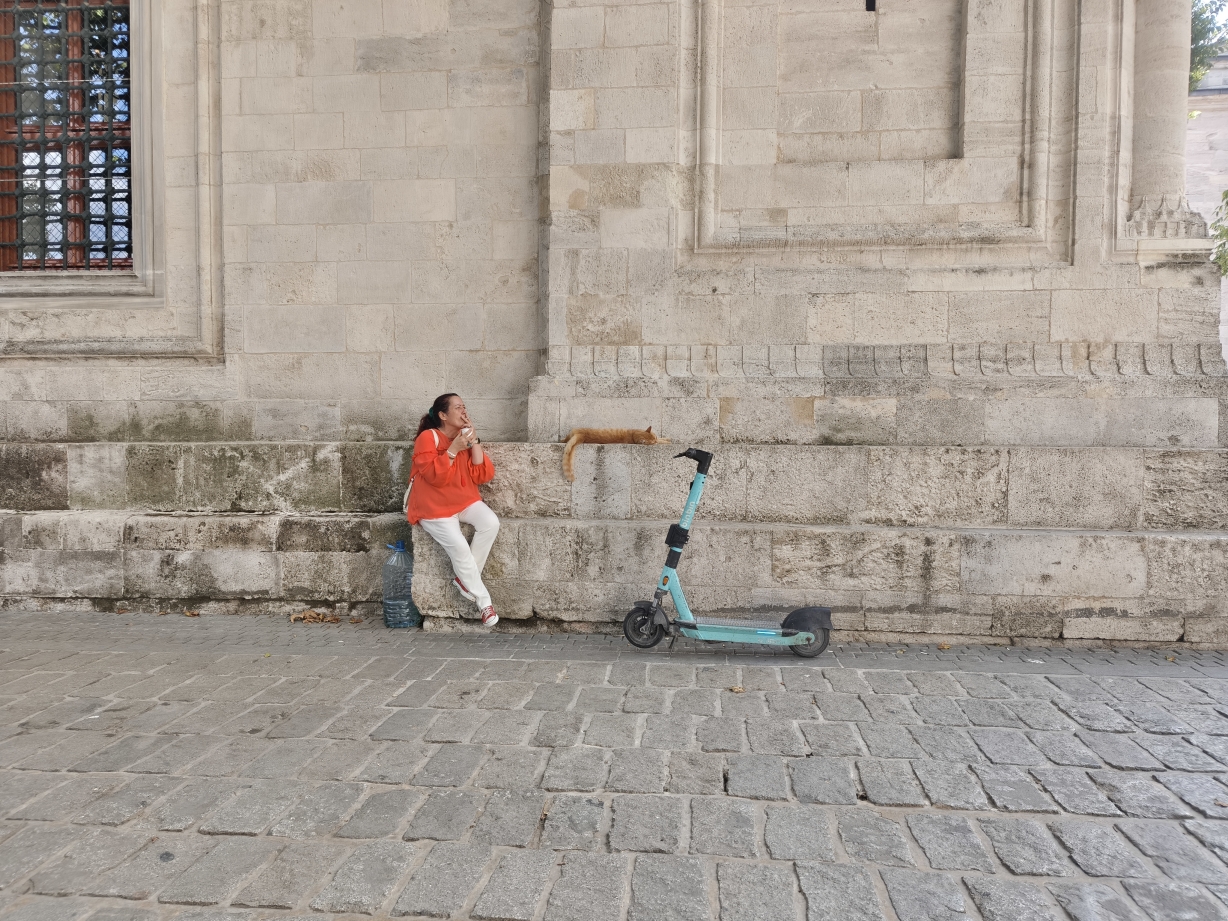
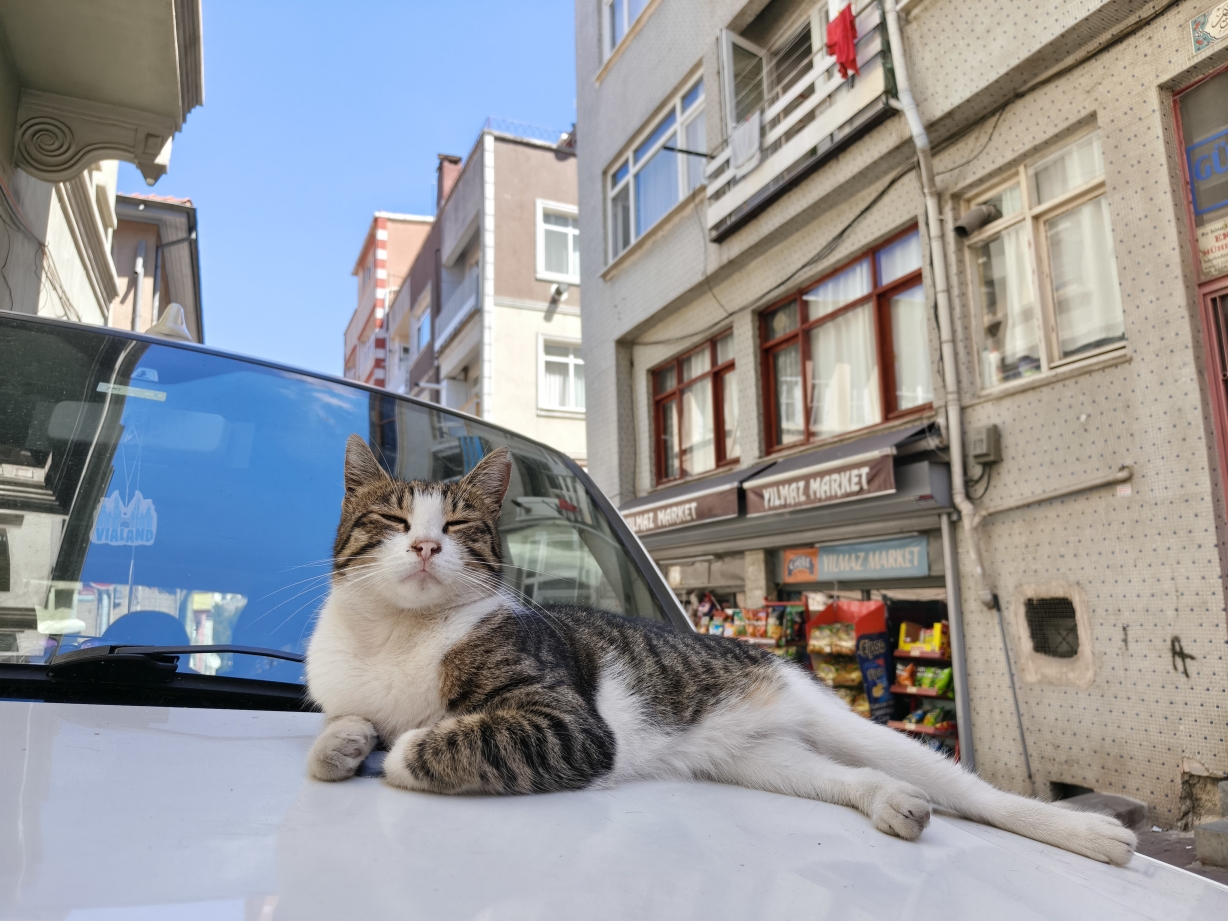
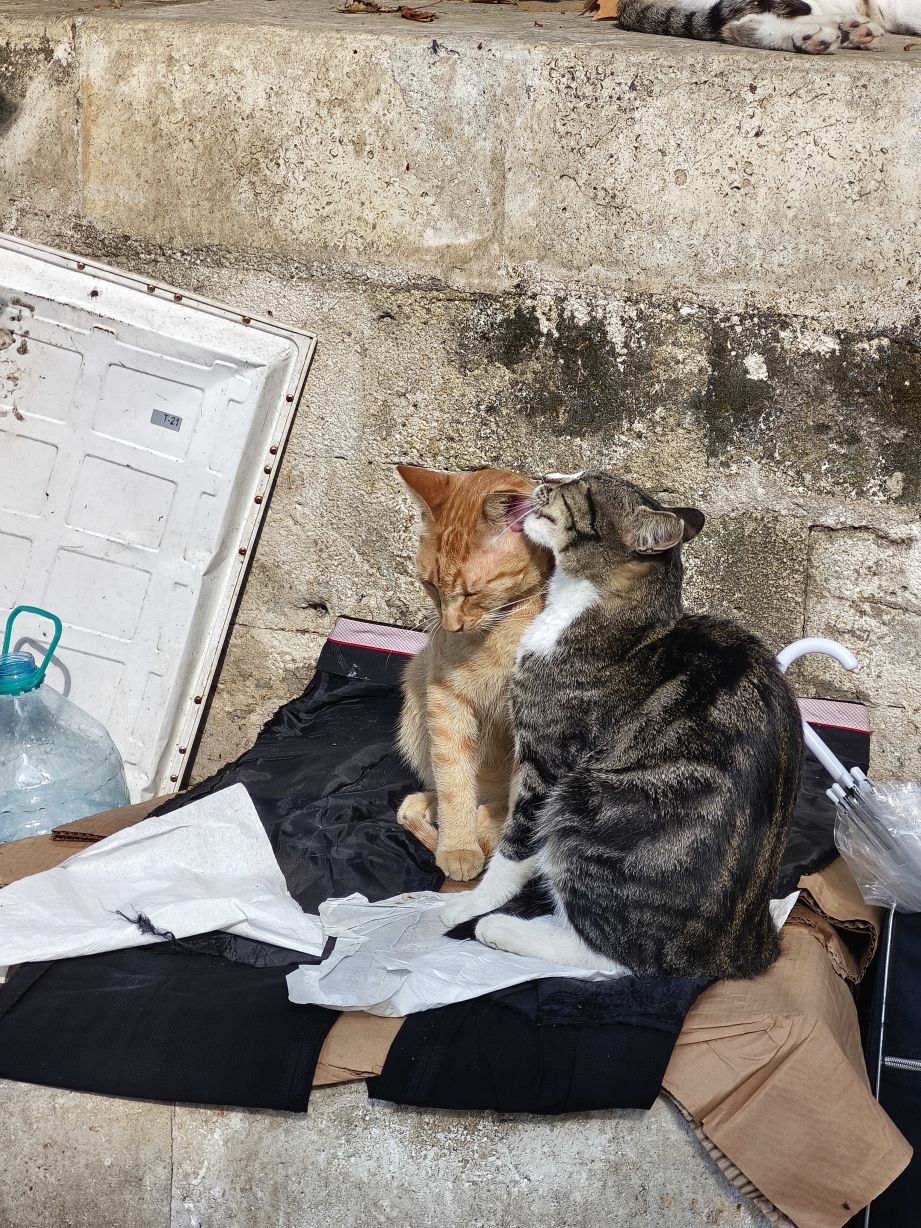
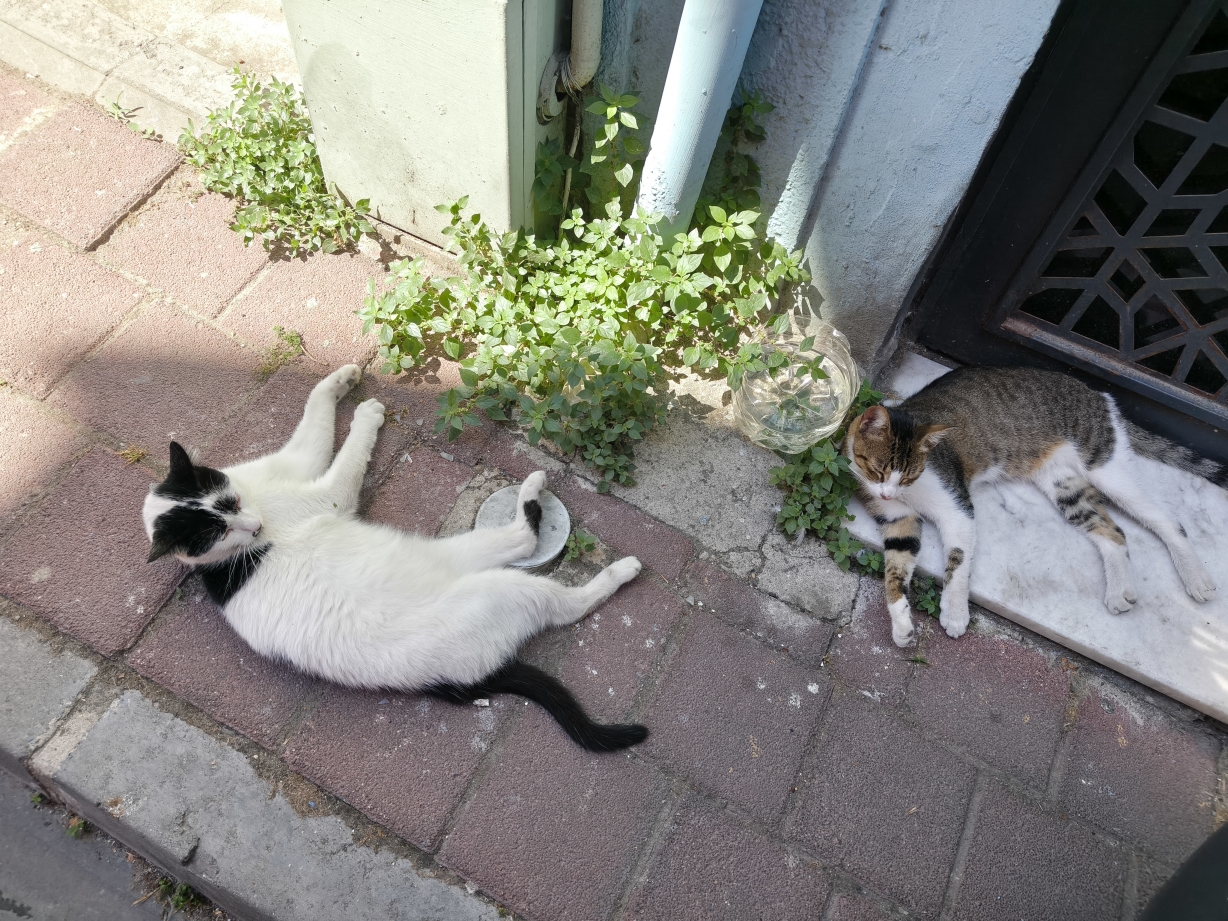
First thing I noticed upon arrival in Istanbul are the street cats that are well fed by the community. Turkish love cats. Dogs are a rare sight in Istanbul.
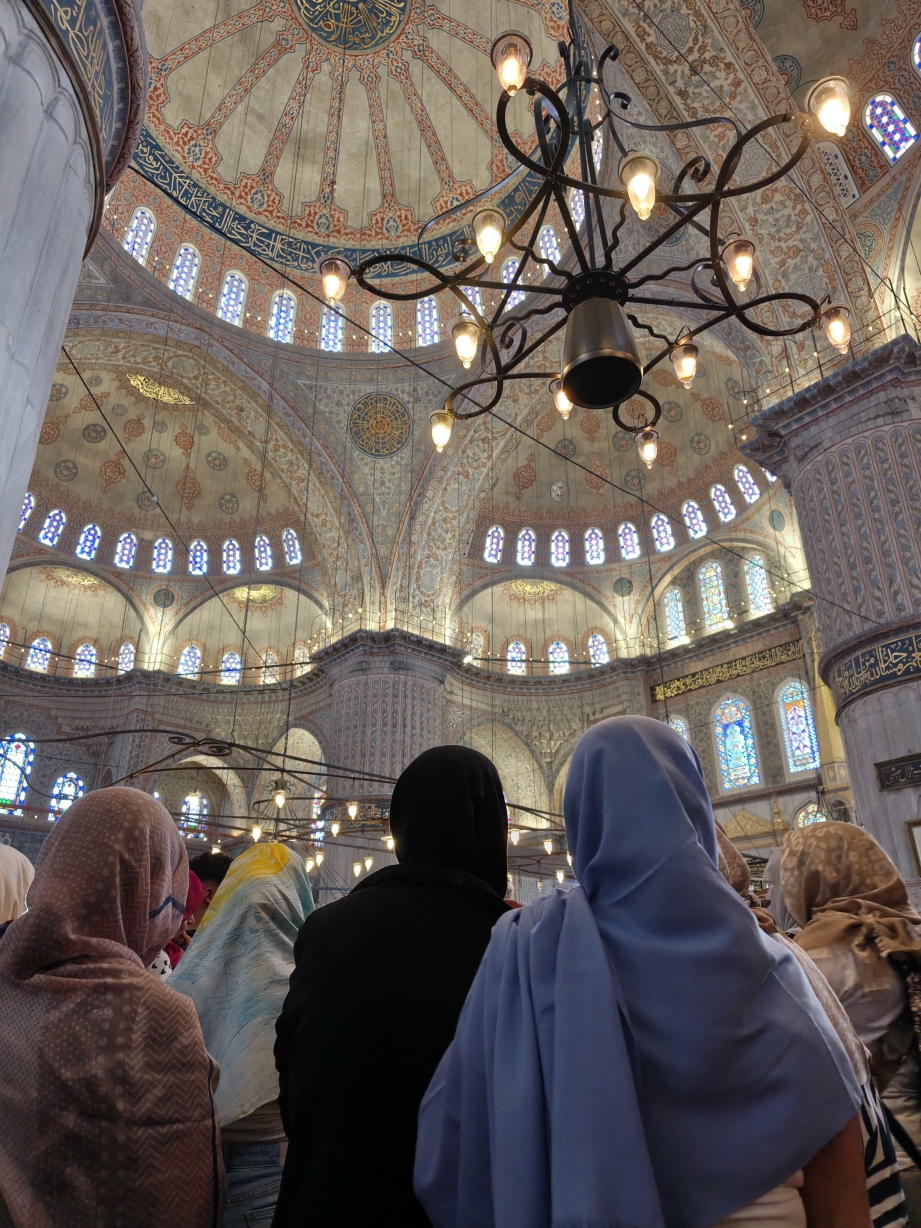
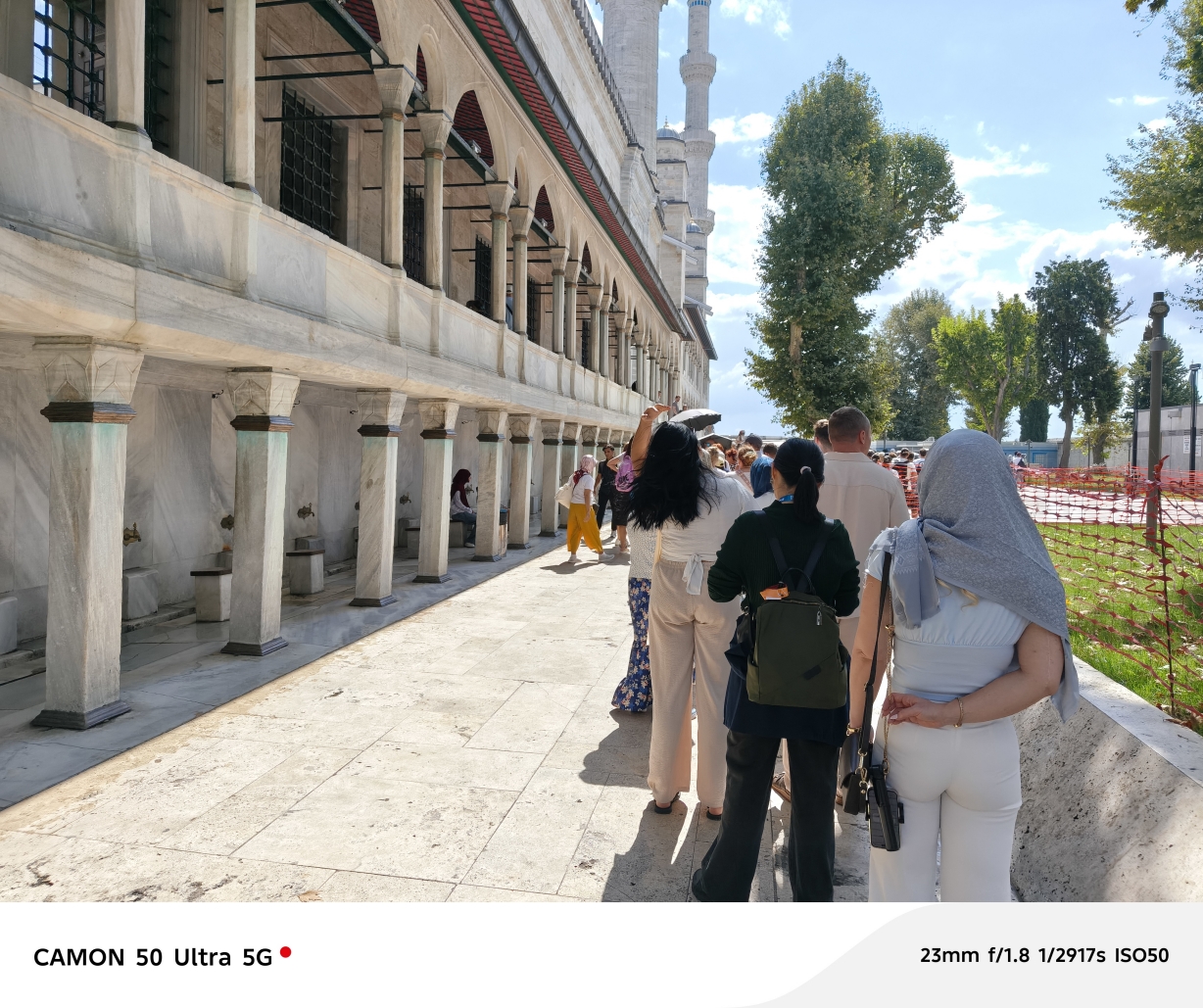
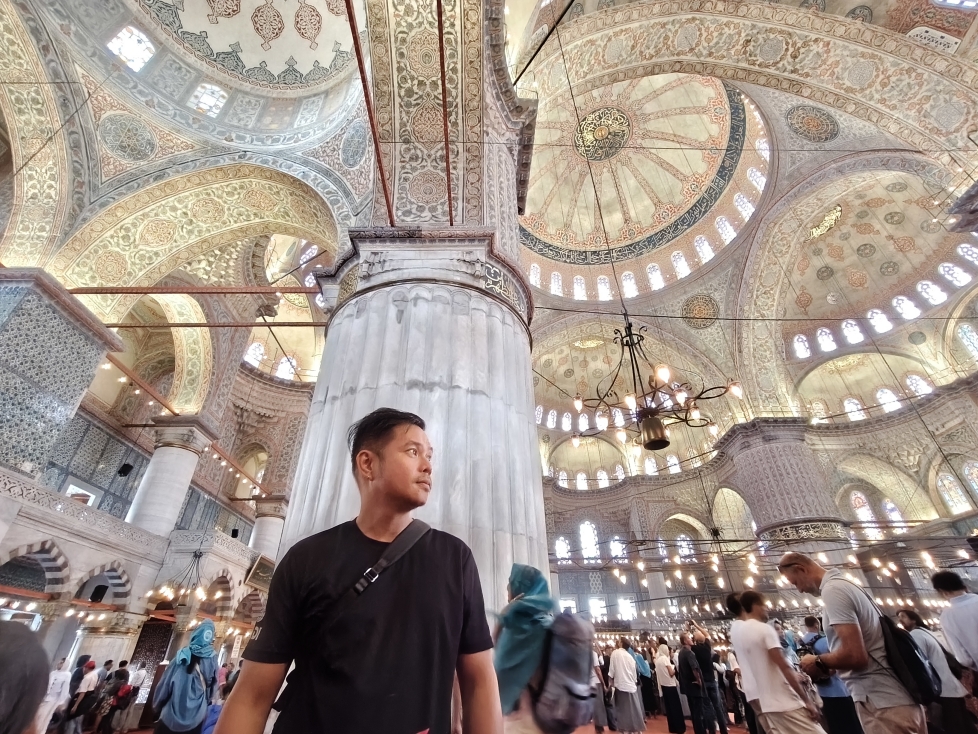
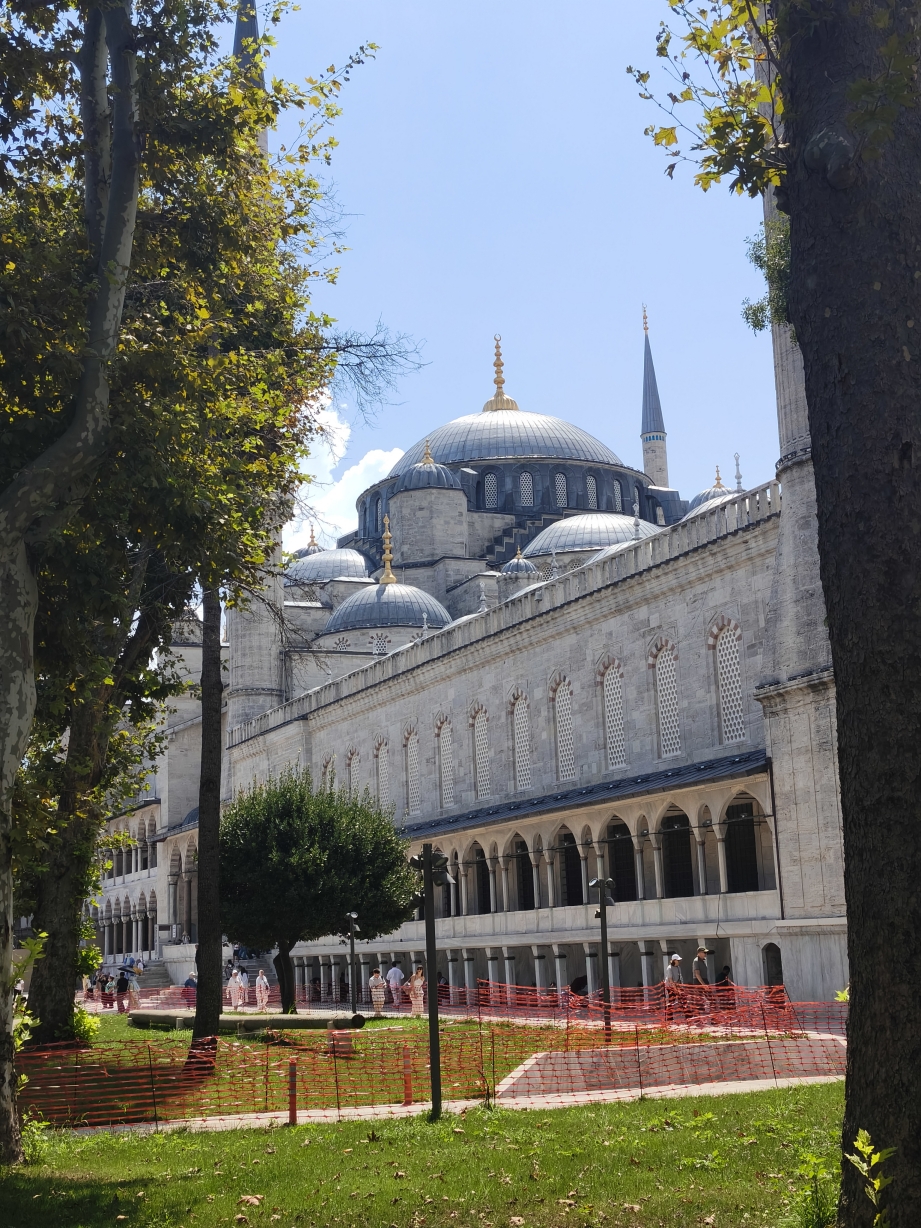
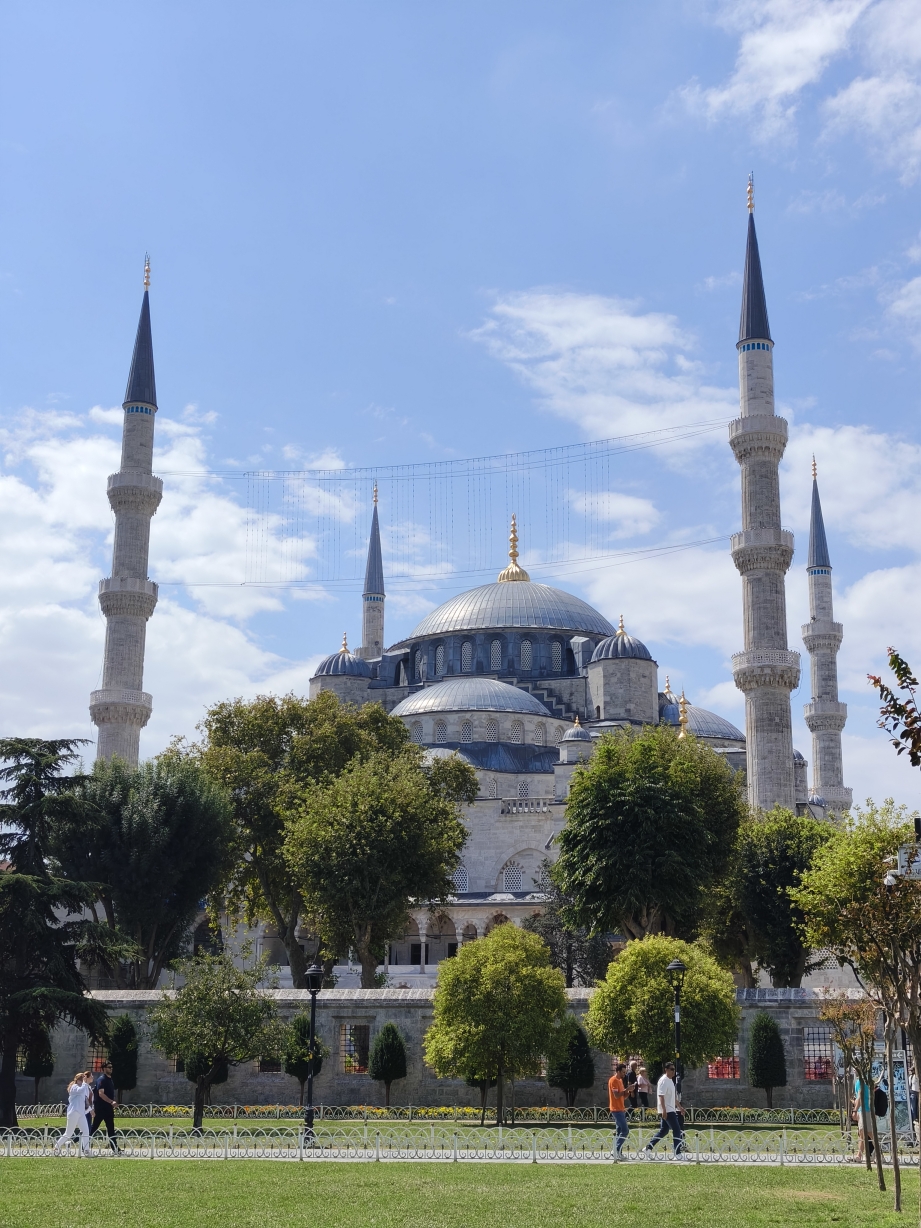
The Blue Mosque, built around 16th Century. The mosque is open for all visiting tourists.
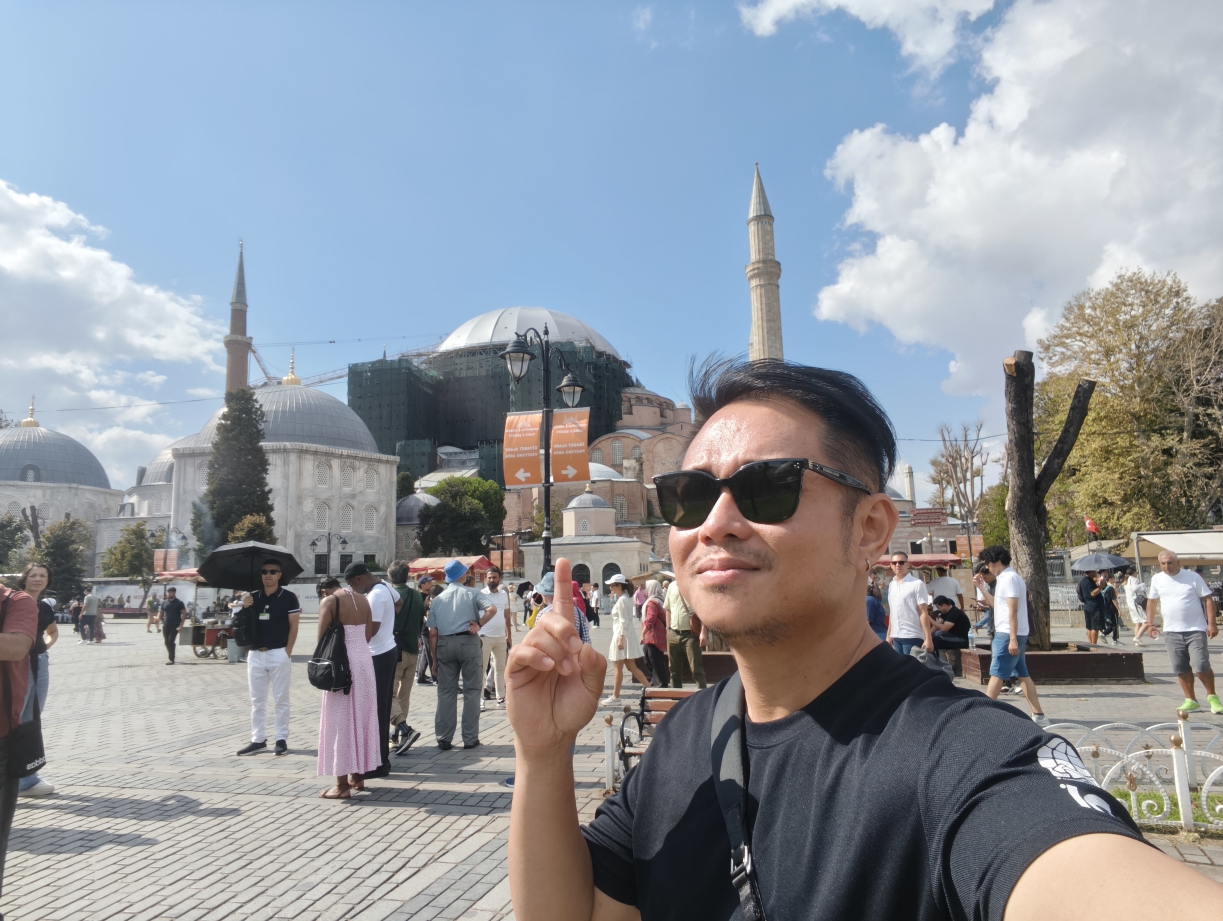
Hagia Sophia Mosque – constructed in the 6th century as an Eastern Roman Christian basilica. Later during the Ottoman conquest in 1453, the building was turned into a mosque under Sultan Mehmed II. The mosque was undergoing major restorations the time I visited. I did not bother going inside na.
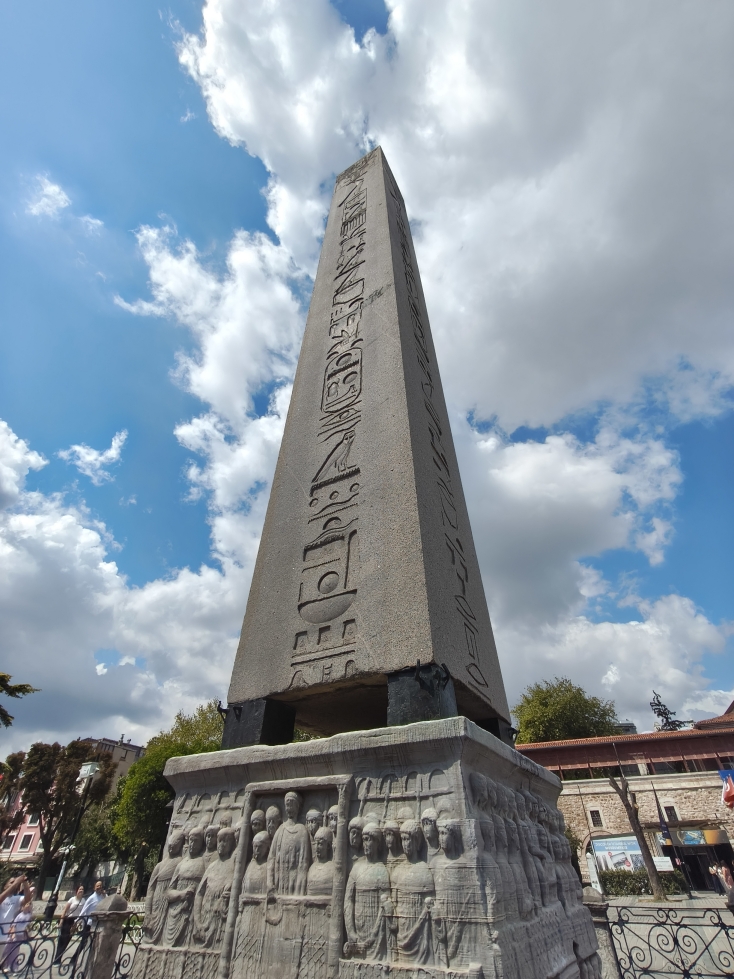
Note: There is an original Egyptian Obelisk displayed at the park near the mosque. This was seized by conquerors from its origin in Egypt during the early days. It was never returned by Turkey upto today.

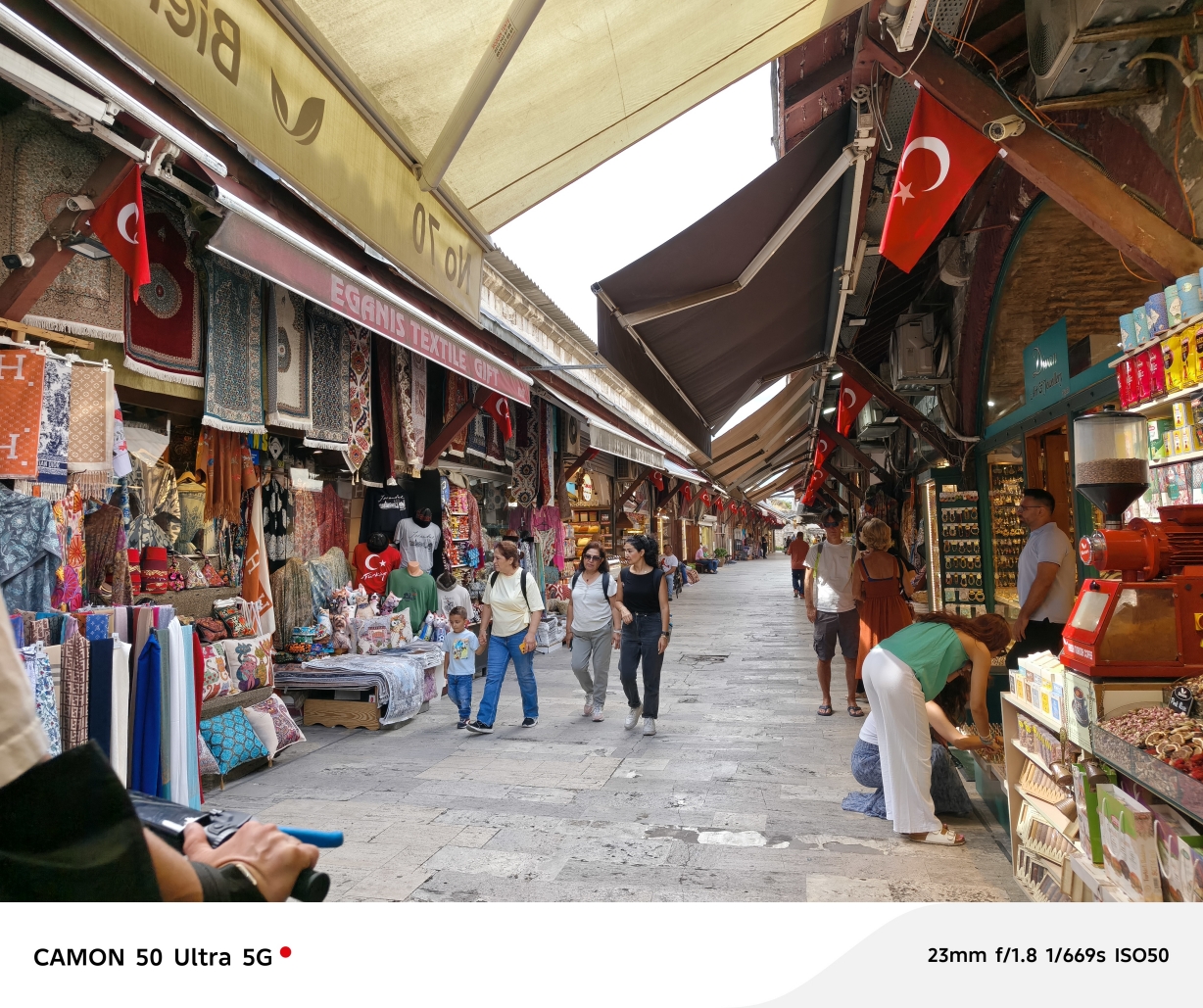
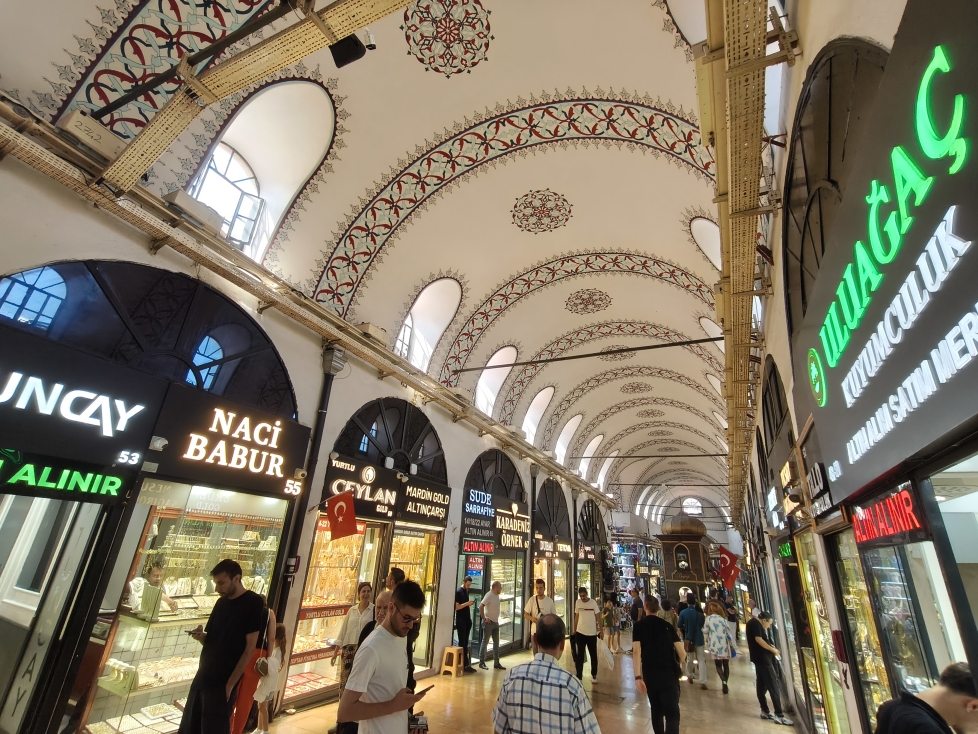
Just a few blocks from the mosques, the Grand Bazaar, is one of the oldest and largest covered markets in the world, serving Istanbul for over 500 years.
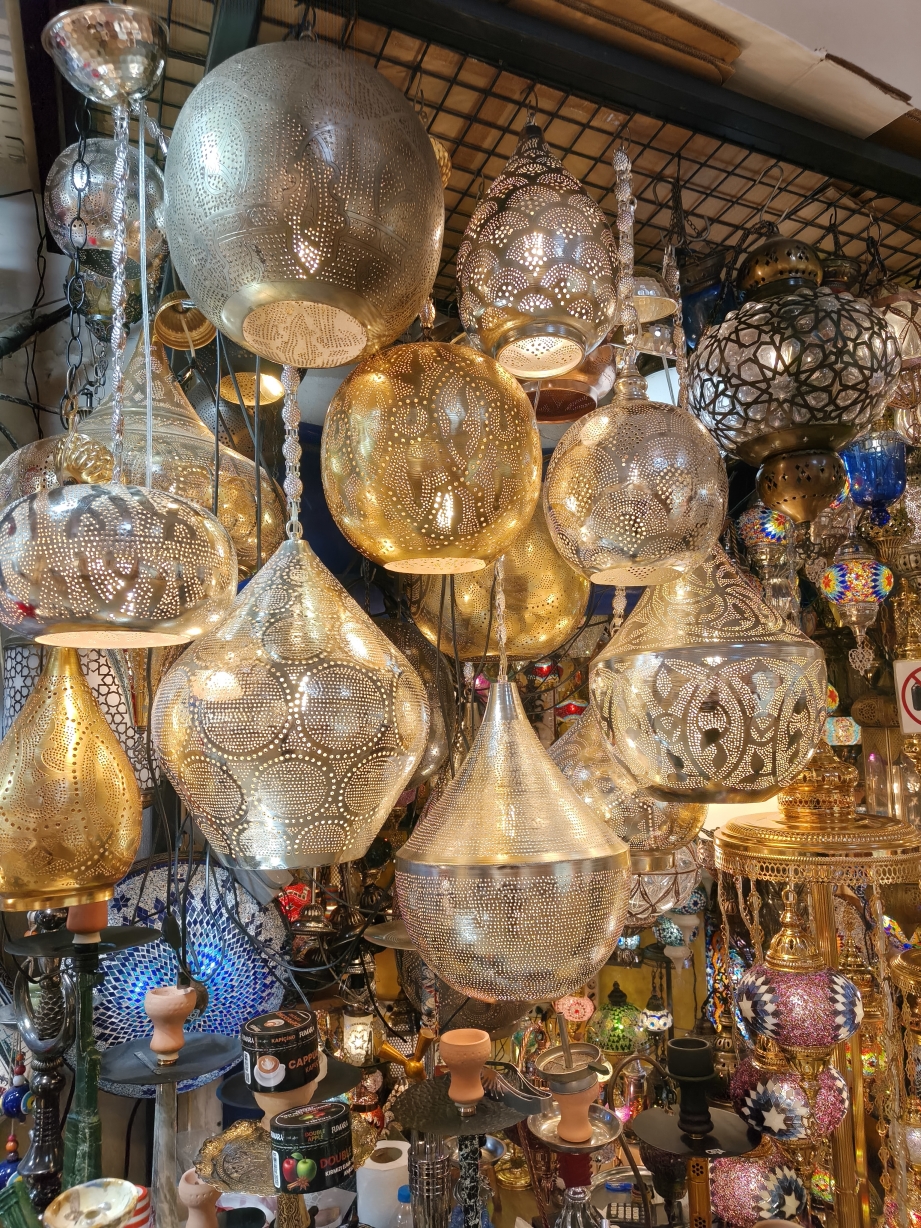
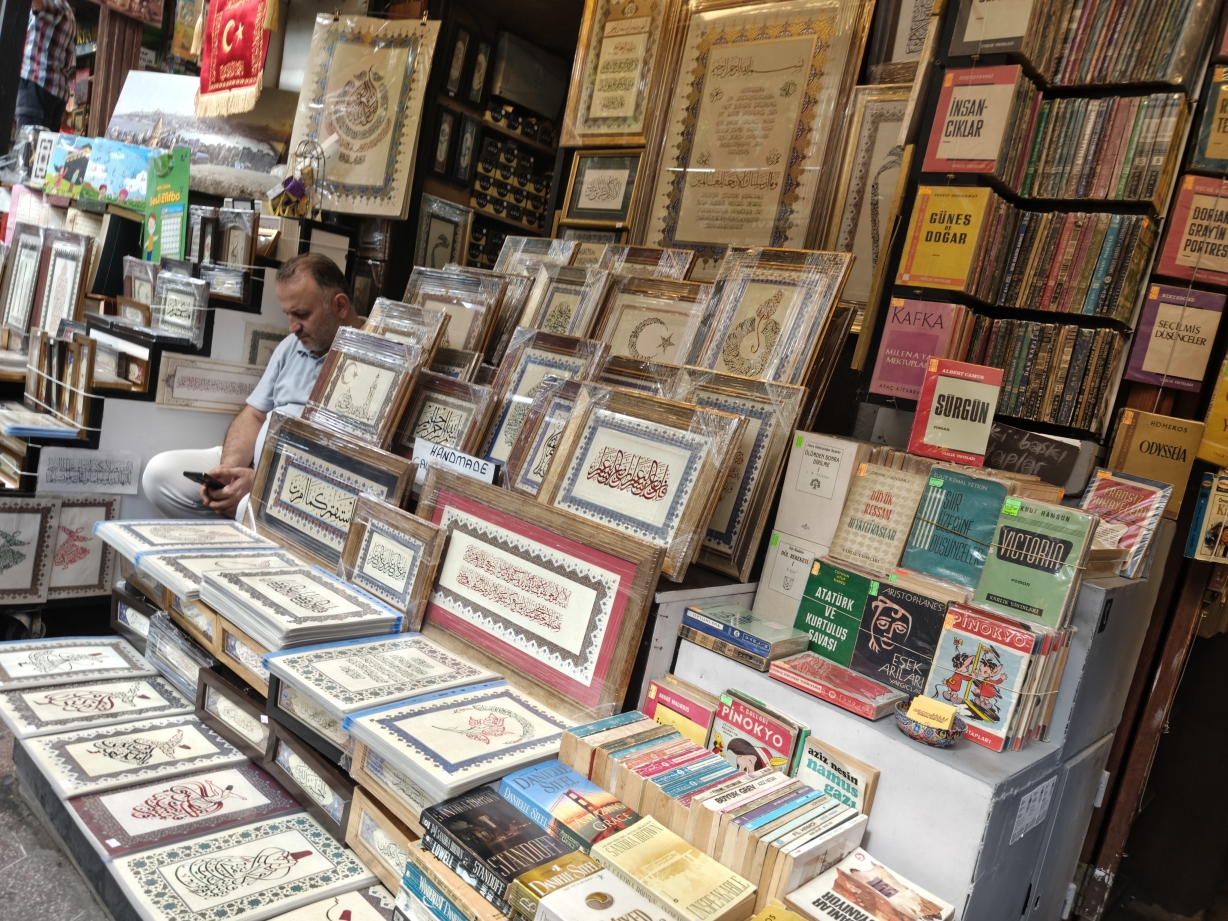
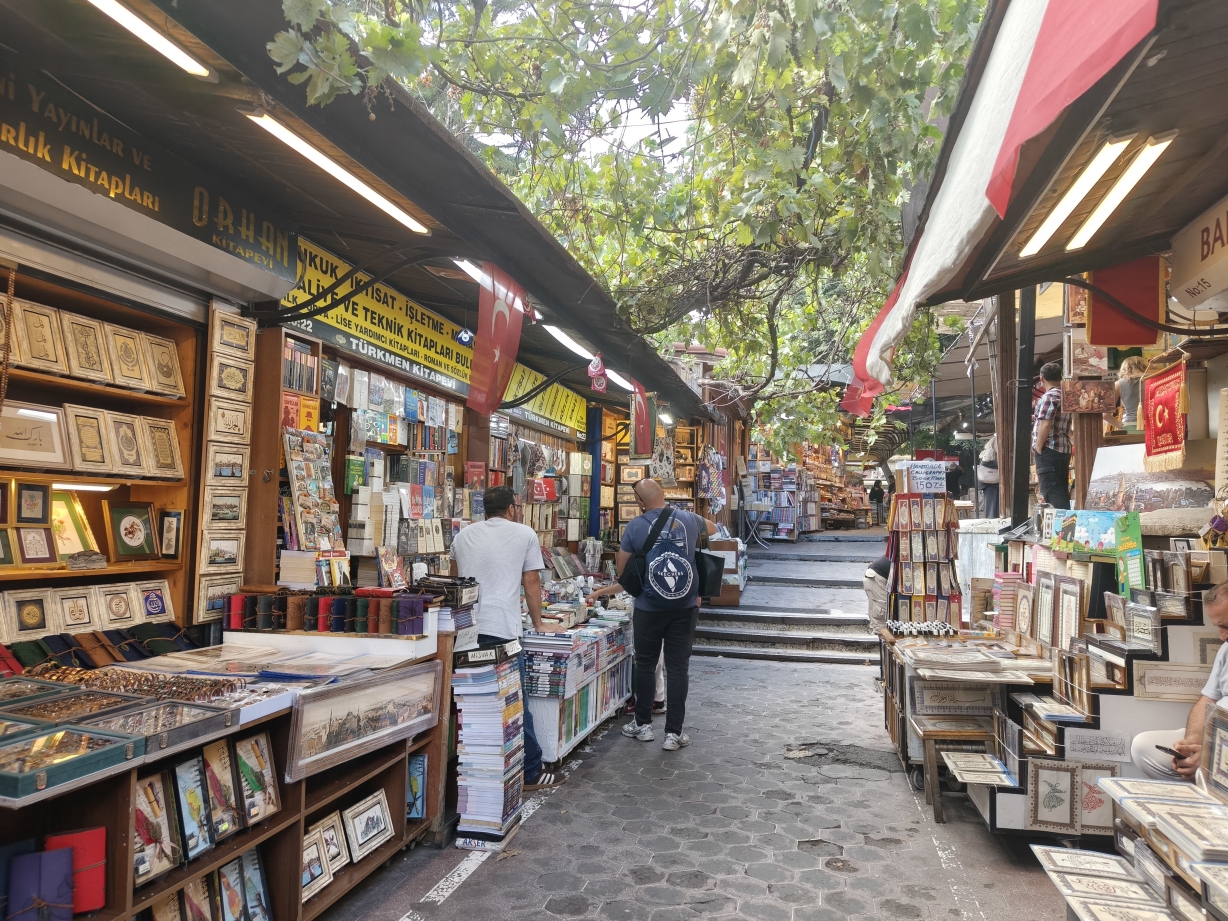
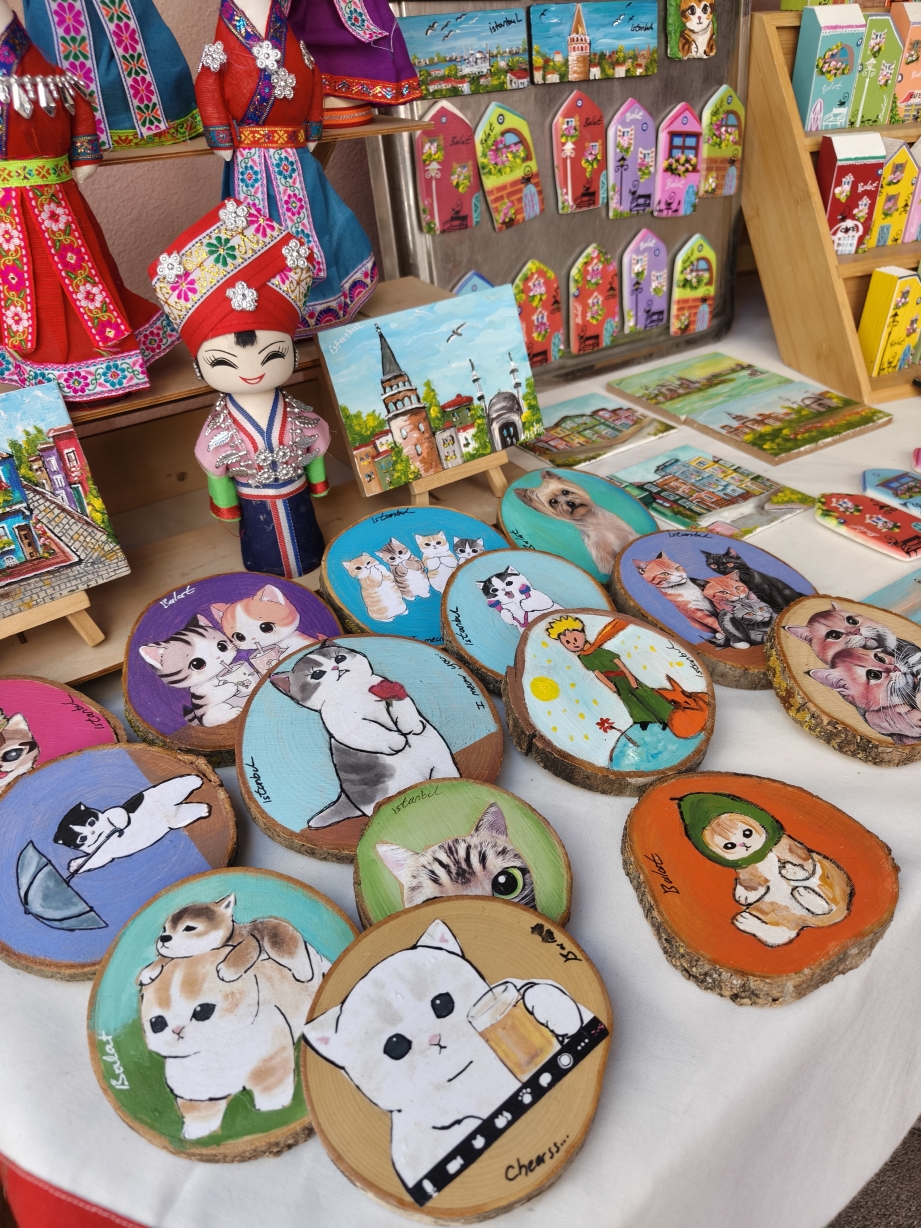
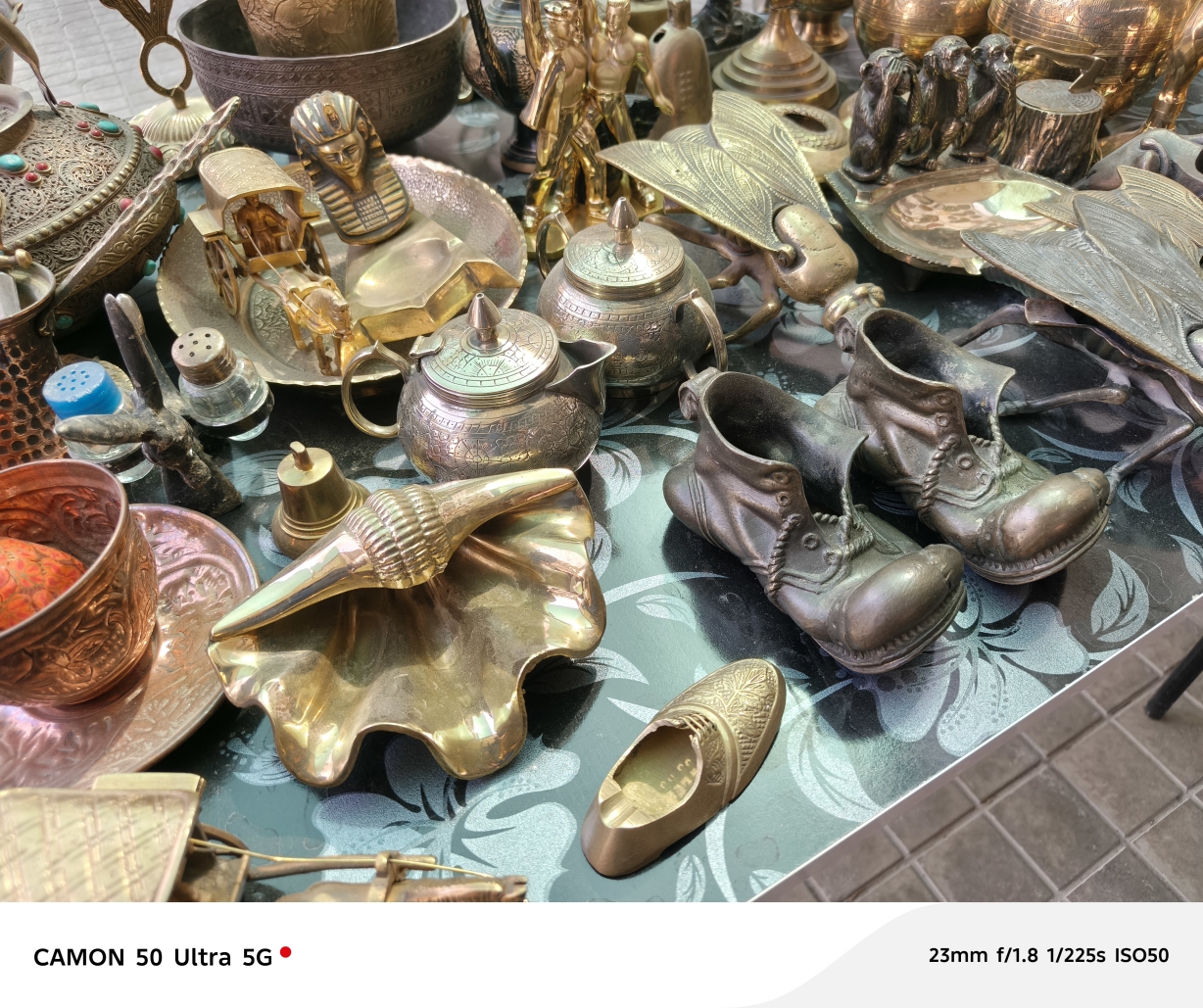
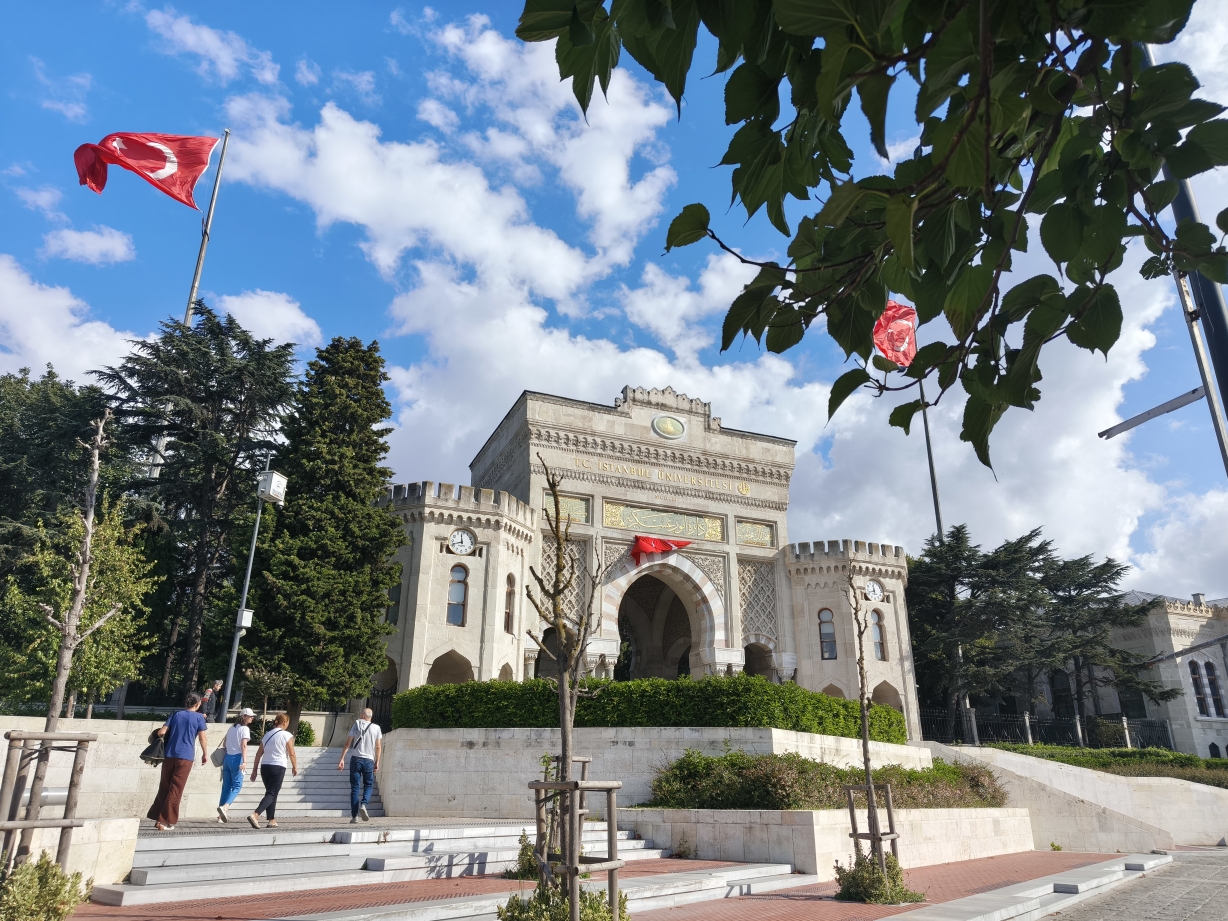
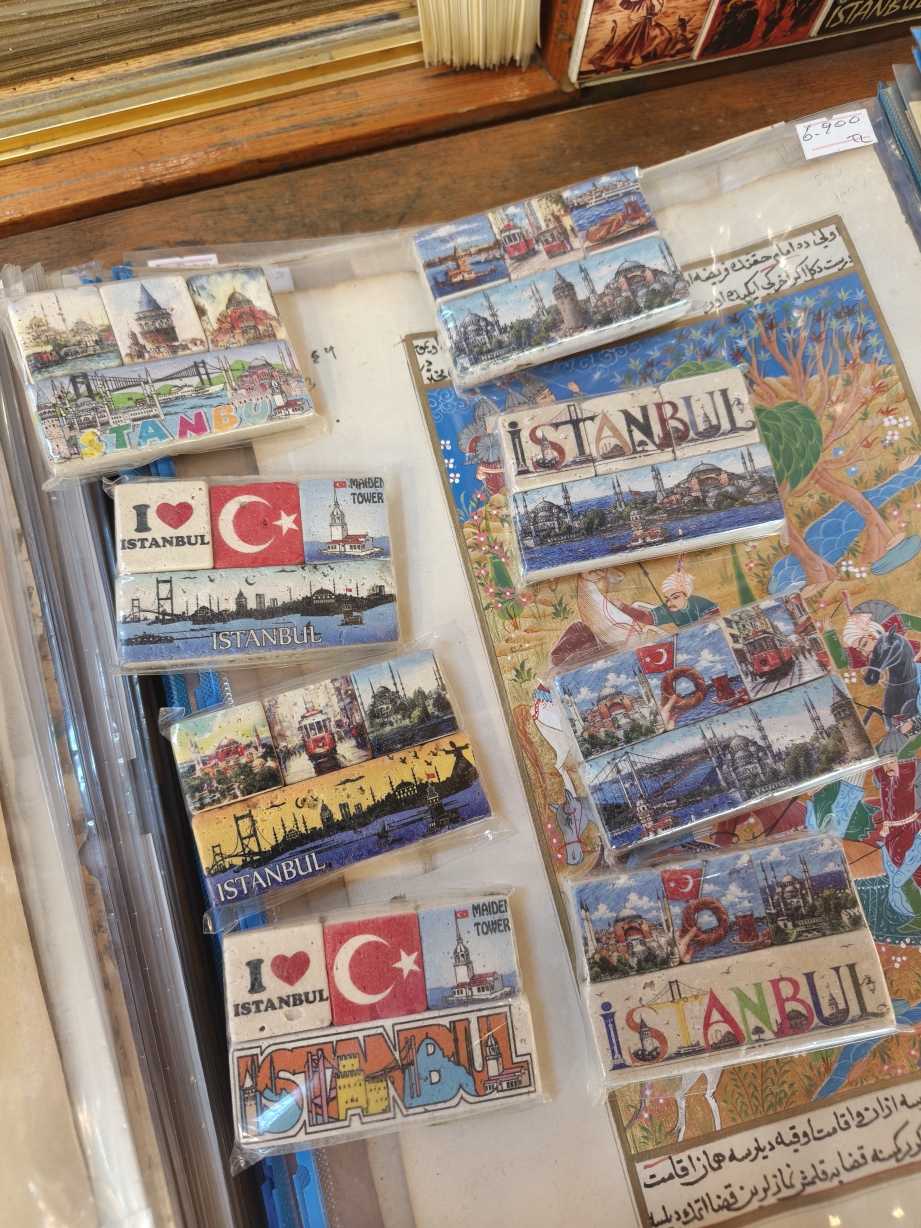
In Sultanhamet, you’ll also pass by universities and markets that boast local art works and vintage collections. I made some souvenir purchases here. Their magnet designs are nowhere else to be found. This book market, I found just at the back of the Grand Bazaar.
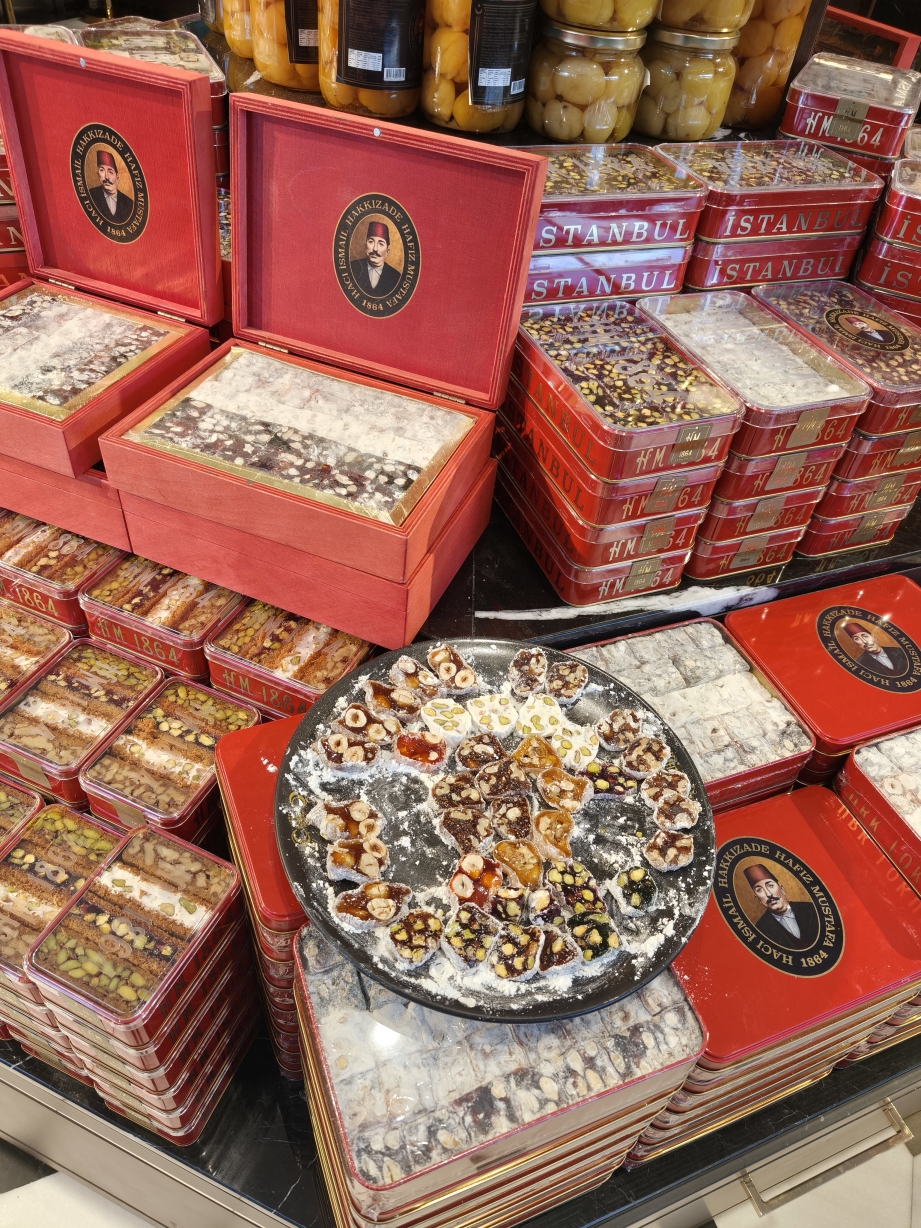
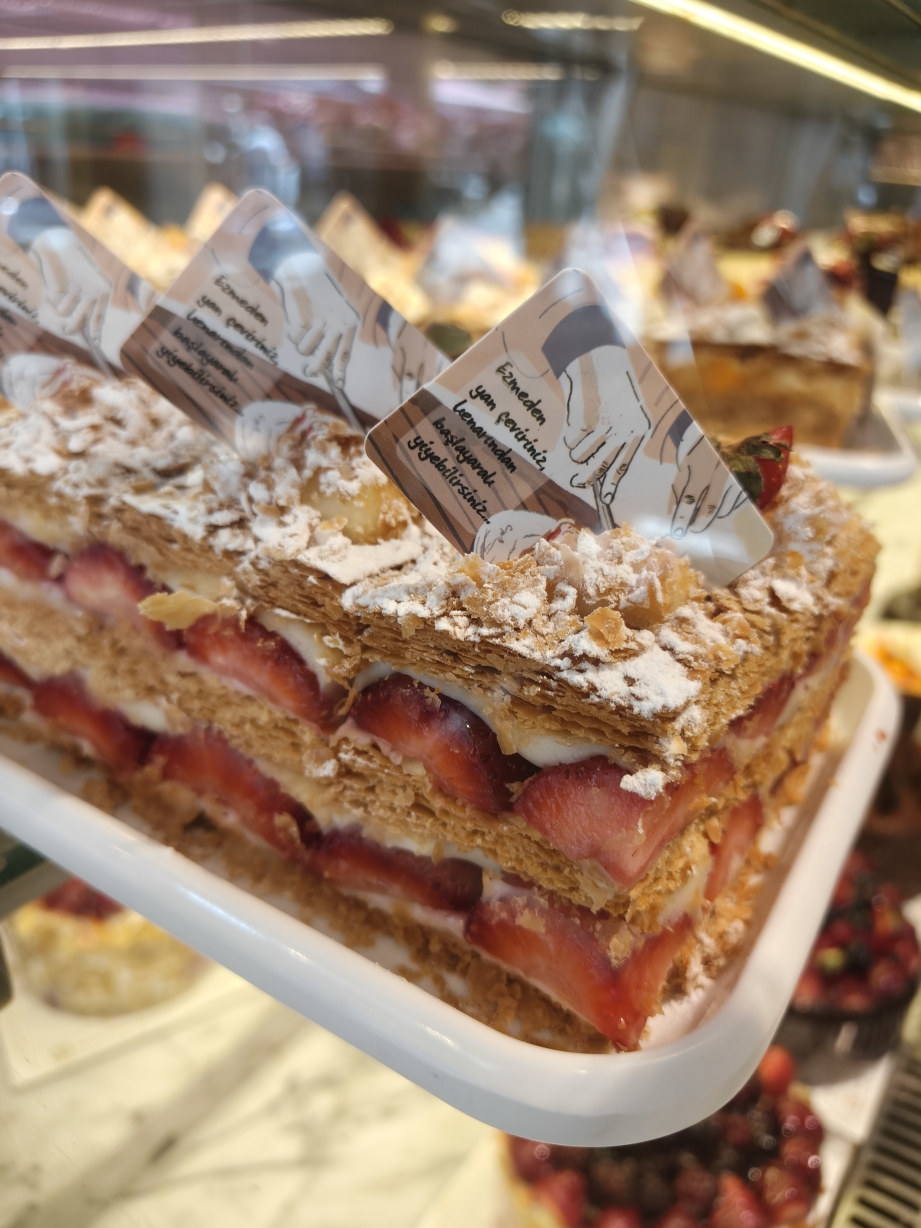
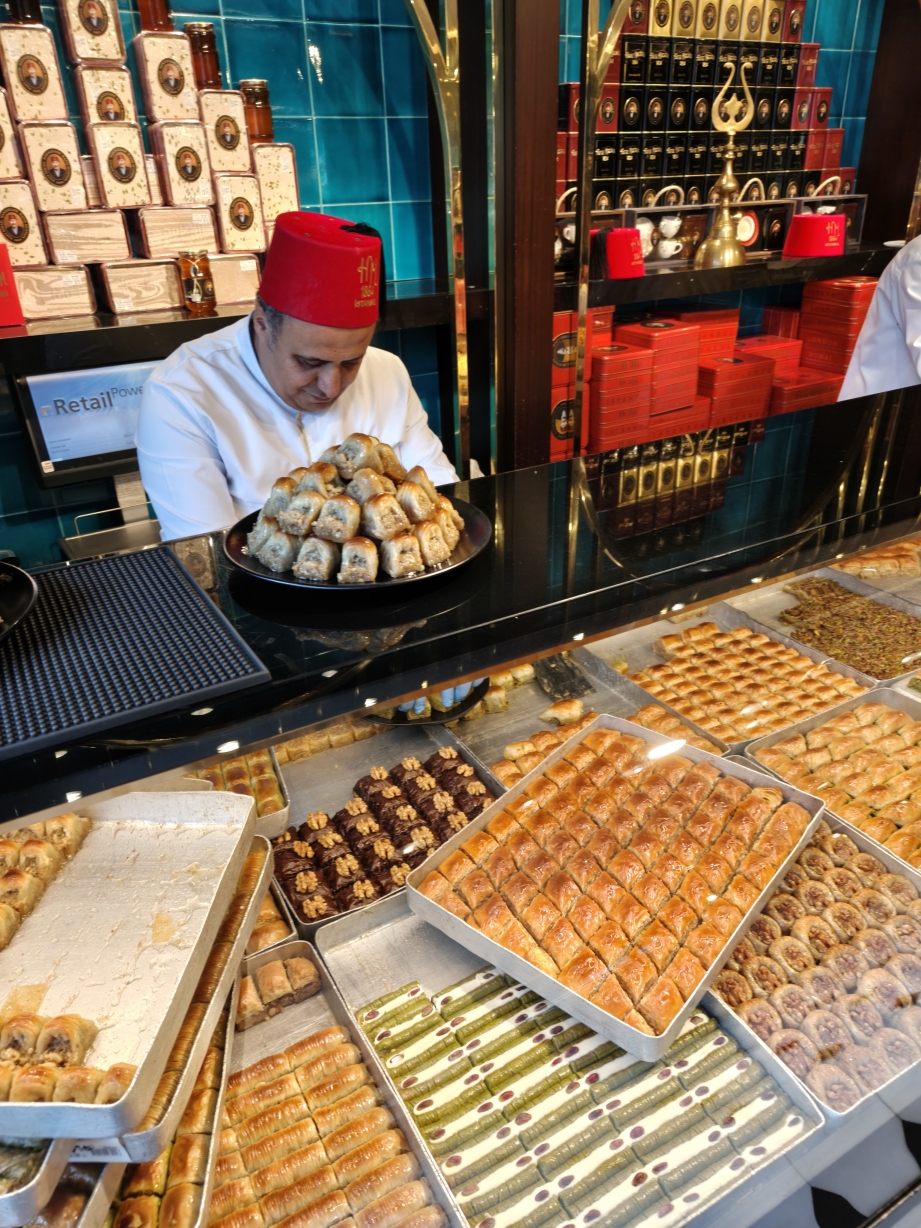
Turkish sweets/dessert shops almost always offer free taste of their products. In Sultanhamet, you’ll see a lot of these stores, but are quite expensive. Better reserve your shopping cash for Kadikoy and Balat neighborhood, which I visited on my 3rd and 4th day.
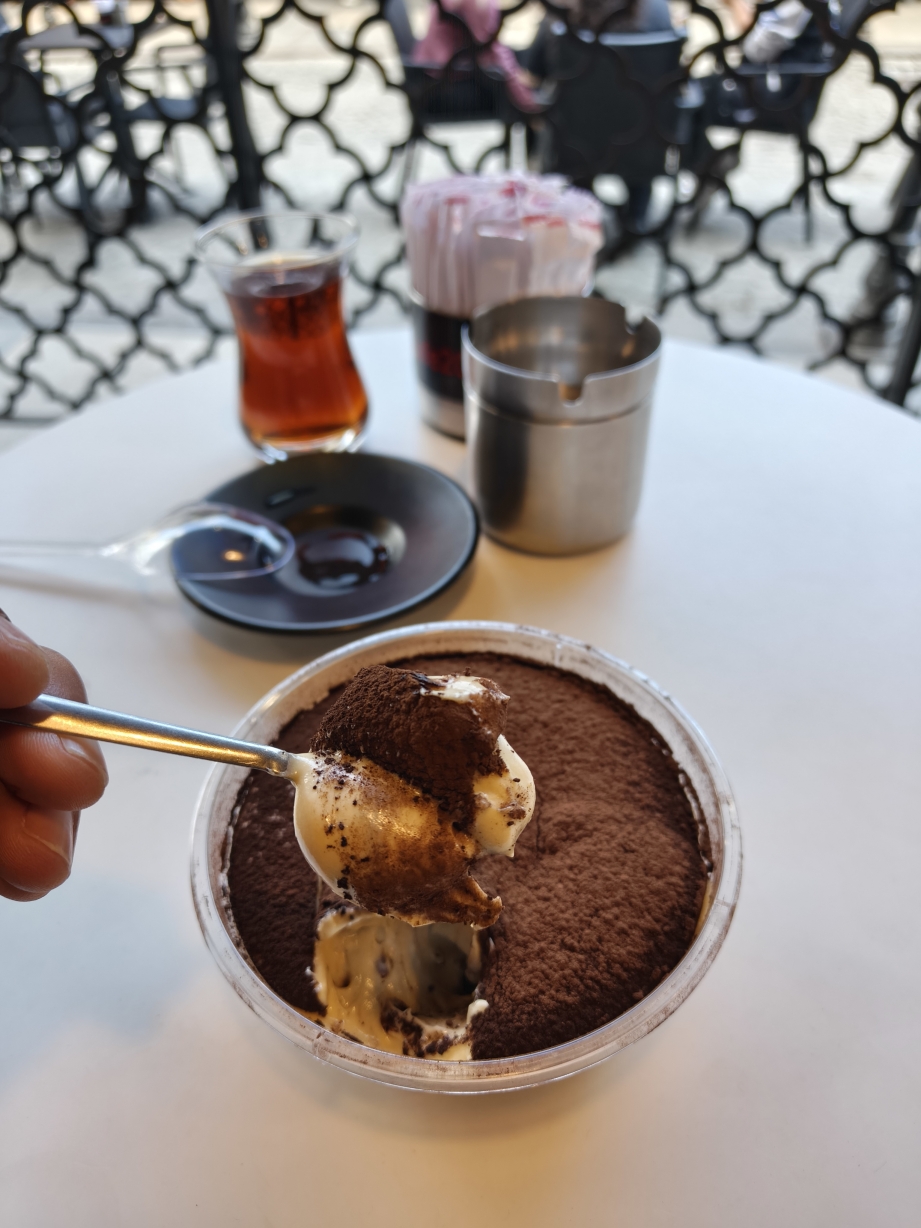
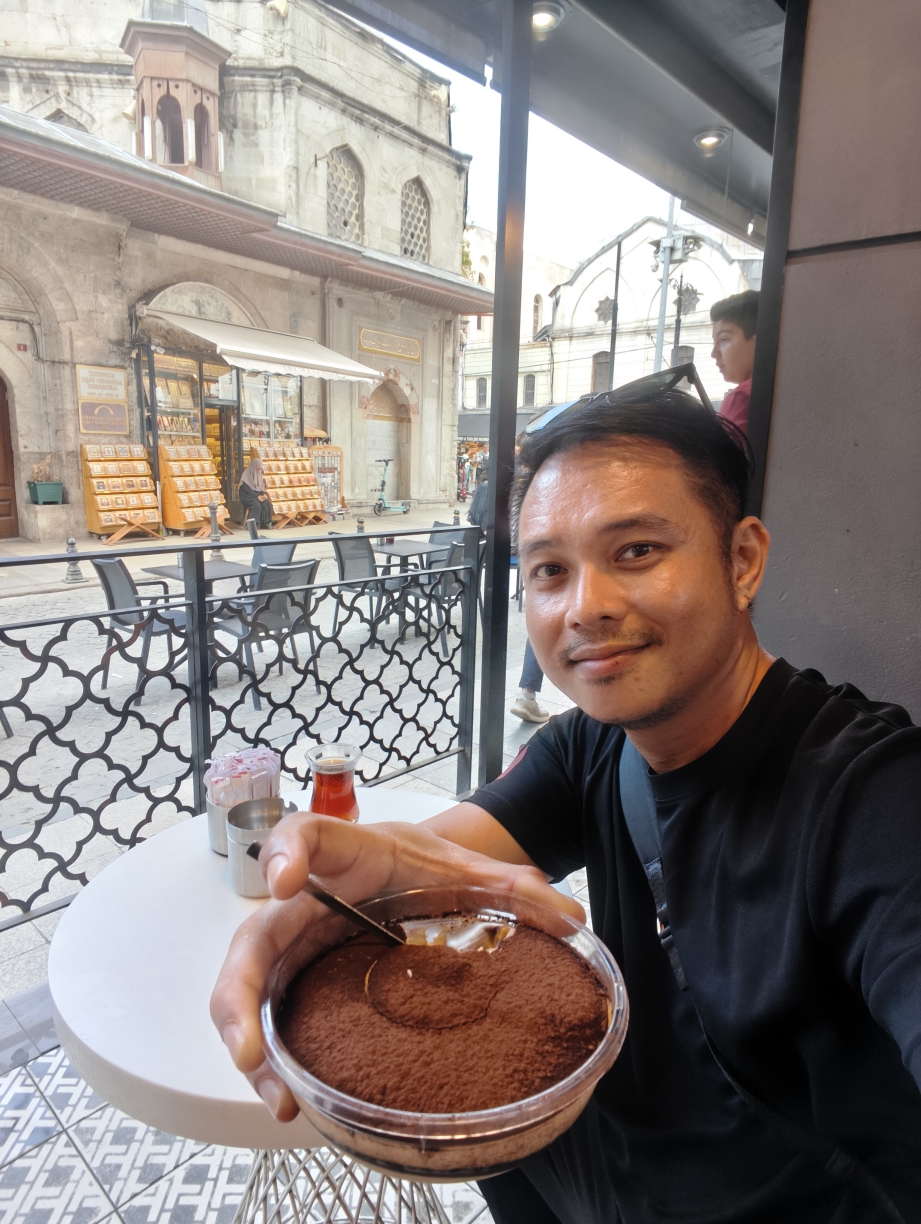
Stopped by T-Cafe for their famous Tiramisu. This cafe is relatively inexpensive, despite operating along the touristic street near the mosques.
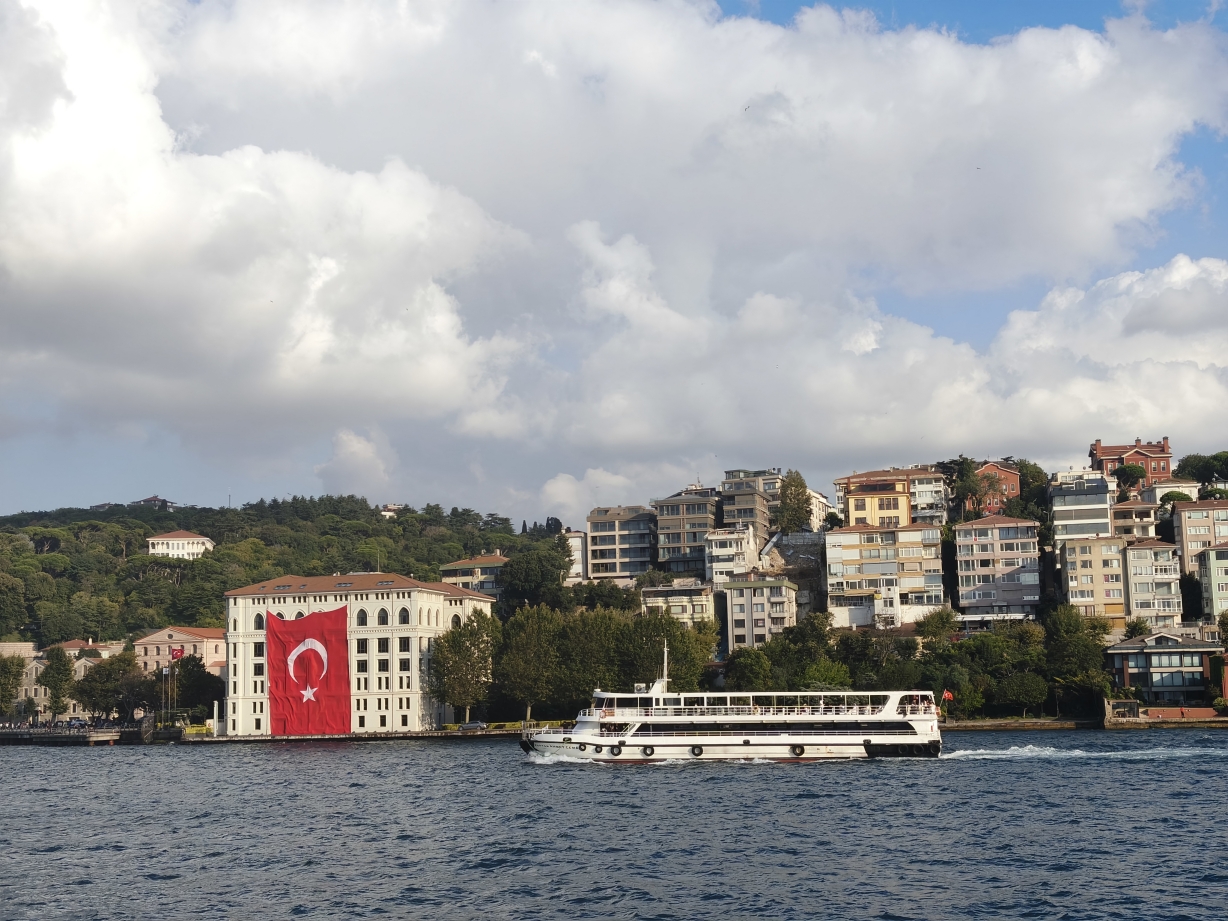
After Sultanhamet, ended the day at Eminonu Harbor where I took a sunset cruising boat along the Bosphorus strait.
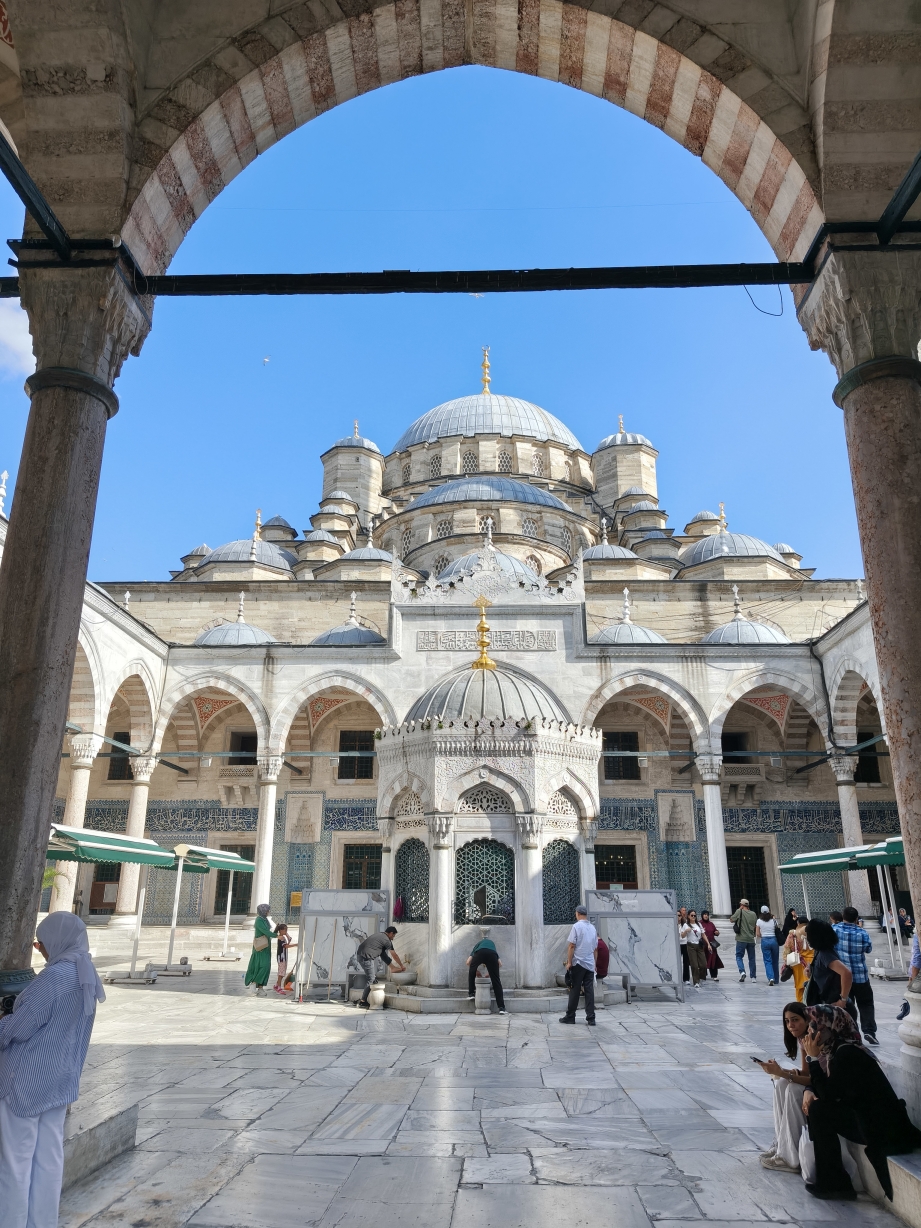
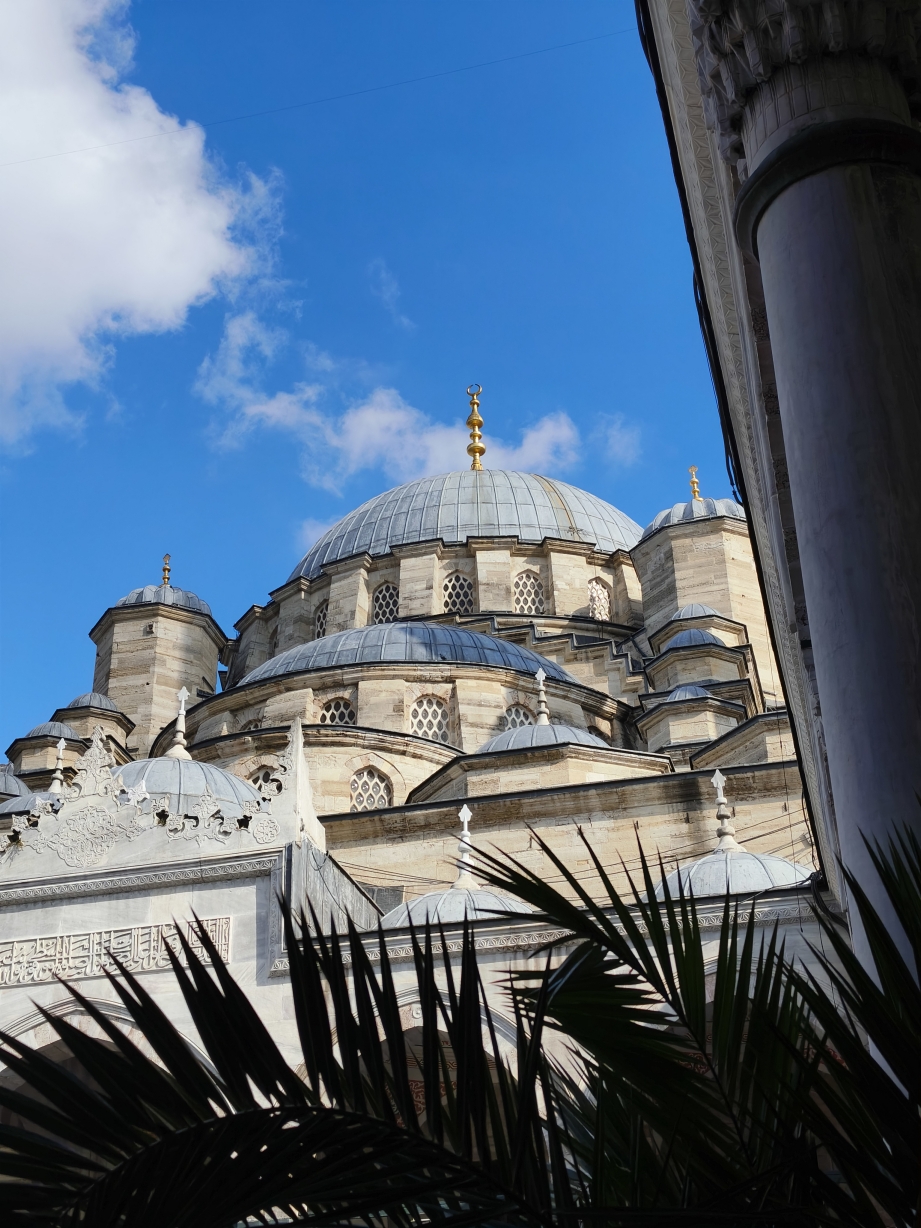
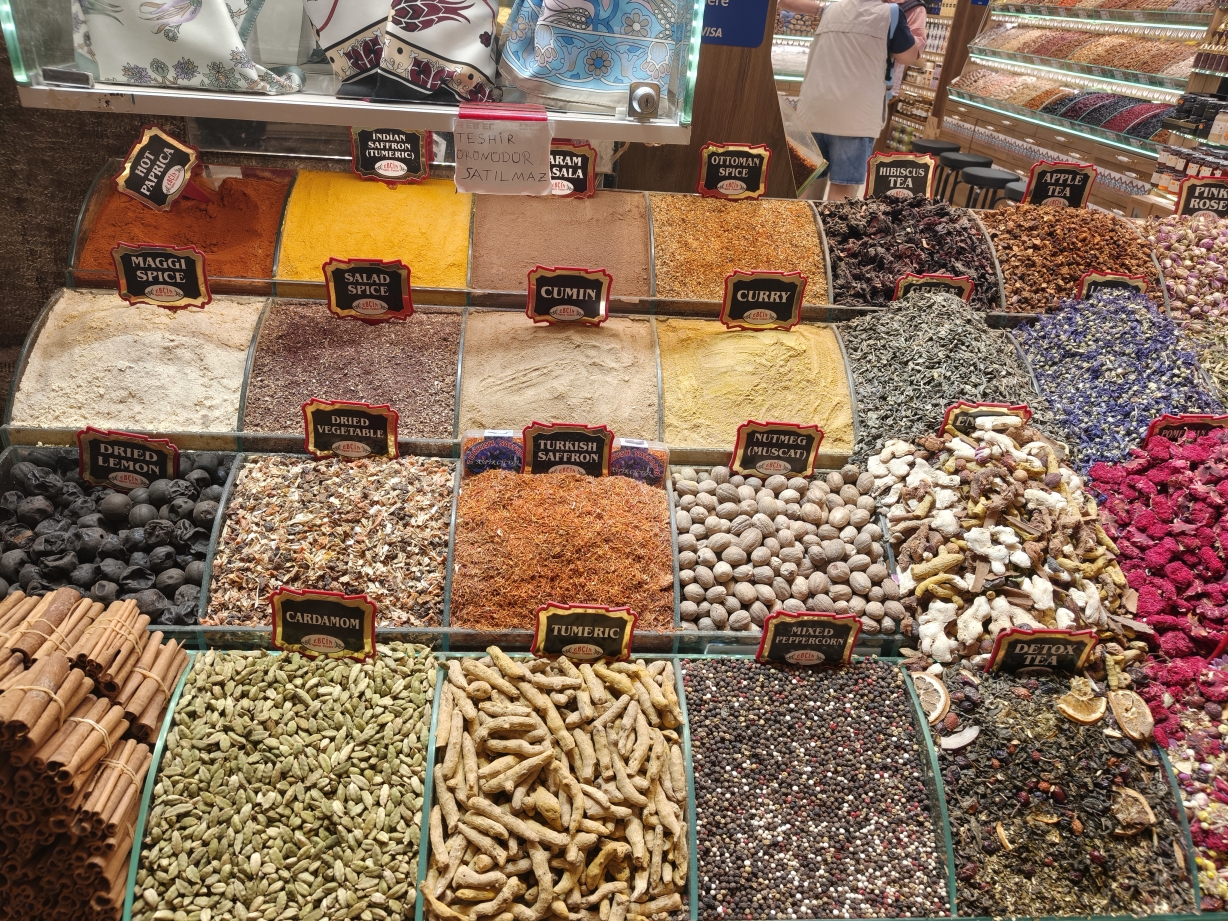
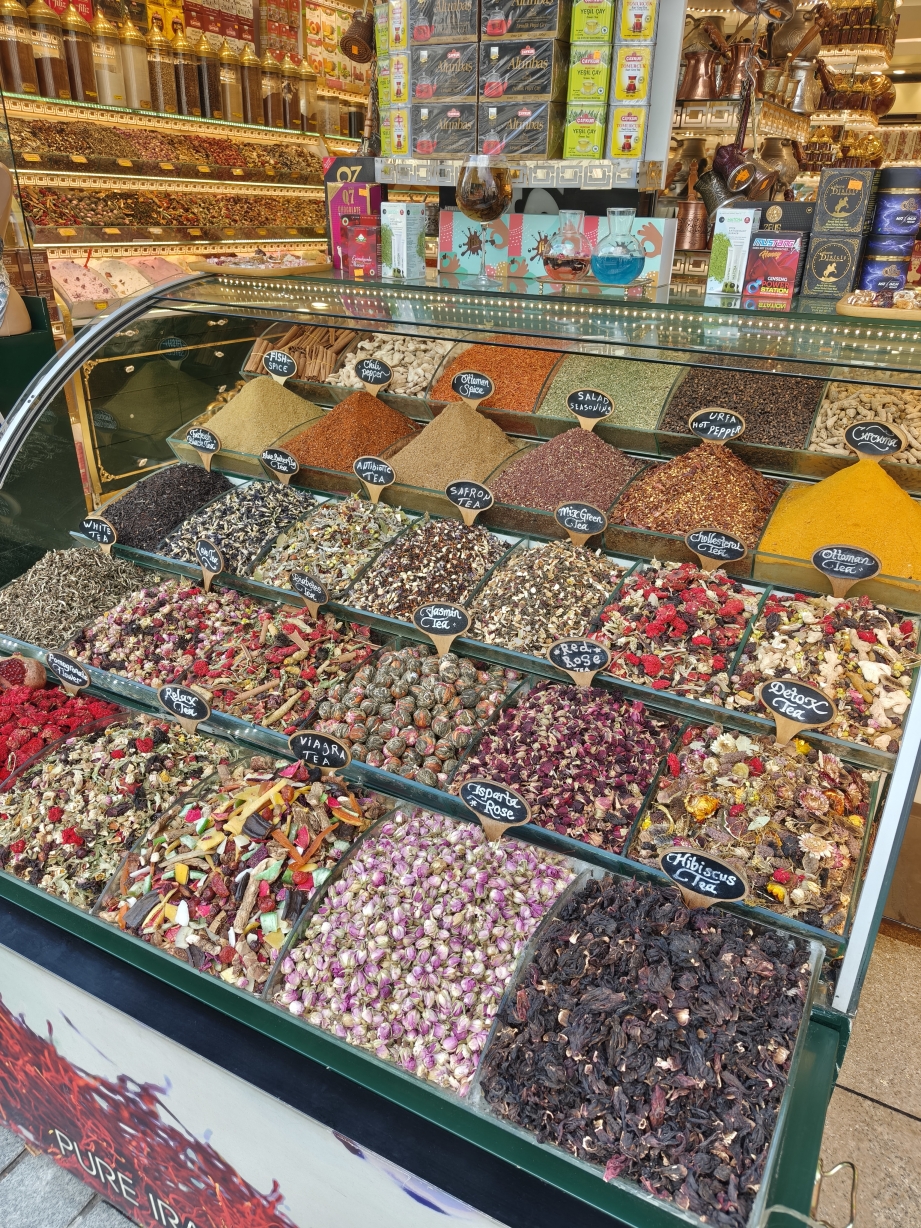
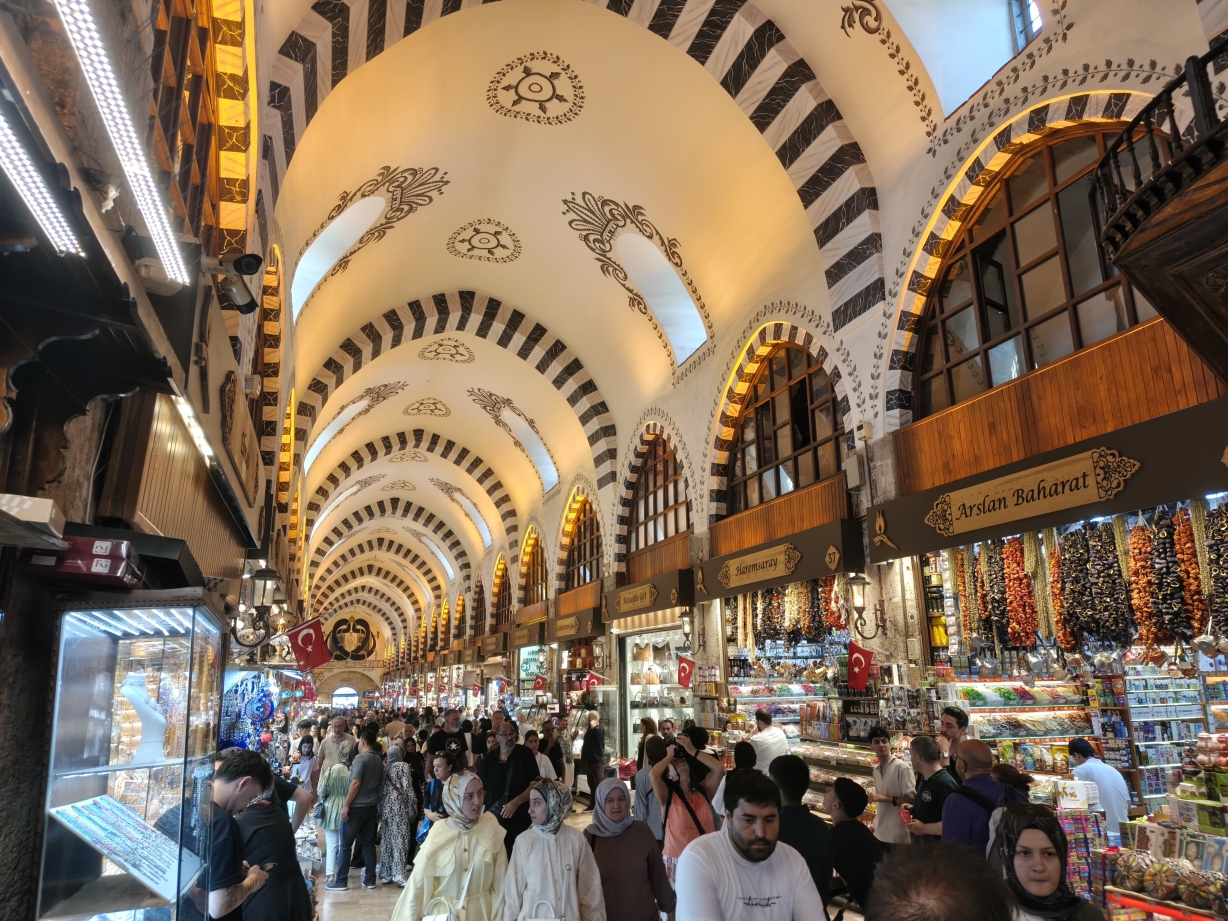
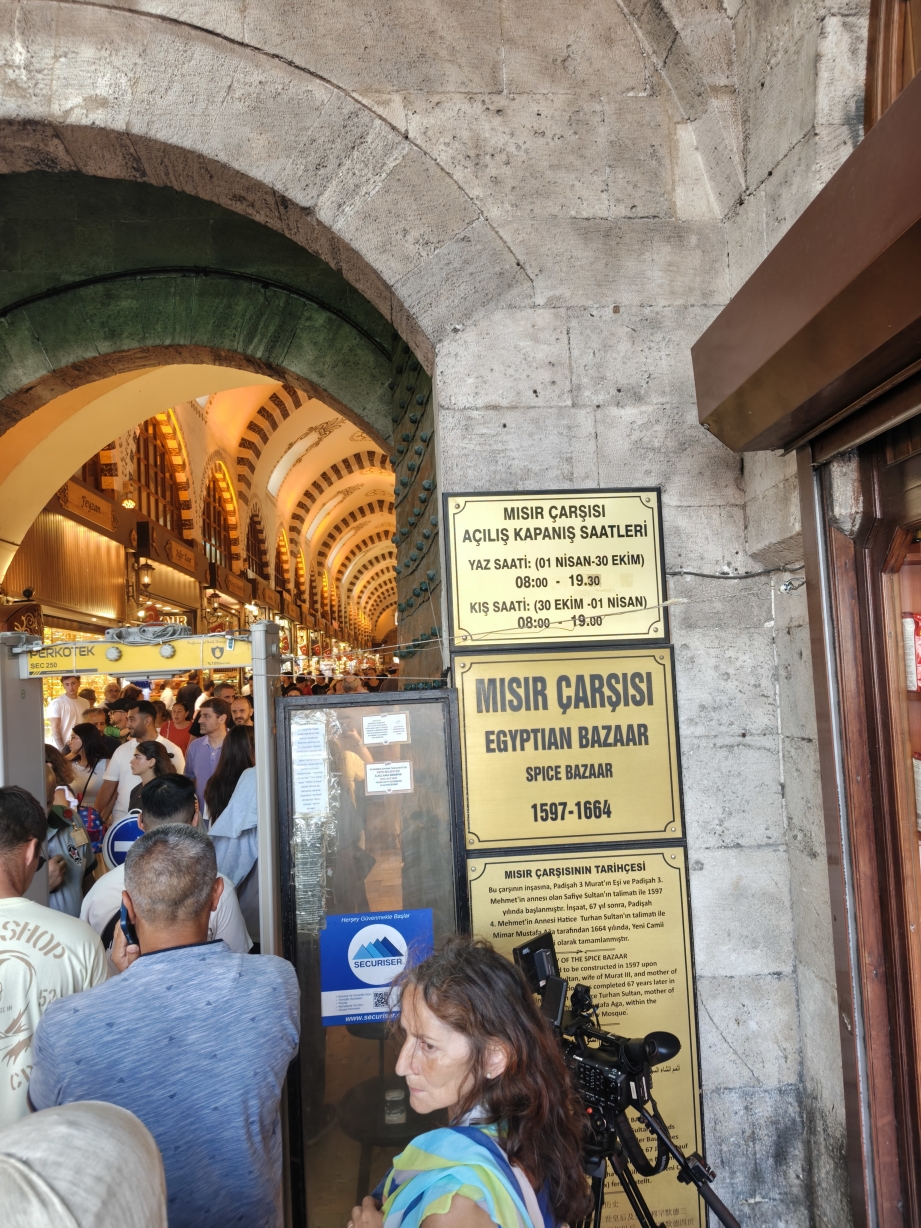
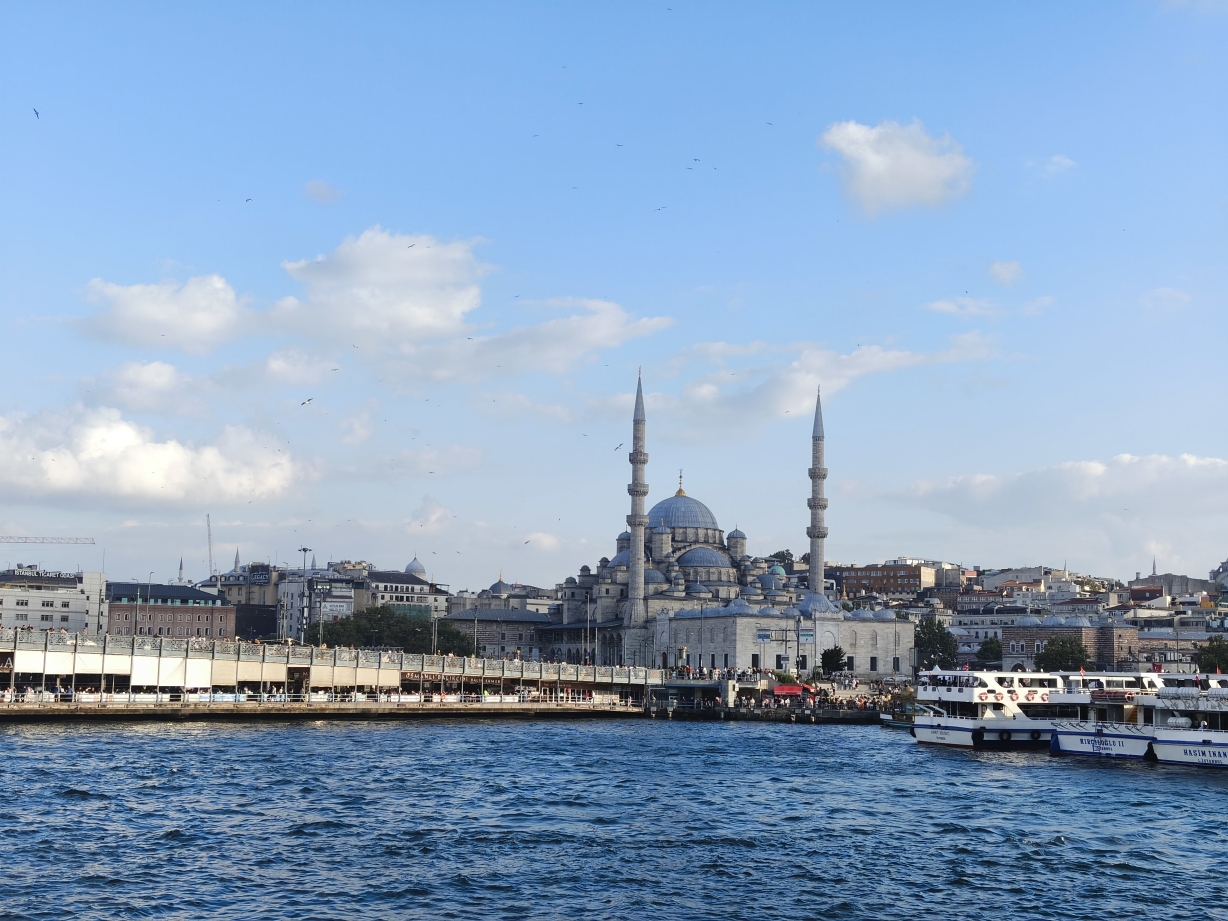
The Yeni Mosque is a popular landmark in the area. Just behind the Yeni is the Egyptian (Spice) Bazaar. It is also a popular spot in Eminonu while waiting for the cruise.
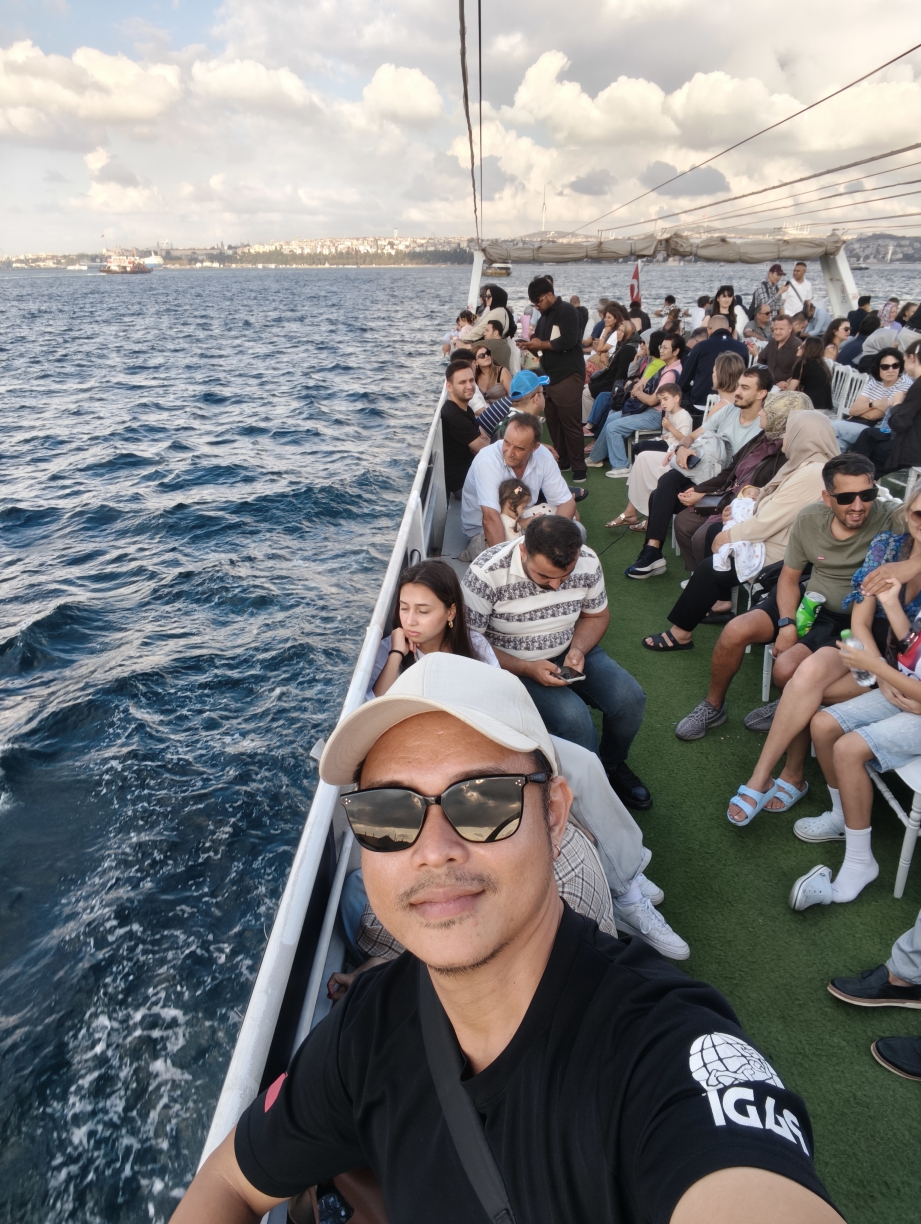
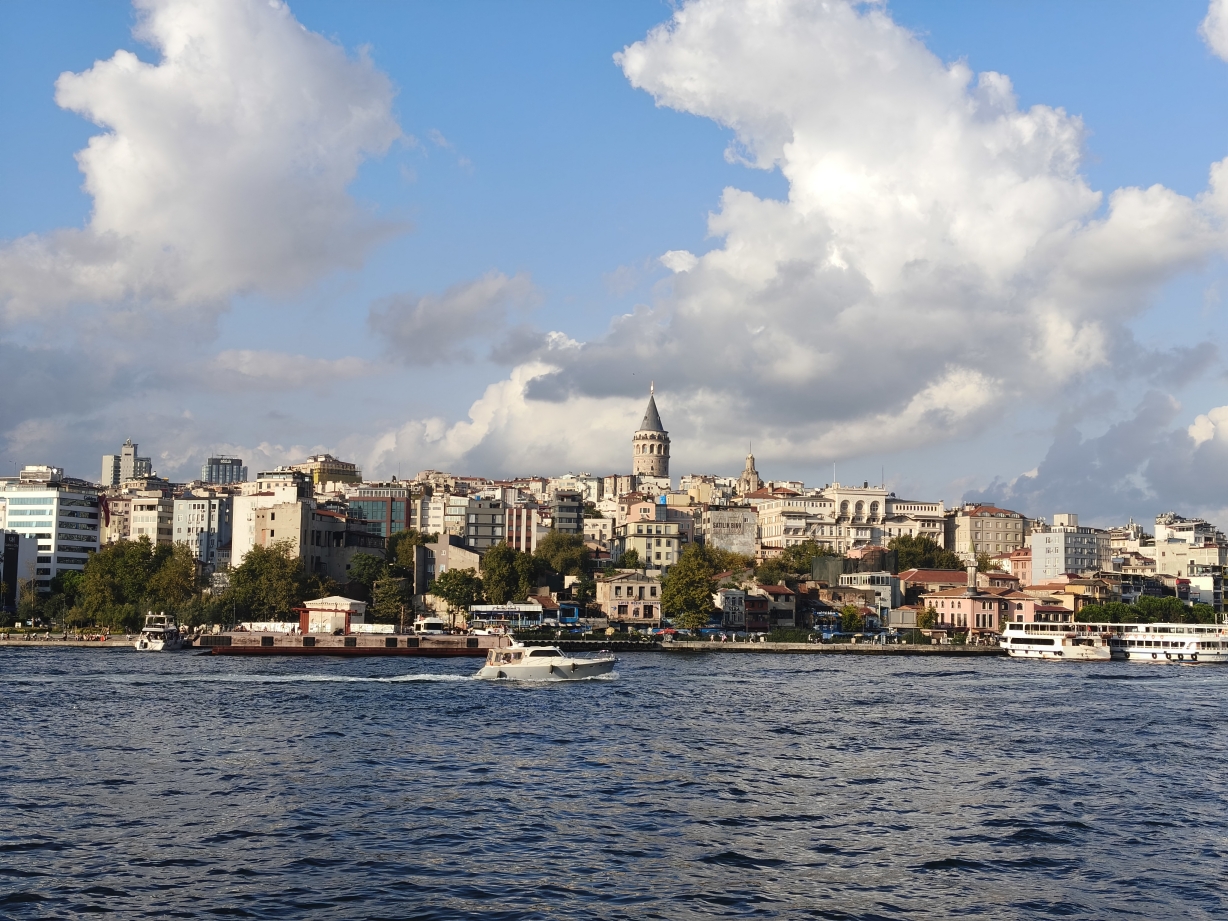
The sunset cruise offers a good view of various neighborhoods in Istanbul. Ferry rides are among the primary transportation mode in Istanbul, since the city sits on both banks of the Bosphorus strait. The one hour cruise cost me 240 Lira (300 Php).
Day 2: Galata and Taksim (my Neighborhood in Istanbul). I chose Taksim area as my place of stay since the Havaist bus station is situated here, near the park/square. In addition, this neighborhood is mainly a commercial and residential area for locals, and prices here are lower compared to Sultanahmet.
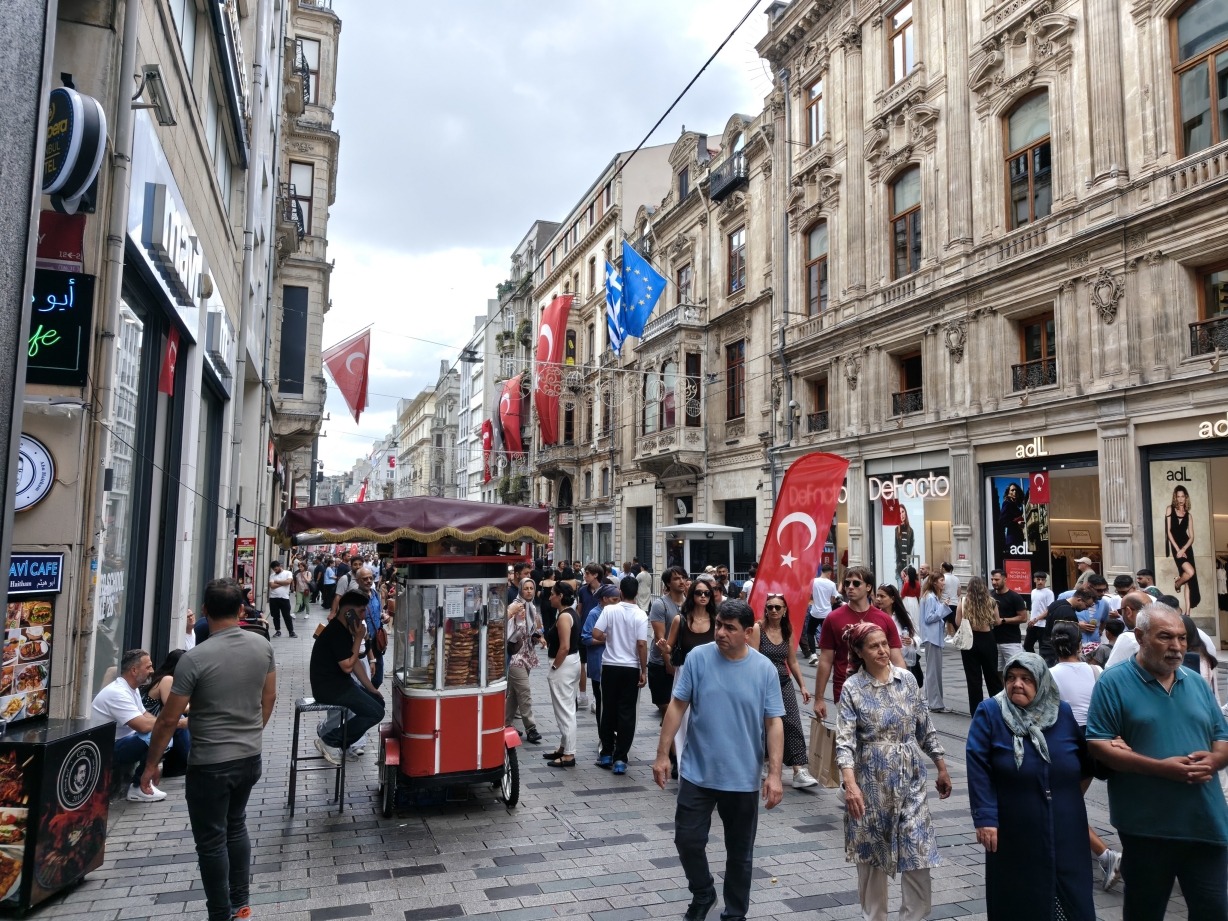
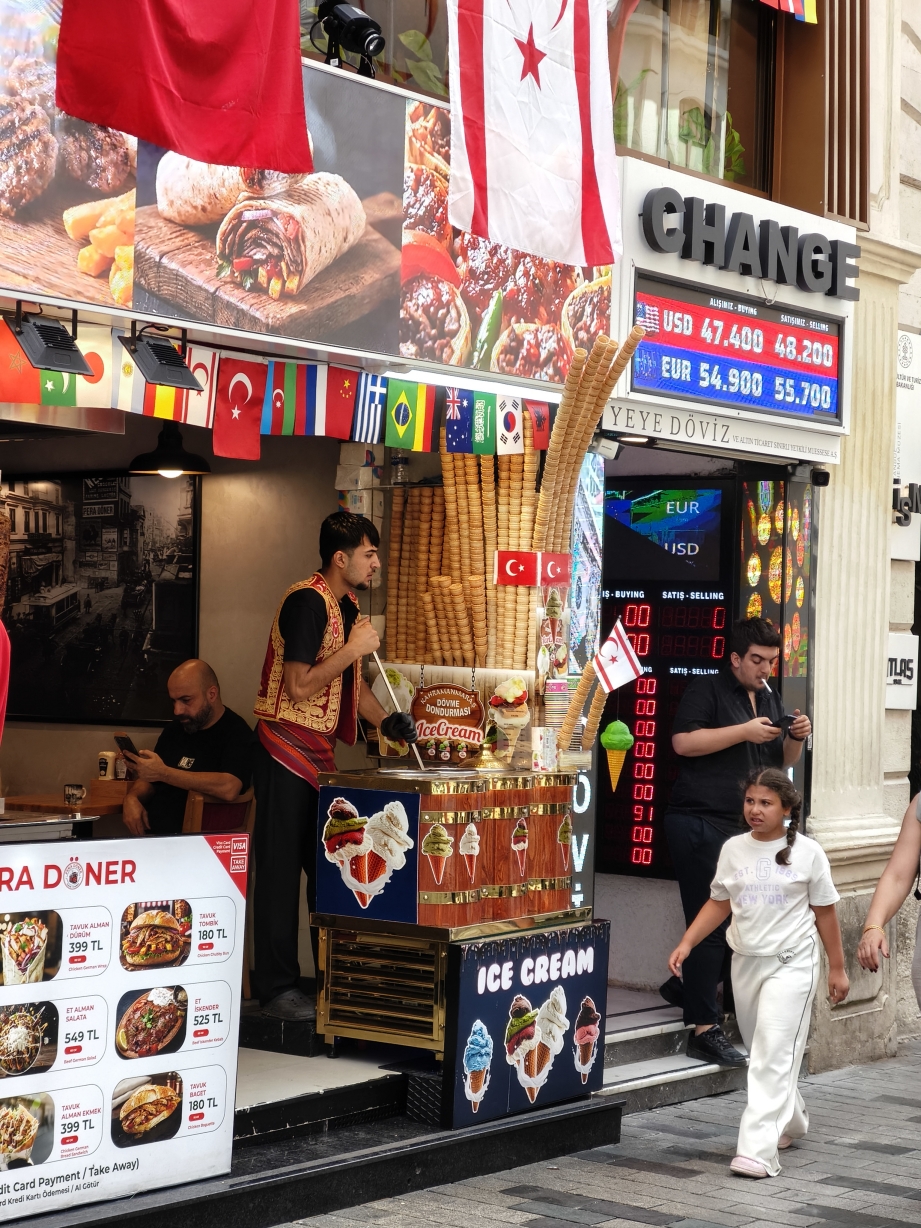
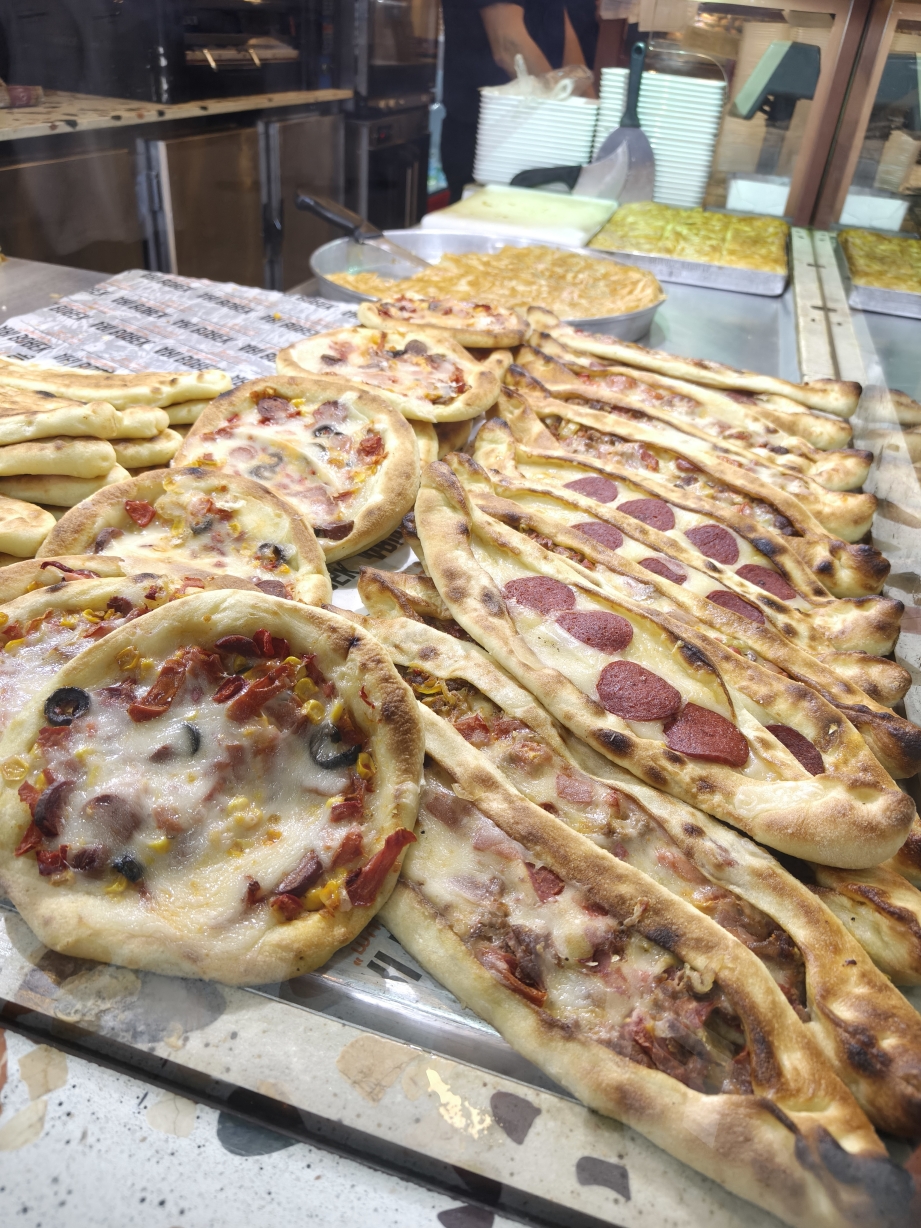
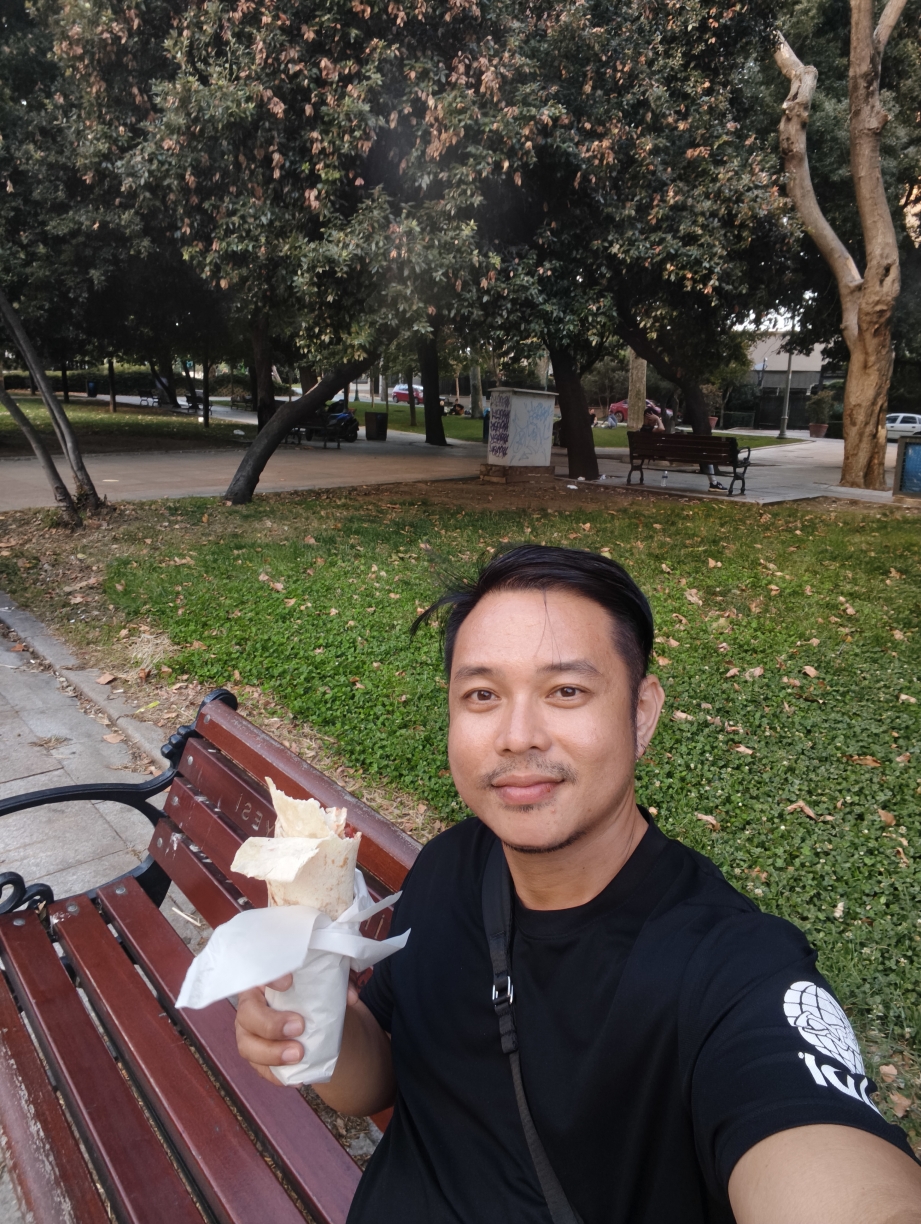
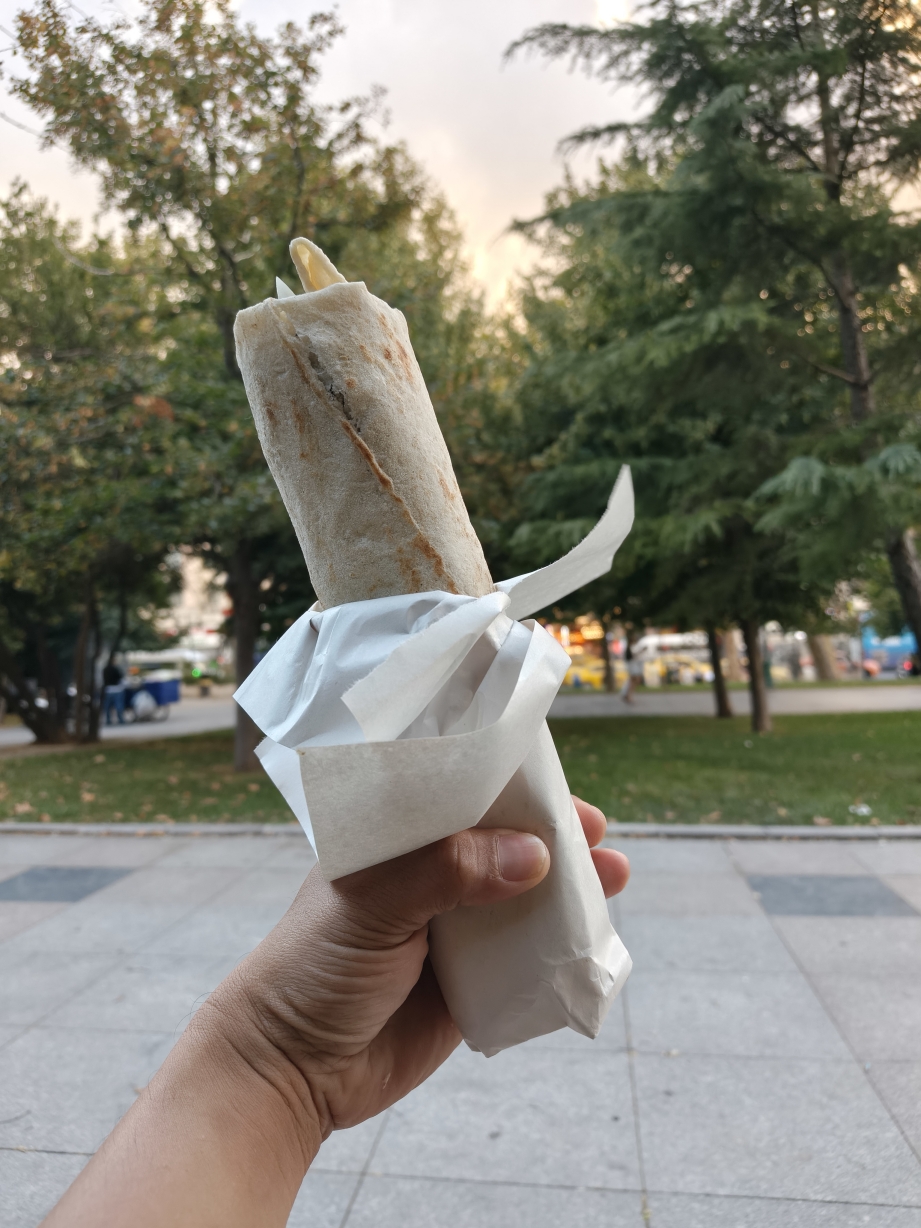
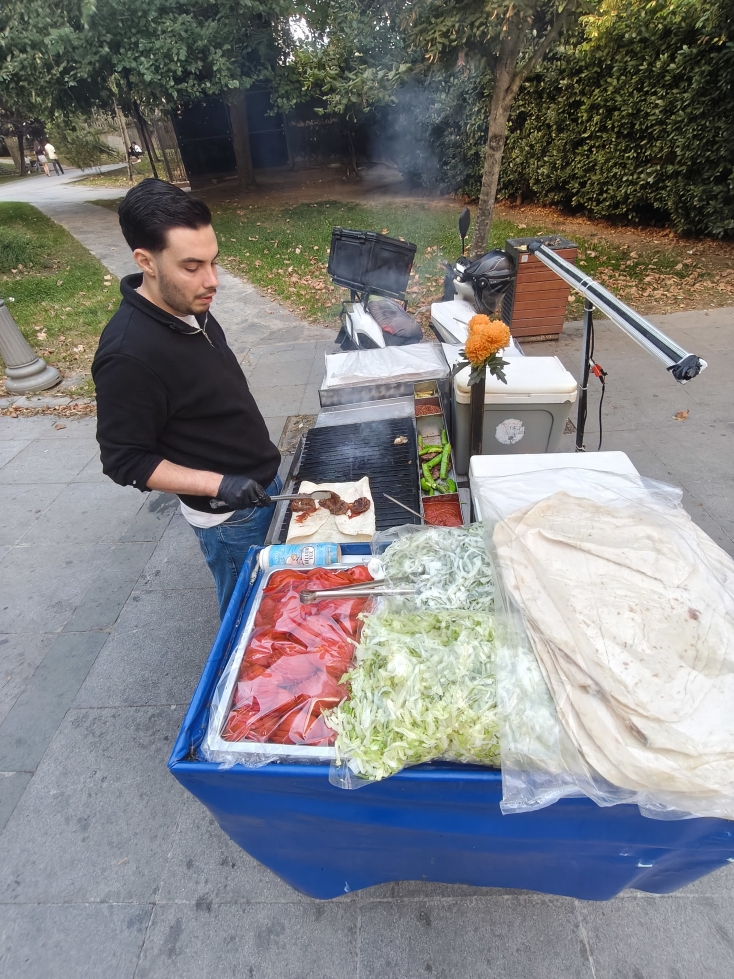
Day 2 was actually a chill-day Sunday where I did not have any specific itinerary in mind. I just went for casual lunch, streetside doners and coffee to seal the day.
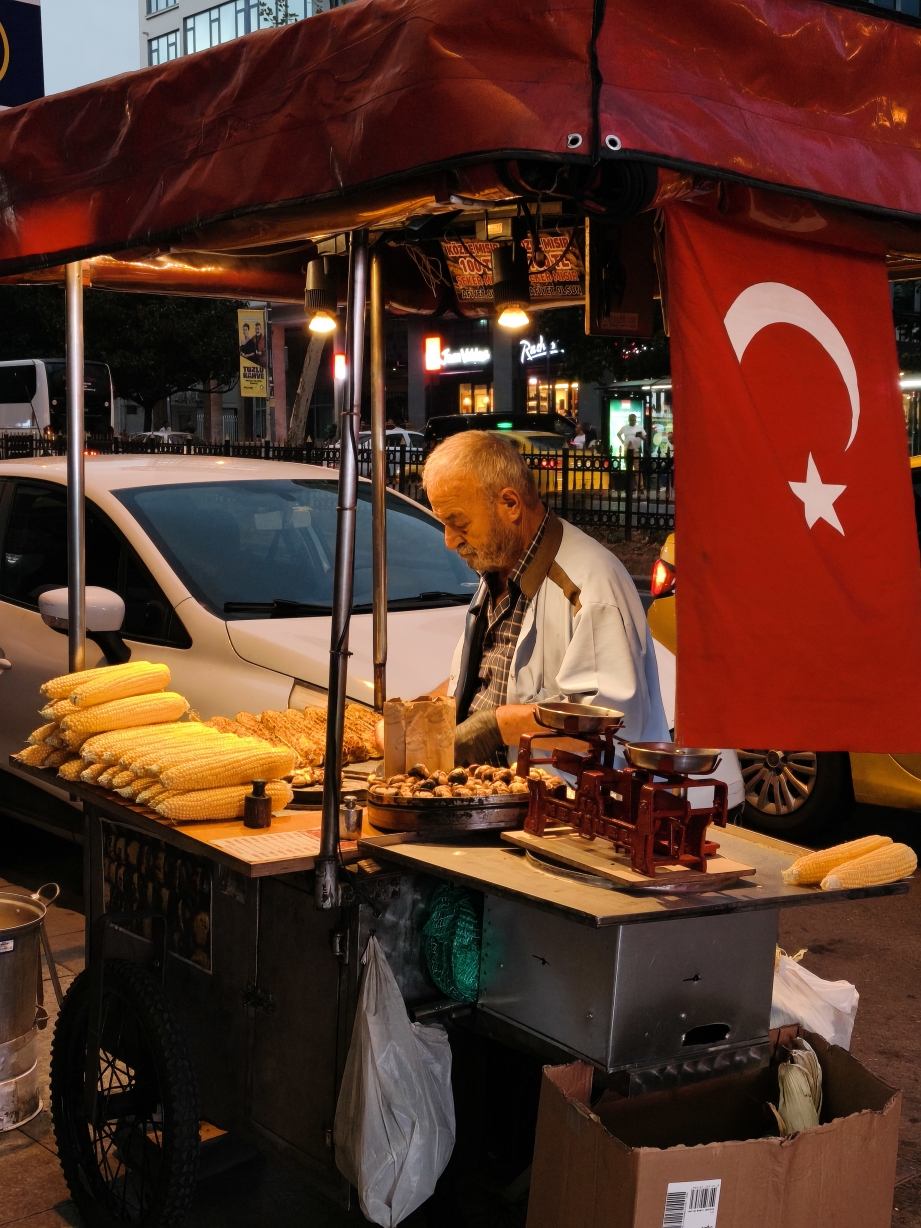
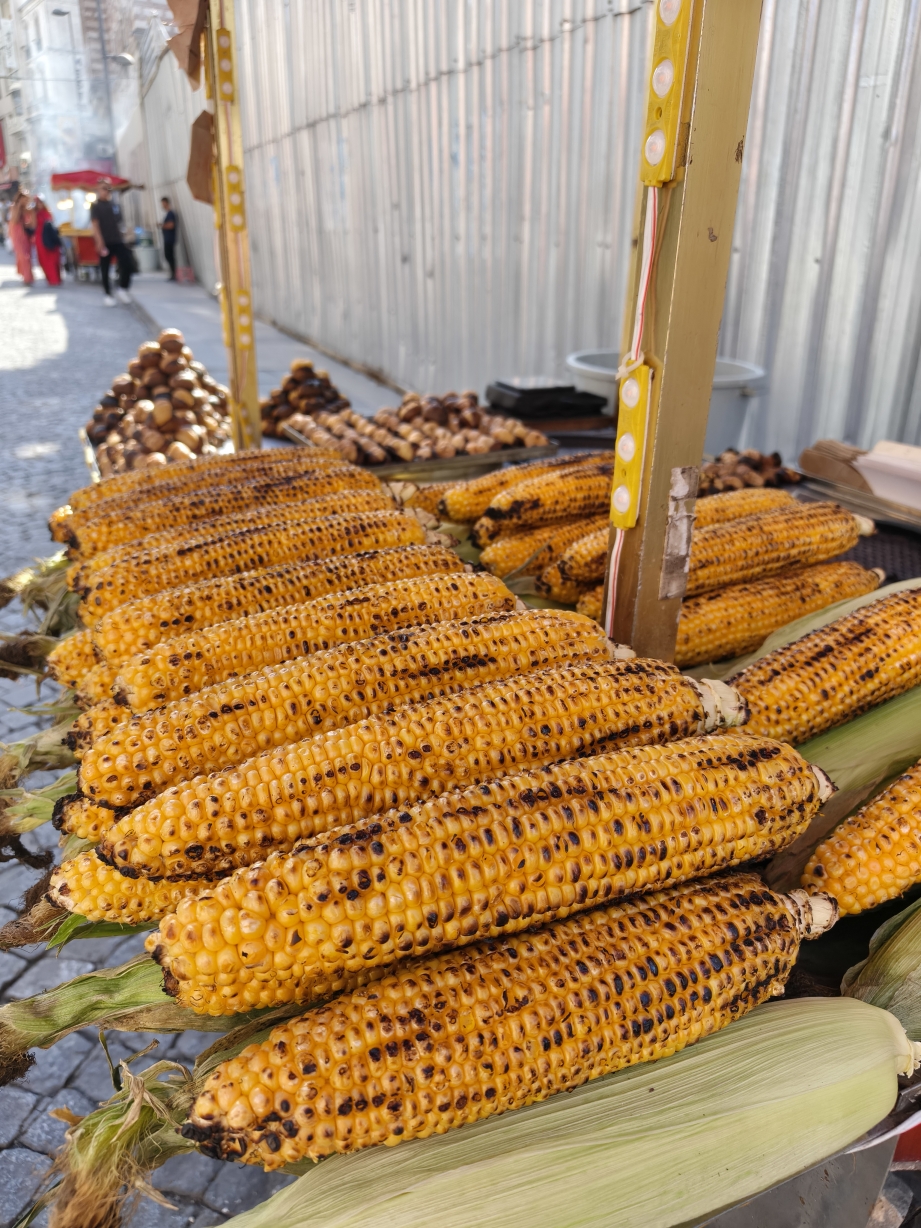
And yes, grilled corn is a thing in Istanbul.

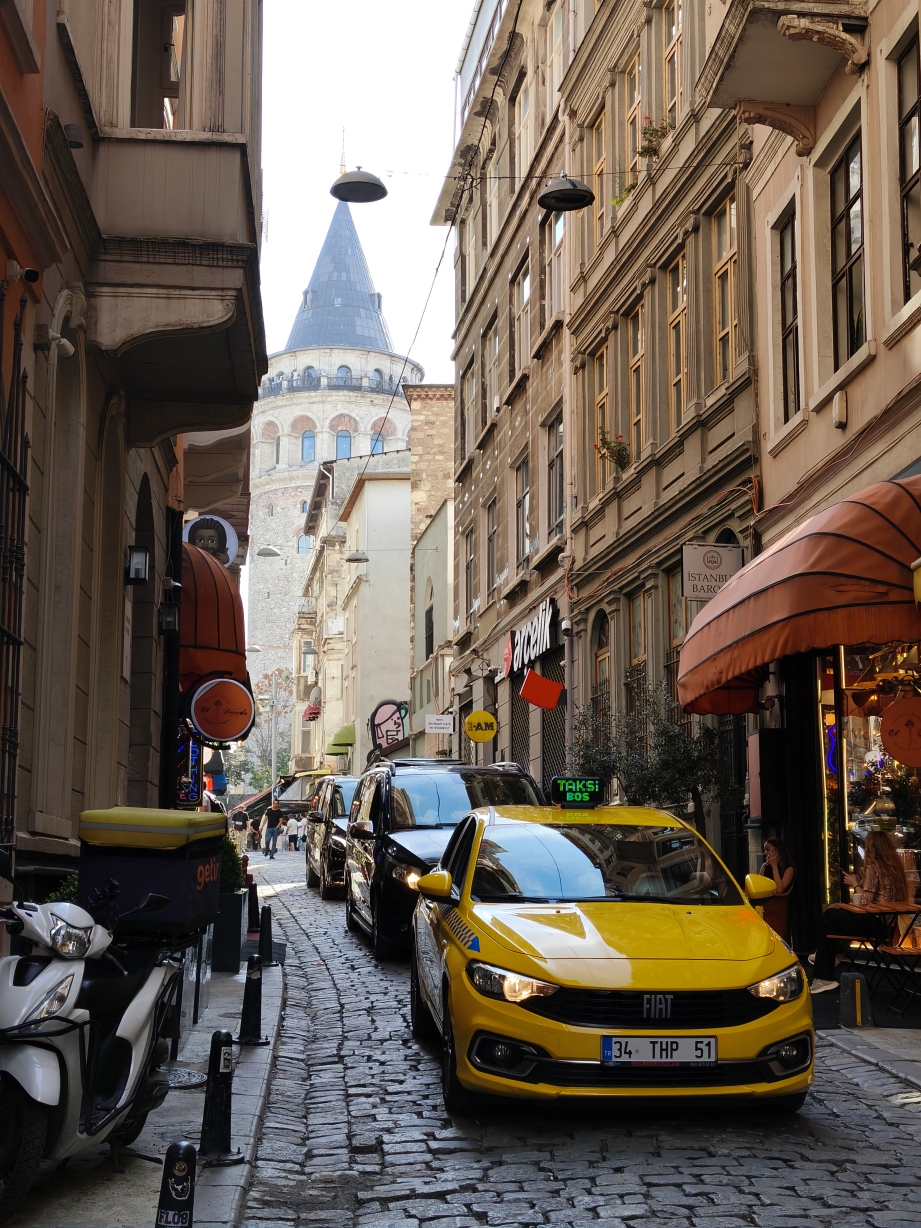
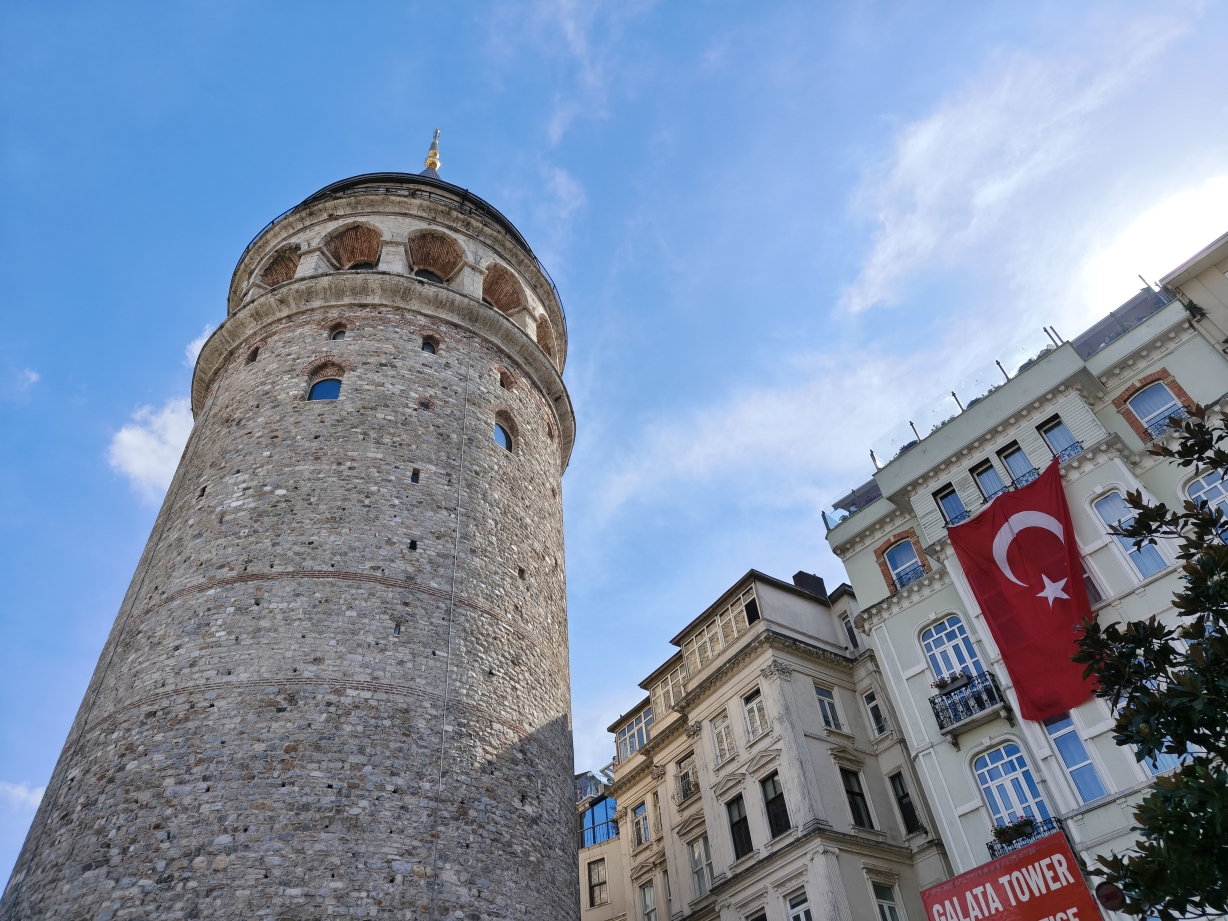
The Galata Tower is another popular landmark in Istanbul. The tower is a 14th-century medieval stone watchtower that stands 67 meters tall and offers a 360-degree panoramic observation deck. Just beside the tower, you’ll find the famous Saltbae Burger.
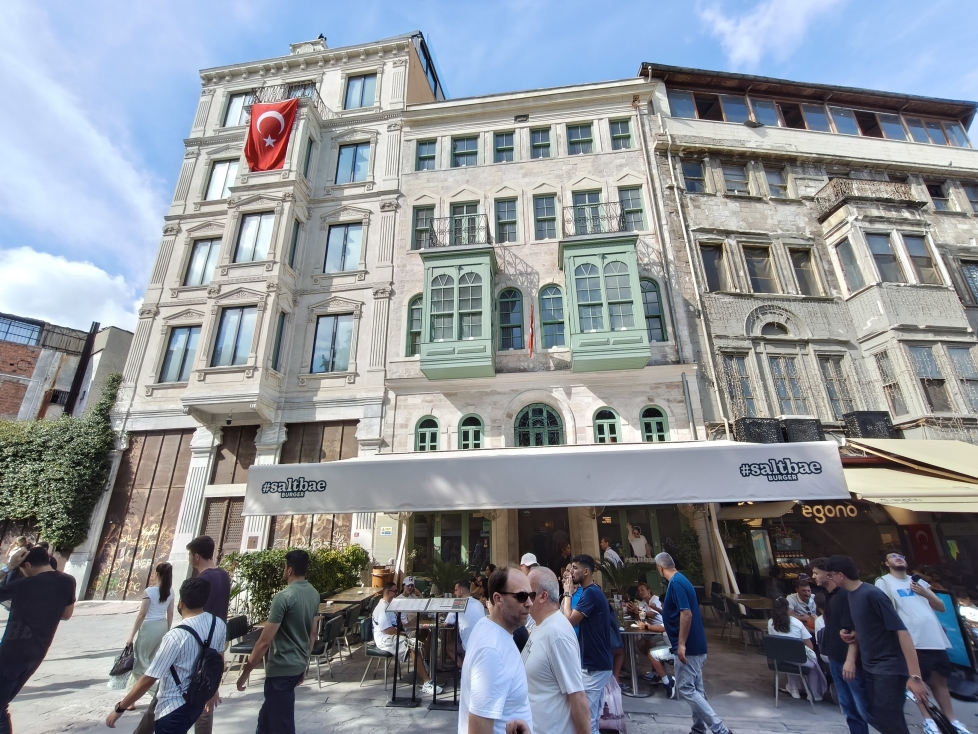
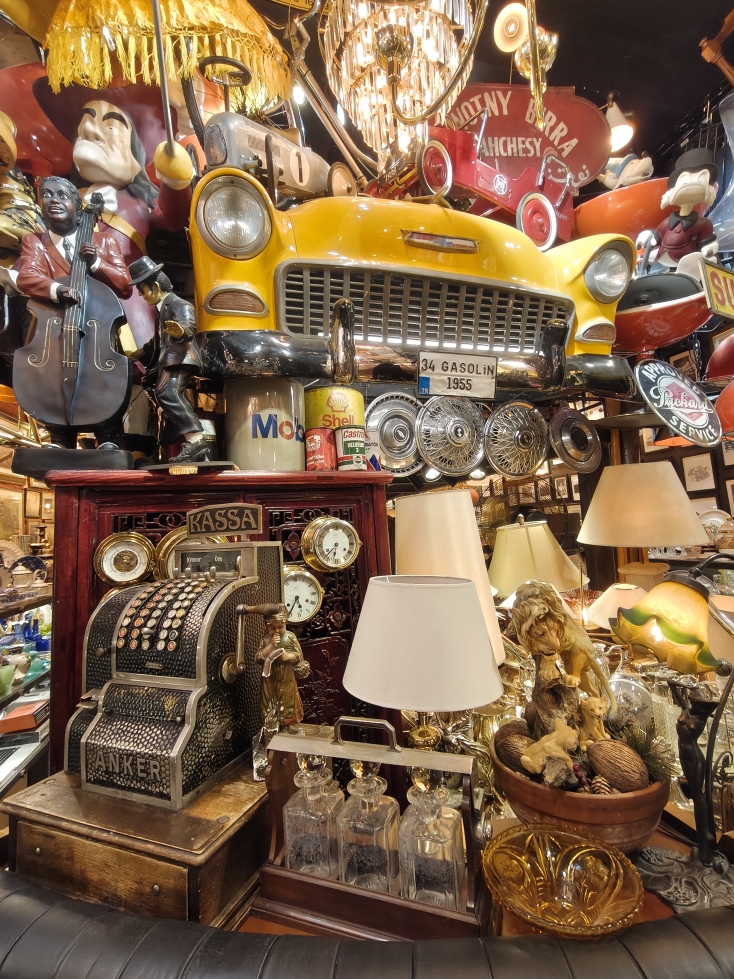
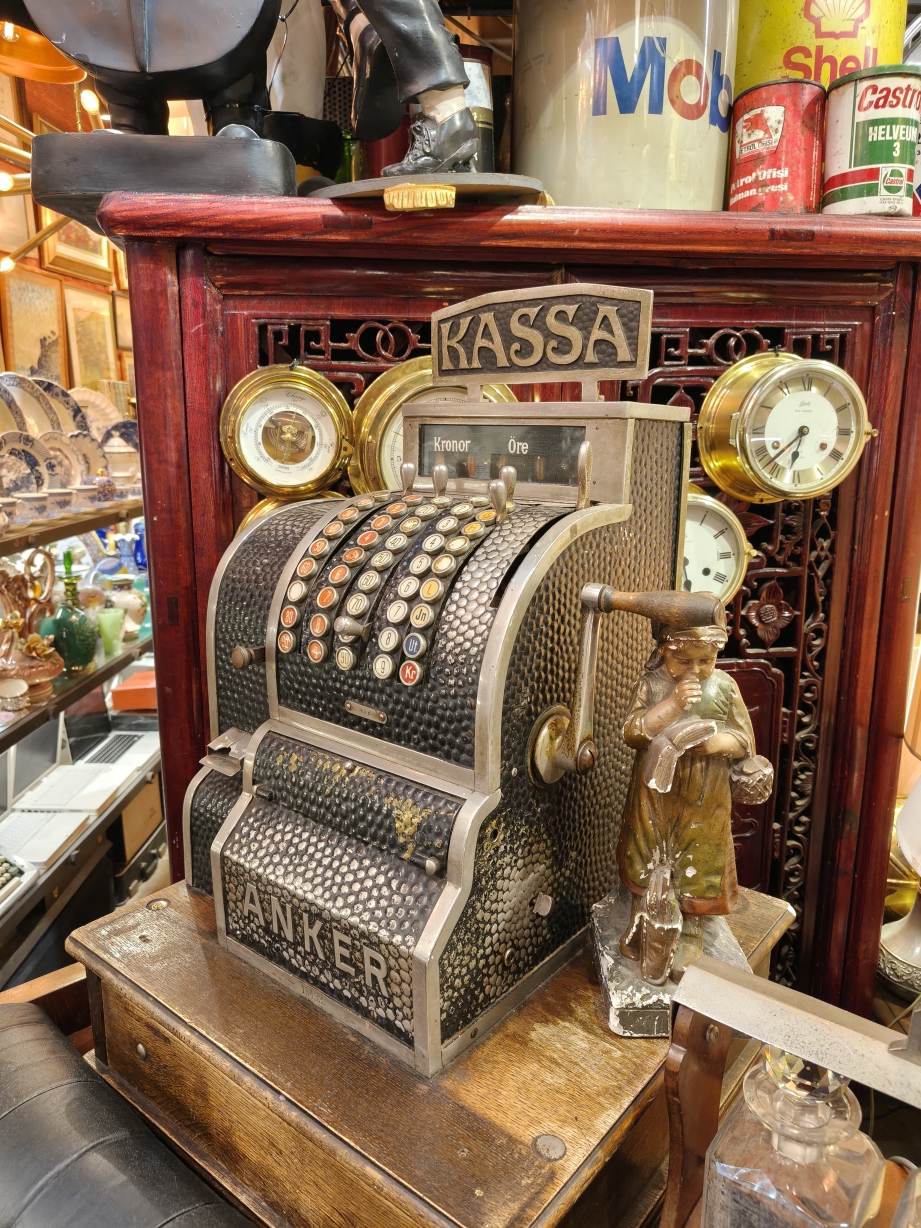
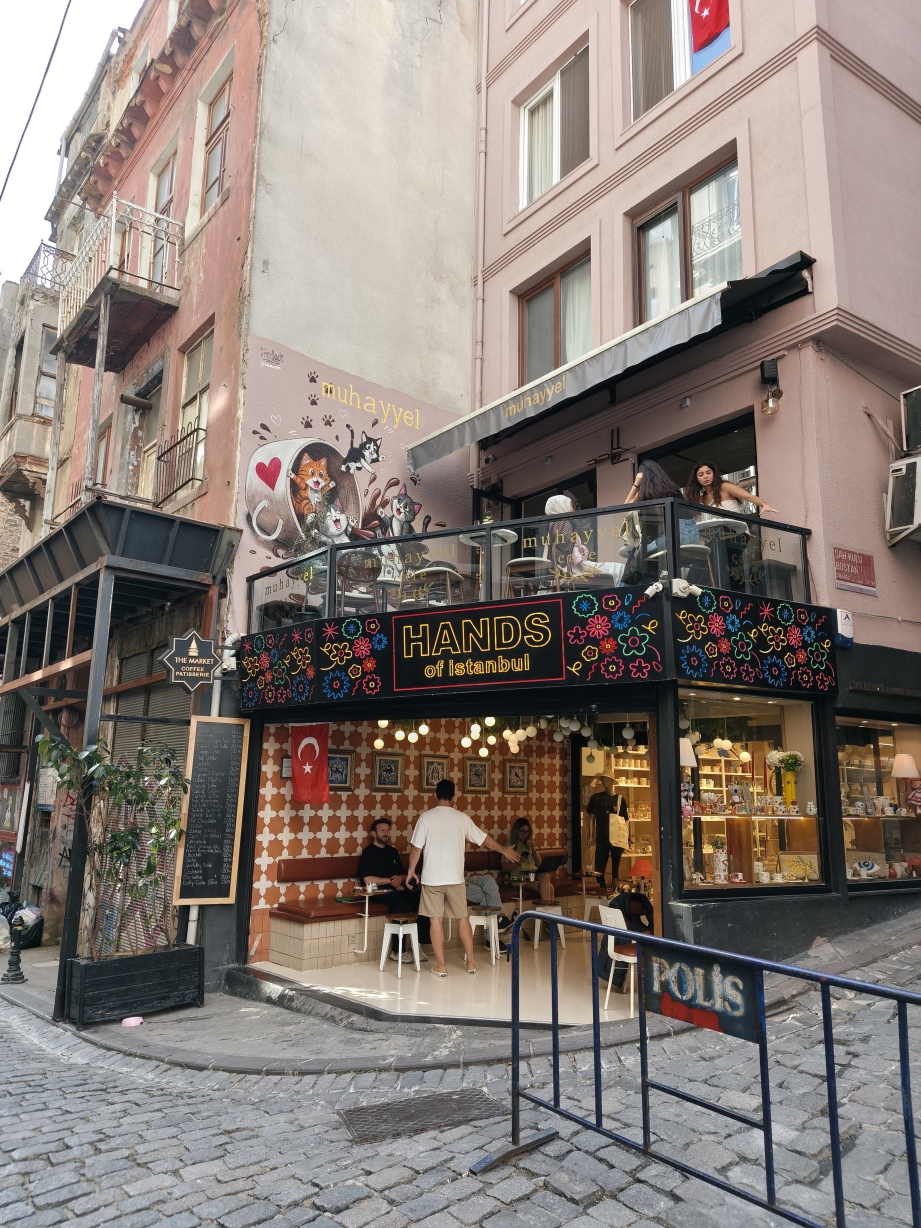
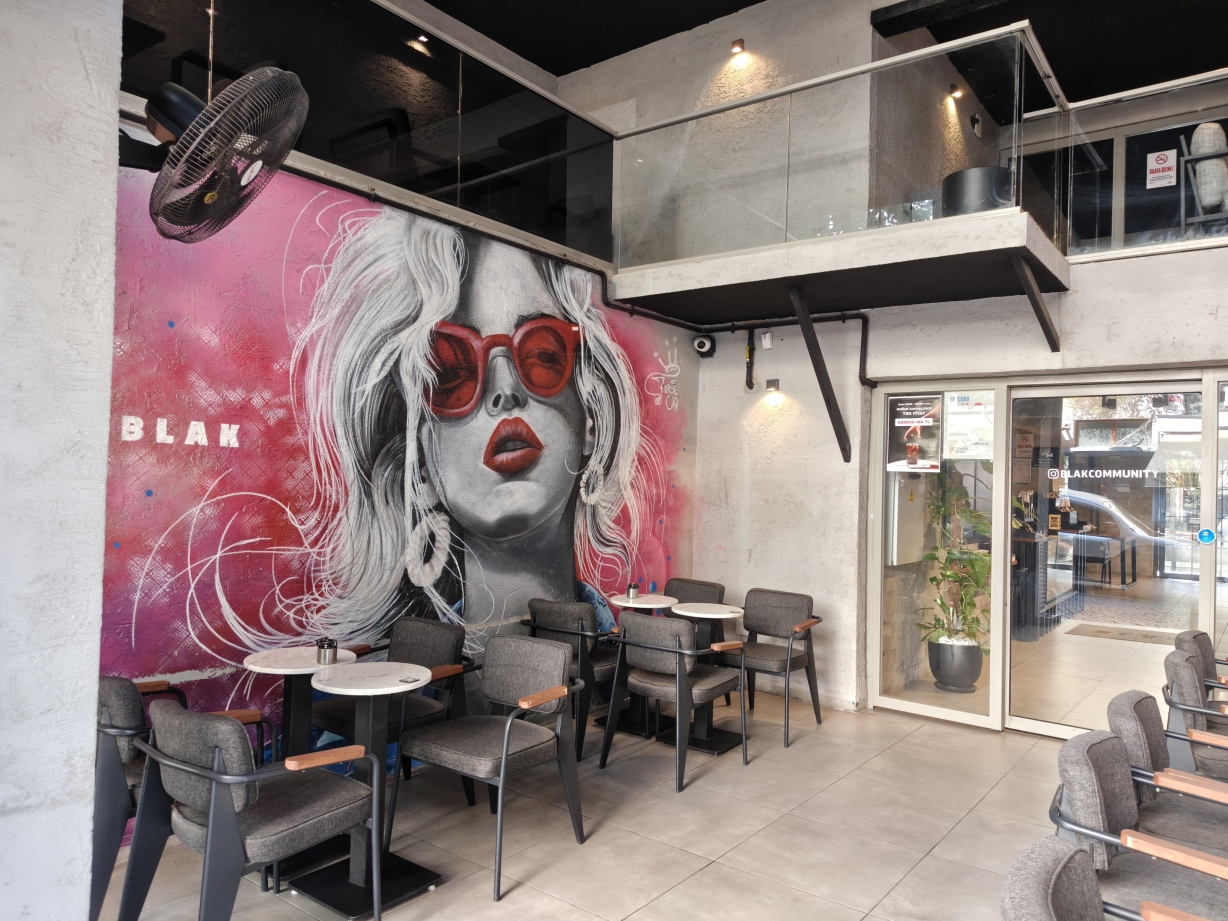
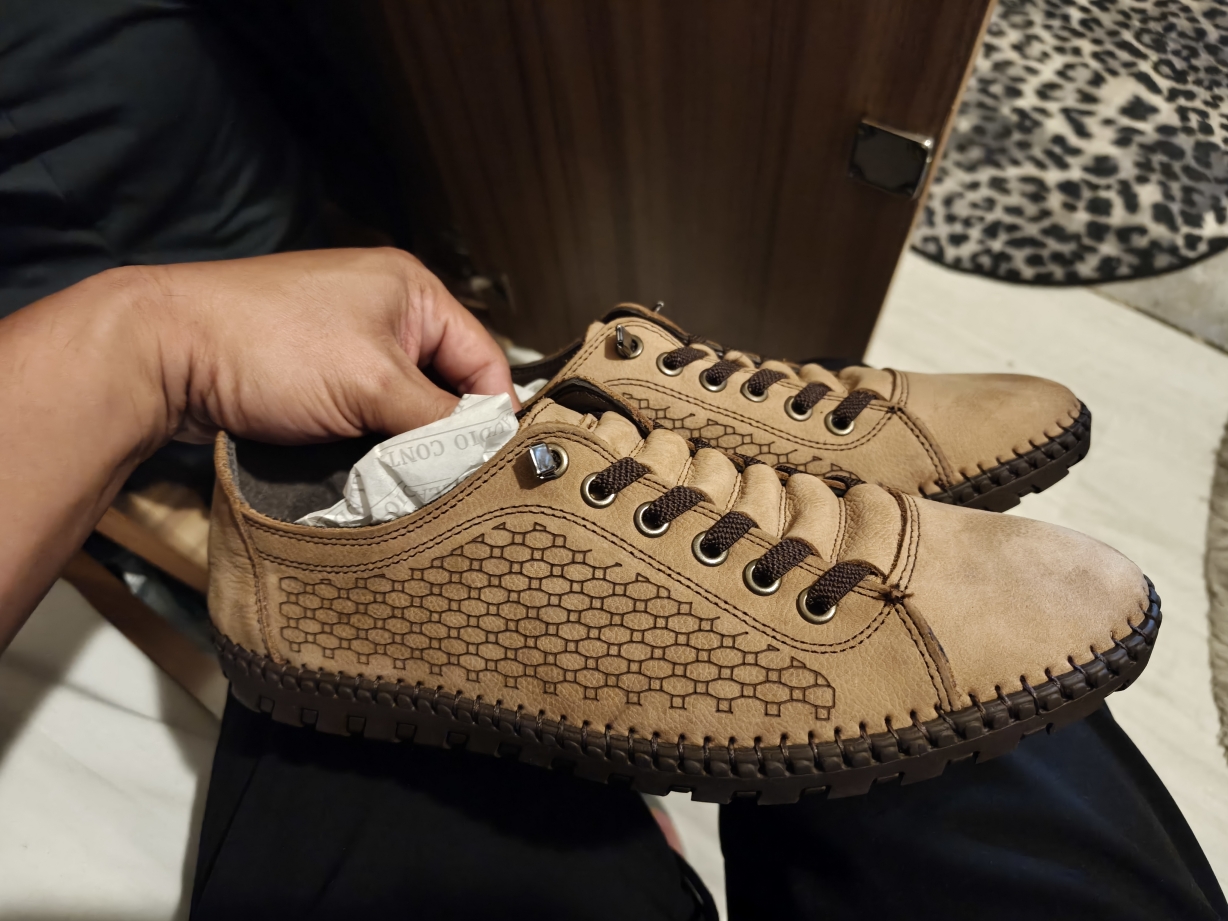
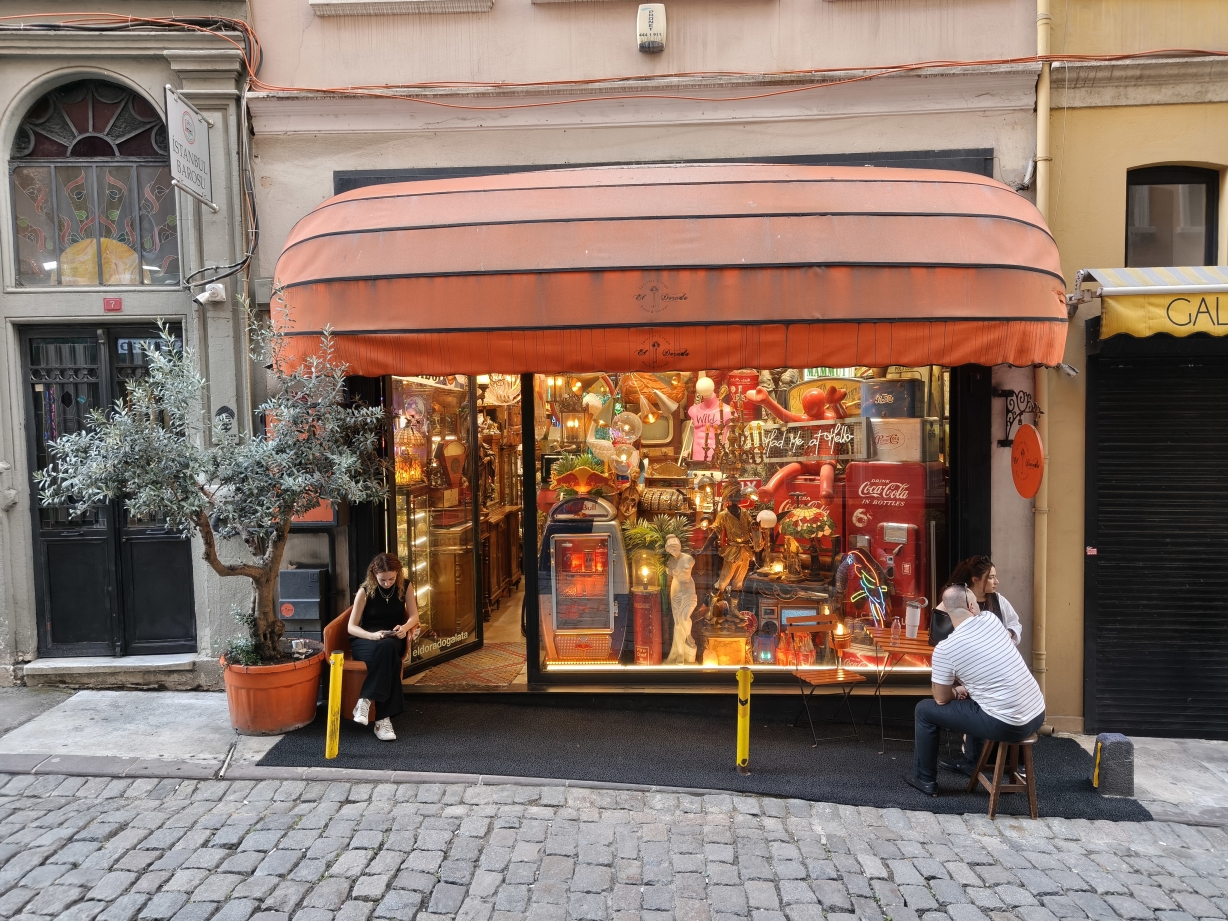
The neighborhood has this artsy vibe with a lot of interesting vintage themed shops and cafes around. I purchased a pair of locally made leather driving shoes in this area.
Day 3 : Karakoy (Harbor front) and Kadikoy (seaside market)

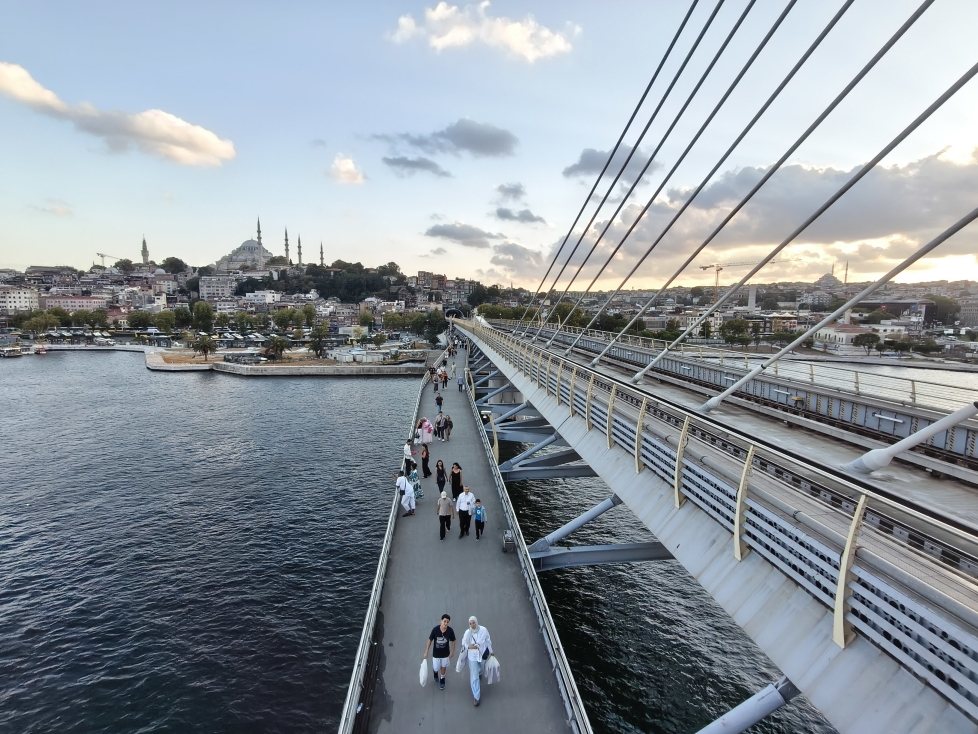
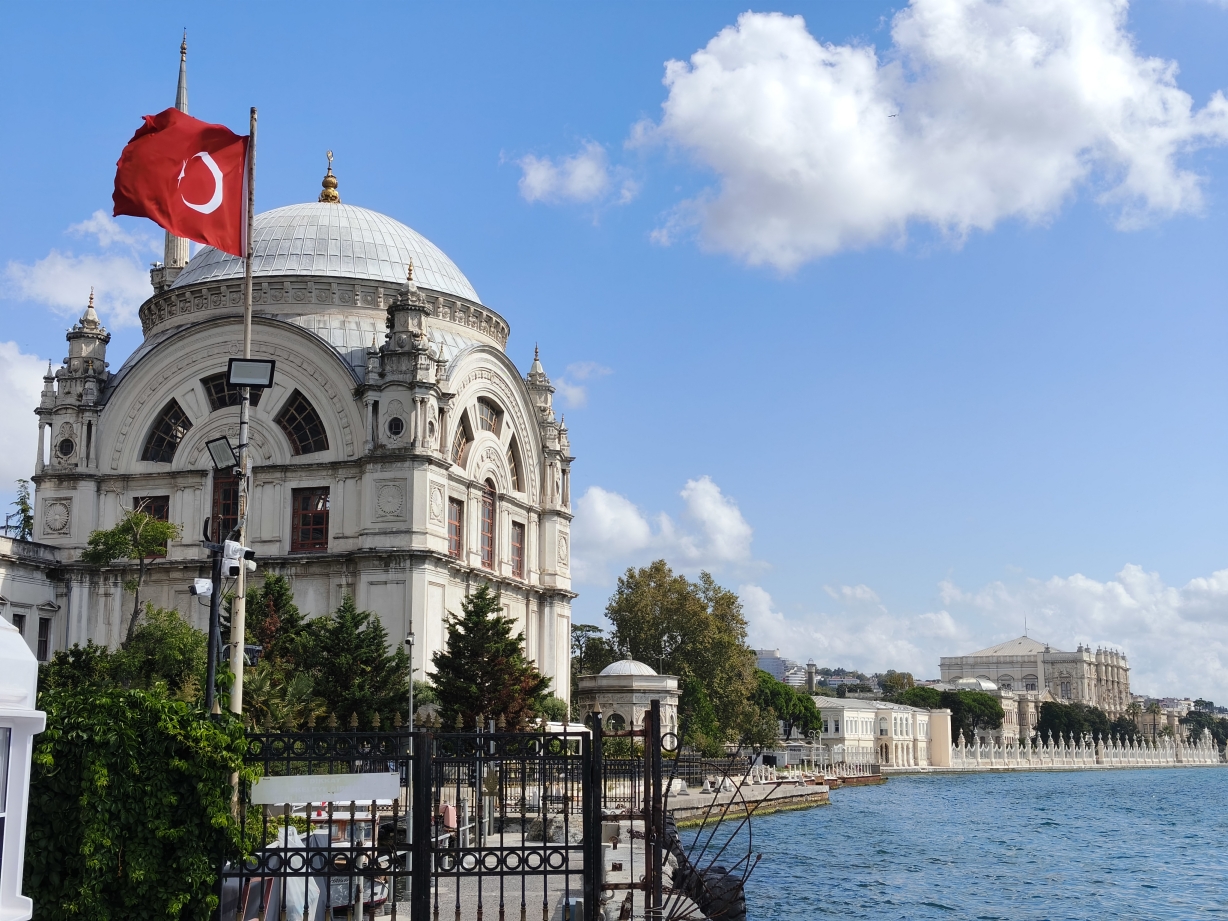
Karakoy – A charming waterfront neighborhood and harbor, which is a walking distance from Taksim where I stayed. Took the ferry from here to reach Kadikoy, which is situation at the opposite side of the strait.
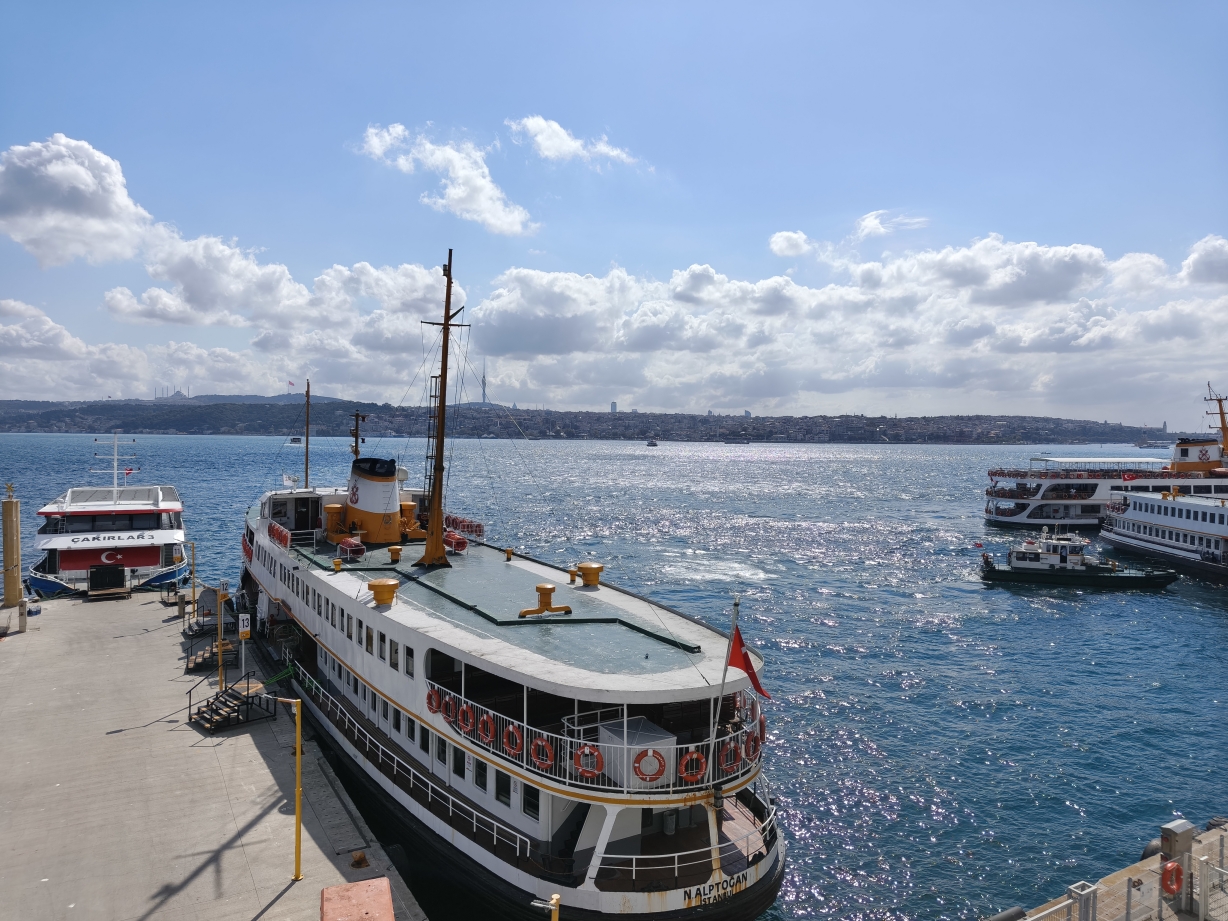
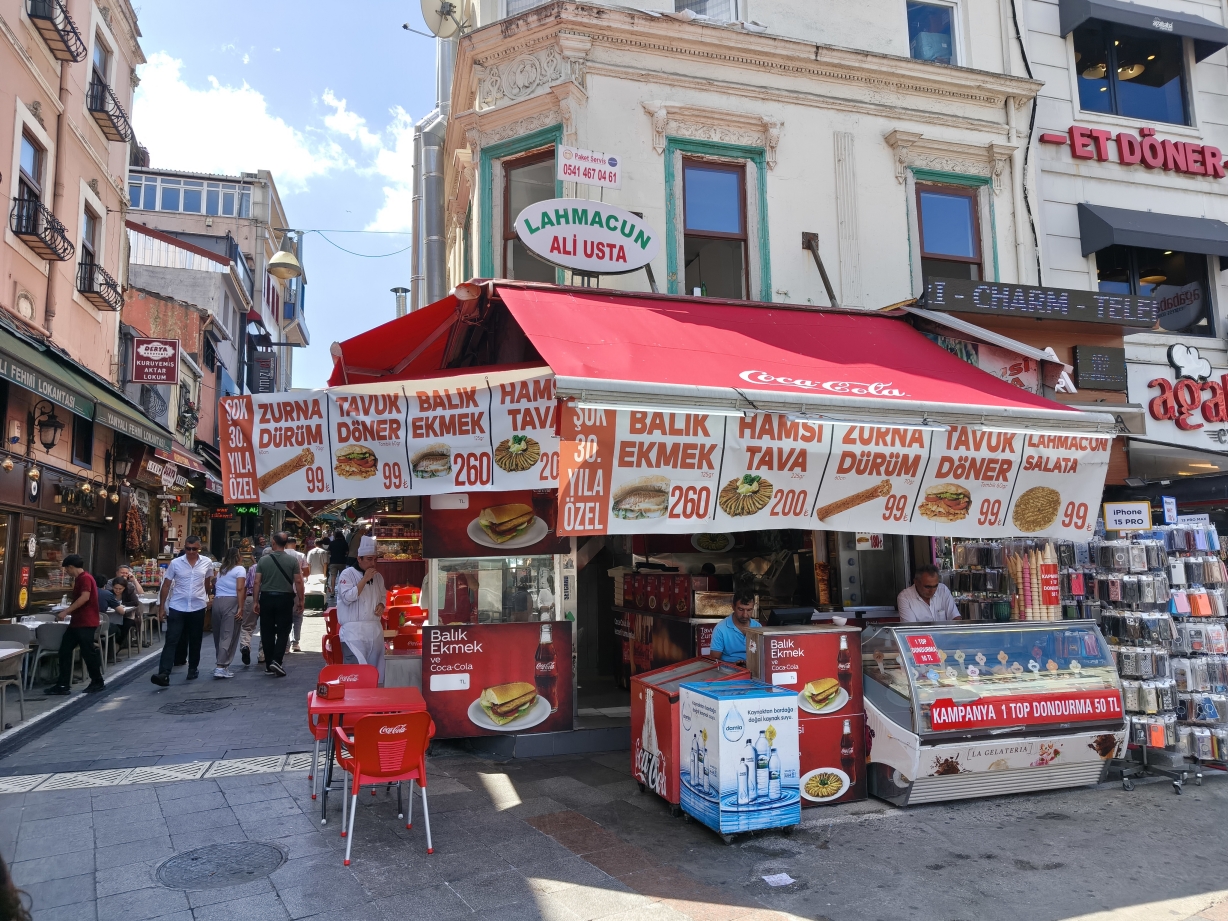
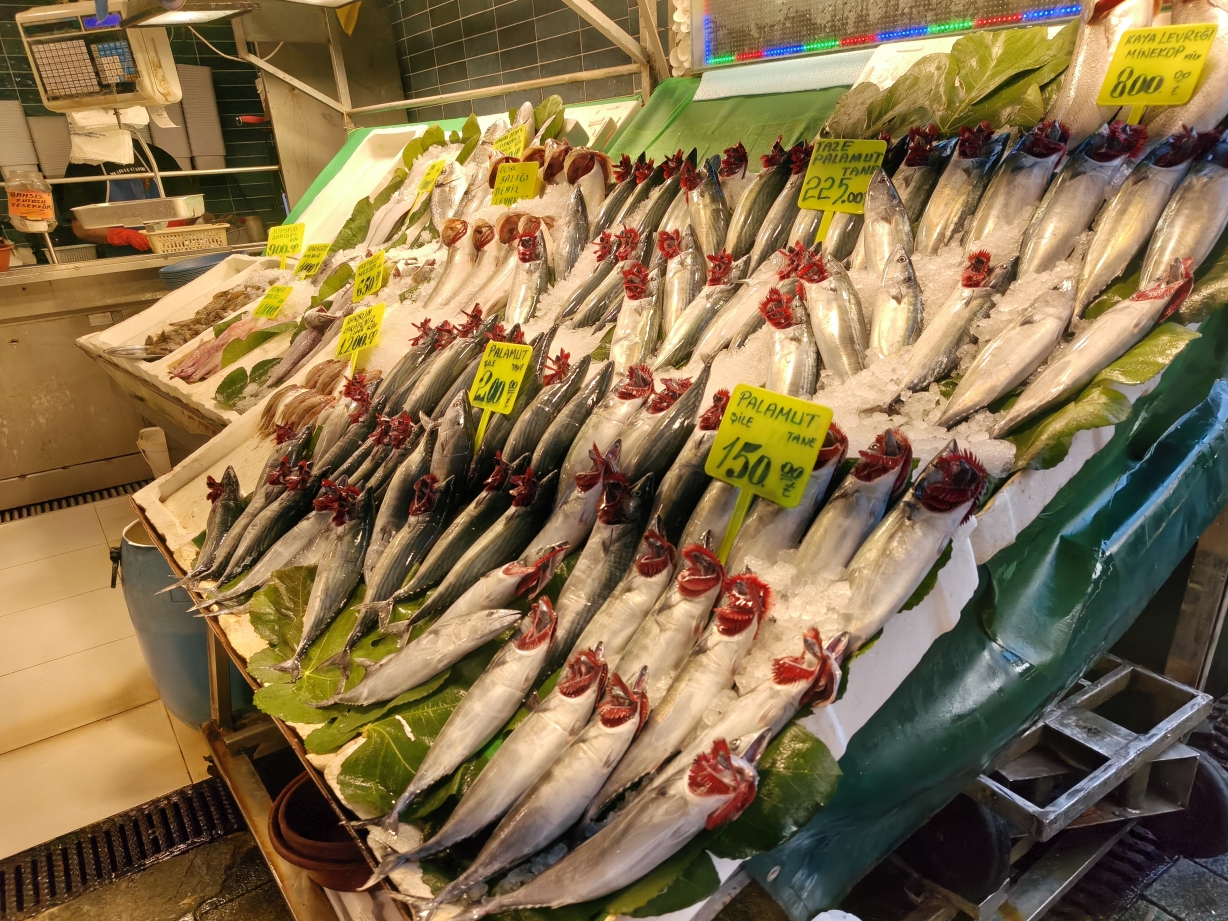
Kadikoy is located on the Asian side of Istanbul across the strait. It is a 20 minutes ferry ride from Karakoy. Kadikoy is noted as the cheaper area of Istanbul where you can find fish markets and local eateries (lokantasi). The area is not really in the tourists’ loop.
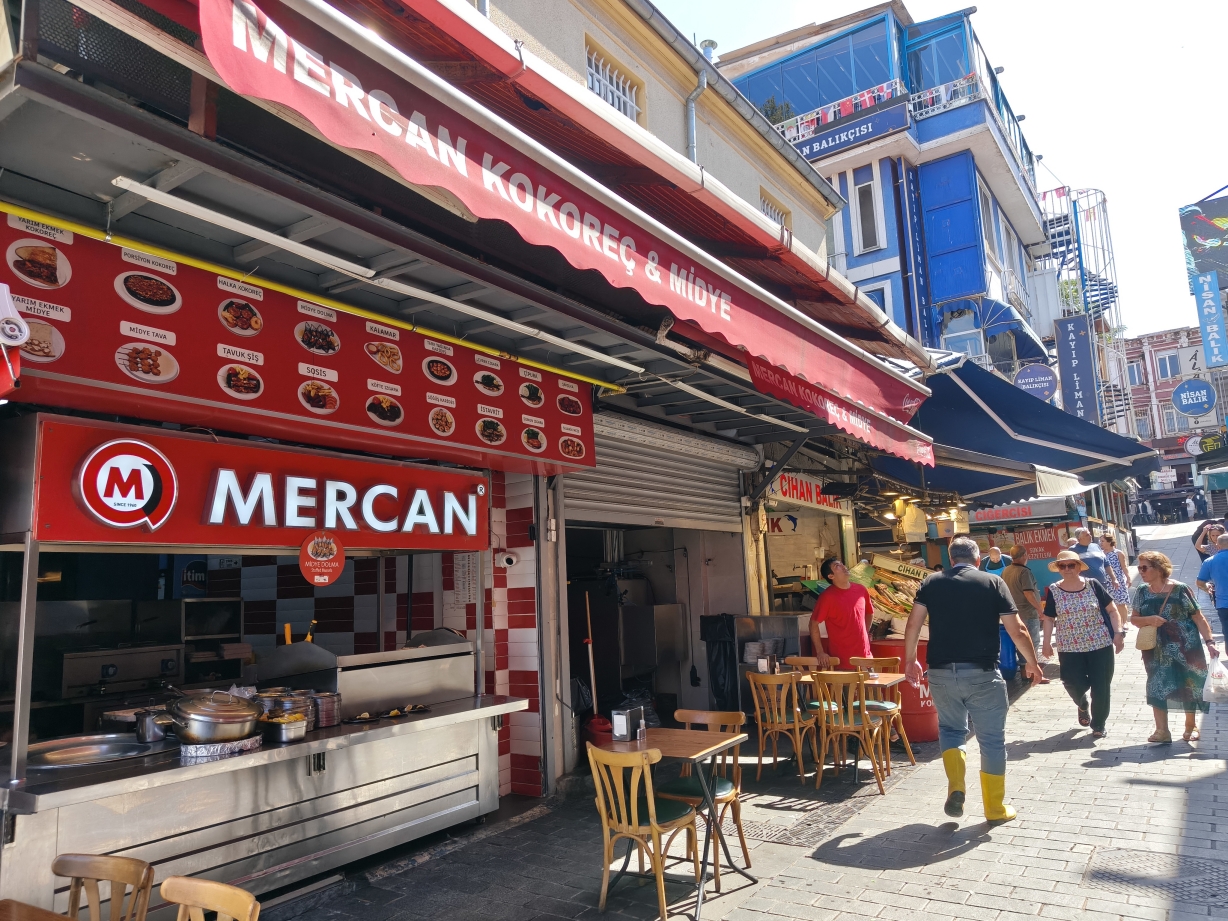
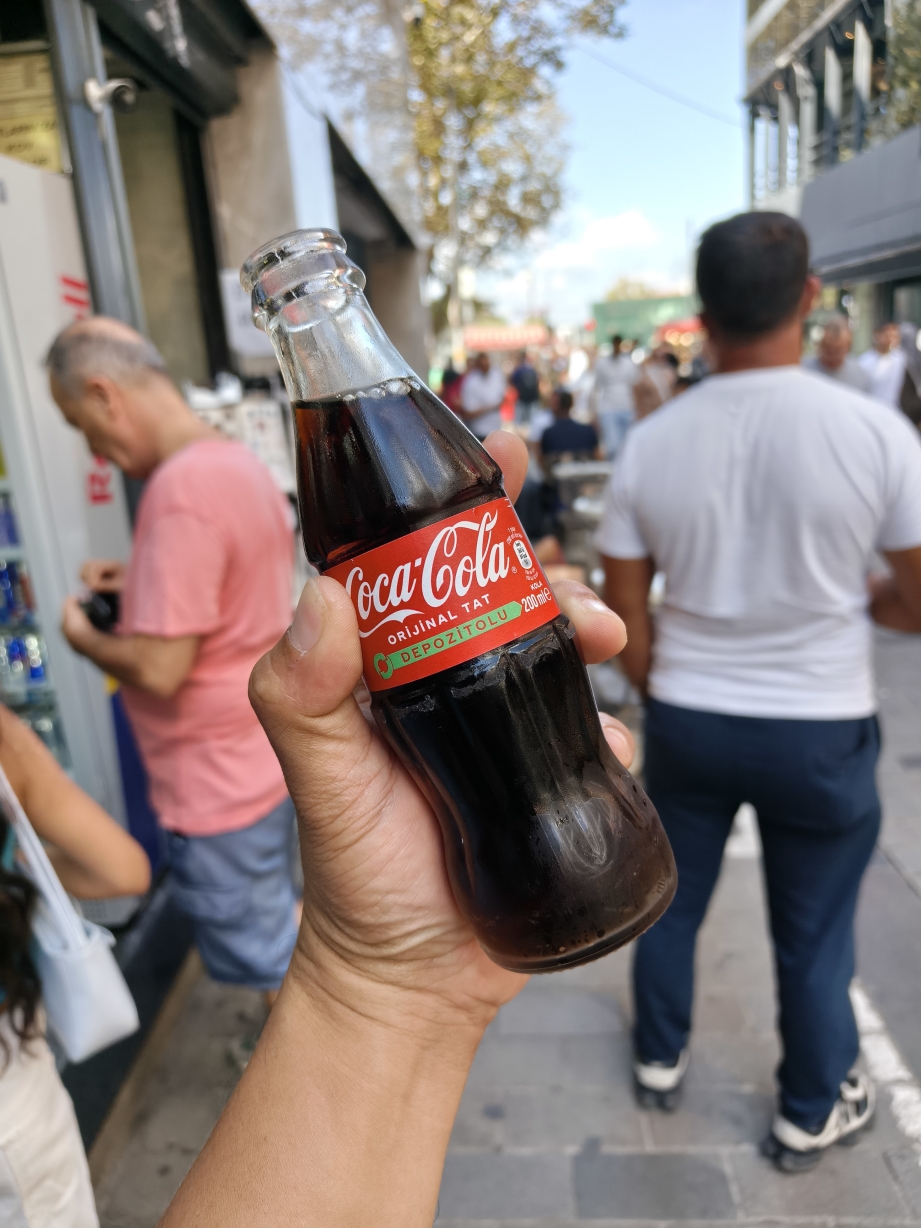
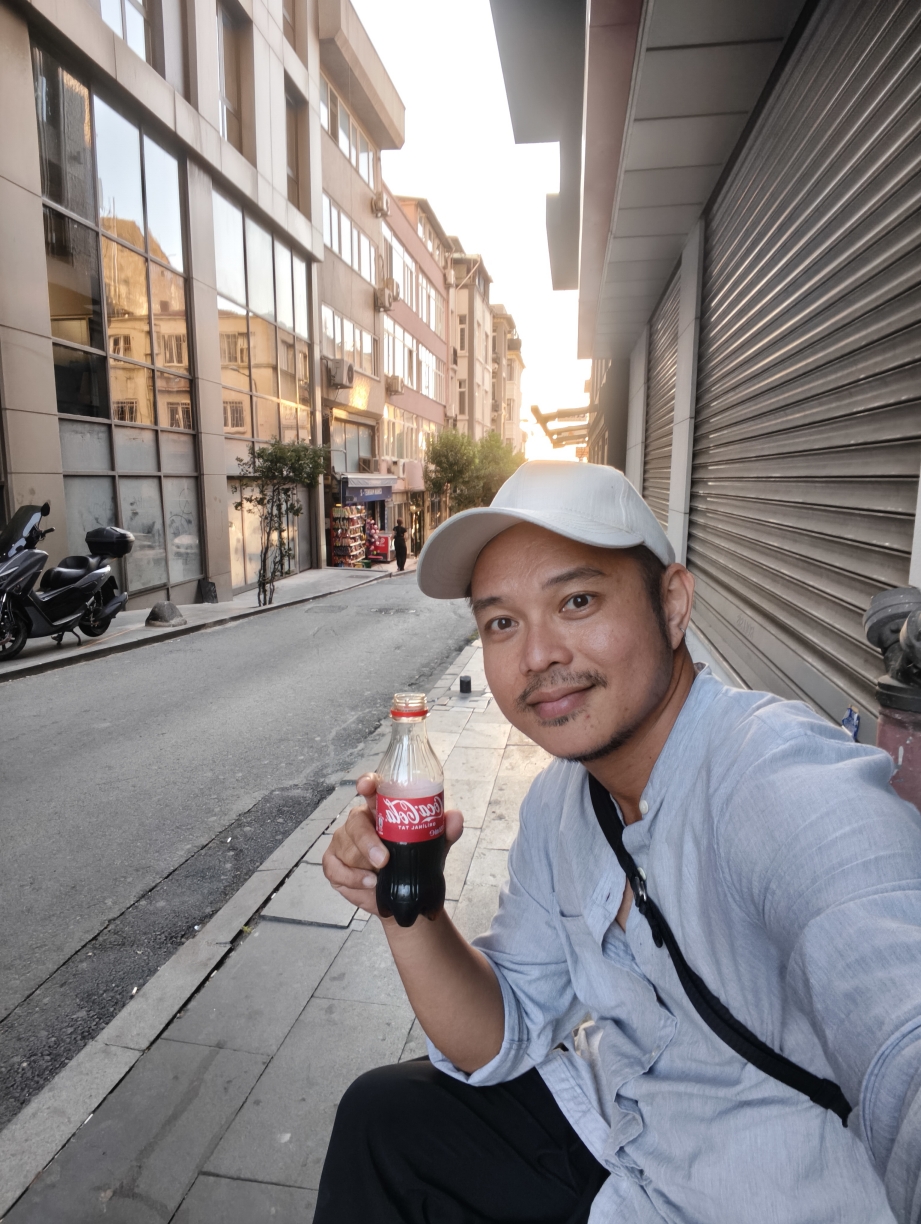
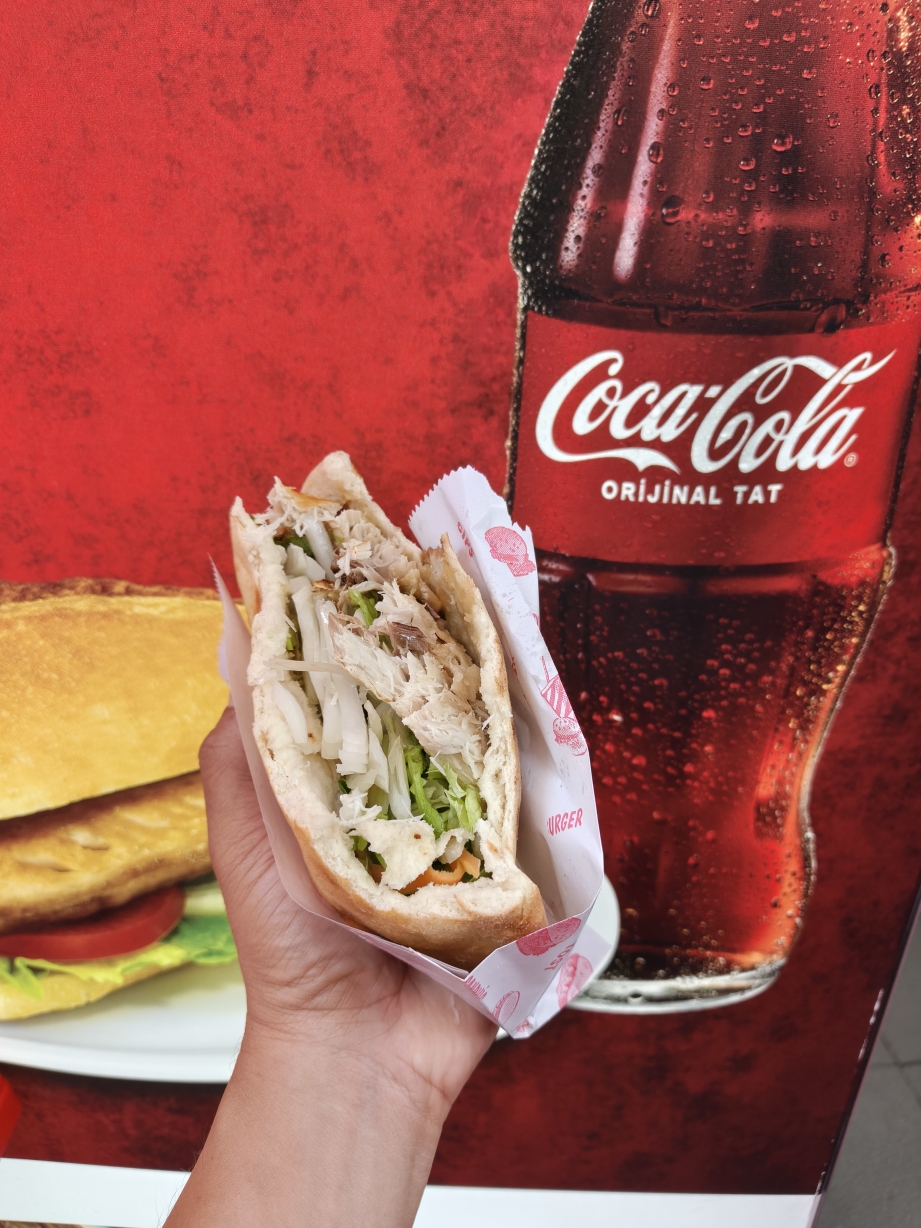
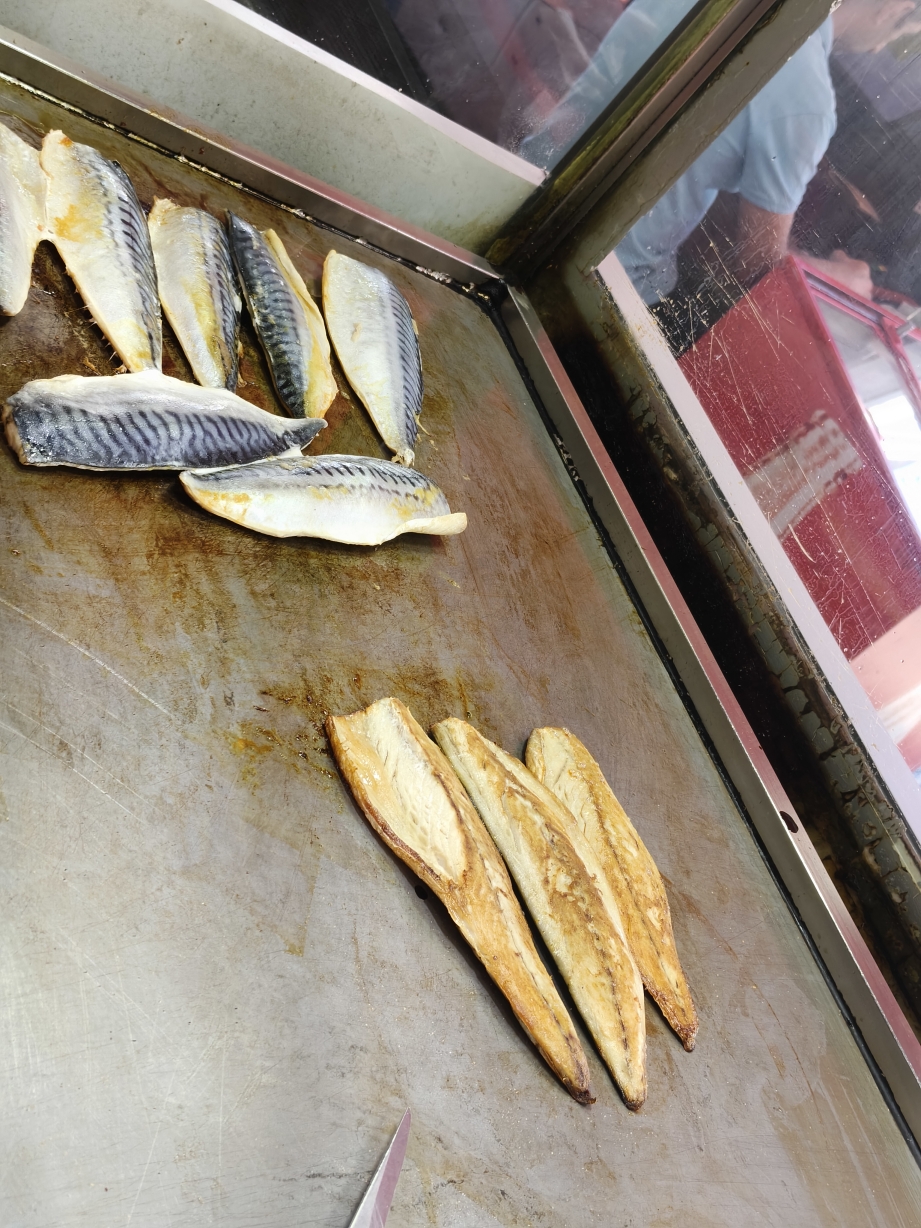
My main goal in Kadikoy was to find the mackerel fish doner, which is popular in the area. Best paired with Coca-Cola. Coke in glass bottle is still a thing in Istanbul.
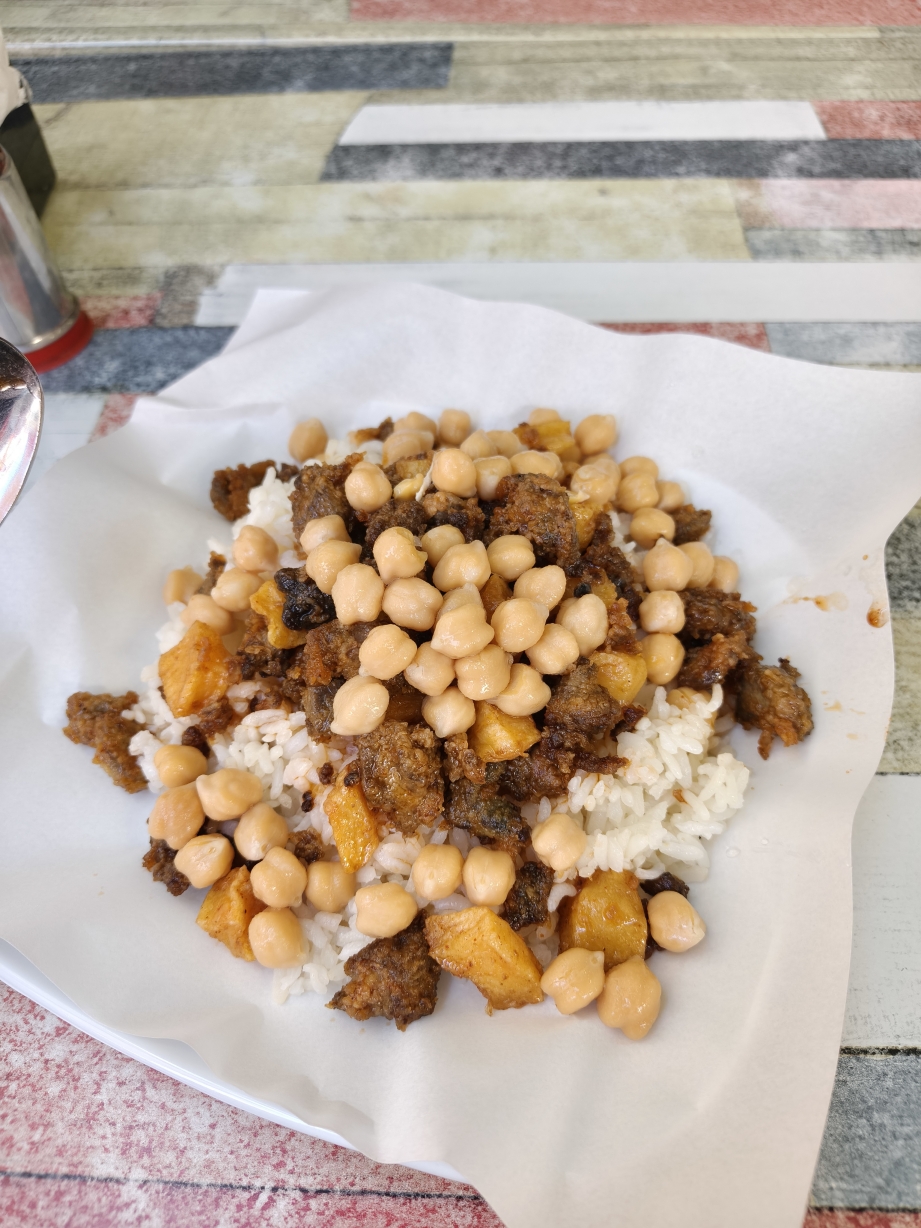
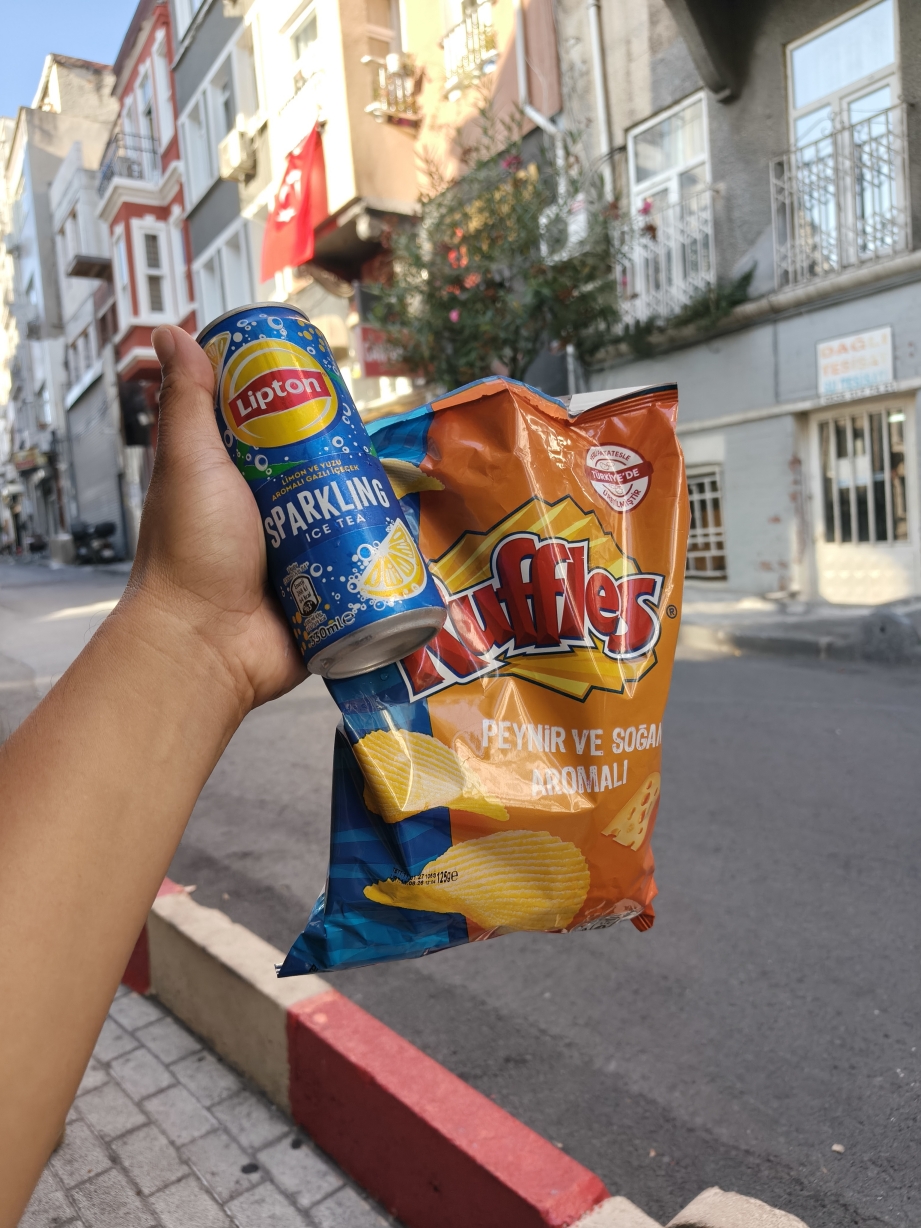
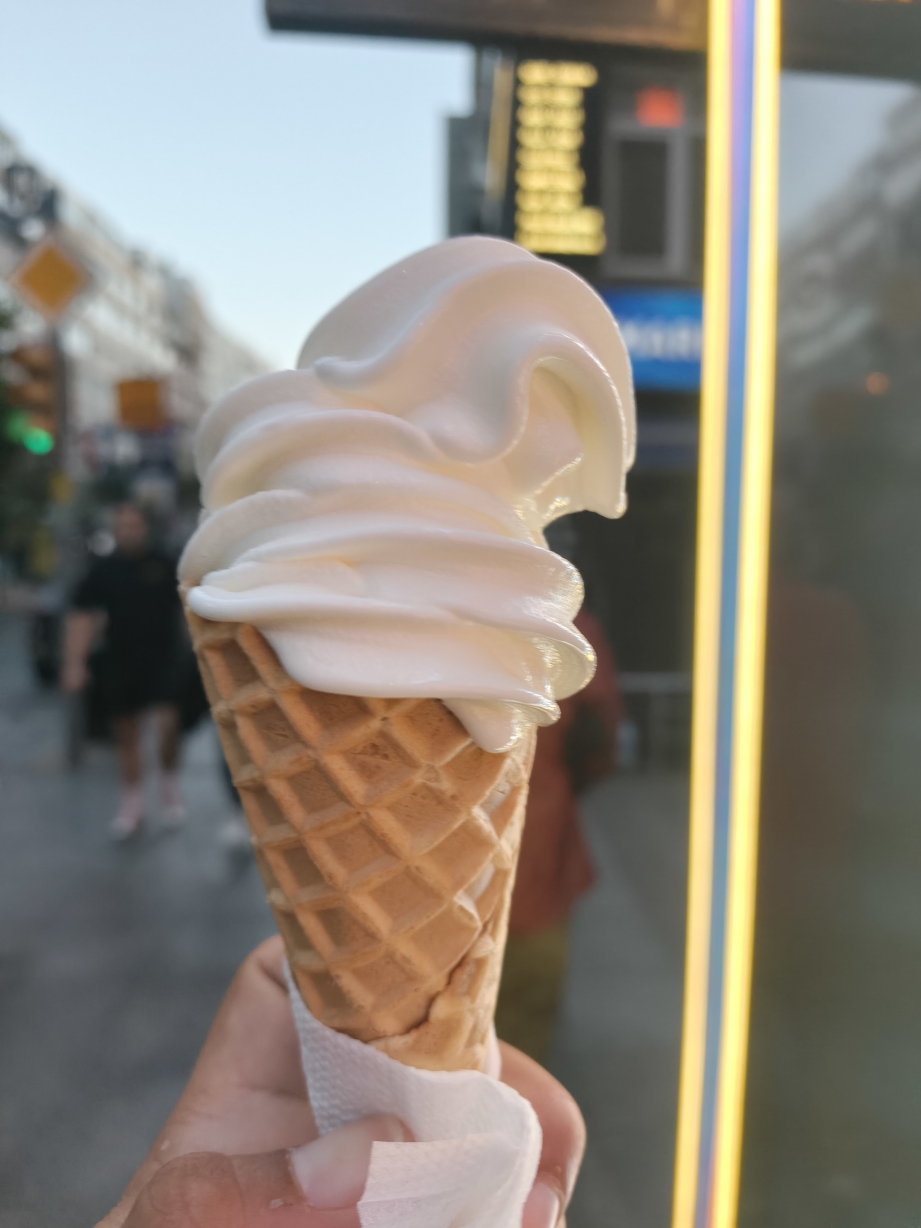
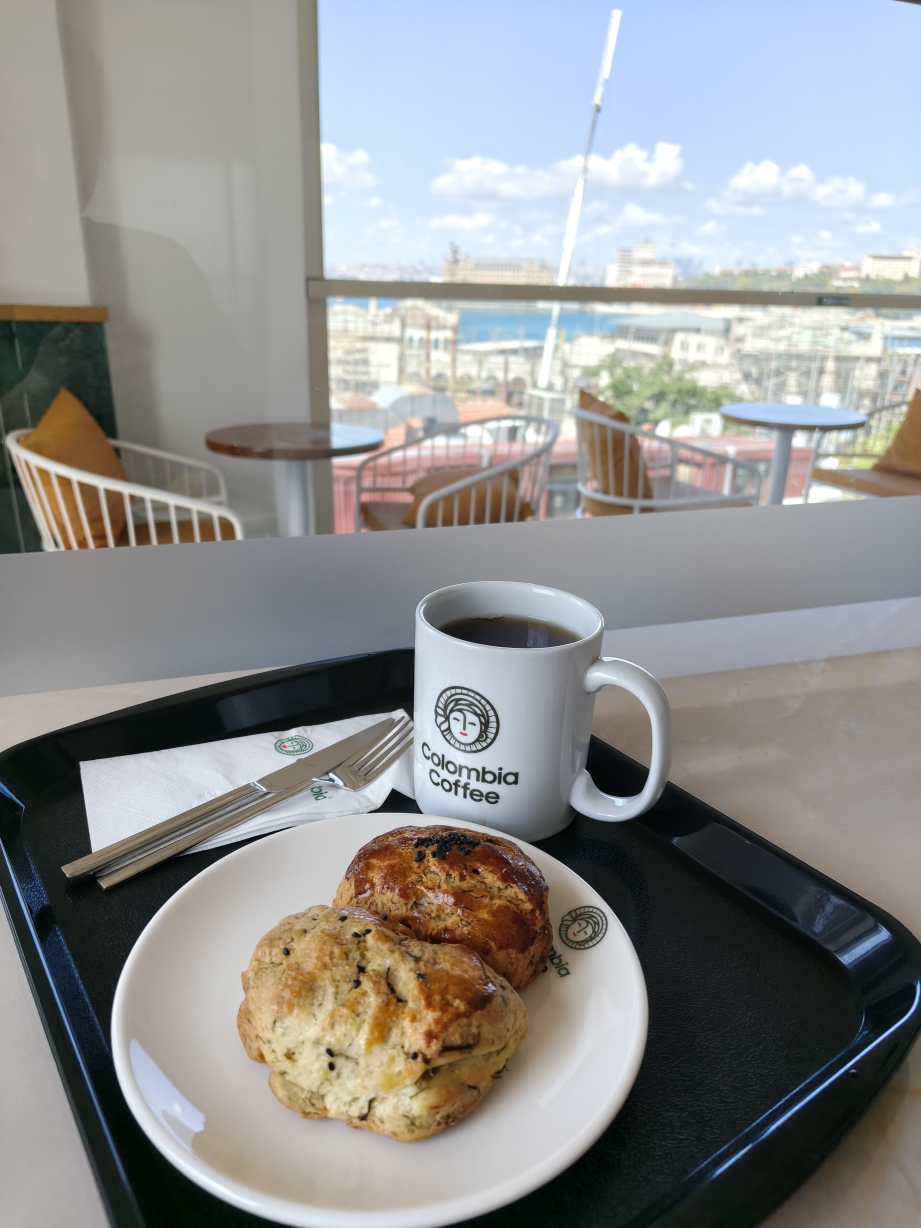
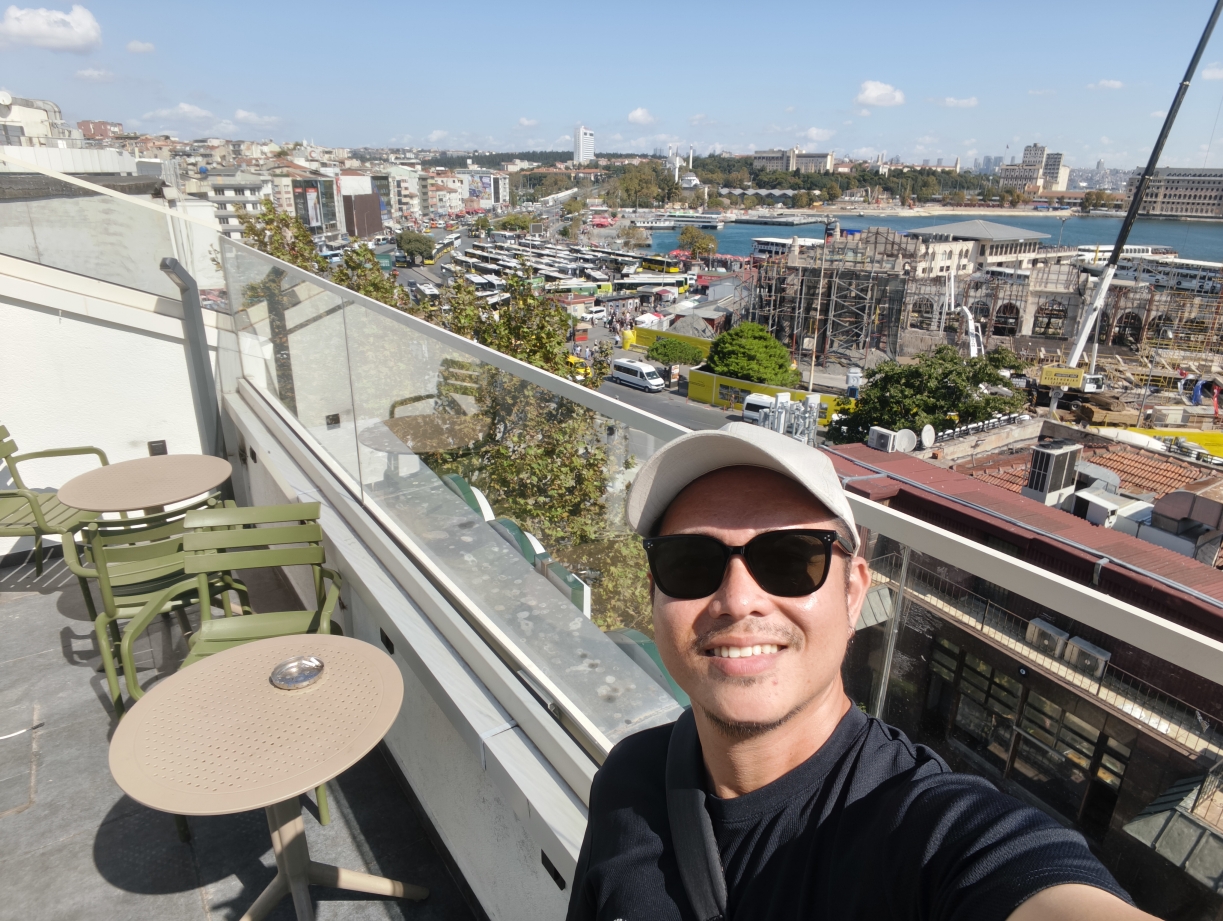
I found Colombia Cafe in Kadikoy, which offers a great panoramic view from its 8th floor. I basically spent most of my high noon here to avoid the heat. The rest of the day was spent roaming around the local neighborhood and ate cheap local pilaf meal, chips and icecream.
Day 4: Balat – The Boho-historic walking quarters. Local artists’ hub.

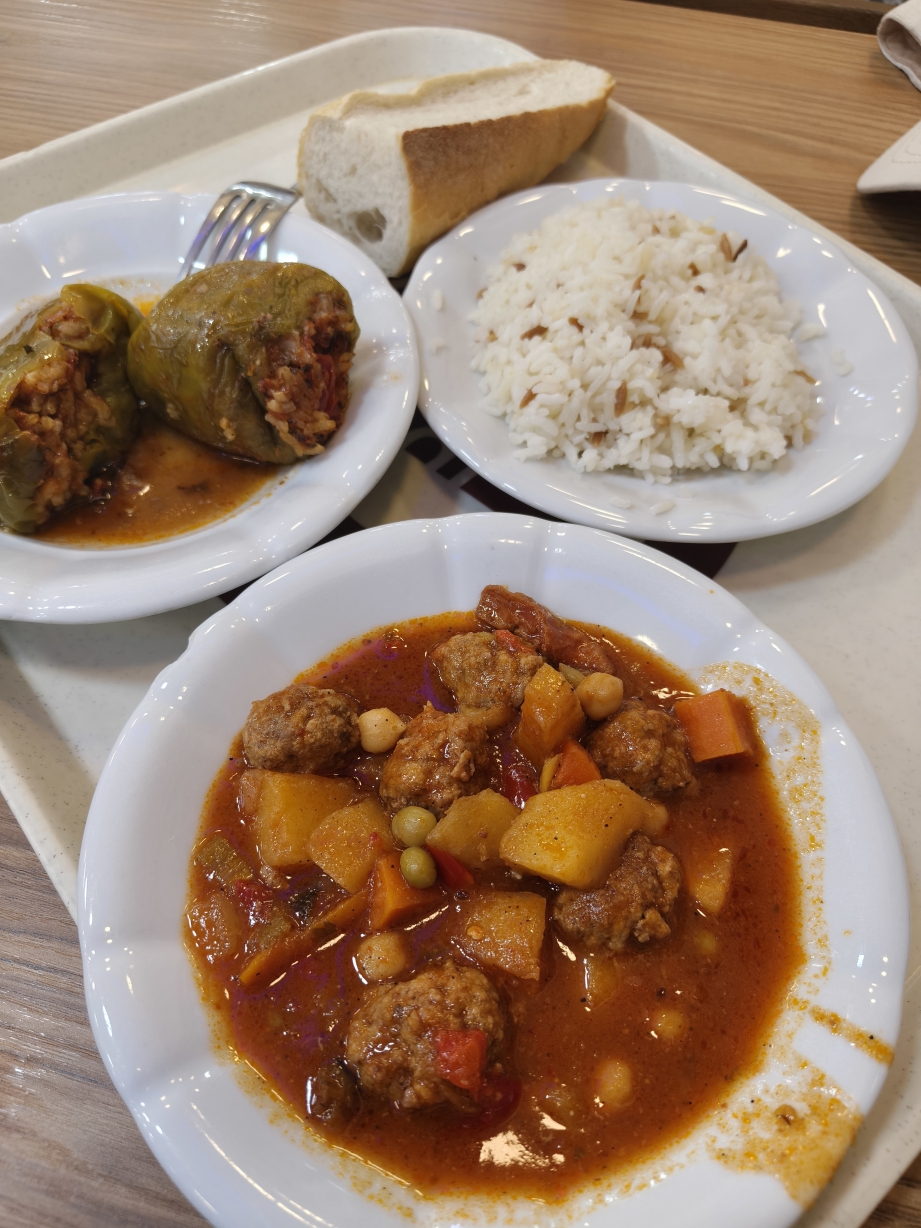
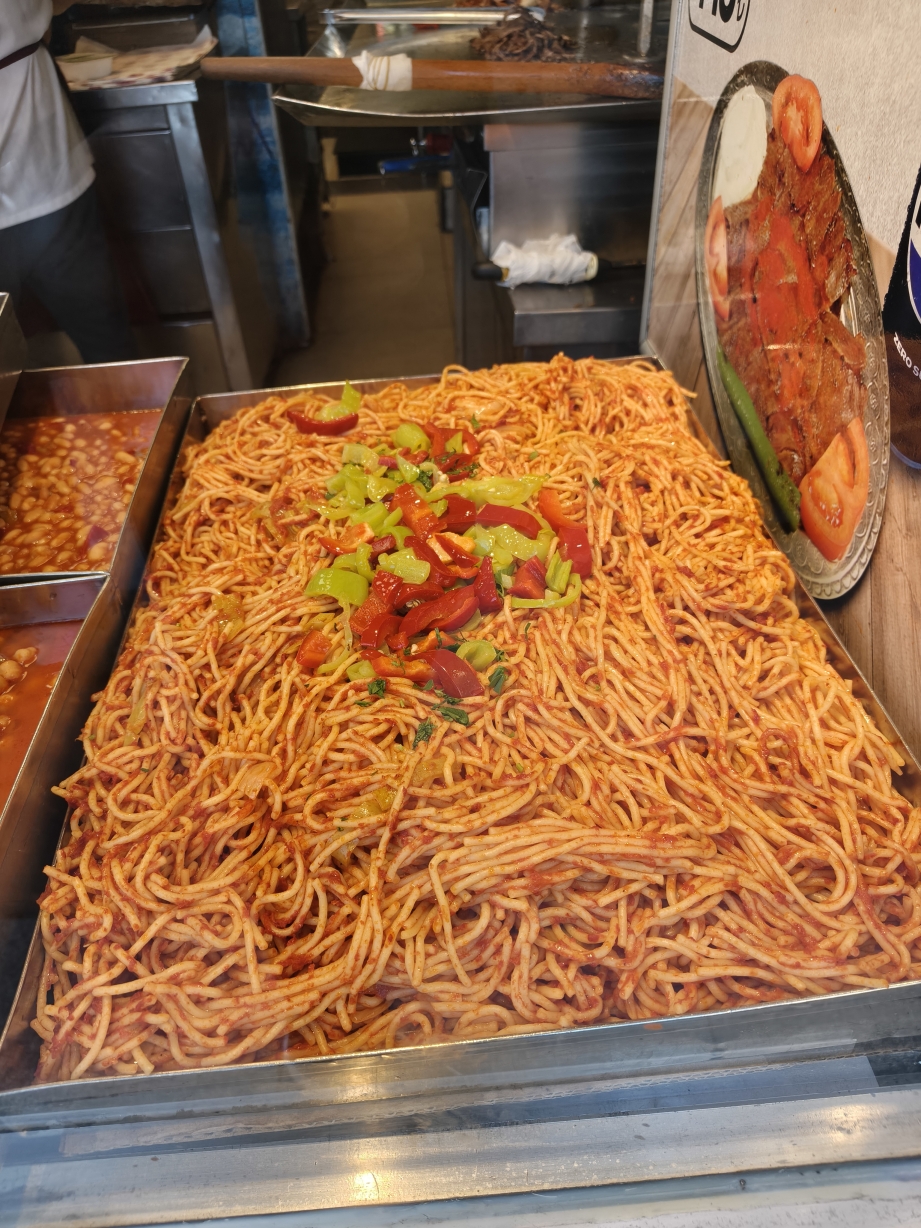
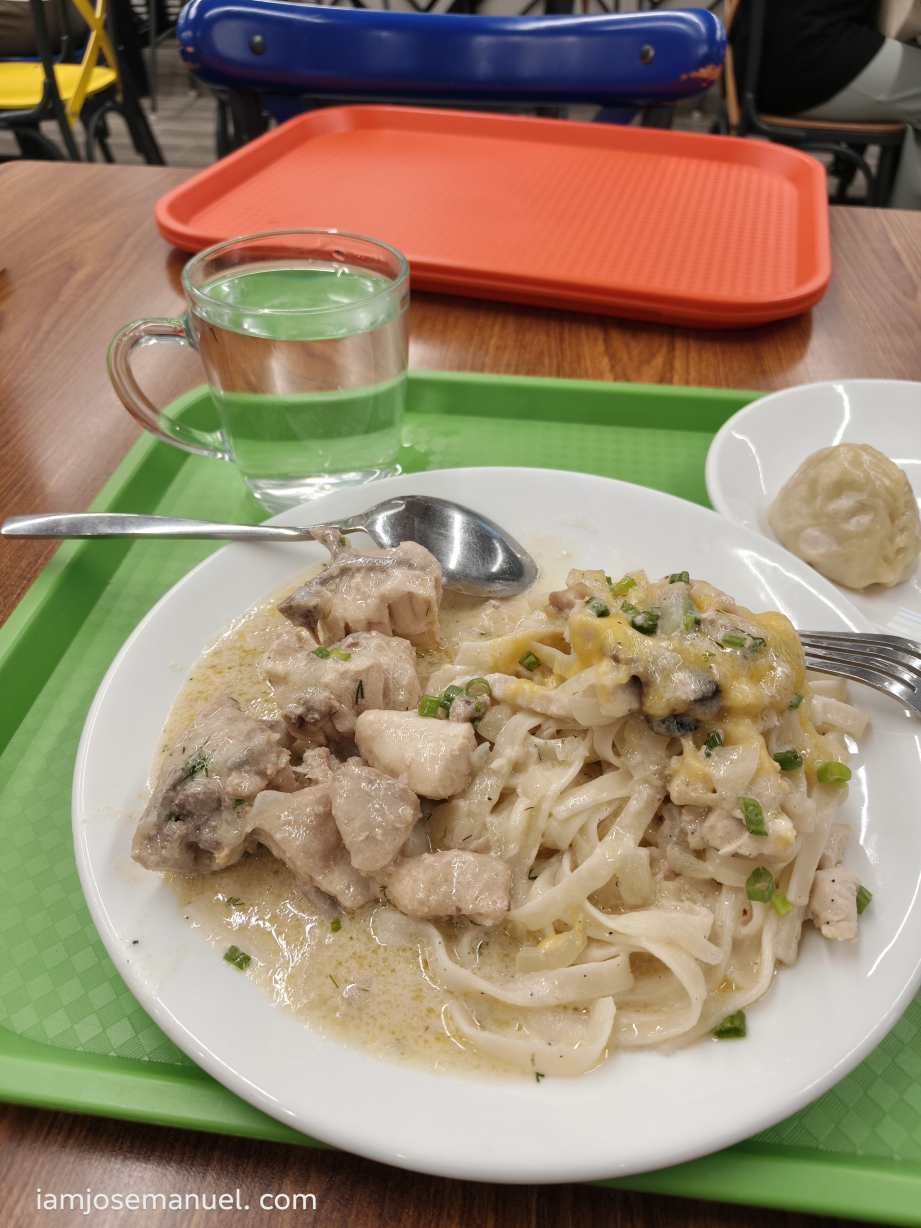
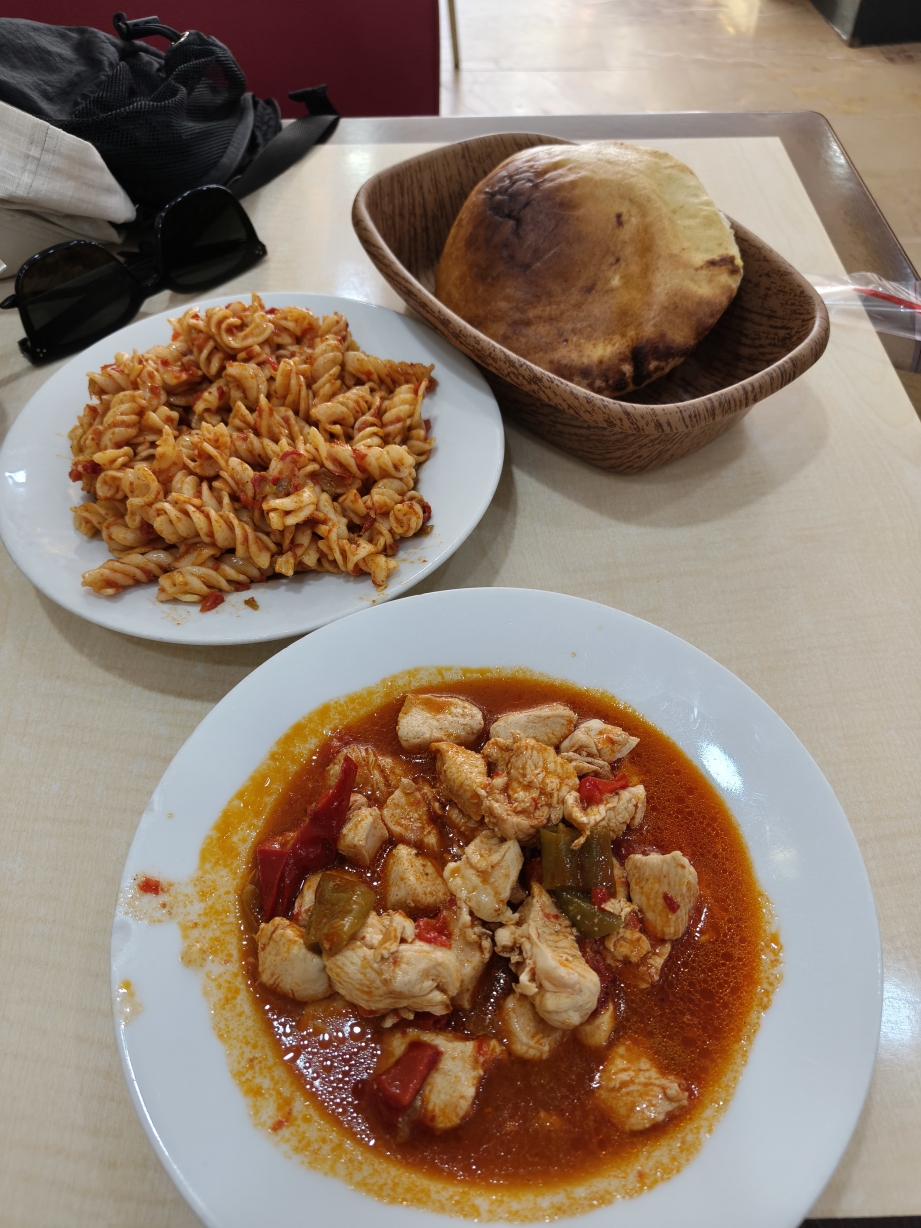
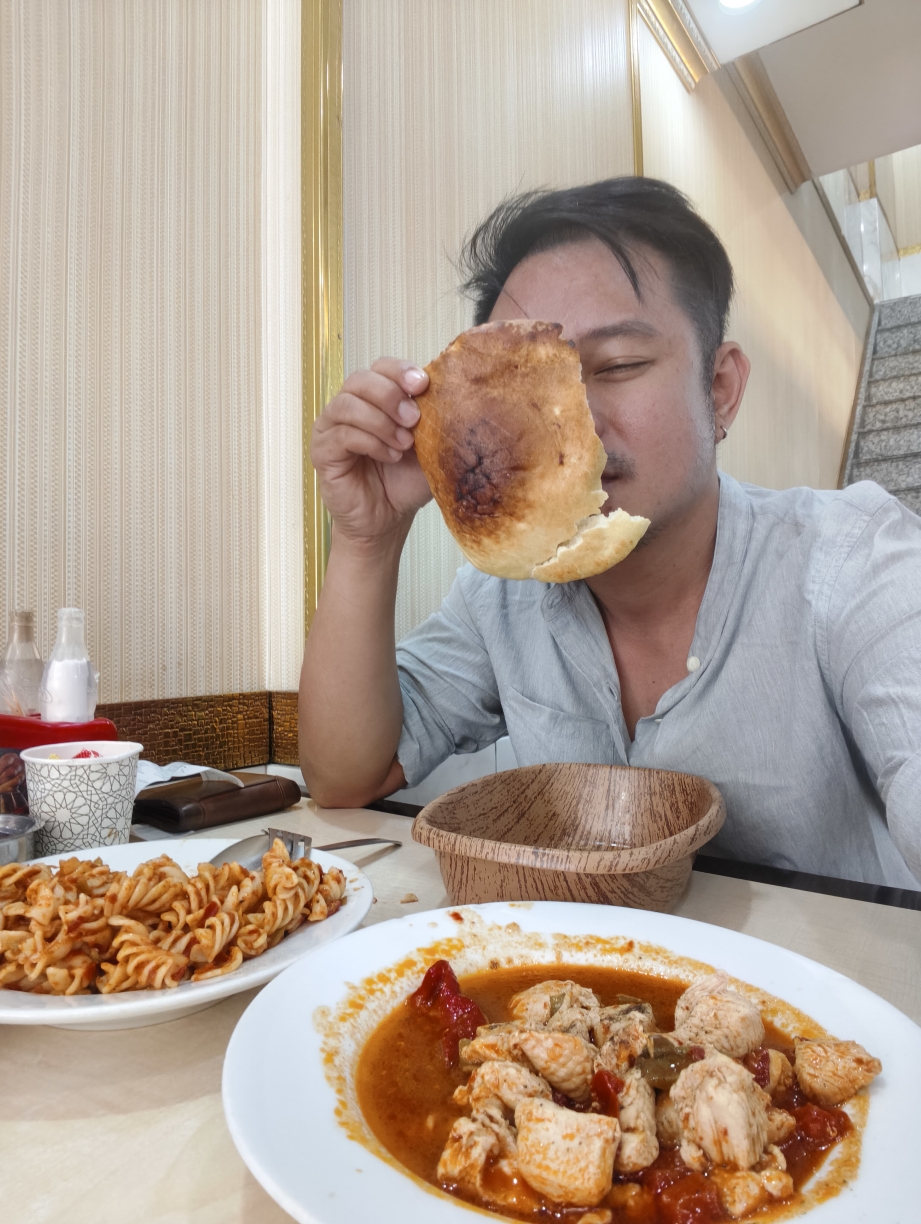
Started the day with a hefty meal that I forced myself to finish since the serving sizes are like good for 2. The spaghetti looked delicious btw. These ready-made meals are from casual/affordable eateries, like Karinderia a set up. In Istanbul, they call it Lokantasi. If you want to save on dining, google a lokantasi nearby. Meals cost between 200 to 400 Lira.
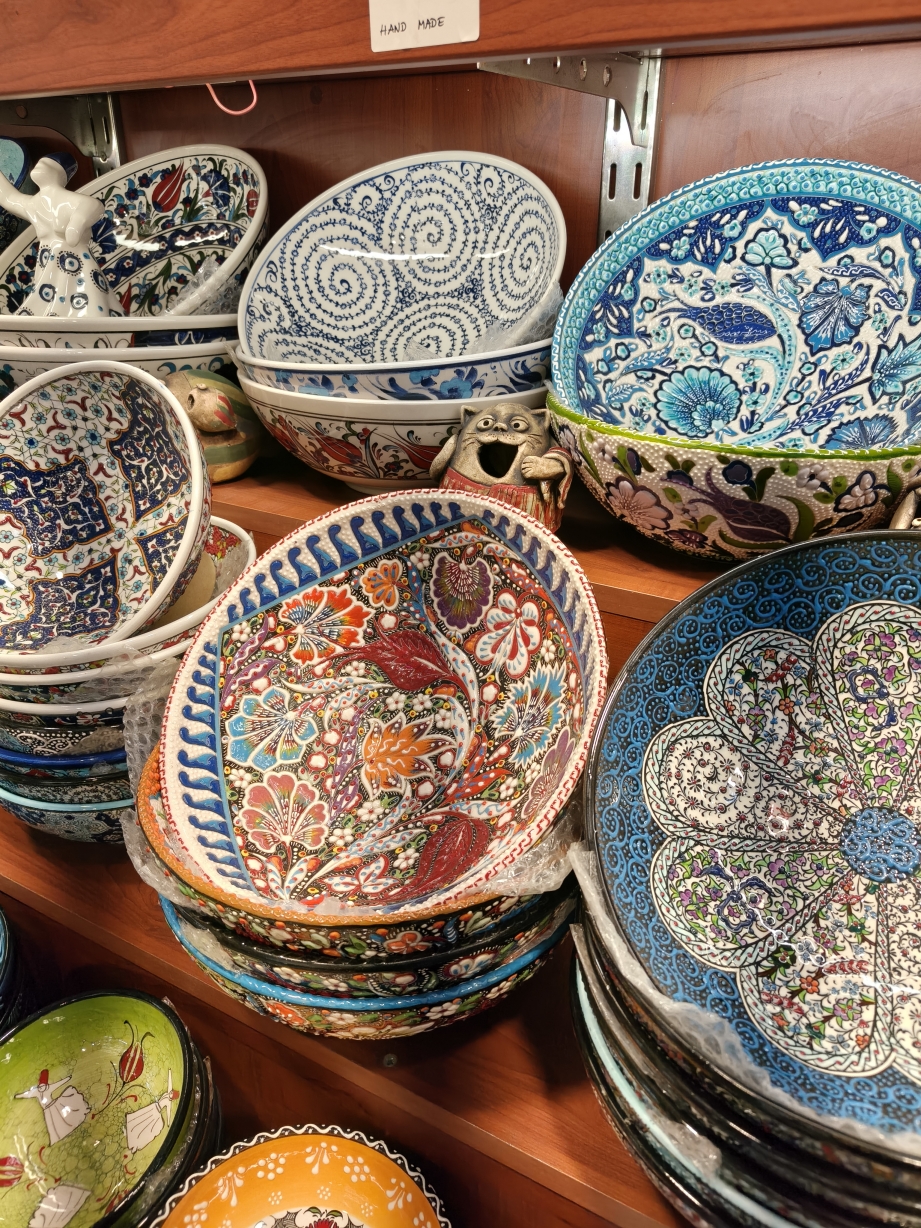
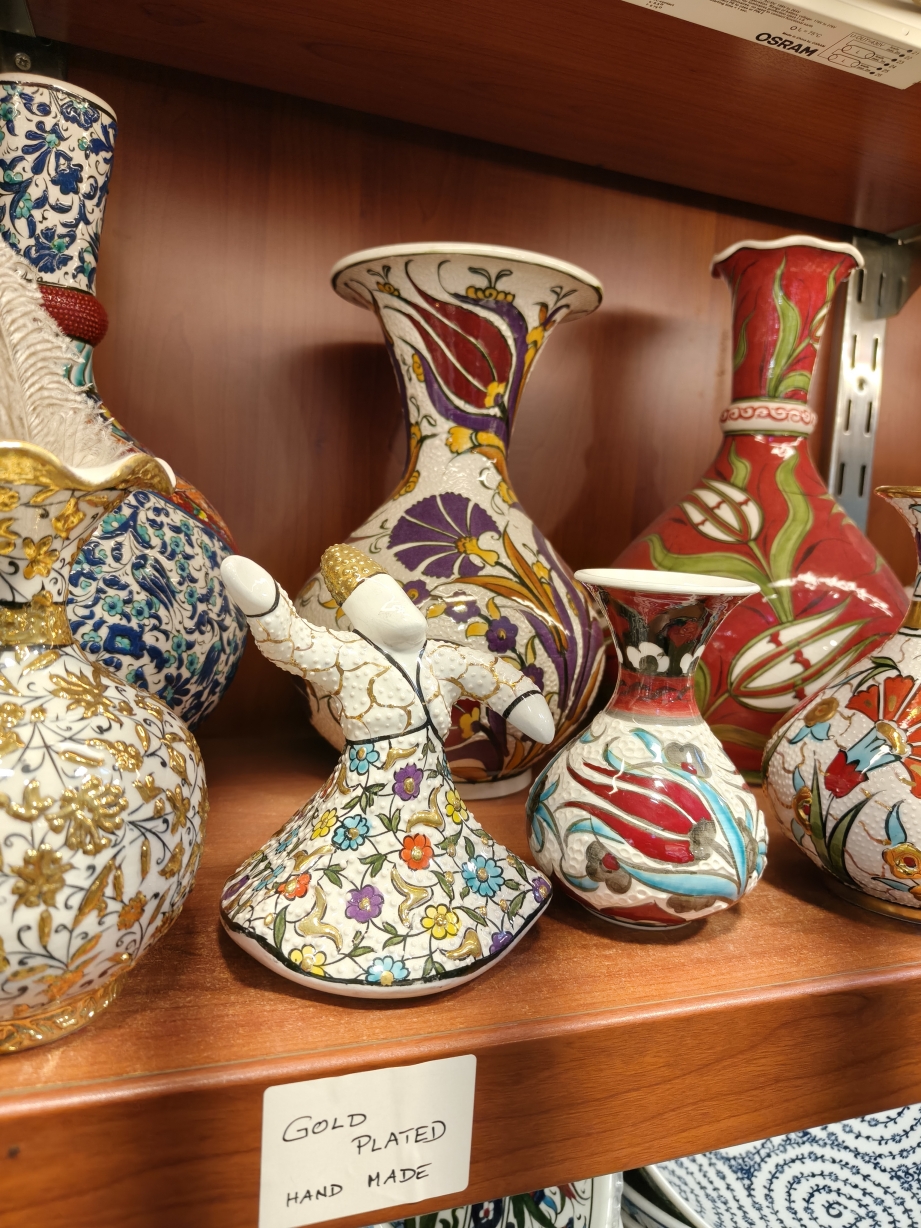
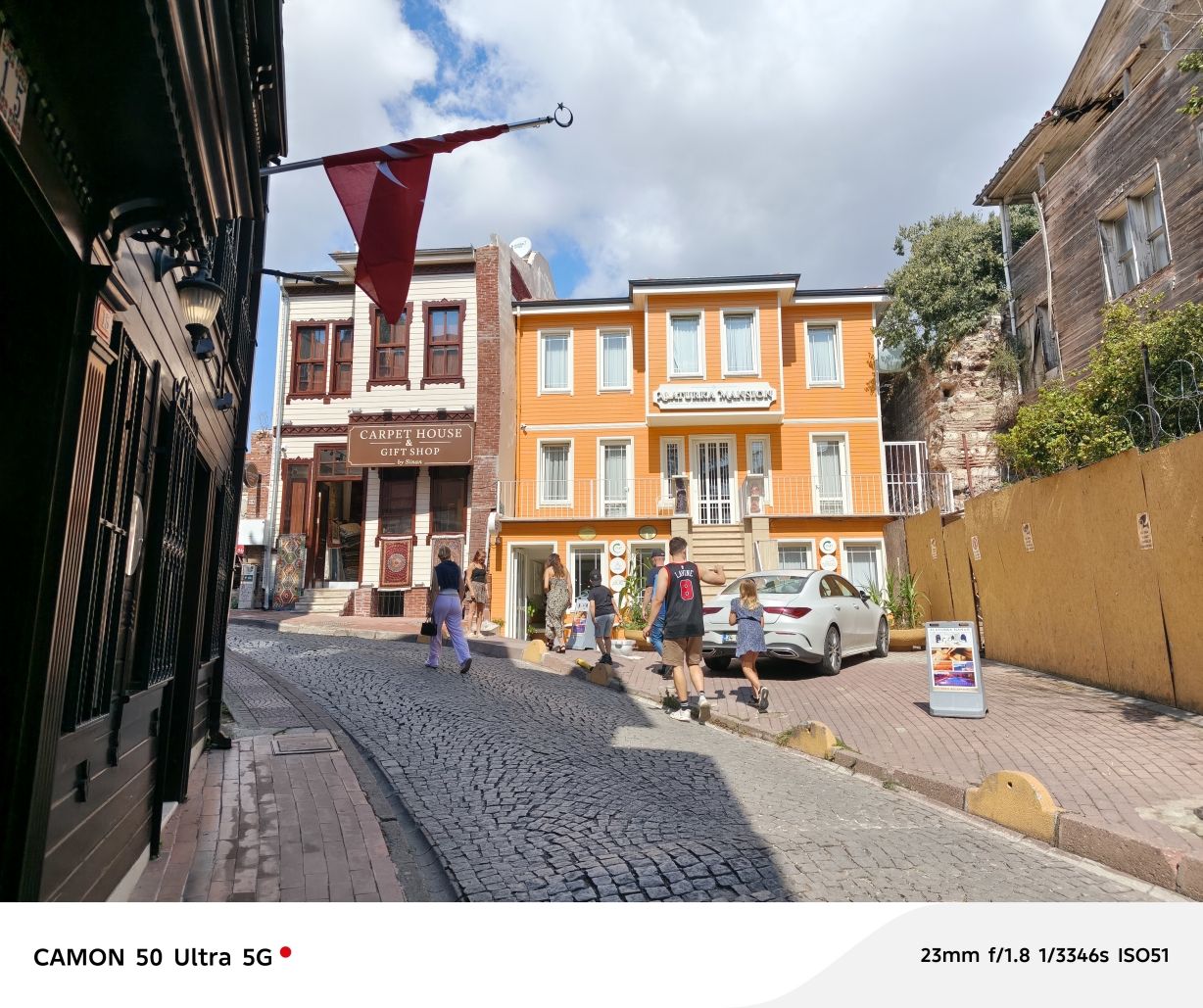
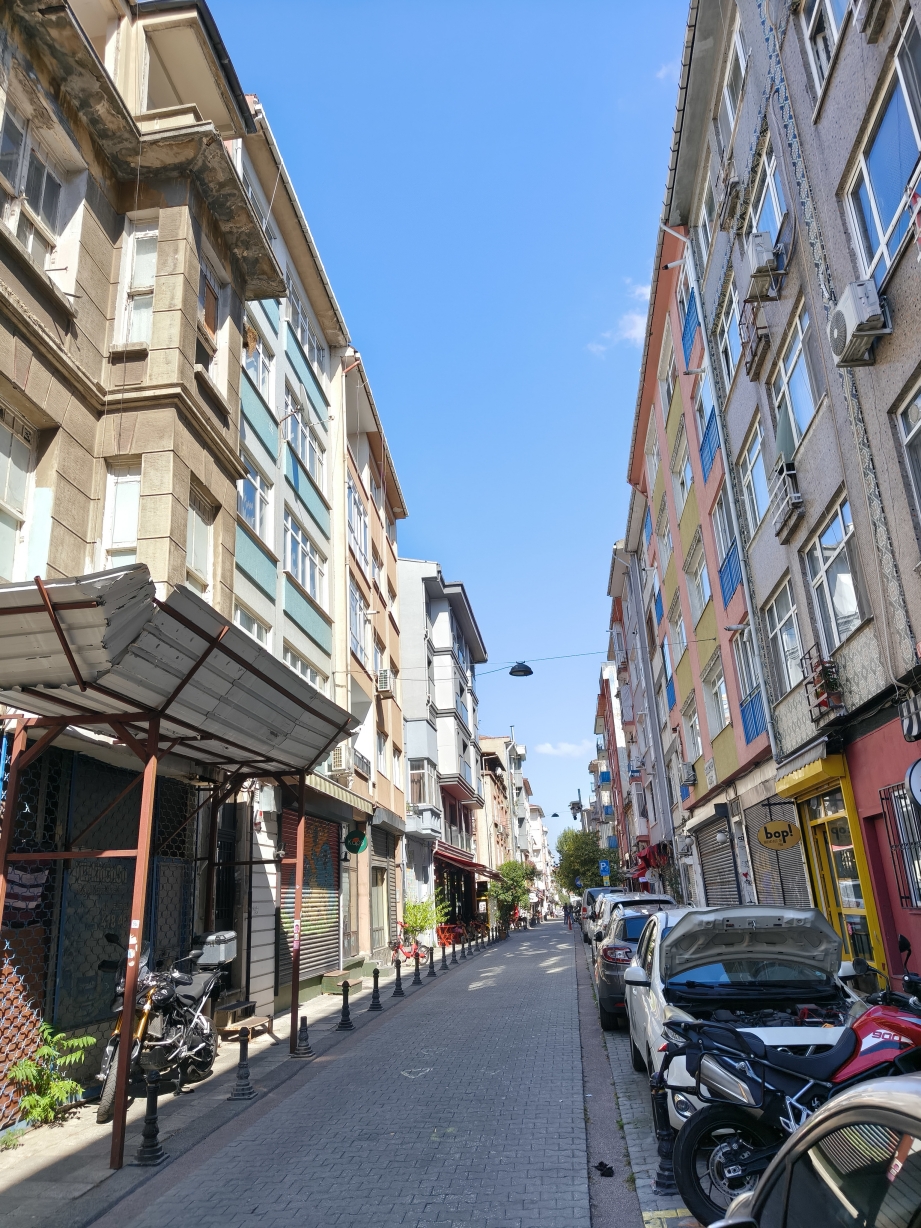
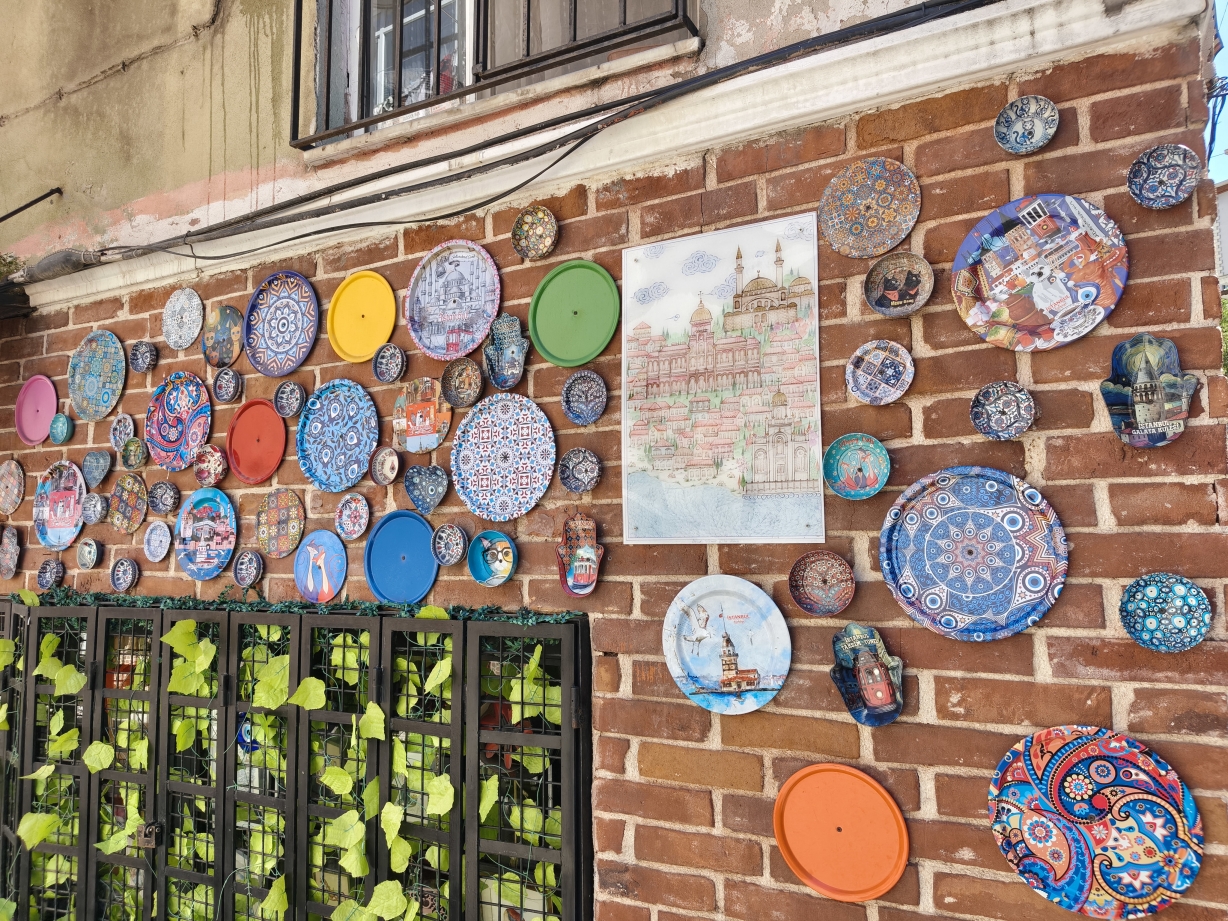
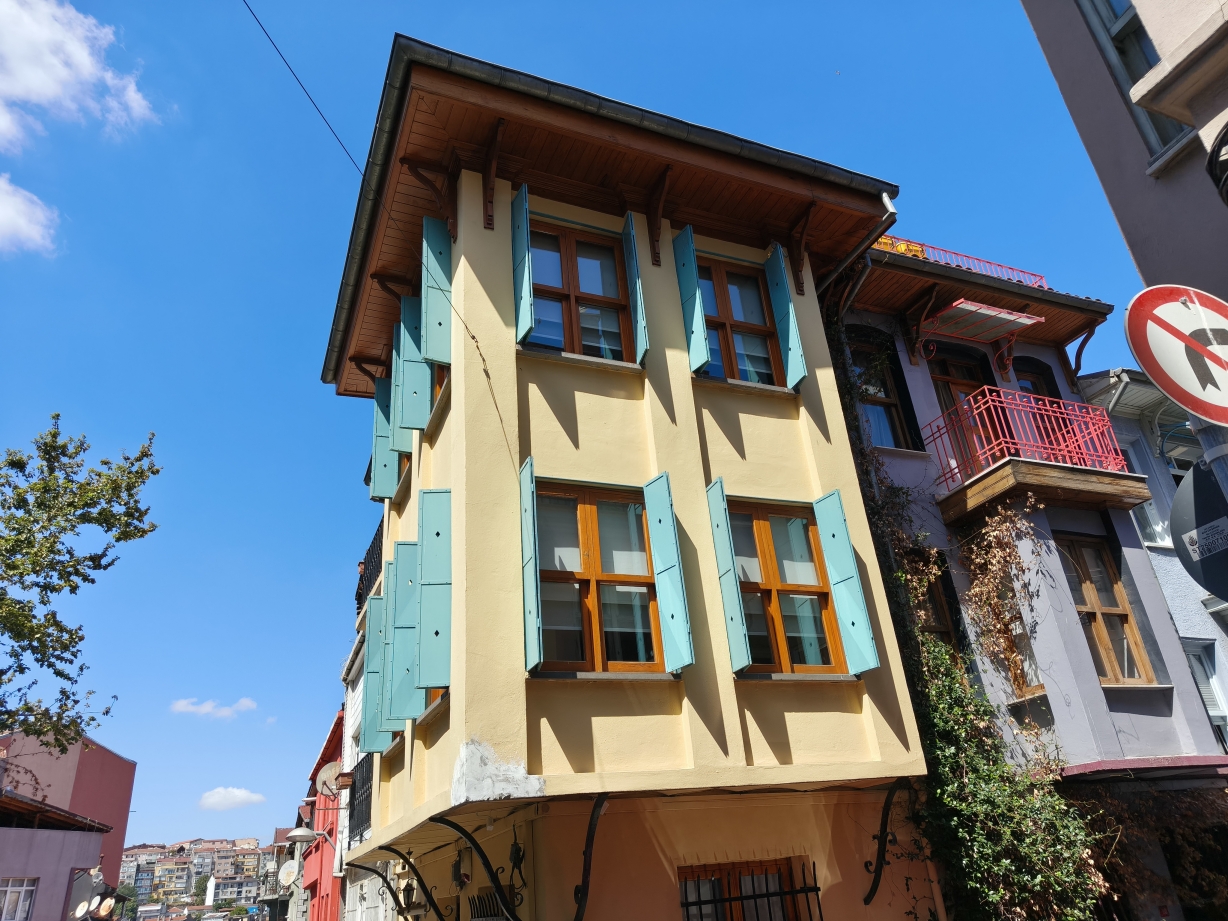
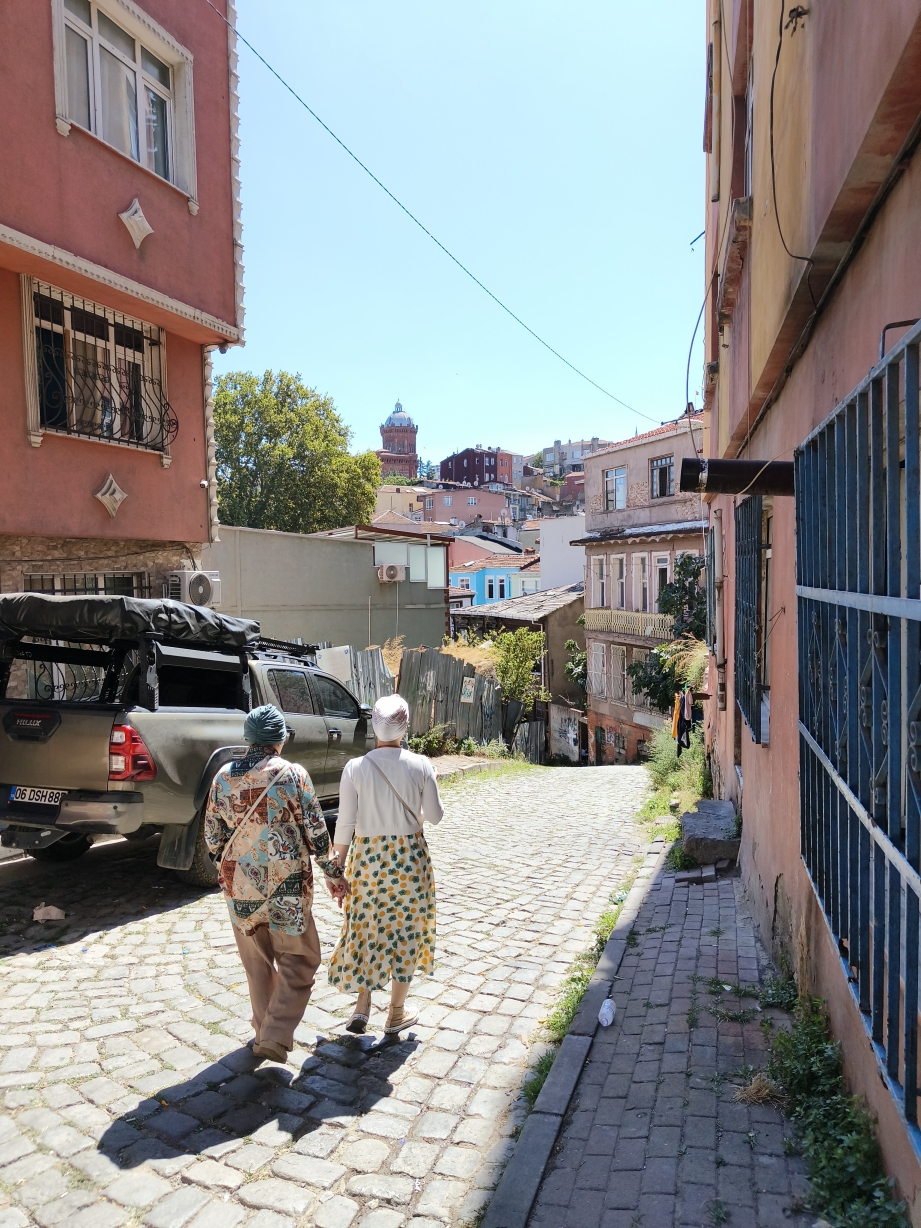
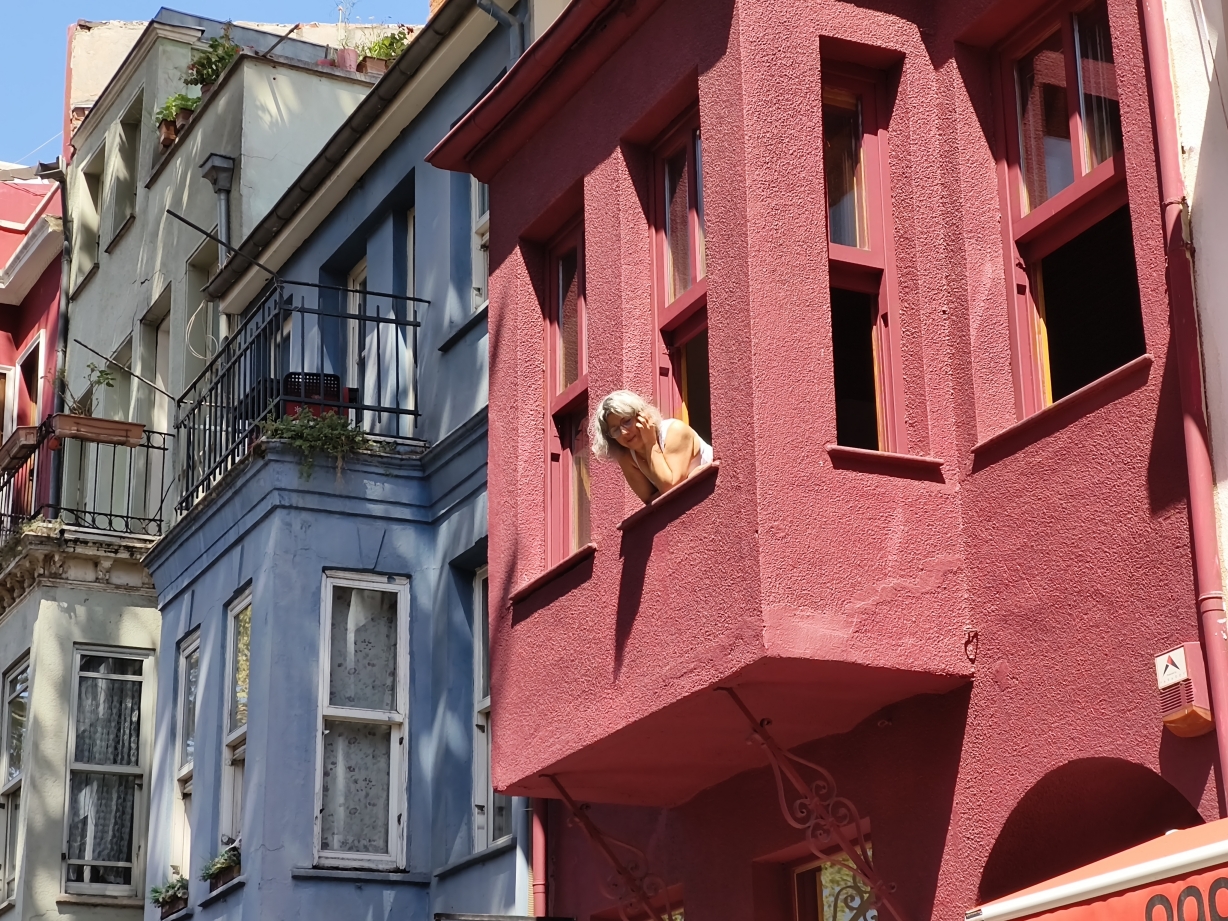
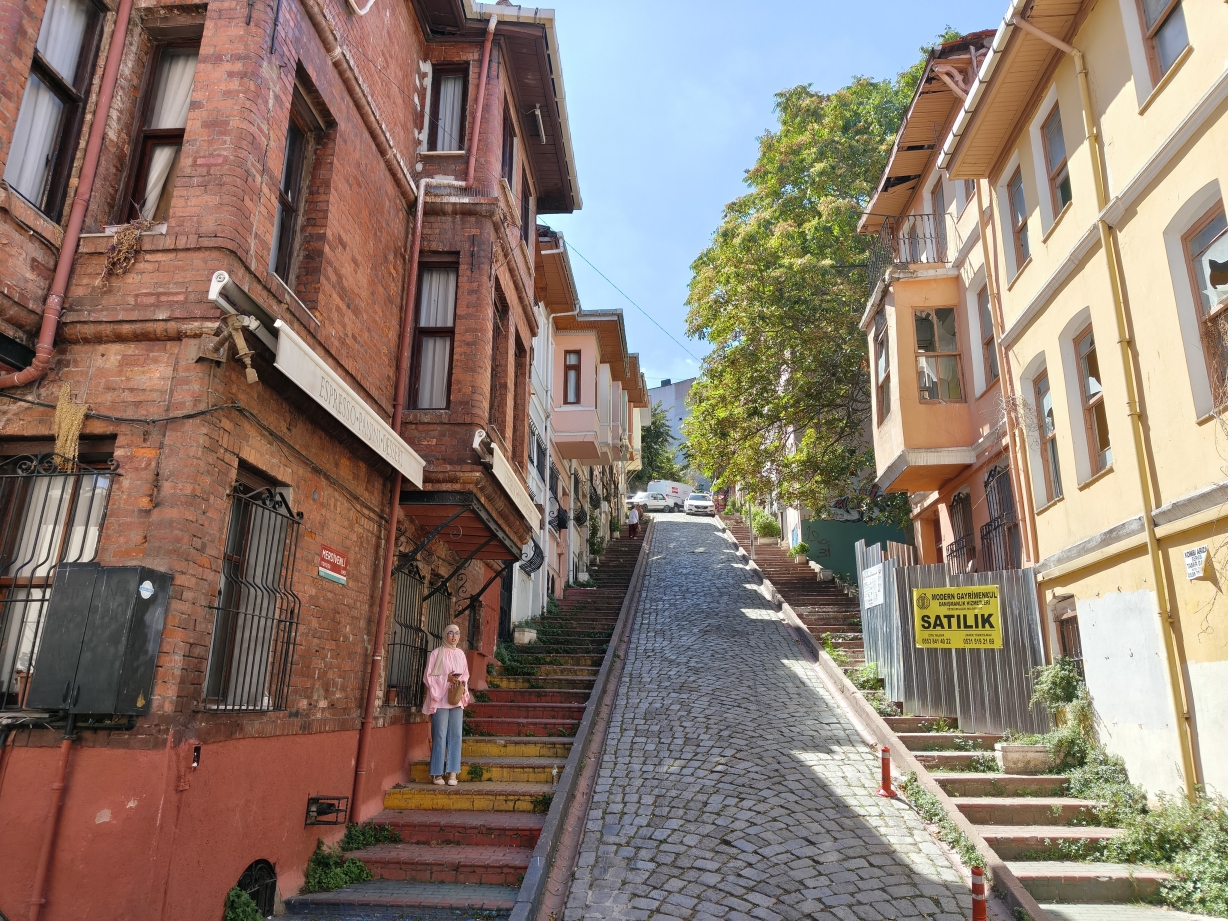
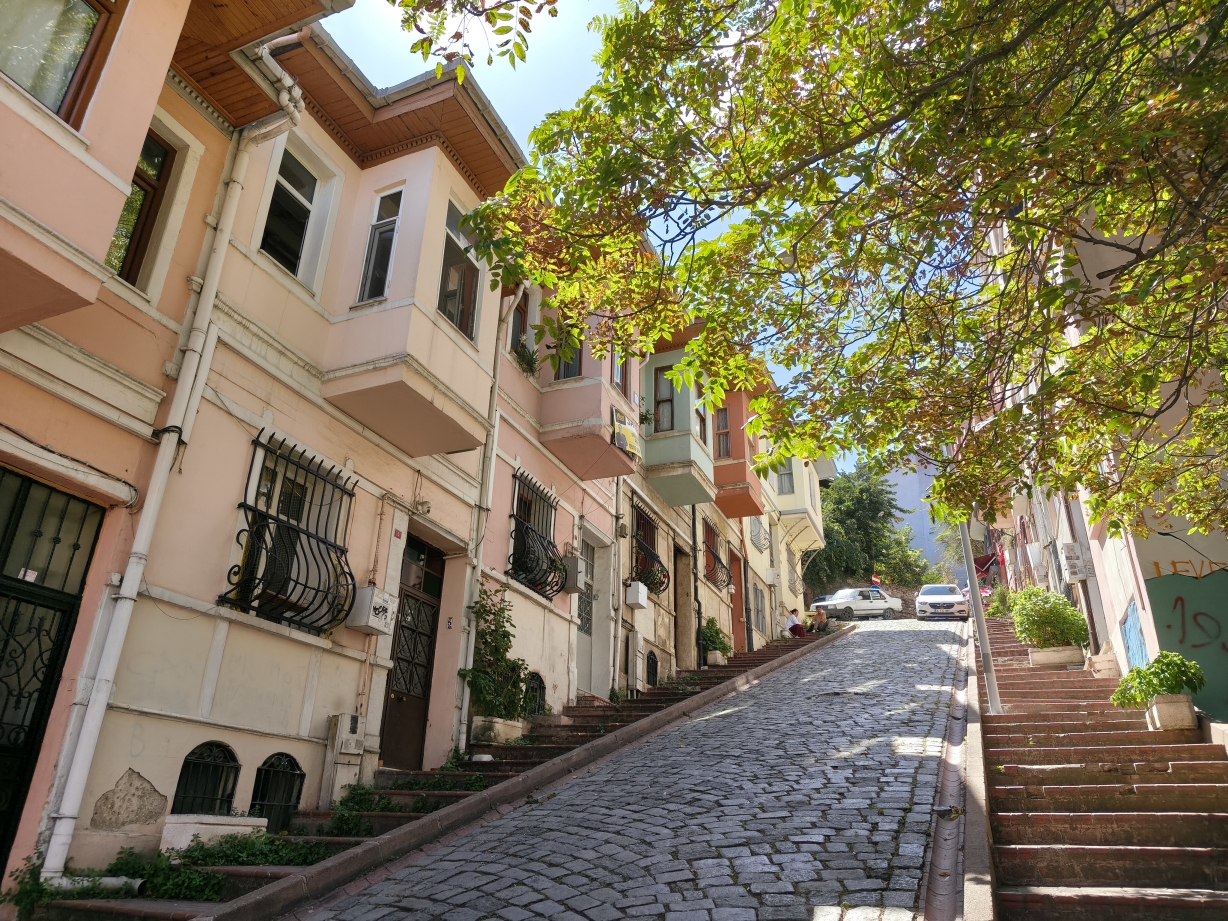
Balat is a down-to-earth neighborhood of narrow cobbled streets and colorful houses, where hip cafes and local art galleries sit next to old-school neighborhood stores. Sobrang chill ng area na ito. Should you wish to buy unique souvenirs like art pieces, ceramics and silk, you’ll find these in Balat at a relatively lower price compared to the touristy Sultanahmet.
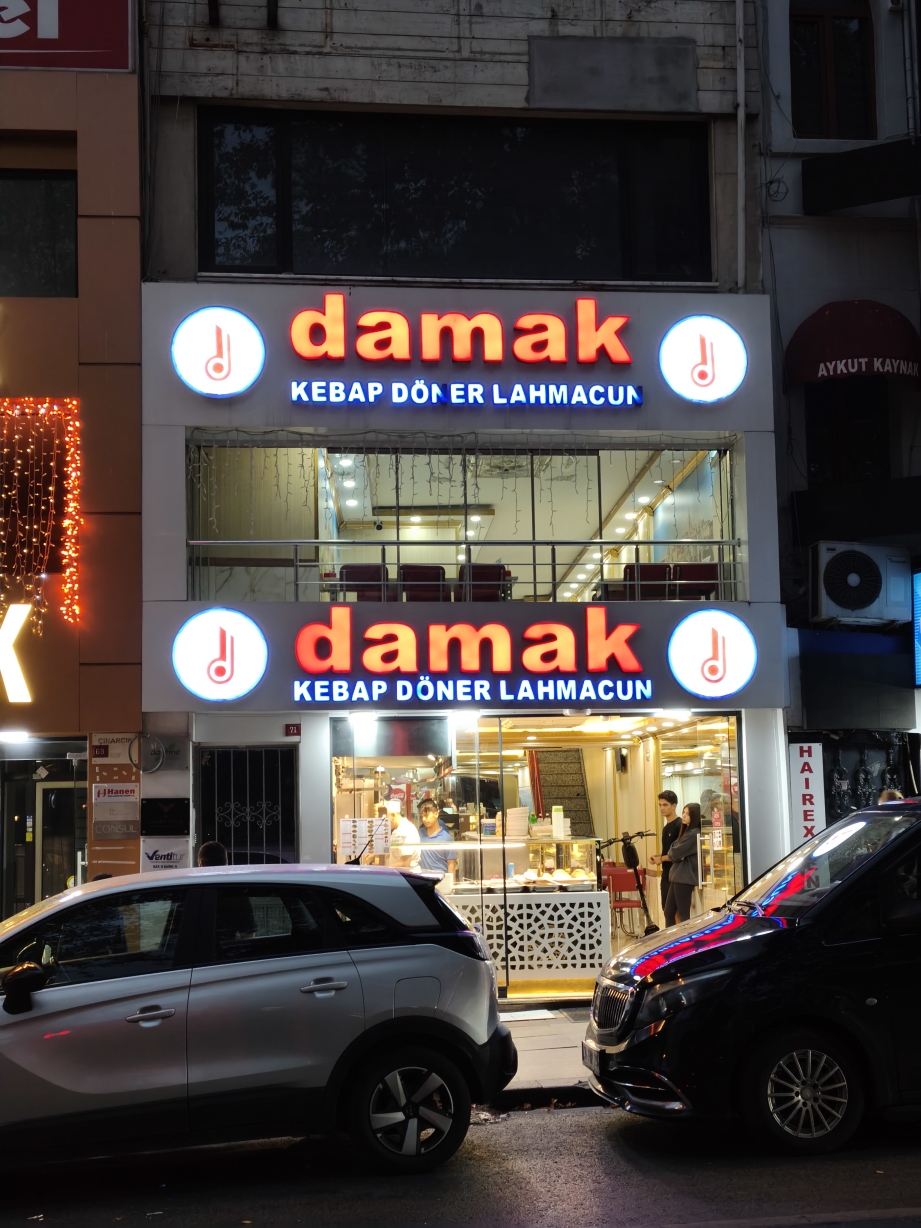
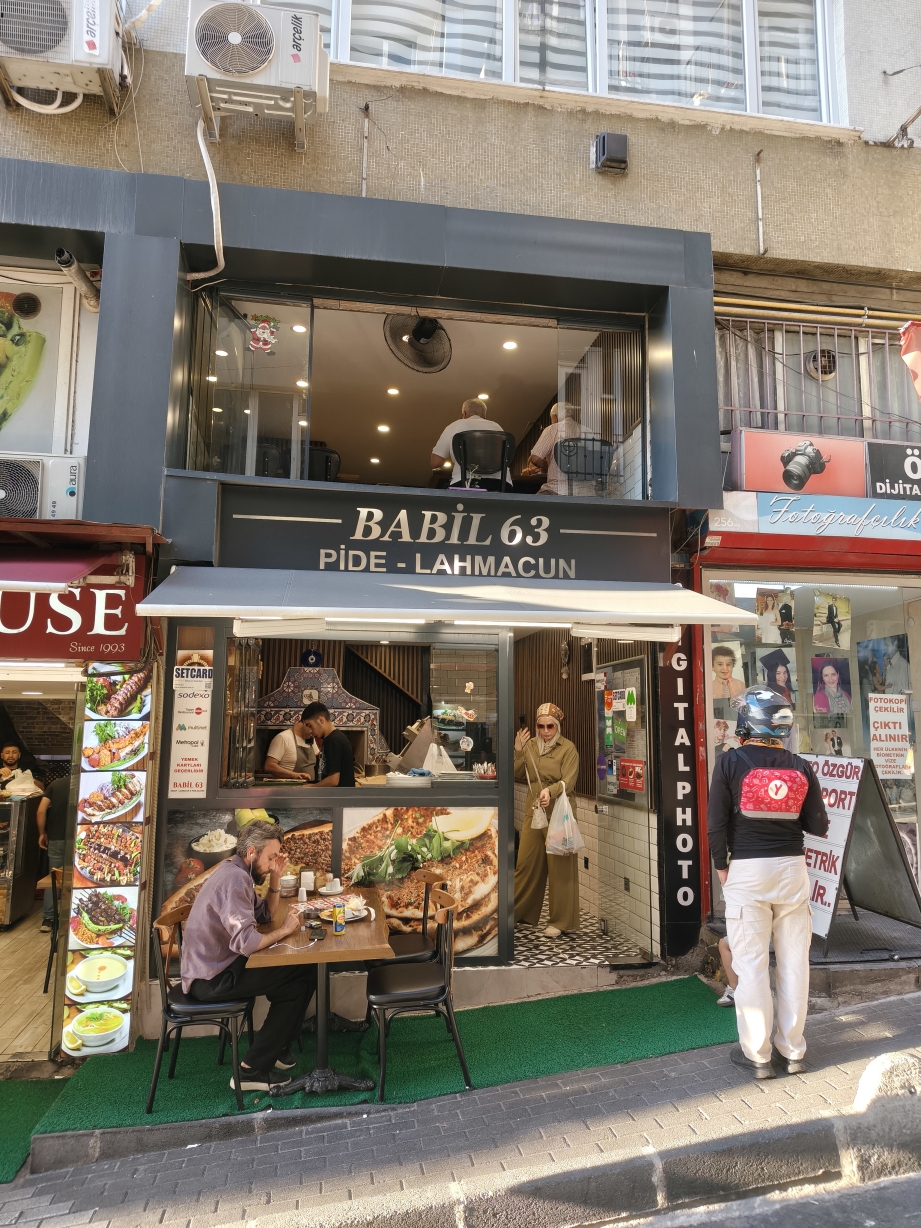
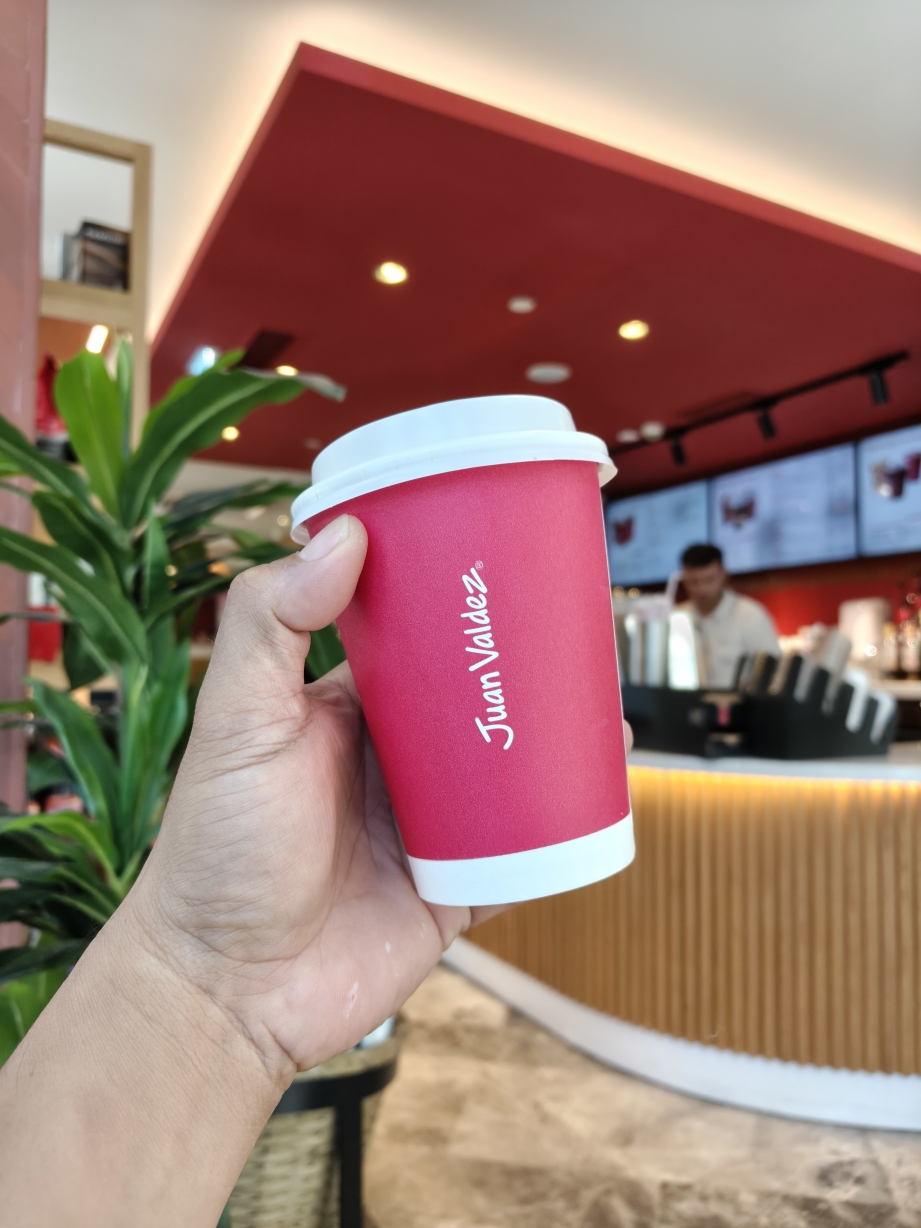
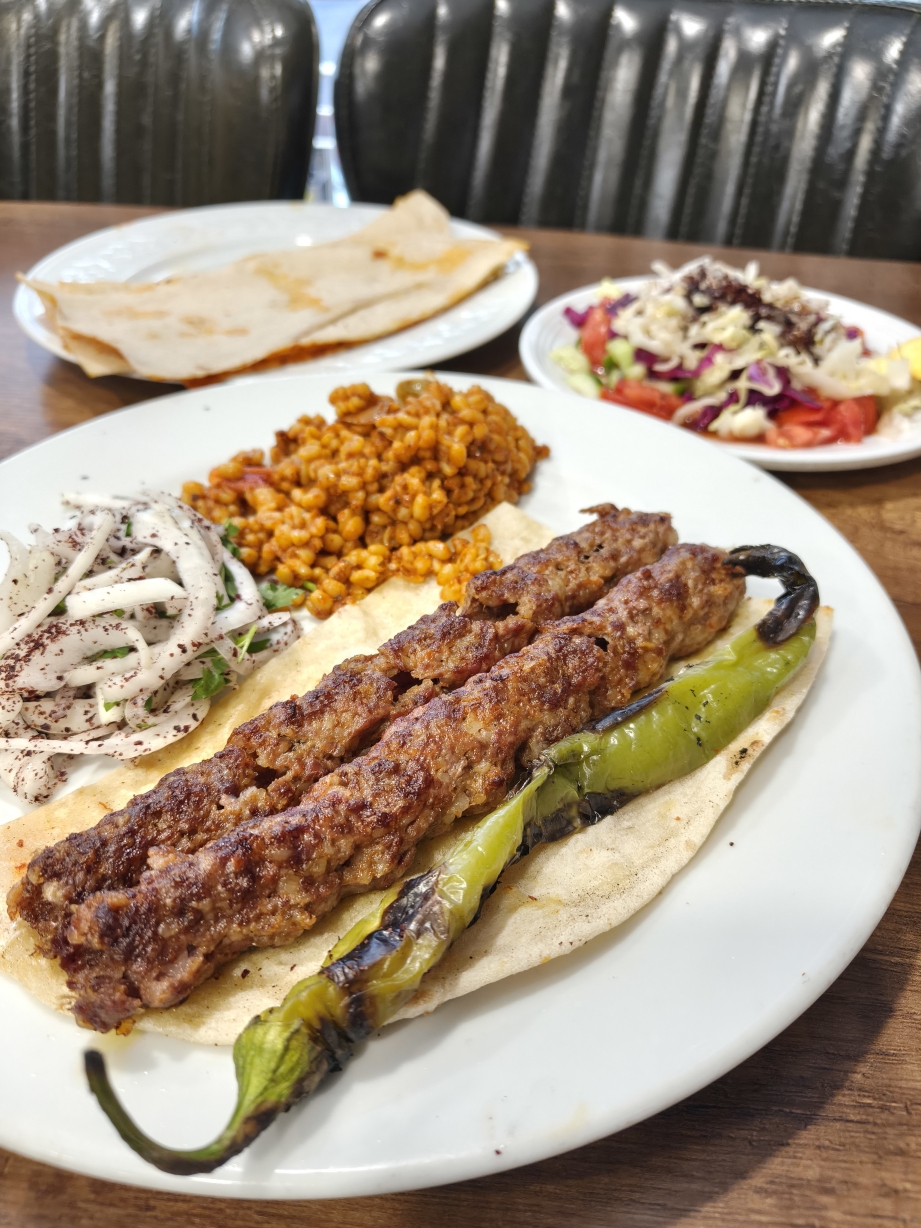
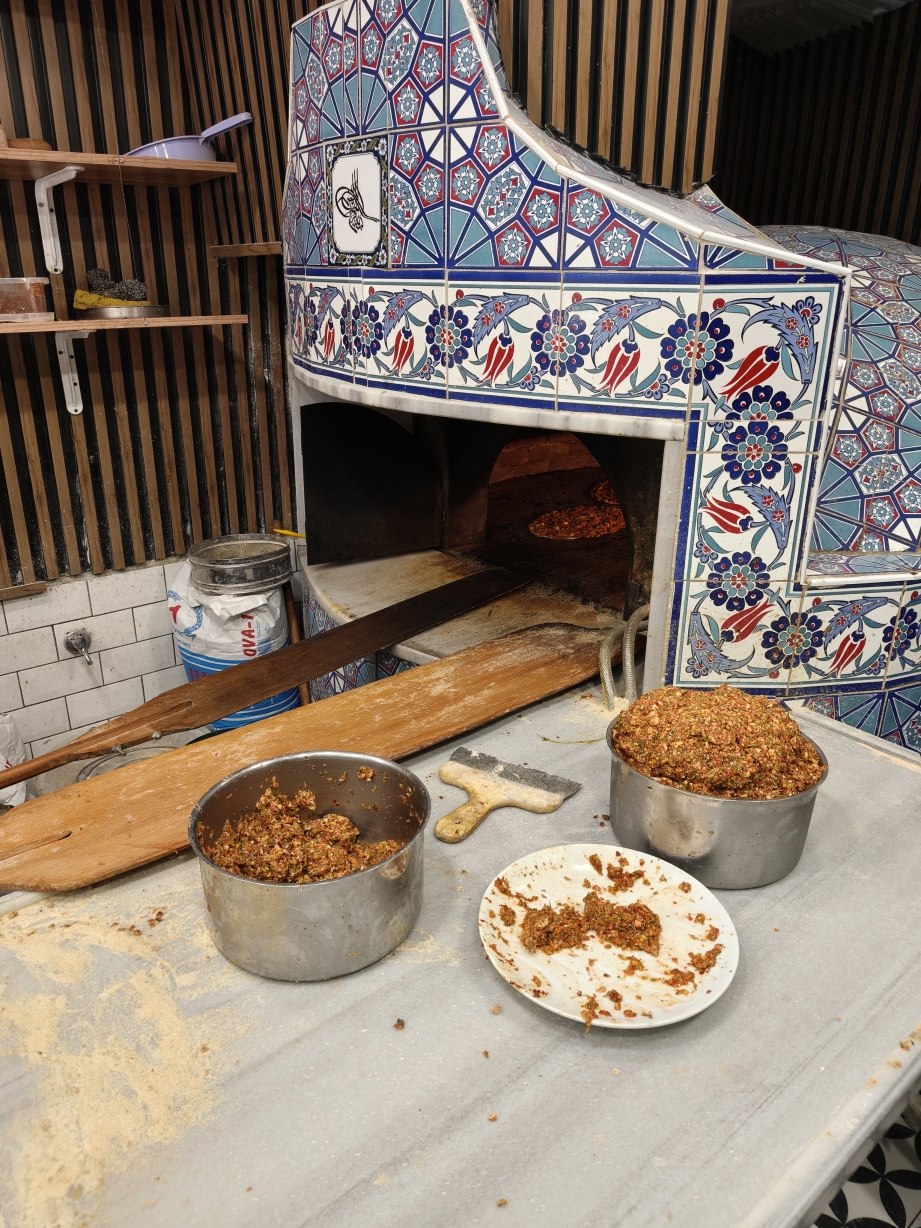
Ended the day with a hefty Kebab meal from a casual resto just outside my hostel. Probably the best meal I had in Istanbul. Sealed the day with a cup of Juan Valdez Coffee, which is a popular coffee chain in South America. They already have a branch in Istanbul.
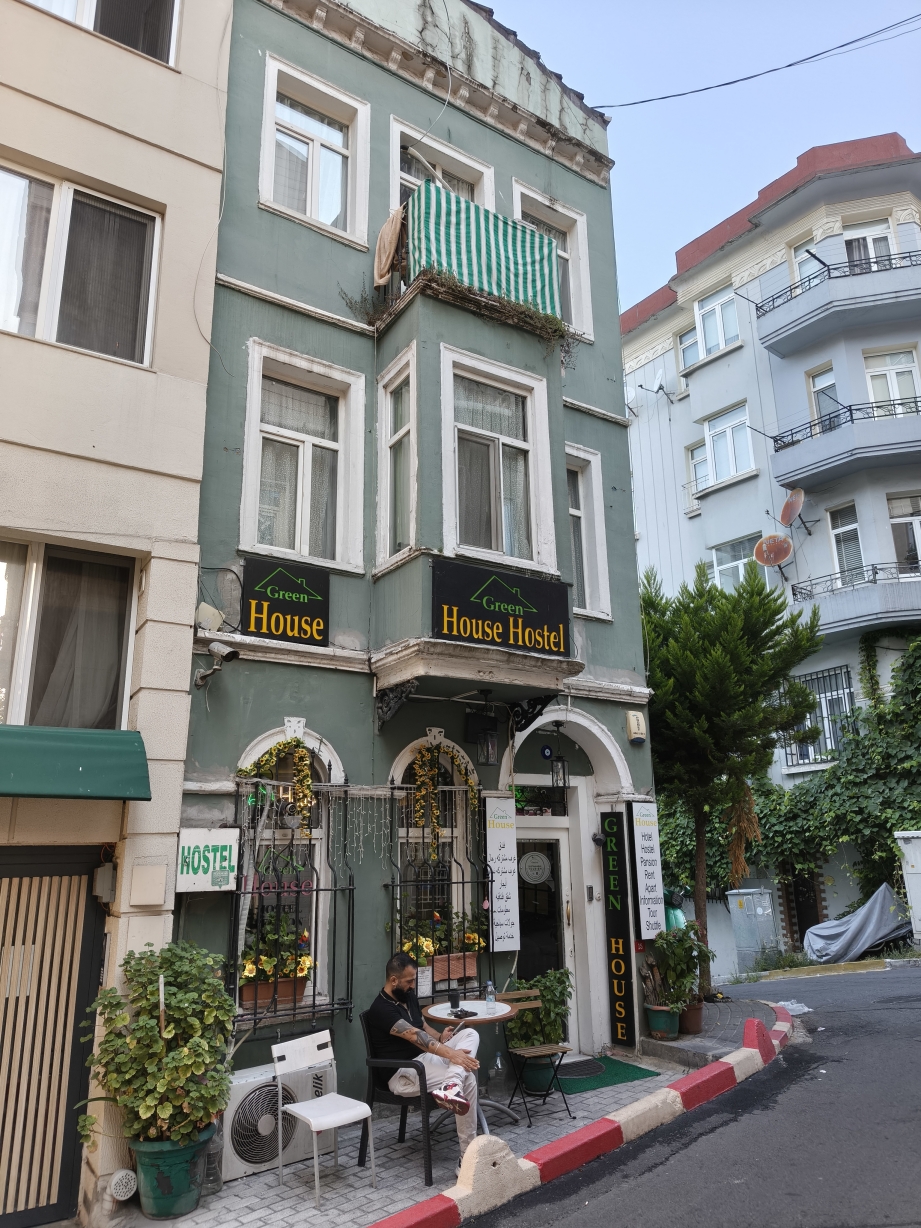
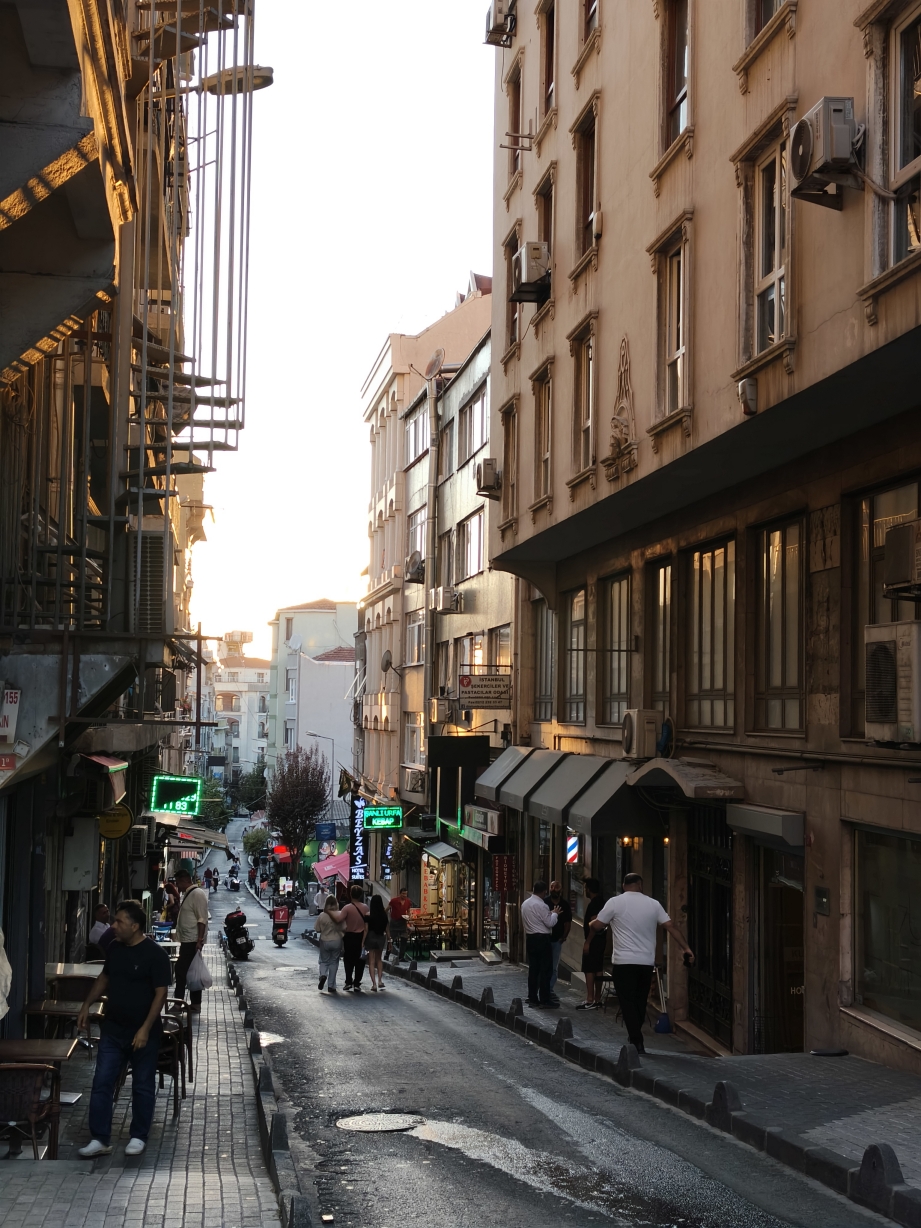
Where I stayed: Taksim Green House Hostel Istanbul. Highly recommended for its large rooms, comfortable bed and in-room shower. The hostel is tucked in the quiet side of Taksim, a few minutes walk to the Havaist Bus stop to the airport and the Taksim Metro Station. The neighborhood is also quite decent, peaceful and photogenic.

A night at Green House Hostel costs around 1200 Php, booked through agoda.
If you noticed, I skipped on museums and galleries. Istanbul was the last stop of my 30 days trip (Central Asia, Moscow & Caucasus), and I honestly felt a fatigue for historical sites at this time. So I made the most of my remaining vacation days by leisurely exploring neighborhood, exploring local food and coffee. No rush. Just absorbing as much local vibe as I can. Afterall, vacations are supposed to be just that. Relaxed, diba? =)
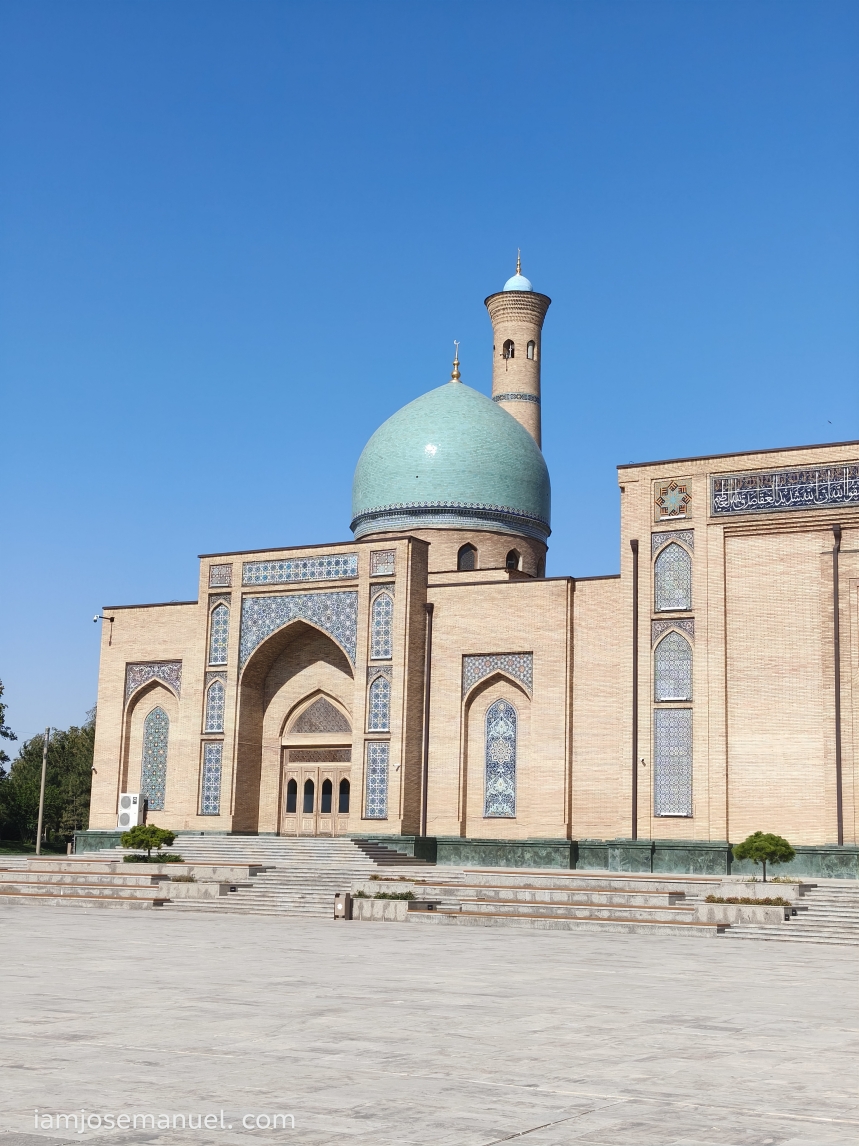
Tashkent: Capital City of Uzbekistan

Tashkent is the capital and largest city of Uzbekistan, as well as the most populous city in Central Asia with over 3.1 million people. The city is more than 2,000 years old, having started as an ancient Silk Road trading stop during the time. But unlike the well-preserved neighboring historic cities of Samarkand and Bukhara, Tashkent underwent major Soviet-style redesigning during the 60s/70s when Uzbekistan was under Russian rule. Tashkent today is a buzzling metropolis, offering a balance of Uzbek traditions, and the glitz and conveniences of the modern day world.

I only had one full day in Tashkent since I prioritized historic cities – Samarkand and Bukhara. But given the chance, I am definitely going back and shall purposely stay longer in the capital city.

Highlights of Tashkent:

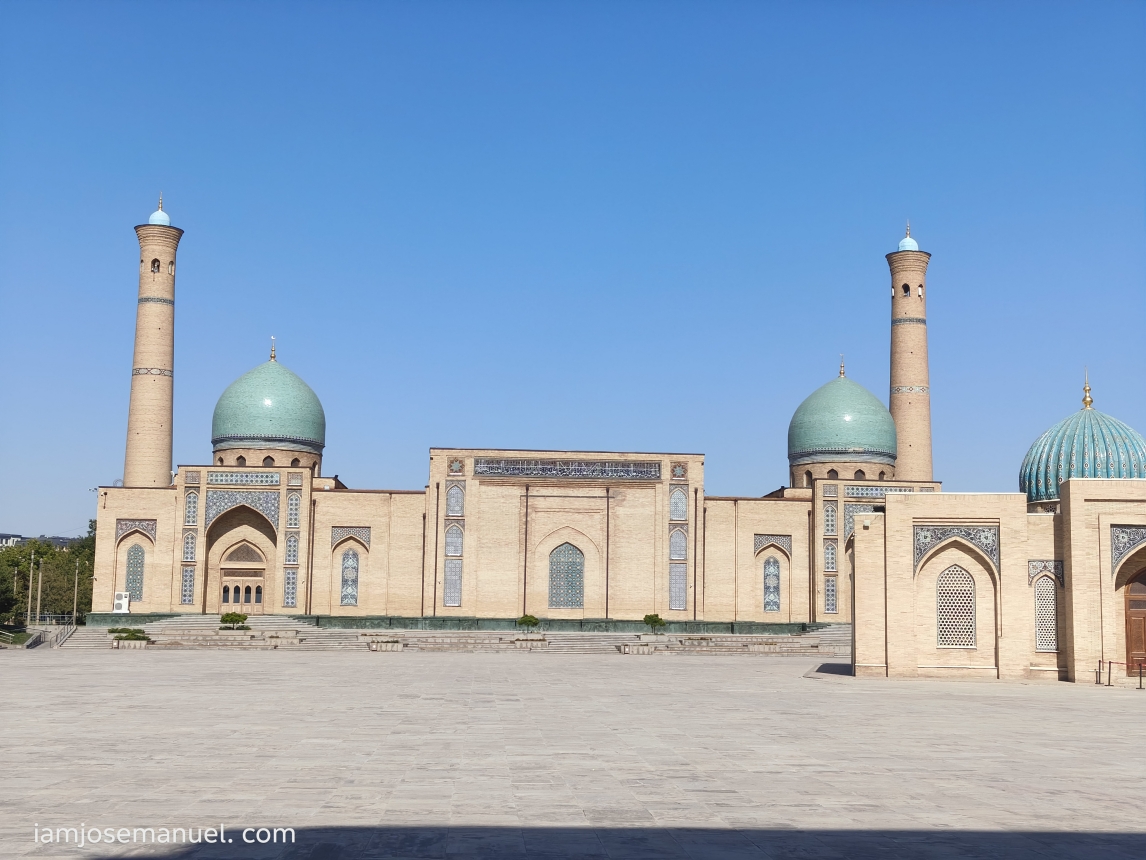
The Hazrati Imam complex: an architectural monument dating from the 16th to 20th centuries. The complex today functions as a museum, and houses the famous Uthman Qur’an (Osman Koran)—believed to be one of the oldest original 7th-century Qur’an manuscripts in the world.

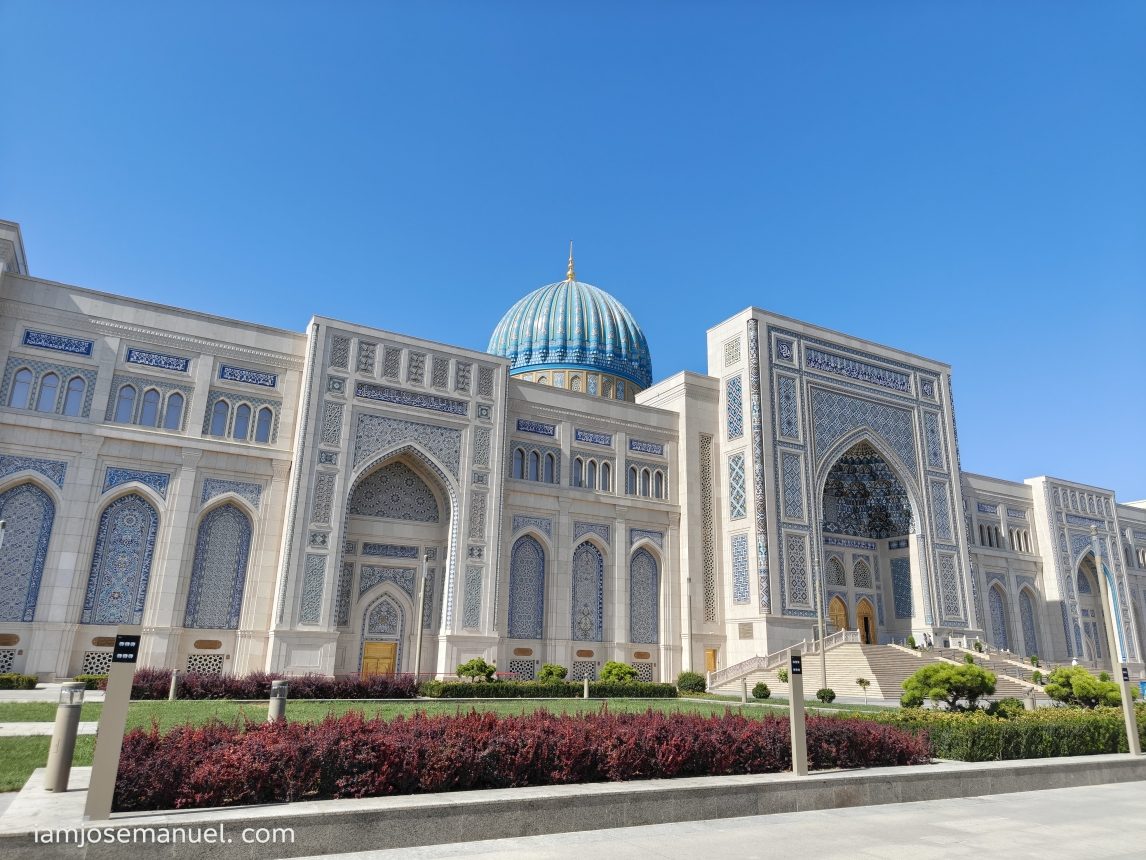
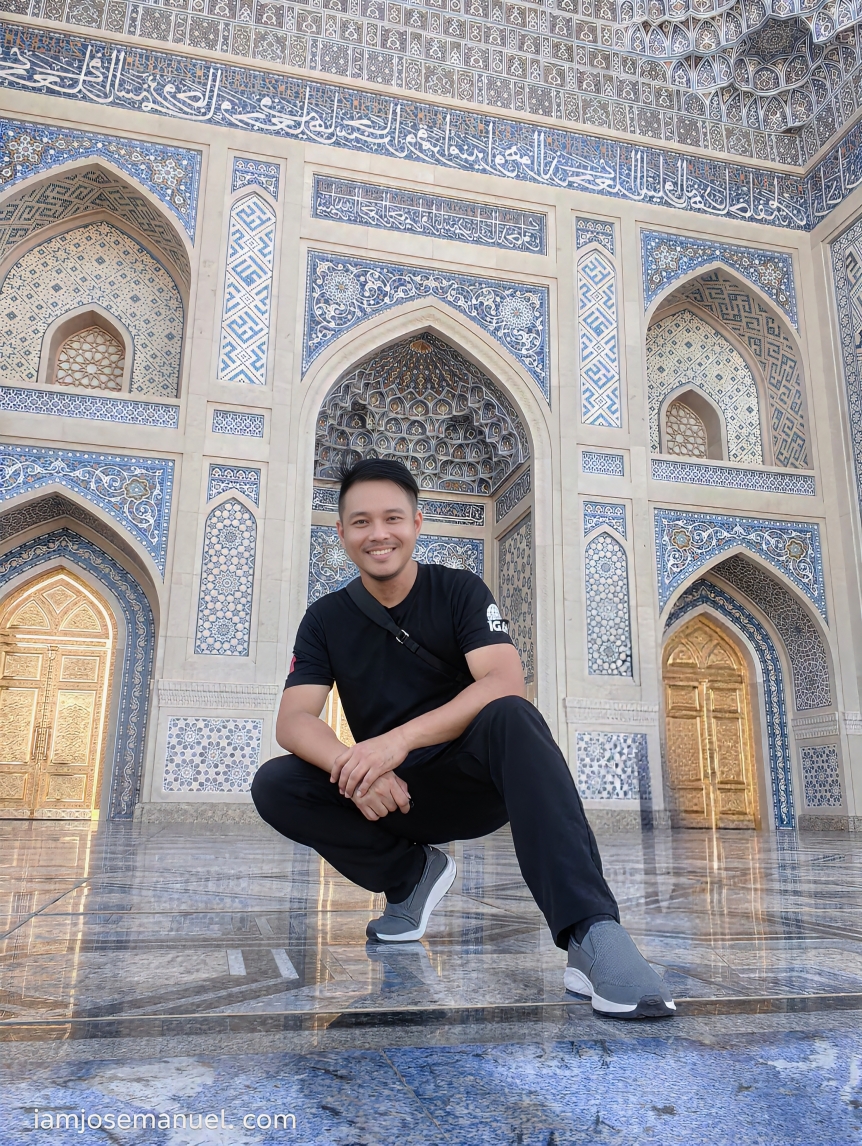
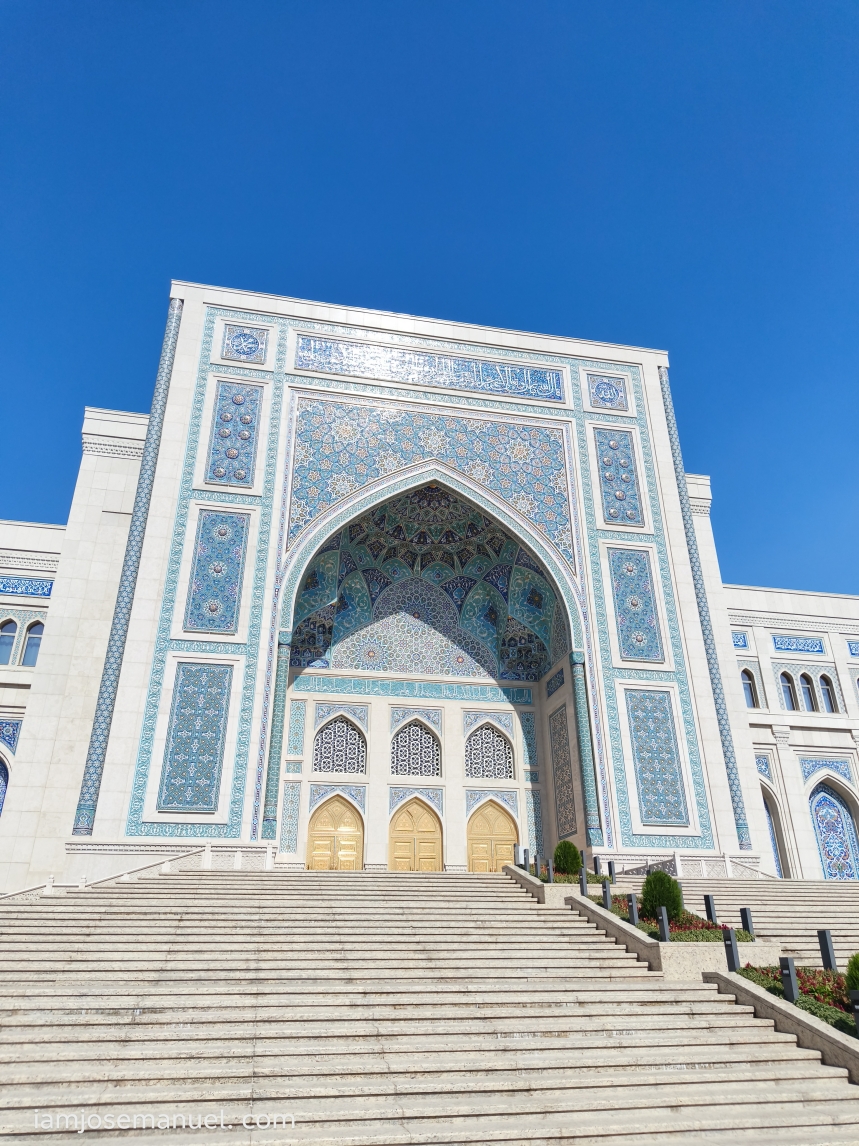
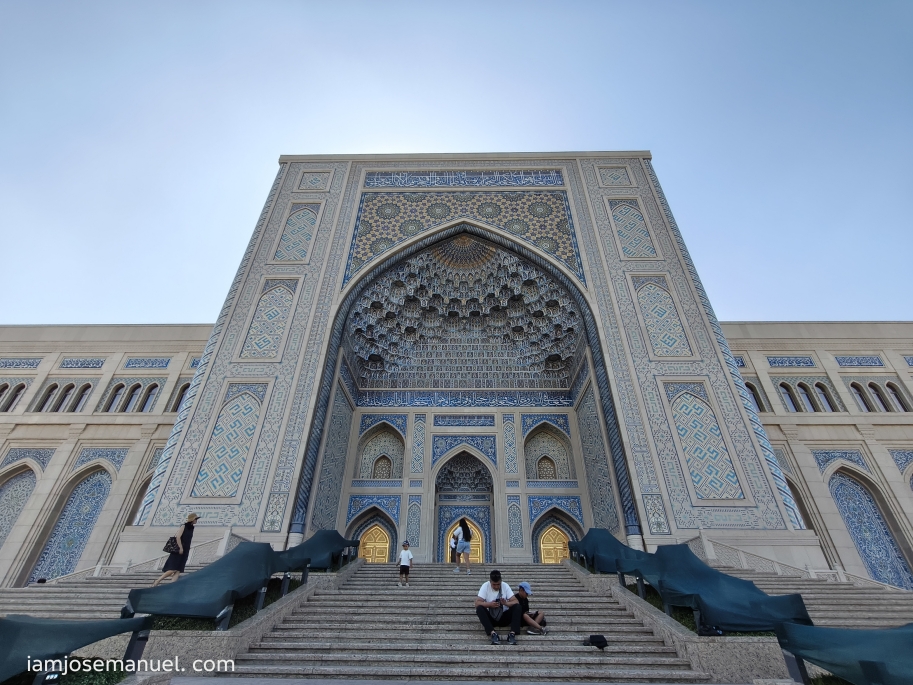
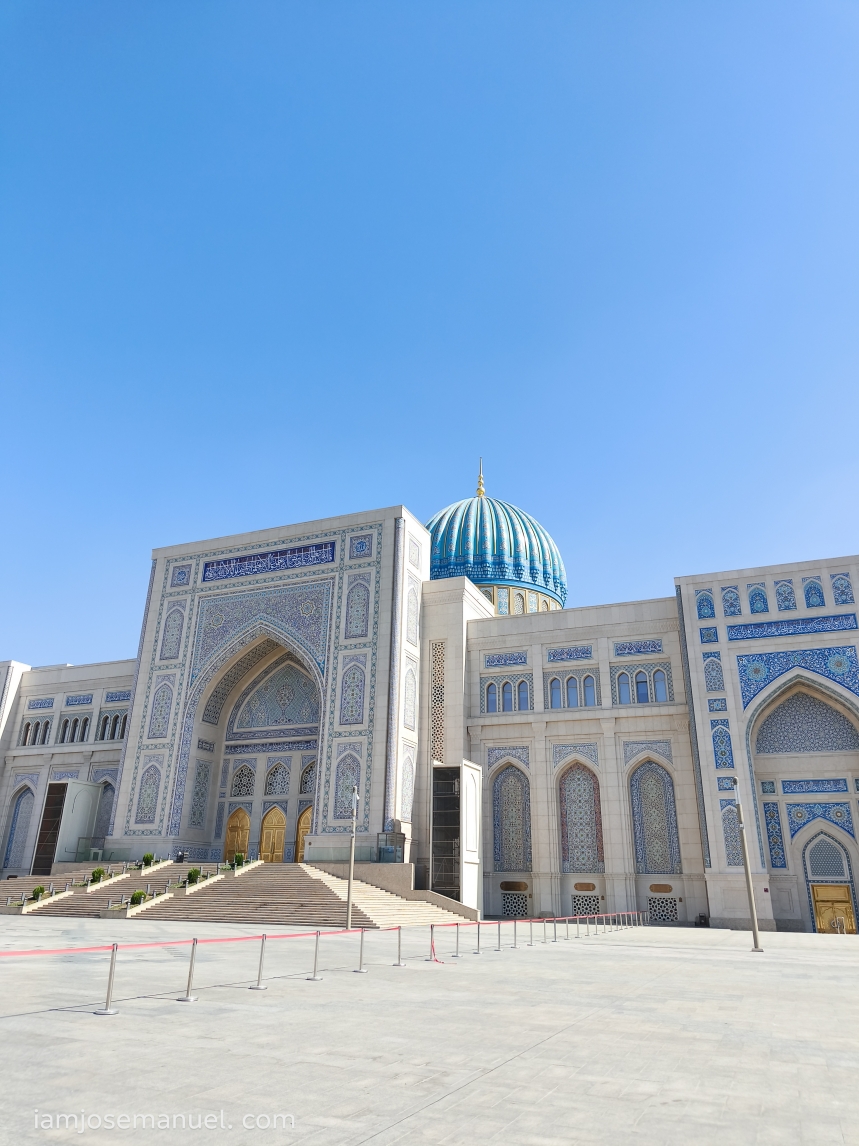
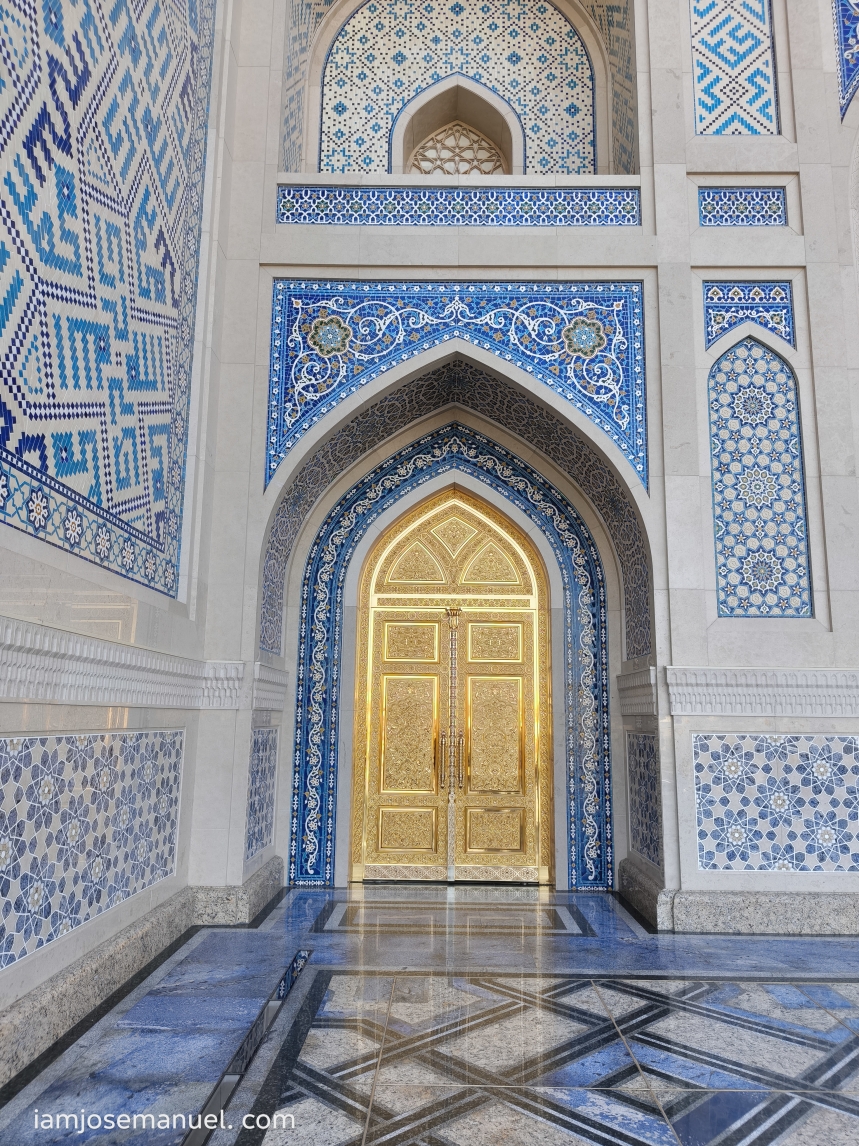
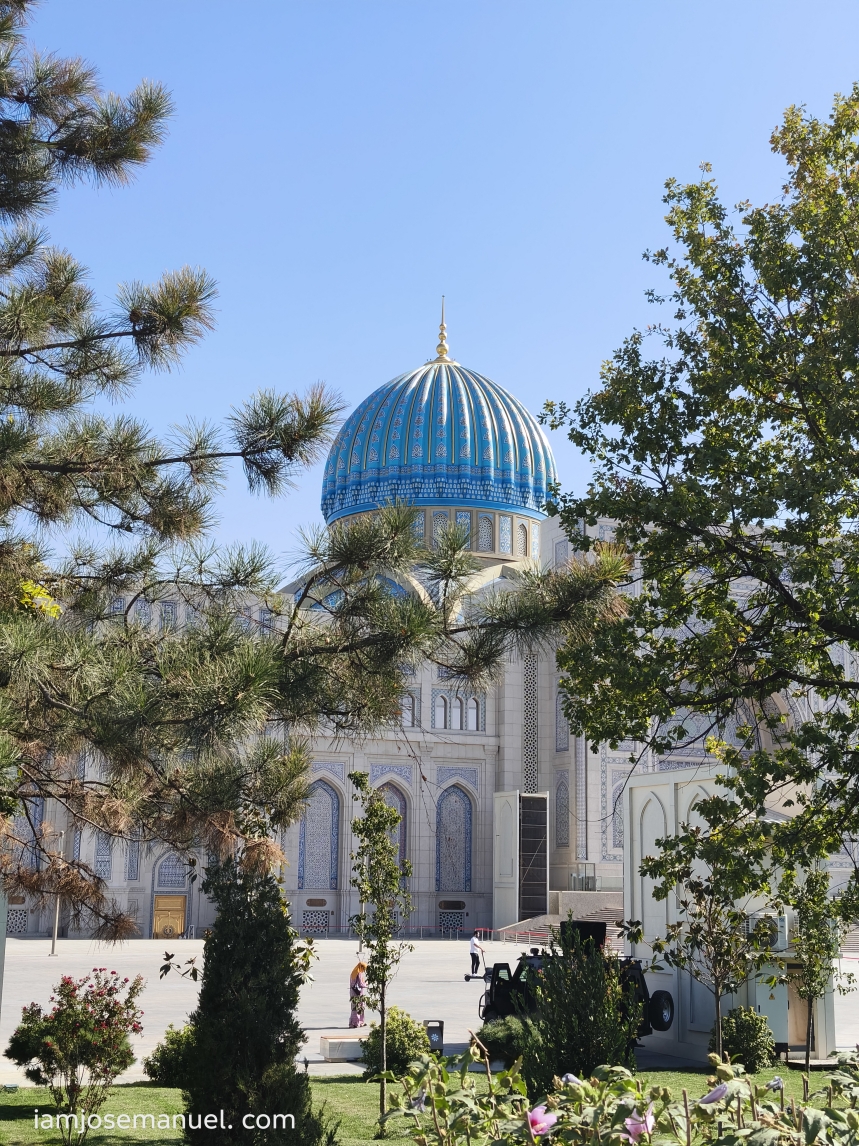
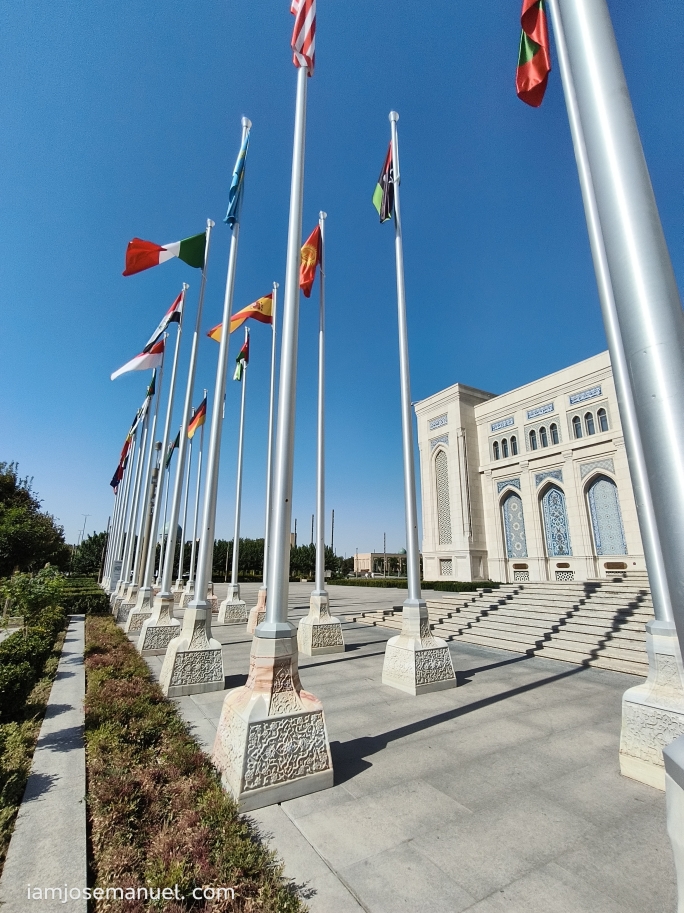
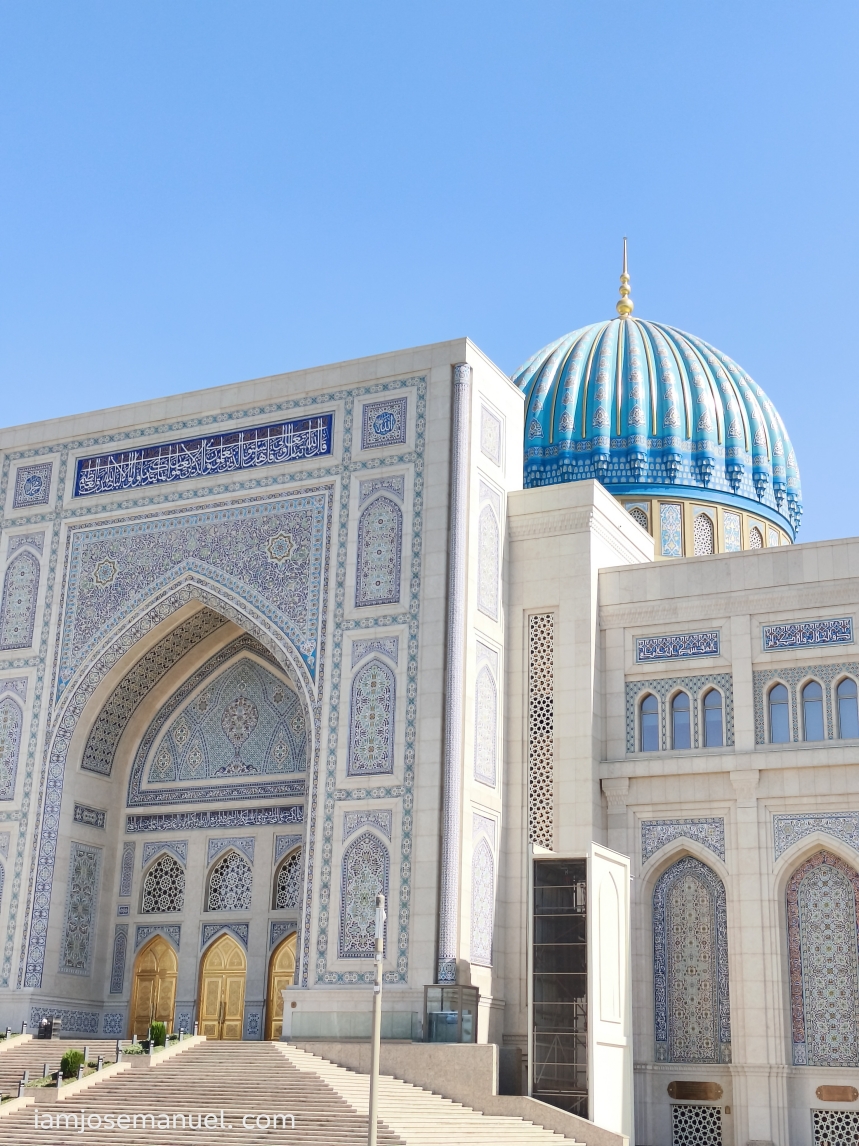
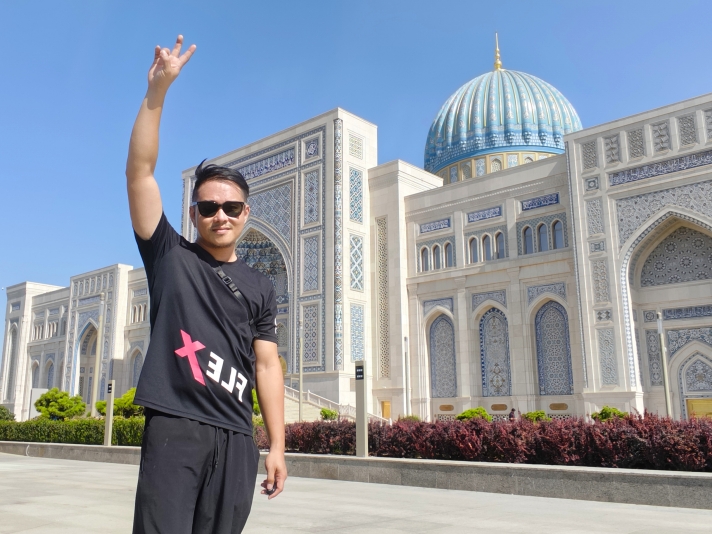
The Center of Islamic Civilization: a massive museum and research complex adjacent to the Hazrati Imam complex. I was awed when I first set foot on these grounds for its grandeur and how intricately made the mosaic wall tiles are. Inaugurated just this year 2026, this architectural icon is a masterpiece made by the hands of modern day Uzbek people.

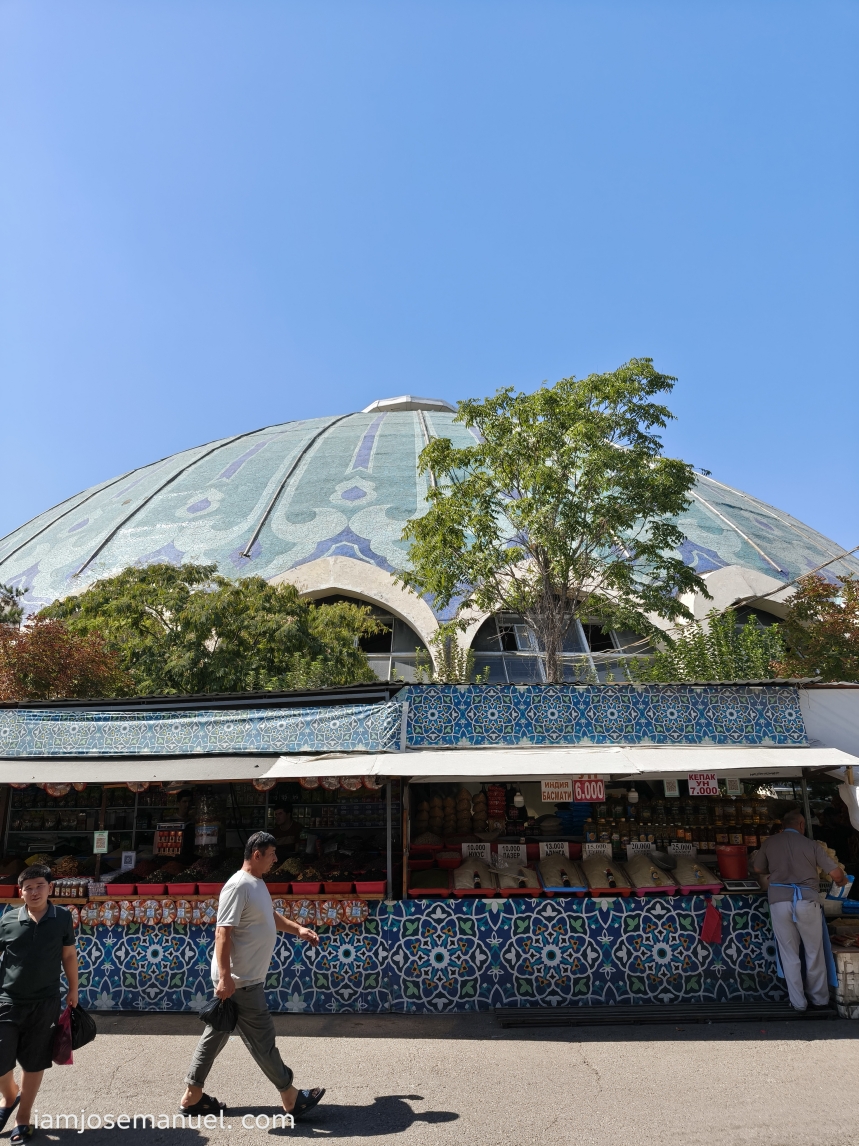
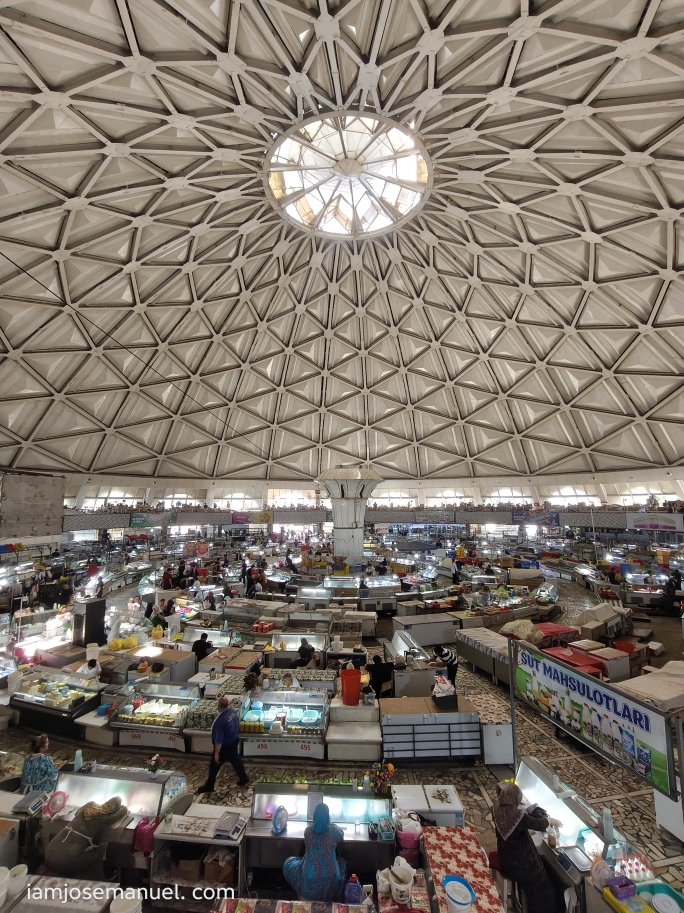
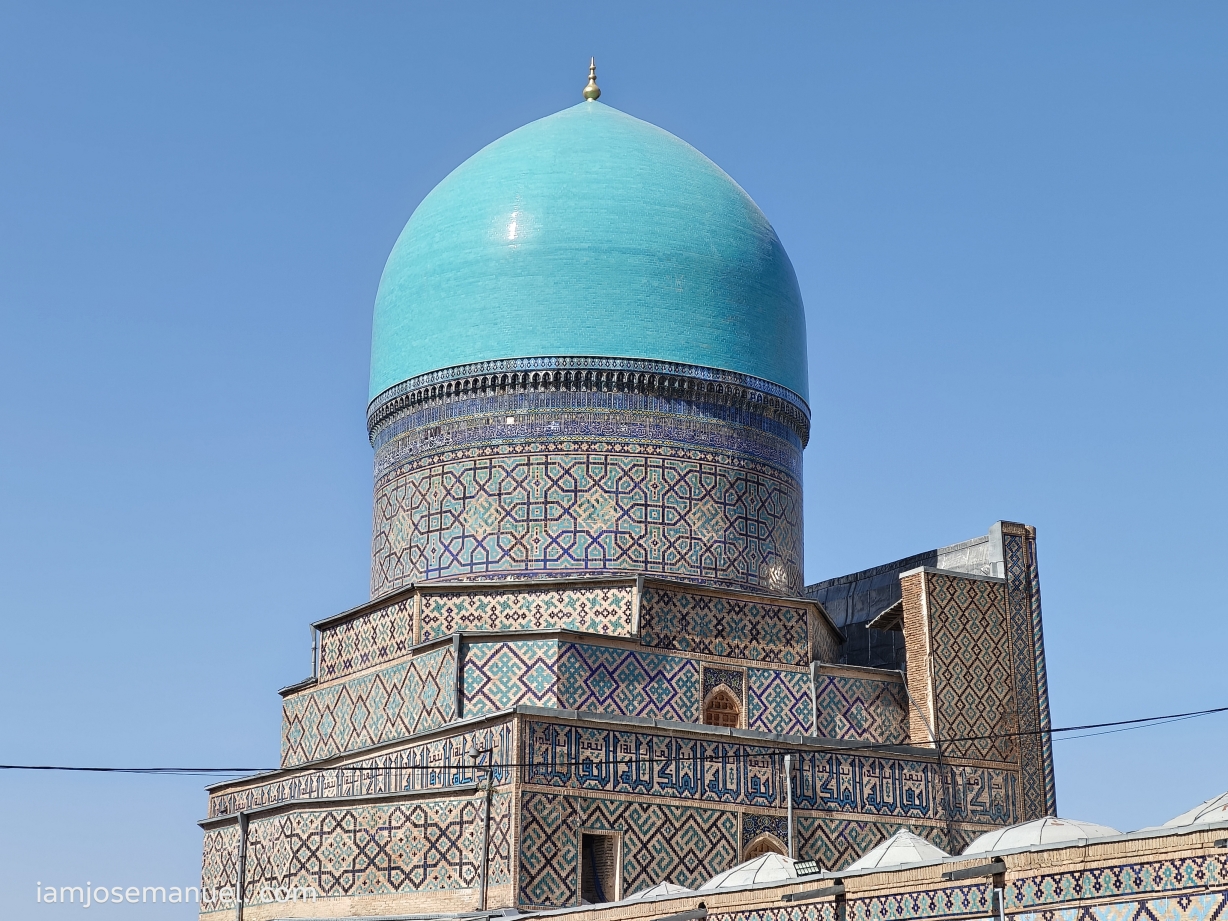
Chorsu Bazaar: one of the most famous markets in Uzbekistan. A UNESCO World Heritage site, access is completely free. The bazaar is famous for its blue dome that can be seen for miles around. The blue dome was built around 1980s by the Soviet administration, though the market site itself has a history spanning over 2,000 years at the crossroads of ancient Silk Road routes.

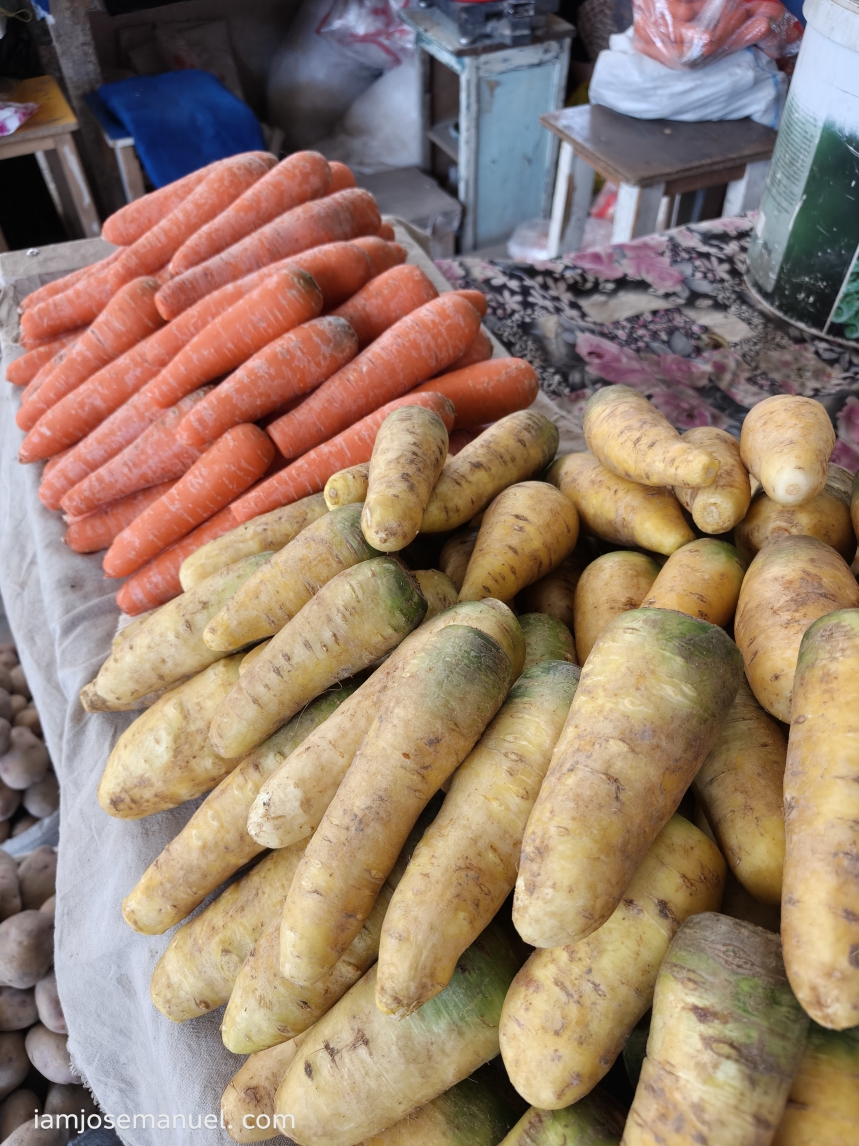
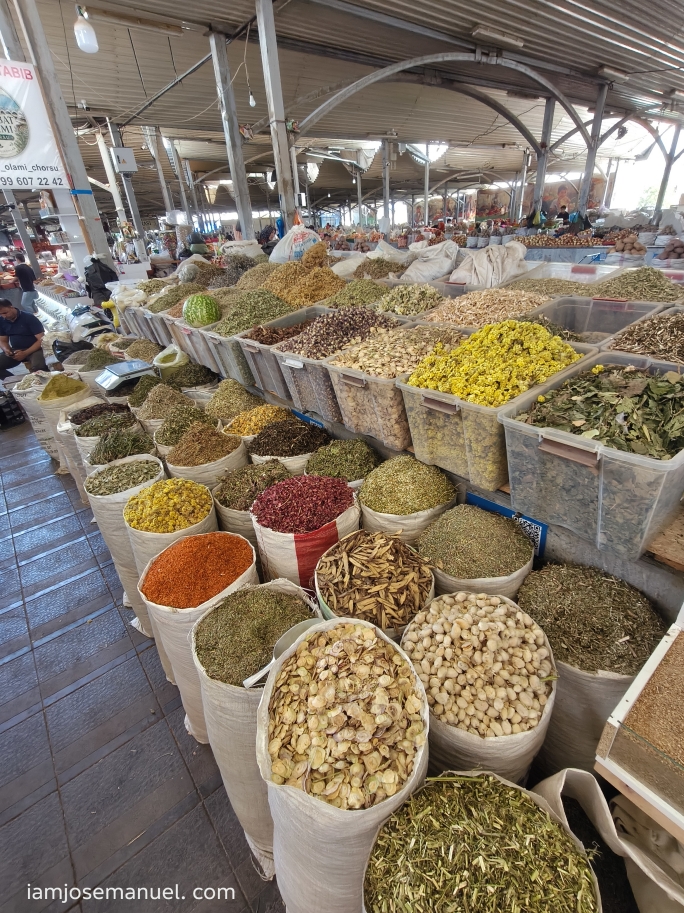
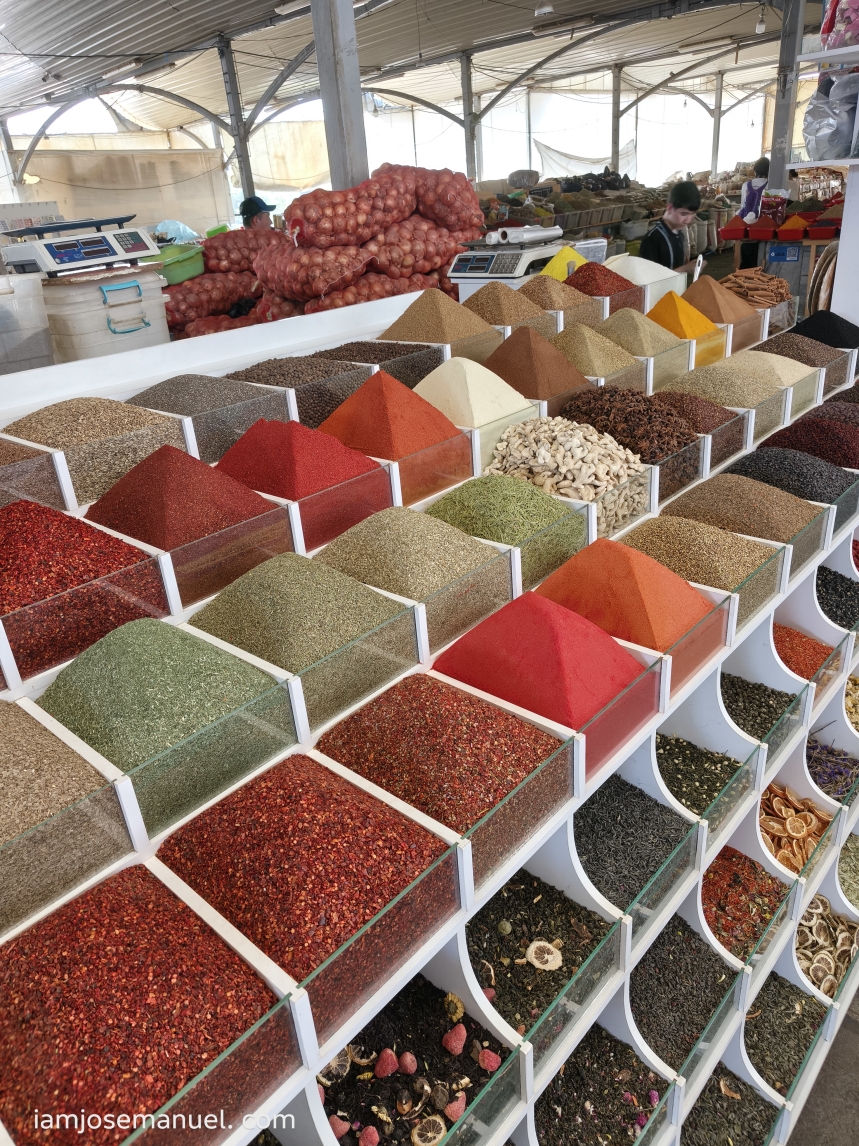
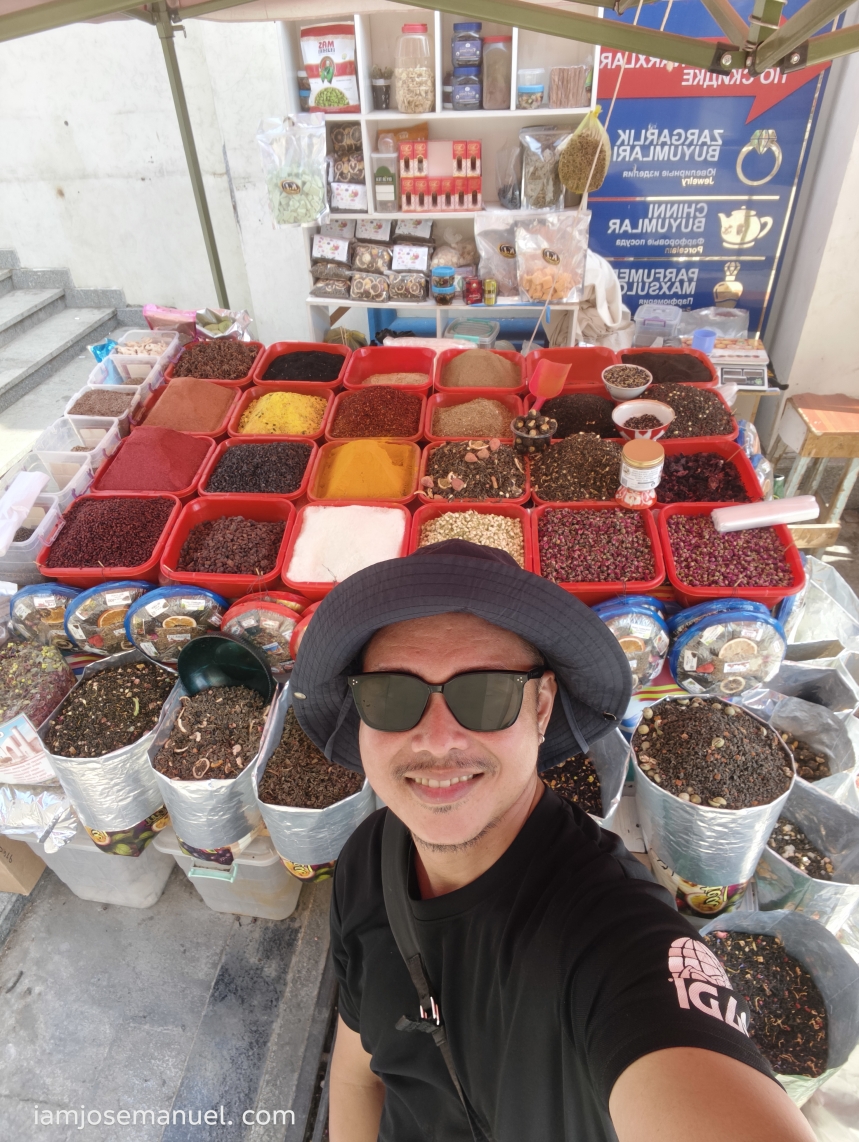
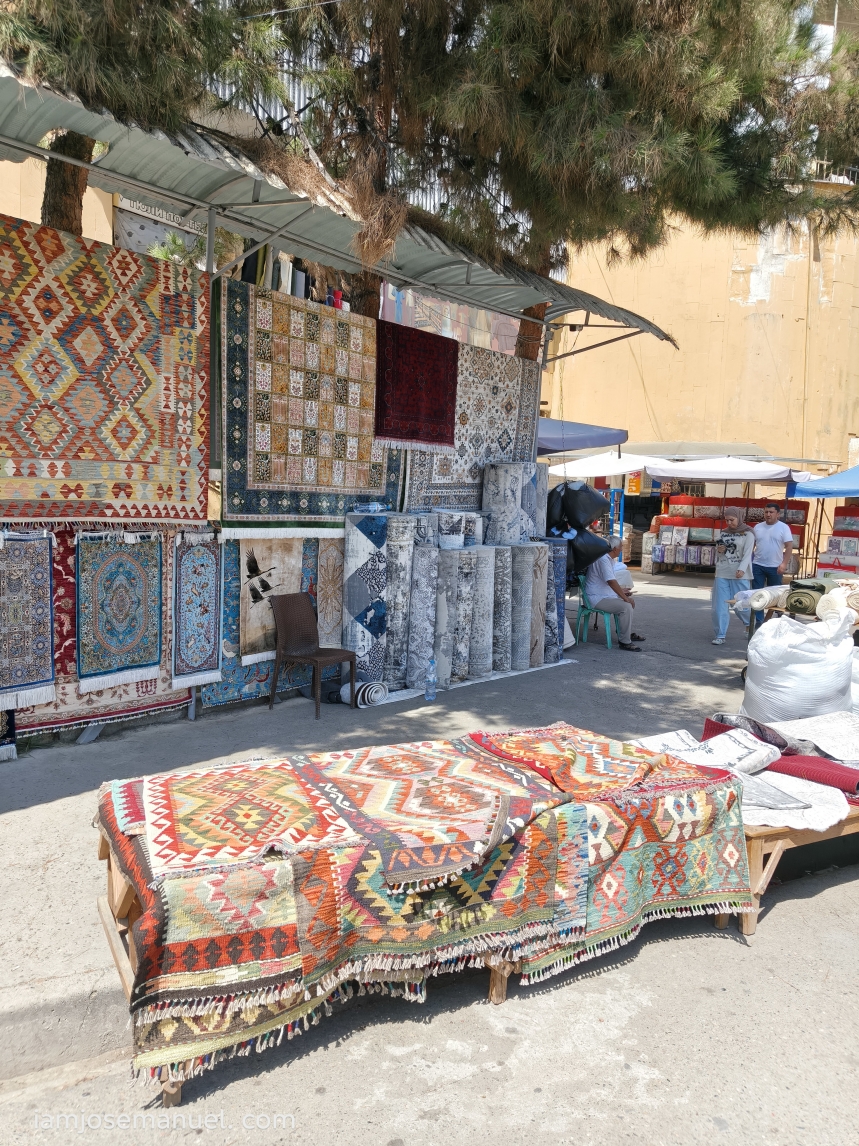
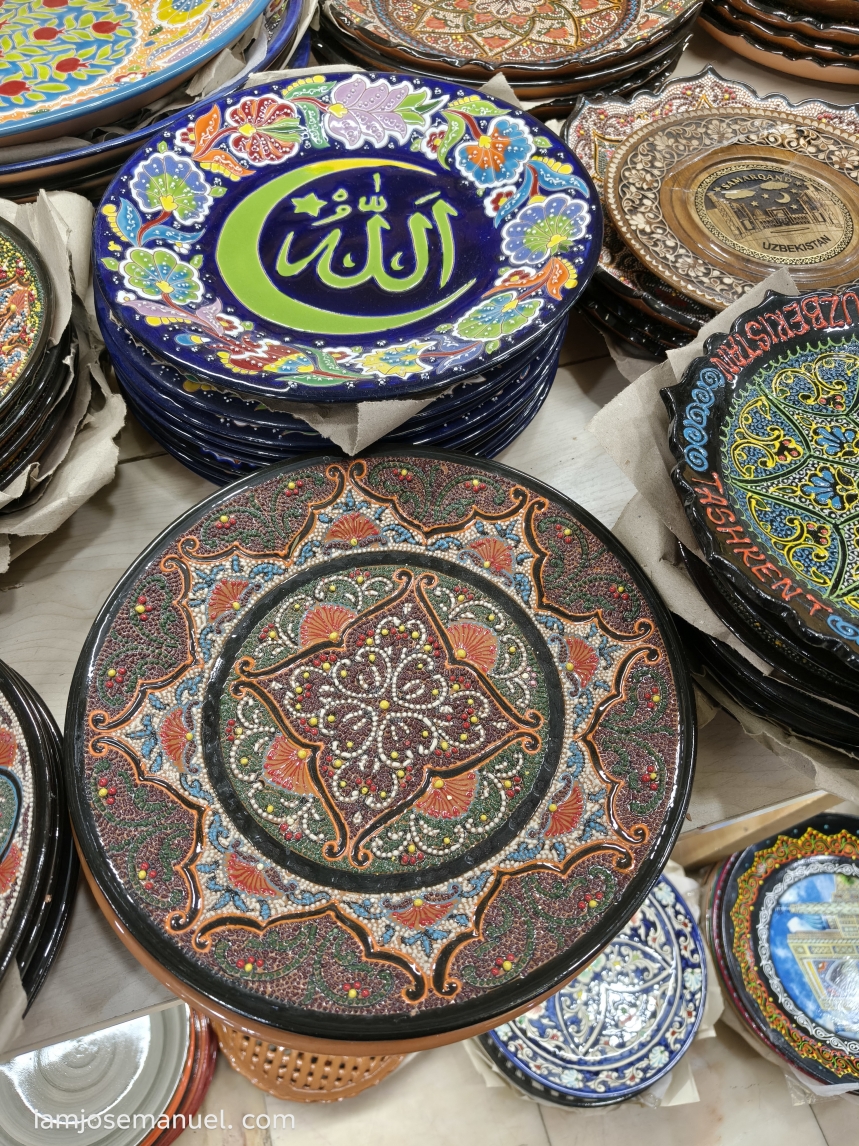
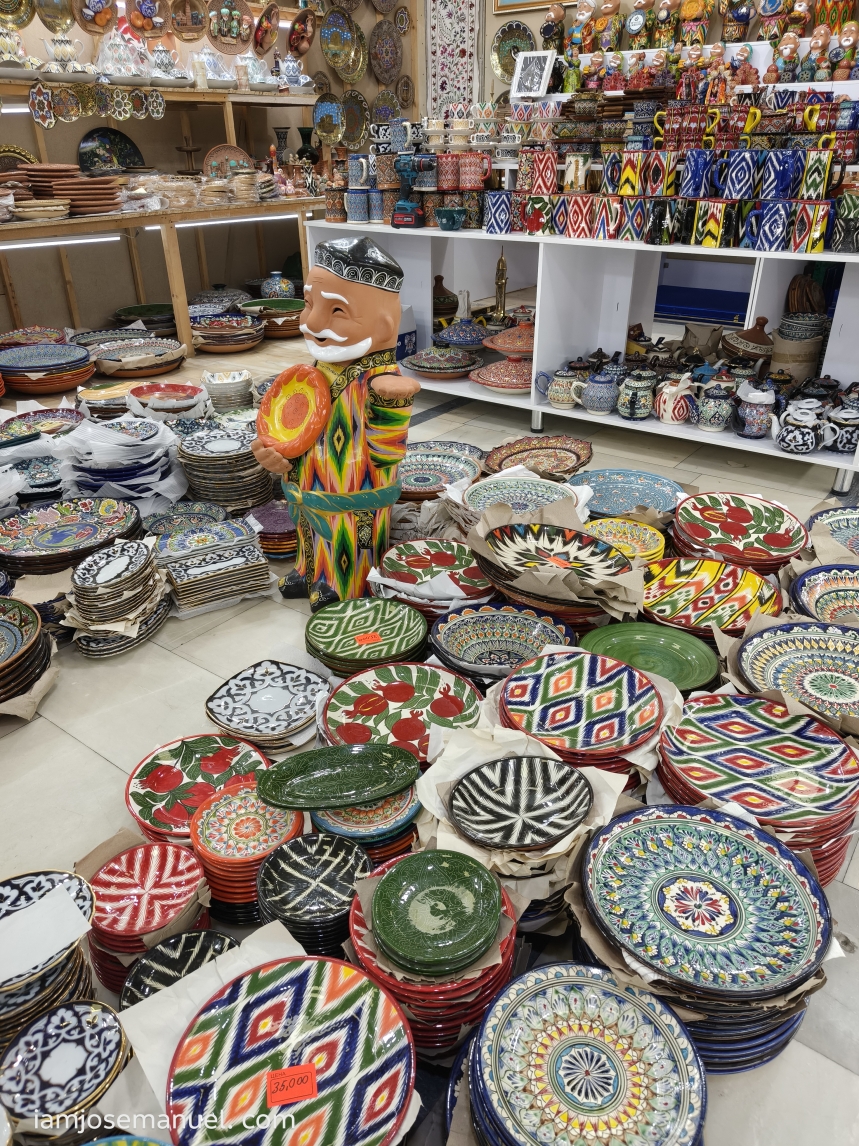
Chorsu Bazaar houses large selections of Arabic spices, dried fruits and tea, as well as traditional weaving products and ceramic wares. It is also in Chorsu where I first saw carrots that are yellow. haha

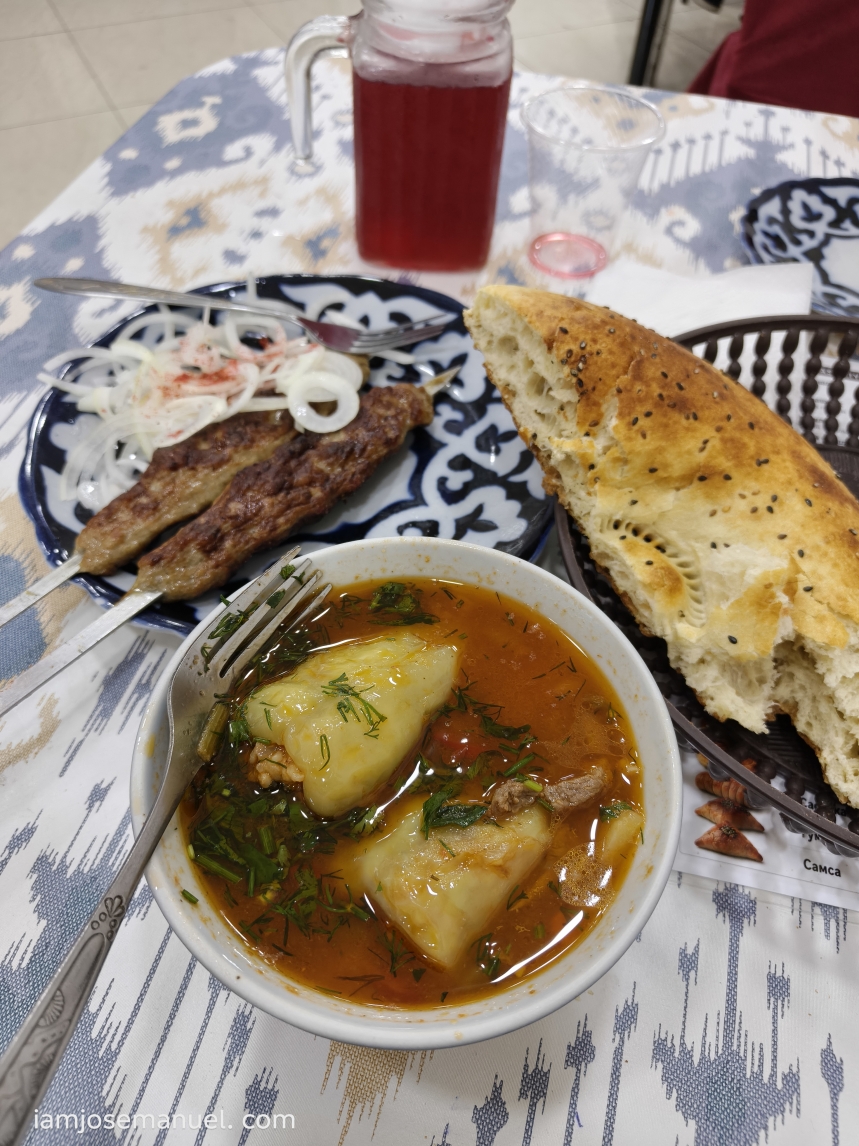
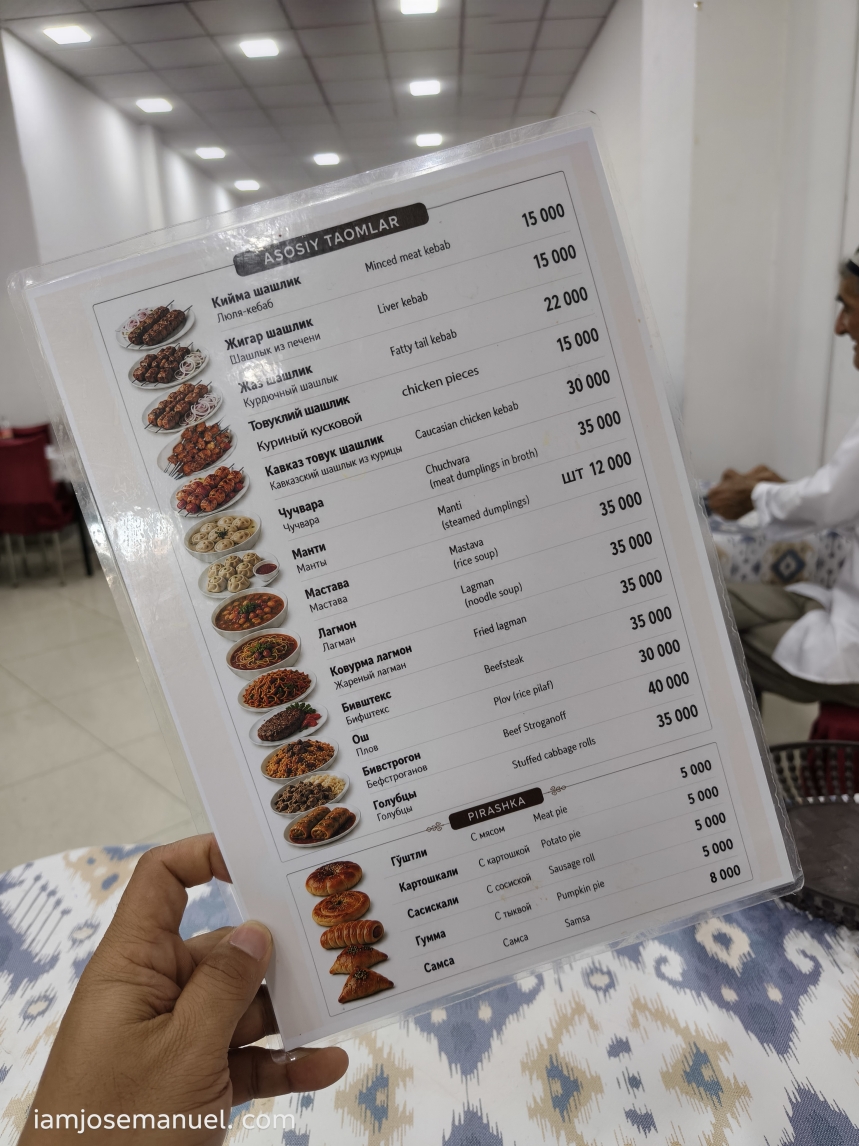
Chorsu is also houses a good number of options for local food dining. The best meal I had in Tashkent was this kebab shop. I ordered the Dolma, which is basically bellpepper stuffed with rice and minced meat, served in paprika-loaded broth.

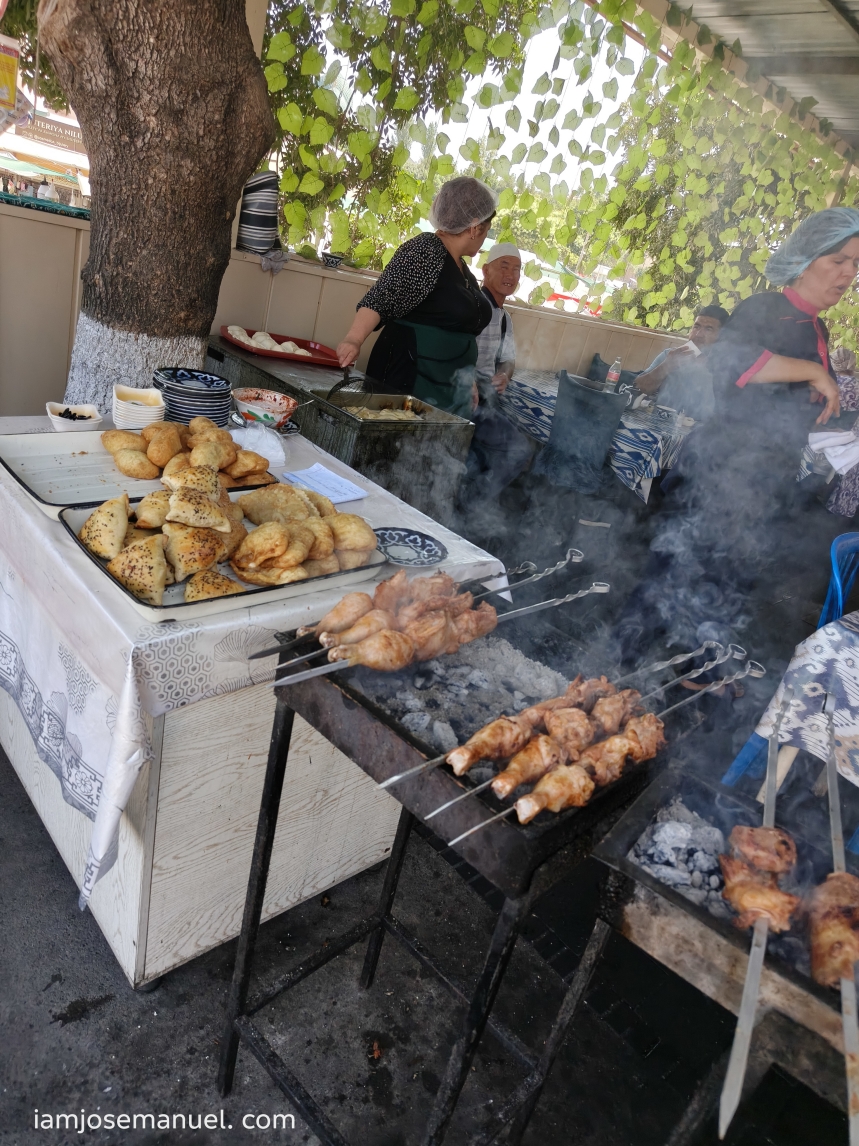
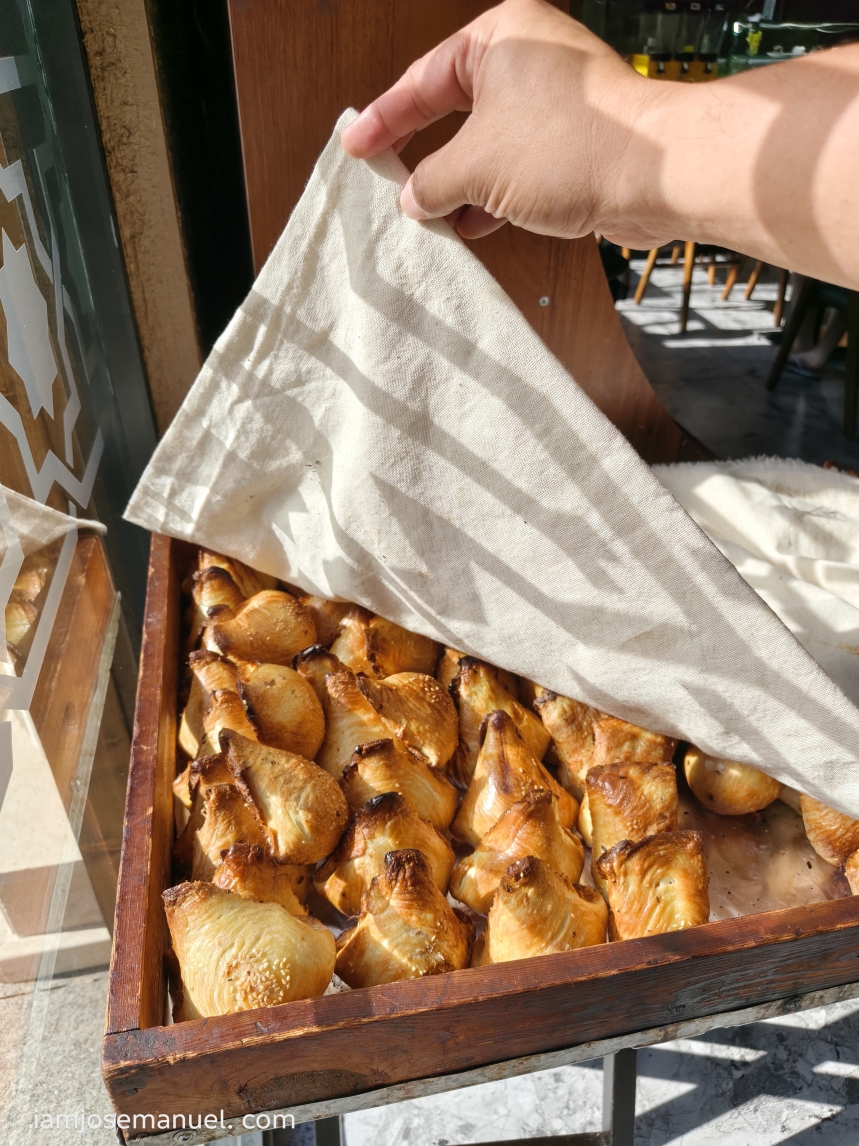
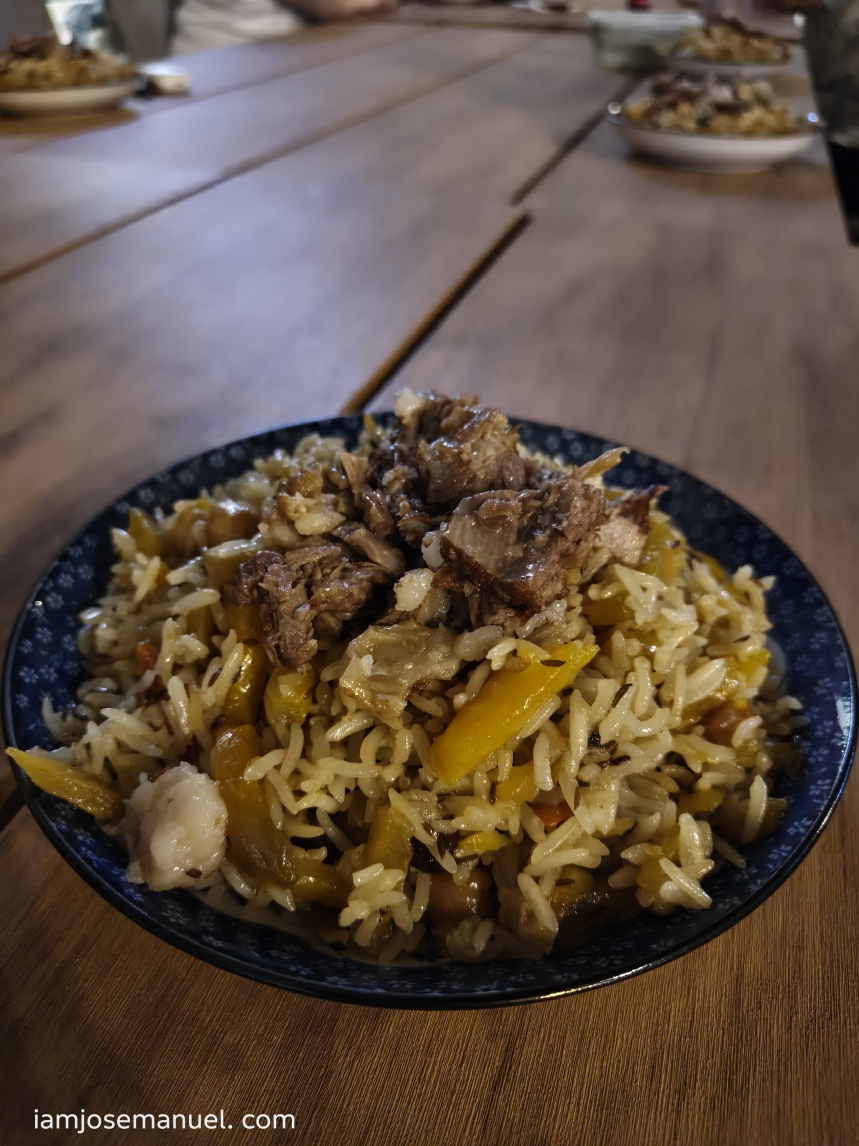
Samsas (Meat filled bread) and the traditional plov dish.
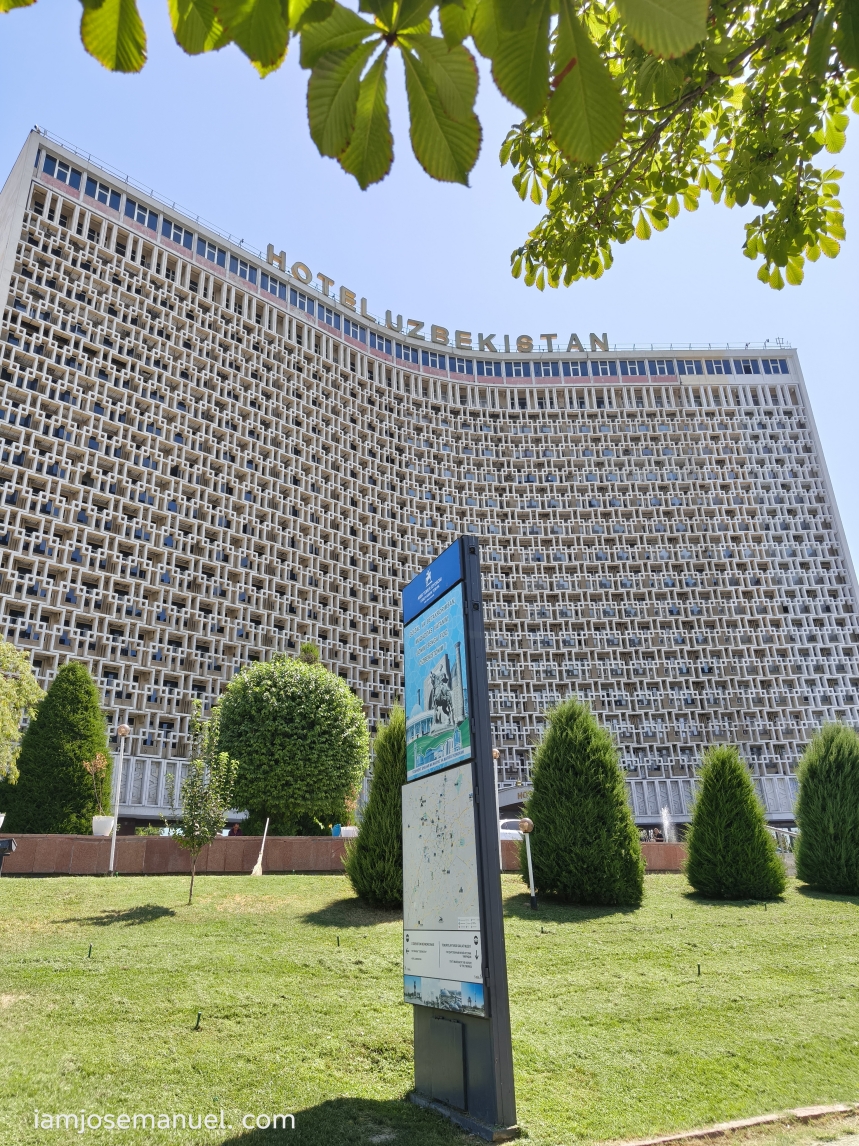
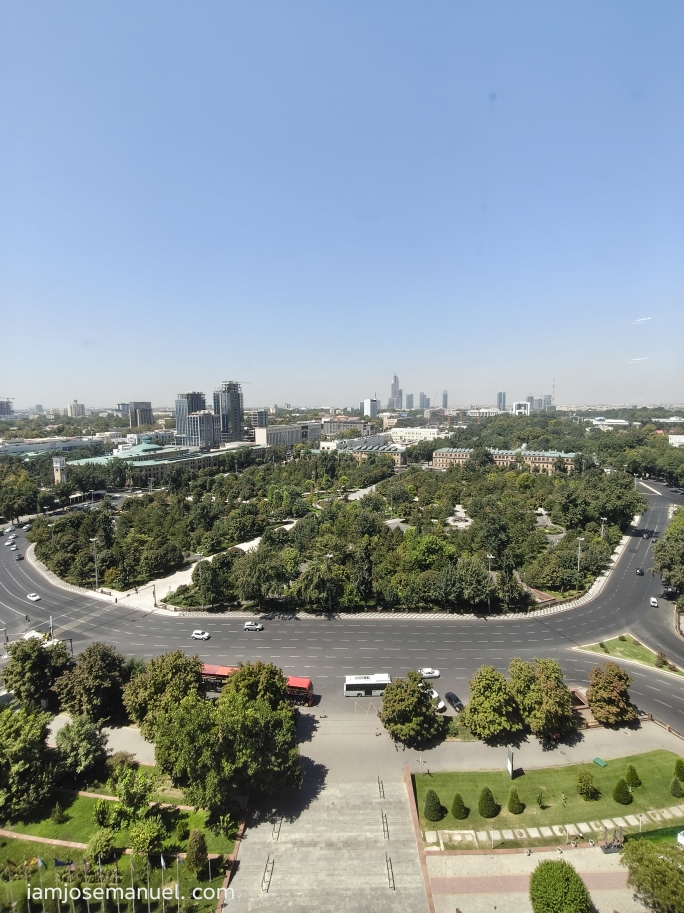
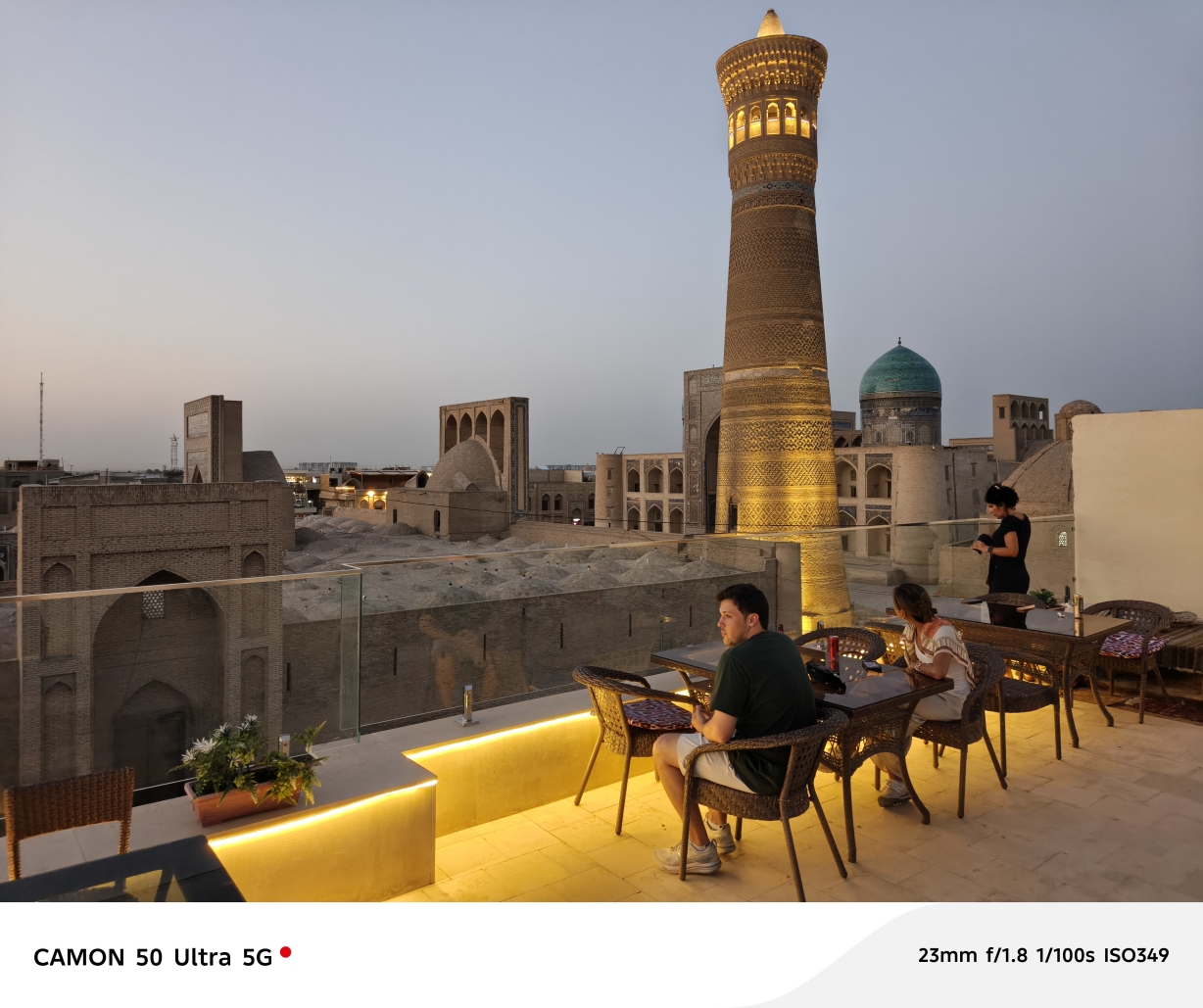
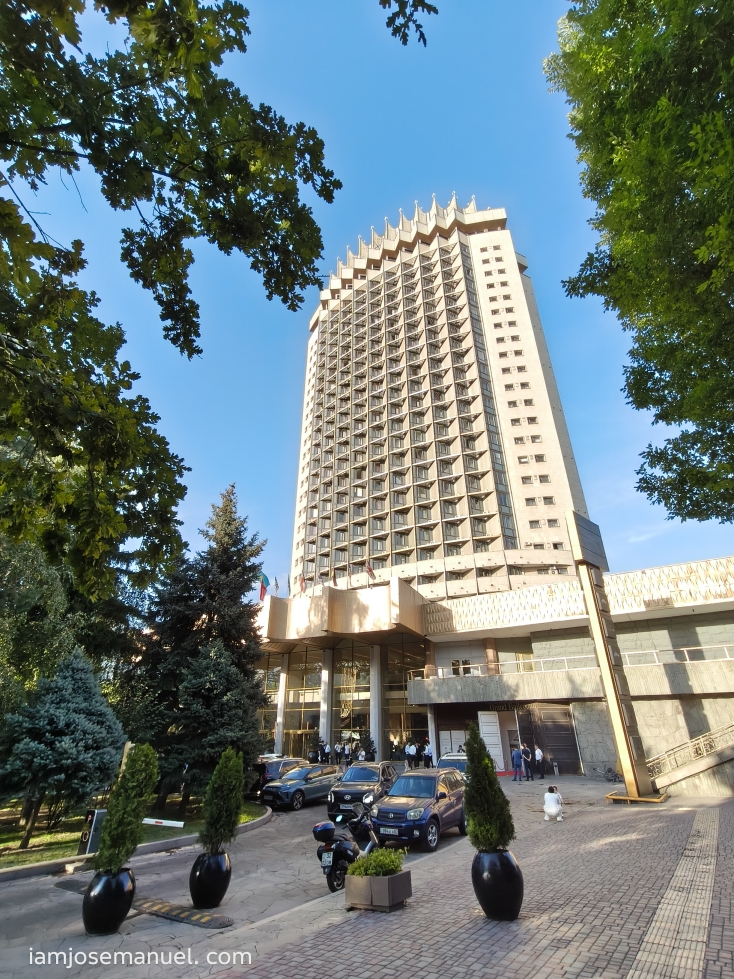
Hotel Uzbekistan: an iconic 4-star, Soviet-era brutalist landmark located at the center of Tashkent, built 1974. The high-rise structure is curved to resemble an open book facing Amir Temur Square.

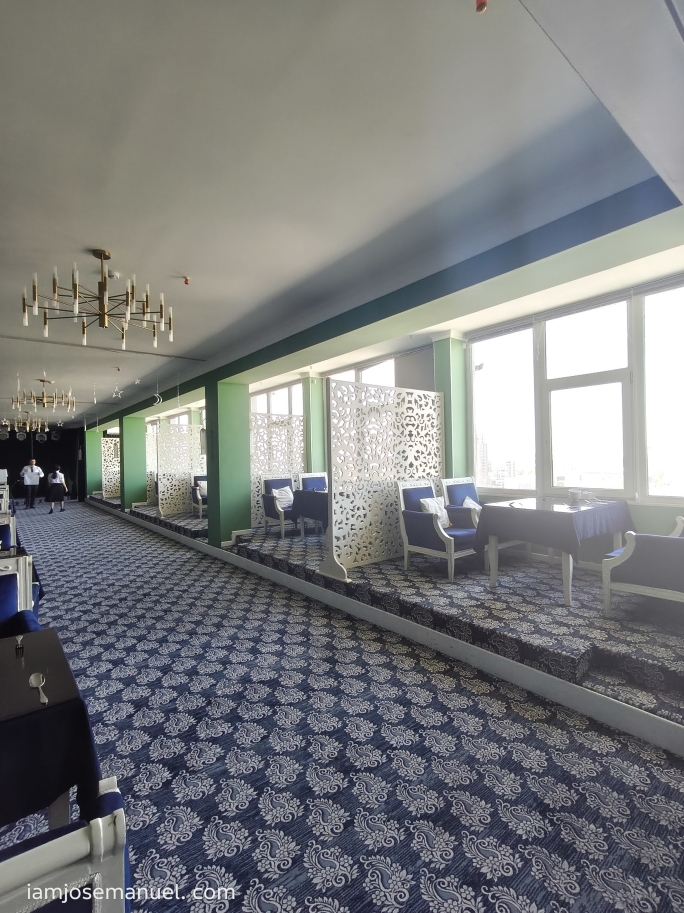
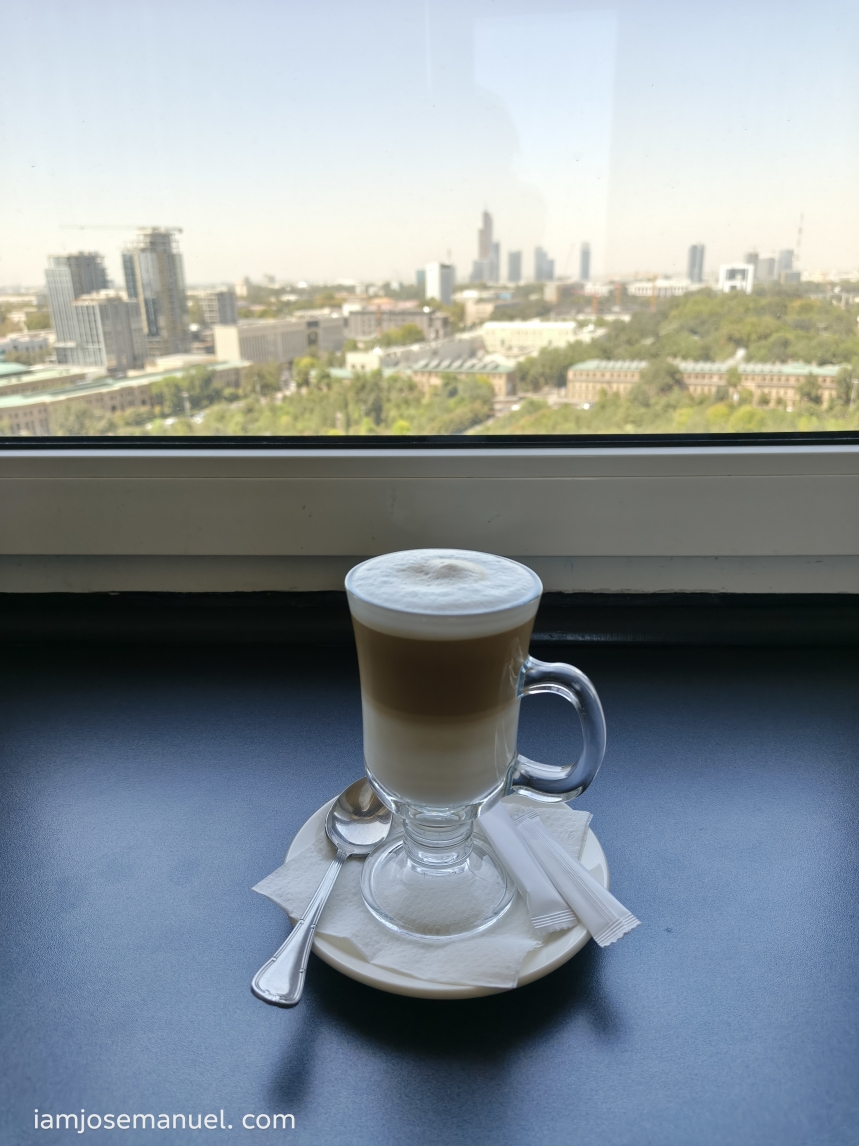
I spent the rest of the afternoon here with coffee while enjoying the view of Tashkent city center from the vintage cafe at the 17th floor.

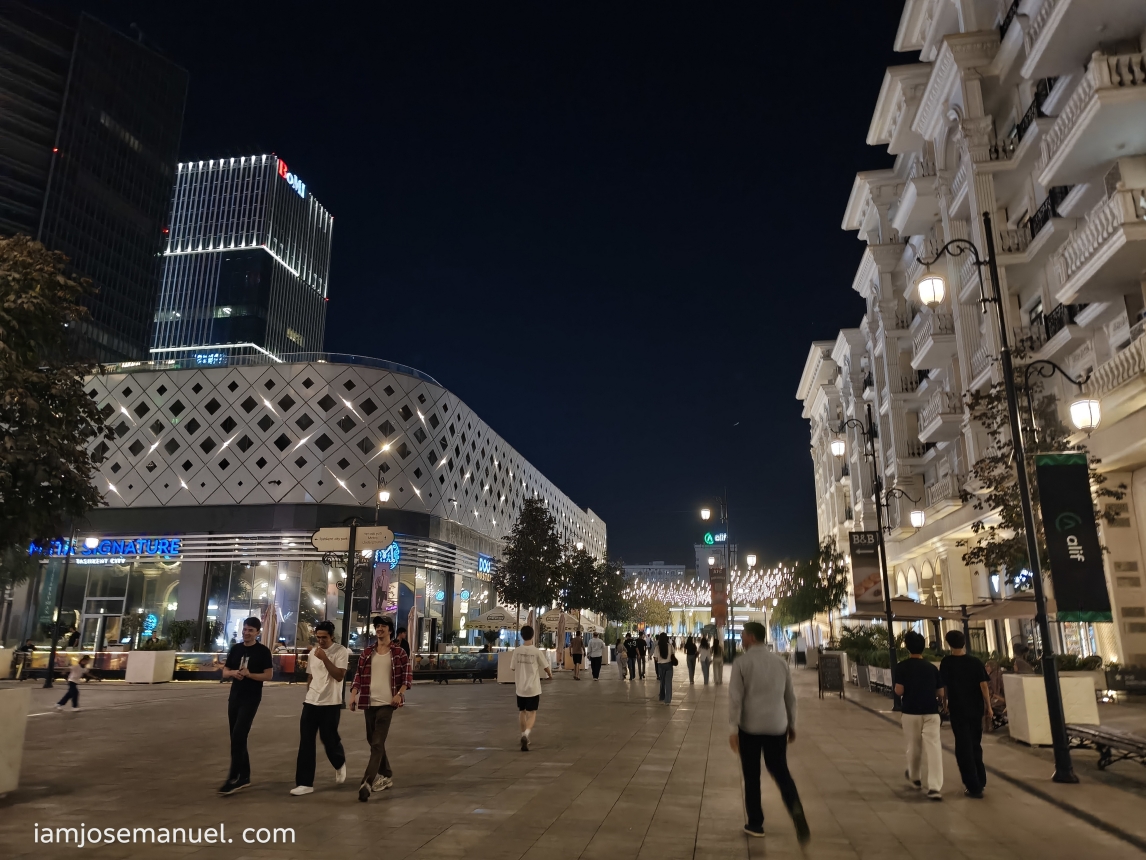
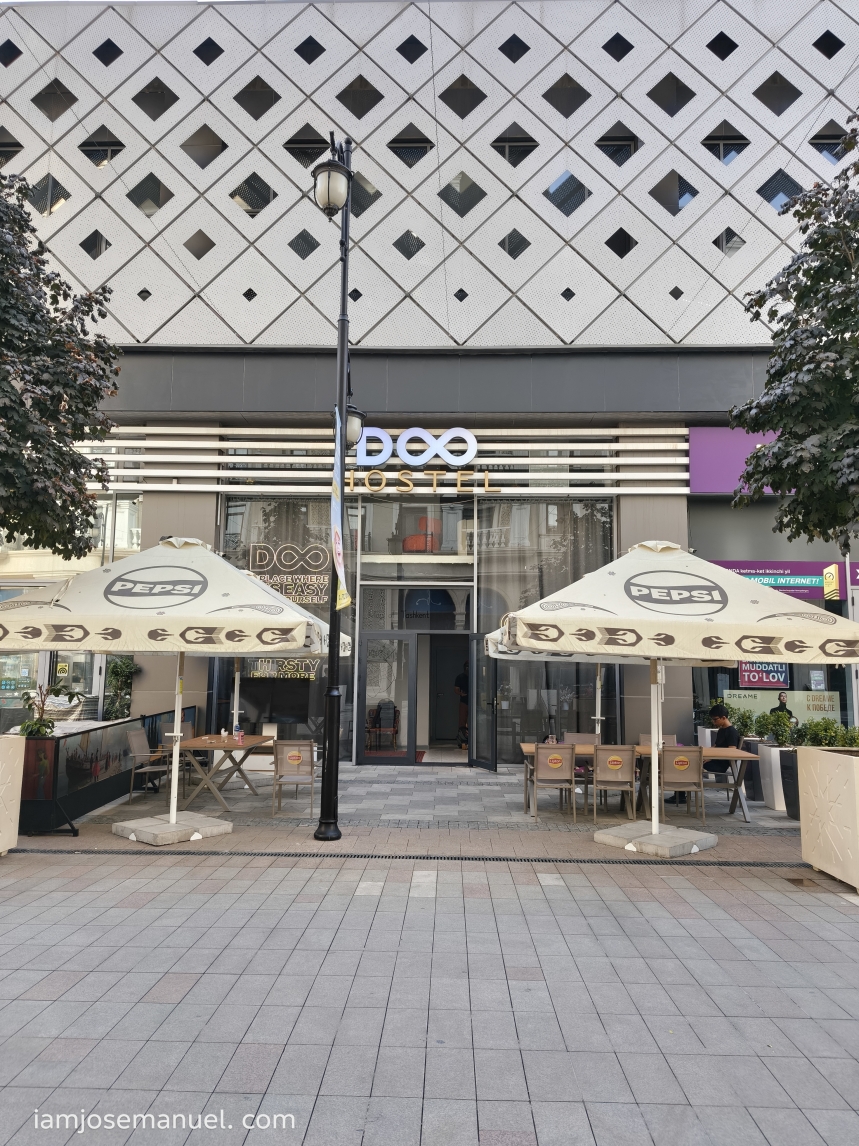
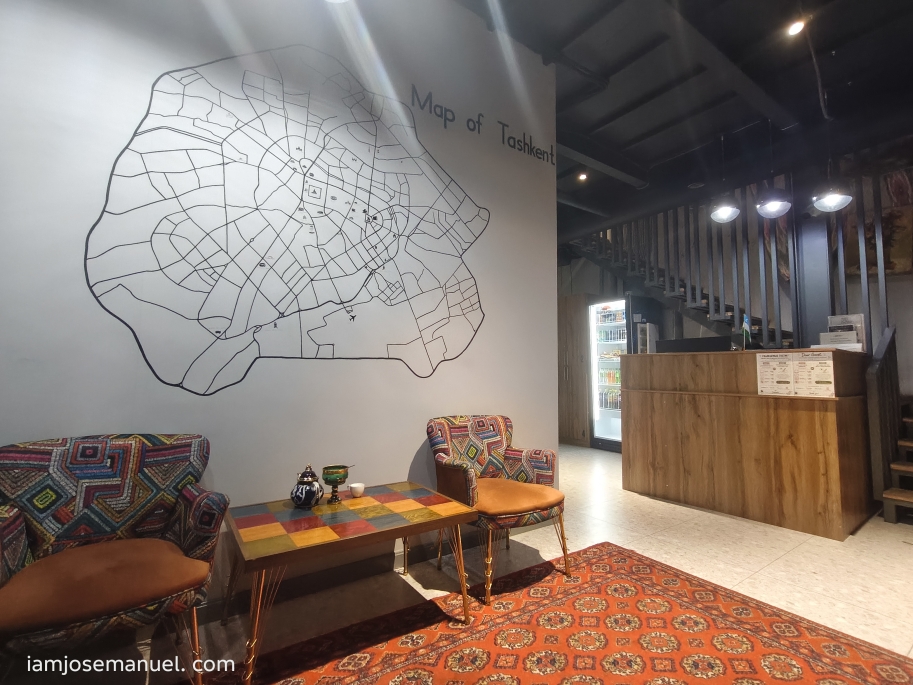
Where I stayed in Tashkent: Doo Hostel (Highly Recommended). This came as a surprise for me, because I never expected it to be located inside an upscale residential/commercial complex (Like Serendra in BGC).

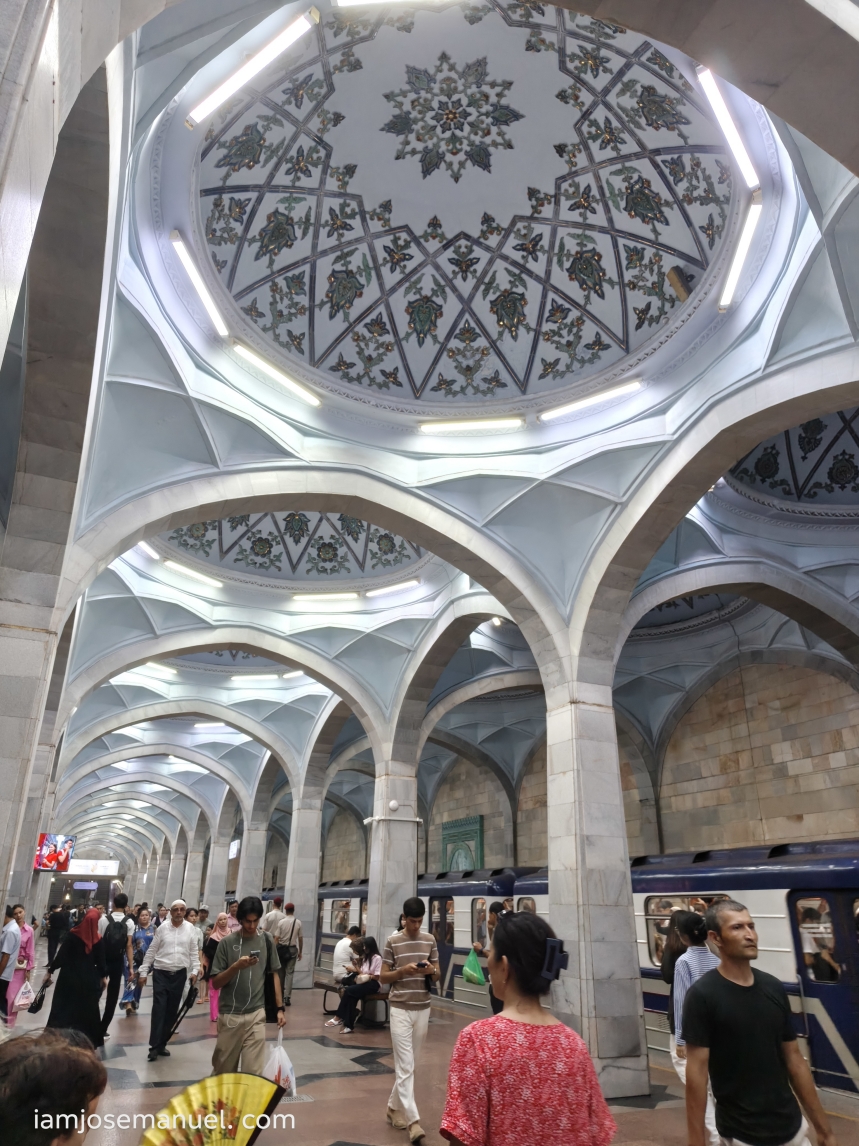
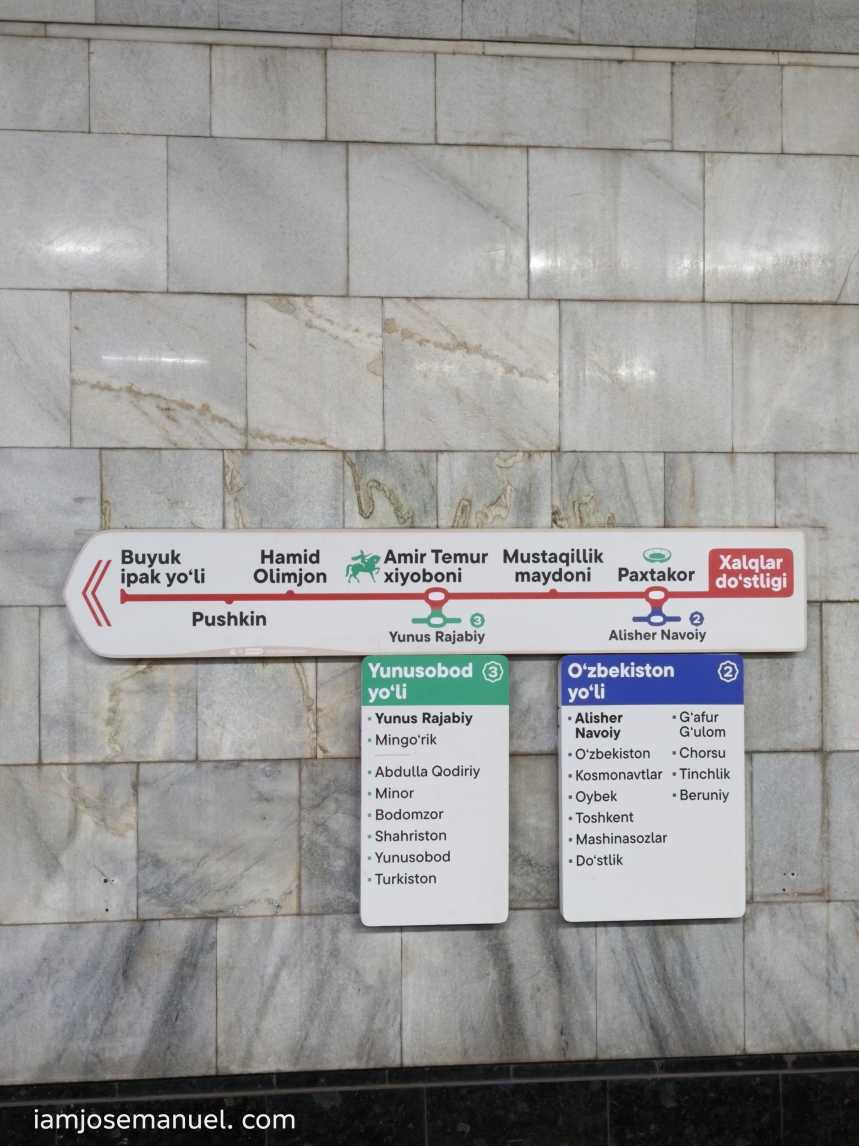
An entrance to the Alisher Navoiy Metro Station is located within the complex. The complex is also attached to the main park and the Tashkent City mall. How convenient is that? Alisher Navoiy btw is named the most beautiful train station, with its white, dome shaped ceiling, embellished with mosaic tiles.

Filipinos are required to get Uzbekistan E-visa prior to the trip. Details on securing the e-visa are posted here.

Architecture Appreciation – Samarkand,Uzbekistan

Samarkand is one of the oldest, continuously inhabited cities in human history. Founded around the 8th to 7th century BC, Samarkand (known as Marakanda back then) has been documented in ancient Islamic and Greek texts as the silk road’s crossroad of trade, culture and exchange of knowledge, ideas and technology. The city has been under several conquerors and rebuilding throughout its history. Today, Samarkand is roughly 2,750 years old, and continues to tell its stories.
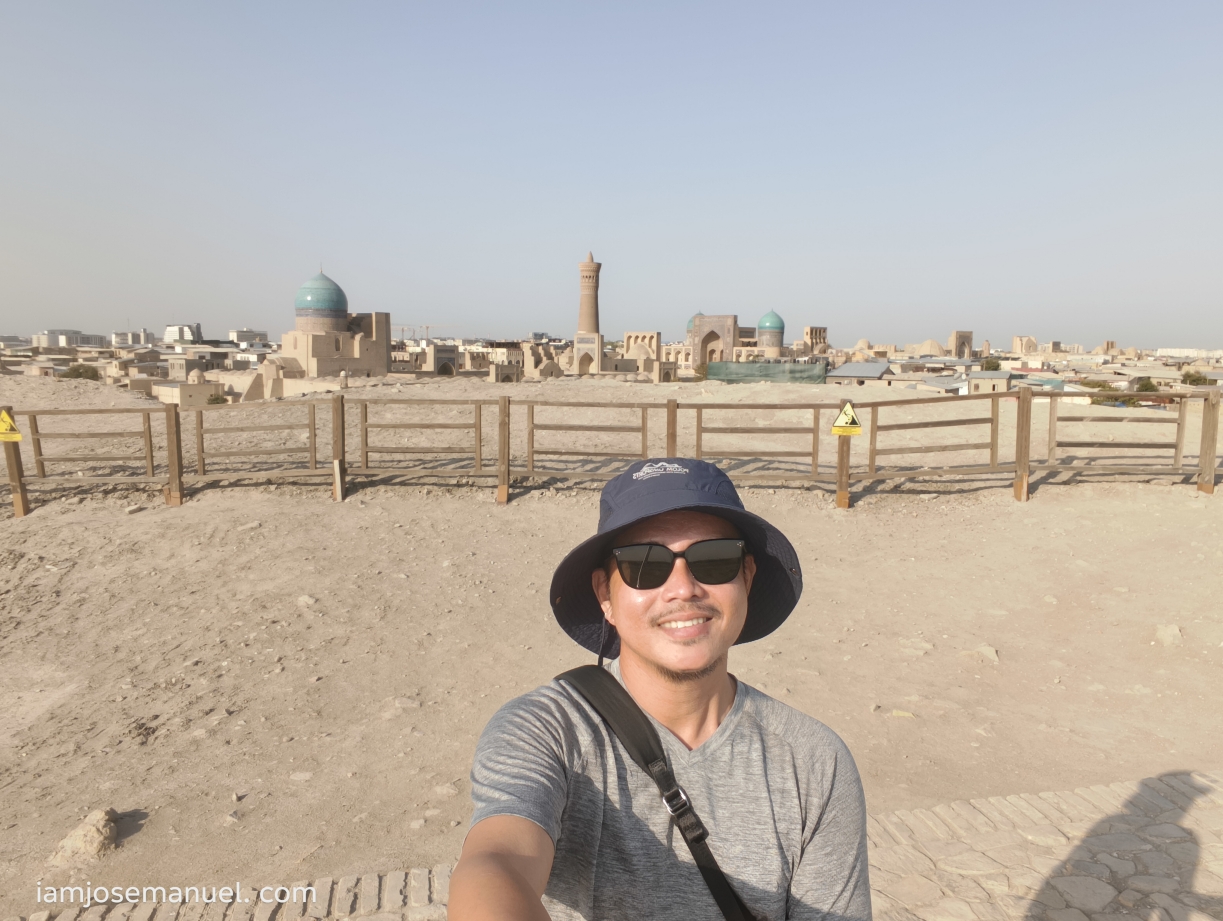
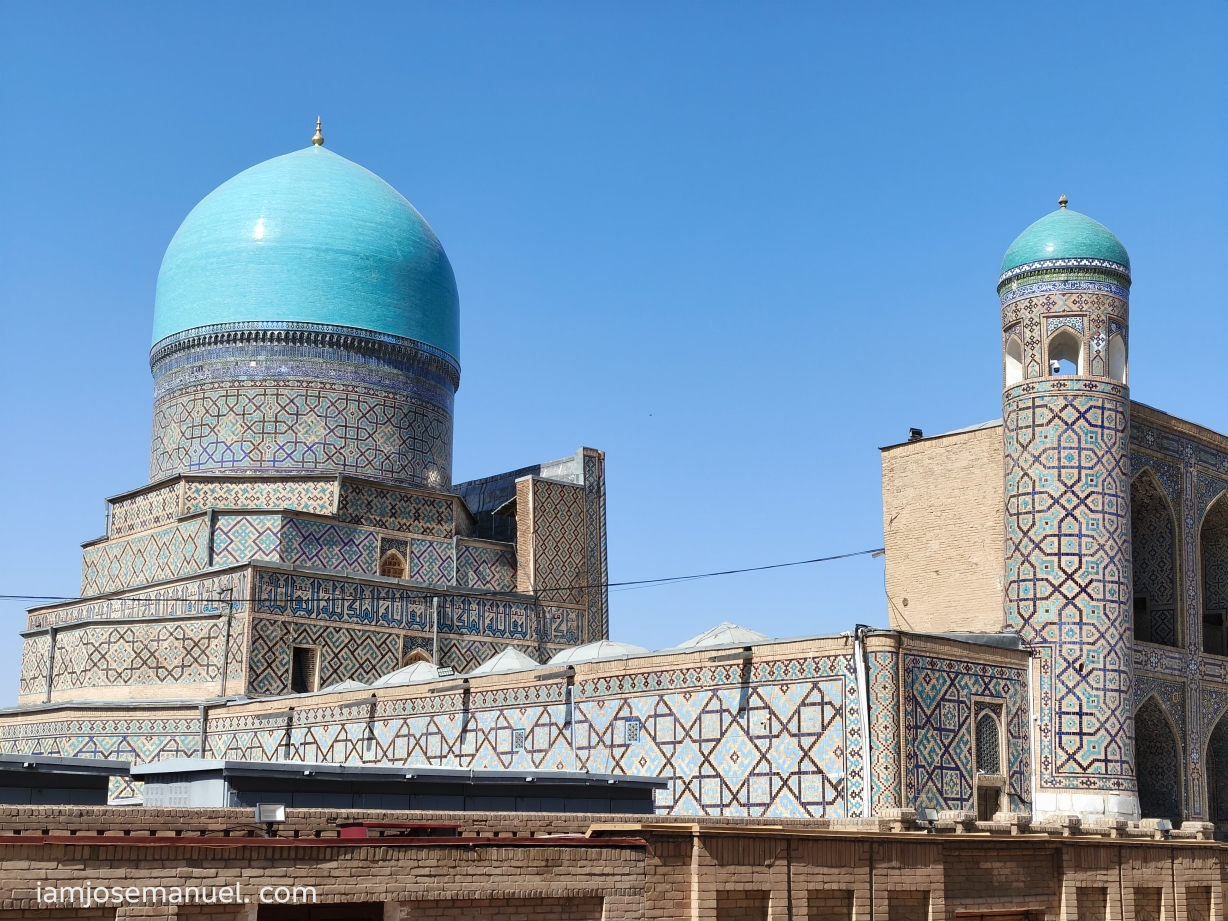
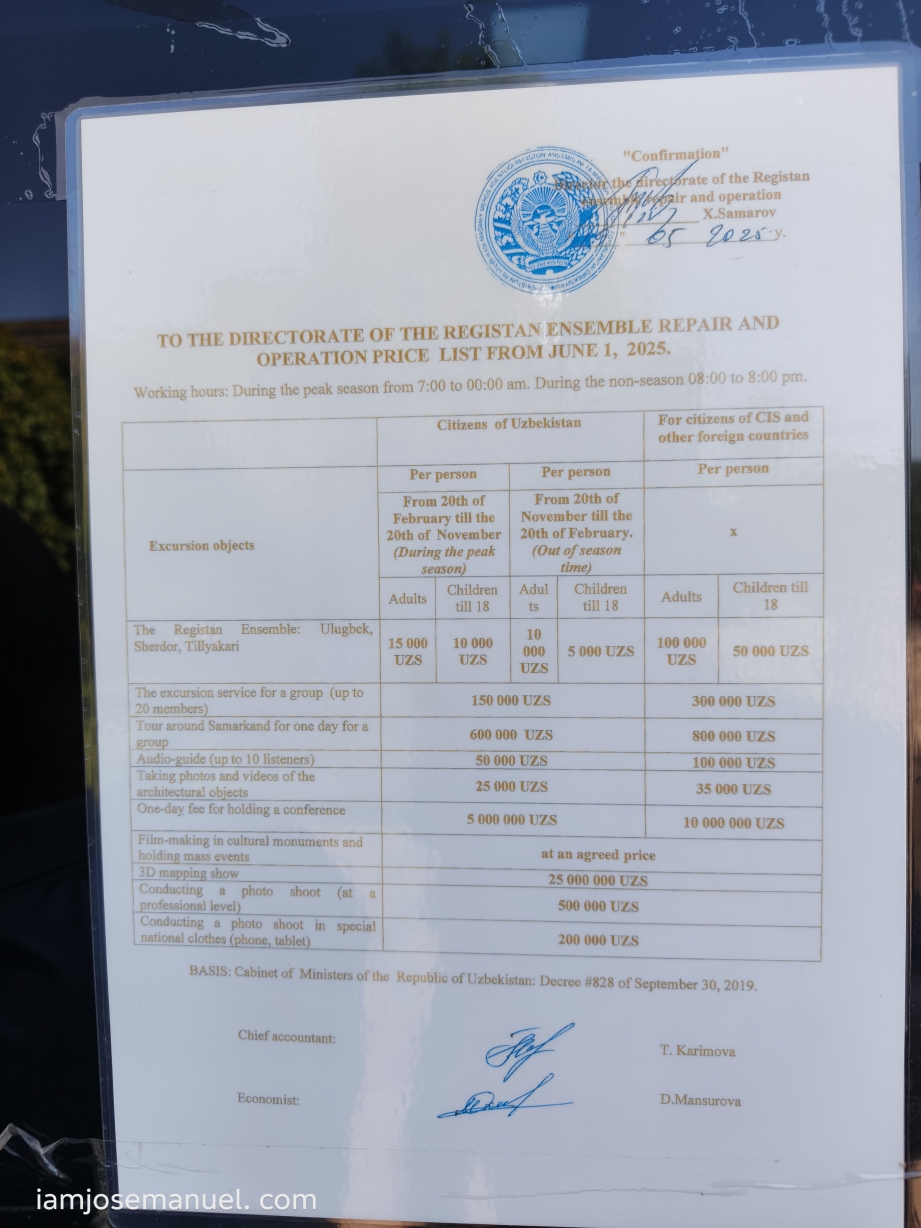
Samarkand has been recognized as a UNESCO World Heritage Site since 2001, and is famous for the glorious Islamic Architecture, polished turquoise blue domes and perfectly restored mosaic tileworks on Mosques and Madrasa Building(school).

Being in Samarkand, and staying in the old city center, feels like living inside an open air museum. I purposely choose a guesthouse that is just at the back of the Registan Square. I spent 3 days walking between historic sites, visiting old bazaars and checking on local food options.

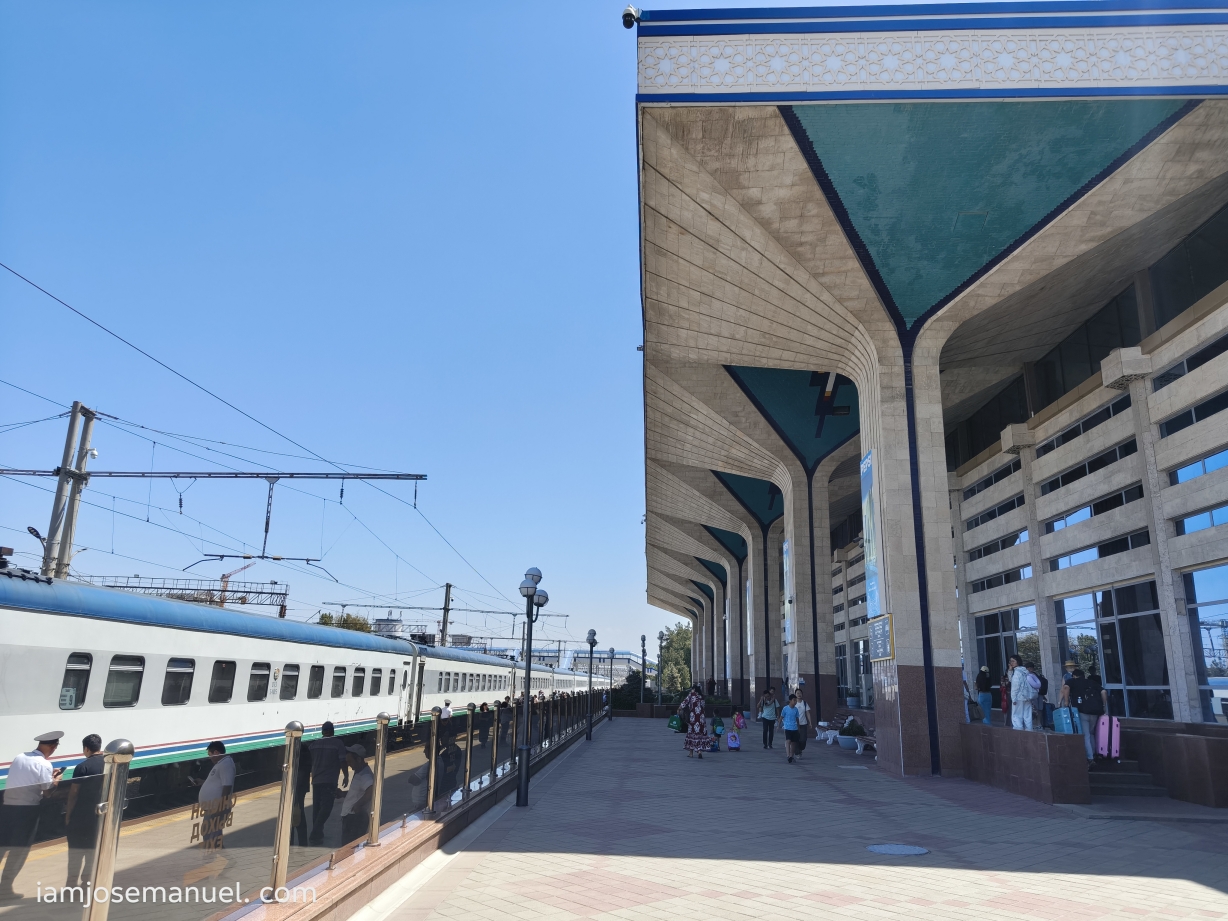
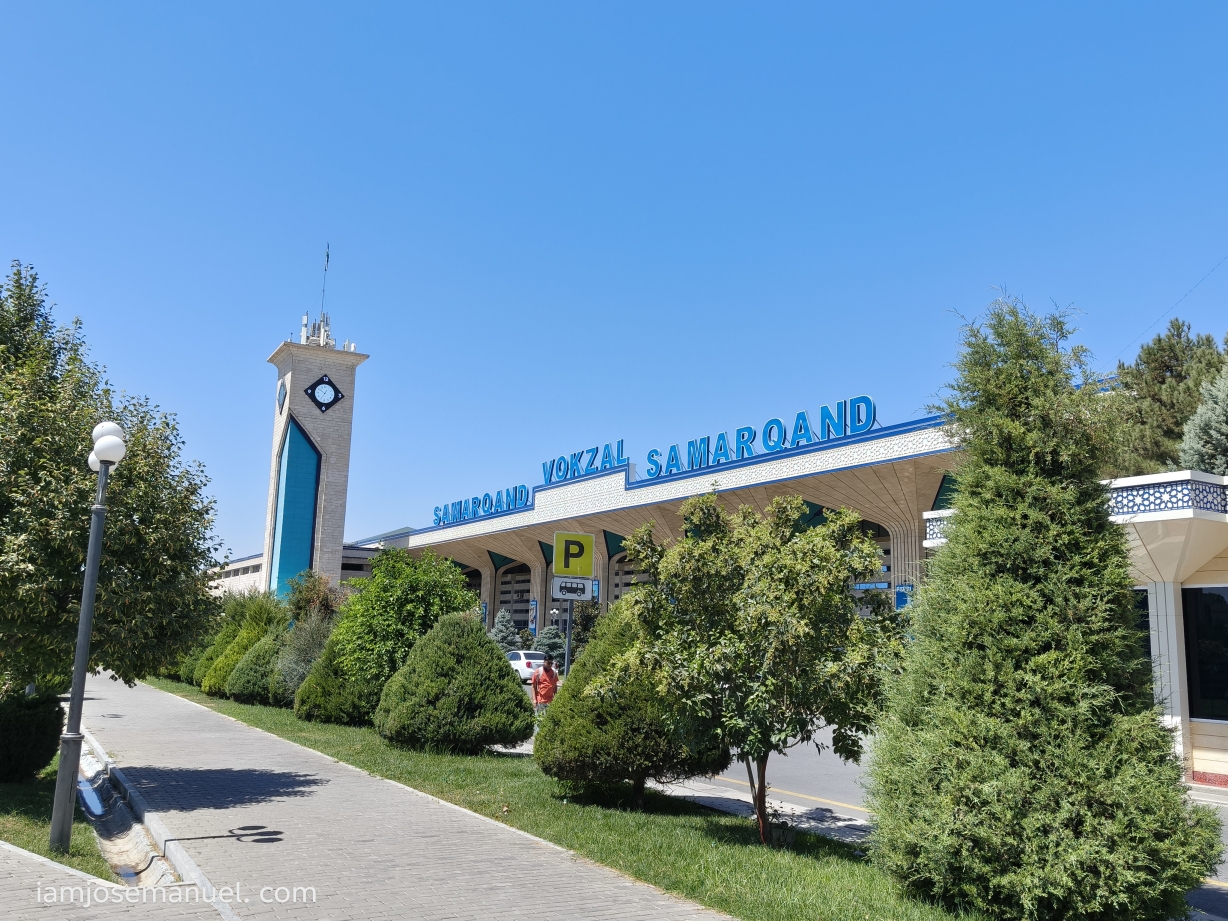
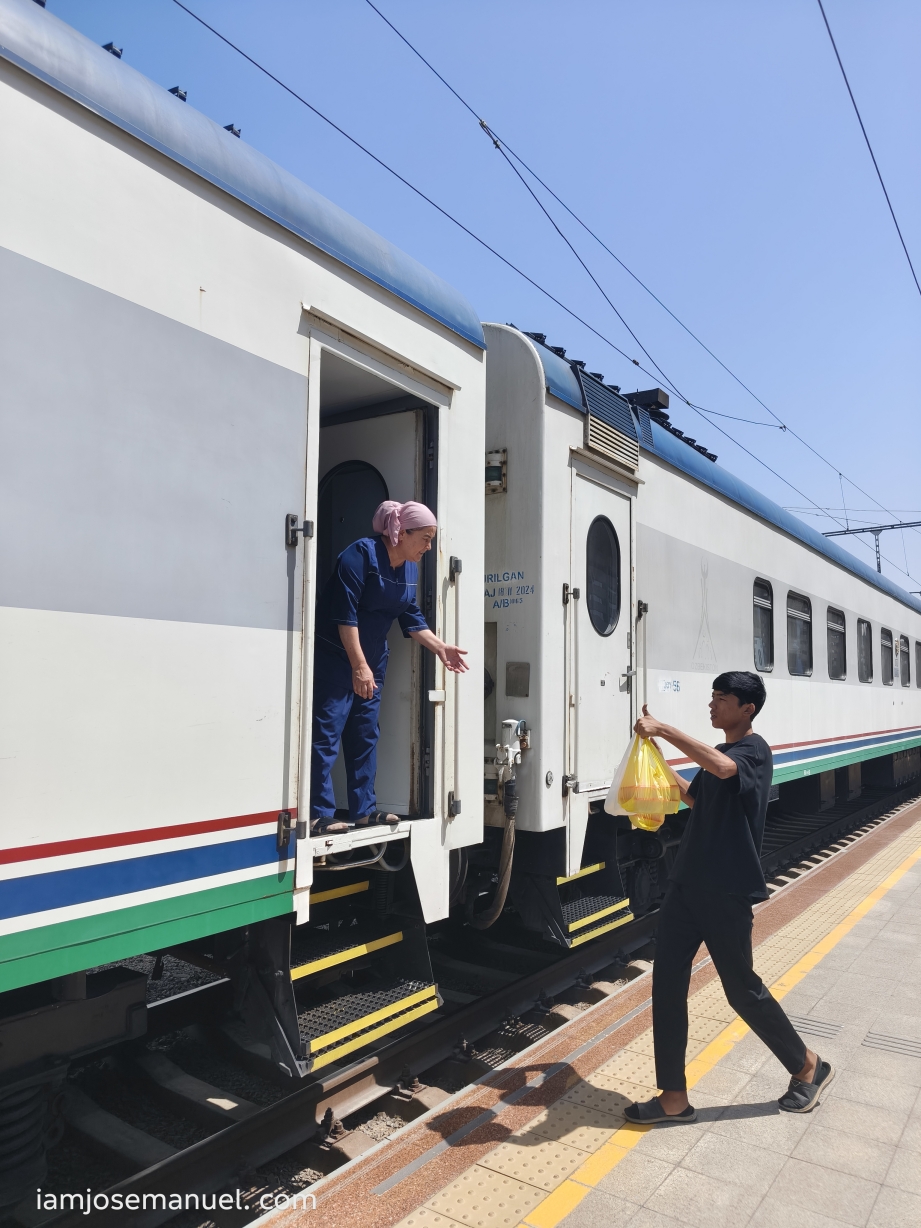
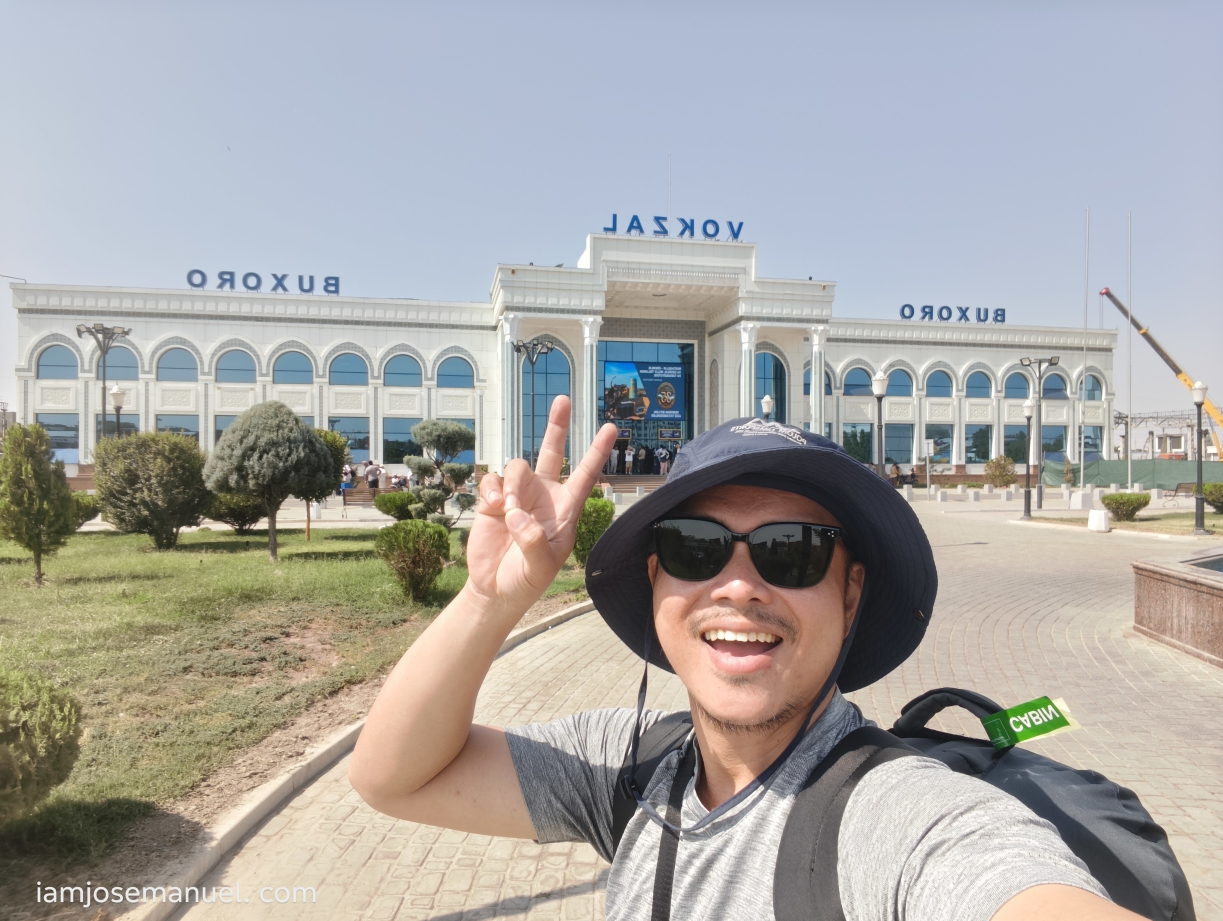
I arrived in Samarkand by Regional train (3 hours) from Tashkent, the Capital City. The city is fairly small, and is mainly centered on tourism. The train station is around 20 minutes by Yandex Taxi to the old city center where I stayed. Transportation and other UZ travel tips are posted here.

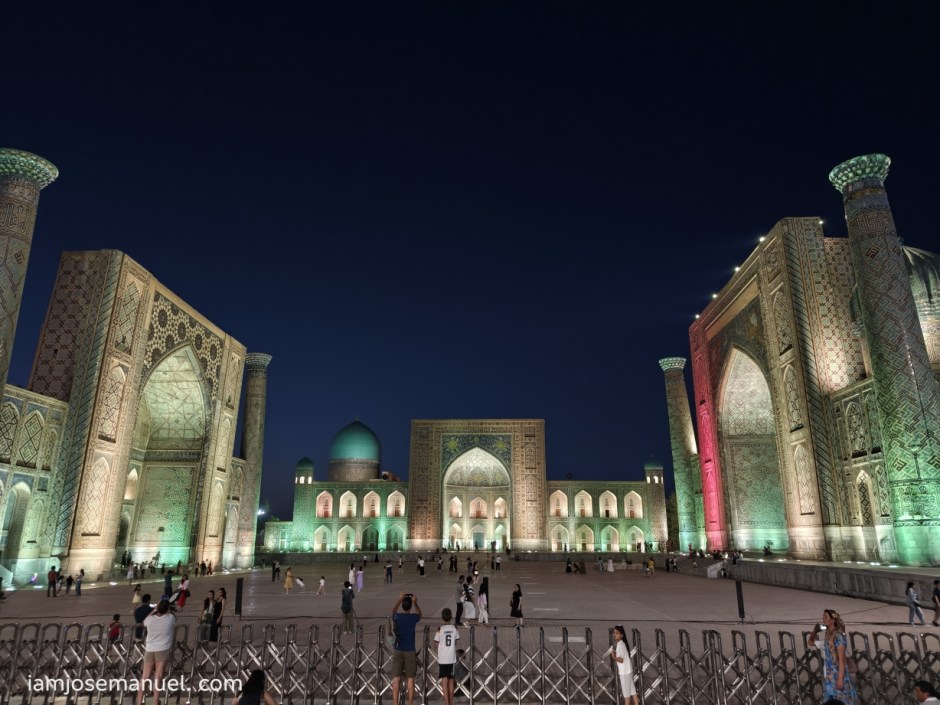
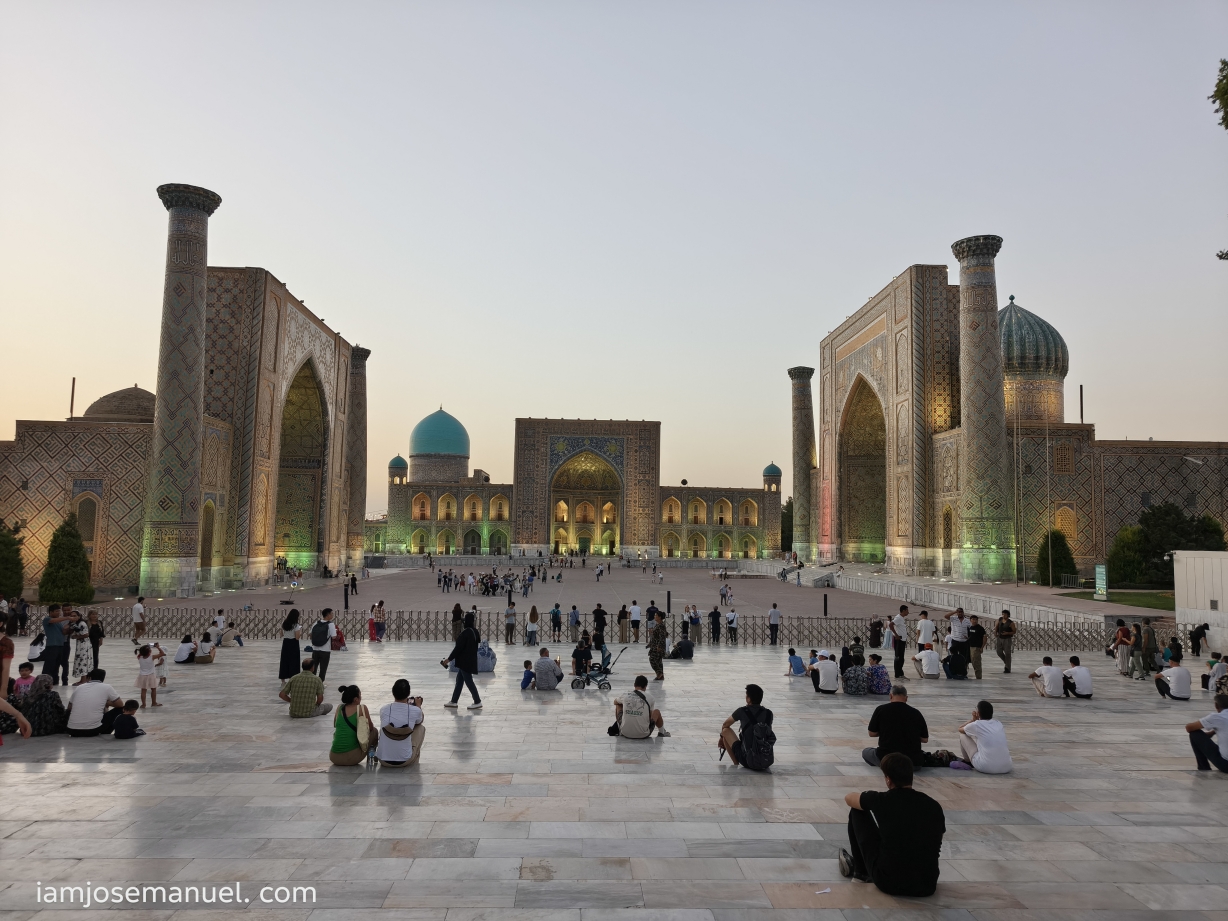
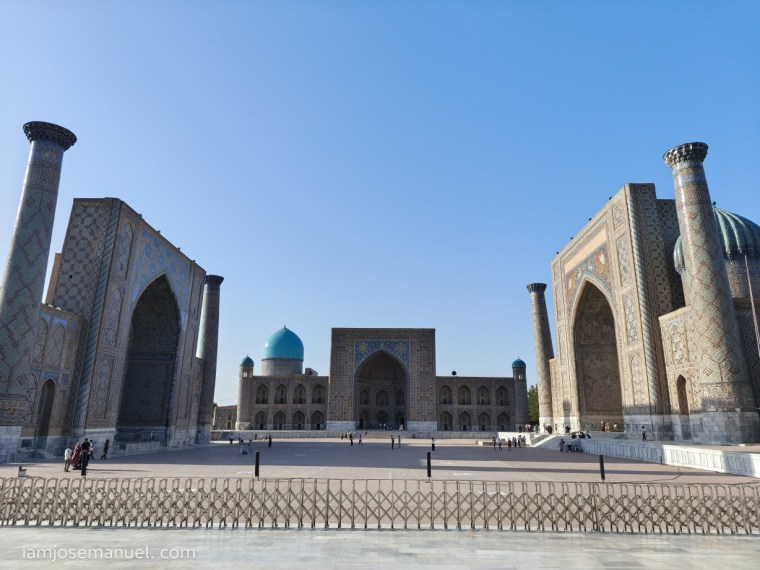
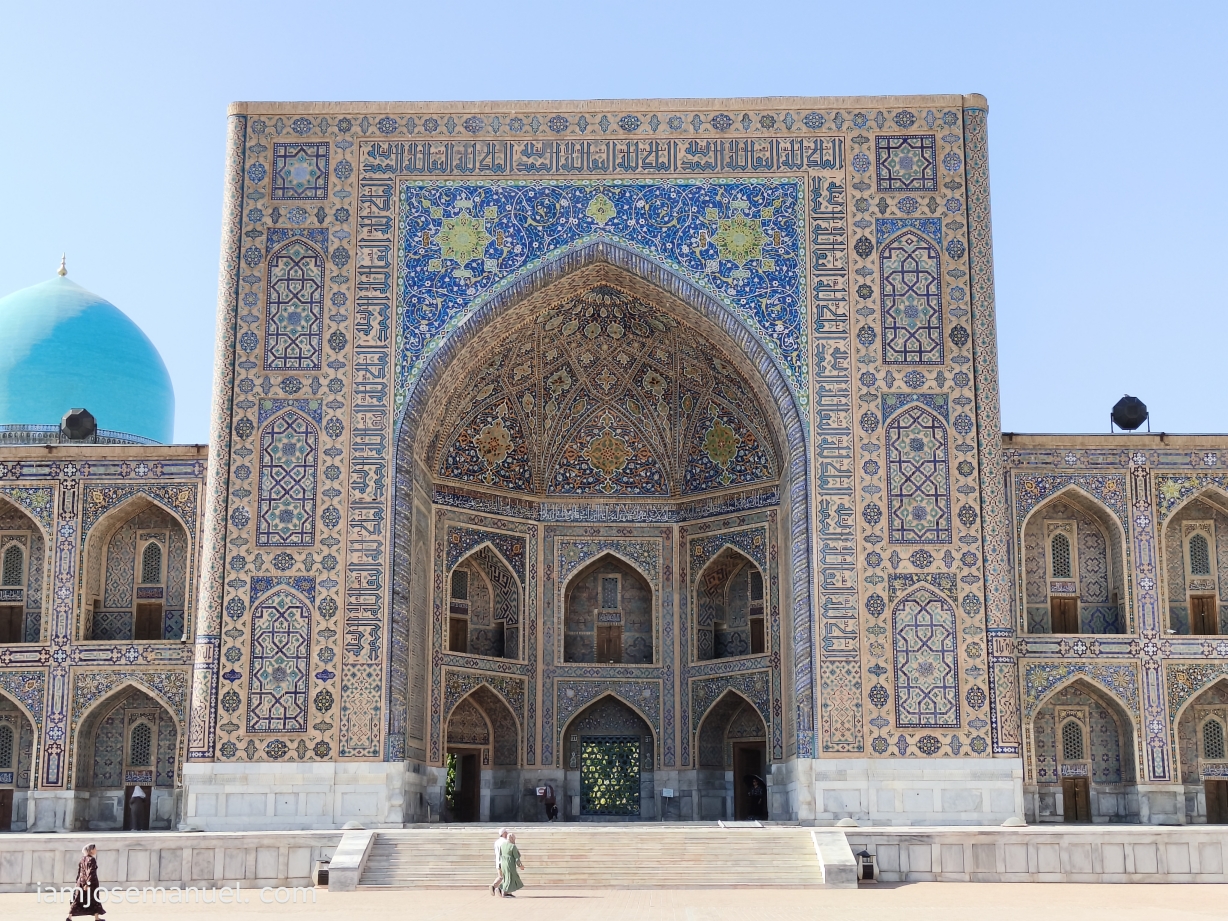
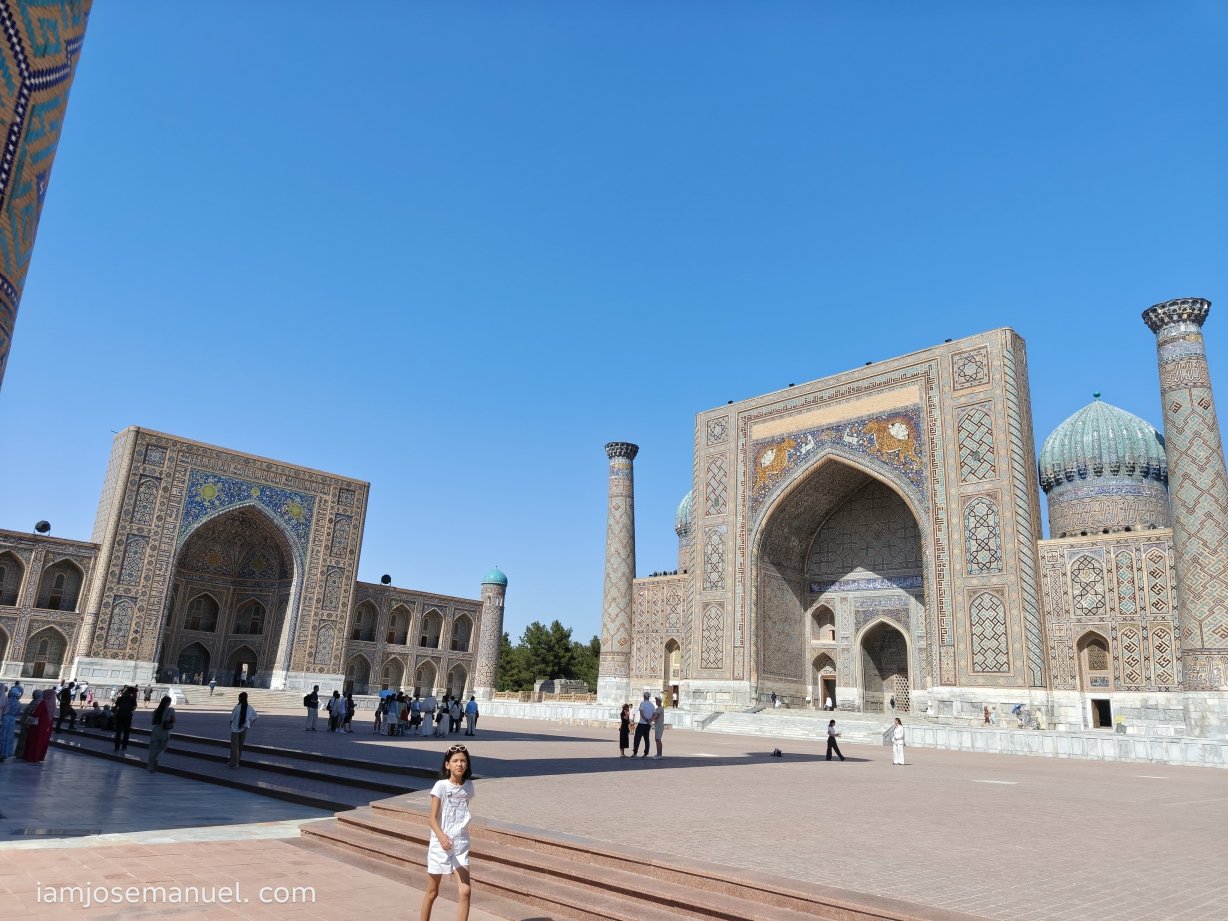
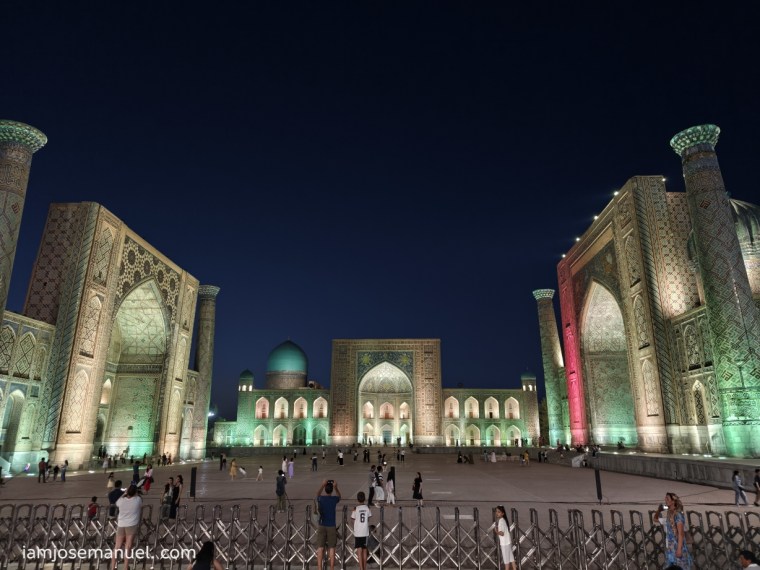
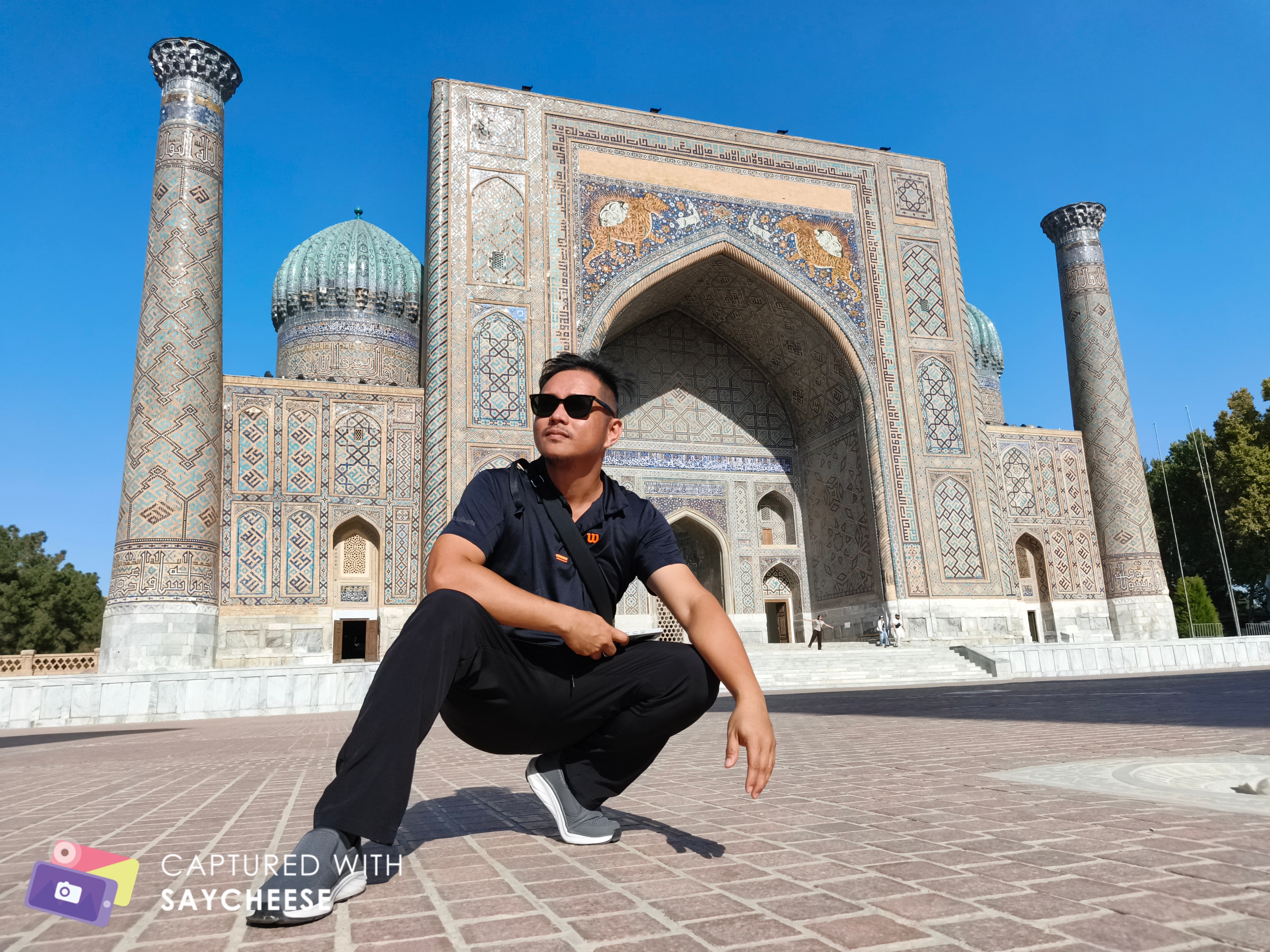
The most famous historic site in Samarkand is definitely the Registan Square, which has served the city since the 14th century. The square served as the seat of governance and the center for learning. The three towering buildings are “Madrasas” or can be considered as schools of the ancient times. The square at the center served as the place for community gathering and announcements, and is still being used today for the same function.

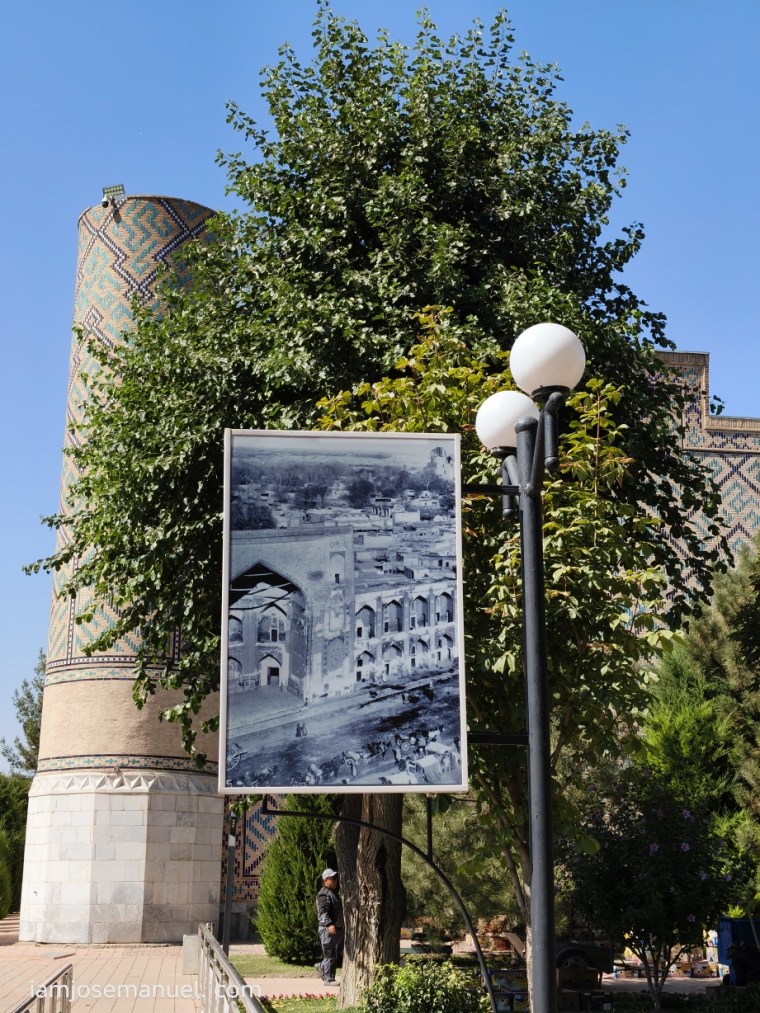
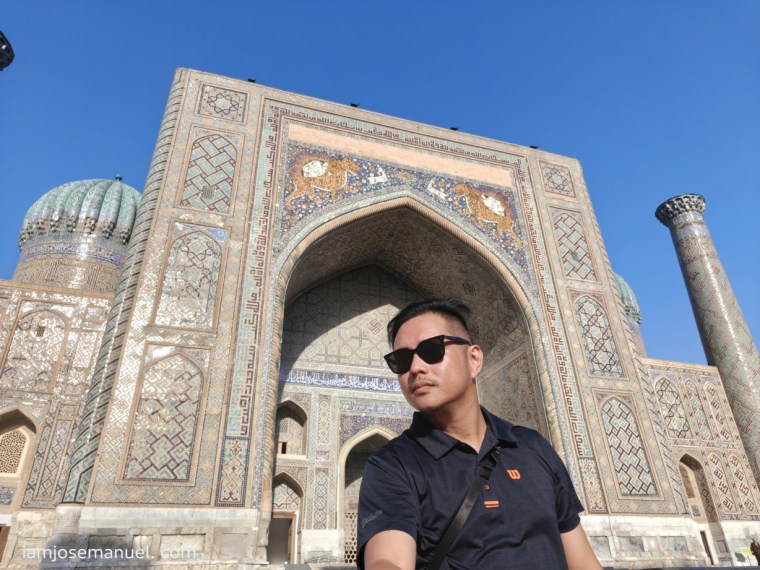
The Registan Square of Samarkand
This photo shows the condition of the madrasa’s facade from the early 20th Century, prior to restorations.
This is the Madrasa that we see today. Fully Restored.

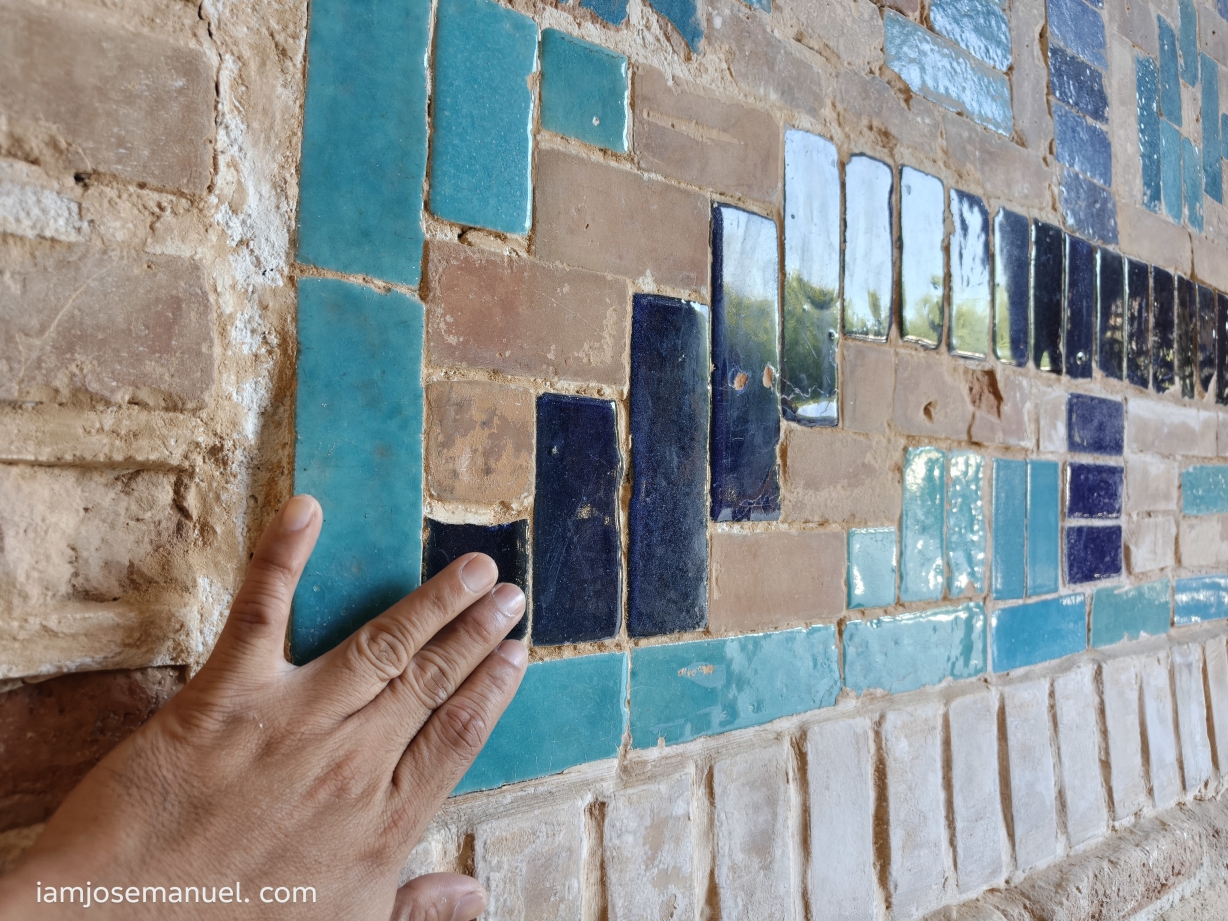
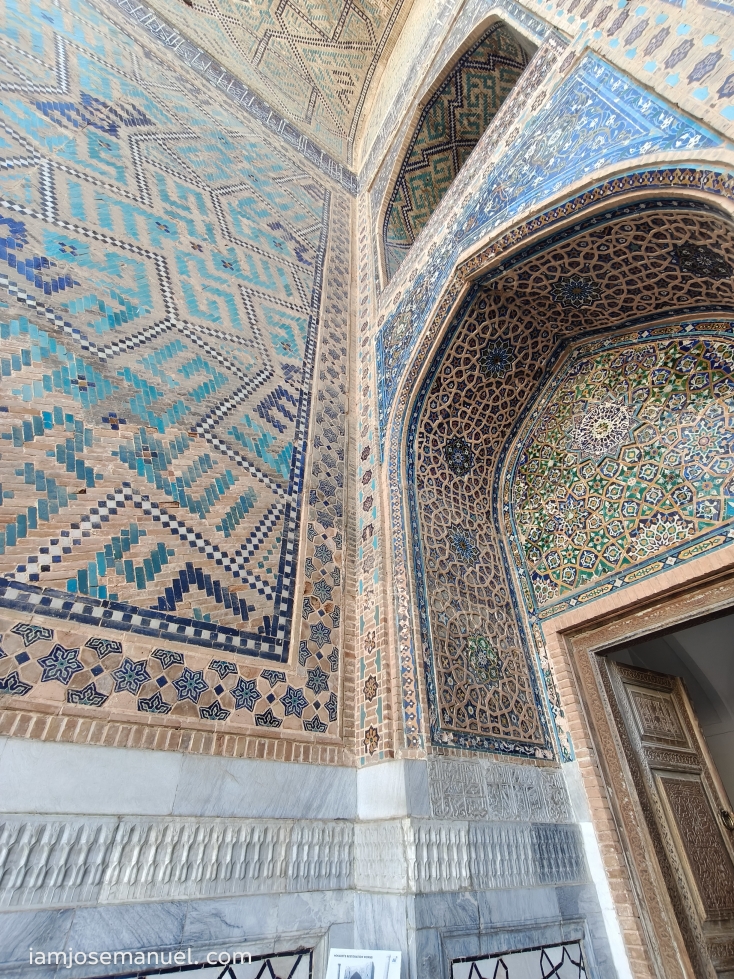
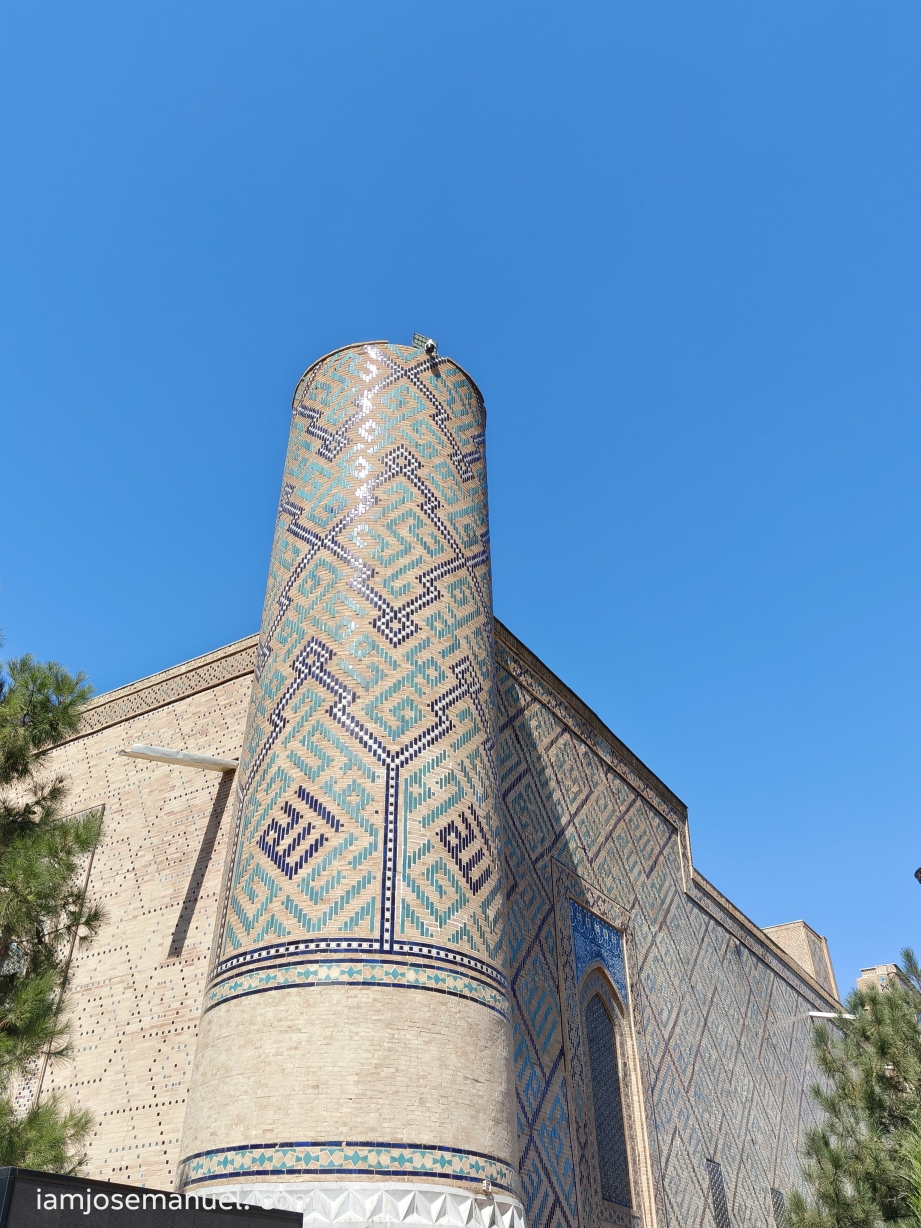
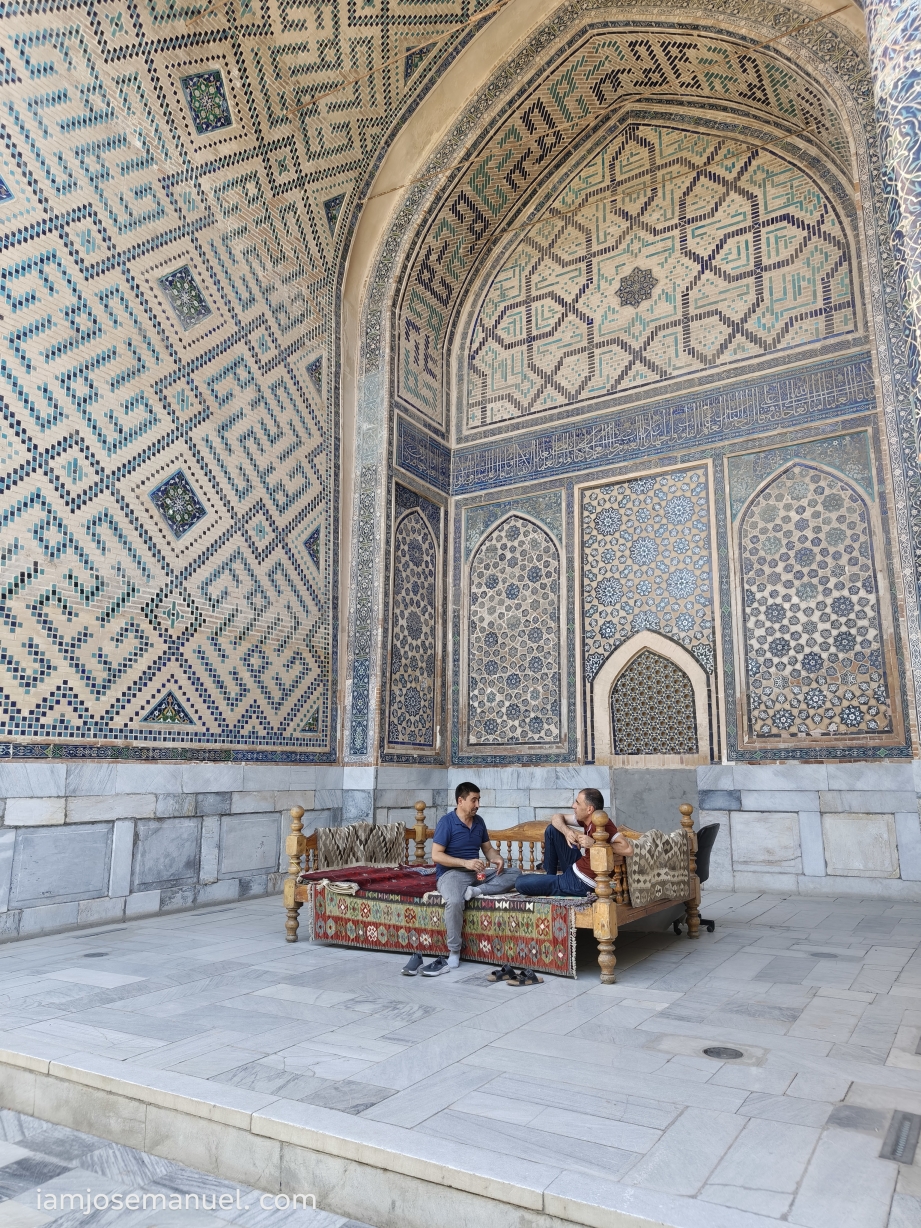
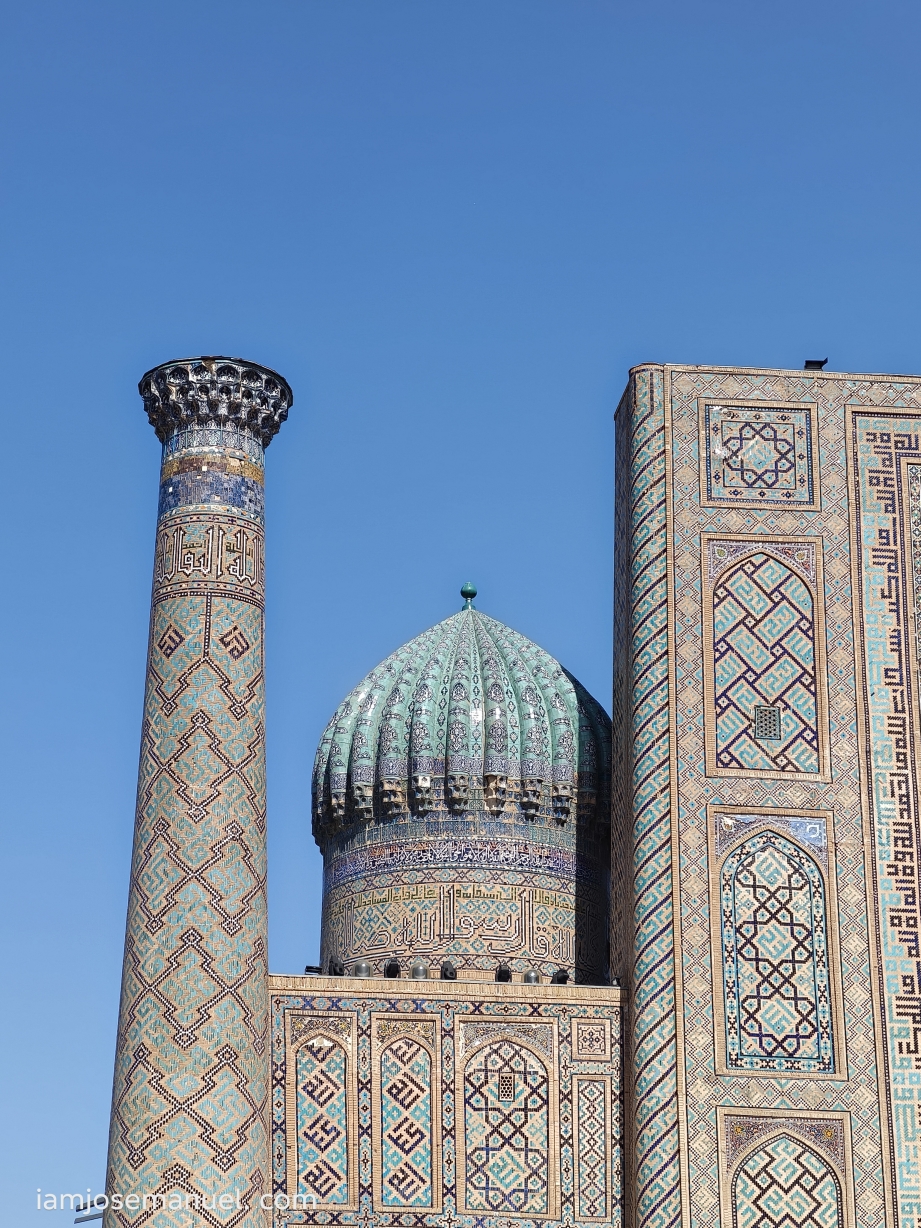
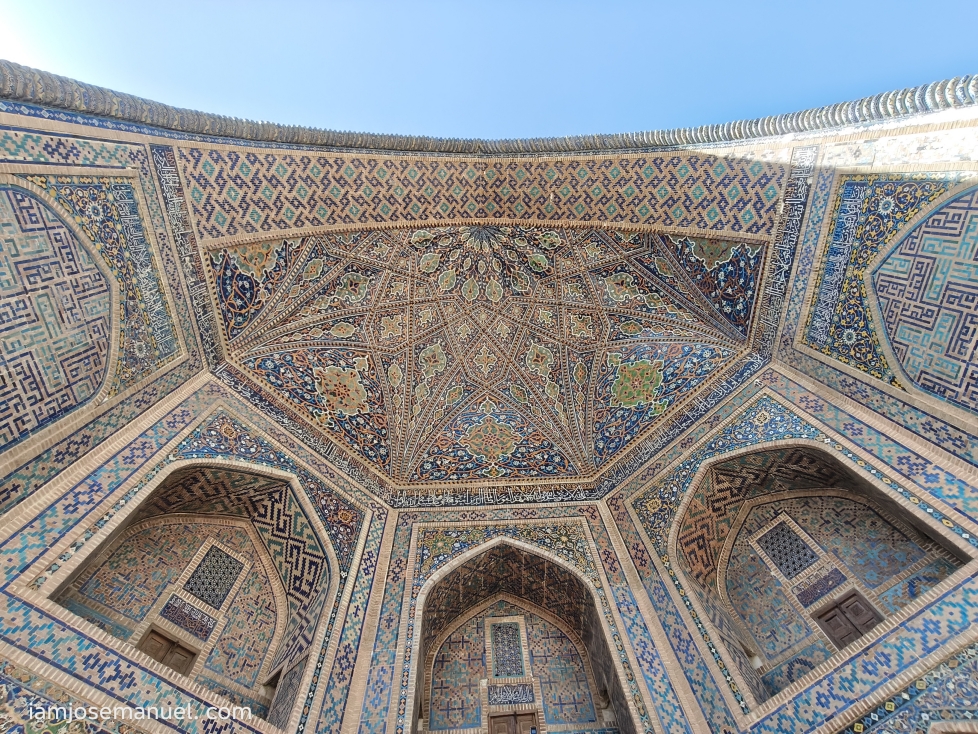
Notice the intricate mosaic tile works done on the Madrasa’s facade. The Ceramic/glazed blue tiles are arranged in an alternating pattern with matte/colorless pieces to achieve a glimmering effect. Truly a work of art. Islamic Architecture in full glory.

The turquoise-blue colored Domes define Uzbekistan’s famous Islamic architecture, representing heaven, infinity, and peace. These Madrasas today serves as museums for ancient islamic documentations as well as artifacts, gold, bronze and chinaware from the time of the Silk Road.

The registan square illuminates beautifully at night. There is also a light show at around 8:30 PM every night.

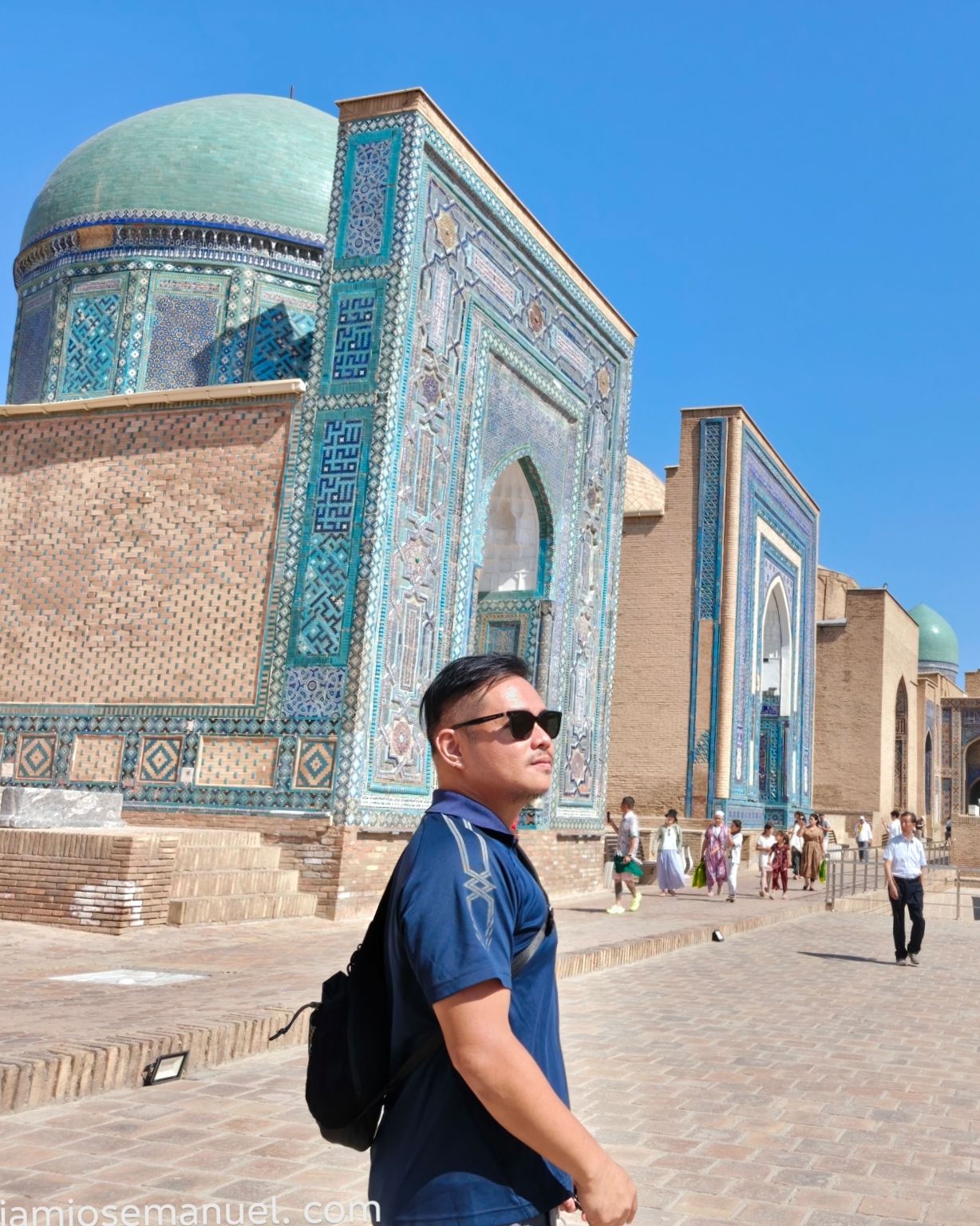
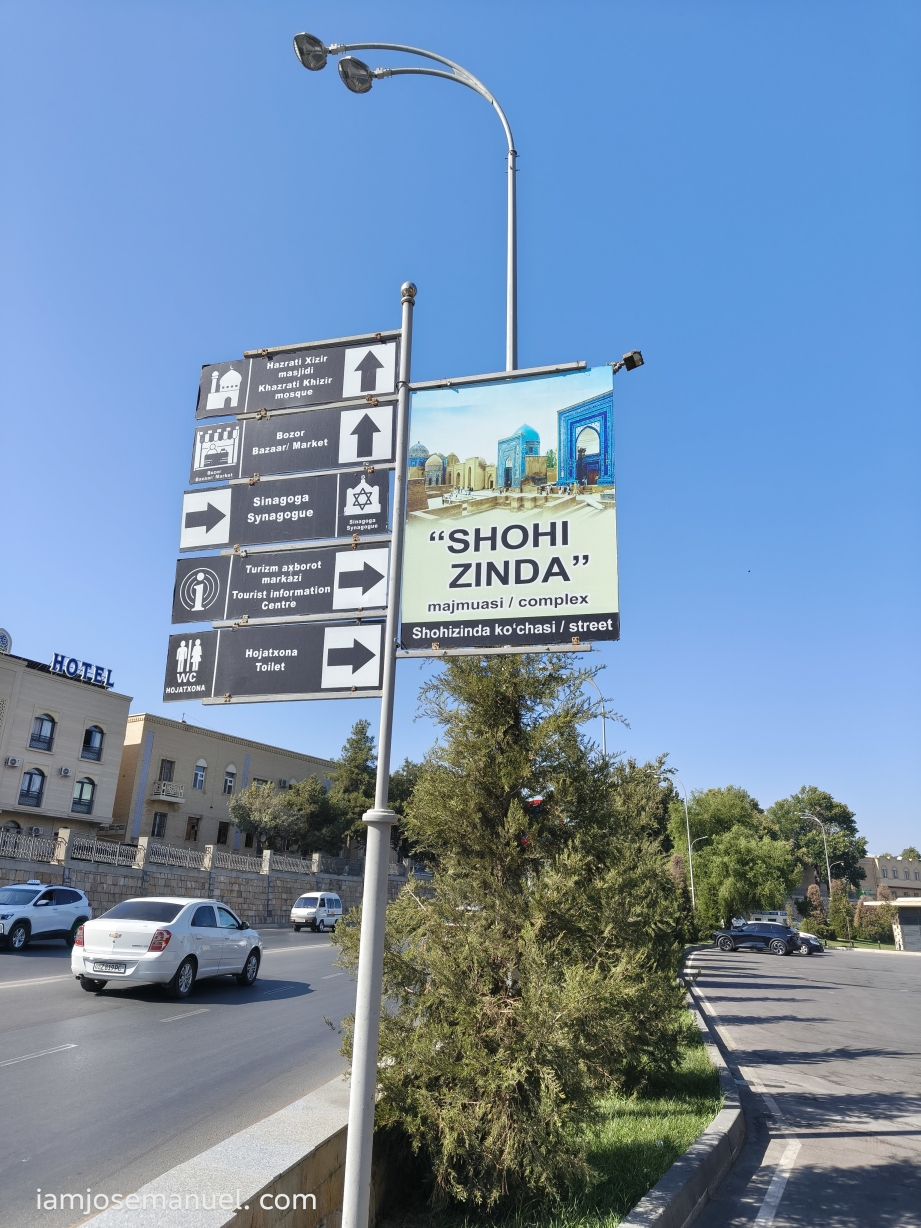
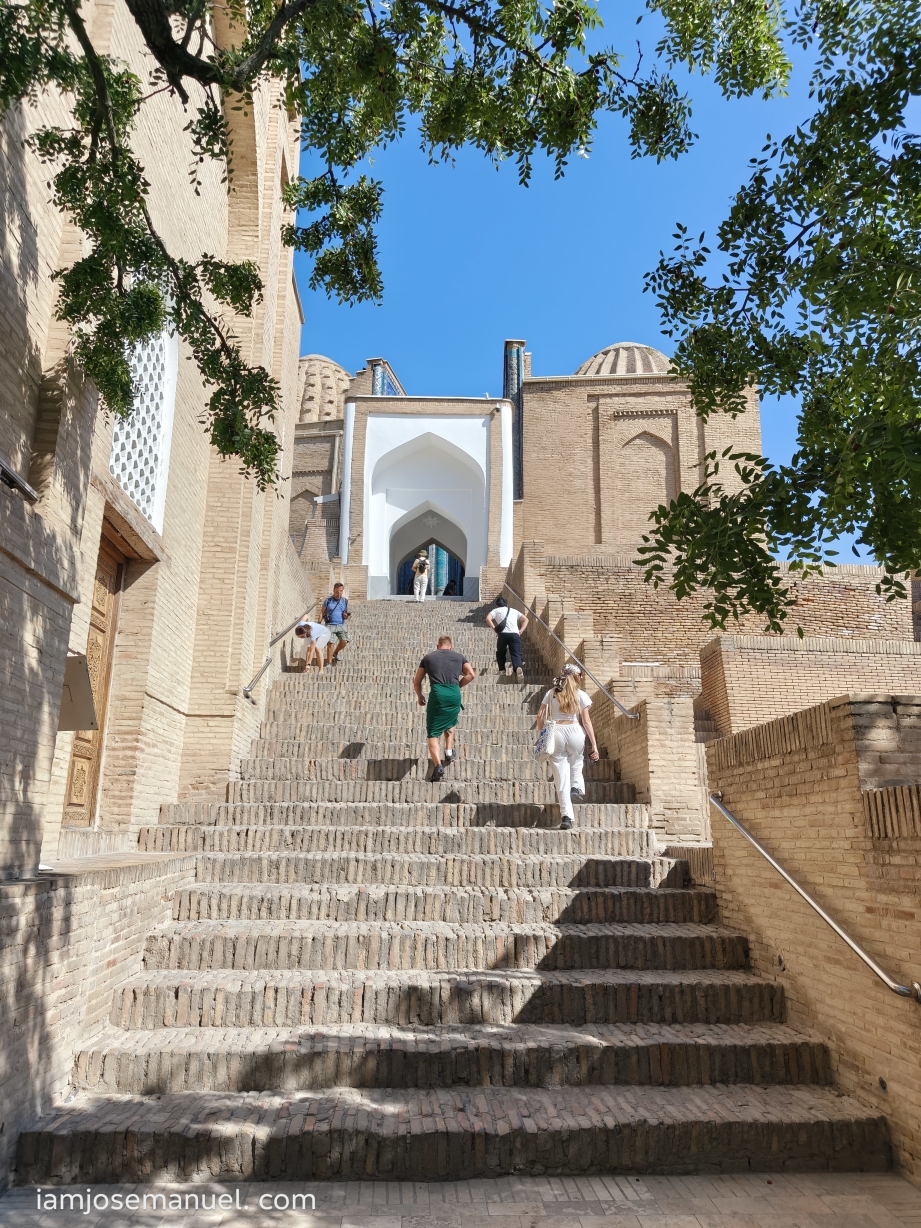
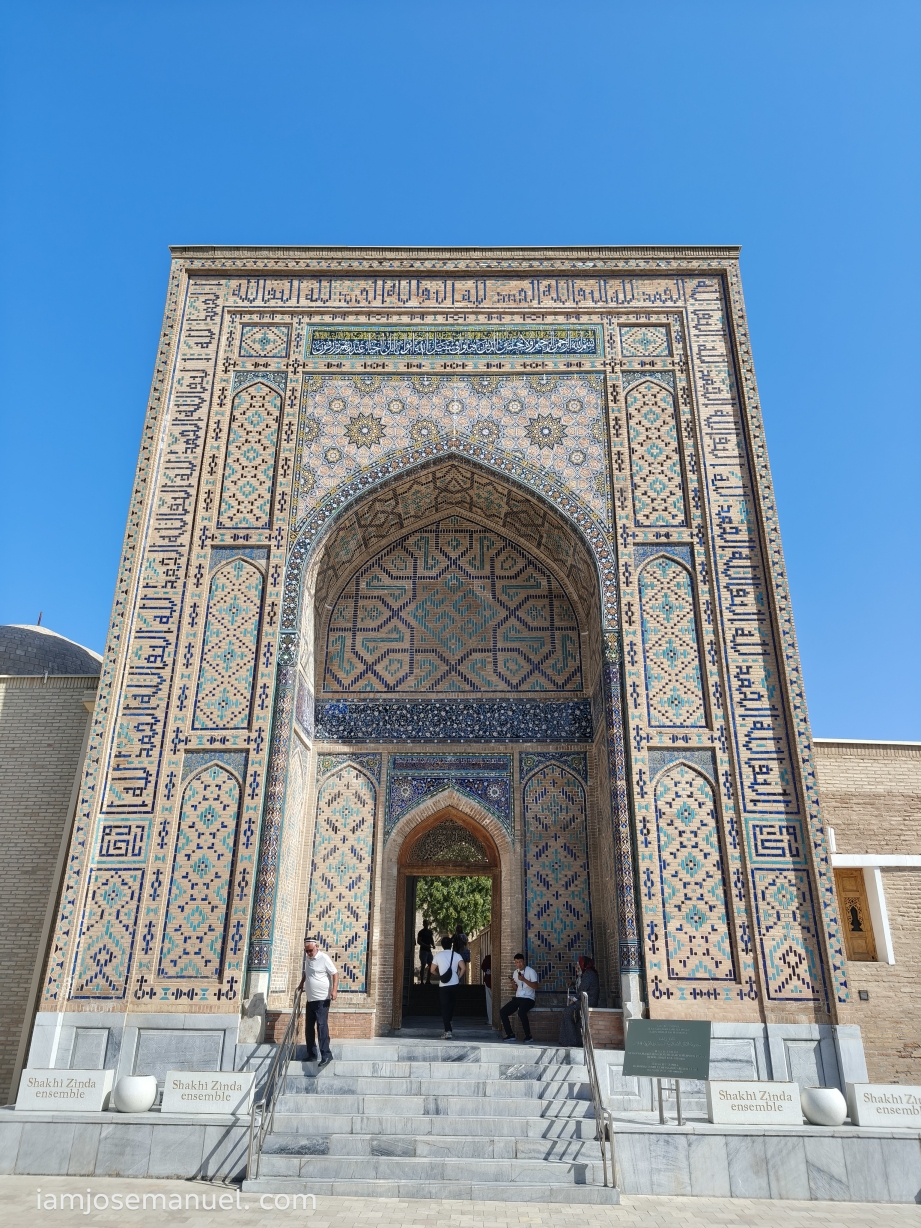
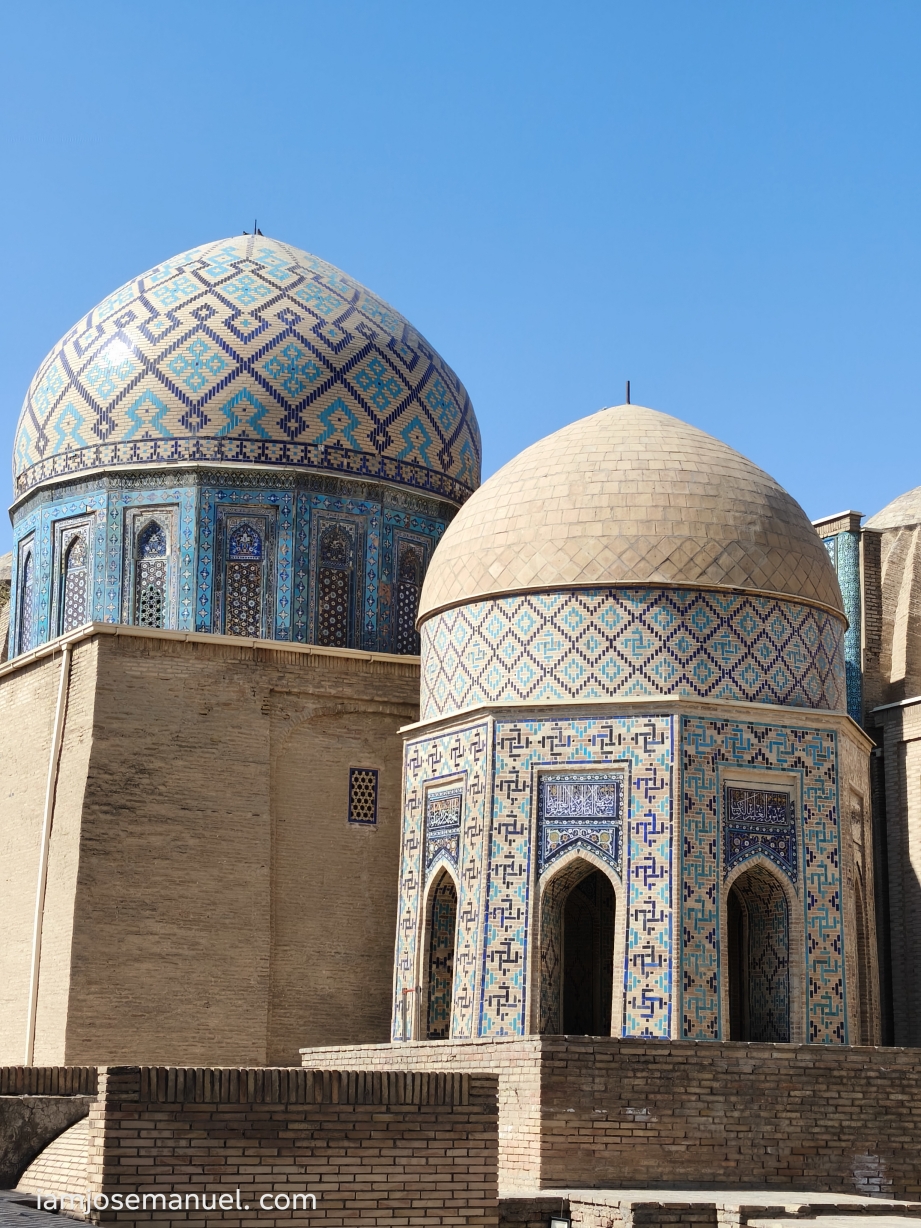
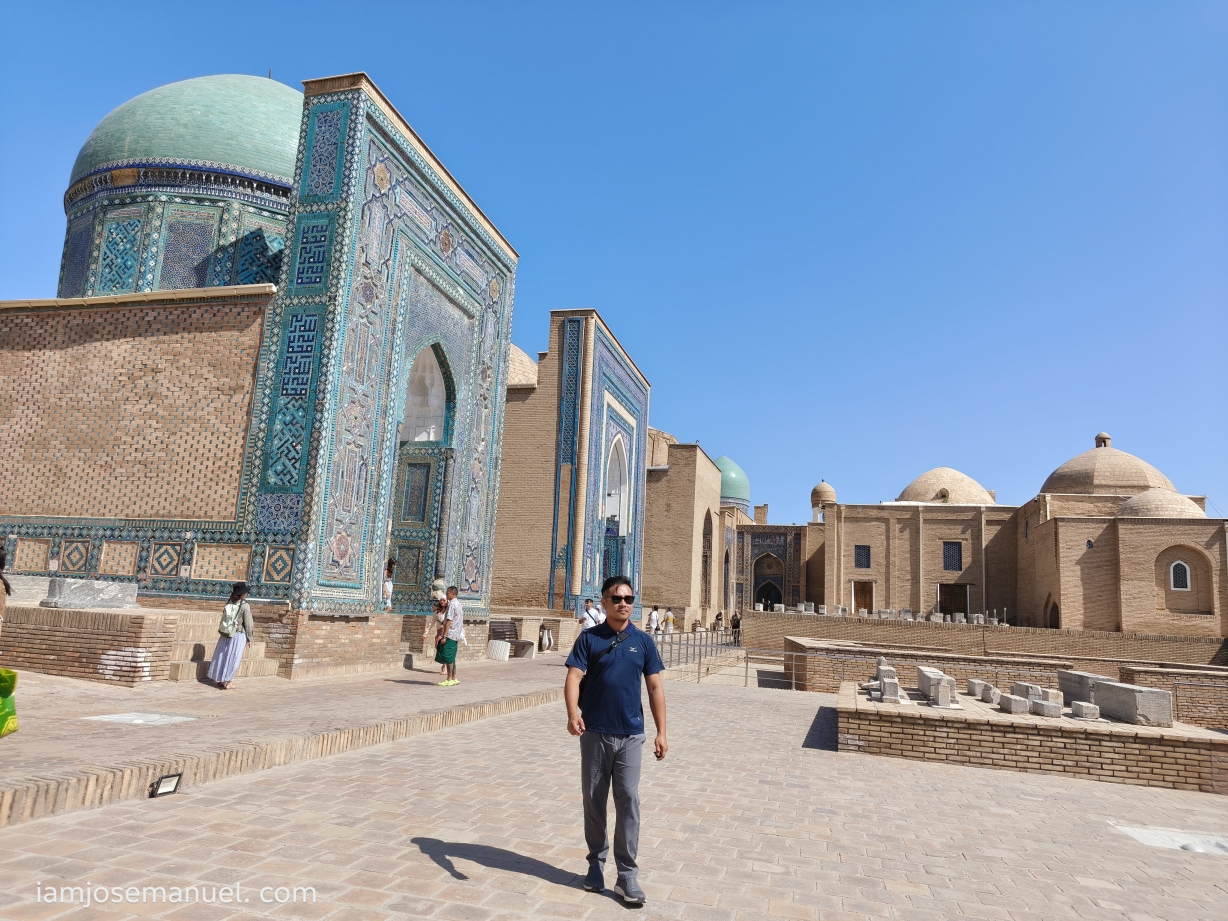
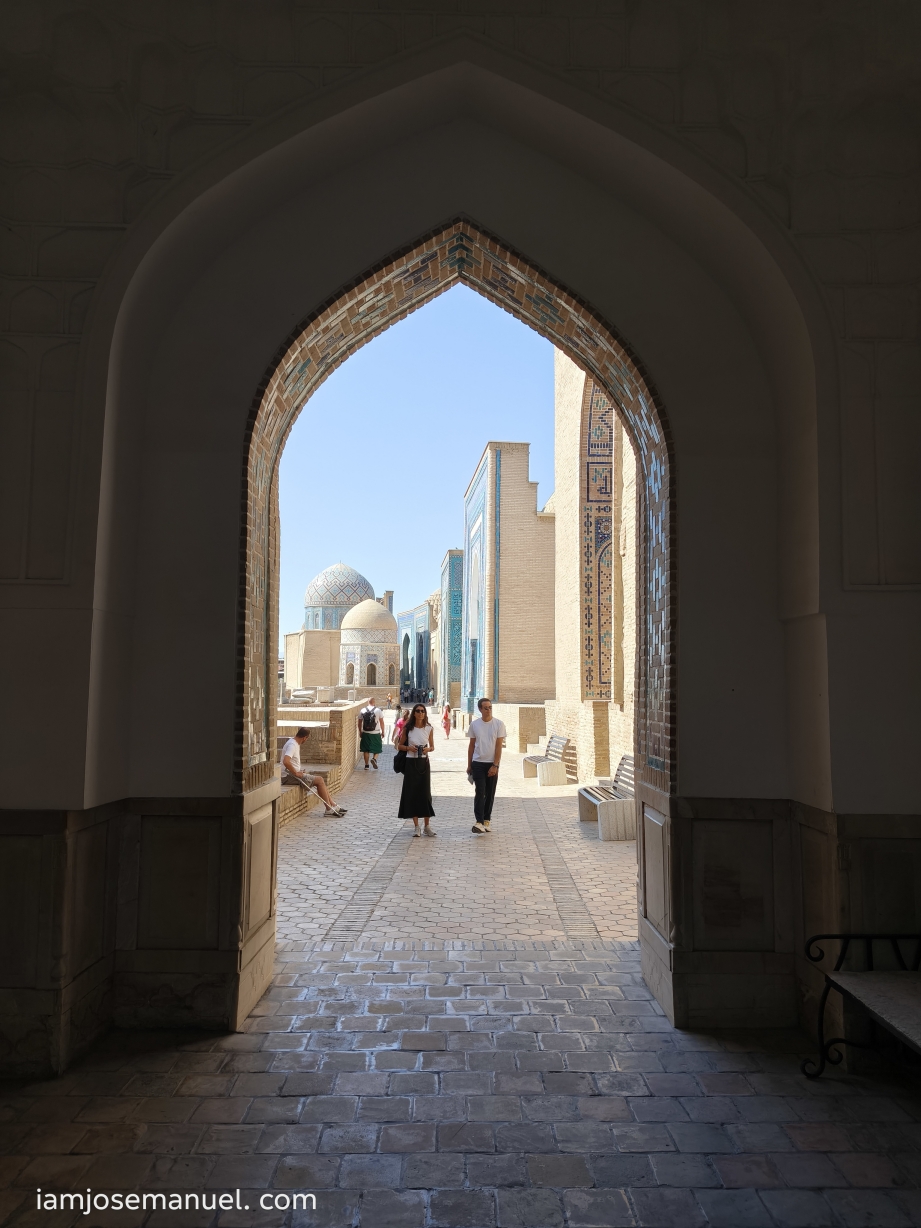
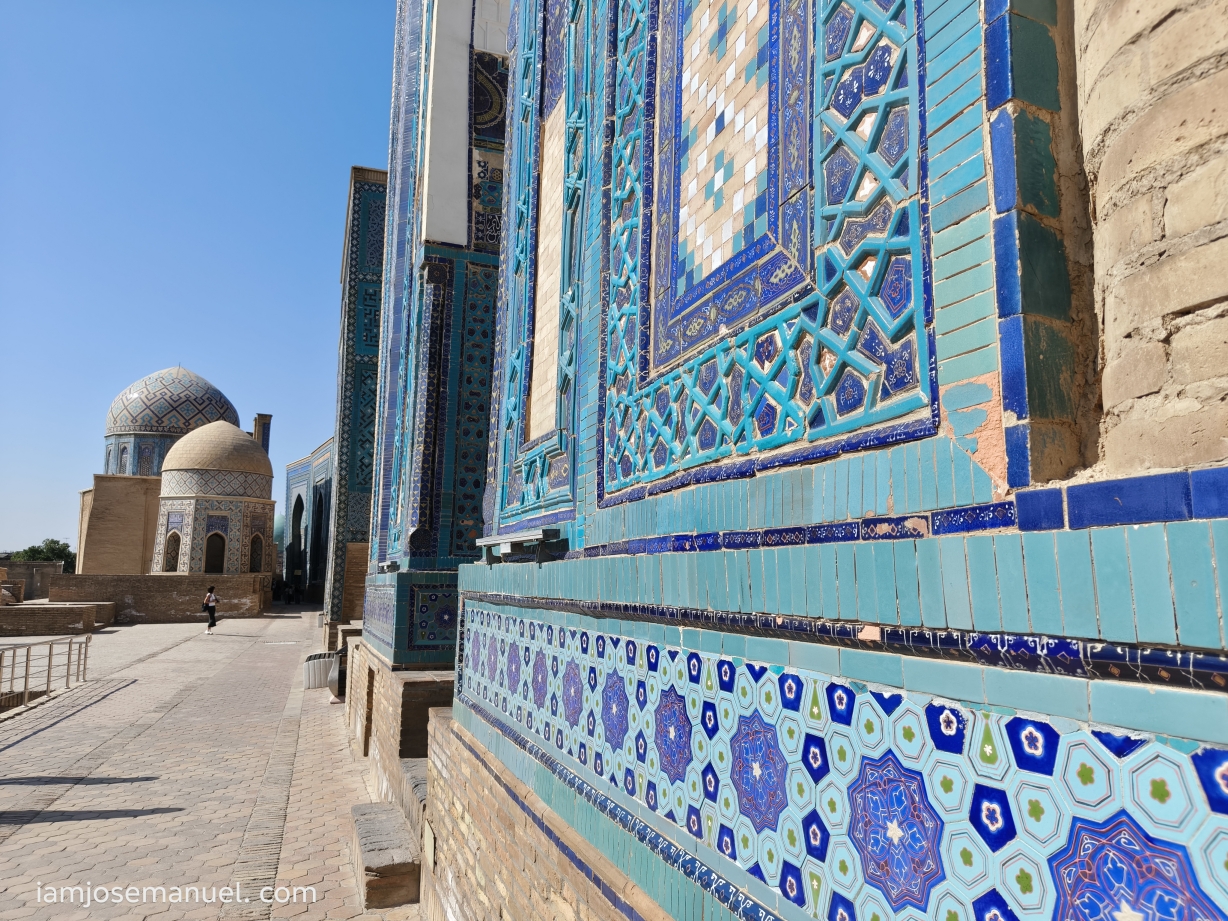
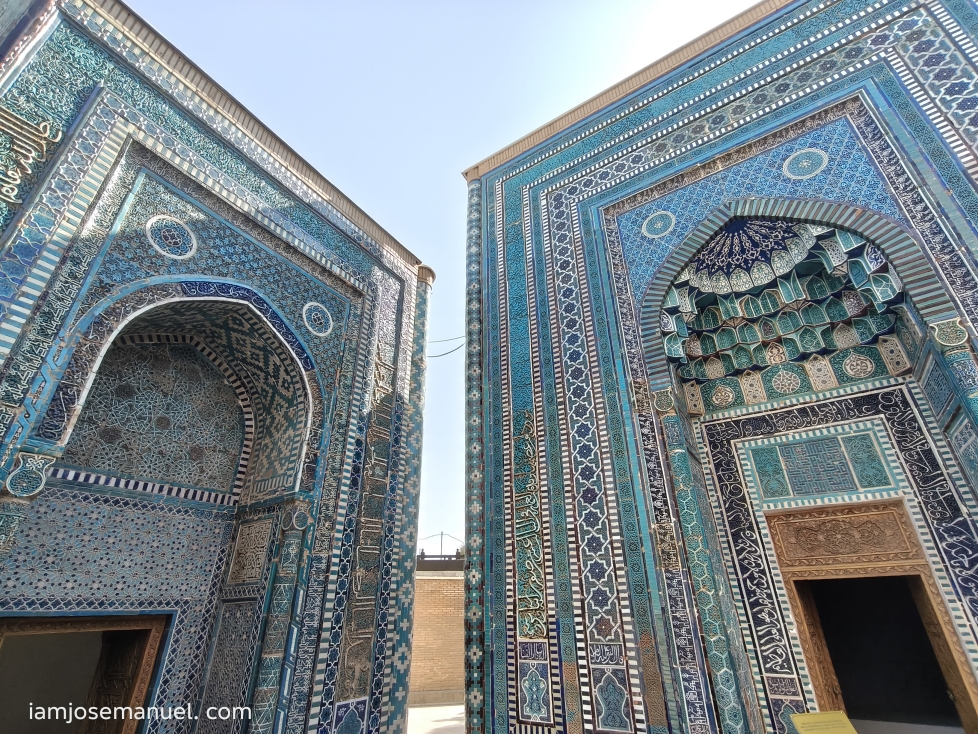
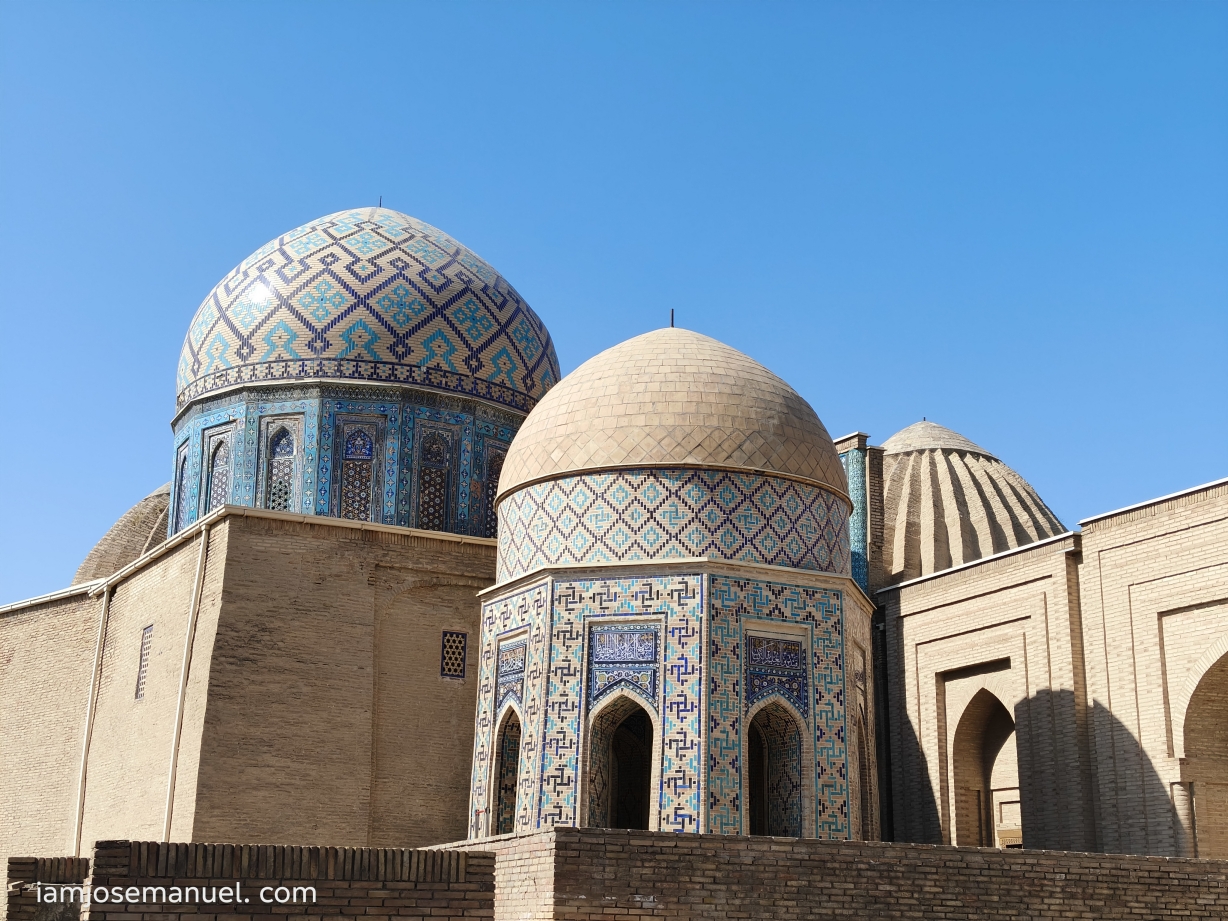
Shah-i-Zinda is a historic necropolis/mausoleum complex and pilgrimage site in Samarkand, known for its striking avenue of brilliant blue mosaic tile facade and turquoise blue domes.

Walking through the corridors feels like travelling to ancient arabic times.

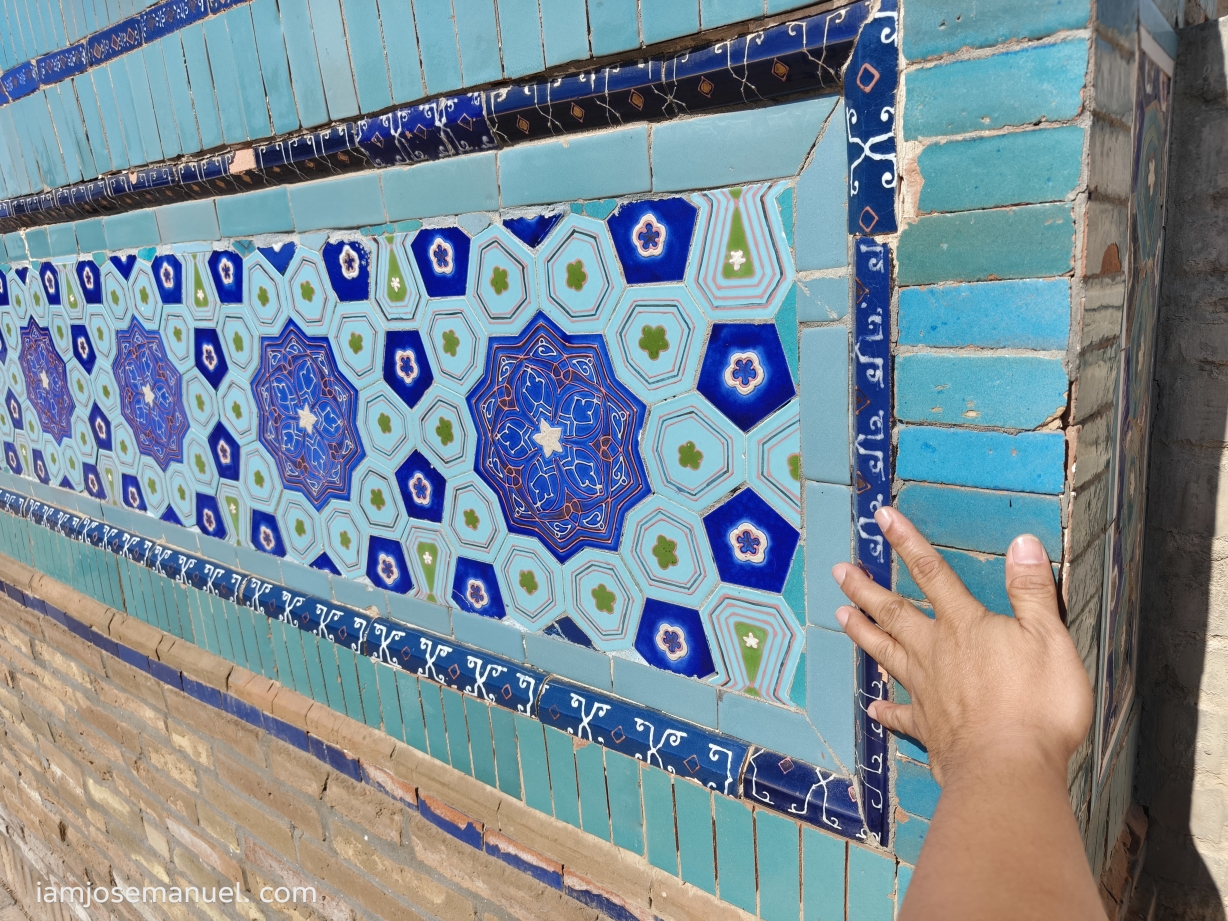
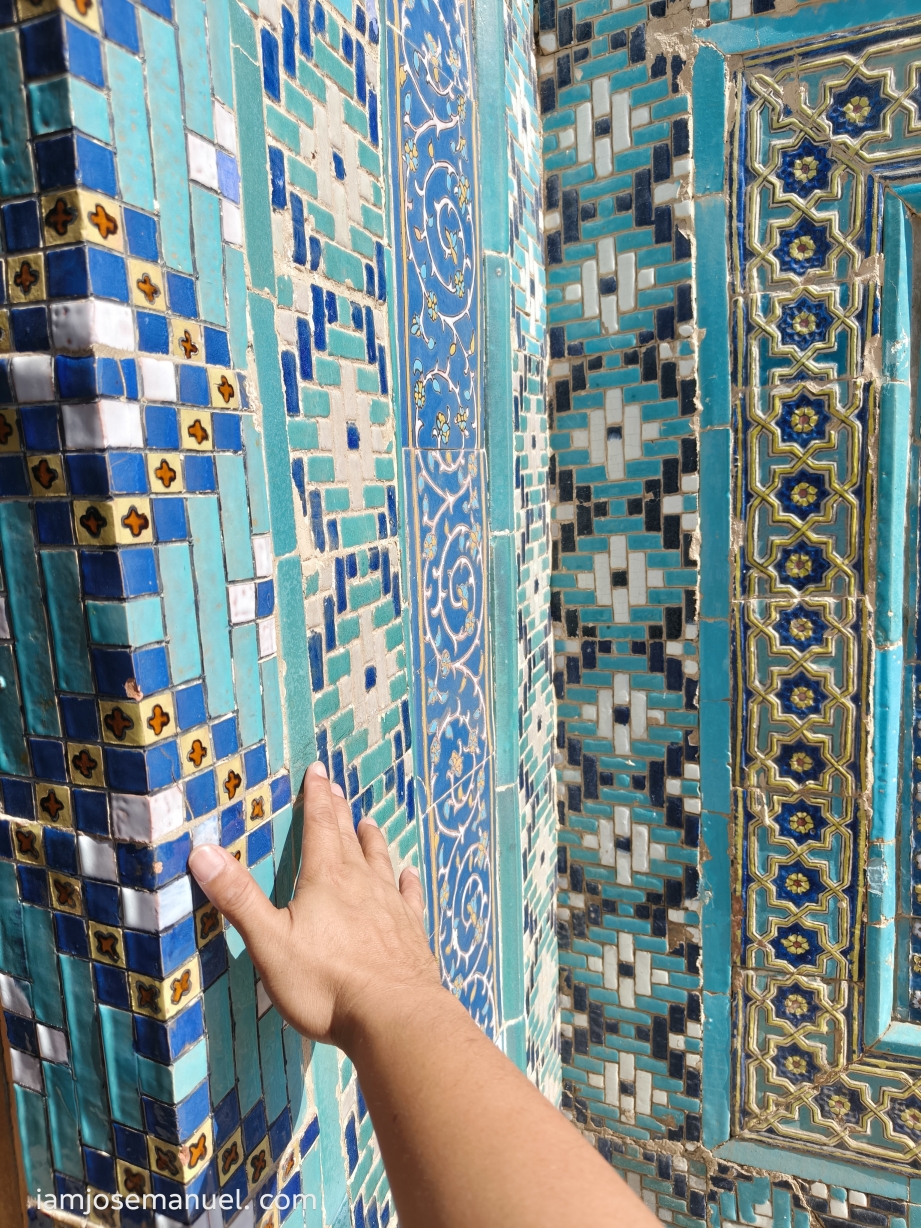
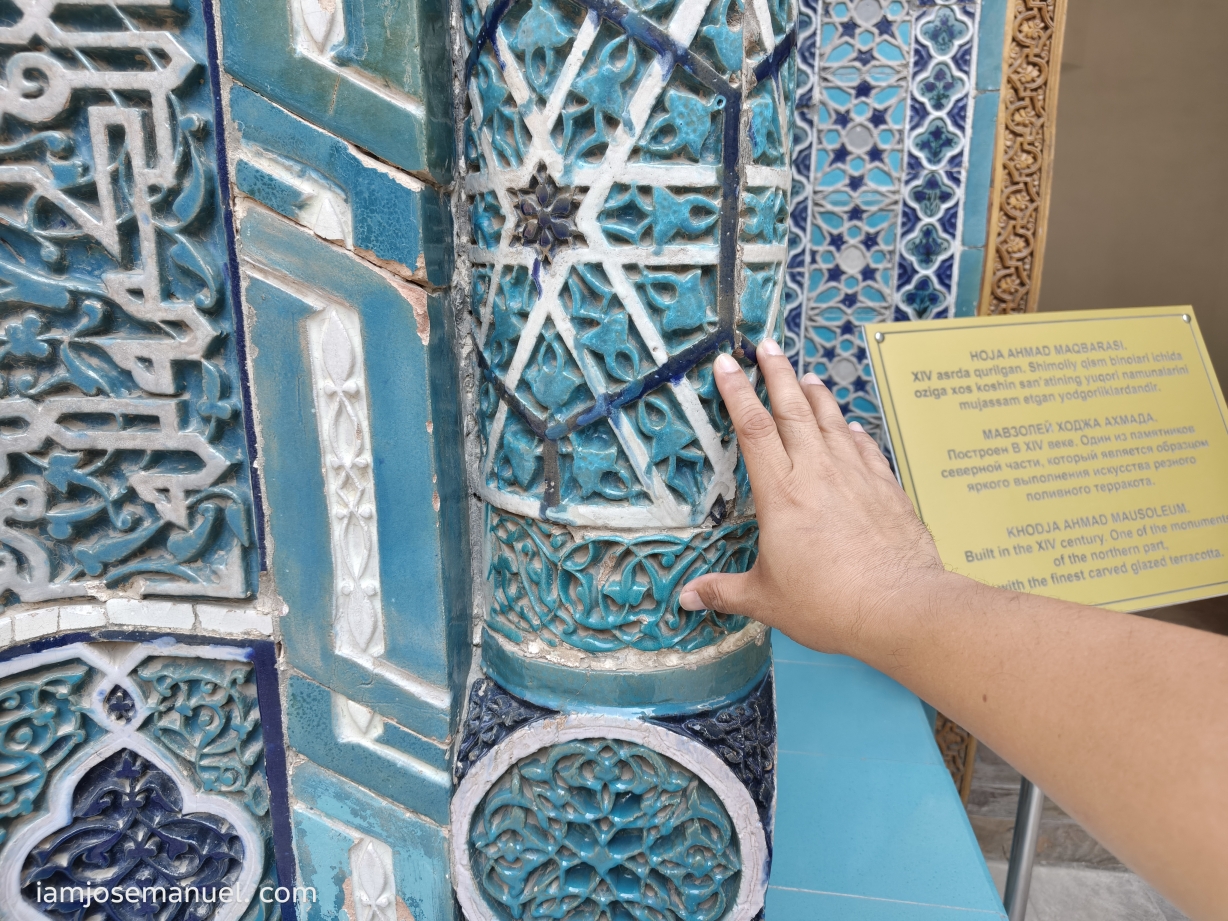
The detailed mosaic tile works of the mausoleums is worthy of all the praises. It was said that the Mongol conquerors of the 12th century has spared this complex from destruction, because they found it valuable and irreplaceable. some of the tile pieces are hand-carved individually.

Many tombs in Shai Zinda belong to the nobility from as early as the 11th Century. Yes, actual people were buried here, and are still honored by their family lineage today.

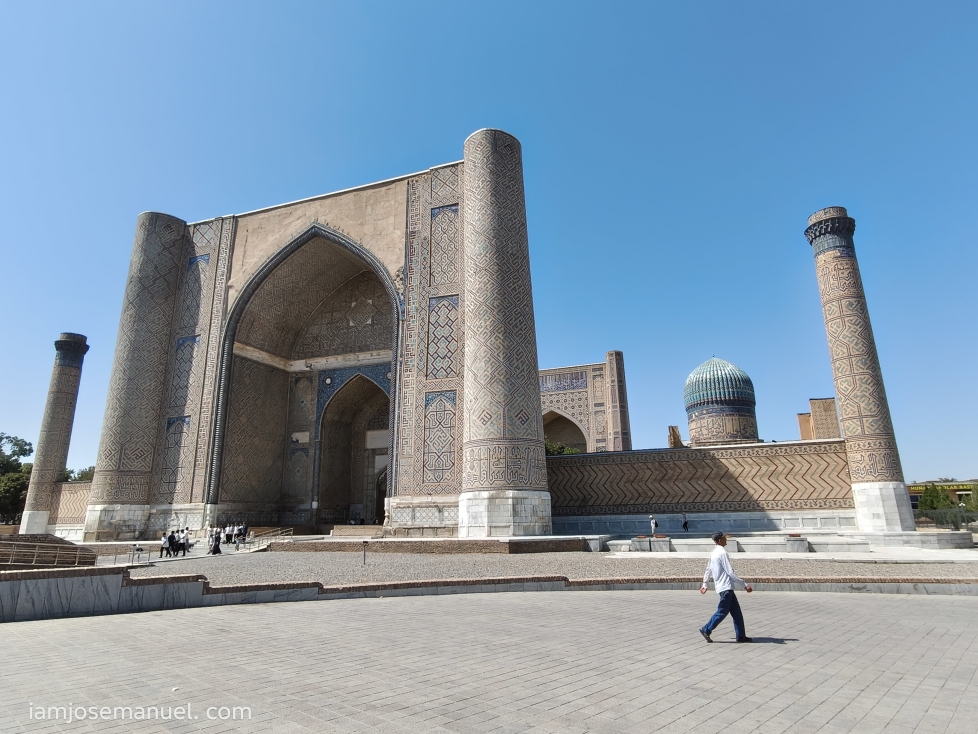
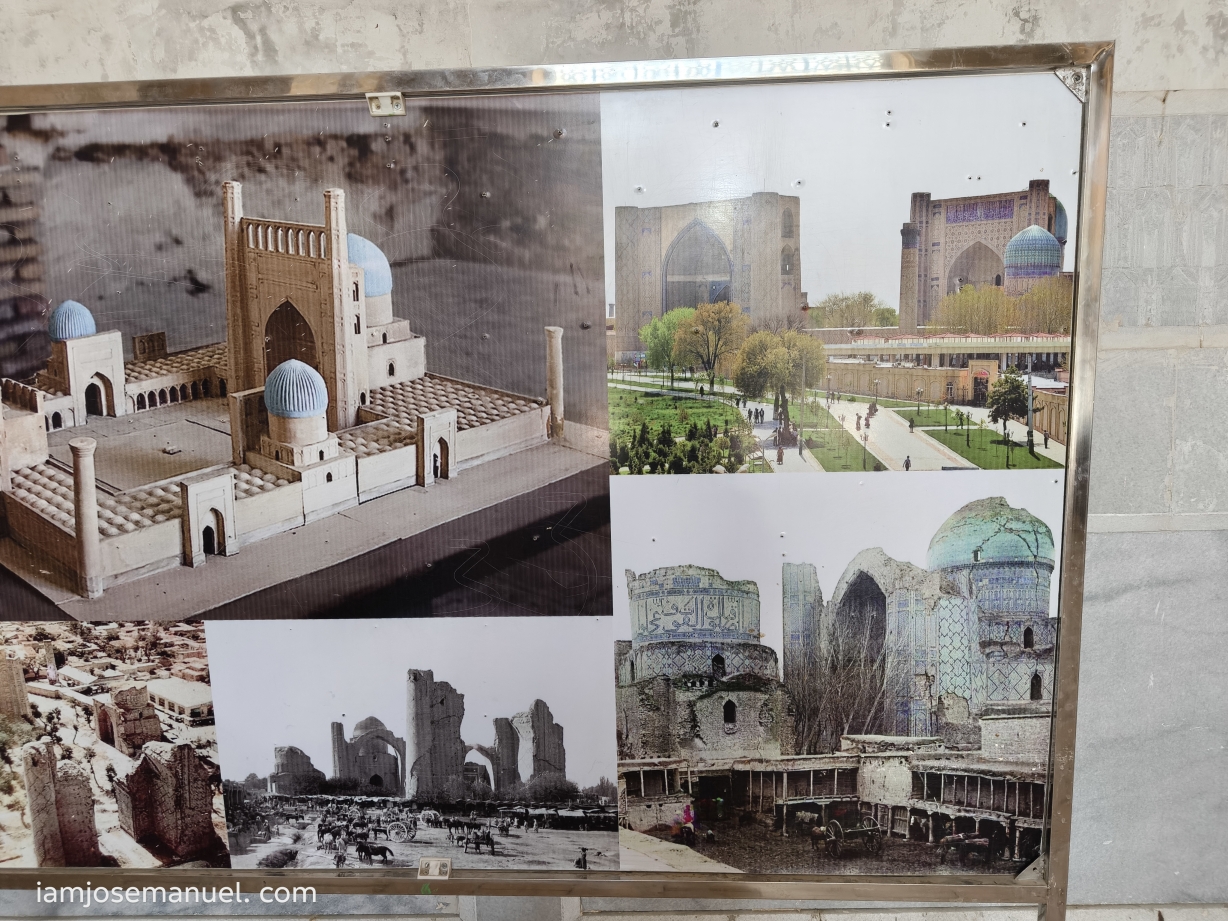
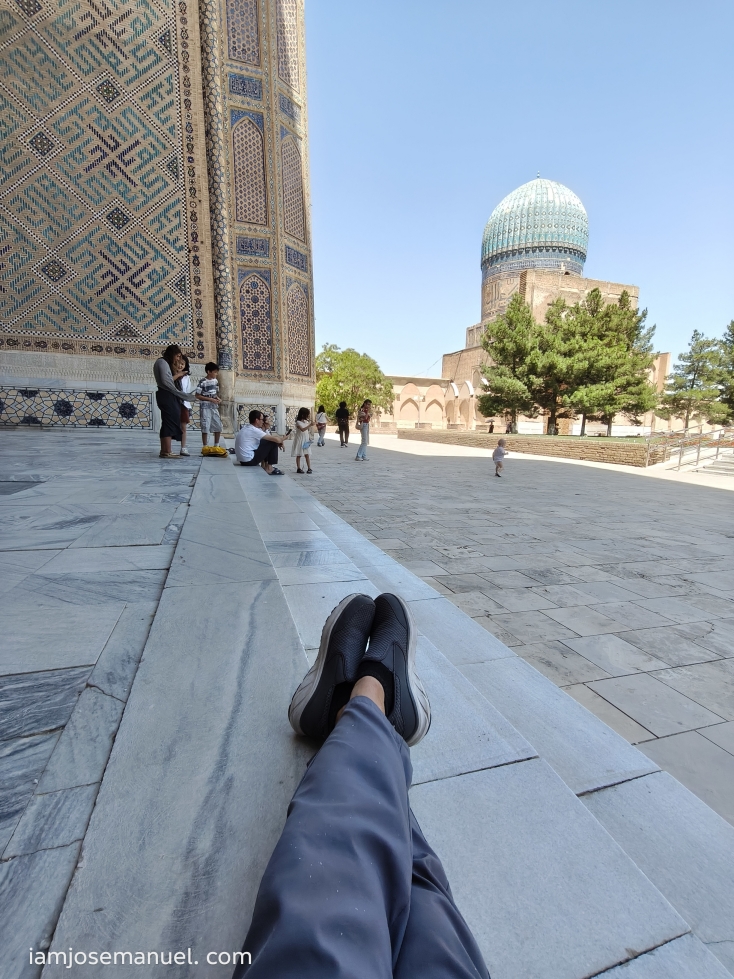
Bibi-Khanym Mosque It is considered a masterpiece of Uzbekistan. Built in the 15th Century, it was one of the largest mosques in the Islamic world during its time. Outside the mosque are other minor mausoleums, as well as the Siyob Bazaar/market which is also worth a visit. The mosque tends to be less crowded compared to the other sites. I spent some time here to rest and just feel the history around me.

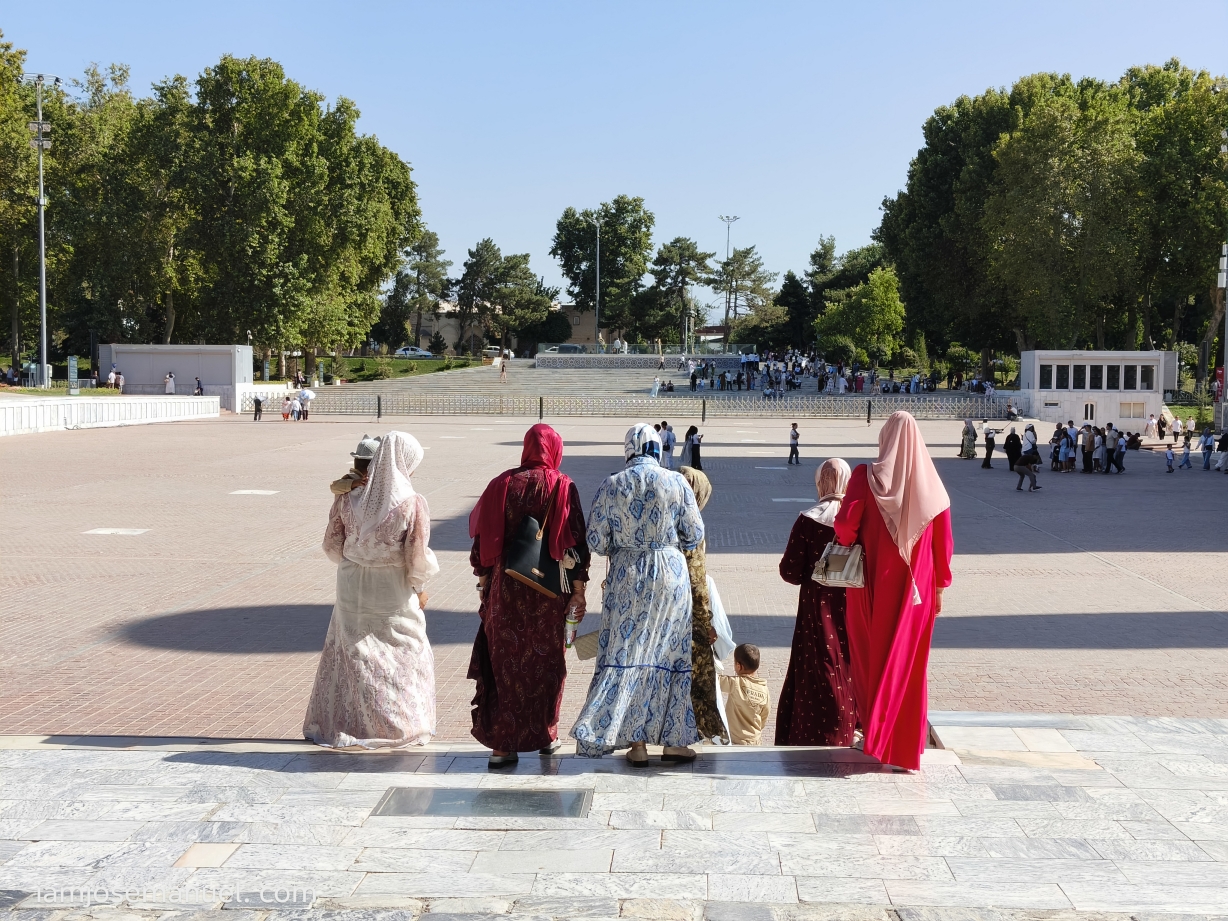
The Registan Square, the Shai Zinda Mausoleum and Bibi Khanym Mosque are all connected by a straight walking street lined by trees, local shops and restaurants. Very convenient for tourists.

Highlights of Uzbekistan (And How to Get E-Visa)

A vibrant, predominantly Islamic country located in the heart of Central Asia, Uzbekistan is a land rich in history and glorious, well-preserved Islamic architecture. Ancient cities in Uzbekistan served as the geographic and economic center of the Silk Road; an unavoidable crossroad connecting traders between China, India, Persia, and the Mediterranean/Europe.

Silk Road was the massive network of ancient land routes that connected China, the Middle East, and Europe (around 600 BC until 1453 CE). In the early days when Galleon trade (large maritime trading, colonial ships) were not yet a thing, the silk road was the main channel for trading, as well as sharing religion, beliefs and exchange of knowledge and technologies. The Silk Road got its name from the main trade product of Ancient China, which is the silk fabric. Other than silk, Chinese merchants traded tea, porcelain, and jade while the Romans/Persians traded spice, gold, silver, wool, and in later times, glassware.

Samarkand, Uzbekistan’s oldest city, was founded around 650 BC; while Tashkent and Bukhara trace its roots back to the 1st millennium BC (that’s even before the time of Jesus). Back in the days, Samarkand and Bukhara were already known and documented under these ancient names. Today, these cities live and continue to tell its stories.

During my Central Asia trip, I intentionally planned to stay in Uzbekistan the longest so I had enough time to visit Tashkent, Samarkand and Bukhara. Uzbekistan was definitely the highlight of the entire trip.

E-Visa Requirements to prepare:

  • Valid Passport: Scanned colored copy of bio page in jpeg format. file size less than 1 MB.
  • Digital Photo: A recent color passport-size photo in jpeg format. file size less than 1 MB.
  • Accommodation details in Uzbekistan. Contact information including phone number and email. Booked mine thru Agoda. Since I intended to visit three Uzbek cities, I provided my first night hostel details, which is in Tashkent.
  • No flight details required. just the intended date of entry and exit.
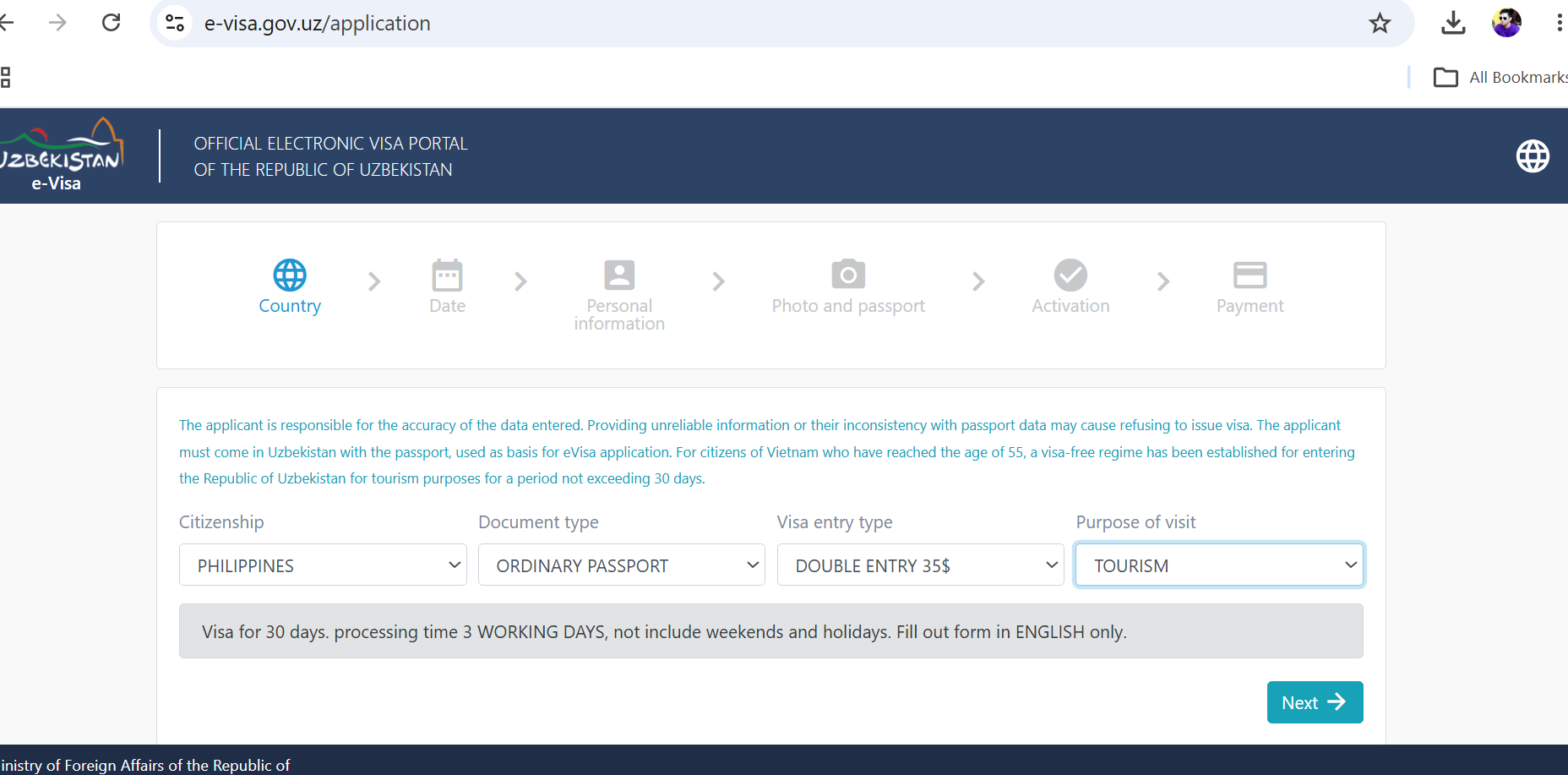
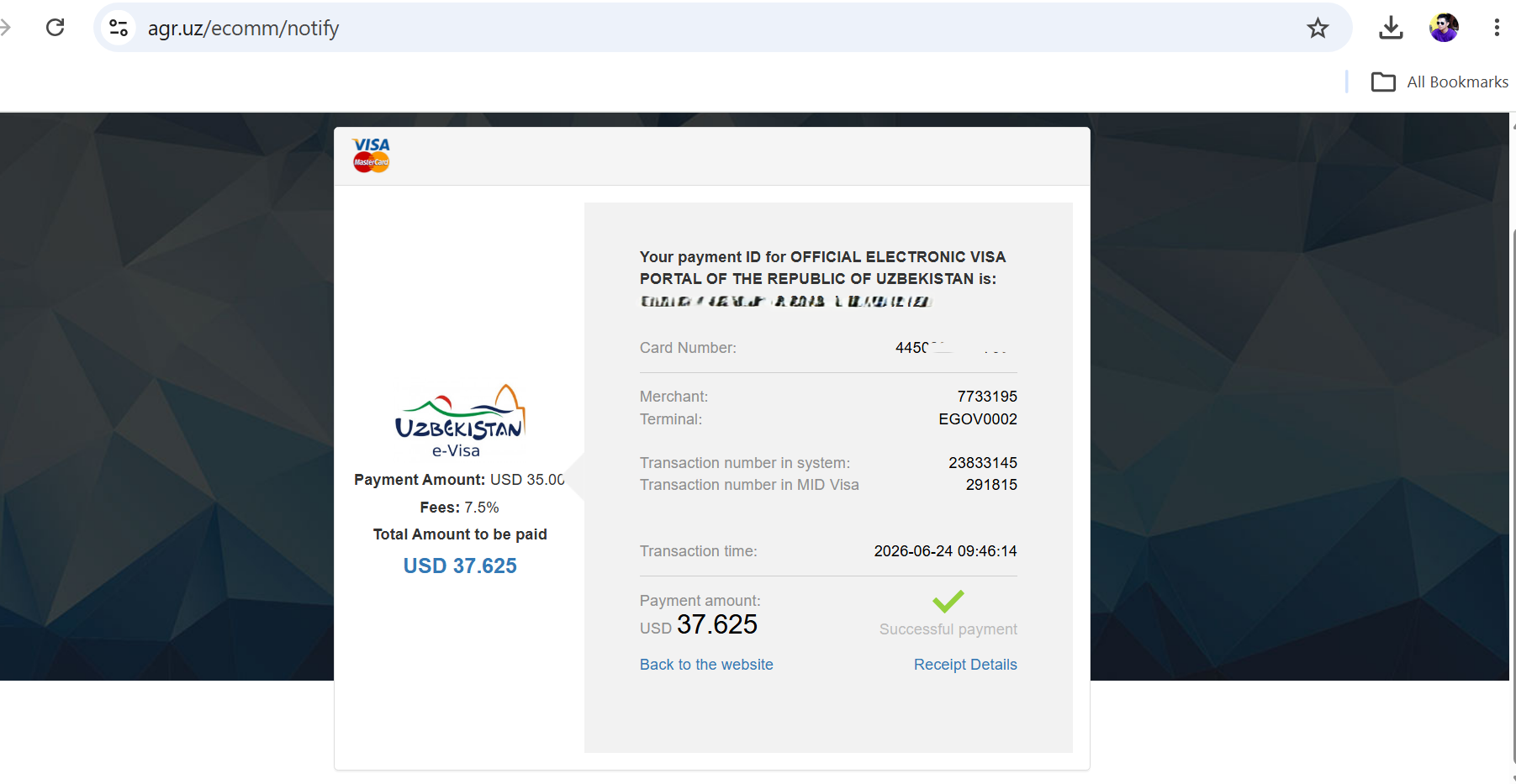
  • Payment Card: A valid Visa card to pay the online fee. 20 USD – Single Entry, 35 USD – Double Entry, plus a small processing fee. I applied for double entry since I intended to visit the neighboring Tajikistan by day tour.
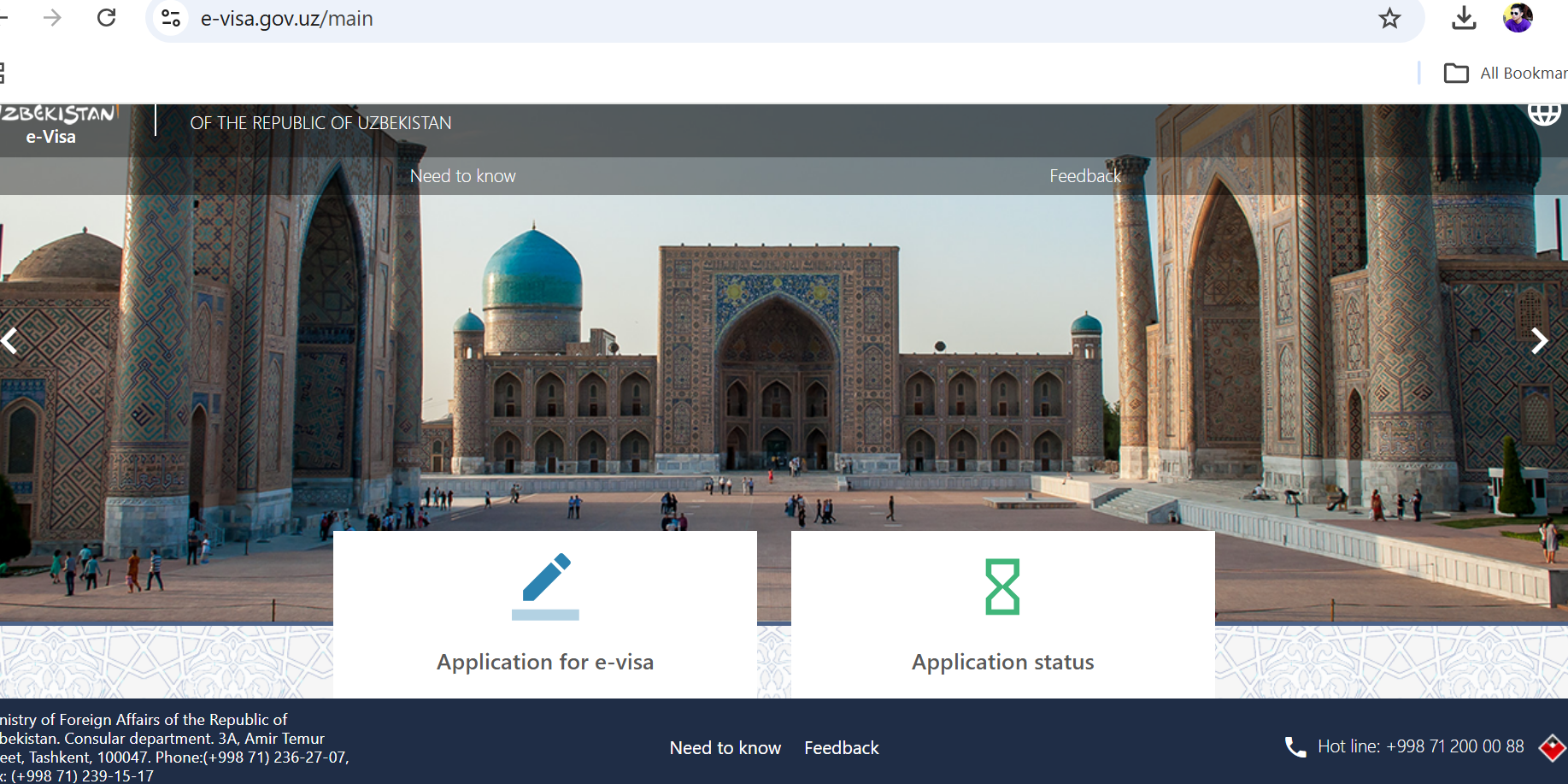
  • See E-Visa website screenshots below for reference.

Online application form/interface was simple and straightforward. I applied for E-visa 60 days before my intended trip. Got the approval within 3 days via email.

My Central Asia route: Fly to Almaty,Kazakhstan > Bus to Bishkek,Kyrgyzstan (4 hrs) > Fly to Tashkent,Uzbekistan (1 hr)> Regional Train to Samarkand,Uzbekistan (3 hrs) > Day trip to Panjakent,Tajikistan by van(1.5 hr) then back to Samarkand > Regional Train to Bukhara,Uzbekistan (3 hrs).

I flew to Central Asia via China Eastern Airline Manila – Shanghai – Almaty. Details of the flight are posted here.

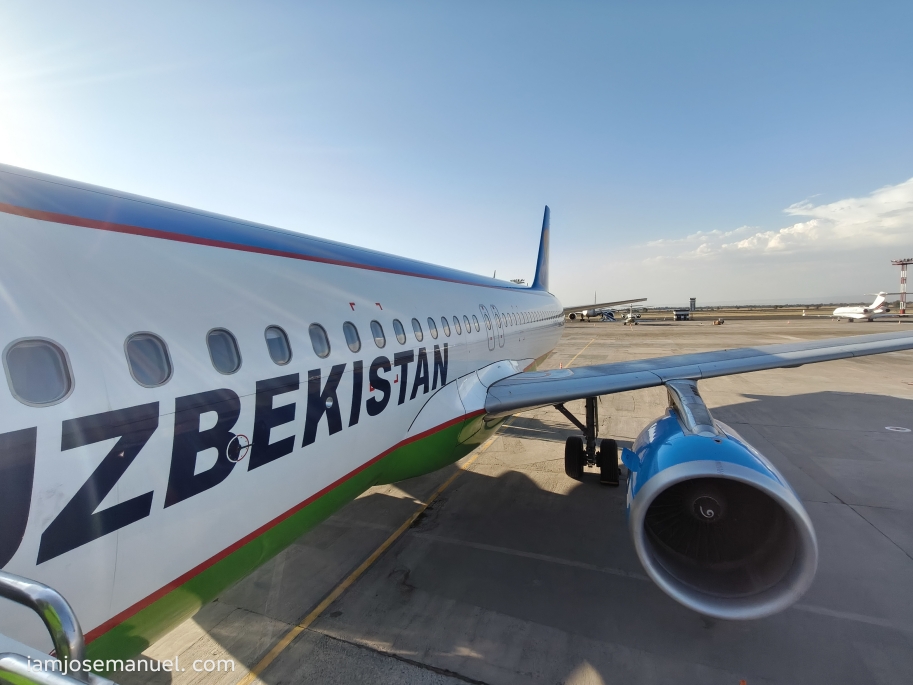
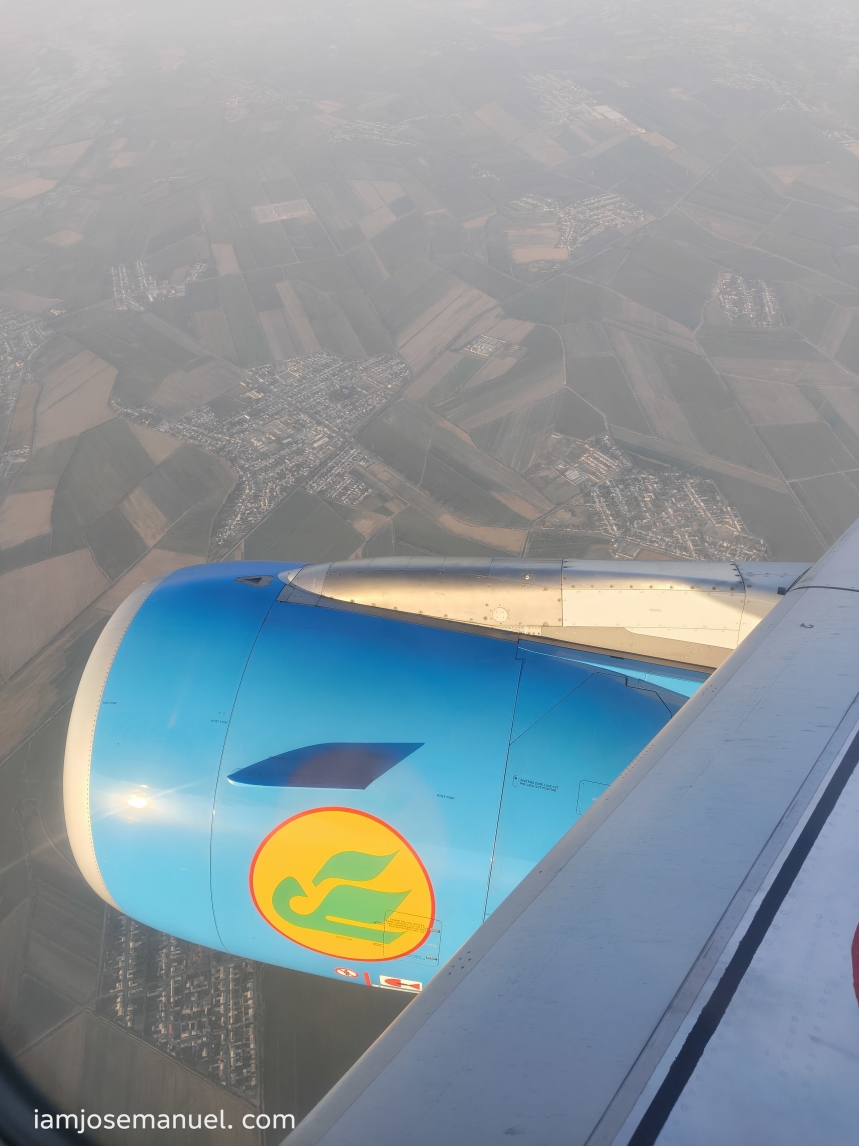
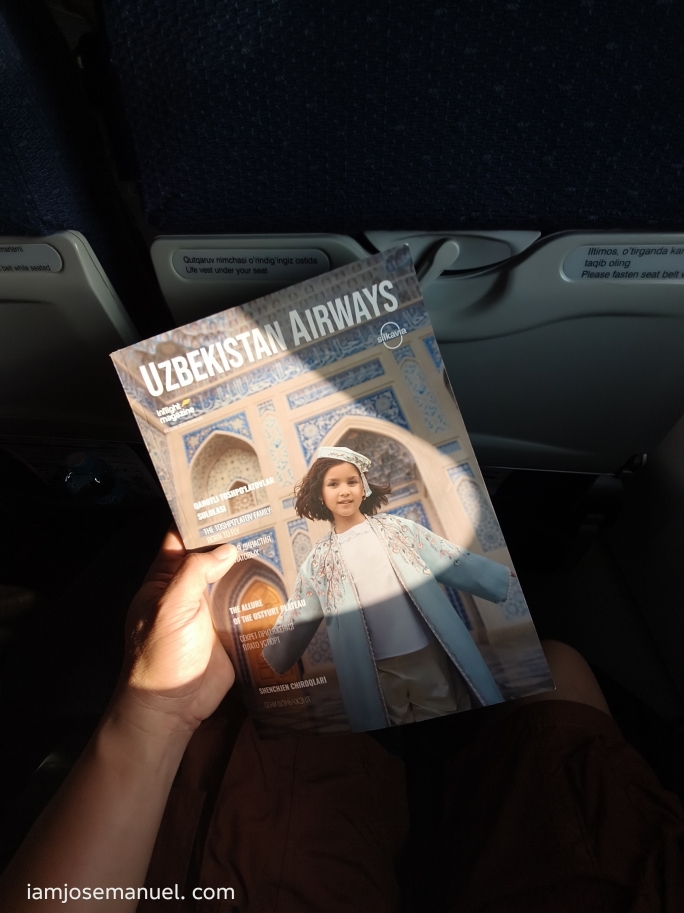
Option: Bishkek to Tashkent can be done by bus+train combo, but it takes so much time since dadaan ulit ng Almaty. As such, I opted to take an hour flight with Uzbekistan Airways. Flights between Central Asian cities are relatively inexpensive.

Where I booked my Regional Train Tickets: 12go.com . The Uzbek Train official website did not accept my local credit cards as payment. 12go was easier to use, with a small convenience fee. I booked my train (SHARQ) tickets around 45 days before my intended trip. Online booking only open 45 days prior. sometimes 30 days. I highly suggest joining UZ travel forums on facebook for exchange of info.

Highlights of Tashkent, the capital city and major/modern gateway of Uzbekistan.

Highlights of Samarkand. Standing for over 2,700 years, it is one of the oldest continuously inhabited cities in Central Asia. Founded in 650 BC, it is as old as Rome and Athens. Samarkand is famous for the glorious Islamic Architecture, polished turquoise blue domes and perfectly restored mosaic tileworks on Mosques and Madrasa Building(school).

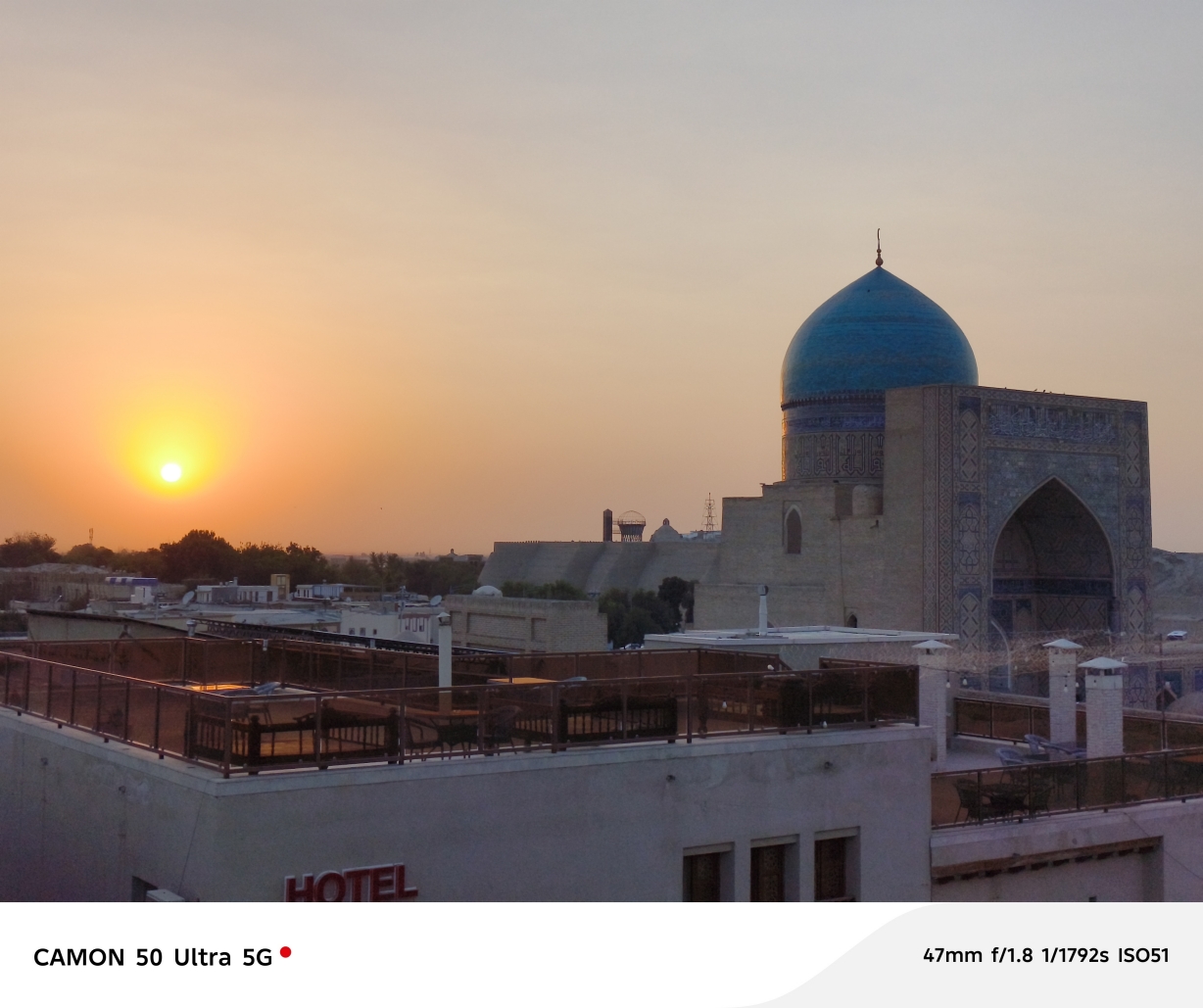
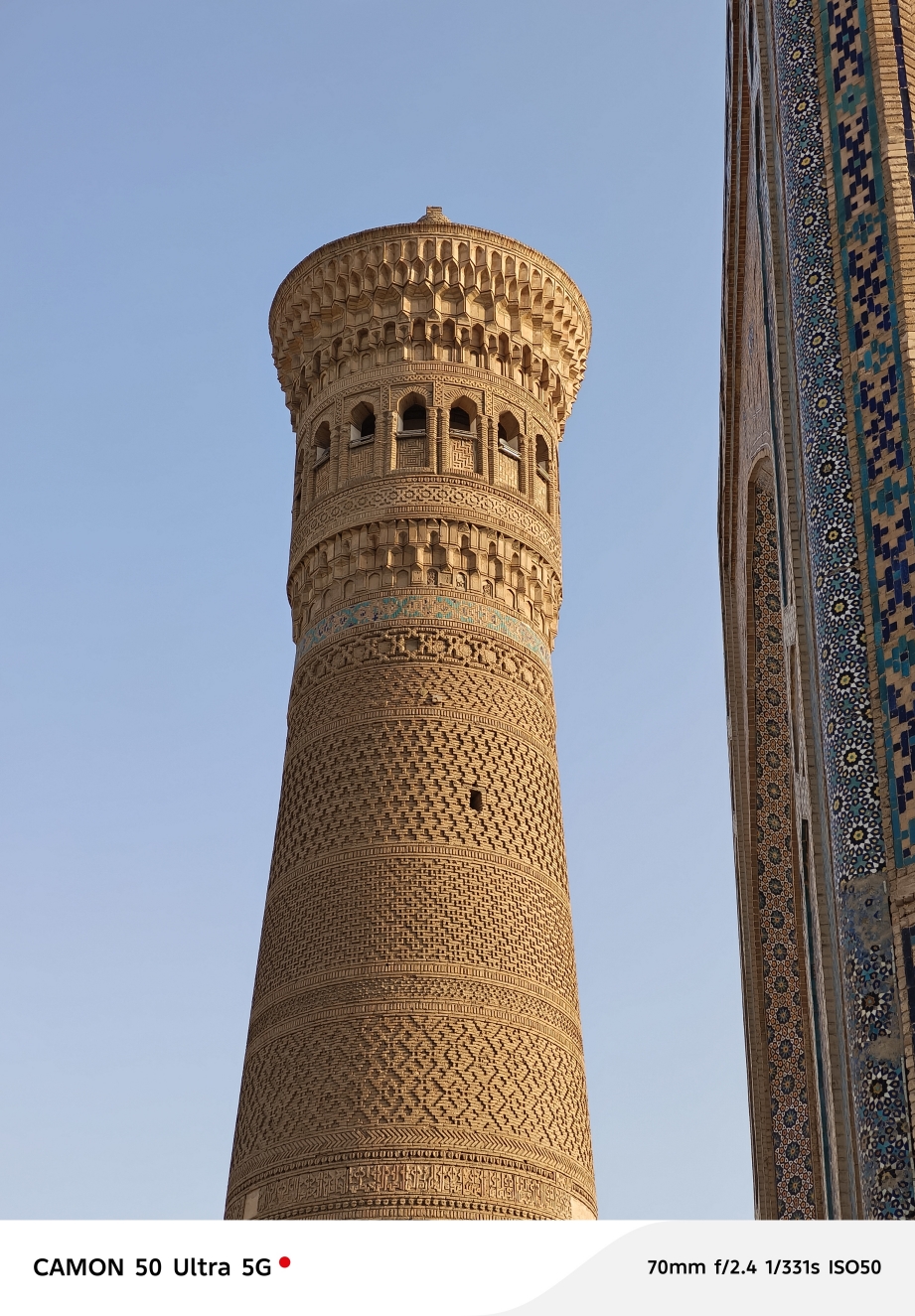
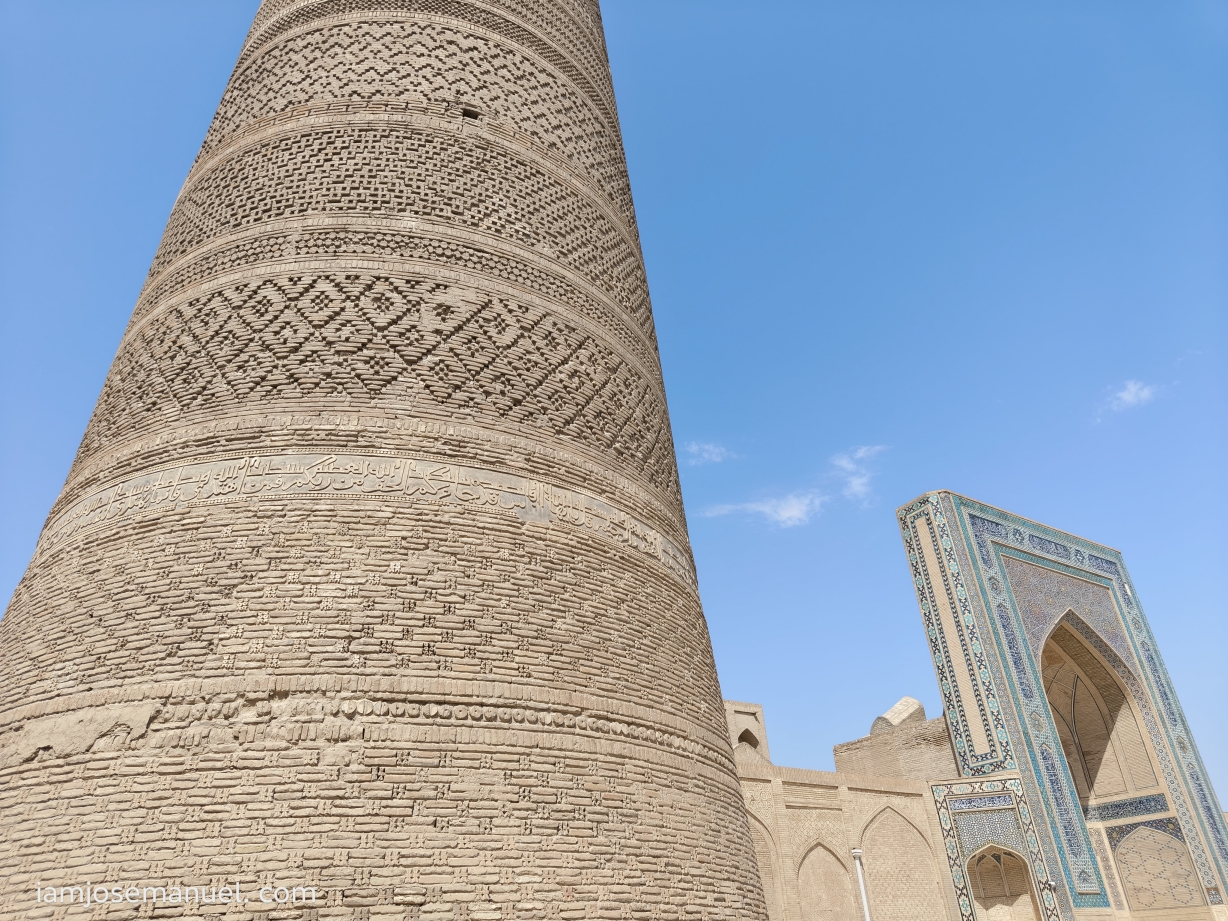
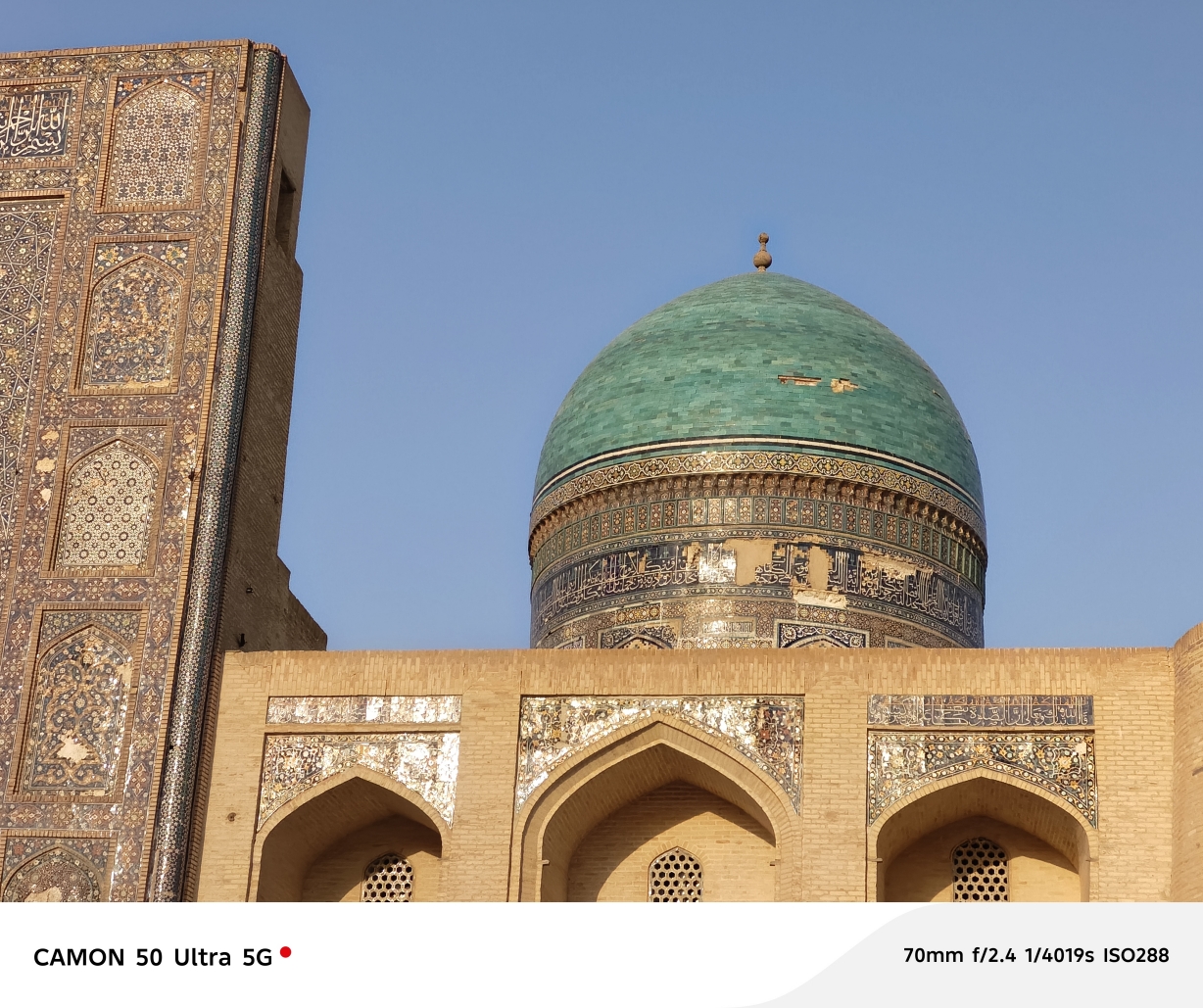
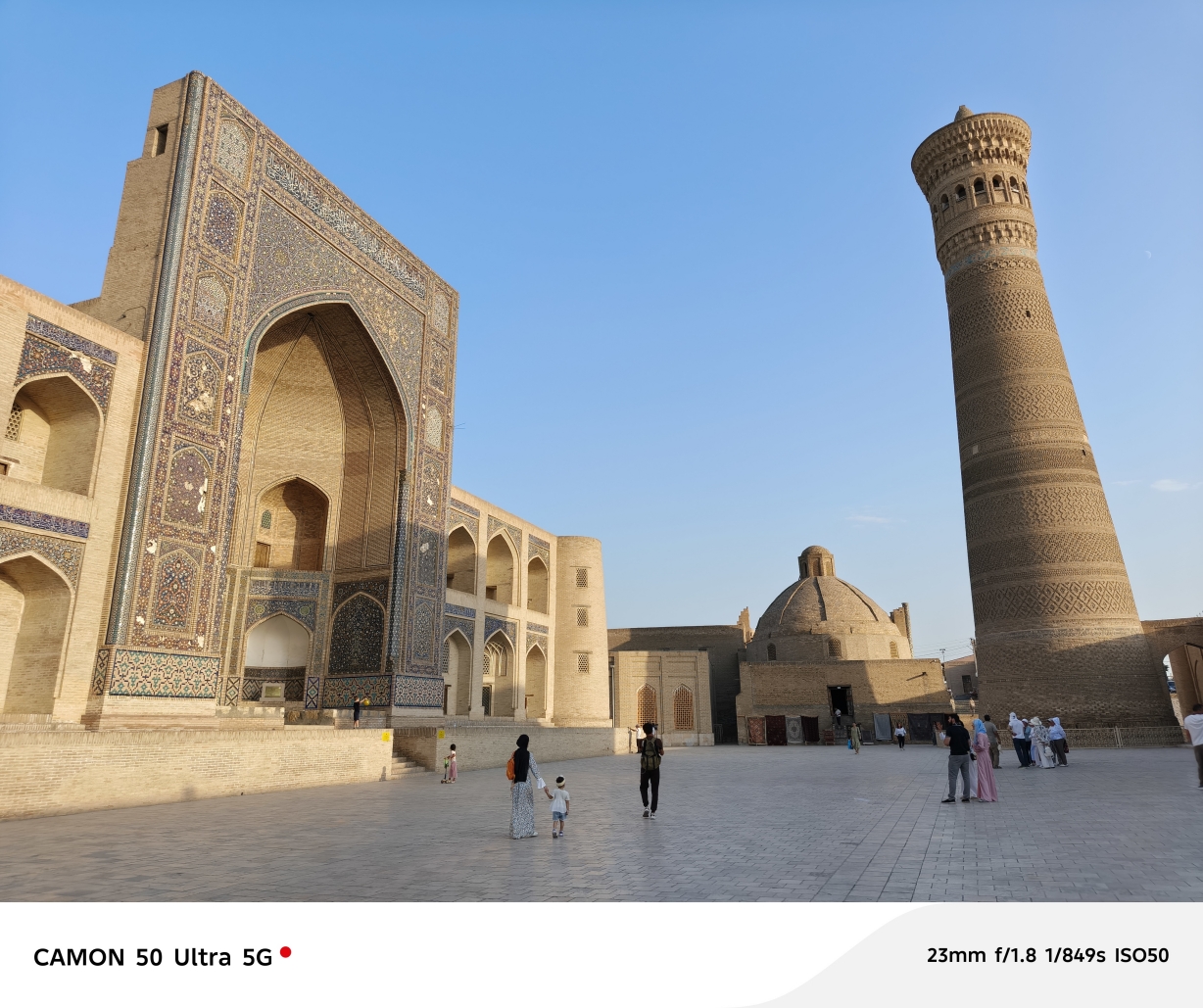
Highlights of Bukhara. Designated a UNESCO World Heritage Centre, the old quarters is somewhat like an open air museum, with well preserved Islamic Architecture elements like the Poi-Kalyan minaret (call for prayer tower), mosques and mausoleums. Compared to Samarkand, Bukhara is more rugged and unpolished/rough on the edges, offering an old world feels. It is also relatively smaller. I stayed at a guesthouse in a community just outside of the old fortress.

Helpful Travel Tip: Yandex Apps are your best friends in Central Asia.

  • Yandex Go– for my taxi rides. Installed this with my Android, and registered an account BEFORE I LEFT THE PHILIPPINES, using my local smart number. Cash payment only. Taxi rides are cheap in UZ; in the whole of Central Asia actually.
  • Yandex Map (as an alternative to google) for city bus and metro train/subway rides.
  • I used Gcash Visa Card for all my bus rides in Uzbek, as well as metro train. Contactless/tap and pay.
  • I did not buy na a local sim card on arrival. Instead, I purchased an international physical sim from Shopee (one sim for Central Asia etc-Kazakhstan, Kyrgyzstan and Uzbekistan. laking tipid nito), 10 GB. I did not have any problem with the sim. Matic transfer of network when border crossing between stan countries.
  • Pwede rin naman E-sim if you like. YESIM ang trusted esim ko for travel. Intall the app before leaving PH to avoid trouble.
  • Yandex Translate – English is very limited. Translators will come handy.
  • Money changers are not very common in Bukhara and Samarkand. Change bills in Tashkent upon arrival. Or you can just withdraw at the ATMs. Credit card payments are only accepted on bigger stores and restaurants. Even the guesthouses that I stayed in only accept cash. When going to UZ, take note of this.

Will upload a separate blog for each Uzbek city. Coming up.

Kazakhstan Travel Guide

Here’s how I prepared for my trip to Central Asia. First stop, Almaty, Kazakhstan.

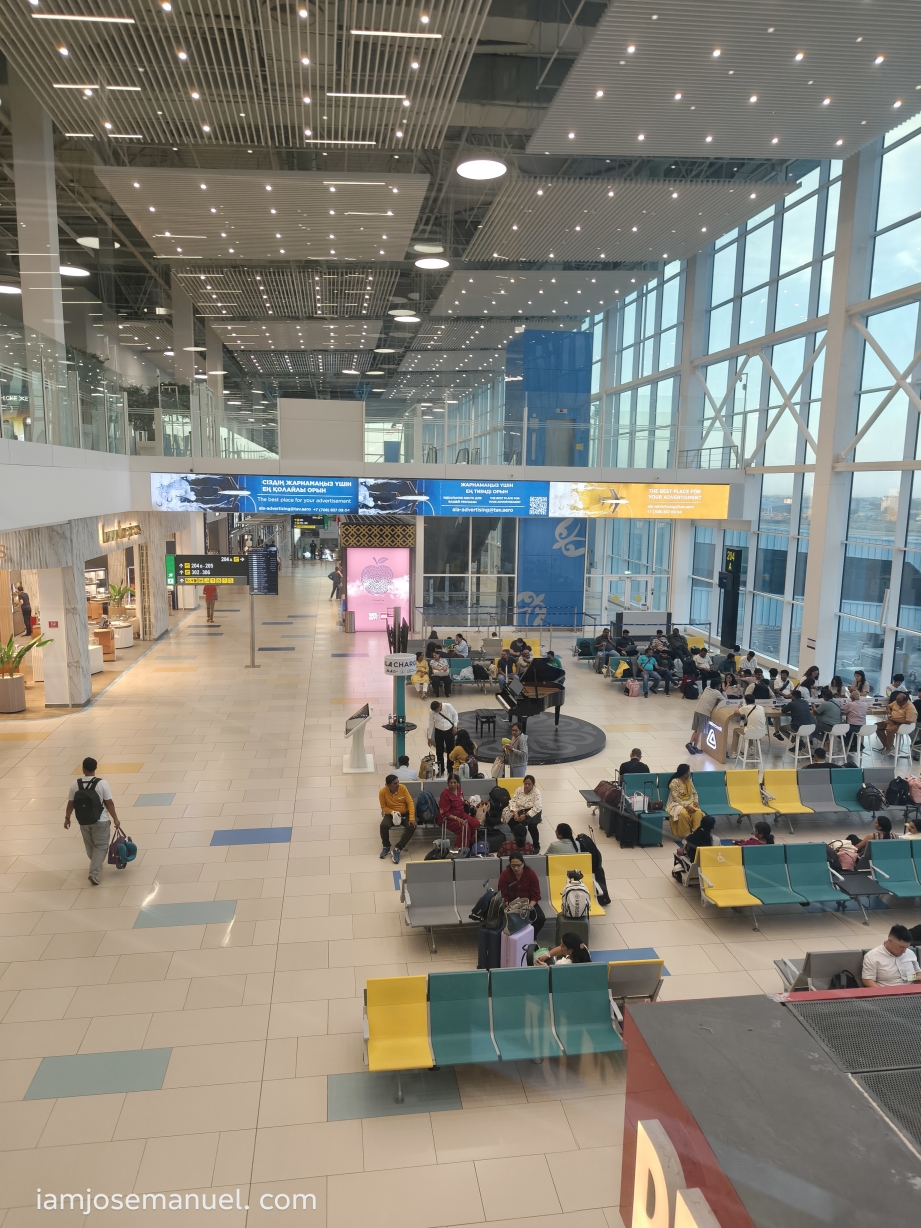
I flew to Almaty,Kazakhstan via China Eastern Airlines from Manila. Flight was pretty straightforward. We left Manila at 8 am (around 4 hours), with a quick 2.5 hours layover in Shanghai. Then to Almaty (around 6 hours). I was already in Kazakhstan at around 7 pm, maliwanag pa. Sunset at Central Asia is around 8pm. This flight was not the cheapest option at around 20k one way with baggage, but I chose this for the flight time. I usually prefer to arrive na medyo may araw pa. That way, I feel safer to take public transportation to the city center upon arrival.

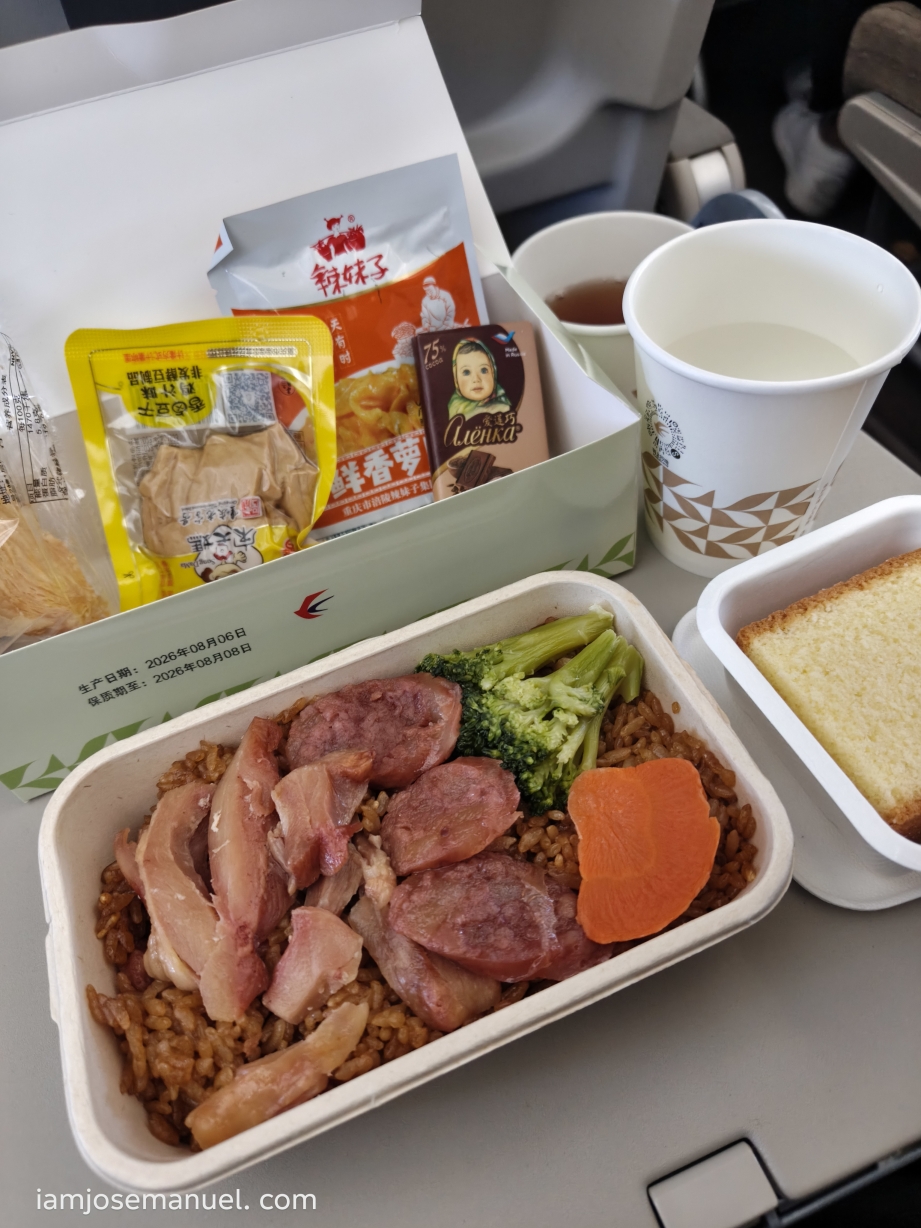
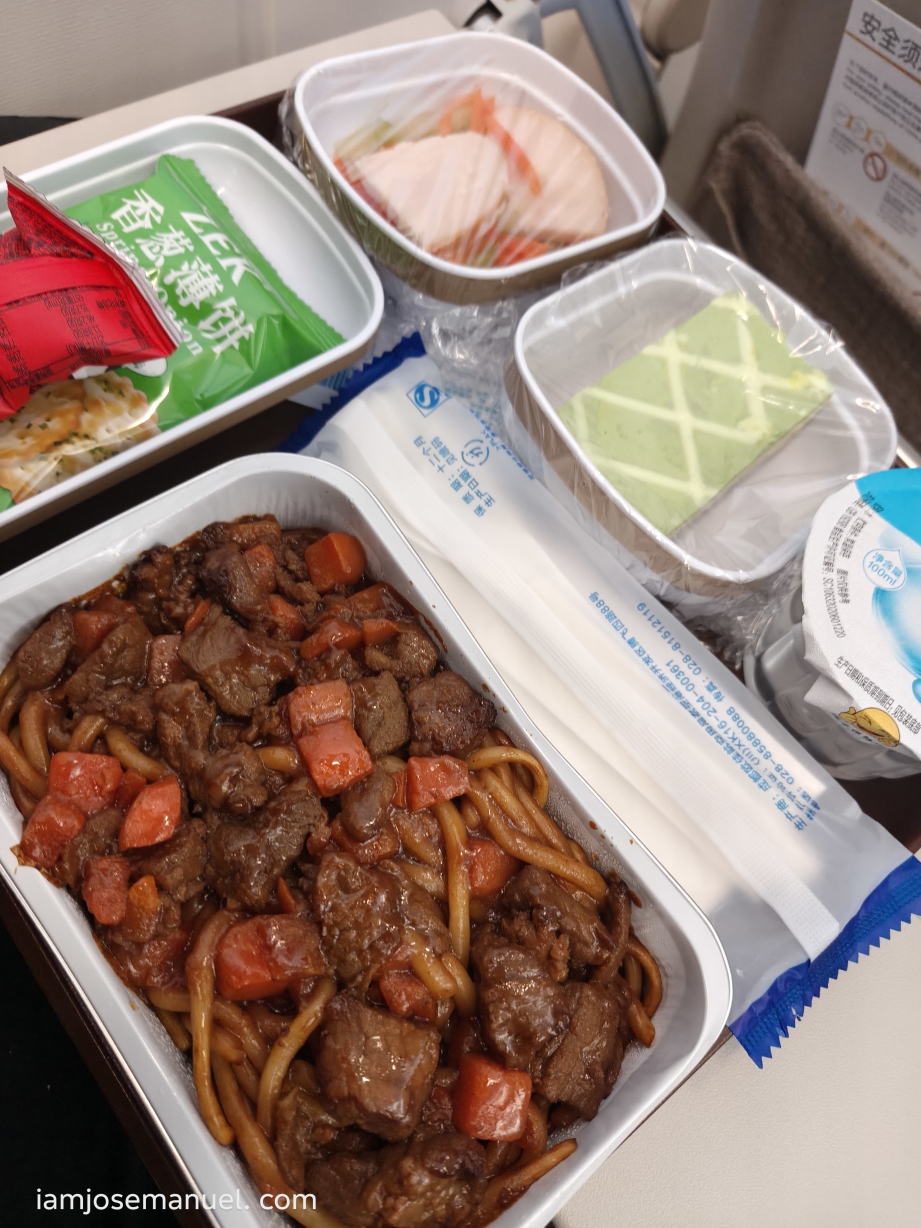
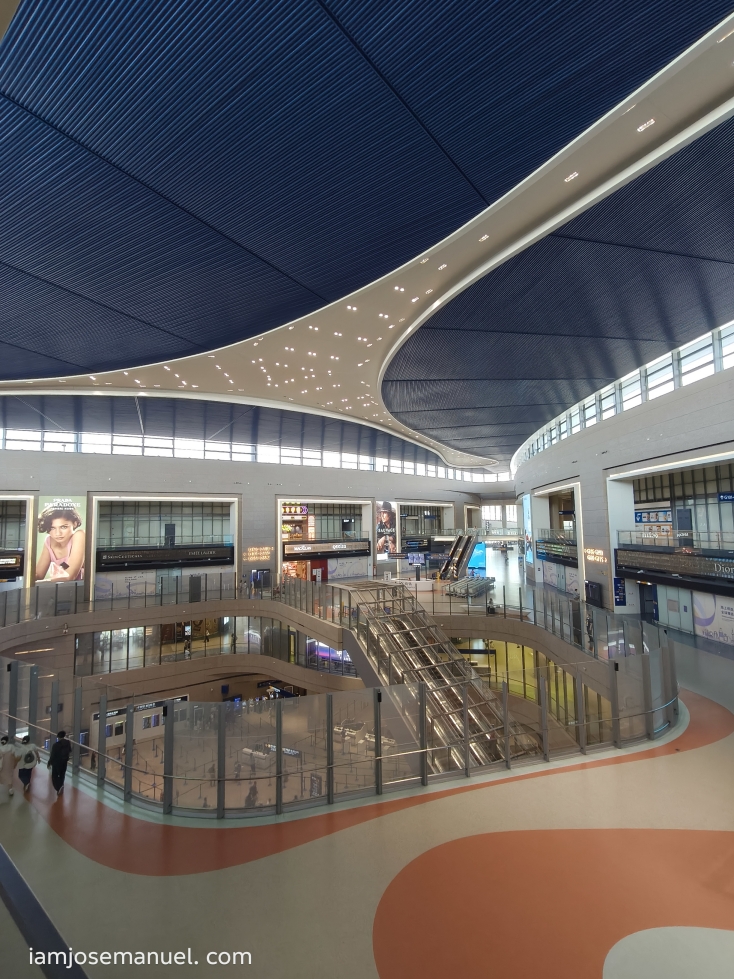
Shout out to China Eastern for serving really good fried rice, sausage and braised chicken meal. I can actually compare this to Super Uncle of Makati Poblacion. It was so good. The beef noodles was nice as well. Layover in Shanghai does not require a Transit Visa for short layovers (less than 24 hours). Shanghai Pudong Airport is also very efficient.

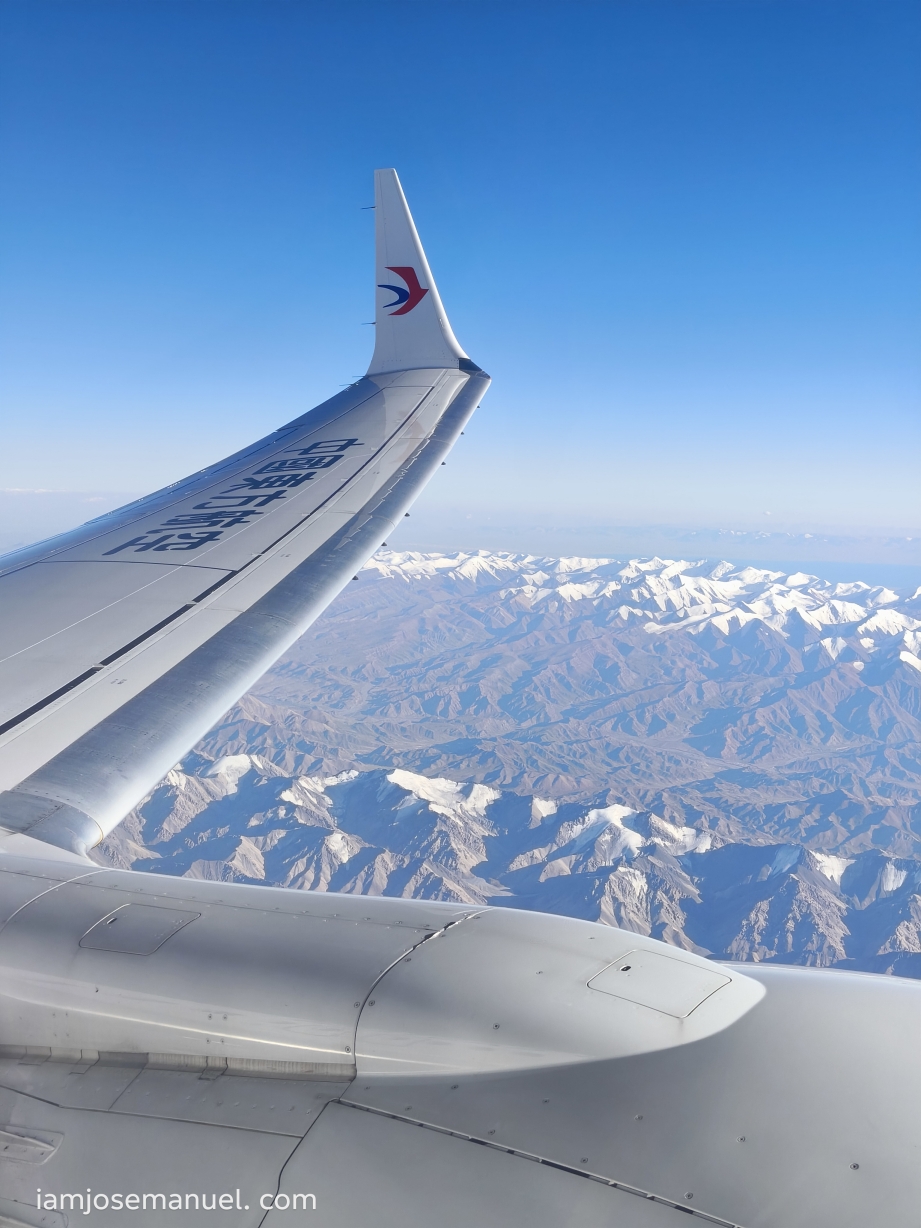
The flight flew over the rugged mountains of Central Asia, west of the Himalayas. Maganda ang tanawin. The view of the snow-capped mountains elevated the whole flight experience.

Helpful Travel Tip: Yandex Apps are your best friends in Central Asia.

  • Yandex Go- for my taxi rides. Installed this with my Android, and registered an account BEFORE I LEFT PH, using my local smart number. Cash payment only. You can also use this app for food delivery. Taxi ride is generally cheaper in Central Asia. Like airport to city center ko was 1000 Tenge (150 Pesos lang) with yandex.
  • Yandex Map (as an alternative to google), kase Yandex shows realtime bus routes and timing. Yes, Singapore level. Bus Fare is only 120 Tenge (16 Pesos) flat rate. Buse routes are easy to familiarize, at English din naman.
  • I did not buy na a local sim card on arrival. Instead, I purchased an international physical sim from Shopee (one sim for Central Asia etc-Kazakhstan, Kyrgyzstan and Uzbekistan. laking tipid nito), 10 GB. I did not have any problem with the sim. Matic transfer of network when border crossing between stan countries.
  • Pwede rin naman E-sim if you like. YESIM ang trusted esim ko for travel. Intall the app before leaving PH to avoid trouble.

Highlights of my trip:

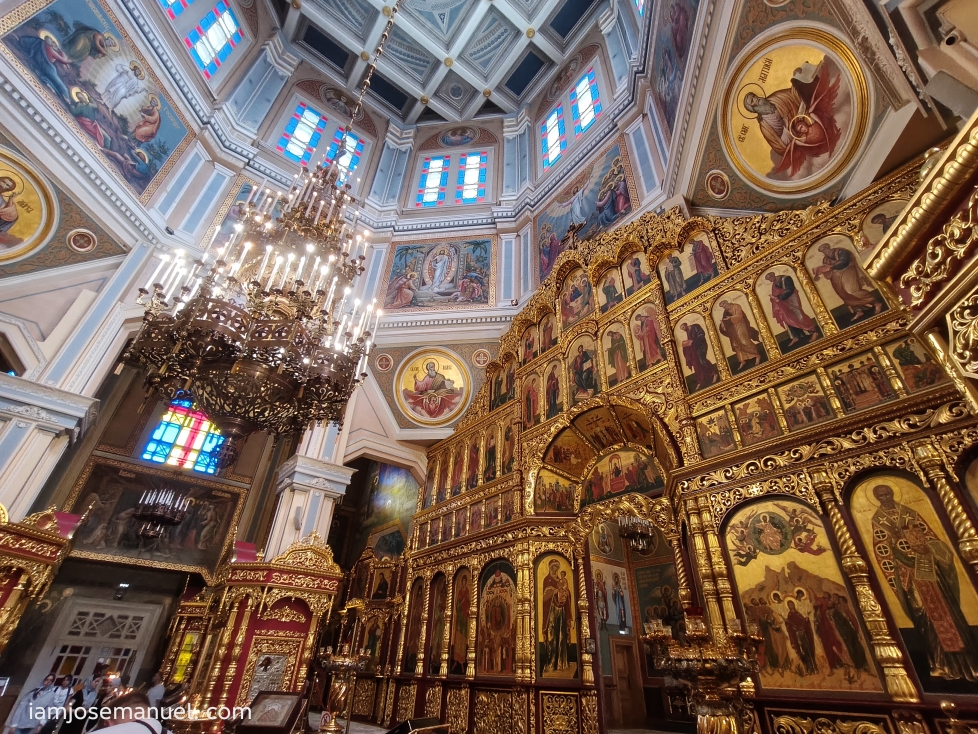
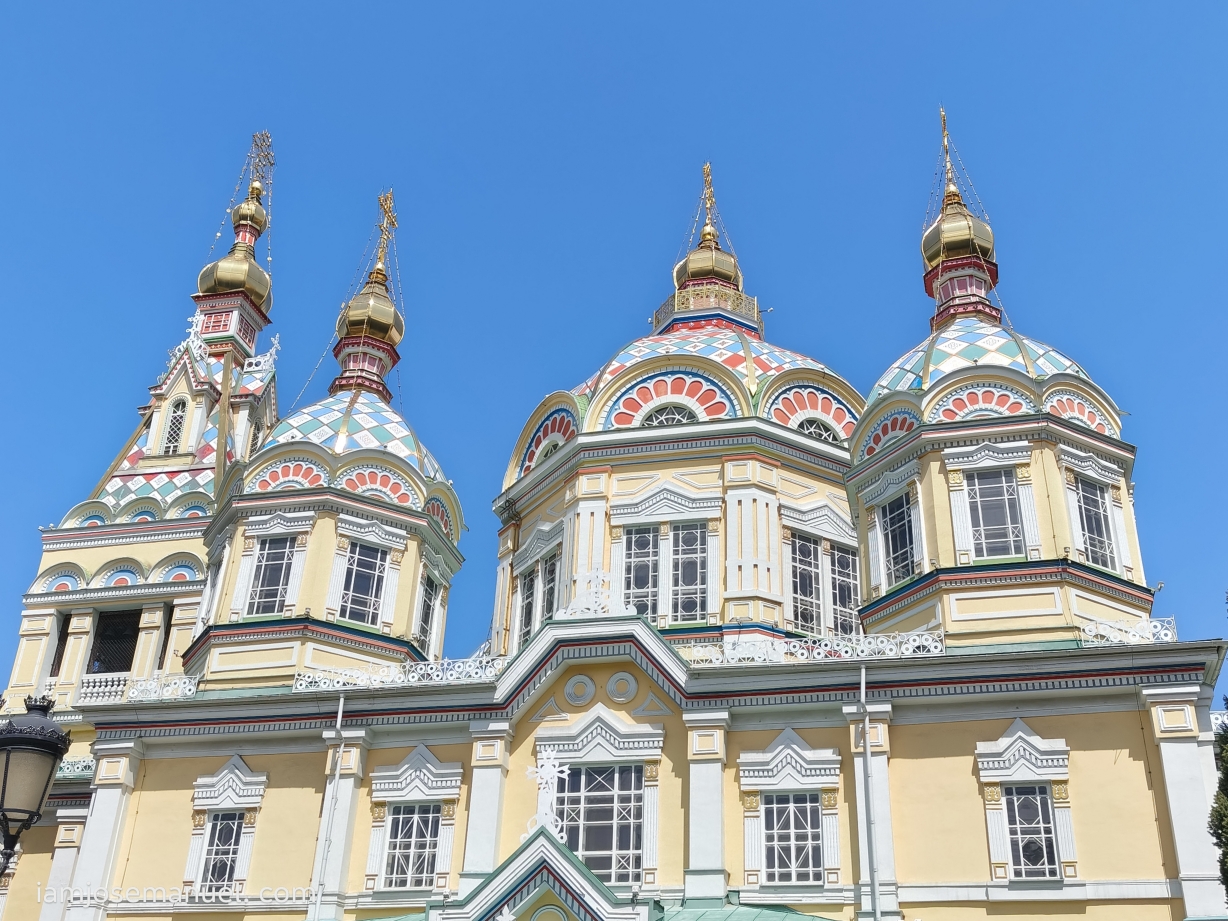
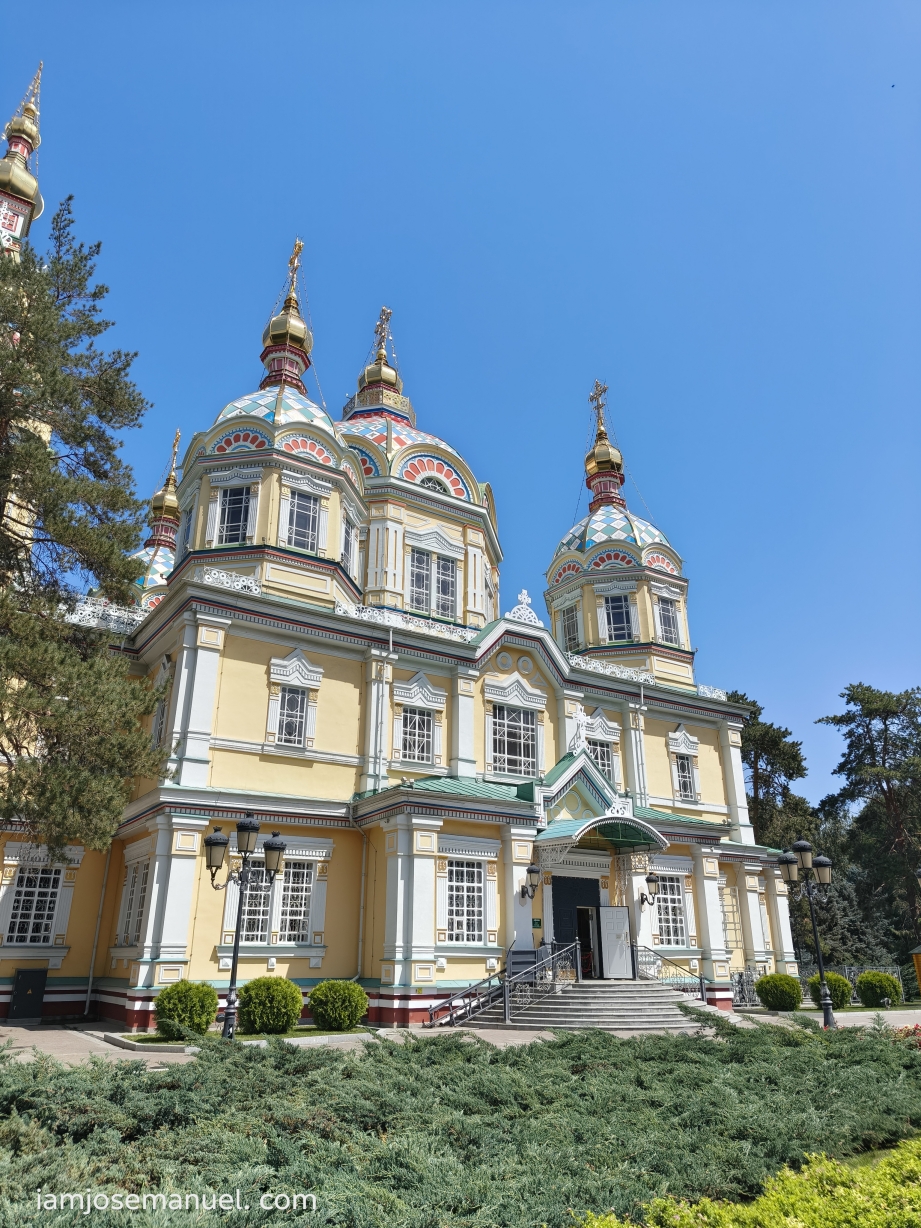
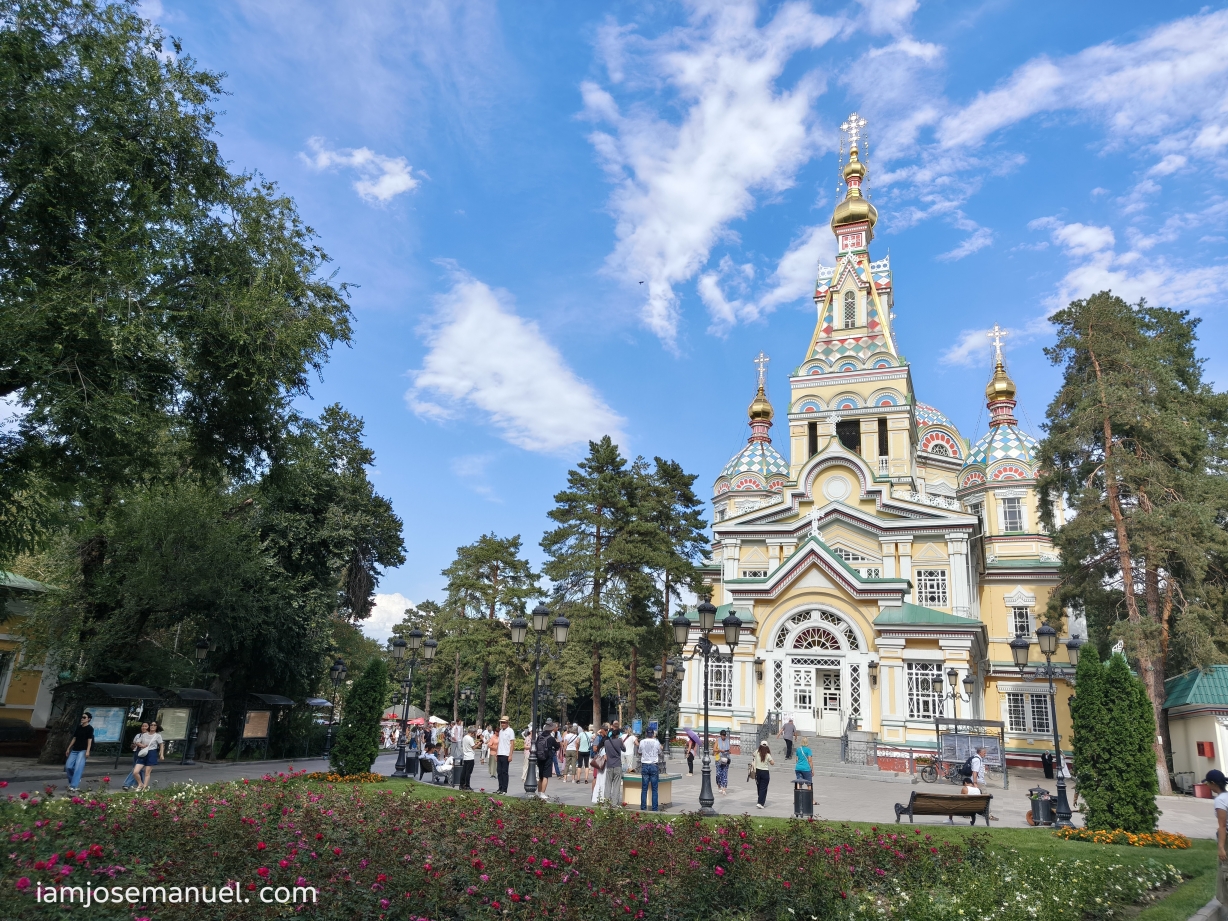
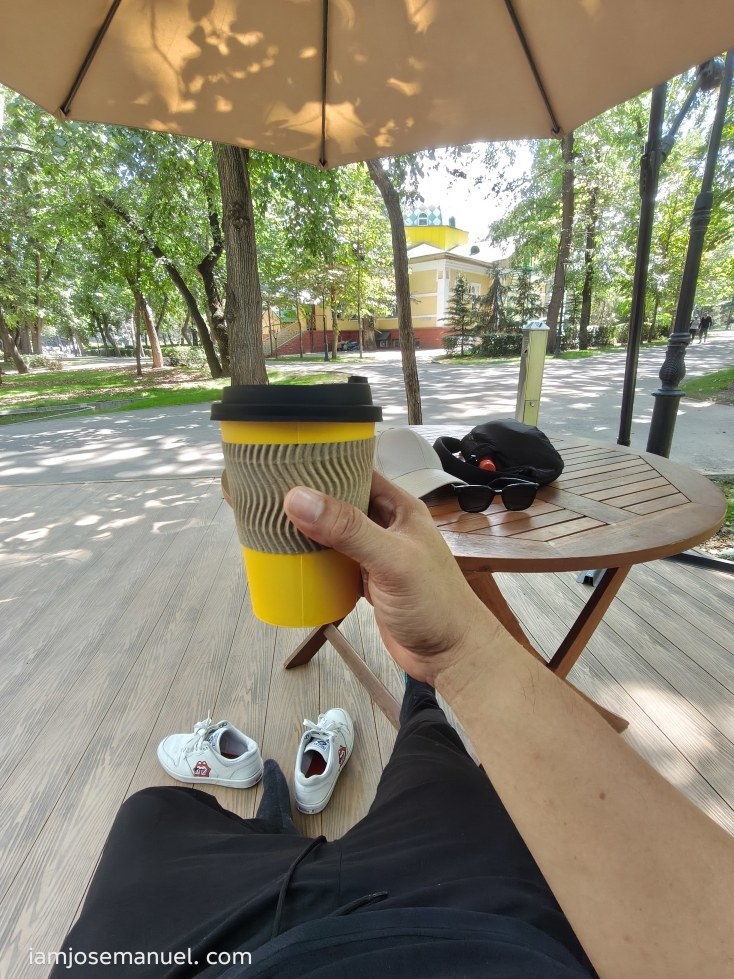
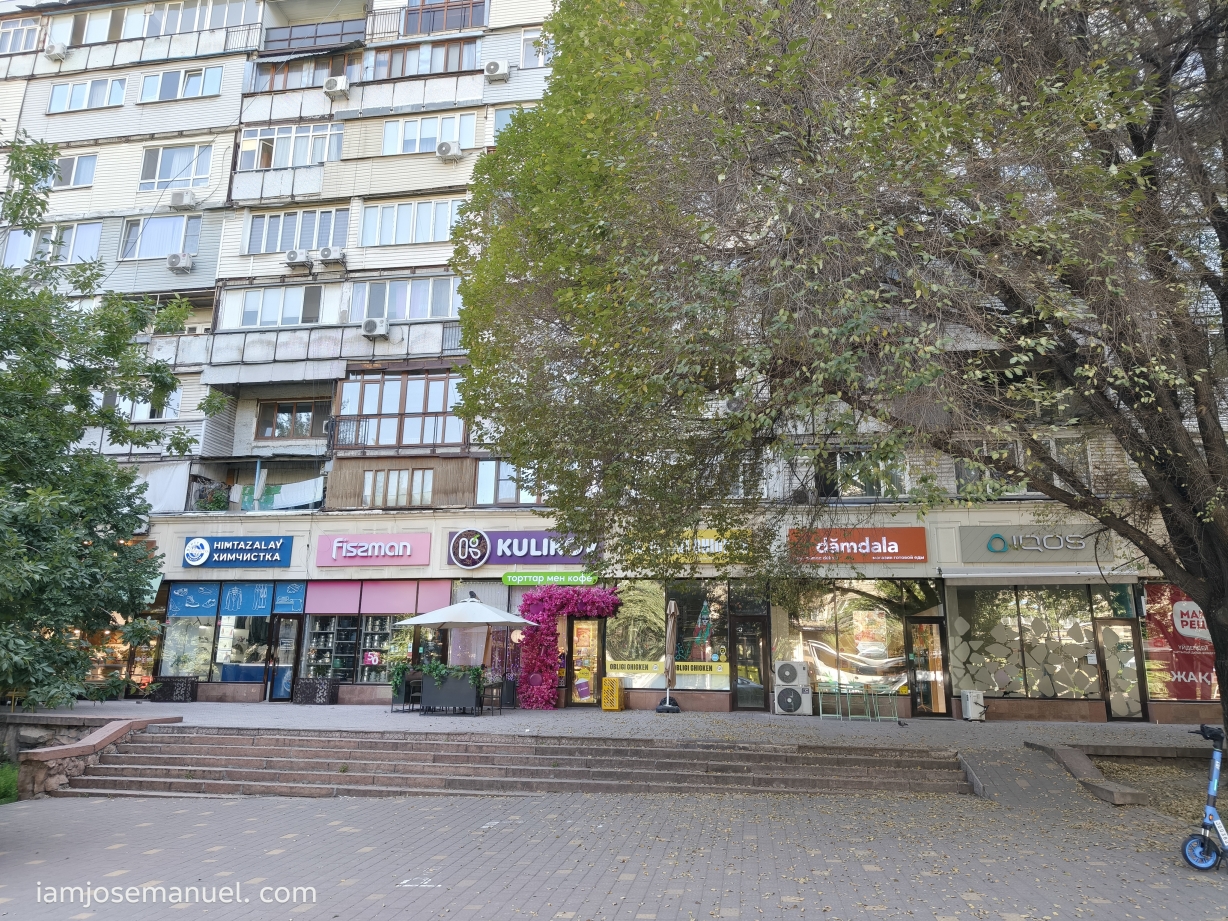
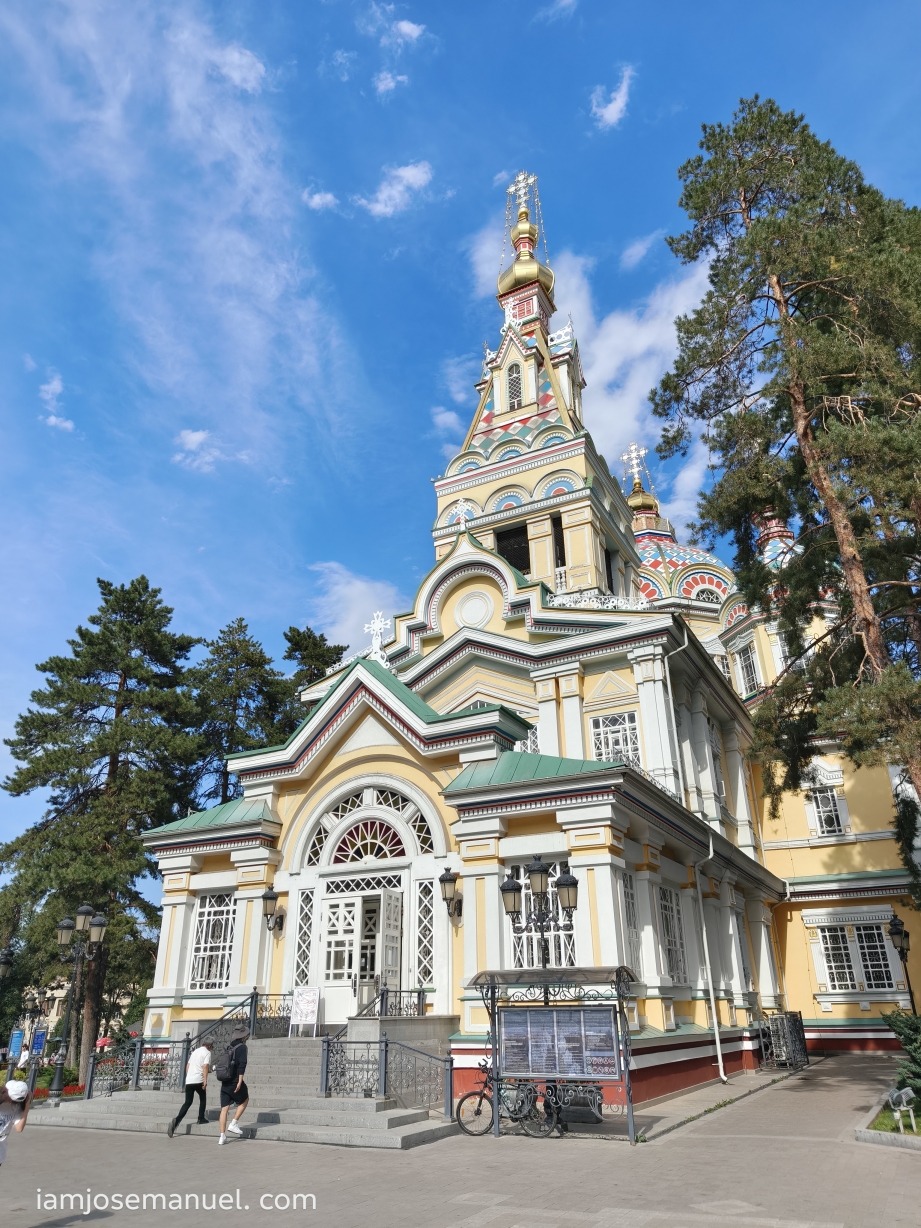
Panfilov Park and the Ascension Cathedral kase walking distance lang from where I stayed. When choosing an accommodation, I think it is best to peg this location as your base. Walkable, pleasant and very safe.

The Ascension Cathedral is an Orthodox Christian Church, not Catholic. But very welcoming naman to all visitors regardless of faith. The Cathedral is giving the iconic feels sa photo, but in actual, maliit lang sya. Mas massive pa nga San Pedro Cathedral ng Davao.

Green Bazaar – just a block away from Panfilov Park.

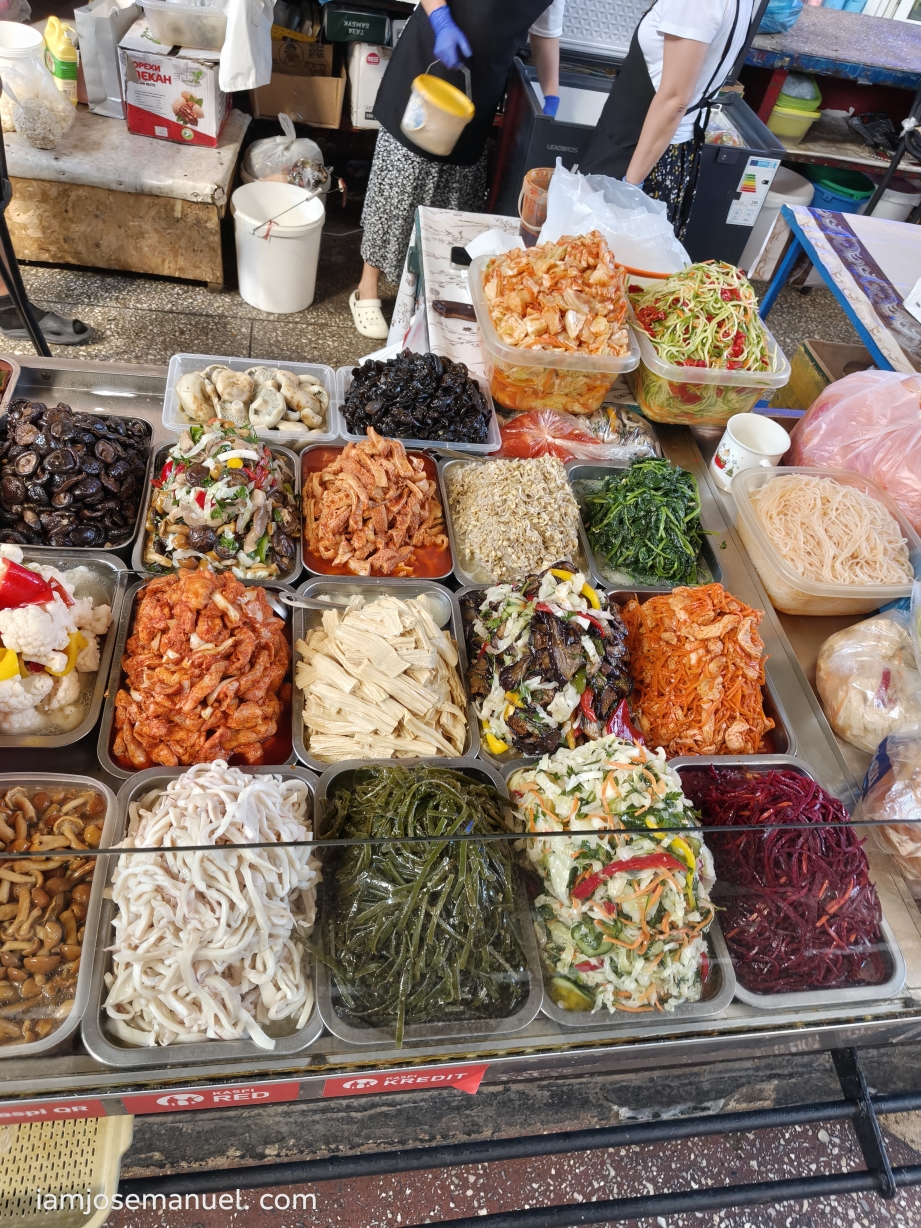
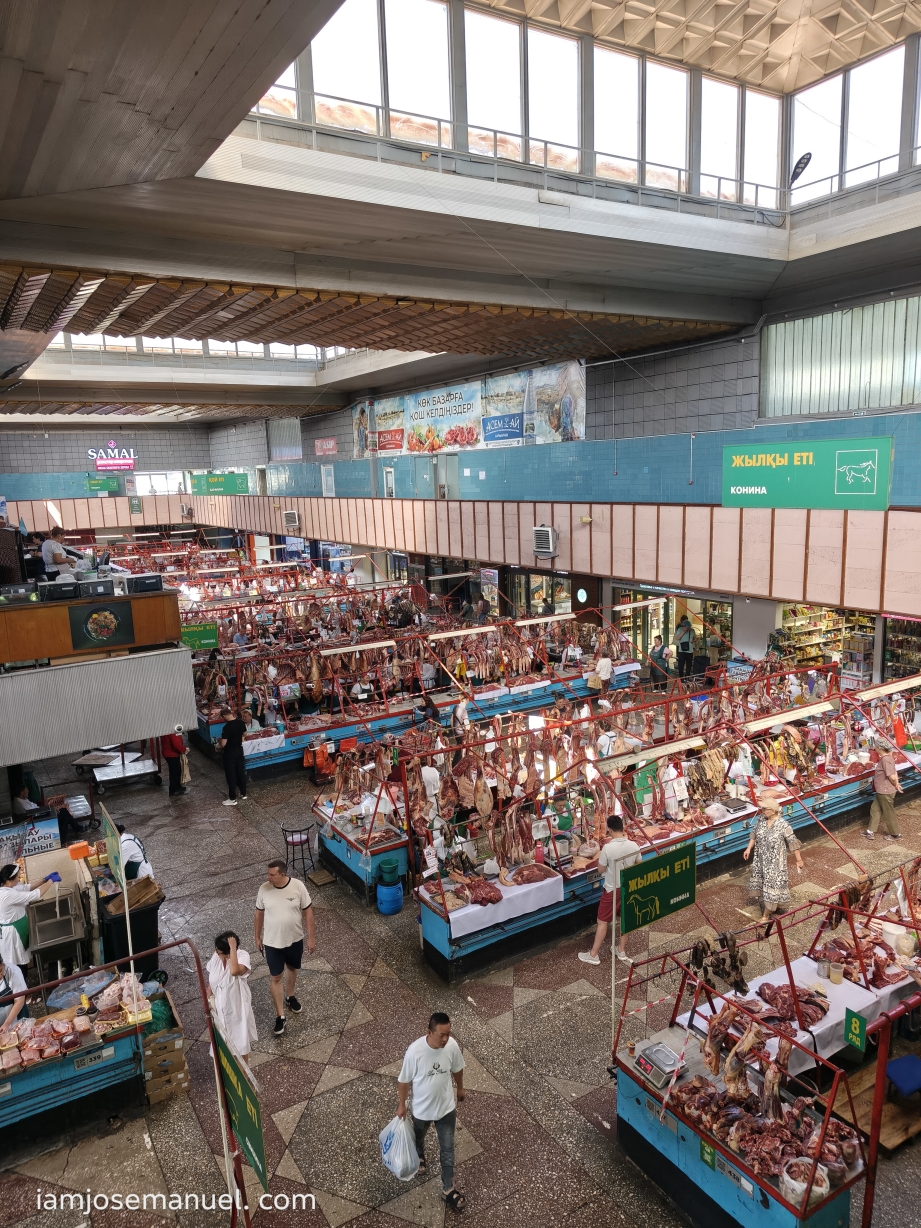
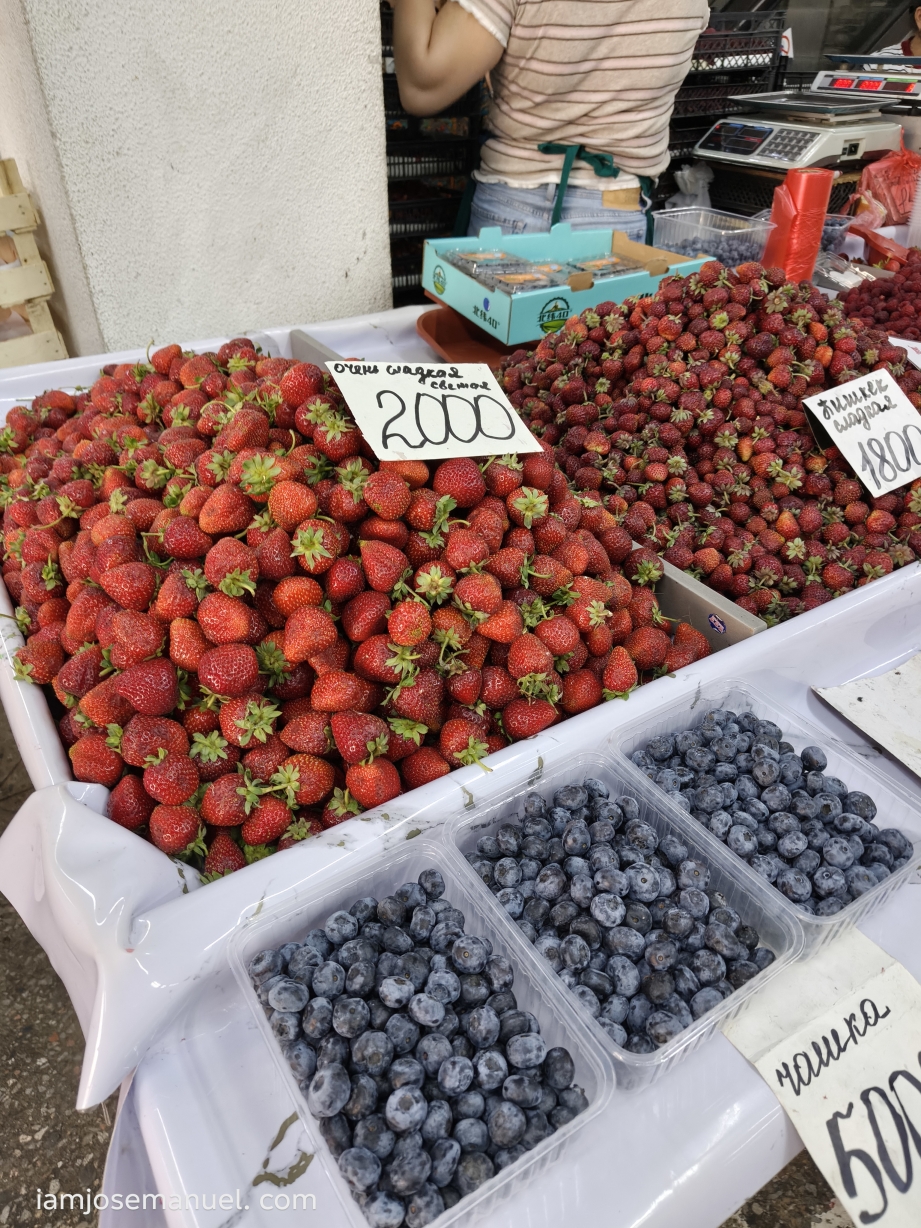
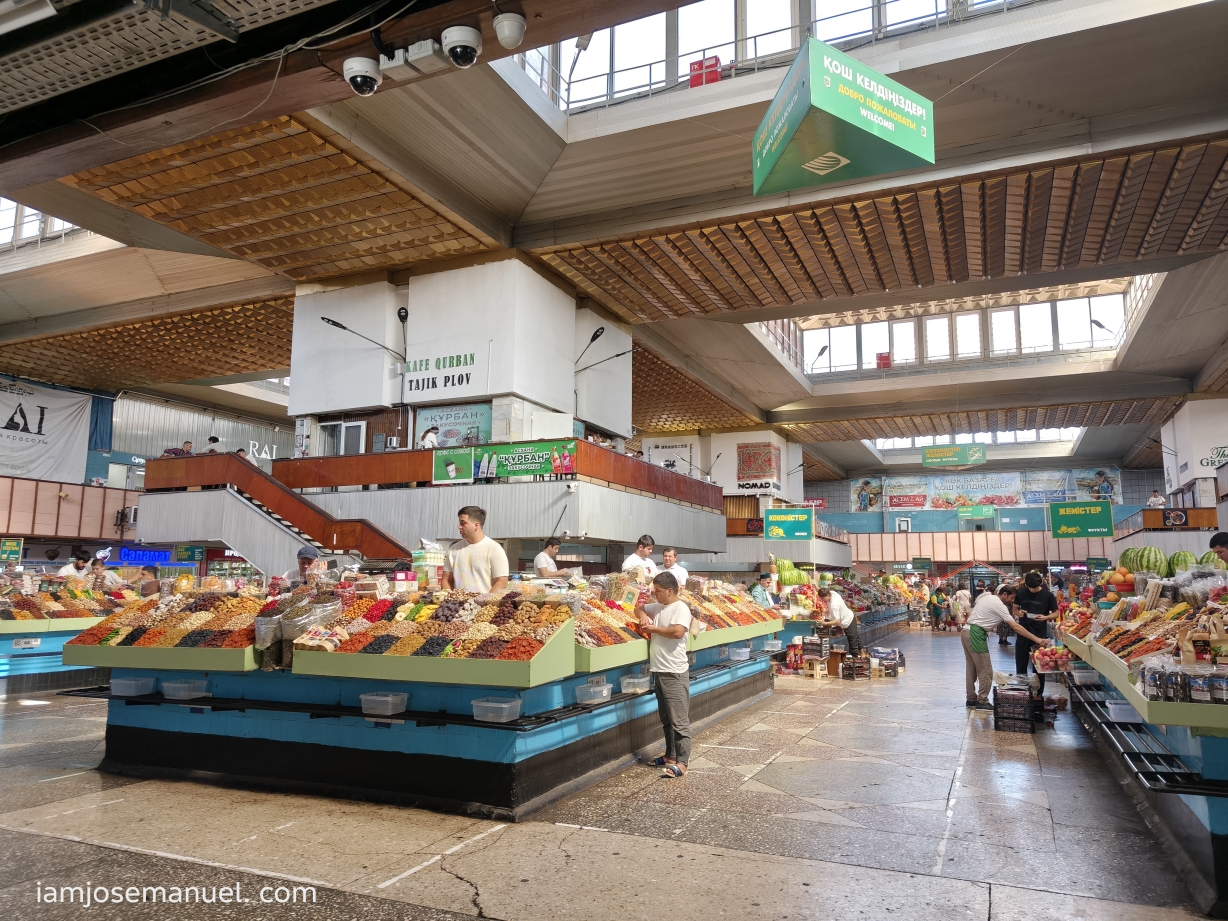
The Green Bazaar is a historic, vibrant indoor farmers’ market in KZ. Since its inauguration in 1875, the market has been an important trading point in Almaty. The moment you enter the Bazaar, a line of stalls agad selling aromatics and middle eastern spices, as well as different types of fermented vegetables and fresh fruites. Berries in Kazakh are soooo good at around 250 for a kilo.

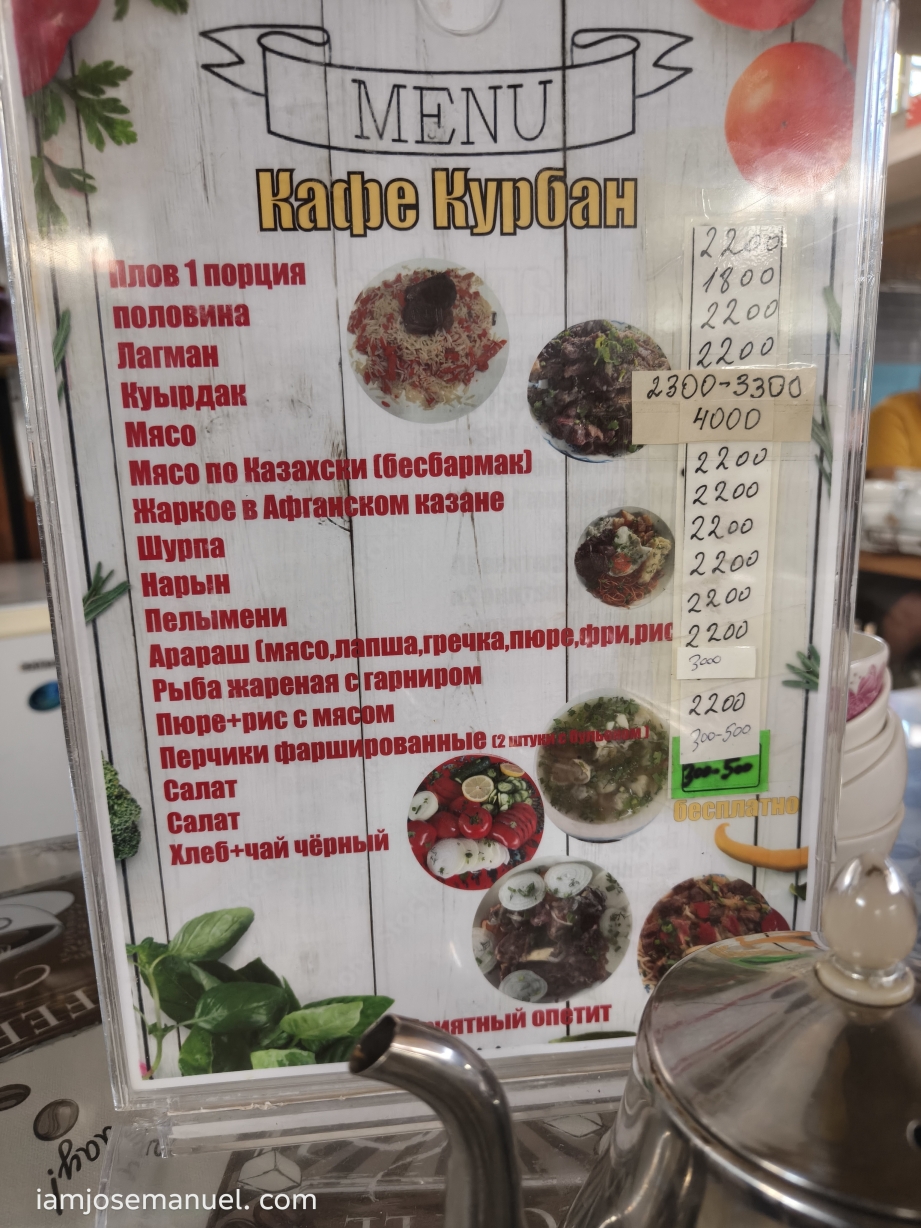
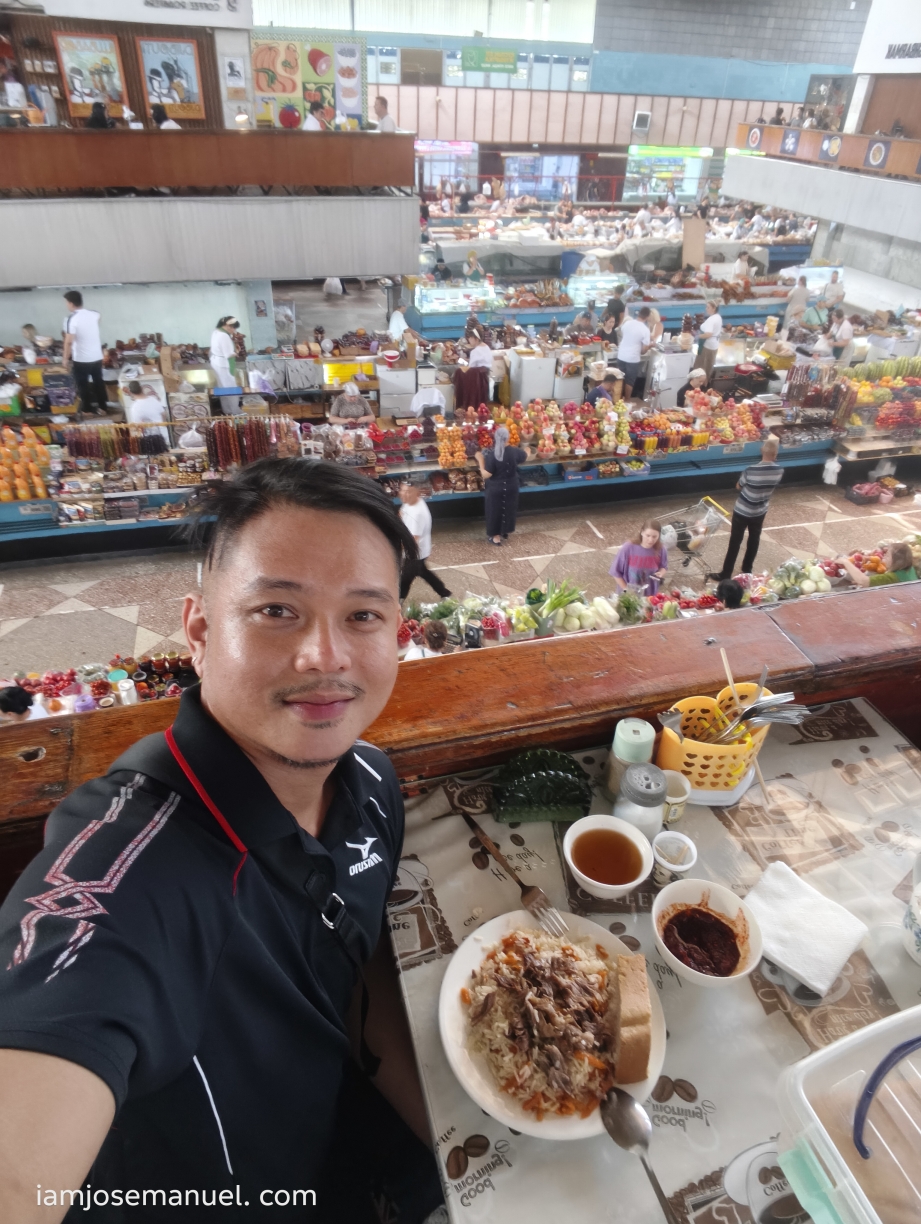
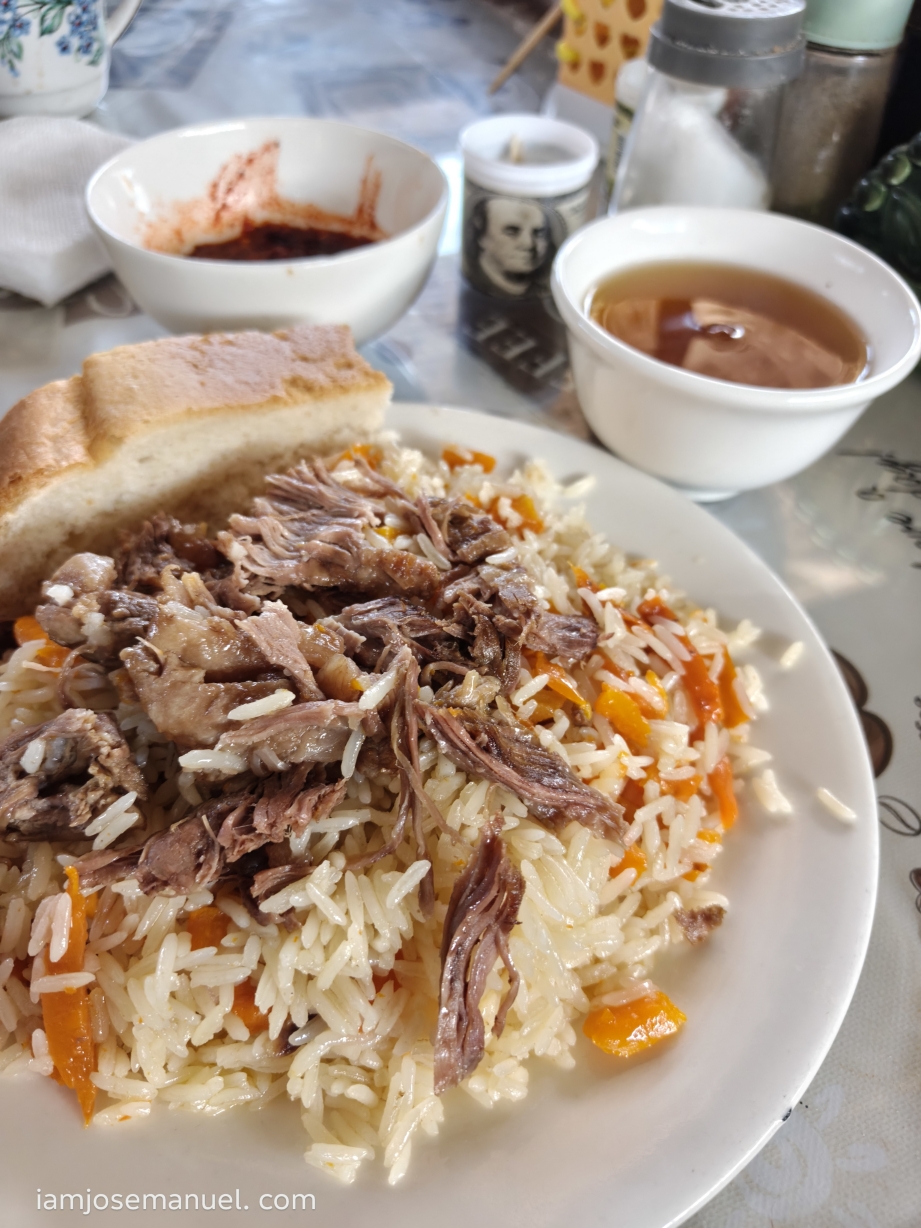
I highly suggest you see visit this on the first day, and have an authentic Kazakh meal at one of the eateries on the mezzanine floor. The challenge is walang English menu. Turo mo nalang food ng kabilang table. Kidding. Must eat na local dish – Plov. This Kazakh Beef and rice is a hearty dish made of meat, rice, onion, carrots and spices. The way I see it, para syang simplified version of Biryani by excluding the curry flavor, anise, cinnamon etc., and more on Cumin, onion and pepper. Syempre palengke sa Green Bazaar, so mura plov dun. Hot meals here are like half the price ng sa mga restaurants near the park. The market is clean and well-ventilated. No funky smell at all.

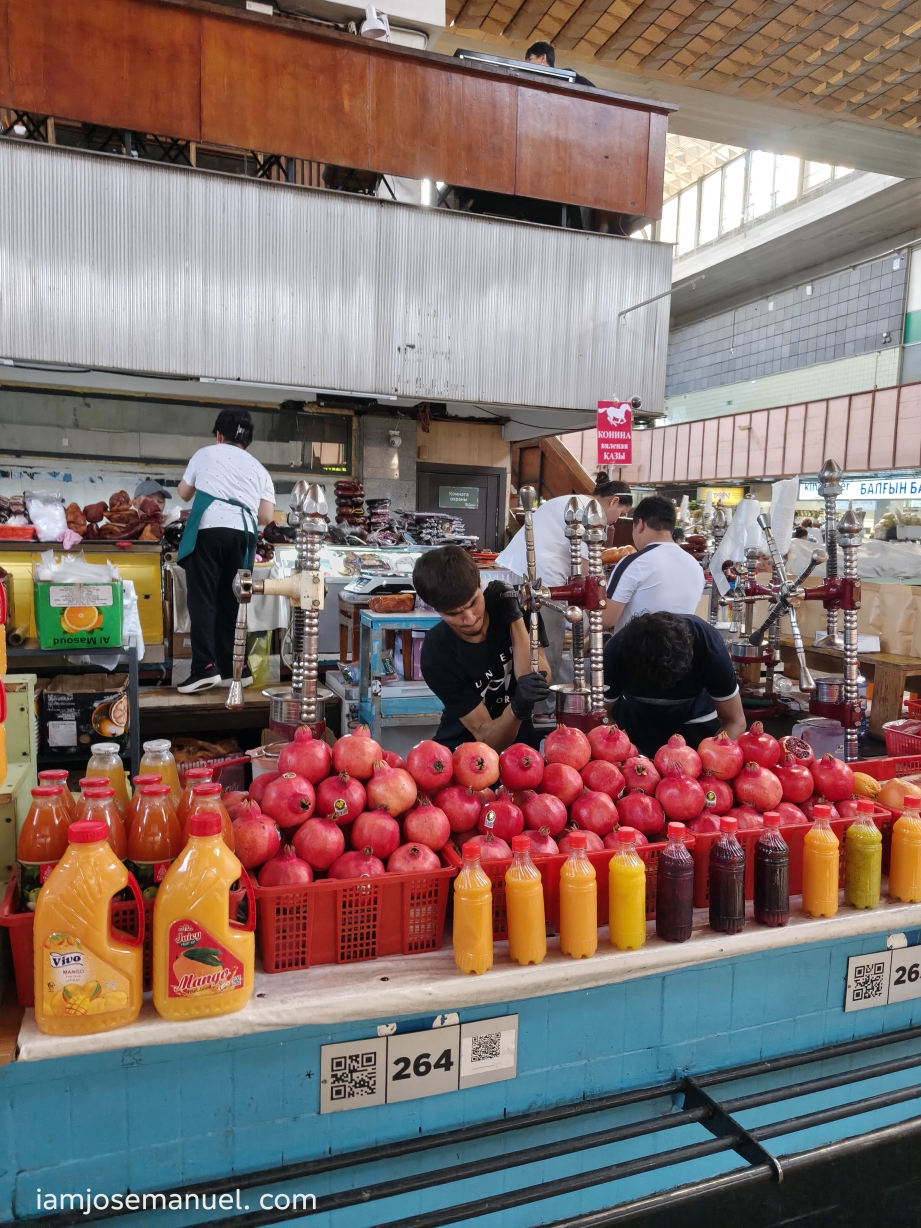
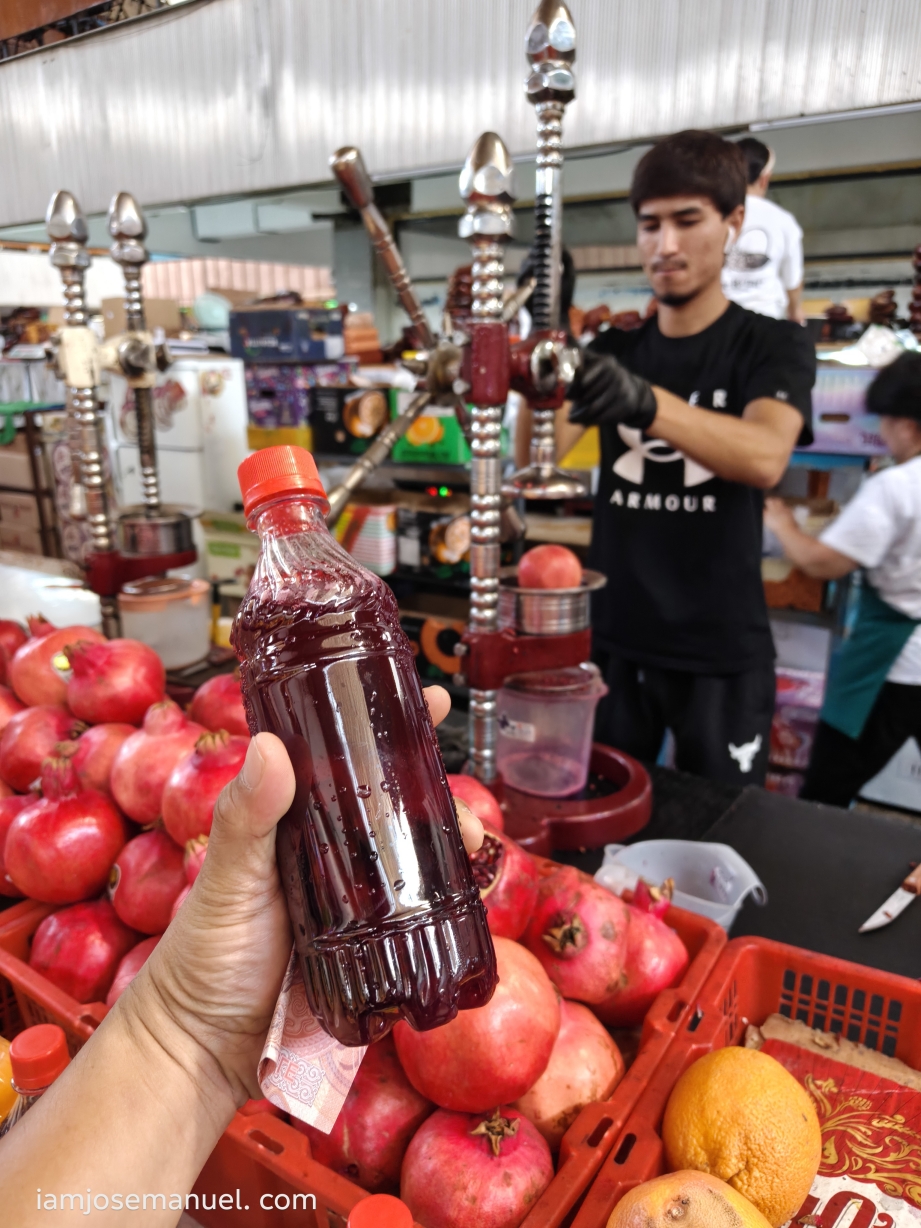
Fresh-squeezed Pomegranate juice – ito talaga priority ko because we don’t have them here in Ph.

Madami na din Money changers here at the Bazaar, FYI; though halos same lang naman ng rate sa airport.

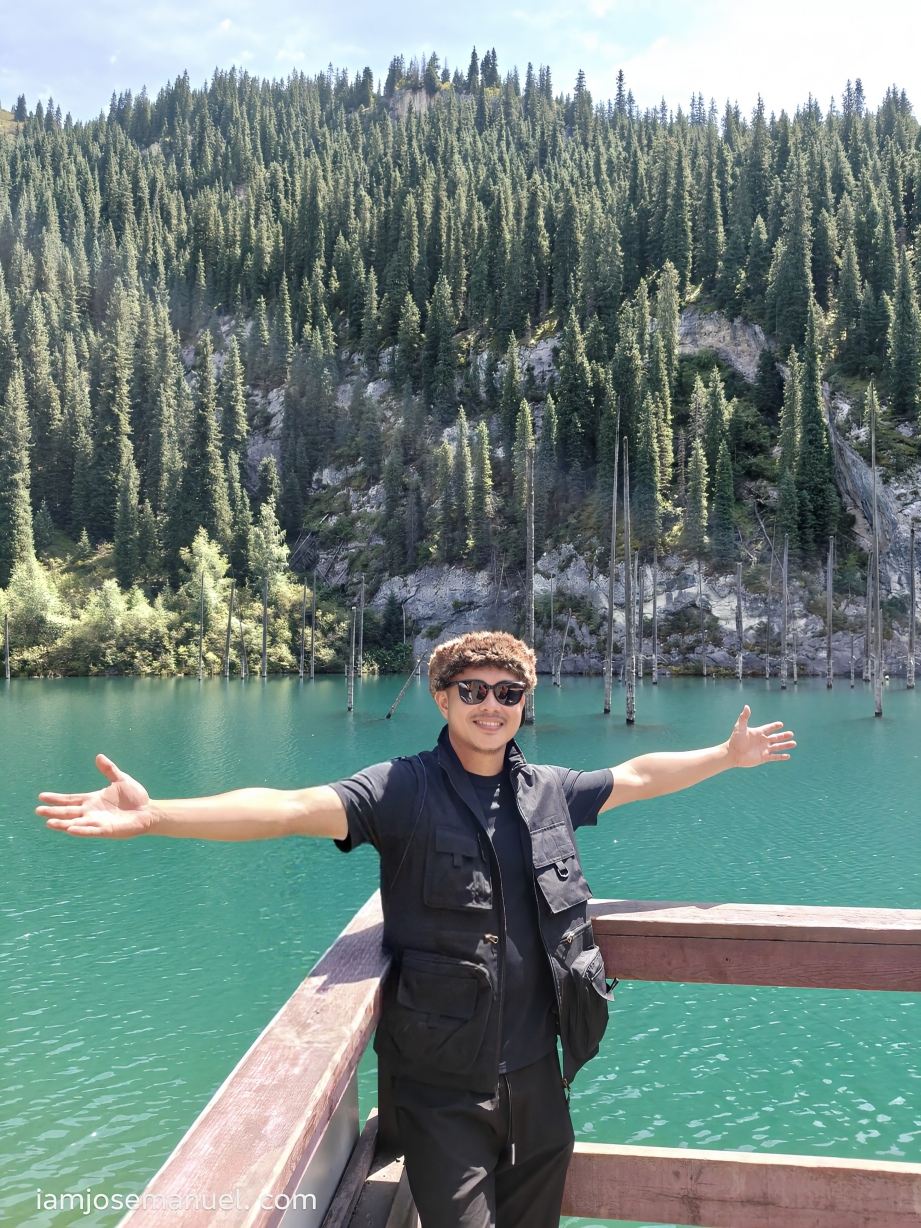
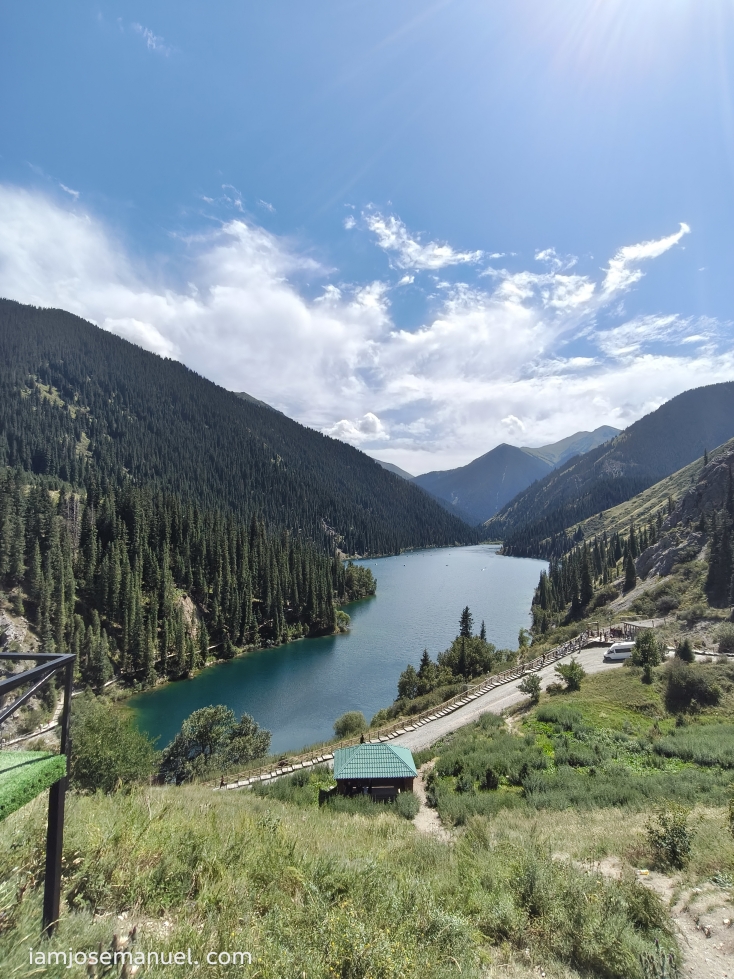
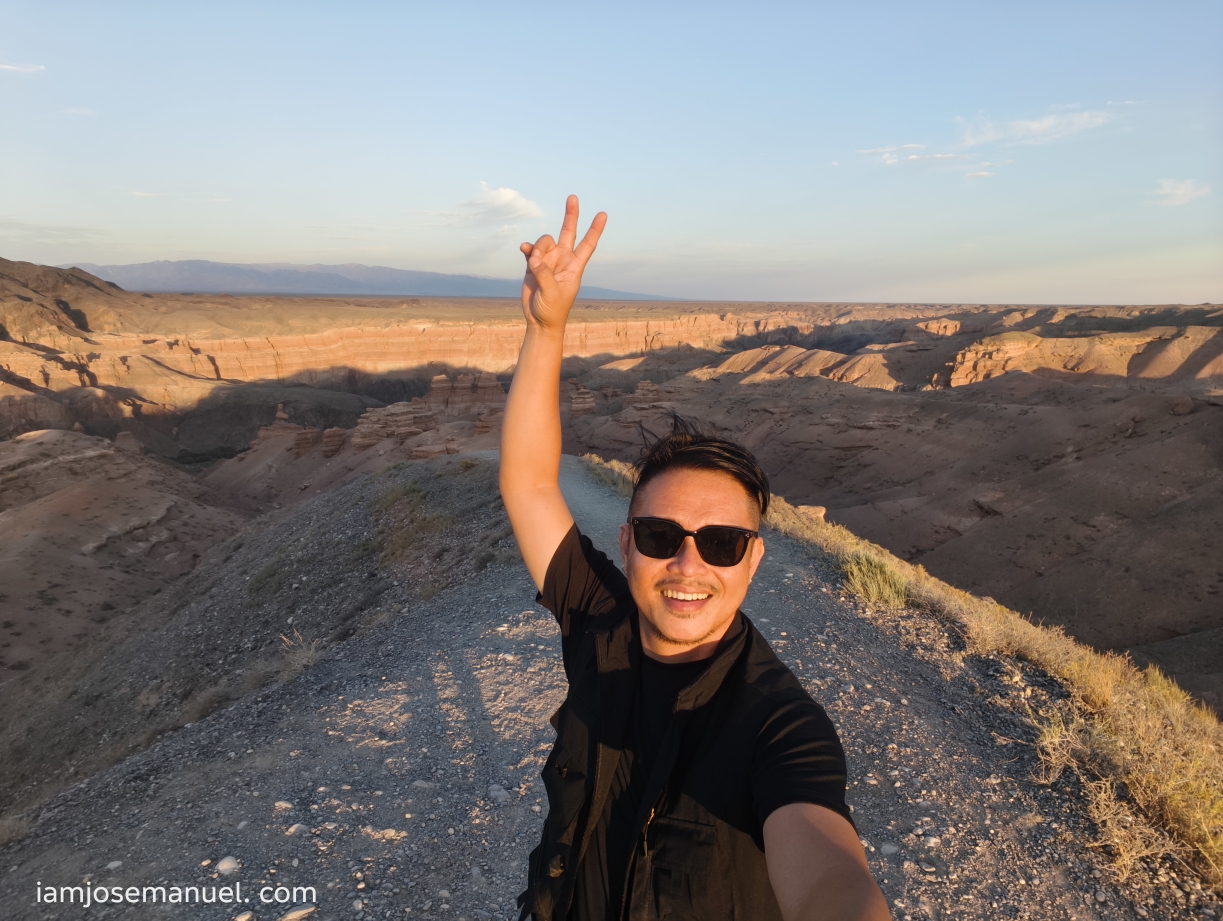
A tour to the Kazakh Mountains, lakes and canyons is probably the highlight of Kazakhstan. Napaka-ganda.

Hiking is part of the tour. The longest was like an hour hike, so prepare comfi shoes and sun shades.

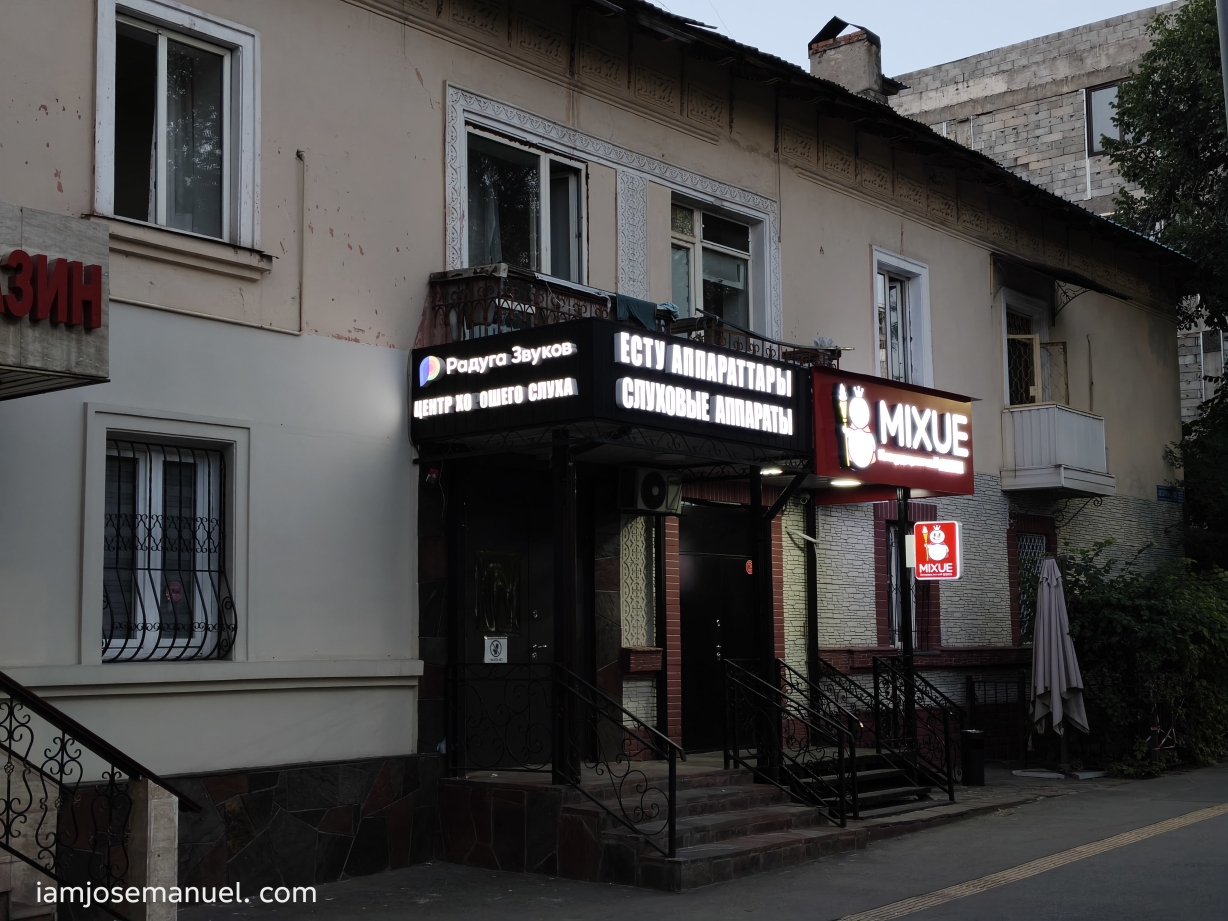
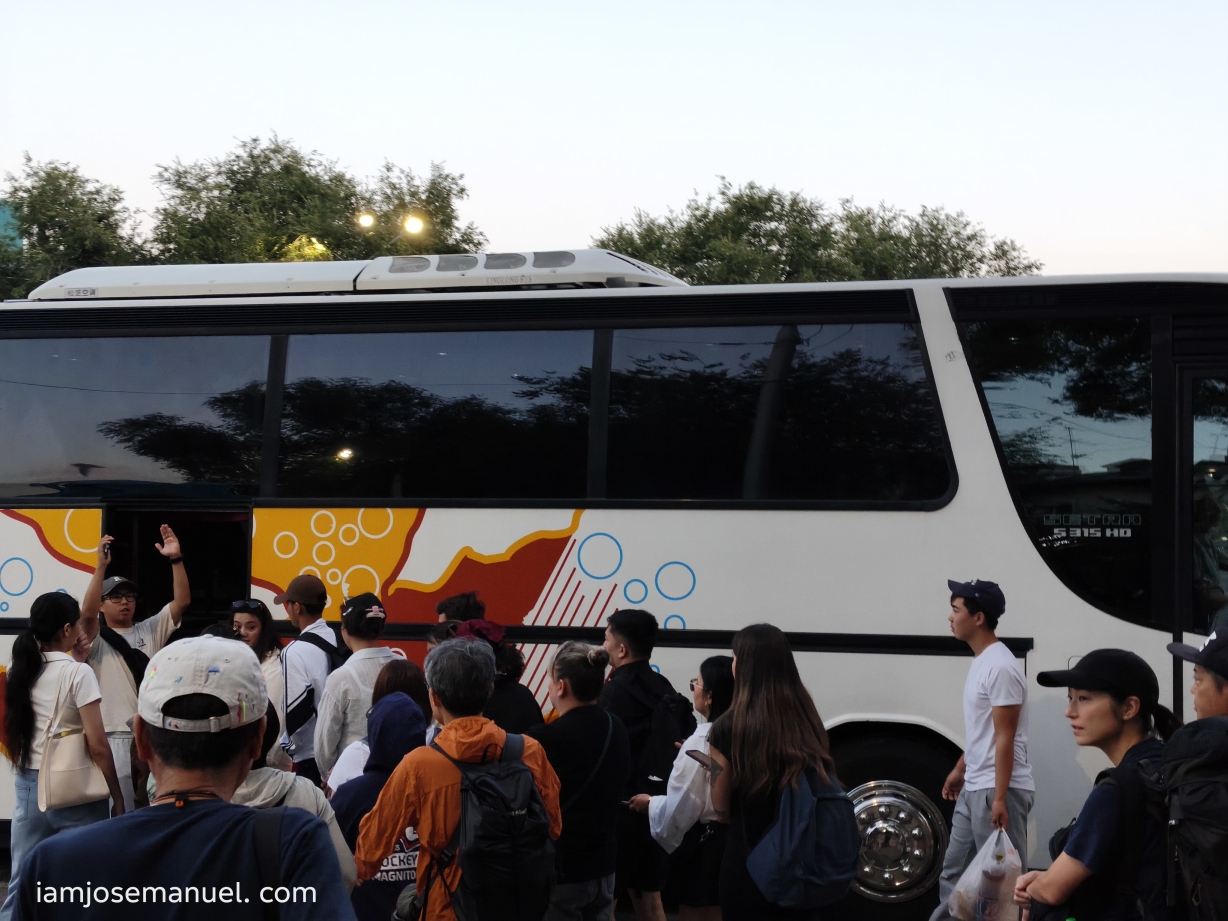
I booked my day tour with Panda Travel ( A local Kazakh tour company based in Almaty) for around 2,200 Pesos. They are quite popular on instagram. Good reputation naman so I booked and paid my slot even before my flight. Meeting time was around 5am. Office nila sa tabi ng Mixue. All instructions were given via chat/email prior to the date of tour. It was a pretty straightforward na tour. Video highlights are posted on my tiktok. hehe. The tour lasted around 16 hours including travel time. Yes, medyo tiring. Would have been better if I booked a tour with an overnight stay at the mountain.

I stayed in Almaty for 4 days. I spent two days doing touristy things, including the day tour to the lakes. On the remaining days, I just lazed around my place, tried different eateries/canteens and cafe hop. Sobrang pagod ko sa work-life balance back home and this travel was a big chance for me to have a guilt-free rest. I intended to see Shymbulak Resort and Kok Tobe Hills pa sana, which are both accessible by public transport from Almaty. But honesty, pagod ako. I rested and took afternoon naps, and it was never a waste of time.

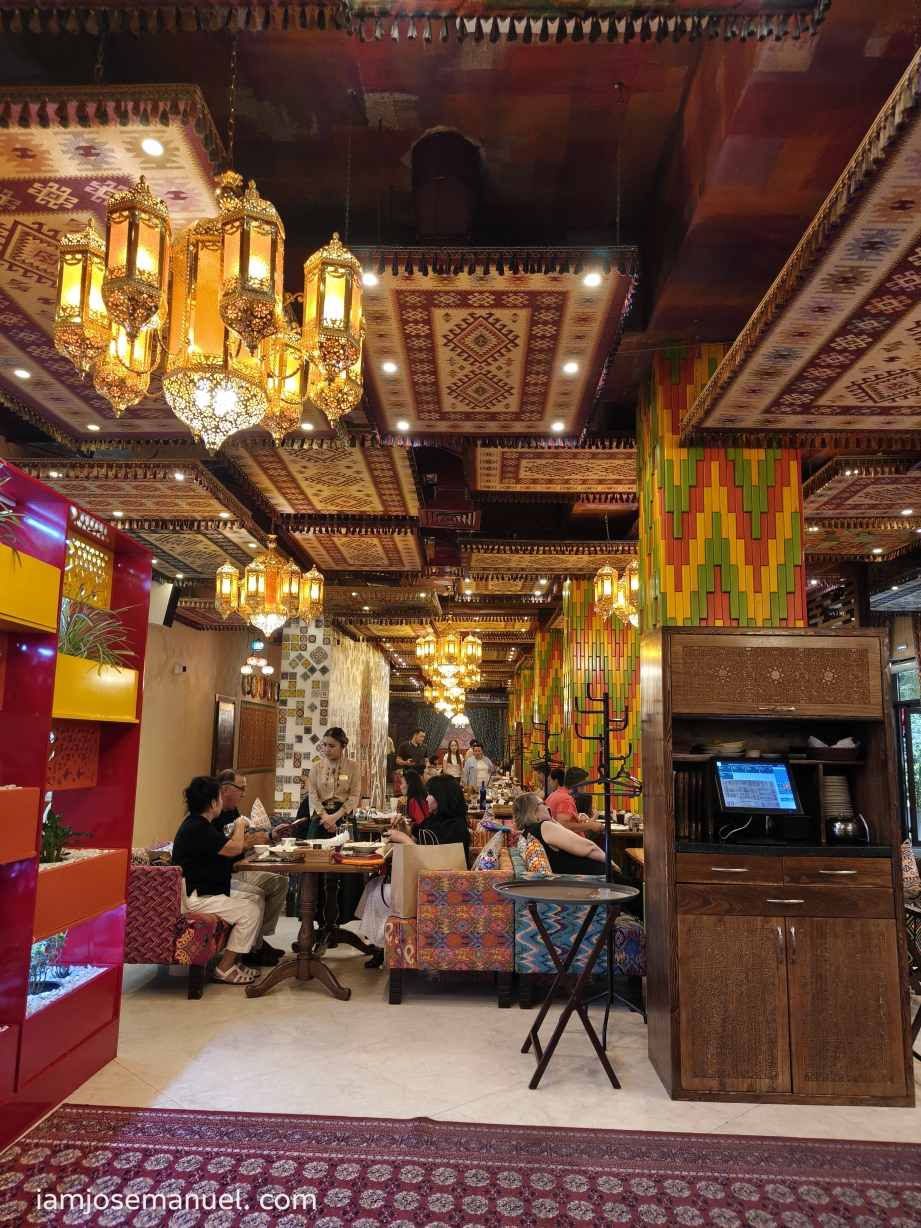
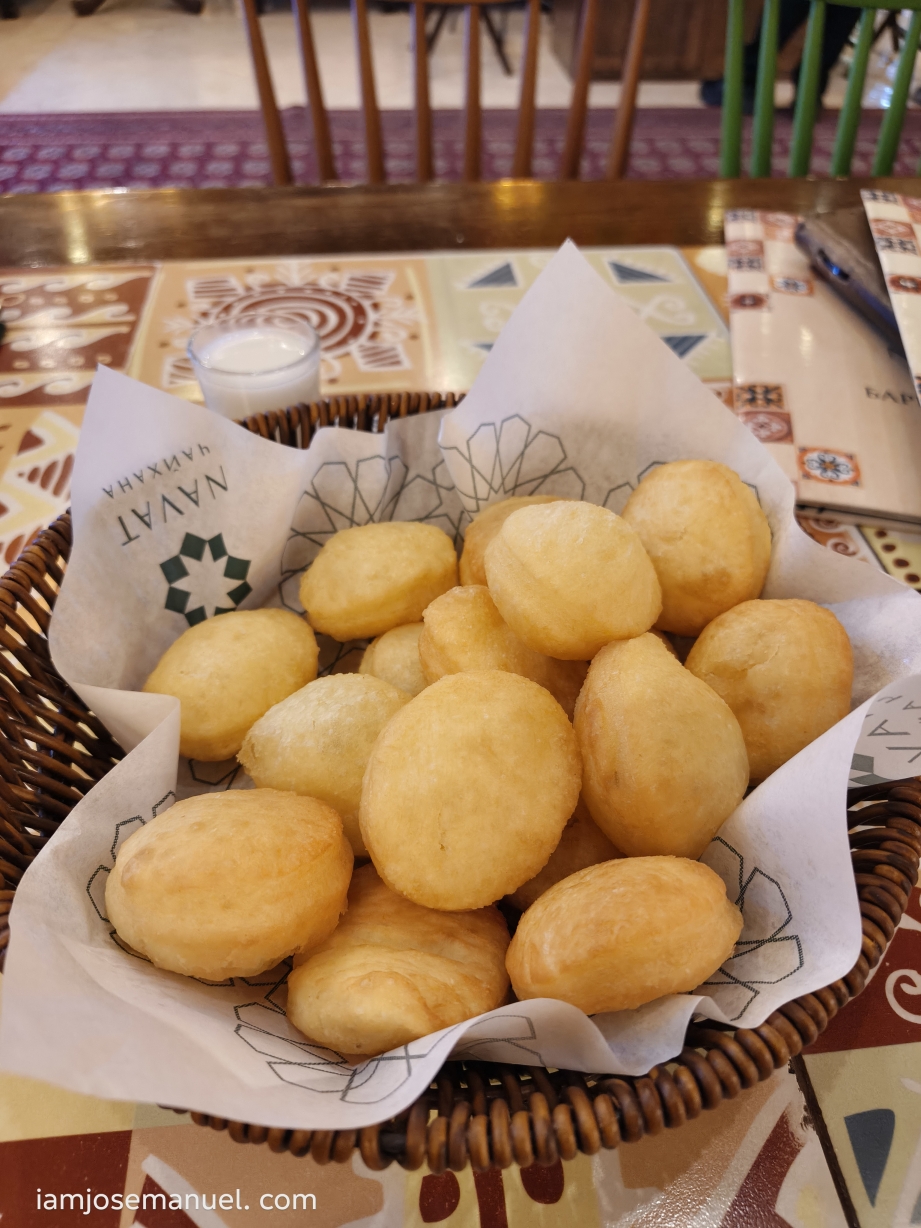
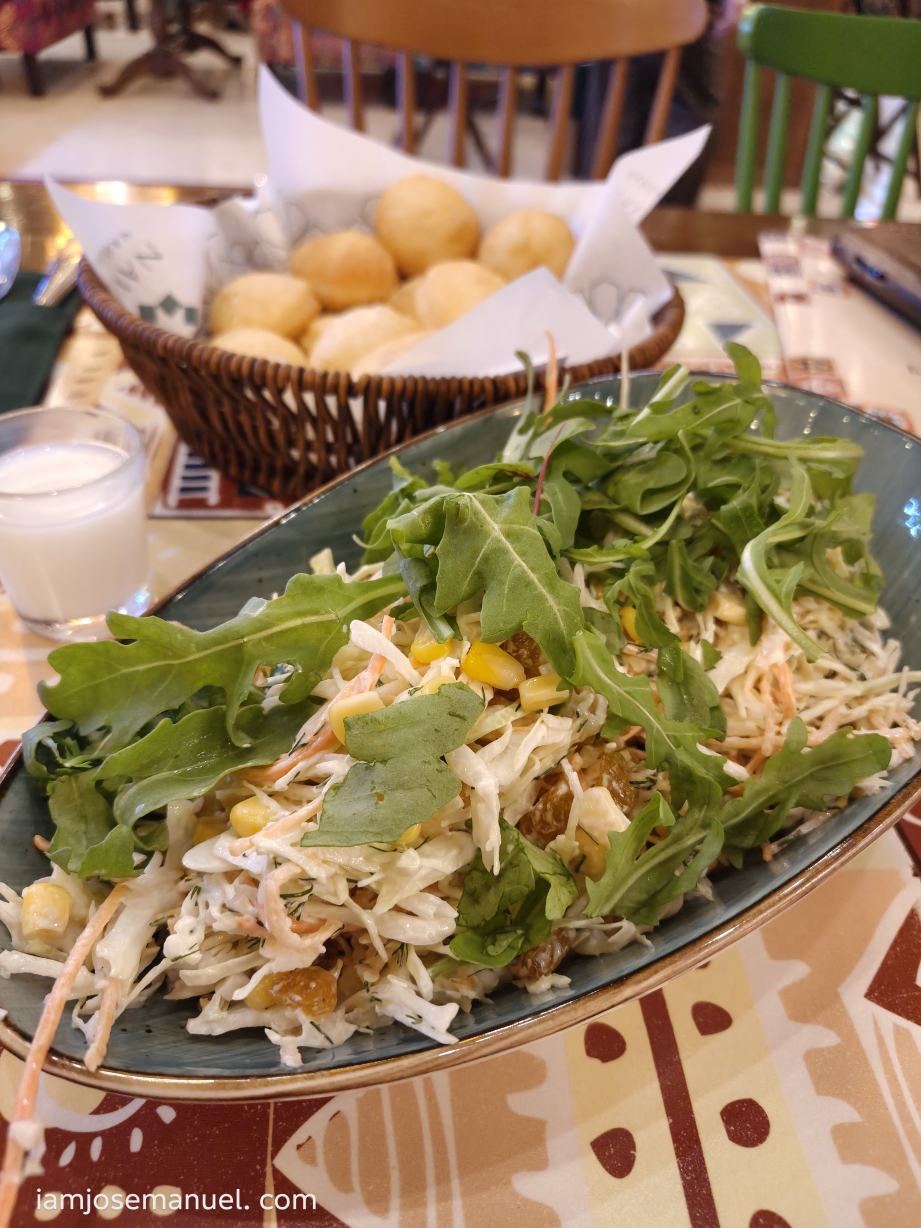
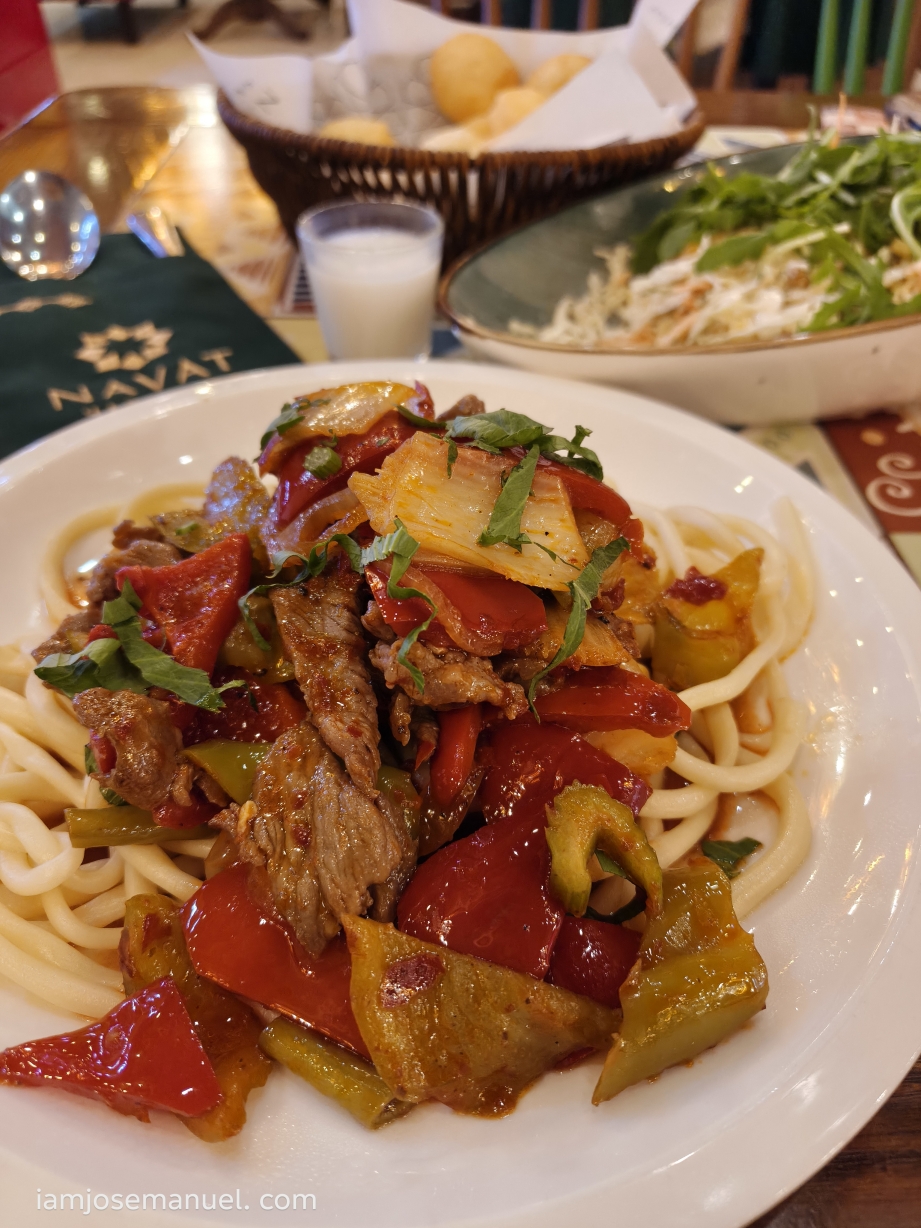
One of the best meals I had was from Navat Local Restaurant. Not the cheapest pero sulit. Too bad solo ako so I wasn’t able to try many dishes kase di ko rin mauubos. From Navat, I ordered Lacman, which is a central Asian fat noodle dish, withan order of hefty cabbage and walnut salad and a complimentary fried bread known as Baursak. In Kazakhstan, fried bread is very common for sides and snacks. This differs them from the neighboring Uzbekistan, kase brick-oven baked bread naman mas common dun.

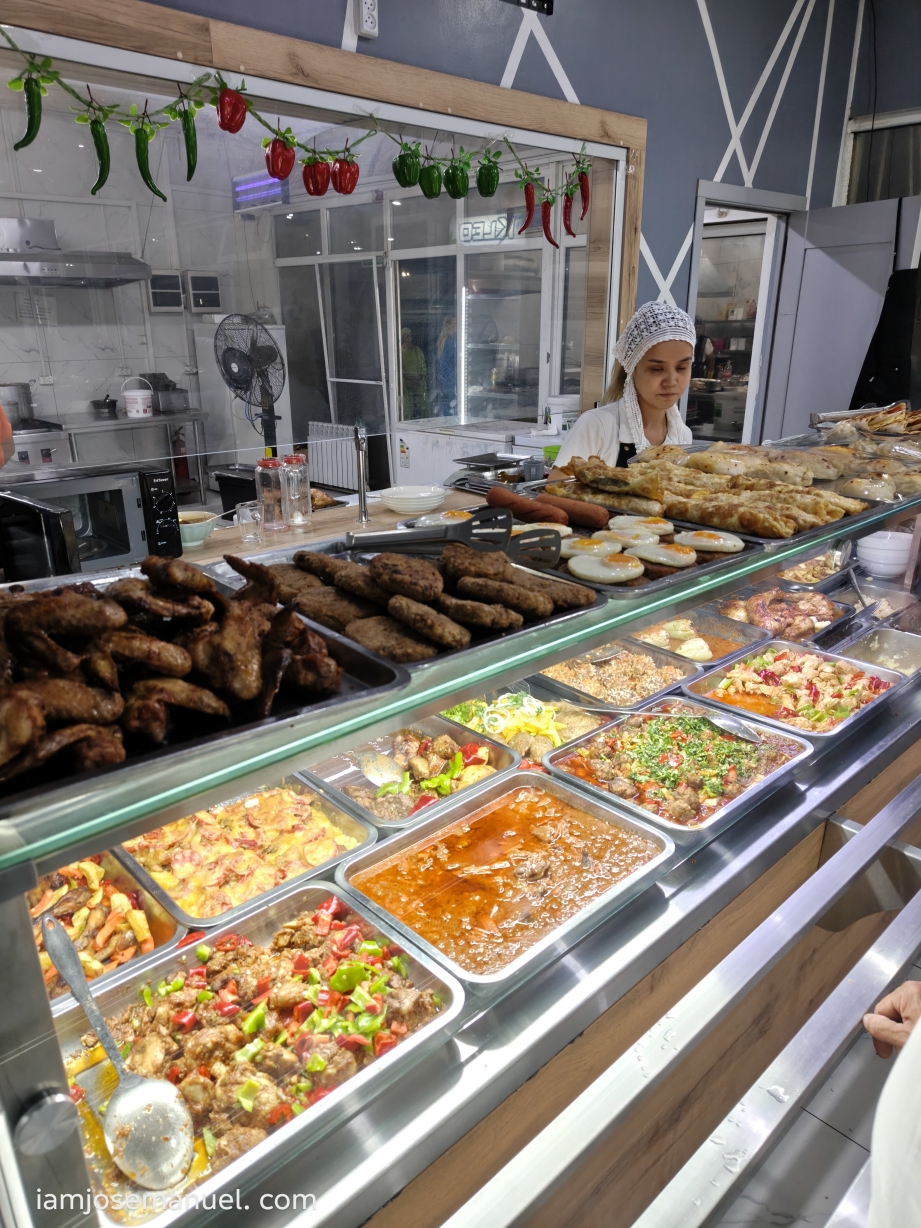
On random meals, I dine at local canteens or “stolovaya” kase those places serve ready to eat local dishes. Pipili nalang ako what looks good to eat, because the names are seriously unfamiliar and it would be tiring to ask the staff pa for details. Aside from that, mura din dito. When you visit Almaty, just google the nearest Stolovaya or Qaganat for such meals.

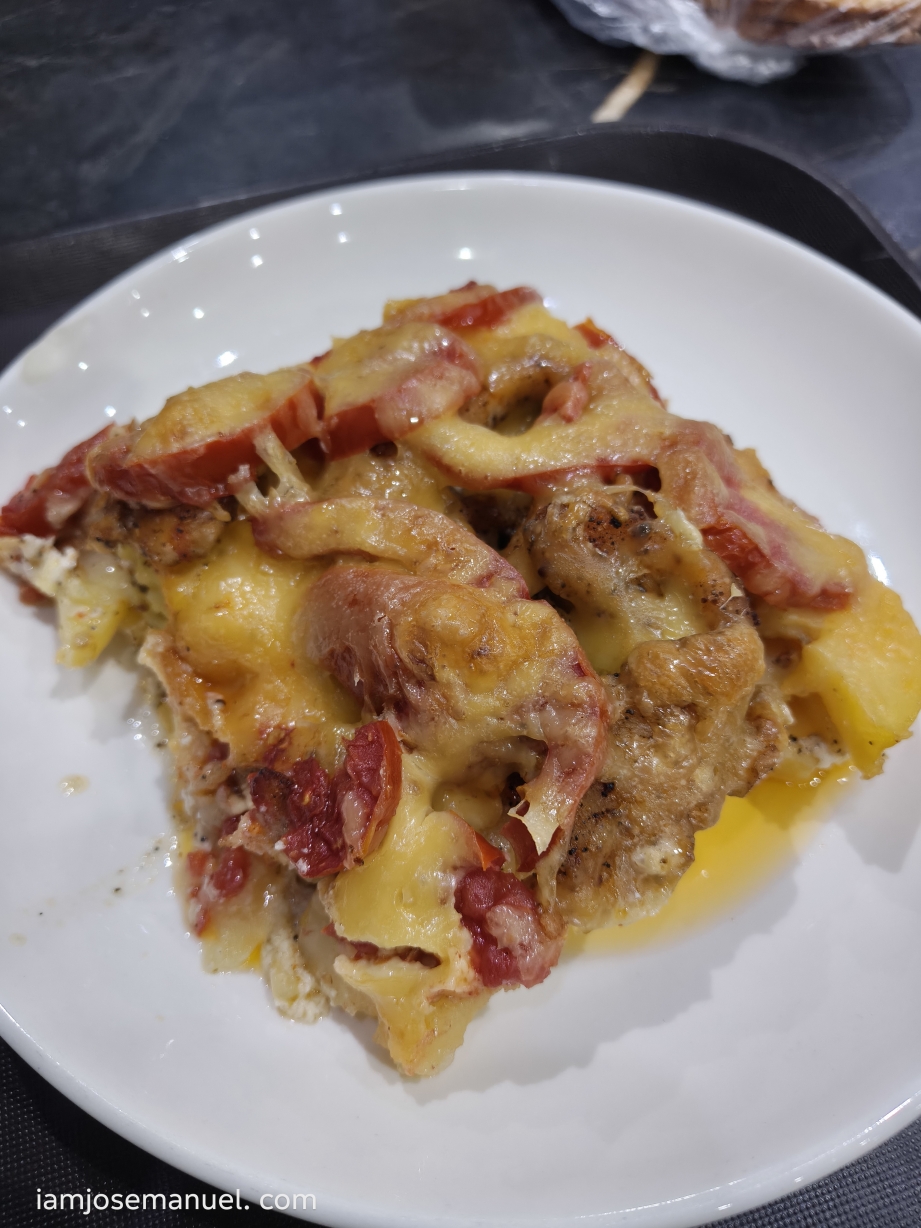
This one below is seriously good, like a lasagna but they used thin layers of potato filled with meat portions, tomato, pepper and cheese. They call it Khanum

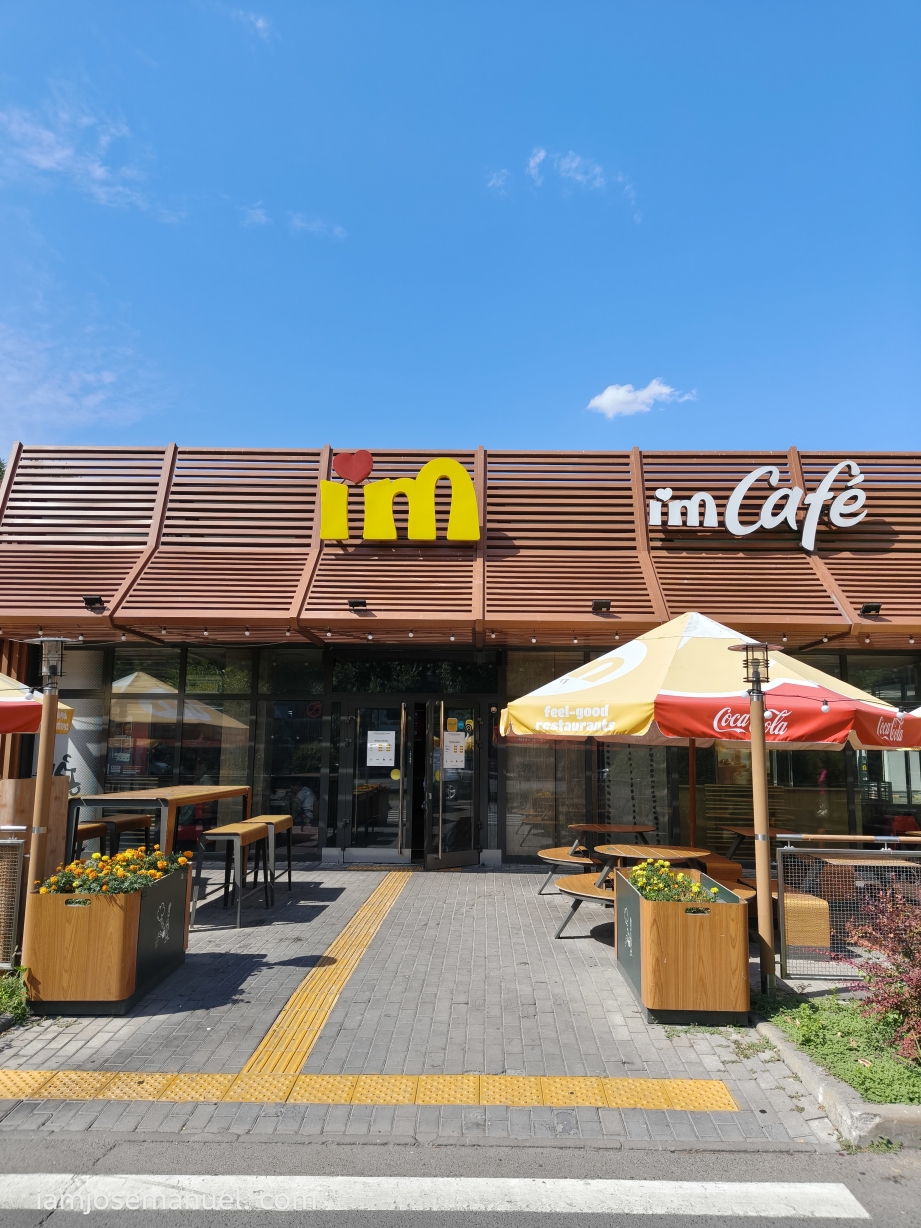
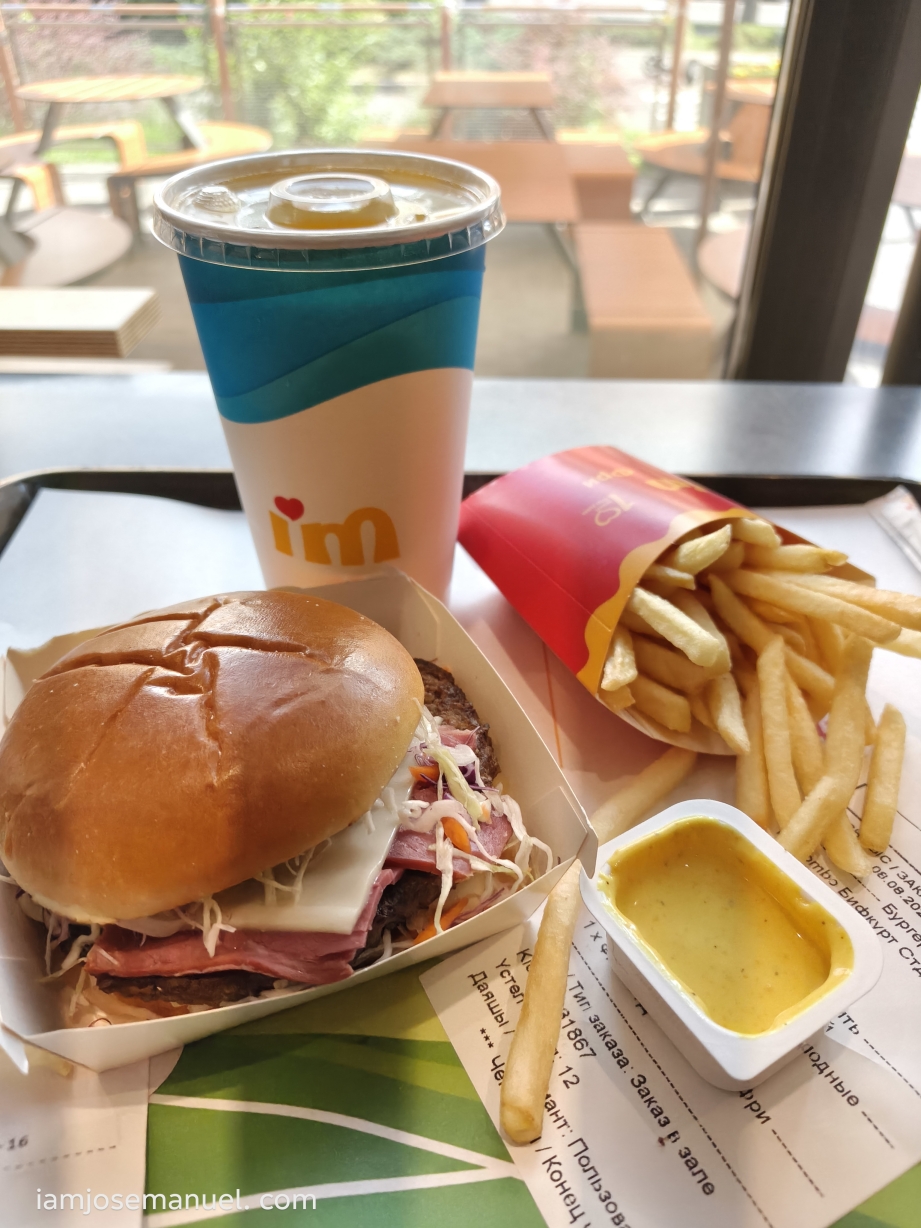
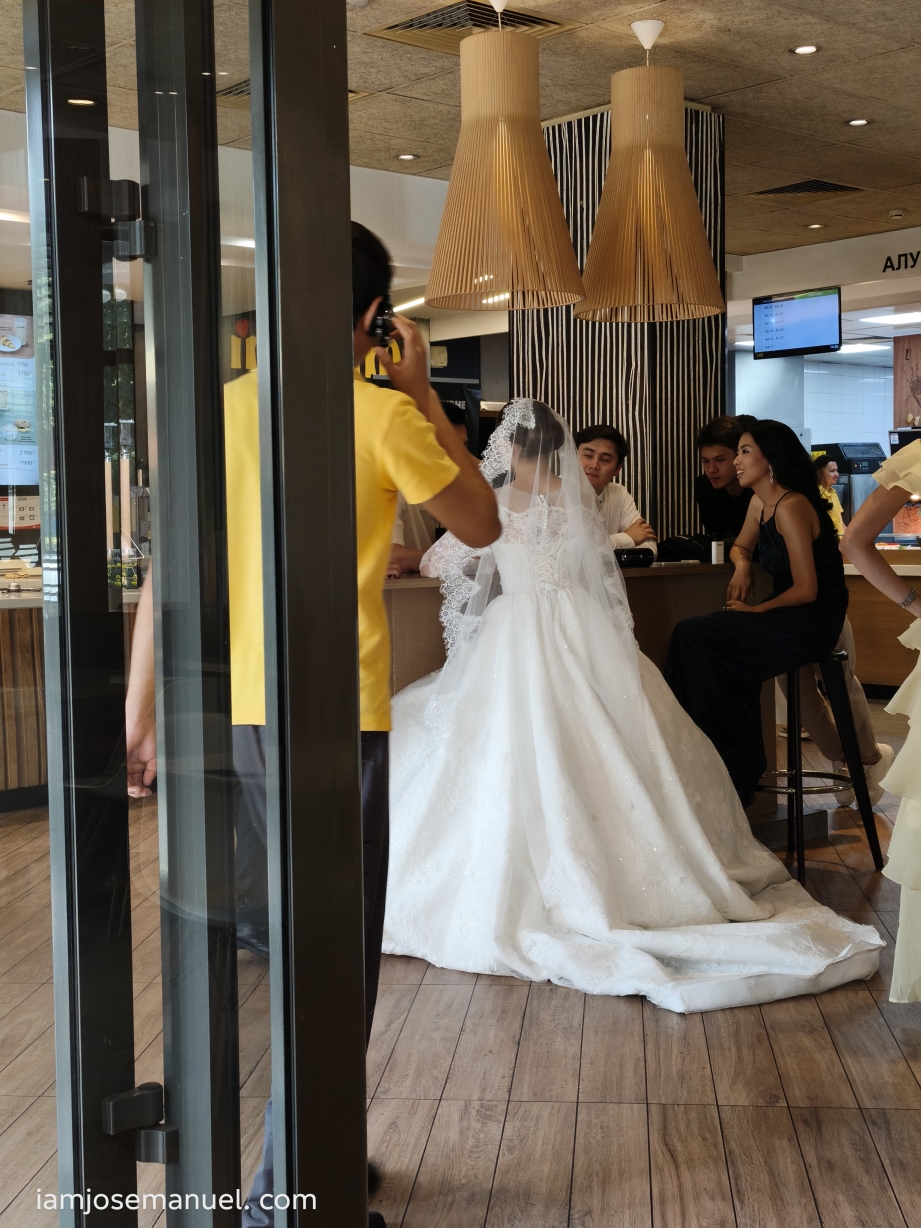
Kazakhstan does not have a Mcdonald’s store. But they have the I’m Cafe, which is like a spin off. Syempre, check natin to. Masarap ang burger nila. I had this set of beef patty with coleslaw and cured meat add on (parang smoked ham). When I went, meron pa newly wed couple na nag-reception sa cafe. Cute!

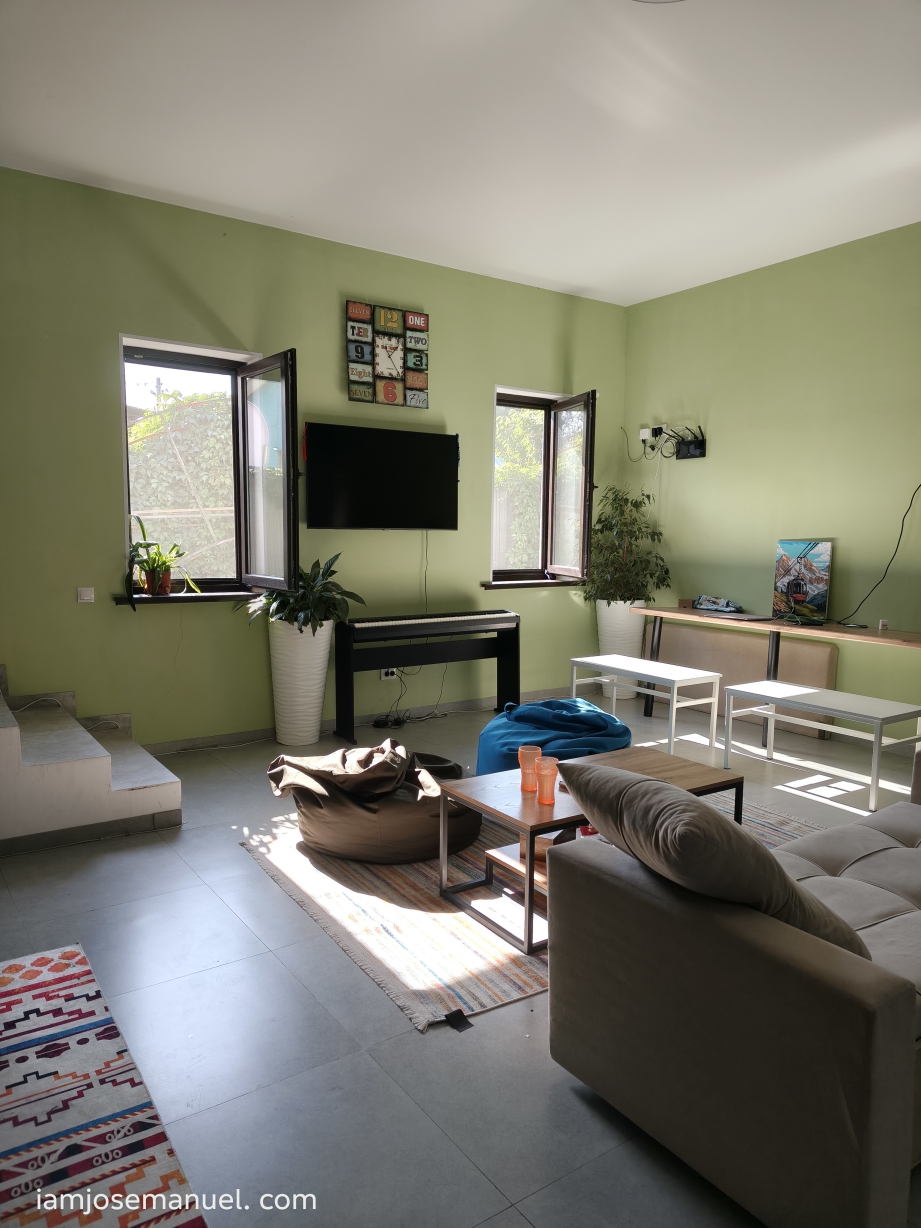
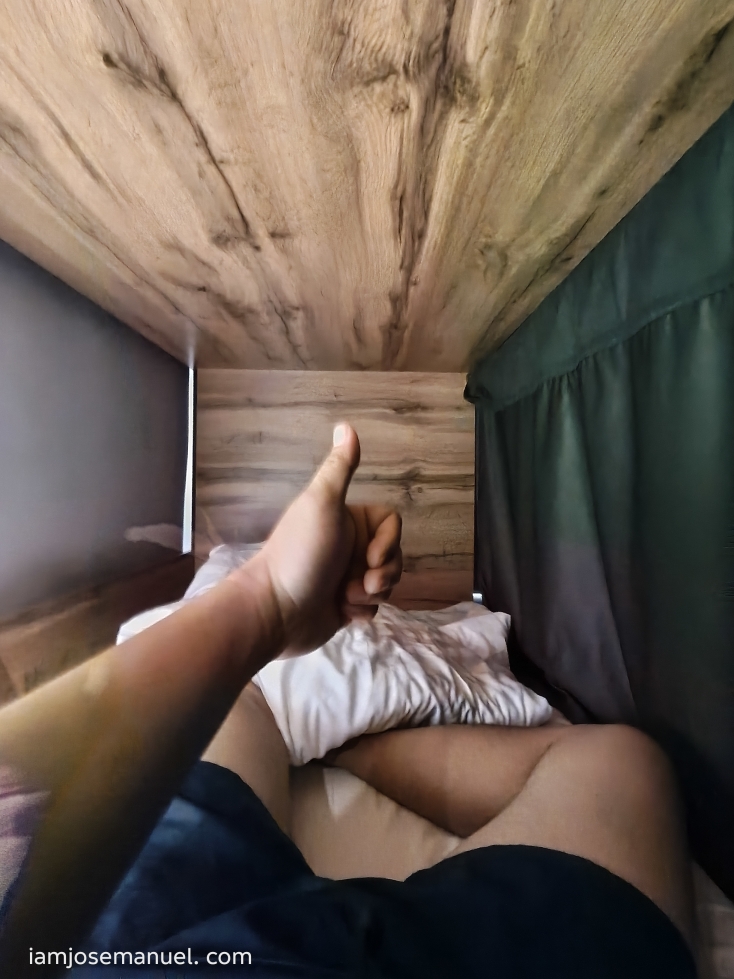
Hostel Q Almaty – where I stayed. Mura lang, nasa 700 Pesos per night. Bed and sheets were pretty comfi and malaki ang kwarto, which gave them very good ratings online. Satisfactory, yes. But if I return to Almaty, I’d probably choose hostels that are nearer to the Panfilov Park or Dostyk Avenue.

Will post a separate blog on cost, combined with other Central Asian cities that I visited.

Kazakhstan is VISA FREE for Filipinos. Not a single question from the Kazakh IO when I arrived.

Brief History of Kazakhstan:

  • From the early days, before being established as a nation, the Kazakh land flourished as a vital link on the ancient Silk Road, connecting trading networks between the East (China) and Europe/Middle East.
  • Mongol Empire: Genghis Khan’s invasion in the 13th century integrated the area into the Mongol Empire
  • After the fall of the Mongol Empire, the Kazakh Khanate/state was established in the 15th century
  • Around 18th Century, Kazakh State was seized and has become part of the Russian Soviet Union
  • Kazakhstan declared independence on December 16, 1991, following the dissolution of the Soviet Union

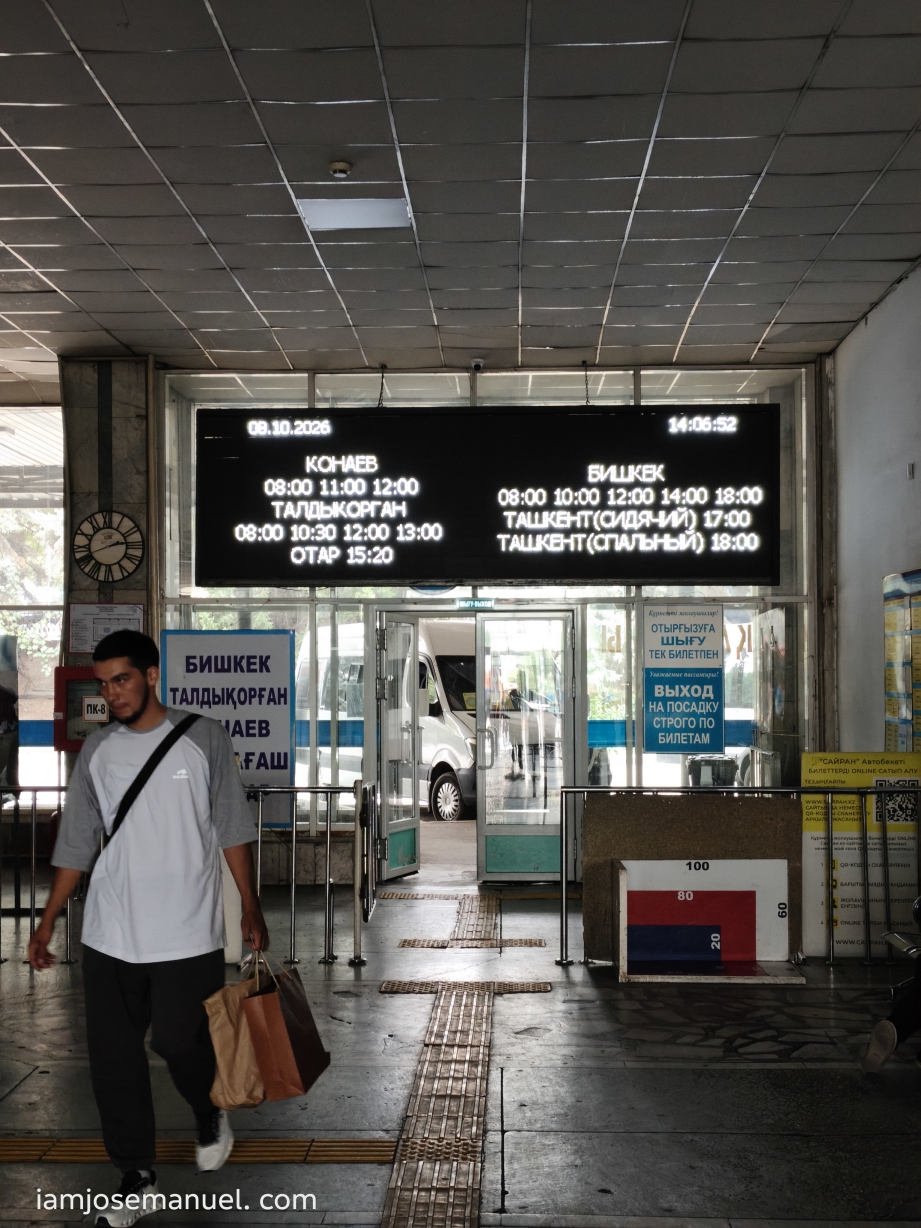
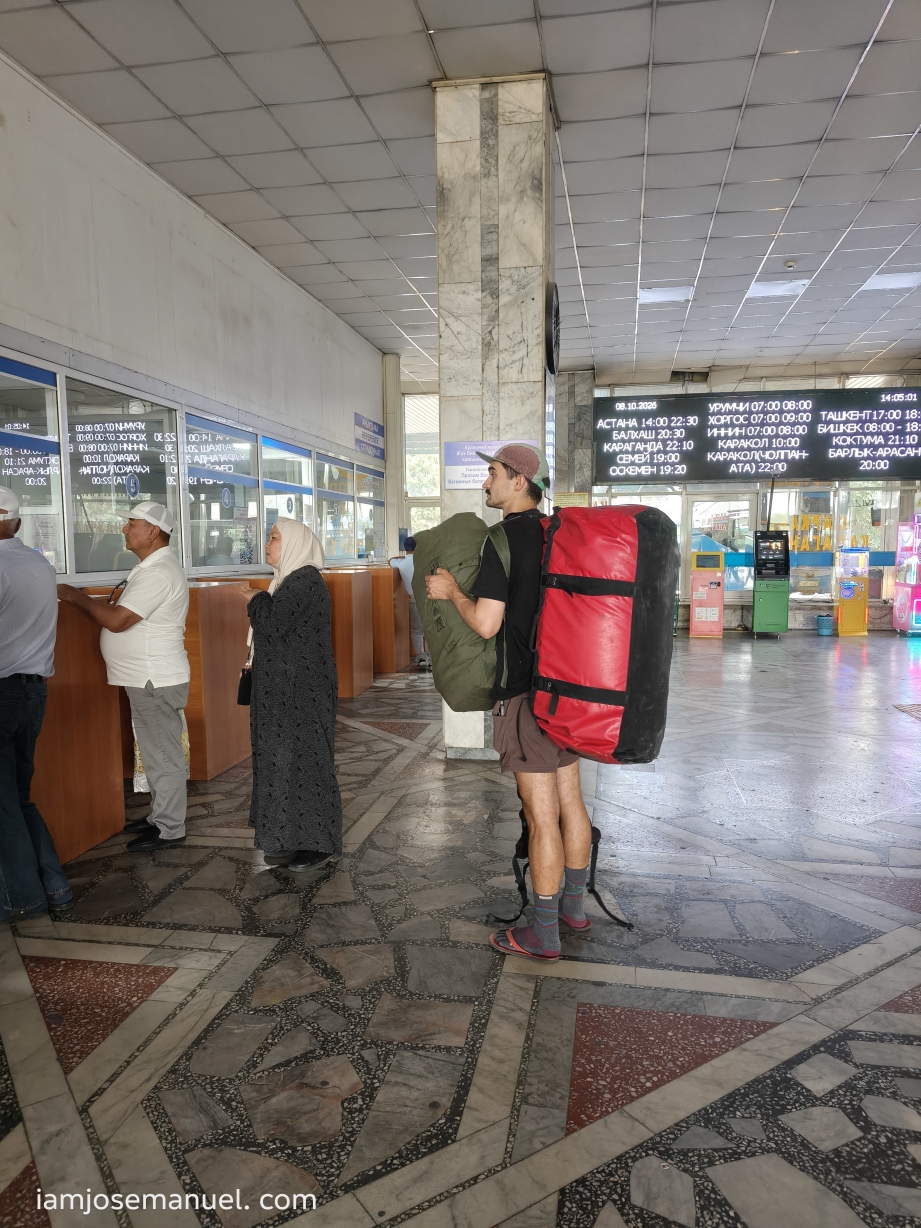
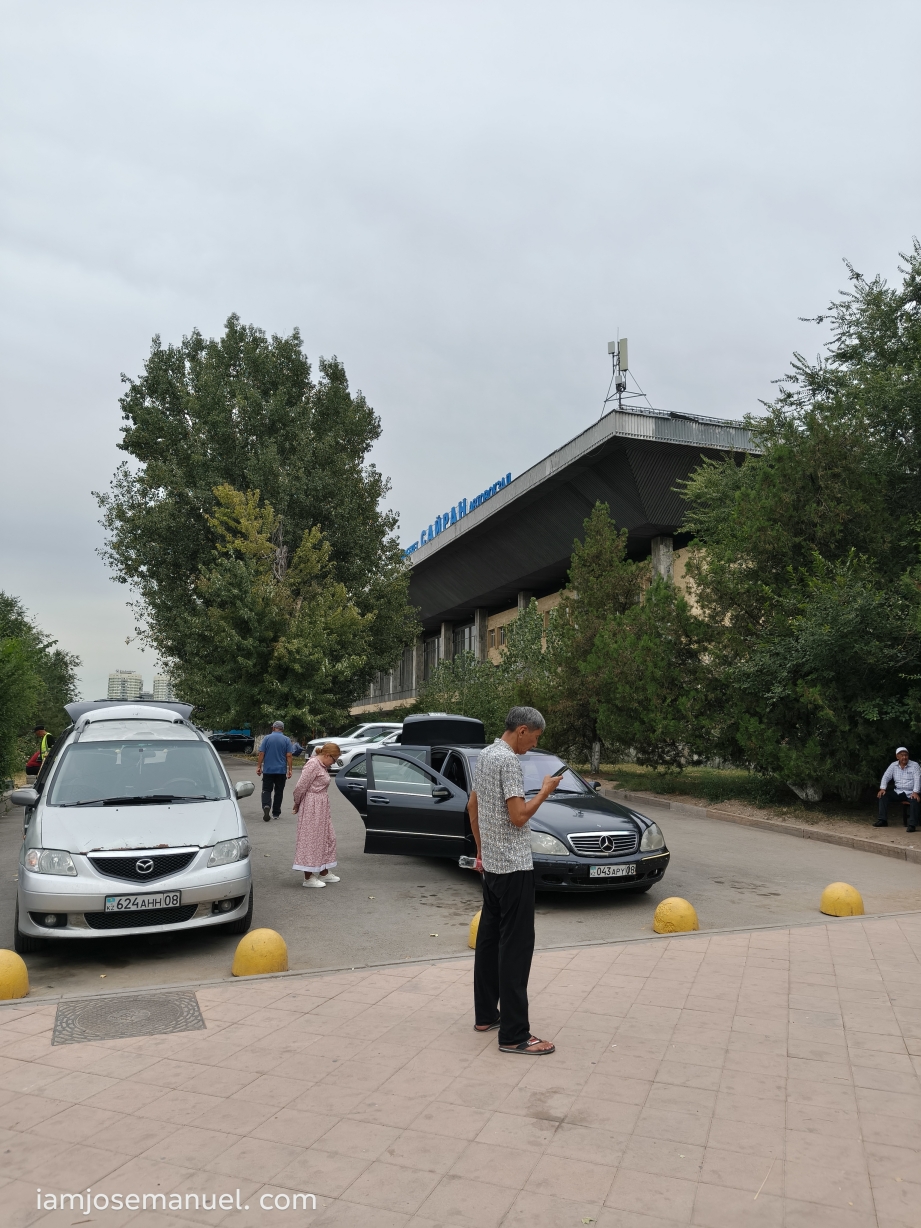
Next Stop: I travelled from Almaty Kazakhstan to Bishkek City in the neighboring Kyrgyzstan by public bus. This is how their public bus station looks like. Challenging! Will detail this on my next blog.

Northern Vietnam Itinerary

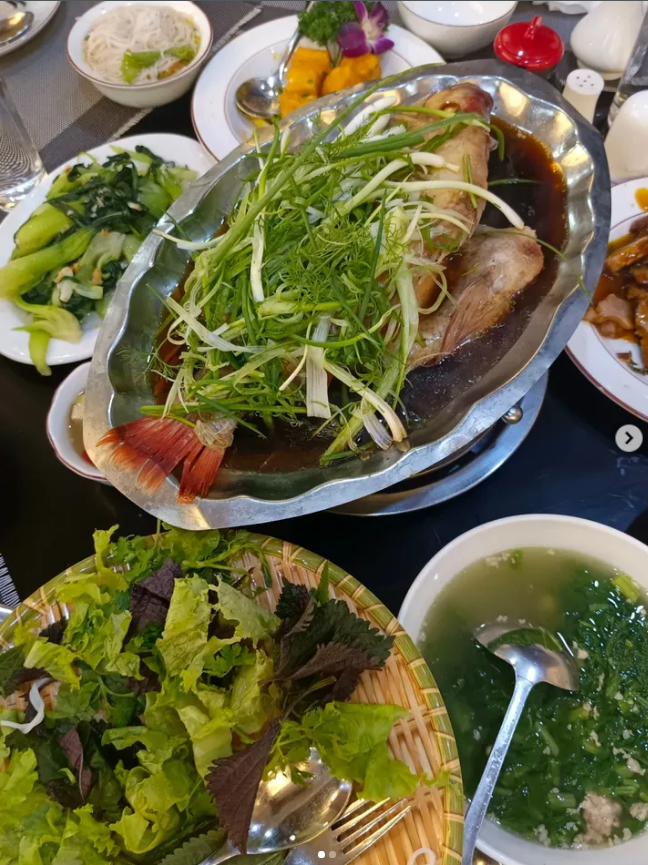
Last March, my travel squad went on a quick R&R trip to Northern Vietnam. We booked an all-inclusive Four-days tour, arranged for us by Uno Turismo Travel Agency. The cost of the tour was around 34,000 Pesos per pax, including plane fares with Cebu Pacific Air, 3-4 Star-hotels and meals (BLD). Joining pre-arranged tours is such a comforting time for me, as I do not have to prepare as much as to my usual DIY travels. DIY travels may be cheaper; but with pre-arranged tours, I paid for care-free moments and comfort. This Vietnam trip was a complete “pack and go”. No pre-trip research anymore. I did not even bring with me USD Bills (as pocket money). Instead, I exchanged Pesos directly to Vt Dong with our Vietnamese guide, with a better rate compared to the airport money changers. The tour was packed with activities. The best part was the dining. We were brought to nice full service restaurants. Di kami natipid. And we all know Vietnamese food is Good food. Sulit, tbh.

Highlights of the Trip—>Hanoi: The capital city of Vietnam with a rich history, colonial architecture, and famous street food. Ha Long Bay: A UNESCO World Heritage site known for thousands of limestone islets. Sapa: The mountainous region known for cold weather, rice terraces, and indigenous culture.

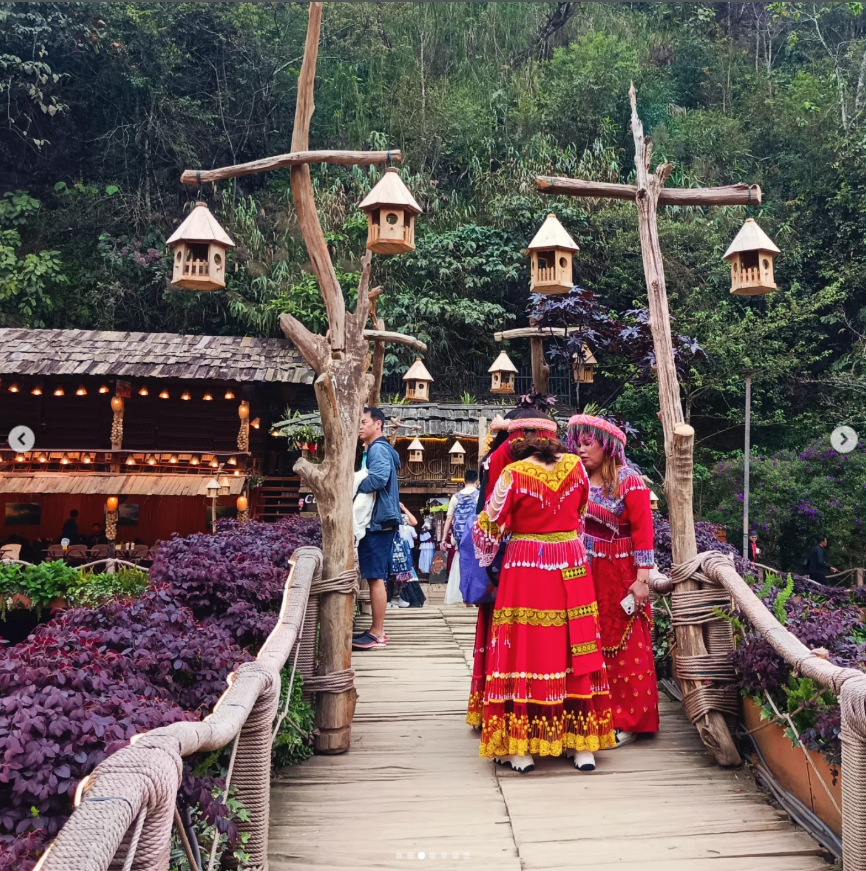
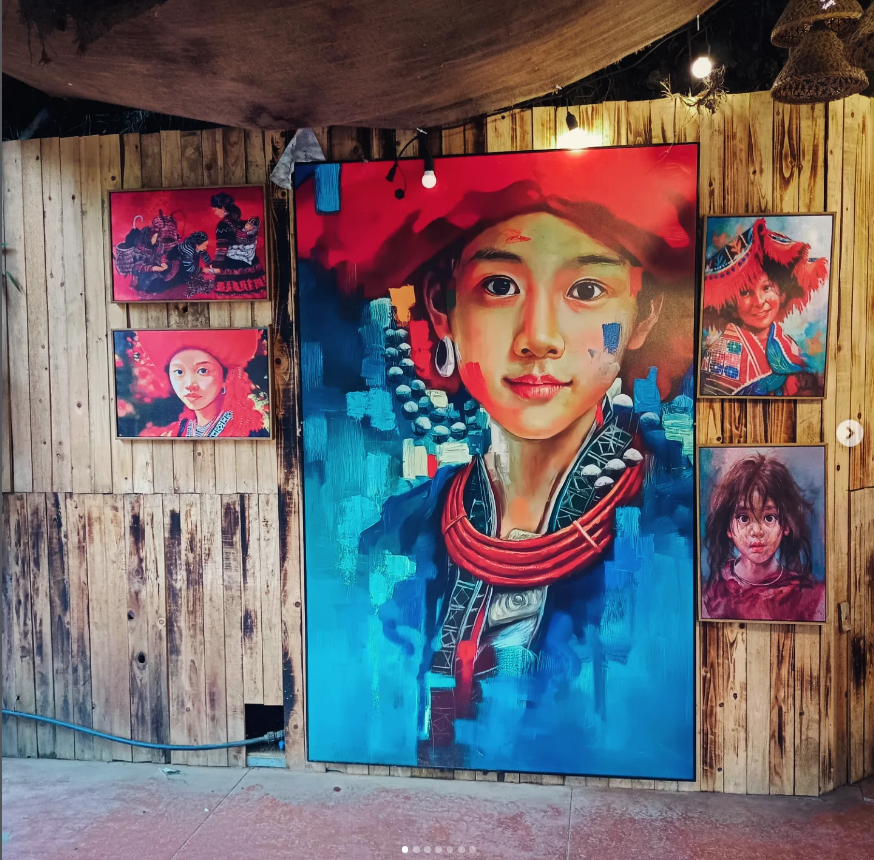
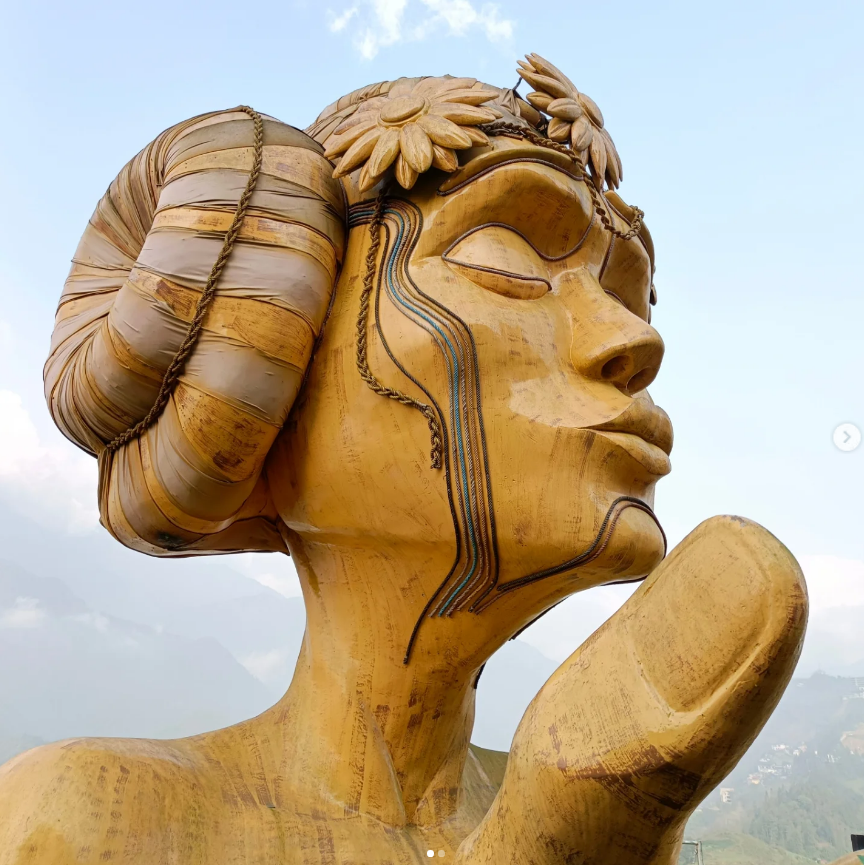
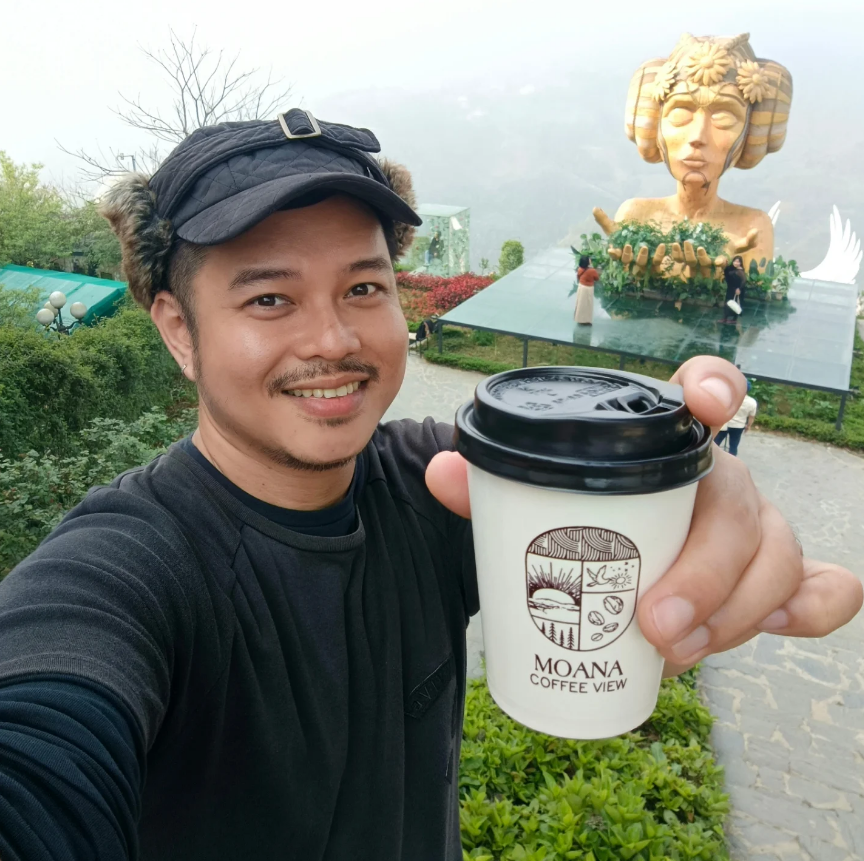
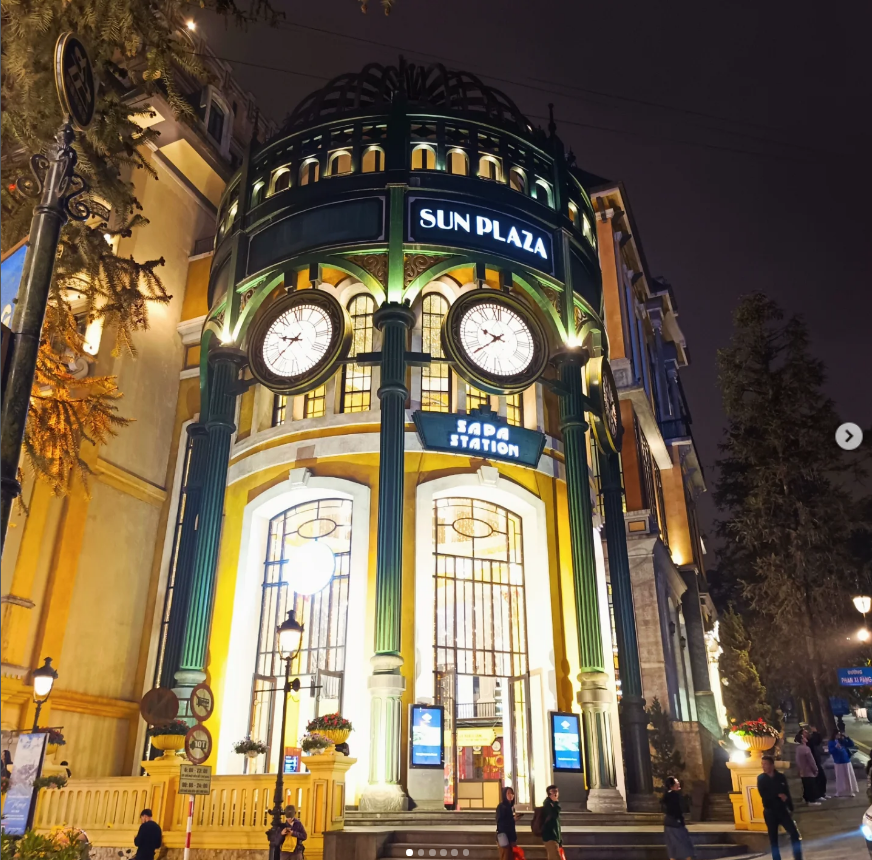
Day 1 – Sapa Town. We did a soft trekking to Cat Cat village, which is located at Muong Hoa Valley and near the stunning Cat Cat Waterfall. This is an age-old village of H’Mong ethnic group remaining unique customs and practices. We ended the day at Moana Sapa Cafe, a photo-focused destination located near Sapa town center. Tip: Sapa Town is 5 hours away from Hanoi by private bus. Bring a travel pillow.

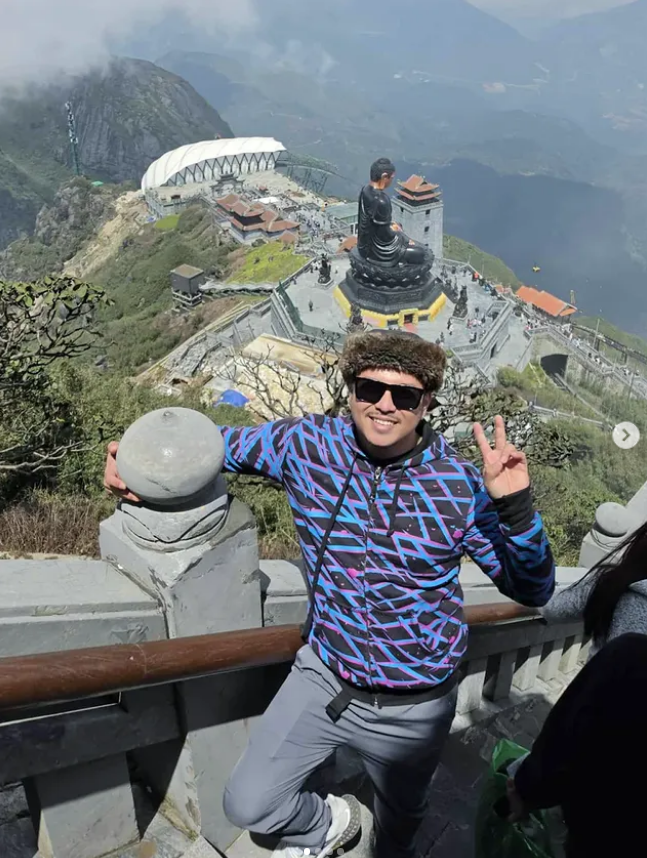
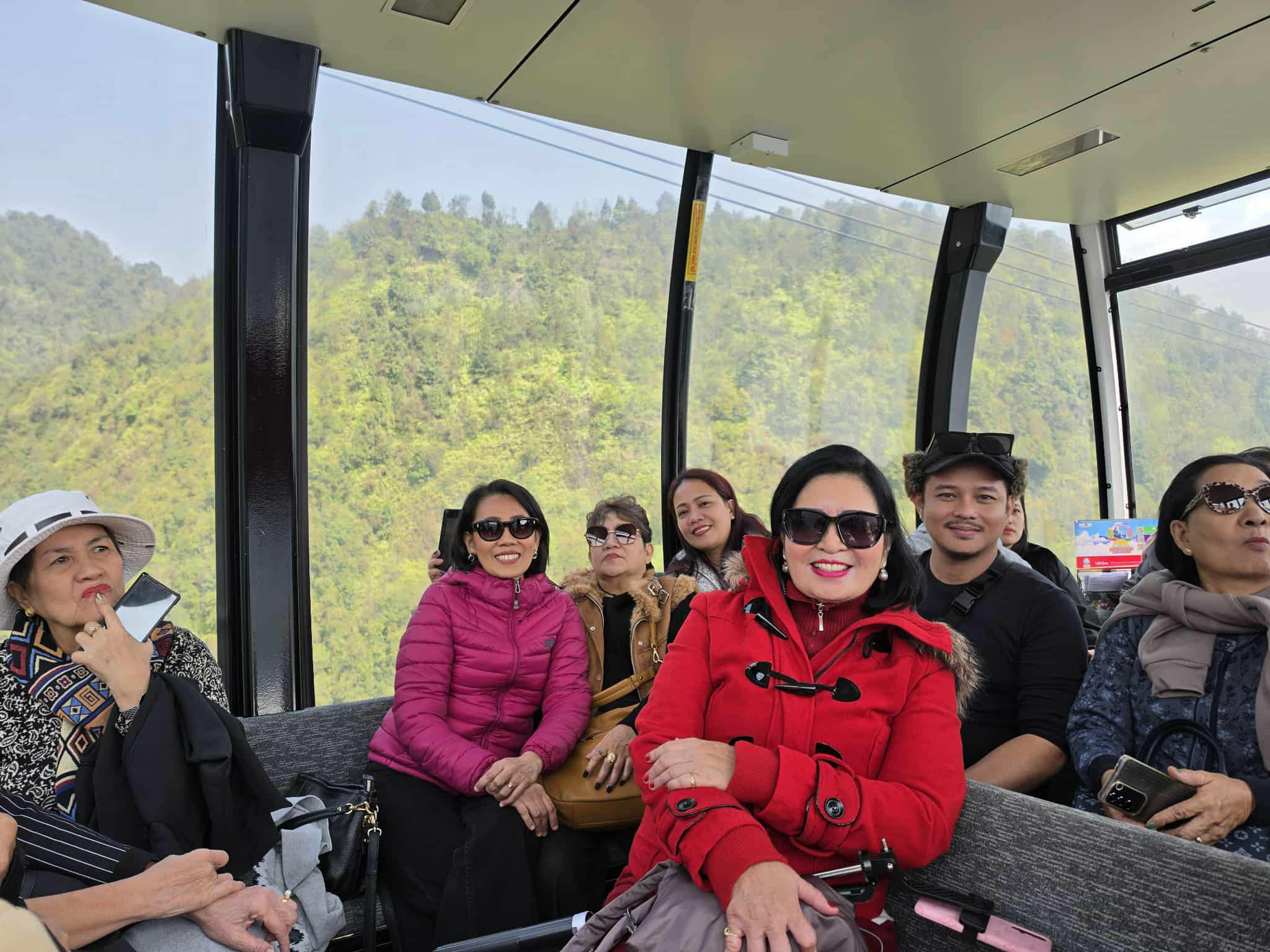
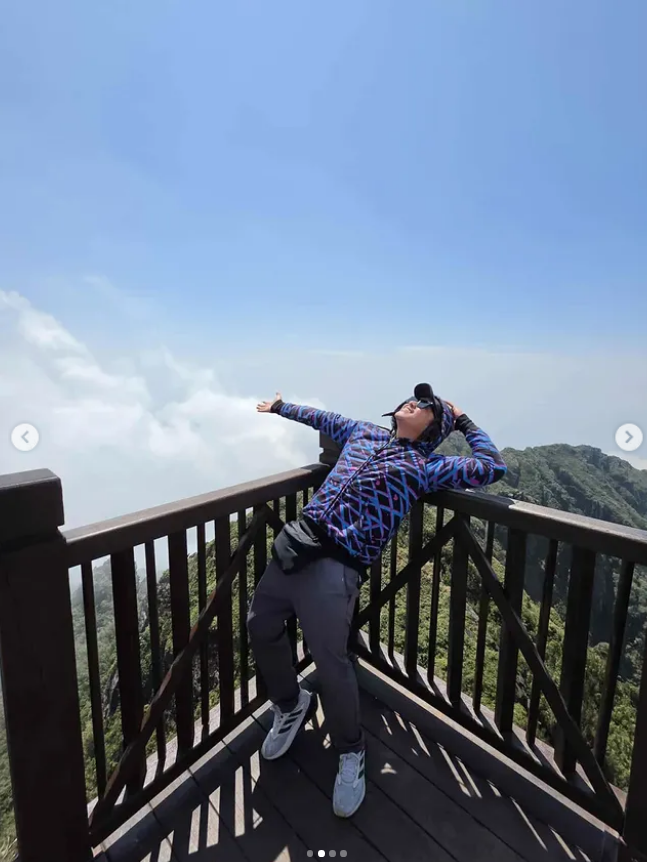
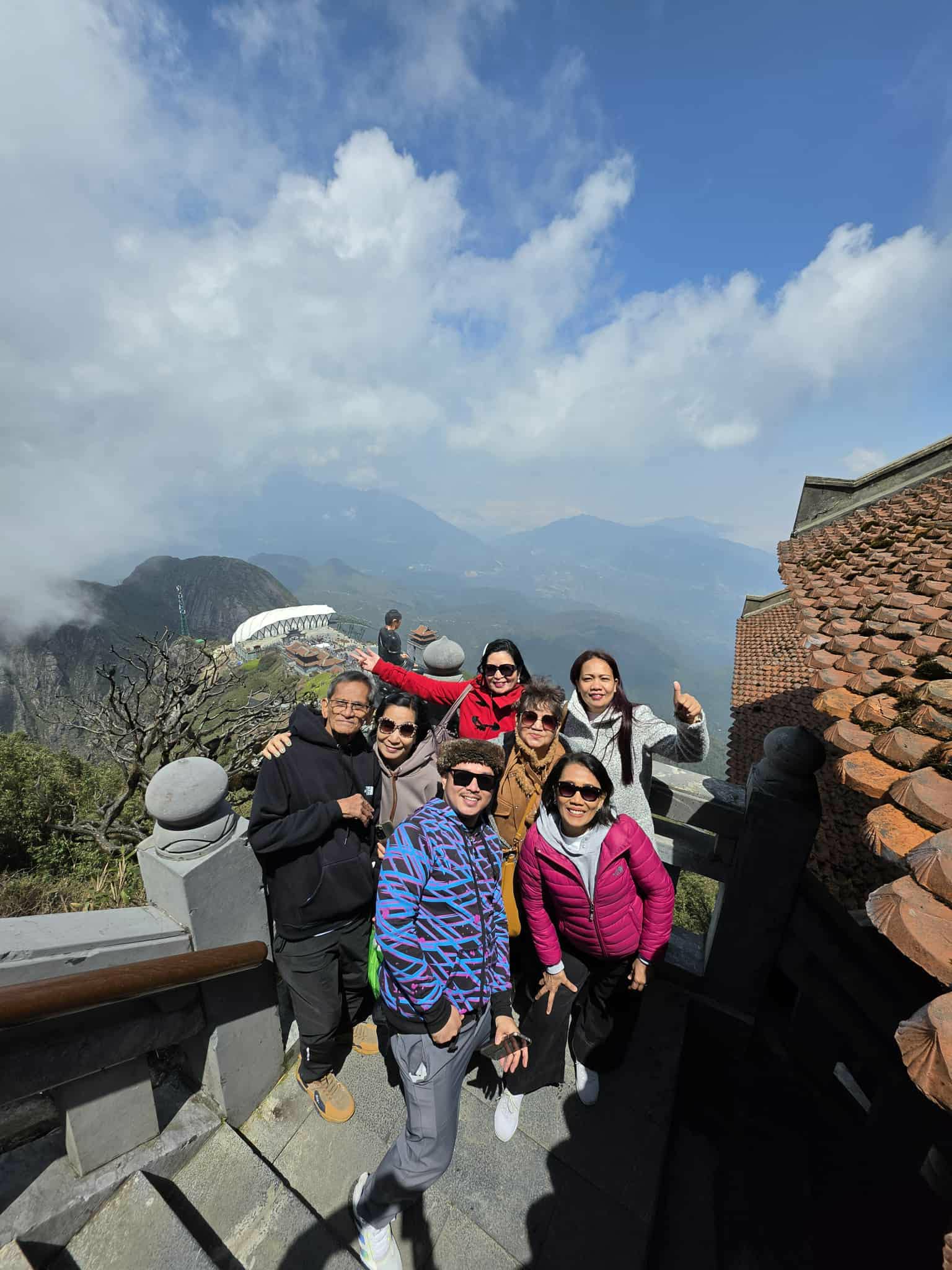
Day 2 – Fancipan Peak – the highest mountain of the Indochina peninsula (3,143 m), located in the center of Hoang Lien Son range, hence known as ‘The Rooftop of Indochina’. From Sapa Town Center, we took a 10 mins Tram, then a 20 minutes Cable Car ride. We went up around 11 am, and was blessed with a clear panoramic view. Sabi kase fancipan gets really foggy when you go super early. Fansipan is super cold and windy btw.

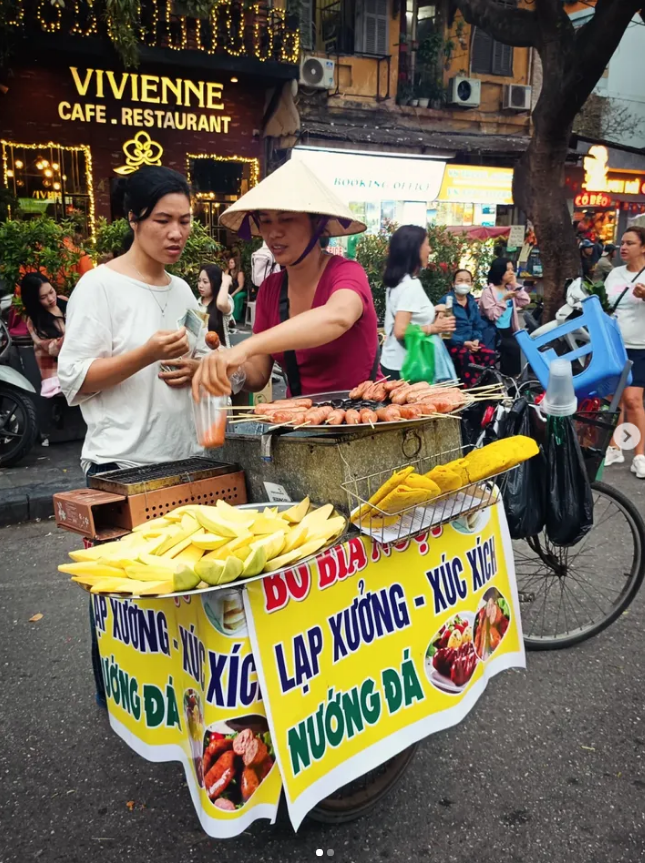
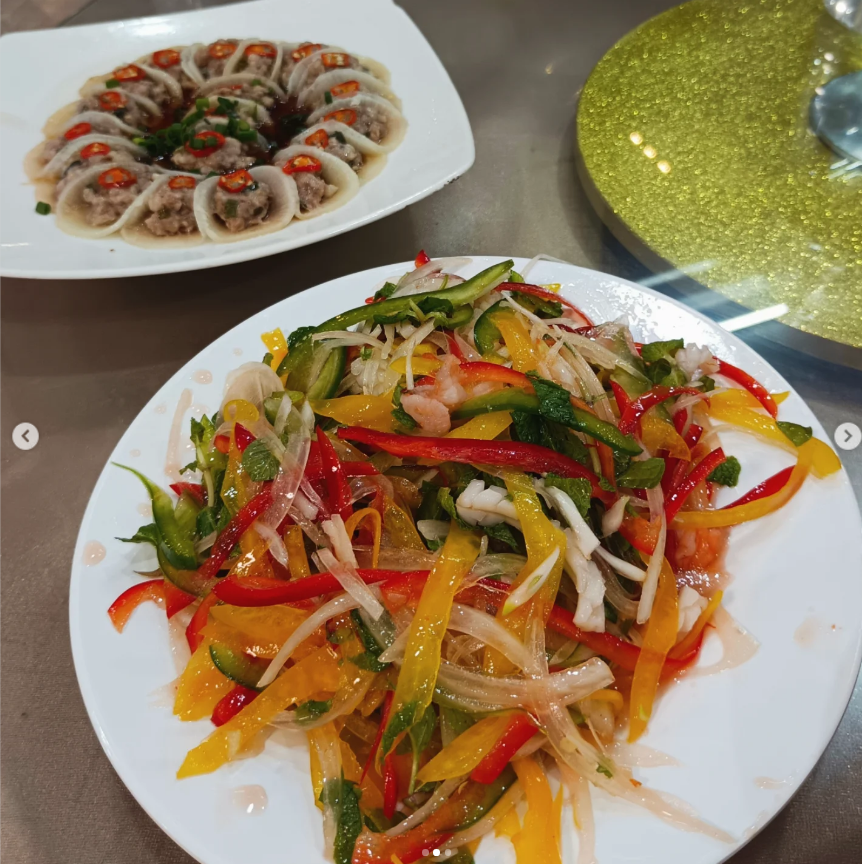
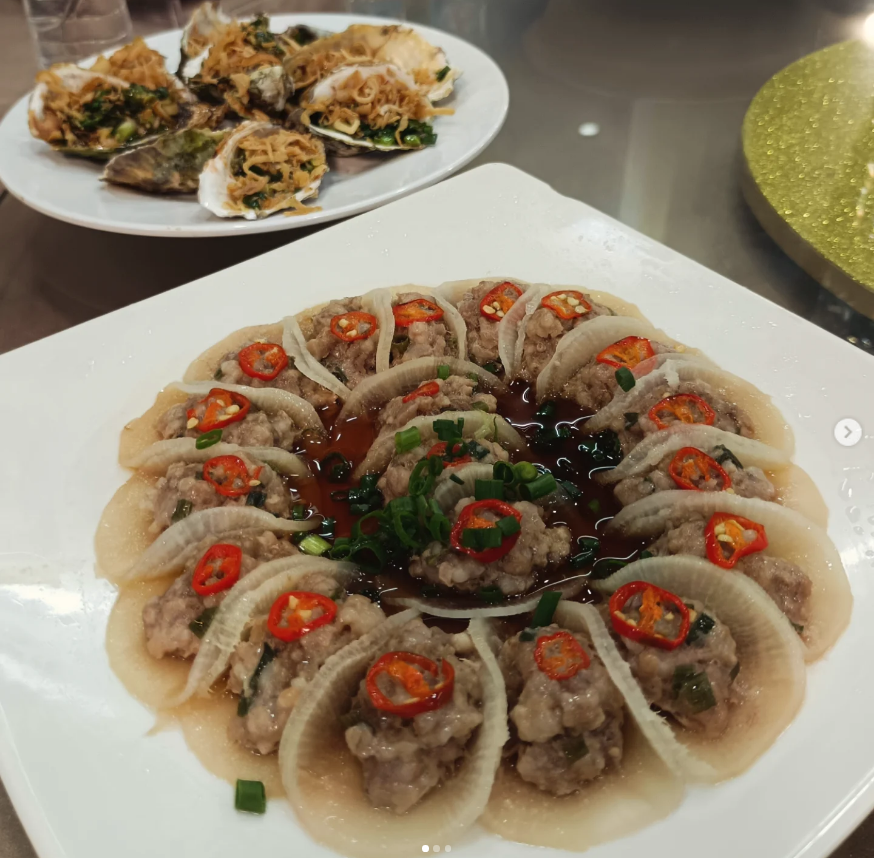
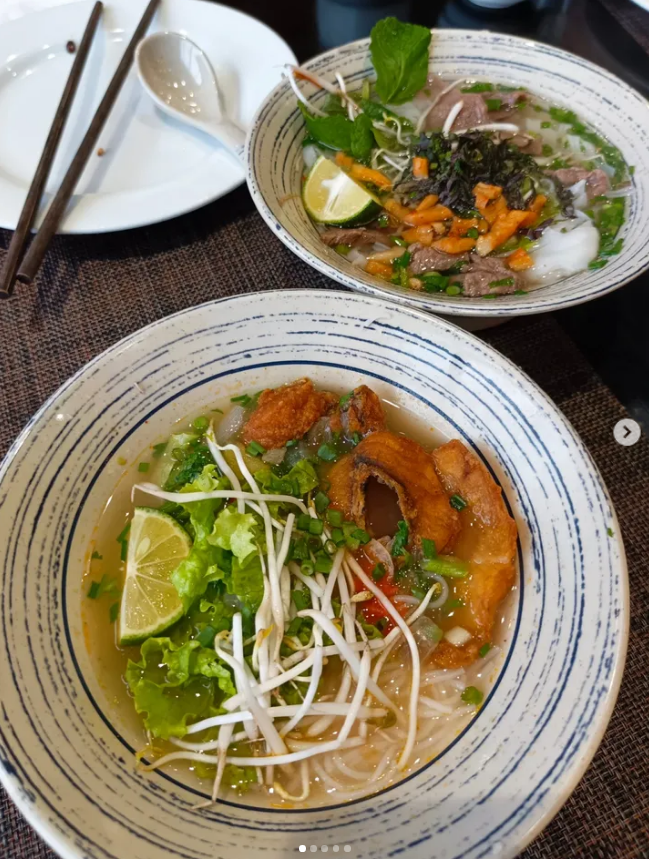
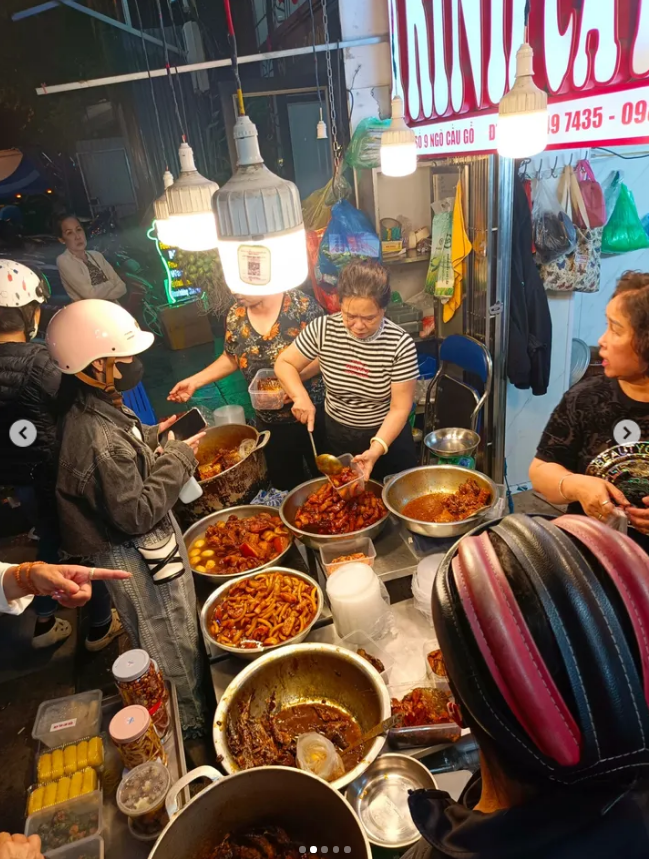
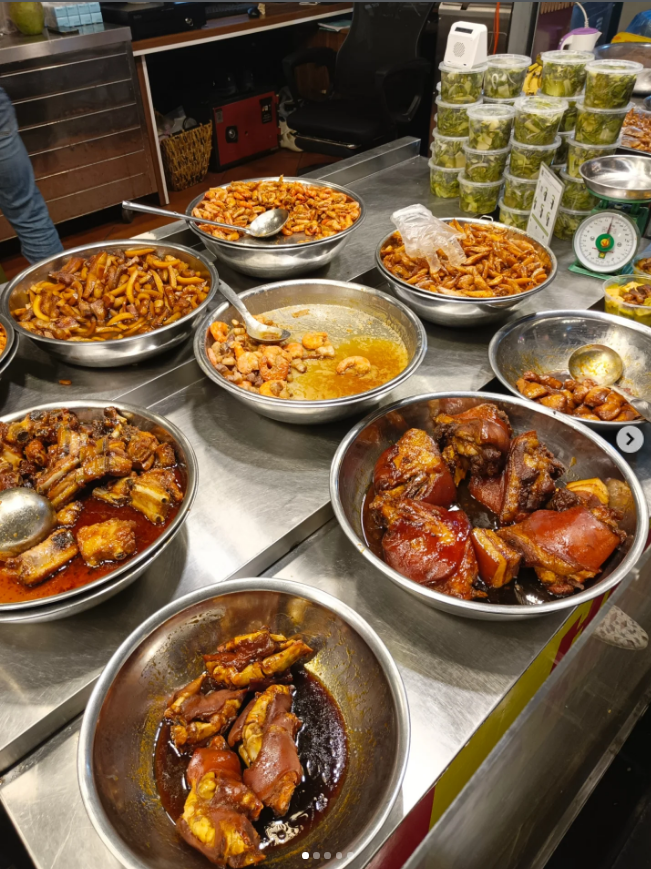
Day 3: Hanoi City. Vibrant, chaotic and unique. Hanoi has an incredible food and coffee scene. Must try -> pho and bun cha.

Vietnamese cuisine is heavily influenced by over 1,000 years of Chinese rule. But unlike Mainland Chinese, Vietnamese dishes use less flavourings, and adds a bunch of fresh herbs, creating a light and vibrant style of cooking. Common Vietnamese herbs include Thai basil (húng quế), cilantro (ngò rí), spearmint (húng lủi), and sawtooth herb (ngò gai). Other key aromatics are coriander (rau răm), rice paddy herb (ngò ôm), perilla (tía tô), and fish mint (diếp cá), often served raw as a platter.

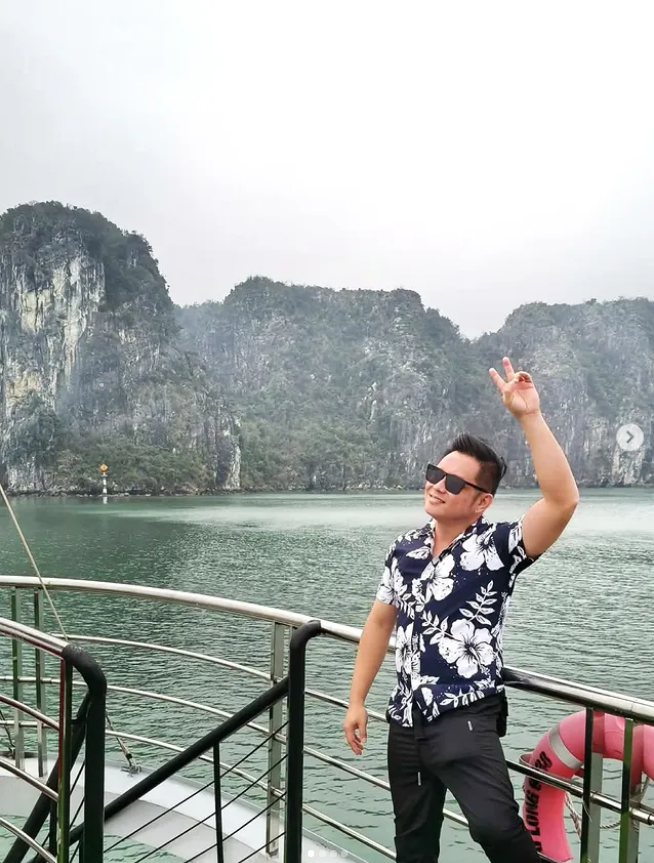
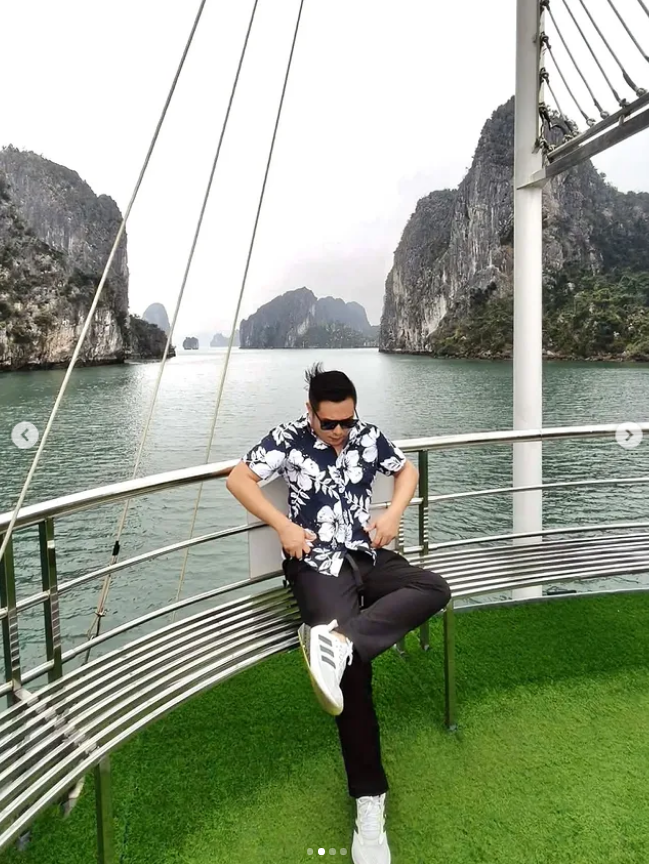
Day 4: Halong Bay. A UNESCO World Heritage Site renowned for its emerald waters and thousands of towering limestone islets. Halong is 2 hours away from Hanoi City. The cruise was 4 hours, with kayaking and easy caving activities.

Vietnam is VISA FREE for Filipino Tourists.


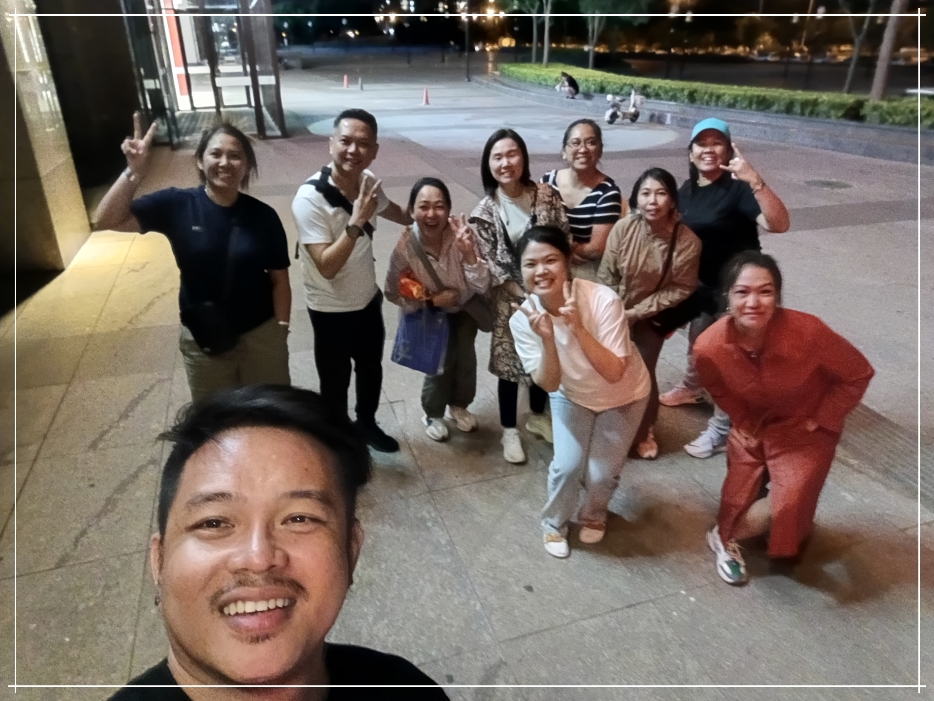
Here’s a photo of me and the squad. Cheers and to more travels in the future.

Start The Year Right With pandapro’s Pro Week

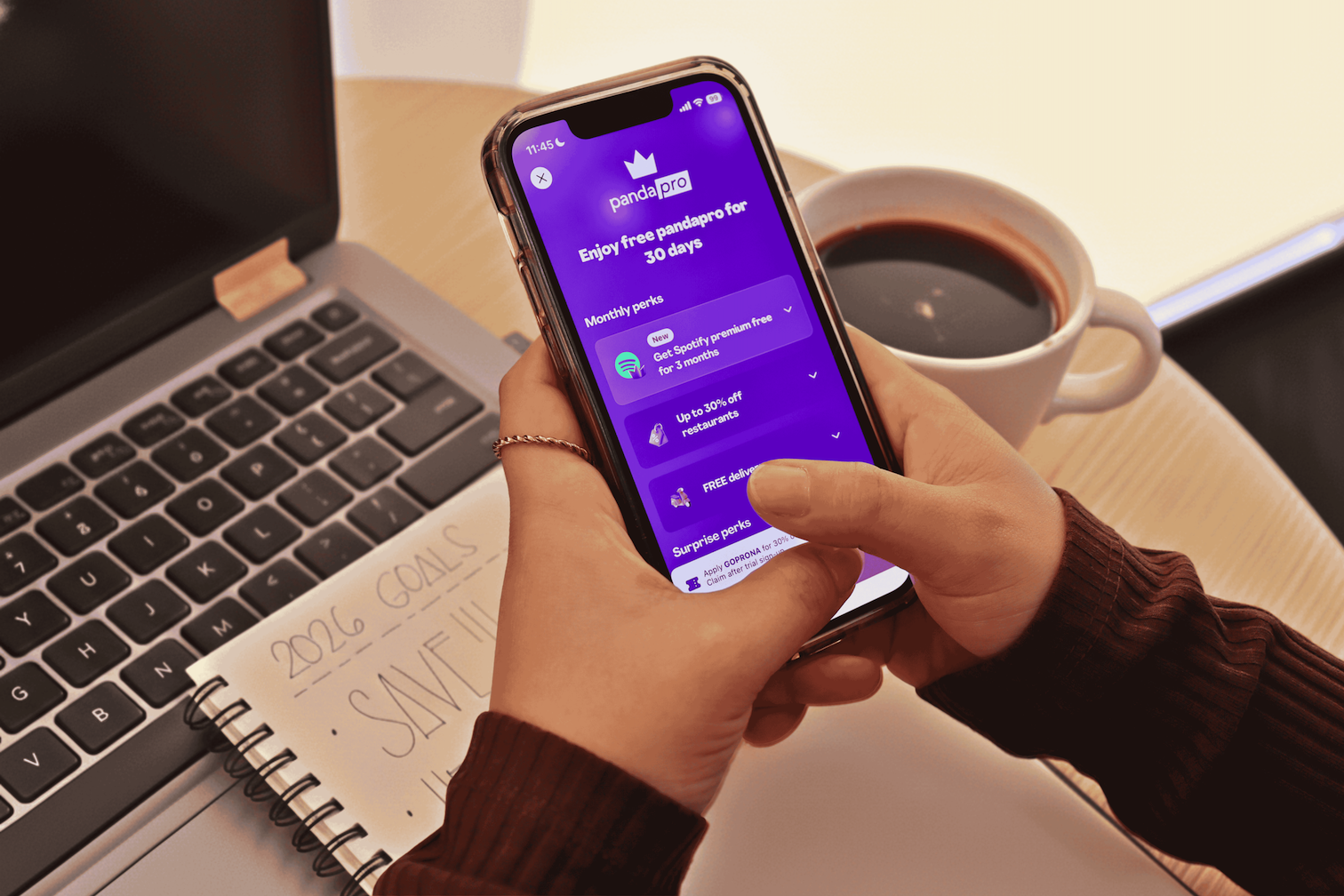
How foodpanda’s pandapro makes January the smartest time to go PRO

The new year often starts with good intentions: setting savings goals, cutting back on expenses, and recovering from holiday spending. But as routines pick up again, daily demands do not slow down. Convenience remains essential, even as budgets feel tighter.
From January 22 to 31, Pro Weeks makes a timely return, giving pandapro subscribers access to exclusive, limited-time deals on food delivery, groceries, and pick-up orders. It reinforces that saving does not have to mean sacrificing convenience—especially as many continue to manage post-holiday expenses.

Better Value in Everyday Orders

Pro Weeks makes regular food orders more rewarding through Pro-exclusive savings. pandapro subscribers can enjoy up to 50% off on select restaurants, including familiar favorites such as KFC, Shakey’s Pizza, CoCo Fresh Tea and Juice, and Gong Cha—turning daily meals, coffee breaks, and quick cravings into more thoughtful, budget-friendly choices.
For added flexibility, pick-up orders also come with extra value. pandapro subscribers can enjoy 10% off pick-up orders using the PICKUP code at select vendors, offering a cost-efficient option for those who prefer to collect their orders themselves.

Stocked, Sorted, and Still on Budget

Pro Weeks extends savings beyond meals and into household essentials. pandapro subscribers can get up to 30% off on pandamart, with discounts on trusted brands such as Nestlé, Unilever, and P&G. Subscribers can also enjoy ₱200 off on Puregold orders, valid with varying minimum spends. Take the hassle out of restocking your pantry and skip the supermarket trip entirely. Big savings, zero effort!
Beyond upfront discounts, cashback vouchers like PROCB (5% cashback on select food and grocery orders) and PROGROCER (10% cashback on pandamart and select supermarkets) add extra value—helping budgets go further over time.

More Reasons to Stay Pro

foodpanda gives back to its pandapro subscribers through exclusive rewards that add value across food delivery, groceries, pick-up, dine-in, and more. During Pro Weeks, users can enjoy special subscription offers, including 30% off a 12-month pandapro plan with GOPRONA, alongside a limited-time 70% discount through PROWKND for select users on weekends.
To make the most of the short run, Pro subscribers can also use the PROWEEK voucher, which gives ₱200 off on food and grocery orders with varying minimum spends from January 26-31.
As the year begins and spending habits come back into focus, saving works best when it fits naturally into everyday life. With pandapro, convenience and value go hand in hand—turning good intentions at the start of the year into something more sustainable. With Pro Weeks available for a limited time, this window offers a clear opportunity to secure Pro-only savings while they last.

About foodpanda:

foodpanda Philippines currently operates in 192 cities and municipalities across the Philippines and is continuously expanding. foodpanda is a subsidiary under Delivery Hero, a worldwide leader of the food delivery industry. For more information, visit www.foodpanda.ph.

Through the foodpanda website or via the new iOS and Android apps, customers can enter their address and view a curated list of restaurants and shops serving their neighborhood. Once they have found their choice, they can place an order in the comfort of their home or office, paying online through foodpanda’s secure platform or via cash-on-delivery The order is then carefully prepared by the restaurant or shop, picked up by the foodpanda rider and delivered straight to their doorstep.

Pro Weeks Are Back and This Is Your Sign to Finally Go Pro!

foodpanda brings timely, sulit offers to help keep holiday budgets manageable.

foodpanda is rolling out its biggest savings event of the year, just as households become more mindful of their spending. As the holidays kick in, so do the familiar rush of gatherings, shopping lists, office celebrations, and last-minute cravings. It is often the period when expenses naturally rise, making practical deals more important than ever.

This is where Pro Weeks becomes especially helpful. From November 20 to 30, 2025, it offers timely, meaningful savings through exclusive food delivery and grocery perks for pandapro subscribers. With nationwide deals that deliver real savings, it is the ideal moment to finally catch up if you are not yet a pandapro subscriber.

Irresistible Food Delivery Deals for the Busiest Season

This year’s food delivery lineup brings major savings, with discounts up to 30%, making holiday favorites even more affordable for pandapro subscribers. Cravings from McDonald’s, Jollibee, CoCo, Gong Cha, Wendy’s, Shakey’s, Domino’s, Greenwich, and many others become easier on the wallet throughout the campaign. These offers are boosted further by the Pro-exclusive free delivery perk for orders starting at ₱200, turning every meal or merienda into a smart, timely choice. Pickup orders also get 10% off with the PICKUP code for a minimum spend of ₱99.

Pro users in Quezon City and Makati also get access to additional perks through city-specific codes. By using QCPRO or MAKATIPRO, members can enjoy an extra 20% off on select restaurants. With deals this strong, enjoying your favorite holiday cravings becomes even more budget friendly.

Holiday Grocery Shopping Made Lighter

As Pro Weeks delivers big value on food cravings, it also extends thoughtful savings to holiday grocery needs. pandapro subscribers get up to 30% off on essentials from pandamart and ₱100 off from Robinsons Supermarket, plus ₱69 off delivery fees to help keep checkout costs in check. With the added 10% cashback on grocery orders through the PROGROCER code, households can stock up on pantry staples, noche buena ingredients, and even last-minute needs without navigating mall crowds or overspending. This combination of strong pricing and doorstep convenience makes Pro Weeks a reliable partner during the holiday rush.

A Year of Perks for Less

One of the standout highlights of this returning Pro Weeks run is the special offer on pandapro subscriptions. With the GOPRONA code, users can get 30% off a 12-month plan, giving them a full year of free delivery perks, exclusive vouchers, and ongoing discounts. It is a practical long-term savings move that often pays for itself after just a few orders, especially for users who rely on foodpanda for regular meals, cravings, and grocery runs.

Why You Shouldn’t Sit This One Out

With all Pro Weeks offers available only until November 30, it is a timely opportunity to enjoy valuable savings. Alongside the main deals, Pro subscribers can also take advantage of additional vouchers like PROWEEKS, which gives ₱200 off for select Pro users from November 20 to 30, and PROFLASH, offering ₱500 off on select vendors from November 28 to 30. In a fast-paced holiday season, the extra benefits that come with being a pandapro subscriber can make everyday moments easier to manage. With foodpanda making the holidays more affordable through Pro Weeks, now is the perfect time to make the switch.

About foodpanda:

foodpanda Philippines currently operates in 192 cities and municipalities across the Philippines and is continuously expanding. foodpanda is a subsidiary under Delivery Hero, a worldwide leader of the food delivery industry. For more information, visit www.foodpanda.ph.

Through the foodpanda website or via the new iOS and Android apps, customers can enter their address and view a curated list of restaurants and shops serving their neighborhood. Once they have found their choice, they can place an order in the comfort of their home or office, paying online through foodpanda’s secure platform or via cash-on-delivery The order is then carefully prepared by the restaurant or shop, picked up by the foodpanda rider and delivered straight to their doorstep.

Inner Mongolia Itinerary

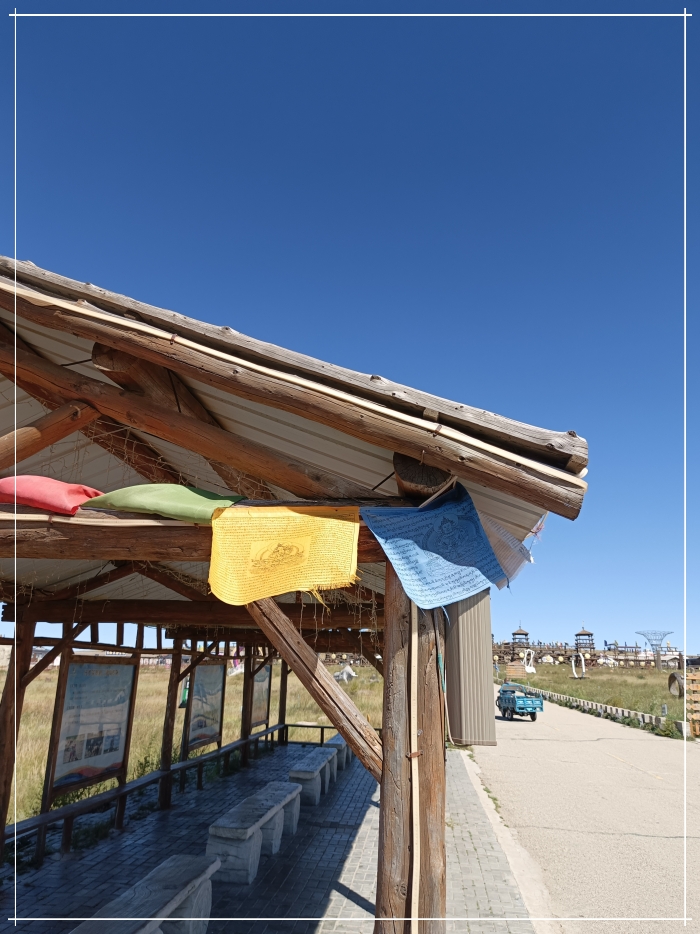
On our first day, we left Hohhot City early for Xilamuren Grasslands, to experience a glimpse of traditional Mongolian way of living.

Grasslands are generally open and continuous, fairly flat places that receive more rain than deserts but less precipitation than forests. In grassland regions, the climate is ideal for the growth of grasses only. The low precipitation rates are enough to nourish grasses but not enough for a forest of trees. Despite being dry, the temperature at day time is below 20 degrees Celsius.

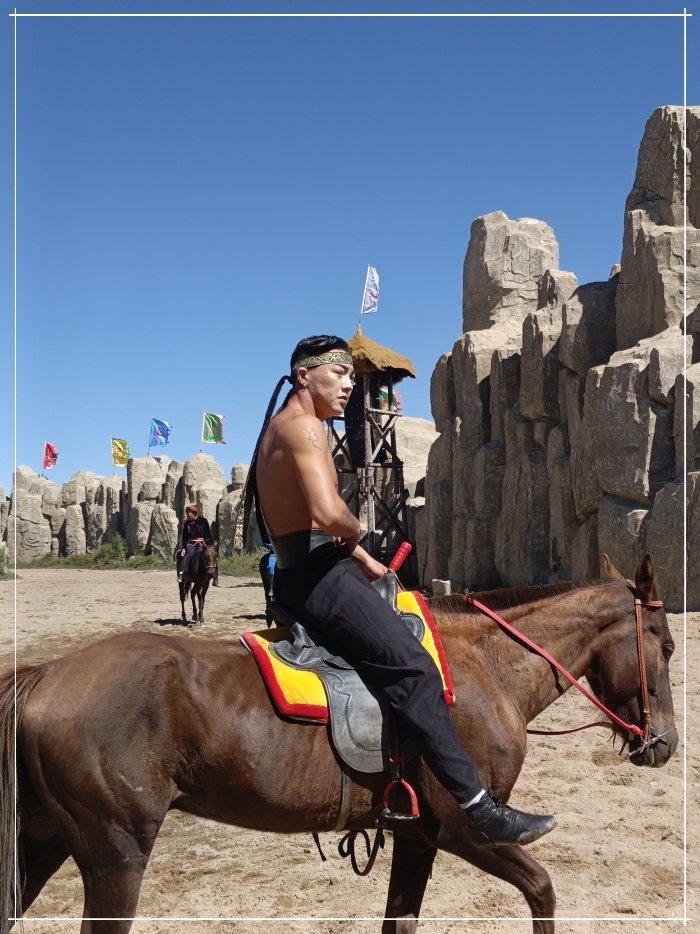
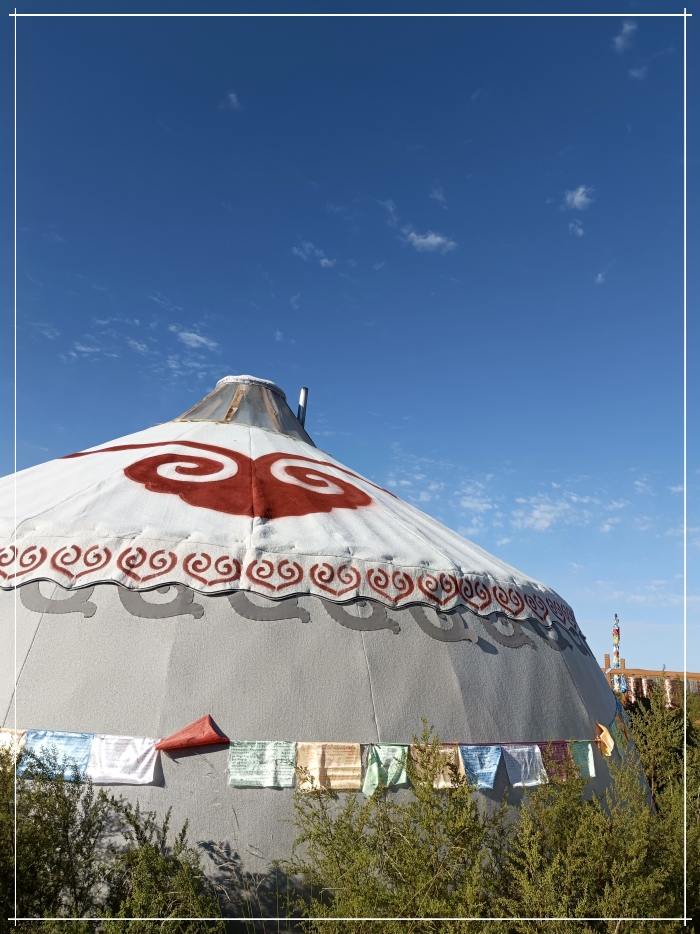
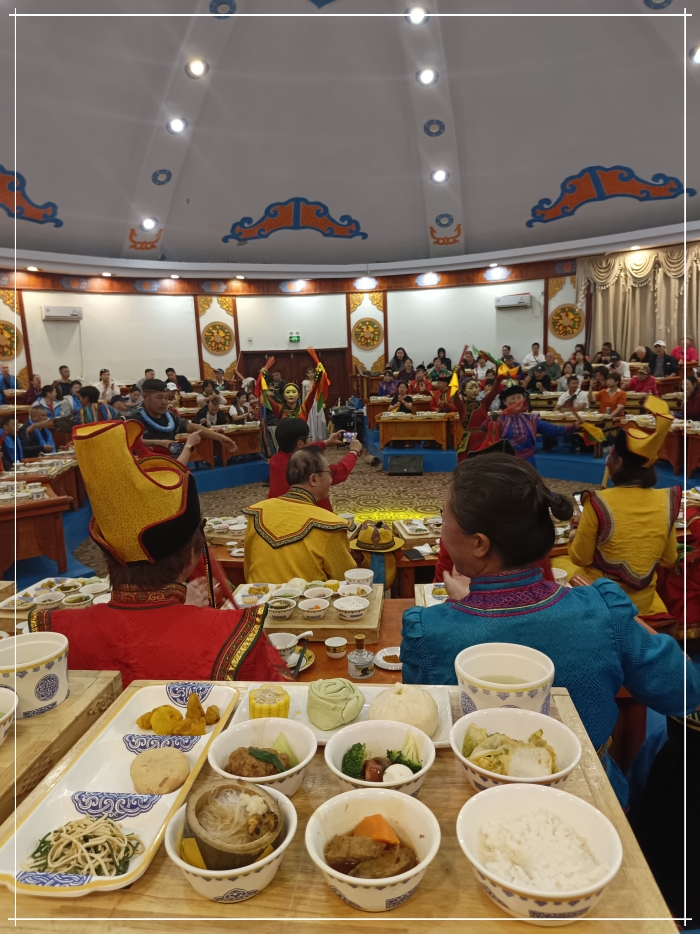
In the Grasslands, we got to stay at a Mongolian Yurt (Meng Gu Bao Tent). The temperature at night drops to as low as 4 degrees Celsius. Good thing the tents have mechanical heaters (not so traditional after all). We spent the night on socials and a few bottles of traditional Mongolian Liquor made from fermented milk. The bottle looks very nice, too. At daytime we also got to enjoy various activities as horseback riding and archery lessons.

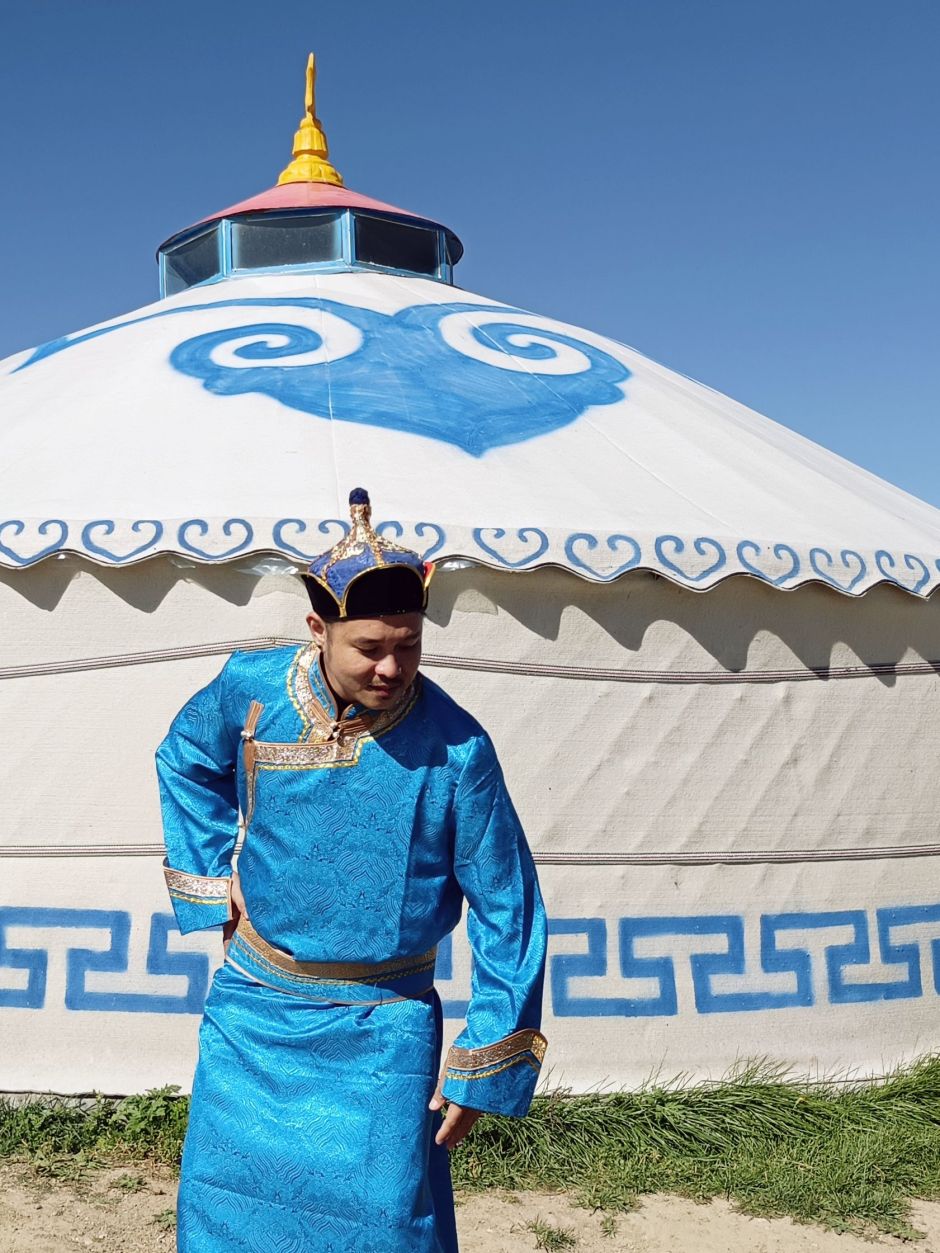
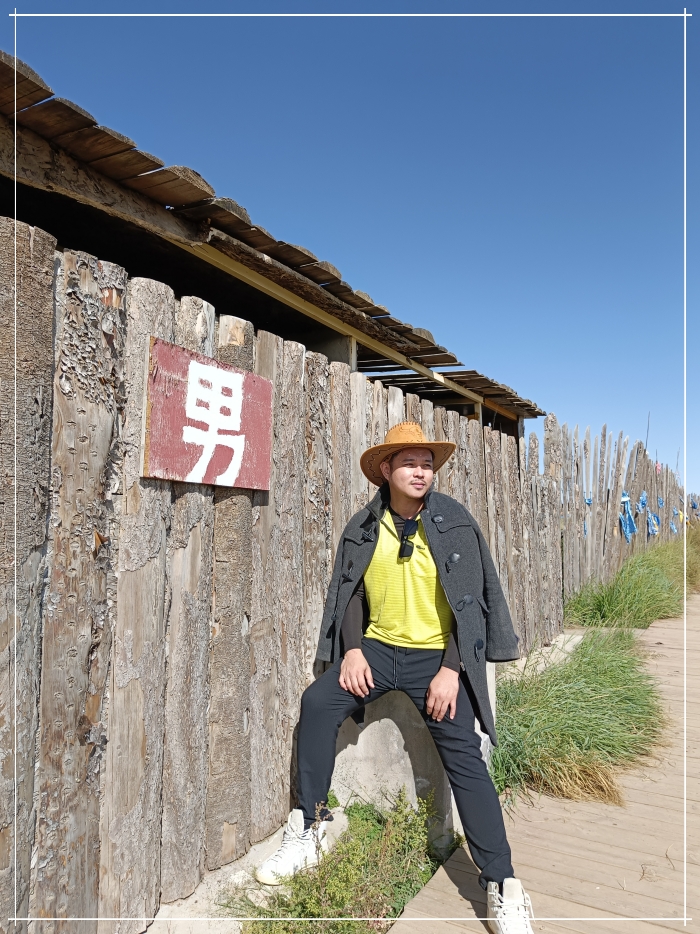
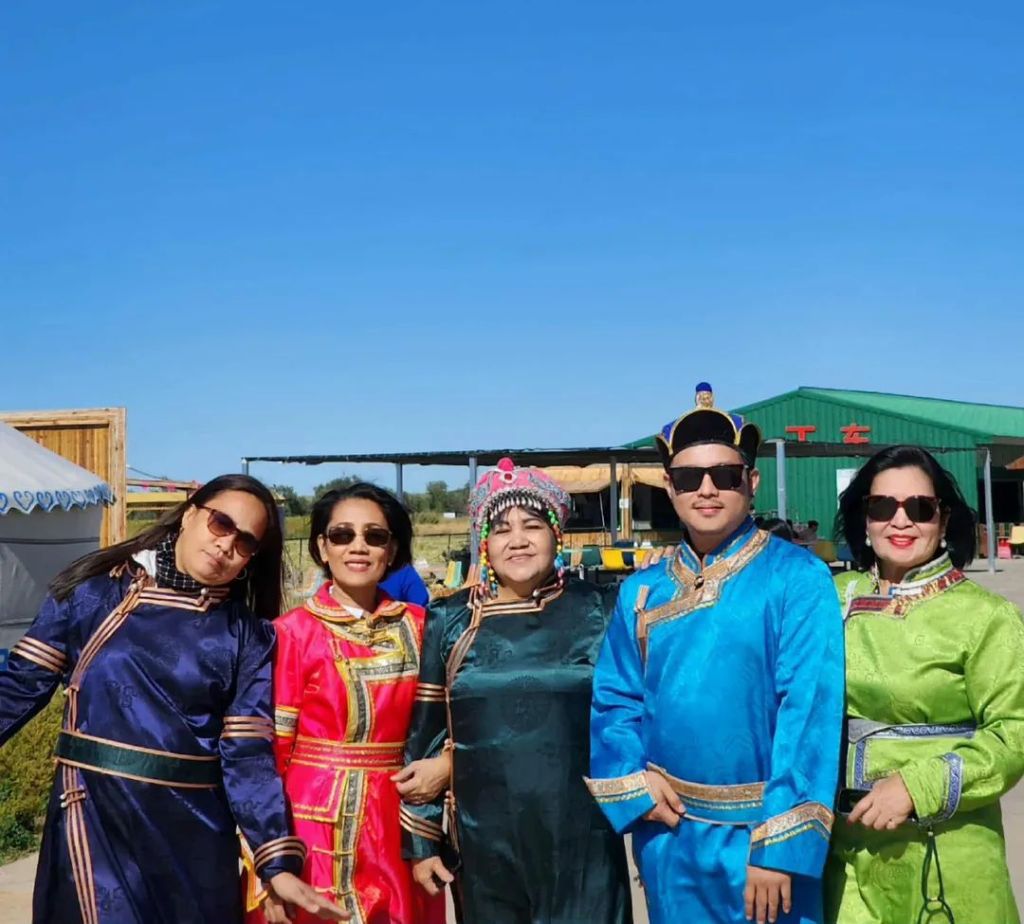
Here’s me wearing a traditional costume under the clearest blue sky of Mongolia.

Throughout my stay, I was hooked on local yogurt, which Mongolia has always been famous for. Yogurt (Isgelen Tarag) is a staple in the Mongolian diet. The cultural significance of yogurt dates back to the time of Genghis Khan, and it remains an important part of nomadic life and culinary tradition.

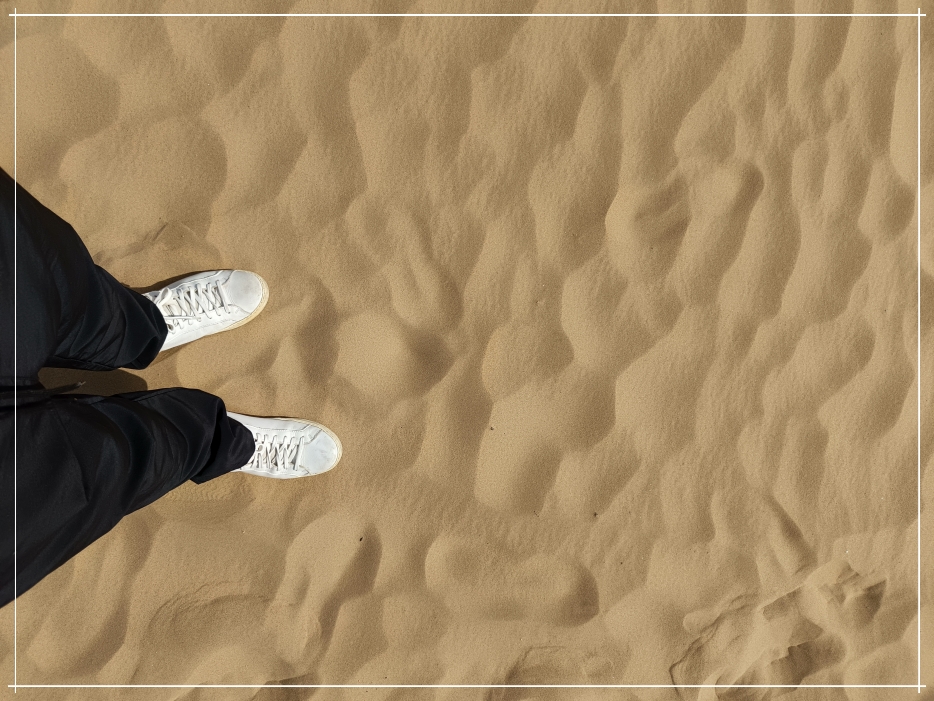
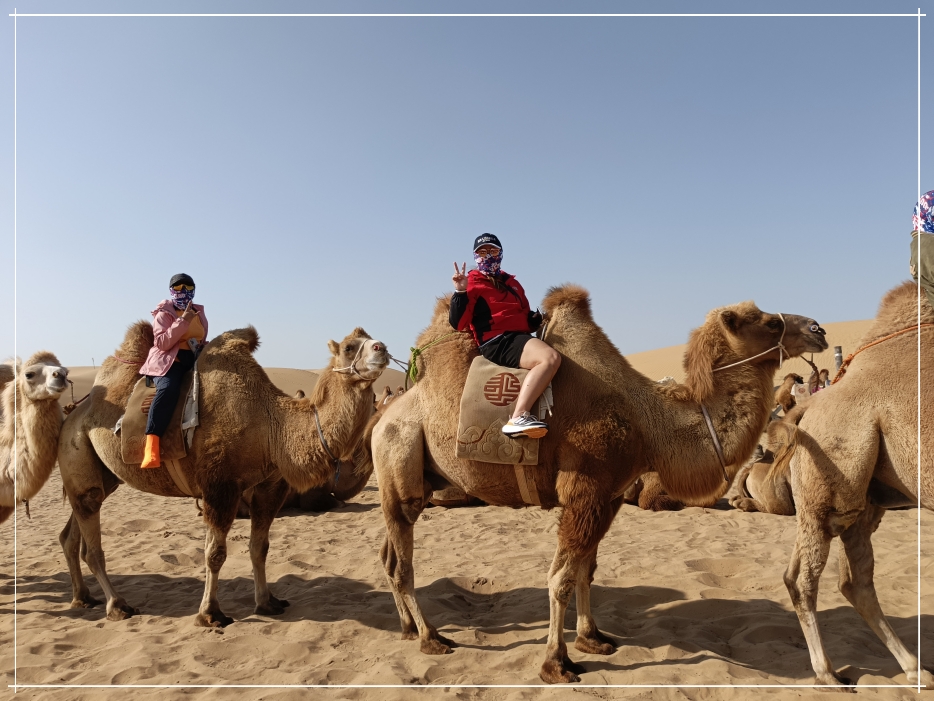
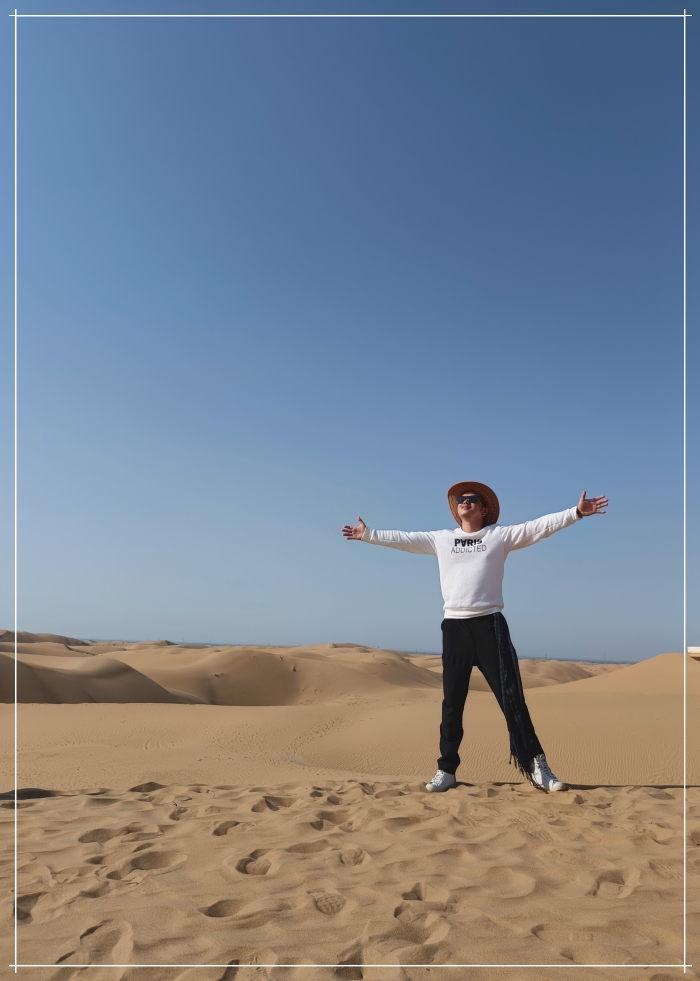
On our second day, we transferred to Kubuqi Desert for a nomadic desert experience. The camel ride excursion was definitely the highlight of the day.

We spent the rest of the day at Yinken Whistling Dune Bay – an Amusement park in the middle of the desert. We went for off-road surfing, go-karts, zip lines and roller coaster ride.

We also had a quick visit Ordos City, famous for Lamb meat and beef hotpot.

The remaining days, we spent at Hohhot City, which is the capital of Inner Mongolia. The city is strongly Chinese-influenced, with a touch or Arabic, as the territory also share some history with the ancient folks of Central Asia.

Here’s me feeling cute at Shini Zhao Temple in Hohhot.

Hohhot City’s vibe is far from the status of Beijing or Shanghai in terms of Commercialism. Somewhat a provincial vibe IMO; but all the necessary modern conveniences are there. Food was hefty and great, and everything’s fairly affordable.

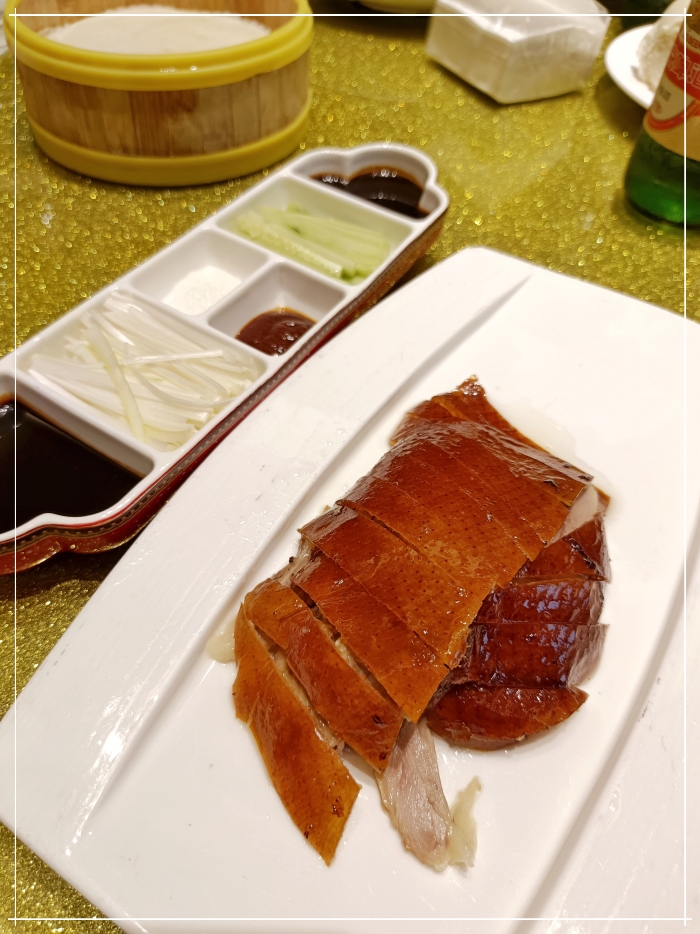
This Peking Duck is by far the best duck-meat viand I have ever tasted. I could actually compare it to lechon baboy, with a thin layer of fat under the crispy-roasted skin.

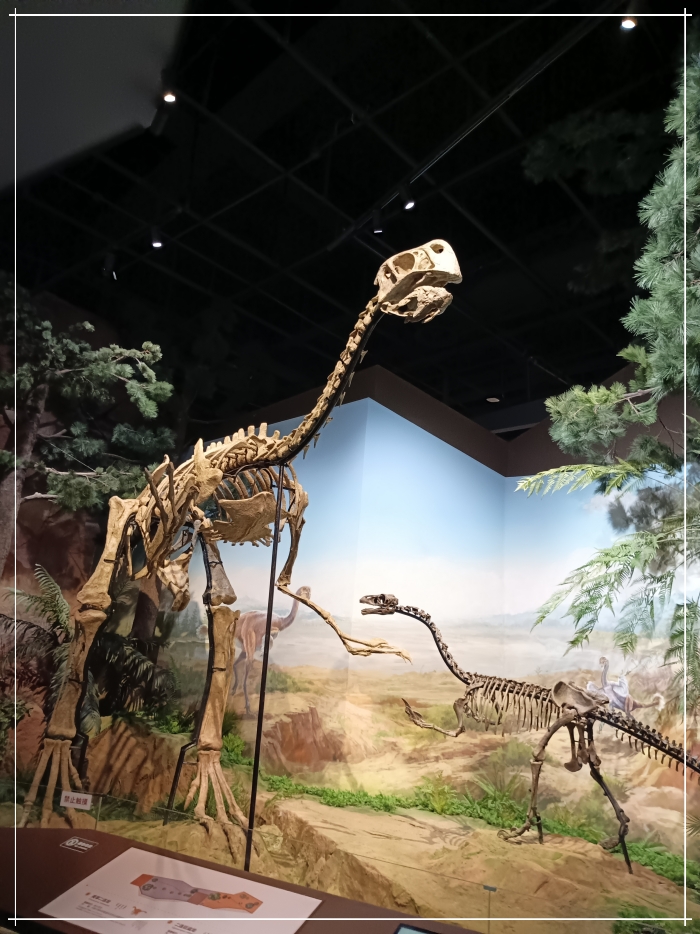
We also had a quick visit to the Inner Mongolian Museum, which houses the largest number of collected dinasaur fossils in Asia. Inner Mongolian desert is also a treasure trove of prehistoric remains, as these vast dry lands are ancient. Oil and natural gases are also being mined from the grounds of this territory.

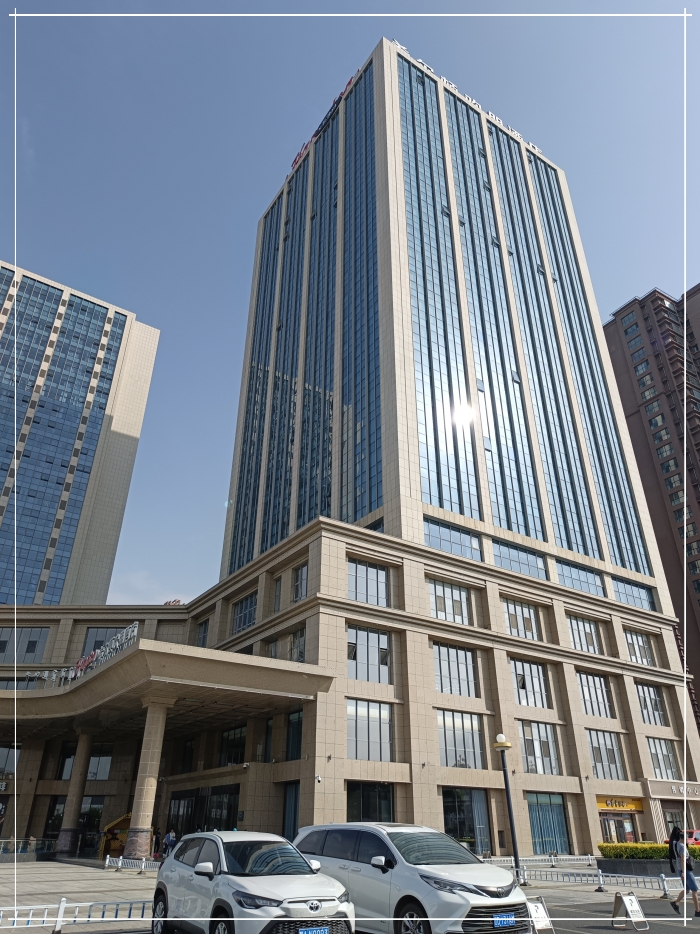
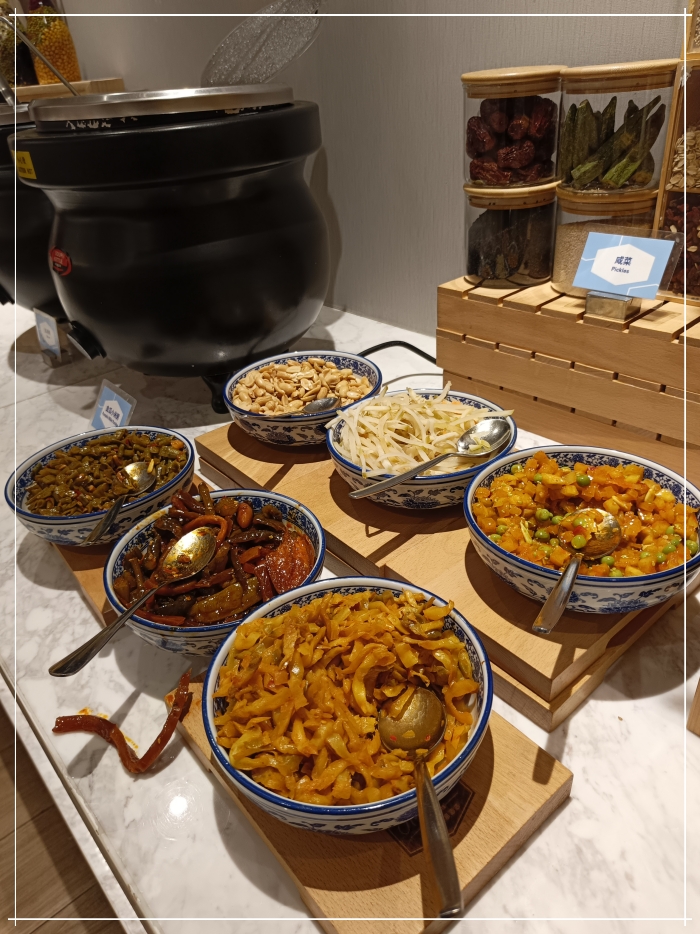
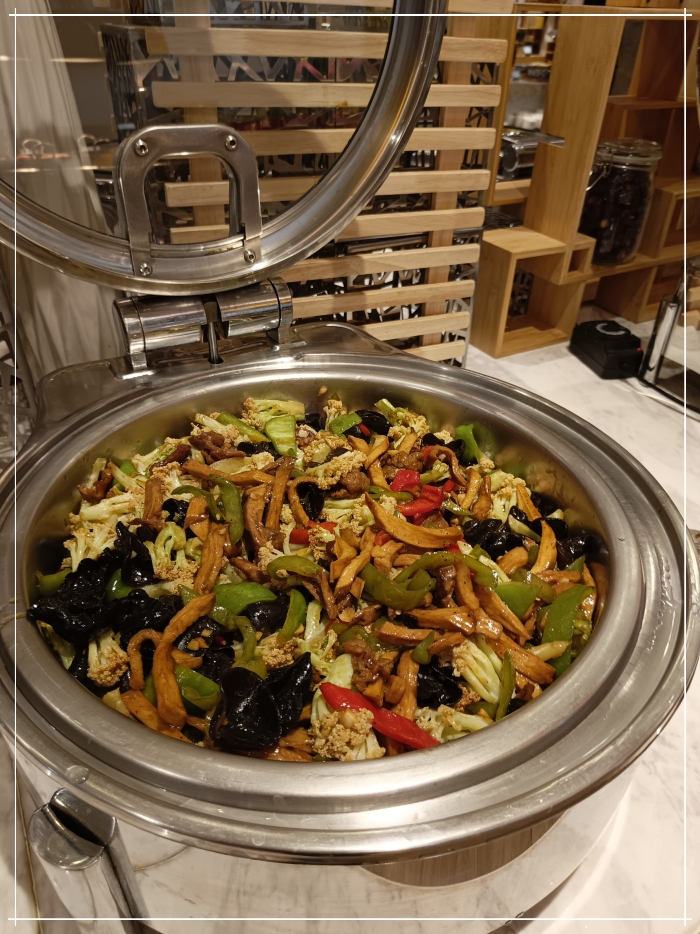
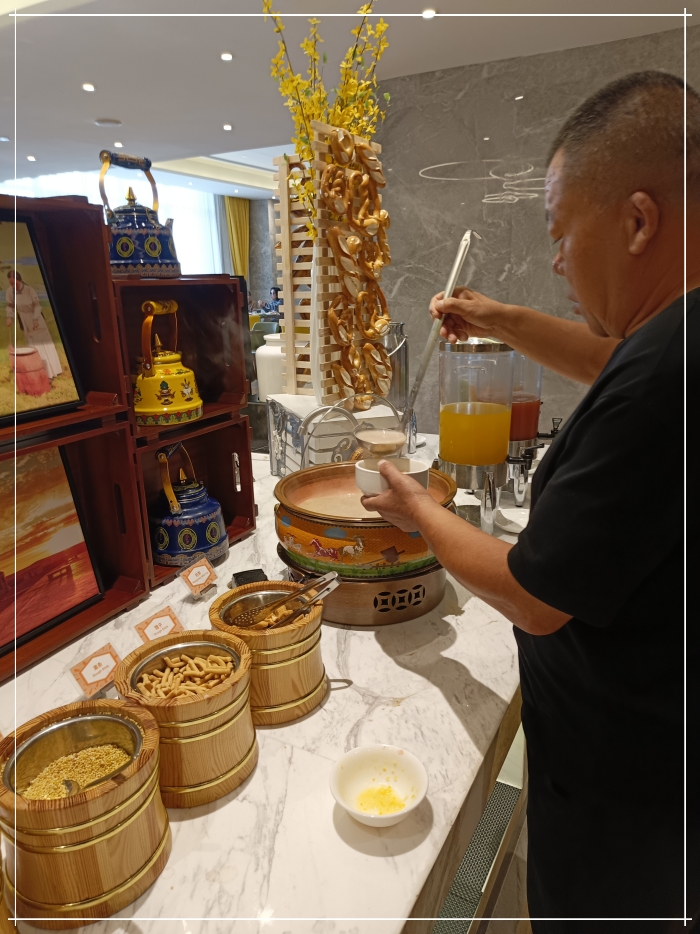
Where we stayed – Hamptons by Hilton Hotel in Hohhot City, with superb breakfast buffet.

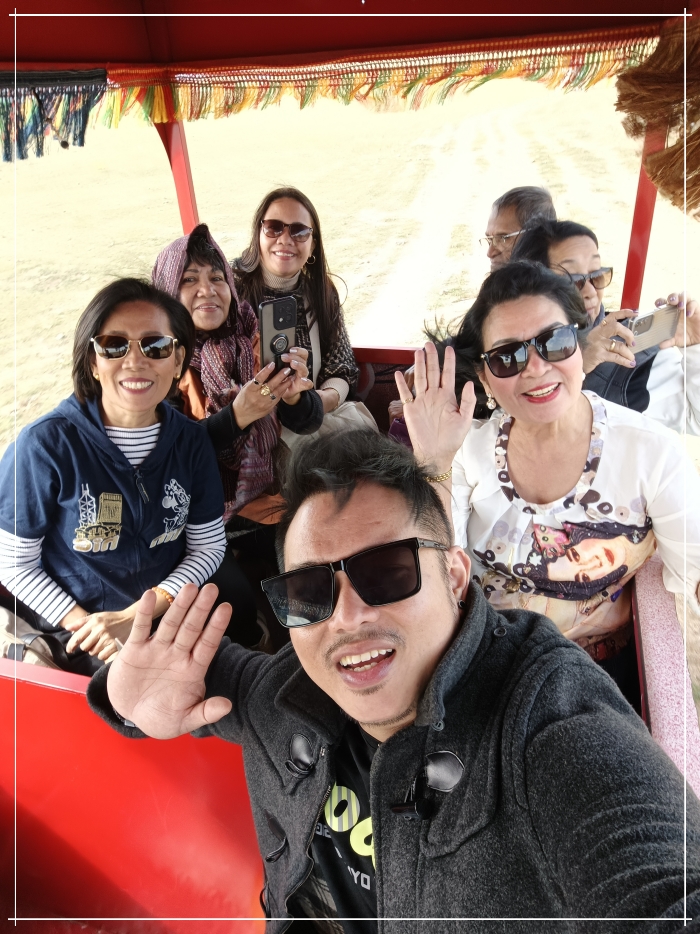
With the tour Buddies. This tour was arranged for us by Uno Turismo agency based in Quezon City.

My Top Five Favorite Cities in the World

This year marks the 12th anniversary of my travel blog, iamjosemanuel.com. To commemorate this special milestone, I am listing down the best and most memorable cities that I’ve visited so far. I already lost track of the number of cities I’ve been to; probably more than a hundred, including domestic.

I’m limiting this list to five favorite cities outside the Philippines. No doubt, old-world Architecture plays a major influence for me to form this list; my love affair and fascination with the ancient times.

1. The Uniquely-Beautiful Venice, Italy

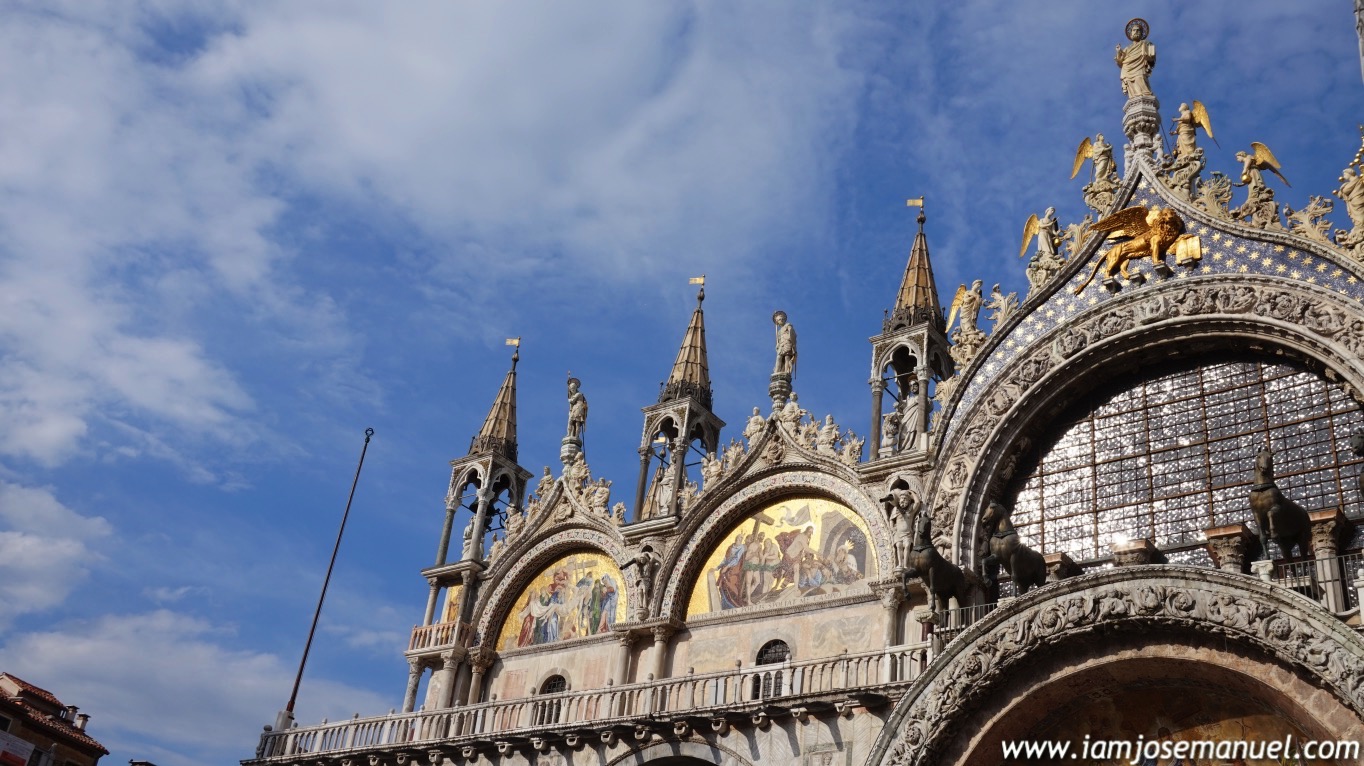
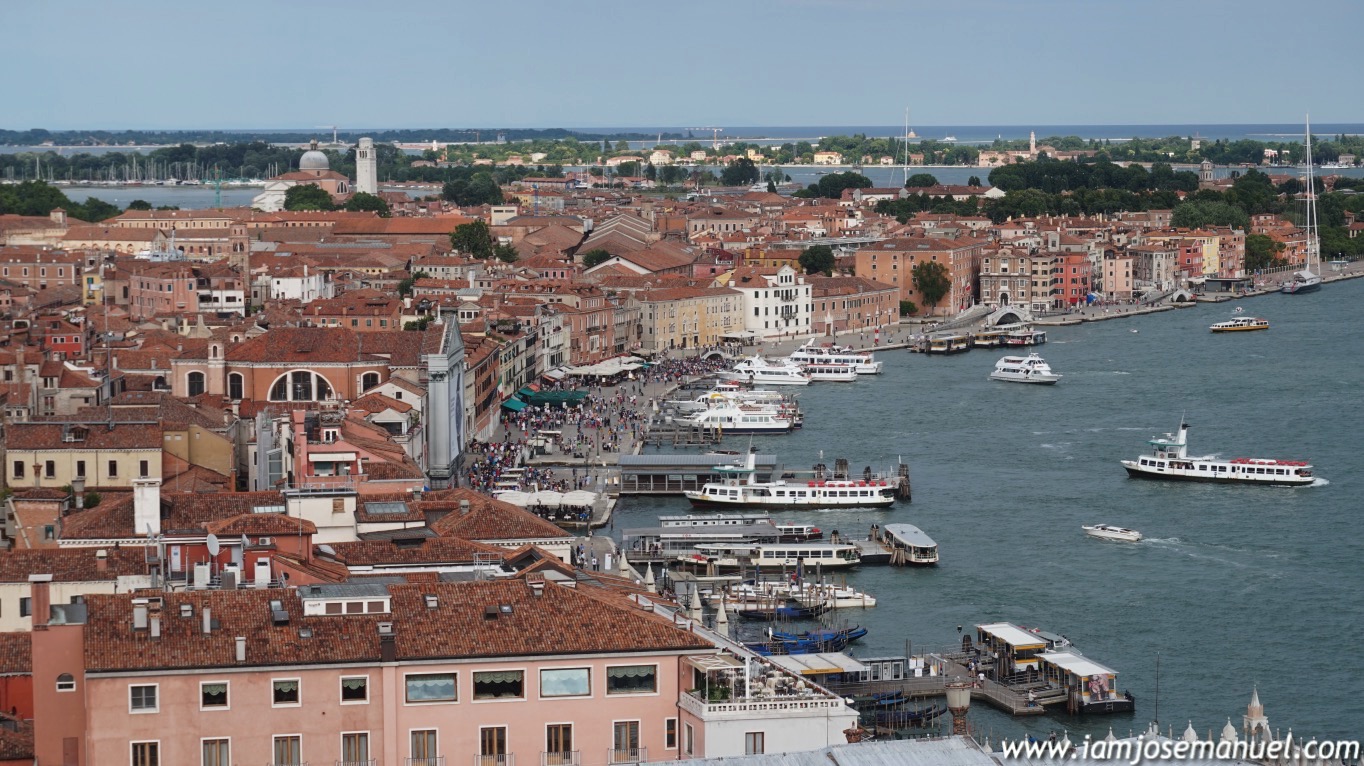
Venice is heaven for ‘Old-world’ enthusiasts. Venice’s well-preserved architectural style is uniquely defined by a hybrid of Gothic Italian and Islamic elements, since this city has also been under the rule of Muslim/Turks back in the days. The vibe of Venice, hindi exactly the same as what you see in Milan, Rome and Florence. Kakaiba. Unpolished.

I’ve stayed in Venice for 3 days. I did not take any arranged tour, I just glided my way through its maze-like streets. When I say, maze-like, ganito yun.

There’s something unique about a city floating in water, and the gondolas swaying their way through the canals and lagoons. I clearly remember getting lost during a late afternoon stroll, nakarating ako sa isang empty neighborhood of old buildings. Walang tao dun, tas’ biglang umulan. Found shelter at a random roofed hallway, and stayed for around an hour. Naka-idlip ako nun. Scary din to a point, but sobrang memorable. After the rain, it took me a while to find my way back. Inabutan ako ng dilim. See more of Venice in this 2015 blogpost link.

2. Florence, Italy

Ok, bias kase more than one entry from Italy, but the old-world charm of Florence is impossible to not talk about. Florence to me boasts the most well-preserved “Italian Renaissance” era there is. Those treasured artworks, sculptures and the perfectly-maintained Santa Maria del Fiore (Duomo de Firenze) are worthy of all the admiration its been getting. Compared to Venice, Florence is more on the polished, expensive vibe, where everything is manicured and well-maintained; and I love them both.

Sali ko na ang Leaning tower of Pisa sa entry na ito, since it was just an hour away from Florence. Florence and Pisa are easy to navigate, relaxed and less crowded compared to Rome and Milan. See more on this link.

3. Cusco, Peru

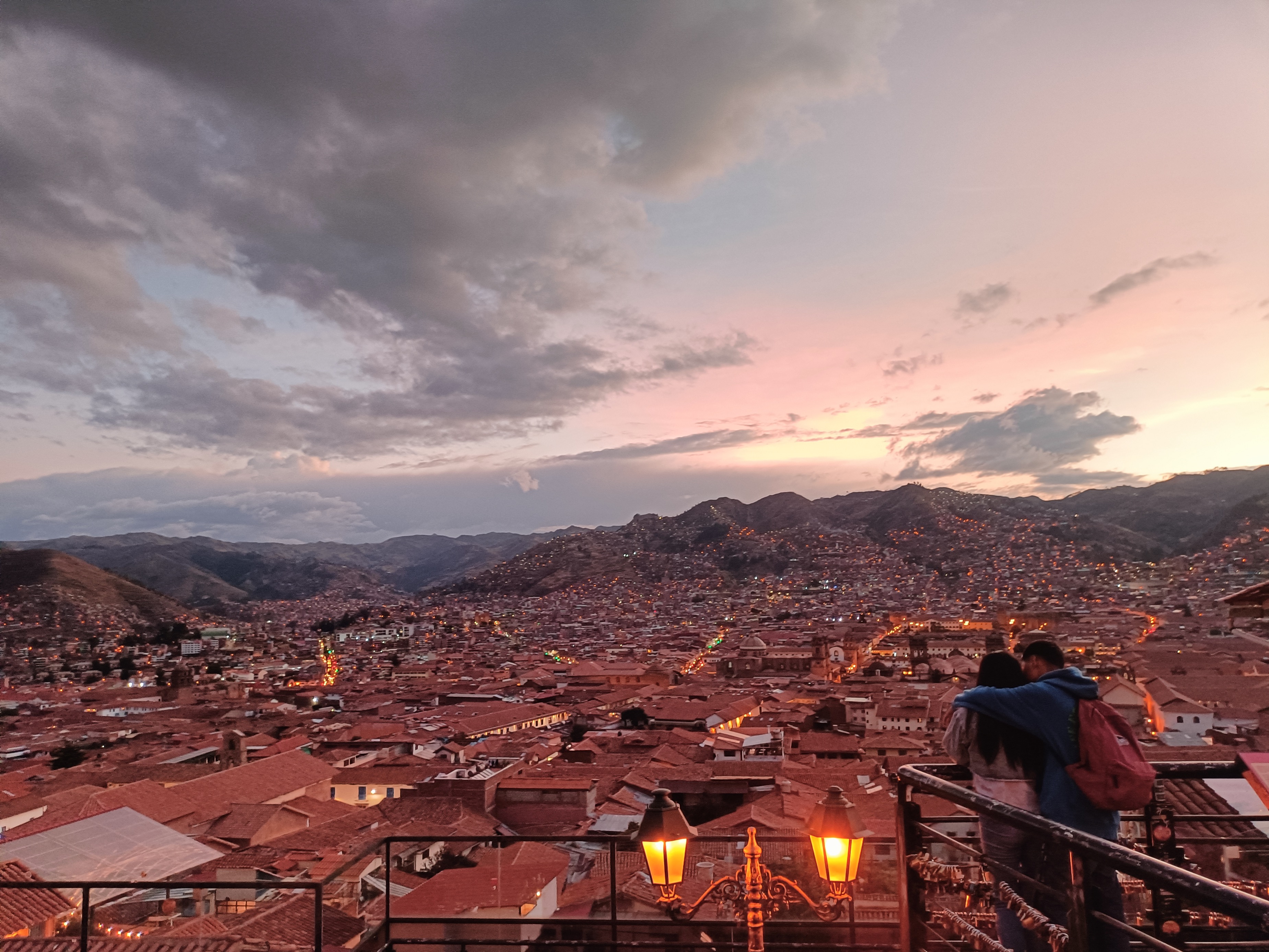
Cusco is more than just the gateway to Machu Picchu. The romantic,old-world charm of this well-preserved Latin City is a beauty on it’s own. Kaso sobrang layo nya sa Pinas. But if I’d be given a chance to go back to a destination in Latin America, definitely, I am choosing Cusco in a heartbeat. Sobrang ganda, especially Plaza de Armas and the overlooking view of San Blas.

See the rest of my travel to Peru on this link.

4. Kyoto, Japan

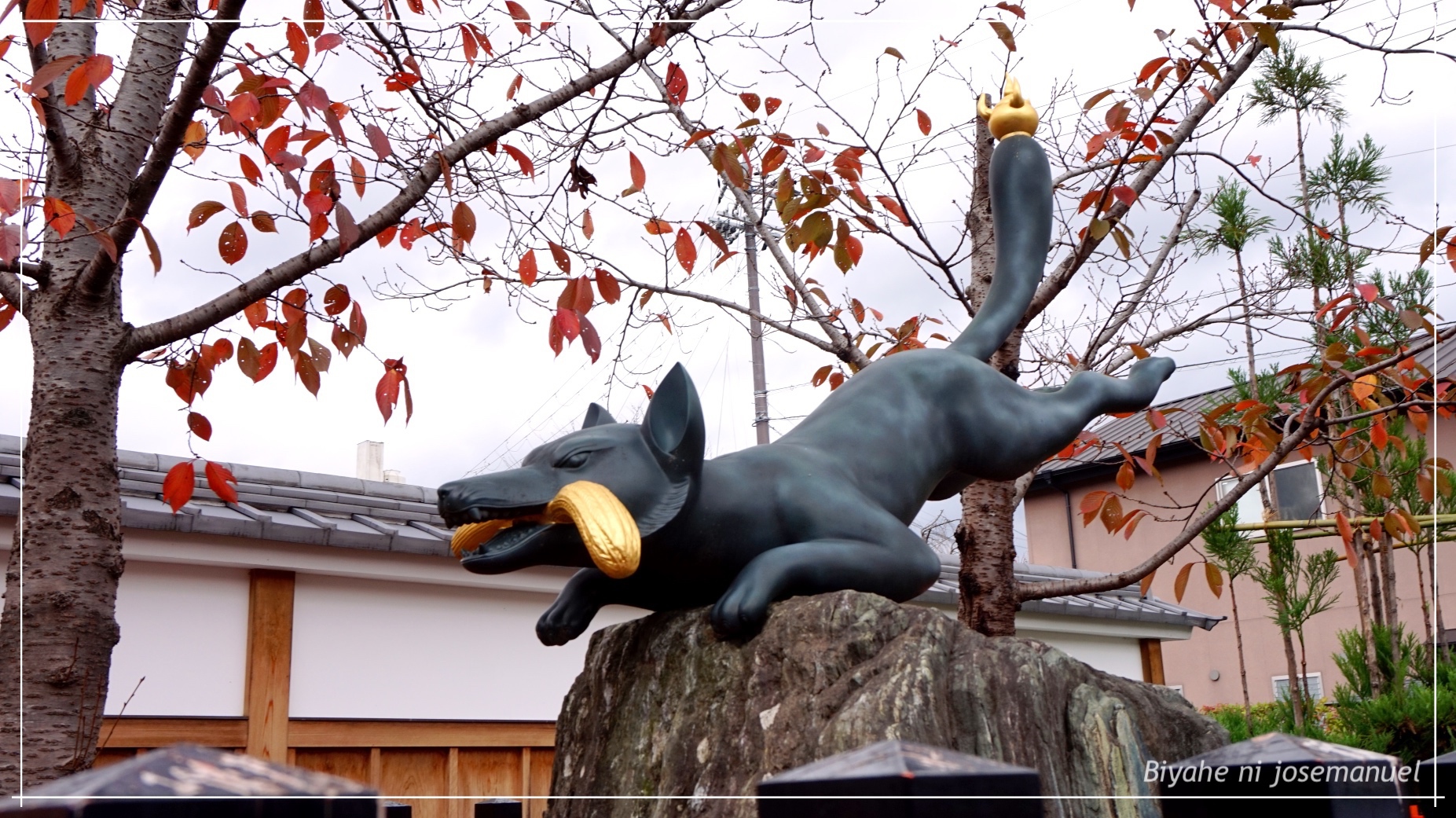
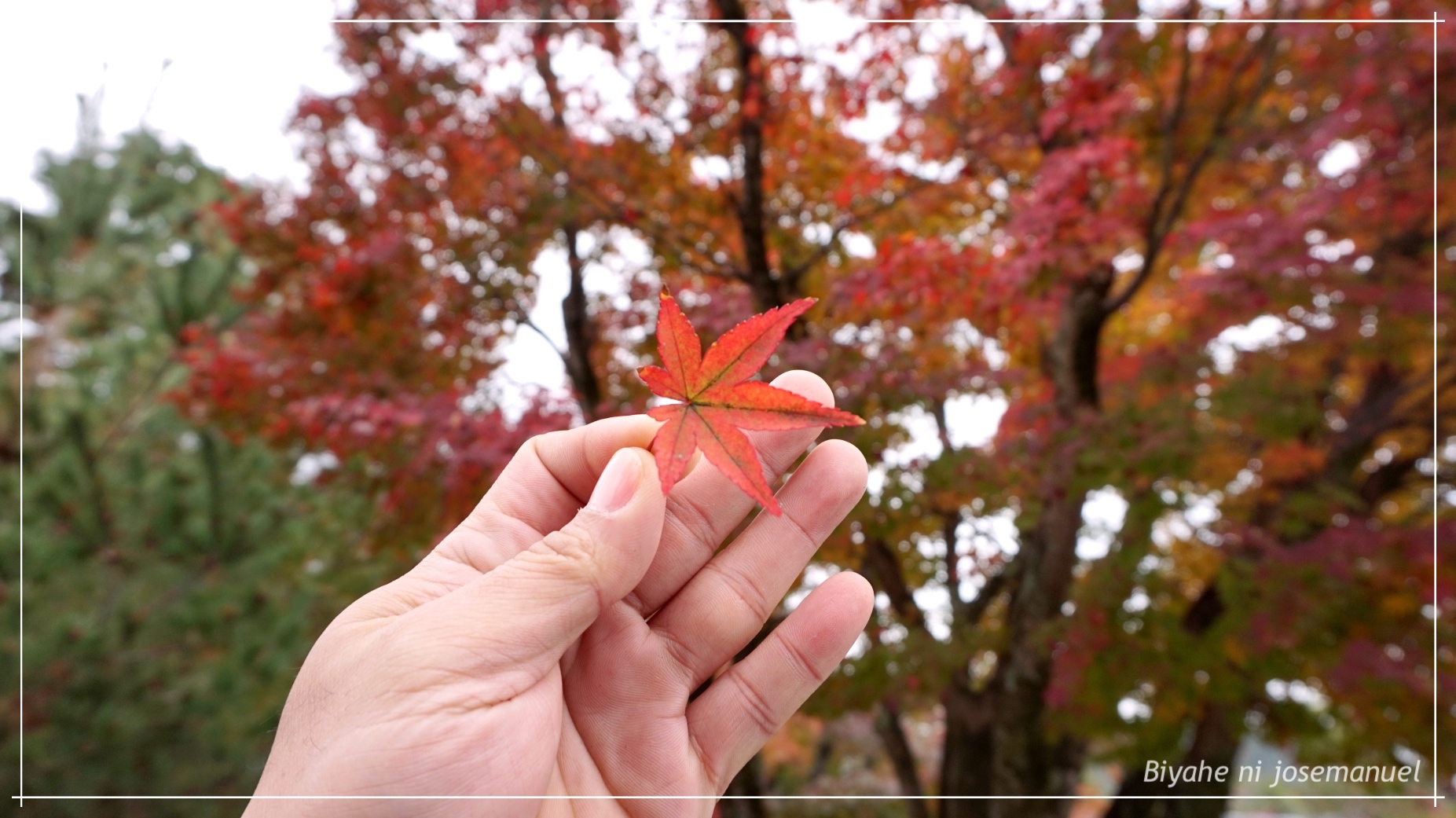
Japan has a lot of amazing cities, but Kyoto is definitely on top of the list. Kyoto is known for its profound serenity and timeless charm. A bit touristy, but indeed, there’s so much to see (if you prefer exploring Old-world Japan). I think Kyoto is one of the most photogenic, if not the most photogenic place I’ve visited so far. Sakto din siguro I visited during autumn when everything was golden.

Kyoto is also a good base city to explore Central Japan. Nara and Himeji are easy day trips from Kyoto.

5. Bagan, Myanmar

Last on my top five is Bagan.

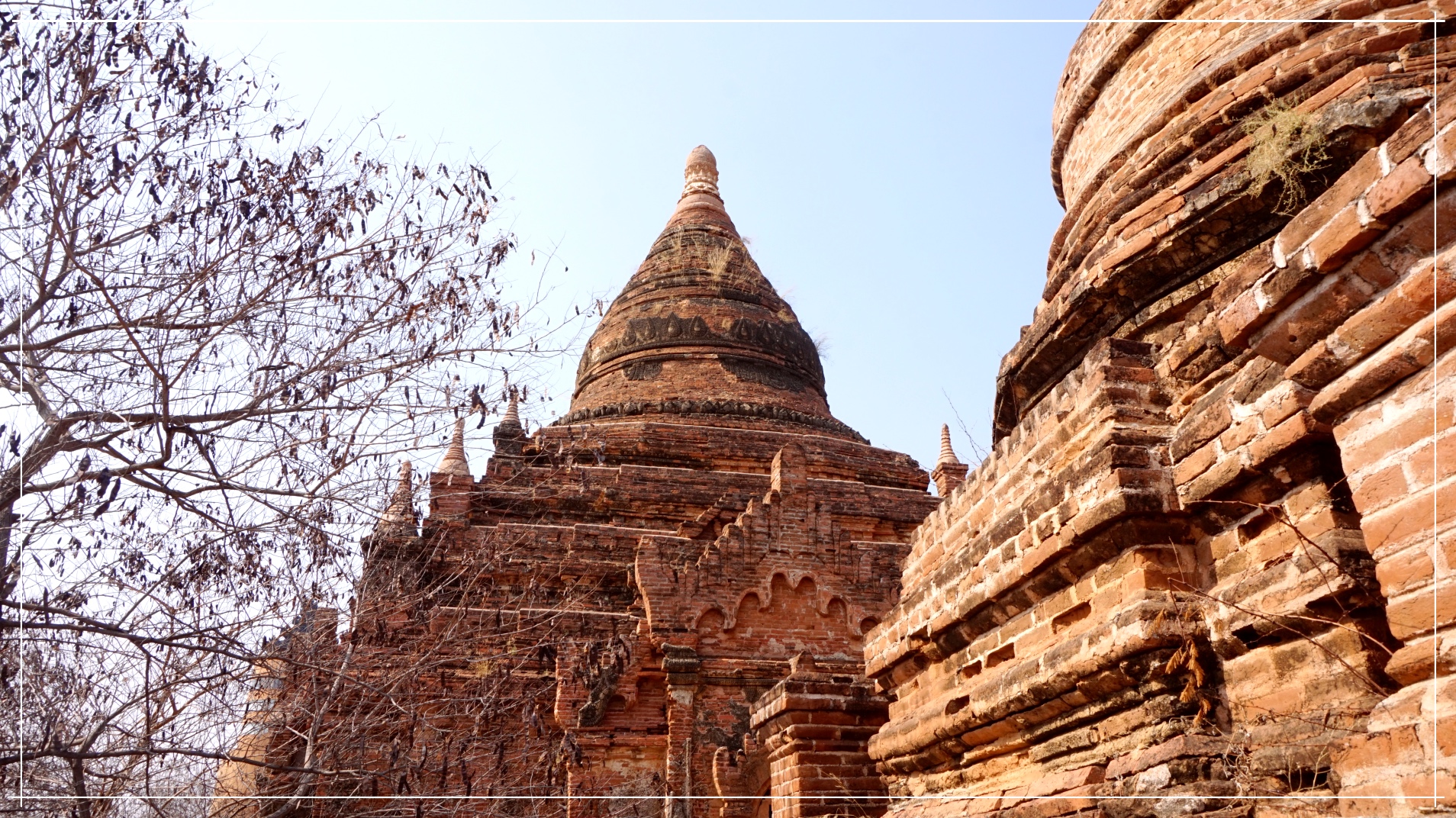
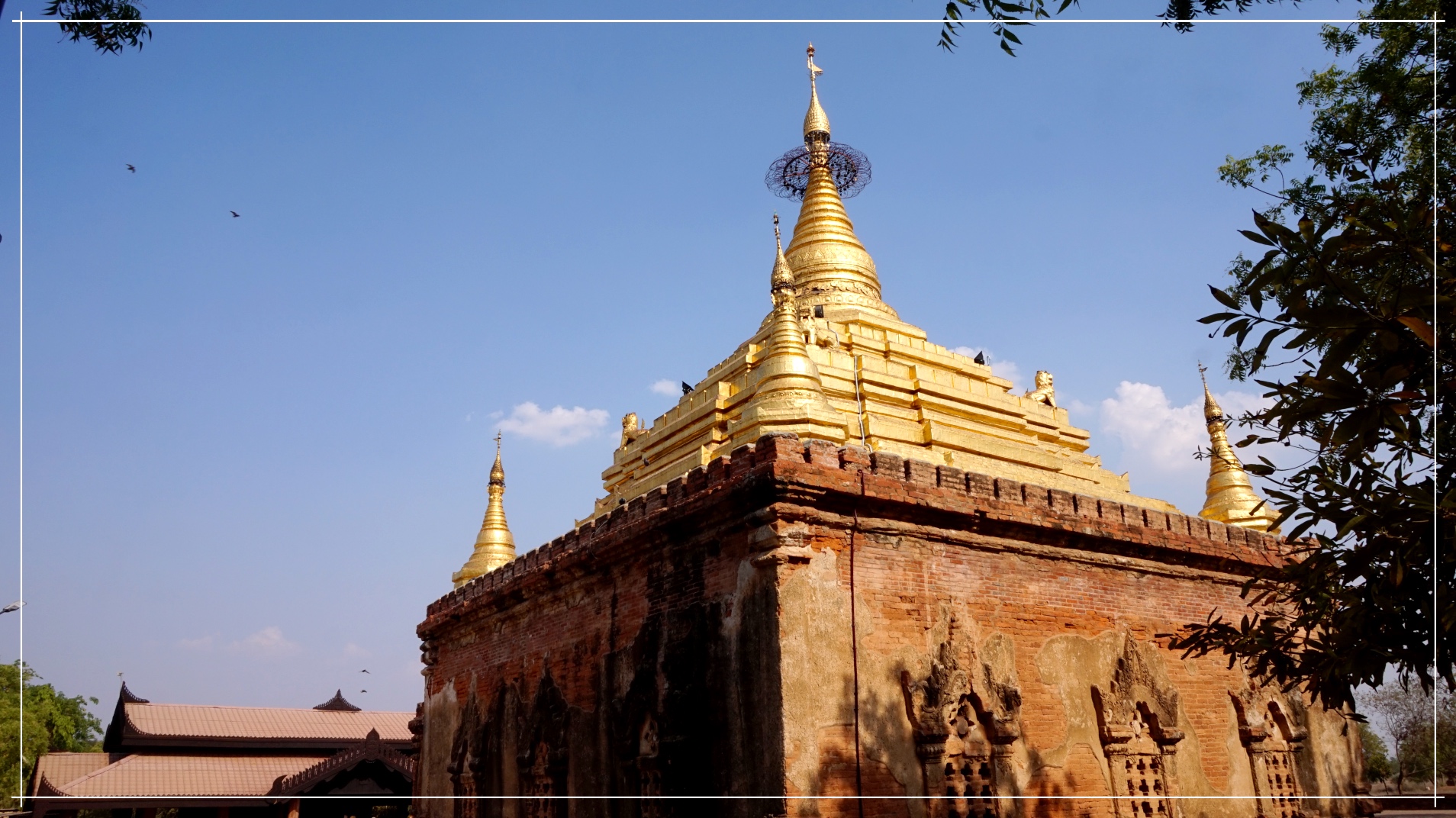
Bagan in Myanmar is an ancient city, a historic capital, and a UNESCO World Heritage Site famous for its thousands of temples and pagodas. If you are into mysterious/elusive, old-world vibe, then truly, Bagan offers exactly that experience.

Sobrang photogenic, yet somewhat out of radar, because it is difficult to get to, even if nasa Southeast Asia lang din sya. Truly, my trip to Bagan is one for the books. And if given a chance, I’d definitely return in a beat; and I’d love to take you guys with me.

Here’s more about Bagan.