Tashkent: Capital City of Uzbekistan

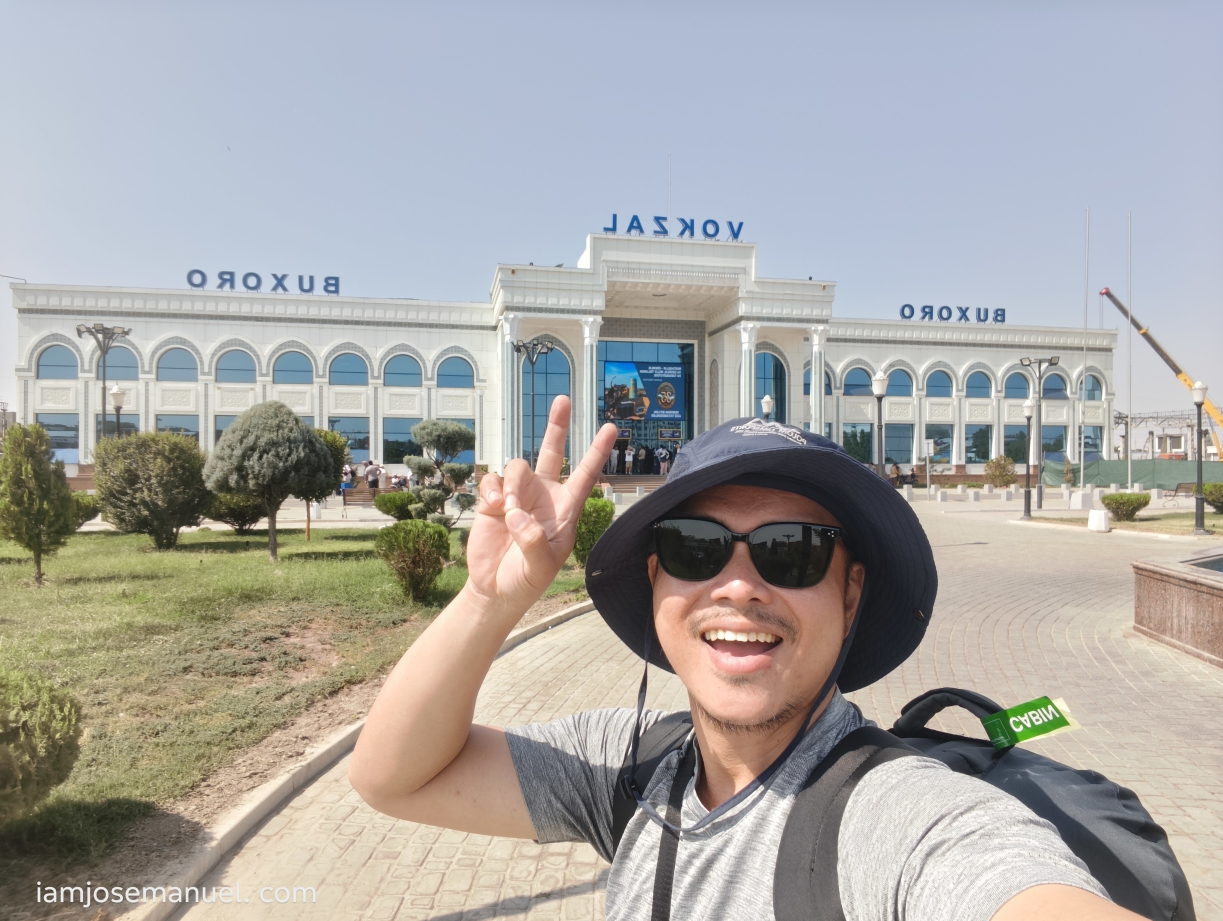
Tashkent is the capital and largest city of Uzbekistan, as well as the most populous city in Central Asia with over 3.1 million people. The city is more than 2,000 years old, having started as an ancient Silk Road trading stop during the time. But unlike the well-preserved neighboring historic cities of Samarkand and Bukhara, Tashkent underwent major Soviet-style redesigning during the 60s/70s when Uzbekistan was under Russian rule. Tashkent today is a buzzling metropolis, offering a balance of Uzbek traditions, and the glitz and conveniences of the modern day world.

I only had one full day in Tashkent since I prioritized historic cities – Samarkand and Bukhara. But given the chance, I am definitely going back and shall purposely stay longer in the capital city.

Highlights of Tashkent:

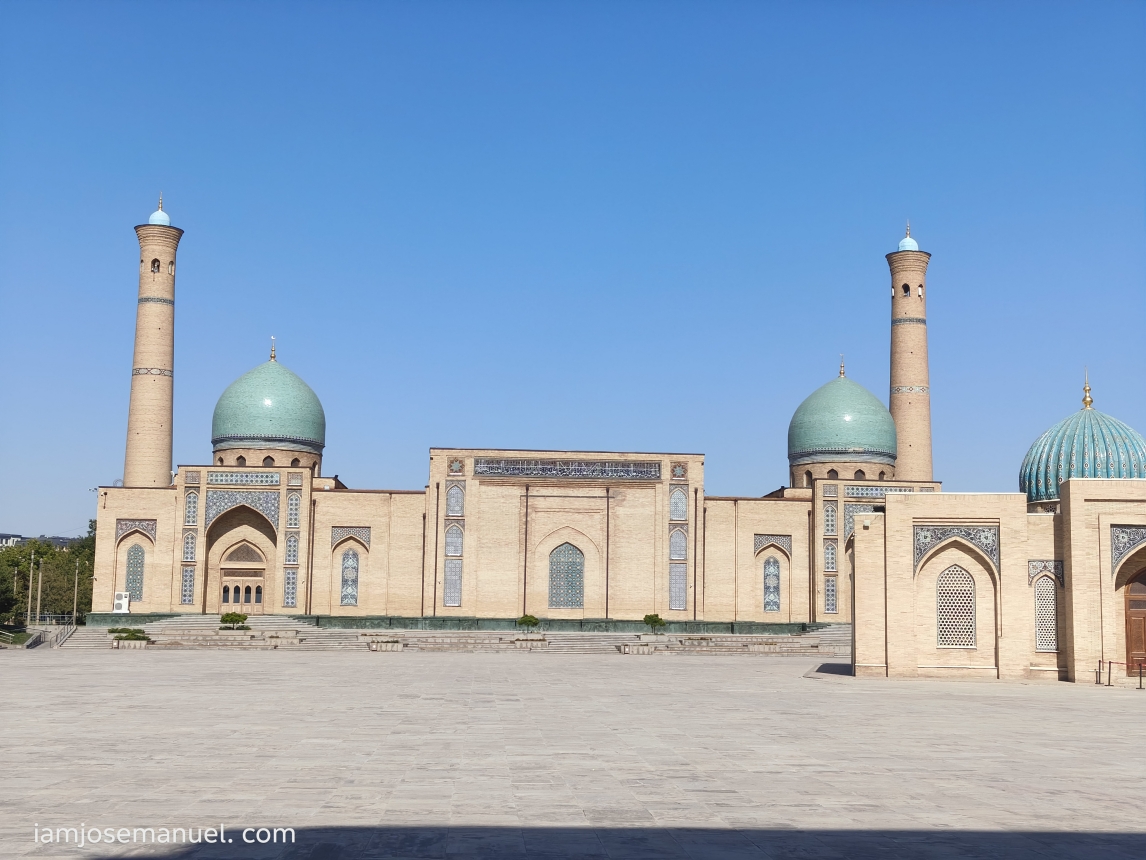
The Hazrati Imam complex: an architectural monument dating from the 16th to 20th centuries. The complex today functions as a museum, and houses the famous Uthman Qur’an (Osman Koran)—believed to be one of the oldest original 7th-century Qur’an manuscripts in the world.
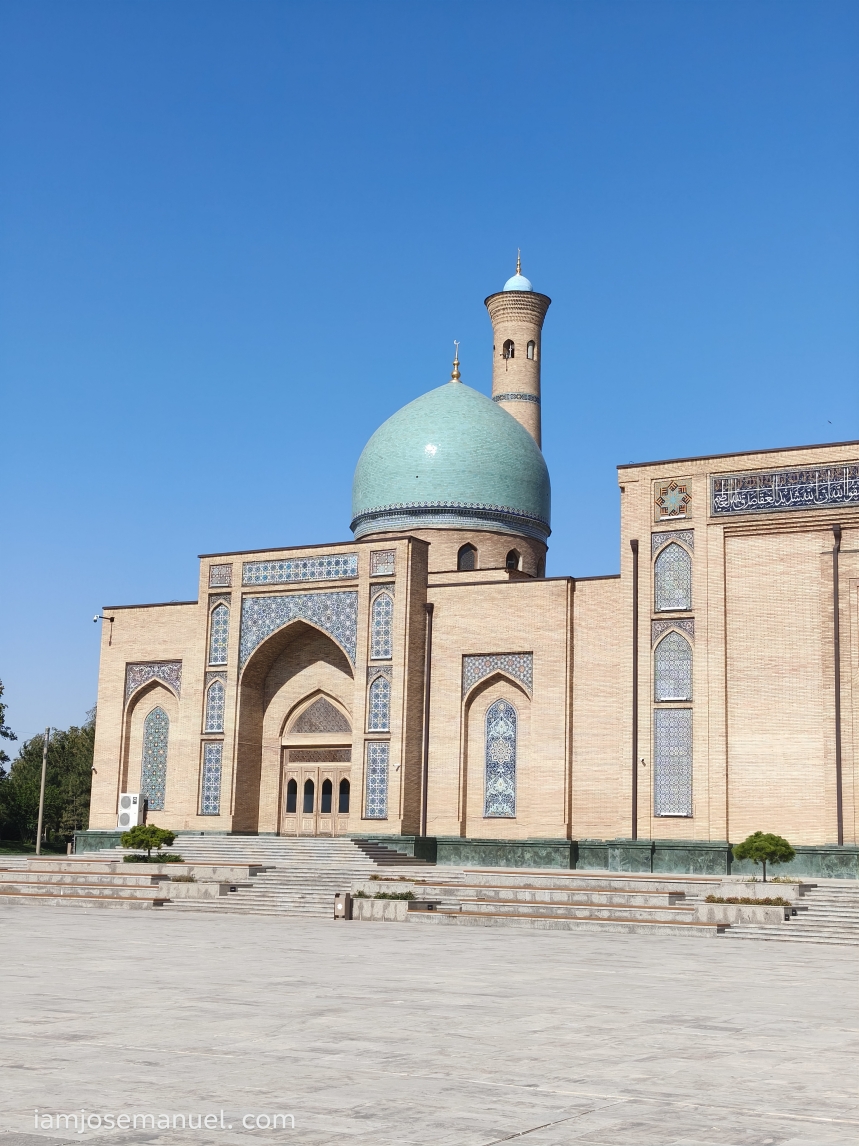
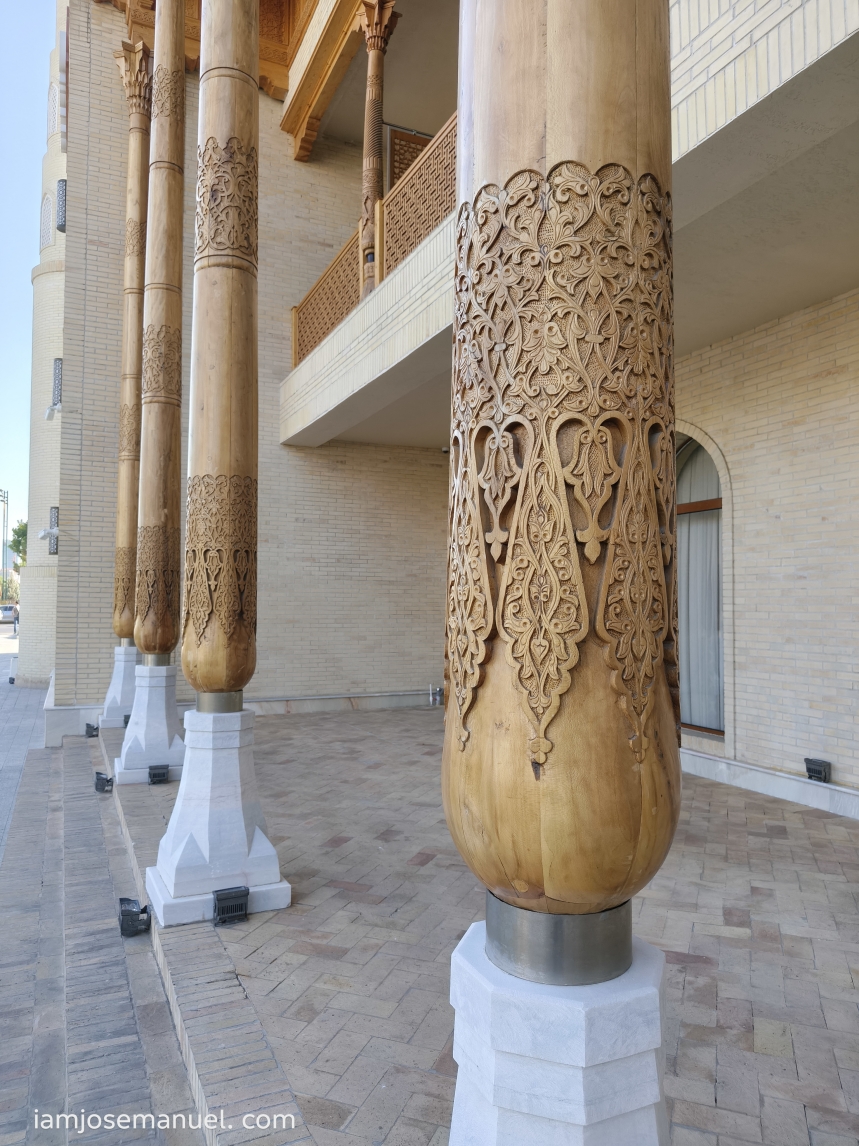
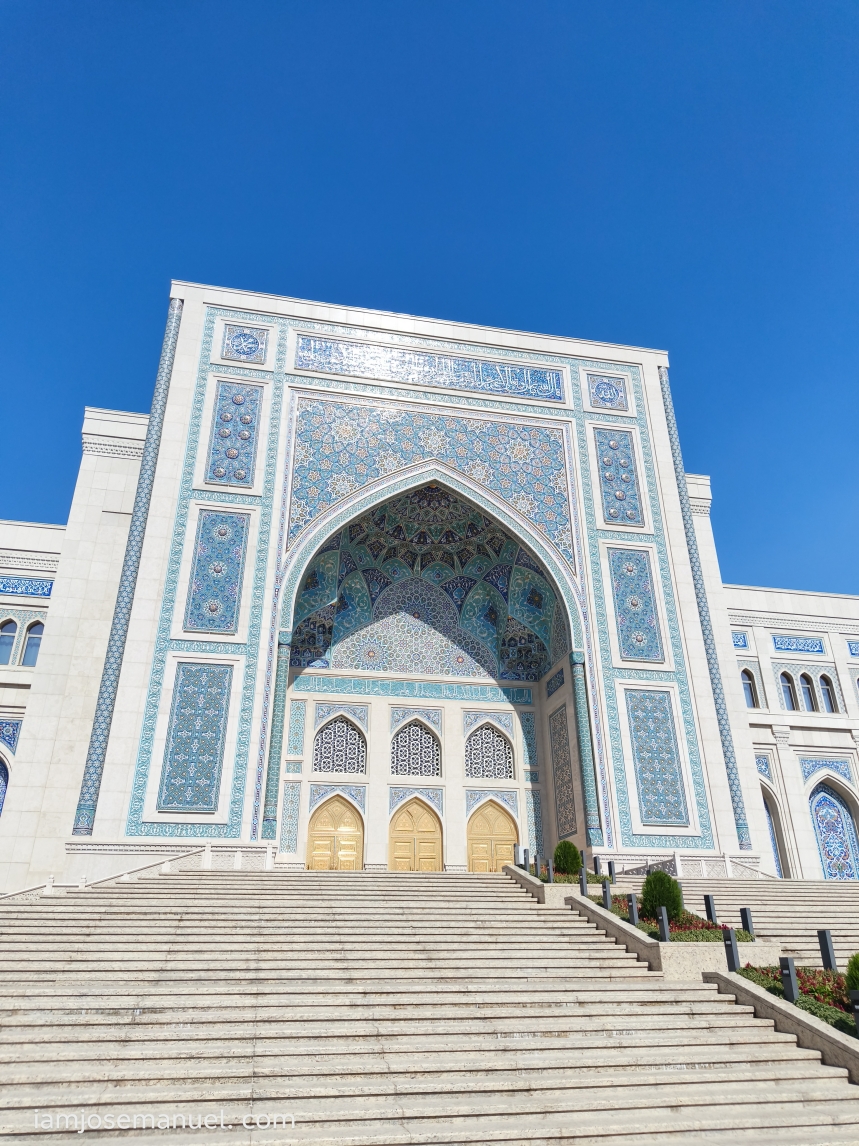
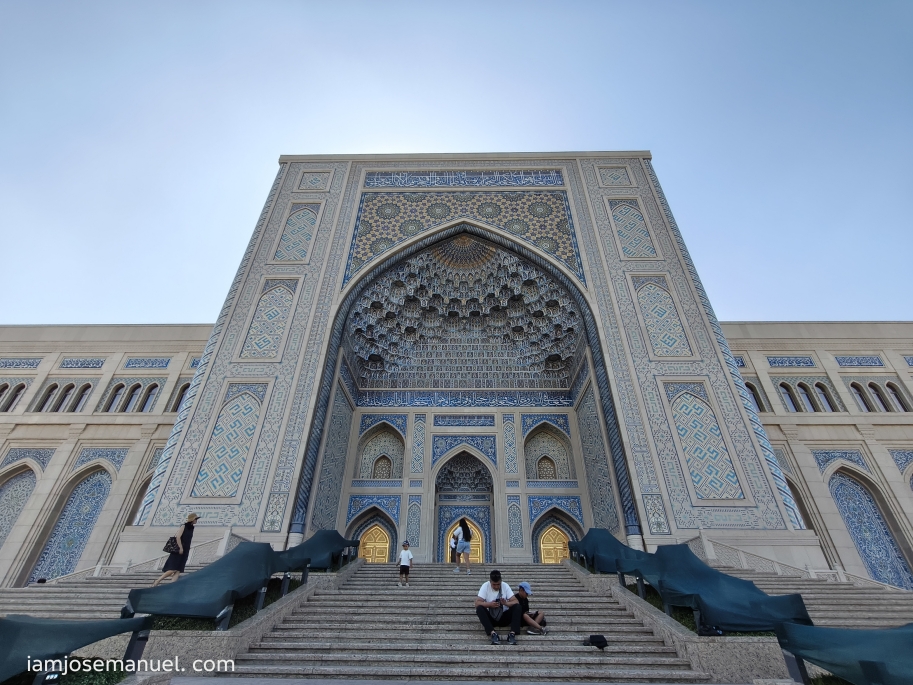
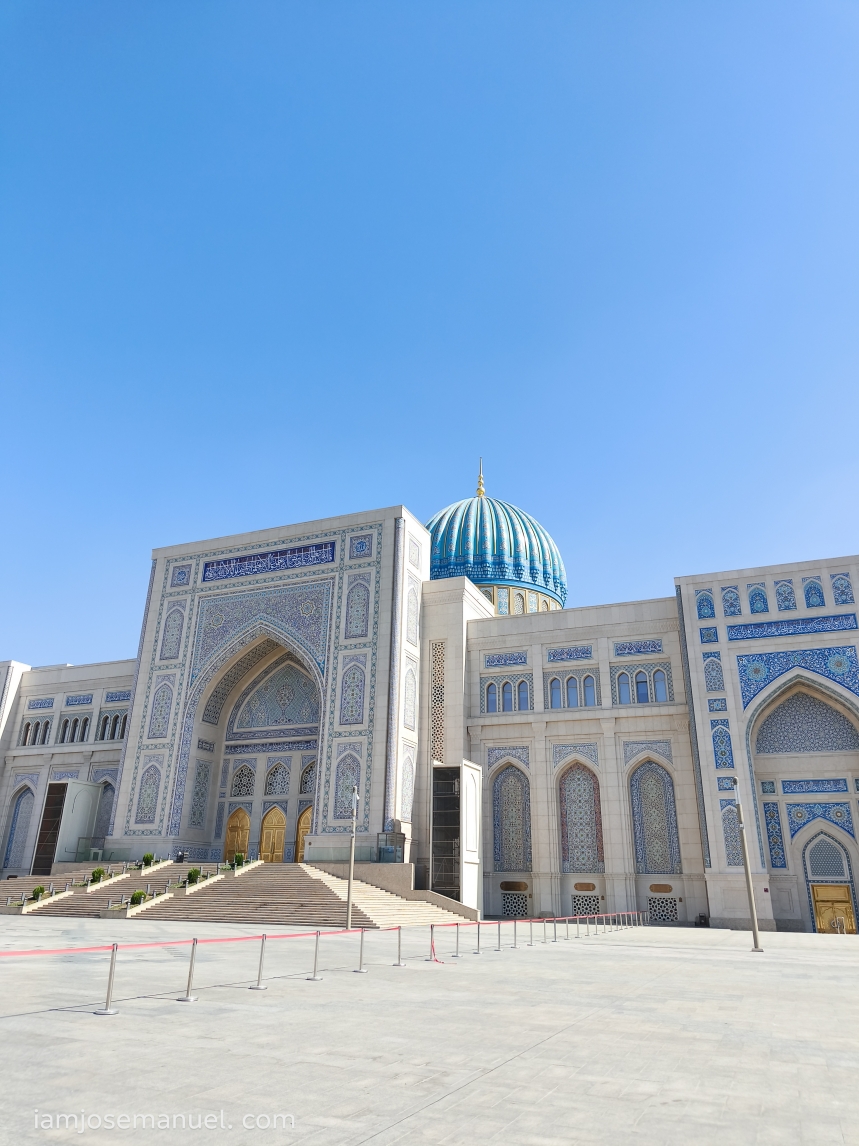
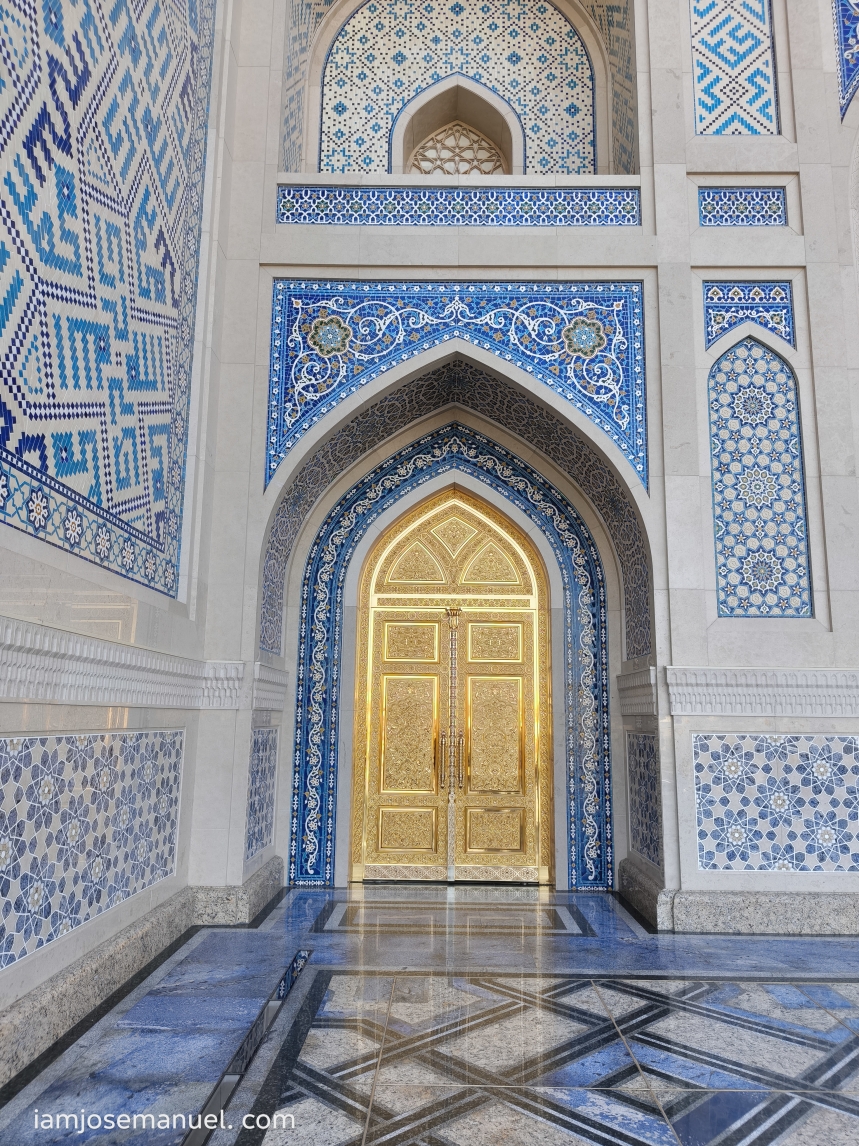
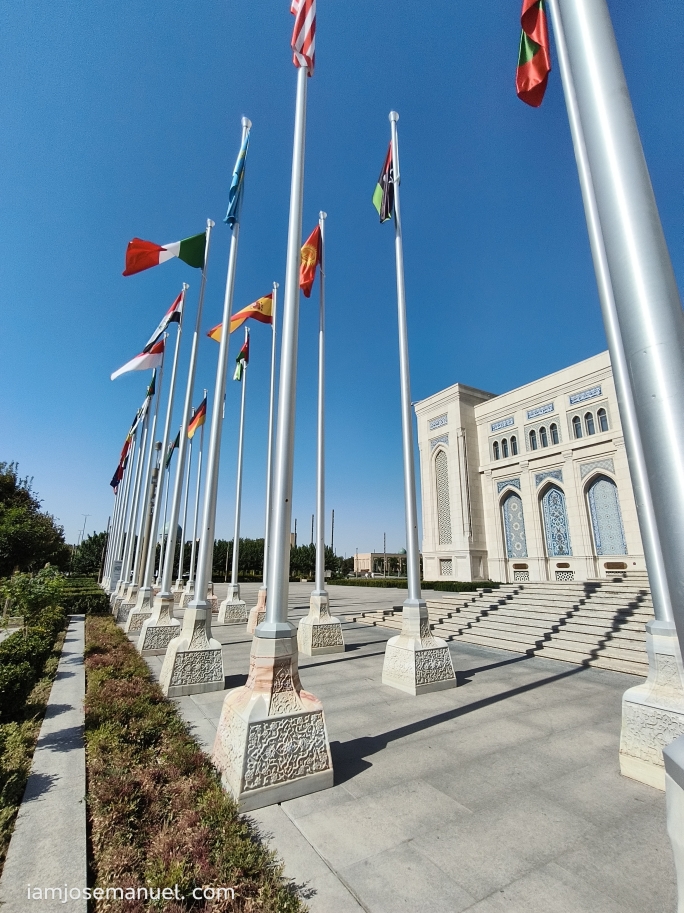
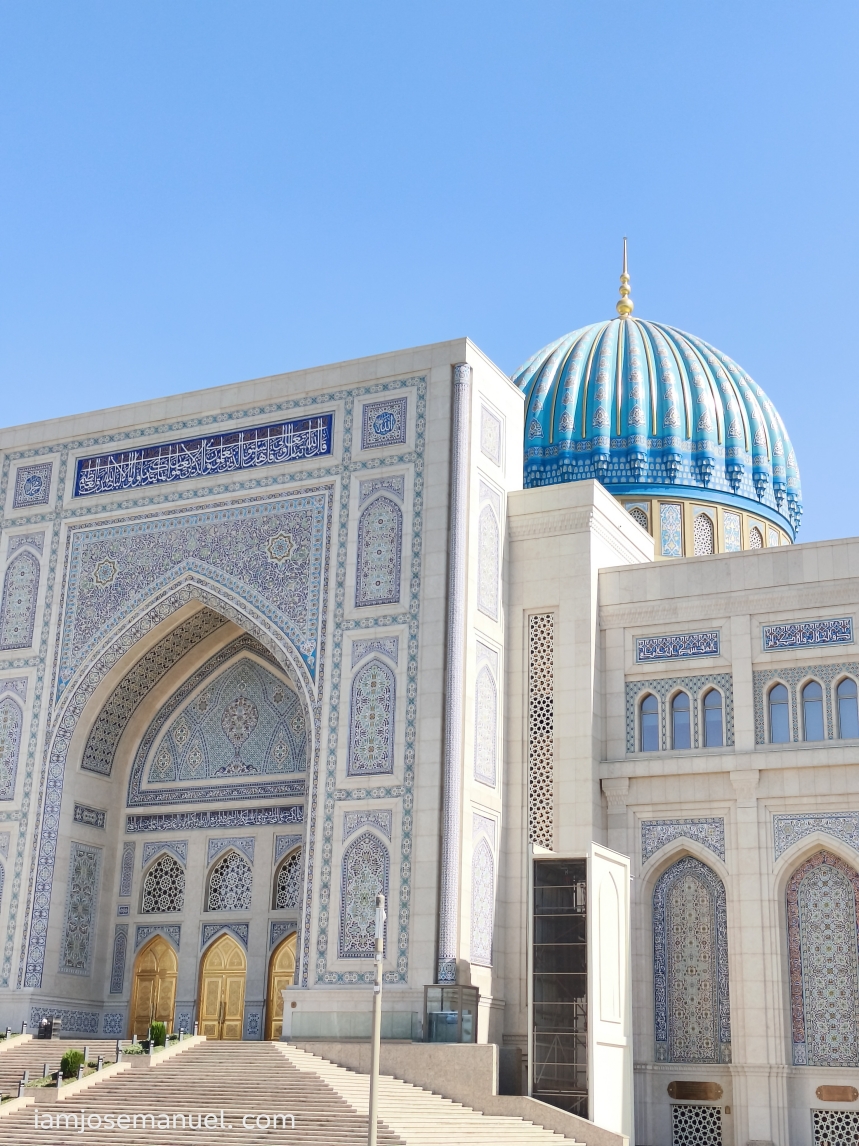
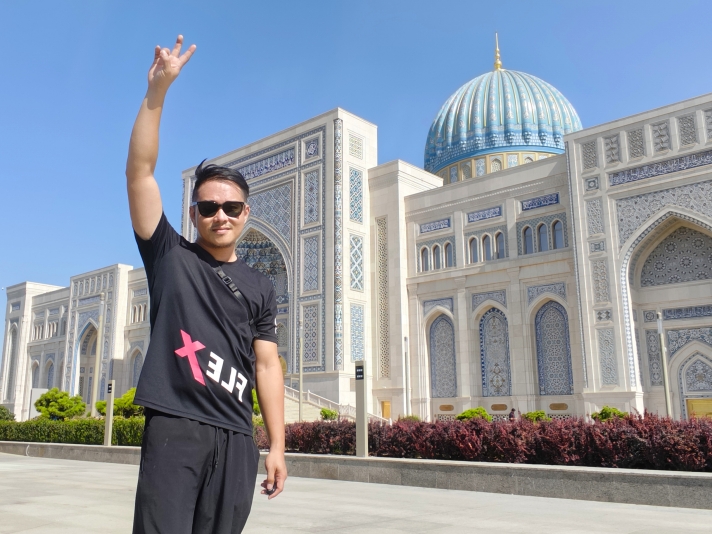
The Center of Islamic Civilization: a massive museum and research complex adjacent to the Hazrati Imam complex. I was awed when I first set foot on these grounds for its grandeur and how intricately made the mosaic wall tiles are. Inaugurated just this year 2026, this architectural icon is a masterpiece made by the hands of modern day Uzbek people.
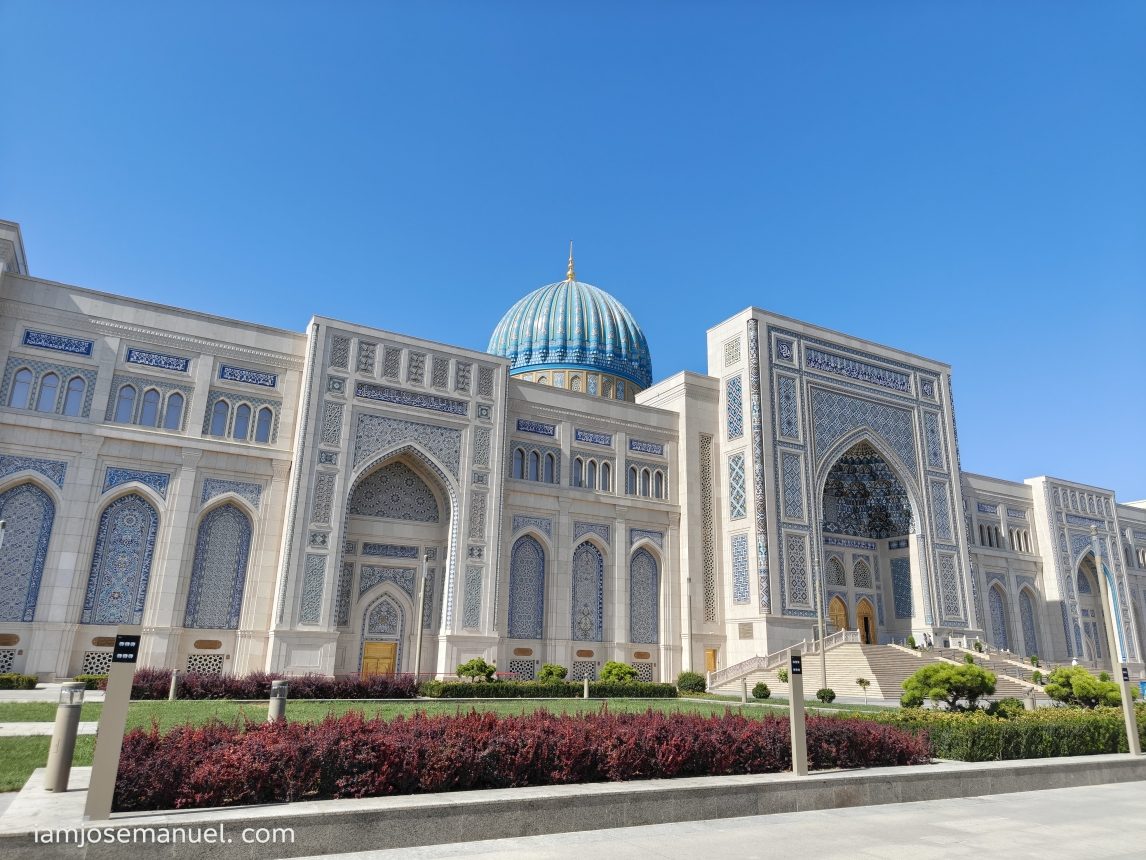
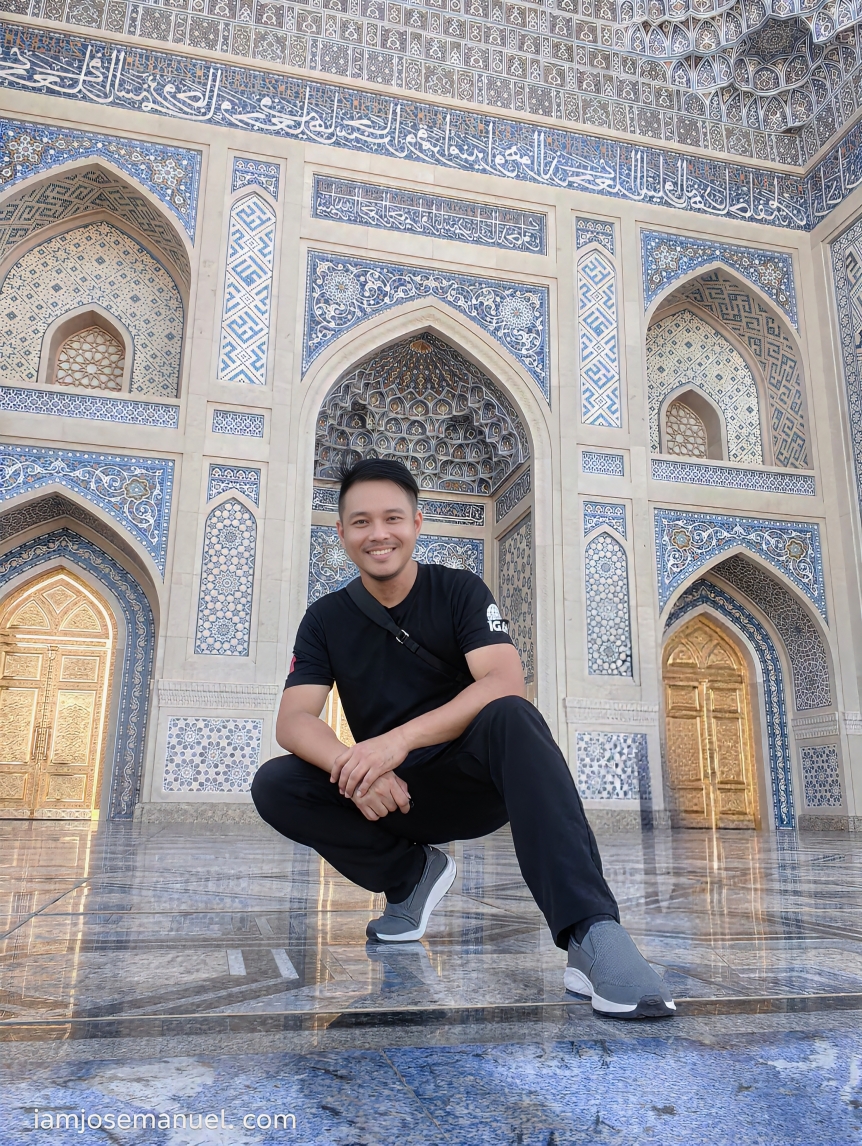
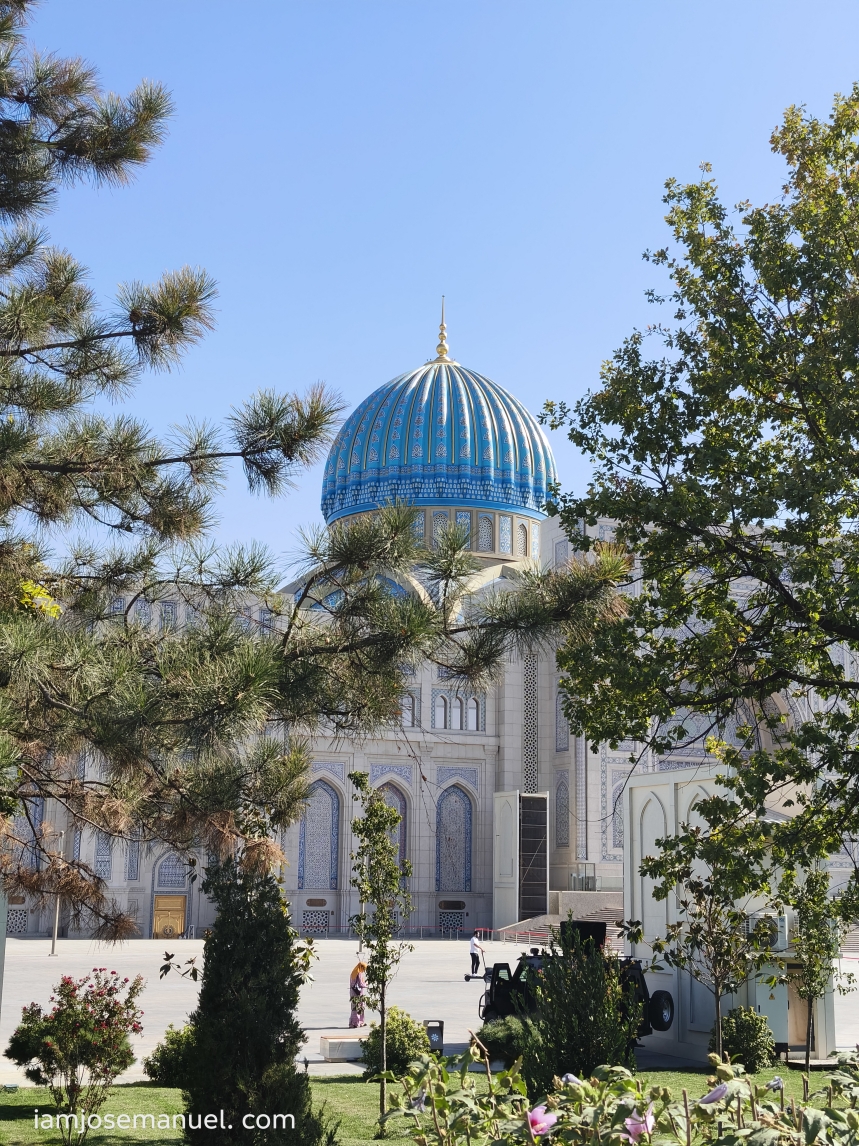
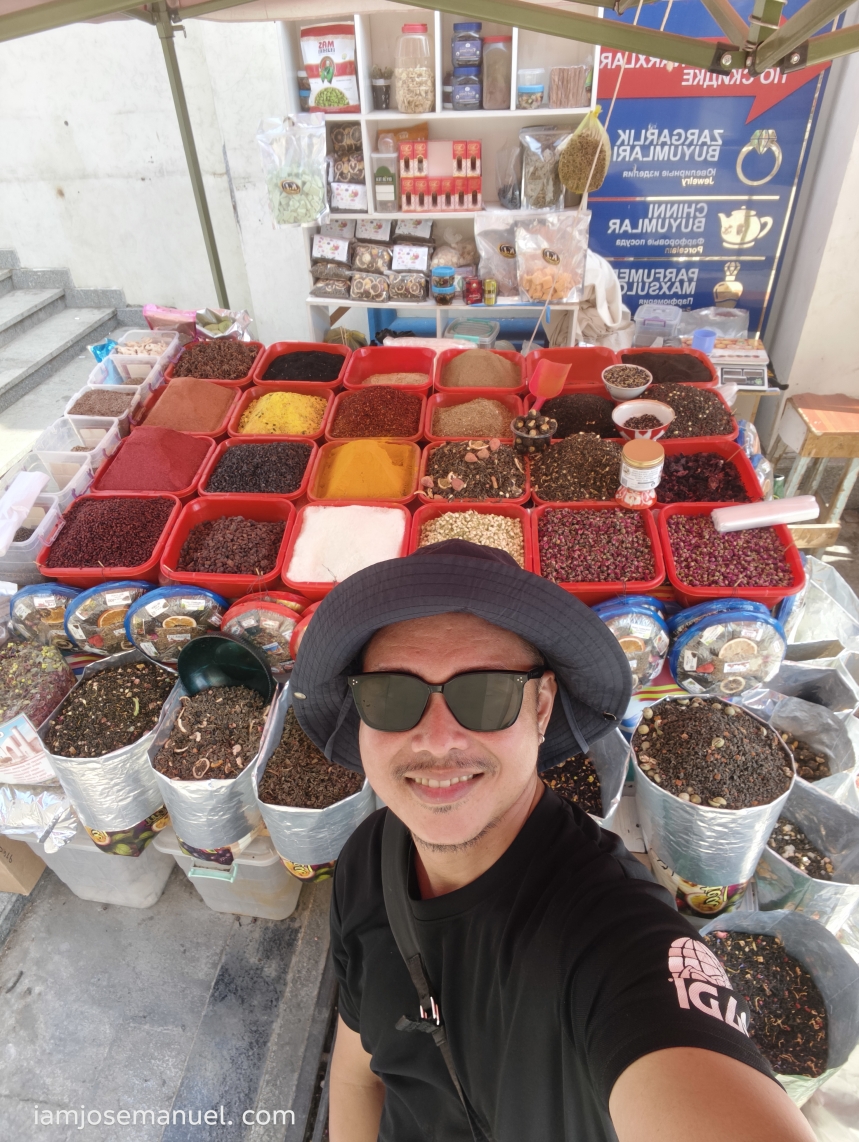
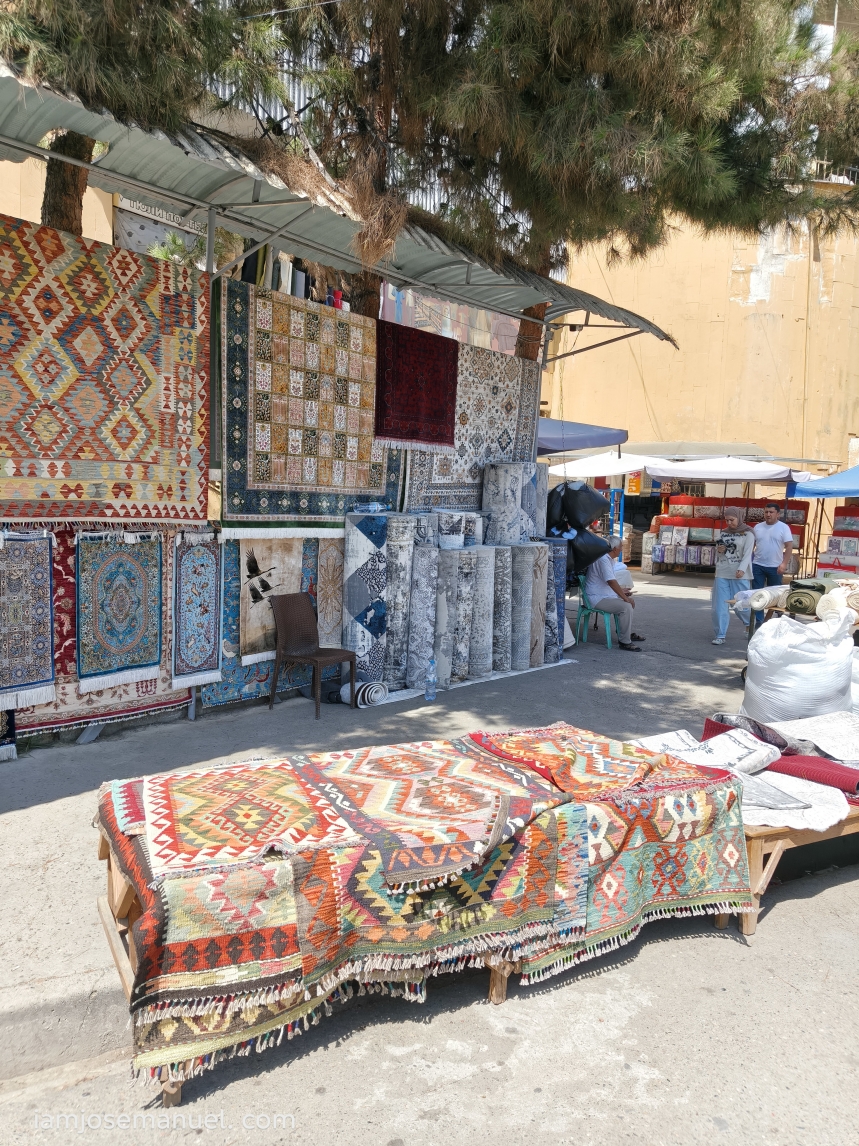
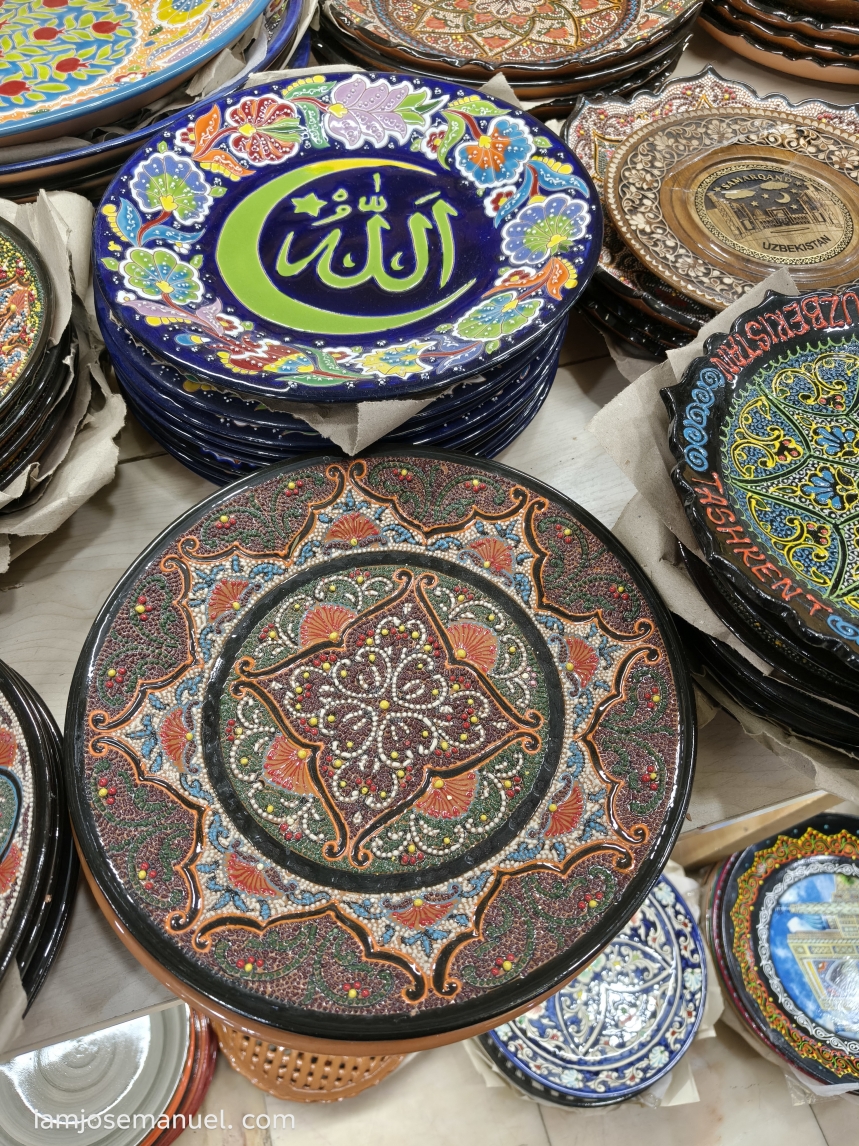
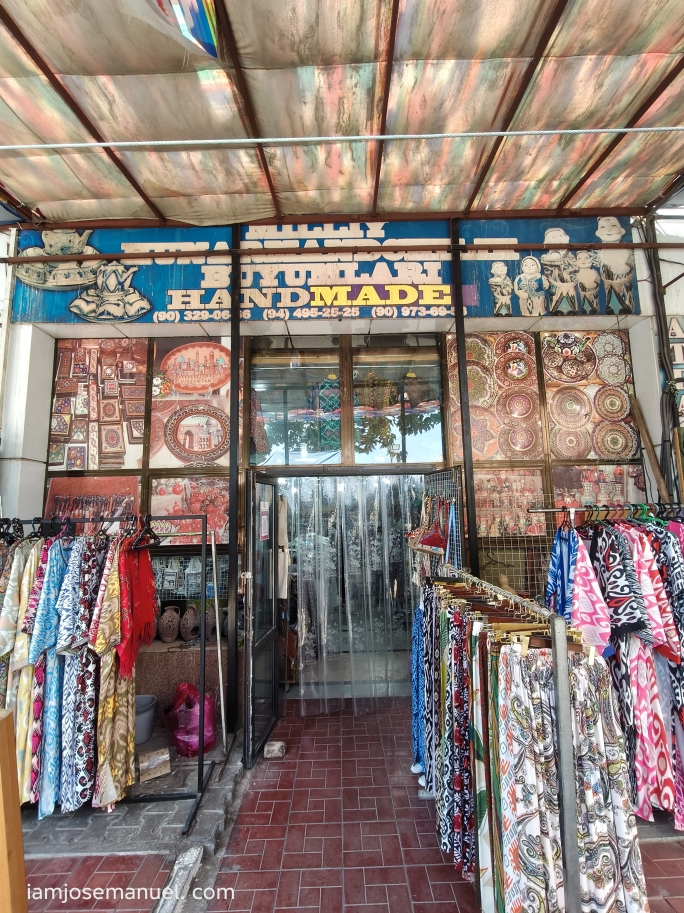
Chorsu Bazaar: one of the most famous markets in Uzbekistan. A UNESCO World Heritage site, access is completely free. The bazaar is famous for its blue dome that can be seen for miles around. The blue dome was built around 1980s by the Soviet administration, though the market site itself has a history spanning over 2,000 years at the crossroads of ancient Silk Road routes.
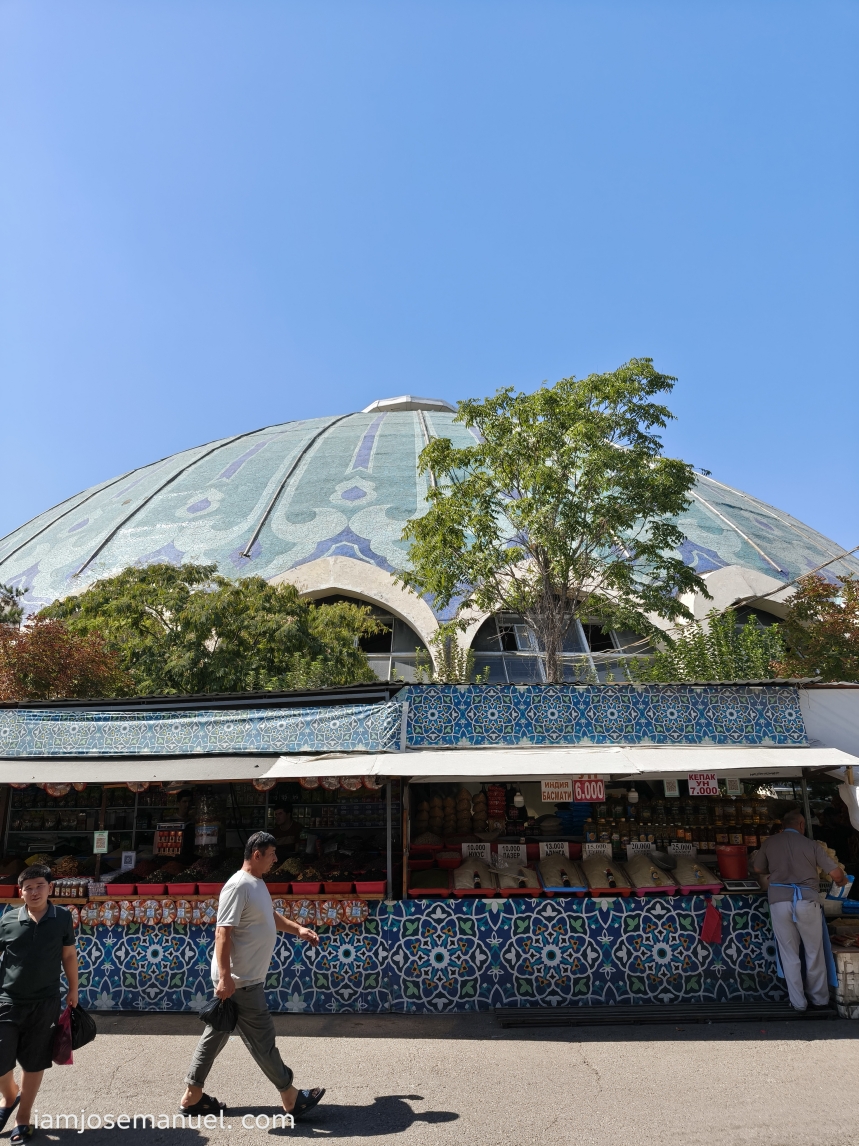
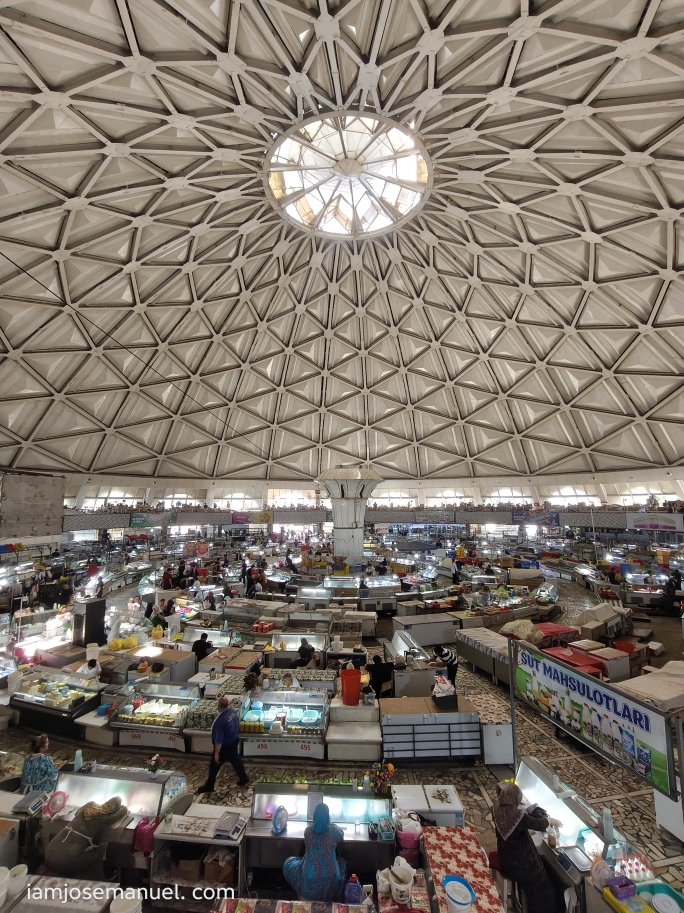
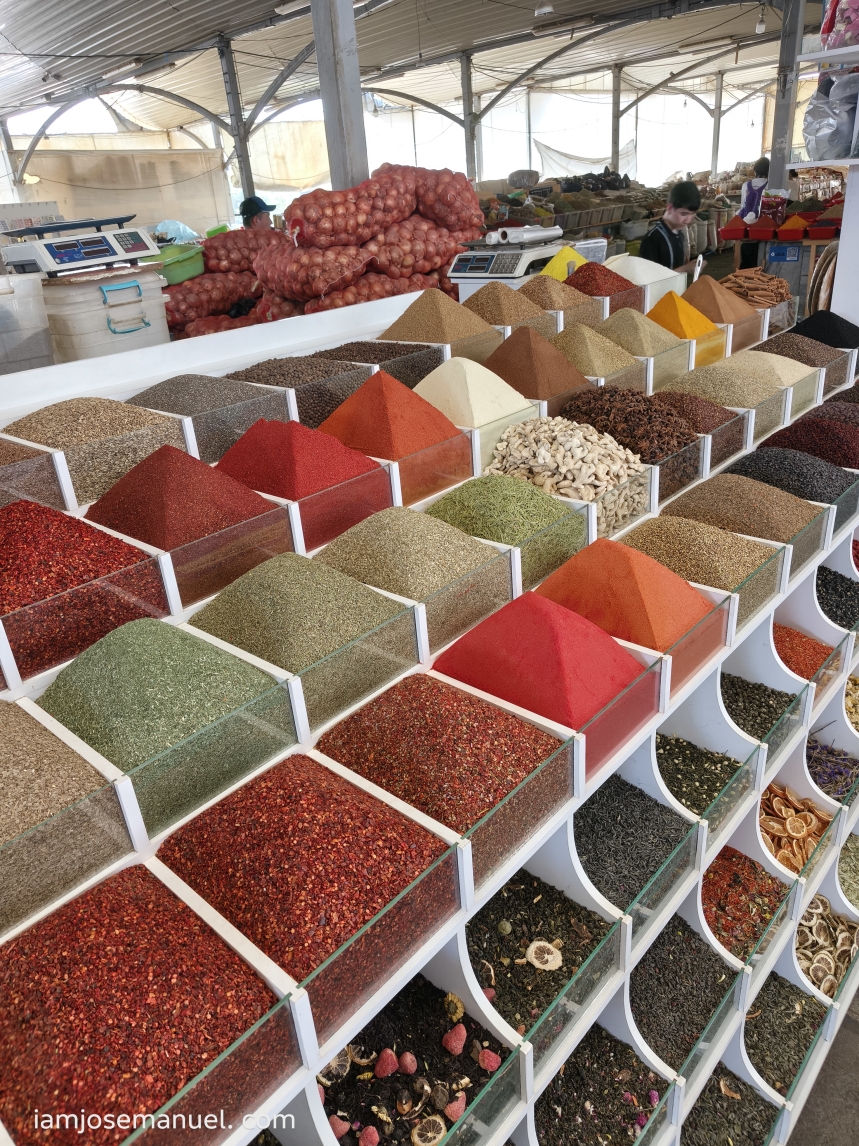
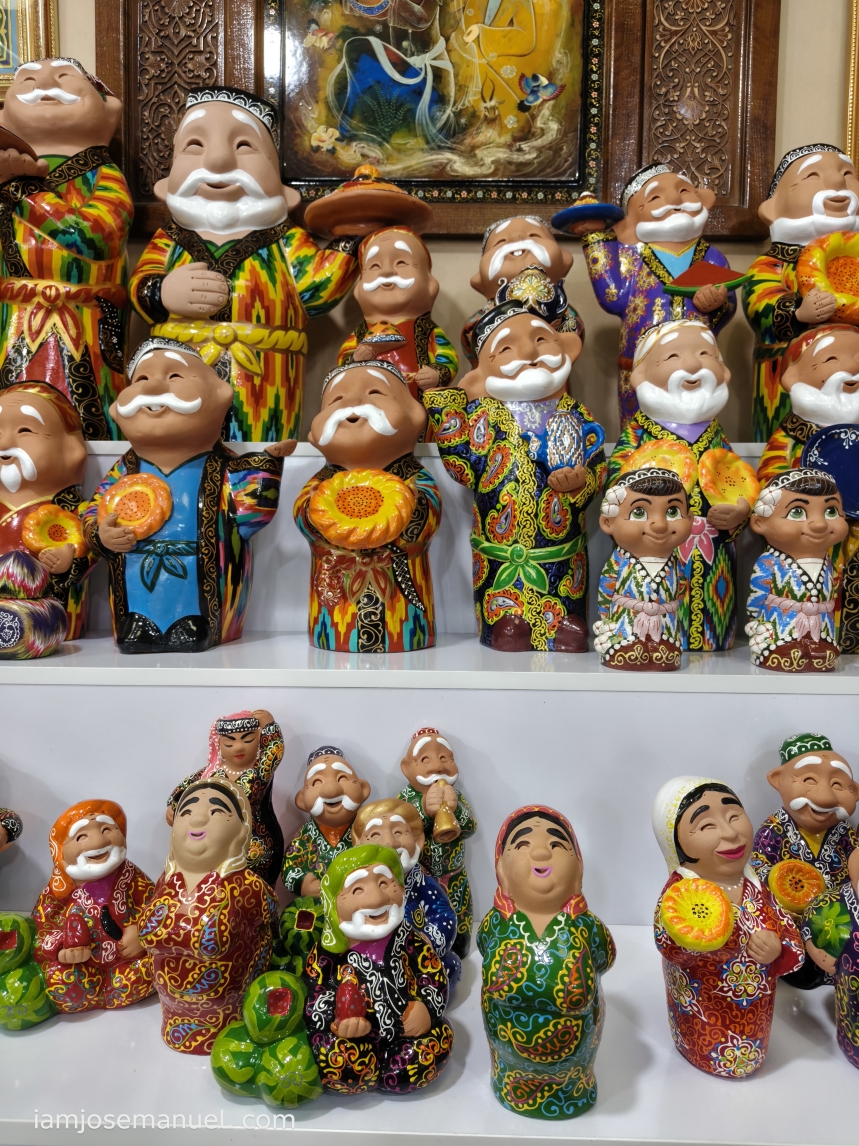
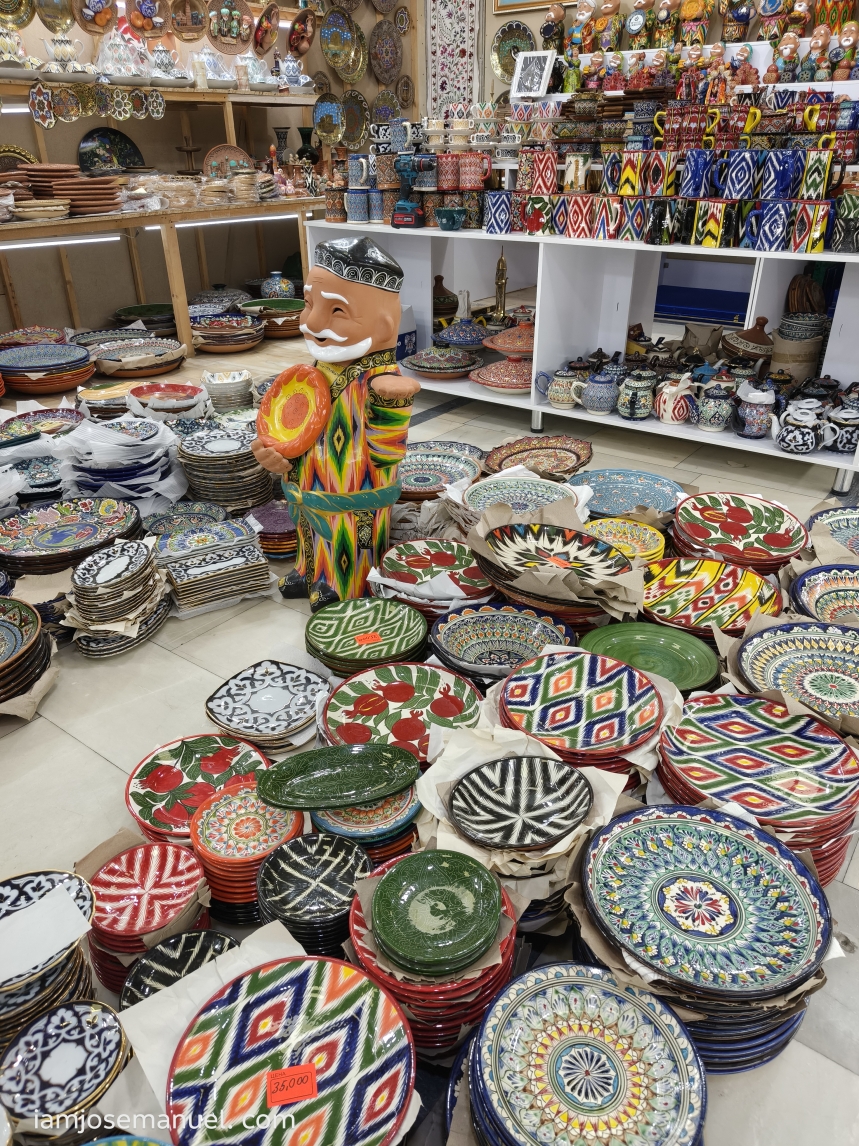
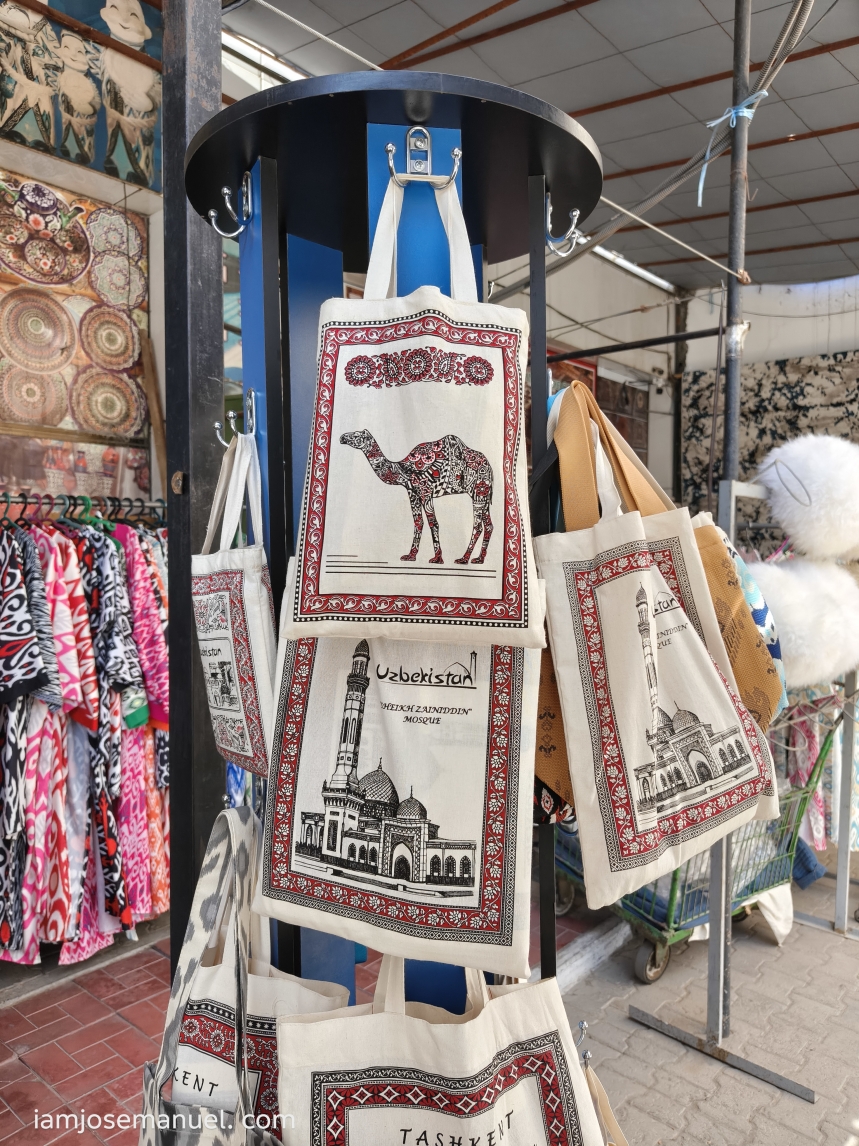
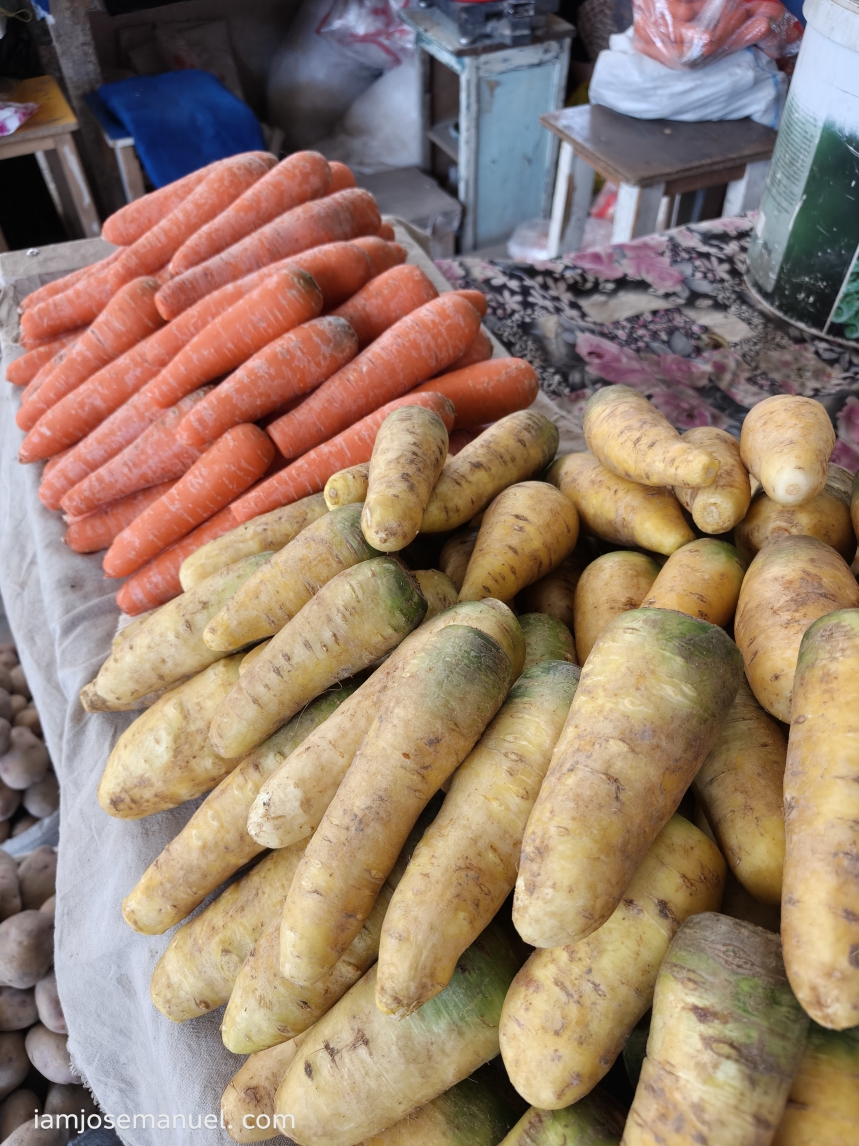
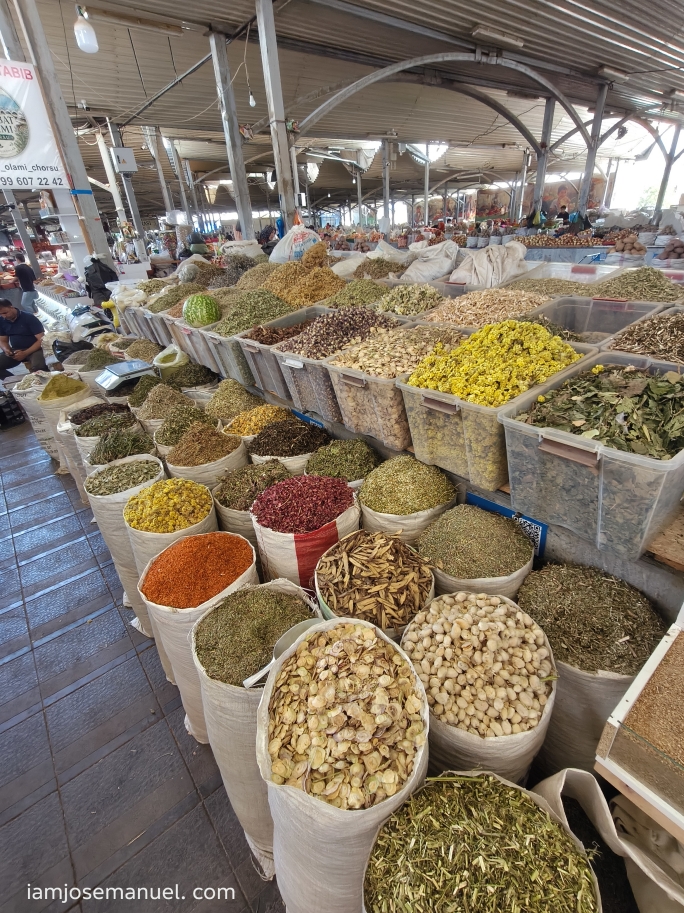
Chorsu Bazaar houses large selections of Arabic spices, dried fruits and tea, as well as traditional weaving products and ceramic wares. It is also in Chorsu where I first saw carrots that are yellow. haha
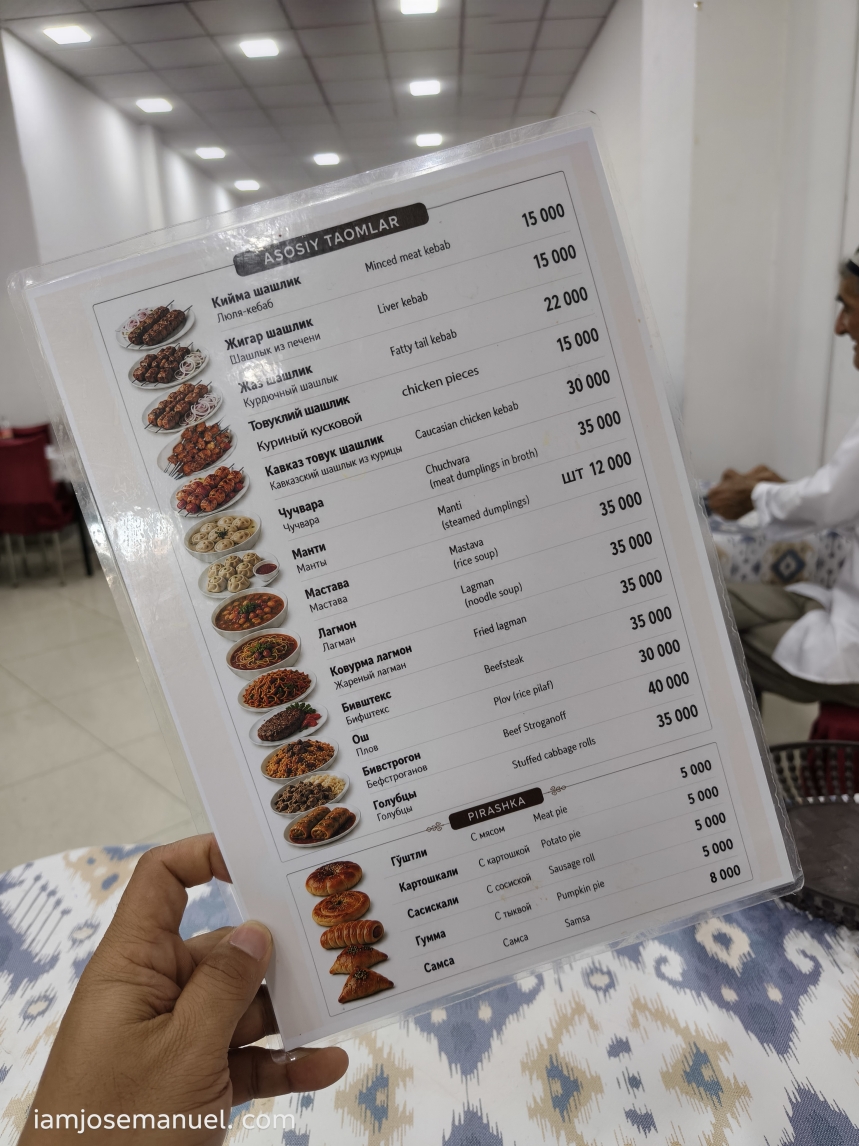
Chorsu is also houses a good number of options for local food dining. The best meal I had in Tashkent was this kebab shop. I ordered the Dolma, which is basically bellpepper stuffed with rice and minced meat, served in paprika-loaded broth.
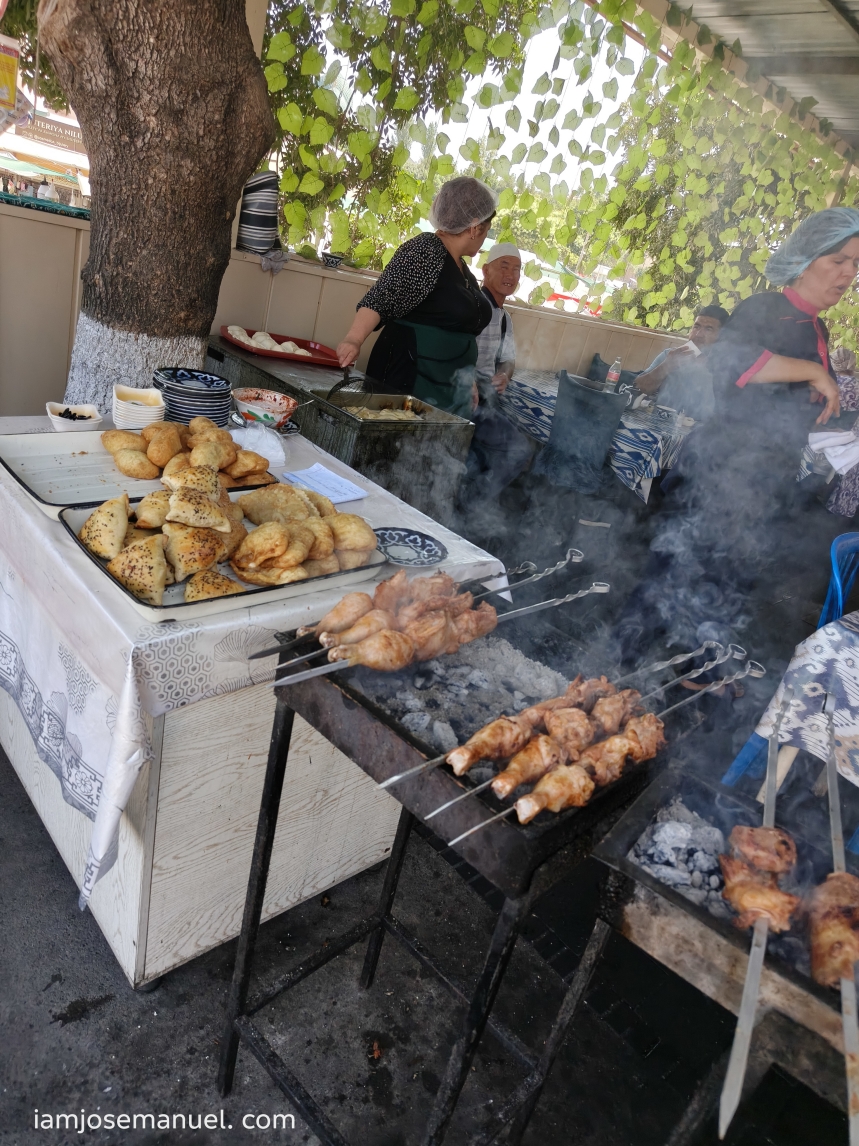
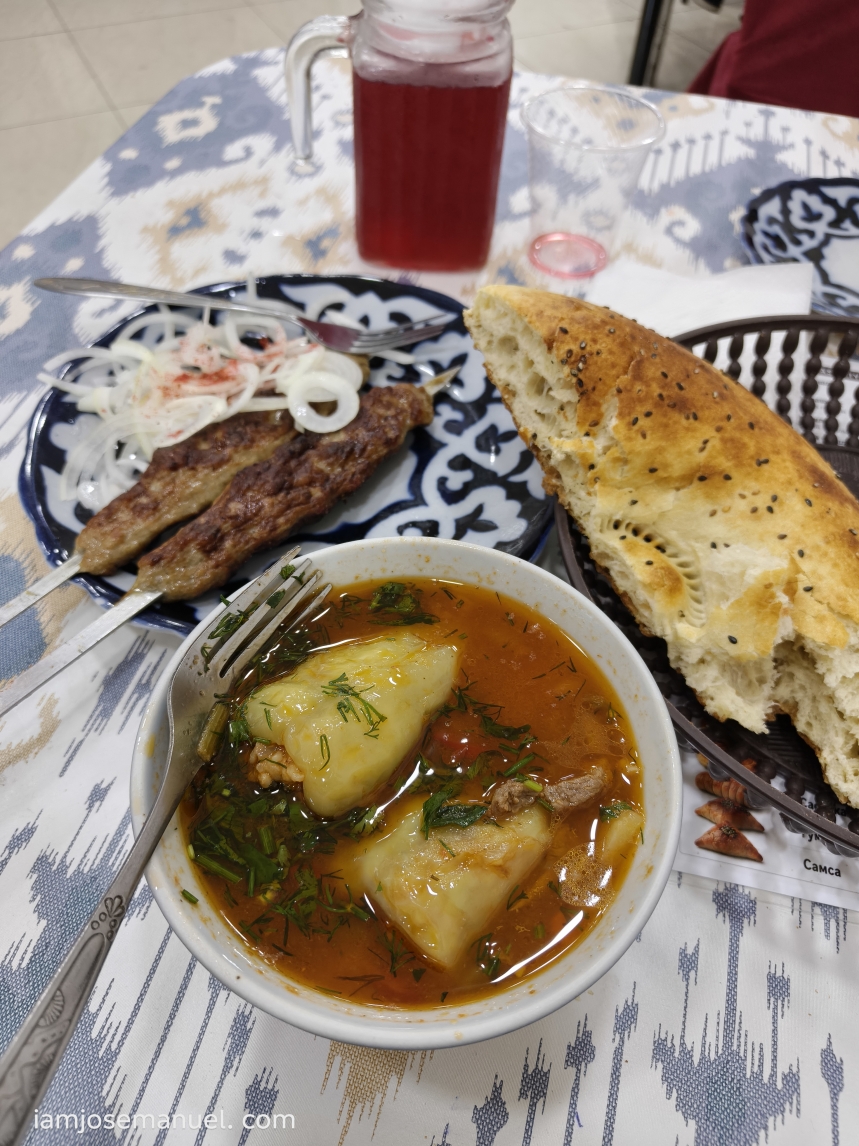
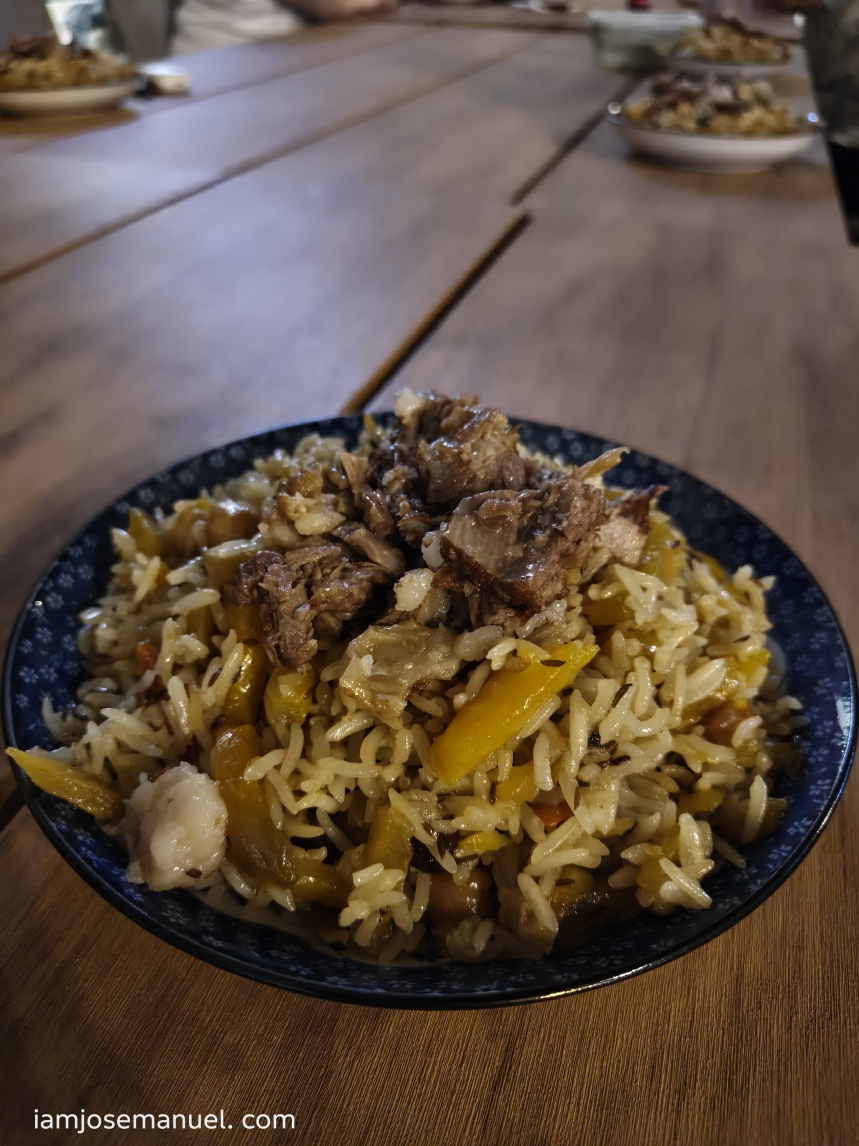
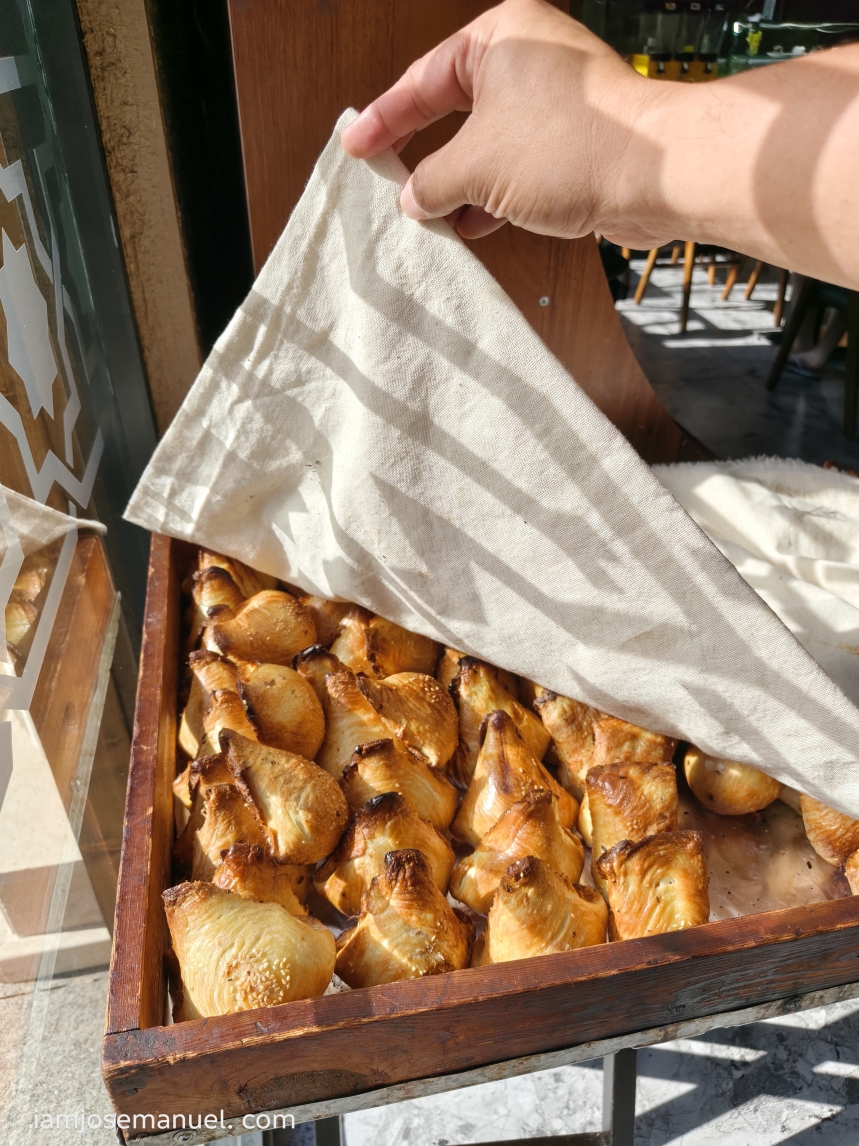
Samsas (Meat filled bread) and the traditional plov dish.
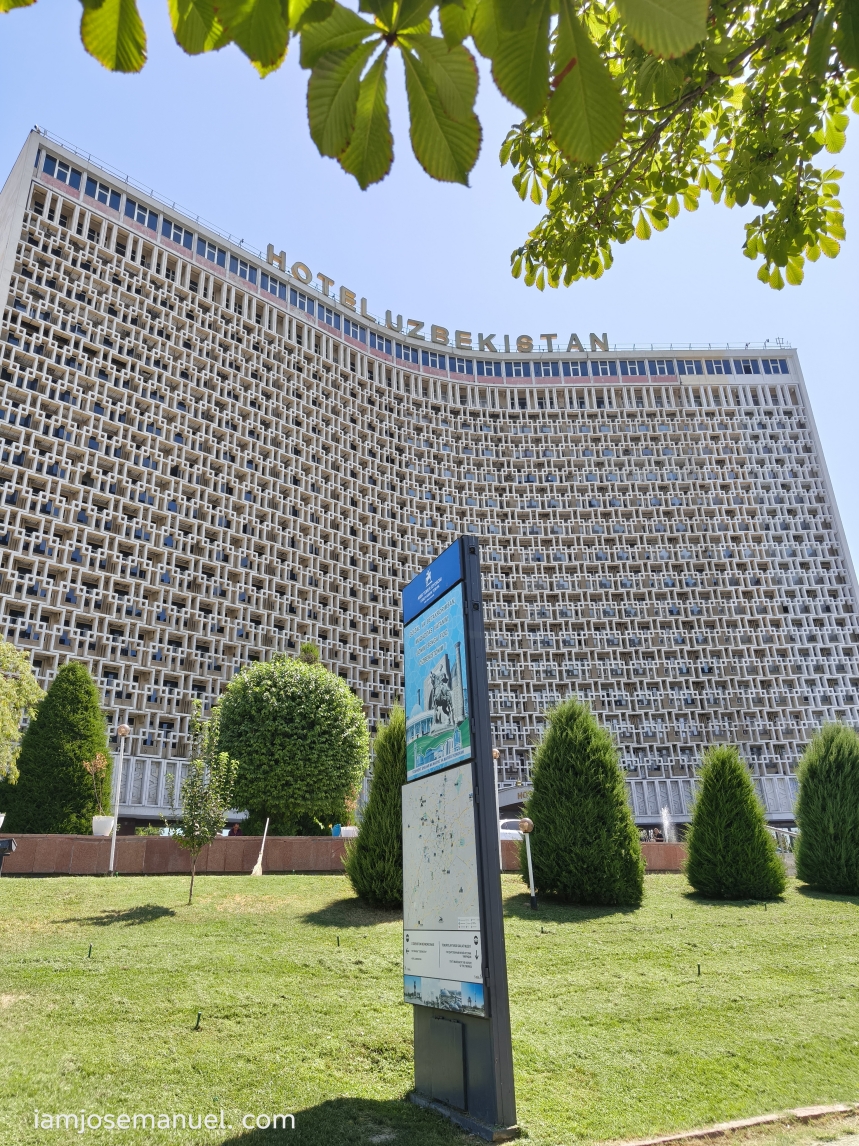
Hotel Uzbekistan: an iconic 4-star, Soviet-era brutalist landmark located at the center of Tashkent, built 1974. The high-rise structure is curved to resemble an open book facing Amir Temur Square.
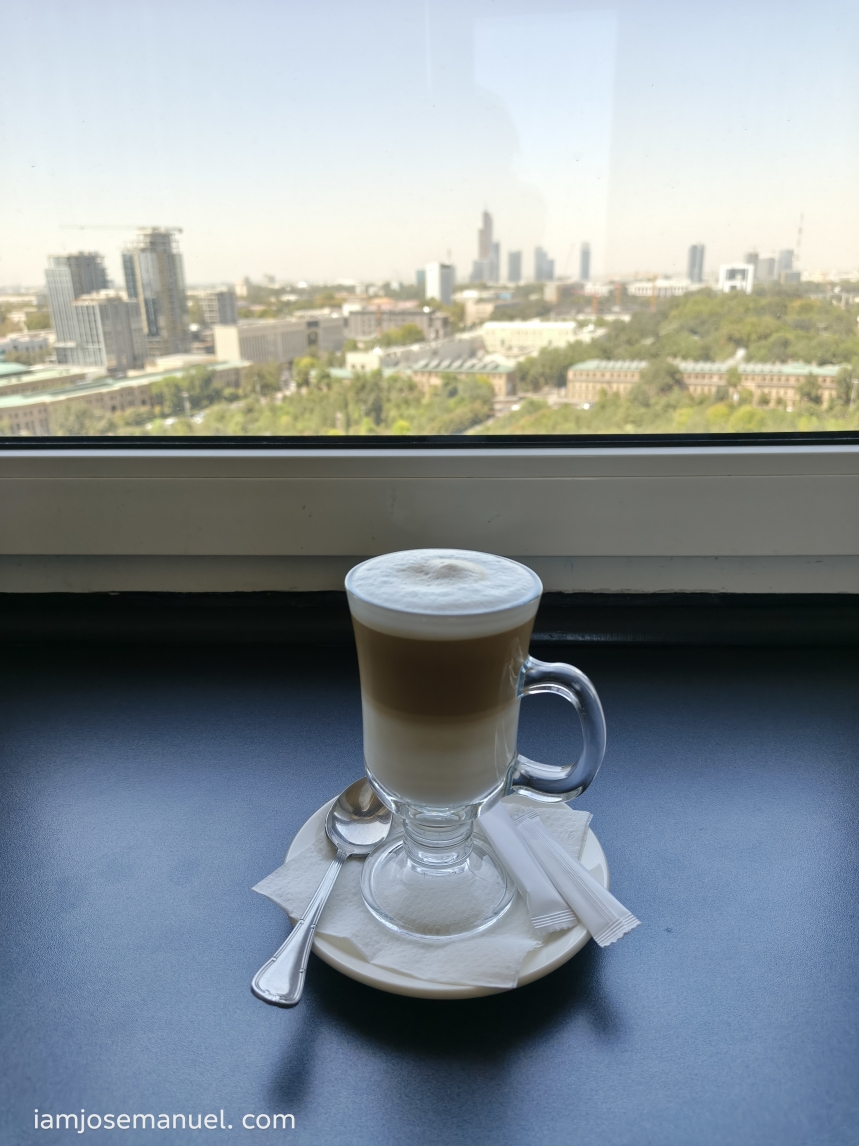
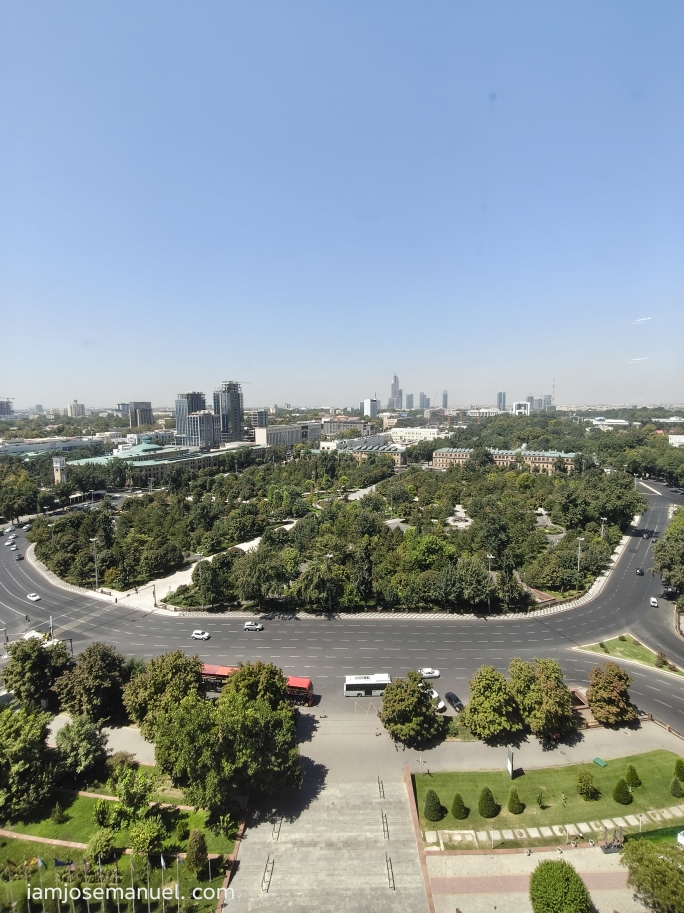
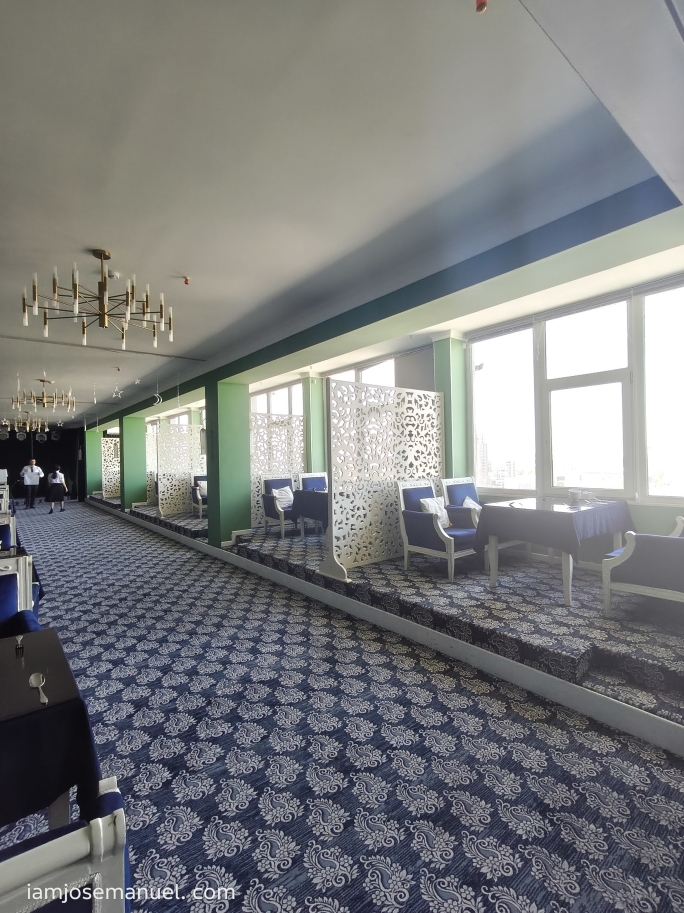
I spent the rest of the afternoon here with coffee while enjoying the view of Tashkent city center from the vintage cafe at the 17th floor.
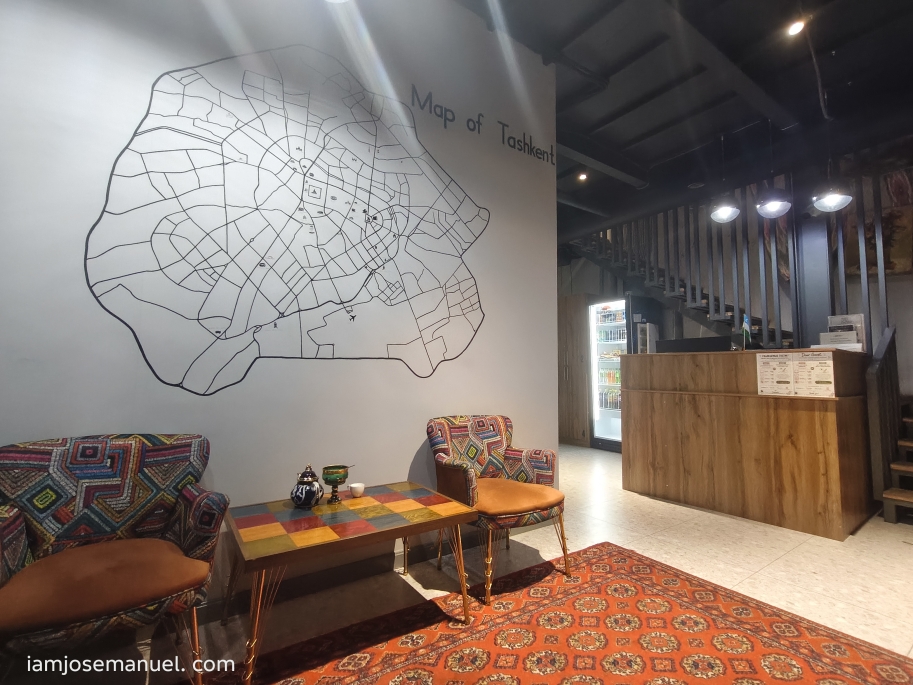
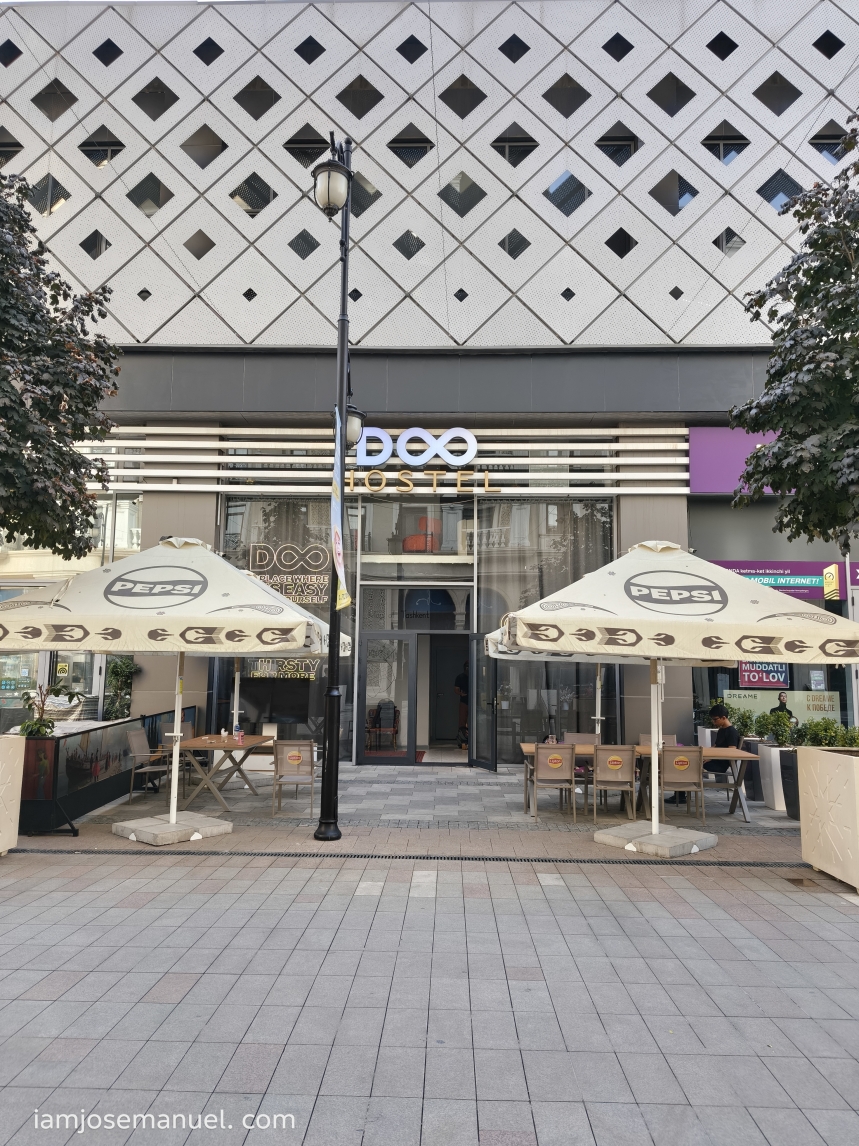
Where I stayed in Tashkent: Doo Hostel (Highly Recommended). This came as a surprise for me, because I never expected it to be located inside an upscale residential/commercial complex (Like Serendra in BGC).
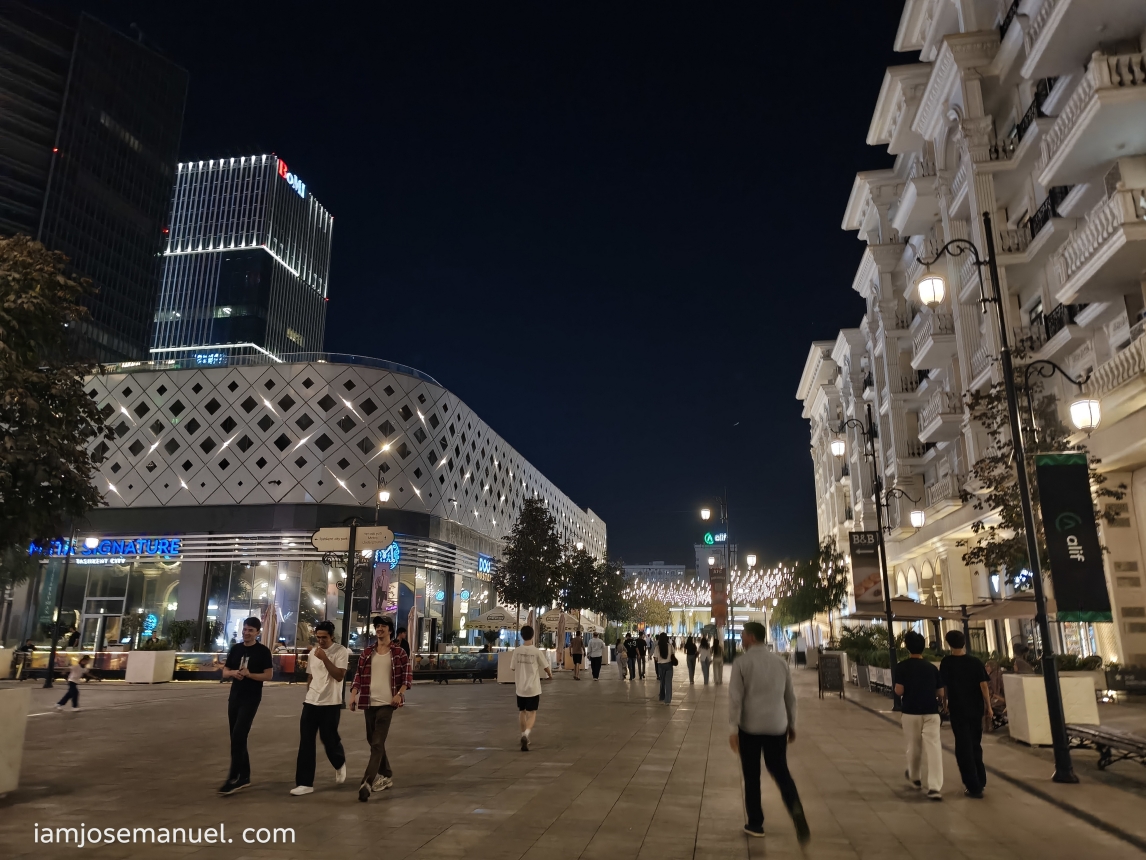
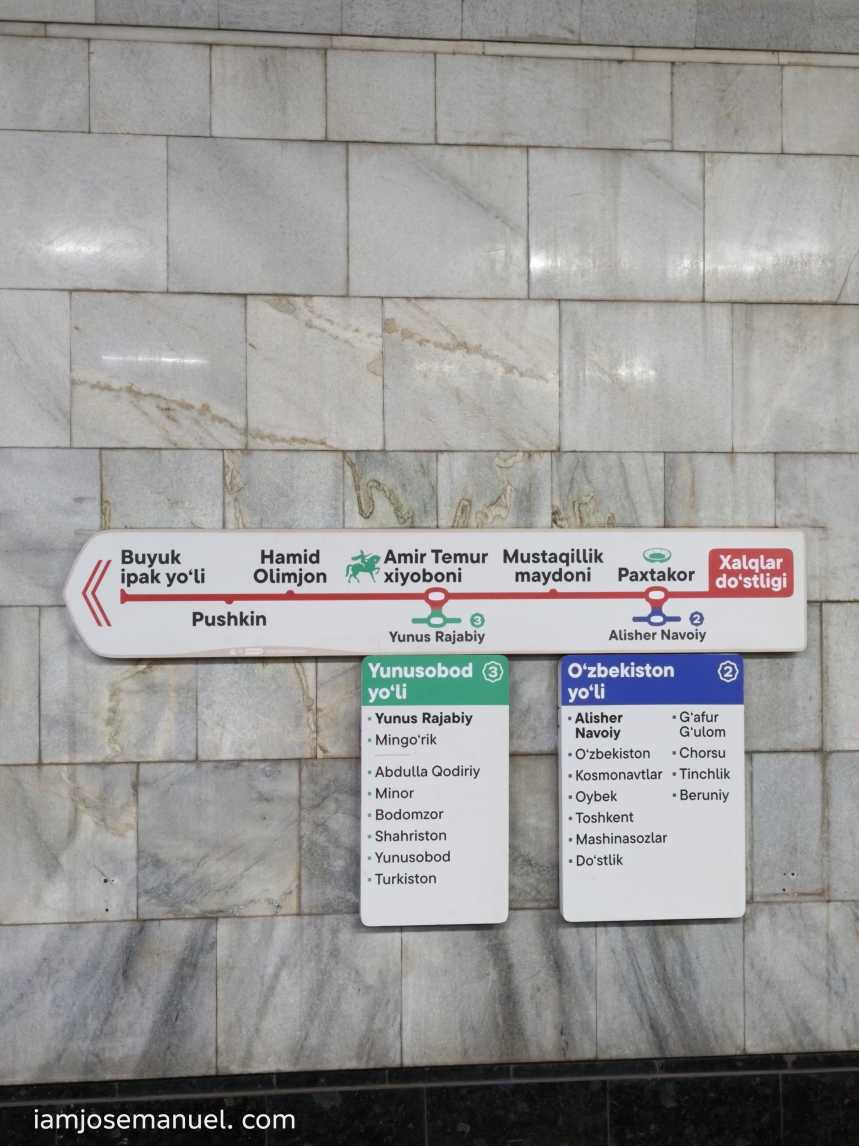
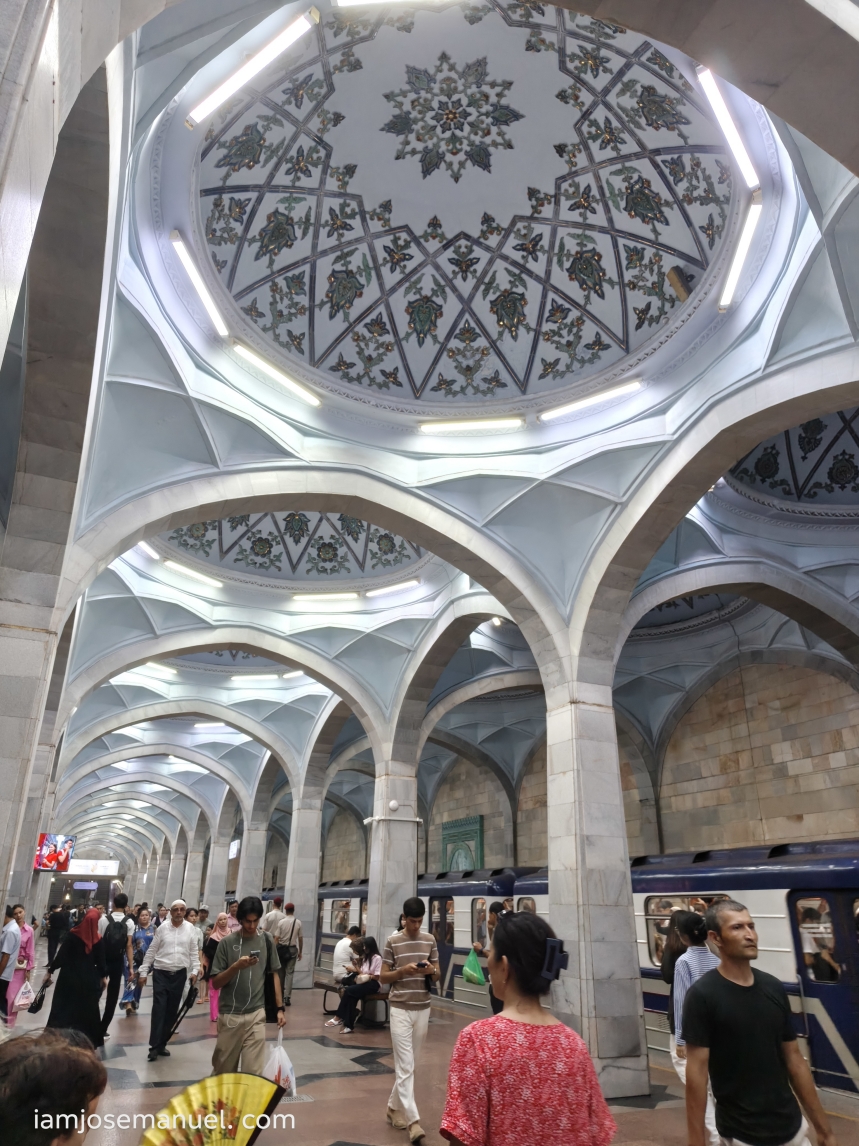
An entrance to the Alisher Navoiy Metro Station is located within the complex. The complex is also attached to the main park and the Tashkent City mall. How convenient is that? Alisher Navoiy btw is named the most beautiful train station, with its white, dome shaped ceiling, embellished with mosaic tiles.
Filipinos are required to get Uzbekistan E-visa prior to the trip. Details on securing the e-visa are posted here.
Architecture Appreciation – Samarkand,Uzbekistan

Samarkand is one of the oldest, continuously inhabited cities in human history. Founded around the 8th to 7th century BC, Samarkand (known as Marakanda back then) has been documented in ancient Islamic and Greek texts as the silk road’s crossroad of trade, culture and exchange of knowledge, ideas and technology. The city has been under several conquerors and rebuilding throughout its history. Today, Samarkand is roughly 2,750 years old, and continues to tell its stories.

Samarkand has been recognized as a UNESCO World Heritage Site since 2001, and is famous for the glorious Islamic Architecture, polished turquoise blue domes and perfectly restored mosaic tileworks on Mosques and Madrasa Building(school).

Being in Samarkand, and staying in the old city center, feels like living inside an open air museum. I purposely choose a guesthouse that is just at the back of the Registan Square. I spent 3 days walking between historic sites, visiting old bazaars and checking on local food options.

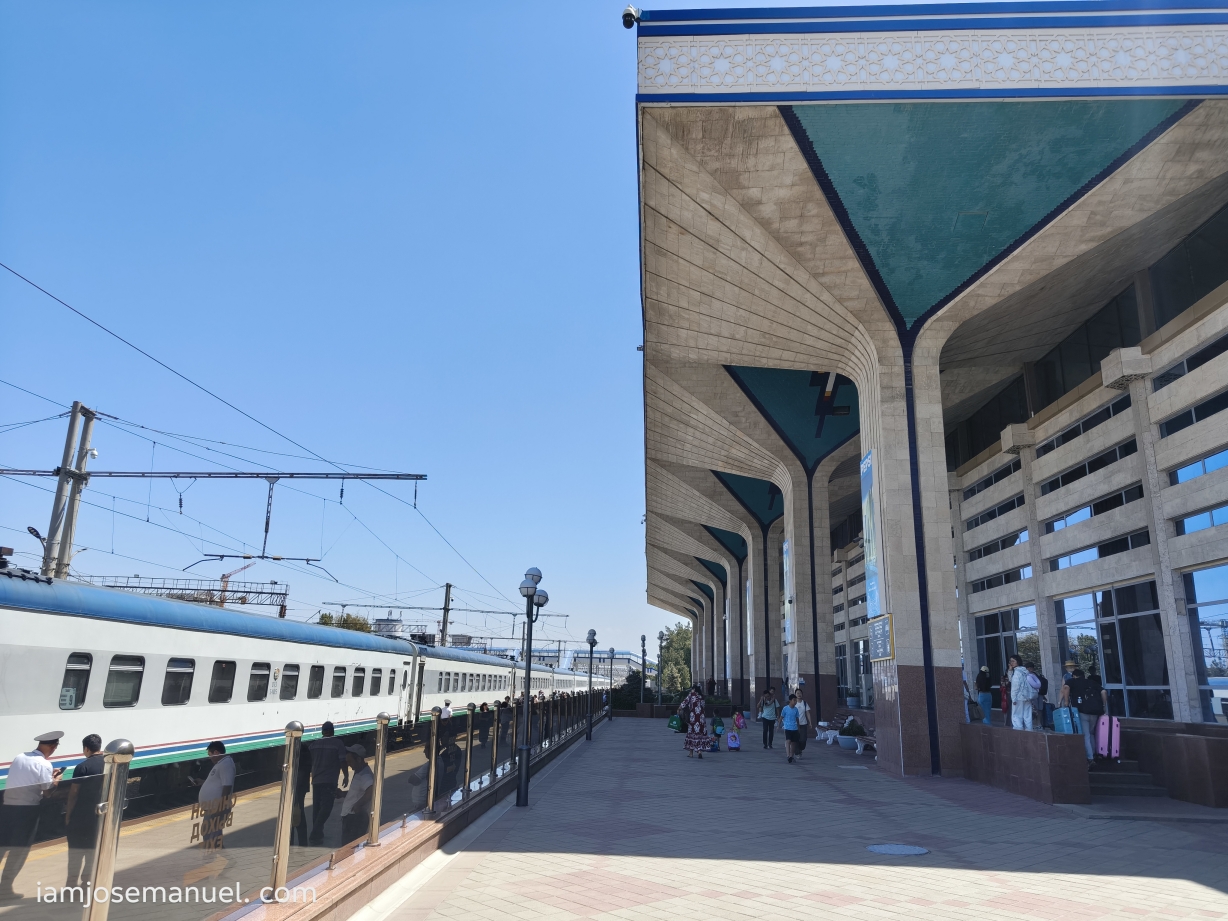
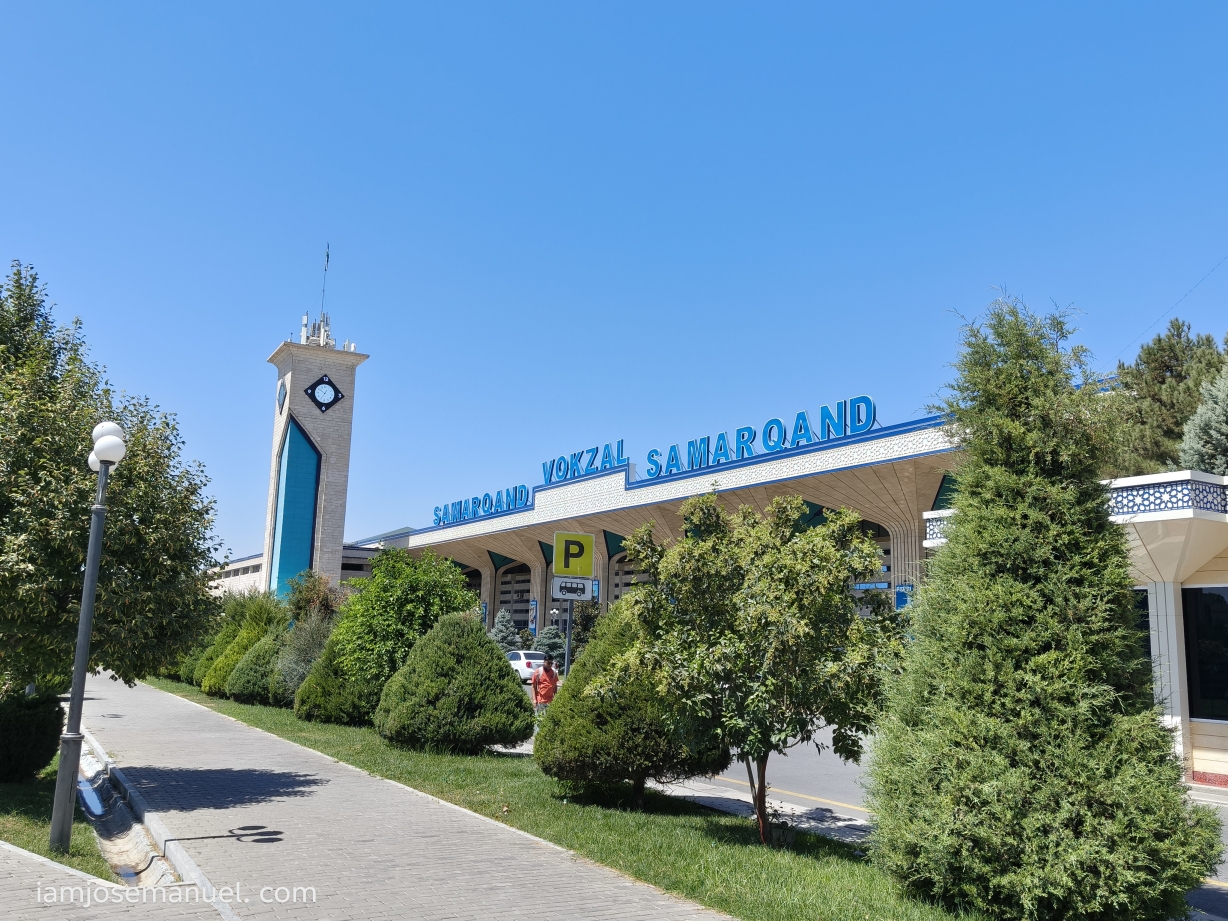
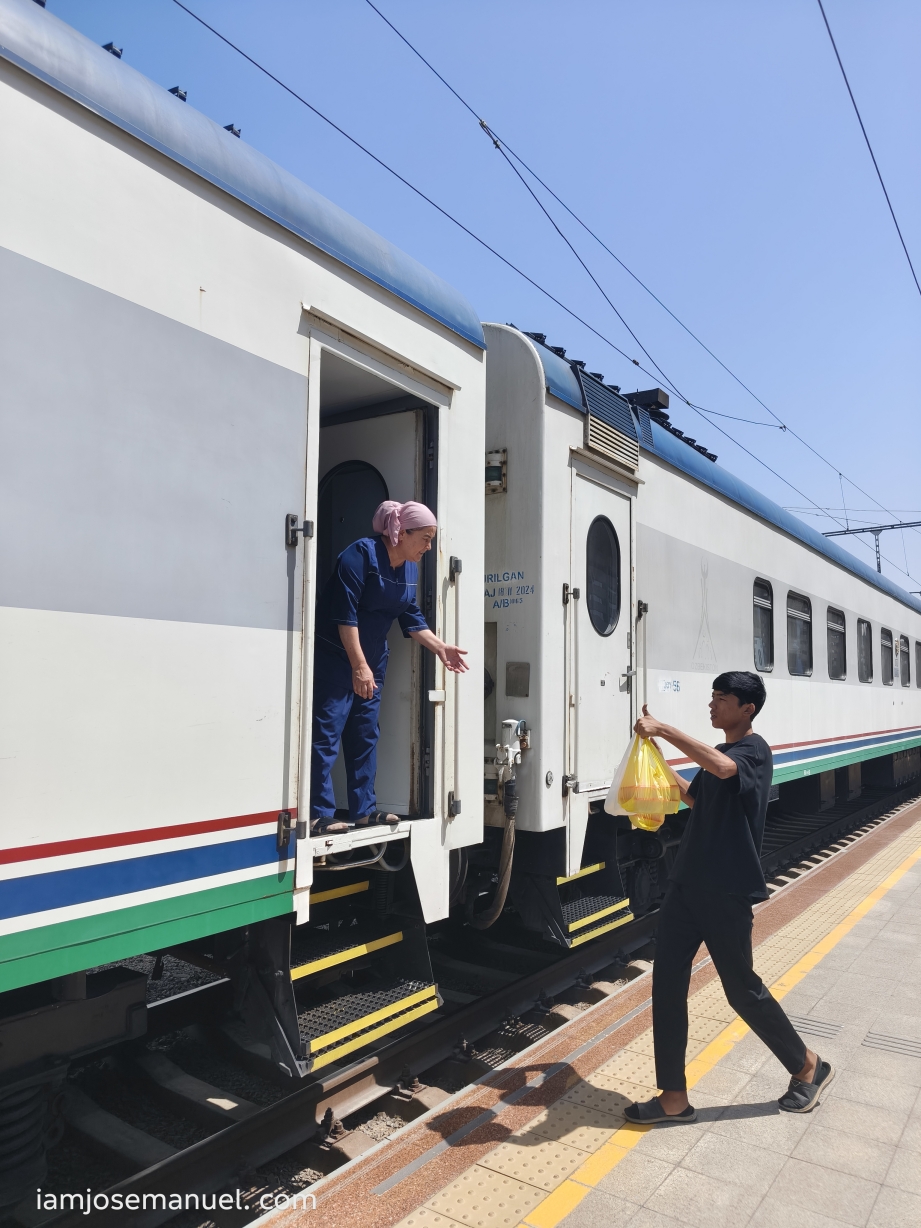
I arrived in Samarkand by Regional train (3 hours) from Tashkent, the Capital City. The city is fairly small, and is mainly centered on tourism. The train station is around 20 minutes by Yandex Taxi to the old city center where I stayed. Transportation and other UZ travel tips are posted here.
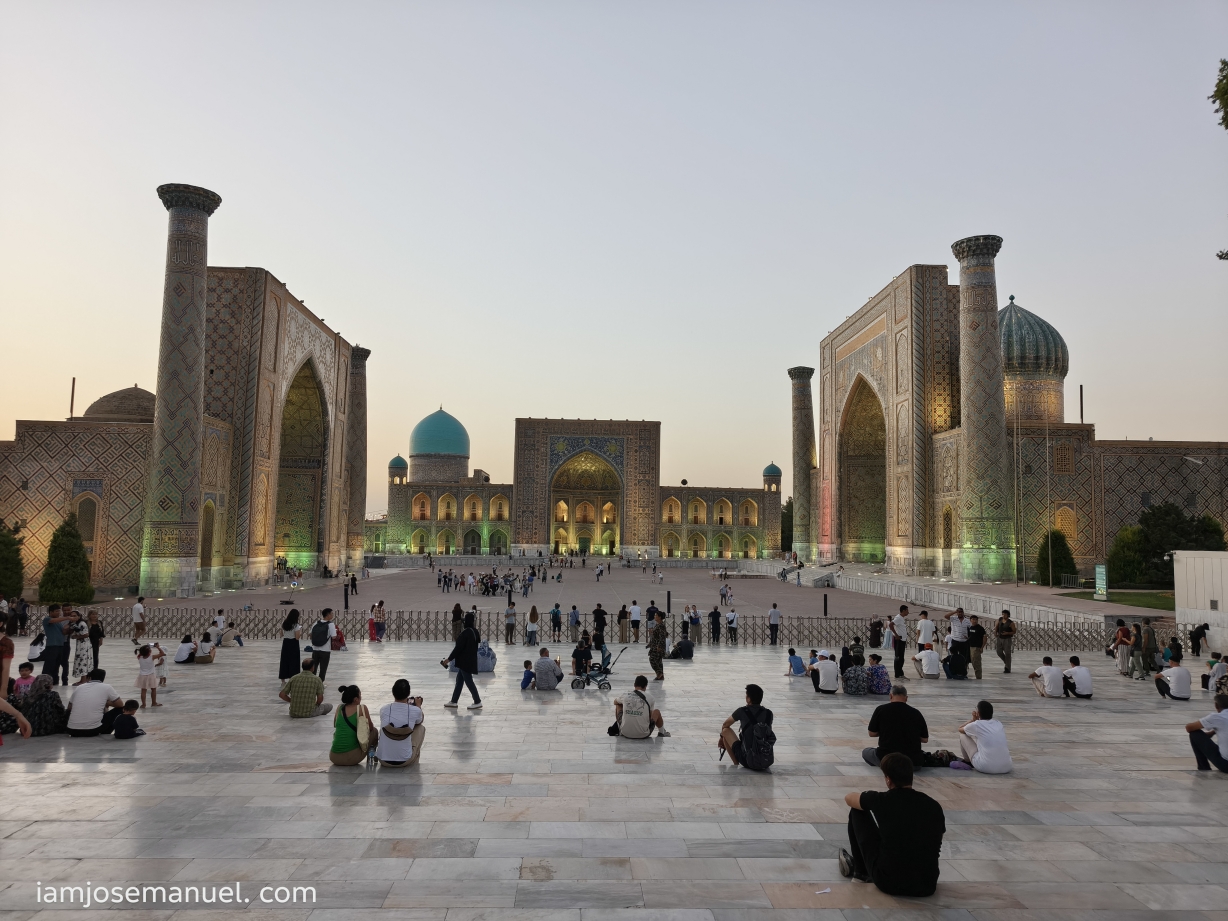
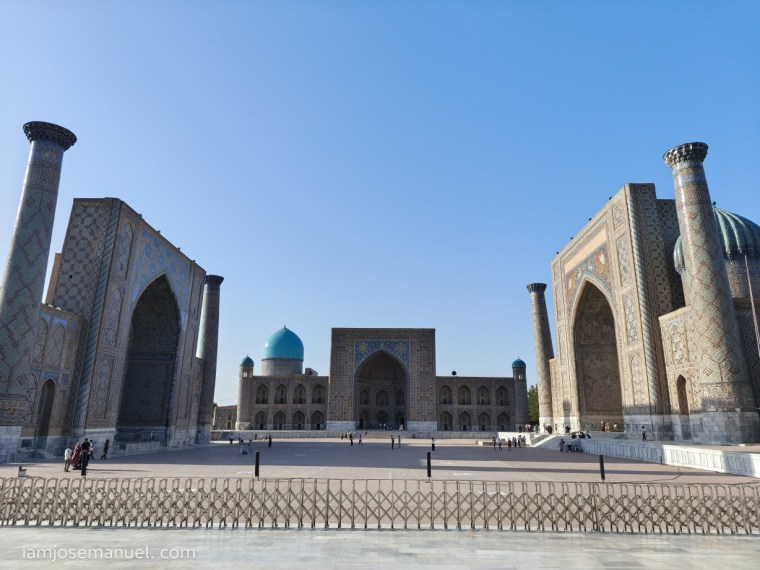
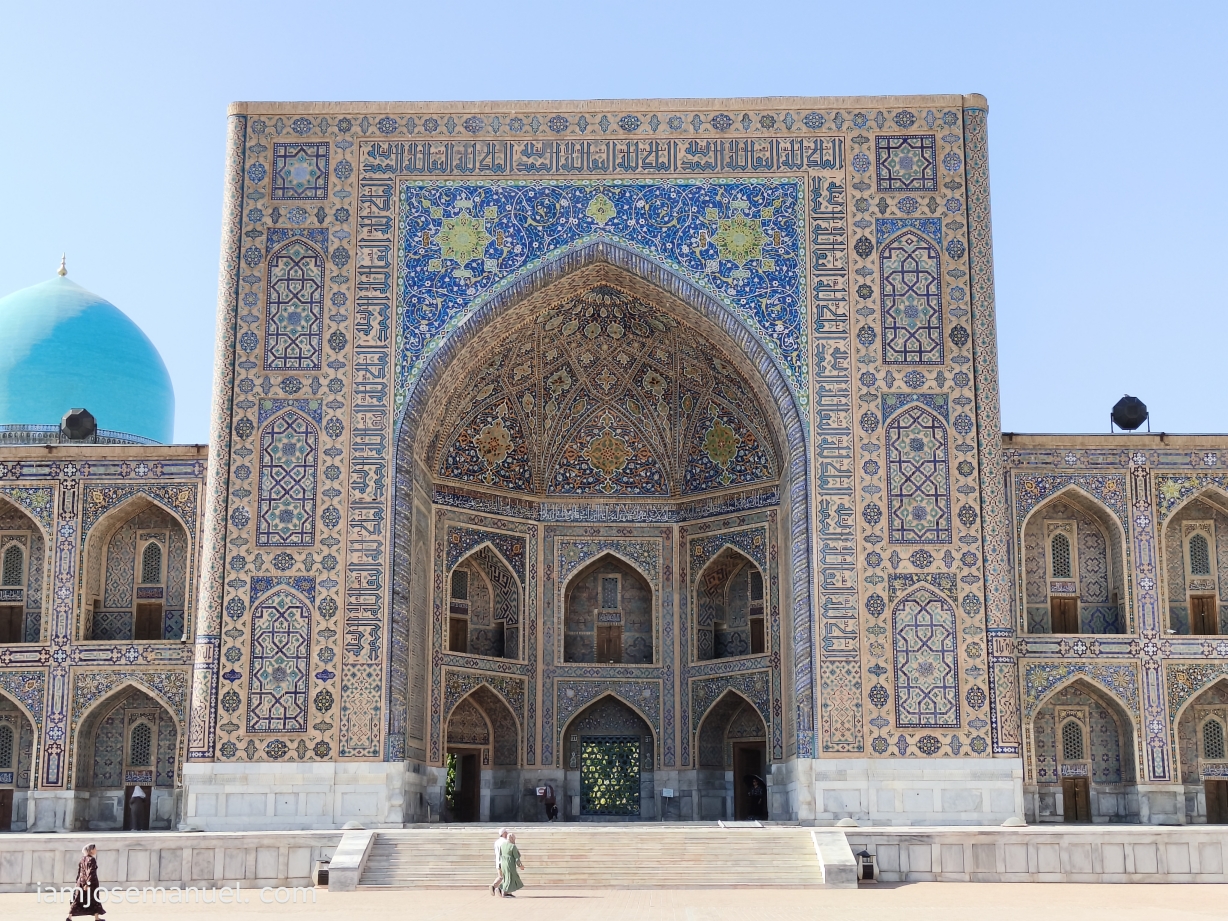
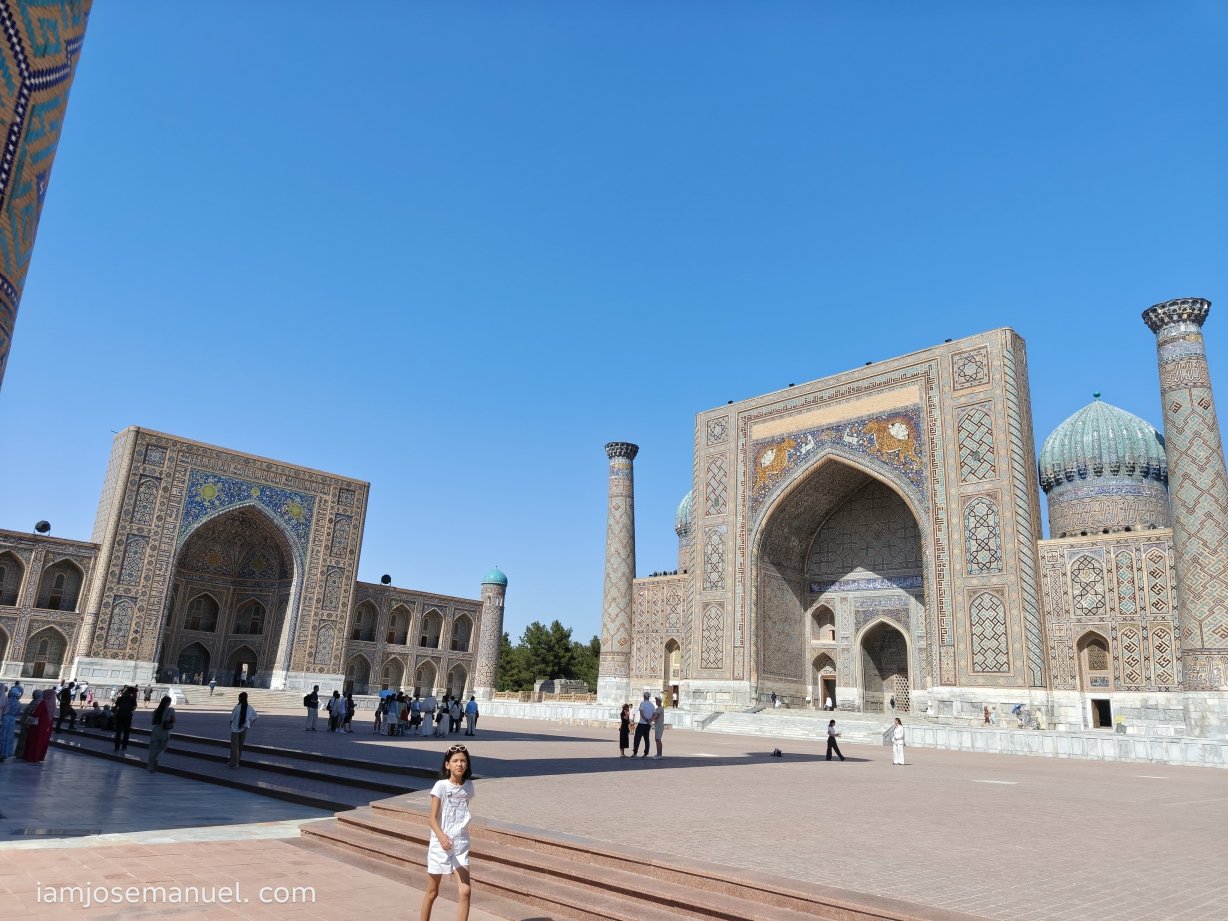
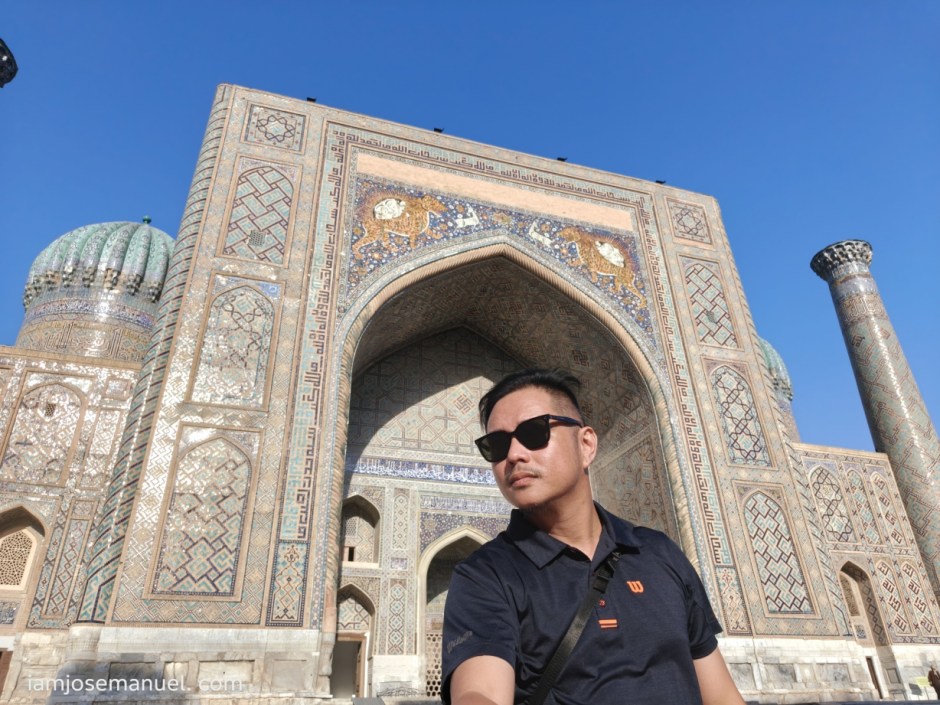
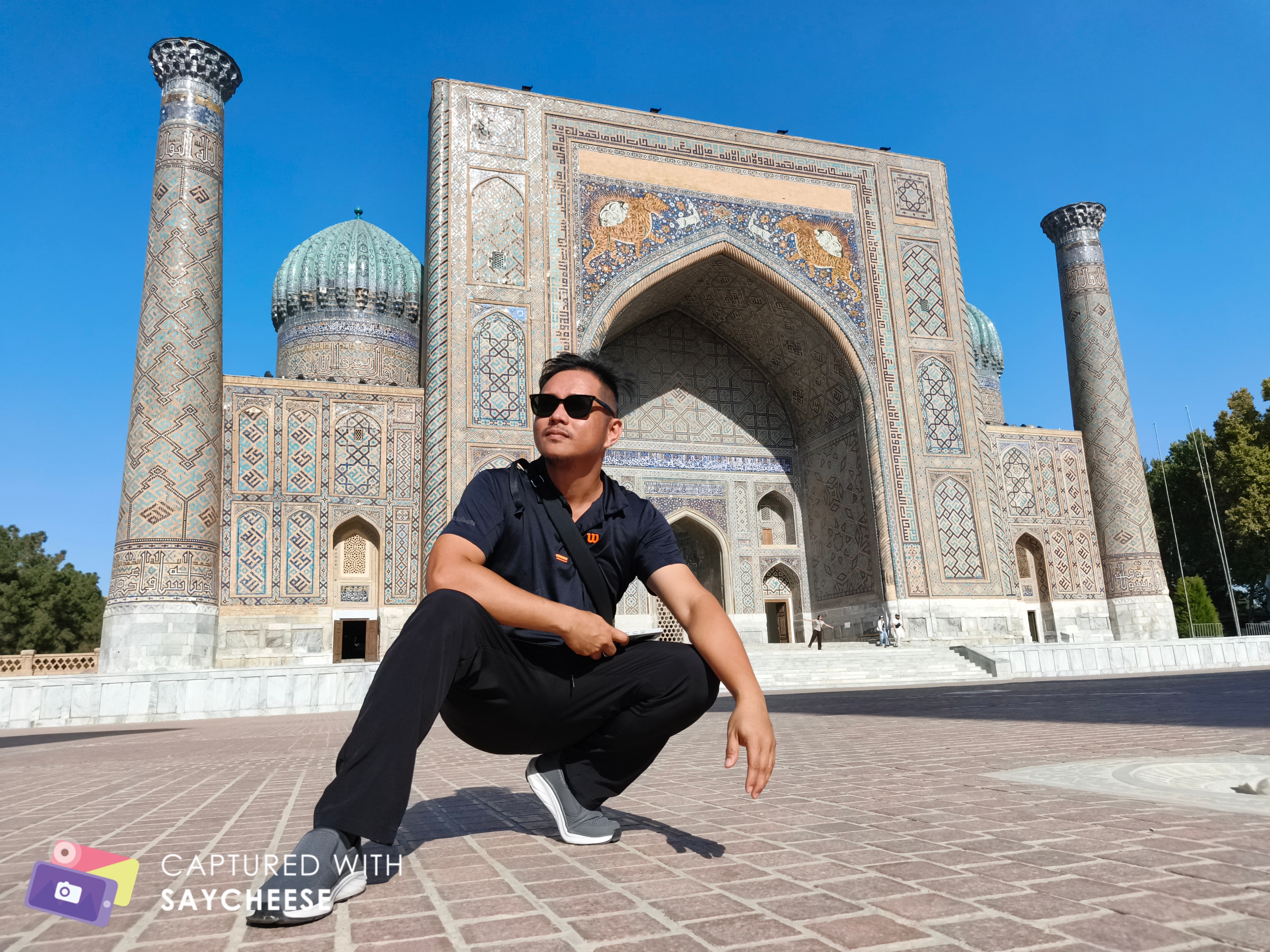
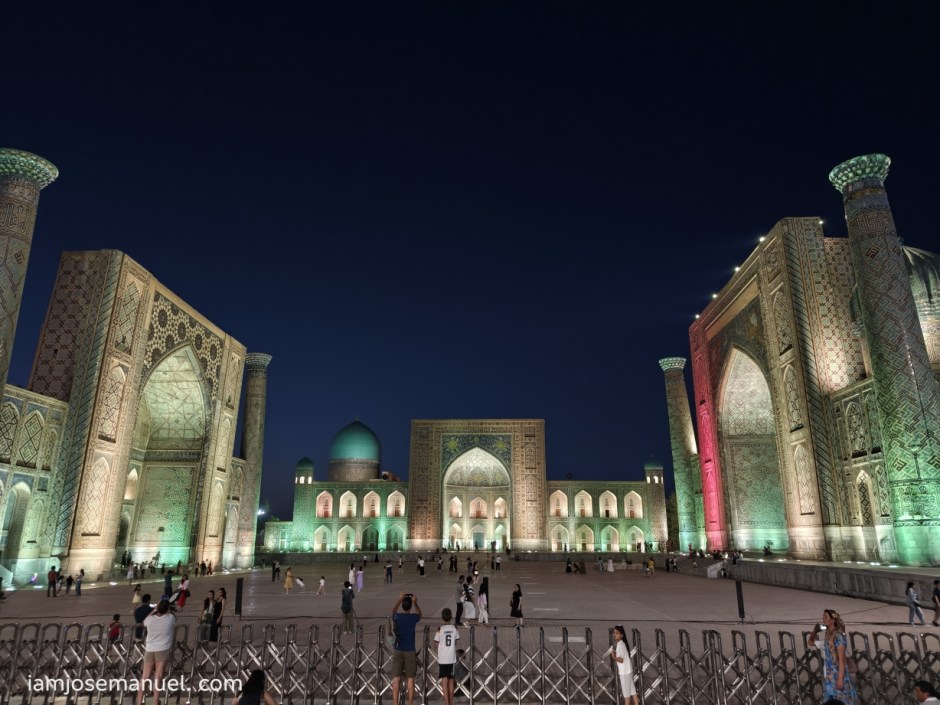
The most famous historic site in Samarkand is definitely the Registan Square, which has served the city since the 14th century. The square served as the seat of governance and the center for learning. The three towering buildings are “Madrasas” or can be considered as schools of the ancient times. The square at the center served as the place for community gathering and announcements, and is still being used today for the same function.

The Registan Square of Samarkand
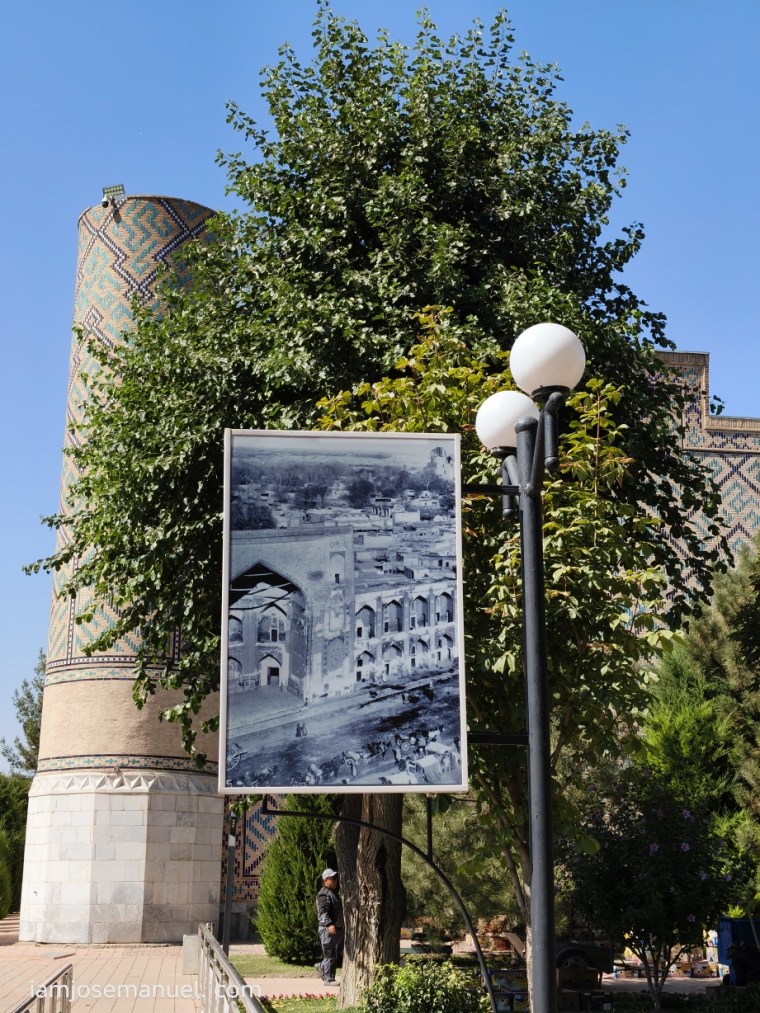
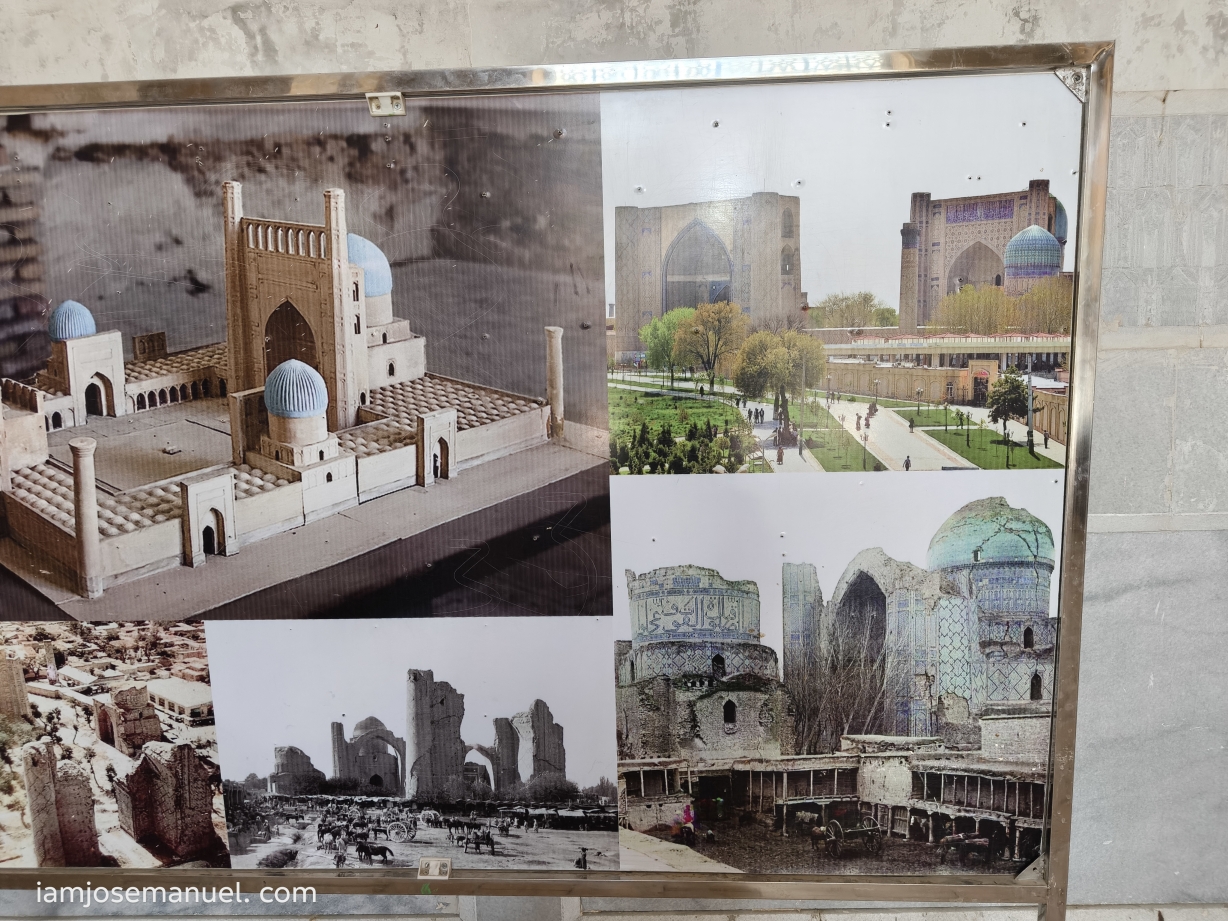
This photo shows the condition of the madrasa’s facade from the early 20th Century, prior to restorations.
This is the Madrasa that we see today. Fully Restored.

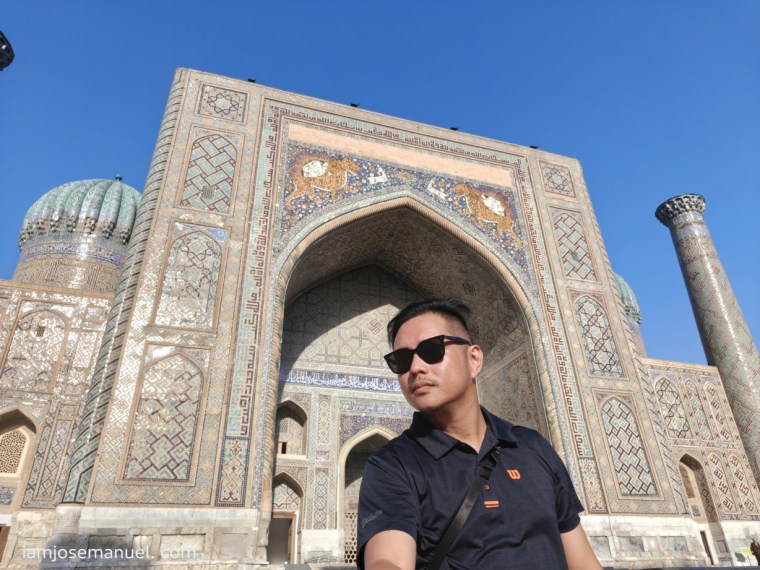
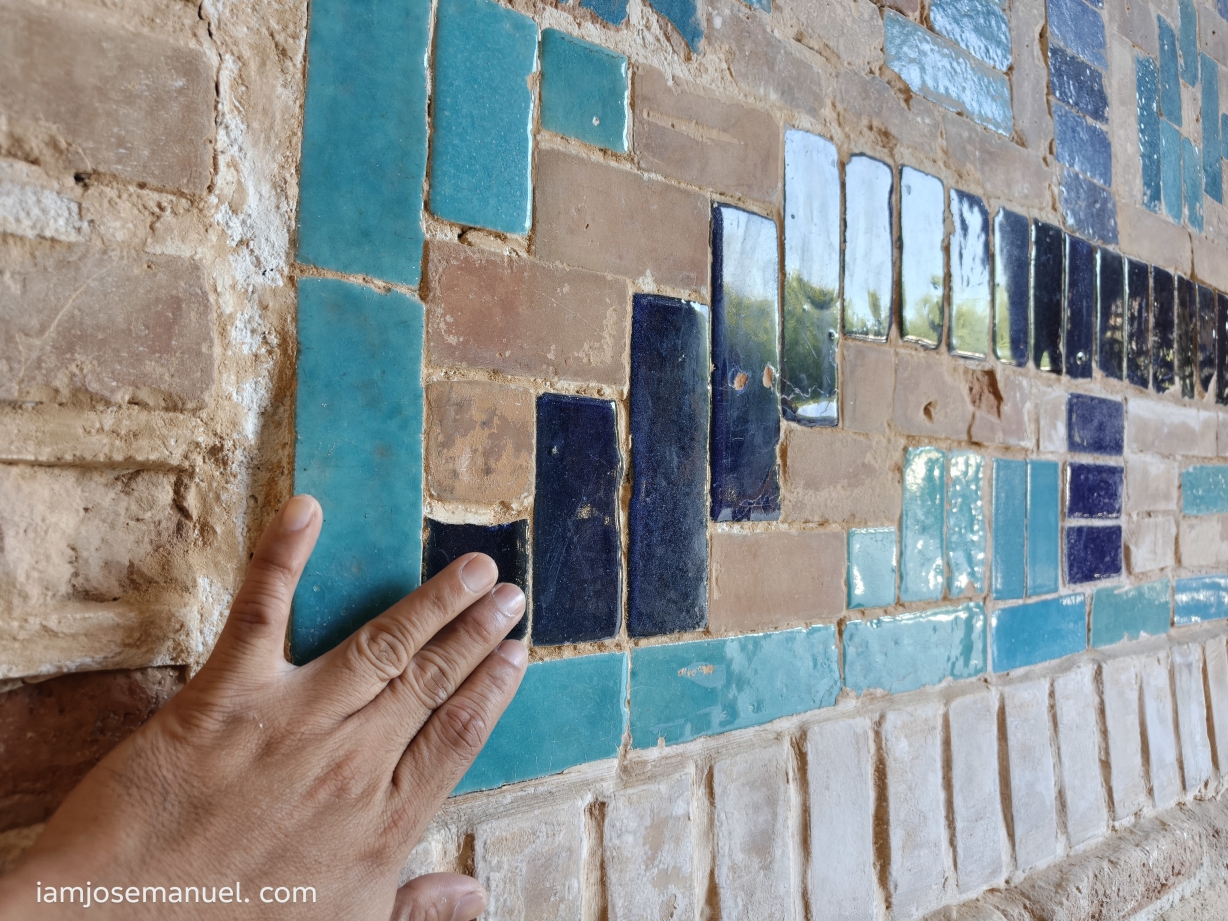
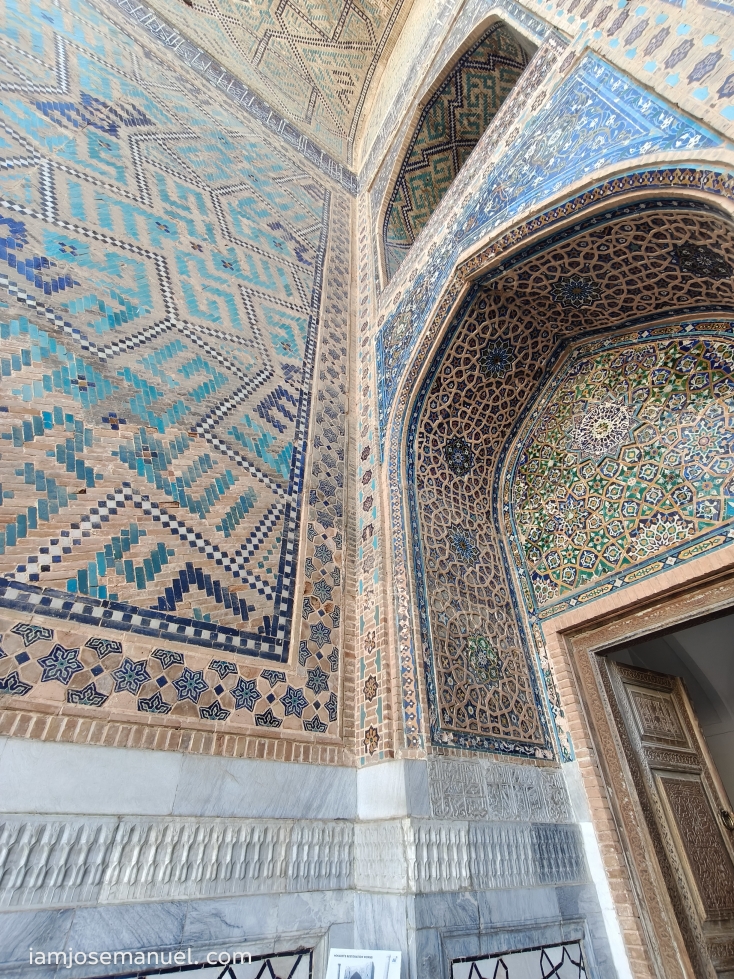
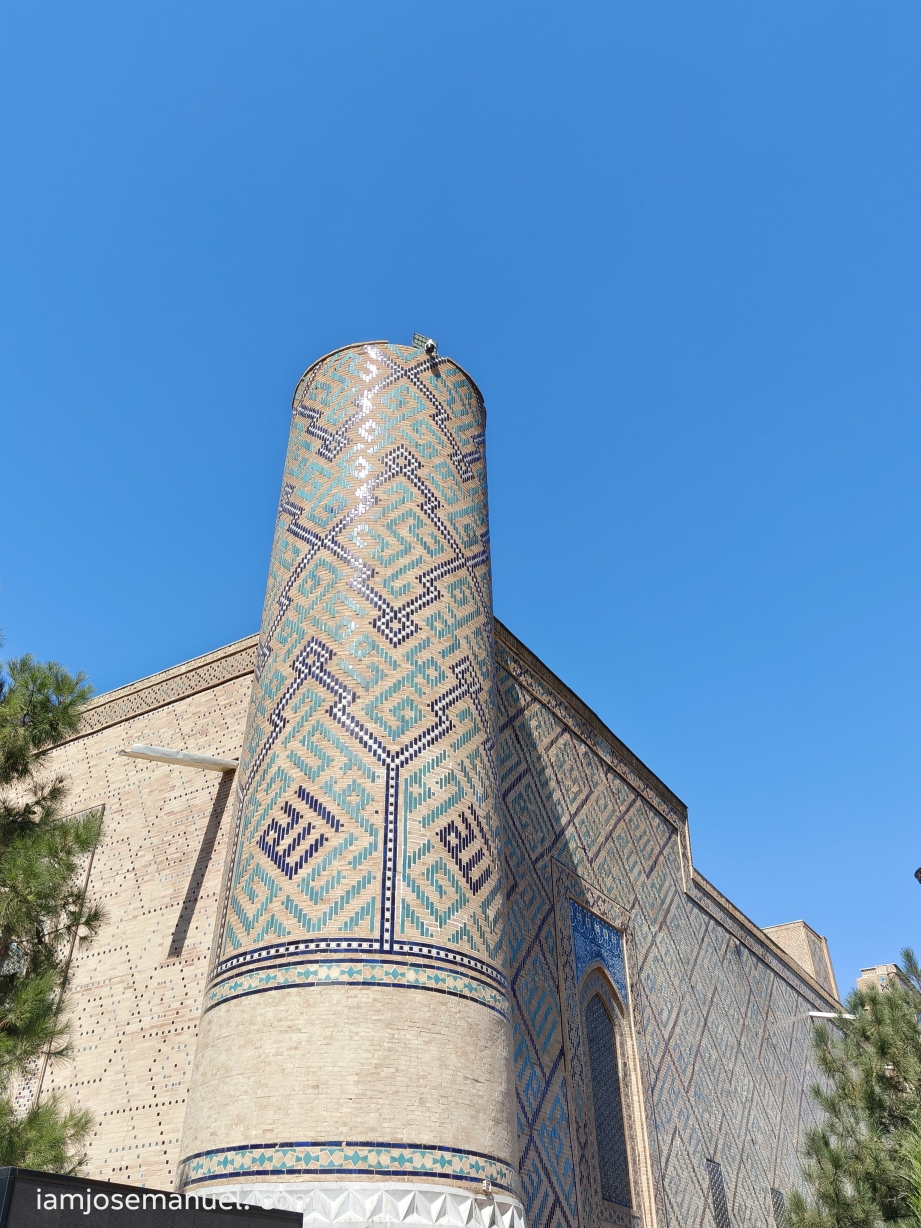
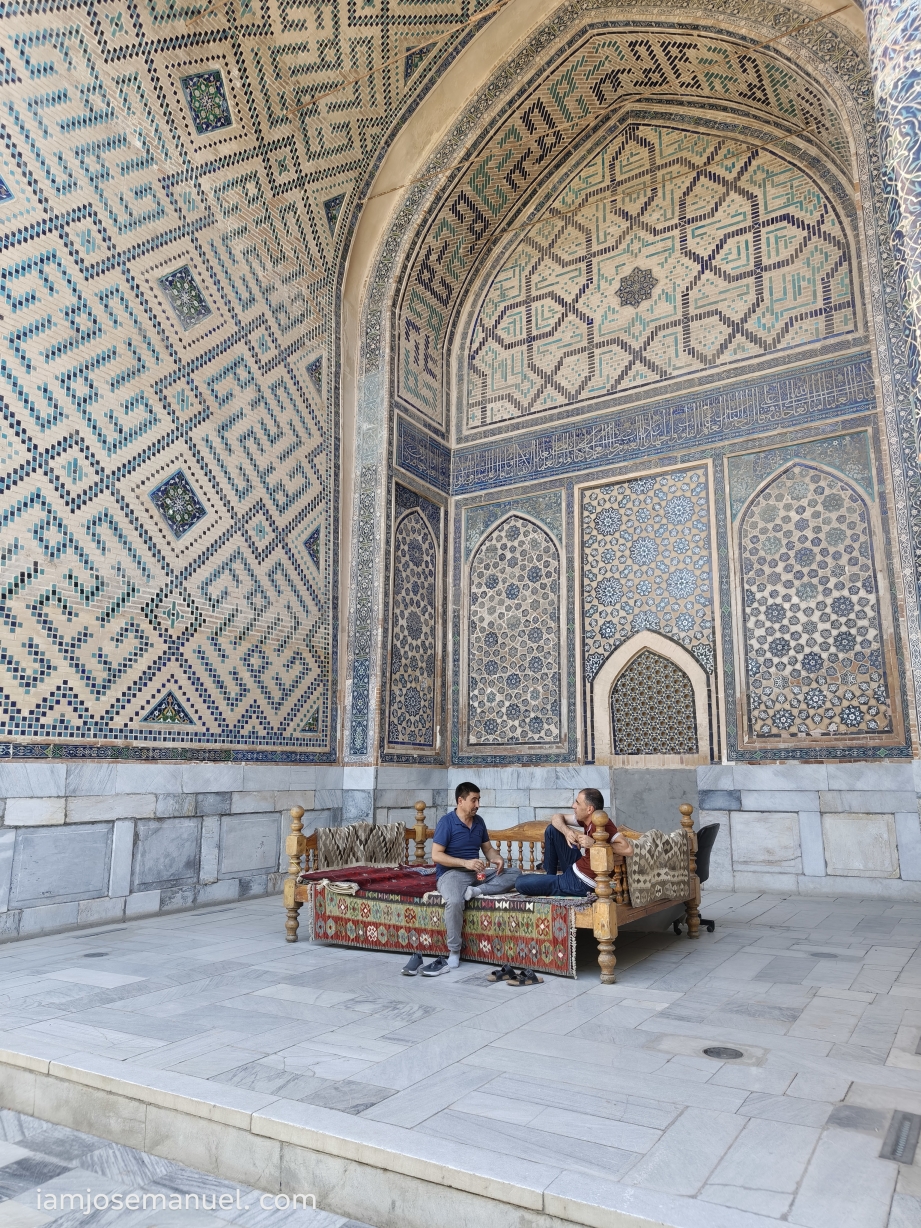
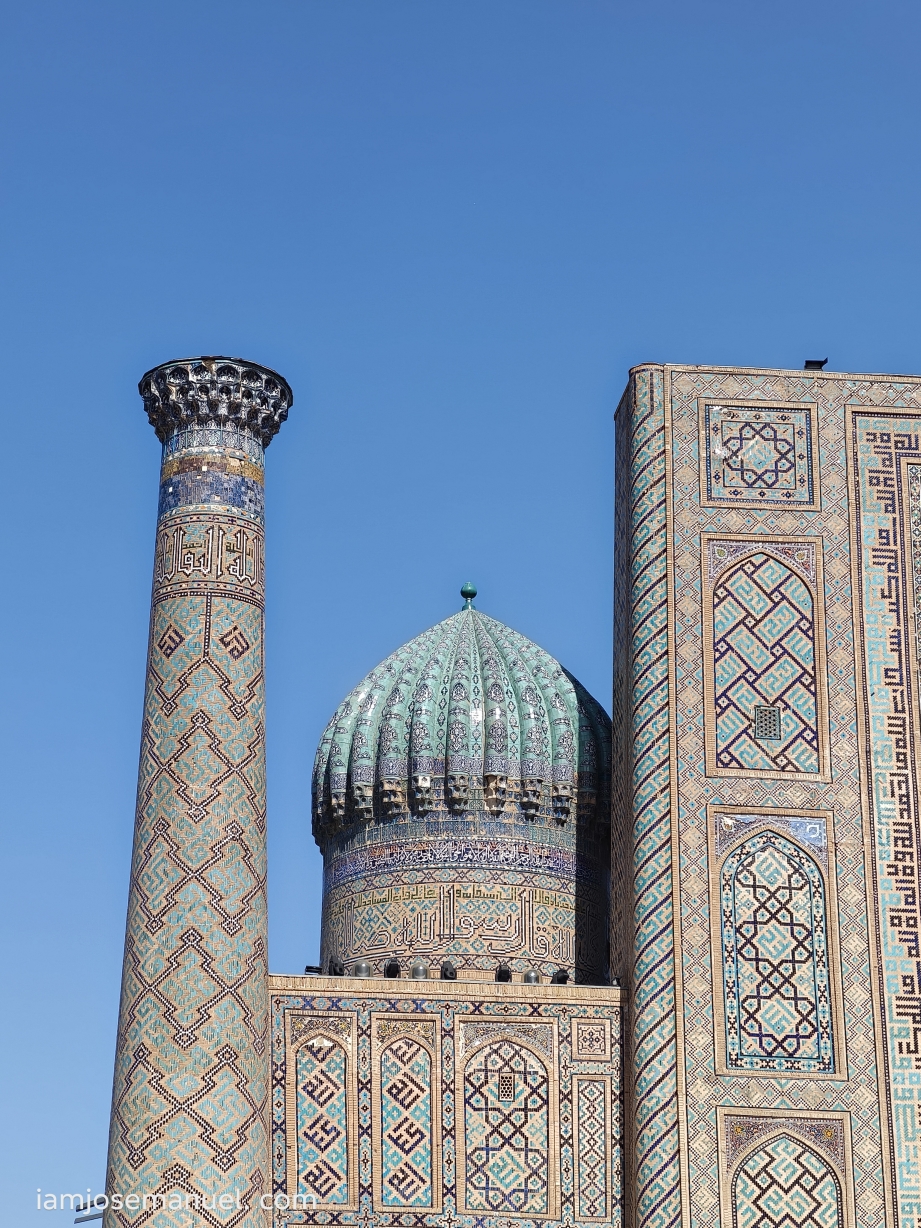
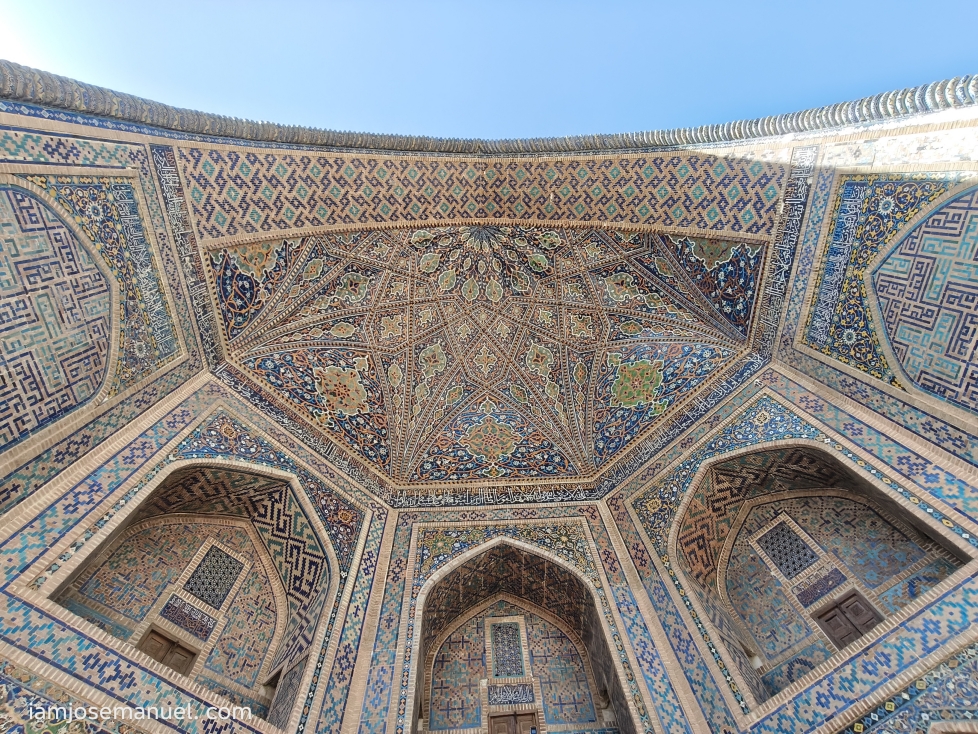
Notice the intricate mosaic tile works done on the Madrasa’s facade. The Ceramic/glazed blue tiles are arranged in an alternating pattern with matte/colorless pieces to achieve a glimmering effect. Truly a work of art. Islamic Architecture in full glory.

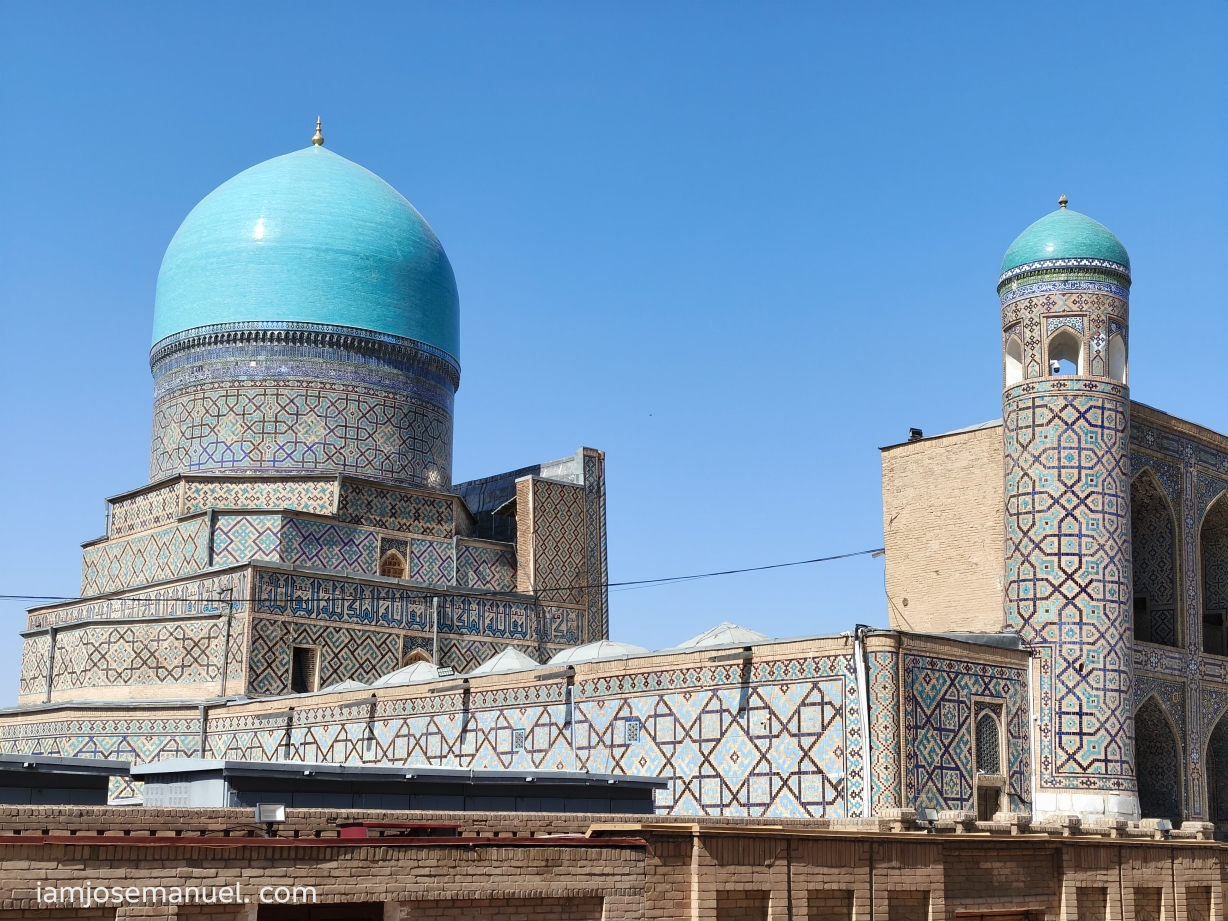
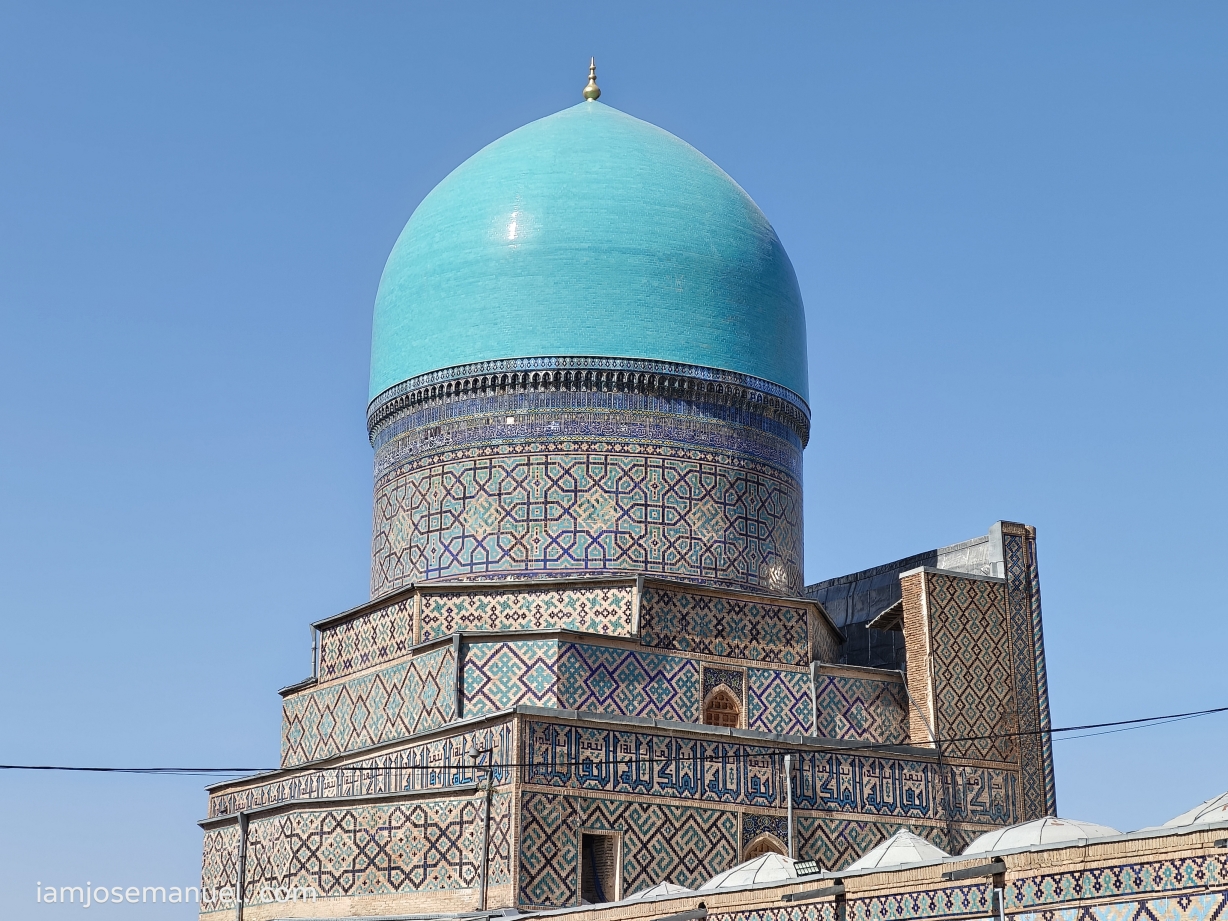
The turquoise-blue colored Domes define Uzbekistan’s famous Islamic architecture, representing heaven, infinity, and peace. These Madrasas today serves as museums for ancient islamic documentations as well as artifacts, gold, bronze and chinaware from the time of the Silk Road.

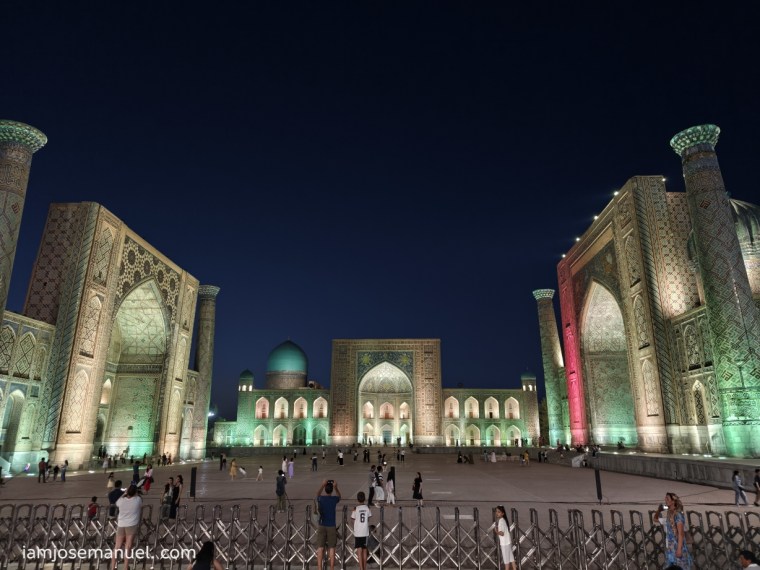
The registan square illuminates beautifully at night. There is also a light show at around 8:30 PM every night.

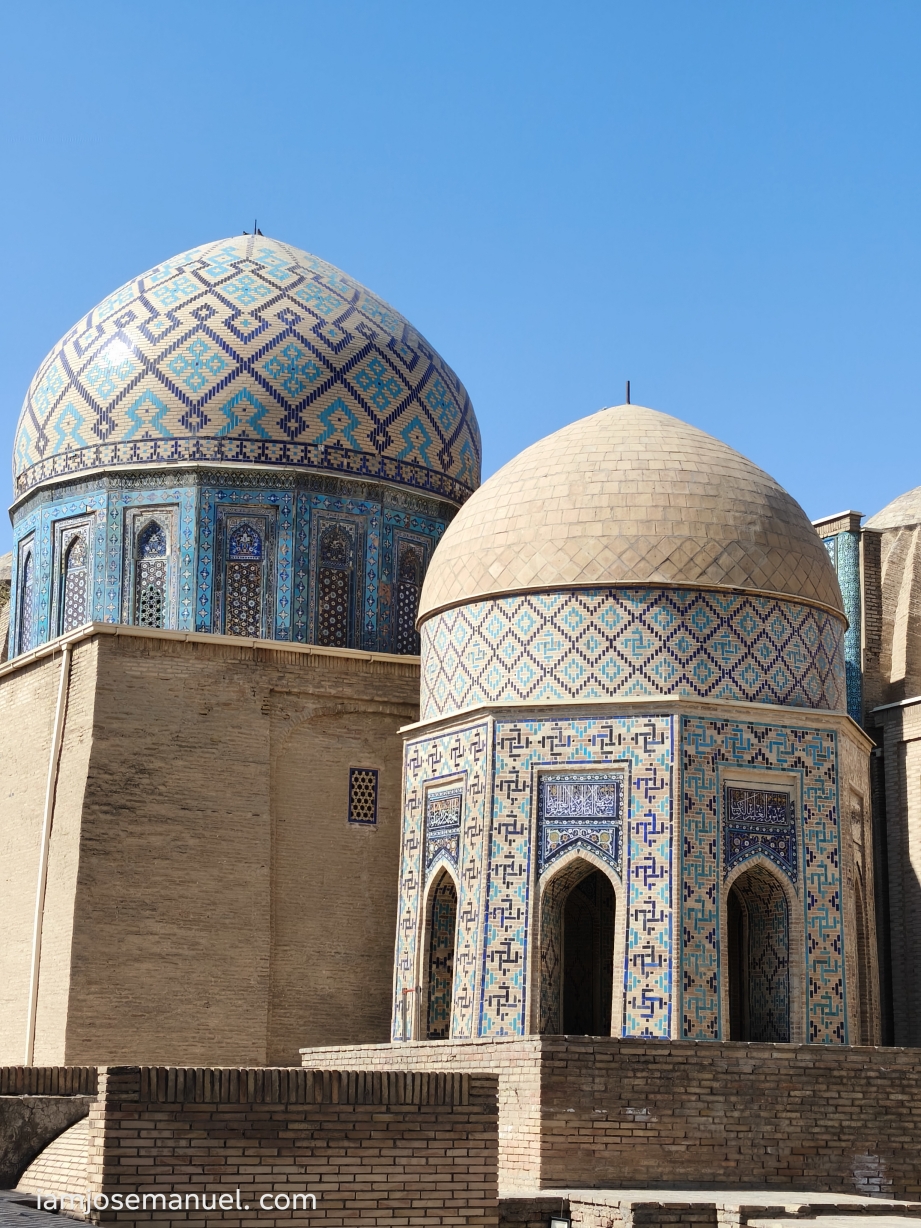
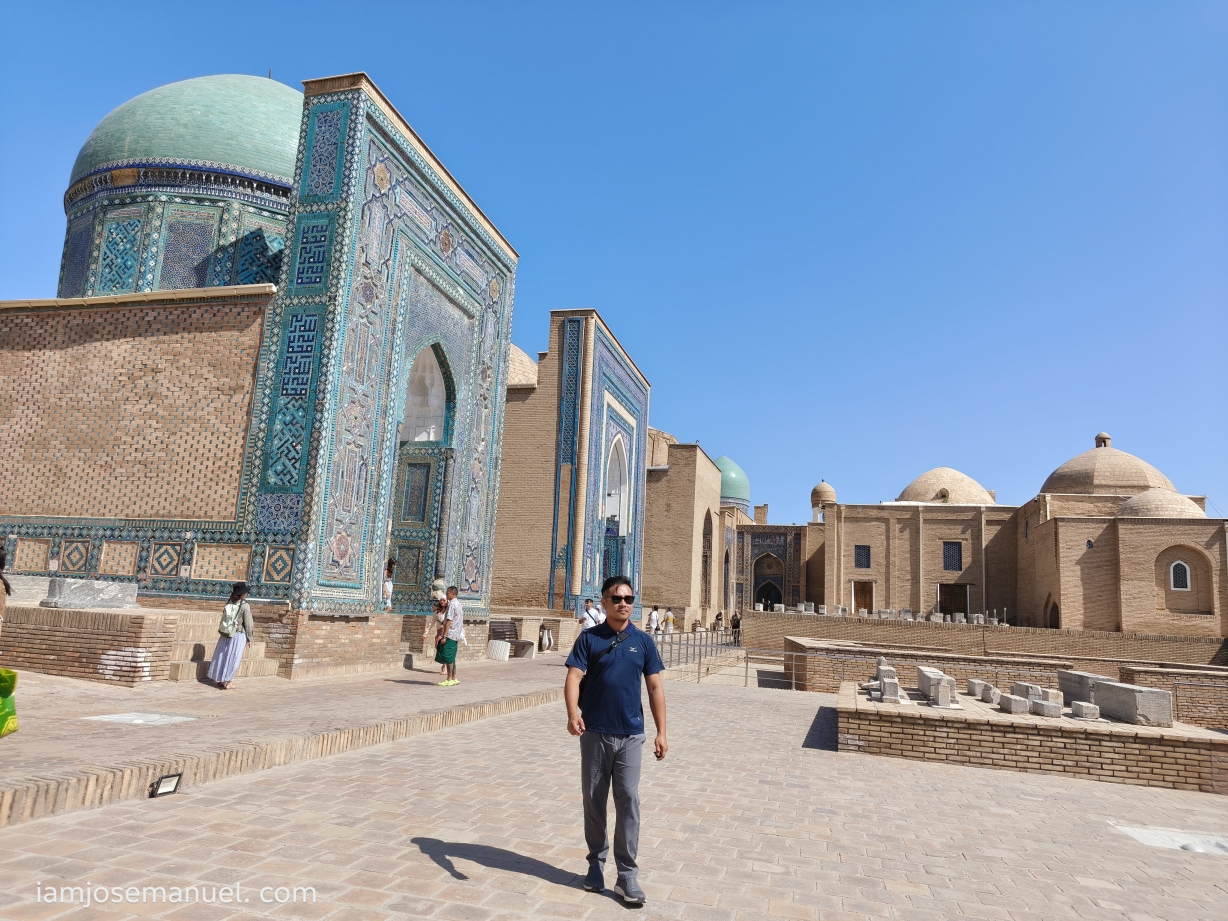
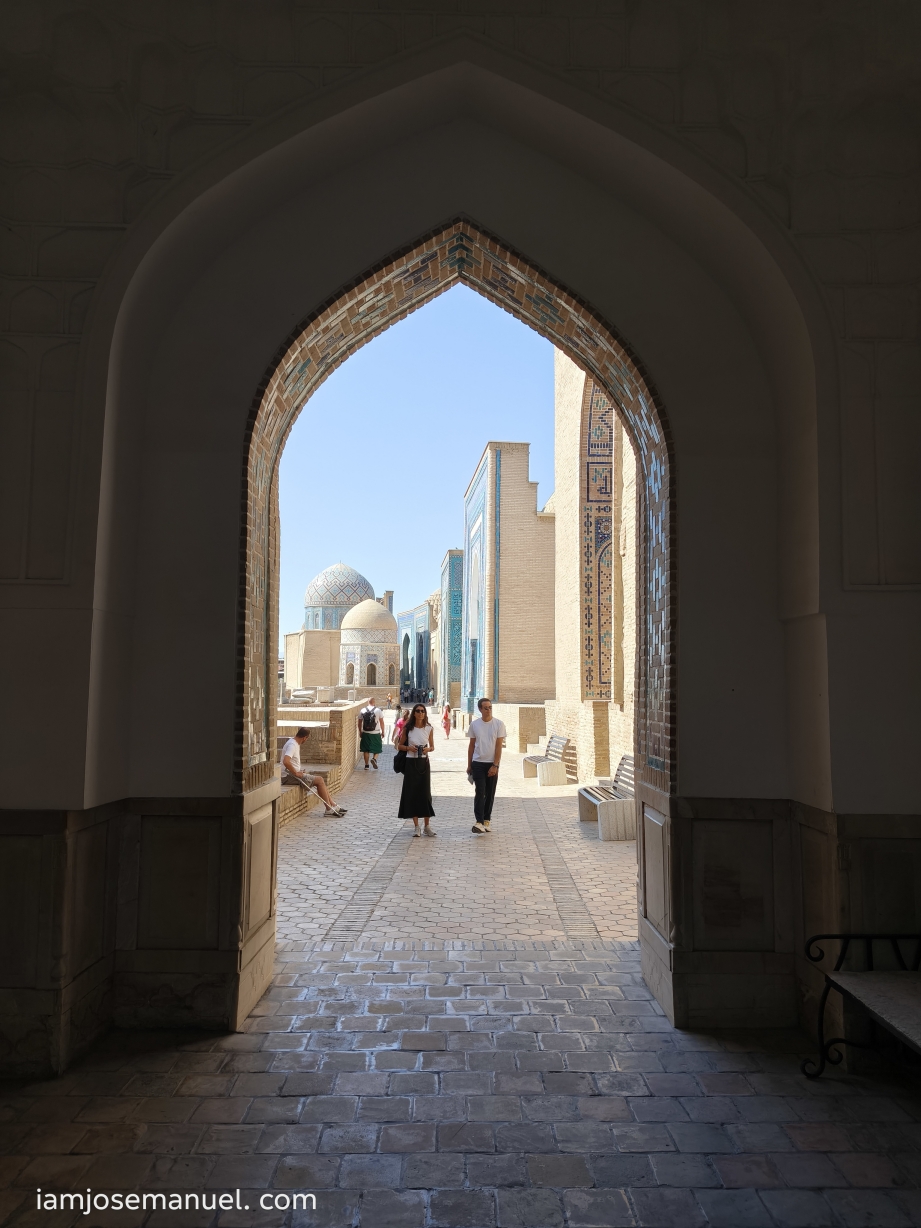
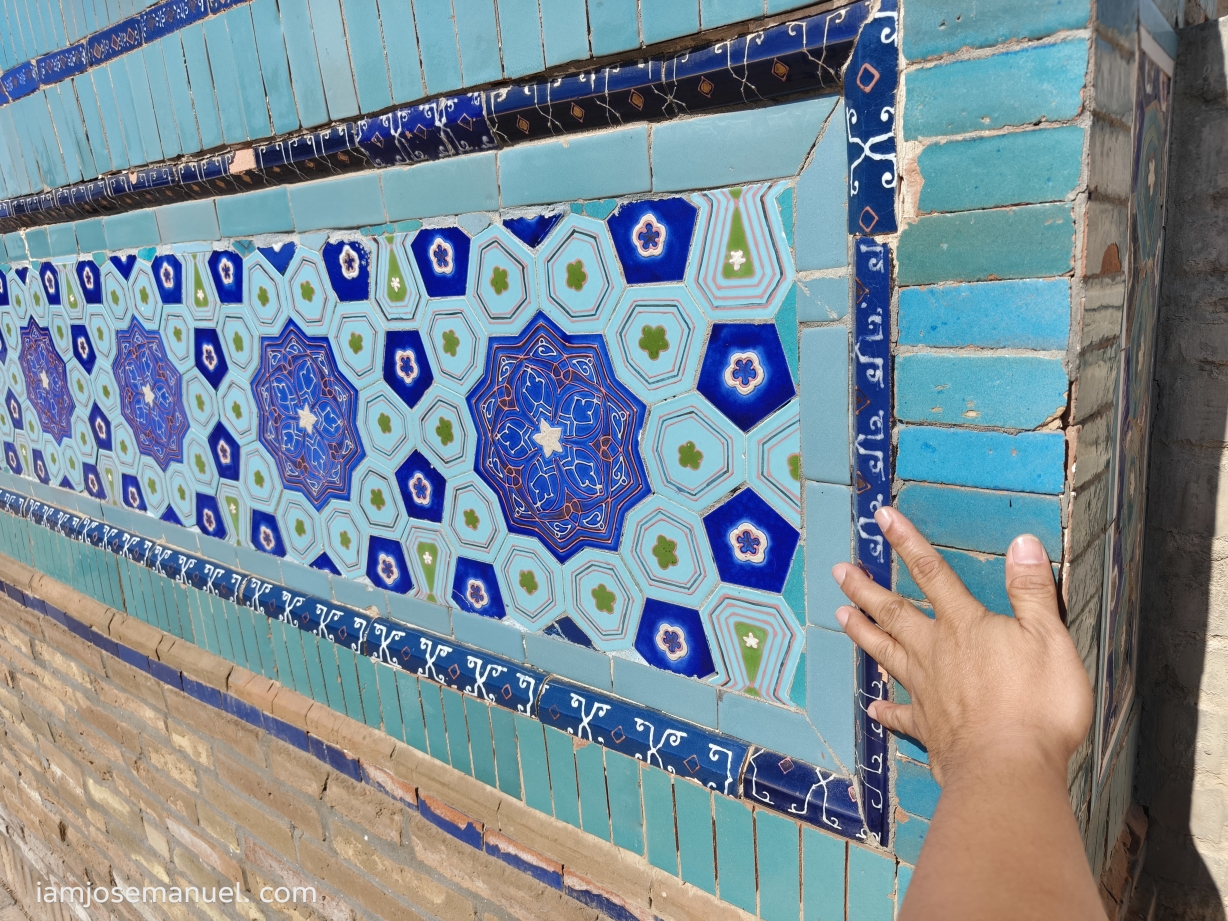
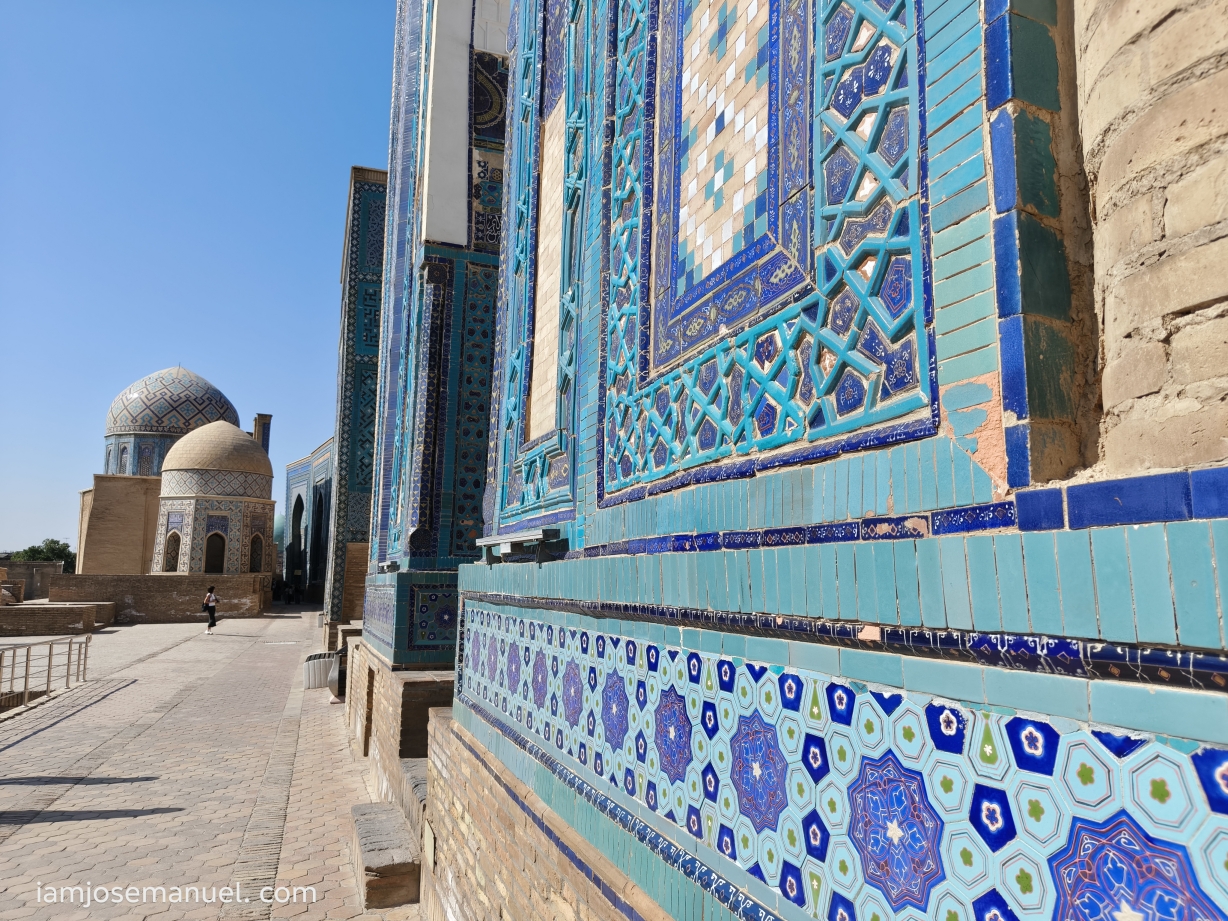
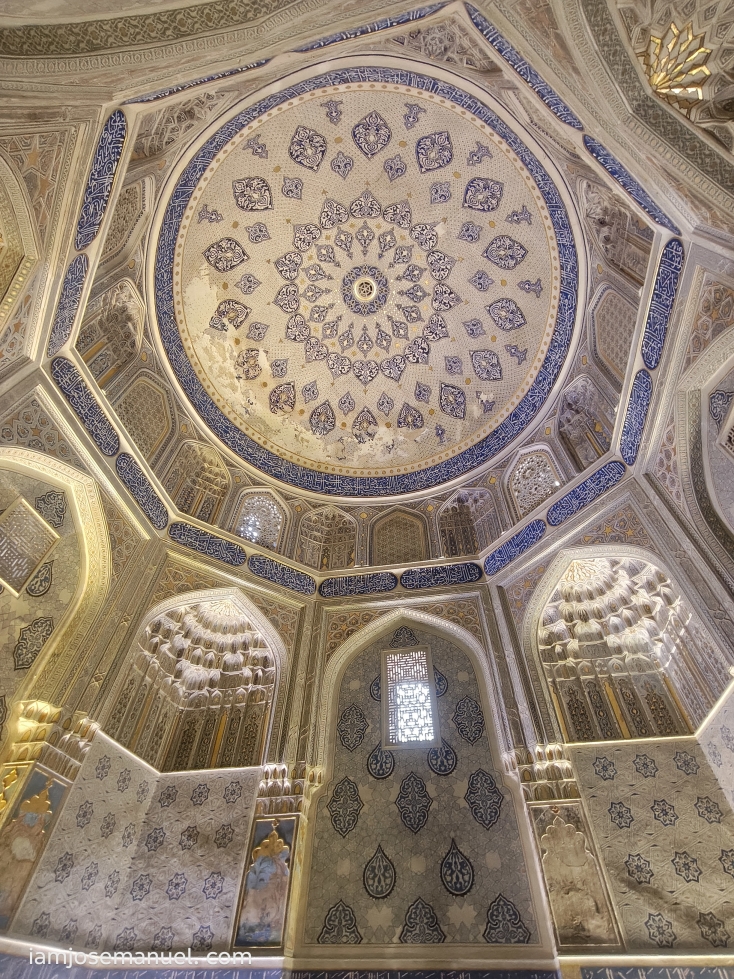
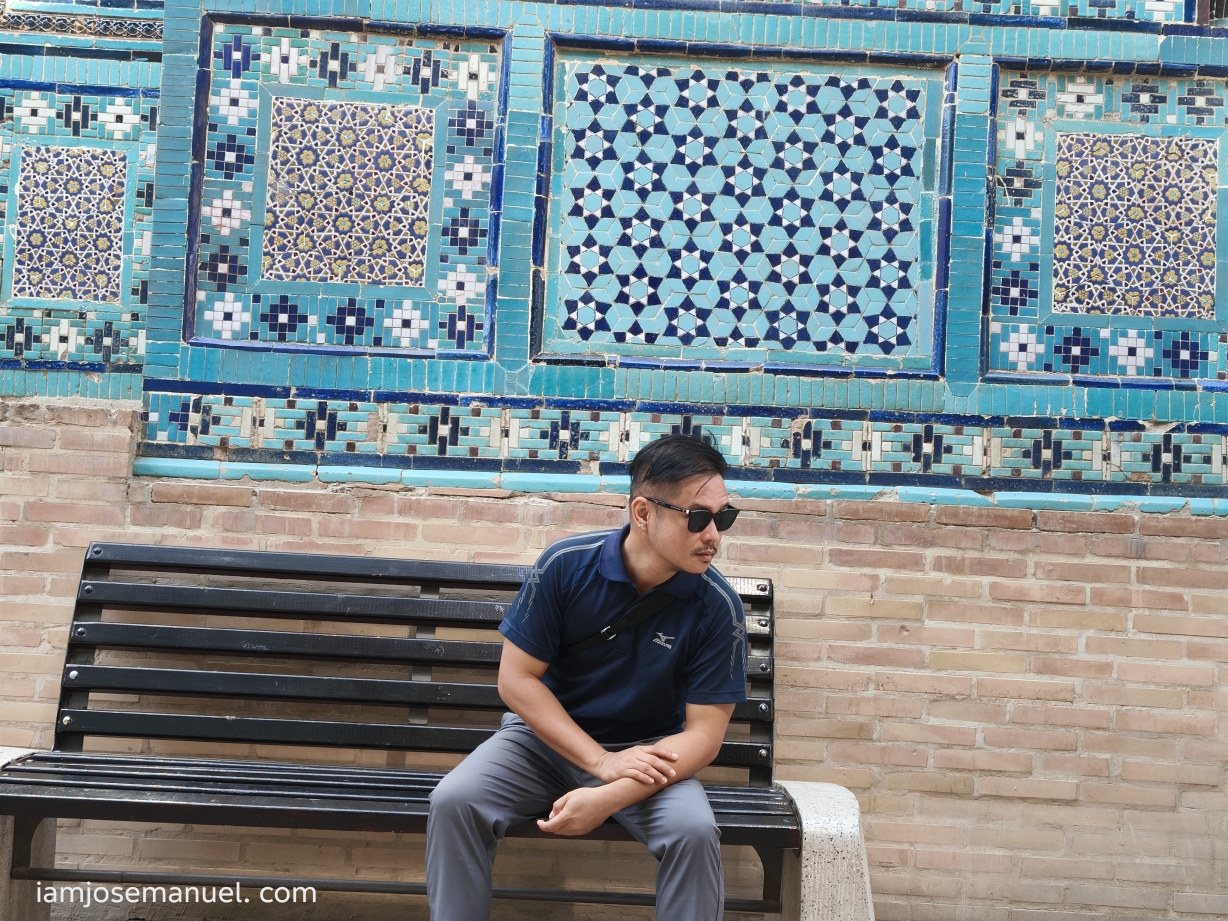
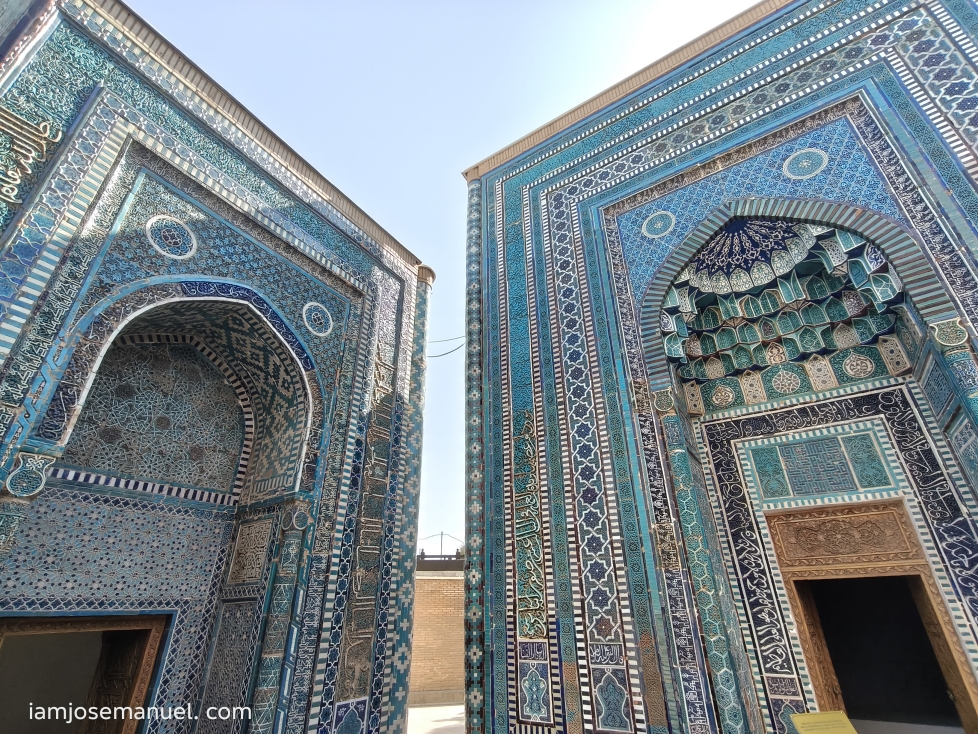
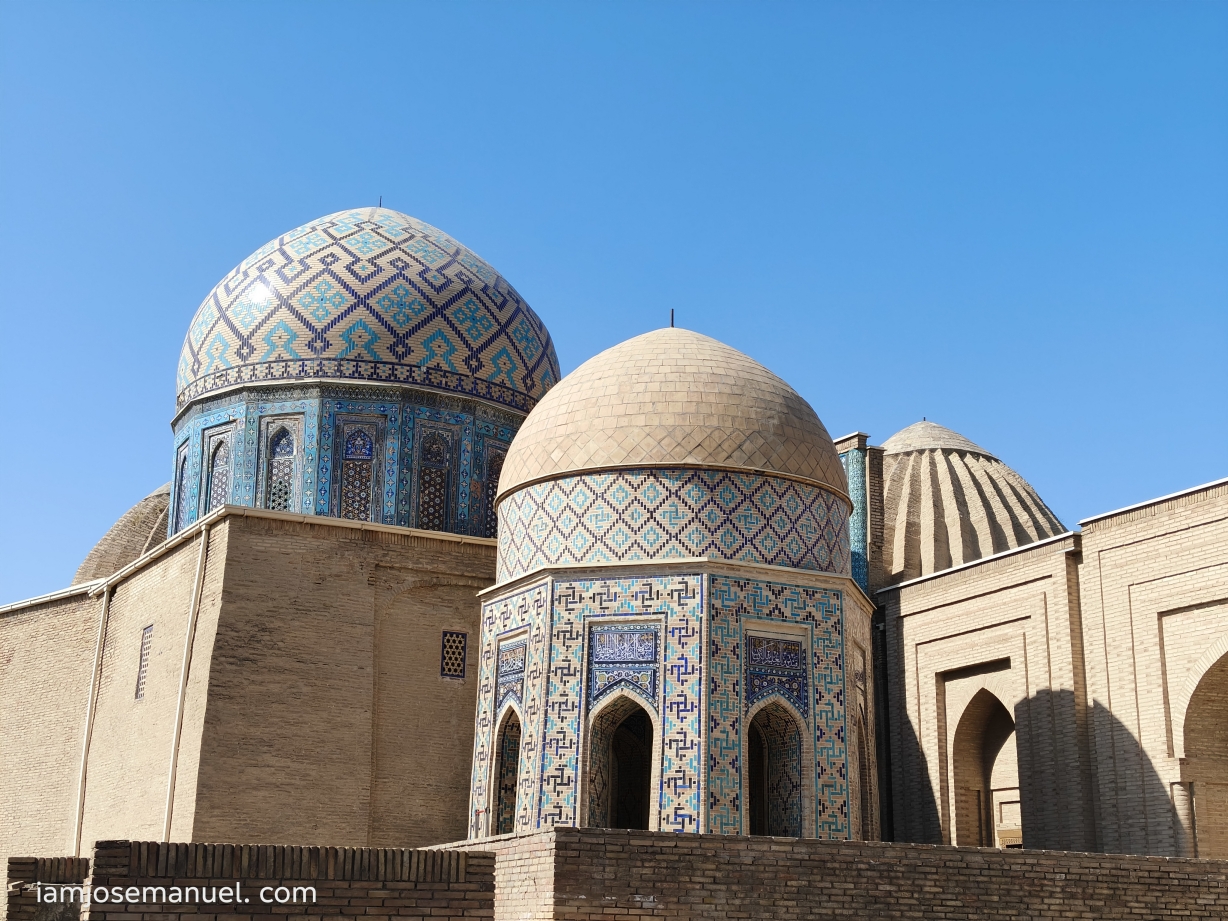
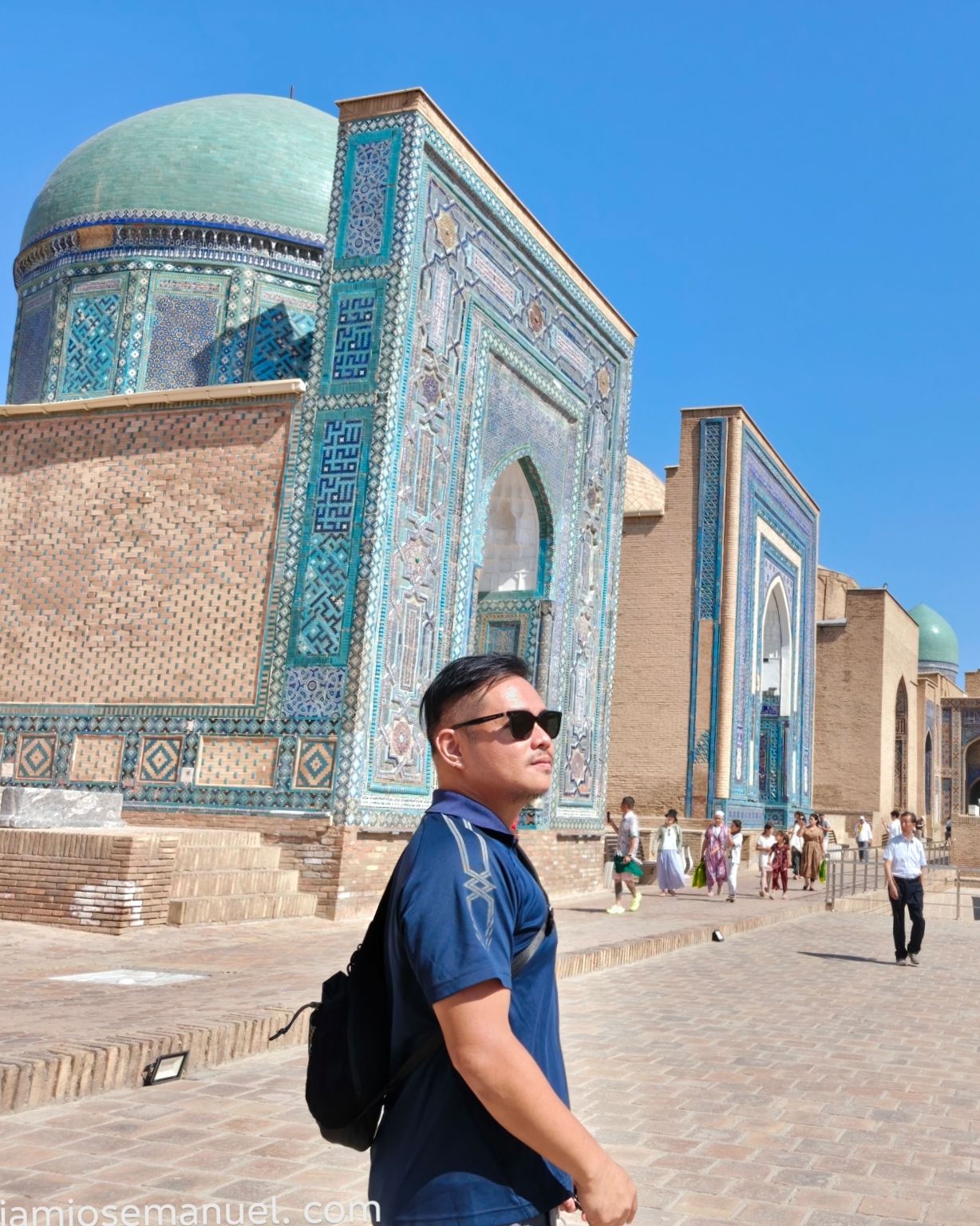
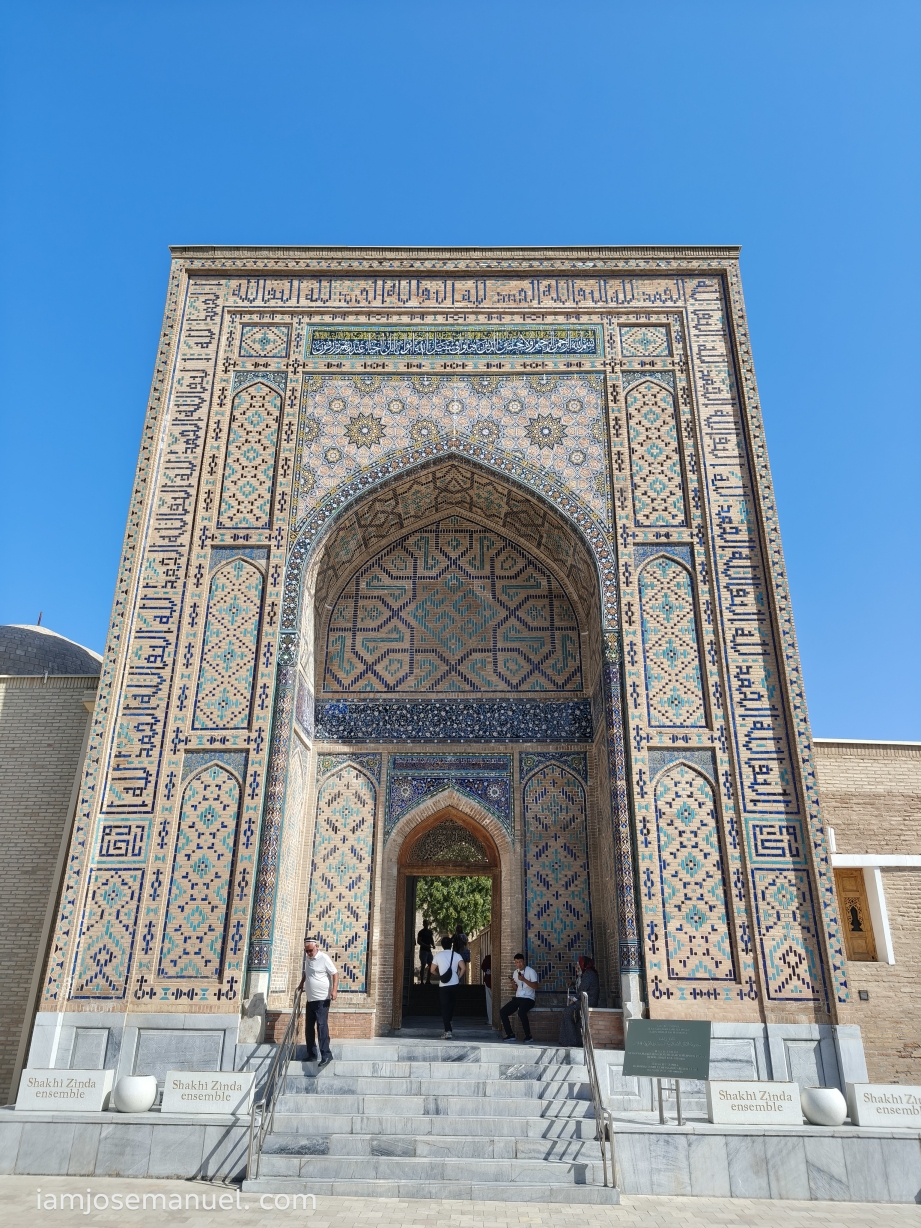
Shah-i-Zinda is a historic necropolis/mausoleum complex and pilgrimage site in Samarkand, known for its striking avenue of brilliant blue mosaic tile facade and turquoise blue domes.

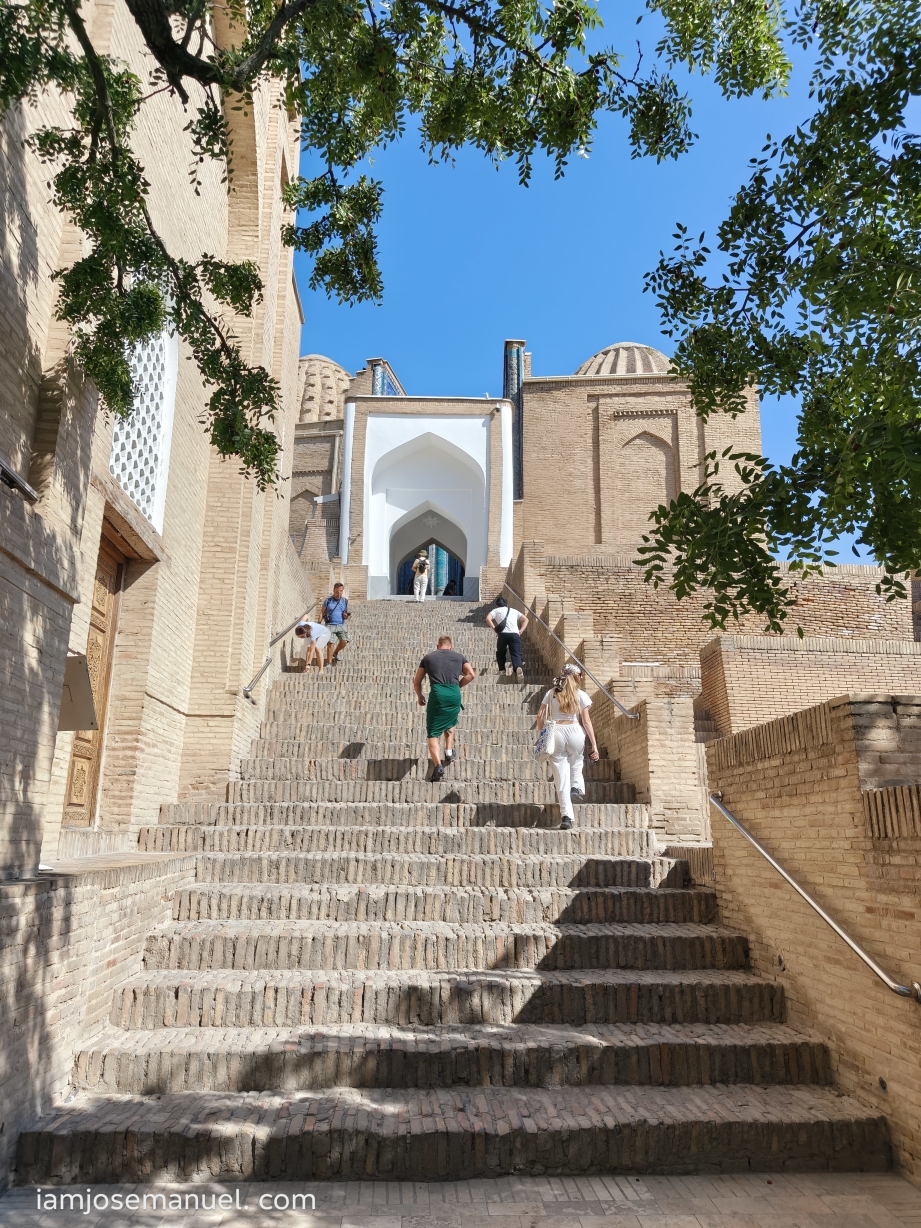
Walking through the corridors feels like travelling to ancient arabic times.

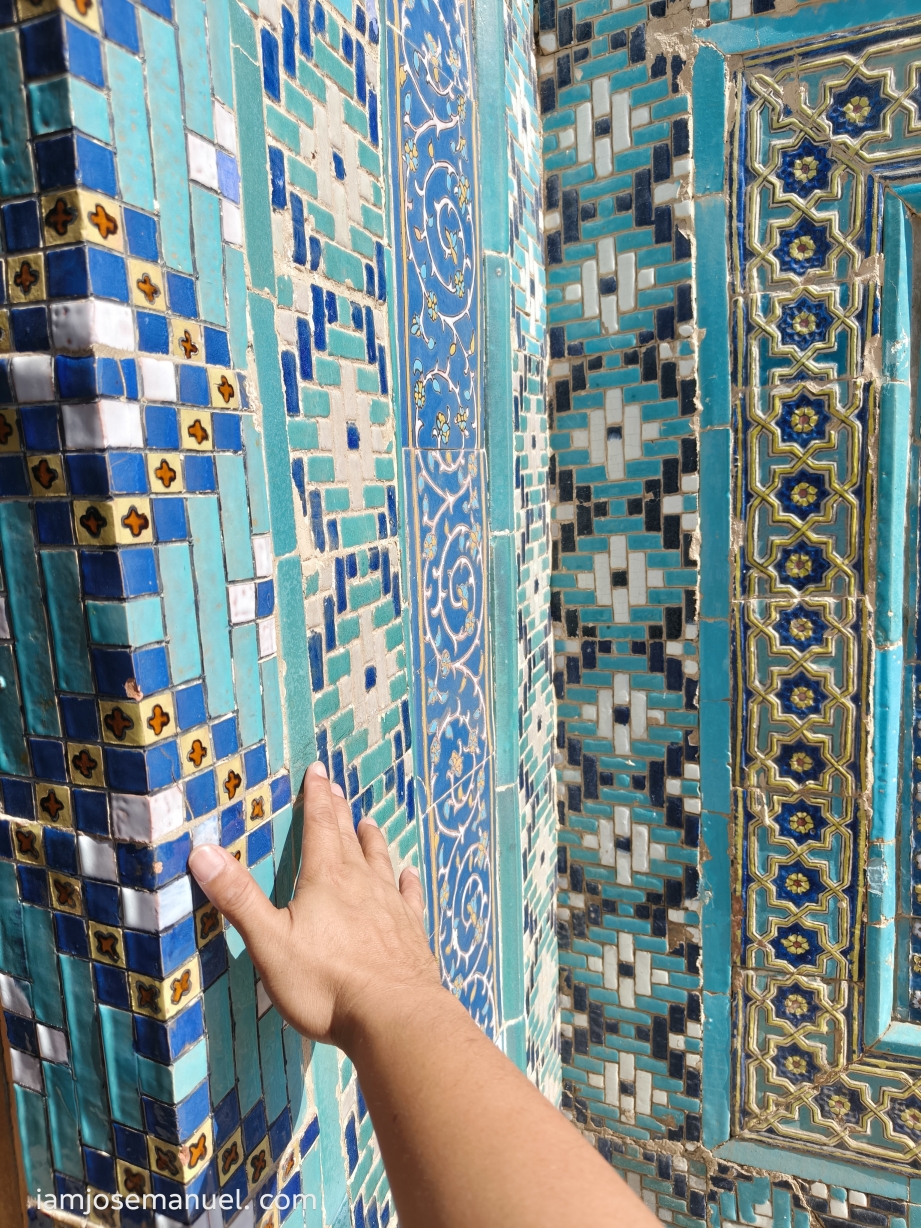
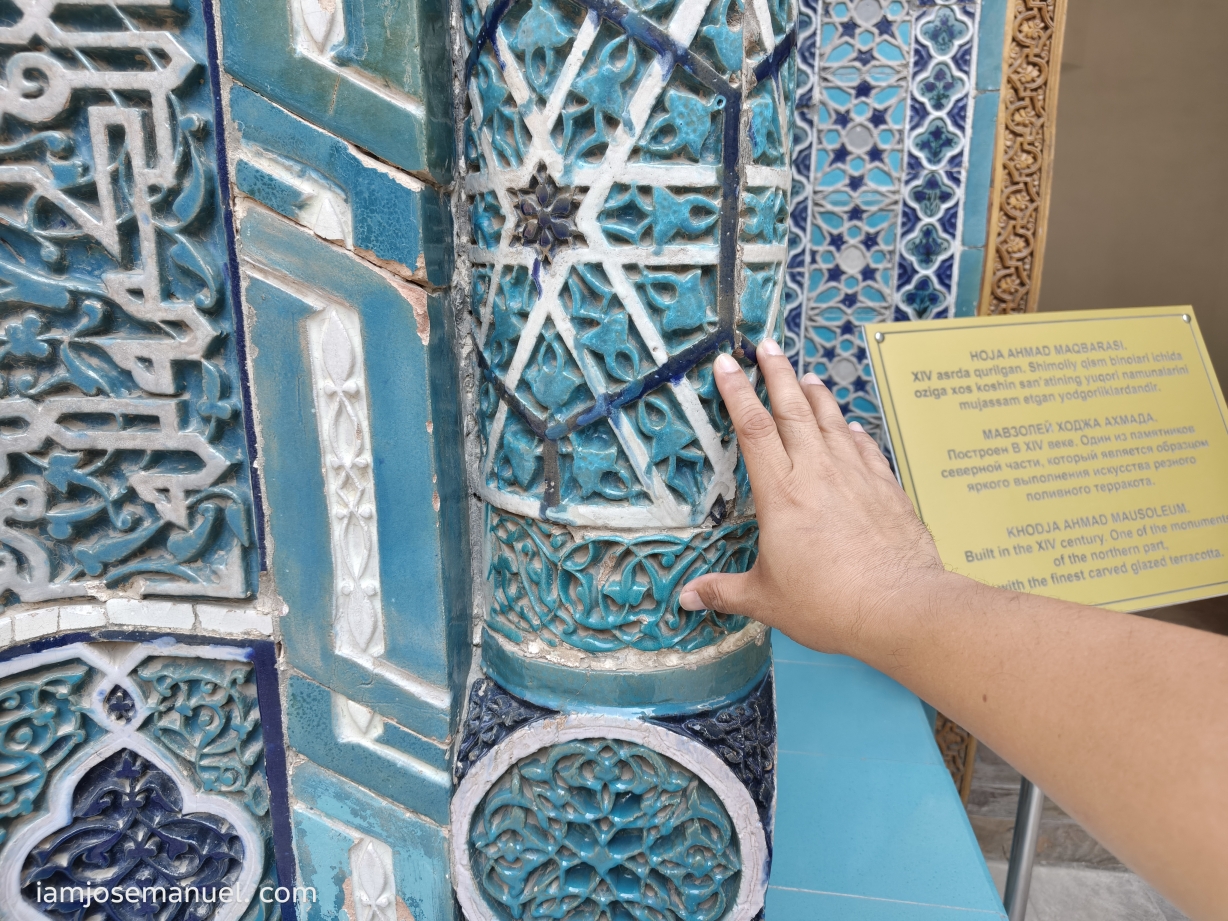
The detailed mosaic tile works of the mausoleums is worthy of all the praises. It was said that the Mongol conquerors of the 12th century has spared this complex from destruction, because they found it valuable and irreplaceable. some of the tile pieces are hand-carved individually.

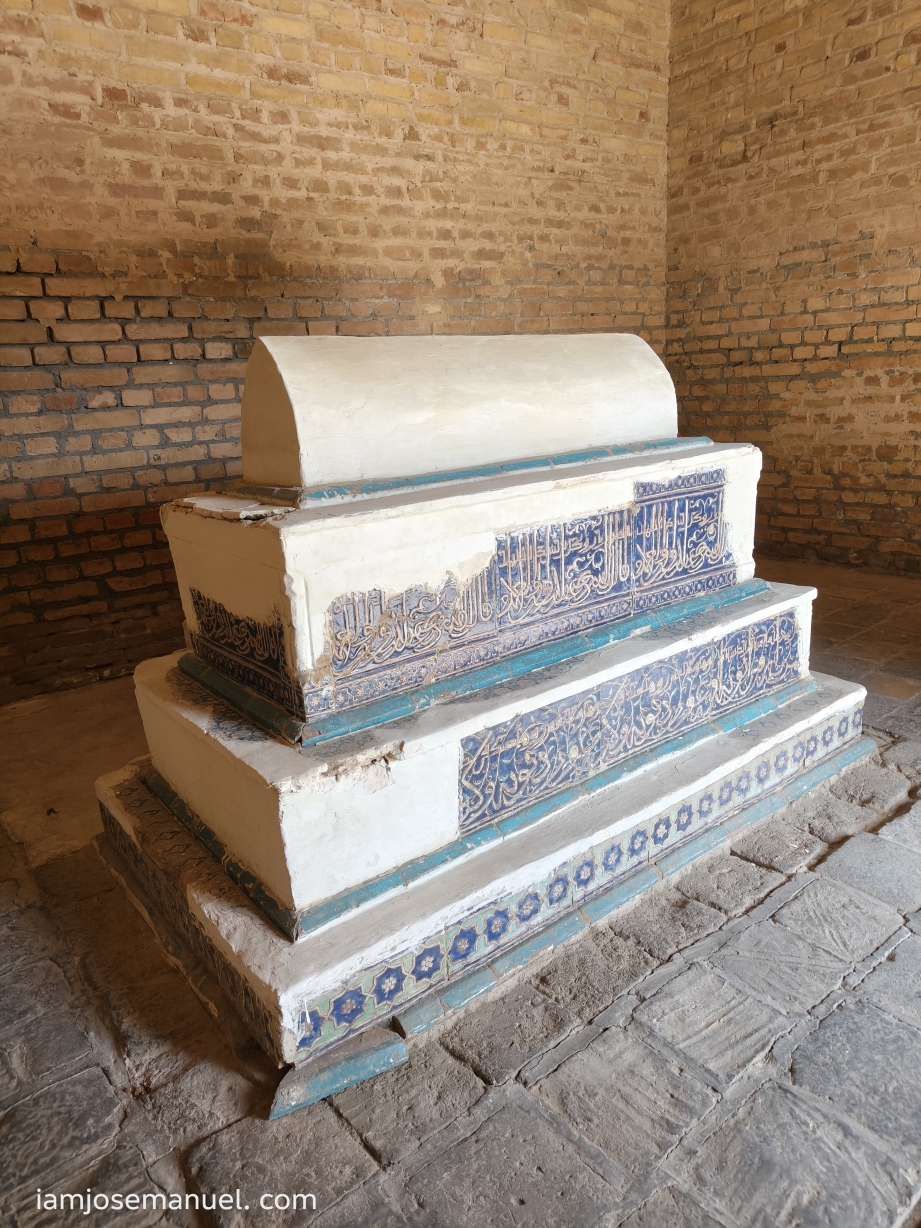
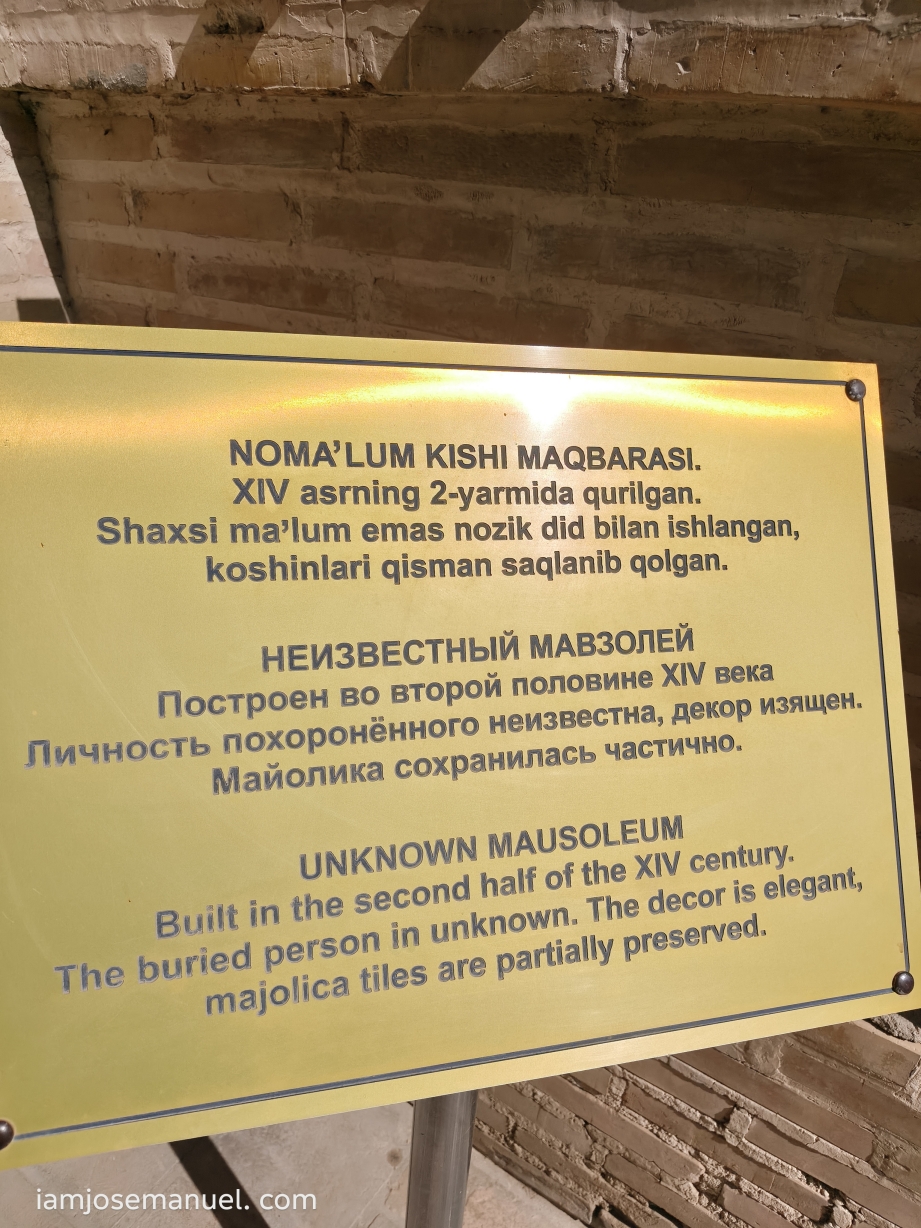
Many tombs in Shai Zinda belong to the nobility from as early as the 11th Century. Yes, actual people were buried here, and are still honored by their family lineage today.

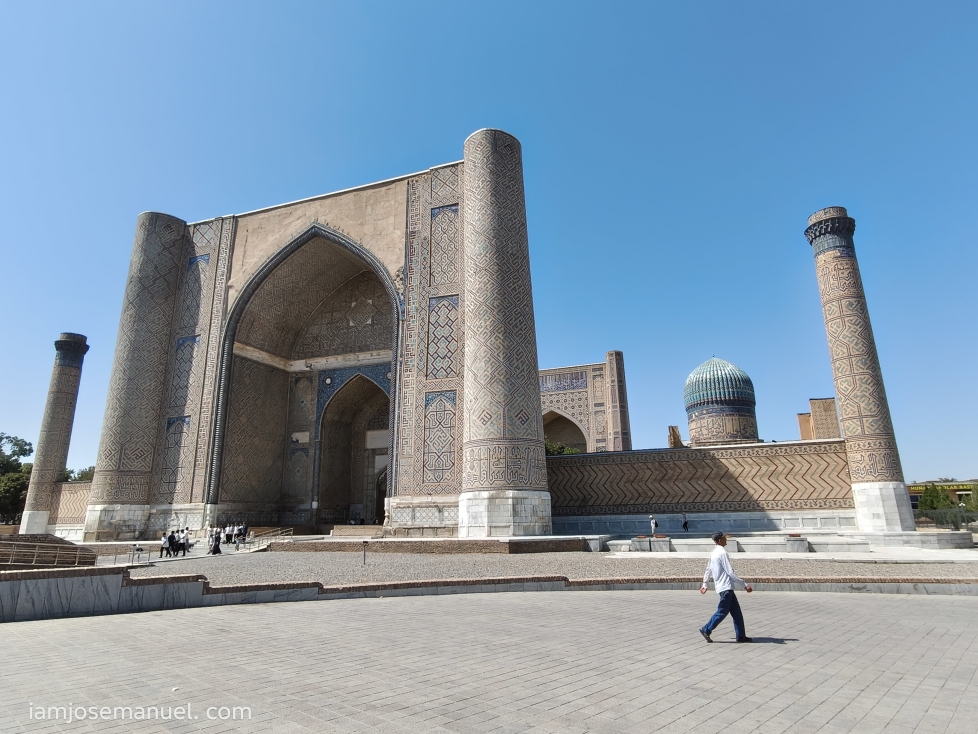
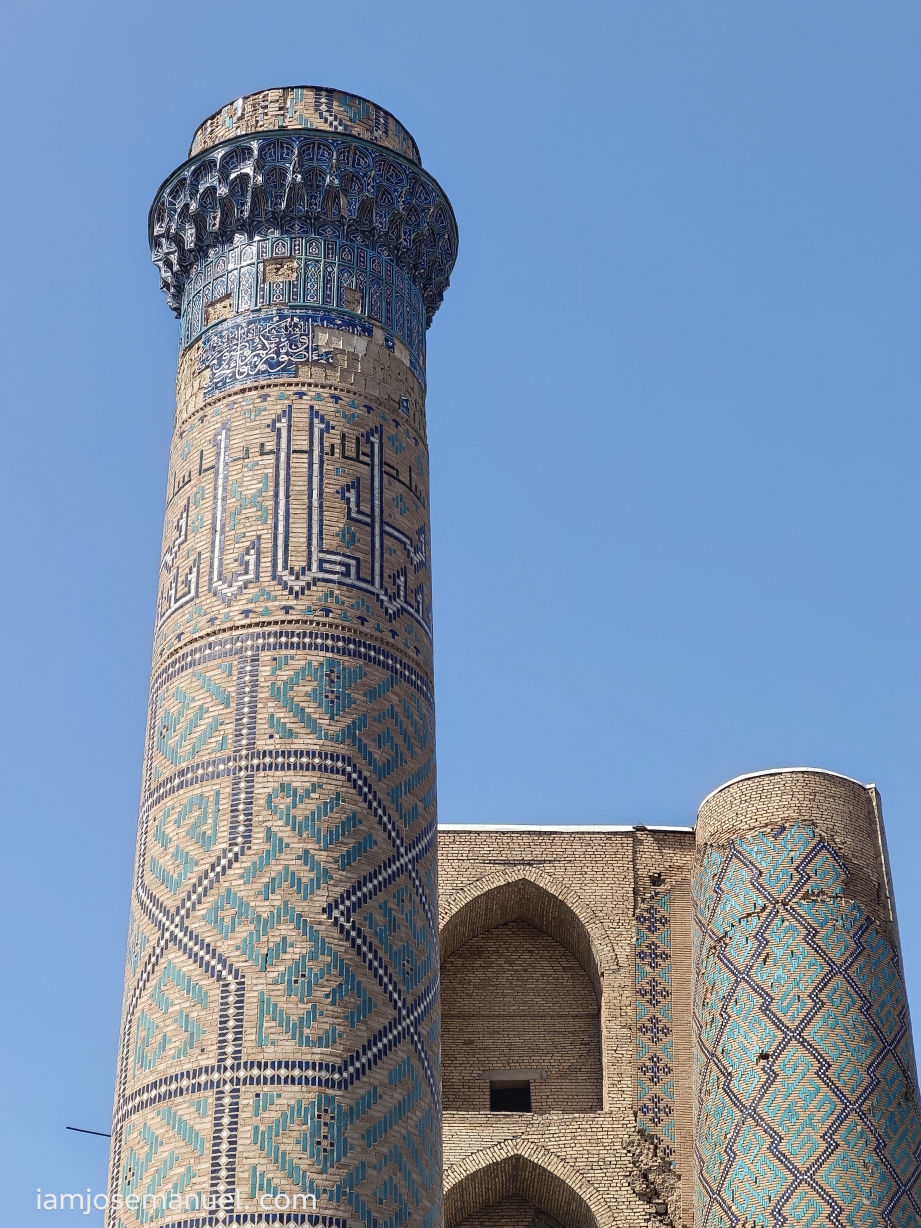
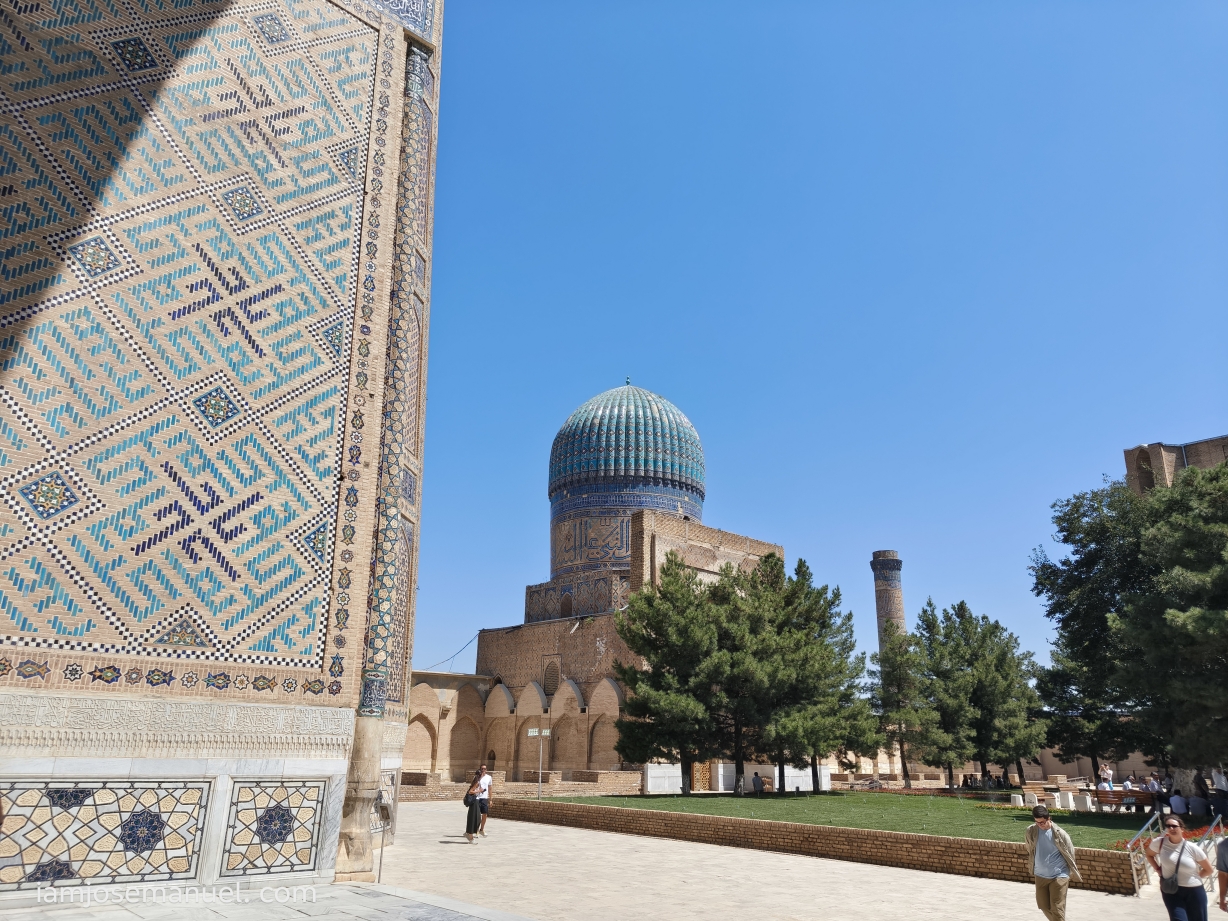
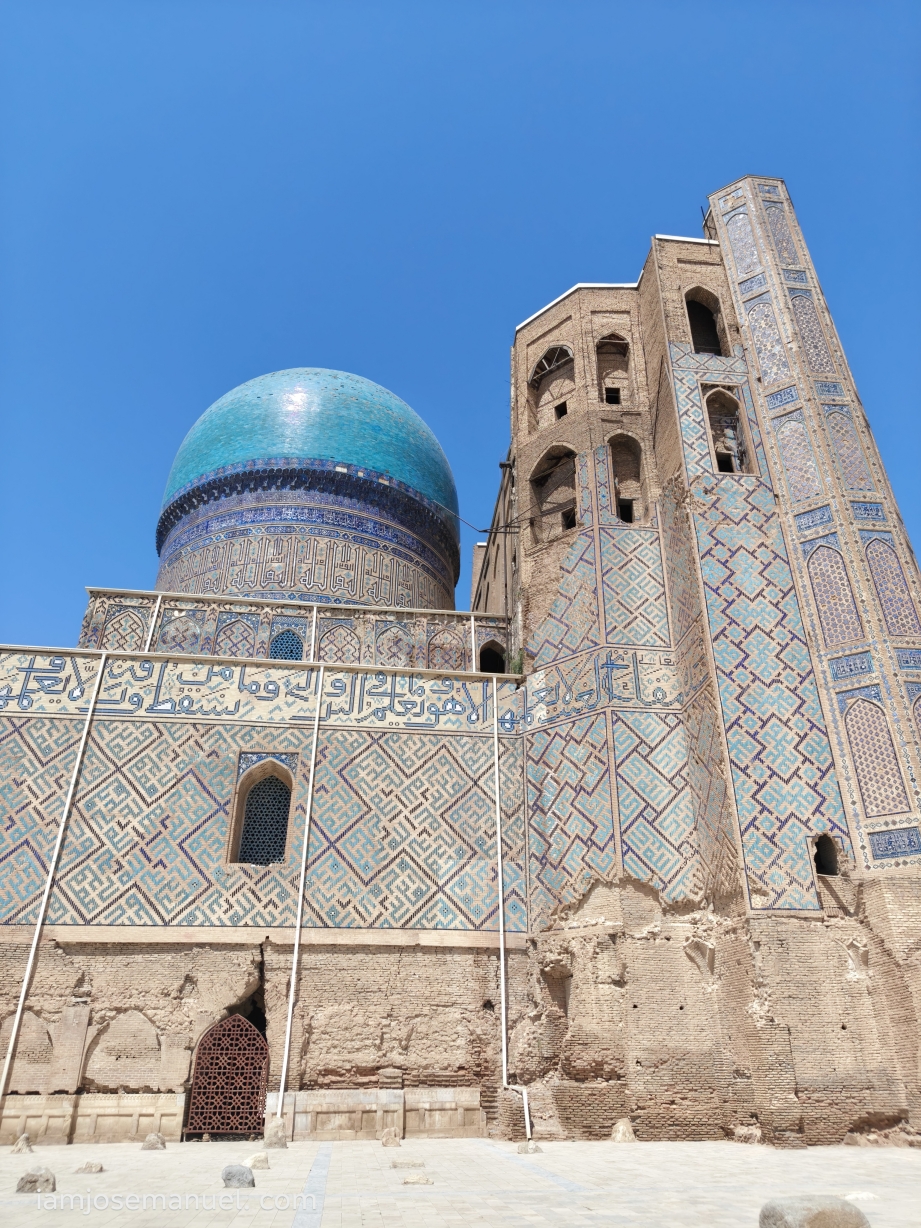
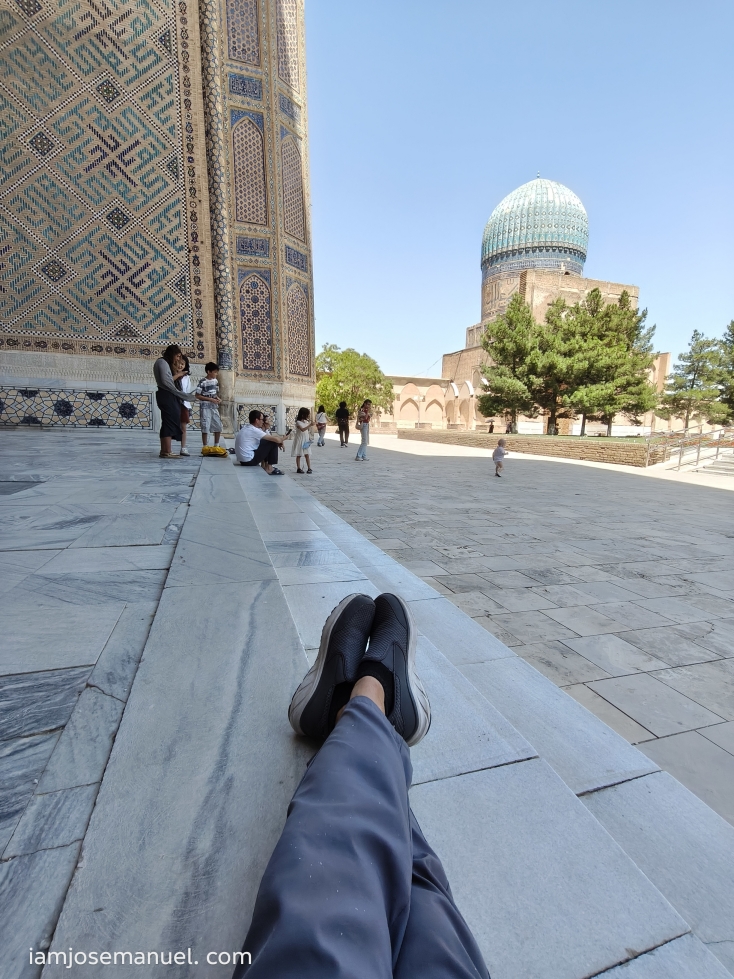
Bibi-Khanym Mosque It is considered a masterpiece of Uzbekistan. Built in the 15th Century, it was one of the largest mosques in the Islamic world during its time. Outside the mosque are other minor mausoleums, as well as the Siyob Bazaar/market which is also worth a visit. The mosque tends to be less crowded compared to the other sites. I spent some time here to rest and just feel the history around me.

The Registan Square, the Shai Zinda Mausoleum and Bibi Khanym Mosque are all connected by a straight walking street lined by trees, local shops and restaurants. Very convenient for tourists.

Highlights of Uzbekistan (And How to Get E-Visa)

A vibrant, predominantly Islamic country located in the heart of Central Asia, Uzbekistan is a land rich in history and glorious, well-preserved Islamic architecture. Ancient cities in Uzbekistan served as the geographic and economic center of the Silk Road; an unavoidable crossroad connecting traders between China, India, Persia, and the Mediterranean/Europe.

Silk Road was the massive network of ancient land routes that connected China, the Middle East, and Europe (around 600 BC until 1453 CE). In the early days when Galleon trade (large maritime trading, colonial ships) were not yet a thing, the silk road was the main channel for trading, as well as sharing religion, beliefs and exchange of knowledge and technologies. The Silk Road got its name from the main trade product of Ancient China, which is the silk fabric. Other than silk, Chinese merchants traded tea, porcelain, and jade while the Romans/Persians traded spice, gold, silver, wool, and in later times, glassware.

Samarkand, Uzbekistan’s oldest city, was founded around 650 BC; while Tashkent and Bukhara trace its roots back to the 1st millennium BC (that’s even before the time of Jesus). Back in the days, Samarkand and Bukhara were already known and documented under these ancient names. Today, these cities live and continue to tell its stories.

During my Central Asia trip, I intentionally planned to stay in Uzbekistan the longest so I had enough time to visit Tashkent, Samarkand and Bukhara. Uzbekistan was definitely the highlight of the entire trip.

E-Visa Requirements to prepare:

  • Valid Passport: Scanned colored copy of bio page in jpeg format. file size less than 1 MB.
  • Digital Photo: A recent color passport-size photo in jpeg format. file size less than 1 MB.
  • Accommodation details in Uzbekistan. Contact information including phone number and email. Booked mine thru Agoda. Since I intended to visit three Uzbek cities, I provided my first night hostel details, which is in Tashkent.
  • No flight details required. just the intended date of entry and exit.
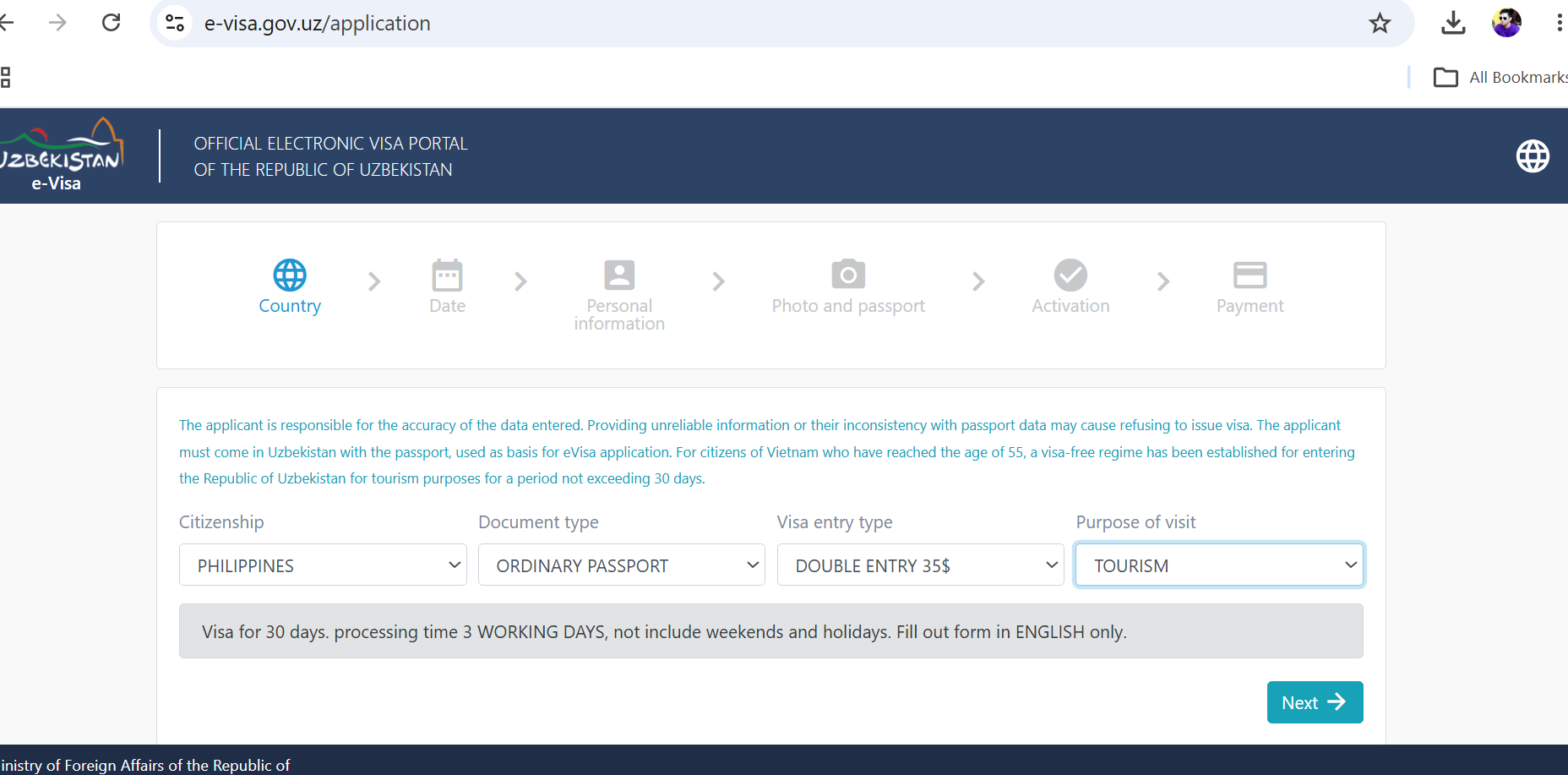
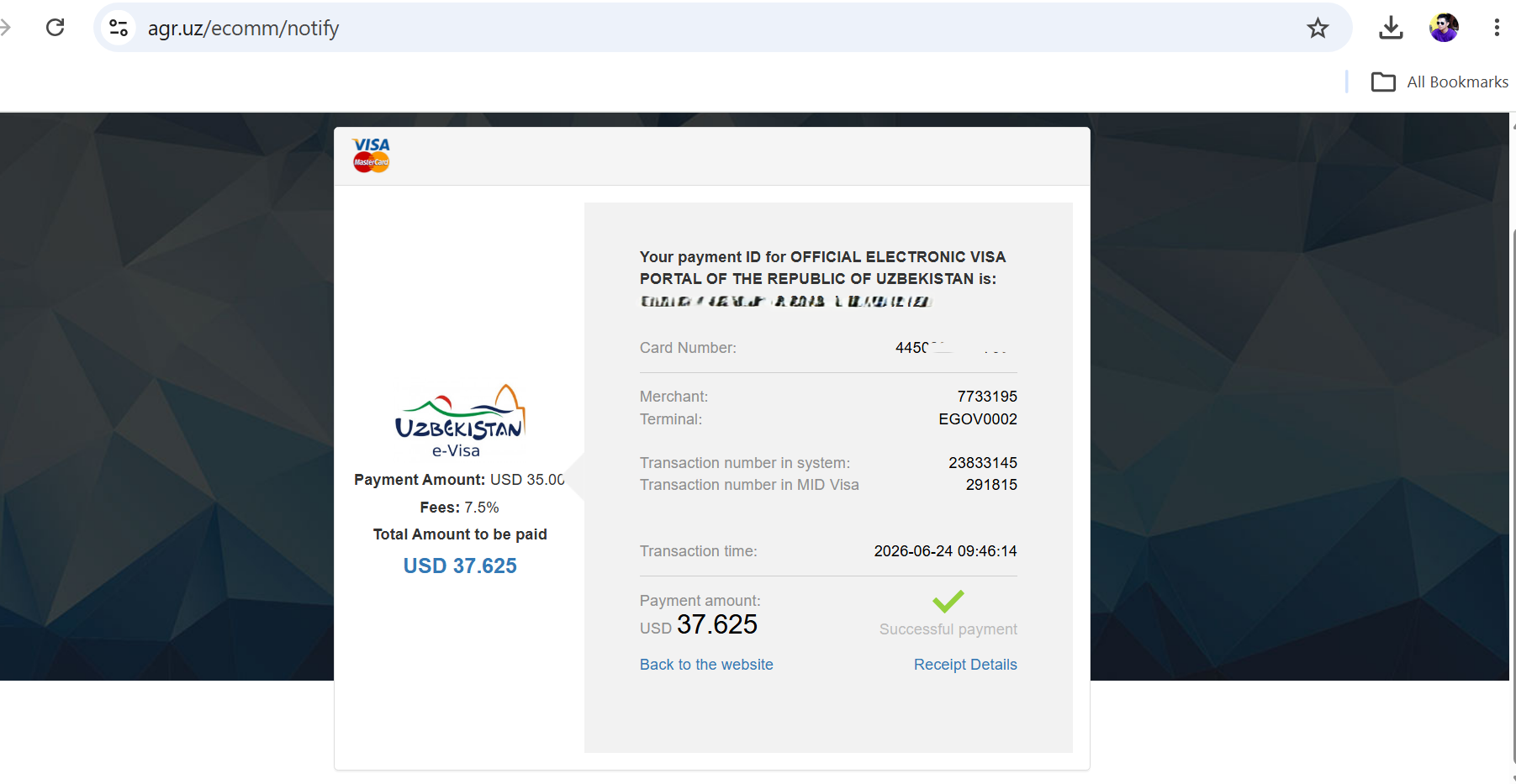
  • Payment Card: A valid Visa card to pay the online fee. 20 USD – Single Entry, 35 USD – Double Entry, plus a small processing fee. I applied for double entry since I intended to visit the neighboring Tajikistan by day tour.
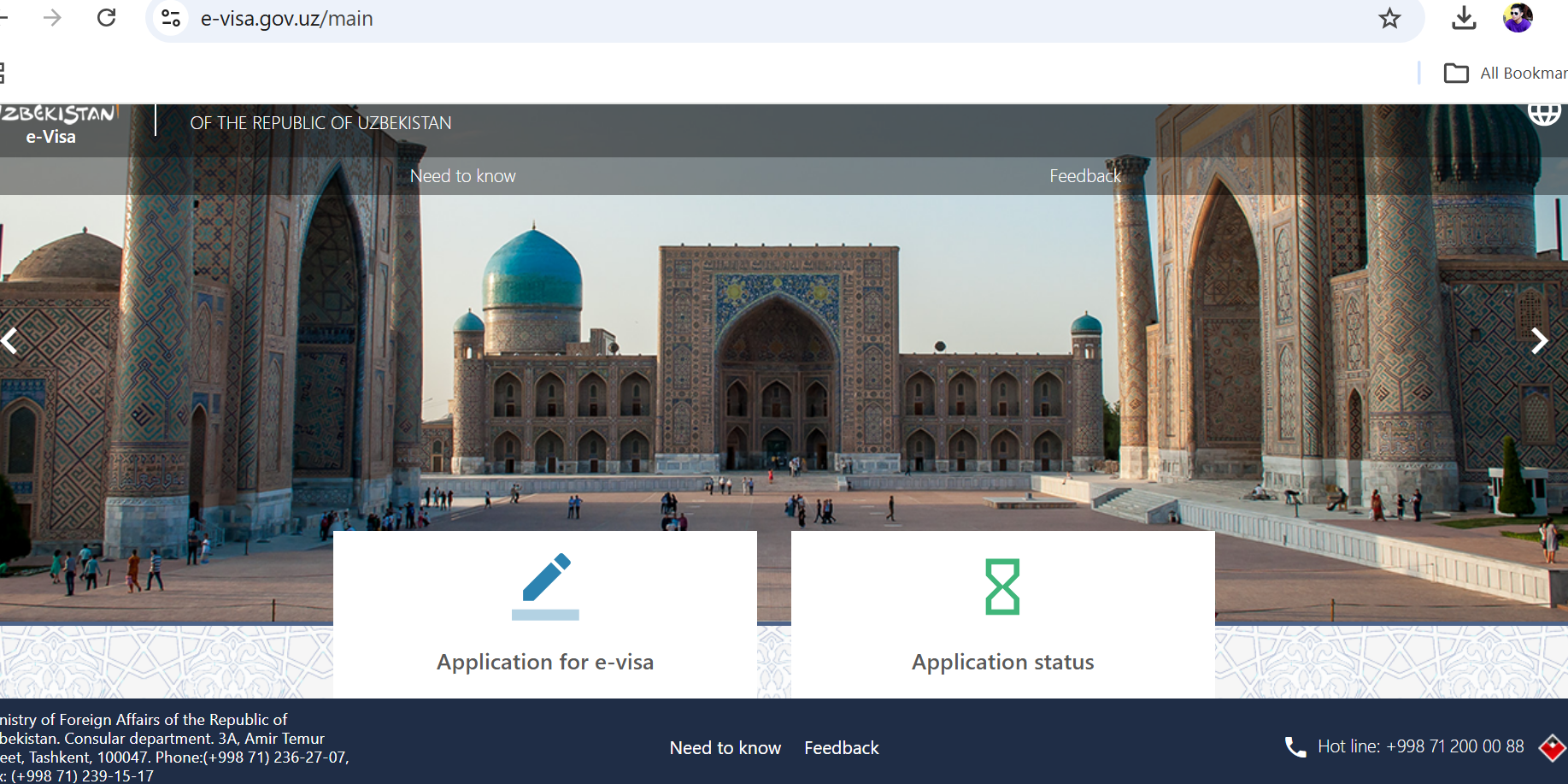
  • See E-Visa website screenshots below for reference.

Online application form/interface was simple and straightforward. I applied for E-visa 60 days before my intended trip. Got the approval within 3 days via email.

My Central Asia route: Fly to Almaty,Kazakhstan > Bus to Bishkek,Kyrgyzstan (4 hrs) > Fly to Tashkent,Uzbekistan (1 hr)> Regional Train to Samarkand,Uzbekistan (3 hrs) > Day trip to Panjakent,Tajikistan by van(1.5 hr) then back to Samarkand > Regional Train to Bukhara,Uzbekistan (3 hrs).

I flew to Central Asia via China Eastern Airline Manila – Shanghai – Almaty. Details of the flight are posted here.
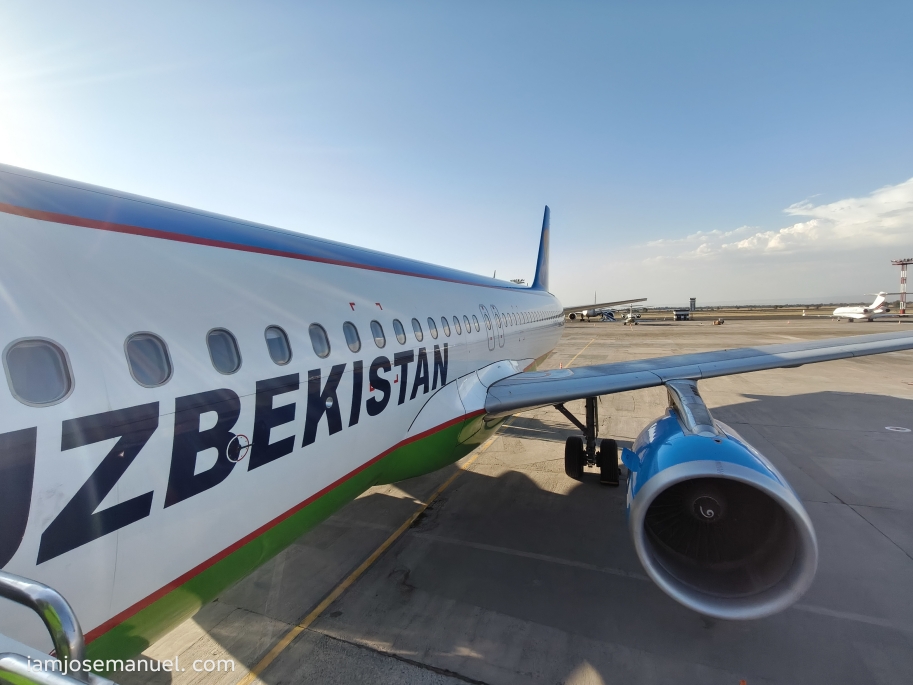
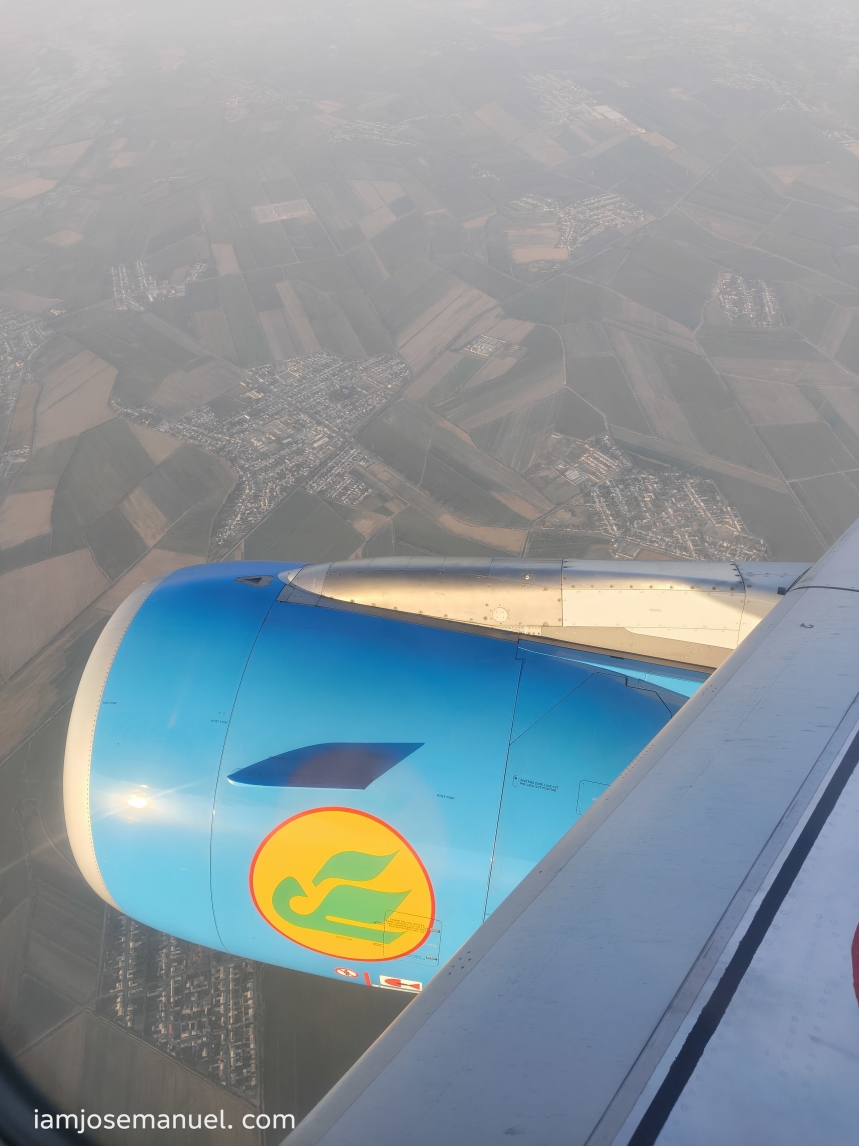
Option: Bishkek to Tashkent can be done by bus+train combo, but it takes so much time since dadaan ulit ng Almaty. As such, I opted to take an hour flight with Uzbekistan Airways. Flights between Central Asian cities are relatively inexpensive.

Where I booked my Regional Train Tickets: 12go.com . The Uzbek Train official website did not accept my local credit cards as payment. 12go was easier to use, with a small convenience fee. I booked my train (SHARQ) tickets around 45 days before my intended trip. Online booking only open 45 days prior. sometimes 30 days. I highly suggest joining UZ travel forums on facebook for exchange of info.

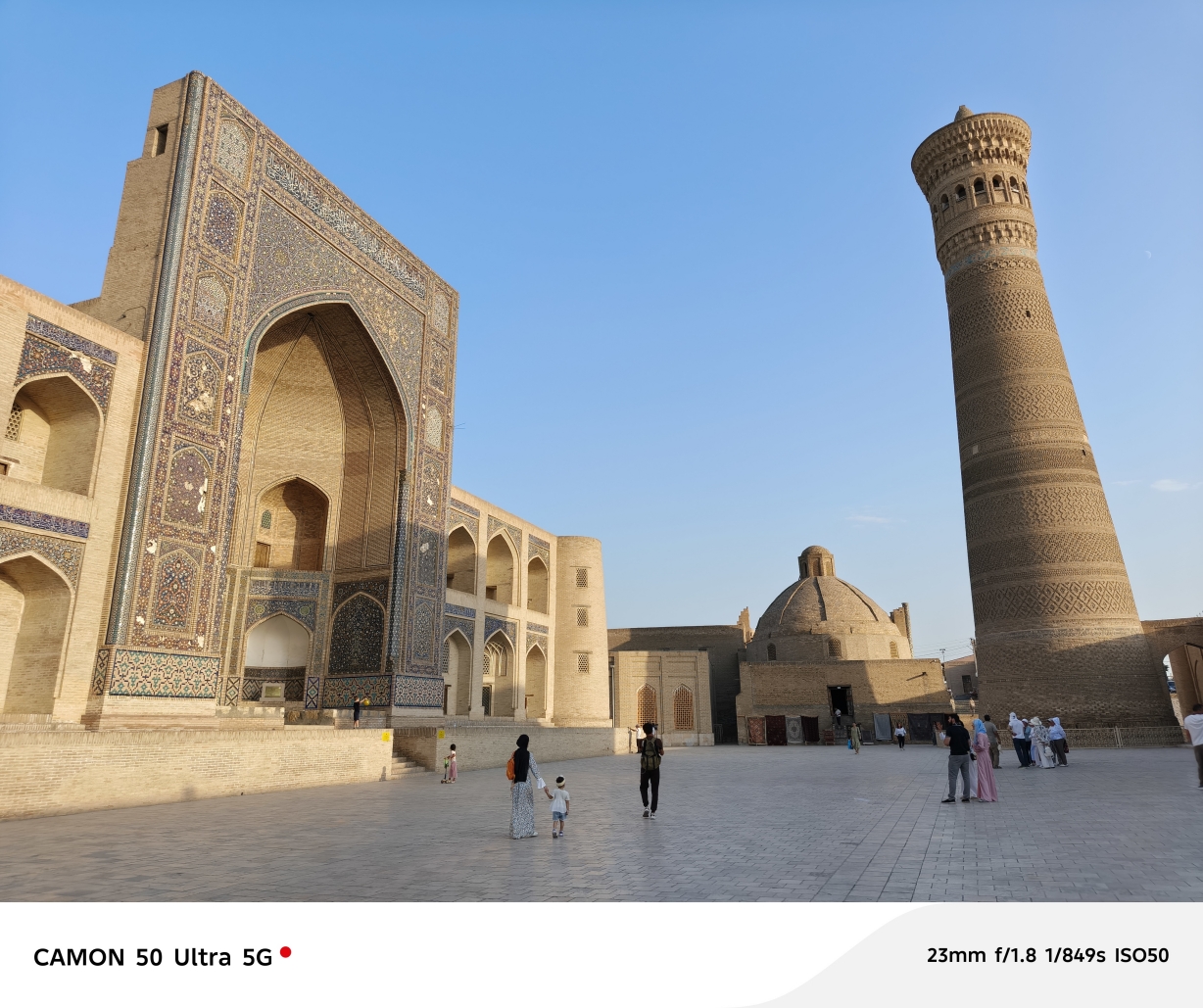
Highlights of Tashkent, the capital city and major/modern gateway of Uzbekistan.

Highlights of Samarkand. Standing for over 2,700 years, it is one of the oldest continuously inhabited cities in Central Asia. Founded in 650 BC, it is as old as Rome and Athens. Samarkand is famous for the glorious Islamic Architecture, polished turquoise blue domes and perfectly restored mosaic tileworks on Mosques and Madrasa Building(school).

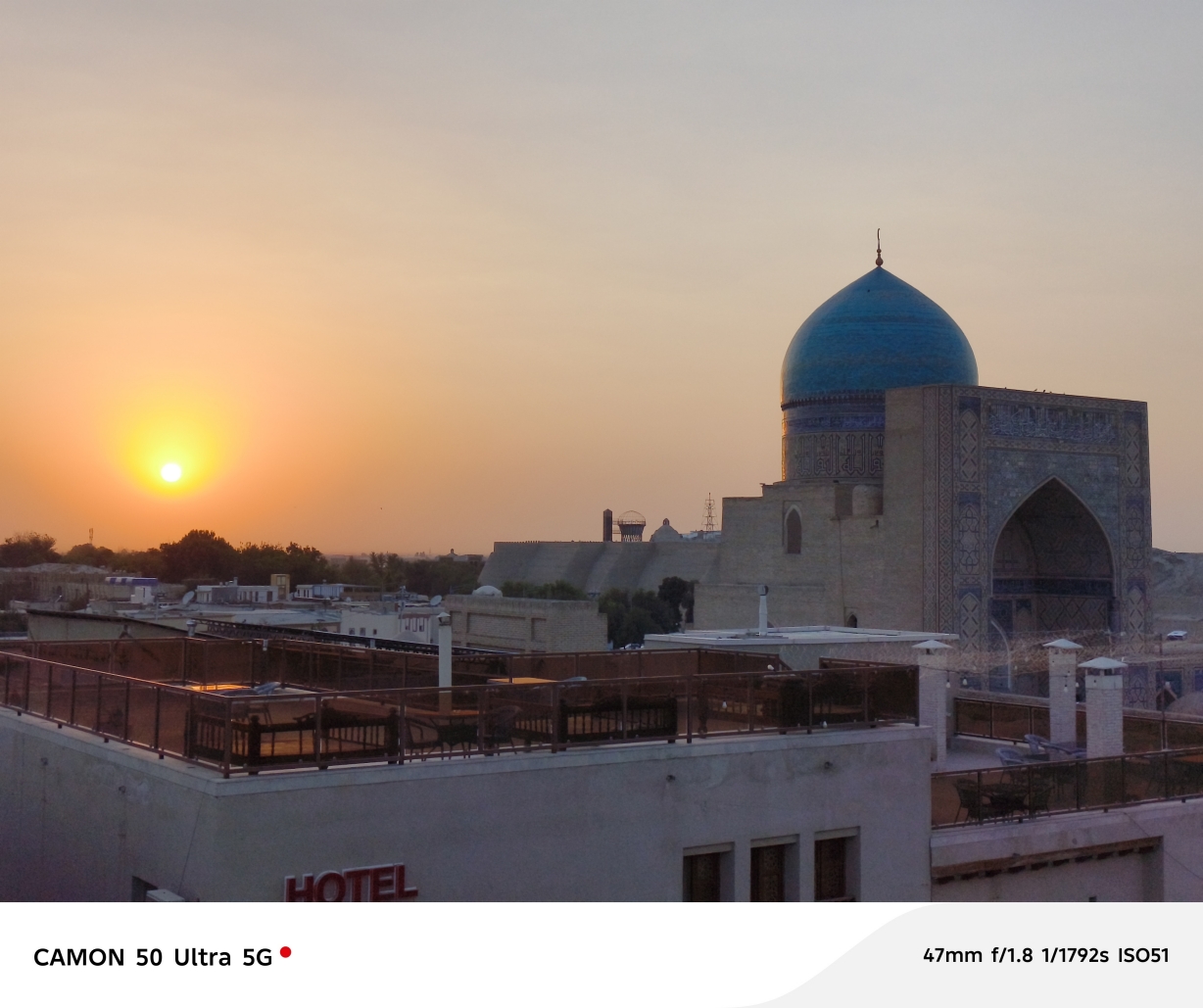
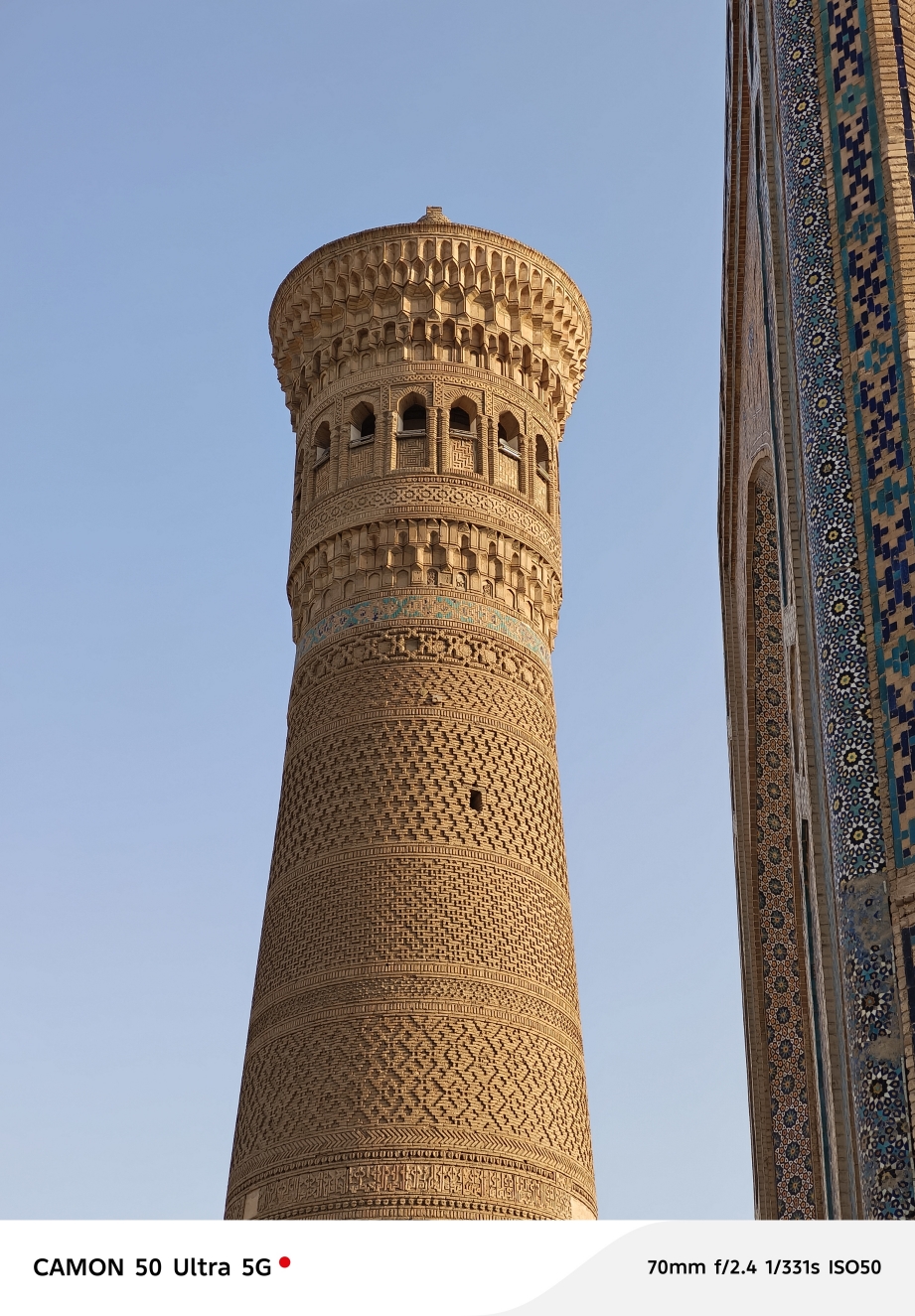
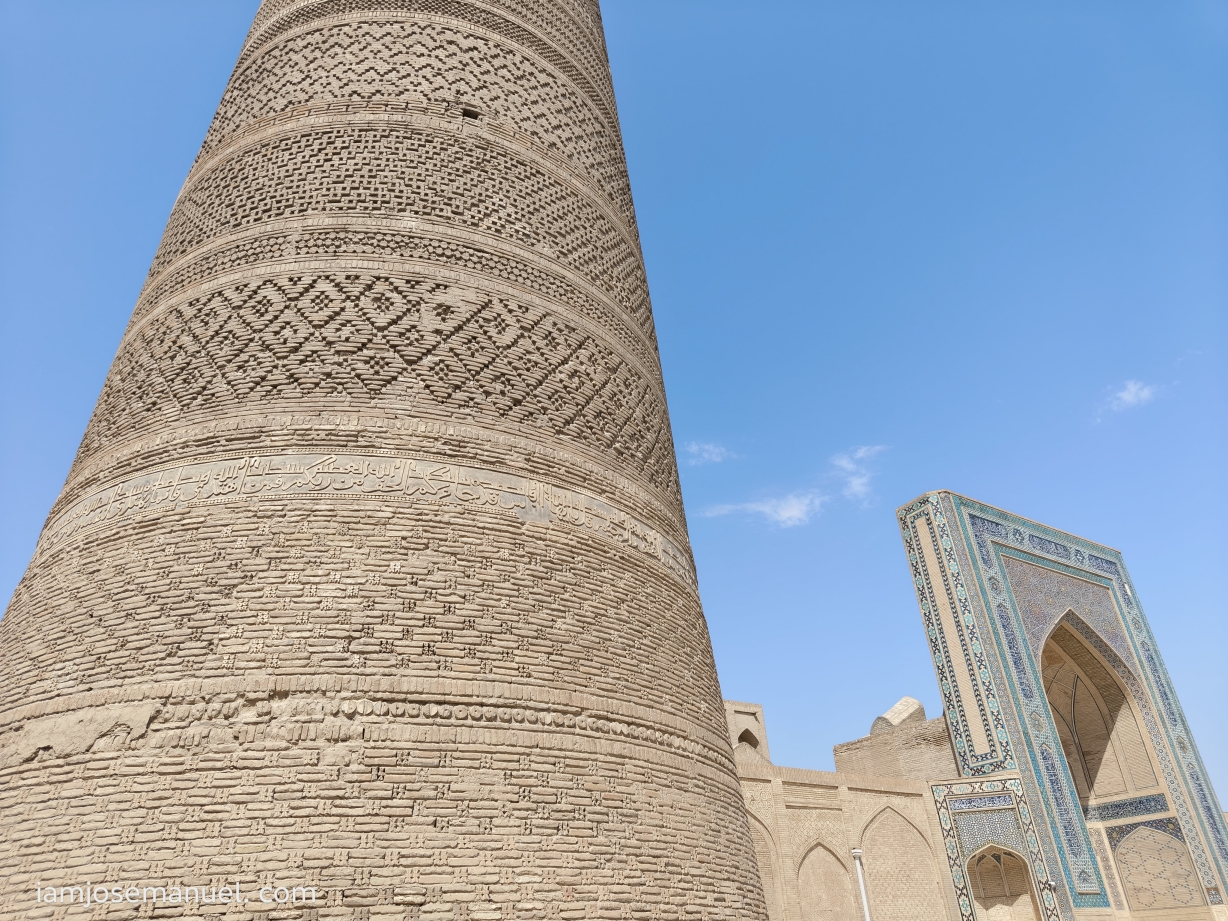
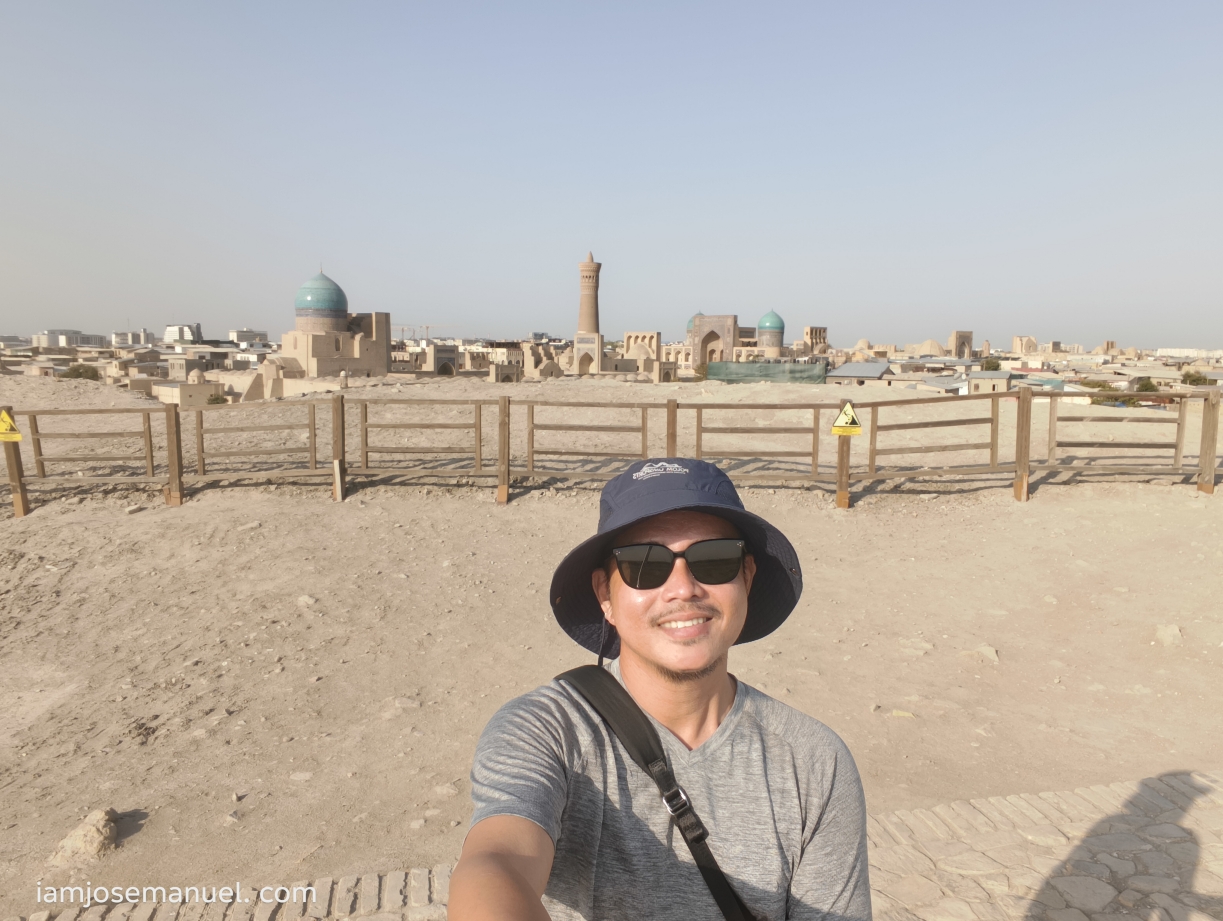
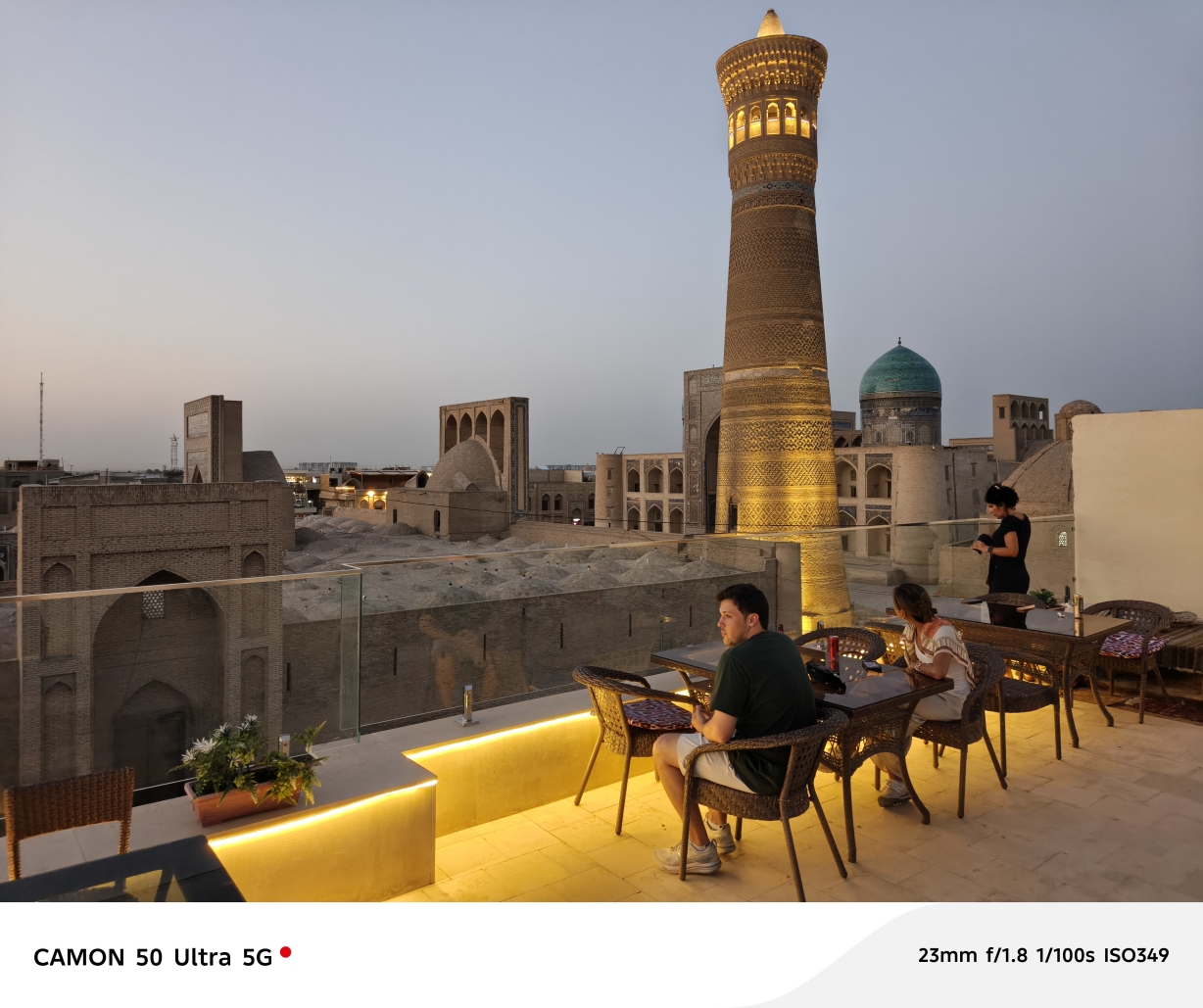
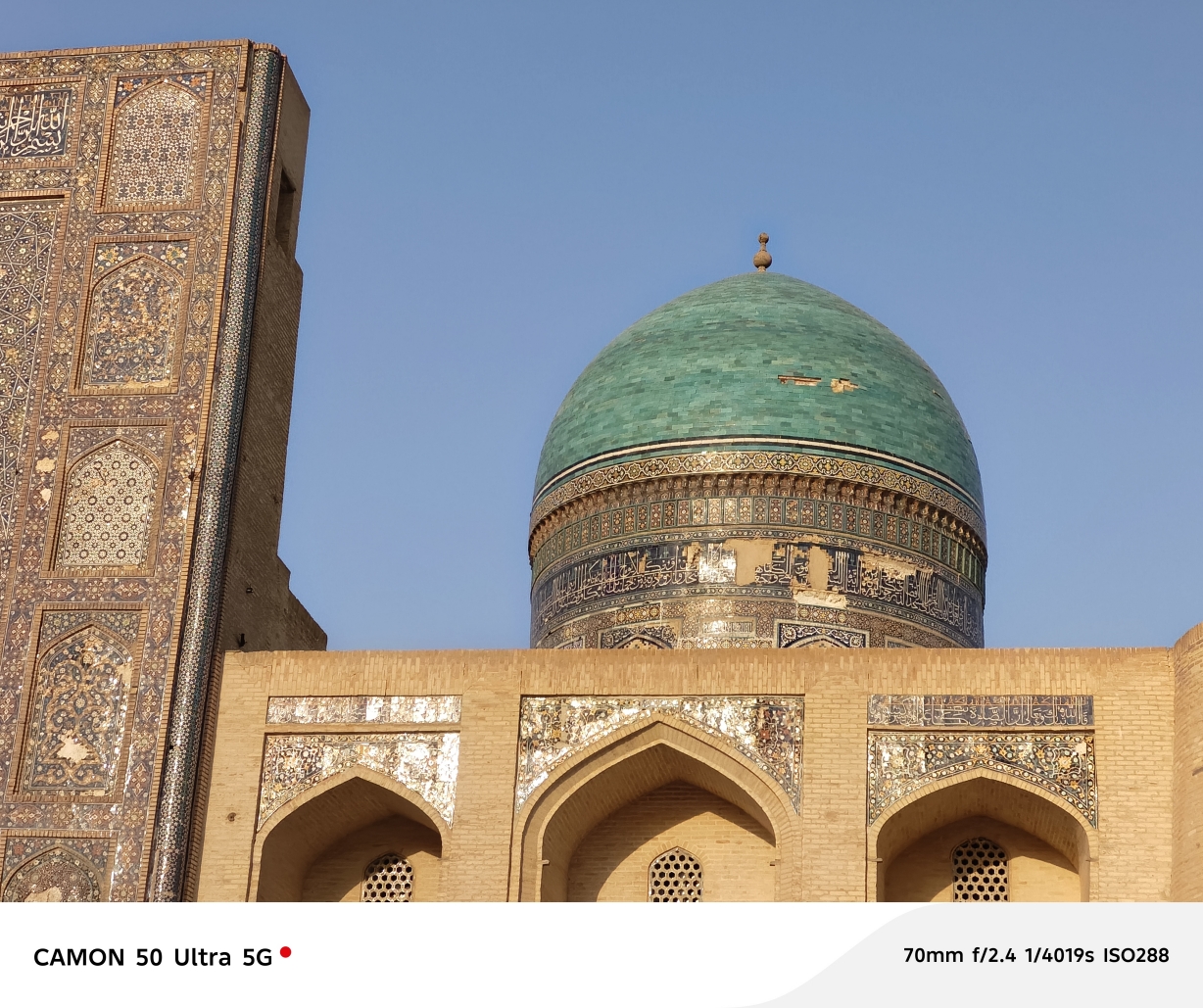
Highlights of Bukhara. Designated a UNESCO World Heritage Centre, the old quarters is somewhat like an open air museum, with well preserved Islamic Architecture elements like the Poi-Kalyan minaret (call for prayer tower), mosques and mausoleums. Compared to Samarkand, Bukhara is more rugged and unpolished/rough on the edges, offering an old world feels. It is also relatively smaller. I stayed at a guesthouse in a community just outside of the old fortress.

Helpful Travel Tip: Yandex Apps are your best friends in Central Asia.

  • Yandex Go– for my taxi rides. Installed this with my Android, and registered an account BEFORE I LEFT THE PHILIPPINES, using my local smart number. Cash payment only. Taxi rides are cheap in UZ; in the whole of Central Asia actually.
  • Yandex Map (as an alternative to google) for city bus and metro train/subway rides.
  • I used Gcash Visa Card for all my bus rides in Uzbek, as well as metro train. Contactless/tap and pay.
  • I did not buy na a local sim card on arrival. Instead, I purchased an international physical sim from Shopee (one sim for Central Asia etc-Kazakhstan, Kyrgyzstan and Uzbekistan. laking tipid nito), 10 GB. I did not have any problem with the sim. Matic transfer of network when border crossing between stan countries.
  • Pwede rin naman E-sim if you like. YESIM ang trusted esim ko for travel. Intall the app before leaving PH to avoid trouble.
  • Yandex Translate – English is very limited. Translators will come handy.
  • Money changers are not very common in Bukhara and Samarkand. Change bills in Tashkent upon arrival. Or you can just withdraw at the ATMs. Credit card payments are only accepted on bigger stores and restaurants. Even the guesthouses that I stayed in only accept cash. When going to UZ, take note of this.

Will upload a separate blog for each Uzbek city. Coming up.

Northern Vietnam Itinerary

Last March, my travel squad went on a quick R&R trip to Northern Vietnam. We booked an all-inclusive Four-days tour, arranged for us by Uno Turismo Travel Agency. The cost of the tour was around 34,000 Pesos per pax, including plane fares with Cebu Pacific Air, 3-4 Star-hotels and meals (BLD). Joining pre-arranged tours is such a comforting time for me, as I do not have to prepare as much as to my usual DIY travels. DIY travels may be cheaper; but with pre-arranged tours, I paid for care-free moments and comfort. This Vietnam trip was a complete “pack and go”. No pre-trip research anymore. I did not even bring with me USD Bills (as pocket money). Instead, I exchanged Pesos directly to Vt Dong with our Vietnamese guide, with a better rate compared to the airport money changers. The tour was packed with activities. The best part was the dining. We were brought to nice full service restaurants. Di kami natipid. And we all know Vietnamese food is Good food. Sulit, tbh.

Highlights of the Trip—>Hanoi: The capital city of Vietnam with a rich history, colonial architecture, and famous street food. Ha Long Bay: A UNESCO World Heritage site known for thousands of limestone islets. Sapa: The mountainous region known for cold weather, rice terraces, and indigenous culture.

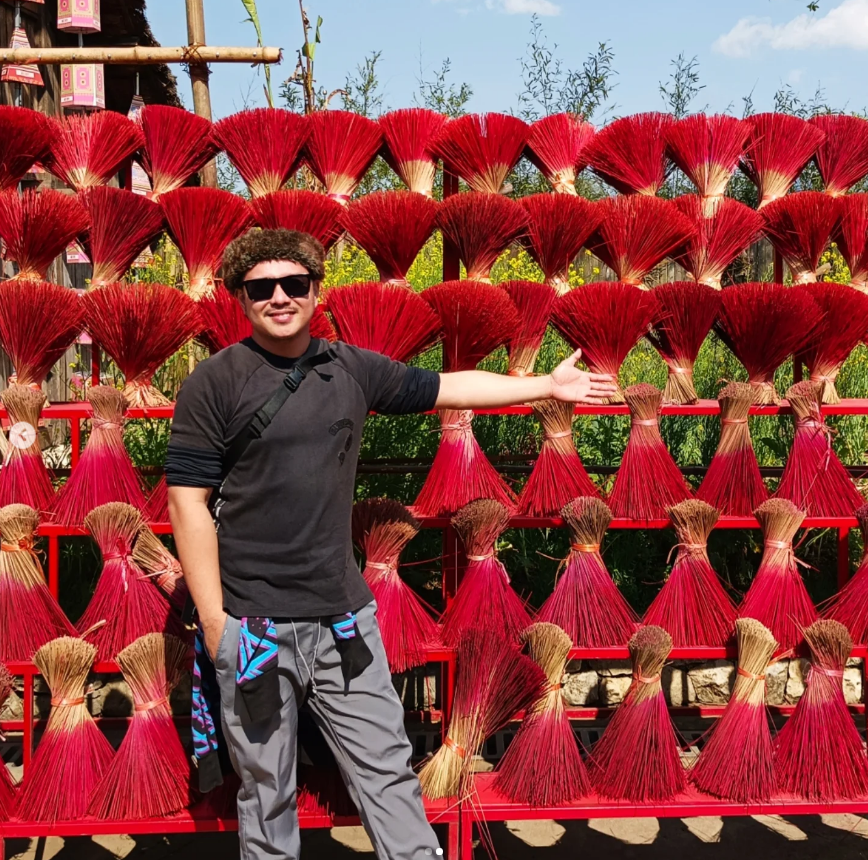
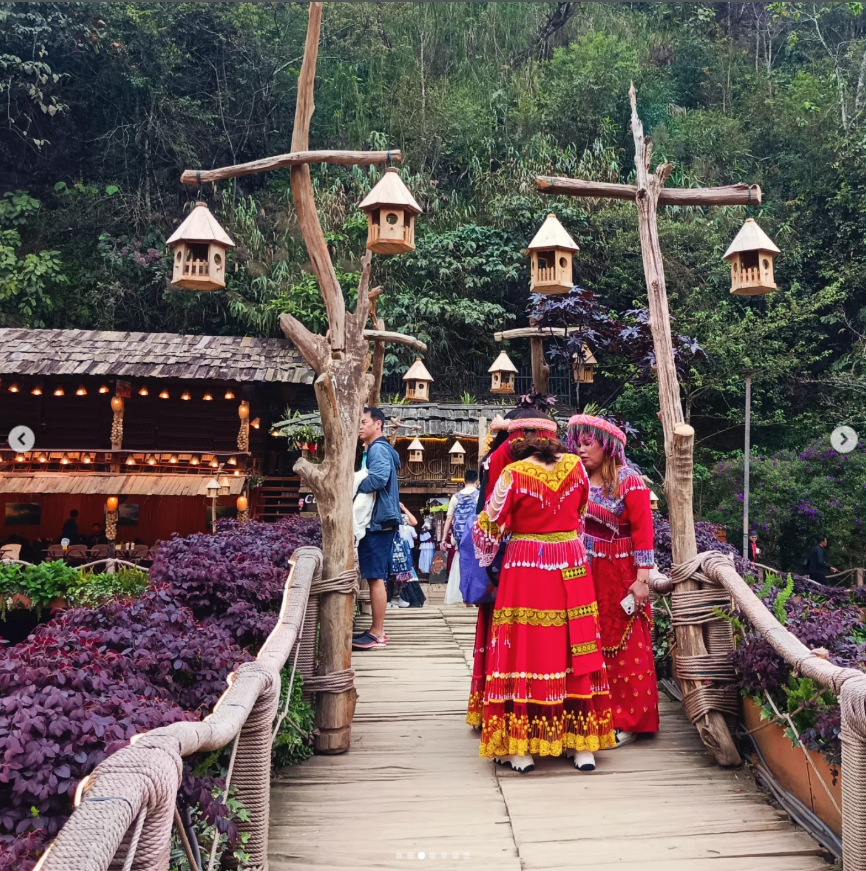
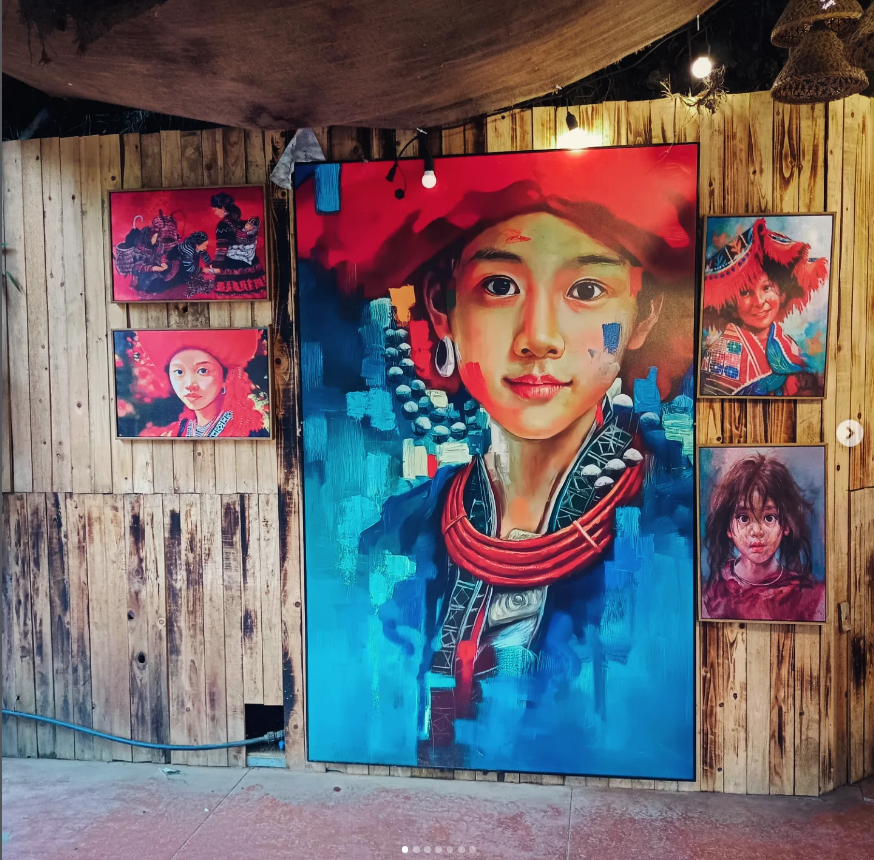
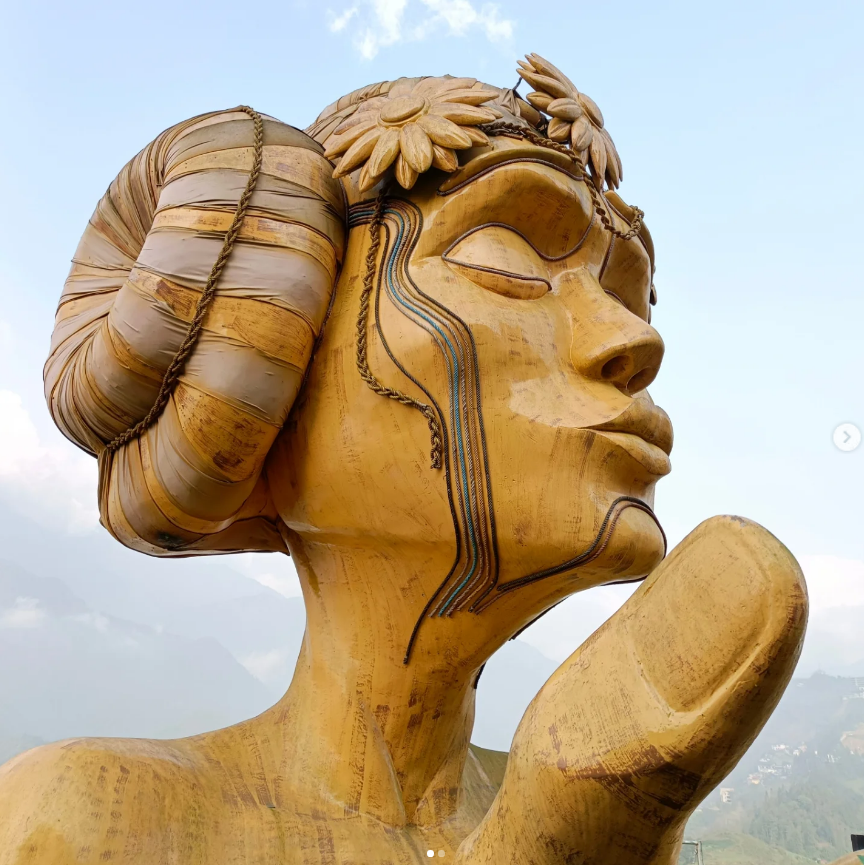
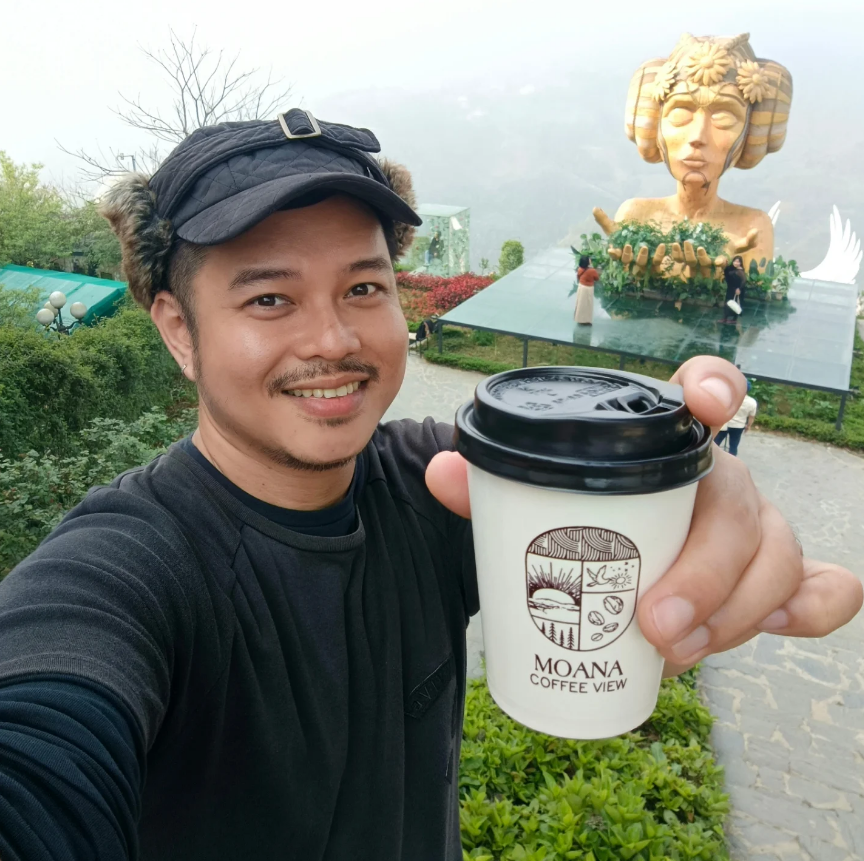
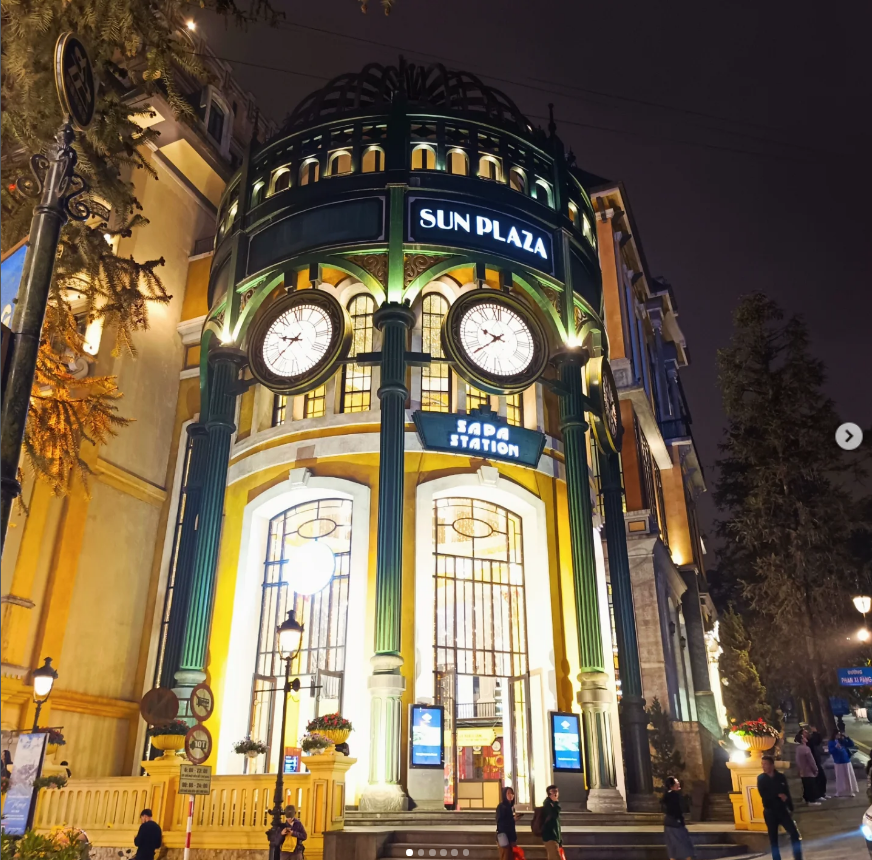
Day 1 – Sapa Town. We did a soft trekking to Cat Cat village, which is located at Muong Hoa Valley and near the stunning Cat Cat Waterfall. This is an age-old village of H’Mong ethnic group remaining unique customs and practices. We ended the day at Moana Sapa Cafe, a photo-focused destination located near Sapa town center. Tip: Sapa Town is 5 hours away from Hanoi by private bus. Bring a travel pillow.

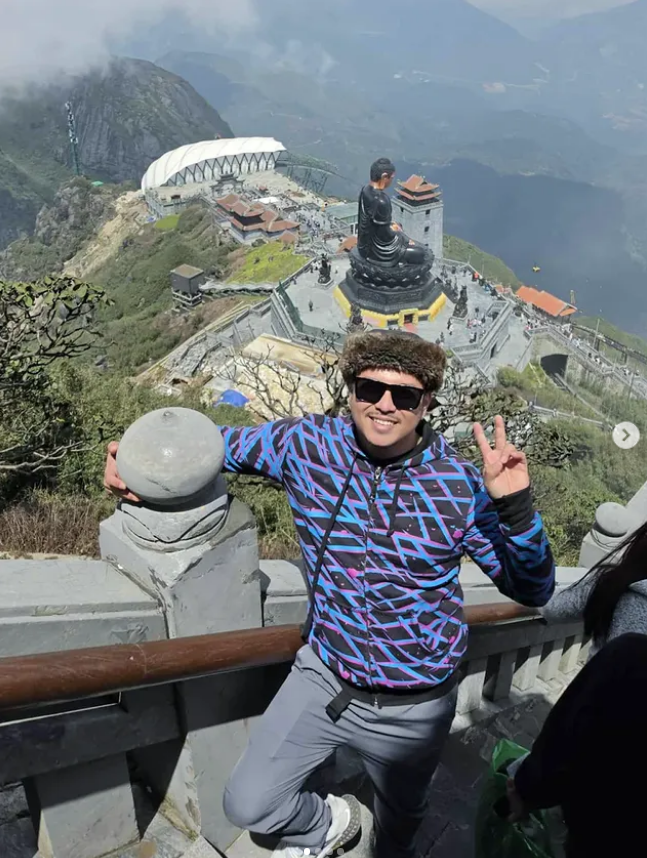
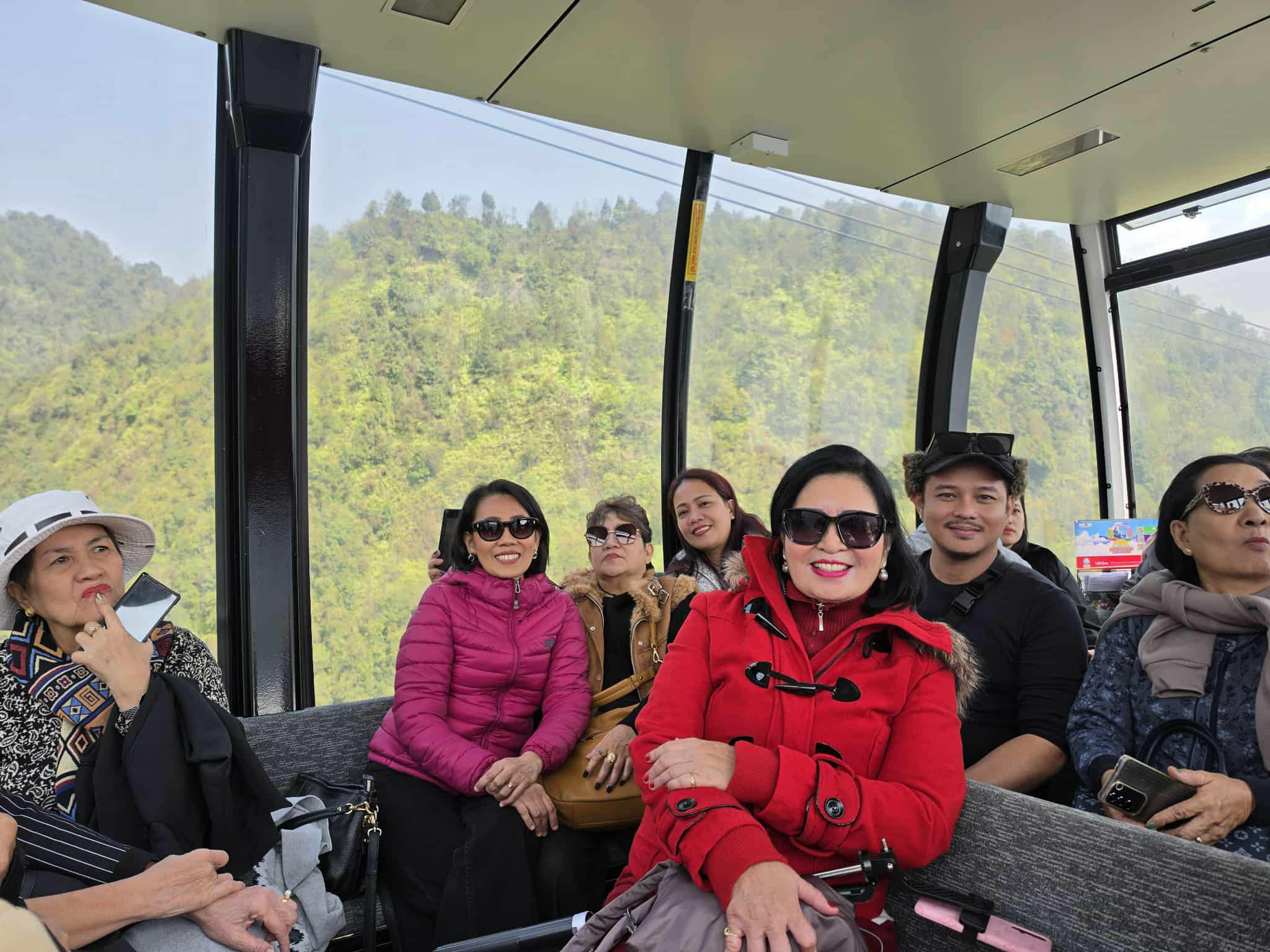
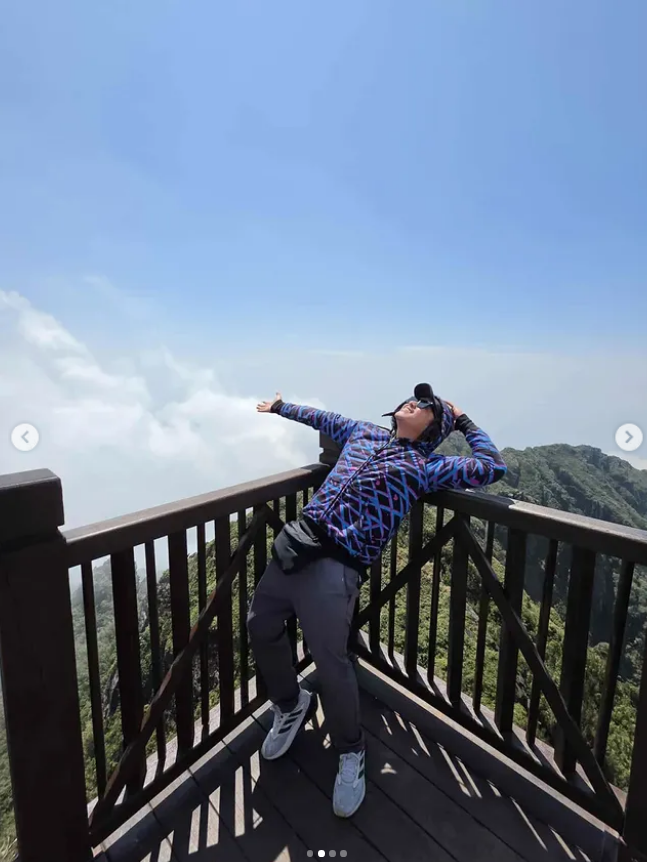
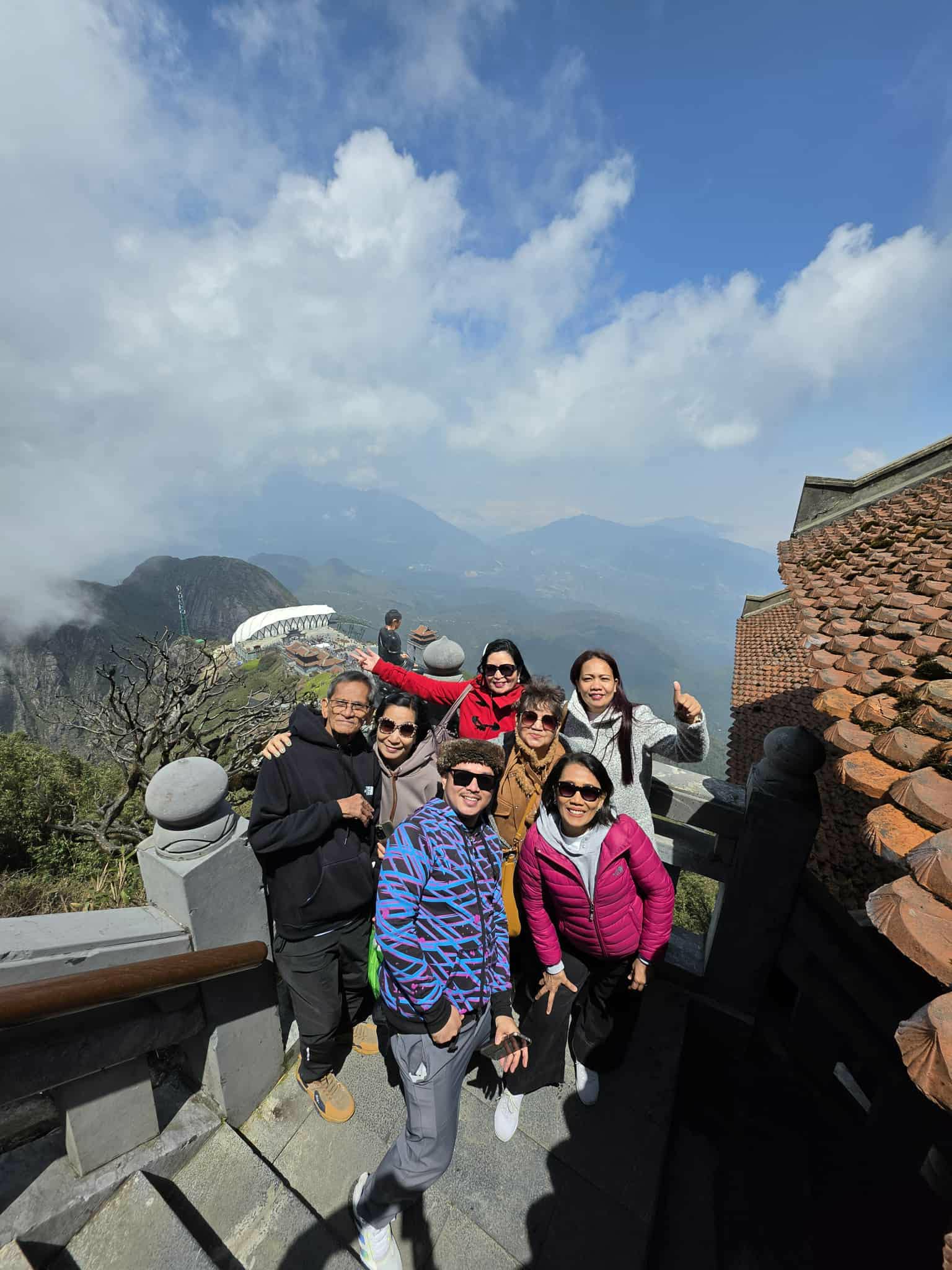
Day 2 – Fancipan Peak – the highest mountain of the Indochina peninsula (3,143 m), located in the center of Hoang Lien Son range, hence known as ‘The Rooftop of Indochina’. From Sapa Town Center, we took a 10 mins Tram, then a 20 minutes Cable Car ride. We went up around 11 am, and was blessed with a clear panoramic view. Sabi kase fancipan gets really foggy when you go super early. Fansipan is super cold and windy btw.

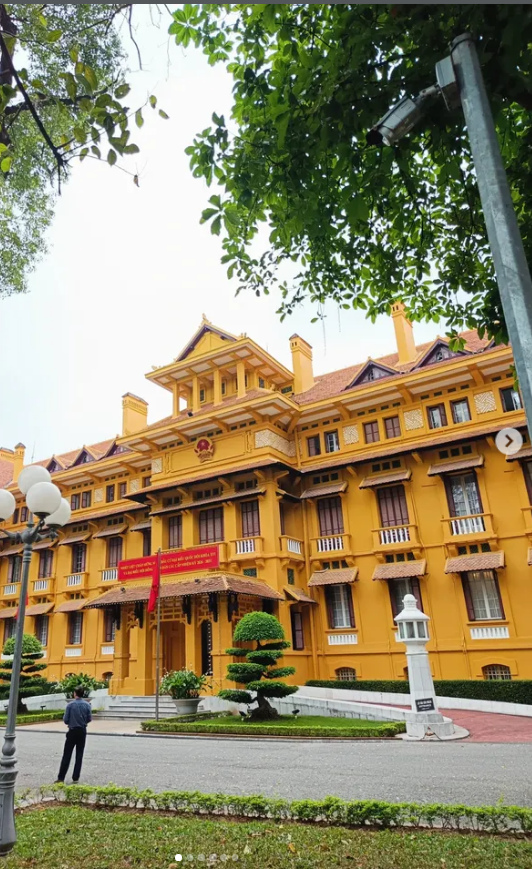
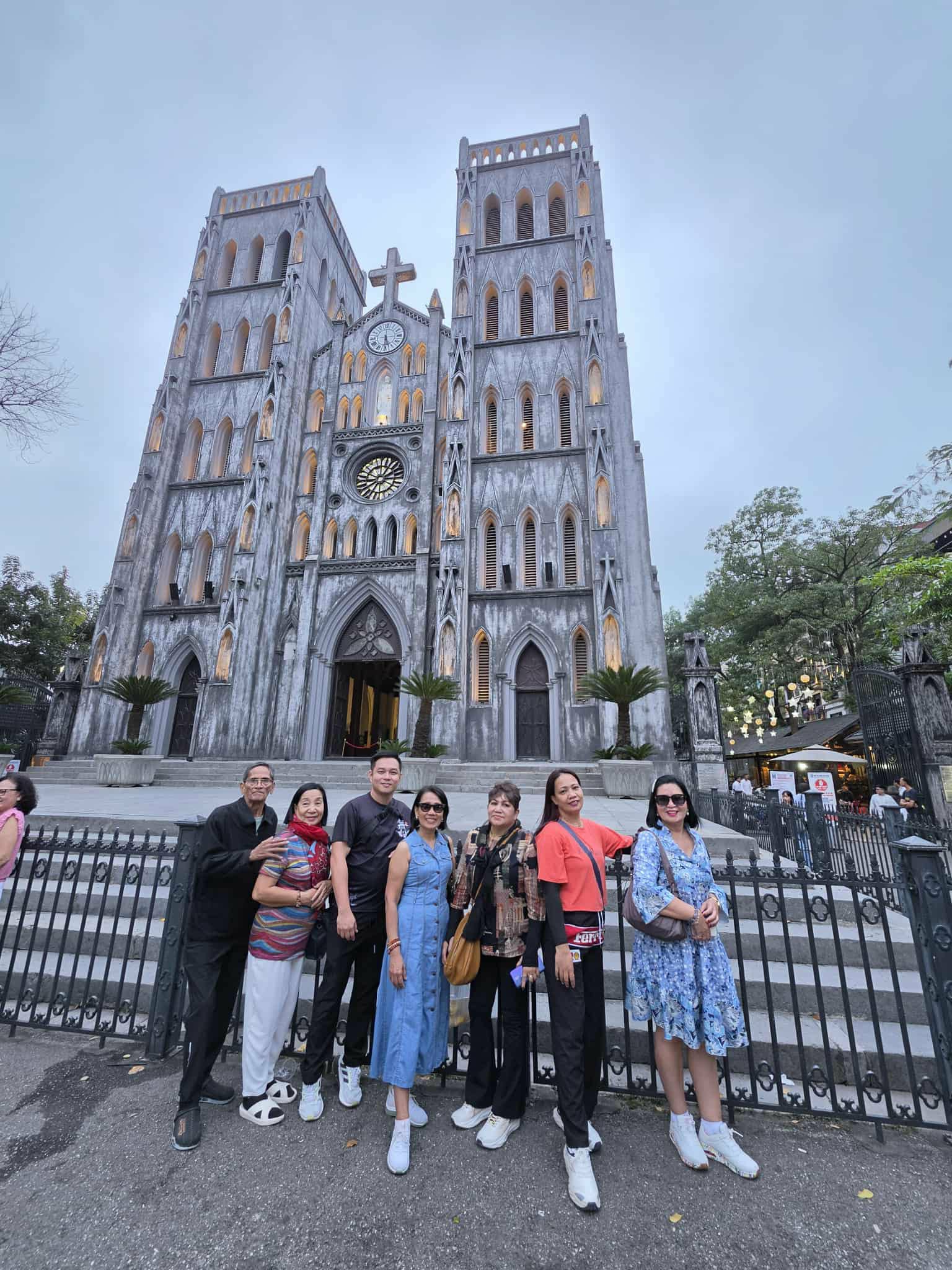
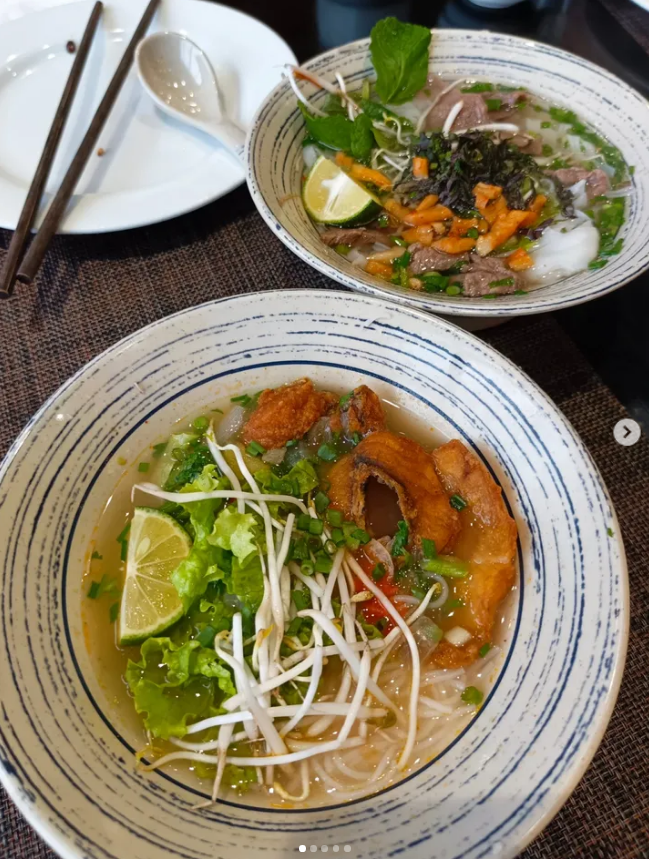
Day 3: Hanoi City. Vibrant, chaotic and unique. Hanoi has an incredible food and coffee scene. Must try -> pho and bun cha.

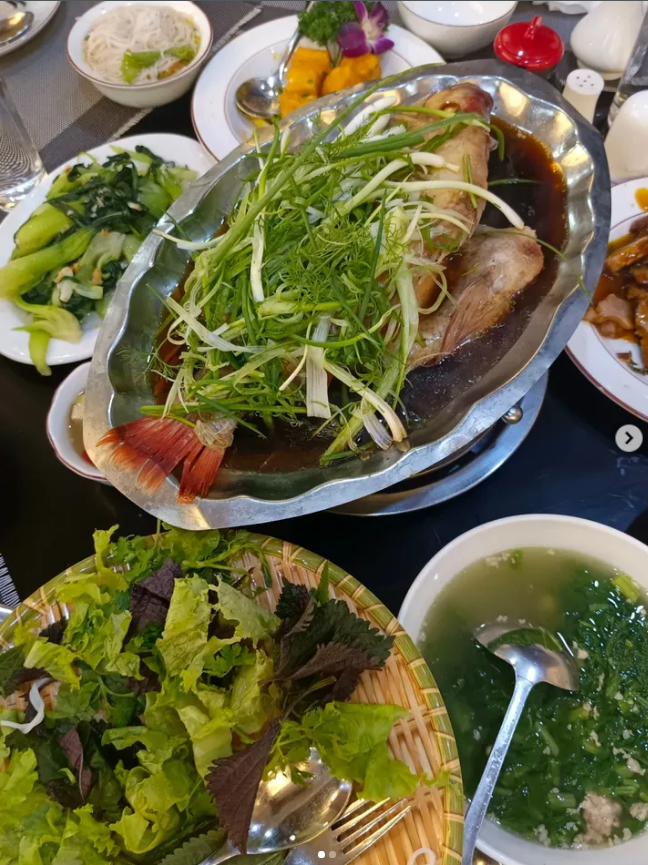
Vietnamese cuisine is heavily influenced by over 1,000 years of Chinese rule. But unlike Mainland Chinese, Vietnamese dishes use less flavourings, and adds a bunch of fresh herbs, creating a light and vibrant style of cooking. Common Vietnamese herbs include Thai basil (húng quế), cilantro (ngò rí), spearmint (húng lủi), and sawtooth herb (ngò gai). Other key aromatics are coriander (rau răm), rice paddy herb (ngò ôm), perilla (tía tô), and fish mint (diếp cá), often served raw as a platter.

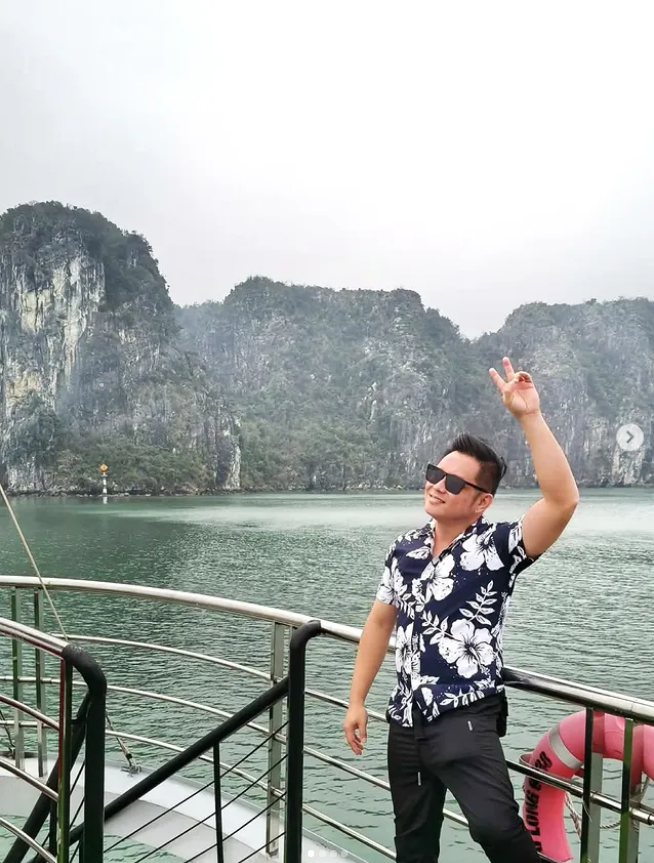
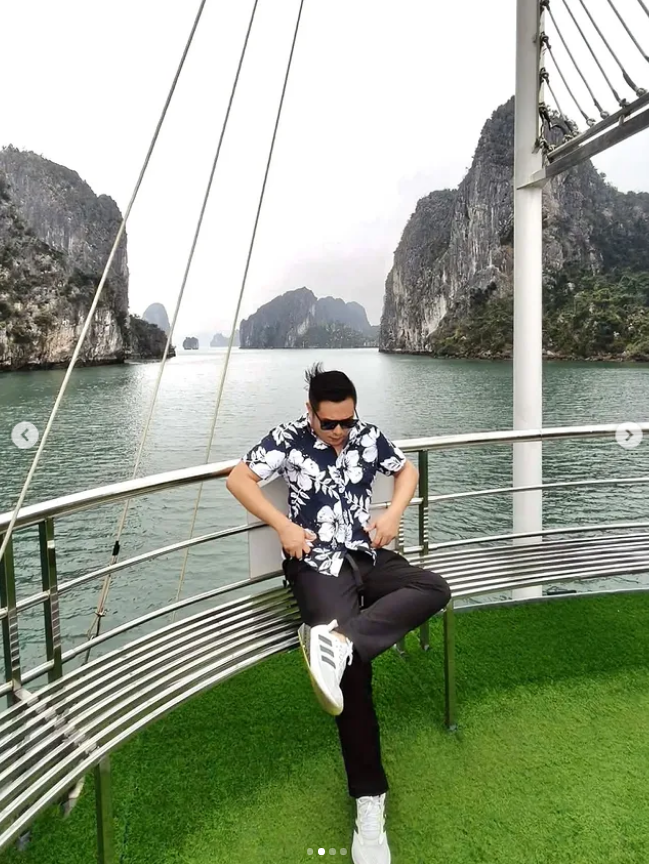
Day 4: Halong Bay. A UNESCO World Heritage Site renowned for its emerald waters and thousands of towering limestone islets. Halong is 2 hours away from Hanoi City. The cruise was 4 hours, with kayaking and easy caving activities.

Vietnam is VISA FREE for Filipino Tourists.


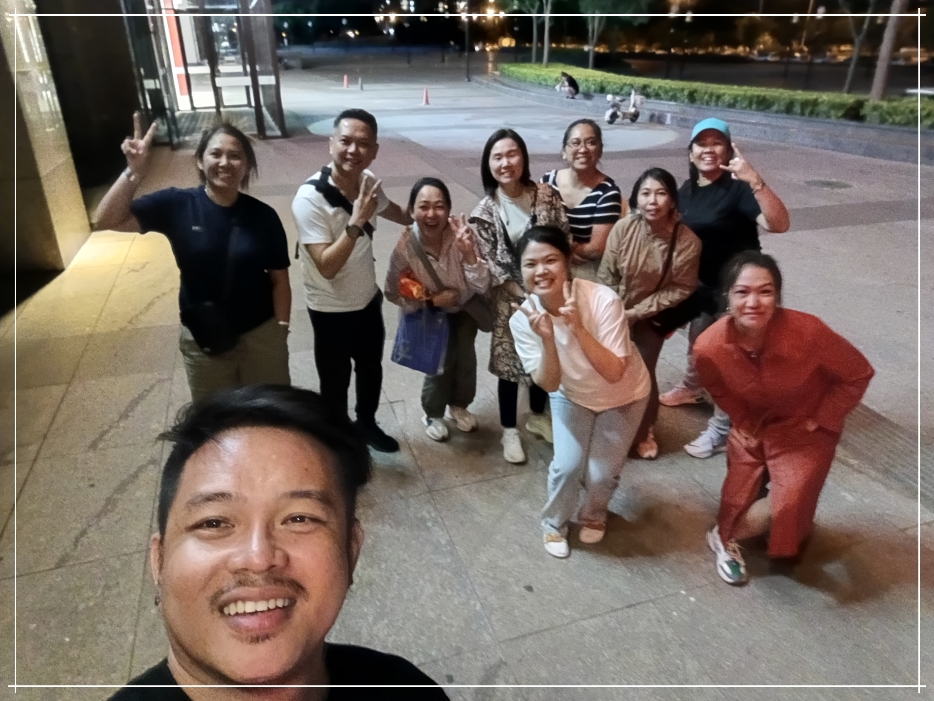
Here’s a photo of me and the squad. Cheers and to more travels in the future.

Inner Mongolia Itinerary

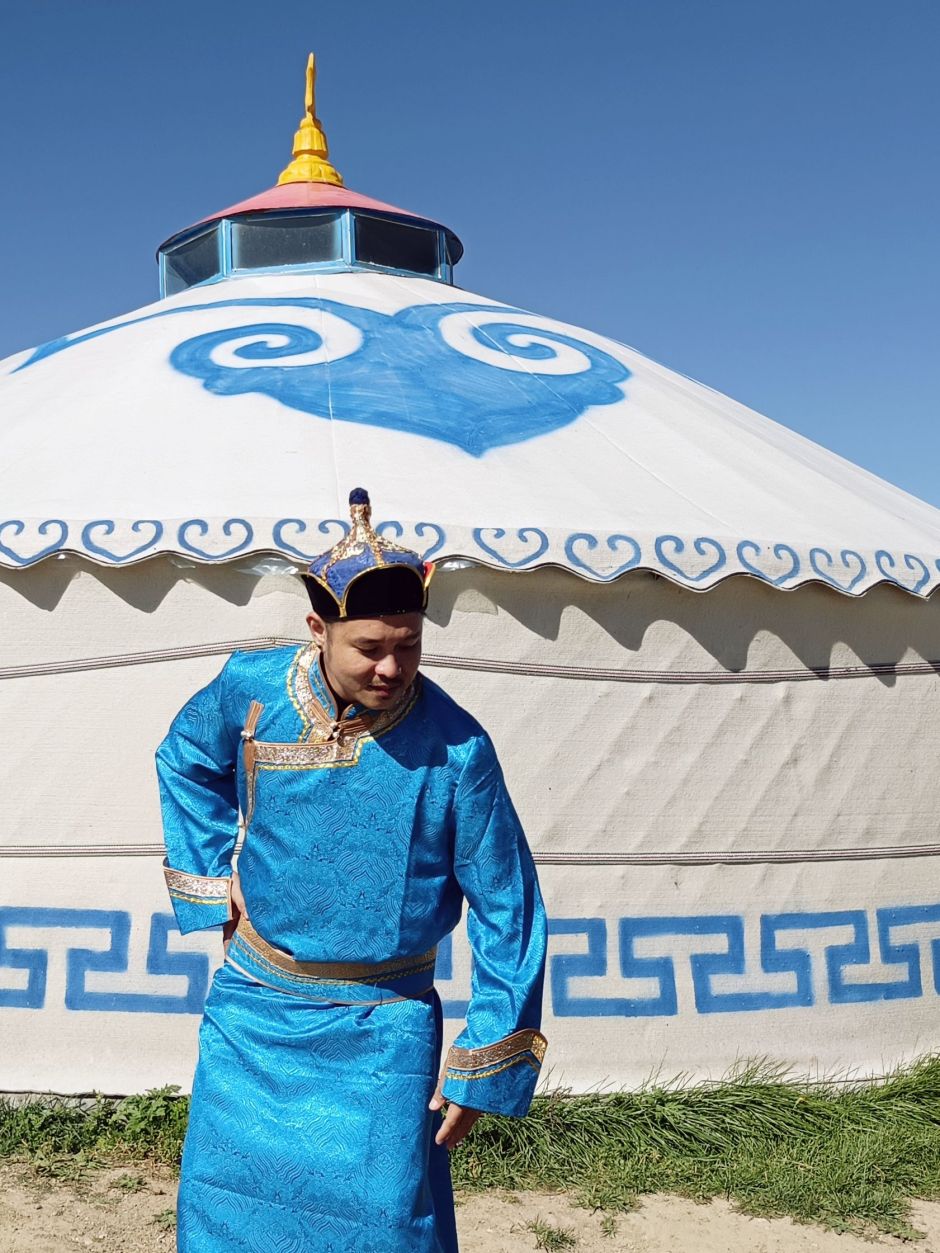
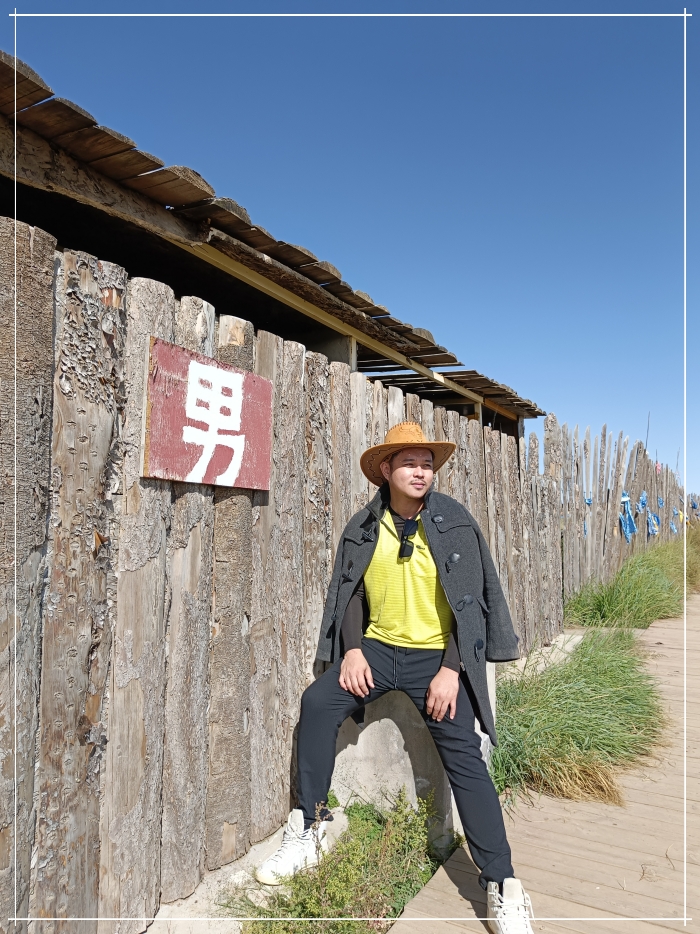
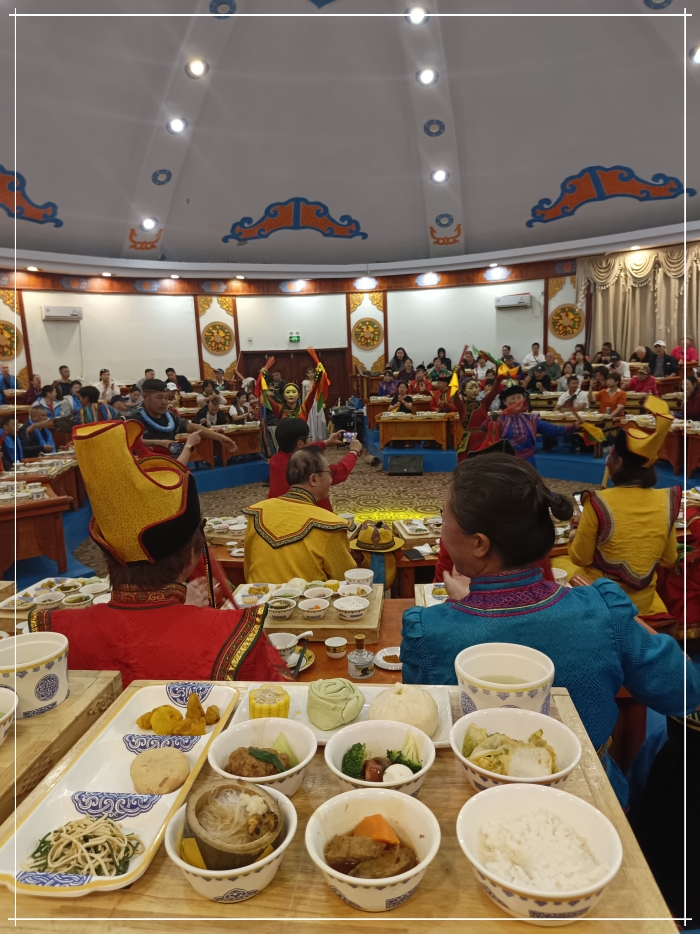
On our first day, we left Hohhot City early for Xilamuren Grasslands, to experience a glimpse of traditional Mongolian way of living.

Grasslands are generally open and continuous, fairly flat places that receive more rain than deserts but less precipitation than forests. In grassland regions, the climate is ideal for the growth of grasses only. The low precipitation rates are enough to nourish grasses but not enough for a forest of trees. Despite being dry, the temperature at day time is below 20 degrees Celsius.

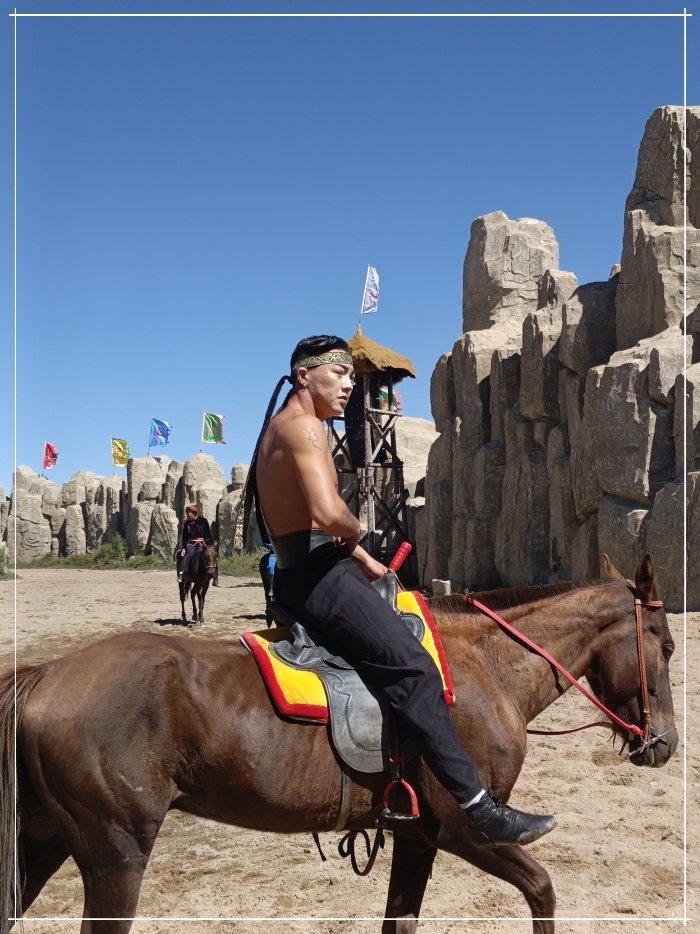
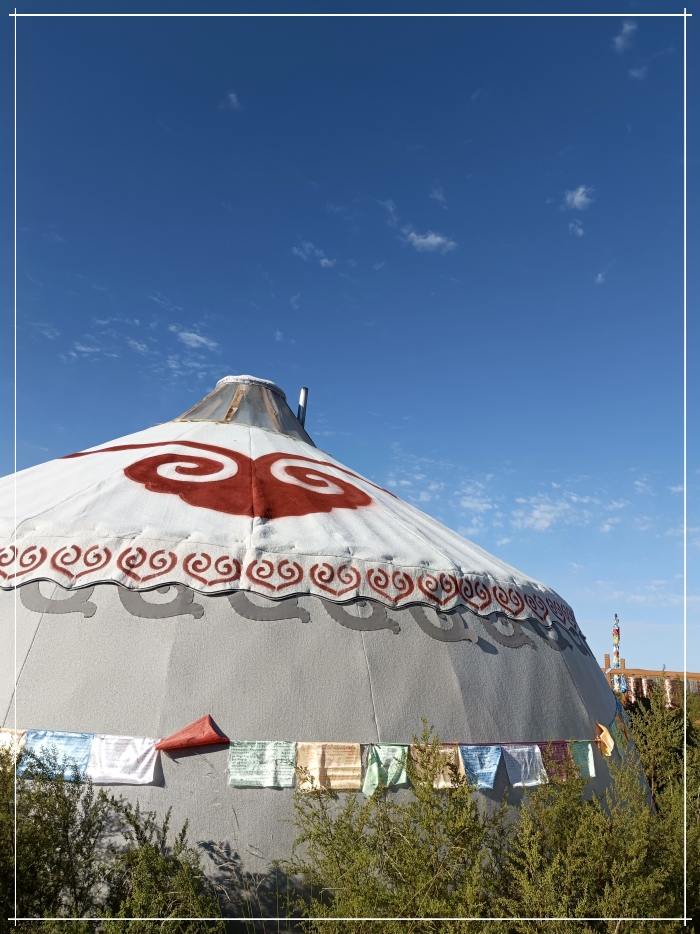
In the Grasslands, we got to stay at a Mongolian Yurt (Meng Gu Bao Tent). The temperature at night drops to as low as 4 degrees Celsius. Good thing the tents have mechanical heaters (not so traditional after all). We spent the night on socials and a few bottles of traditional Mongolian Liquor made from fermented milk. The bottle looks very nice, too. At daytime we also got to enjoy various activities as horseback riding and archery lessons.

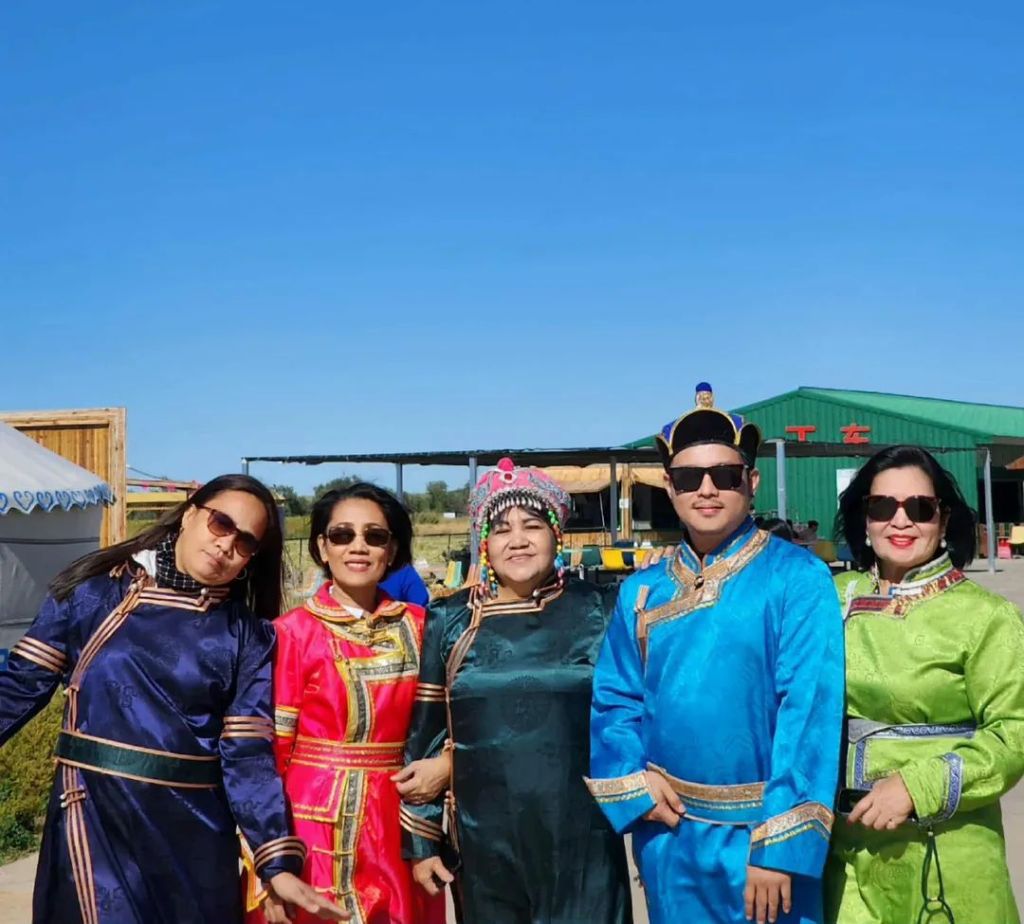
Here’s me wearing a traditional costume under the clearest blue sky of Mongolia.

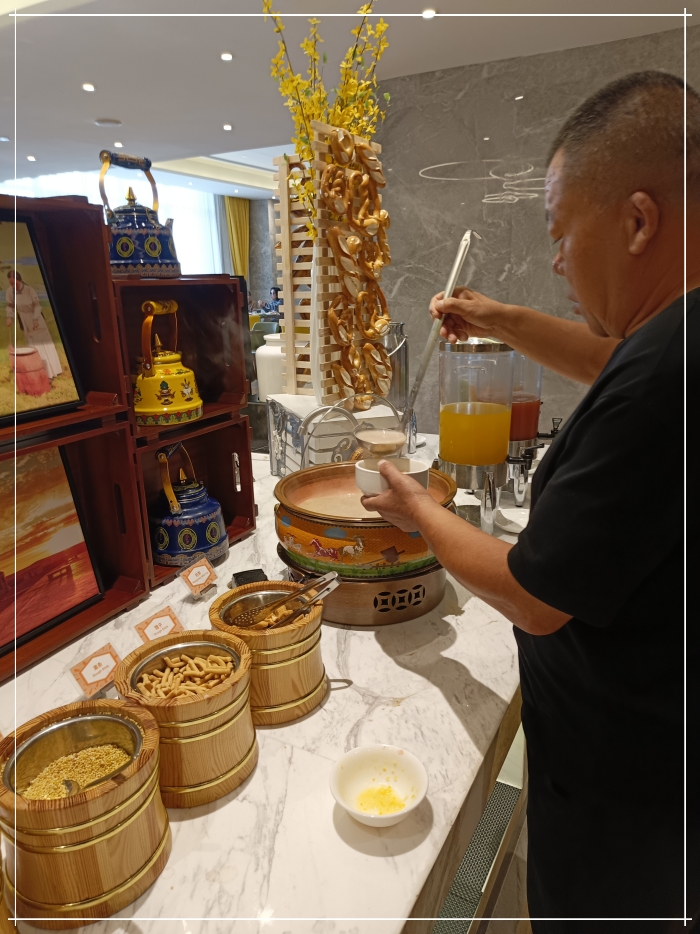
Throughout my stay, I was hooked on local yogurt, which Mongolia has always been famous for. Yogurt (Isgelen Tarag) is a staple in the Mongolian diet. The cultural significance of yogurt dates back to the time of Genghis Khan, and it remains an important part of nomadic life and culinary tradition.

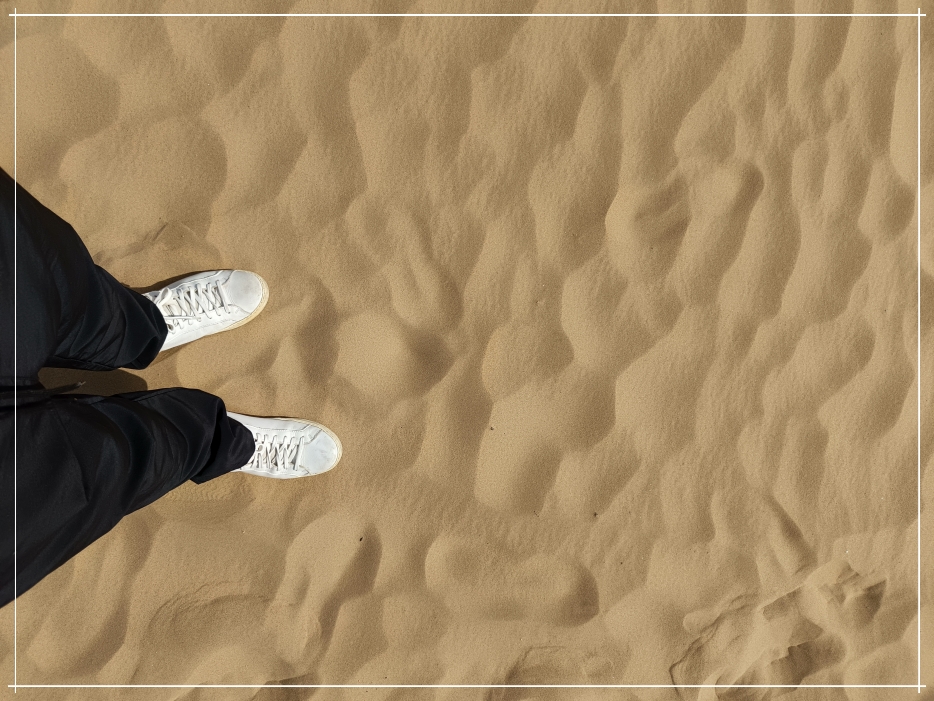
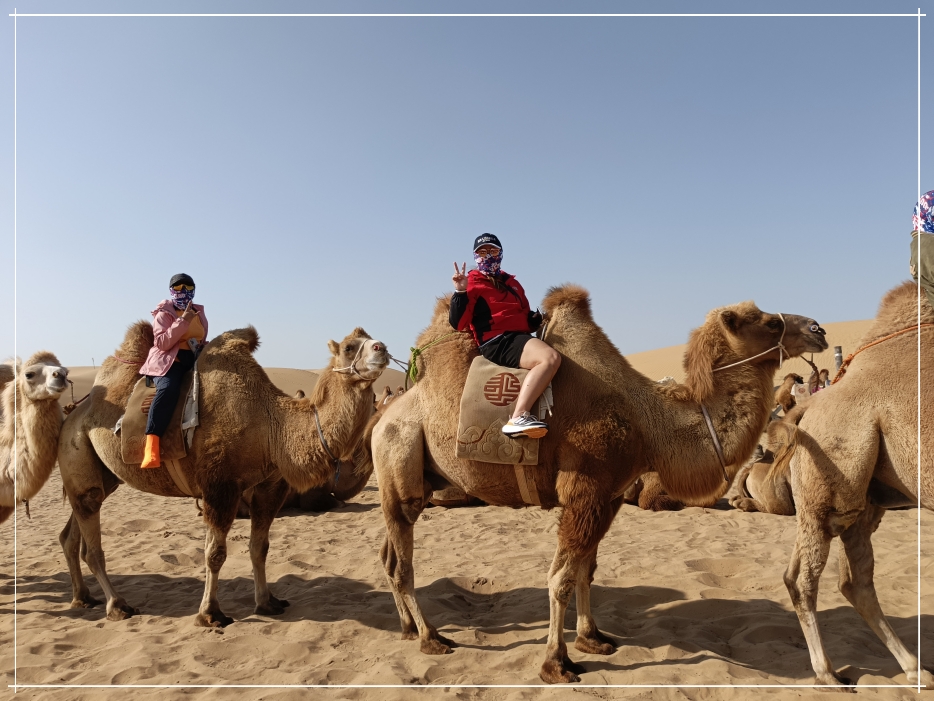
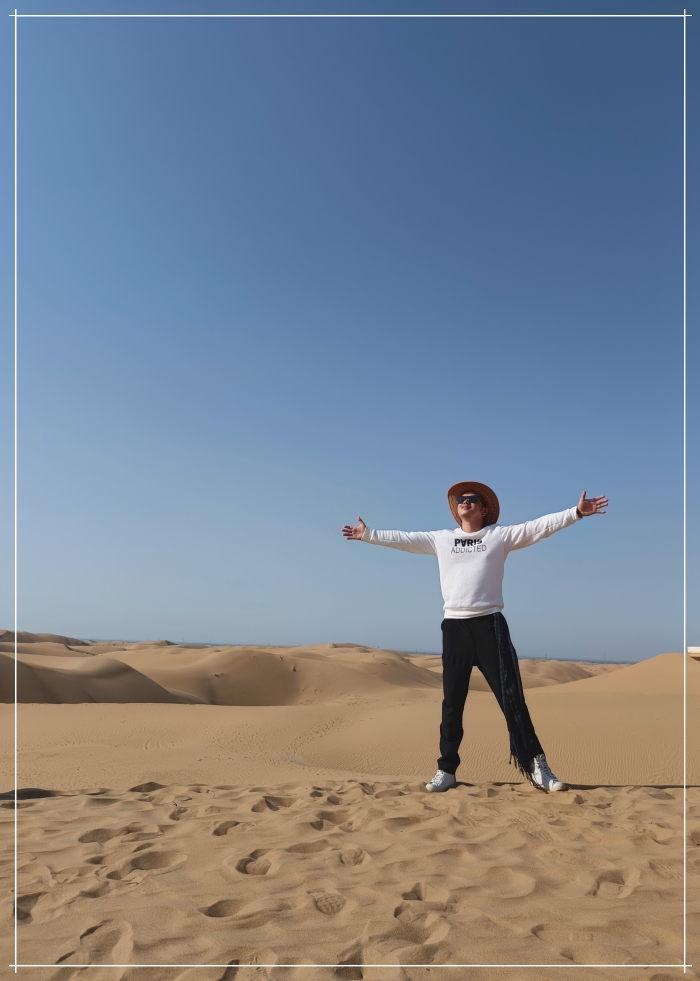
On our second day, we transferred to Kubuqi Desert for a nomadic desert experience. The camel ride excursion was definitely the highlight of the day.

We spent the rest of the day at Yinken Whistling Dune Bay – an Amusement park in the middle of the desert. We went for off-road surfing, go-karts, zip lines and roller coaster ride.

We also had a quick visit Ordos City, famous for Lamb meat and beef hotpot.

The remaining days, we spent at Hohhot City, which is the capital of Inner Mongolia. The city is strongly Chinese-influenced, with a touch or Arabic, as the territory also share some history with the ancient folks of Central Asia.

Here’s me feeling cute at Shini Zhao Temple in Hohhot.

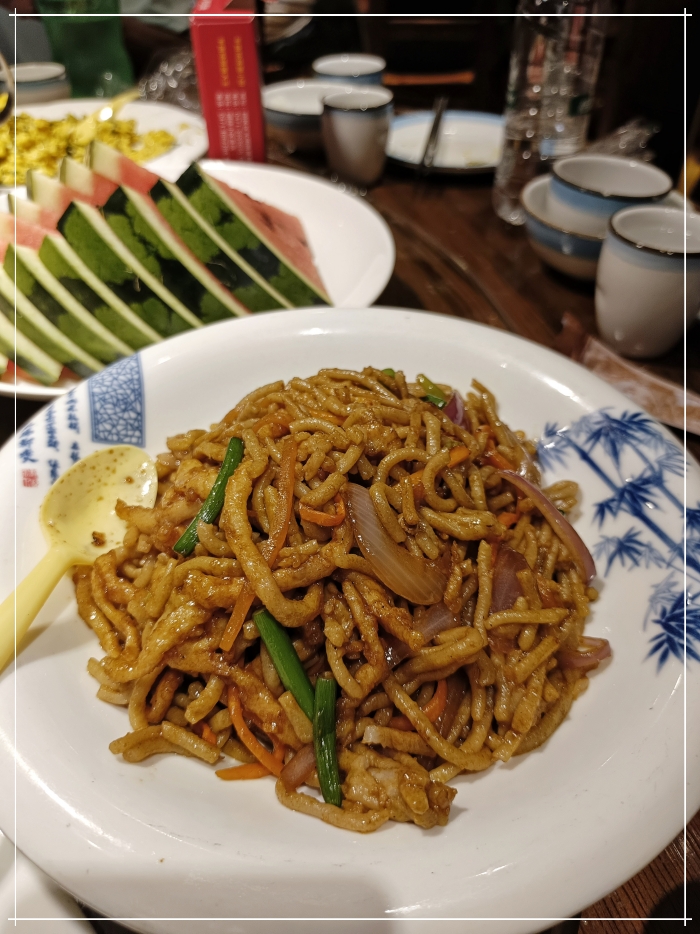
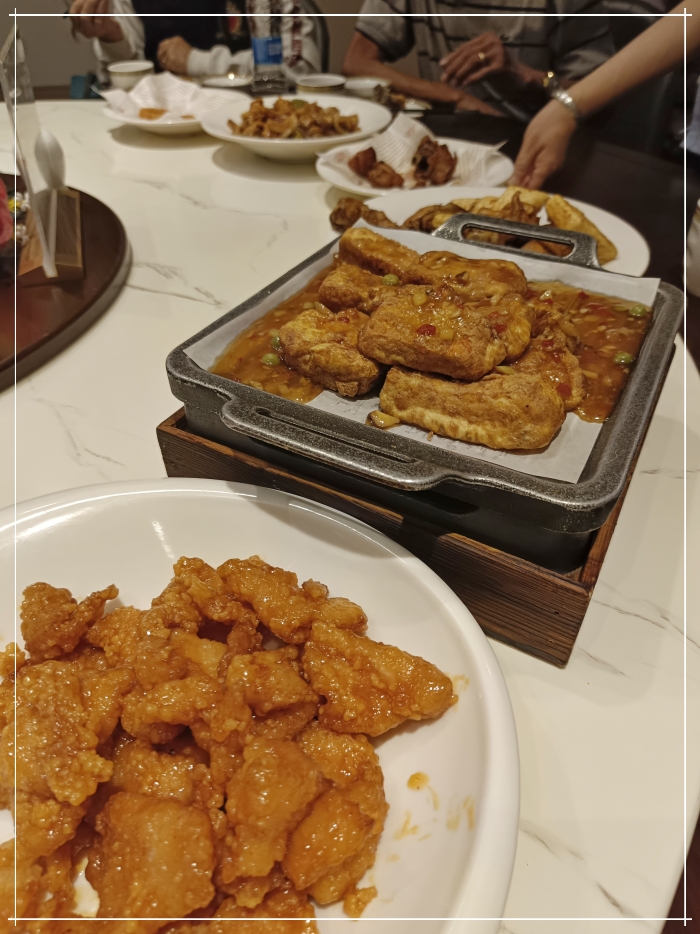
Hohhot City’s vibe is far from the status of Beijing or Shanghai in terms of Commercialism. Somewhat a provincial vibe IMO; but all the necessary modern conveniences are there. Food was hefty and great, and everything’s fairly affordable.
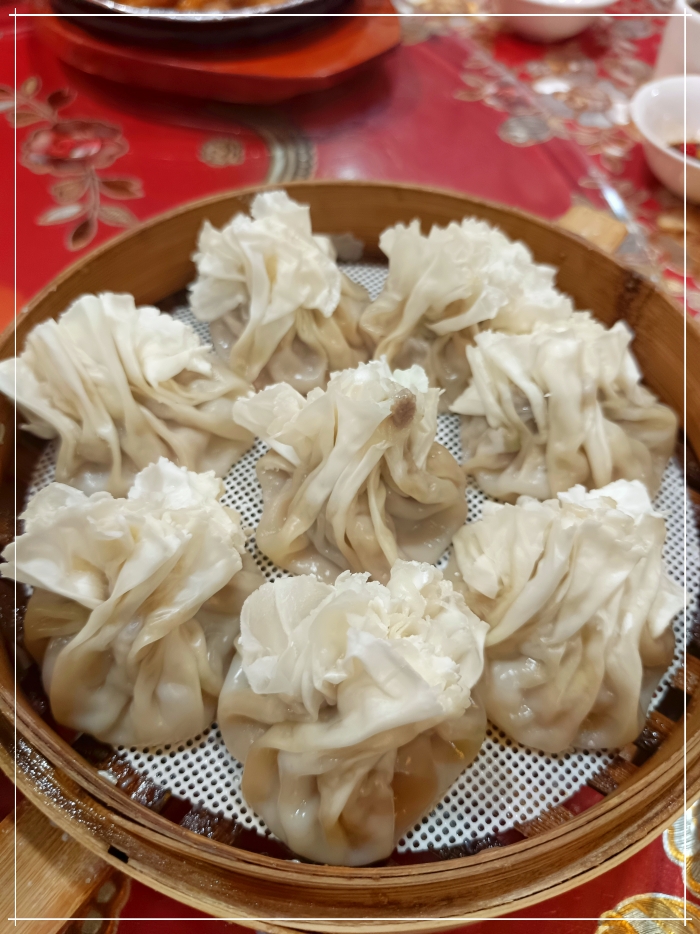
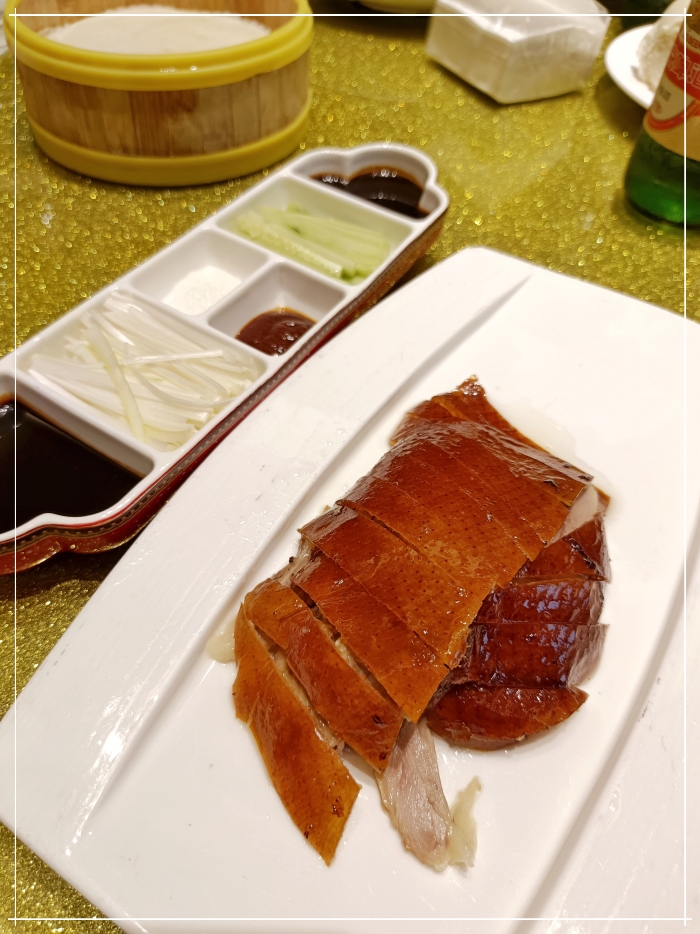
This Peking Duck is by far the best duck-meat viand I have ever tasted. I could actually compare it to lechon baboy, with a thin layer of fat under the crispy-roasted skin.
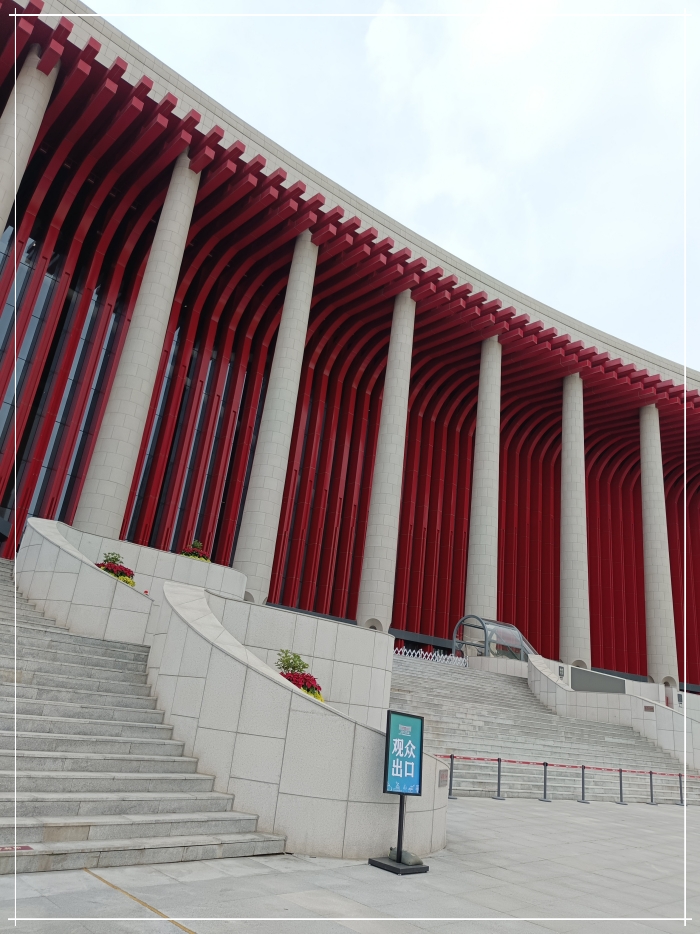
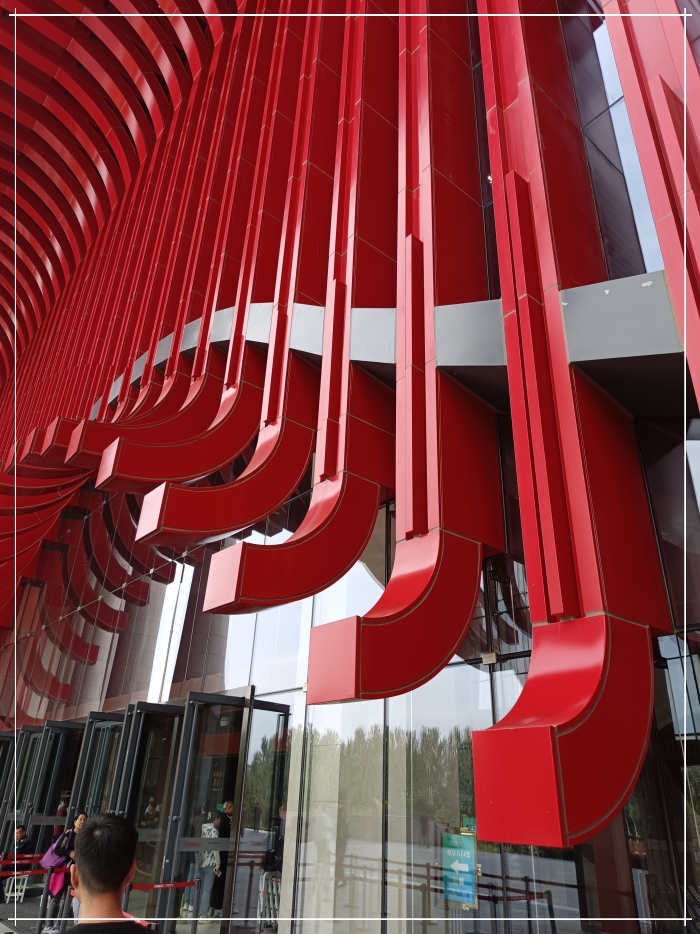
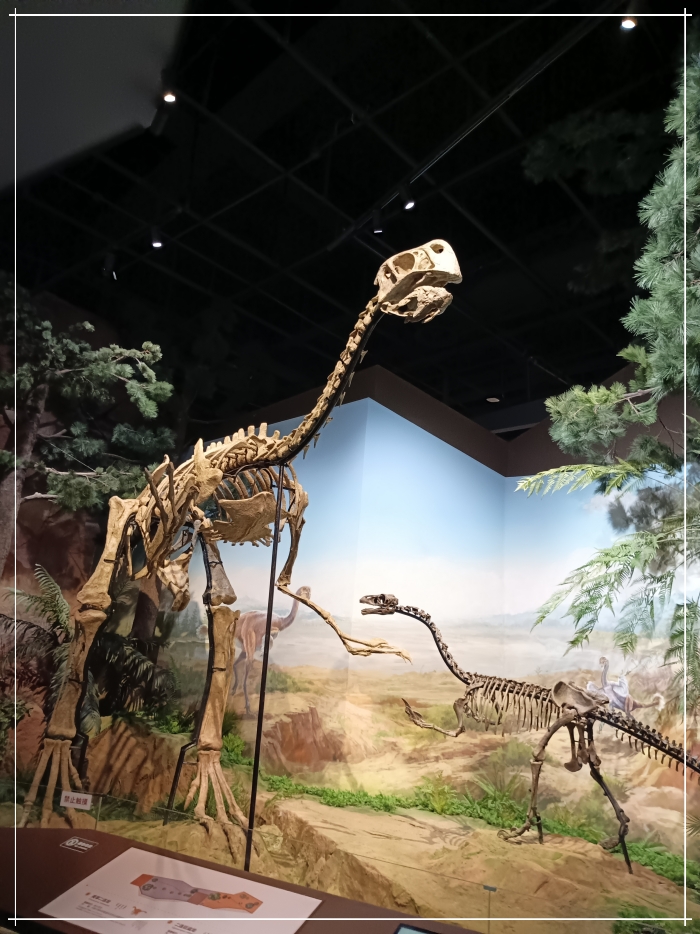
We also had a quick visit to the Inner Mongolian Museum, which houses the largest number of collected dinasaur fossils in Asia. Inner Mongolian desert is also a treasure trove of prehistoric remains, as these vast dry lands are ancient. Oil and natural gases are also being mined from the grounds of this territory.

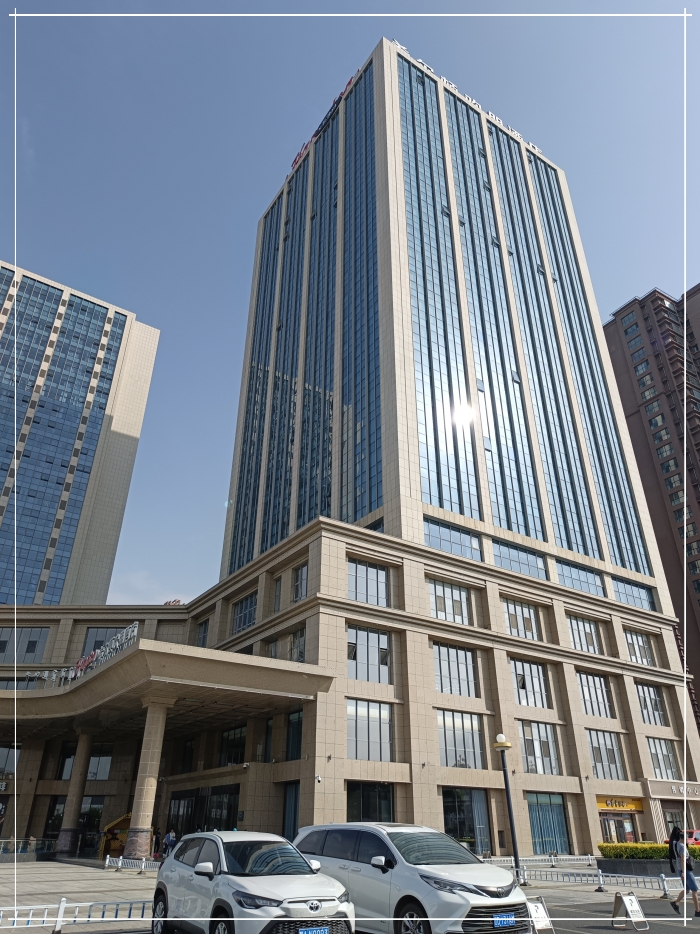
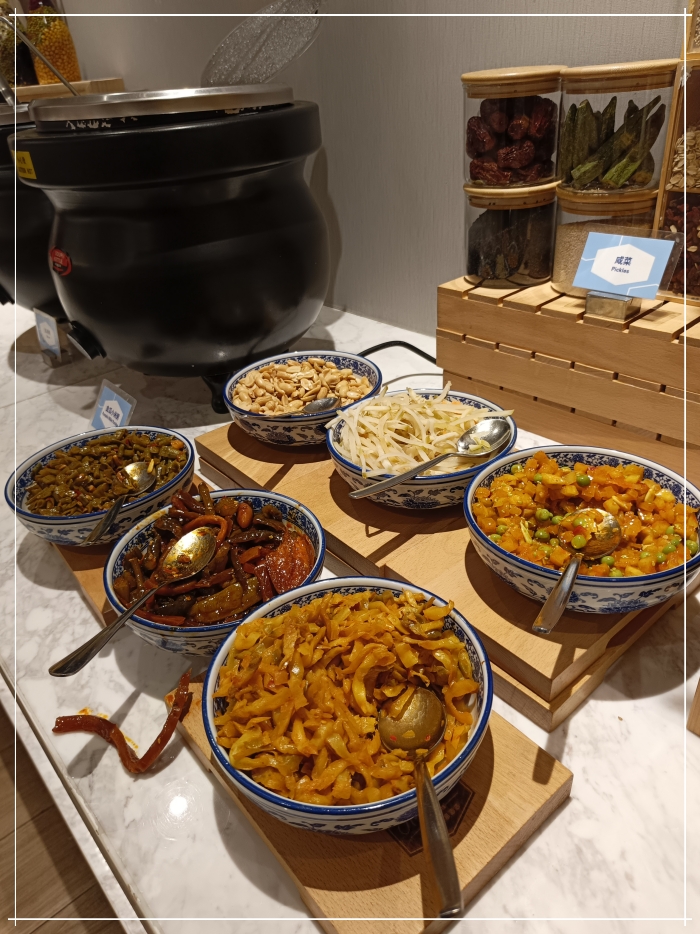
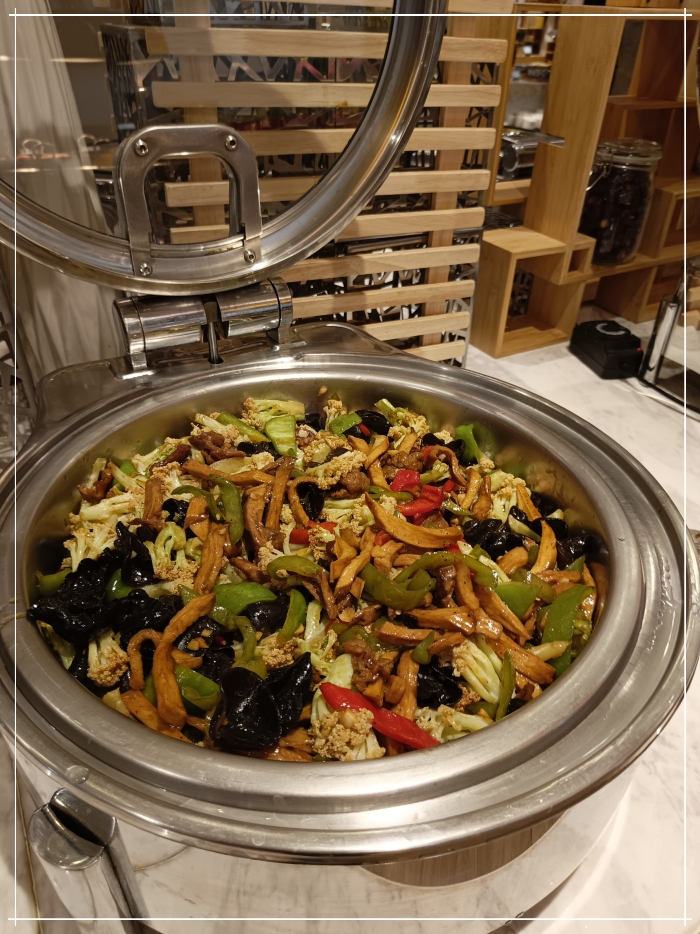
Where we stayed – Hamptons by Hilton Hotel in Hohhot City, with superb breakfast buffet.

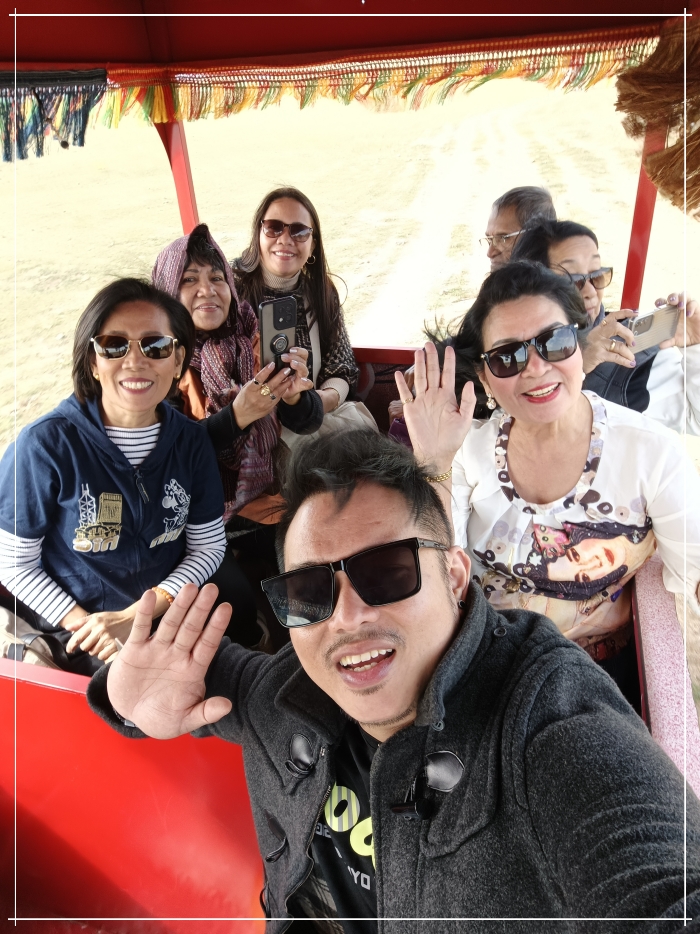
With the tour Buddies. This tour was arranged for us by Uno Turismo agency based in Quezon City.

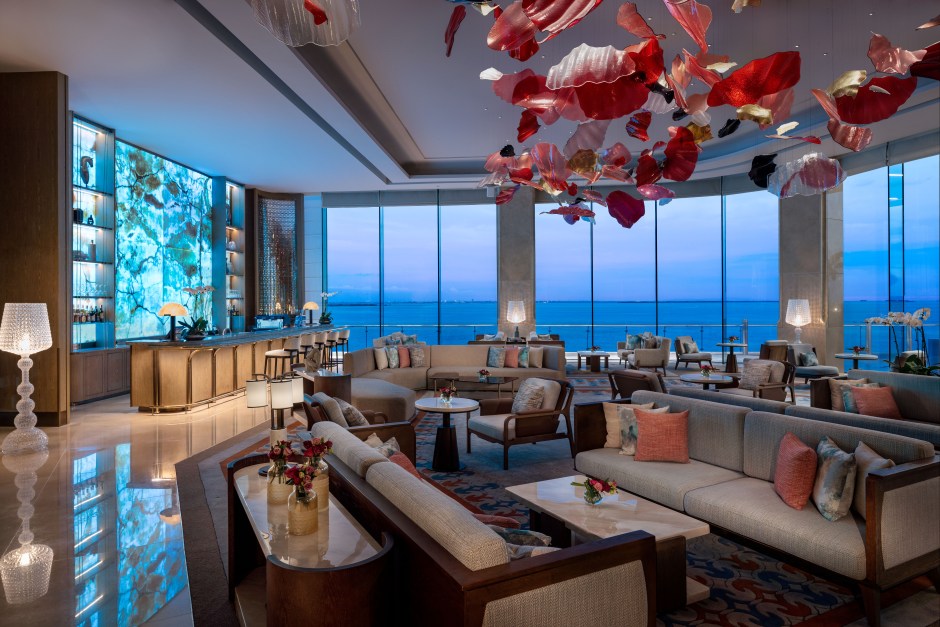
NUSTAR HOTEL CEBU EARNS MICHELIN GUIDE HONORS

NUSTAR Hotel, the first ultra-luxury hotel in Cebu recently earned a place in the coveted Michelin Guide list of recommended hotels this 2025. 

This distinction places NUSTAR Hotel among an elite collection of hotels worldwide, each recommended by the prestigious Michelin Guide for excellence in design, architecture, service, personality and exceptional guest experiences. 

Michelin Guide inspectors are themselves seasoned travellers and experts in design, service and hospitality.  They travel the globe and inspect hotels anonymously to ensure an unbiased evaluation.  Hotels are assessed based on these five criteria and those which excel are recommended for the Michelin Key, a distinction that recognizes exceptional hotels.

A Landmark Moment for Cebu and Philippine Tourism

The addition of the NUSTAR Hotel into the 2025 Michelin Guide Hotel List marks a major achievement for the Philippine hospitality industry, which has long been dominated by international hotel brands.

“The NUSTAR Hotel’s presence in the prestigious Michelin Guide is a proud and significant milestone not just for NUSTAR Hotel, but for Cebu and the entire Philippine hospitality industry,” said Sean Knights, Chief Operating Officer of NUSTAR Resort and Casino Cebu. “This recognition affirms our unwavering commitment to delivering an exceptional hotel product, allowing us to promote world-class experiences that celebrate Filipino culture, elevate service excellence and redefine the boundaries of luxury in the region.”

Along with the Fili Hotel which opened earlier in 2022, the NUSTAR Hotel opened in 2025 as the second of three hotels rising above the NUSTAR Resort & Casino, a prominent icon on the southern coast of Cebu City.  The integrated resort complex is operated by Universal Hotels and Resorts Inc. (UHRI), the hospitality and development arm of Gokongwei Group.  Since opening, the hotels have distinguished themselves as hallmarks of modern Filipino hospitality at its finest, blending premium accommodation, world-class service and deep cultural identity.

The NUSTAR hotel has 223 spacious rooms and suites and three expansive sea-facing villas.  A defining feature of hotel is personal butler service, provided by a team of butlers trained by Heilbron Hospitality, one of the world’s most respected institutions in hospitality training.

This recognition by the Michelin Guide resonates beyond the hotel itself, heralding a breakthrough for Philippine tourism and the country’s confidence and readiness to welcome discerning luxury travelers seeking authentic and meaningful travel experiences delivered with genuine Filipino warmth.

More information and reservations are accessible from the hotel website http://www.nustar.ph or thru the Guest Services Center (+63 32 888 8282).

About NUSTAR Resort and Casino Cebu

NUSTAR Resort and Casino Cebu (stylized as NUSTAR), the Philippines’ first and only premier integrated resort in the Visayas and Mindanao region, offers world-class entertainment, luxury accommodations, diverse dining, and curated retail. Owned and operated by Universal Hotels and Resorts, Inc. (UHRI), NUSTAR is home to the region’s largest gaming floor, The Mall – the first and only luxury shopping mall in the area, Fili Hotel, The Boardwalk, and the ultra-luxury NUSTAR Hotel. Explore our offerings at www.nustar.ph.