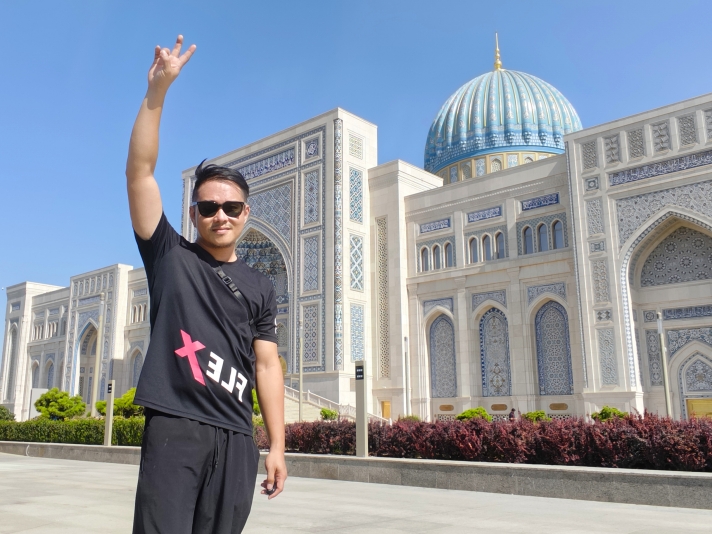
Tashkent is the capital and largest city of Uzbekistan, as well as the most populous city in Central Asia with over 3.1 million people. The city is more than 2,000 years old, having started as an ancient Silk Road trading stop during the time. But unlike the well-preserved neighboring historic cities of Samarkand and Bukhara, Tashkent underwent major Soviet-style redesigning during the 60s/70s when Uzbekistan was under Russian rule. Tashkent today is a buzzling metropolis with all the conveniences of the modern day world.
I only had one full day in Tashkent since I prioritized historic cities – Samarkand and Bukhara. But given the chance, I am definitely going back and shall purposely stay longer in the capital city.
Highlights of Tashkent:
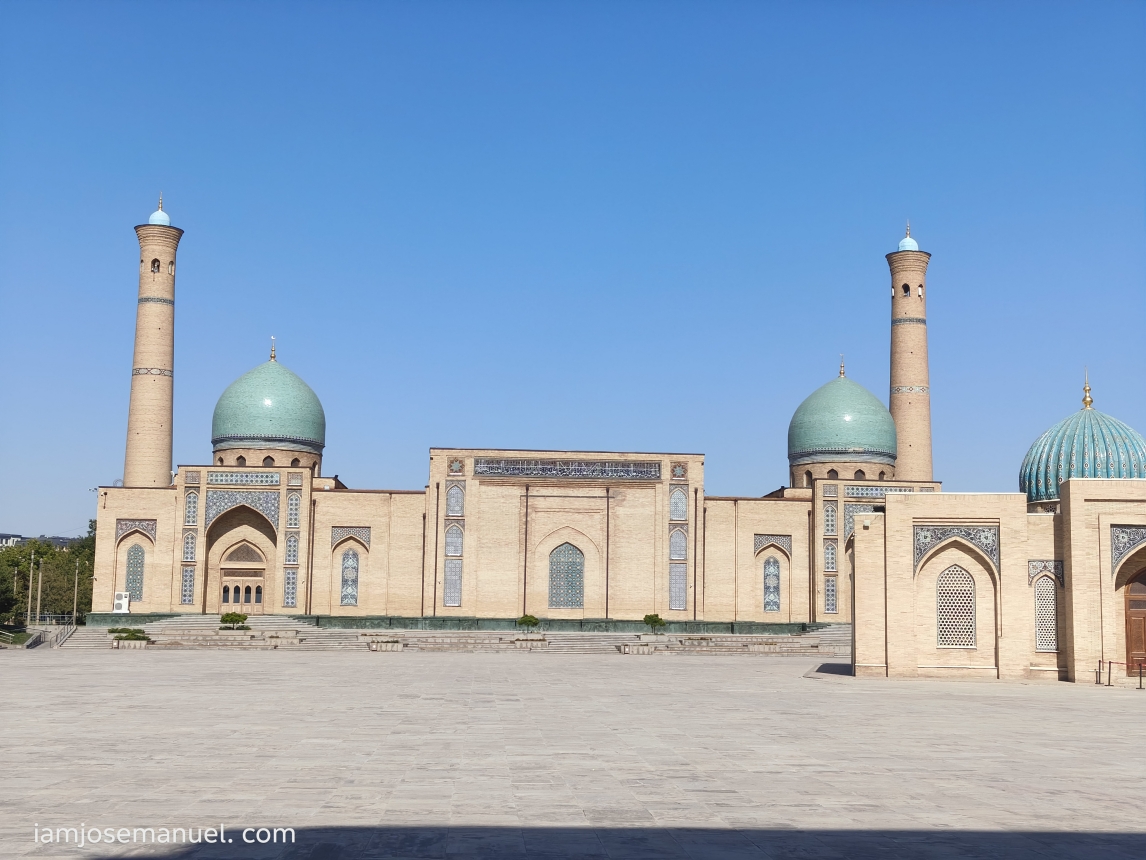
The Hazrati Imam complex: an architectural monument dating from the 16th to 20th centuries. The complex today functions as a museum, and houses the famous Uthman Qur’an (Osman Koran)—believed to be one of the oldest original 7th-century Qur’an manuscripts in the world.
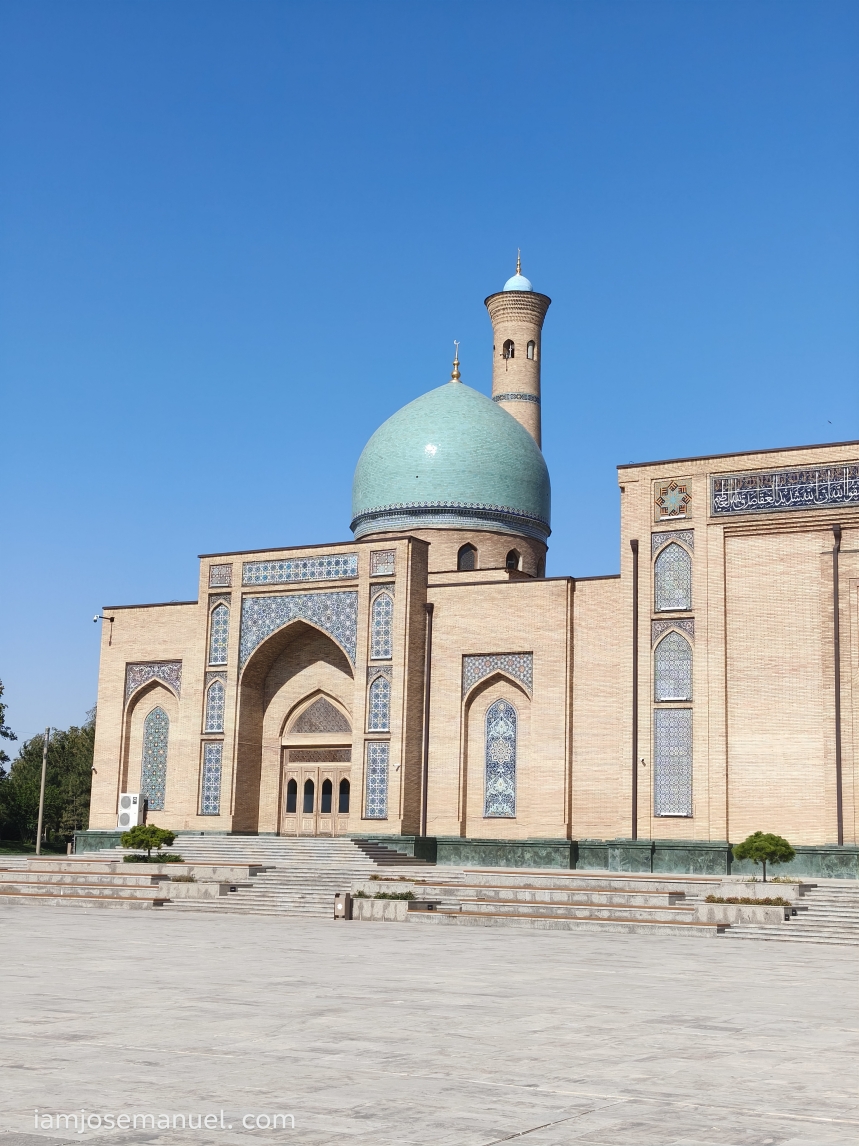
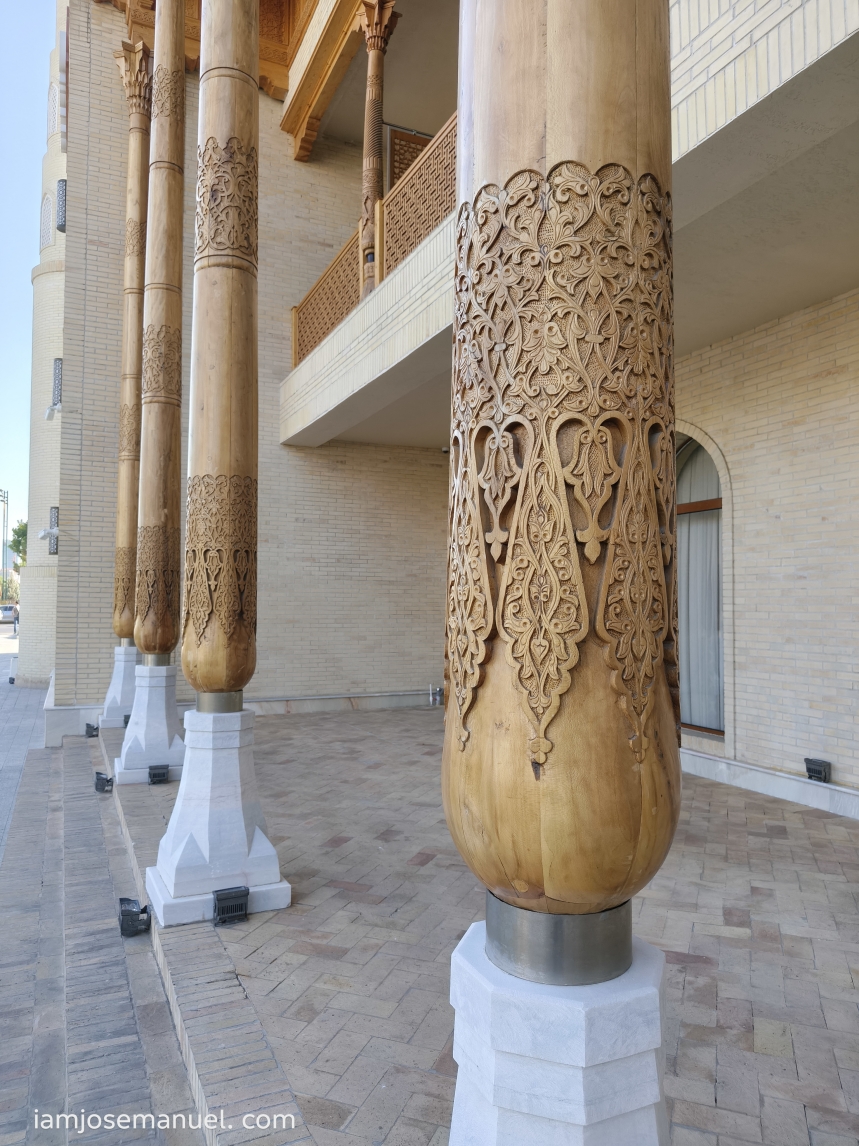
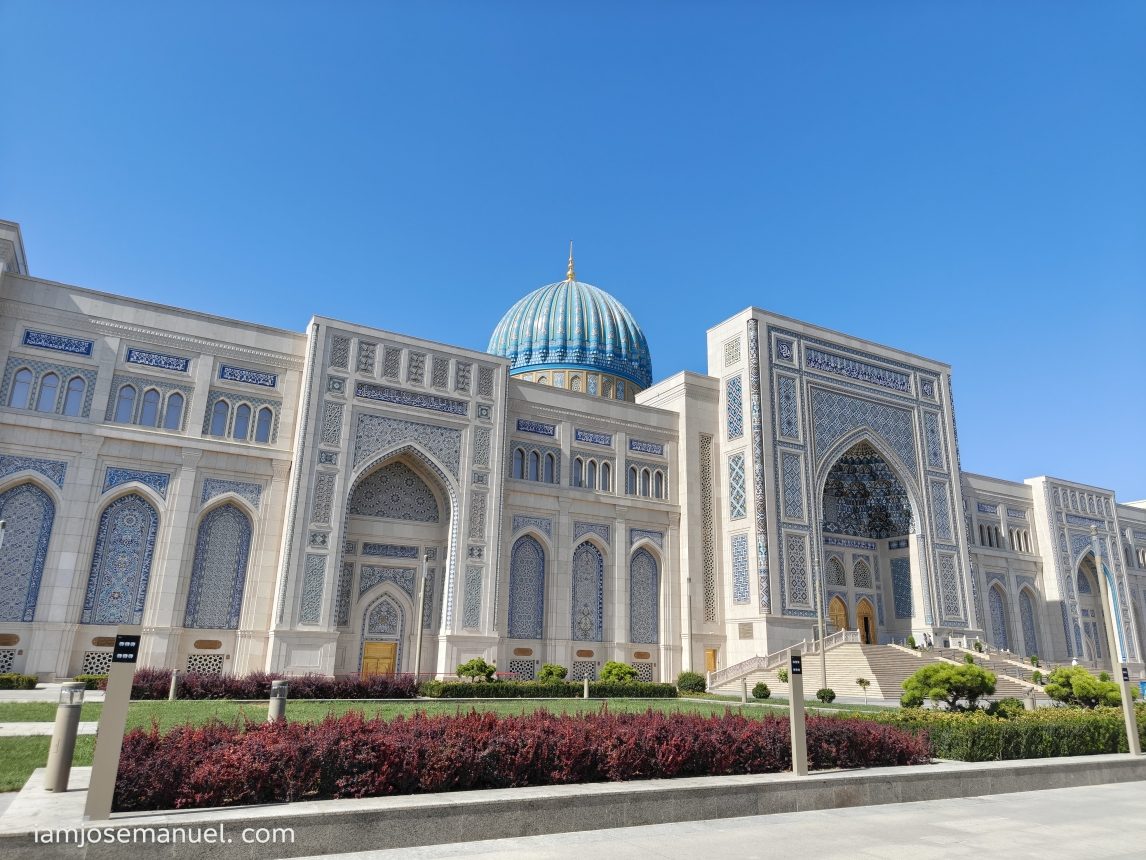
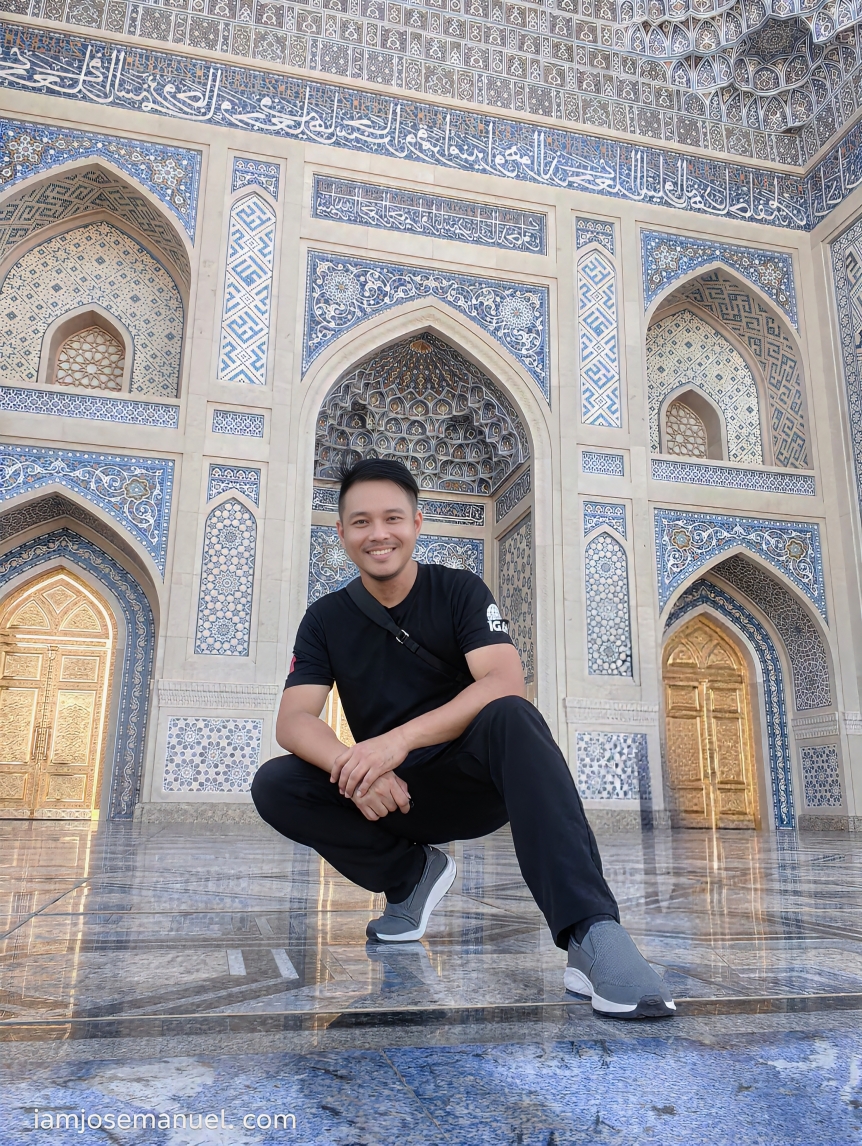
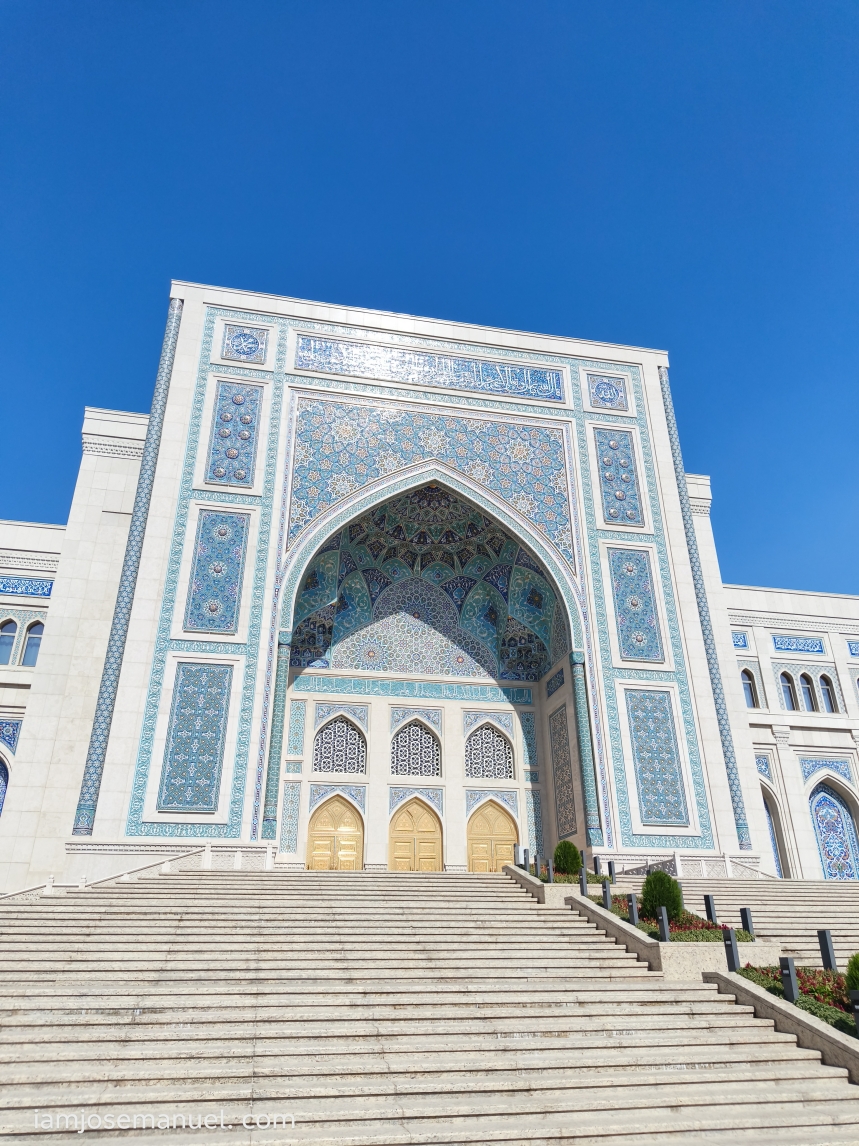
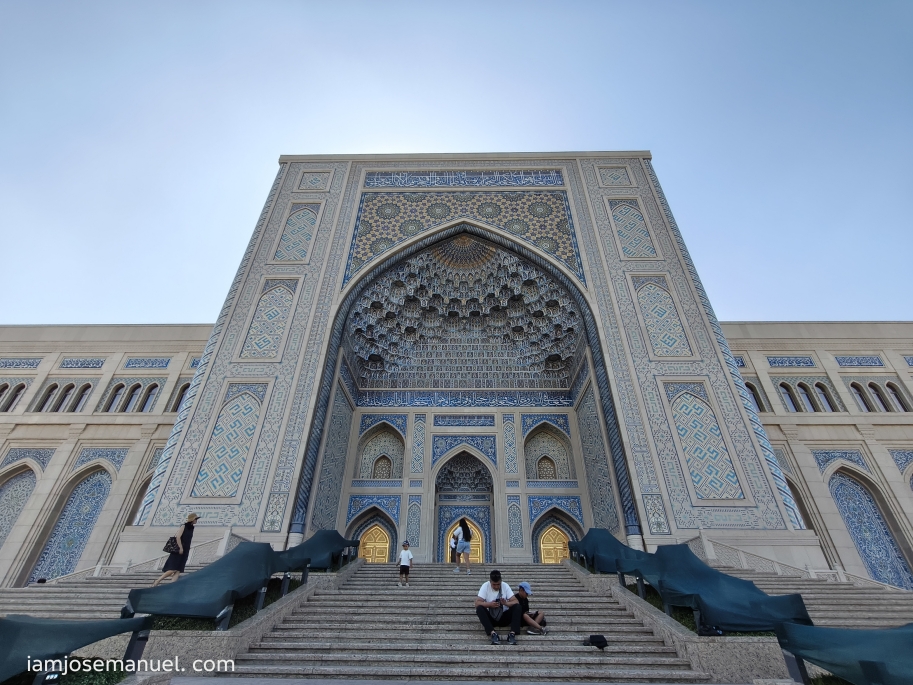
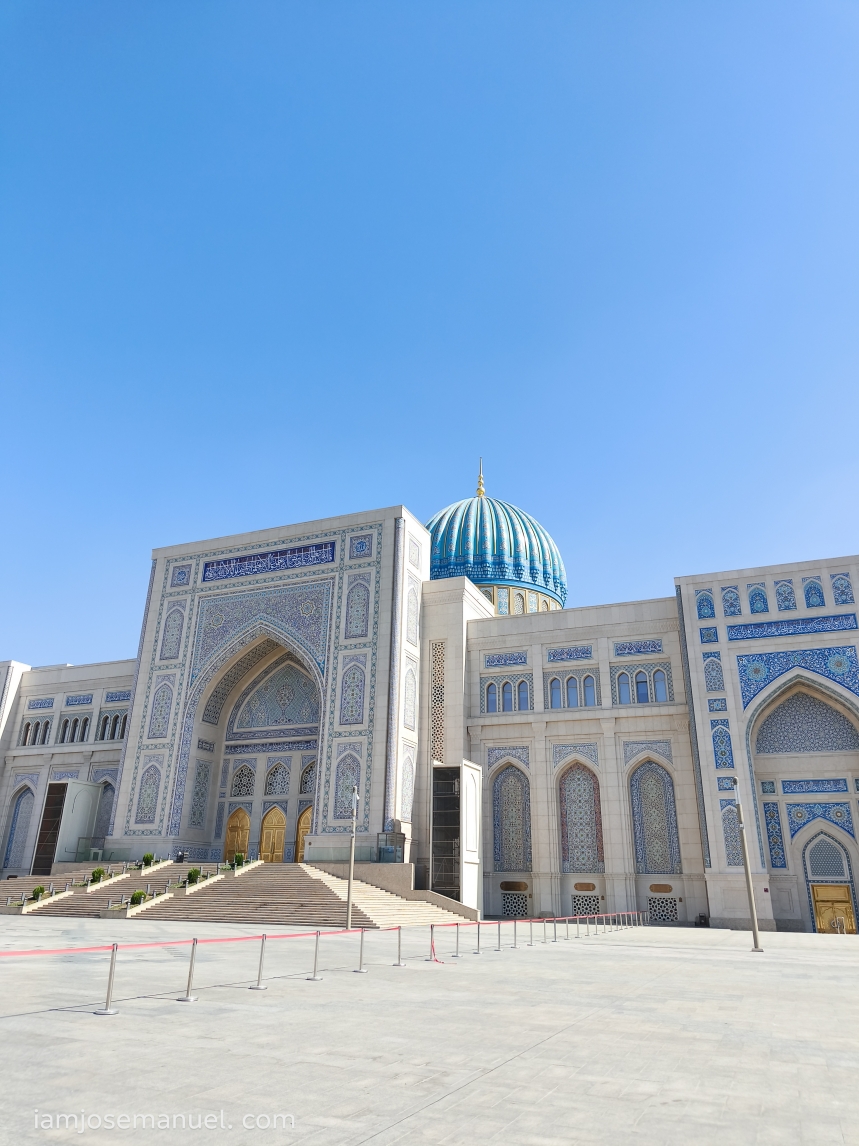
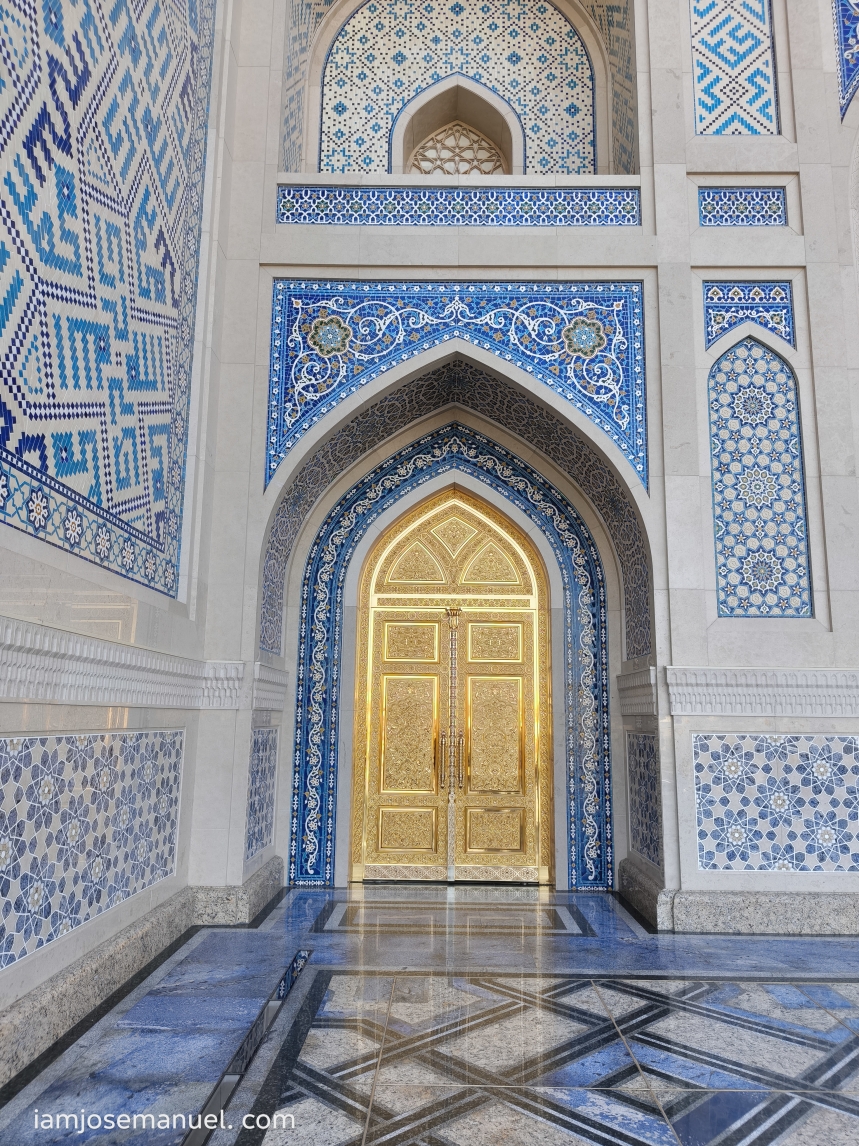
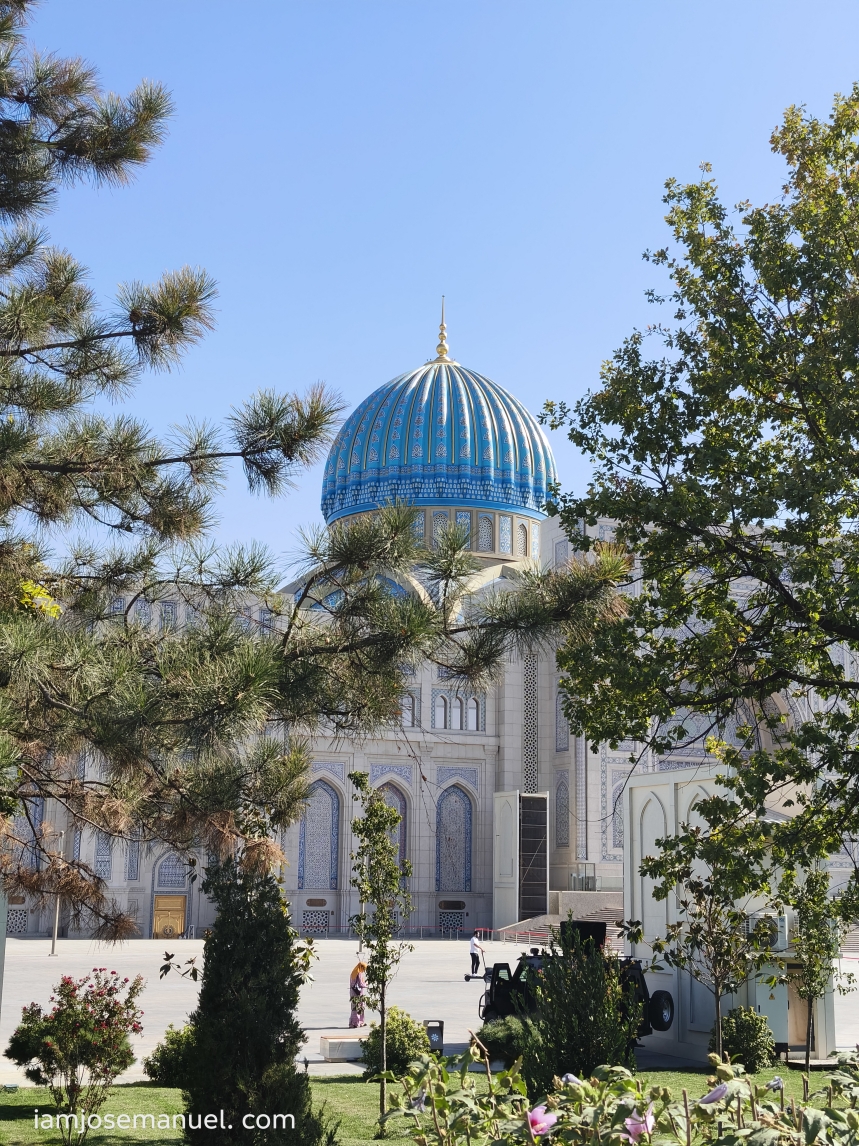
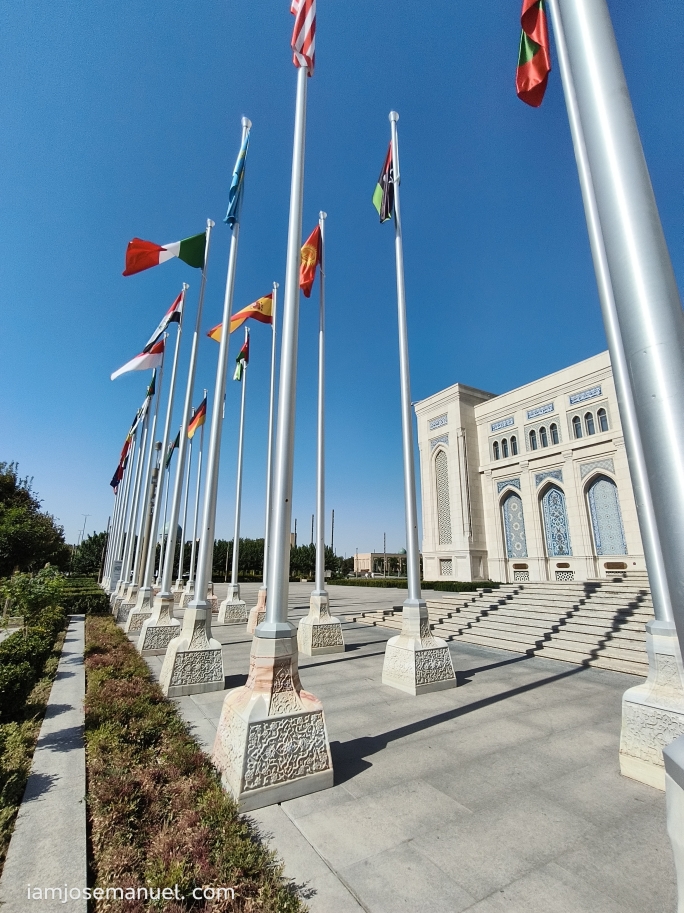
The Center of Islamic Civilization in Tashkent: a massive museum and research complex adjacent to the Hazrati Imam complex. I was awed when I first set foot on these grounds for its grandeur and how intricately made the mosaic wall tiles are. Inaugurated just this year 2026, this architectural icon is a masterpiece made by the hands of modern day Uzbek people.
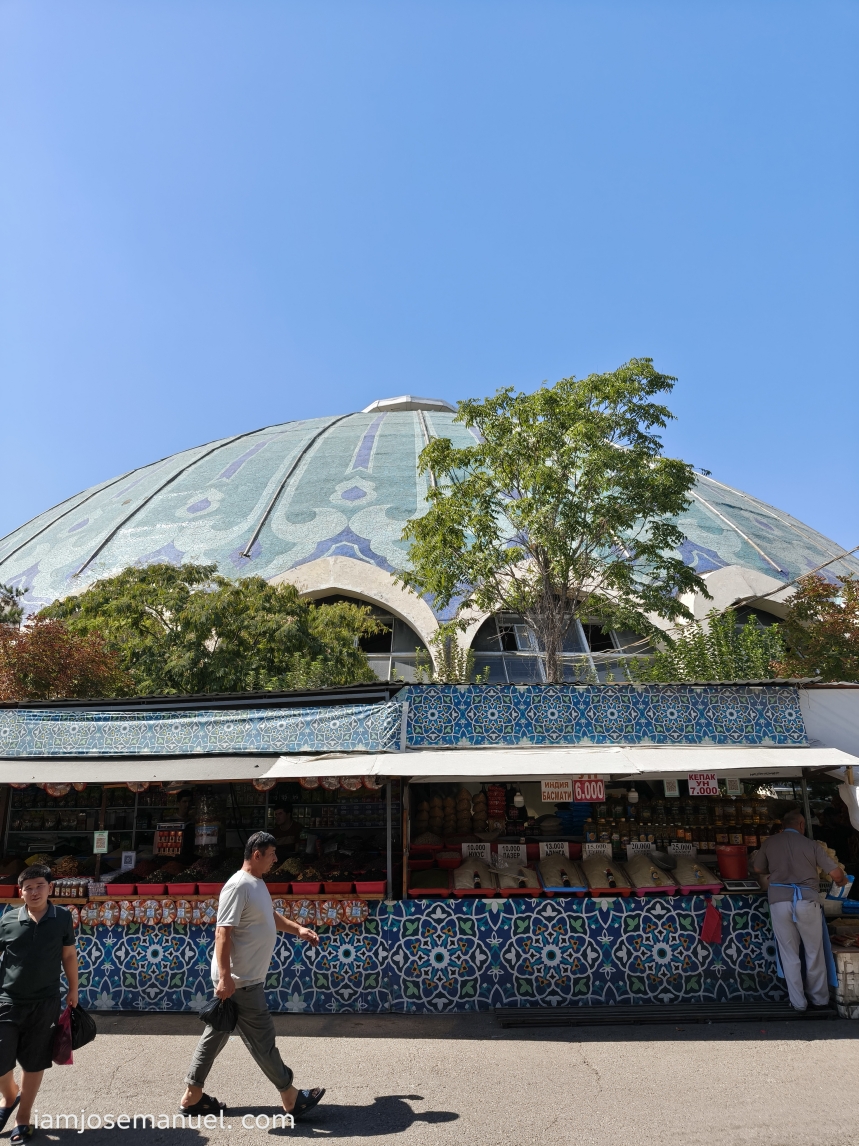
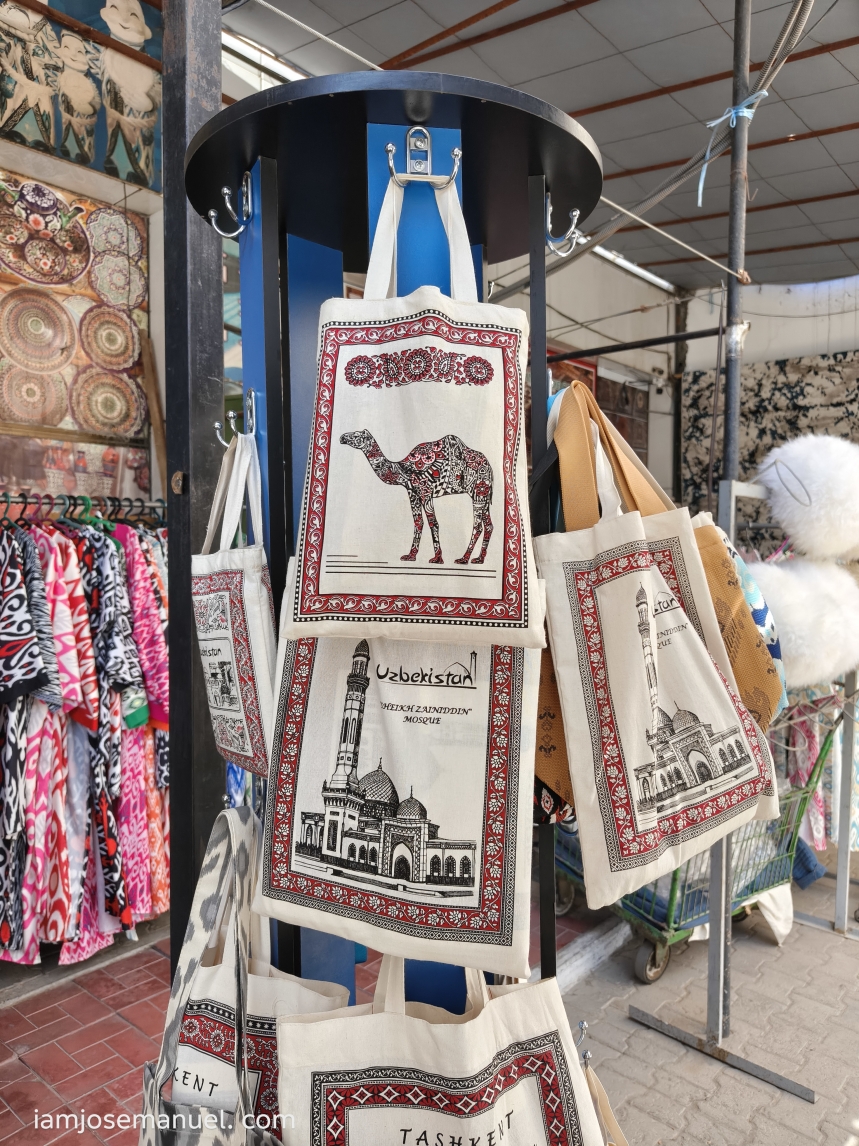
Chorsu Bazaar: one of the most famous markets in Uzbekistan. A UNESCO World Heritage site, access is completely free. The bazaar is famous for its blue dome that can be seen for miles around. The blue dome was built around 1980s by the Soviet administration, though the market site itself has a history spanning over 2,000 years at the crossroads of ancient Silk Road routes.
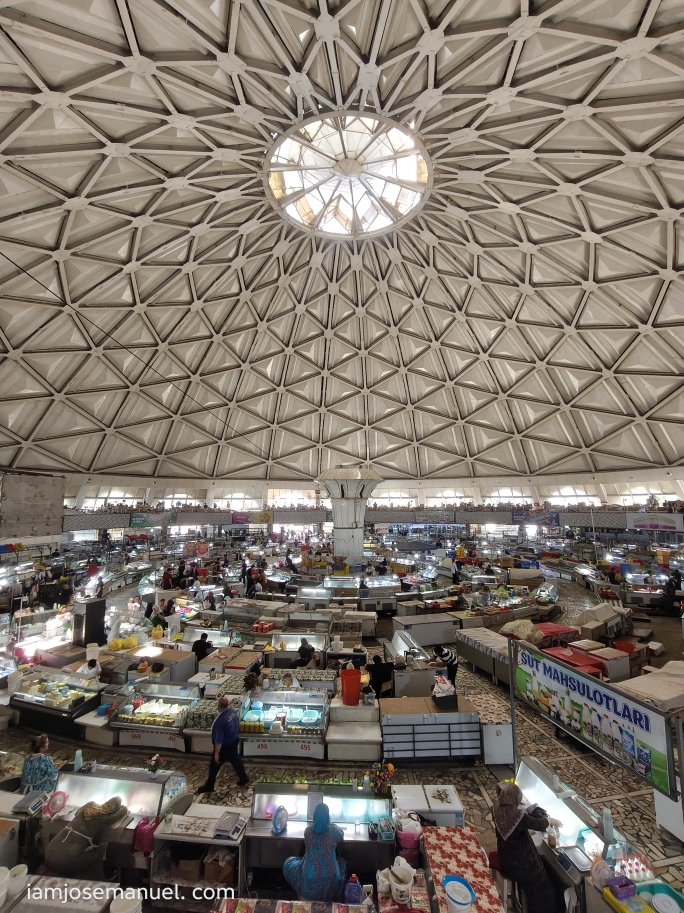
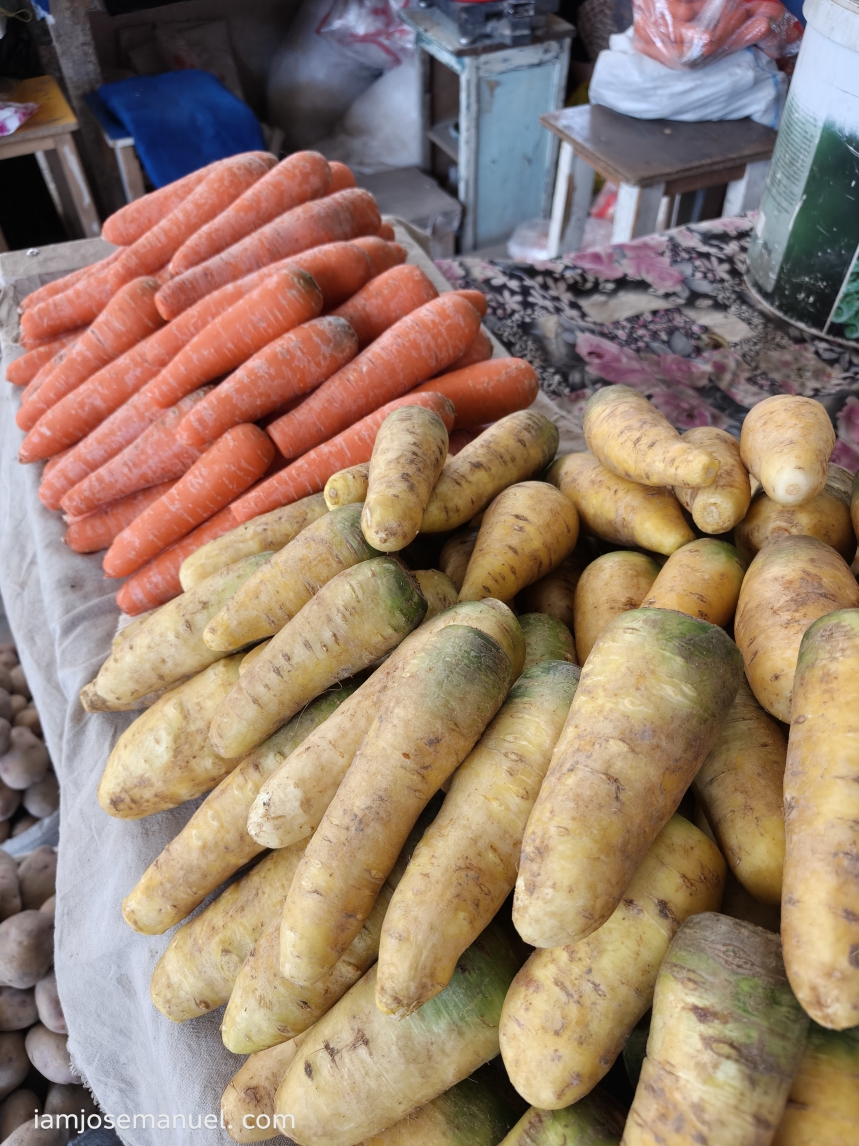
Chorsu Bazaar houses large selections of Arabic spices, dried fruits and tea, as well as traditional weaving products and ceramic wares. It is also in Chorsu where I first saw carrots that are yellow. haha
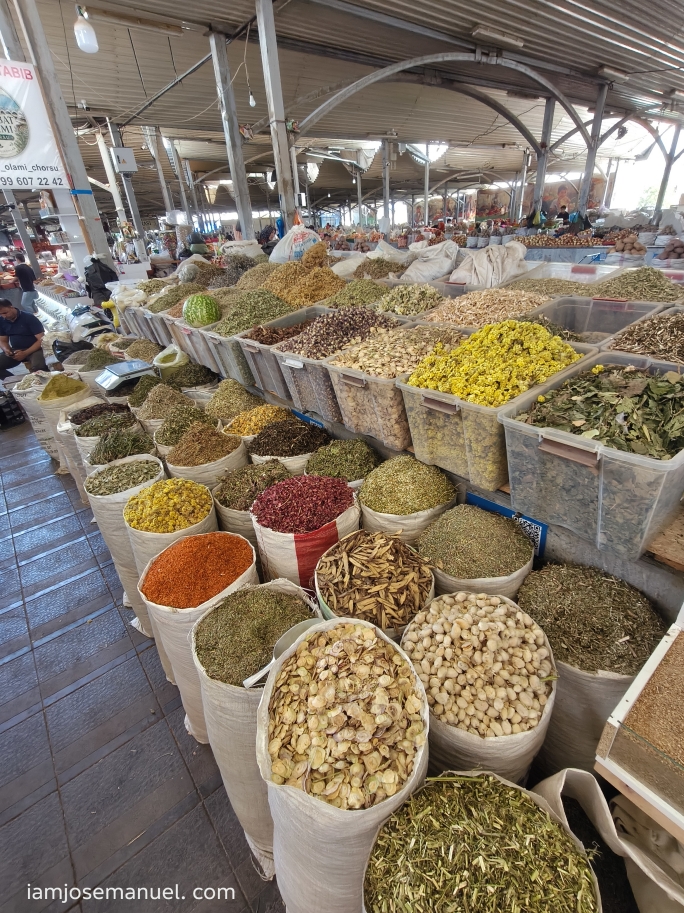
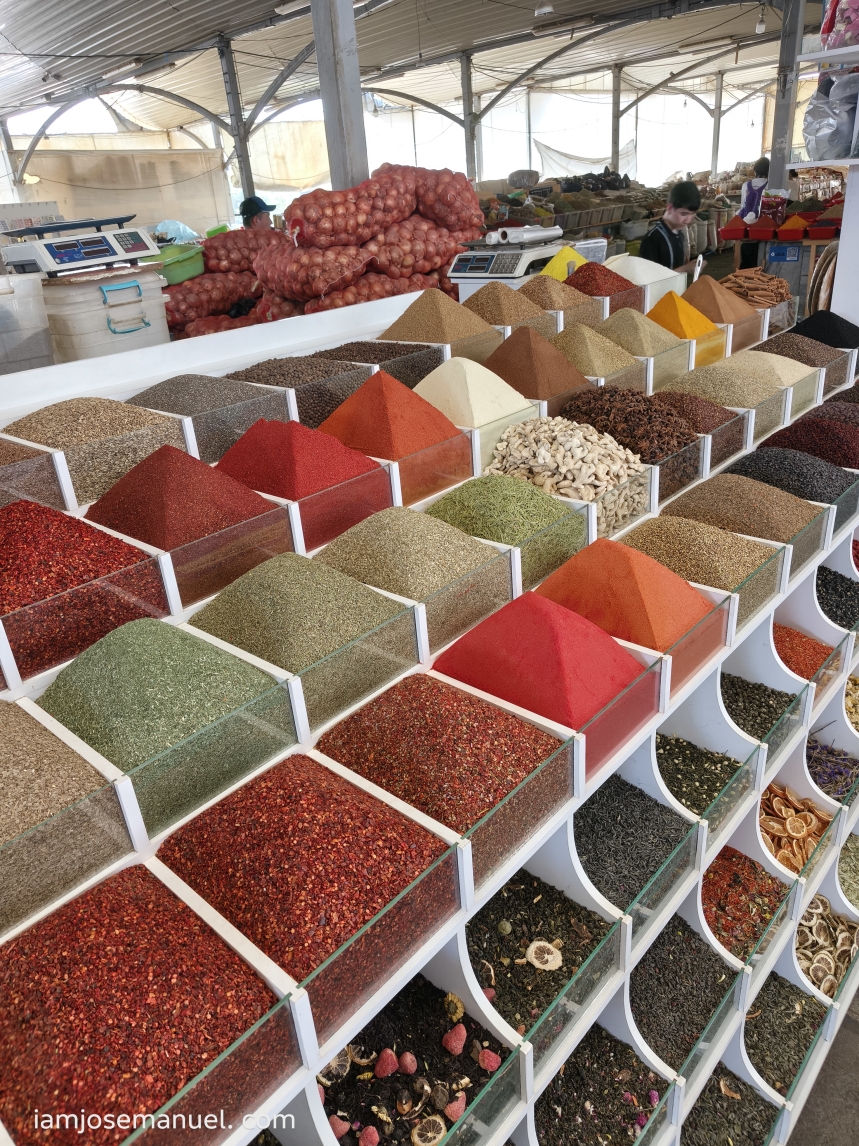
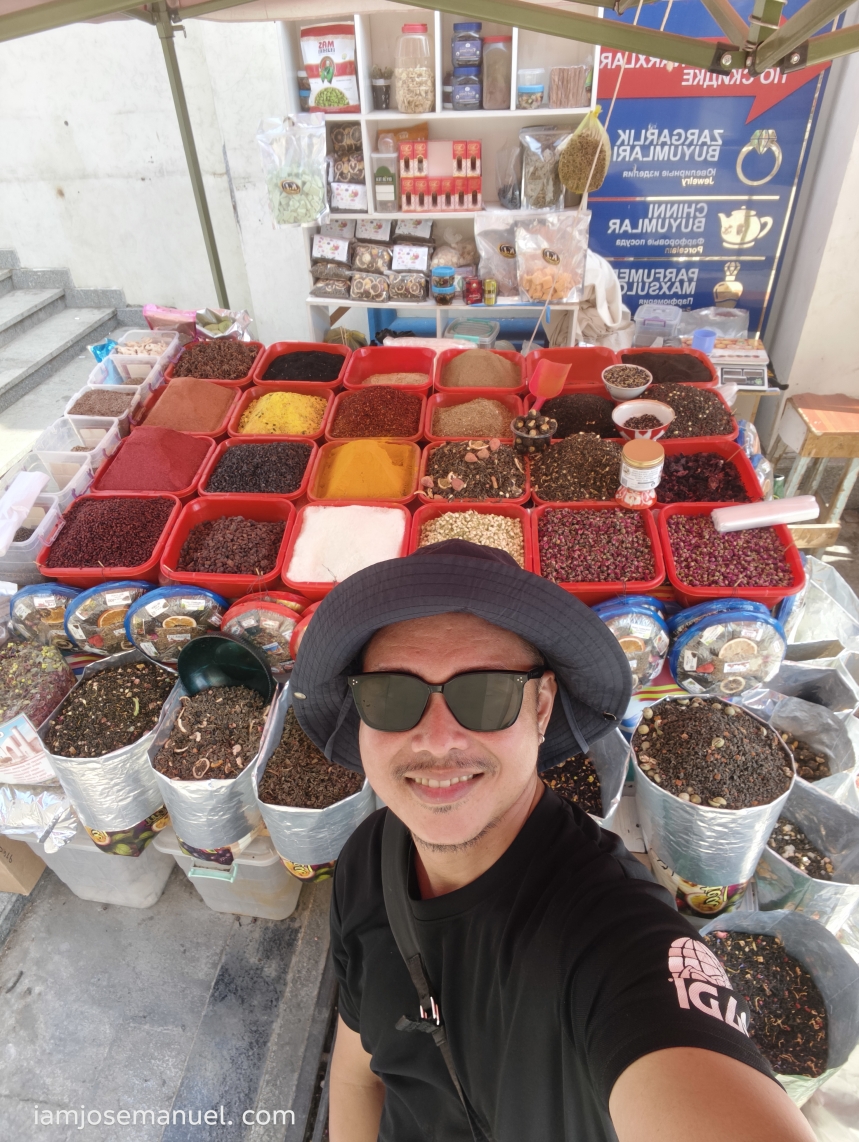
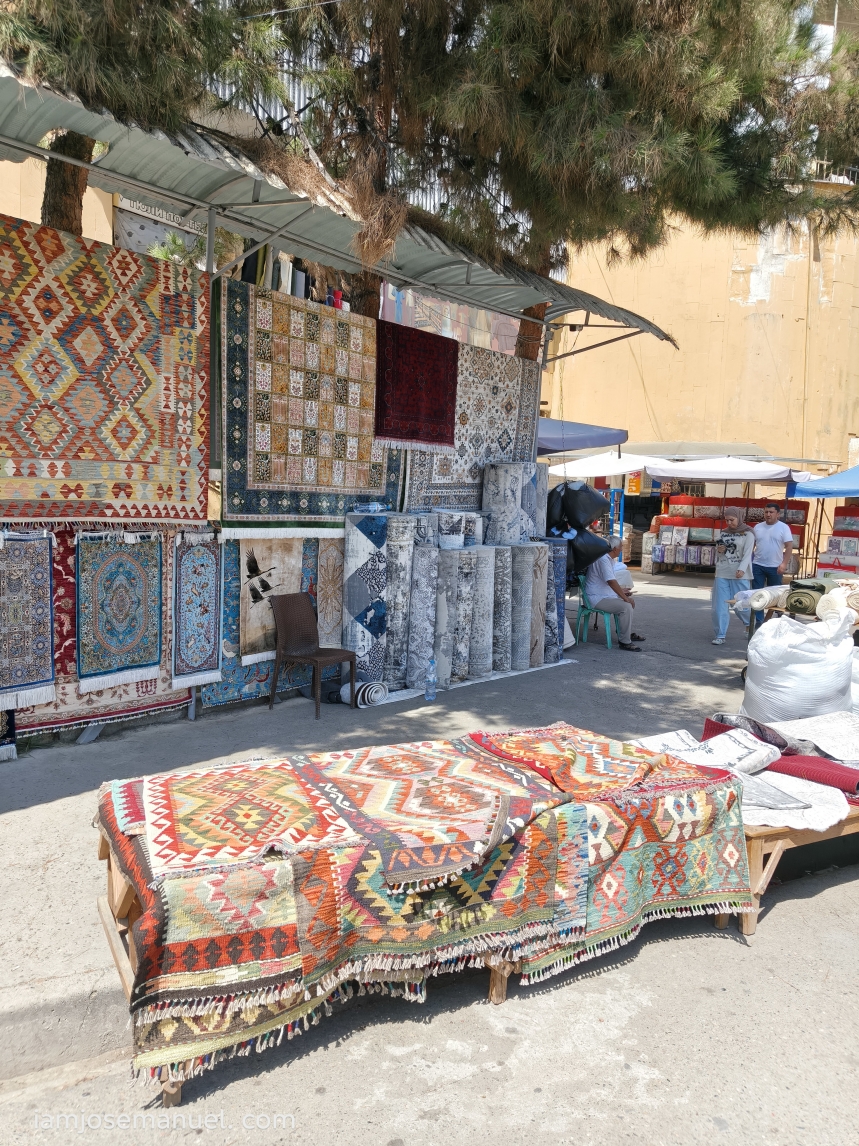
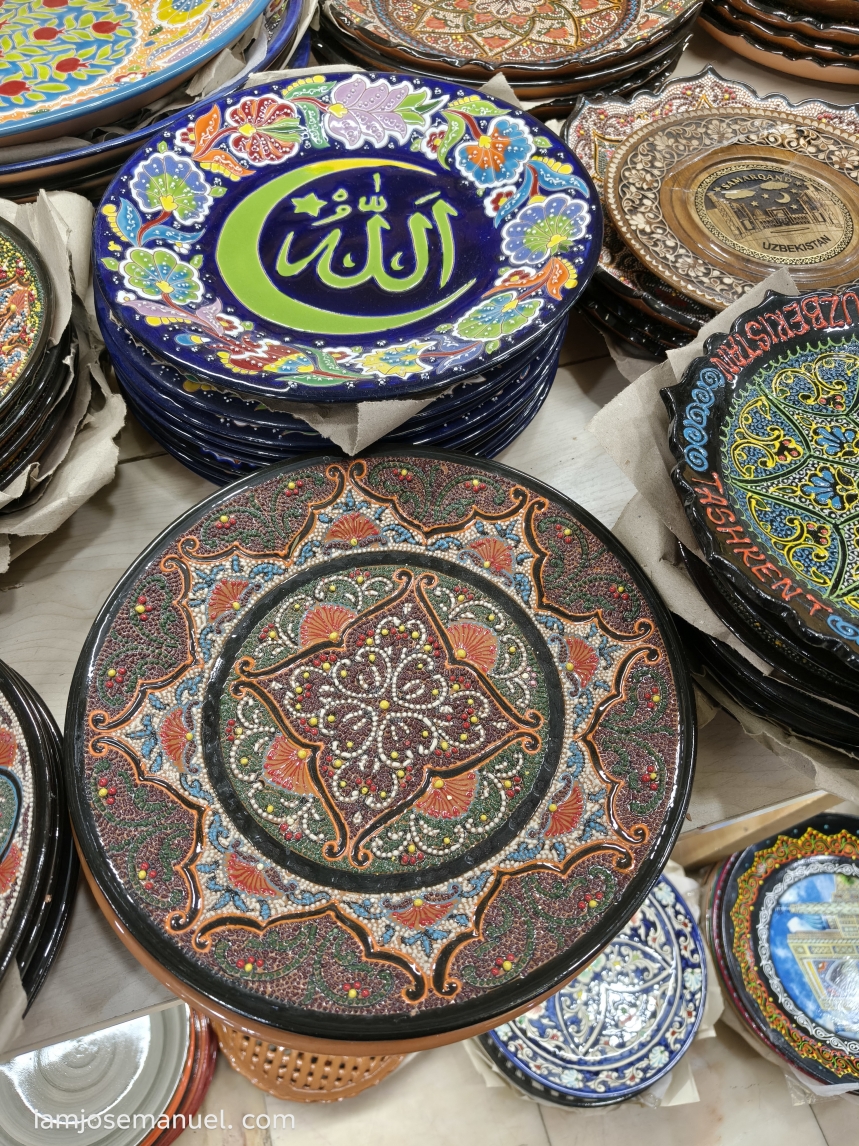
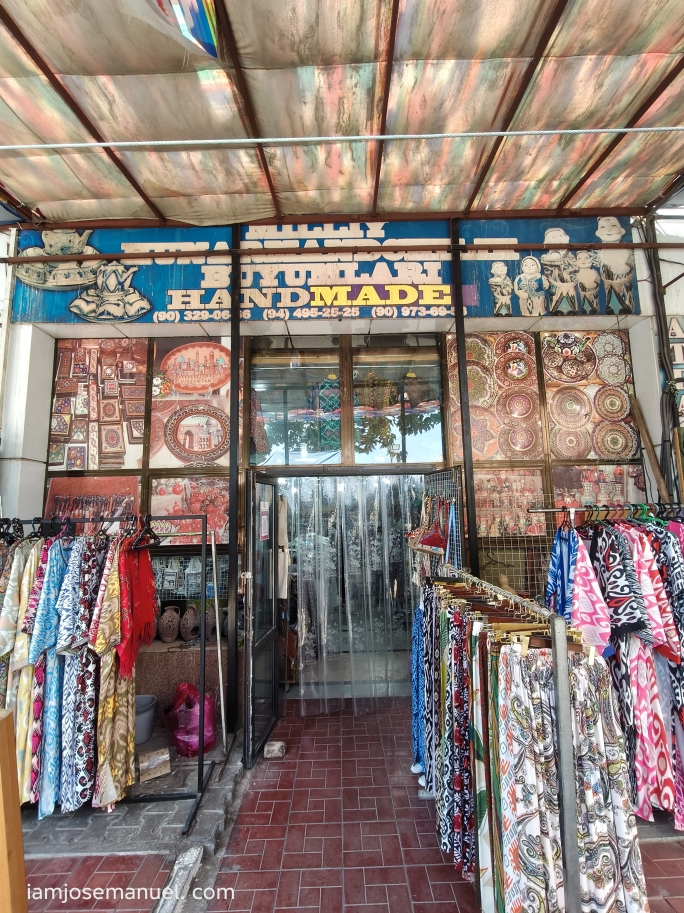
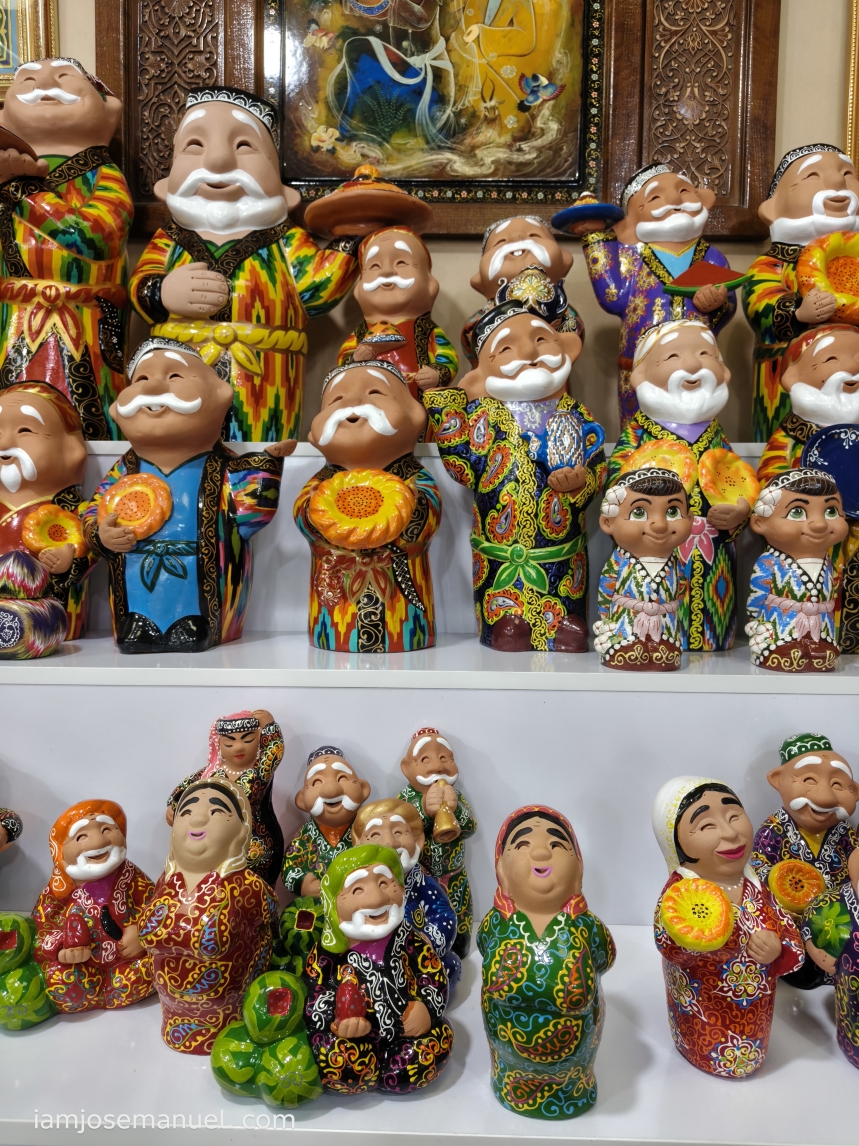
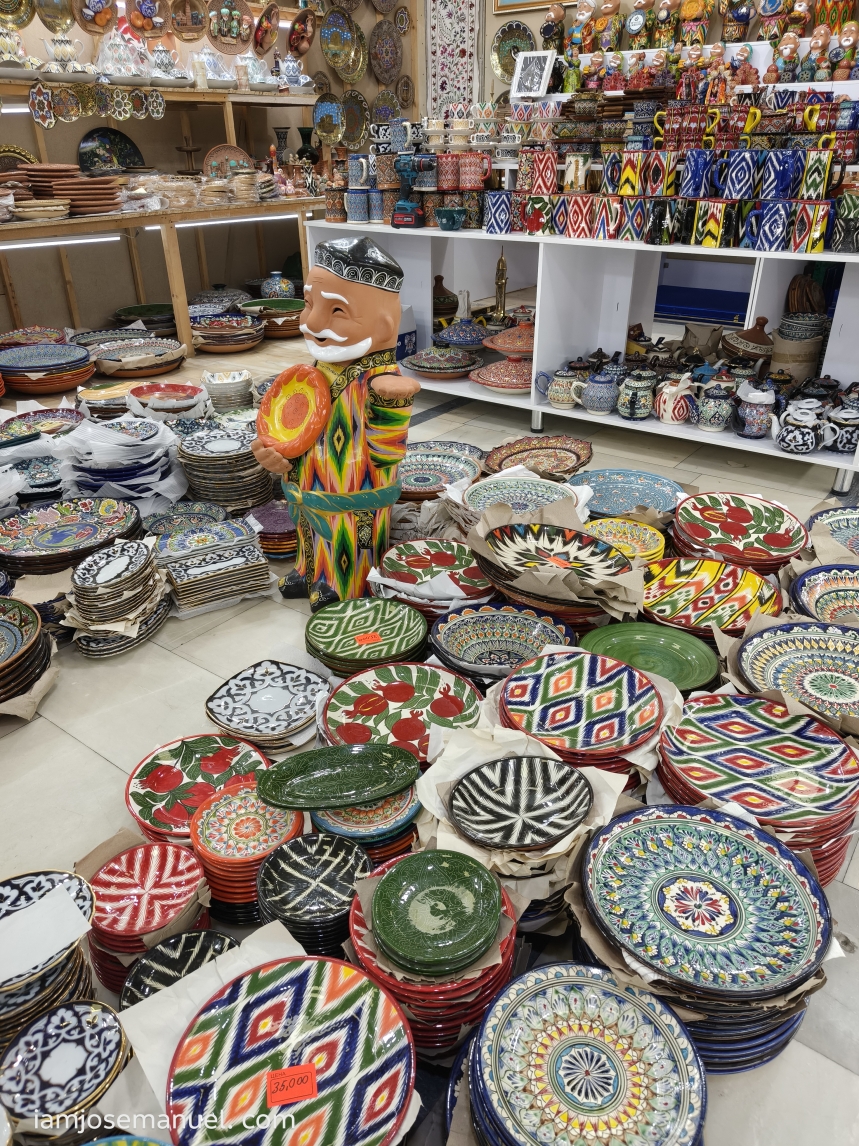
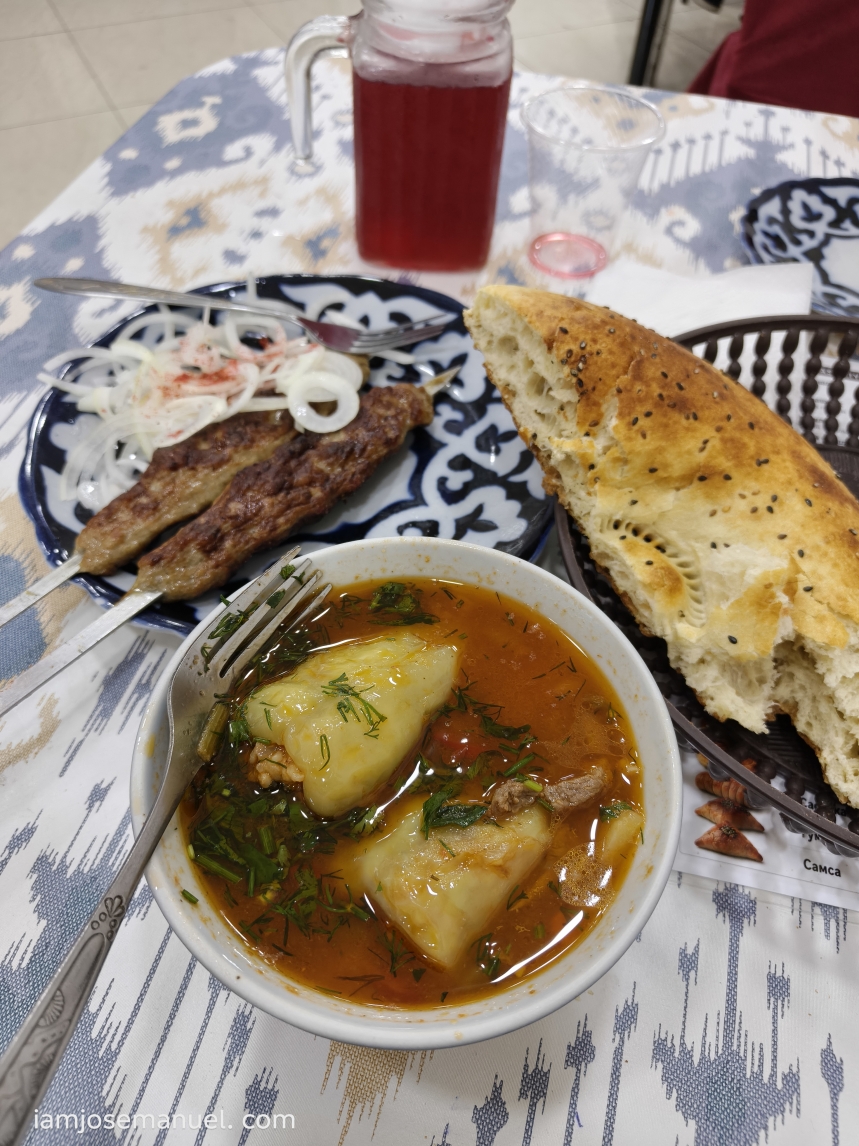
Chorsu is also houses a good number of options for local food dining. The best meal I had in Tashkent was this kebab shop. I ordered the Dolma, which is basically bellpepper stuffed with rice and minced meat, served in paprika-loaded broth.
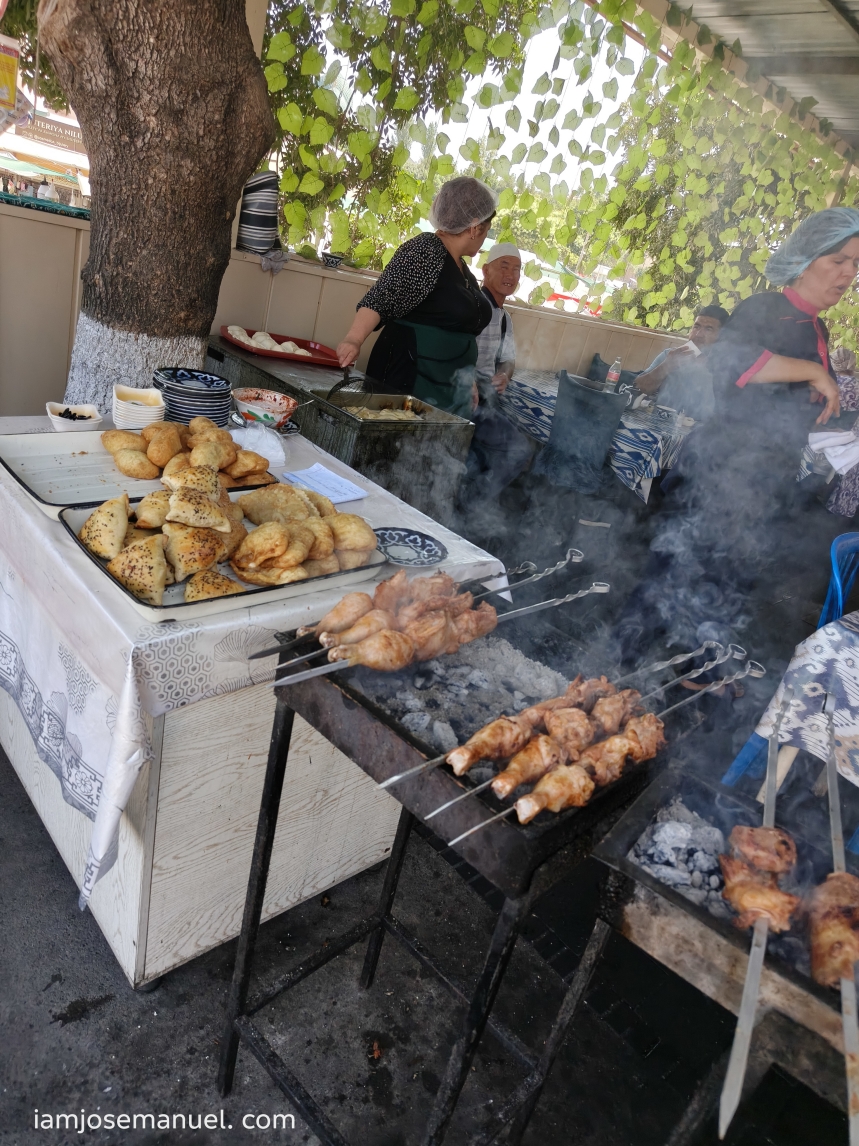
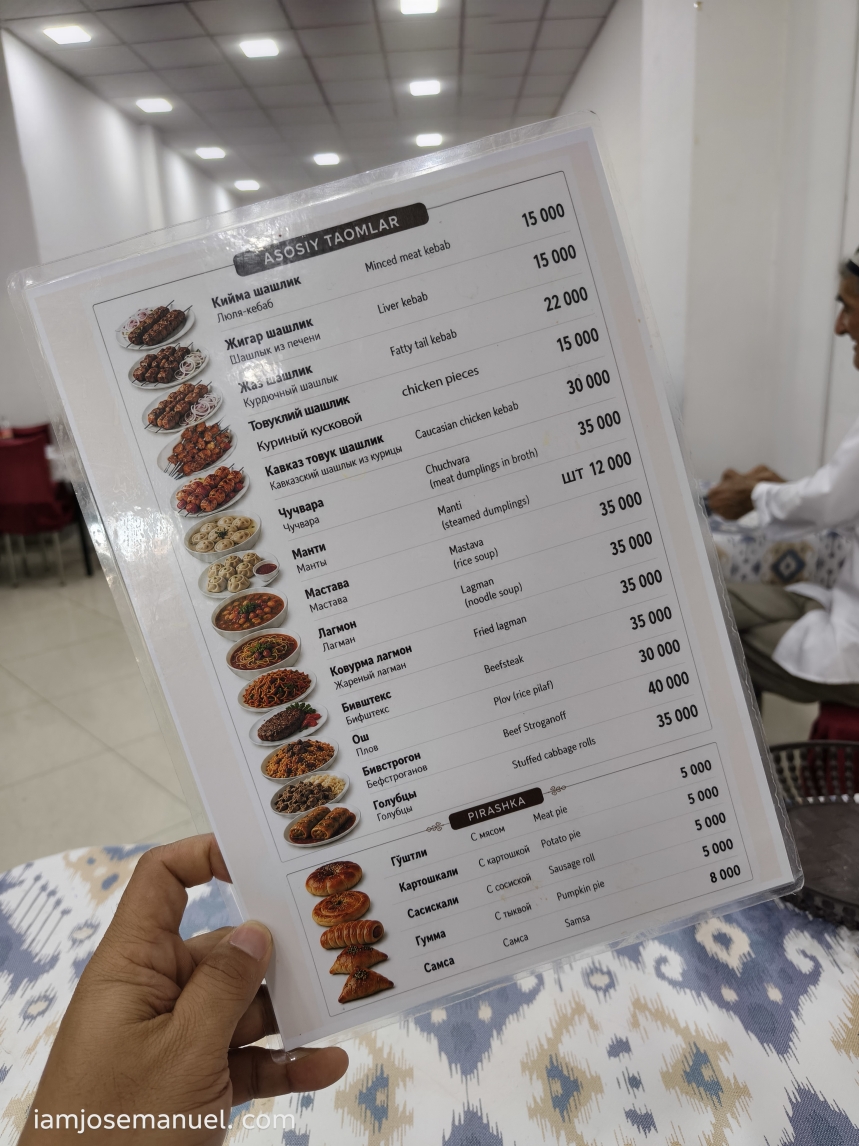
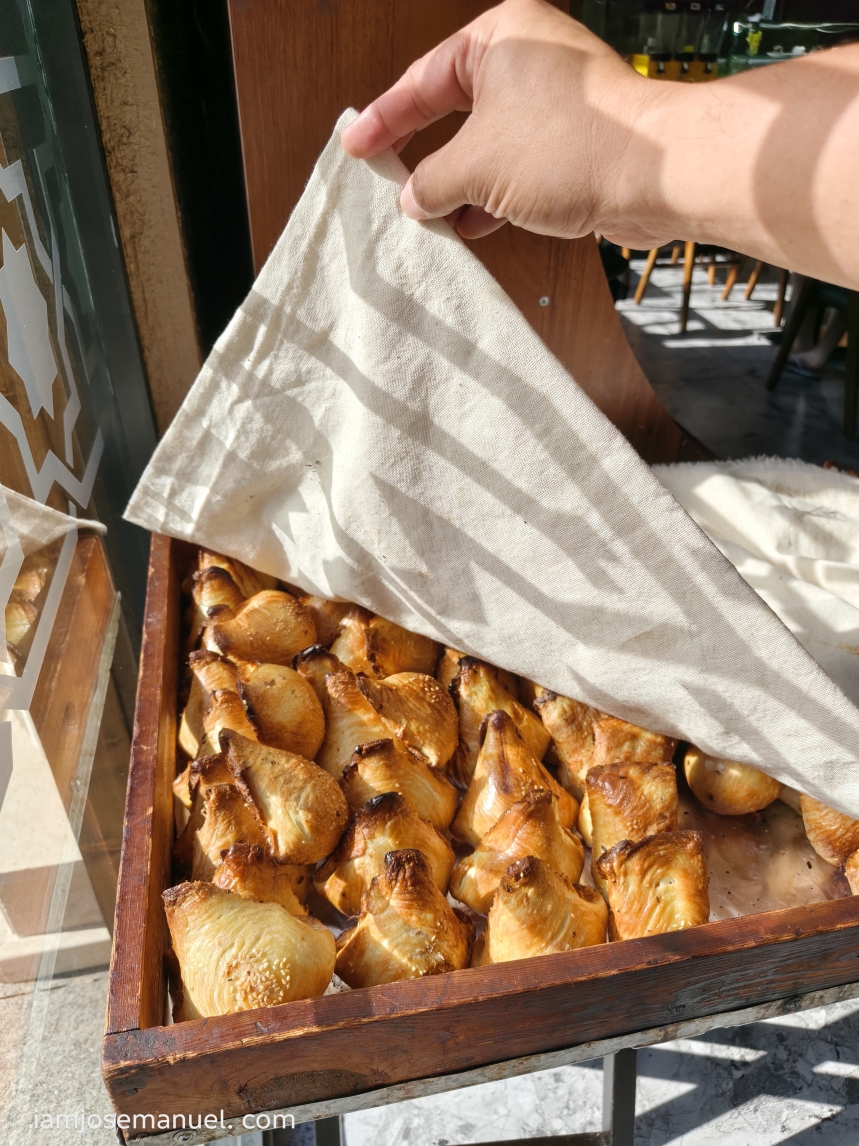
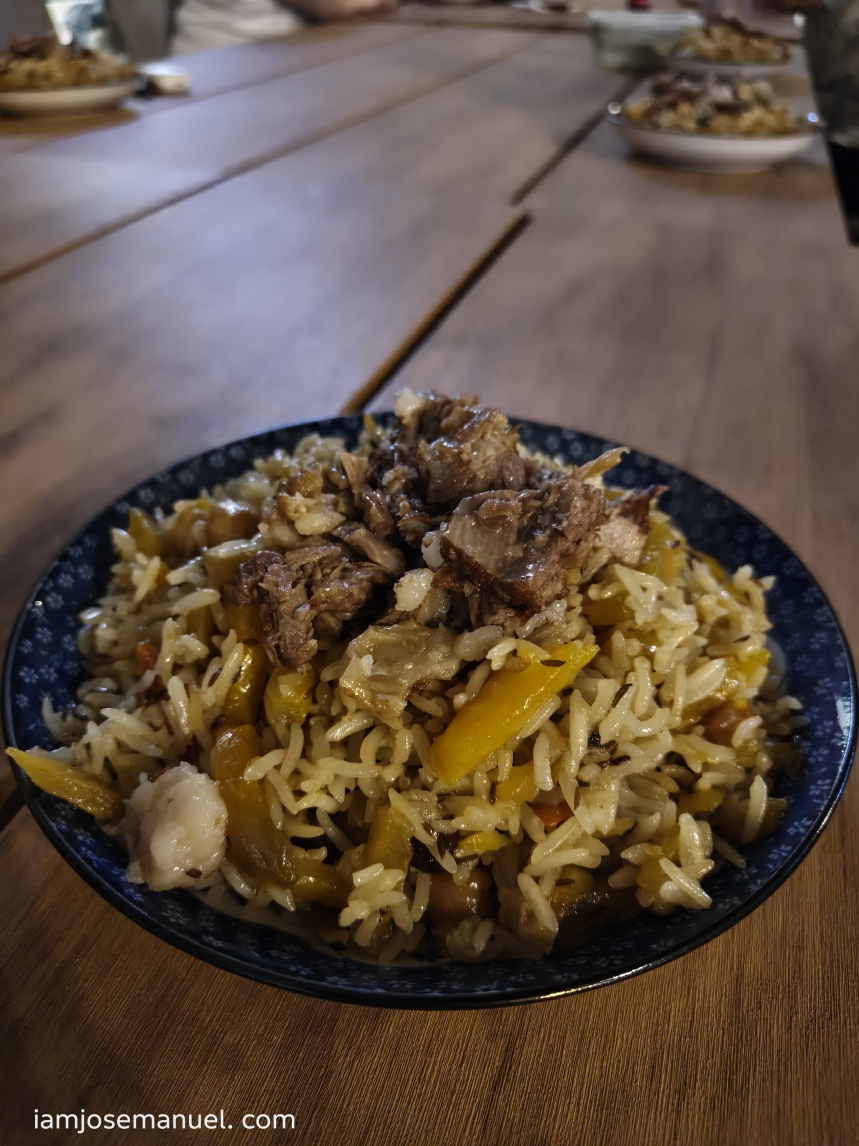
Samsas (Meat filled bread) and the traditional plov dish.
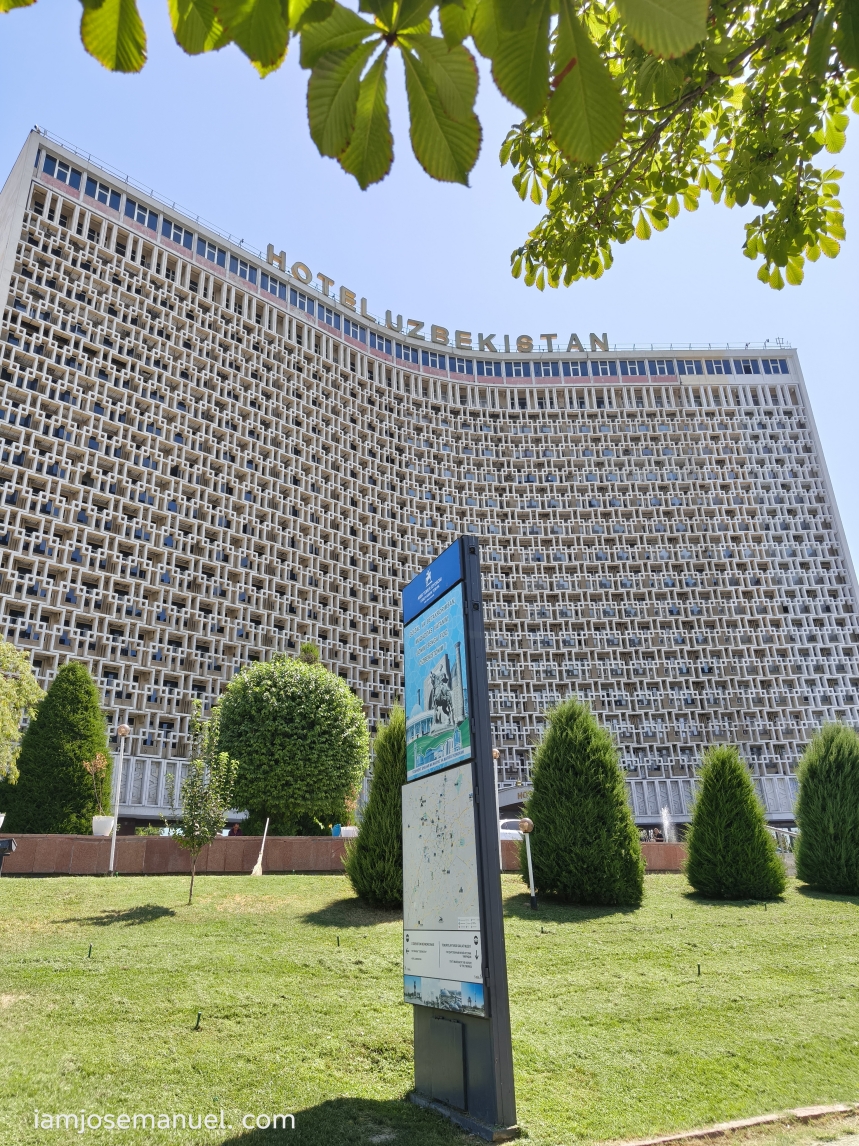
Hotel Uzbekistan: an iconic 4-star, Soviet-era brutalist landmark located at the center of Tashkent, built 1974. The high-rise structure is curved to resemble an open book facing Amir Temur Square.
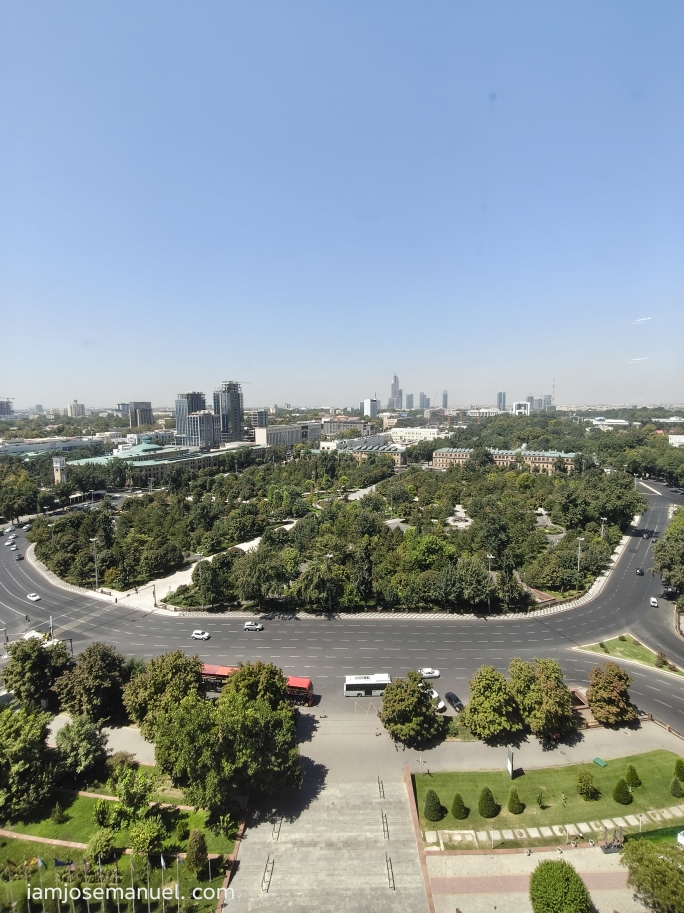
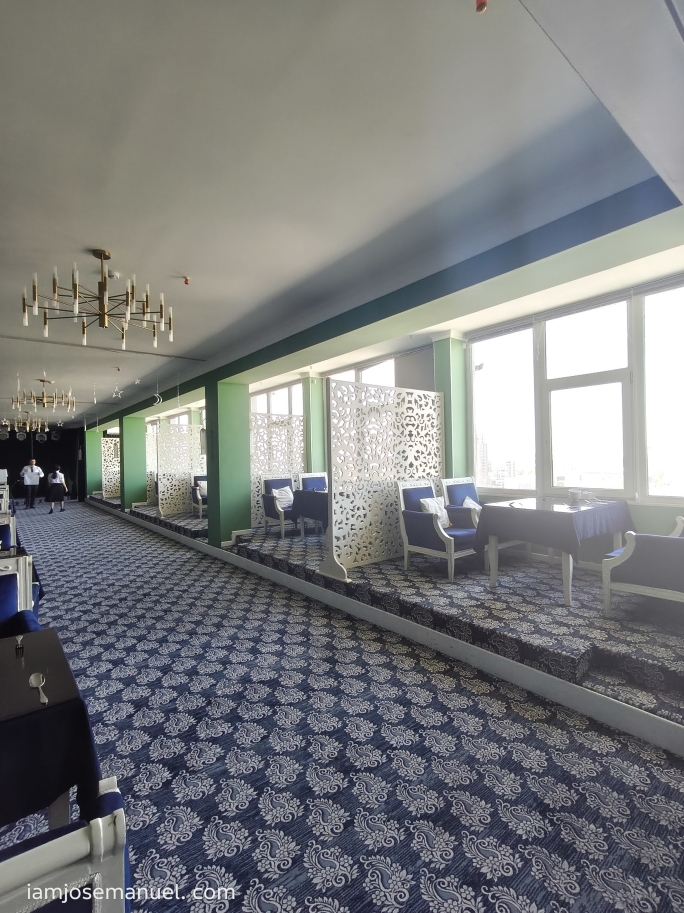
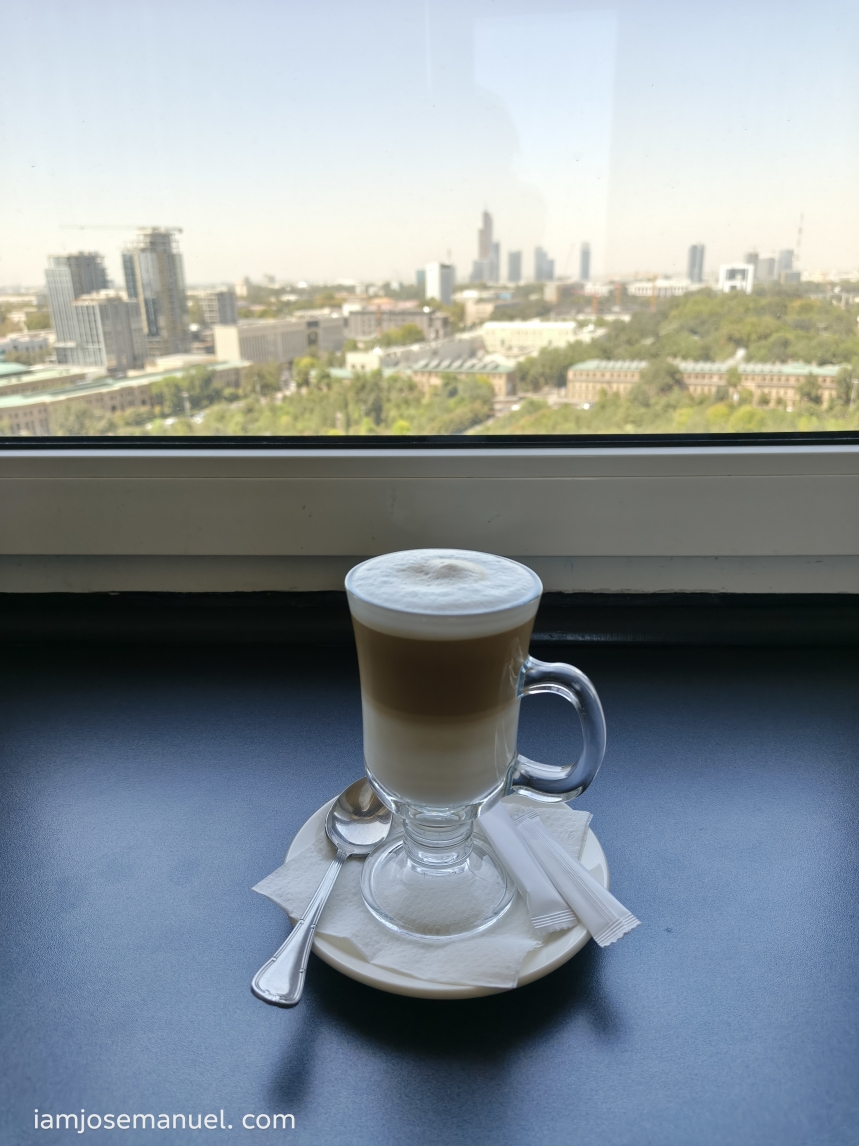
I spent the rest of the afternoon here with coffee while enjoying the view of Tashkent city center from the vintage cafe at the 17th floor.
Where I stayed in Tashkent: Doo Hostel (Highly Recommended). This came as a surprise for me, because I never expected it to be located inside an upscale residential/commercial complex (Like Serendra in BGC).
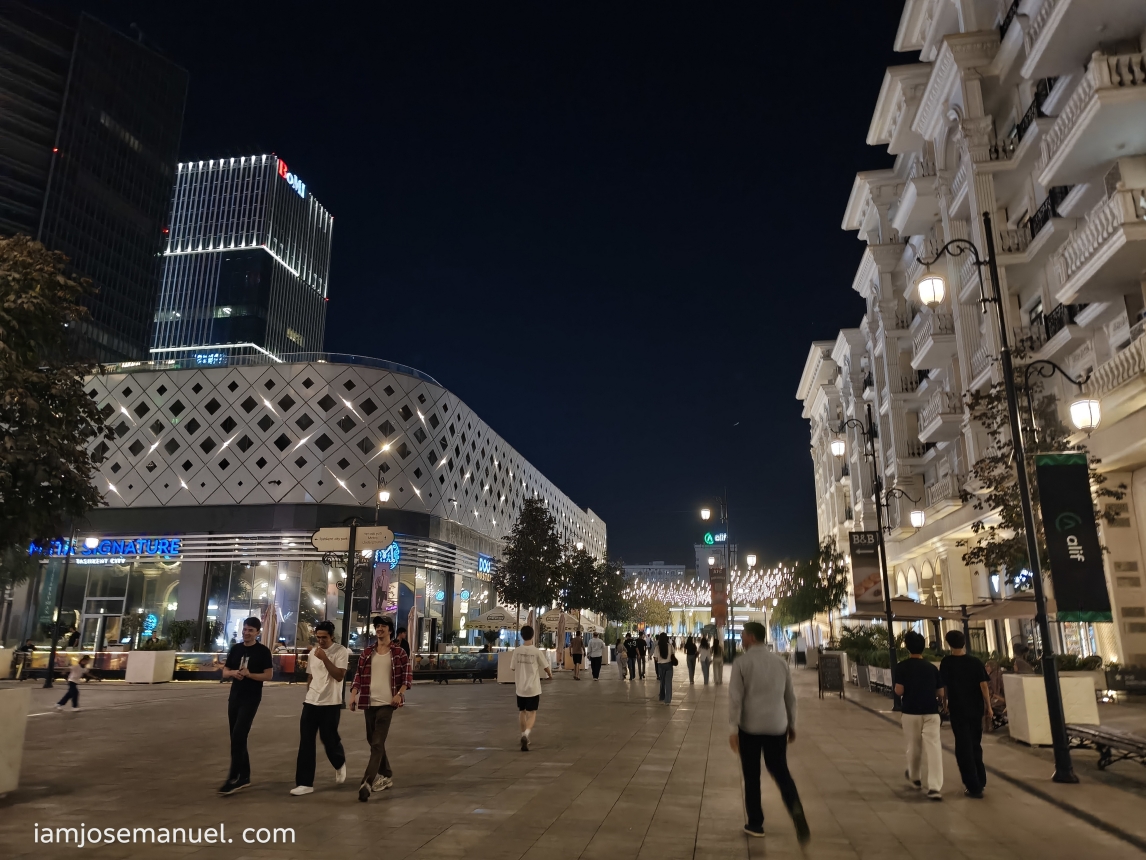
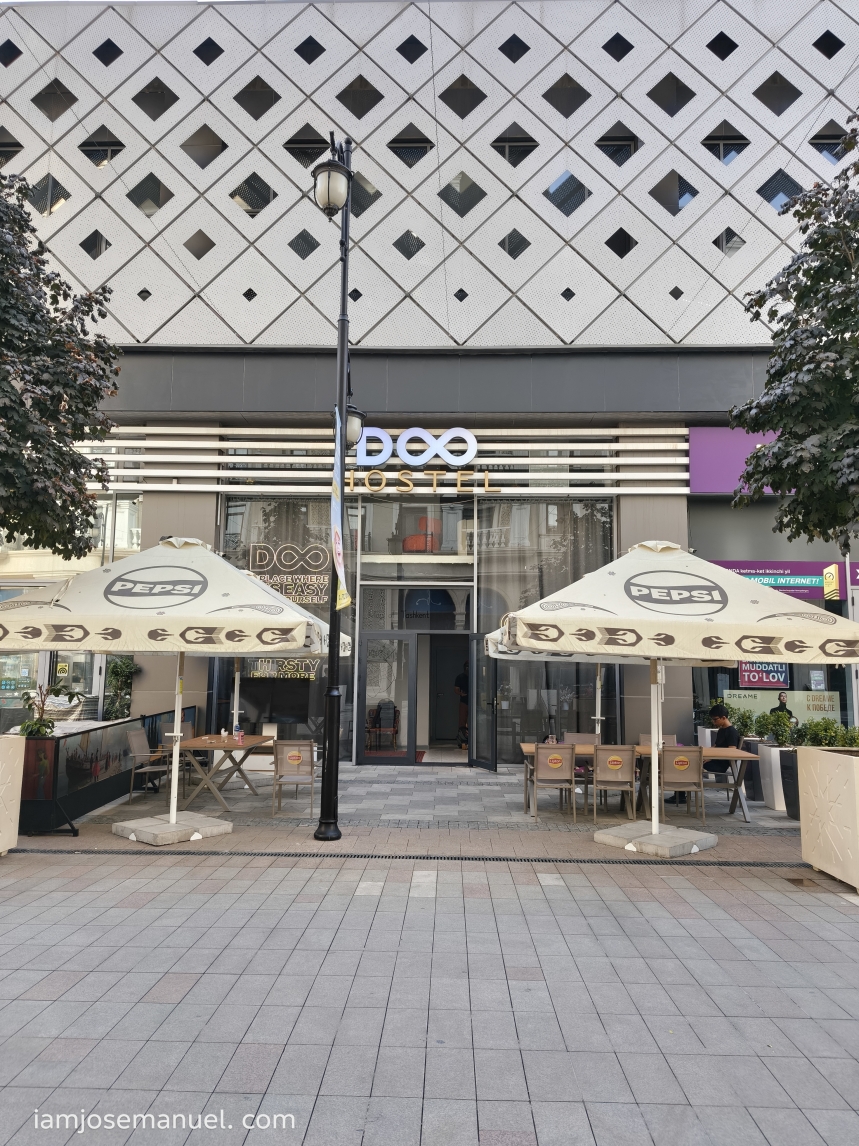
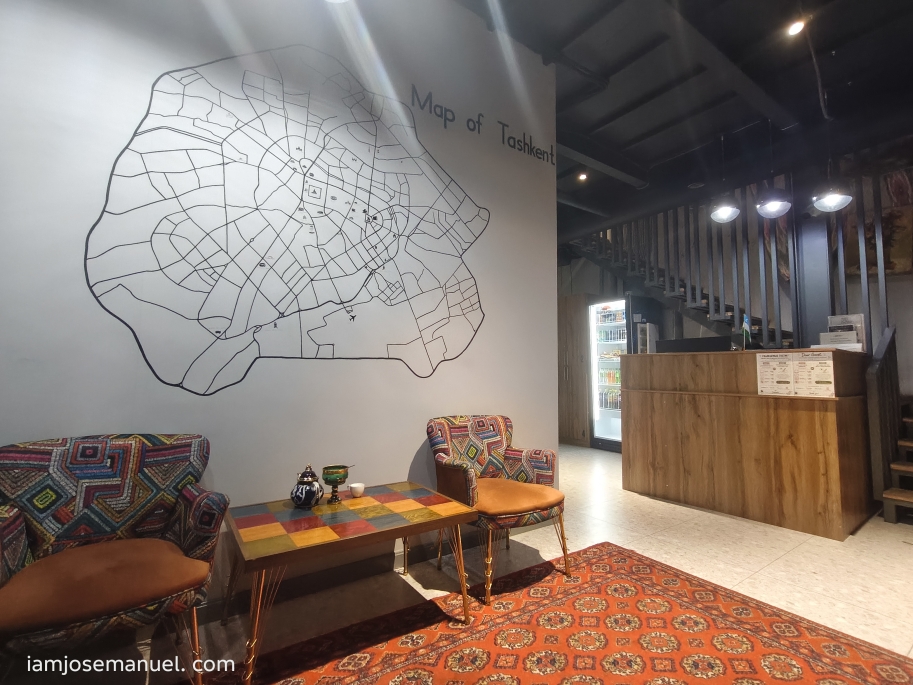
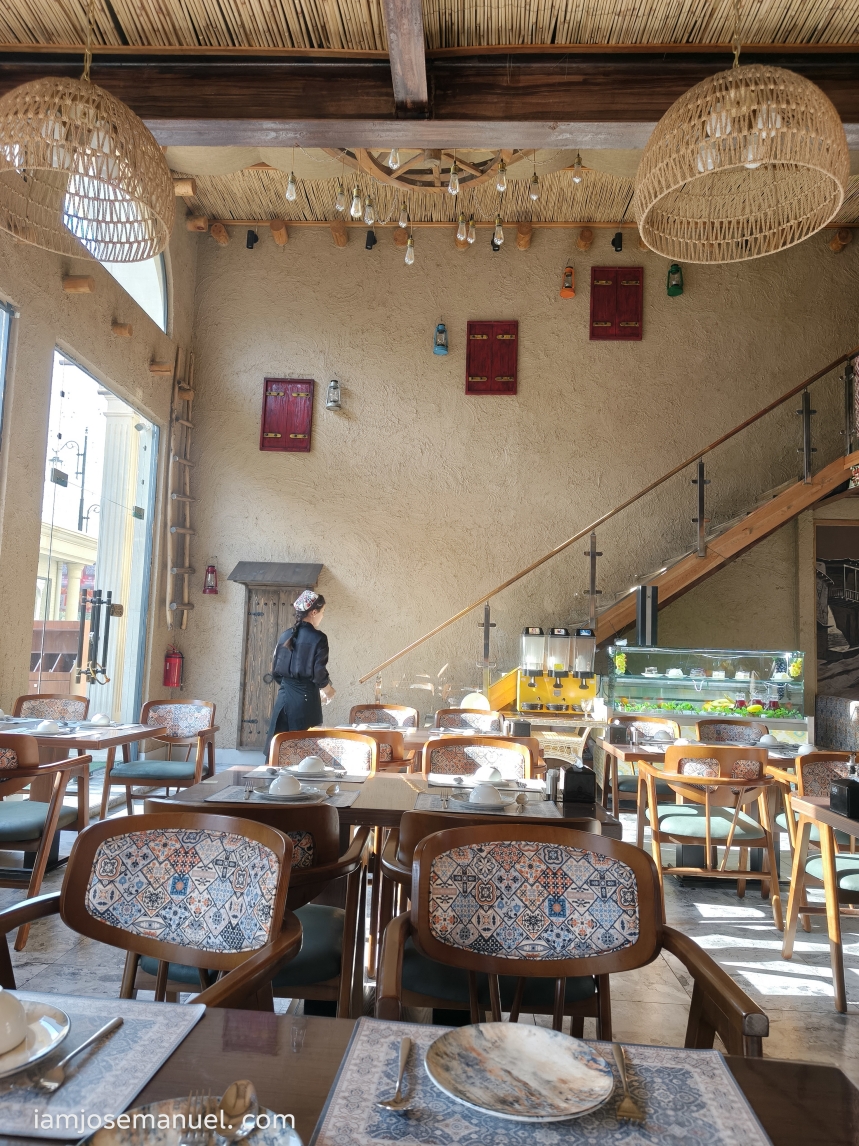
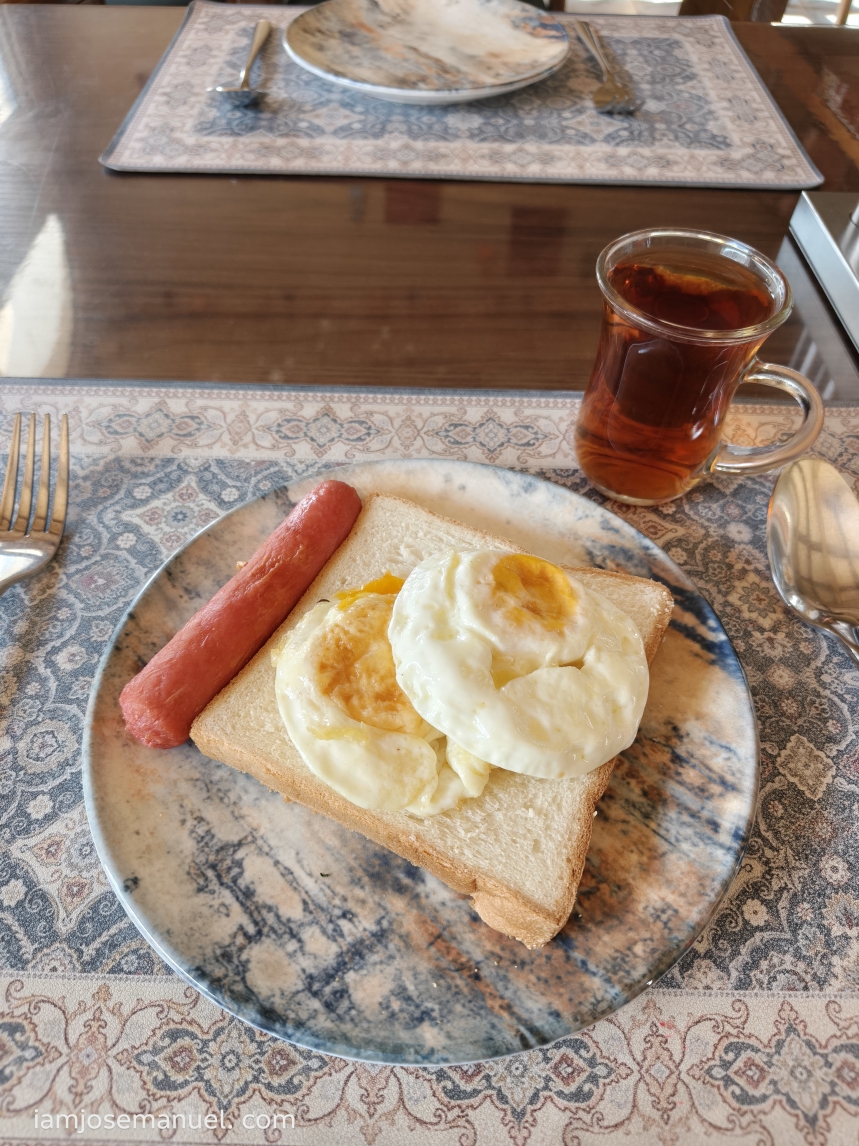
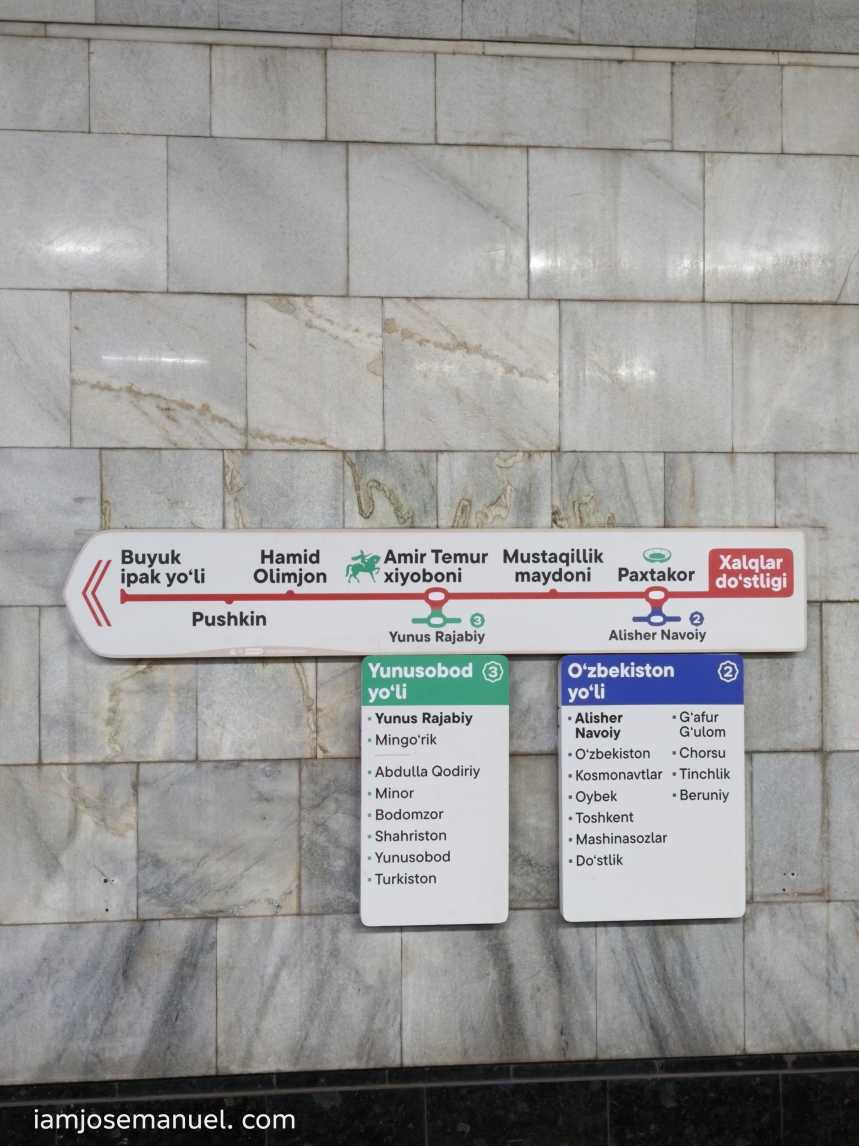
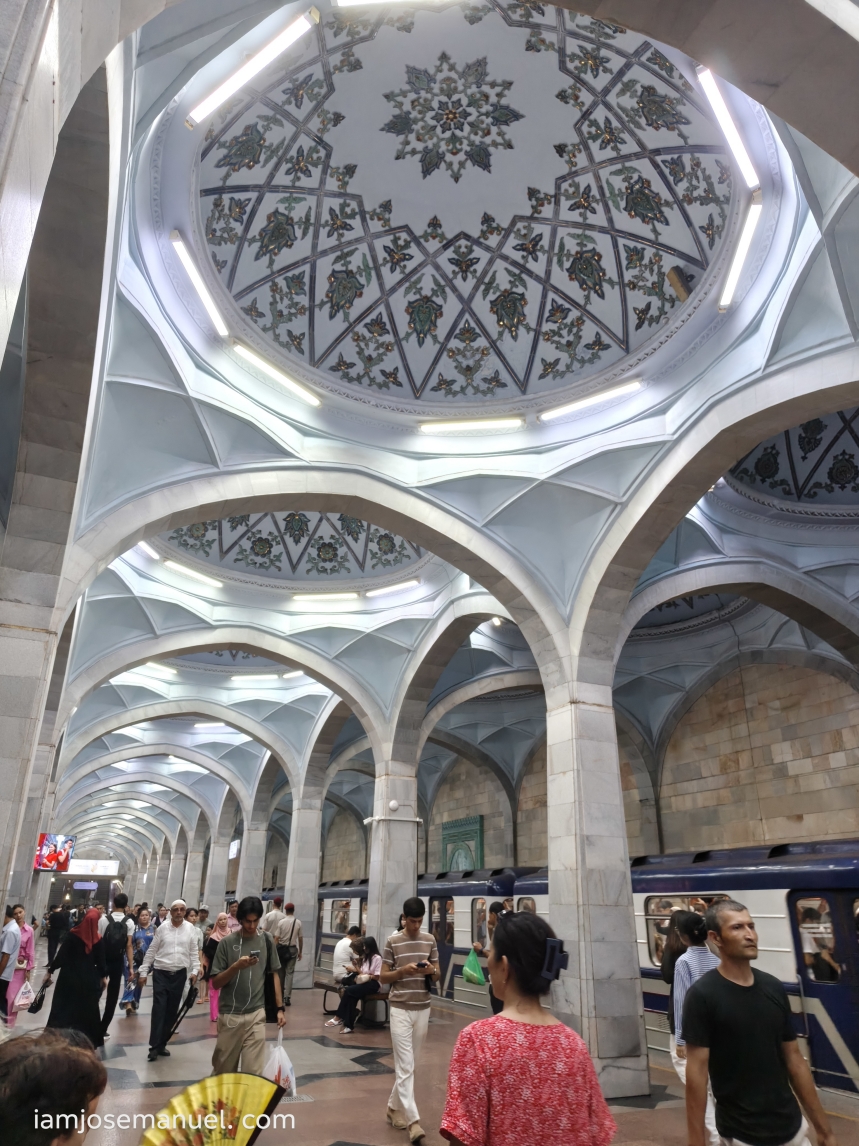
An entrance to the Alisher Navoiy Metro Station is located within the complex. The complex is also attached to the main park and the Tashkent City mall. How convenient is that? Alisher Navoiy btw is named the most beautiful train station, with its white, dome shaped ceiling, embellished with mosaic tiles.
Filipinos are required to get Uzbekistan E-visa prior to the trip. Details on securing the e-visa are posted here.

