
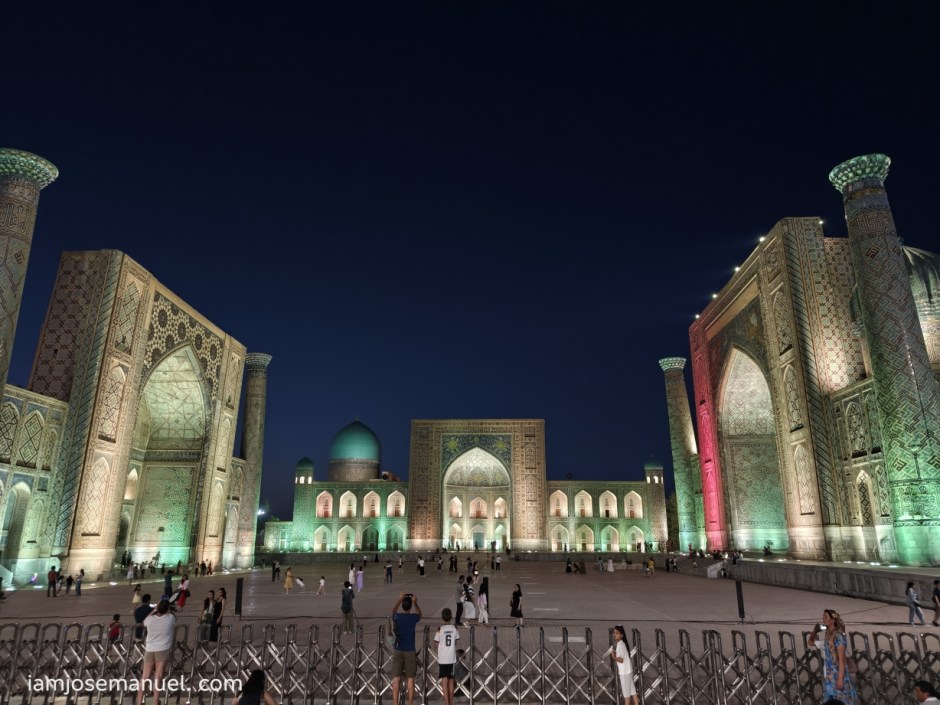
Samarkand is one of the oldest, continuously inhabited cities in human history. Founded around the 8th to 7th century BC, Samarkand (known as Marakanda back then) has been documented in ancient Islamic and Greek texts as the silk road’s crossroad of trade, culture and exchange of knowledge, ideas and technology. The city has been under several conquerors and rebuilding throughout its history. Today, Samarkand is roughly 2,750 years old, and continues to tell its stories.
Samarkand has been recognized as a UNESCO World Heritage Site since 2001, and is famous for the glorious Islamic Architecture, polished turquoise blue domes and perfectly restored mosaic tileworks on Mosques and Madrasa Building(school).
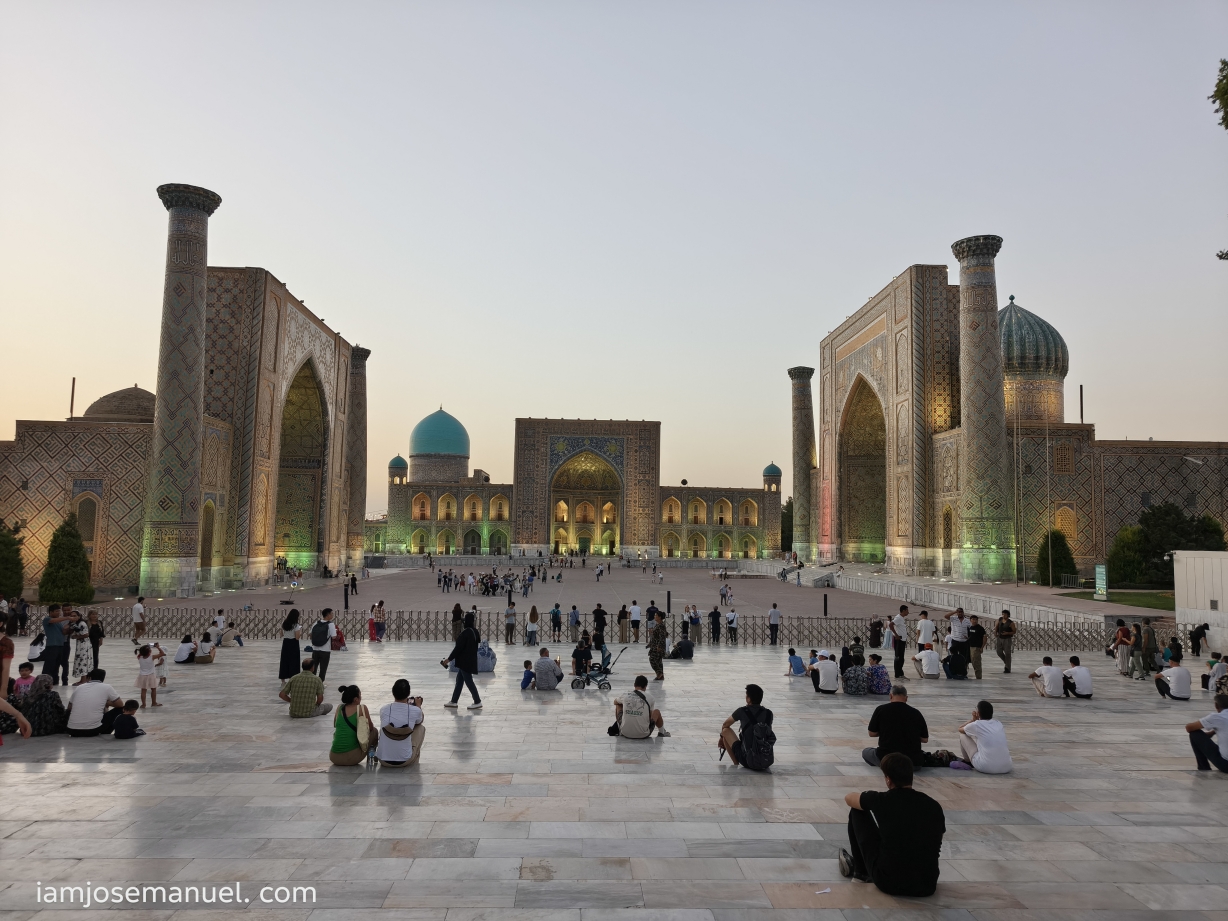
Being in Samarkand, and staying in the old city center, feels like living inside an open air museum. I purposely choose a guesthouse that is just at the back of the Registan Square. I spent 3 days walking between historic sites, visiting old bazaars and checking on local food options.
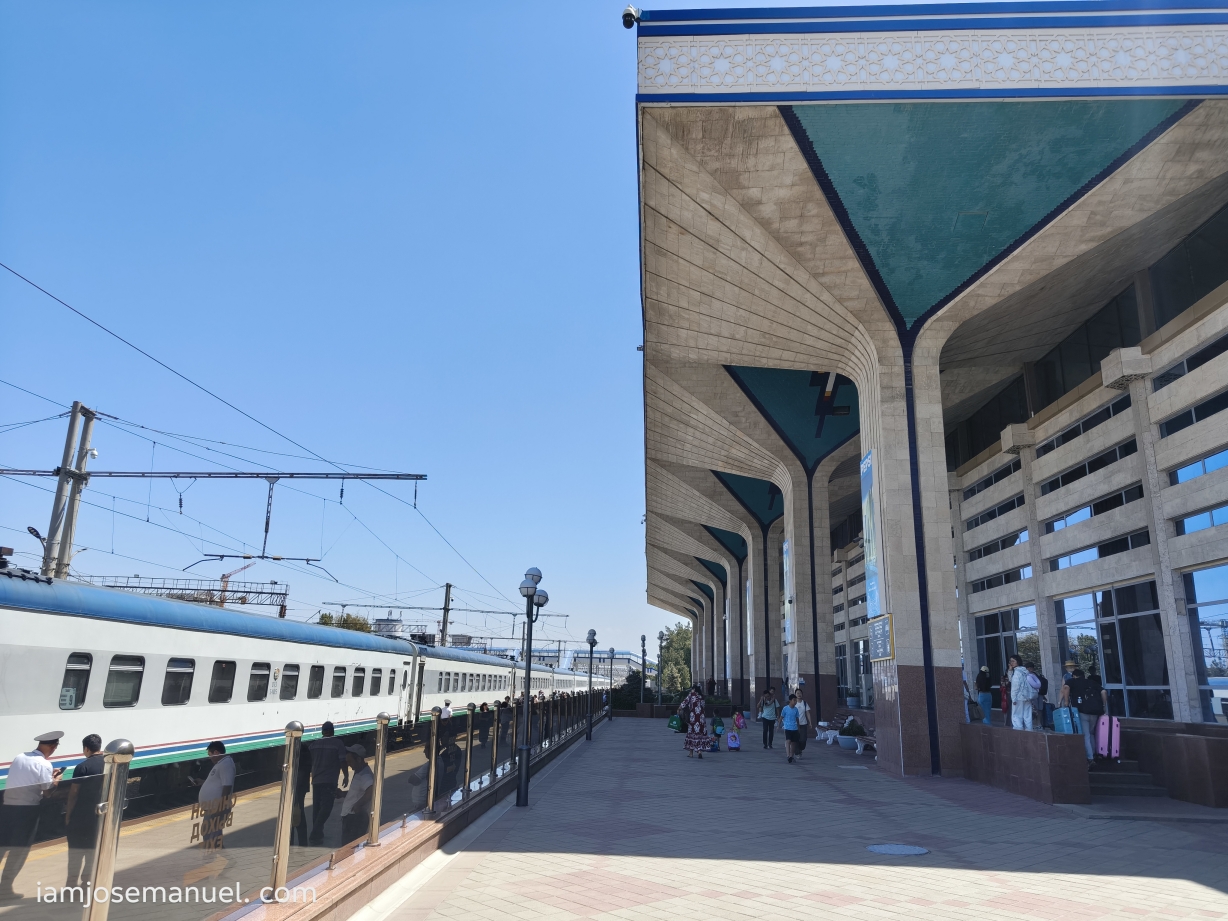
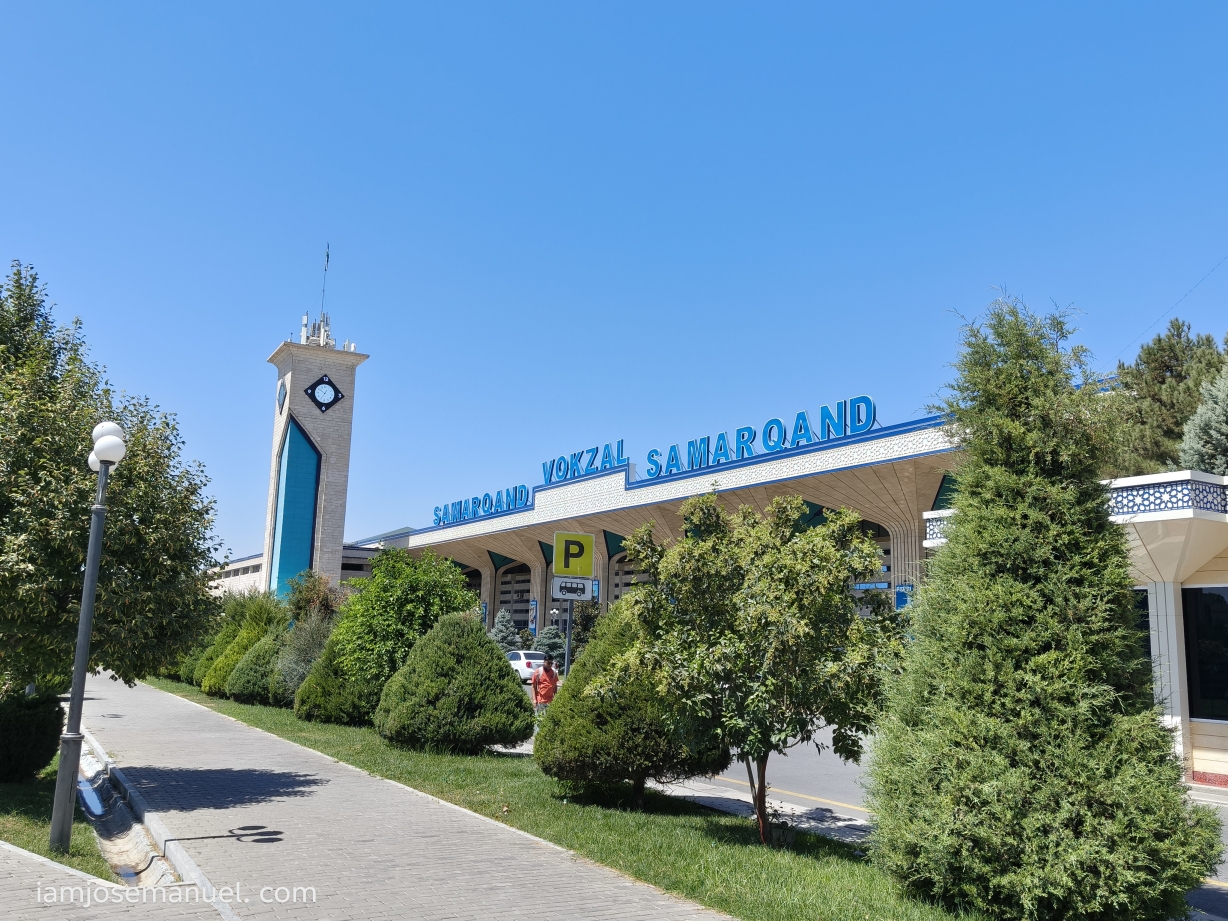
I arrived in Samarkand by Regional train (3 hours) from Tashkent, the Capital City. The city is fairly small, and is mainly centered on tourism. The train station is around 20 minutes by Yandex Taxi to the old city center where I stayed. Transportation and other UZ travel tips are posted here.
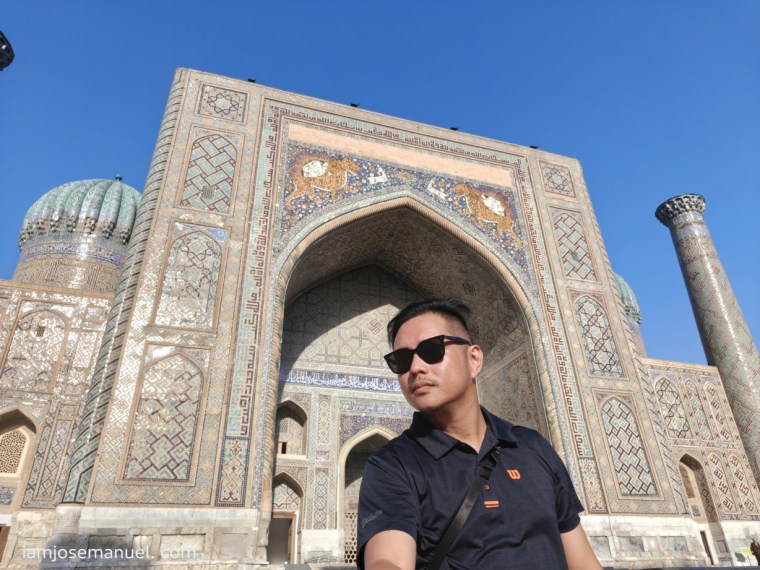
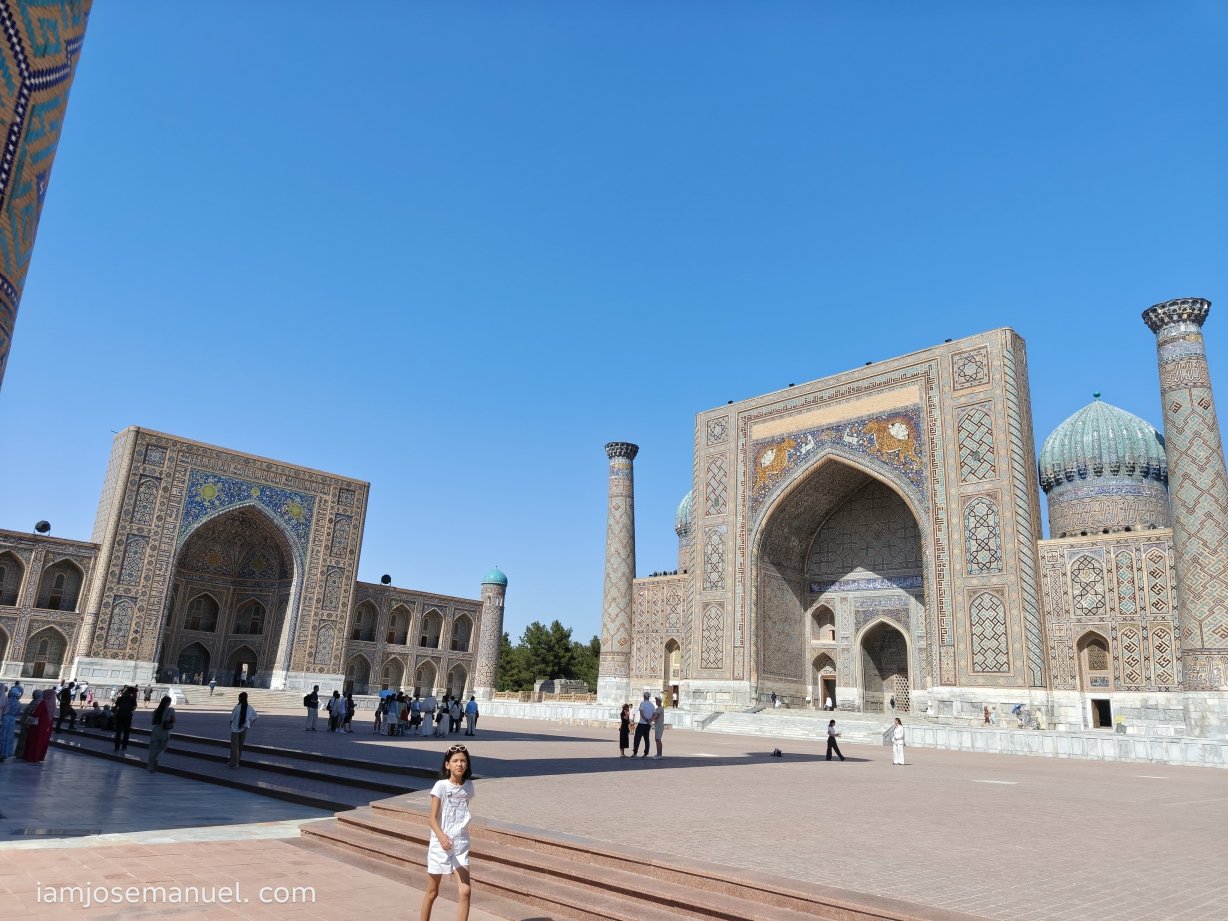
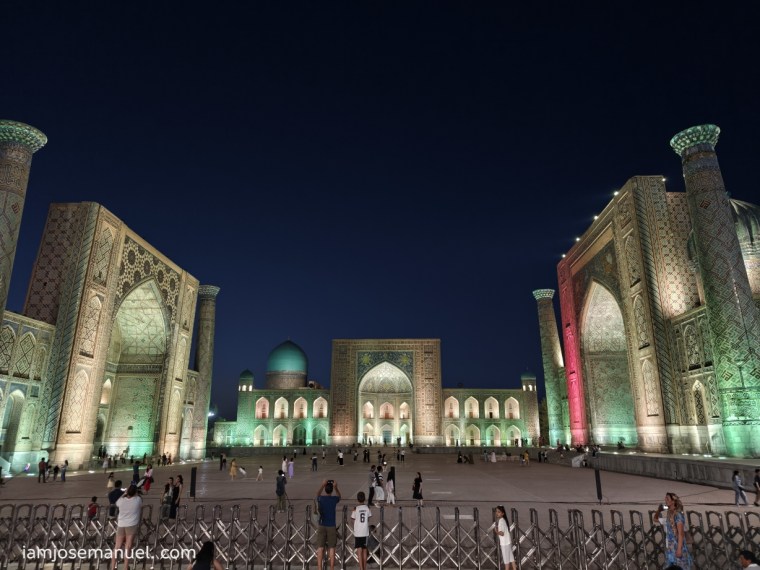
The most famous historic site in Samarkand is definitely the Registan Square, which has served the city since the 14th century. The square served as the seat of governance and the center for learning. The three towering buildings are “Madrasas” or can be considered as schools of the ancient times. The square at the center served as the place for community gathering and announcements, and is still being used today for the same function.
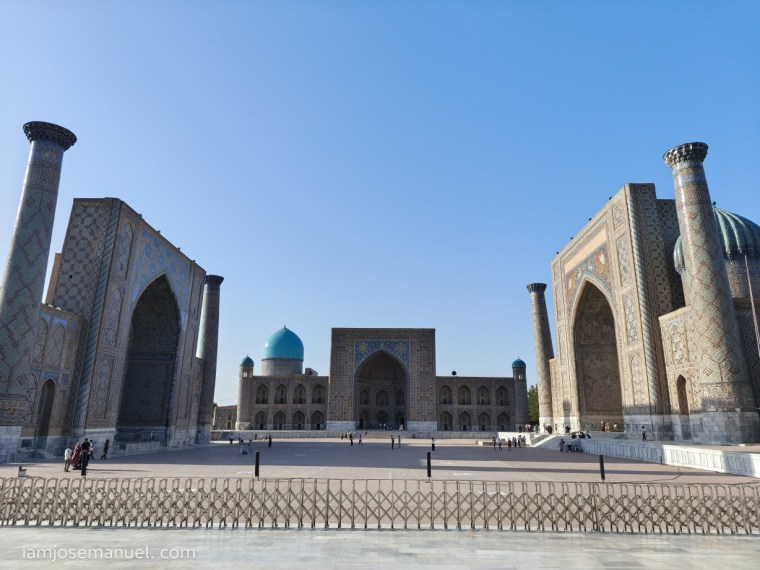
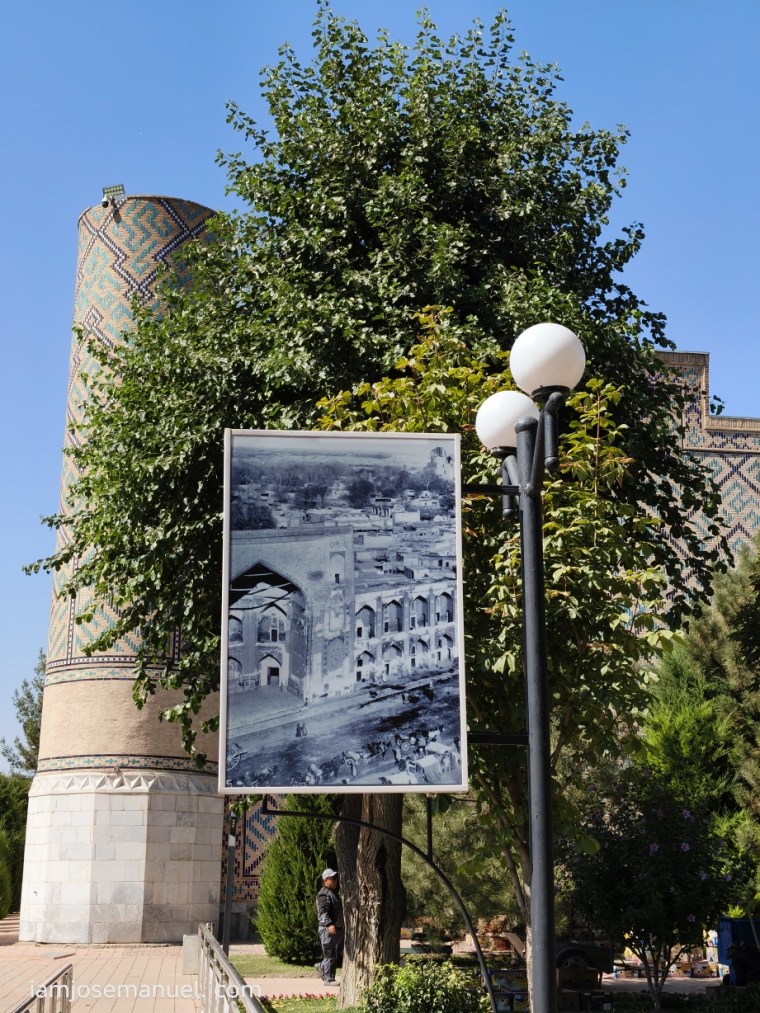
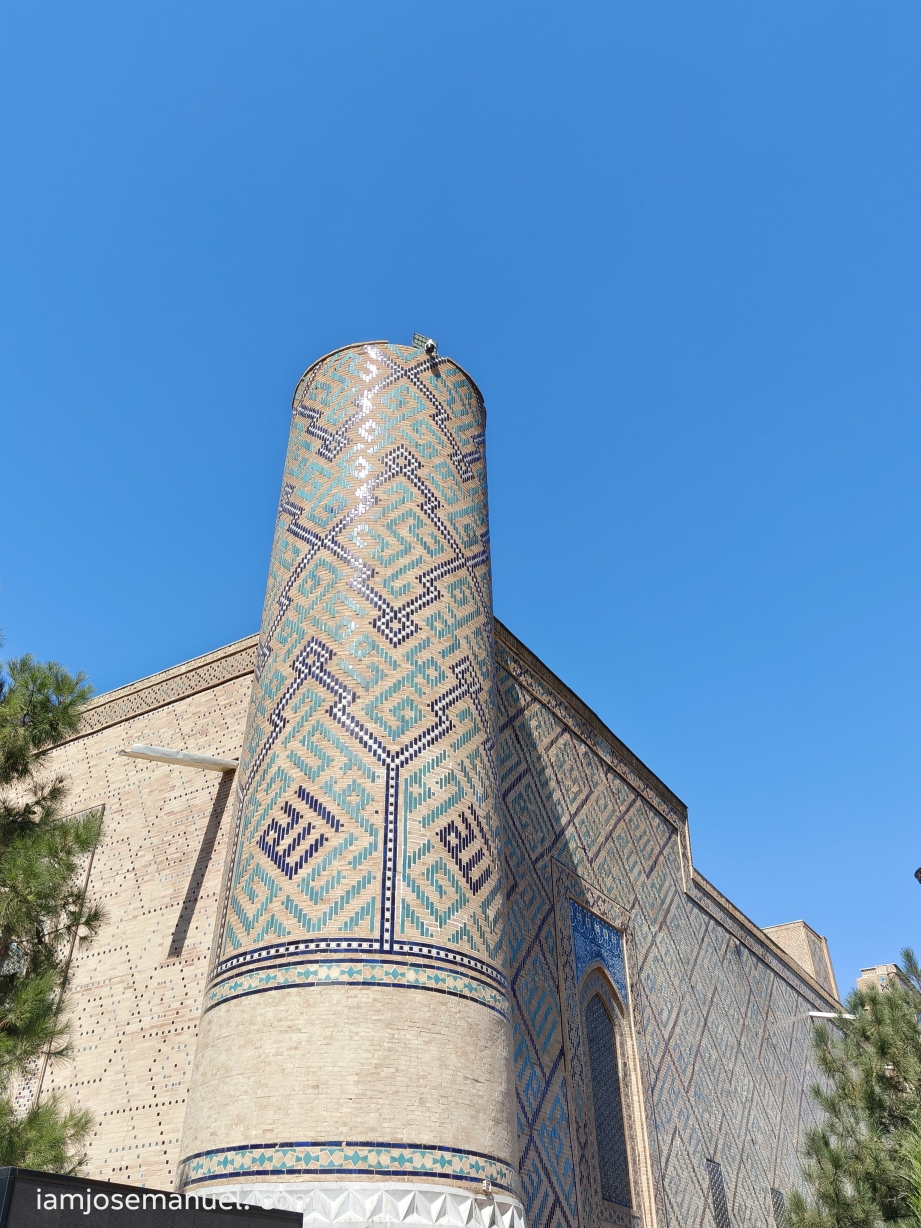
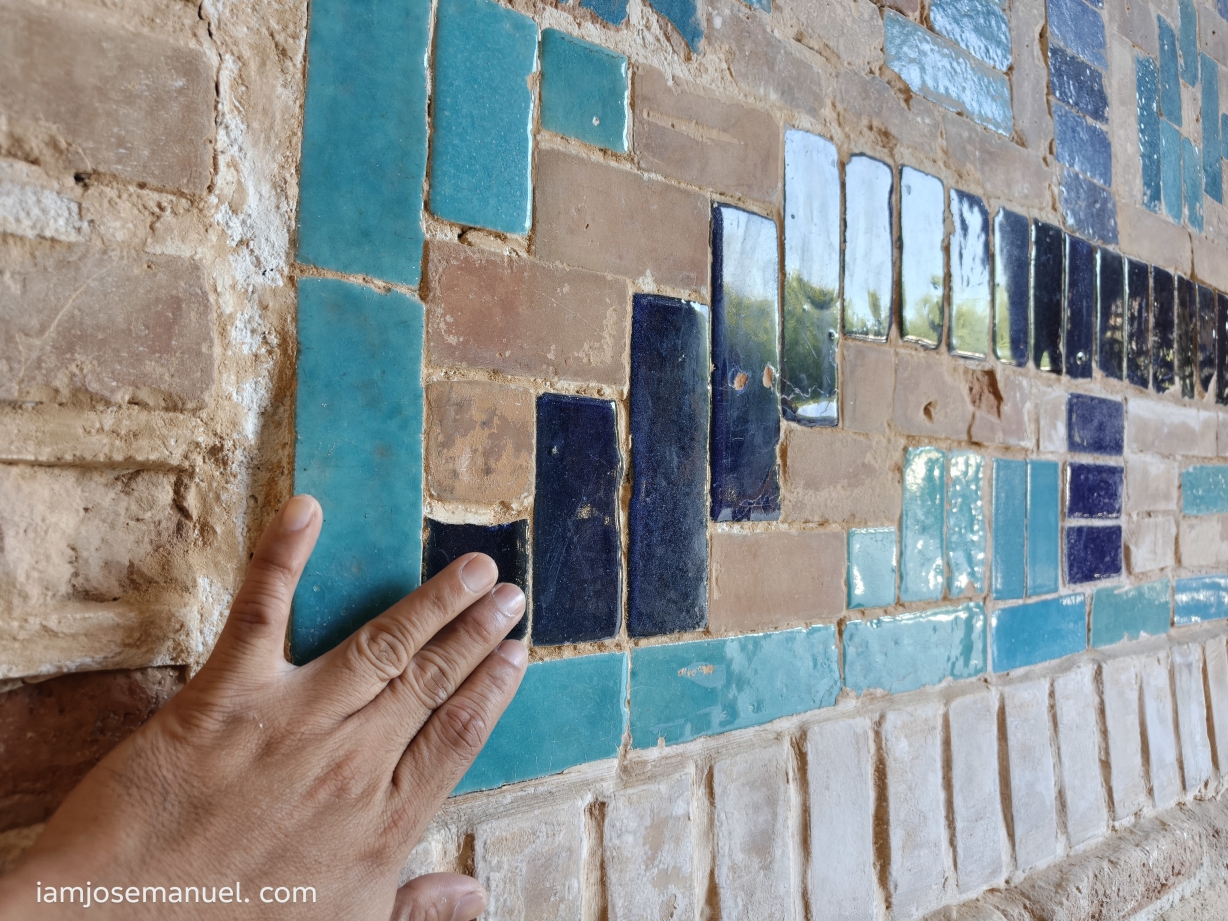
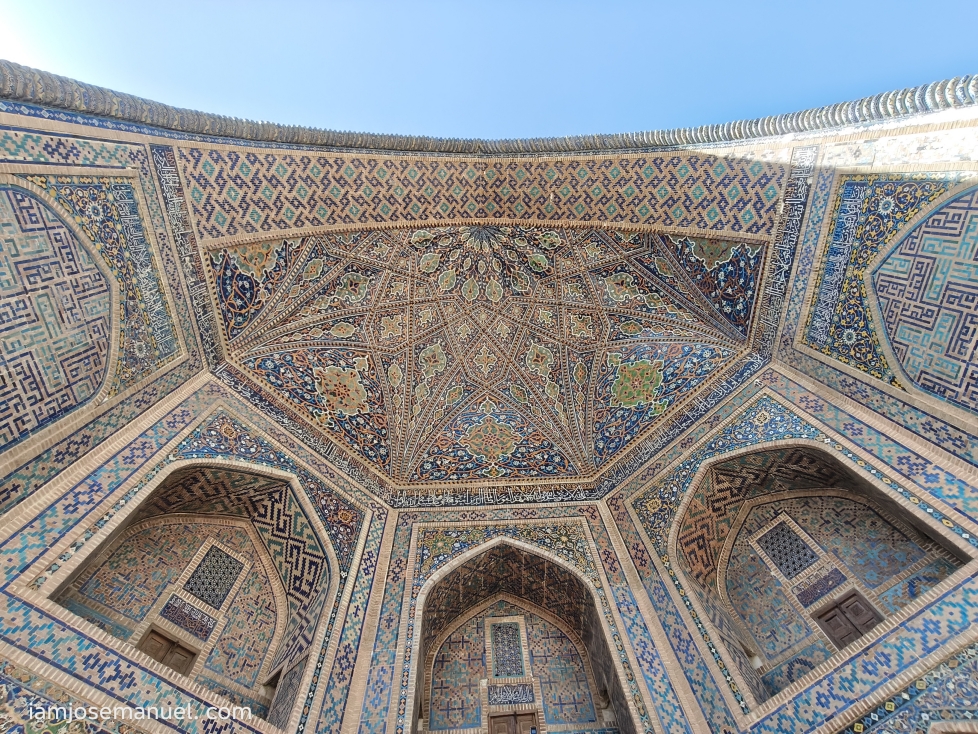
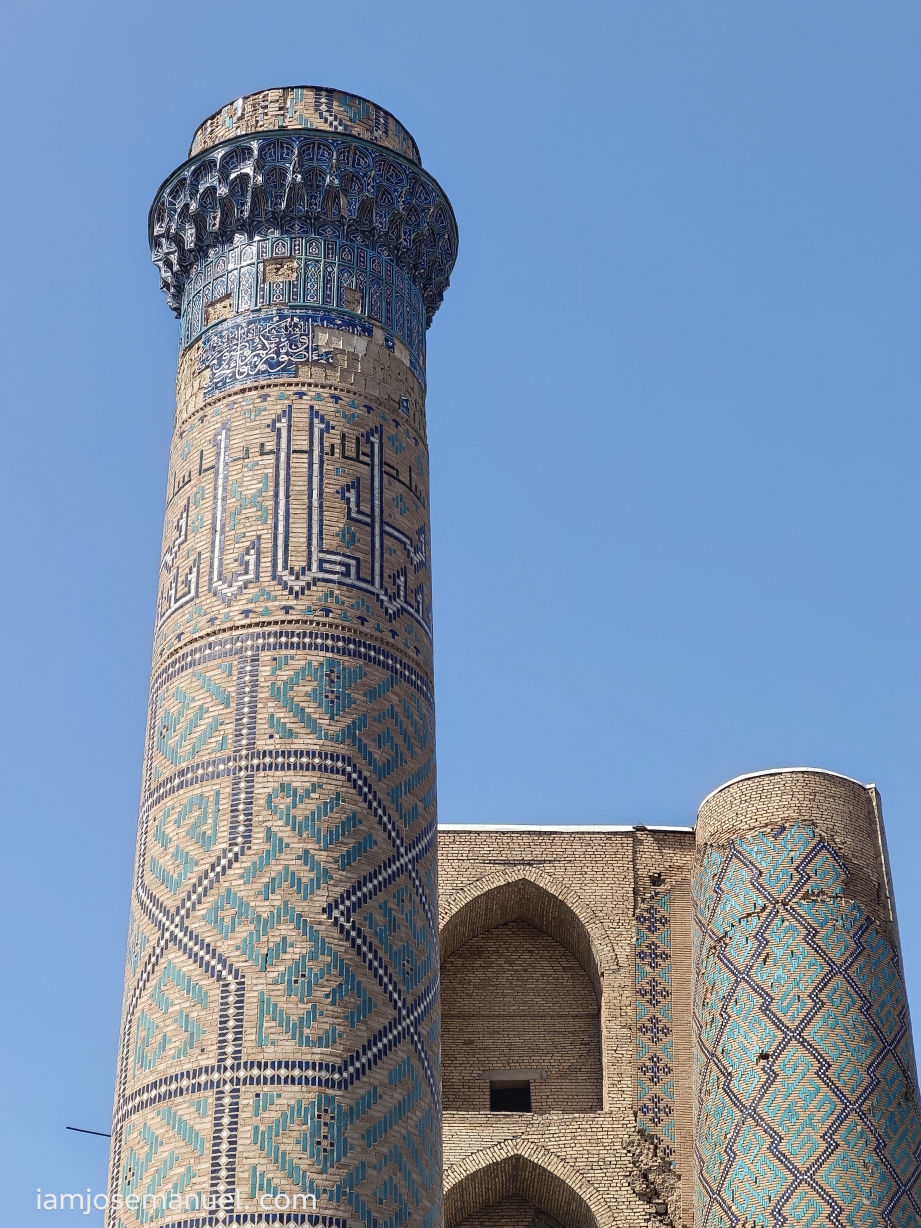
Notice the intricate mosaic tile works done on the Madrasa’s facade. The Ceramic/glazed blue tiles are arranged in an alternating pattern with matte/colorless pieces to achieve a glimmering effect. Truly a work of art. Islamic Architecture in full glory.
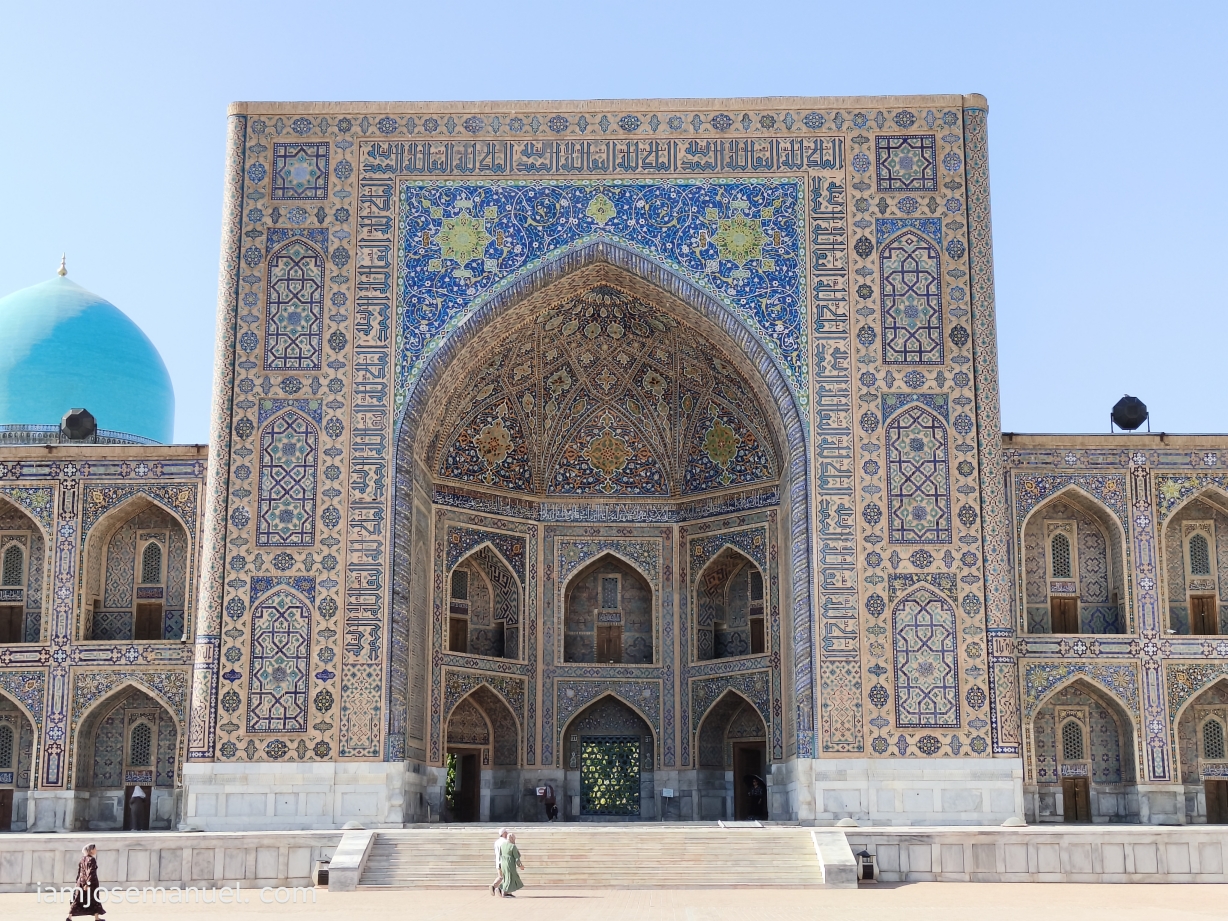
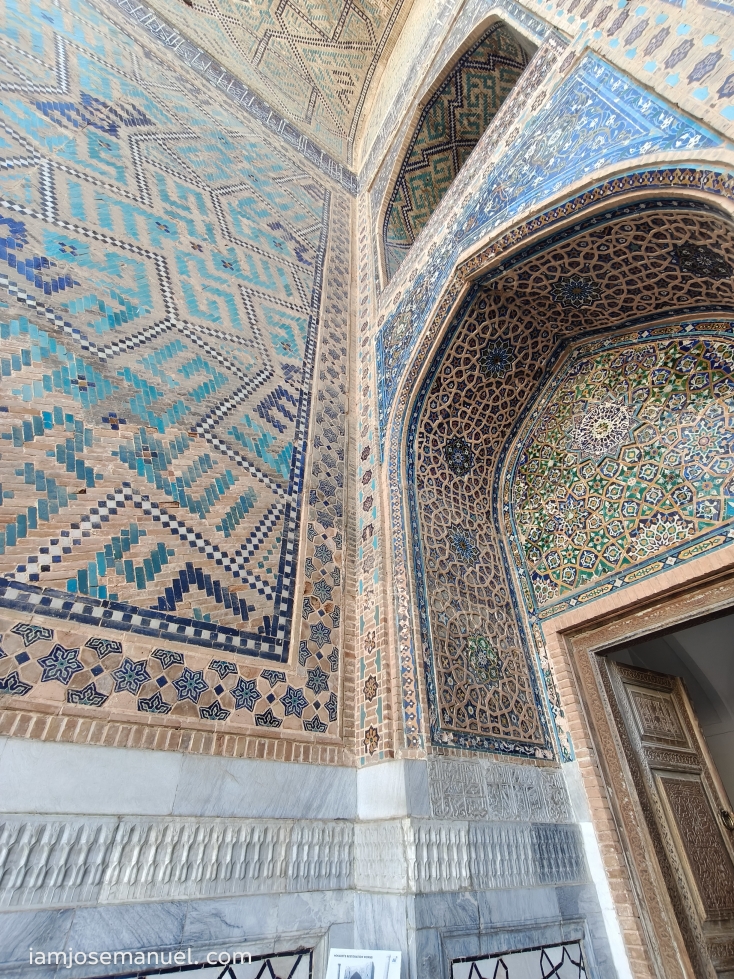
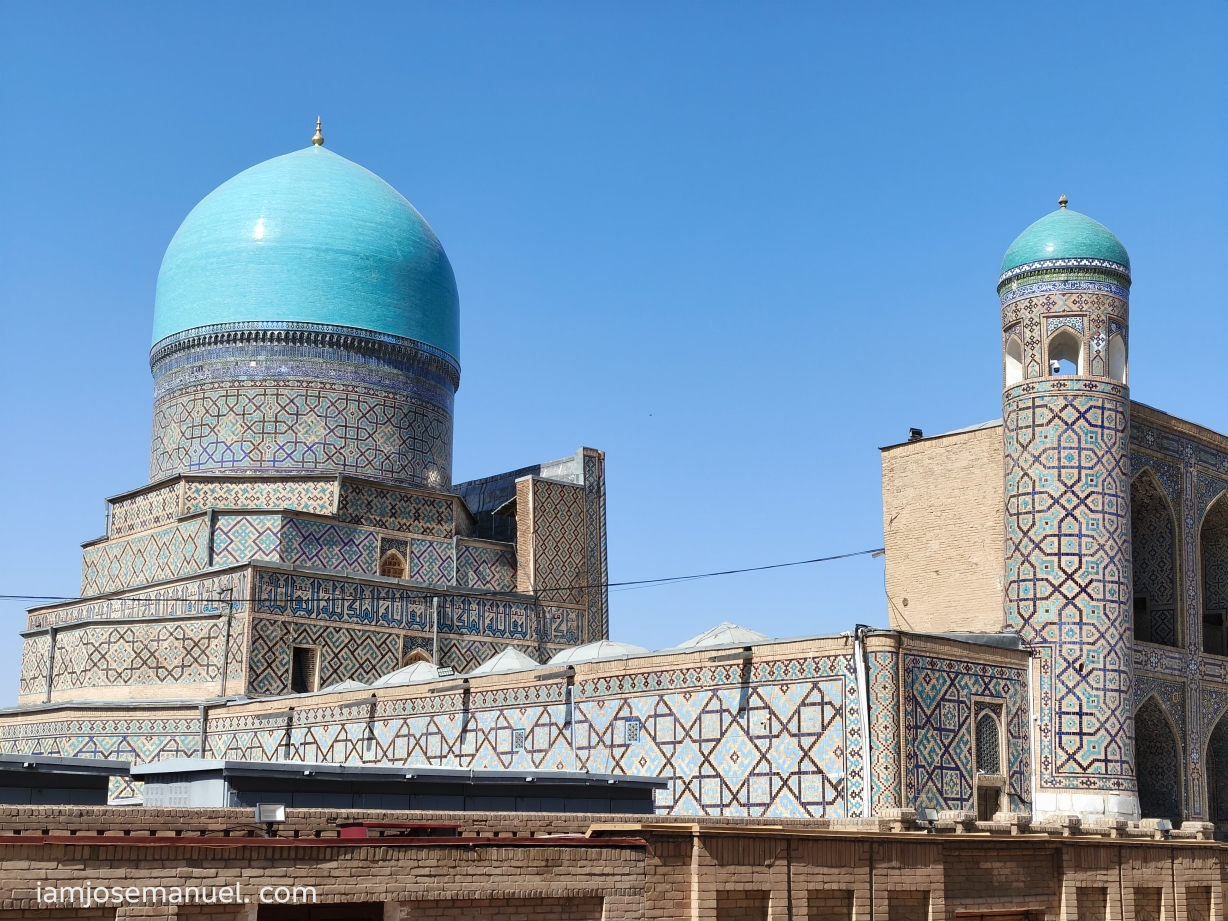
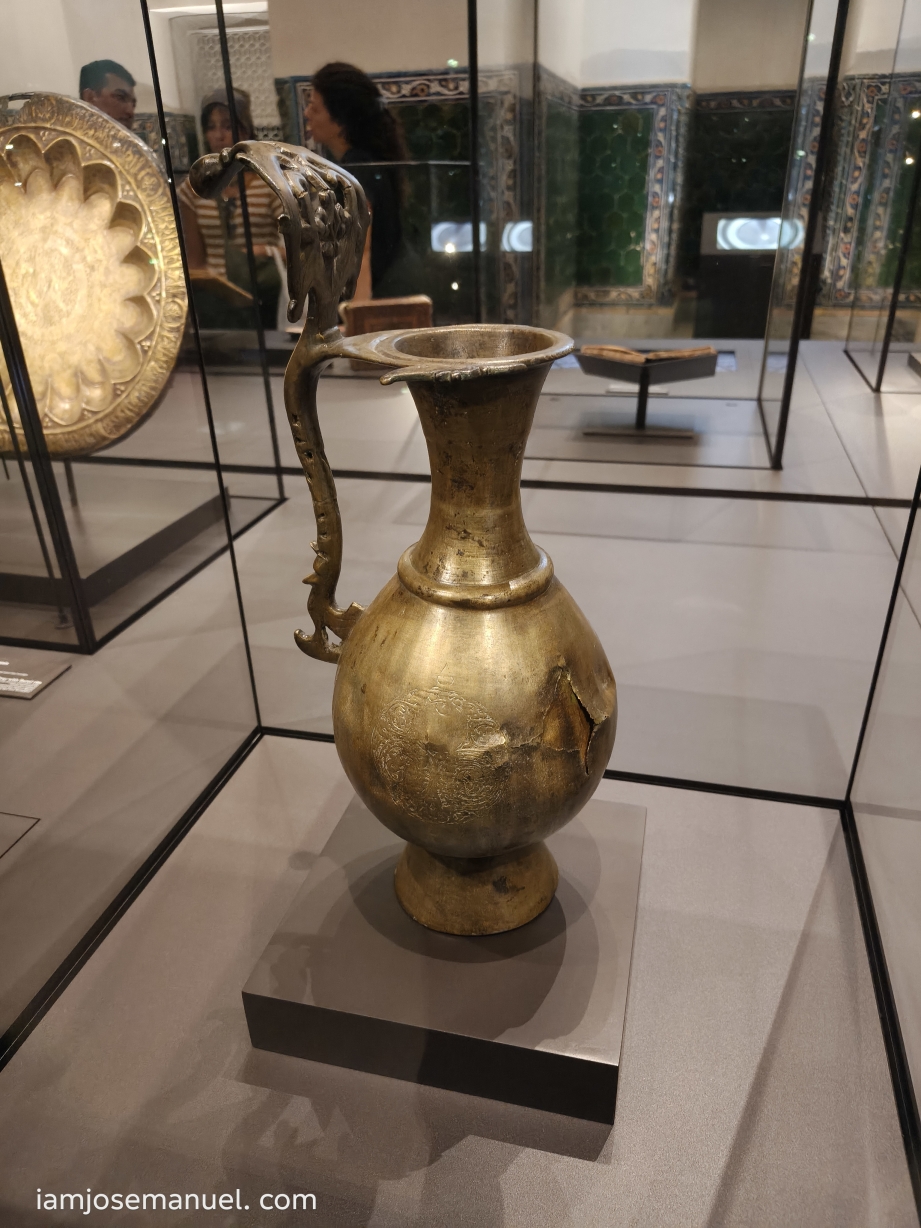
The turquoise-blue colored Domes define Uzbekistan’s famous Islamic architecture, representing heaven, infinity, and peace. These Madrasas today serves as museums for ancient islamic documentations as well as artifacts, gold, bronze and chinaware from the time of the Silk Road.
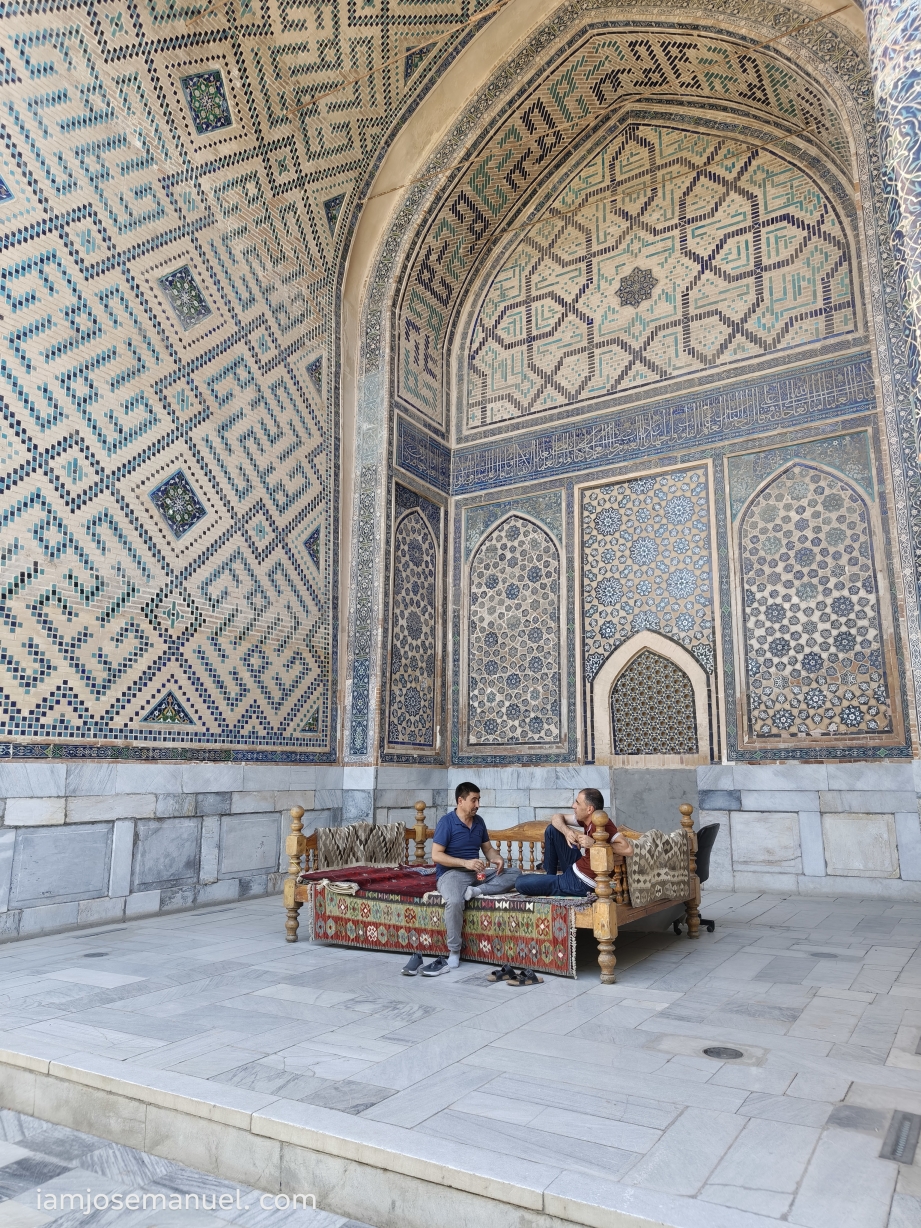
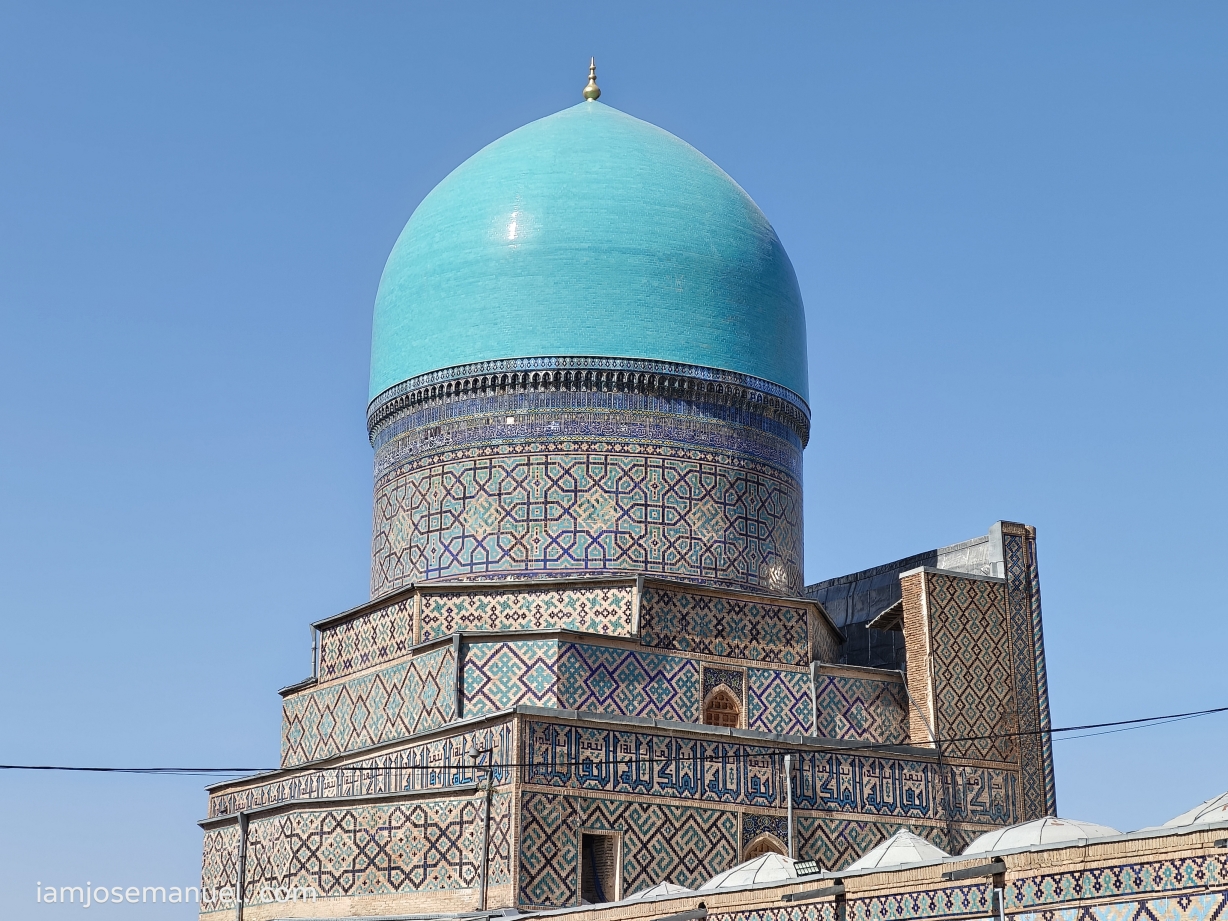
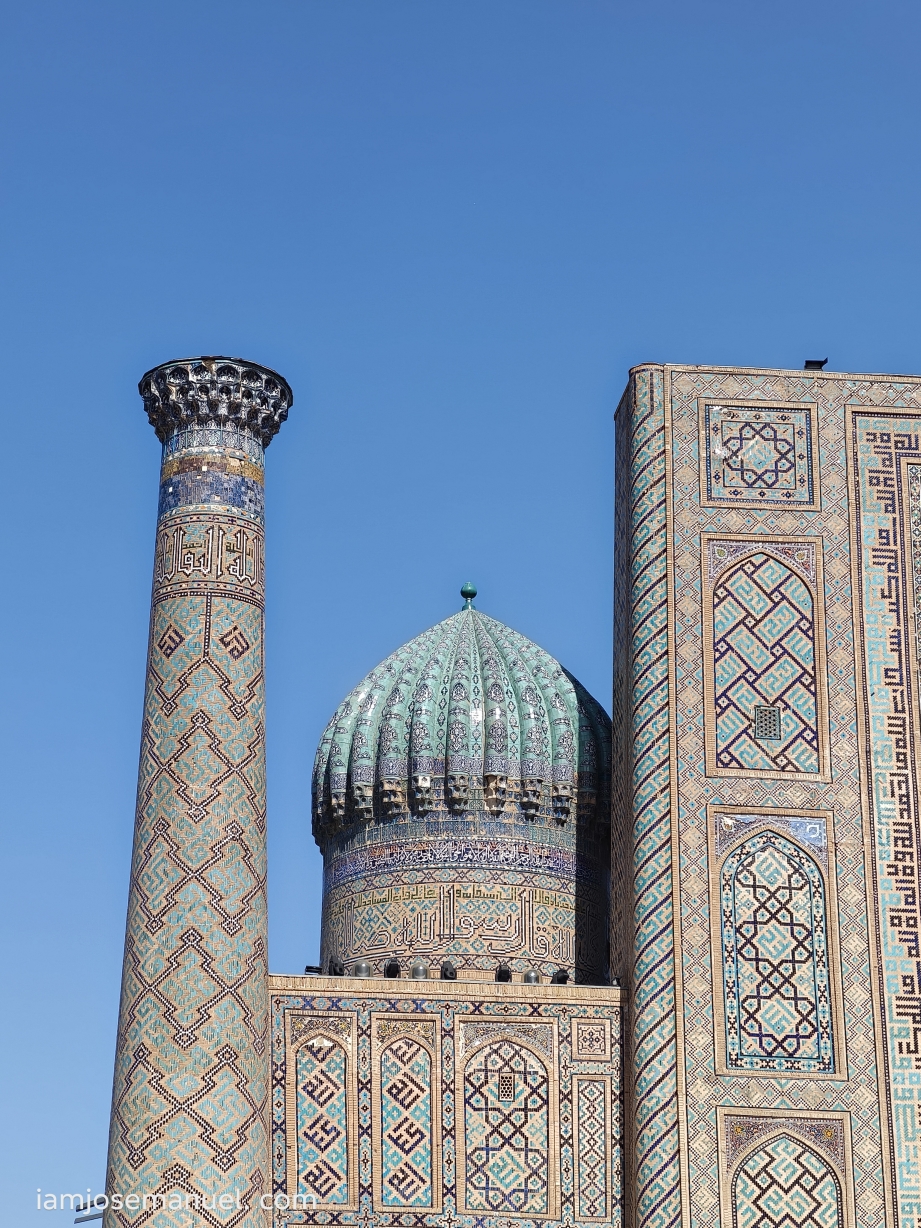
Shah-i-Zinda is a historic necropolis/mausoleum complex and pilgrimage site in Samarkand, known for its striking avenue of brilliant blue mosaic tile facade and turquoise blue domes.
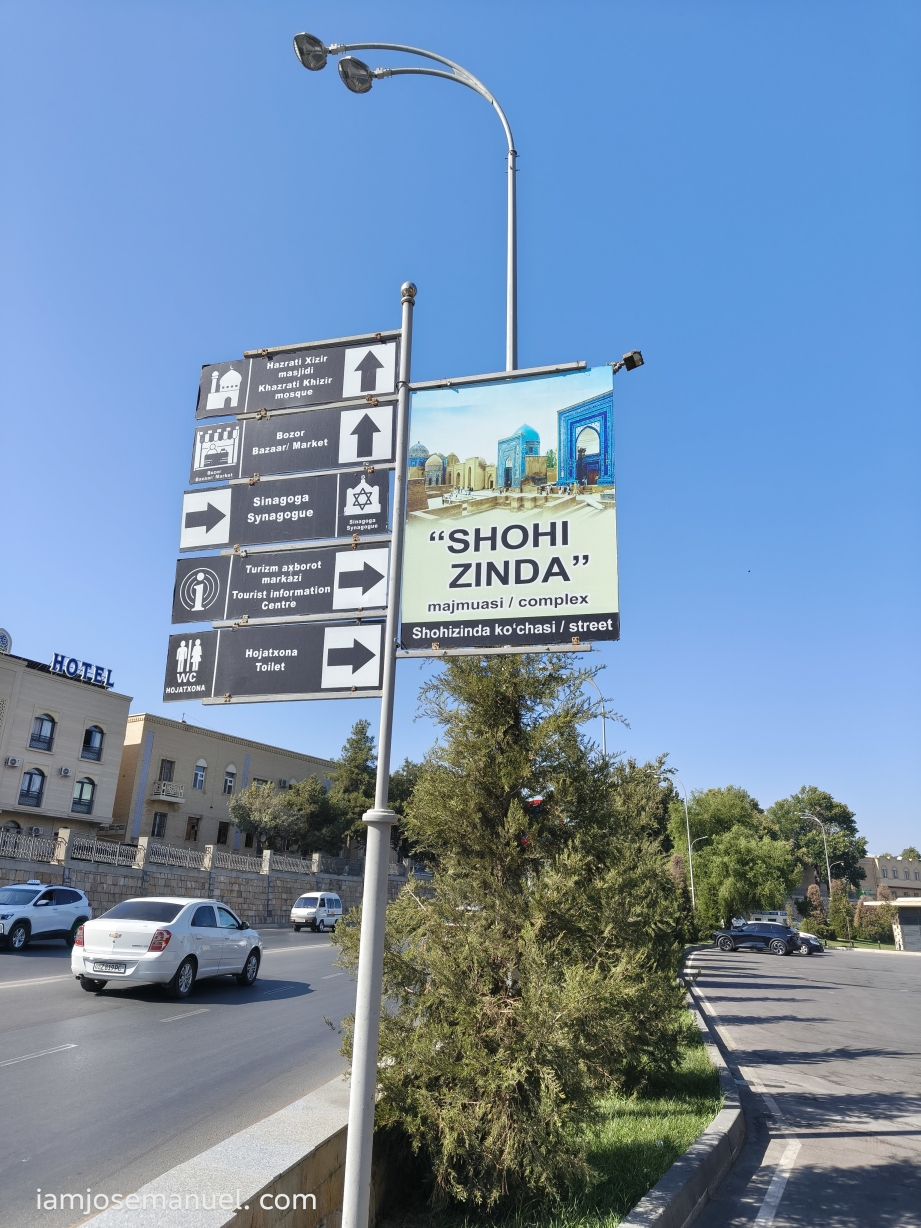
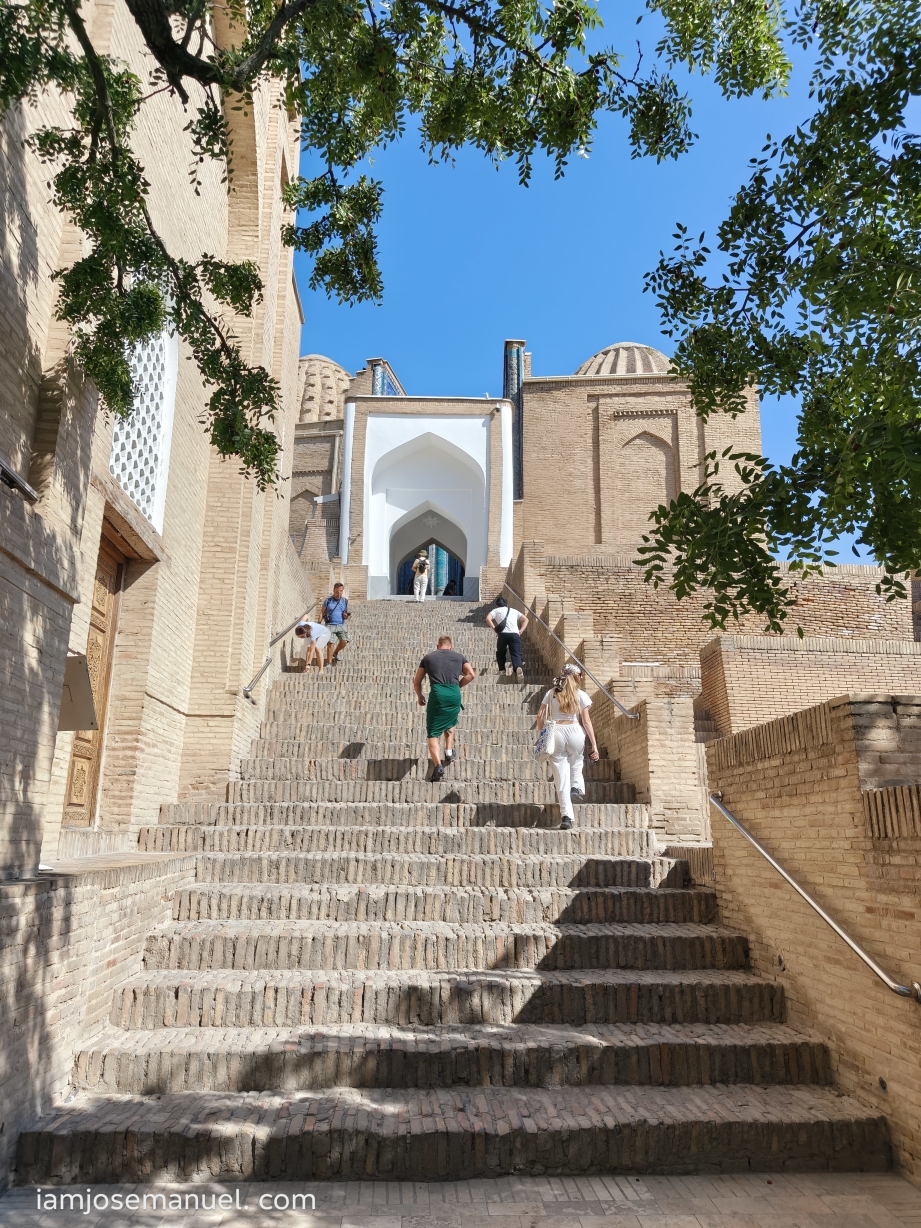
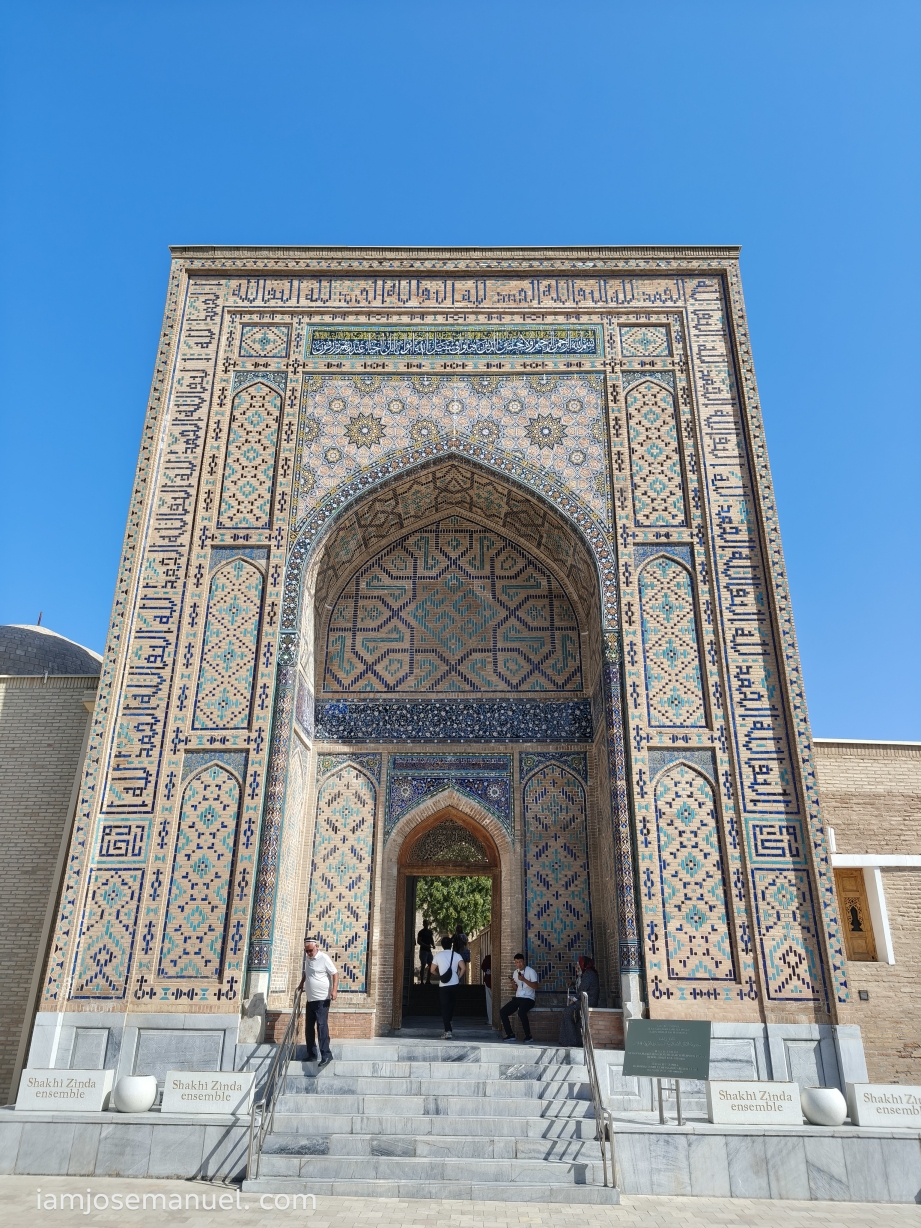
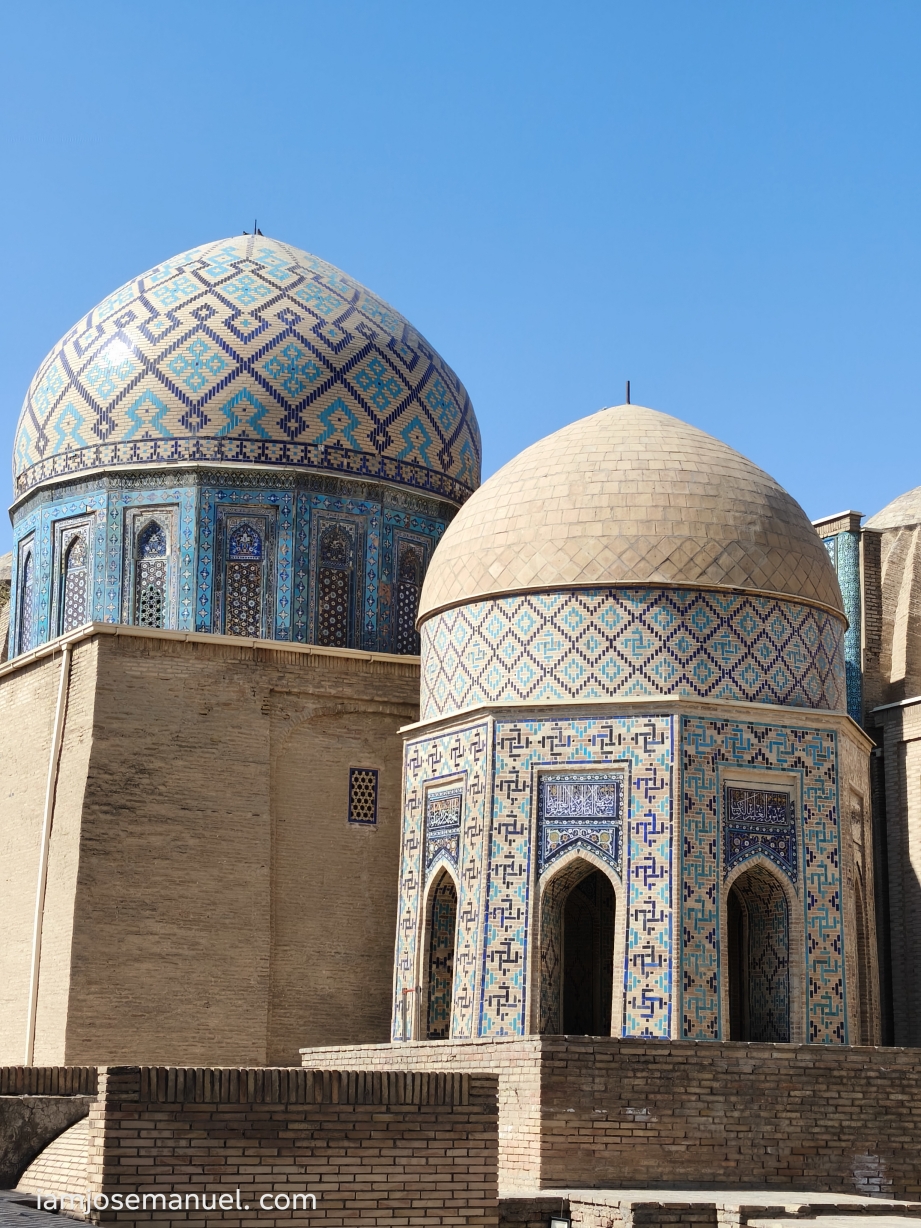
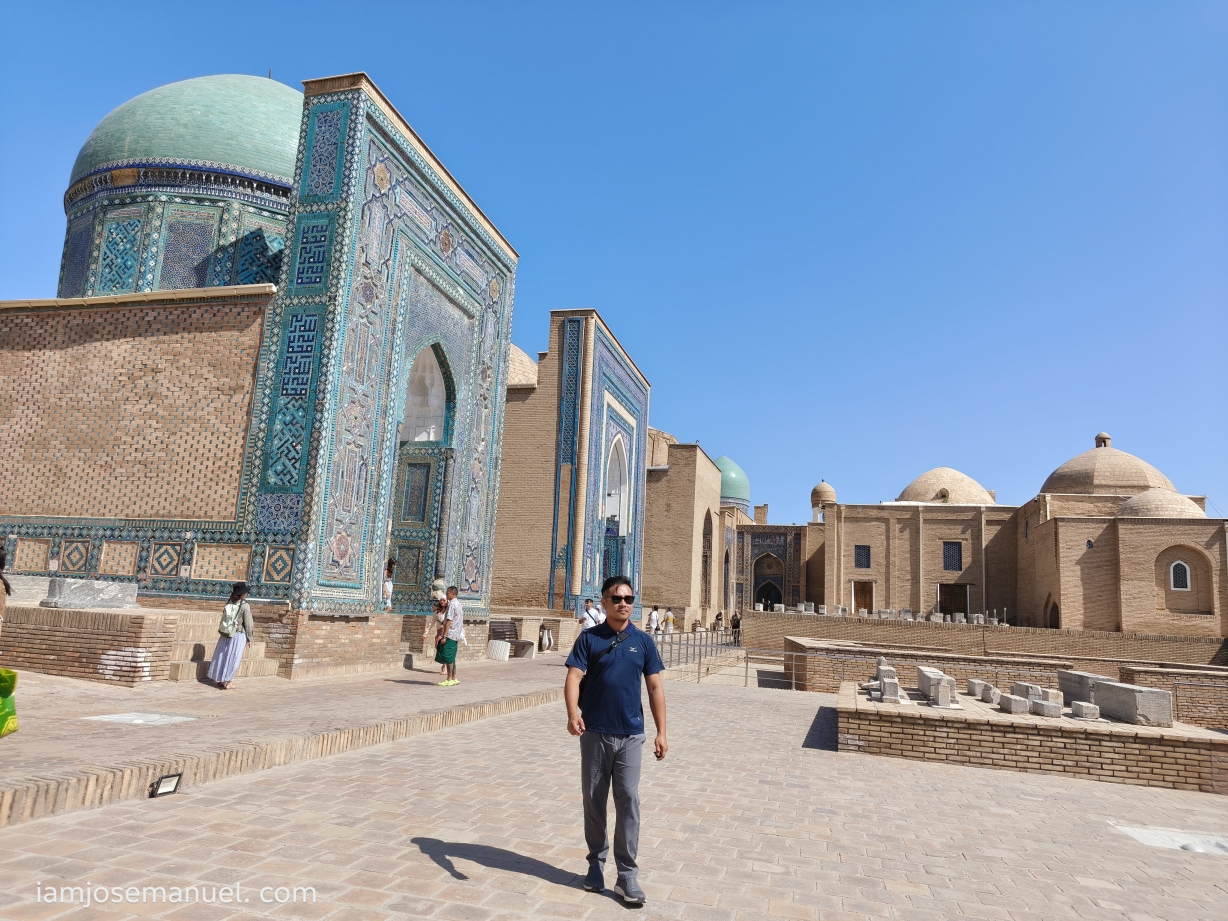
Walking through the corridors feels like travelling to ancient arabic times.
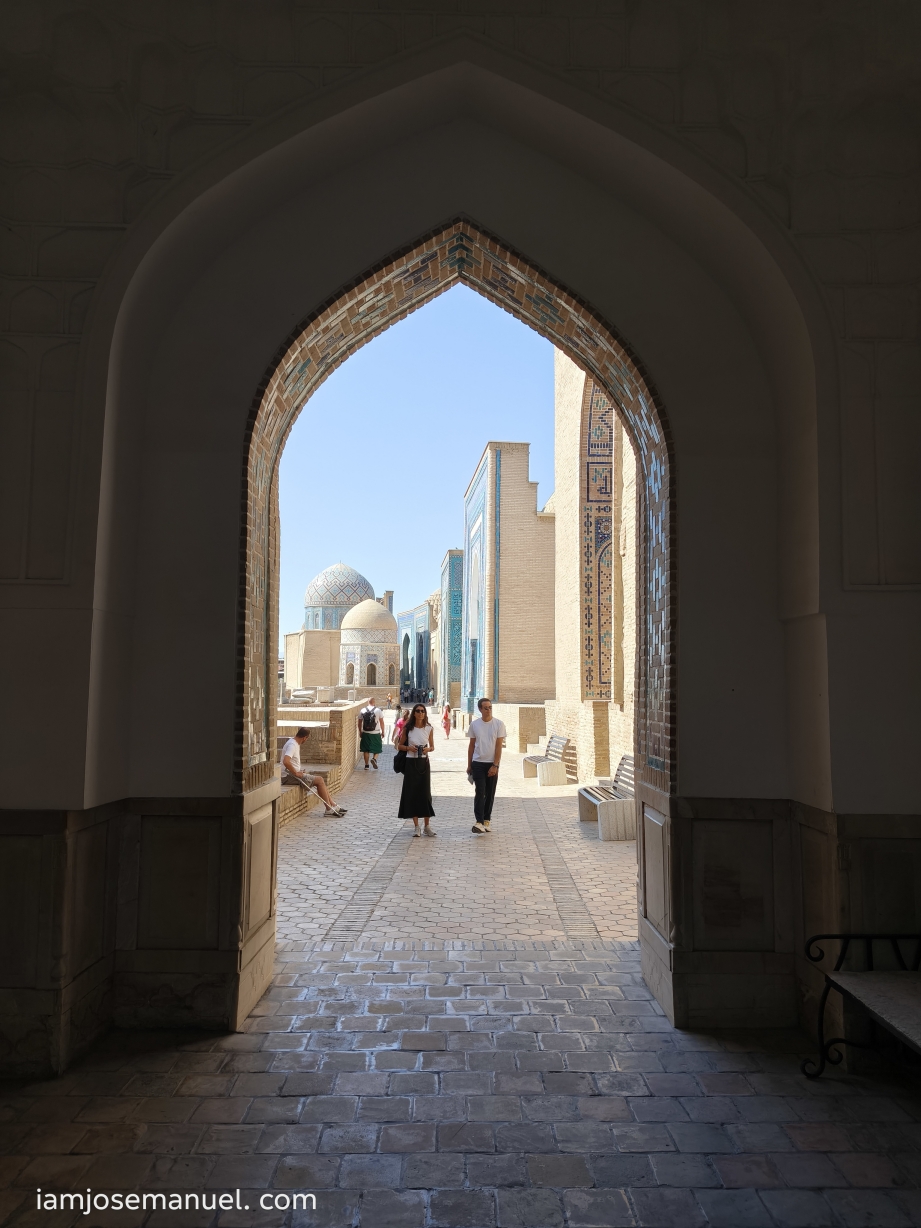
The detailed mosaic tile works of the mausoleums is worthy of all the praises. It was said that the Mongol conquerors of the 12th century has spared this complex from destruction, because they found it valuable and irreplaceable. some of the tile pieces are hand-carved individually.
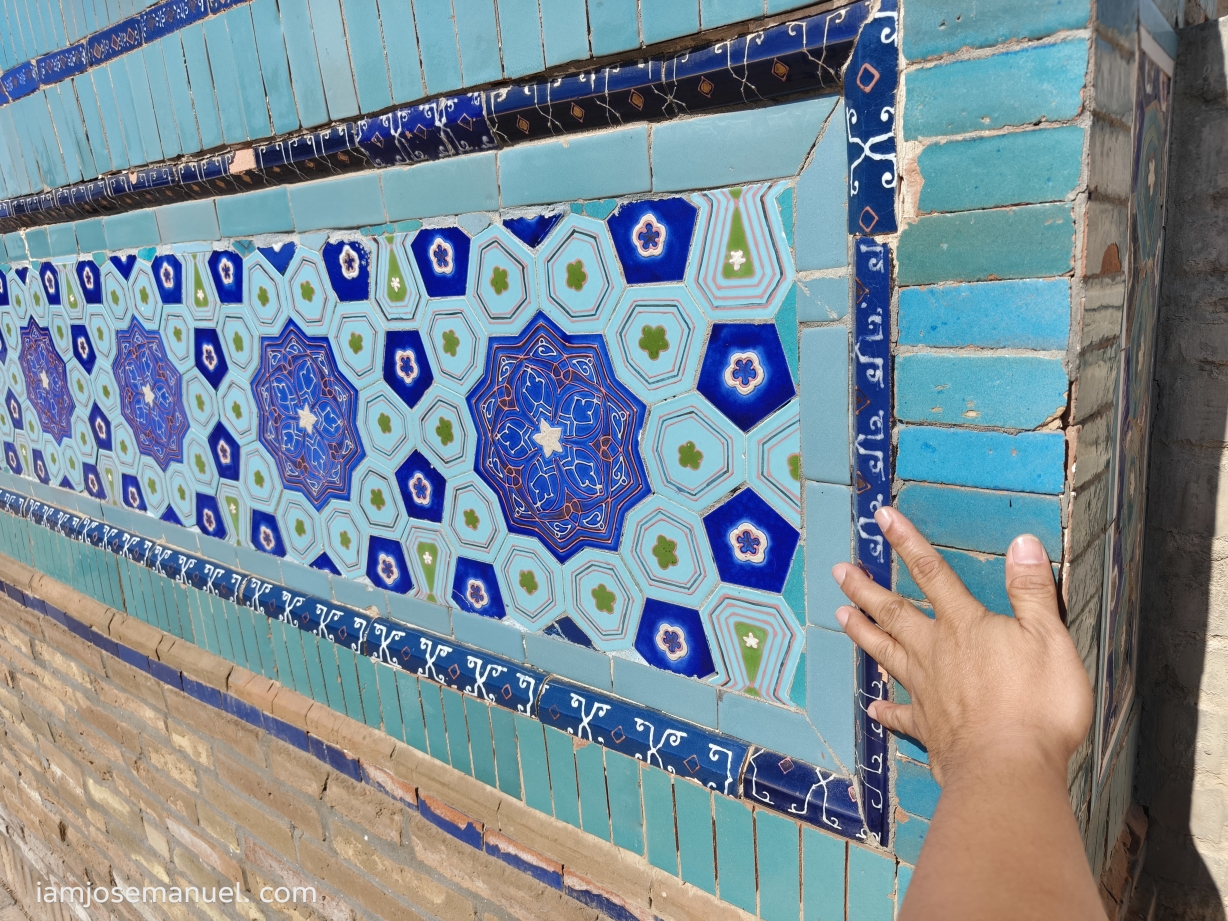
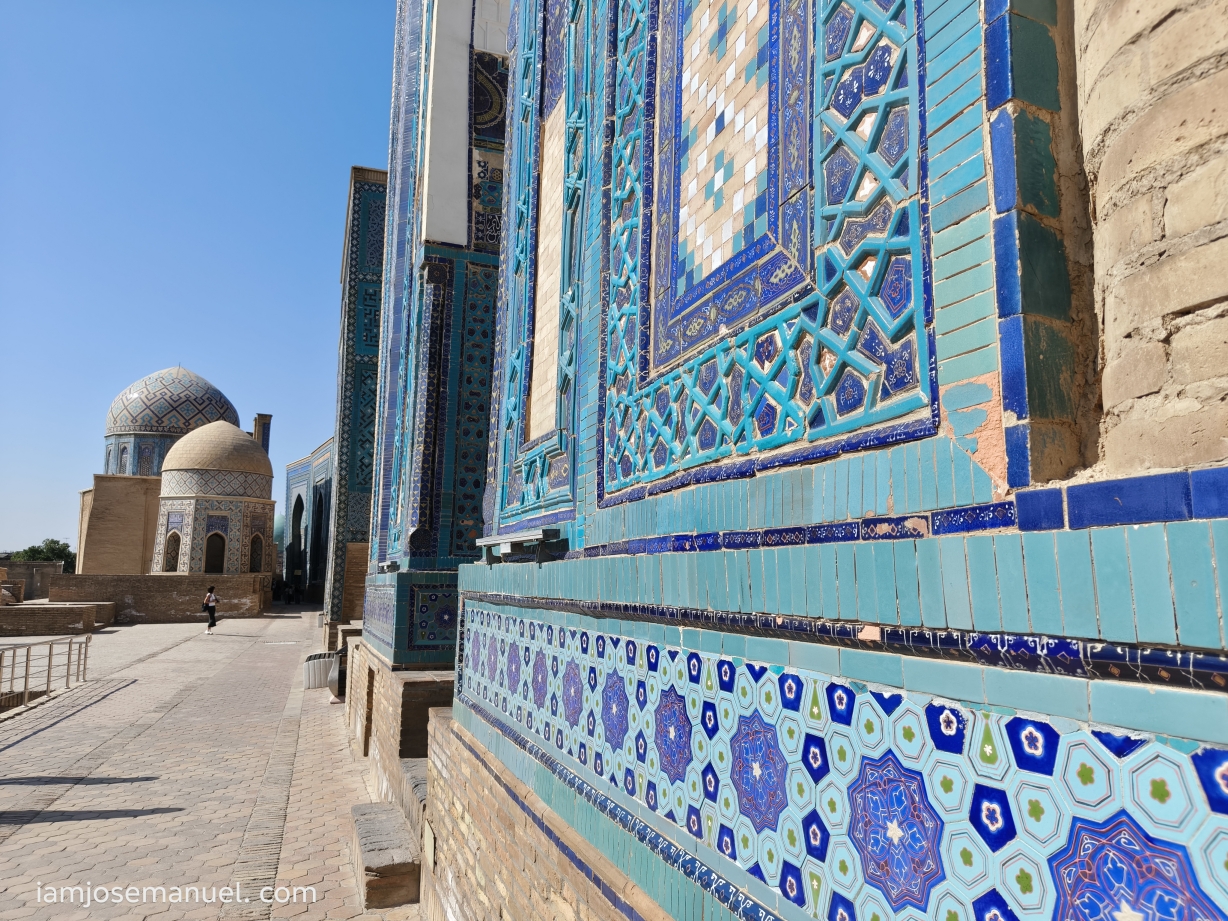
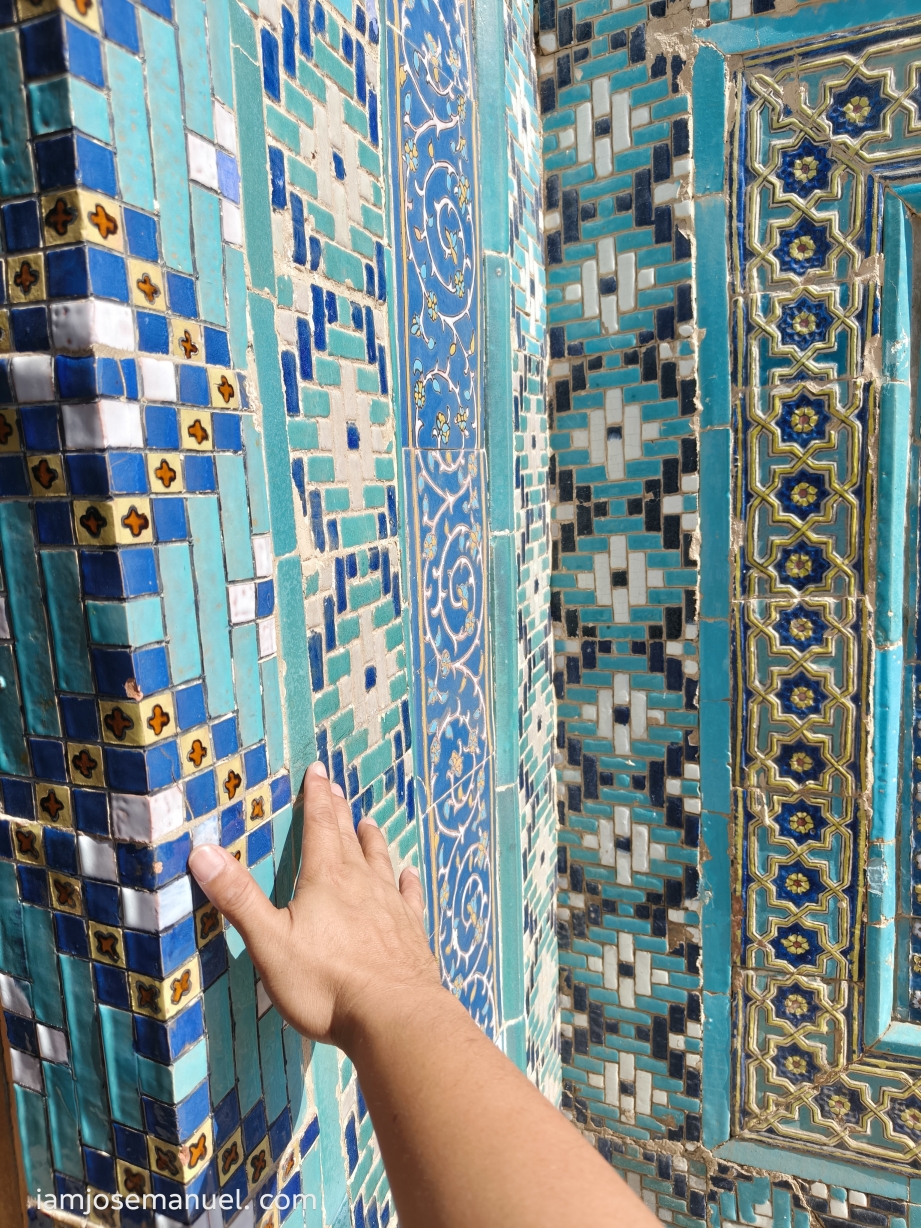
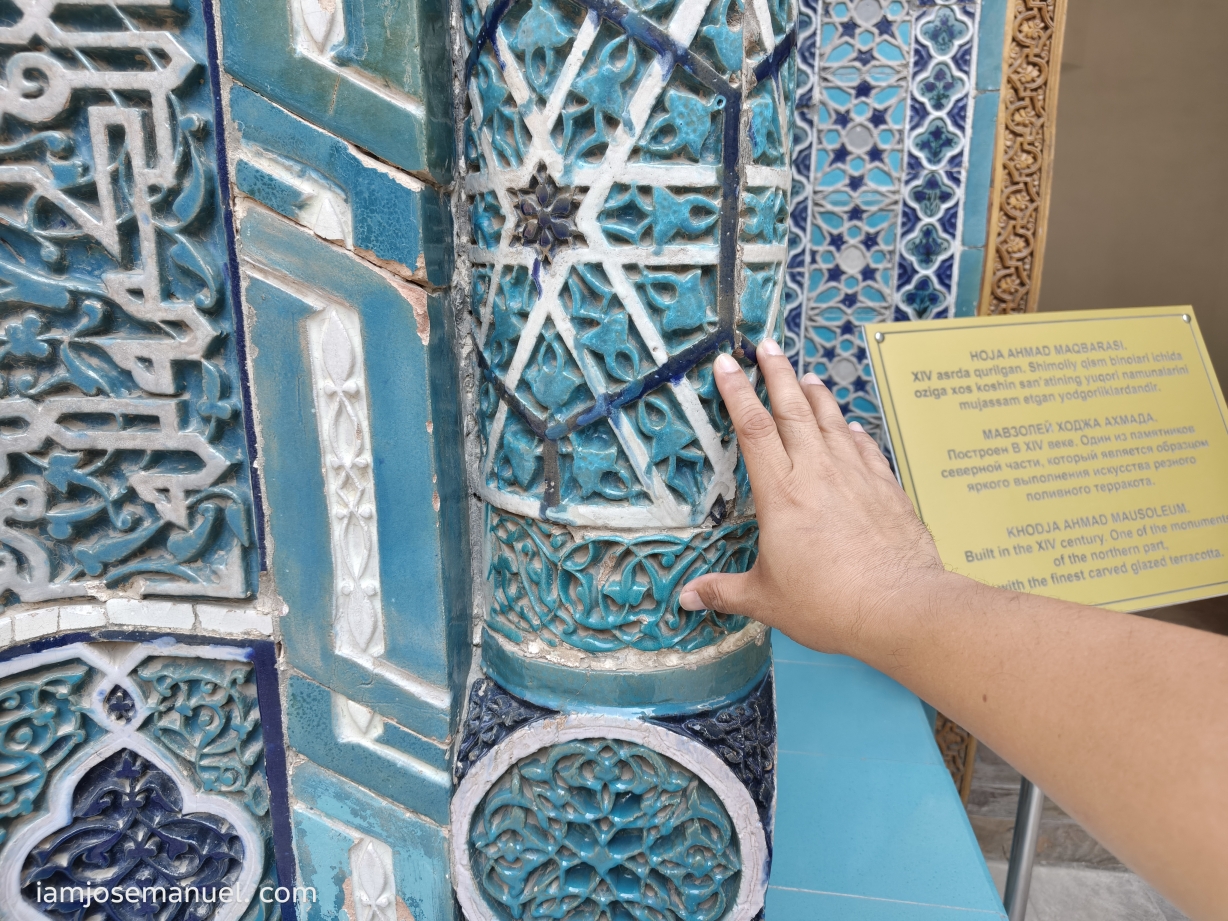
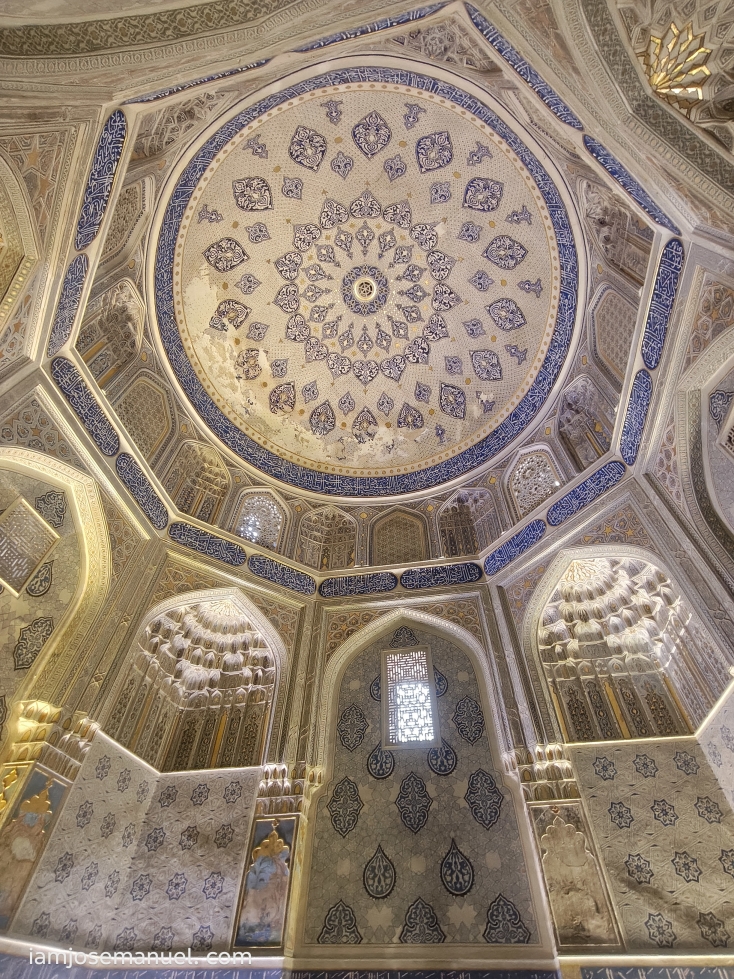
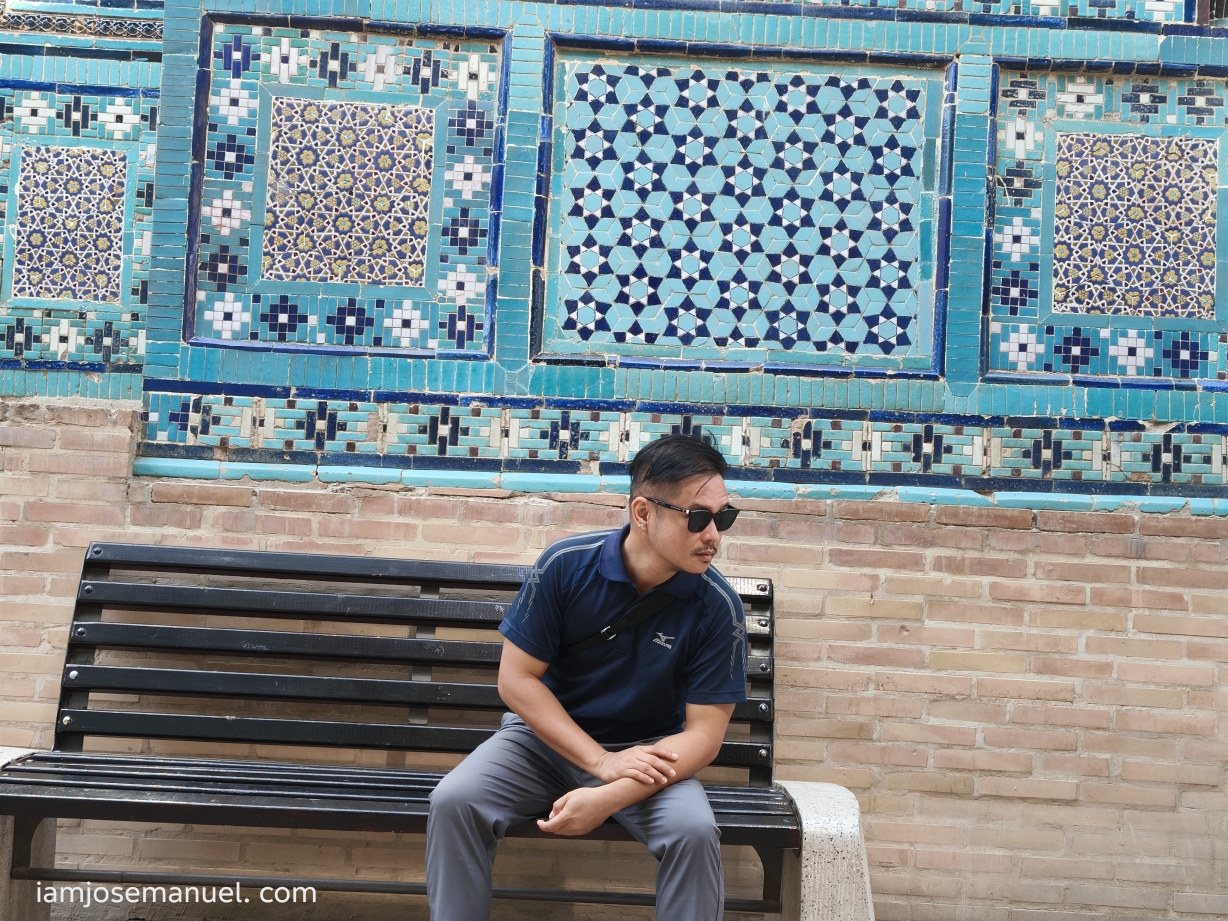
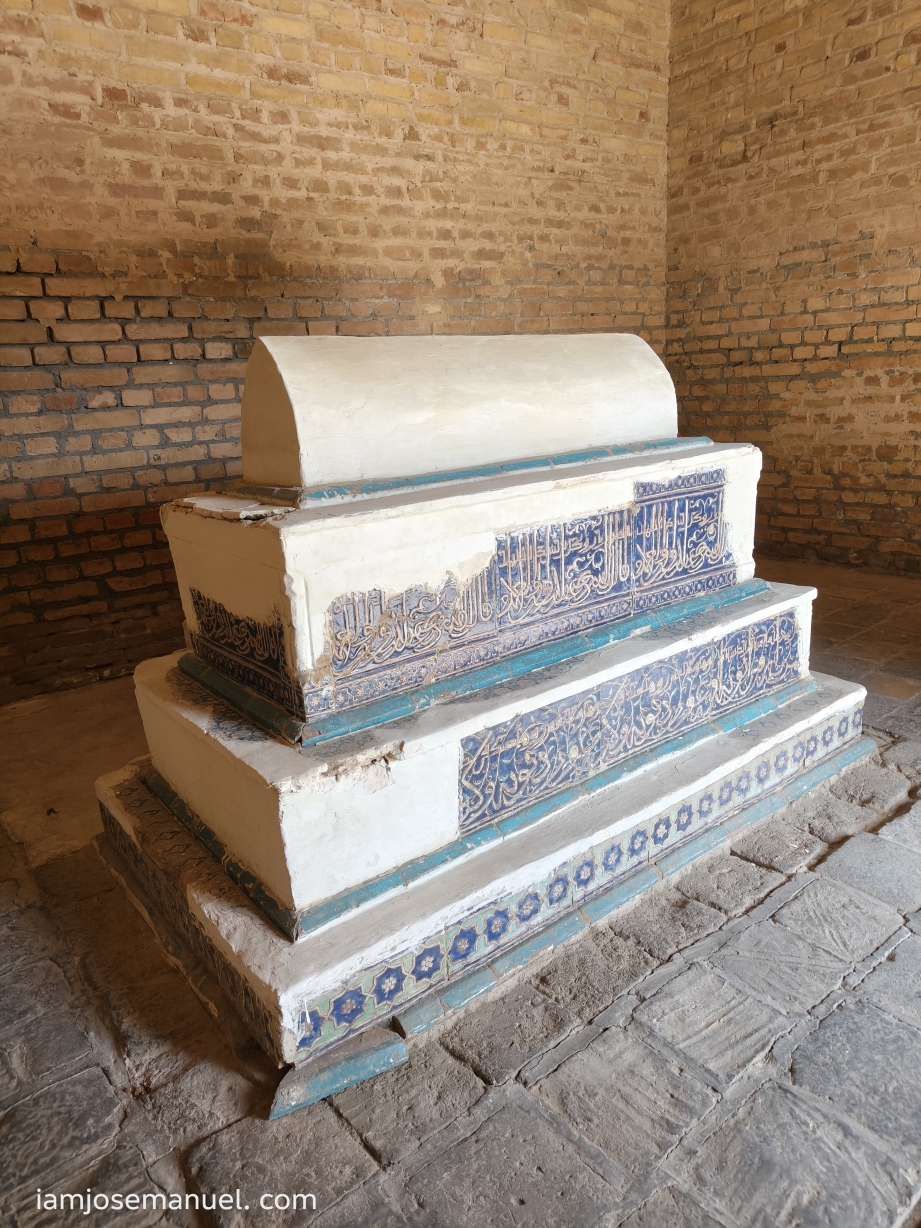
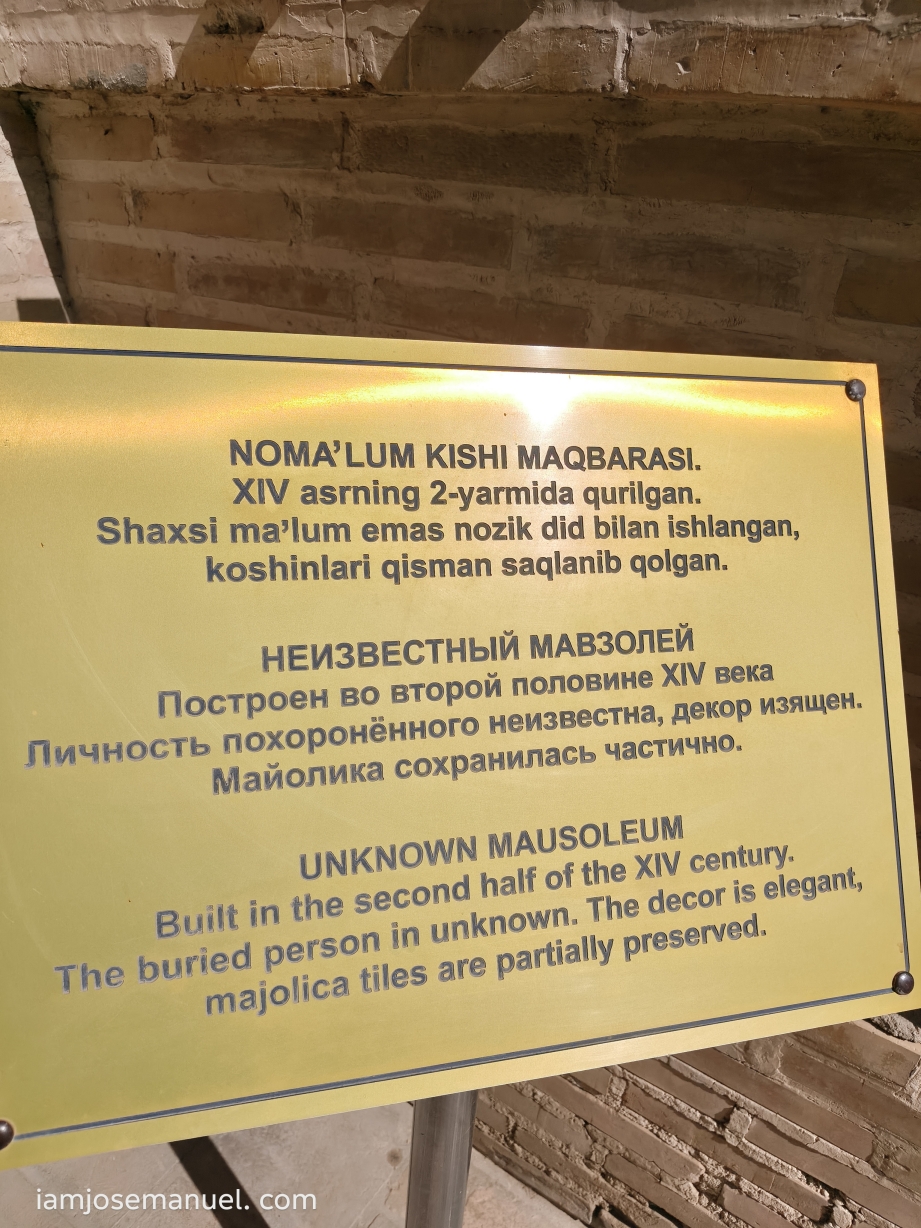
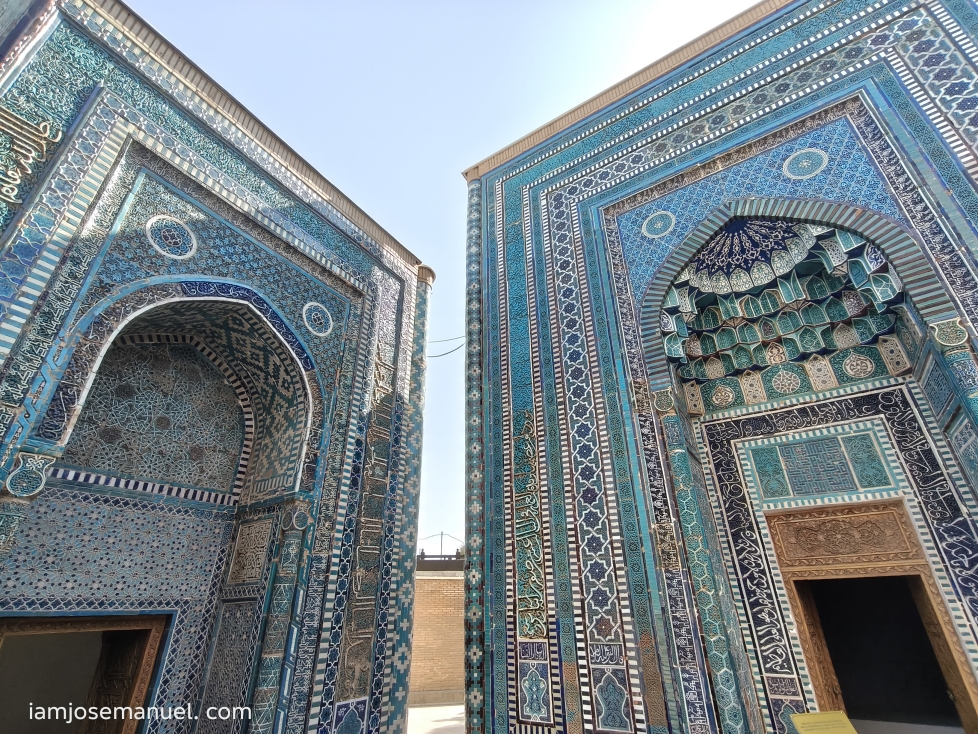
Many tombs in Shai Zinda belong to the nobility from as early as the 11th Century. Yes, actual people were buried here, and are still honored by their family lineage today.
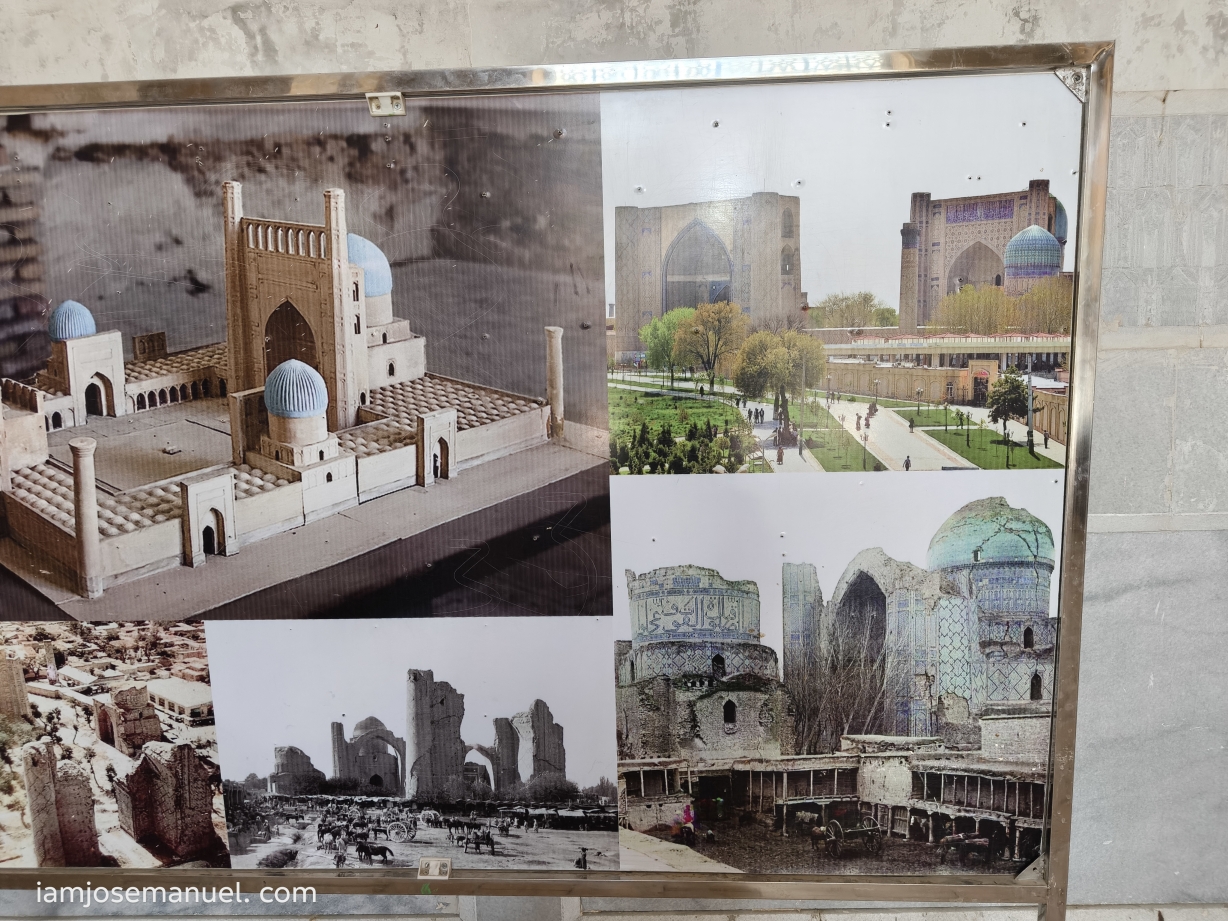
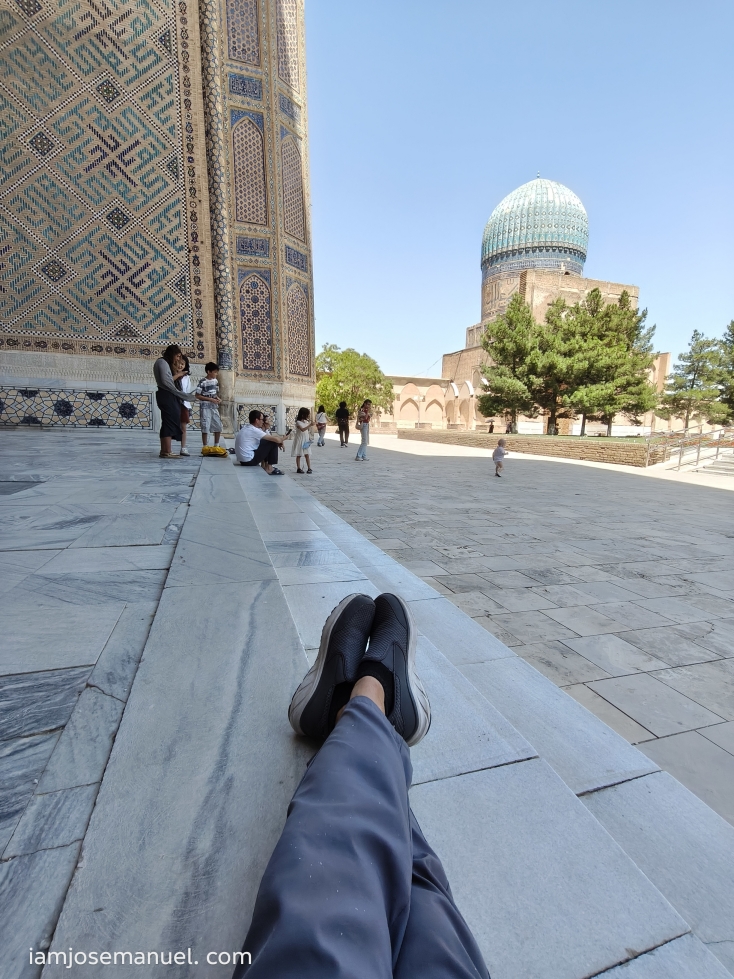
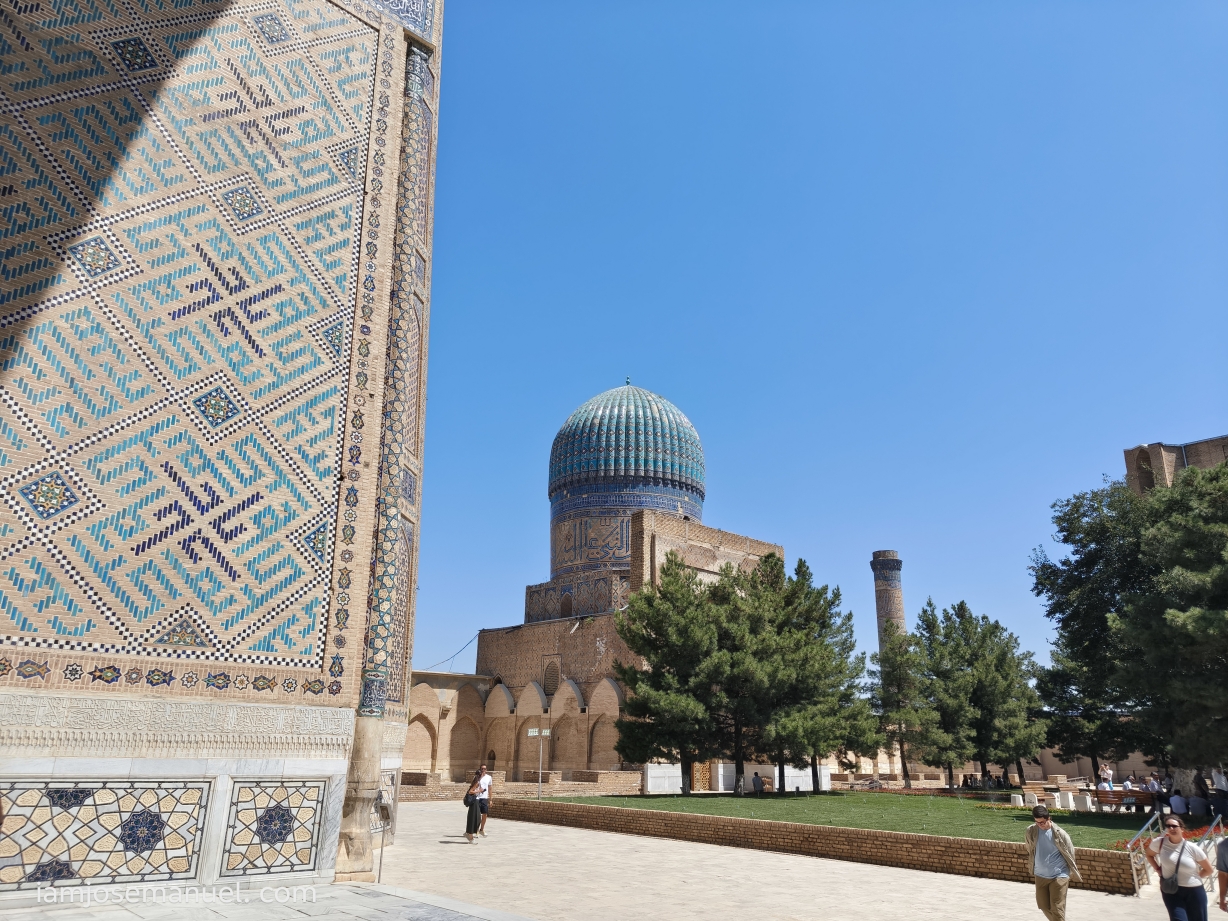
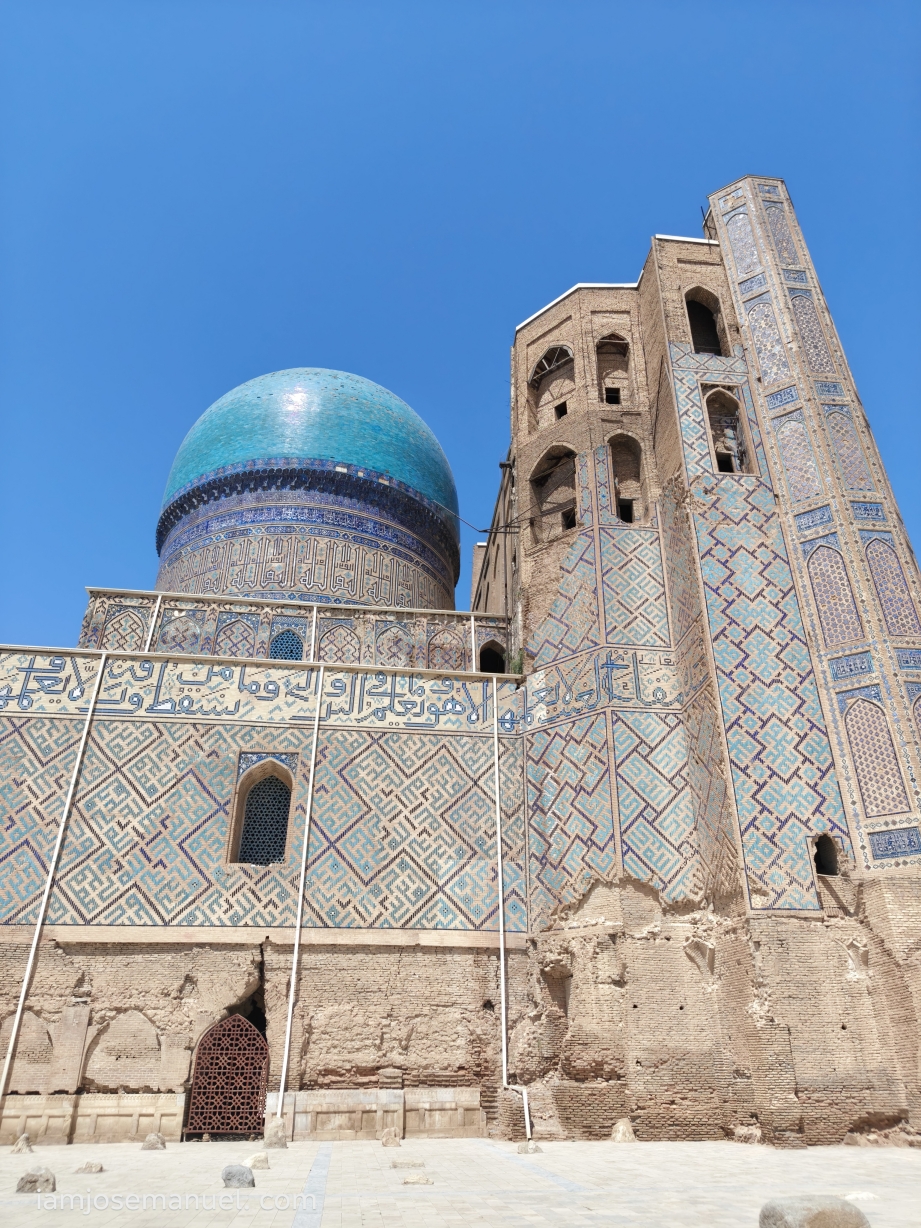
Bibi-Khanym Mosque It is considered a masterpiece of Uzbekistan. Built in the 15th Century, it was one of the largest mosques in the Islamic world during its time. Outside the mosque are other minor mausoleums, as well as the Siyob Bazaar/market which is also worth a visit. The mosque tends to be less crowded compared to the other sites. I spent some time here to rest and just feel the history around me.
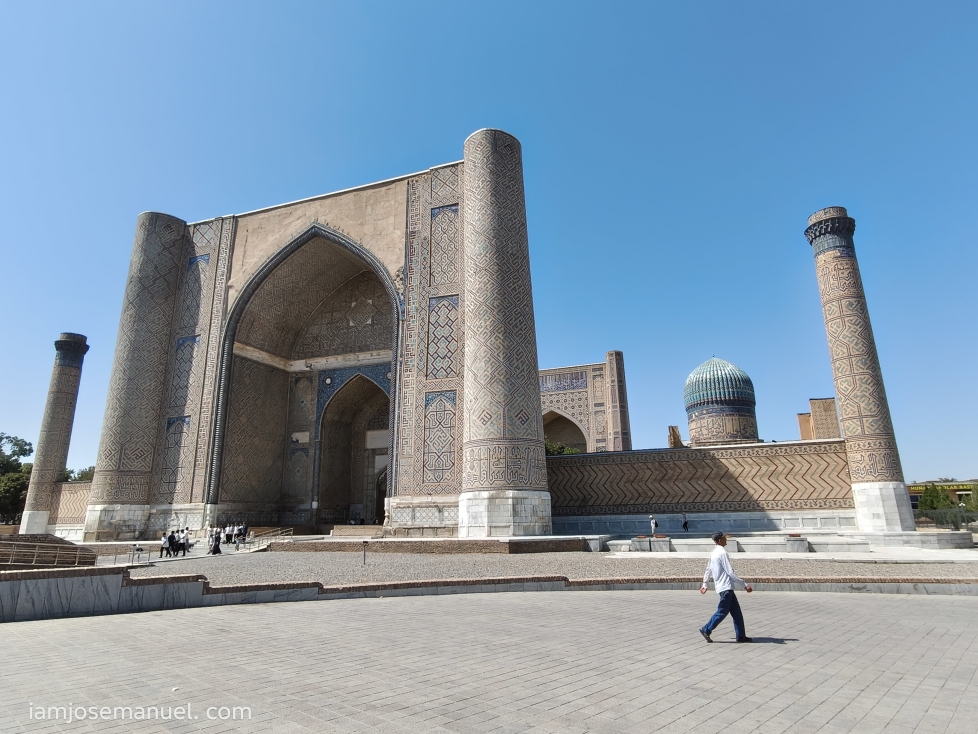
The Registan Square, the Shai Zinda Mausoleum and Bibi Khanym Mosque are all connected by a straight walking street lined by trees, local shops and restaurants. Very convenient for tourists.
 Travel + Lifestyle + Architecture Blog