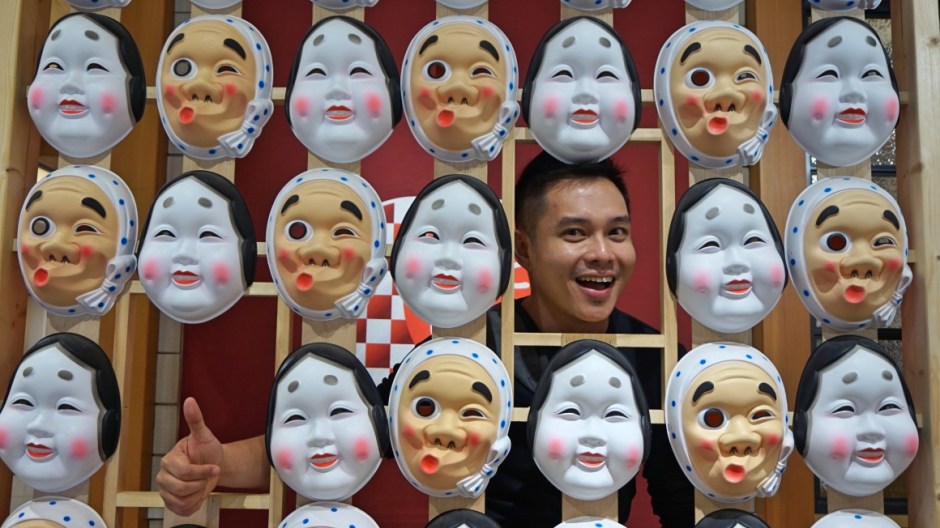
Yufuin Japan Photoblog

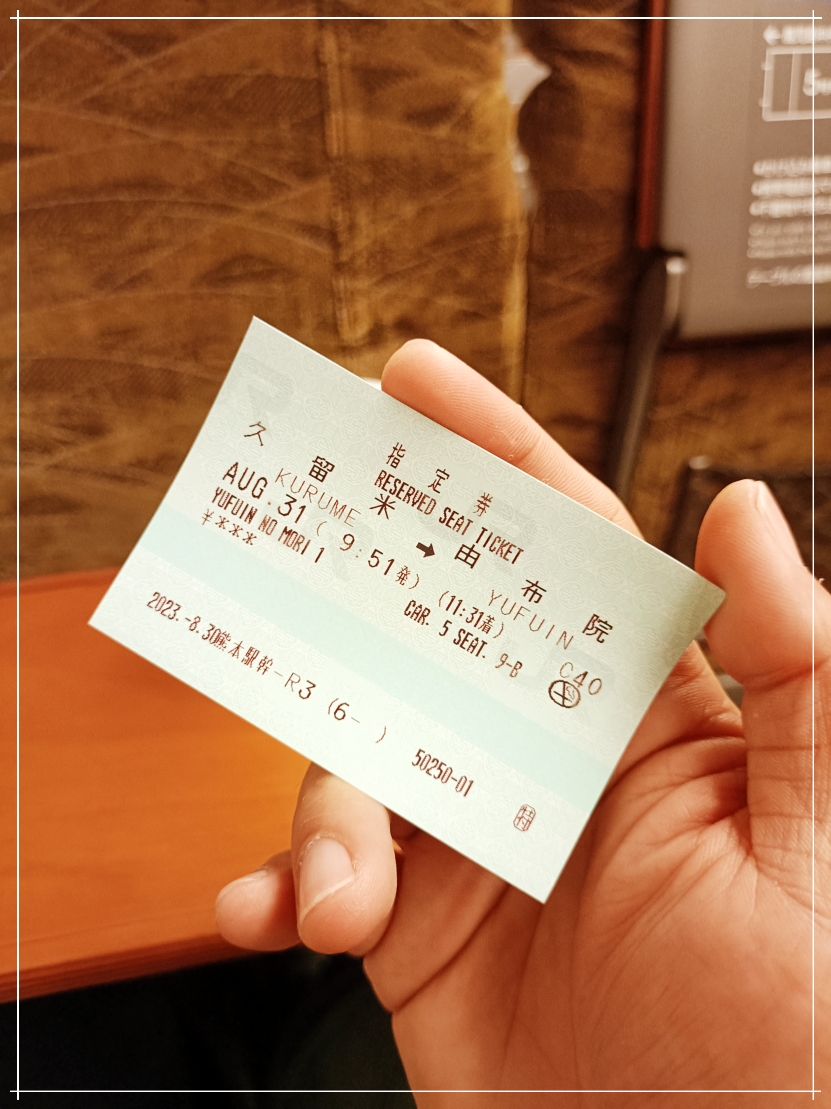
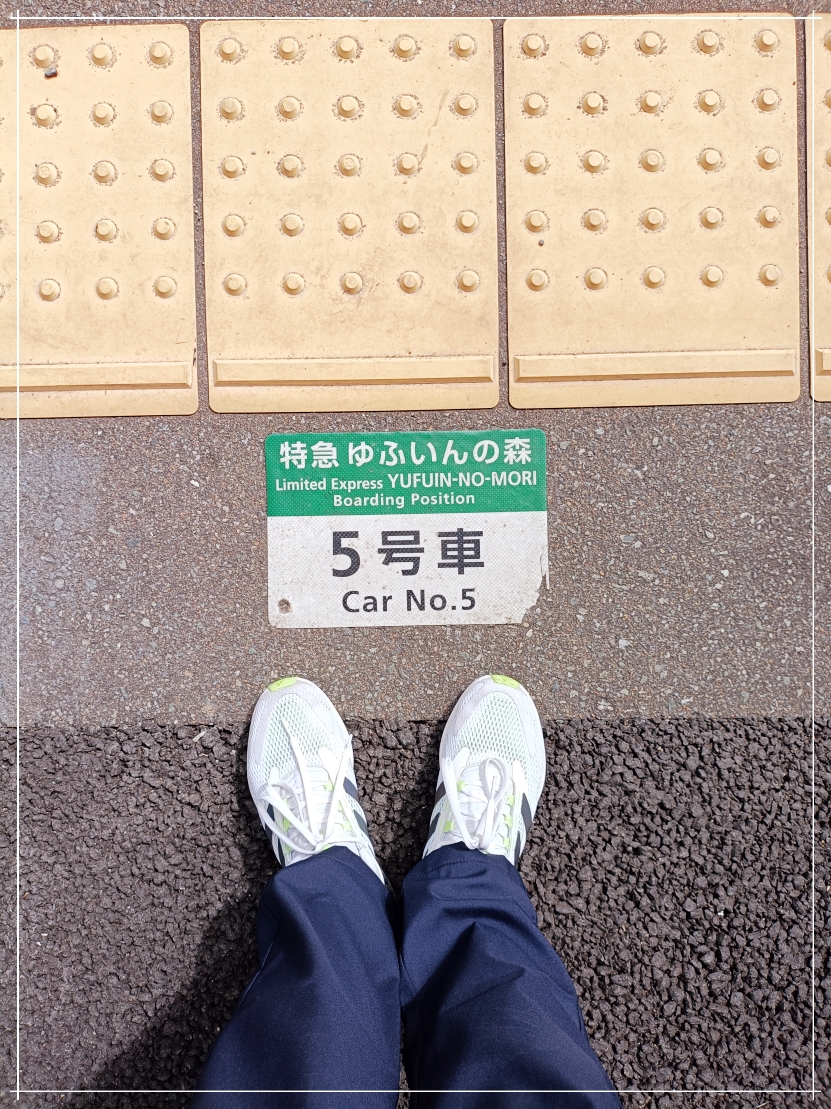
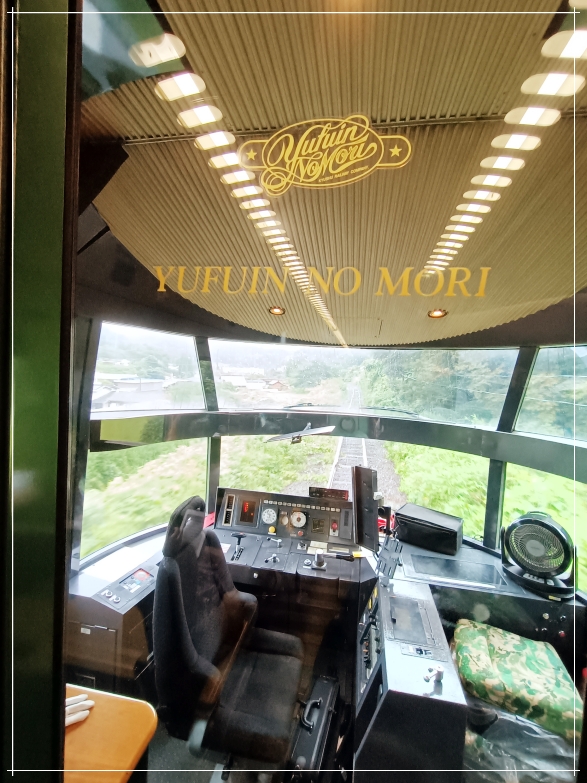
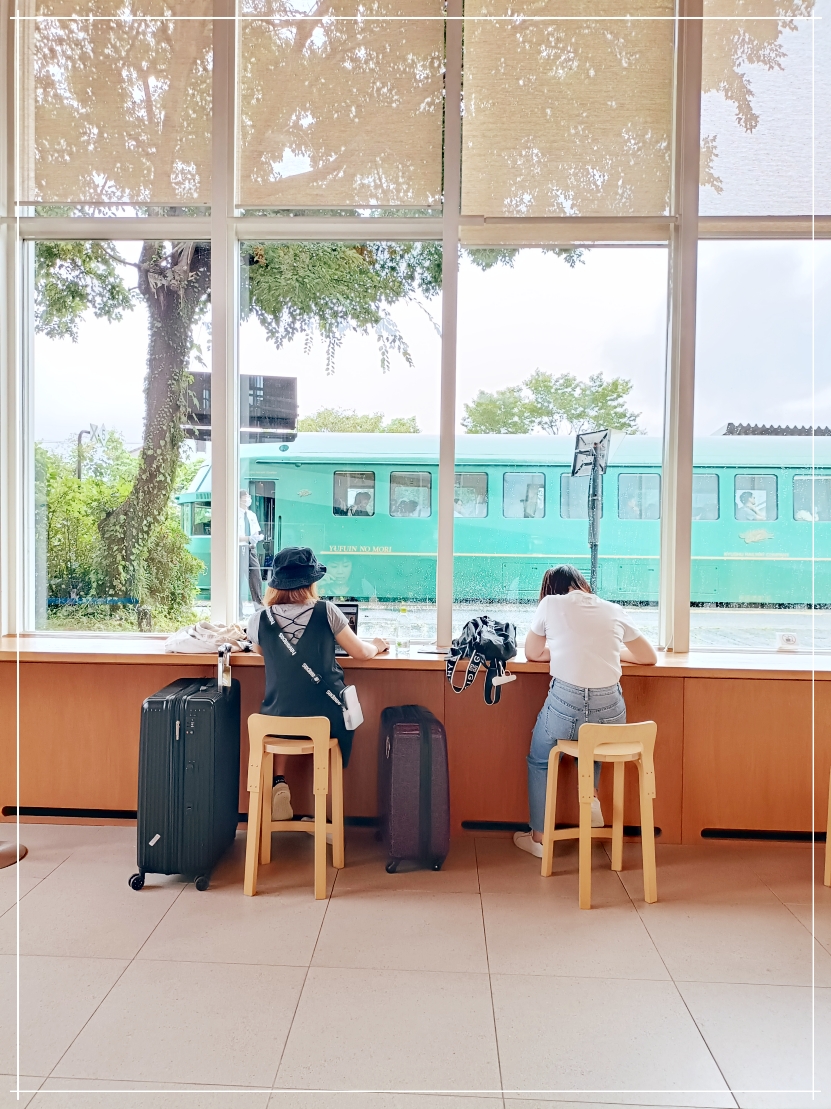
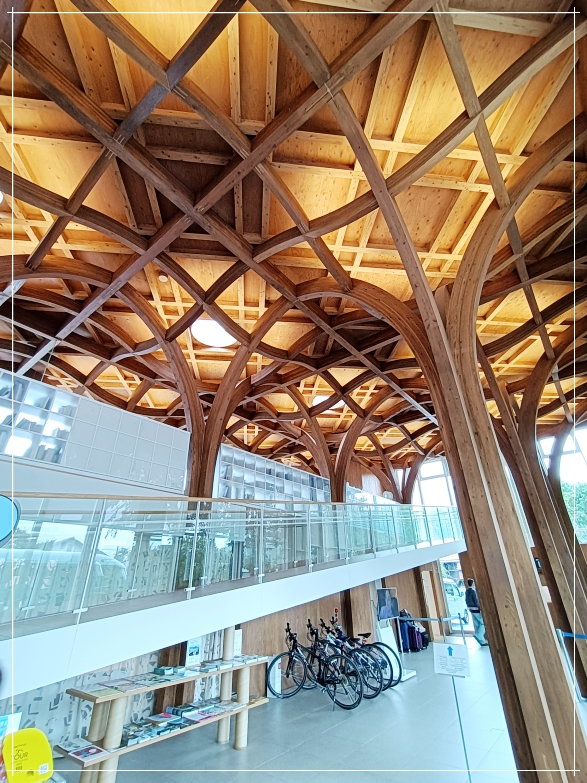
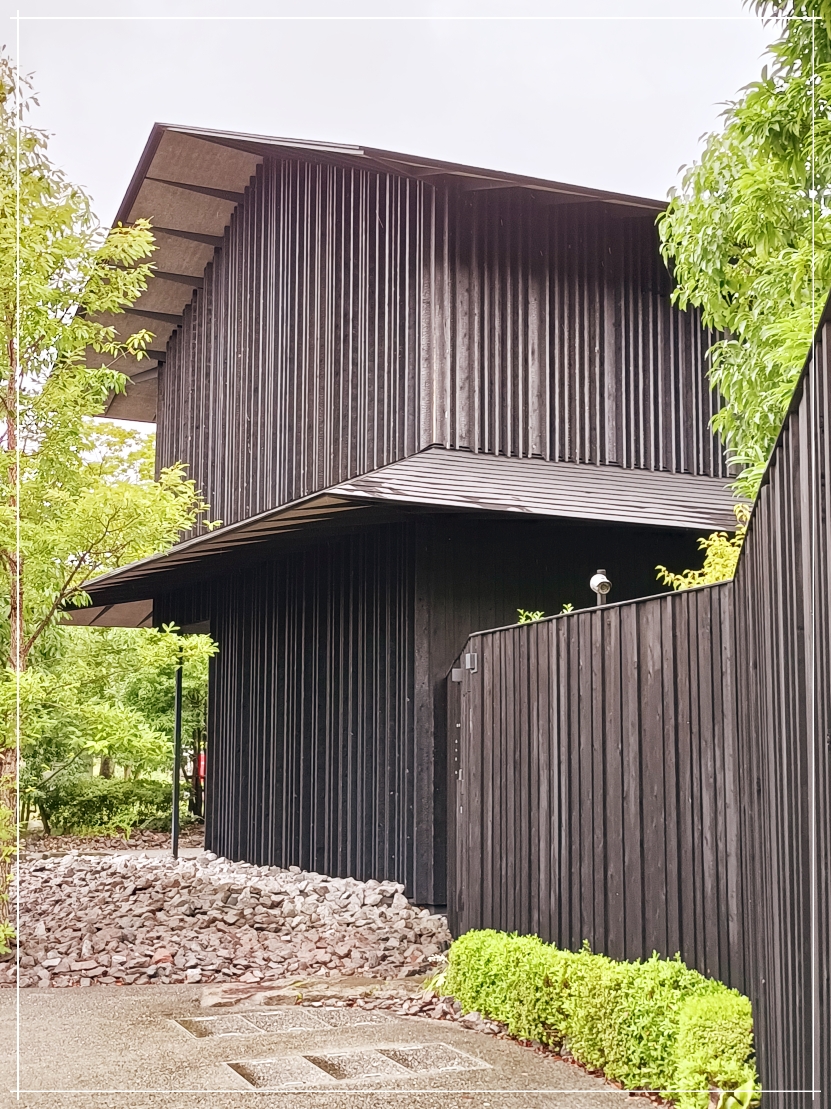
The Classic Yufuin No Mori sightseeing train pass through the farmlands and mountains at a slower pace.

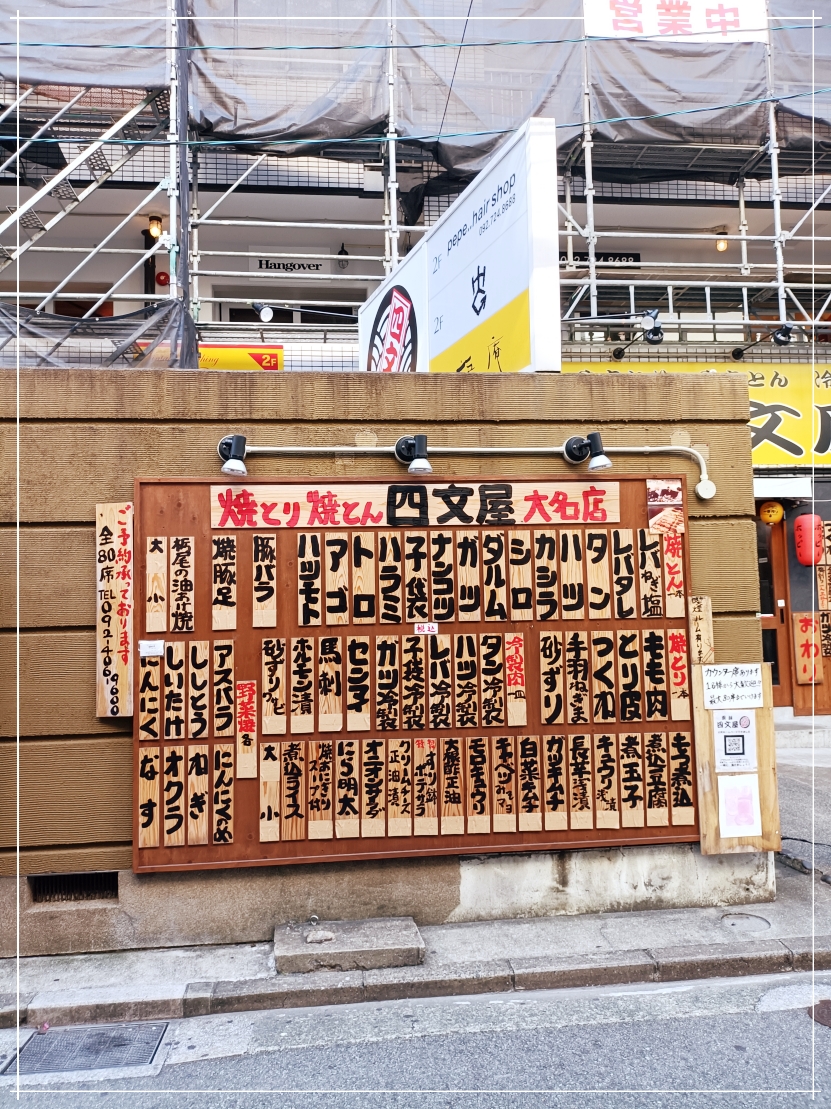
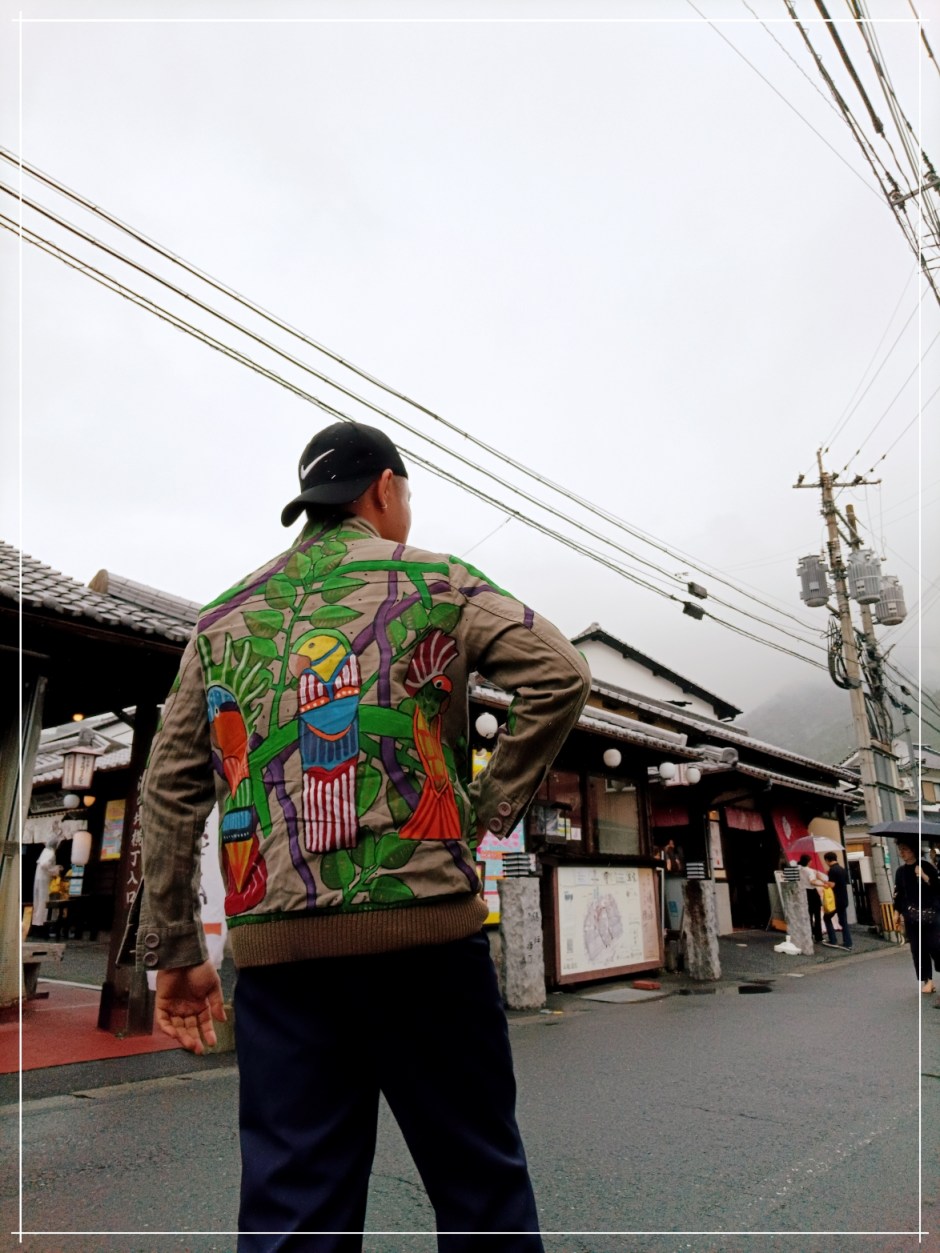
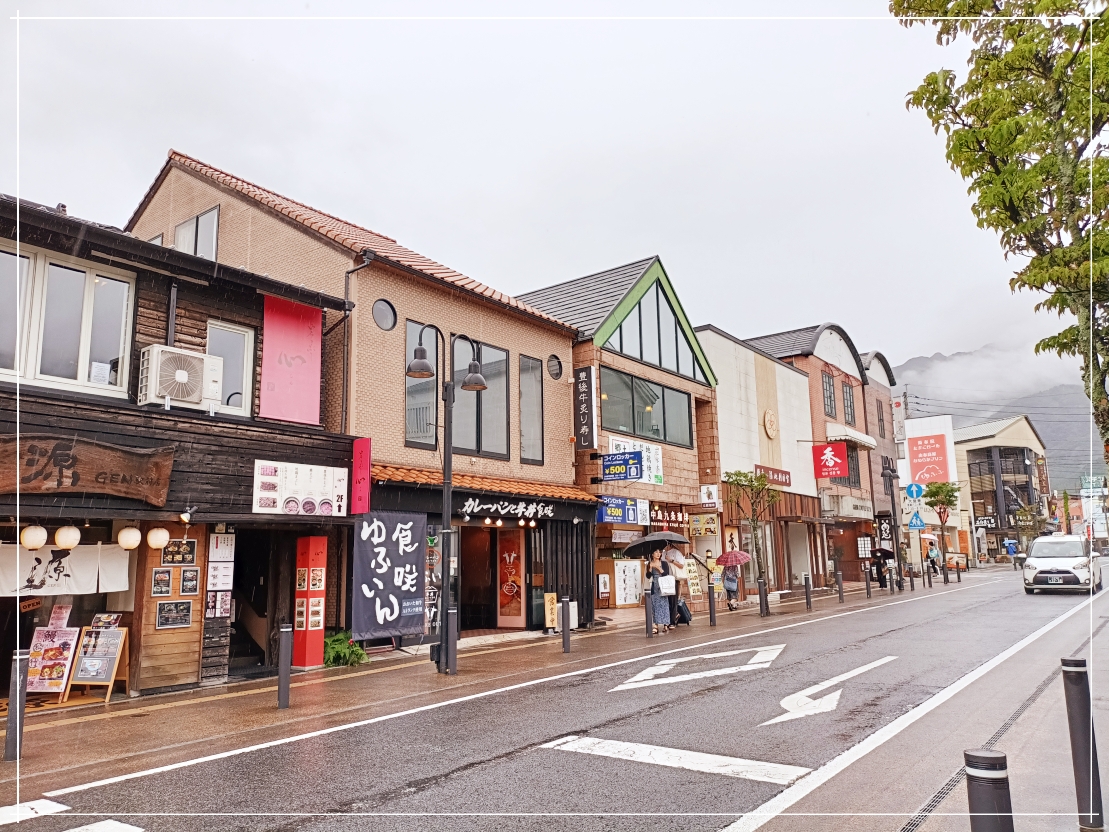
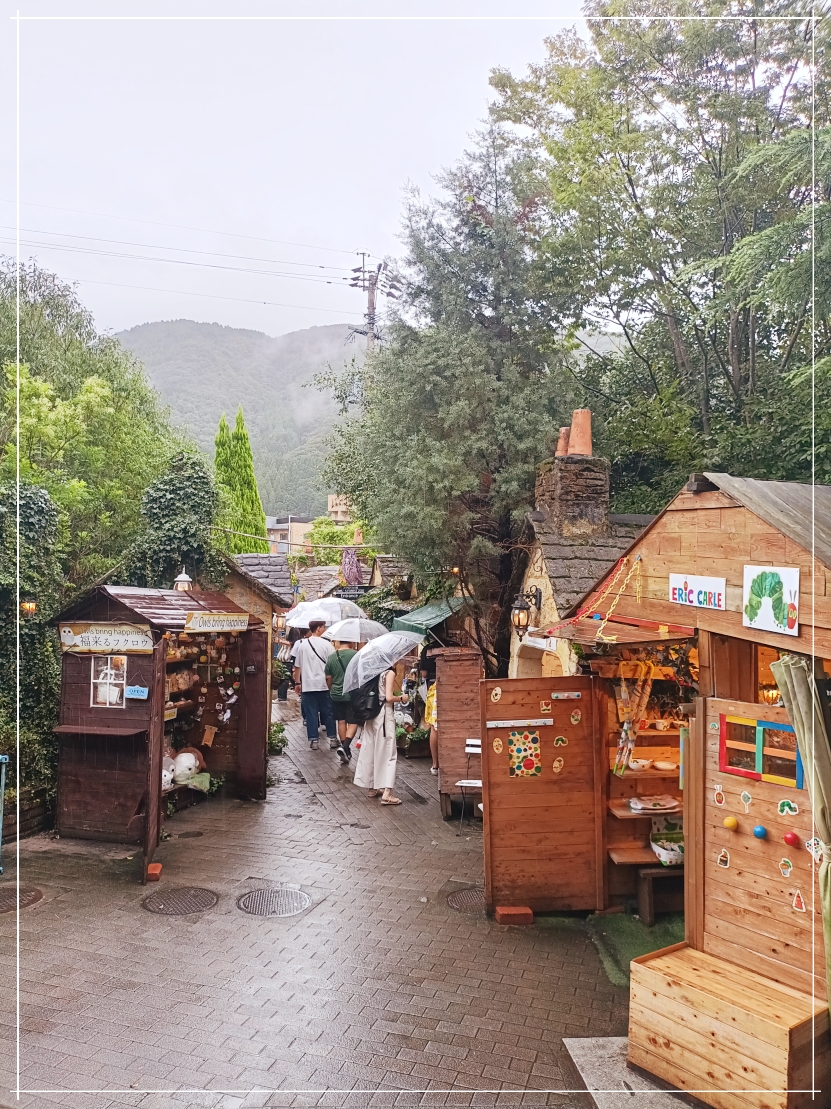
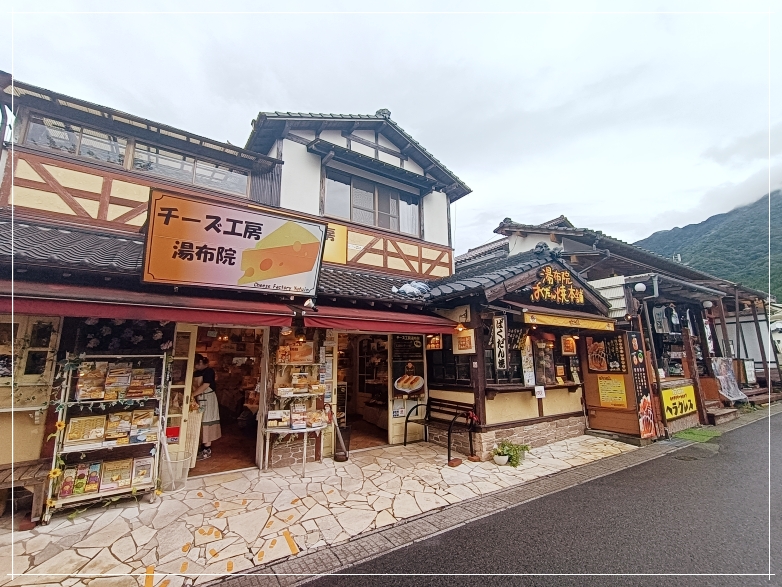
The main street in Yufuin is called Yunotsubo Kaido. It’s a charming, pedestrian-friendly road known for its shops, restaurants, and scenic views of Mount Yufu.

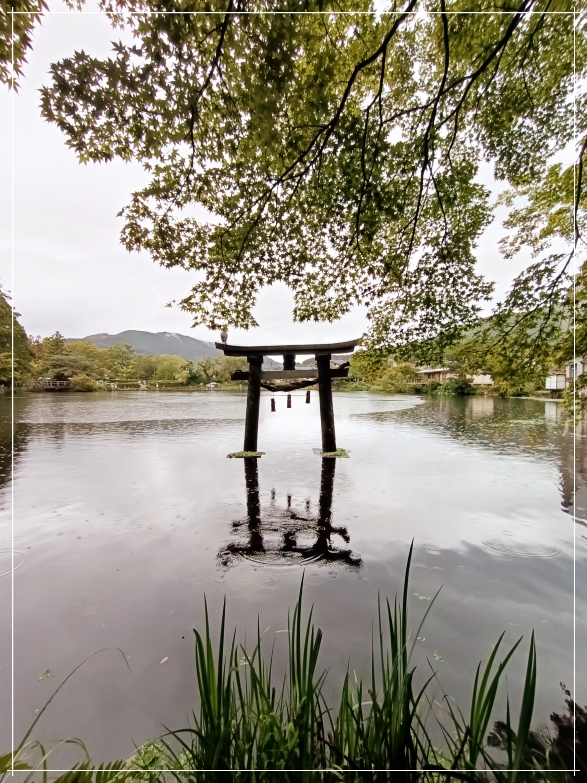
Tenso Shrine is probably the most visited shrine in Yufuin. It is located on the banks of Lake Kinrinko, a very popular scenic spot in Yufuin.

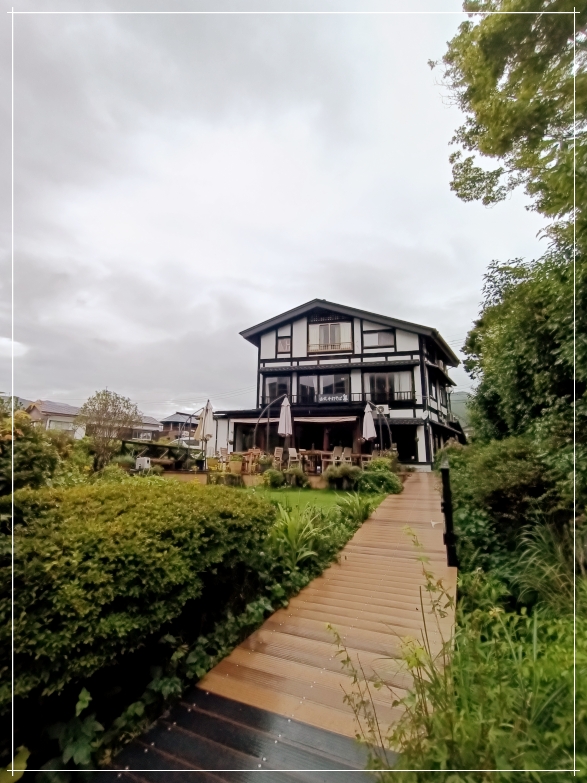
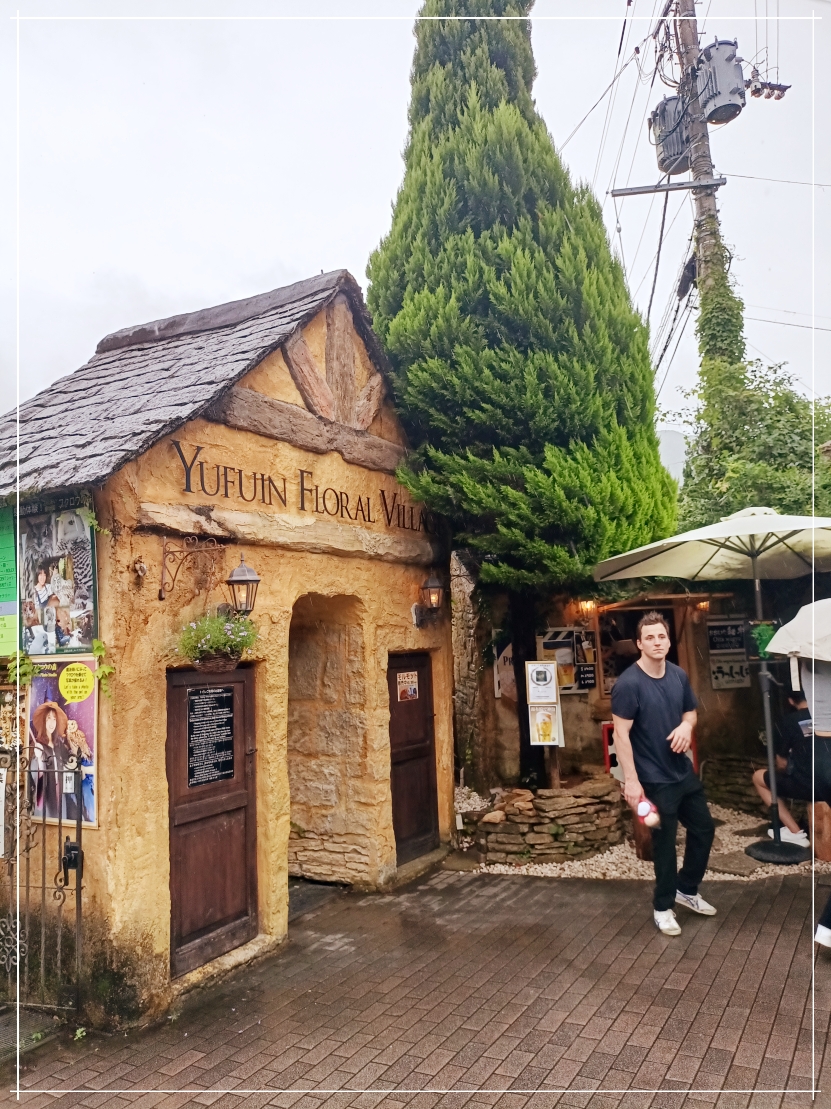
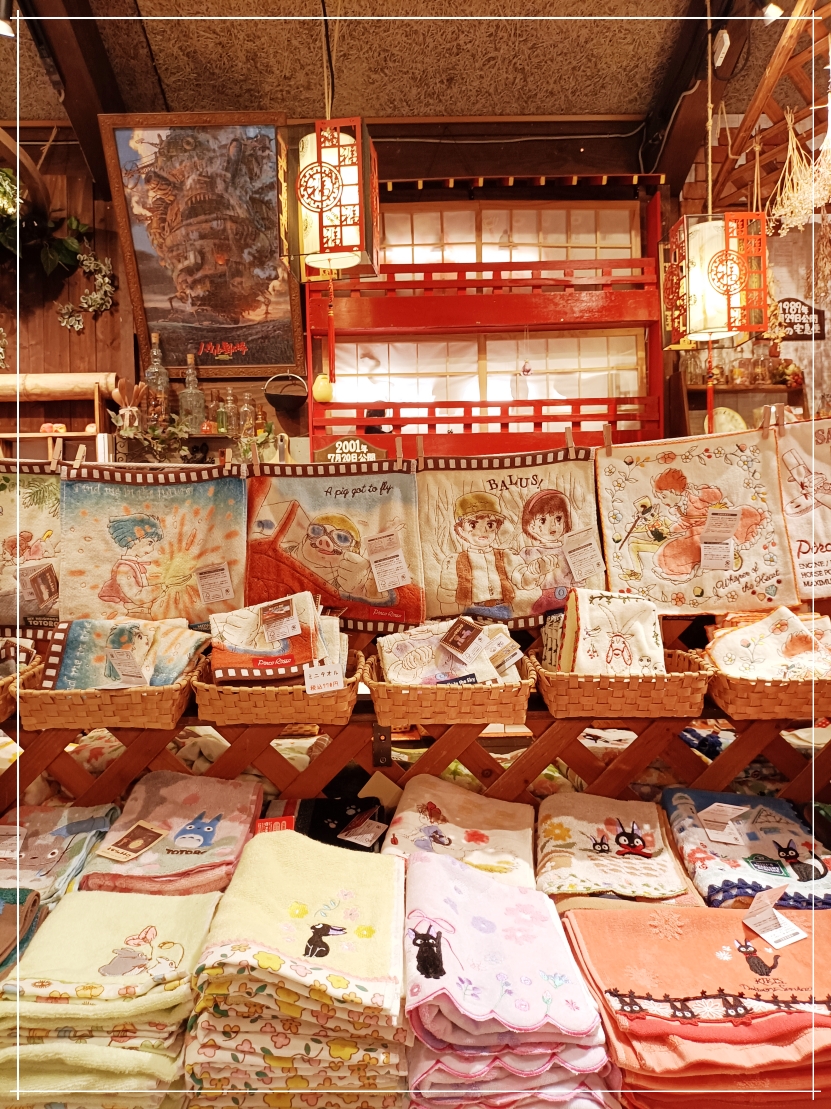
The village is inspired by the Cotswolds region of England, famous for its ancient stone houses, with a distinctive honey-yellow colour.

Nagasaki Japan Blog

Of all cities I’ve visited in Japan, Nagasaki is probably the most straight forward with what it has. In fact, the city’s main mode of transportation (Street car) is designed in a relatively simple North-South Line, making it manageable and easy to navigate for tourists.

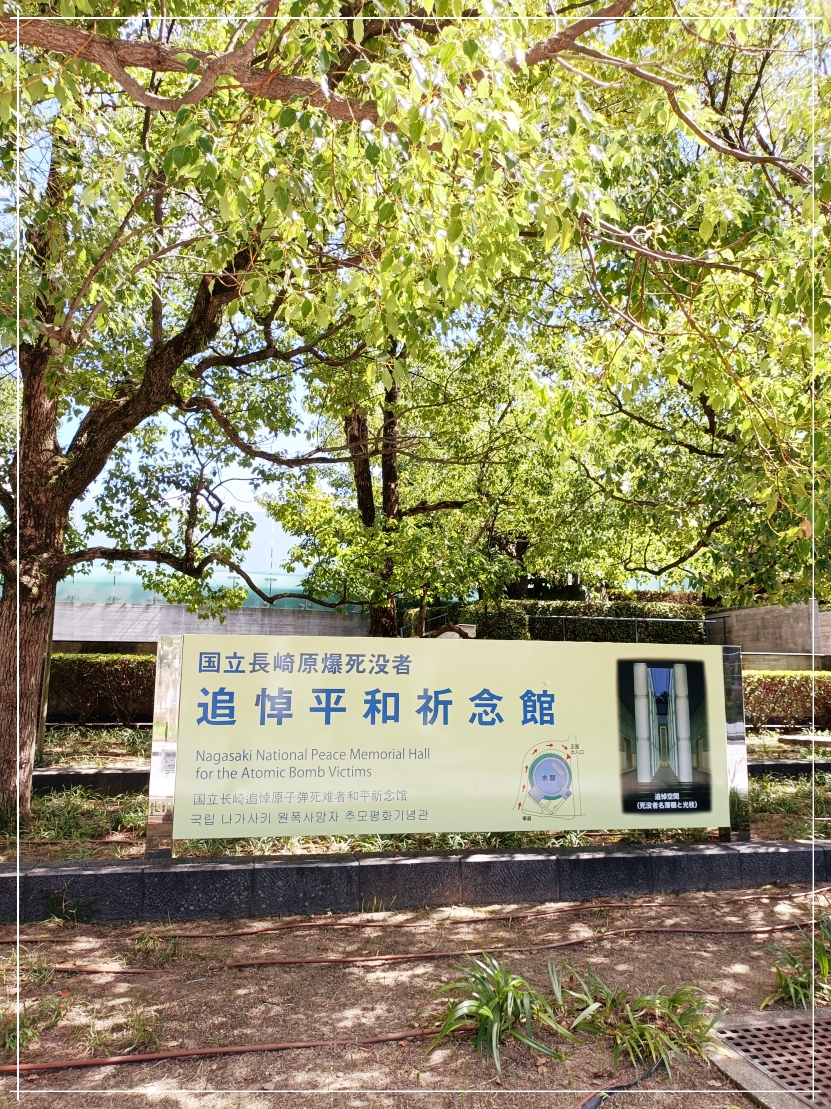
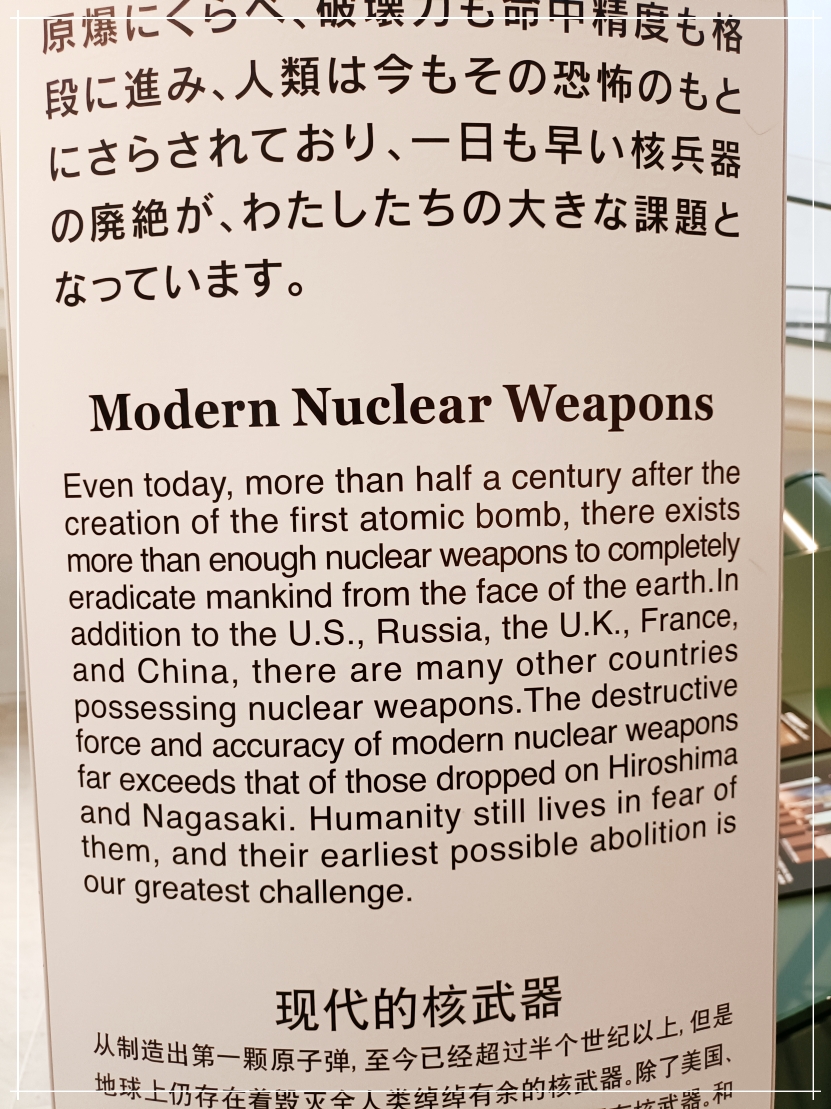
Nagasaki is located northwest of Fukuoka, around 1.5 hours by train, usually with a stop/change train at Saga City. It’s set on a large natural harbor, with buildings on the terraces of surrounding hills. It is synonymous with hard times during World War II, after suffering an nuclear attack in August 1945, after Hiroshima. The event is memorialized at the city’s Atomic Bomb Museum and Peace Park. 

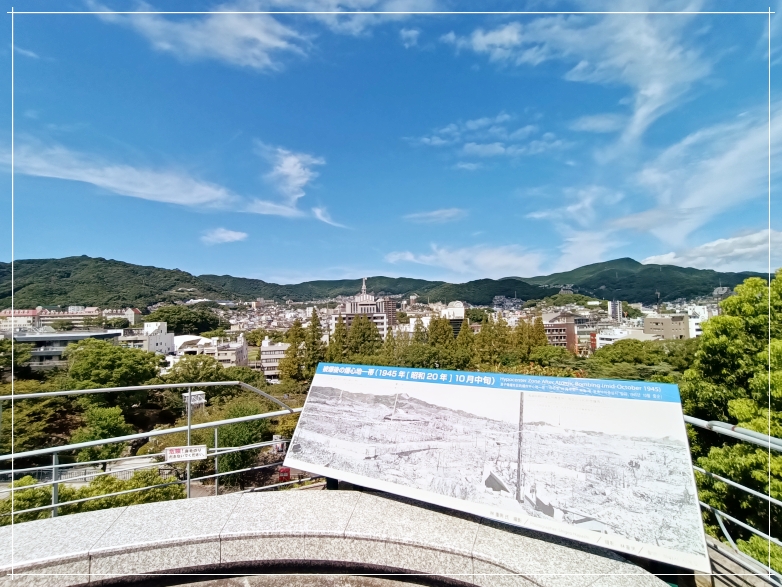
This overlooking view above shows the part of Nagasaki that was previously bombed, Nagasaki Peace Park and Hypocenter Park. These locations offer a vantage point to reflect on the atomic bombing and its aftermath.

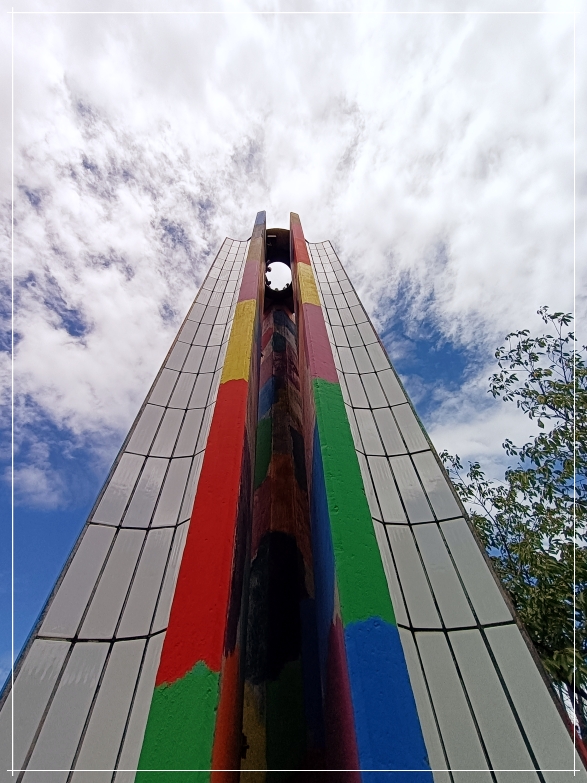
In Nagasaki, Ground Zero, the point directly below where the atomic bomb detonated, is marked by a black stone monolith in Peace Park. The park also features a hypocenter monument and remnants from nearby locations like the Shotokuji Temple. The area, now a place for reflection, includes cherry blossom trees and other greenery, symbolizing Nagasaki’s resilience and the hope for peace. 

A day trip from Fukuoka would be enough to see the highlights of Nagasaki. Read Fukuoka blog here.

Visiting Fukuoka-Japan

I’ve already been to several cities in Japan, and every visit never disappoints. Truly, Japan is among the top destinations on my list, and I don’t mind going back again and again. But when asked about my preferences, I always mention Fukuoka as one of the favorites. Here’s why,

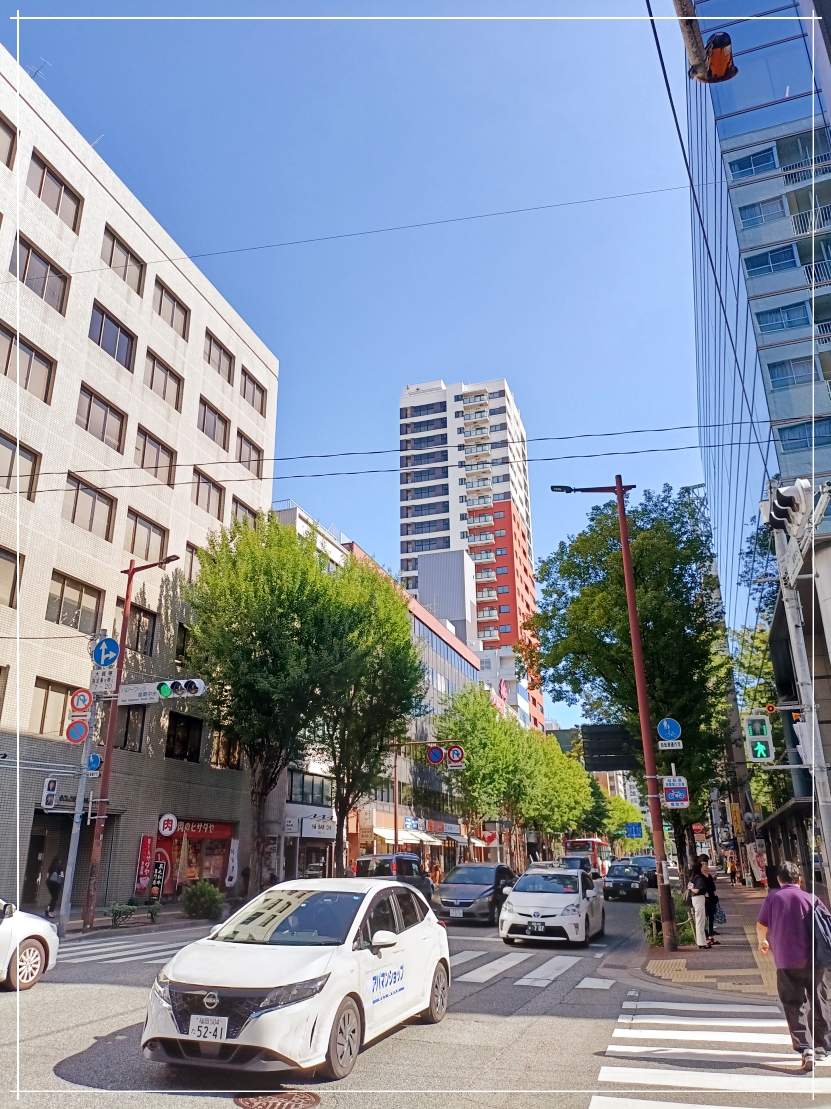
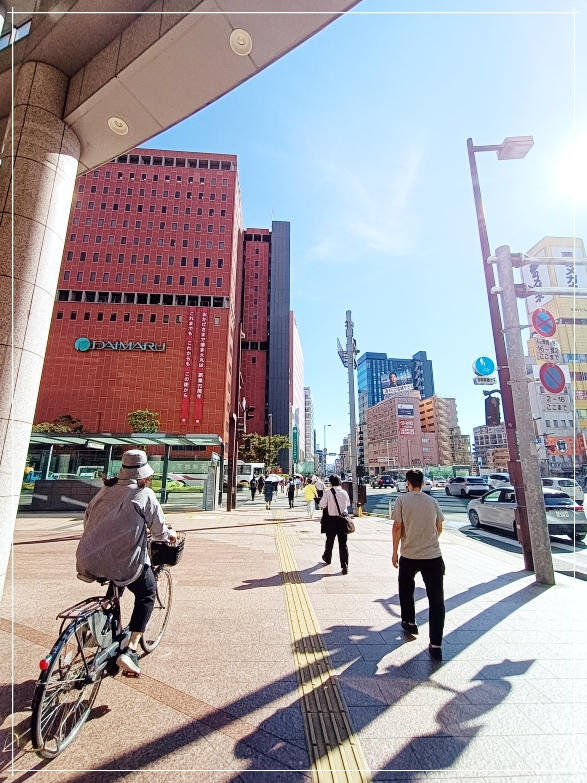
1. Fukuoka, the capital city of Kyushu Island(Southern Japan), has a more relaxed vibe, less crowded and less overwhelming compared to larger Japanese cities like Tokyo and Osaka. Whilst Fukuoka offers all the conveniences of a modern destination, such as shopping, transportation, and entertainment, the city also offers easy access to history and natural parks around Kyushu, like Nagasaki, Beppu Geothermal Springs and Yufuin mountain village. And the best way to see Kyushu is by purchasing the unlimited JR train pass, which I did.

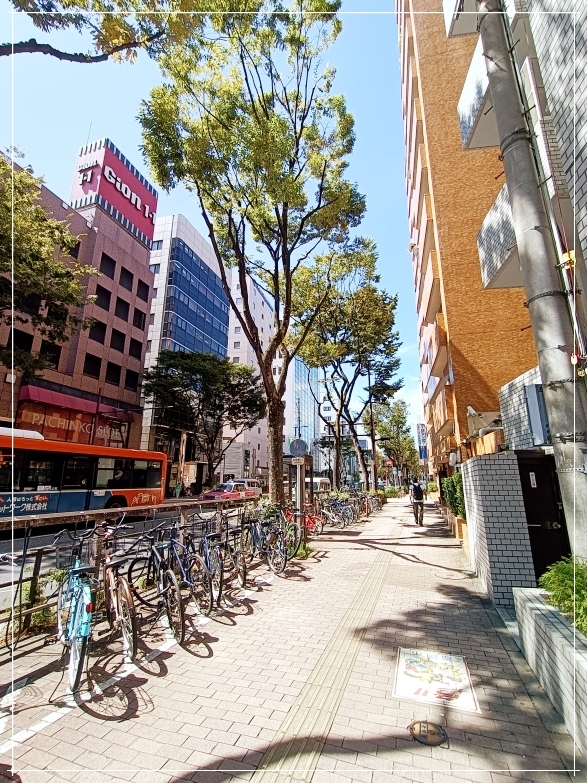
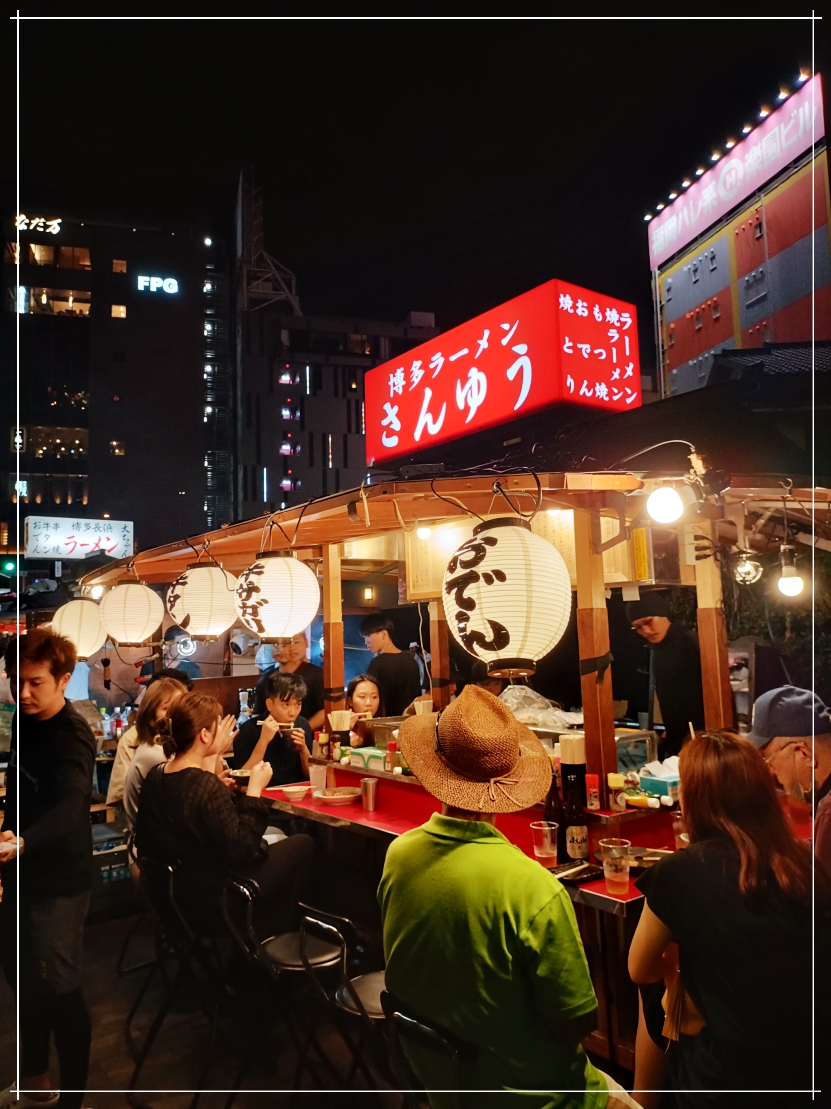
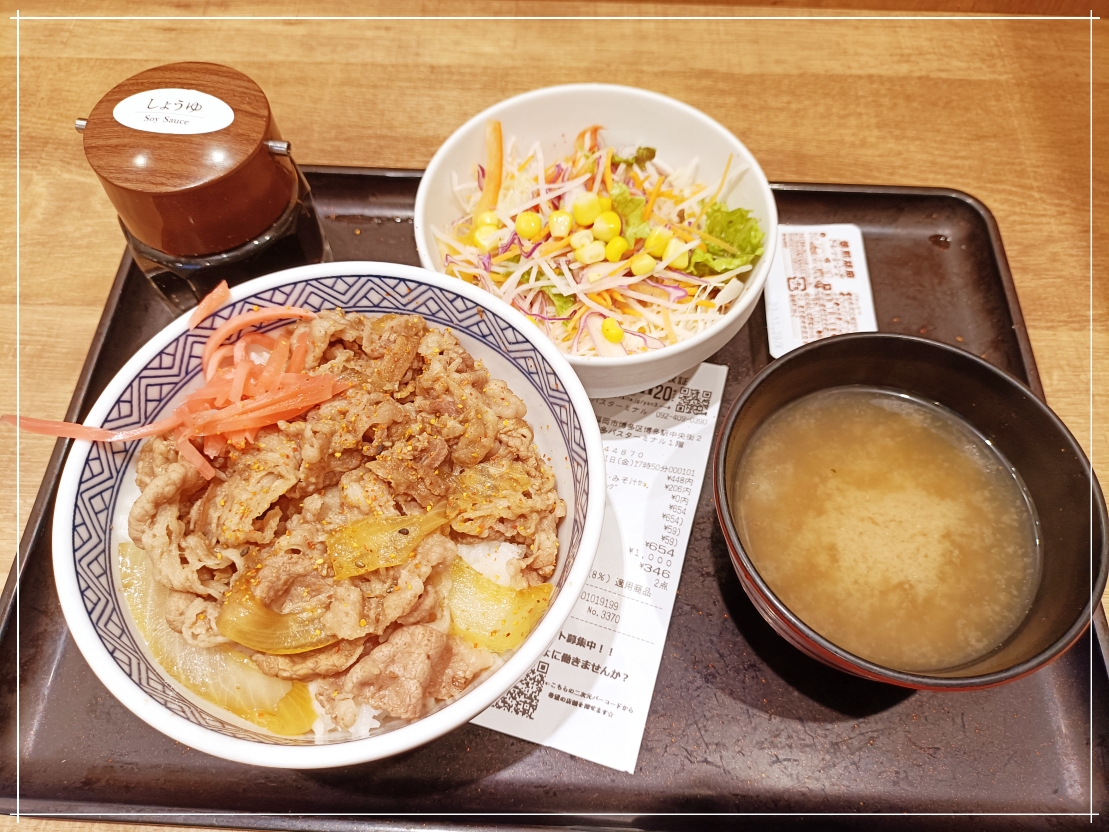
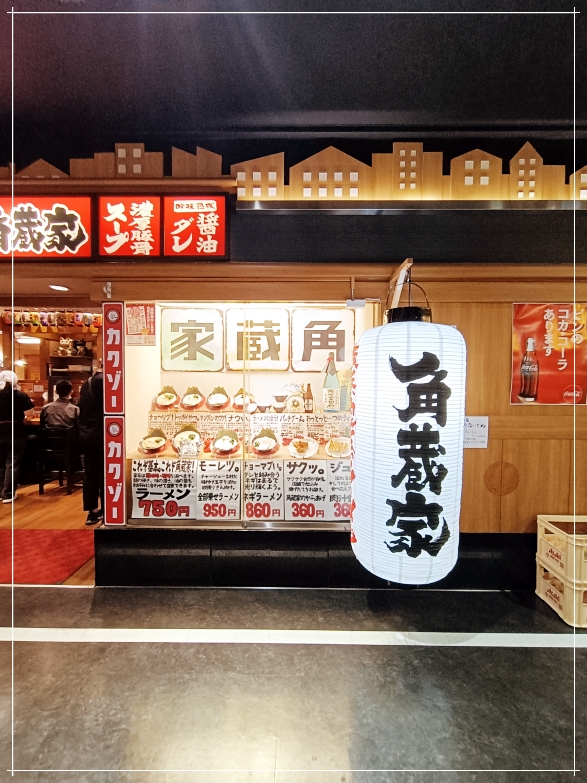
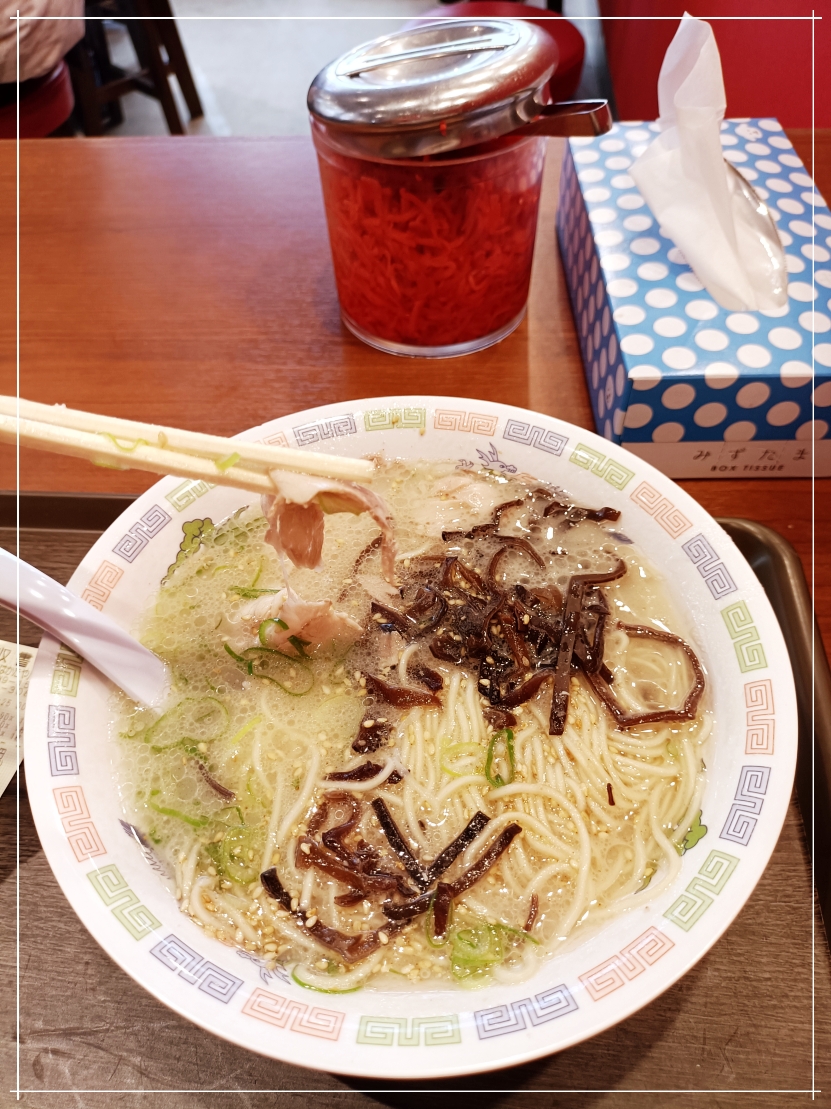
2. Food heaven. Fukuoka is known for its tonkotsu ramen and street food stalls (yatai). The city is a gourmet paradise, offering a wide variety of local dishes, as well as international.

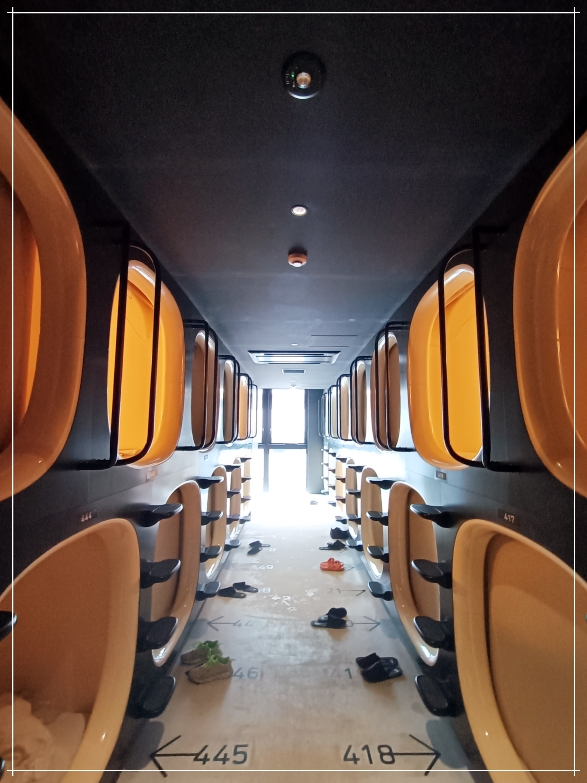
3. Affordability. Compared to other major Japanese cities, Fukuoka generally offers a more affordable cost of living, particularly when it comes to accommodation and daily expenses. The capsule hostel I stayed in only cost me around 20 usd per night.

Add: Fukuoka has a lot of thrift stores/second hand stores, selling vintage clothes, bags to branded guitars.

4. Accessibility. Fukuoka is well-connected to other parts of Japan by the JR Pass and has an international airport, making it an easy travel destination. Cebu Pacific has several flights to Fukuoka International Airport from NAIA. Check CEB official website for schedule.

Add: There is also a commercial ferry route that connects Fukuoka, Japan to Busan, South Korea. Travel time is between 6 to 10 hours at sea.

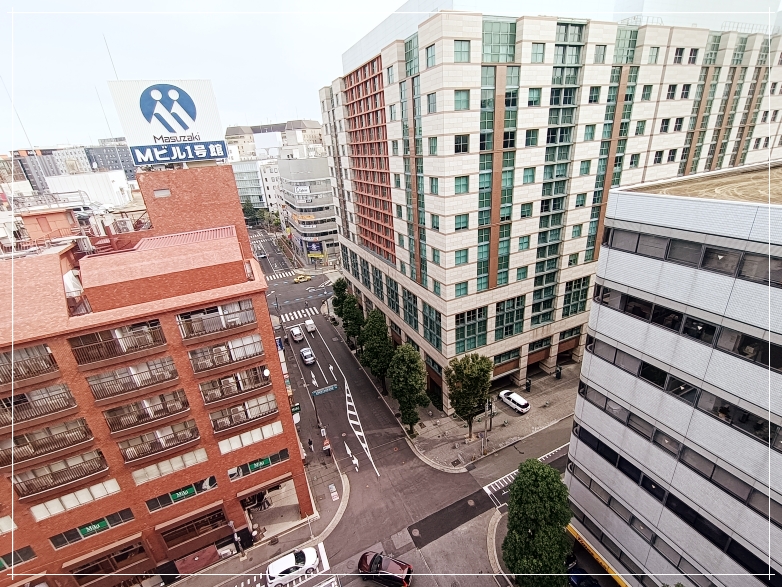
Where I Stayed: 9 Hours Capsule Hotel near Hakata Metro Station. Located at the 9th floor, with a great view of Fukuoka city center. The moment I stepped in the lobby, 9 hours immediately became a favourite, with typical Japanese aesthetics and ultra modern amenities. They even provided outfit, so people who stay for just one night don’t have to open their luggage anymore. Toiletries are also provided and everything is automated, even the check in process (passport scanner + face recognition).

Sapporo In My Mind

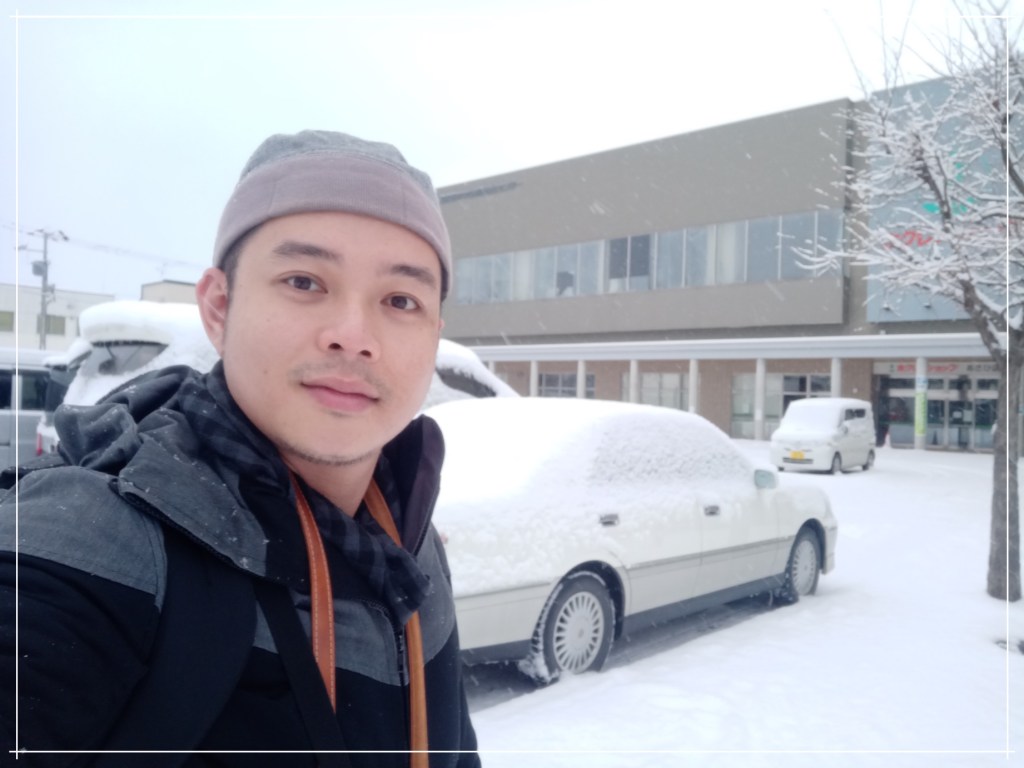
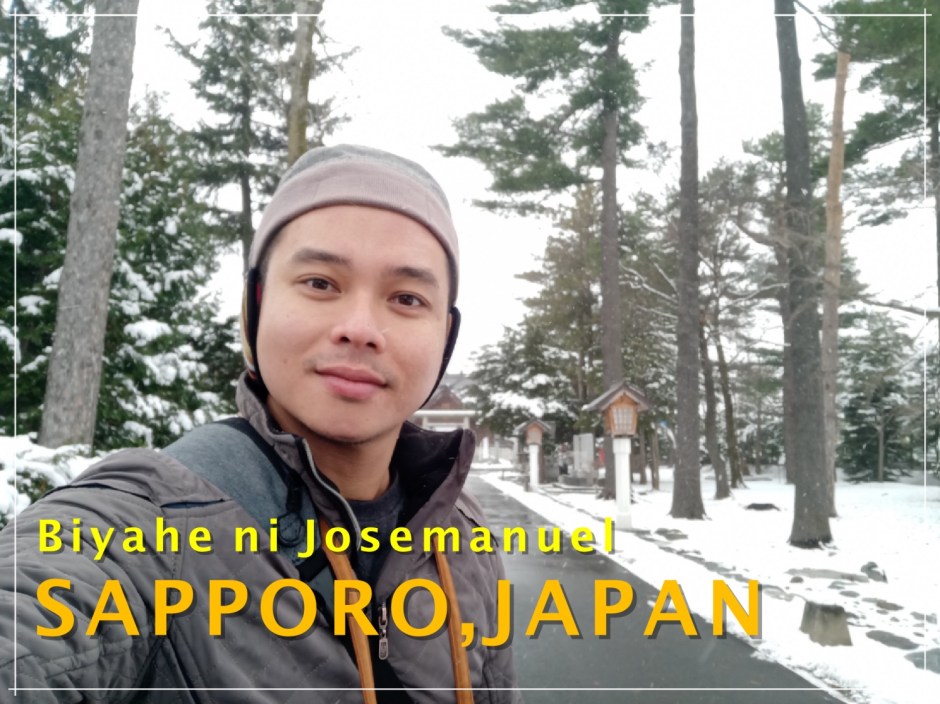
Reminiscing my adventurous travel days in Sapporo (2018). 
✔️first  snowfall  experience
✔️temp. as low as -7 °.

My wanderlust soul is screaming to see Sapporo again this year. Hit me up if you wanna tag along.

Cebu Pacific Air NOW flies direct from Manila to Sapporo, thrice weekly (Tuesday, Thursday, and Saturday).🇯🇵⛩️🏯🗼

CEB’s Manila to Sapporo route is the airline’s longest narrow-body flight, operated by the 186-seat Airbus A320neo.

Manila-Sapporo takes 5 hours and 10 minutes, while the return is slightly longer at 5 hours and 55 minutes due to strong headwinds heading south.

Japan MULTIPLE Entry Visa Approved! (An Application Guide)

Yes, bes! I just got my passport back from the agent, with an approved Multiple Entry Visa to Japan, valid for 5 years. And I am sharing with you guys how I was able to complete the process.

PAANO at SINO BA ANG QUALIFIED FOR MULTIPLE ENTRY?

As per Japan Embassy website, here are the terms and conditions for issuance,

(1) Applicant with history of travel as temporary visitor to Japan in the last three (3) years ; has no known violation of domestic laws of Japan nor had problem with immigration regarding entry and status during the period of stay ; and has sufficient financial capacity to support expenses for travel and stay. This is where I qualified. Kailangan makapunta muna ng Japan within the recent 3 years. I’ve been to Japan once lang last Nov 2018.

(2) Applicant with history of travel as temporary visitor to Japan in the last three (3) years; has no known violation of domestic laws of Japan nor had problem with immigration regarding entry and status during the period of stay; and, has several history of travel as temporary visitor to G7 countries (excluding Japan) in the last (3) years.

Screen Shot 2019-01-21 at 10.41.29 PM.png

(3) Applicant with abundant financial capacity, kahit di pa nakapag-Japan. This is very vague because it doesn’t say how much funding should be shown as proof. baka 1 Mn.

(4) Spouse or Child of (3) above thru affidavit of support. Ask your lawyer about this.

—-0—-

Now moving forward, here are the steps I did.

(Step 1) I tapped with a recognised travel agency for this application, since DIY/Personal application is NOT accepted by Japan Embassy.  The visa application fee costs P 1,700.00. I made it clear that this is not my first, and I am applying for multiple this time.  The agency provided my with blank forms to fill, though downloadable naman din from the embassy website. I spent P 1,700.00 because I am based here in Davao City. I’ve read that fees in Manila could go for as low as P 950.00 only.

(Step 2) Here are the requirements I’ve submitted. Basically, similar lang din as what I’ve submitted for my first application.

  1. Valid Passport
  2. Completed Visa Application Form  but check the (✔)Multiple option. The agency gave me a set of this. They also check/correct.
  3. 2 copies Colored Photo, 4.5cm x 4.5cm , white background with name,birthdate and signature at the back. most recent lang po pwede (do not repeat what you submitted for other visas)
  4. Daily Schedule in Japan or the Tazai Yoteihyo (to be discussed below)
  5. Bank Certificate (latest)
  6. Income Tax Return 1701 clear Photocopy for the self employed (latest)
  7. DTI Registration for the self employed
  8. Request for Multiple Entry Form. The agency gave me a sheet of this, which looks like this. download.jpgOn the bottom box, you make a statement on why you are requesting for Multiple. I stated there that I am going on March, and again on September with the family, and also hoping for the Olympics 2020. Your statement should make them accept that you have valid reasons to revisit. Make or break this part.

(Step 3) Submit documents to the Agency . Pay the fee ( P1,700 yung akin sa Davao). 

(Step 4) Magpa Novena ka na walang palpak sa mga papeles mo. lol. Sit back and wait lang. The agency naman  will most likely check your documents if they comply.

I submitted my documents December 15,2018 and got the result January 3,2019.

thumbnail

—0—-

Other Tips and Tricks:

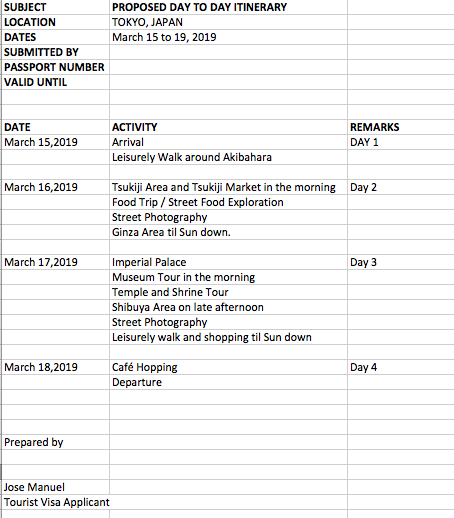
(1) Ito ang Itinerary format na sinumbit ko for my supposed March 2019 trip.  Mock up IT lang po,no need to strictly follow. screen shot 2019-01-21 at 10.32.06 pm

(2) For employed, provide ITR 2316 photocopy, plus valid employment certificate with salary detail and approved dates of leave for the upcoming trip. Photocopy company ID also.

(3) Kung government employee ka, kailangan mo mag secure ng Authority to travel from your head (plus bring your ID) kasi yung Immigration Officer naman ng NAIA ang sisita sayo without the approved document.

(4) Airline Ticket and Hotel Bookings are NOT required. However, on the form, you will be asked for an address and contact No. in Japan.  I just gave them the address of the hotel from my first visit.

(5) When to apply? The earliest is 90 days before the intended trip. as per blogs.

(6) How much bank funds I showed for this? Around a 120k.

(7) I did not submit na PSA Birth certificate since I am a returning tourist. B.Cert is only required for first timers.

(8) The beauty of applying thru an agency is that they will check your documents and forms for errors and they text you for update so sulit na din ang fee.

(9) First time applicant? click HERE.

(10) For application assistance, you may get in touch with Traveloft Travel and Tours,Inc.

(11) Cebu Pacific flies from Mactan Cebu to Tokyo (Narita) DAILY. Click here to search for your best dates.

GOODLUCK =)

Japan Multi-City Tour using JR PASS. Sulit buhh?!

I mentioned a lot of times on my recent Japan-trip blogs re the JR Pass I purchased, that gave me access to unlimited train rides between major cities in Japan. During my trip, I was able to visit Kyoto, Himeji, Hiroshima and Sapporo, with Tokyo as my port of entry (via Cebu Pacific direct flight from Cebu City). Yes, medyo mahal ang pass, but I think I was able to maximise my purchase to the fullest. To give a better picture, here are some points to know.

Ano vah itong JR Pass?

  • The Japan Rail Pass is an unlimited transpo-pass for overseas visitors, valid for travel on all major forms of transportation provided by the JR Group in Japan (with very few exceptions).
  • JR Pass is mainly used for Inter-city train travel, but is also accepted on certain local (city) train, some buses and ferry transfer. Basta JR Group na company, game na!
  • Train transfer from Tokyo city center to Narita Airport is also included with the pass.
  • The popular and highly expensive high speed 320km/h Inter-city bullet trains of Japan is also included with the pass, except for “Nozomi” and “Mizuho” bullet trains.
  • Pass is available in 7 days, 14 days, and 21 days (of course, iba-iba din presyo nyan).
  • There are two types of JR Pass: ordinary and green car (first class). Kaya umasta nang naaayon sa biniling pass. lol, joke! The difference? di ko alam bes! di ako pumasok sa first class.
  • JR Pass is available for foreign tourists only and is not available for Japan residents. As such, you have to purchase the JR Pass ONLINE, Days prior to your trip to Japan.
  • The Rail Pass is designed to stimulate travel and tourism throughout the country.
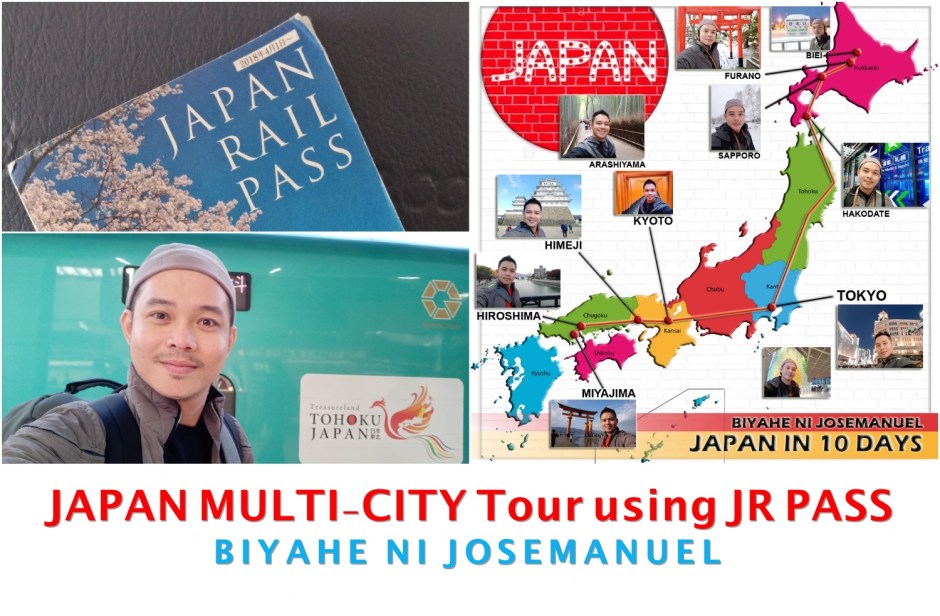
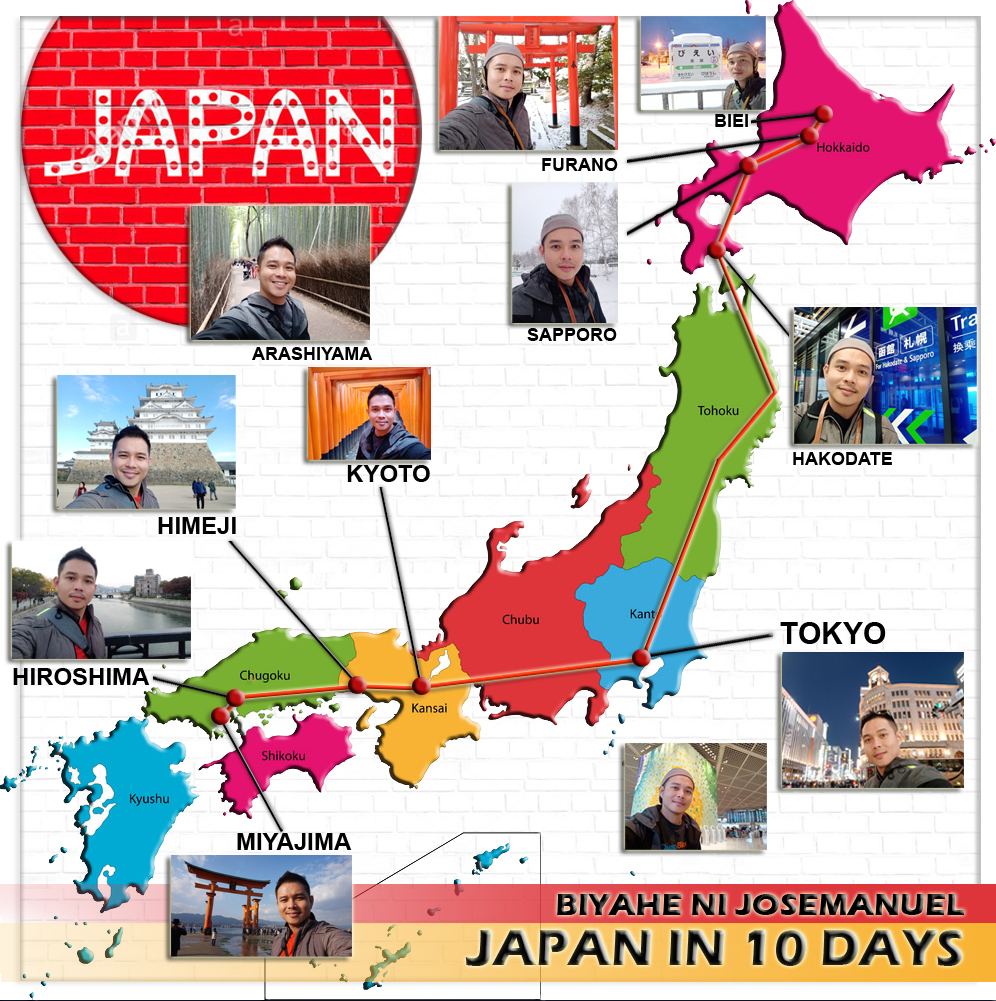
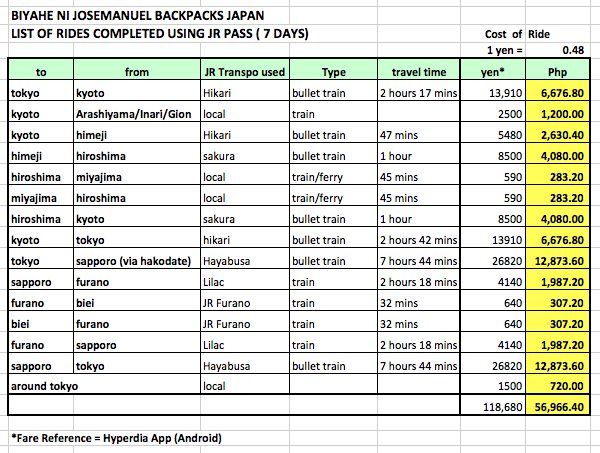
  • For Reference, here are the places I visited, using my pass. Saya, diba?

Where to Buy? 

  • As mentioned earlier, JR Pass should be purchased online prior to the trip. Most blogs usually recommend purchasing online through Klook, as they are the cheapest daw, at around 13,500 Php (ordinary pass) + Shipment fee. I tried to contact Klook but found out that you have to buy at least 10 days prior to the trip. That did not work for me.
  • Discovery Tours, the most popular Japan Visa processing agency in the Ph, also offers JR Pass. However, they require you to secure a visa first before buying.
  • I purchased mine via the main JR Pass website (click here to check) for around 14,500 Php (ordinary pass) with shipment na yan Fed Express from London,UK. I purchased this 5 days prior to my flight.
  • I purchased the pass that is valid nationwide. But there are other “Region-specific pass” available, say Kansai-Only Pass, at a lower cost. Contact the agency nalang for recommendations.

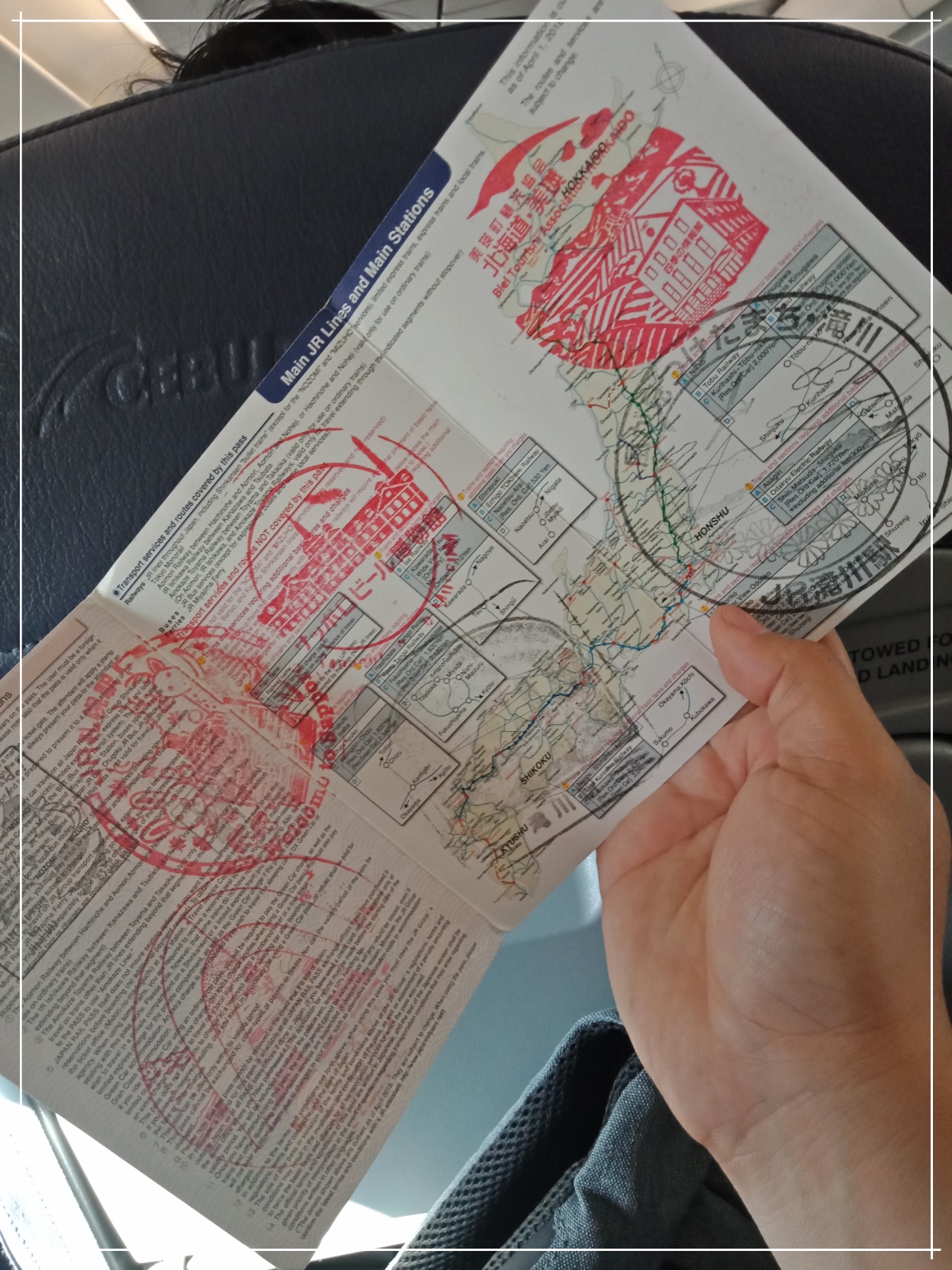
This is the Actual JR Pass that you should carry and show everytime you ride a train.

Inside the booklet. Lol, those stamps, I just collected from the tourist centres I visited around Japan. No relevance sa pass.

Points to Remember after buying:

  • Better purchase JR Pass earlier nalang, if sure ka na din naman with your visa approval. Na stress ako dun sa 5 days prior.
  • Note that these agencies won’t be shipping you the actual JR Pass Booklet. Instead, they will be sending you a certificate/voucher, which you will have to exchange for the actual booklet by the time you arrive in Japan (sa airport or any major train station).
  • Upon exchange, the pass does not immediately take effect. You can choose a later date that is more favourable with your travel program, like what I did. I arrived in Tokyo via Cebu Pacific and spent 3 days there. On my fourth day, I travelled to Kyoto, and that is when I activated my 7 days pass.
  • Mag install kayo ng Hyperdia – Japan’s Official Travel App. I was very dependent on this for the train schedules and specific stops.
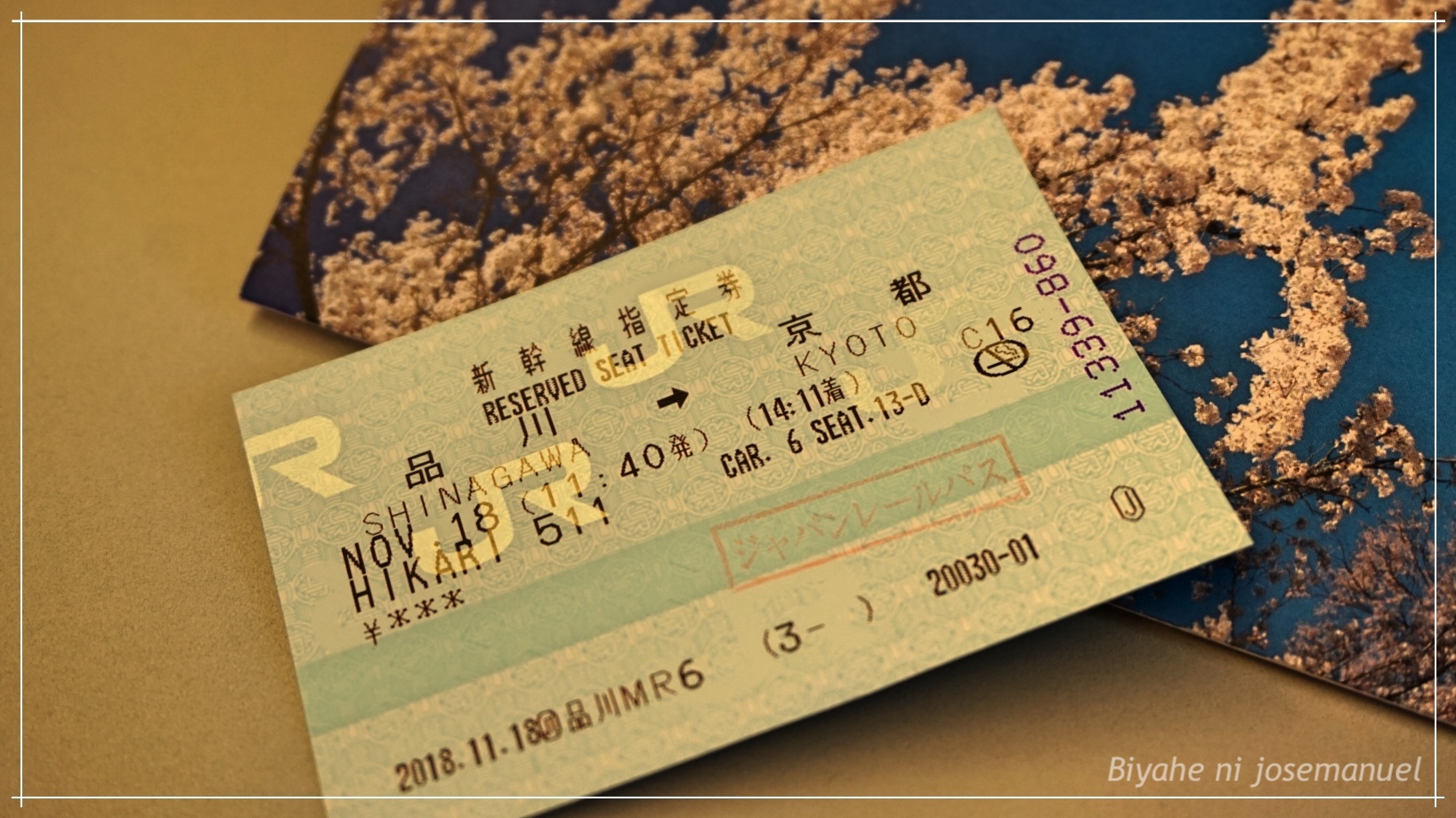
  • Despite having the JR Pass, it is recommended that you still have to pass by the ticketing booth to get a reservation for inter-city travel. Meaning, may privilege ka to secure a designated seat, parang airplane. Reservation is very quick to do. And as per my experience, nakakapag-english yung mga staff assigned for this. For local trains within the city, no need to reserve.

This is the actual RESERVED SEAT ticket after you made a reservation using your JR Pass.

Do I really need the JR Pass in my life?

Case to case. If you are going to Japan to just visit 1 or 2 major cities that are close to each other, say Tokyo and Nagoya, then No! It will not be sulit. JR Pass would be perfect only if you intend to visit multiple cities within 7 days (or 14 or 21, depending on which pass you availed).

I arrived in Tokyo and spent 3 days there. On my fourth day, I travelled to Kyoto, which was Day 1 of my pass. and within 7 days, I was able to visit Kyoto, Himeji and Hiroshima in the south, then gave one day to travel up north to Sapporo,Hokkaido. I spent 10 days total in Japan and I was able to maximise my JR Pass to the fullest. Here is a chart showing my usage with equivalent fares if I did not have the pass.Bes as you can see, my travels in total was worth 56,966.40 Php. Compared to the price of my 7 days pass at 14,500 Php. Sulit diba?

Here is my Route map for reference:

Though again, this backpacking style is not for everybody. I did a lot of train rides within seven days. It could be tiring for some, but that is how I intended my travel to be. I wanted to really exhaust my pass and see more. Train rides are fun anyways, especially travelling across the countryside of Japan and see red autumn landscape of Tokyo transform into the snow white covered mountains and flatlands of Hokkaido.

Madami din naman airplanes between cities which are definitely faster and are fairly priced. But airports are quite malayo tologoh and katamad to go through airport check ins. I find the train transfers more convenient and flexible. City center to city center na eh.

So there you go mga mumsh, I hope i was able to explain the core essence and value of JR pass in our lives as travel enthusiasts. Travelling across Japan countryside by high speed bullet train has always been a dream of mine,and  I am glad I was able to tick it off my list this year. =)

For “places to see” reference, check out these links:

TOKYO THREE DAYS ITINERARY FOR THE WEEKENDERS

ONE DAY TOUR AROUND THE HERITAGE SITES OF KYOTO

HIMEJI AND HIROSHIMA EASY SIDE TRIP

JOSEMANUEL GOES TO SAPPORO

For Visa Application Guideline, click HERE.

Josemanuel Goes To Sapporo

Japan never runs out of sights and experiences for any eager tourists to enjoy. I had several best times in Tokyo and Kyoto, but the days spent in Hokkaido were no doubt the highlight of my recent 10 days trip to Japan.

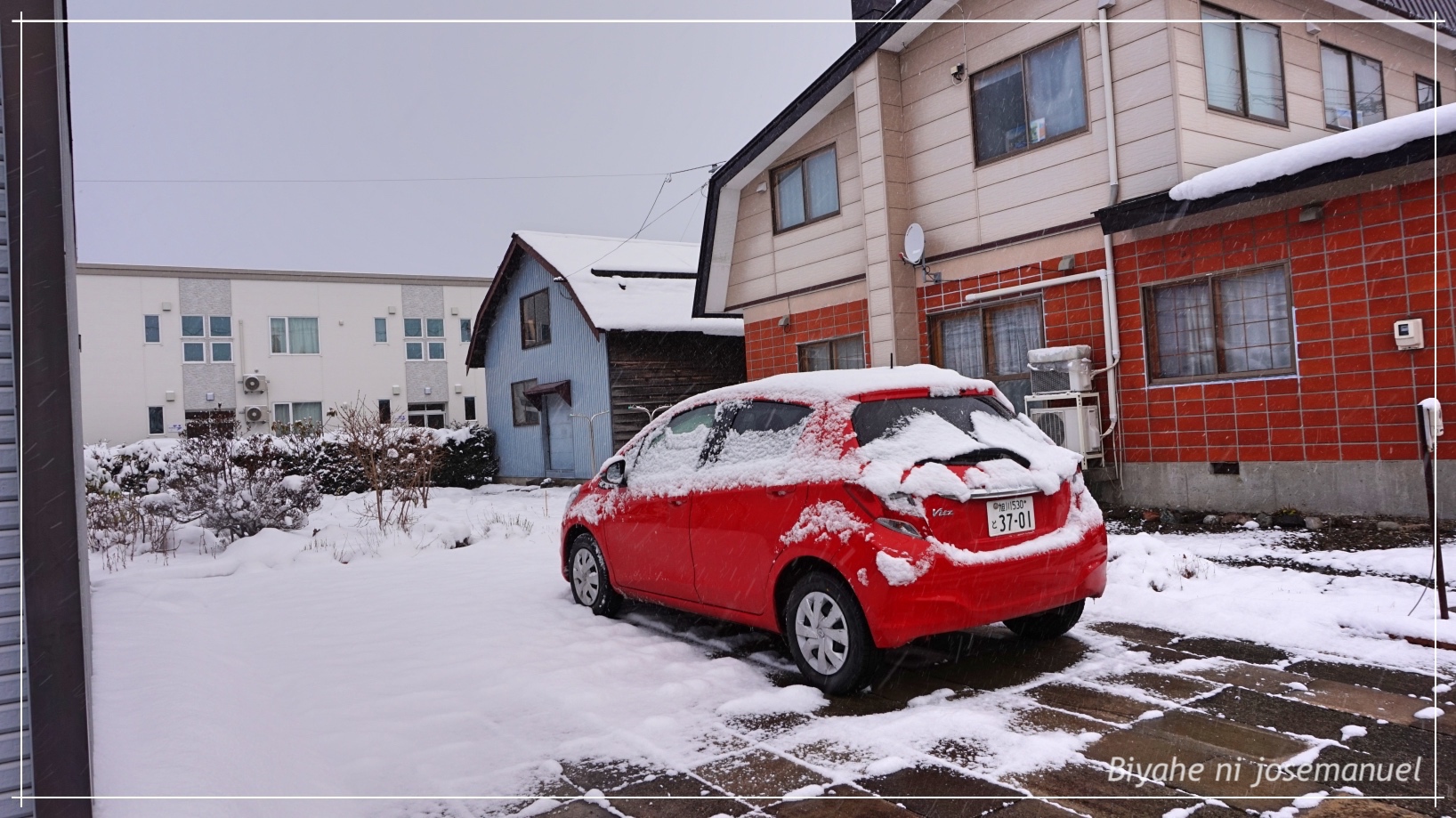
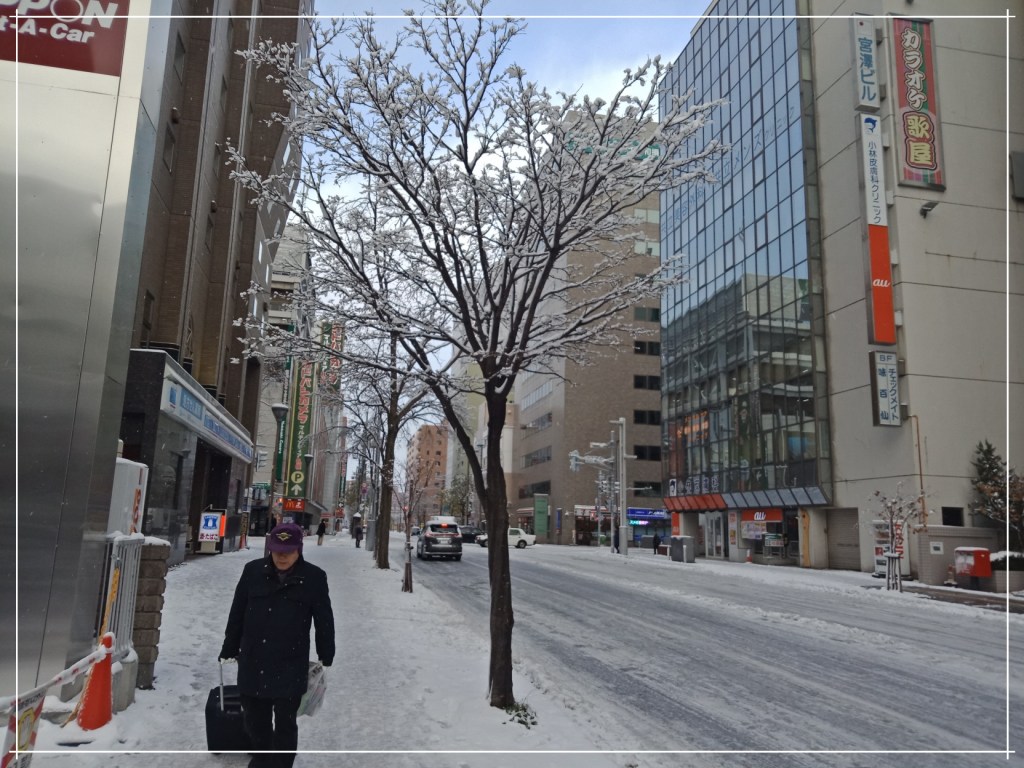
Hokkaido is Japan’s northernmost prefecture, with Sapporo as its most popular City. I went there mainly to see the city’s annual White Illumination Festival. However, the stars have favourably aligned, as I was just right in time for the first snowfall in Sapporo City. And here are the highlights of my 2 days stay to this snow covered wonderland.

My port of entry was Tokyo-Narita via Cebu Pacific direct flight from Cebu City (Click here for ticket bookings). Sapporo is 8 hours total by bullet train from Tokyo, with an easy one stop/transfer at Hakodate. A bit time consuming, but I kinda liked the experience of travelling across the countryside of Japan, and see the landscape turn from Tokyo’s red Autumn to snow covered mountains and flatlands of Hokkaido. The cost of bullet train ride was around 26,000 Yen (12,000 Php) per way. But it is included with the JR Pass so basically, sobrang nakamura ako for this leg of the trip. I will discuss more of the JR pass on the next post.

Here are some of the highlights on my DIY Day tour around Sapporo.

Day 1: Odori Park. Odori Park is located in the heart of Sapporo where the city’s main events take place. This park is popular for the christmas market and ice sculptures-snow festival that runs in February, during the peak of winter. During my visit,however, the White Illumination festival opened, and the most beautiful light installations were free for all tourists to enjoy. The park also has a very pretty night market. A bit gloomy when I visited, as the first snowfall is already expected to appear that day.

How to get there: A vast underground mall,around 6-8 blocks long,connects Sapporo Main Station to Odori Park. It also connects several landmarks and train stops within the vicinity. Quite a long and interesting walk. I swear! Entrance to the park is free for all. The Sapporo TV Tower is also located in Odori Park.

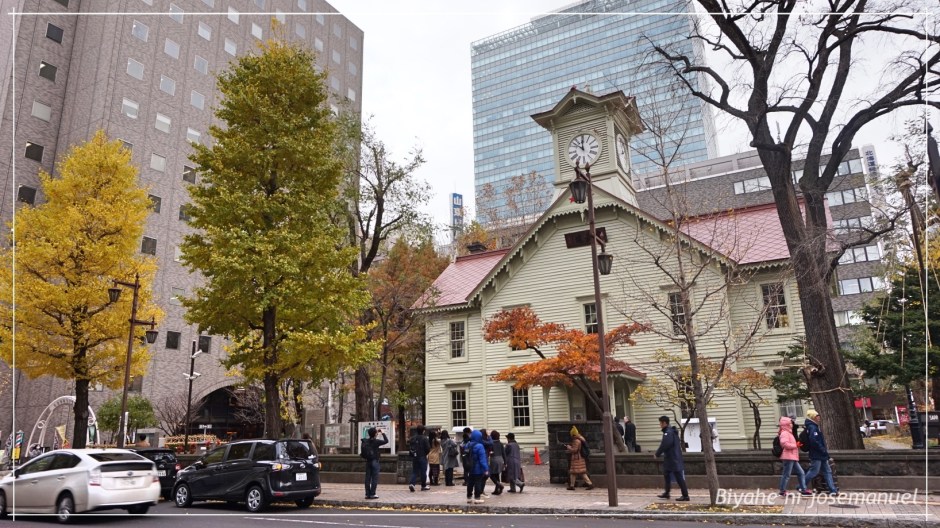
Sapporo Clock Tower is a landmark wooden structure, located at North 1 West 2, Chūō-ku. The bell rings every hour to announce the time to the city. The clock tower was built in 1878 as a theatrical hall of the Sapporo. This landmark can also be reached via the underground walkway/mall mentioned earlier.

Entrance: 200 Yen. But a photo op outside would be good enough.

HOKKAIDOCAM4

The Sapporo Beer Museum. A registered heritage site, which was previously the main factory of Sapporo Quality Beer, a popular beer brand since 1877.

How to get there : The best way to get to the beer museum is to catch the Loop 88 Factory Line bus from Odori subway station or from in front of the Seibu department store.

Entrance fee – FREE for the Museum. The tour ends at the beer garden where you can sample different types of produces for only 600 Yen ( Hokkaido-only “Classic” beer, “Sapporo Draft Beer Black Label”, “Kaitakushi Beer” )

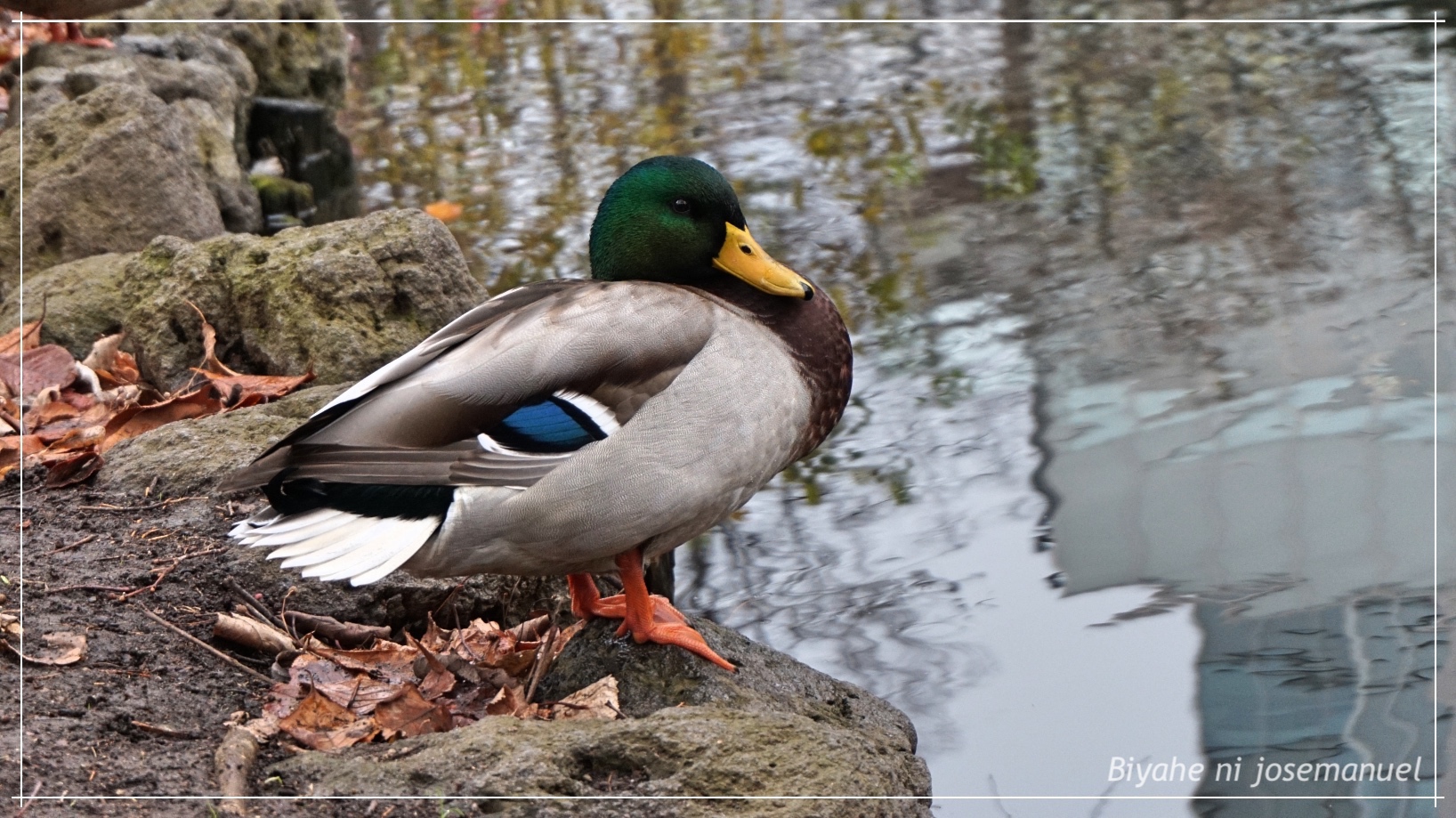
Sapporo Government Building. Quite a charming neo-classical themed architecture with an imposing dominant red facade. The Government building is connected to the park with a mini lake where wild ducks take shelter. This place is quite a good spot to take some photos of them.

HOKKAIDOCAM13

HOKKAIDOCAM15

The White Illumination Festival at Odori Park. No entrance Fee. And as you can see, the snow is already starting to cover the ground the time I got there.

HOKKAIDOCAM32

Other random shots during the snowy evening in Sapporo.

The cold evening is definitely a good time for some warm Noodles.

Day 2: Snowy Sapporo in the Morning. Will post a vlog about this next week. =)

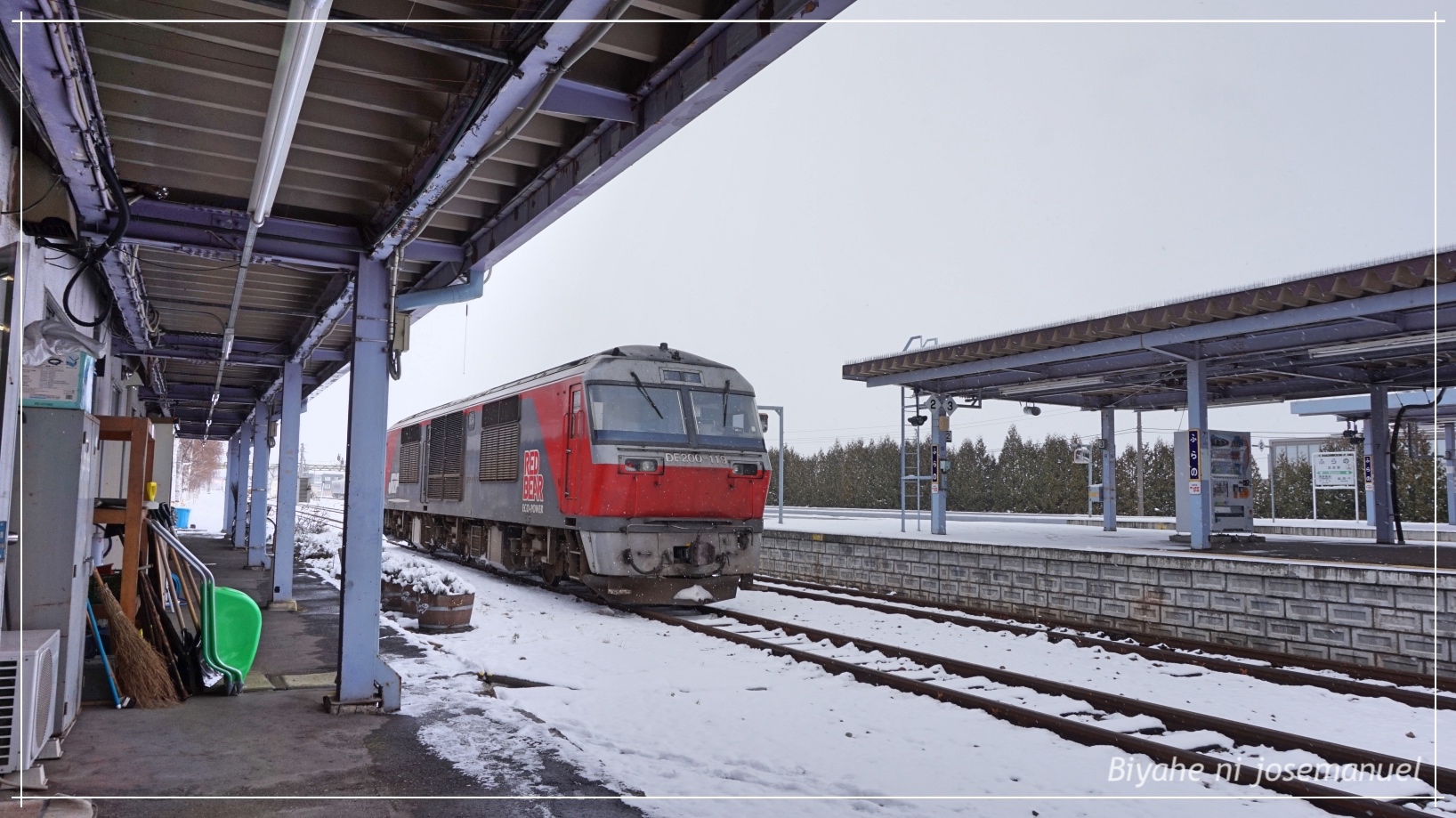
Furano and Biei. Having the JR Pass privilege, I went further up northeast of Sapporo to see the town of Furano and Biei. Stayed for one night there. Temperature in Furano goes down to -7 degrees in the evening. Awow!!!

HOKKAIDOCAM35

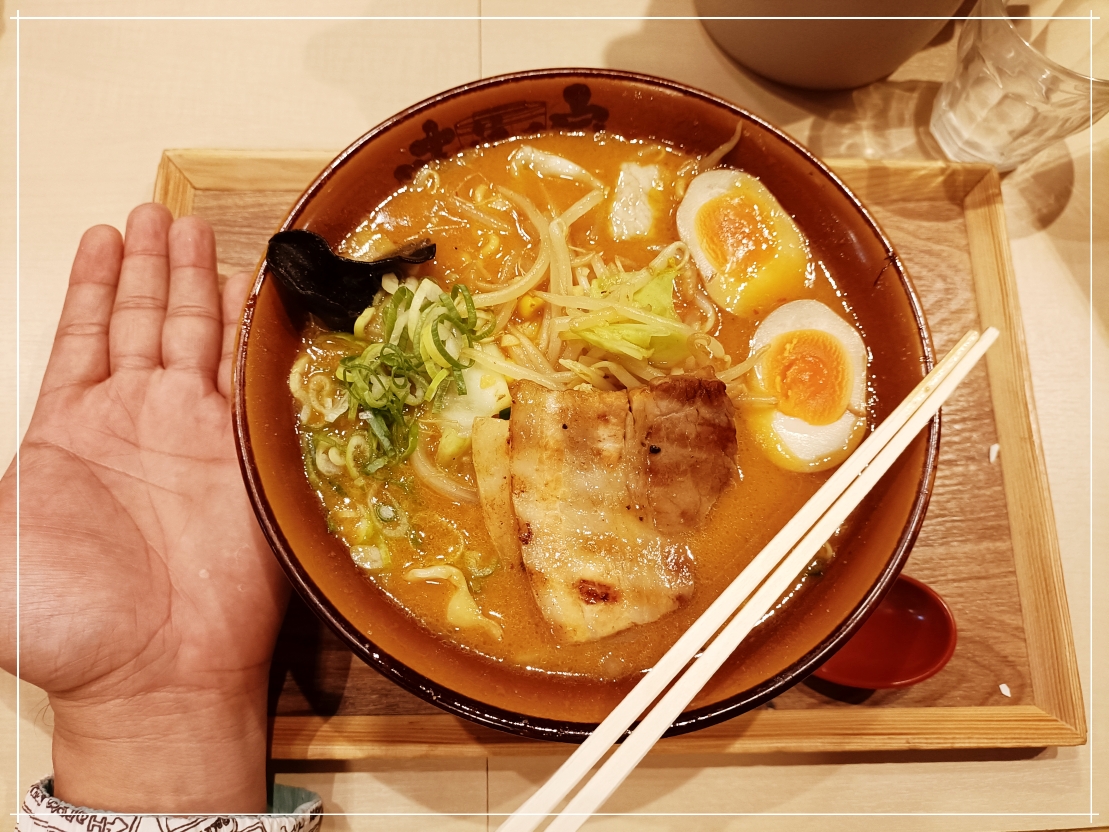
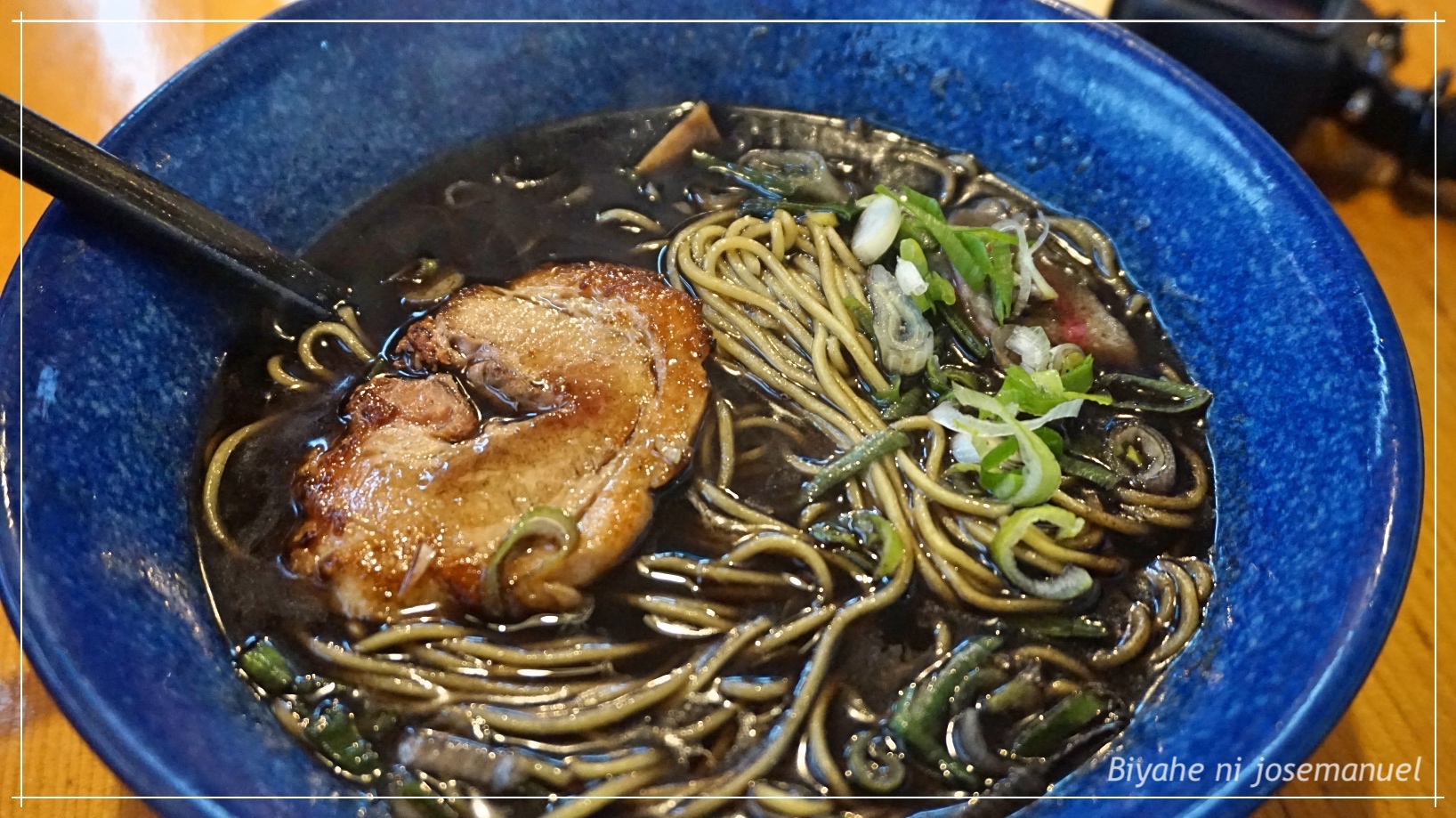
The Black Ramen in Furano is an unforgettable one. Actually lahat ng food, masarap! Meals in Sapporo, Furano and Biei ranges from 350 to 1500 Yen (200 to 750 Php). A bowl of Ramen starts at 700 Yen (350 Php)

HOKKAIDOCAM40

Where I Stayed:

In Sapporo : Guesthouse Wagayado -HaLe- . Booked via Agoda. Php 1,500 per night.

In Furano : Hotel Tomar. Booked via Agoda. Php 2,100 per night.

I wasn’t able to do Mountain Skiing, as the resorts were still closed. Ka-uumpisa pa lang kasi ng winter. More reason to go back. =)

Himeji and Hiroshima Easy Side Trip

So during my recent Japan trip, I had one extra day in Kyoto. To take advantage of my JR Pass (Unlimited inter-city JR Train pass), I decided to see Hiroshima City, which is around 2 hours away from my location.
Initially, I planned to spend the whole day in nearby Nara, a Unesco heritage site, which is just 30 minutes from Kyoto. But just when I got inside the train station, the fickle-minded me randomly decided to go south instead to see the historic Hiroshima City, with a side trip to Himeji along the way, at no extra cost. That’s the beauty of possessing a 7 days JR Pass. Wherever the accredited “JR” trains go, you can go. I definitely felt like an almighty traveler! Travel time was a bit time consuming though, but I got to see more Unesco Sites, which is what I really wanted to do. Anyways, here is how my day went. Easy to DIY if you happen to visit Kyoto or Osaka.  

First Stop : Himeji Castle . Himeji is a city in the Kansai region of Japan, less than an hour away by bullet train from Kyoto. It’s known for the sprawling, centuries-old, white Himeji Castle, one of the few original castles from Japan’s feudal period. The top floor of the 6-story main keep offers views over the extensive castle grounds.

josemanuelkyoto43

The castle complex as it survives today is over 400 years old and was completed in 1609. A UNESCO inscribed heritage site, Himeji Castle is considered one of Japan’s three premier castles.

Getting There: 47 Minutes from Kyoto or Osaka. 5480 Yen ( Php 2.630.00) one way bullet train (or free, if you have a JR Pass).

Entrance Fee: Free to enter the castle grounds. 1000 Yen (500 Php) to enter the Castle/Museum, which I did. Will post a vlog about it next week. Castle opens 9 AM.


josemanuelkyoto27
Once you go out of the train station, you will immediately see this view. Easy!
josemanuelkyoto37
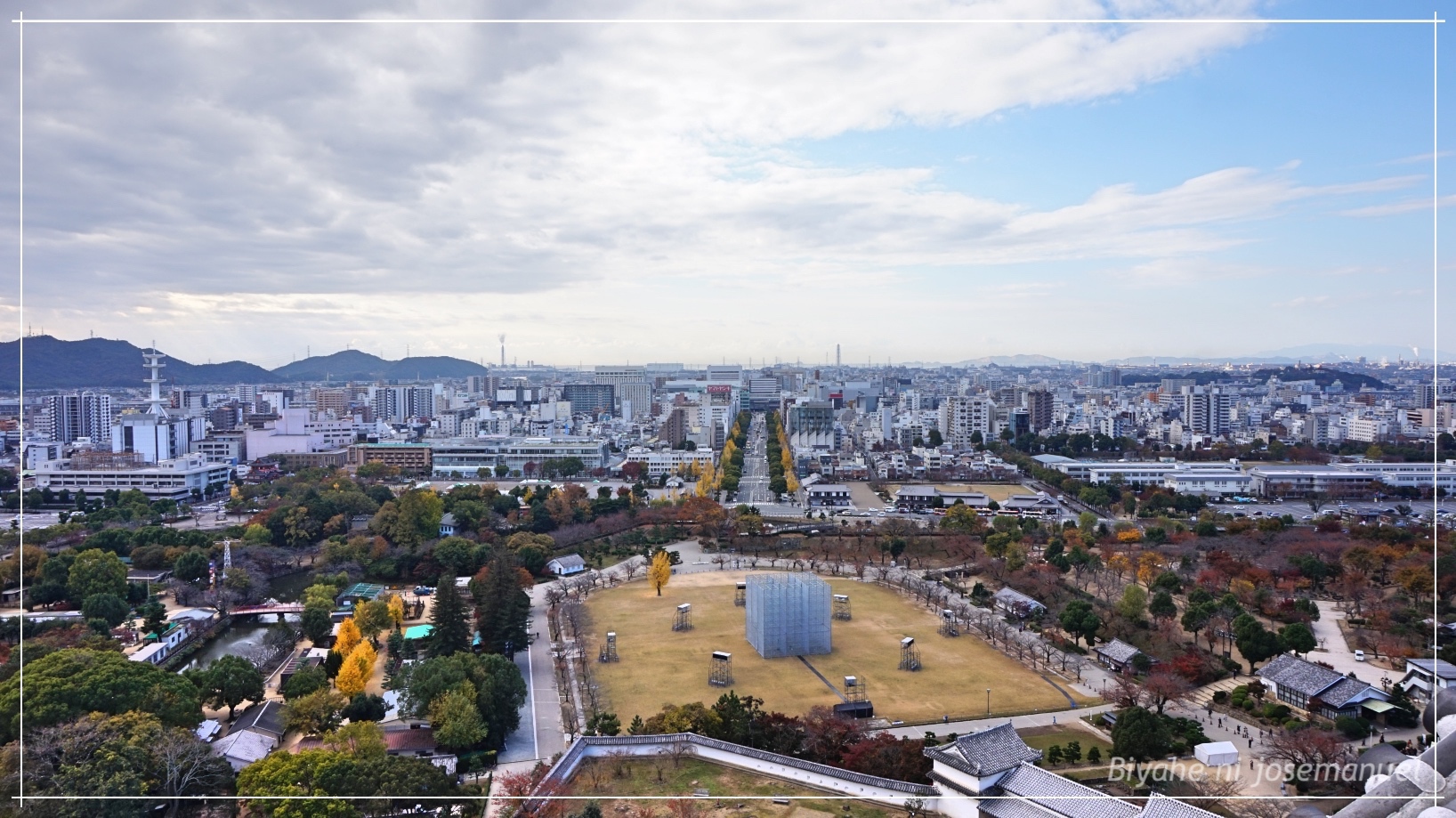
View of Himeji from the top of the Castle

Second Stop: Hiroshima City. One hour from Himeji by bullet train. A-Bomb Dome and the Hiroshima Peace Memorial Park, a designated UNESCO World Heritage Site of 1996.

josemanuelkyoto49

More than seventy years have passed, yet visitors can still feel fear and the pain that has already sipped into the grounds of Hiroshima City. A great reminder that we should always uphold and protect the peace that our generation is currently enjoying. War should NEVER happen again.

Third Stop: Miyajima Island. 45 minutes from Hiroshima Train Station ( local train + 10 mins Ferry ride)  Miyajima is the home of Itsukushima Shrine . The main shrine is said to have been constructed in 593 by Saeki Kuramoto. The shrine has more than 1400 years of history, and is a registered World Heritage Site. 

DSC09020

Getting there: local train from Hiroshima Main Station to Miyagimaguchi station + 10 mins. ferry ride. 590 Yen(280 Php) One way , or included with the JR Pass.

Entrance Fee: None for the island and the temple grounds. 300 Yen for Itsukushima Shrine. I spent the rest of the afternoon here in Miyajima. The Island itself is very charming, with a lot of free roaming deers that you can pet and feed.

Just before sundown, at around 4, I returned to Hiroshima for some RnR and strolling around their commercial district and eat okinomiyaki.  Took the train back to Kyoto at around 7:30 PM. Arrived in Kyoto at pass 9.

Though JR Pass gives you access to any running and accredited train between cities, it is best that your route for the day must be plotted in the morning and have your tickets reserved for each intercity ride. An in-depth JR Pass article shall follow after this to better explain its advantages. 


One Day Tour Around the Heritage Sites of Kyoto

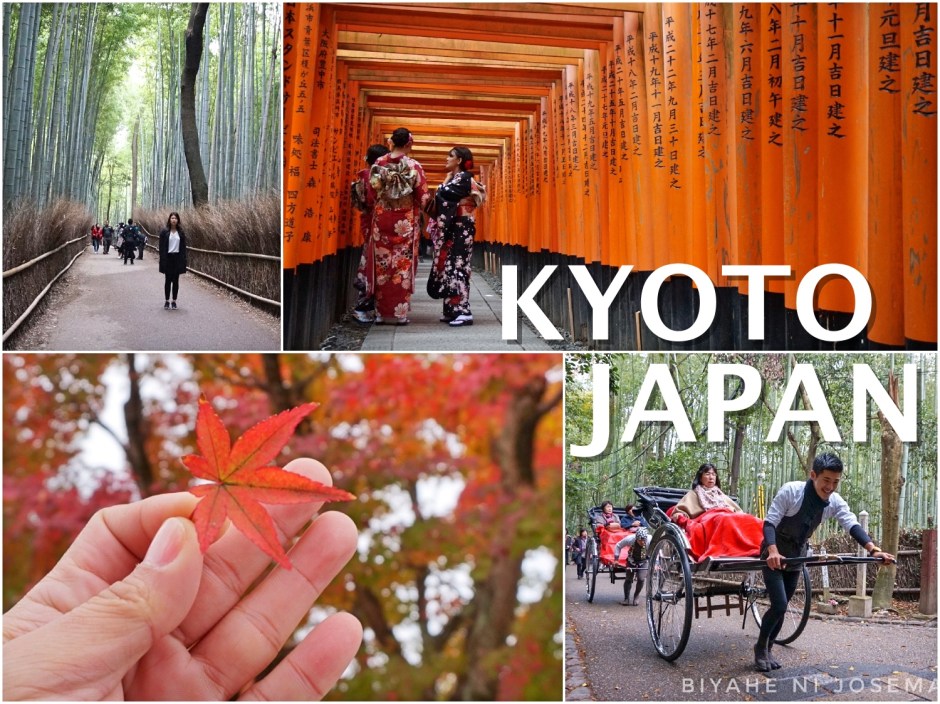
Kyoto is considered as the cradle of Japanese culture and religion. Being the former capital for many centuries, Kyoto houses 17 of the most well preserved UNESCO World Heritage Sites in Japan today. Kyoto is indeed a top place to visit for the culture junkies. In addition, the city is also offers the best views of autumn, as well as spring. Having so much to see, Kyoto ideally deserves 3 days of your vacation time in Japan. However, when the vacation leaves are numbered and you only have one day to see Kyoto(say a side-trip from Tokyo or Osaka), I arranged a easy sample tour covering four must visit heritage sites in and near Kyoto area. These places are easy to reach by train (and covered by JR Train pass, if you have).

—Arashiyama District—

Arashiyama is a district on the western side of Kyoto, Japan. It also refers to the mountain across the Ōi River, which forms a backdrop to the district. Arashiyama is a nationally designated Historic Site and Place of Scenic Beauty.

Getting there: From Kyoto Station,take JR Sagano Line to JR Saga-Arashiyama Station. Train ride takes around 30 mins. From the arrival station, everything is walkable. Fare: around 600 Yen (300 PHP) RT. No payment required if you have a JR (Train) Pass (See Pass details here). Entrance Fee: None! It is a small town/district that is open for all. Best time to visit: Morning at 7:30 AM.

A leisurely walk can take around 2 to 3 hours. Be sure to check out the shops along the main road. Daming free tastes! Lol Coffee is also great to pair with this view.

Arashiyama is a perfect spot to experience lush autumn landscaping. While some ancient temples with manicured gardens charge a little amount as entrance fee, there are several pocket gardens around the corners that are free for all.

The Bamboo Grove in Arashiyama is one of the 17 UNESCO World Heritage Sites found in Kyoto. No entrance fee as well to see this. Place is flooded by tourist at around 9 am onwards.It is best to be early.

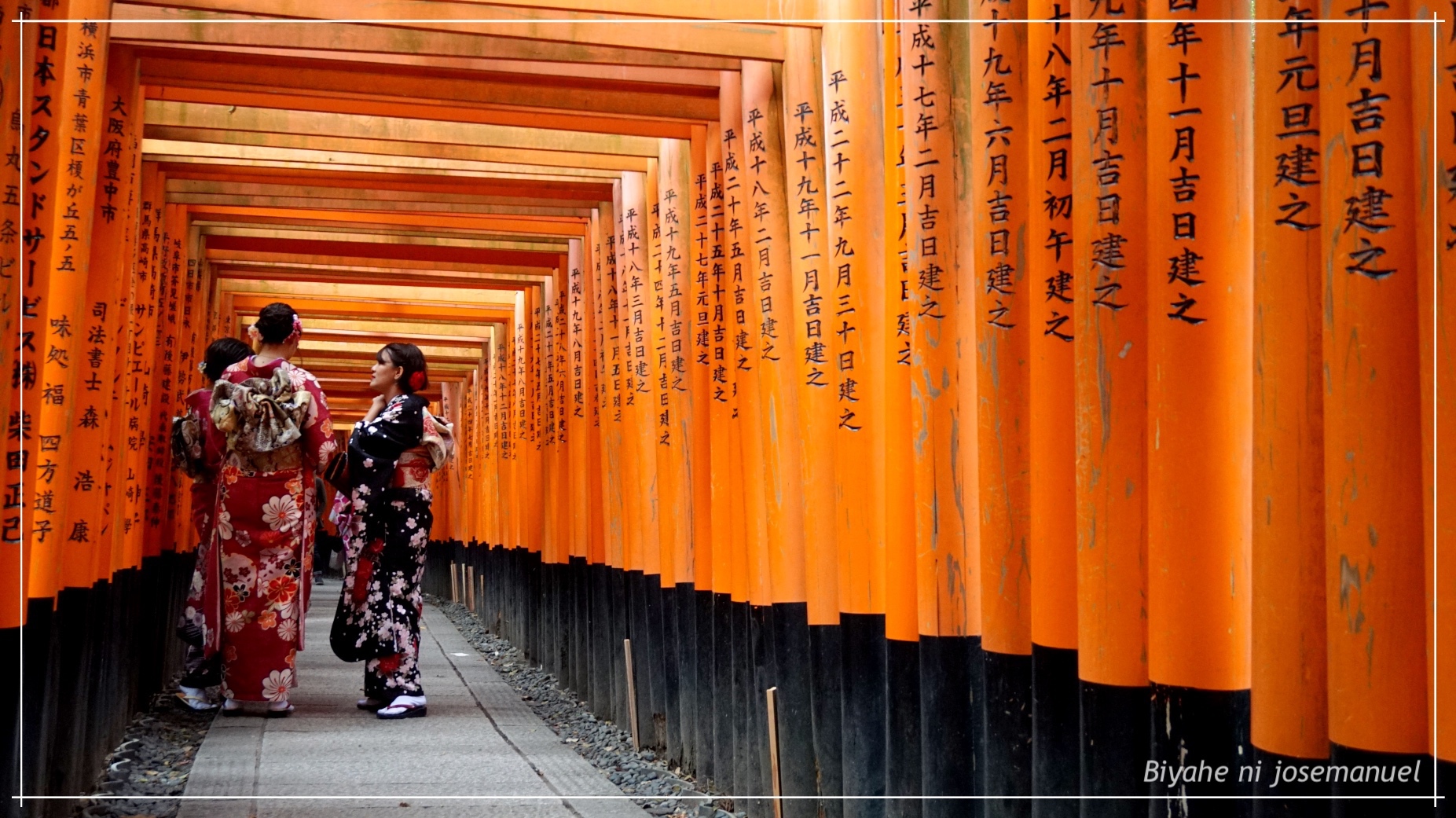
—Fushimi Inari Shrine – Shrine of the Ten Thousand Red Torii—

Fushimi Inari Taisha is the head shrine of the god Inari, located in Fushimi Ward in Kyoto. The shrine sits at the base of a mountain, also named Inari. This Shinto shrine is dedicated to Inari, the god of rice, sake, and prosperity. Shinto is Japan’s ethnic religion.

The establishment of the sacred grounds date back to 711 A.D. Today, the shrine is said to hold over 10,000 Torii (gates). A Torii is a traditional Japanese gate found at the entrance of a Shinto shrine, symbolically marking the transition from the earthly to the sacred.

Getting there: From Kyoto Station,take JR Nara Line to JR Inari Station. Train ride takes around 5 to 10 mins. The Shrine is just outside of the station. Fare: around 300 Yen (150 PHP) RT. No payment required if you have a JR (Train) Pass (See Pass details here). Entrance Fee: None for the shrine,as this is a public ground for worship. However, if opted, the museum entrance fee is only 300 yen, which includes access to some lovely displays on sake brewing as well as complimentary sake for guests to take home. Best time to visit: Morning at 7:30 AM. In my case however, I opted to visit Arashiyama in the morning and gambled with the flock of afternoon tourists in Inari. As such, I have no decent photo of myself. dami bombers. lol.
Josemanuelphonekyoto68

Tip: If time allows, you may proceed to Nara from Fushimi Inari, which is another tourist spot 30 minutes away from Inari Station (Same line, JR Pass covered as well).

—Gion District—

Gion is Kyoto’s entertainment district where the thriving Geisha culture is still being practiced. To see a Geisha woman (if you are lucky), be at Gion at about 5:30 p.m., where these women are on their way to the scheduled evening engagements, all made up in their traditional kimono and make up. Also in Gion is the Starbucks branch located inside a traditional tatami house.

Josemanuelphonekyoto77

Getting there: From Kyoto Station,take bus 100 or 206. Bus ride takes around 15 mins. Get off at Gion Bus Stop. Then use Google Maps to navigate. Gion district is just at the opposite side of the bus stop.Fare: around 200 Yen (100 PHP) RT. Entrance Fee: None. Best time to visit: late noon, 4 pm onwards for a chance to see the Geisha women.

—Kiyomizu-dera Temple—

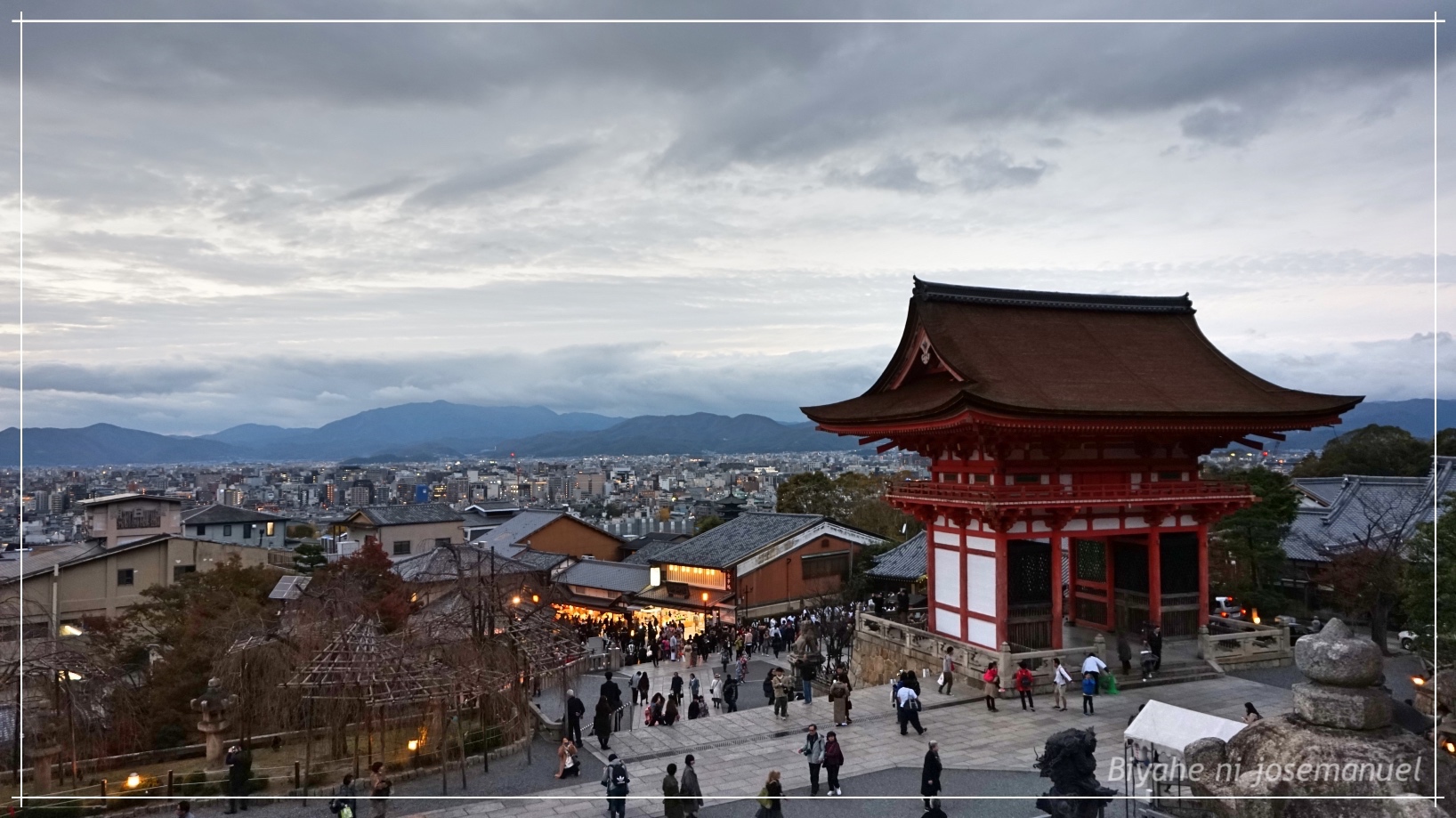
A short walk up the hill from Gion stands Kiyomizu-dera Buddhist Temple. The temple is part of the Historic Monuments of Ancient Kyoto UNESCO World Heritage site. The temple offers a great overlooking view of Kyoto.

Entrance Fee: 200 yen. Best time to visit: Sun down to evening.
josemanuelkyoto10

josemanuelkyoto7

Where to Stay in Kyoto:

K’s House Kyoto – Backpacker’s style accommodation. An overnight stay costs around 1400 to 1500 Pesos on weekdays (via agoda). Price differs for weekends.

Kyoto is a popular tourist destination, especially during autumn. As such, hostel prices are relatively high as compared to Osaka. When touring Kansai Area (Kyoto+Osaka+other nearby’s), it would probably be cheaper to stay in Osaka and just arrange a day visit to Kyoto, since these two cities are only 30-40 minutes apart by train (which is also included with the JR pass).

——000——-

I visited Kyoto together with Himeji and Hiroshima. Will post a complete costing on these 3 cities combined. Stay tuned. =)

For Japan Visa application guide, click here.

I flew to Narita(Tokyo) from Cebu City via Cebu Pacific Air daily direct flight. Kyoto is around 2.5 to 3 hours by train from Tokyo. For plane ticket bookings, click this.

Tokyo Three Days Itinerary For The Weekenders

Mga beshies and readers of mine from VisMin, may good news ko! Cebu Pacific will now be flying DAILY from Cebu to Tokyo-Narita and back starting December 1,2018. Excited much? Yes, we are!tokyjosemanuel40I once asked a travel-enthusiast friend why she keeps on coming back to Tokyo. She cheerfully gave me four reasons: the beautiful season-based cityscape,the ultra-modern facilities, the Ginza shopping district and the level up food trip experience. Tokyo,Japan is definitely among the top travel destinations of Filipinos for a lot of reasons. And with the CebPac daily flight from Mactan Airport, traveling to Tokyo shall now be more practical for us living in Visayas and Mindanao. Flying time only takes 4 to 4.5 hours.

Got a long weekend coming? Tara, lets go-Tokyo!

——-000——–

So, excited na mulaag? Wait lang, guys. Secure your Tourist Visa first. Wag kayong ano! Check the link below for guidelines.

Easy Japan Tourist Visa Guide for Filipinos

——-000——–

The Weekenders’ Itinerary:

Day Zero (Thursday): We left Cebu-Mactan Airport in the morning and arrived in Tokyo-Narita around 3:00pm. We went straight to Tokyo-Ginza shopping district because shopping is priority! Joke lang. I just window-shopped with my friends. The biggest Uniqlo  Flagship Store is located in Ginza. 12 Storeys lang naman, mga bes! All seasons Uniqlo products. bakanteha na imong credit card for this. 
Ginza district is lined with ultra-modern architecture and posh shop interiors to inspire every designer’s creative lobes.

Ginza district gets even more amazing with its bright lights at night.

Day One (Friday): Cultural Immersion Day.  We spent the day in Tokyo’s Old District-Asakusa for a temple visit and experience traditional Japanese hobbies.

  • Gold fish scooping activity at Asakusa Kingyo (Budget 1500 Yen/pax)

  • Sensō-ji -Asakusa Temple Visit (Free Entrance)

  • Traditional Candy Making at Ameshin-Asakusa (Budget 3000 Yen/Pax)
    • Address: Hanakawado Studio1F Hori bldg, 2-9-1 Hanakawado, Taito-kuHours: 10:30~18:00 Closed on Thursday.
    • (link: http://www.ame-shin.com/en/)

Day Two (Saturday): Modern Day Activities.  Here, we got to experience the latest ultra-modern entertainment facilities of Tokyo.

  • MORI Building Digital Art Museum by EPSON teamLab (Budget:3200 Yen/pax)
    • Interactive Visual Art Museum for all ages.
    • Location : Odaiba

  • Quick Photo Op at Gundam Statue in Diver City Mall, Odaiba

tokyjosemanuel93.jpg

  • Virtual Reality Amusement  Center at Sky Circus Sunshine 60 Observatory
    • (Budget : 1200 Yen/Pax + add fees on specific rides)
    • Business hours 10 AM to 10 PM

Sky Circus also offers one of the best overlooking views of Tokyo Metropolitan at sunset.

  • Night out at Shinjuku

Day Three (Sunday): Last minute shopping. Flight home is scheduled at around 2 PM. arrive in Cebu-Mactan Airport at around 6:30 pm

——-000——–

Where to Stay:

Option 1: Business Hotel

  • Hotel Villa Fontaine in Tamachi .
  • Top rated.
  • Budget : around 12,000 Yen/night.
  • High end toilet fixtures. Superb amenities. Breakfast Buffet included.
  • 10 mins, walking distance to Tamachi Station.

Option 2: Hostel Living-Capsule/Shared Room Type

  • Ryokan and Hostel Wasabi in Nippori, Tokyo.
  • Top rated.
  • Budget : 4000 to 5000 Yen/night
  • 2 minutes walk to Mikawashima Station (JR Jobar Line). 3 Stations away from Tokyo Station.

    ——–000000———

Rough Budgeting in Php (Sample expense breakdown using option 2, Hostel Stay)

  • Regular Airfare (4 months advance) with Cebu Pacific Direct 15,000 Pesos RT
  • Visa = 1,000 Pesos via travel agency
  • Data Sim = 800 Pesos via TravelSim PH
  • Hostel Wasabi = 2000 Pesos per Day x 3 days (Though there are cheaper options naman. google nyo nalang)
  • Food Allowance = 1500 Pesos per day x 3 days (I swear, Sapat na to if di ka nmn climber)
  • Transportation/Train rides = 700 per day x 3 days
  • IT Entrances/Souvenirs/other expenses = 10,000 Pesos
  • Total Estimated budget = 40,000 Pesos
  • Uniqlo Shopping = Swipe!
  • New Camera = Swipe! 12 months to pay.
  • Other Climber’s expenses= Swipe! Charot.

For ticket bookings, click here.

I purposely gave a realistic costing because it is better to fly prepared than maging dukha doon sa Japan. But kayang kaya naman to lower this costing; particularly on airfare. Alam ko, abangers tayo ng sale eh. hehe.

——–000000———

More Blog posts on Tokyo to Follow:

  1.  Tokyo Video-Blog
  2. Detailed Hostel Living in Tokyo Video-Blog
  3. Foodtrip Around Tokyo and Beyond
  4. Japanese 7-11. 1000 Yen Lunch Challenge Video-Blog
  5. Maximizing JR – Unlimited Bullet Train Pass . Is it worth the money?

Stay Tuned. =)

Easy Japan Tourist Visa Guide for Filipinos

Hi Guys! I just came back from my Japan trip and I will be posting a series of blogs re the ups and downs of my journey for everyone’s future travel reference. So much stories to tell; from all the bento kiosks and good ramen shops that I found, to getting lost on Japan’s massively overwhelming train network. But first, fundamental requirement muna tayo guys. I will be discussing below the basic requirements for Tourist Visa Application. Hope this helps!Collage_Fotor_Fotor.jpg

Now is really a good time to visit Japan as Cebu Pacific will start flying Daily from Cebu to Tokyo-Narita and back, starting December 1, 2018. This direct flight made the travel time more practical for us living in Visayas and Mindanao.  Flight only takes 4 to 4.5 Hours. And we don’t have to go though any NAIA fiasco na. Cebu-Mactan Airport is more chill (I swear!) and Prettier.

BASIC TOURIST VISA REQUIREMENTS (SINGLE ENTRY)

  • Philippine passport. Must have a signature and at least 2 blank pages. Must have at least 6-months validity.
  • A duly filled up visa application form. You may download it at https://www.ph.emb-japan.go.jp/files/000163096.pdf
  • ID picture. 4.5cm x 4.5 cm. Write your name and birthdate on the back side. Paste it on the application form.
  • Birth certificate from PSA. Must be issued within the past one year. Old birth certificates issued with NSO logo is not valid anymore. Dapat yung colored paper na with PSA logo, which you can order and pay online via https://nsohelpline.ph .  If may alterations or errors on your birth details, settle that muna with the agency.
  • Marriage certificate from PSA. Only if you’re married. If not, deadma.
  • Daily schedule. Your itinerary in Japan. It doesn’t have to be super detailed. Just indicate your projected date of arrival and departure, and the places you wish to visit during your stay on a day to day format (Day 0, Day 1, Day 2 etc).
  • Income tax return Photocopy (ITR Form 2316 for employees or Form 1701 for self employed). I also submitted the receipt or Landbank Deposit Slip for the ITR.
  • Bank certificate. Issued within the past 3 months. This part is very subjective. Some blogs say you are supposed to maintain +++100,000 Pesos. But i know people who had 50,000 Pesos only for a proposed 3 days trip, and she still got approved.
  • Optional na, but it is also best to submit a certificate of employment with your salary, position and company contact information. This will help you prove that you are indeed returning to the Ph and will not be TNT there. If self employed, a copy of your DTI Registration will suffice.
  • Photocopy of other government ID’s like SSS, Tin, Pag ibig, Postal, if have lang. but optional. Photocopy of Company ID also if employed. provide 3 specimen signatures on every copy.

Tips and Reminders

  • All documents, application form, itinerary etc must be printed on an A4-size paper.
  • Do not Staple or fold your documents. Folder nyo lang with clip.
  • Printed or hand written application form is OK. Black ink is preferred. No erasures.
  • If you cannot provide ITR and employment certificate, you may still take your shot by writing a cover letter explaining your side. Pero magdasal ka na. lol
  • And as I always recommend to my readers, especially for first timers, that “if you are unsure of the process, get a travel agency to sort out your documents for a fee.” For Davao residents, Traveloft, Inc. can assist you. (https://www.facebook.com/traveloft.davao/ )
  • We are NOT required to book flight or hotel yet. However, the application asks for a flight number and an address in Japan. To get a flight number, just log on to Cebu Pacific website and get the regular flight details. For the address in Japan, just write down your desired hostel or hotel (realistic to your budget/bank certificate, of course). The travel agency can help you with this.
  • Unlike other visa processes, Japan visa application cannot be submitted directly to the Japanese Embassy. All applications must be submitted through an accredited travel agency.  For the list, visit https://www.ph.emb-japan.go.jp/itpr_ja/00_000253.html; or just go to your trusted travel and tour, they can probably connect you to the nearest accredited agency in your region.
  • Application fee is at 1000 to 1,500 Pesos.
  • Once approved , your passport with visa sticker will be returned to you via your chosen agency. Releasing time takes 5 to 10 working days.
  • Application may be submitted as early as 3 months before your travel date.  Single entry Visa usually allows 15 days stay, at 90 days validity upon approval.
  • And lastly guys, this guide, like any other guide blogs, do not assure 100% approval. Ang iyong kapalaran ay nakasalalay parin sa iyong mga sariling kamay, kung malinis ba ito o hinde. Charot! Just provide all necessary documents and pray for the stars to align in your favour. Charot again! Mag patulong kayo sa travel agency oi!

And that’s it! I hope this checklist will be of help sa mga mag aapply.  Please note that this application guide only tackles Single Entry Tourist Visa. For Multiple Entry Tourist Visa, I will post a separate blog on that, if I got one na. For other types of Visa such as business, seafarer or Fiance, please check the Japanese Embassy website for the specific guidelines. For Application with Guarantor or sponsoring relatives in Japan, refer also to the embassy for your specific process.

To check on flight schedules, click here official Cebu Pacific Website.