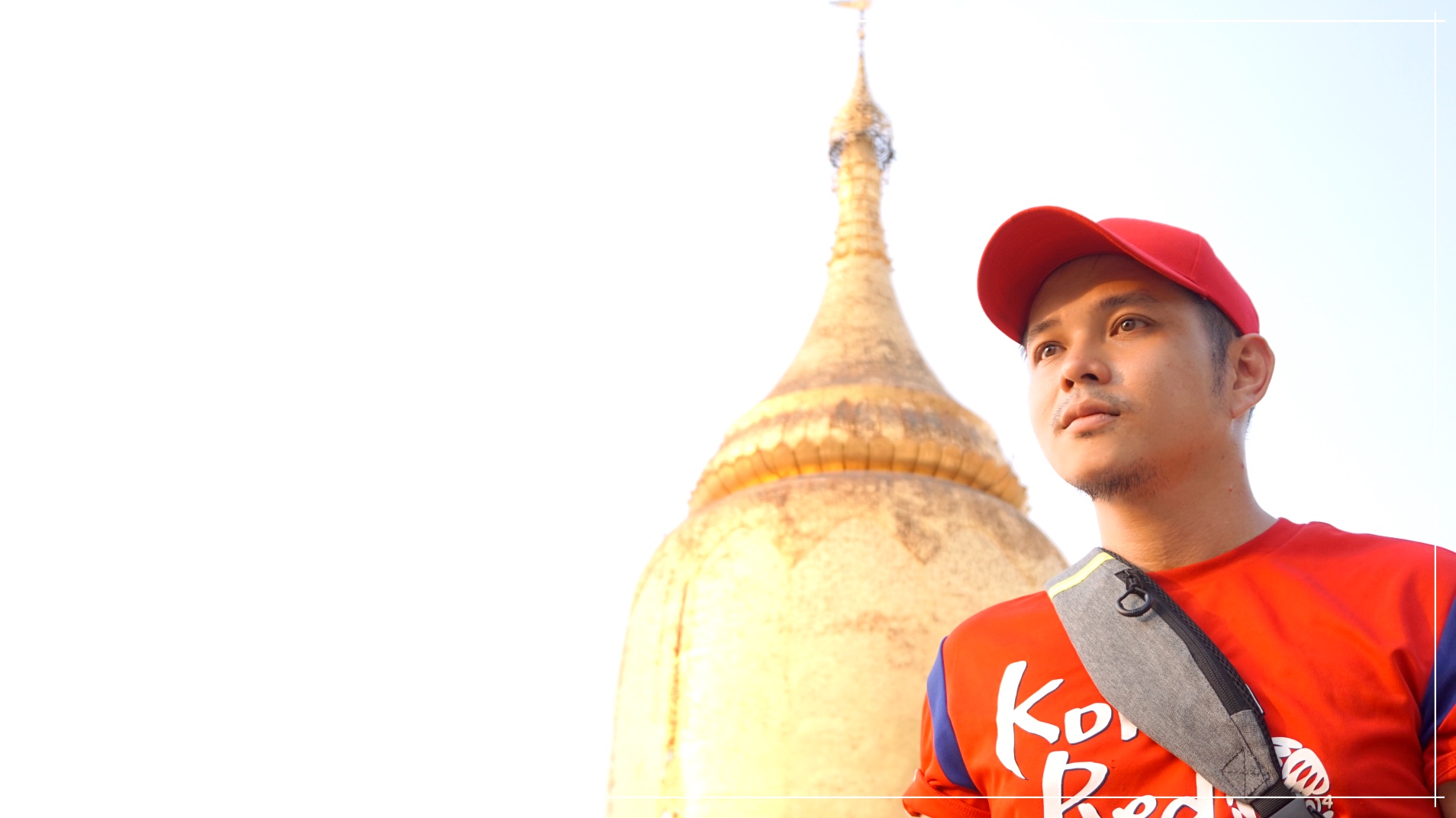
Hi. I am Joseph Emmanuel E. Lim, a Licensed Architect by profession and an avid traveler by heart. My passion for travel has been greatly influenced by the profession that I a practice. Since my college days, I always had this fondness of the old world, of historic places, of ancient civilizations, and the intrigues and mysteries that come with it.
As a traveler, I consider myself a typical backpacker. My trips are low-cost and mostly solo, independent travel. I started my fondness for backpacking the year 2013, when I explored Southeast Asia for 30 days. Since then, It has become my goal to travel at least once a year, to a foreign city/country that I have never been before. I also made a goal to complete the 7 wonders of the world before I reach 40 years of age. But then, the pandemic came. So I might have to extend my timeline for that.
As a backpacker, I prefer small and laid-back towns over party destinations. I like waking up early for a stroll around public market and see how foreign communities start up their day. As of today, I have been to 46 UN recognized countries.
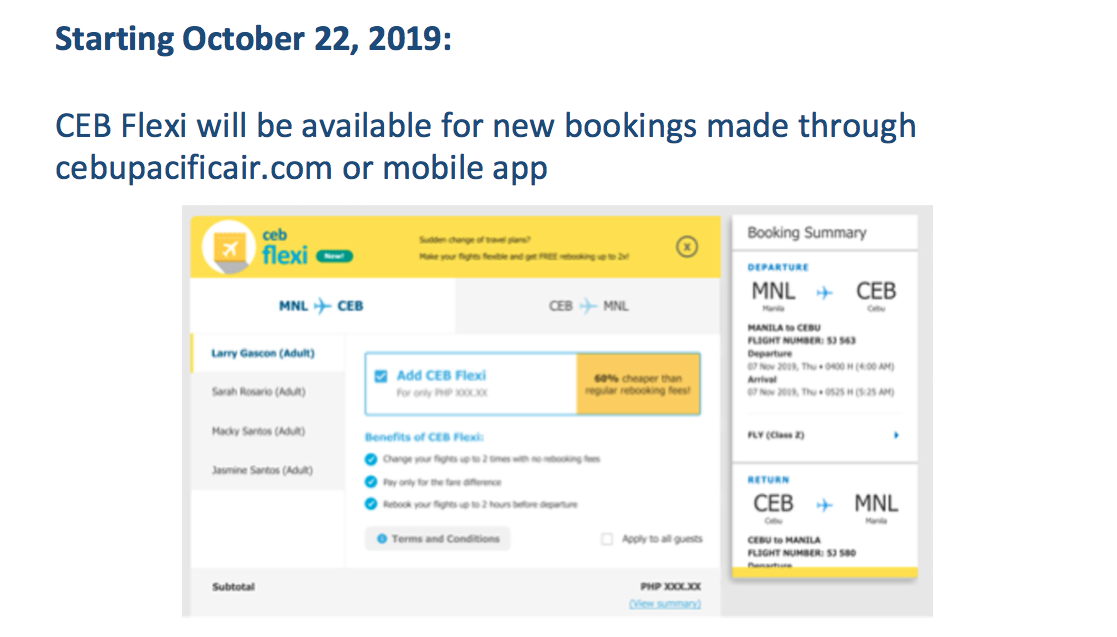
Cebu Pacific Air introduces CEB Flexi—a flight “add-on” feature that gives us travelers the flexibility to rebook flights up to two times, and until (2) hours before departure, for a minimal fee.
Uncertainties knock on unexpected days. Worst ones are those that result to moving the trip to a later date, and pay rebooking fees for the changes. The CEB Flexi works as a buffer for such scenario. Once CEB Flexi is availed, it would be easier now to rebook the affected ticket to another convenient date, hassle-free! Purely optional, but highly recommended for its practical benefits. This facility is basically 60% cheaper compared to current rebooking fees, and passengers only have to pay the difference in fare (if applicable).
CEB Flexi “add on” is priced at PHP499 for domestic flights, PHP799 for international short haul flights, and PHP1,099 for international long-haul flights. Once availed, this minimal fee shall be added to your ticket upon purchase.
CEB Flexi can be availed thru online bookings starting October 22, 2019. It shall be part of the “add on” features together with the check-in baggage options, in-flight meals and travel insurance interface. www.cebupacificair.com
This option is only available via CEB App and CEB website booking.
Cebu Pacific Air is further enhancing its online assistance facility with their cute virtual travel auxiliary, CHARLIE. Reachable via Facebook Messenger and on www.cebupacificair.com, Charlie can retrieve your existing itinerary, check you in online, provide digital boarding pass and address basic booking or seat sale questions.
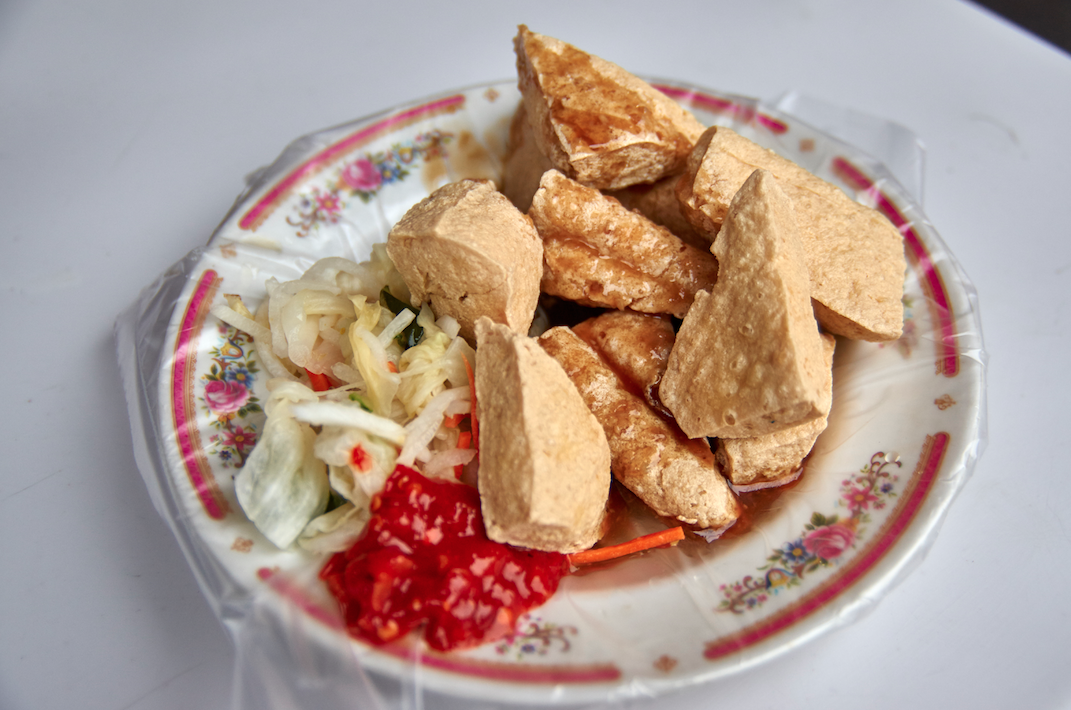
It’s no secret that Taiwan has one of the world’s best street-food scenery. The culinary philosophy in Taiwan is simple. ‘Eat often and eat well. Small eats — but lots of them!’ Taiwan’s food is a mash-up of the cuisine of the Min Nan, Teochew and Hokkien Chinese communities, along with Japanese cooking.
Taiwanese food is actually a popular thing in the streets of New York (USA) since 2009. Taiwanese food continuously expands its influence to neighbouring countries and beyond. That being said, Taiwan Bureau of Foreign Trade is bringing to the Philippines a glimpse of their food industry on the upcoming #TaiwanExpo2019. The Expo shall be held here in Davao City! Taiwan-based brands for food and beverages will be showcasing their products and business opportunities.
Save the Date: #TaiwanExpo –> November 8 and 9 at SMX Convention Center of SM Lanang.
Last August 26 to 31,2019, twenty five active bloggers and influencers from different ASEAN countries gathered in Kuala Lumpur, to participate in the Malaysia ASEAN Influencers and Key Opinion Leaders programme (MAIKOL 2019). The 6-days programme offered the participants a fun and engaging ‘Experience Malaysia’ activities and cultural exposure, aiming to promote Visit Malaysia 2020 tourism campaign.
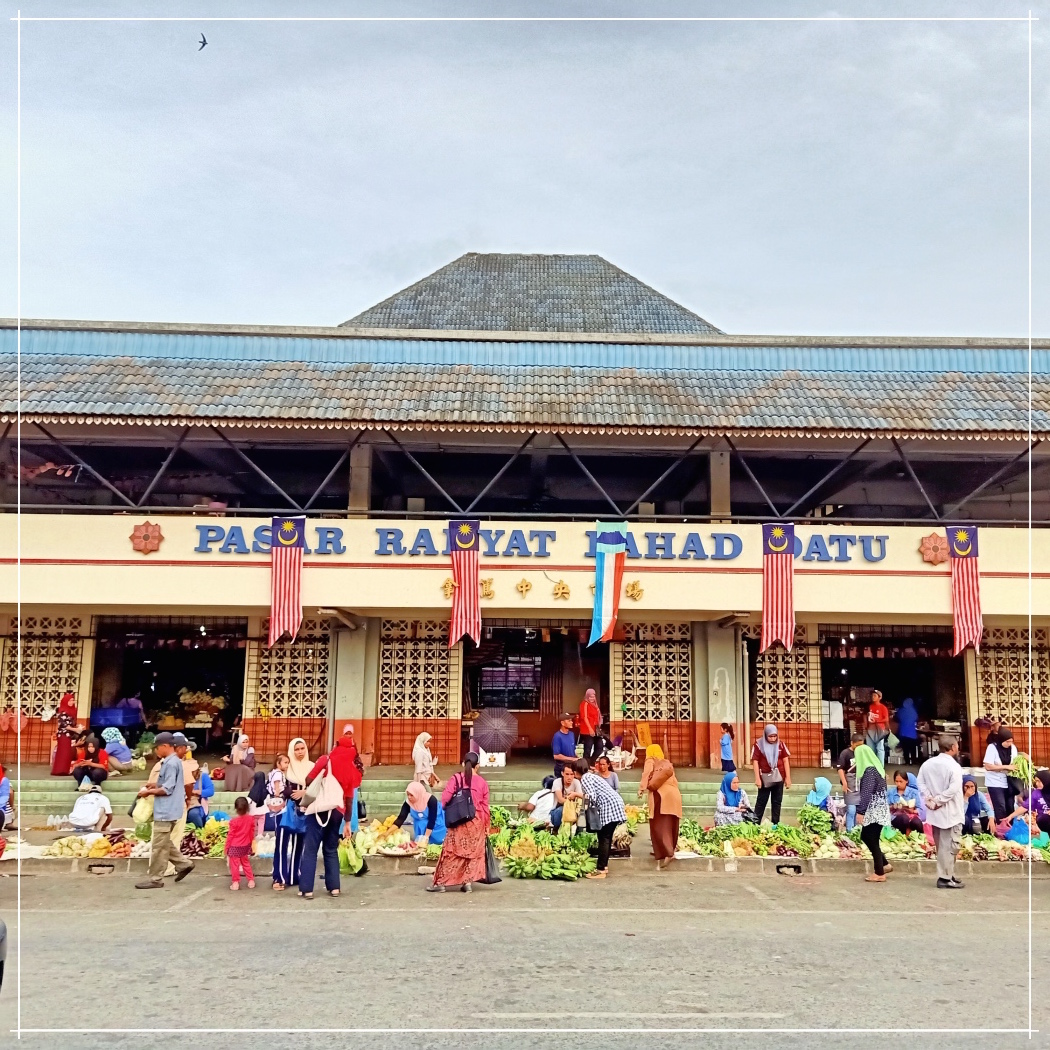
The highlight of the activity was to let the participants see and experience Malaysia beyond the metropolis of Kuala Lumpur. On day 03, all twenty five bloggers and influencers were sent as solo travelers or in pairs to different provinces across the country, given the freedom to make their own itineraries for 2 days at the assigned place. I was particularly assigned to visit Tawau and Lahad Datu, which is located on the east coast of Sabah.
Airasia flies from Kuala Lumpur (KLIA2) to Tawau Airport daily. Direct flight takes three hours. Lahad Datu is a scenic 2-hours drive from Tawau.
Exposure: Lahad Datu, Sabah, Malaysia
Lahad Datu is a coastal town located on the east side of Sabah, mainly living on palm oil and coco agri-business. The town is surrounded by vast plantations. As such, green is everywhere. Probably the greenest province I’ve visited so far. Population is relatively small, at around 27,000. The people here are generally Muslim Malay and a fraction of Chinese-Malay. The town centre is relatively small, very walkable and full of life during the late afternoon.Seafood Destination. As a coastal town along Denver Bay, seafood here is downright fresh and cheap. The seafood market is definitely a feast. Rainforest Visit. Aside from being a Palm growers’ town, Lahad Datu is also the gateway to Danum Valley Conservation Area, one of Malaysia’s most well preserved and protected rainforest and home to the most precious birds and mammals of Southeast Asia. Danum has over 200 species of trees found in just one hectare, making it one of the richest rainforest in the world. A visit to Danum viewing park offers an overlooking view of Denver Bay and Lahad Datu coast.
For rainforest tour bookings, visit the official site https://www.amazingborneo.com (Photos of animals attached by Borneo Safari Tours).
Photo by Borneo Safari Tours
Photo by Borneo Safari Tours
Exposure: Tawau, Sabah, Malaysia
Tawau is the third largest town in Sabah, after Kota Kinabalu and Sandakan. The town is currently at its high time on industrial development. Commercial and hospitality facilities are booming. Tawau’s main product is Palm Oil. This coastal town boasts a well-established road network from the highland plantations to port.
Tawau Chocolate Industry. Blessed with fertile land, Tawau is also known for tobacco and cocoa produce. Tawau is said to be one of the best source in the world for raw chocolate material. Teck Guan Cocoa Museum is a must visit in Tawau. Also a good place to find local products; from organic body wash to export quality 70% pure chocolate bars.
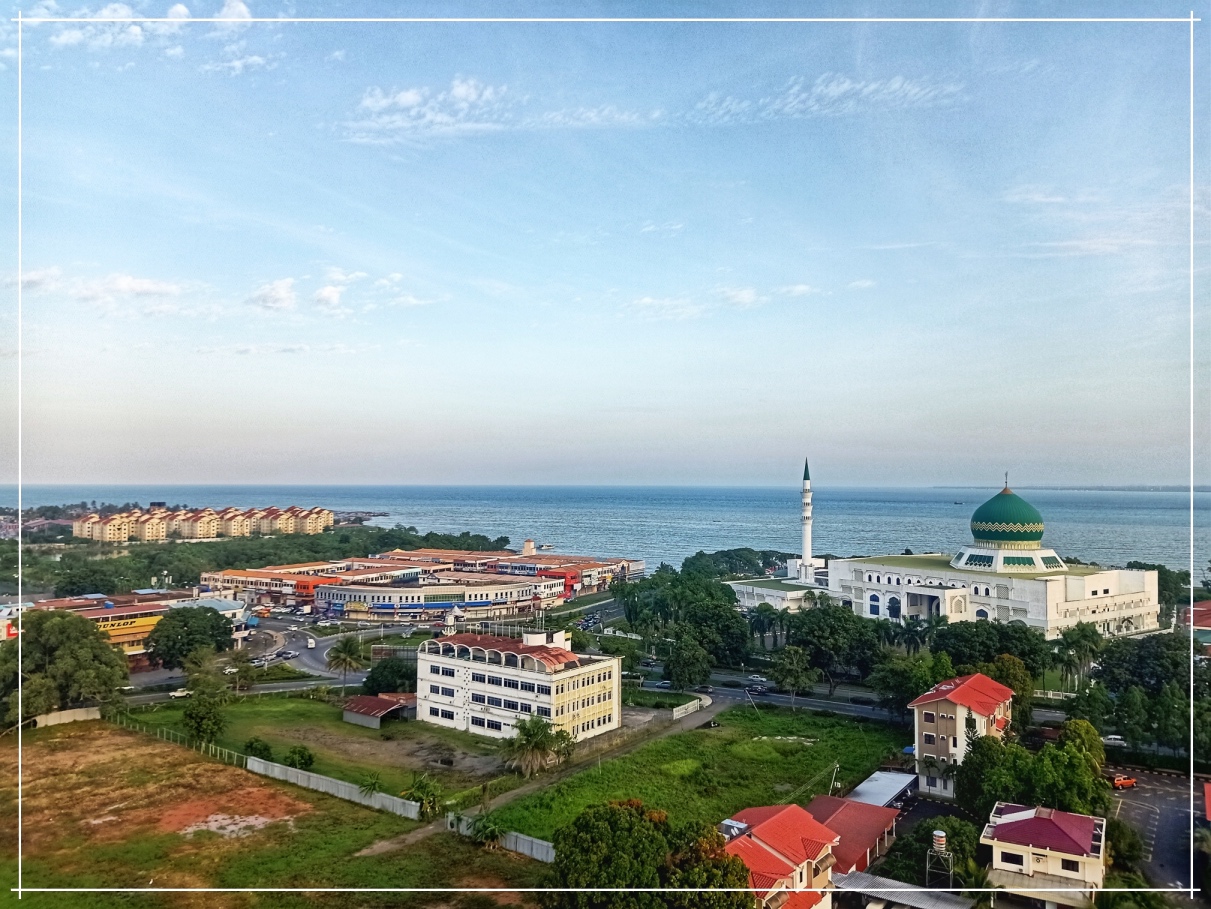
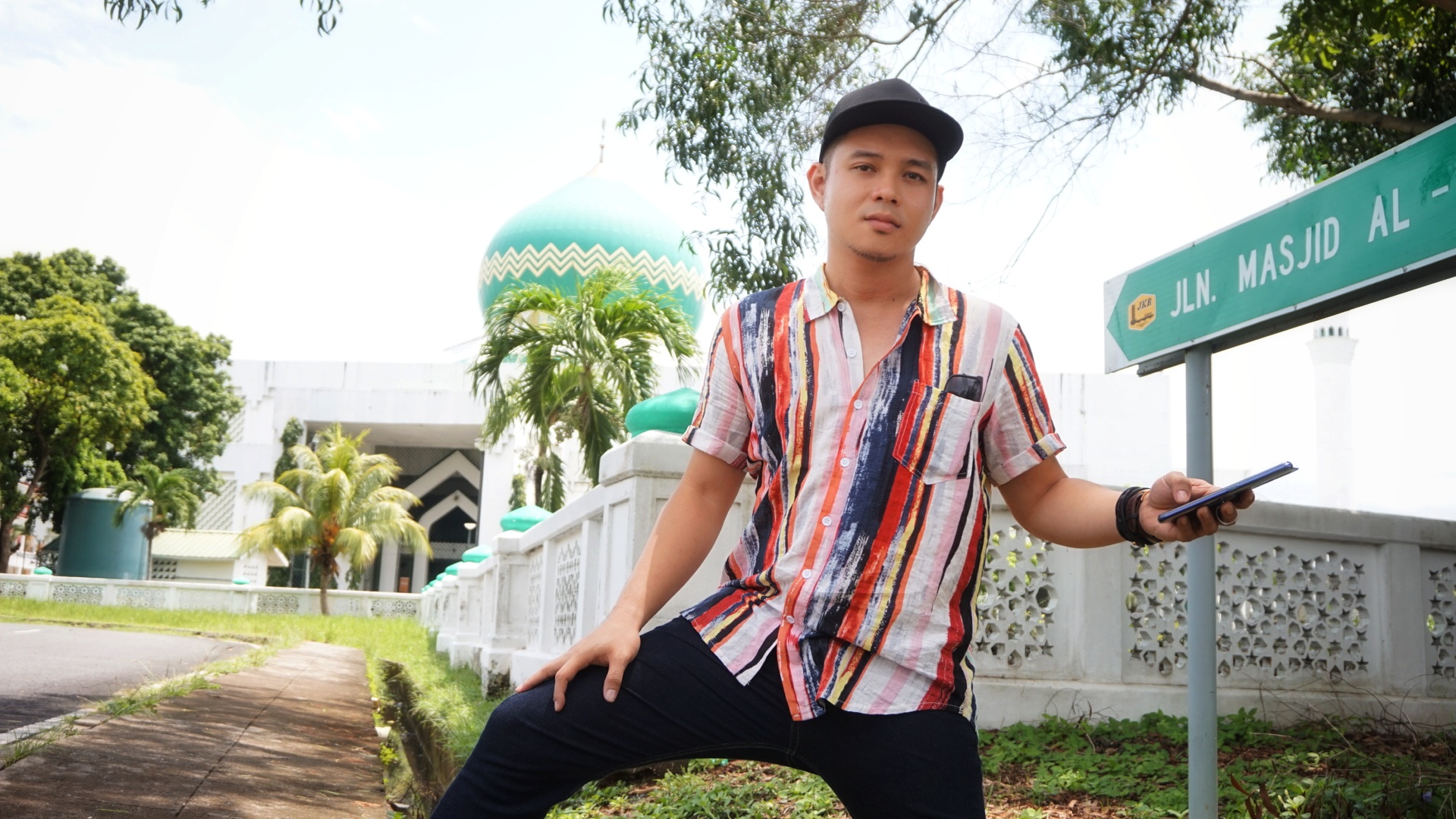
Leisurely Stroll Around the City Centre. Tawau City Centre is full of color. The mid-rise commercial district is painted with burst of colors. Al-Kauthar Mosque is one of the most instagrammable locations in the city, with its perfectly-shaped green dome.
Rainforest Trekking. Tawau is also known as the gateway to some of Sabah’s most well preserved rainforests and nature conservation area. One of this is the Tawau Hill Park. It’s a 60 minutes ride from town center. Tawau hill park boasts some of the tallest natural rainforest trees in the world.
Here’s a Video Blog preview shot during my visit to Tawau Hills Park.
Other Nearby Places to see. Tawau itself is not that popular among tourist, though many arrive daily at Tawau Airport to travel via Semporna (3 hours drive east) to the fabulous diving spots around the islands of Sipadan and Mabul. I didn’t have the luxury of time to visit these islands. For more info on diving activities, just google “Amazing Borneo Tours”.
Photo by Amazing Borneo Tours
Where to Stay in Lahad Datu: My-Inn Hotel, Lorong Bandar Perdana 6, 91100 Lahad Datu, Sabah, Malaysia
Where to Stay in Tawau: L.A. Hotel, Jalan St Patrick, Bandar Tawau, 91000 Tawau, Sabah, Malaysia
Airasia flies from Kuala Lumpur to Tawau daily. Check schedules here.
Last August 26 to 31,2019, twenty five active bloggers and influencers from different ASEAN countries gathered in Kuala Lumpur, to participate in the Malaysia ASEAN Influencers and Key Opinion Leaders programme (MAIKOL 2019). The 6-days programme offered the participants a fun and engaging ‘Experience Malaysia’ activities and cultural exposure, aiming to promote Visit Malaysia 2020 tourism campaign.
The programme was spearheaded by Tourism Malaysia of the Ministry of Tourism, Arts and Culture (Malaysia). They participants were hosted and sponsored by Sunway City Kuala Lumpur, with Airasia as partner airline.
Day 01
The activity kicked off at Kuala Lumpur. Day 01, the arrival day, was all about introduction, preparation and briefing over a sumptuous Malaysian dinner with the officers and major sponsors.
Day 02
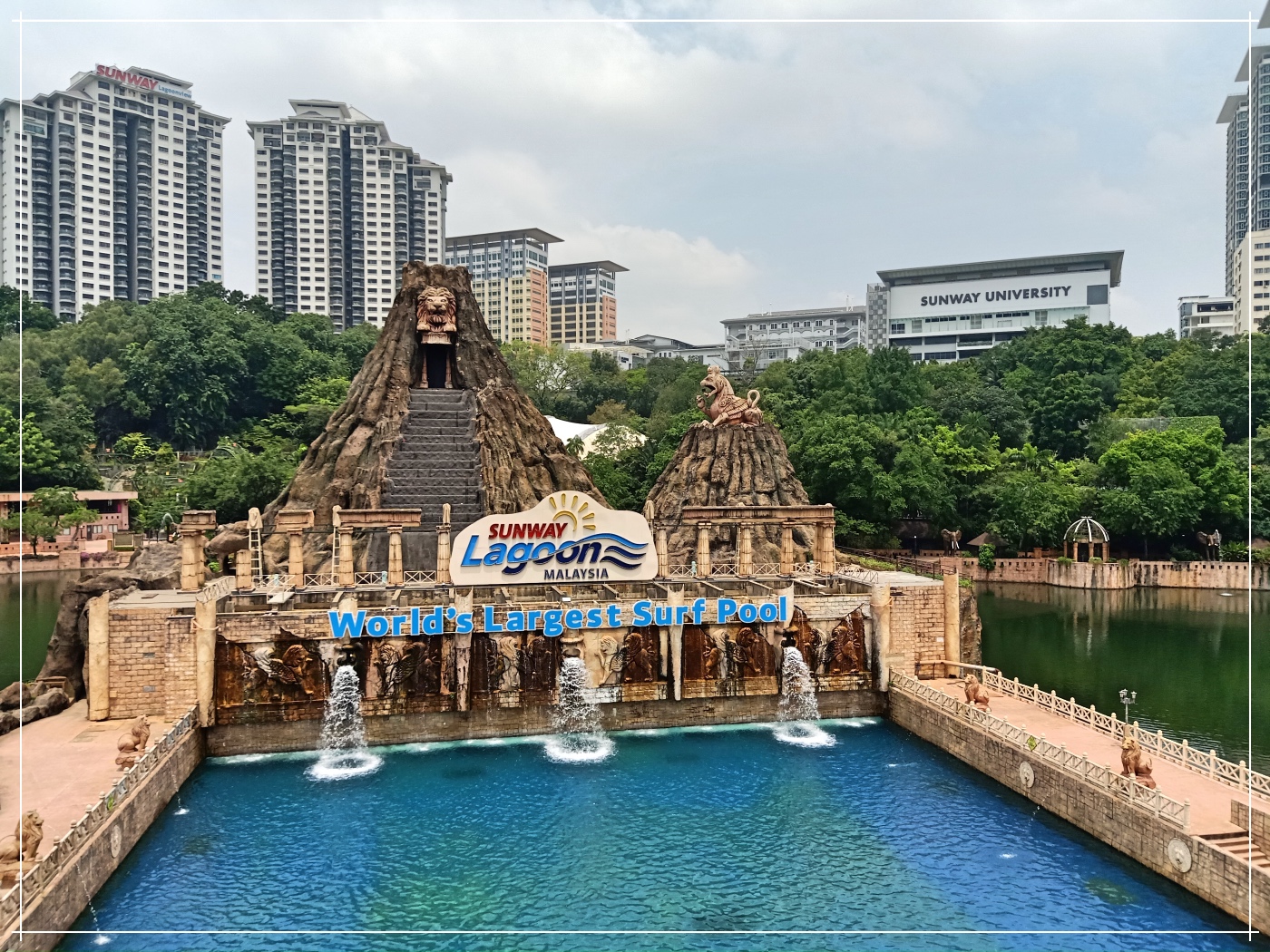
Day 02 was a highlight, as the participants spent one day to enjoy Sunway Lagoon Amusement Park. Among the popular rides were the river rapids and scream coaster. Day 02 afternoon was spent at the Sunway Lagoon, which is the world’s largest surf pool to date. Check out the complete Sunway Experience and short video blog by clicking here.
Day 03
The main assignment of the activity was to let the participants see and experience Malaysia beyond the metropolis of Kuala Lumpur. On day 03, all twenty five bloggers and influencers were sent as solo travelers or in pairs to different provinces across the country, given the freedom to make their own itineraries at the assigned place for 2 days. A number of participants took the intercity train to Kedah, Ipoh etc. Two participants explored Sarawak. Reggy (Indonesia), Sam (Cambodia) and I flew to Sabah. I was particularly assigned to visit Tawau and Lahad Datu, which is located on the east coast of Sabah. My flight took three hours per way by Airasia direct.
Tawau, Sabah
Beautifully set at the east coast and facing Celebes Sea, Tawau is the third-largest town in Sabah, after Kota Kinabalu and Sandakan. Tawau is a fast developing industrial town, mainly sourcing on Palm Oil industry. Blessed with fertile soil, Tawau is also popular for their cocoa products, which is said to be among the best chocolate raw material producers in the world. Apart from its industrial image, Tawau is best known as the gateway to some of the most well preserved rainforest and conservation areas in Malaysia (in the world actually). It is impossible not to notice its lush green hills and flat lands as the plane is descending. Among the highlights of my Tawau Trip was a quick half day trek to the Tawau Hills Park rainforest and see some of the tallest rainforest trees in the world up close. A trip to the popular Teck Guan Coco Museum is also worth mentioning. I hoarded boxes of chocolate drinks, as they are perfect giveaway to friends.
At the entrance way of Tawau Hills Park.
If given more time, it would have been nice to drive two more hours to Semporna and the other beach resort-islands, which is said to offer one of the best diving and snorkeling sites in the world. For tours, you may get in touch with Sabah booking though their official website by clicking here.
Day 04 – Lahad Datu, Sabah
View of Denver Bay as seen from Danum Valley Field Tower
On my day 04, i was assigned to explore Lahad Datu, which is around + 2 hours drive by land. Lahad Datu is a humble town, also sourcing mainly on the palm oil industry. On my way to my assignment, I dropped by Danum Valley Conservation Area Field Centre. Danum Valley is a 438 square kilometres tract of relatively undisturbed lowland dipterocarp forest in Sabah, Malaysia. It is one of the richest rainforest in the world, having more than 200 species of plants/trees in just one square hectare. Danum Valley is also home to numerous exotic Southeast Asian birds, pygmy elephants, the elusive Sumatran Rhino and Bornean Proboscis monkey. I wasn’t able to see the animals at their natural habitats as they are located 60 km deeper into the forest. However, I was able to see the vast green lands and the breathtaking view of Denver Bay from the 7 storeys high field centre tower. Lahad Datu is located right at the coastal line of Denver Bay, which can also be seen from the tower.
As a coastal town, Lahad Datu is abundant on fish and seafood. It was a delightful experience seeing fresh catch at Pasar Ikan Fish Market. Some catches there are actually not available in my country. I enjoyed the freshest grilled fish dinner at Jalan Mawar, which is located just at the opposite of the fish Market.
Check out my Tawau and Lahad Datu video blog preview below.
Day 05 – Kuala Lumpur Night Tour
Photo by Ian Ray Garcia of Wander Lust
On day 05, I flew back to Kuala Lumpur to reunite with the group. We also scheduled a quick late afternoon tour to KL Tower. Highlight was seeing Kuala Lumpur cityscape while inside a glass box, that is 420 meters above the ground level. Such a memorable experience it is. By night time, we headed to the Petronas Twin Towers for dinner and leisure.
Day 06 – Hari Merdeka, Malaysia’s Independence Day
Day 06 was an early call, as we were invited to attend Malaysia’s 62nd National (Independence) Day. The event, which was held in Putra Jaya, was packed with locals taking pride on the nation’s celebration of freedom.
Photo by Glen Santillan of Escape Manila
Day 06 was also the last day of the programme. All participants, organisers and sponsors enjoyed a night of fun and sharing over a sumptuous Malay-themed buffet. The programme was concluded by the announcement of the creative contest winners. The most creative photo was awarded to Abigail Javellana of Our Awesome Planet, Philippines, and the most creative video was awarded to PK of Cambodia.
Abigail of Our Awesome Planet’s winning piece
The contest winners
MAIKOL 2019 was indeed a remarkable experience for my blogging career. During the 6 days activity, I was able to find a deeper appreciation of Malaysia, its people, its land, its unique flavours and valued culture. The activity also earned me cultural exchanges, friendship and bonds with the other participant, as well as with the ever hospitable Tourism Malaysia hosts. ASEAN brotherhood and camaraderie lives on.
—–0—–
Airasia flies Manila to Kuala Lumpur daily. click here for schedules and costing.
For Sunway City Kuala Lumpur bookings, click here.
The participants from the Philippines. Ian Ray Garcia, Tia Lacson, Abigail Javellana, Glen Santillan and Joseph Lim
ASEAN brotherhood and camaraderie was celebrated once again during the MAIKOL 2019, held August 26 to 31, in Kuala Lumpur, Malaysia. The event gathered 25 influencers and bloggers from Brunei, Cambodia, Indonesia, Myanmar, Laos, Philippines, Singapore, Vietnam and Thailand, to take part on a 6-days Experience Malaysia programme. The programme was sponsored by Sunway City Kuala Lumpur and airline partner AIRASIA. MAIKOL stands for Malaysia ASEAN Influencers Key Opinion Leaders programme, aiming to promote Visit Malaysia 2020 tourism campaign.
Facts and Highlights of Sunway City Kuala Lumpur Experience
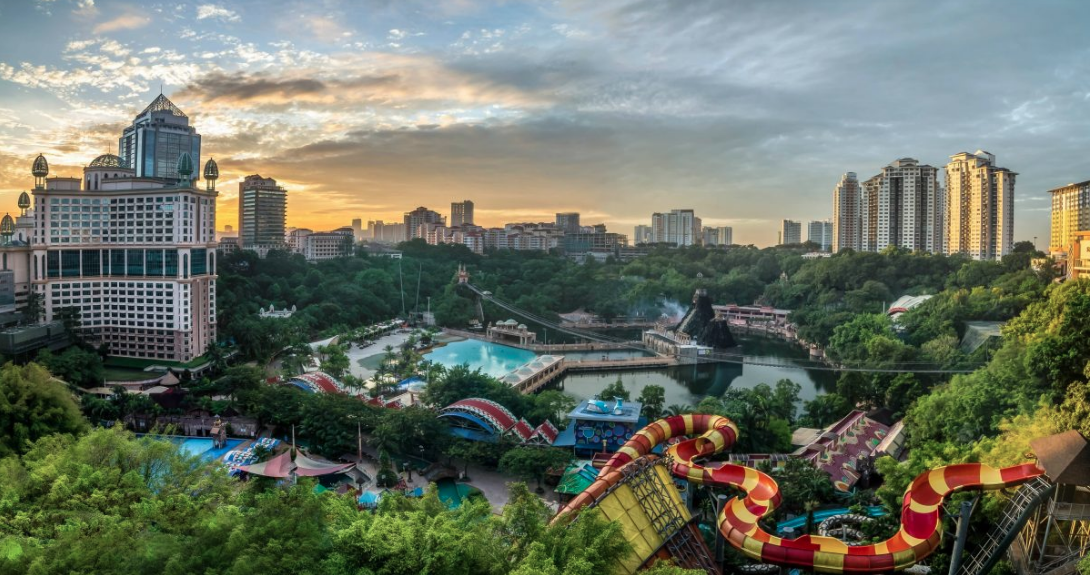
Sunway City is the first fully integrated township of Malaysia. It was said that the location of Sunway City used to be a mining land. After the termination of operations and being unused for a span of time, the property was cleverly converted and developed to a township-complex comprised of condominiums, office towers, educational facilities, commercial centre and hotels. A lagoon-style resort/theme park with a man-made body of water was built at the centre, being the deepest part. This is the Sunway Lagoon Malaysia that we are enjoying today.
Aerial Photo credits to Sunway City Website
Sunway Resort Hotel and Spa
Sunway Resort Hotel & Spa is the 5-star flagship hotel of Sunway City. The hotel also operates the Sunway Pyramid Convention Centre, one of the largest convention centres in Malaysia.
Sunway Hotel’s entrance is impossible not to admire. The boldly detailed facade radiates a strong vibe of grandeur. The multi-levelled lotus-style canopy adds up to the rich vibe. Malay masonry craftsmanship at its best. The classic-mixed European style lobby interiors is instagrammable at every angle.
Sunway Pyramid Hotel
Sunway Pyramid is the 4-star property of Sunway City offering 564 Guestrooms & Suites. Sunway Pyramid was our host hotel for four nights during the recent MAIKOL 2019 programme. The hotel is directly connected to Sunway Pyramid Mall and Sunway Lagoon theme park.
Sunway Pyramid interiors is a fresh blend of contemporary design elements, textures and play of light.
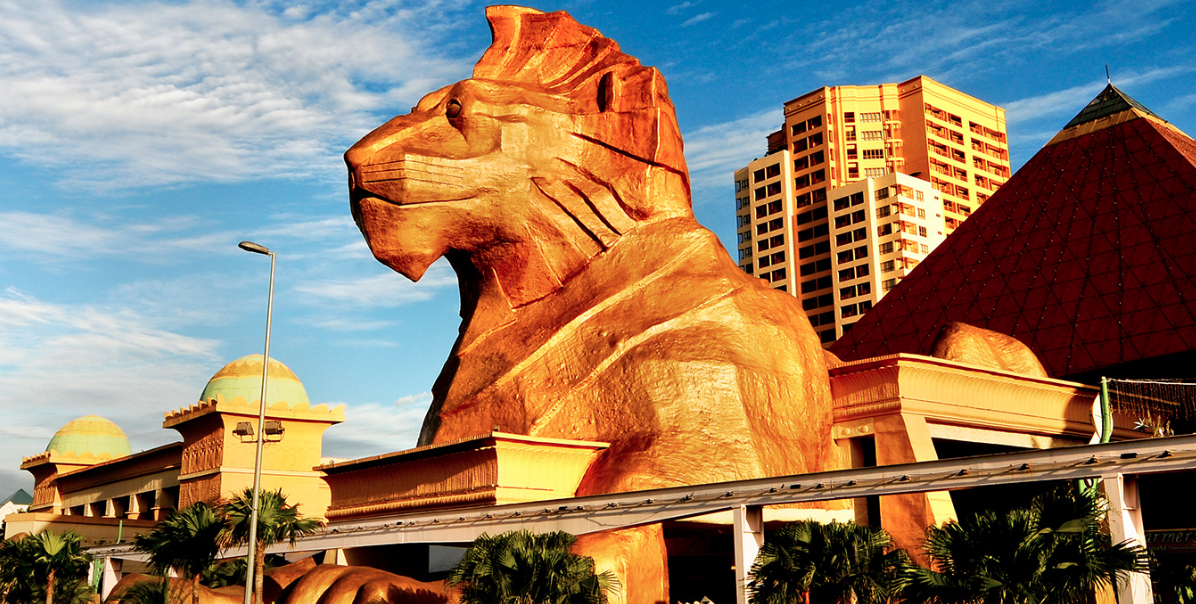
Sunway Pyramid Mall is Malaysia’s First and only Egyptian-themed lifestyle and entertainment mall. The multi-storey commercial centre houses varied restaurant brands, indoor recreational facilities and lifestyle shops of the latest trends from local and international brands. It has direct access to Kuala Lumpur metro train and bus networks.
Sunway Pyramid Facade Photo credits to Sunway City Website
Sunway Lagoon Theme Park Complex
The complex consists of a Water Park, Amusement Park, Wildlife Park, Extreme Park, Scream Park and Nickelodeon Lost Lagoon. Among the most popular rides are the Gold Scream Roller Coaster, Colorado Splash and the 360-degree rotating pirate ship in the shape of a galleon. Also located in the amusement park is the longest pedestrian suspension bridge in the world(as per sunwaylagoon.com) at 428m length. The bridge offers a bird-eye view of the entire park 60 feet above the lagoon.
Photo by Ian Ray Garcia
Sunway Lagoon Water Park is famous for its water rides and largest man made sand surf beach. The water park can be accessed from the amusement park thru the pedestrian suspension bridge.
Photo by Ian Ray Garcia
Here’s a quick video-blog taken during our highlighting the best moments with our accommodation host and sponsor Sunway City Kuala Lumpur.
Learn more and book your Sunway experience by clicking here.
——-0000——-
Airline Partner : AIRASIA. Airasia Flies Manila to Kuala Lumpur Daily. Check schedules here.
When traveling solo, taking good photos with yourself in it is probably one of the biggest challenges to deal with. Excluding those naturally photogenic people without any bad angle,taking selfies with a cam phone often produce awkward compositions. Your face may be too near the camera, which is not flattering at all. Using a selfie stick may solve this, but it does limit your creative poses and movement. Timers on the other hand, take a lot of effort. I myself have been struggling with these, until I was introduced to the Advanced Selfie Technique.
Handheld selfie. Oh di ba am’pangit? mukhang undin.
What is Advanced Selfie?
Advanced Selfie is coined by Sorelle Amore, a popular British social media influencer. The technique is shooting creative selfies from a digital camera that is remotely connected and fully controllable with your handheld mobile phone. No help, no production team—completely solo.
I was introduced to the art of taking better self portraits by my friend Kareen Lucero, who is also a travel enthusiast. Then on, selfies from my recent solo travel have improved greatly.
With a camera that is remotely controlled by your mobile phone, you get to see your background and angles, thus make corrections and improvements on the spot. It’s something that a timed camera cannot provide easily.
The Tools Needed to do it:
1.) Digital Camera – Wifi Connect-Capable. I use a Sony Mirrorless Camera that I can remotely control with my smartphone. Most recent cameras of any brand that bought 5 years ago (or maybe earlier) have this feature already. Ask your camera seller to verify.
2.) A Smartphone. I’m using an Android operated – Oppo Phone.
3.) Imaging Edge Mobile App installed on my android mobile phone. Imaging Edge is provided by Sony,which is downloadable via Play store.There are other respective ‘Cam to Phone’ connectivity app for Canon and etc. Just ask your camera seller or google it. After installing the app on the phone, you must remotely connect the phone and the camera via its wifi feature. The phone gives instructions on this. For further assistance on the app, click here. Installation videos are also available on youtube. Just search Image Edge to Sony Camera.
4.) A Handy Tripod for the camera. I use a flexible octopus tripod bought from lazada.
5.) Practice,practice,practice!
The Image Edge App as shown. This app is for Sony “Cam to Android Phone” connection. There are also apps for other cam brands that can be downloaded from Google Play Store. Apple Phones, I did not research. Probably meron din.The Phone, via the Image Edge App, lets you view whatever the camera sees.My Octopus Tripod. This beauty was first introduced to me by my friend Ian Garcia. The tripod is flexible. You can actually tie it on railings or wherever safe.
Sample photos and the advantages explained:
Find Better timing. Crowd and passerby are always a struggle. With a remotely controlled camera, you can easily take a shot when the background is clear, as seen from your mobile phone. This is probably the best advantage that a timed camera alone cannot provide.
Find better facial angle. Oh di ba, nagmamaganda?
Create Dynamic Poses. You can play different movements and framings to level up your composition. This is definitely impossible to do when using a selfie stick. Another advantageous feature of the Image Edge App is that also has a timer option that can delay the shot on your camera.
Play on Distance. Wide frame or close ups, pwede! This feature is camera dependent though. My Sony allows 10-15 meters distance. But I believe most cameras do. baka nga better pa.
No help, no production team—completely solo.
Possible Cons:
Since you’ll be placing your camera at a distance, always keep an eye on it for snatchers and kawatans.
Hiding your handheld mobile phone is a challenge for beginners. But this can easily be solved. You’ll probably develop your own technique din.
So basically, that’s it! Easy-breezy, right? Kaya nyo din yan. Practice lang. I myself, beginner’s level pa din in terms of creativity. There will always be room for improvements and more inspirations to absorb.
For more Advanced Selfie techniques, follow Sorelle Amore (@Sorelleamore) on IG. She also handles the @advanced.selfie IG page, which I also follow.
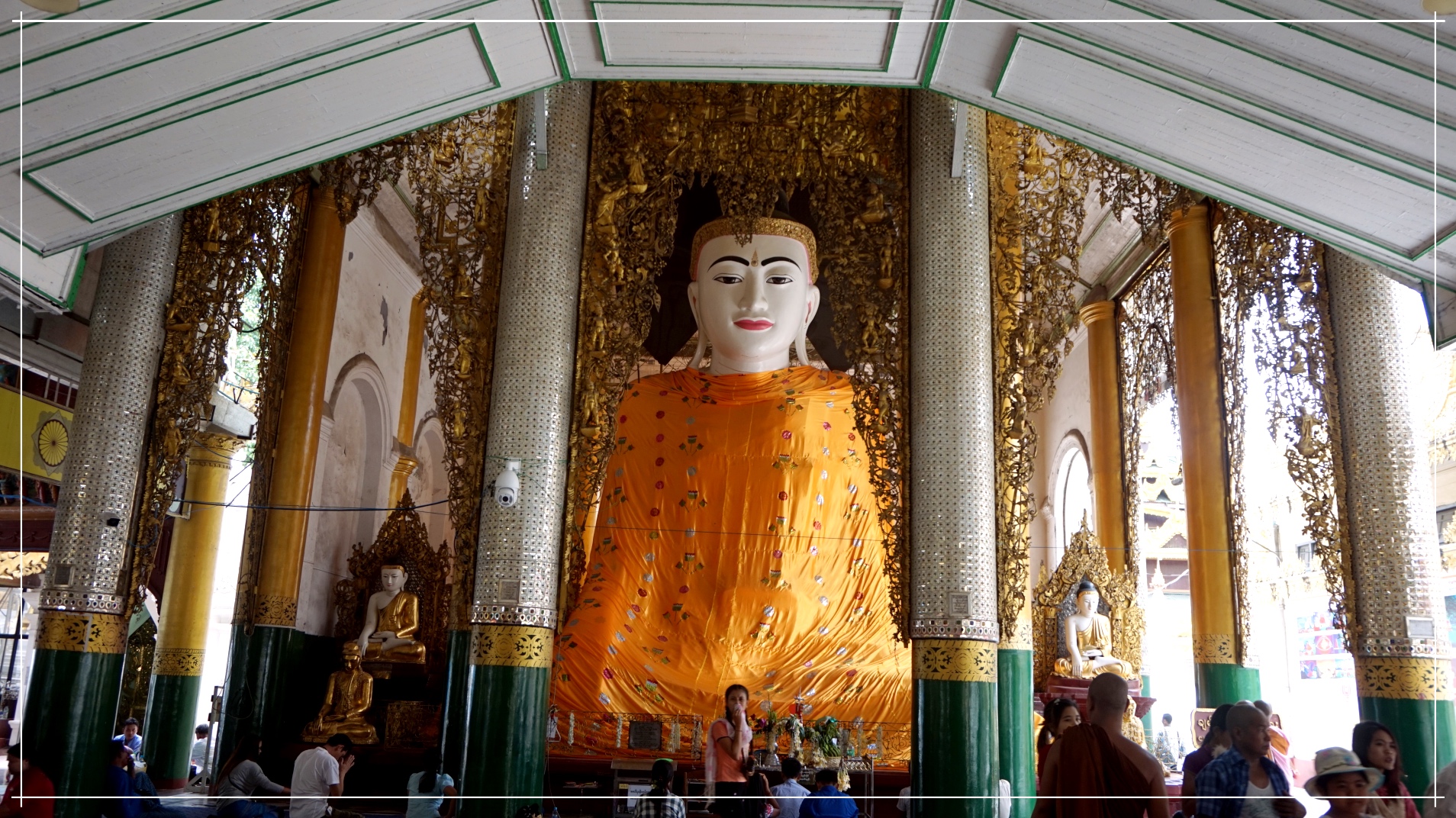
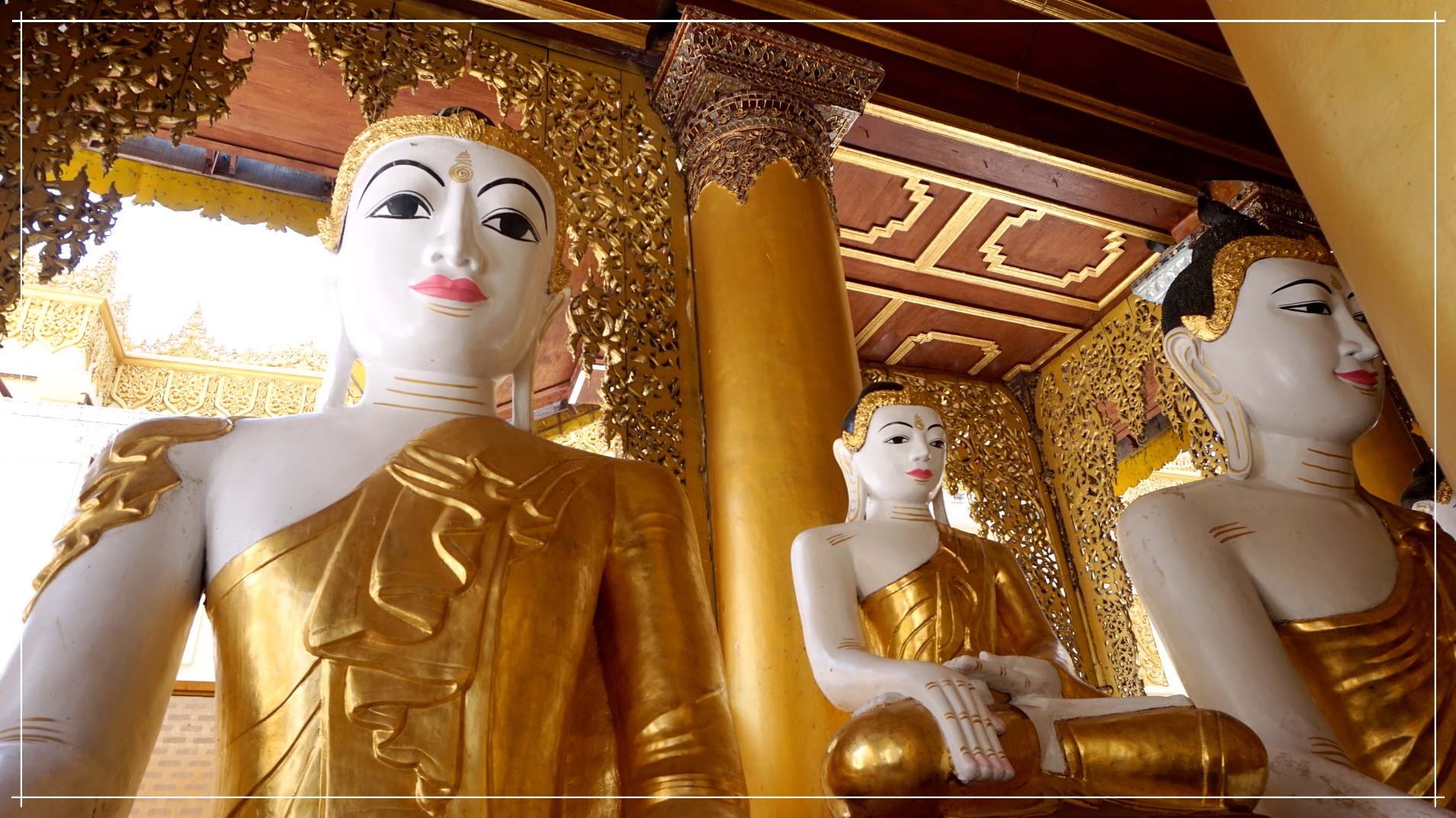
The Shwedagon Pagoda is one of the most famous Buddhist pagodas in the world and it is certainly the main attraction of Yangon,Myanmar. No visit to Myanmar is complete without a visit to this gold leaf-covered, centuries-old Pagoda, which is said to enshrine strands of Buddha’s hair and other holy relics.
The Shwedagon Pagoda in Myanmar is decorated with almost 10,000 treasures. Over half a ton of gold can be found under Shwedagon’s umbrella. It’s also set with over 5500 diamonds. Its main spire boasts 2300 rubies, sapphires, and other gems, and 4000 golden bells (Source: MMTimes).
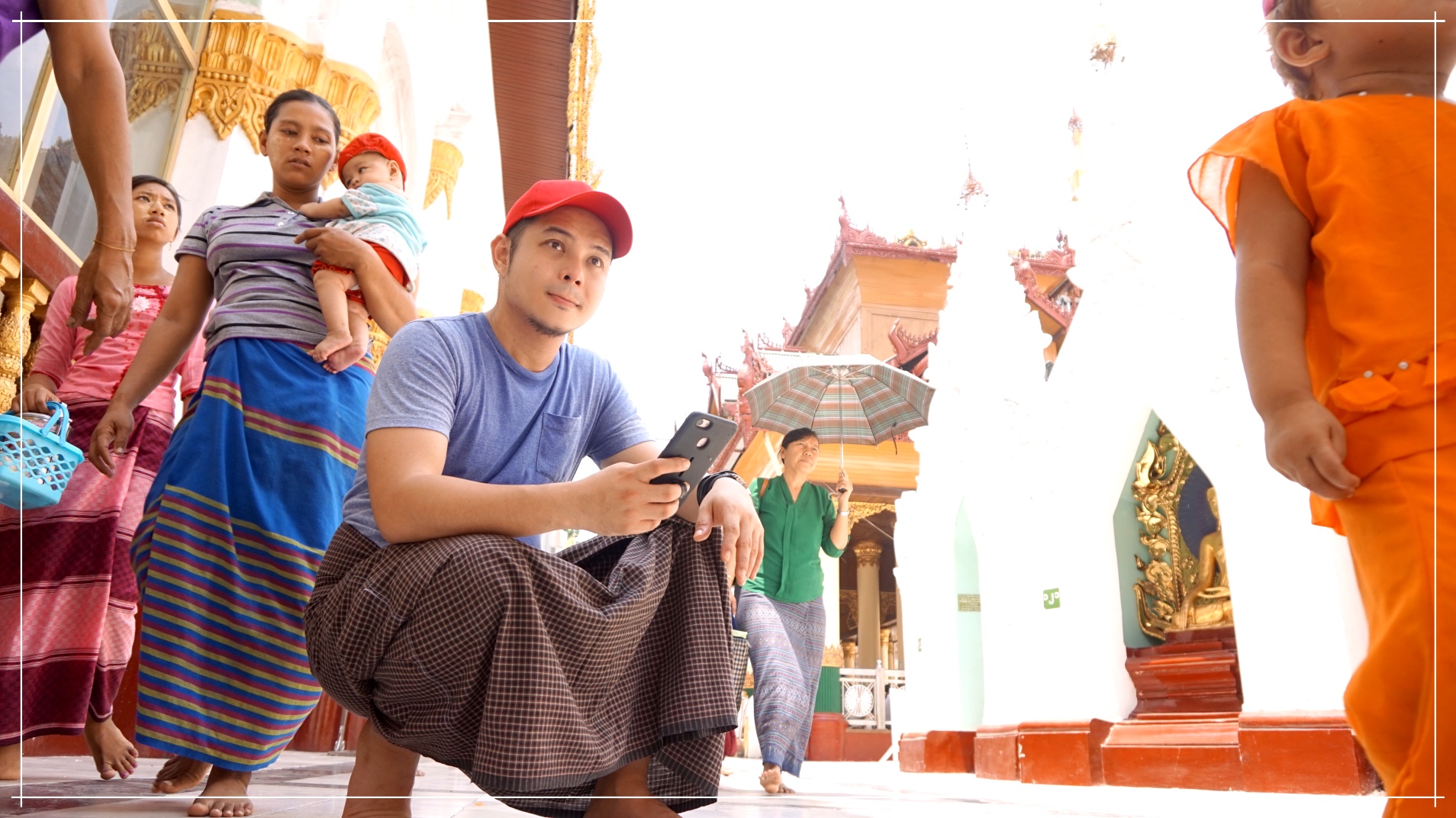
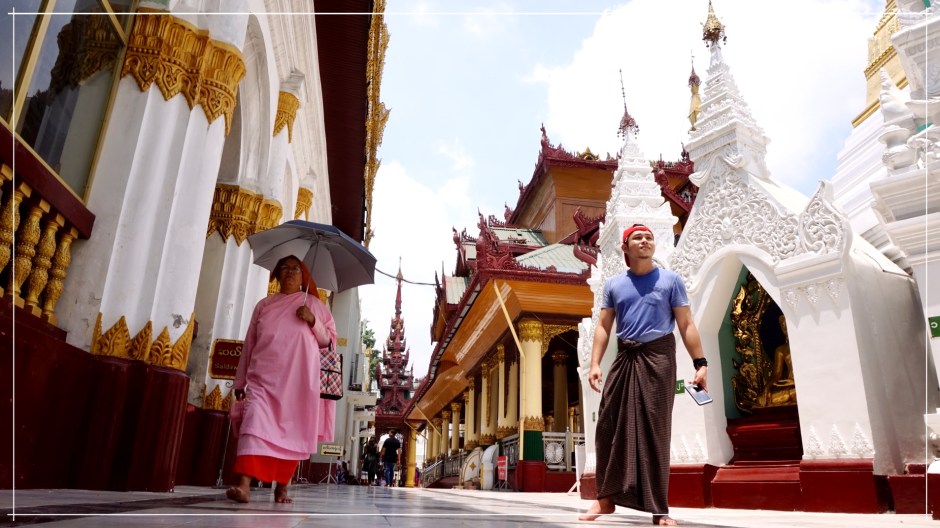
When visiting, modest attire should be observed. Shoulders and knees should be covered. Upon entering, I was asked to borrow a Longyi—a traditional, sarong-style wrap around. A deposit of 3,000 Kyat (or around 150 Pesos) is required; which is also fully refundable. Footwear and socks are not allowed within the temple premises. Best to bring your own string bag to carry your shoes.
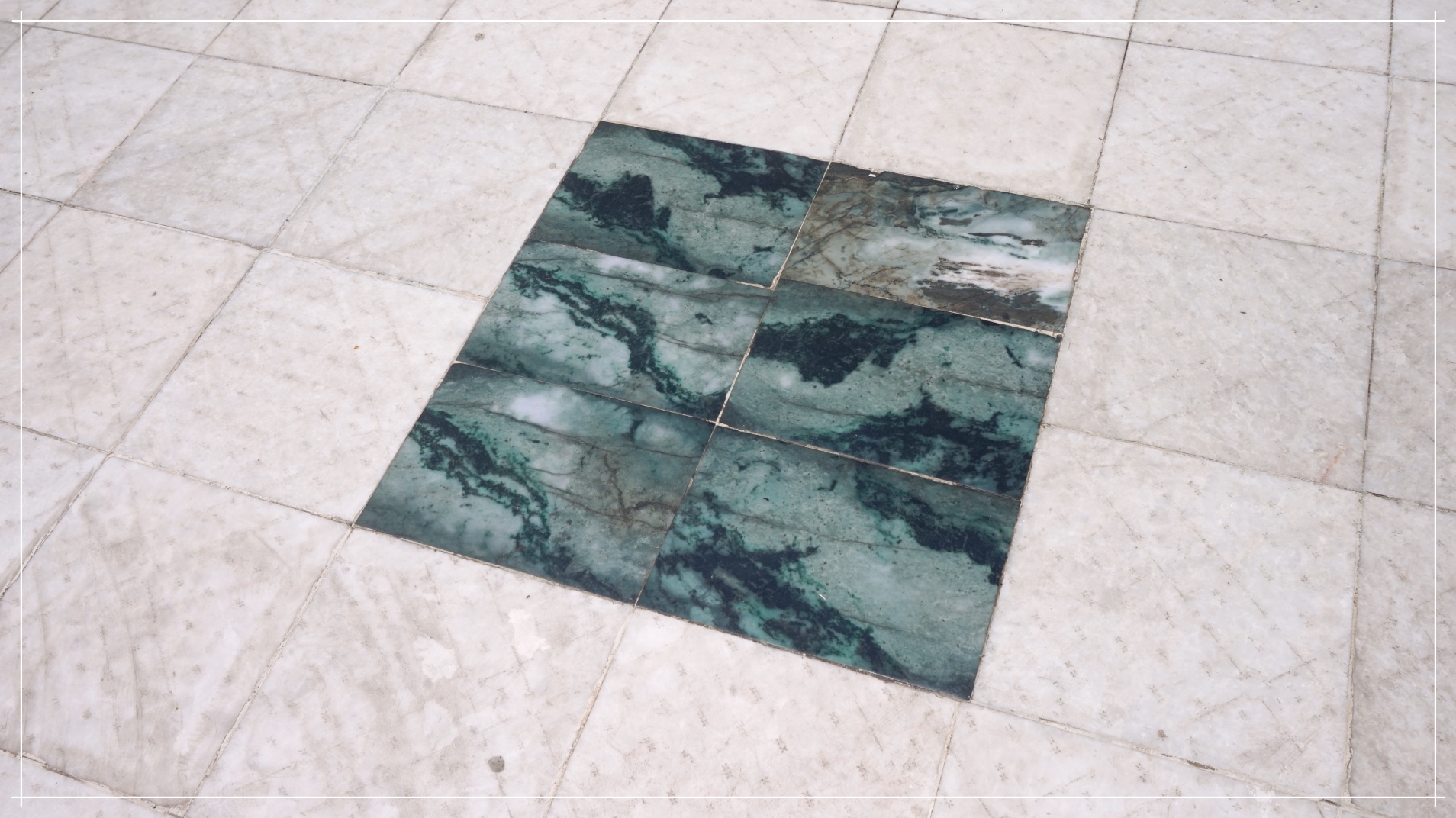
Best time to visit Shwegadon is early in the morning. Temperatures can climb to almost 40’C by noon, making the flooring hot on bare feet. Most of the paths and corridor flooring is made of marble slabs. There are also patches that are made of rare green marble, which is worth noticing.
The Pagoda is open seven days a week,4 a.m. to 10 p.m. Last admission is 9:45 p.m.
Entrance fee is 10,000 Burmese kyat (around 400 Pesos)
There are 4 entrances to the Pagoda (North,South,East,West). Elevators and wheelchairs are available at the North and South entrance.
There are drinking water dispensers at certain stations within the temple grounds. Water is safe to drink, but it’s best to bring your own mineral water.
Getting there is easier by taxi;though many north bound public buses from Sule pass by the area. When staying near Sule, it is best to ask the tourist assistance kiosk for proper bus route.
—–0——
Other Places to See Around Yangon in a Day
Random snapshots of Yangon city center, with the Sule Golden Pagoda as the main landmark. The white building on the left side is the city hall. Most of the public transportations terminate here, including airport buses.
Yangon is generally Buddhist, but there are also catholic communities within the city.
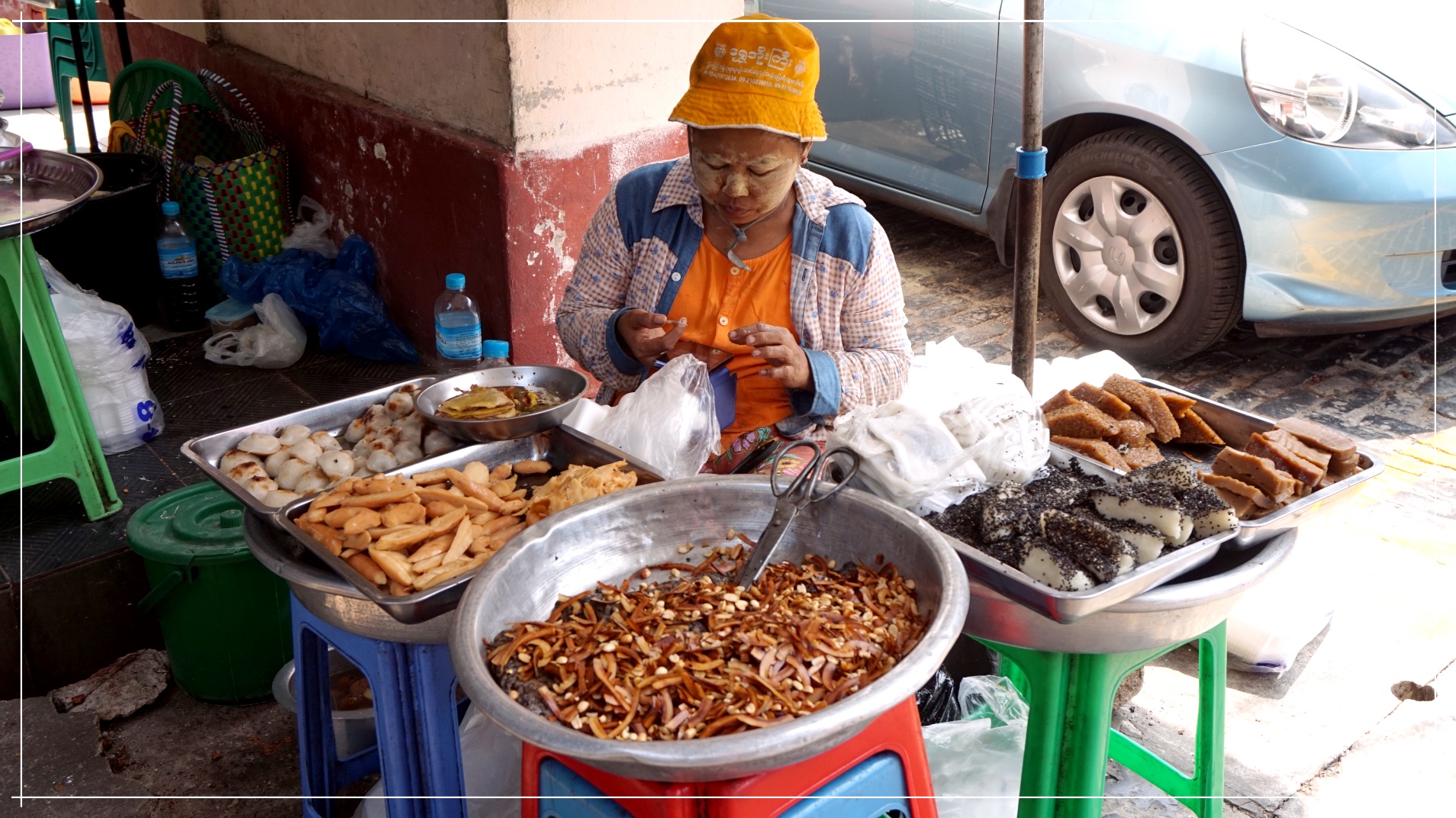
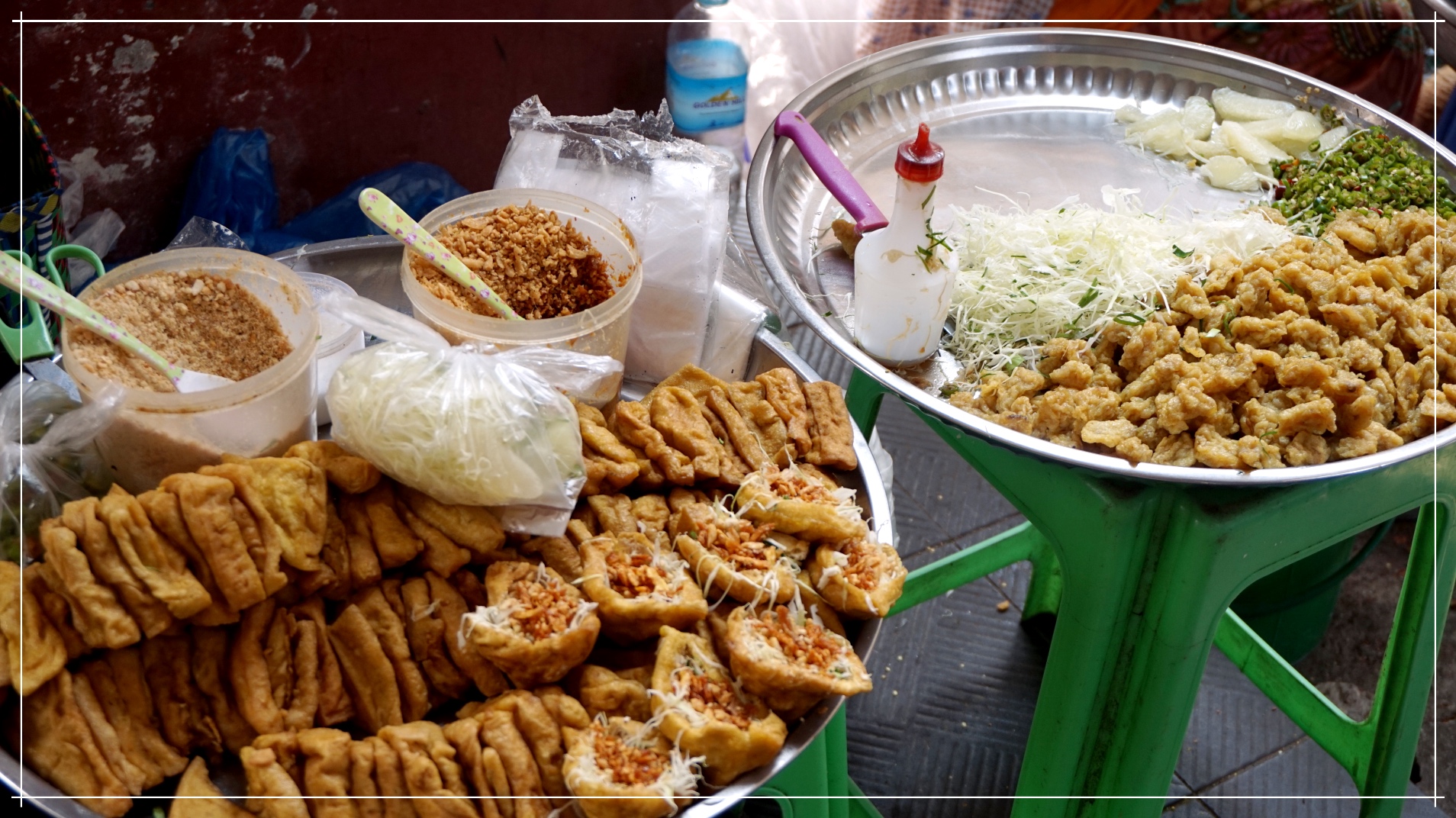
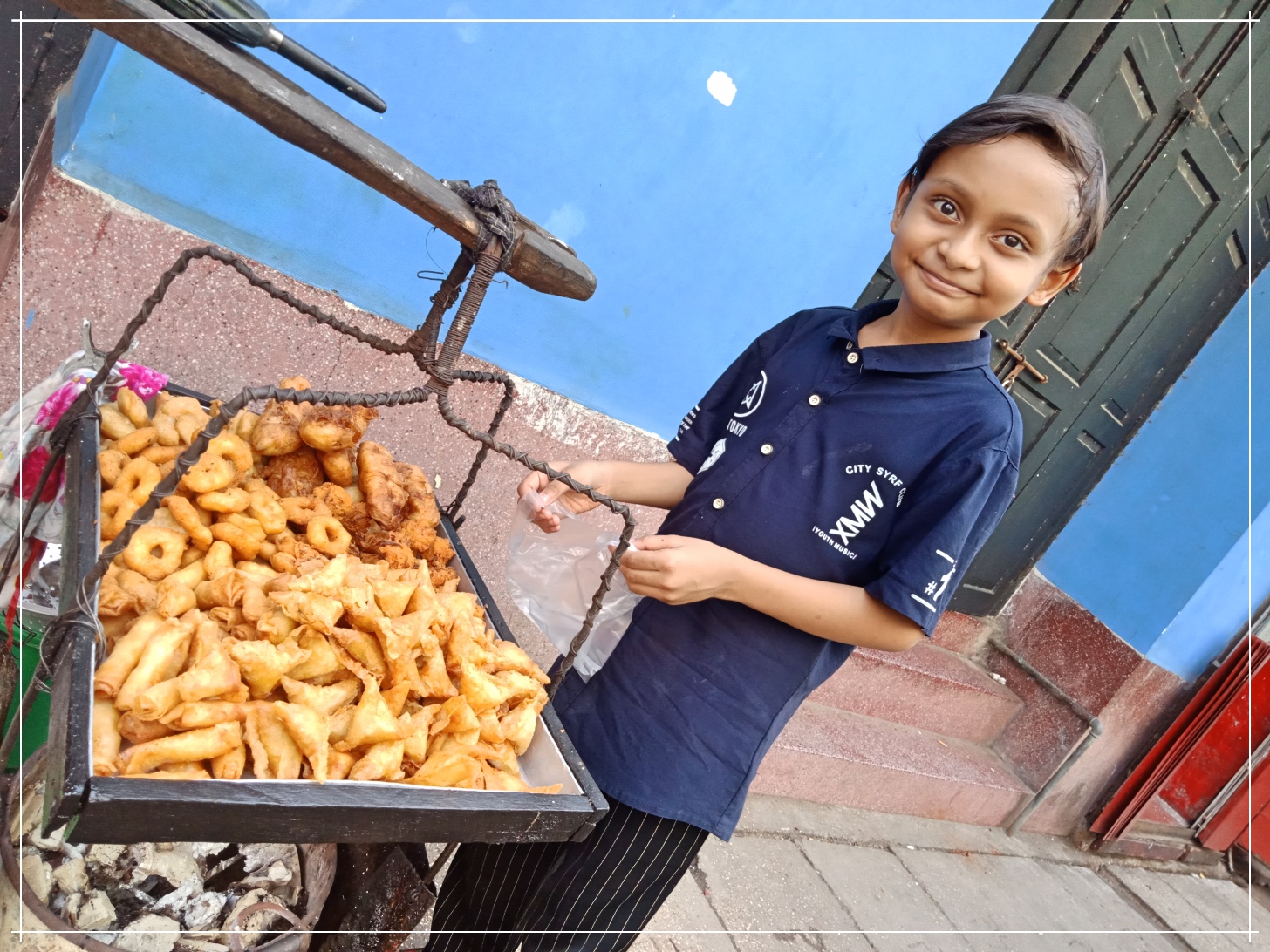
random samosa. strong indian influenceShan Noodles. Yangon’s specialty. mildly spiced. slightly sweet. with a hint of fish sauce.
Where I stayed in Yangon:
Wizaya Hostel, located just at the back of the city hall near Sule Pagoda. I actually didn’t stay there overnight, as I only had less than 24 hours in Yangon. Arriving at 6AM from Bagan by bus, I only needed a place to freshen up and safely leave my bags while I go around the city. Hostel costs around 5000 kyat (250 Pesos). Place is ok for “Check-in Anytime”. I didn’t have to wait for 12 nn to settle. Location is very convenient to public transportation. Almost all routes terminate at Sule Pagoda/city hall, including the red airport buses.
Mandalay is home to several of Myanmar’s Architectural Treasures. The airport arrival gives a clear hint of what awaits at the city centre.
Kuthodaw Pagoda – A Unesco World Heritage site known for its intricate architecture and hundreds of brilliant white pagodas.
Myanmar’s traditional architecture is primarily used for worship, pilgrimage, storage of Buddhist relics and tourism. Buddhism plays a strong influence in architectural character.
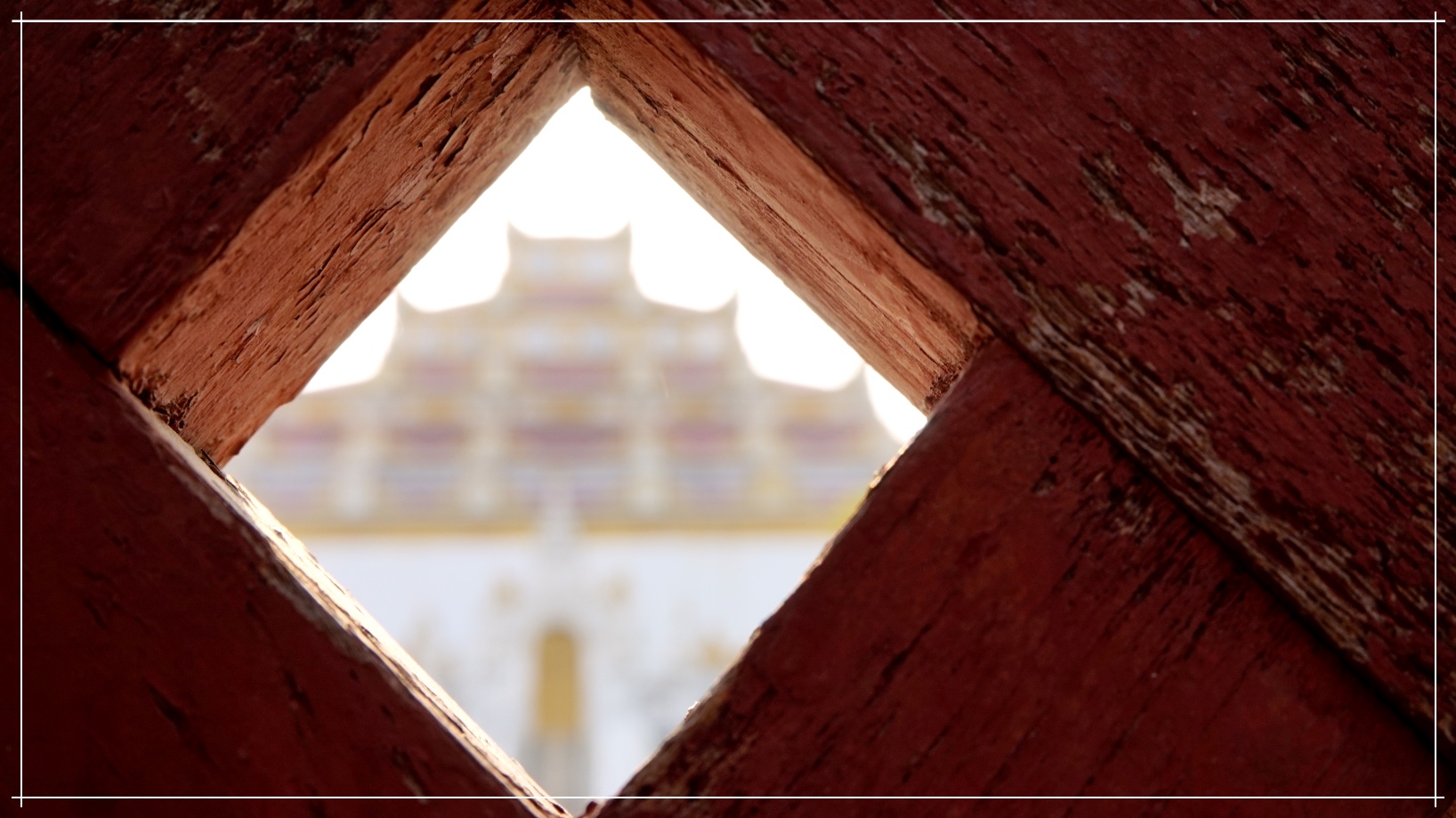
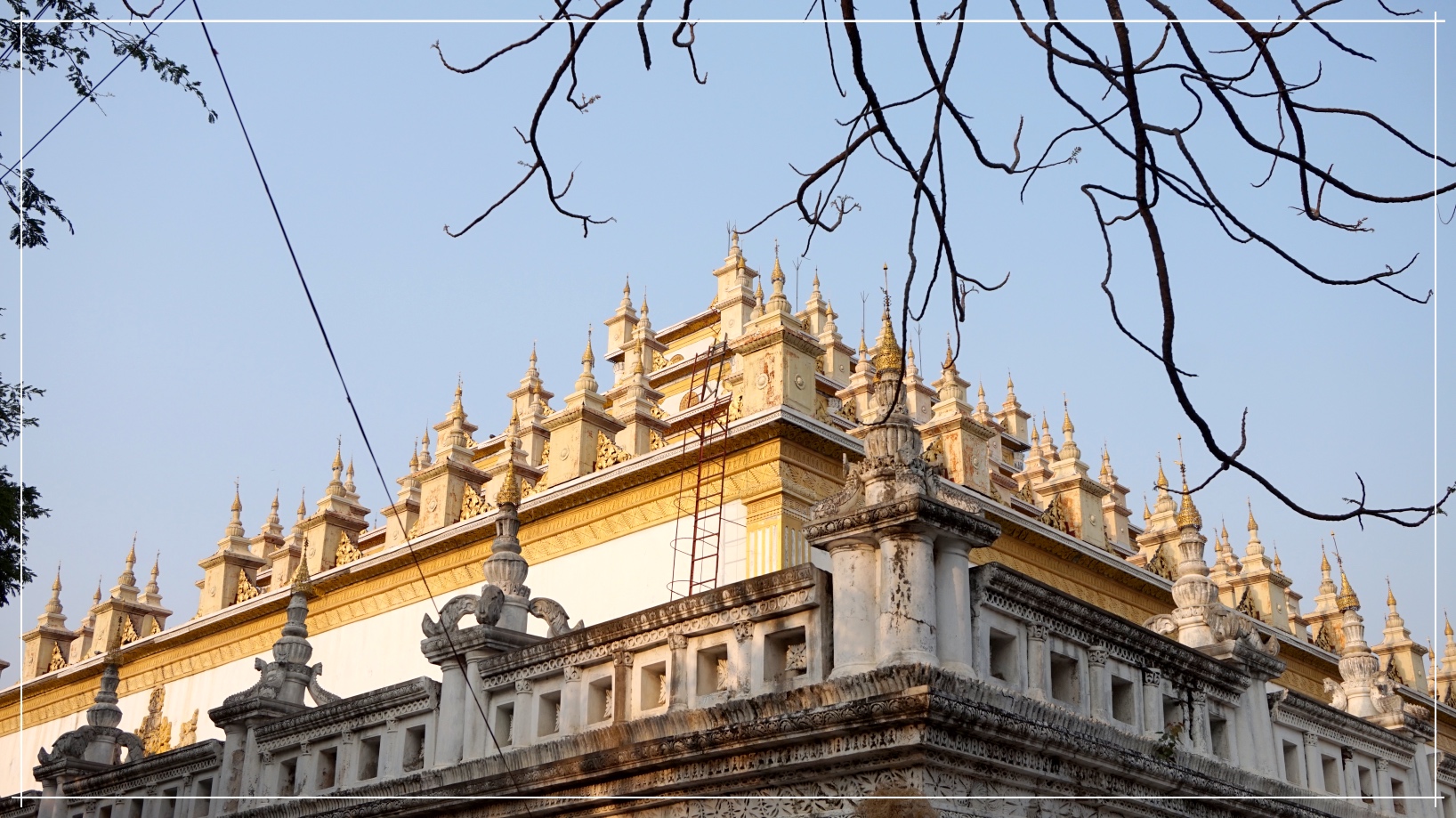
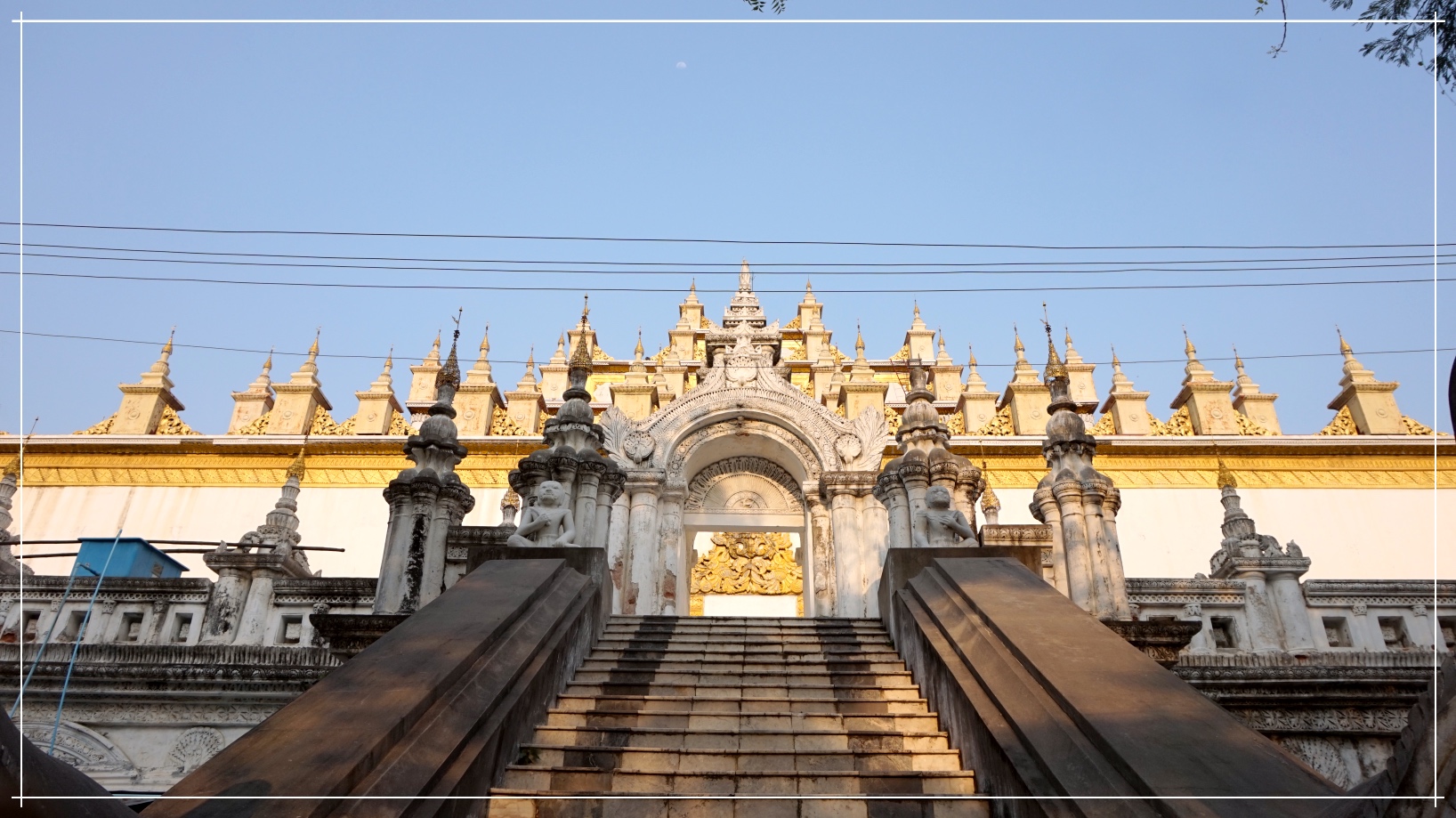
Maha Atulawaiyan Kyaungdawgyi (Atumashi Monastery)
Random shots around temple vicinity
This is actually samosa cut in to random pieces and topped with salad.
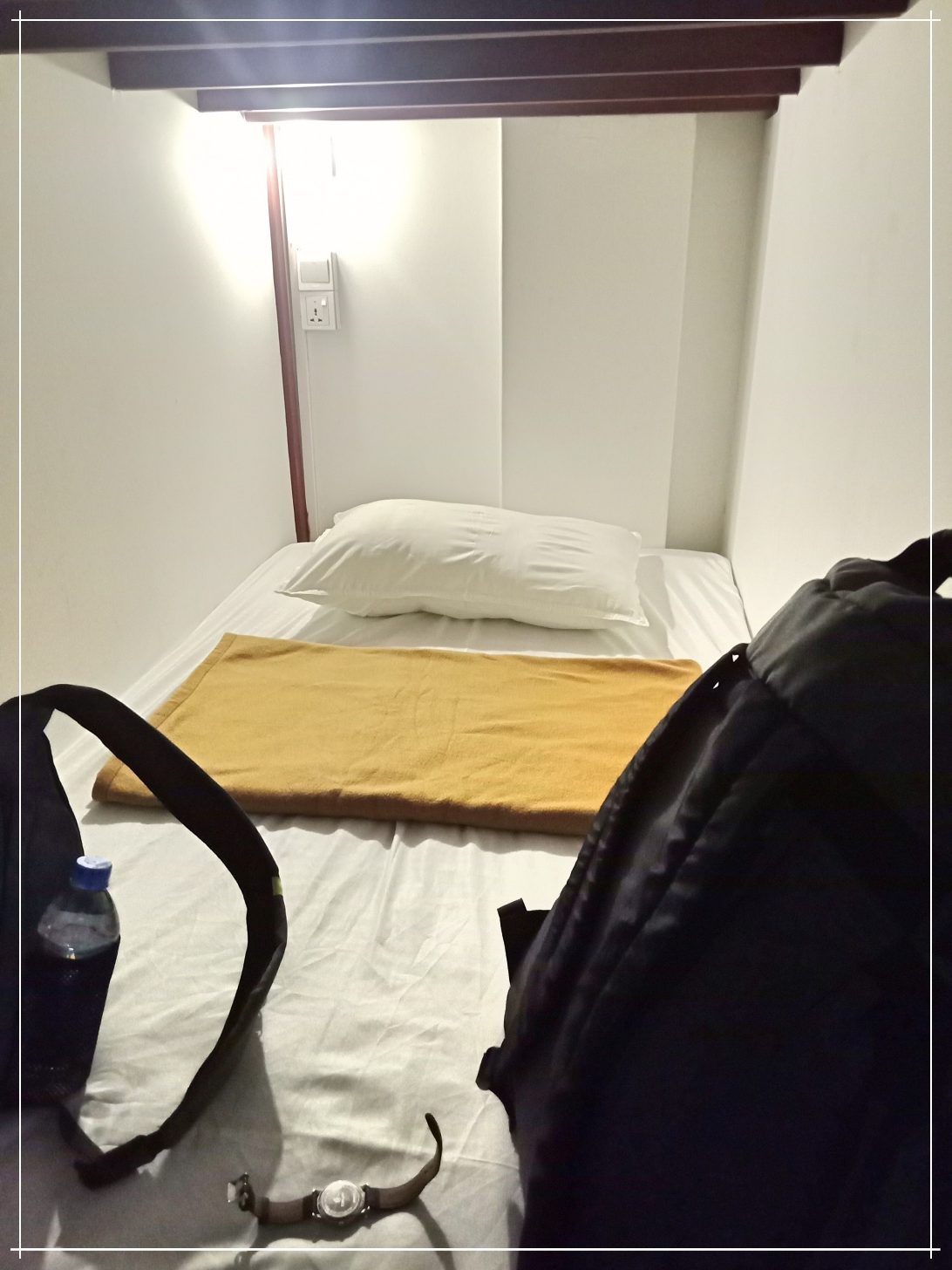
Mandalay City Centre as seen from the 7th floor of Ostello Bello Hostel, where I stayed.
For complete travel details,accommodation and costing, click the following links:
This blog features 8 best spots in Bagan for Architecture appreciation, sunset experience or for an advanced selfie session with less crowd. Hope this helps.
Bagan is an ancient city and a UNESCO World Heritage Site located in the land-locked Central Myanmar Region. As revered believers of Theravada Buddhism, the Bagan kings built over 10,000 Pagodas throughout 104 square kilometer area. Over 2,200 still survive to the present day.
Bagan is heaven for architecture junkies and photo enthusiasts.However, it is not necessary to visit all the 2,200 pagodas. Here is a shortlist of the must sees that I was able to visit, which I also find good for photo opportunities; advanced selfie man or with the whole Mark Nicdao entourage, Chos!
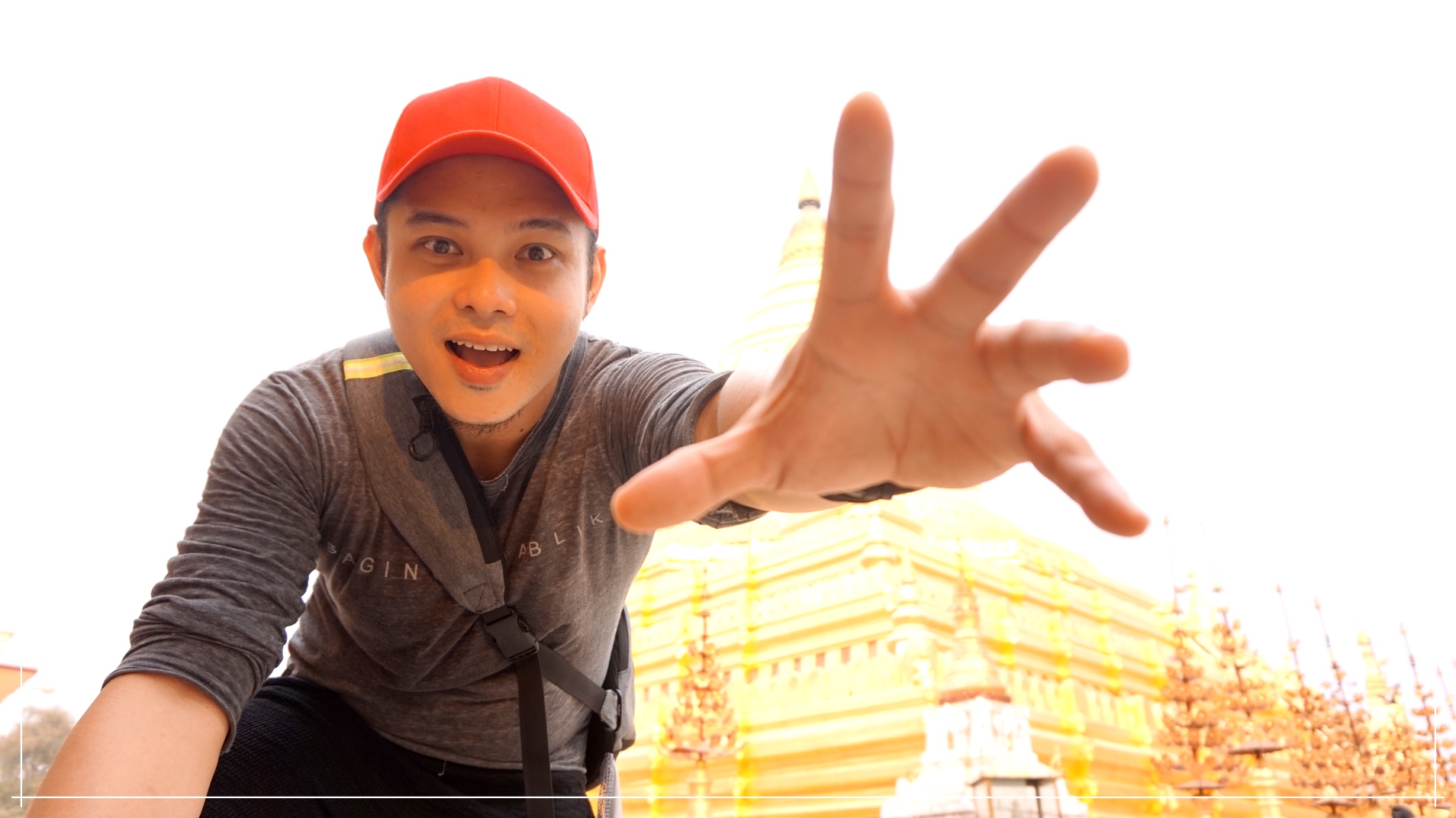
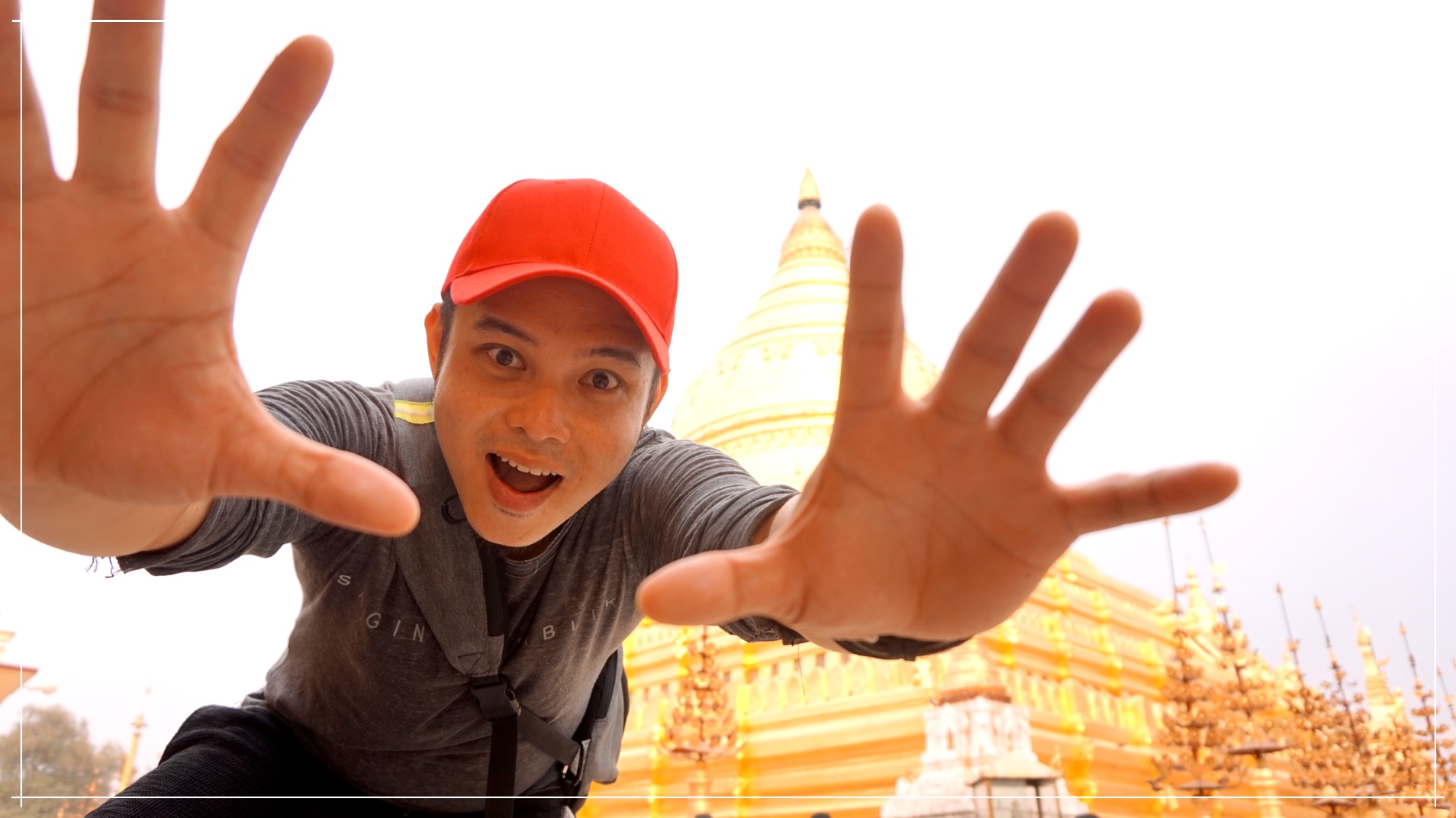
Shwezigon Pagoda was among the first sites that I’ve visited, as this was only a 20 minutes walk from my hotel in Nyaung U. Shwezigon is one of the oldest and most impressive monuments of Bagan, and is still used as a main place of worship for Buddhist locals. Most noticeable is the huge gold plated pagoda glimmering in the sun. Architecture detailing is superb!
Construction is believed to have started in the 6th century. … By the 16th century, the Shwedagon Pagoda was already an important Buddhist monument for pilgrimage in Burma (Myanmar).
2. ANANDA PHAYA . The Ananda Temple is a cathedral-like temple popular for its grandeur and proportion. The floor plan of Ananda resembles a Greek cross. The center hall bears four Buddhas, standing about nine feet tall and made from gilded wood.
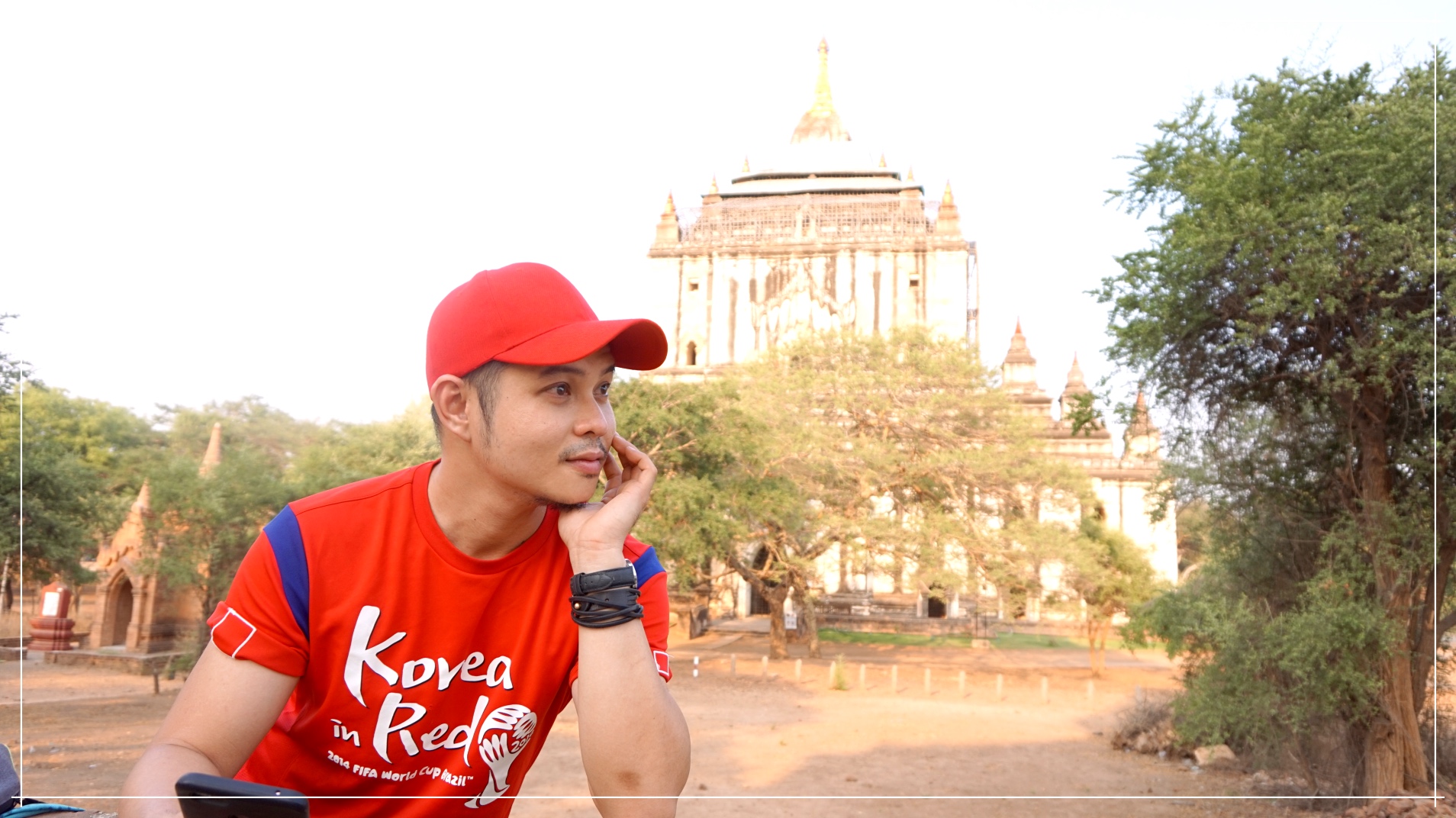
3.Thatbyinnyu temple – The tallest in Bagan. The view from the back side is great for photo op. Not much people go there. Aside from Thatbyinnyu, there are several lesser pagodas on this area.
Me trying to look pretty despite the + 40 Degrees Celcius heat
4. Dhammayangyi Temple. The largest temple in Bagan. However, only part of it is accessible. For an unknown reason, much of the interior has been sealed behind brick walls. This structure was built by a very controversial Bagan King, who was said to have assassinated his own father to take the thrown. Sad legends are linked to this building.
Stunning Architecture
Stunning Architecture, but selfie is more importanter
5. Sulamani Temple . known as the “crowing jewel” of Old Bagan with well preserved frescos and murals. Sadly, the center tower was toppled down during the recent earthquake. Just outside Sulamani is a small hill where tourists position for a good sunset viewing.
6. Bu Paya Waterfront Temple. Best sunset views over the Irrawaddy River.7. Lawkananda Pagoda. The popular temple in New Bagan, rarely reached by tourists. A bit distant from the popular clusters in Old Bagan. This Pagoda is packed with locals during worship days.
8. Cluster of Pagodas near Nan Myint Tower. Not much tourists explore this area as it is also off path from the Old Bagan Cluster. Photo Op is very good! Best to visit this cluster in the afternoon, and proceed to the Tower for sunset viewing and dinner.
Things to know:
A fee of 25,000 Kyat or 20 USD is mandatory to all foreign visitors. Ticket covers all sites within Bagan Archeological Zone (except for the tower) and is good for 5 days. Payment is settled before entering major temples (Ananda, Dyammayanggi etc.)
Myanmar is strict with dress code and “no shoes” policy before entering. Modest outfit is a must. You’ll be asked to rent a sarong if you are wearing shorts. It is also best to wear slip ons or prepare a pouch for your footwear, which you shall be taking off several times; including socks. The concrete foot path gets scorchingly hot. Sometimes, you have to step on bare ground with sharp pebbles.
Bagan is divided into 3 areas.
Old Bagan – most of the temples and pagodas are located here.
New Bagan – where most of the local communities settle. The lively side of Bagan for backpackers.
Nyaung U – commercial district of Bagan where the bus and train station, government offices and banks are located. I opted to stay here for easy access to the market and other facilities.
More preparation tips and hostel recommendations on this link —>>>