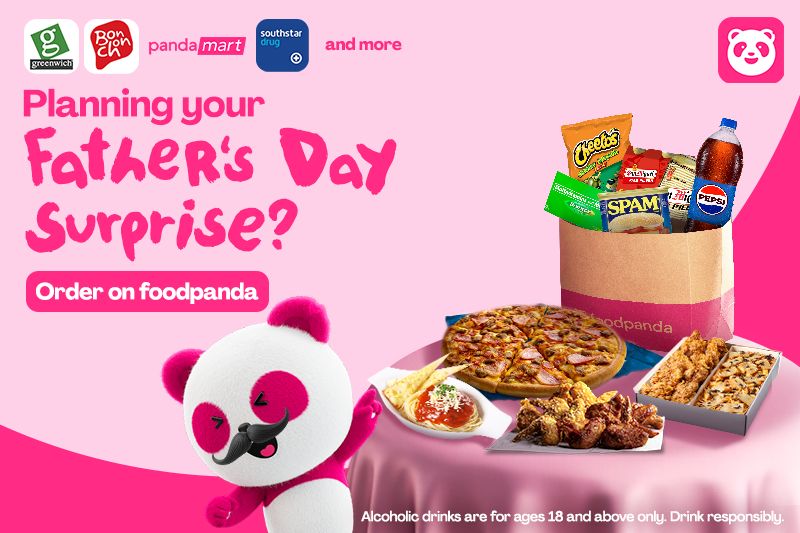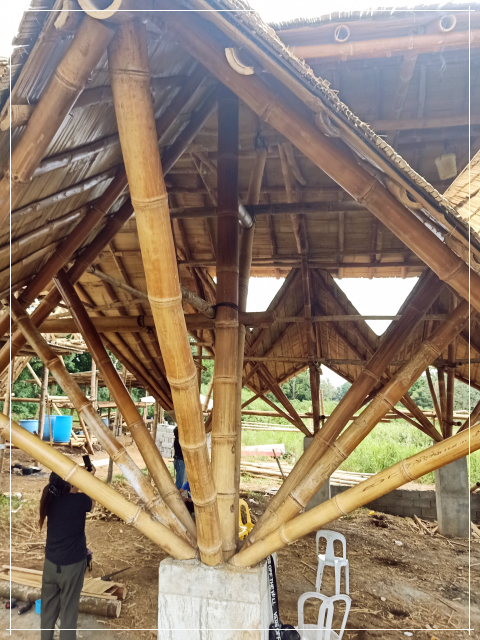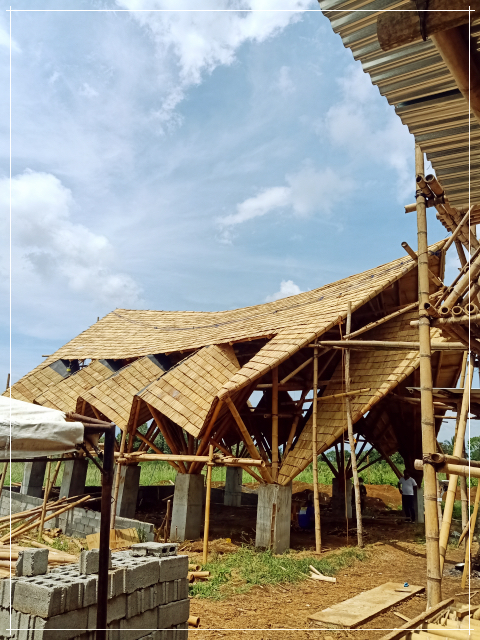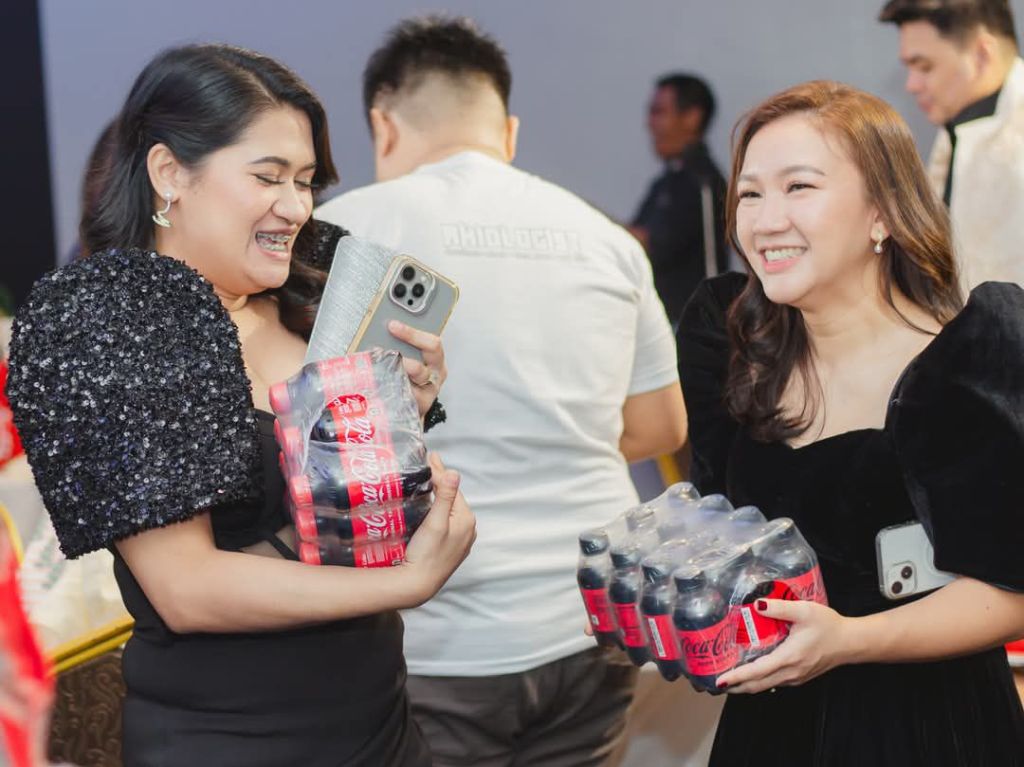
Not everyone finds it easy to say “I love you”, especially to Dad. But this Father’s Day, foodpanda reminds everyone that you don’t need the perfect words; just the perfect meal. Sometimes, the right meal at the right moment is the most meaningful gesture. From his favorite ulam or a classic comfort, foodpanda helps everyone show love to the dads in their lives in the most Filipino way possible: through food.
Love, Delivered
Some bonds are built on big laughs, and others on quiet gestures. With fast, reliable delivery, flexible scheduling, and countless options, foodpanda makes it easy to say “mahal kita.” Because sometimes, the aroma of his favorite dish arriving at the door is all it takes to warm his heart.
Bridging Distances with Every Order
For many, living far from their fathers means shared meals aren’t as easy as they once were. Whether you’re miles away or right around the corner, foodpanda helps make Dad feel celebrated by bridging the distance by delivering thoughtful surprises and delicious meals to let him know you’re thankful for everything he has done.
Meals that Matter and Savings that Help
Treating the dads that mean the most doesn’t have to be complicated or costly, and with foodpanda, those moments can come with a little extra value. Families can enjoy Php555 cashback on food delivery using the code LOVEYOUPA, on Father’s Day weekend from June 13 to 15.
To unlock more discounts, users can subscribe to pandapro—a subscription that offers exclusive perks like unlimited free food delivery, pickup discounts, special deals on groceries, and more. Enjoy 15% cashback with code PROCB, and 30% off a 12-month plan with code GORPRONA.
Whether it’s our dads, lolos, titos, stepdads, kuyas, or anyone who’s stepped in to be that steady, fatherly presence, this day is about them, and foodpanda is here to help you honor them with love that goes beyond words.
About foodpanda. foodpanda is an on-demand food and grocery platform, dedicated to helping customers get their tasty favorites fast. Since its creation, it has grown to more than 170,000 partner restaurants in more than 400 cities across 10 Asian markets. foodpanda is a subsidiary under Delivery Hero, a worldwide leader of the food delivery industry. foodpanda Philippines is dedicated to bringing food lovers their favorite meals from curated local restaurants in the Philippines. It currently operates in 150 cities and municipalities across the country and is continuously expanding. For more information, visit http://www.foodpanda.ph.
How it works. Through the foodpanda website or via the new iOS and Android apps, customers can enter their address and view a curated list of restaurants and shops serving their neighborhood. Once they have found their choice, they can place an order in the comfort of their home or office, paying online through foodpanda’s secure platform or via cash-on-delivery. The order is then carefully prepared by the restaurant or shop, picked up by the foodpanda delivery partner and delivered straight to their doorstep.
Follow us on: Facebook: foodpandaphilippines Twitter: foodpanda_ph Instagram: foodpanda_ph Tiktok: foodpandaph
Yes, yes. Singapore is known to be expensive. But with the right research and preparation, there are actually a lot of great things that tourists can do, without spending a dime on entrance fees.
The secret to maximizing your Singapore trip: The Singapore Tourist Pass and an ample amount of Data to stay online.
THE SINGAPORE TOURIST PASS– buy this at Changi Airport and you get unlimited train and bus access around the whole Singapore within the desired number of days. I bought the 5 days pass for 45 SGD, but there are 2 and 3 days package as well, for less. I also downloaded the SG MRT (Train) app. The bus routes, I checked from time to time on google. As such, staying connected is necessary. I purchased a LOCAL DATA SIM (Singtel) via KLOOK, which I conveniently claimed at Changi airport upon arrival. The Klook lady at Changi T2 assisted me re the sim registration. The Singtel Sim only cost me less than 400 Pesos, and 100 GB yun ha. Na-appreciate ko gid ang Klook ba.
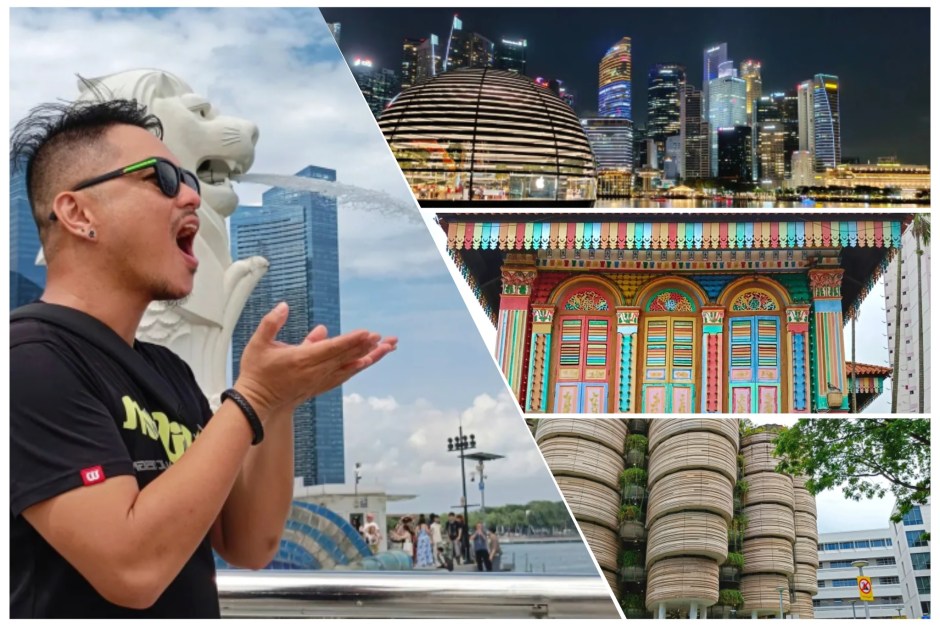
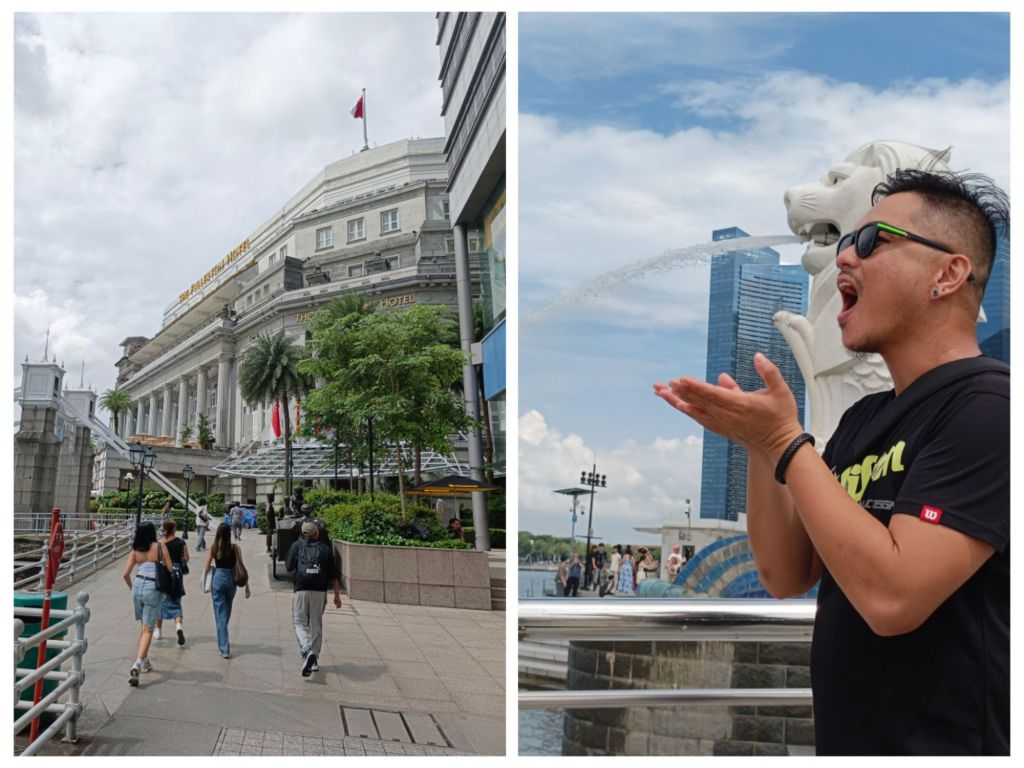
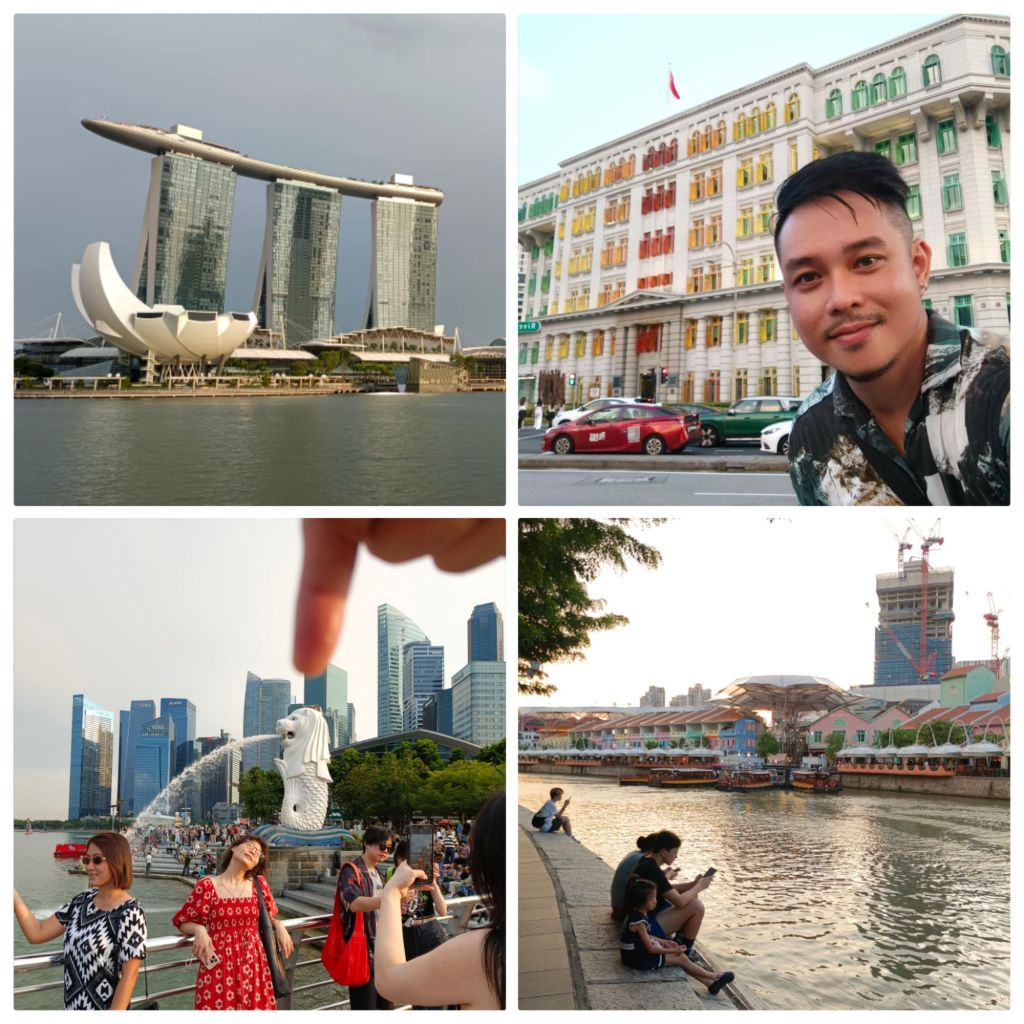
So yun pag tourist ka and first timer, syempre aaura ka dun sa Merlion and the Marina Bay area, which I also did. The whole of Bay area and Singapore Central Business district is actually very interesting to see. Importante lang gid may data ka.
Marina Bay Sands, Fullerton Hotel, Old City Hall, Clark Quay and all those colorful buildings along the way. Walkable ito lahat.
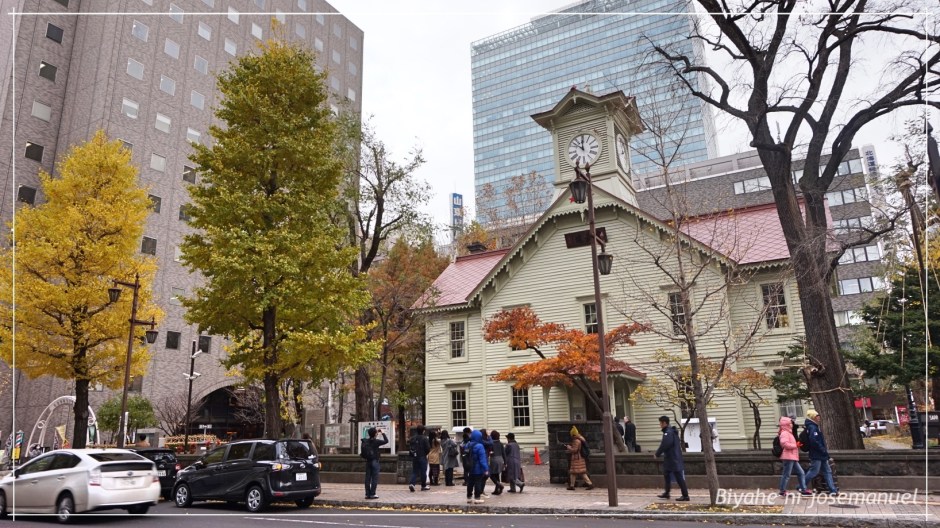
Visit the NANYANG TECH UNIVERSITY. Madami interesting Architecture sa loob ng campus. And these buildings area free to visit naman pero wag ka na pumasok sa mga lecture floors ha. Baka mapreso ka. Matagal ko na pangarap magvisit sa campus. In fact, I once aspired to study here, kaso the financials will not work for me. The piled-up circular building below is known as The Hive. It is one of Nanyang Tech’s marvelous architectural feature.
To get there: PIONEER Mrt then take the Bus 179 na iikot sa buong campus. Dami din cheap eats around, kasi nga students ang market ng area.
Another architectural marvel that I did not miss to visit was The Geneo Mall at Kent Ridge Park. It is one of Singapore’s newest mall na palaban ang interiors, featuring engineered wood arches, glass louvers, lots of indoor greens and an ample skyklight to brighten up your day. Char. Bsta maganda ito and the Mall is directly attached to Kent Ridge Metro Station.
To get there: Kent Ridge MRT.
At syempre colonial mentality tayo, I also made time to see the Newest Starbucks in Singapore sa Chinatown, malapit sa Buddha Tooth Relic Temple. They also say this is SG’s prettiest Starbucks and I will not argue with that. This store is set up in an old colonial/heritage house. If you are a Starbucks merch collector, this branch has the most SG items available.
How to get there: Chinatown MRT or Maxwell MRT (which is harap lang ng Buddha temple). And while you’re there, mag Maxwell food center na din kayo mga auntey.
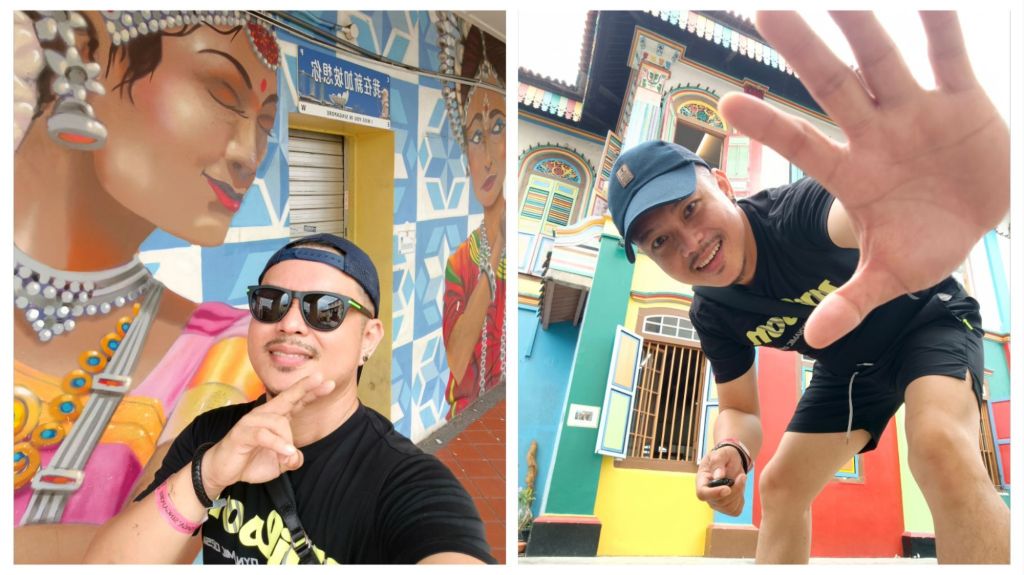
Explore Little India. Little India is also a very interesting district to explore, kase sobrang unique at foreign din ng vibe nya. Yes, madami po Indians sa Singapore, so much that they were able to form a dedicated area. I posted several tiktok videos of me exploring Little India. Check nyo sa link dun sa dulo ng article na to.
No secret, Little India din ang cheapest area in SG to stay and for foodtripping. I swear, sobrang hefty ng meals dito.
How to Get there: Little India MRT station and explore on foot. If you can, go to Mustafa Center for cheap shopping. The Cheapest in the island, legit.
You’ll find the colourful House of Tan Teng Niah in the heart of Little India – it’s a fav with the instagrammers! 😍 Also pag nahanap mo na building na ito, the food center in front of this serves the best Chicken Biryani and Masala in my opinion.
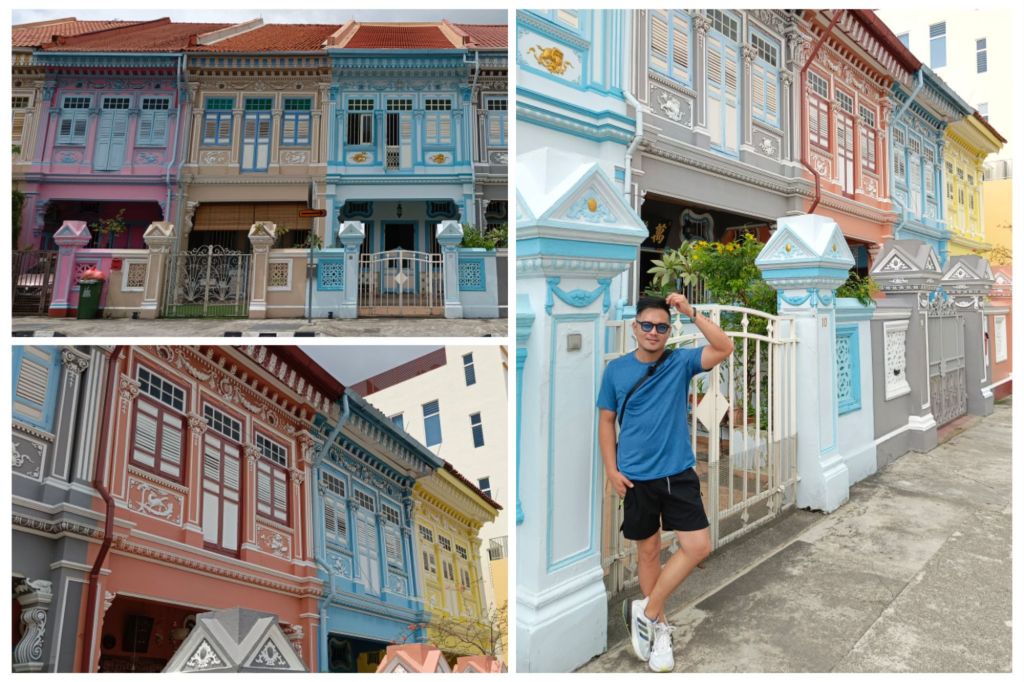
Another interesting place to see in SG are the well- preserved Peranakan Houses at Joo Chiat, malapit sa Old Airport Road. Peranakan Houses are colonial Portuguese-Chinese residences of the earlier days, owned by the Mestiso Chinese of the middle to upper middle class. Very Vibrant ng area na to, fit for pictorials and all that kineme.
Hot to get there: Bus lang po. I remember 154 basta google mo nalang. Also madami din Vietnamese restaurants na affordable dito na area, aside sa Chinese restaurants, of course.
And while in Peranakan, I looked for this Ay Yeeh Soon Kueh, a traditional Chinese-Singaporean food stall that is often visited by locals. Nasa likod lang ito ng Peranakan Houses. Naenjoy ko din ang vegetarian (bamboo shoot) dumplings at sticky mushroom and rice. Affordable also.
Ok pag sawa ka na sa view from the ground, try mo naman ang panoramic view of the Marina Bay from the 51st floor of CAPITA SPRING BUILDING. As much as gusto ko e-gate keep, pero eto na. Free ito ha. Wag kayong ano. May bar/Cafe din kase sa taas. mag chill ka dun. cool siguro din dito pag gabi. no?
How to get there: Walk2x ka lang sa Central Business District. Pangitaa!
Gardens by the Bay is also worth visiting, especially at night. The front area is a public (Free) place naman, you only pay the entrance lang pag papasok ka. Ok na ako sa labas, kapoy na din.
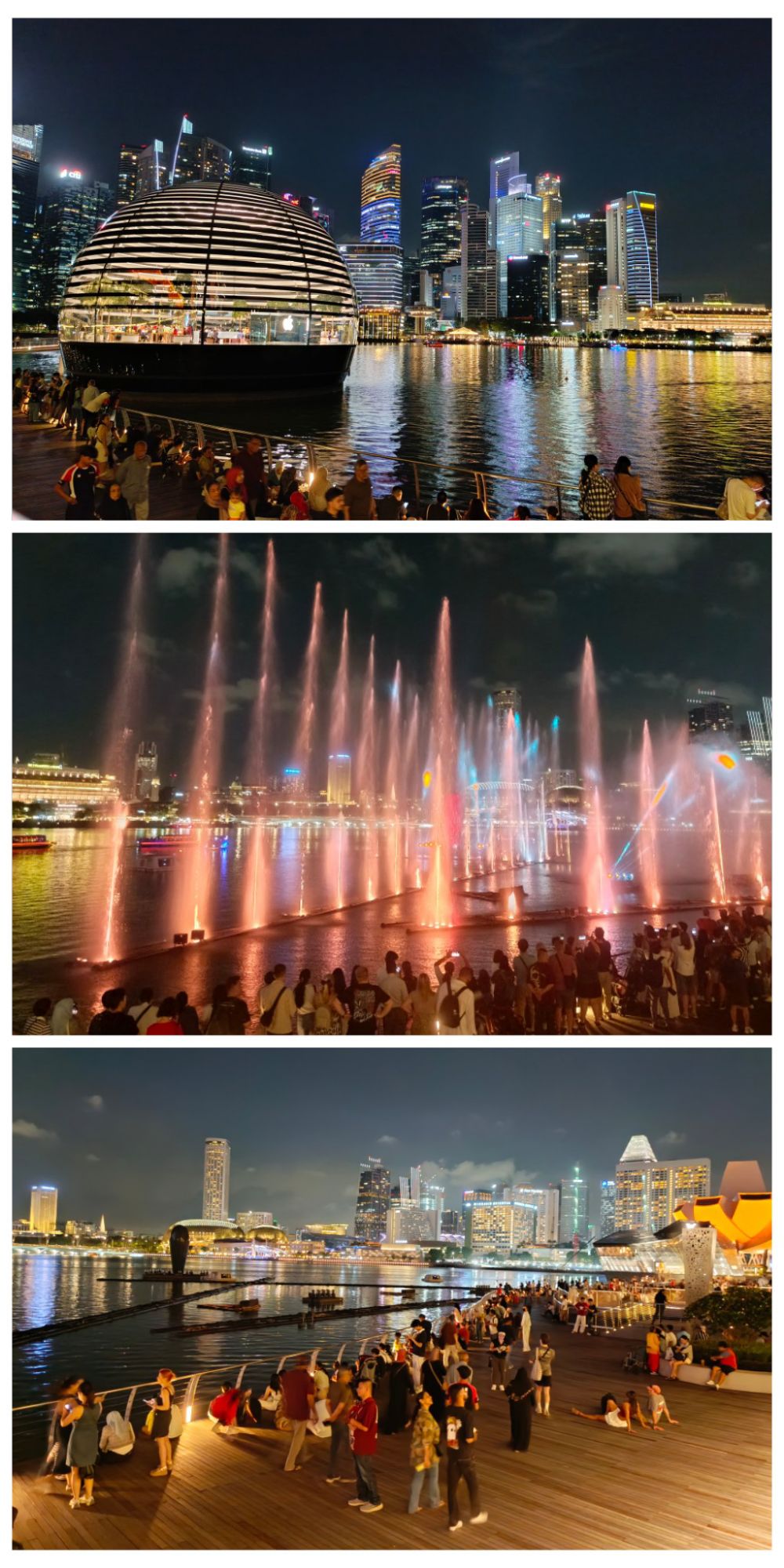
And to cap the night, see the Fountain Show at the Marina Bay Sands. I attended the 8pm show. this is free for all.
Cheap Eats : skip the malls and fancy restaurants. Go for Hawkers Center and Food Courts. Happy na ako dun. Promise.
Featured meals below : Masala Chicken Biryani Rice from the food court in Little India, the Old Airport Road Wanton Noodles and the Laksa meal I had from the foodcourt at Pioneer Station on my way to Nanyang University. Mura ito lahat. 5 to 8 dollars.
Bonus Ganap: Experience the Suntori Robot Barista at Duty Free Departure lounge of Changi Terminal 2. Free lang ito din. Surprise nga ako nahanap ko to. Go check out the Robot Barista on my Tiktok here.
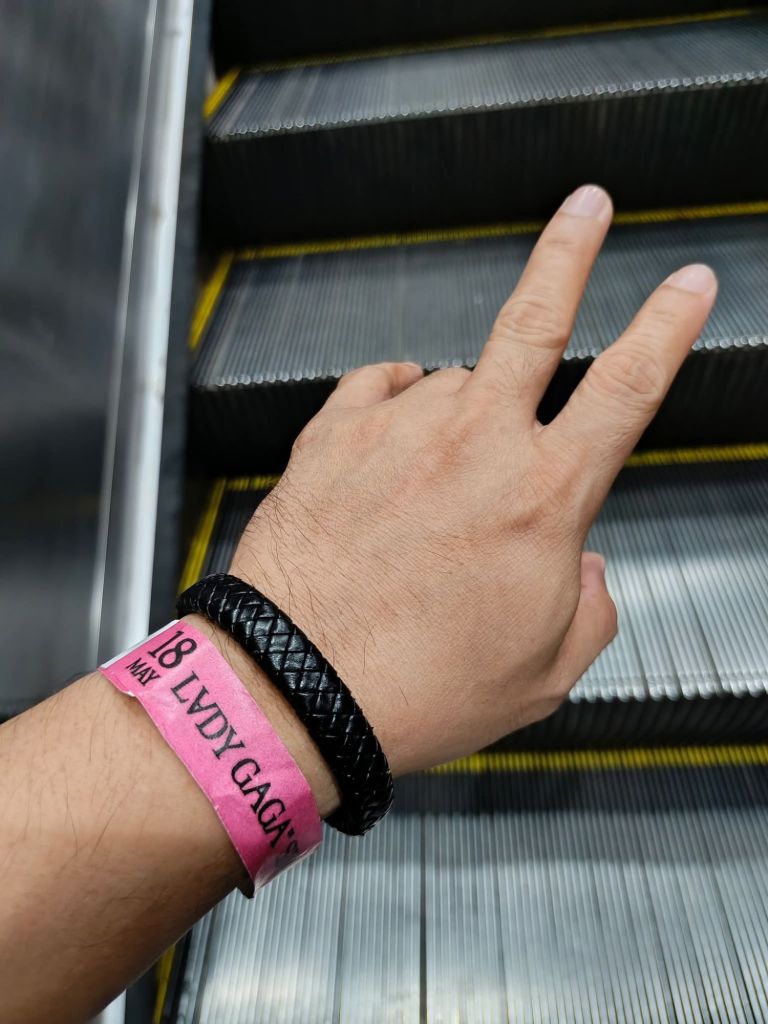
Where I stayed: Spacepods at Paya Lebar, near the Singapore National Stadium, because I watched Lady Gaga Live in Concert. See Snippets of Mayhem Singapura here. I will post about concert preparations separately. Dami ko din tikal about that.
Still stuck in my post-concert blues! It’s been days since the opening night of Mayhem Singapura, and I am still at high that I finally experienced Lady Gaga, live!
MAYHEM SINGAPURA 5.18.2025
The pre-game. Met some fellow little monsters in SG. Shout out, Dan Dale! 🙂 We went to Singapore National Stadium around 4PM. It was way too early for the 8 pm show, but a time well-spent to see and mingle with fellow monsters who flew to SG from as far as China and Australia. The pre-show vibe was all fun and costume-quirky. I low-key regret not wearing one.
Stadium Security was strict. I brought with me a small bagfor essentials and a clear water bottle. It’s good to know that water is refillable inside the stadium for free. Snacks and light meals at the booths rage from 5 to 14 SGD.
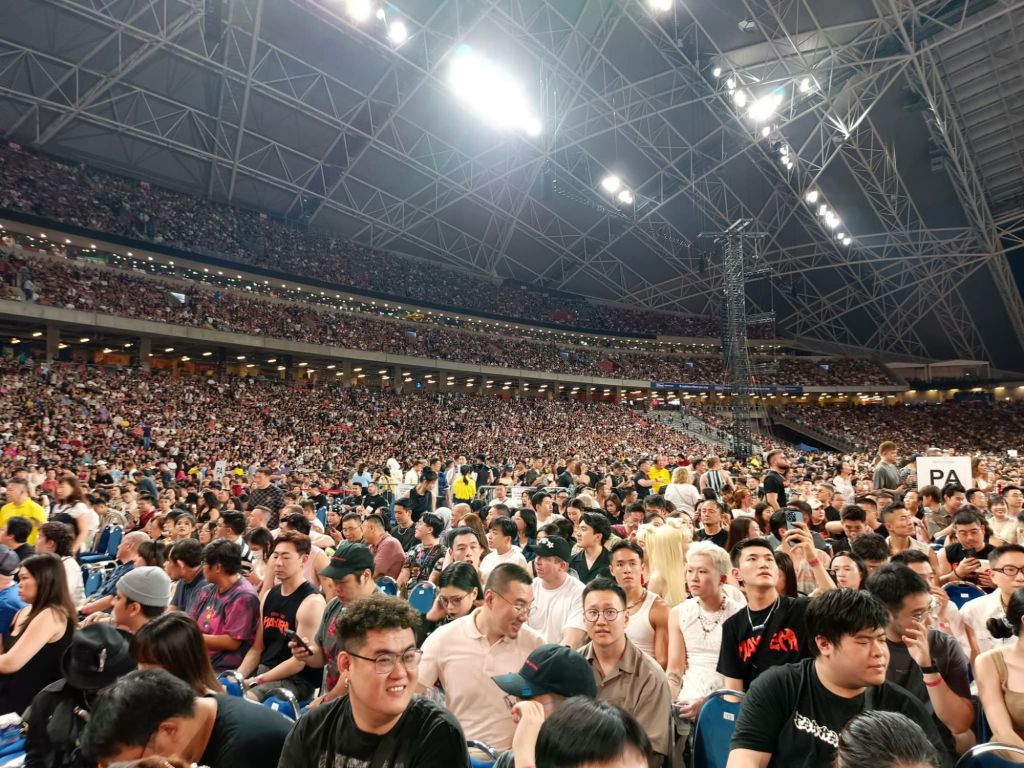
As per my seat, I purchased a CAT1,PA6, which is relatively close to the stage (approx 25 to 30m away). This is already a good seat, considering the 50,000 seating capacity of the venue. I purchased my ticket straight from ticketmaster.sg website. No agents fee or mark up whatsoever. Everything was DIY.
The best stage design inspired by the Phantom of the Opera. Huge stage prod, typical of Lady Gaga extravagance.The “Mayhem” show is a theatrical experience that brings Lady Gaga’s new album “Mayhem” to life. Killer choreography, a spectacular stage setup with multiple props and costume changes, and a night of singing, dancing, and fun, elevating the traditional concert format.Mayhem show is an artistic masterpiece. This photo was taken when LG performed ‘Paparazzi’Act 4. Best part of the show, IMO. Lady Gaga in her raw form, just being her undecorated self, with her piano and a voice full of love.The world stood still when Lady Gaga sang ‘Shallow’.‘Bad Romance’ as the finale number. The show lasted 2 hrs.Full house 50,000 pax. And I am proud to be part of this assemblyMRT Station after the show. On Full packed
Still on high whenever I recall moments from the Mayhem tour in Singapore, and seeing Lady Gaga perform and actually connect with us, the audience. At some point, I stopped recording and just enjoyed her music and presence. Gaga has, and will always have a place in my heart.
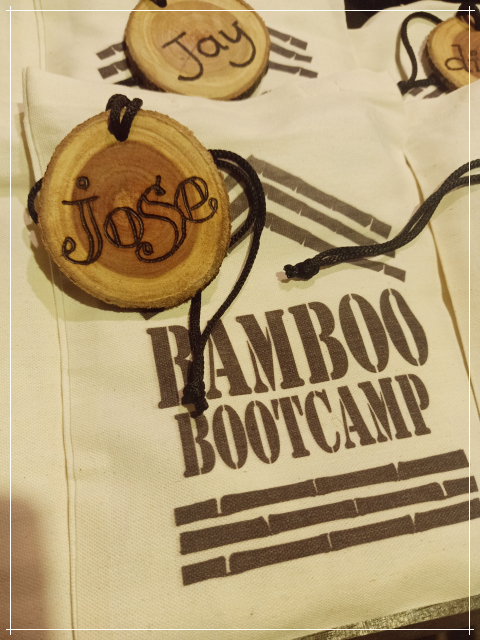
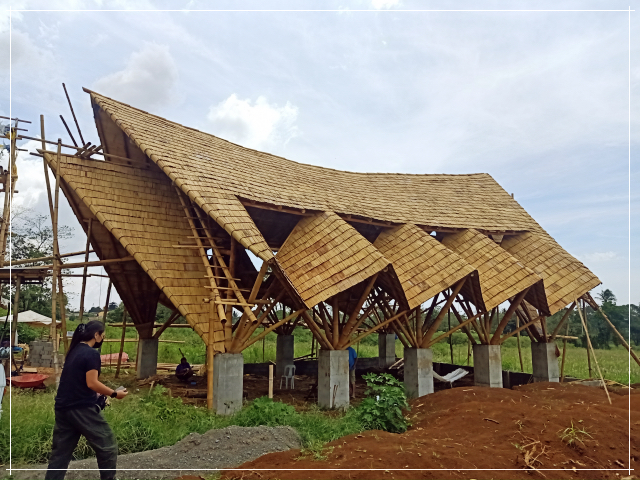
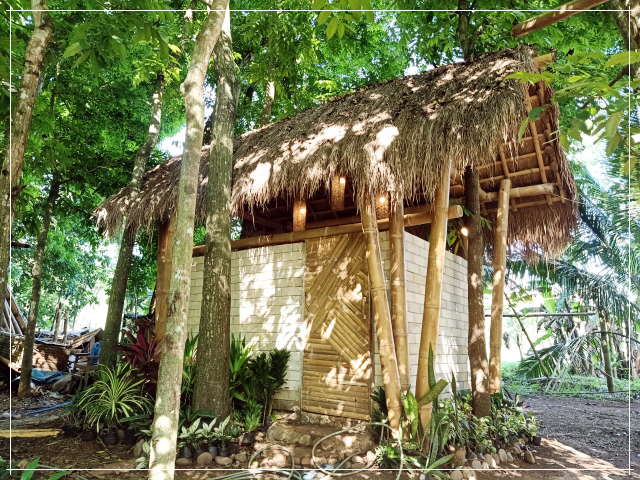
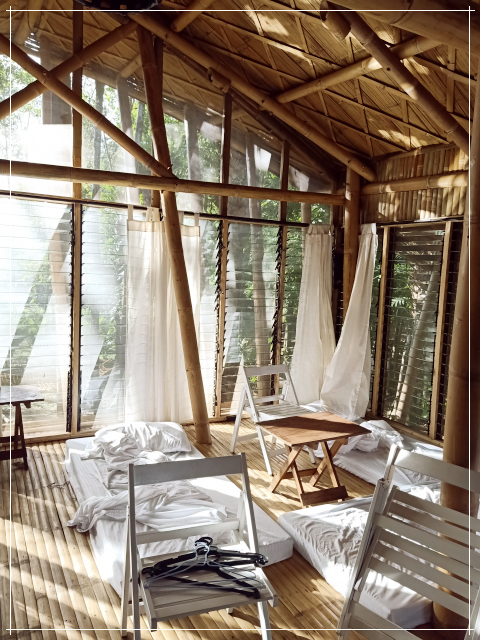
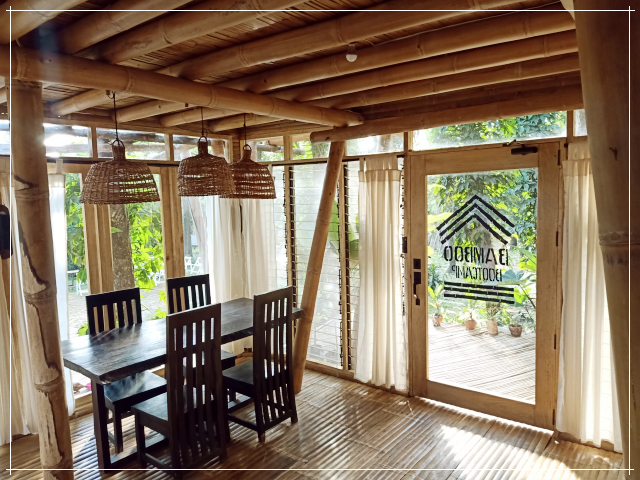
Sharing random photos and memories from my short/crash course with Bamboo Bootcamp. Bamboo Bootcamp is a 10-days immersive workshop, exploring specific areas of interest in bamboo such as Propagation, Carpentry, Treatment, Design and Build. The bootcamp starts with lectures and discussions presented by various speakers in the field of bamboo farming, to usage of the material, as well as environmental impacts of this industry. On most days, we did hands-on works such as general construction, weaving (we made kalakat), as well as furniture design, which was my favourite part of the experience. The organizers are based in Davao City, but the workshop venue shall be set up at varying provinces in the Philippines, depending on the schedule and season. My batch was hosted at Bukidnon.
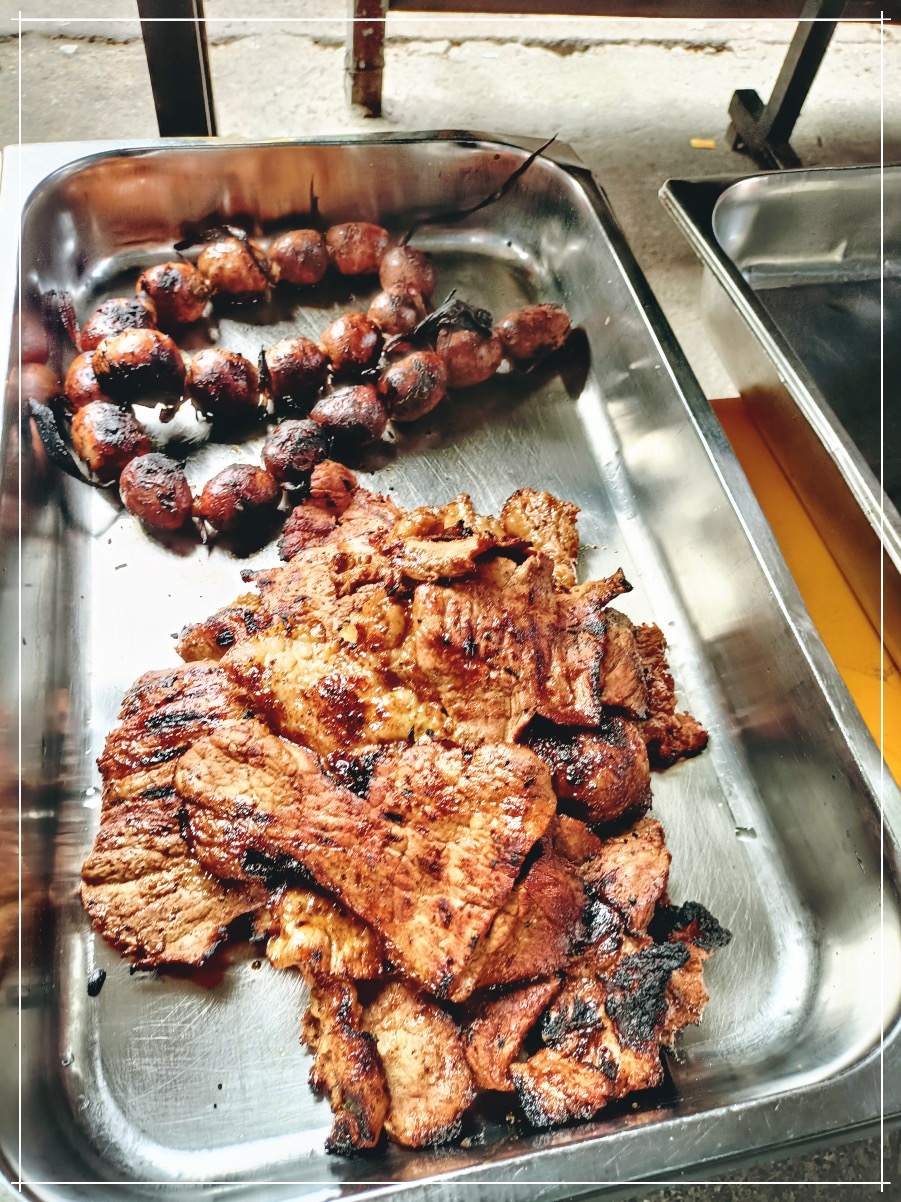
The bootcamp enrollment package is all inclusive; workshop, materials, tools (since we did our own carpentry works), food and lodging for 10 days + 1 rest day. On our rest day, we toured around private farms in the area that cultivates other agri-products like coffee and adlai/barley grain. I had a pretty good time during my stay, as the venue was set at a farmhouse surrounded by bamboo plantation, as well as fruits. Aside form the learning opportunity, I took this experience as a retreat, sort of a rest and time away from the hectic work schedule. Food was great, by the way. With buffet 3x daily, the extra kilograms cannot be denied. Course is open to anyone who is interested with the bamboo crafting. Design/construction background is not required, but is an advantage. Get in touch with Bamboo Bootcamp organization for schedules. Click Link here.
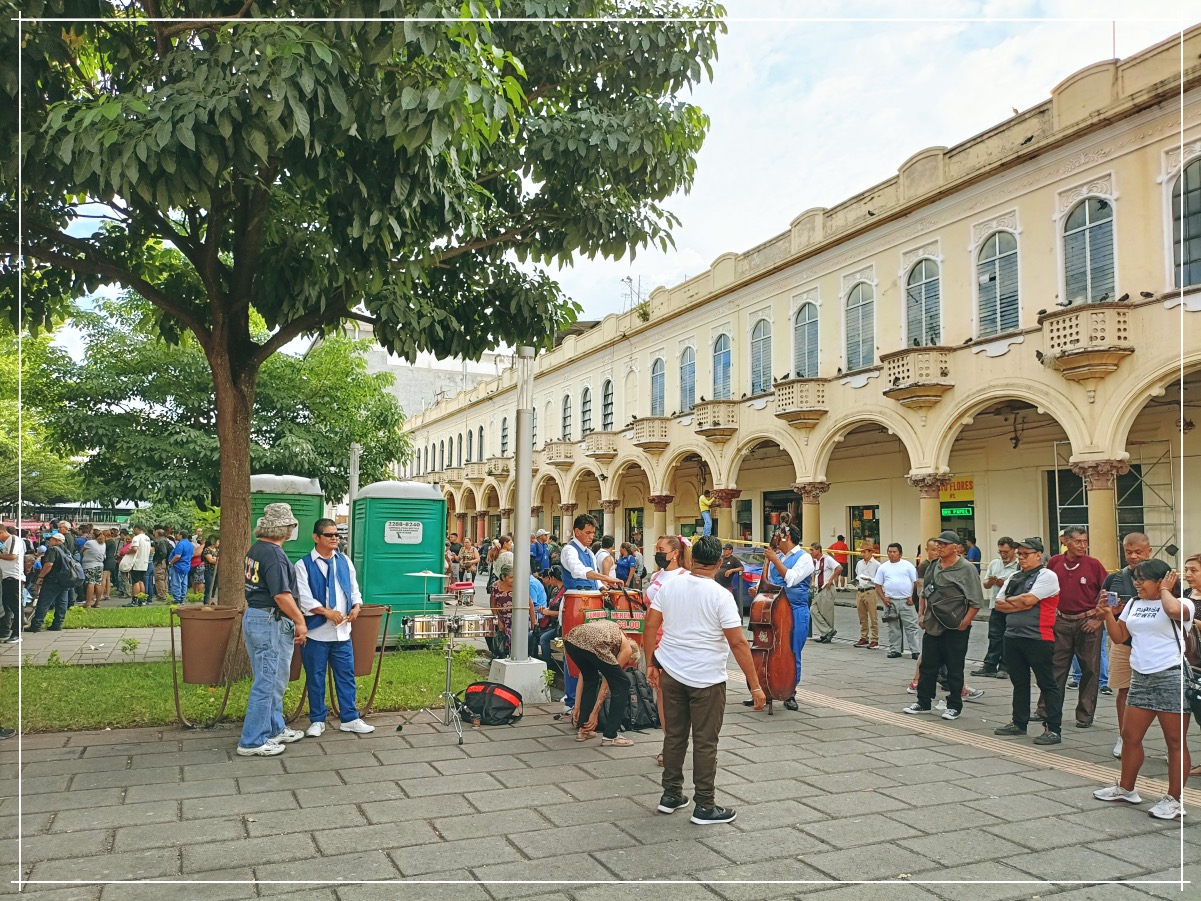
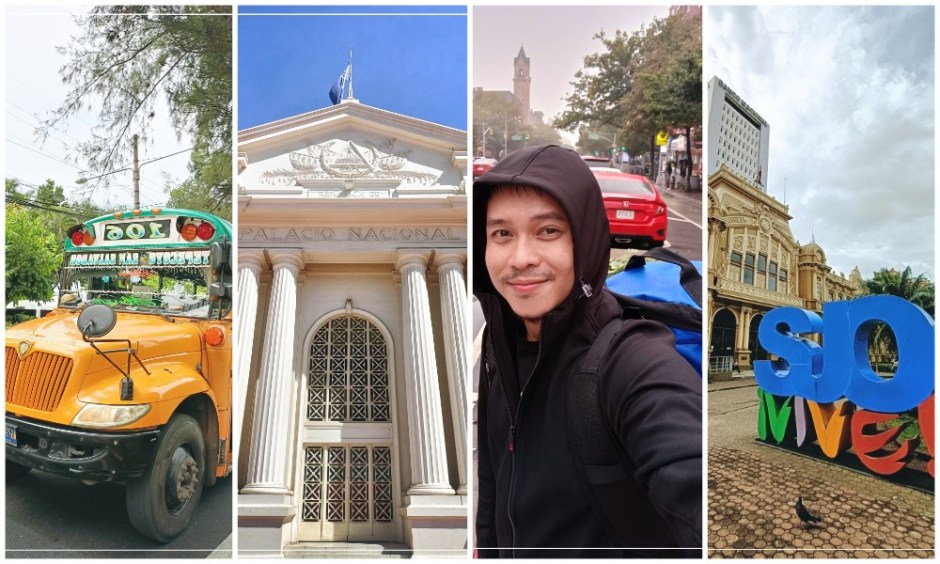
“Parang Pinas lang,tih!” Yan gyud una ko naisip nung naglakad2x na ako around San Salvador City.
In a good way though, kase saktong kaulion napud ko ato na time. Running 30 days na ako sa travel, I needed something familiar and San Salvador gave me that. First thing, parang Pinas lang ilang main road. Parang Davao. Parang San Pedro Street to be precise, with Palengke sa dulo and Church naman sa kabila, with road repairs din, Ukay2x stores and BBQ kiosks everywhere. Tas yung mga sound system na stores, naga loop play ng Blackpink playlist. Oh di ba?
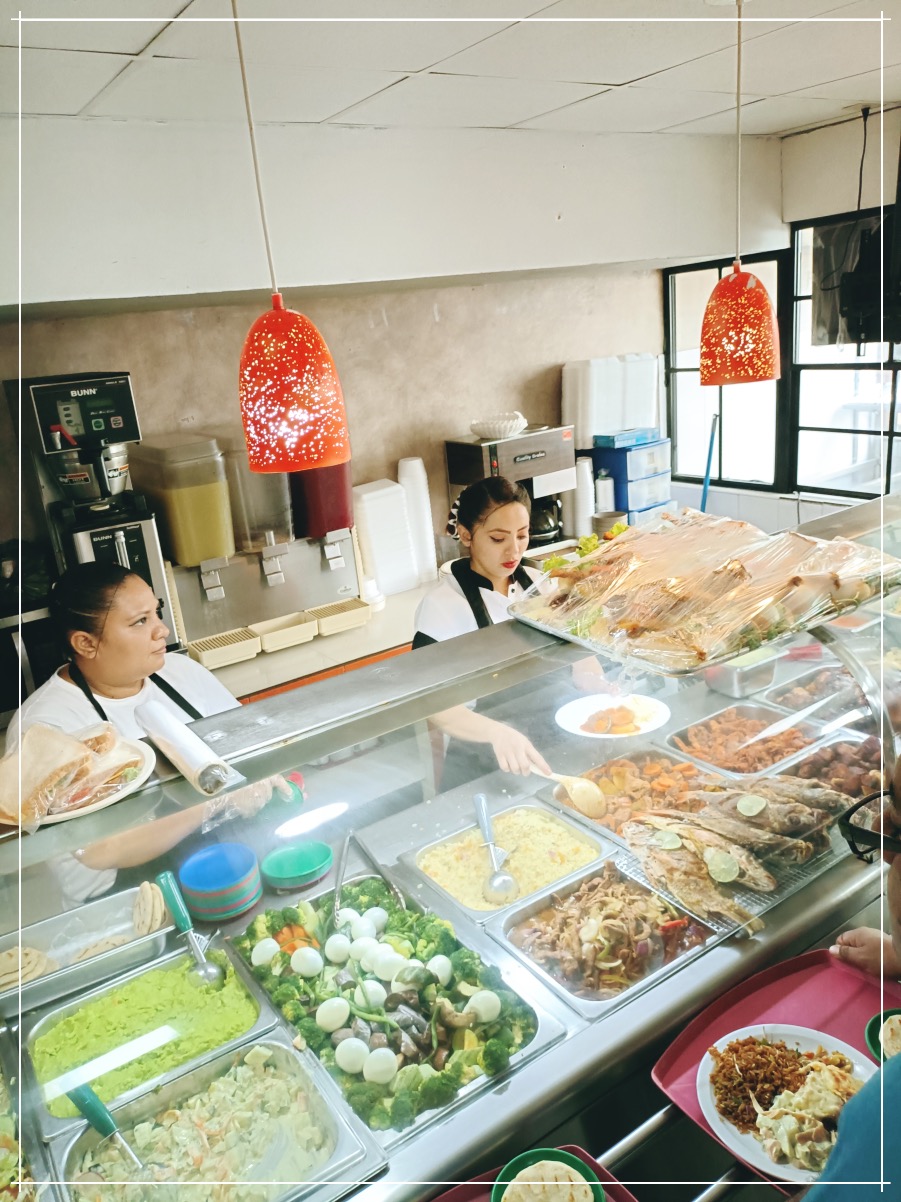
Here below features a karinderia-like set up along the street. oh diba parang Pinas lang? katulogon pa si Anteh.
Many of the food choices are also quite familiar, with obvious Hispanic influence. Madaming dishes na masarsa at ginisa. Afritada is a common thing, as well as chorizo. Compared sa Mexico na mas common ang tacos at corn tamales at bread/tortilla, mas ramdam ko ang rice supremacy dito sa Central America.
Never ako nagutom sa San Salvador (in fact, sa buong Latin America naman). Food is affordable.
They also have Leche Flan. lol
San Salvador also uses a Jeepney-like vehicle as mode of transportation. They call it chicken bus. If this is not your thing of transport, Uber app naman is reliable sa El Salvador.
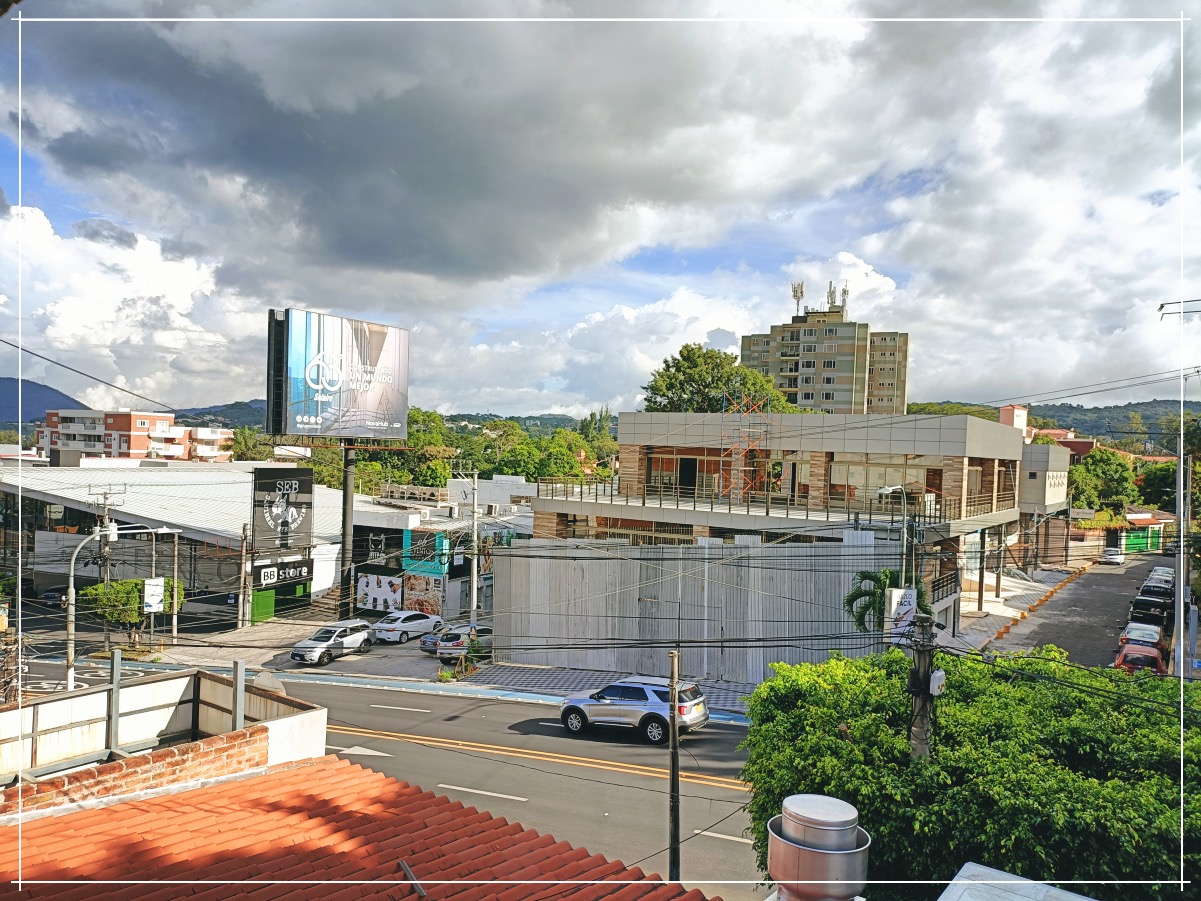
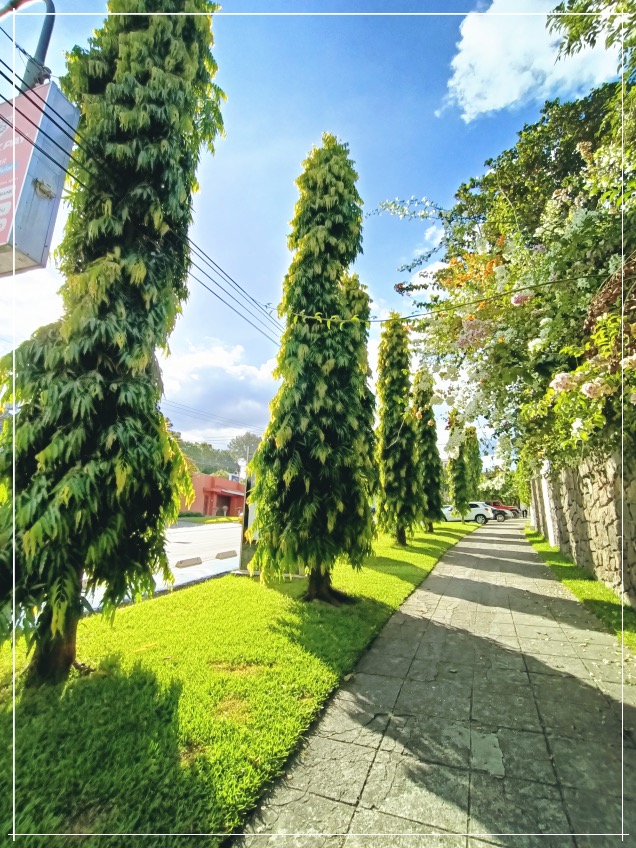
More views around San Salvador, the Capital City of El Salvador.
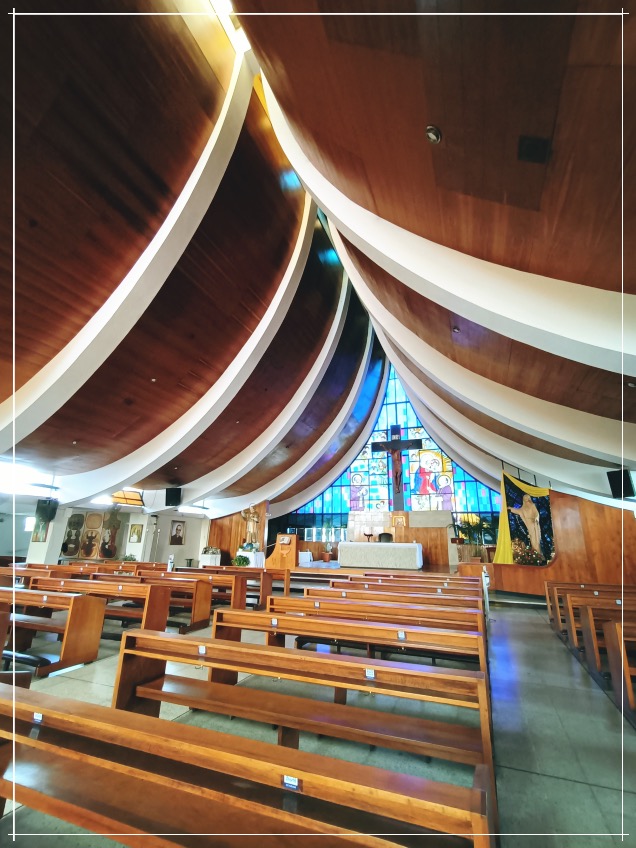
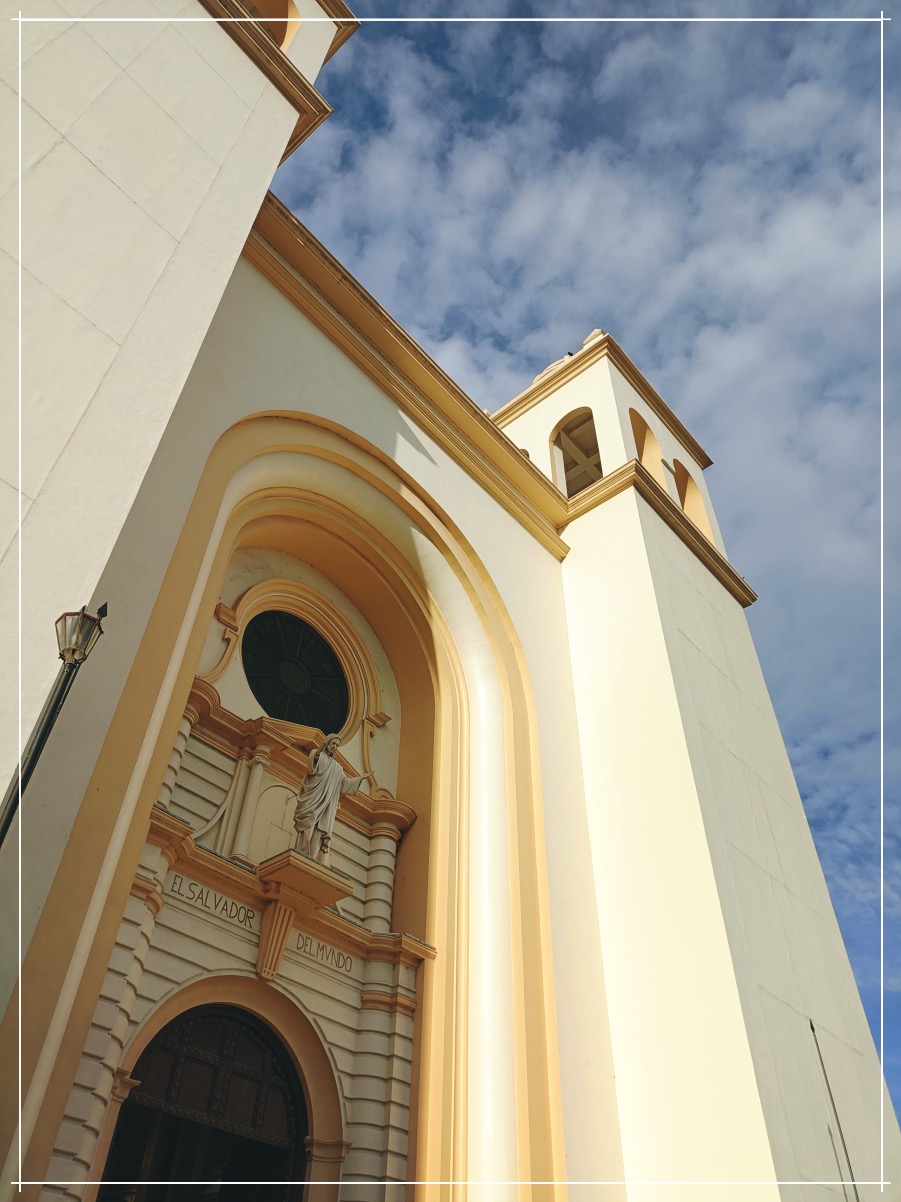
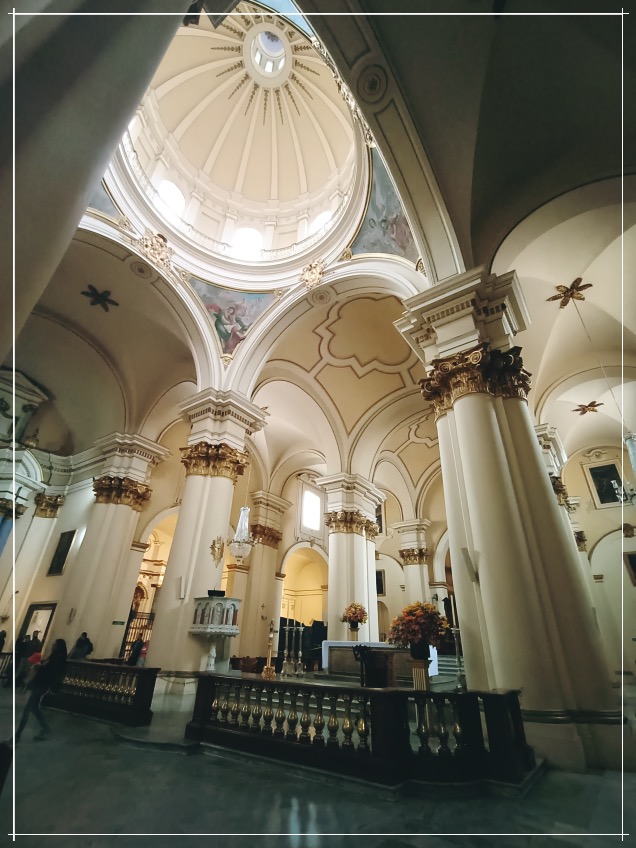
The main cathedral of San Salvador City, opposite the National Palace and public park.
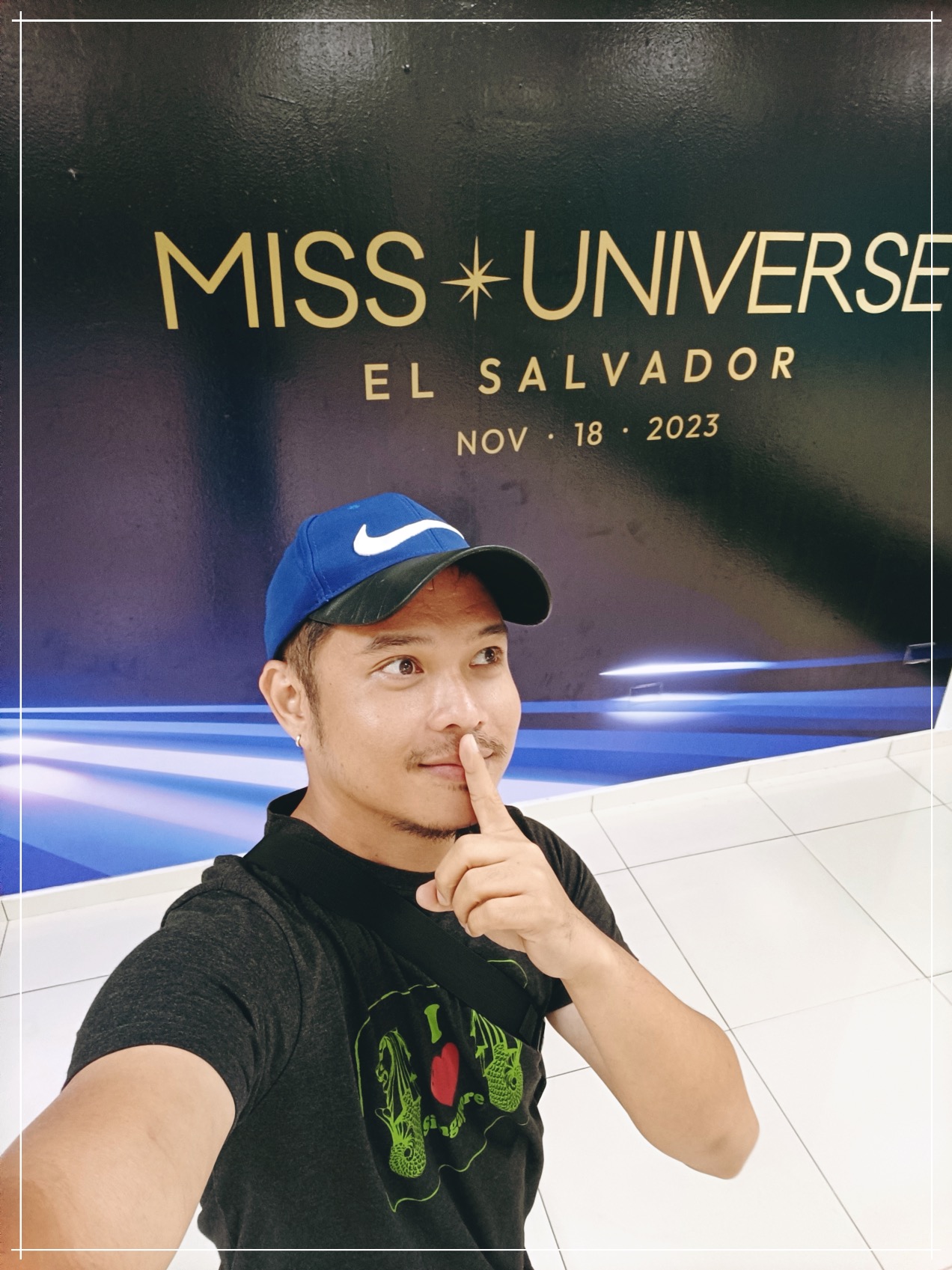
During my visit, San Salvador was busy doing retrofits and beautification of their colonial district, in preparation for the Miss Universe Pageant. This was from November 2023, during Michelle Dee’s time.
I didn’t get to see the girls though. Pero ramdam ko ang Miss Universe fever. The El Salvadoreans are soo into it.
Here’s something fun and new (at least para sa akin). They sell purified water on plastic pouches. Complete with brand and all. Plastic was quite tough to tear. More environmental? You tell me.
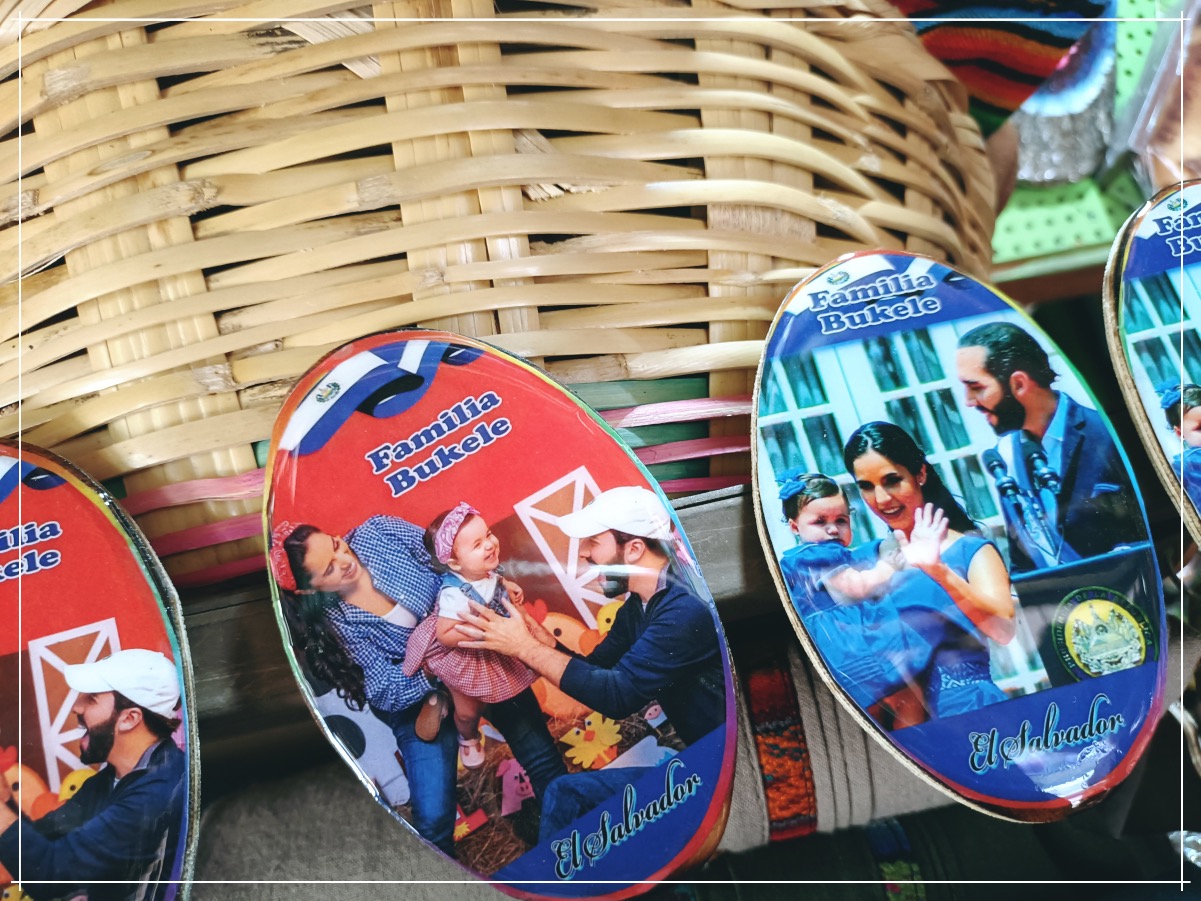
I’ve also noticed the adoration of El Salvadorean to their current President/First Family. Dun lang ako nakakita ng ref magnets with the face of President Nayib Bukele. Perhaps we can make something like this for BBM as well?
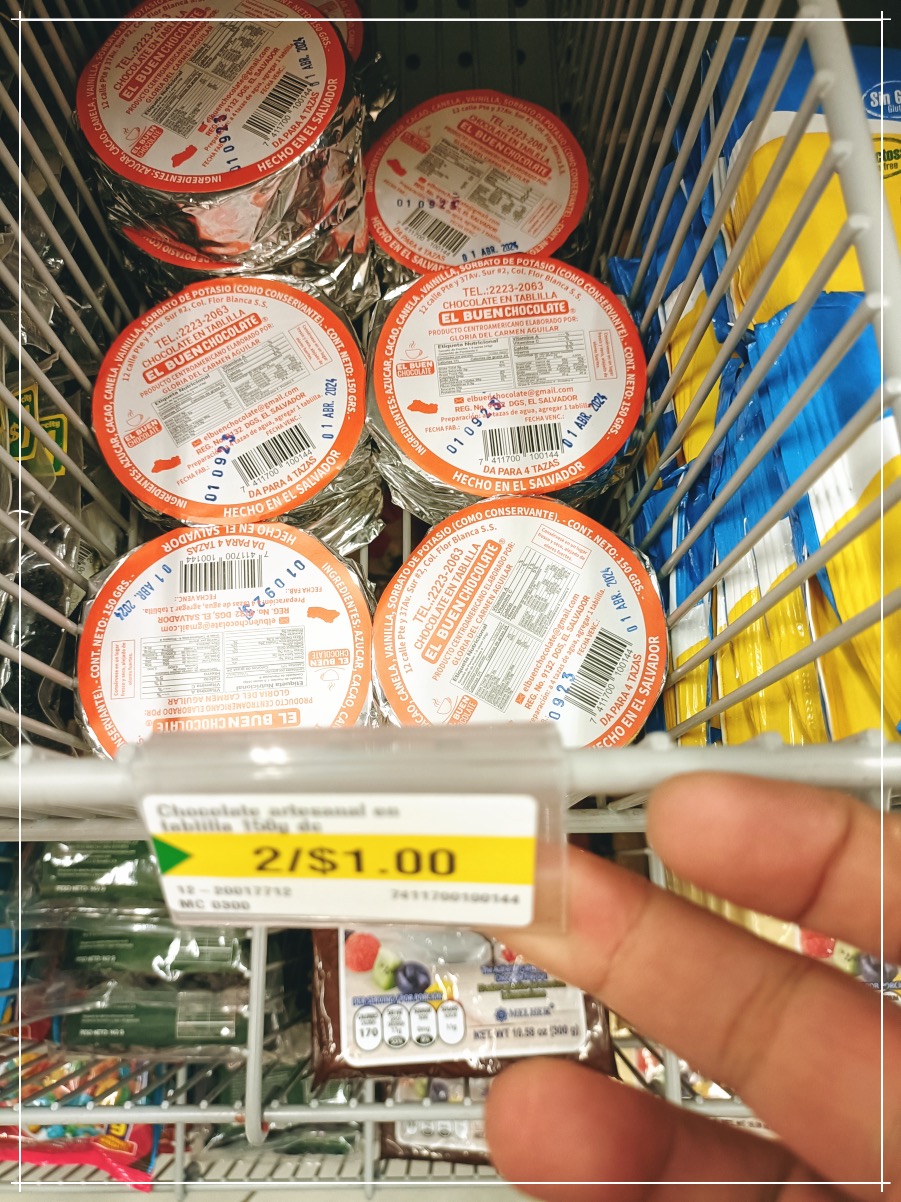
Pasalubong purchases. Dito ako sa San Salvador Namili ng most of the food that I can take back home. Mura Sa El Salvador. Presyong Pinas, in my opinion. They use USD as Currency so no need to exchange na din. I bought nuts, as well as lots of Tablea (Hot Choco). 1 Dollar lang eh.
I stayed in San Salvador for 3 nights. It was my last latin city stop before I headed back to the US. Supposedly may Guatemala pa, which is only 4 hours from San Salvador by bus. Kaso the time I went, nagkaroon ng people power o civil war of some sort. As advised by some friends, kinancel ko na ang Guatemala leg of the trip, and spent more days na lang in Los Angeles, which is up next.
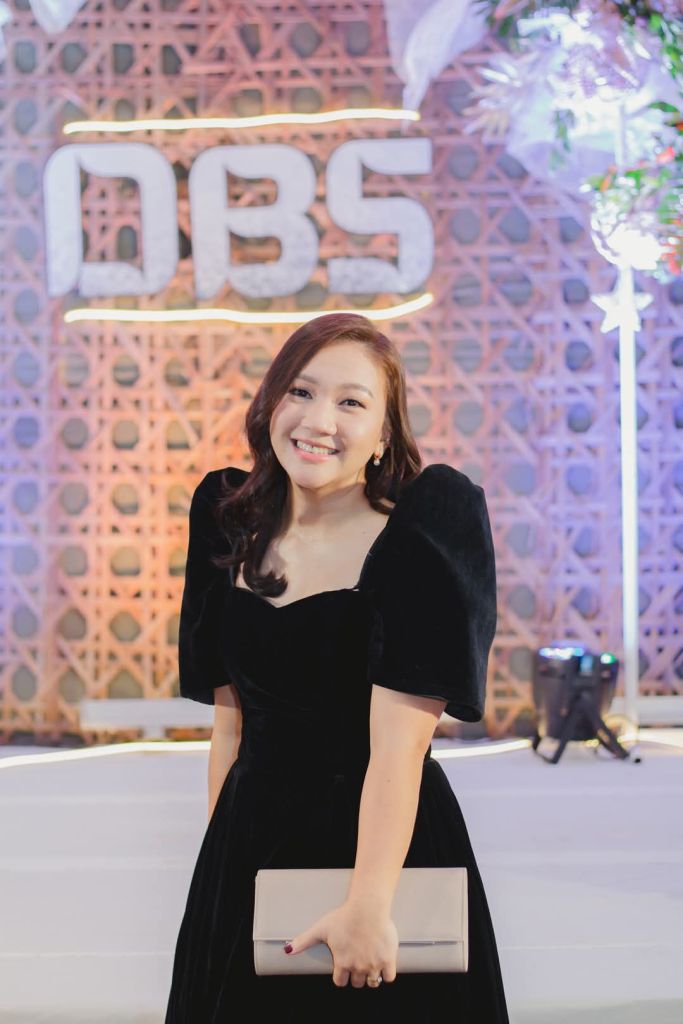
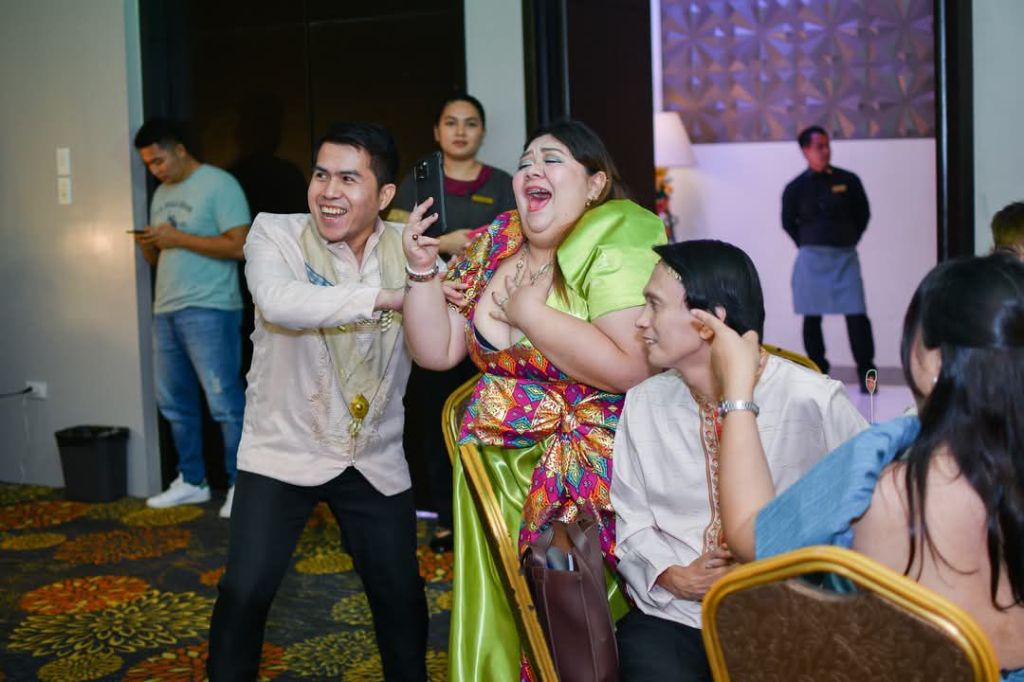
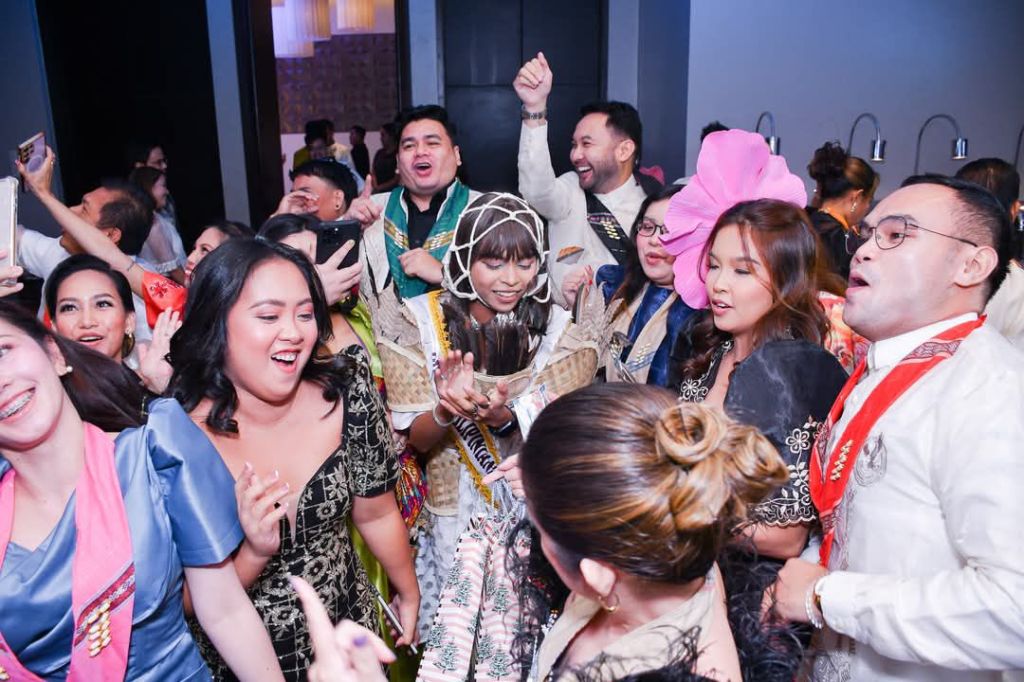
Here are some snapshots from our recently concluded Davao Bloggers Christmas gathering.
A big thanks to the organization’s partners – Cebu Pacific Air, Foodpanda Ph, Nustar Resort, PLDT Home, Starbucks, Metrobank, Barracks Barbers, Glow Authority and other guest brands for making this event memorable.
Most especially, warmest thanks to our lovely officers, headed by Pres. Gem Tadefa, for everything!
Here’s to more memories and celebrations together.
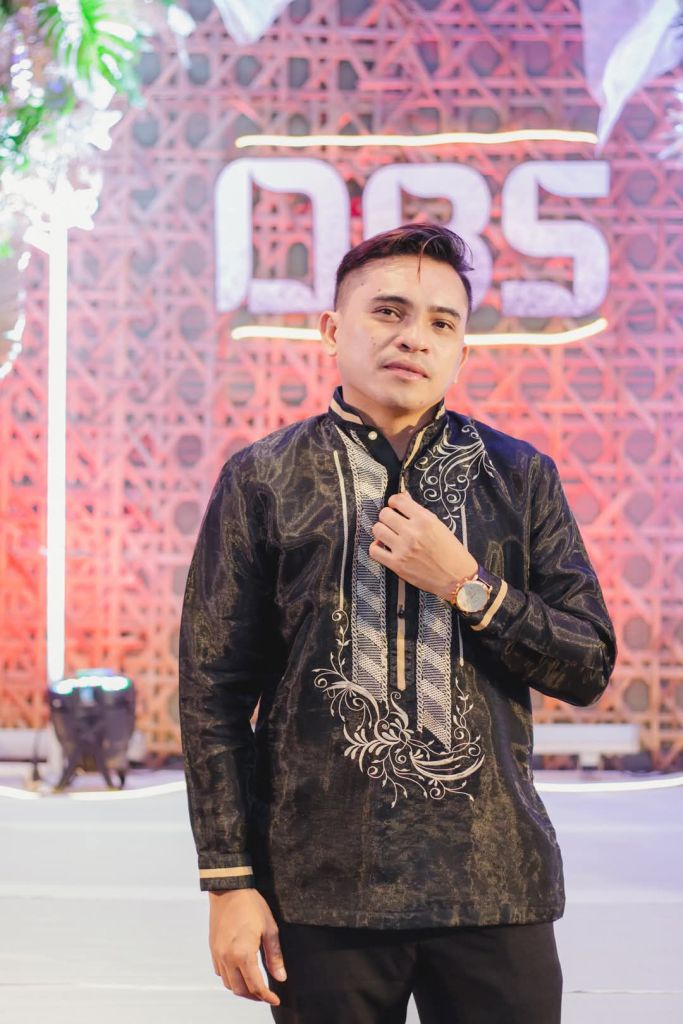
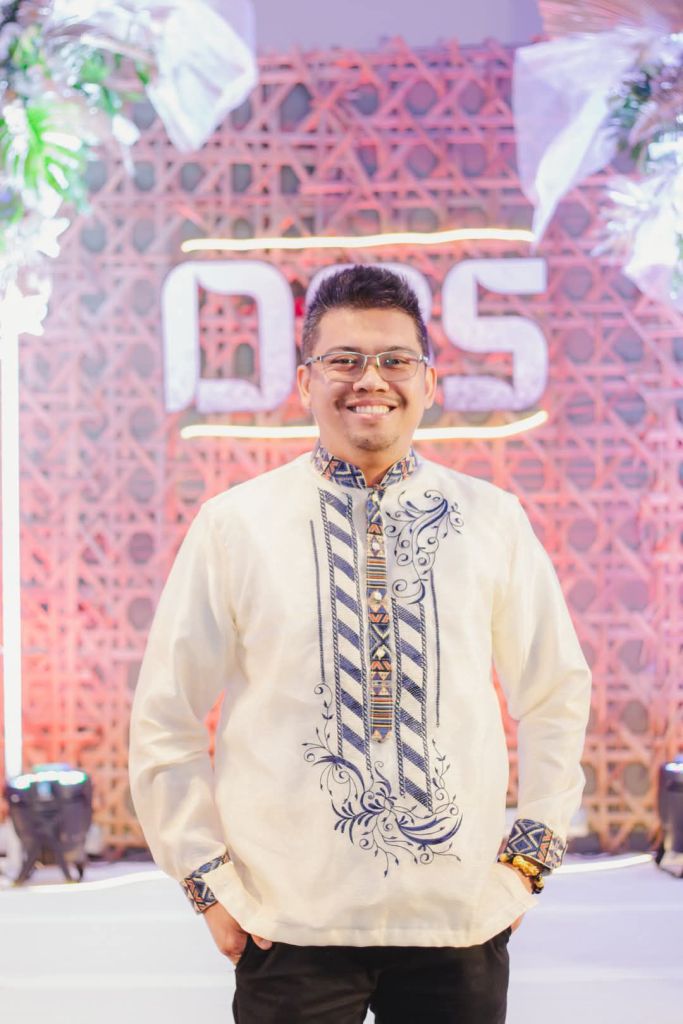
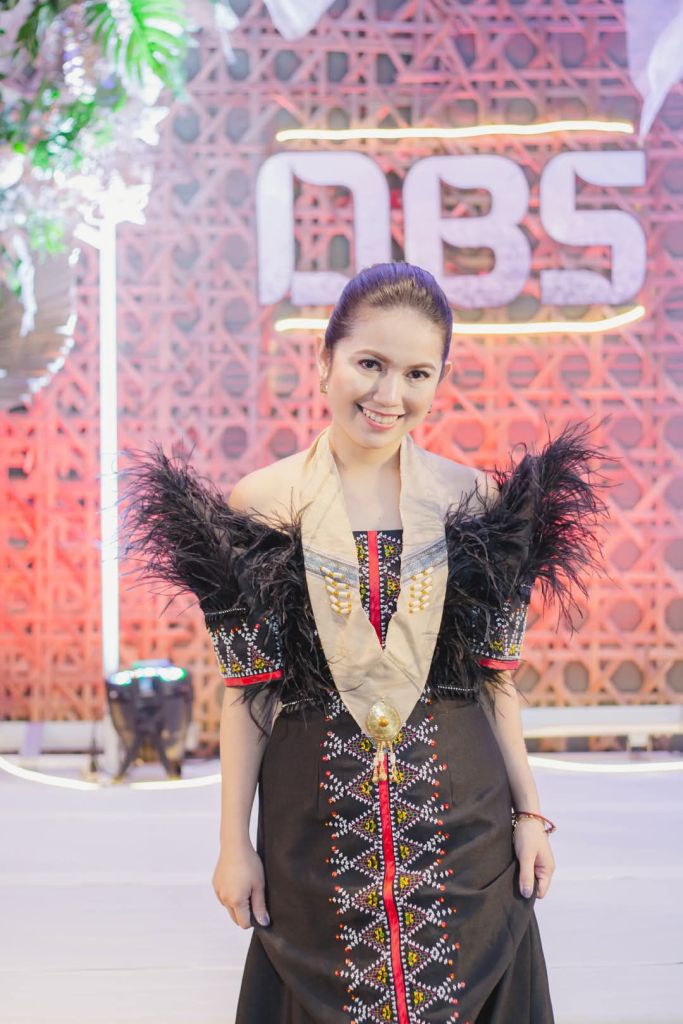
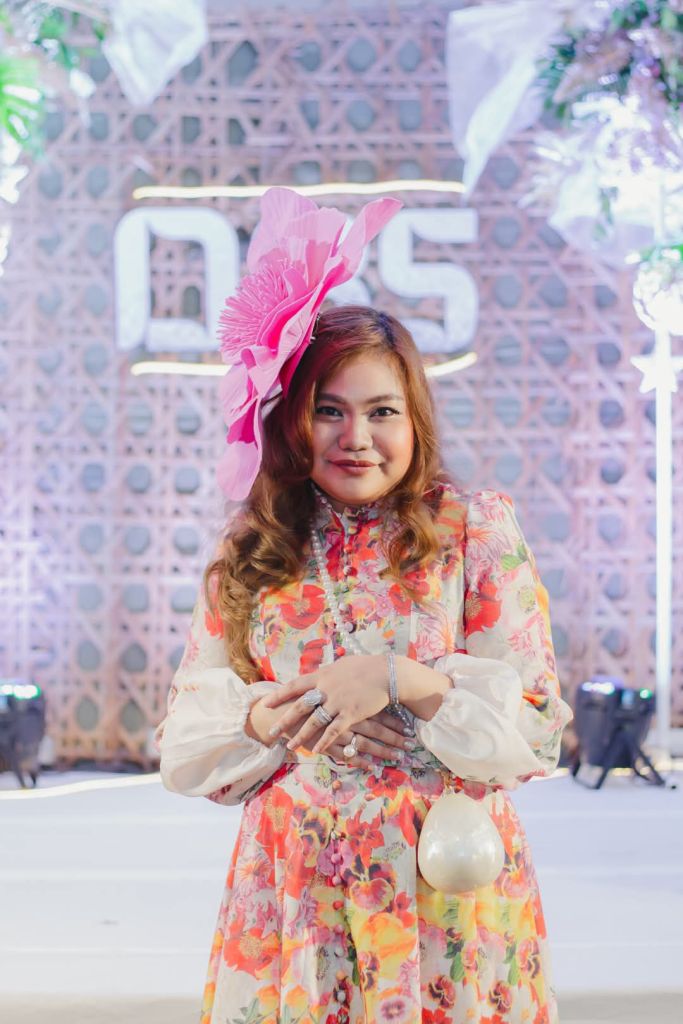
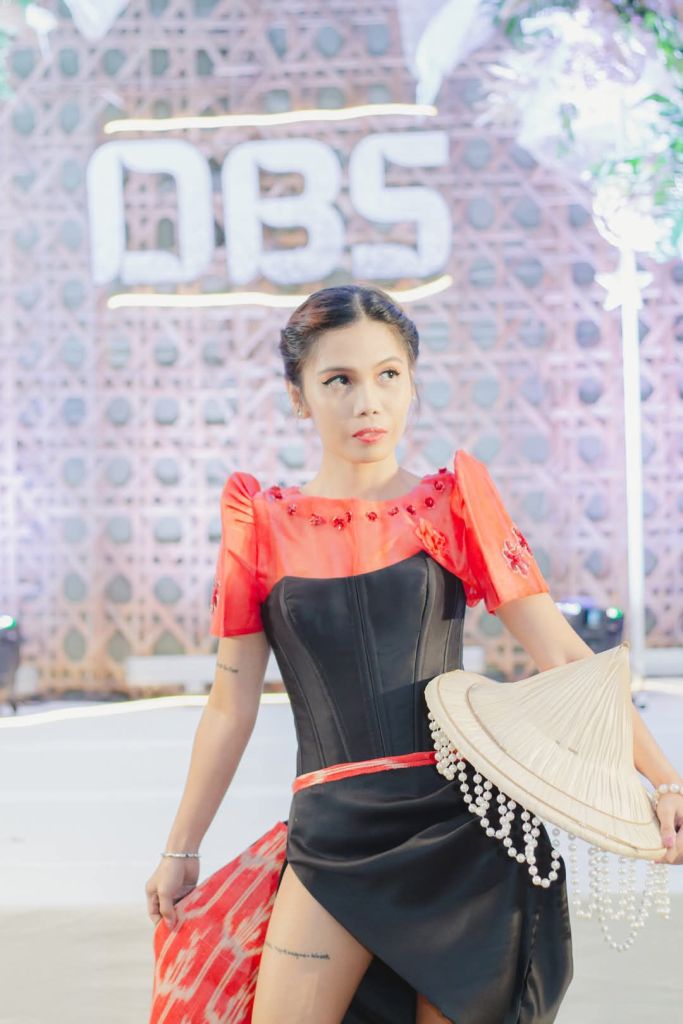
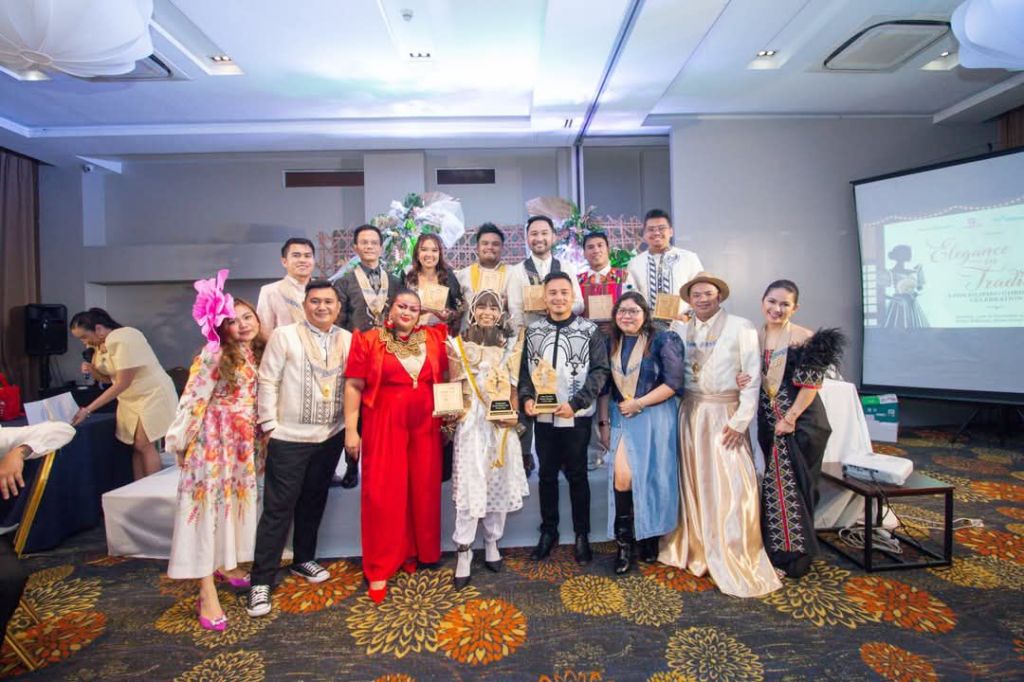
DBS members showcasing their unique take on modern Filipiniana fashion.
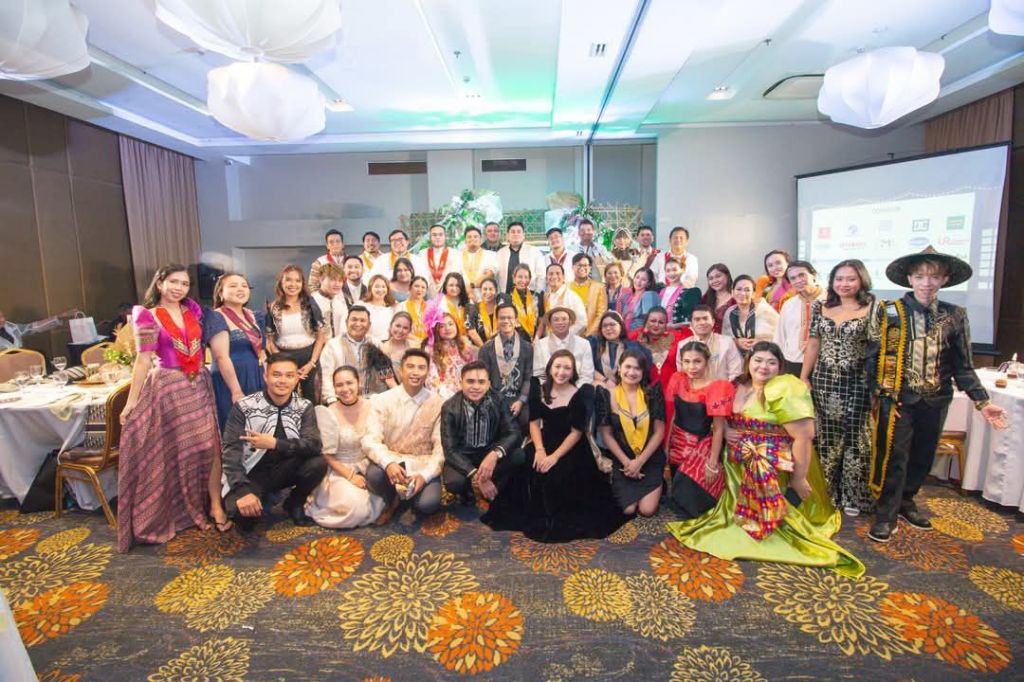
This year’s party is extra special, as I celebrate my 10th year with the Davao Bloggers Society.With the DBS officers 2024The traditional group photo.
Cheers! And to more Christmas memories with you. 😘
2024 has blessed me so many reasons to be thankful.
First of, my professional accomplishments. In 2024, I was able to fully bounce back at work in the field of Architecture, overcoming the minor downtime I experienced during pandemic years. Truly, God provides those who perseveres.
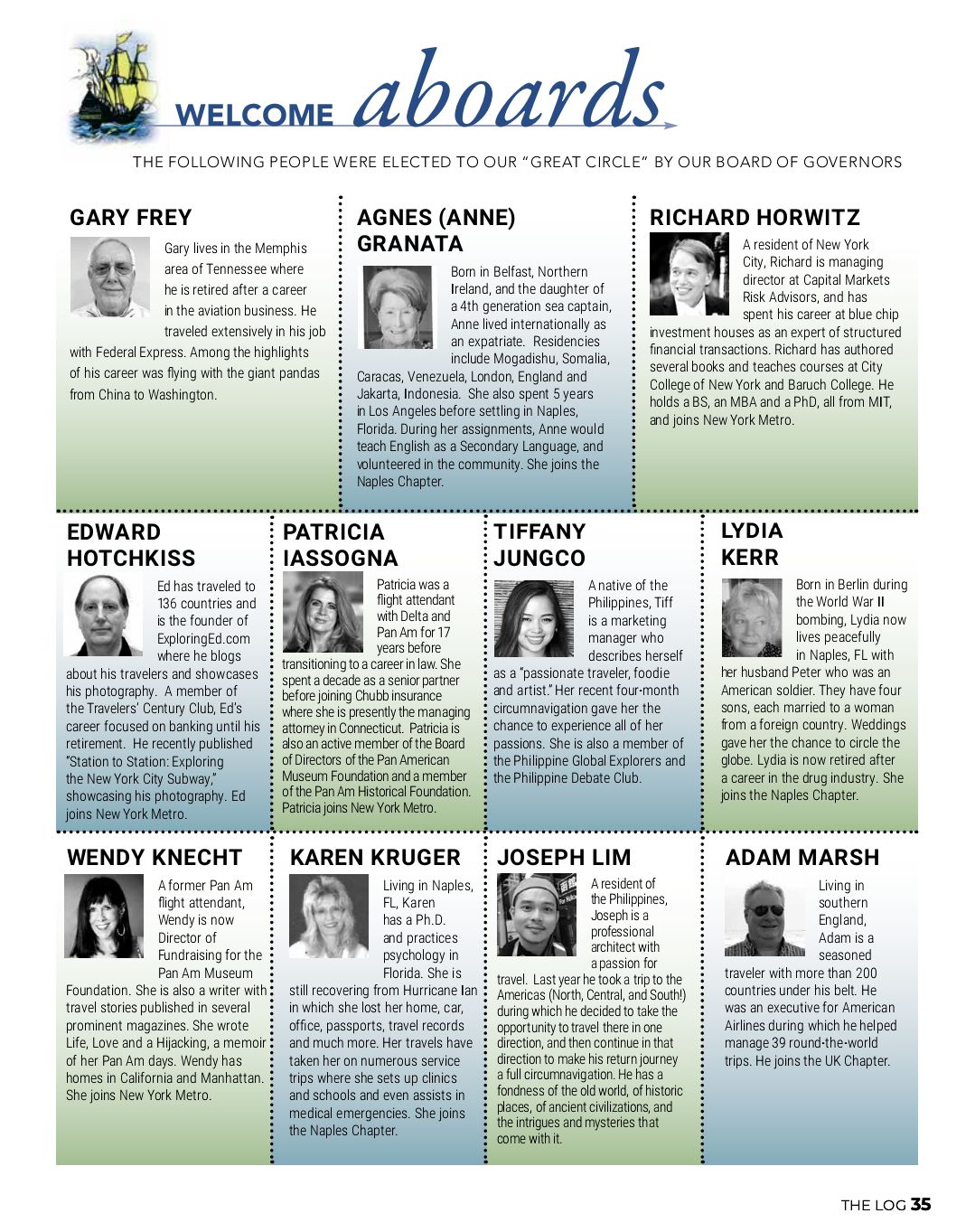
Next of, this fruitful year has rewarded me with two major milestones as a travel enthusiast. 2024 started with a good news, as my application to join the Circumnavigators Club has been duly accepted. The Circumnavigators Club is an international organization of travelers, founded 1902, with the headquarters based in New York City, USA. With the acceptance, I was among the applicants who were featured in The Log Magazine, Issue One of 2024. As of now, there are still certain steps for me to accomplish, to fully become an official member, hopefully before summer of 2025.
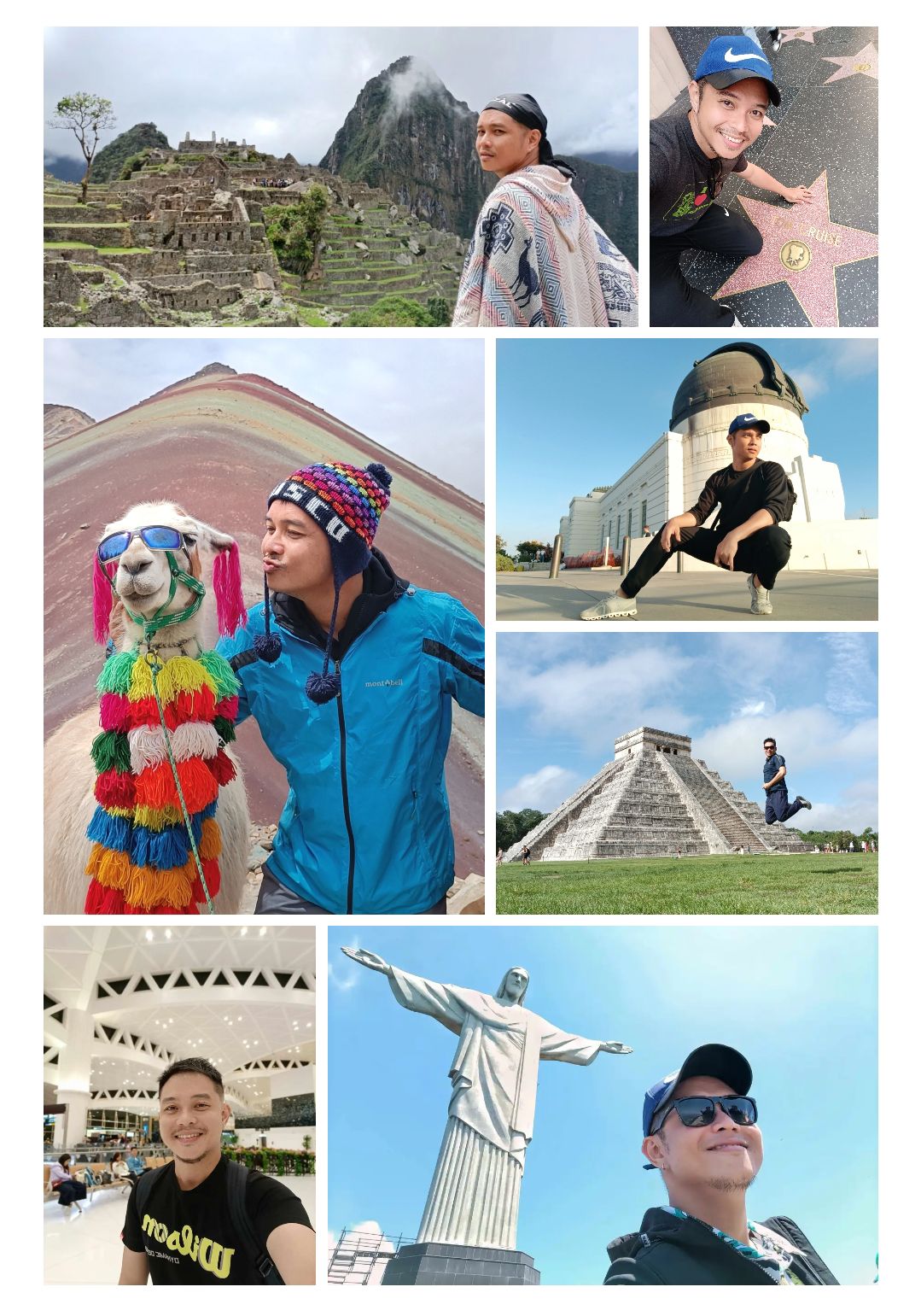
To be considered, one must have circumnavigated the globe, crossing every meridian of longitude in the same direction. I was able to achieve this during my month-long backpacking journey to the Americas last year. The Route: Manila > westwards to Riyadh,Saudi Arabia > New York,USA (East Coast) > Toronto,Canada > Cancun, Mexico > Cuzco,Peru > Rio de Janeiro,Brazil > Bogota,Colombia > Costa Rica > Nicaragua > Honduras > El Salvador > Los Angeles,USA (West Coast) > Singapore > return to Manila.
And to cap off this blessed year, my blog, Biyahe ni Josemanuel, has been recognized during the recent Davao Blog Awards 2024, as the Cebu Pacific Davao Blogger of the Year. Truly, this recognition is the cherry on top of my year and I am over the moon for this honor.
I started blogging the year 2013, sharing personal travel memories and experiences, as well as other defining moments in life that I consider milestones. Though with flaws and all, my blog has survived the years and remained steadfast along with my mother blog org, the Davao Bloggers Society (DBS). Today, we celebrate the 11th year of Biyahe ni Josemanuel, as well as my 10th-year membership with the DBS.
To the DBS organization, thank you so much for the recognition, and most especially, for keeping me under your wings since 2014. To all the sponsors of our DBS org, we are truly grateful for the support. And to enthusiasts and bloggers\vloggers I follow, who keep pushing boundaries in travel, thank you for the inspiration.
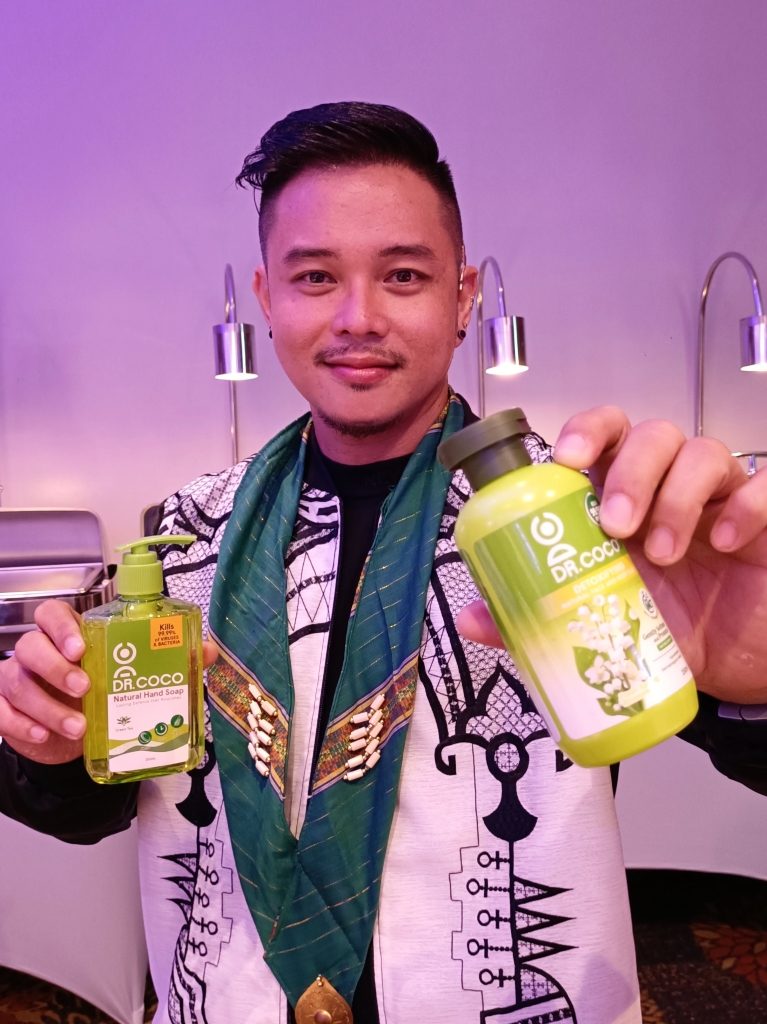
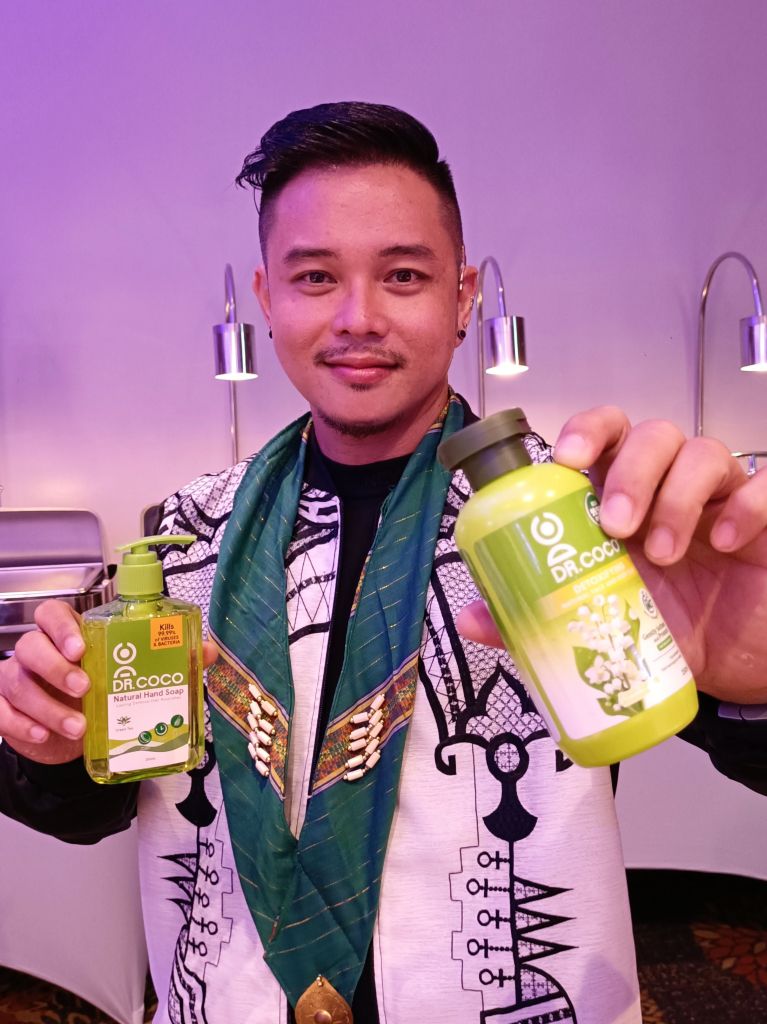
Low key loving these new shower products from Dr. Coco. The body wash smells so fresh, and long-lasting. Suits me well, since I have always preferred using body wash over traditional soap.
Product benefits: 👉Packed with CocoMCT (a key ingredient from coconuts that carries all the benefits of coconut oil) 👉Kills 99.99% of bacteria and germs up to 4 hours 👉Hydrates and maintains skin moisture
Available at any Robinsons supermarket nationwide.
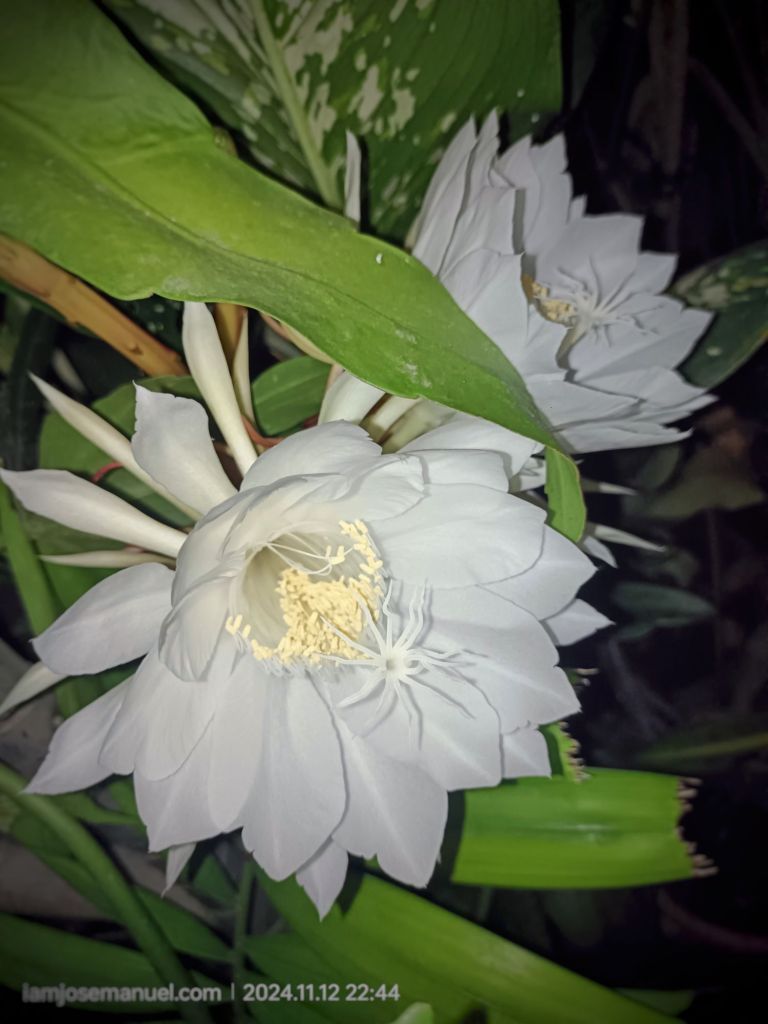
Our Tan Hua flower once again gave us blooms this year. We never really took care of it, yet it gave us blooms, 2 years in a row na. If you are familiar with Asian myths, you will also acknowledge the value of this flower. Tan hua is appreciated for it’s beauty, rarety and fragrance. As fragile as it is, Tan Hua only blooms at night, stays up for a few hours, and wilts before dawn.
Metaphorically, this flower represents things that are short-lived or a flash in the pan, which is why it should be cherished and celebrated while it lasts, just like life and love. The Chinese proverb tan hua yi xian (昙花一现) describes it in this way.
Tan Hua flower has always been celebrated in Buddhism belief. In China and in India, watching the flower bloom is considered a sacred experience that brings luck and prosperity to the family.
The tan hua flower was featured in the movie Crazy Rich Asians, based on the book by Kevin Kwan.
IAM Worldwide, a Filipino-owned brand known for its portfolio of everyday health products and supplements, announces the appointment of South Korean actor Ji Chang-wook as their newest international ambassador.
The handsome star is known for his breakthrough roles in popular Korean Dramas such as “Empress Ki” (2013), “Healer” (2014), “The K2” (2016), “The Sound of Magic” (2022), “The Worst of Evil” (2023) and “Welcome to Samdal-ri” (2024).
Next up, he is set to star in the series “Gangnam B-Side” as an outlaw who will put himself in the list of suspects involving a case of mysterious disappearances. The drama airs November 6, 2024 on Disney+.
“Ji Chang-wook is a dream come true for IAM Worldwide,” says co-founder and President Allen Marvin Yu Eder. “In line with our company’s objectives to enrich the lives of our customers and wholesalers by bringing them world-class quality products and offerings, we are very pleased to announce that Ji Chang-wook has joined the IAM Worldwide family as a brand endorser.”
“We are very thankful to Ji Chang-wook for choosing IAM Worldwide as his preferred health and wellness partner in the Philippines,” adds Aika Lorraine Uy, co-founder and Vice President. “His mark of approval recognizes our efforts and gives us confidence in continuing our commitment to better the lives of those we serve. Gamsahamnida!”
Meanwhile, General Manager Joanna Mañego has this to say: “As an avid fan of Ji Chang-wook, having my all-time favorite K-Actor is truly an honor for us. We cannot wait to welcome him back to the Philippines. Mabuhay ka, Oppa!”
IAM Worldwide is known for its “Amazing” line of Organic Barley Drink and Choco Barley, Acai Berry Extract with Collagen, Grape Juice with Garcinia Cambogia, and health supplements such as Immunergy. Products can be purchased through its authorized network of direct distributors not just in the Philippines but also overseas.
Ji Chang-wook is the recipient of multiple acting trophies including Best Actor in the 2019 Asia Artist Awards for his role in “Melting Me Softly” and the Next Generation Award during the 2023 ASIAN Film Awards.
Following his announcement, fans of the star are already anticipating Ji’s return to the Philippines and to grace another event organized by the popular health and wellness brand.
IMAGE CREDITS. IAM Worldwide / Spring Company (Korea) / PUBLICITYASIA
As a certified foodie, sampling on local dishes is something I look forward on every trip. Here are Five hefty and memorable local meals I had from my recent trip to Central and South America. All cheap and casual.
Carne Mechada Casado (Costa Rica)
Casado is a traditional complete meal in Central America, consisting of rice, black beans, plantains, salad, a tortilla, and a protein. I had this at a food court inside public market in San Jose. Their public market is probably the cleanest, most well-maintained public market in any third world country.
Bandeja Piasa (Bogota,Colombia)
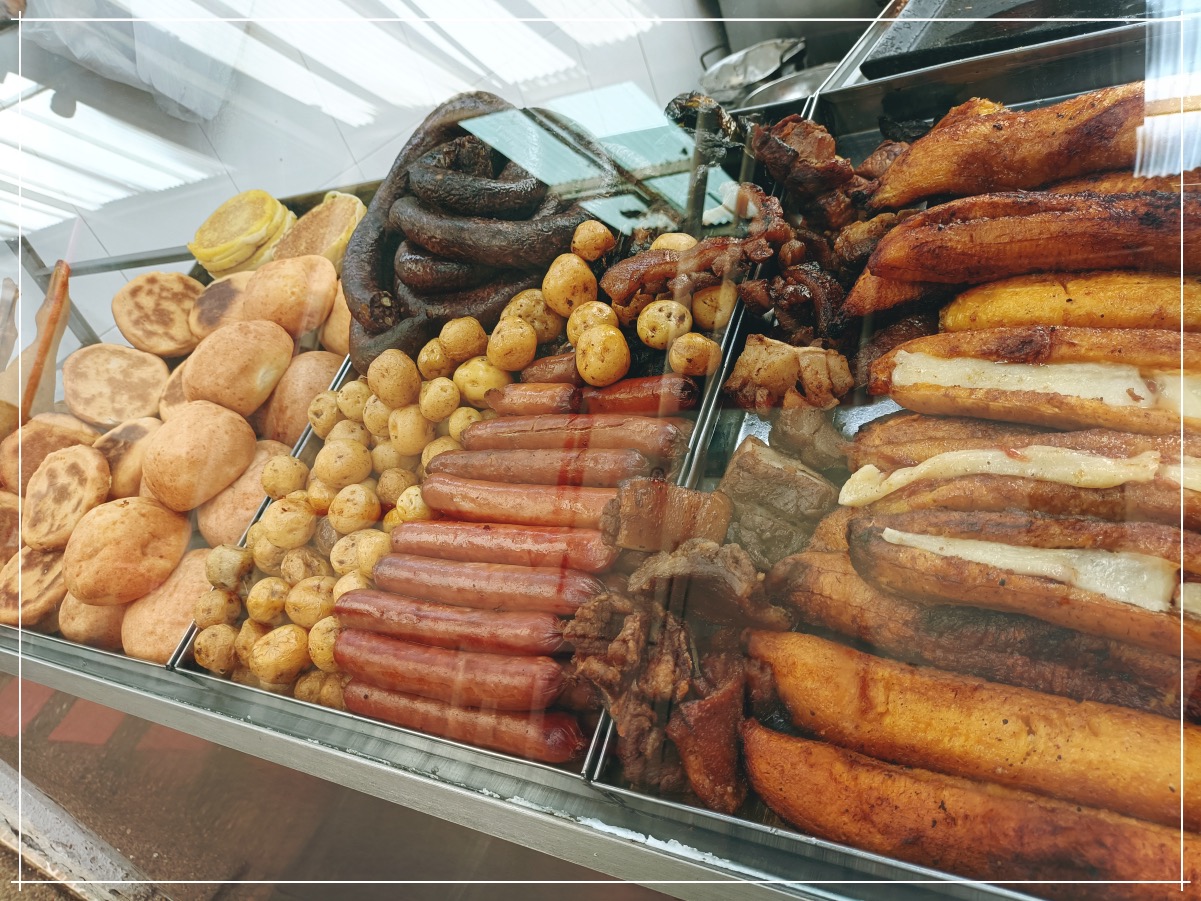
I had this hefty plate of Bandeja Paisa, so i can try various dishes in one seating. Bandeja Paisa is a traditional Colombian dish that contains beans, rice, arepa, traditioinal chorizo, plantain, chicharrón, avocado and marinated ground beef (like arroz cubana). I’ve noticed that Latins serve avocado as a side without any sweeteners; in contrast to us who only appreciates the fruit when it’s mixed with something sweet and creamy.
Trusca Frita (Ollantaytambo,Peru)
One of my fave set meals in Peru. trusca\trout is a local\Peruvian freshwater fish. Taste is very comparable to our local bangus, except that trout isn’t as boney. Speaking of fish, Peruvians are also popular with their Ceviche (raw fish salad), but for this trip, I had to pass on it. I avoid raw fish dishes whenever I can.
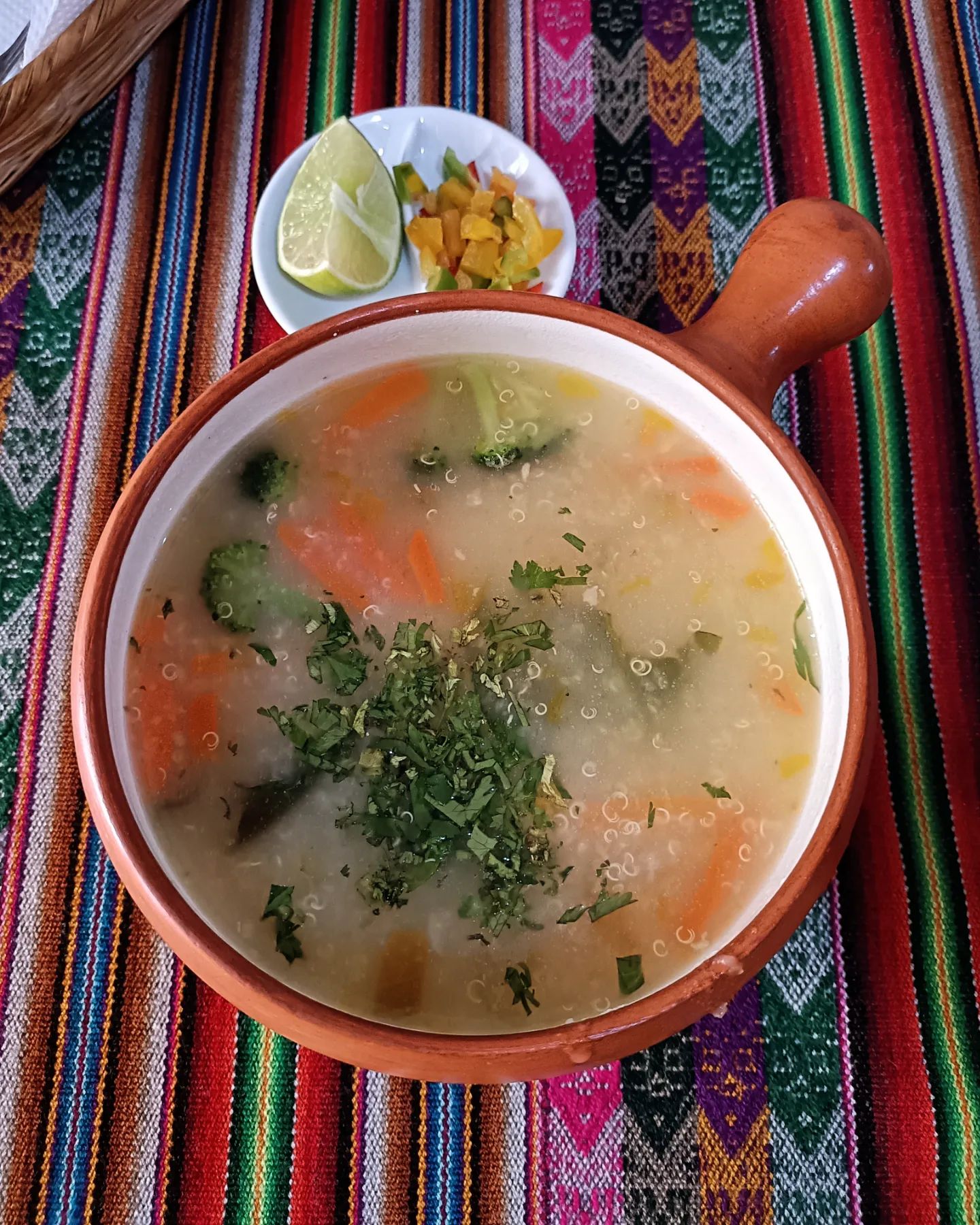
Trusca is usually served with Quinoa Sopas. Originating from the Andes Regions of Latin America, quinoa is a common and cheap carb consumed in Peru. Meanwhile, quinoa is quite expensive here in Ph.
Peruvian Chicken BBQ (Cuzco,Peru)
The Butterflied chicken, marinated with vinegar and spice rub, slow-cooked on the grill and served on a bed of brown rice and Salsa. Not in photo, but this is served with traditional Aji Verde or the spicy green sauce.
Street Tacos (Cancun, Mexico)
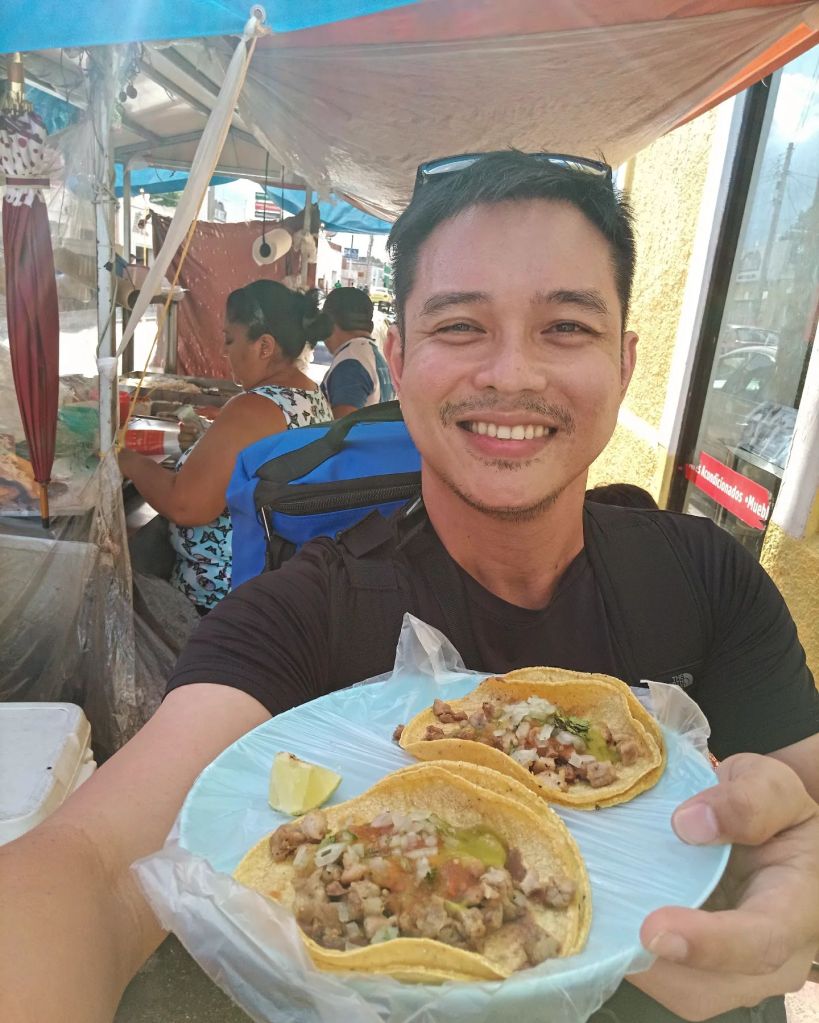
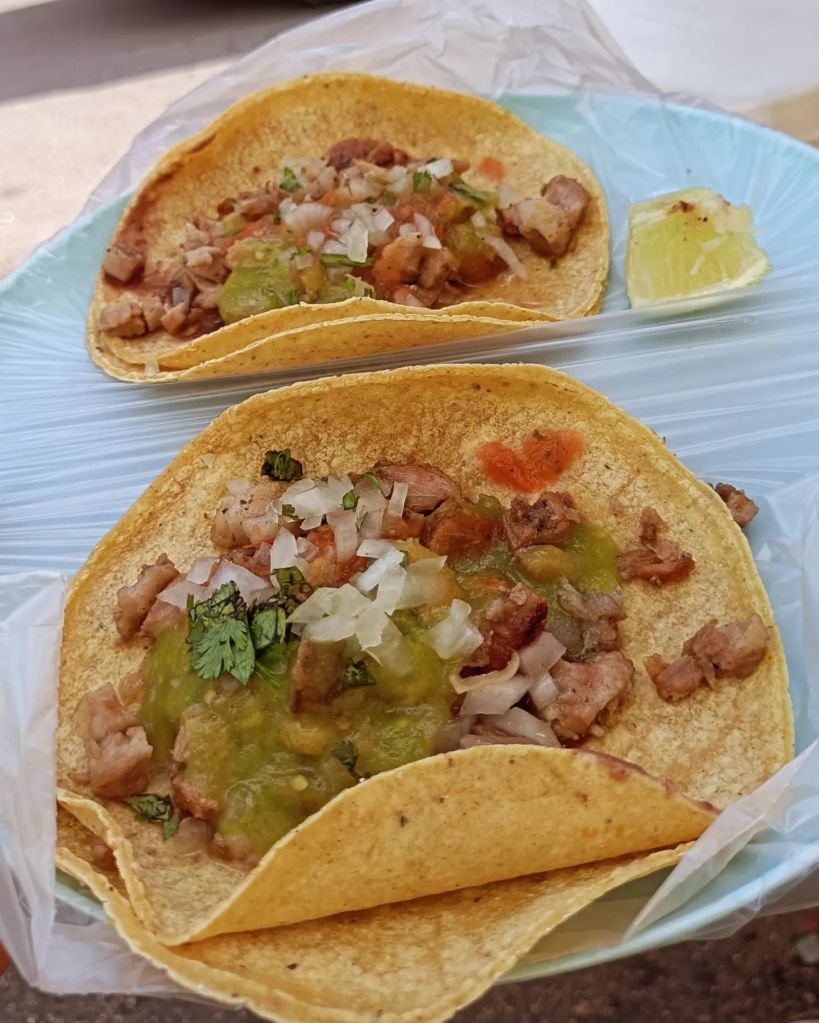
Taco is probably one of Mexico’s greatest contribution to the world. I had great tacos from random vendors, di ko na na-document lahat. Mahal dito sa Pinas pero street food lang talaga ito sa Mexico. Saya!
The Different Types of Tamale in Latin America. Tamales have a long history in Latin America, dating back to ancient civilizations and playing a central role in culture and religion. Tamales were originally created as a packed meal for hunters, warriors, and travelers. They were also considered sacred and were offered to the gods in rituals and feasts. Tamale is Latin America’s answer to our very own Pastil of Mindanao.
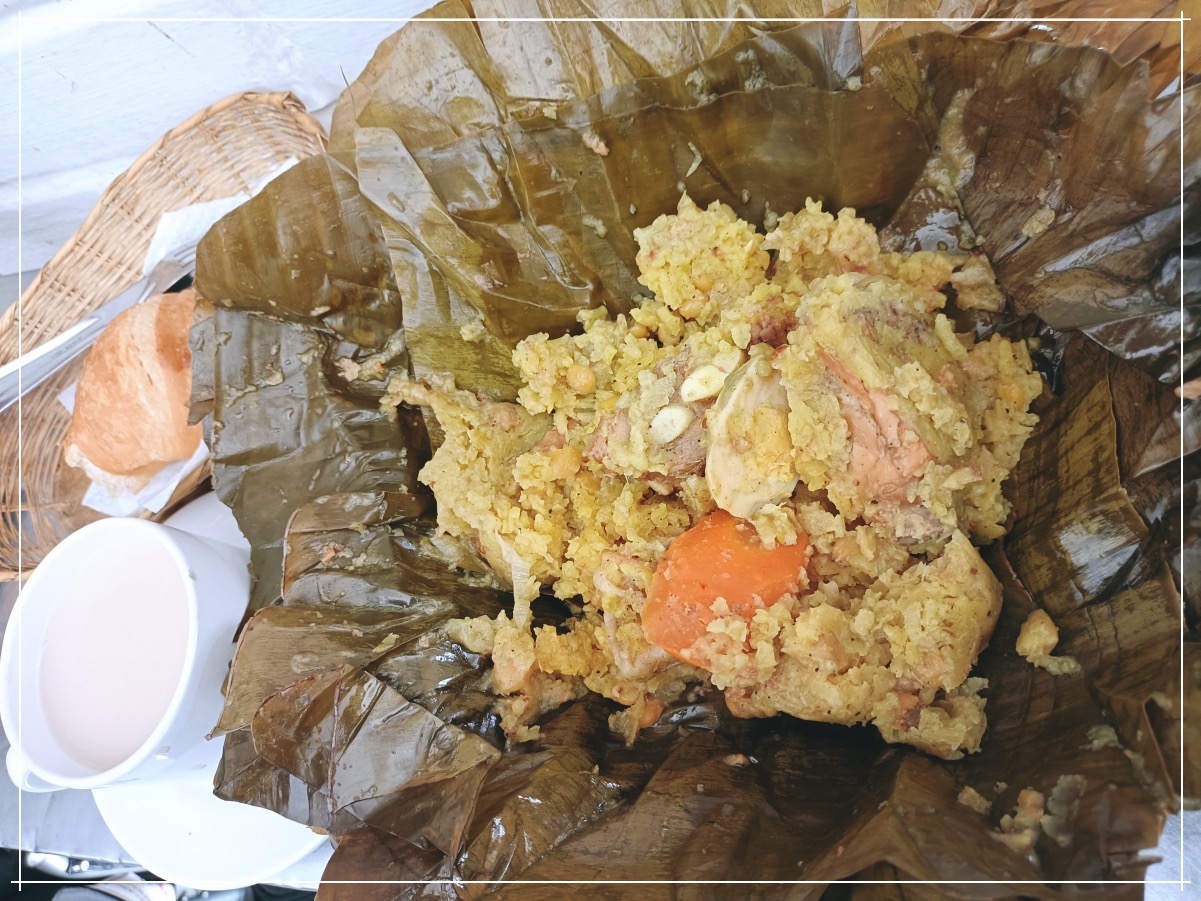
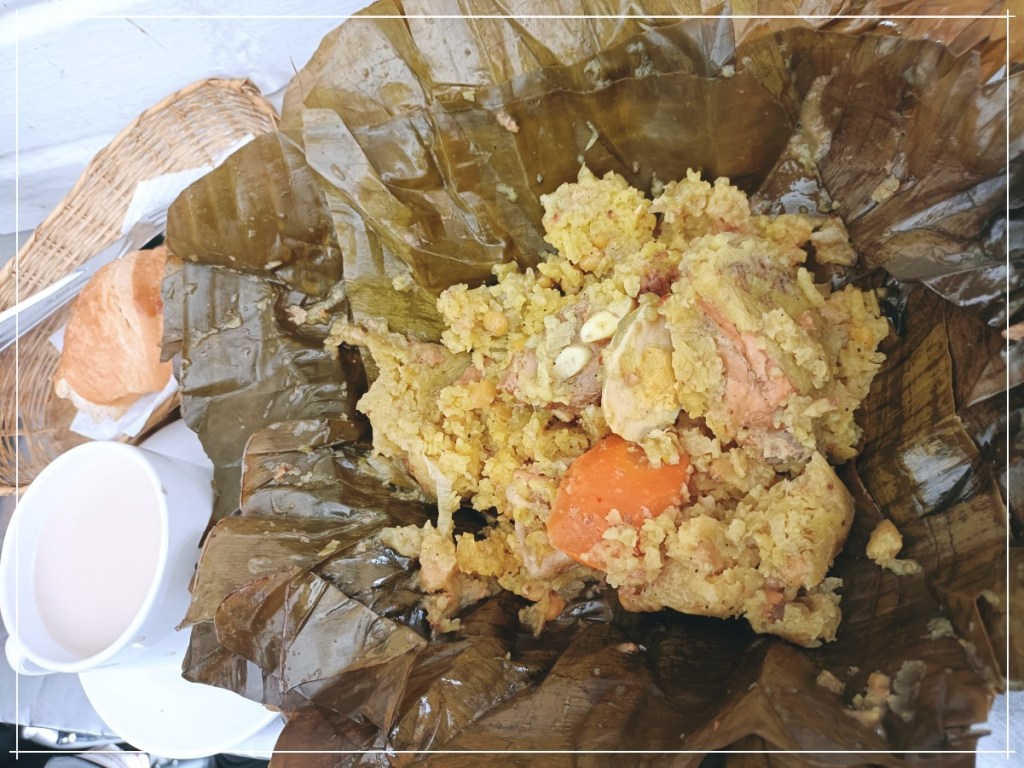
Tamale of Colombia. I’ve had different types of Tamale during my travel, but Bogota gave me the best one. It’s packed with fragrant yellow rice and corn combination, carrot slices and chunks of braised pork rib and chicken, plus complimentary bread and coffee. Mura lang ito, around 100 pesos if converted.
Tamale from Yucatan, Mexico. Yucatecan tamales can be prepared baked, steamed, or even buried, and are wrapped with different leaves, such as banana, almond, and holly leaf (hoja santa). Unlike Colombia’s rice-based pack, the Mexican tamales use corn dough as carbohydrates, then filled with pork or chicken, egg, ground pumpkin seed, chaya, or xpelón, which is a type of bean from the region.
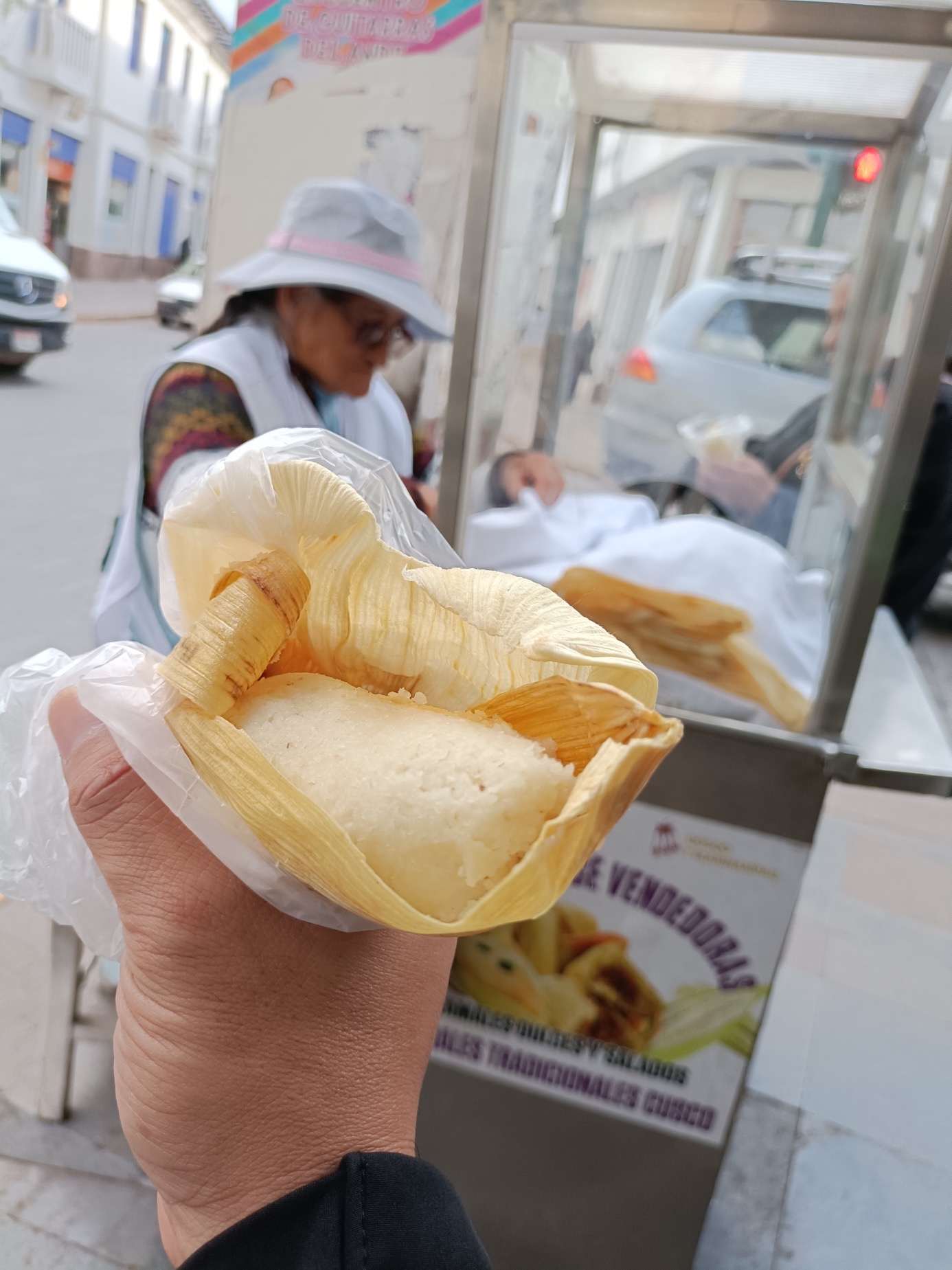
Sweet Corn Tamale, Cuzco, Peru. I also tried tamale at its simplest form. This steamed pack is just filled with corn dough and sweet corn bits, wrapped with corn husk.
As backpackers, we like to tick as many countries as we can off our travel bucket list. Personally, gusto ko ng land travel kasi it’s cheaper, and I get to see more and eat more sa mga stops. Though crossing land border between countries is quite a challenge and scary compared sa airport set ups, I still wanna do it anyways. Ibang level of excitement, tbh.
This was my route: Costa Rica – Nicaragua – Honduras – El Salvador for 8 days. Supposedly kasali pa Guatemala, which should have been my last stop. But that time, major political rallies happened, that resulted to border lockdowns, as it was unsafe. I was forced to cancel my ticket from Guatemala to Los Angeles,USA, and instead booked a last minute flight from San Salvador,El Salvador. Around 25% of my unused ticket was refunded by Avianca Airlines.
Things to research on and prepare before travelling around Central America by land:
Visa Requirement
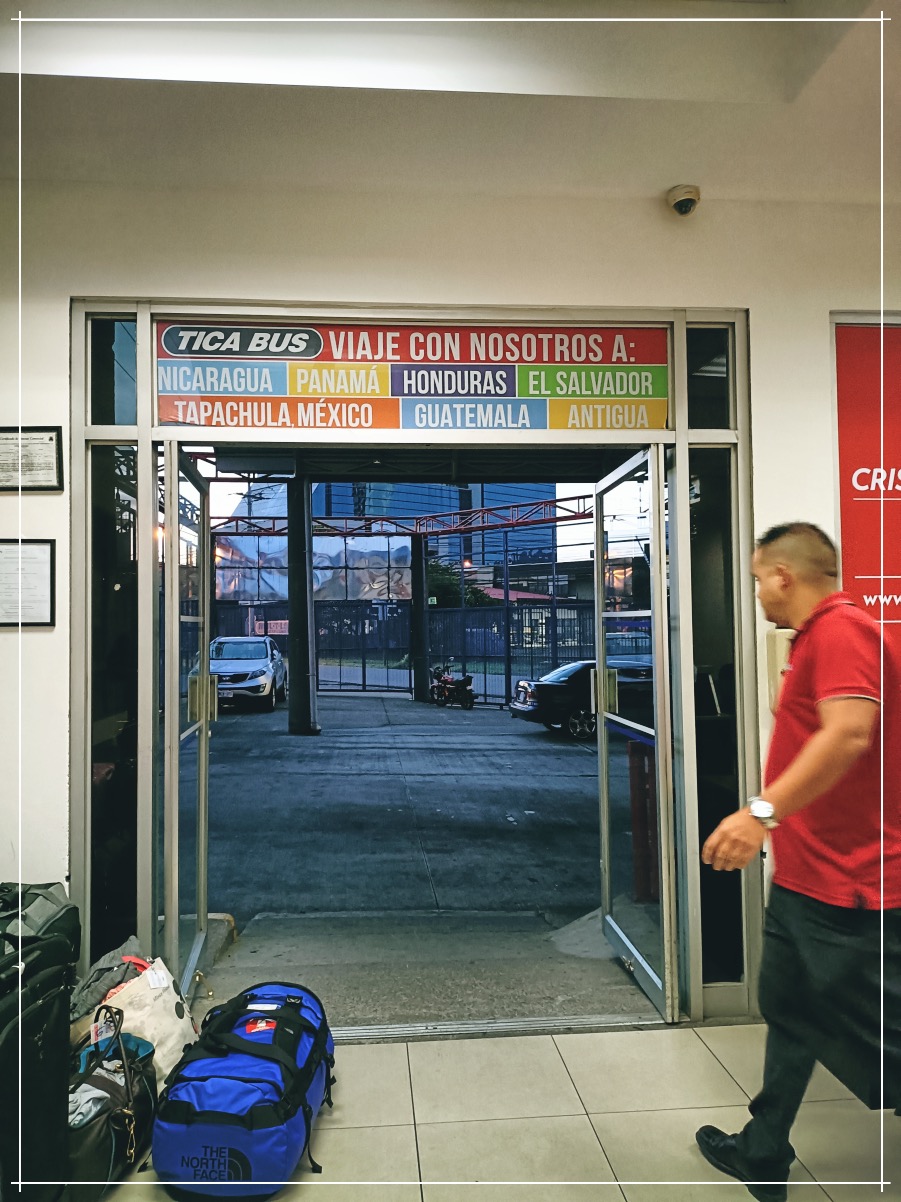
Travel between countries by land with Tica Bus Company
Land Border Crossing scenario with lots of small dollar payments and LANGUAGE BARRIER GALORE
Visa Requirement:
As far as I know, Philippine passport holders can enter Central America Visa-free only in Costa Rica. However, Panama, Nicaragua, Honduras, El Salvador, Guatemala and Mexico MAY allow Filipinos to enter their territory without a pre-approved travel visa, provided, you have a VALID and CURRENT US/American Tourist Visa. Though this policy may change, check updates nalang. During the time I travelled, my valid US Visa gave my weak Ph passport some added power, so to speak, in the Latins.
Upon my arrival in Costa Rica (by plane), not a single question from the immigration. Go lang ako ng go. Sabi ko nga on my previous post, PARANG PINAS LANG ANG COSTA RICA. The succeeding crossings however, ibang kwento na.
Travel between CA countries by land with Tica Bus Company:
Tica Bus is our Friend.
During my travel, I visited 4 Central American Countries. If i had the luxury of time, I would have visited more. I could have started my journey in Panama, then travelled by bus to Costa Rica, Nicaragua, Honduras, El Salvador, then proceeded to Guatemala, Belize and Mexico. These united Central American Countries are well connected by Tica Bus Company.
Added tip, I did a lot of readings and tanong-tanong on Tica Bus, to the point na I opted to choose a hostel that is relatively near the Tica Bus Terminal. FYI, iba ang Tica Bus terminal sa public bus terminals. Tica Bus, i feel is more oriented towards serving tourist.
Yes, possible na today to Reserve Tica Bus ticket online on this link. Just change the language to English sa top right corner. Website is pretty straight forward. Paid by card and reservation vouchers and receipt were emailed to me. The terminal locations are also given sa website.
Border Crossing Costa Rica to Nicaragua:
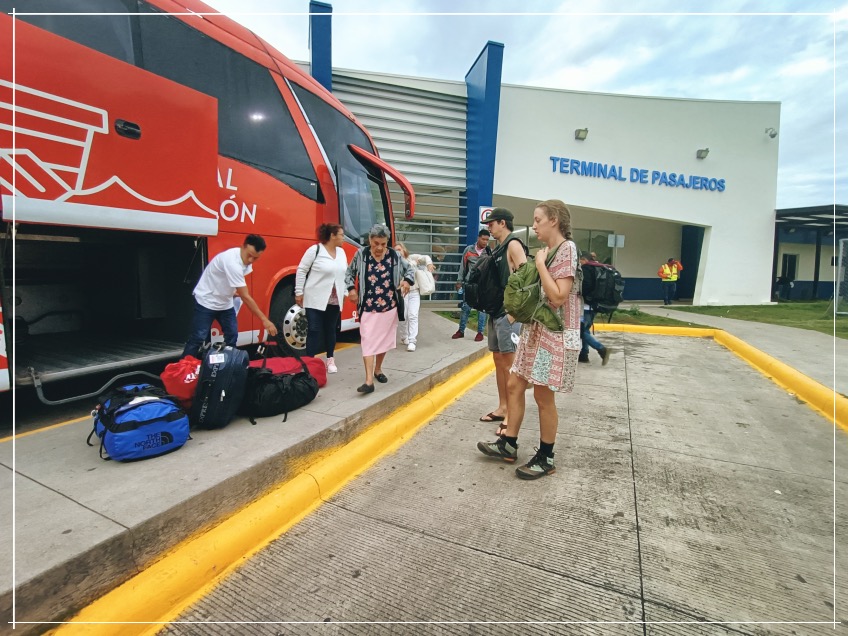
I took the 7:30 am bus from San Jose, Costa Rica to Managua, the capital of Nicaragua. Arrived in Managua at around 7pm na din. The border crossing came out OK. Though it required some few minutes of walking between border controls, thank God it did not rain. Bus fare: 33 USD
I paid an Exit fee of i think 7 USD at the Costa Rican Exit border control. Yes, may ganun. Kahit Visa Free supposedly for Filipinos, plot twist, may exit fee pala!
At the Nicaraguan entry-border control, I showed my Philippine Passport with Valid US Visa, so I was asked to line at a different booth. My passport was passed on by several officers. After a few minutes, I got it back. I paid a mandatory 10 USD for Tourist Card, which serves as my entry ticket to CA-4 countries (Nicaragua,Honduras,El Salvador and Guatemala). If I did not have a Valid US Visa, i will not be allowed to do such privilege, and would have to go through the embassies of each countries prior to my arrival. On top of this, I also paid 1 or 2 USD for whatever fees nun. Language was also challenging at the Nicaraguan border, though the driver of Tica bus assisted us on this.
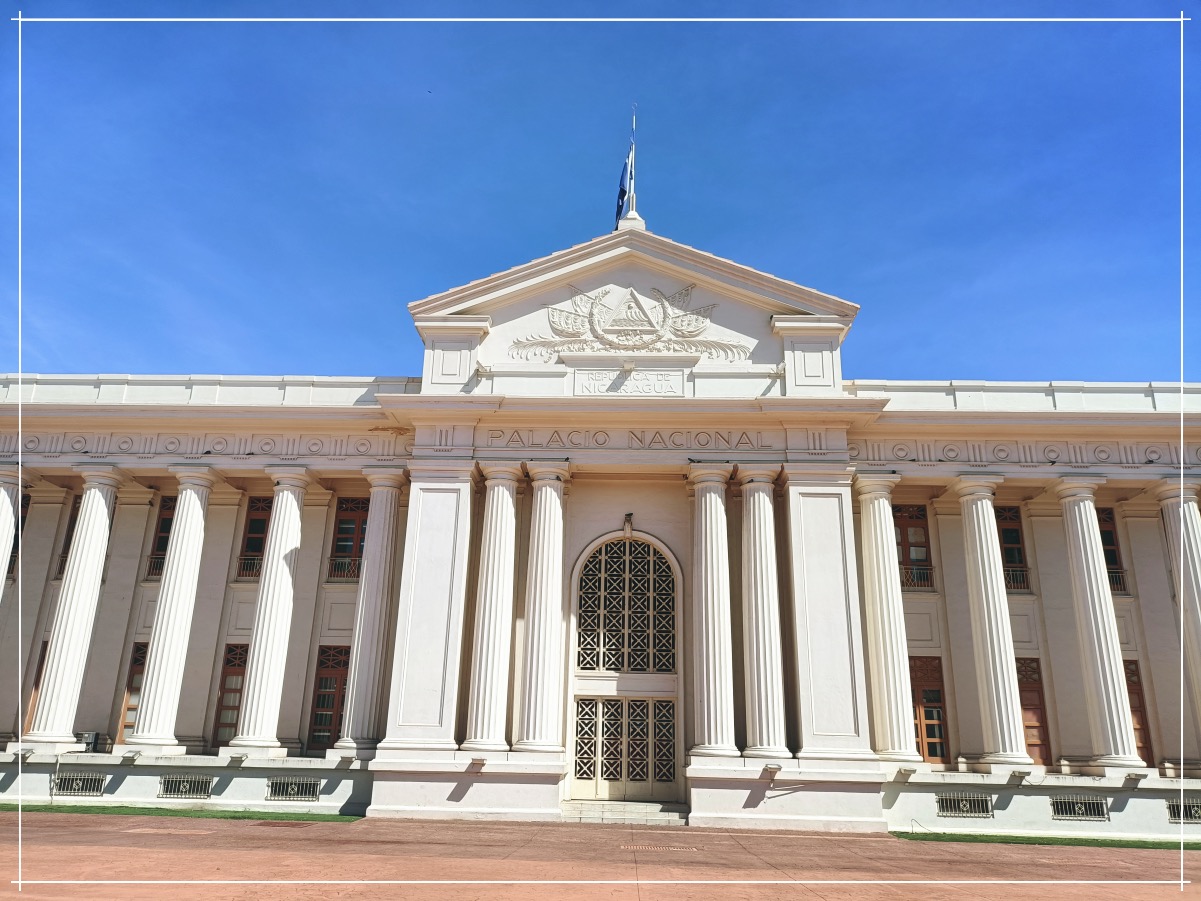
BTW, At the border, there were freelance folks that offer change in money/currency. Though it is not advised but I changed 50 USD to Nicaraguan Cordoba. Money was authentic. I did not encounter any problem using it. Managua landmarks on photos below.
Border Crossing Managua to Honduras then to El Salvador:
From Managua, i took the 2 AM Tica Bus to San Salvador, the capital of El Salvador. Bus Fare: 63 USD. This took around 14 hours travel. I remember arriving at San Salvador pass 4 pm. The Bus route passes through Honduran Territory, as such, may border crossing moment ulit. This was actually the most difficult for me, among the land border crossings I did during the trip. Super Shady ng perimeter ng building nila. The Honduran officers never exerted any effort to speak English while talking to me. NGANGA moments. At the Honduran entry-border control, I was passed on by different officers. Most of them speak loudly, borderline shouting. I also paid a few dollars at the office, I remember paying 1 USD just to enter the border control building. Plus I think 2 USD more for Municipal Fee. As advised, BRING A LOT OF SMALL US DOLLAR BILLS when crossing borders of third world nations. We just passed through Honduras. Nag lunch lang ako dun. Di ko na nga maalala kung may mga exit fees pa nun; likely minimal though.
At the El Salvador entry border control, things went pretty straight forward na. All officers spoke English well. My passport took some time though. As the only Asian in the bus, I was asked to go to a different office. Again, my Valid US Visa was reviewed. The officer did a quick explanation though, which is nice. I paid not more than 10 USD to enter. I forgot what that was for. They provided receipt and ticket. At the El Salvadorean territory, you will definitely see and feel the upgrade on infrastructure. US dollar is also used as the national currency of El Salvador. Sobrang convenient nung arrival ko, as the San Benito Terminal of Tica Bus is just at the front of my Hostel.
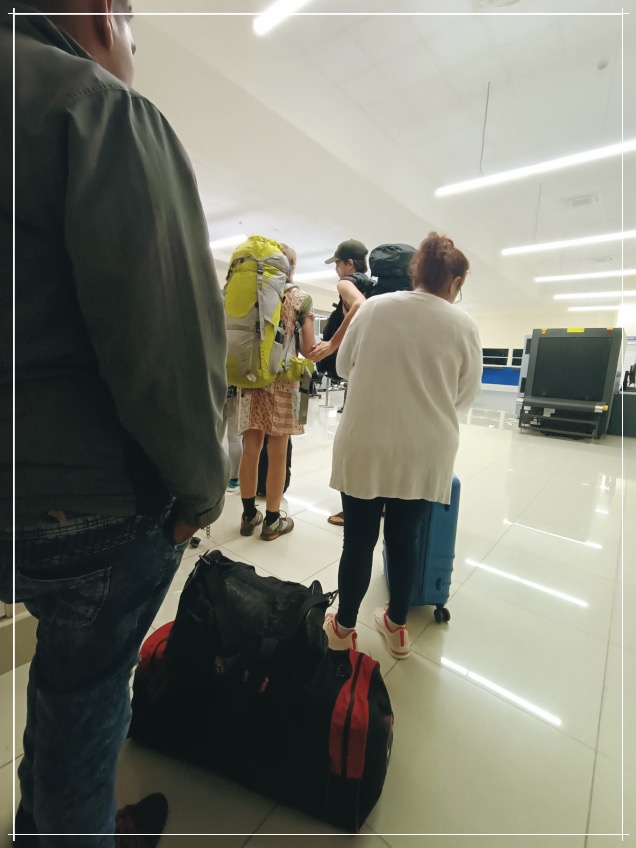
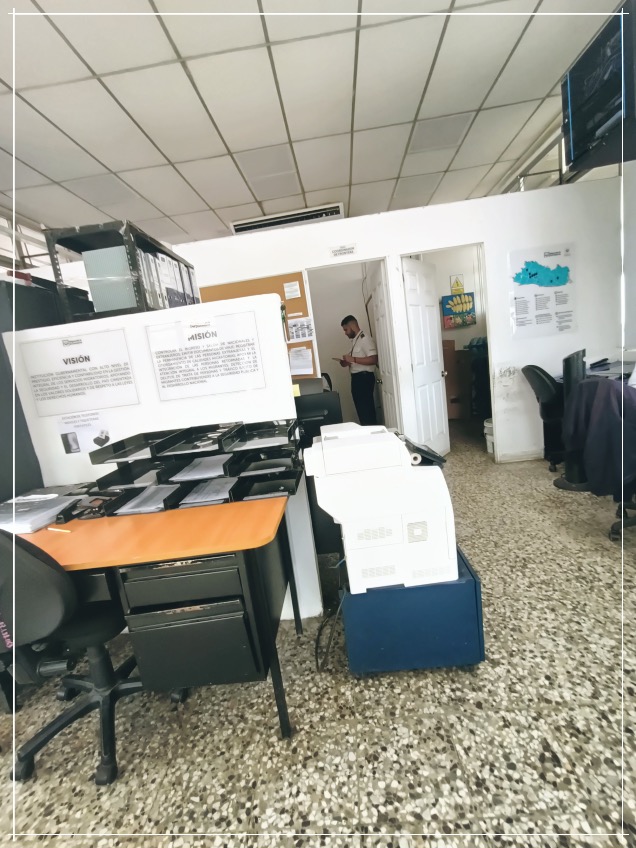
Photo below is the room I was brought for some payments and waiting time. All other passengers (Local, American and Europeans) waited for me at the bus for almost 30 minutes.
My Central American travel ended in El Salvador. If not for the political rallies, I would have proceeded my land trip to Guatemala, which should have been the highlight of all these. I’ve always wanted to visit Guatemala City and Antigua. Oh well, in God’s time.
All in all, ok naman border crossings ko. Very few reference lang available for Land Border Crossing in Central America, especially for Ph passport holders. Big thanks to Escape Manila for all the tips, since he also did the same route, before me.
Will upload more for each CA cities I’ve visited, plus the hostel where I stayed. For now, dito muna. 🙂
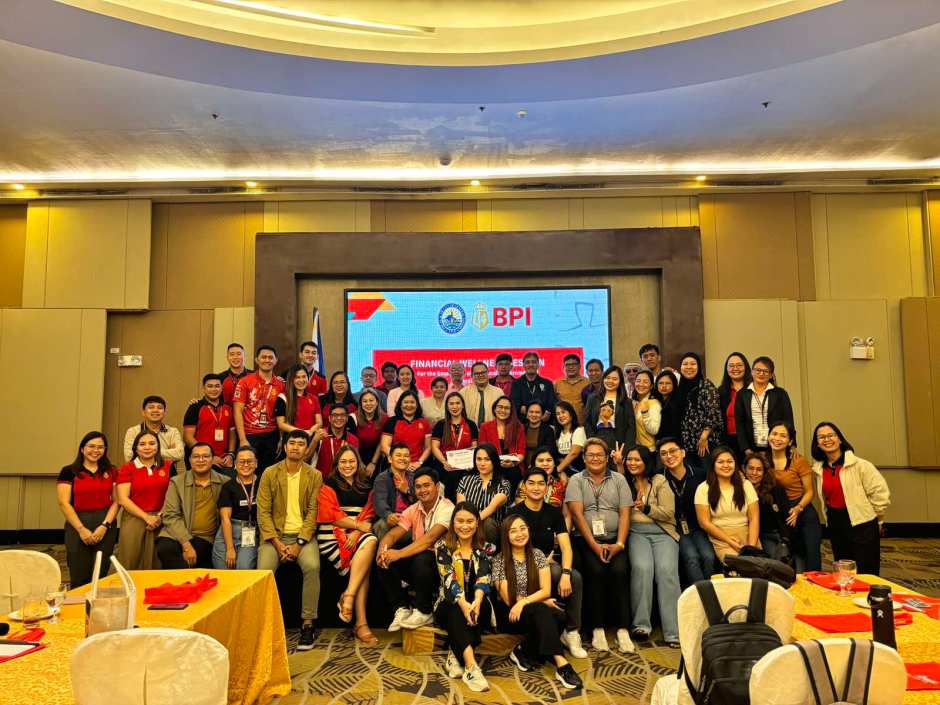
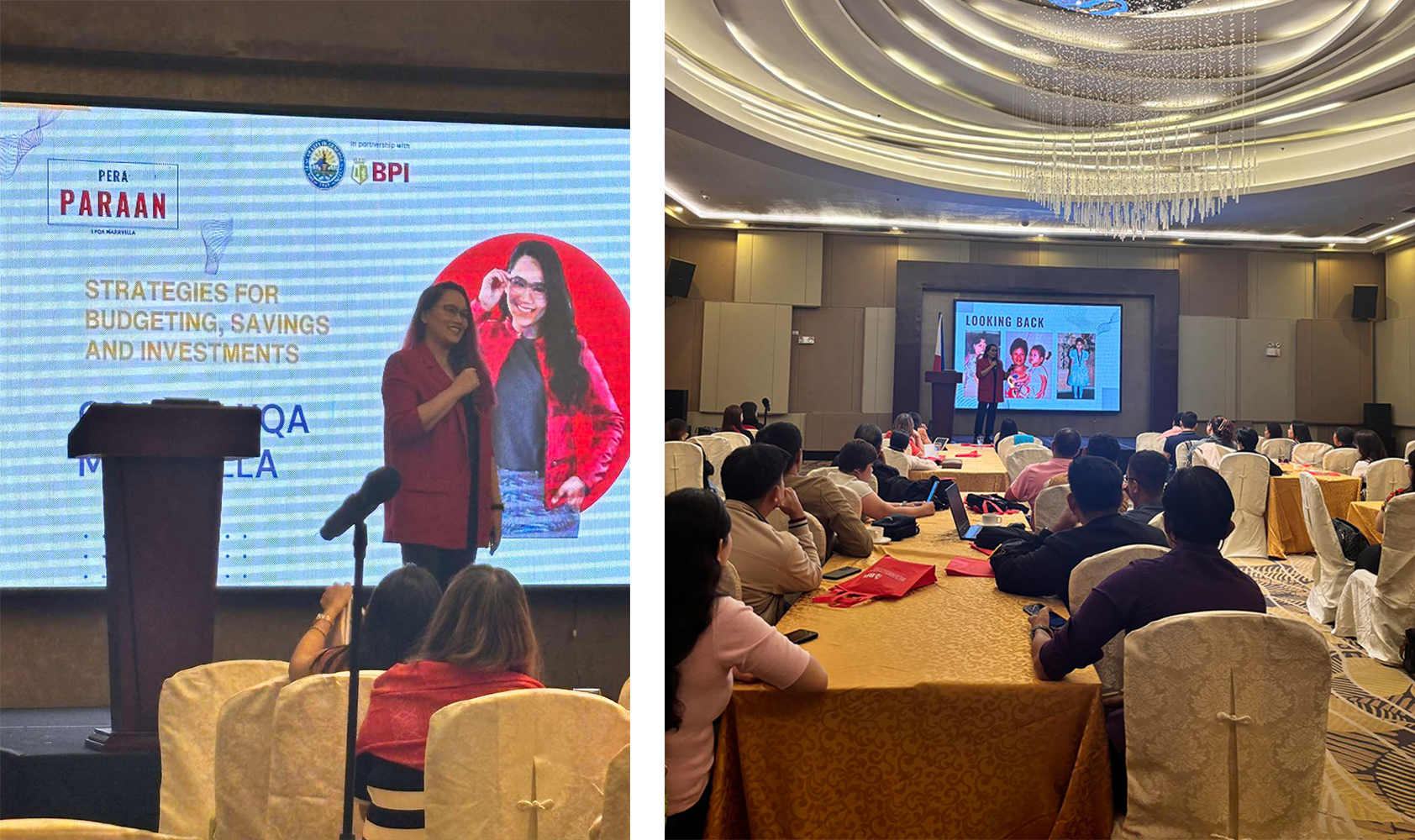
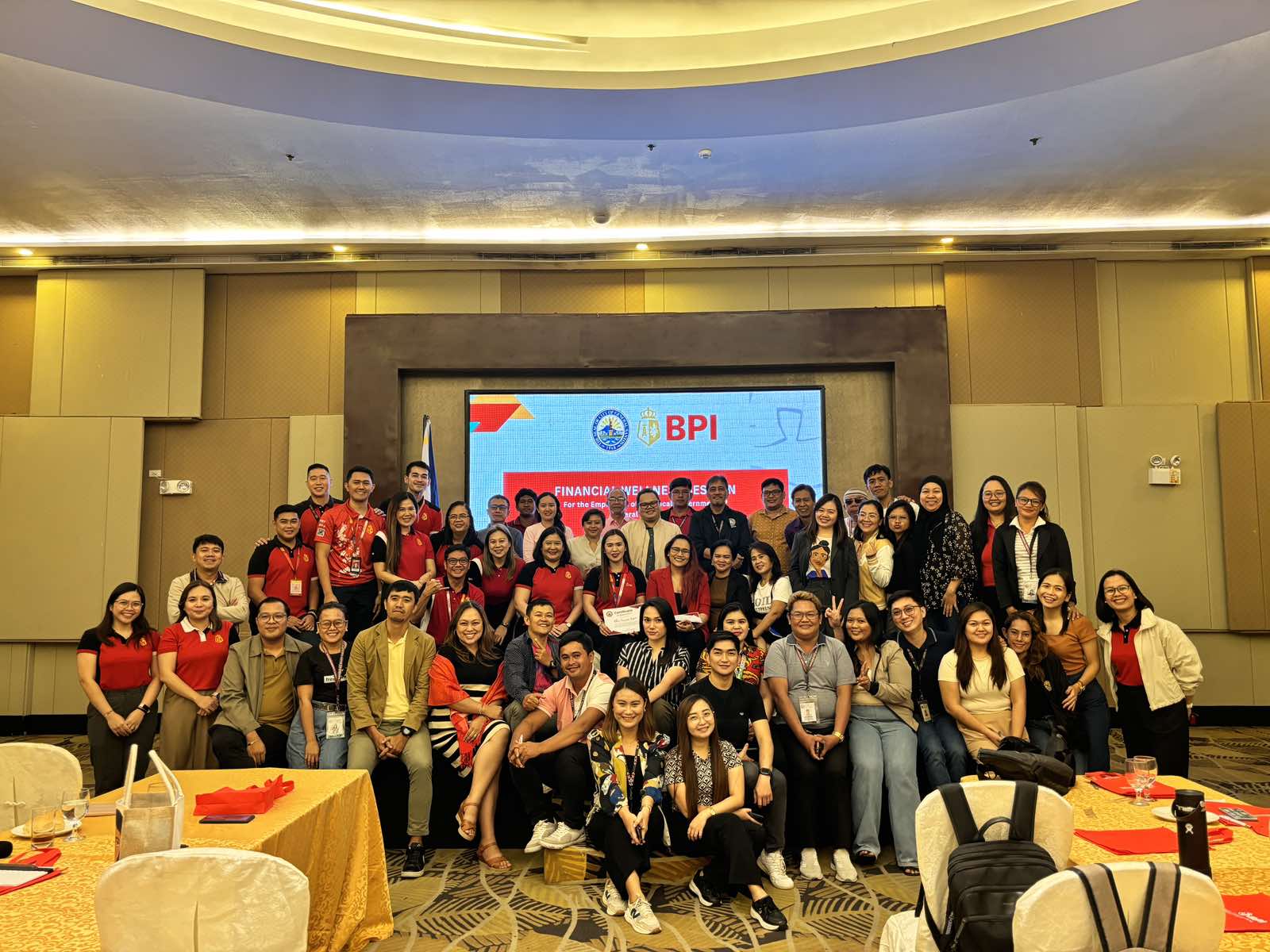
Financial Wellness Coach Lyqa Maravilla facilitates a financial wellness session for General Santos City LGU employees.
As part of its continuing commitment to promote financial literacy across the country, the Bank of the Philippine Islands (BPI) recently conducted a Financial Wellness Session for more than 40 employees of the General Santos City Local Government Unit (LGU).
Financial Wellness Coach Lyqa Maravilla led the session, equipping public servants with essential knowledge in personal finance management, with a focus on effective saving strategies, budgeting techniques, and making informed investment decisions. In the next session, Rhea Lorrain Tecson from BPI Agency Banking discussed the basics of digital financial literacy and cybersecurity, covering topics such as safe online banking practices and protecting personal information.
“This initiative reflects our strong commitment to financial education,” said Elena Torrijos, BPI Head of Public Affairs. “By partnering with LGUs and other key institutions, we aim to empower more Filipinos, especially those who serve as frontliners in their communities, to take charge of their financial future.
The Financial Wellness session in GenSan is just one of many initiatives that BPI has been undertaking to address the diverse financial education needs of Filipinos nationwide. As part of its ongoing advocacy, BPI aims to establish and sustain meaningful partnerships with more government partners across the country. By fostering these relationships, the bank contributes to ensuring that financial literacy becomes a long-term, widespread endeavor, benefitting public servants, educators, small business owners, and many others.
In line with its 173rd Anniversary this year, BPI remains steadfast in its mission to create a financially empowered society through strategic partnerships and targeted educational programs. These initatives form part of the bank’s vision of helping build a better Philippines – one family, one community at a time.
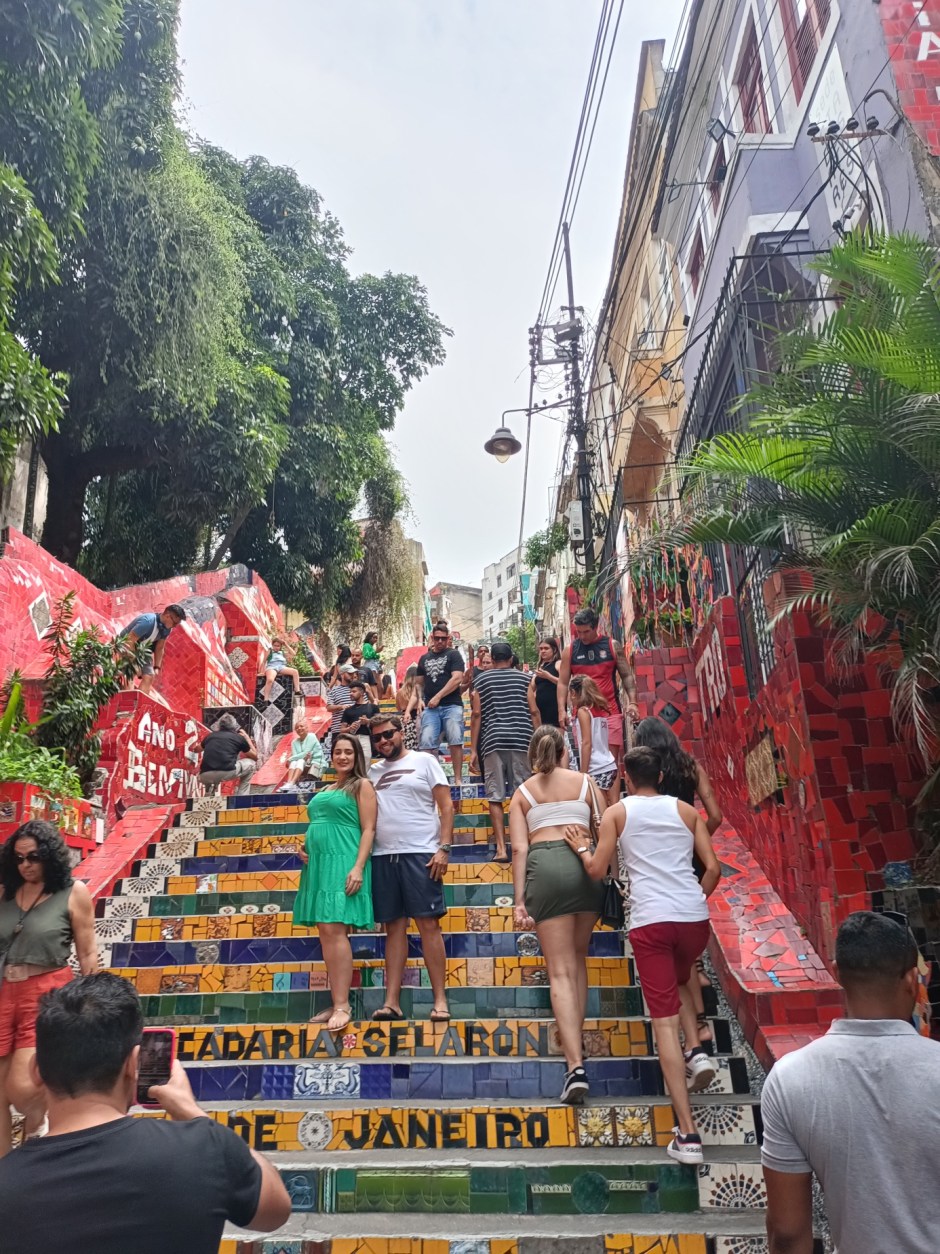
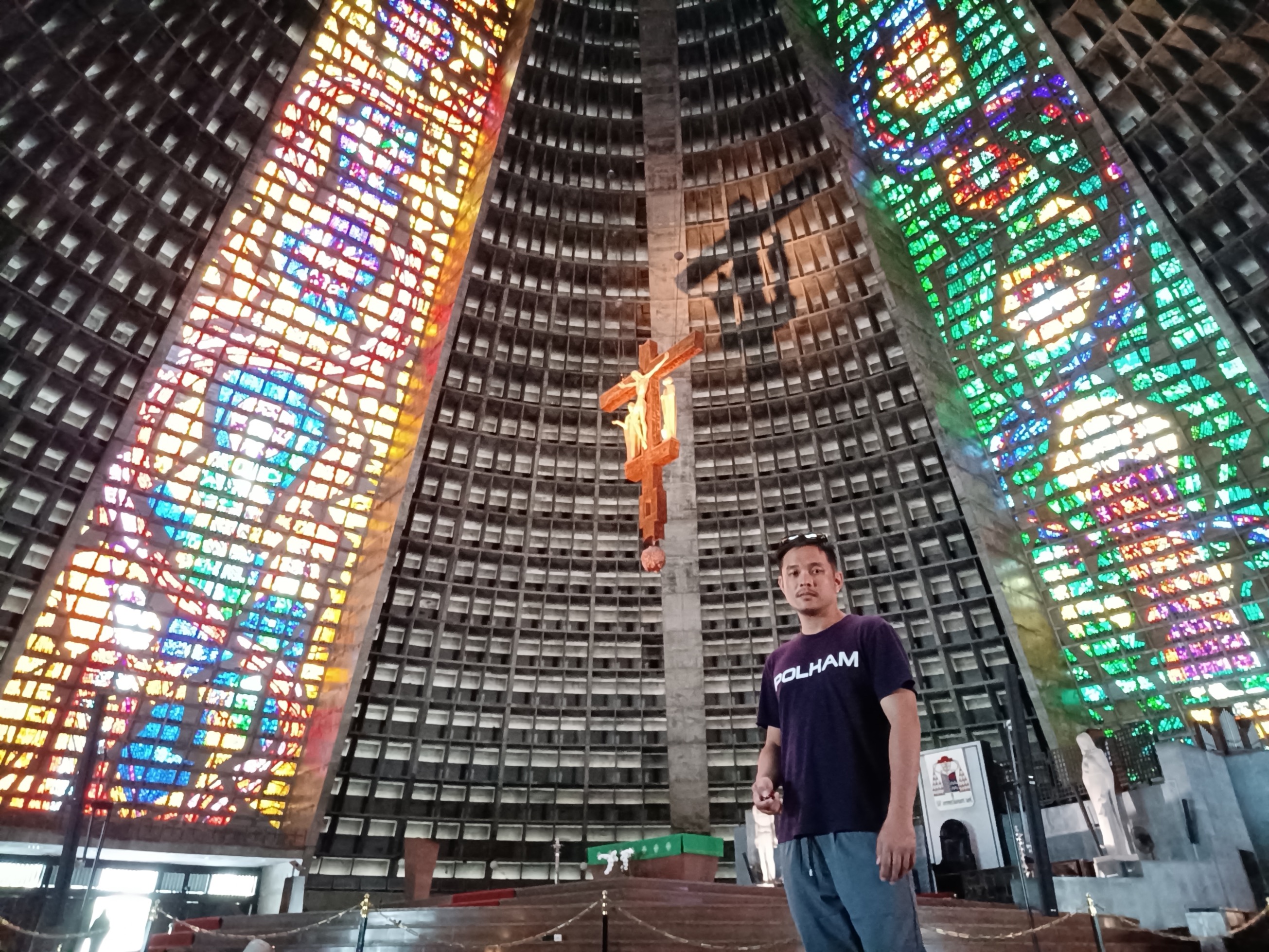
Though prior to the trip, I already got a handful of heads up that Rio can somewhat be notorious on tourists; especially solo travelers. I had friends from Cebu who got robbed, mobbed and harassed in Selaron (a popular tourist spot) in broad daylight. Yun cover photo ko, yan yung Selaron. Robbers took their passports as well, thus destroying their onward plans in South America. As such, I was double cautious all the time. Opted to stay in Rio for just two nights. My only priority was to visit the Christ Redeemer Sanctuary and I am done. See my Christ Redeemer blog post here.
Despite all the warnings, I still got scammed in Rio. Guess what? By an Uber driver. During my ride from the airport, I paid the driver with local currency-cash. But as soon as I was dropped off, I received a notification from Uber, saying that the most recent ride was charged to my credit card. It still puzzles my how the driver changed the mode of payment after the ride, since these choices are done by me, prior to the ride. I immediately made an incident report on this. However, i cannot use the app while the investigation is going. At di ko kaya yon! I needed a legit booking app more than ever in Rio. As such, ni let go ko nalang. doble tuloy kita ng driver sakin. Good thing it only happened once.
Another inconvenience I encountered in Rio was that all my Visa/Mastercard Credit and Debit Cards got declined immediately on my first attempt to swipe for food at Rio airport. The cards were from Eastwest and BPI, both local Filipino banks. I reported the incident to Eastwest Bank online support, yet they could not find any errors, saying that my cards have always been ready for international use. Meanwhile, BPI online did not respond to me. These cards worked well with other countries though. So yun, ni-let go ko na. Total, 2 nights lang naman ako sa Rio.
I had a friend who traveled to Rio na din (for work) pero never naman daw nagka problema credit card nya. However, Citibank at HSBC daw dala nya that time. As such, baka nga yung local banks ko lang ang nag-drama for the eme.
Isa din sa di ko nagustuhan sa Rio is dirty at daming homeless na high on drugs sa daan. Though galing naman ako sa Pinas so these street views should not be new to me. Pero malala talaga dun. O baka kasi sa old/historic district ako nag stay. kaya yun. Oh well. Isip ko nalang minor inconveniences lang ito compared sa iba.
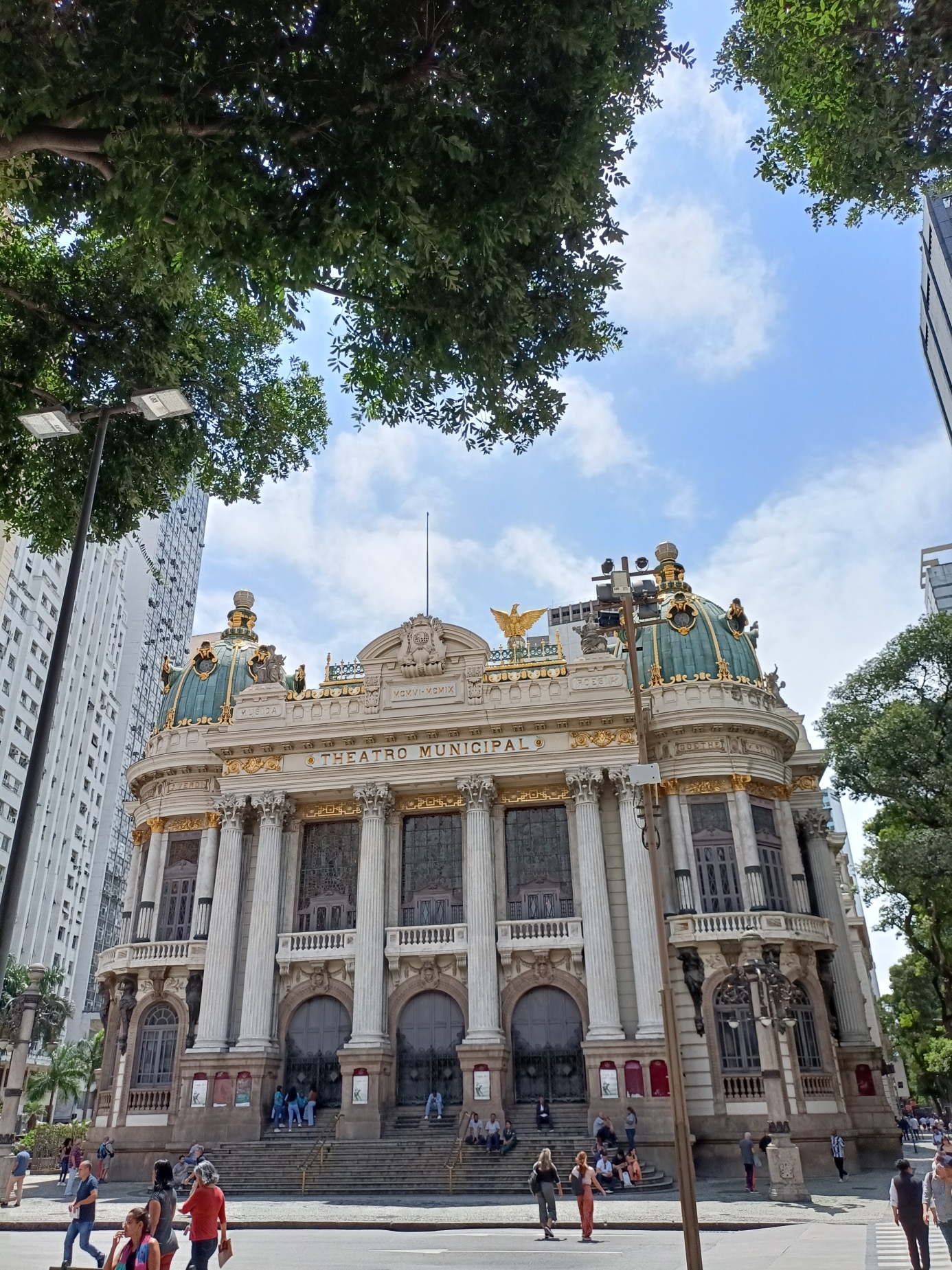
Despite all the inconveniences, I must also acknowledge that Rio is a visually stunning city with its evident colonial architecture influences, as well as its surrounding hills, beaches and ocean. The panoramic views from Sugar Loaf and Christ Redeemer Shrine in Corcovado are amazing.
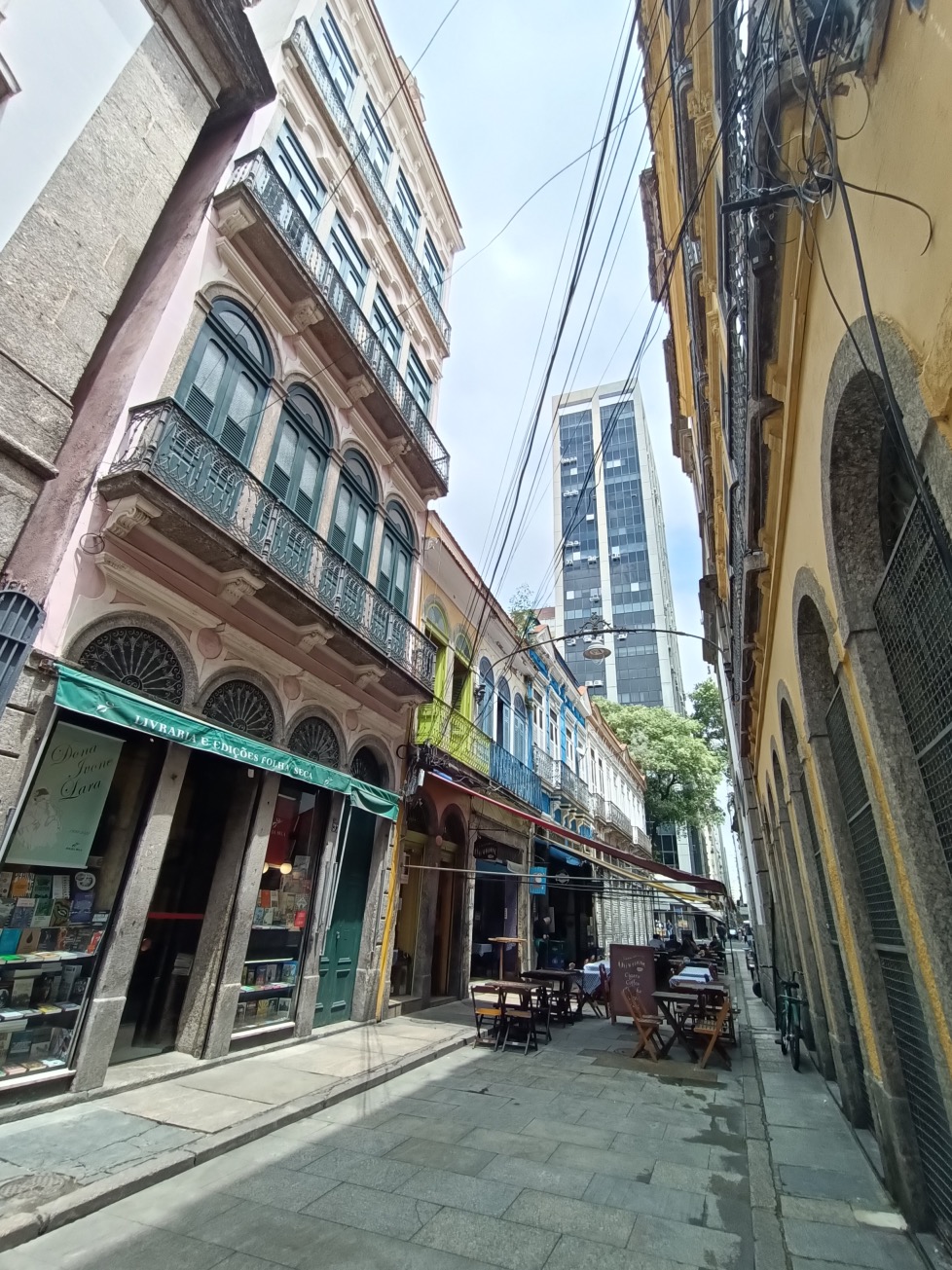
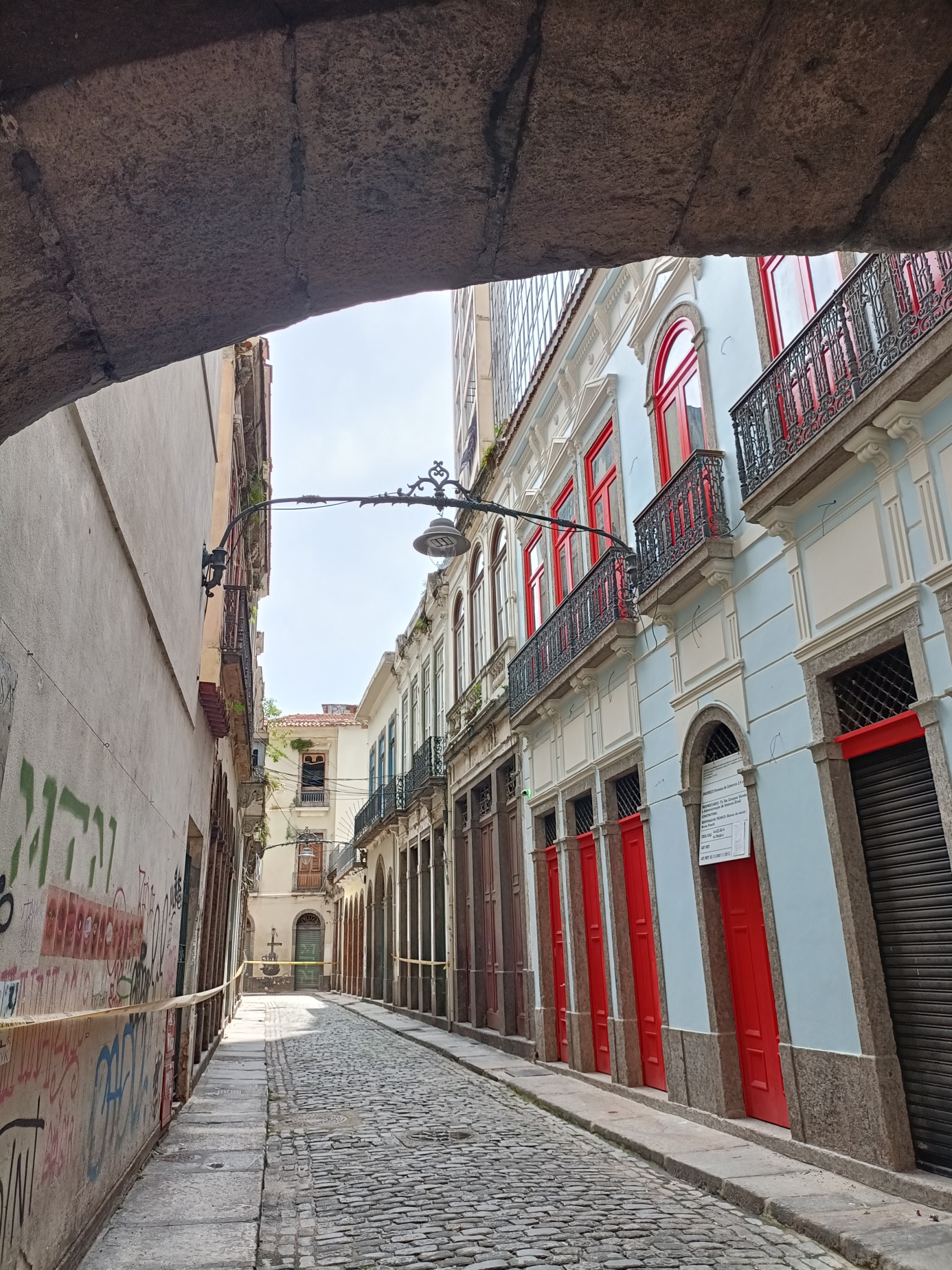
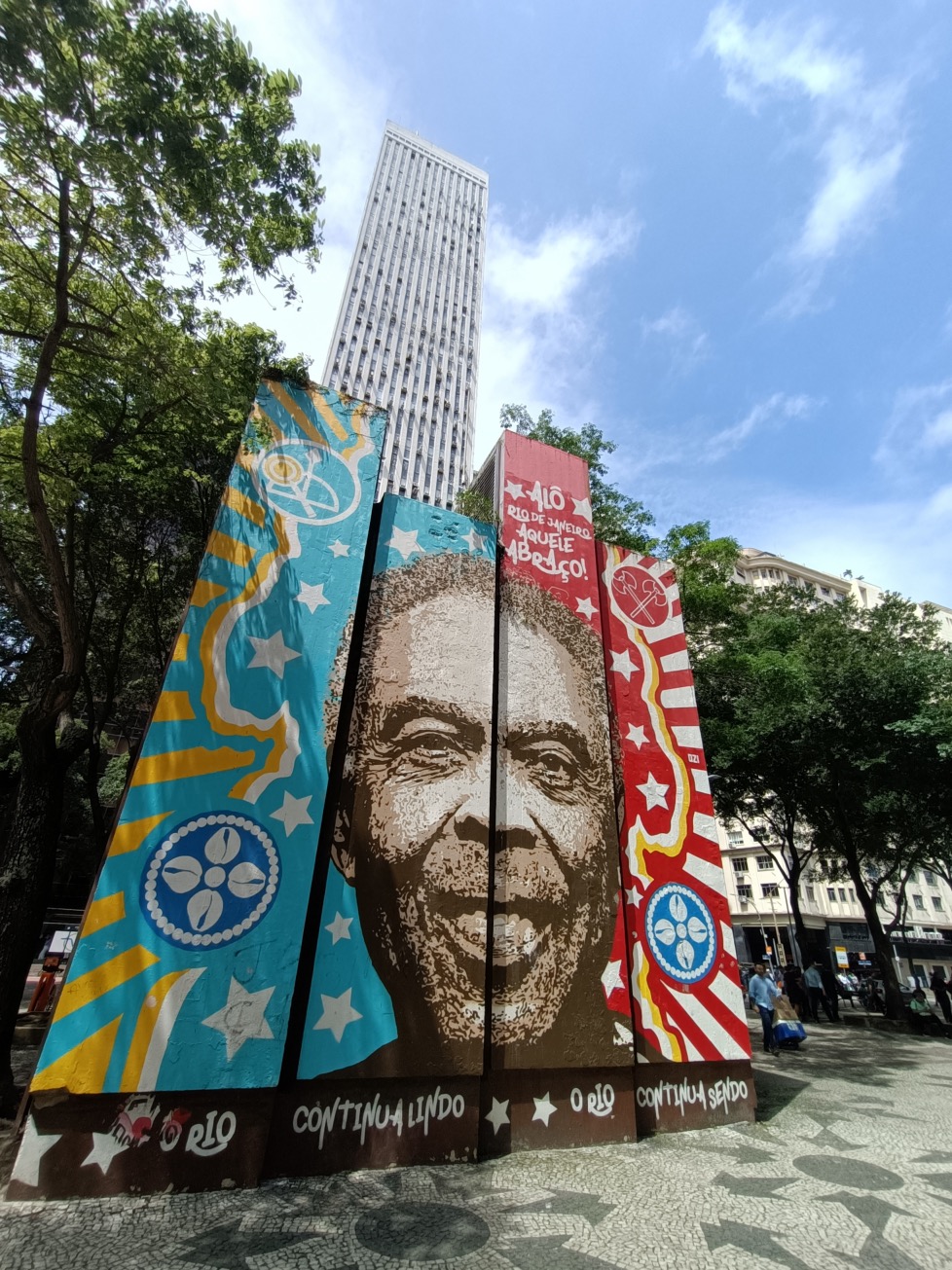
I joined a Free walking tour once again with Guru walk during my first day and here are some random shorts around the old/Historic quarters of Rio:
Dami murals and splash of colors sa streets nila.
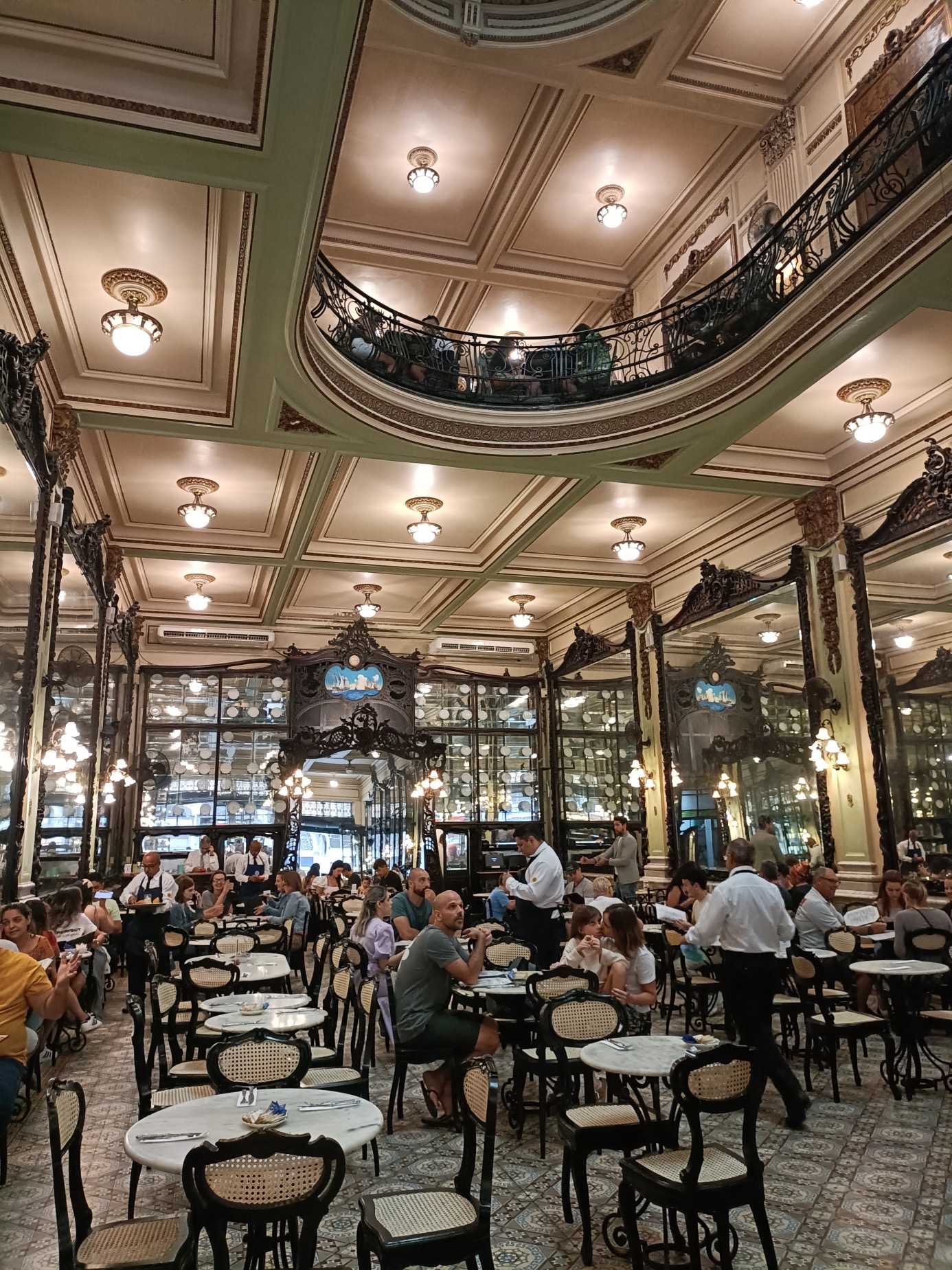
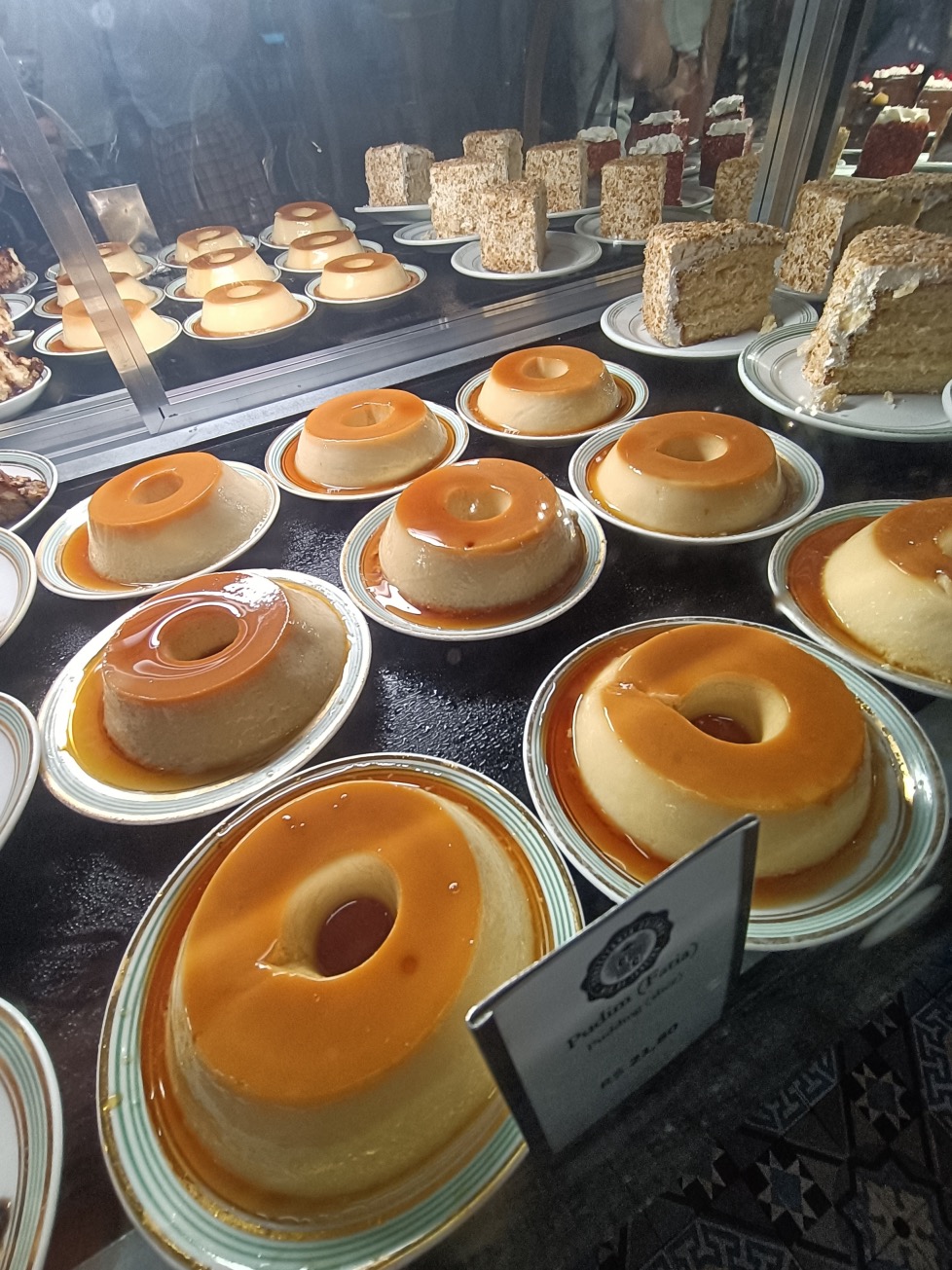
Spent a nice afternoon at Confeitaria Colombo, Rio’s oldest cafe & best dessert around! Cafe Colombo had been operating since 1860. I must also highlight that coffee in Rio is sooo Good! Brazil produces a variety of specialist grade, single origin coffees with a high-quality taste with notes of cocoa on their latte (a local barista told me this).
Here is how I spent my lazy 3-days stay in Bogota,Colombia on a thrift.
Joined aFREE WALKING TOUR with GuruWalk. When arriving a foreign city as a backpacker, the best way to a get quick familiarization of the place is by joining free walking tours organized by locals and long stay tourists alike. Free walking tours offer quick discussions on the city’s history, while passing by landmarks and relevant districts. Tours usually last for 2 hours, so prepare to walk that much. And with this, you can get insider tips on the nice places to eat, things to do for your succeeding days, and how to get around, as well as safety measures when touring. Guruwalk is just one of the large and reputable organizations offering free walking tours on key destinations around the globe, but there are several others. Feel free to check on tripadvisor for recos.
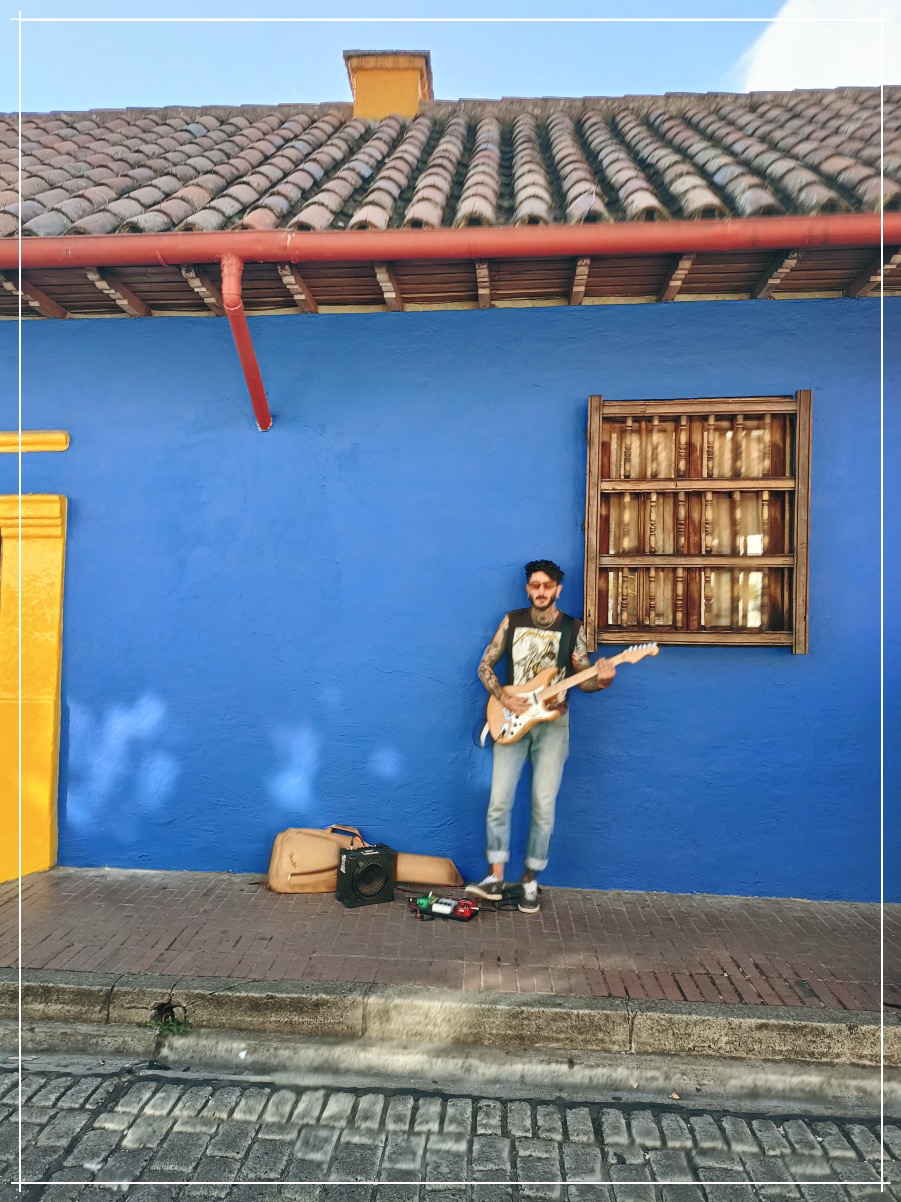
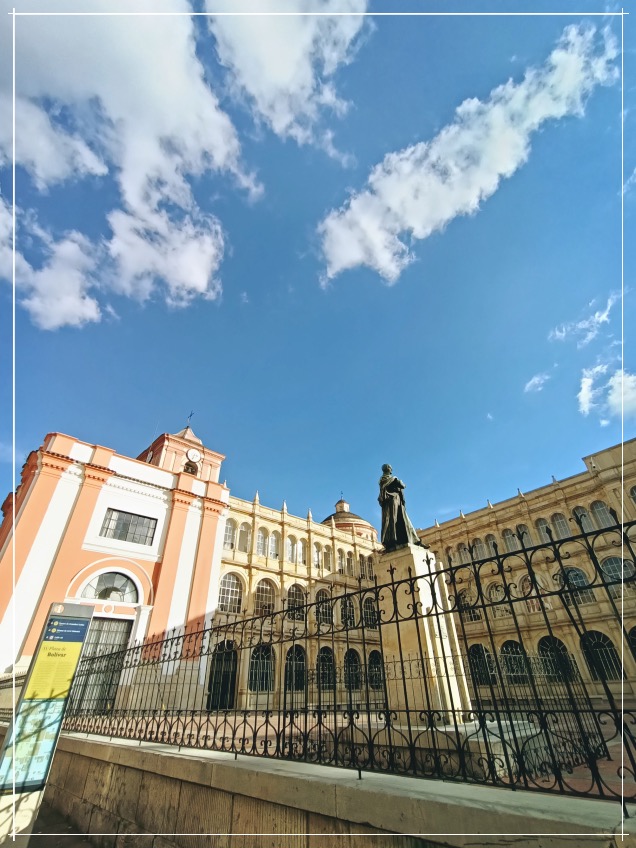
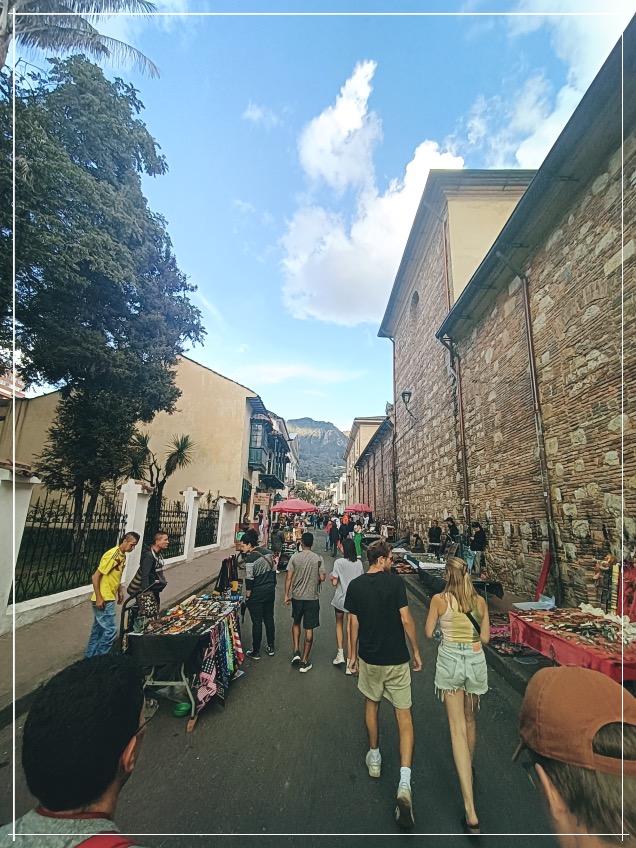
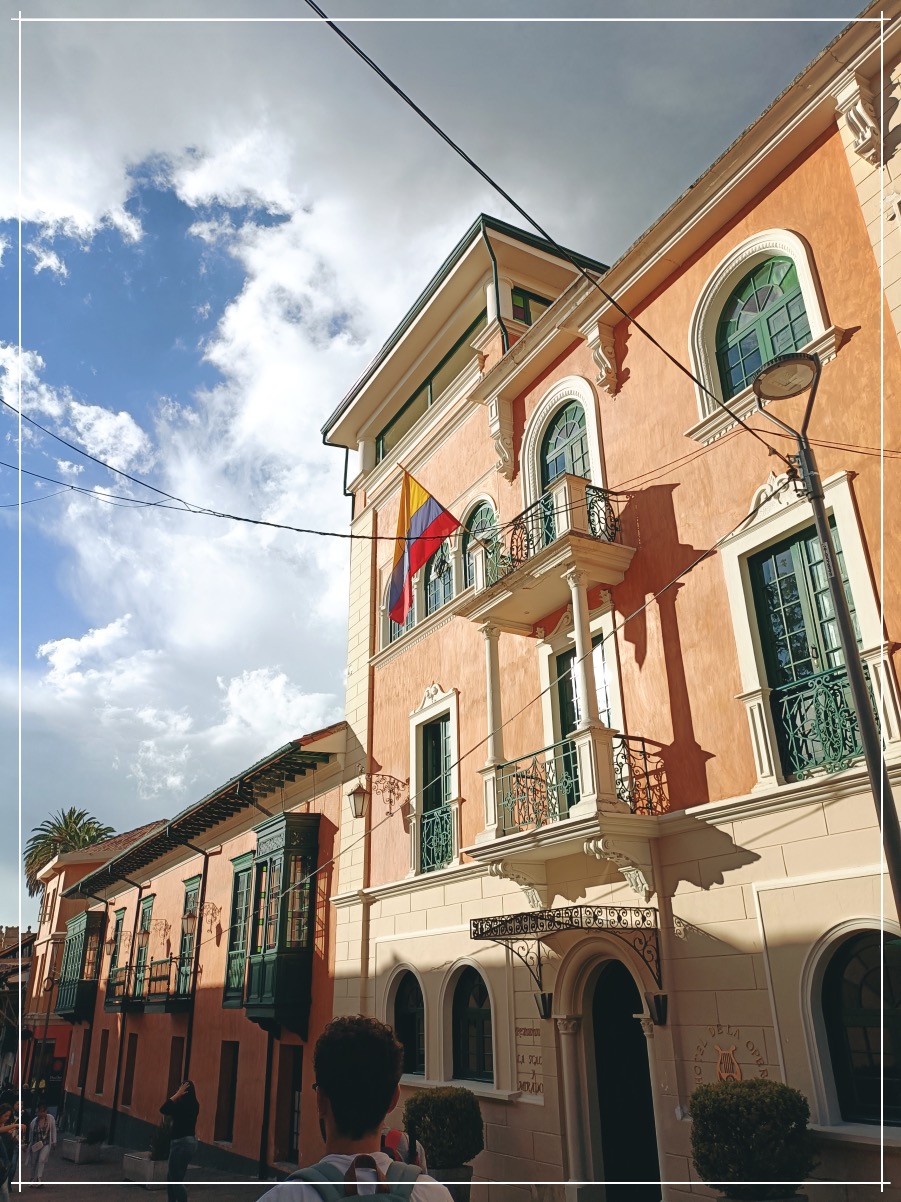
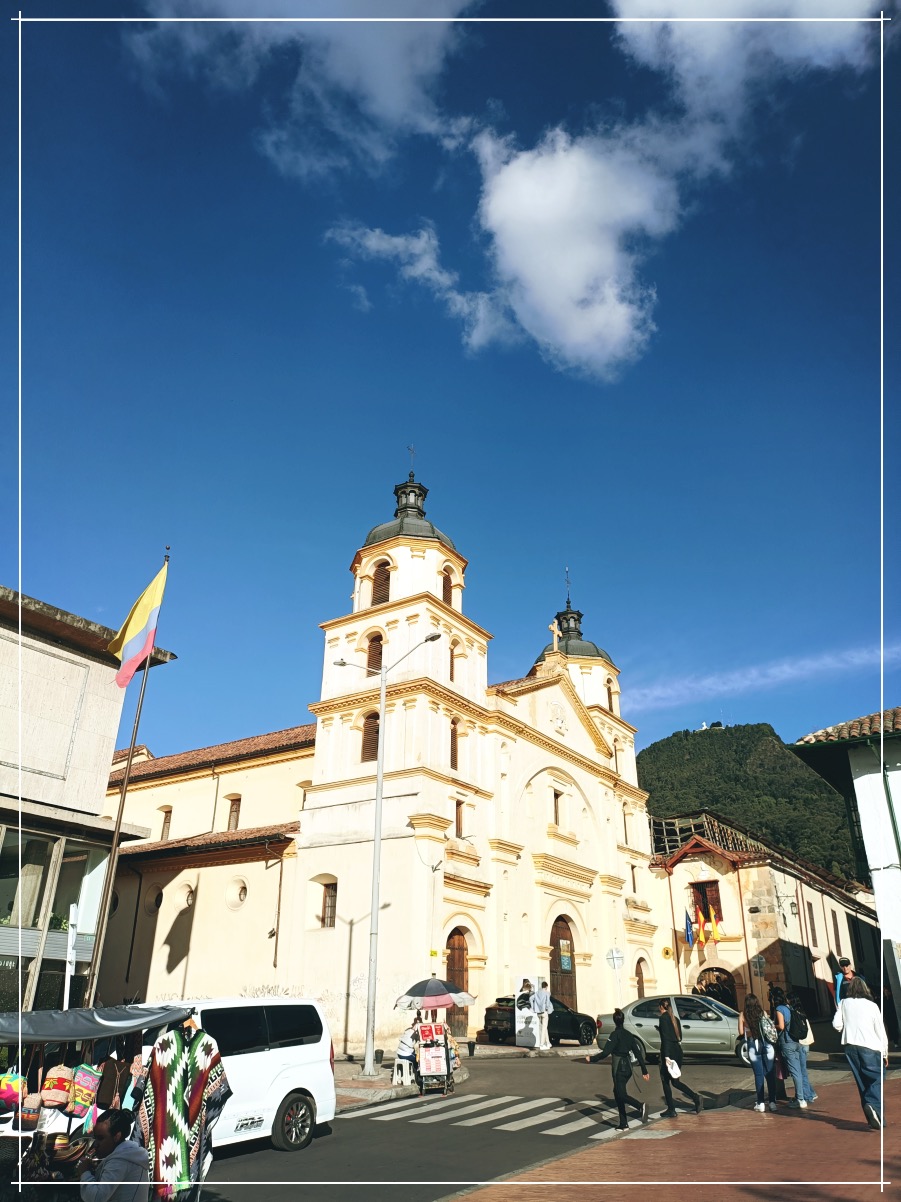
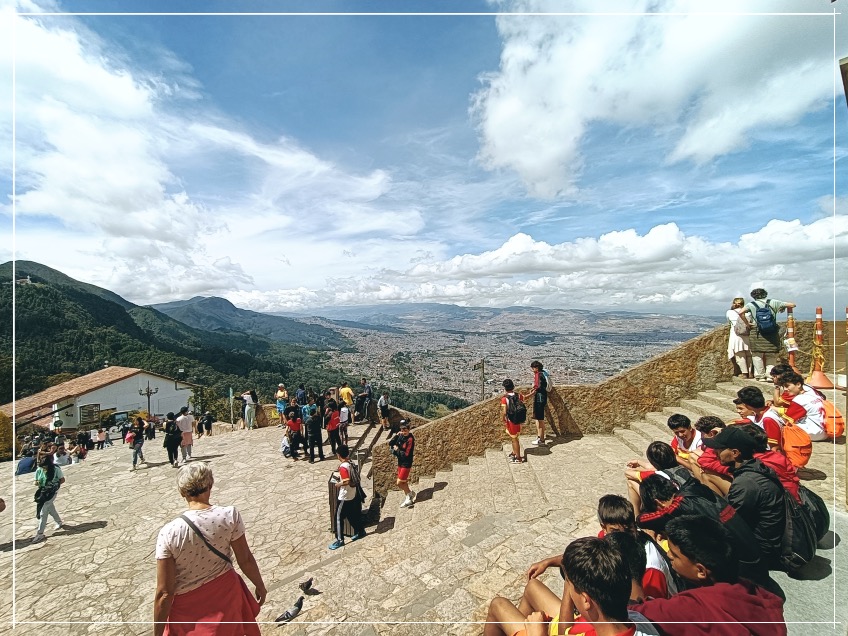
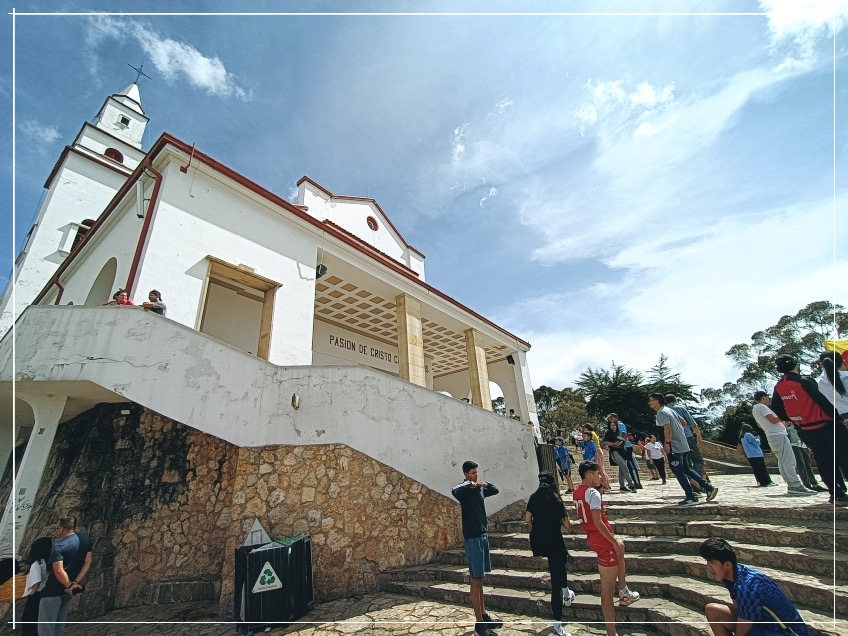
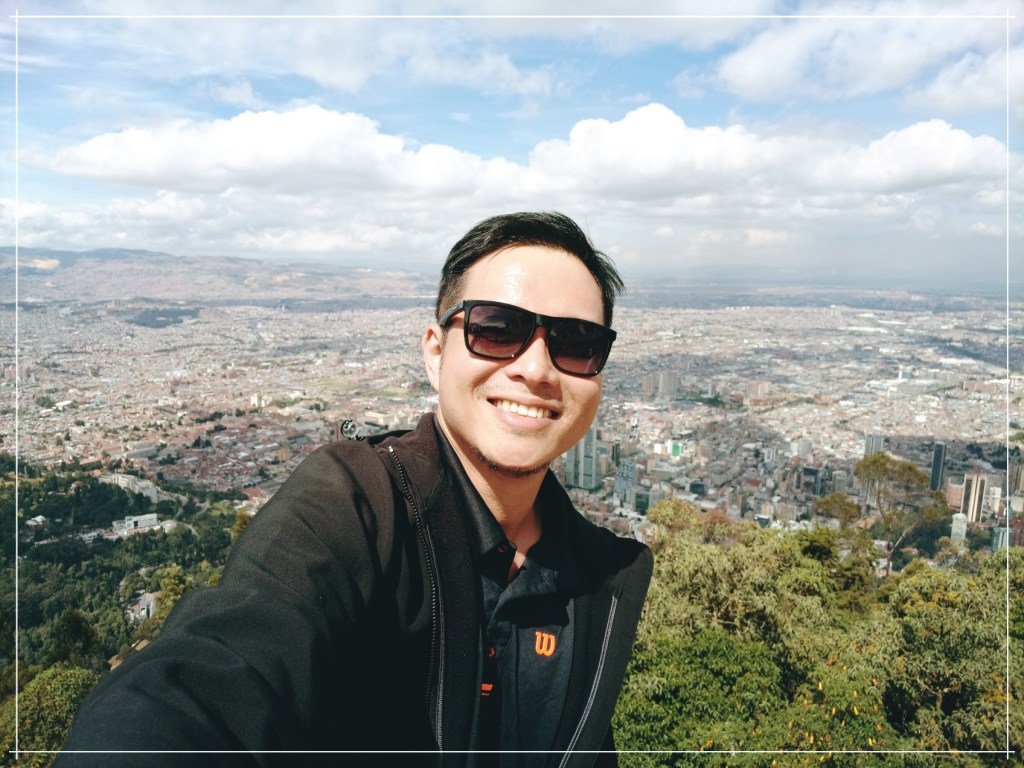
Our free walking tour took us around La Candelaria, which is the old/historic center of Bogota. Our tour ended at the foothills of Monserrat where there is a significant catholic shrine at the peak that can be accessed by a cable car. Most of my tour companions proceeded to the shrine on their own, but I planned to schedule my visit the next day, and opted to just stay in La Candelaria for a lazy afternoon stroll. Here are some more snapshots of this lovely city.
The sanctuary of Monserrate. The sanctuary of Monserrate in the eastern hills of Bogotá can be seen from almost anywhere in the city. It is located at 3,172 meters above sea level, at the top of Monserrate or Cerro de Las Nieves. Devotees walk up an almost two mile path to this traditional site of religious pilgrimage, which began in 1620 with the shrine of Our Lady of Monserrate. The basilica houses the image of the Fallen Lord of Monserrate, an effigy of Christ which, according to the faithful, performs miracles, and at the top visitors can walk the Stations of the Cross. The history of this sacred place dates back almost 500 years, from the early years of Spanish settlement in Colombian soil. The shrine also boasts a panoramic view of the whole Bogota City.
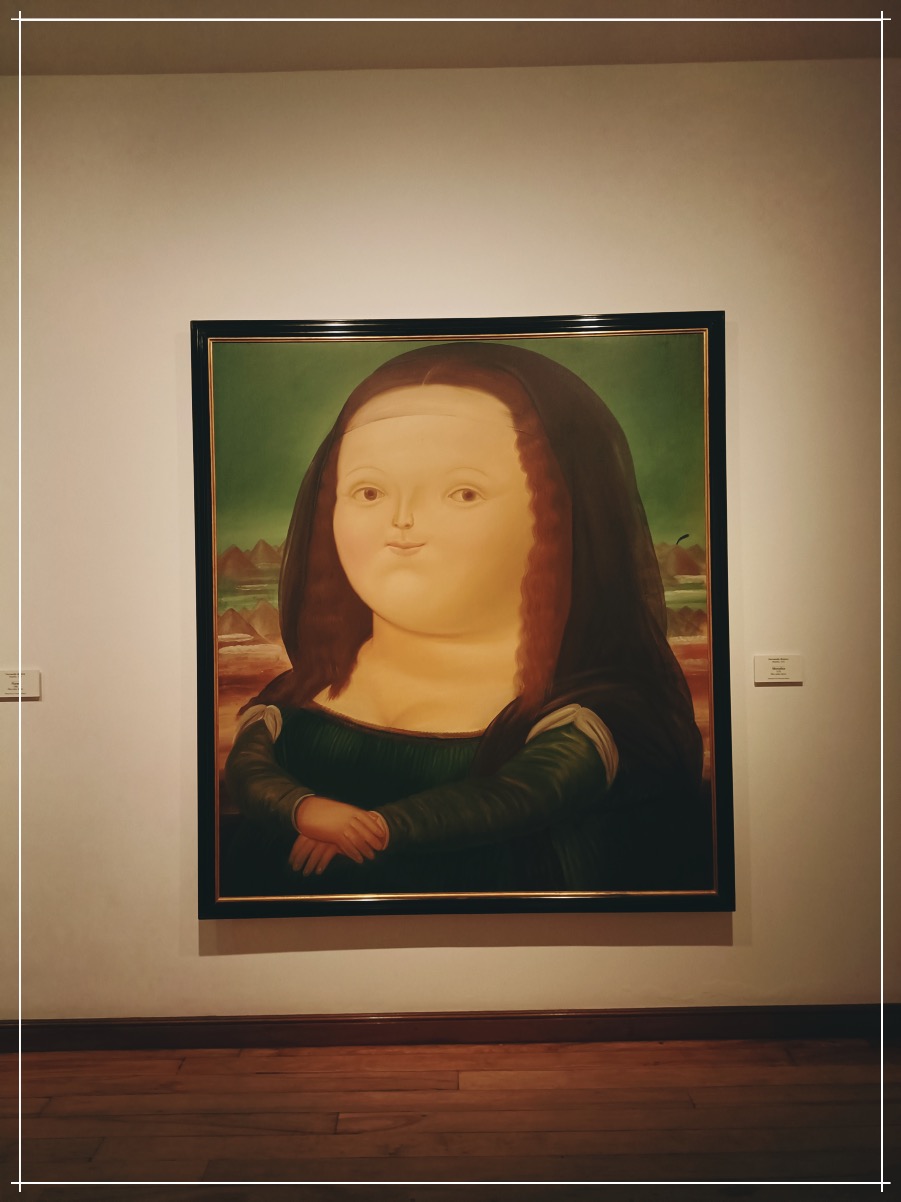
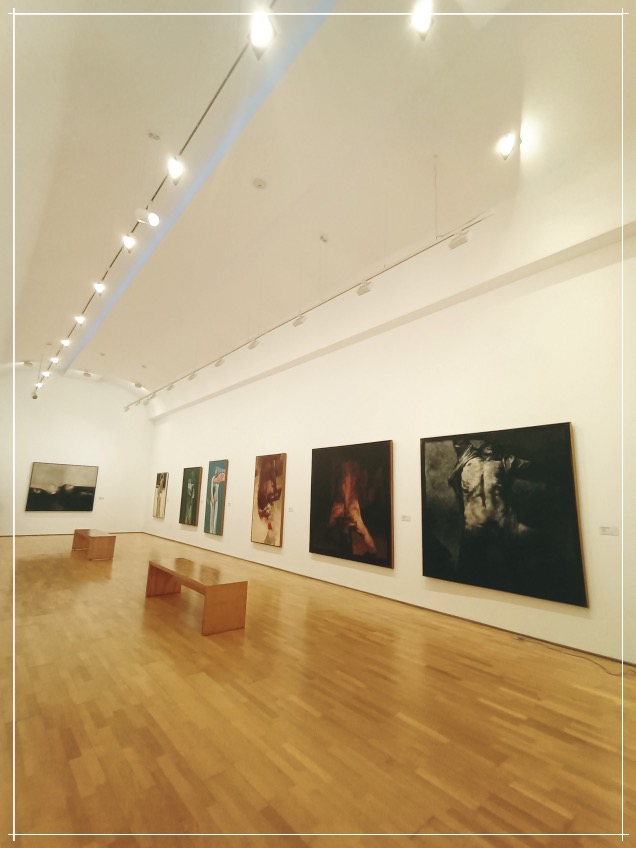
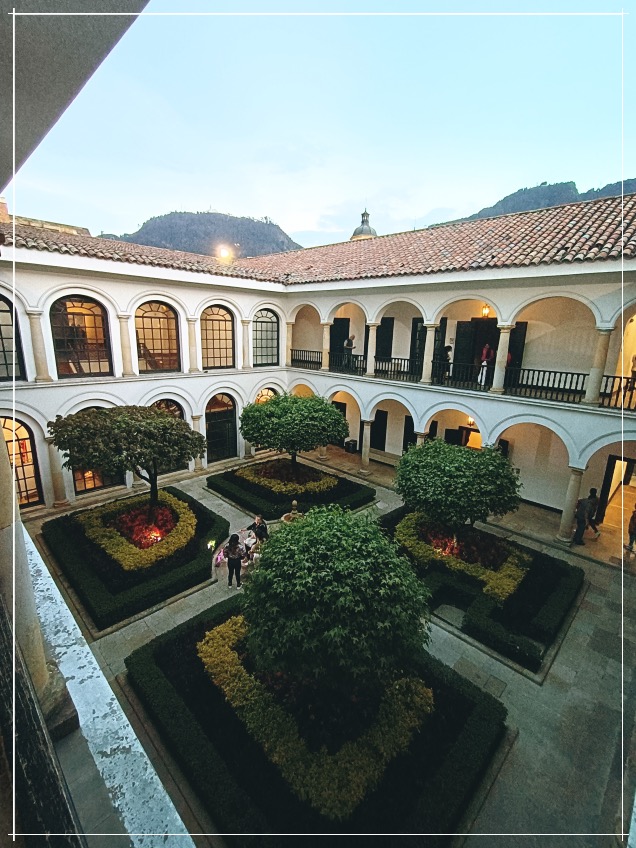
BOTERO MUSEUM. The museum dedicated to the works of reknowned Colombian figurative artist Fernando Botero. His signature style, also known as “Boterismo”, depicts people and figures in large, exaggerated volume, which can represent political criticism or humor, depending on the piece. He was considered the most recognized and quoted artist from Latin America. One of his most known masterpiece is his volumized version of Leonardo da Vinci’s Monalisa . Entrance is Free.
Aside from Botero’s works, the museum collection also brings together, some works of renowned artists as Picasso, Leger, Renoir, Monet, Dali, Giacometti, Beckmann, Freud, Calder, and Bacon. Each day near a thousand people visit the Botero Museum.
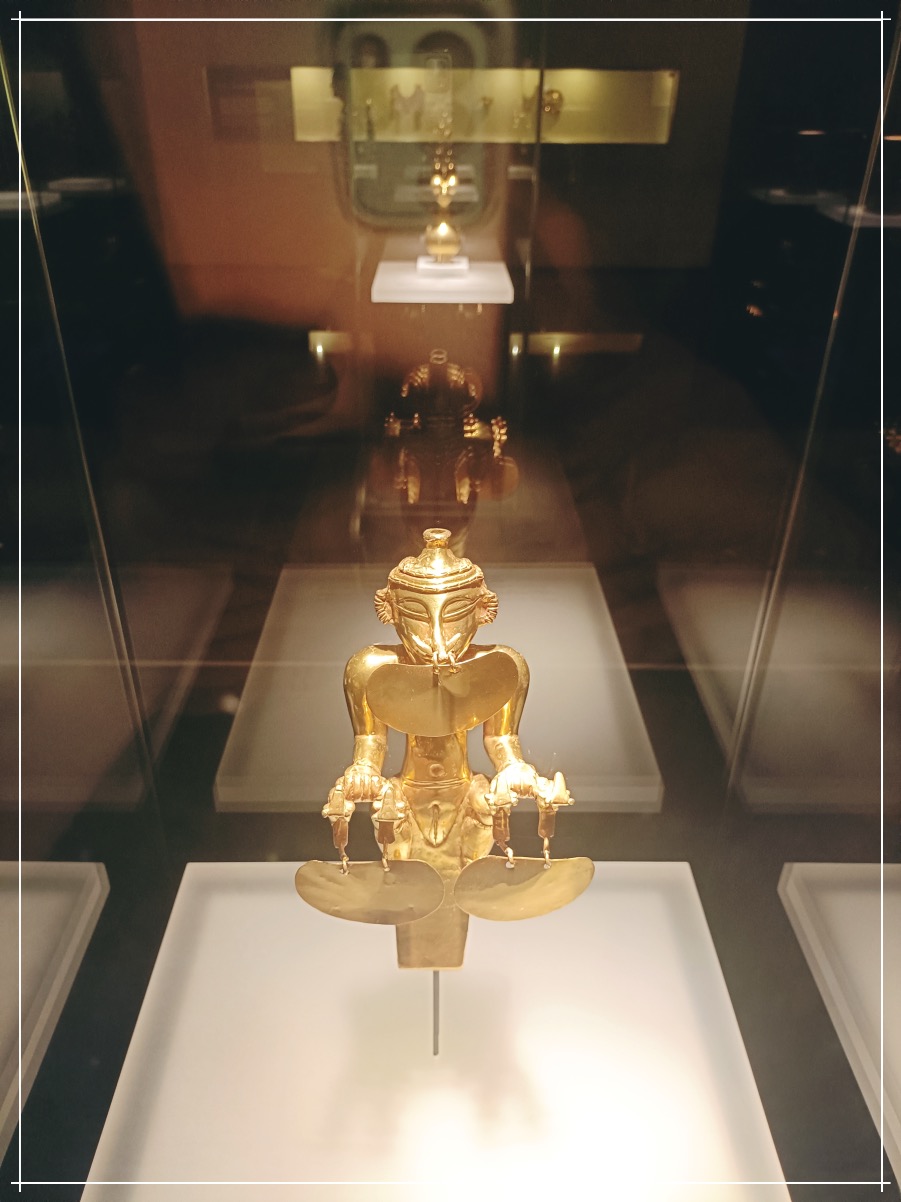
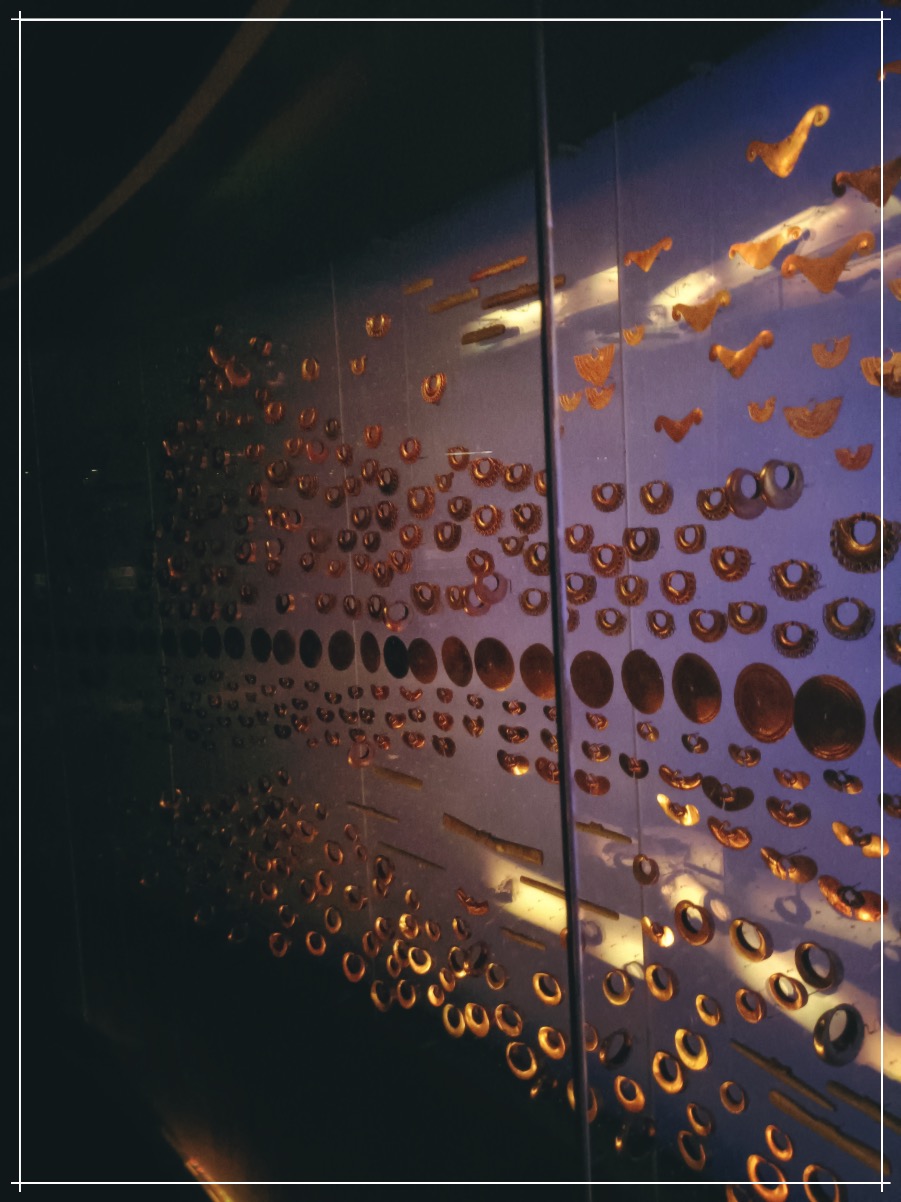
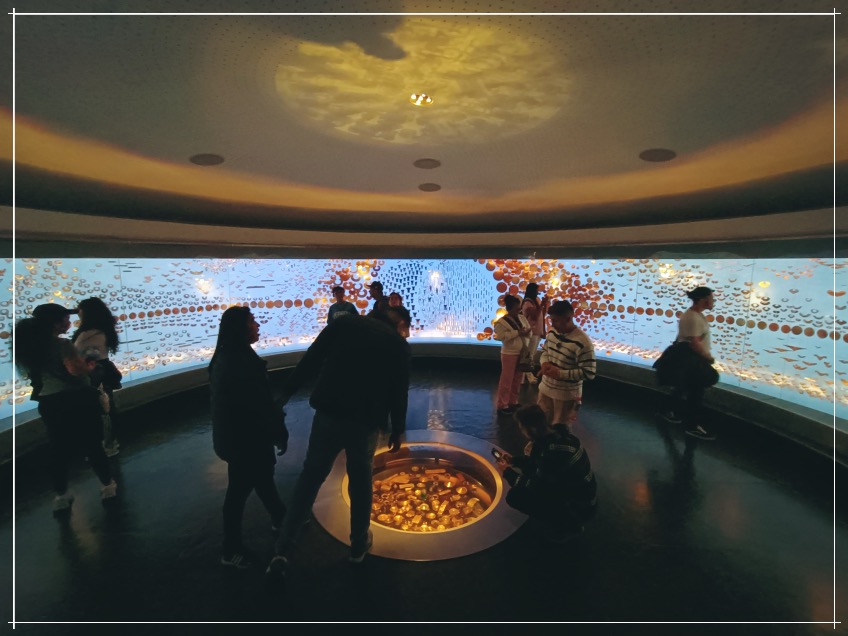
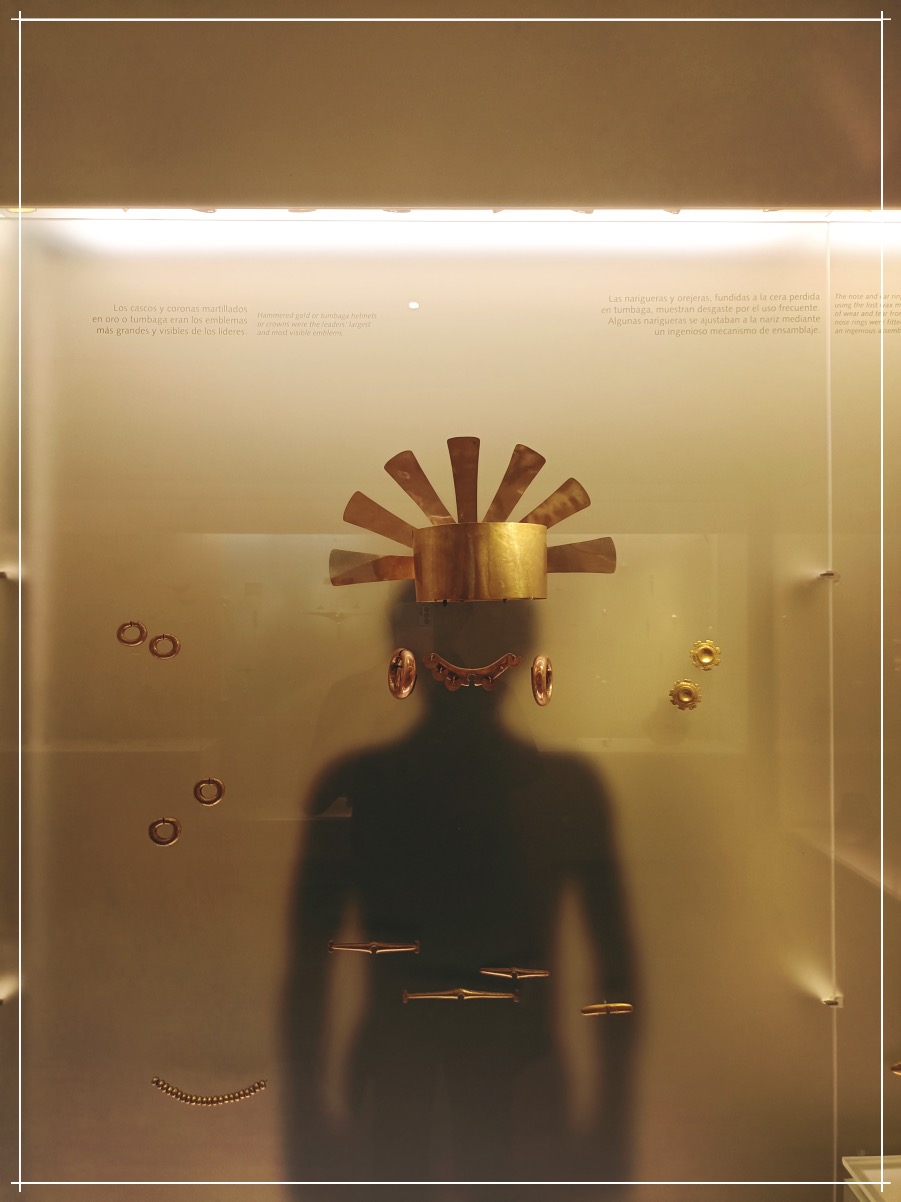
THE GOLD MUSEUM (Museo de Oro) of Colombia. This extraordinary museum offers a well-arranged display of recovered antique gold (real gold) from the pre-hispanic days of Colombia. It has 34,000 gold pieces, the largest collection of antique goldwork in the world, including the fabled Muisca Raft, which was said to have been recovered from a sacred lake. In 2018, National Geographic magazine named it one of the best museums in the history of the planet. Much of the antique gold pieces were used in daily life, as gifts or as part of sacred rituals in the indigenous Muisca and Tayrona cultures. Themed rooms with explanations give great insight into the artistry and significance of these indigenous cultures. Entrance is only 4000 Colombian Pesos (around 1 USD), yet you get to see so much.
My visit to the gold museum made me understand why the Spaniards back in the days were so thirsty to take over the lands and native people of Colombia; and that is for their Gold. Similar case also happened to the Incan’s of Peru.
Museums in Bogota also made me think how overpriced museums in the Philippines are. 🙂
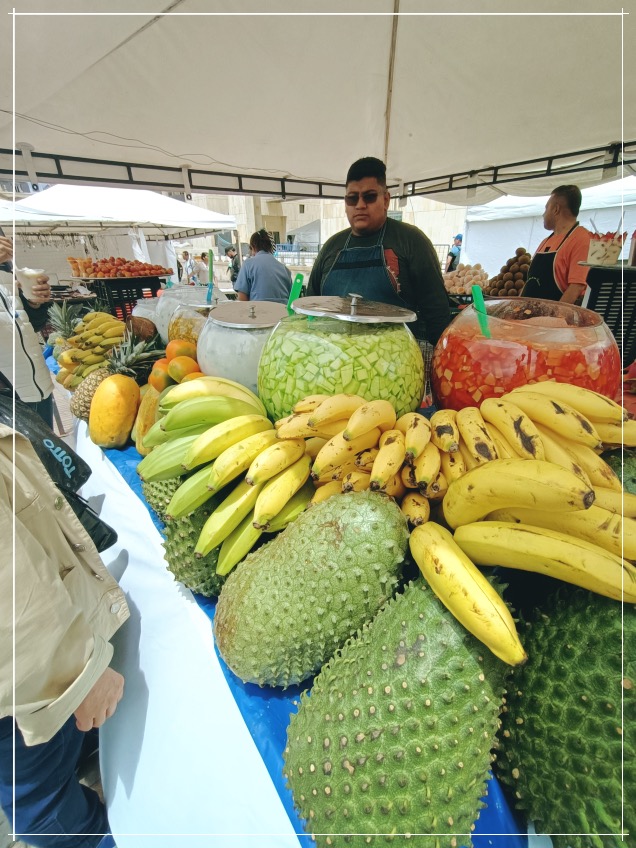
The last day, i just spent on casual walks as well as foodtrip and cafe hopping. Check out my Colombian food blog here. Fruits and other produces are quite similar to the Philippines. Probably because of similar tropical lands, as well as strong Spanish influence.
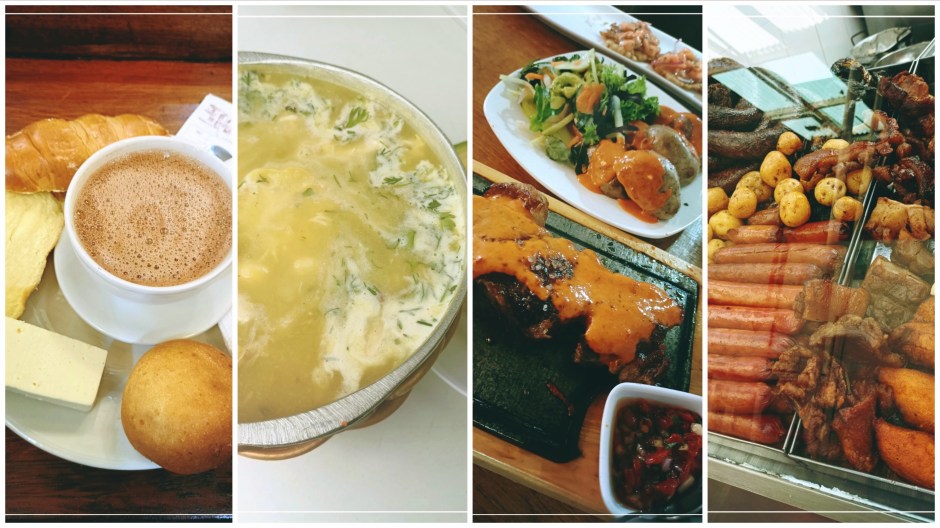
Free days are the best days during vacation. With no itinerary to follow, I just walked around La Candelaria district of Bogota, enjoyed coffee, ate the best rice tamale for breakfast, and had a hefty 1″ thick steak for lunch. As a tropical country with fertile land, food is more affordable in Bogota; probably the cheapest of all the places I’ve visited in South America. Here are some of the memorable meals I had during my 3 days visit.
I’ve had different types of Tamale during my travel, but Bogota gave me the best one. It’s packed with fragrant yellow rice and corn combination, carrot slices and chunks of braised pork rib and chicken, plus complimentary bread and coffee. Mura lang ito, around 100 pesos if converted.
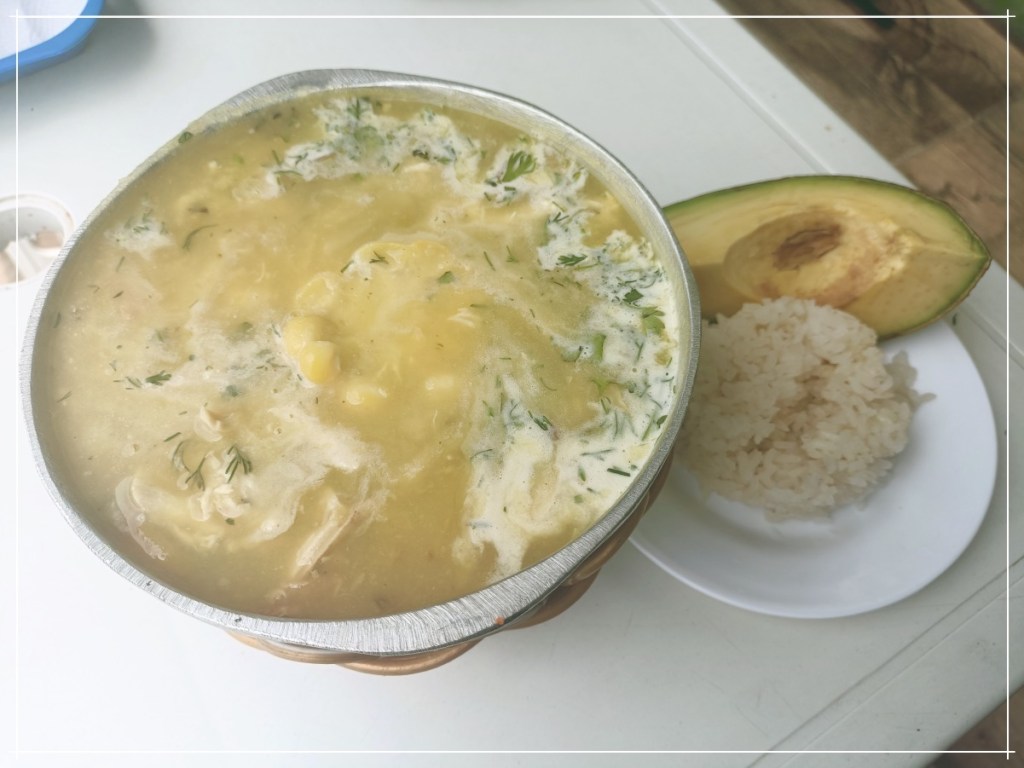
Ajiaco is one of the many regional Colombian dishes you can’t leave the country without trying. It’s a hearty soup made from three different kinds of potatoes, chicken, guasca leaves, with a half an ear of corn splashed in for good measure. Also served with a slice of avocado (locals mix them with the soup for added texture). I had this meal during my day tour at Monserrat Religious Shrine overlooking Bogota.
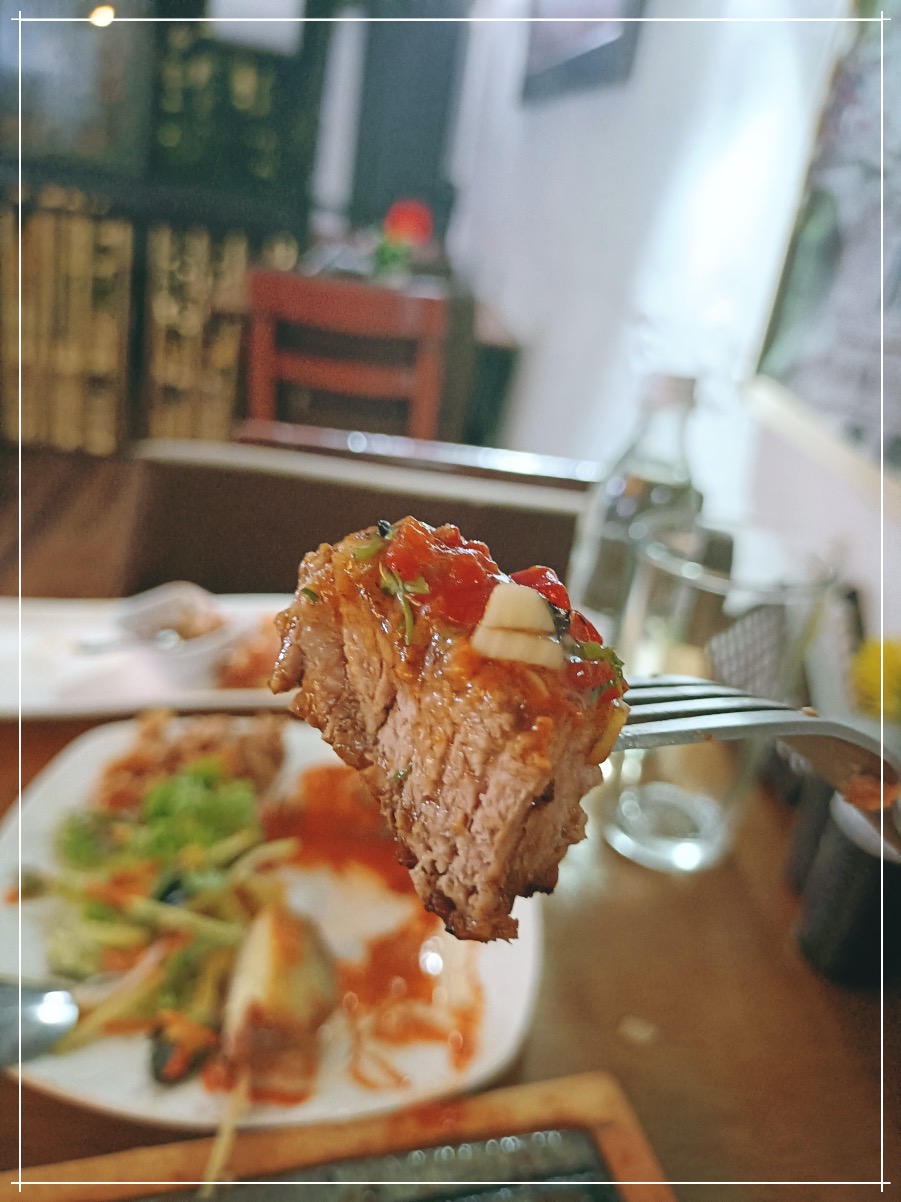
Meat is relatively cheap in Colombia. I enjoyed a thick slab of steak from Banquete Restaurante, a seated,full service restaurant in La Candelaria, serving good local dishes. This steak set cost me a little over 500 Php, i think; salad included. The red pepper\tomato gravy on top is mild. Not too hot. Picante as they say. Very different from our usual gravy here in PH. I also had freshwater shrimp ceviche as appetizer. Sobrang sarap nito. Shrimp is blanched (not raw).
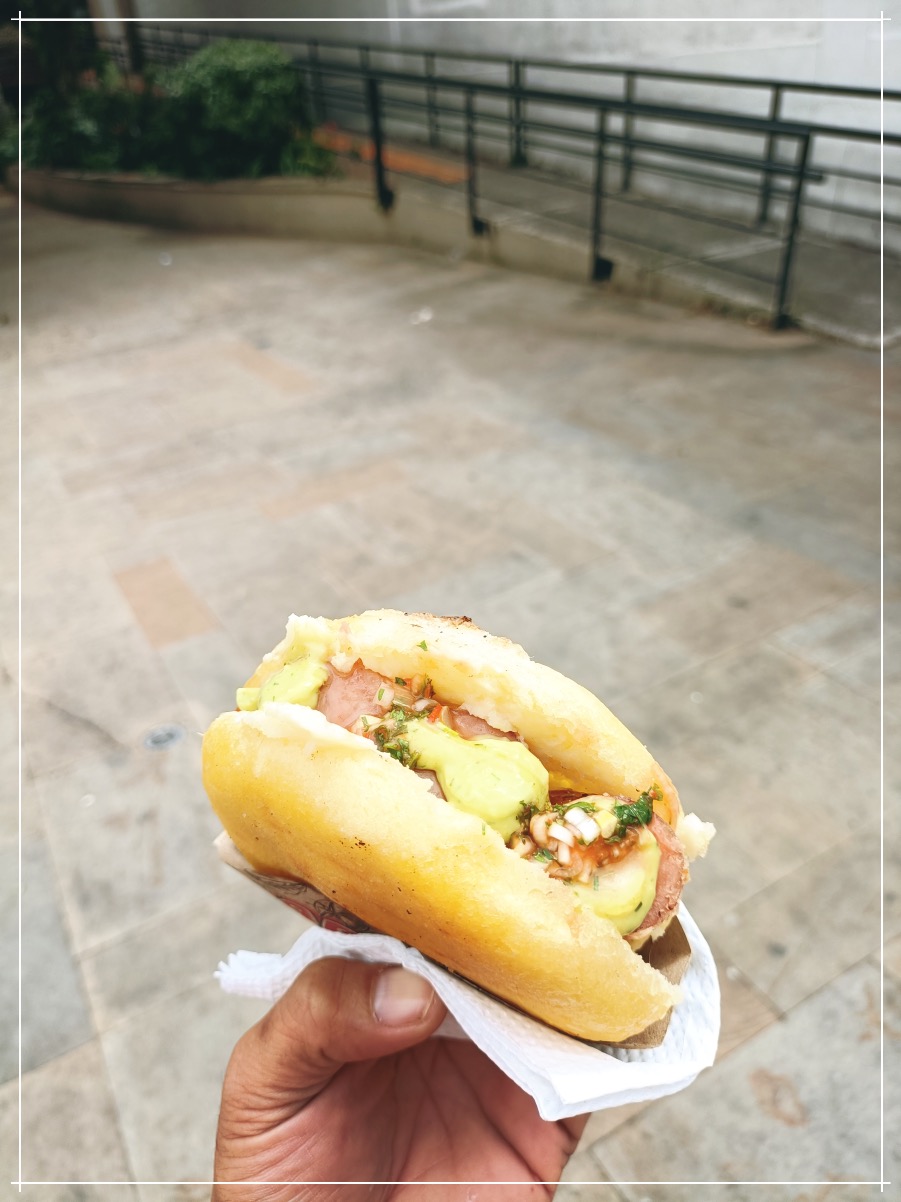
Sealed the afternoon with churros and Tostao Coffee, an affordable coffee chain in Bogota. Also enjoyed random street chorizo arepas (sandwich) I think went back 3x on this street kiosk during my stay. Ibang level ang chorizos (sausages) sa Bogota, I tell you.
A memorable last dinner in Bogota. I had this hefty plate of Bandeja Paisa, so i can try various dishes in one seating.
Bandeja Paisa is a traditional Colombian dish that contains beans, rice, arepa, traditioinal chorizo, plantain, chicharrón, avocado and marinated ground beef (like arroz cubana). I’ve noticed that Latins serve avocado as a side without any sweeteners; in contrast to us who only appreciates the fruit when it’s sweet and creamy.
To close the meal, I went to try the hot chocolate drink at La Puerta Falsa, known as one of the oldest continuously operating cafe in the world. The drink is set with 2 types of bread of choice, butter and a slab of white cheese. Colombians usually melt the cheese with the hot drink. I did not like it. The mix of sweet taste of choco and the salty\sour cheese did not work for me. The cheese is excellent though… with the bread.
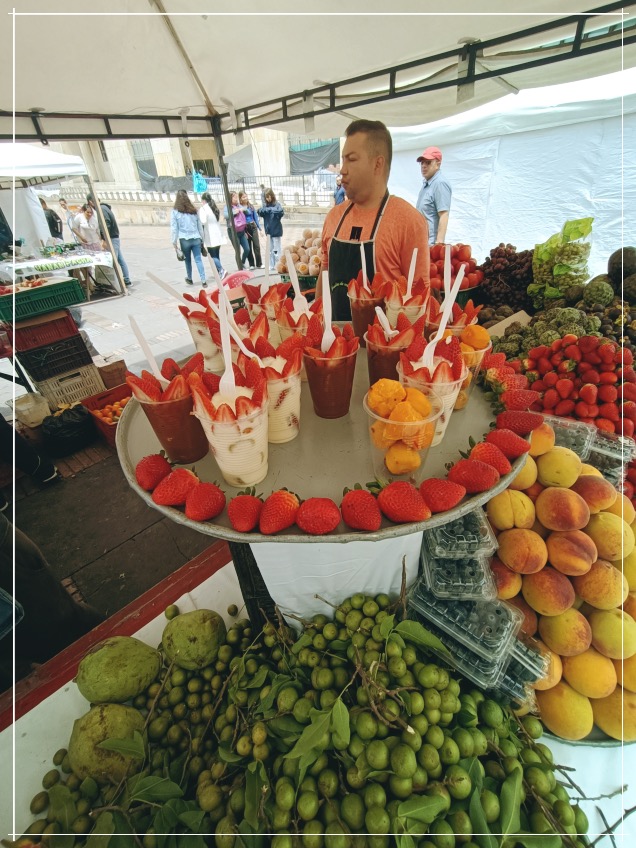
Some more random street food photos around Bogota. Fruits and other produces are quite similar to the Philippines. Probably because of similar tropical lands, as well as strong Spanish influence.
After spending memorable 7 nights in Peru, I did a side trip to tick out from my bucket list another Wonders of the World Icon, the Christ Redeemer Statue in Rio, Brazil. From Cuzco, I took another LatAm flight to Lima then to Rio; a total of 6 hours across the amazon jungle. Cuzco is on the mountainous west side of South America, while Rio is on the east coast facing Southern Atlantic Ocean.
My quick visit in Rio was actually chaotic, as I got scammed by an Uber driver, my credit cards didn’t work and the location that I chose to stay in was apparently quite shadey. I will post a different blog on that. But for today’s video, let me share lang how my visit to the Christ Redeemer went…
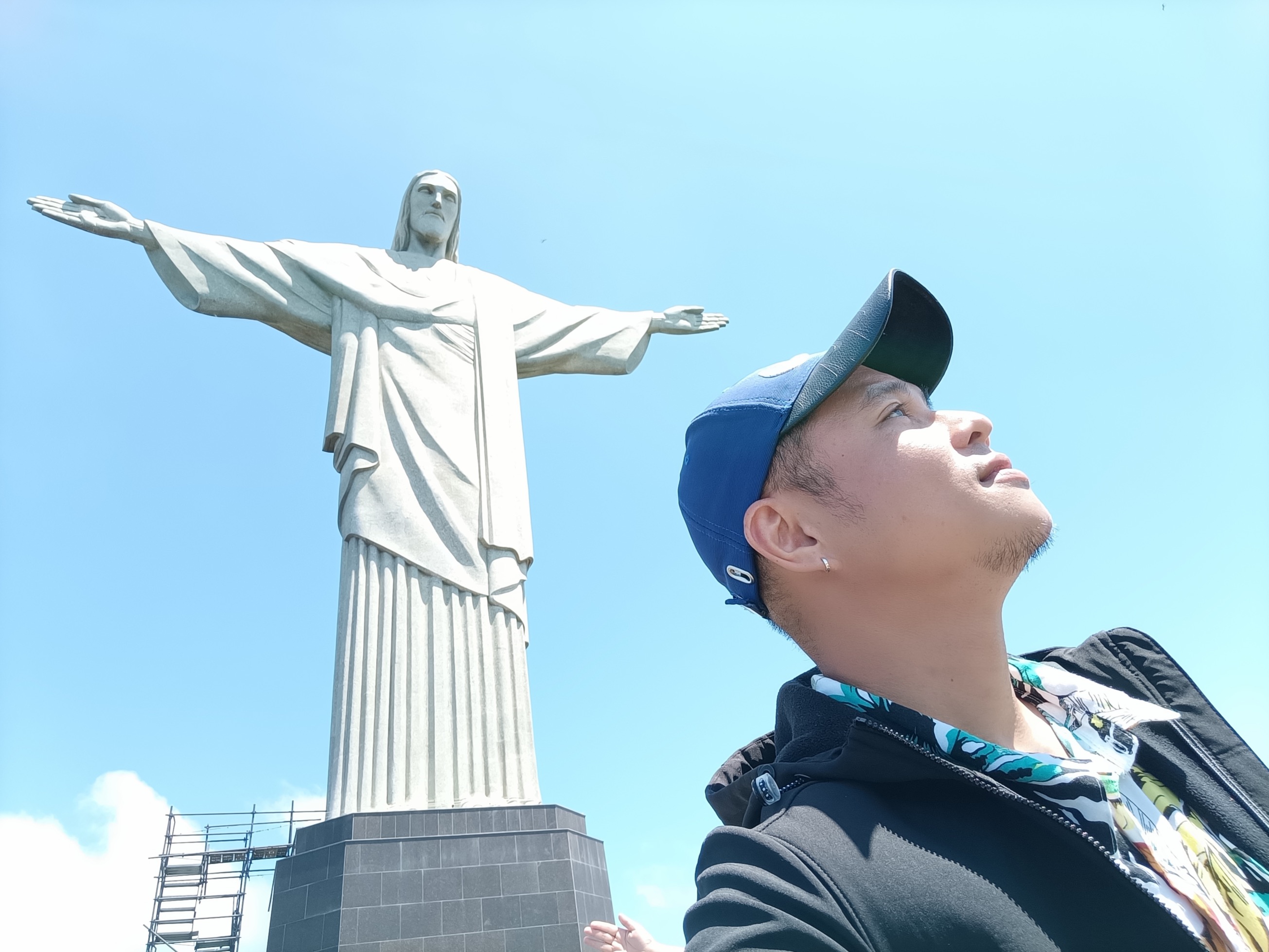
The only decent photo that i got with him.
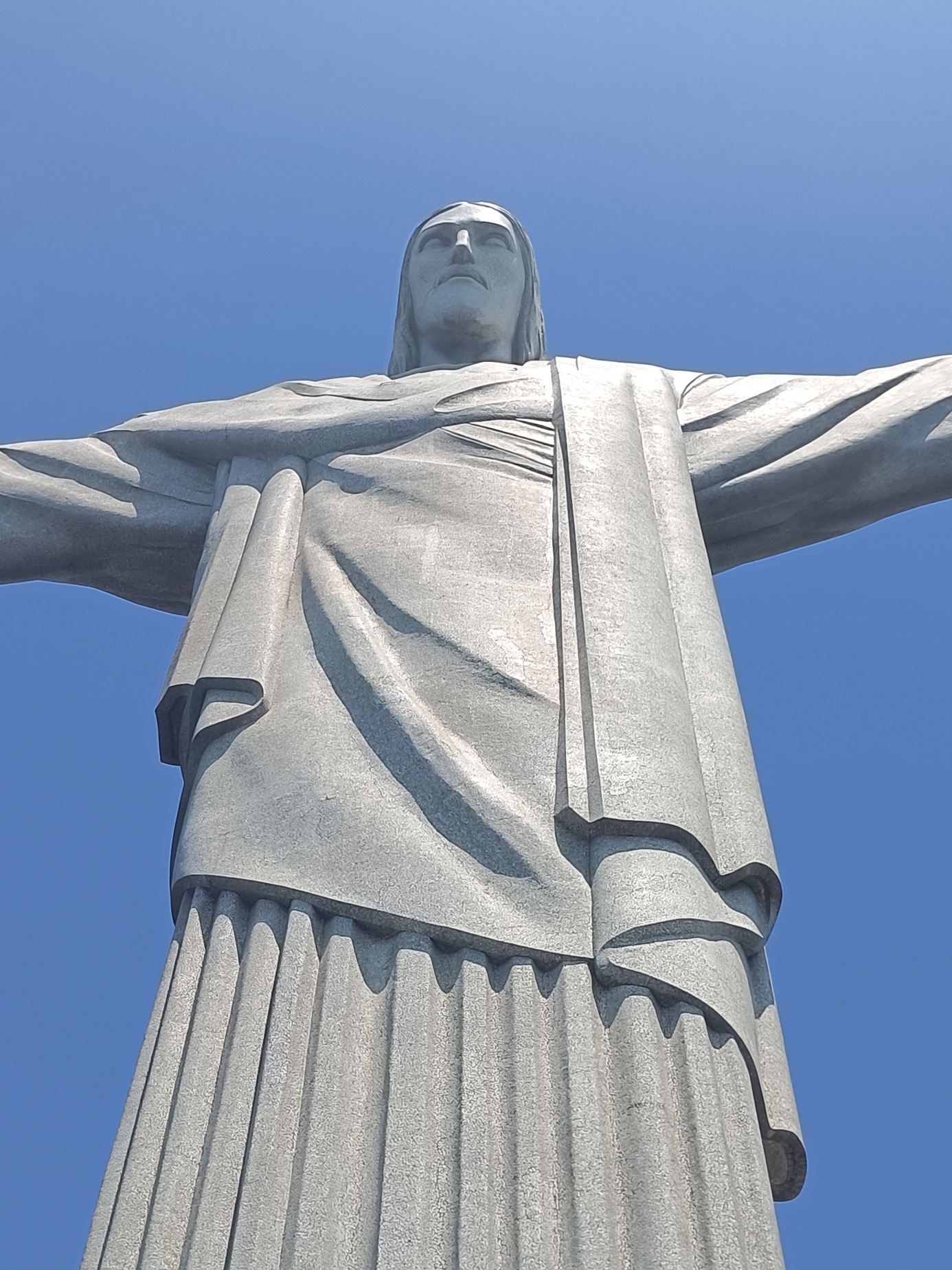
Located at the top of Corcovado Mountain in the middle of Rio de Janeiro City, the Christ the Redeemer is the most internationally recognized Brazilian icon. Known today as one of the New Seven Wonders of the World, Christ the Redeemer was inaugurated on October 12, 1931. The idea of building a monument on top of Corcovado Hill began in 1859 with the French priest Pedro Maria Boss, but the project only began to take shape in 1922 to commemorate the centenary of Brazil’s independence.
Here is the marker for taxi and public transpo drop off. After here, you transfer to the sanctuary mini bus na going up. Mga 20 mins. The Redeemer status is in the middle of a national park.
My first view of Christ Redeemer. Astang foggyha oi. I read on blogs that it is best to go early to beat the crowd. I think im way too early at 730 am na first van.
I decided to just find a quiet corner sa ilalom to wait for the fog to calm down. Naka nap pa ko gamay. Pag balik nako saka before 9am, dghan na kaayog tao. Ok.
I requested someone to take a photo of me pero mao na jud ni best effrt namo. Tapad pas basurahan .hahaha
Lord, i tried my best to get a good shot pero ani jud ang real talk. Guot kaayo!
Overlooking rio city sa likod, Which is nice. And naay chopper ga ikot2x sa perimeter sa statue to disperse the fog\clouds. Banha kaayo.
Maypa ni si kuya cge hukas. Wrong spelling bya iyang tattoo sa dughan.
God knows i tried different angles pero wala jud. Nag try pa ko mag teacher georcelle gforce pose sa pikas side pero waley japon.
Lord maypag nag talikod nalang k. Wala pay crowd.
Here are some random shots of Rio de Janeiro City. Stayed for only 3D 2N, before catching my flight to Bogota, Colombia.
As a solo traveler, the goal was to eat local and eat cheap. In finding my meals, I usually check on Tripadvisor for recommendations. And often, I prefer dining at markets/food courts where I fully experience the local flair. Since I travel solo, I prefer eateries serving set meals over platters, since I have no one to share it with. On best days, I go to diners serving buffet style, so I can try more local dishes. Sadly in Cuzco or Ollan, buffet places are not a thing.
Here are some of the memorable Peruvian food and drinks I had during my stay.
Lomo Saltado. This is my first full meal in Peru. Stir fried beef strips marinated with salt, pepper and other local spices. A lunch set of this from a street-side eatery with fresh-squeezed passion fruit juice only cost me 10 soles, which is around 150 php. This meal is from Ollantaytambo. Pero not just in Peru ha, Lomo Saltado is quite common sa Latin. I had this also sa Honduras.
Lomo Saltado is also served with Quinoa Sopas. Originating from the Andes Regions of Latin America, quinoa is a common and cheap carb consumed in Peru. Meanwhile, quinoa is quite expensive here in Ph.
Trivia: You will see a lot of potatoes on Peruvian meals. Potato fries as sides is very common in Peru. In some restaurants, It is even refillable. Growing and consuming potato has always been a part of Peruvian culture since it is easier to grow on high elevations with minimal rainfall. Peru is also Latin America’s biggest potato producer, with a record harvest in 2007 of almost 3.4 million tonnes.
Trusca Frita – One of my fave set meals in Peru. trusca\trout is a local\Peruvian freshwater fish. Taste is very comparable to our local bangus, except that trout isn’t as boney. Best served with corn tortillas and guacamole (avocado spread).
And speaking of fish, Peruvians are also popular with their Ceviche (raw fish salad), but for this trip, I had to pass on it. I avoid raw fish dishes whenever I can.
Aji de Gallina – one of peru’s traditional meals. Marinated shredded chicken, cooked in milk-based sauce. Comparable to our chicken pastel. This one, i got from the public market in Aguas Callientes with complementary quinoa sopas.
Pachamanca – Traditional Peruvian BBQ Pork Rib (Costilar). Pork is not very common in LatAm. As I observed, it is quite expensive compared to beef meals. Peruvian BBQ is good but is too simple for my tasting, as compared to Tangy and mildly-sweet Filipino BBQ. Their BBQ is served with steamed sweet potato\kamote.
Trivia: Rice is not native to Latin America. It was brought over in the 1500s from Asia by the Spaniards. Today though, rice is also a common carb consumed in LatAm, and Asian travelers are happy with this. 😅
This below is Afritada. Tastes almost exactly the same as what we have here in Ph; A proof of Spanish influence in our daily meals. This one, i got from a random Karinderia outside the train station. yes po, parang karinderiang pinas lang din, except that 2 to 3 lang ulam to choose.
This below is one of several chicken bbq meals I had in Peru, because i seriously like their chicken BBQ. Chicken is laid flat\butterflied, char-grilling both sides. Meat is marinated in vinegar and spices. I believe this is the secret to “fall off the bones” Peruvian bbq. They also have thr mildly-hot, creamy green sauce made of Japapeño and aji amarillo pepper (local\mild). Gusto ko to. Quite comparable to peri peri. This huge quarter set came with unlimited salad and fries, tapos 14 soles lang. Jusko! That’s less than 250 php.
Arrozcaldo – it’s weird to find that their arrozcado is actually steam-cooked rice soaked in chicken soup. Very different from our Pinoy arrozcado where we boil the rice grain with the stock to make a porridge\lugaw. Peruvian arrozcaldo also had potato and carrots and no ginger.
This below was such a memorable dining experience. I had one of the best pork broth soup from a random street-side stall in San Pedro Market,Cuzco. They call the dish Adobo, which intrigued me so much, as it is totally different from our version of the said dish. Our adobo is sauteed, not a sabaw/broth-type. Tbh, this pork broth soup is more comparable to Kansi, like the ilonggo pork soup na medyo sour.
Peru also has Lechon, as introduced to them by the Spanish. History wise, Lechon was a spanish term which meant “suckling pig” which Spaniards would once roast a piglet for special occasions.
I had a free taste of the Peruvian lechon, and I felt it lacked the lemongrass flavour. Philippine lechon is way better. Lemongrass is native to Southeast Asia, btw.
The Peruvian corn tamale. I’ll make a separate post on tamales from different LatAm countries. This dish is quite interesting.
Cheese and cinnamon flavoured Ice-cream. They say this recipe won recognitions. But to me, cinnamon flavoured ice-cream was a No. 😅
Random streetside skewers, Alpaca meat and beef, for only 3-5 soles. They also use charcoal din pero ang griller ni ate kay flat metal bars.
Closing the dinner with a glass of Emoliente – Traditional Peruvian Herbal Tea. Helps in digestion as well as altitude sickness.