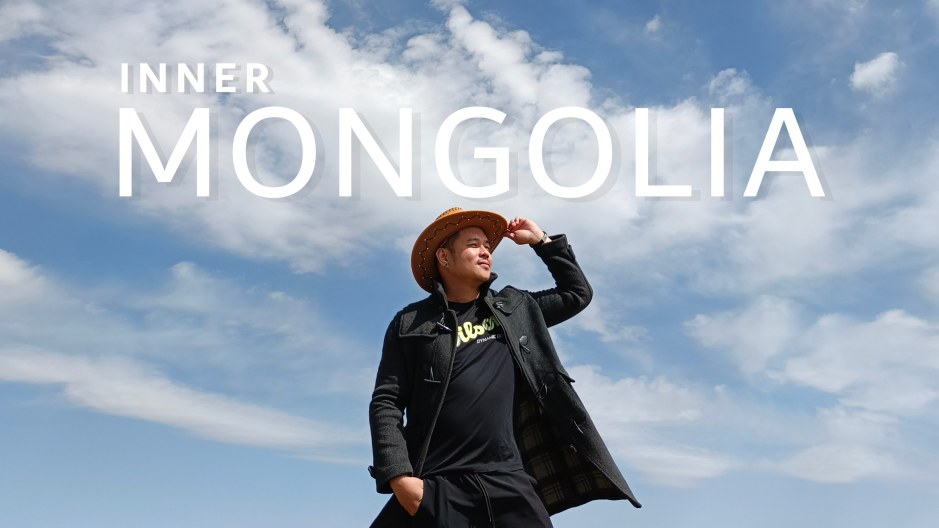
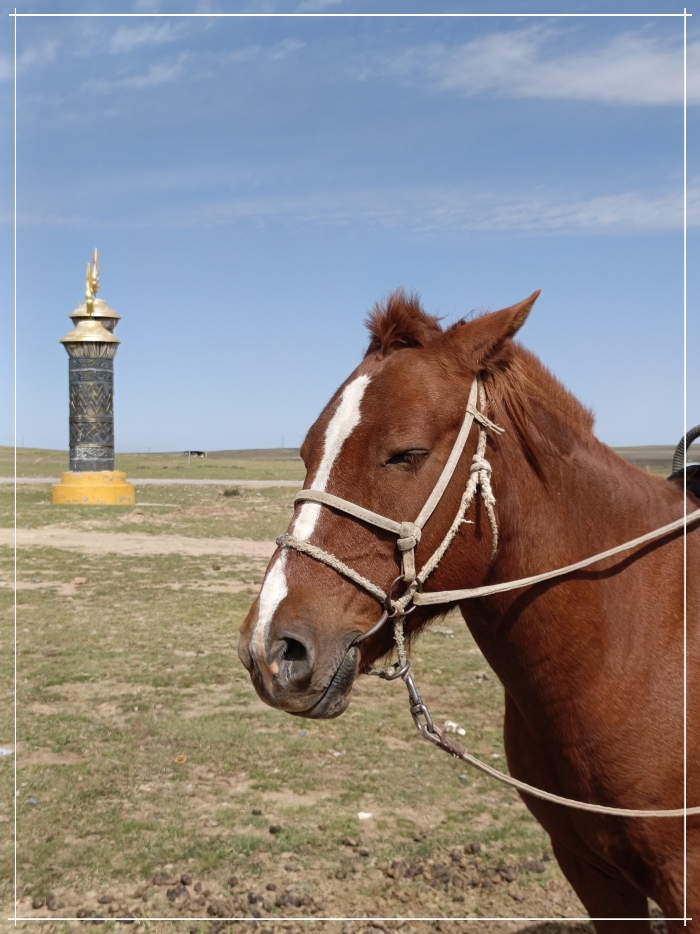
On our first day, we left Hohhot City early for Xilamuren Grasslands, to experience a glimpse of traditional Mongolian way of living.
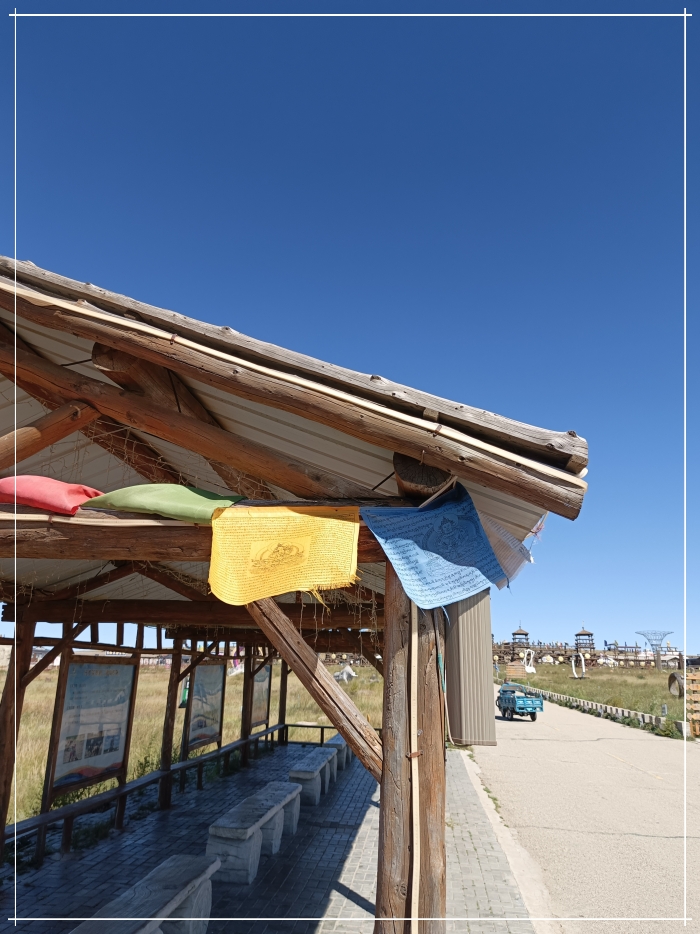

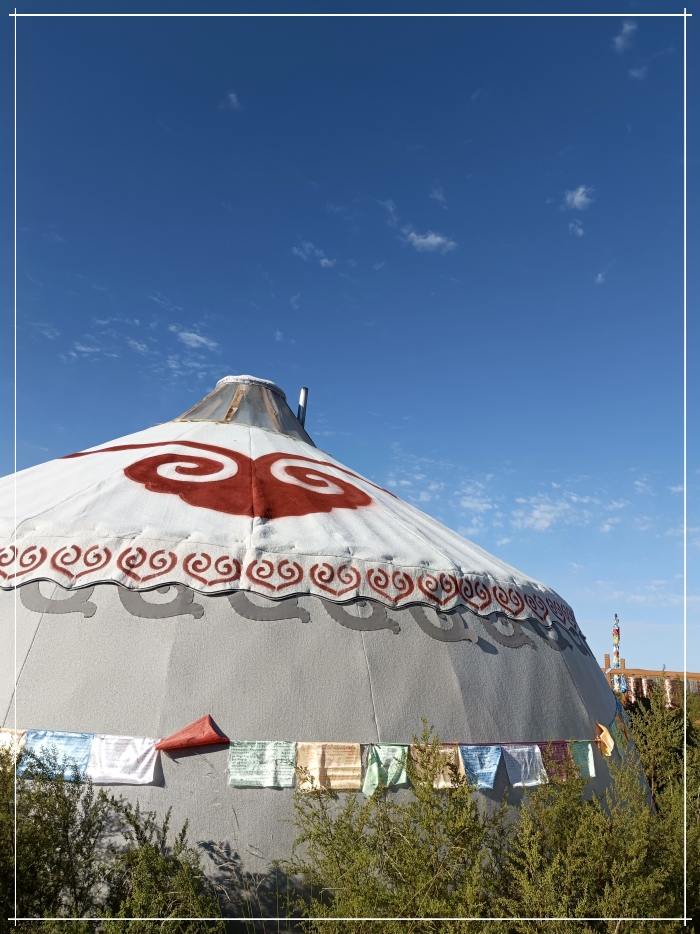
Grasslands are generally open and continuous, fairly flat places that receive more rain than deserts but less precipitation than forests. In grassland regions, the climate is ideal for the growth of grasses only. The low precipitation rates are enough to nourish grasses but not enough for a forest of trees. Despite being dry, the temperature at day time is below 20 degrees Celsius.

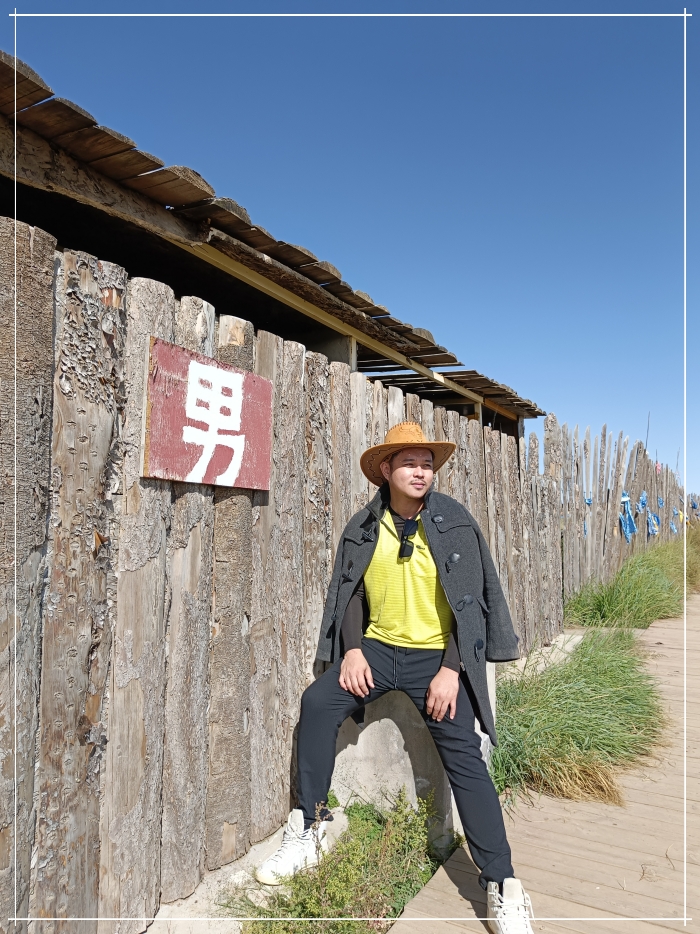
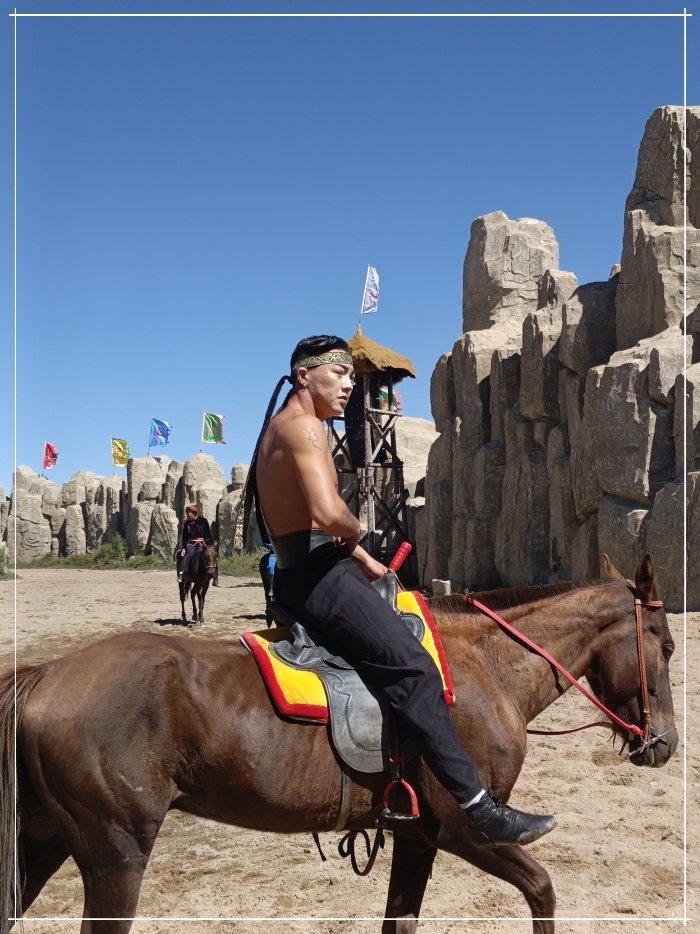
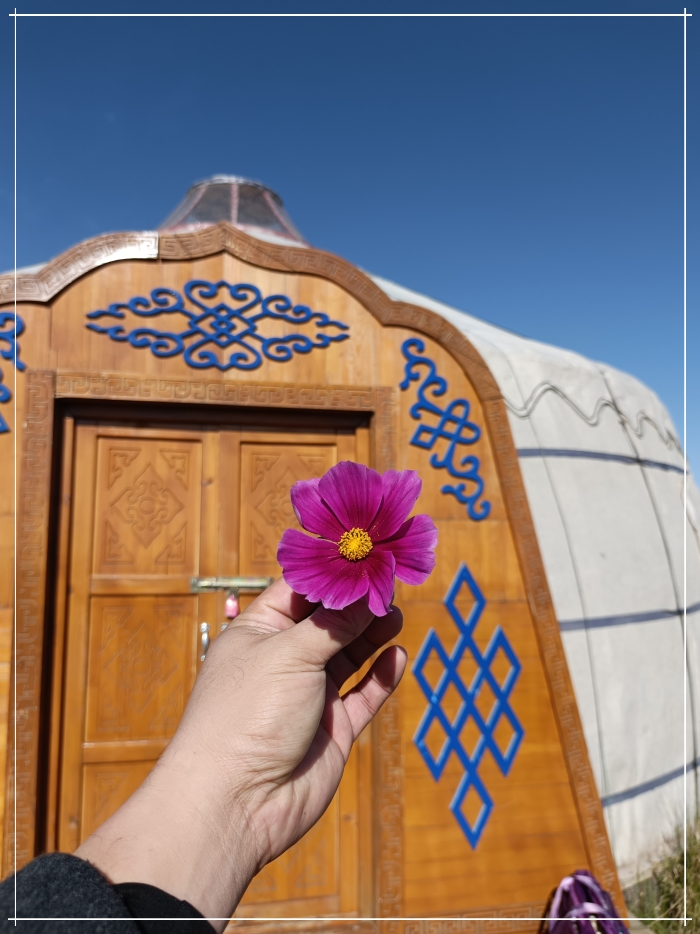
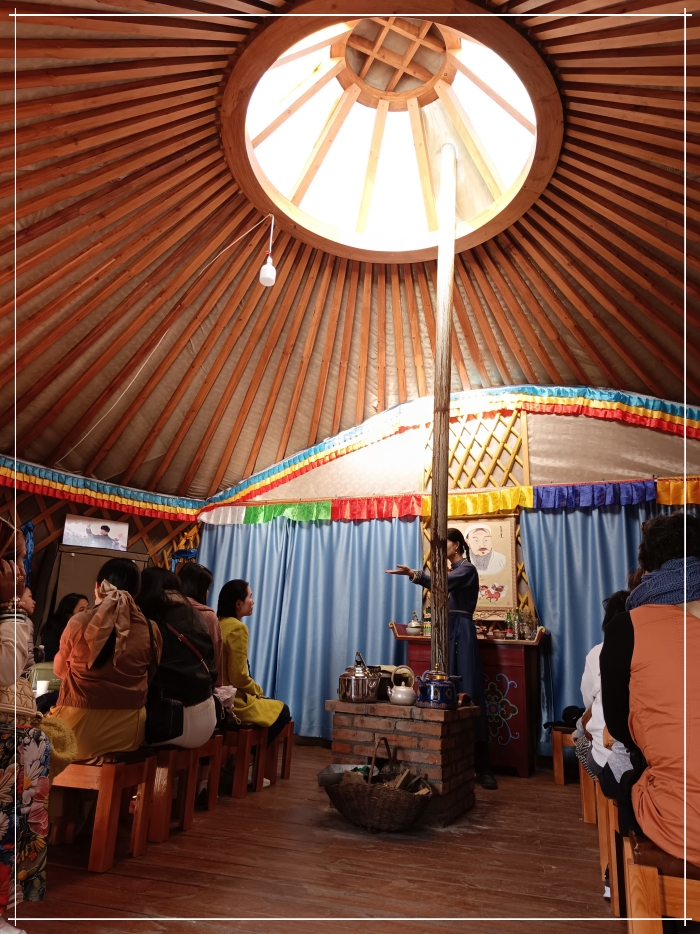
In the Grasslands, we got to stay at a Mongolian Yurt (Meng Gu Bao Tent). The temperature at night drops to as low as 4 degrees Celsius. Good thing the tents have mechanical heaters (not so traditional after all). We spent the night on socials and a few bottles of traditional Mongolian Liquor made from fermented milk. The bottle looks very nice, too. At daytime we also got to enjoy various activities as horseback riding and archery lessons.


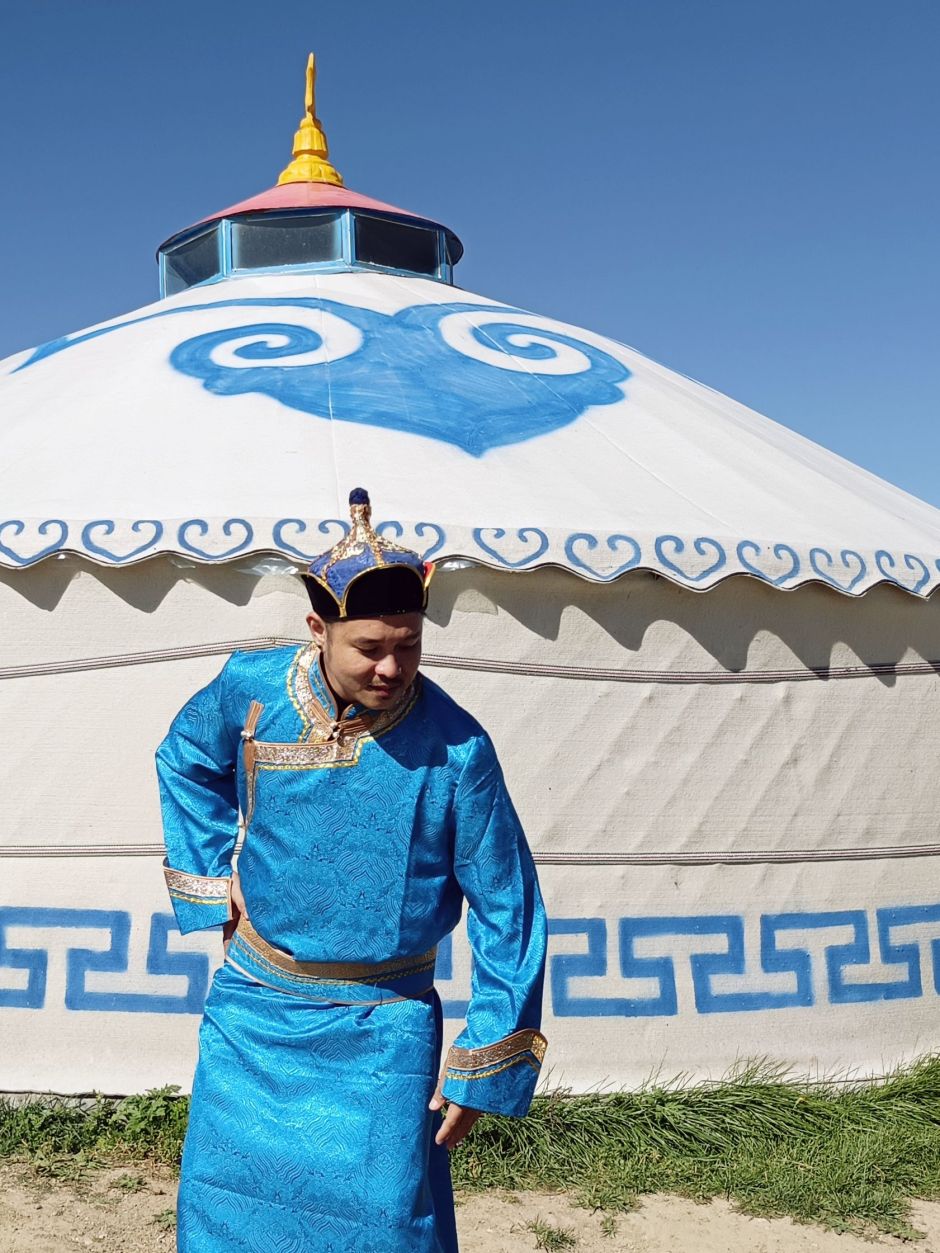
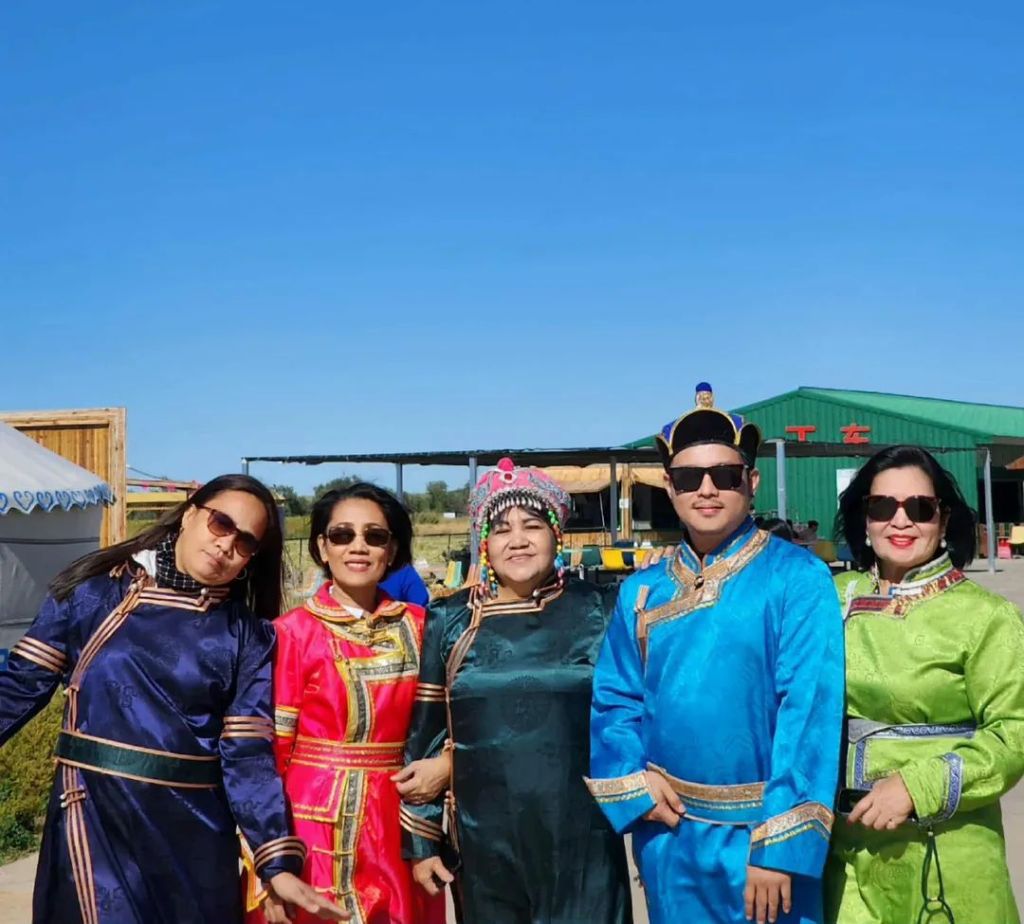
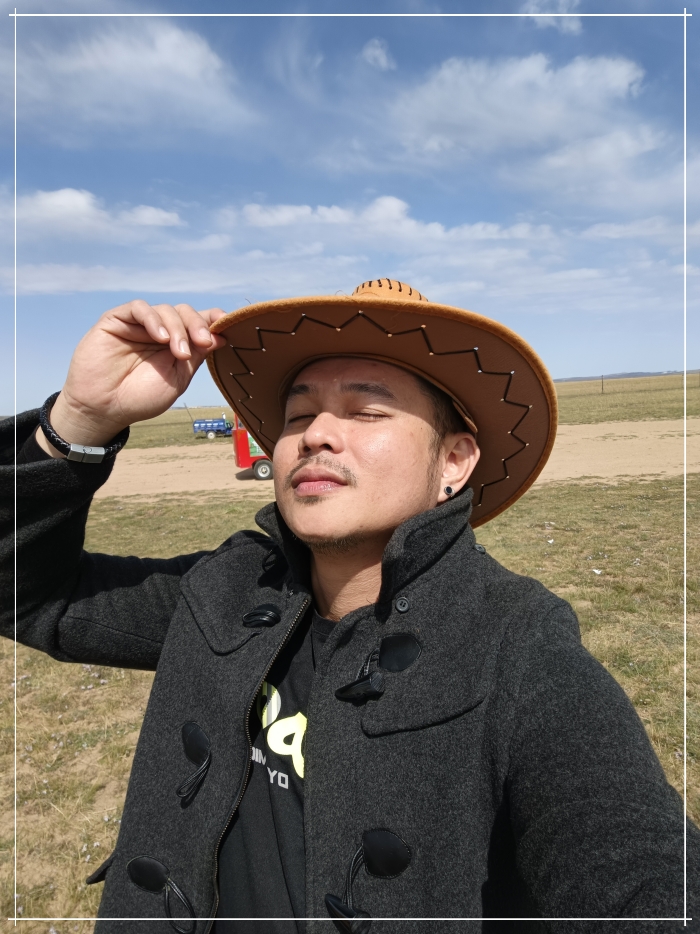
Here’s me wearing a traditional costume under the clearest blue sky of Mongolia.
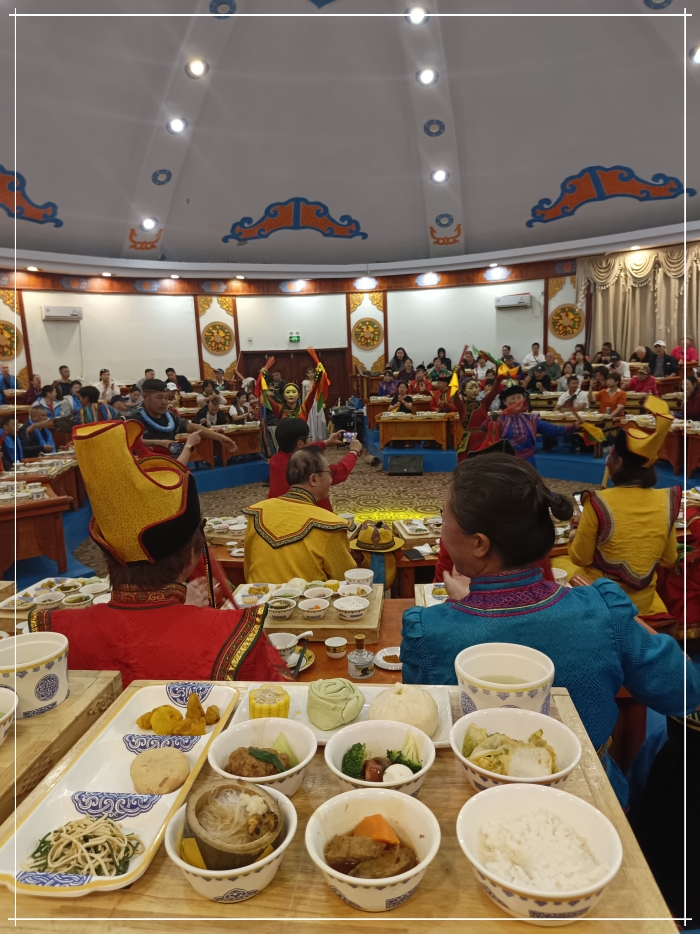
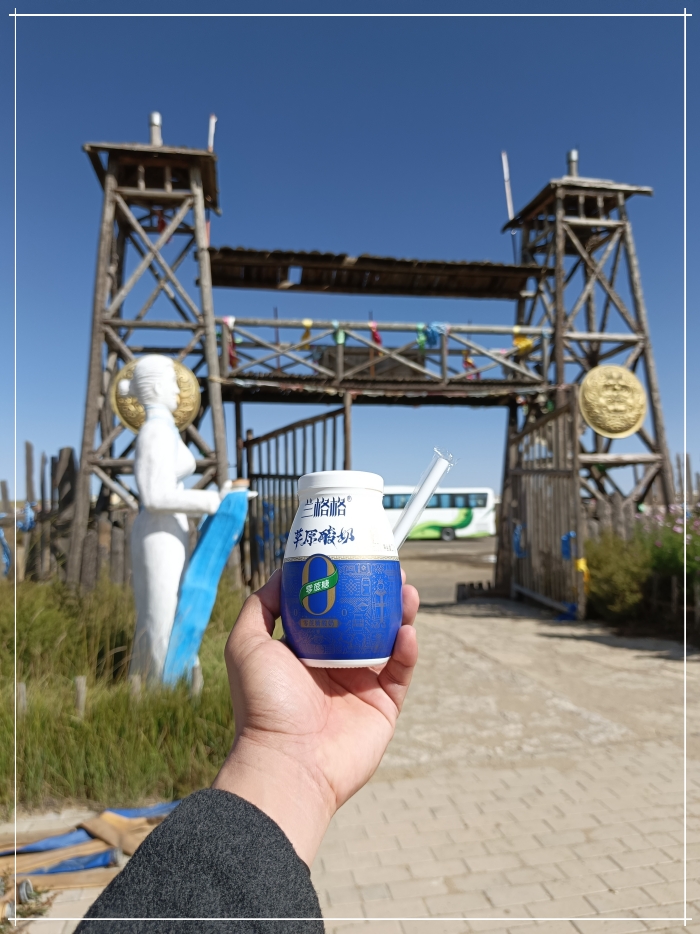
Throughout my stay, I was hooked on local yogurt, which Mongolia has always been famous for. Yogurt (Isgelen Tarag) is a staple in the Mongolian diet. The cultural significance of yogurt dates back to the time of Genghis Khan, and it remains an important part of nomadic life and culinary tradition.


On our second day, we transferred to Kubuqi Desert for a nomadic desert experience. The camel ride excursion was definitely the highlight of the day.

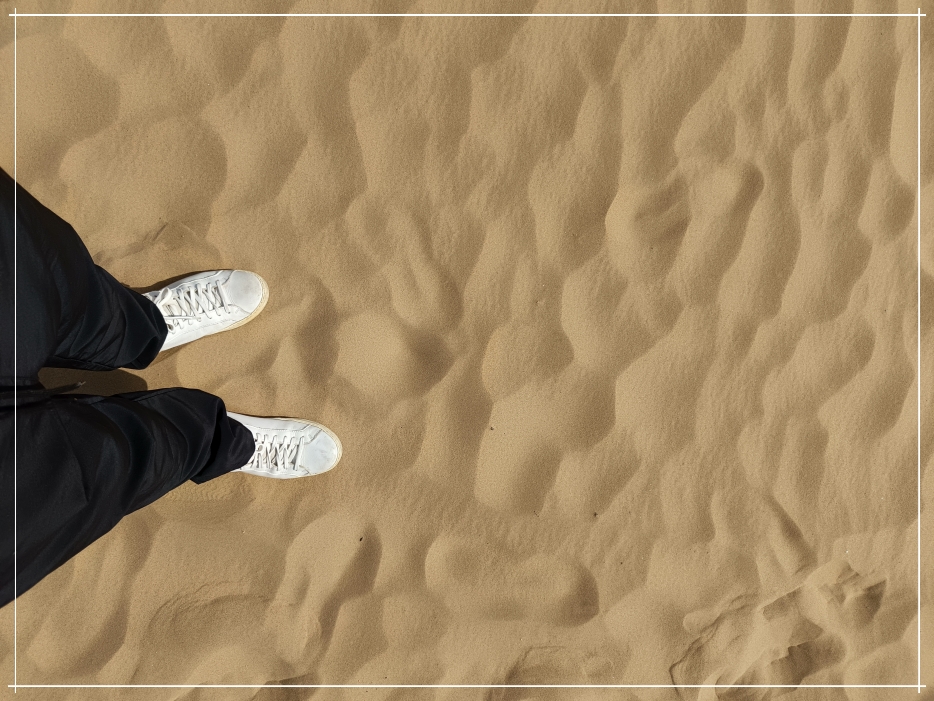
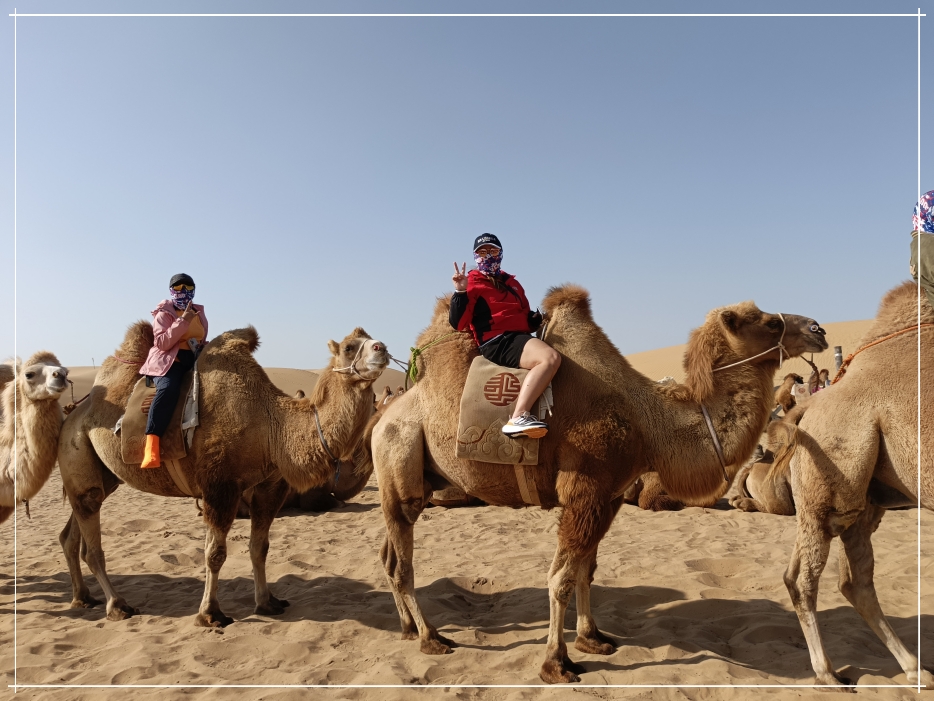
We spent the rest of the day at Yinken Whistling Dune Bay – an Amusement park in the middle of the desert. We went for off-road surfing, go-karts, zip lines and roller coaster ride.
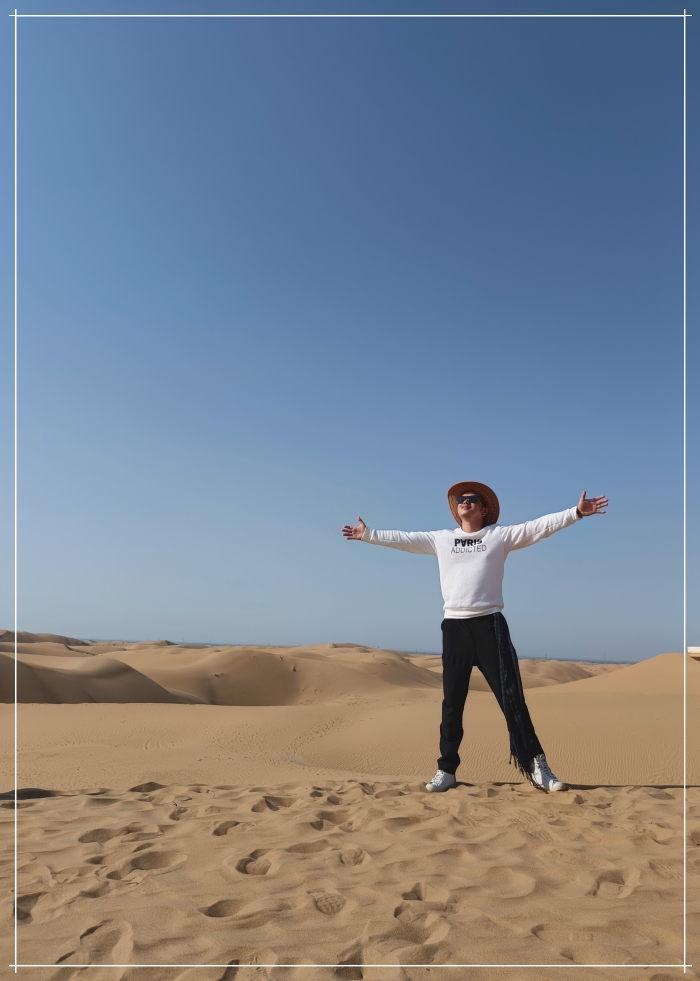
We also had a quick visit Ordos City, famous for Lamb meat and beef hotpot.
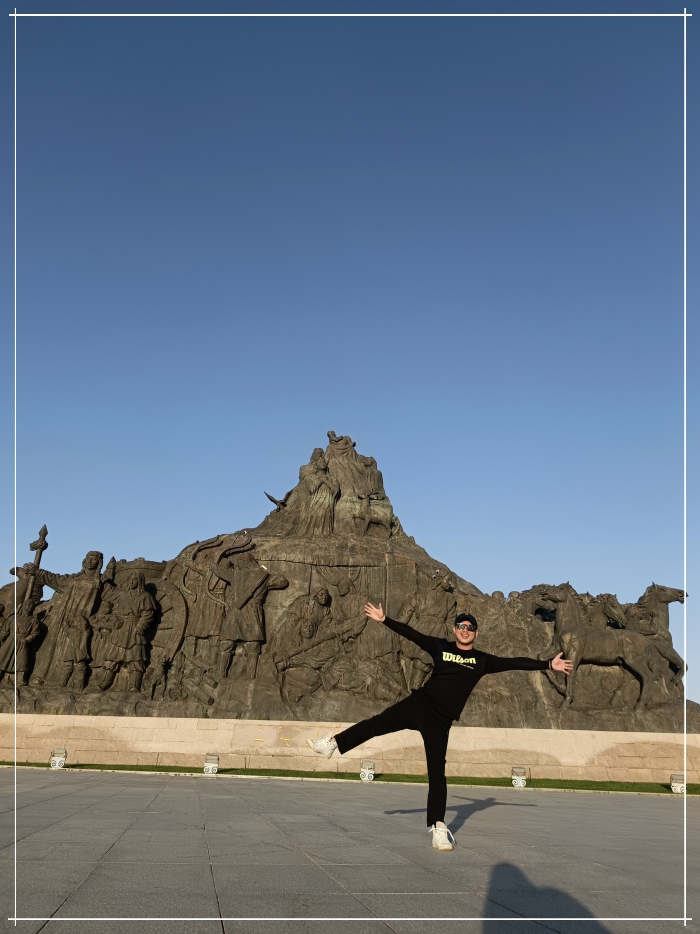


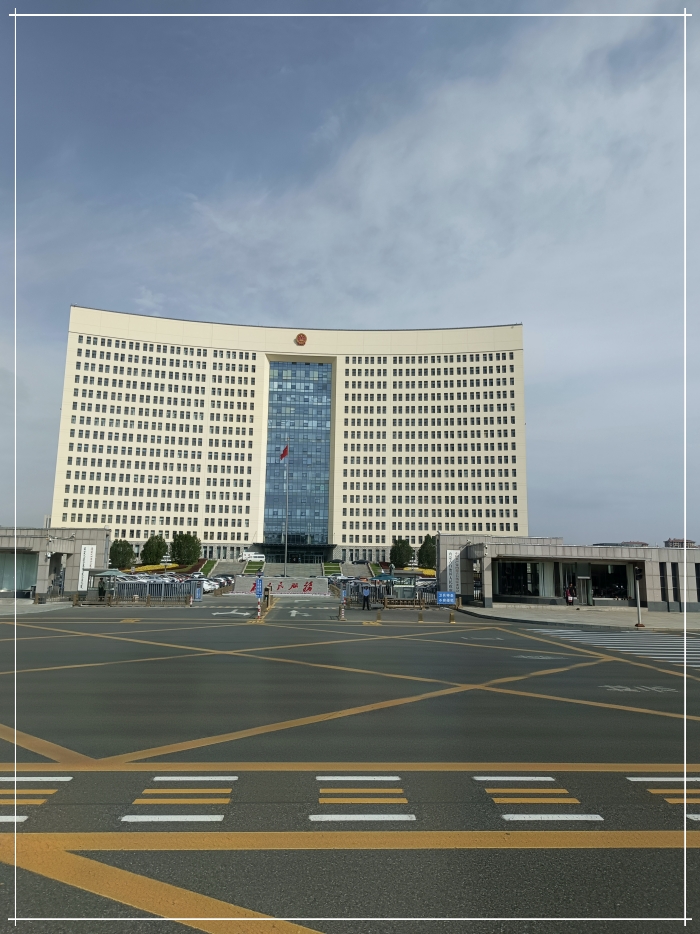
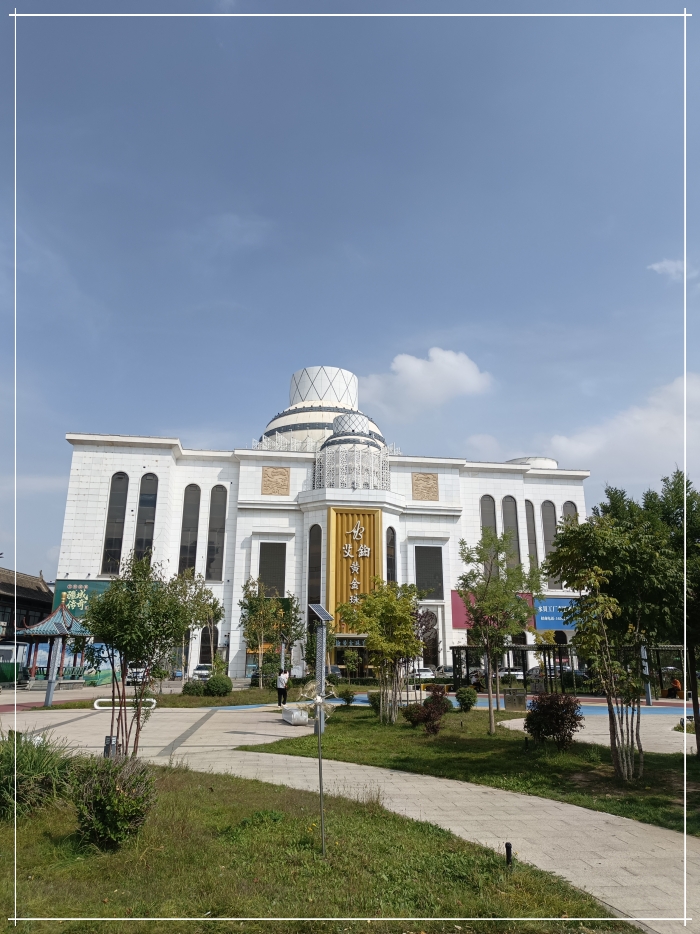
The remaining days, we spent at Hohhot City, which is the capital of Inner Mongolia. The city is strongly Chinese-influenced, with a touch or Arabic, as the territory also share some history with the ancient folks of Central Asia.




Here’s me feeling cute at Shini Zhao Temple in Hohhot.

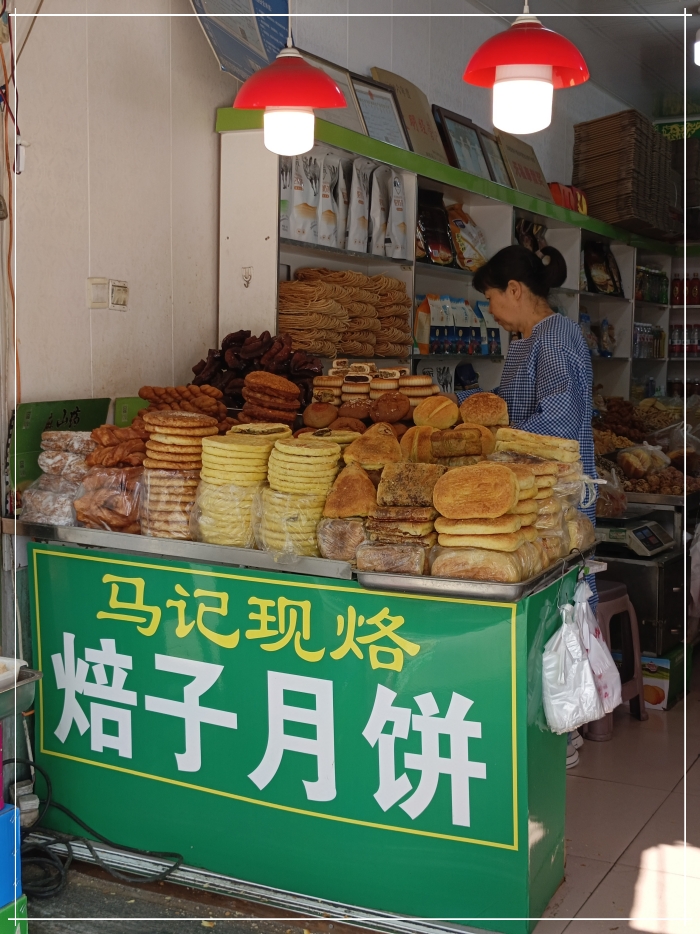
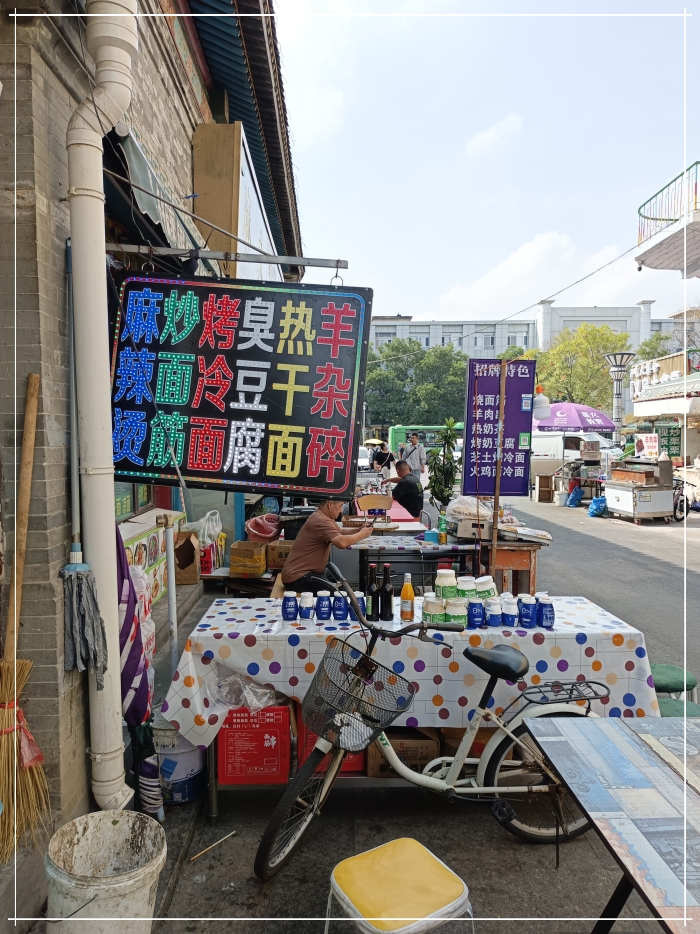
Hohhot City’s vibe is far from the status of Beijing or Shanghai in terms of Commercialism. Somewhat a provincial vibe IMO; but all the necessary modern conveniences are there. Food was hefty and great, and everything’s fairly affordable.
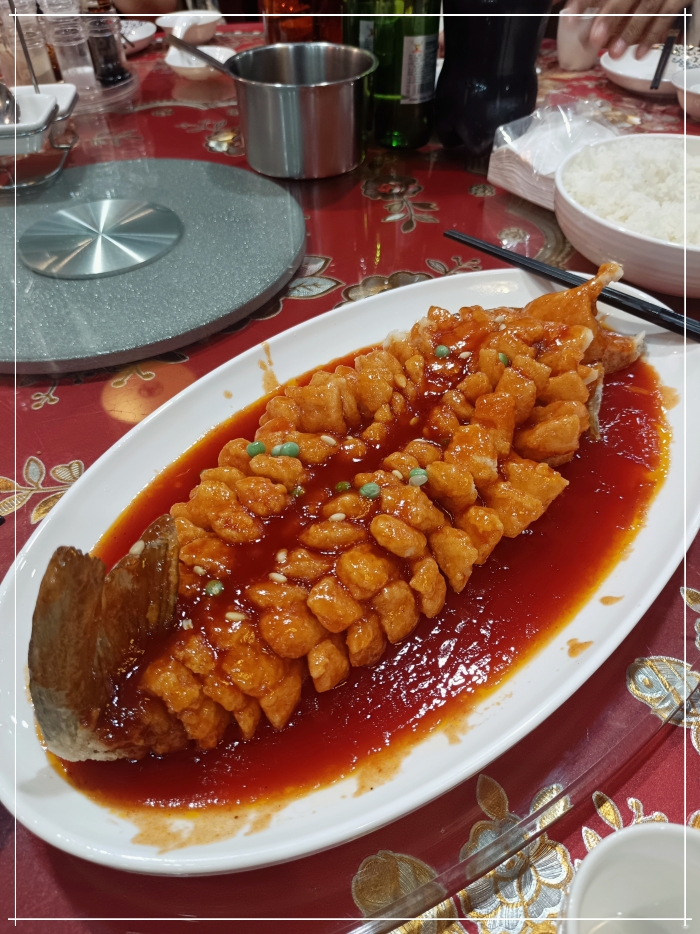
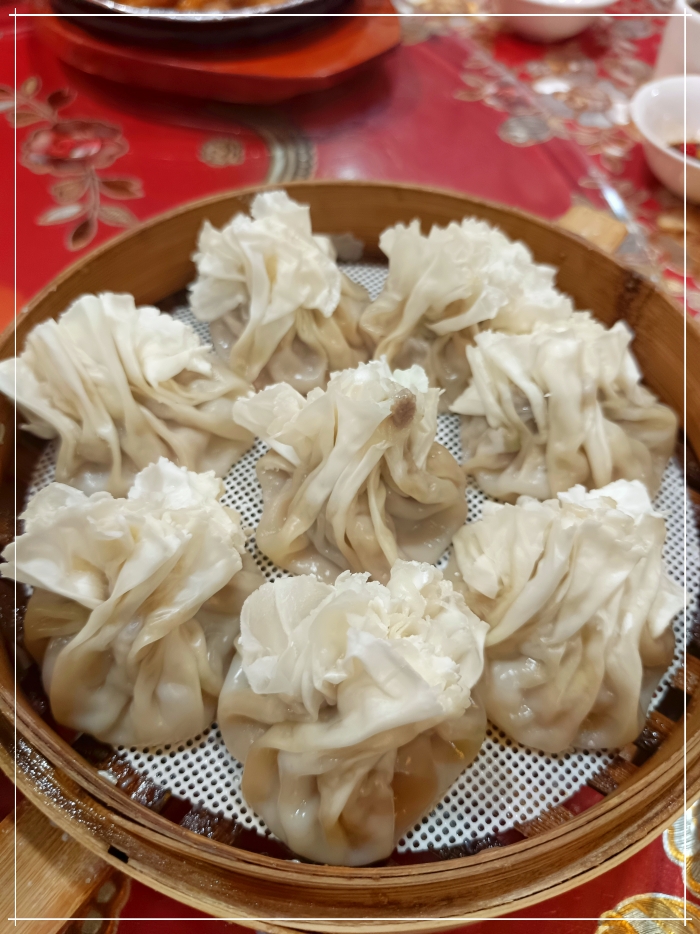

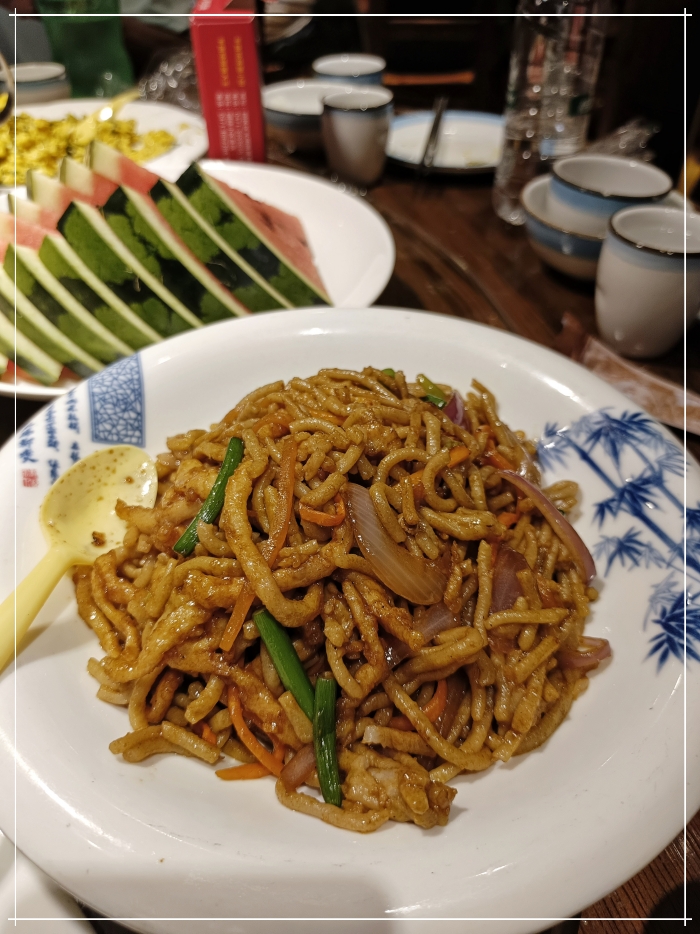


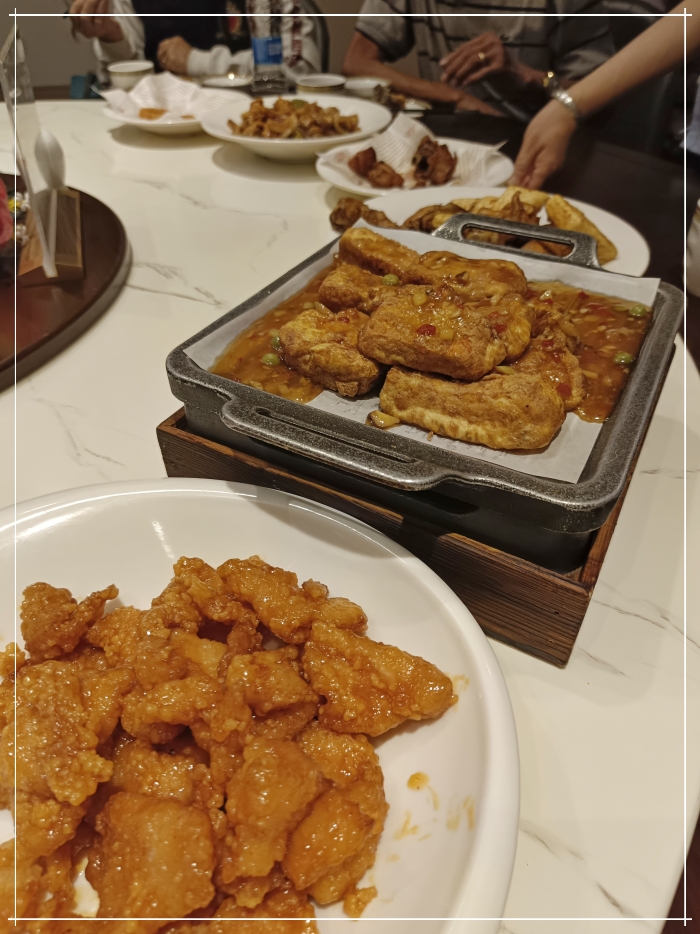
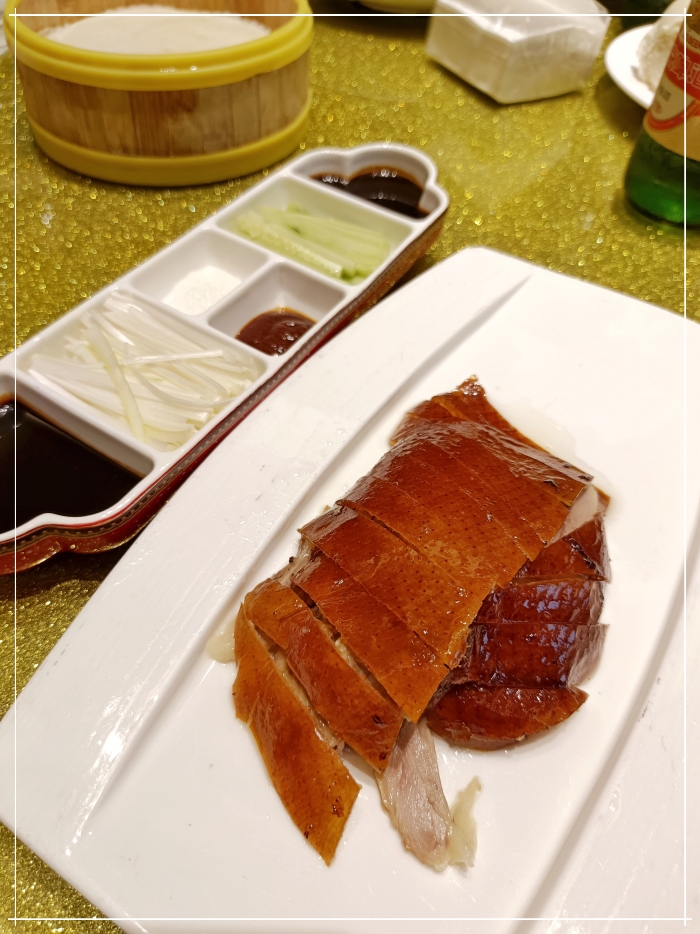
This Peking Duck is by far the best duck-meat viand I have ever tasted. I could actually compare it to lechon baboy, with a thin layer of fat under the crispy-roasted skin.
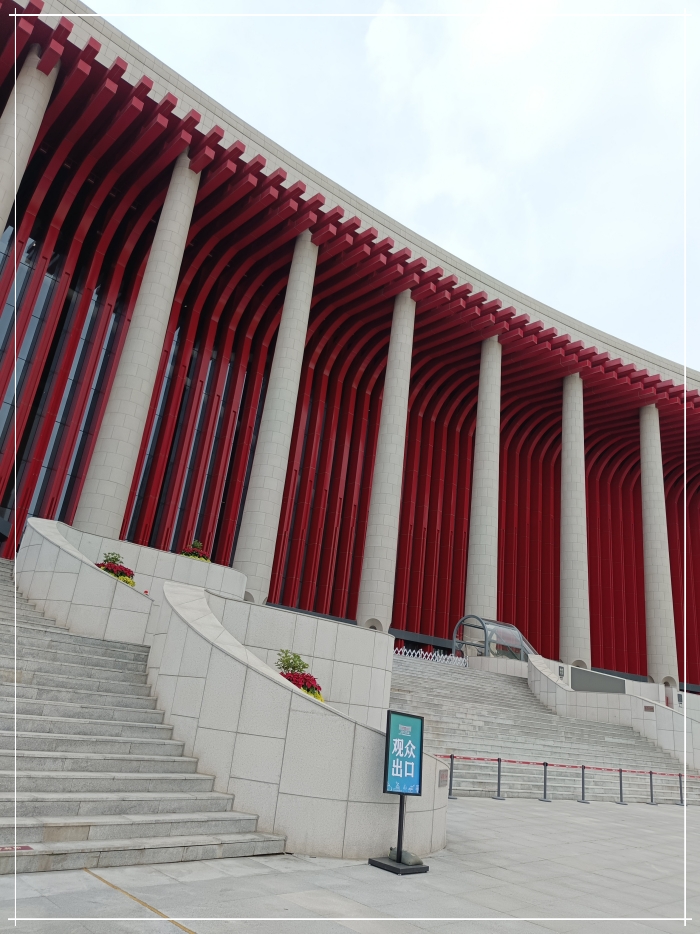
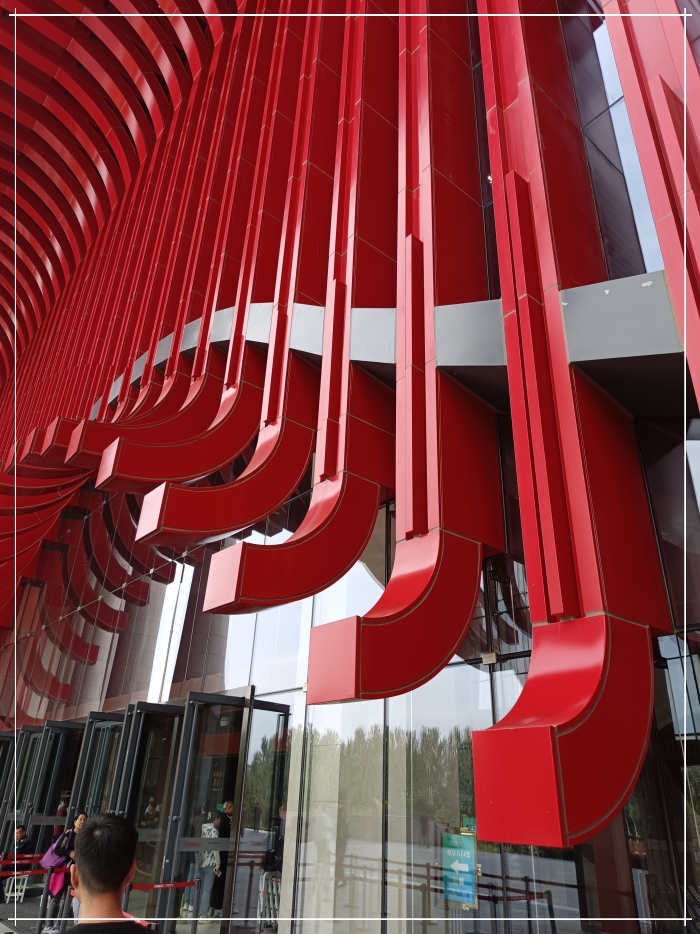
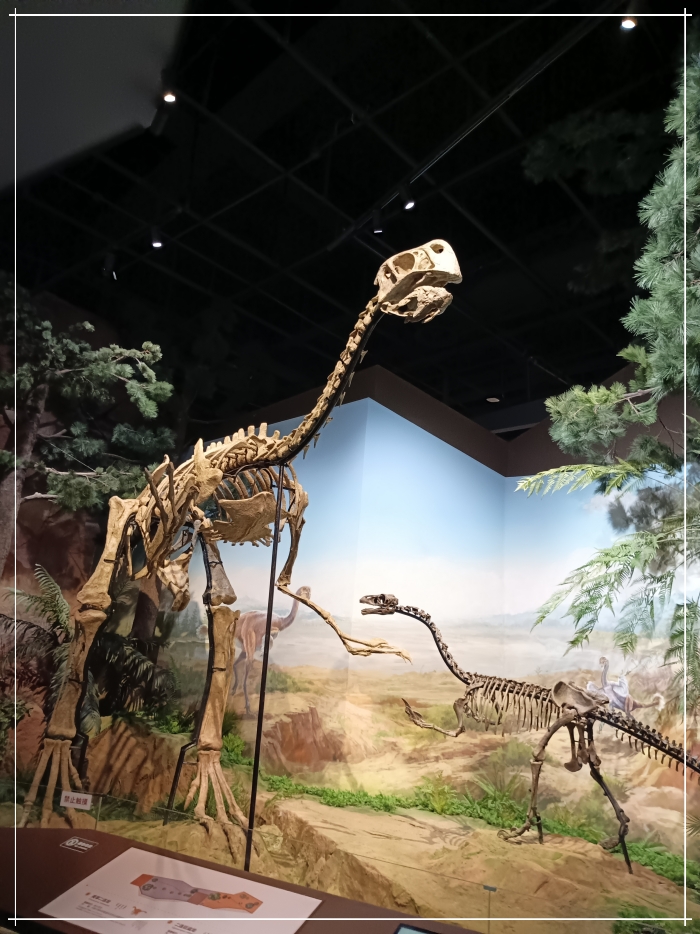
We also had a quick visit to the Inner Mongolian Museum, which houses the largest number of collected dinasaur fossils in Asia. Inner Mongolian desert is also a treasure trove of prehistoric remains, as these vast dry lands are ancient. Oil and natural gases are also being mined from the grounds of this territory.



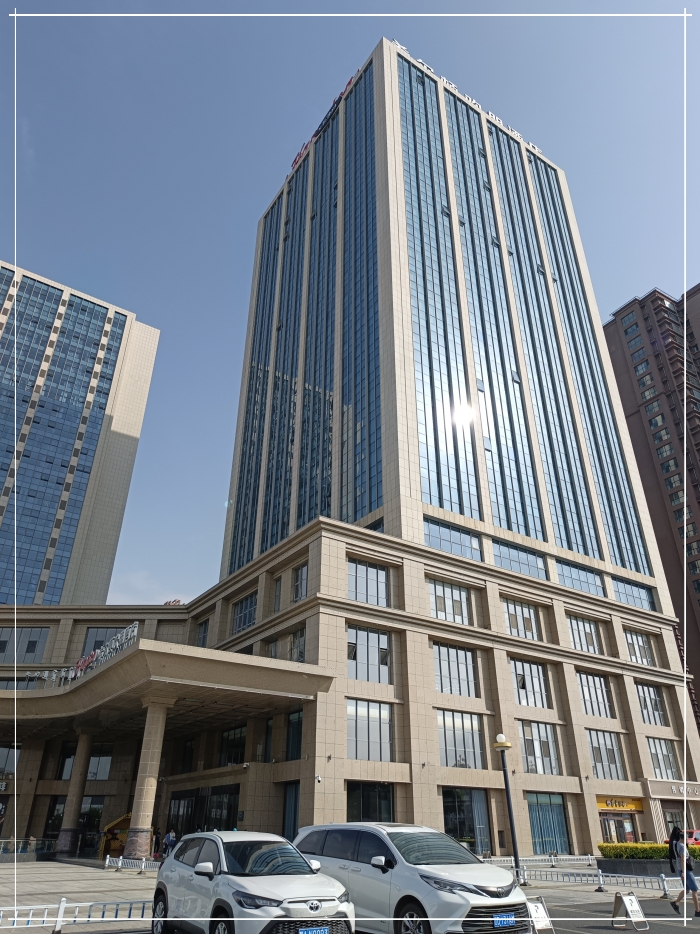
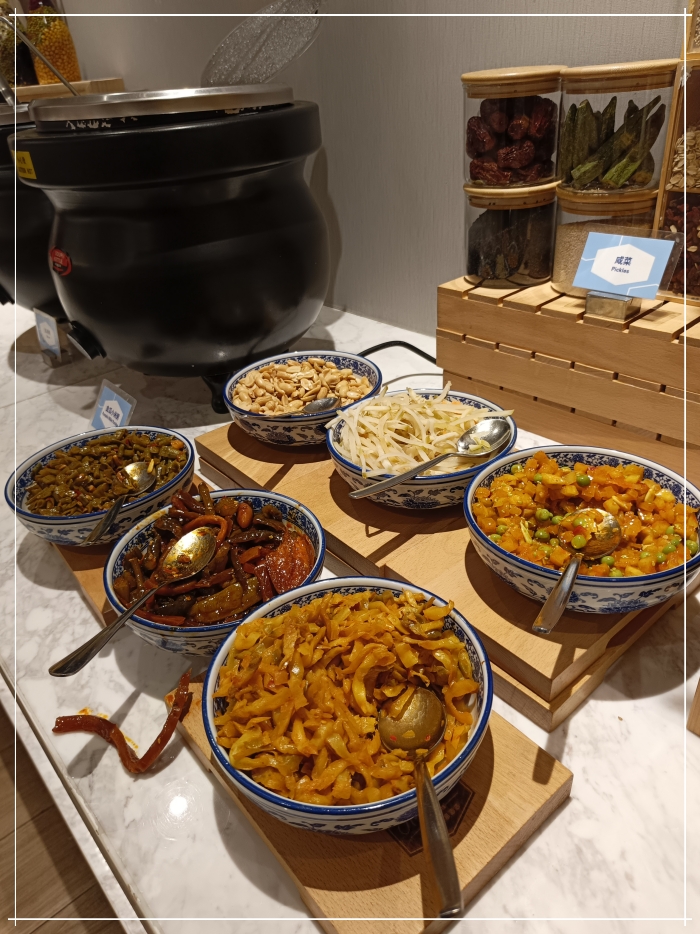
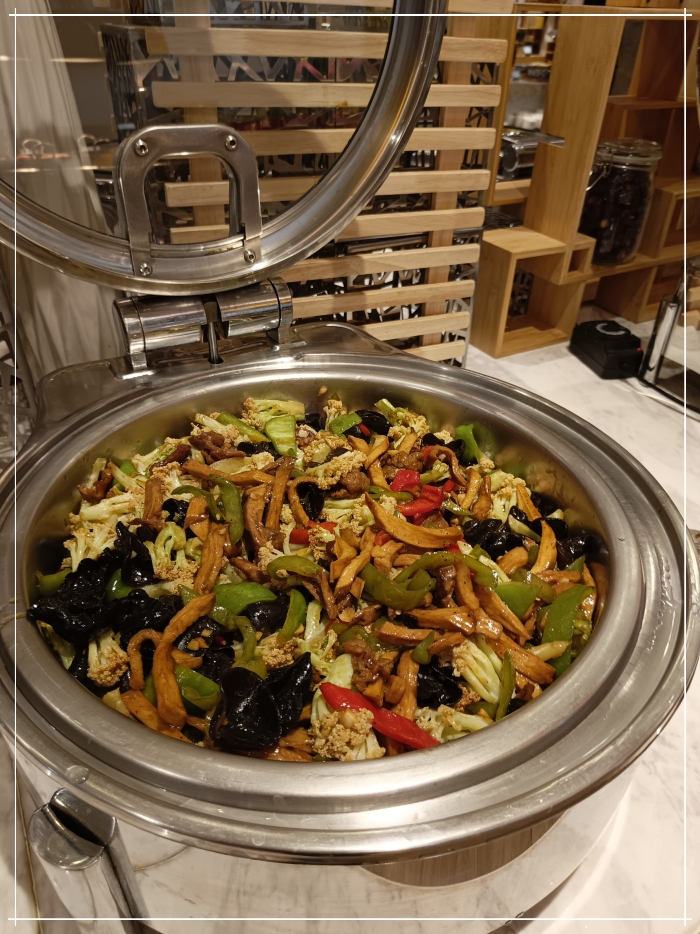
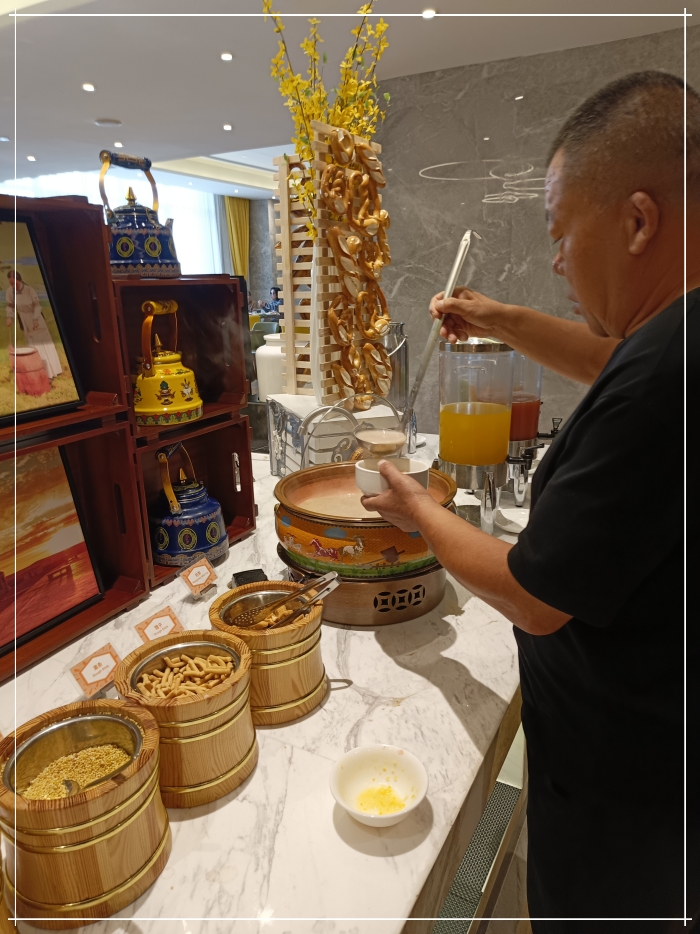
Where we stayed – Hamptons by Hilton Hotel in Hohhot City, with superb breakfast buffet.





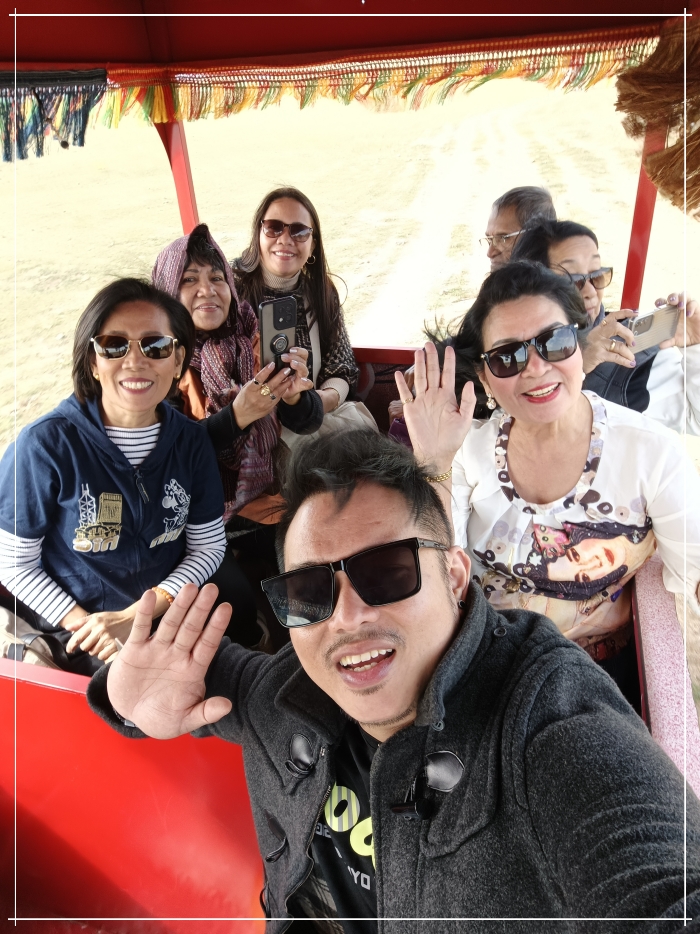

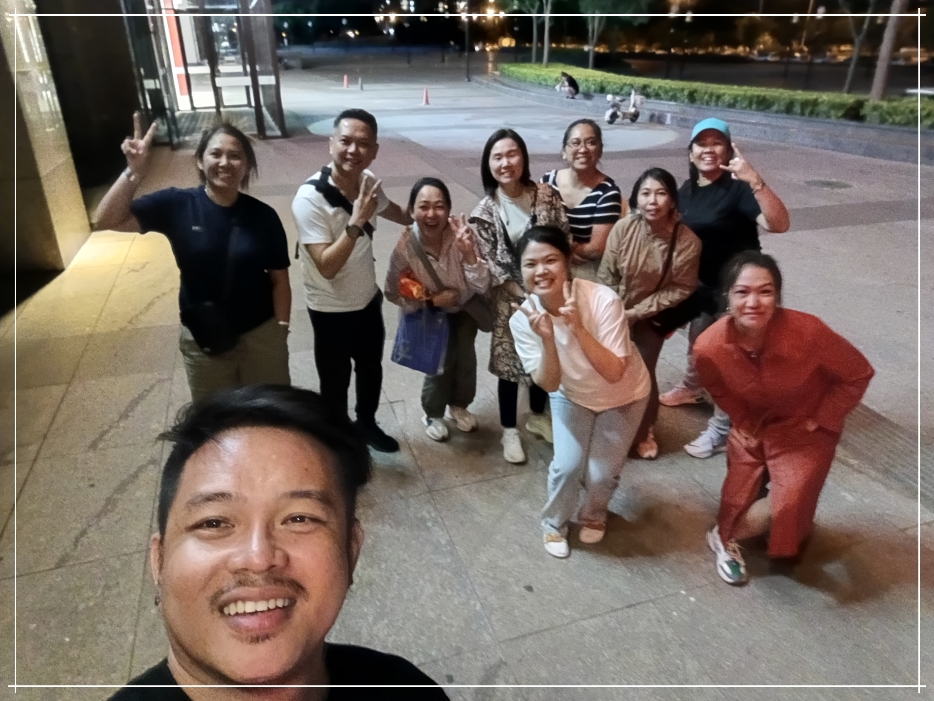
With the tour Buddies. This tour was arranged for us by Uno Turismo agency based in Quezon City.












 Travel + Lifestyle + Architecture Blog