Free days are the best days during vacation. With no itinerary to follow, I just walked around La Candelaria district of Bogota, enjoyed coffee, ate the best rice tamale for breakfast, and had a hefty 1″ thick steak for lunch. As a tropical country with fertile land, food is more affordable in Bogota; probably the cheapest of all the places I’ve visited in South America. Here are some of the memorable meals I had during my 3 days visit.
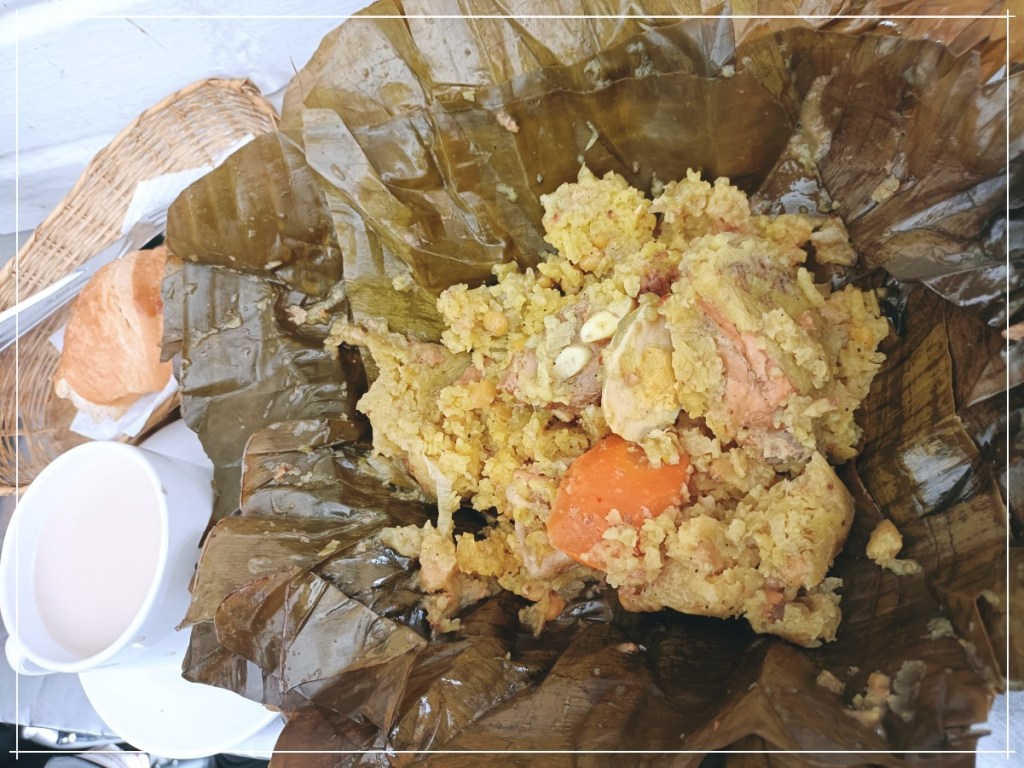
I’ve had different types of Tamale during my travel, but Bogota gave me the best one. It’s packed with fragrant yellow rice and corn combination, carrot slices and chunks of braised pork rib and chicken, plus complimentary bread and coffee. Mura lang ito, around 100 pesos if converted.
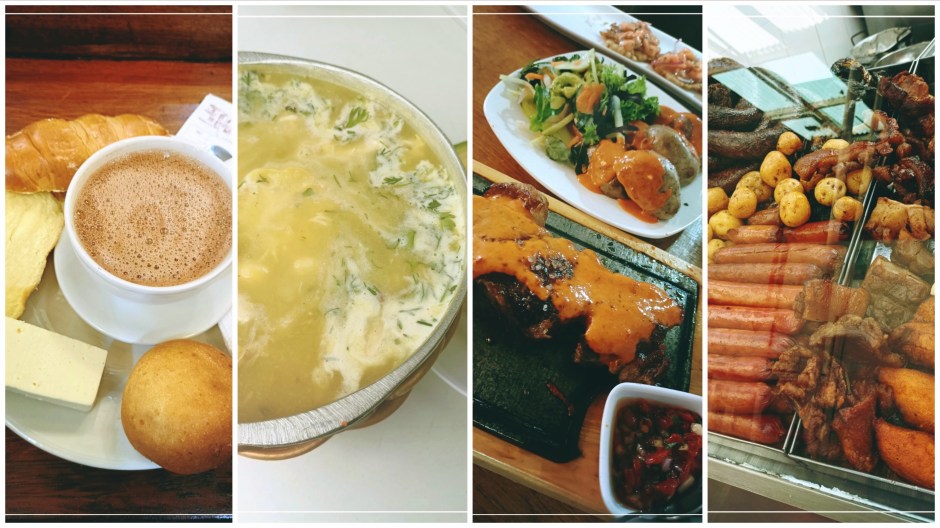
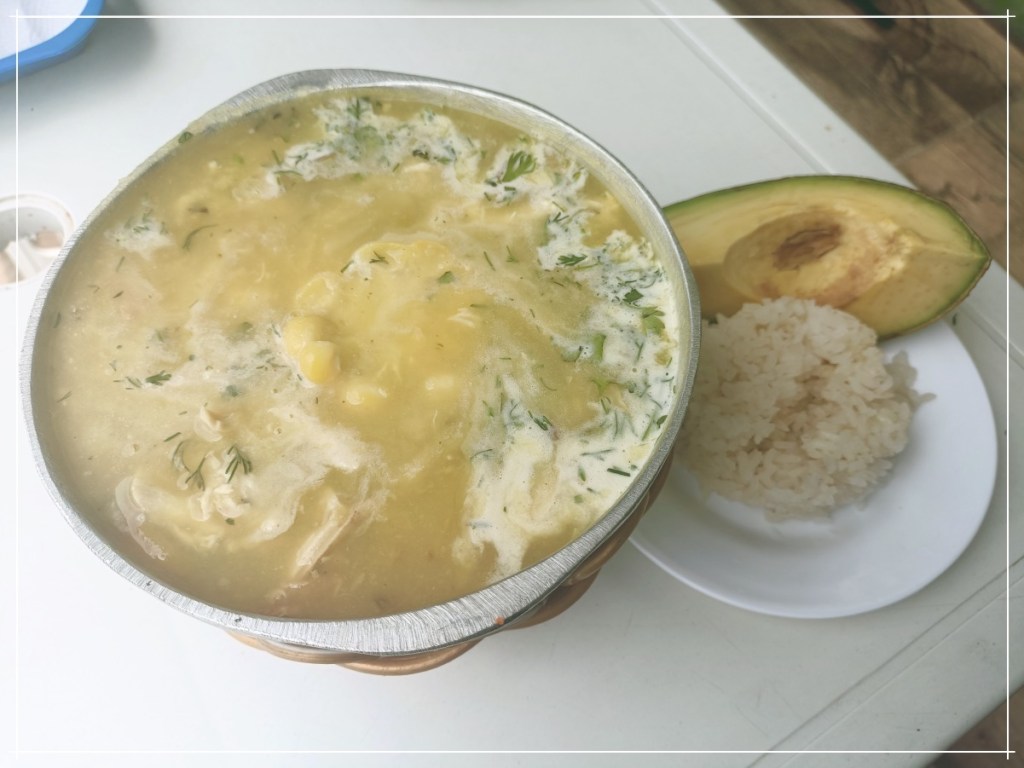
Ajiaco is one of the many regional Colombian dishes you can’t leave the country without trying. It’s a hearty soup made from three different kinds of potatoes, chicken, guasca leaves, with a half an ear of corn splashed in for good measure. Also served with a slice of avocado (locals mix them with the soup for added texture). I had this meal during my day tour at Monserrat Religious Shrine overlooking Bogota.
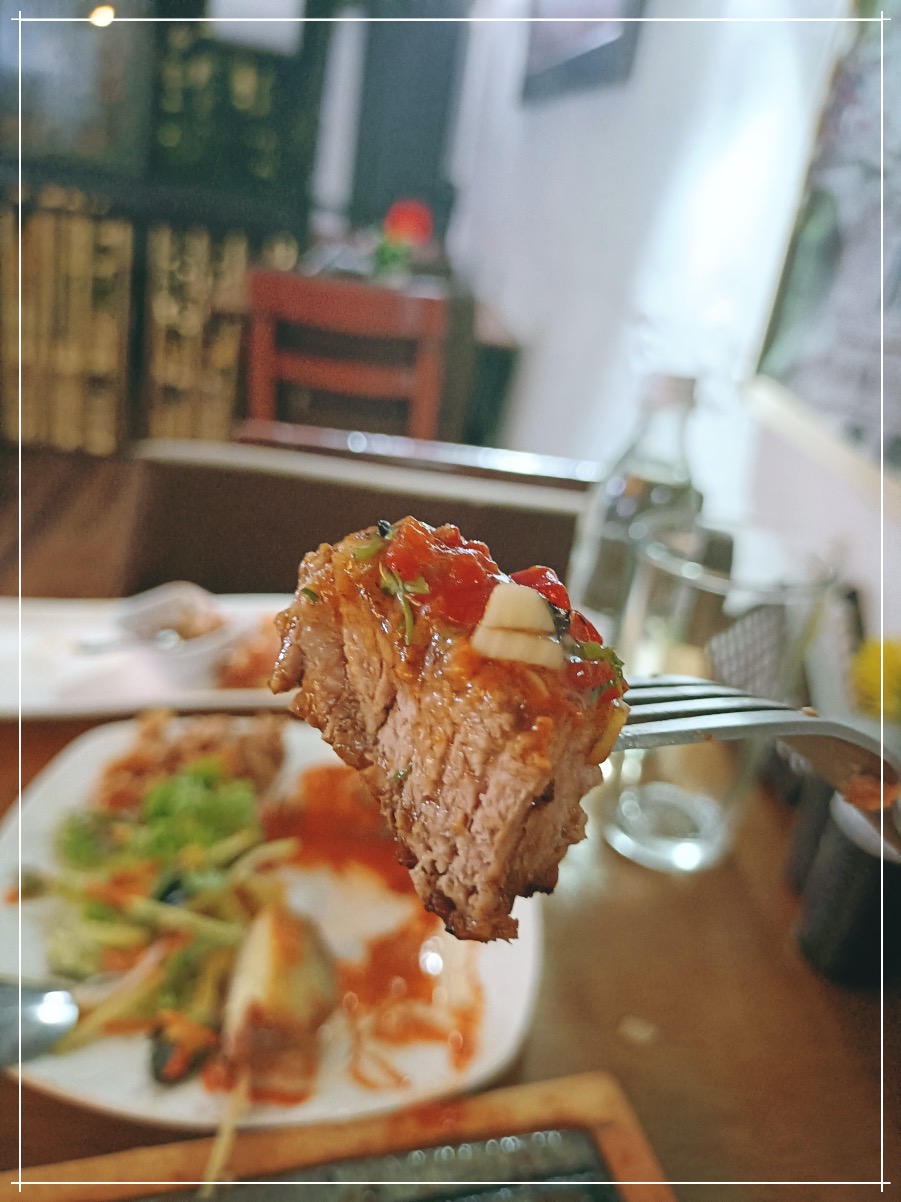
Meat is relatively cheap in Colombia. I enjoyed a thick slab of steak from Banquete Restaurante, a seated,full service restaurant in La Candelaria, serving good local dishes. This steak set cost me a little over 500 Php, i think; salad included. The red pepper\tomato gravy on top is mild. Not too hot. Picante as they say. Very different from our usual gravy here in PH. I also had freshwater shrimp ceviche as appetizer. Sobrang sarap nito. Shrimp is blanched (not raw).
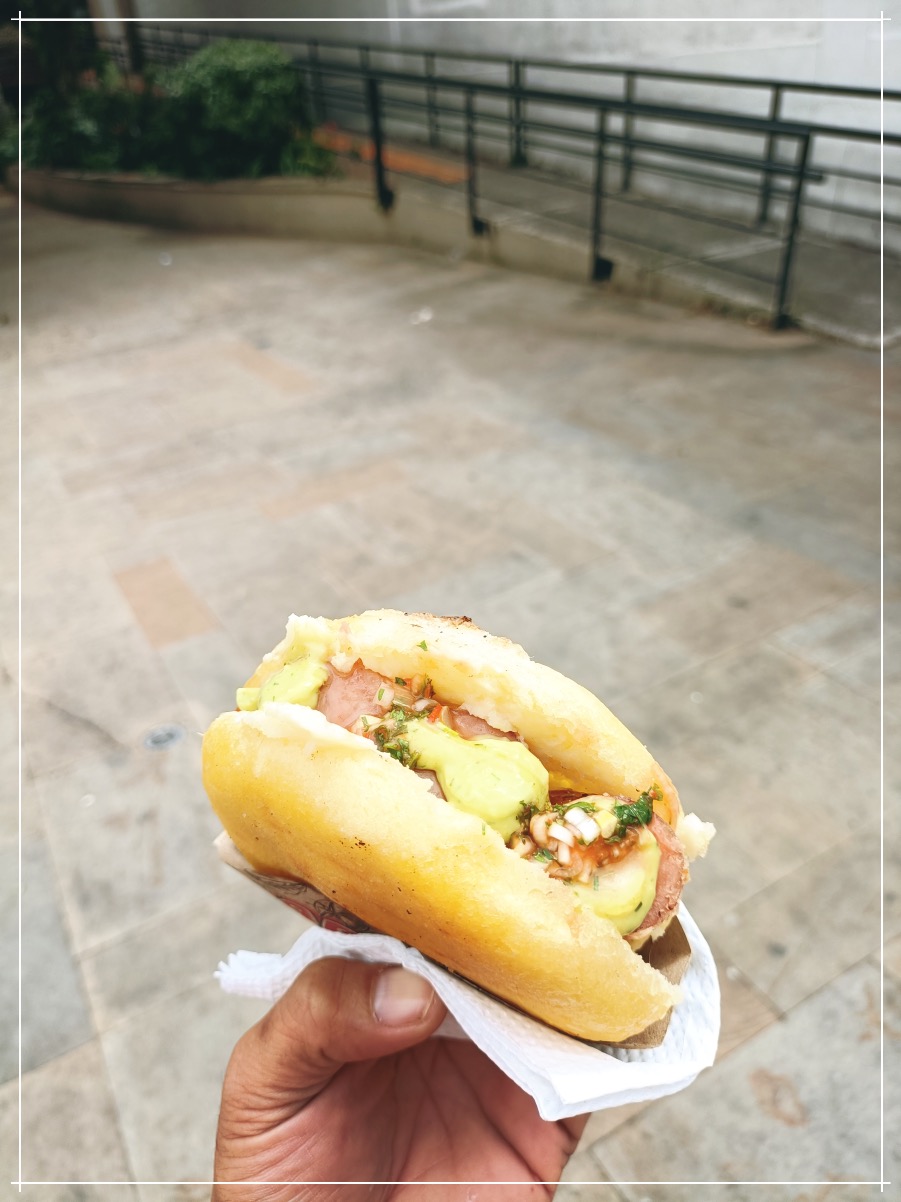
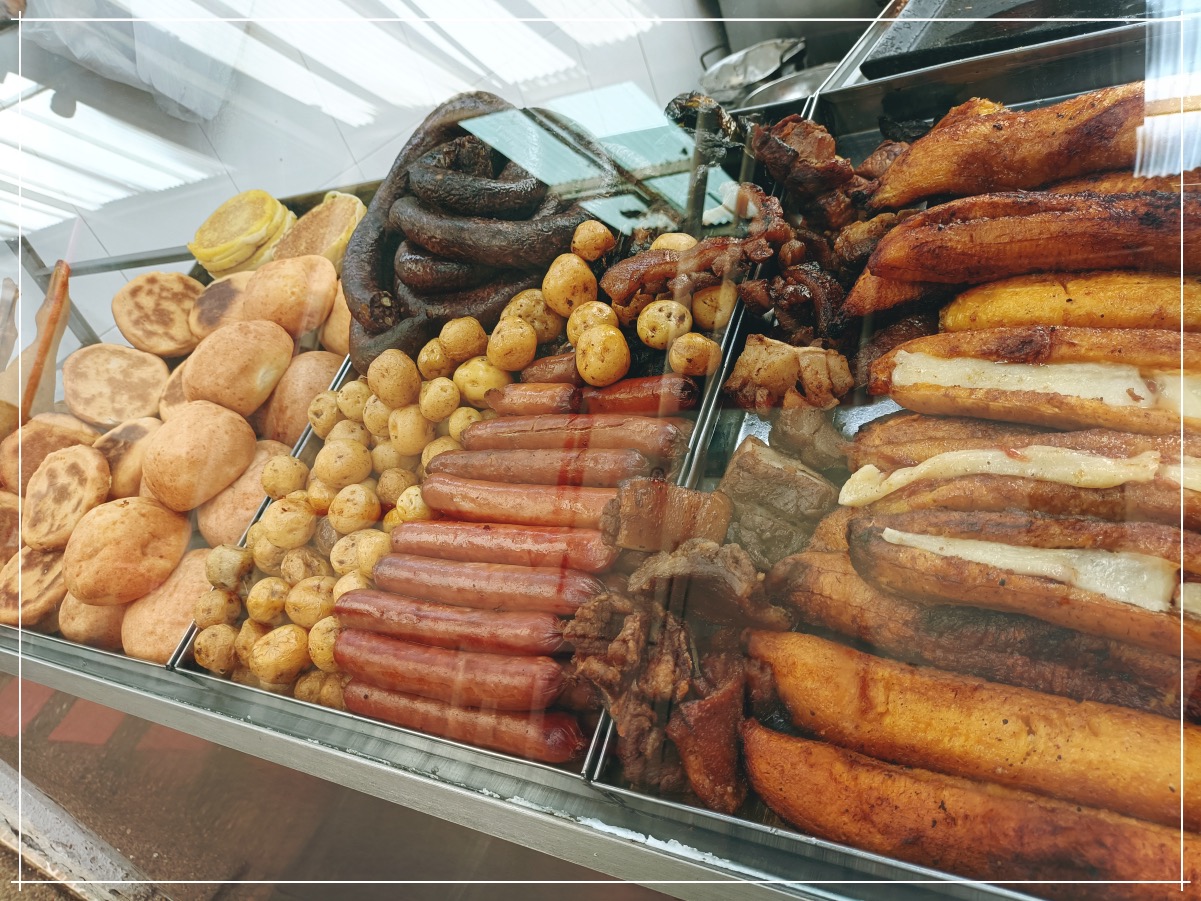
Sealed the afternoon with churros and Tostao Coffee, an affordable coffee chain in Bogota. Also enjoyed random street chorizo arepas (sandwich) I think went back 3x on this street kiosk during my stay. Ibang level ang chorizos (sausages) sa Bogota, I tell you.
A memorable last dinner in Bogota. I had this hefty plate of Bandeja Paisa, so i can try various dishes in one seating.
Bandeja Paisa is a traditional Colombian dish that contains beans, rice, arepa, traditioinal chorizo, plantain, chicharrón, avocado and marinated ground beef (like arroz cubana). I’ve noticed that Latins serve avocado as a side without any sweeteners; in contrast to us who only appreciates the fruit when it’s sweet and creamy.
To close the meal, I went to try the hot chocolate drink at La Puerta Falsa, known as one of the oldest continuously operating cafe in the world. The drink is set with 2 types of bread of choice, butter and a slab of white cheese. Colombians usually melt the cheese with the hot drink. I did not like it. The mix of sweet taste of choco and the salty\sour cheese did not work for me. The cheese is excellent though… with the bread.
Some more random street food photos around Bogota. Fruits and other produces are quite similar to the Philippines. Probably because of similar tropical lands, as well as strong Spanish influence.
After spending memorable 7 nights in Peru, I did a side trip to tick out from my bucket list another Wonders of the World Icon, the Christ Redeemer Statue in Rio, Brazil. From Cuzco, I took another LatAm flight to Lima then to Rio; a total of 6 hours across the amazon jungle. Cuzco is on the mountainous west side of South America, while Rio is on the east coast facing Southern Atlantic Ocean.
My quick visit in Rio was actually chaotic, as I got scammed by an Uber driver, my credit cards didn’t work and the location that I chose to stay in was apparently quite shadey. I will post a different blog on that. But for today’s video, let me share lang how my visit to the Christ Redeemer went…
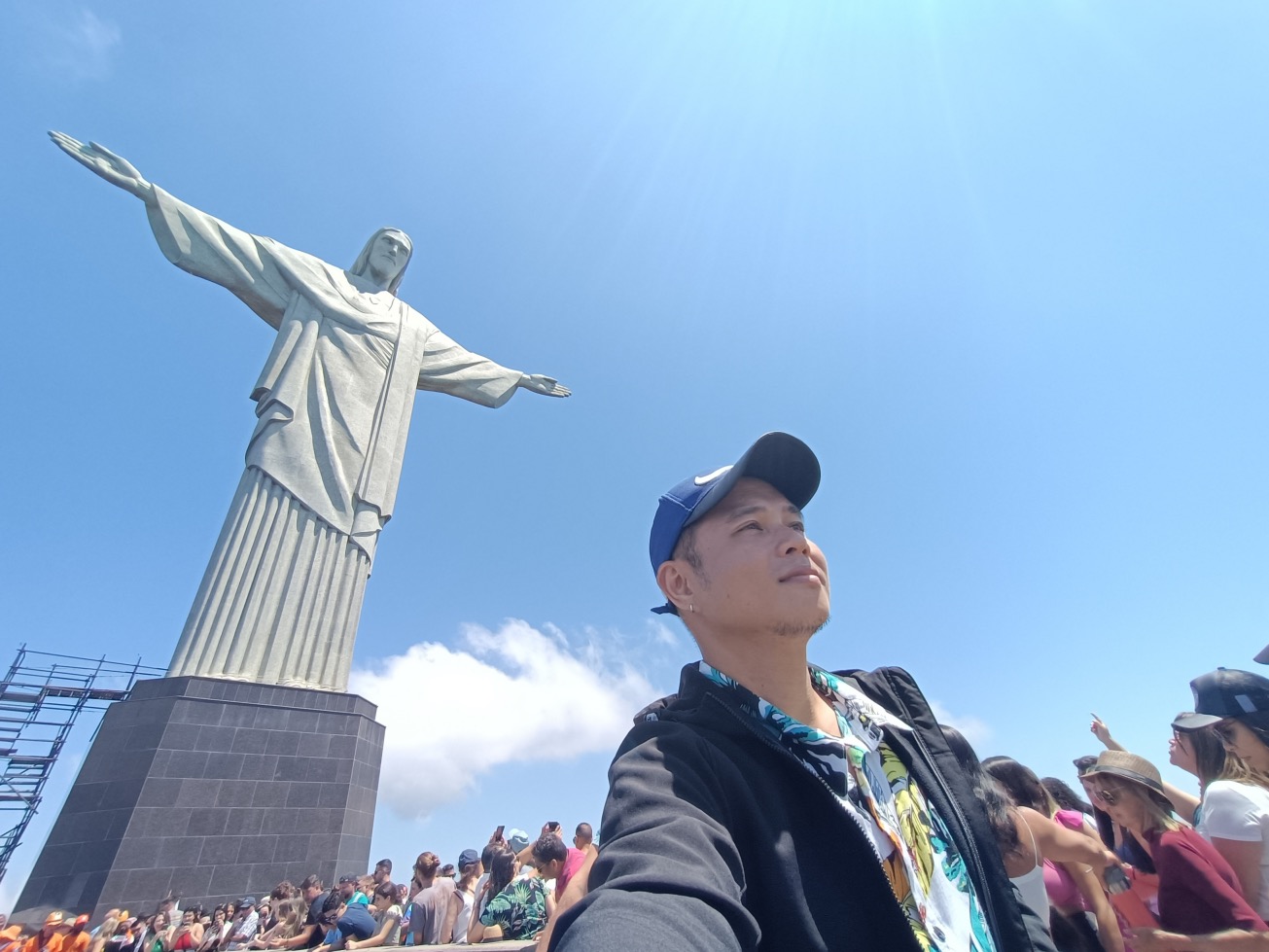
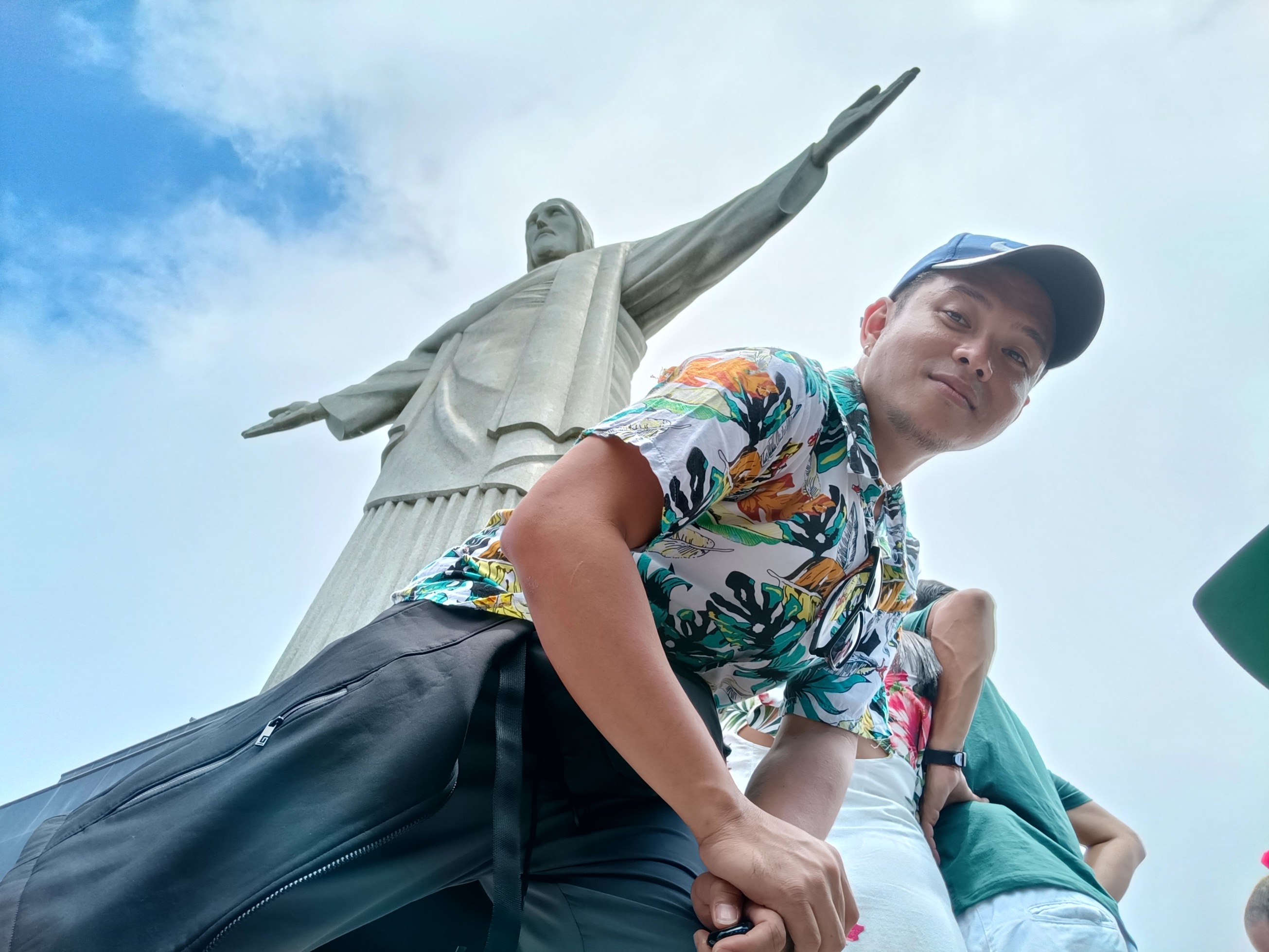
The only decent photo that i got with him.
Located at the top of Corcovado Mountain in the middle of Rio de Janeiro City, the Christ the Redeemer is the most internationally recognized Brazilian icon. Known today as one of the New Seven Wonders of the World, Christ the Redeemer was inaugurated on October 12, 1931. The idea of building a monument on top of Corcovado Hill began in 1859 with the French priest Pedro Maria Boss, but the project only began to take shape in 1922 to commemorate the centenary of Brazil’s independence.
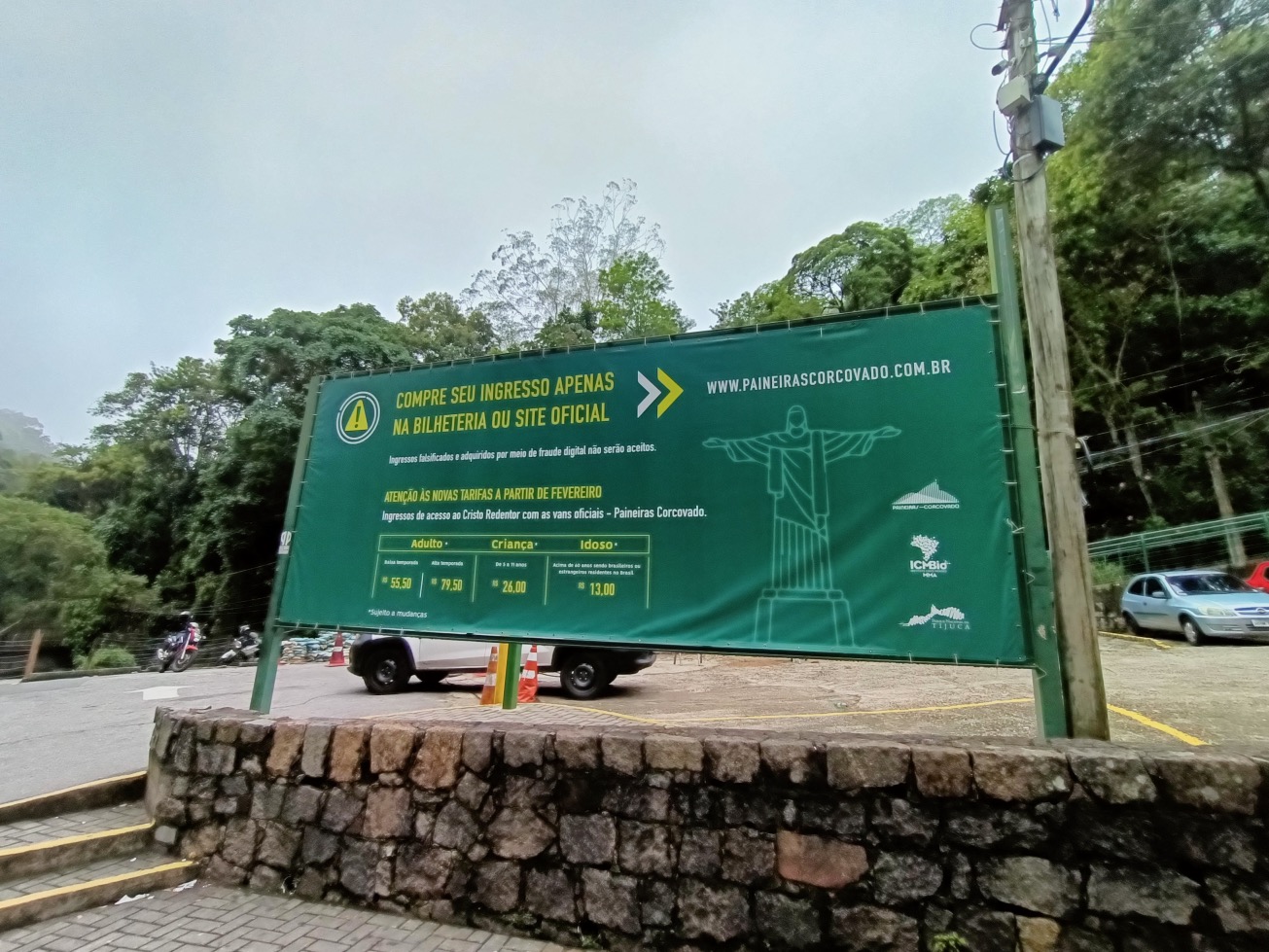
Here is the marker for taxi and public transpo drop off. After here, you transfer to the sanctuary mini bus na going up. Mga 20 mins. The Redeemer status is in the middle of a national park.
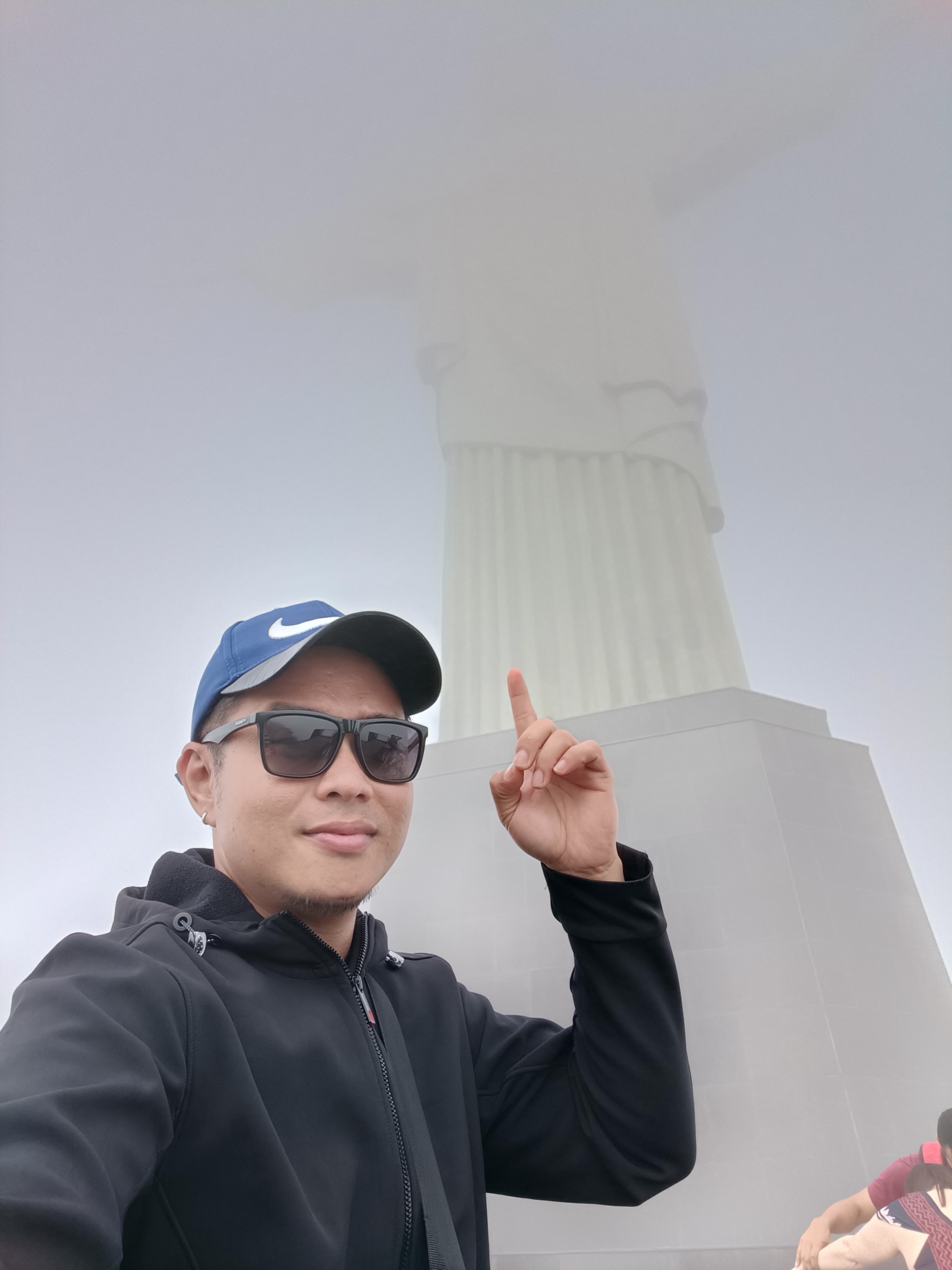
My first view of Christ Redeemer. Astang foggyha oi. I read on blogs that it is best to go early to beat the crowd. I think im way too early at 730 am na first van.
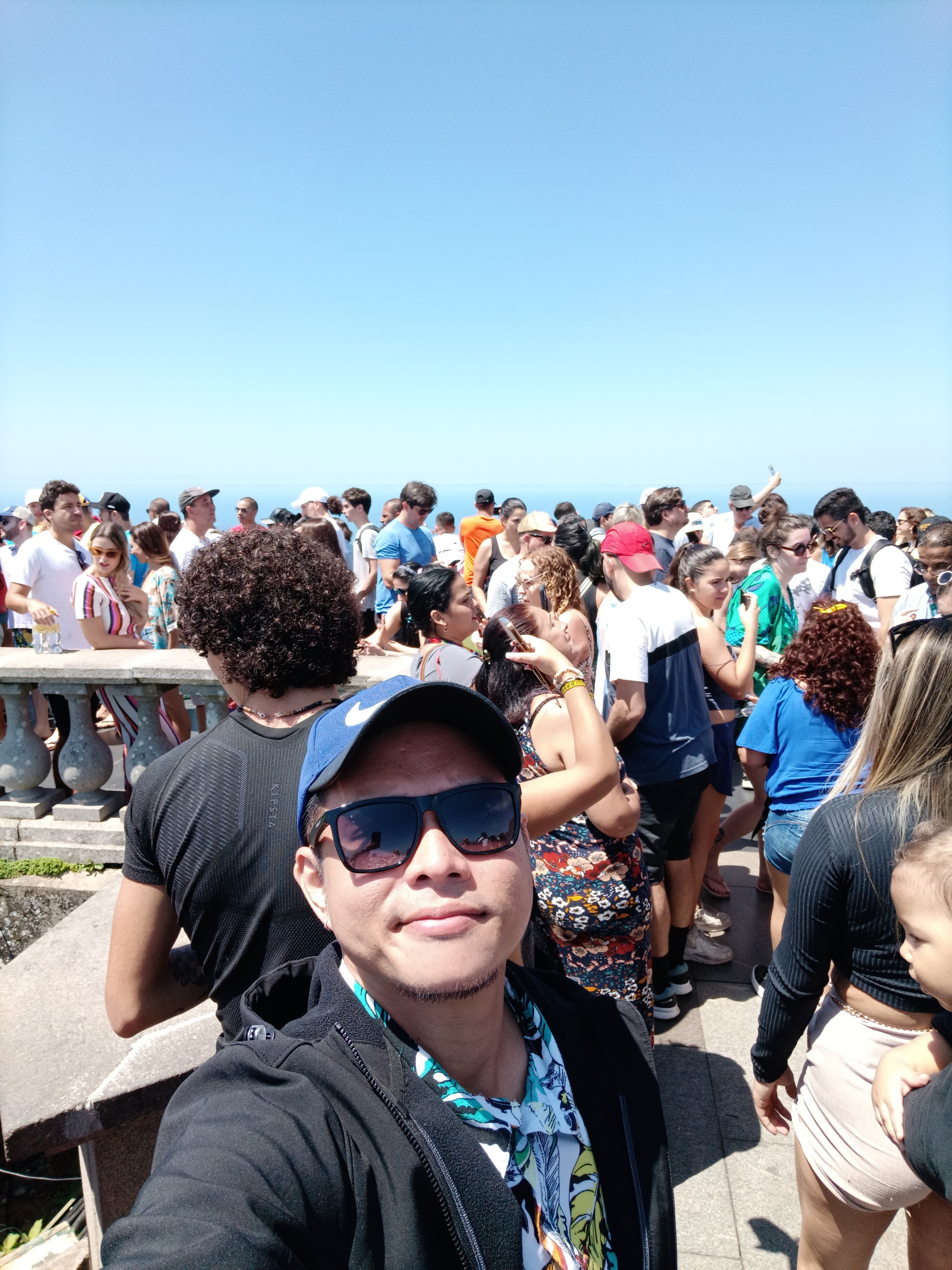
I decided to just find a quiet corner sa ilalom to wait for the fog to calm down. Naka nap pa ko gamay. Pag balik nako saka before 9am, dghan na kaayog tao. Ok.
I requested someone to take a photo of me pero mao na jud ni best effrt namo. Tapad pas basurahan .hahaha
Lord, i tried my best to get a good shot pero ani jud ang real talk. Guot kaayo!
Overlooking rio city sa likod, Which is nice. And naay chopper ga ikot2x sa perimeter sa statue to disperse the fog\clouds. Banha kaayo.
Maypa ni si kuya cge hukas. Wrong spelling bya iyang tattoo sa dughan.
God knows i tried different angles pero wala jud. Nag try pa ko mag teacher georcelle gforce pose sa pikas side pero waley japon.
Lord maypag nag talikod nalang k. Wala pay crowd.
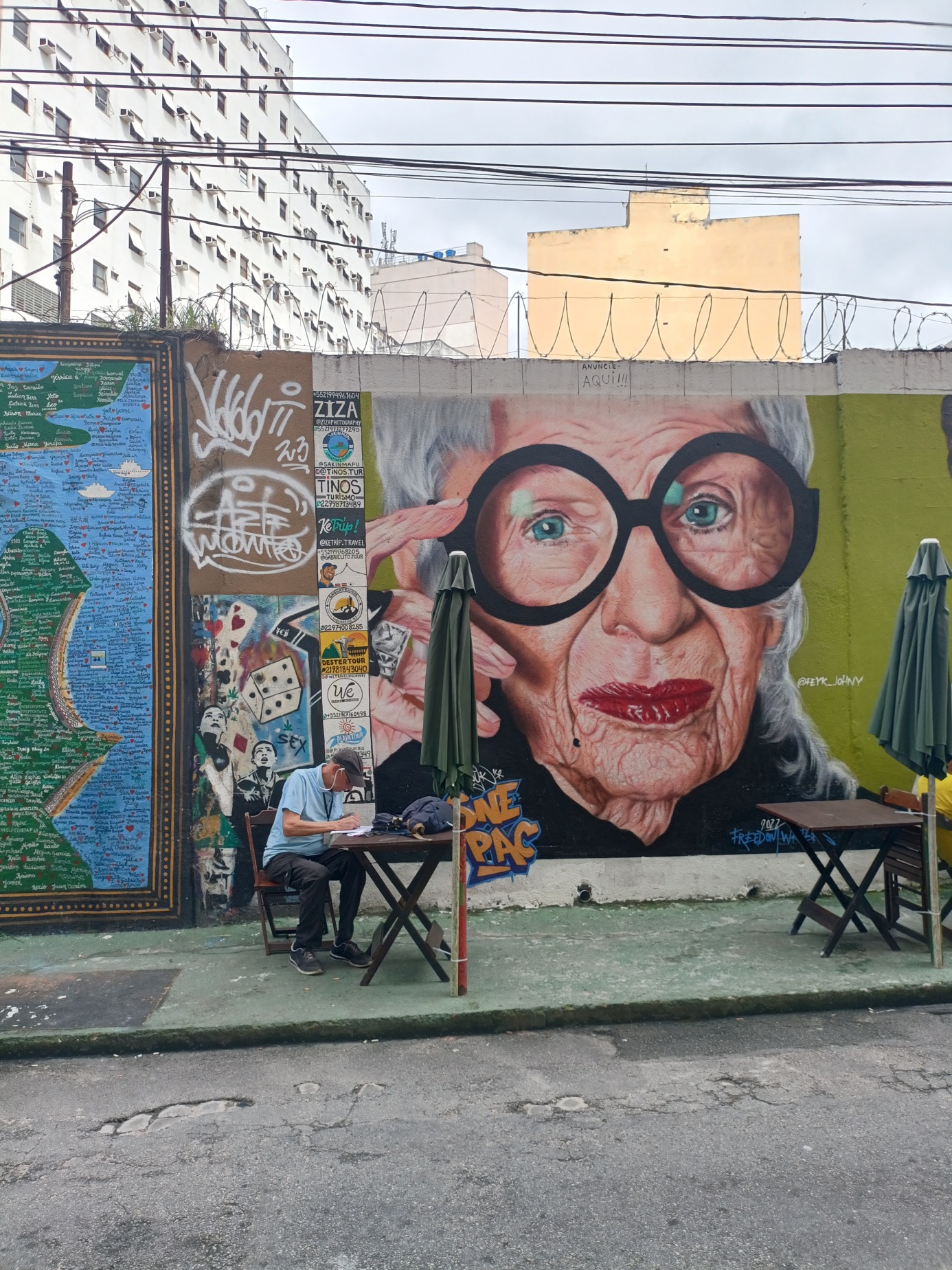
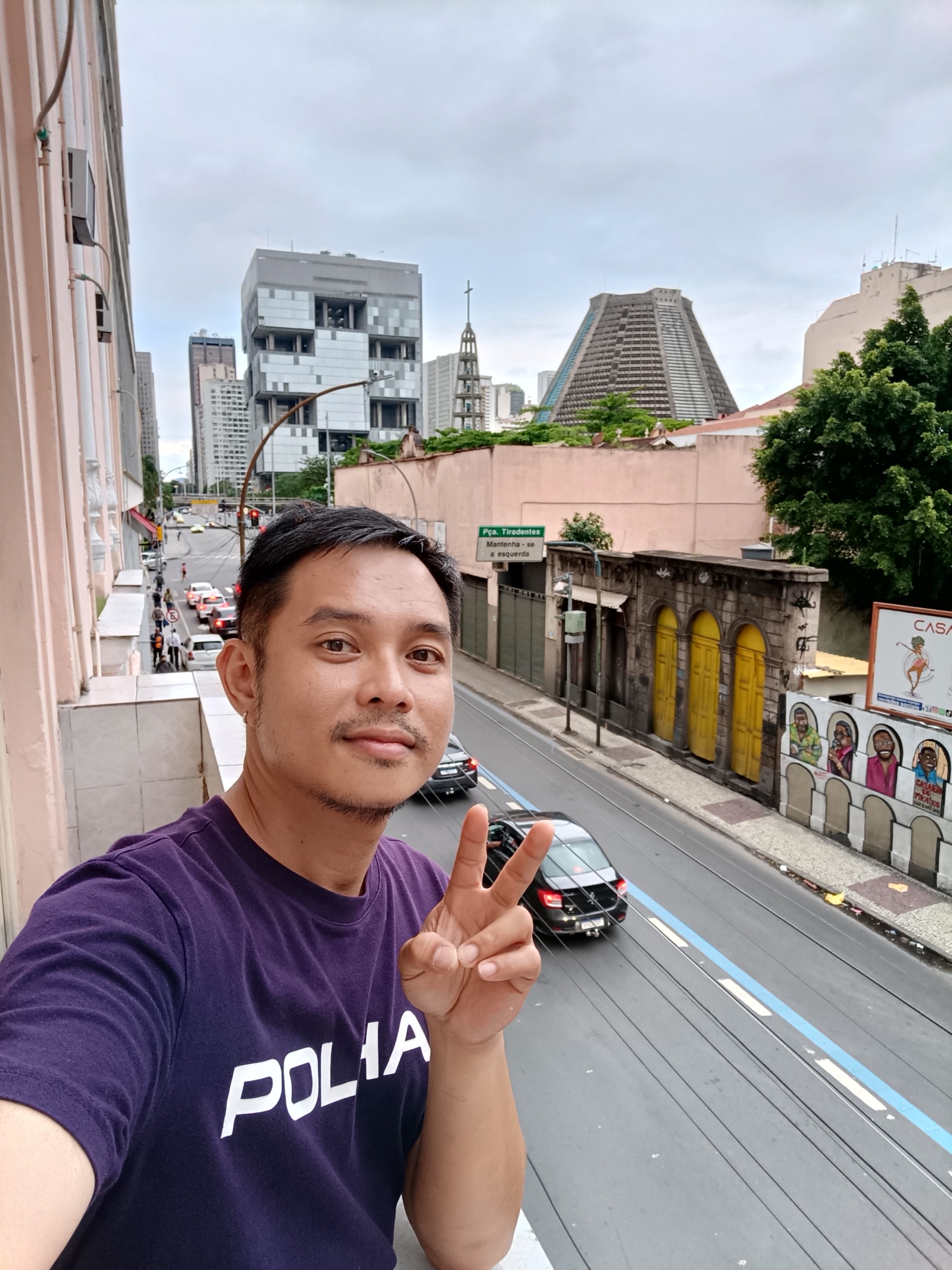
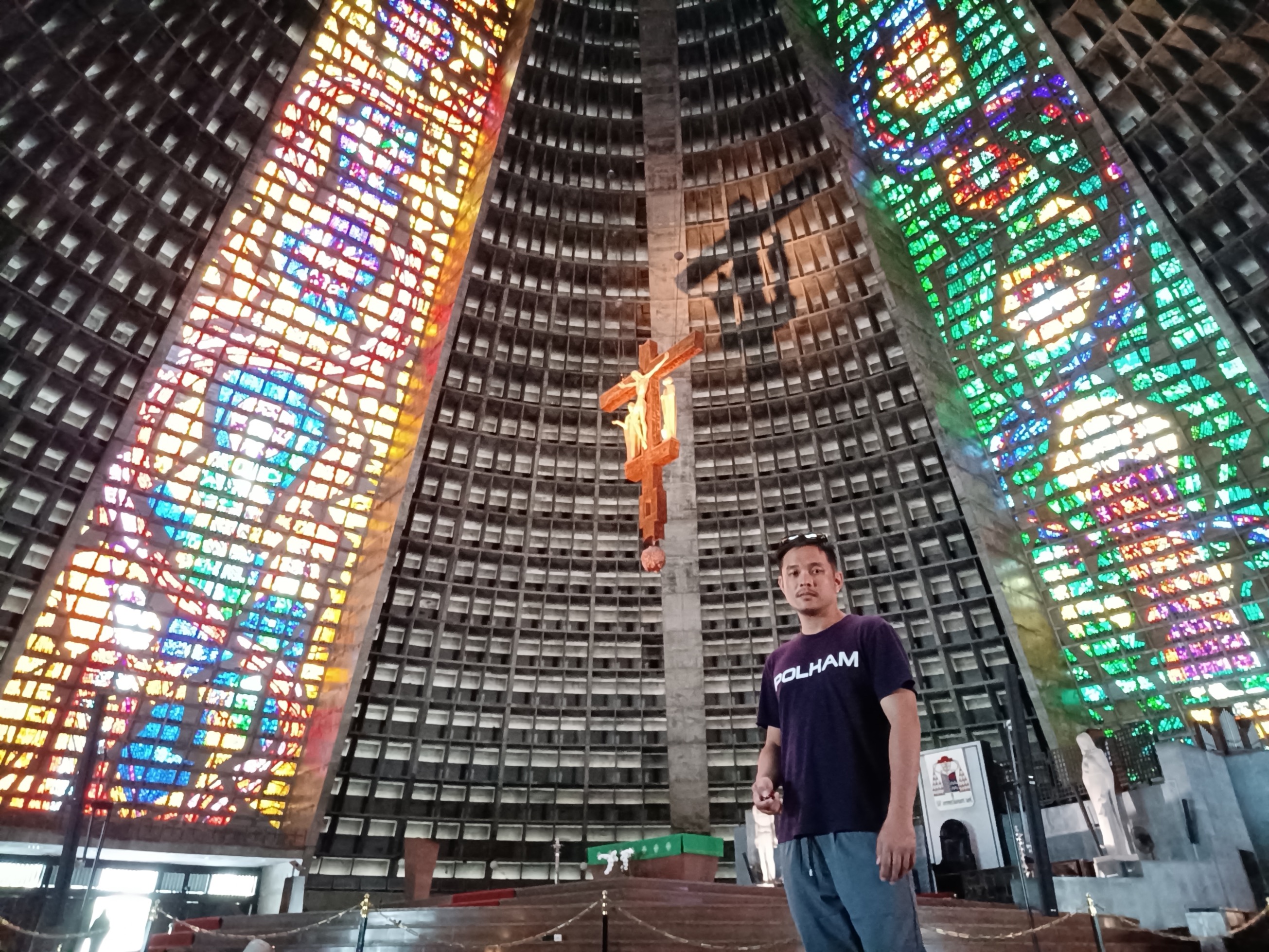
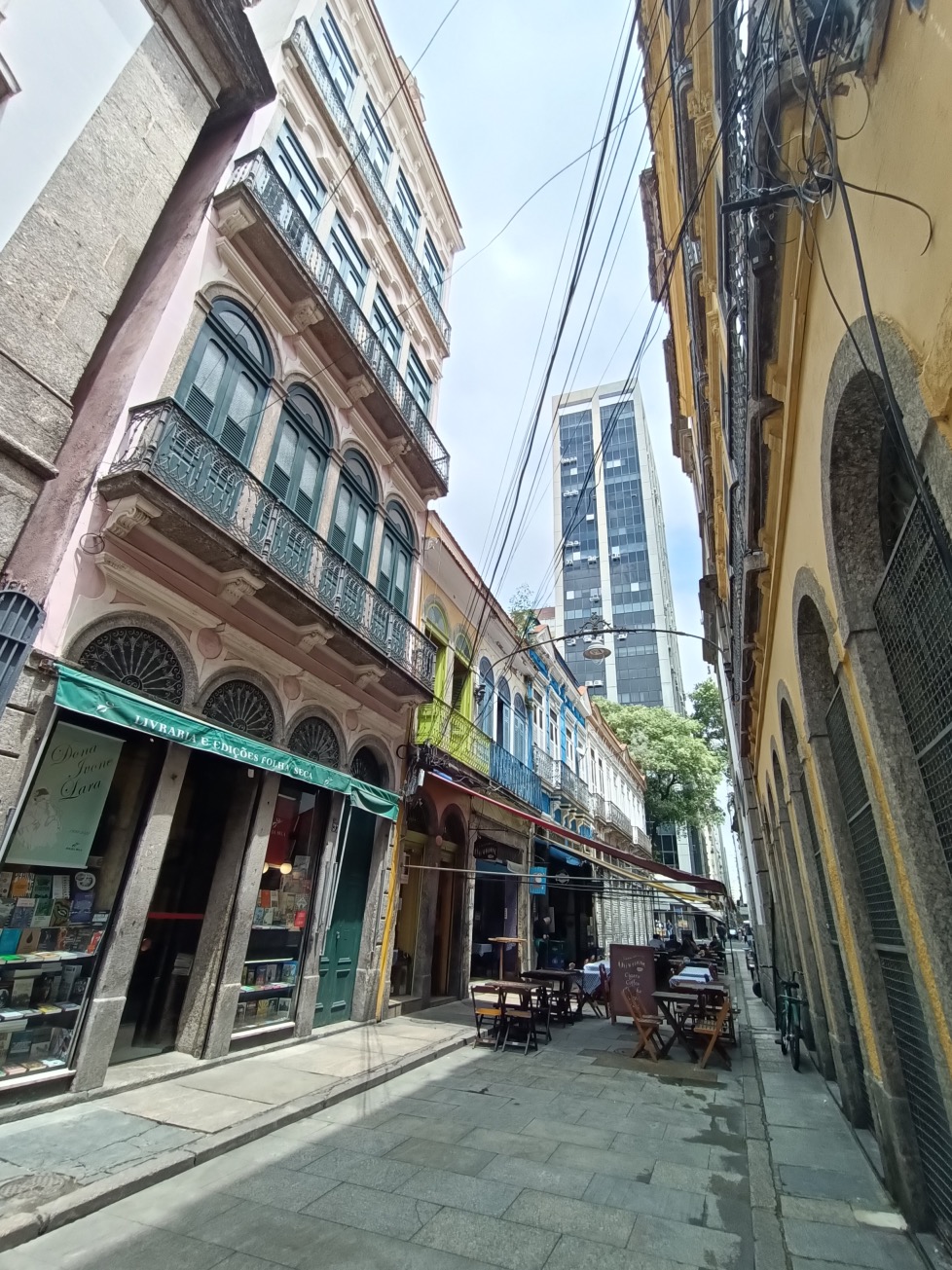
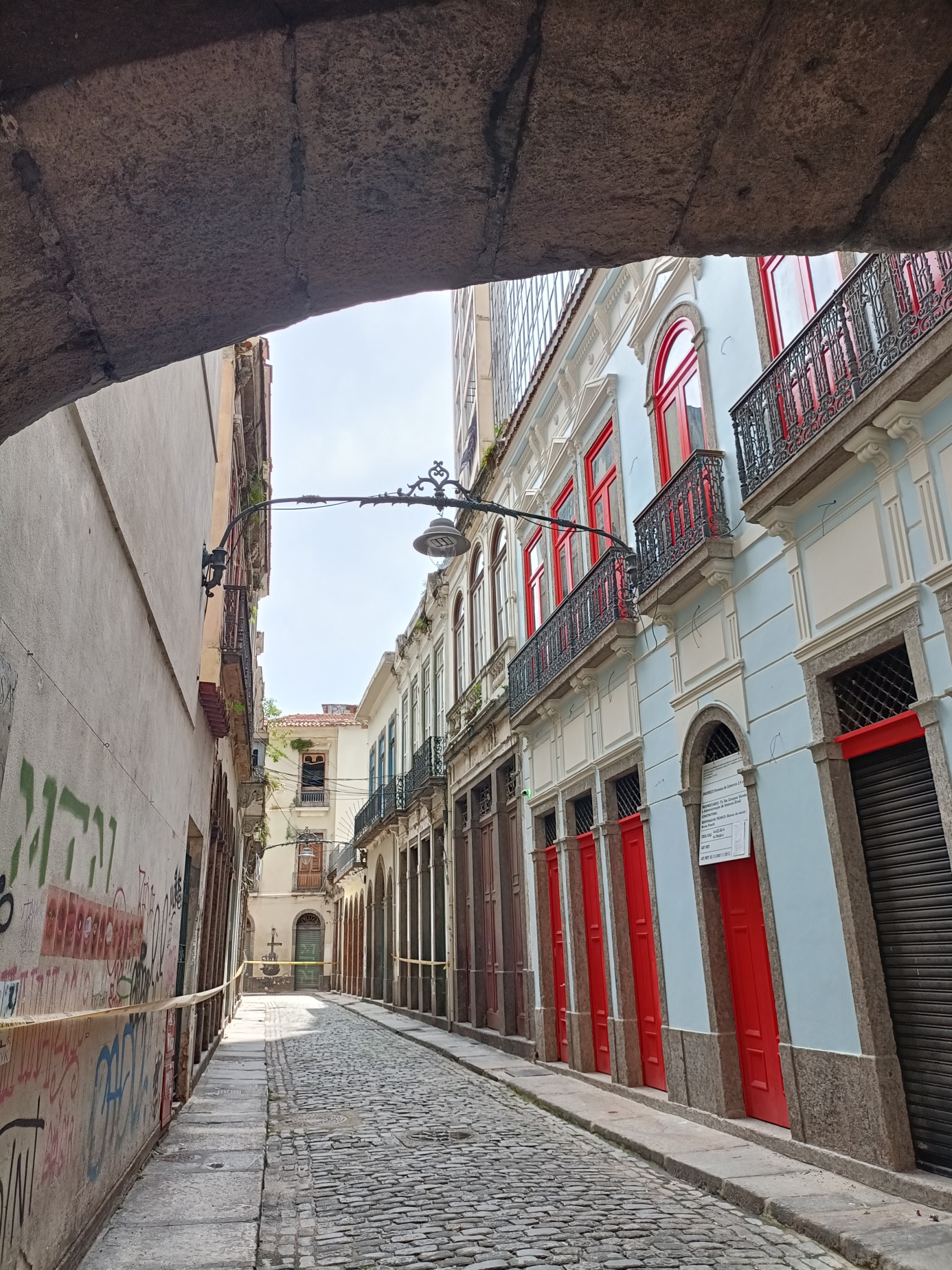
Here are some random shots of Rio de Janeiro City. Stayed for only 3D 2N, before catching my flight to Bogota, Colombia.
As a solo traveler, the goal was to eat local and eat cheap. In finding my meals, I usually check on Tripadvisor for recommendations. And often, I prefer dining at markets/food courts where I fully experience the local flair. Since I travel solo, I prefer eateries serving set meals over platters, since I have no one to share it with. On best days, I go to diners serving buffet style, so I can try more local dishes. Sadly in Cuzco or Ollan, buffet places are not a thing.
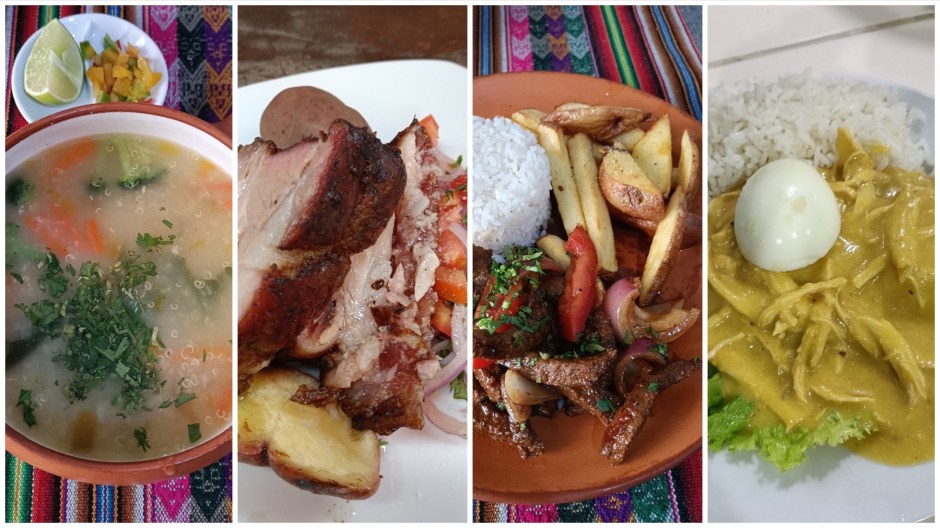
Here are some of the memorable Peruvian food and drinks I had during my stay.
Lomo Saltado. This is my first full meal in Peru. Stir fried beef strips marinated with salt, pepper and other local spices. A lunch set of this from a street-side eatery with fresh-squeezed passion fruit juice only cost me 10 soles, which is around 150 php. This meal is from Ollantaytambo. Pero not just in Peru ha, Lomo Saltado is quite common sa Latin. I had this also sa Honduras.
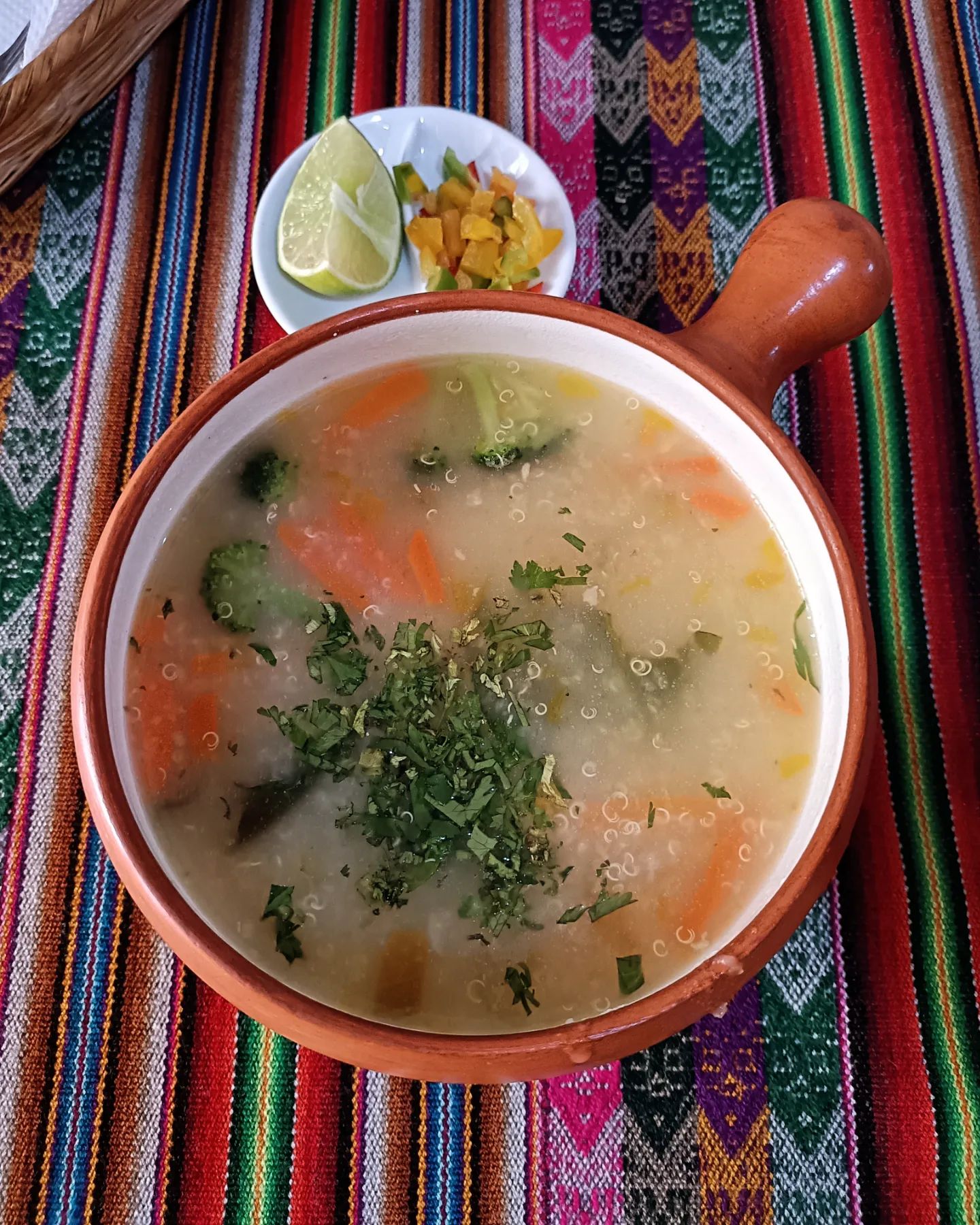
Lomo Saltado is also served with Quinoa Sopas. Originating from the Andes Regions of Latin America, quinoa is a common and cheap carb consumed in Peru. Meanwhile, quinoa is quite expensive here in Ph.
Trivia: You will see a lot of potatoes on Peruvian meals. Potato fries as sides is very common in Peru. In some restaurants, It is even refillable. Growing and consuming potato has always been a part of Peruvian culture since it is easier to grow on high elevations with minimal rainfall. Peru is also Latin America’s biggest potato producer, with a record harvest in 2007 of almost 3.4 million tonnes.
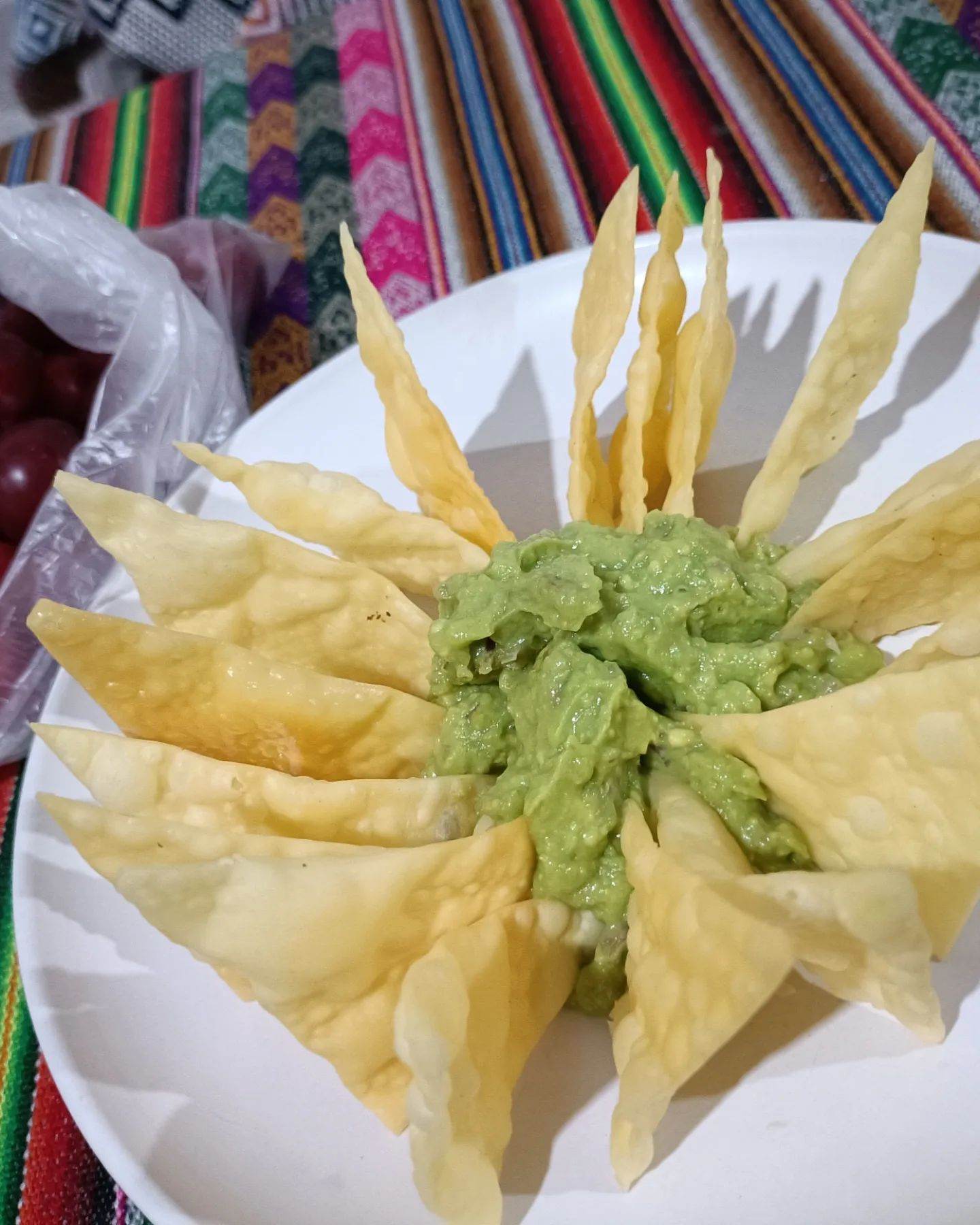
Trusca Frita – One of my fave set meals in Peru. trusca\trout is a local\Peruvian freshwater fish. Taste is very comparable to our local bangus, except that trout isn’t as boney. Best served with corn tortillas and guacamole (avocado spread).
And speaking of fish, Peruvians are also popular with their Ceviche (raw fish salad), but for this trip, I had to pass on it. I avoid raw fish dishes whenever I can.
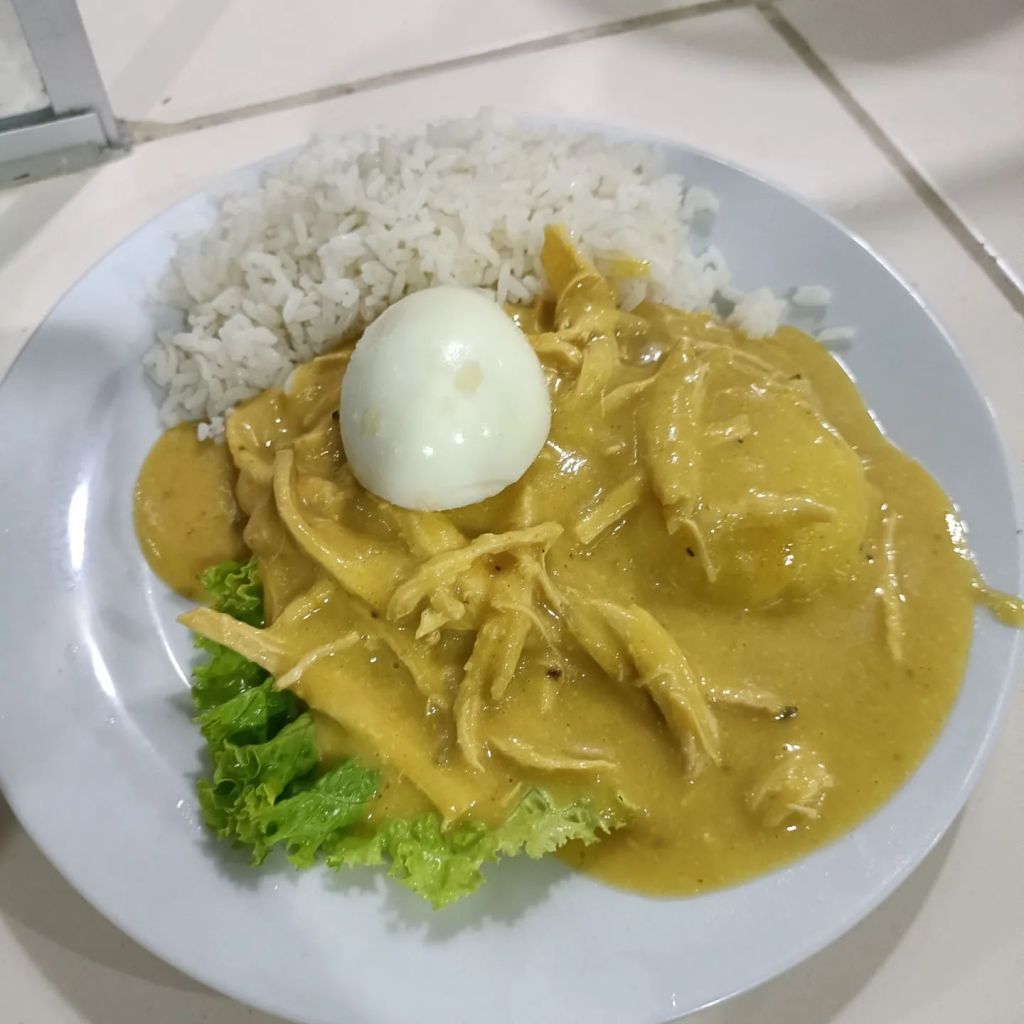
Aji de Gallina – one of peru’s traditional meals. Marinated shredded chicken, cooked in milk-based sauce. Comparable to our chicken pastel. This one, i got from the public market in Aguas Callientes with complementary quinoa sopas.
Pachamanca – Traditional Peruvian BBQ Pork Rib (Costilar). Pork is not very common in LatAm. As I observed, it is quite expensive compared to beef meals. Peruvian BBQ is good but is too simple for my tasting, as compared to Tangy and mildly-sweet Filipino BBQ. Their BBQ is served with steamed sweet potato\kamote.
Trivia: Rice is not native to Latin America. It was brought over in the 1500s from Asia by the Spaniards. Today though, rice is also a common carb consumed in LatAm, and Asian travelers are happy with this. 😅
This below is Afritada. Tastes almost exactly the same as what we have here in Ph; A proof of Spanish influence in our daily meals. This one, i got from a random Karinderia outside the train station. yes po, parang karinderiang pinas lang din, except that 2 to 3 lang ulam to choose.
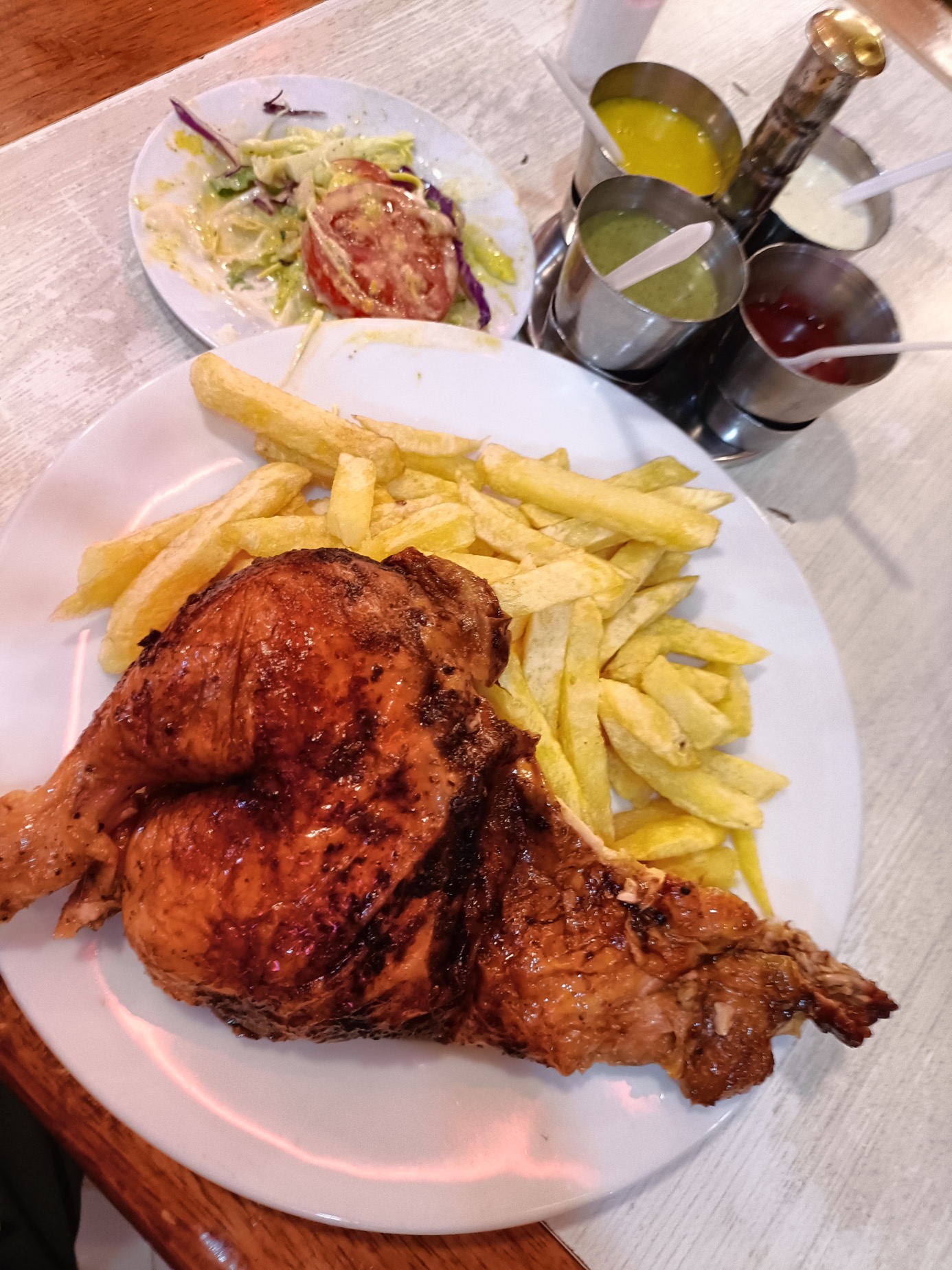
This below is one of several chicken bbq meals I had in Peru, because i seriously like their chicken BBQ. Chicken is laid flat\butterflied, char-grilling both sides. Meat is marinated in vinegar and spices. I believe this is the secret to “fall off the bones” Peruvian bbq. They also have thr mildly-hot, creamy green sauce made of Japapeño and aji amarillo pepper (local\mild). Gusto ko to. Quite comparable to peri peri. This huge quarter set came with unlimited salad and fries, tapos 14 soles lang. Jusko! That’s less than 250 php.
Arrozcaldo – it’s weird to find that their arrozcado is actually steam-cooked rice soaked in chicken soup. Very different from our Pinoy arrozcado where we boil the rice grain with the stock to make a porridge\lugaw. Peruvian arrozcaldo also had potato and carrots and no ginger.
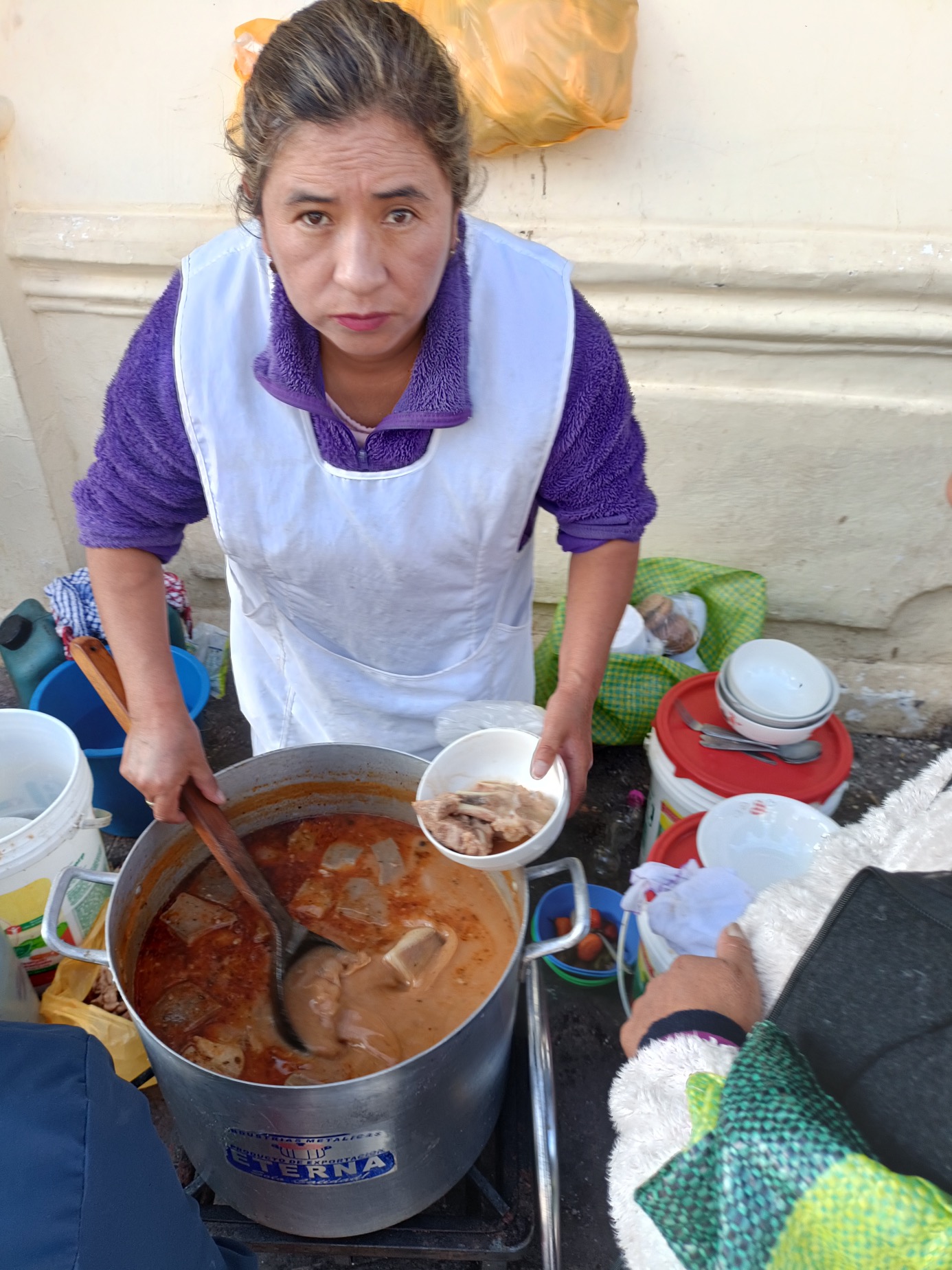
This below was such a memorable dining experience. I had one of the best pork broth soup from a random street-side stall in San Pedro Market,Cuzco. They call the dish Adobo, which intrigued me so much, as it is totally different from our version of the said dish. Our adobo is sauteed, not a sabaw/broth-type. Tbh, this pork broth soup is more comparable to Kansi, like the ilonggo pork soup na medyo sour.
Peru also has Lechon, as introduced to them by the Spanish. History wise, Lechon was a spanish term which meant “suckling pig” which Spaniards would once roast a piglet for special occasions.
I had a free taste of the Peruvian lechon, and I felt it lacked the lemongrass flavour. Philippine lechon is way better. Lemongrass is native to Southeast Asia, btw.
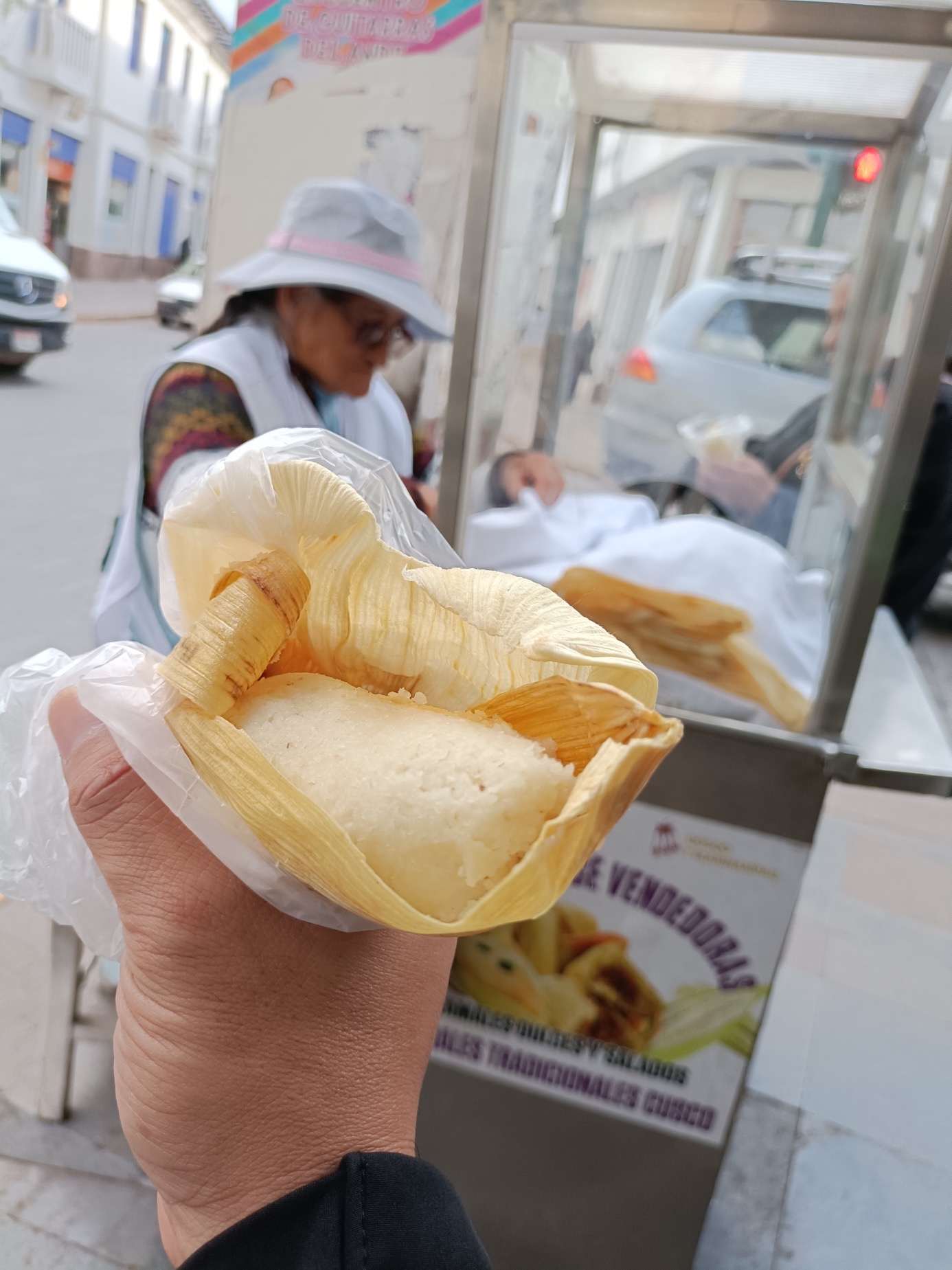
The Peruvian corn tamale. I’ll make a separate post on tamales from different LatAm countries. This dish is quite interesting.
Cheese and cinnamon flavoured Ice-cream. They say this recipe won recognitions. But to me, cinnamon flavoured ice-cream was a No. 😅
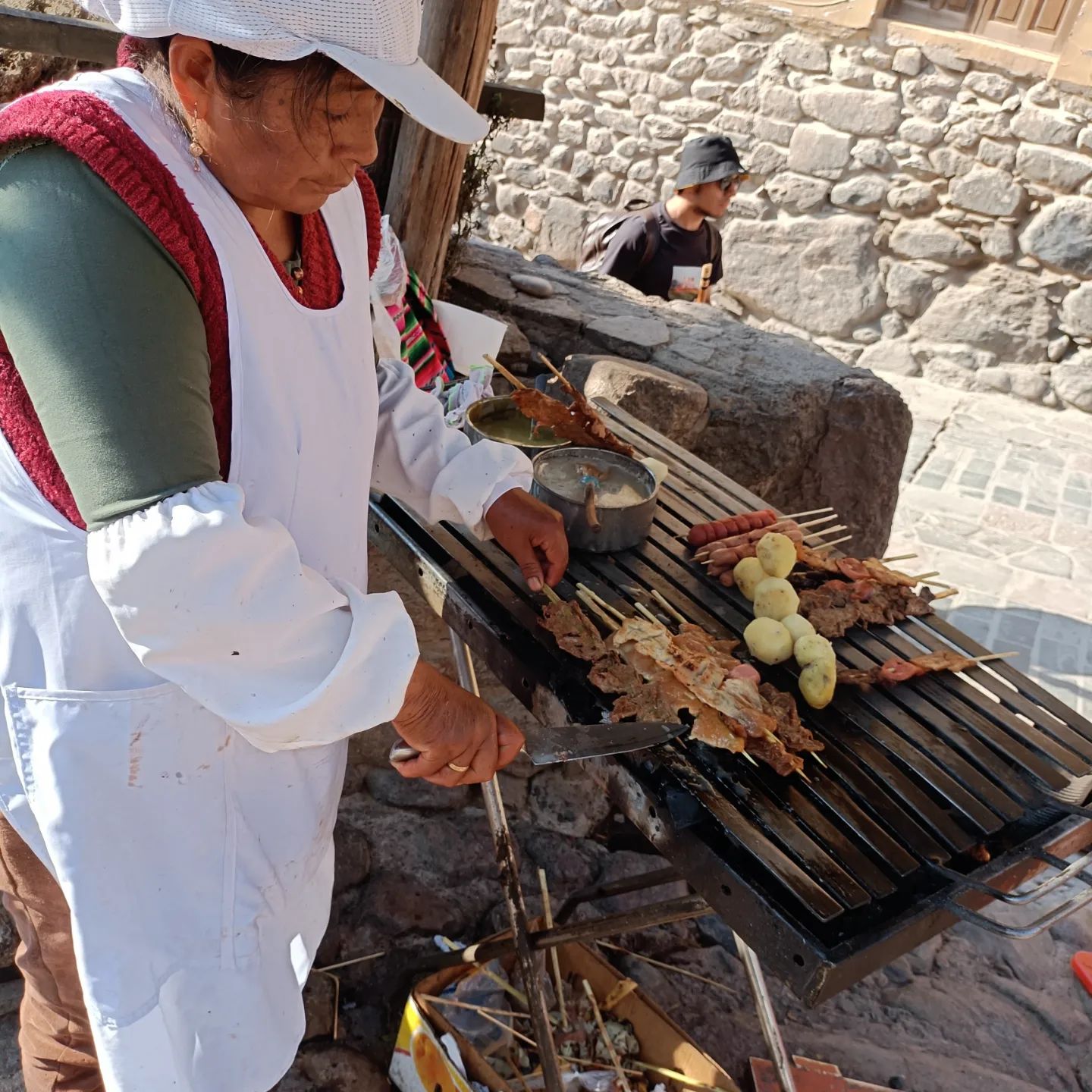
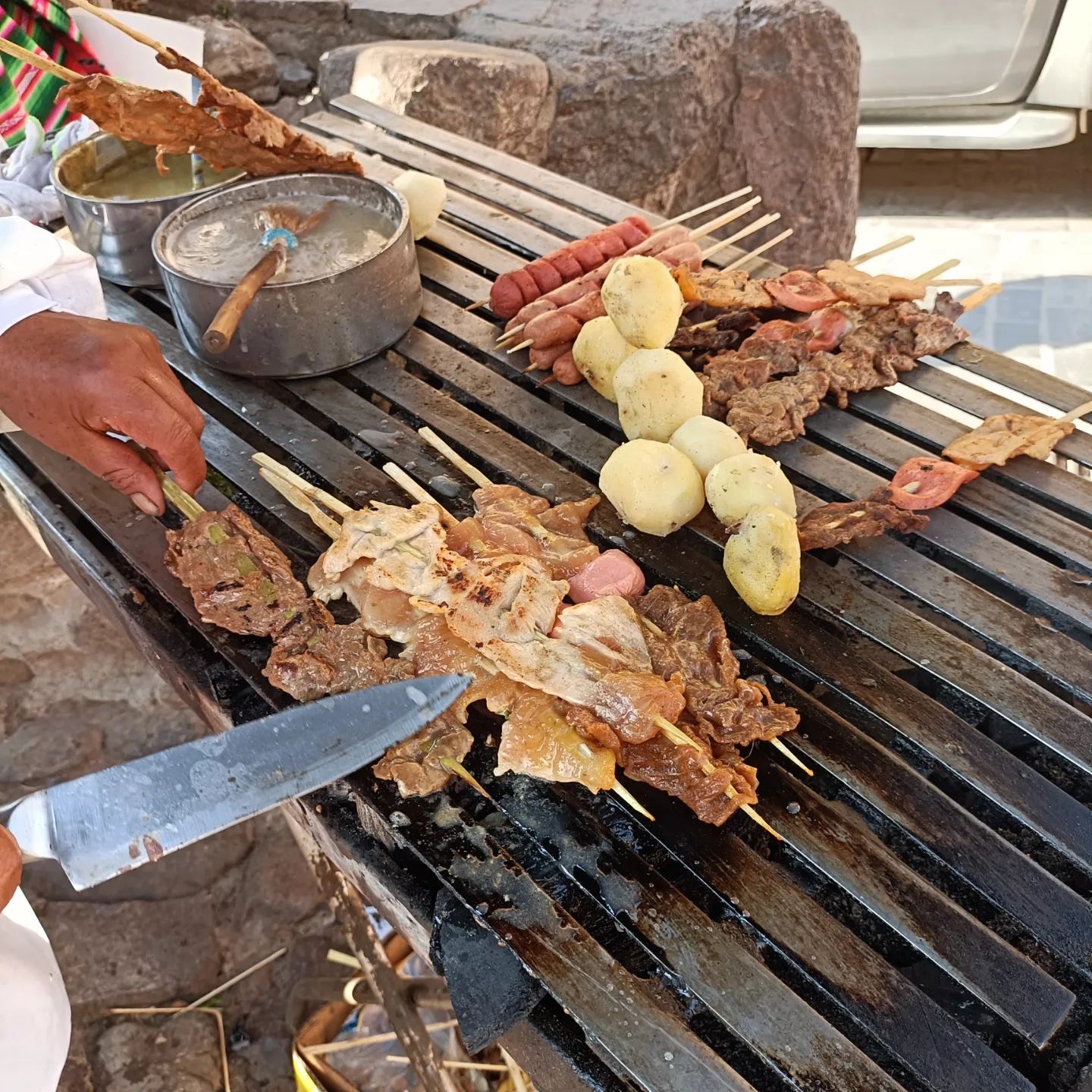
Random streetside skewers, Alpaca meat and beef, for only 3-5 soles. They also use charcoal din pero ang griller ni ate kay flat metal bars.
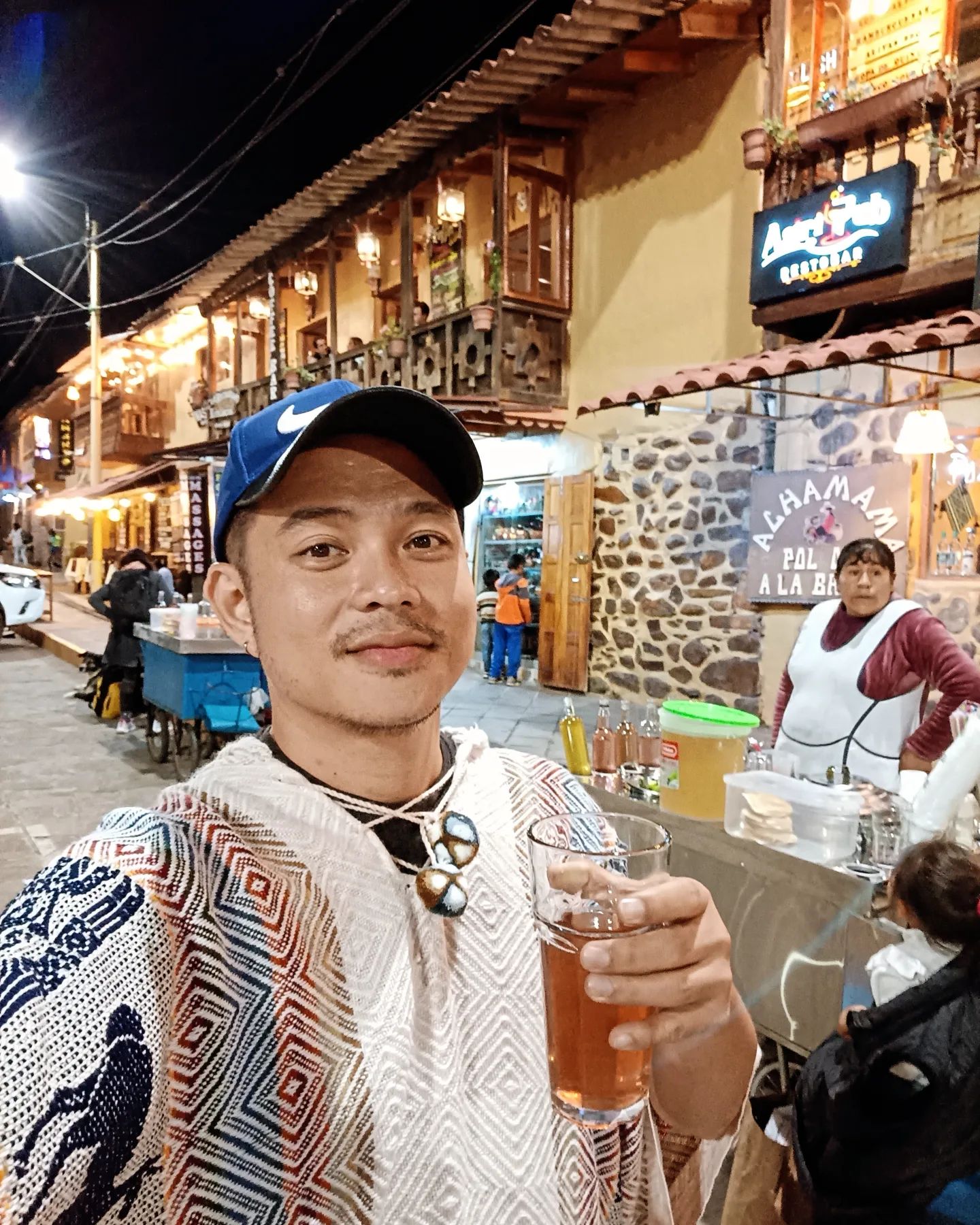
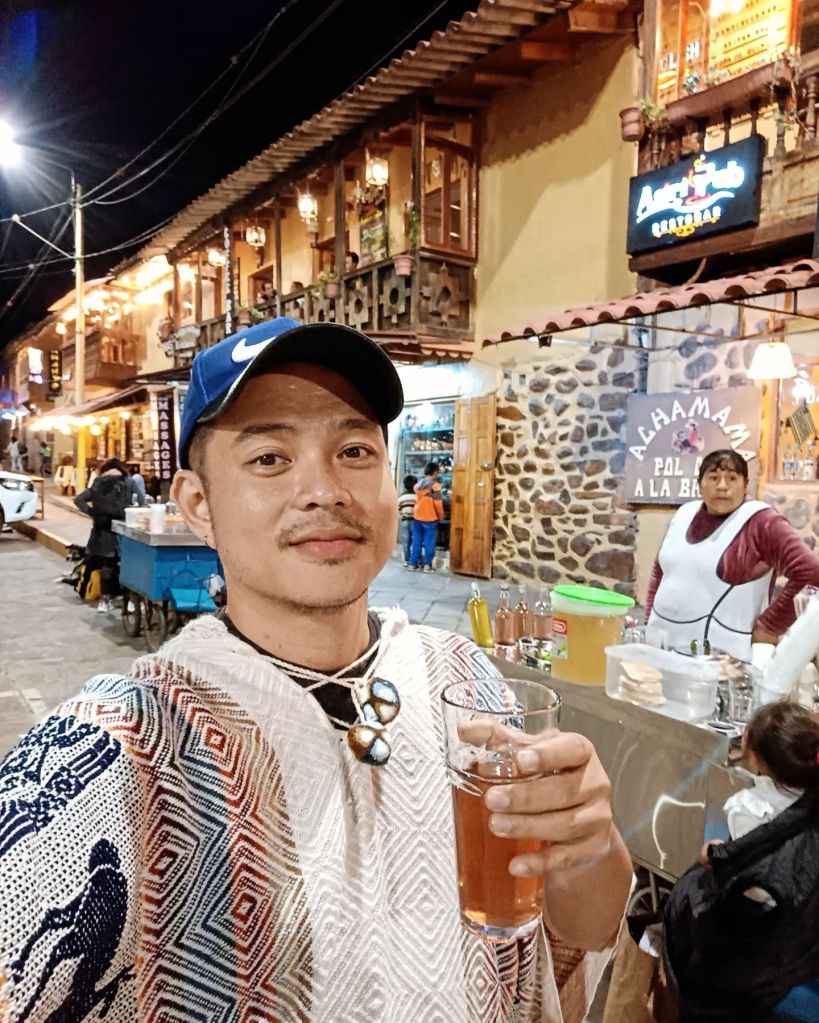
Closing the dinner with a glass of Emoliente – Traditional Peruvian Herbal Tea. Helps in digestion as well as altitude sickness.
Sharing in this article how I arranged my visit – DIY – and as a solo traveler.
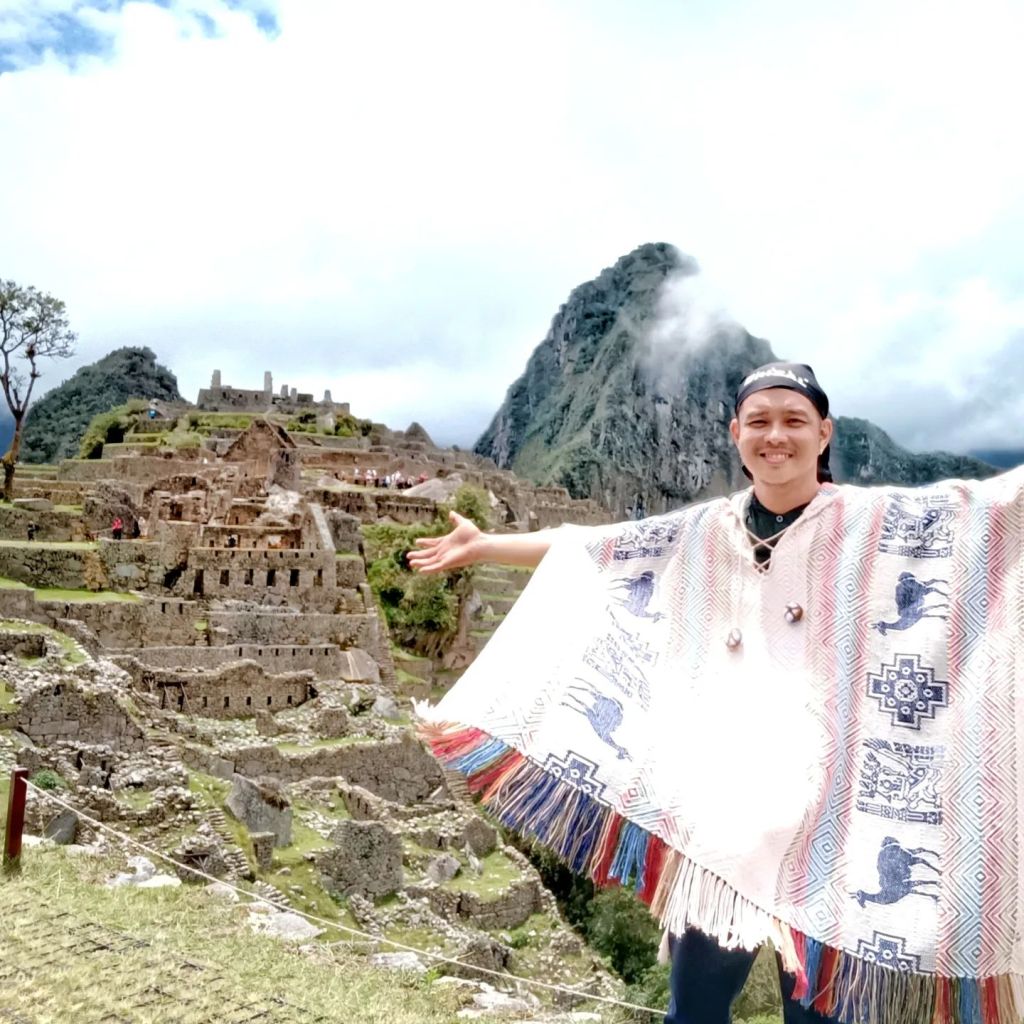
Travelling to Latin America has always been a dream; and most specifically, visiting the Incan Sanctuary of Machu Picchu (MP) in Peru.
If visiting MP also interests you, let me mention first that the journey wasn’t easy even for experienced travelers. For tourists with spending capacity, I highly suggest to get a packaged/pre-arranged tour from trusted agencies. Hassle-free!
For my DIY Trip, I first took a flight from Manila to the US. From major cities in US, there are several South American airlines than can take you to Peru. The most popular is LATAM Airlines to Cuzco City (the take off point to MP). With Latam, I had a quick 3 hrs. layover/change of aircraft at Lima, the capital city of Peru. To give you an idea Manila to US (LA) – 18 hours, LA to Lima – around 9 hours, then Lima to Cuzco, 2 hours. Filipino tourists btw are visa-free to enter Peru. I did not encounter any trouble with the Peruvian immigration. I wasn’t asked for any supporting document. However, I did prepare print outs for outbound tickets, hostel booking and my ticket to MP, which I already purchased online. Stayed in Peru for 7 Nights. Arrived in Cuzco airport around 10 am (from a red-eye flight).
For this blog post, I intentionally avoided details on ticket cost. For experienced travelers planning to see Peru, I am quite sure you have an idea na how much to prepare. hehe
Day 01: Arrival. Machu Picchu is tucked way up in the mountainous region of the Andes, Peru. All the stops and spots that I’ve visited are situated on high elevations. Visitors will land in Cuzco City, which is around 3,400 meters above sea level. To give comparison, our very own Mount Apo is around 2,900 meters high. Cuzco City was built on a plain that stands higher than PH’s tallest mountain. Imagine that. As such, land at these high elevations have thinner oxygen levels, which can result to altitude sickness, nausea, head ache and difficulty on breathing while the body is adjusting(Acclimatization). When preparing, it is also best to do research on this.
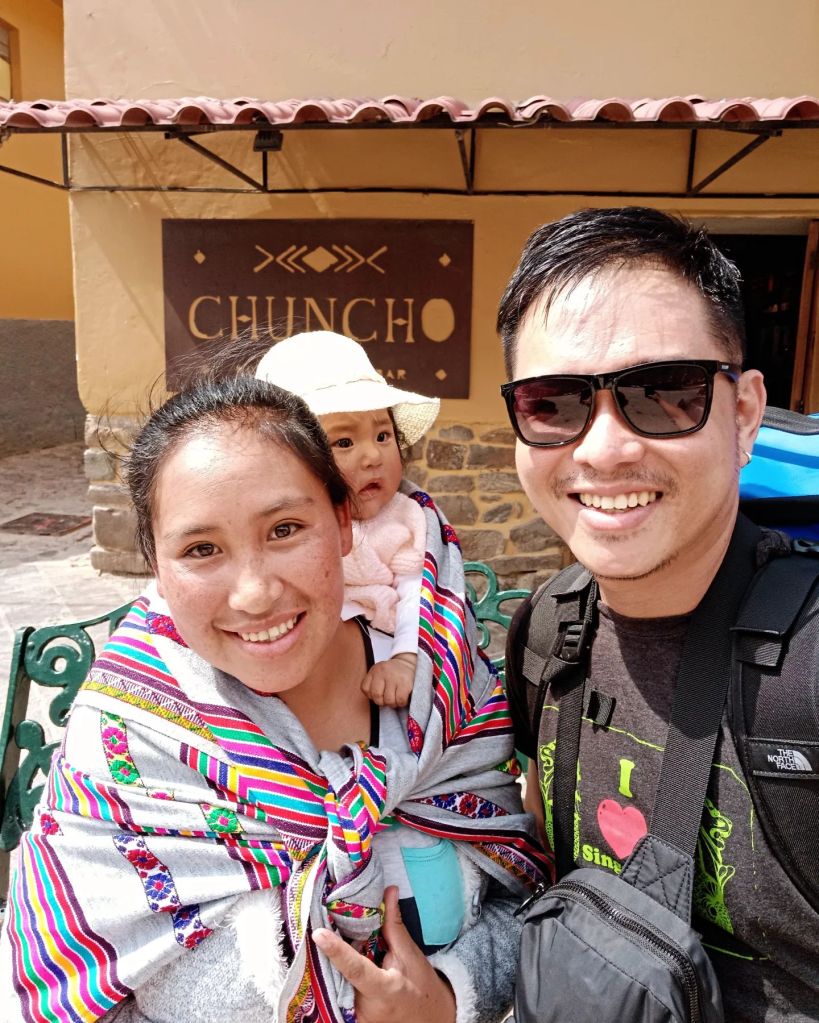
To avoid, or rather minimize the expected altitude sickness, I opted to spend my first night in Ollantaytambo town after landing (instead of staying at Cuzco City). Ollantaytambo town is halfway between Cuzco City and MP, and is around 2,700 meters altitude. This hack indeed worked for me, coz i never felt any sickness or nausea during my whole stay. Aside from that, Ollantaytambo is such a charming, small town within the sacred valley, surrounded by mountains on all sides. Gusto ko dun.
From Cuzco City airport, I took an UBER to the collectivo (VAN) terminal, which is just around 10 mins from the airport. From there, I hopped on a public van packed with locals heading to Ollantaytambo, which was less than 2 hours away. Friended some locals as well, who gave me clear directions upon arrival at Ollan. I was lucky to find a seatmate who can speak english.
Points to know:
Prior to travel, i already had with me an international sim with consumable Data that i purchased from seaman’s simcard provider sa shopee. It worked well for my open-line android phone, never nagka problem.
I used UBER a lot during my trip to Latin America. My Uber account is linked to my Visa credit card. No cash out.
Regarding local bill/money, I had some US dollars changed to Peruvian Sol during my layover in Lima Airport. I’ve also observed that visa and mastercard are widely accepted in Peru, even for souvenirs. My limited Sol cash is only for street food and small purchases.
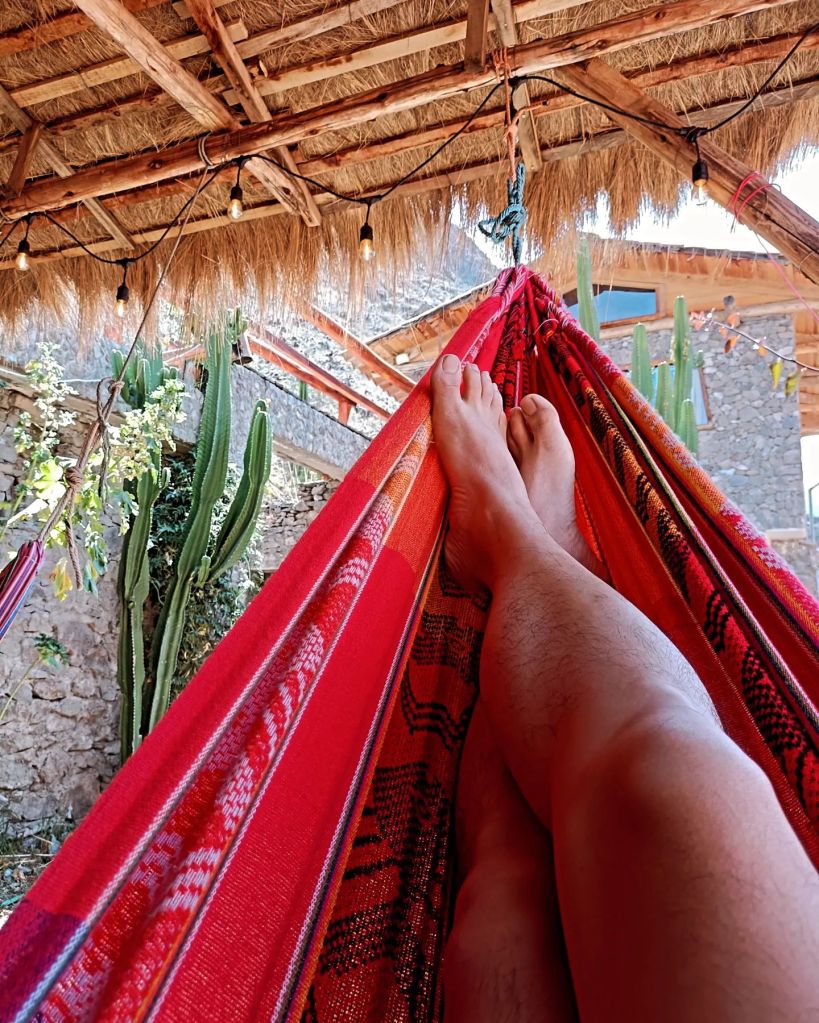
Day 2: Lazy day in Ollantaytambo. No itinerary day is the best days in my opinion. I seriously enjoyed my hostel here with a good view.
Stayed at Casa Inka Bed and Breakfast. Solo room with own toilet with continental breakfast at around 15 USD per night. Yes, it’s that cheap in Ollantaytambo. Room has no ACU though, but weather is cool at that altitude.
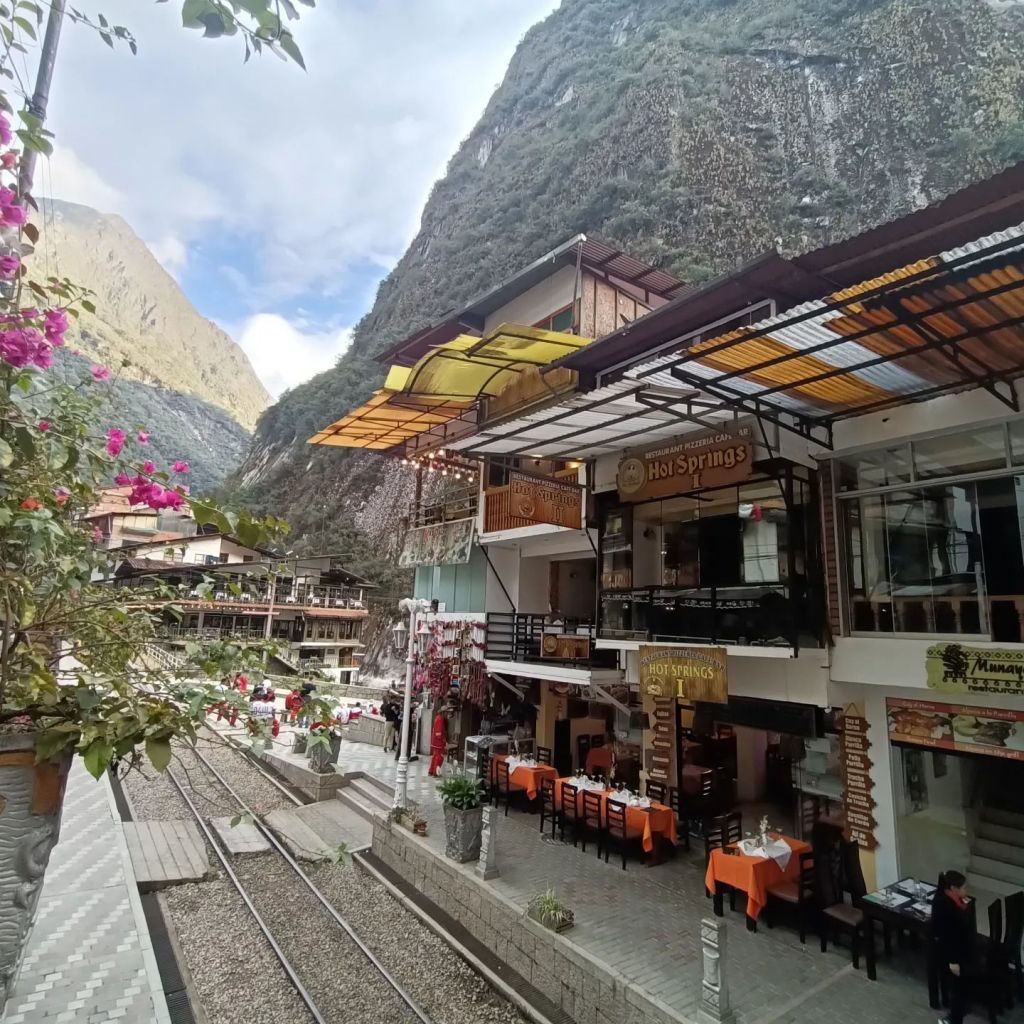
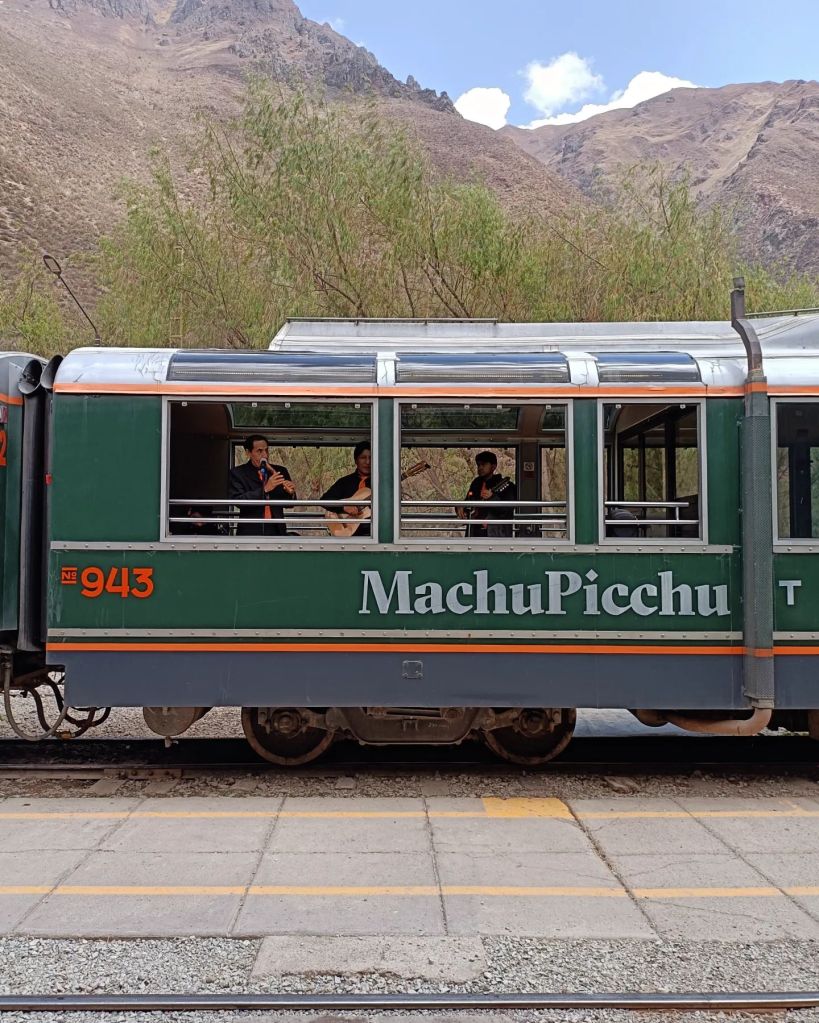
Day 3: Travel to Aguas Callientes. Took a scenic 2 hours Train from Ollan to Aguas Callientes (AG) town. AG is the town nearest to Machu Picchu Sanctuary, which takes around 30 minutes by bus, passing by dense forest, which is part of the Amazon already).
The train ticket from Ollan to Aguas Callientes (PERURail), I purchased online 2 months prior. To check train schedule and availability, check here. To make online purchase, check here. Just change the language to English and the steps are pretty understandable. I think wala nang ibang way for tourists to reach Aguas Callientes/Machu Picchu Proper other than this train ride, or by trekking. Machu Picchu is tucked well within the mountain ranges, nasa gitna po ng gubat, and wala pong vehicular roads to get there I think. And yes po, all my transportation, i arranged na po 2 months prior. So programmed na po talaga ang dates ko. fixed na po. However, meron naman agencies nag-ooffer ng tickets when you arrive in Ollan or Cuzco. Your choice na.
For the Machu Picchu Entrance Ticket , i purchased it here, also 2 months prior. I’ve also seen people buying ticket sa town hall ng Aguas Callientes upon arrival, pero sobrang haba ng pila nila. 8 pm may pila pa. grabe. Machu Picchu Basic Entrance Ticket – around 35 USD. Round trip train ticket is around 30 to 60 USD, mas mahal if mas malapit na sa date.
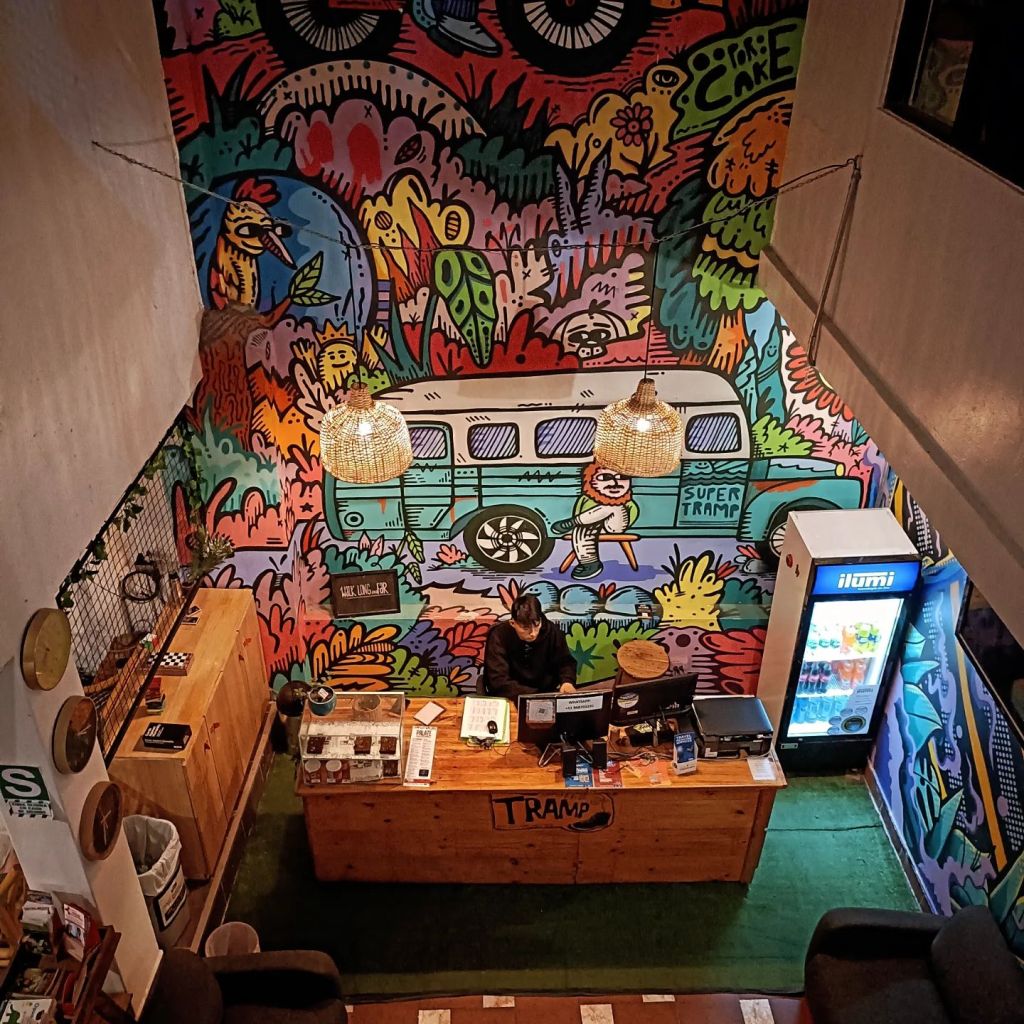
Stayed at Supertramp Hostel in Aguas Callientes, at around 10 USD (Shared room/6 pax) with breakfast.
Day 4: Machu Picchu
The Big day has come, I am going to See MP na for real. Upon arrival sa Aguas Callientes the prior day, I purchased na the bus ticket that will take me from the town to the sacred site, and back. Round trip po binili ko with specified times. I purchased the 6 am, with return at 12 nn. Half day lang po ako sa MP, since I have a train to catch at 2 pm, back to Ollantaytambo. Aguas Callientes btw is super liit lang na town along the river, very easy to navigate. I just asked around sa mga sakayan and all.
Highlights of Machu Picchu day trip:
We were welcomed by rain on-site. My umbrella did not do justice. Good thing the cleaning lady had some spare second hand plastic ponchos. She gave one to me for free. lesson learned, bring your own plastic poncho as the weather up there can be unpredictable.
The last toilet that you’ll be getting is at the entrance. So prepare.
Sun screen and mosquito repellant.
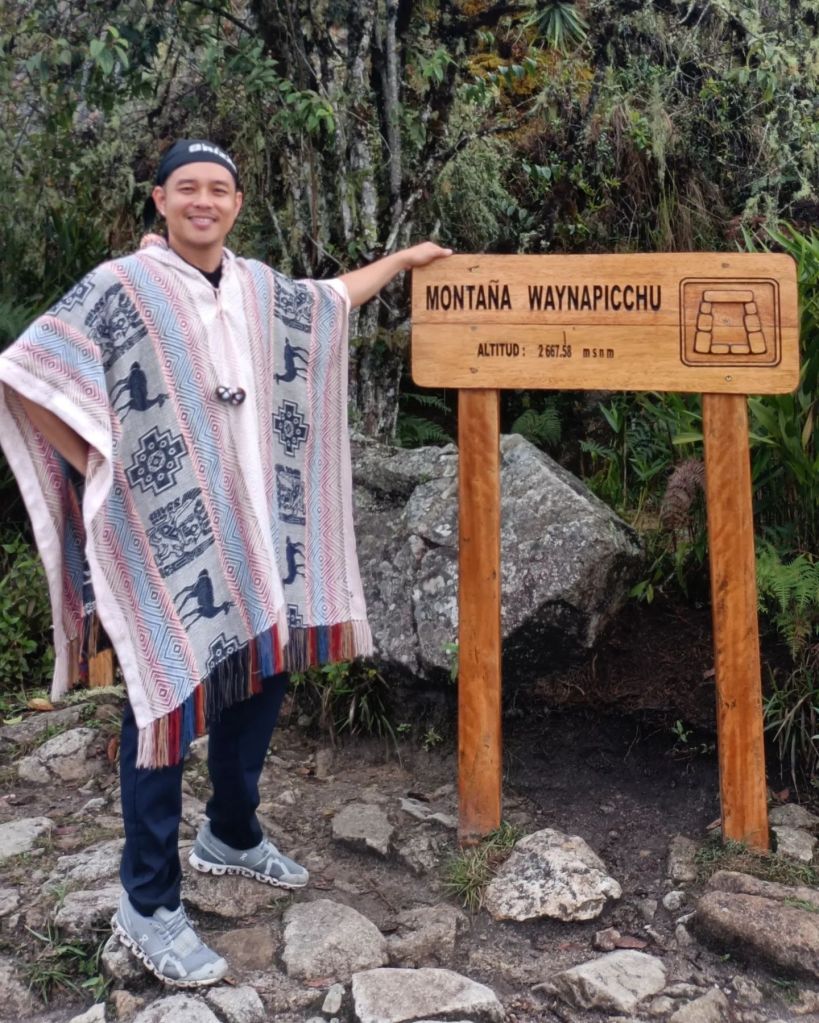
I paid extra ticket to climb Huayna Picchu (the tall mountain seen on the background of all MP posters), and that includes passing through the so called “stairs of death”, which is a narrow stone-paved stairs that is around 80 degrees inclination. Some parts do not have any handrail/rope, and often slippery, so be cautious with the traffic. Halfway, the route only allows one way passage, so there’s no turning back at this point. Check out my tiktok account to see videos of this climbing experience.
The ticket says Max. 4 hours stay in the sanctuary, but I think di naman sila strict on this.
I left the sanctuary at 12 noon to catch my train back to Ollan from Aguas Callientes. Spent again one more night in Ollantaytambo. Gusto ko tlga dito. The next morning, i took the same collectivo (Public Van) to Cuzco.
Day 5: Cuzco City. I fell in love with Cuzco.I have a thing for well-preserved old towns/cities with colonial flair and the city did not disappoint. One of my favourite movies is ‘ The Emperor’s New Groove’ which is actually set in Cuzco. So yes! natuwa talaga ako.
Chill lang ako sa Cuzco. Di na ako kumuha ng tours. I enjoyed my hotel and the nearby market and the food. saya! Will post a separate blog on this kase deserve.
Stayed at Tierra Sagrada Hotel, 15 usd per night, Shared room (huge! spacious). The hostel used to be a convent/dorm for nuns, as such the furniture (including my bed) are around 100 years old.
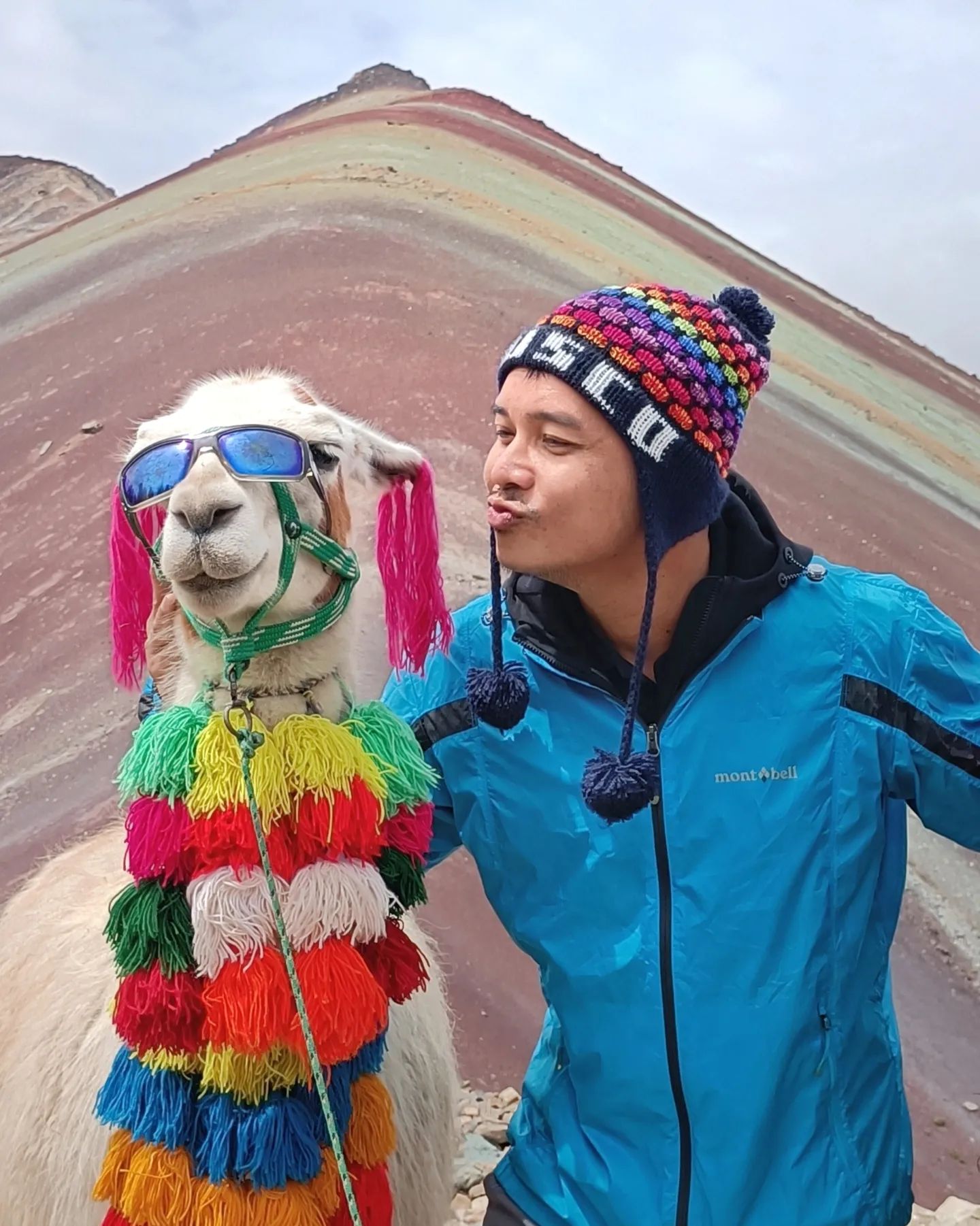
Day 6: Montana Vinicunca . A Tour to Montana Vinicunca (Rainbow mountain) should not be missed. From Cuzco, I joined a group tour (via my hotel), with hotel pick up at 4 am. Montana Vinicunca is at least 3 hours away. Along the way, we’ve passed through slim roads with the steepest bangins to your left and right, like WTF. The tour I got included a buffet breakfast and Lunch. Super sulit. See more of Vinicunca here. Got back to Cuzco before 5pm.
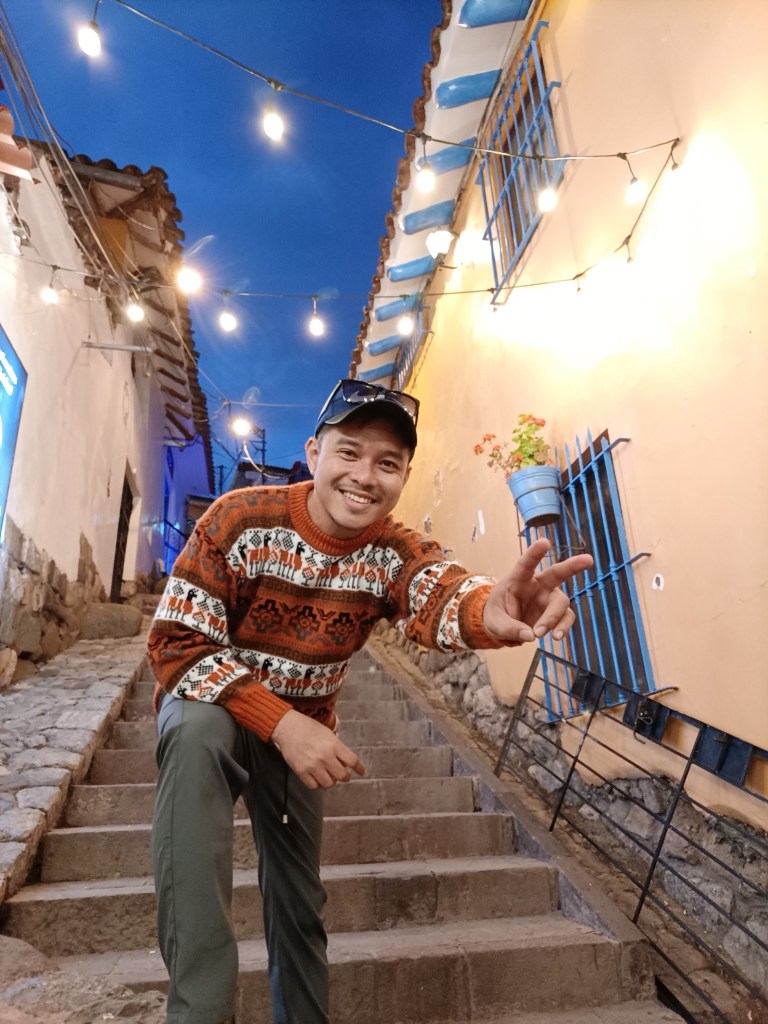
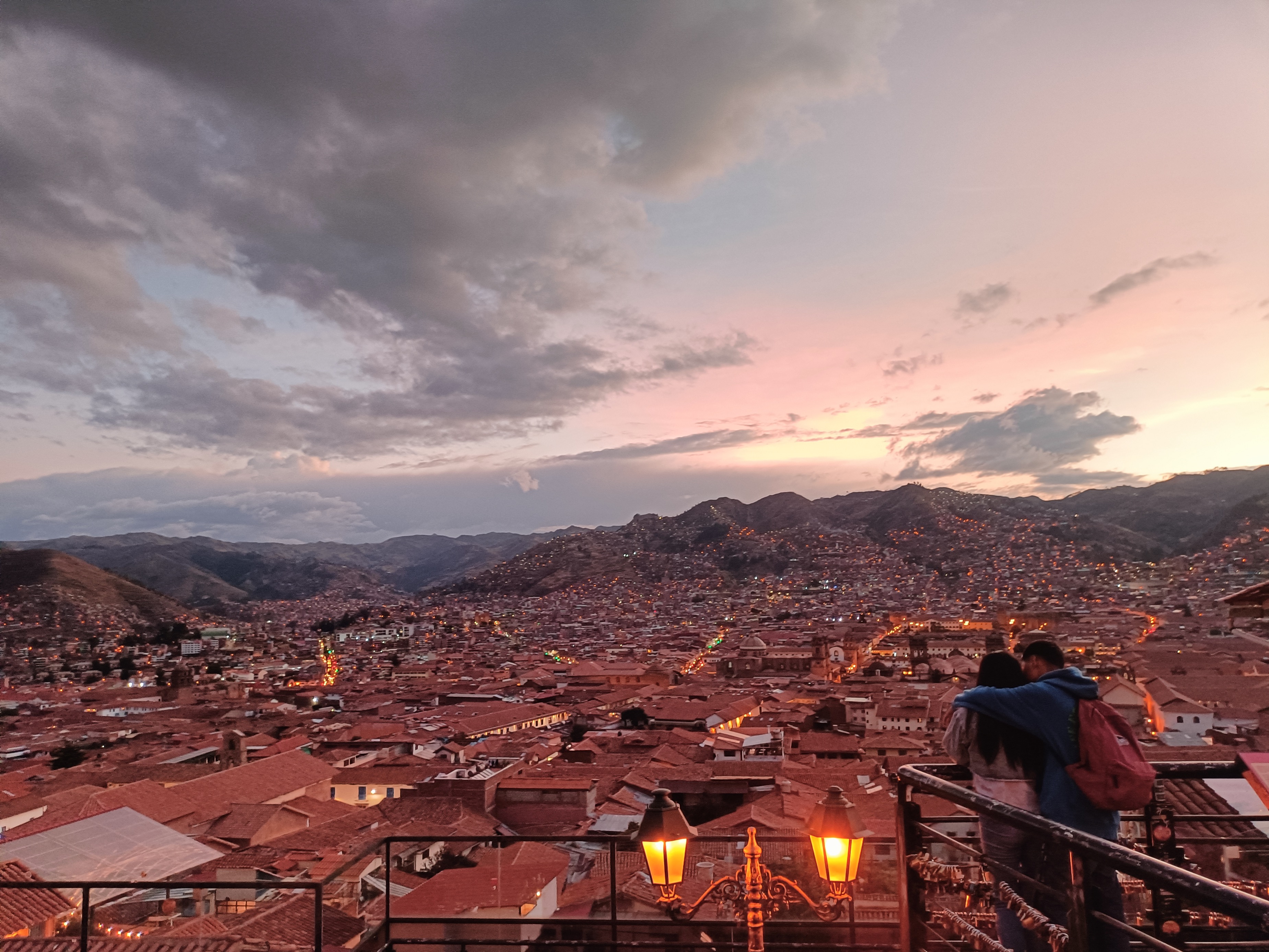
Day 7-8: Cuzco City / Departure . Tinamad na ko kumuha pa ng ibang tours. Dedicated my last days in Cuzco for complete rest, church visits coffee and food trip. Spent one whole afternoon in San Blas art district. The overlooking sunset view of Cuzco from there is amazing.
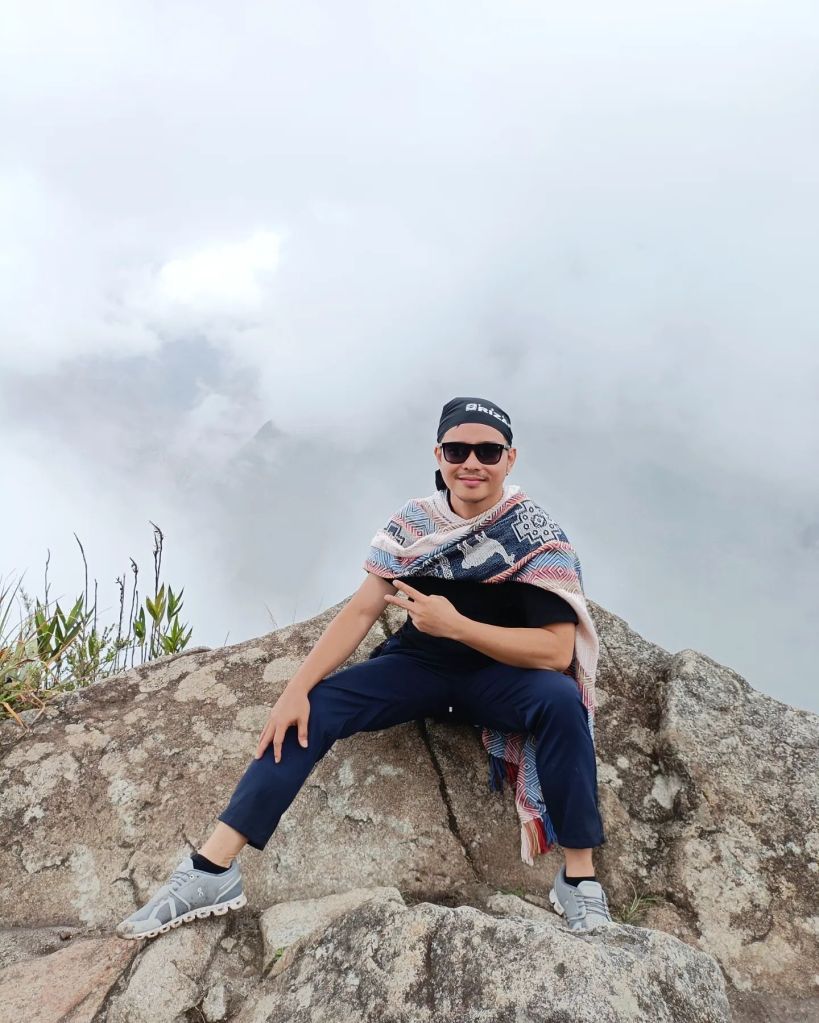
The Travel to MP plus the hike to Hyuana Piccu summit was indeed overwhelming for my energy, but the experience will definitely last my lifetime. I don’t mind going back in the near future. Hopefully with some friends, so someone can take better photos of me.
Did a quick visit to Toronto,Canada before heading to Cancun,Mexico to start my LatAm goal trip. First thing I’ve noticed is that Flights to and from Toronto are expensive! kaloka! To think Toronto was just less than 2 hours flight from NYC, on board a small plane ha (Air Canada); small Fokker plane, like 2 and 2 ang seat. Nonetheless, I pushed with this stop since I wanted to use my Canadian ME Visa, baka di na ma grant ulit if it expires unused.
…And pwede pala sana mag overnight bus from NYC to Toronto, via Buffalo (passing through the Rainbow Bridge across the Niagara). I personally saw these overnight buses sa Toronto and they were good and affordable. Ohw well. Probably next time.
I didn’t really enjoy my stay in Toronto, tbh. I got scammed by the hotel room I purchased with Agoda. So I ended up spending more with an abrupt hostel booking that cost me more than 5,000 pesos a night. zzz.
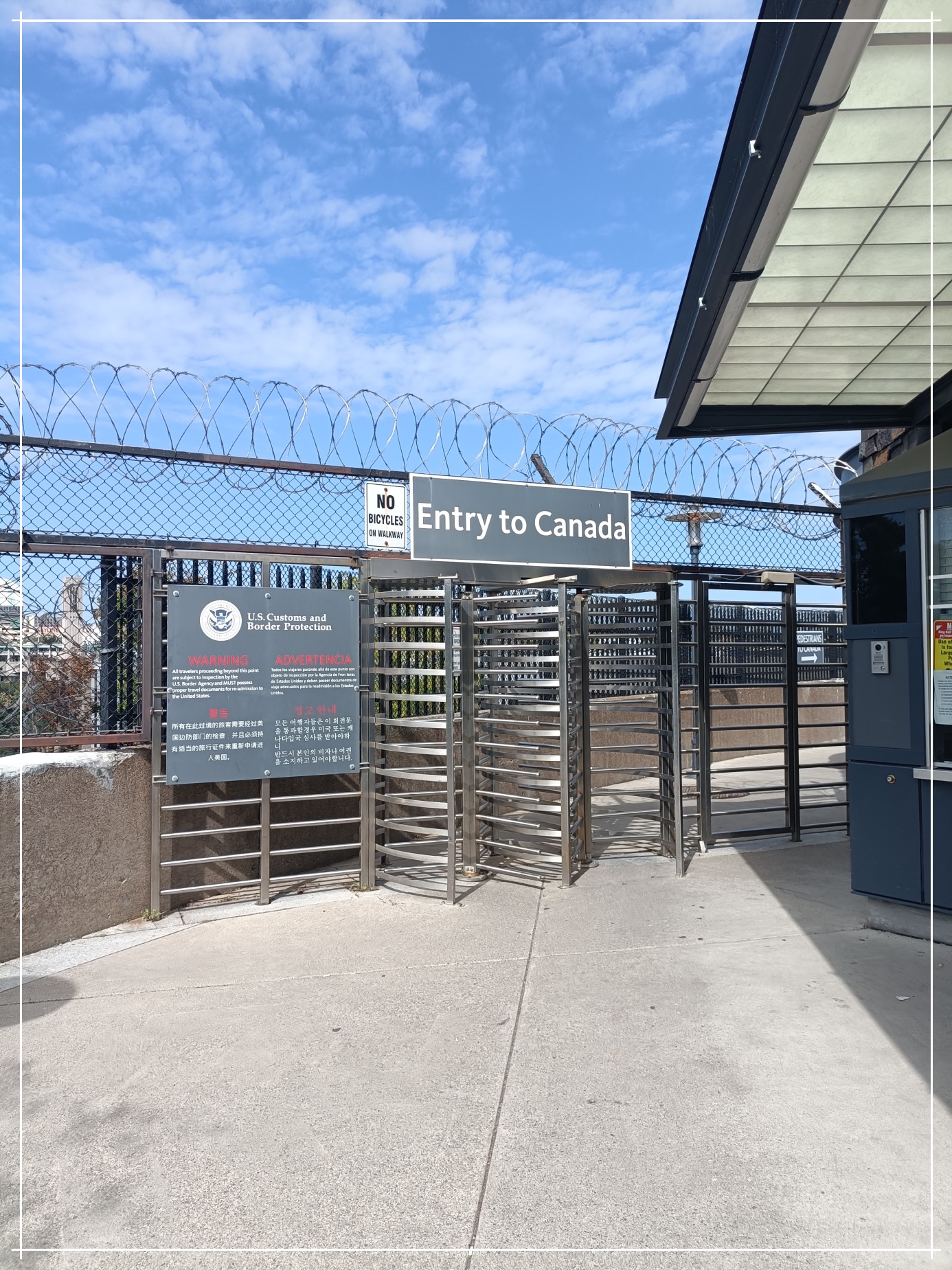
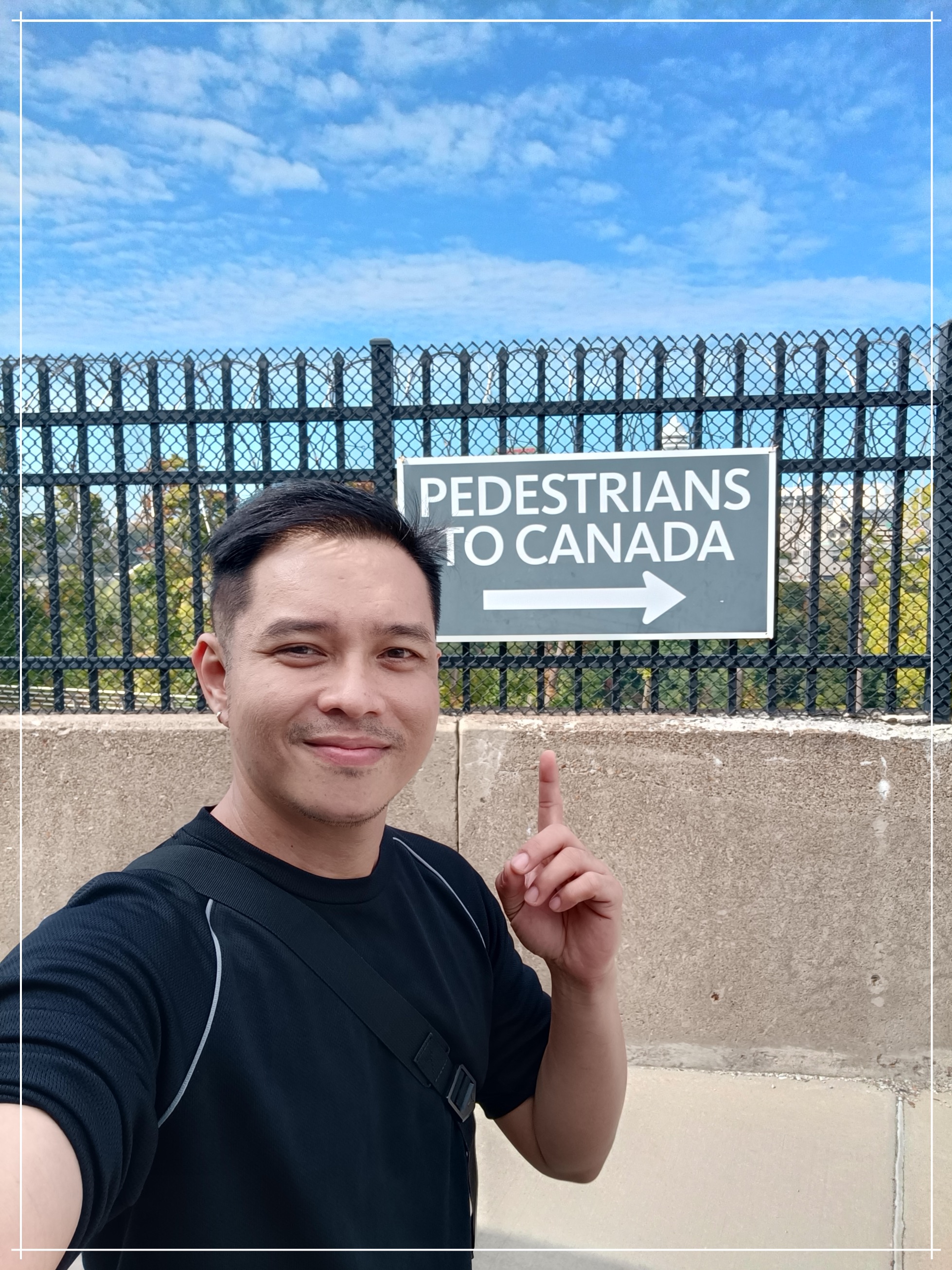
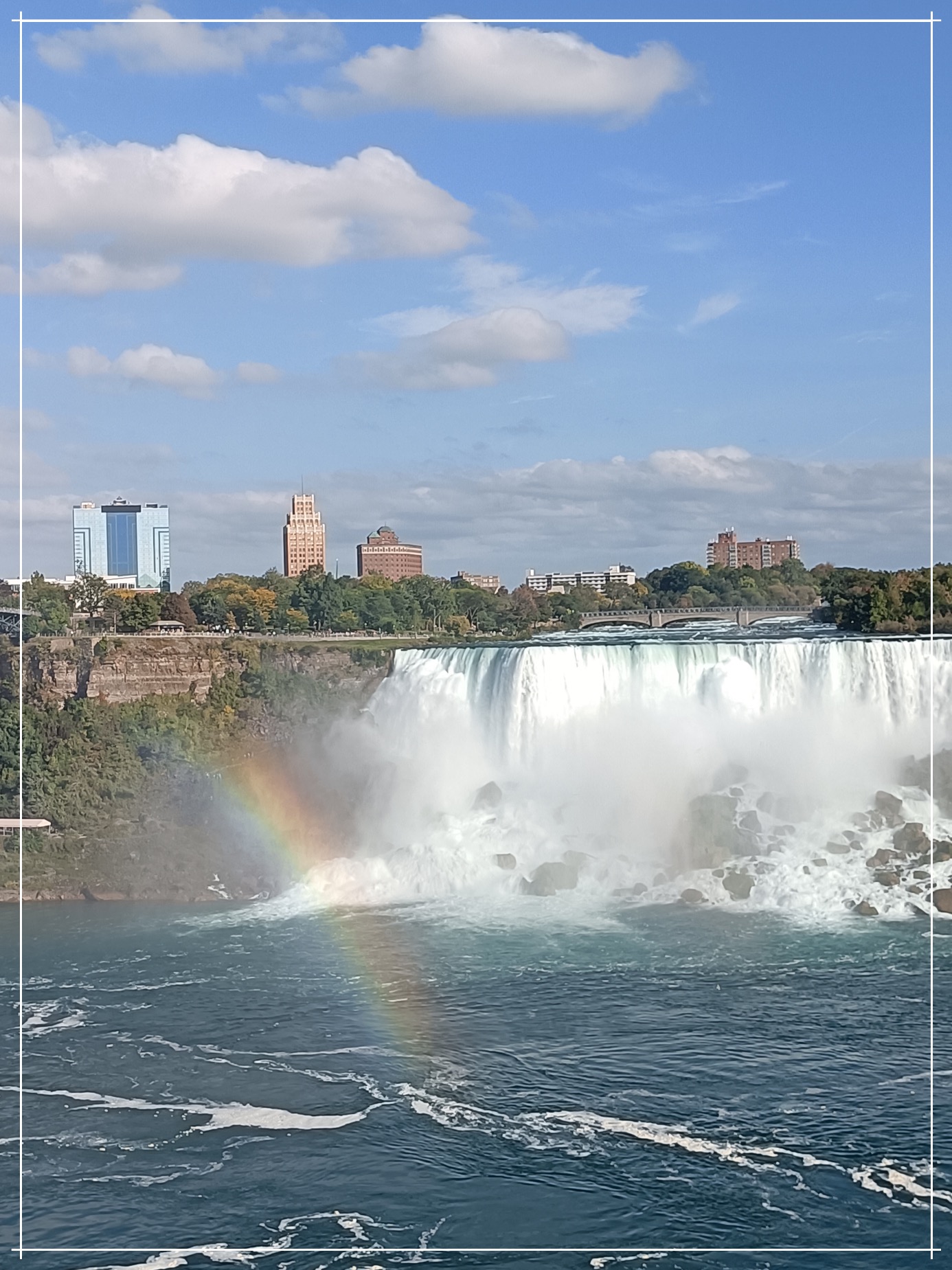
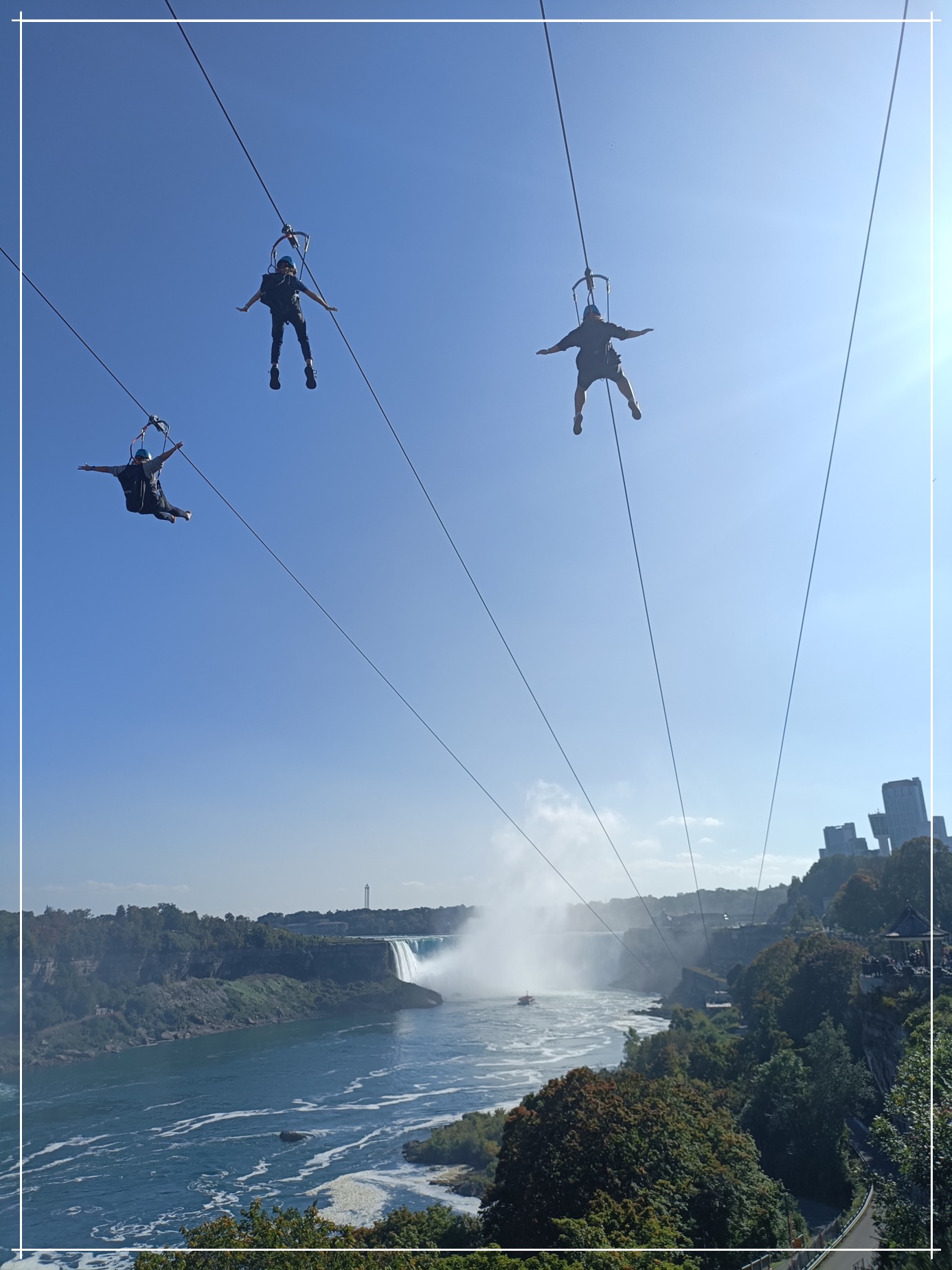
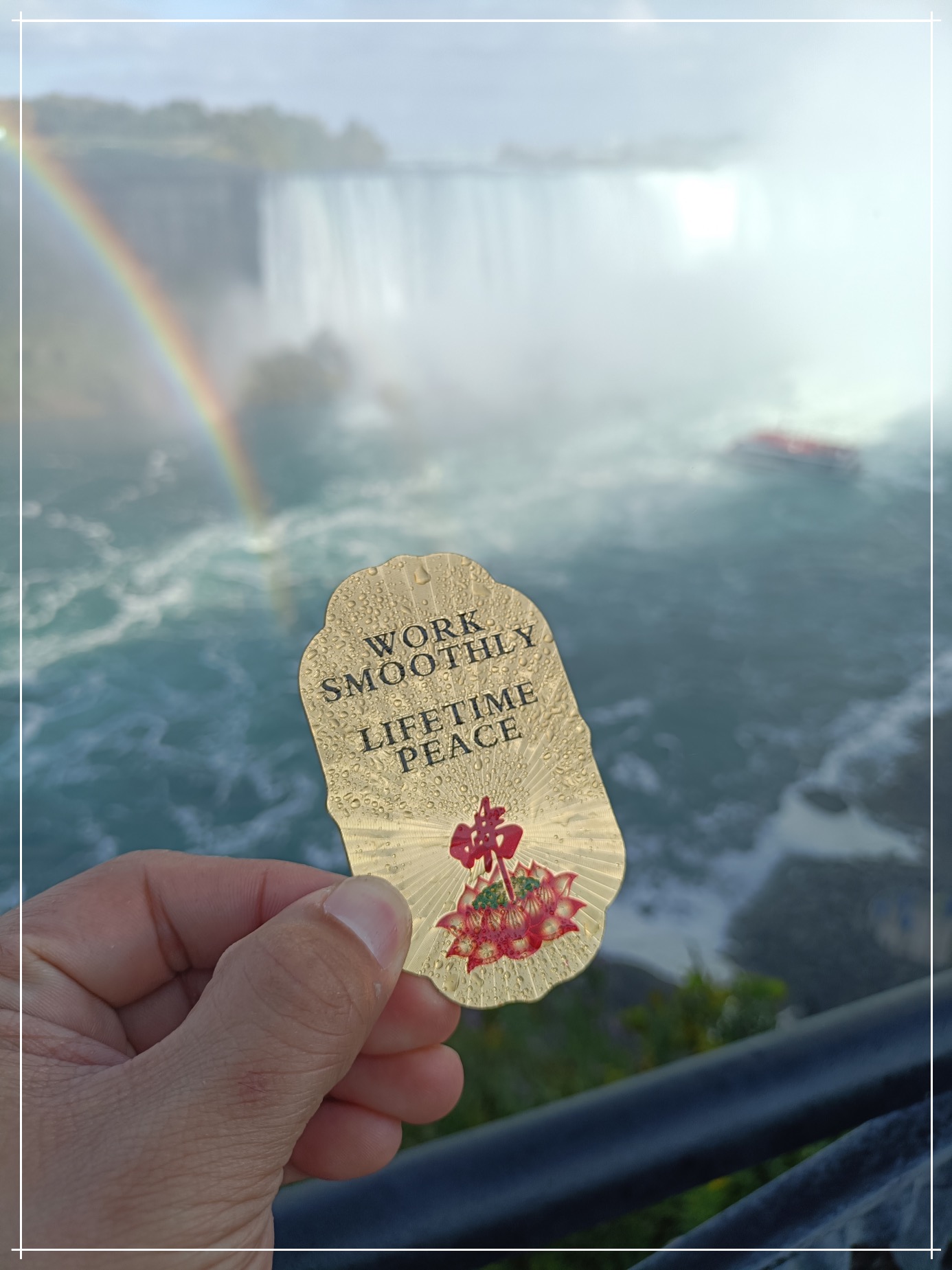
I only stayed in Toronto for 2 nights. The highlight is my day tour to Niagara Falls, and crossing back to US territory ON FOOT via Rainbow Bridge, had lunch at the US Territory of Niagara, then crossing back to the Canadian territory later that day. Went through the immigration/border control on both sides.
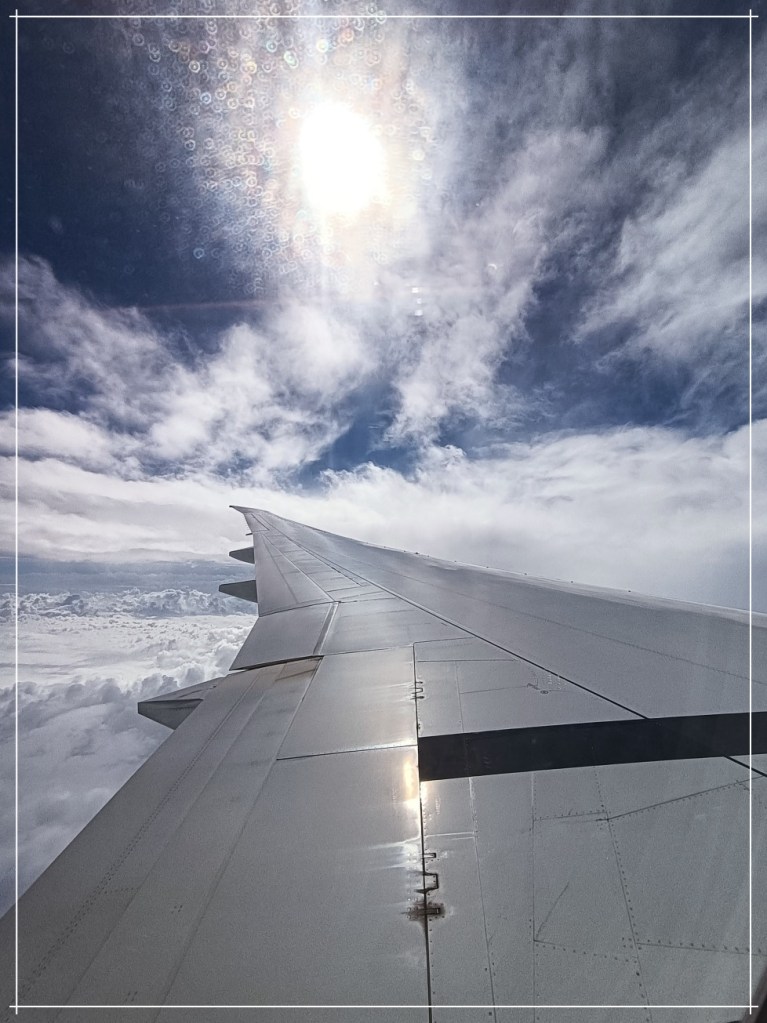
NYC was my entry point and the beginning of my visit to the Americas. From Manila, I booked a one way ticket with Saudia Air, with an overnight layover at Riyadh (Saudi Arabia). From the Middle East, this plane route crosses the European Continent and the Atlantic, to reach the North America. Quite a long ride but I like it, and cheaper. Food on-board was good, I enjoyed the Mutton Biryani.
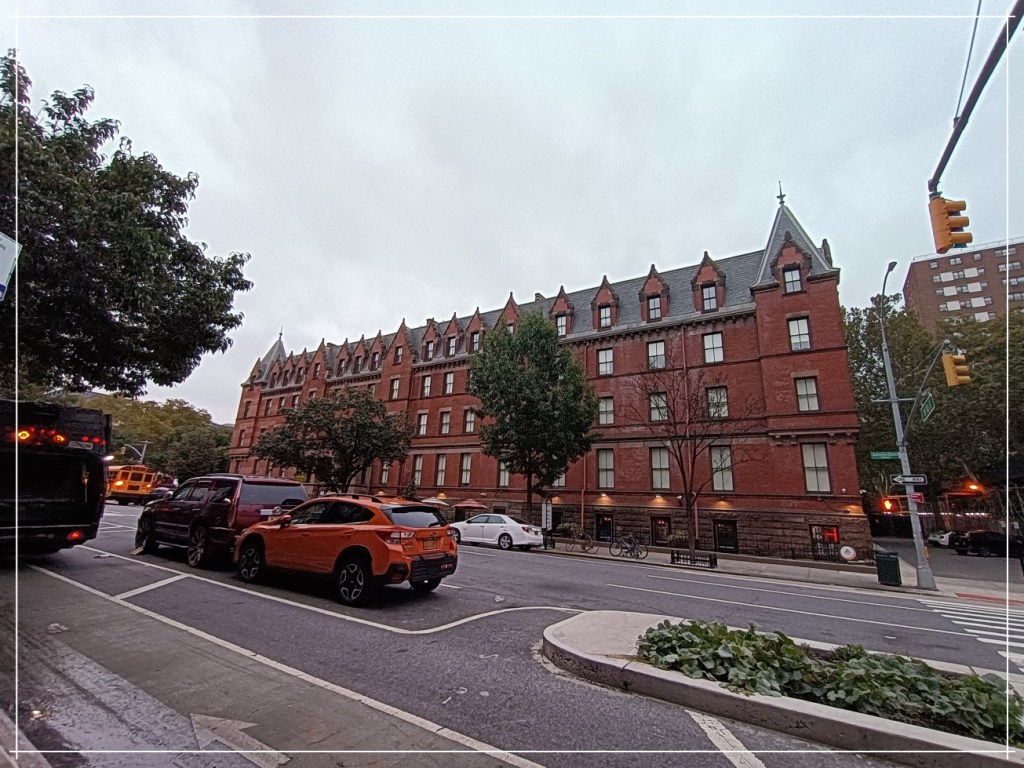
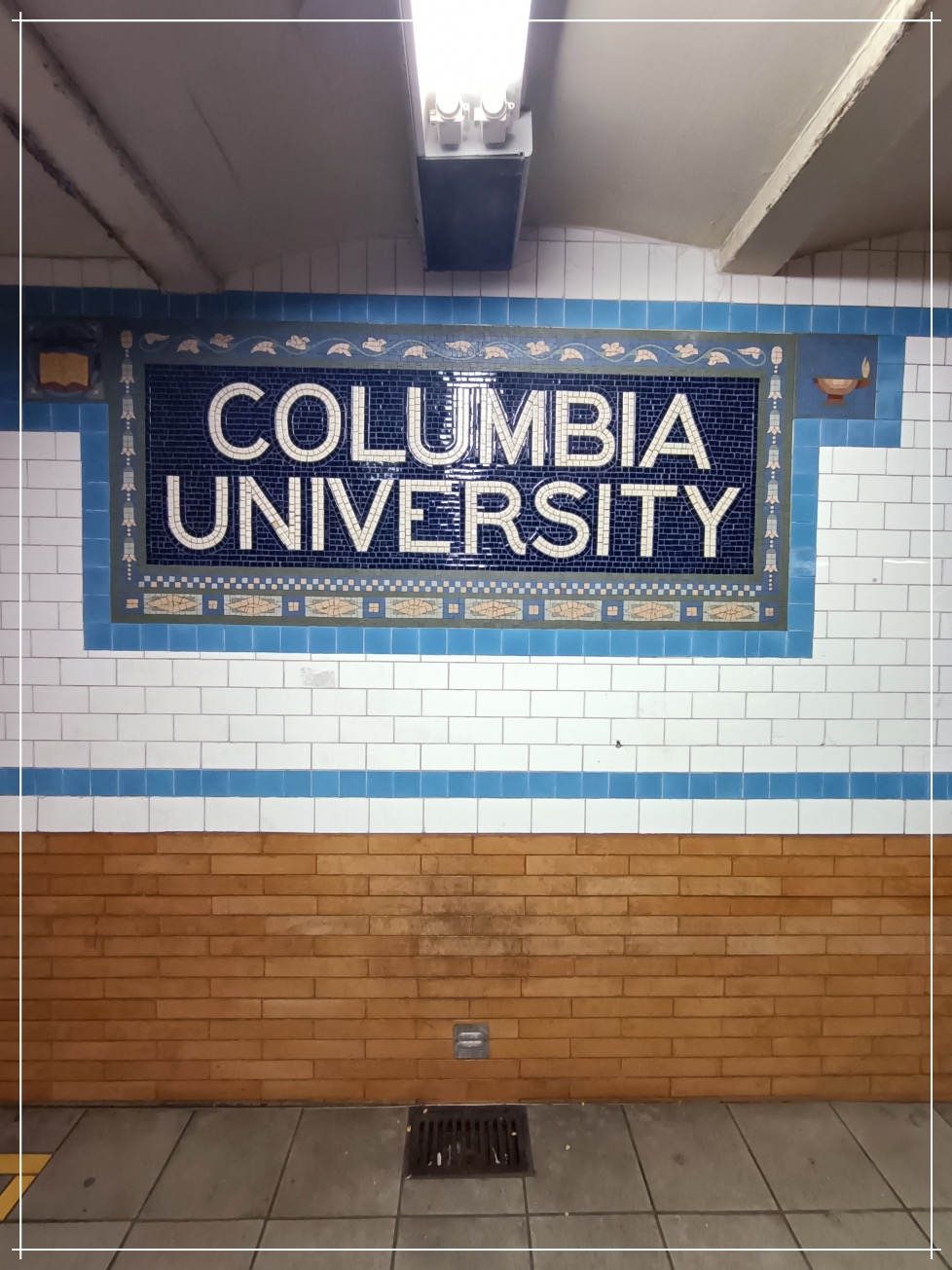
In NYC, I stayed at HI NYC Hostel at Amsterdam Ave. (Manhattan Valley/Upper West side of central park). It’s an easy 2-3 mins walk from 106th St. Metro Station. The area is mostly for schools and commercials catering that market. Colombia University is just on the next train station.
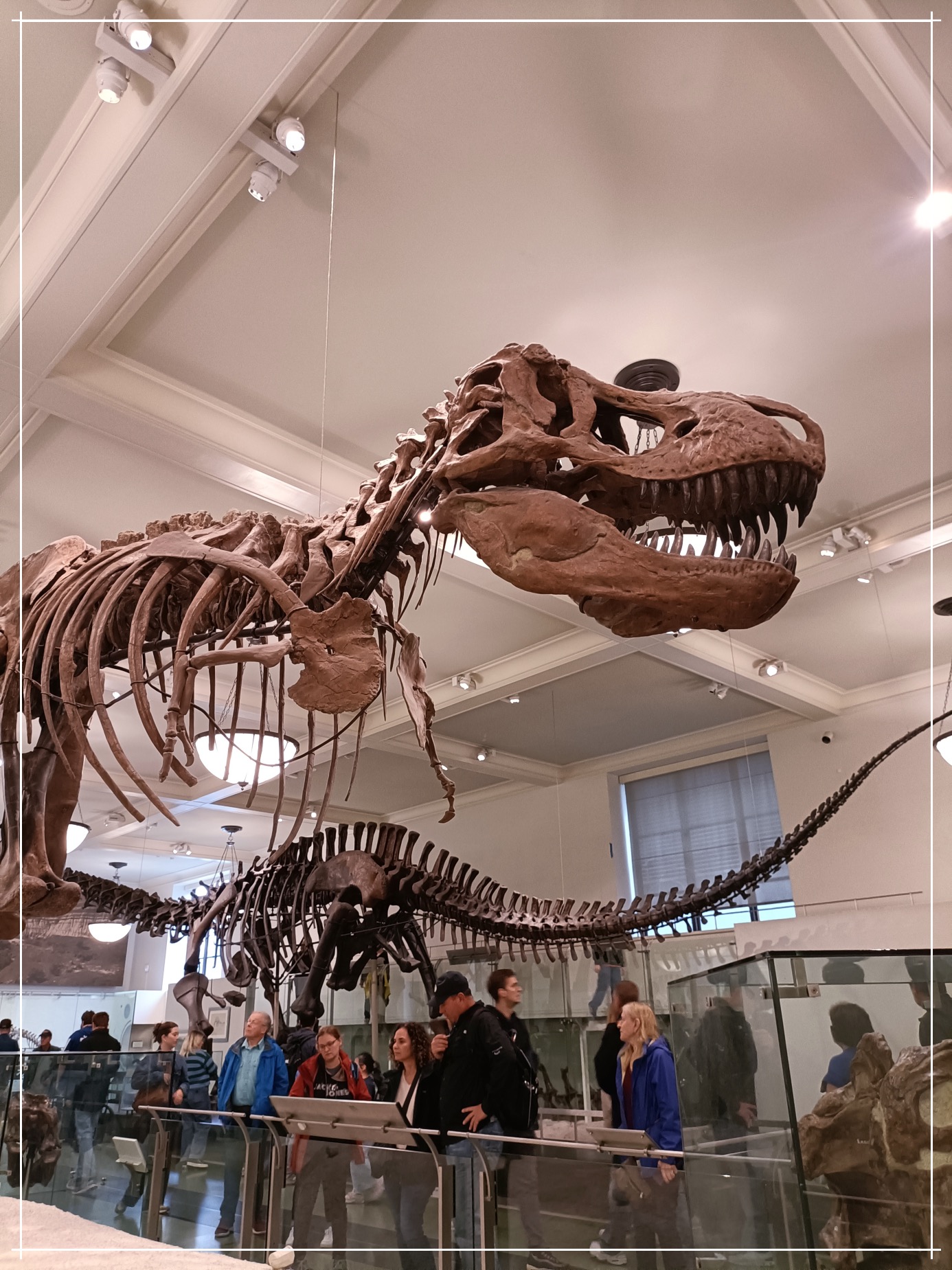
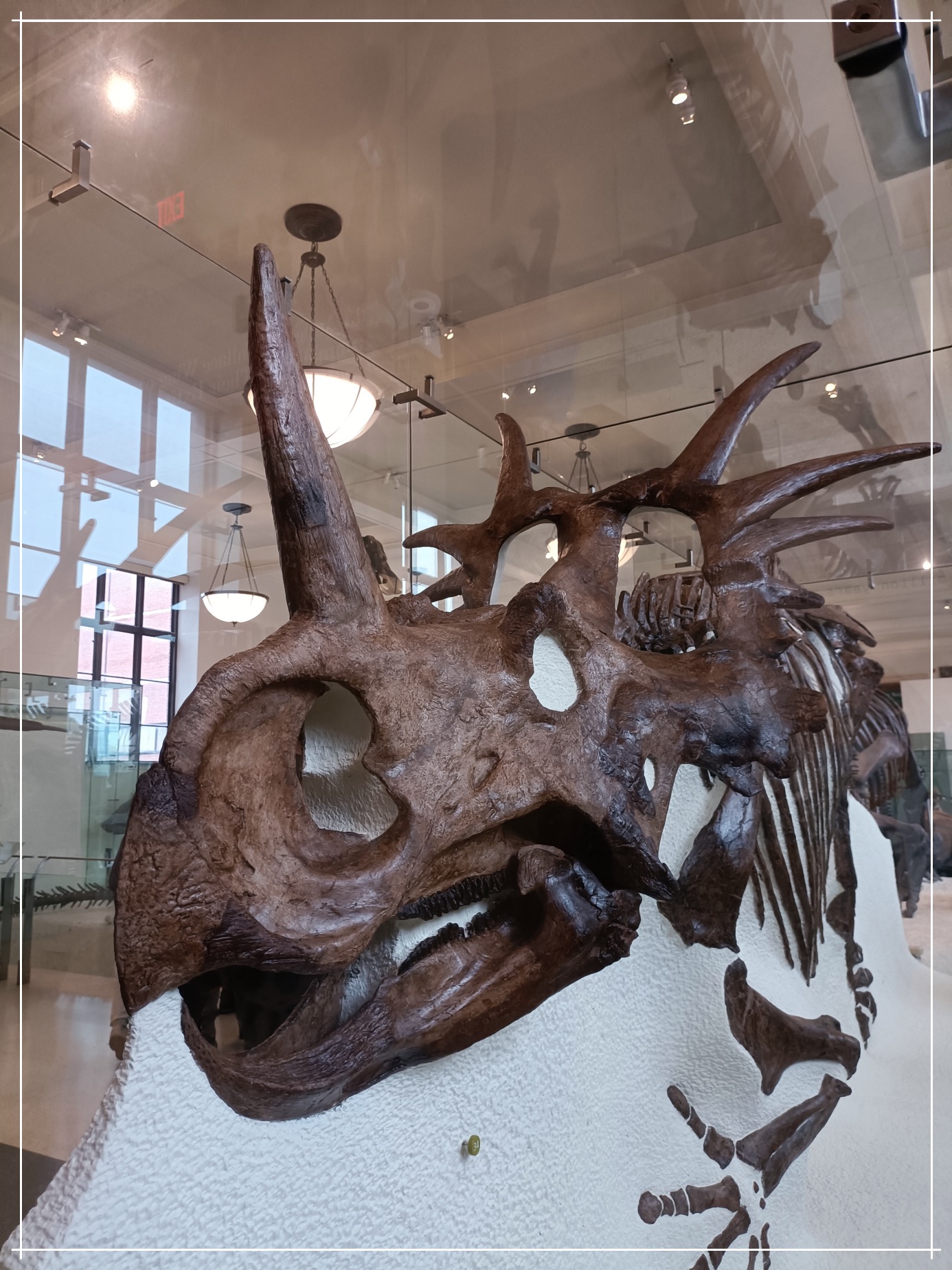
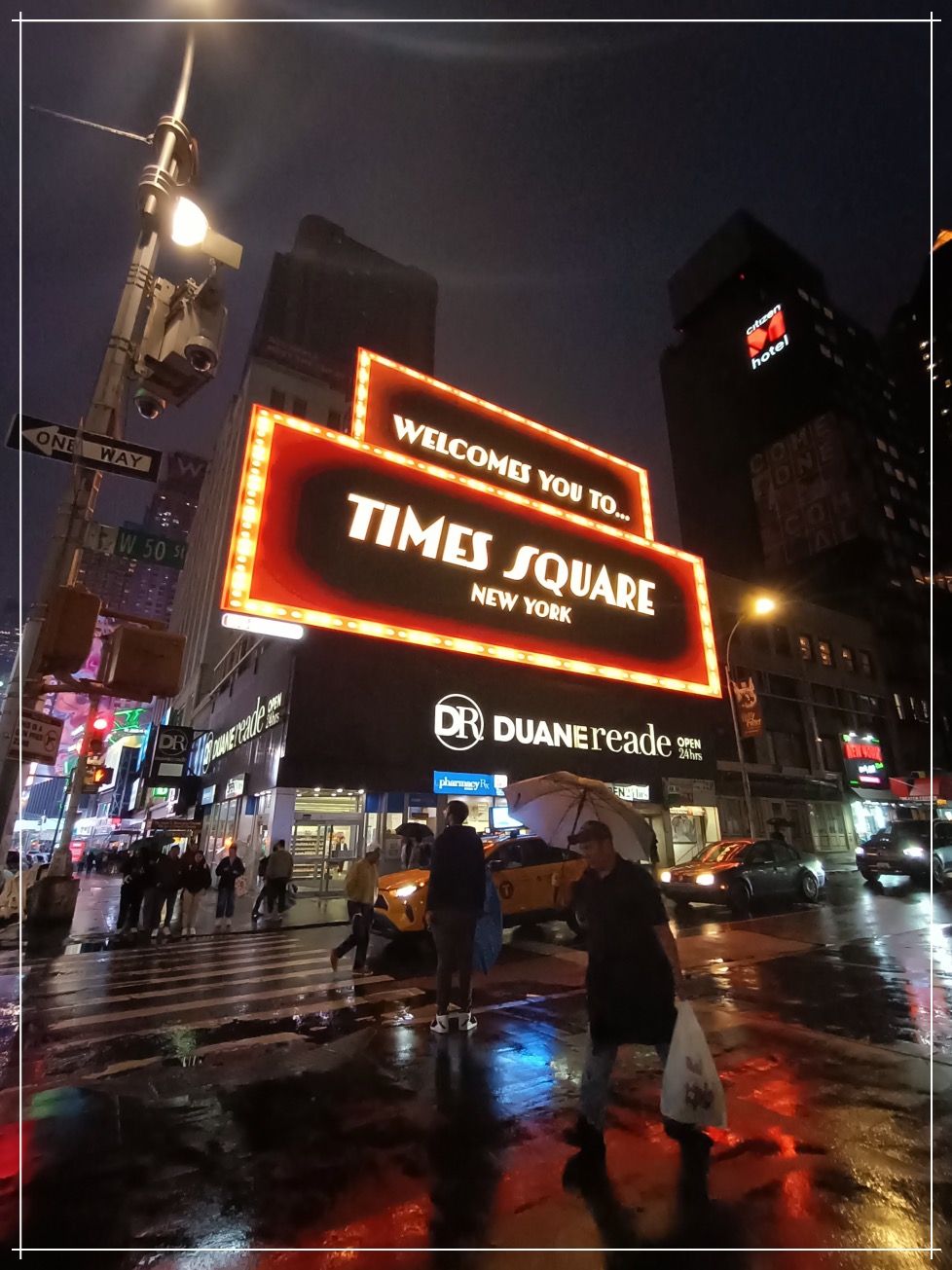
I spent my first morning in NYC visiting the famous Museum of Natural History. I am a fan of Ben Stiller’s Movie, and seeing the T-Rex fossil up-close was such a moment. The rest of the day, I just spent walking around Manhattan City Center and ended the night at Times Square.
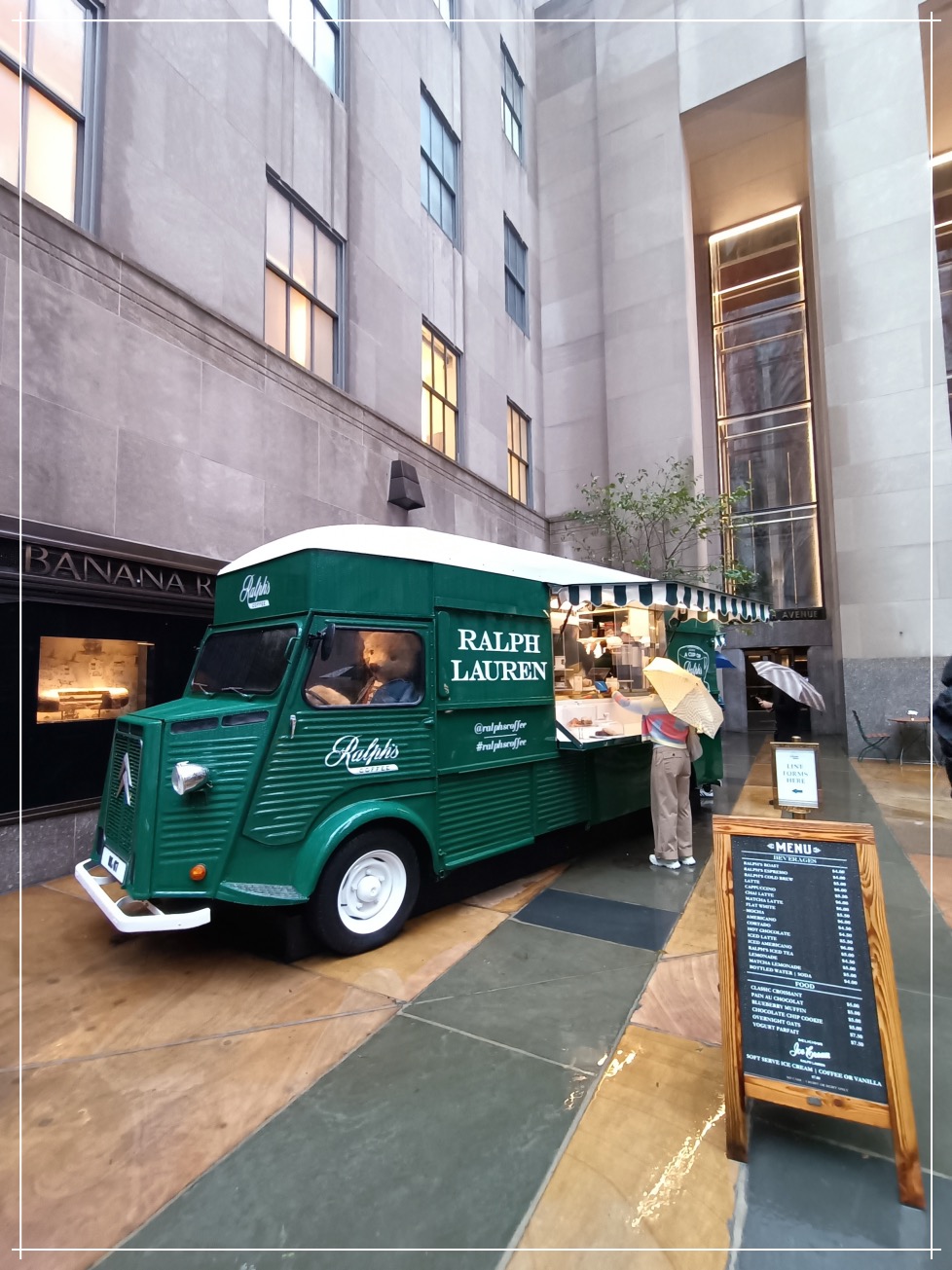
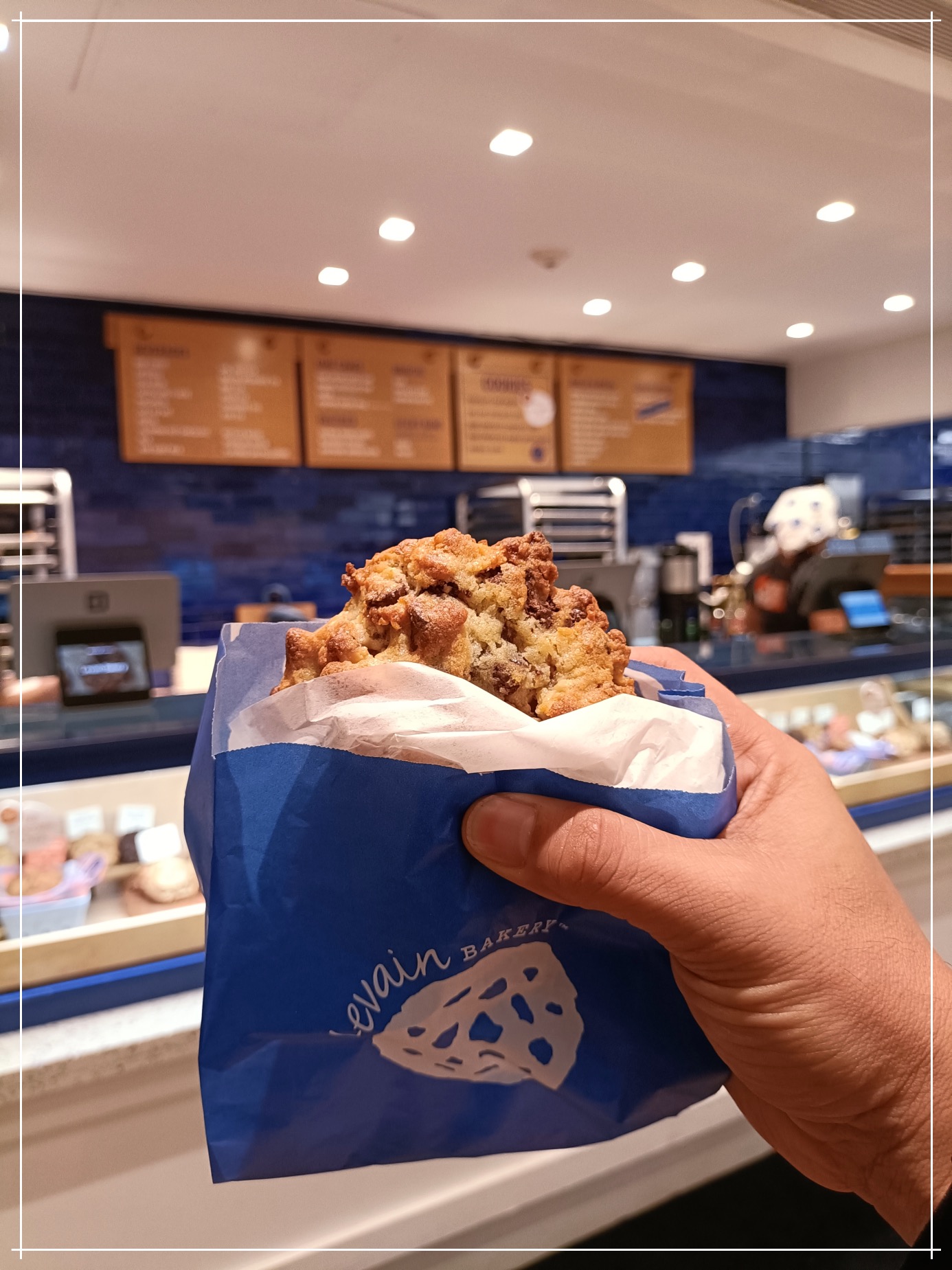
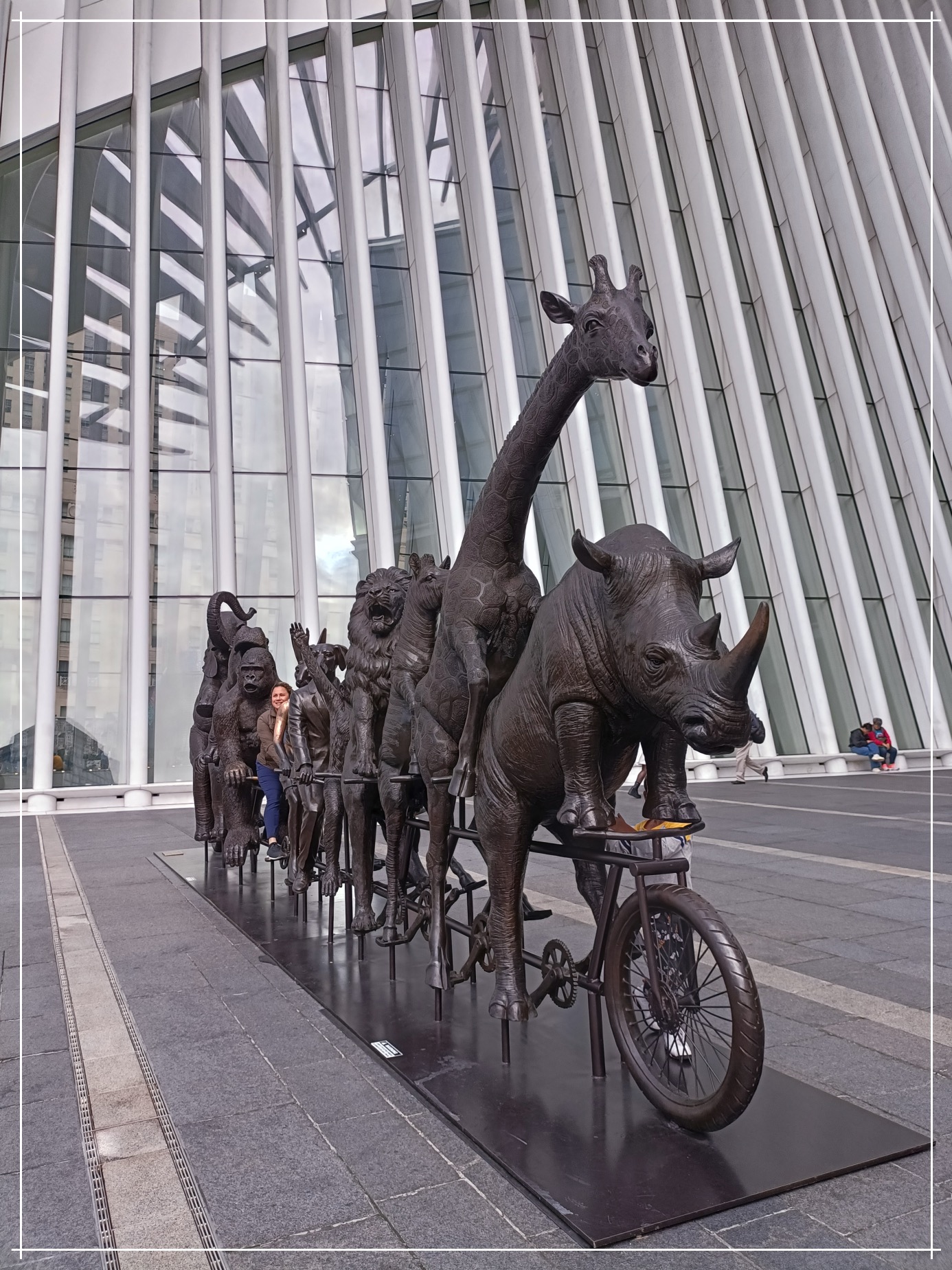
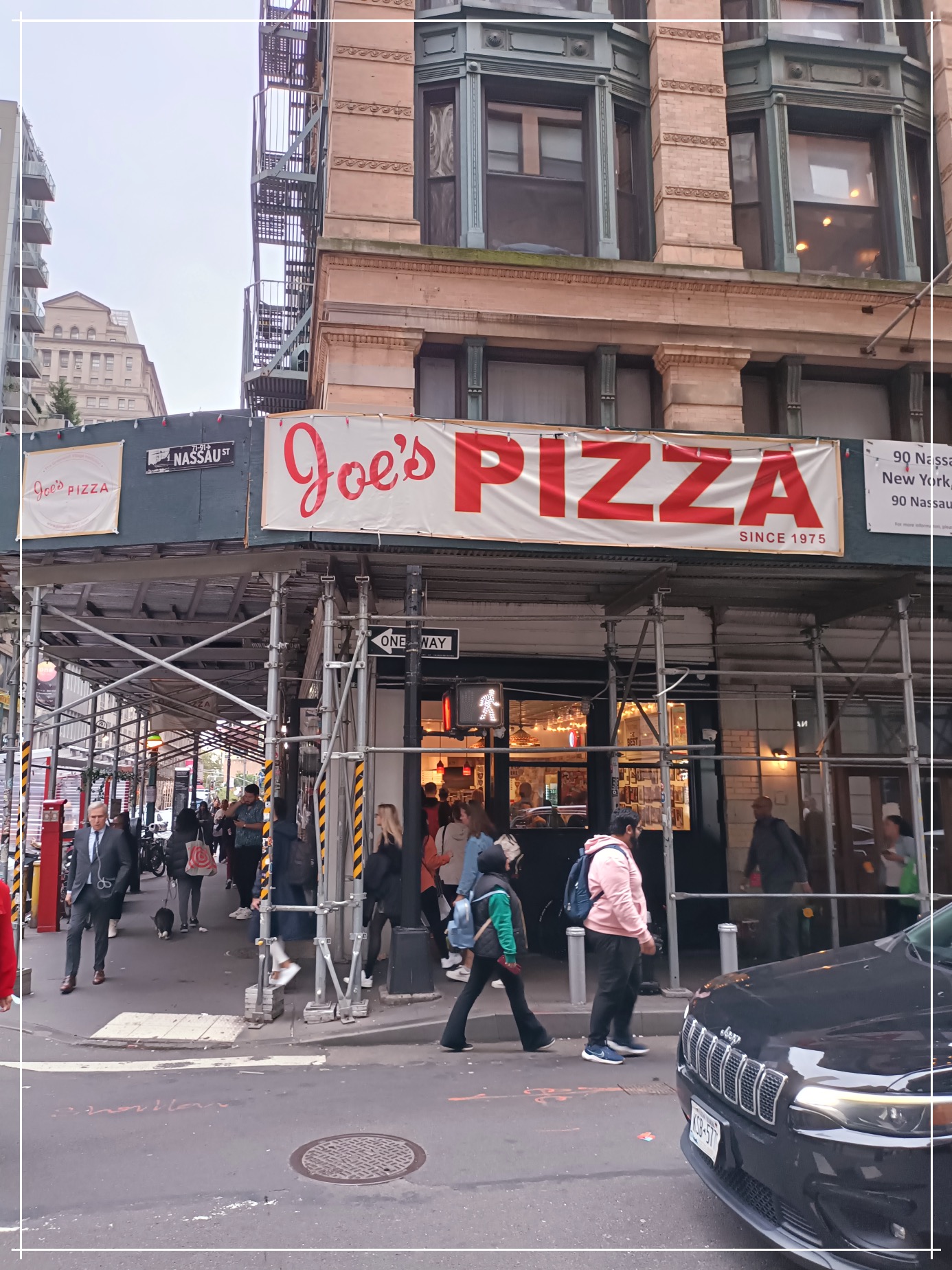
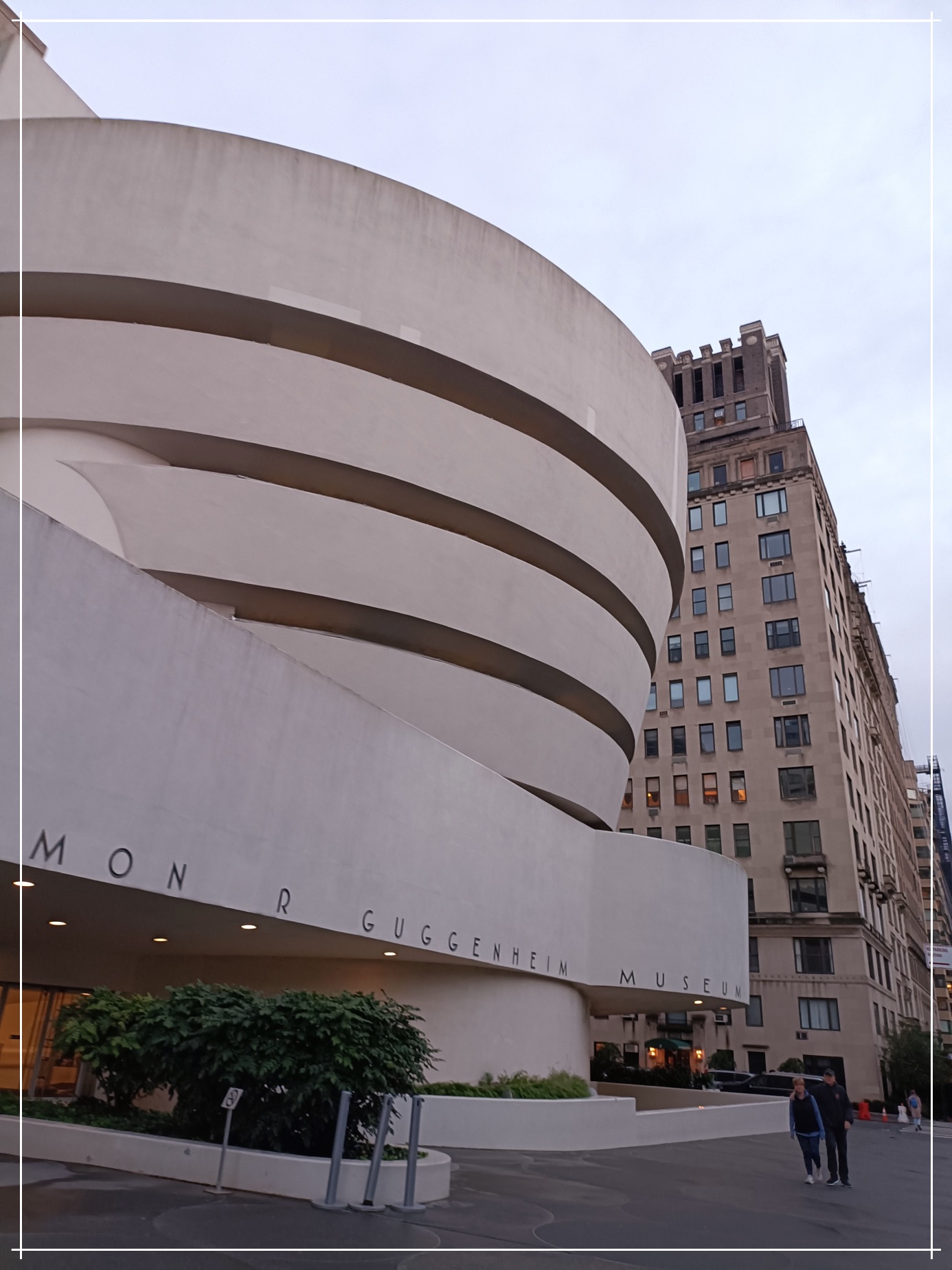
Best days are those without any fixed plans. I purchased the Unlimited NYC metro pass (which was one of the best decisions btw). I basically searched around Manhattan the works of Architects I follow, particularly Santiago Calatrava and Frank Lloyd Wright; plus some foodtripping along the way. Didn’t get to document everything though, as it was quite gloomy that day.
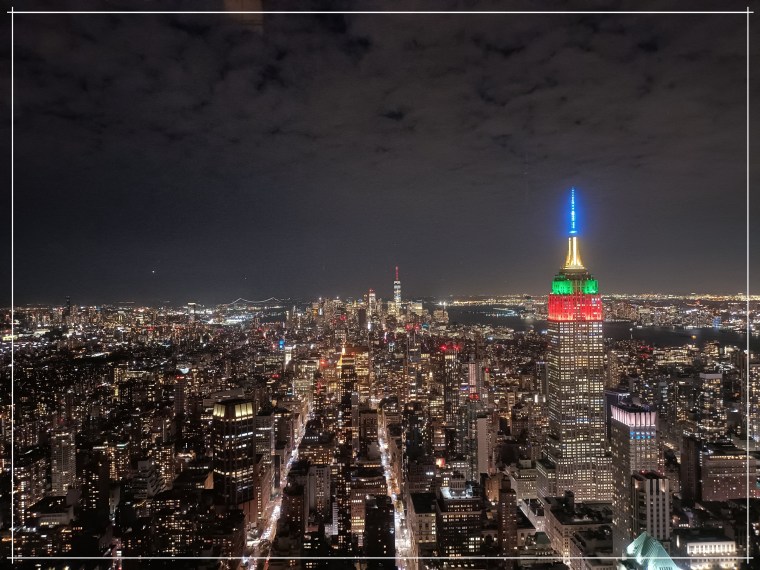
In the evening, I was blessed with a good weather and a chance to see NYC cityscape from One Vanderbilt skyscraper, which is one of NYC’s tallest. From One Vanderbilt, you get to see the glorious Empire State and Chrystler Building at night.
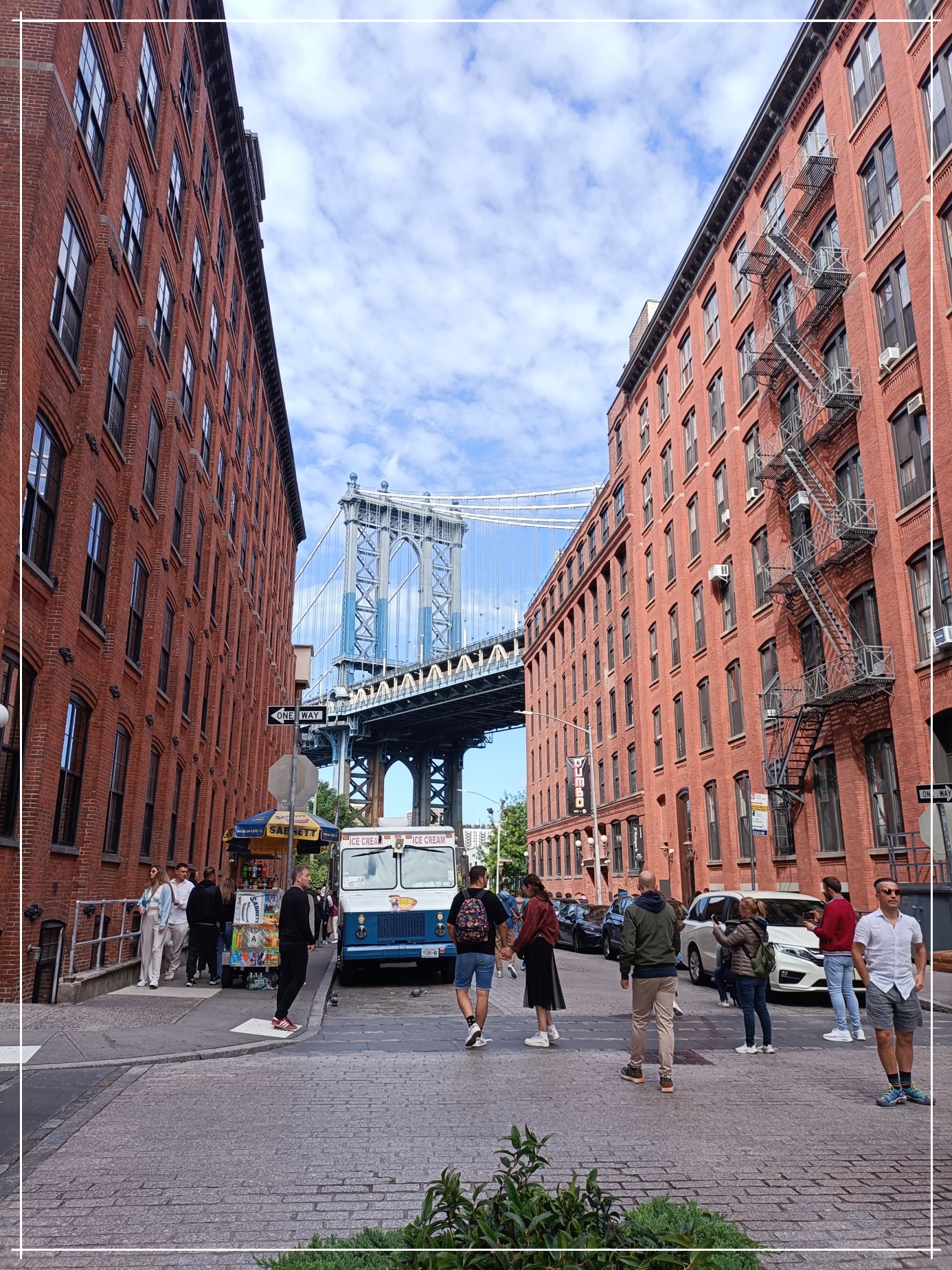
The sun finally came out during my 4th and last full day. Here are some snapshots around Brooklyn, plus a quick trip to Staten Island.
I spent 4 full days in NYC before flying to Toronto then to Cancun, Mexico, which begins my goal trip to Latin Americas and see the Wonders of the World before I reach 40. lol.
The idea of being capable of doing what you love is the greatest thing I want to achieve in life. Imagine traveling to the places you once dreamed of, and being able to eat the food you once watched in movies. Fascinating, right?
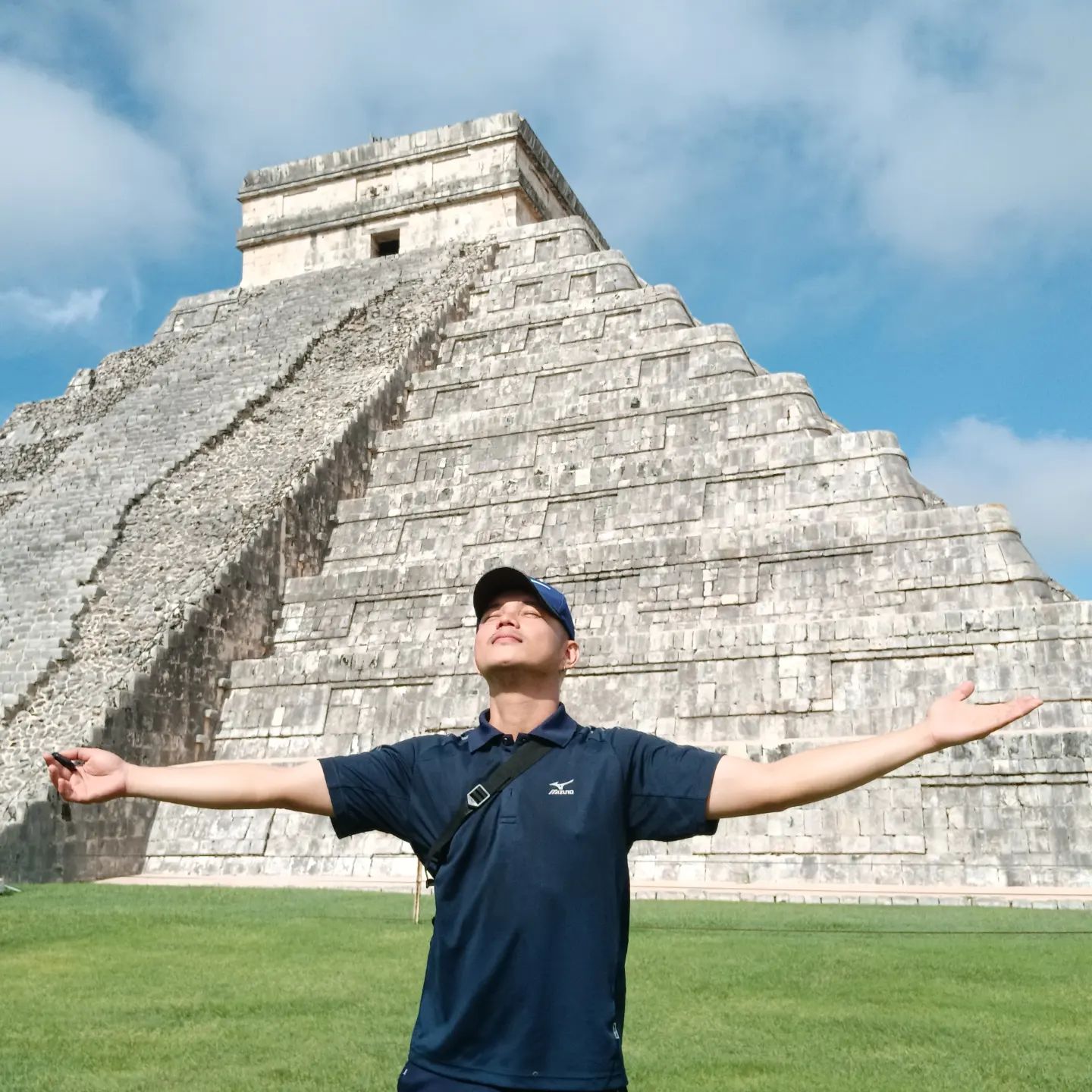
Chichen Itza. This sacred site was one of the greatest Mayan centres of the Yucatán peninsula. The Maya were highly skilled at mathematics, astronomy, architecture, pottery, hieroglyph writing and the development of a remarkably accurate calendar. They built massive stone monuments, pyramids, palaces and cities, and many of the ruins still stand today.
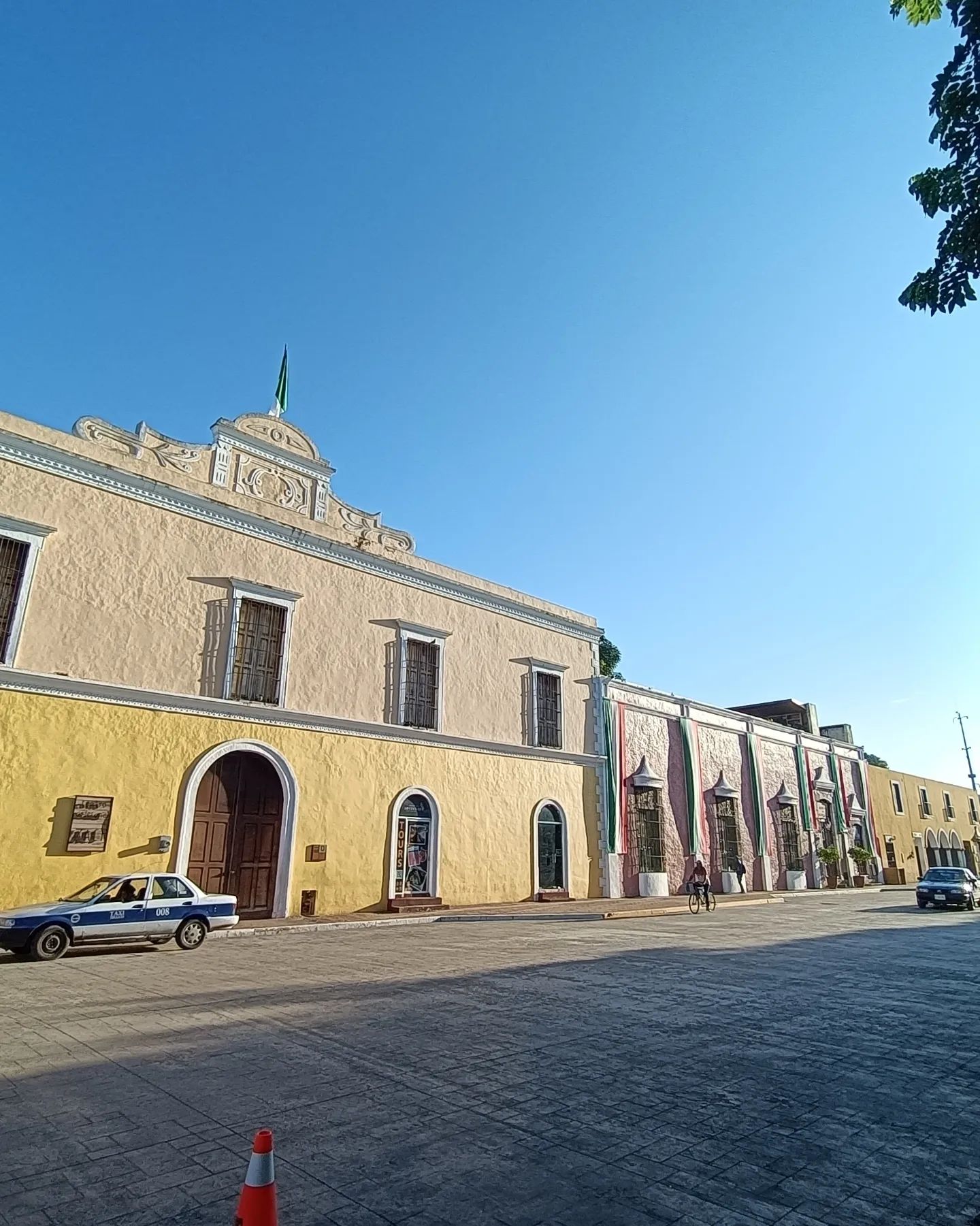
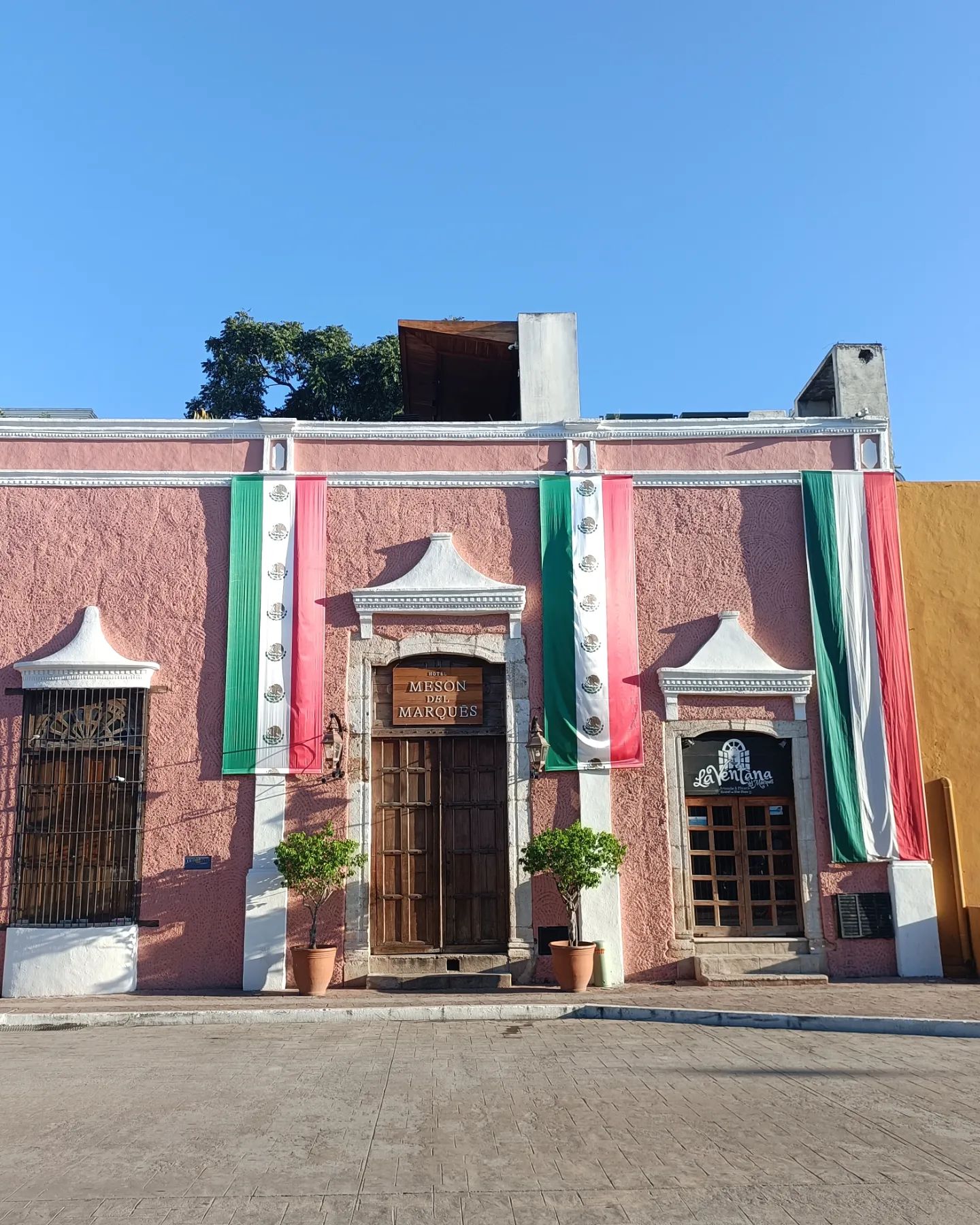
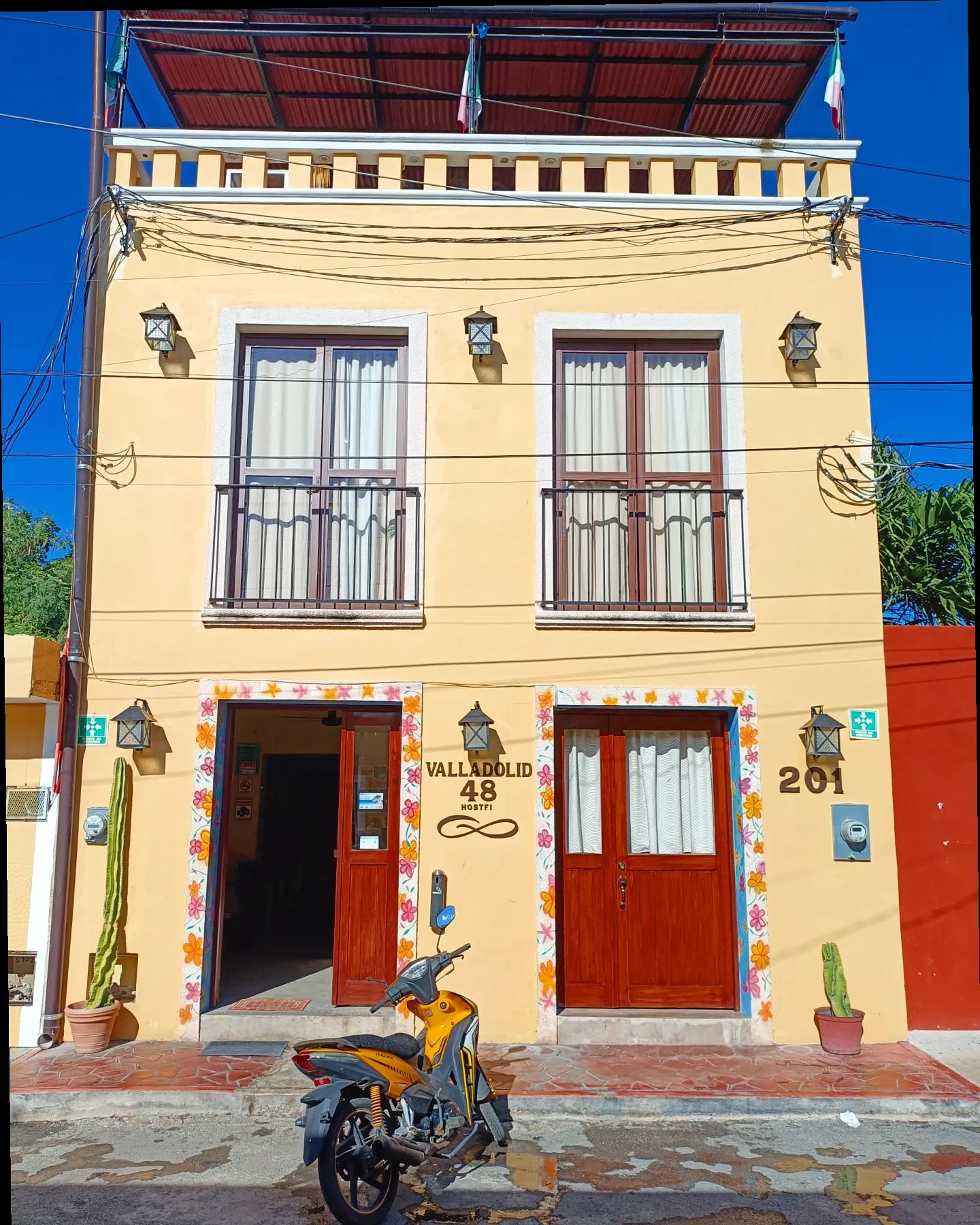
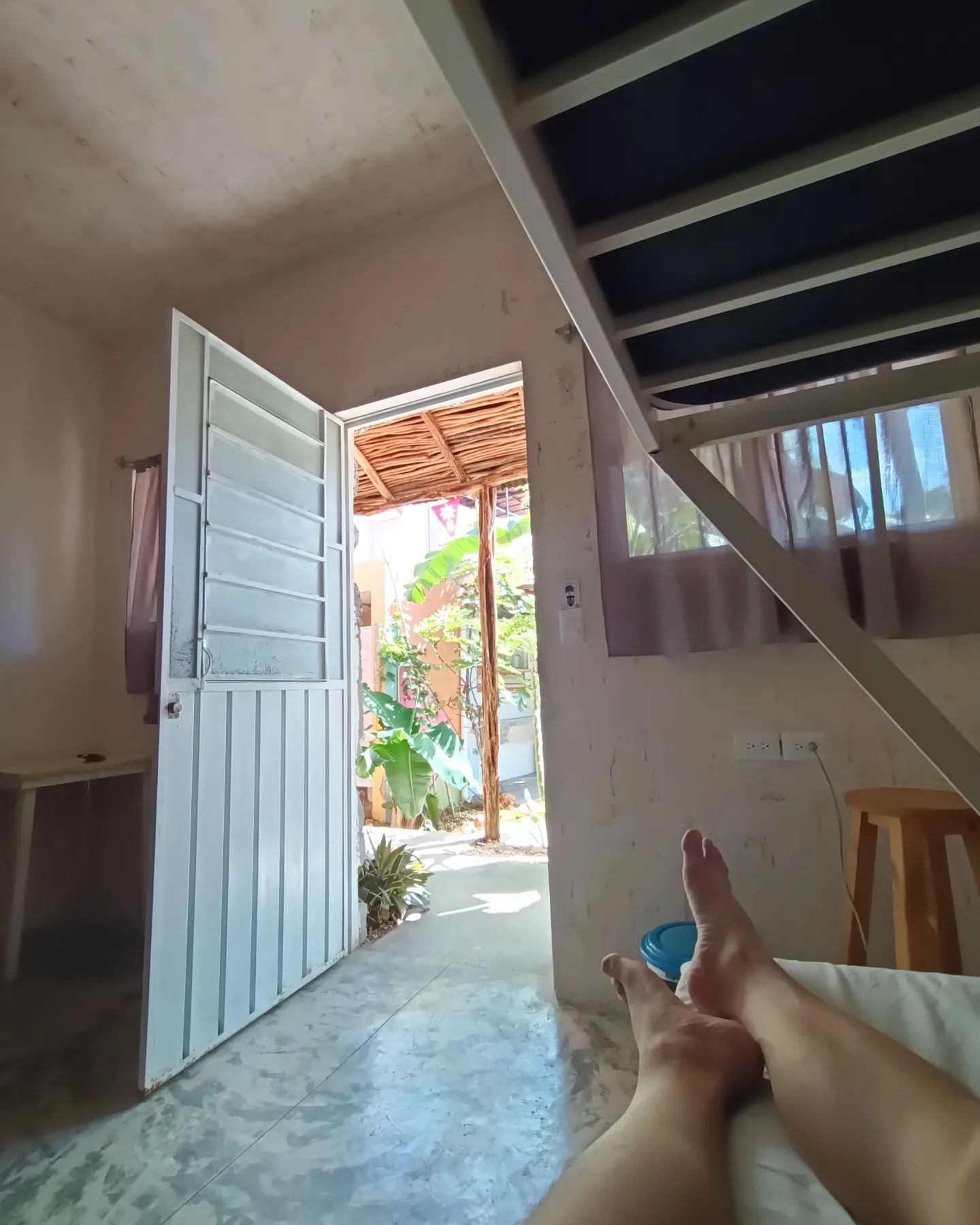
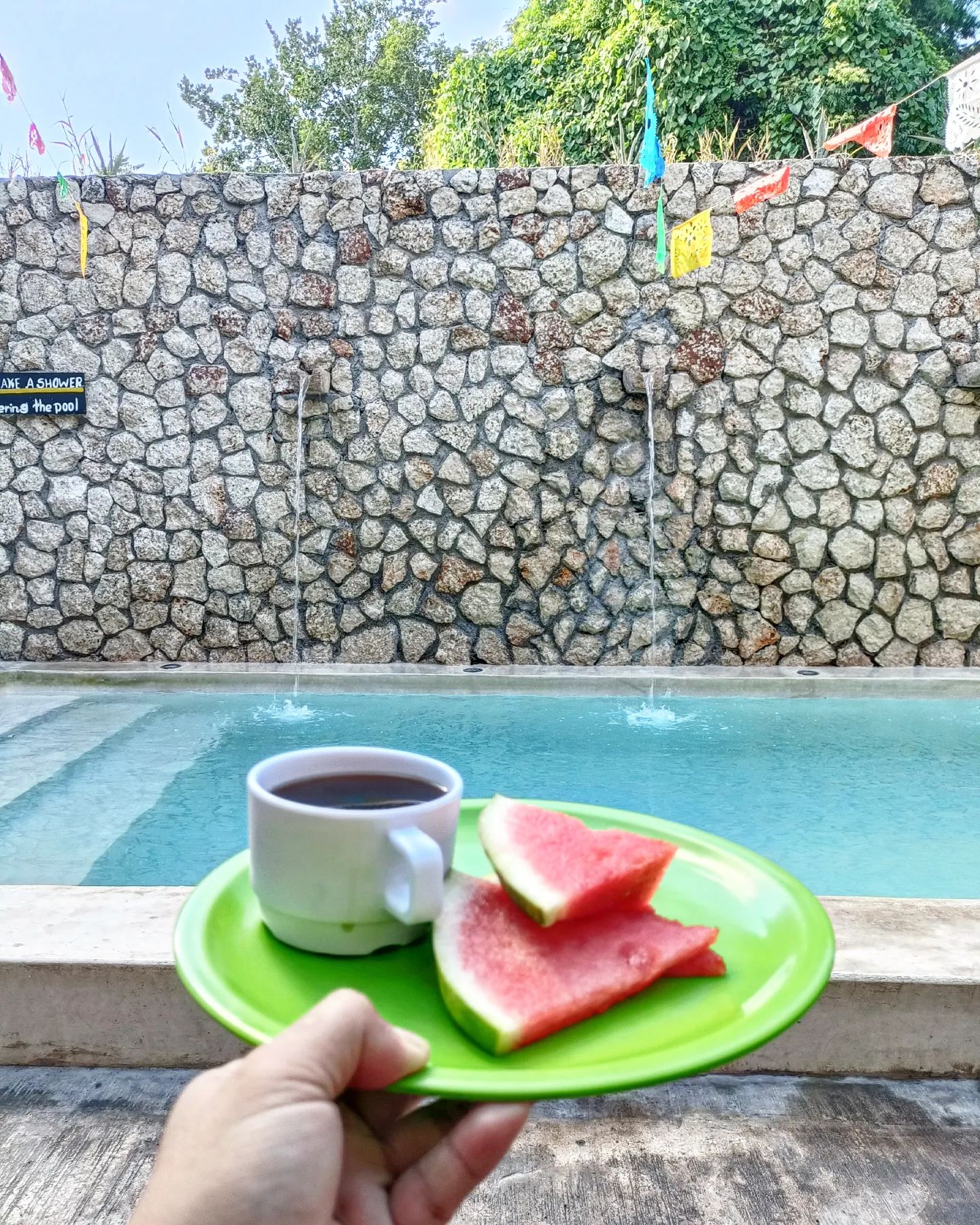
Random snapshots around Valladodid,Mexico,the town nearest to Chichen Itza Unesco Heritage Site.
There is a comfortable feeling when staying at small towns. Everything feels more grounded and authentic. Food is cheaper and people are easier to talk to.
Opted to stay at Valladolid town so i can go to Chichen Itza earlier. Got some good jumpshots because i went early. Valladolid is 40 minutes away from the heritage site. Public van transport (they call it collectivo)to the site and back are available.
Hi guys! I just came back from another backpacking trip. This time, I was able to tick two major items off my travel goals. First, I was able to explore several cities in the Americas. This trip was long overdue, kasi nag-pandemic and all. And second, I was able to circumnavigate the earth, crossing the timezones in a single trip; at proud na proud ako dun!
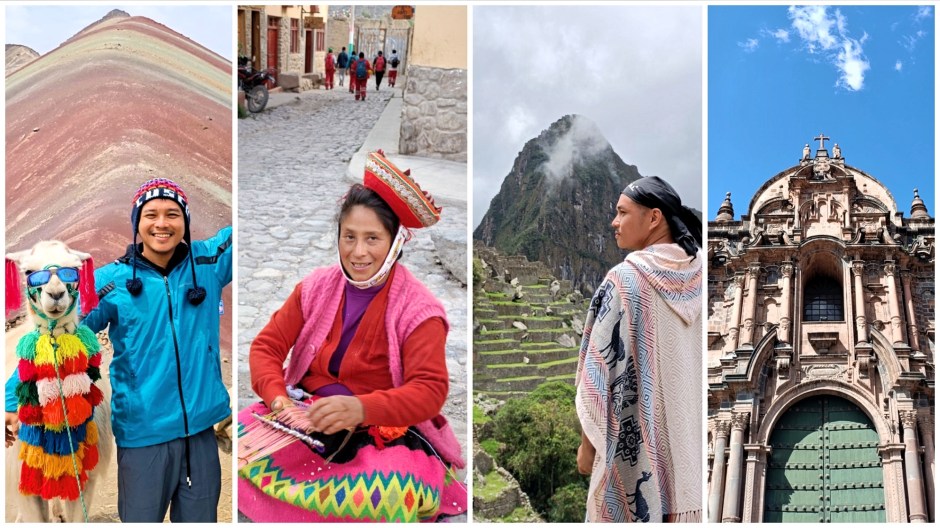
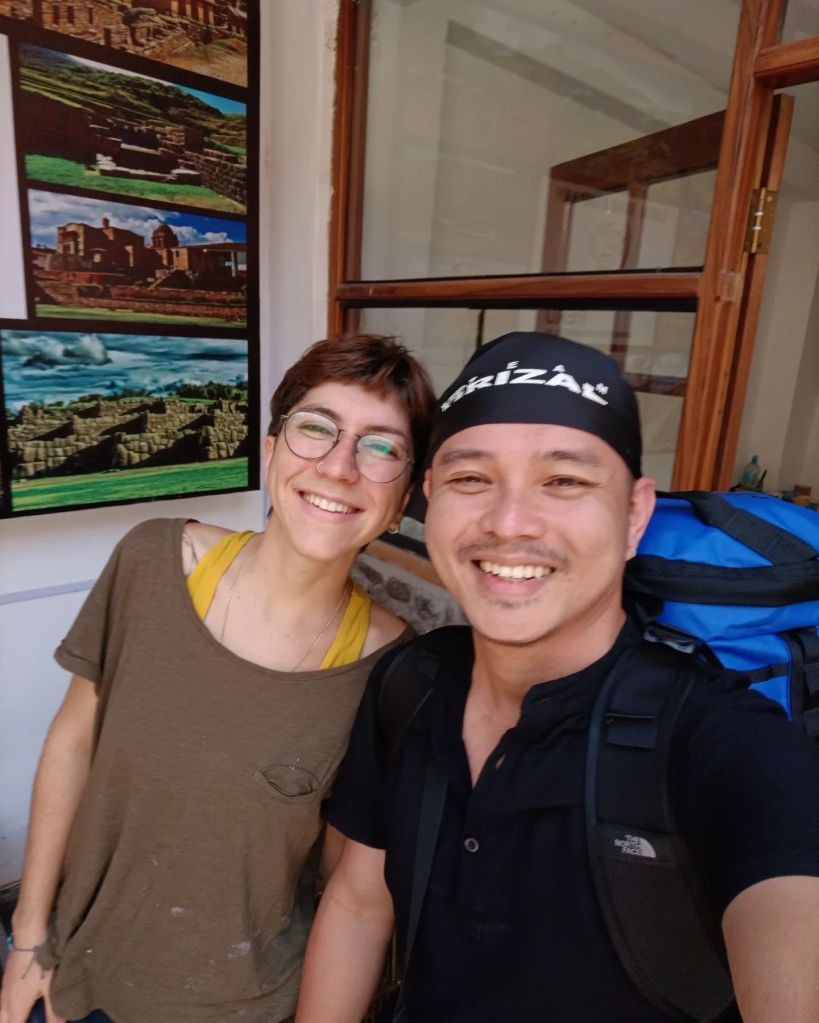
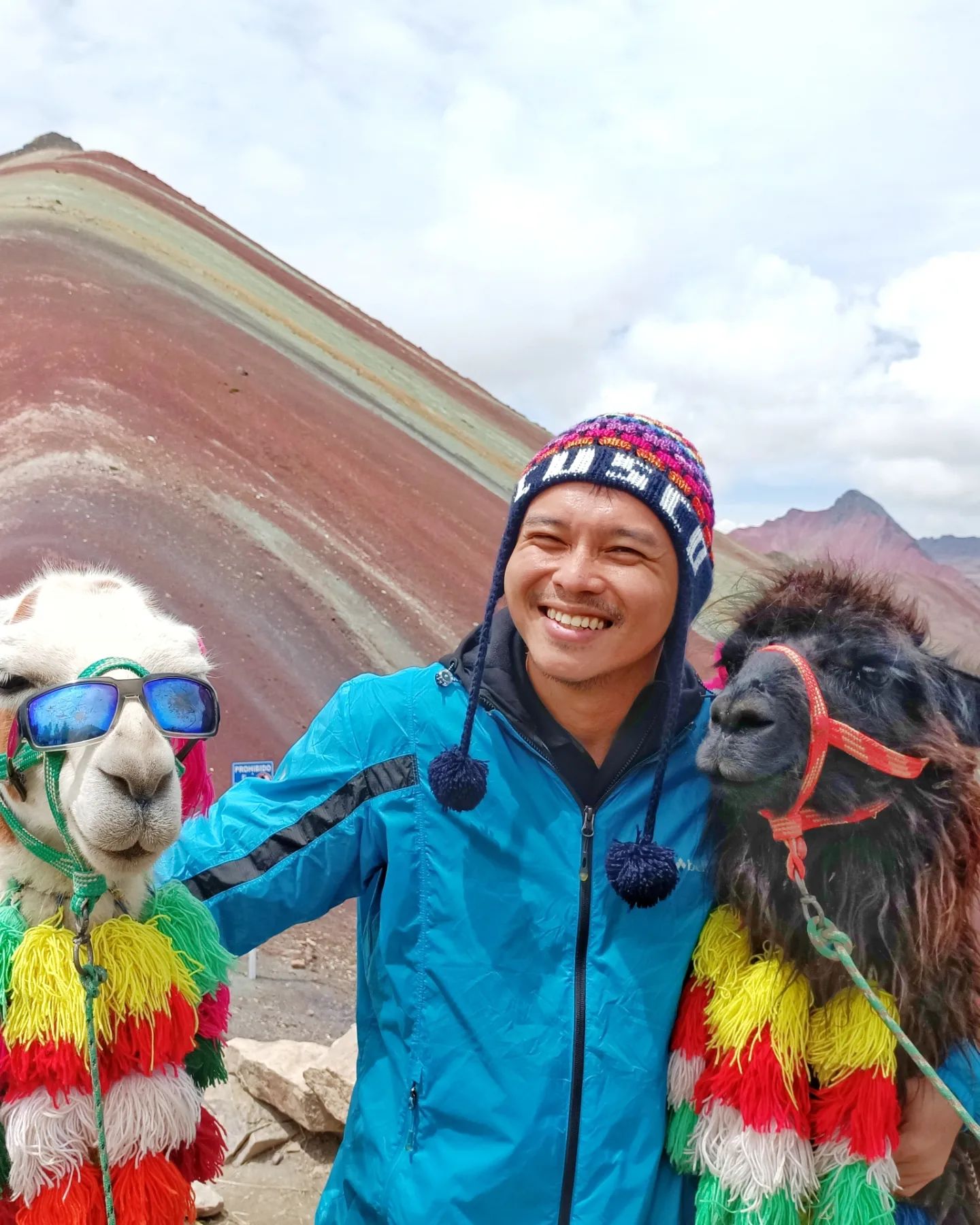
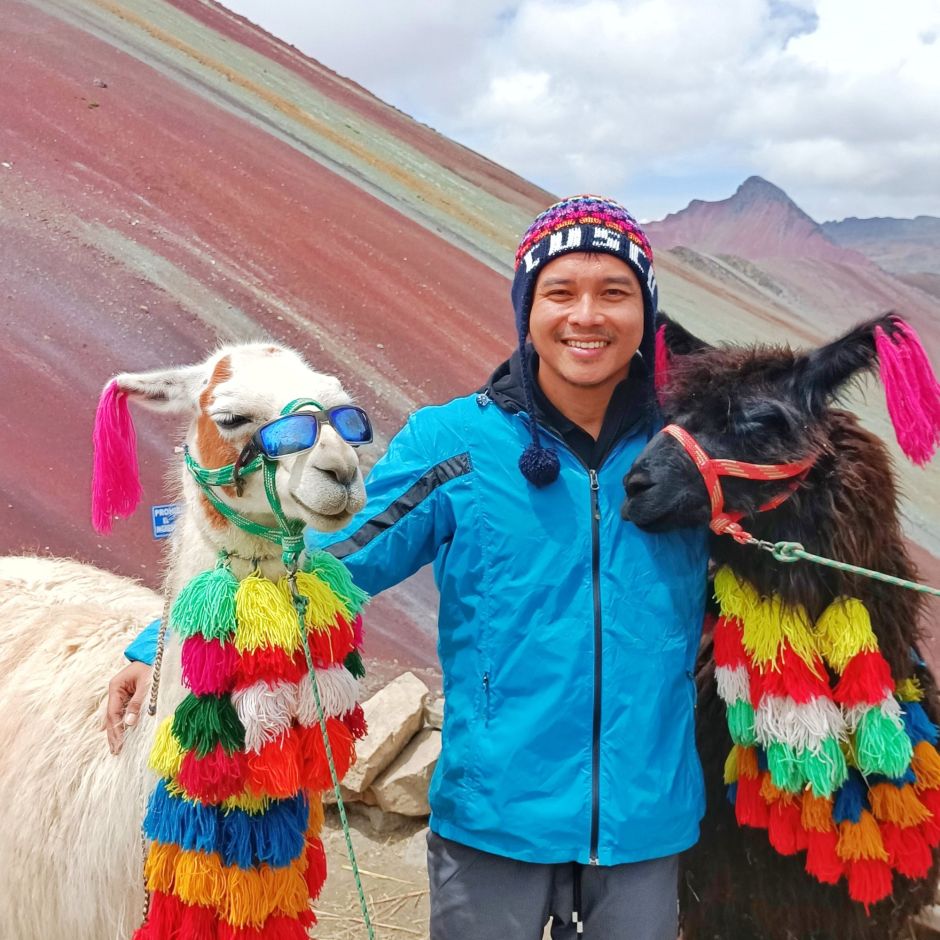
with my new beshies at Vivicunca Rainbow Mountain in Peru
To be clear, hindi ko napuntahan lahat ng bansa sa mundo; hindi po ganon, at di ko din afford yon. The idea of circumnavigation is that you must travel the world by crossing every meridian of longitude in the same direction.
The idea of doing it on a single trip naman is when you are leaving home, traveling for a time, then returning home. It doesn’t matter if you will be going to multiple countries. This is still considered to be a single trip, as you will be leaving home and returning home only once.
The push to visit America this year was actually triggered by my credit card points that’s about to expire. I’ve been specifically saving it for a trip to US. However, my points can only serve me a one way ticket. As such, I am tasked to book separate tickets for my outbound and return. Given the case, Bojo Macaraig of Lakbay Online, then pitched me the idea to get tickets from different airlines and go a long way for the outbound, then take the pacific route for my return; thus, achieving a circumnavigation. So I did just that. From Manila, Philippines, I flew 9 hours westward to Riyadh in the Middle East, then an onward flight of approx. 15 hours, crossing the EU/African continent, towards JFK/New York in the United States. From there, I had spent several days exploring cities in North, South and Central America. My flight home to Manila was from Los Angeles, crossing the Pacific this time.
The Route: Manila > Riyadh,Saudi Arabia > New York,USA East Coast > Toronto/Niagara,Canada > Cancun/Valladodid,Mexico > Cuzco,Peru > Rio de Janeiro,Brazil > Bogota,Colombia > Costa Rica > Nicaragua > Honduras > El Salvador > Los Angeles,USA West Coast > Singapore > Manila
Ask me what’s the greatest learning that I gained from doing this? … Na Bilog Gid ang Mundo. Proven ko na. Charot!
And from start to finish, I traveled all by myself, carrying only my Northface 71L backpack.
Arrival day in Manhattan, NYC after almost 2 days of travel from Manila via Riyadh
Will post soon my detailed itinerary for this +30 days trip; cost included. Relax lang sa yors ha? manarbaho sa ko. update update lang latur.
For now here are some highlights of the trip kay cute ko diri. bye!
We started the group tour in Jordan, then we spent several days in Israel, (Day 1 to 7). For the Israel Blog, chick here.
Day 8 – Transfer to Egypt/Taba/The Red Sea
We headed to Eilat, Southern Israel to cross Egypt via Taba land border. It took around 5 hours to Eilat from our base hotel in Bethlehem. All our entry documents and visa were handled by the tour agency. We spent our first night in Egypt at Taba Strand Resort, a beachfront hotel along the Red Sea. Strand was the best hotel that we stayed in during the course of the pre-arranged trip. It was a great night for us to rest.
DAY 9 – Saint Catherine / Transfer to Cairo
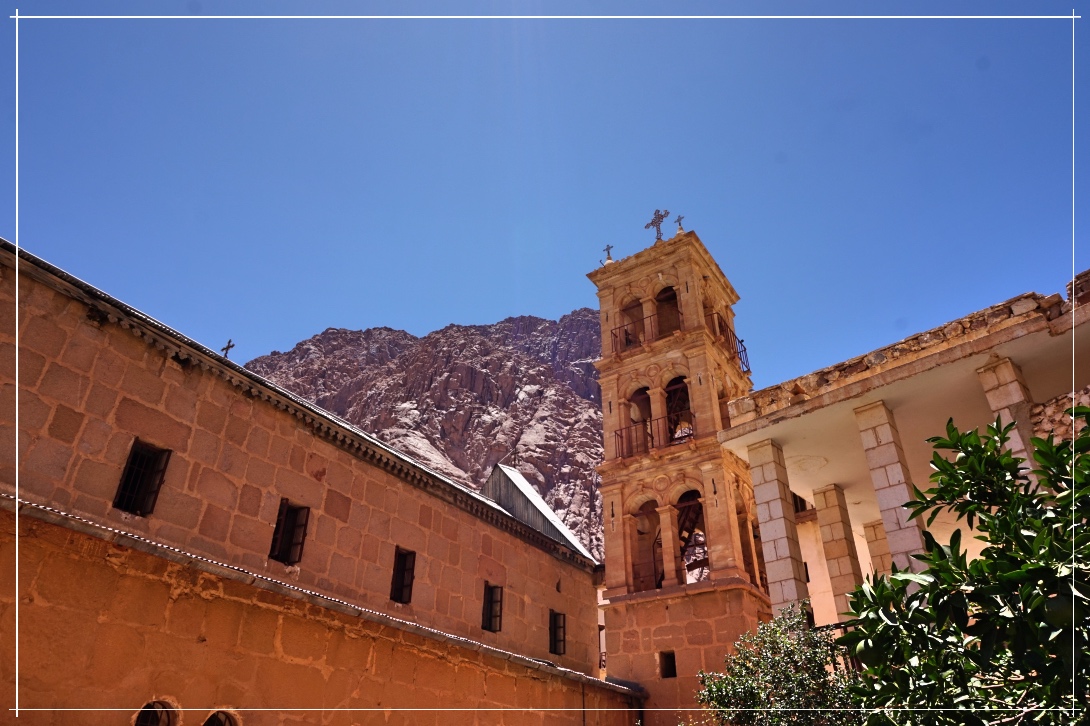
After breakfast at Strand, we head to visit Saint Catherine Monastery, on the foot of Mt. Sinai, where God appeared to Moses in a burning bush. Saint Catherine’s Monastery is the oldest continuously inhabited Christian monastery in the world, dating back 530 AD. The site also holds the world’s oldest continually operating library, with unique or extremely rare works, such as the Codex Sinaiticus and the Syriac Sinaiticus, as well as possibly the largest collection of early Christian icons, including the earliest known depiction of Jesus as Christ Pantocrator.
We then proceed to Cairo Egypt via Suez Canal. Along the way, you will see the granite mountain of Mount Sinai and Wadi El Raha where according to tradition is the area where the Israelites camped and the golden calf was forged (Exodus 32). It was an 8-hour drive across the Egyptian desert. We arrived in Cairo at around 8pm in the evening.
DAY 10 – Pyramids
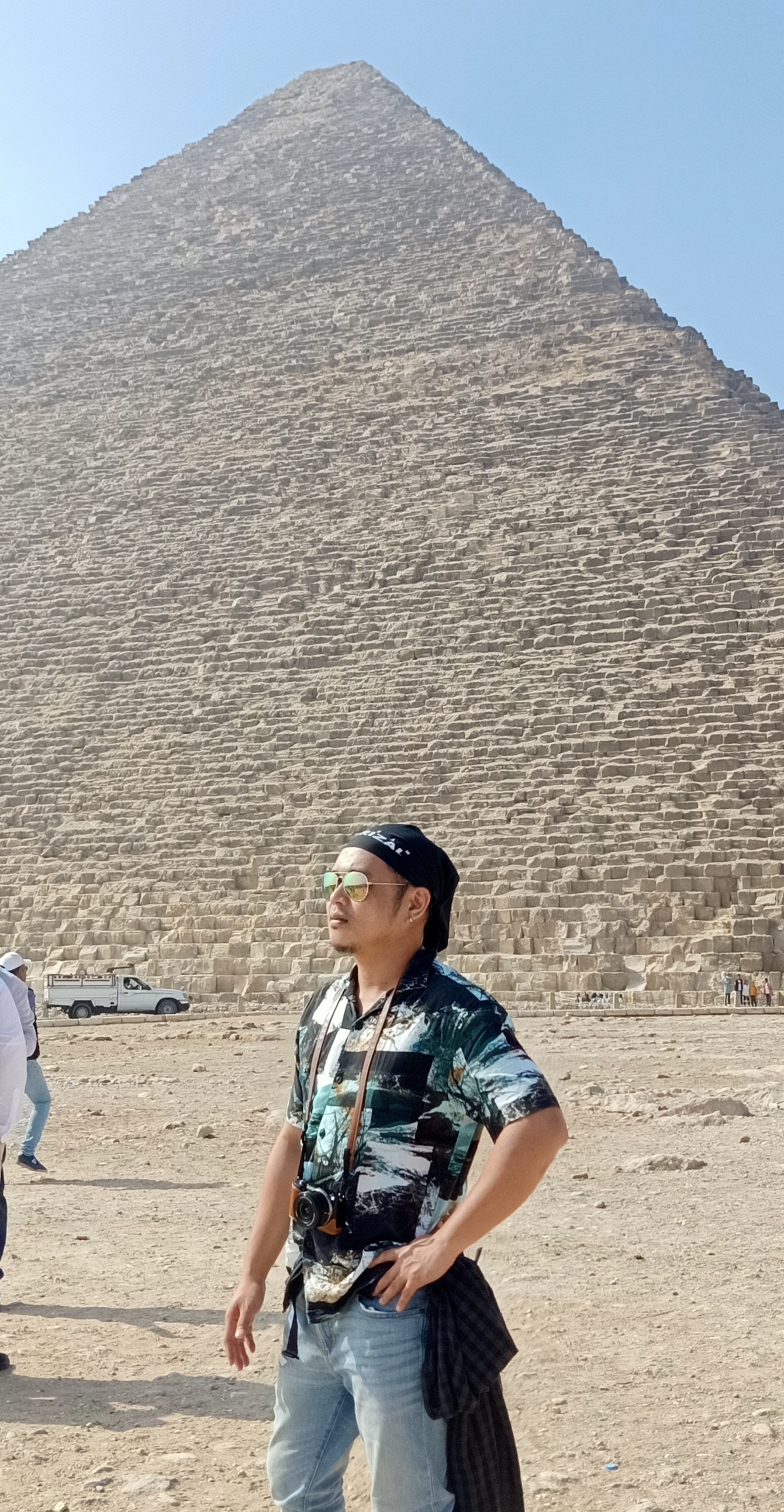
Day 10 was the highlight of the Egyptian trip, as we explored one of the Seven Wonders of the ancient world, the three great Pyramids of Giza.
Tip: Never miss the camel ride, as this takes you to a higher area with good vantage point of the pyramids.
Day 11
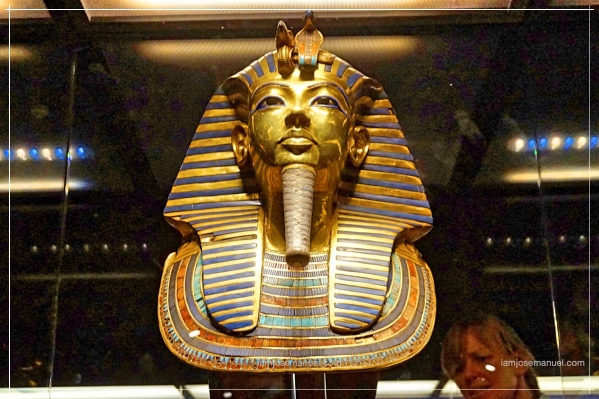
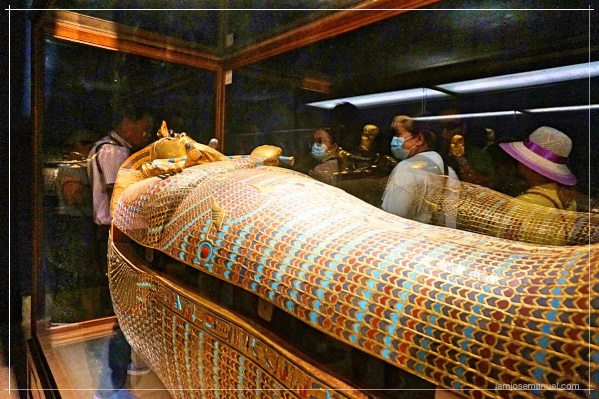
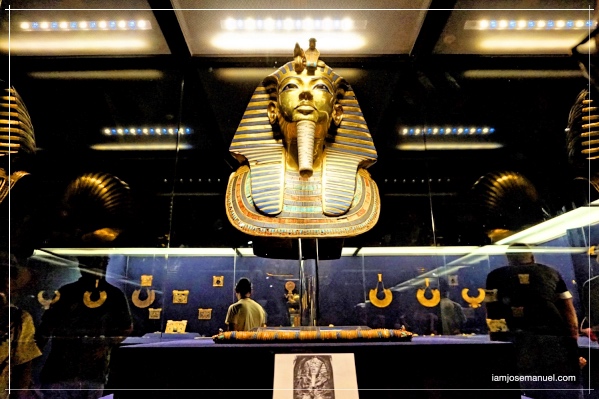
Our last day in Egypt was spent on a relaxed pace. We visited the famous Egyptian Museum with over 100,000 exhibits which boast the most comprehensive collection of Pharaonic art in the world. The highlight of the exhibit is the Treasury of King Tut, including the the priceless golden mask.
Random view of the city of Cairo,taken from our hotel. This tour was pre-arranged by OTE manila.
Day 11 concludes our Tri-country trip to the Holyland. Everything was pre-arranged by OTE Manila. As someone who is used to DIY backpacking travel, this pre-arranged tour was such a luxury and a relief from all hassles of preparation. We felt pampered all-throughout. Never kami nagutom. Kudos to OTE Manila. This is not a paid post! Na-appreciate ko lang yung experience, most especially the bonds and friendship we shared with our co-tourist, including the OTE owner himself, who was with us during this trip. Sa uulitin! =)
Osaka Dinner Set
$200.00 $150.00
Sorry! This product is not available for purchase at this time.
Our journey through the Holyland continues to Israel, which is the main highlight of the group tour.
For our Day 1 to 3 in Amman, Jordan, see blog here.
Day 4 – Amman to Israel: Lower Tiberias: Mount Gilboa / Nazareth / Cana
From Amman, Jordan, we headed west to Sheik Hussein Border at Bet She’an to enter Israel. The tour agency facilitated our entry hassle-free. Filipinos are Visa-free to enter Israel. Our first Israel biblical tour experience started in Mount Gilboa, from which the Valley of Megiddo can be seen. For Christians, the word Megiddo is synonymous with the end of the world as mentioned in the Book of Revelation. The valley of Megiddo, or Armageddon, is said to be the site of the Final Battle of good and evil. Not a nice picture to imagine, but the view is breathtaking. Various agricultural plantations can be seen.
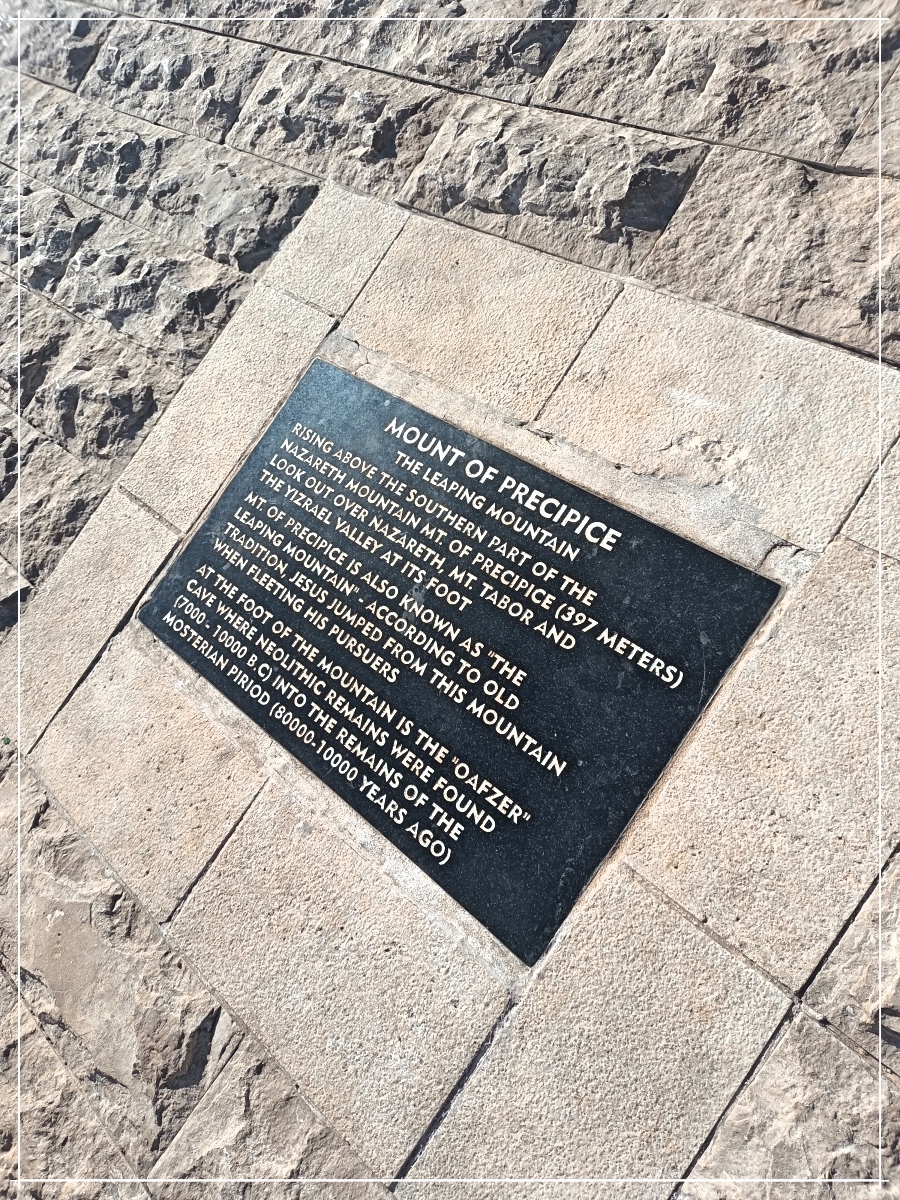
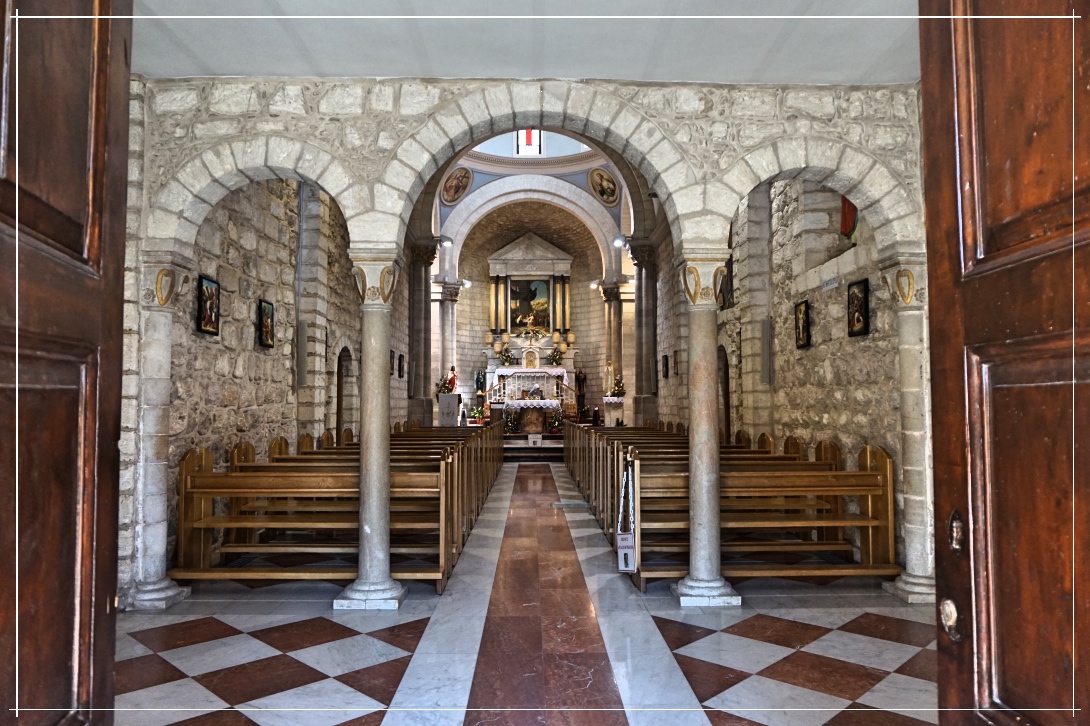
Our tour then continued to Nazareth and up to Mount Precipice where Nazarenes tried to kill young Jesus by throwing Him head down on a cliff, as described in the Bible. We then proceed to Cana, where Jesus performed His first miracle in a wedding by turning water into wine. Some of our tour companions celebrated their reaffirmation of marriage vows at the wedding church in Cana. We also had some wine tasting at one of the shops outside the church. The wedding church is one of the most charming church that we’ve visited during the tour.
The Wedding Church of Cana in Galilee
Day 5 – Nazareth and Galilee Center
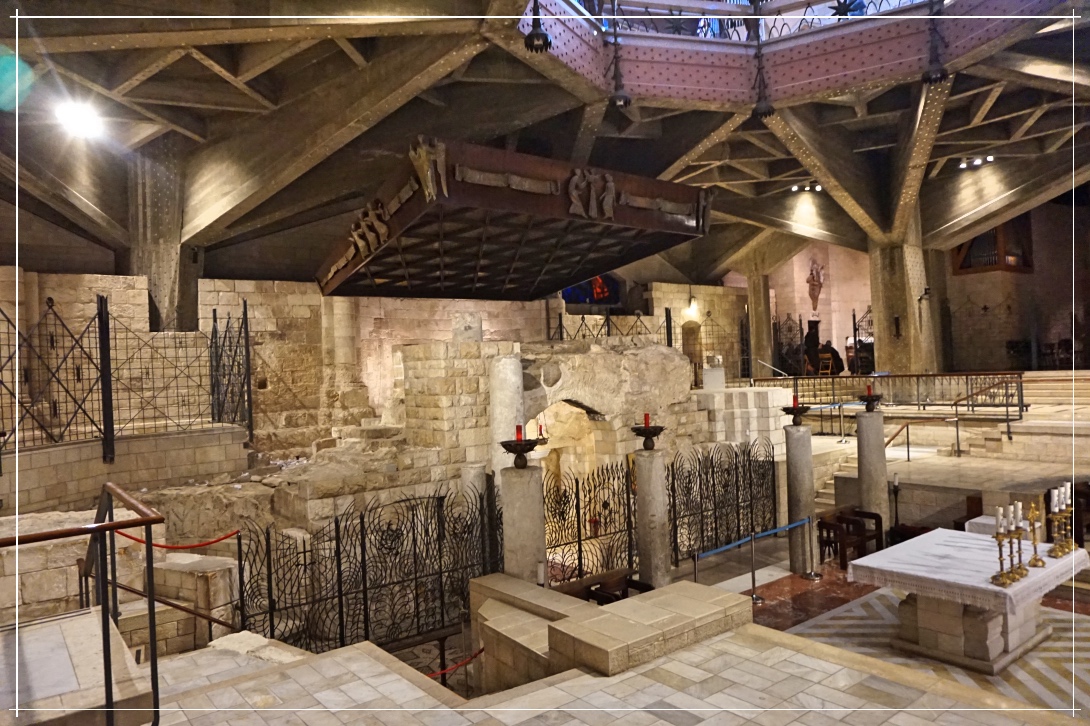
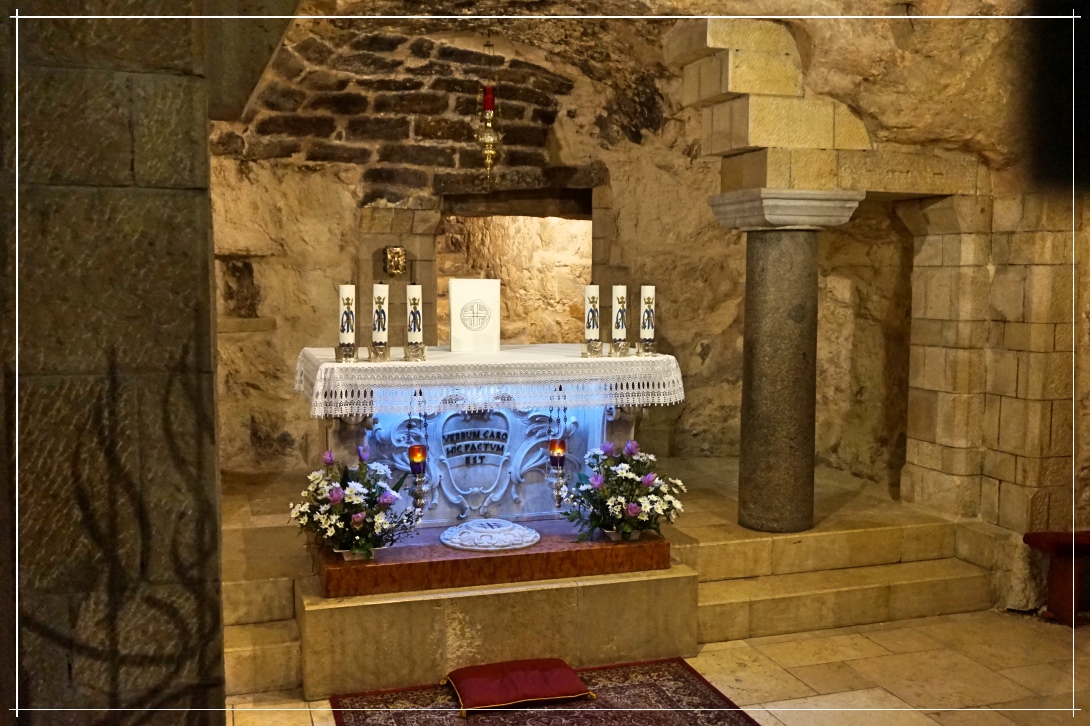
Our 5th day started with a visit to the Basilica of the Annunciation, where, as per the Bible, Angel Gabriel told Mary that she will conceive the Son of God. it’s believed by many Christian historians that the Basilica is built on the site of Mother Mary’s home, where many churches (but not the Greek Orthodox) believe the Annunciation took place. The basilica is uniquely designed to have two floors. The Upper Basilica has a soaring-shaped dome like an inverted lily, designed to ‘glorify Mary as the Mother of God’.
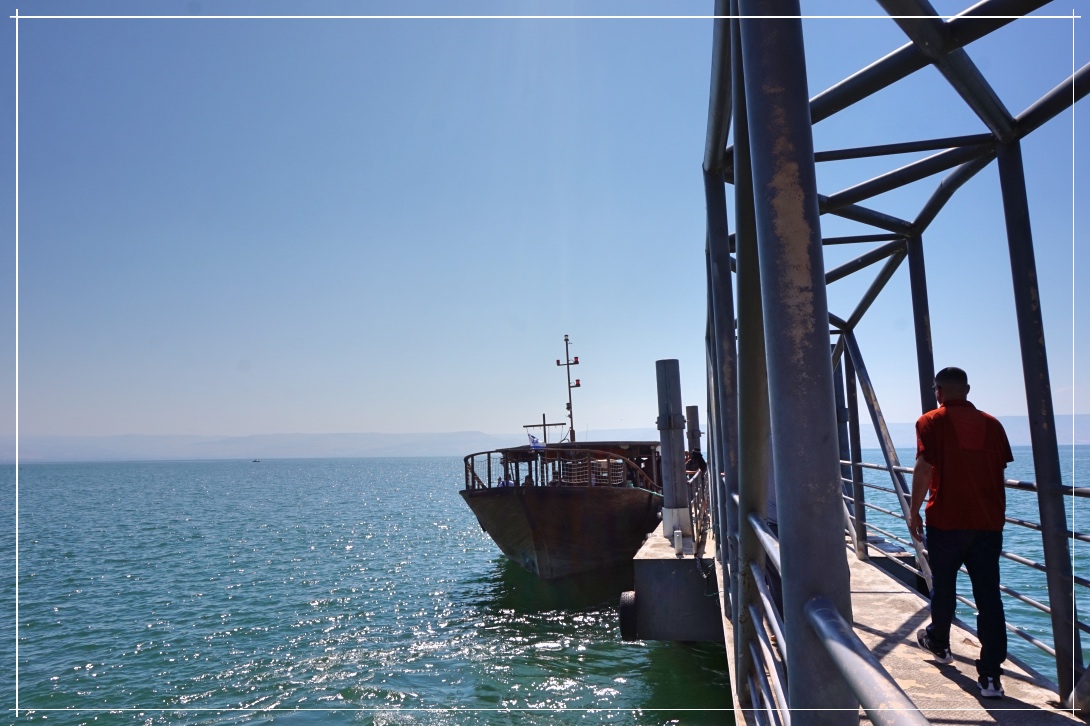
Our journey proceeded to the central region of Galilee which is the Northern center of Jesus ministry. We got to experience a boating ride at the Sea of Galilee.
Other highlights of the day: Mount of Beatitudes overlooking the sea of Galilee. traditional site of Christ famous Sermon on the Mount. This was also the venue where he heard our first Catholic mass, as officiated by Fr. Alejandro, who is also our fellow tourist. We then proceed to Capernaum & see the 4th CE old synagogue built in the remains of synagogue during the time of Christ and see also Apostle Peter’s house. Capernaum became Jesus’ home town and the Bible calls it Jesus’ “own city”. Matthew 4:13 tells us that Jesus left Nazareth and went to live in Capernaum after meeting temptation in the wilderness. Here he met James, John, Peter, Andrew all fishermen and Matthew a tax collector, five of his future disciples.
Fr. Alejandro from CanadaChurch of Beatitude overlooking the Sea of GalileeApostle Peter’s HouseThe Group at the Entrance of the old Synagogue
Day 6 – Bethlehem/Jordan River/Valley of Psalms 23/Dead Sea
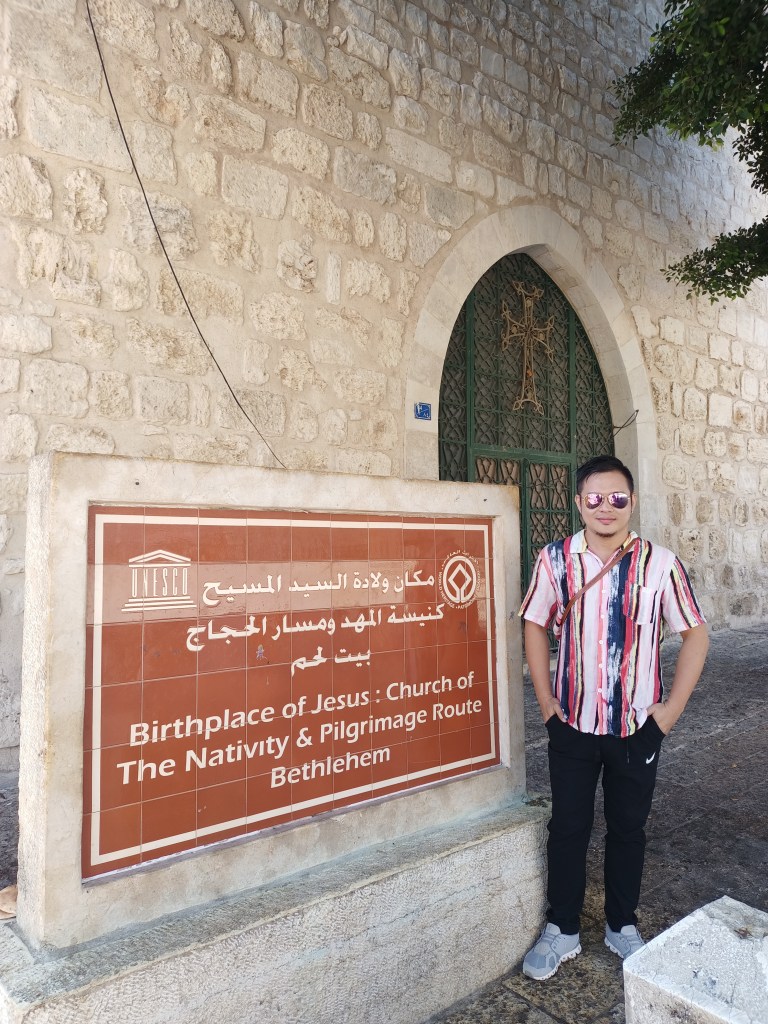
Our 6th day started early in the morning at the Shepherd’s Field in Bethlehem where the angels announced to the shepherds the birth of Jesus. We then proceeded to the Church of Nativity, also in Bethlehem, which is the birthplace of Jesus Christ. We then visited the Milk Grotto where the wise men visited the Lord Jesus with their precious gifts. The Milk Grotto is located just a few minutes walk from the back of the Nativity Church.
Altar of the Church of NativityThe Shepherd’s Field
This Star, as shown above, is said to be the spot where Jesus was conceived. This is located below the “Altar of the Nativity” inside the Church of the Nativity in Bethlehem. The 14 points of the Star are said to represent the 14 generations of Jesus Christ from Abraham to David then from David to the Babylonian captivity and after that from Babylonian captivity to Jesus Christ (Matthew 1:17).
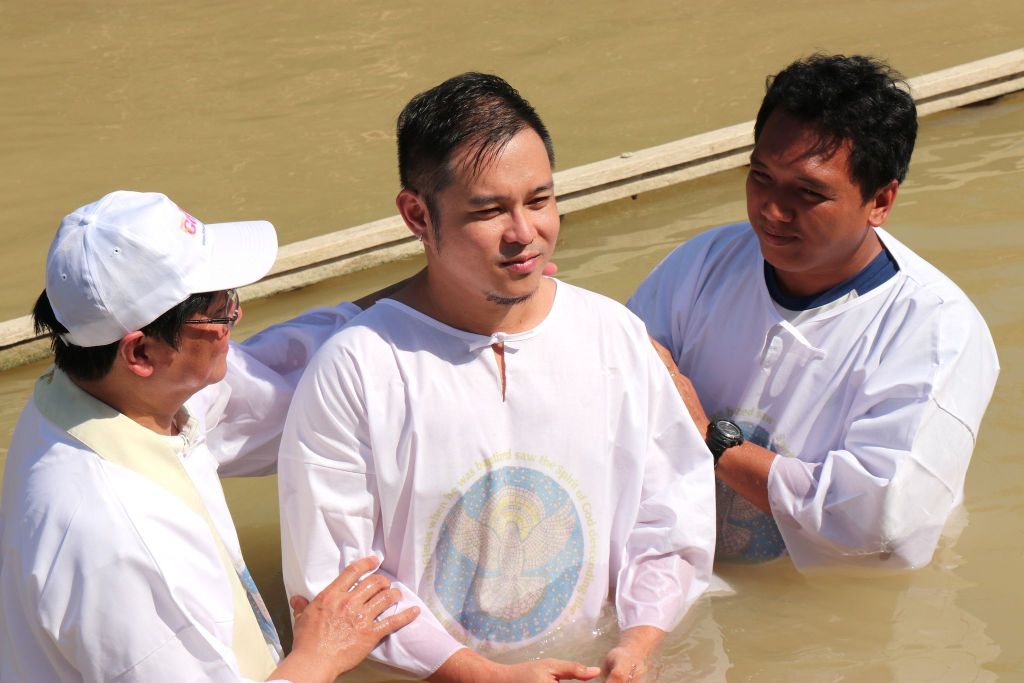
The group then proceeded to Qaser El Yahud Jordan River, which is the biblical site of Jesus Baptism. We also had our renewal of faith and baptism, as officiated by Fr. Alejandro. We took some time in this activity for prayers and thanksgiving.
We then had a quick stop at the Death Valley in Wadi Qelt described by King David in Psalms 23, before we headed for a swimming and floating experience in Dead Sea.
Day 7 – Jerusalem City Center
Day 7 was the highlight of the tour to the Holy City of Jesus. We spent the day at Jerusalem, which is the Spiritual Capital of Israel and the center for revival among Christians. We were able to walk down the Palm Sunday Road unto the Garden of Gethsemane and saw the ancient olive trees,which are the silent eyewitness of the agony of our Lord Jesus. The Garden of Gethsemane is a good jumpstart to do Via Dolorosa (or way of the Cross) for Catholics.
Basilica of the Agony, is a Roman Catholic church located next to the Garden of Gethsemane.Sitting outside the city walls of Jerusalem, the Garden of Gethsemane at the foot of Mount of Olives is a sacred destination for Christian pilgrims
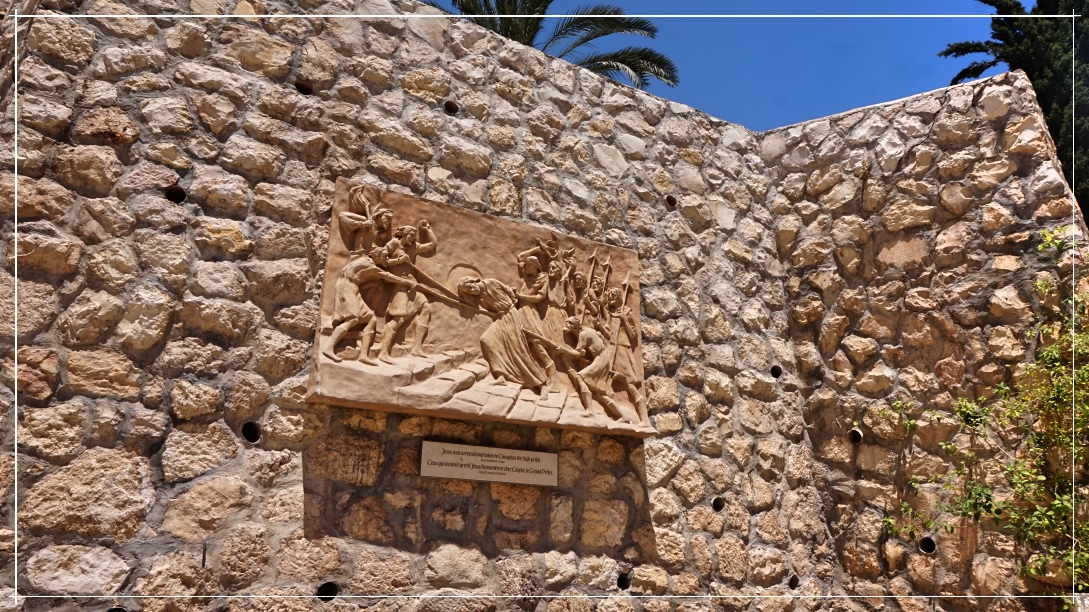
The Church of St. Peter in Gallicantu marks the location of Jesus’ Passion, Scourging, and condemnation to death; and the location of St. Peter’s triple denial of Our Lord. The church is built over the ancient remains and ruins thought to have been where Christ was confined before the crucifixion. It was here that Jesus Christ spent the night of His Passion. The ruins of the actual passage of the passion is preserved on site, as well as the dungeon below the church.
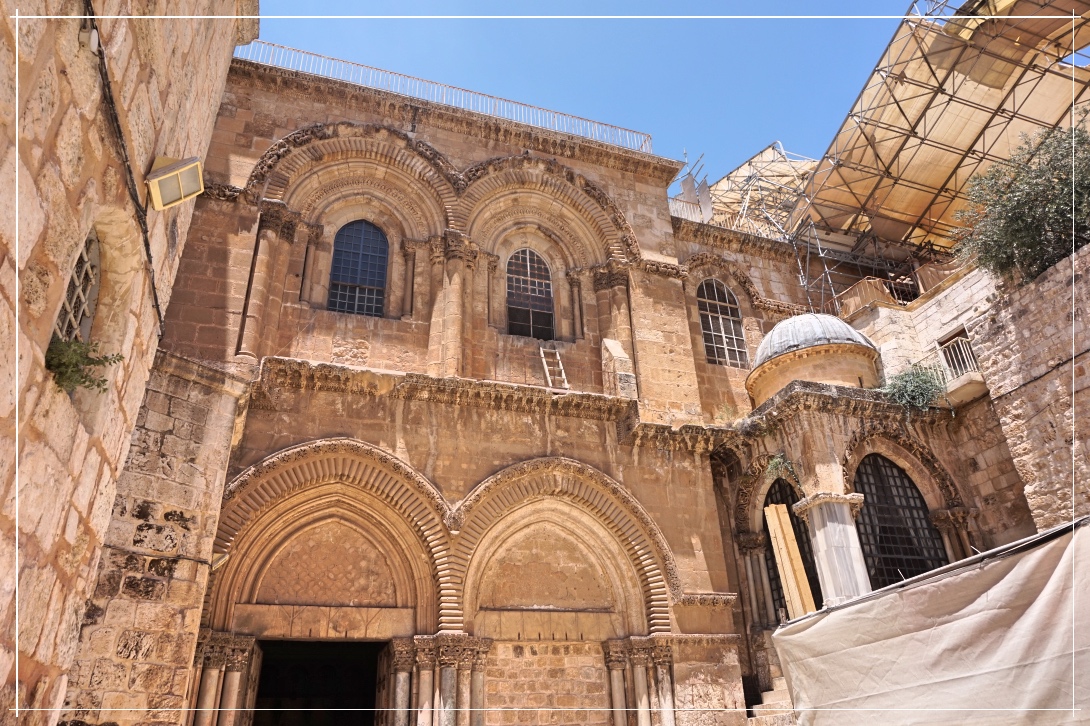
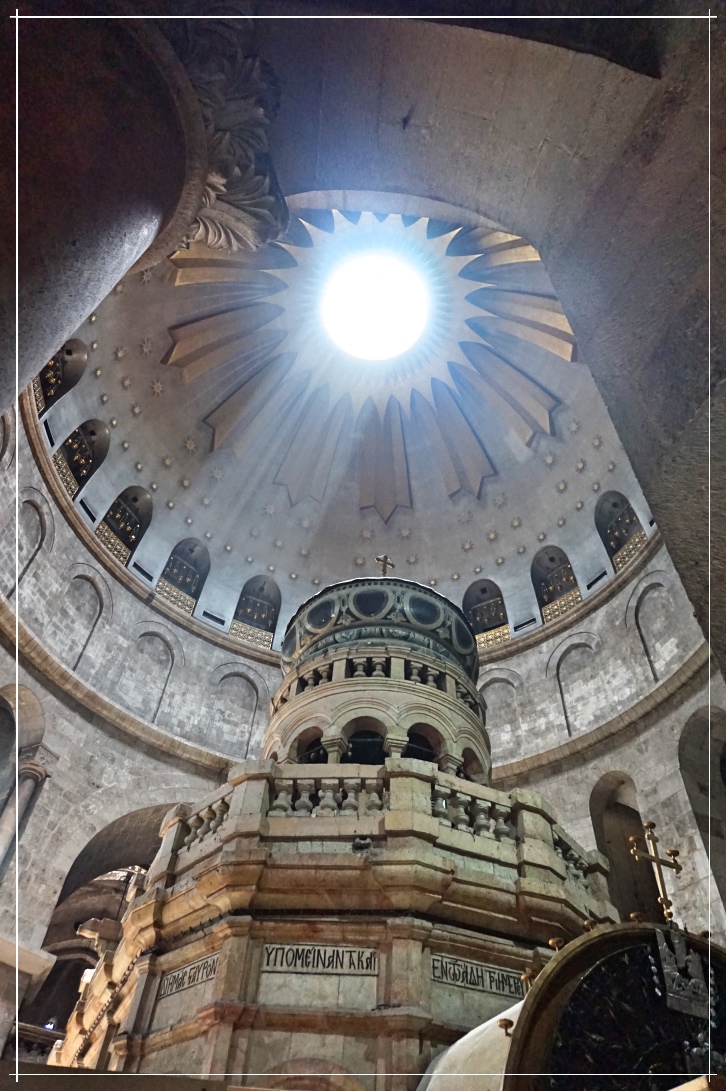
The Way of the Cross terminates to the Church of the Holy Sepulchre, which is built on the traditional site of Jesus’ Crucifixion and burial (John 19:41–42), the two holiest sites in Christianity, dating back to the 4th century. Upon entry to the church, the Stone of Unction is first seen. By local tradition, on this rock Jesus’ body was laid and prepared for burial.
We also visited the Western Wall and Mt. of Olives in the evening, but my photos were awful, I cannot share them here. Mount of Olives offer the best panoramic view of Old Jerusalem, as seen in popular postcards.
Day 8 was a long travel by land from Bethlehem to Eilat, Southern Israel, where the border crossing to Egypt is located. This will be uploaded on the next blog. =)
Here are the highlights of my two-days Journey though the Kingdom of Jordan. I joined an all-inclusive, pre-arranged group tour with Online Travel Express Manila, so I did not do further research na and preparations for this travel. Sit back and relax lang like a retired tita. Day 1 – Departure from Manila to Amman, Jordan via Qatar Airways. It was a 9-hours flight to Doha, Qatar, with 4 hours lay-over, then another 3 hours connecting flight to Amman, Jordan. Jordan is visa-free for Filipinos. Jordanian entry QR code was also prepared for us by the agency.
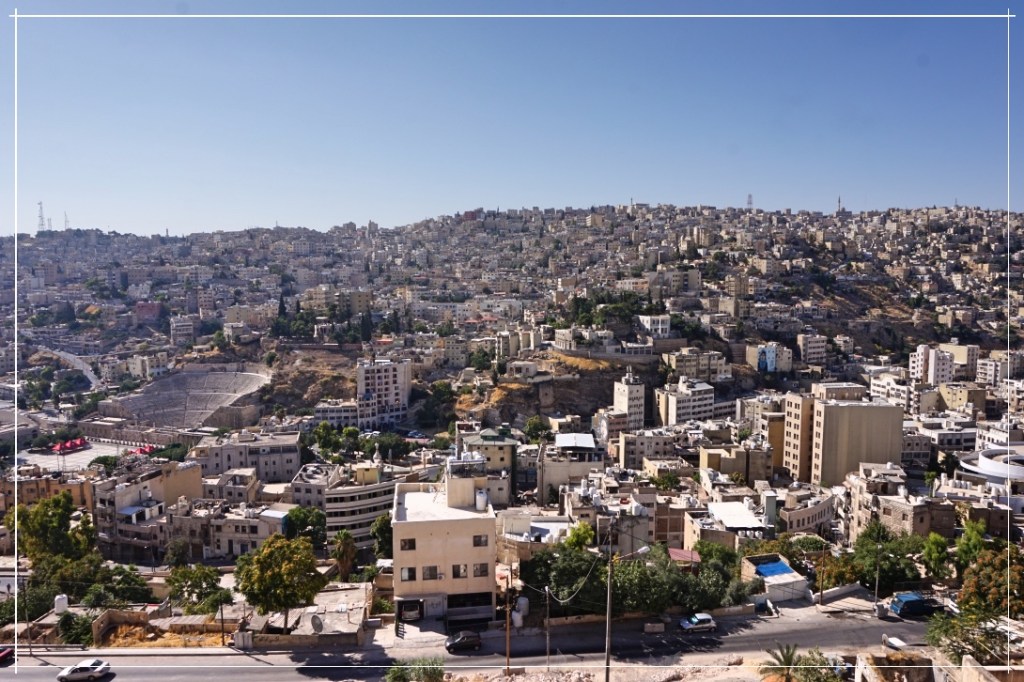
First view of Amman, Jordan as seen from my hotel window. There is an obvious uniformity of colors and natural materials used for exteriors, as this was said to be mandated by their government to make the city look clean and monotonous. Rarely did I see an exterior of a building that was painted or cladded with modern steel/aluminum.
Day 2 – We started your tour to the old city of Amman, exploring the Citadel and the Roman Theatre, two of the most popular archaeological sites in the city. We then continued on to the biblical town of Madaba. Discover the amazing Byzantine mosaics excavated from throughout the town.
The intricate wood truss system inside the byzantine church
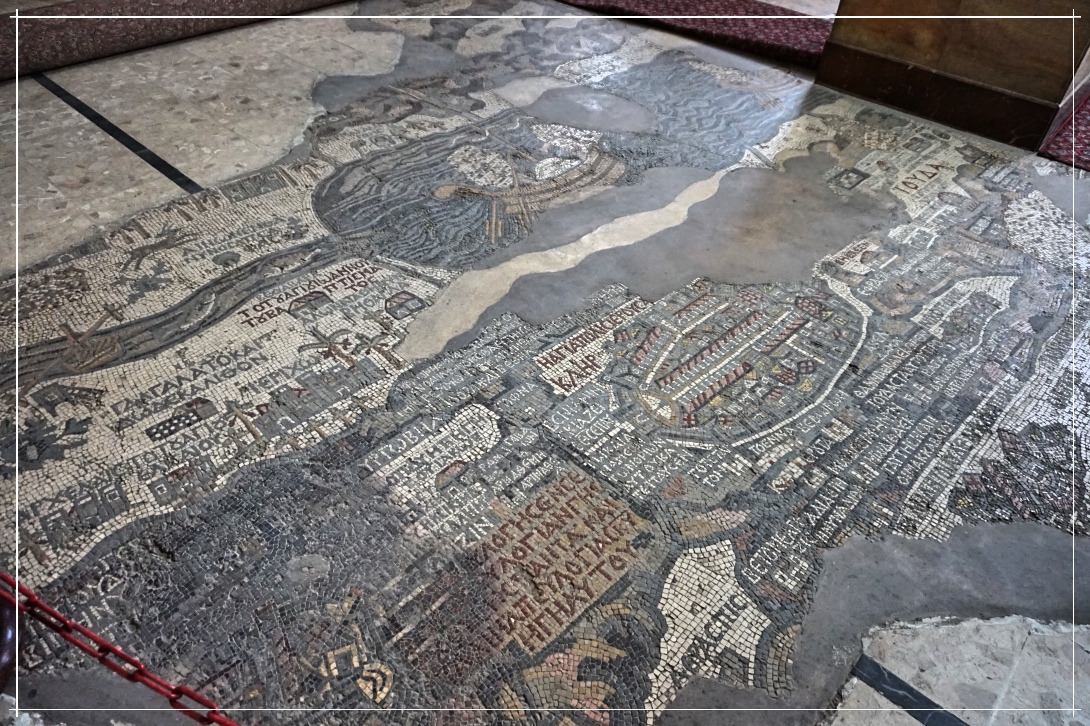
We then visited the ‘Madaba Map’, the oldest preserved mosaic map of the Holy Lands. Jordan is also known for their intricate stone mosaic art and embellishments. We then continued to biblical Mount Nebo from which Moses looked across to the Promised Land (Israel) before he died. The stop also offered a breathtaking view across the Jordan Valley and the Dead Sea. Mount Nebo is believed to be the site of the tomb of Moses.
The Oldest accounted map of the Holyland, excavated in Madaba,Jordan. This was used by the traders of the silk road during its time.
A sample of Jordanian Mosaic Art, a tradition that has been passed on from generations
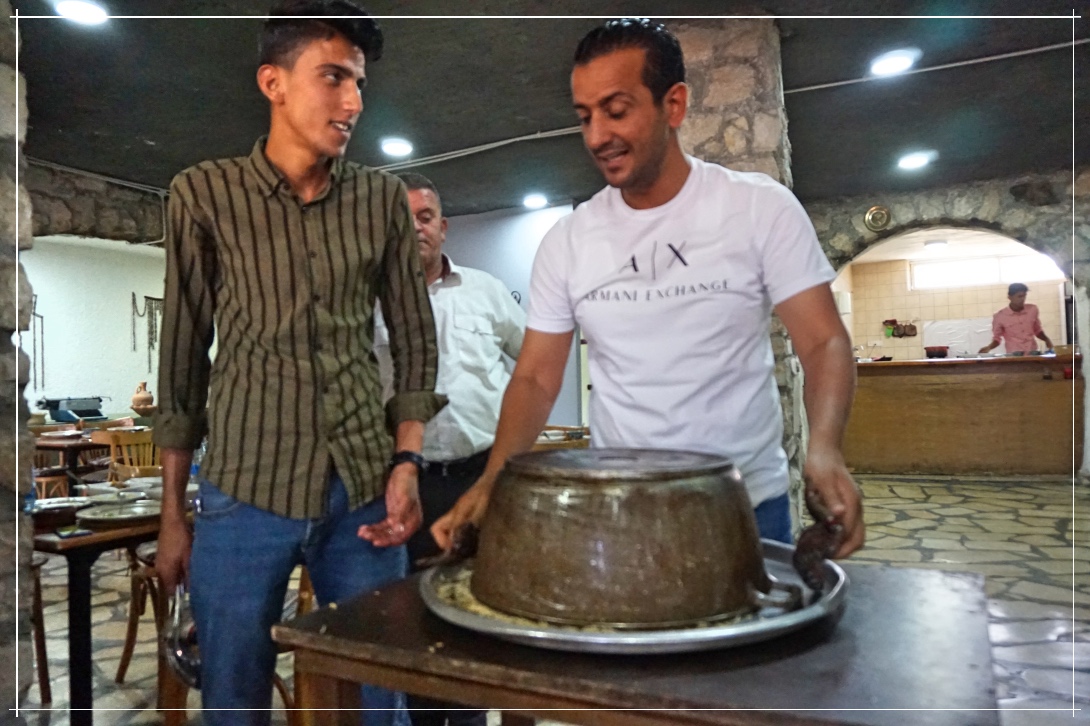
Traditional Jordanian Dish – Aromatic Chicken MaqlubaOne of the best meals I had during the entire trip
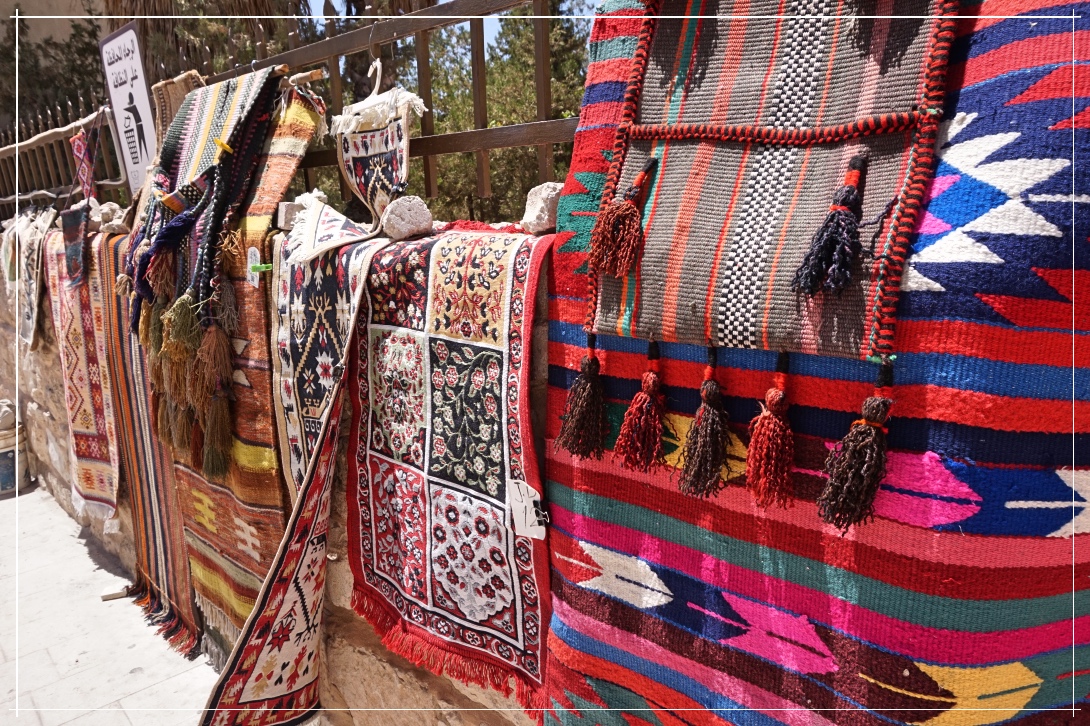
Tapestry is also a known industry for Jordanians
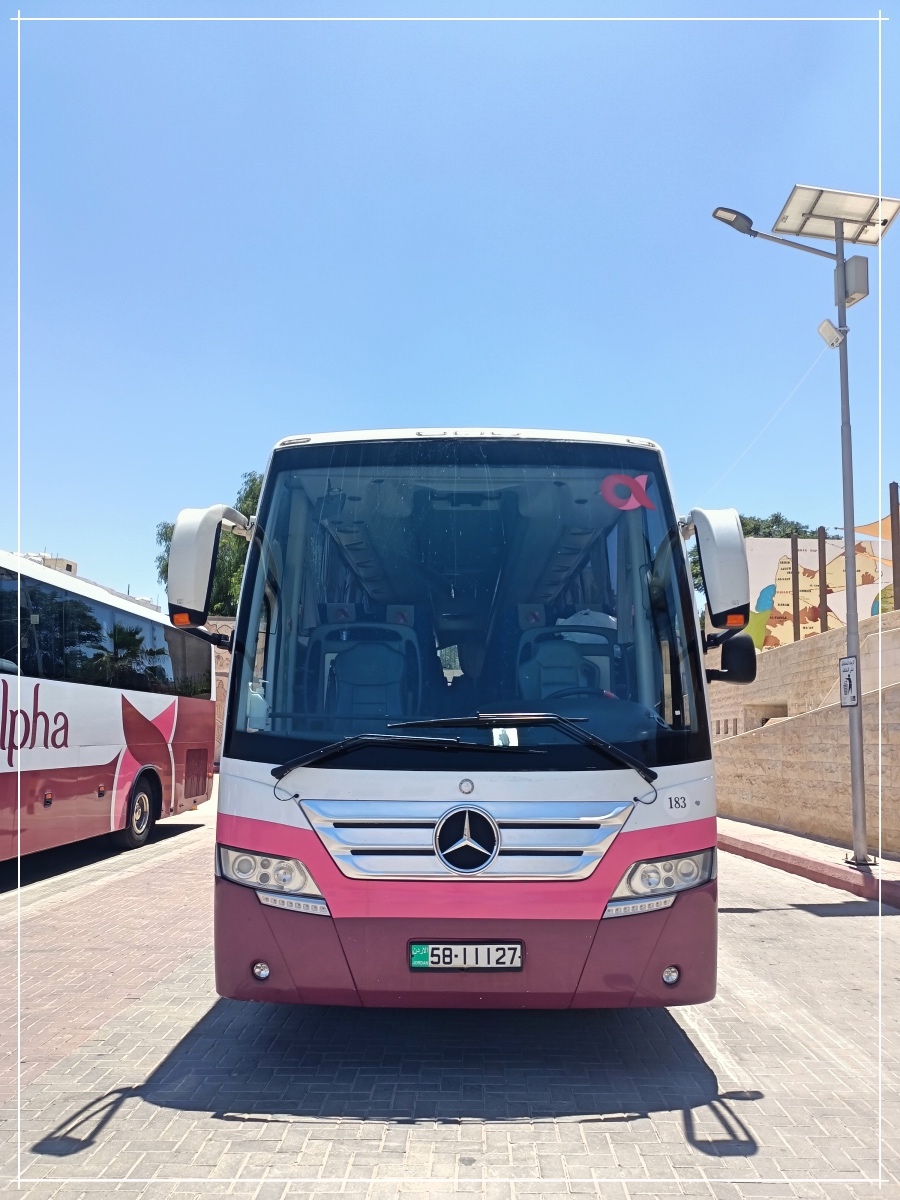
The high end bus that served us throughout the jordanian tripSome random shorts while walking around MadabaCozy Arabian Desert-themed restaurant interior
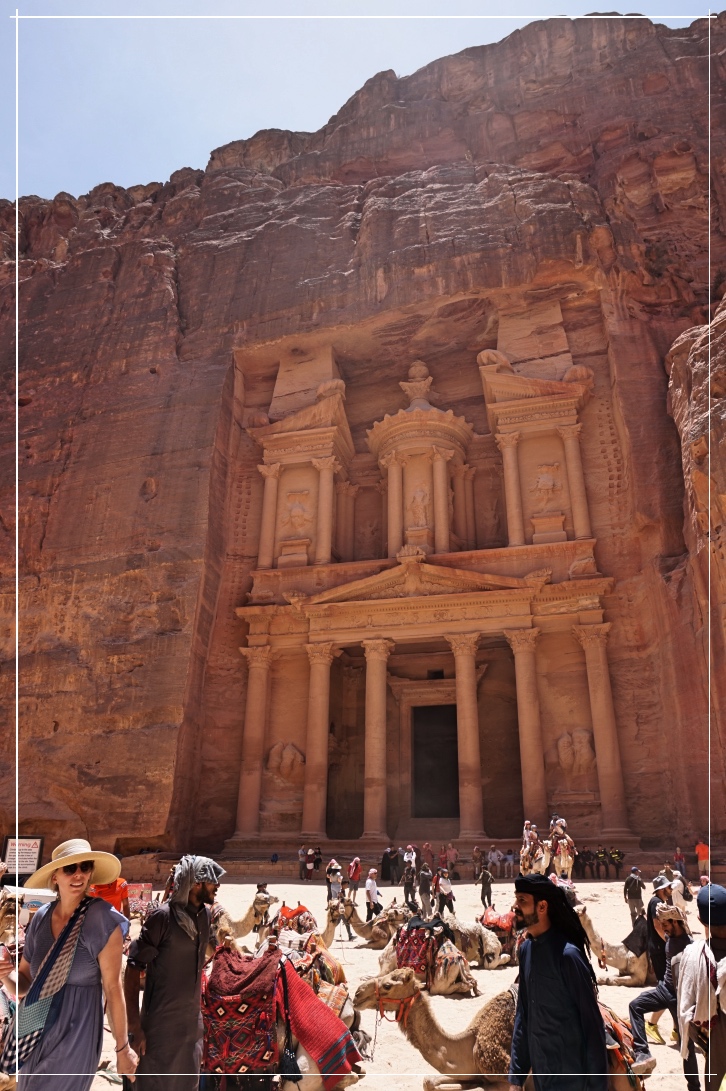
Day 3 – Full day visiting the Nabatean City of Petra We visited the Nabatean Treasure City of Petra, one of the world’s greatest archaeological sites. The 2,000 years old city of Petra, known as the red rock city, the ancient capital of the Nabateans from the 3rd century B.C. to the 2nd century A.C. The Walk from the entrance to the highlighted treasury building took around an hour. Horse rides are also available.
Petra was the highlight of our tour to Jordan. On the next day, we headed to Shiek Hussain Border to proceed to Israel.
A dream journey that took almost a year to fulfill.
It was October 2021 when I came across an online post promoting an all-inclusive package trip to the Holyland. The tour is set as a non-sectarian pilgrimage; A ten-days excursion curated to follow the Biblical stories that happened in Jordan, Israel and Egypt. I did some research and comparisons, and found the offered package practical, since it would be impossible for me to travel to these countries DIY, given the pandemic set up.
The packaged tour is operated by Online Travel Express, a Manila-based travel company. Departure date was set at summer of 2022, since we had to wait for the travel restrictions to ease out. This also gave me more time to prepare. After a series of rescheduling due to travel rules, we finally departed July 2022; and as I was told, we were the first batch of Filipinos to depart for the Holyland, post-pandemic (or something like that). We were 26 pax in the group; the brave few per se, to travel despite the situation.
It was my first time to join packaged tour, where everything was pre-arranged; Visas, Airfares, tours, hotels and meals, land transfers and guides. The agency also assisted on all the entry documentations for each country, as well as the Ph requirements upon return. Overall, I felt that getting an all-inclusive travel package is the better option when visiting the Holyland. Everything was hassle-free from my end. The experience was worth the cost.
The curated tri-country tour covered 10 days. Sharing here some highlights.
City of Amman, Jordan
Archeological Site – Ancient City of Petra, Jordan
Experiencing one of the Seven Wonders of the World – Petra, Jordan
Church of Canaan, Galilee, Israel
Altar of the Church of Nativity, the Birthplace of Jesus, Bethlehem
Mosaic Mural Art of The Crucifixion of Christ, Church of the Holy Sepulchre, Jerusalem, Israel
Church in the Garden of Gethsemane and the ancient olive trees which are the silent eyewitness of the agony of our Lord Jesus
The Dead Sea, Israel Territory
Pyramid of Giza, Cairo, Egypt
Detailed itinerary for each country shall be posted on a series of blogs to follow.
Much has been debated already re pros and cons of travelling with the ongoing pandemic. But you know, I am not here to talk about scientific stands and make justifications, kay kapoy na kaayo’g isip. I am writing this blog para mag chika chika lang about laag and all.
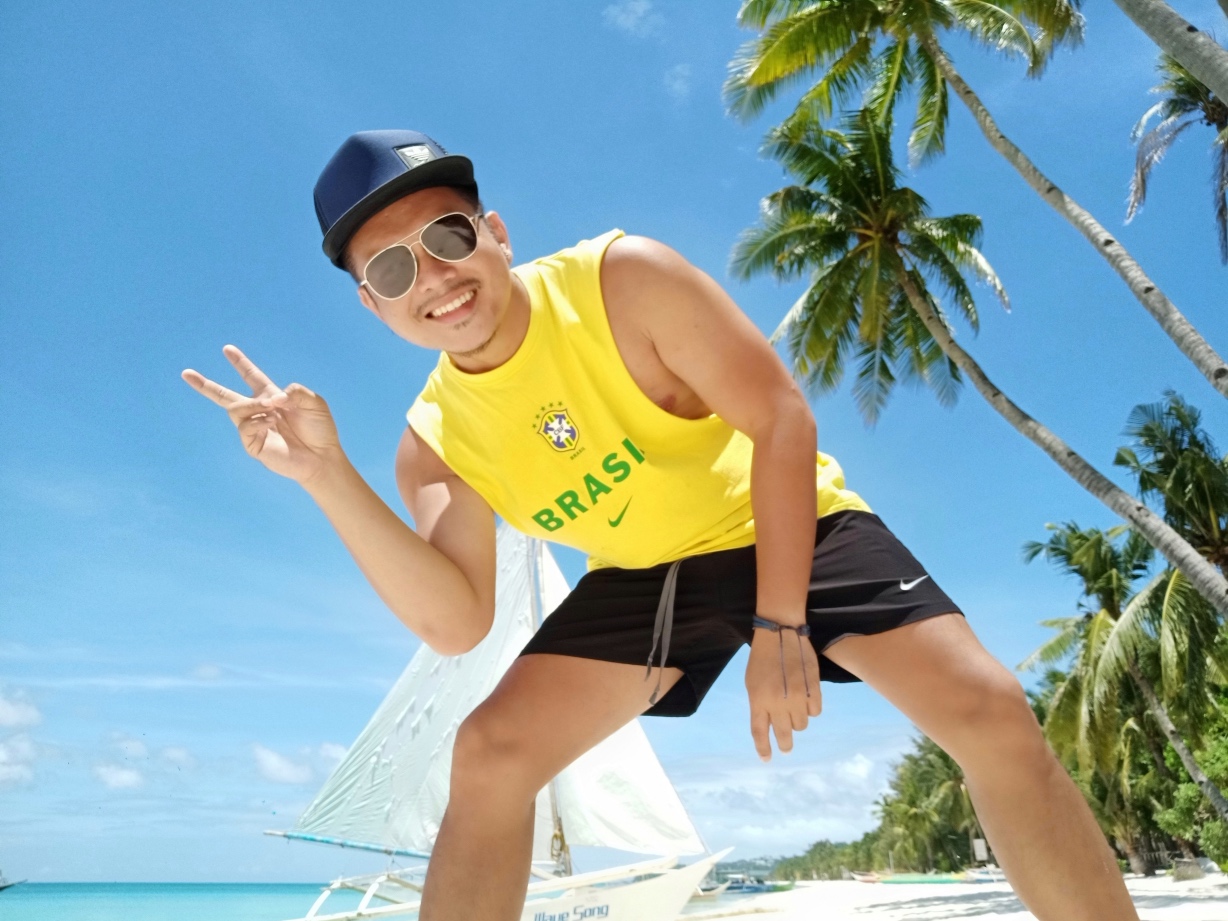
Yes guys, I just came from Boracay about a few weeks ago. Yes guys, nag-laag pa rin ako in spite of it all. Sabi nga, once a laagan, always a laagan. But this time, laag more responsibly, aron dili ta mategi og early.
If annoyed ka sa idea nga mulaag ron, please leave this article now kay masuya lang imong face. If ganahan mo mulaag pud og inyo, then hop on, mag chika ta how i prepared for mine.
3 weeks ko didto sa Boracay. Supposedly less than two weeks lang. But why that long? kay naabtan ko’g pina avtik na lockdown sa isla. hahaha. Exciting no? But before everything else, chika sa ta on my travel preparations aron ingnon naa tay pulos.
Gensan-Manila-Boracay and back. Kana akong routa, via Cebu Pacific. Advantage sa laag ron with Ceb kay 1, cheap tickets; and 2, naay ginatawag na “Flexi”, wherein naay option to rebook your flight free of charge in case kalit kalit nga dili favourable mularga, though subject to availability gihapon. Go Check CEB website for further details on this.
Prior to my flight, I prepared the following documents,
– Screenshot of RT-PCR swab test result, max 72 hours before the flight. I had mine sa Manila na, because you’ll get faster results there. P 5,000 Pesos (Walk-in, Rush Package sa The Lord’s Grace in Pasay, near CCP), result will be emailed within 12 hours (in my case, wala pang 6 hours naa na). You can only fly if negative. Otherwise, another story na yan. – Screenshot of confirmed booking from a DOT accredited hotel. I booked mine through Agoda. – Screenshot of Flight details. Proof of Round Trip Ticket, bawal po one way. – Proof of identification. I took a photo of my SSS ID. – Screenshot of the OHDC (Health Declaration Card) confirmation – This one, you have to fill up at this website, https://www.touristboracay.com. Easy lang ni, more on personal information lang plus number of days stay. Go check it out.
If complete na all 5 documents, E-mail these requirements to touristboracay@gmail.com . Ang subject sa Email should be formatted as “OHDC-Family Name, First Name”.
And yes, nag-overnight ako sa Manila, mao I was able to get my RTPCR test there. Though pwede lang man ka pa swab sa hometown nimo, as long as it is an accredited center.
After submission, you should receive a response via e-mail within 2 hours. If not, you may send a follow up email. You will also be informed through e-mail if the processing is unsuccessful and additional requirement or clarification may be requested.
Complicated ba ang preparation? Not quite. Actually, dili jud. All you have to do is start! But first, make sure you are healthy and prepared magpa Swab. Some people are afraid of it. Di naman sya masakit (medyo masakit lang sa bulsa). But yeah, laagans will find ways. The reward naman is promising.
Advantages of Visiting Boracay now.
All time low hotel rates per night. I stayed in Boracay Holiday Resort (St.2) for around 1,400 Pesos with breakfast. Regular rate is around + 2,500 per night. Some hotels and resorts offer long term stay. Sa canvass ko, As low as 7,000 per month at Midtown Hotel, Station 2.
Daycation at Hennann Crystal Sands Hotel. Katkat!
Perks and discounts here and there! Lucrative Daycation rates. Belmont Hotel offers Day tour package for only 1,500 Pesos, inclusive of 1,000 Pesos consumable to food and beverages, free use of all facilities (beach, gym and pool), 60 minute full body massage. Other popular big hotels also offer similar packages. Hennann Hotels offer Day-stay for only 1,000 Pesos, with 500 Pesos consumable.
Discounted tours. Extended Happy Hours on most bars! Some offer Buy1take1 upto closing time. Los Indios at Station 1 and Le Soliel Station two are among those with extended happy hours for beer and cocktails.
Chilling at Belmont Hotel – New Coast Boracay
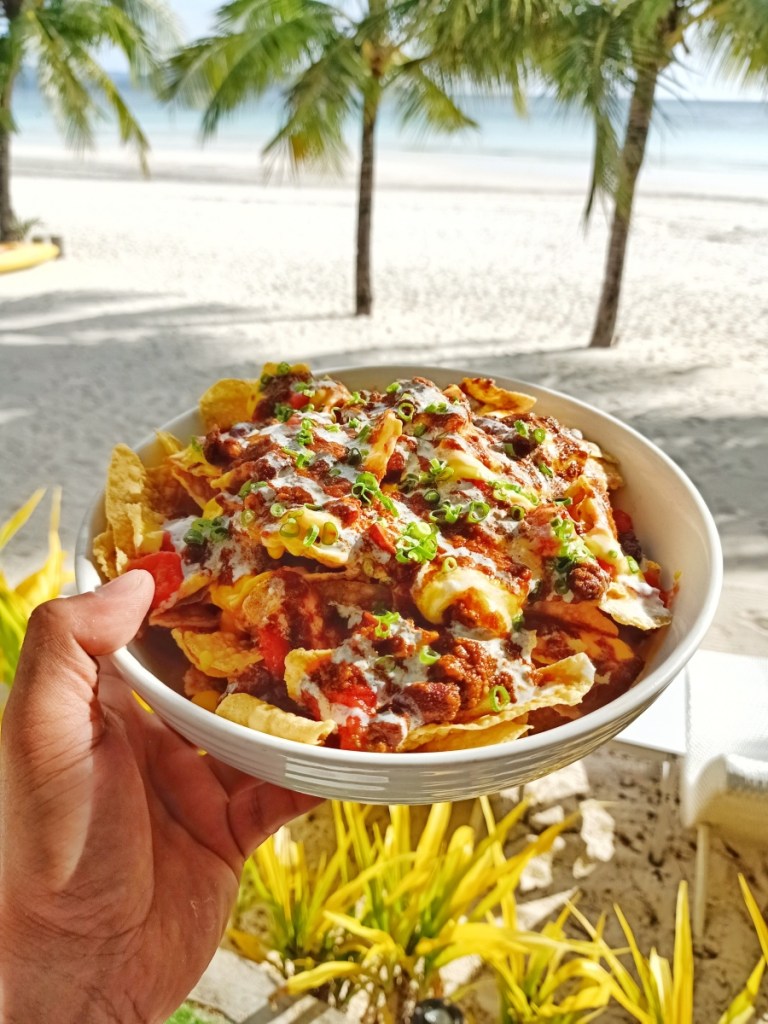
fave nachos in the Island at Los Indios Station 1
Fave Cocktail Drink Gin Pom Pi at Cha-cha’s Station 2
Best part of the trip? Less people! Less noise. Malinis at maayos! If you want to experience that kind of island vibe, now is the best time to visit.
Now, and pauli ? ahh that’s another story. I hate to rain on your plans in mind now but you also have to consider (and prepare for) this. Check your LGU for the local policies. I personally quarantined for 10 days the moment I got back, at my own expense. Ok lang naman sa akoa. I actually enjoyed the quarantine. It took it as an additional resting time for myself. To recharge and reflect, and I came out strong after that! Char. But yeah. Kamo na decide if kaya sa inyong konsensya maglaag and all. If not, puyo mo!
Last August 26 to 31,2019, twenty five active bloggers and influencers from different ASEAN countries gathered in Kuala Lumpur, to participate in the Malaysia ASEAN Influencers and Key Opinion Leaders programme (MAIKOL 2019). The 6-days programme offered the participants a fun and engaging ‘Experience Malaysia’ activities and cultural exposure, aiming to promote Visit Malaysia 2020 tourism campaign.
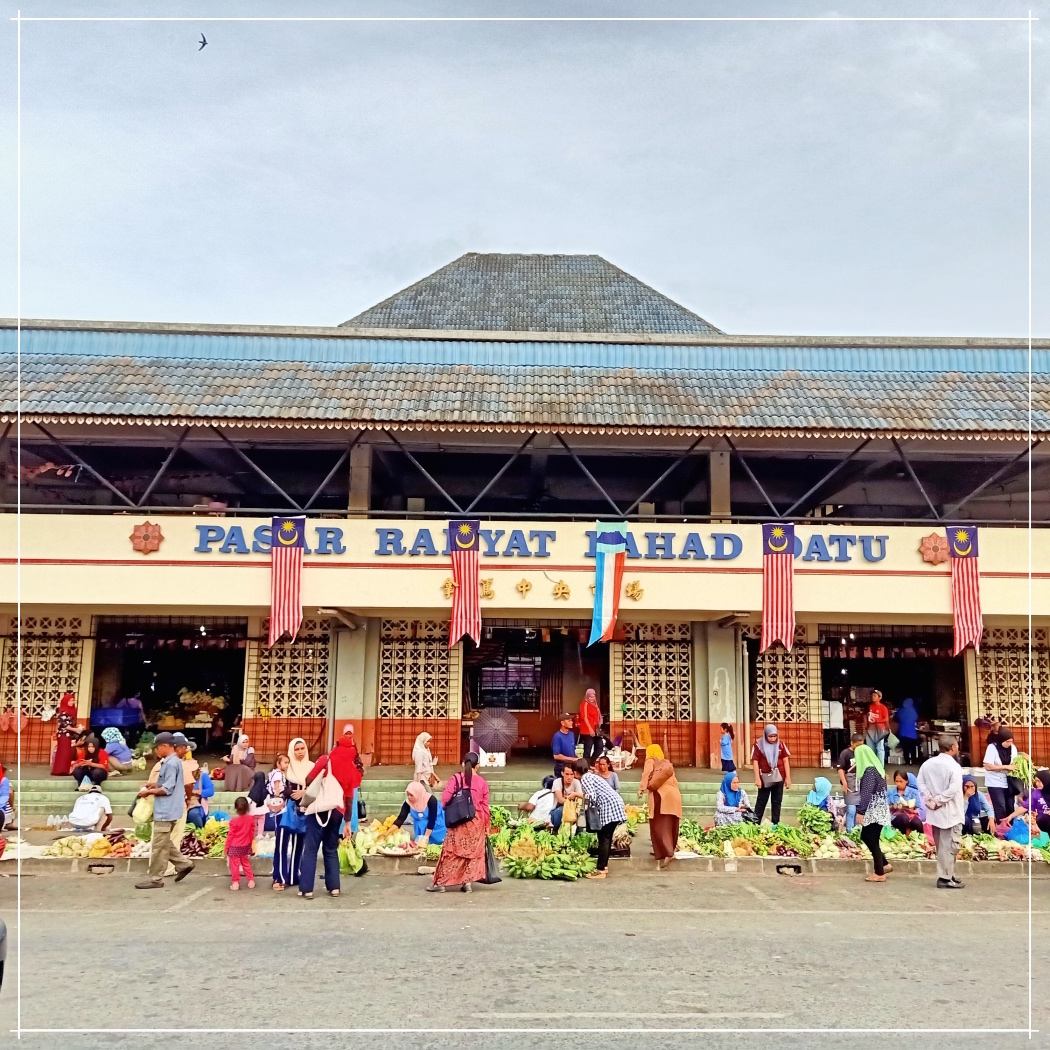
The highlight of the activity was to let the participants see and experience Malaysia beyond the metropolis of Kuala Lumpur. On day 03, all twenty five bloggers and influencers were sent as solo travelers or in pairs to different provinces across the country, given the freedom to make their own itineraries for 2 days at the assigned place. I was particularly assigned to visit Tawau and Lahad Datu, which is located on the east coast of Sabah.
Airasia flies from Kuala Lumpur (KLIA2) to Tawau Airport daily. Direct flight takes three hours. Lahad Datu is a scenic 2-hours drive from Tawau.
Exposure: Lahad Datu, Sabah, Malaysia
Lahad Datu is a coastal town located on the east side of Sabah, mainly living on palm oil and coco agri-business. The town is surrounded by vast plantations. As such, green is everywhere. Probably the greenest province I’ve visited so far. Population is relatively small, at around 27,000. The people here are generally Muslim Malay and a fraction of Chinese-Malay. The town centre is relatively small, very walkable and full of life during the late afternoon.Seafood Destination. As a coastal town along Denver Bay, seafood here is downright fresh and cheap. The seafood market is definitely a feast. Rainforest Visit. Aside from being a Palm growers’ town, Lahad Datu is also the gateway to Danum Valley Conservation Area, one of Malaysia’s most well preserved and protected rainforest and home to the most precious birds and mammals of Southeast Asia. Danum has over 200 species of trees found in just one hectare, making it one of the richest rainforest in the world. A visit to Danum viewing park offers an overlooking view of Denver Bay and Lahad Datu coast.
For rainforest tour bookings, visit the official site https://www.amazingborneo.com (Photos of animals attached by Borneo Safari Tours).
Photo by Borneo Safari Tours
Photo by Borneo Safari Tours
Exposure: Tawau, Sabah, Malaysia
Tawau is the third largest town in Sabah, after Kota Kinabalu and Sandakan. The town is currently at its high time on industrial development. Commercial and hospitality facilities are booming. Tawau’s main product is Palm Oil. This coastal town boasts a well-established road network from the highland plantations to port.
Tawau Chocolate Industry. Blessed with fertile land, Tawau is also known for tobacco and cocoa produce. Tawau is said to be one of the best source in the world for raw chocolate material. Teck Guan Cocoa Museum is a must visit in Tawau. Also a good place to find local products; from organic body wash to export quality 70% pure chocolate bars.
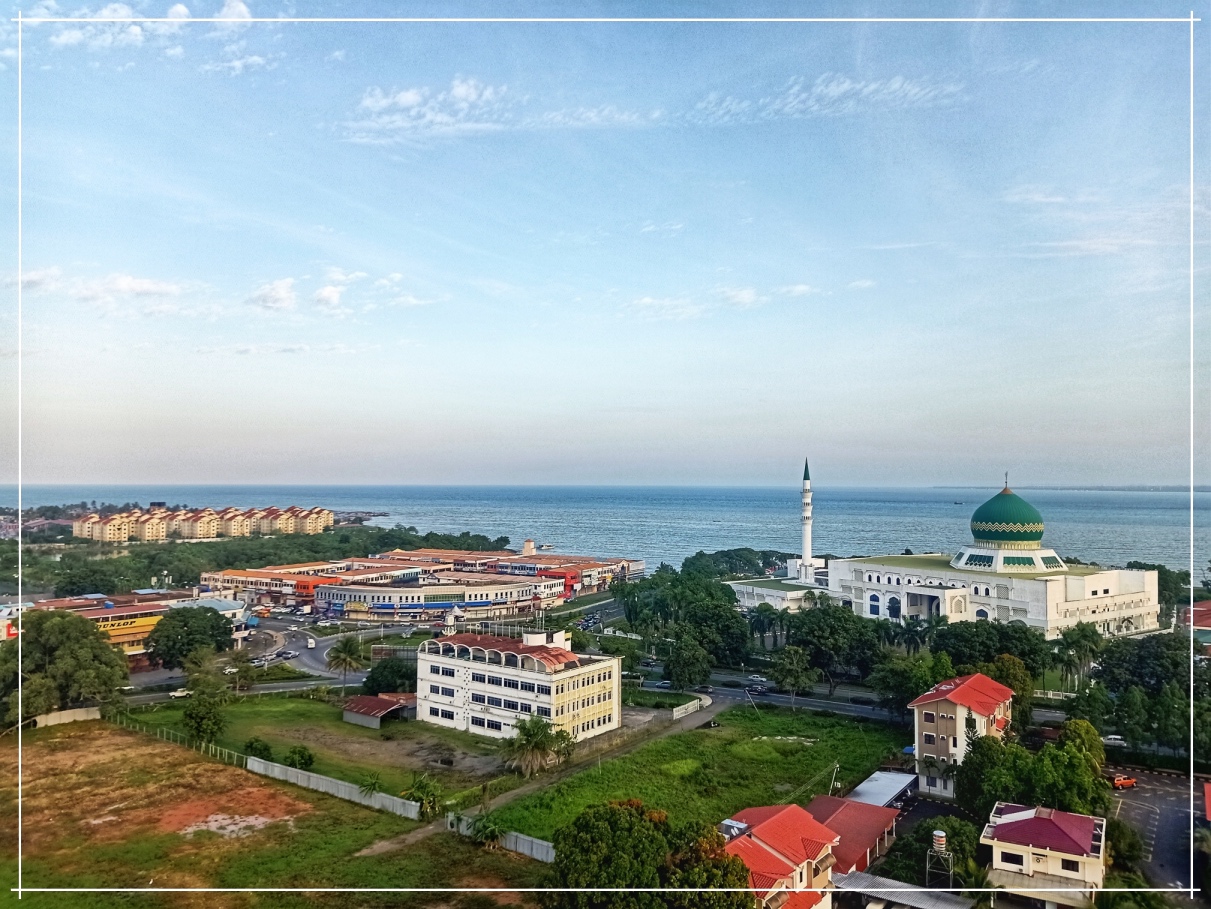
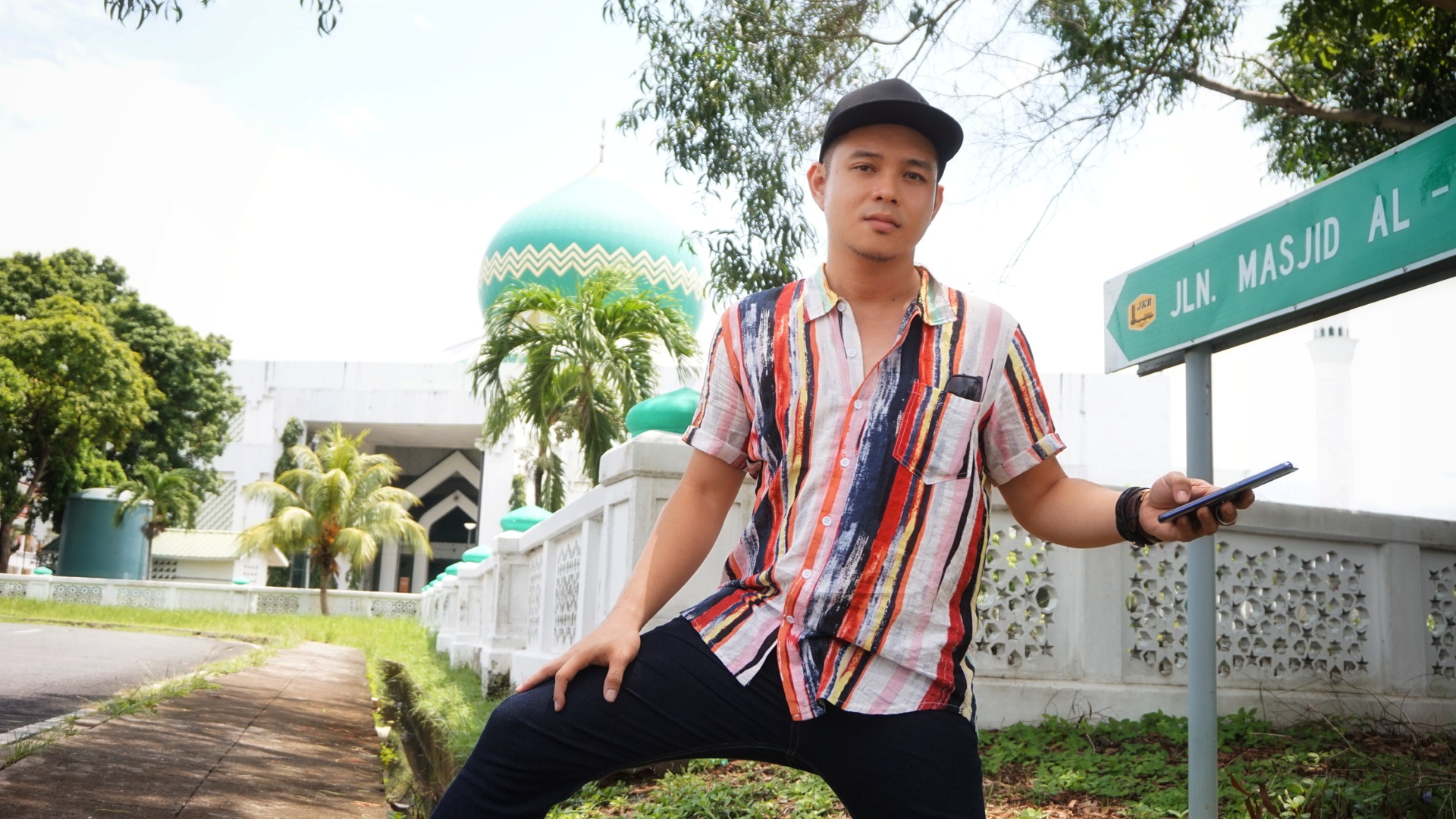
Leisurely Stroll Around the City Centre. Tawau City Centre is full of color. The mid-rise commercial district is painted with burst of colors. Al-Kauthar Mosque is one of the most instagrammable locations in the city, with its perfectly-shaped green dome.
Rainforest Trekking. Tawau is also known as the gateway to some of Sabah’s most well preserved rainforests and nature conservation area. One of this is the Tawau Hill Park. It’s a 60 minutes ride from town center. Tawau hill park boasts some of the tallest natural rainforest trees in the world.
Here’s a Video Blog preview shot during my visit to Tawau Hills Park.
Other Nearby Places to see. Tawau itself is not that popular among tourist, though many arrive daily at Tawau Airport to travel via Semporna (3 hours drive east) to the fabulous diving spots around the islands of Sipadan and Mabul. I didn’t have the luxury of time to visit these islands. For more info on diving activities, just google “Amazing Borneo Tours”.
Photo by Amazing Borneo Tours
Where to Stay in Lahad Datu: My-Inn Hotel, Lorong Bandar Perdana 6, 91100 Lahad Datu, Sabah, Malaysia
Where to Stay in Tawau: L.A. Hotel, Jalan St Patrick, Bandar Tawau, 91000 Tawau, Sabah, Malaysia
Airasia flies from Kuala Lumpur to Tawau daily. Check schedules here.
Last August 26 to 31,2019, twenty five active bloggers and influencers from different ASEAN countries gathered in Kuala Lumpur, to participate in the Malaysia ASEAN Influencers and Key Opinion Leaders programme (MAIKOL 2019). The 6-days programme offered the participants a fun and engaging ‘Experience Malaysia’ activities and cultural exposure, aiming to promote Visit Malaysia 2020 tourism campaign.
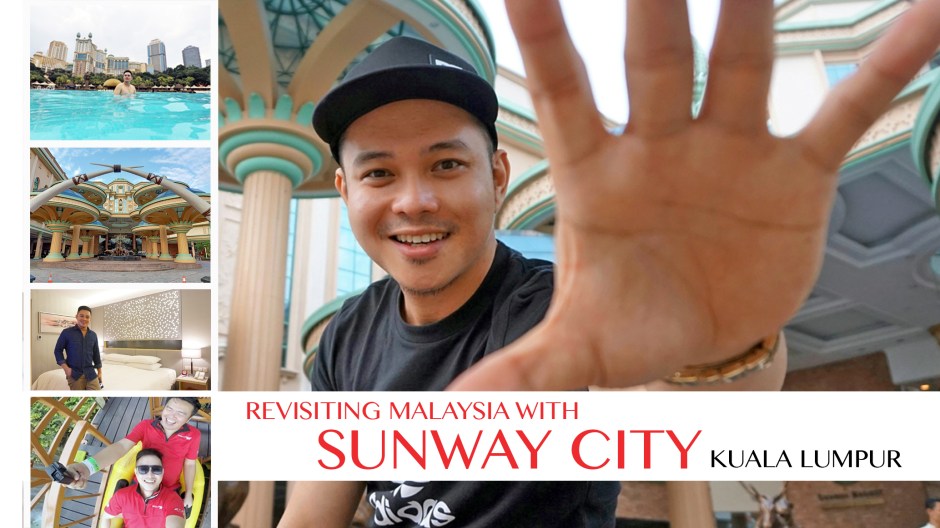
The programme was spearheaded by Tourism Malaysia of the Ministry of Tourism, Arts and Culture (Malaysia). They participants were hosted and sponsored by Sunway City Kuala Lumpur, with Airasia as partner airline.
Day 01
The activity kicked off at Kuala Lumpur. Day 01, the arrival day, was all about introduction, preparation and briefing over a sumptuous Malaysian dinner with the officers and major sponsors.
Day 02
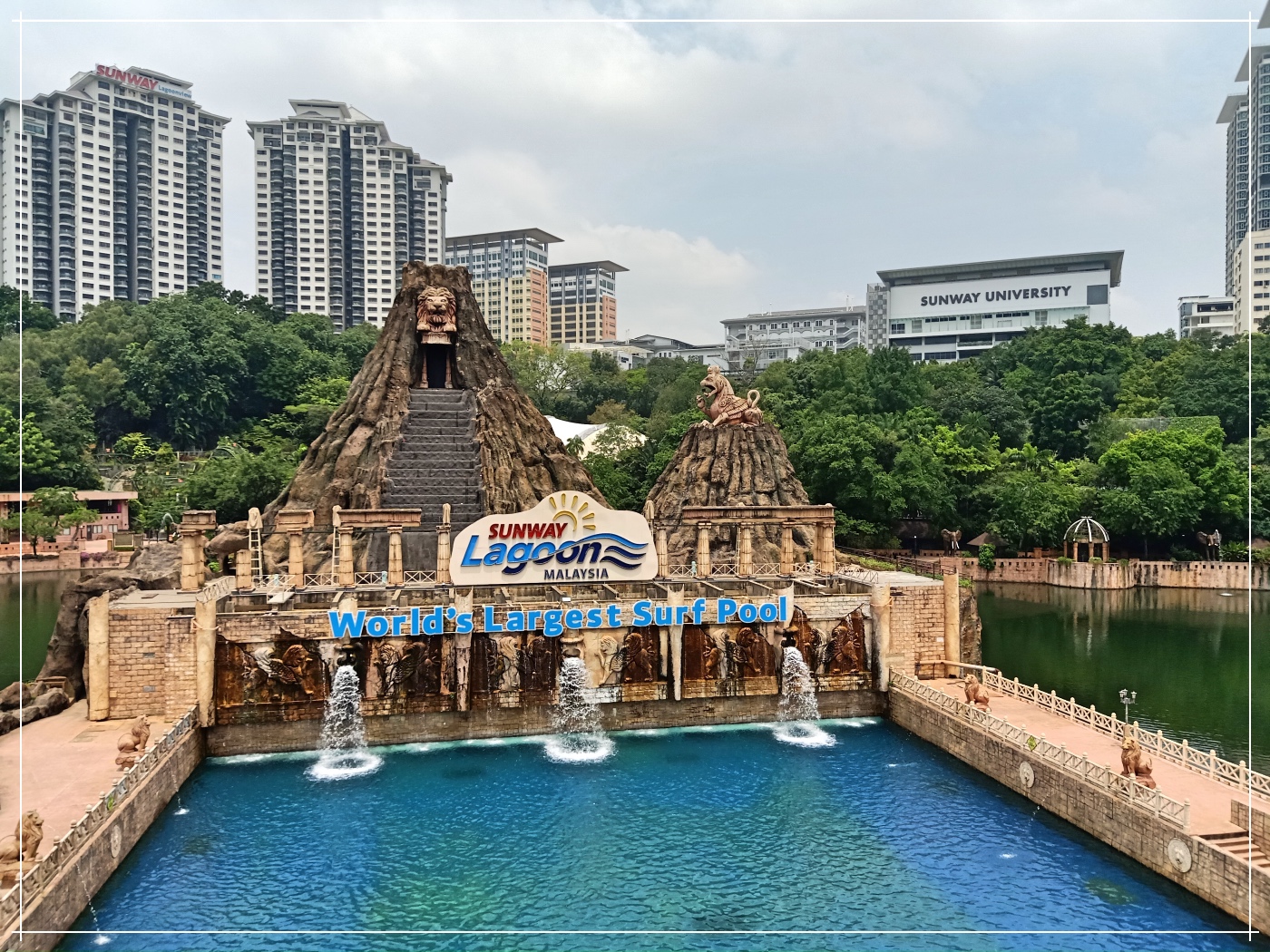
Day 02 was a highlight, as the participants spent one day to enjoy Sunway Lagoon Amusement Park. Among the popular rides were the river rapids and scream coaster. Day 02 afternoon was spent at the Sunway Lagoon, which is the world’s largest surf pool to date. Check out the complete Sunway Experience and short video blog by clicking here.
Day 03
The main assignment of the activity was to let the participants see and experience Malaysia beyond the metropolis of Kuala Lumpur. On day 03, all twenty five bloggers and influencers were sent as solo travelers or in pairs to different provinces across the country, given the freedom to make their own itineraries at the assigned place for 2 days. A number of participants took the intercity train to Kedah, Ipoh etc. Two participants explored Sarawak. Reggy (Indonesia), Sam (Cambodia) and I flew to Sabah. I was particularly assigned to visit Tawau and Lahad Datu, which is located on the east coast of Sabah. My flight took three hours per way by Airasia direct.
Tawau, Sabah
Beautifully set at the east coast and facing Celebes Sea, Tawau is the third-largest town in Sabah, after Kota Kinabalu and Sandakan. Tawau is a fast developing industrial town, mainly sourcing on Palm Oil industry. Blessed with fertile soil, Tawau is also popular for their cocoa products, which is said to be among the best chocolate raw material producers in the world. Apart from its industrial image, Tawau is best known as the gateway to some of the most well preserved rainforest and conservation areas in Malaysia (in the world actually). It is impossible not to notice its lush green hills and flat lands as the plane is descending. Among the highlights of my Tawau Trip was a quick half day trek to the Tawau Hills Park rainforest and see some of the tallest rainforest trees in the world up close. A trip to the popular Teck Guan Coco Museum is also worth mentioning. I hoarded boxes of chocolate drinks, as they are perfect giveaway to friends.
At the entrance way of Tawau Hills Park.
If given more time, it would have been nice to drive two more hours to Semporna and the other beach resort-islands, which is said to offer one of the best diving and snorkeling sites in the world. For tours, you may get in touch with Sabah booking though their official website by clicking here.
Day 04 – Lahad Datu, Sabah
View of Denver Bay as seen from Danum Valley Field Tower
On my day 04, i was assigned to explore Lahad Datu, which is around + 2 hours drive by land. Lahad Datu is a humble town, also sourcing mainly on the palm oil industry. On my way to my assignment, I dropped by Danum Valley Conservation Area Field Centre. Danum Valley is a 438 square kilometres tract of relatively undisturbed lowland dipterocarp forest in Sabah, Malaysia. It is one of the richest rainforest in the world, having more than 200 species of plants/trees in just one square hectare. Danum Valley is also home to numerous exotic Southeast Asian birds, pygmy elephants, the elusive Sumatran Rhino and Bornean Proboscis monkey. I wasn’t able to see the animals at their natural habitats as they are located 60 km deeper into the forest. However, I was able to see the vast green lands and the breathtaking view of Denver Bay from the 7 storeys high field centre tower. Lahad Datu is located right at the coastal line of Denver Bay, which can also be seen from the tower.
As a coastal town, Lahad Datu is abundant on fish and seafood. It was a delightful experience seeing fresh catch at Pasar Ikan Fish Market. Some catches there are actually not available in my country. I enjoyed the freshest grilled fish dinner at Jalan Mawar, which is located just at the opposite of the fish Market.
Check out my Tawau and Lahad Datu video blog preview below.
Day 05 – Kuala Lumpur Night Tour
Photo by Ian Ray Garcia of Wander Lust
On day 05, I flew back to Kuala Lumpur to reunite with the group. We also scheduled a quick late afternoon tour to KL Tower. Highlight was seeing Kuala Lumpur cityscape while inside a glass box, that is 420 meters above the ground level. Such a memorable experience it is. By night time, we headed to the Petronas Twin Towers for dinner and leisure.
Day 06 – Hari Merdeka, Malaysia’s Independence Day
Day 06 was an early call, as we were invited to attend Malaysia’s 62nd National (Independence) Day. The event, which was held in Putra Jaya, was packed with locals taking pride on the nation’s celebration of freedom.
Photo by Glen Santillan of Escape Manila
Day 06 was also the last day of the programme. All participants, organisers and sponsors enjoyed a night of fun and sharing over a sumptuous Malay-themed buffet. The programme was concluded by the announcement of the creative contest winners. The most creative photo was awarded to Abigail Javellana of Our Awesome Planet, Philippines, and the most creative video was awarded to PK of Cambodia.
Abigail of Our Awesome Planet’s winning piece
The contest winners
MAIKOL 2019 was indeed a remarkable experience for my blogging career. During the 6 days activity, I was able to find a deeper appreciation of Malaysia, its people, its land, its unique flavours and valued culture. The activity also earned me cultural exchanges, friendship and bonds with the other participant, as well as with the ever hospitable Tourism Malaysia hosts. ASEAN brotherhood and camaraderie lives on.
—–0—–
Airasia flies Manila to Kuala Lumpur daily. click here for schedules and costing.
For Sunway City Kuala Lumpur bookings, click here.
The participants from the Philippines. Ian Ray Garcia, Tia Lacson, Abigail Javellana, Glen Santillan and Joseph Lim
ASEAN brotherhood and camaraderie was celebrated once again during the MAIKOL 2019, held August 26 to 31, in Kuala Lumpur, Malaysia. The event gathered 25 influencers and bloggers from Brunei, Cambodia, Indonesia, Myanmar, Laos, Philippines, Singapore, Vietnam and Thailand, to take part on a 6-days Experience Malaysia programme. The programme was sponsored by Sunway City Kuala Lumpur and airline partner AIRASIA. MAIKOL stands for Malaysia ASEAN Influencers Key Opinion Leaders programme, aiming to promote Visit Malaysia 2020 tourism campaign.
Facts and Highlights of Sunway City Kuala Lumpur Experience
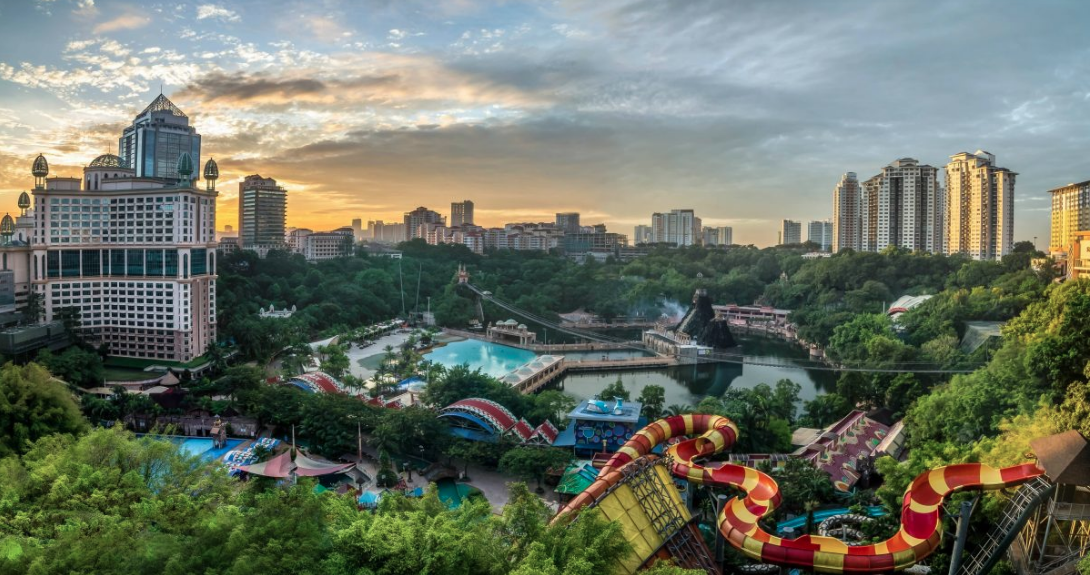
Sunway City is the first fully integrated township of Malaysia. It was said that the location of Sunway City used to be a mining land. After the termination of operations and being unused for a span of time, the property was cleverly converted and developed to a township-complex comprised of condominiums, office towers, educational facilities, commercial centre and hotels. A lagoon-style resort/theme park with a man-made body of water was built at the centre, being the deepest part. This is the Sunway Lagoon Malaysia that we are enjoying today.
Aerial Photo credits to Sunway City Website
Sunway Resort Hotel and Spa
Sunway Resort Hotel & Spa is the 5-star flagship hotel of Sunway City. The hotel also operates the Sunway Pyramid Convention Centre, one of the largest convention centres in Malaysia.
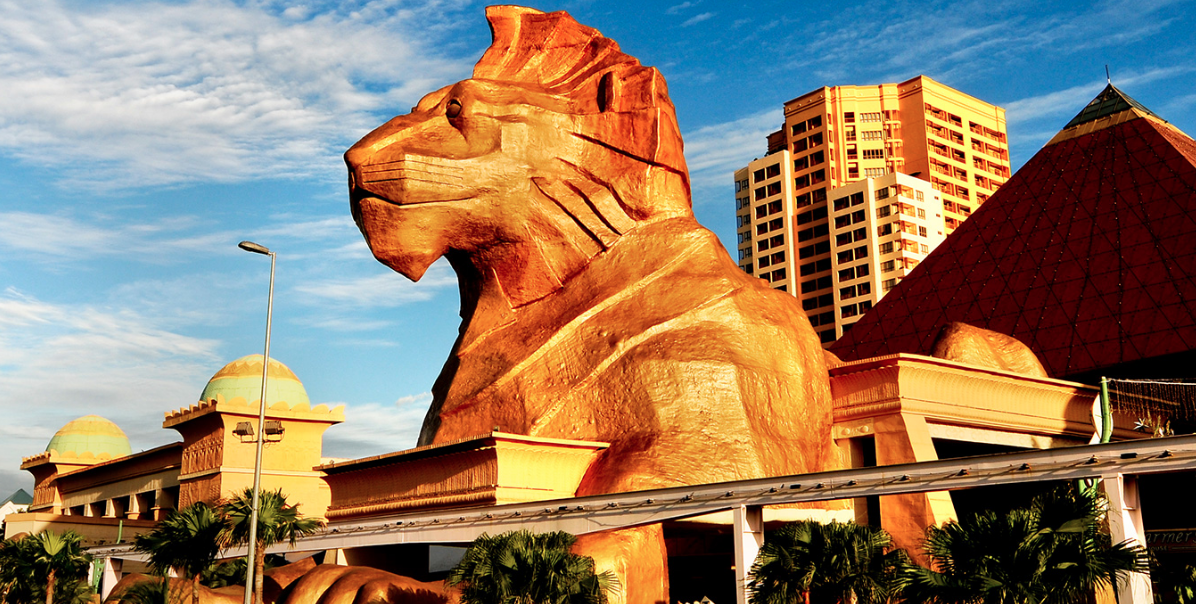
Sunway Hotel’s entrance is impossible not to admire. The boldly detailed facade radiates a strong vibe of grandeur. The multi-levelled lotus-style canopy adds up to the rich vibe. Malay masonry craftsmanship at its best. The classic-mixed European style lobby interiors is instagrammable at every angle.
Sunway Pyramid Hotel
Sunway Pyramid is the 4-star property of Sunway City offering 564 Guestrooms & Suites. Sunway Pyramid was our host hotel for four nights during the recent MAIKOL 2019 programme. The hotel is directly connected to Sunway Pyramid Mall and Sunway Lagoon theme park.
Sunway Pyramid interiors is a fresh blend of contemporary design elements, textures and play of light.
Sunway Pyramid Mall is Malaysia’s First and only Egyptian-themed lifestyle and entertainment mall. The multi-storey commercial centre houses varied restaurant brands, indoor recreational facilities and lifestyle shops of the latest trends from local and international brands. It has direct access to Kuala Lumpur metro train and bus networks.
Sunway Pyramid Facade Photo credits to Sunway City Website
Sunway Lagoon Theme Park Complex
The complex consists of a Water Park, Amusement Park, Wildlife Park, Extreme Park, Scream Park and Nickelodeon Lost Lagoon. Among the most popular rides are the Gold Scream Roller Coaster, Colorado Splash and the 360-degree rotating pirate ship in the shape of a galleon. Also located in the amusement park is the longest pedestrian suspension bridge in the world(as per sunwaylagoon.com) at 428m length. The bridge offers a bird-eye view of the entire park 60 feet above the lagoon.
Photo by Ian Ray Garcia
Sunway Lagoon Water Park is famous for its water rides and largest man made sand surf beach. The water park can be accessed from the amusement park thru the pedestrian suspension bridge.
Photo by Ian Ray Garcia
Here’s a quick video-blog taken during our highlighting the best moments with our accommodation host and sponsor Sunway City Kuala Lumpur.
Learn more and book your Sunway experience by clicking here.
——-0000——-
Airline Partner : AIRASIA. Airasia Flies Manila to Kuala Lumpur Daily. Check schedules here.
When traveling solo, taking good photos with yourself in it is probably one of the biggest challenges to deal with. Excluding those naturally photogenic people without any bad angle,taking selfies with a cam phone often produce awkward compositions. Your face may be too near the camera, which is not flattering at all. Using a selfie stick may solve this, but it does limit your creative poses and movement. Timers on the other hand, take a lot of effort. I myself have been struggling with these, until I was introduced to the Advanced Selfie Technique.
Handheld selfie. Oh di ba am’pangit? mukhang undin.
What is Advanced Selfie?
Advanced Selfie is coined by Sorelle Amore, a popular British social media influencer. The technique is shooting creative selfies from a digital camera that is remotely connected and fully controllable with your handheld mobile phone. No help, no production team—completely solo.
I was introduced to the art of taking better self portraits by my friend Kareen Lucero, who is also a travel enthusiast. Then on, selfies from my recent solo travel have improved greatly.
With a camera that is remotely controlled by your mobile phone, you get to see your background and angles, thus make corrections and improvements on the spot. It’s something that a timed camera cannot provide easily.
The Tools Needed to do it:
1.) Digital Camera – Wifi Connect-Capable. I use a Sony Mirrorless Camera that I can remotely control with my smartphone. Most recent cameras of any brand that bought 5 years ago (or maybe earlier) have this feature already. Ask your camera seller to verify.
2.) A Smartphone. I’m using an Android operated – Oppo Phone.
3.) Imaging Edge Mobile App installed on my android mobile phone. Imaging Edge is provided by Sony,which is downloadable via Play store.There are other respective ‘Cam to Phone’ connectivity app for Canon and etc. Just ask your camera seller or google it. After installing the app on the phone, you must remotely connect the phone and the camera via its wifi feature. The phone gives instructions on this. For further assistance on the app, click here. Installation videos are also available on youtube. Just search Image Edge to Sony Camera.
4.) A Handy Tripod for the camera. I use a flexible octopus tripod bought from lazada.
5.) Practice,practice,practice!
The Image Edge App as shown. This app is for Sony “Cam to Android Phone” connection. There are also apps for other cam brands that can be downloaded from Google Play Store. Apple Phones, I did not research. Probably meron din.
The Phone, via the Image Edge App, lets you view whatever the camera sees.
My Octopus Tripod. This beauty was first introduced to me by my friend Ian Garcia. The tripod is flexible. You can actually tie it on railings or wherever safe.
Sample photos and the advantages explained:
Find Better timing. Crowd and passerby are always a struggle. With a remotely controlled camera, you can easily take a shot when the background is clear, as seen from your mobile phone. This is probably the best advantage that a timed camera alone cannot provide.
Find better facial angle. Oh di ba, nagmamaganda?
Create Dynamic Poses. You can play different movements and framings to level up your composition. This is definitely impossible to do when using a selfie stick. Another advantageous feature of the Image Edge App is that also has a timer option that can delay the shot on your camera.
Play on Distance. Wide frame or close ups, pwede! This feature is camera dependent though. My Sony allows 10-15 meters distance. But I believe most cameras do. baka nga better pa.
No help, no production team—completely solo.
Possible Cons:
Since you’ll be placing your camera at a distance, always keep an eye on it for snatchers and kawatans.
Hiding your handheld mobile phone is a challenge for beginners. But this can easily be solved. You’ll probably develop your own technique din.
So basically, that’s it! Easy-breezy, right? Kaya nyo din yan. Practice lang. I myself, beginner’s level pa din in terms of creativity. There will always be room for improvements and more inspirations to absorb.
For more Advanced Selfie techniques, follow Sorelle Amore (@Sorelleamore) on IG. She also handles the @advanced.selfie IG page, which I also follow.
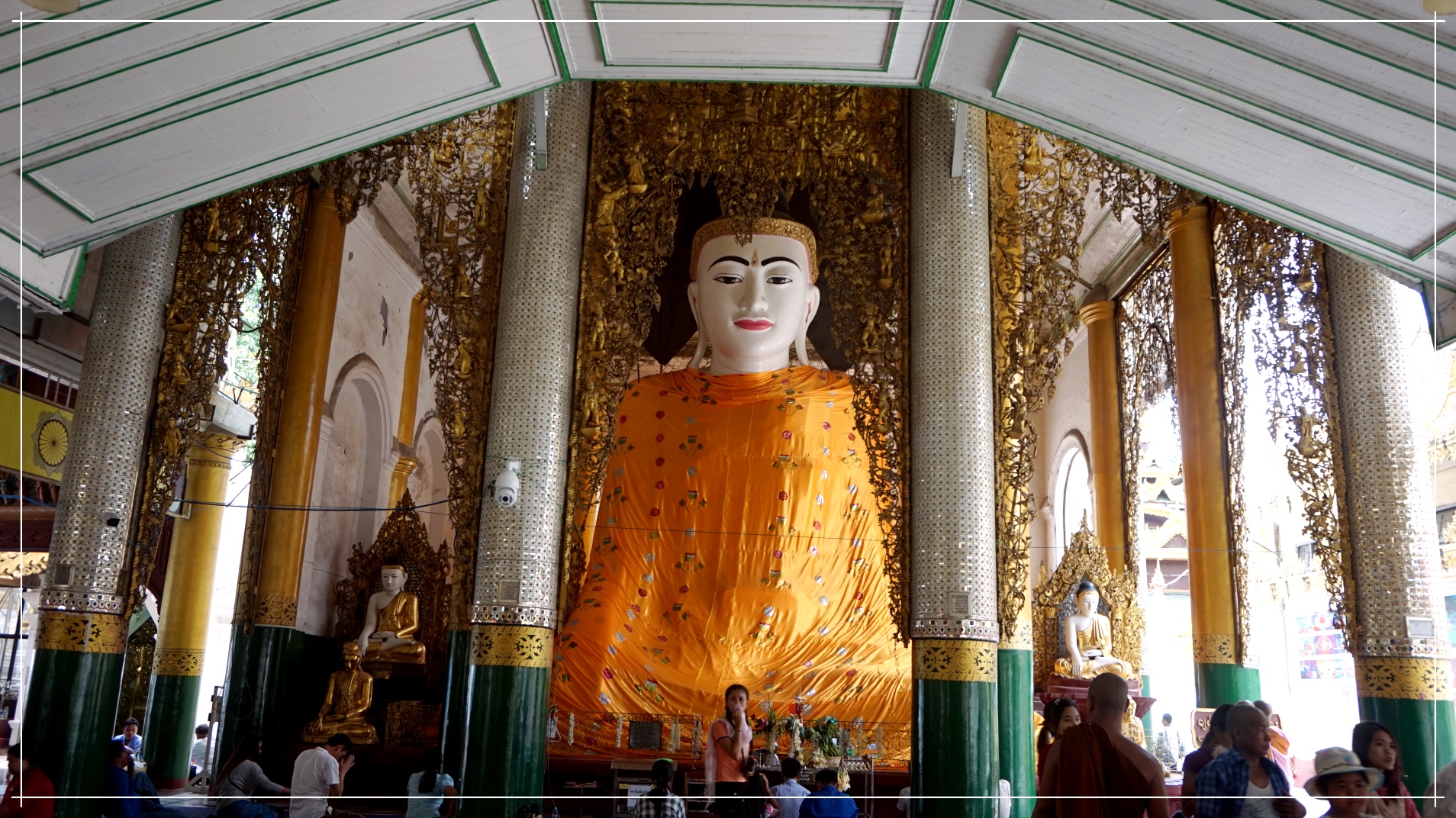
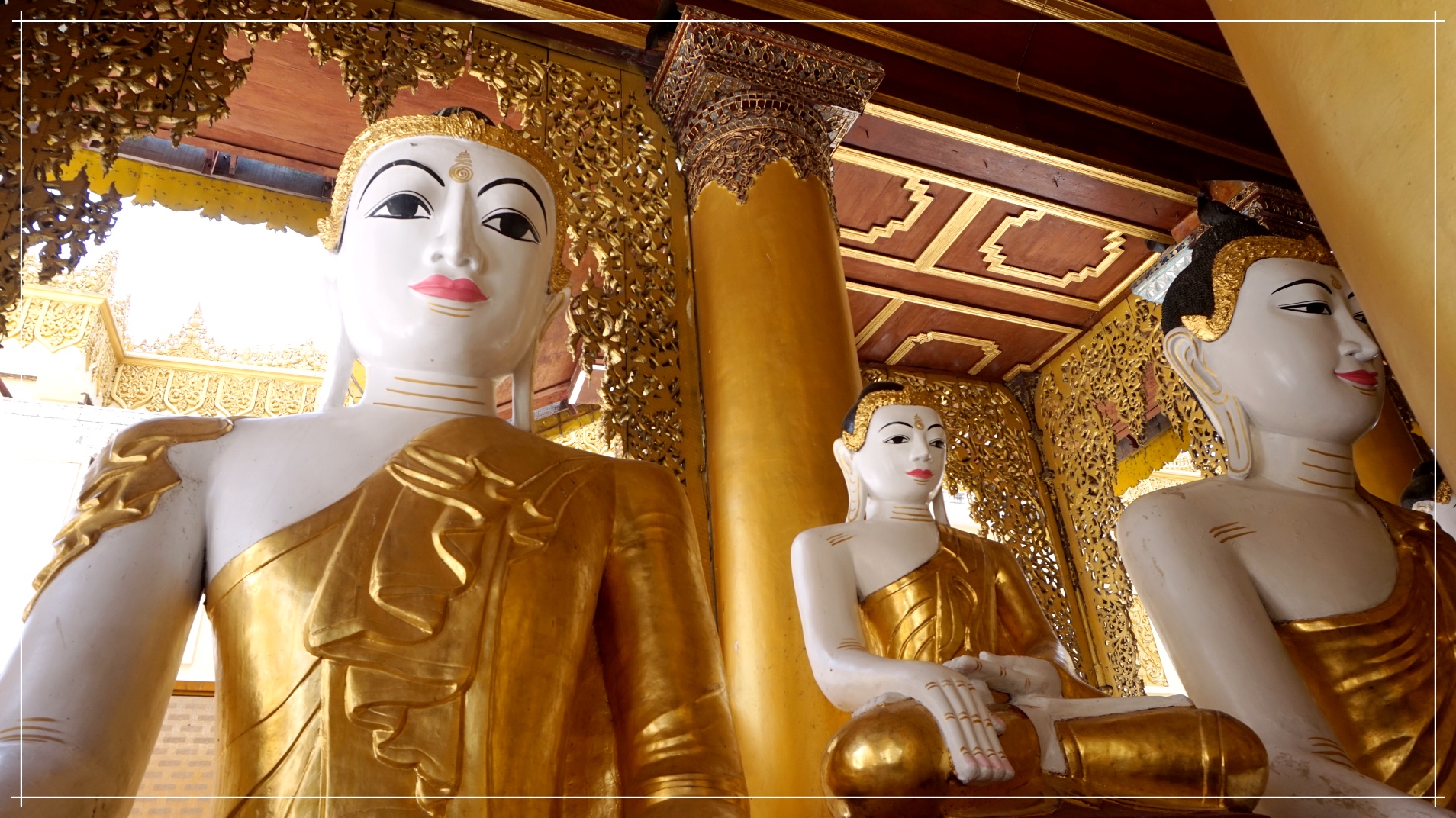
The Shwedagon Pagoda is one of the most famous Buddhist pagodas in the world and it is certainly the main attraction of Yangon,Myanmar. No visit to Myanmar is complete without a visit to this gold leaf-covered, centuries-old Pagoda, which is said to enshrine strands of Buddha’s hair and other holy relics.
The Shwedagon Pagoda in Myanmar is decorated with almost 10,000 treasures. Over half a ton of gold can be found under Shwedagon’s umbrella. It’s also set with over 5500 diamonds. Its main spire boasts 2300 rubies, sapphires, and other gems, and 4000 golden bells (Source: MMTimes).
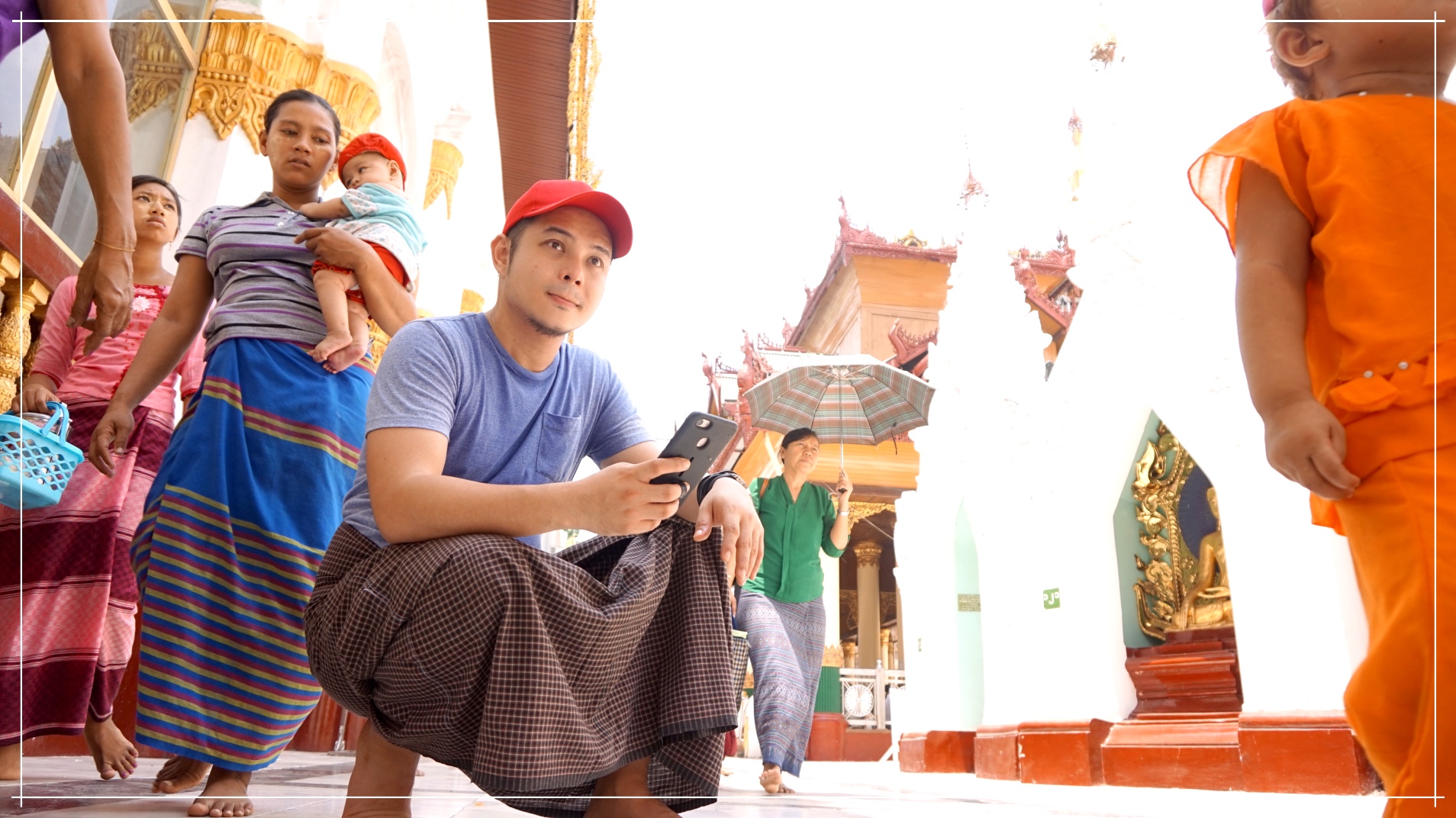
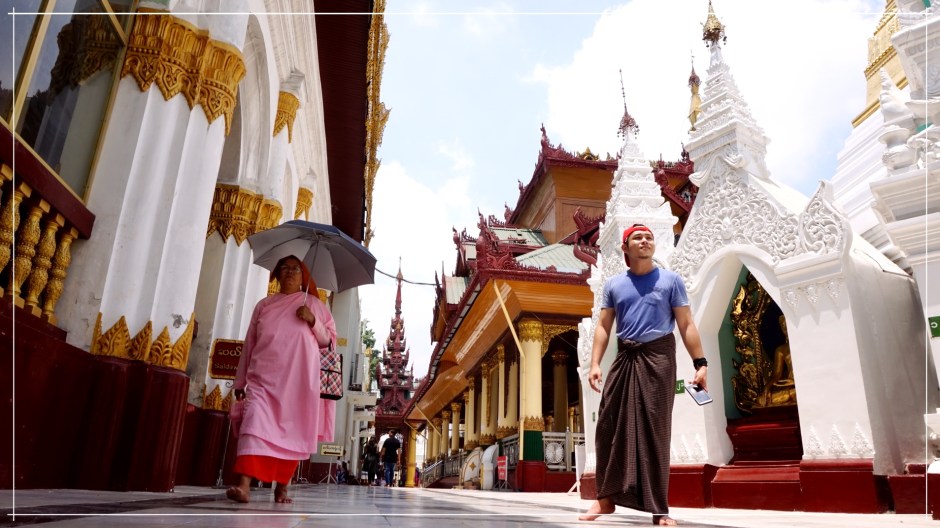
When visiting, modest attire should be observed. Shoulders and knees should be covered. Upon entering, I was asked to borrow a Longyi—a traditional, sarong-style wrap around. A deposit of 3,000 Kyat (or around 150 Pesos) is required; which is also fully refundable. Footwear and socks are not allowed within the temple premises. Best to bring your own string bag to carry your shoes.
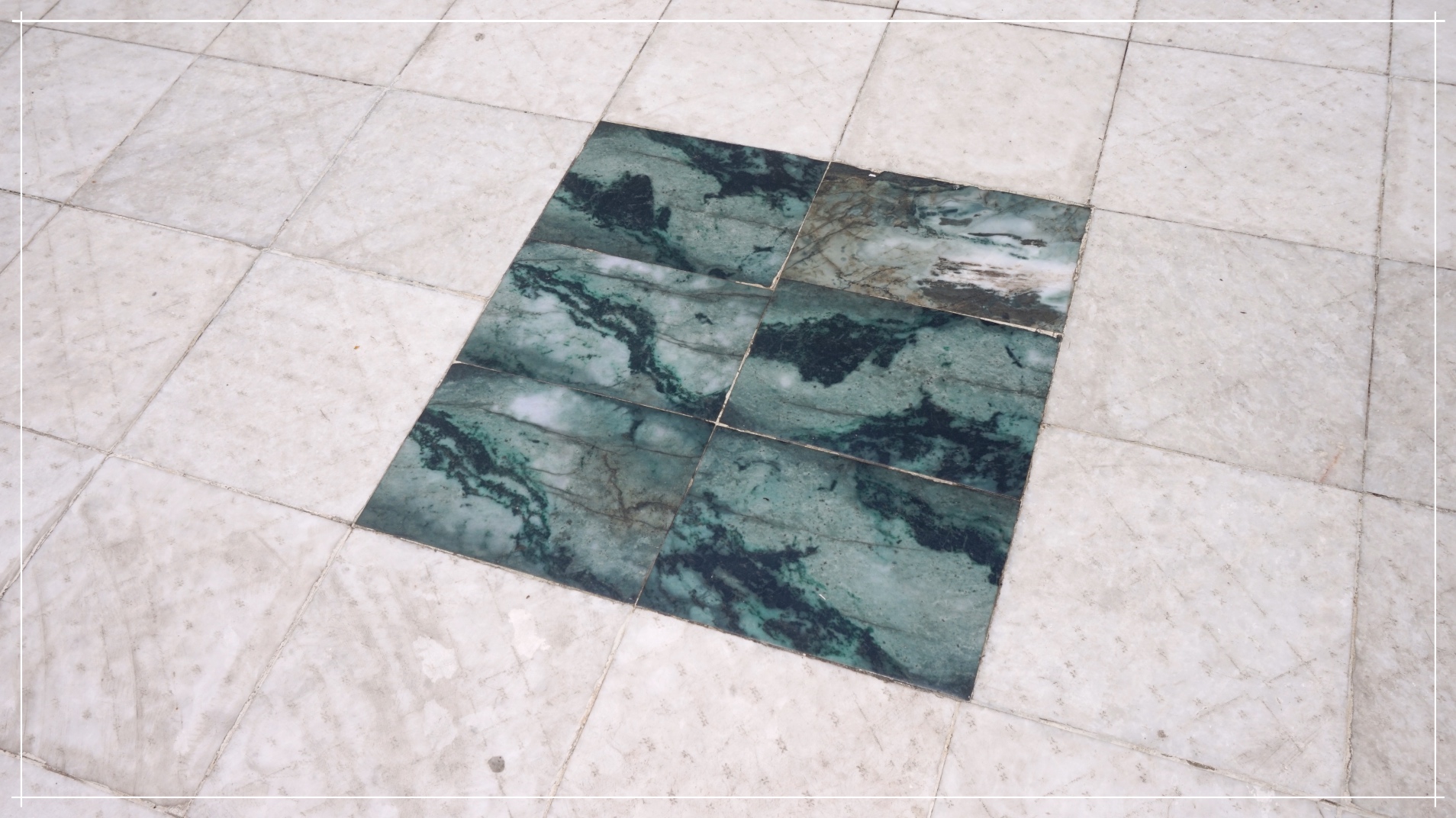
Best time to visit Shwegadon is early in the morning. Temperatures can climb to almost 40’C by noon, making the flooring hot on bare feet. Most of the paths and corridor flooring is made of marble slabs. There are also patches that are made of rare green marble, which is worth noticing.
The Pagoda is open seven days a week,4 a.m. to 10 p.m. Last admission is 9:45 p.m.
Entrance fee is 10,000 Burmese kyat (around 400 Pesos)
There are 4 entrances to the Pagoda (North,South,East,West). Elevators and wheelchairs are available at the North and South entrance.
There are drinking water dispensers at certain stations within the temple grounds. Water is safe to drink, but it’s best to bring your own mineral water.
Getting there is easier by taxi;though many north bound public buses from Sule pass by the area. When staying near Sule, it is best to ask the tourist assistance kiosk for proper bus route.
—–0——
Other Places to See Around Yangon in a Day
Random snapshots of Yangon city center, with the Sule Golden Pagoda as the main landmark. The white building on the left side is the city hall. Most of the public transportations terminate here, including airport buses.
Yangon is generally Buddhist, but there are also catholic communities within the city.
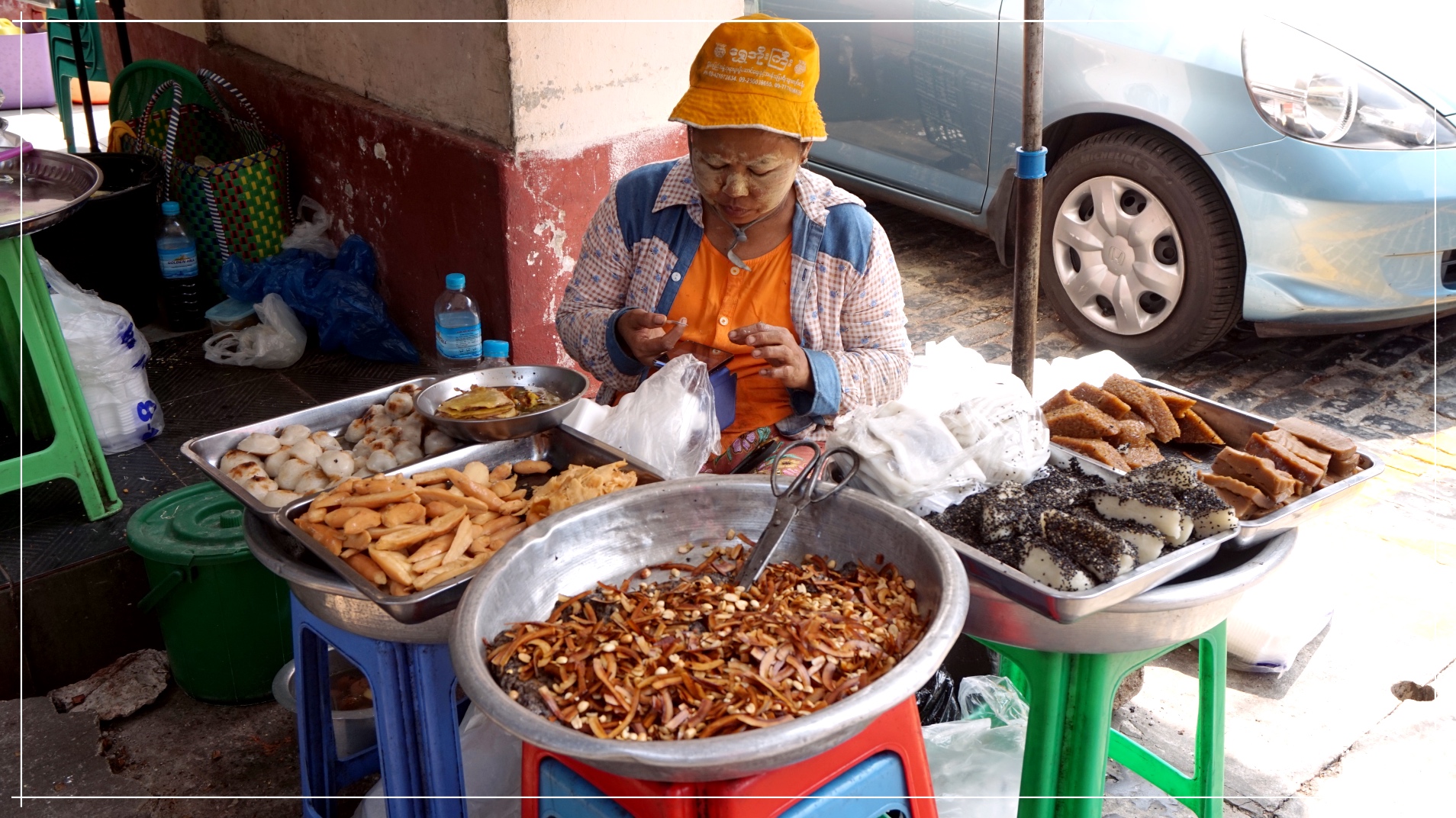
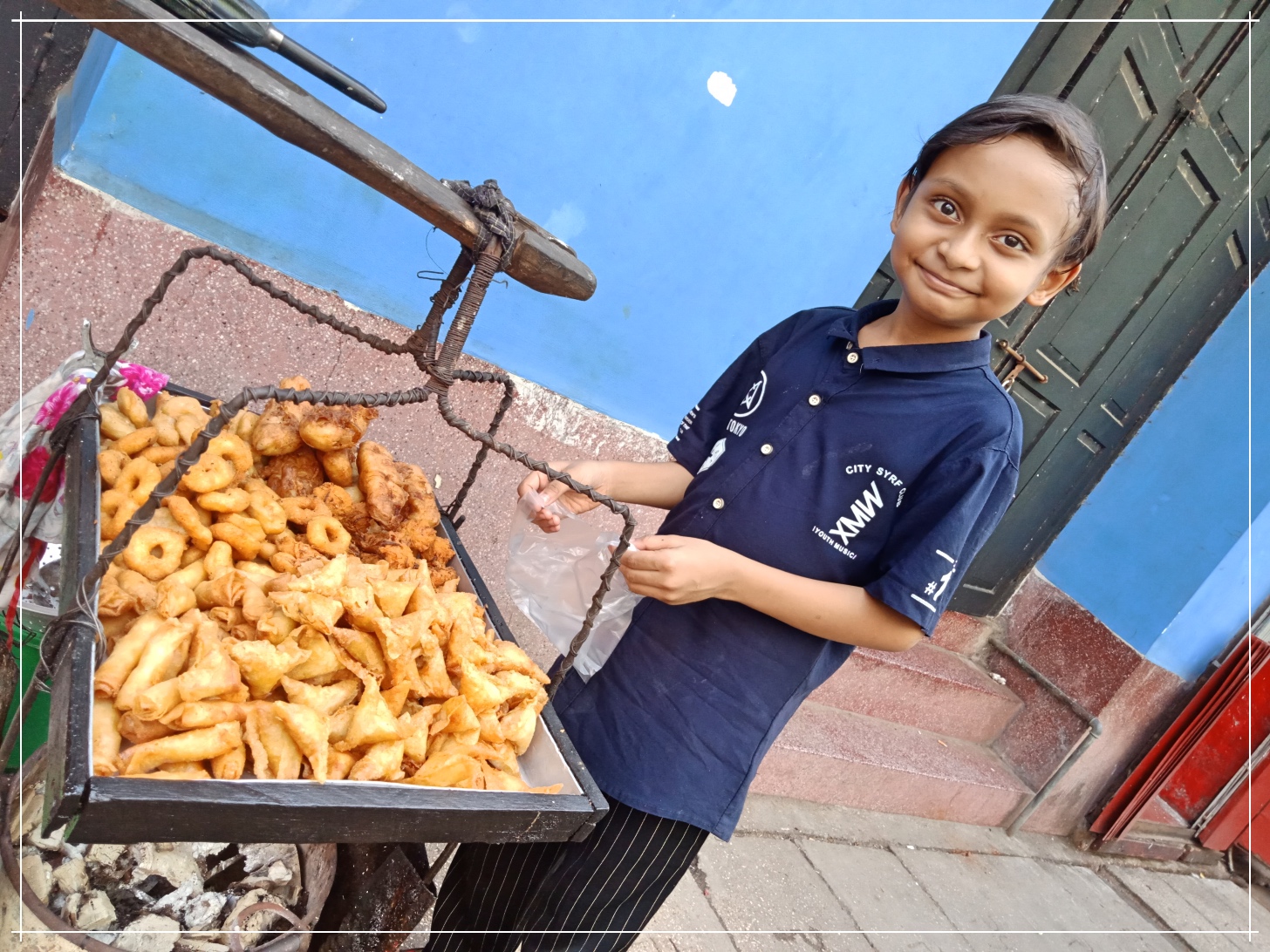
random samosa. strong indian influence
Shan Noodles. Yangon’s specialty. mildly spiced. slightly sweet. with a hint of fish sauce.
Where I stayed in Yangon:
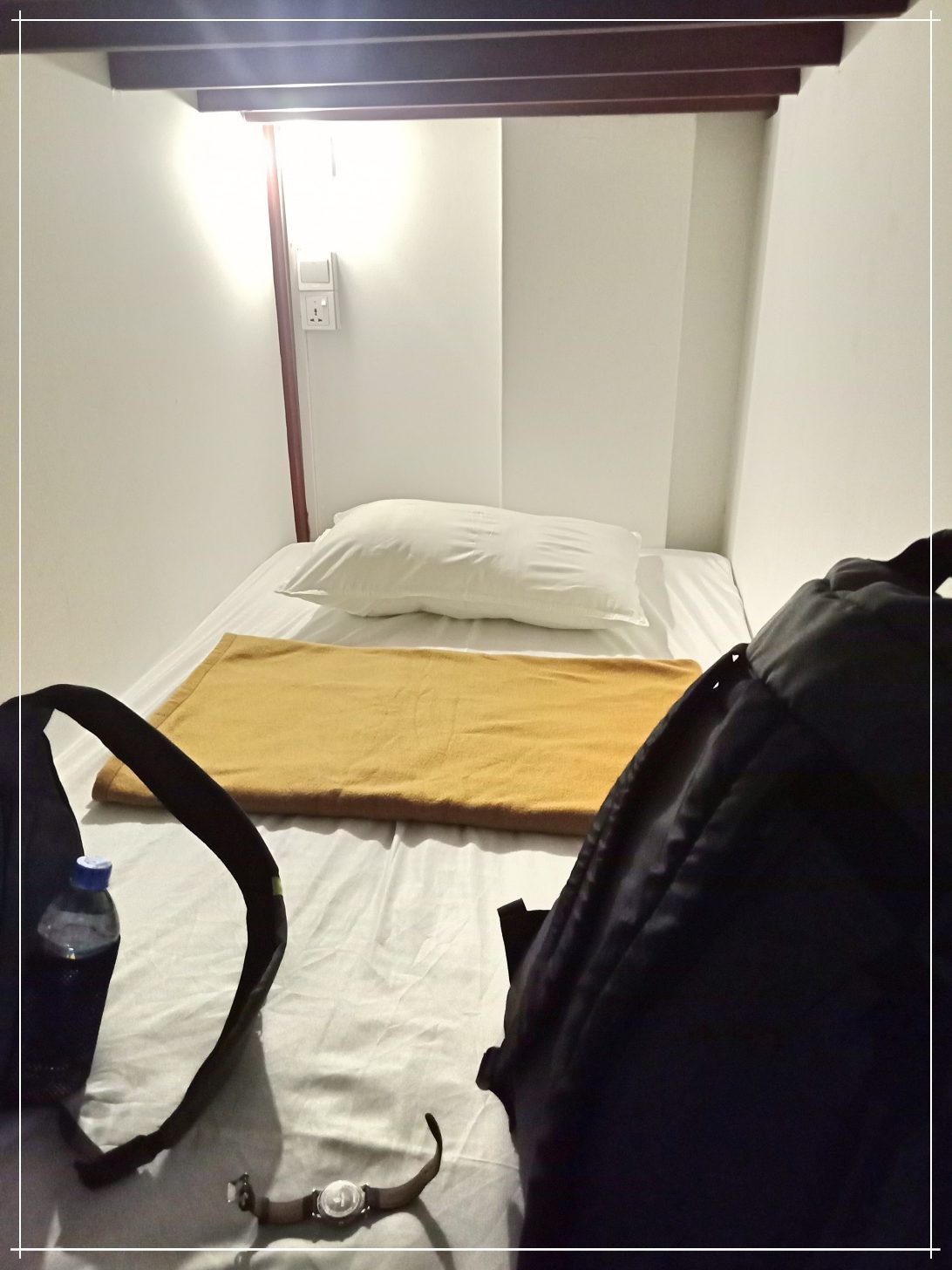
Wizaya Hostel, located just at the back of the city hall near Sule Pagoda. I actually didn’t stay there overnight, as I only had less than 24 hours in Yangon. Arriving at 6AM from Bagan by bus, I only needed a place to freshen up and safely leave my bags while I go around the city. Hostel costs around 5000 kyat (250 Pesos). Place is ok for “Check-in Anytime”. I didn’t have to wait for 12 nn to settle. Location is very convenient to public transportation. Almost all routes terminate at Sule Pagoda/city hall, including the red airport buses.
Mandalay is home to several of Myanmar’s Architectural Treasures. The airport arrival gives a clear hint of what awaits at the city centre.
Kuthodaw Pagoda – A Unesco World Heritage site known for its intricate architecture and hundreds of brilliant white pagodas.
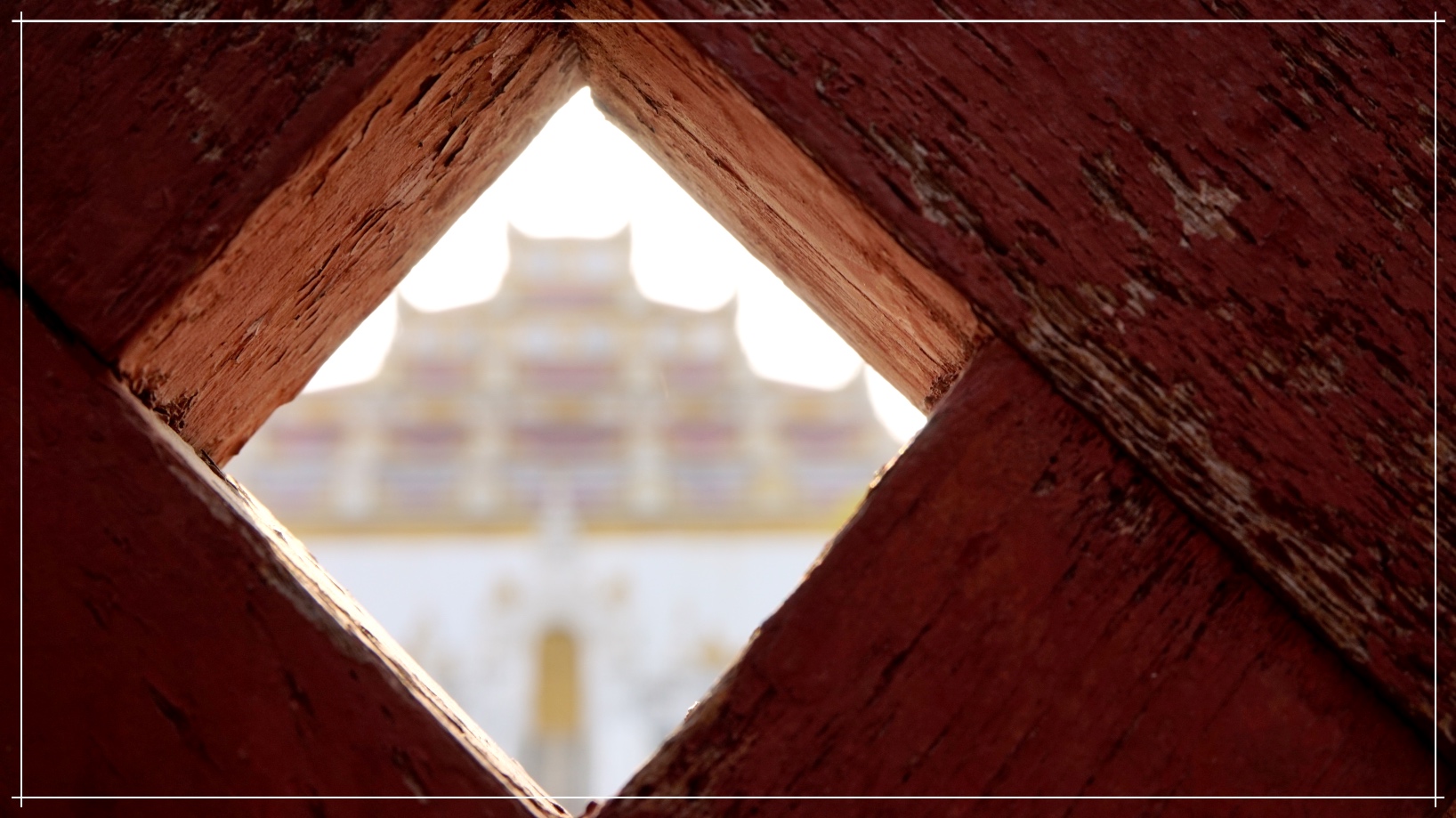
Myanmar’s traditional architecture is primarily used for worship, pilgrimage, storage of Buddhist relics and tourism. Buddhism plays a strong influence in architectural character.
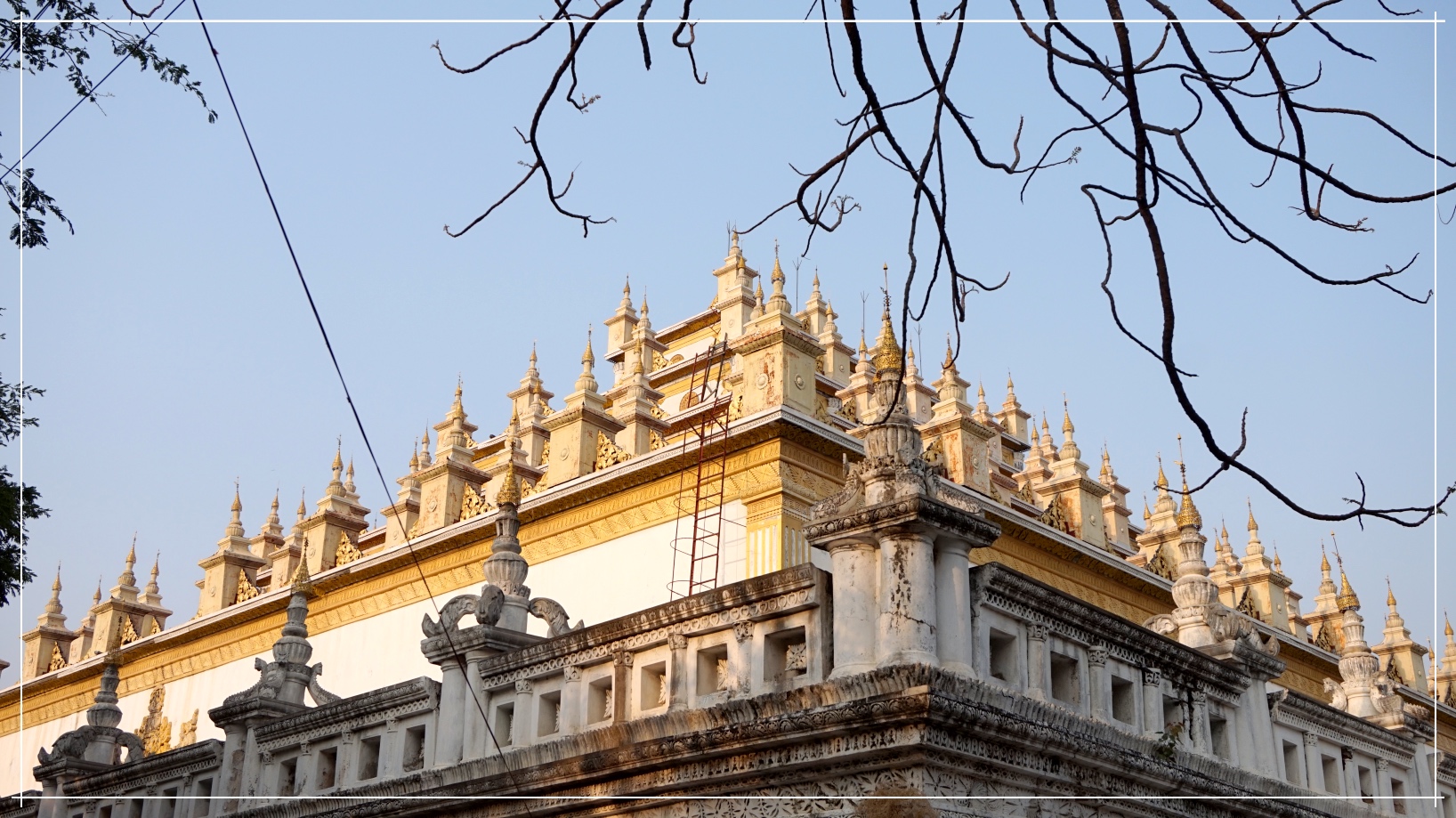
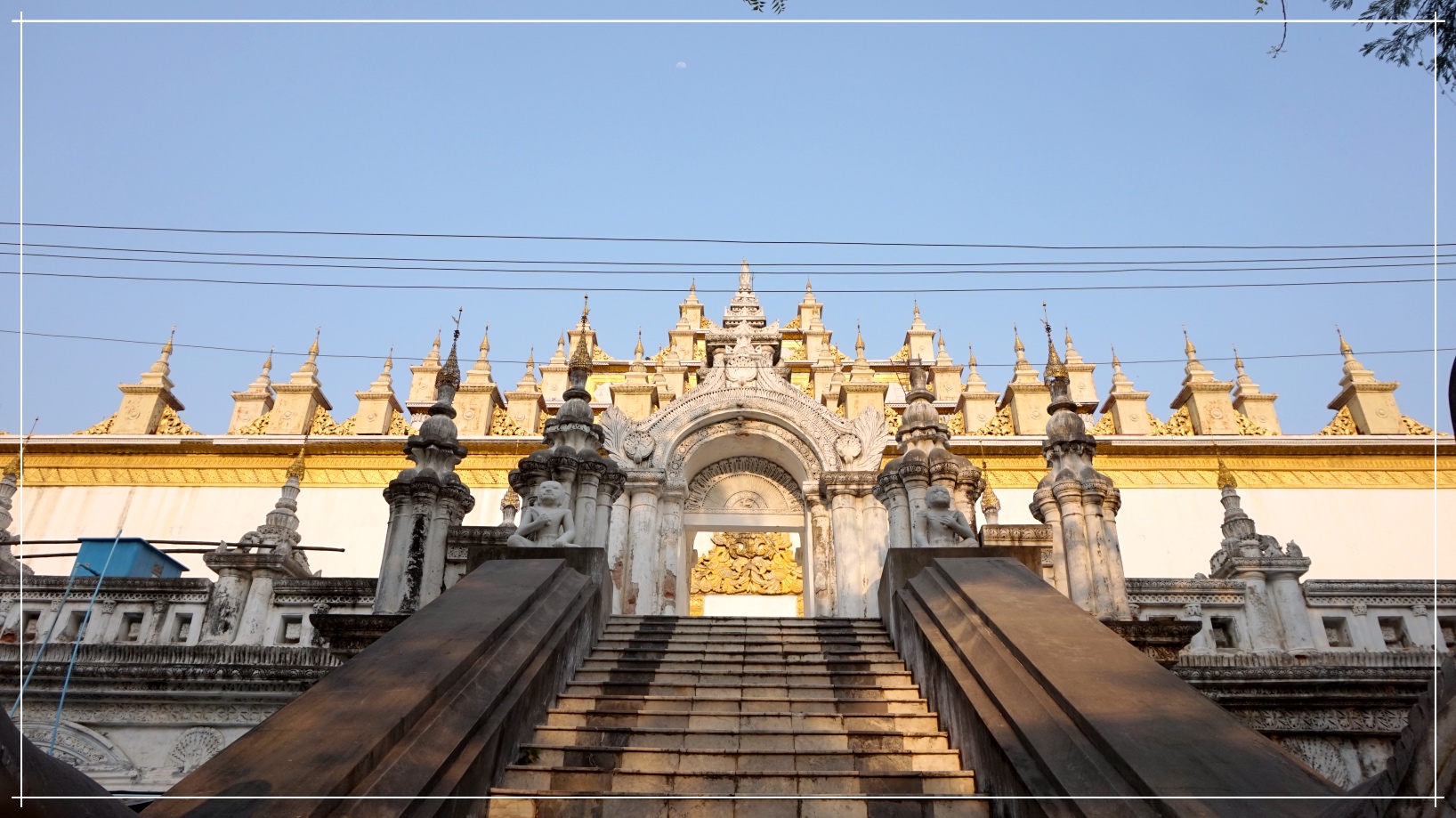
Maha Atulawaiyan Kyaungdawgyi (Atumashi Monastery)
Random shots around temple vicinity
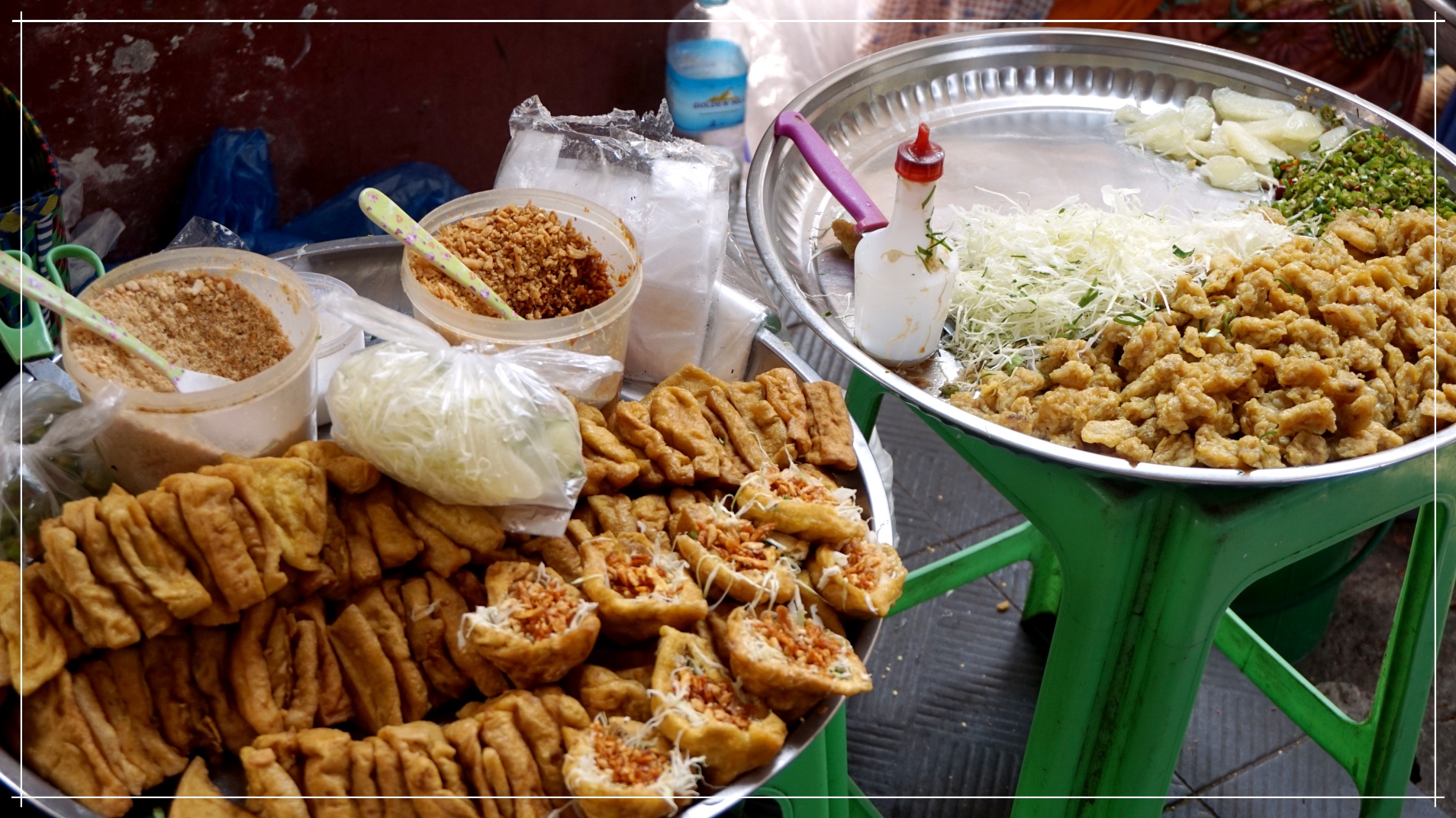
This is actually samosa cut in to random pieces and topped with salad.
Mandalay City Centre as seen from the 7th floor of Ostello Bello Hostel, where I stayed.
For complete travel details,accommodation and costing, click the following links:




















































































































































 Travel + Lifestyle + Architecture Blog