Hi. I am Joseph Emmanuel E. Lim, a Licensed Architect by profession and an avid traveler by heart. My passion for travel has been greatly influenced by the profession that I a practice. Since my college days, I always had this fondness of the old world, of historic places, of ancient civilizations, and the intrigues and mysteries that come with it.
As a traveler, I consider myself a typical backpacker. My trips are low-cost and mostly solo, independent travel. I started my fondness for backpacking the year 2013, when I explored Southeast Asia for 30 days. Since then, It has become my goal to travel at least once a year, to a foreign city/country that I have never been before. I also made a goal to complete the 7 wonders of the world before I reach 40 years of age. But then, the pandemic came. So I might have to extend my timeline for that.
As a backpacker, I prefer small and laid-back towns over party destinations. I like waking up early for a stroll around public market and see how foreign communities start up their day. As of today, I have been to 46 UN recognized countries.
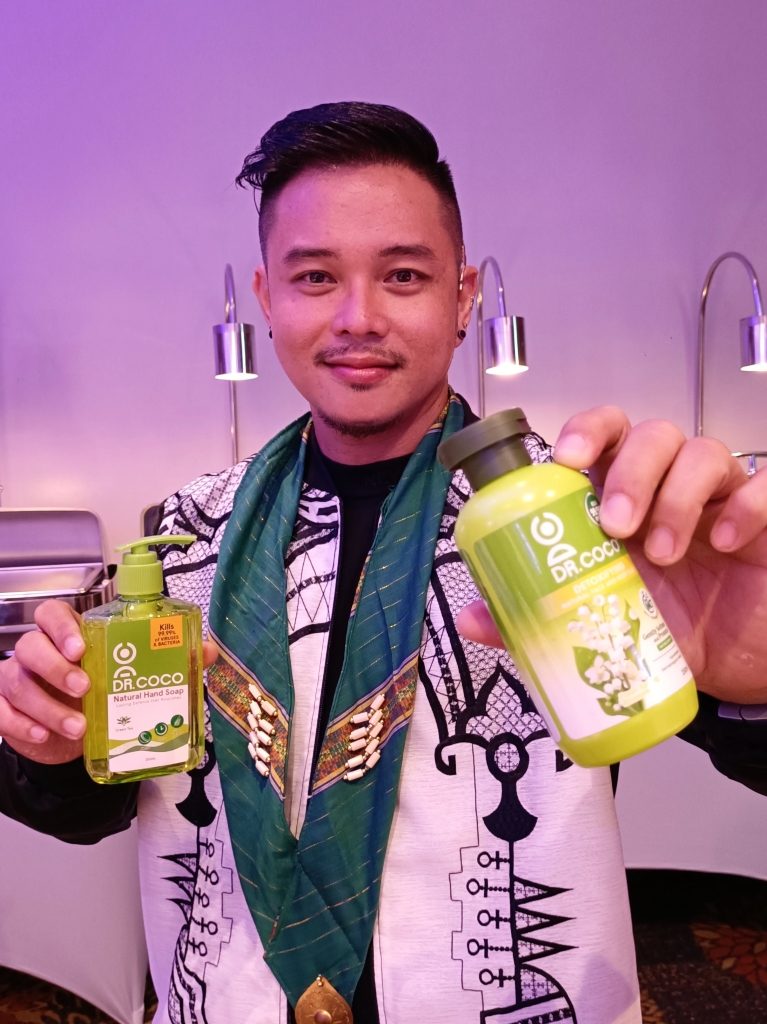
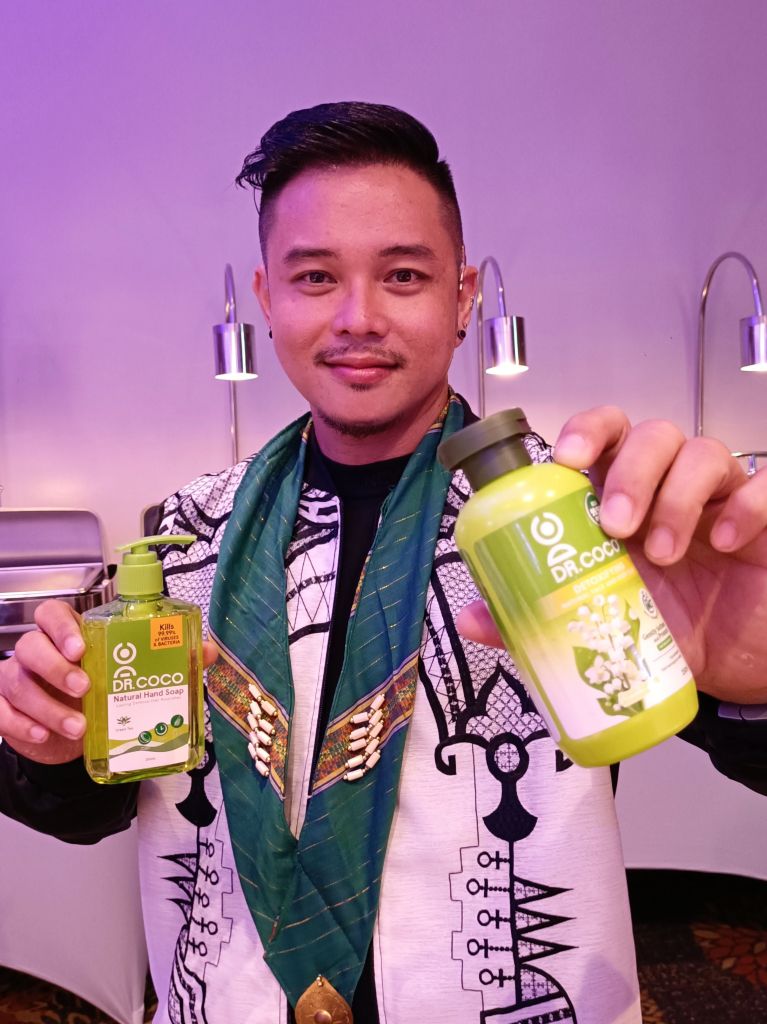
Low key loving these new shower products from Dr. Coco. The body wash smells so fresh, and long-lasting. Suits me well, since I have always preferred using body wash over traditional soap.
Product benefits: 👉Packed with CocoMCT (a key ingredient from coconuts that carries all the benefits of coconut oil) 👉Kills 99.99% of bacteria and germs up to 4 hours 👉Hydrates and maintains skin moisture
Available at any Robinsons supermarket nationwide.
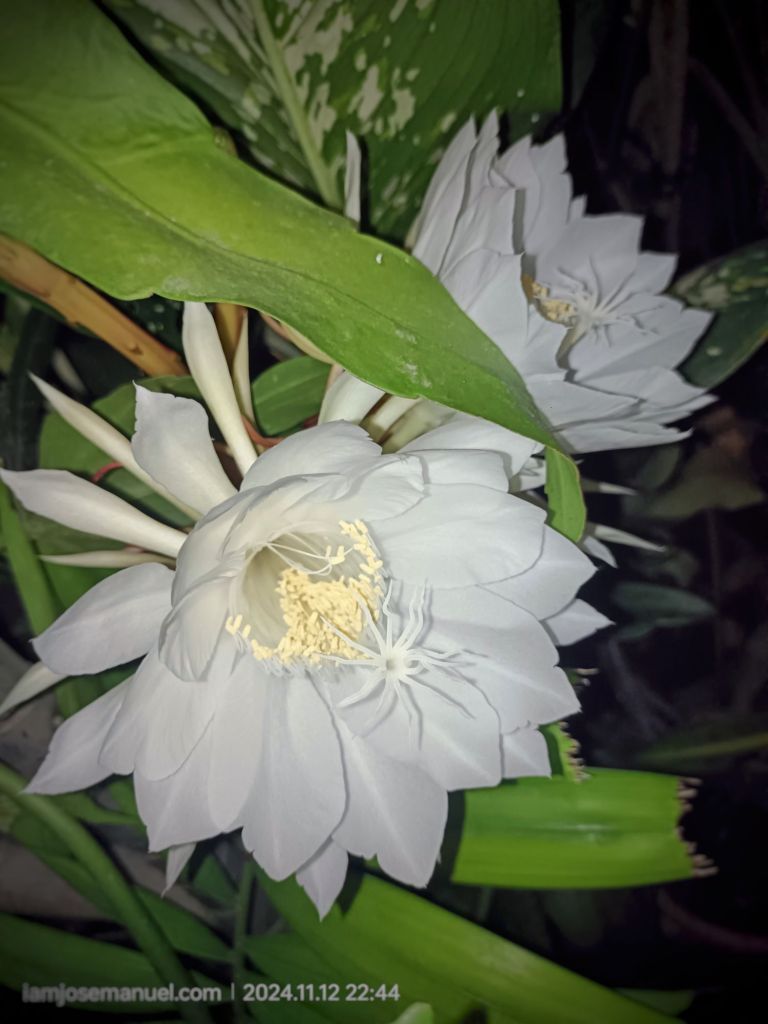
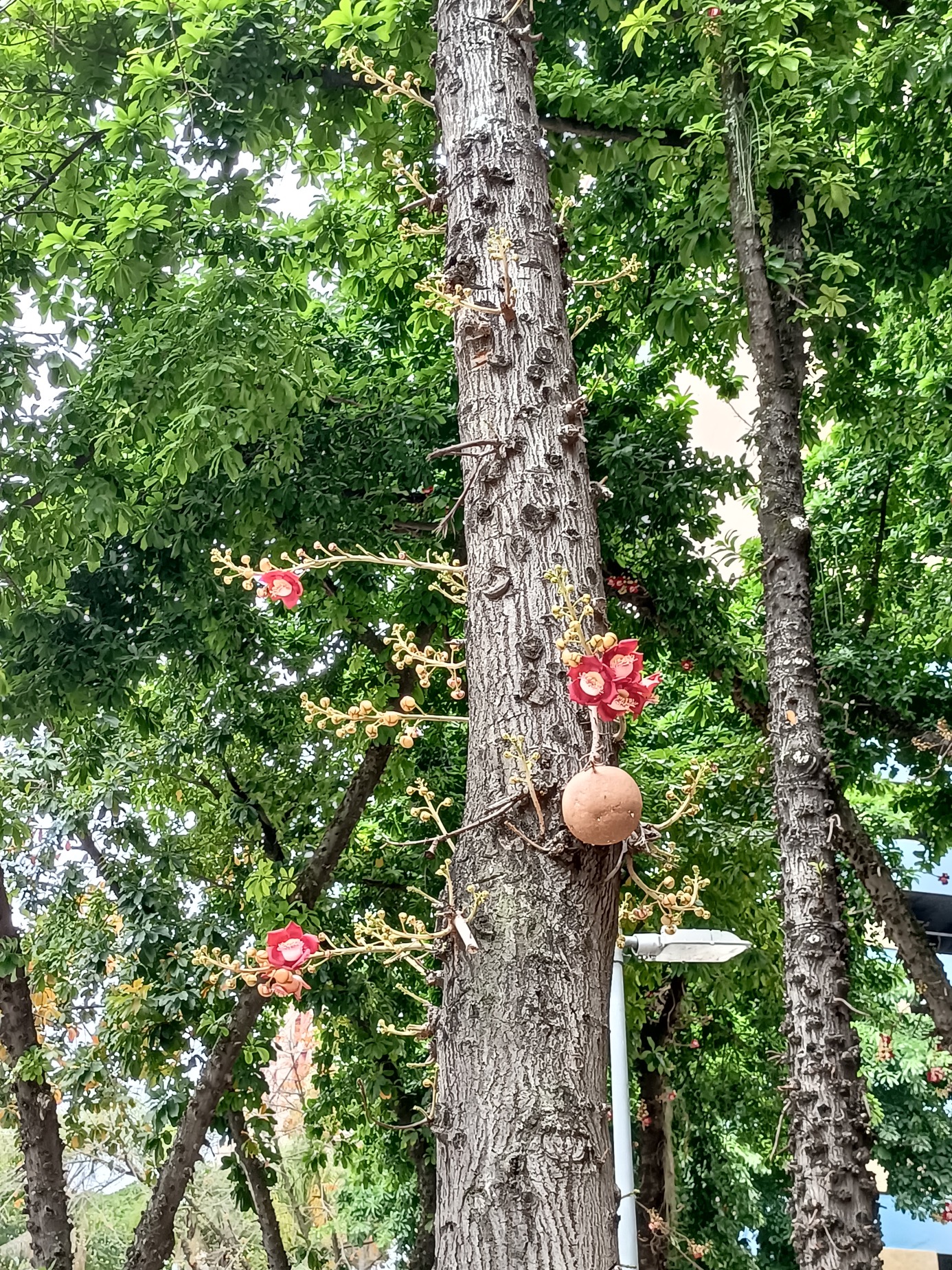
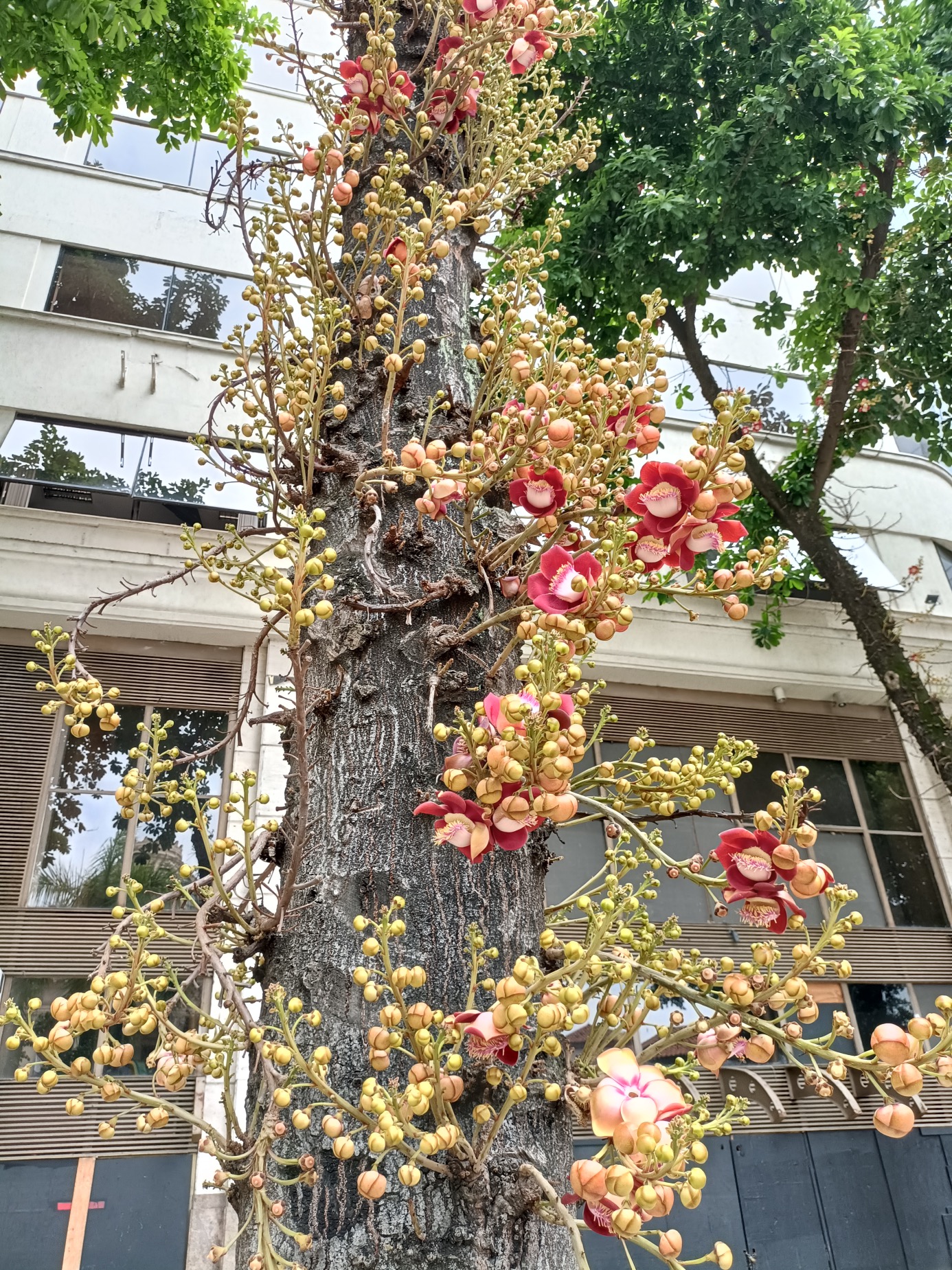
Our Tan Hua flower once again gave us blooms this year. We never really took care of it, yet it gave us blooms, 2 years in a row na. If you are familiar with Asian myths, you will also acknowledge the value of this flower. Tan hua is appreciated for it’s beauty, rarety and fragrance. As fragile as it is, Tan Hua only blooms at night, stays up for a few hours, and wilts before dawn.
Metaphorically, this flower represents things that are short-lived or a flash in the pan, which is why it should be cherished and celebrated while it lasts, just like life and love. The Chinese proverb tan hua yi xian (昙花一现) describes it in this way.
Tan Hua flower has always been celebrated in Buddhism belief. In China and in India, watching the flower bloom is considered a sacred experience that brings luck and prosperity to the family.
The tan hua flower was featured in the movie Crazy Rich Asians, based on the book by Kevin Kwan.
IAM Worldwide, a Filipino-owned brand known for its portfolio of everyday health products and supplements, announces the appointment of South Korean actor Ji Chang-wook as their newest international ambassador.
The handsome star is known for his breakthrough roles in popular Korean Dramas such as “Empress Ki” (2013), “Healer” (2014), “The K2” (2016), “The Sound of Magic” (2022), “The Worst of Evil” (2023) and “Welcome to Samdal-ri” (2024).
Next up, he is set to star in the series “Gangnam B-Side” as an outlaw who will put himself in the list of suspects involving a case of mysterious disappearances. The drama airs November 6, 2024 on Disney+.
“Ji Chang-wook is a dream come true for IAM Worldwide,” says co-founder and President Allen Marvin Yu Eder. “In line with our company’s objectives to enrich the lives of our customers and wholesalers by bringing them world-class quality products and offerings, we are very pleased to announce that Ji Chang-wook has joined the IAM Worldwide family as a brand endorser.”
“We are very thankful to Ji Chang-wook for choosing IAM Worldwide as his preferred health and wellness partner in the Philippines,” adds Aika Lorraine Uy, co-founder and Vice President. “His mark of approval recognizes our efforts and gives us confidence in continuing our commitment to better the lives of those we serve. Gamsahamnida!”
Meanwhile, General Manager Joanna Mañego has this to say: “As an avid fan of Ji Chang-wook, having my all-time favorite K-Actor is truly an honor for us. We cannot wait to welcome him back to the Philippines. Mabuhay ka, Oppa!”
IAM Worldwide is known for its “Amazing” line of Organic Barley Drink and Choco Barley, Acai Berry Extract with Collagen, Grape Juice with Garcinia Cambogia, and health supplements such as Immunergy. Products can be purchased through its authorized network of direct distributors not just in the Philippines but also overseas.
Ji Chang-wook is the recipient of multiple acting trophies including Best Actor in the 2019 Asia Artist Awards for his role in “Melting Me Softly” and the Next Generation Award during the 2023 ASIAN Film Awards.
Following his announcement, fans of the star are already anticipating Ji’s return to the Philippines and to grace another event organized by the popular health and wellness brand.
IMAGE CREDITS. IAM Worldwide / Spring Company (Korea) / PUBLICITYASIA
As a certified foodie, sampling on local dishes is something I look forward on every trip. Here are Five hefty and memorable local meals I had from my recent trip to Central and South America. All cheap and casual.
Carne Mechada Casado (Costa Rica)
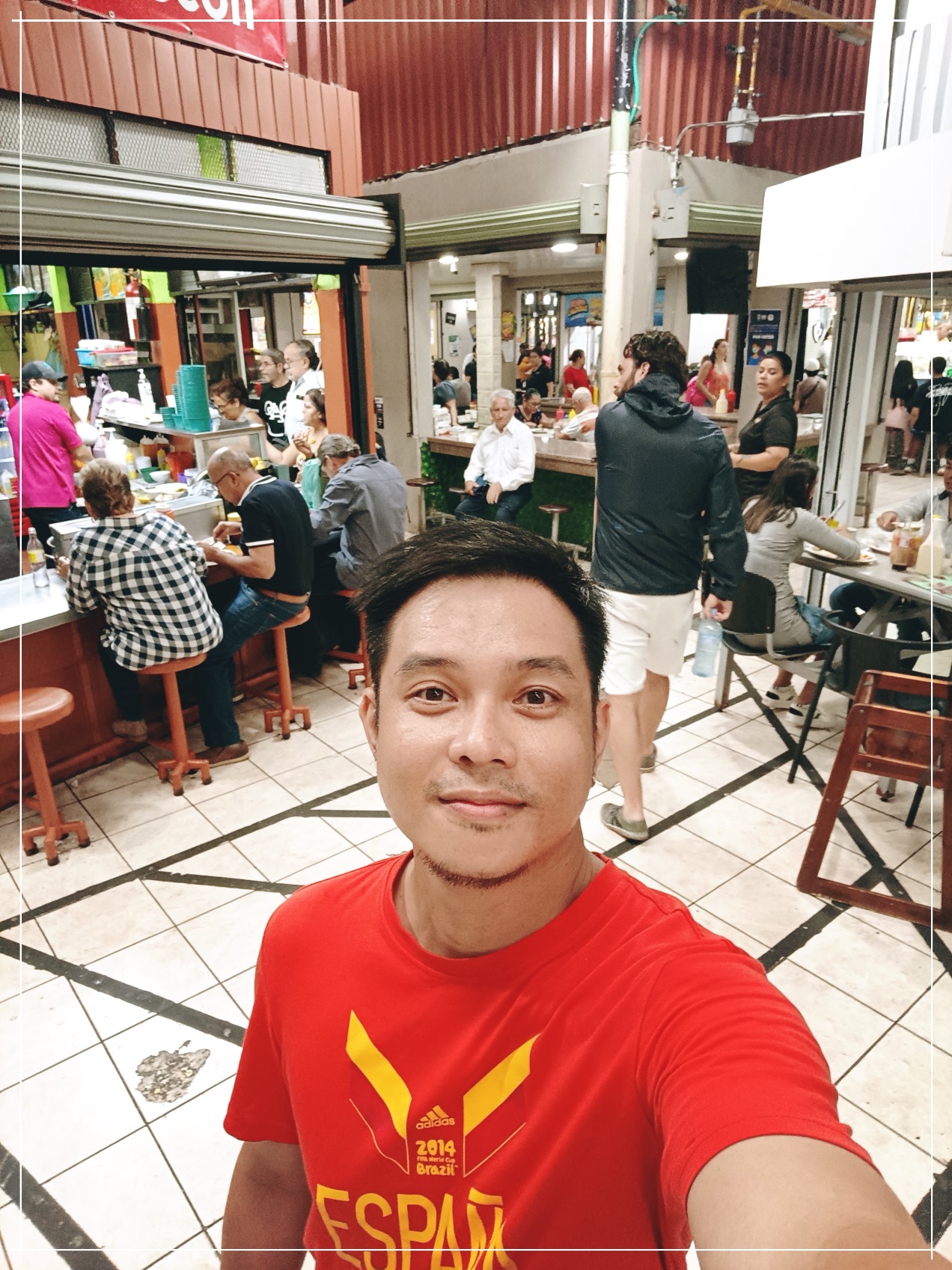
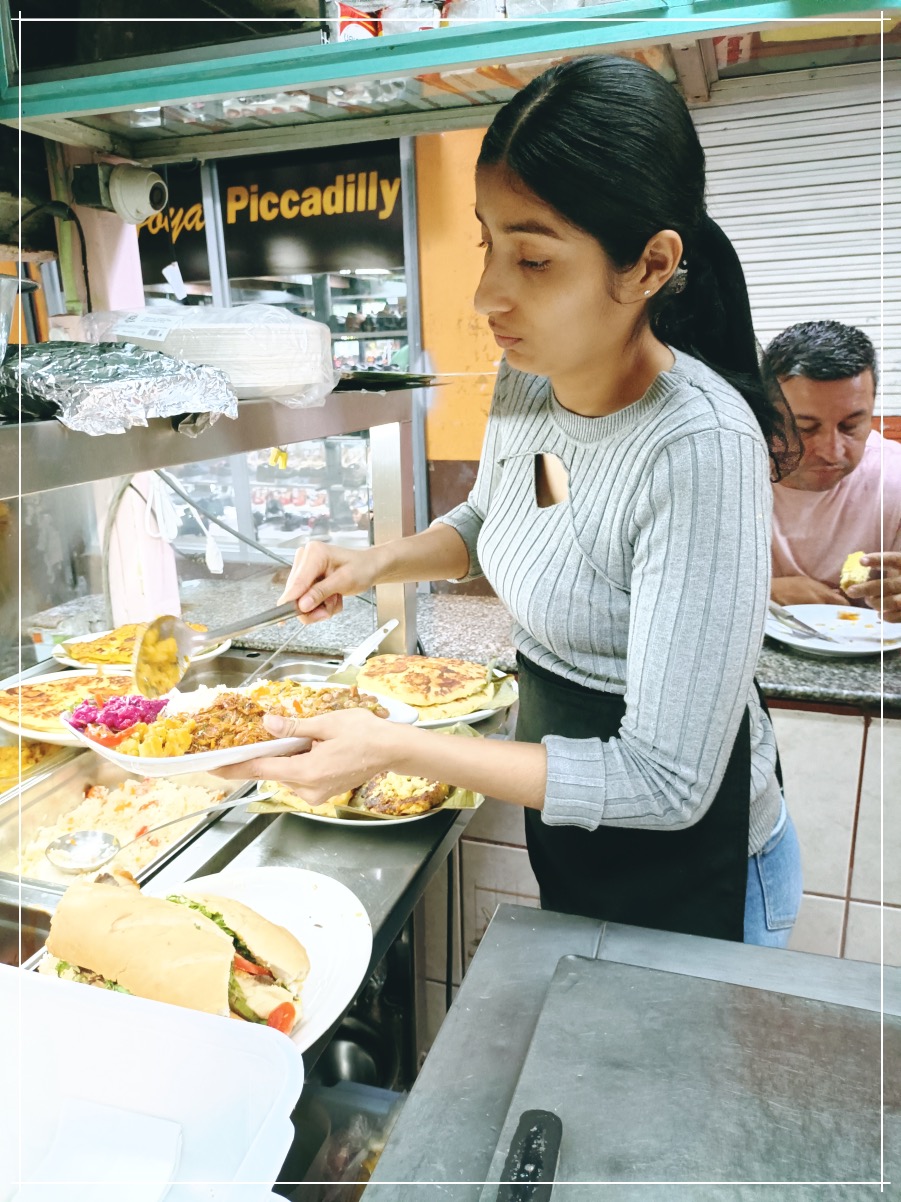
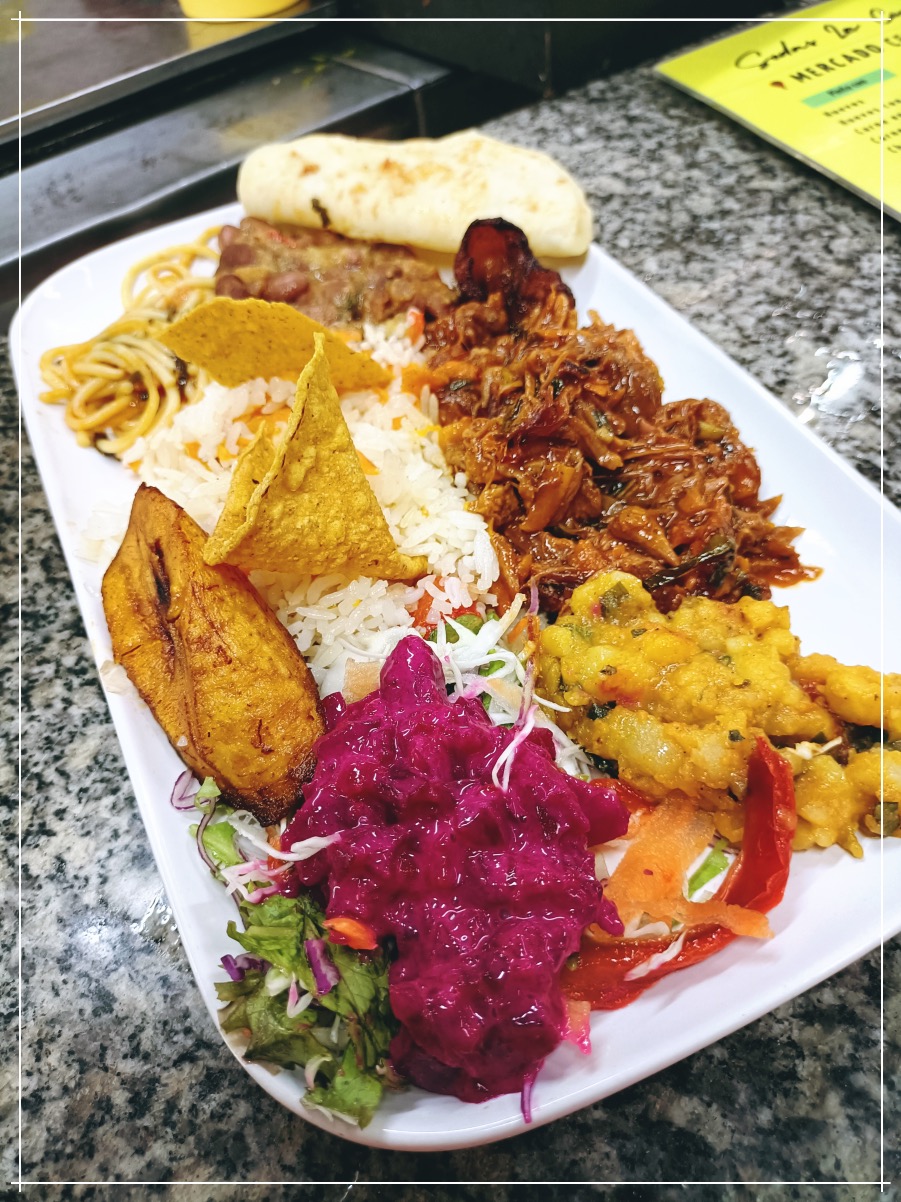
Casado is a traditional complete meal in Central America, consisting of rice, black beans, plantains, salad, a tortilla, and a protein. I had this at a food court inside public market in San Jose. Their public market is probably the cleanest, most well-maintained public market in any third world country.
Bandeja Piasa (Bogota,Colombia)
I had this hefty plate of Bandeja Paisa, so i can try various dishes in one seating. Bandeja Paisa is a traditional Colombian dish that contains beans, rice, arepa, traditioinal chorizo, plantain, chicharrón, avocado and marinated ground beef (like arroz cubana). I’ve noticed that Latins serve avocado as a side without any sweeteners; in contrast to us who only appreciates the fruit when it’s mixed with something sweet and creamy.
Trusca Frita (Ollantaytambo,Peru)
One of my fave set meals in Peru. trusca\trout is a local\Peruvian freshwater fish. Taste is very comparable to our local bangus, except that trout isn’t as boney. Speaking of fish, Peruvians are also popular with their Ceviche (raw fish salad), but for this trip, I had to pass on it. I avoid raw fish dishes whenever I can.
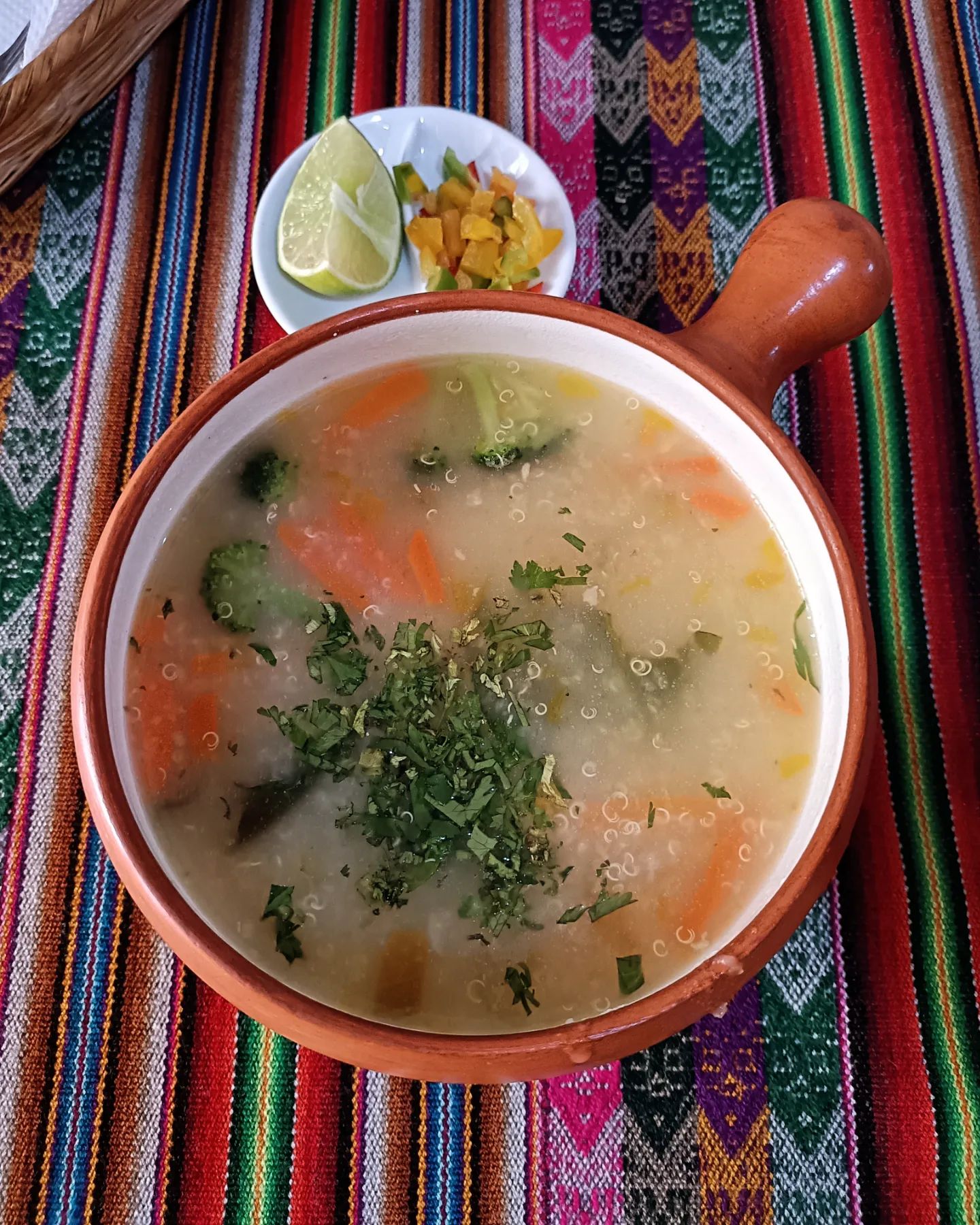
Trusca is usually served with Quinoa Sopas. Originating from the Andes Regions of Latin America, quinoa is a common and cheap carb consumed in Peru. Meanwhile, quinoa is quite expensive here in Ph.
Peruvian Chicken BBQ (Cuzco,Peru)
The Butterflied chicken, marinated with vinegar and spice rub, slow-cooked on the grill and served on a bed of brown rice and Salsa. Not in photo, but this is served with traditional Aji Verde or the spicy green sauce.
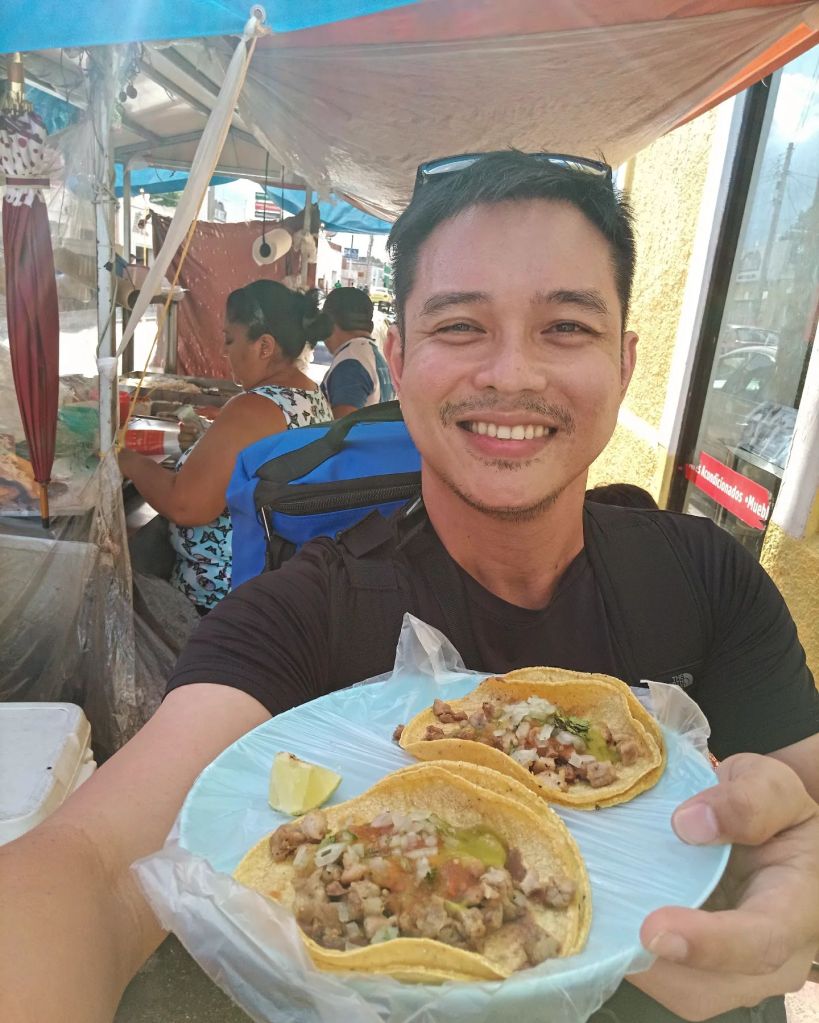
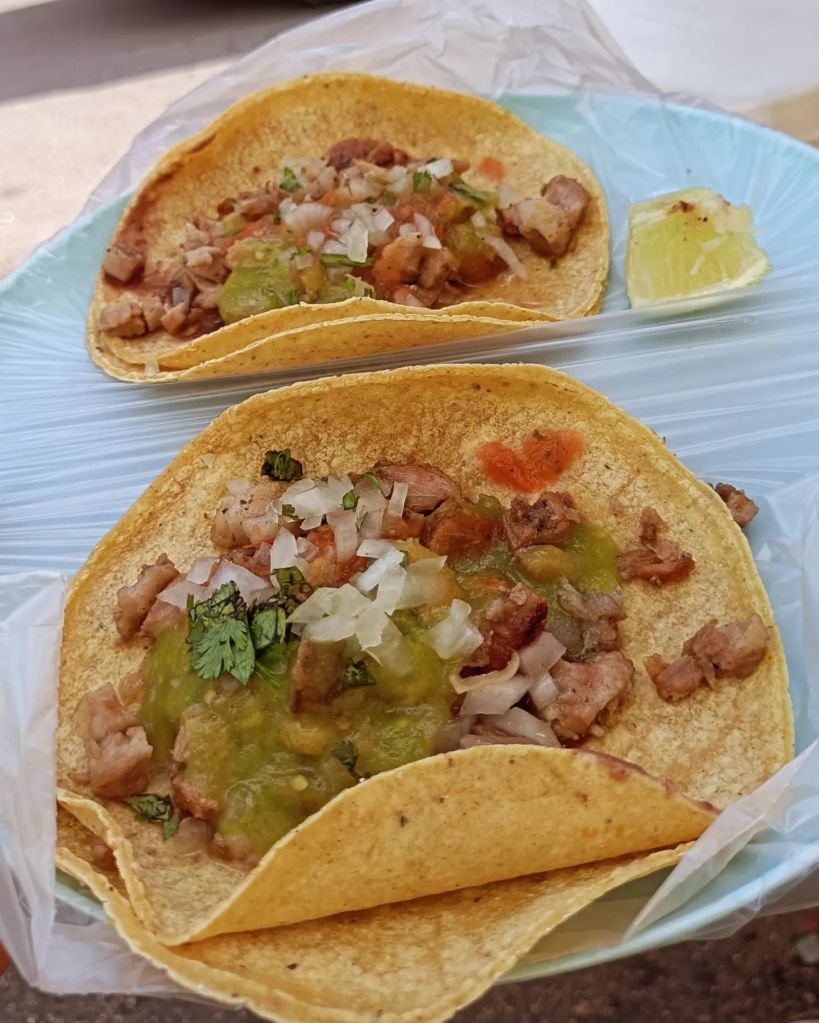
Street Tacos (Cancun, Mexico)
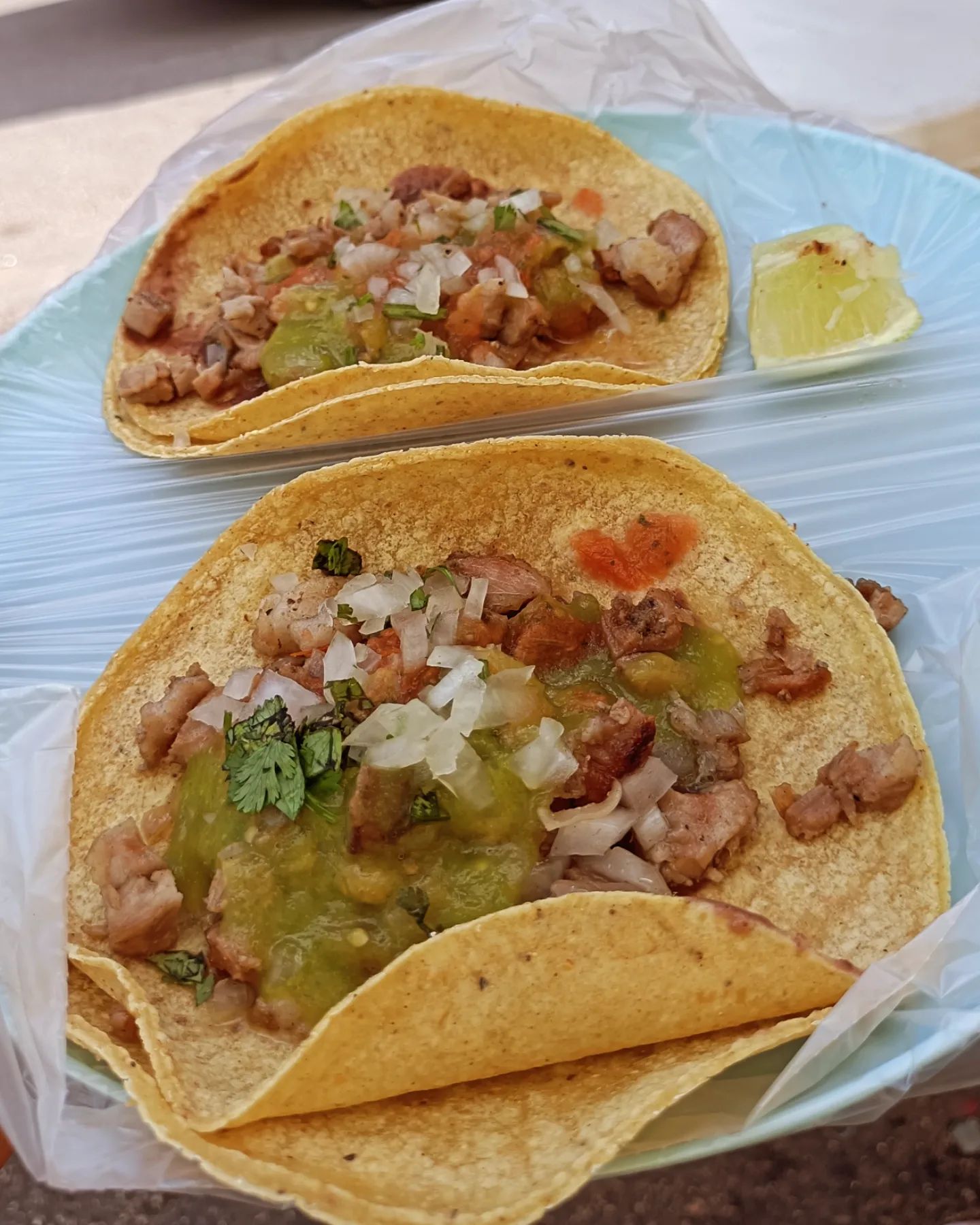
Taco is probably one of Mexico’s greatest contribution to the world. I had great tacos from random vendors, di ko na na-document lahat. Mahal dito sa Pinas pero street food lang talaga ito sa Mexico. Saya!
The Different Types of Tamale in Latin America. Tamales have a long history in Latin America, dating back to ancient civilizations and playing a central role in culture and religion. Tamales were originally created as a packed meal for hunters, warriors, and travelers. They were also considered sacred and were offered to the gods in rituals and feasts. Tamale is Latin America’s answer to our very own Pastil of Mindanao.
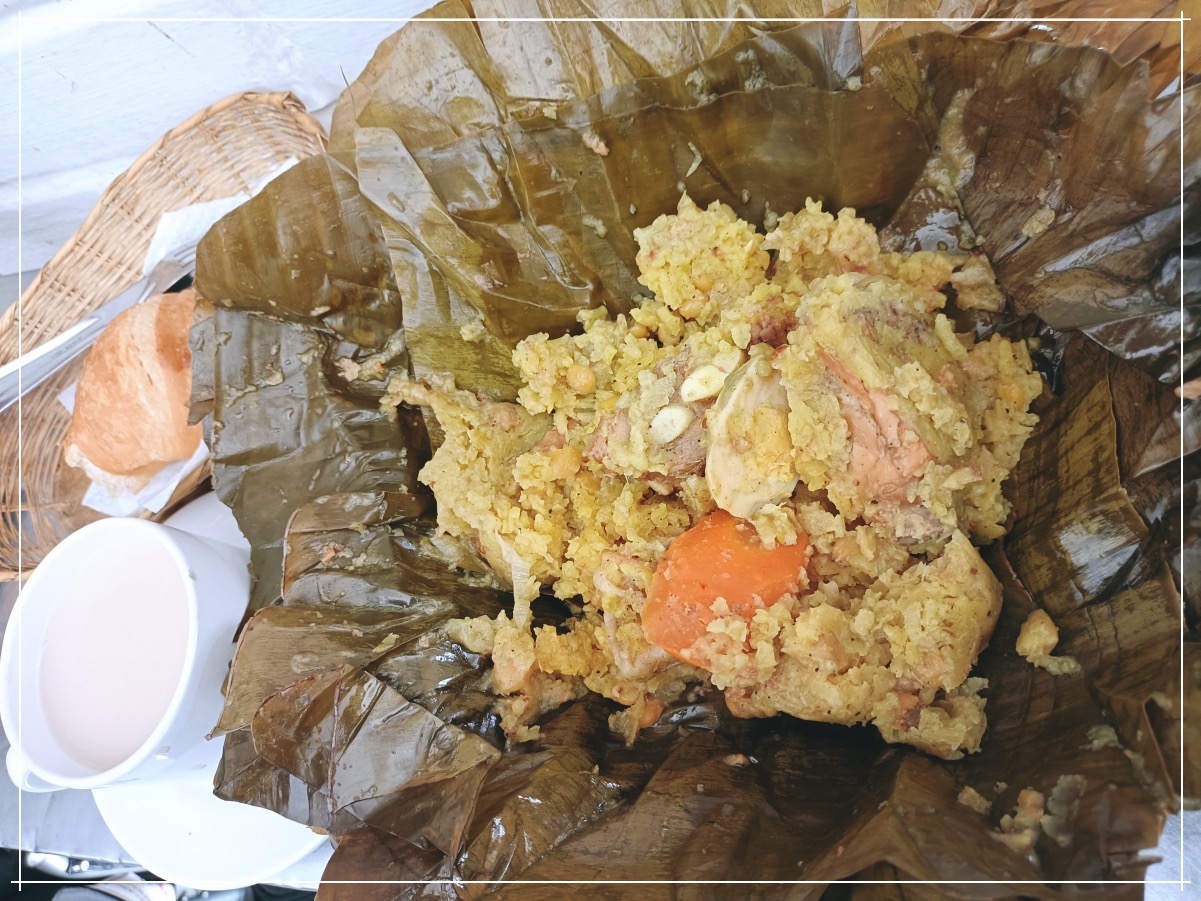
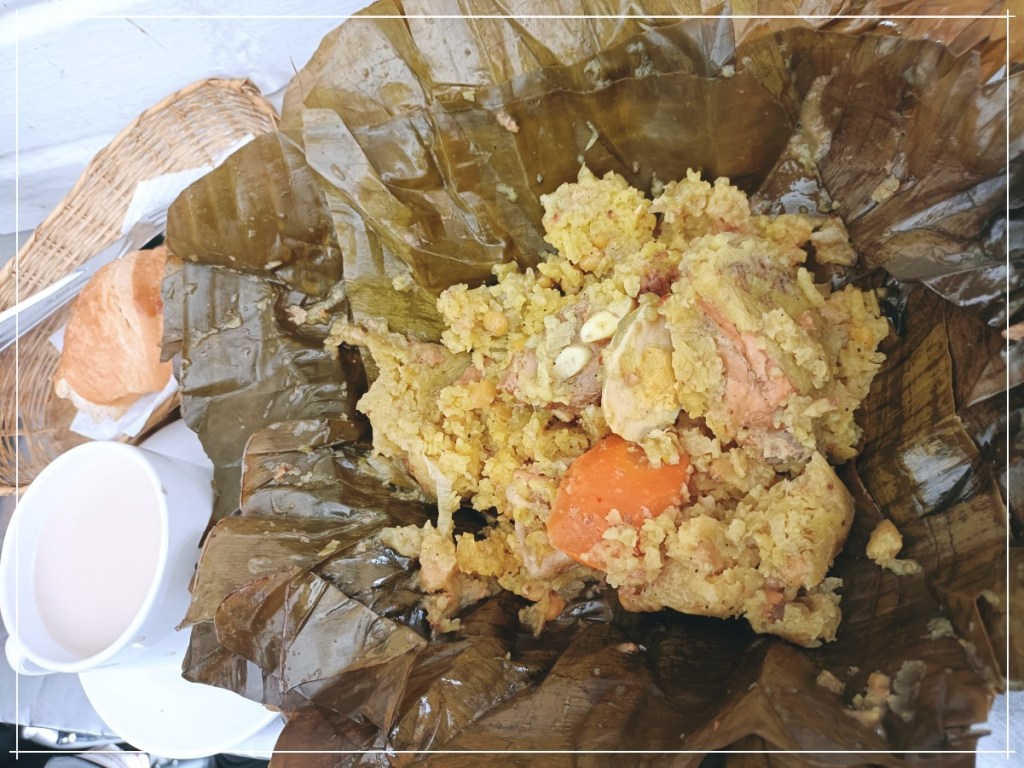
Tamale of Colombia. I’ve had different types of Tamale during my travel, but Bogota gave me the best one. It’s packed with fragrant yellow rice and corn combination, carrot slices and chunks of braised pork rib and chicken, plus complimentary bread and coffee. Mura lang ito, around 100 pesos if converted.
Tamale from Yucatan, Mexico. Yucatecan tamales can be prepared baked, steamed, or even buried, and are wrapped with different leaves, such as banana, almond, and holly leaf (hoja santa). Unlike Colombia’s rice-based pack, the Mexican tamales use corn dough as carbohydrates, then filled with pork or chicken, egg, ground pumpkin seed, chaya, or xpelón, which is a type of bean from the region.
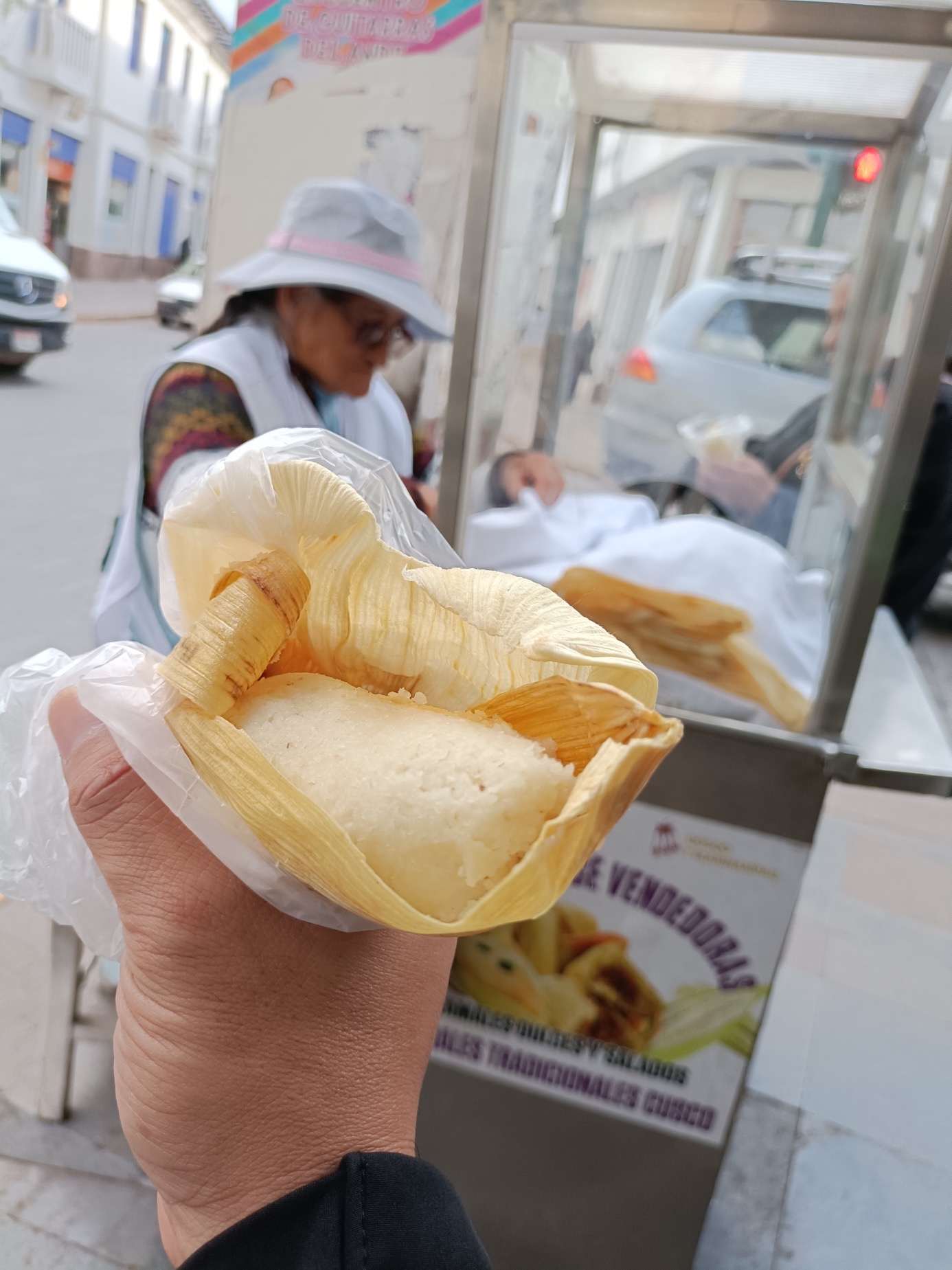
Sweet Corn Tamale, Cuzco, Peru. I also tried tamale at its simplest form. This steamed pack is just filled with corn dough and sweet corn bits, wrapped with corn husk.
As backpackers, we like to tick as many countries as we can off our travel bucket list. Personally, gusto ko ng land travel kasi it’s cheaper, and I get to see more and eat more sa mga stops. Though crossing land border between countries is quite a challenge and scary compared sa airport set ups, I still wanna do it anyways. Ibang level of excitement, tbh.
This was my route: Costa Rica – Nicaragua – Honduras – El Salvador for 8 days. Supposedly kasali pa Guatemala, which should have been my last stop. But that time, major political rallies happened, that resulted to border lockdowns, as it was unsafe. I was forced to cancel my ticket from Guatemala to Los Angeles,USA, and instead booked a last minute flight from San Salvador,El Salvador. Around 25% of my unused ticket was refunded by Avianca Airlines.
Things to research on and prepare before travelling around Central America by land:
Visa Requirement
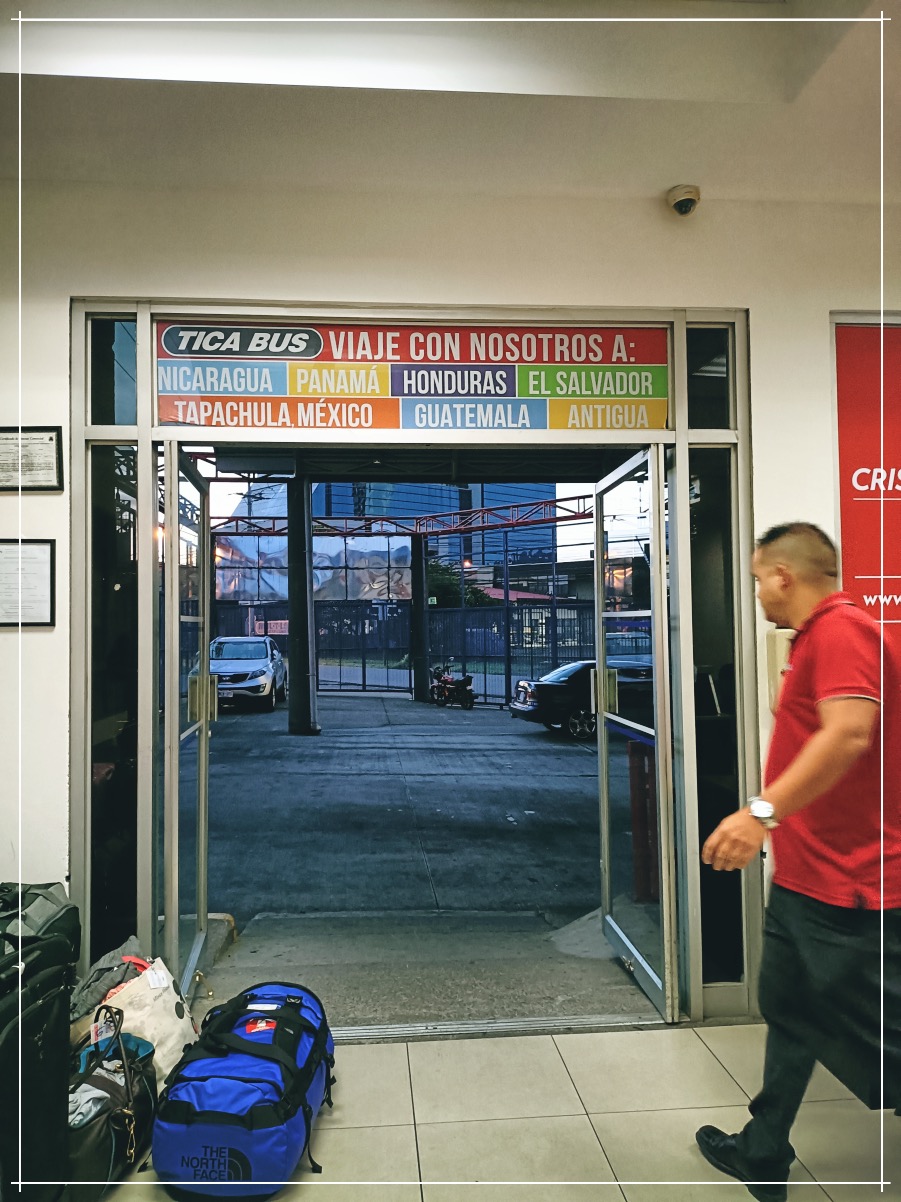
Travel between countries by land with Tica Bus Company
Land Border Crossing scenario with lots of small dollar payments and LANGUAGE BARRIER GALORE
Visa Requirement:
As far as I know, Philippine passport holders can enter Central America Visa-free only in Costa Rica. However, Panama, Nicaragua, Honduras, El Salvador, Guatemala and Mexico MAY allow Filipinos to enter their territory without a pre-approved travel visa, provided, you have a VALID and CURRENT US/American Tourist Visa. Though this policy may change, check updates nalang. During the time I travelled, my valid US Visa gave my weak Ph passport some added power, so to speak, in the Latins.
Upon my arrival in Costa Rica (by plane), not a single question from the immigration. Go lang ako ng go. Sabi ko nga on my previous post, PARANG PINAS LANG ANG COSTA RICA. The succeeding crossings however, ibang kwento na.
Travel between CA countries by land with Tica Bus Company:
Tica Bus is our Friend.
During my travel, I visited 4 Central American Countries. If i had the luxury of time, I would have visited more. I could have started my journey in Panama, then travelled by bus to Costa Rica, Nicaragua, Honduras, El Salvador, then proceeded to Guatemala, Belize and Mexico. These united Central American Countries are well connected by Tica Bus Company.
Added tip, I did a lot of readings and tanong-tanong on Tica Bus, to the point na I opted to choose a hostel that is relatively near the Tica Bus Terminal. FYI, iba ang Tica Bus terminal sa public bus terminals. Tica Bus, i feel is more oriented towards serving tourist.
Yes, possible na today to Reserve Tica Bus ticket online on this link. Just change the language to English sa top right corner. Website is pretty straight forward. Paid by card and reservation vouchers and receipt were emailed to me. The terminal locations are also given sa website.
Border Crossing Costa Rica to Nicaragua:
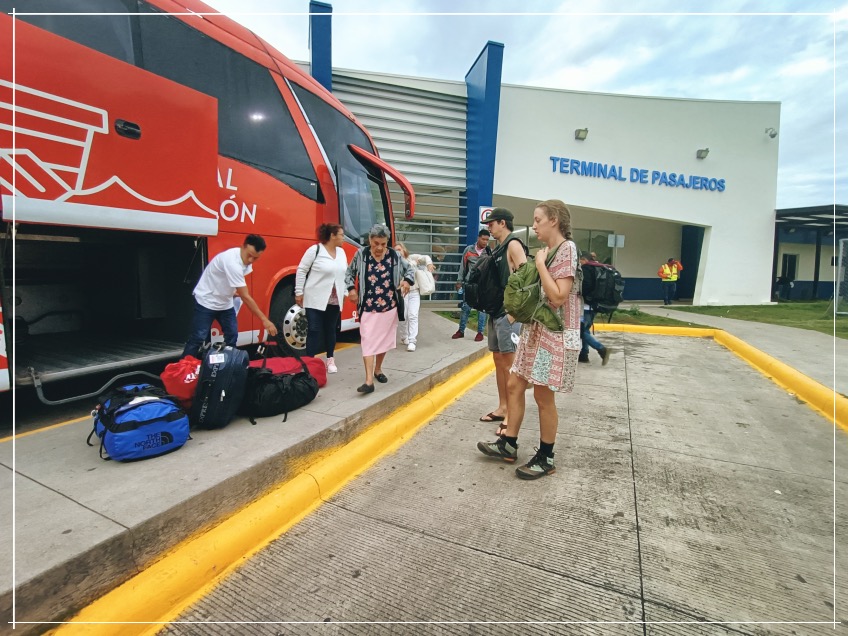
I took the 7:30 am bus from San Jose, Costa Rica to Managua, the capital of Nicaragua. Arrived in Managua at around 7pm na din. The border crossing came out OK. Though it required some few minutes of walking between border controls, thank God it did not rain. Bus fare: 33 USD
I paid an Exit fee of i think 7 USD at the Costa Rican Exit border control. Yes, may ganun. Kahit Visa Free supposedly for Filipinos, plot twist, may exit fee pala!
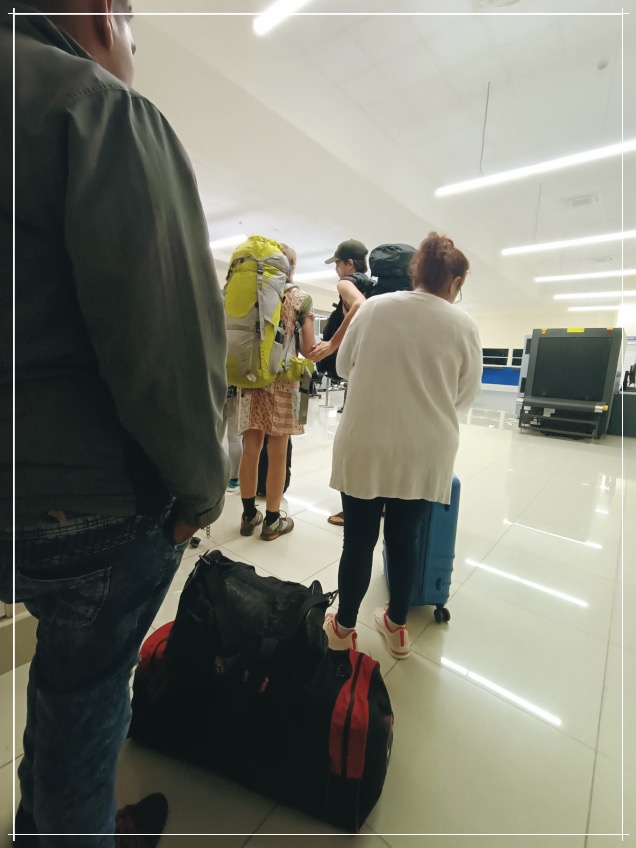
At the Nicaraguan entry-border control, I showed my Philippine Passport with Valid US Visa, so I was asked to line at a different booth. My passport was passed on by several officers. After a few minutes, I got it back. I paid a mandatory 10 USD for Tourist Card, which serves as my entry ticket to CA-4 countries (Nicaragua,Honduras,El Salvador and Guatemala). If I did not have a Valid US Visa, i will not be allowed to do such privilege, and would have to go through the embassies of each countries prior to my arrival. On top of this, I also paid 1 or 2 USD for whatever fees nun. Language was also challenging at the Nicaraguan border, though the driver of Tica bus assisted us on this.
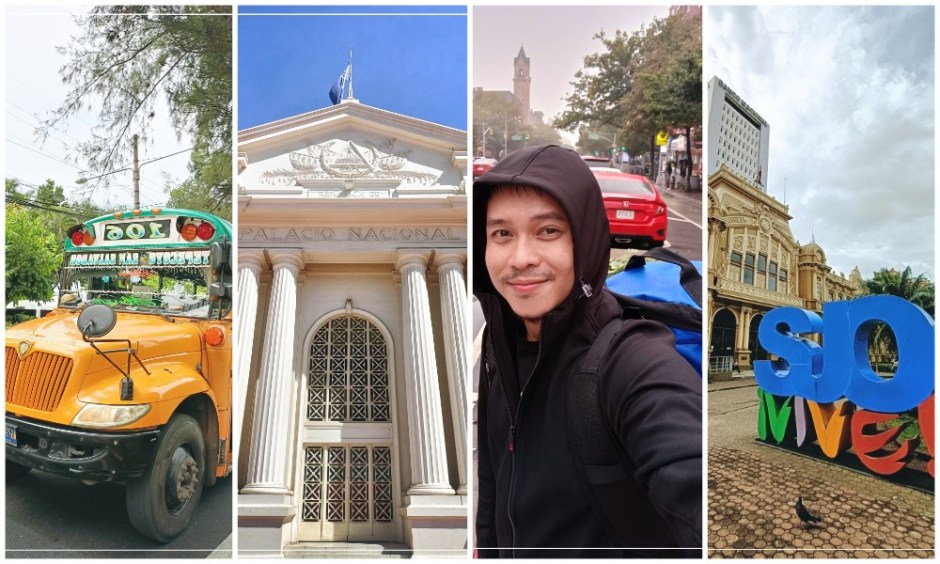
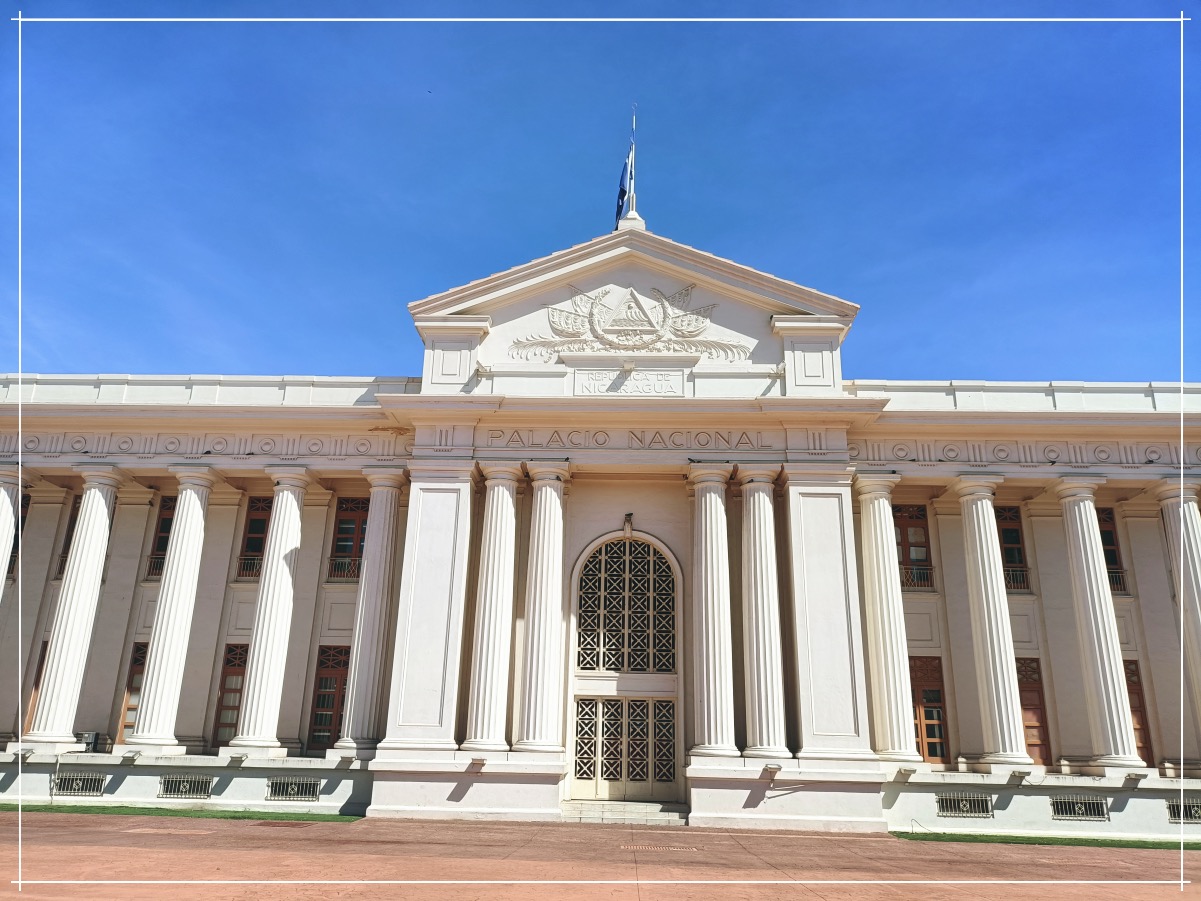
BTW, At the border, there were freelance folks that offer change in money/currency. Though it is not advised but I changed 50 USD to Nicaraguan Cordoba. Money was authentic. I did not encounter any problem using it. Managua landmarks on photos below.
Border Crossing Managua to Honduras then to El Salvador:
From Managua, i took the 2 AM Tica Bus to San Salvador, the capital of El Salvador. Bus Fare: 63 USD. This took around 14 hours travel. I remember arriving at San Salvador pass 4 pm. The Bus route passes through Honduran Territory, as such, may border crossing moment ulit. This was actually the most difficult for me, among the land border crossings I did during the trip. Super Shady ng perimeter ng building nila. The Honduran officers never exerted any effort to speak English while talking to me. NGANGA moments. At the Honduran entry-border control, I was passed on by different officers. Most of them speak loudly, borderline shouting. I also paid a few dollars at the office, I remember paying 1 USD just to enter the border control building. Plus I think 2 USD more for Municipal Fee. As advised, BRING A LOT OF SMALL US DOLLAR BILLS when crossing borders of third world nations. We just passed through Honduras. Nag lunch lang ako dun. Di ko na nga maalala kung may mga exit fees pa nun; likely minimal though.
At the El Salvador entry border control, things went pretty straight forward na. All officers spoke English well. My passport took some time though. As the only Asian in the bus, I was asked to go to a different office. Again, my Valid US Visa was reviewed. The officer did a quick explanation though, which is nice. I paid not more than 10 USD to enter. I forgot what that was for. They provided receipt and ticket. At the El Salvadorean territory, you will definitely see and feel the upgrade on infrastructure. US dollar is also used as the national currency of El Salvador. Sobrang convenient nung arrival ko, as the San Benito Terminal of Tica Bus is just at the front of my Hostel.
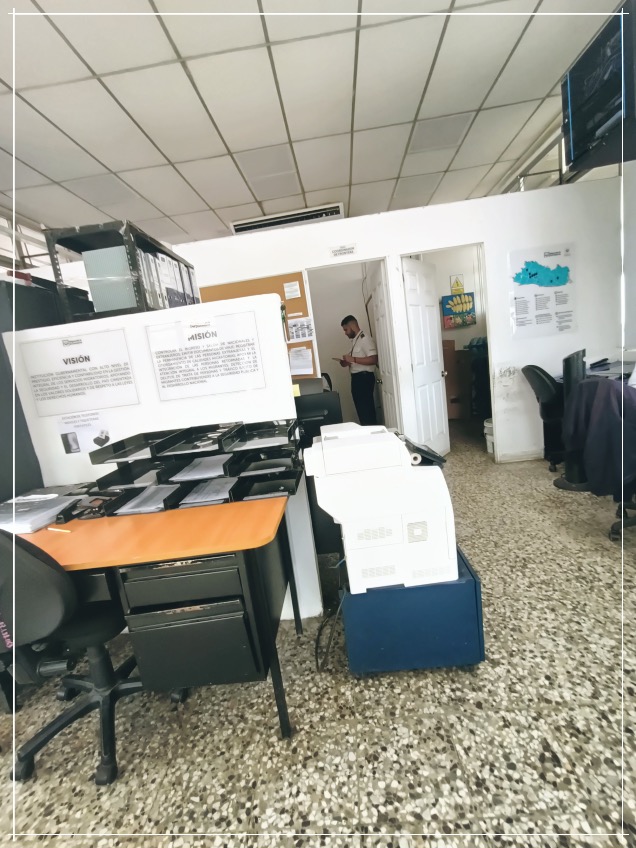
Photo below is the room I was brought for some payments and waiting time. All other passengers (Local, American and Europeans) waited for me at the bus for almost 30 minutes.
My Central American travel ended in El Salvador. If not for the political rallies, I would have proceeded my land trip to Guatemala, which should have been the highlight of all these. I’ve always wanted to visit Guatemala City and Antigua. Oh well, in God’s time.
All in all, ok naman border crossings ko. Very few reference lang available for Land Border Crossing in Central America, especially for Ph passport holders. Big thanks to Escape Manila for all the tips, since he also did the same route, before me.
Will upload more for each CA cities I’ve visited, plus the hostel where I stayed. For now, dito muna. 🙂
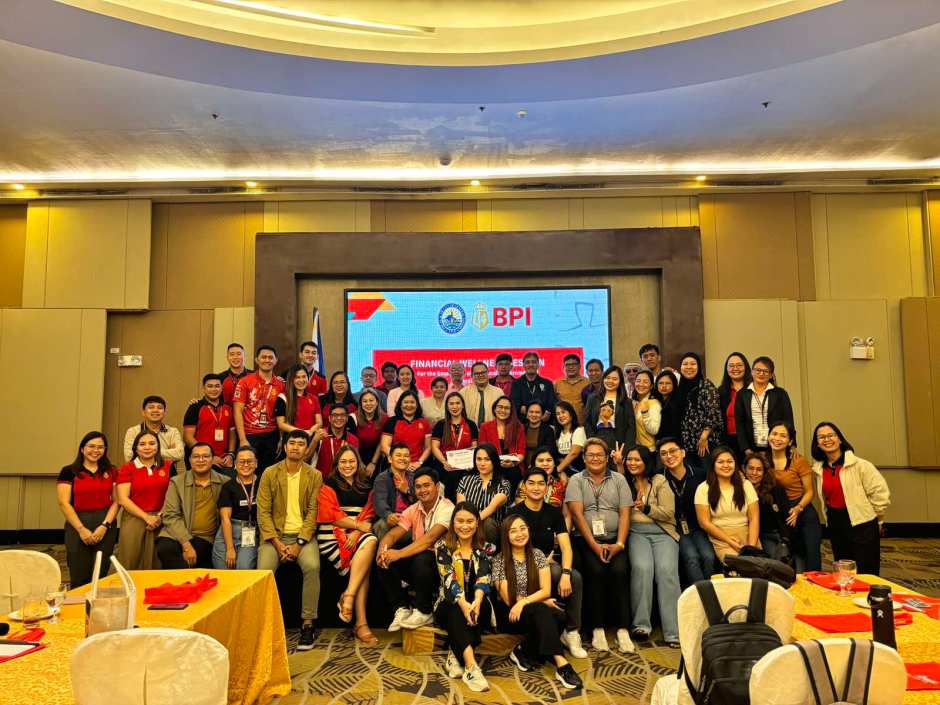
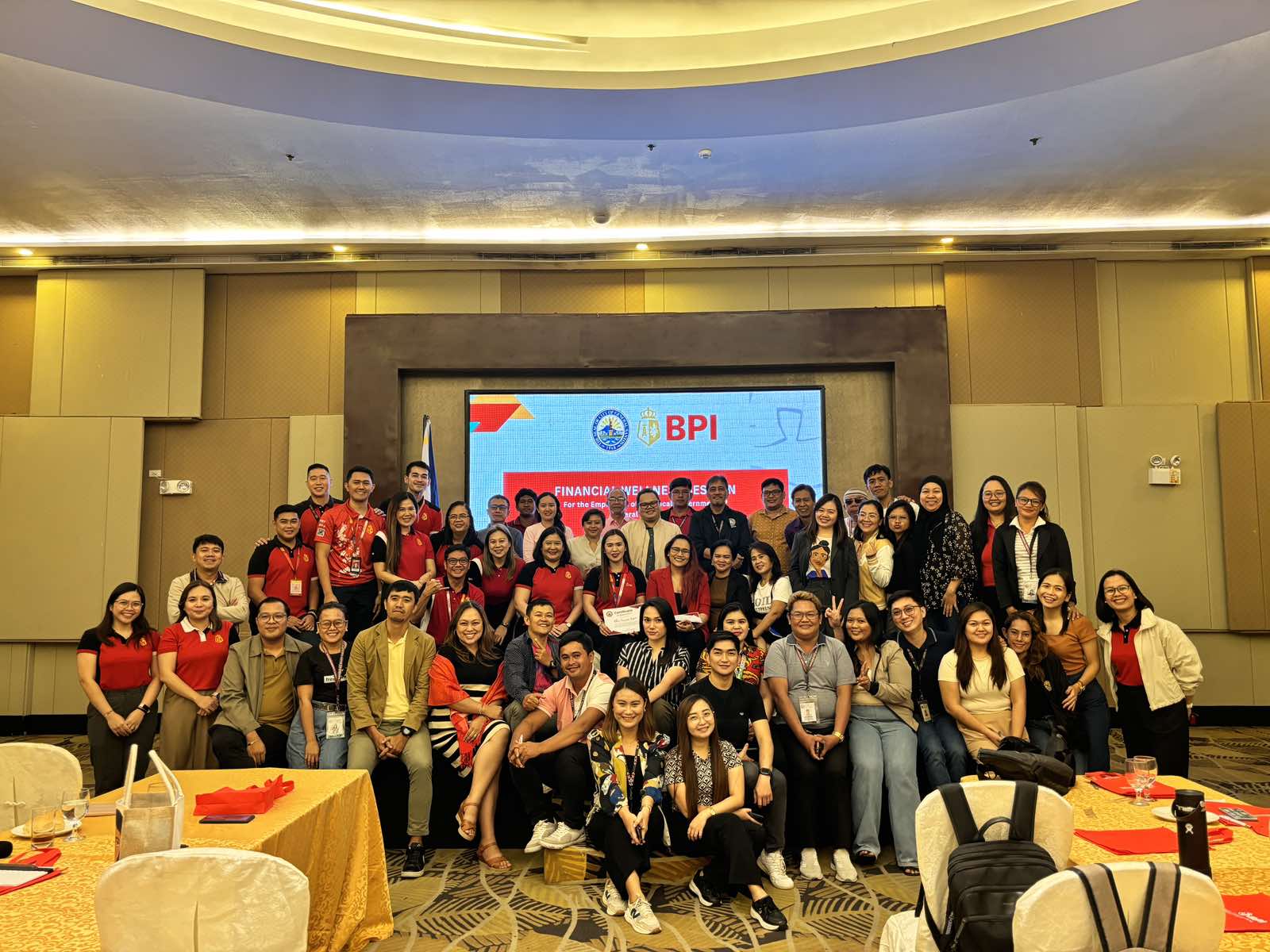
Financial Wellness Coach Lyqa Maravilla facilitates a financial wellness session for General Santos City LGU employees.
As part of its continuing commitment to promote financial literacy across the country, the Bank of the Philippine Islands (BPI) recently conducted a Financial Wellness Session for more than 40 employees of the General Santos City Local Government Unit (LGU).
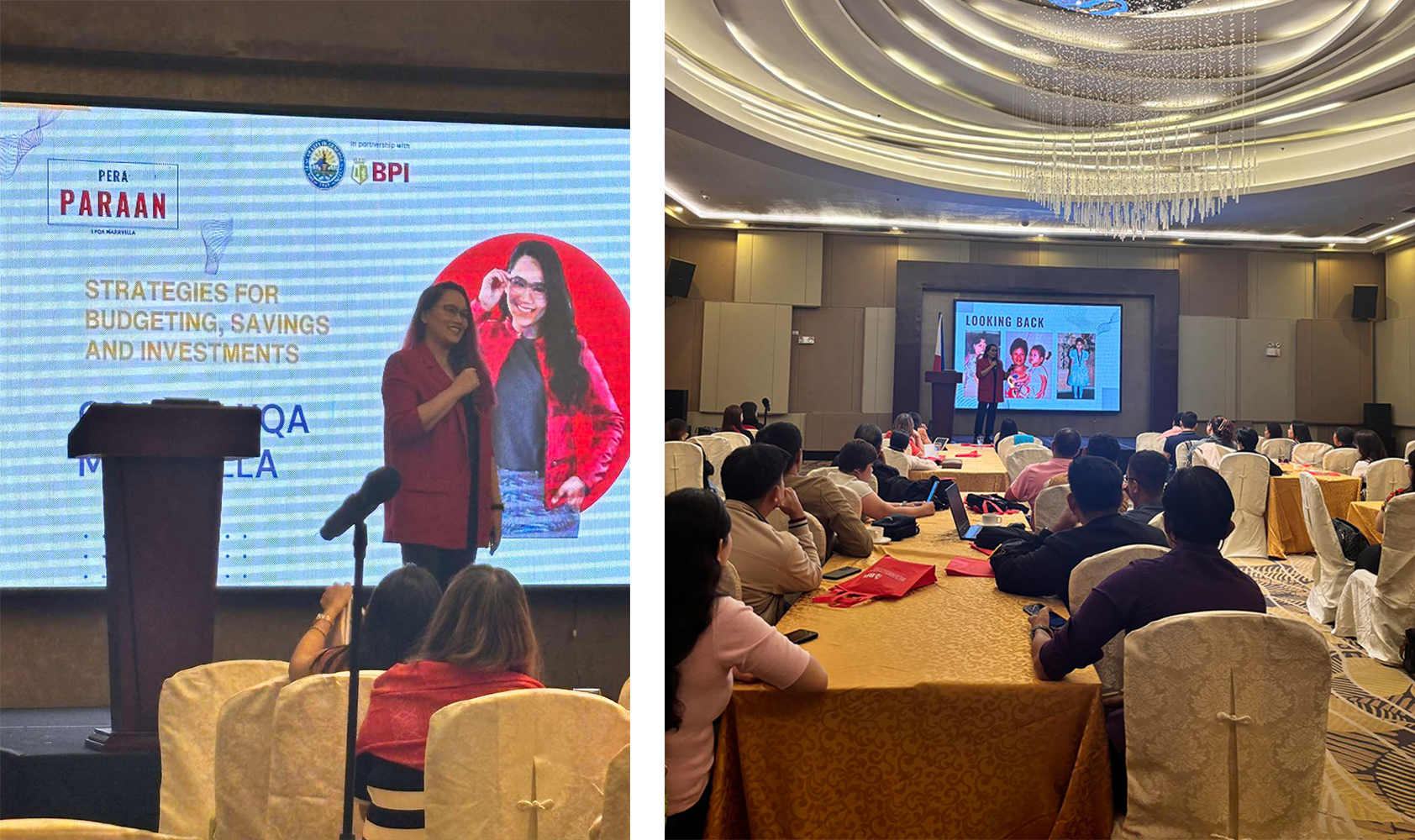
Financial Wellness Coach Lyqa Maravilla led the session, equipping public servants with essential knowledge in personal finance management, with a focus on effective saving strategies, budgeting techniques, and making informed investment decisions. In the next session, Rhea Lorrain Tecson from BPI Agency Banking discussed the basics of digital financial literacy and cybersecurity, covering topics such as safe online banking practices and protecting personal information.
“This initiative reflects our strong commitment to financial education,” said Elena Torrijos, BPI Head of Public Affairs. “By partnering with LGUs and other key institutions, we aim to empower more Filipinos, especially those who serve as frontliners in their communities, to take charge of their financial future.
The Financial Wellness session in GenSan is just one of many initiatives that BPI has been undertaking to address the diverse financial education needs of Filipinos nationwide. As part of its ongoing advocacy, BPI aims to establish and sustain meaningful partnerships with more government partners across the country. By fostering these relationships, the bank contributes to ensuring that financial literacy becomes a long-term, widespread endeavor, benefitting public servants, educators, small business owners, and many others.
In line with its 173rd Anniversary this year, BPI remains steadfast in its mission to create a financially empowered society through strategic partnerships and targeted educational programs. These initatives form part of the bank’s vision of helping build a better Philippines – one family, one community at a time.
The moment I landed in San Jose, Costa Rica, I immediately felt the vibe that’s undeniably similar to my home country (Pilipinas). Not just on the obvious colonial Spanish influences we shared, but on the actual environment itself, since CR is also a tropical island-country surrounded by seas on both sides. With only around 50 sq. km. land area, the whole of Costa Rica is actually smaller than Mindanao, which has a land area of approx 95 sq. km. From above, the Costa Rican landscape is generally green with scattered mountain ranges. I’ve also seen patches of mineral-mining sites, which is very similar to the Ph. Hopefully though, their regulations are better than ours.
The weather in CR is hot/humid. I believe Ph shares the same latitude as CR and other nearby Central American Countries. The time I went there, i experienced rain scattered throughout the day. Also during arrival, I noticed that the airport interior looks super similar sa Arrival Hall of Mactan/Cebu I.A. The classic glossy marble flooring gave the vibe.
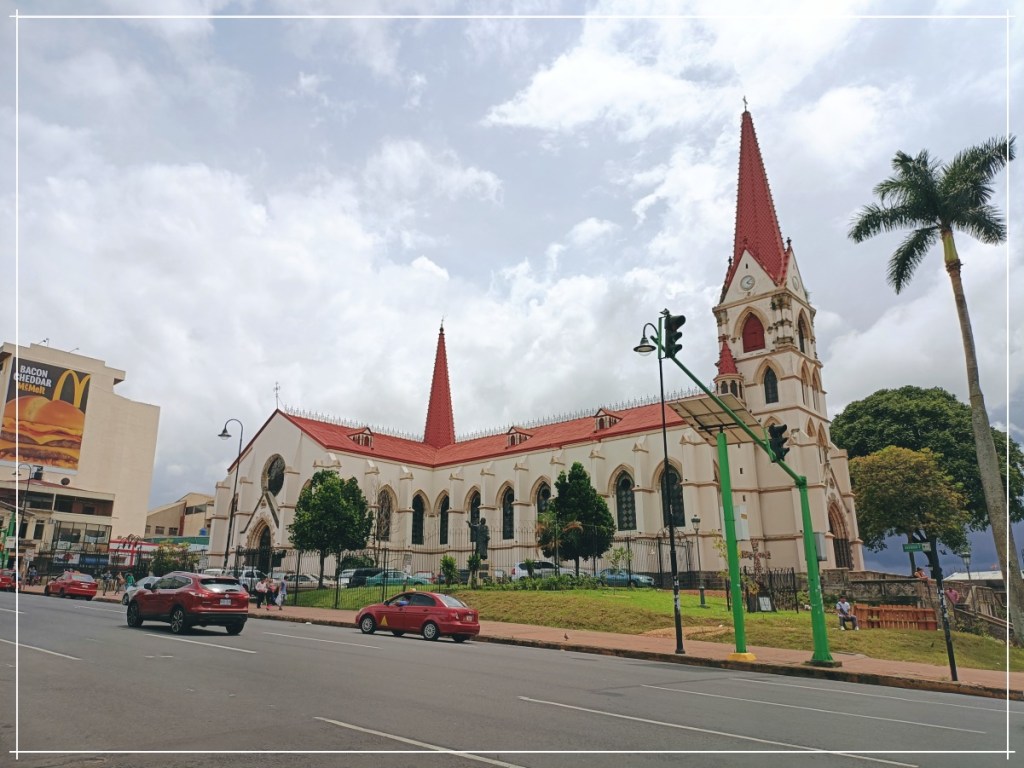
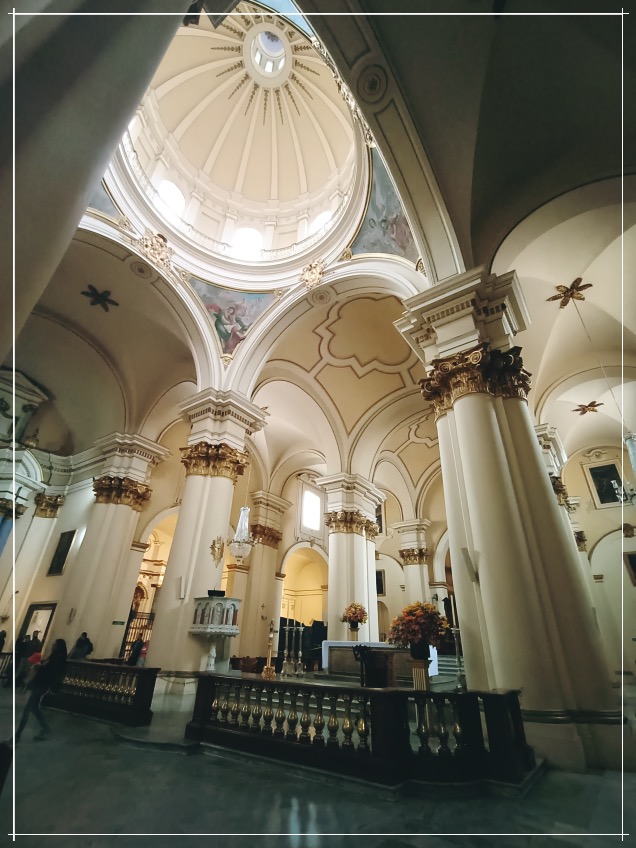
With the strong Spanish Influence, Costa Rica is still dominantly Catholic ’til today. The historic landmarks says a lot about it.
In San Jose, I stayed for two nights at Casa Colon Hostel, which is a pre-WWII mansion that has been converted to a hotel, then to an affordable hostel today. Quite memorable kase ako lang guest nun sa isang lumang bahay, like goodluck. The stay turned out very pleasant though. I rested very well.
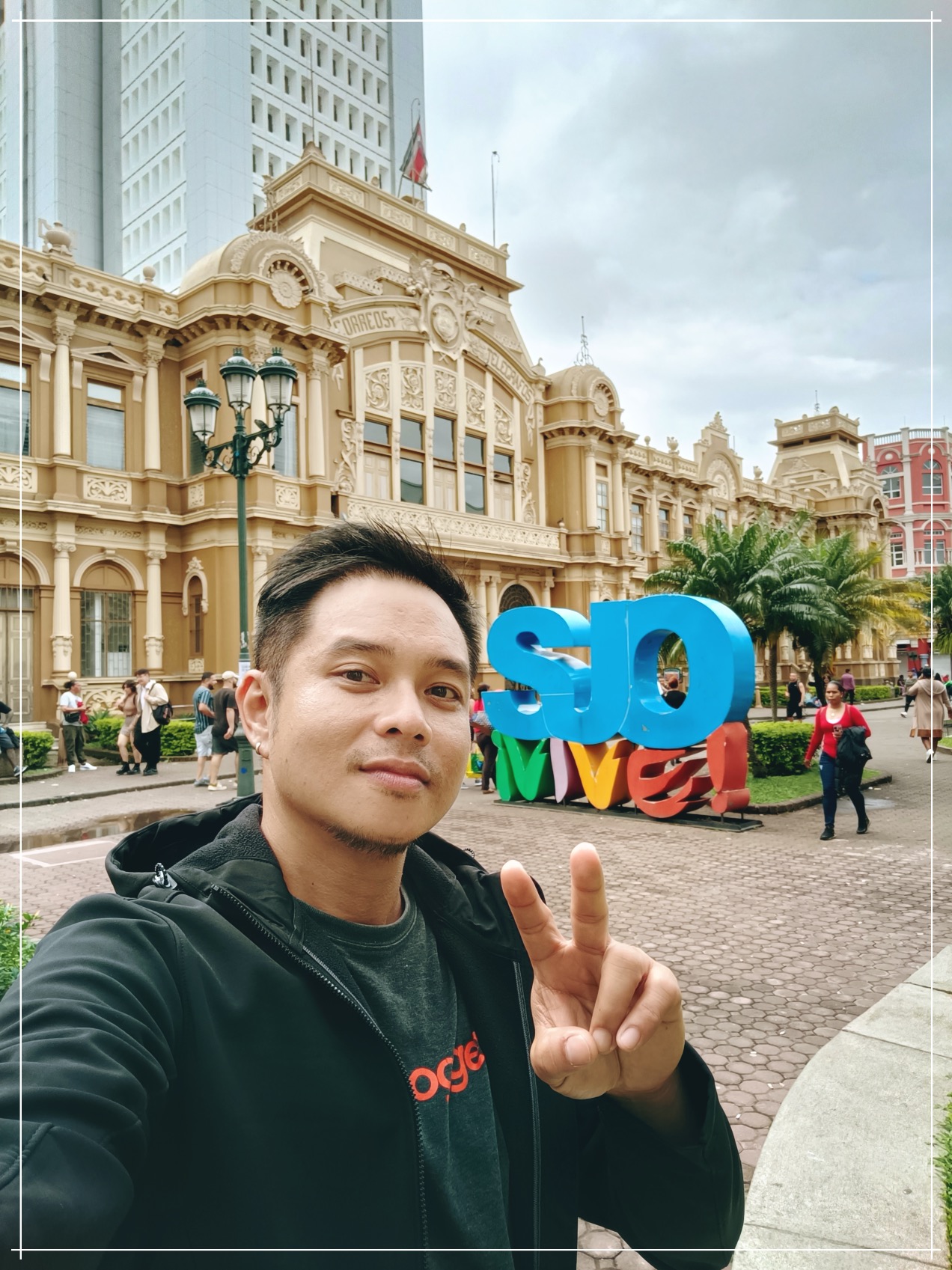
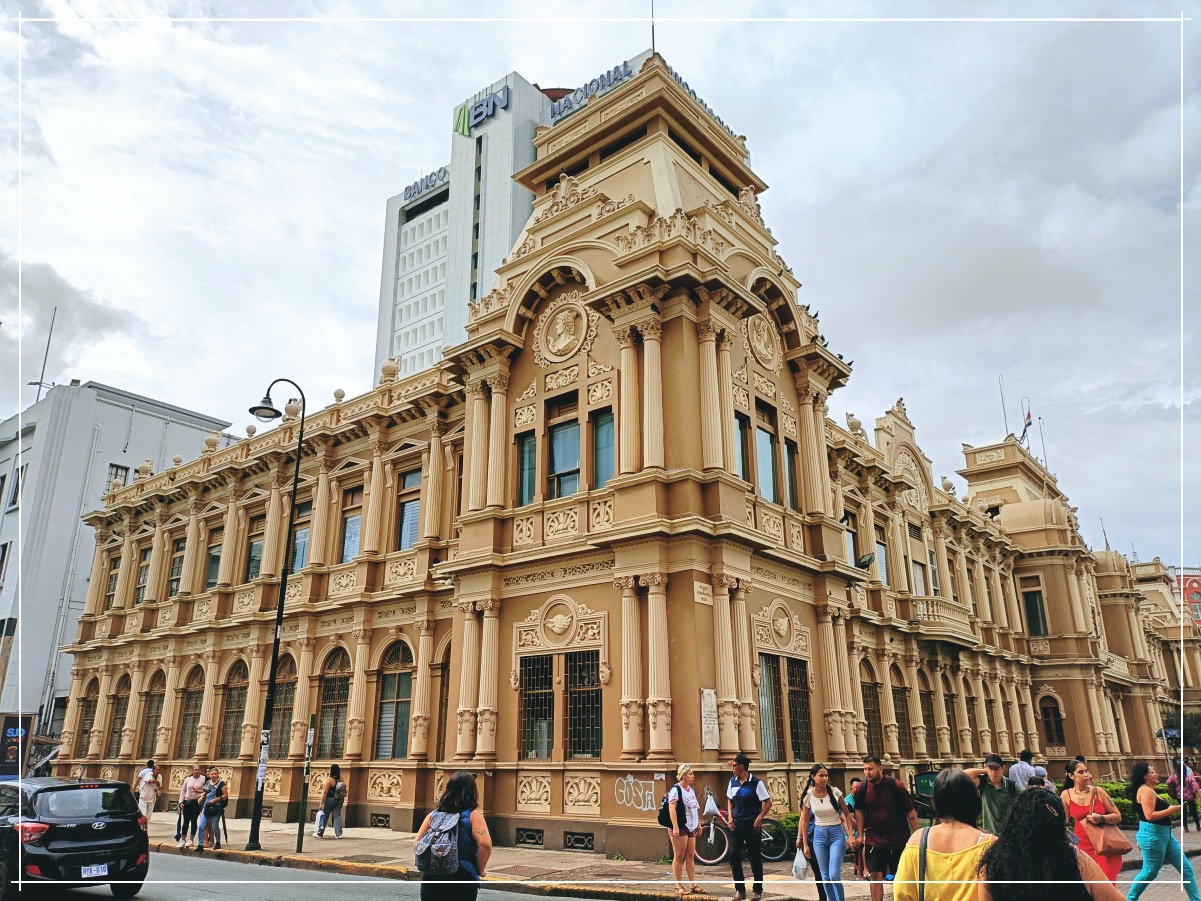
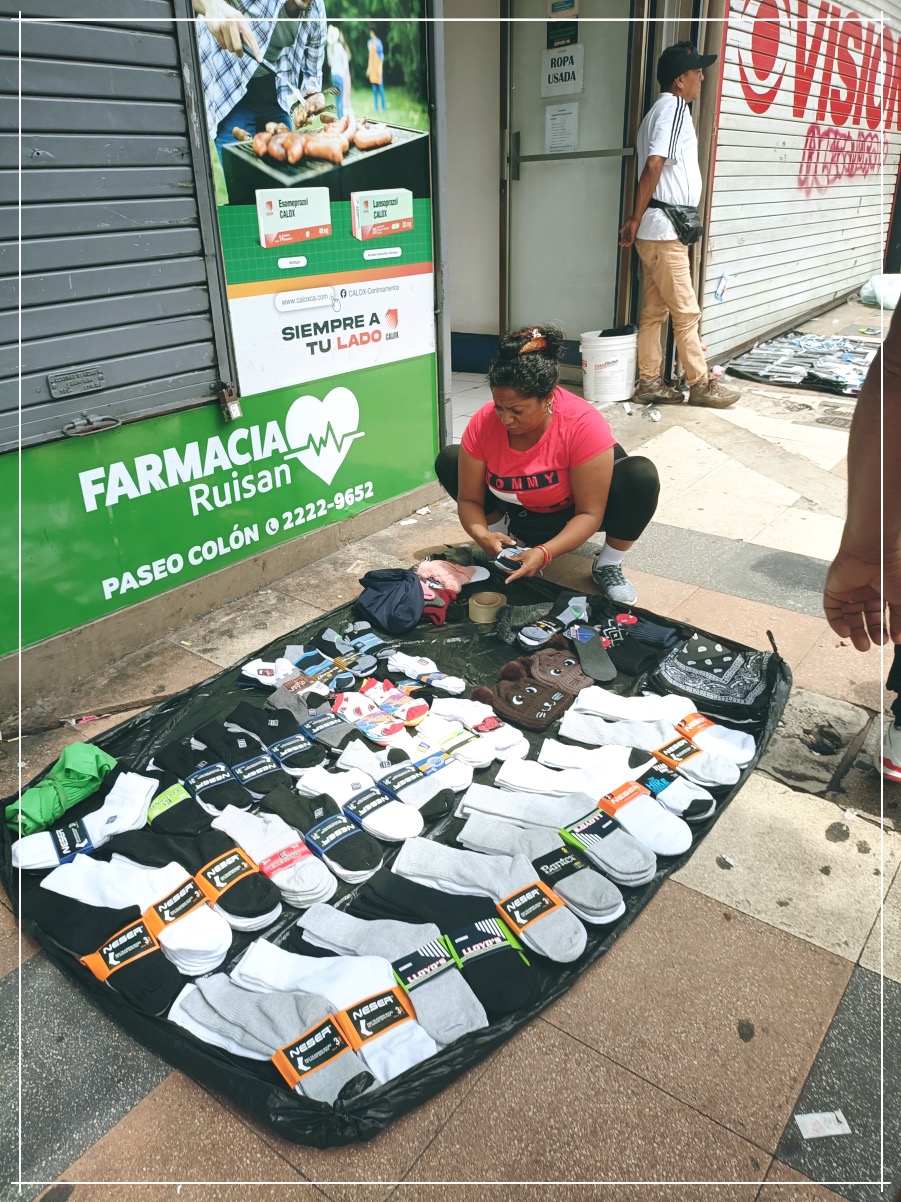
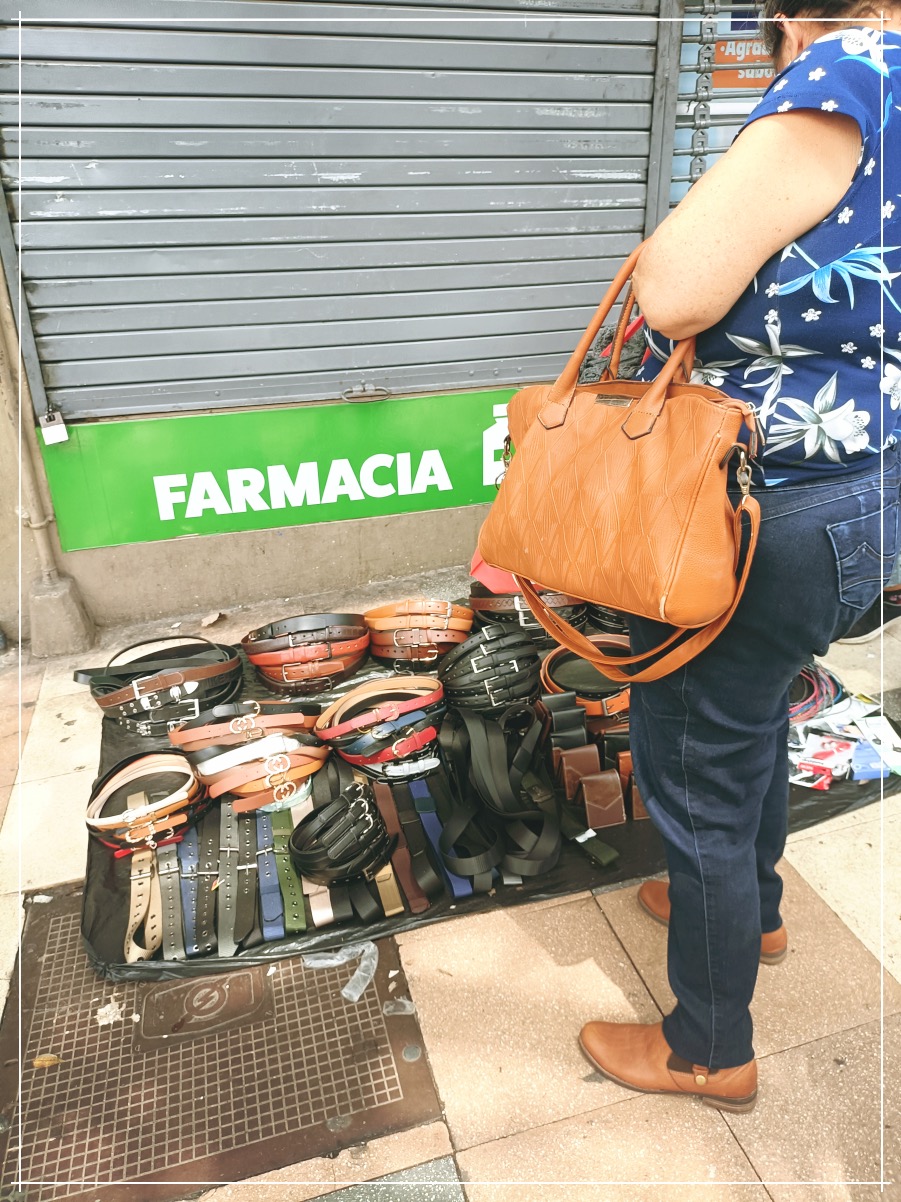
The weather expectedly influences the lifestyle and way of living of the locals. I went to a public market in San Jose, and agricultural/harvested products are very similar to ours. The locals also dress almost exactly like us, and guess what? Madami din Ukay-ukay stalls dun, as well as sidewalk vendors! Here are some random shots I got during my free-days in the Costa Rican Capital.
The food I shared above is Arepa Venezuelana. Arepa is Latin America’s answer to European bread. But instead of using wheat or rice flour, arepa is made of corn flour, which is common in the area. The hefty white filling is actually chicken in cream sauce, which was very good. Hinanap ko snackhouse na ito via tripadvisor e.
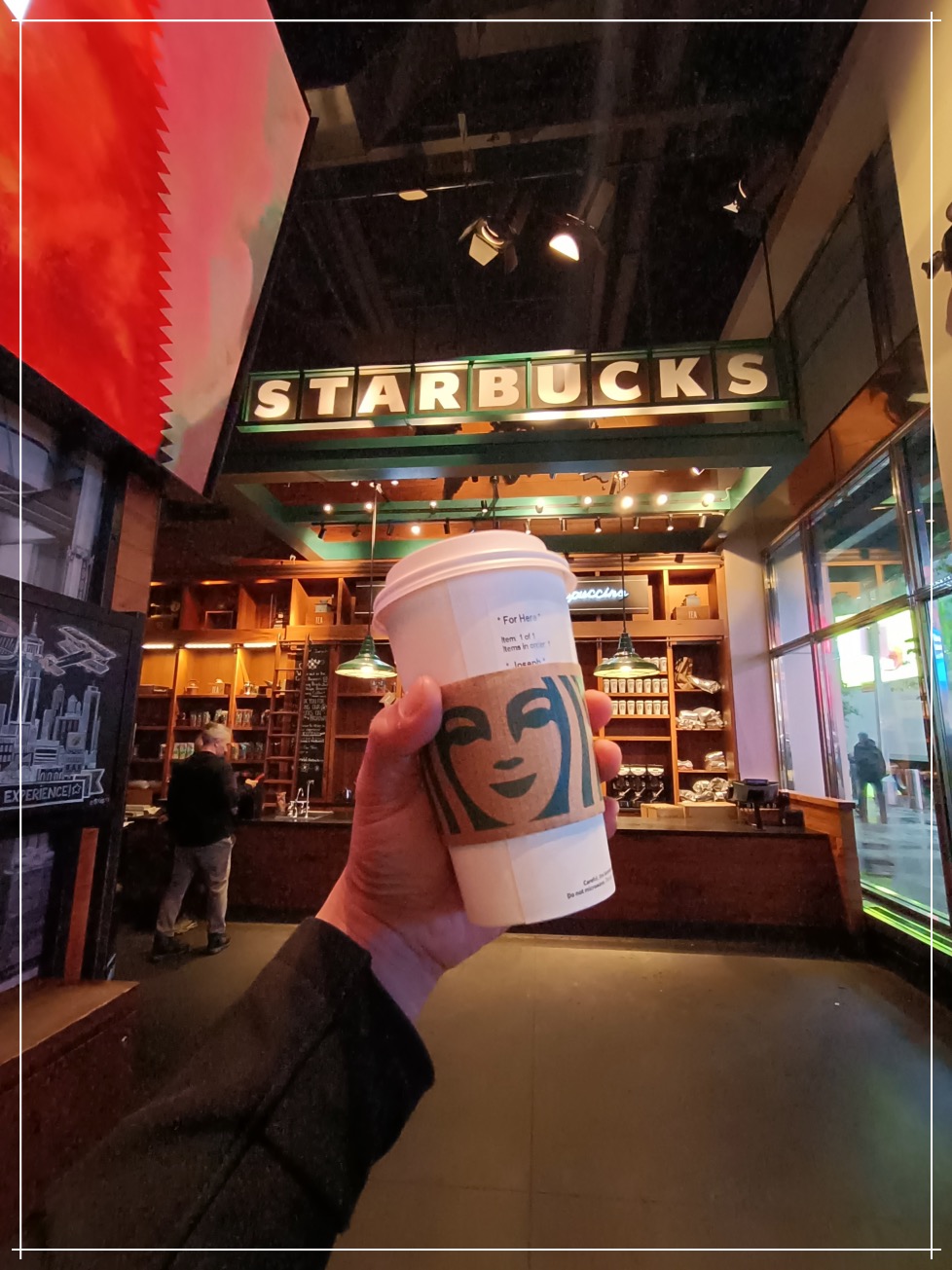
I found the cutest Starbucks disposable cup in Costa Rica. Trivia, Starbucks owns Hacienda Alsacia, a 240-hectare coffee farm in Costa Rica, that serves as a global Research and Development facility and working farm for the global brand. The farm is open for visitors at certain times of the year.
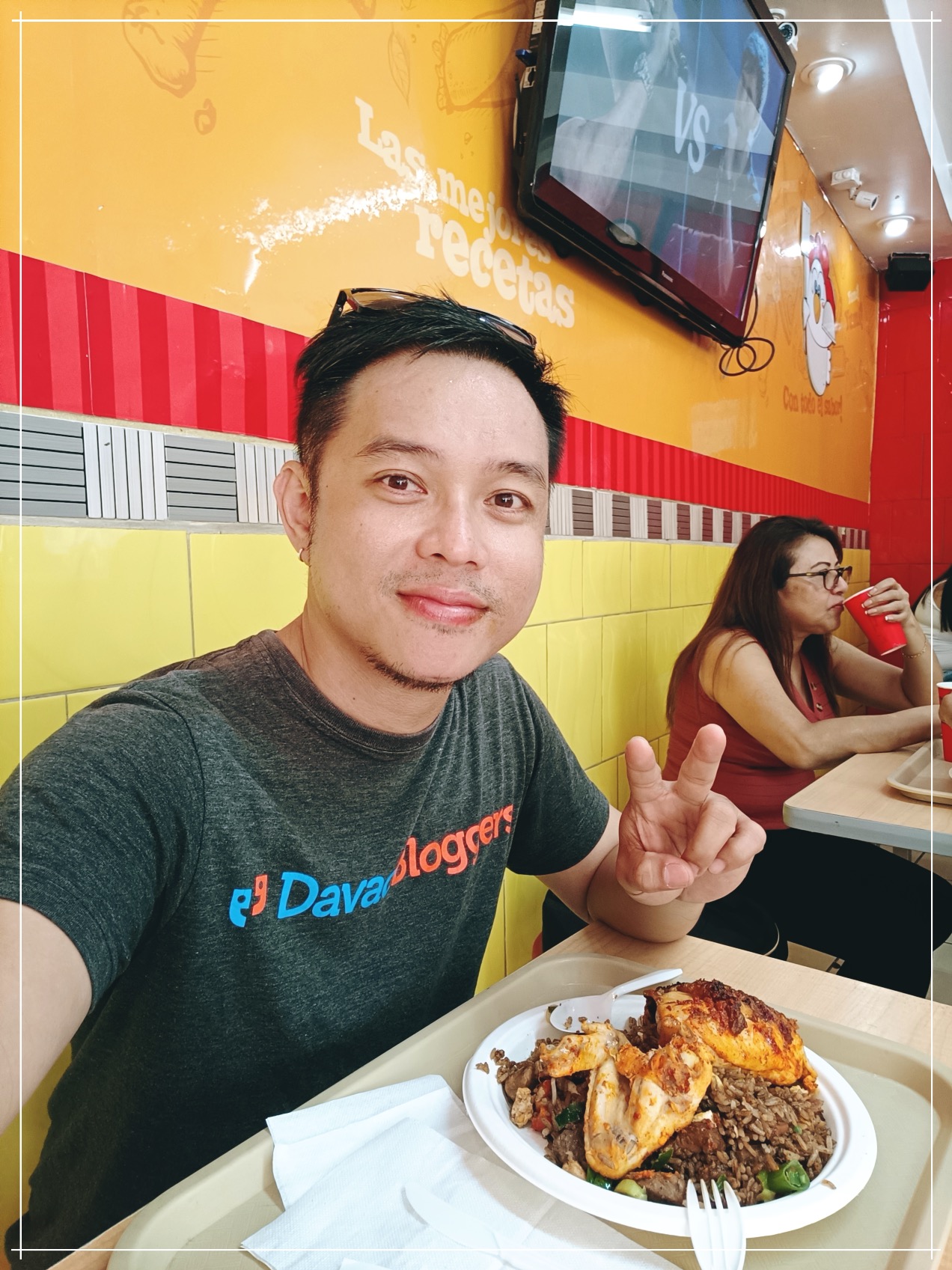
The public market in San Jose is probably the cleanest,most well-maintained public market in any third world country. I enjoyed this “Casado” plate, which is a traditional combo meal in Central America, consisting of rice, black beans, plantains, salad, a tortilla, and a protein. For this plate, I had beef machado, which I find very similar to our humba na bisaya.
In all honesty, tinamad na ako mag tour around San Jose, as i was already on my third week of travel. Peru and Colombia (Bogota) took so much energy from me. Undeniably, these two were the highlights of my Latin American trip. Rio stressed my a lot, as such, naging pahinga ko na din actually itong stay sa Costa Rica. Mura din ang pagkain, but I actually started to crave for fast food na. lol
Filipinos are visa-free to enter Costa Rica, btw.
From San Jose, the adventure continues to Nicaragua by land/public bus. Dito na yata start ng pinaka mahirap na leg of the trip. Kwento ko later.
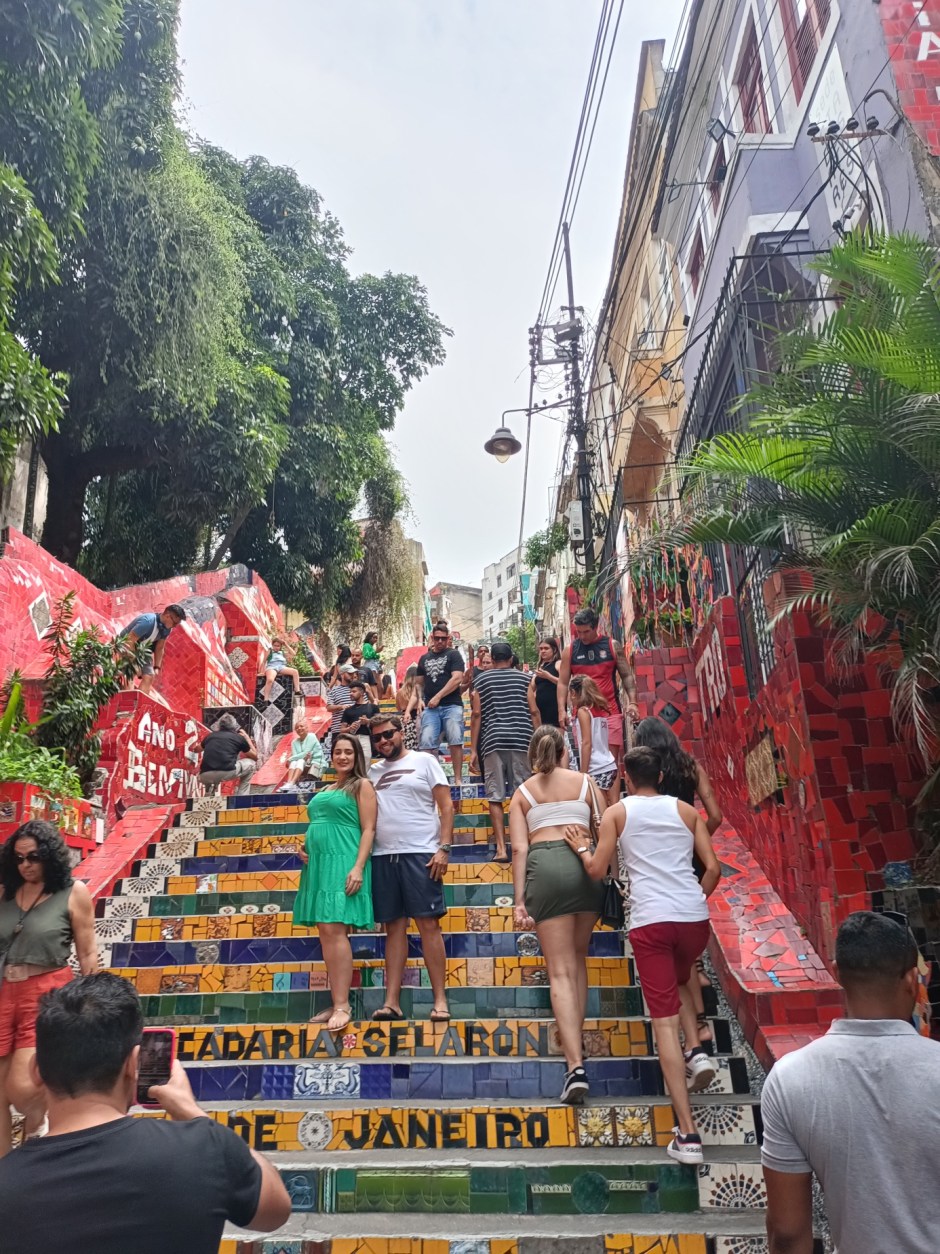
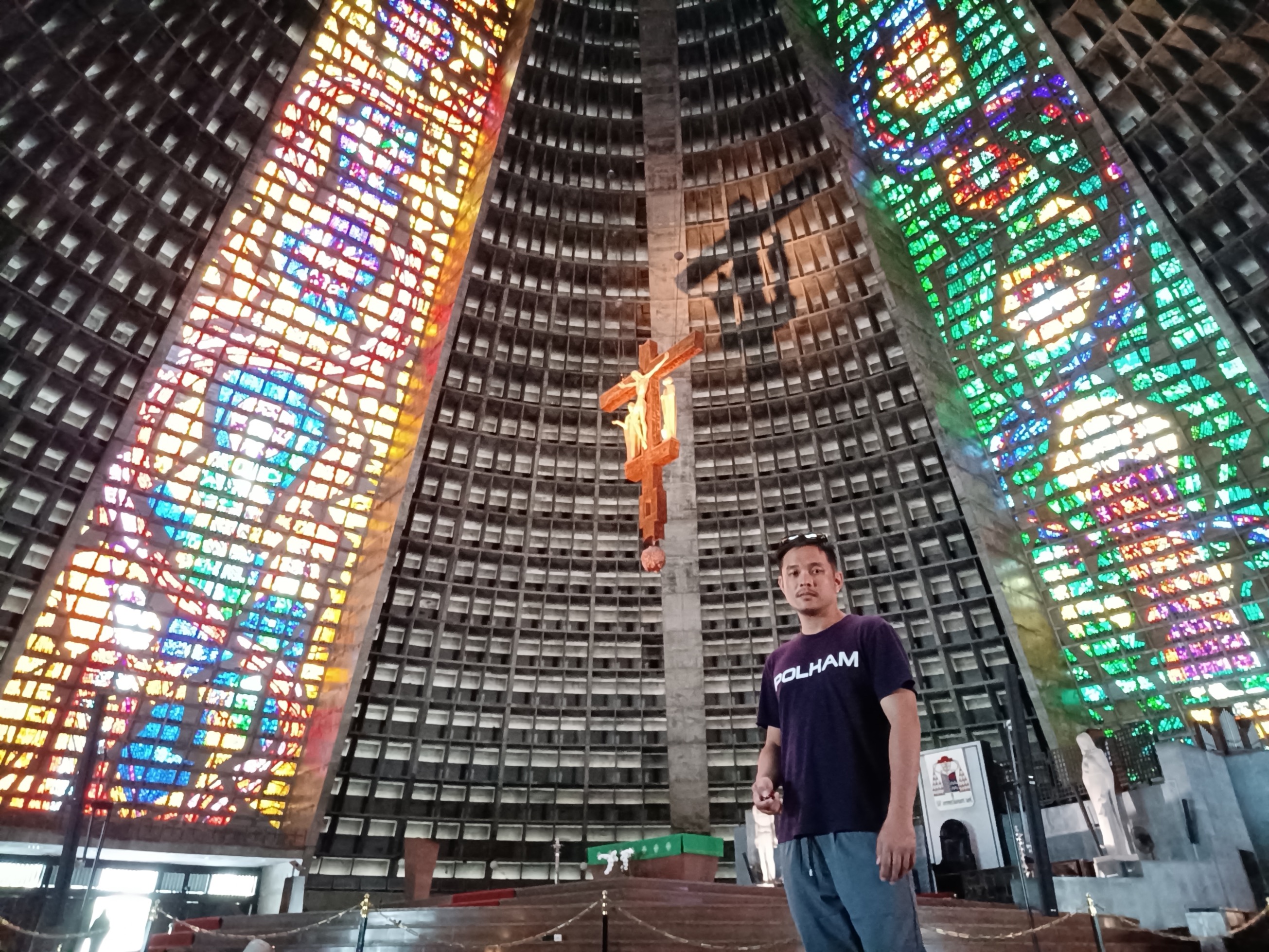
Though prior to the trip, I already got a handful of heads up that Rio can somewhat be notorious on tourists; especially solo travelers. I had friends from Cebu who got robbed, mobbed and harassed in Selaron (a popular tourist spot) in broad daylight. Yun cover photo ko, yan yung Selaron. Robbers took their passports as well, thus destroying their onward plans in South America. As such, I was double cautious all the time. Opted to stay in Rio for just two nights. My only priority was to visit the Christ Redeemer Sanctuary and I am done. See my Christ Redeemer blog post here.
Despite all the warnings, I still got scammed in Rio. Guess what? By an Uber driver. During my ride from the airport, I paid the driver with local currency-cash. But as soon as I was dropped off, I received a notification from Uber, saying that the most recent ride was charged to my credit card. It still puzzles my how the driver changed the mode of payment after the ride, since these choices are done by me, prior to the ride. I immediately made an incident report on this. However, i cannot use the app while the investigation is going. At di ko kaya yon! I needed a legit booking app more than ever in Rio. As such, ni let go ko nalang. doble tuloy kita ng driver sakin. Good thing it only happened once.
Another inconvenience I encountered in Rio was that all my Visa/Mastercard Credit and Debit Cards got declined immediately on my first attempt to swipe for food at Rio airport. The cards were from Eastwest and BPI, both local Filipino banks. I reported the incident to Eastwest Bank online support, yet they could not find any errors, saying that my cards have always been ready for international use. Meanwhile, BPI online did not respond to me. These cards worked well with other countries though. So yun, ni-let go ko na. Total, 2 nights lang naman ako sa Rio.
I had a friend who traveled to Rio na din (for work) pero never naman daw nagka problema credit card nya. However, Citibank at HSBC daw dala nya that time. As such, baka nga yung local banks ko lang ang nag-drama for the eme.
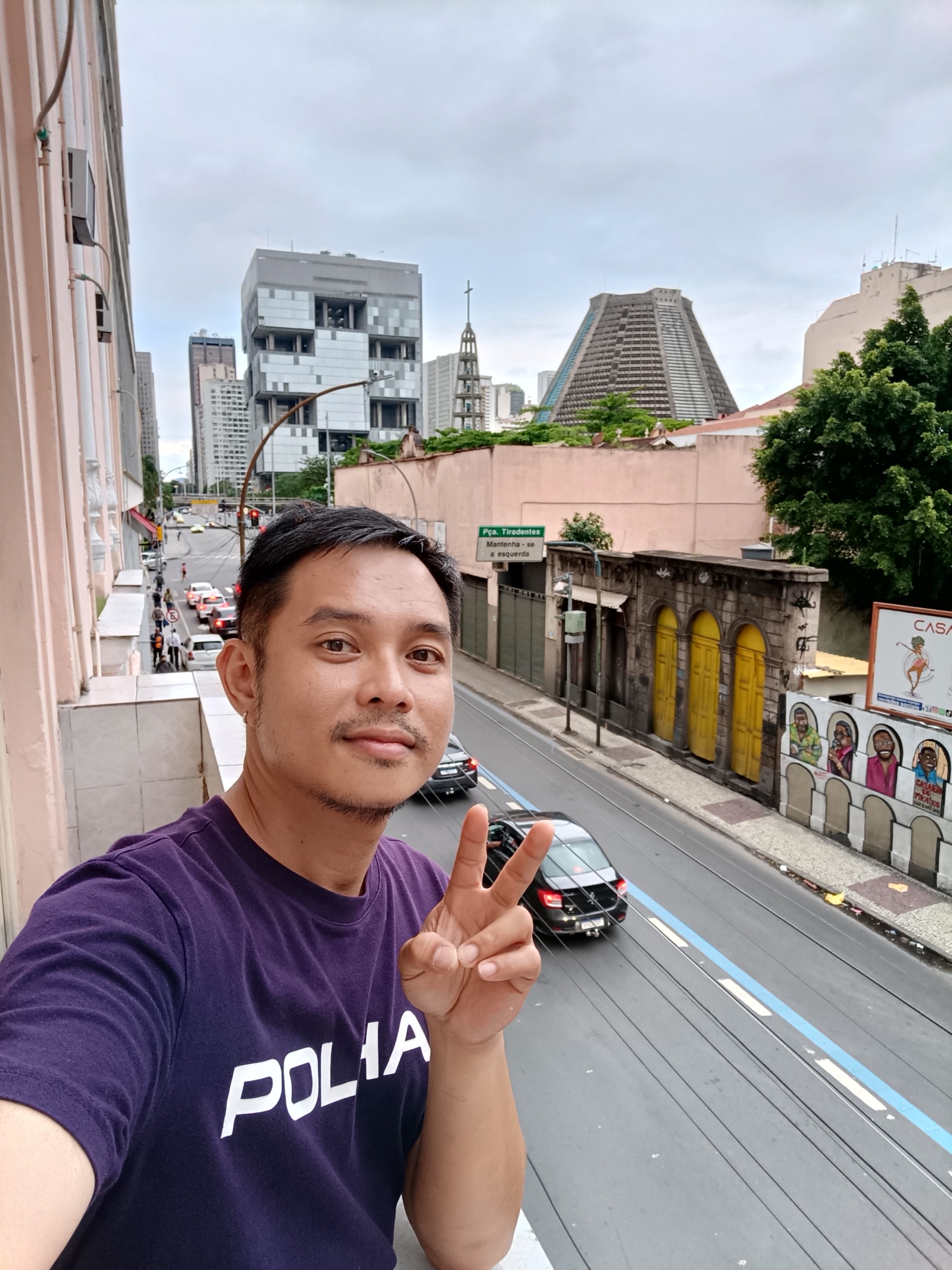
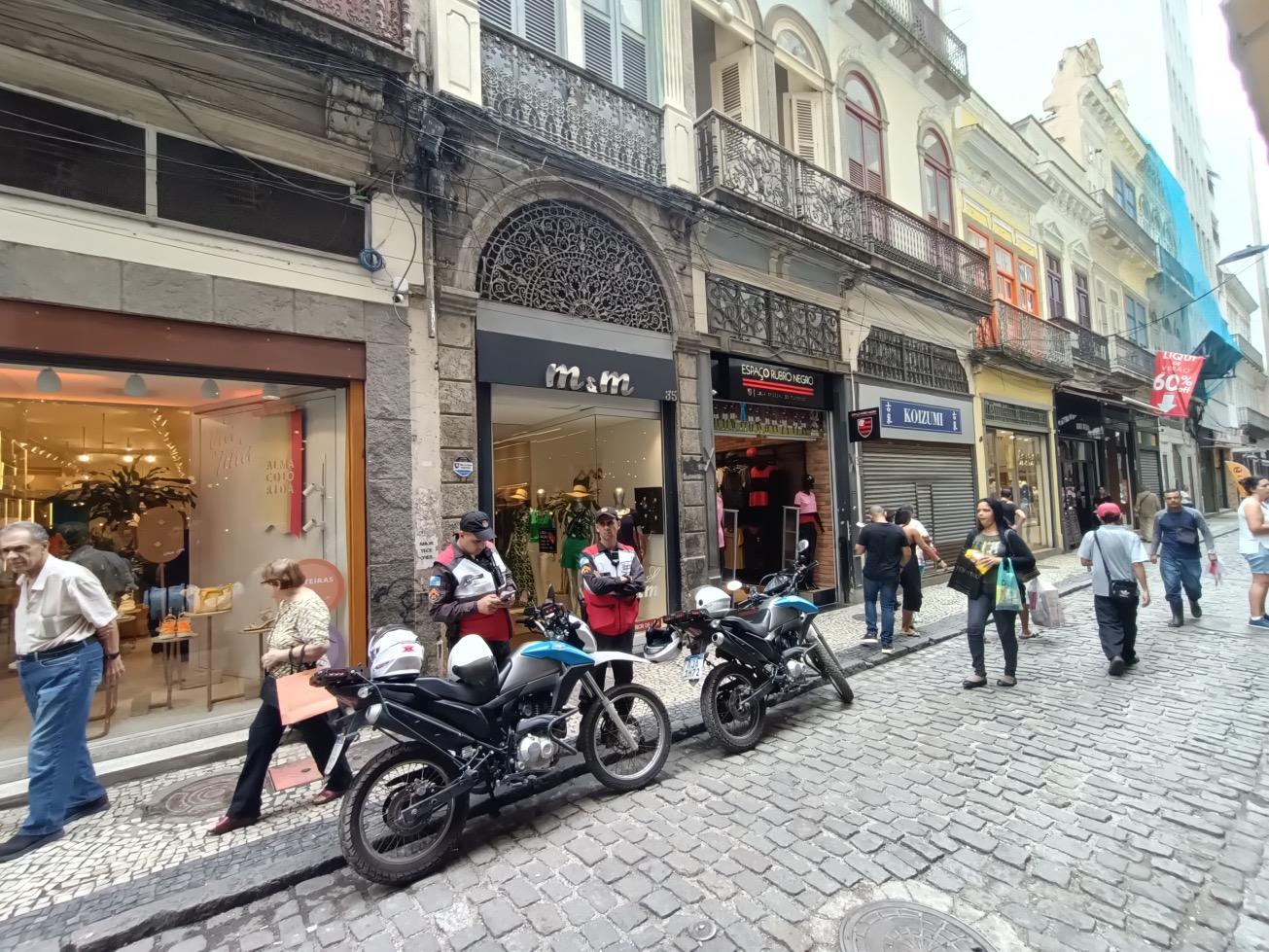
Isa din sa di ko nagustuhan sa Rio is dirty at daming homeless na high on drugs sa daan. Though galing naman ako sa Pinas so these street views should not be new to me. Pero malala talaga dun. O baka kasi sa old/historic district ako nag stay. kaya yun. Oh well. Isip ko nalang minor inconveniences lang ito compared sa iba.
Despite all the inconveniences, I must also acknowledge that Rio is a visually stunning city with its evident colonial architecture influences, as well as its surrounding hills, beaches and ocean. The panoramic views from Sugar Loaf and Christ Redeemer Shrine in Corcovado are amazing.
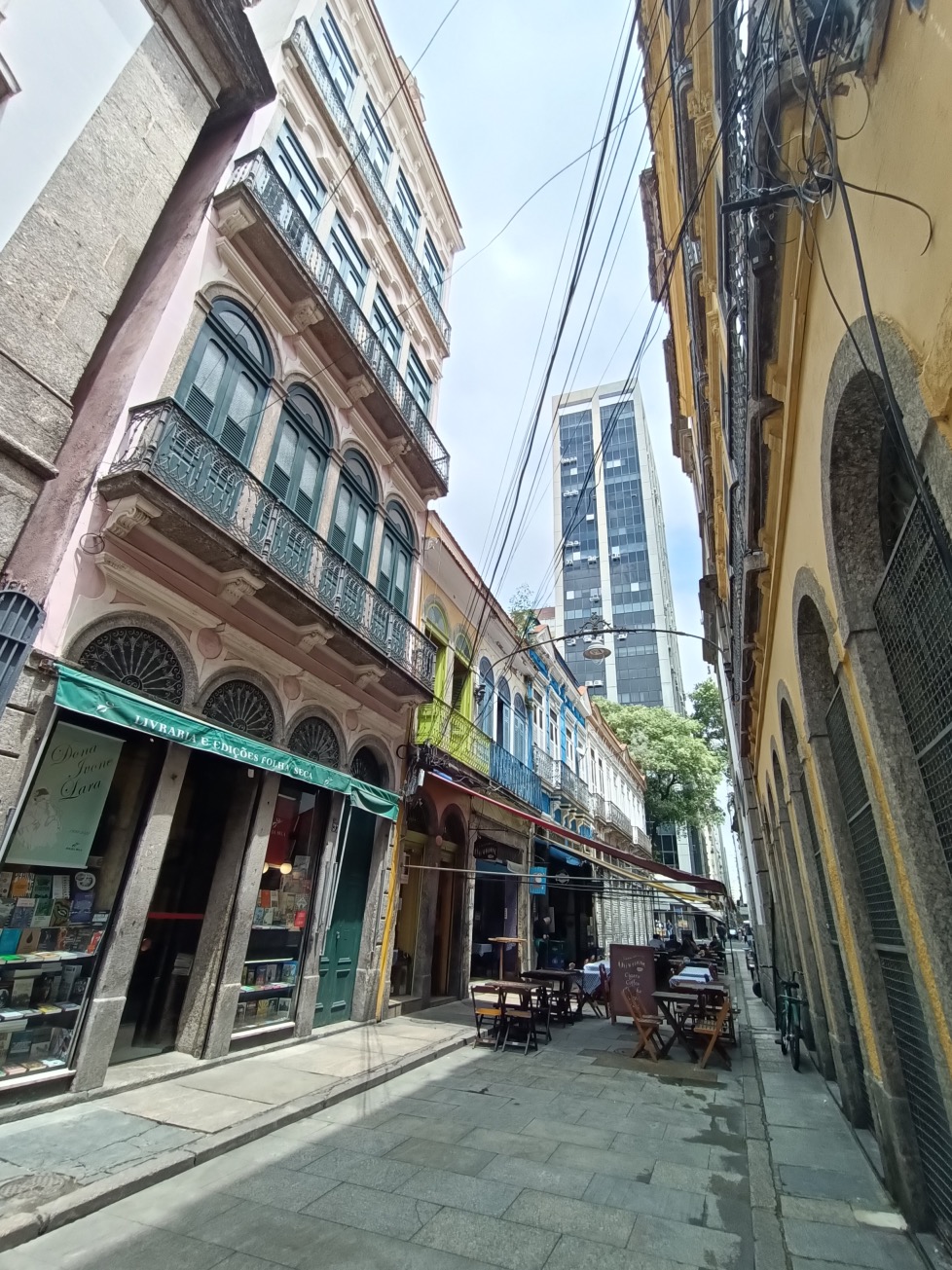
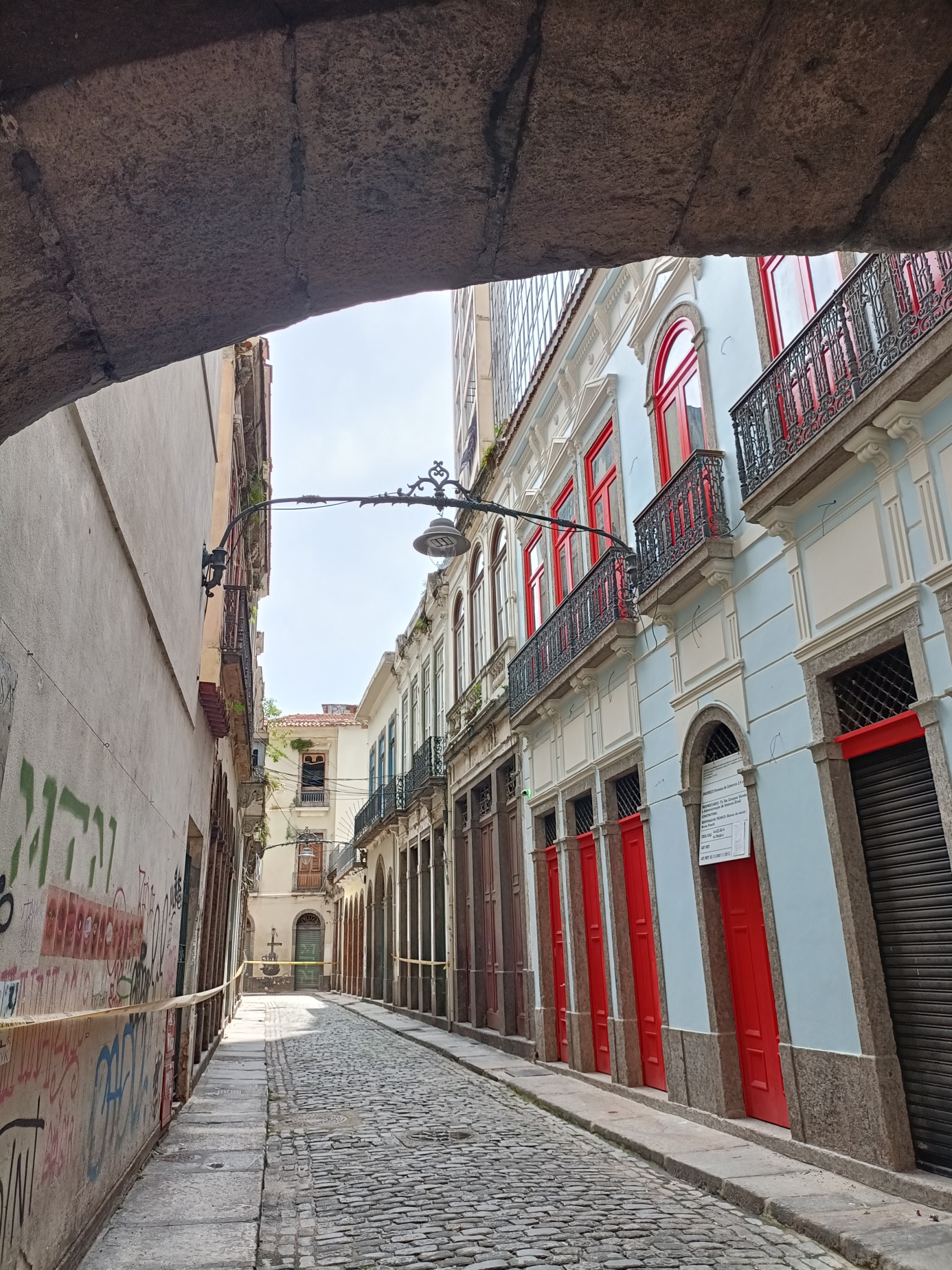
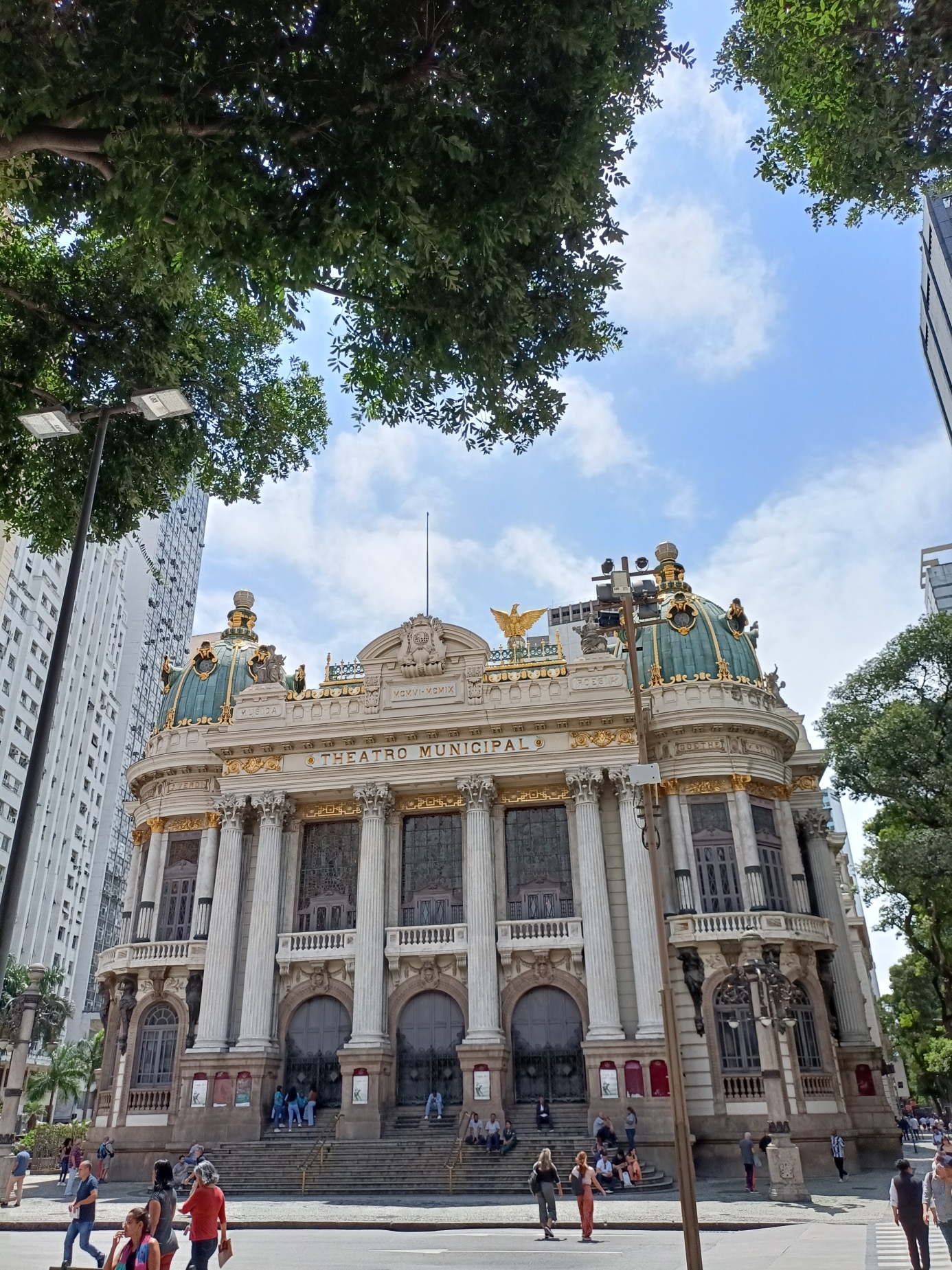
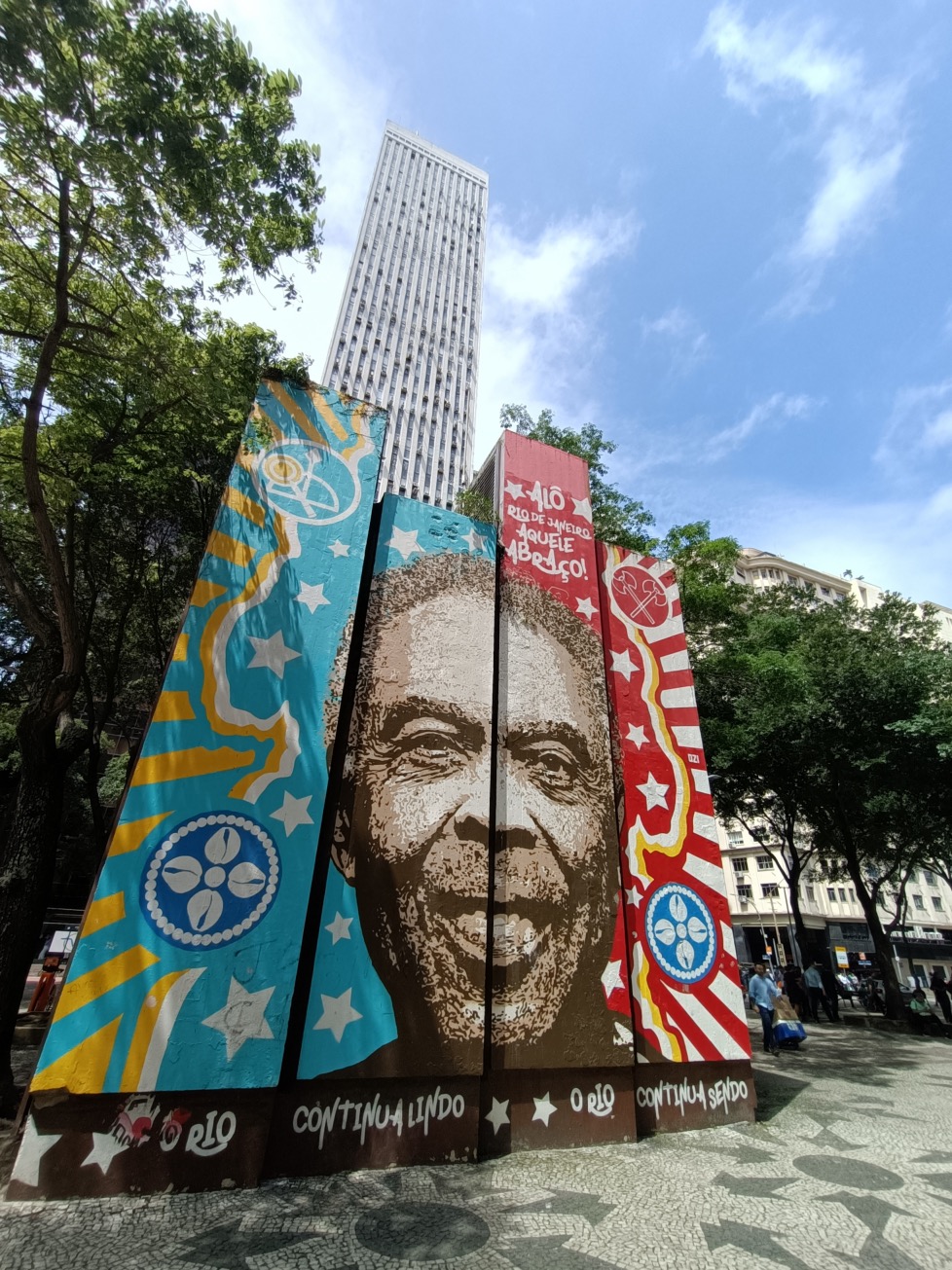
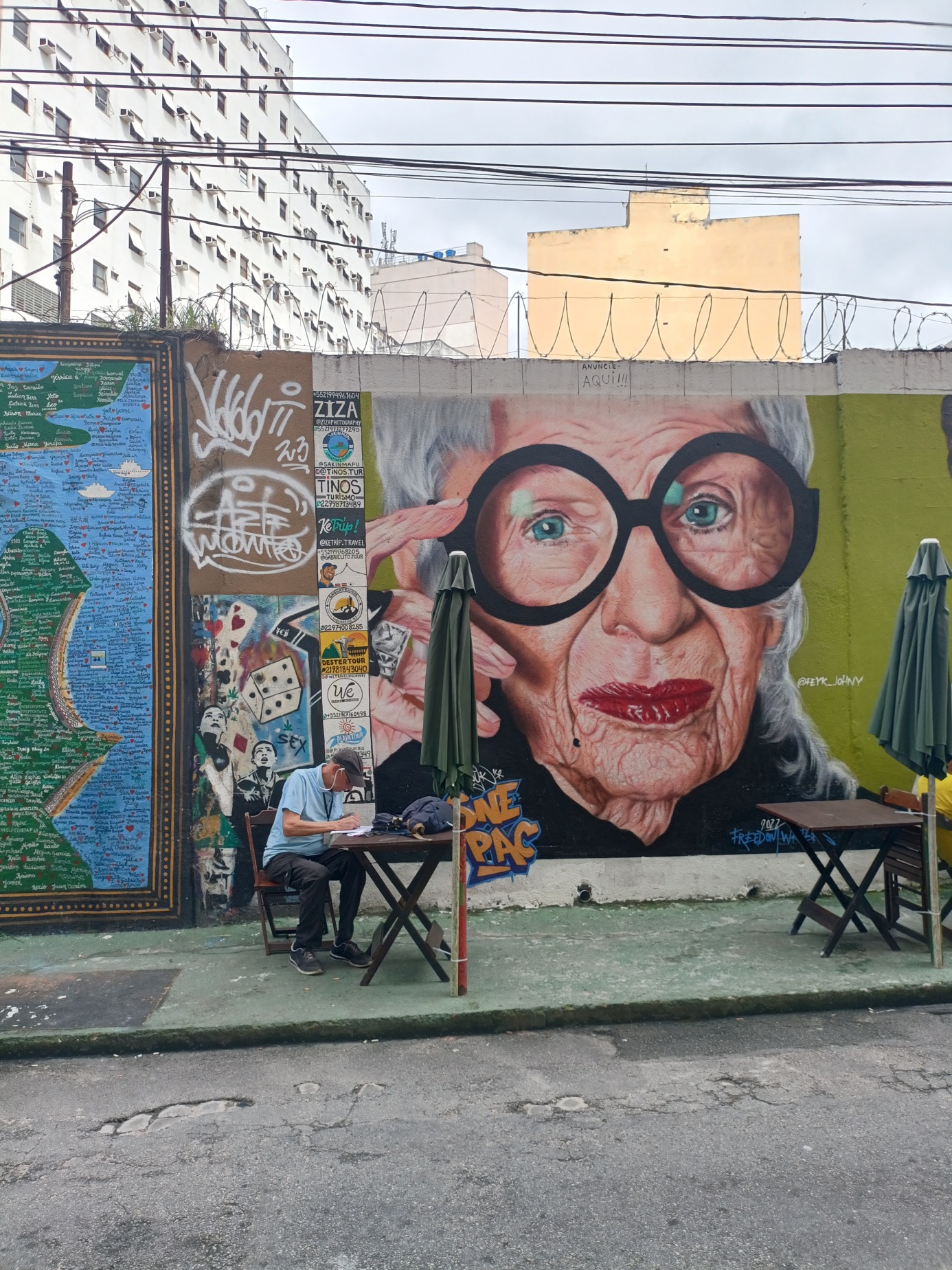
I joined a Free walking tour once again with Guru walk during my first day and here are some random shorts around the old/Historic quarters of Rio:
Dami murals and splash of colors sa streets nila.
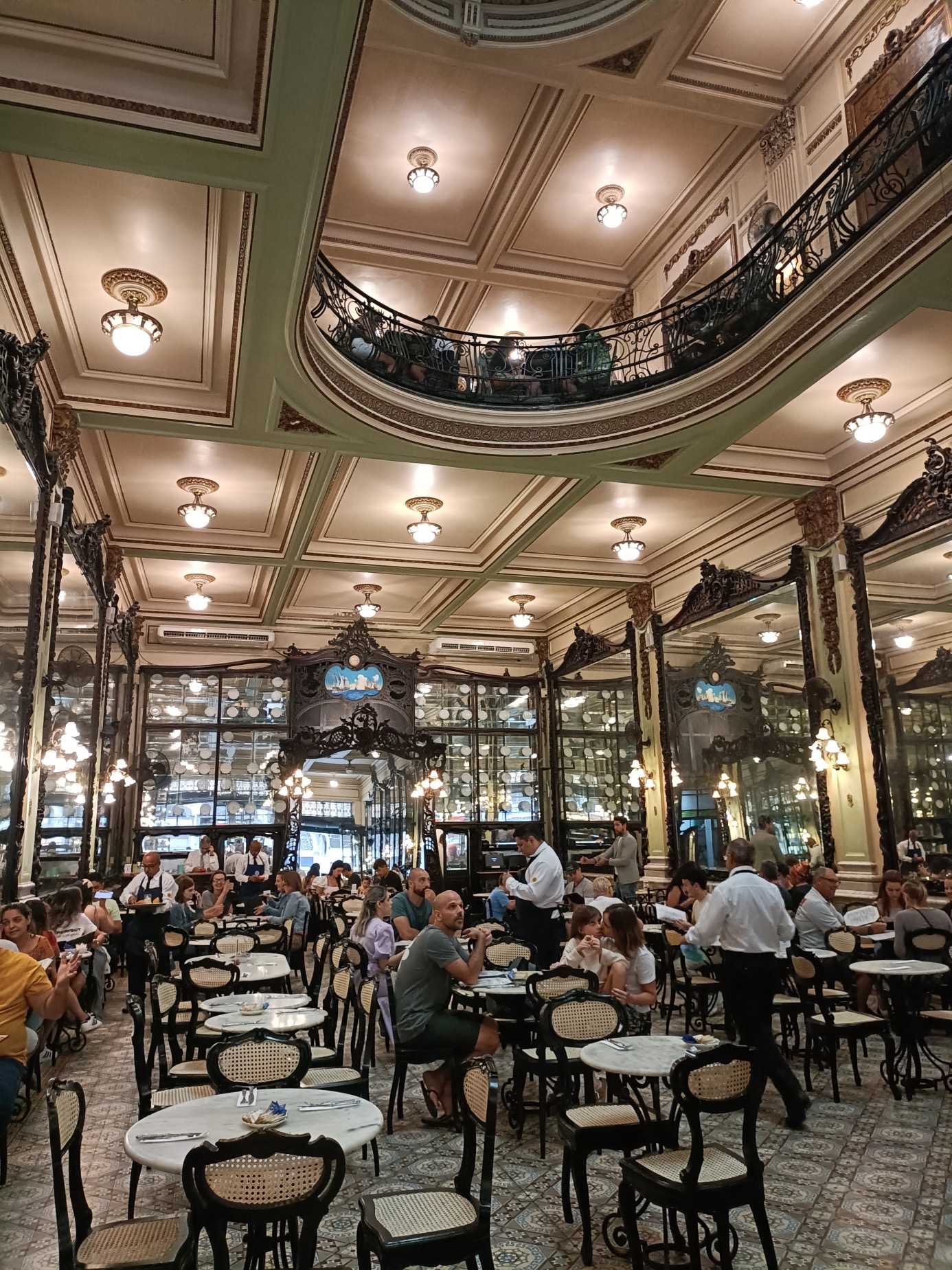
Spent a nice afternoon at Confeitaria Colombo, Rio’s oldest cafe & best dessert around! Cafe Colombo had been operating since 1860. I must also highlight that coffee in Rio is sooo Good! Brazil produces a variety of specialist grade, single origin coffees with a high-quality taste with notes of cocoa on their latte (a local barista told me this).
Here is how I spent my lazy 3-days stay in Bogota,Colombia on a thrift.
Joined aFREE WALKING TOUR with GuruWalk. When arriving a foreign city as a backpacker, the best way to a get quick familiarization of the place is by joining free walking tours organized by locals and long stay tourists alike. Free walking tours offer quick discussions on the city’s history, while passing by landmarks and relevant districts. Tours usually last for 2 hours, so prepare to walk that much. And with this, you can get insider tips on the nice places to eat, things to do for your succeeding days, and how to get around, as well as safety measures when touring. Guruwalk is just one of the large and reputable organizations offering free walking tours on key destinations around the globe, but there are several others. Feel free to check on tripadvisor for recos.
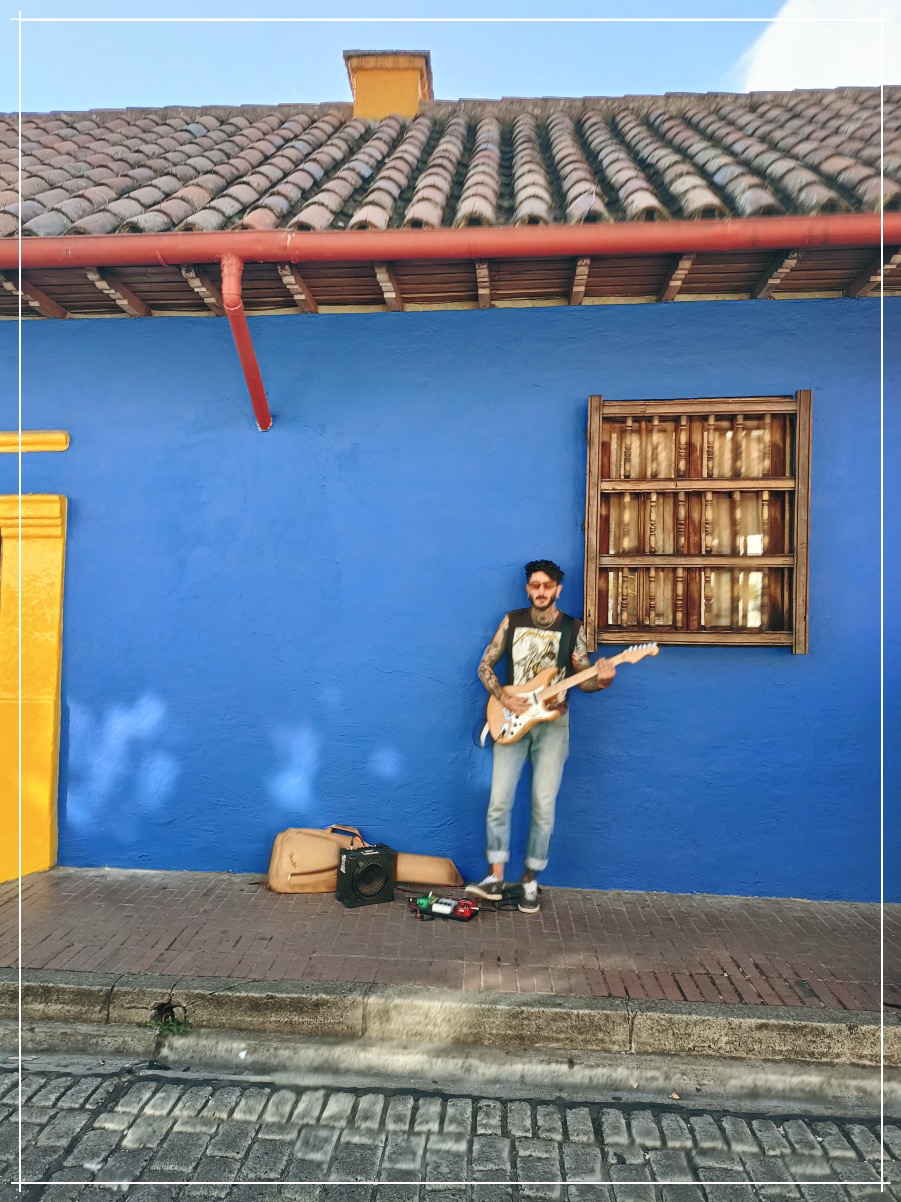
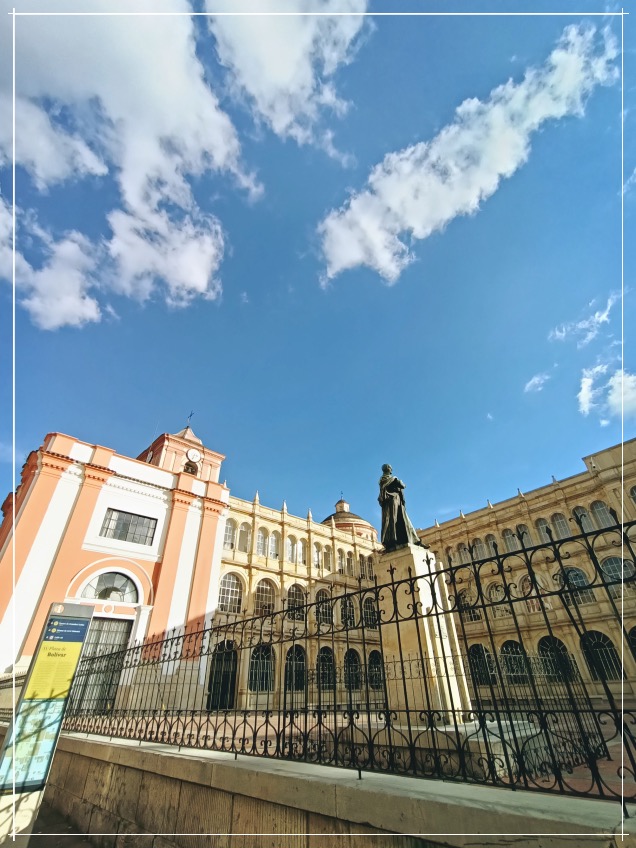
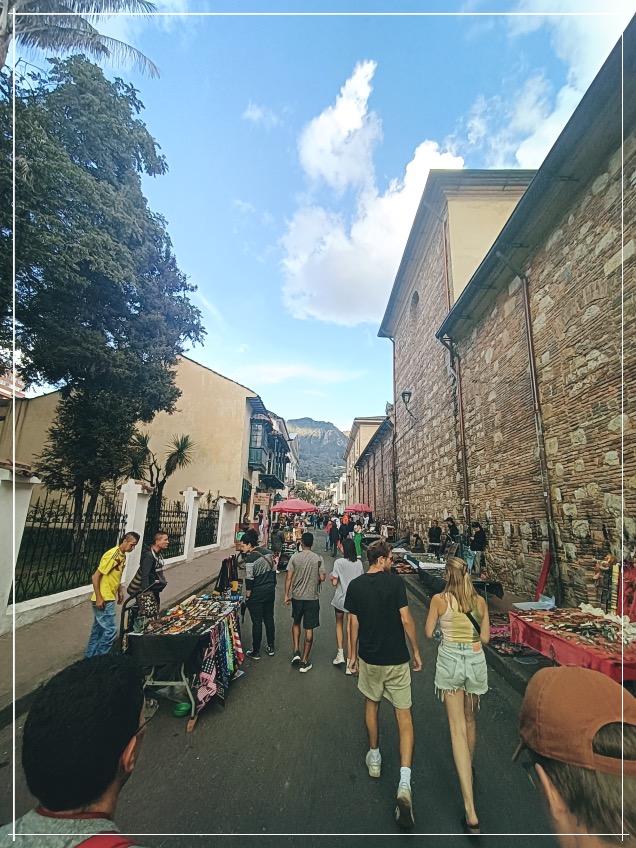
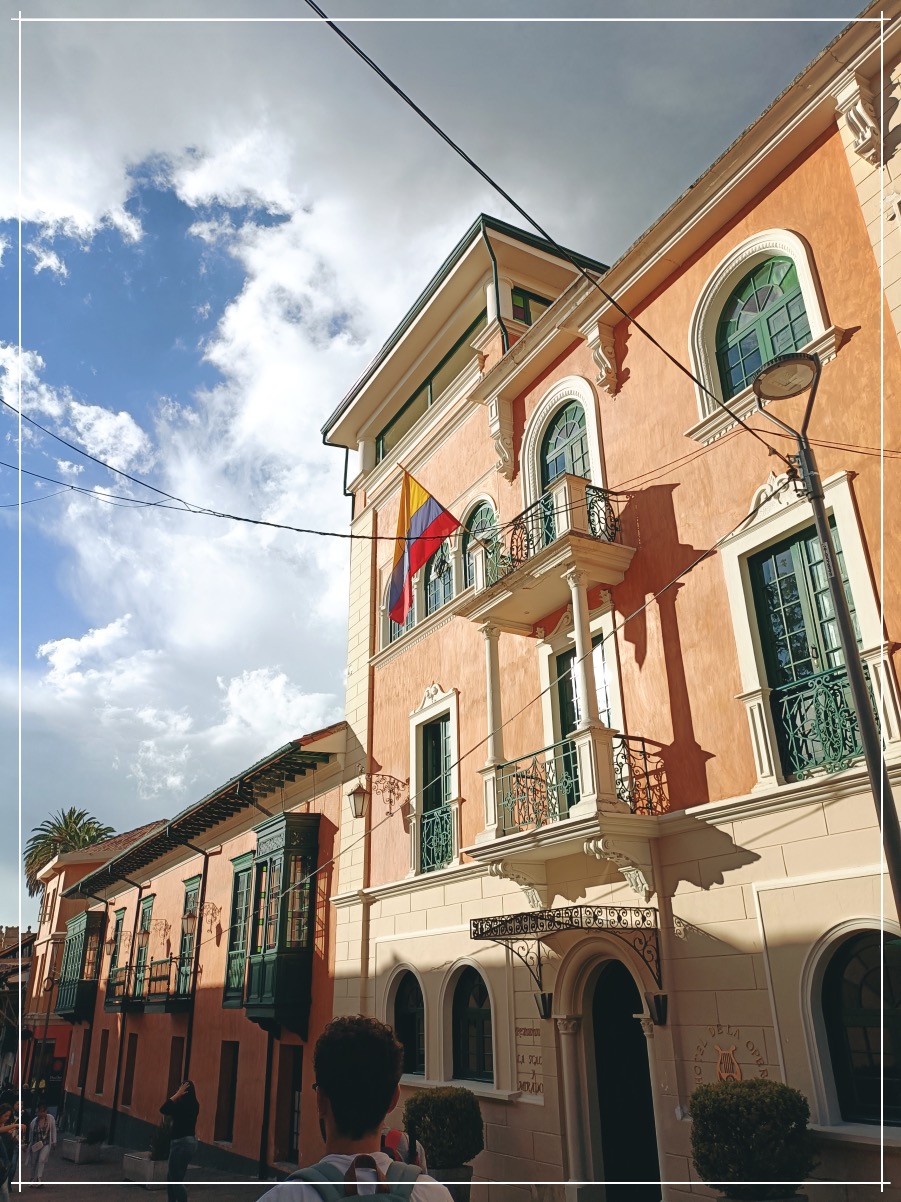
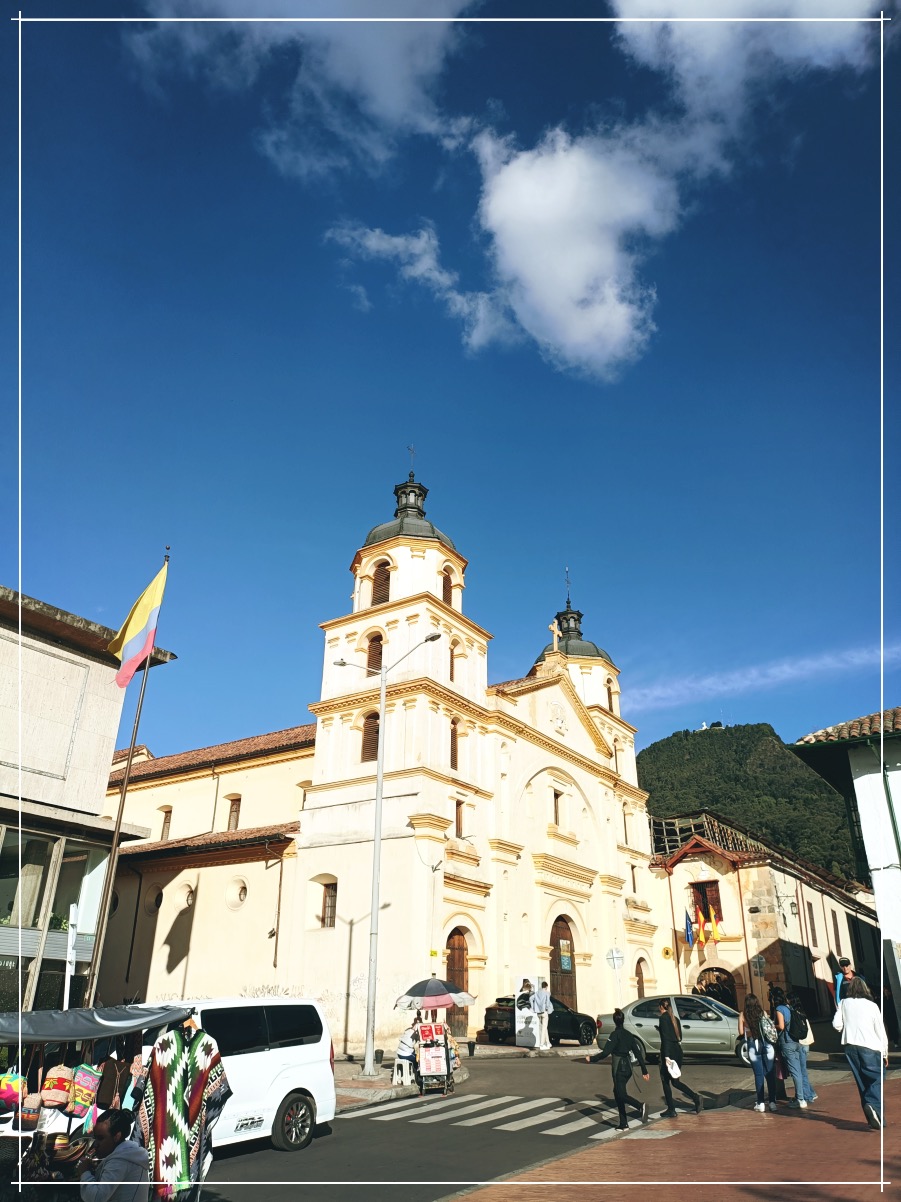
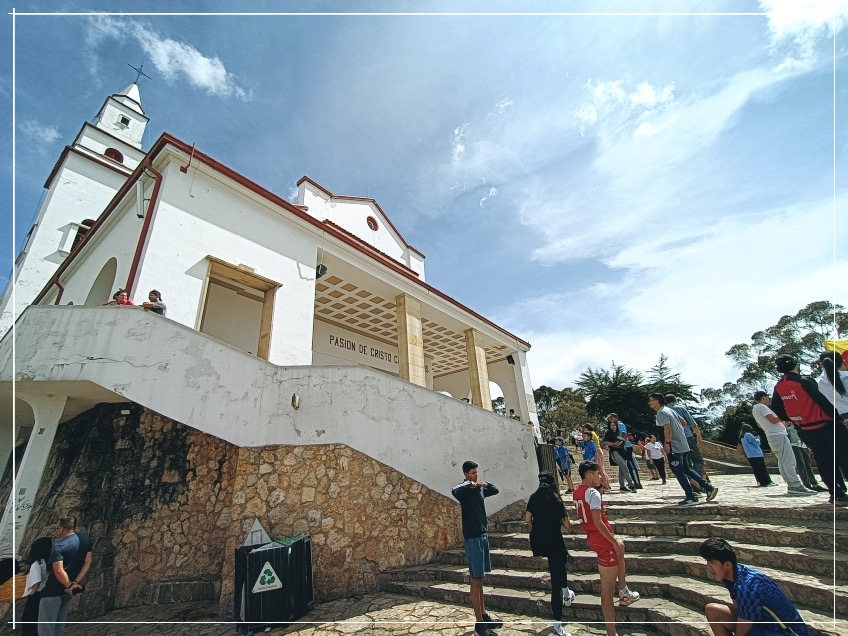
Our free walking tour took us around La Candelaria, which is the old/historic center of Bogota. Our tour ended at the foothills of Monserrat where there is a significant catholic shrine at the peak that can be accessed by a cable car. Most of my tour companions proceeded to the shrine on their own, but I planned to schedule my visit the next day, and opted to just stay in La Candelaria for a lazy afternoon stroll. Here are some more snapshots of this lovely city.
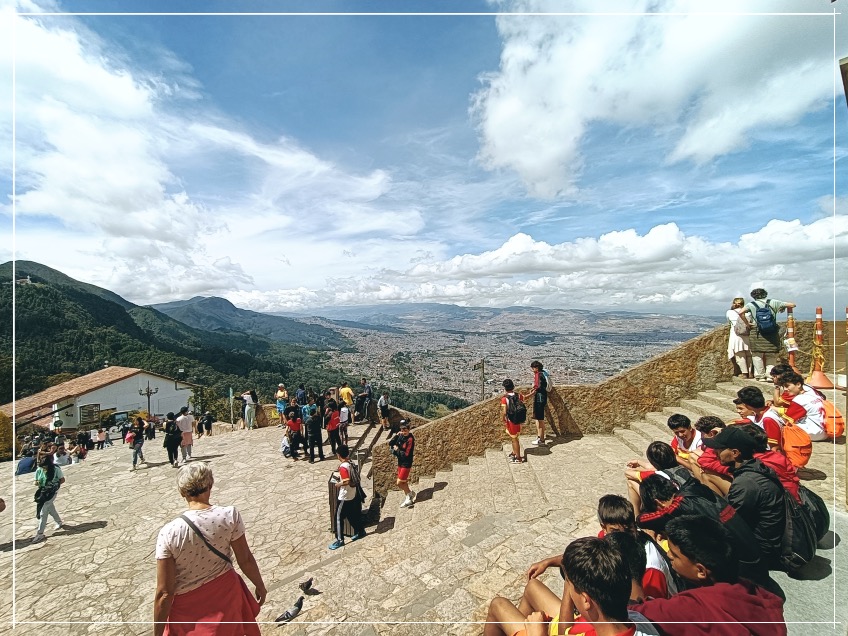
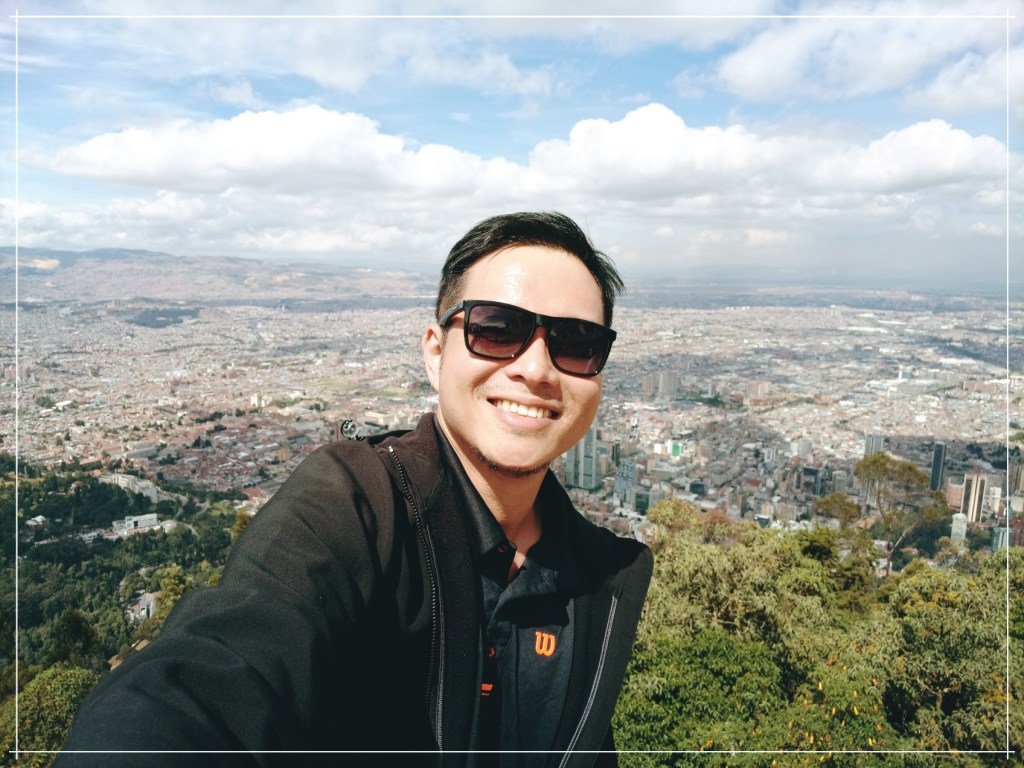
The sanctuary of Monserrate. The sanctuary of Monserrate in the eastern hills of Bogotá can be seen from almost anywhere in the city. It is located at 3,172 meters above sea level, at the top of Monserrate or Cerro de Las Nieves. Devotees walk up an almost two mile path to this traditional site of religious pilgrimage, which began in 1620 with the shrine of Our Lady of Monserrate. The basilica houses the image of the Fallen Lord of Monserrate, an effigy of Christ which, according to the faithful, performs miracles, and at the top visitors can walk the Stations of the Cross. The history of this sacred place dates back almost 500 years, from the early years of Spanish settlement in Colombian soil. The shrine also boasts a panoramic view of the whole Bogota City.
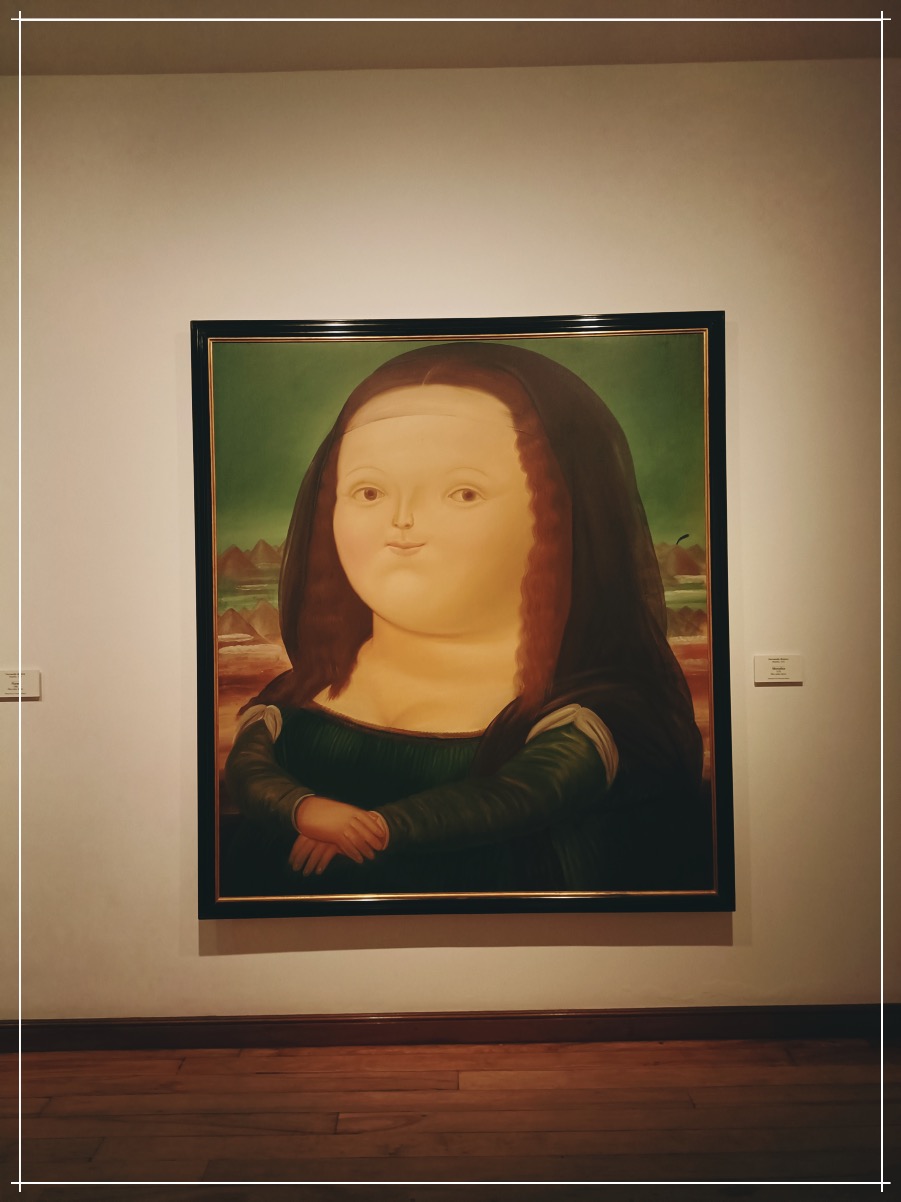
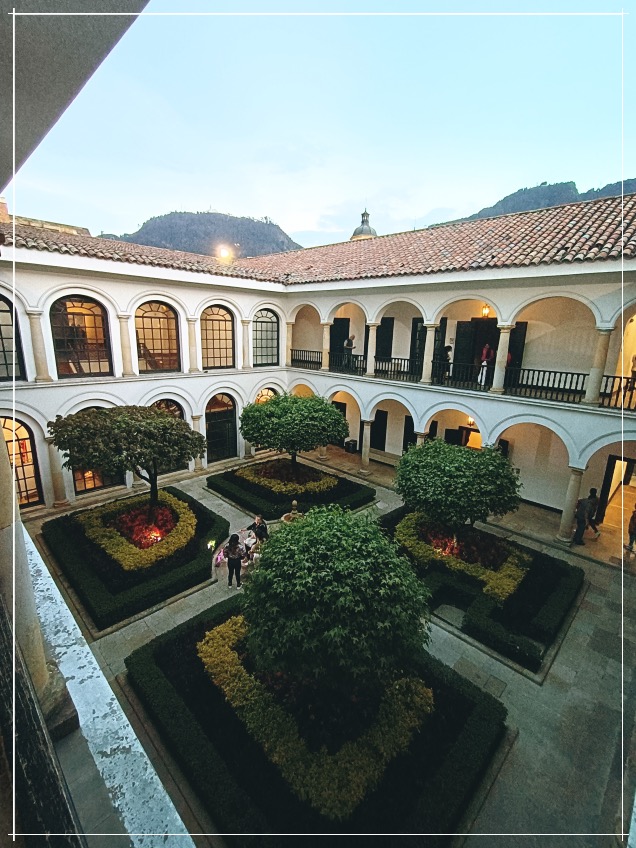
BOTERO MUSEUM. The museum dedicated to the works of reknowned Colombian figurative artist Fernando Botero. His signature style, also known as “Boterismo”, depicts people and figures in large, exaggerated volume, which can represent political criticism or humor, depending on the piece. He was considered the most recognized and quoted artist from Latin America. One of his most known masterpiece is his volumized version of Leonardo da Vinci’s Monalisa . Entrance is Free.
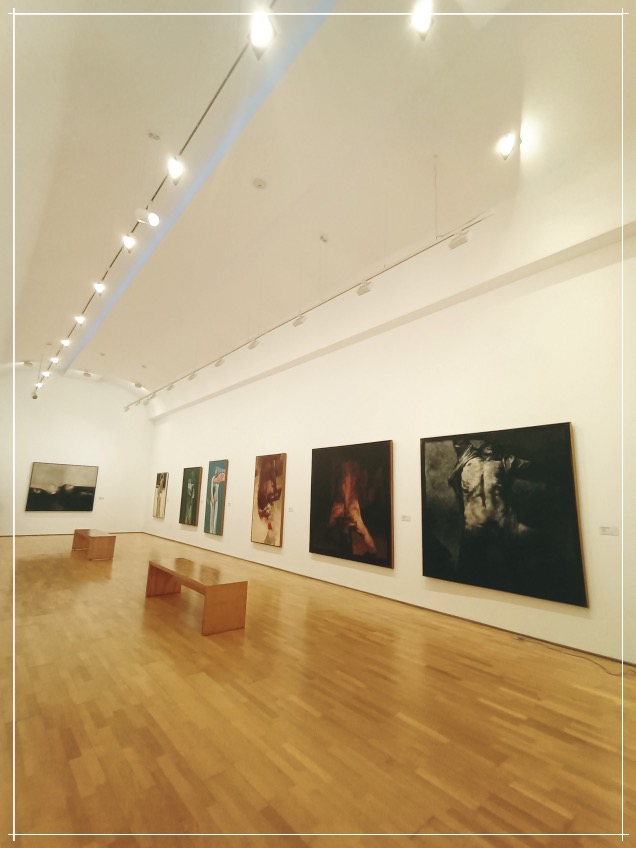
Aside from Botero’s works, the museum collection also brings together, some works of renowned artists as Picasso, Leger, Renoir, Monet, Dali, Giacometti, Beckmann, Freud, Calder, and Bacon. Each day near a thousand people visit the Botero Museum.
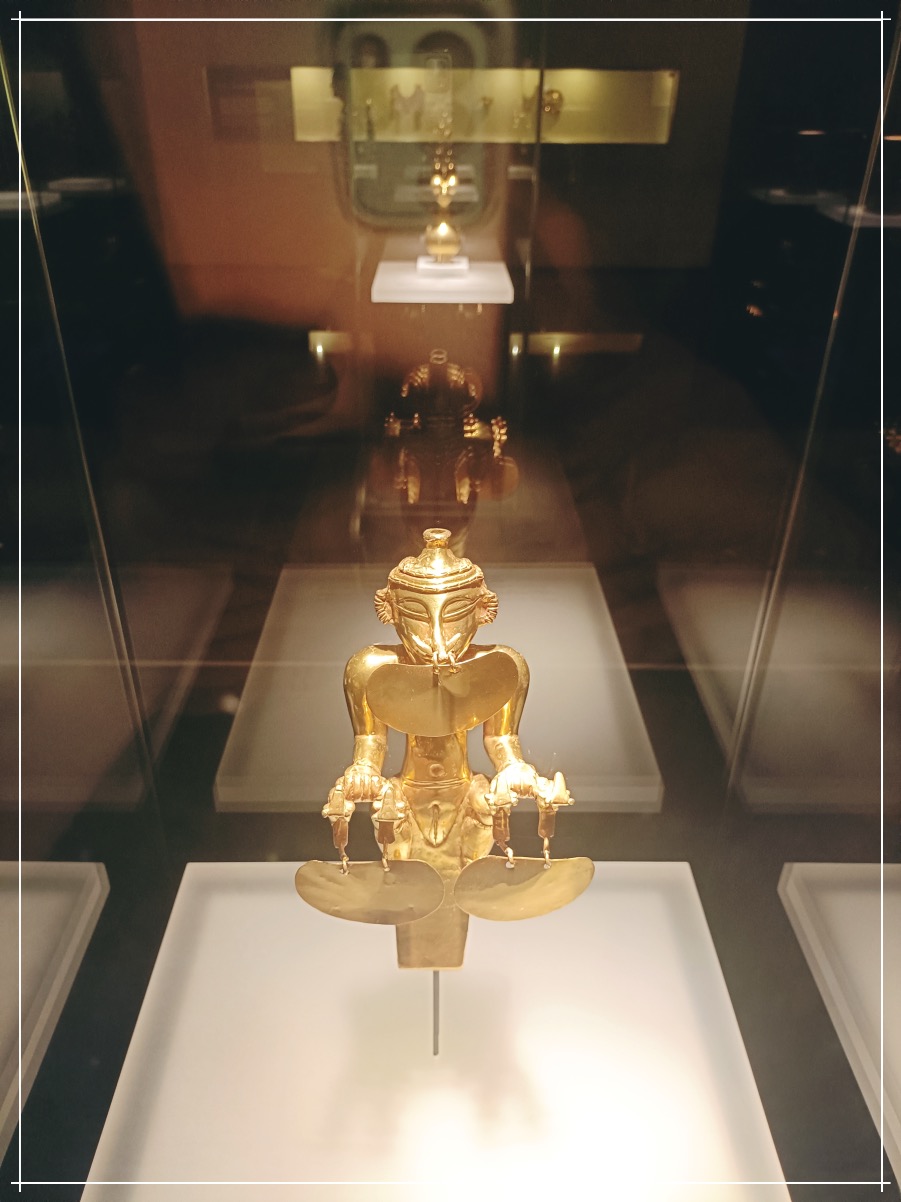
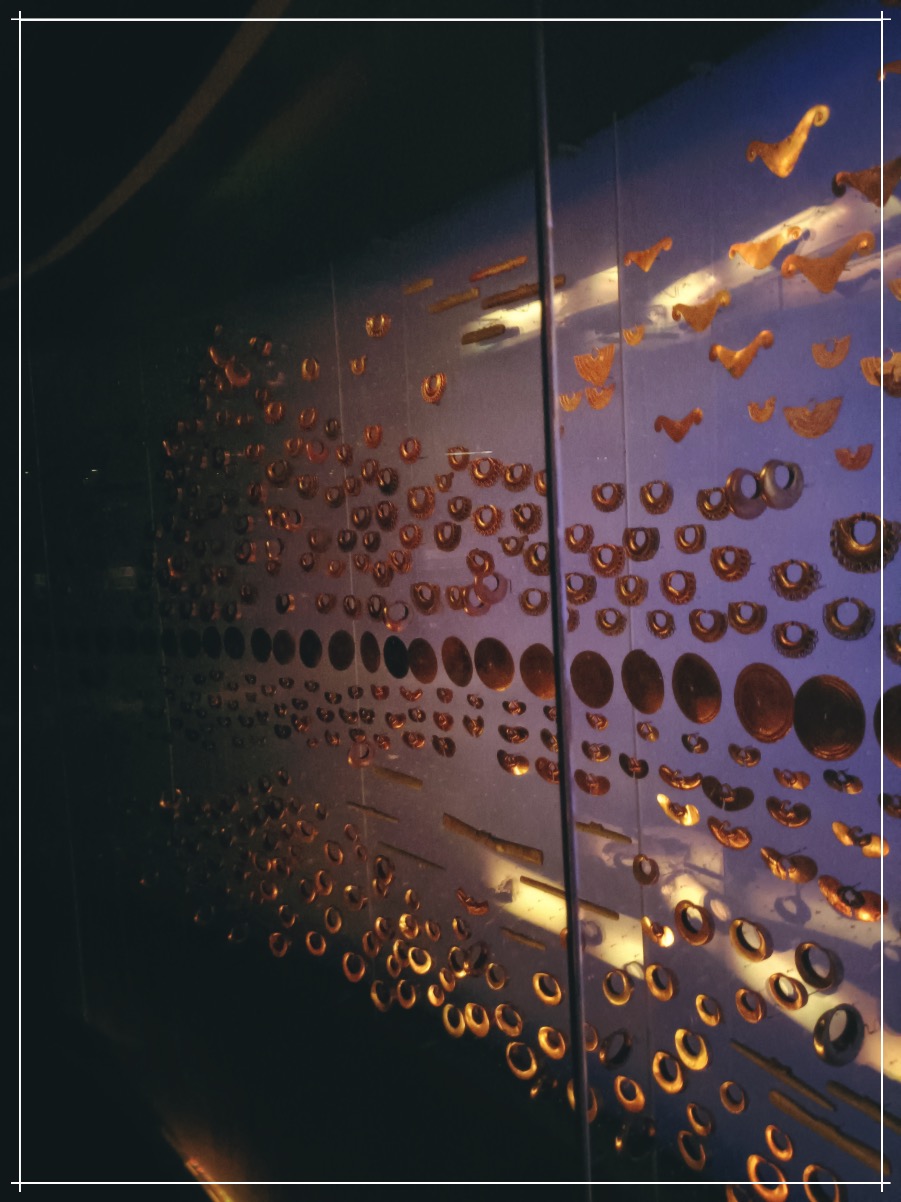
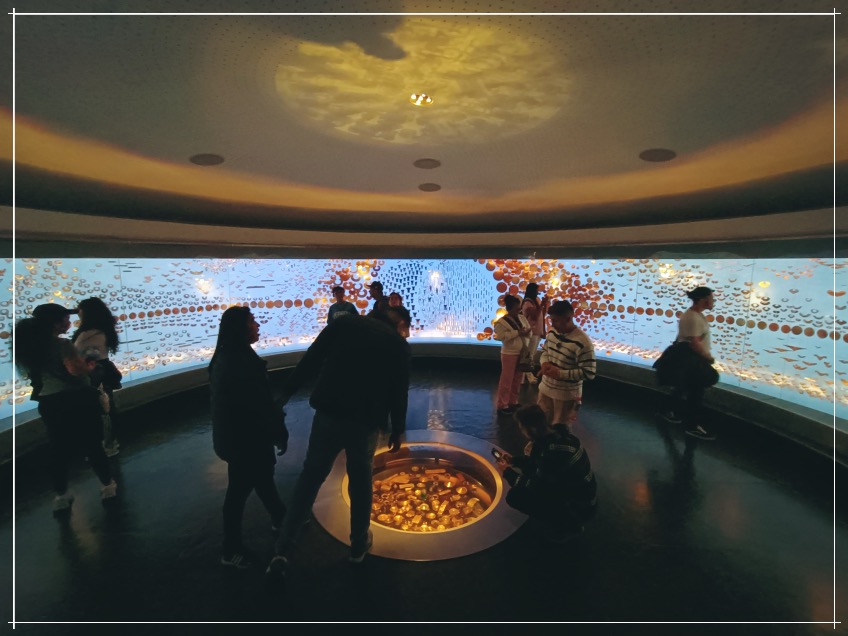
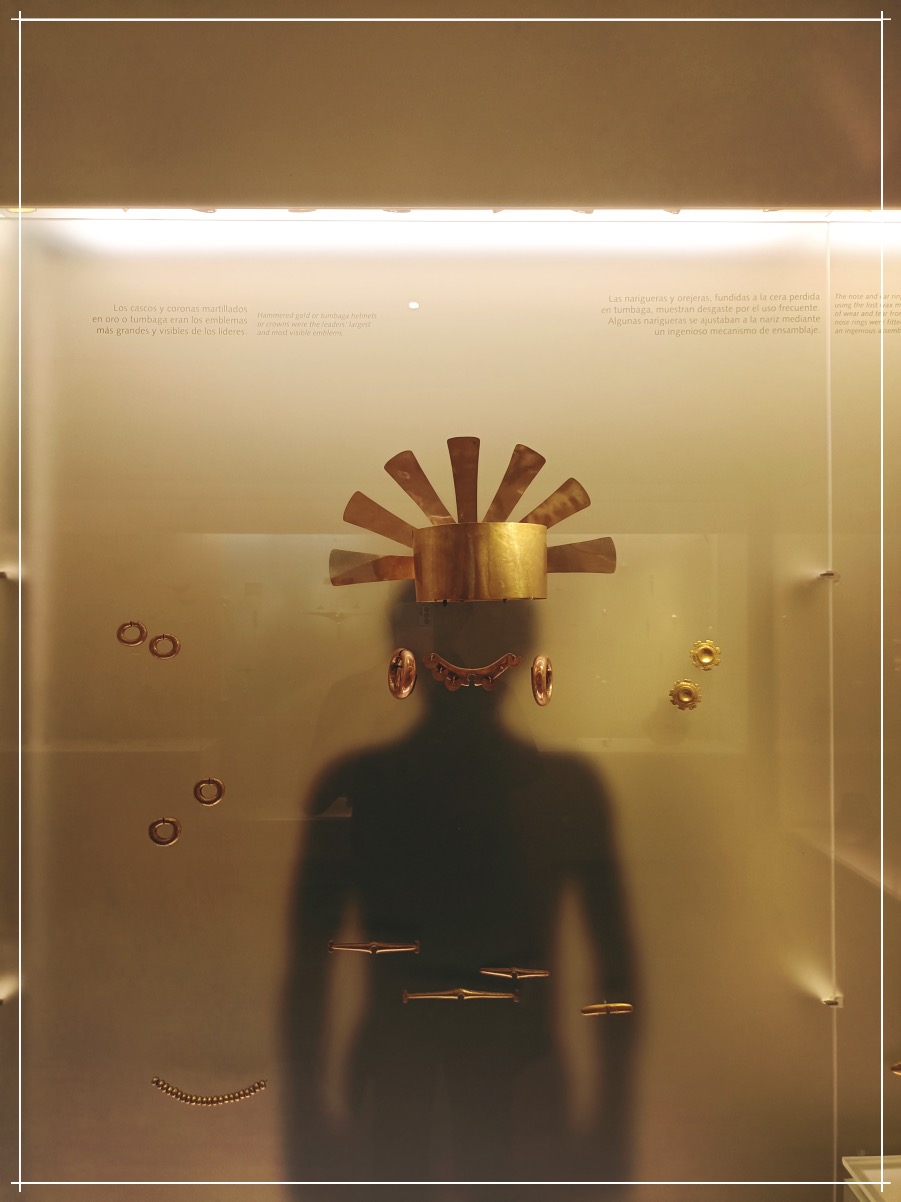
THE GOLD MUSEUM (Museo de Oro) of Colombia. This extraordinary museum offers a well-arranged display of recovered antique gold (real gold) from the pre-hispanic days of Colombia. It has 34,000 gold pieces, the largest collection of antique goldwork in the world, including the fabled Muisca Raft, which was said to have been recovered from a sacred lake. In 2018, National Geographic magazine named it one of the best museums in the history of the planet. Much of the antique gold pieces were used in daily life, as gifts or as part of sacred rituals in the indigenous Muisca and Tayrona cultures. Themed rooms with explanations give great insight into the artistry and significance of these indigenous cultures. Entrance is only 4000 Colombian Pesos (around 1 USD), yet you get to see so much.
My visit to the gold museum made me understand why the Spaniards back in the days were so thirsty to take over the lands and native people of Colombia; and that is for their Gold. Similar case also happened to the Incan’s of Peru.
Museums in Bogota also made me think how overpriced museums in the Philippines are. 🙂
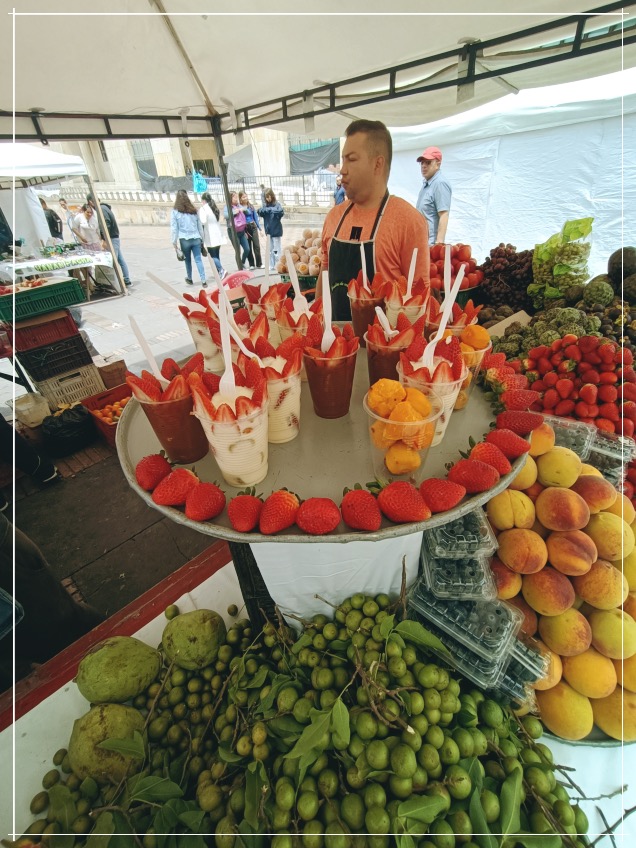
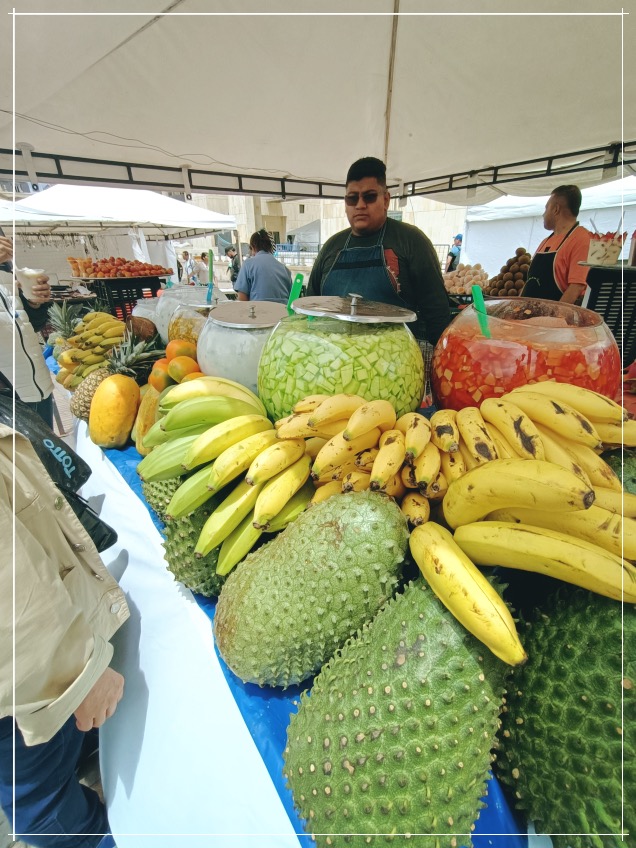
The last day, i just spent on casual walks as well as foodtrip and cafe hopping. Check out my Colombian food blog here. Fruits and other produces are quite similar to the Philippines. Probably because of similar tropical lands, as well as strong Spanish influence.
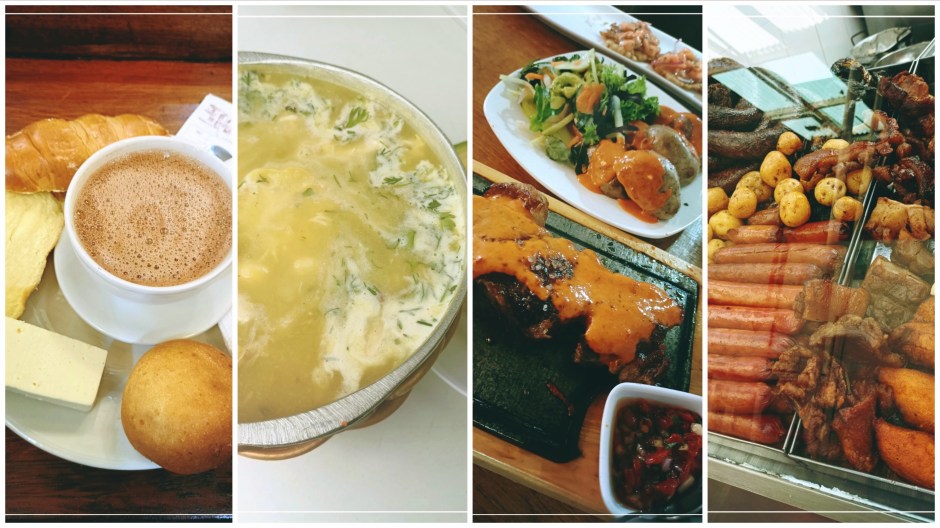
Free days are the best days during vacation. With no itinerary to follow, I just walked around La Candelaria district of Bogota, enjoyed coffee, ate the best rice tamale for breakfast, and had a hefty 1″ thick steak for lunch. As a tropical country with fertile land, food is more affordable in Bogota; probably the cheapest of all the places I’ve visited in South America. Here are some of the memorable meals I had during my 3 days visit.
I’ve had different types of Tamale during my travel, but Bogota gave me the best one. It’s packed with fragrant yellow rice and corn combination, carrot slices and chunks of braised pork rib and chicken, plus complimentary bread and coffee. Mura lang ito, around 100 pesos if converted.
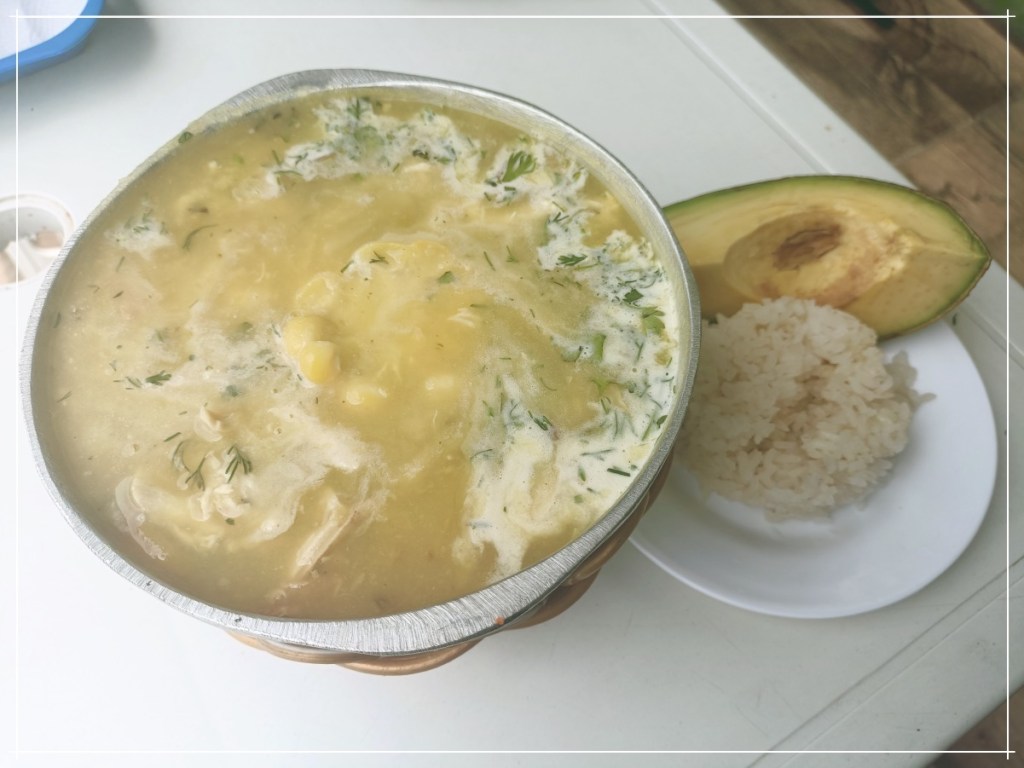
Ajiaco is one of the many regional Colombian dishes you can’t leave the country without trying. It’s a hearty soup made from three different kinds of potatoes, chicken, guasca leaves, with a half an ear of corn splashed in for good measure. Also served with a slice of avocado (locals mix them with the soup for added texture). I had this meal during my day tour at Monserrat Religious Shrine overlooking Bogota.
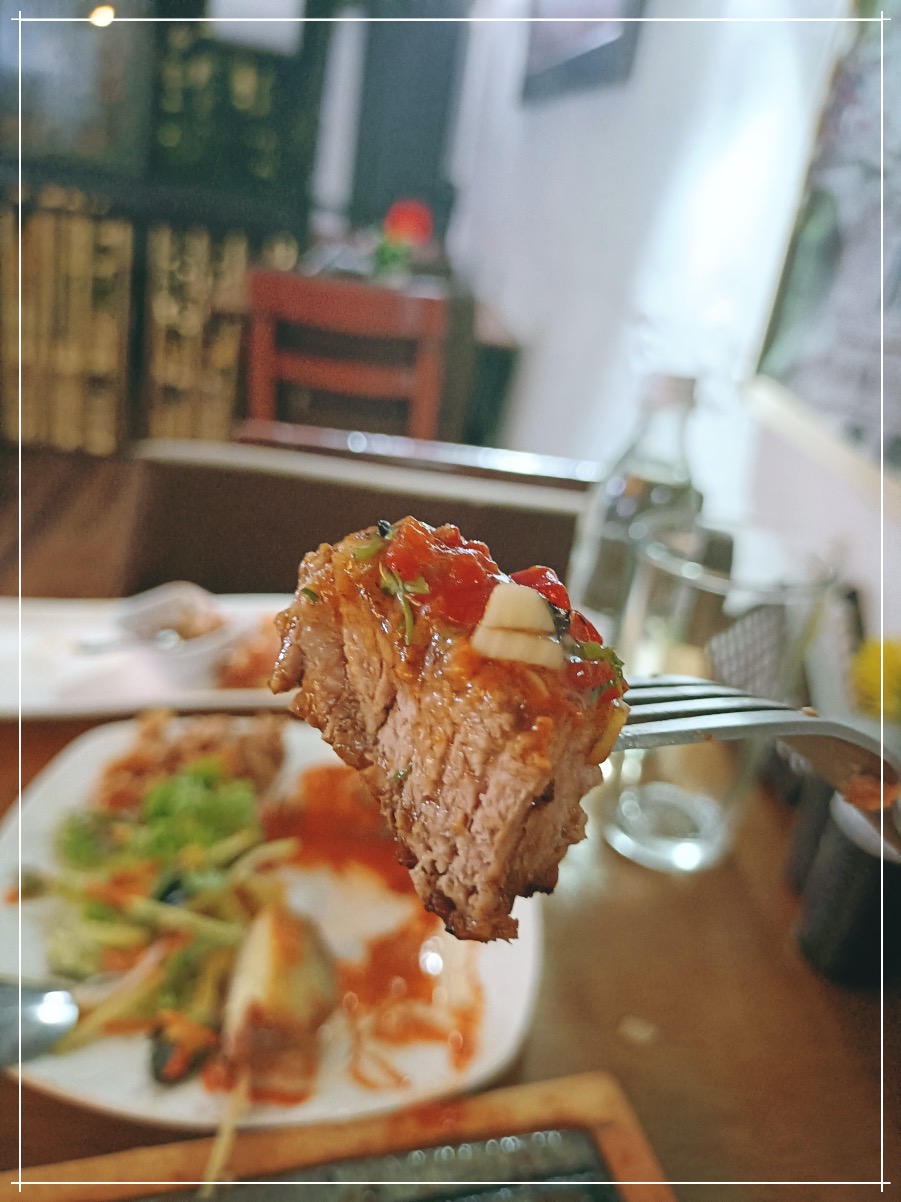
Meat is relatively cheap in Colombia. I enjoyed a thick slab of steak from Banquete Restaurante, a seated,full service restaurant in La Candelaria, serving good local dishes. This steak set cost me a little over 500 Php, i think; salad included. The red pepper\tomato gravy on top is mild. Not too hot. Picante as they say. Very different from our usual gravy here in PH. I also had freshwater shrimp ceviche as appetizer. Sobrang sarap nito. Shrimp is blanched (not raw).
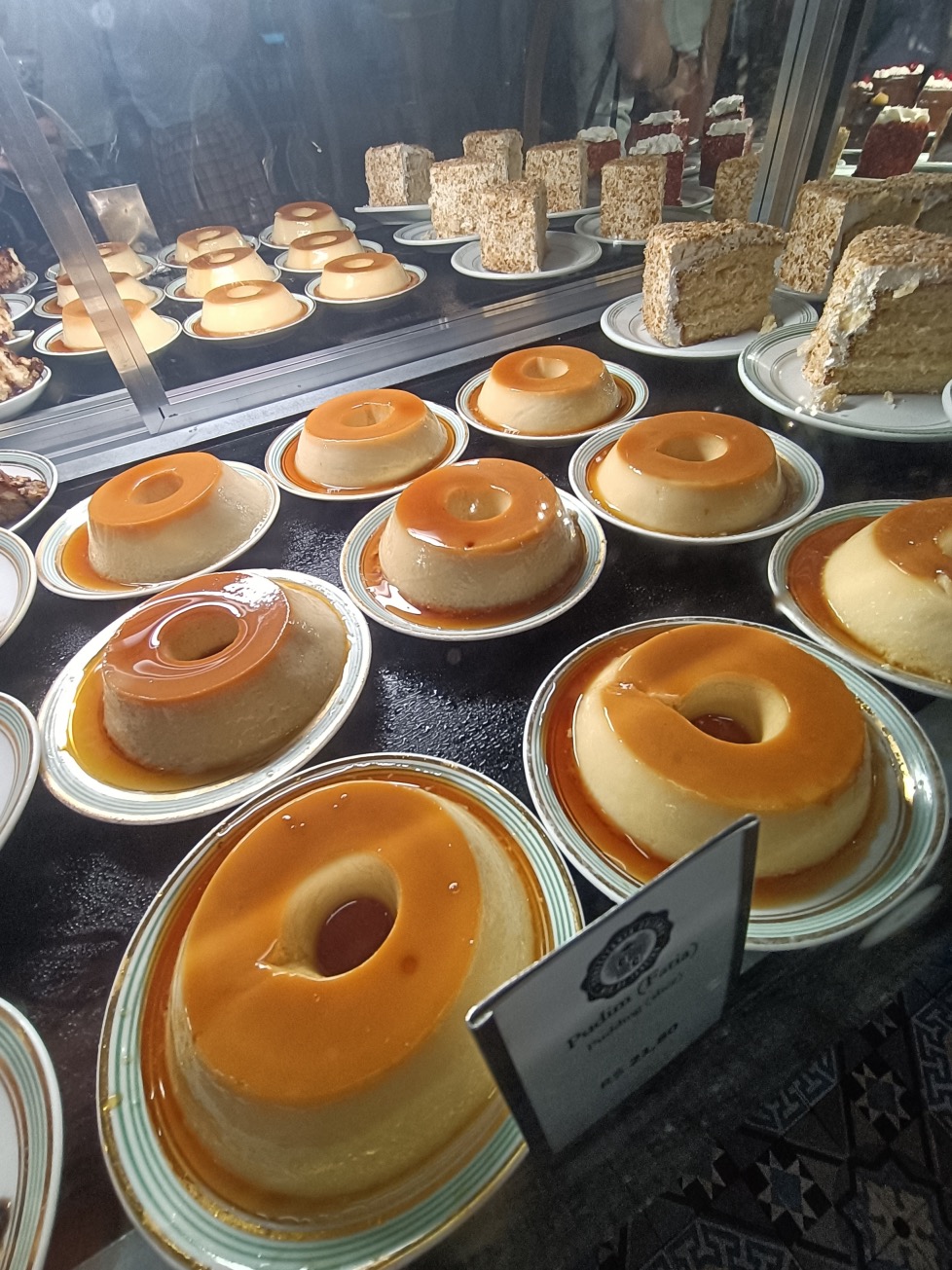
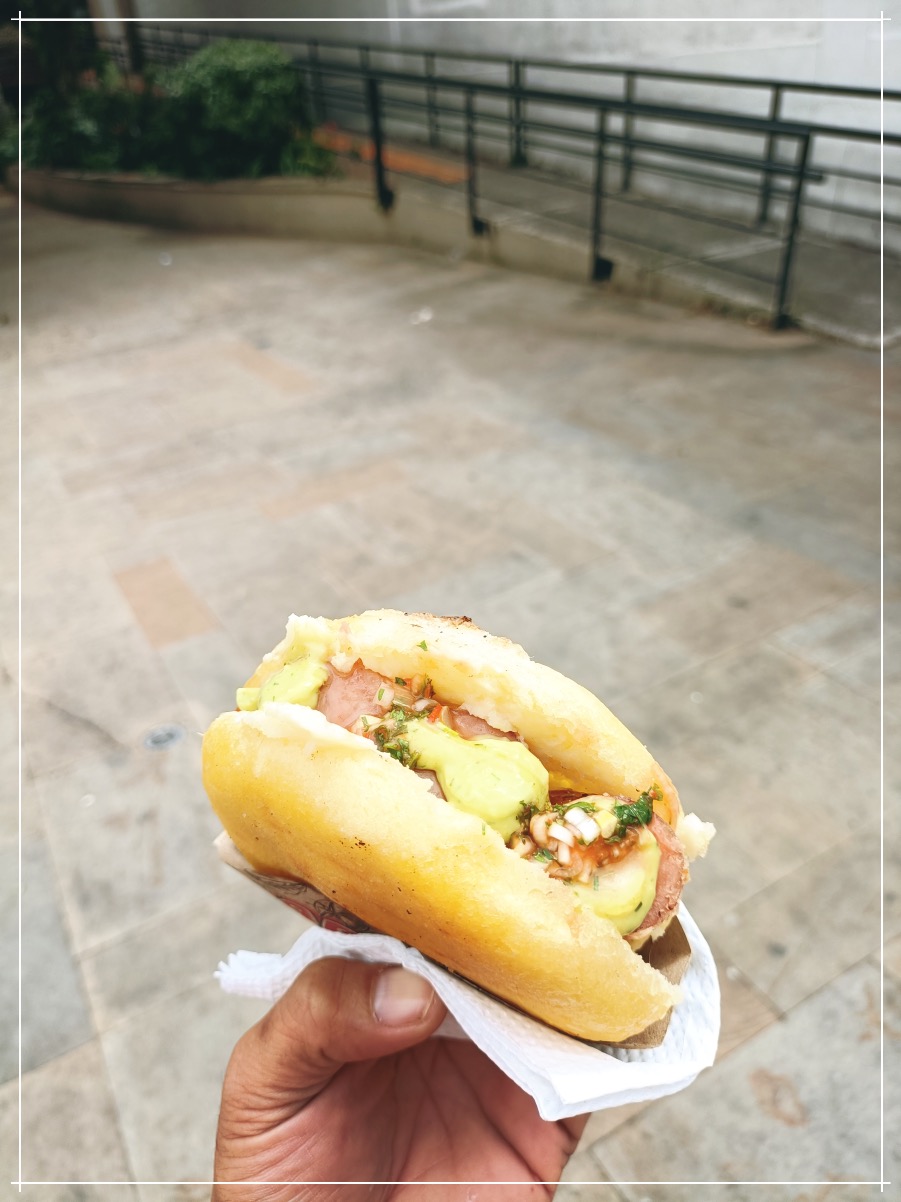
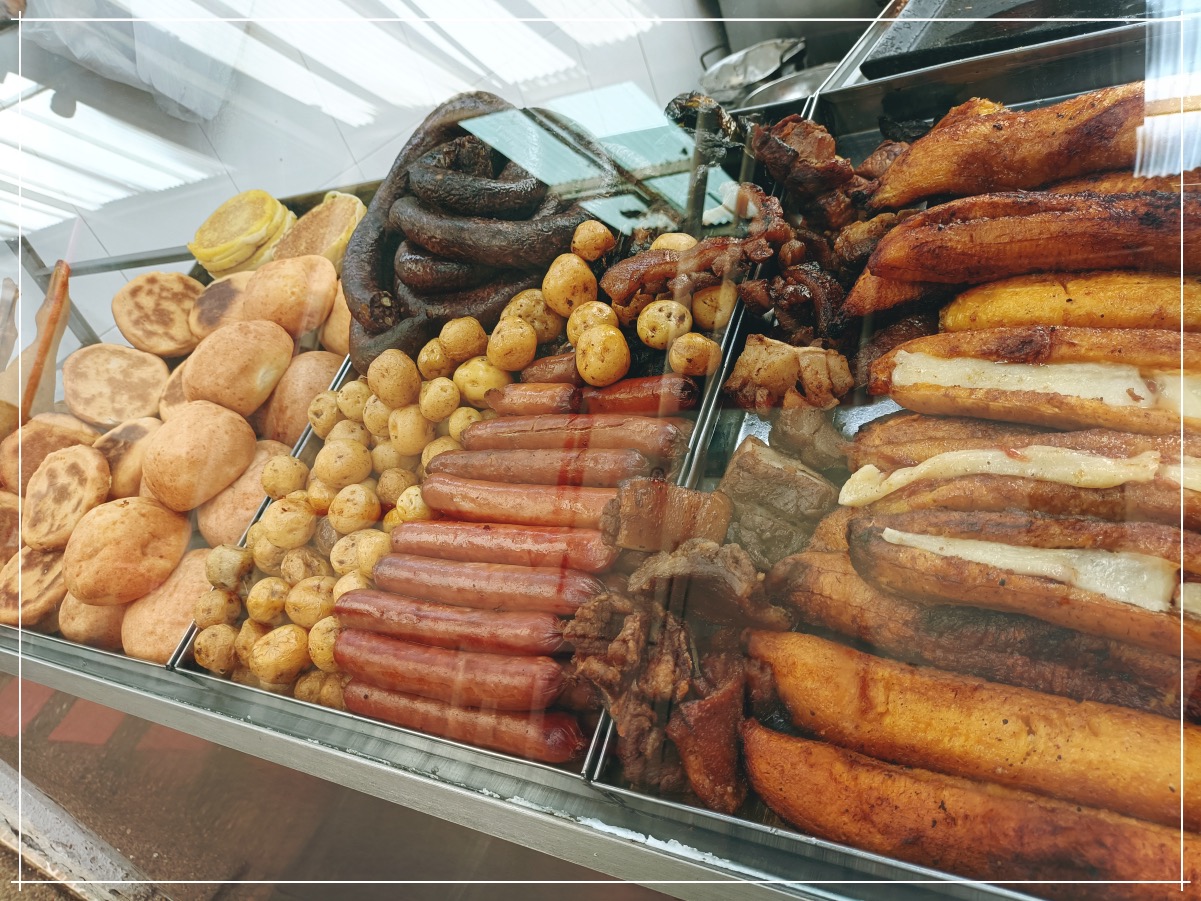
Sealed the afternoon with churros and Tostao Coffee, an affordable coffee chain in Bogota. Also enjoyed random street chorizo arepas (sandwich) I think went back 3x on this street kiosk during my stay. Ibang level ang chorizos (sausages) sa Bogota, I tell you.
A memorable last dinner in Bogota. I had this hefty plate of Bandeja Paisa, so i can try various dishes in one seating.
Bandeja Paisa is a traditional Colombian dish that contains beans, rice, arepa, traditioinal chorizo, plantain, chicharrón, avocado and marinated ground beef (like arroz cubana). I’ve noticed that Latins serve avocado as a side without any sweeteners; in contrast to us who only appreciates the fruit when it’s sweet and creamy.
To close the meal, I went to try the hot chocolate drink at La Puerta Falsa, known as one of the oldest continuously operating cafe in the world. The drink is set with 2 types of bread of choice, butter and a slab of white cheese. Colombians usually melt the cheese with the hot drink. I did not like it. The mix of sweet taste of choco and the salty\sour cheese did not work for me. The cheese is excellent though… with the bread.
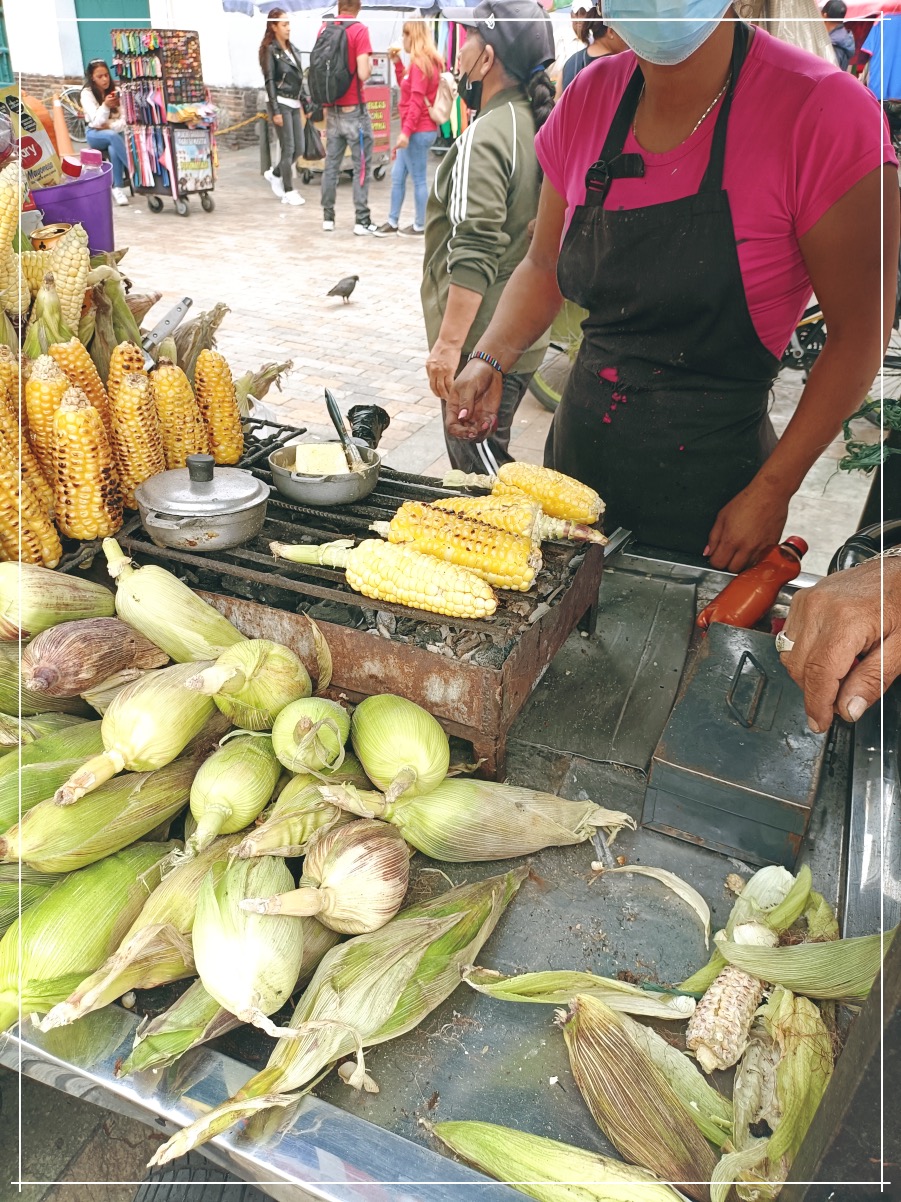
Some more random street food photos around Bogota. Fruits and other produces are quite similar to the Philippines. Probably because of similar tropical lands, as well as strong Spanish influence.
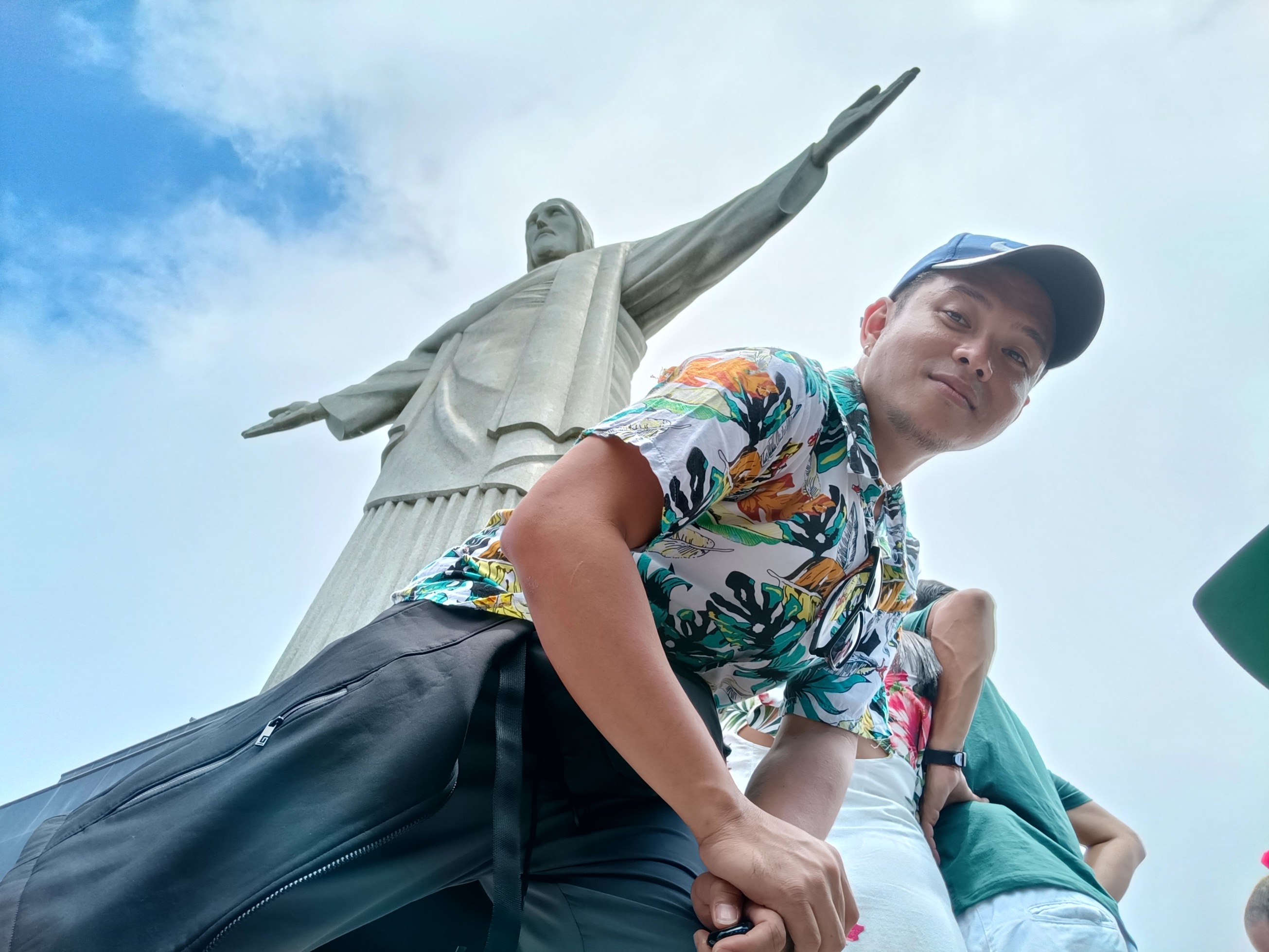
After spending memorable 7 nights in Peru, I did a side trip to tick out from my bucket list another Wonders of the World Icon, the Christ Redeemer Statue in Rio, Brazil. From Cuzco, I took another LatAm flight to Lima then to Rio; a total of 6 hours across the amazon jungle. Cuzco is on the mountainous west side of South America, while Rio is on the east coast facing Southern Atlantic Ocean.
My quick visit in Rio was actually chaotic, as I got scammed by an Uber driver, my credit cards didn’t work and the location that I chose to stay in was apparently quite shadey. I will post a different blog on that. But for today’s video, let me share lang how my visit to the Christ Redeemer went…
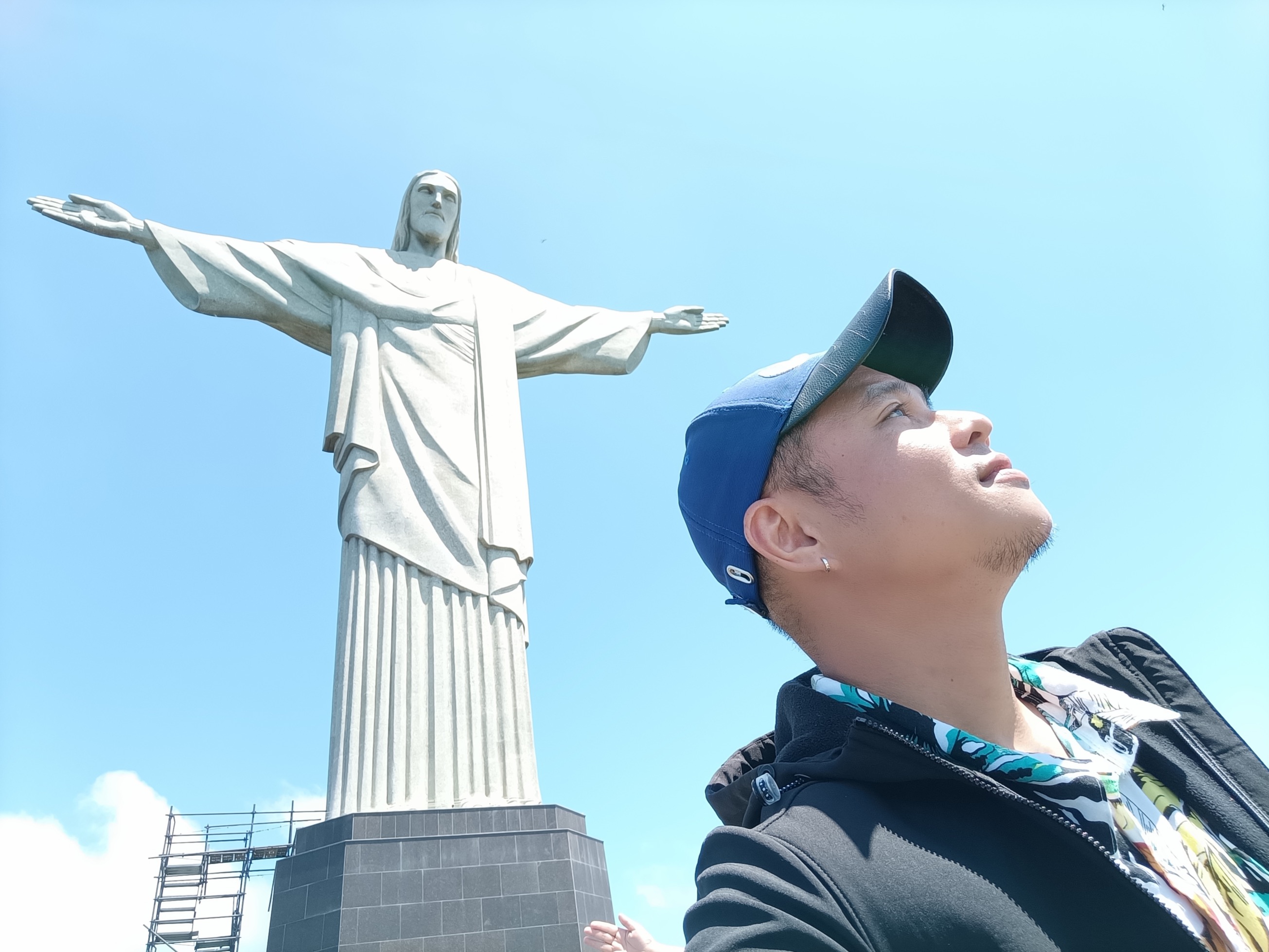
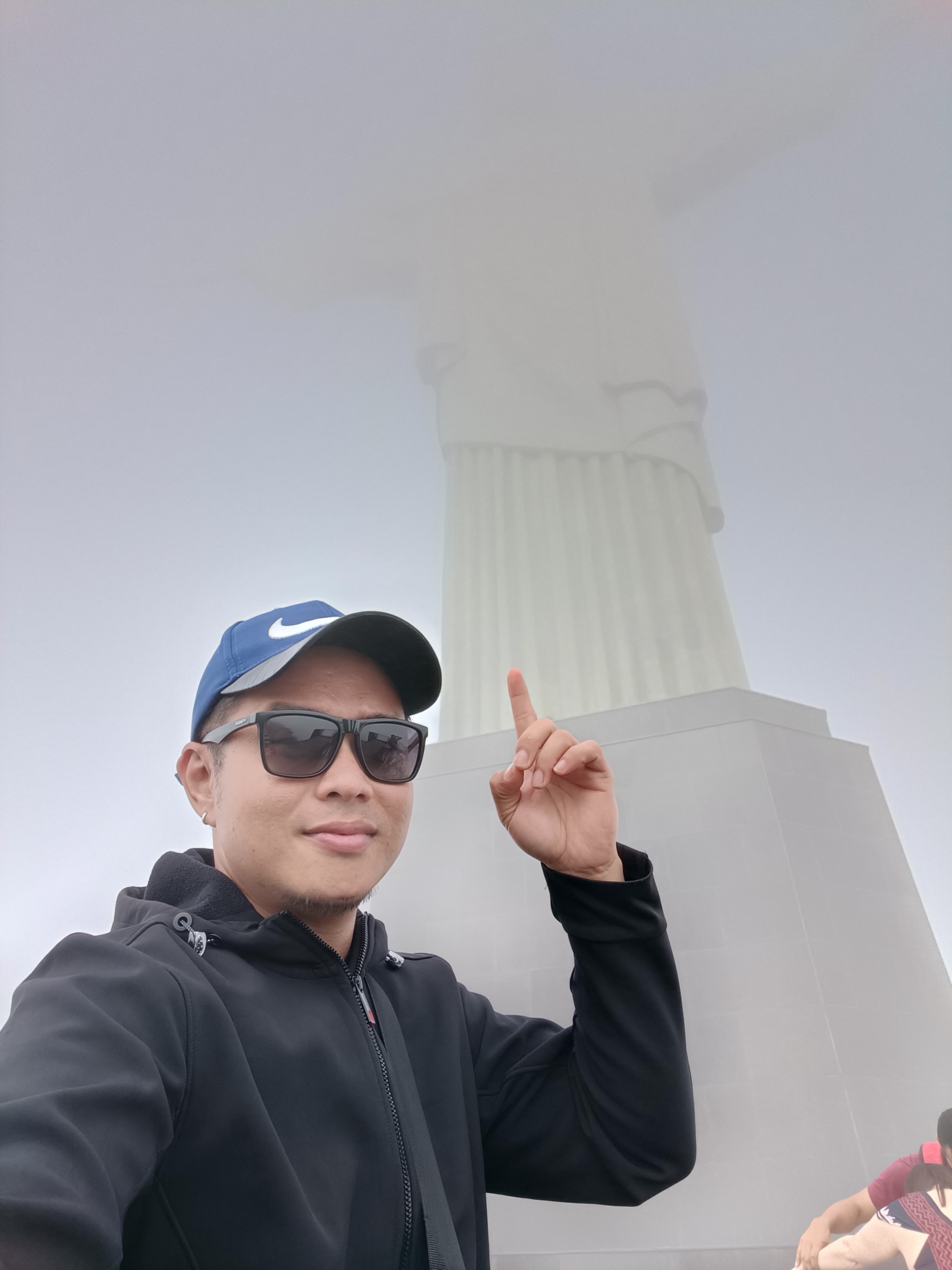
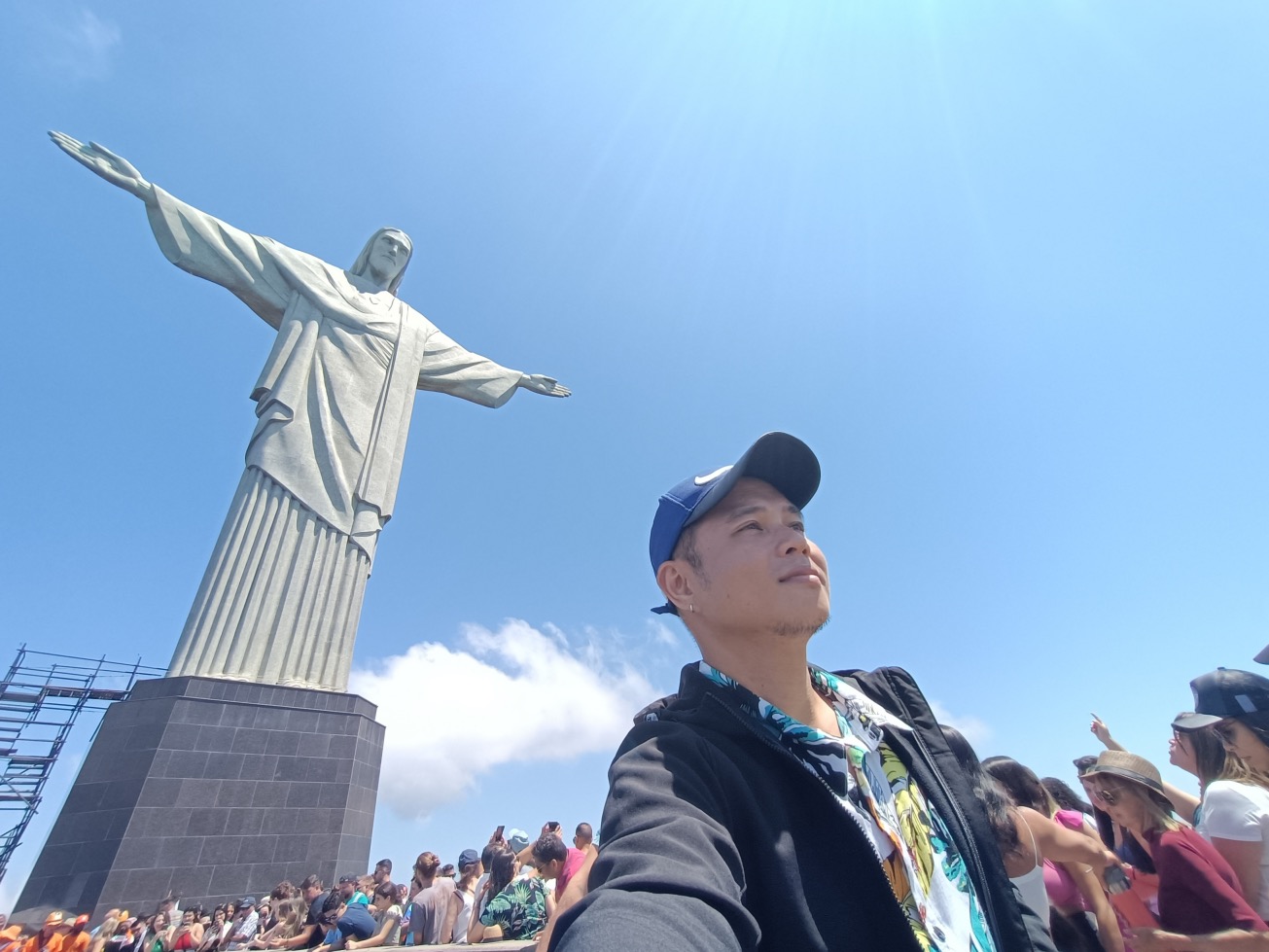
The only decent photo that i got with him.
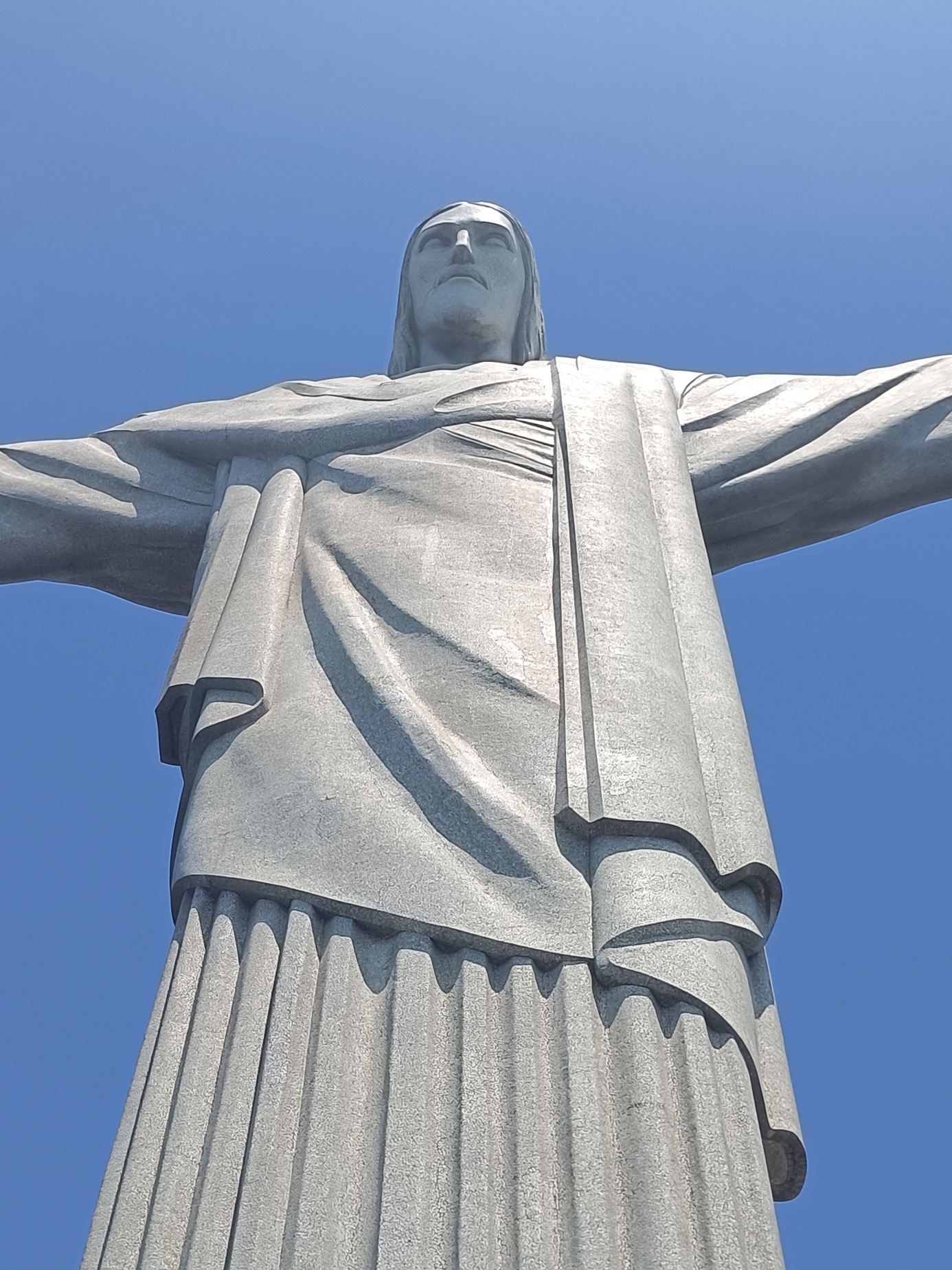
Located at the top of Corcovado Mountain in the middle of Rio de Janeiro City, the Christ the Redeemer is the most internationally recognized Brazilian icon. Known today as one of the New Seven Wonders of the World, Christ the Redeemer was inaugurated on October 12, 1931. The idea of building a monument on top of Corcovado Hill began in 1859 with the French priest Pedro Maria Boss, but the project only began to take shape in 1922 to commemorate the centenary of Brazil’s independence.
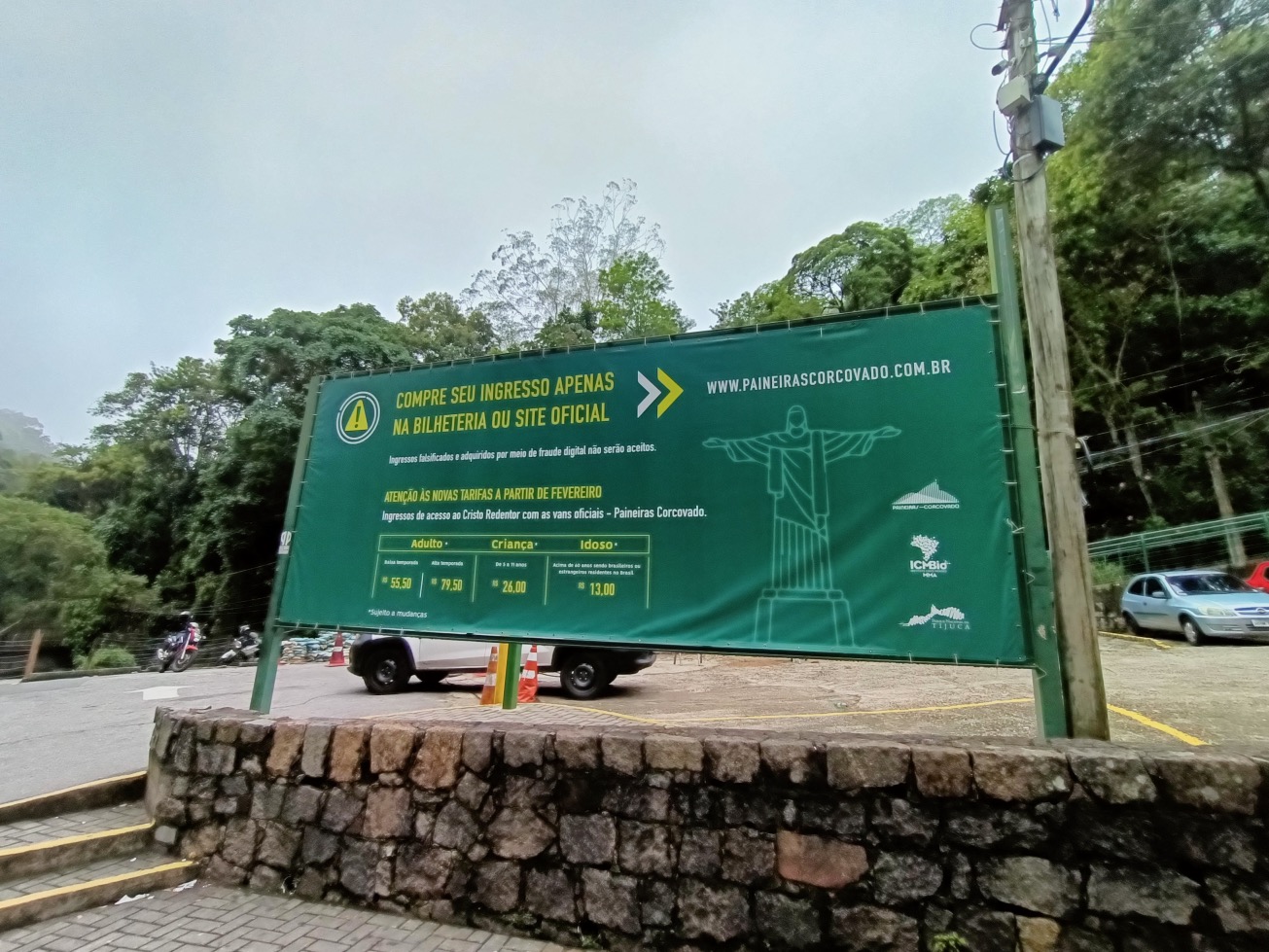
Here is the marker for taxi and public transpo drop off. After here, you transfer to the sanctuary mini bus na going up. Mga 20 mins. The Redeemer status is in the middle of a national park.
My first view of Christ Redeemer. Astang foggyha oi. I read on blogs that it is best to go early to beat the crowd. I think im way too early at 730 am na first van.
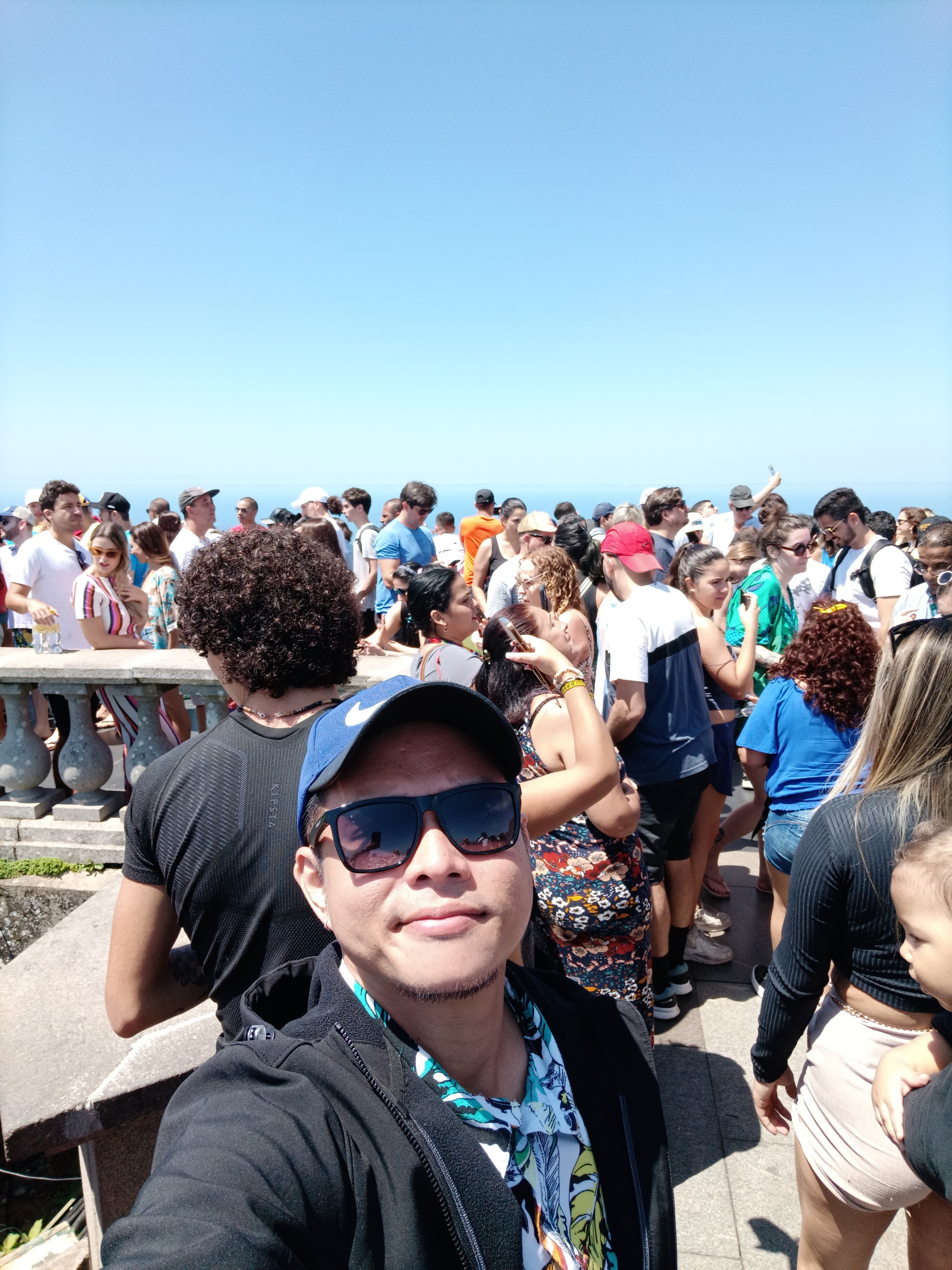
I decided to just find a quiet corner sa ilalom to wait for the fog to calm down. Naka nap pa ko gamay. Pag balik nako saka before 9am, dghan na kaayog tao. Ok.
I requested someone to take a photo of me pero mao na jud ni best effrt namo. Tapad pas basurahan .hahaha
Lord, i tried my best to get a good shot pero ani jud ang real talk. Guot kaayo!
Overlooking rio city sa likod, Which is nice. And naay chopper ga ikot2x sa perimeter sa statue to disperse the fog\clouds. Banha kaayo.
Maypa ni si kuya cge hukas. Wrong spelling bya iyang tattoo sa dughan.
God knows i tried different angles pero wala jud. Nag try pa ko mag teacher georcelle gforce pose sa pikas side pero waley japon.
Lord maypag nag talikod nalang k. Wala pay crowd.
Here are some random shots of Rio de Janeiro City. Stayed for only 3D 2N, before catching my flight to Bogota, Colombia.
As a solo traveler, the goal was to eat local and eat cheap. In finding my meals, I usually check on Tripadvisor for recommendations. And often, I prefer dining at markets/food courts where I fully experience the local flair. Since I travel solo, I prefer eateries serving set meals over platters, since I have no one to share it with. On best days, I go to diners serving buffet style, so I can try more local dishes. Sadly in Cuzco or Ollan, buffet places are not a thing.
Here are some of the memorable Peruvian food and drinks I had during my stay.
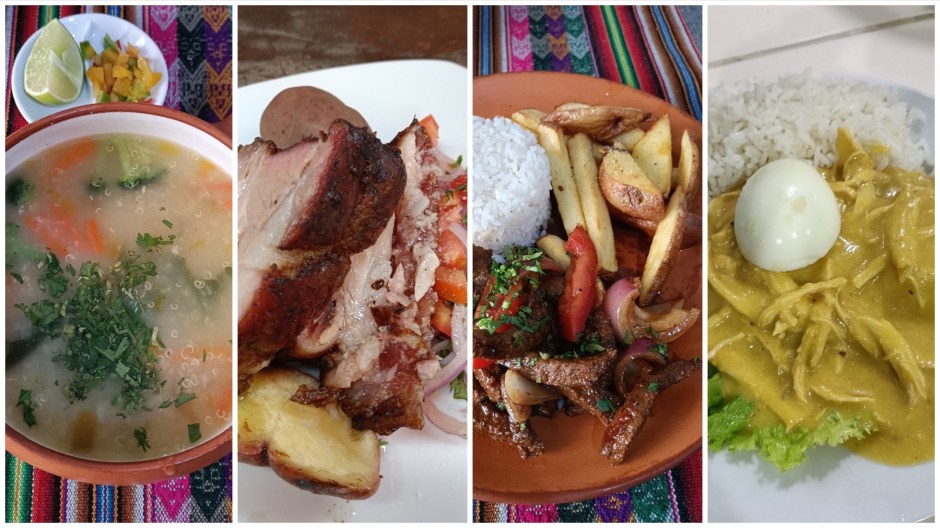
Lomo Saltado. This is my first full meal in Peru. Stir fried beef strips marinated with salt, pepper and other local spices. A lunch set of this from a street-side eatery with fresh-squeezed passion fruit juice only cost me 10 soles, which is around 150 php. This meal is from Ollantaytambo. Pero not just in Peru ha, Lomo Saltado is quite common sa Latin. I had this also sa Honduras.
Lomo Saltado is also served with Quinoa Sopas. Originating from the Andes Regions of Latin America, quinoa is a common and cheap carb consumed in Peru. Meanwhile, quinoa is quite expensive here in Ph.
Trivia: You will see a lot of potatoes on Peruvian meals. Potato fries as sides is very common in Peru. In some restaurants, It is even refillable. Growing and consuming potato has always been a part of Peruvian culture since it is easier to grow on high elevations with minimal rainfall. Peru is also Latin America’s biggest potato producer, with a record harvest in 2007 of almost 3.4 million tonnes.
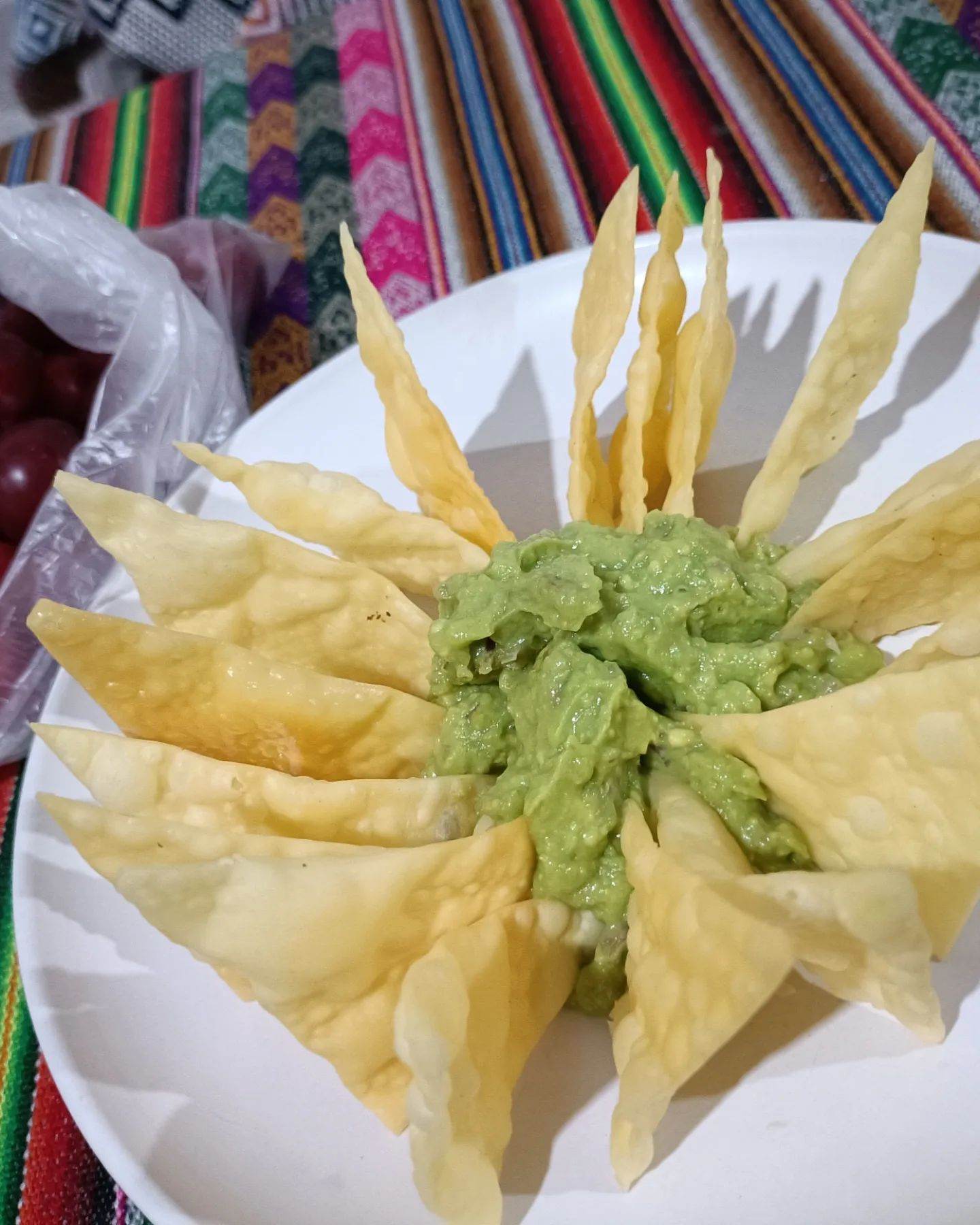
Trusca Frita – One of my fave set meals in Peru. trusca\trout is a local\Peruvian freshwater fish. Taste is very comparable to our local bangus, except that trout isn’t as boney. Best served with corn tortillas and guacamole (avocado spread).
And speaking of fish, Peruvians are also popular with their Ceviche (raw fish salad), but for this trip, I had to pass on it. I avoid raw fish dishes whenever I can.
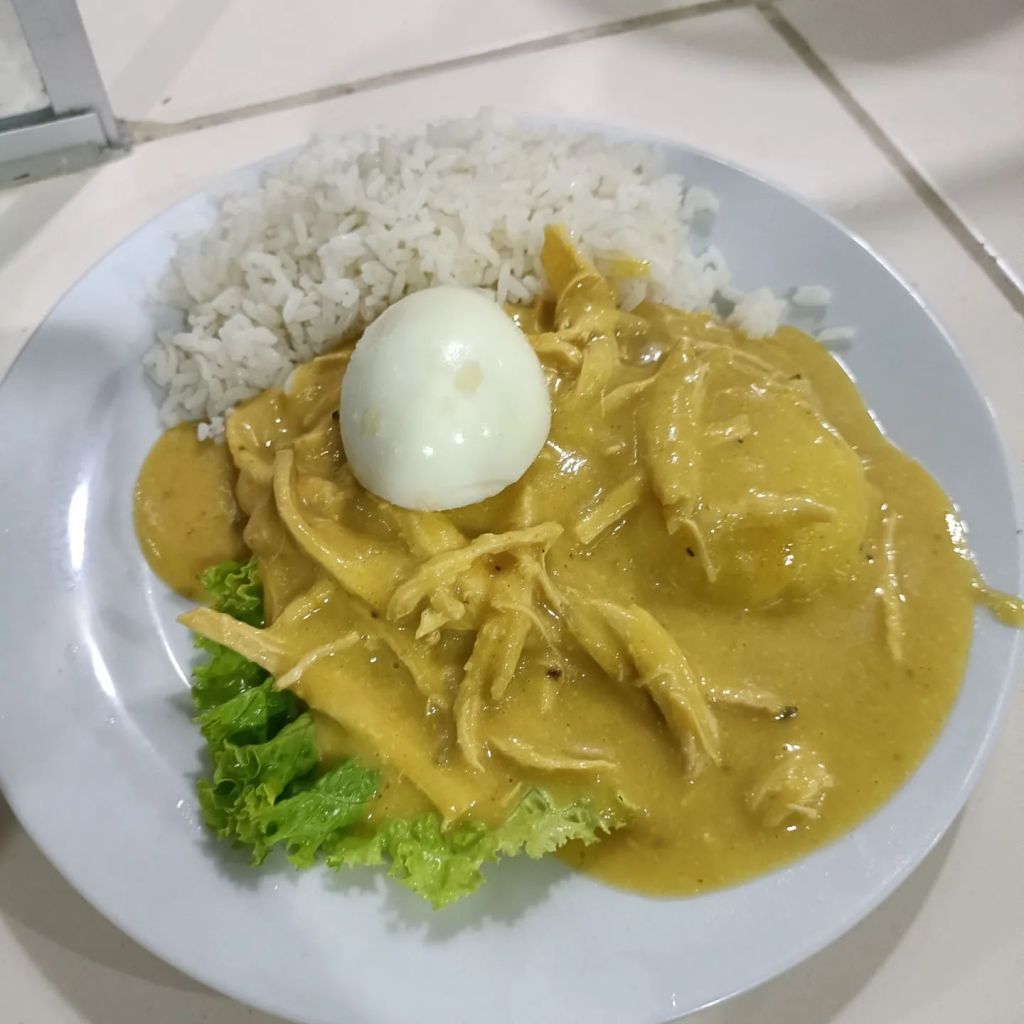
Aji de Gallina – one of peru’s traditional meals. Marinated shredded chicken, cooked in milk-based sauce. Comparable to our chicken pastel. This one, i got from the public market in Aguas Callientes with complementary quinoa sopas.
Pachamanca – Traditional Peruvian BBQ Pork Rib (Costilar). Pork is not very common in LatAm. As I observed, it is quite expensive compared to beef meals. Peruvian BBQ is good but is too simple for my tasting, as compared to Tangy and mildly-sweet Filipino BBQ. Their BBQ is served with steamed sweet potato\kamote.
Trivia: Rice is not native to Latin America. It was brought over in the 1500s from Asia by the Spaniards. Today though, rice is also a common carb consumed in LatAm, and Asian travelers are happy with this. 😅
This below is Afritada. Tastes almost exactly the same as what we have here in Ph; A proof of Spanish influence in our daily meals. This one, i got from a random Karinderia outside the train station. yes po, parang karinderiang pinas lang din, except that 2 to 3 lang ulam to choose.
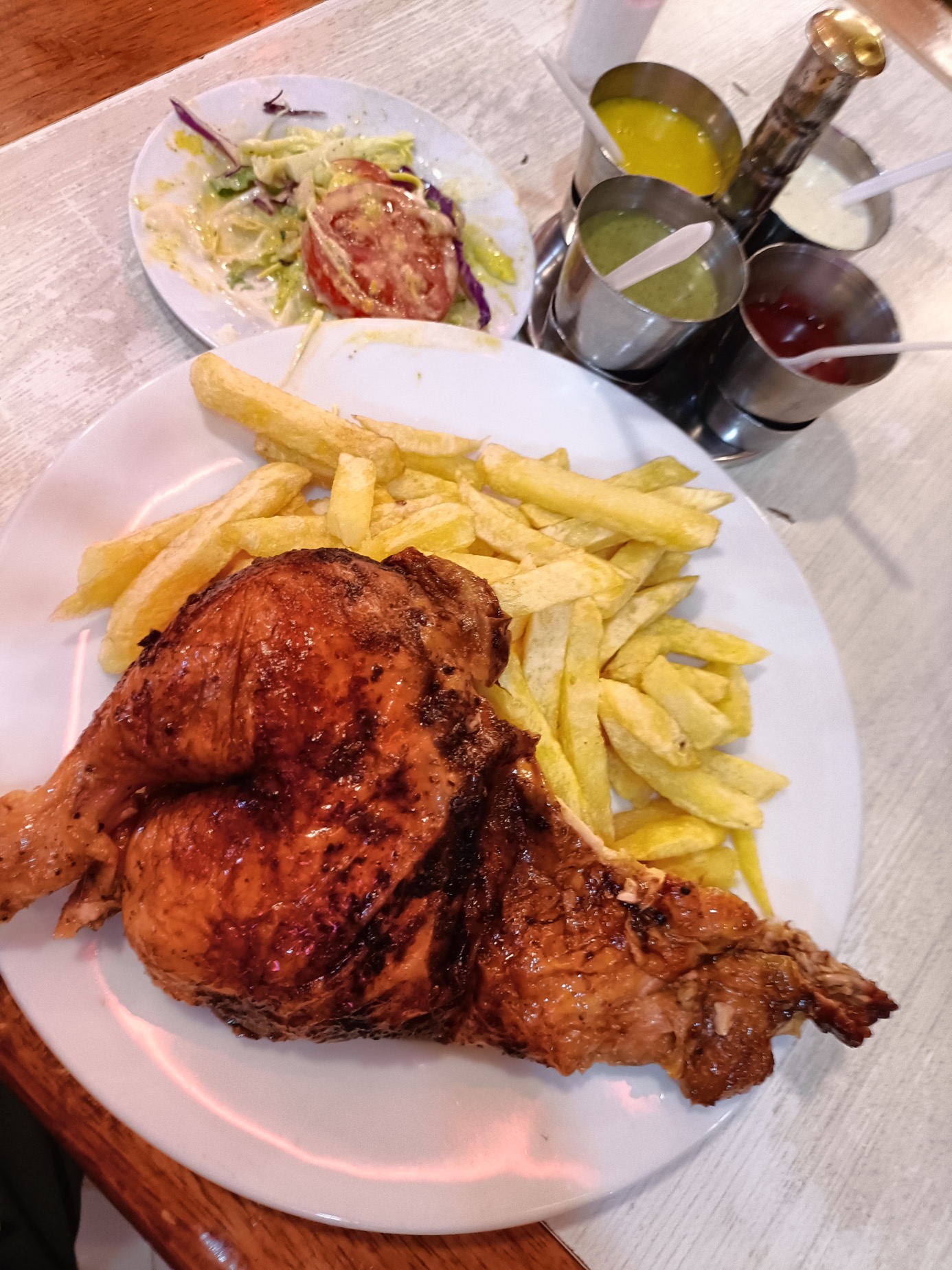
This below is one of several chicken bbq meals I had in Peru, because i seriously like their chicken BBQ. Chicken is laid flat\butterflied, char-grilling both sides. Meat is marinated in vinegar and spices. I believe this is the secret to “fall off the bones” Peruvian bbq. They also have thr mildly-hot, creamy green sauce made of Japapeño and aji amarillo pepper (local\mild). Gusto ko to. Quite comparable to peri peri. This huge quarter set came with unlimited salad and fries, tapos 14 soles lang. Jusko! That’s less than 250 php.
Arrozcaldo – it’s weird to find that their arrozcado is actually steam-cooked rice soaked in chicken soup. Very different from our Pinoy arrozcado where we boil the rice grain with the stock to make a porridge\lugaw. Peruvian arrozcaldo also had potato and carrots and no ginger.
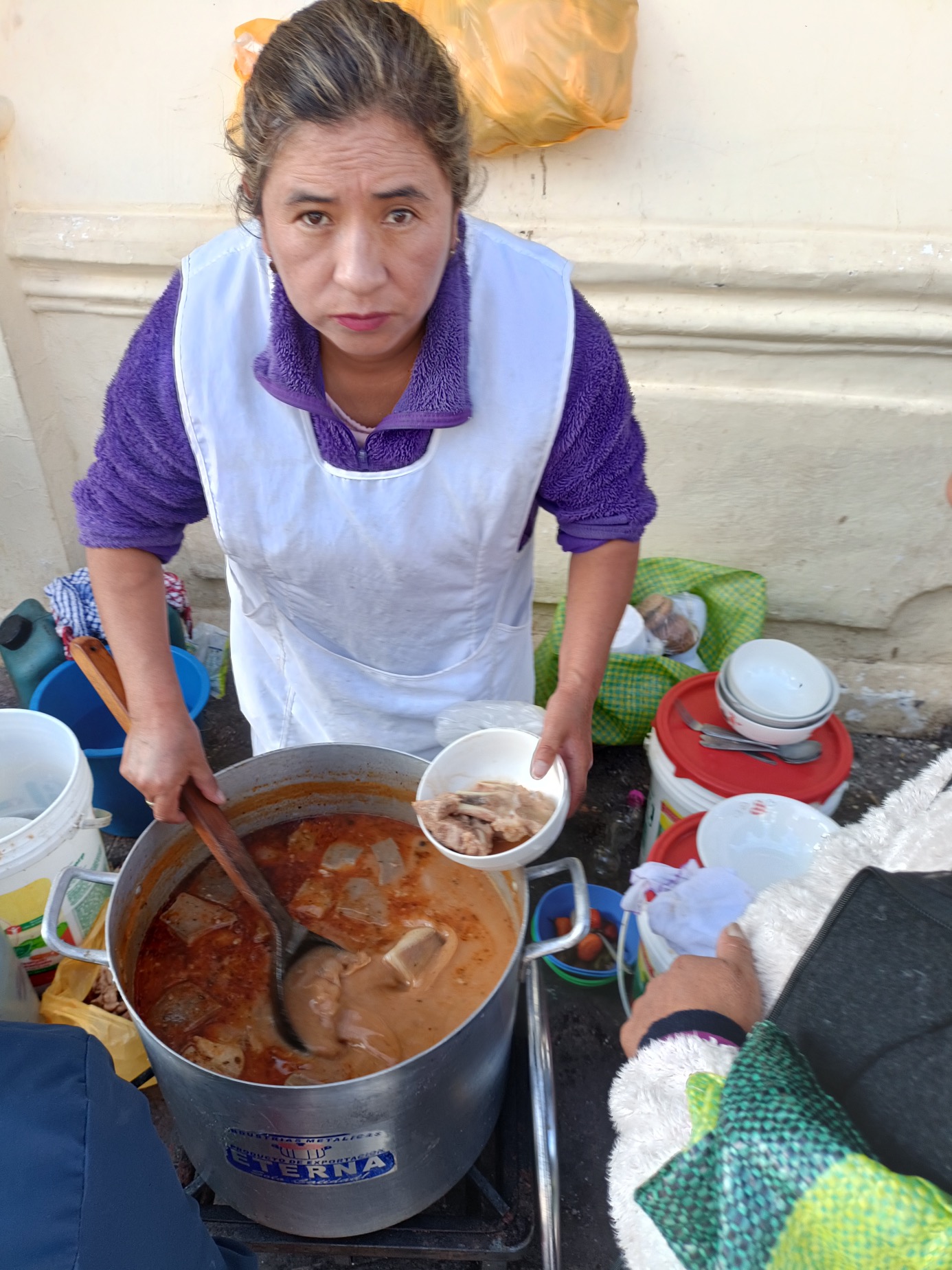
This below was such a memorable dining experience. I had one of the best pork broth soup from a random street-side stall in San Pedro Market,Cuzco. They call the dish Adobo, which intrigued me so much, as it is totally different from our version of the said dish. Our adobo is sauteed, not a sabaw/broth-type. Tbh, this pork broth soup is more comparable to Kansi, like the ilonggo pork soup na medyo sour.
Peru also has Lechon, as introduced to them by the Spanish. History wise, Lechon was a spanish term which meant “suckling pig” which Spaniards would once roast a piglet for special occasions.
I had a free taste of the Peruvian lechon, and I felt it lacked the lemongrass flavour. Philippine lechon is way better. Lemongrass is native to Southeast Asia, btw.
The Peruvian corn tamale. I’ll make a separate post on tamales from different LatAm countries. This dish is quite interesting.
Cheese and cinnamon flavoured Ice-cream. They say this recipe won recognitions. But to me, cinnamon flavoured ice-cream was a No. 😅
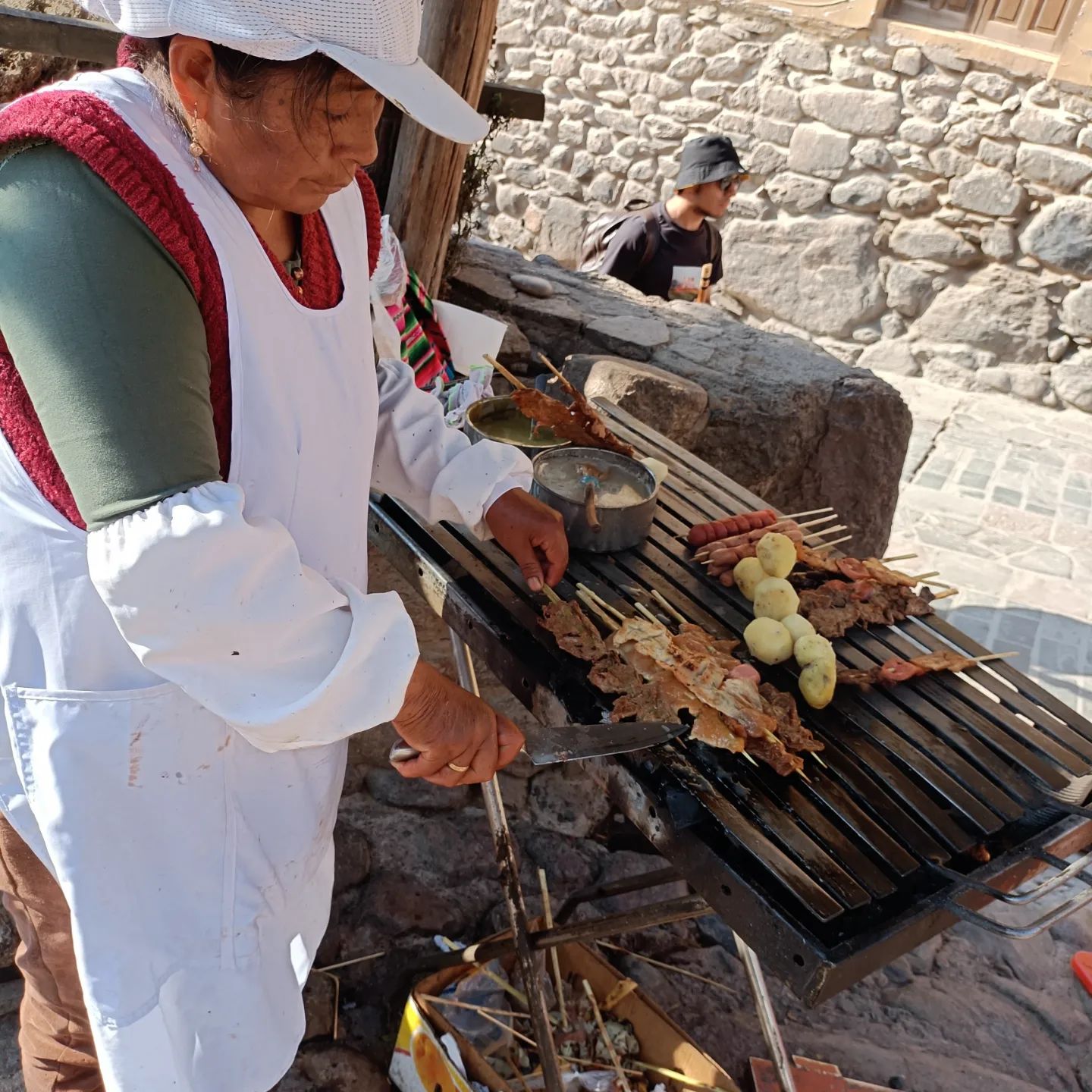
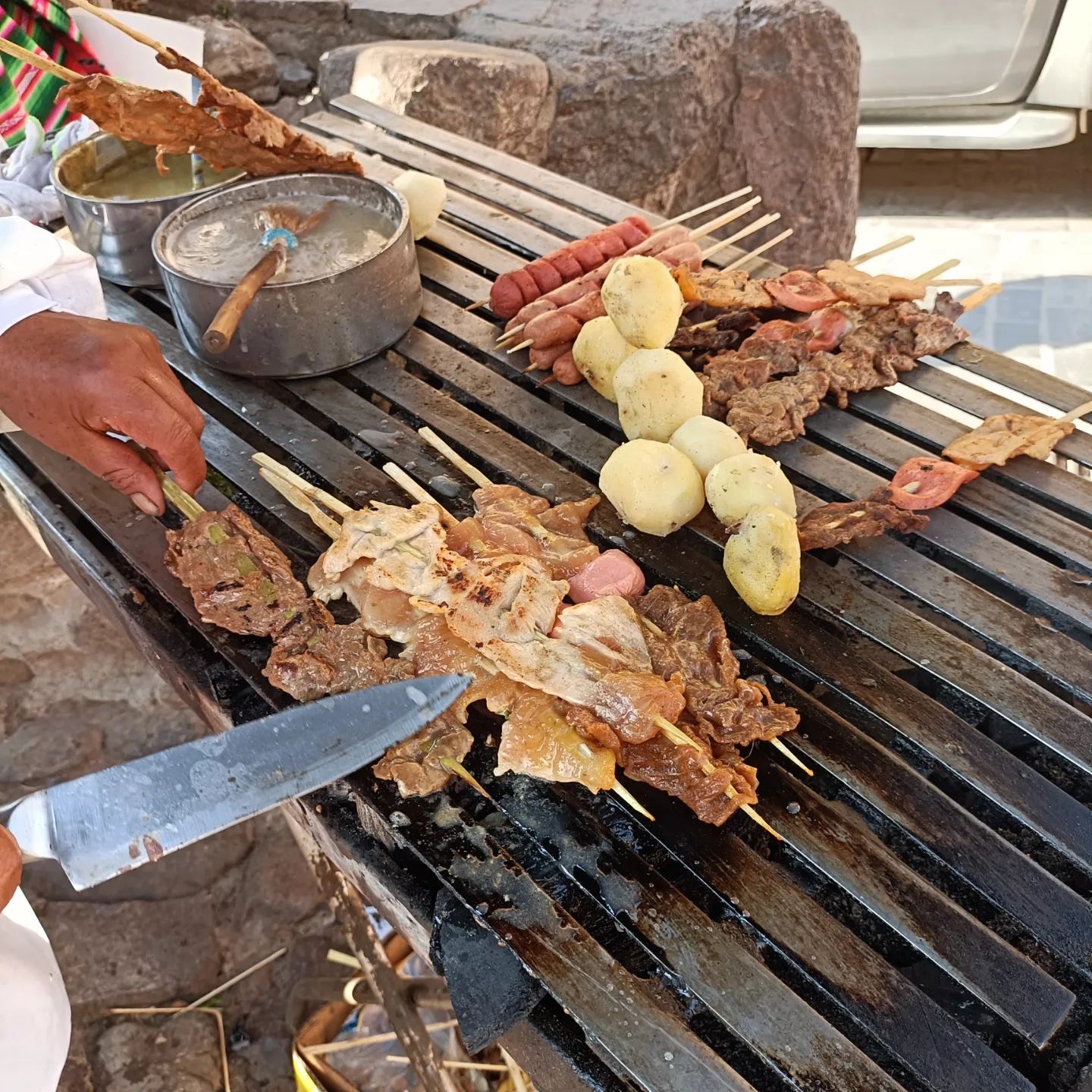
Random streetside skewers, Alpaca meat and beef, for only 3-5 soles. They also use charcoal din pero ang griller ni ate kay flat metal bars.
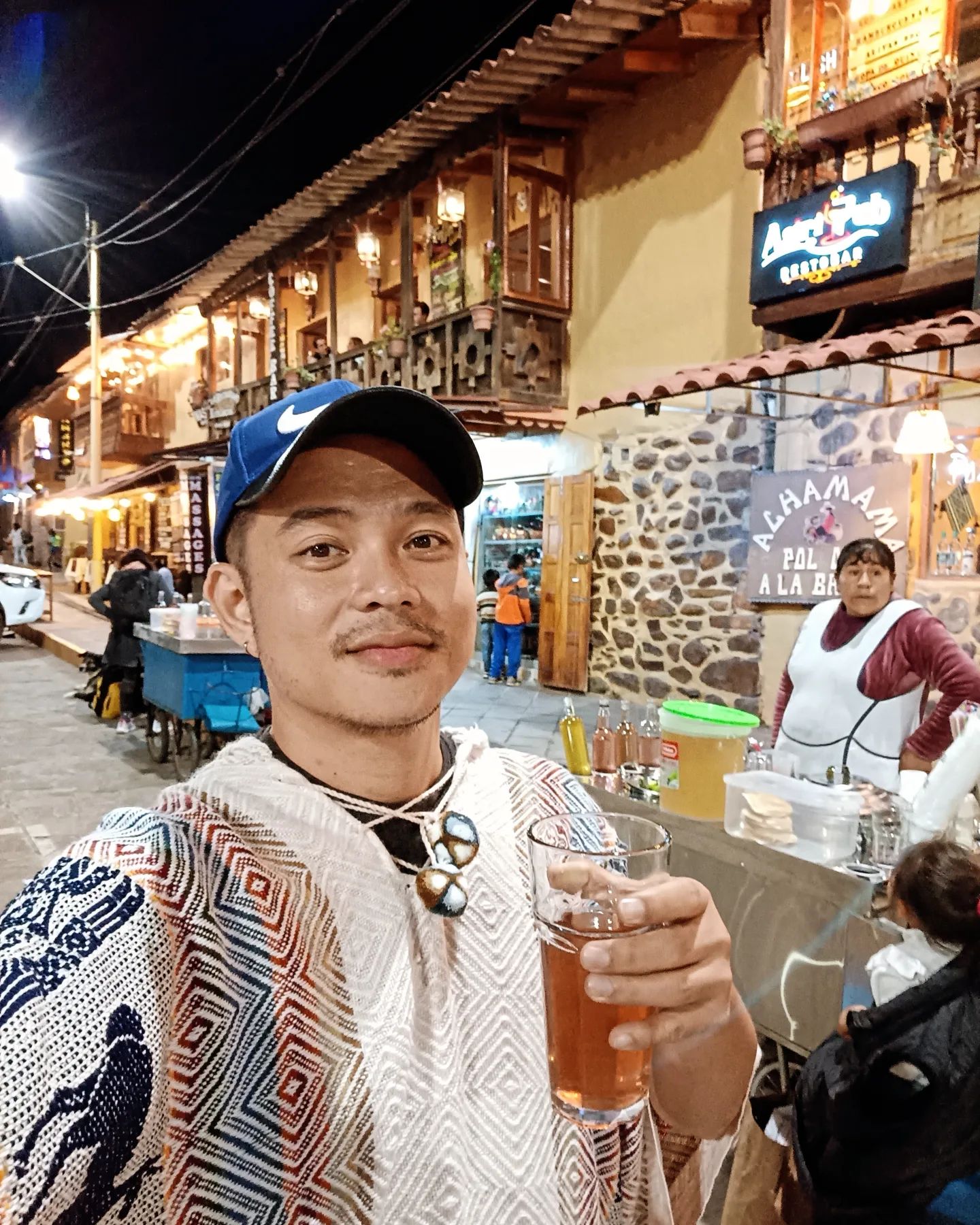
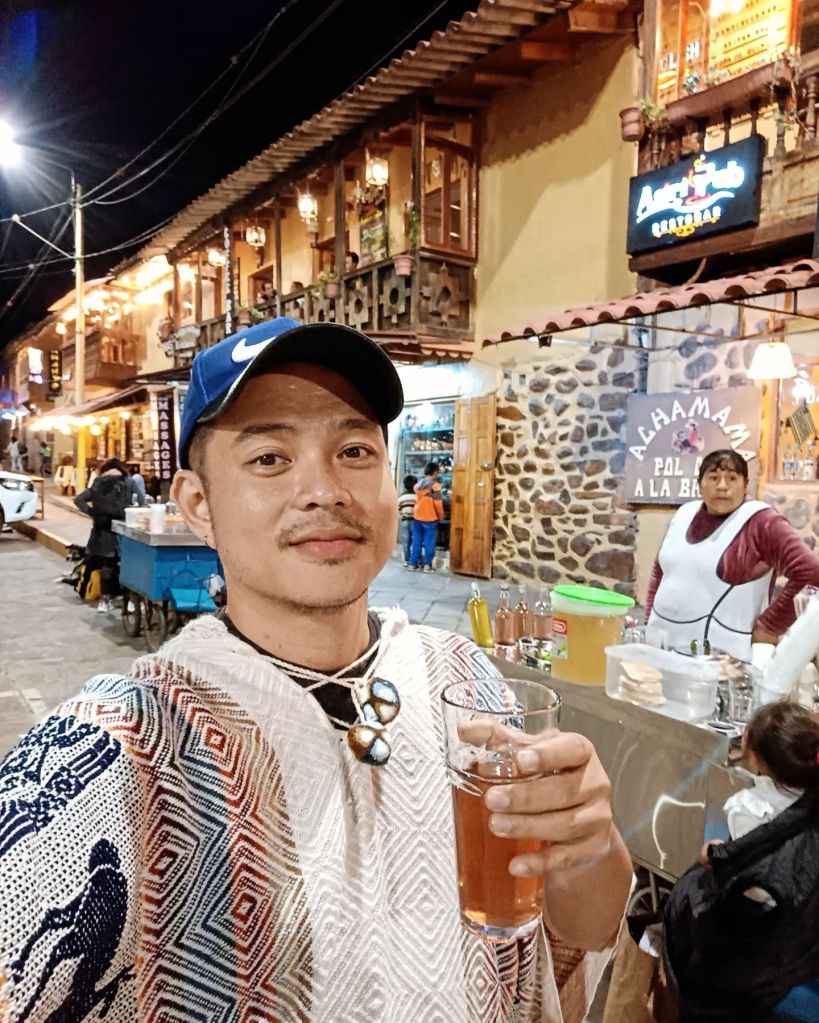
Closing the dinner with a glass of Emoliente – Traditional Peruvian Herbal Tea. Helps in digestion as well as altitude sickness.
Sharing in this article how I arranged my visit – DIY – and as a solo traveler.
Travelling to Latin America has always been a dream; and most specifically, visiting the Incan Sanctuary of Machu Picchu (MP) in Peru.
If visiting MP also interests you, let me mention first that the journey wasn’t easy even for experienced travelers. For tourists with spending capacity, I highly suggest to get a packaged/pre-arranged tour from trusted agencies. Hassle-free!
For my DIY Trip, I first took a flight from Manila to the US. From major cities in US, there are several South American airlines than can take you to Peru. The most popular is LATAM Airlines to Cuzco City (the take off point to MP). With Latam, I had a quick 3 hrs. layover/change of aircraft at Lima, the capital city of Peru. To give you an idea Manila to US (LA) – 18 hours, LA to Lima – around 9 hours, then Lima to Cuzco, 2 hours. Filipino tourists btw are visa-free to enter Peru. I did not encounter any trouble with the Peruvian immigration. I wasn’t asked for any supporting document. However, I did prepare print outs for outbound tickets, hostel booking and my ticket to MP, which I already purchased online. Stayed in Peru for 7 Nights. Arrived in Cuzco airport around 10 am (from a red-eye flight).
For this blog post, I intentionally avoided details on ticket cost. For experienced travelers planning to see Peru, I am quite sure you have an idea na how much to prepare. hehe
Day 01: Arrival. Machu Picchu is tucked way up in the mountainous region of the Andes, Peru. All the stops and spots that I’ve visited are situated on high elevations. Visitors will land in Cuzco City, which is around 3,400 meters above sea level. To give comparison, our very own Mount Apo is around 2,900 meters high. Cuzco City was built on a plain that stands higher than PH’s tallest mountain. Imagine that. As such, land at these high elevations have thinner oxygen levels, which can result to altitude sickness, nausea, head ache and difficulty on breathing while the body is adjusting(Acclimatization). When preparing, it is also best to do research on this.
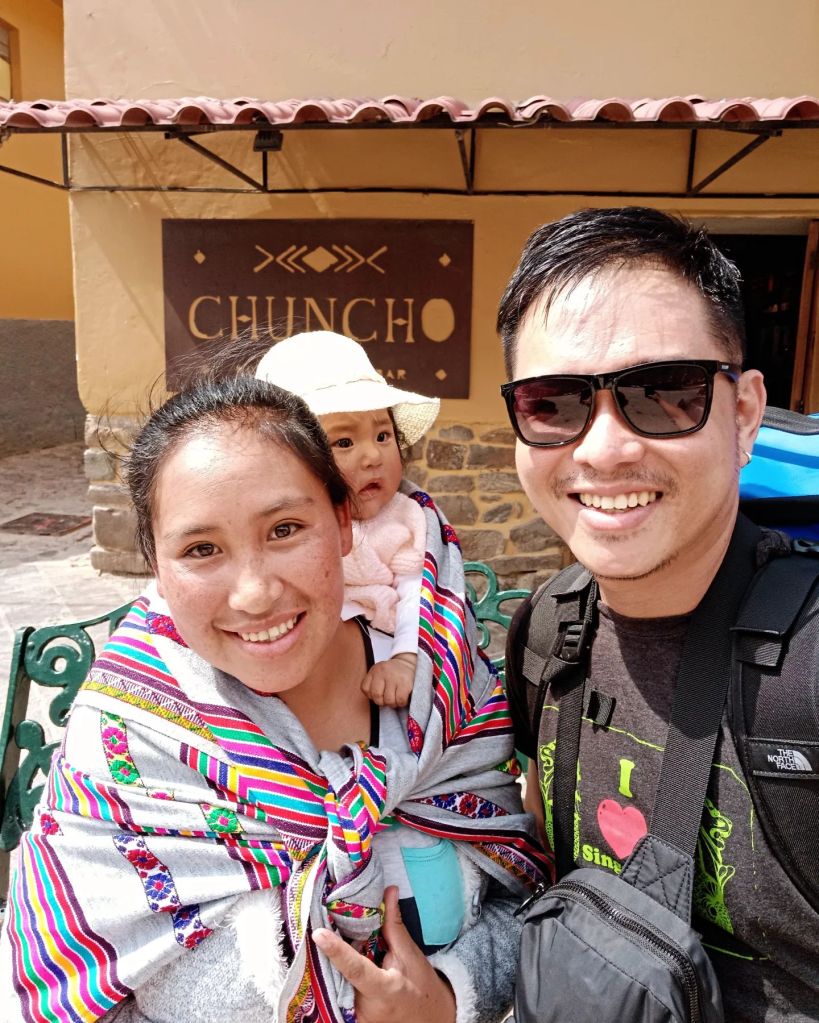
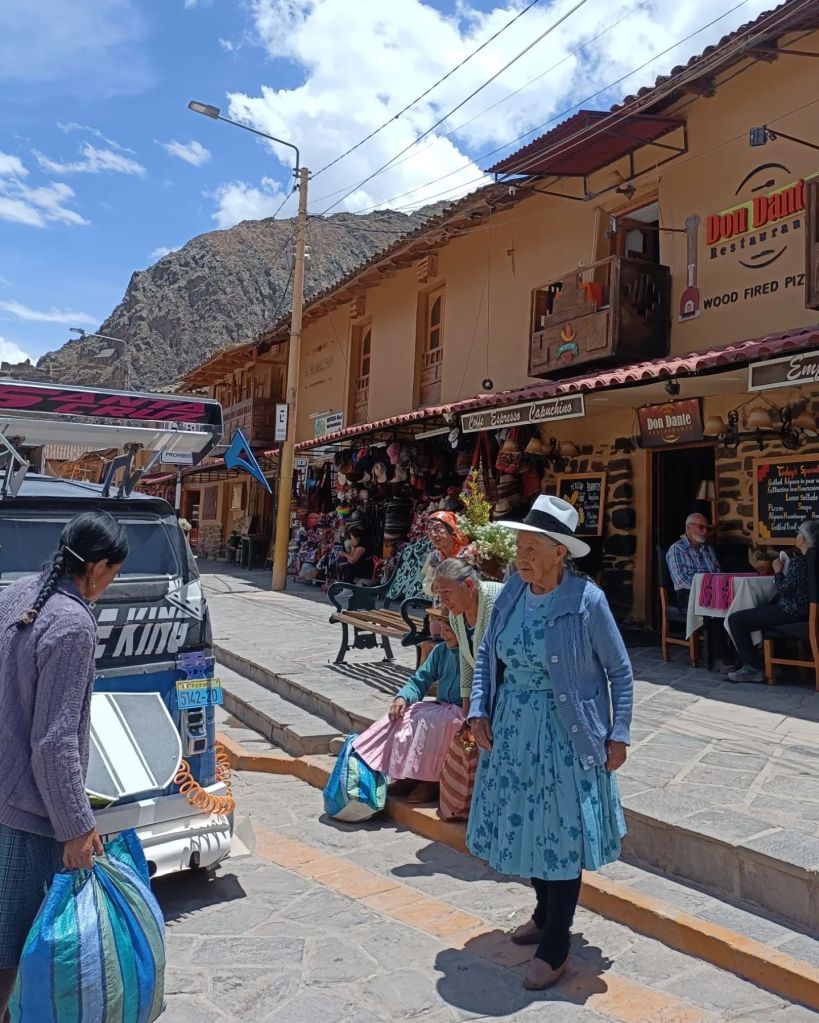
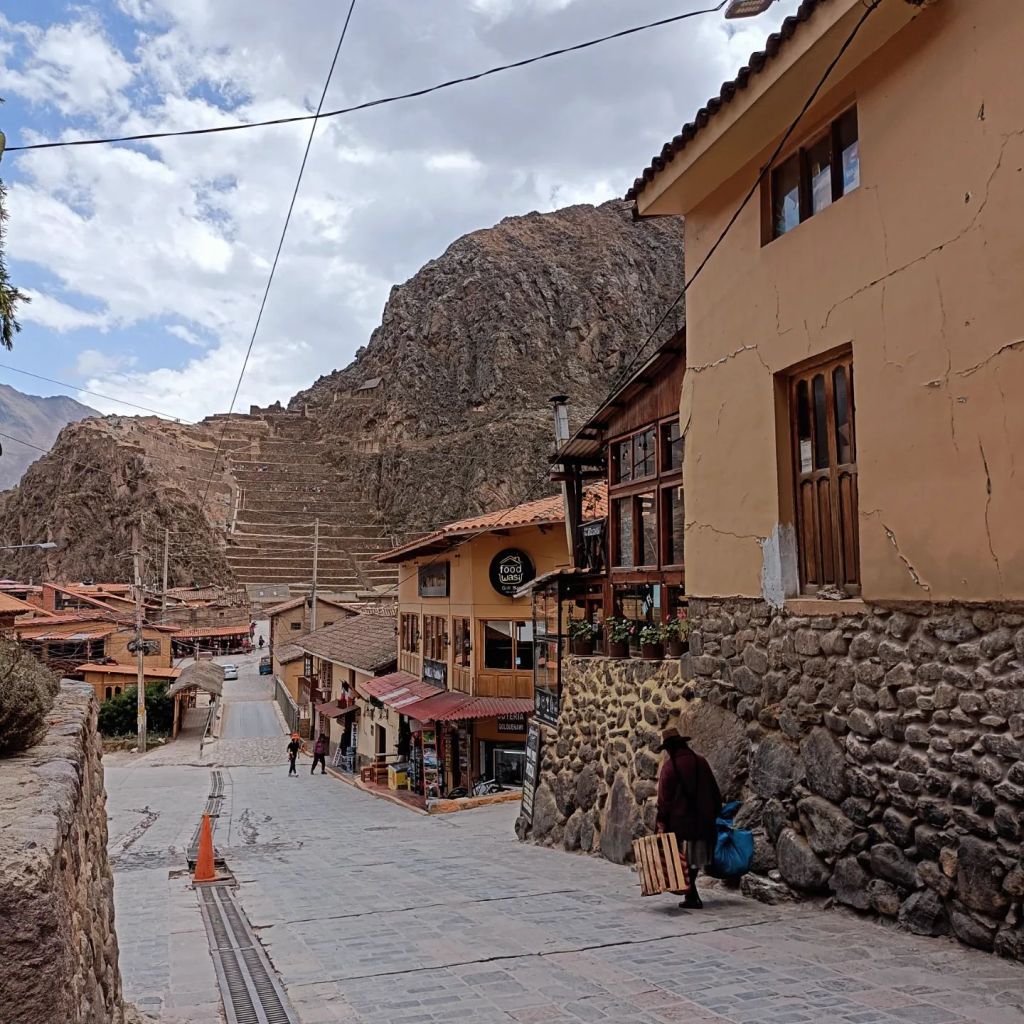
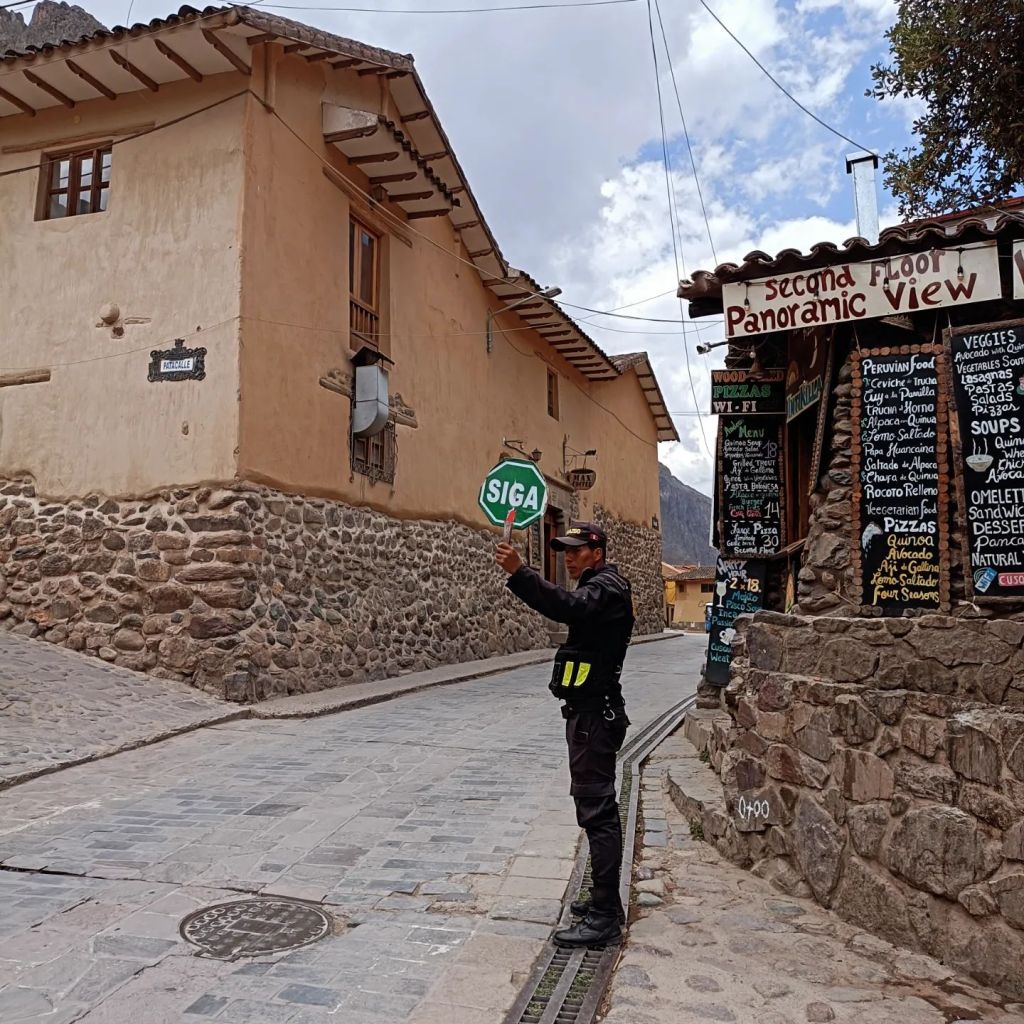
To avoid, or rather minimize the expected altitude sickness, I opted to spend my first night in Ollantaytambo town after landing (instead of staying at Cuzco City). Ollantaytambo town is halfway between Cuzco City and MP, and is around 2,700 meters altitude. This hack indeed worked for me, coz i never felt any sickness or nausea during my whole stay. Aside from that, Ollantaytambo is such a charming, small town within the sacred valley, surrounded by mountains on all sides. Gusto ko dun.
From Cuzco City airport, I took an UBER to the collectivo (VAN) terminal, which is just around 10 mins from the airport. From there, I hopped on a public van packed with locals heading to Ollantaytambo, which was less than 2 hours away. Friended some locals as well, who gave me clear directions upon arrival at Ollan. I was lucky to find a seatmate who can speak english.
Points to know:
Prior to travel, i already had with me an international sim with consumable Data that i purchased from seaman’s simcard provider sa shopee. It worked well for my open-line android phone, never nagka problem.
I used UBER a lot during my trip to Latin America. My Uber account is linked to my Visa credit card. No cash out.
Regarding local bill/money, I had some US dollars changed to Peruvian Sol during my layover in Lima Airport. I’ve also observed that visa and mastercard are widely accepted in Peru, even for souvenirs. My limited Sol cash is only for street food and small purchases.
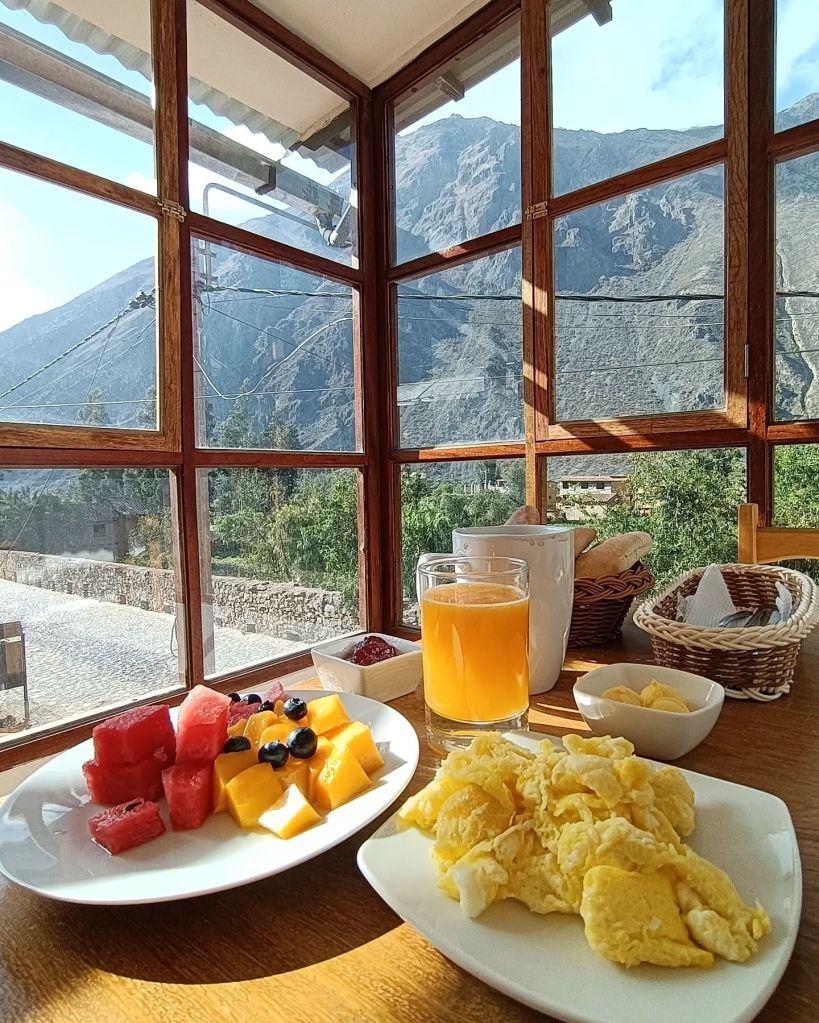
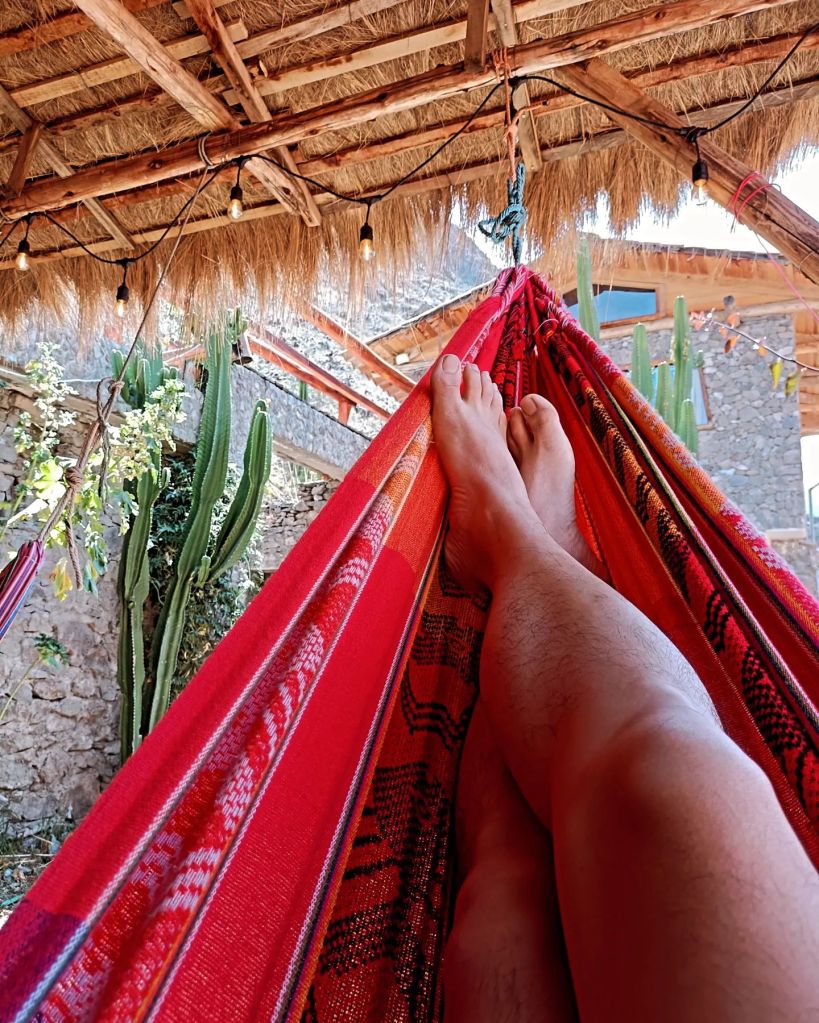
Day 2: Lazy day in Ollantaytambo. No itinerary day is the best days in my opinion. I seriously enjoyed my hostel here with a good view.
Stayed at Casa Inka Bed and Breakfast. Solo room with own toilet with continental breakfast at around 15 USD per night. Yes, it’s that cheap in Ollantaytambo. Room has no ACU though, but weather is cool at that altitude.
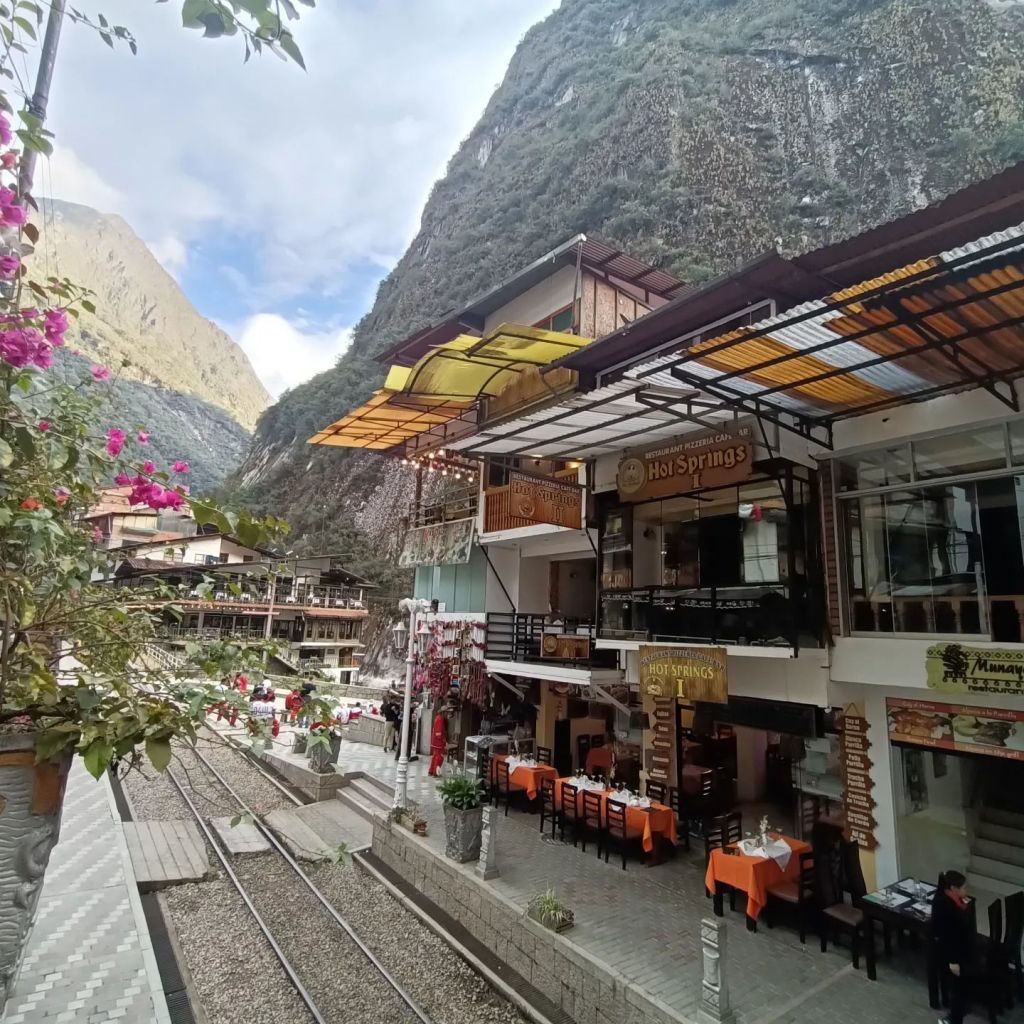
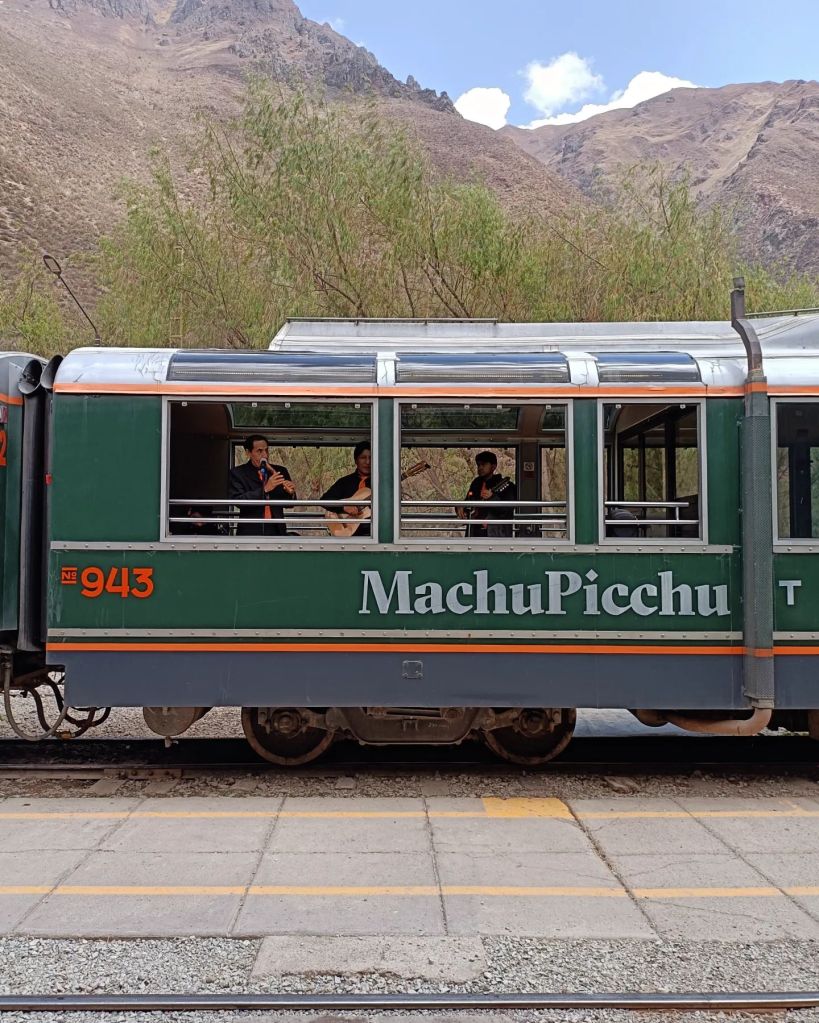
Day 3: Travel to Aguas Callientes. Took a scenic 2 hours Train from Ollan to Aguas Callientes (AG) town. AG is the town nearest to Machu Picchu Sanctuary, which takes around 30 minutes by bus, passing by dense forest, which is part of the Amazon already).
The train ticket from Ollan to Aguas Callientes (PERURail), I purchased online 2 months prior. To check train schedule and availability, check here. To make online purchase, check here. Just change the language to English and the steps are pretty understandable. I think wala nang ibang way for tourists to reach Aguas Callientes/Machu Picchu Proper other than this train ride, or by trekking. Machu Picchu is tucked well within the mountain ranges, nasa gitna po ng gubat, and wala pong vehicular roads to get there I think. And yes po, all my transportation, i arranged na po 2 months prior. So programmed na po talaga ang dates ko. fixed na po. However, meron naman agencies nag-ooffer ng tickets when you arrive in Ollan or Cuzco. Your choice na.
For the Machu Picchu Entrance Ticket , i purchased it here, also 2 months prior. I’ve also seen people buying ticket sa town hall ng Aguas Callientes upon arrival, pero sobrang haba ng pila nila. 8 pm may pila pa. grabe. Machu Picchu Basic Entrance Ticket – around 35 USD. Round trip train ticket is around 30 to 60 USD, mas mahal if mas malapit na sa date.
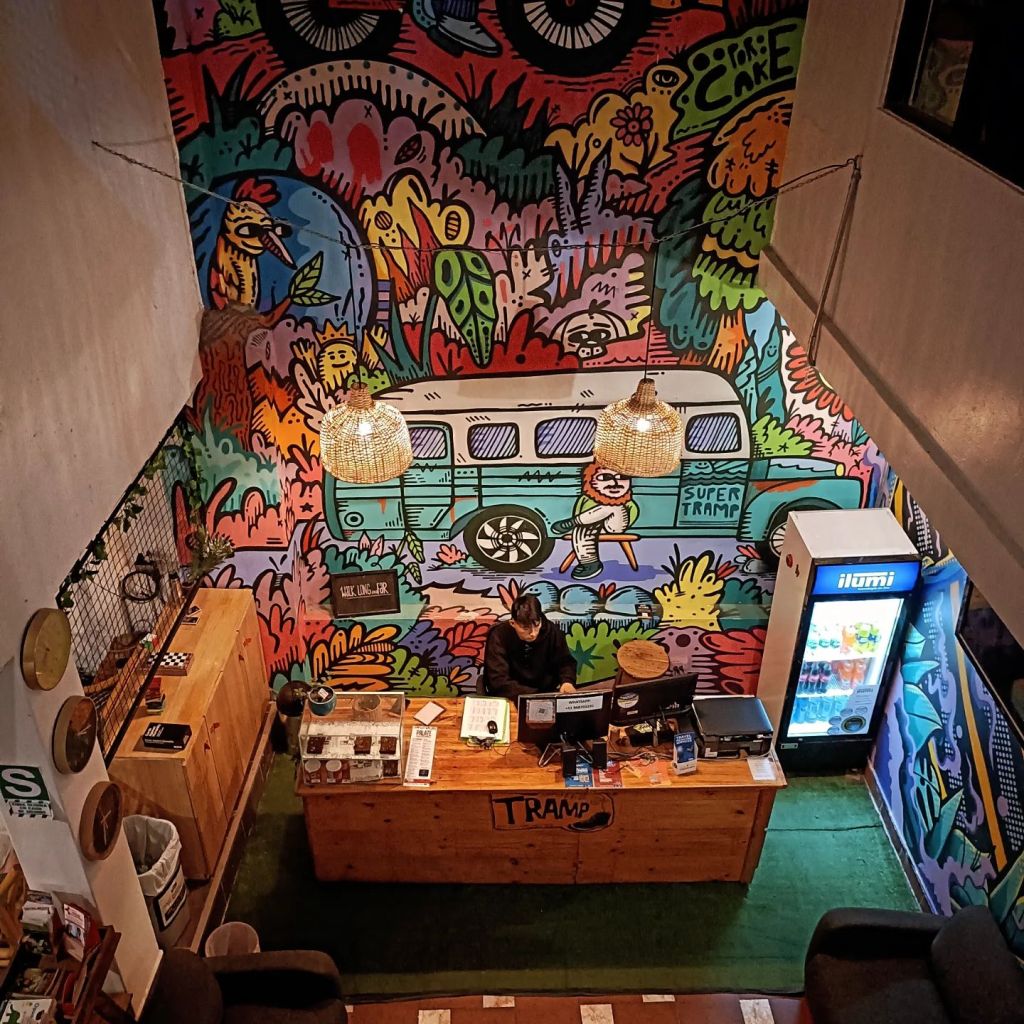
Stayed at Supertramp Hostel in Aguas Callientes, at around 10 USD (Shared room/6 pax) with breakfast.
Day 4: Machu Picchu
The Big day has come, I am going to See MP na for real. Upon arrival sa Aguas Callientes the prior day, I purchased na the bus ticket that will take me from the town to the sacred site, and back. Round trip po binili ko with specified times. I purchased the 6 am, with return at 12 nn. Half day lang po ako sa MP, since I have a train to catch at 2 pm, back to Ollantaytambo. Aguas Callientes btw is super liit lang na town along the river, very easy to navigate. I just asked around sa mga sakayan and all.
Highlights of Machu Picchu day trip:
We were welcomed by rain on-site. My umbrella did not do justice. Good thing the cleaning lady had some spare second hand plastic ponchos. She gave one to me for free. lesson learned, bring your own plastic poncho as the weather up there can be unpredictable.
The last toilet that you’ll be getting is at the entrance. So prepare.
Sun screen and mosquito repellant.
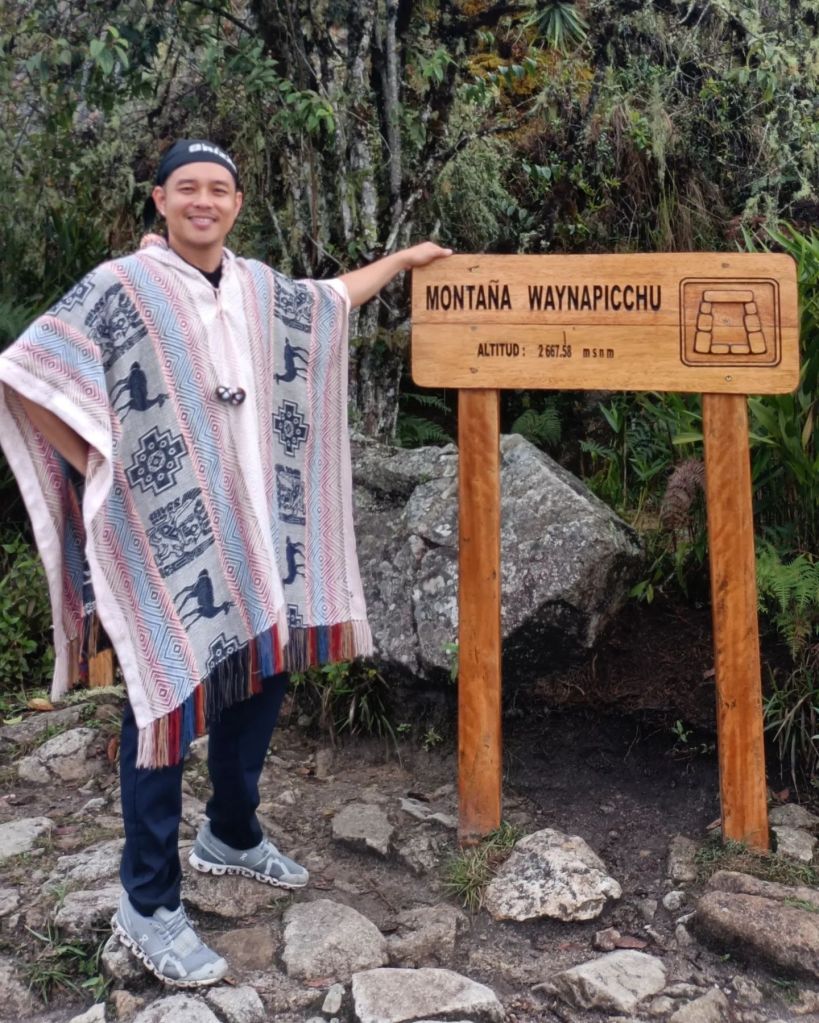
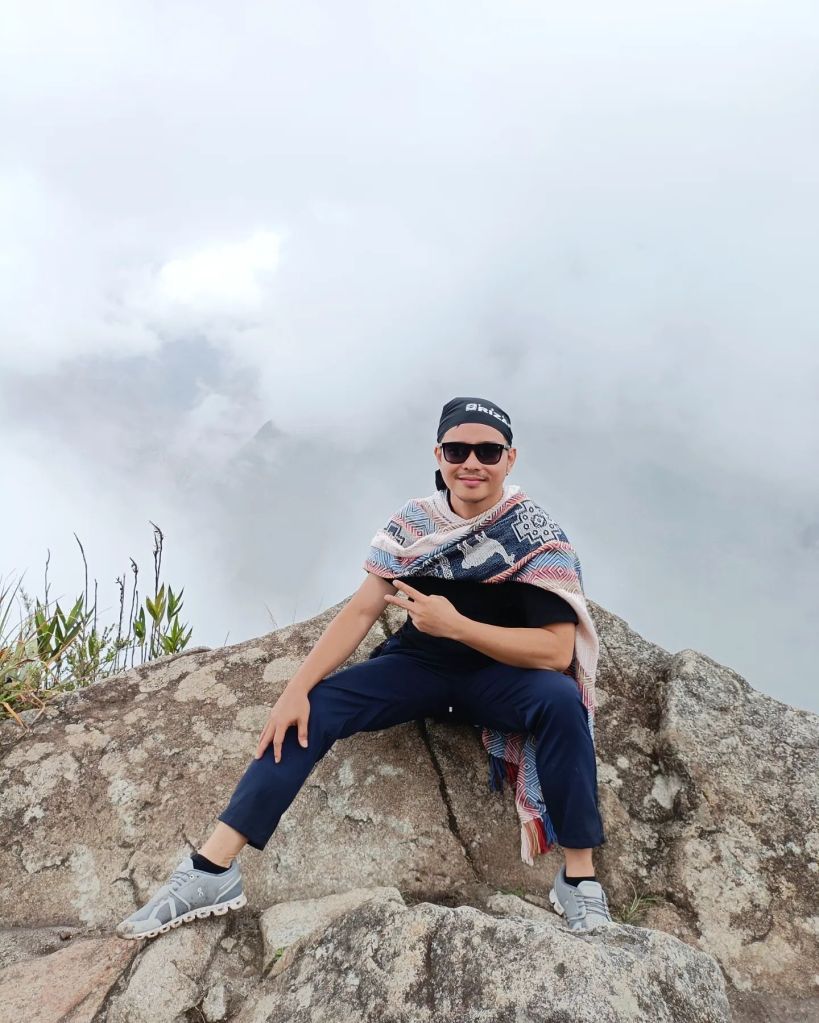
I paid extra ticket to climb Huayna Picchu (the tall mountain seen on the background of all MP posters), and that includes passing through the so called “stairs of death”, which is a narrow stone-paved stairs that is around 80 degrees inclination. Some parts do not have any handrail/rope, and often slippery, so be cautious with the traffic. Halfway, the route only allows one way passage, so there’s no turning back at this point. Check out my tiktok account to see videos of this climbing experience.
The ticket says Max. 4 hours stay in the sanctuary, but I think di naman sila strict on this.
I left the sanctuary at 12 noon to catch my train back to Ollan from Aguas Callientes. Spent again one more night in Ollantaytambo. Gusto ko tlga dito. The next morning, i took the same collectivo (Public Van) to Cuzco.
Day 5: Cuzco City. I fell in love with Cuzco.I have a thing for well-preserved old towns/cities with colonial flair and the city did not disappoint. One of my favourite movies is ‘ The Emperor’s New Groove’ which is actually set in Cuzco. So yes! natuwa talaga ako.
Chill lang ako sa Cuzco. Di na ako kumuha ng tours. I enjoyed my hotel and the nearby market and the food. saya! Will post a separate blog on this kase deserve.
Stayed at Tierra Sagrada Hotel, 15 usd per night, Shared room (huge! spacious). The hostel used to be a convent/dorm for nuns, as such the furniture (including my bed) are around 100 years old.
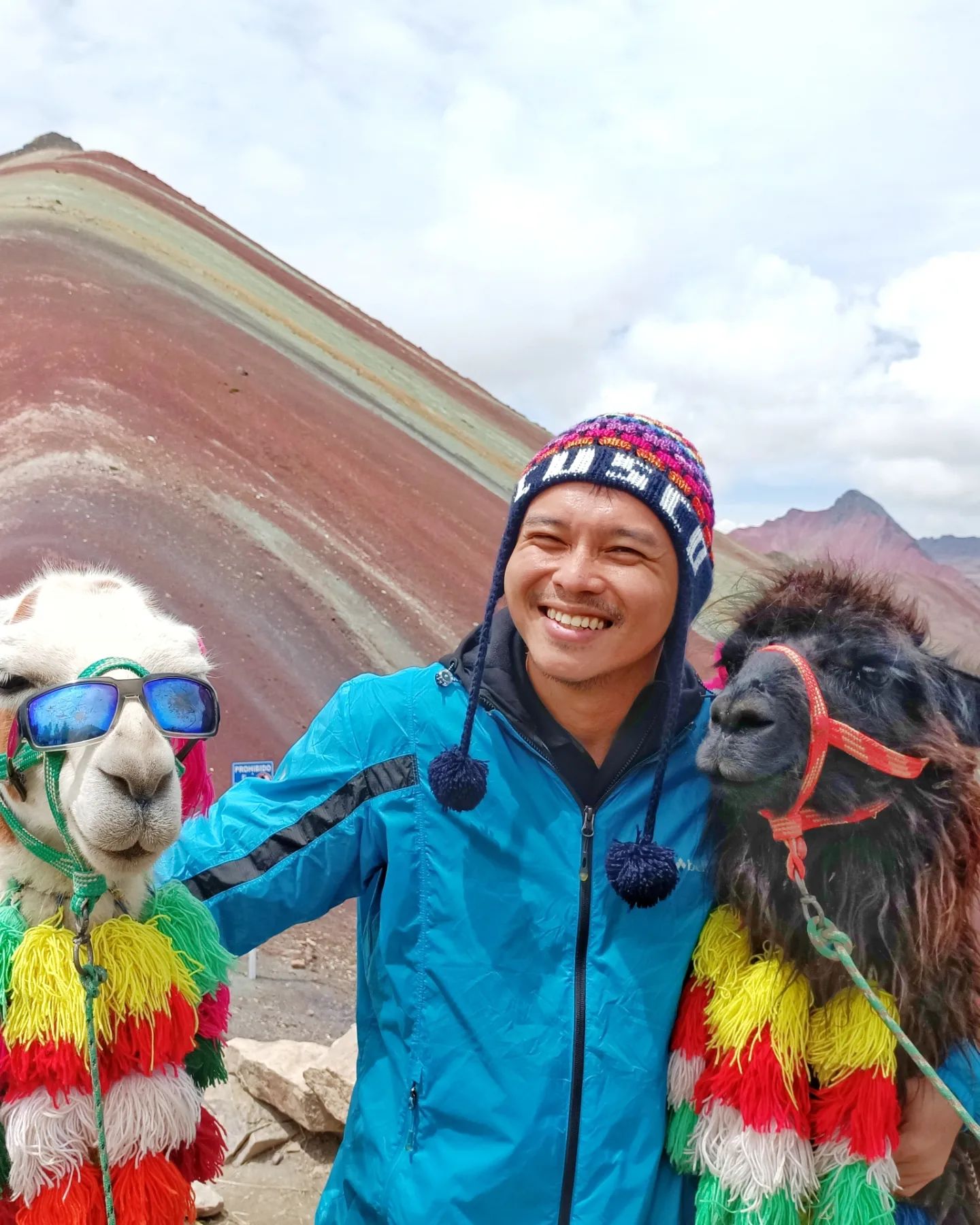
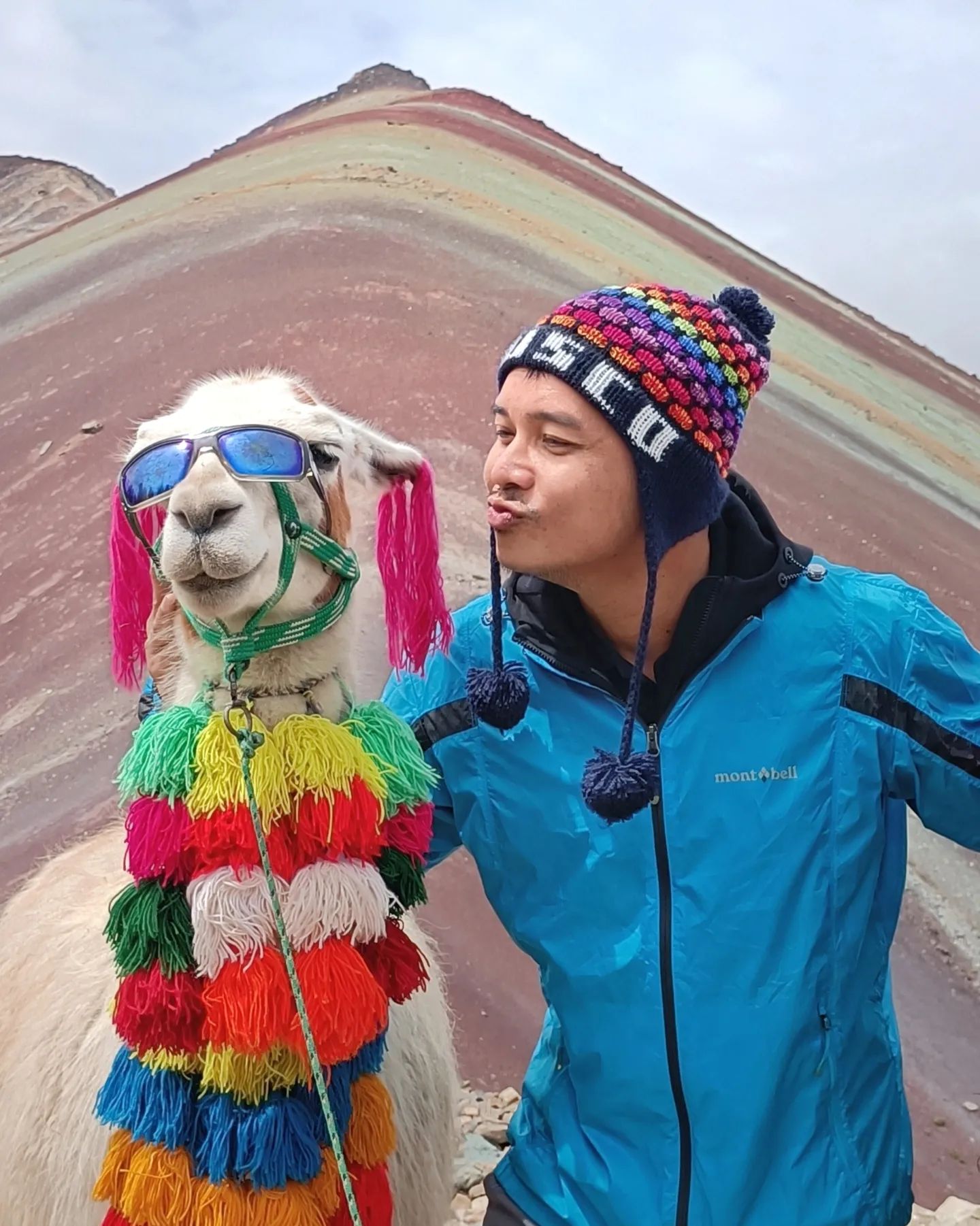
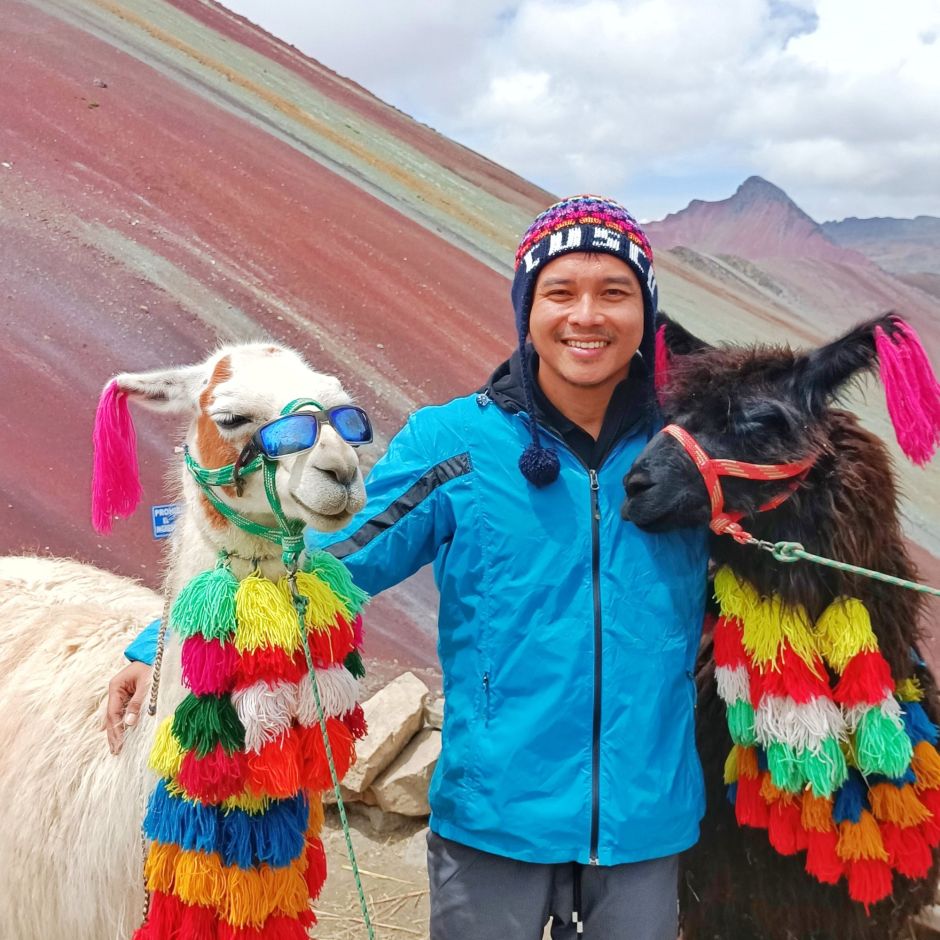
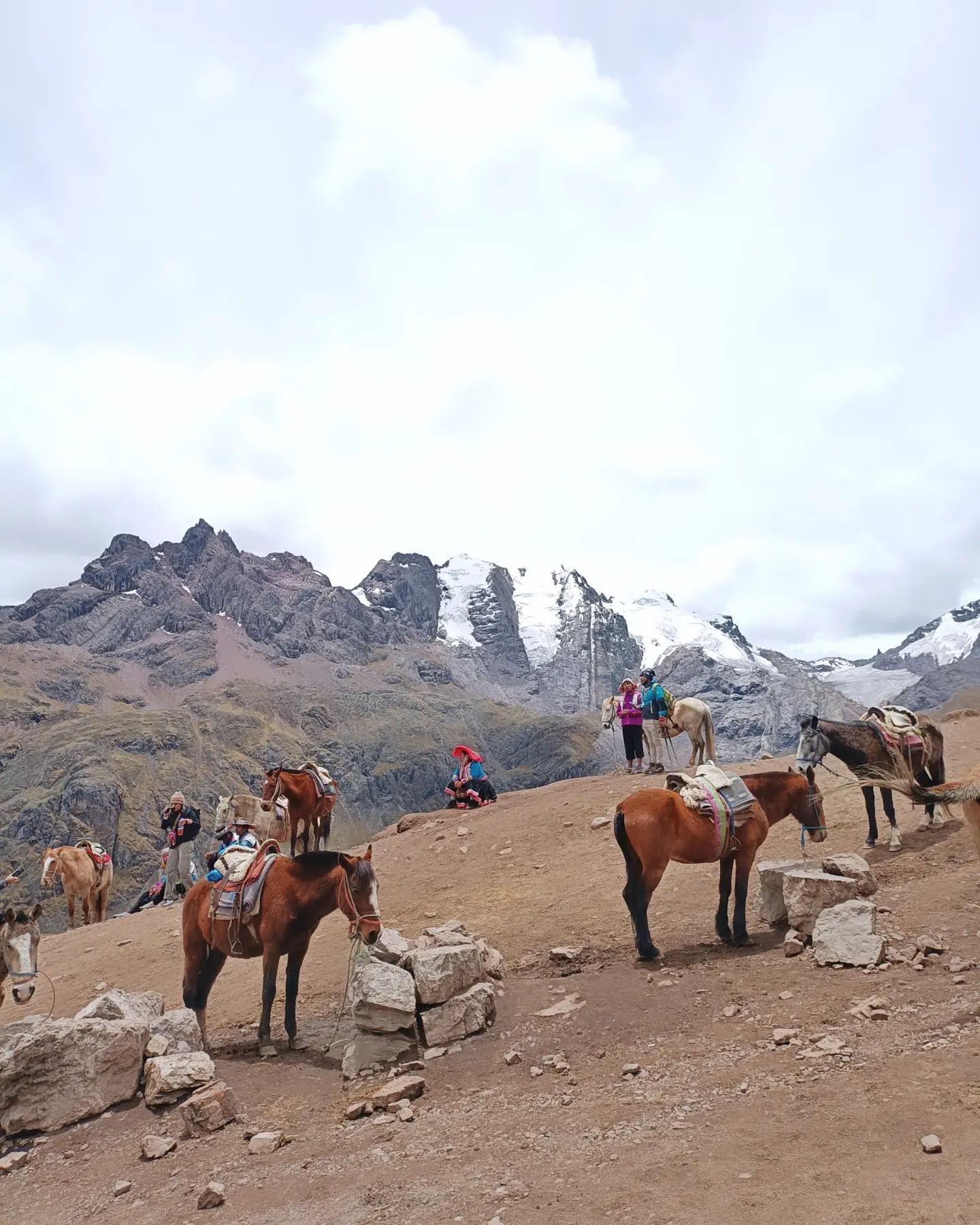
Day 6: Montana Vinicunca . A Tour to Montana Vinicunca (Rainbow mountain) should not be missed. From Cuzco, I joined a group tour (via my hotel), with hotel pick up at 4 am. Montana Vinicunca is at least 3 hours away. Along the way, we’ve passed through slim roads with the steepest bangins to your left and right, like WTF. The tour I got included a buffet breakfast and Lunch. Super sulit. See more of Vinicunca here. Got back to Cuzco before 5pm.
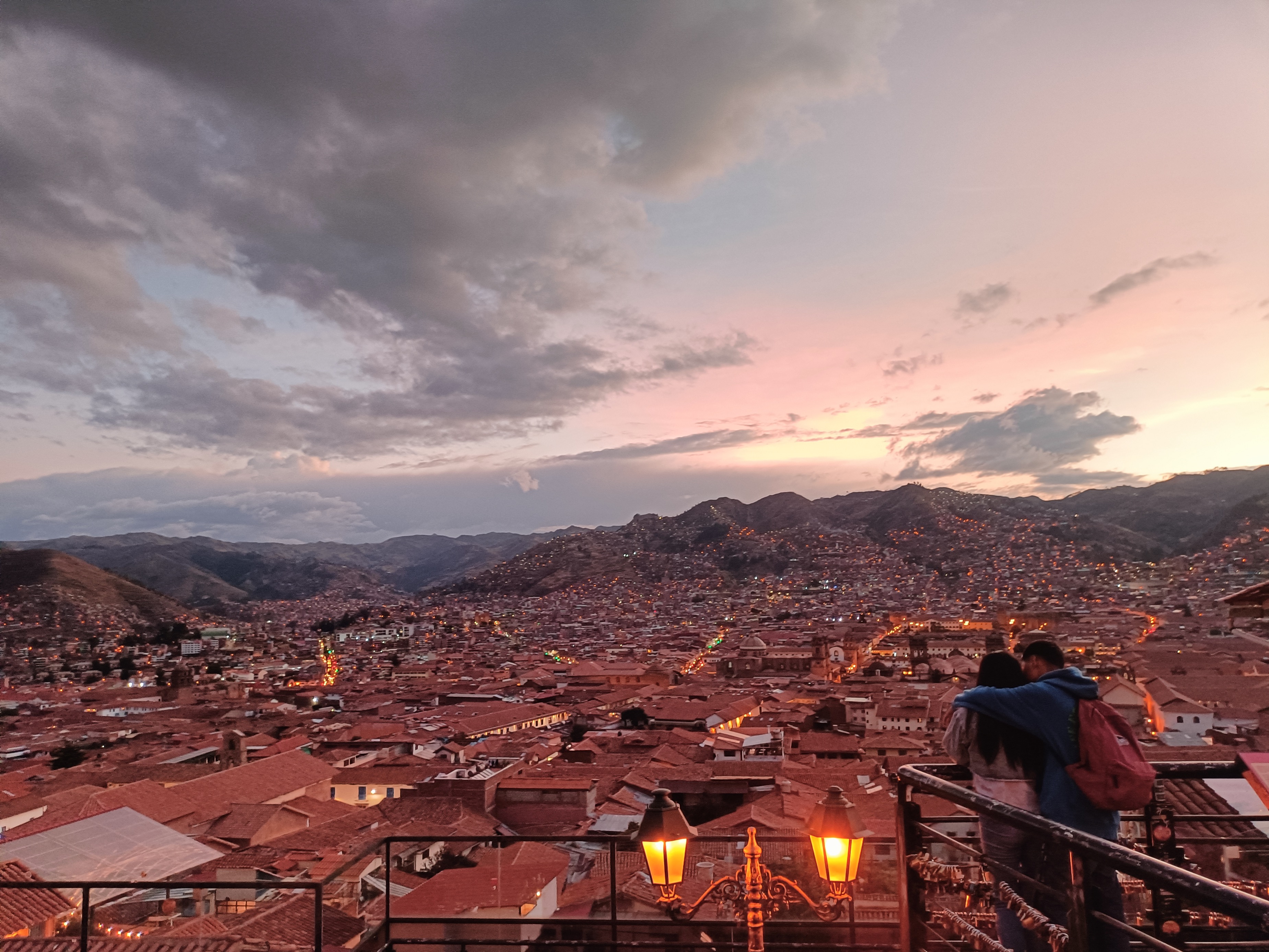
Day 7-8: Cuzco City / Departure . Tinamad na ko kumuha pa ng ibang tours. Dedicated my last days in Cuzco for complete rest, church visits coffee and food trip. Spent one whole afternoon in San Blas art district. The overlooking sunset view of Cuzco from there is amazing.
The Travel to MP plus the hike to Hyuana Piccu summit was indeed overwhelming for my energy, but the experience will definitely last my lifetime. I don’t mind going back in the near future. Hopefully with some friends, so someone can take better photos of me.
Did a quick visit to Toronto,Canada before heading to Cancun,Mexico to start my LatAm goal trip. First thing I’ve noticed is that Flights to and from Toronto are expensive! kaloka! To think Toronto was just less than 2 hours flight from NYC, on board a small plane ha (Air Canada); small Fokker plane, like 2 and 2 ang seat. Nonetheless, I pushed with this stop since I wanted to use my Canadian ME Visa, baka di na ma grant ulit if it expires unused.
…And pwede pala sana mag overnight bus from NYC to Toronto, via Buffalo (passing through the Rainbow Bridge across the Niagara). I personally saw these overnight buses sa Toronto and they were good and affordable. Ohw well. Probably next time.
I didn’t really enjoy my stay in Toronto, tbh. I got scammed by the hotel room I purchased with Agoda. So I ended up spending more with an abrupt hostel booking that cost me more than 5,000 pesos a night. zzz.
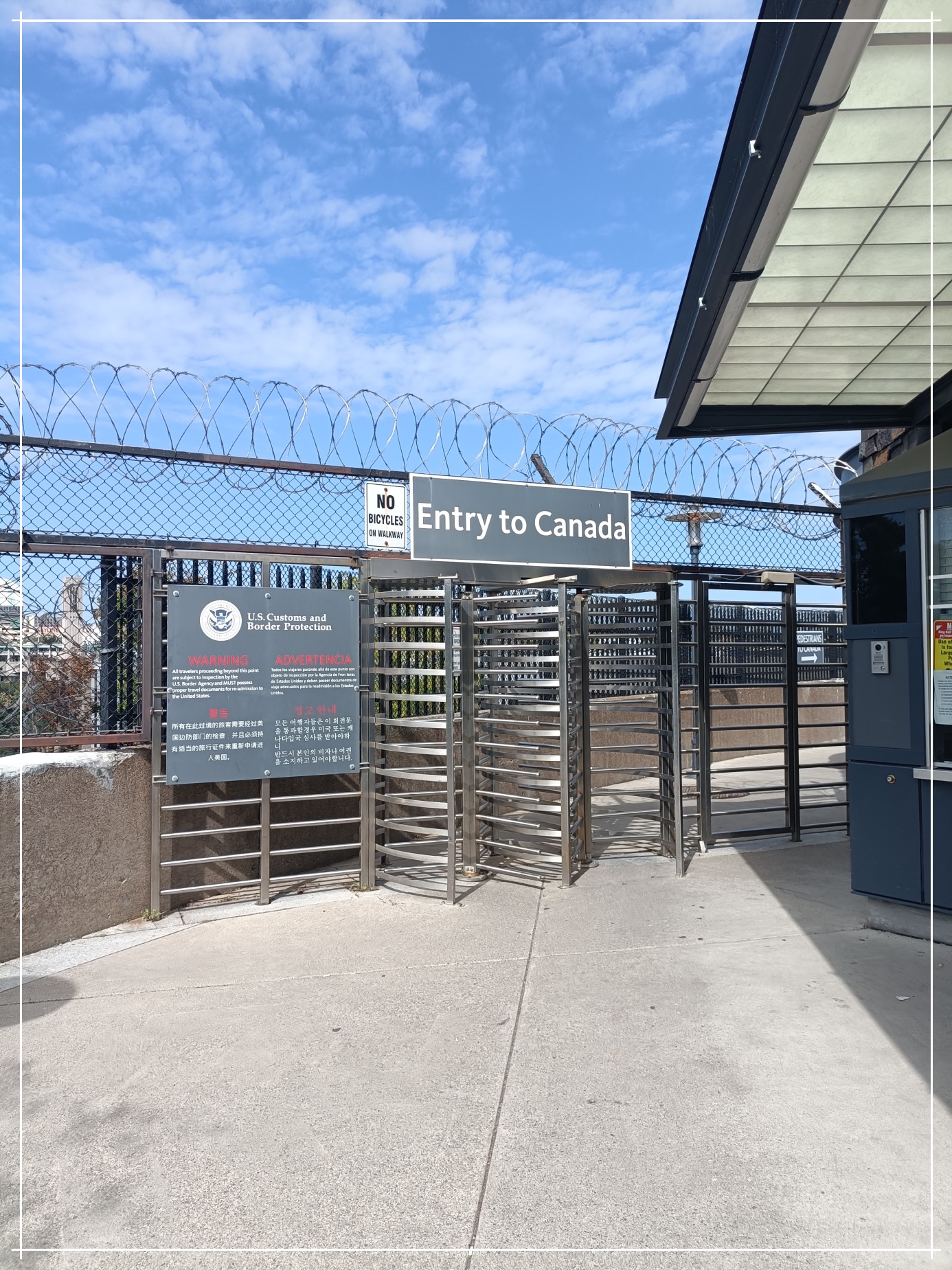
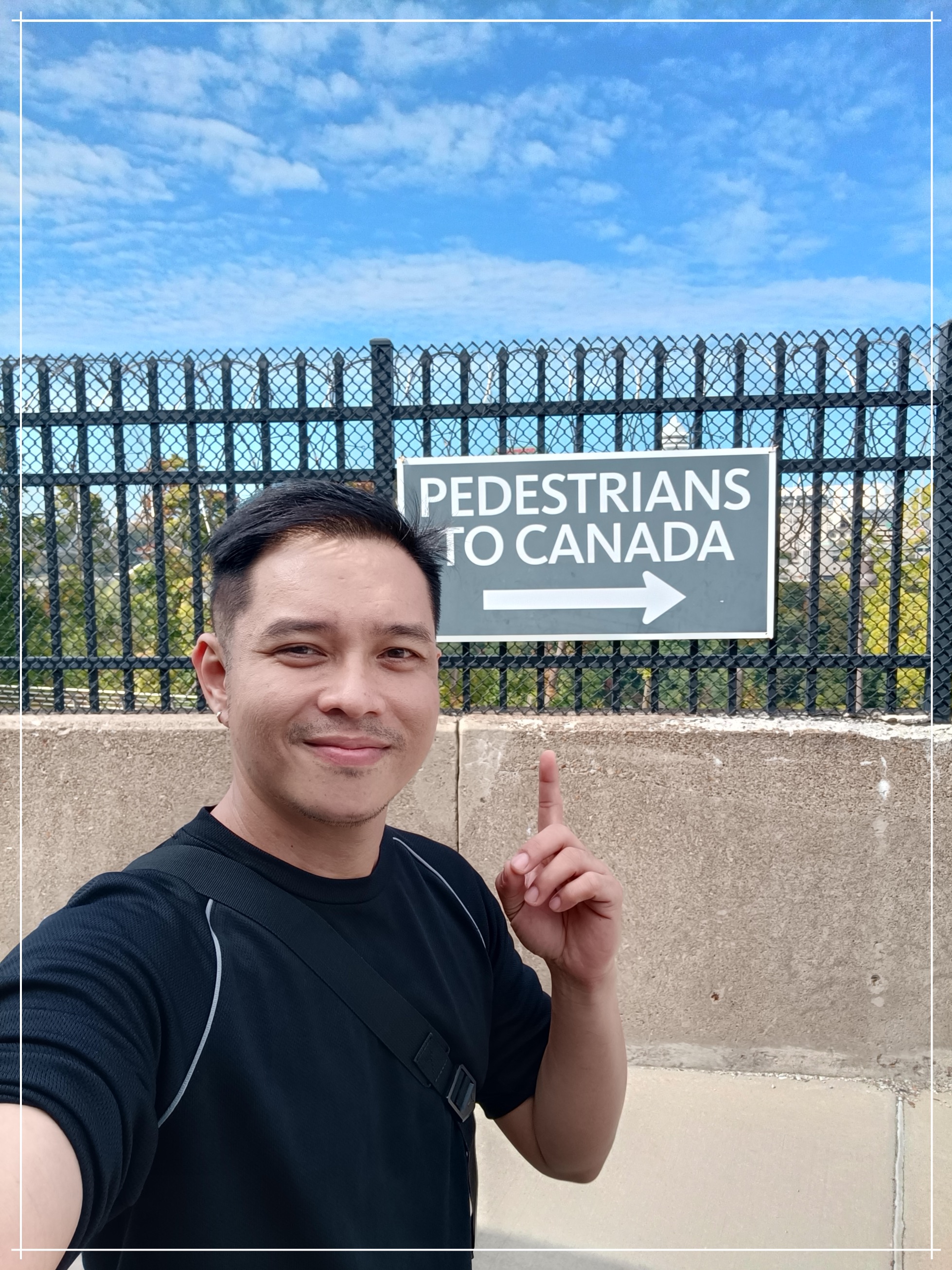
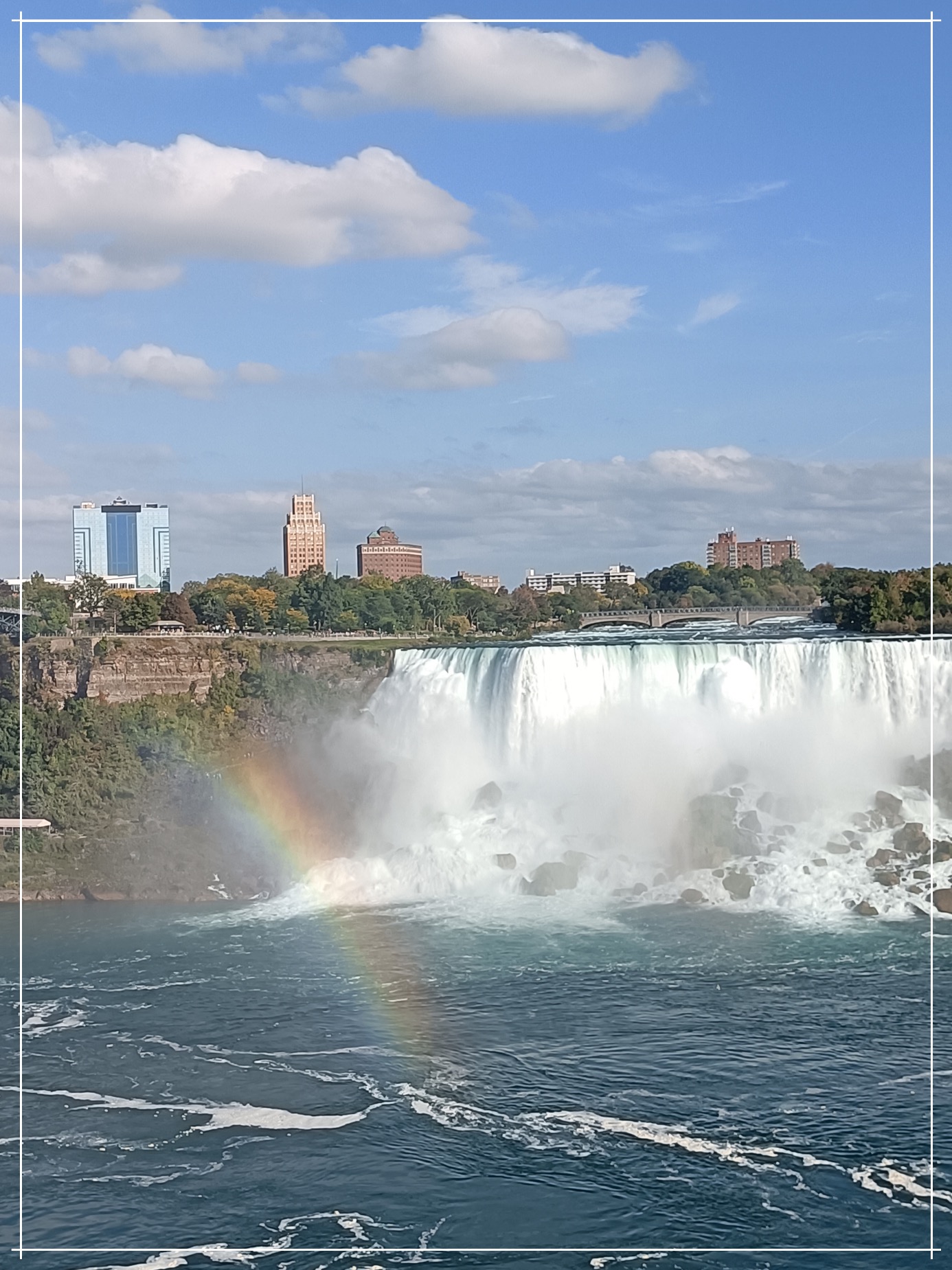
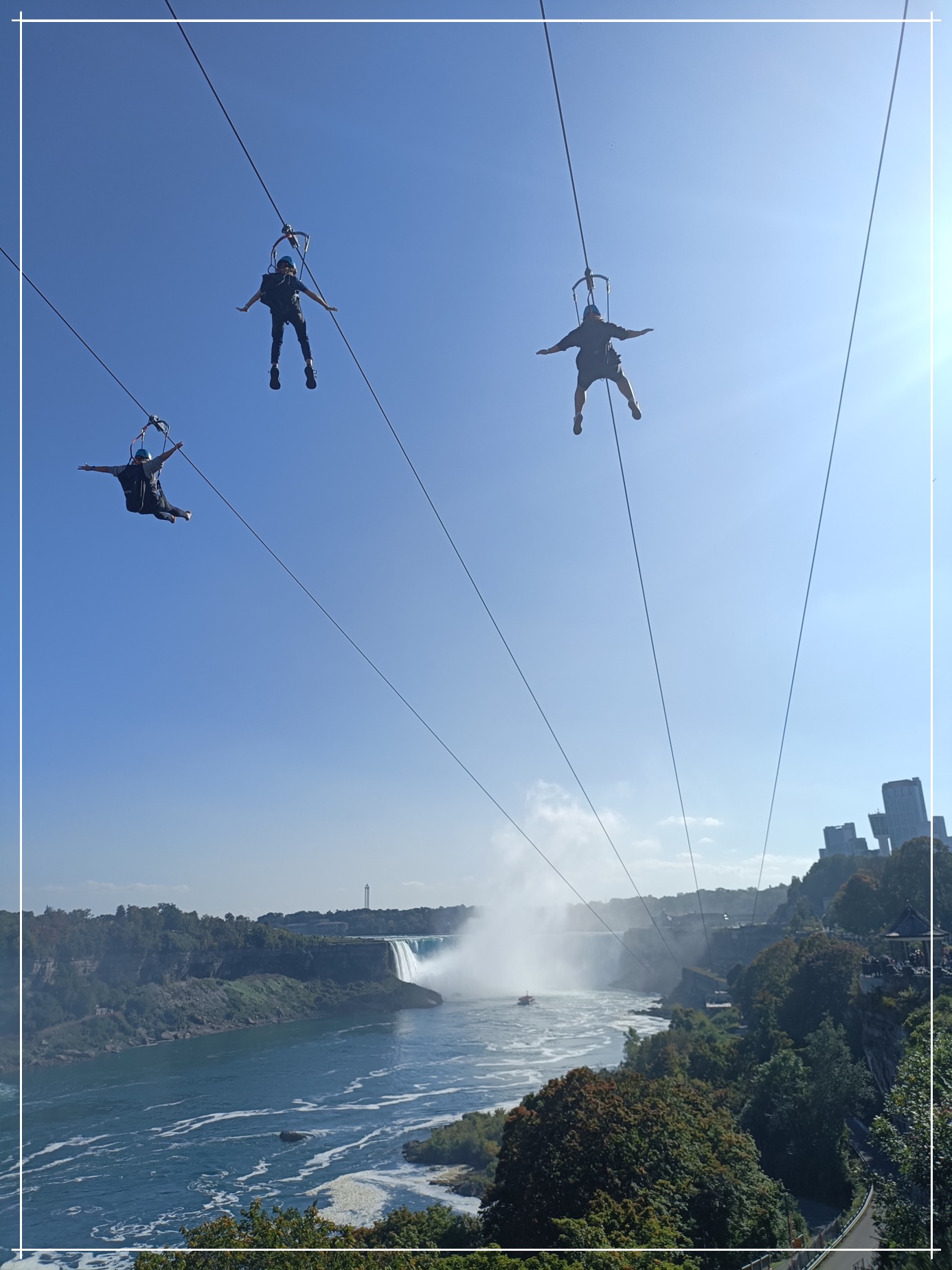
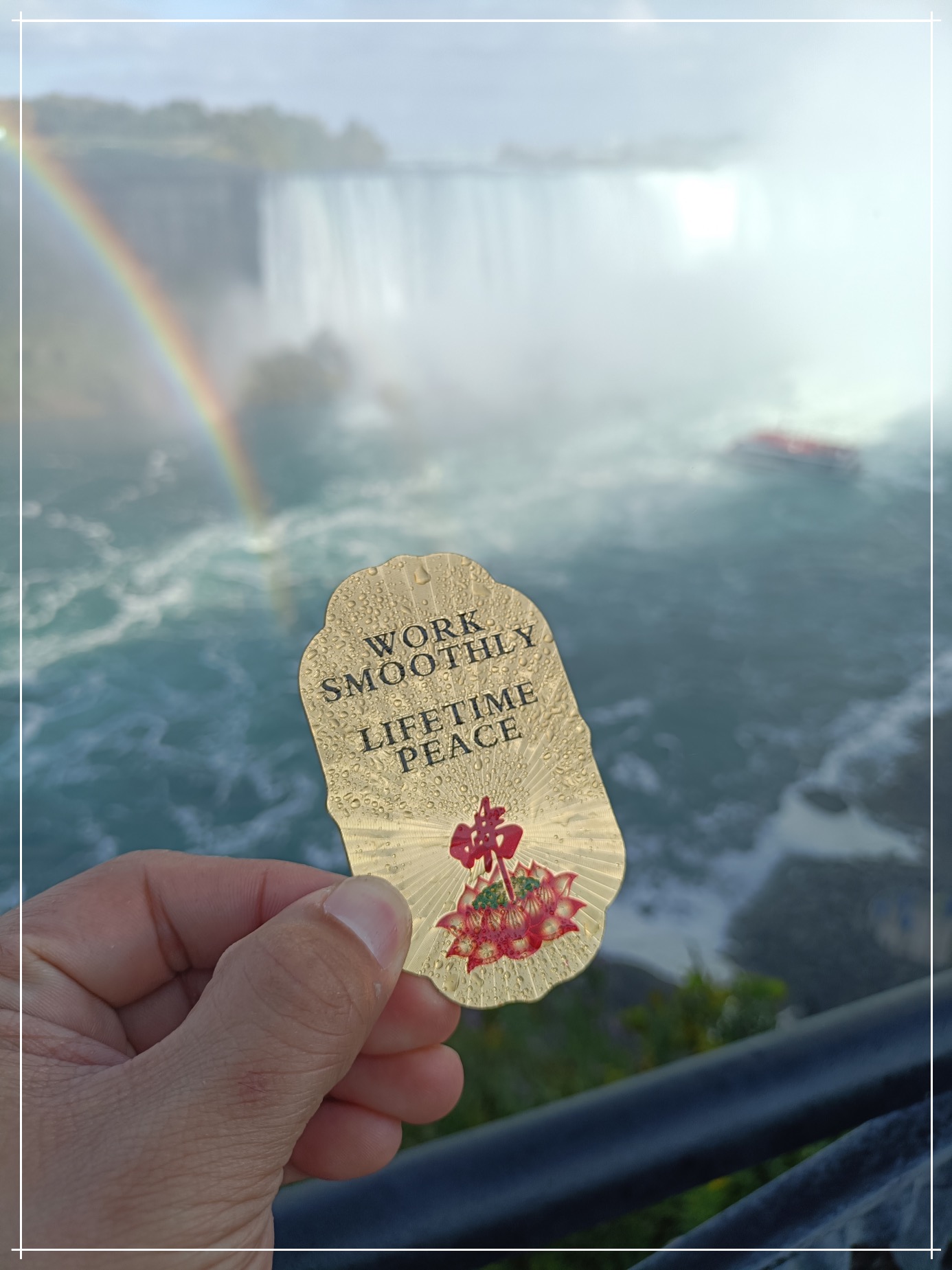
I only stayed in Toronto for 2 nights. The highlight is my day tour to Niagara Falls, and crossing back to US territory ON FOOT via Rainbow Bridge, had lunch at the US Territory of Niagara, then crossing back to the Canadian territory later that day. Went through the immigration/border control on both sides.
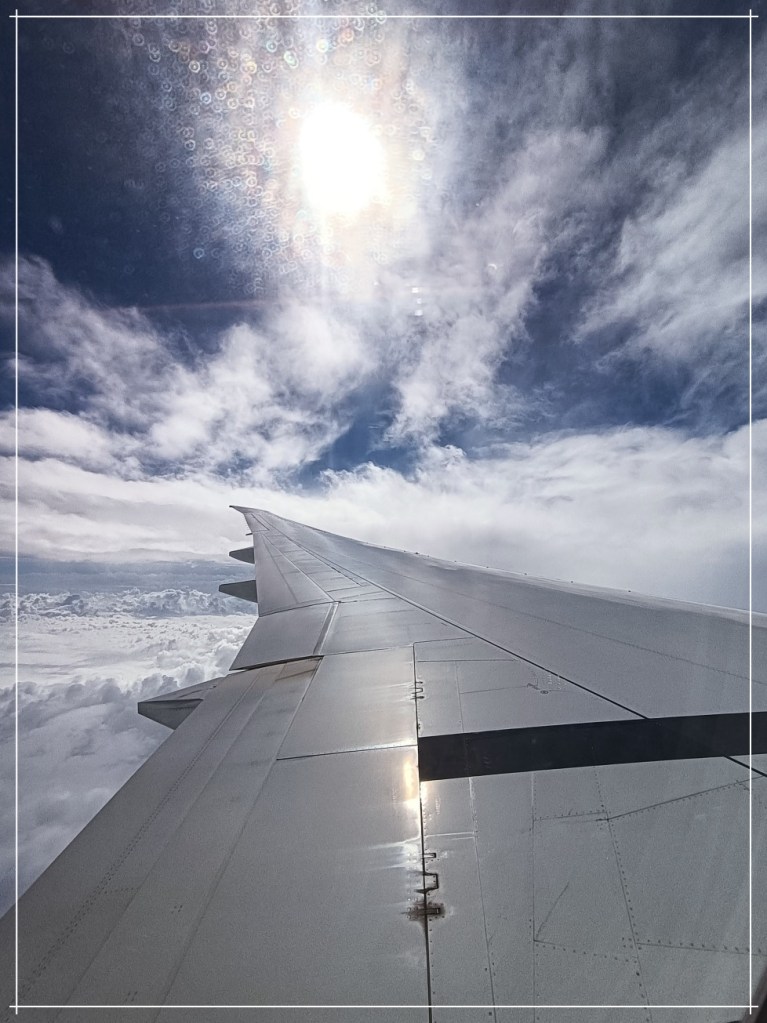
NYC was my entry point and the beginning of my visit to the Americas. From Manila, I booked a one way ticket with Saudia Air, with an overnight layover at Riyadh (Saudi Arabia). From the Middle East, this plane route crosses the European Continent and the Atlantic, to reach the North America. Quite a long ride but I like it, and cheaper. Food on-board was good, I enjoyed the Mutton Biryani.
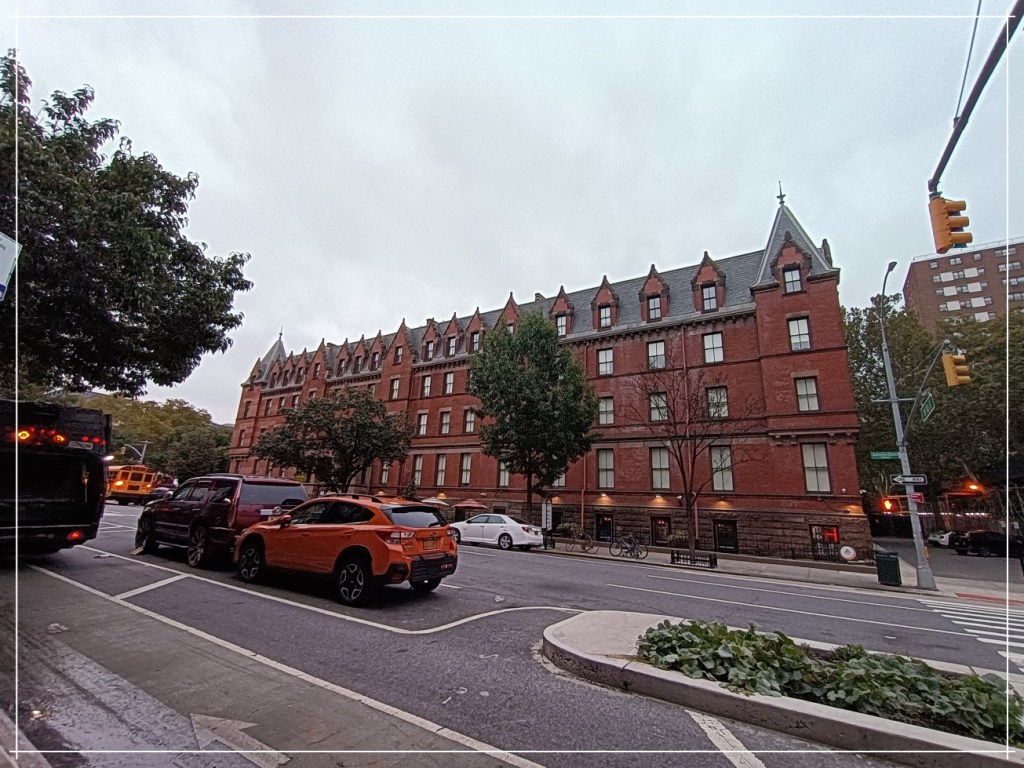
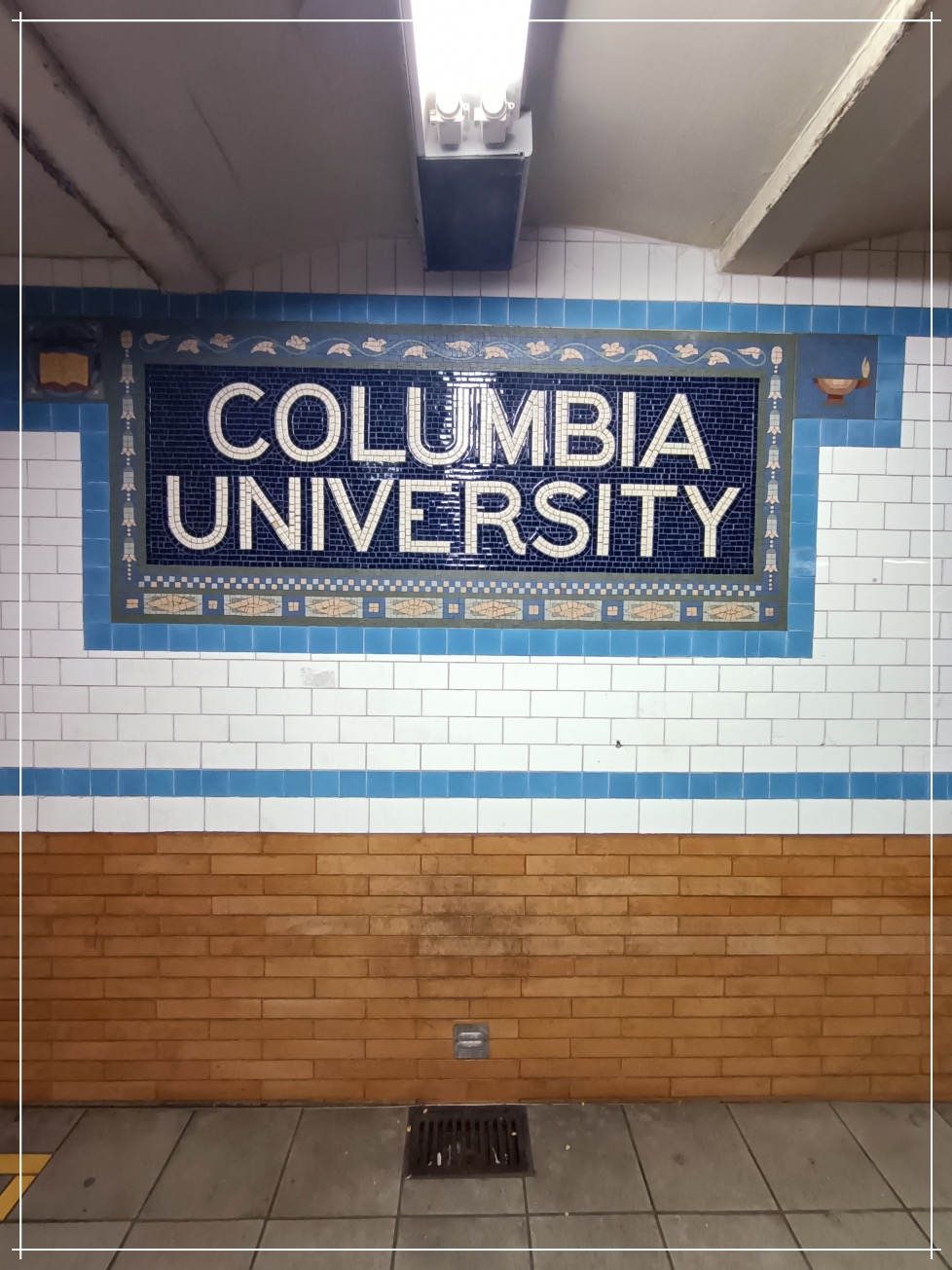
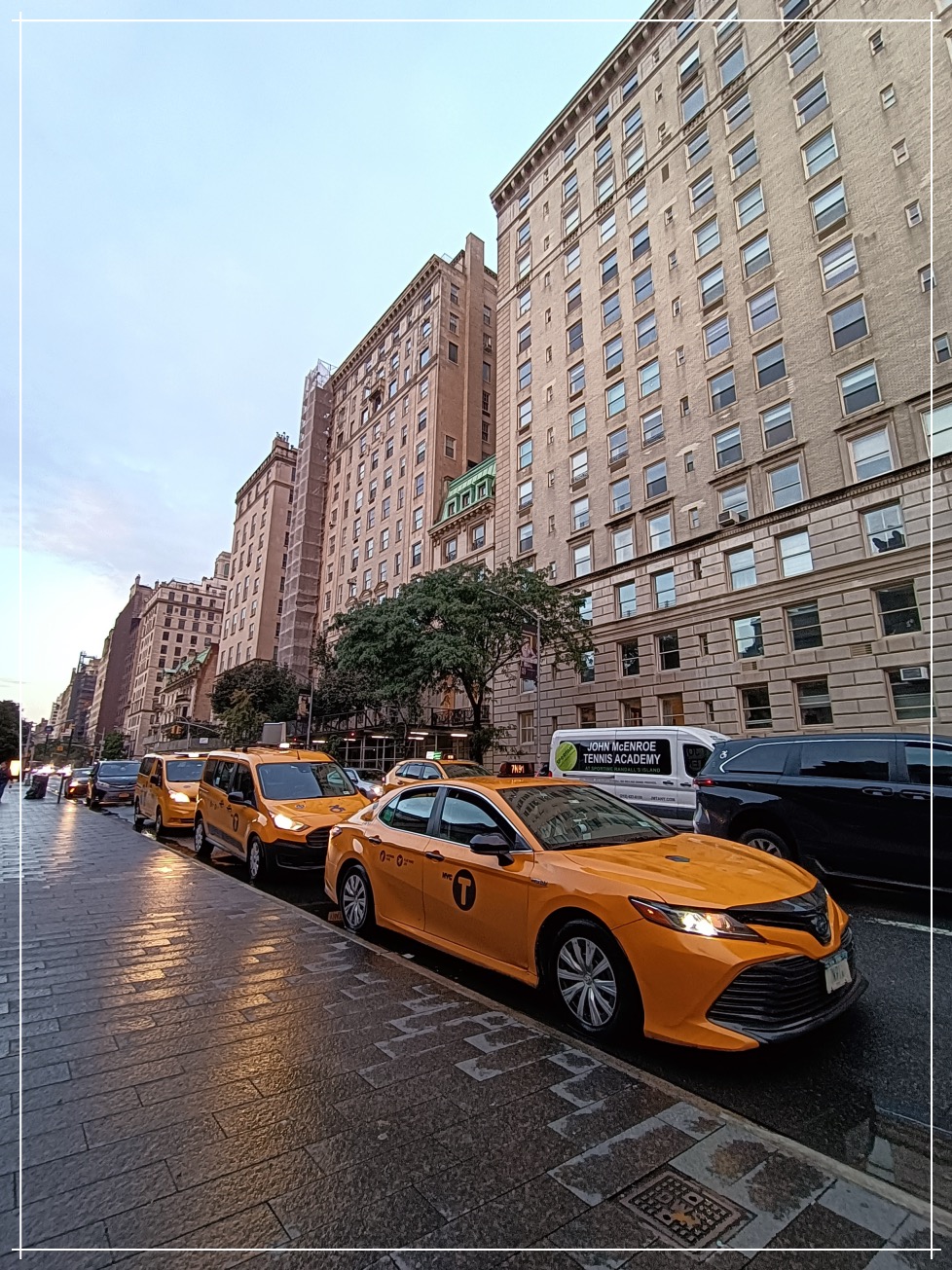
In NYC, I stayed at HI NYC Hostel at Amsterdam Ave. (Manhattan Valley/Upper West side of central park). It’s an easy 2-3 mins walk from 106th St. Metro Station. The area is mostly for schools and commercials catering that market. Colombia University is just on the next train station.
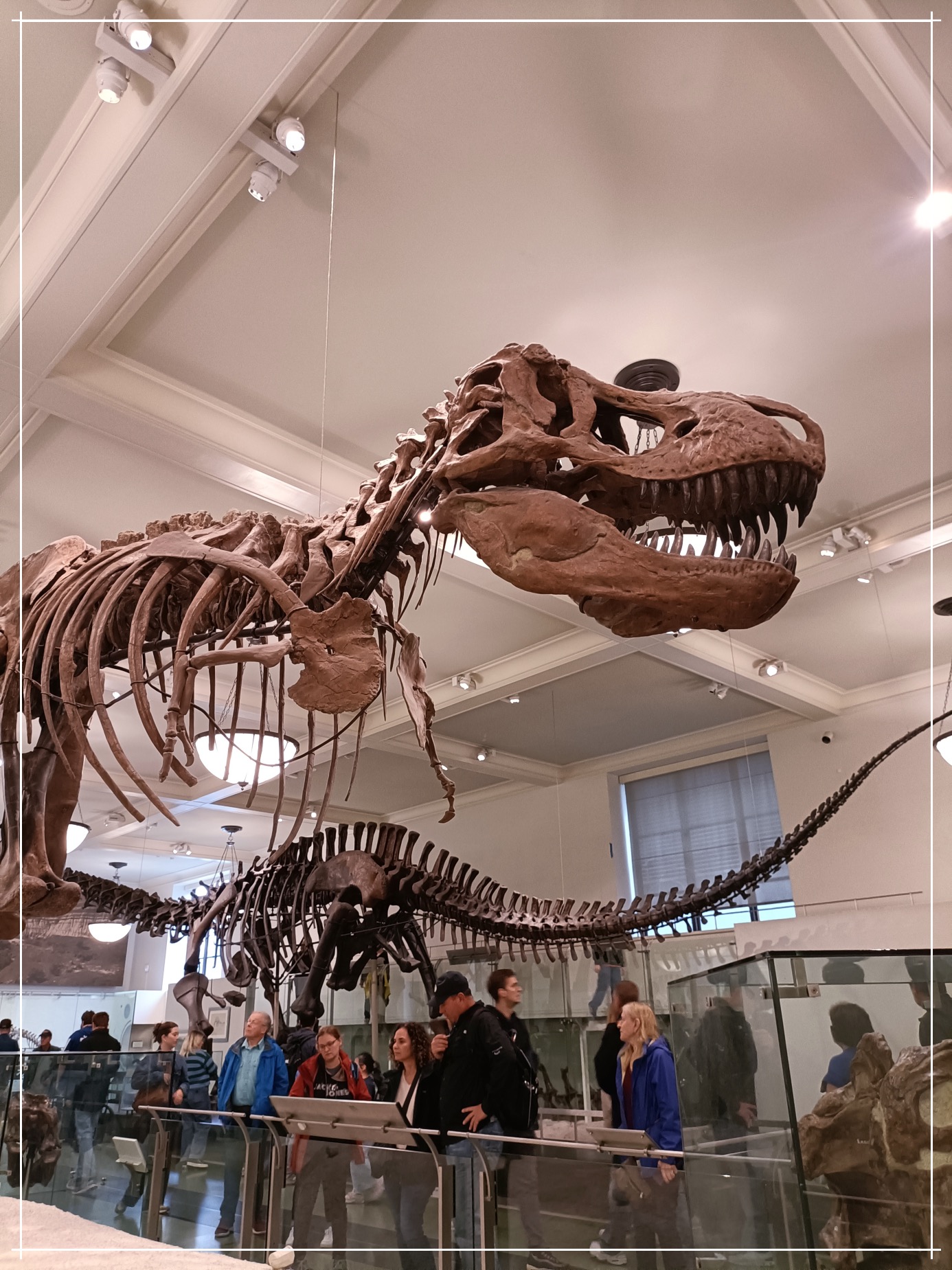
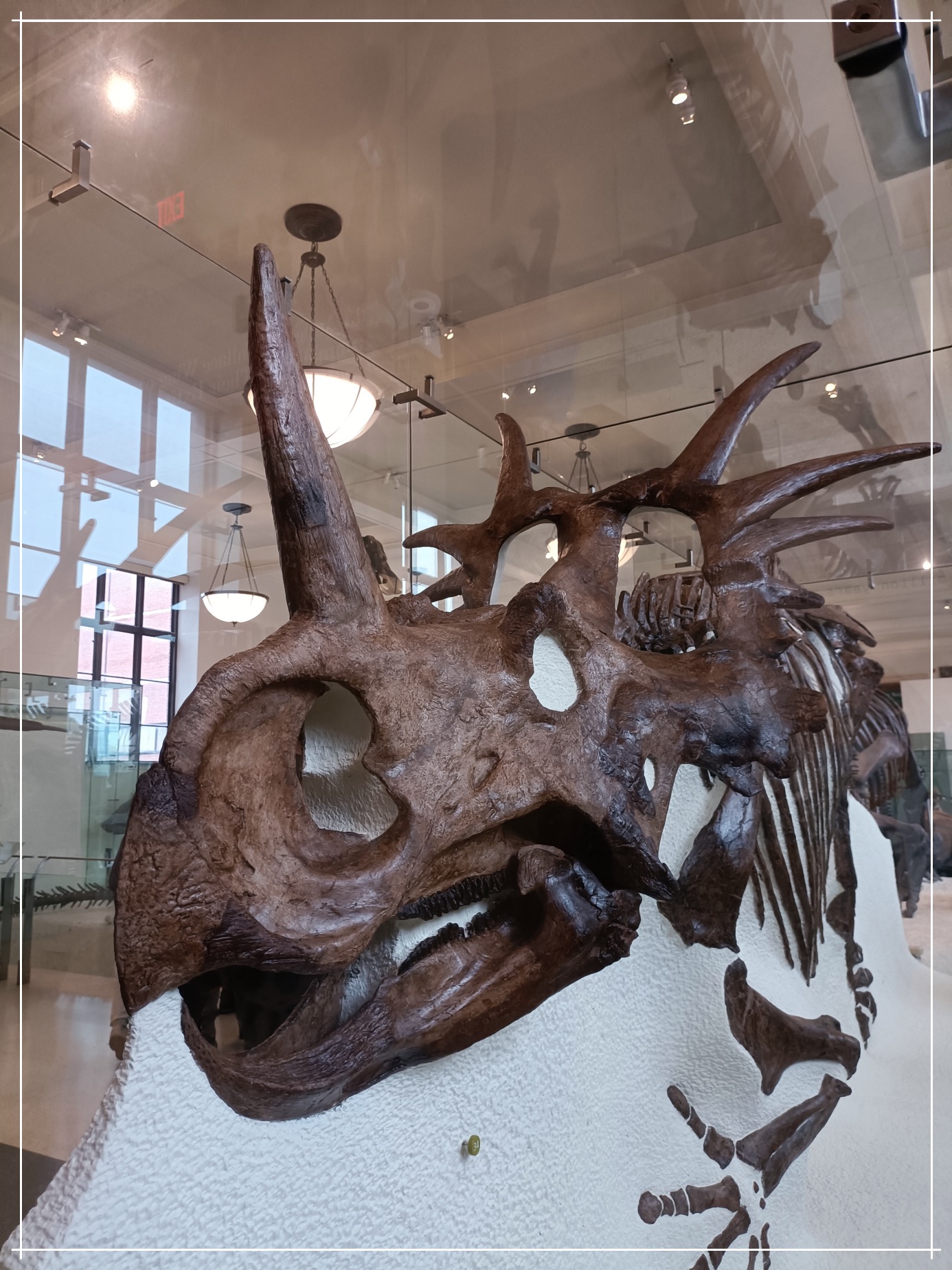
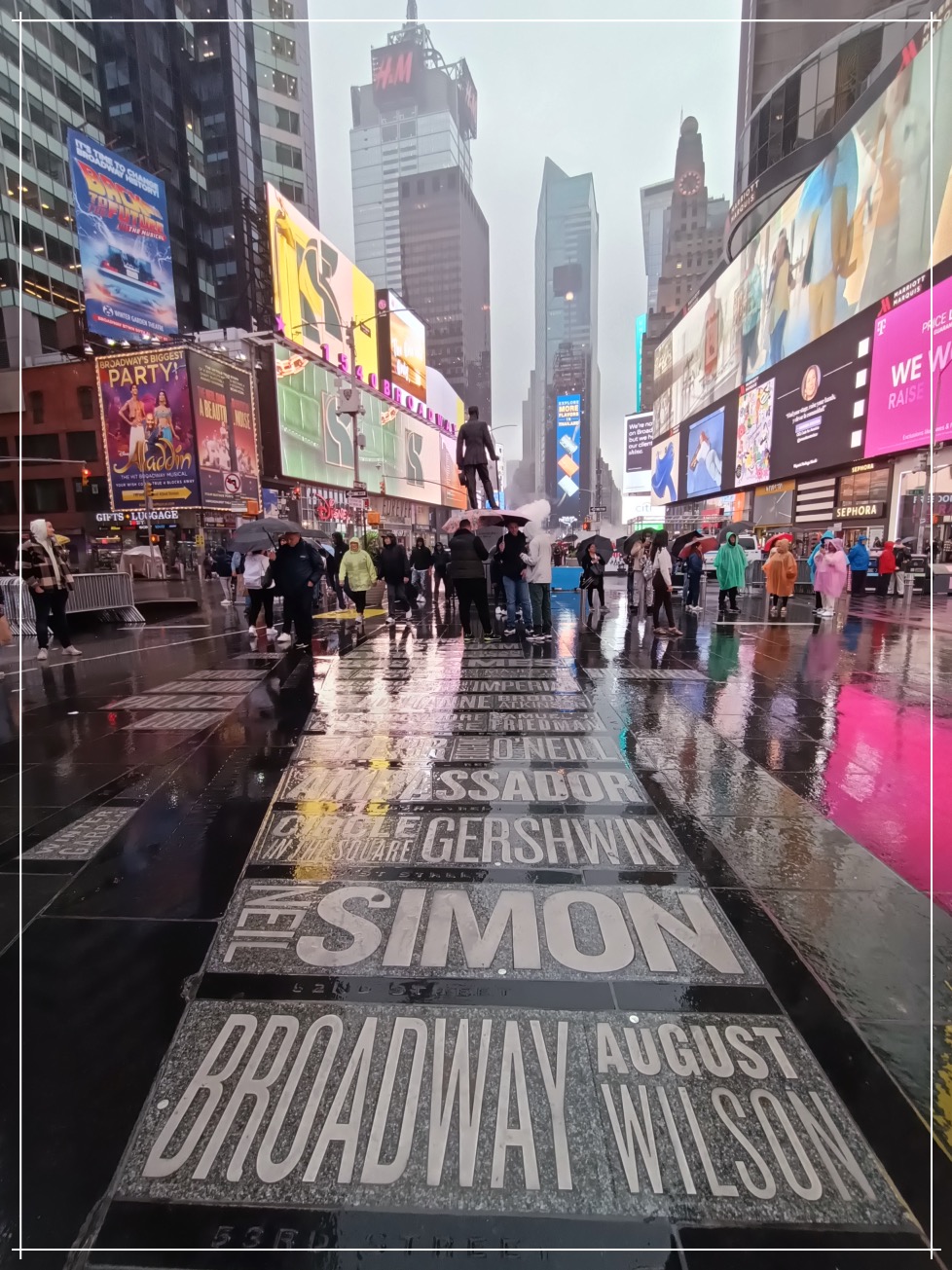
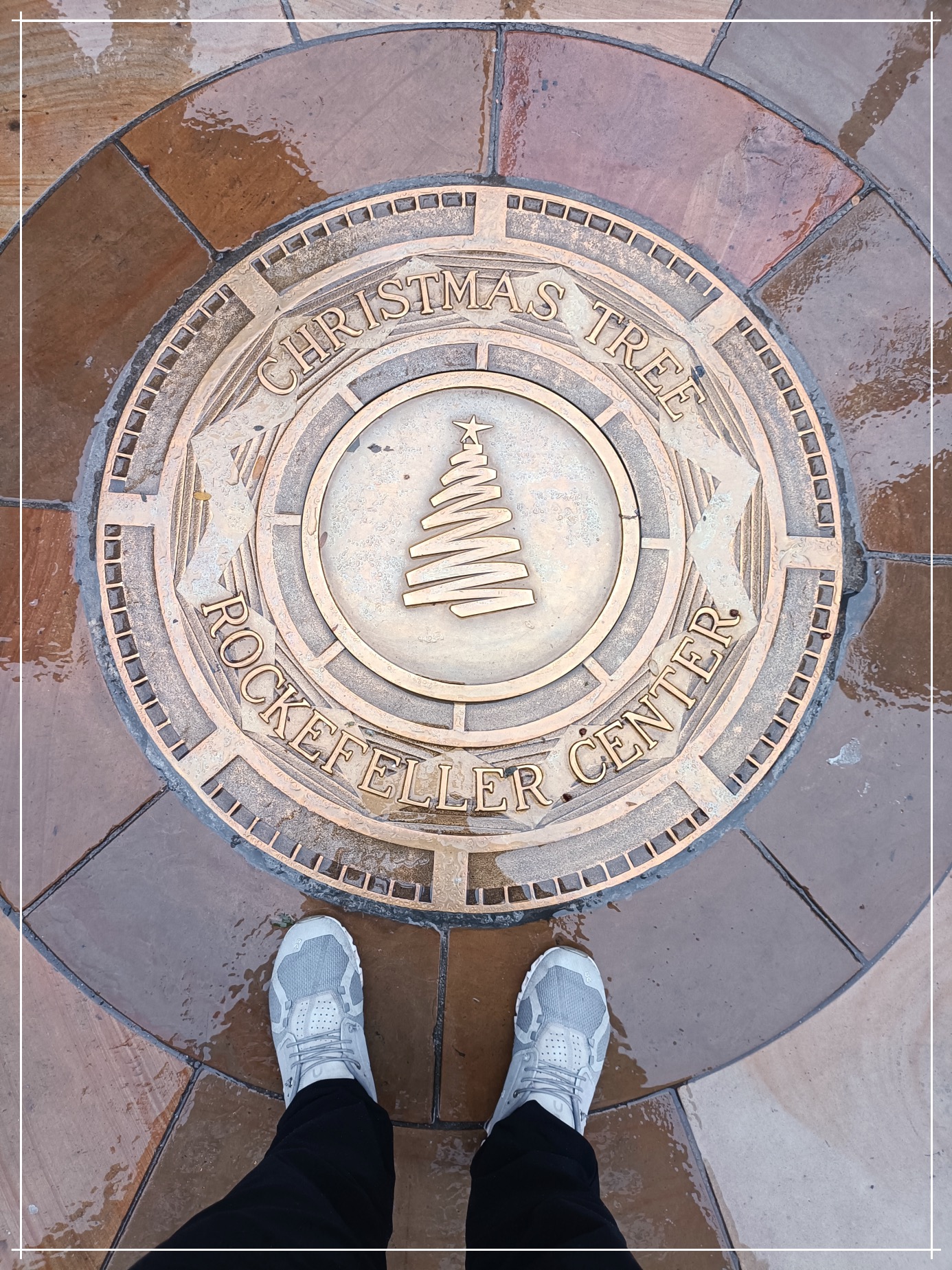
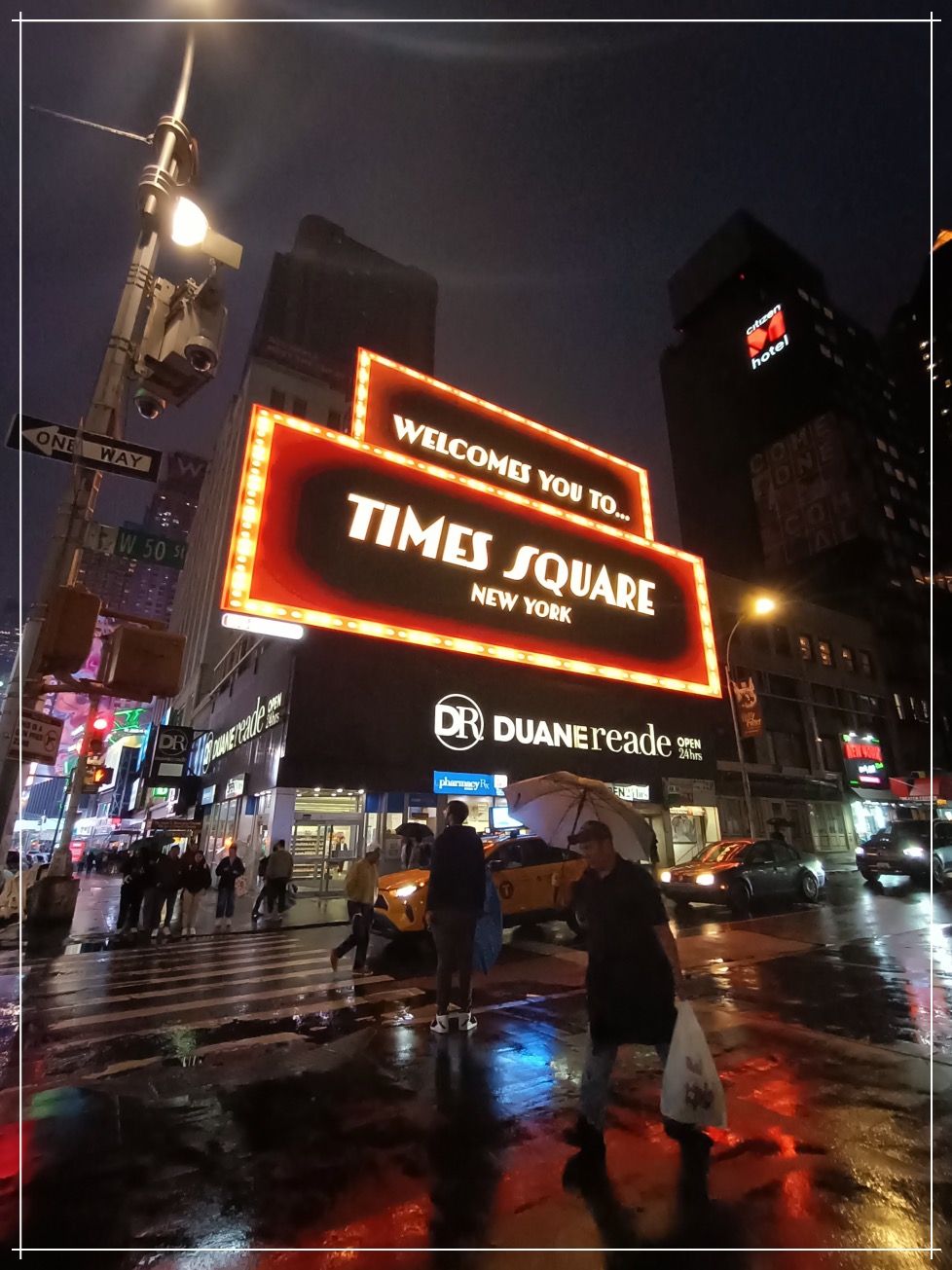
I spent my first morning in NYC visiting the famous Museum of Natural History. I am a fan of Ben Stiller’s Movie, and seeing the T-Rex fossil up-close was such a moment. The rest of the day, I just spent walking around Manhattan City Center and ended the night at Times Square.
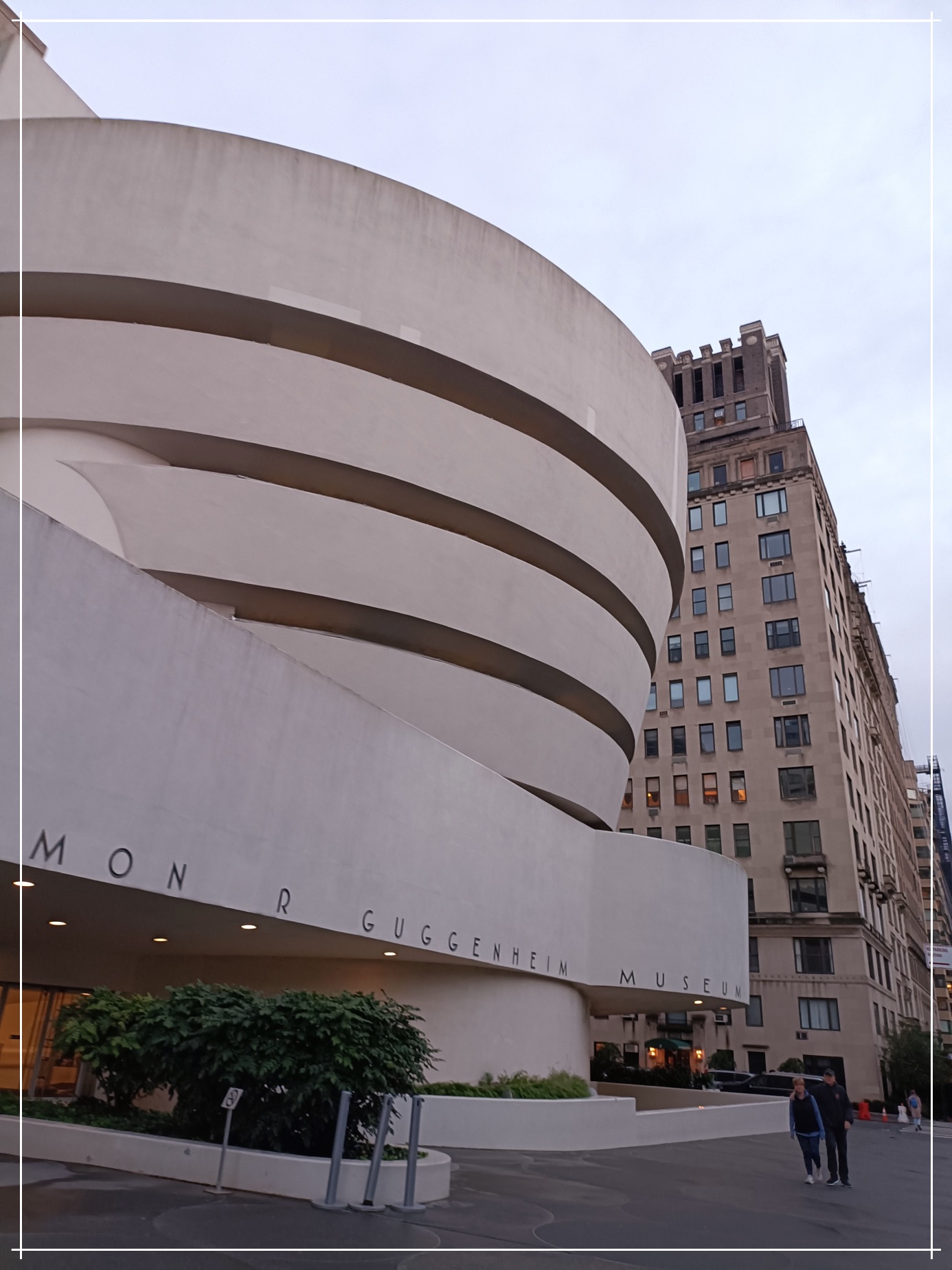
Best days are those without any fixed plans. I purchased the Unlimited NYC metro pass (which was one of the best decisions btw). I basically searched around Manhattan the works of Architects I follow, particularly Santiago Calatrava and Frank Lloyd Wright; plus some foodtripping along the way. Didn’t get to document everything though, as it was quite gloomy that day.
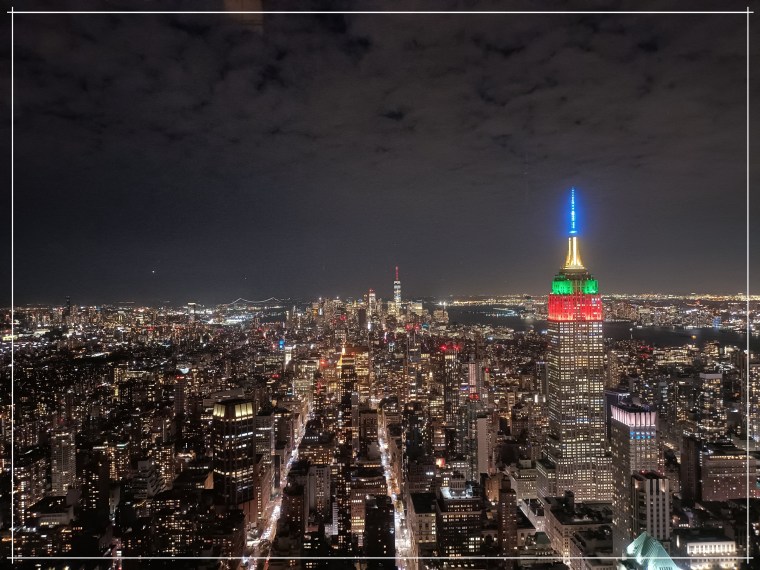
In the evening, I was blessed with a good weather and a chance to see NYC cityscape from One Vanderbilt skyscraper, which is one of NYC’s tallest. From One Vanderbilt, you get to see the glorious Empire State and Chrystler Building at night.
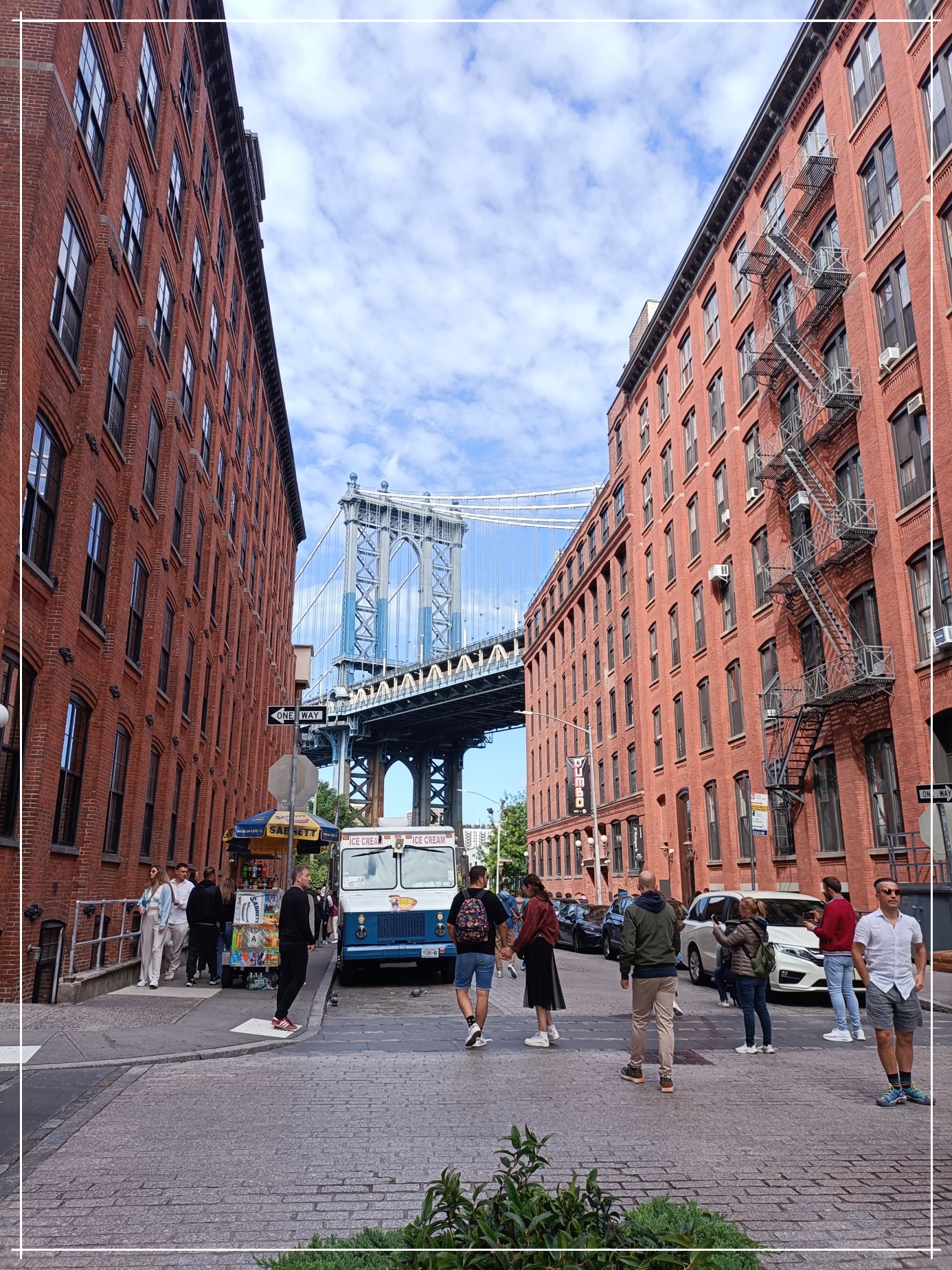
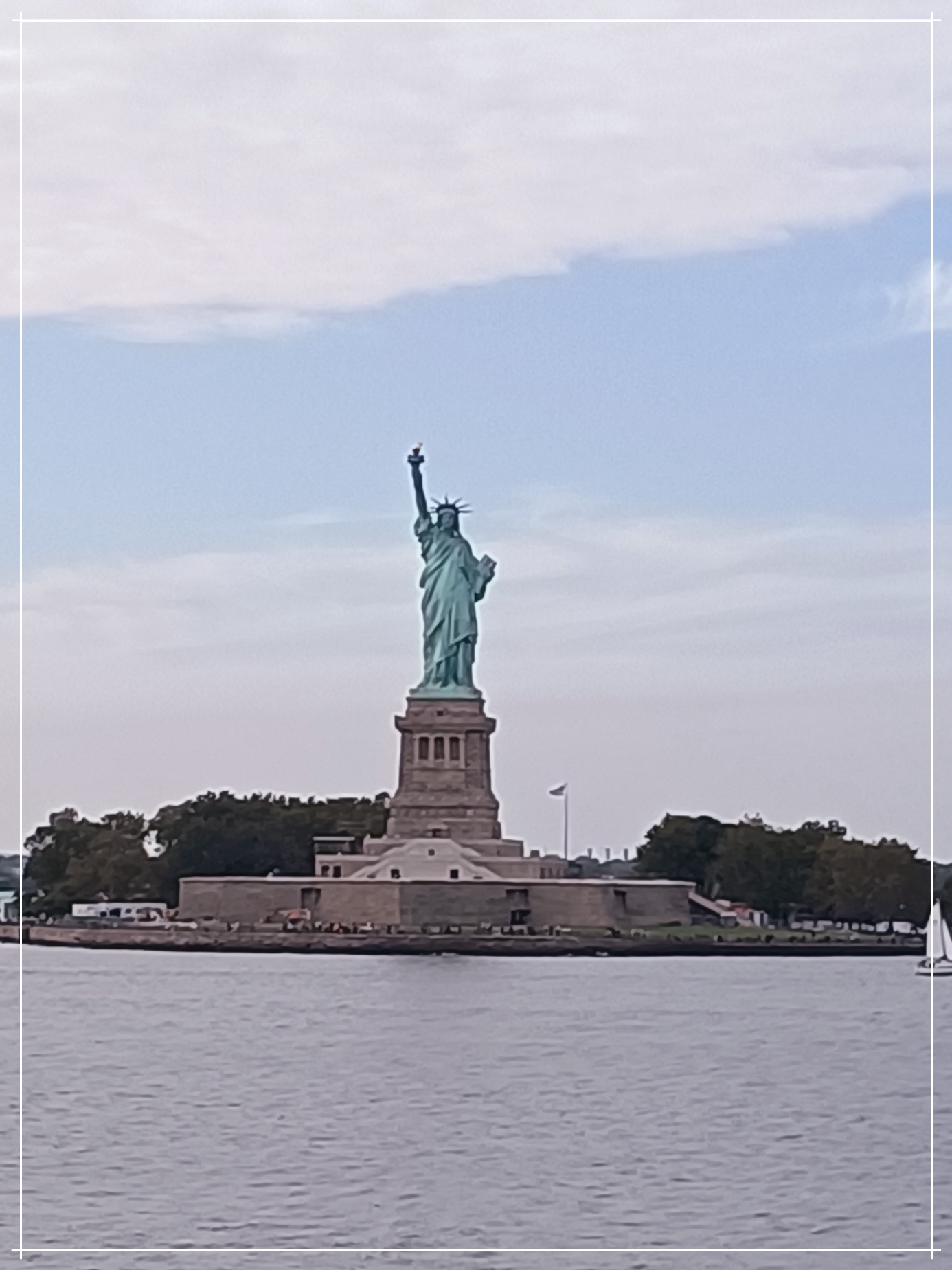
The sun finally came out during my 4th and last full day. Here are some snapshots around Brooklyn, plus a quick trip to Staten Island.
I spent 4 full days in NYC before flying to Toronto then to Cancun, Mexico, which begins my goal trip to Latin Americas and see the Wonders of the World before I reach 40. lol.
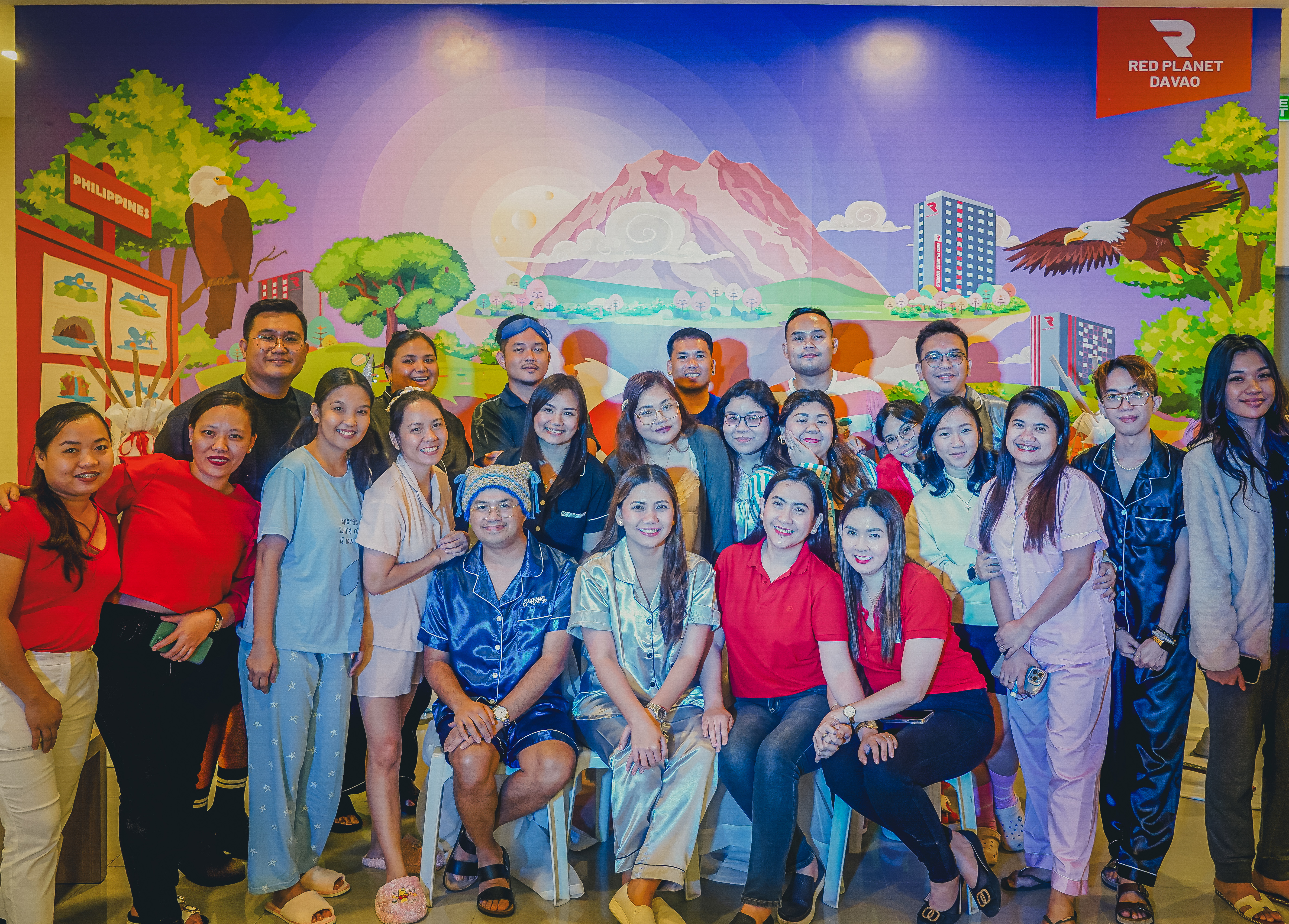
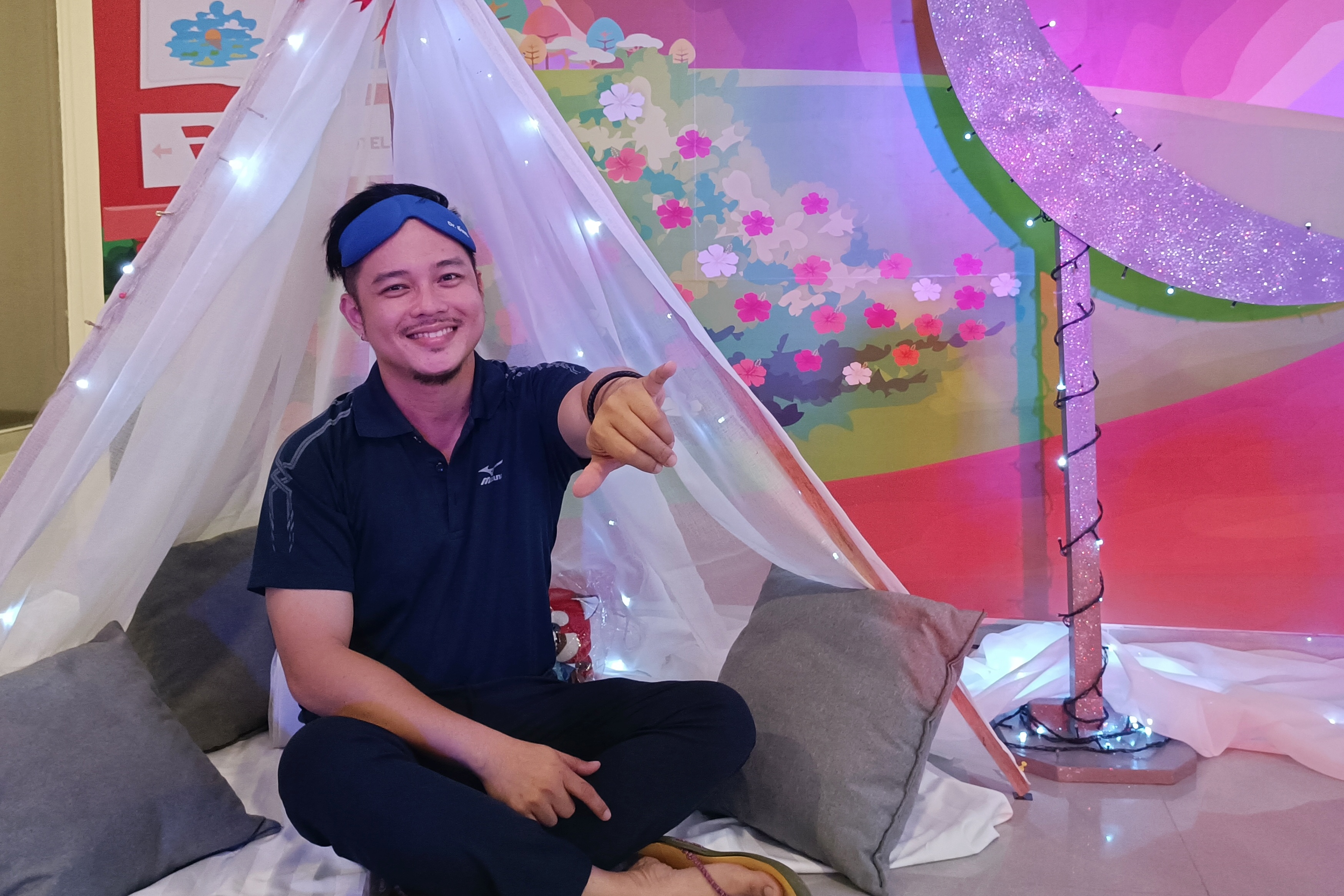
Red Planet Davao recently held the exciting “Lounge & Learn: Bloggers Slumber Party” in partnership with the Davao Bloggers Society. This event was perfectly themed to create an ambiance that harmoniously blended relaxation with learning.
DBS members had the opportunity to enjoy Red Planet Davao’s newly renovated hotel building, modernized rooms, and enhanced facilities.
Ms. Clarisse Lim, Assistant Hotel Manager, warmly welcomed the bloggers and expressed, “Over the past three months, we have been committed to reimagining and enhancing our hotel’s atmosphere to ensure a more comfortable and convenient experience for every guest. Tonight, we are delighted to unveil the stunning new look of our hotel alongside our refreshed room designs. We believe these upgrades will bring a new level of comfort and convenience from the moment you arrive at our ground floor to your beautifully redesigned rooms.”
Under the guidance of President Gem Tadefa, the event featured engaging workshops designed to enrich the skills and knowledge of the participating bloggers.
Take advantage of Red Planet Davao’s exclusive promotion, offering up to 35% off hotel accommodations. Use promo code REDPLANETDAVAO at the time of booking, though rates may vary without prior notice. Travelers can book directly at https://redplanet.link/RPDavaoPromo to seize this offer.
Red Planet Davao is excited to announce the grand unveiling of its newly refreshed building, modernized room designs, and upgraded facilities.
The renovation project highlights Red Planet’s dedication to providing guests with a perfect mix of contemporary comfort and exceptional value. The newly updated building features a sleek and contemporary façade that complements Davao City’s vibrant atmosphere. Inside, guests will find a variety of new room designs, each thoughtfully crafted to offer a welcoming ang relaxing environment.
Key features of the upgrade include:
Modernized Room: Each room has been reimagined with a minimalist, modern design that offers spacious accommodations equipped with features like high-pressure rain showers, custom-designed beds, and essential staycation amenities such as mini-fridges, water kettles, safes, and hairdryers. The hotel also offers complimentary parking, enhancing the convenience for all guests.
Enhanced & Engaging Facilities: The upgraded facilities feature an Instagram-worthy photo wall showcasing Davao City’s culture, Info Walls displaying the hotel’s offerings on LED TV screens, iMacs available in the hotel’s co-working space, and improved common areas to ensure a superior stay for both business and leisure travelers.
Exclusive Perks as a Red Member: Guests who download the Red Planet Hotels app and register as a Red Member will enjoy exclusive discounts, including up to 15% off hotel accommodations and up to 10% off at Red Partners such as David’s Salon in SM Lanang, Camp Burgrill, and more.
Ms. Clarisse Lim, Assistant Hotel Manager of Red Planet Davao, shared, “For the past 3 months, we’ve been working hard to reimagine and elevate our hotel’s ambiance, aiming to create a more comfortable and convenient experience for every guest. Tonight, it is our pleasure to exclusively unveil the stunning new look of our hotel and our brand-new room designs. We believe these upgrades will offer a new level of comfort and convenience to everyone, from the ground floor where we welcome each of you to the venue for tonight and to your new room designs.”
The unveiling event on August 13, attended by the Davao Blogger Society at Red Planet Davao, marked an exciting milestone. Red Planet Hotels now invites you to be among the first to experience the newly modernized Red Planet Davao. Become a Red Member today and unlock a lifetime discount of up to 15% whenever you book directly at Red Planet Davao.
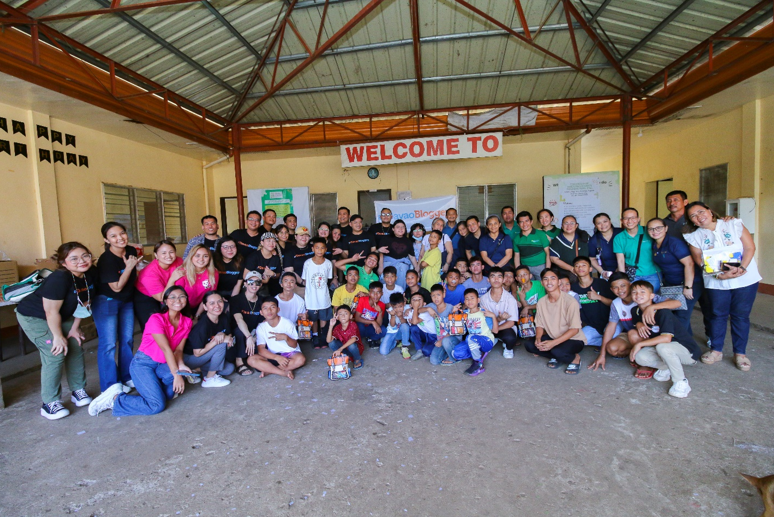
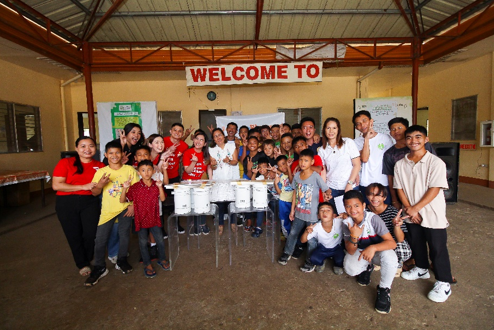
Davao City, Philippines – July 27, 2024 — The Davao Bloggers Society (DBS) made a significant impact during their recent community drive at the Field of Dreams Children’s Charity Foundation. The event, held on July 27, 2024, showcased the organization’s commitment to giving back to the community through a series of well-organized activities and generous donations.
Partnering with several esteemed brands, DBS provided a comprehensive experience for the children at the foundation. In collaboration with Davao Doctors Hospital, doctors and nurses conducted medical check-ups, ensuring the children’s health needs were addressed. The children enjoyed meals sponsored by Ripple8, while SM Supermalls donated water bottles. Hygiene kits were provided courtesy of International Pharmaceuticals, Inc. (IPI), including Casino alcohol and Bioderm products. Red Planet Hotels contributed by donating towels, acrylic tables, and electric fans. foodpanda not only provided food and logistical donations but also brought their beloved character, Pau-Pau, to delight the children.
The event featured a special program organized by DBS, including a magic show and a bookmark-making session with DBS member Olivia Limos. The children also had the opportunity to showcase their talents through performances of dances and songs, adding a personal touch to the day’s festivities. To cap the day, the children sang a very special thank you song to DBS and its partners.
Lalaine Cabalhog, Trustee of The Field of Dreams Children’s Charity Foundation, expressed her gratitude, saying, “We are so privileged and thankful to have been the beneficiary of the Davao Bloggers Society’s community drive. We thank them all for their efforts and to their partner brands for coming here. The boys really appreciate these gestures, as all their donations, the program, and the check-up are a big help to their everyday living.”
DBS further extended their support by donating an array of essential items, including snacks, canned goods, cleaning materials, school supplies, medical kits, weighing scales, and toiletries. These contributions are expected to significantly enhance the living conditions and daily experiences of the orphans.
The entire initiative was spearheaded by DBS President Gem Tadefa and Secretary Pauline Balayon-Ruta, whose leadership and dedication ensured the event’s success.
“We initiated our second but first on-site community drive because the Davao Bloggers Society has received a lot of blessings for two years now and it was time for us to give back to the community, to make sure that we are also sharing our blessings, because that’s what DBS is,” said Gem Tadefa.
Pauline Balayon-Ruta emphasized the importance of supporting the foundation, stating, “We chose The Field of Dreams Children’s Charity Foundation because the charity provides shelter and care for children ages 7-19. These are neglected children who are abandoned and just need a chance in life. This is especially important to me personally because I know people who have been beneficiaries of organizations like this. You can really say that it makes a difference.”
The Davao Bloggers Society continues to embody the spirit of community and compassion, making a tangible difference in the lives of those in need.
The idea of being capable of doing what you love is the greatest thing I want to achieve in life. Imagine traveling to the places you once dreamed of, and being able to eat the food you once watched in movies. Fascinating, right?
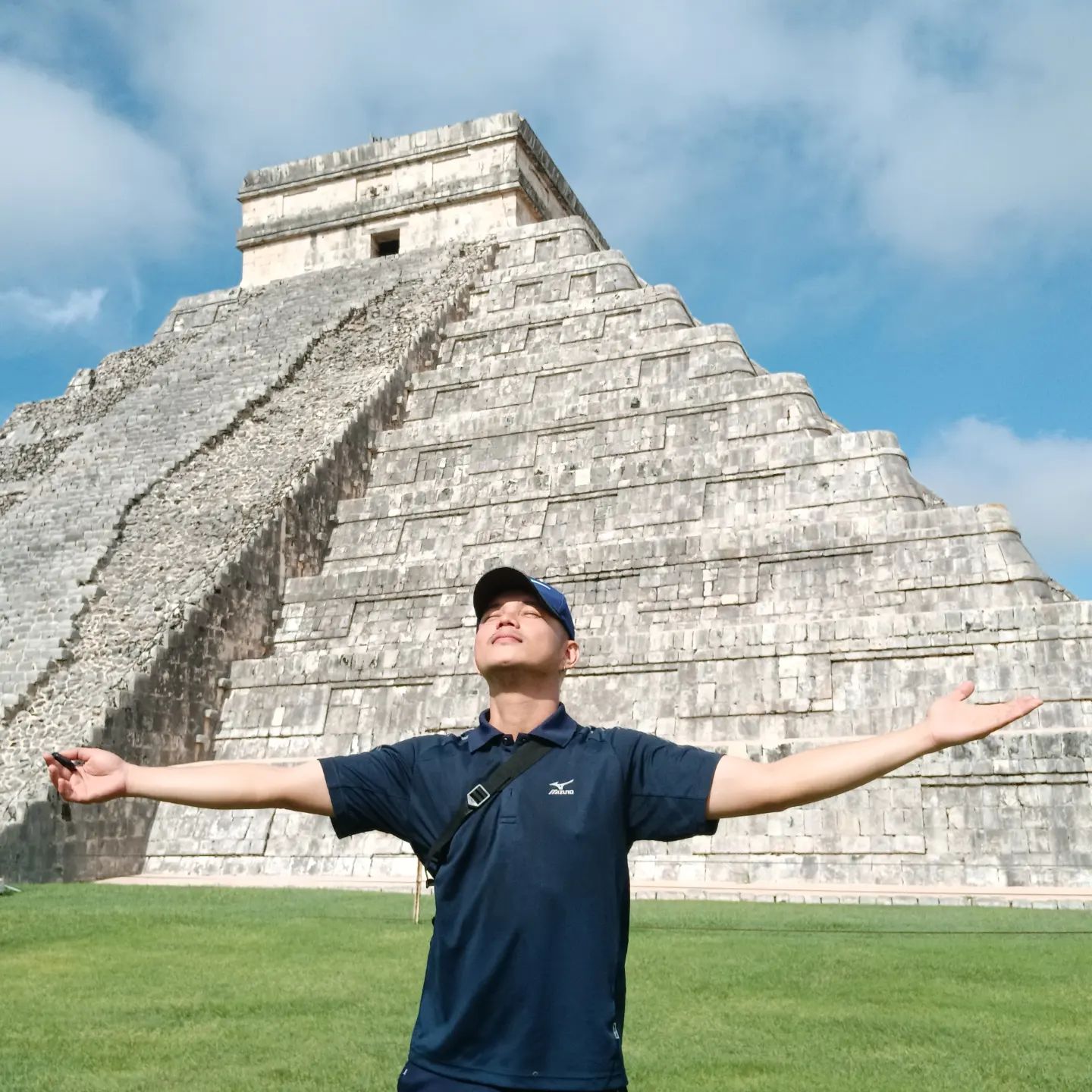
Chichen Itza. This sacred site was one of the greatest Mayan centres of the Yucatán peninsula. The Maya were highly skilled at mathematics, astronomy, architecture, pottery, hieroglyph writing and the development of a remarkably accurate calendar. They built massive stone monuments, pyramids, palaces and cities, and many of the ruins still stand today.
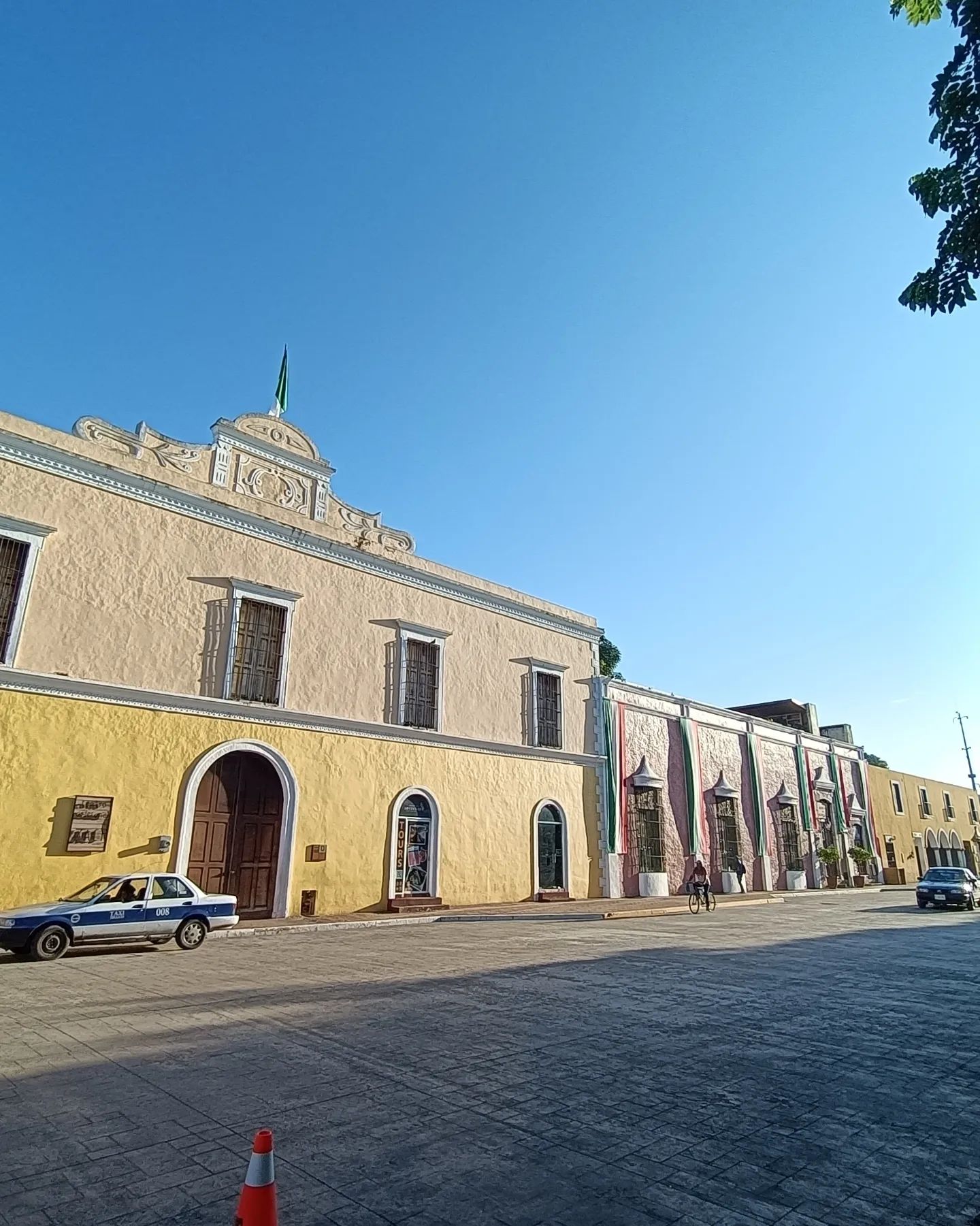
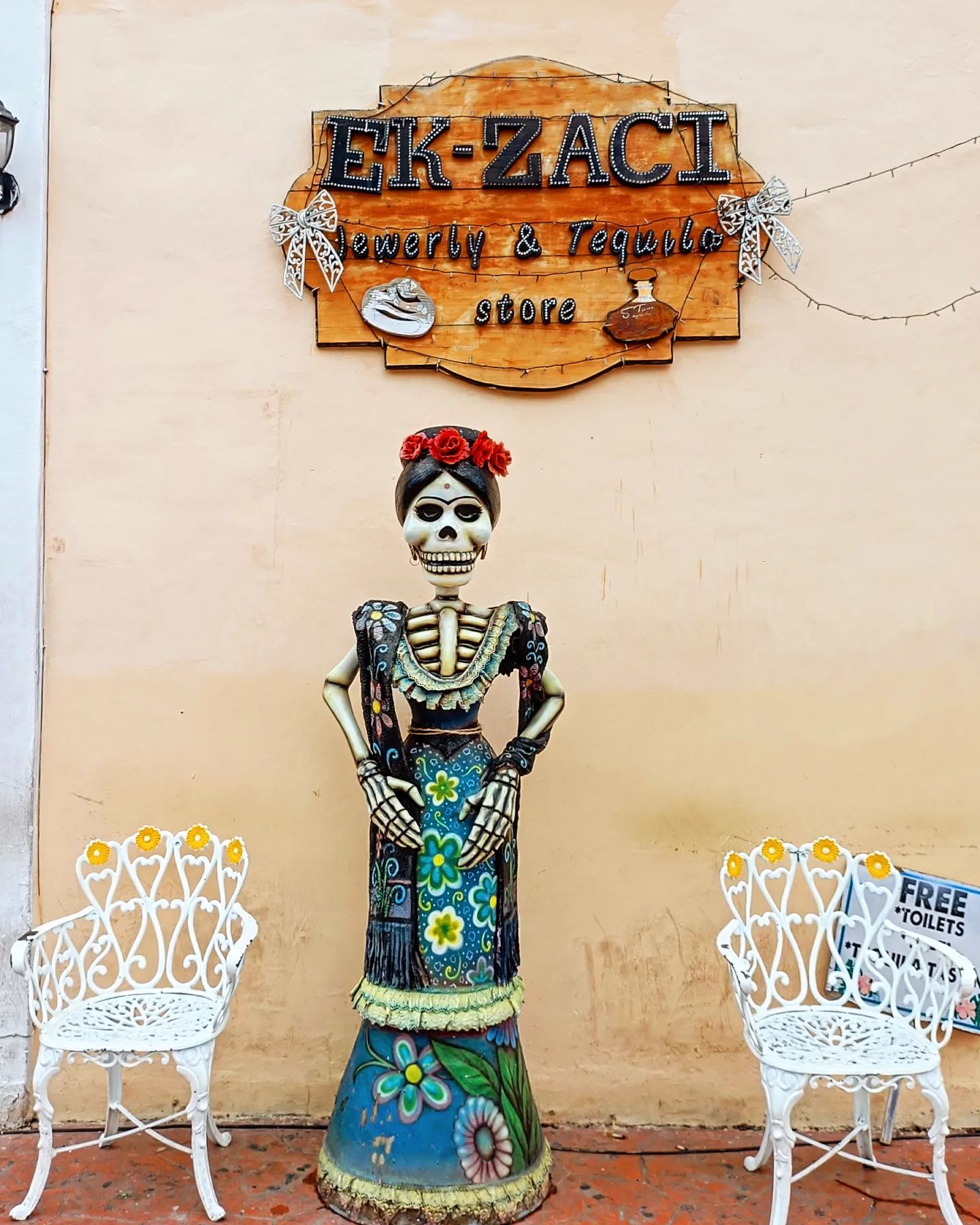
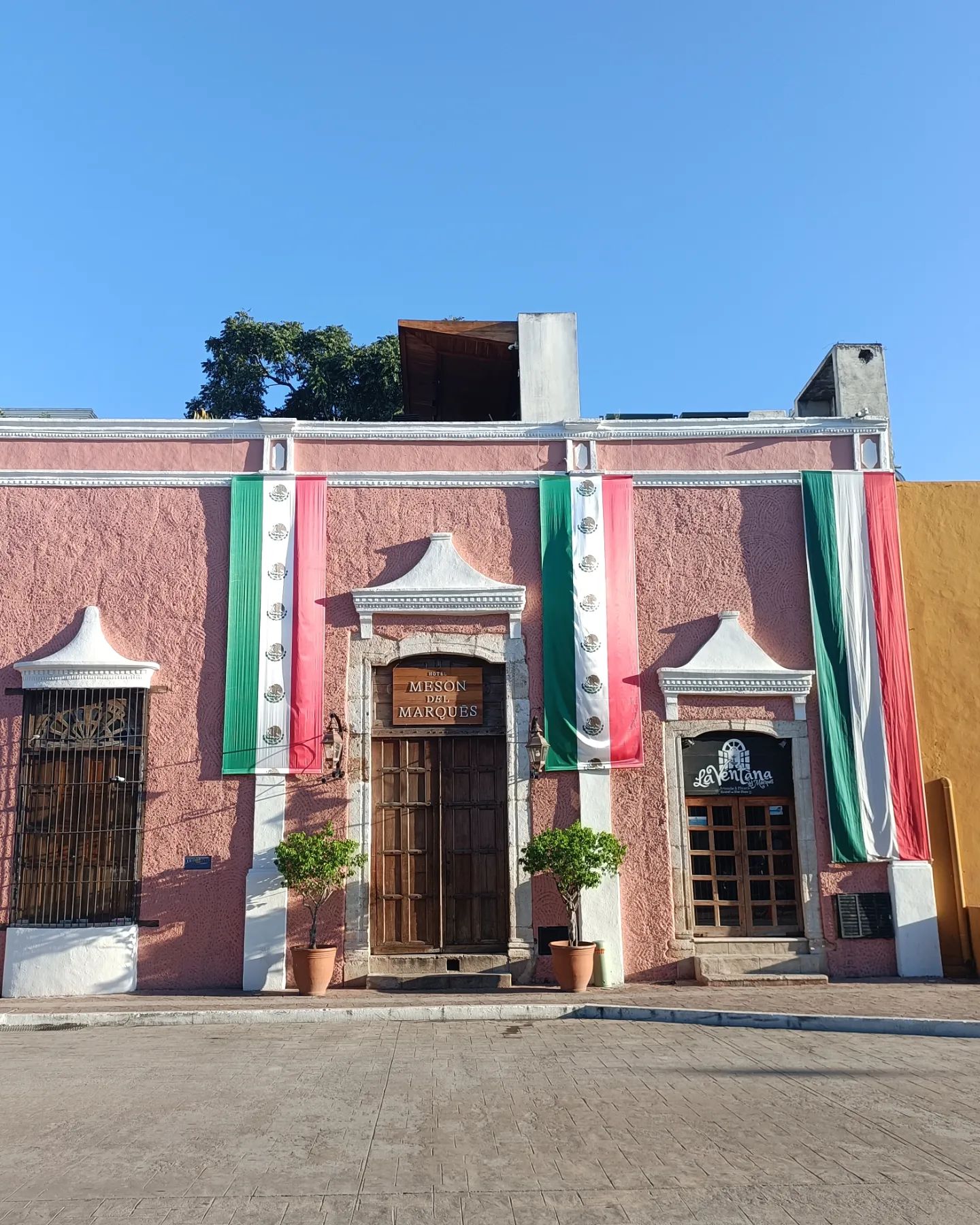
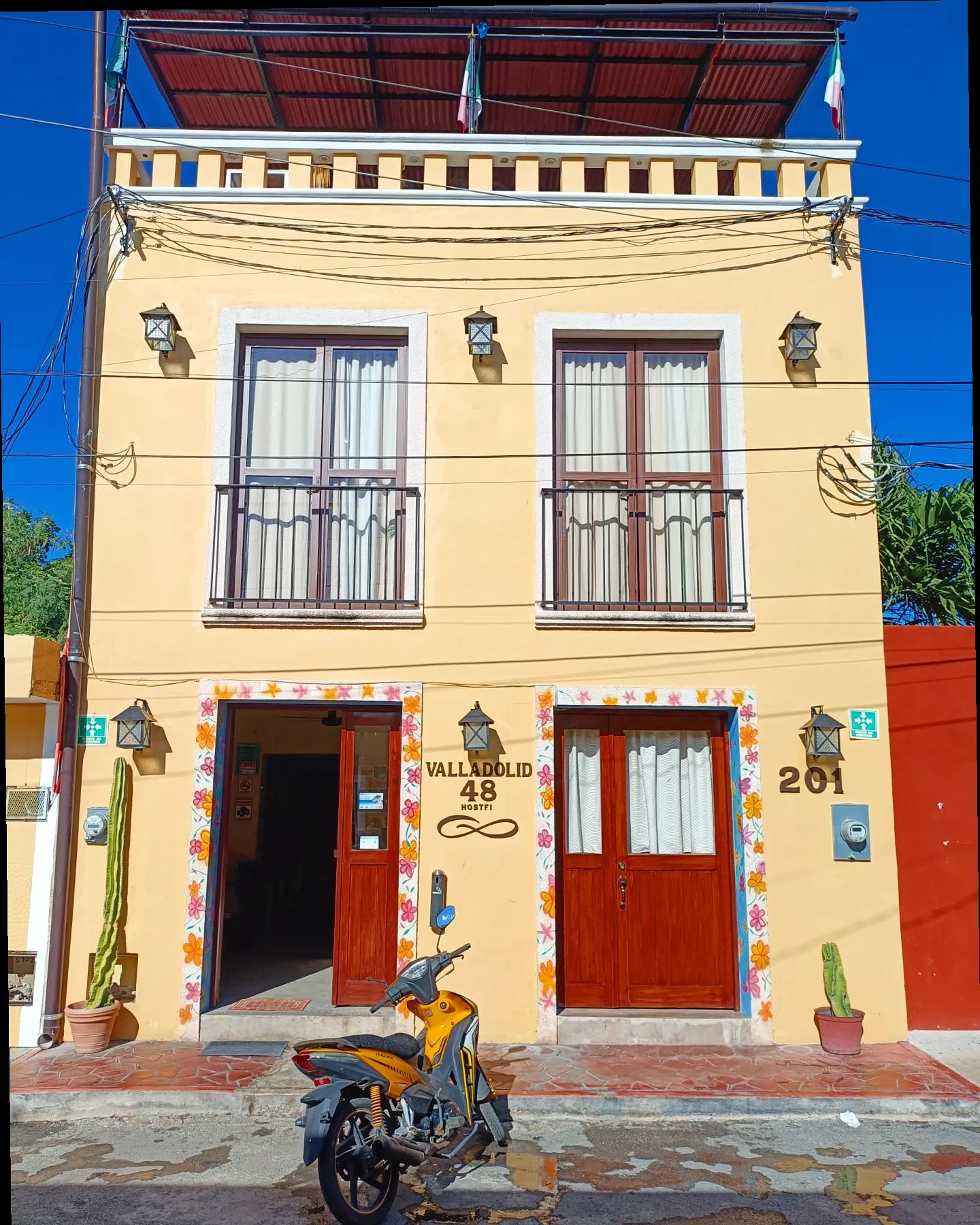
Random snapshots around Valladodid,Mexico,the town nearest to Chichen Itza Unesco Heritage Site.
There is a comfortable feeling when staying at small towns. Everything feels more grounded and authentic. Food is cheaper and people are easier to talk to.
Opted to stay at Valladolid town so i can go to Chichen Itza earlier. Got some good jumpshots because i went early. Valladolid is 40 minutes away from the heritage site. Public van transport (they call it collectivo)to the site and back are available.










































































































































 Travel + Lifestyle + Architecture Blog