I Got Scammed in Rio de Janeiro

I got scammed in Rio.

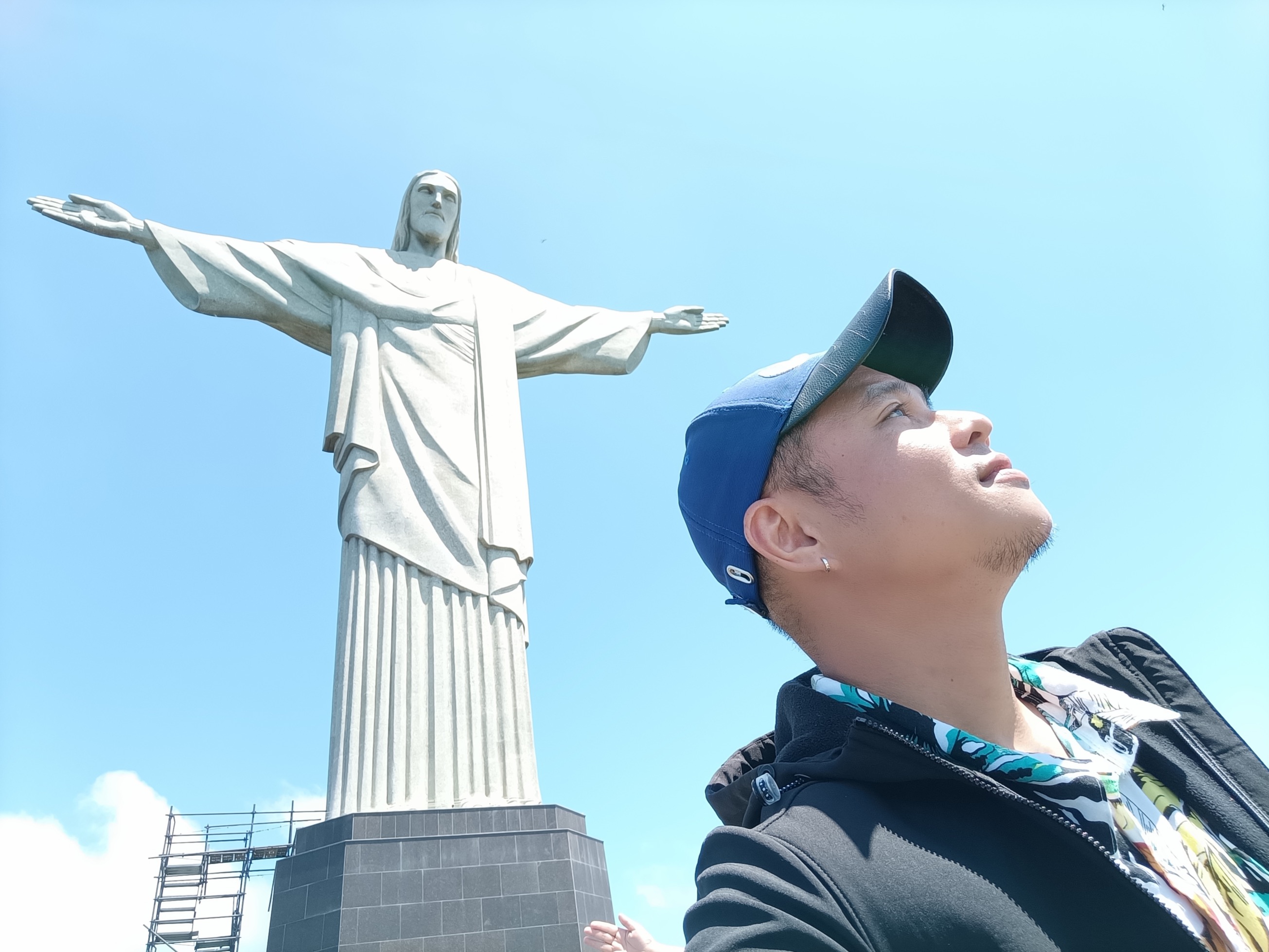
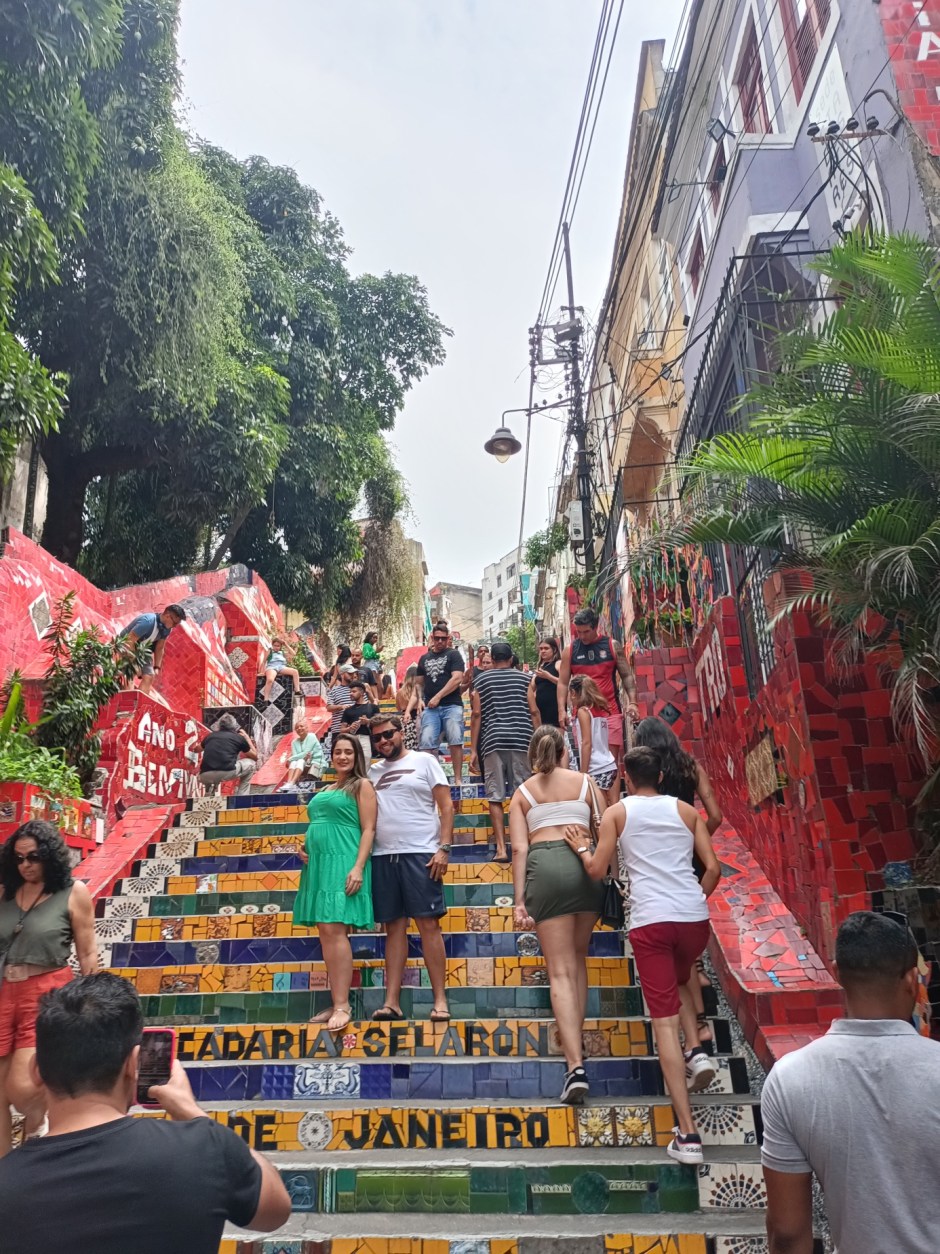
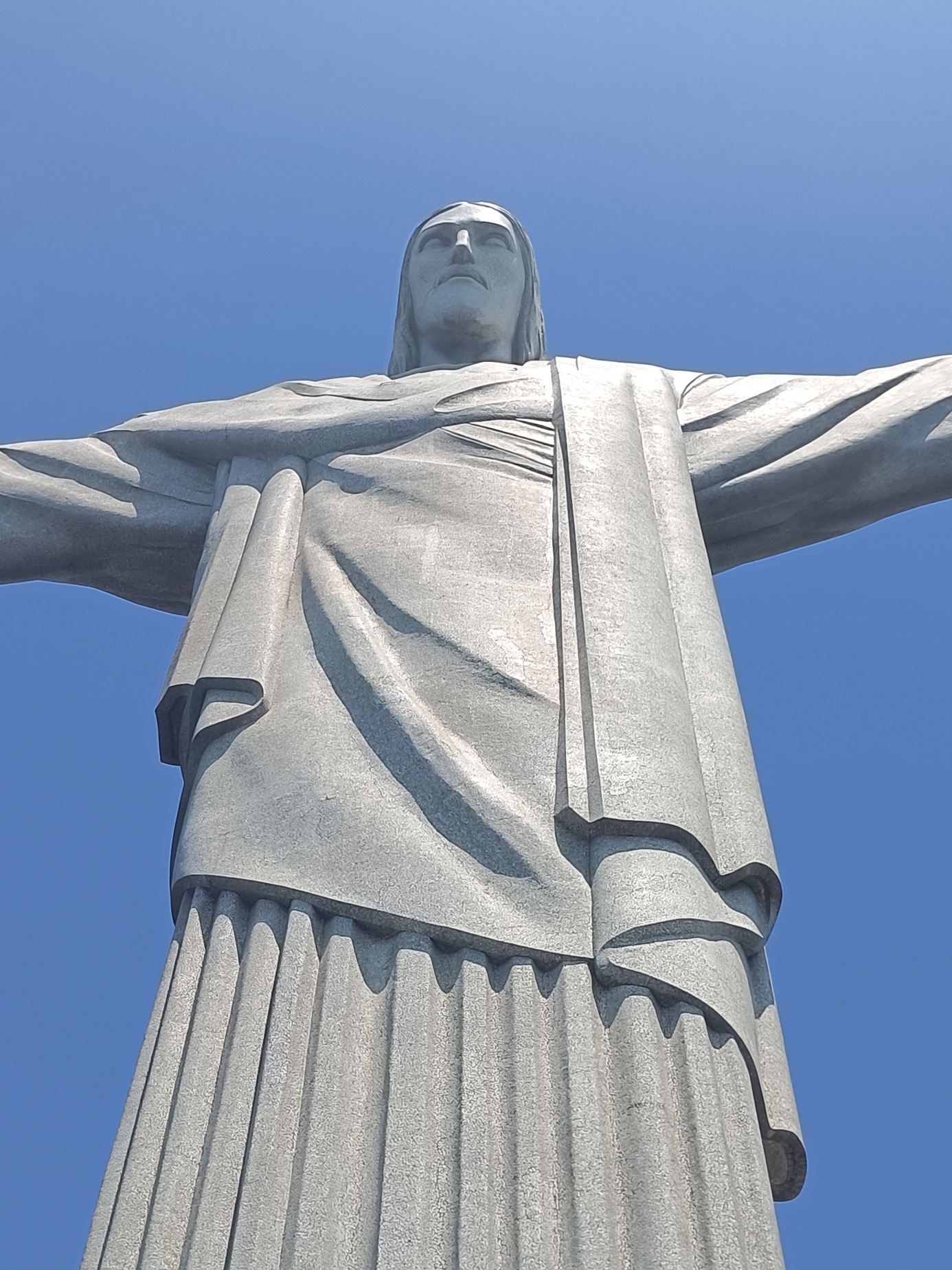
Though prior to the trip, I already got a handful of heads up that Rio can somewhat be notorious on tourists; especially solo travelers. I had friends from Cebu who got robbed, mobbed and harassed in Selaron (a popular tourist spot) in broad daylight. Yun cover photo ko, yan yung Selaron. Robbers took their passports as well, thus destroying their onward plans in South America. As such, I was double cautious all the time. Opted to stay in Rio for just two nights. My only priority was to visit the Christ Redeemer Sanctuary and I am done. See my Christ Redeemer blog post here.

Despite all the warnings, I still got scammed in Rio. Guess what? By an Uber driver. During my ride from the airport, I paid the driver with local currency-cash. But as soon as I was dropped off, I received a notification from Uber, saying that the most recent ride was charged to my credit card. It still puzzles my how the driver changed the mode of payment after the ride, since these choices are done by me, prior to the ride. I immediately made an incident report on this. However, i cannot use the app while the investigation is going. At di ko kaya yon! I needed a legit booking app more than ever in Rio. As such, ni let go ko nalang. doble tuloy kita ng driver sakin. Good thing it only happened once.

Another inconvenience I encountered in Rio was that all my Visa/Mastercard Credit and Debit Cards got declined immediately on my first attempt to swipe for food at Rio airport. The cards were from Eastwest and BPI, both local Filipino banks. I reported the incident to Eastwest Bank online support, yet they could not find any errors, saying that my cards have always been ready for international use. Meanwhile, BPI online did not respond to me. These cards worked well with other countries though. So yun, ni-let go ko na. Total, 2 nights lang naman ako sa Rio.

I had a friend who traveled to Rio na din (for work) pero never naman daw nagka problema credit card nya. However, Citibank at HSBC daw dala nya that time. As such, baka nga yung local banks ko lang ang nag-drama for the eme.

Isa din sa di ko nagustuhan sa Rio is dirty at daming homeless na high on drugs sa daan. Though galing naman ako sa Pinas so these street views should not be new to me. Pero malala talaga dun. O baka kasi sa old/historic district ako nag stay. kaya yun. Oh well. Isip ko nalang minor inconveniences lang ito compared sa iba.

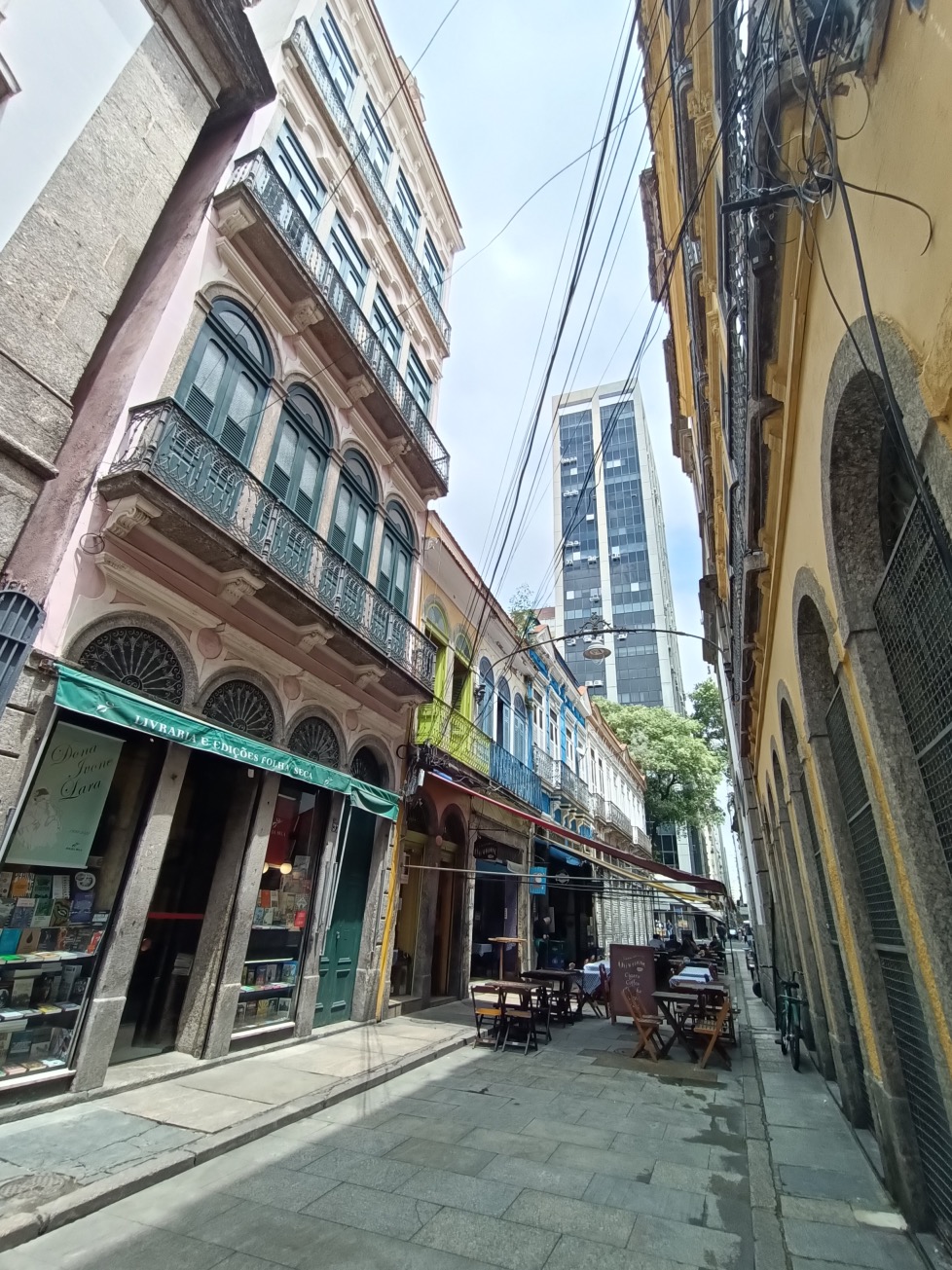
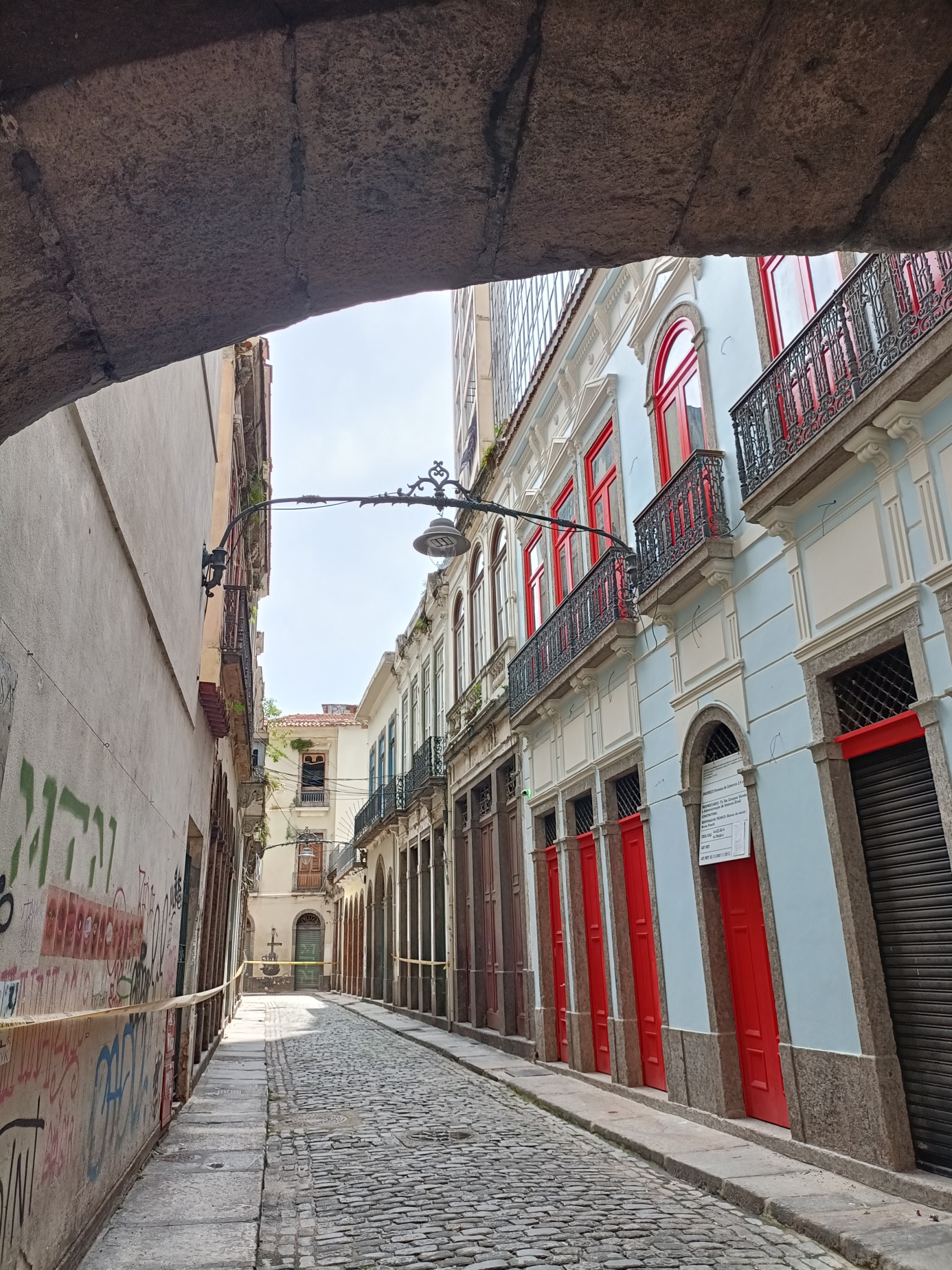
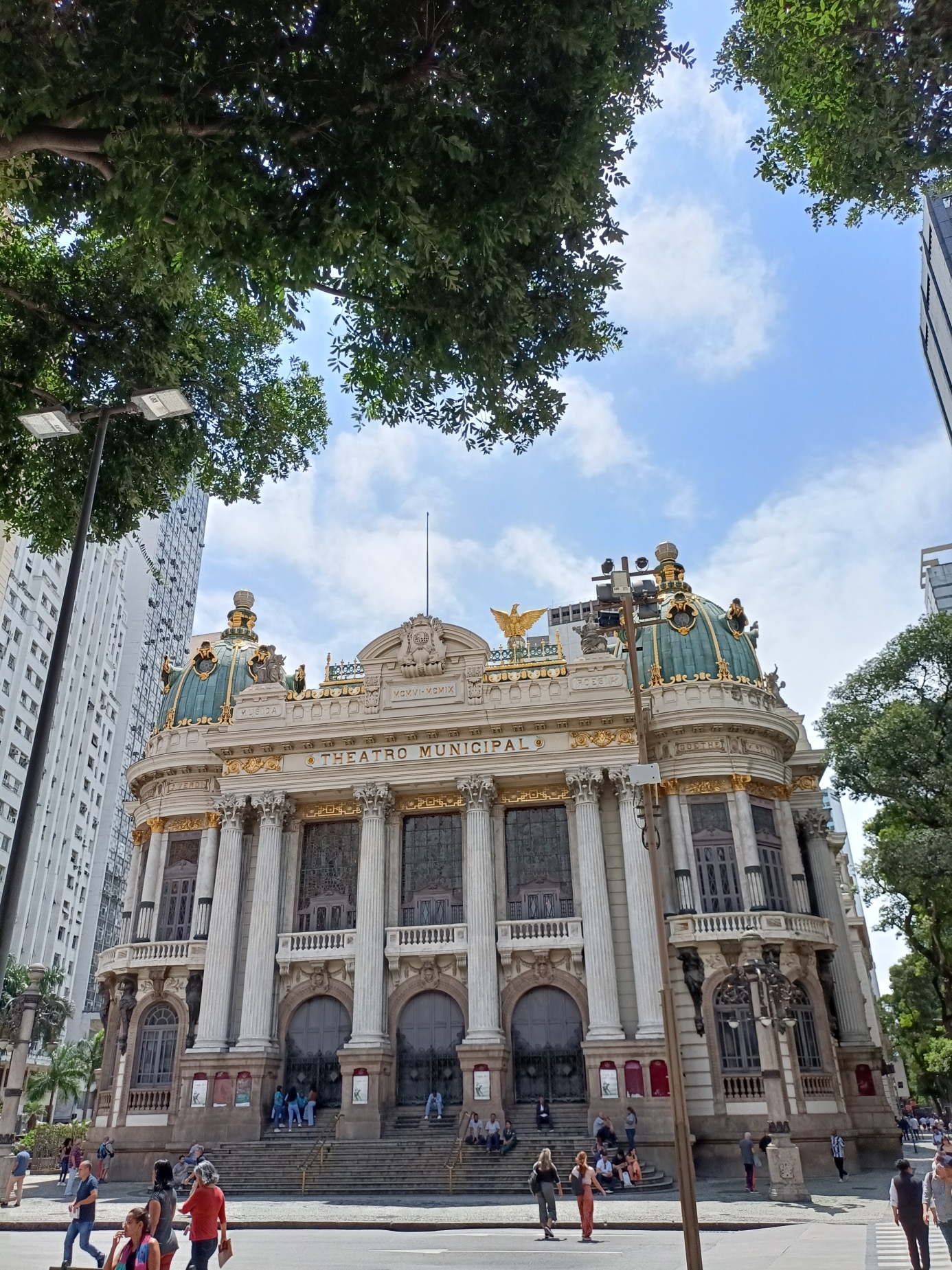
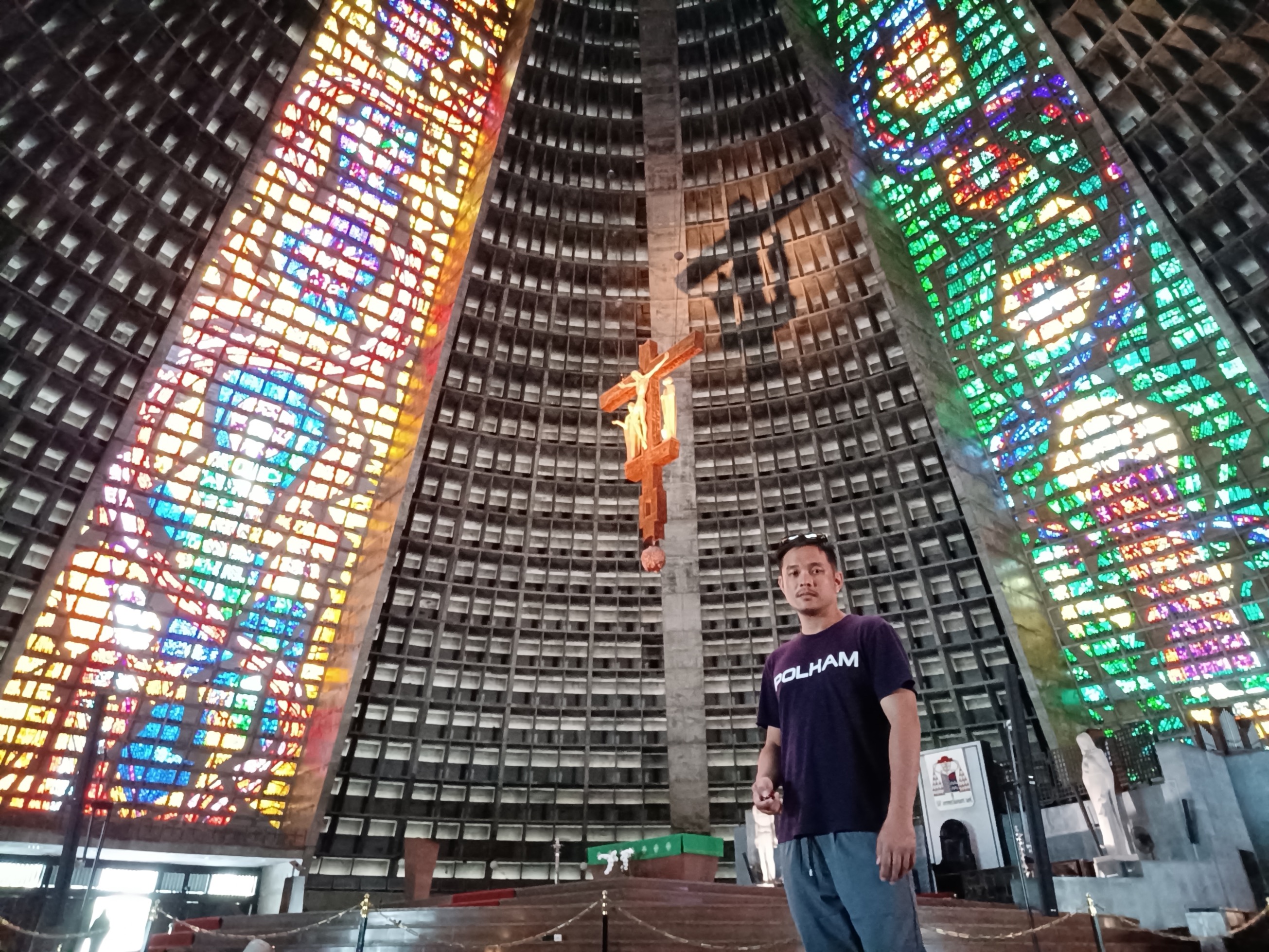
Despite all the inconveniences, I must also acknowledge that Rio is a visually stunning city with its evident colonial architecture influences, as well as its surrounding hills, beaches and ocean. The panoramic views from Sugar Loaf and Christ Redeemer Shrine in Corcovado are amazing.

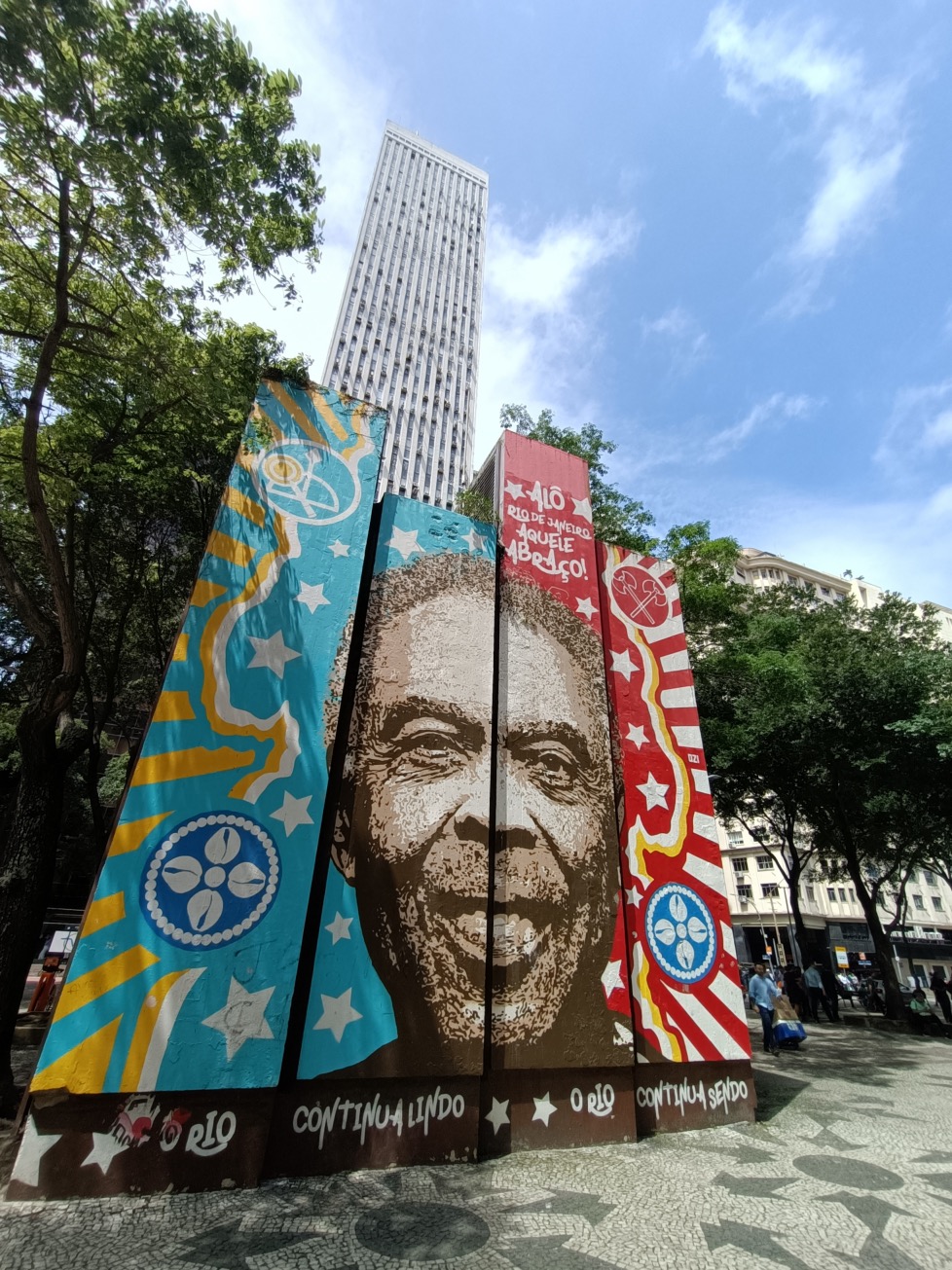
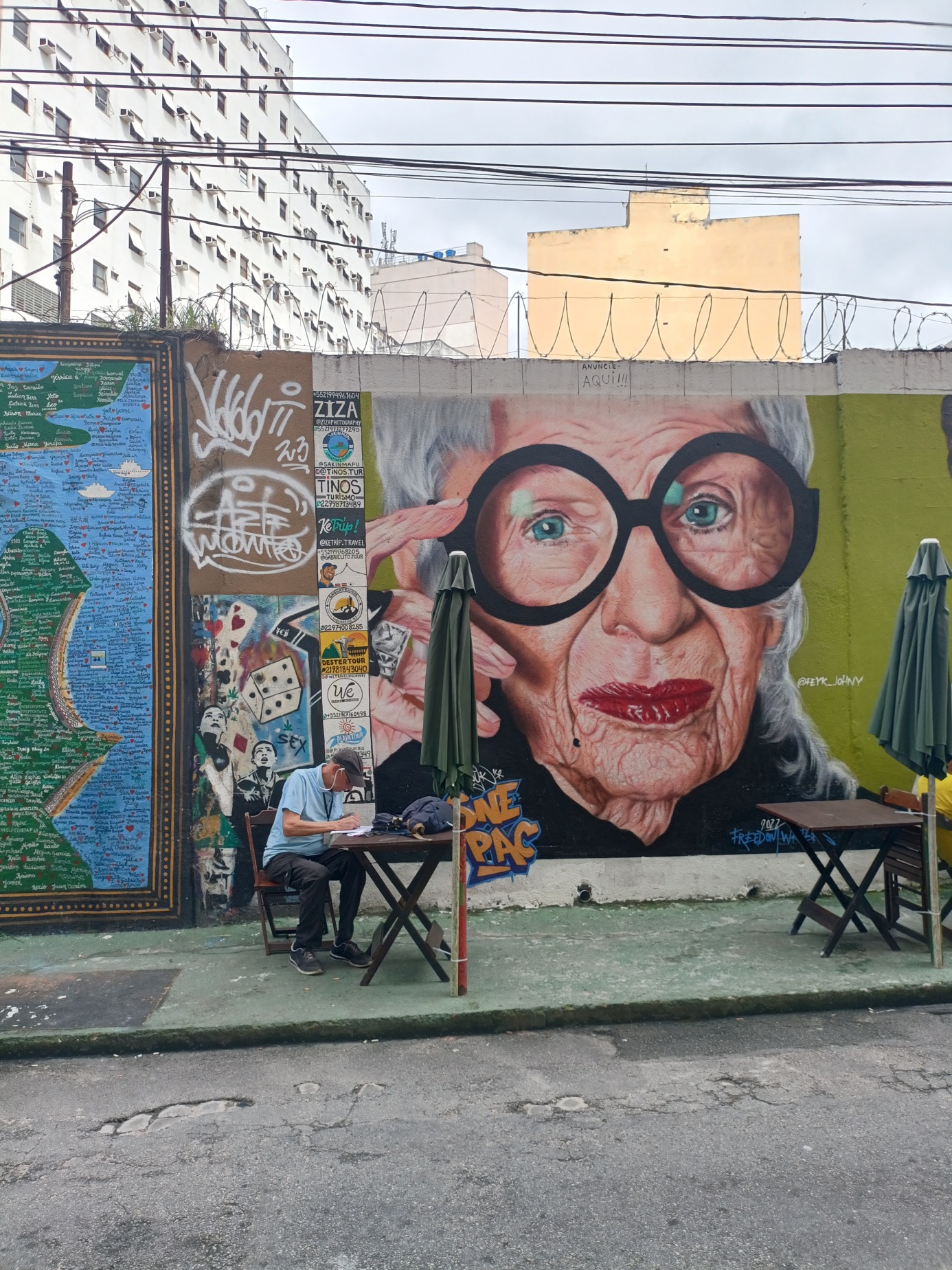
I joined a Free walking tour once again with Guru walk during my first day and here are some random shorts around the old/Historic quarters of Rio:

Dami murals and splash of colors sa streets nila.
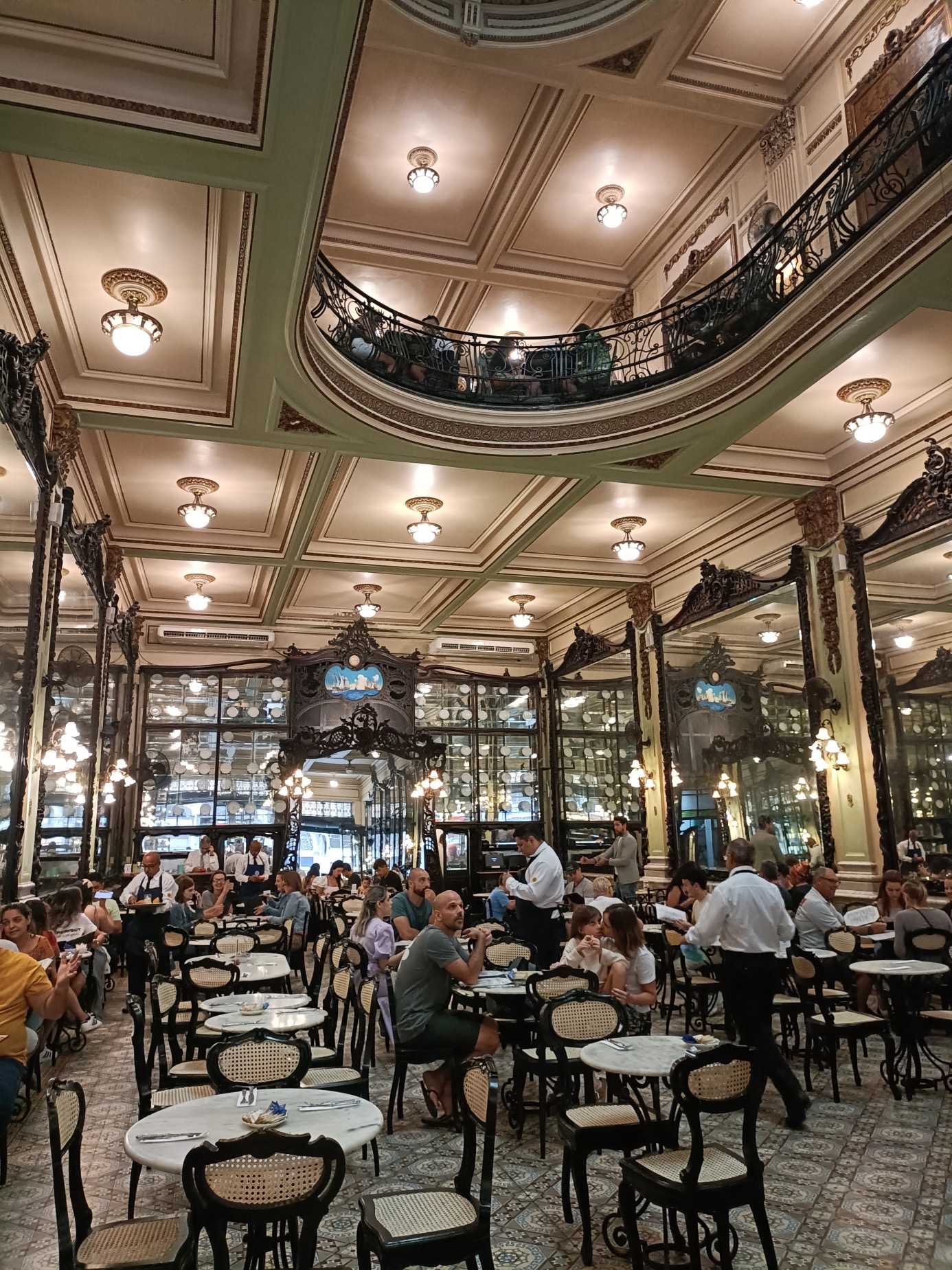
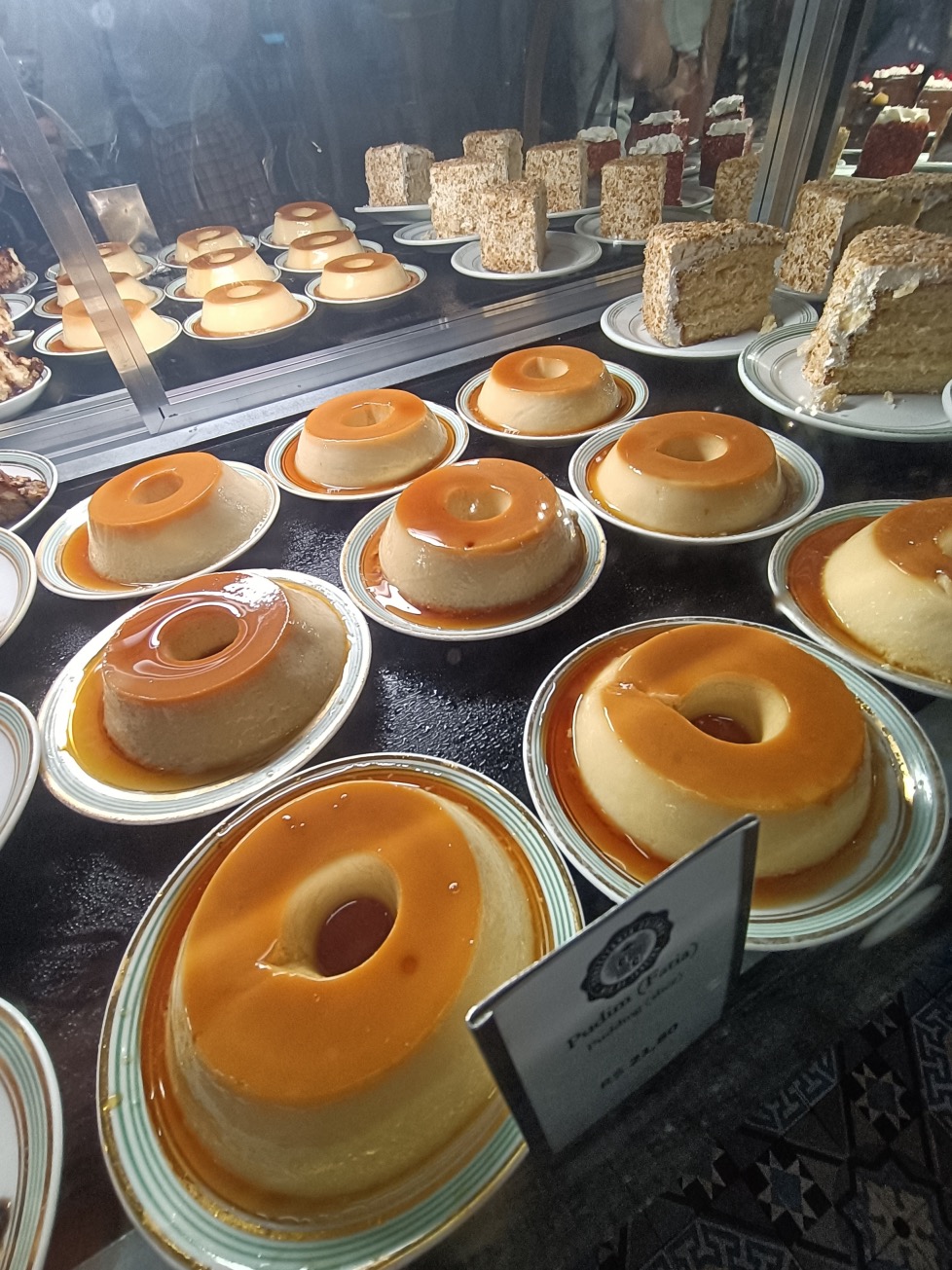
Spent a nice afternoon at Confeitaria Colombo, Rio’s oldest cafe & best dessert around! Cafe Colombo had been operating since 1860. I must also highlight that coffee in Rio is sooo Good! Brazil produces a variety of specialist grade, single origin coffees with a high-quality taste with notes of cocoa on their latte (a local barista told me this).
Ok bye. Thanks for reading.

Things to do in Bogota (Colombia)

Here is how I spent my  lazy 3-days stay in Bogota,Colombia on a thrift.

Joined a FREE WALKING TOUR with GuruWalk. When arriving  a foreign city as a backpacker, the best way to a get quick familiarization of the place is by joining free walking tours organized by locals and long stay tourists alike. Free walking tours offer quick discussions on the city’s history, while passing by landmarks and relevant districts. Tours usually last for 2 hours, so prepare to walk that much. And with this, you can get insider tips on the nice places to eat, things to do for your succeeding days, and how to get around, as well as safety measures when touring. Guruwalk is just one of the large and reputable organizations offering free walking tours on key destinations around the globe, but there are several others. Feel free to check on tripadvisor for recos.

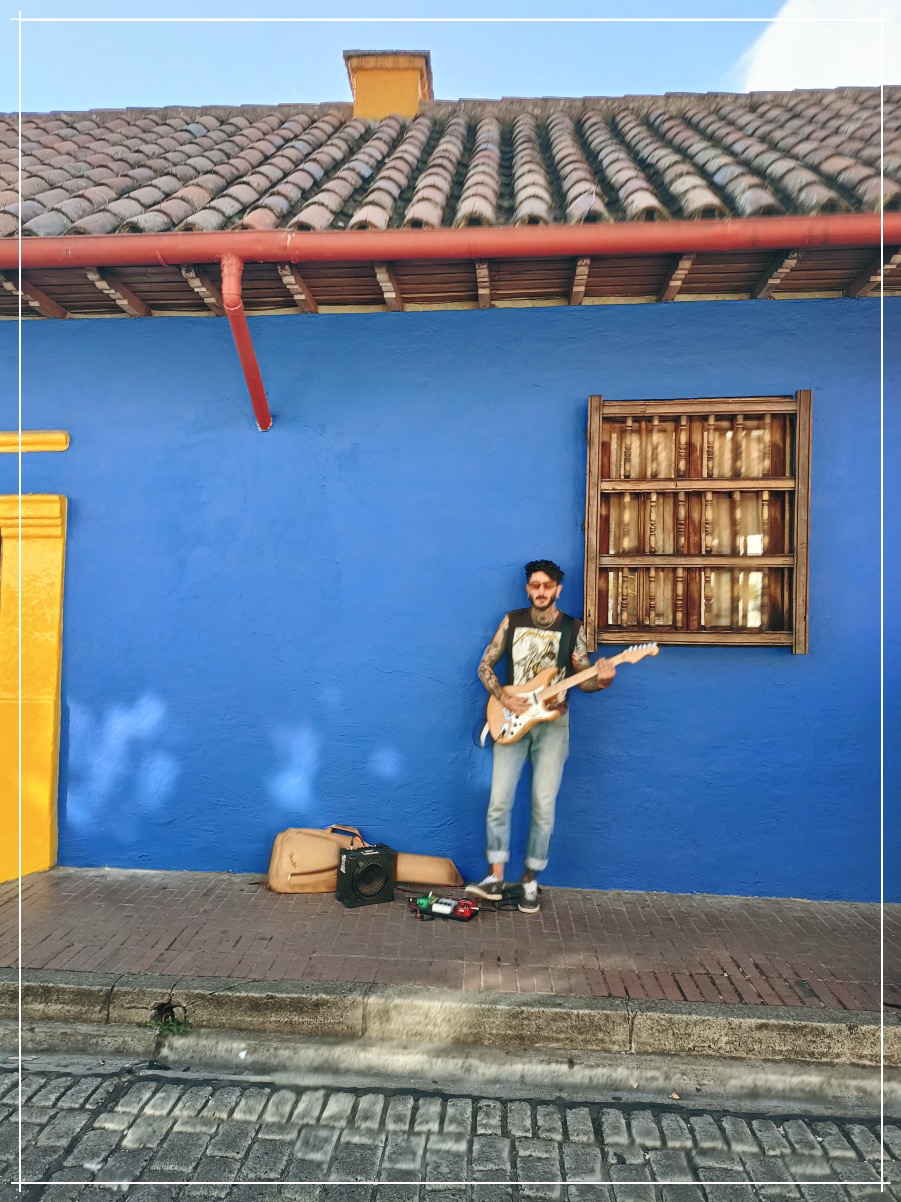
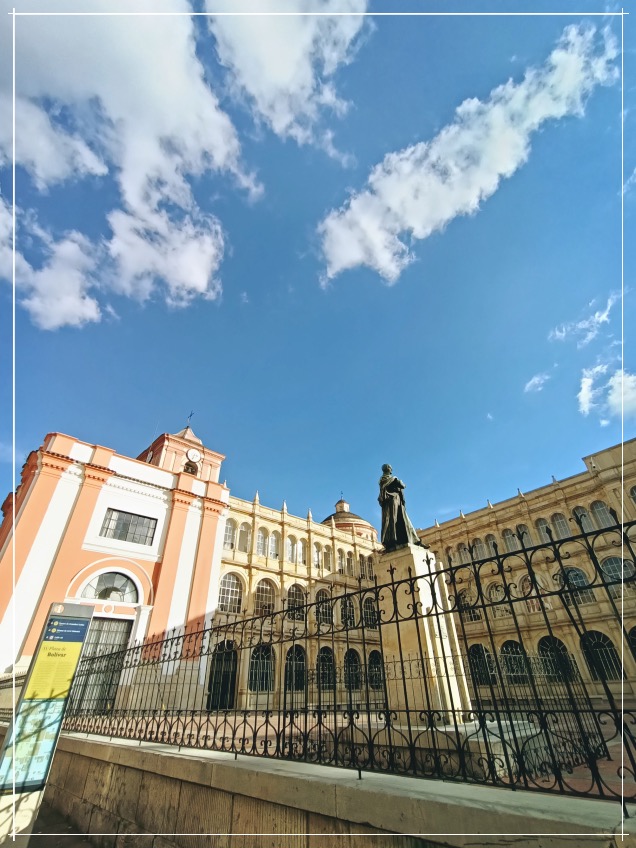
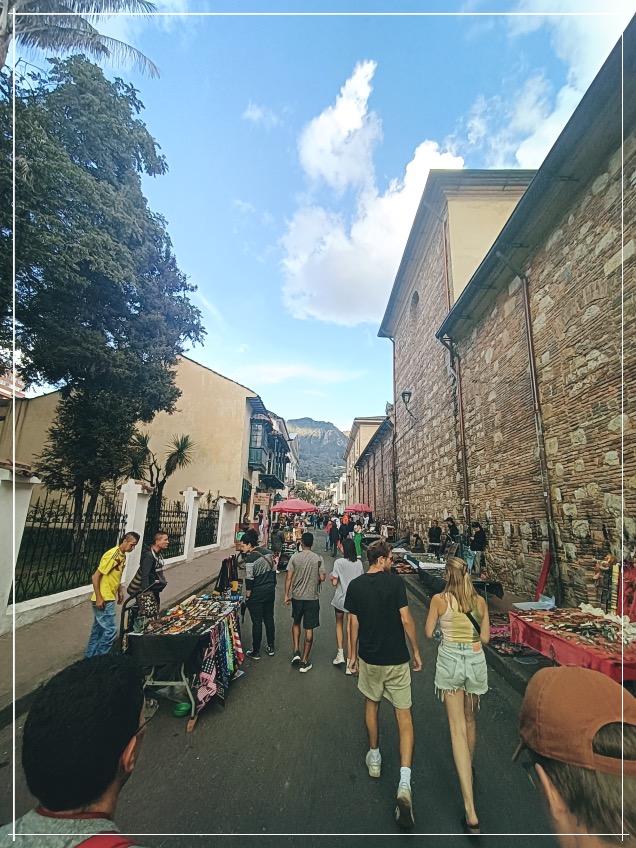
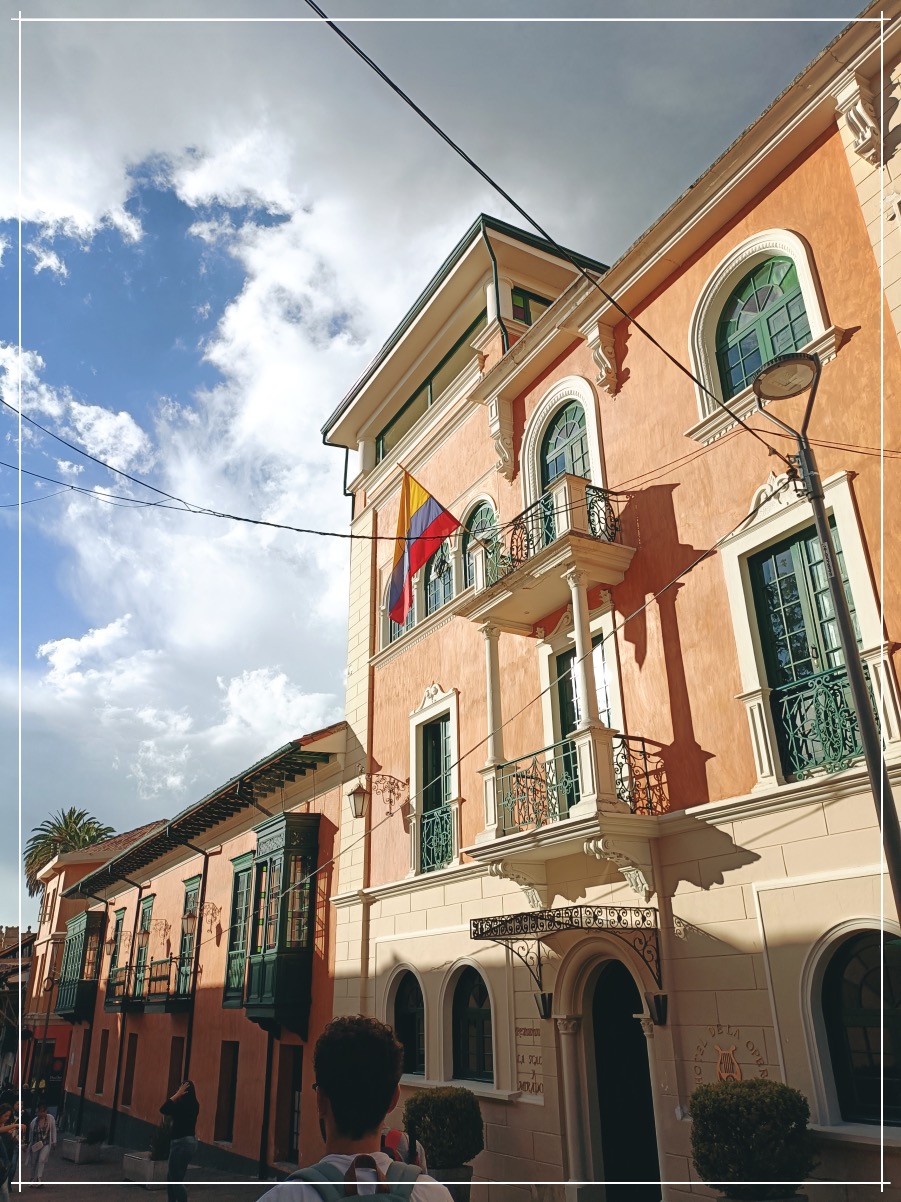
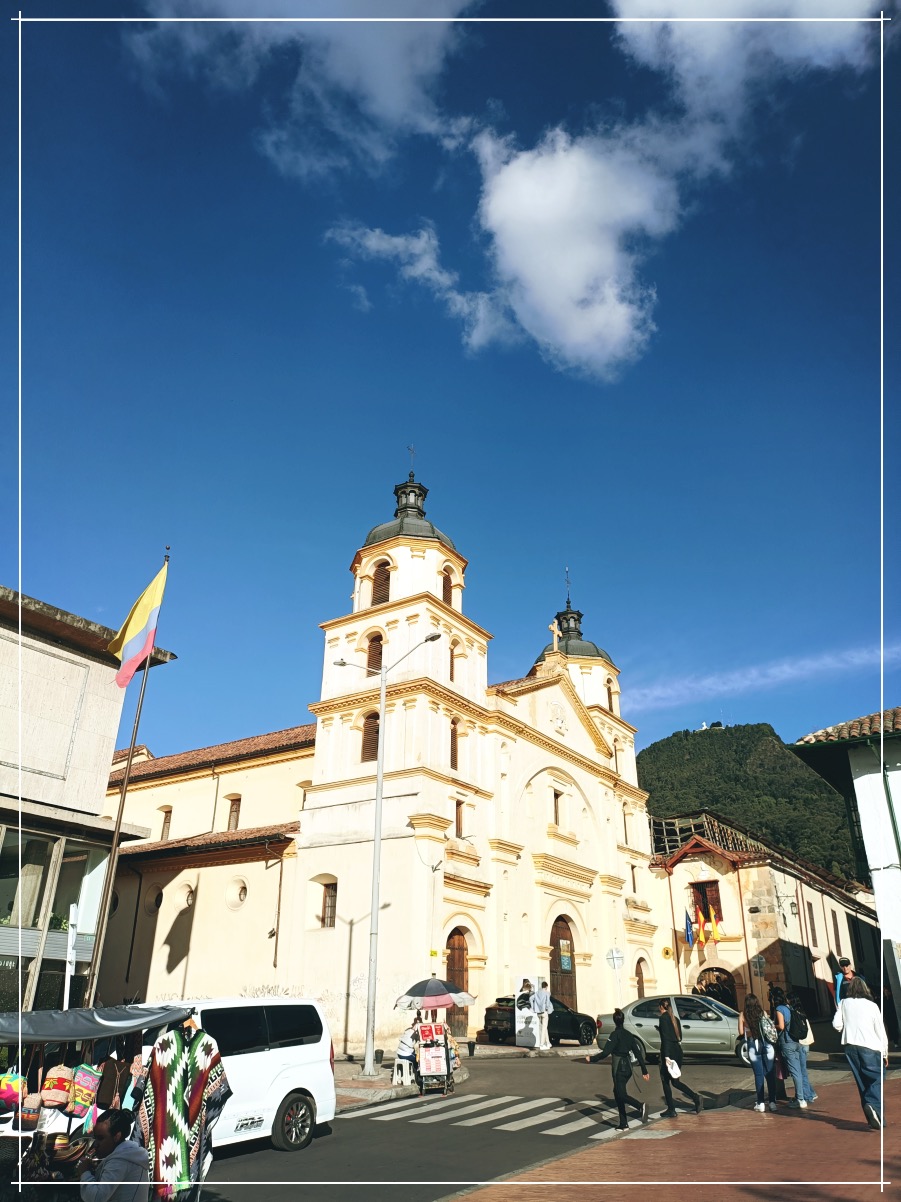
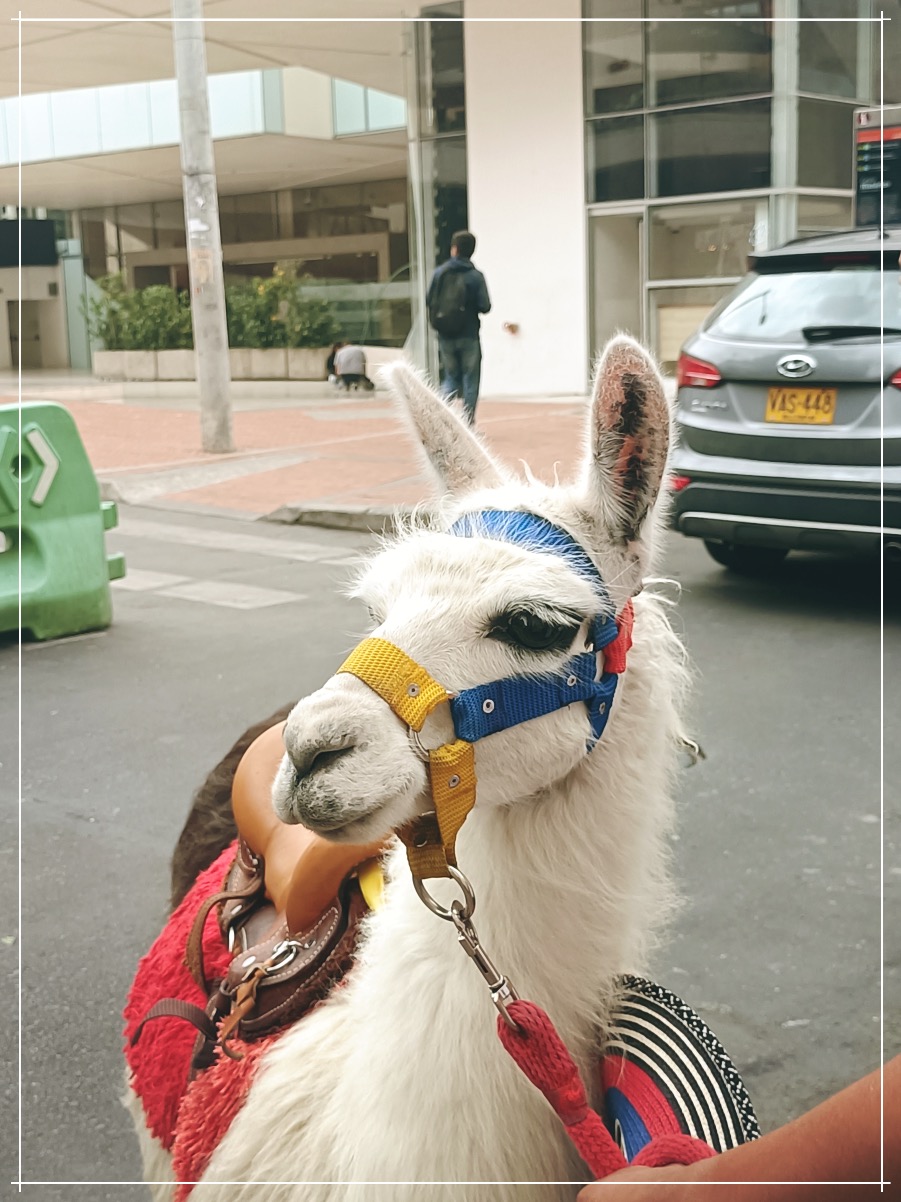
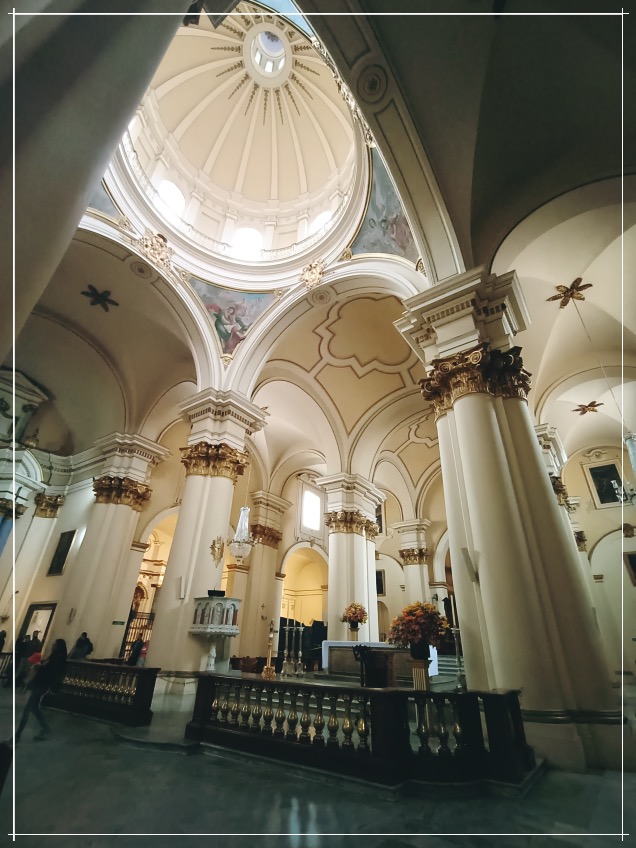
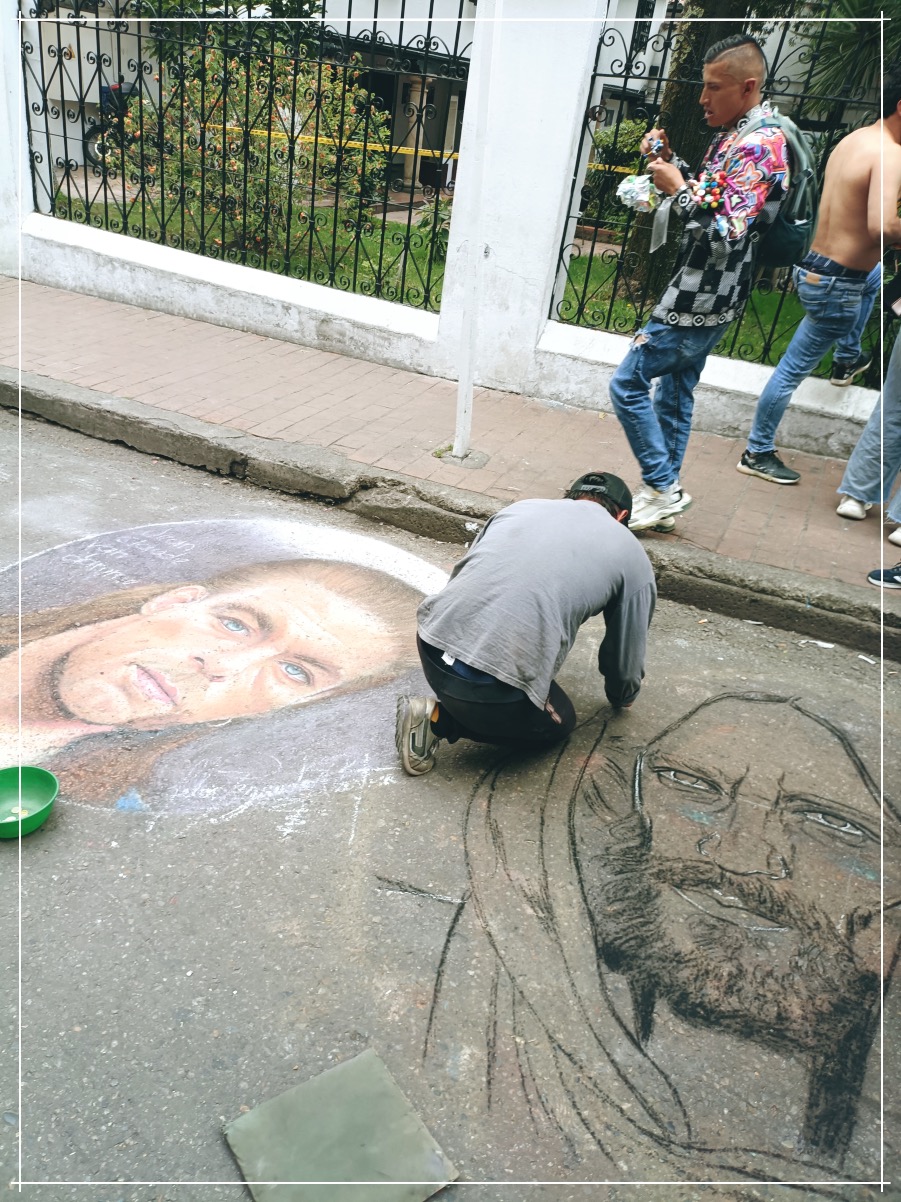
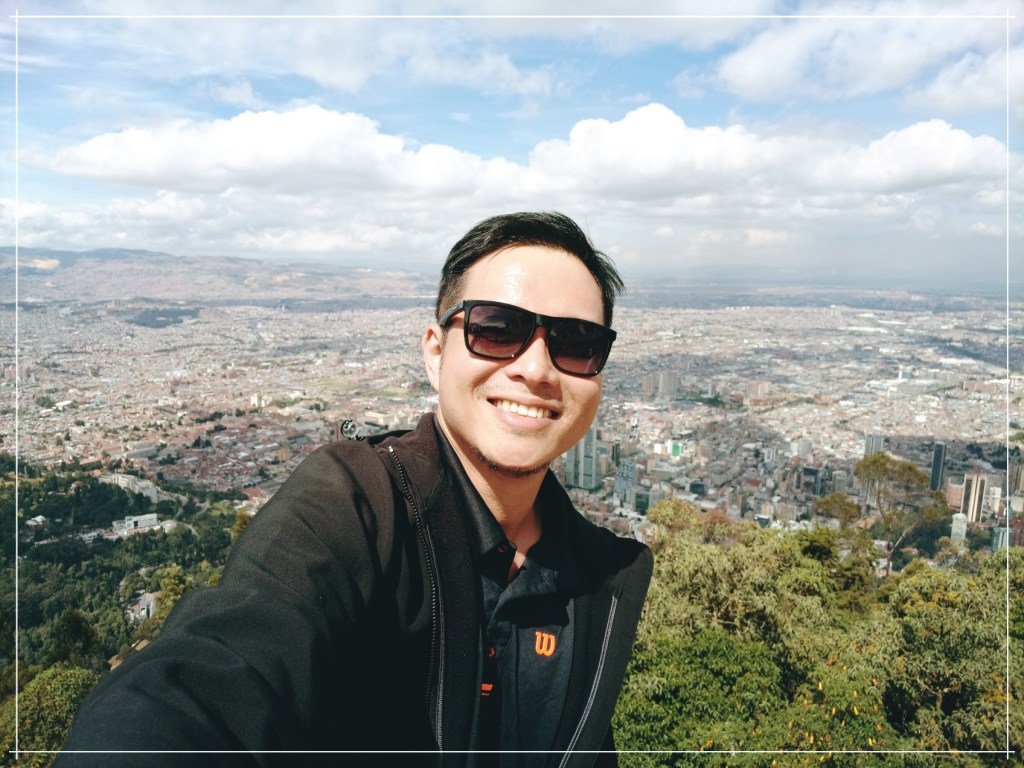
Our free walking tour took us around La Candelaria, which is the old/historic center of Bogota. Our tour ended at the foothills of Monserrat where there is a significant catholic shrine at the peak that can be accessed by a cable car. Most of my tour companions proceeded to the shrine on their own, but I planned to schedule my visit the next day, and opted to just stay in La Candelaria for a lazy afternoon stroll. Here are some more snapshots of this lovely city.

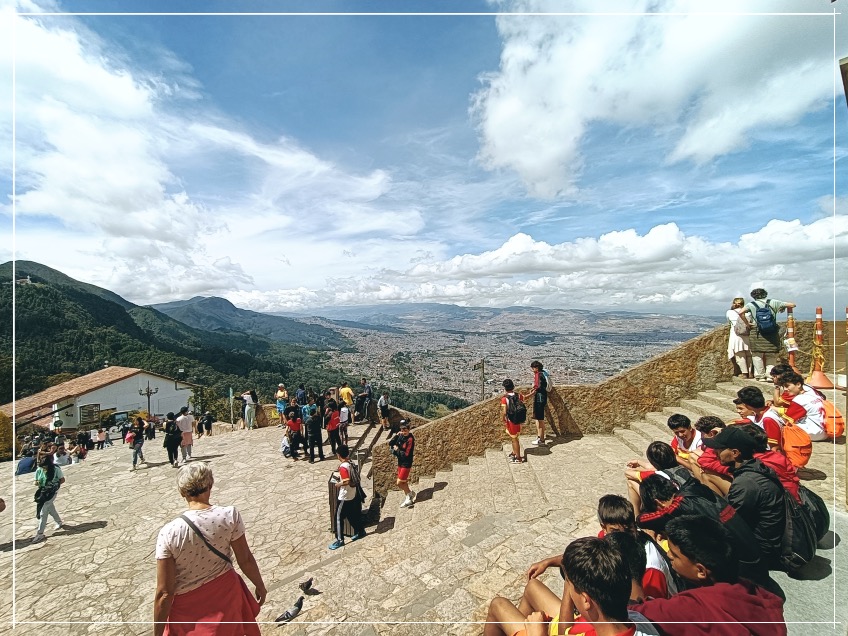
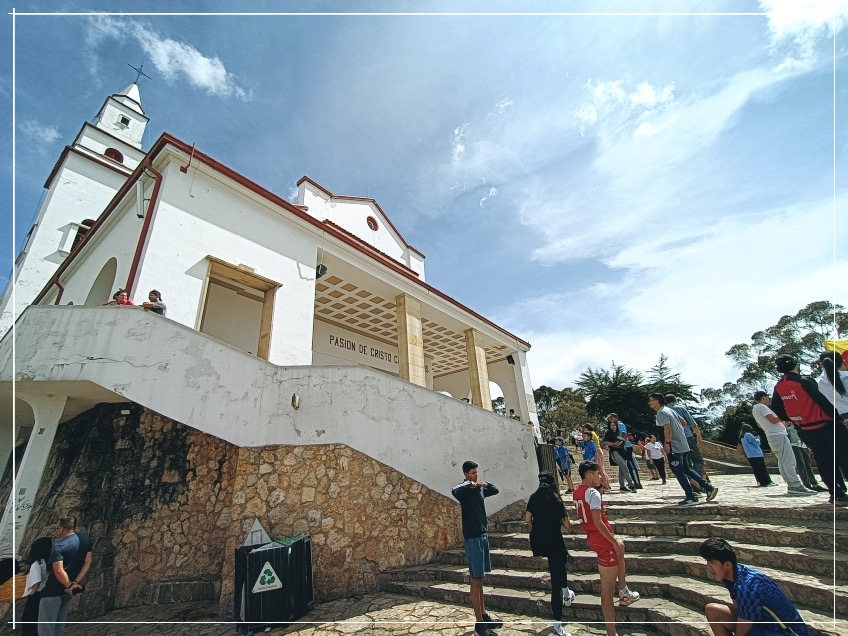
The sanctuary of Monserrate. The sanctuary of Monserrate in the eastern hills of Bogotá can be seen from almost anywhere in the city. It is located at 3,172 meters above sea level, at the top of Monserrate or Cerro de Las Nieves. Devotees walk up an almost two mile path to this traditional site of religious pilgrimage, which began in 1620 with the shrine of Our Lady of Monserrate. The basilica houses the image of the Fallen Lord of Monserrate, an effigy of Christ which, according to the faithful, performs miracles, and at the top visitors can walk the Stations of the Cross. The history of this sacred place dates back almost 500 years, from the early years of Spanish settlement in Colombian soil. The shrine also boasts a panoramic view of the whole Bogota City.

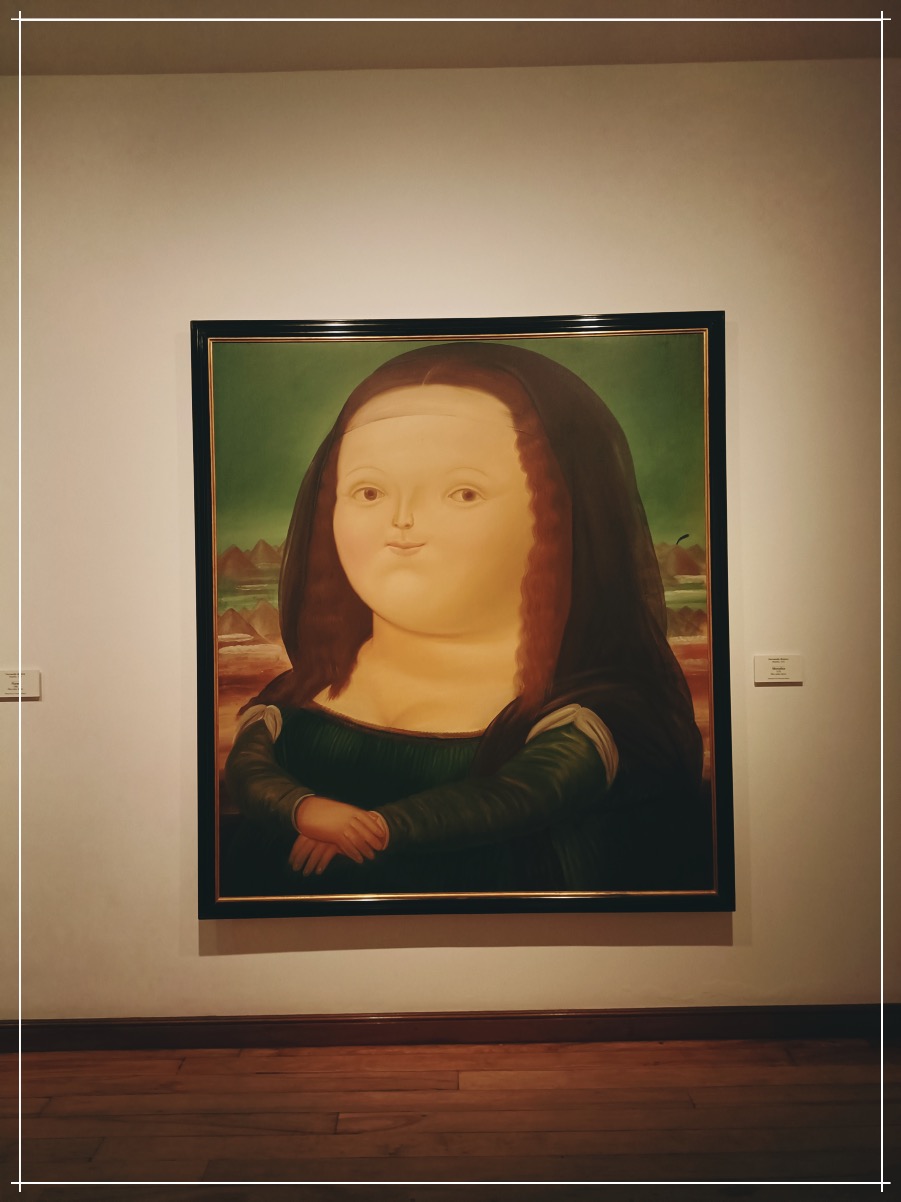
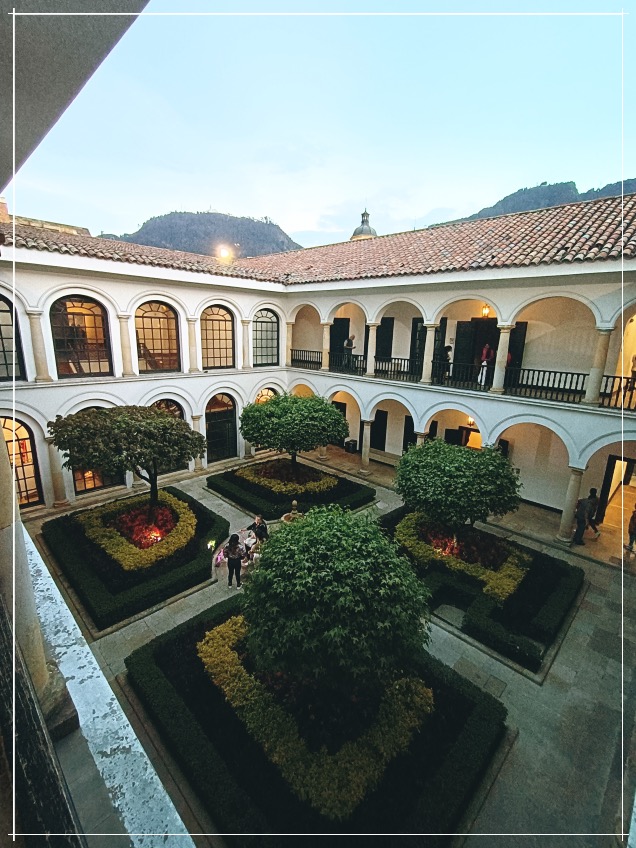
BOTERO MUSEUM. The museum dedicated to the works of reknowned Colombian figurative artist Fernando Botero. His signature style, also known as “Boterismo”, depicts people and figures in large, exaggerated volume, which can represent political criticism or humor, depending on the piece. He was considered the most recognized and quoted artist from Latin America. One of his most known masterpiece is his volumized version of Leonardo da Vinci’s Monalisa . Entrance is Free.

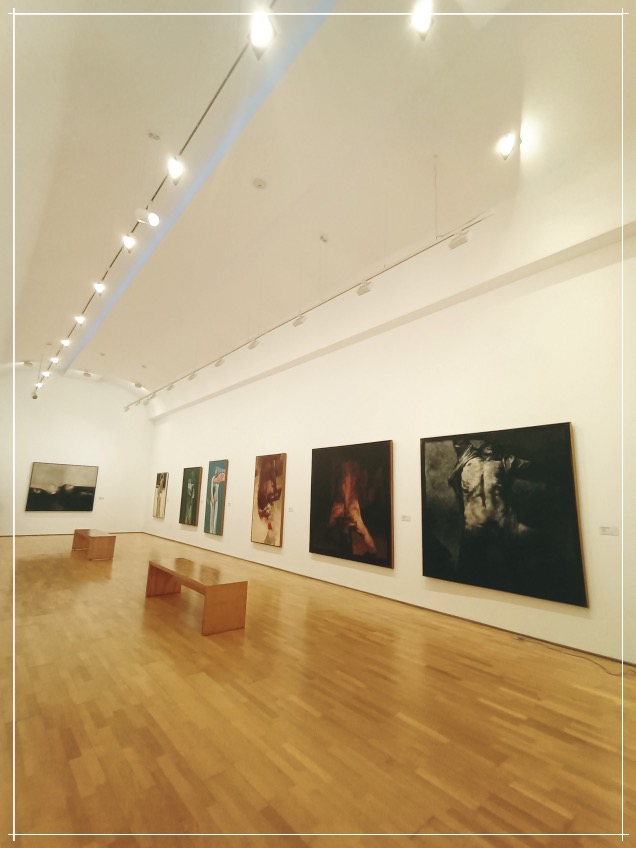
Aside from Botero’s works, the museum  collection also brings together, some works of renowned artists as Picasso, Leger, Renoir, Monet, Dali, Giacometti, Beckmann, Freud, Calder, and Bacon. Each day near a thousand people visit the Botero Museum.

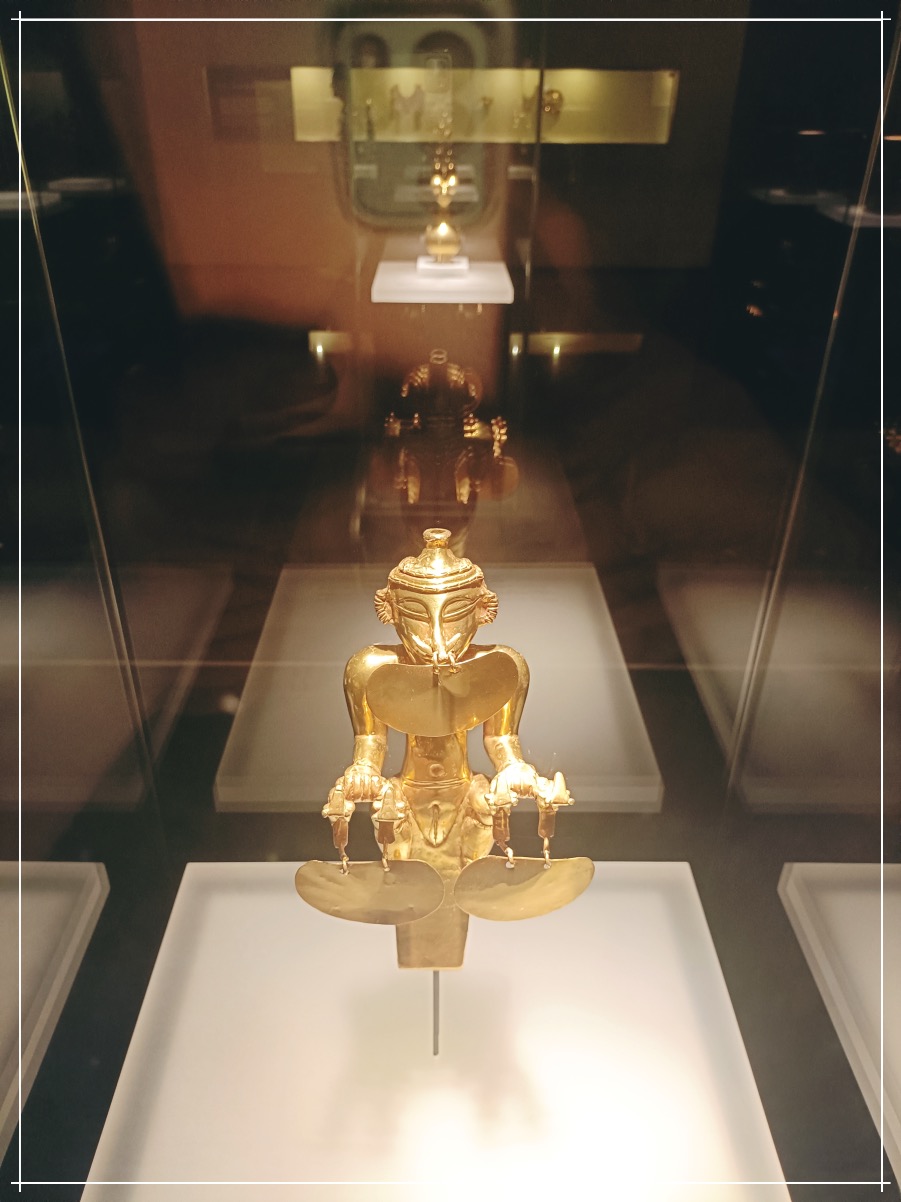
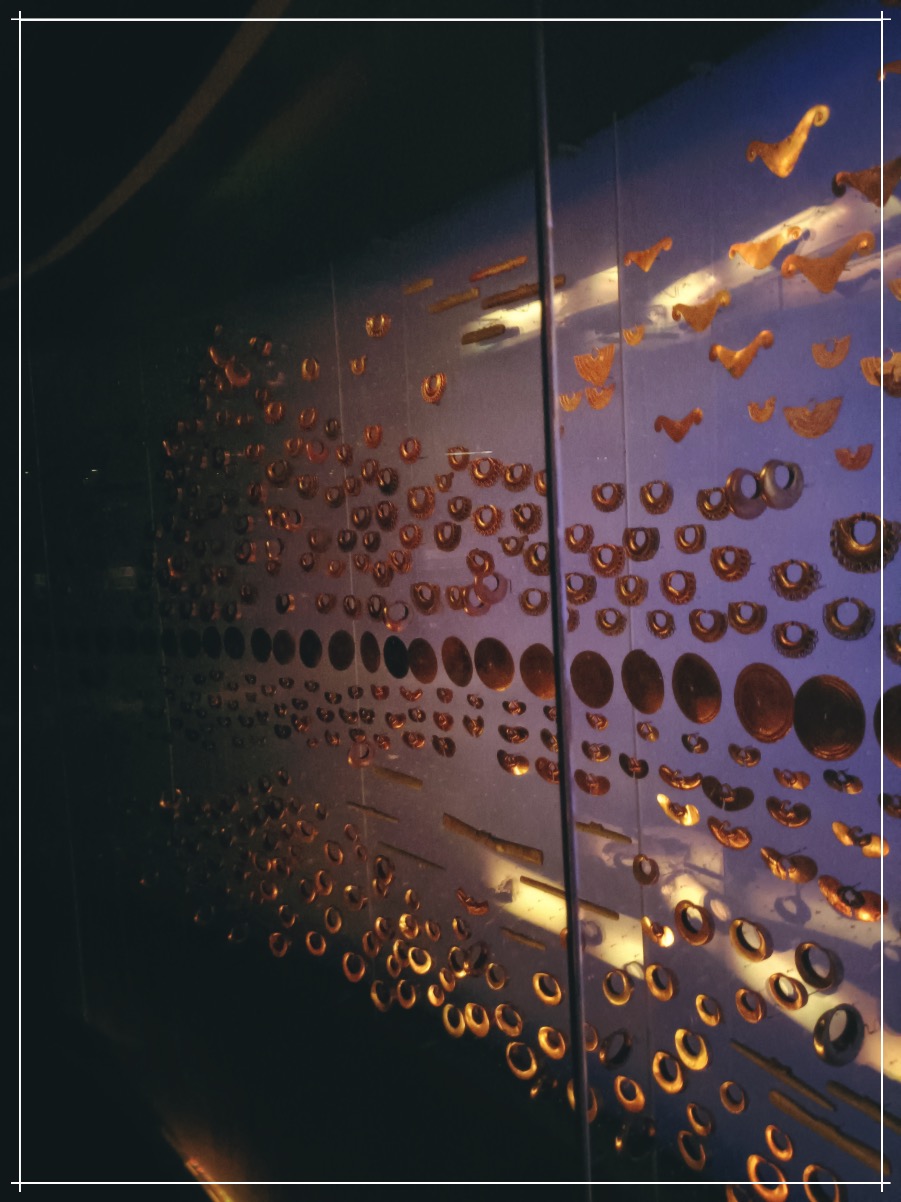
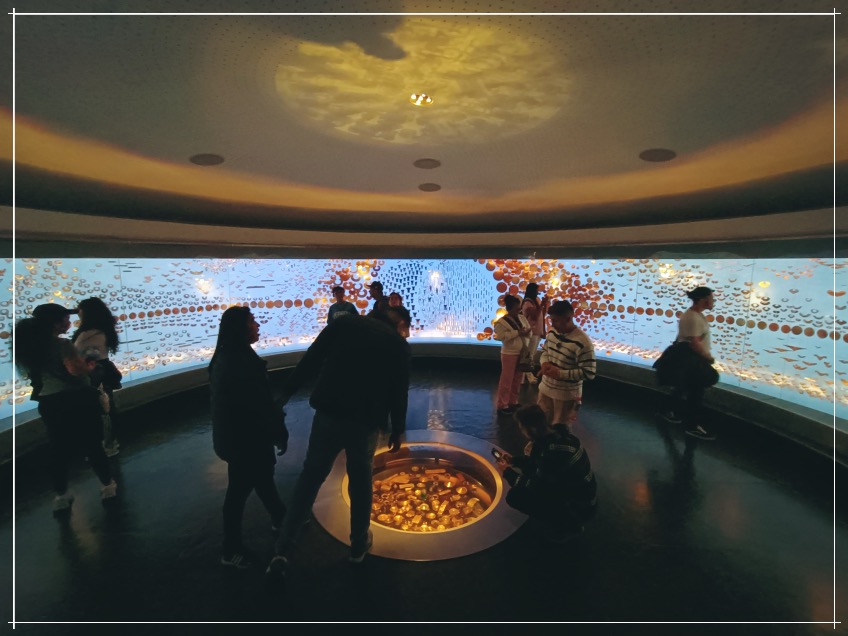
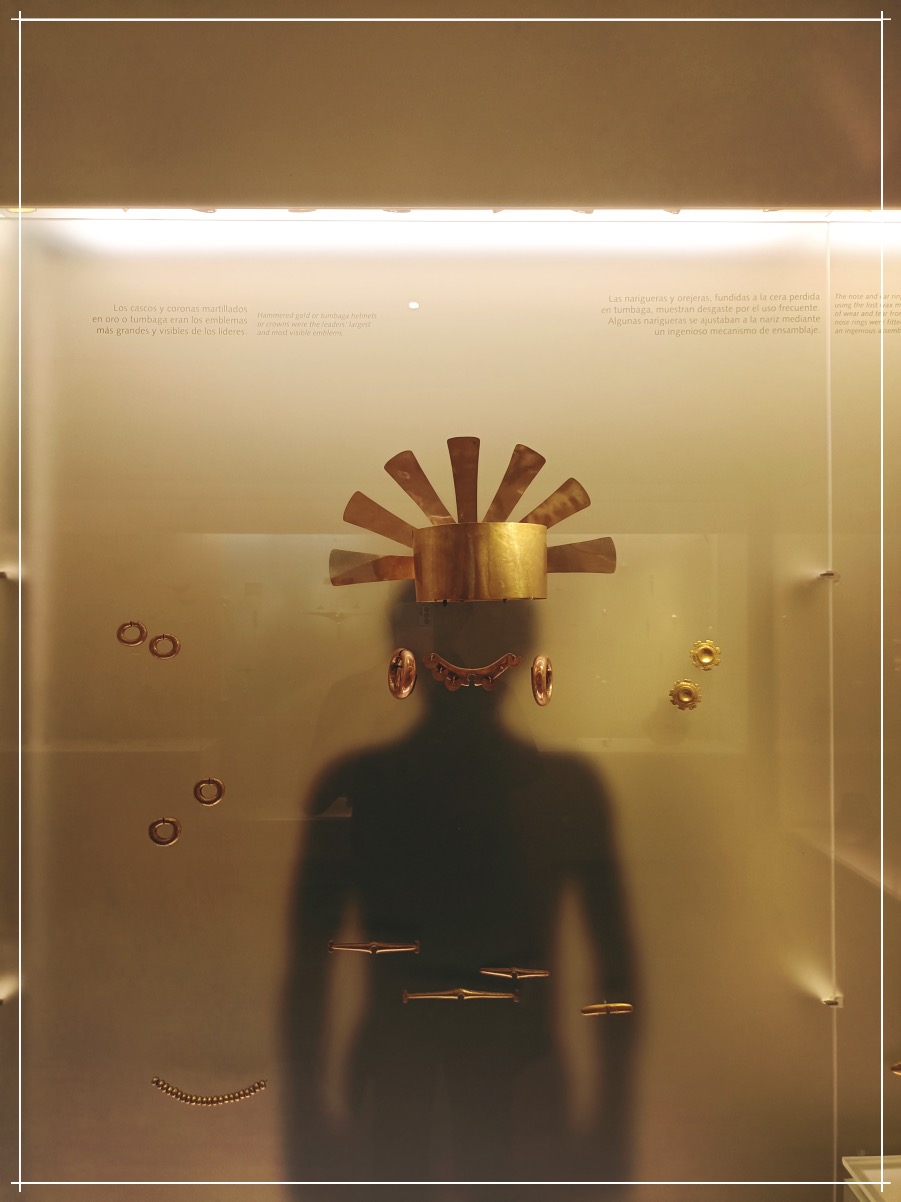
THE GOLD MUSEUM (Museo de Oro) of Colombia. This extraordinary museum offers a well-arranged display of recovered antique gold (real gold) from the pre-hispanic days of Colombia. It has 34,000 gold pieces, the largest collection of antique goldwork in the world, including the fabled Muisca Raft, which was said to have been recovered from a sacred lake. In 2018, National Geographic magazine named it one of the best museums in the history of the planet. Much of the antique gold pieces were used in daily life, as gifts or as part of sacred rituals in the indigenous Muisca and Tayrona cultures. Themed rooms with explanations give great insight into the artistry and significance of these indigenous cultures. Entrance is only 4000 Colombian Pesos (around 1 USD), yet you get to see so much.

My visit to the gold museum made me understand why the Spaniards back in the days were so thirsty to take over the lands and native people of Colombia; and that is for their Gold. Similar case also happened to the Incan’s of Peru.

Museums in Bogota also made me think how overpriced museums in the Philippines are. 🙂

The last day, i just spent on casual walks as well as foodtrip and cafe hopping. Check out my Colombian food blog here. Fruits and other produces are quite similar to the Philippines. Probably because of similar tropical lands, as well as strong Spanish influence.

Foodtripping in Bogota,Colombia

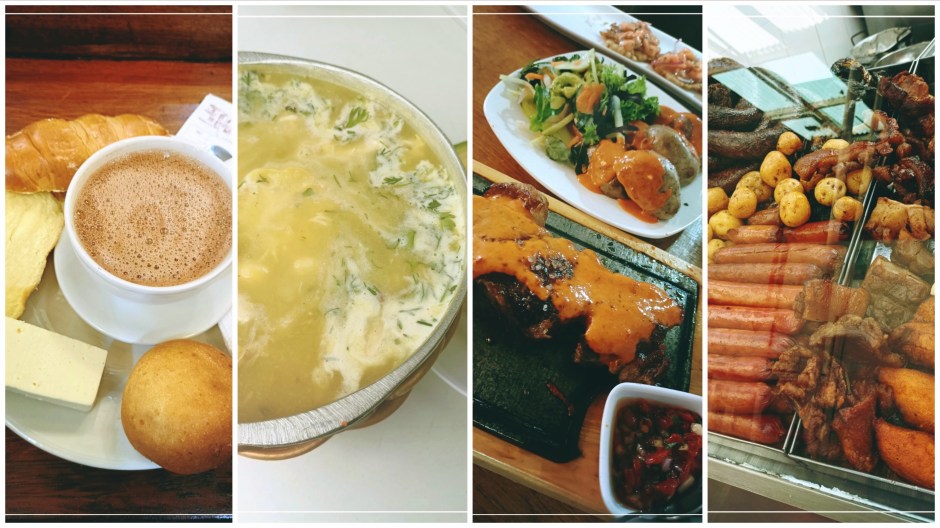
Free days are the best days during vacation. With no itinerary to follow, I just walked around La Candelaria district of Bogota, enjoyed coffee, ate the best rice tamale for breakfast, and had a hefty 1″ thick steak for lunch. As a tropical country with fertile land, food is more affordable in Bogota; probably the cheapest of all the places I’ve visited in South America. Here are some of the memorable meals I had during my 3 days visit.

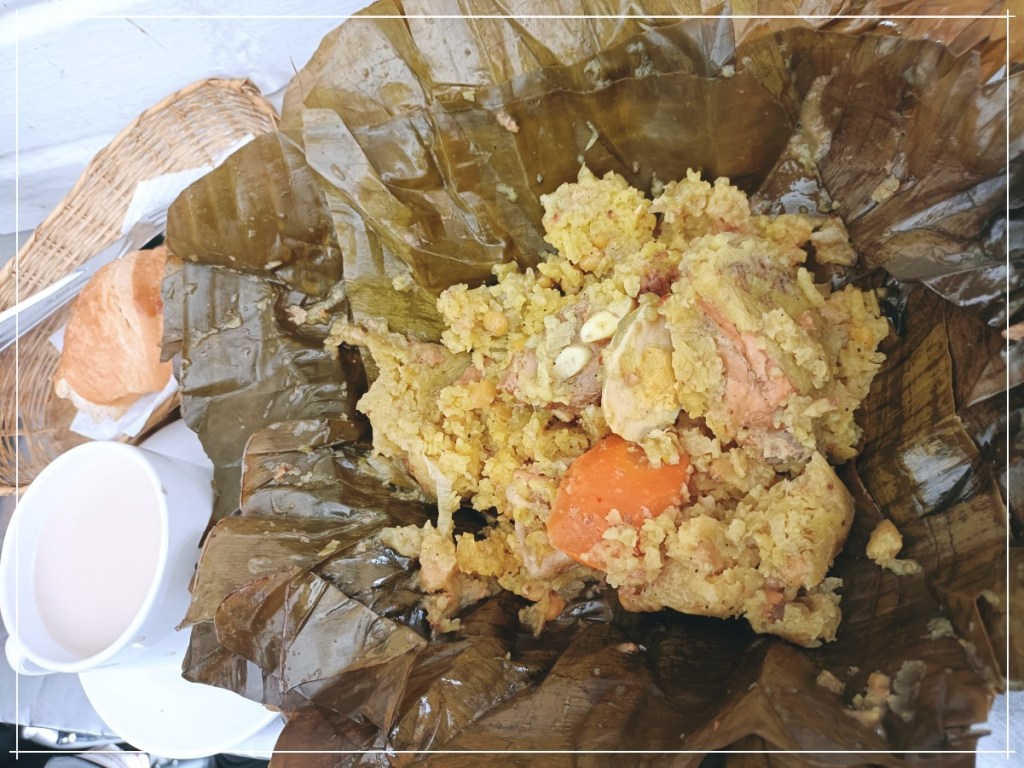
I’ve had different types of Tamale during my travel, but Bogota gave me the best one. It’s packed with fragrant yellow rice and corn combination, carrot slices and chunks of braised pork rib and chicken, plus complimentary bread and coffee. Mura lang ito, around 100 pesos if converted.

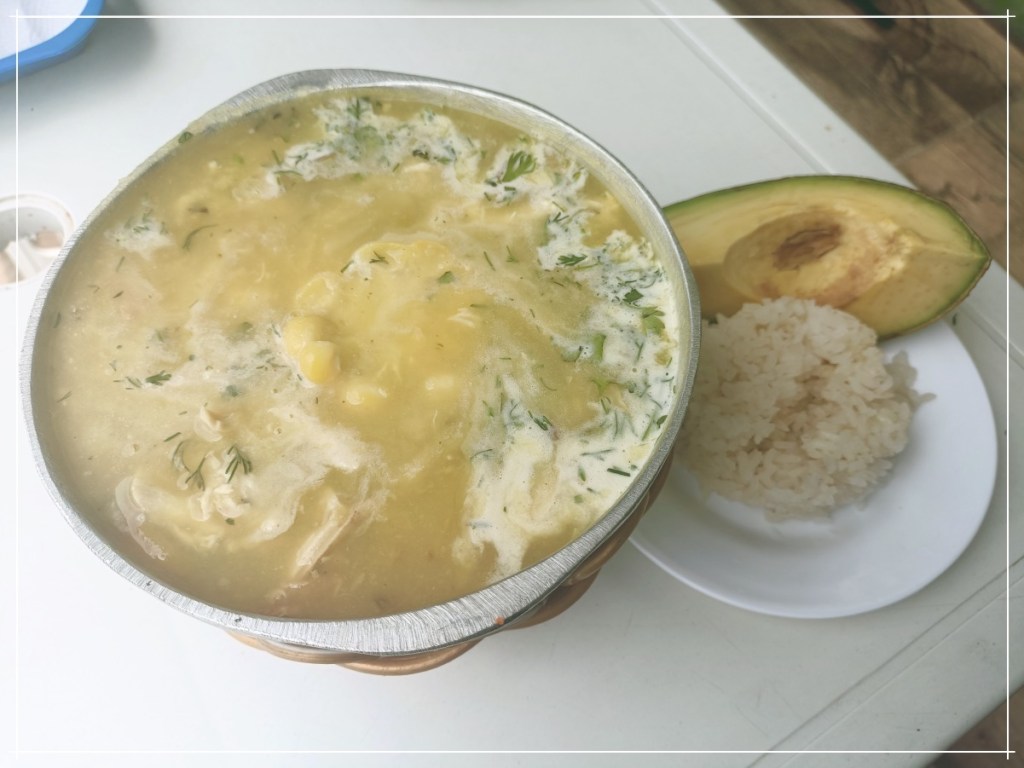
Ajiaco is one of the many regional Colombian dishes you can’t leave the country without trying. It’s a hearty soup made from three different kinds of potatoes, chicken, guasca leaves, with a half an ear of corn splashed in for good measure. Also served with a slice of avocado (locals mix them with the soup for added texture). I had this meal during my day tour at Monserrat Religious Shrine overlooking Bogota.

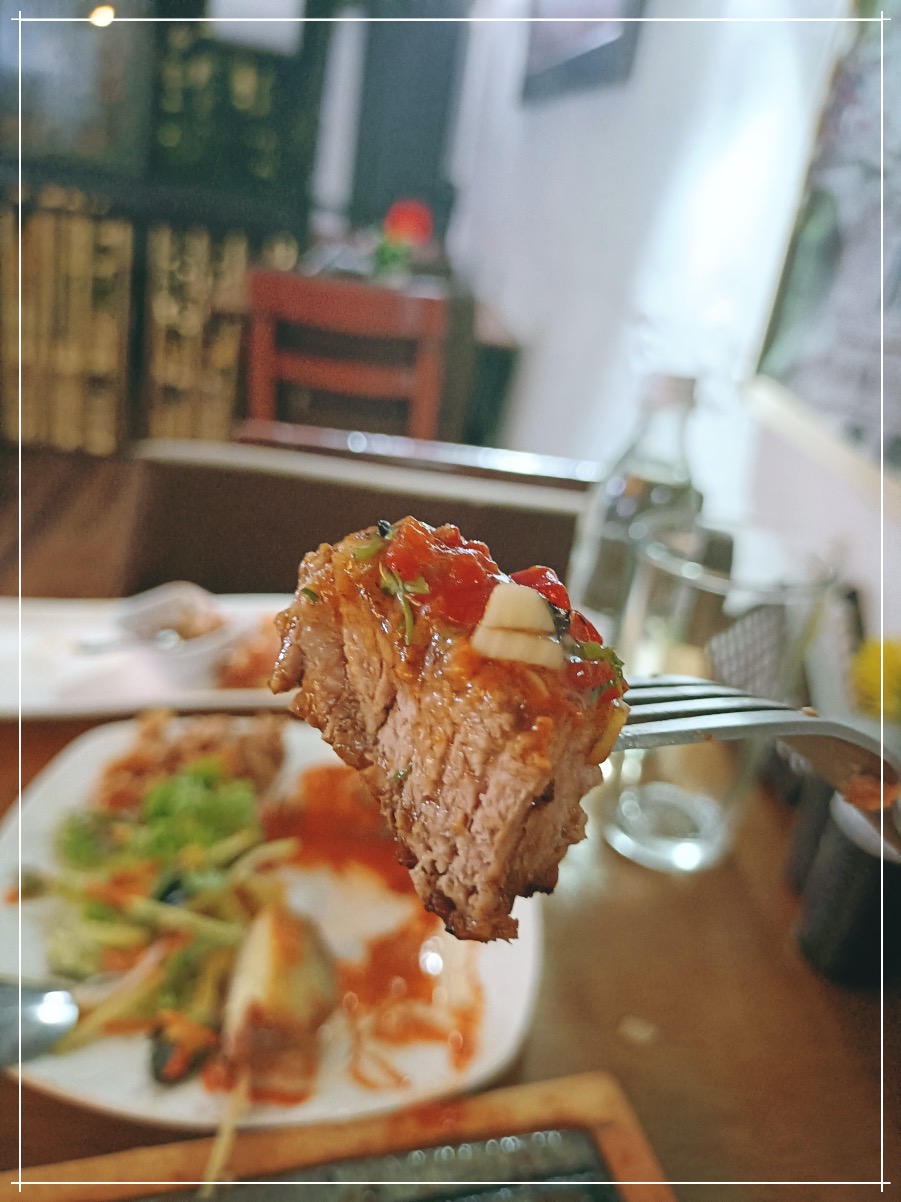
Meat is relatively cheap in Colombia. I enjoyed a thick slab of steak from Banquete Restaurante, a seated,full service restaurant in La Candelaria, serving good local dishes. This steak set cost me a little over 500 Php, i think; salad included. The red pepper\tomato gravy on top is mild. Not too hot. Picante as they say. Very different from our usual gravy here in PH. I also had freshwater shrimp ceviche as appetizer. Sobrang sarap nito. Shrimp is blanched (not raw).

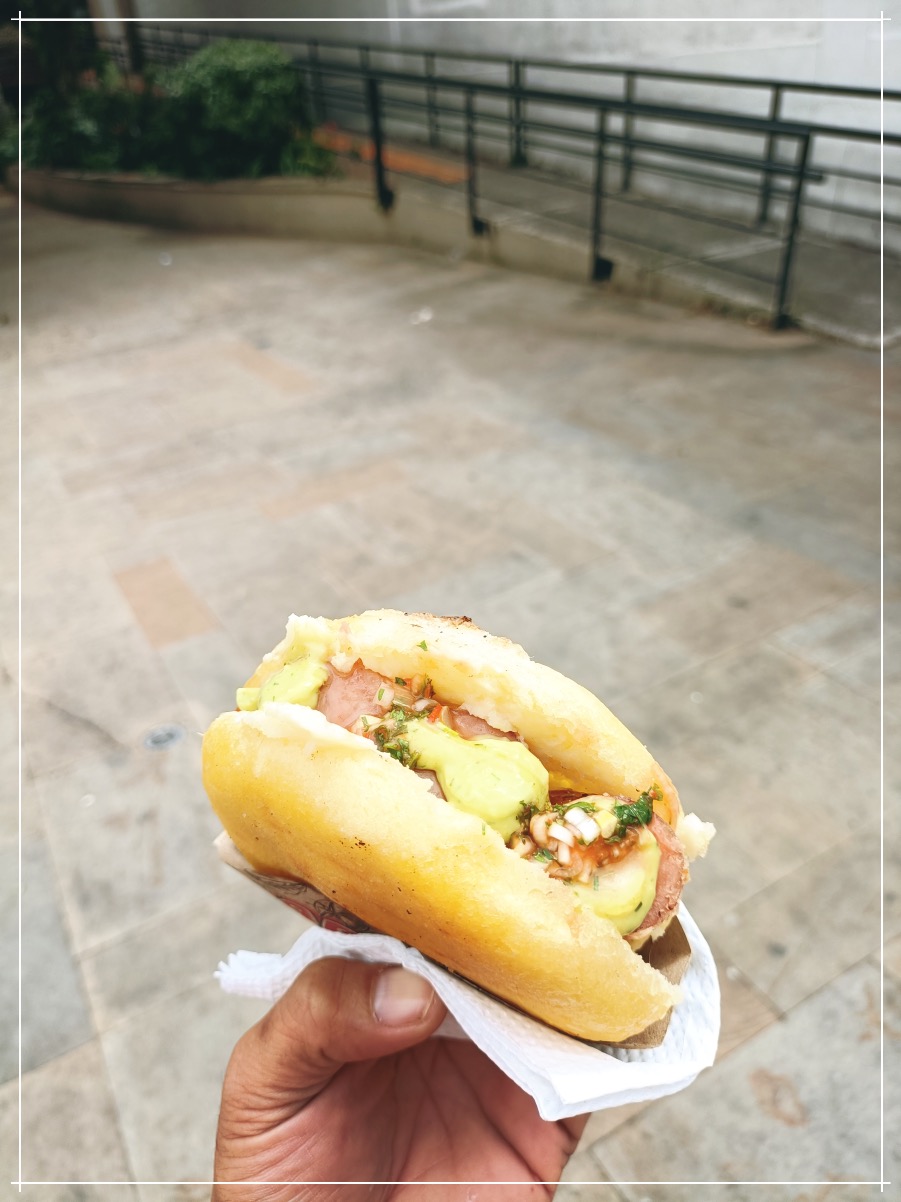
Sealed the afternoon with churros and Tostao Coffee, an affordable coffee chain in Bogota. Also enjoyed random street chorizo arepas (sandwich) I think went back 3x on this street kiosk during my stay. Ibang level ang chorizos (sausages) sa Bogota, I tell you.

A memorable last dinner in Bogota. I had this hefty plate of Bandeja Paisa, so i can try various dishes in one seating.

Bandeja Paisa is a traditional Colombian dish that contains beans, rice, arepa, traditioinal chorizo, plantain, chicharrón, avocado and marinated ground beef (like arroz cubana). I’ve noticed that Latins serve avocado as a side without any sweeteners; in contrast to us who only appreciates the fruit when it’s sweet and creamy.

To close the meal, I went to try the hot chocolate drink at La Puerta Falsa, known as one of the oldest continuously operating cafe in the world. The drink is set with 2 types of bread of choice, butter and a slab of white cheese. Colombians usually melt the cheese with the hot drink. I did not like it. The mix of sweet taste of choco and the salty\sour cheese did not work for me. The cheese is excellent though… with the bread.

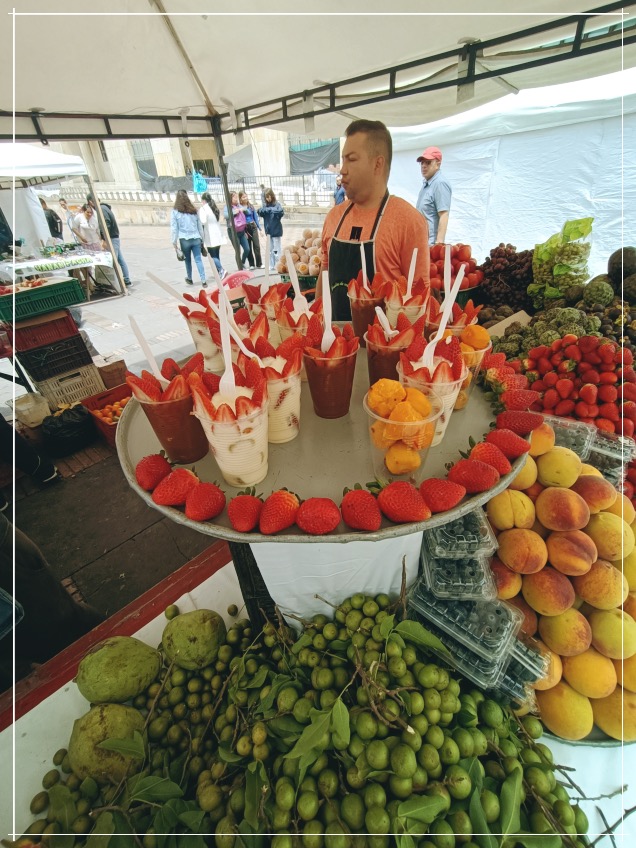
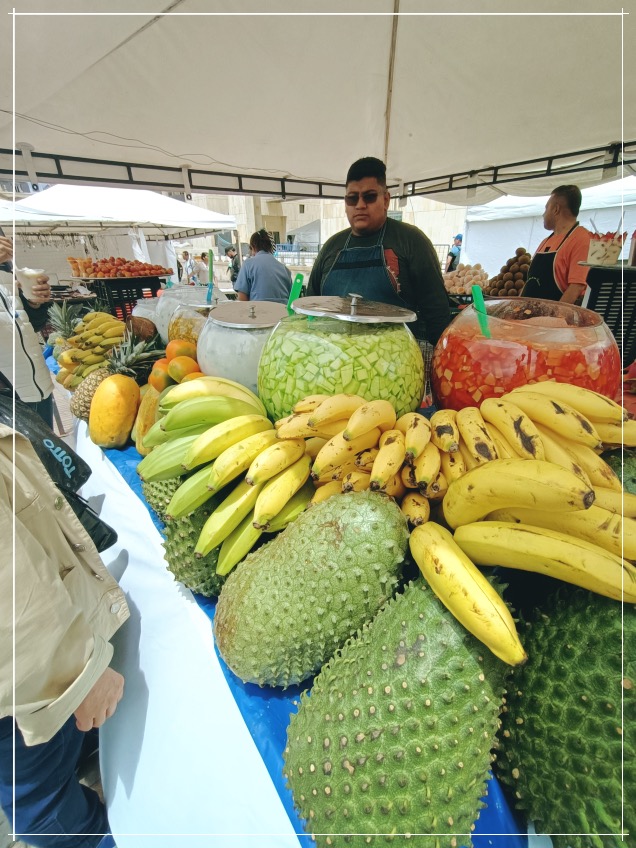
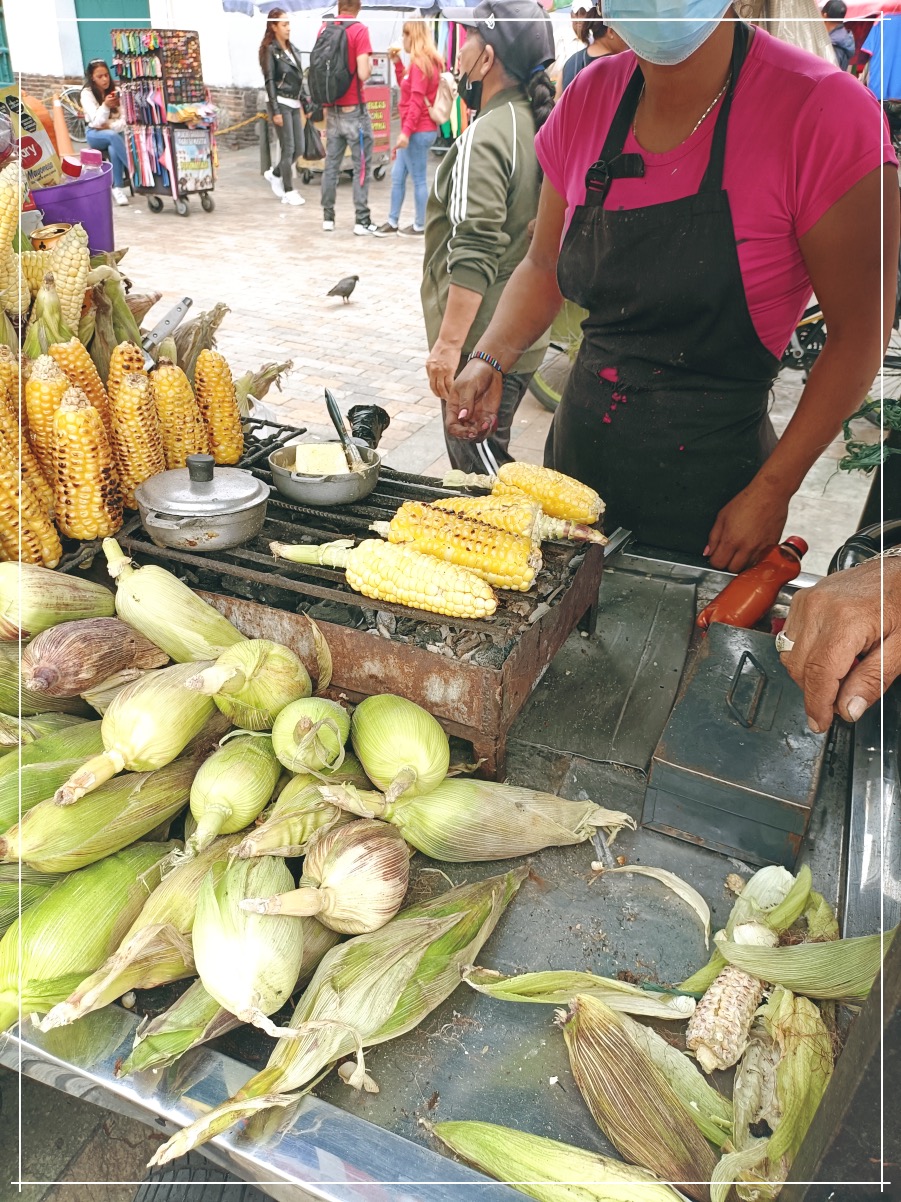
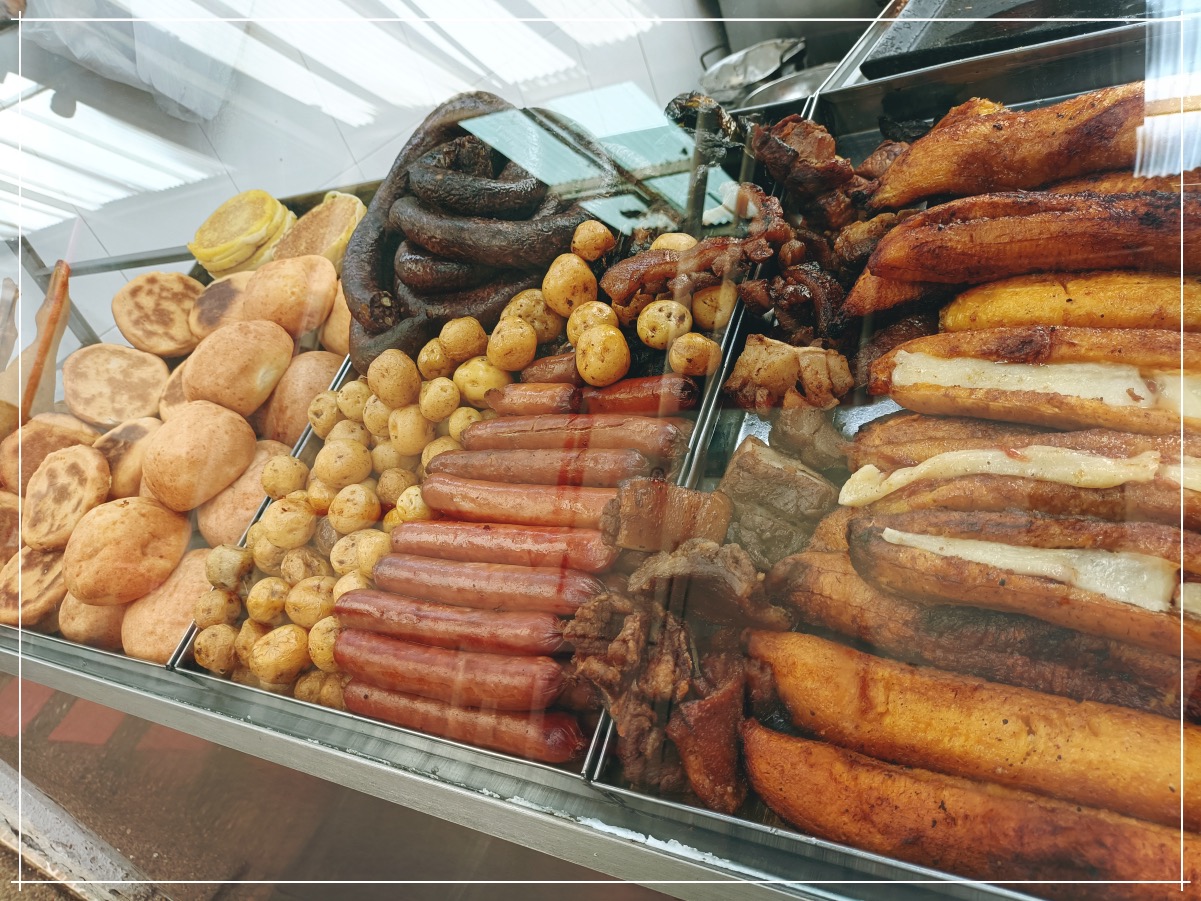
Some more random street food photos around Bogota. Fruits and other produces are quite similar to the Philippines. Probably because of similar tropical lands, as well as strong Spanish influence.