

Here is how I spent my lazy 3-days stay in Bogota,Colombia on a thrift.
Joined a FREE WALKING TOUR with GuruWalk. When arriving a foreign city as a backpacker, the best way to a get quick familiarization of the place is by joining free walking tours organized by locals and long stay tourists alike. Free walking tours offer quick discussions on the city’s history, while passing by landmarks and relevant districts. Tours usually last for 2 hours, so prepare to walk that much. And with this, you can get insider tips on the nice places to eat, things to do for your succeeding days, and how to get around, as well as safety measures when touring. Guruwalk is just one of the large and reputable organizations offering free walking tours on key destinations around the globe, but there are several others. Feel free to check on tripadvisor for recos.

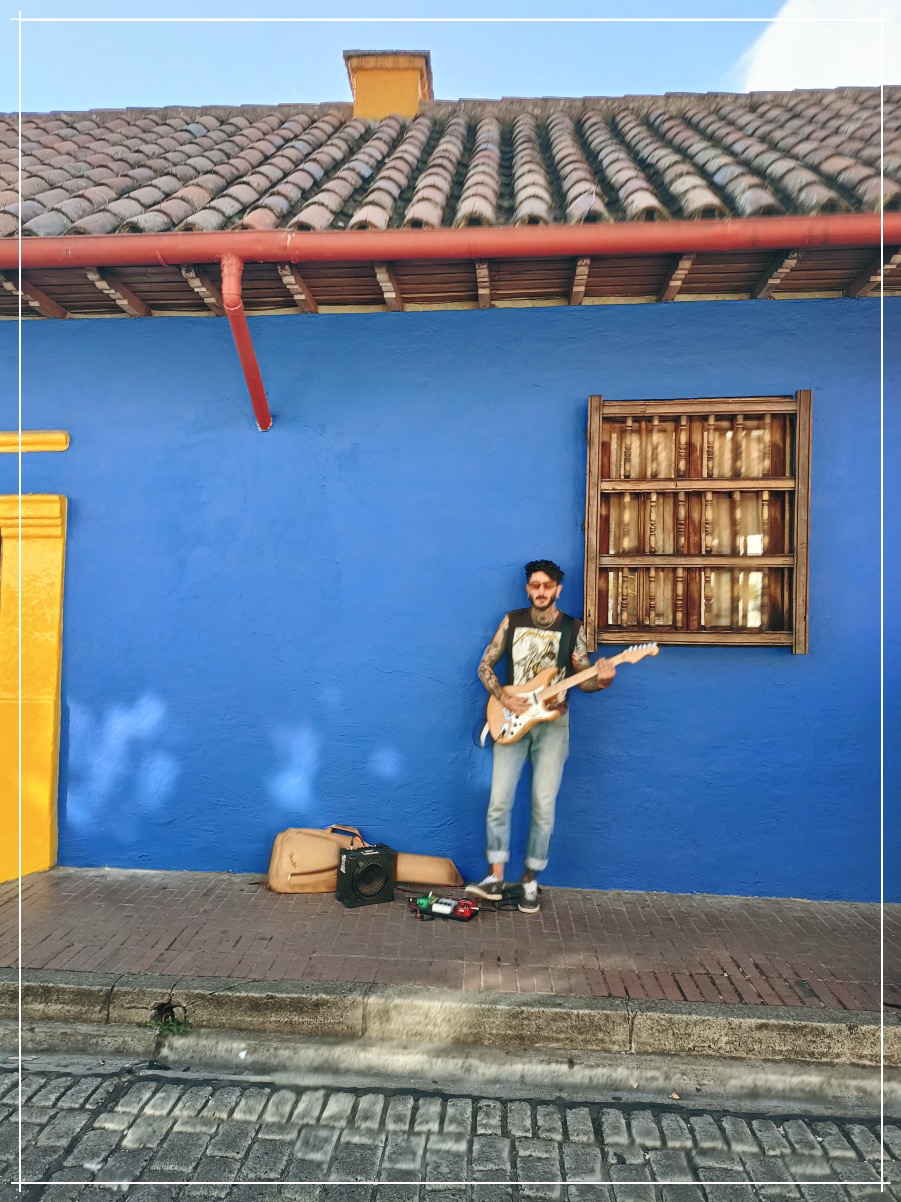


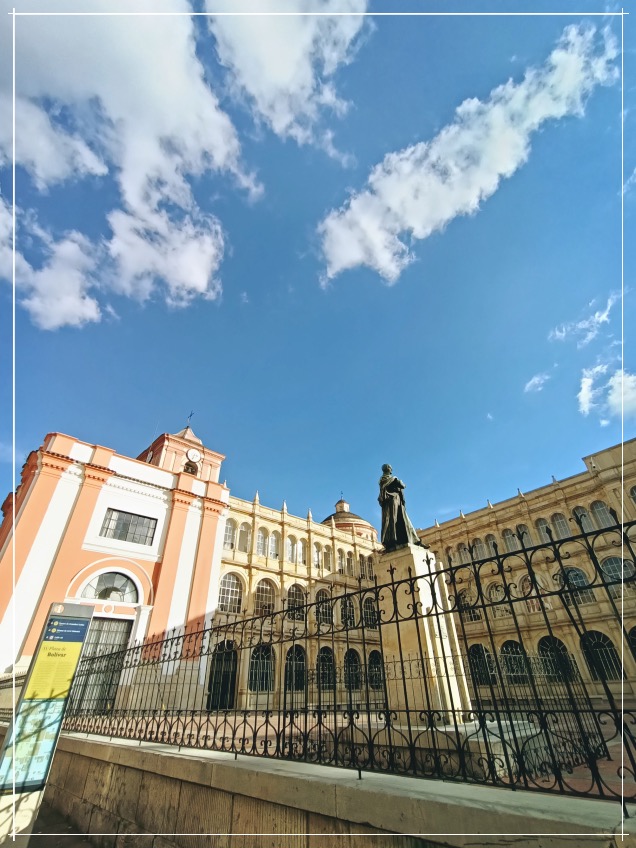

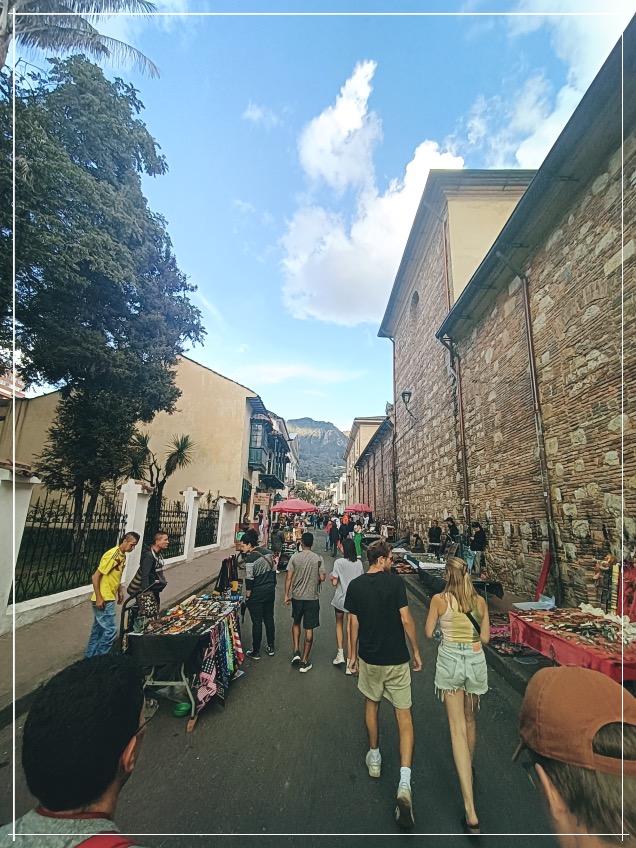
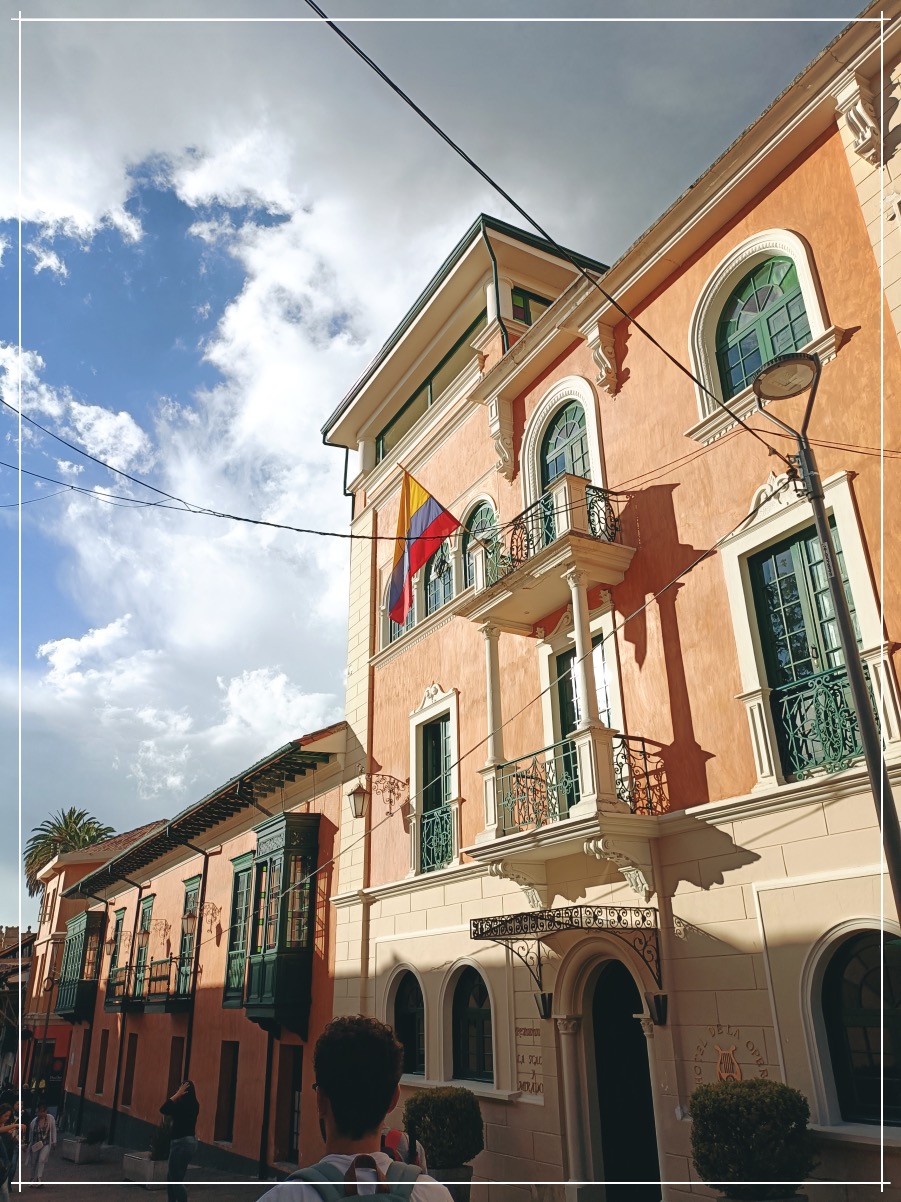
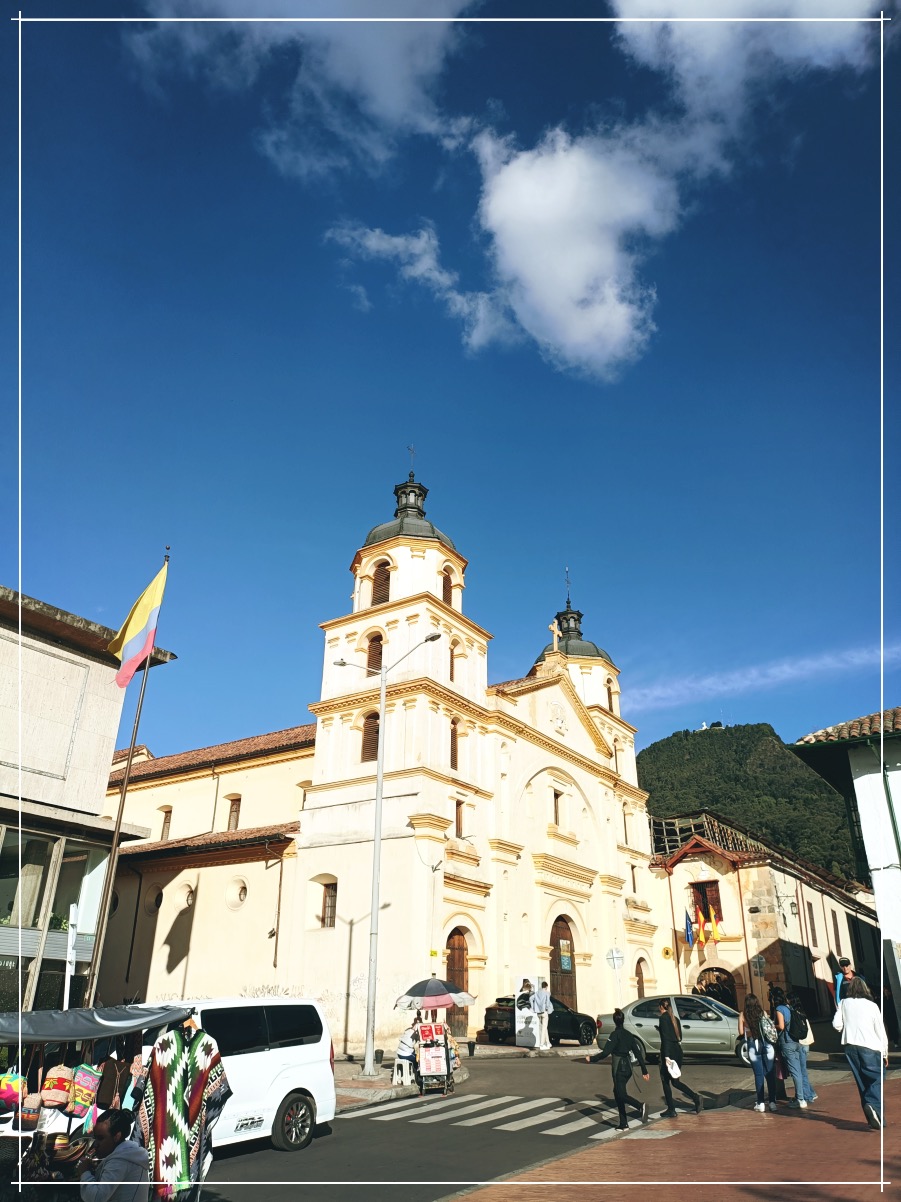
Our free walking tour took us around La Candelaria, which is the old/historic center of Bogota. Our tour ended at the foothills of Monserrat where there is a significant catholic shrine at the peak that can be accessed by a cable car. Most of my tour companions proceeded to the shrine on their own, but I planned to schedule my visit the next day, and opted to just stay in La Candelaria for a lazy afternoon stroll. Here are some more snapshots of this lovely city.




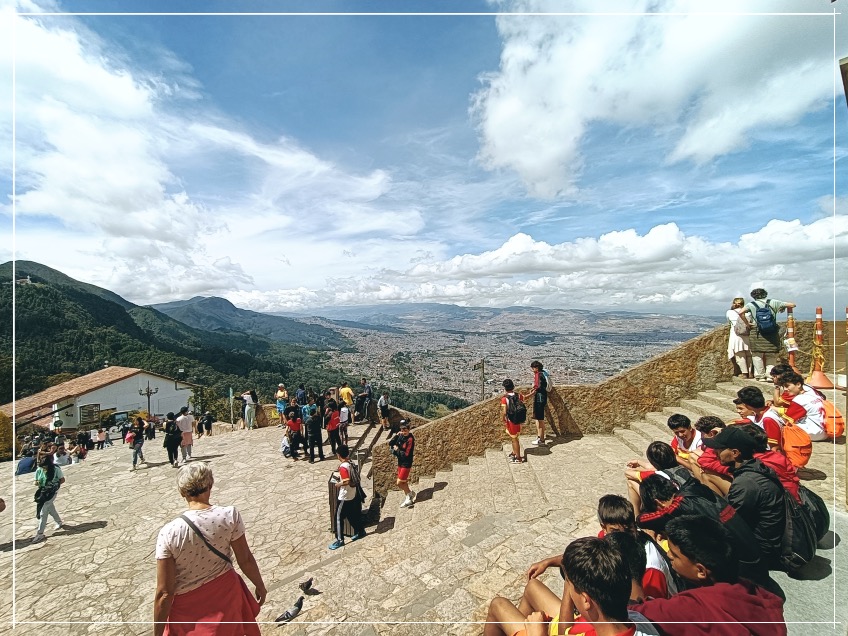
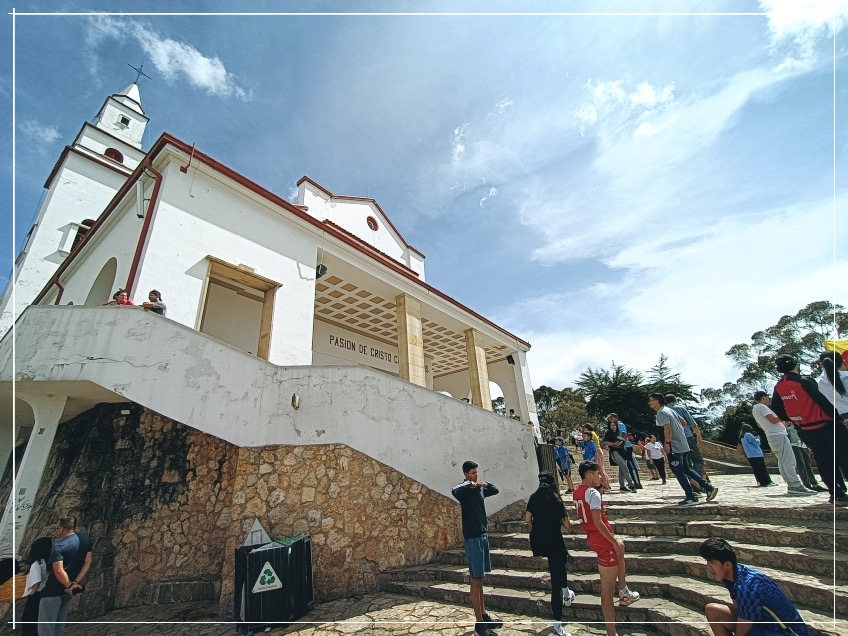
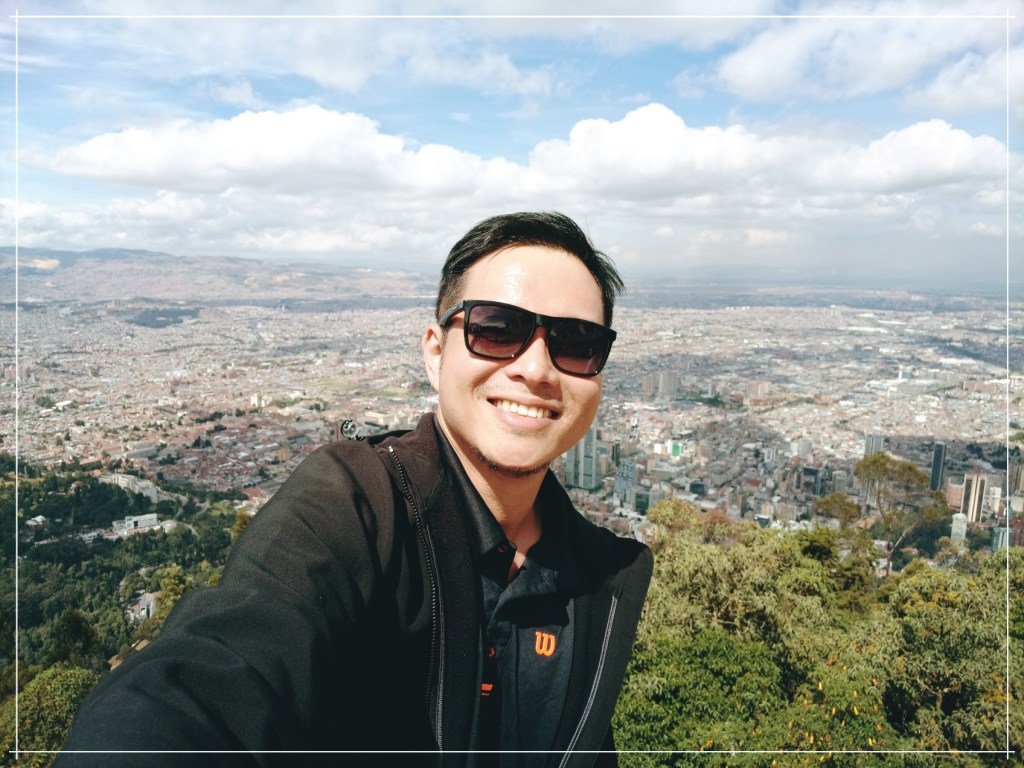
The sanctuary of Monserrate. The sanctuary of Monserrate in the eastern hills of Bogotá can be seen from almost anywhere in the city. It is located at 3,172 meters above sea level, at the top of Monserrate or Cerro de Las Nieves. Devotees walk up an almost two mile path to this traditional site of religious pilgrimage, which began in 1620 with the shrine of Our Lady of Monserrate. The basilica houses the image of the Fallen Lord of Monserrate, an effigy of Christ which, according to the faithful, performs miracles, and at the top visitors can walk the Stations of the Cross. The history of this sacred place dates back almost 500 years, from the early years of Spanish settlement in Colombian soil. The shrine also boasts a panoramic view of the whole Bogota City.




BOTERO MUSEUM. The museum dedicated to the works of reknowned Colombian figurative artist Fernando Botero. His signature style, also known as “Boterismo”, depicts people and figures in large, exaggerated volume, which can represent political criticism or humor, depending on the piece. He was considered the most recognized and quoted artist from Latin America. One of his most known masterpiece is his volumized version of Leonardo da Vinci’s Monalisa . Entrance is Free.
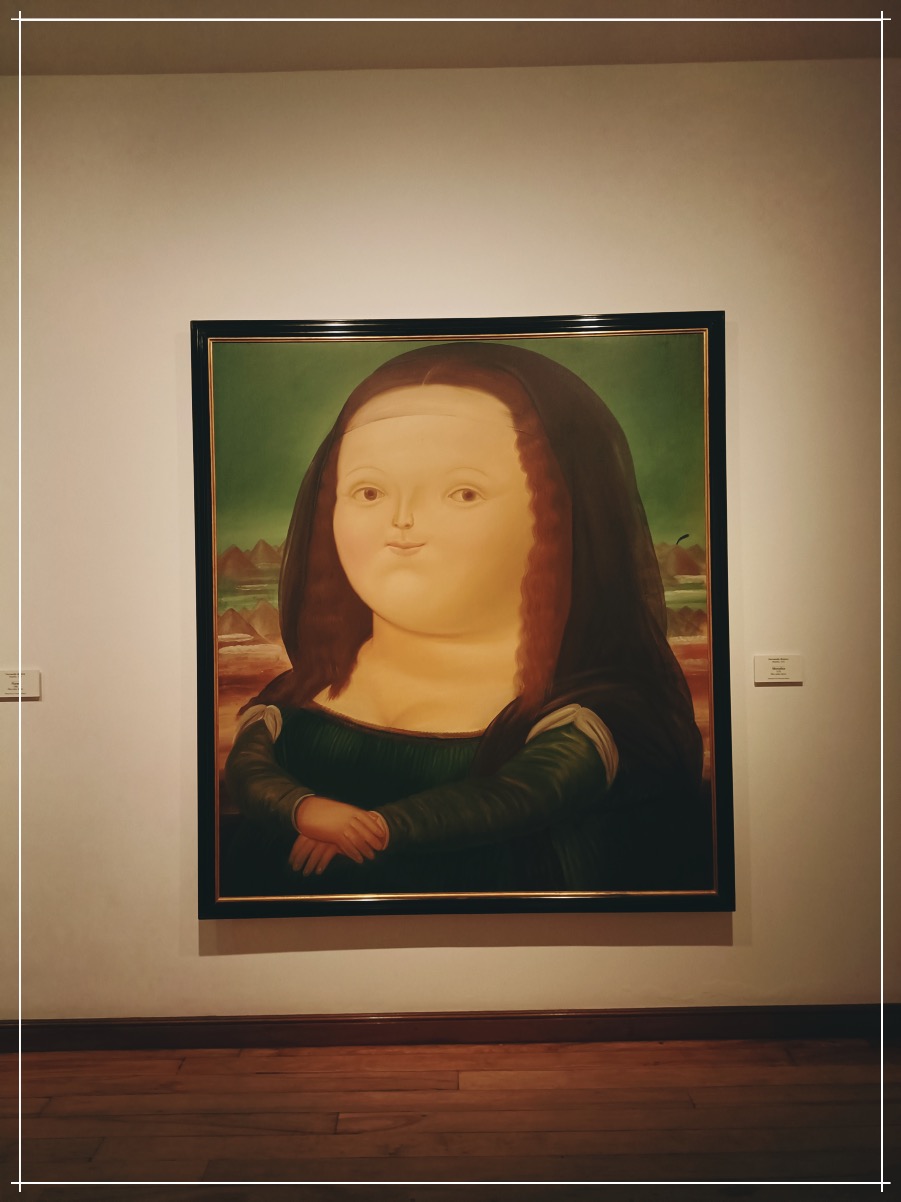


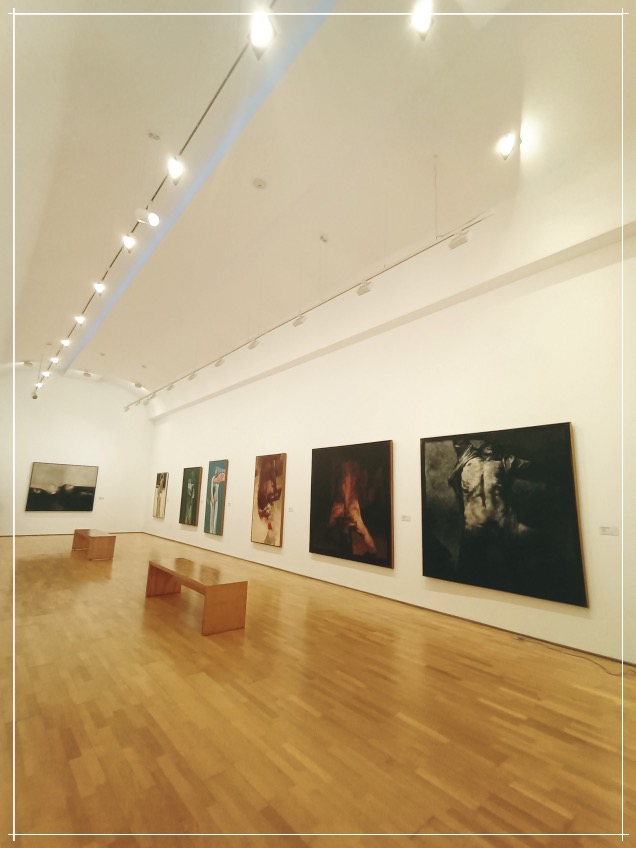
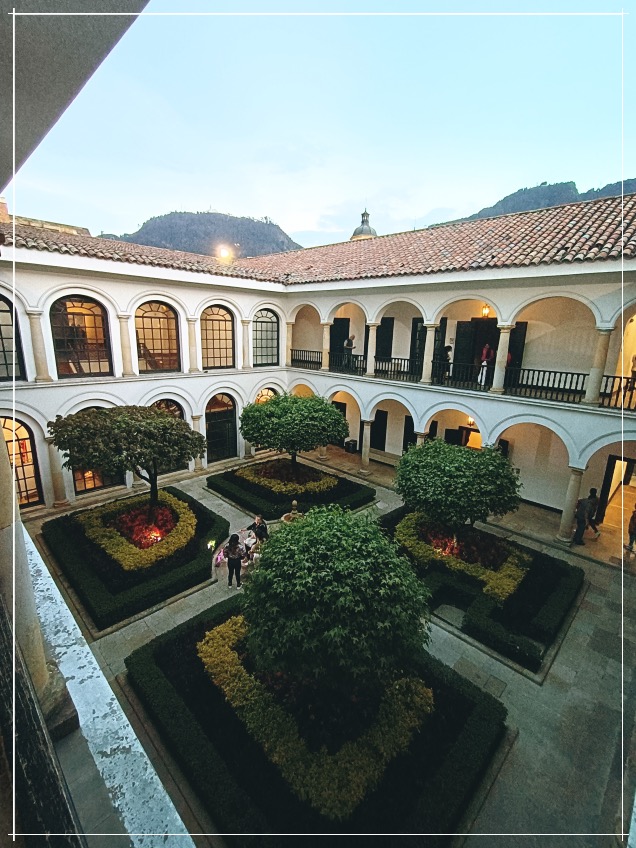
Aside from Botero’s works, the museum collection also brings together, some works of renowned artists as Picasso, Leger, Renoir, Monet, Dali, Giacometti, Beckmann, Freud, Calder, and Bacon. Each day near a thousand people visit the Botero Museum.

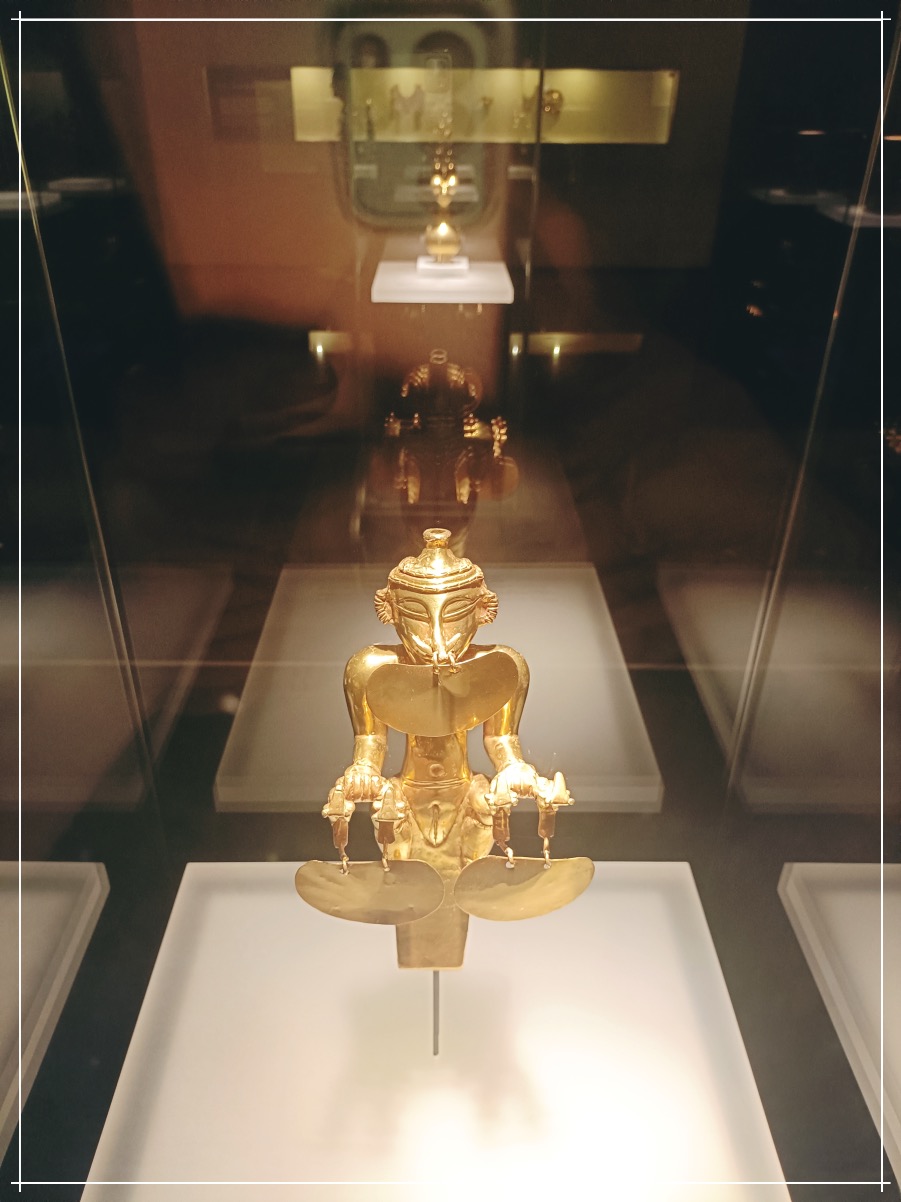
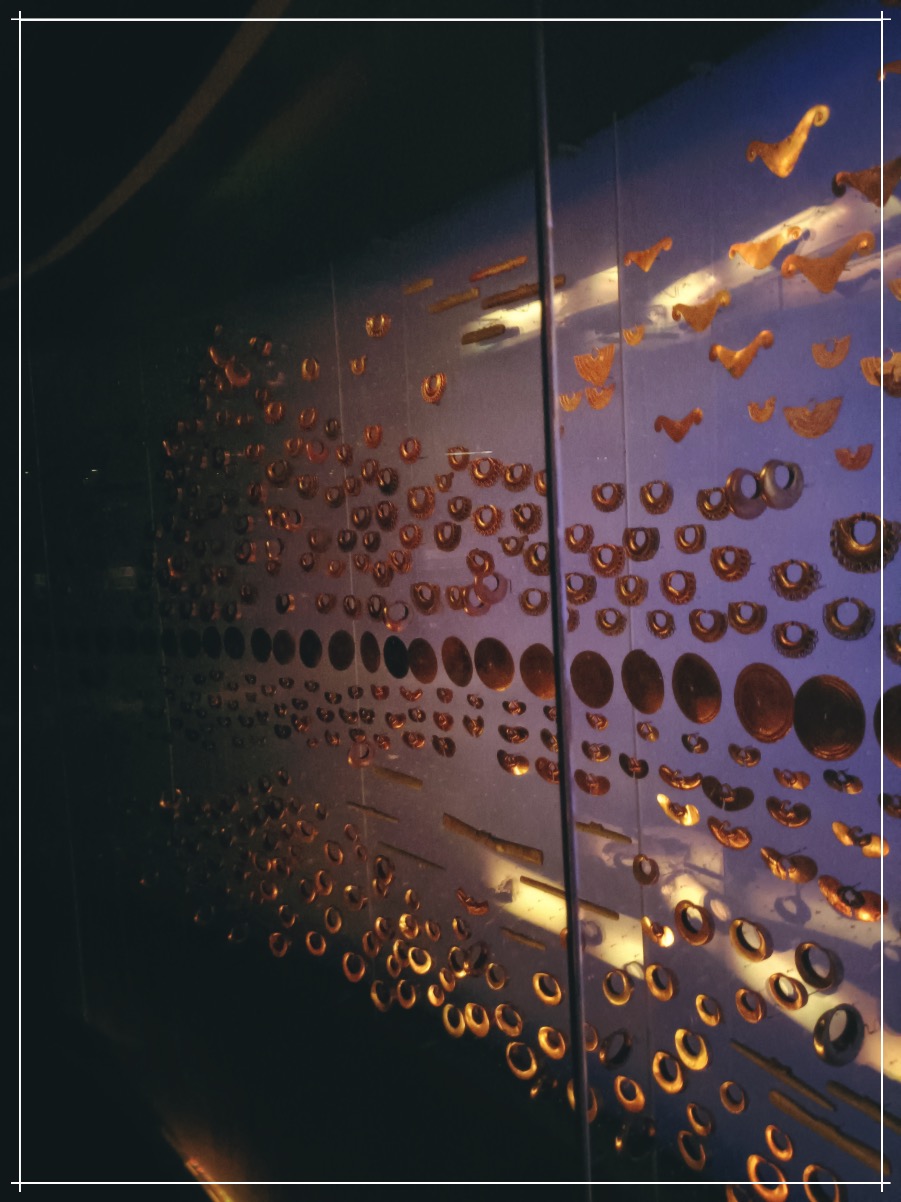
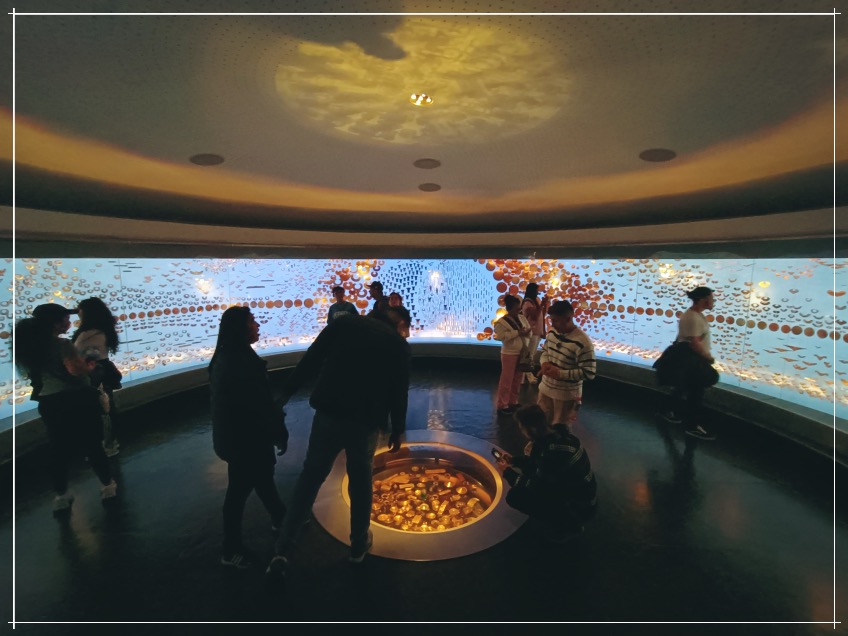
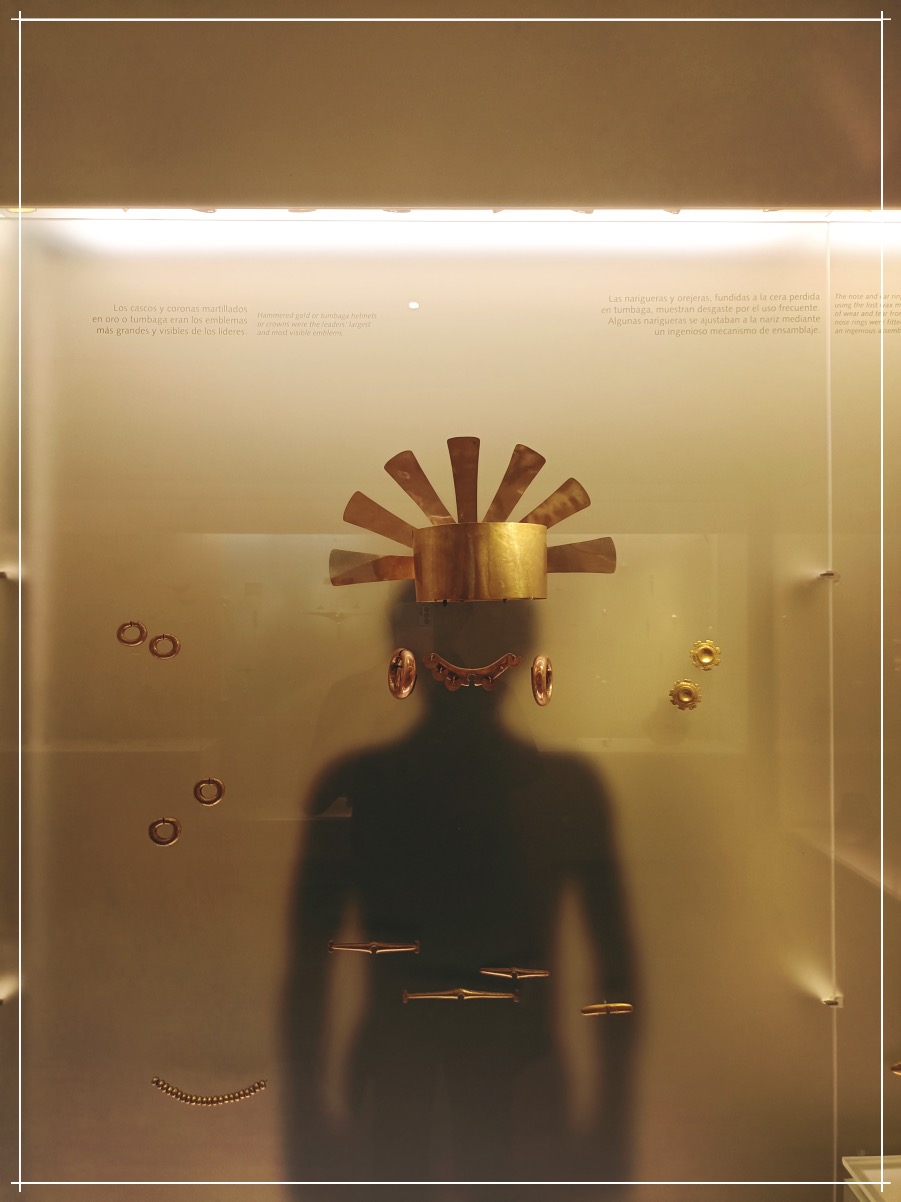
THE GOLD MUSEUM (Museo de Oro) of Colombia. This extraordinary museum offers a well-arranged display of recovered antique gold (real gold) from the pre-hispanic days of Colombia. It has 34,000 gold pieces, the largest collection of antique goldwork in the world, including the fabled Muisca Raft, which was said to have been recovered from a sacred lake. In 2018, National Geographic magazine named it one of the best museums in the history of the planet. Much of the antique gold pieces were used in daily life, as gifts or as part of sacred rituals in the indigenous Muisca and Tayrona cultures. Themed rooms with explanations give great insight into the artistry and significance of these indigenous cultures. Entrance is only 4000 Colombian Pesos (around 1 USD), yet you get to see so much.
My visit to the gold museum made me understand why the Spaniards back in the days were so thirsty to take over the lands and native people of Colombia; and that is for their Gold. Similar case also happened to the Incan’s of Peru.
Museums in Bogota also made me think how overpriced museums in the Philippines are. 🙂


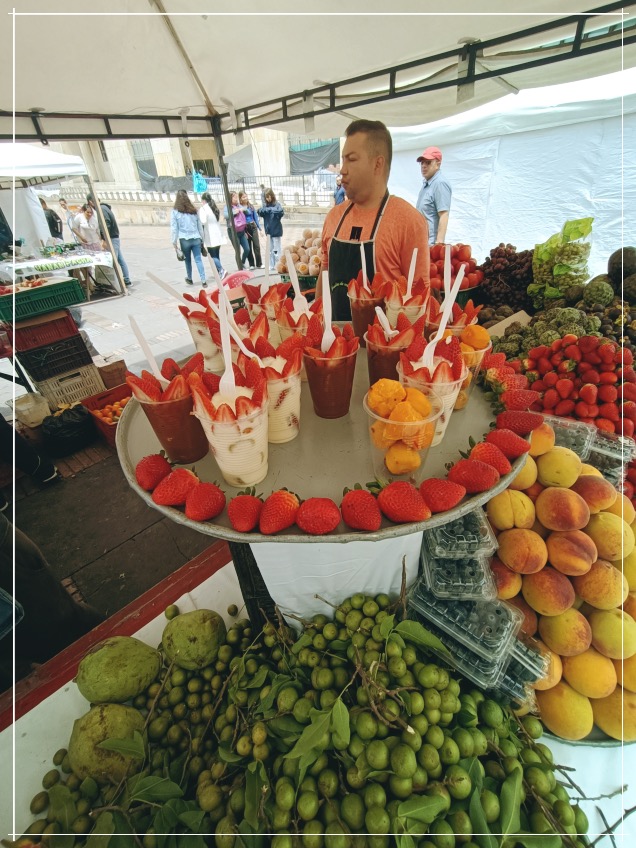
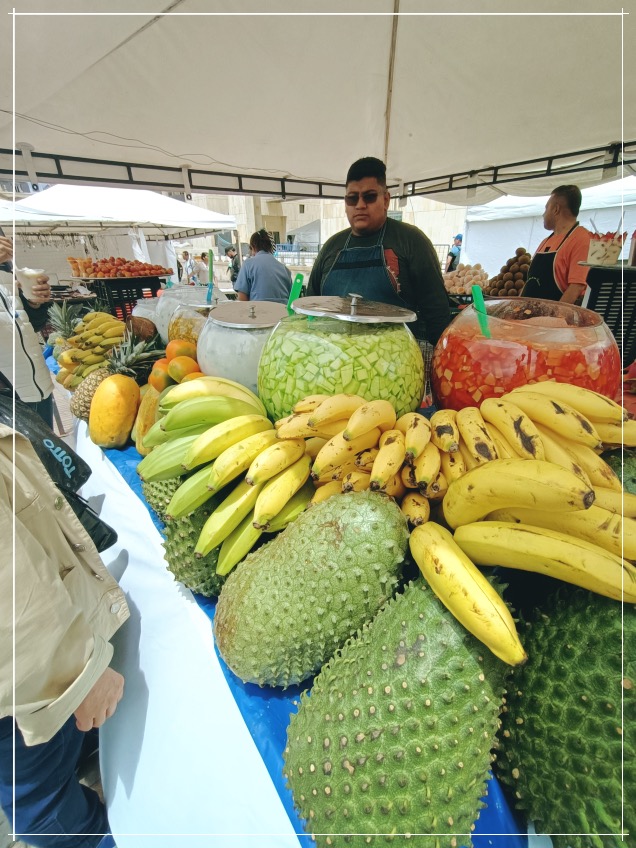
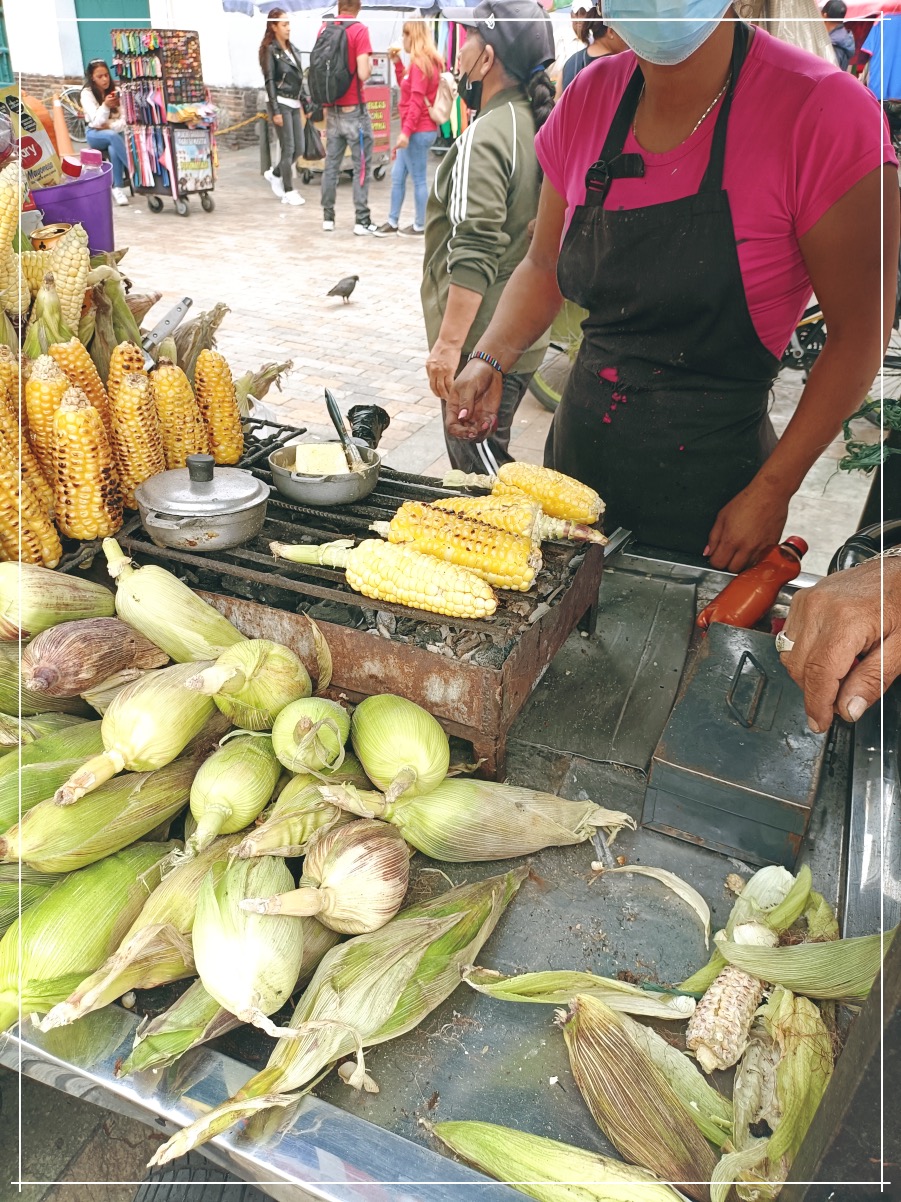
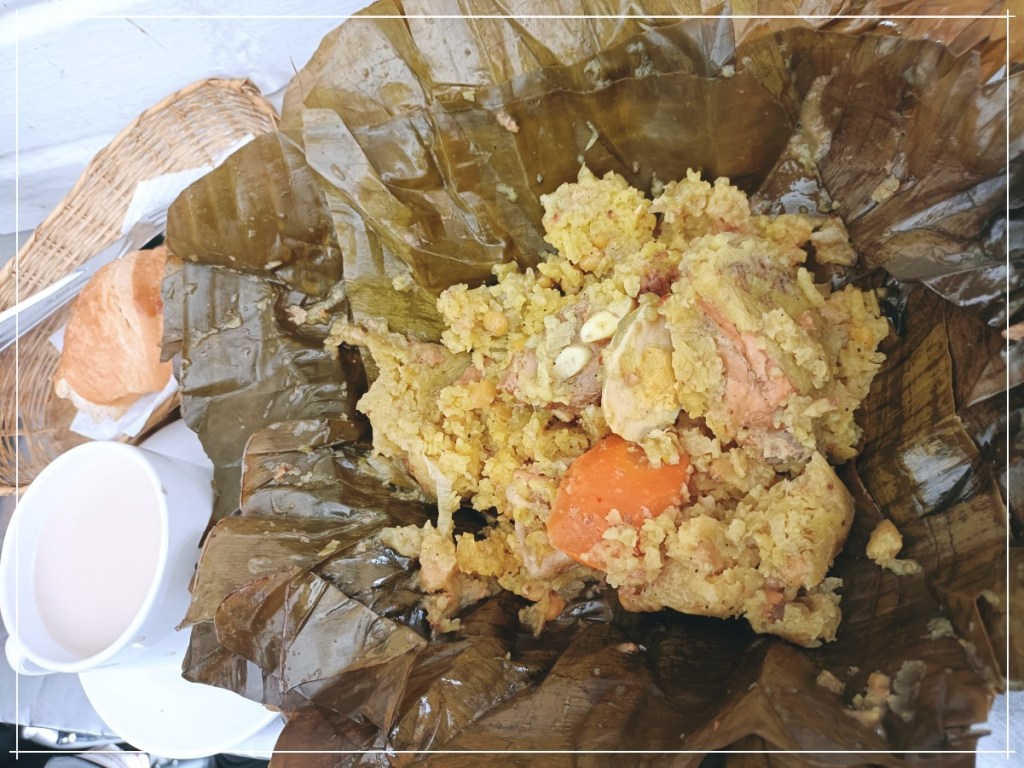
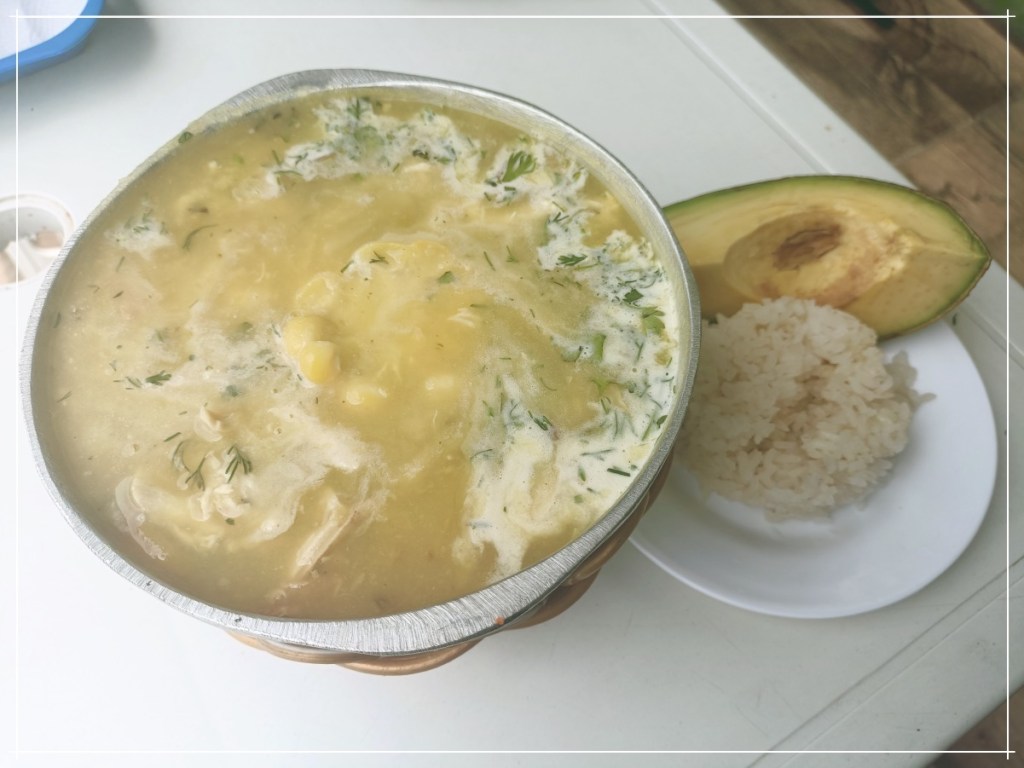
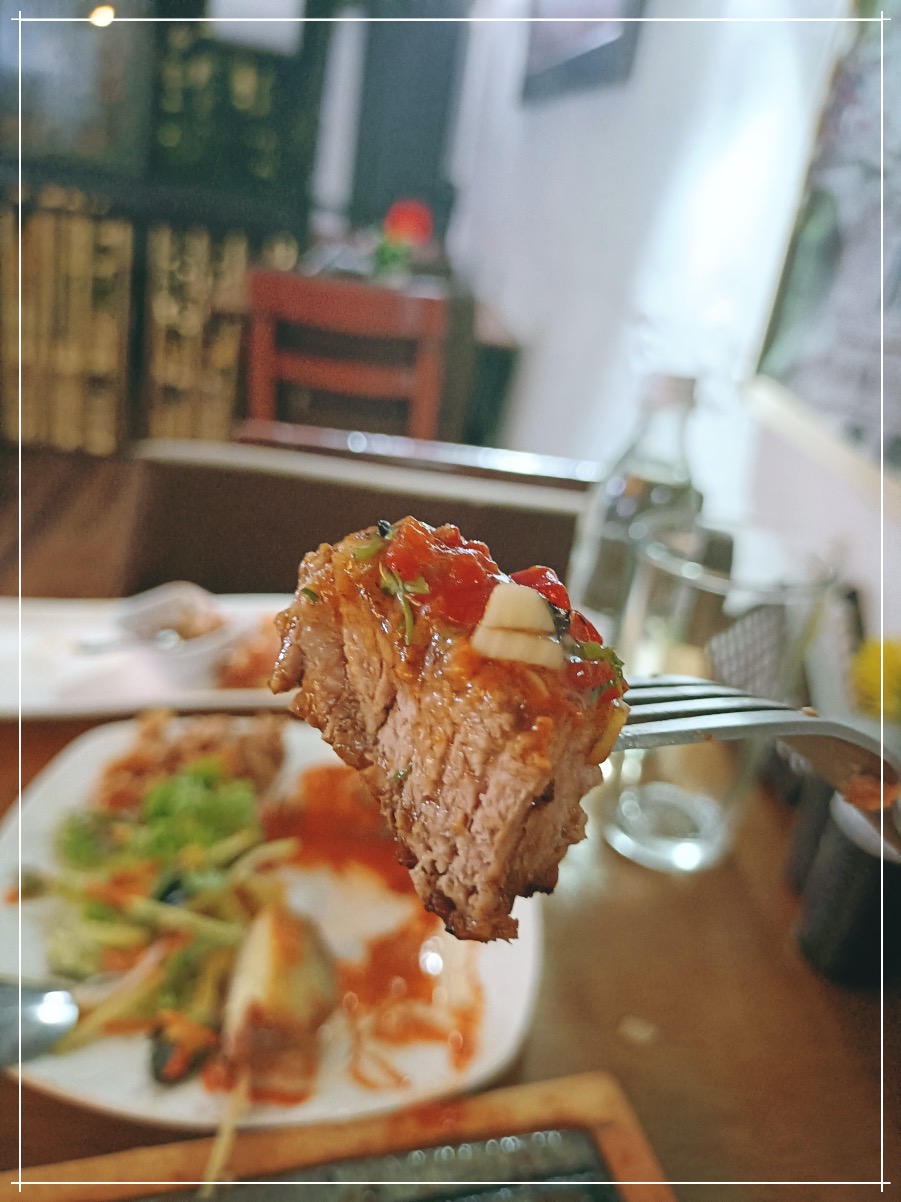
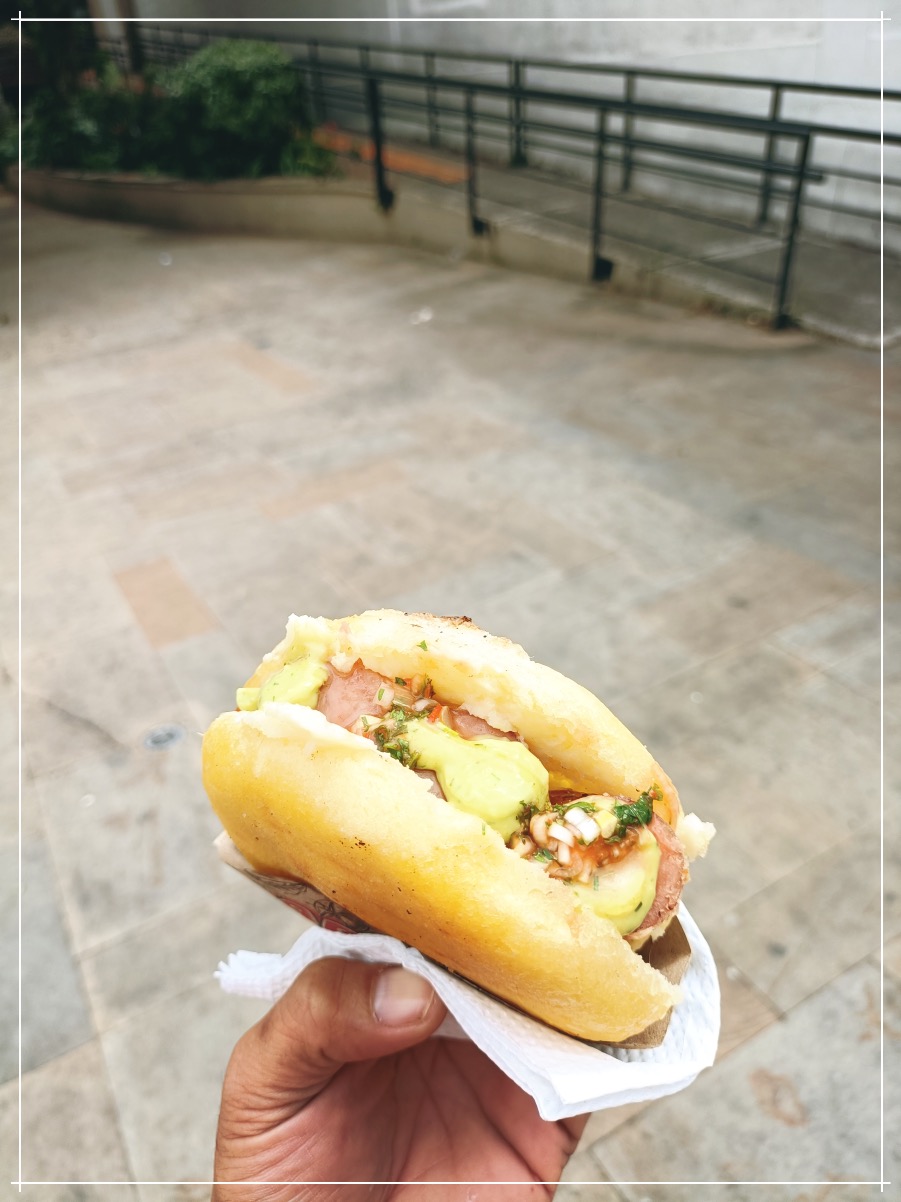
The last day, i just spent on casual walks as well as foodtrip and cafe hopping. Check out my Colombian food blog here. Fruits and other produces are quite similar to the Philippines. Probably because of similar tropical lands, as well as strong Spanish influence.














 Travel + Lifestyle + Architecture Blog