
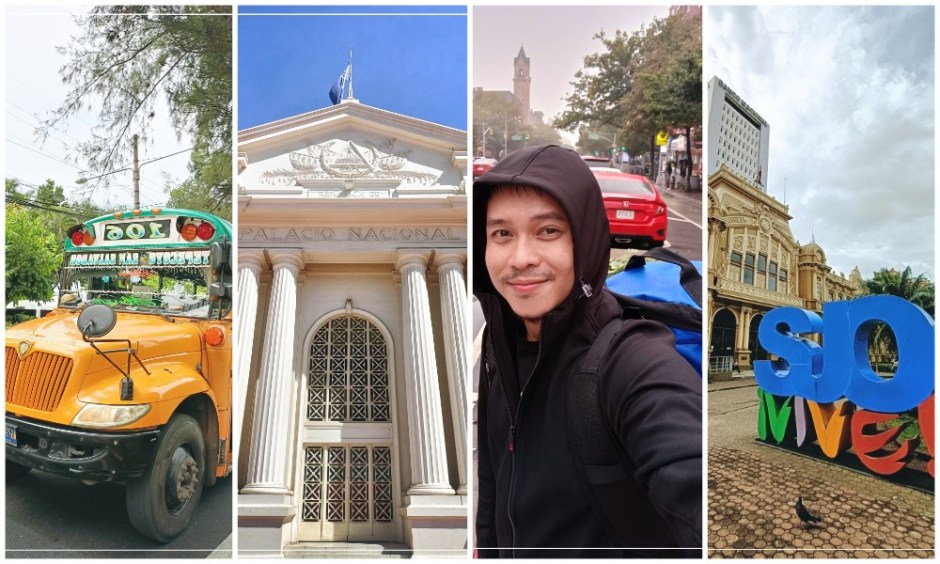
As backpackers, we like to tick as many countries as we can off our travel bucket list. Personally, gusto ko ng land travel kasi it’s cheaper, and I get to see more and eat more sa mga stops. Though crossing land border between countries is quite a challenge and scary compared sa airport set ups, I still wanna do it anyways. Ibang level of excitement, tbh.
This was my route: Costa Rica – Nicaragua – Honduras – El Salvador for 8 days. Supposedly kasali pa Guatemala, which should have been my last stop. But that time, major political rallies happened, that resulted to border lockdowns, as it was unsafe. I was forced to cancel my ticket from Guatemala to Los Angeles,USA, and instead booked a last minute flight from San Salvador,El Salvador. Around 25% of my unused ticket was refunded by Avianca Airlines.
Things to research on and prepare before travelling around Central America by land:
- Visa Requirement
- Travel between countries by land with Tica Bus Company
- Land Border Crossing scenario with lots of small dollar payments and LANGUAGE BARRIER GALORE
Visa Requirement:
As far as I know, Philippine passport holders can enter Central America Visa-free only in Costa Rica. However, Panama, Nicaragua, Honduras, El Salvador, Guatemala and Mexico MAY allow Filipinos to enter their territory without a pre-approved travel visa, provided, you have a VALID and CURRENT US/American Tourist Visa. Though this policy may change, check updates nalang. During the time I travelled, my valid US Visa gave my weak Ph passport some added power, so to speak, in the Latins.
Upon my arrival in Costa Rica (by plane), not a single question from the immigration. Go lang ako ng go. Sabi ko nga on my previous post, PARANG PINAS LANG ANG COSTA RICA. The succeeding crossings however, ibang kwento na.
Travel between CA countries by land with Tica Bus Company:
Tica Bus is our Friend.
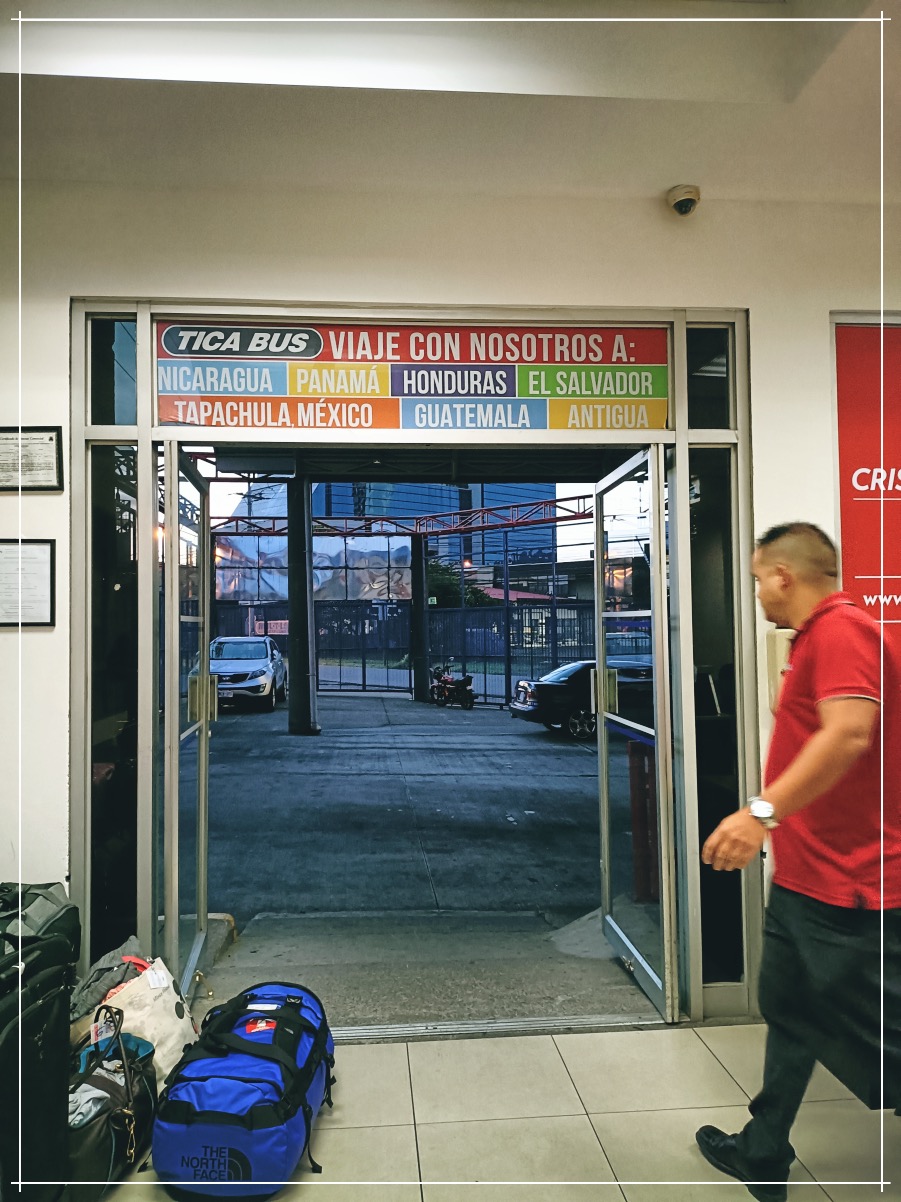
During my travel, I visited 4 Central American Countries. If i had the luxury of time, I would have visited more. I could have started my journey in Panama, then travelled by bus to Costa Rica, Nicaragua, Honduras, El Salvador, then proceeded to Guatemala, Belize and Mexico. These united Central American Countries are well connected by Tica Bus Company.
Added tip, I did a lot of readings and tanong-tanong on Tica Bus, to the point na I opted to choose a hostel that is relatively near the Tica Bus Terminal. FYI, iba ang Tica Bus terminal sa public bus terminals. Tica Bus, i feel is more oriented towards serving tourist.
Yes, possible na today to Reserve Tica Bus ticket online on this link. Just change the language to English sa top right corner. Website is pretty straight forward. Paid by card and reservation vouchers and receipt were emailed to me. The terminal locations are also given sa website.
Border Crossing Costa Rica to Nicaragua:
I took the 7:30 am bus from San Jose, Costa Rica to Managua, the capital of Nicaragua. Arrived in Managua at around 7pm na din. The border crossing came out OK. Though it required some few minutes of walking between border controls, thank God it did not rain. Bus fare: 33 USD
I paid an Exit fee of i think 7 USD at the Costa Rican Exit border control. Yes, may ganun. Kahit Visa Free supposedly for Filipinos, plot twist, may exit fee pala!
At the Nicaraguan entry-border control, I showed my Philippine Passport with Valid US Visa, so I was asked to line at a different booth. My passport was passed on by several officers. After a few minutes, I got it back. I paid a mandatory 10 USD for Tourist Card, which serves as my entry ticket to CA-4 countries (Nicaragua,Honduras,El Salvador and Guatemala). If I did not have a Valid US Visa, i will not be allowed to do such privilege, and would have to go through the embassies of each countries prior to my arrival. On top of this, I also paid 1 or 2 USD for whatever fees nun. Language was also challenging at the Nicaraguan border, though the driver of Tica bus assisted us on this.
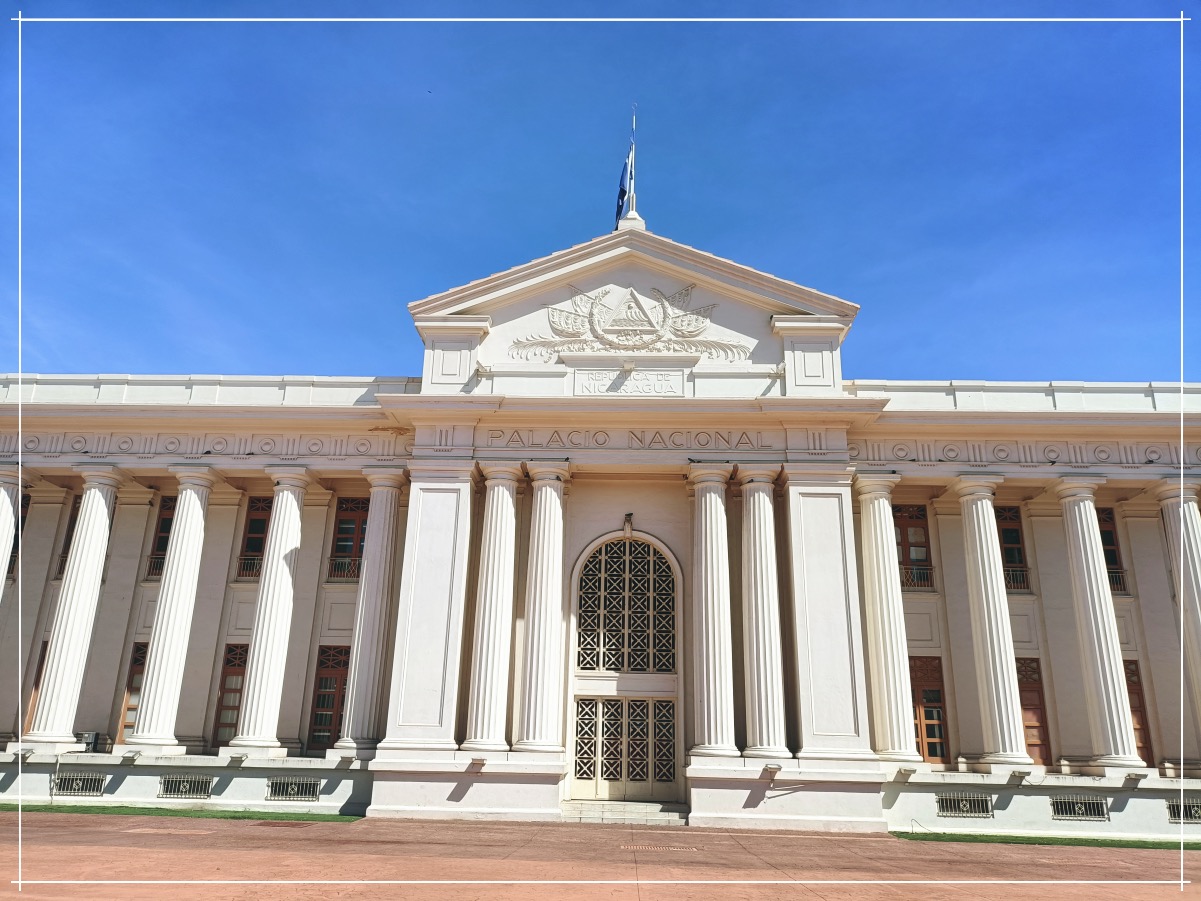
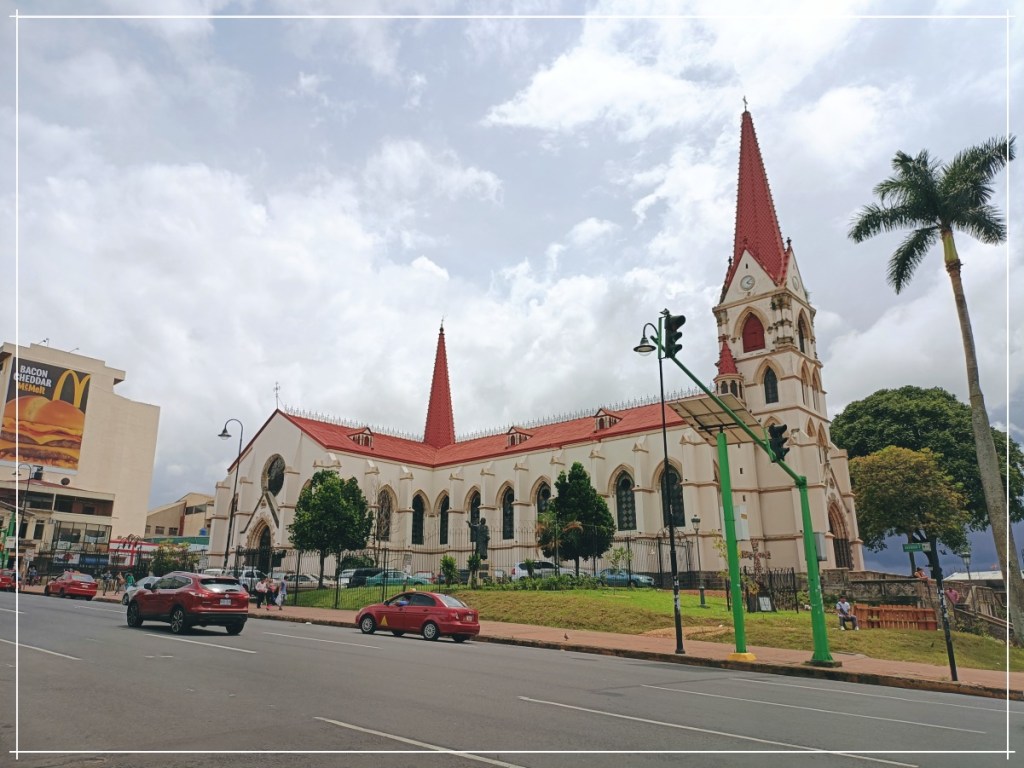
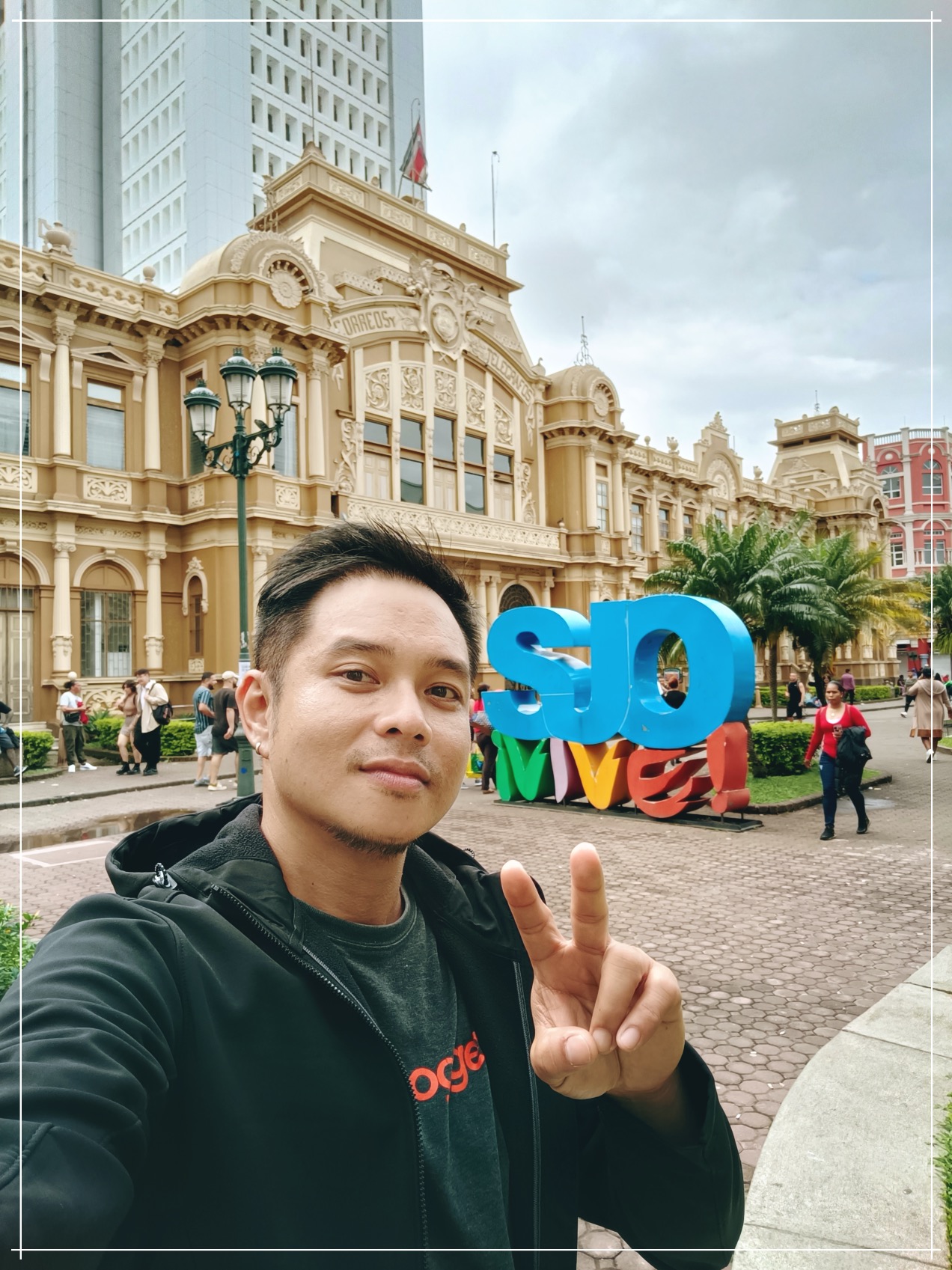
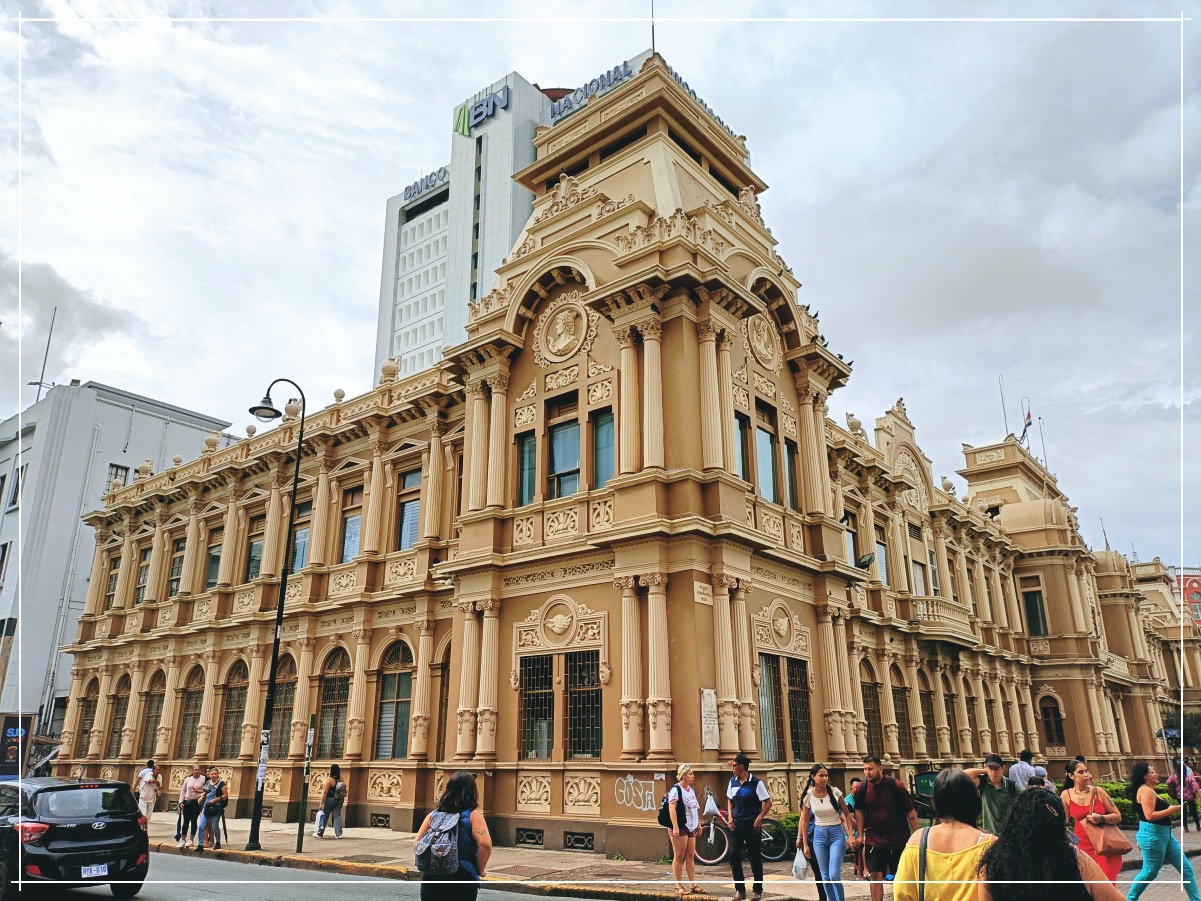
BTW, At the border, there were freelance folks that offer change in money/currency. Though it is not advised but I changed 50 USD to Nicaraguan Cordoba. Money was authentic. I did not encounter any problem using it. Managua landmarks on photos below.

Border Crossing Managua to Honduras then to El Salvador:
From Managua, i took the 2 AM Tica Bus to San Salvador, the capital of El Salvador. Bus Fare: 63 USD. This took around 14 hours travel. I remember arriving at San Salvador pass 4 pm. The Bus route passes through Honduran Territory, as such, may border crossing moment ulit. This was actually the most difficult for me, among the land border crossings I did during the trip. Super Shady ng perimeter ng building nila. The Honduran officers never exerted any effort to speak English while talking to me. NGANGA moments. At the Honduran entry-border control, I was passed on by different officers. Most of them speak loudly, borderline shouting. I also paid a few dollars at the office, I remember paying 1 USD just to enter the border control building. Plus I think 2 USD more for Municipal Fee. As advised, BRING A LOT OF SMALL US DOLLAR BILLS when crossing borders of third world nations. We just passed through Honduras. Nag lunch lang ako dun. Di ko na nga maalala kung may mga exit fees pa nun; likely minimal though.
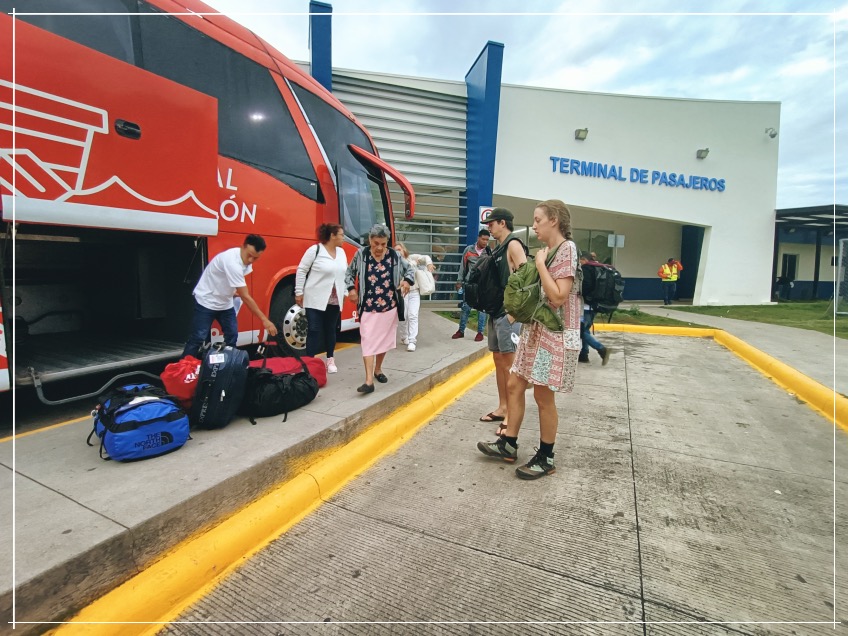

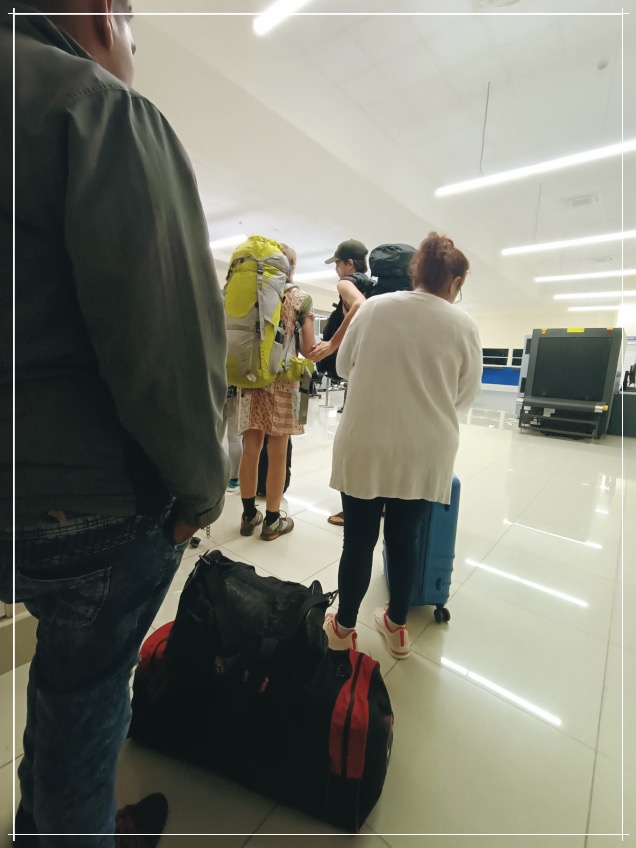


At the El Salvador entry border control, things went pretty straight forward na. All officers spoke English well. My passport took some time though. As the only Asian in the bus, I was asked to go to a different office. Again, my Valid US Visa was reviewed. The officer did a quick explanation though, which is nice. I paid not more than 10 USD to enter. I forgot what that was for. They provided receipt and ticket. At the El Salvadorean territory, you will definitely see and feel the upgrade on infrastructure. US dollar is also used as the national currency of El Salvador. Sobrang convenient nung arrival ko, as the San Benito Terminal of Tica Bus is just at the front of my Hostel.
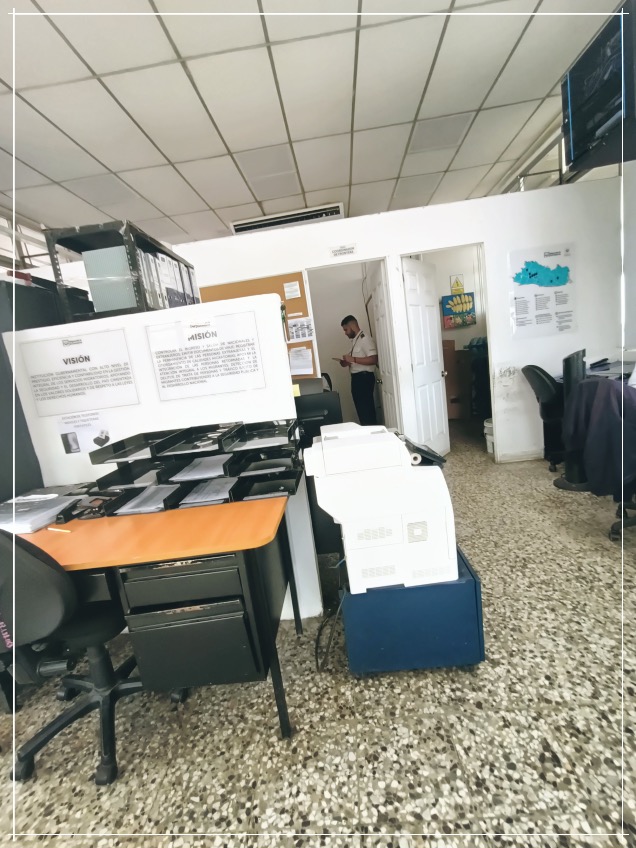
Photo below is the room I was brought for some payments and waiting time. All other passengers (Local, American and Europeans) waited for me at the bus for almost 30 minutes.
My Central American travel ended in El Salvador. If not for the political rallies, I would have proceeded my land trip to Guatemala, which should have been the highlight of all these. I’ve always wanted to visit Guatemala City and Antigua. Oh well, in God’s time.
All in all, ok naman border crossings ko. Very few reference lang available for Land Border Crossing in Central America, especially for Ph passport holders. Big thanks to Escape Manila for all the tips, since he also did the same route, before me.
Will upload more for each CA cities I’ve visited, plus the hostel where I stayed. For now, dito muna. 🙂













 Travel + Lifestyle + Architecture Blog