Advanced Selfie:How To Take Creative Self Portraits During Solo Travel

When traveling solo, taking good photos with yourself in it is probably one of the biggest challenges to deal with. Excluding those naturally photogenic people without any bad angle,taking selfies with a cam phone often produce awkward compositions. Your face may be too near the camera, which is not flattering at all. Using a selfie stick may solve this, but it does limit your creative poses and movement. Timers on the other hand, take a lot of effort. I myself have been struggling with these, until I was introduced to the Advanced Selfie Technique.

Handheld selfie. Oh di ba am’pangit? mukhang undin.

What is Advanced Selfie?

Advanced Selfie is coined by Sorelle Amore, a popular British social media influencer. The technique is shooting creative selfies from a digital camera that is remotely connected and fully controllable with your handheld mobile phone. No help, no production team—completely solo.

I was introduced to the art of taking better self portraits by my friend Kareen Lucero, who is also a travel enthusiast. Then on, selfies from my recent solo travel have improved greatly.

With a camera that is remotely controlled by your mobile phone, you get to see your background and angles, thus make corrections and improvements on the spot. It’s something that a timed camera cannot provide easily.

The Tools Needed to do it:

1.) Digital Camera – Wifi Connect-Capable. I use a Sony Mirrorless Camera that I can remotely control with my smartphone.  Most recent cameras of any brand that bought 5 years ago (or maybe earlier) have this feature already. Ask your camera seller to verify.

2.) A Smartphone. I’m using an Android operated – Oppo Phone.

3.) Imaging Edge Mobile App installed on my android mobile phone. Imaging Edge is provided by Sony,which is  downloadable via Play store.There are other respective ‘Cam to Phone’ connectivity app for Canon and etc. Just ask your camera seller or google it.  After installing the app on the phone, you must remotely connect the phone and the camera via its wifi feature. The phone gives instructions on this. For further assistance on the app, click here. Installation videos are also available on youtube. Just search Image Edge to Sony Camera.

4.) A Handy Tripod for the camera. I use a flexible octopus tripod bought from lazada.

5.) Practice,practice,practice!

The Image Edge App as shown. This app is for Sony “Cam to Android Phone” connection. There are also apps for other cam brands that can be downloaded from Google Play Store. Apple Phones, I did not research. Probably meron din.
The Phone, via the Image Edge App, lets you view whatever the camera sees.
My Octopus Tripod. This beauty was first introduced to me by my friend Ian Garcia. The tripod is flexible. You can actually tie it on railings or wherever safe.

Sample photos and the advantages explained:

  • Find Better timing. Crowd and passerby are always a struggle. With a remotely controlled camera, you can easily take a shot when the background is clear, as seen from your mobile phone. This is probably the best advantage that a timed camera alone cannot provide.
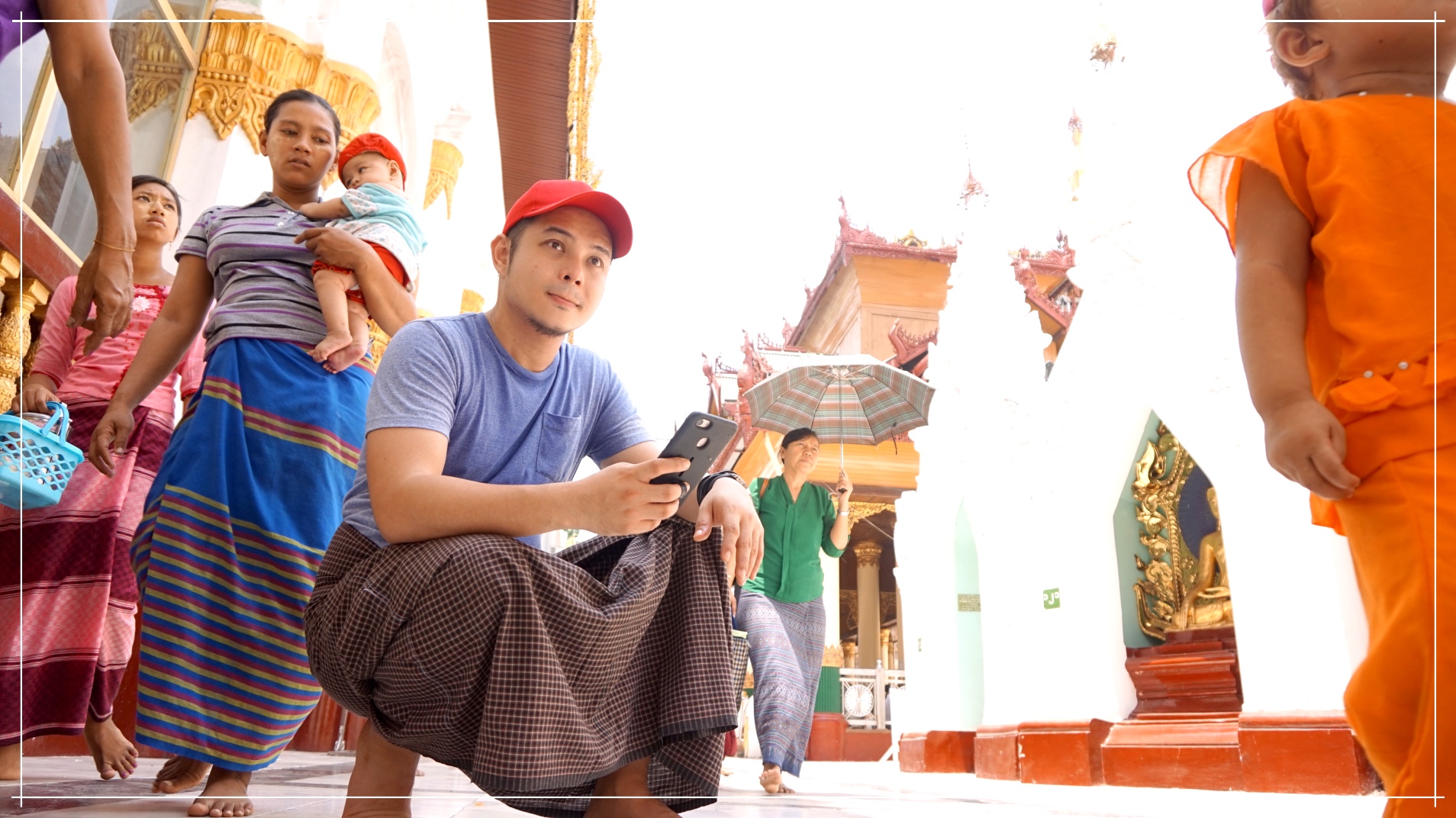
  • Find better facial angle. Oh di ba, nagmamaganda?

  • Create Dynamic Poses. You can play different movements and framings to level up your composition. This is definitely impossible to do when using a selfie stick. Another advantageous feature of the Image Edge App is that also has a timer option that can delay the shot on your camera.
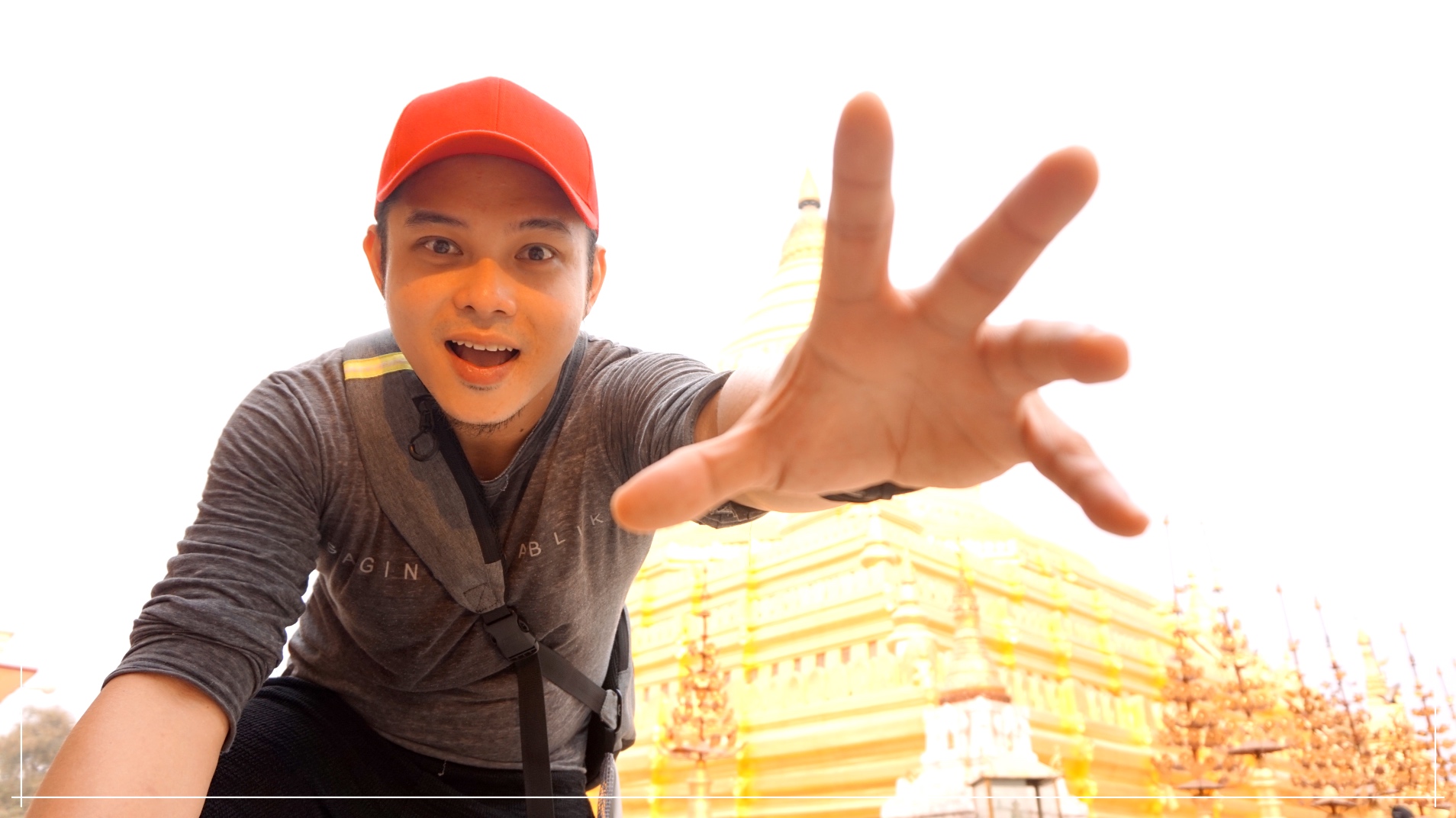
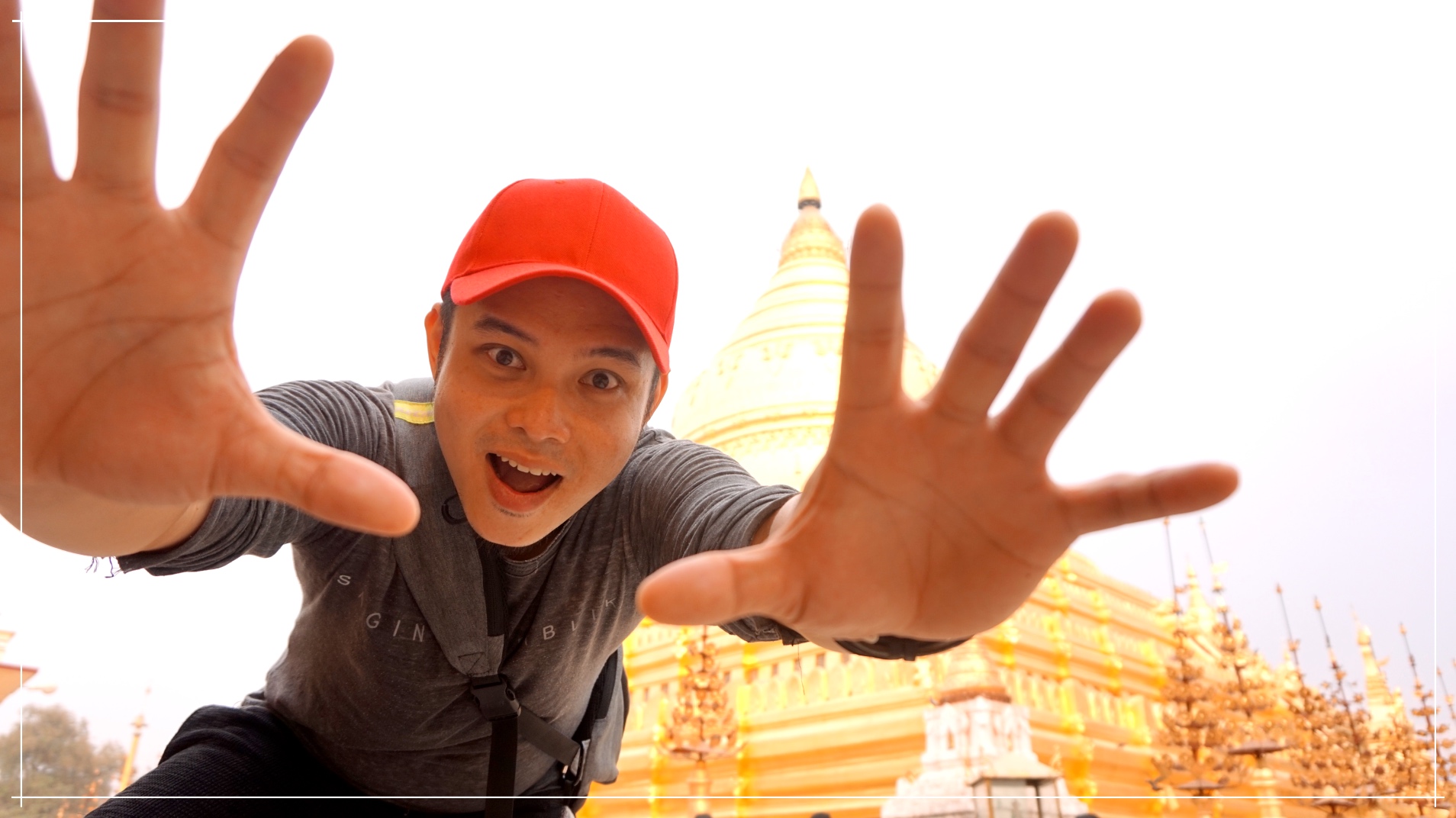
 

  • Play on Distance. Wide frame or close ups, pwede! This feature is camera dependent though. My Sony allows 10-15 meters distance. But I believe most cameras do. baka nga better pa.

No help, no production team—completely solo.

Possible Cons:

  • Since you’ll be placing your camera at a distance, always keep an eye on it for snatchers and kawatans.
  • Hiding your handheld mobile phone is a challenge for beginners. But this can easily be solved. You’ll probably develop your own technique din.

So basically, that’s it! Easy-breezy, right? Kaya nyo din yan. Practice lang. I myself, beginner’s level pa din in terms of creativity. There will always be room for improvements and more inspirations to absorb.

For more Advanced Selfie techniques, follow Sorelle Amore (@Sorelleamore) on IG. She also handles the @advanced.selfie IG page, which I also follow.

For more photo samples, click on—> Bagan Itinerary Blog.
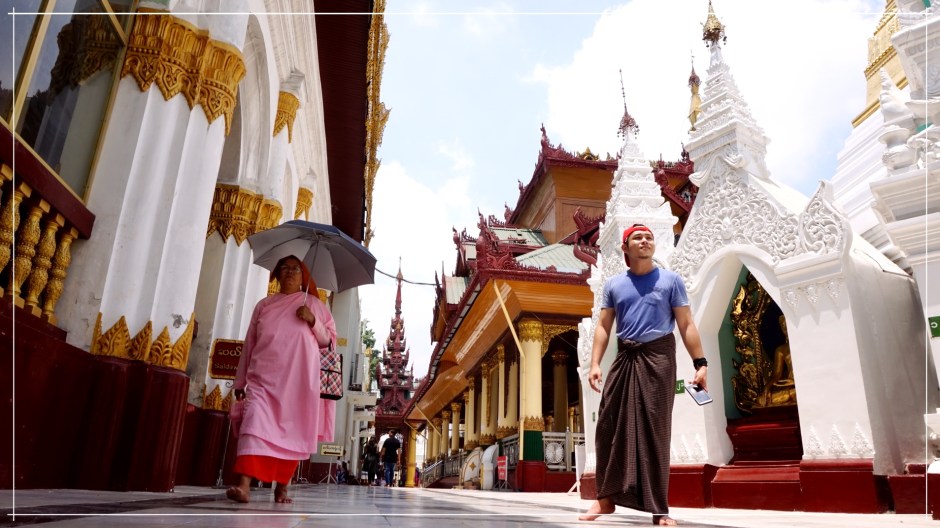
Day Tour Around Yangon and the Shwedagon Pagoda

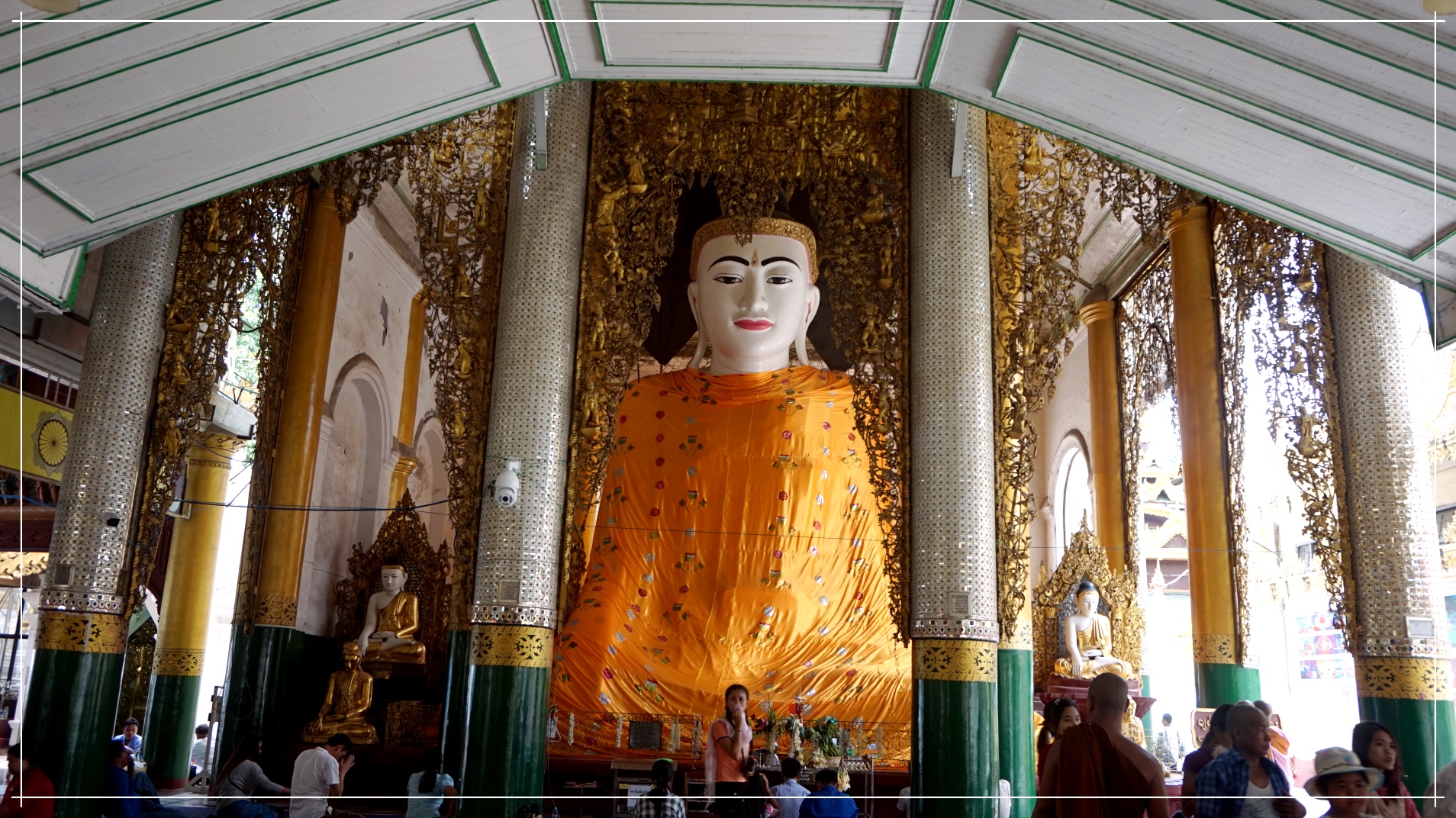
The Shwedagon Pagoda is one of the most famous Buddhist pagodas in the world and it is certainly the main attraction of Yangon,Myanmar. No visit to Myanmar is complete without a visit to this gold leaf-covered, centuries-old Pagoda, which is said to enshrine strands of Buddha’s hair and other holy relics.

The Shwedagon Pagoda in Myanmar is decorated with almost 10,000 treasures. Over half a ton of gold can be found under Shwedagon’s umbrella. It’s also set with over 5500 diamonds. Its main spire boasts 2300 rubies, sapphires, and other gems, and 4000 golden bells (Source: MMTimes).

When visiting, modest attire should be observed. Shoulders and knees should be covered. Upon entering, I was asked to borrow a Longyi—a traditional, sarong-style wrap around. A deposit of 3,000 Kyat (or around 150 Pesos) is required; which is also fully refundable. Footwear and socks are not allowed within the temple premises. Best to bring your own string bag to carry your shoes.

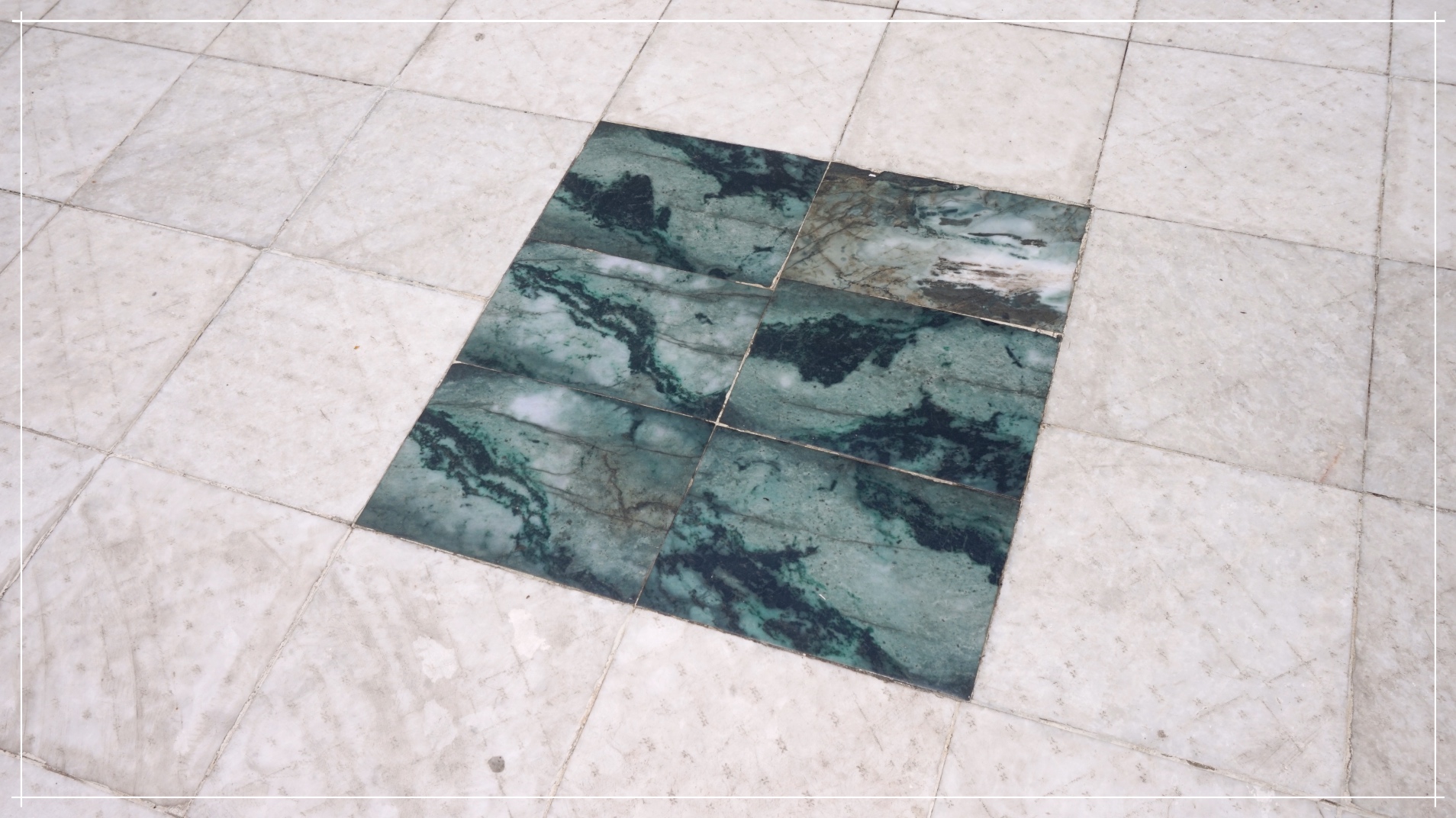
Best time to visit Shwegadon is early in the morning. Temperatures can climb to almost 40’C by noon, making the flooring hot on bare feet. Most of the paths and corridor flooring is made of marble slabs. There are also patches that are made of rare green marble, which is worth noticing.

The Pagoda is open seven days a week,4 a.m. to 10 p.m. Last admission is 9:45 p.m.
Entrance fee is 10,000 Burmese kyat (around 400 Pesos)
There are 4 entrances to the Pagoda (North,South,East,West). Elevators and wheelchairs are available at the North and South entrance.
There are drinking water dispensers at certain stations within the temple grounds. Water is safe to drink, but it’s best to bring your own mineral water.

Getting there is easier by taxi;though many north bound public buses from Sule pass by the area. When staying near Sule, it is best to ask the tourist assistance kiosk for proper bus route.

—–0——

Other Places to See Around Yangon in a Day

Random snapshots of Yangon city center, with the Sule Golden Pagoda as the main landmark. The white building on the left side is the city hall. Most of the public transportations terminate here, including airport buses.

Yangon is generally Buddhist, but there are also catholic communities within the city. 

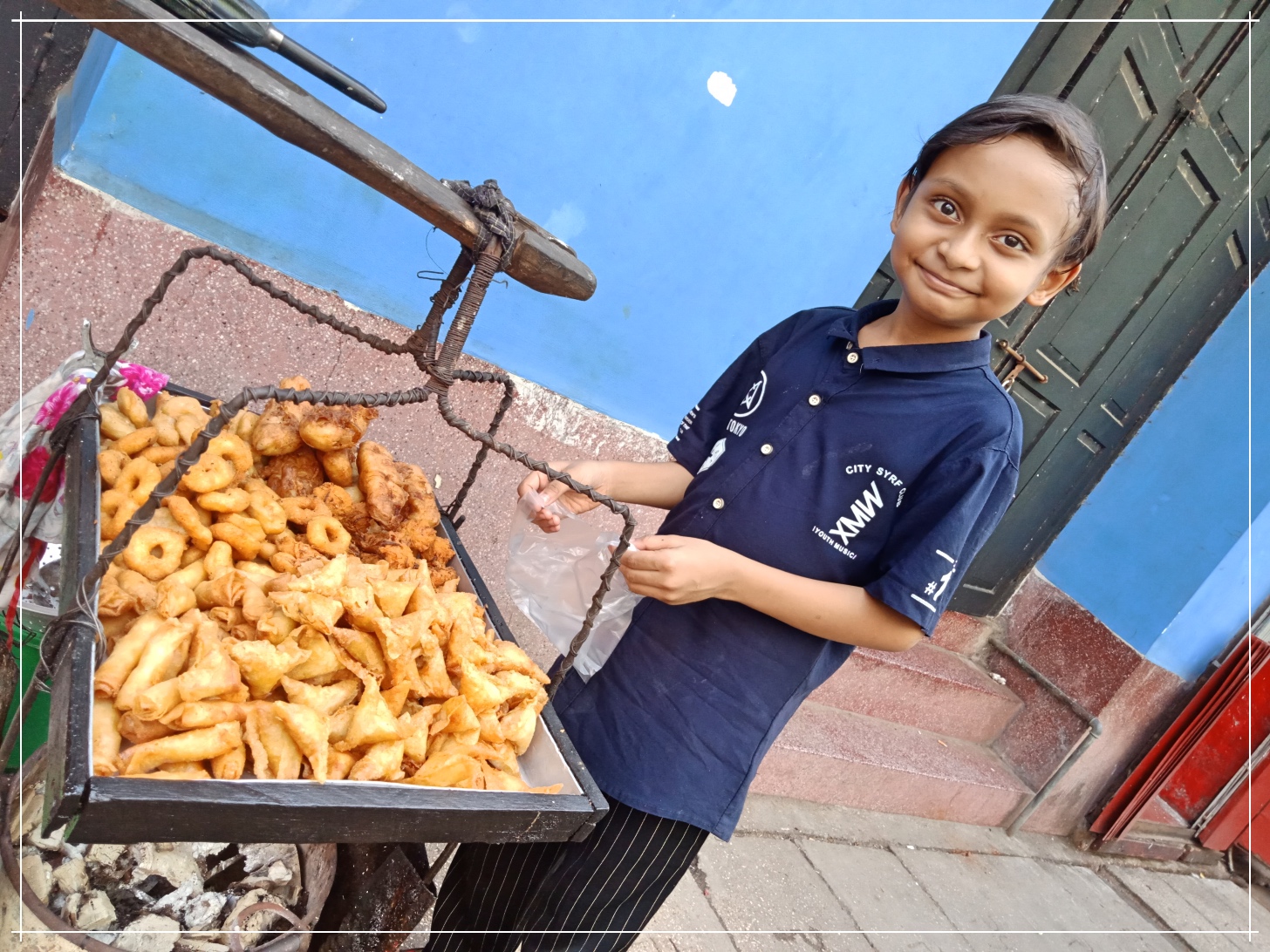
random samosa. strong indian influence
Shan Noodles. Yangon’s specialty. mildly spiced. slightly sweet. with a hint of fish sauce.

Where I stayed in Yangon:

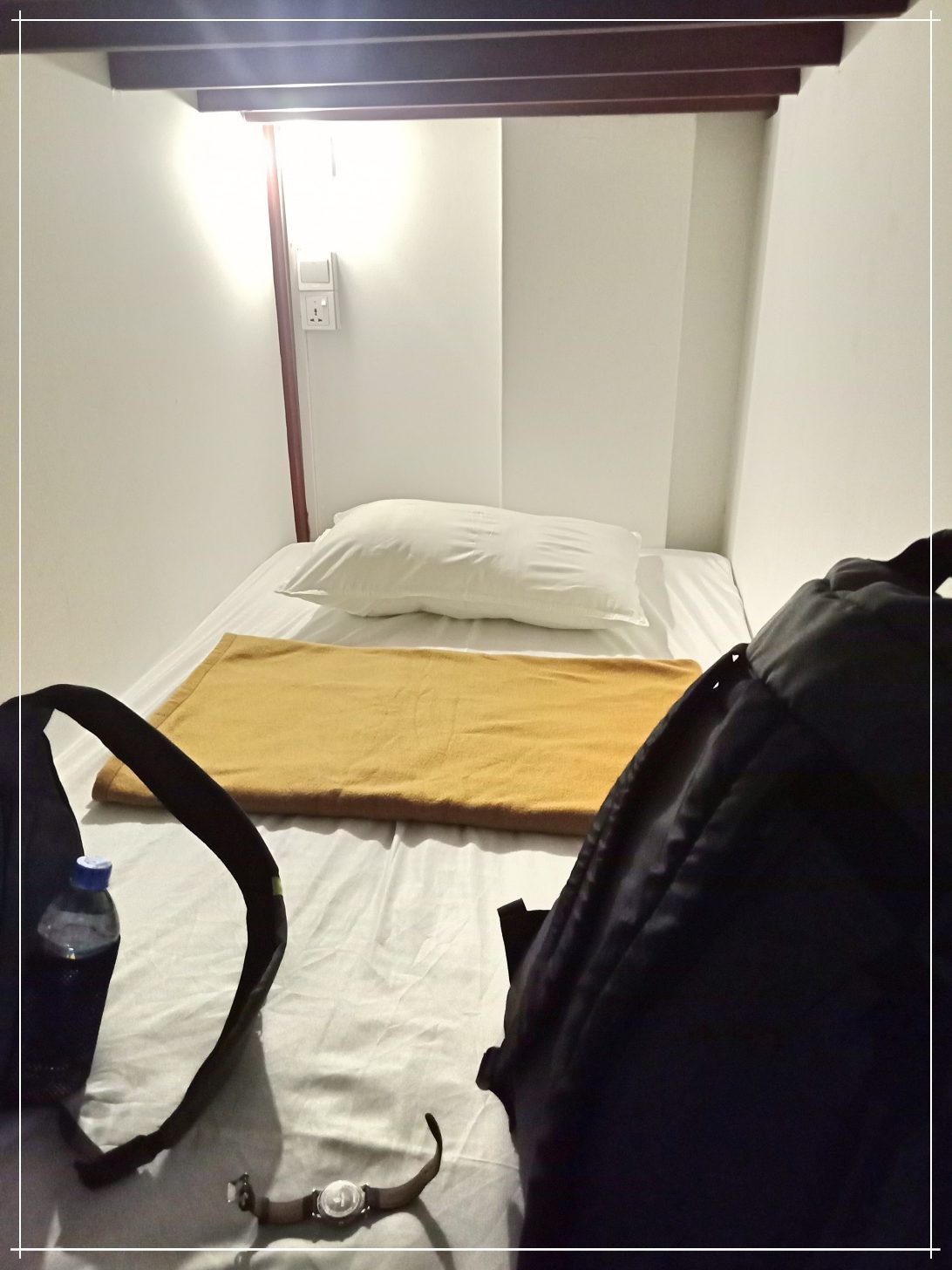
Wizaya Hostel, located just at the back of the city hall near Sule Pagoda. I actually didn’t stay there overnight, as I only had less than 24 hours in Yangon. Arriving at 6AM from Bagan by bus, I only needed a place to freshen up and safely leave my bags while I go around the city. Hostel costs around 5000 kyat (250 Pesos).  Place is ok for “Check-in Anytime”. I didn’t have to wait for 12 nn to settle.  Location is very convenient to public transportation. Almost all routes terminate at Sule Pagoda/city hall, including the red airport buses.

Related Links:

Complete Myanmar 6 Days Itinerary with Costing

Things to Know Before Flying to Myanmar 

Bagan Itinerary

Mandalay City Photoblog

One Day in Mandalay:A Photoblog

Mandalay is home to several of Myanmar’s Architectural Treasures. The airport arrival gives a clear hint of what awaits at the city centre.

Kuthodaw Pagoda – A Unesco World Heritage site known for its intricate architecture and hundreds of brilliant white pagodas.

Myanmar’s traditional architecture is primarily used for worship, pilgrimage, storage of Buddhist relics and tourism. Buddhism plays a strong influence in architectural character.

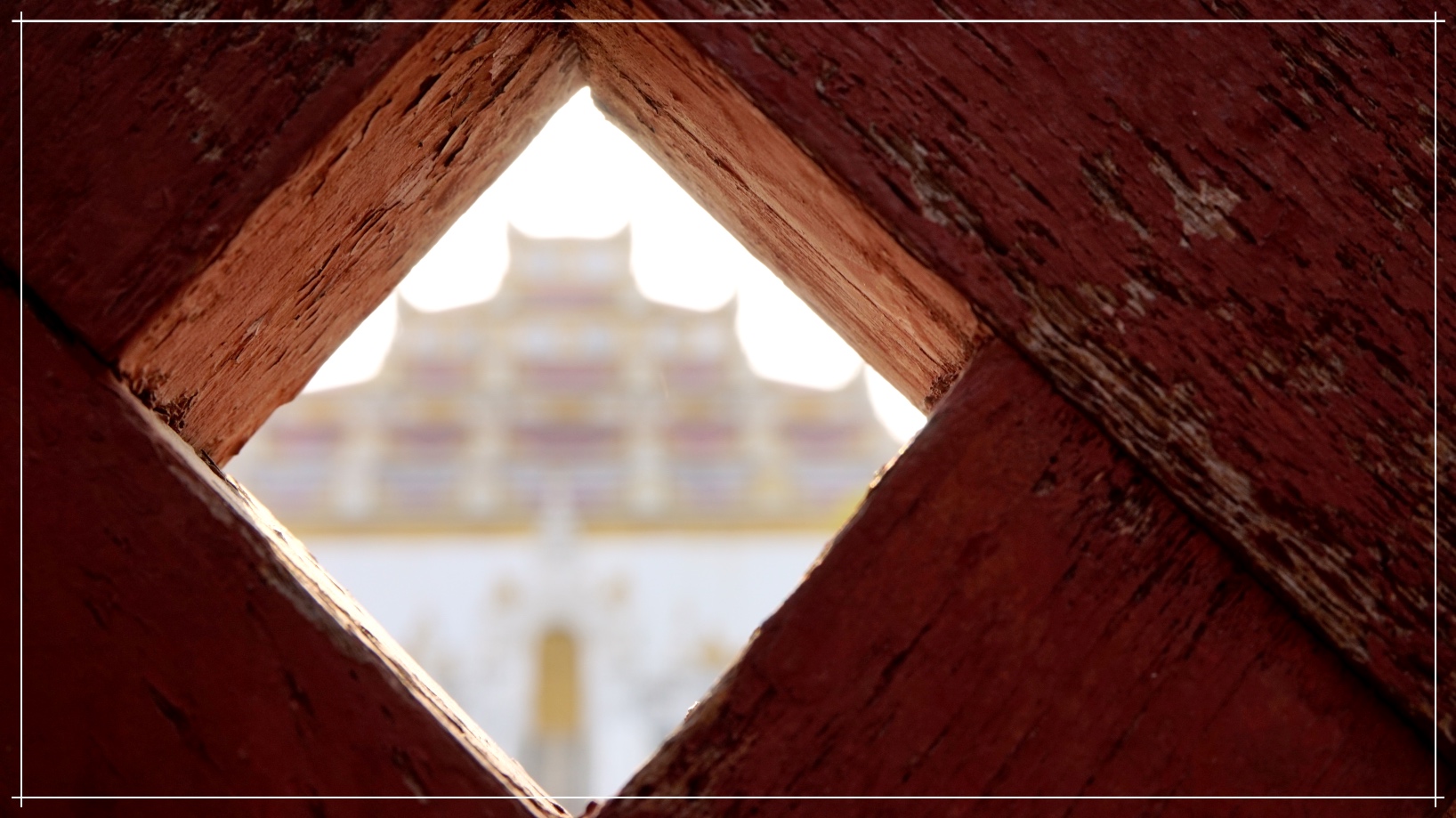
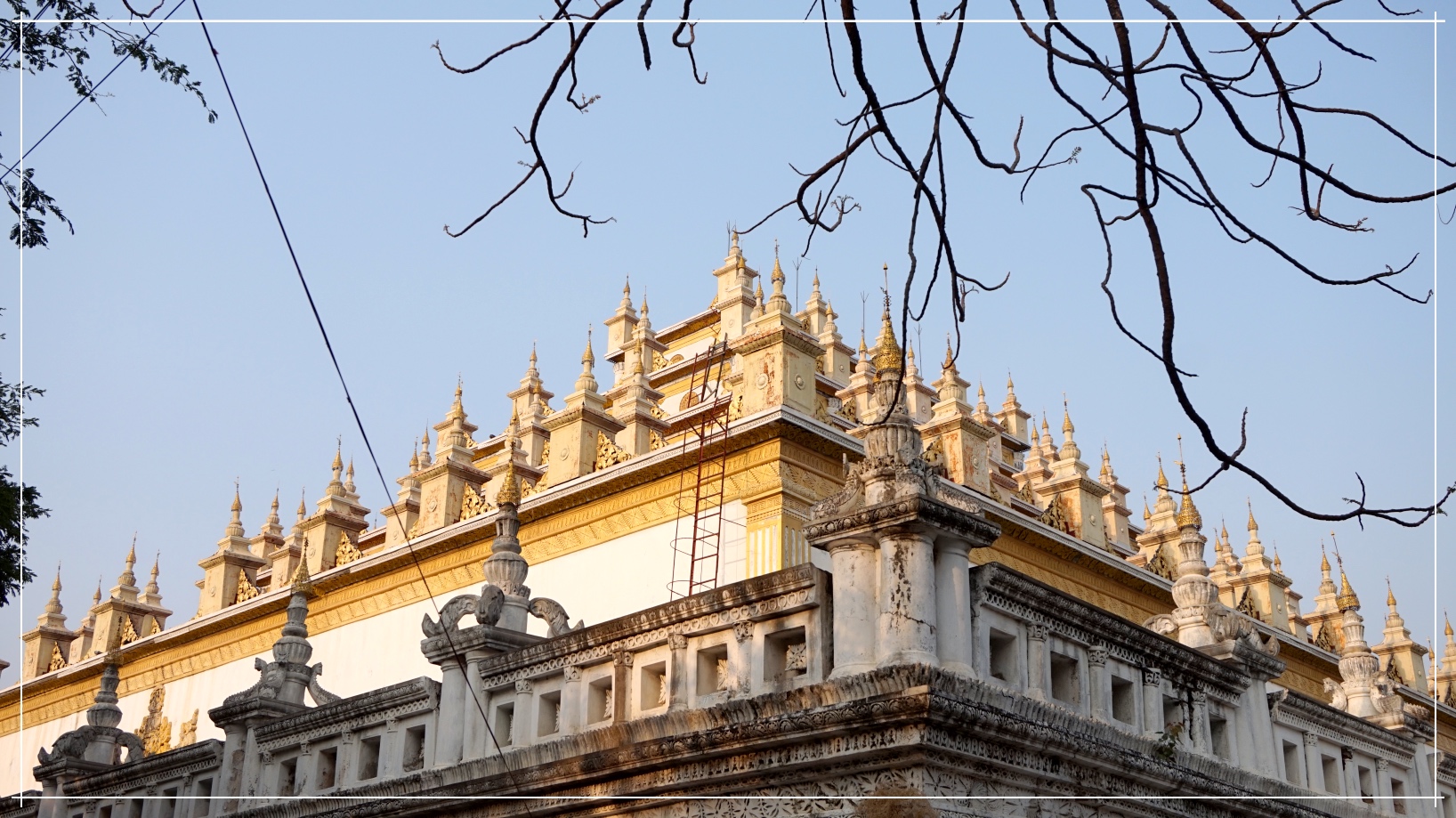
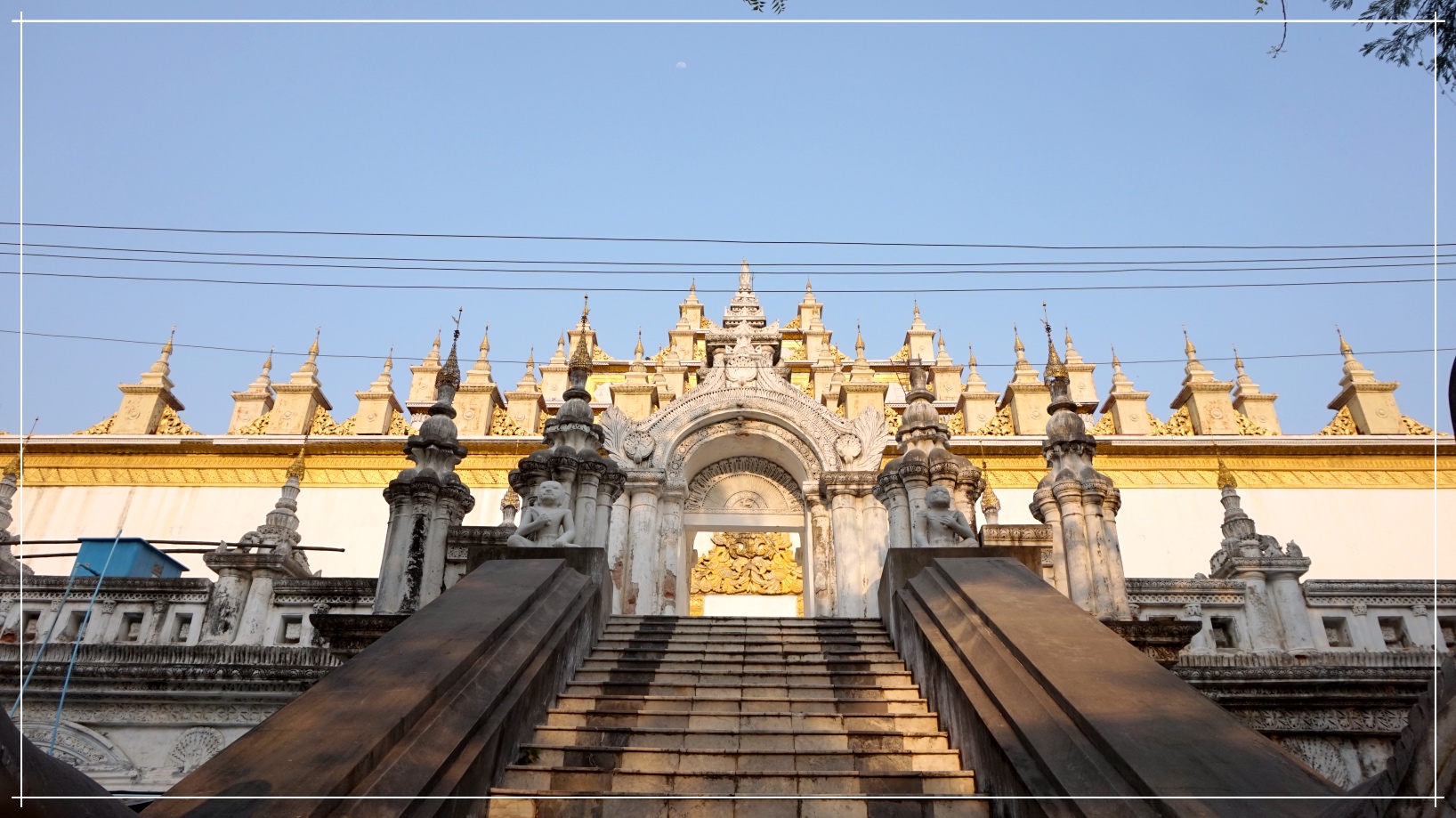
Maha Atulawaiyan Kyaungdawgyi (Atumashi Monastery)

Random shots around temple vicinity

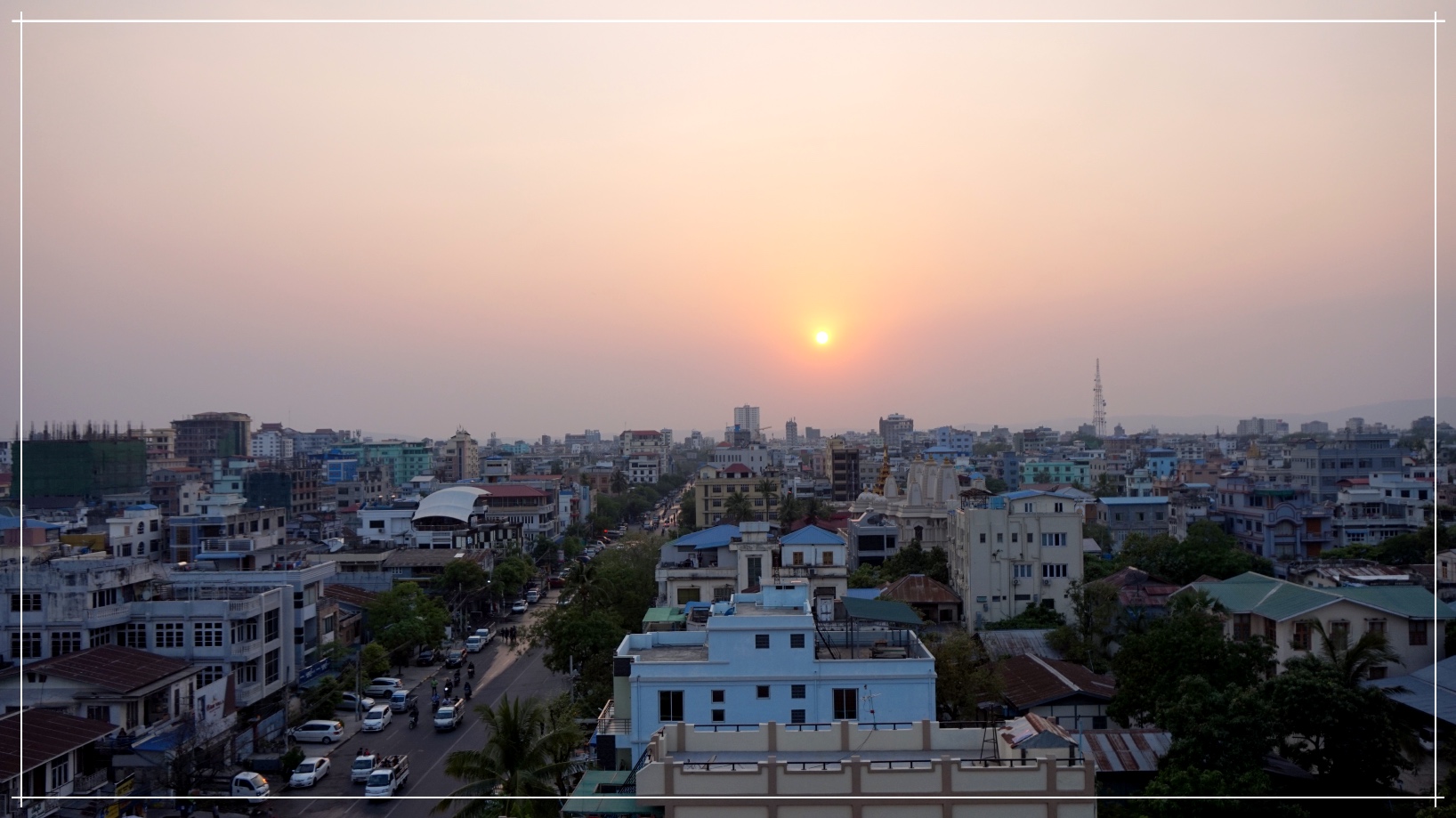
Mandalay City Centre as seen from the 7th floor of Ostello Bello Hostel, where  I stayed.

For complete travel details,accommodation and costing, click the following links:

6 Days Myanmar Sample Backpacking Itinerary

BACKPACKING MYANMAR:PRACTICAL TIPS FOR FIRST TIMERS

EIGHT Best Spots in Bagan for Photo Opportunity

This blog features 8 best spots in Bagan for Architecture appreciation, sunset experience or for an advanced selfie session with less crowd. Hope this helps.

Bagan is an ancient city and a UNESCO World Heritage Site located in the land-locked Central Myanmar Region. As revered believers of Theravada Buddhism, the Bagan kings built over 10,000 Pagodas throughout 104 square kilometer area. Over 2,200 still survive to the present day.

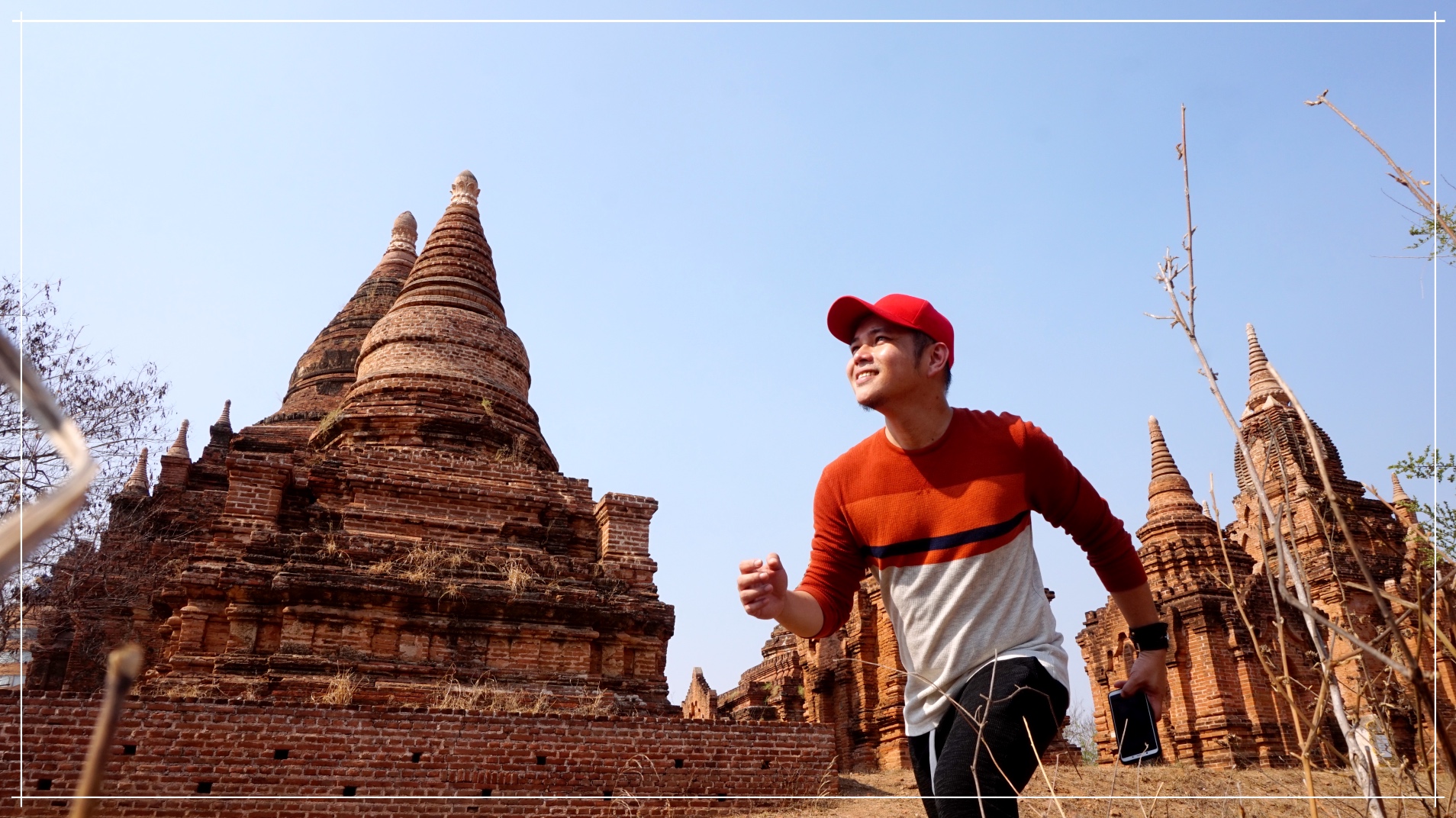
Bagan is heaven for architecture junkies and photo enthusiasts.However, it is not necessary to visit all the 2,200 pagodas. Here is a shortlist of the must sees that I was able to visit, which I also find good for photo opportunities; advanced selfie man or with the whole Mark Nicdao entourage, Chos!

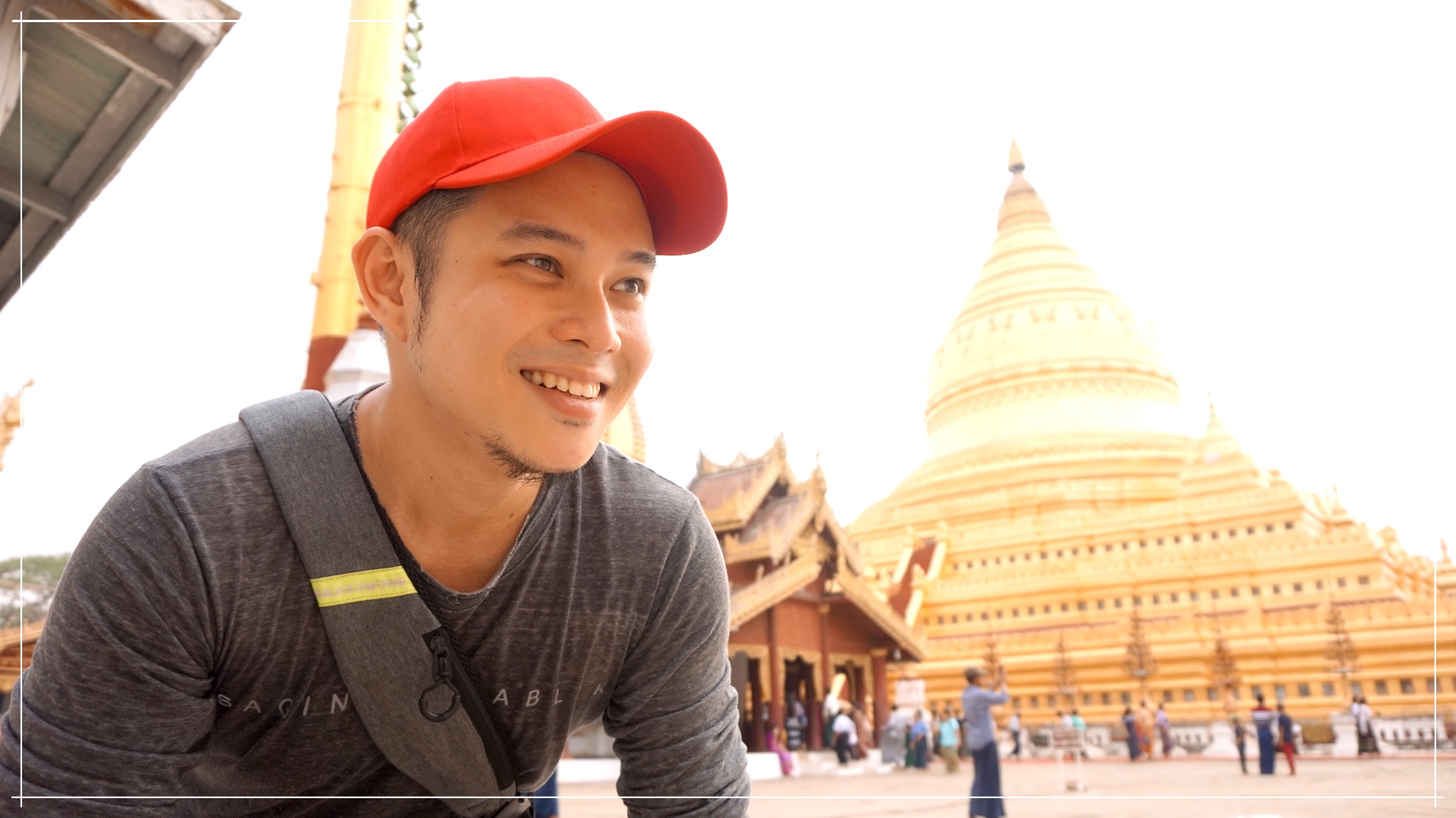
  1. Shwezigon Pagoda was among the first sites that I’ve visited, as this was only a 20 minutes walk from my hotel in Nyaung U. Shwezigon is one of the oldest and most impressive monuments of Bagan, and is still used as a main place of worship for Buddhist locals. Most noticeable is the huge gold plated pagoda glimmering in the sun. Architecture detailing is superb!
Construction is believed to have started in the 6th century. … By the 16th century, the Shwedagon Pagoda was already an important Buddhist monument for pilgrimage in Burma (Myanmar).

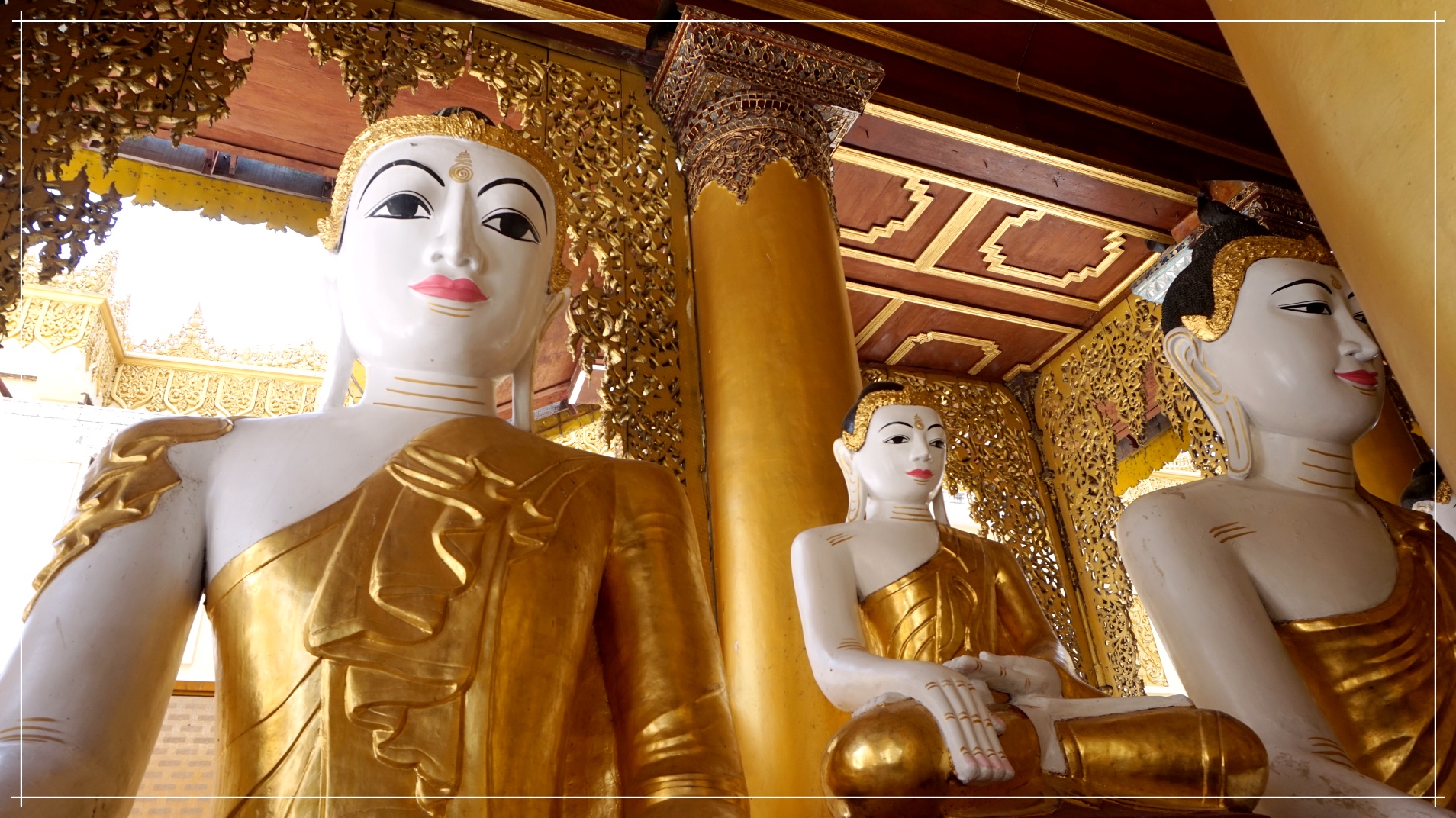
2. ANANDA PHAYA . The Ananda Temple is a cathedral-like temple popular for its grandeur and proportion. The floor plan of Ananda resembles a Greek cross. The center hall bears four Buddhas, standing about nine feet tall and made from gilded wood.

3.Thatbyinnyu temple – The tallest in Bagan. The view from the back side is great for photo op. Not much people go there. Aside from Thatbyinnyu, there are several lesser pagodas on this area.

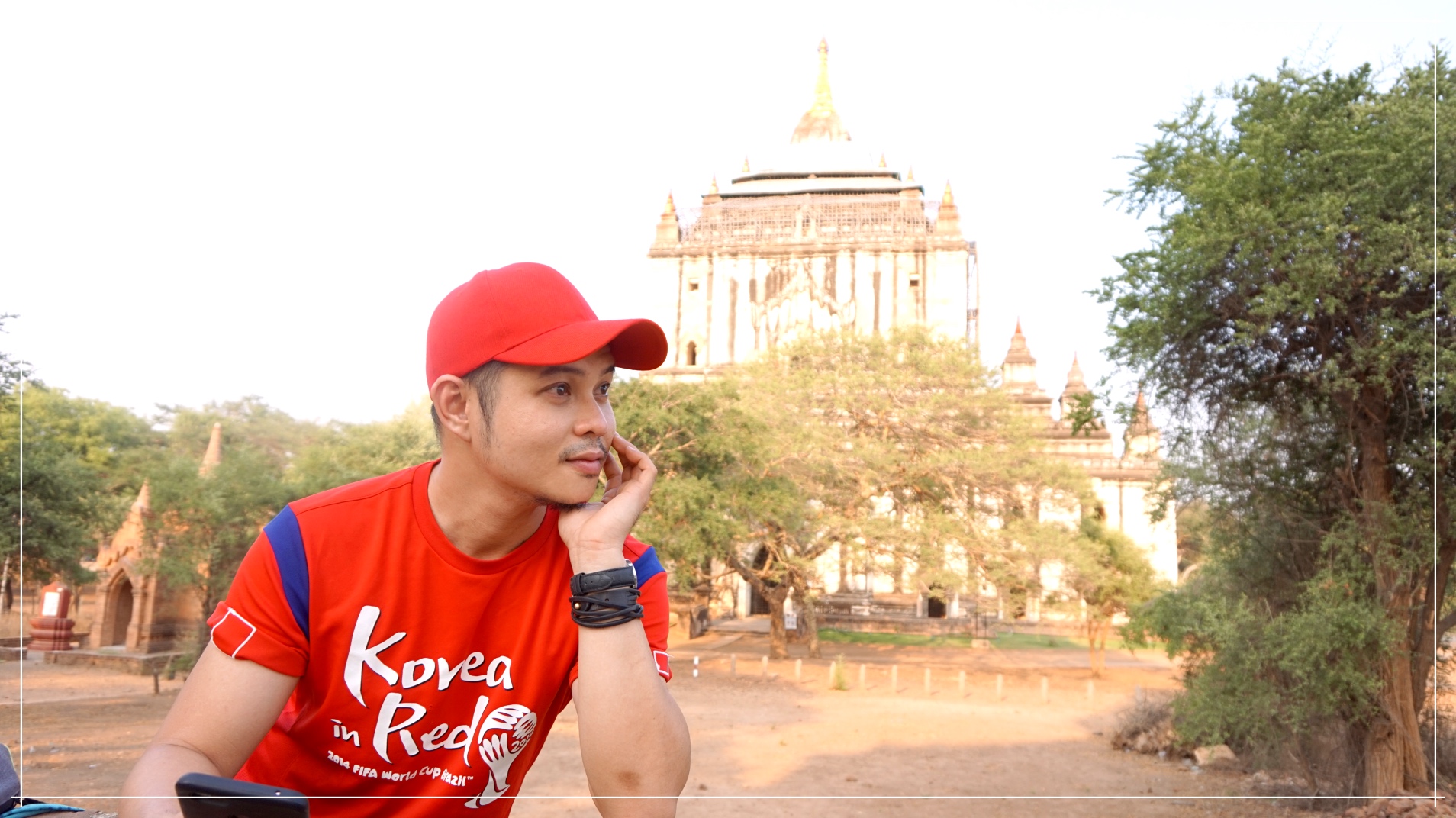
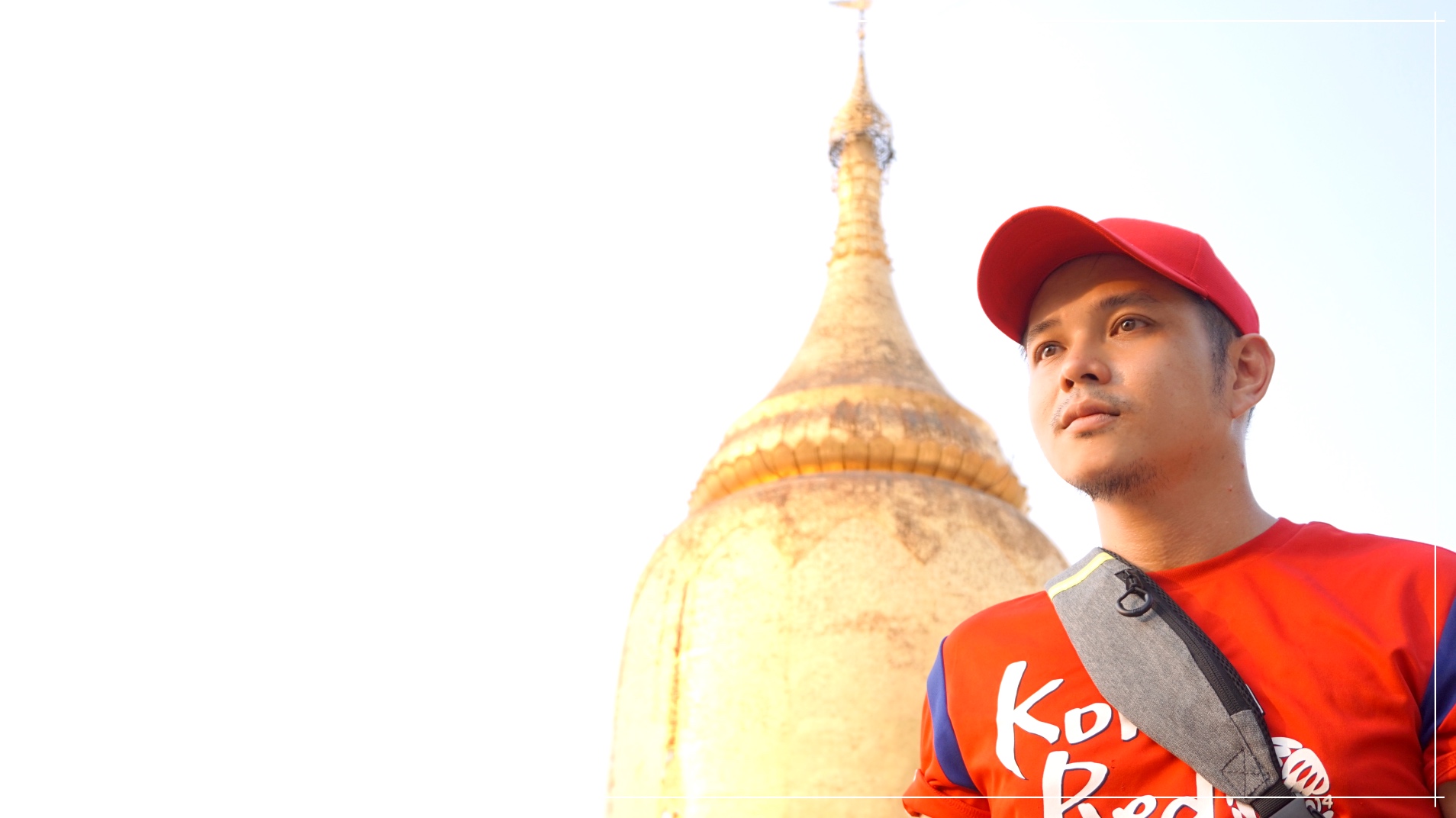
Me trying to look pretty despite the + 40 Degrees Celcius heat

4. Dhammayangyi Temple. The largest temple in Bagan. However, only part of it is accessible. For an unknown reason, much of the interior has been sealed behind brick walls. This structure was built by a very controversial Bagan King, who was said to have assassinated his own father to take the thrown. Sad legends are linked to this building.

5. Sulamani Temple . known as the “crowing jewel” of Old Bagan with well preserved frescos and murals. Sadly, the center tower was toppled down during the recent earthquake. Just outside Sulamani is a small hill where tourists position for a good sunset viewing.

6. Bu Paya Waterfront Temple. Best sunset views over the Irrawaddy River. 7. Lawkananda Pagoda. The popular temple in New Bagan, rarely reached by tourists. A bit distant from the popular clusters in Old Bagan. This Pagoda is packed with locals during worship days.

8. Cluster of Pagodas near Nan Myint Tower. Not much tourists explore this area as it is also off path from the Old Bagan Cluster. Photo Op is very good! Best to visit this cluster in the afternoon, and proceed to the Tower for sunset viewing and dinner.

Things to know:

A fee of 25,000 Kyat or 20 USD is mandatory to all foreign visitors. Ticket covers all sites within Bagan Archeological Zone (except for the tower) and is good for 5 days. Payment is settled before entering major temples (Ananda, Dyammayanggi etc.)

Myanmar is strict  with dress code and “no shoes” policy before entering. Modest outfit is a must. You’ll be asked to rent a sarong if you are wearing shorts. It is also best to wear slip ons or prepare a pouch for your footwear, which you shall be taking off several times; including socks. The concrete foot path gets scorchingly hot. Sometimes, you have to step on bare ground with sharp pebbles.

Bagan is divided into 3 areas.

  • Old Bagan – most of the temples and pagodas are located here.
  • New Bagan – where most of the local communities settle. The lively side of Bagan for backpackers.
  • Nyaung U – commercial district of Bagan where the bus and train station, government offices and banks are located. I opted to stay here for easy access to the market and other facilities.

More preparation tips and hostel recommendations on this link  —>>>

BACKPACKING MYANMAR:PRACTICAL TIPS FOR FIRST TIMERS

6 DAYS IN MYANMAR:SAMPLE ITINERARY

6 Days in Myanmar:Sample Itinerary for First Timers

I spent P 35,000.00 for 6 days in Myanmar, including taxes and plane tickets. I am sharing with this blog my costing and day to day itinerary for future reference. Hope this helps.

I did the tri-city Mandalay-Bagan-Yangon route with modest choice of backpacker’s accommodation, comfortable transportation and an appetite that is always full. Real talk, pwede pa babaan ang budget na ito. Medyo mahal kasi yung ticket na nakuha ko pauwi, like i booked late. Also, I went during Thingyan Festival. My choice of public transportation were limited.

For preparations and planning tips, read more on  —>>>https://iamjosemanuel.com/2019/07/21/backpacking-myanmarpractical-tips-for-first-timers/

Day to day itinerary (Detailed costing is given at the end):

Day 1 – Travel time. Manila – Bangkok – Mandalay via low cost airline. Arrived late afternoon

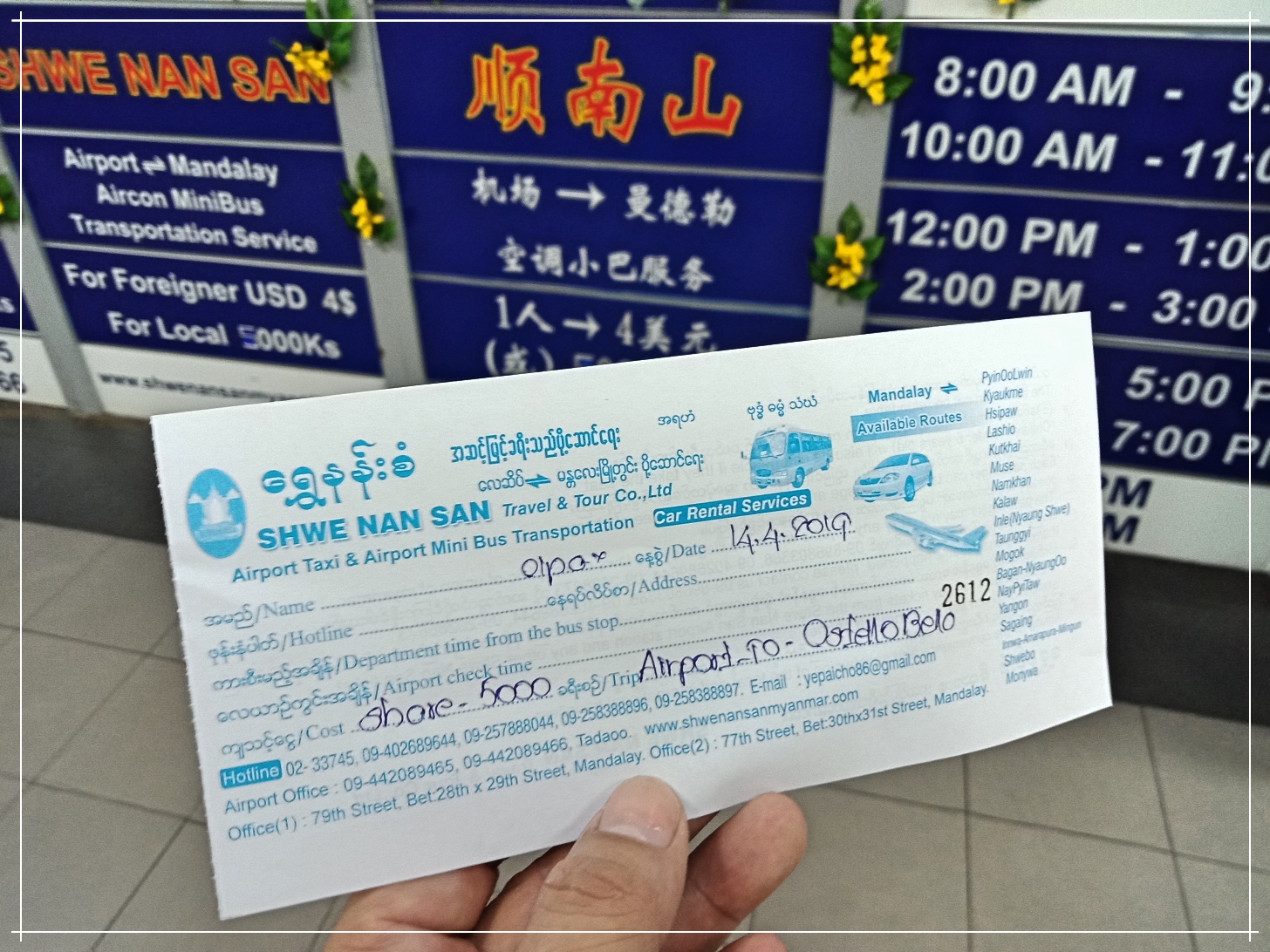
Arrival Area – Mandalay Airport. Blue bus leaves every other hour to downtown, which is 40 minutes away.

Bus Ticket 5 USD with hotel drop off.

View of Mandalay city center

Where I stayed in Mandalay — Ostello Bello Hostel Mandalay. Located just two blocks from the Royal Palace. Hostel has good reviews at Agoda. Ostello Bello is actually an international brand which also operates in Italy. Hostel has an elevator.


Day 2 – Explore Mandalay City Center.

Kuthodaw Pagoda – A Unesco World Heritage site known for its intricate architecture and hundreds of brilliant white pagodas.

Shwenandaw Monastery – Interior and exterior is made entirely of hand-carved teakwood.

I was not able to visit Mandalay hill as the roads were closed for the Thingyan Festival.

Day 3 – Travel time. Mandalay – Bagan. 5 Hours by Tourist Bus (including hotel drop off). Arrived after lunch. Visited Shwezigon Pagoda – a 25 minutes walk from my Hotel. Explored Nyaung U district on foot.  Checked out the market and the Lacquerware factory,which Bagan is popular of.


Where I stayed in Bagan —> Royal Bagan Hotel, located in Nyaung U, the commercial district of Bagan. I’m giving high reviews to this hotel/hostel, for their buffet breakfast (like real food, rice, local dish, noodles fruits and pastries). They also have a swimming pool. I paid P 415.00 Pesos only per night (Dorm Type-Shared room).

Day 4 – Whole day tour around the archeological site of Old Bagan. Hired a motorbike with driver because I don’t know how to drive. hehe. The rent agency is just outside of Royal Bagan Hotel. Prepare for a very dusty ride.

I will upload a separate blog for the must sees in Bagan. Wait lang, mga teh!

STRICT DRESS CODE. Bagan has more than 2000 Pagodas. It is quite expected that visitors will do multiple temple hopping in a day. Myanmar is strict with dress code and “no shoes” policy before entering. Modest outfit is a must. You’ll be asked to rent a sarong if you are wearing shorts. It is also best to wear slip ons or prepare a pouch for your footwear, which you shall be taking off several times; including socks. The concrete foot path gets scorchingly hot. Sometimes, you have to step on bare ground with sharp pebbles. Bringing of wet wipes and alcohol is highly suggested. Climbing to the top of the pagoda is strictly prohibited.

Day 5 –  AM – Mount Popa Shared Tour c/o a travel agency outside the hotel.

Mount Popa is the most important site in Burma for Nat pilgrimage. The Nats are spirits who have been worshipped all over Burma for many centuries. They were probably worshipped before the arrival of Buddhism. Since then Buddhism and Nat worshipping have gradually merged over the centuries.

Met fellow Filipino travelers on this tour.

PM – Bagan Nan Myint Tower. Enjoy the sunset. Not much people visit the nearby cluster of lesser pagodas. Bigger chance to take good snap shots without the crowd.

I already brought with me my Bag as I went straight to the bus station after dinner. Took the 7/8PM Min Thar Bus to Yangon. Overnight bus ride was pleasing, with international standard seat sizes and is reclinable. Comes with a blanket, pillow, bottled water and a vanity kit. Intercity overnight train is a cheaper option bit will take 18 hours or more. It was also unavailable during my visit because of Thinyan Festival.

Day 6 – Arrive in Yangon at 6 AM.  From the bus terminal, i hopped on Bus 31 to Yangon city centre, which is around an hour away. Bus stops at the city hall in front of Sule Pagoda, which is considered the center of Yangon.

Where I stayed in Yangon —> Wizaya Backpackers, located just at the back of City Hall. Walk in lang. and  they do not have a fixed check in/check out time, which was good, since I arrived 7 AM. I actually paid a bed just so I could leave my things and take a bath. I did not sleep there na as I am already flying back to Manila that night. It would have been nice though to have more time to see Yangon. I see a lot of quaint restaurants near the hostel. I might go back to Yangon mainly for the food.

I had the whole day to see Sule Pagoda, Shwedagon Pagoda and the local Market. There are several markets at Bogyoke where prices of Jade and other semi precious stones and accessories are cheaper compared to Bagan.

The Sule Pagoda. prominent landmark of Yangon. most city buses usually terminate here or nearby. From Sule Pagoda, you can also ride the RED Public bus that connects the City center to the Airport. Bus runs every 30 minutes. Red Bus is easy to spot, or just ask the police at the stop over.

Shwedagon towers up close

The main pagoda is under refurbishment when I went. It is said that the topmost part of this structure keeps gold and other treasures of Myanmar. A museum beside this displays photos of the treasures.

Most of the footpaths in Shwedagon are made of Marble, which absorbs less heat of the sun compared to concrete. Some footpaths are made of solid semi precious Jade.

One of the markets in Bogyoke. 

Evening – Travel back to Philippines via Singapore.

— End of Trip —

Cost Breakdown:

Related blog posts on Myanmar:

BACKPACKING MYANMAR:PRACTICAL TIPS FOR FIRST TIMERS Days in Myanmar: Sample Itinerary for First Timers

uploading soon :

Focus Bagan : Unesco World Heritage Site

Focus Mandalay : The Burmese Old Ways

Yangon Tour in Less Than 24 Hours

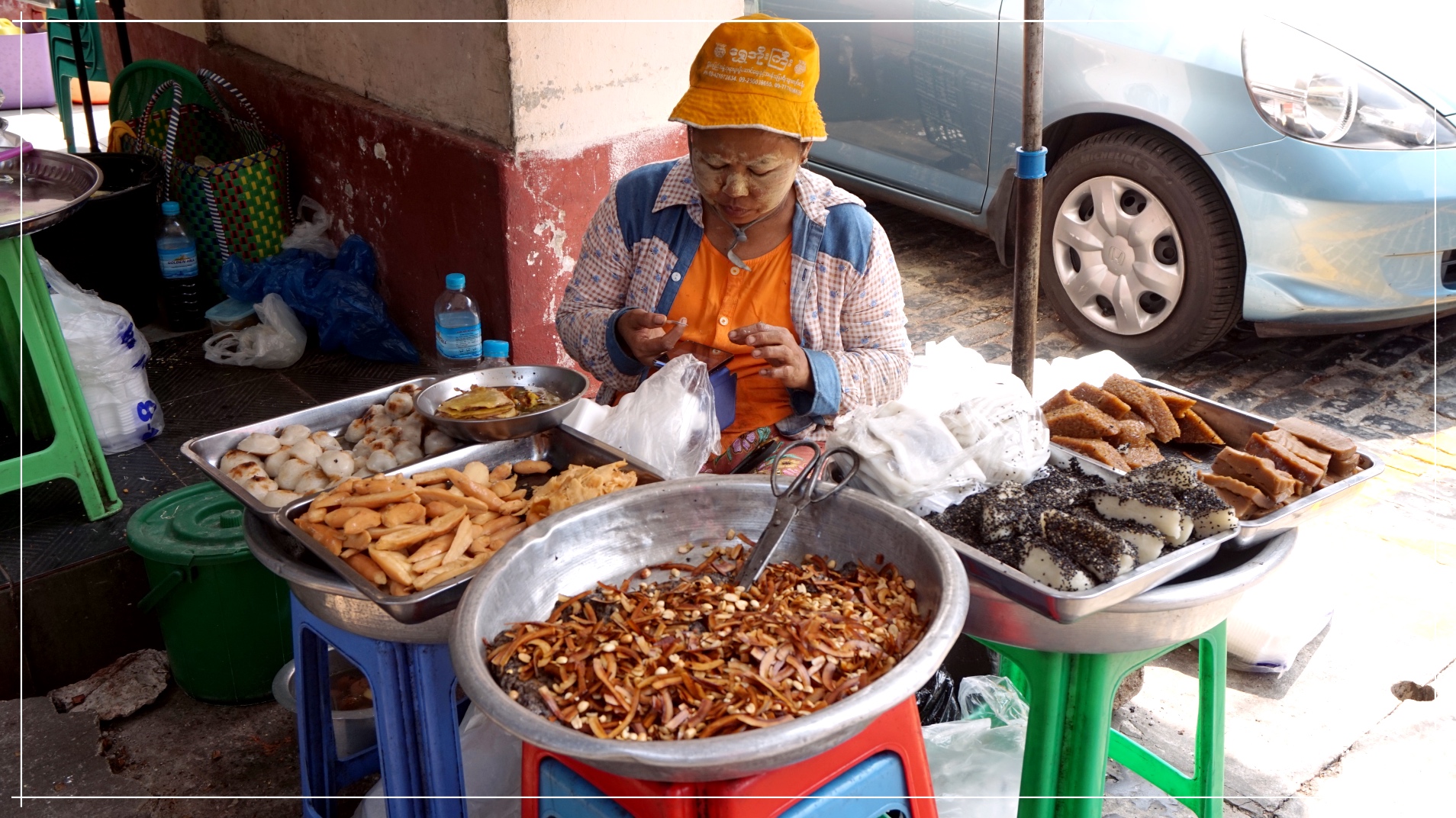
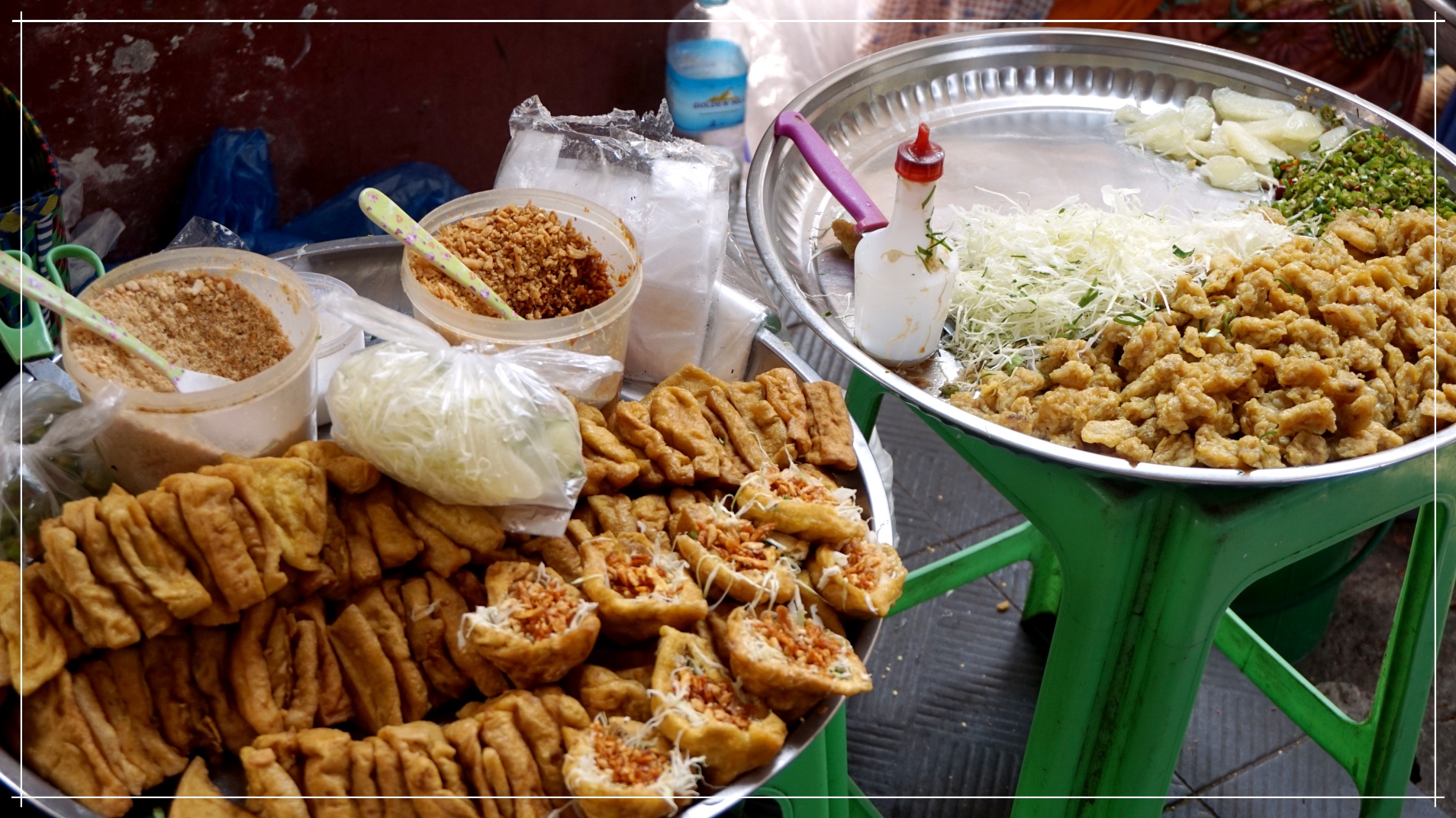
Burmese Street Food

Backpacking Myanmar:Practical Tips for First Timers

Myanmar today is quickly becoming a popular travel destination amongst Pinoy Travelers. Myanmar is VISA Free for Filipino tourists. And just recently, the City of Bagan, Myanmar’ cradle of civilization and one of the world’s richest archeological treasures, has been named as a UNESCO World Heritage Site.

General things to know for Myanmar first timers (plus other practical tips based on personal experience),

  1. FLIGHT. We do not have direct flights yet from Ph to Myanmar. I took a flight from Manila to Bangkok (3.5 Hrs.) and another flight to Mandalay City,Myanmar (2 Hrs.). Metro Manila is 1 hour and 30 minutes ahead of Myanmar.  My flight details are given on the next article.
  2. IMPRESSION. The country was under five decades of army-imposed hibernation during the later half of the 20th century. As it recently opened its doors to the world, Myanmar is relatively new to the tourism industry; though international standards naman ang facilities nila. Hotels are very good. Intercity transportation is established. Airport to City public transportation is well arranged. Myanmar is a mass of land that sits between India, China and Thailand. The Country is divided into 17 provinces. Mandalay, Bagan and Yangon are key cities, with the later as the biggest and most developed. Yangon, I say, is comparable to Ho Chi Minh, or Cebu. Cebu is actually a bit more advanced, I think, in terms of business and mercantile.

    Downtown Mandalay

    Downtown Yangon with the Sule Pagoda as the prominent landmark.
  3. UNIQUE EXPERIENCE. As dominantly Buddhist, Myanmar offers sacred temple experiences, historic cities and traditional ways of life that is totally different from ours. And unlike SG or Hongkong, konte lang Pinoy overseas workers in Myanmar. Relatively rare chance to hear tagalog during your stay. Spending days in Myanmar, you can safely say “Ayyy! Nasa foreign country talaga me! “.
  4. COMMUNICATION. Not everyone speaks english. Though personally, I did not encounter any communication problem. Most signs have a translation in english. Sim card for open line phones are also available upon arrival. Ph-booked pocket wifi’s also work well in city centre but expect to have little to no signal beyond the metro. Internet connection (Data Sim) is OK. Ph levels lang the speed. or slightly better.
  5. BEST TIME TO GO. Myanmar is hot all year round. Best time to go is during the cooler months from October to February. March and April are the hottest months and that is when I went. Awow! Brayt! Kung alam ko lang. lol. Yun kasi mura na ticket, that I bought on promo months before. My travel days, particularly in Bagan, scorched over 40°C.
  6. VISIT DURING A FESTIVAL? Myanmar reveres to its religious roots quite strongly as they celebrate Buddhist new year (Thingyan Water Festival) in the middle of April. During this time, locals flock Bagan pilgrimage sites to worship. As in, daming tao! Intercity public buses and trains, government offices cease operation for 3 to 5 days. Most tour agencies even take a break. Wala rin Hot Air Balloon Tours, which Bagan is popular of. Sakto, my booked dates fell on this, which greatly affected my Itinerary. Haha! Brayt again! So if you plan do an intercity travel with limited days, it is best not to go during the festival; or at least spend the whole 4 days in a single city. Hotels and most restaurants however, stay open to serve.
  7. STRICT DRESS CODE. Myanmar is a land of temples and pagodas. Bagan alone has more than 2000 in one cluster. It is quite expected that visitors will do temple hopping in a day. Myanmar is strict  with dress code and “no shoes” policy before entering. Modest outfit is a must. You’ll be asked to rent a sarong if you are wearing shorts. It is also best to wear slip ons or prepare a pouch for your footwear, which you shall be taking off several times; including socks. The concrete foot path gets scorchingly hot. Sometimes, you have to step on bare ground with sharp pebbles. In Mount Popa, I climbed 777 steps on foot. Hassle, but it is part of the overall travel experience for the books. Bringing wet wipes and alcohol is highly suggested. Climbing to the top of the pagoda is strictly prohibited.

    At Shwedagon Pagoda. Its good that most foot paths here are made of Marble, which does not absorb much heat compared to concrete.
  8. FOOD. Food in Myanmar is relatively affordable. Standard restaurant prices are comparable to Manila or probably a bit cheaper. Cheap food/street food options are also available. Local dishes are not complicated. Mostly rice meals, noodles  and lots of vegetarian options (because Buddhism) with practical influences from neighboring India, China and Thailand. Myanmar food is not as spicy as I expected. Their meat curry is not the usual-very fragrant meat dish that I am used to. Will be discussing more on food on the next articles.
  9. International food choices are available. But they do not have a single branch of Mcdonald’s today. I don’t know why. They do however have KFC in the big city of Yangon, but it is not popular to locals.
  10. Water however, isn’t cheap and free. Most restaurants do not offer service water. Sold by bottle talaga. The hostel where I stayed in Bagan do not have water dispenser. I bought pa from the market. 
  11. TRAVEL ROUTE. Most travelers start at Yangon and up. I, however, entered Myanmar via the Northern City of Mandalay. Bagan is 5 hours away by tourist bus. After Bagan, I took the overnight public bus to the Southern City of Yangon. It took me +10 hours. Overnight bus was pleasing, with international standard seat sizes and is reclinable. Intercity train is available and is actually cheaper, but is expected to take longer time. It was unavailable during my visit because of Thinyan Festival.
  12. TRANSPORTATION AROUND BAGAN. As the most popular site, I spend most of my days in Bagan. Getting around the city is mainly by tuktuk or Motorbike. Public Taxis are scarce.  Tourists can rent electric-charged motor bikes at at low price (around 250-400 Pesos only per day).  Will be discussing more of this on the itinerary blog post.

    me trying to be pretty despite the scorching heat

Follow up blog posts on Myanmar on these links.

6 Days in Myanmar: Sample Itinerary for First Timers 

Focus Bagan : Unesco World Heritage Site – uploading soon

Focus Mandalay : The Burmese Old Ways – uploading soon

Yangon Tour in Less Than 24 Hours – uploading soon