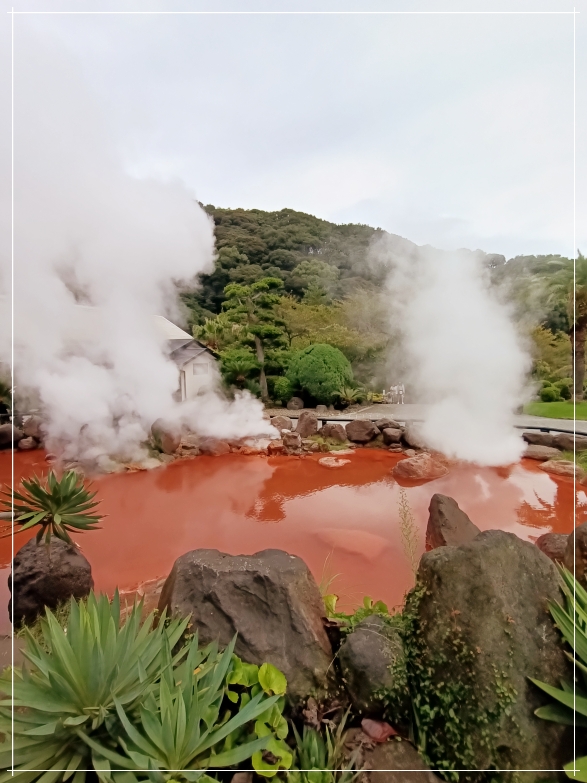
Is Beppu Worth Visiting?
Recently, I spent a day in Beppu City, in Oita prefecture, Kyushu; and I loved it so much, I had to write about it! Beppu is a relatively small city east of Fukuoka, with only around 120,000 in population. Though small in size, the city is greatly known as an onsen resort destination, with more than 100 public baths and spring resort-hotel and spa. ‘Onsen’ means hot spring, which is a big part of Japanese culture throughout their history. The word refers to the facility with hot bath houses (and sometimes with accommodation), that is built around the natural hot spring water source.


Apart from the hot spring resorts and spa, Beppu is also home to seven “Jigoku”, or “hells”, which are unique hot springs for viewing, (not for bathing). I enjoyed checking out the Hells of Beppu as they are certainly an interesting sight to see. Out of 7, I visited 2 that are nearest to the city center.
The Umi Jigoku (Sea Hell), is known for its striking blue color. This deep turquoise-blue pond is one of the most iconic and visually stunning of the Beppu hot springs. The color is a result of dissolved iron sulfate in the water and the way sunlight reflects off it. It’s a natural phenomenon, despite the water’s high temperature (around 98°C or 208°F), making it far too hot for bathing.


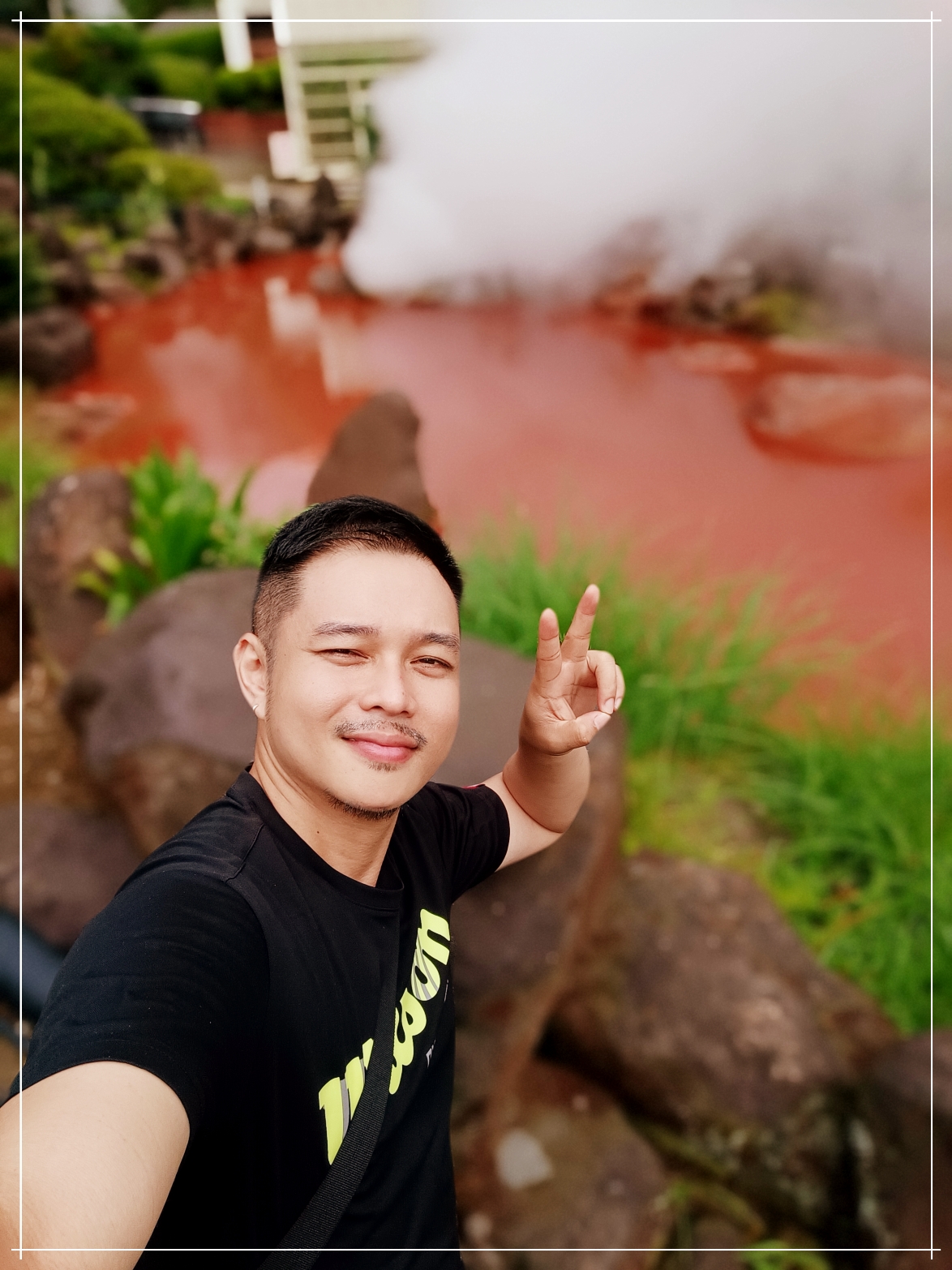
The red “hell” in Beppu is called Chinoike Jigoku, also known as Blood Pond Hell. It gets its distinctive red color from the high concentration of iron oxide and magnesium oxide in the water and volcanic mud. This unique phenomenon makes it one of the most visually striking of the Seven Hells of Beppu.
–
And since traveler tayo, I made sure to try the authentic japanese onsen experience. I chose to visit the oldest onsen in Beppu, the Takegawara Onsen, established in 1879. It’s known for its distinctive tiled roof and is considered a symbol of Beppu Onsen. The original building was rebuilt in 1938, but the current structure retains its historical charm, original stone-tiled floor and a high-ceilinged lobby made of solid wood.
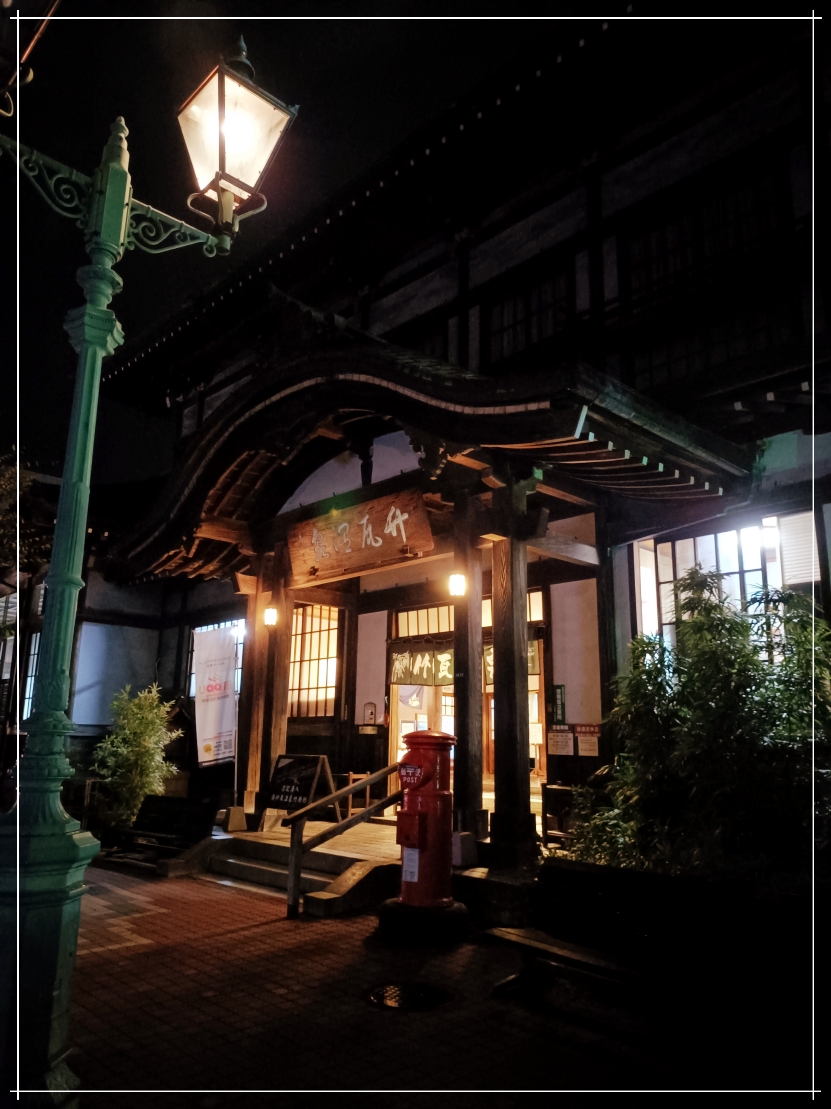
The Japanese government registered it as a Tangible Cultural Property of Japan (a place or object of high artistic or historical value) and charms visitors with a facade reminiscent of Hayao Miyazaki’s “Spirited Away.”
Takegawara Onsen entrance fee only costs 120 Yen (around 50 Php). I don’t have any photos of the interior kase bawal po. I shared bathing with mostly local people. The place definitely gave an old world feels, as the tiles and the ceiling were century-old already.


Where I stayed: Beppu Rojiura. 1 street away from the main train station. Only around 12 USD (800 Php) per night.


One of the most memorable meal I had in Japan was actually this quaint cafe/eatery at the corner of Hotel Rojiura. Its a family-run business where locals go for casual lunch or after work meal. No english menu, I just pointed what the person next to me ordered. Communication was definitely a challenge, but overall a memorable experience. It came as a surprise to me that my order was actually fish fillet. A good one, though. And the tomato-based ramen soup that came with the set was seriously good.

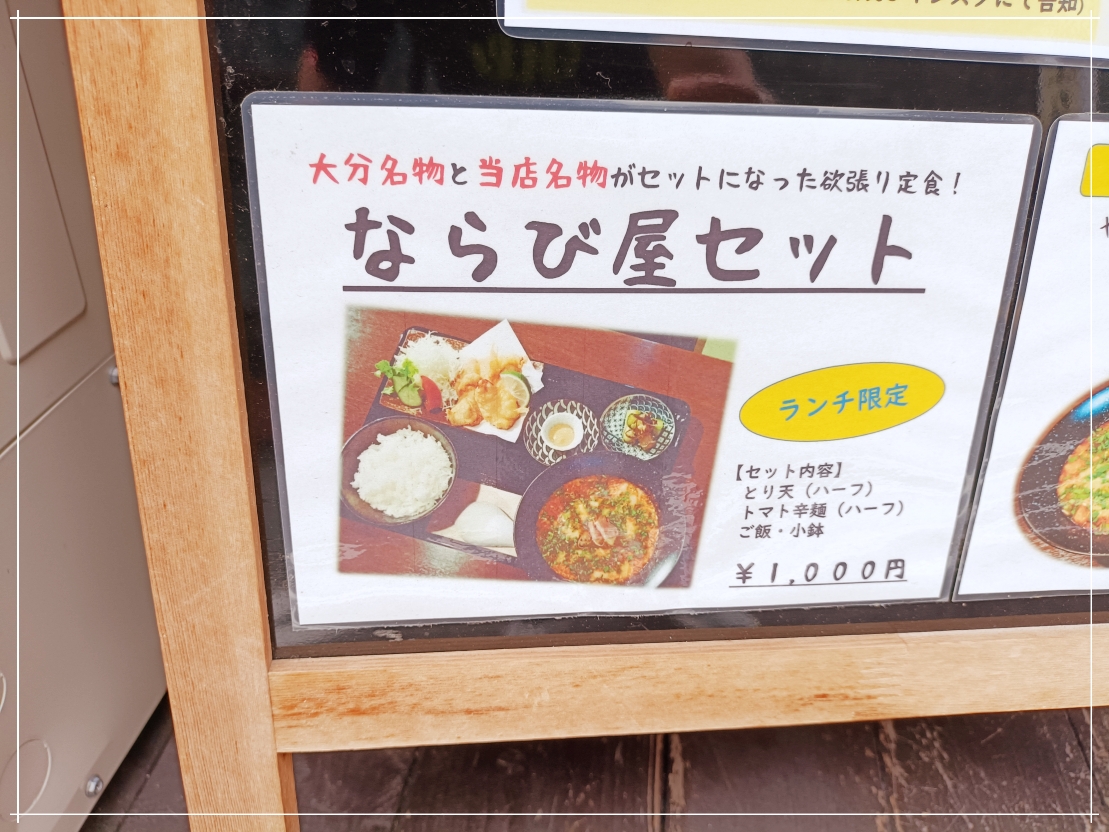
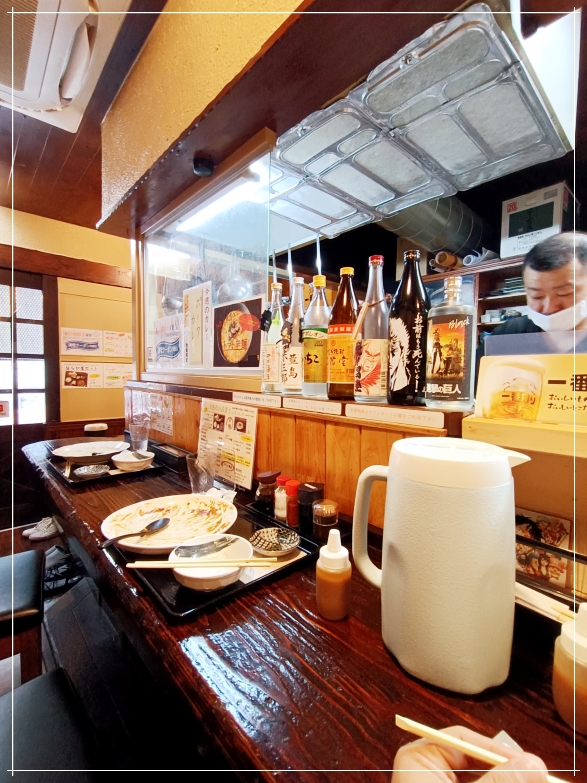
This set only costs 1000 yen with hot tea. For a dine in restaurant in Japan spending 1000 yen is already a great deal.
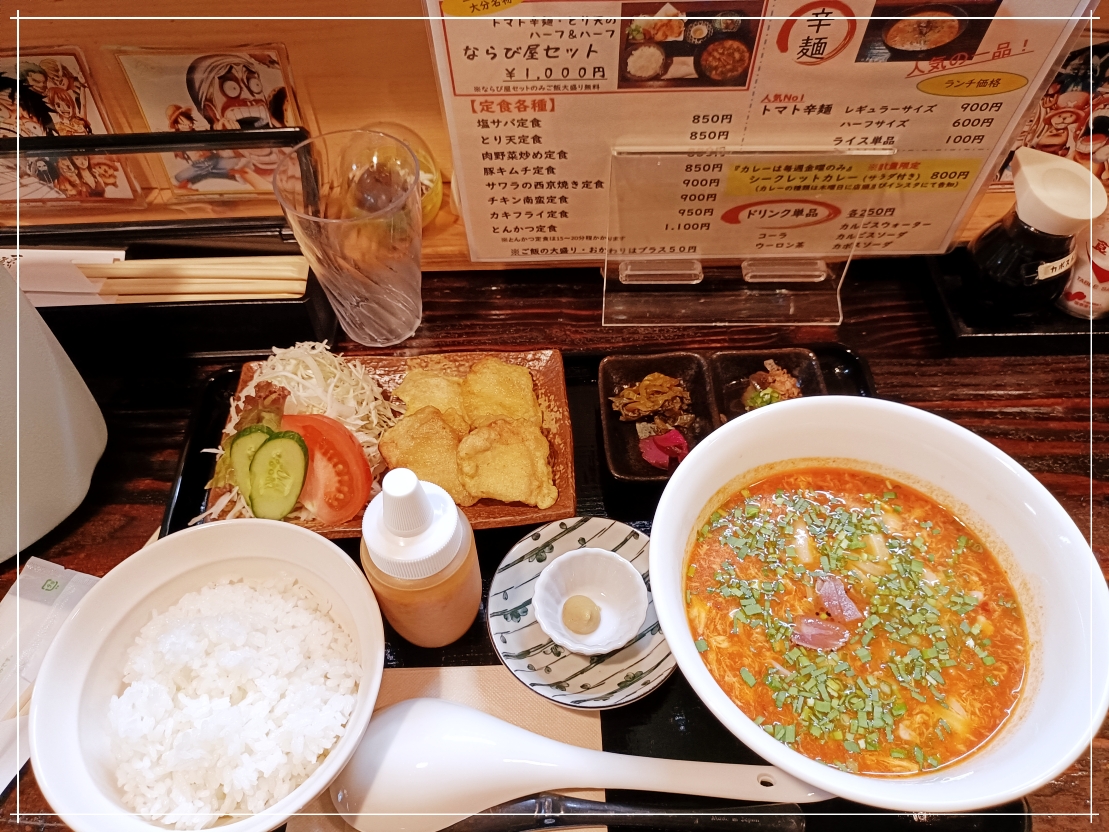
Based on my observation, Beppu is among the few cities in Japan with very little foreigners. The language barrier was definitely a challenge, but I don’t mind going back.
Beppu is around 2 hours from Fukuoka City by JR Train. And Cebu Pacific has direct flights to Fukuoka from NAIA in Manila.
 Travel + Lifestyle + Architecture Blog